“In our current era where technology bridges vast distances across the globe in the blink of an eye but isolates more and more people within their own digital silos, the need to revive “third spaces” in society has never been more relevant.”
In our current era where technology bridges vast distances across the globe in the blink of an eye but isolates more and more people within their own digital silos, the need to revive “third spaces” in society has never been more relevant. The rapid rise of social media, virtual teleconferencing, and remote work, while convenient, has inadvertently eroded the fabric of community life across the world. People now spend more time in their private homes or virtual worlds, leaving little room for real-world, in-person interaction and causing our social skills to atrophy.
This new reality has led to a society that feels increasingly fragmented, even though we are more “connected” than ever before. Reviving ‘third spaces’ as places that are neither at home nor at work, is crucial for fostering more community, improving overall mental well-being, and re-establishing a sense of belonging that is rapidly slipping away.
The concept of third spaces was first introduced by the sociologist Ray Oldenburg in the 1980s. Mr. Oldenburg argued that people need separate spaces outside of their homes (the first space) and workplaces (the second space) to relax, socialize, and build relationships. These third spaces are at the heart of community life, where casual encounters can lead to meaningful connections, new ideas can be exchanged, and civic engagement can flourish. Historically, third spaces have included places like cafés, libraries, public parks, community centers, and even religious institutions—venues that offer a neutral ground where everyone is welcome, and no one is excluded.
Third spaces are characterized by several key attributes: they are easily accessible to the public, offer a low barrier to entry, and are often inexpensive or free. The atmosphere is typically relaxed, informal, and conducive to spontaneous interactions. Unlike at work or even at home to some extent, people can let their guard down in these third spaces, making it easier to build authentic friendships and relationships. These third places provide a vital counterbalance to the isolated routines of home and work life, which can serve as anchors for community cohesion.
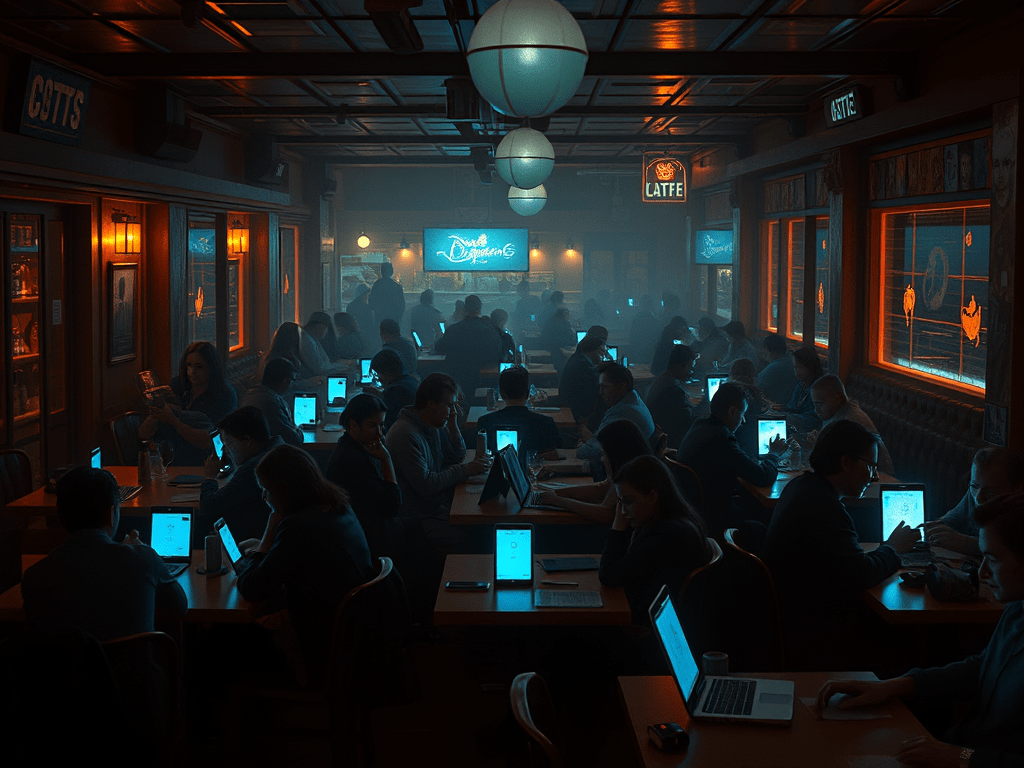
In the 2020s thus far, third spaces have been steadily disappearing from our society or transforming in ways that reduce their community-building potential. Many cafés and bars have morphed into workspaces, filled with patrons glued to their laptops, headphones in, and social interactions minimized. It doesn’t help when the music is blaring, and the focus is on making a profit rather than stoking conversation and comraderie.
Libraries, once vibrant hubs of communal activity, are often silent, with the rise of digital media and one-click access to books, music, movies, etc. These technological changes have reduced the need for people to physically gather there at the library even when they enjoy the nostalgia of it. Public parks are underfunded and sometimes ignored, and community centers struggle to keep their doors open amidst tight budgets and a lack of spreading the word around the town or city they want to appeal to.
The COVID-19 pandemic further accelerated this decline in third spaces. Lockdowns, social distancing, and remote work have made public gathering spaces feel risky, unappealing, or unnecessary. Even as restrictions have now eased or gone away completely, the habits formed during the pandemic continue to persist. People are increasingly content to stay home, order food and goods online, and engage with others through screens. This societal shift has left communities more disconnected and less resilient, especially to misinformation and polarization.
To address this growing disconnection, I believe that a society needs to reinvest in and revitalize these third spaces. Several types of third spaces are particularly worth reviving including the following:
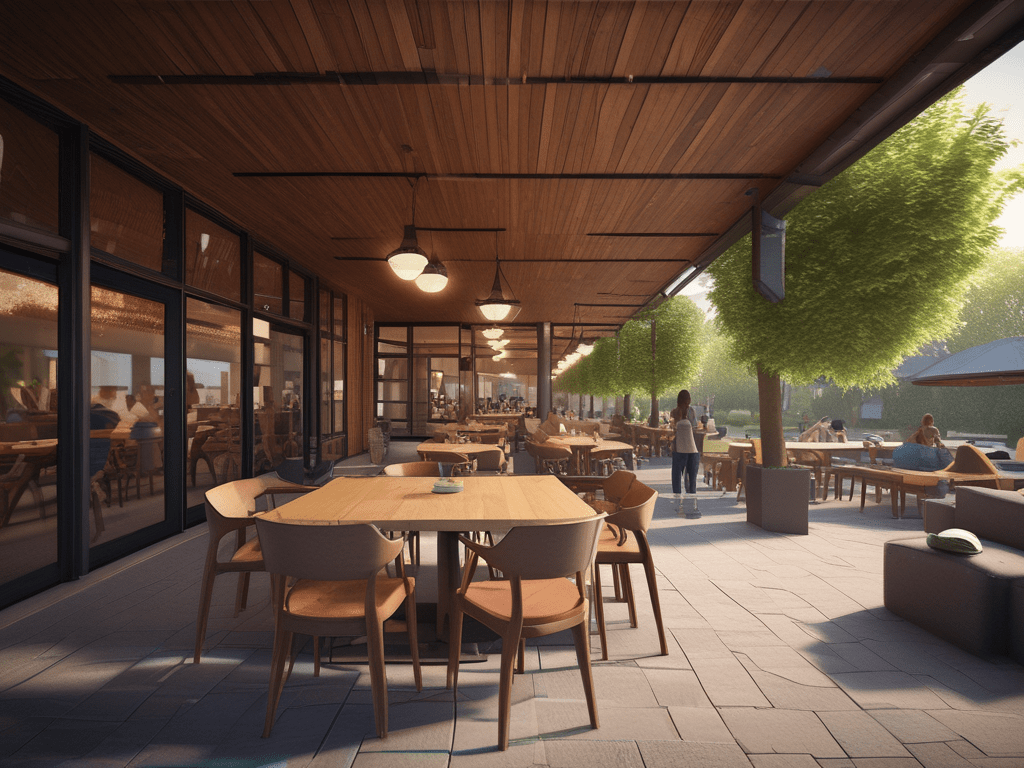
- Community Cafés: Cafés have long been the quintessential third spaces, but they need to reclaim their role as social hubs rather than workstations. Imagine local coffee shops with community tables, guest speakers, encouraging conversation between strangers, or hosting regular events like poetry readings or discussion groups. These spaces should foster interaction and connection, not isolation.
- Public Libraries: Libraries are one of the few remaining third spaces that are truly accessible to all, regardless of one’s socio-economic status. Modern libraries should expand their role as community centers by offering more than just books. They can host workshops, film screenings, art exhibits, and civic meetings on important issues going on within the community. Libraries can serve as the epicenter of a community’s cultural and intellectual life. They should also include events for people of different generations or even cut across generations for communal meetups.
- Public Parks and Outdoor Spaces: Parks and outdoor spaces provide the setting for unstructured play, exercise, and relaxation. These spaces should be maintained and expanded, with facilities that encourage community use—such as picnic areas, playgrounds, sports courts, and outdoor stages for performances. In urban areas, the creation of pocket parks or pedestrianized streets can make a big difference in encouraging public gatherings. I have always liked the idea of having street fairs that encourage artistic and musical expression from those people within a community. Outdoor exercise areas for adults are also a great way to get people out of the home especially when they don’t pay a price to take care of their physical health.
- Cultural Centers: Places that celebrate local arts, traditions, and multicultural experiences can serve as vibrant third spaces. These centers can host exhibitions, live performances, and hands-on workshops that bring diverse groups together. By emphasizing inclusivity and creative expression, cultural centers help bridge societal divides and foster a sense of shared identity. I would also extend the appeal of these centers to include a focus on learning different languages, having potlucks or dinner events where different cultures can express themselves to the community, they have a presence in.
- Co-Working and Maker Spaces: While many co-working spaces have become more like isolating offices, there is still a potential to redesign them as collaborative third spaces. These spaces can blend work and socialization by offering communal areas for shared projects, networking events, and skill-sharing sessions. Similarly, maker spaces—where people can create, build, and invent—can foster a strong sense of community among innovators, entrepreneurs, and hobbyists. Having night classes or bootcamp sessions for adults looking to reskill or to improve their skillsets is also a way of making co-working spaces appealing not only in the daytime but at night as well. If these places can lower their costs to the public or be free to a community, it would make a huge difference to those people who need its services.
Third spaces are more than just locations for socializing and learning new things, but they also play a fundamental role in the overall health and vitality of a community.
Here’s how that is the case in various ways:
- Strengthening Social Bonds: Third spaces foster relationships between people who might not otherwise cross paths or meet each other. These spaces allow for casual, spontaneous interactions that can lead to friendships, collaborations, and support networks. By creating environments where people can come together and engage with each other without the profit motive in the way, third spaces will help reduce feelings of loneliness and social isolation, which are on the rise in many parts of the world.
- Encouraging Civic Engagement: Third spaces often serve as venues for community discussions, grassroots organizing, and public forums. These spaces make it easier for individuals to get involved in local issues, volunteer, or participate in civic activities. When people feel connected to their community through shared spaces, they are more likely to take an active role in improving it. It provides a way for their voices to be heard and not ignored by those who hold power or hold public office.
- Promoting Diversity and Inclusion: In an increasingly polarized and divided world, third spaces can help bridge divides between people. These are the places where people from different backgrounds, professions, and viewpoints can come together on neutral ground to discuss important topics that matter to the community. In inclusive third spaces, everybody is welcome to partake, and everyone has an equal opportunity to participate, which can break down barriers between us and foster mutual understanding.
- Enhancing Mental and Physical Well-Being: The act of simply being around other people in a relaxed, welcoming environment can have significant benefits for one’s mental health. Third spaces offer a respite from the pressures of work and home life where you are always expected to play a role and do your part. Being able to provide people opportunities for recreation, relaxation, and emotional support away from those other two spaces is key to a healthier life. Physical third spaces like parks and recreation centers also encourage healthy lifestyles through outdoor activities and sports that everyone is welcome to join and use.
- Revitalizing Local Economies: Vibrant third spaces can breathe life into local economies regardless of whether it’s for a town or a city. When communities invest in their parks, cultural centers, and other public spaces, they attract traffic and interest to surrounding businesses. Small businesses like cafés, bookstores, and boutiques often thrive when they are near popular third spaces, creating a positive economic ripple effect.
In today’s disconnected age, the need to revive third spaces is essential for building healthier, more connected communities, which are lacking in many towns and cities these days. These ‘third spaces’, which are neither at home nor at work, provide crucial opportunities for socialization, civic engagement, and personal well-being.
By reimagining and reinvesting in community cafés, public libraries, parks, cultural centers, co-working spaces, and even new types of third spaces, we can restore the fabric of community life that is increasingly being frayed. In a time when loneliness and polarization are rampant, third spaces offer a powerful antidote—one that is more important than ever in the 2020s. Reviving these spaces is not just a nostalgic pursuit; it is a necessary step toward a more inclusive, resilient, and vibrant society.