Seeing The Multiplicity of Human Realities Through Travel

“To me, it’s also about seeing alternate realities in the sense that you get to witness how people around the world have distinct ways of living, thinking, and experiencing the world that challenge and even change your own perspective.”

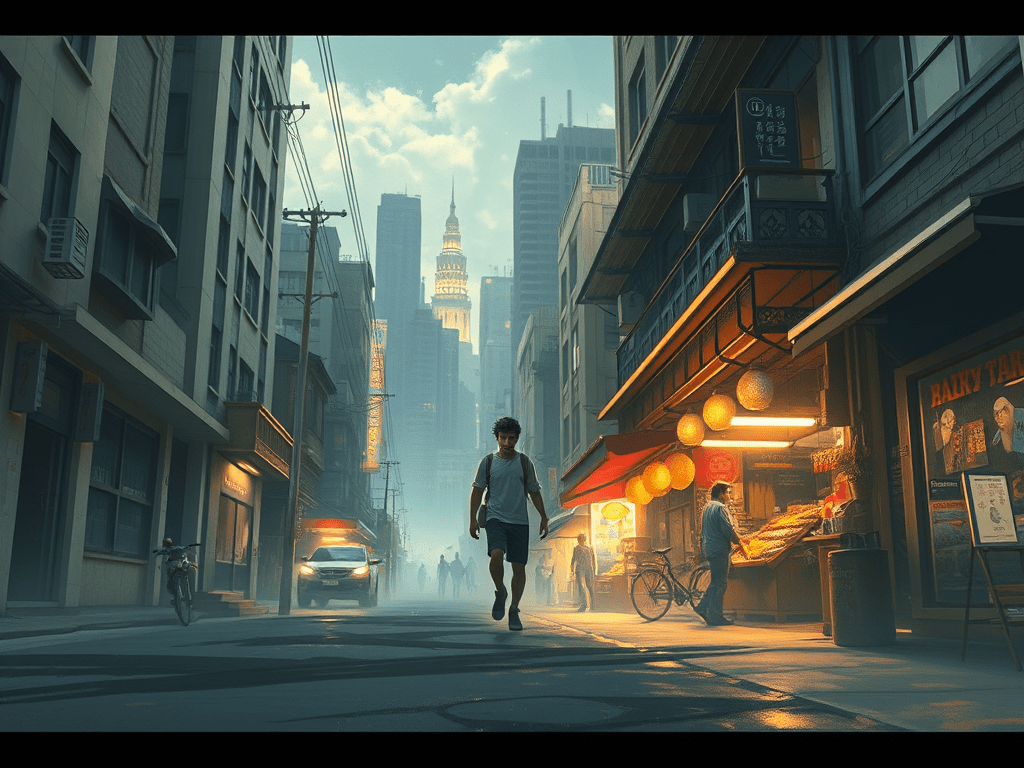
I have always thought of travel as more than just changing your physical location to another place. To me, it’s also about seeing alternate realities in the sense that you get to witness how people around the world have distinct ways of living, thinking, and experiencing the world that challenge and even change your own perspective.

There’s the saying that you should want to “put yourself in someone else’ shoes” and travel is the best way to do that. By relocating ourselves if even for a few days, a week, or more, you can get a deeper understanding of the seemingly almost endless varieties of the human experience and reflect on the limits or possibilities inherent in our own worldview.

As Mark Twain once famously wrote, “Travel is fatal to prejudice, bigotry, and narrow-mindedness.” Travel allows us to gain access to a parallel world in a sense where the values of the people, the rhythms of their lives, and their daily routines or priorities differ from our own or they could surprisingly be similar or even the same as our own. In our own town, city, or country, we have such a tight conception of what everyday life should look like that travel allows us to see beyond our own way of living to see how other people live even if just for a short while.

As mentioned earlier, the reality of time and the pace of life can differ depending on the culture and it can help to reshape our own perception of time or daily rhythm that we are most accustomed to. We may think our quality of life is best based on how we spend our time each day, but travel allows us to see the alternatives out there or the different realities that are out there to experience.

For example, if you go to Italy or Spain, you’ll likely be able to have a long lunch, take an hour or two to go home and rest, and there’s a desire to not rush to do things if there’s no need to do it right away. The emphasis on leisure, family time, or catching up with friends can have a huge impact on our own perception of what’s important with our time after seeing what others think is better for mental well-being and what is actually a good use of one’s time. Focusing on ‘time is money’ or ‘efficiency matters most’ is certainly a reality that is out there but there are other alternatives that people around the world embrace and enjoy each day.

Individualism vs. Collectivism is another way to view the priorities that communities have when it comes to how the society is structured and what the role of the community is. How people connect, what they connect over, and when they connect is a useful observation to make when it comes to seeing the reality of community and connection in your travels. Some cultures prioritize family gatherings and a communal approach to problem solving and making decisions collectively. Others including in the United States focus on being independent, relying on yourself, and making something of yourself without relying on your family or community.

Social structures can differ in terms of how strong or weak the social safety net is and if it is prioritized at all. You can get a good sense of how strong a social structure is when you travel based on the use of public spaces, the embracing of local or national festivals, and how the least well-off people are treated in the society. Each culture in my view values community and social cohesion but travel exposes us to different realities regarding how strong or weak the communal ties are and if there is a sense of togetherness or isolation because of how the community or society is.

Every culture also has their reality of what they value and prioritize especially when it comes to how they interact with the world around them, specifically the material world. Different cultures have conceptions of what is essential and what is superfluous to living. You will likely see that each culture has different priorities in terms of consumption and materialism based on their own priorities but also what the culture tells them to prioritize.

Some cultures are okay with minimalism and cleanliness while others highlight material gain and being consumer driven. It is good to be able to travel to see these different realities of materialism vs. minimalism and how you fall on that spectrum. Some cultures are also more spiritual, in tune with nature and environmentalism, and what exactly constitutes personal happiness, fulfillment, and whether consumption falls within those values or whether it is better to have enough, or to go without as much as possible than to have too much.

Each culture also embraces its reality of what constitutes history, memory, and whether they are oriented more to the present, past, or the future. Societies each try to deal with the past in their own way to create a present identity and how to think about their collective future. Having a collective memory is a way to keep your culture relevant and to bring people together as well. All over the world, museums, memorials, and monuments are dedicated to fostering cultures’ collective memory, responsibility, and how to keep the culture going into the future.

We also have ancient ruins that are still there surrounded by modern life, reminding each culture regarding the rise and fall of past civilizations, and how each culture goes through these cycles of prosperity and decline. Historical awareness helps societies shape their values and keep their cultures alive into the future. When you travel, think about if the culture you are experiencing values the past the most or if it is geared more towards the present or even the future. Preservation of history, memory, and cultural artifacts helps us understand any culture or society’s priorities as well.            

By traveling, you are exposing yourself to the multiplicity of human realities, which comes about because of how many different cultures and societies are out there with differing perspectives on time, consumption, values, community, and history itself. It is good to see these realities in person, even if for a quick trip, to not just explore the world for a bit, but to question your own values, beliefs, and worldview. Our assumptions about a culture, a society, and the world at large are often misguided or incomplete. Traveling allows us to redefine the boundaries of our own existence and help us come closer to understanding more what it truly means to live in this world.

Avoiding Analysis Paralysis

“We also often must think if the choice or decision we make is ‘perfect’ but to put it bluntly, no choice or decision is ever perfect.”

With the rapid pace of change and constant streams of information coming at us each day, it leads a lot of us to overthink decisions and choices to the point of inaction. There are too many choices we have to make, sometimes big and sometimes small, but we can easily get overwhelmed by the fear of making the wrong decision or if it’s better to avoid deciding altogether. We also often must think if the choice or decision we make is ‘perfect’ but to put it bluntly, no choice or decision is ever perfect.

Everyday, we are faced with hundreds or even thousands of choices such as choosing what to eat, what to wear, to what to do with your life, career, or school choices. Major life decisions should always take precedence in terms of your focus and your analysis, but you have to make the decision at some point regarding career, school, investments, and relationships. You must be able to prioritize effectively the decisions you have to make in the order of what’s more urgent and what’s most important. Smaller choices should deserve some time, but they should take away from the big choices we have to make day in and day out. Prioritization, knowing when to limit the time spent on a choice, and embracing choices or decisions that are ‘good enough’ over ‘perfect’ will help prevent you from falling into an ‘analysis paralysis.’

I believe that ‘analysis paralysis’ is more common than ever due to several factors. We have too much information and it’s overloading our thought process because it’s seemingly endless with regards to the Internet and it’s harder than ever to filter out good information from bad. The fear of missing out (FOMO) has us thinking that we have endless choices in life rather than a few immediate choices we should focus on that affect our lives.

Social media makes it seem like we have endless time or endless options to consider but we must reframe it as these are the choices I can make that are within my control and for which directly impact me. Society tends to reward those people who seem to have made the best decisions even when we know we don’t know the full story behind the choice because social media and the Internet don’t give us everything regarding how a person decided or made a choice to begin with.

Too many choices each day of life, which society can thrust upon us all at once, is a modern problem especially regarding how many streaming services, career paths, educational options, and other non-essential choices that flood our attention spans. While it’s important to make choices, you should not waste more time than you need analyzing every option out there because it would be a waste of your time.

As I mentioned earlier, to avoid analysis paralysis, you have to choose only on what you can control or have an impact on your life to decide upon immediately. You got to set time limits on these decisions you can make and are relevant to your life at the time. There is also no such thing as a ‘perfect’ choice or decision and every decision we make has positives and negatives to it as well as unknown factors that we cannot foresee upon making the choice.

You should be identifying the key factors of the choice and what impacts it’ll have from making one choice or the other, but for which truly matters rather than analyzing what could be or should be without knowing what those unknowns may lead to. Identifying what truly matters and really impacts you day to day should be priority in your decision making and should be based on relevant information that is creditable and trustworthy too.

Taking small choices or decisions can make it easier as well to handle bigger decisions but both need to be happening in your life. You can’t ignore the big choices or the small choices and often they will need to be made at the same time or same day. Breaking down your decisions and the steps that lead to them will reduce the chances of you being overwhelmed by making them. Take the decision-making process one step at a time, especially for the big decisions, will make it less daunting and give you more confidence in how you analyze the choices you have.

Limit the amount of information you expose yourself to and make sure the information you get is trustworthy before making your choice or decision. There is too much information out there for every choice we could make in this information age so make sure you trust your sources, limit them to a handful, and try to analyze both sides of the choice without delaying it too much.

By recognizing what ‘analysis paralysis’ is, how often it can affect us in our daily lives due to living through the ‘information age’ and taking steps to overcoming this paralysis one choice or decision at a time, you can improve the quality of your life immensely. Go easy on yourself and try to make the best decisions you can with the best information you can get. We all make mistakes in our choices and our decisions because we’re human but it’s important also to learn from past mistakes and do the best we can each day we make a choice or decision.

Anatomy of a Scene – The Dream

“In his 30+ years as a police officer, he means well but he has noticed an increasingly brutal fact that is inescapable. The world has become more unforgiving, violent, and it is hard for him to make an impact whereas at the beginning of his career, he sought to make it a better place.”

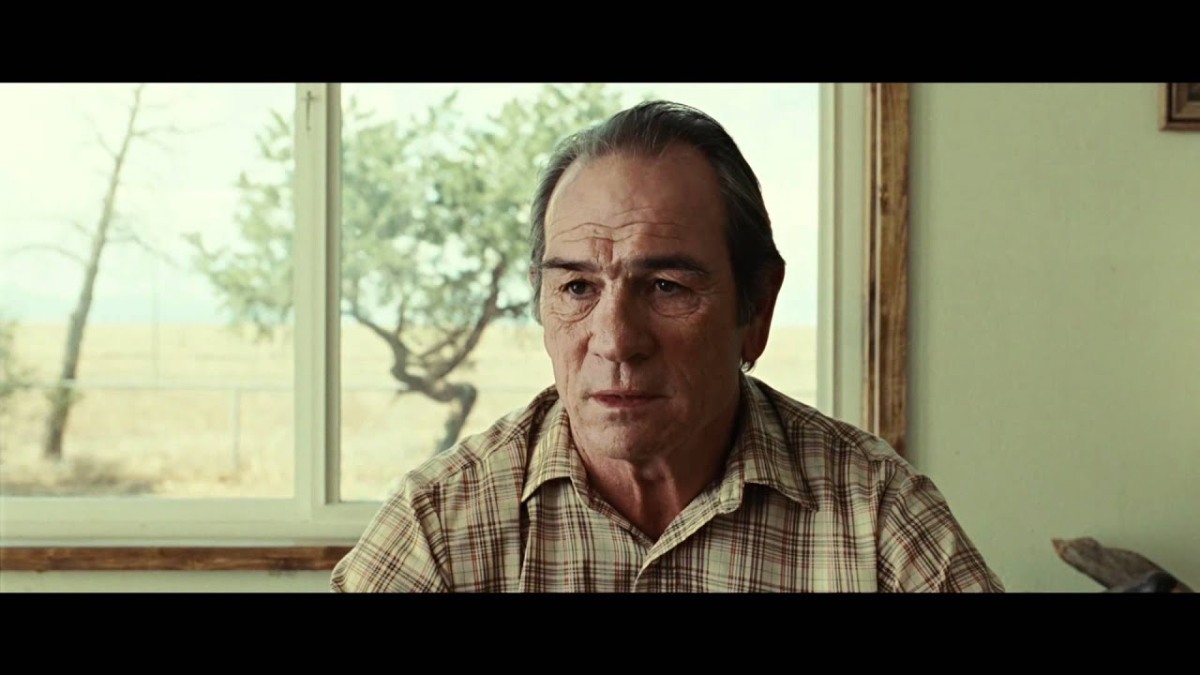
Tommy Lee Jones is an elderly police officer overmatched in the excellent ‘No Country for Old Men’ (2017). He is overmatched for a number of reasons including not being able to keep up with the actions of violent men who show no compassion or no remorse. Throughout the film, he is always just a step behind the sociopathic Anton Chigurh and fails to either apprehend him or to prevent him from killing innocent people. In his 30+ years as a police officer, he means well but he has noticed an increasingly brutal fact that is inescapable. The world has become more unforgiving, violent, and it is hard for him to make an impact whereas at the beginning of his career, he sought to make it a better place.

Ed Tom Bell is your average protagonist who means well, wants to do right in his work, and believes he can do good but finds himself overmatched and overwhelmed by what he is asked to do. When he thinks of his future, he wonders what is left for him and if retirement will bring him peace or have him think back on what could be.

The dream scene begins with Ed Tom, now retiring, looking out of his window at his farm’s seemingly barren landscape with a sole tree to his left through the window behind him. A man of seemingly few hobbies and fewer words, he thinks about his day ahead and thinks about the possibility of riding around on his horse. Not too enthused about it, he also asks his wife if he should help around the house. Seemingly because he is less than skilled at this work, his wife believes it’s better that “he not.” He asks if his wife will join him riding but she is still working and a member of society actively.

Resigned to his fate as a retiree instead of being an active police officer, he reflects to his wife that he’s had dreams and he wants to share them. She says that he has time for them now and that she’ll be polite while he remembers them. He goes ahead and states that there were ‘two dreams’, they were ‘peculiar’ and both of them involved his father who has long passed away. Ed Tom is an older man than his father ever was indicating his father passed away at a younger age that of which Ed Tom will live to be longer.

The first dream is almost like a flash as most of our dreams tend to be with the details muddled and hard to recall. Ed Tom only states that he meets up with his young father in town and he leaves him some money perhaps as a way of his father being there for him even if he wasn’t present physically in his life. Similar to losing his father early in life, Ed Tom believes he lost his money in the dream as well leaving him without help as his father’s early death may have inadvertently done.

The second dream is much more imaginative and involve Ed Tom and his father living in ‘older times’ perhaps when the West was not settled and was lawless. He is no longer a police officer maintaining law and order but rather a horse rider having adventures with his father as he wishes they perhaps would have had time for had he lived longer.

This second dream is much more vivid as Ed Tom recalls how it is cold, they are going through a mountain pass together. They ride together in the snow among the mountains of the night until his father rides past him with no explanation and his blanket wrapped tight against him. This is confusing to Ed Tom at first knowing how hard it is to be without his father who he loves and must face the cold world without him as if he has been abandoned again. Though he may have lost his father, Ed Tom recalls how his father was carrying ahead a fire and a horn of a golden moon color, which gave him comfort despite the fact that he was not with him riding together.

“He was going on ahead, fixing to make a fire.” Ed Tom believes his father in the dream is out there doing this noble act in the middle of all the dark and cold, which is brutal to handle. “I knew whenever I got there, he’d be there…then I woke up.” The hope that Ed Tom haves is that his father even though it seems like he abandoned him as the son is that he really is instead looking out for him and paving the road ahead with light so he would not abandon his hope.

He believes that his father even though he may not be there with him wants him to keep going ahead and to meet him eventually instead of becoming deterred. He paves the way for his son to chase the flame of his absence and to resolve to not let the dark encapsulate him fully. Ed Tom’s expression about the dream is one of resigned sadness that his father is no longer around but also one of lingering strength to believe his death was not in vain and that he will reunite with him one day. His father, like him later, use their lives to keep the flame and the light moving forward even when surrounded by the darkest aspects of human nature.

Like any dream scene in a movie, this one has a deeper meaning behind it related to one man’s grief involving the loss of not only his livelihood but of his hope for a brighter future for humanity. Having seen the horrors that people inflict on one another, he may be resigned to that fact but he also believes his father would have wanted him to keep the flame ‘alive’ and to keep carrying it forward throughout his life even if things looked bleak. His death did not stop Ed Tom from keeping the flame moving in his own life and to carrying it forward in the hopes that he would bring it to his father someday when they would eventually be reunited in another lifetime or in another dream that seemed real.

The Passage of Time

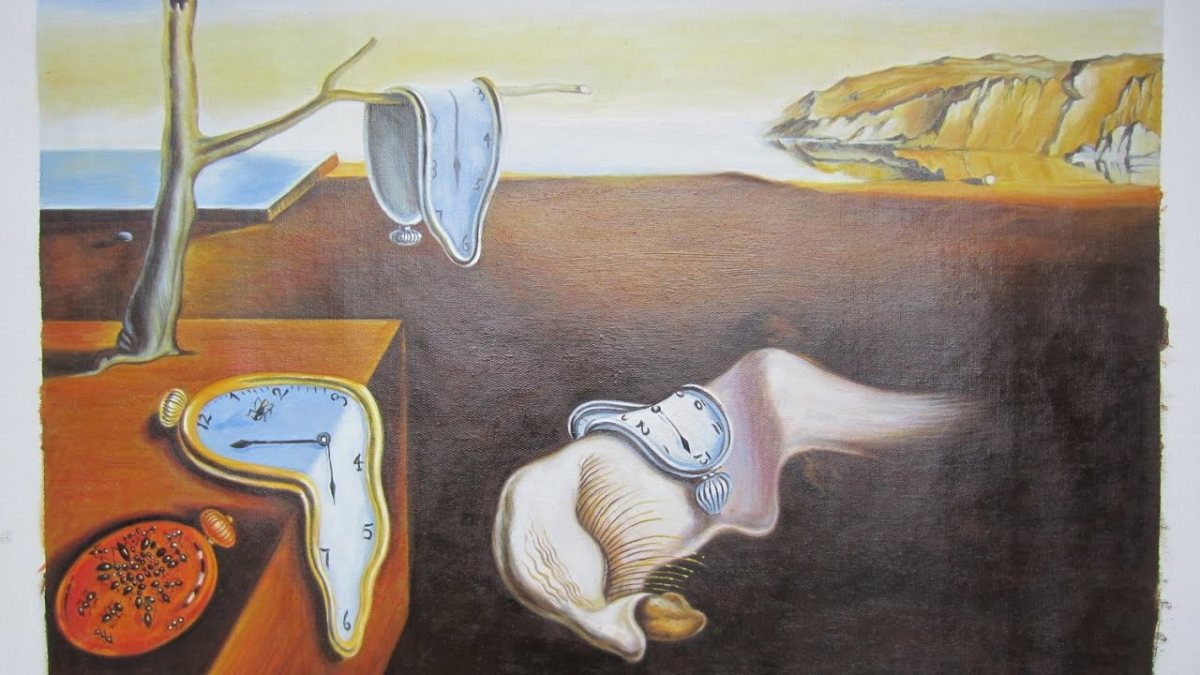
One of the consistencies of life that never changes is how much time there is in a day. You have 24 hours in a day to do everything that you need to do. You can also keep in mind the fact that there are seven days in a week, 52 weeks in a year. Any human being on the planet doesn’t know how much time they will be given because none of us are guaranteed tomorrow. You may be thinking that you’ll live to be 100 years old and get to accomplish everything you set out to do but life tends to get in the way of our preconceived plans.

All you really have when it comes to time is the here and now of living in the present. While it’s the law of science that we have 24 hours in a day here on planet Earth, as humans we’re really down to 16 hours a day or even less if you’re a deep sleeper. Then, you have to take into account that time you’ll need to put away for eating, drinking, commuting and working to make money, which are more necessities of life than things that we enjoy doing every day.

Based on how finite time really is in our lives, it becomes more impactful the older you get. A common theme that you hear from people especially in the 30’s and beyond is how fast time seems to fly by. I’m starting to think about that more and more as I head into my later 20’s about how the days, weeks, months and years are starting to go by quicker than I would like. It could be argued that after you enter your 20’s or after you leave college, time starts to pick up and you become more sensitive to its quickening pace. When I was in childhood, time felt like a limitless ocean and that my life would last forever. However, when you become a fully- grown adult, you realize just how naïve that childhood belief is. It also plays into the fact that we have much less responsibilities when we’re younger and have a lot more time to play, learn, and socially develop ourselves.

With adulthood, your conception of time does a complete 180 as you now have a lot of responsibilities based around earning a living, taking care of yourself, and maintaining your personal interests. You have much less time for play and a lot more time devoted to work. Because of the limited amount of time that we have in a day, you start to think more about what you should spend on it. Everybody is going to have different priorities with their time but the older you get, the more you realize that you want to spend it well because time is precious and fleeting.

A direct consequence of time passing is that you start to value certain things more and other things less. You have to be able to choose about who is worth your time and who is not worth your time. That’s a harsh truth but you cannot make time for everyone so you have to figure out who you are compatible with or what kind of activity or vocation is worth your effort. For example, I used to love playing video games when I was younger but as I got older, I realized there were other activities and hobbies that I was more interested in and would be worth more of my time. That’s why I’m writing this article for my audience instead of playing Grand Theft Auto V all night long (even though that’s a great game). Similar to one’s interests and hobbies, the way you use your time in your life is inevitably going to change.

Prioritizing who or what matters to you is a crucial part of being an adult and is also necessary for good time management. You may not see your parents as often as when you were a child so you’ll make the trip to visit them every Thanksgiving and/or Christmas even though you hate dealing with airport security and bad traffic. That’s why you’ll plan activities with friends a few weeks in advance because you don’t see them as often as you’d like because you’ve been busy working on a new business idea.

Because our time becomes more limited as we get older, you have to plan in advance and think deeply about what is worth your time. While time is limited, it’s always a good idea to try new things and be consistent about it. If you’re going to the gym in your spare time, make it a habit and even go a couple of times a week. When you’re not working, do those things that make you happy or that challenge you in some way. Spend time with those people who matter to you most and who treat you well.

You don’t have to plan your time down to the minute and it’s good to be spontaneous every now and then such as taking an impromptu vacation. However, you don’t want to spend time doing things you dislike or pass the time with people who you don’t like. In order to live a happier and healthier life, you’ll need to cut out the bad and keep the good. Doing work that is meaningful, enjoying activities with good friends, learning new things are all productive ways to spend your time. Also, you should try your best to balance your life out so that work isn’t taking up too much of your time where you don’t have enough time to pursue other interests.

Whatever you decide to do with your time, remember that it does not discriminate among people. It’s the same for everybody in the world. From when you wake up to when you go to sleep, that time is yours and yours alone. You alone have to make the choice of what to do with the time that is given to you. While there are obligations and commitments that we all have to fulfill, you have the power to use your time as you see fit.

You can’t get the time back so use it to the fullest and remember that it’s finite. While you shouldn’t overwhelm yourself with too many things taking up your time, remember that you shouldn’t put off possible interests, hobbies, or opportunities forever. You don’t want to wake up one day and realize you wasted too much time and didn’t get to do all of the things you wanted to do. Time is fleeting and you never know when it’s going to run out. As the Roman poet Horace once wrote in the year 23 BC, “Carpe diem”, which translates in English to mean “Seize the day.” I couldn’t agree more.