


Slip, Counter, Repeat – What Boxing Taught Me About Surviving Real Life

“Life, like the sport of boxing, isn’t about taking punishment, it’s about learning from your mistakes, moving to avoid future errors, reading what the next move(s) could be thrown at you, and responding with precision when you make your counters.”

I remember the first time when my trainer told me to stop blocking punches and start slipping and dodging them instead; it rewires your brain to not just try to absorb the punishment but to dodge and counter it with the same enthusiasm. Life, like the sport of boxing, isn’t about taking punishment, it’s about learning from your mistakes, moving to avoid future errors, reading what the next move(s) could be thrown at you, and responding with precision when you make your counters.

You’re not always going to win the fight like you’re not going to always win in life, but if you know to slip, dodge, and counter, you’ll lose less and learn from your mistakes to be better not just at boxing but in life itself. For myself, you can learn more from boxing than you can from a traditional classroom and there’s a lot of justified metaphors for how this unique sport translates over to how to win in life.

Most setbacks in boxing aren’t knockout punches, they’re jabs. They are meant to measure you, test your resolve, and see how you react to them. A jab is like the difference between a crisis and a probe, meant to read what’s being thrown at you. Like overacting to an unfortunate event in life, you don’t want to overreact to a jab in a sparring session or a fight. You don’t want to waste precious mental and physical energy worrying too much about the jab when you should be focused on what could come after it. Burning bridges, making decisions from panic in life will cost you more in the long run instead of pausing, thinking it through, and coming up with your counter. Not every jab deserves a full combination back from you; but you should be sizing up your opponent (life) and figuring out what the next move is going to look like.

The slip, in boxing, isn’t a retreat, its intelligent non-contact, you keep your feet planted and you move your head to avoid the damage. When you apply that approach to life, it’s about knowing which arguments, which jobs, and which people to let pass by cleanly. If you don’t slip and you think you can dodge very blow when you’re flat footed, you’re going to get hit and take shots that you could have avoided making you worse off than before. Don’t let your ego stand in the way of protecting yourself and know that you’re saving yourself for the long struggle in the ring and outside of it, if you know how to slip a punch. This is a very underrated skill of not engaging everything that comes at you or wants a piece of you. You shouldn’t be engaging in contact or giving a response to everything headed your way; something, it’s best to slip it.

In boxing, the counter punch is thrown at the same moment your opponent overextends themselves and life works the exact same way. When you face adversary or a challenge, life should open to you as the moment of disruption can create an equal opportunity as a result. When you counterpunch an opponent in the ring, you’re meeting the moment and taking advantage of an opportunity even while you’re putting yourself at risk. When you counterpunch in practice outside of the ring, you are changing careers, rerouting plans, pivoting to new skills, turning obstacles into reaffirming moments and repositioning yourself for future success. Timing matters though so make sure that when you throw your counter it comes at the right time because if you do it too early or too late, it’s not going to land cleanly and is going to look more like a wild swing out of desperation.

Any boxer will tell you that footwork is pivotal to mastering even before the fight starts and positioning yourself well could end up making the difference. Champions don’t improvise their way through fights; they control the ring before the first punch lands and are always moving their feet to be in the best position possible. In life, you have got to build skills, relationships, and options for yourself even during the calm periods so you’re not scrambling to make progress when things get hard or when you need immediate success. Good footwork is about optionality and always having somewhere to move to or from and not backing yourself into a counter. Being light on your feet, agile, and not getting caught flatfooted by comfort, complacency, or cockiness will help you win the fight and in your life.

When someone or something seems impenetrable, you have got to shift your attack and rethink your approach. You must be able to play the long game when you can’t get through your opponent’s guard. You must be persistent, shift your strategy, and choose different pressure points to wear down your opponent. Slow, consistent pressure will win over dramatic gestures or do the same thing repeatedly to expect a different result. Boxing and life both require mental discipline by delaying your own gratification and using sustained effort to get the wins that you are seeking. If your opponent is blocking one approach, you have got to go for a different strategy and try to find a weakness or opening elsewhere. Shift your approach when it calls for it and don’t keep trying without mixing it up to get the success you are fighting for.

You will get hit. You will get bruised. You are going to fail. The question is whether you’re falling forever or rolling with the punches. ‘Rolling with the punches’ is known as the physical technique of being able to deal with getting hit and absorbing blows with some difficulty without catastrophizing the effect of getting hit to prevent you from fighting back. Resilience in the ring and outside of it is about knowing when you can take the hit and keep moving forward and you must get back to the center after it by reset, breathe, drink some water, find your focus and your range again, and stay in the fight. Only throw in the towel when you know the hit has changed the fight and you’re not continuing out of sheer stubbornness. Sometimes, you know you’ve lost the fight when you’ve taken too many hits and it’s better to call it quits to fight another day than to lose everything in that one night.

Even the greatest fighters in boxing don’t go the three-minute rounds alone; they have someone cutting the swelling during rounds, giving timely advice, and cheering you on from your corner. We need coaches in boxing just like we need mentors, honest friends, and trusted advisors who tell you what’s happening rather than what you want to hear from them. Be wary of having a ‘yes man’ in your corner in the ring or in your life. A corner that is not truthful with you and only hypes you up will get you knocked out because they fail to take account of your weaknesses as well as your strengths. You got to build your corner up wisely over the years and have good people you can rely on who will tell you the truth, support you through thick and thin, and know when the fight is over to save you from yourself sometimes.

Any good boxer knows how to make some adjustments in the middle of fight and to change their game plan when it comes to their opponent. The fighter who can’t adapt gets figured out by round four and usually doesn’t win the match. It can be hard to invest in something you’ve put days, weeks, months, or even years into developing but you need to have the discipline to abandon a pursuit, strategy, or plan even after investing heavily into it. When we think of a sunk cost in boxing, the mistake is like throwing a hundred punches the same way even when they aren’t landing in each round and that strategy is costing you to lose the fight. Be prepared to constantly pivot as you would in the real world whether it’s professionally, personally, or geographically because doing the same thing again and expecting a different result is lunacy and it shows up both in boxing and in your life.

You don’t train to be a boxer to avoid any difficulty that you’ll face, you train to be someone who can handle it when it arrives, and that also goes for any facet of your life. You dodge and counter not just as well-known tactic in boxing but as a mindset for your entire life. You don’t dodge and then not counter, any action deserves a response, but it must be measured, appropriately, and done patiently. You should always be moving forward but with the wisdom that sometimes, you’re going to have dodge a punch like you would dodge a toxic person, a bad boss, an unfortunate upbringing, and be able to counter by moving towards a result and a life that you can be proud of.

As someone who enjoys boxing, I’m always thinking about how I’m going to slip the next punch and what counter I can set up as a result to move forward in the contest. Think about this for yourself: what ‘punch’ are you slipping right now in your life, and what counter are you setting up? Life, like boxing, can be difficult sometimes, but if you can slip, dodge, and counter, you’ll be able to handle any adversity, meet any challenge head on, and be successful in whatever you put your mind and body to.

Avoiding Analysis Paralysis

“We also often must think if the choice or decision we make is ‘perfect’ but to put it bluntly, no choice or decision is ever perfect.”

With the rapid pace of change and constant streams of information coming at us each day, it leads a lot of us to overthink decisions and choices to the point of inaction. There are too many choices we have to make, sometimes big and sometimes small, but we can easily get overwhelmed by the fear of making the wrong decision or if it’s better to avoid deciding altogether. We also often must think if the choice or decision we make is ‘perfect’ but to put it bluntly, no choice or decision is ever perfect.

Everyday, we are faced with hundreds or even thousands of choices such as choosing what to eat, what to wear, to what to do with your life, career, or school choices. Major life decisions should always take precedence in terms of your focus and your analysis, but you have to make the decision at some point regarding career, school, investments, and relationships. You must be able to prioritize effectively the decisions you have to make in the order of what’s more urgent and what’s most important. Smaller choices should deserve some time, but they should take away from the big choices we have to make day in and day out. Prioritization, knowing when to limit the time spent on a choice, and embracing choices or decisions that are ‘good enough’ over ‘perfect’ will help prevent you from falling into an ‘analysis paralysis.’

I believe that ‘analysis paralysis’ is more common than ever due to several factors. We have too much information and it’s overloading our thought process because it’s seemingly endless with regards to the Internet and it’s harder than ever to filter out good information from bad. The fear of missing out (FOMO) has us thinking that we have endless choices in life rather than a few immediate choices we should focus on that affect our lives.

Social media makes it seem like we have endless time or endless options to consider but we must reframe it as these are the choices I can make that are within my control and for which directly impact me. Society tends to reward those people who seem to have made the best decisions even when we know we don’t know the full story behind the choice because social media and the Internet don’t give us everything regarding how a person decided or made a choice to begin with.

Too many choices each day of life, which society can thrust upon us all at once, is a modern problem especially regarding how many streaming services, career paths, educational options, and other non-essential choices that flood our attention spans. While it’s important to make choices, you should not waste more time than you need analyzing every option out there because it would be a waste of your time.

As I mentioned earlier, to avoid analysis paralysis, you have to choose only on what you can control or have an impact on your life to decide upon immediately. You got to set time limits on these decisions you can make and are relevant to your life at the time. There is also no such thing as a ‘perfect’ choice or decision and every decision we make has positives and negatives to it as well as unknown factors that we cannot foresee upon making the choice.

You should be identifying the key factors of the choice and what impacts it’ll have from making one choice or the other, but for which truly matters rather than analyzing what could be or should be without knowing what those unknowns may lead to. Identifying what truly matters and really impacts you day to day should be priority in your decision making and should be based on relevant information that is creditable and trustworthy too.

Taking small choices or decisions can make it easier as well to handle bigger decisions but both need to be happening in your life. You can’t ignore the big choices or the small choices and often they will need to be made at the same time or same day. Breaking down your decisions and the steps that lead to them will reduce the chances of you being overwhelmed by making them. Take the decision-making process one step at a time, especially for the big decisions, will make it less daunting and give you more confidence in how you analyze the choices you have.

Limit the amount of information you expose yourself to and make sure the information you get is trustworthy before making your choice or decision. There is too much information out there for every choice we could make in this information age so make sure you trust your sources, limit them to a handful, and try to analyze both sides of the choice without delaying it too much.

By recognizing what ‘analysis paralysis’ is, how often it can affect us in our daily lives due to living through the ‘information age’ and taking steps to overcoming this paralysis one choice or decision at a time, you can improve the quality of your life immensely. Go easy on yourself and try to make the best decisions you can with the best information you can get. We all make mistakes in our choices and our decisions because we’re human but it’s important also to learn from past mistakes and do the best we can each day we make a choice or decision.

On Leadership

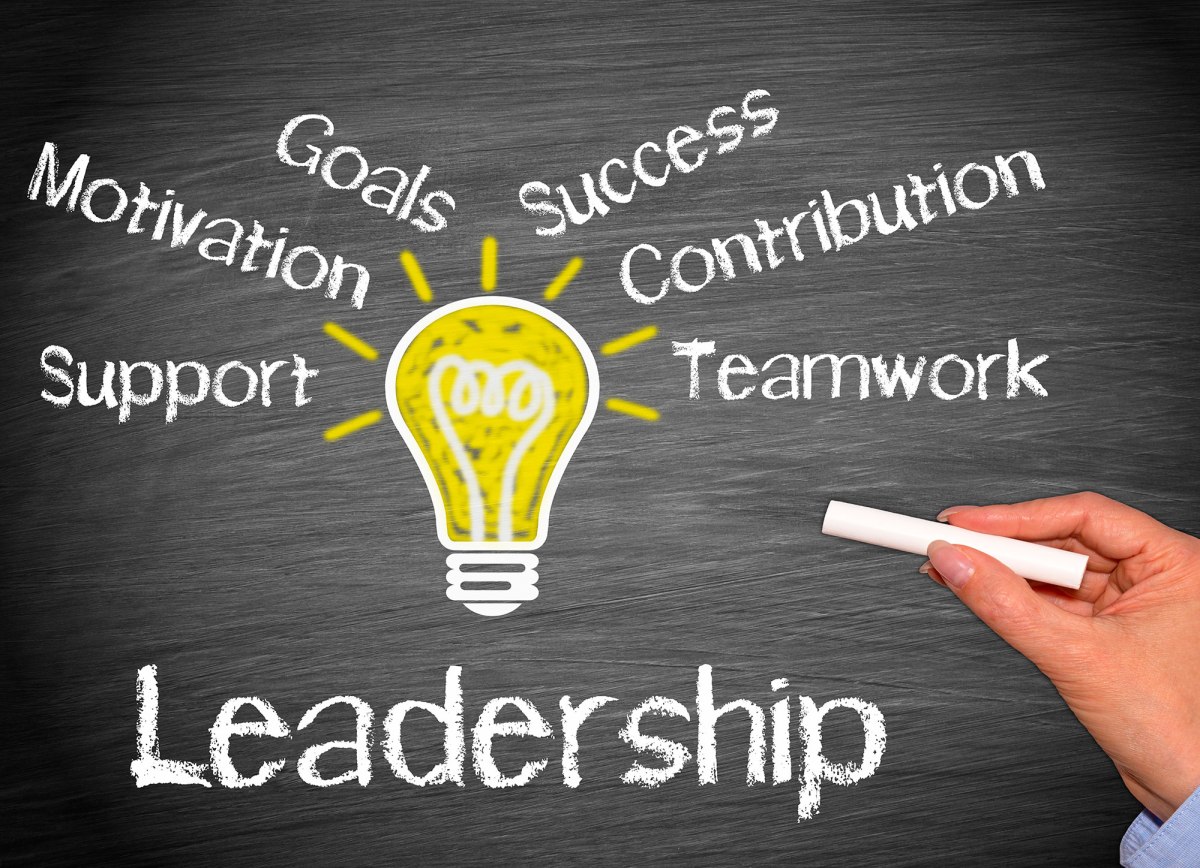
There are a number of keys and steps that it takes to become a good leader. There are also many interpretations of what a good leader can be, but I believe there is also a specific formula of characteristics, habits, and traits that separate the good leaders from the bad ones. It is extremely useful nowadays to go over the themes and the values that often make up the blueprint of a good leader whether you are referring to a business executive or to a prime minister. I particularly rely upon using books and other reference materials for further analysis, which help to highlight the importance of leadership when operating under difficult circumstances.

Especially when it comes to working within an adaptive leadership framework, you have to be able to address different challenges and crises that arise which may cause you to adapt your leadership style to fit the times. In order to meet these challenges, a leader has to be open to new ideas, be able to self-reflect, and stay true to the overall vision or goals at hand even when obstacles are thrown in the way.

Each modern and historical leadership figure that you can think of was an adaptive leader since they were not following a specific script or manual and had to sometimes improvise or change their beliefs or views when the time came for it. Still though, these leaders had a steadfast vision, were good communicators, and had the trust of their constituents and colleagues to carry out the work they were doing even under high pressure situations.

The most useful example for me of displaying adaptive leadership in action was the movie “Invictus”. That movie portrays an excellent example set by the former President of South Africa and human rights icon Nelson Mandela as an adaptive leader. He did not let his past experiences of being jailed unjustly in Robben Island cloud his ability to forgive and bring his country together to fight for a better future. He was open to compromise, dialogue, and reconciliation to heal a very divided country.

I think that even if we do not consider ourselves to be a natural leader, it would do us a lot of good to put ourselves in other leaders’ shoes to decide how we would act if we had been the leader in those situations. I believe it would be very beneficial for anyone to do role playing scenarios, either historical or modern-day ones, where someone is forced to put our leadership abilities to the test and see how they would do when evaluated by counterparts or colleagues.

Being a principled leader takes time but can be rather straightforward when you really think about it. Anyone can have principles that they stand for but that does not necessarily make a good leader. There are other qualities that make a good leader which involves having a deep sense of who they are including their strengths, weaknesses, and how they can tell their story. Even if a leader has principles, they may not be morally sound or ethically fashionable, which is what someone can conclude when you consider the actions of controversial leaders such as U.S. President Donald Trump and Saudi Arabia’s Crown Prince Mohammed bin Salman.

When you contrast these principled yet morally compromised modern leaders with positives historical examples of real leadership from the likes of President John F. Kennedy or Attorney General Robert F. Kennedy, you can get a better sense of how a leader can be principled in their decision-making but still a bad leader in terms of reputation. The Kennedy brothers still had principles, but they were based in sound morals and humane values as well as an ability to reach out for advice and counsel before making an important decision. They were decisive but not arrogant. Both men would be considered well-versed in exercising what is known as emotional intelligence. Under immense pressure, they were able to not let their ego or personal feelings get in the way of making a fateful executive decision that prevented World War III.

I have learned through my own life experience and by reading about other people that a leader must be able to put him or herself in difficult situations where their ability to exercise leadership will be tested. Being able to open yourself up to risk, setbacks, and failure can help to mold a true leader as overcoming adversity has helped many people in the past to rise up to take charge when their community, their country or the world needed them.

You do not need a stirring personal narrative to be a good leader, but it does help you build a strong connection with others. Sharing your story and connecting that story to the larger society is a very powerful tool that can make you stand out as a leader. I believe that a leader should always aim to be authentic when they connect with other people and to see themselves as not the center of attention but a small part of a larger story. To be transformational and a servant of the people, you have to put your ego aside. Those leaders who are the most developed as individuals are those who know themselves well.

A leader must not only be successful in leading himself or herself but also in successfully leading a team to achieve goals and in working together collaboratively. In order to lead a team, every member must be open and honest with each other. Accountability is a key aspect of being a team leader both to themselves and the rest of the group in order to be a more cohesive force.

While the leader has to hold the team members accountable for how they work and what they do, the leader must expect that the team members can also hold their leader fully accountable in response. Each member of the team must live up to the duties expected of them because if just one of the team members isn’t pulling their weight, then everyone on the team will suffer as a result. A true leader will not let the weight of the powers and responsibilities given to them let it go to their head. True leaders must be humble as well as selfless in how they set the example for the rest of the team or organization that they are in charge of.

In a group setting, each member of the team including the leader must be willing to have difficult conversations and point out both the positives and negatives that are ongoing within the team. Sometimes, I believe it is best to pull a team member aside to have a private conversation if the matter is really serious but if it is a consistent yet small error that is hampering progress, then that should be brought up in the team meeting. However, it’s best for the leader or any members to gossip or talk negatively about someone in a passive-aggressive manner.

I, myself, am wary of a hierarchical structure when it comes to leading teams. It creates an unhealthy dynamic where the team leader may not be accountable to anyone in the group but himself or herself. They may be able to critique their team members flaws without any fear, but the team members would not be able to do the same to the leader. The hierarchical system of leadership should be considered imperfect in its nature and I think it’s best to consider a more collaborative approach to the concept of leadership where the team or group take turns becoming the leader at different intervals in order to better understand what it’s like to lead the group rather than just stay on the sidelines and carry out orders from above.

As a leader, you should be willing to bring together qualified people of different skill sets and capabilities together in the hopes of achieving a common goal that you have set for your team. There is an inherent importance of being open with your teammates as well as a willingness to accept your own boundaries within the team or organization. In order to be an effective leader, one must realize their own limits within their given expertise and skillset. A good leader will not try to do everything or infringe upon the necessary work of other team members. Building a true sense of collaboration and cohesiveness instead of competition and infringement is key in order to achieve the goals and objectives you set as a leader.

Being vulnerable with your team members is a key part of being an effective leader. However, there’s a balance that you have to have as a leader. You should be open to having difficult yet necessary discussions with all team members, a few of them, or just one-on-one if the discussion is extremely sensitive. I believe it’s best to be open and honest with your team members rather than closed off and withdrawn. You should act with transparency when it comes to your decision-making process and the actions that the team as a whole should implement. It’s also necessary to not sweep things under the rug and let a small issue become a big one. A leader should also admit his or her own shortcomings, which will let others in the team be more comfortable around you in expressing their flaws as well.

When constructive criticism is warranted both for the leader and team members, it should be discussed. Before criticizing, I think it’s important to follow the rule of saying one or two nice things about the work the team is doing before discussing what should be improved upon. Any kind of critical feedback should be preempted by a positive remark that would soften the blow of a negative comment that could be taken the wrong way. A true leader will let himself hear open feedback from the team he or she is leading and implement those changes to improve the results of the team. Also, it’s the most important job of a leader to delegate responsibilities and tasks well enough so they are not responsible for too much or find themselves to be too prideful to bring on new team members.

Lastly, I think another distinct priority of a leader should be to always actively look for the most qualified people and bring them onboard. Having the diversity of background and of opinion can build a strong team but you must also have a variety of opinions available to you so as to avoid groupthink within the ranks. A leader should be aware of their strengths and weaknesses at all times and be humble enough to fill in the gaps with wise counsel, strategy through the addition of others who compliment his or her area of expertise. Any leader can only go so far in life and in work by themselves, but it is the team, the organization, the army, or the people that the leader builds who can help that leader build their legacy in the history books for their good governance and fair decision-making.