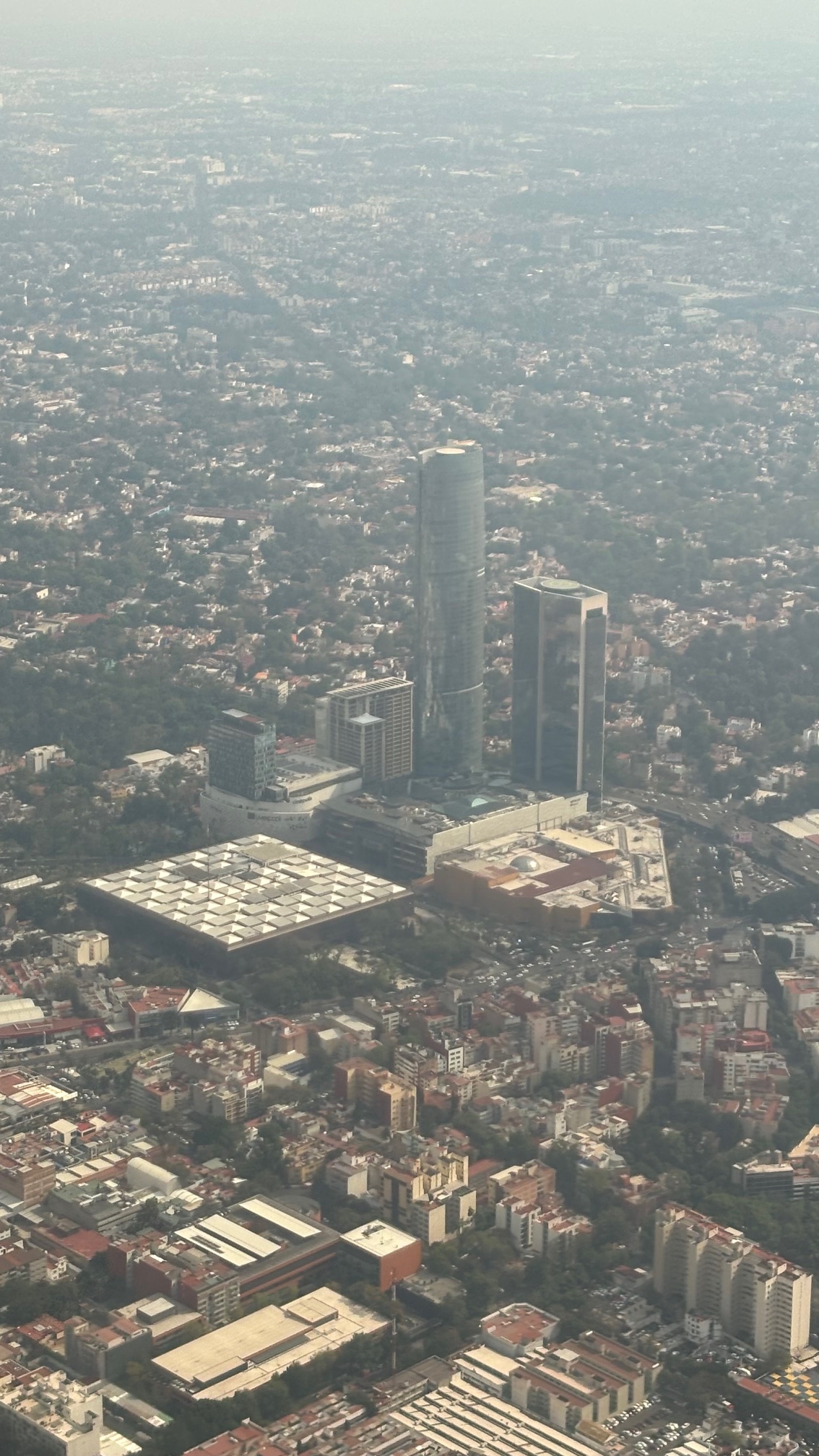
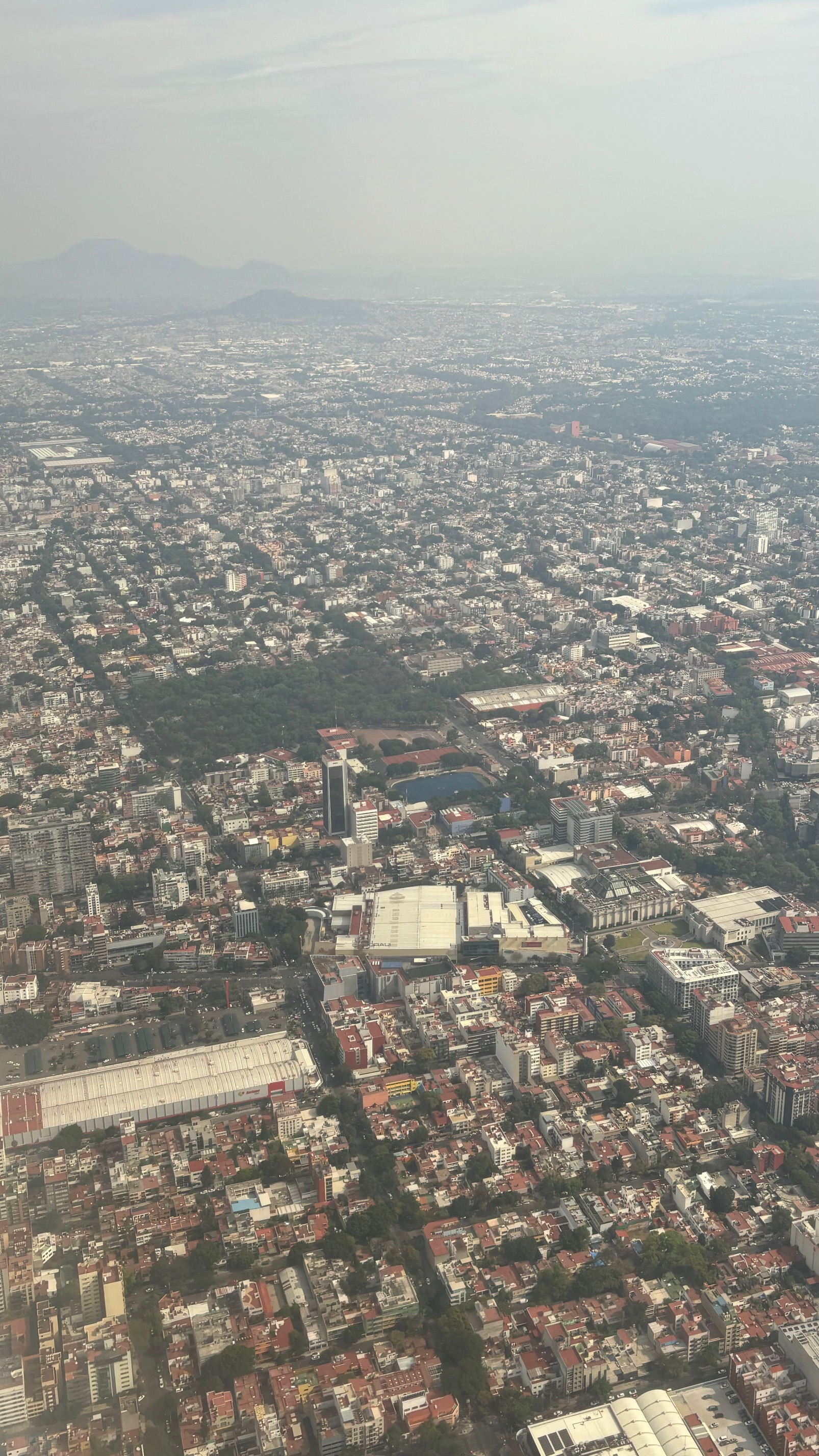
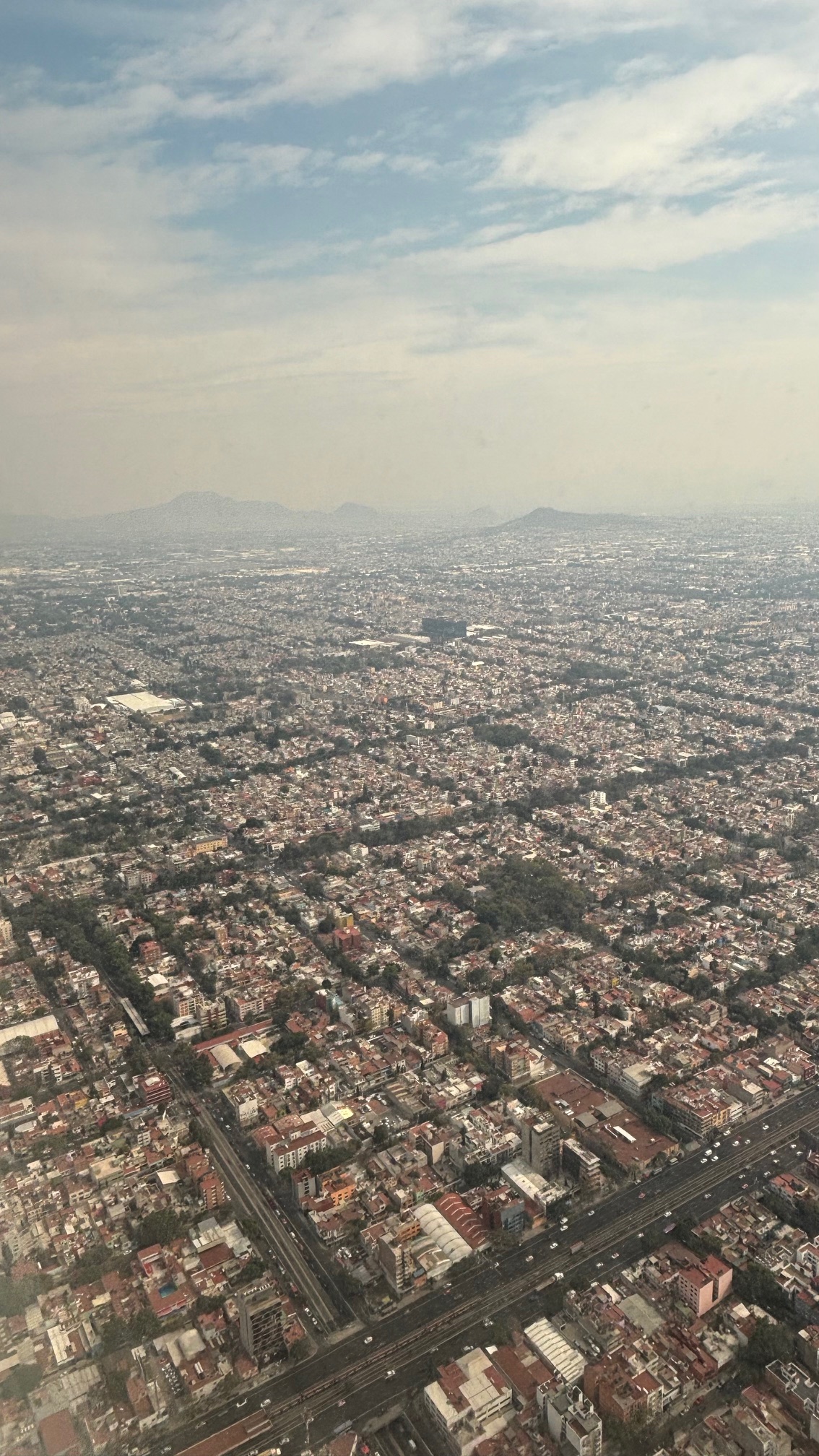

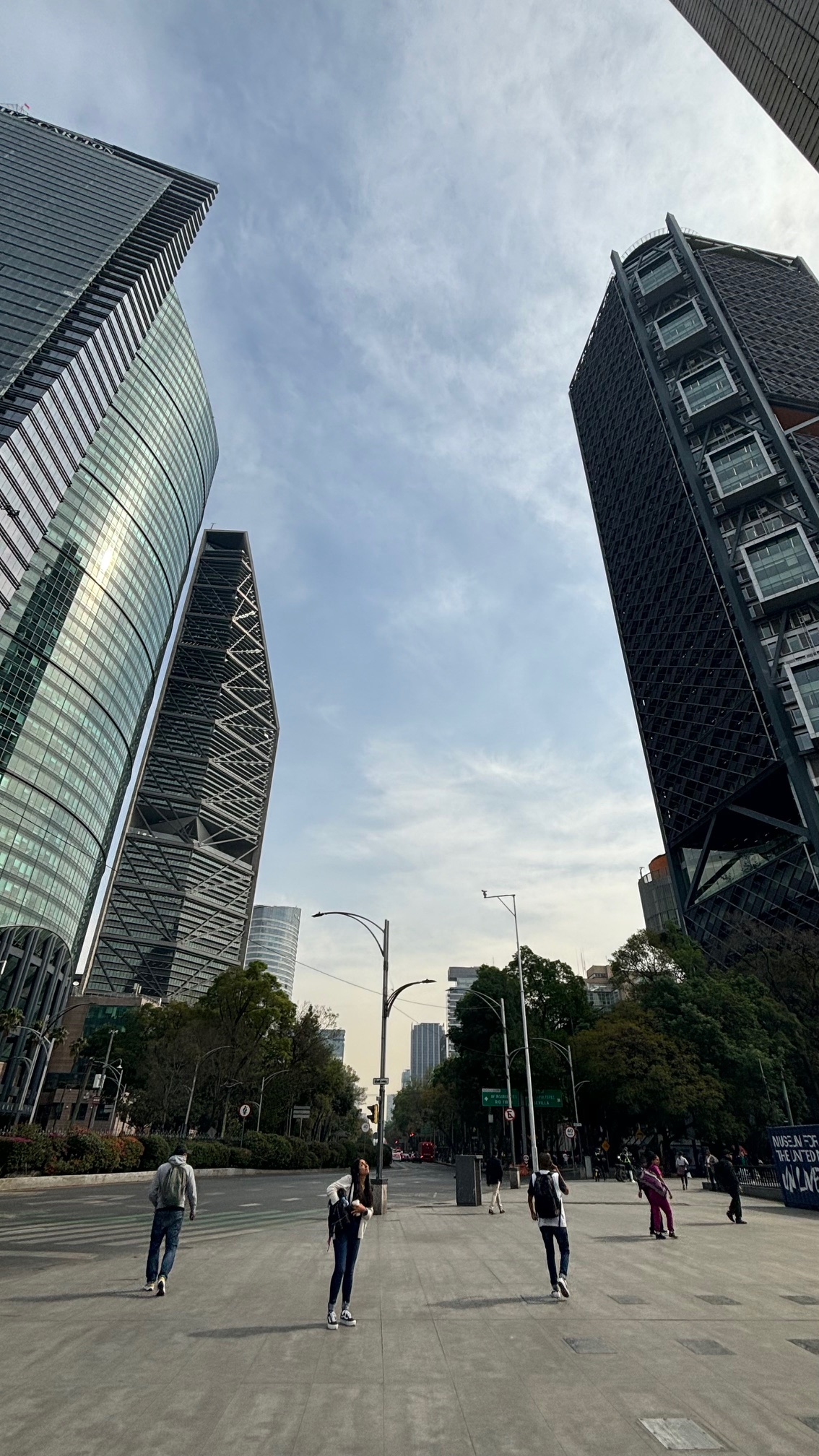
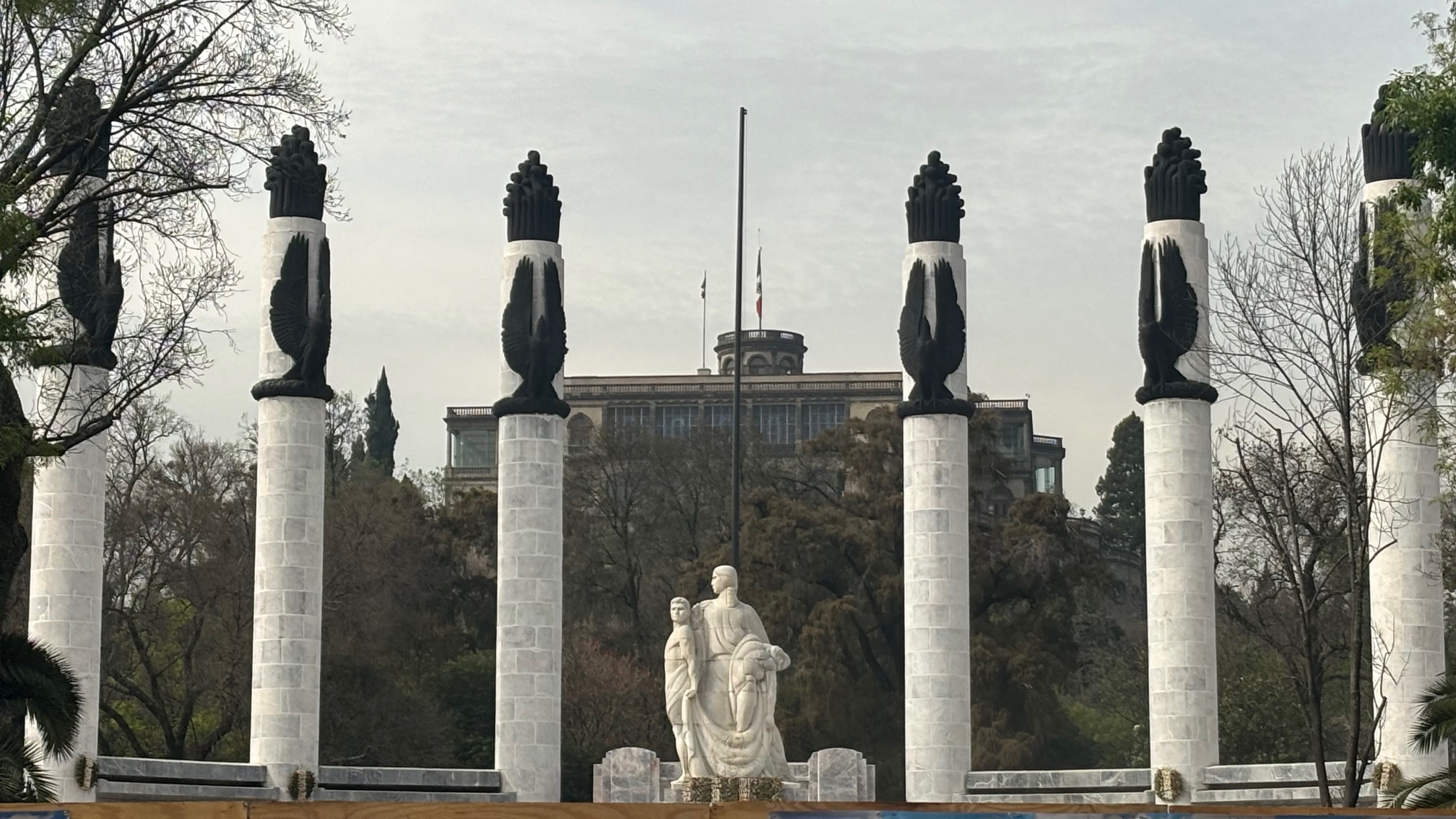
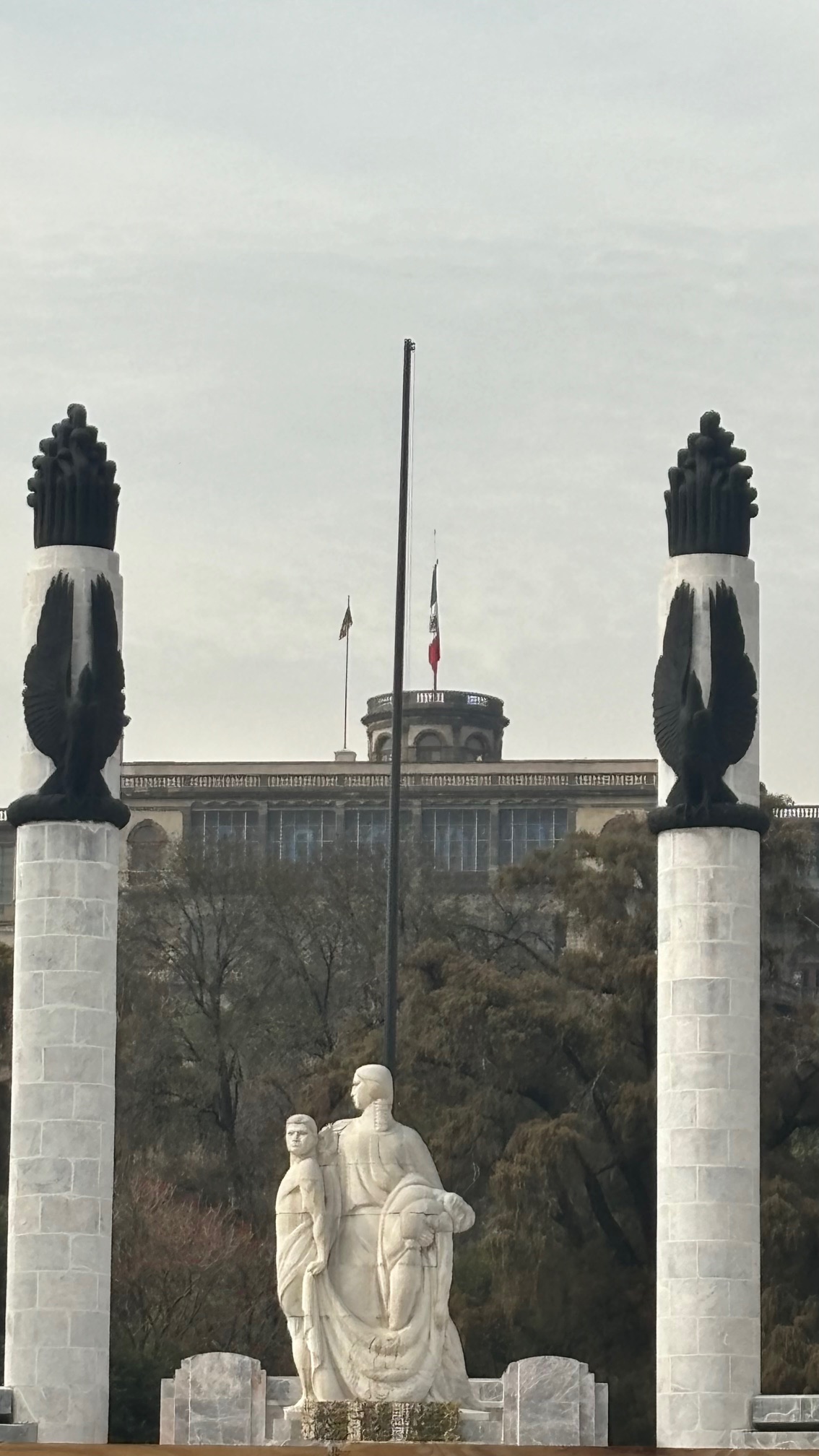
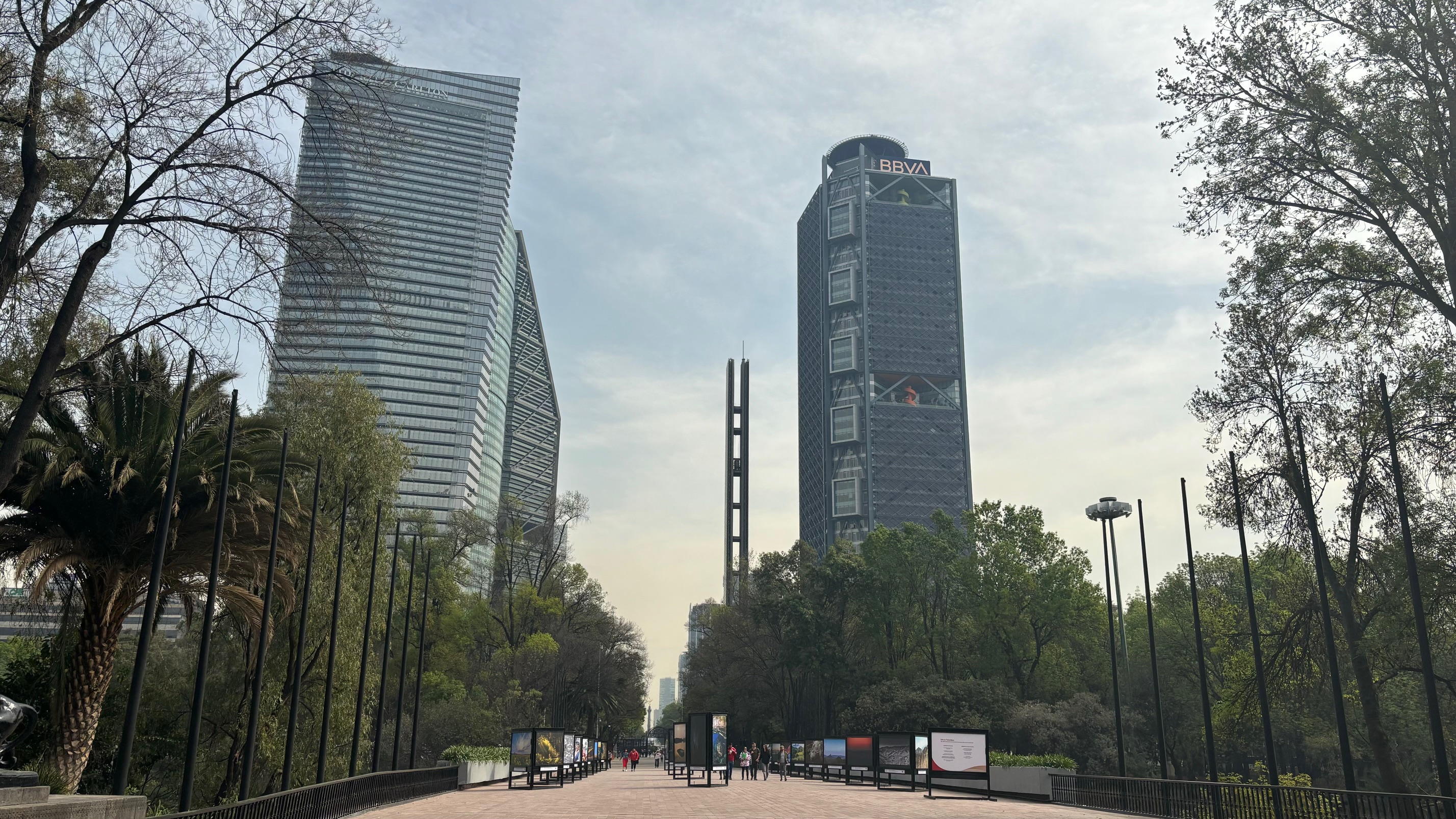
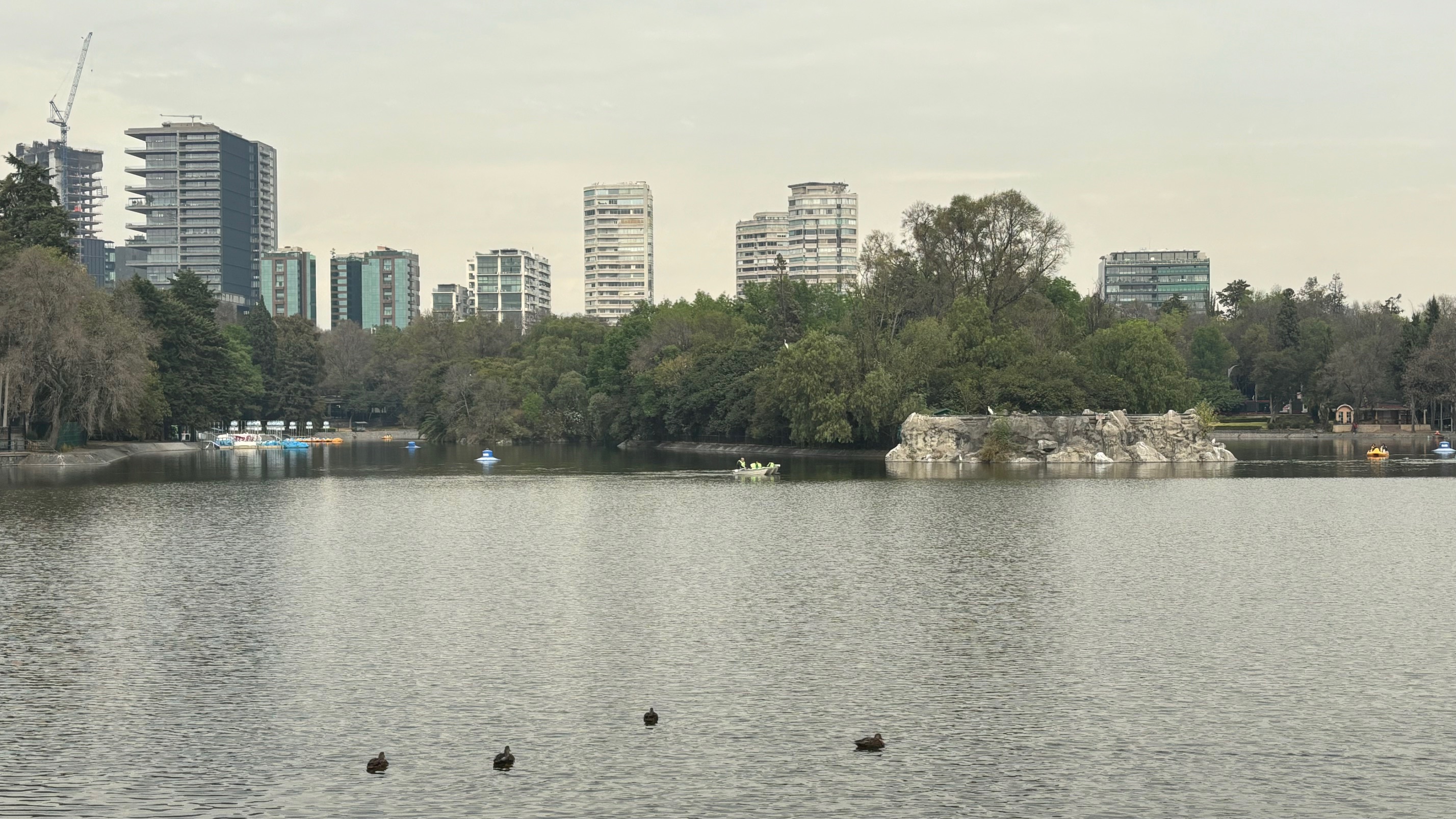
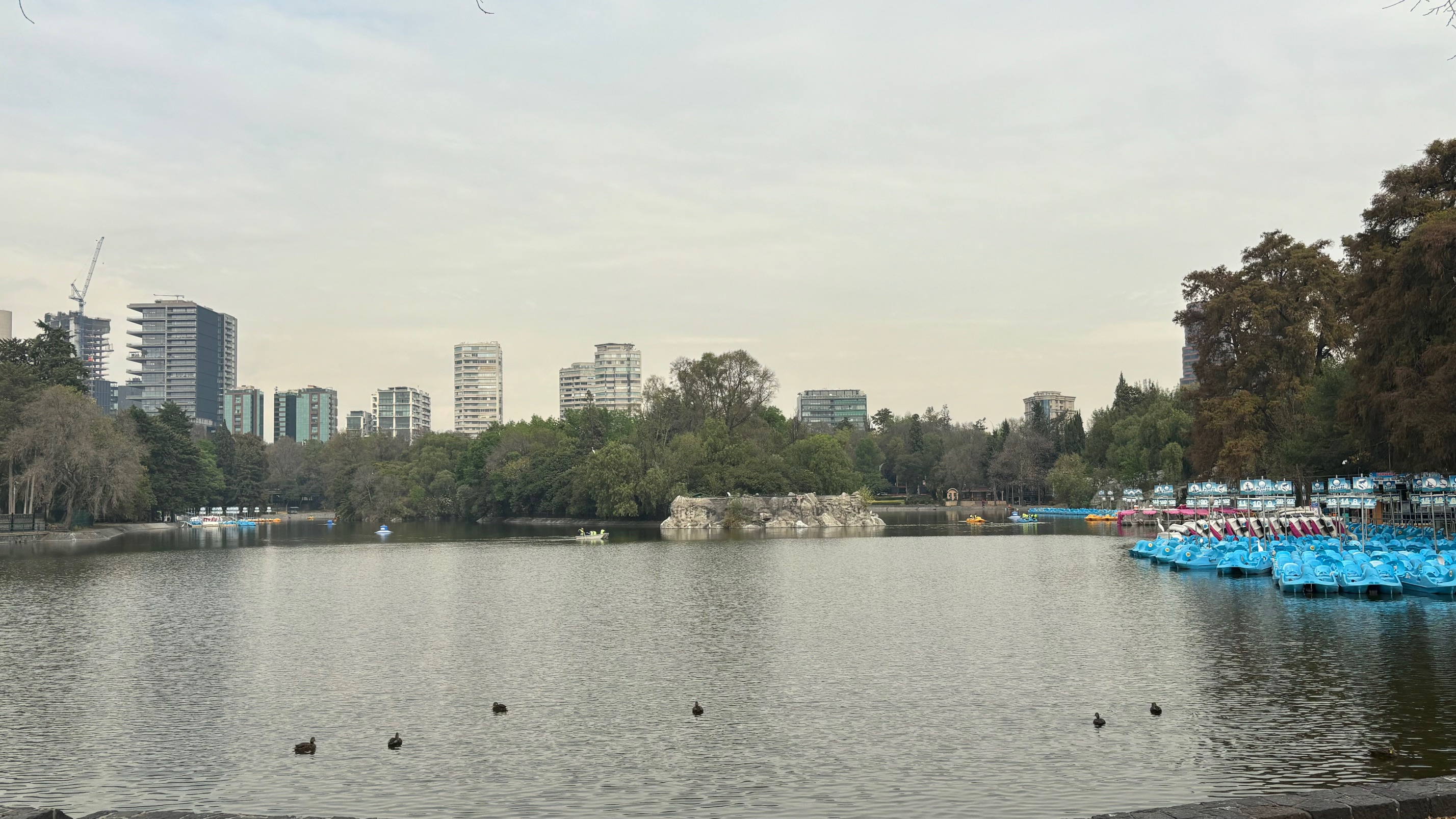
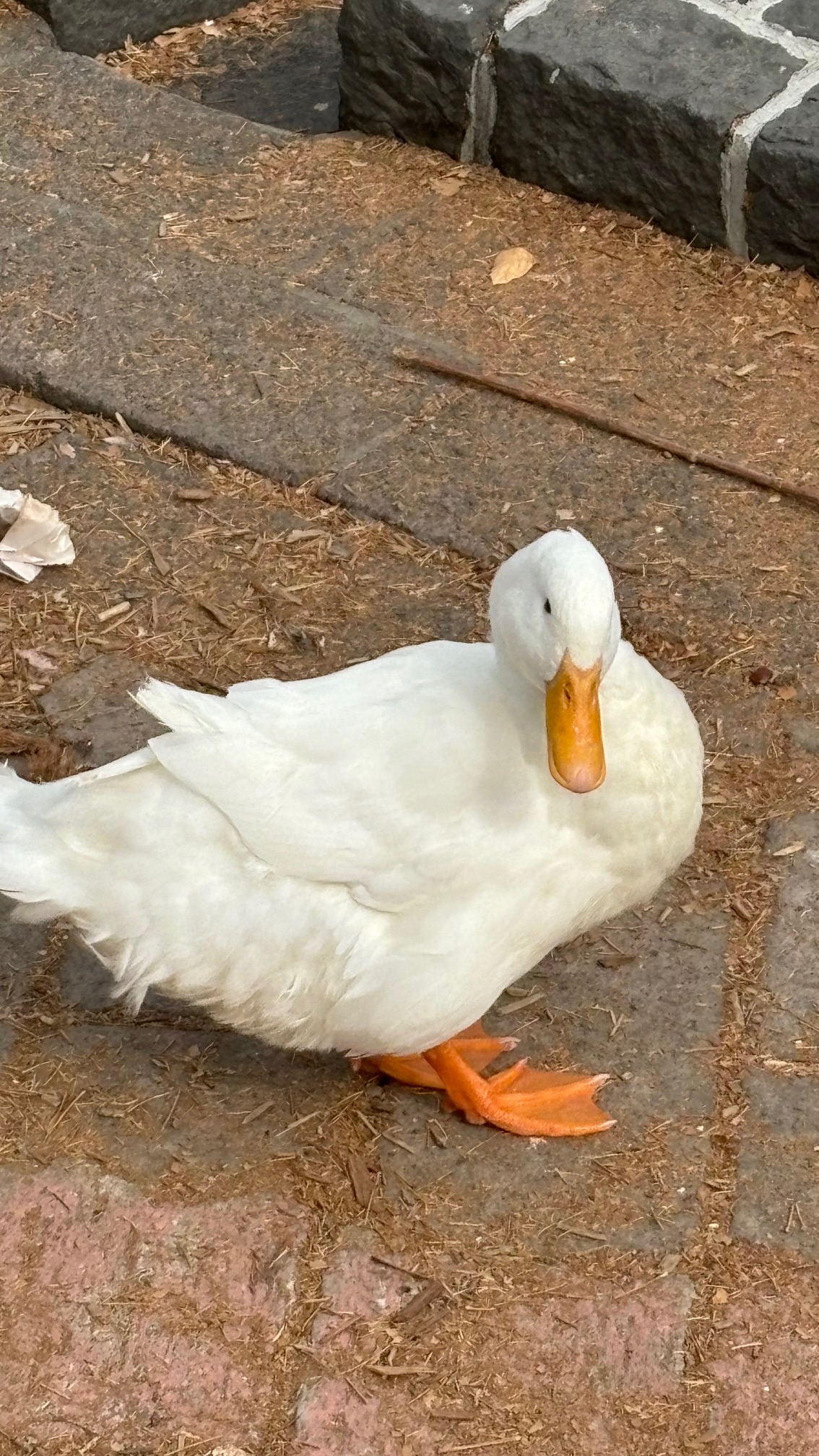

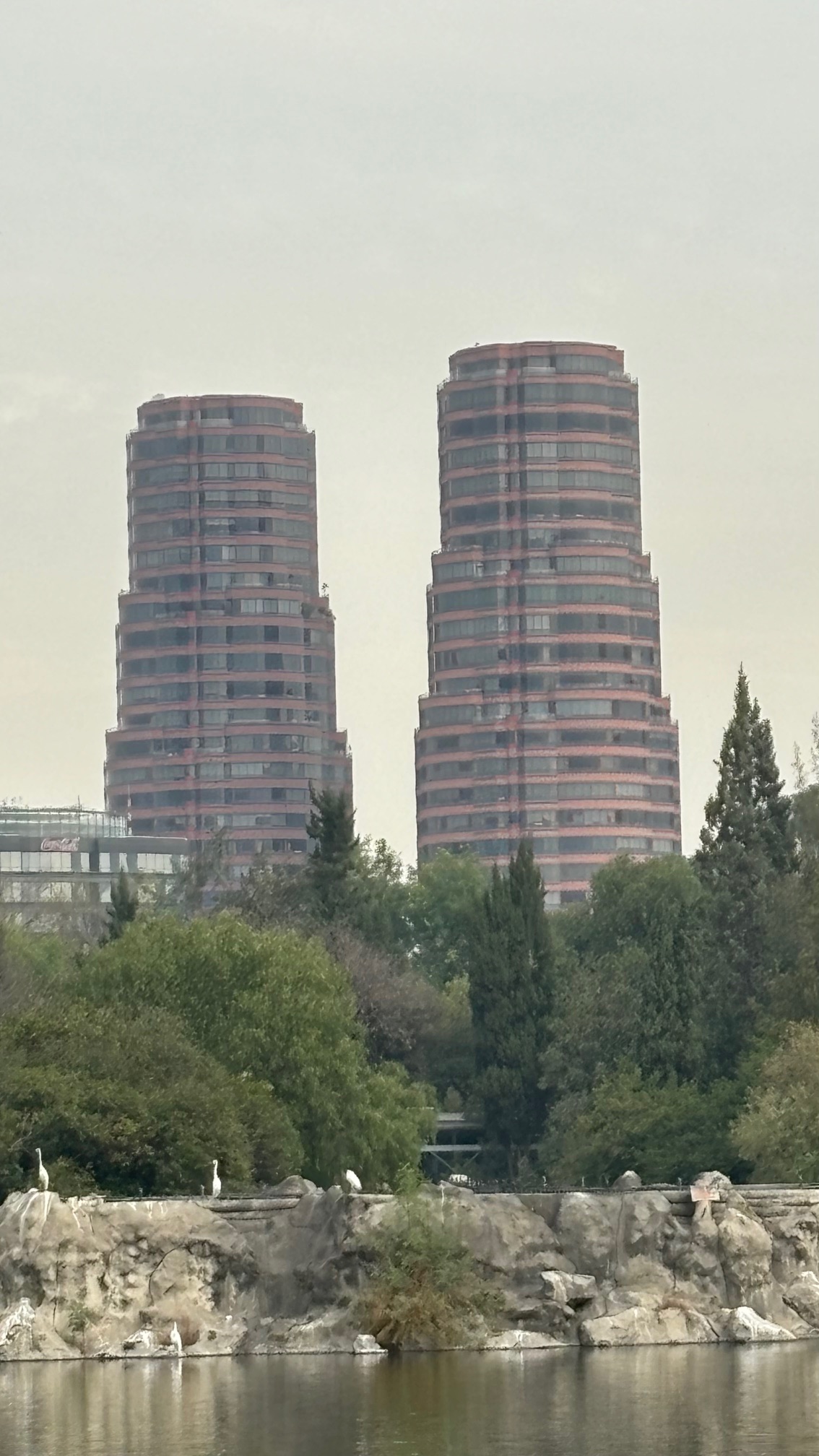
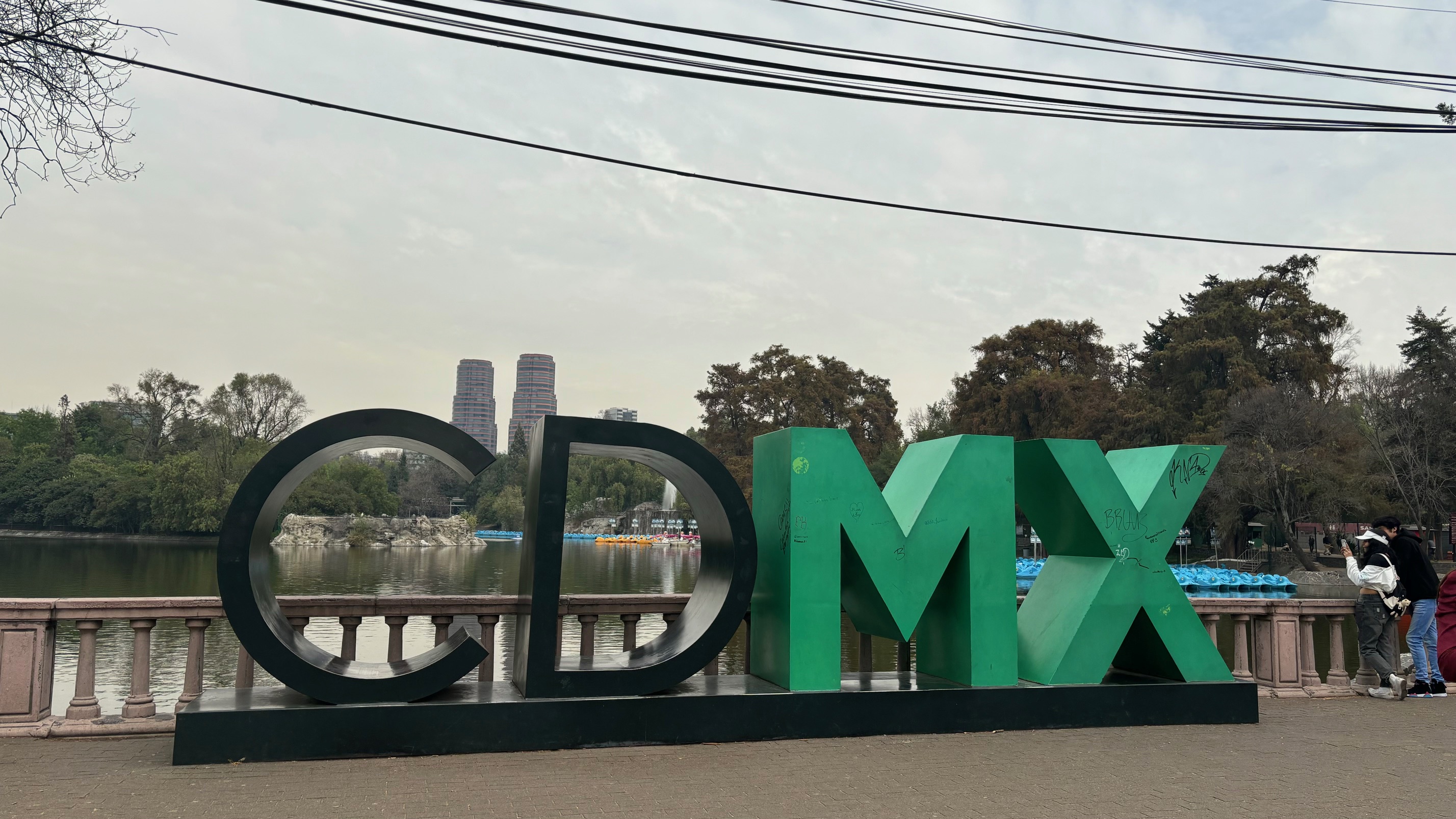
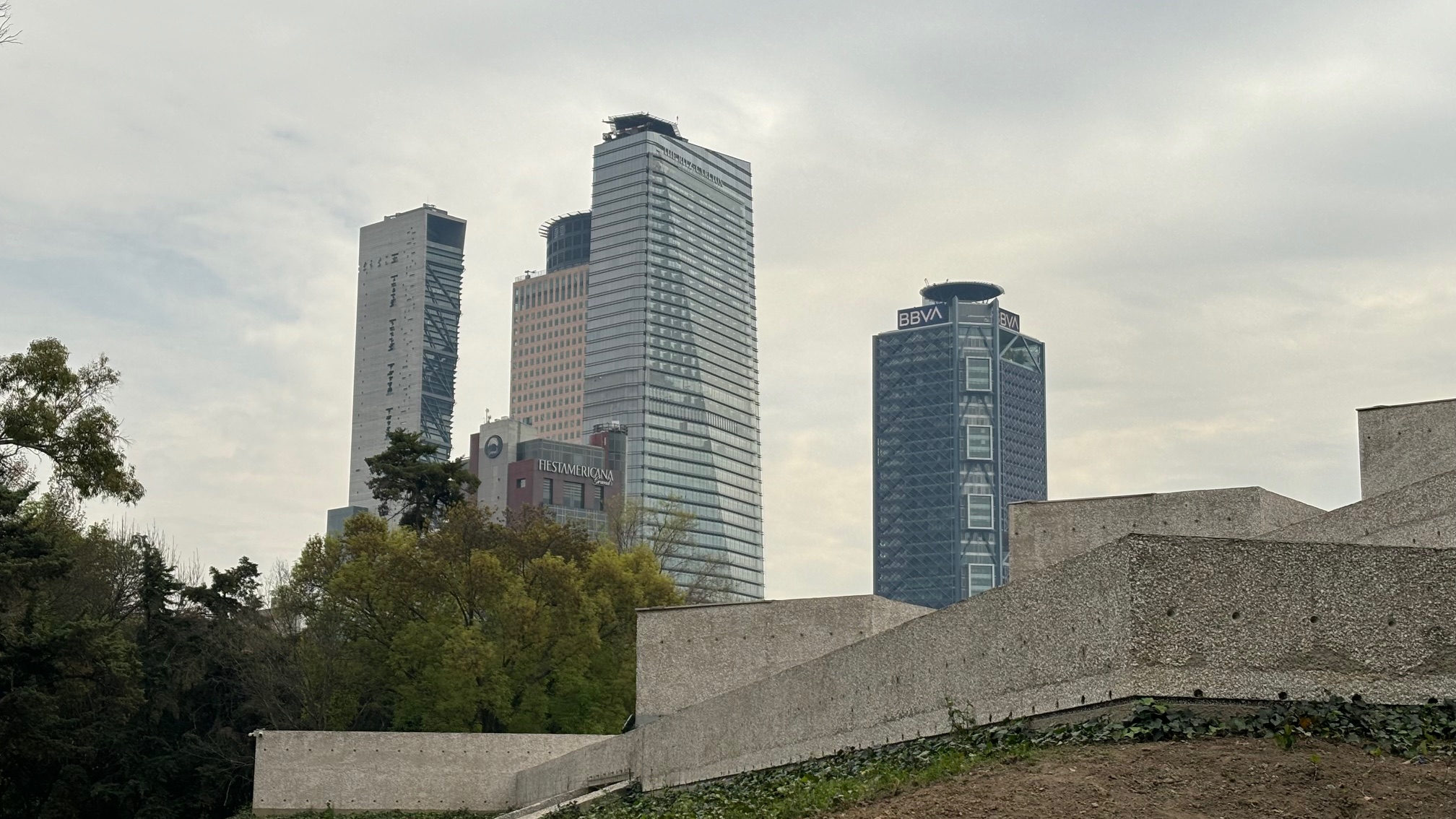
Camera: iPhone 15
Location: Mexico City, Mexico

Trip to Mexico City in February of 2024 to enjoy Chapultepec Park and other tourist spots in the city.
Camera: iPhone 15
Location: Mexico City, Mexico
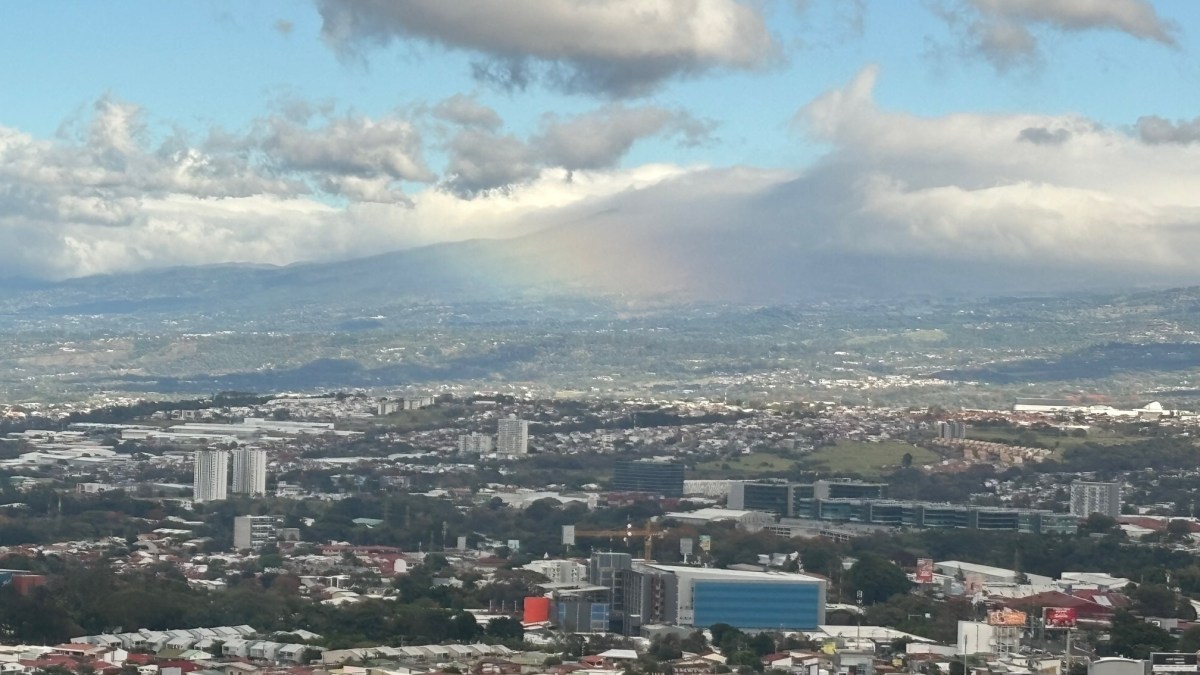
Assorted photos of jungles, beaches, and a unique rainbow sighting in San Jose, Costa Rica.


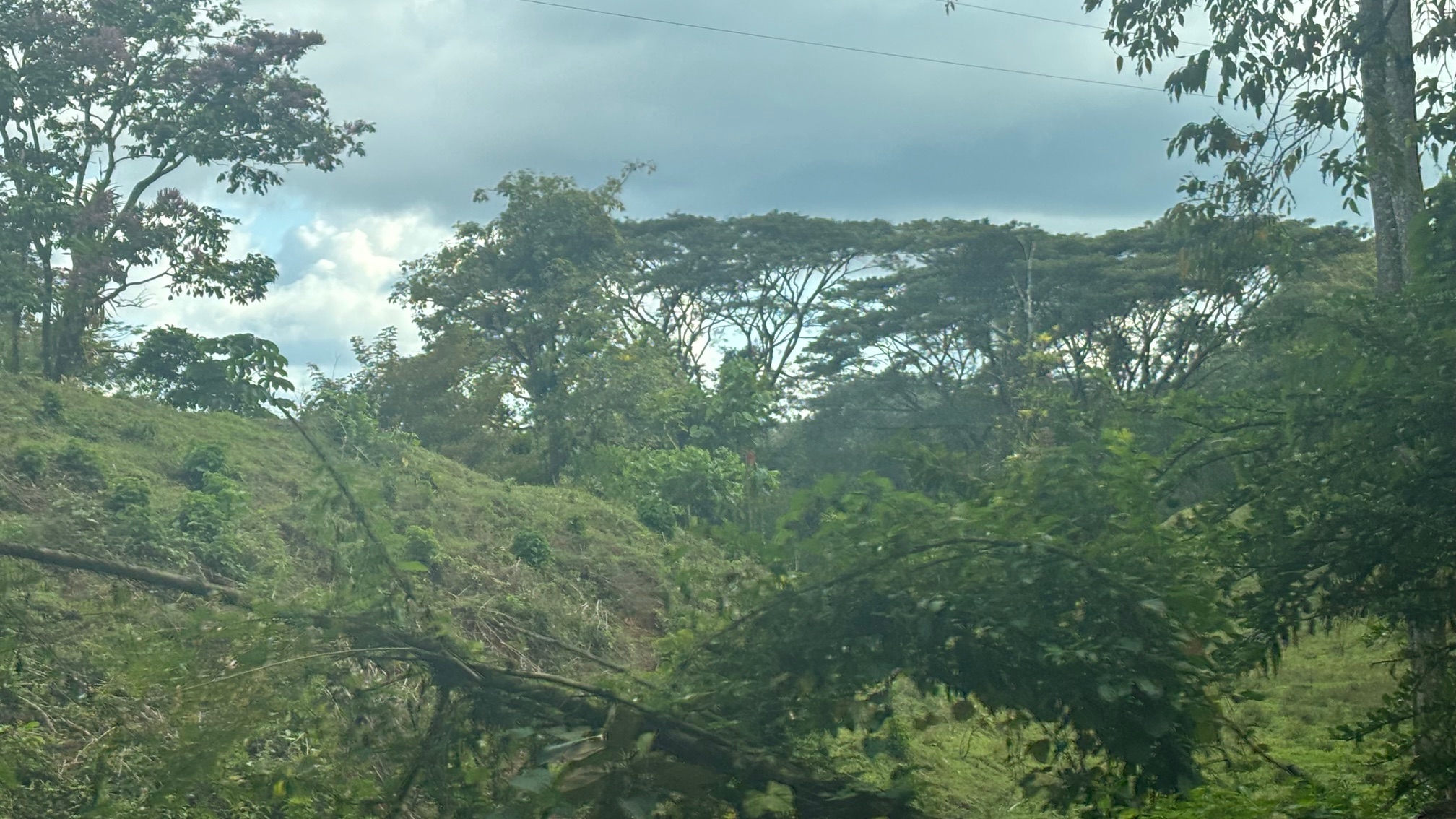
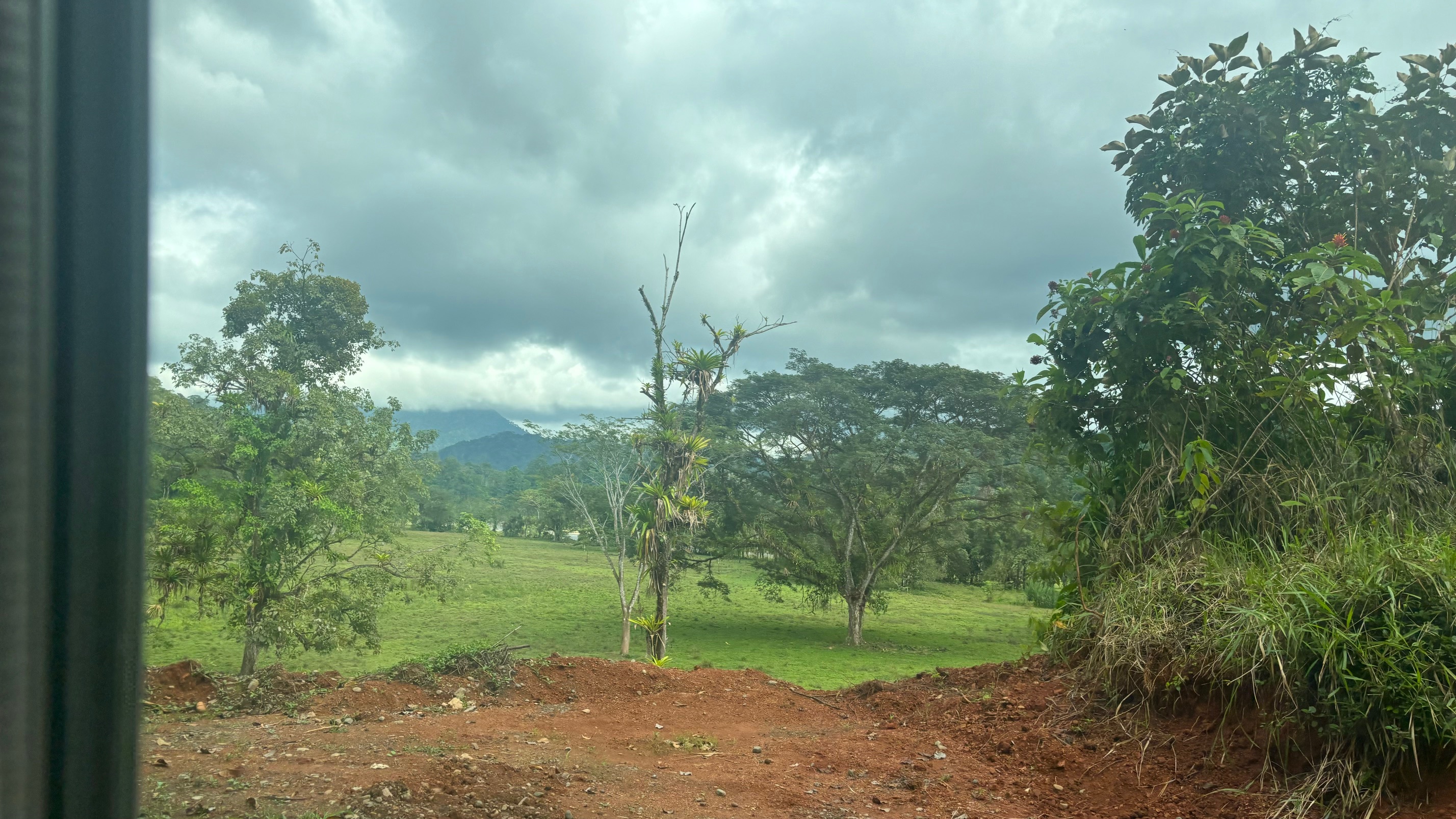

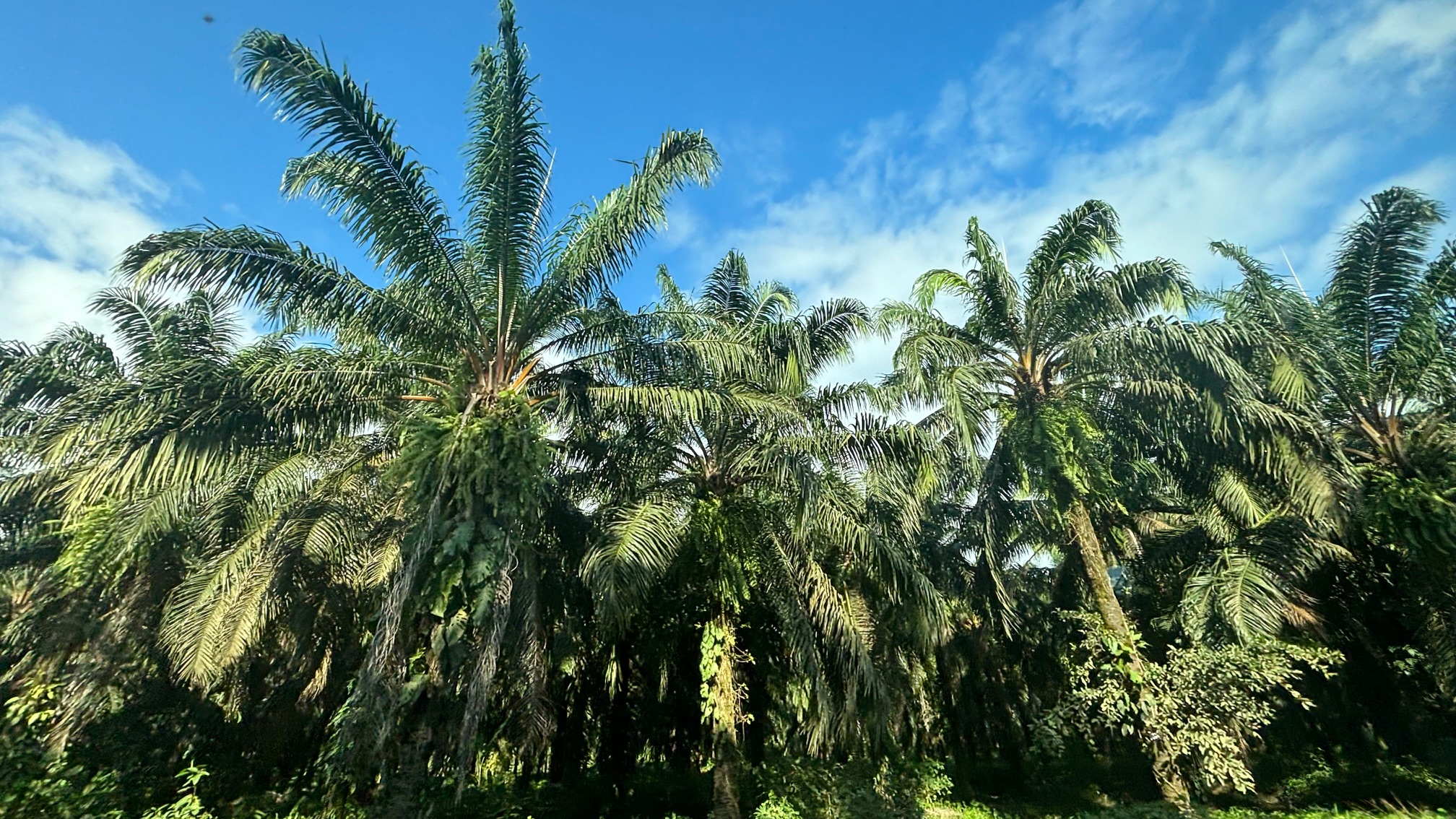
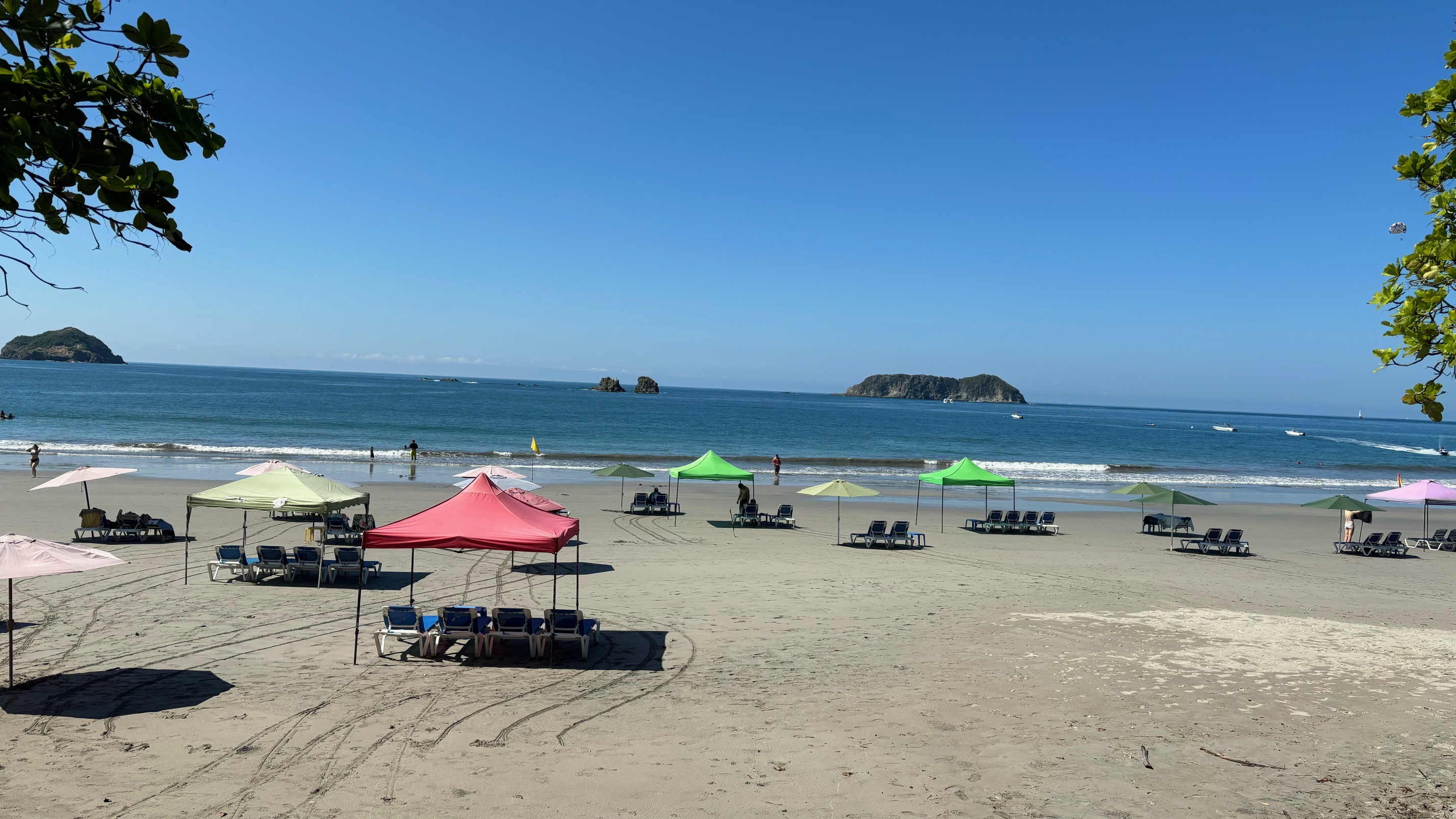
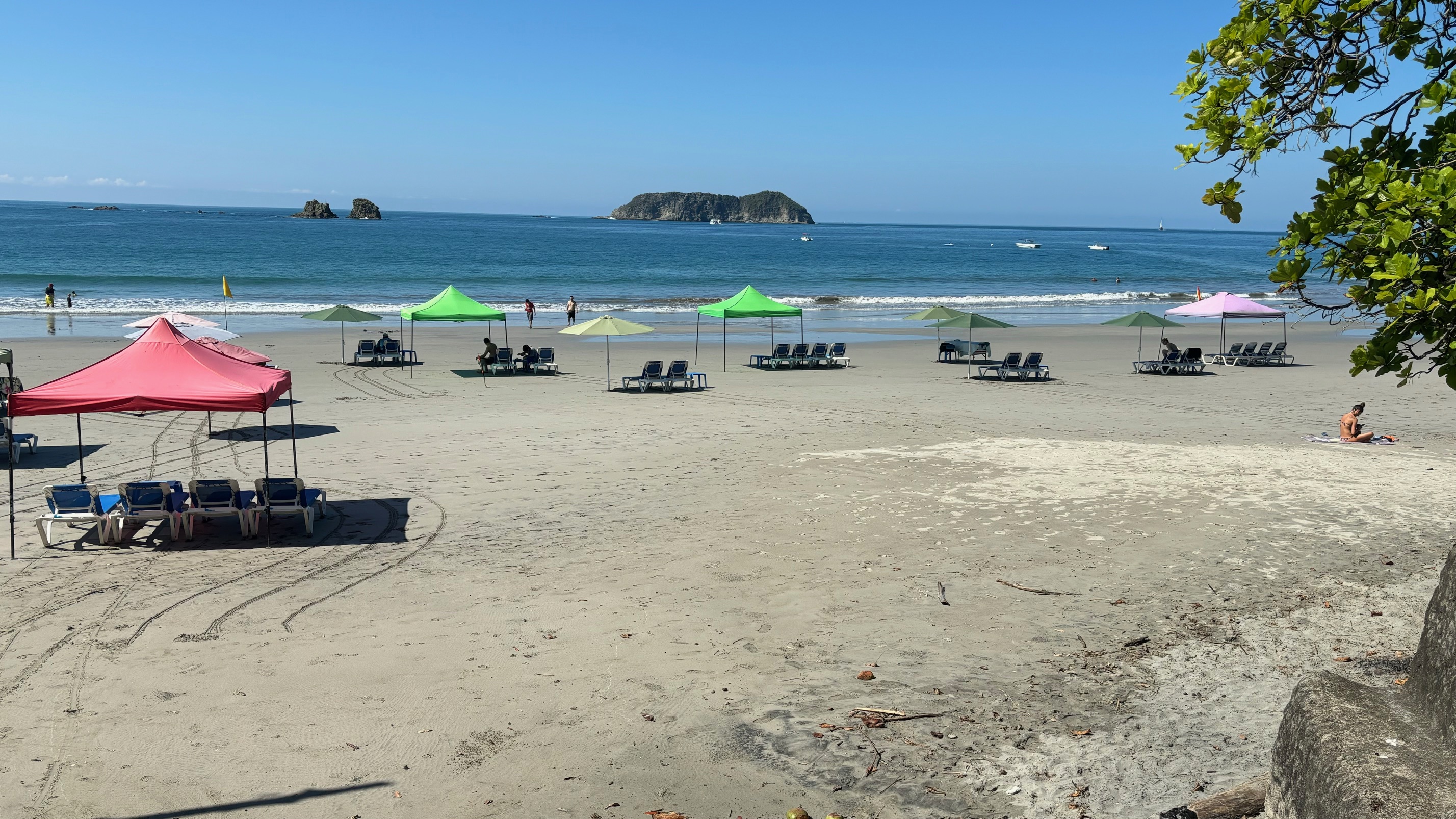

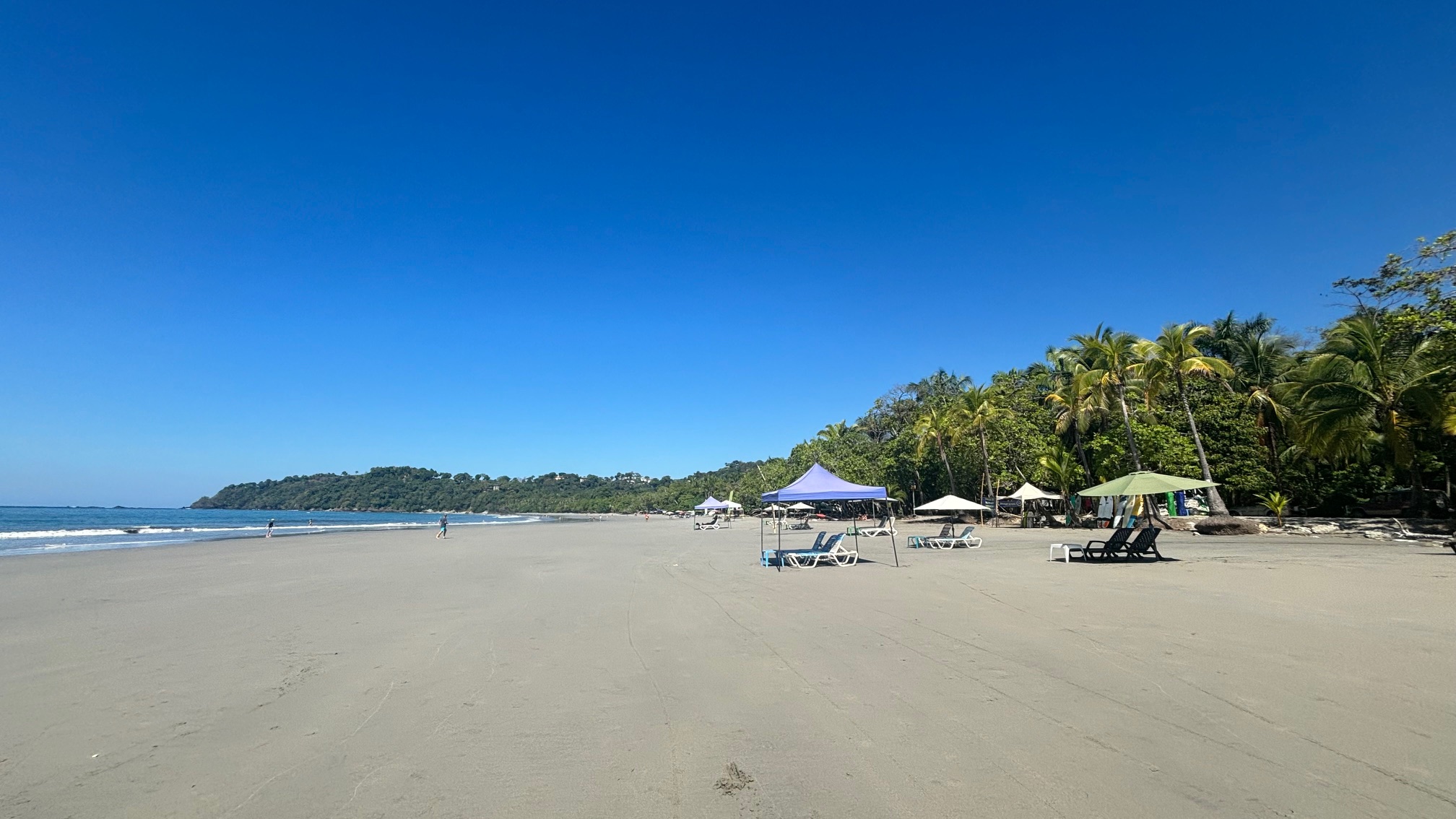
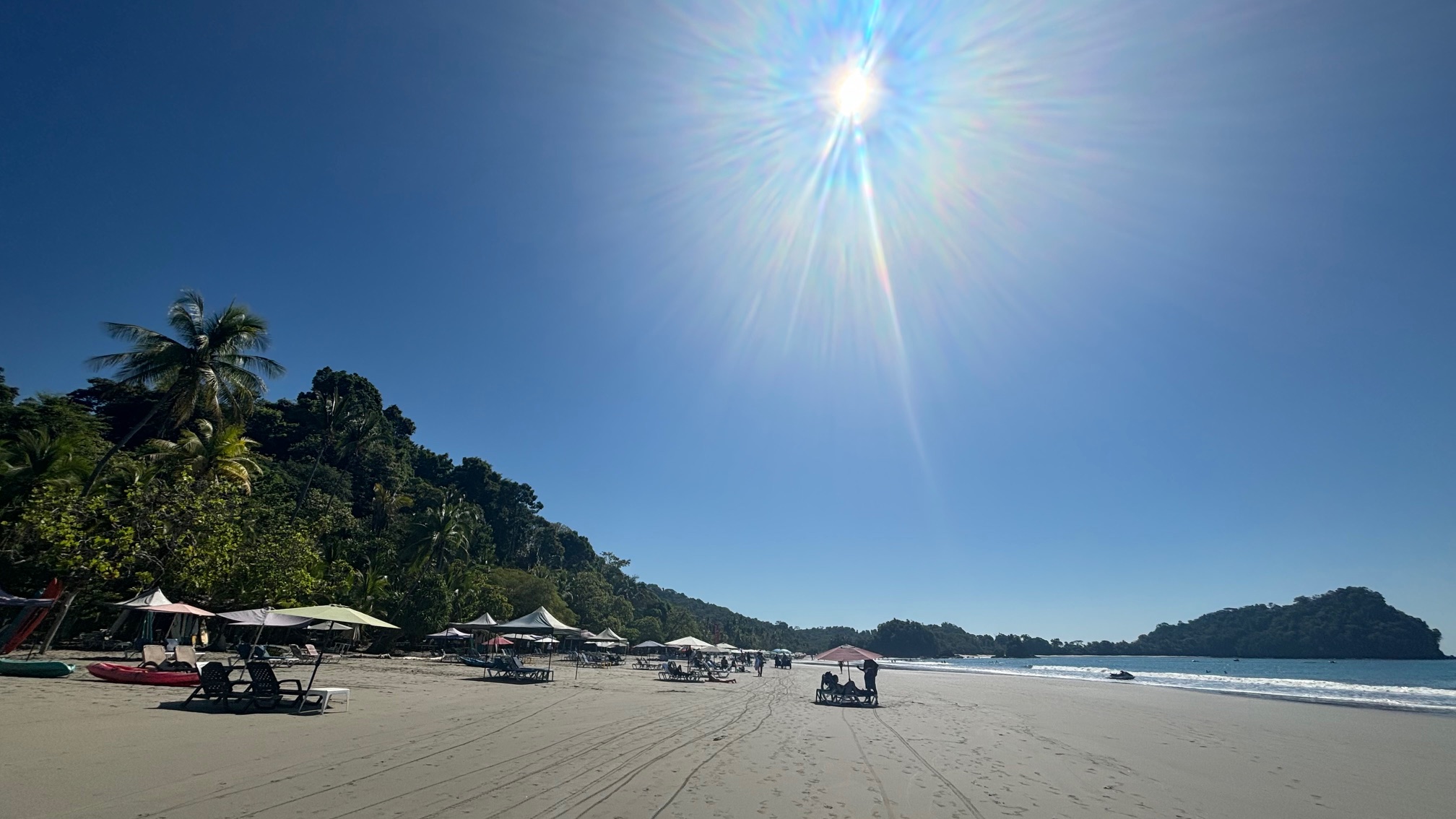
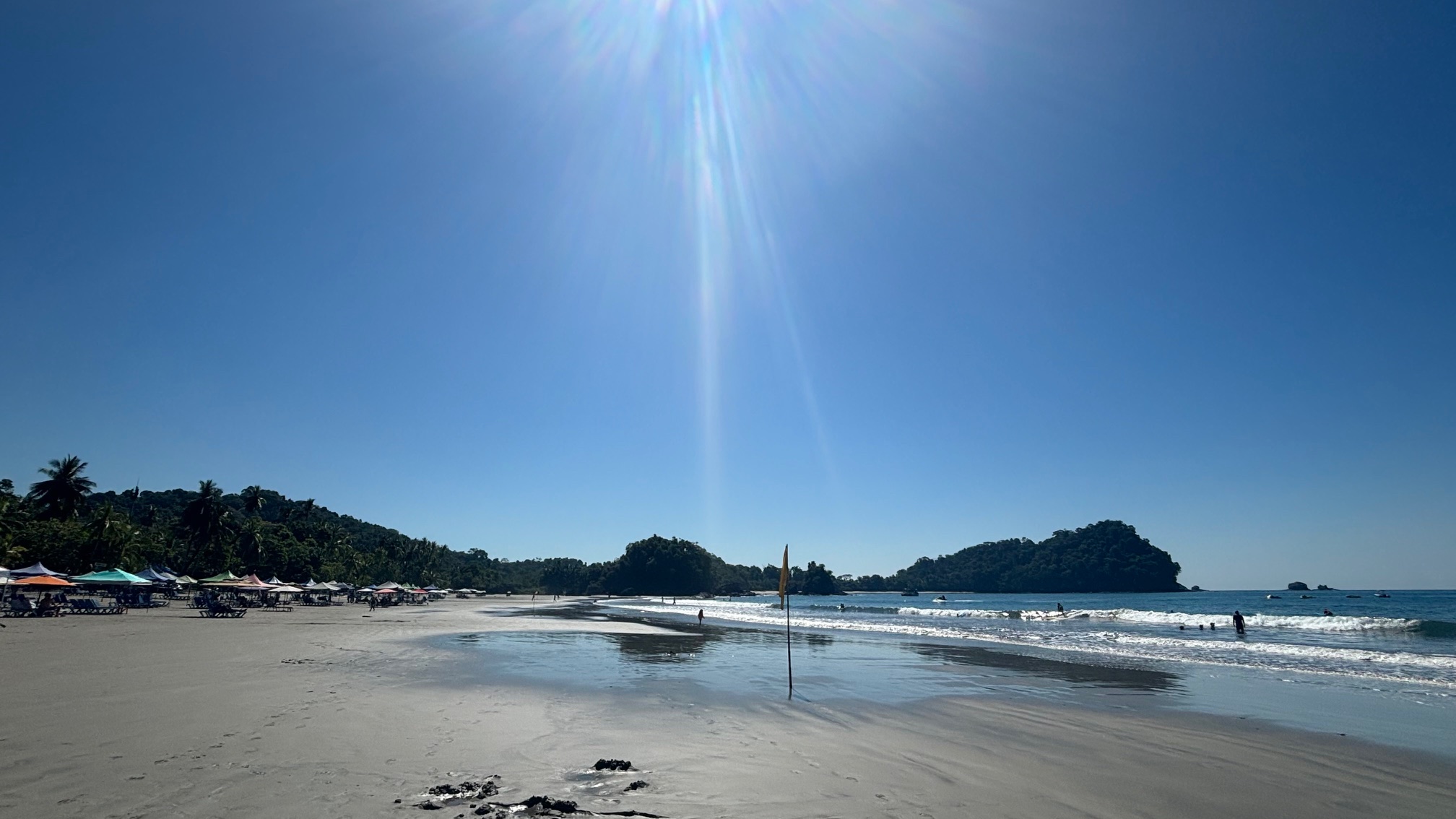

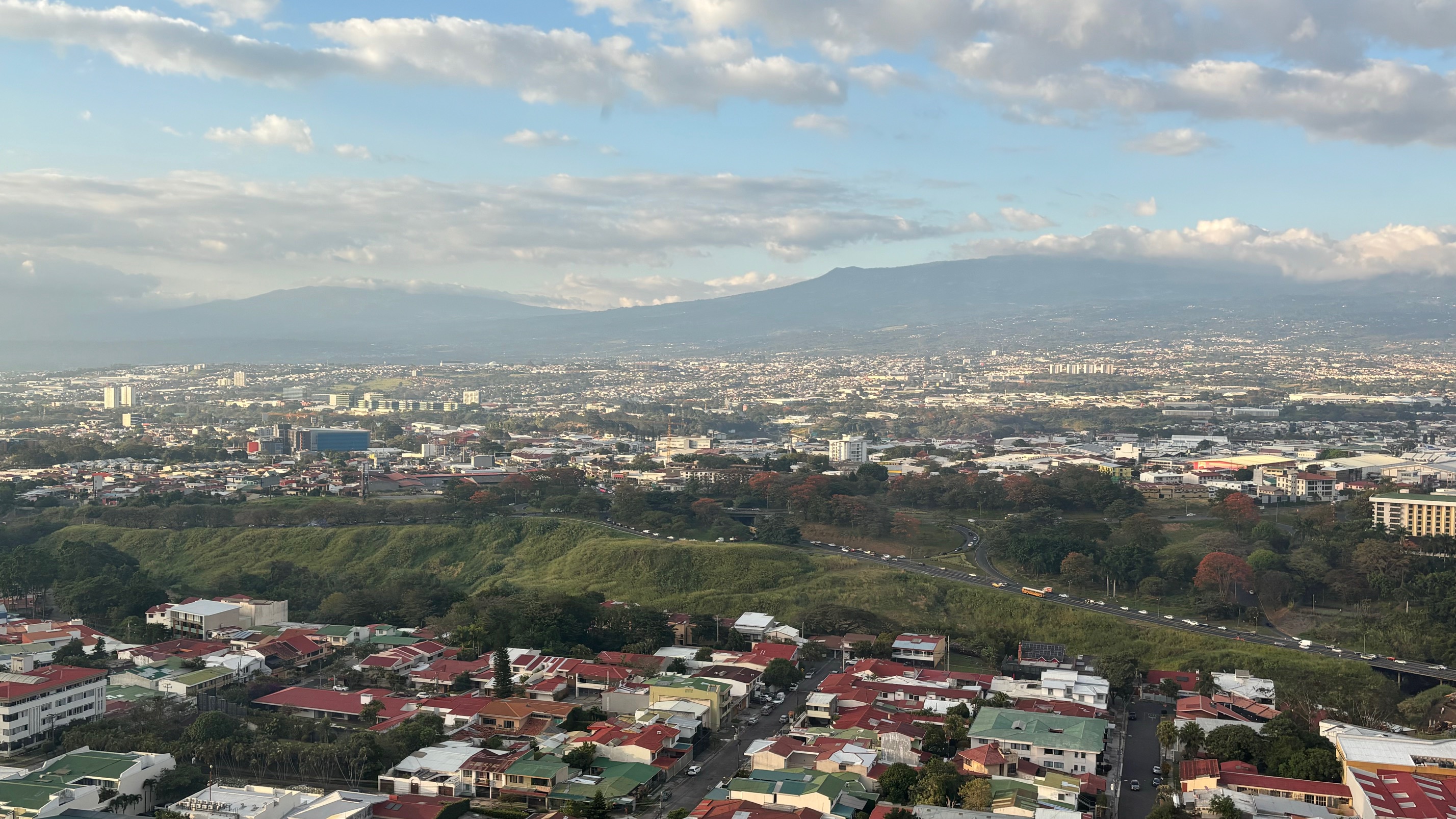

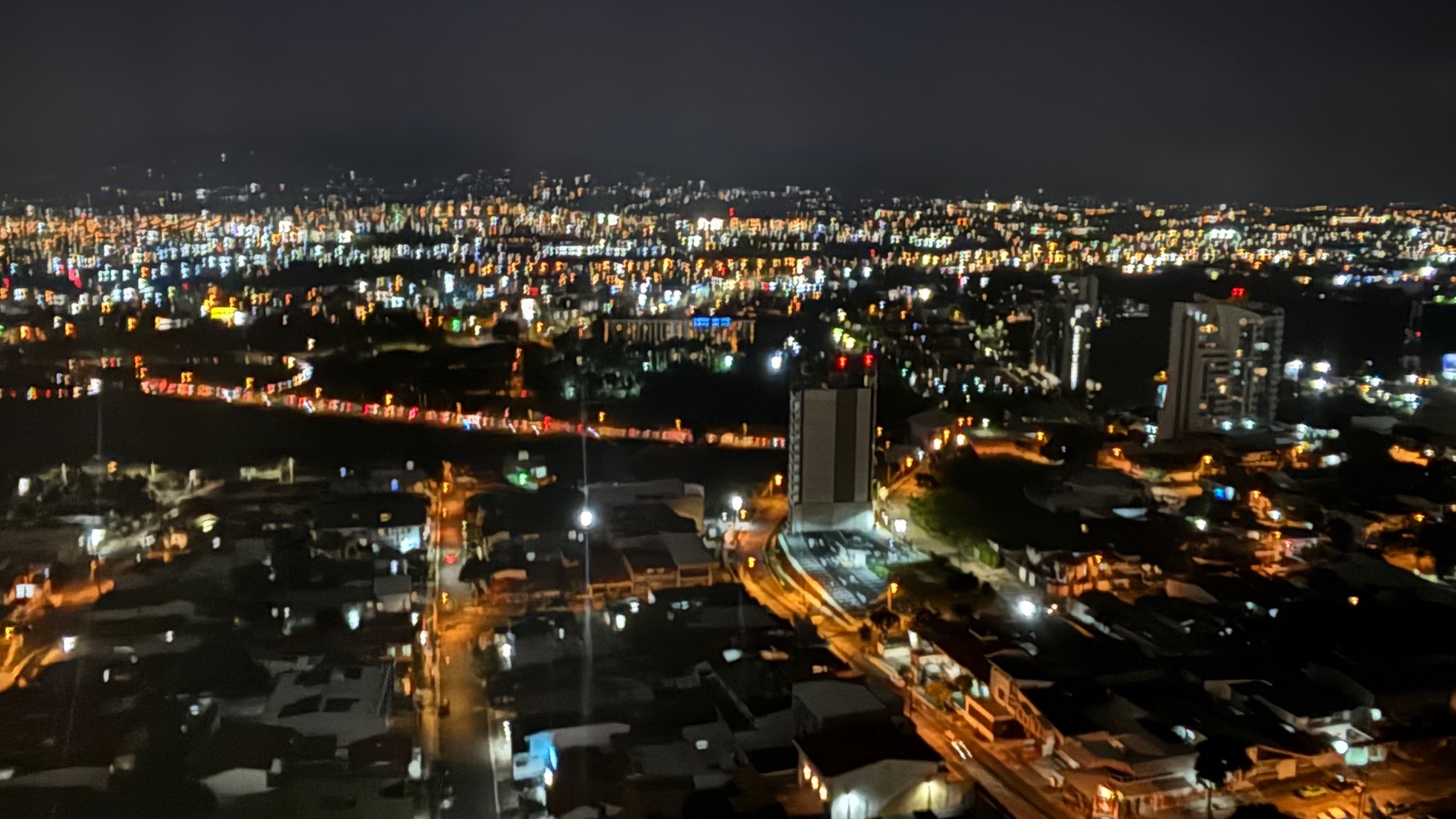


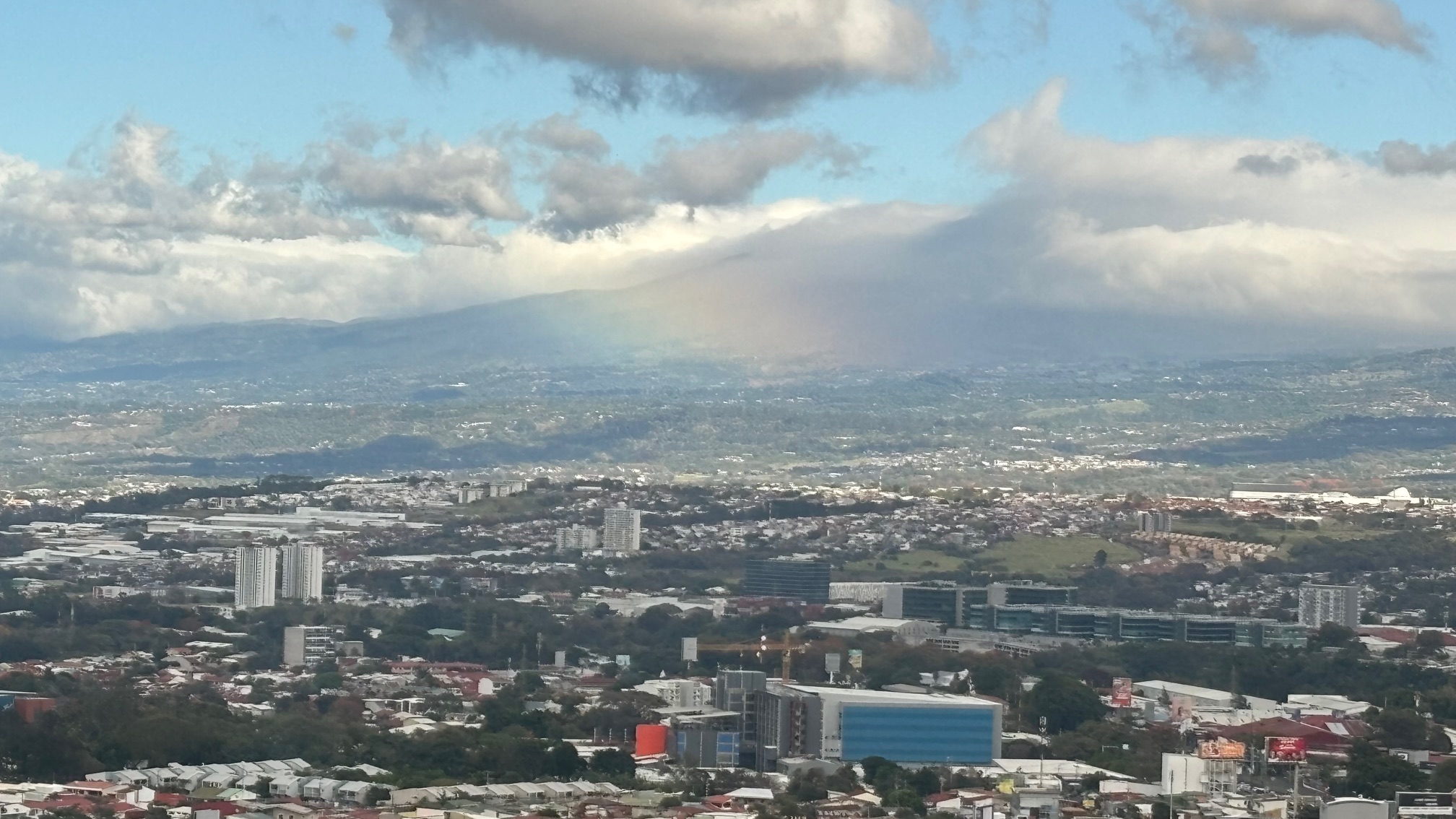

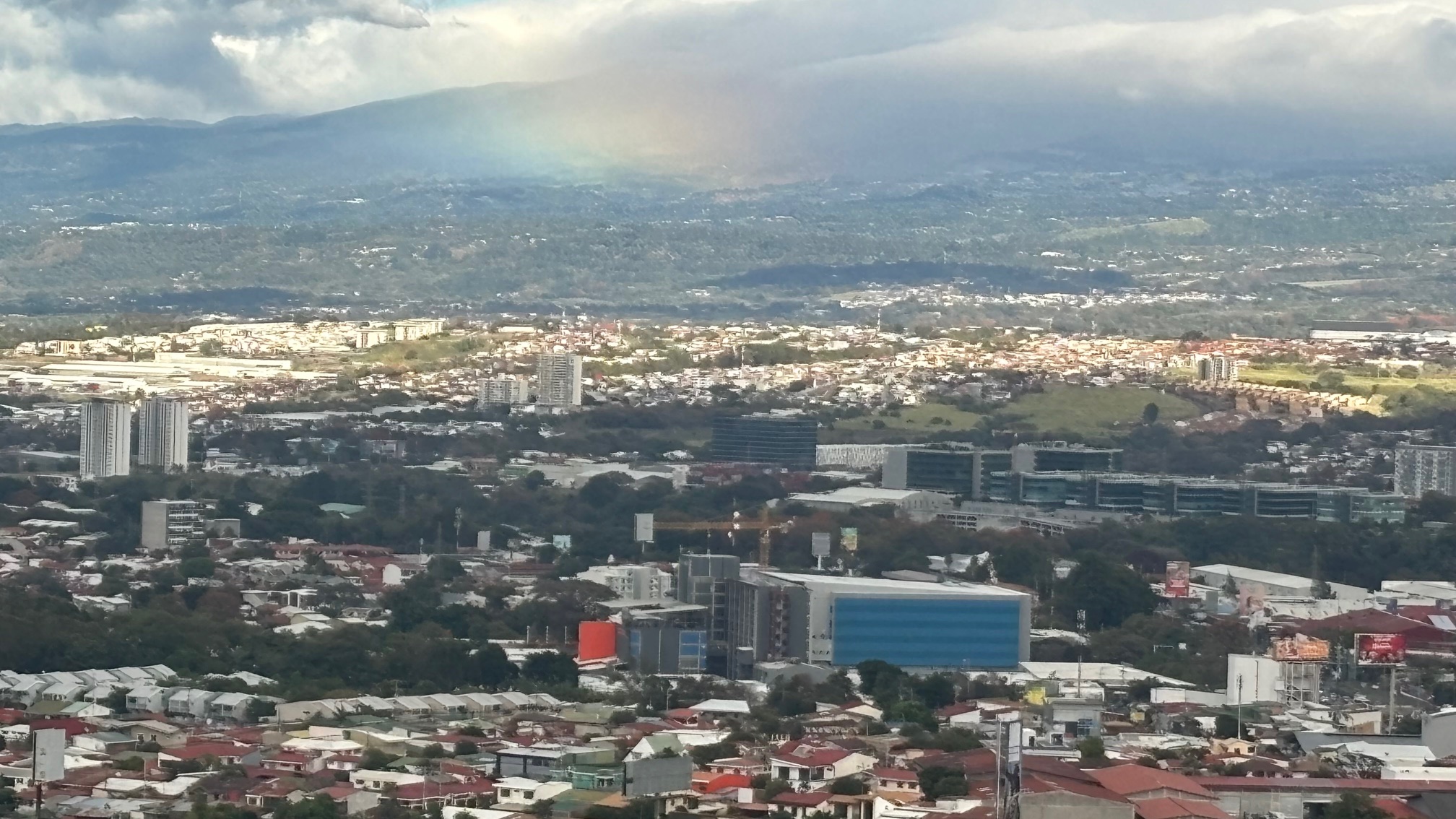
Camera: iPhone 15
Location: Costa Rica
The various creatures and critters you will encounter in Costa Rica during a trip or visit.
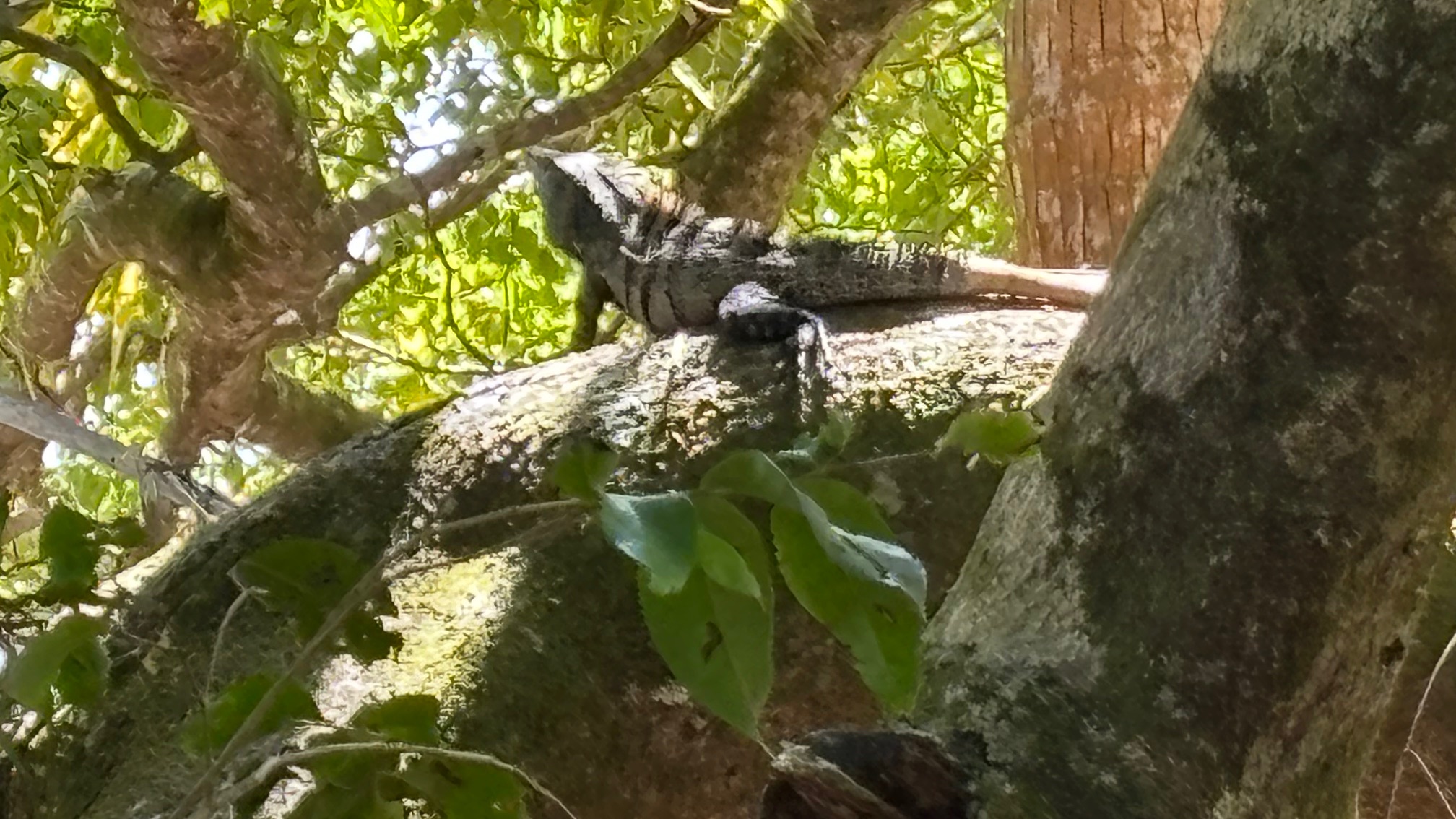
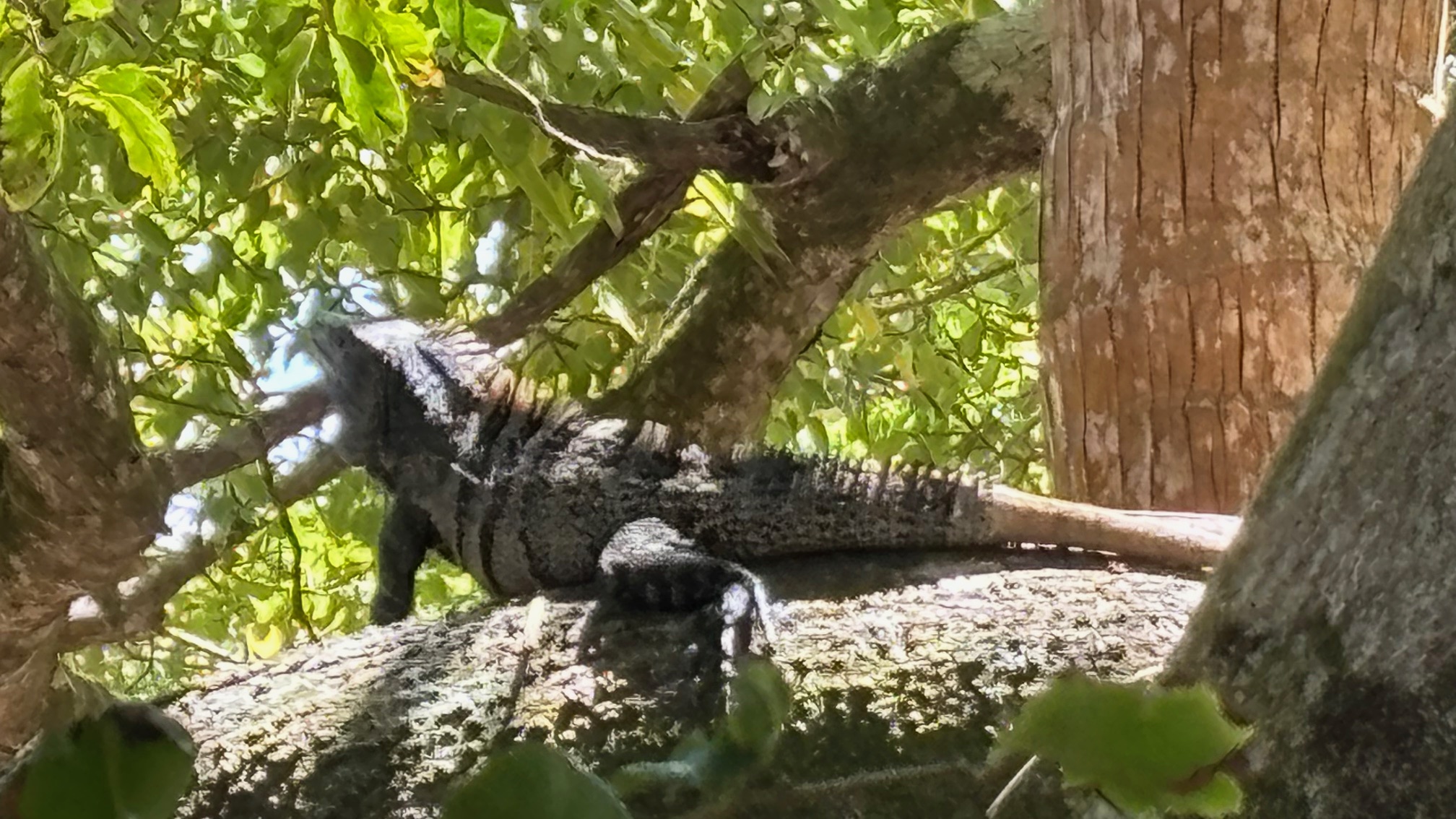
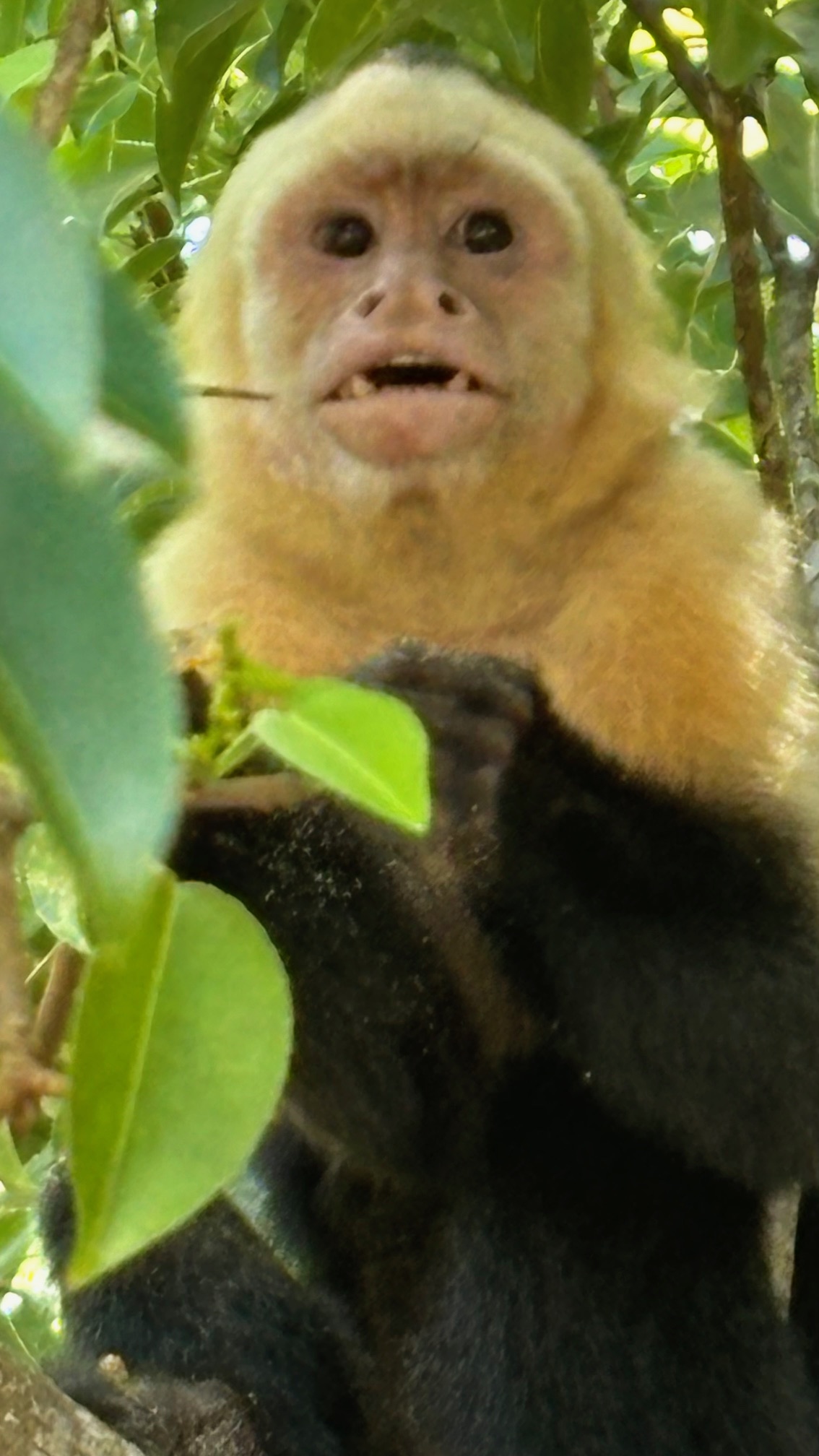

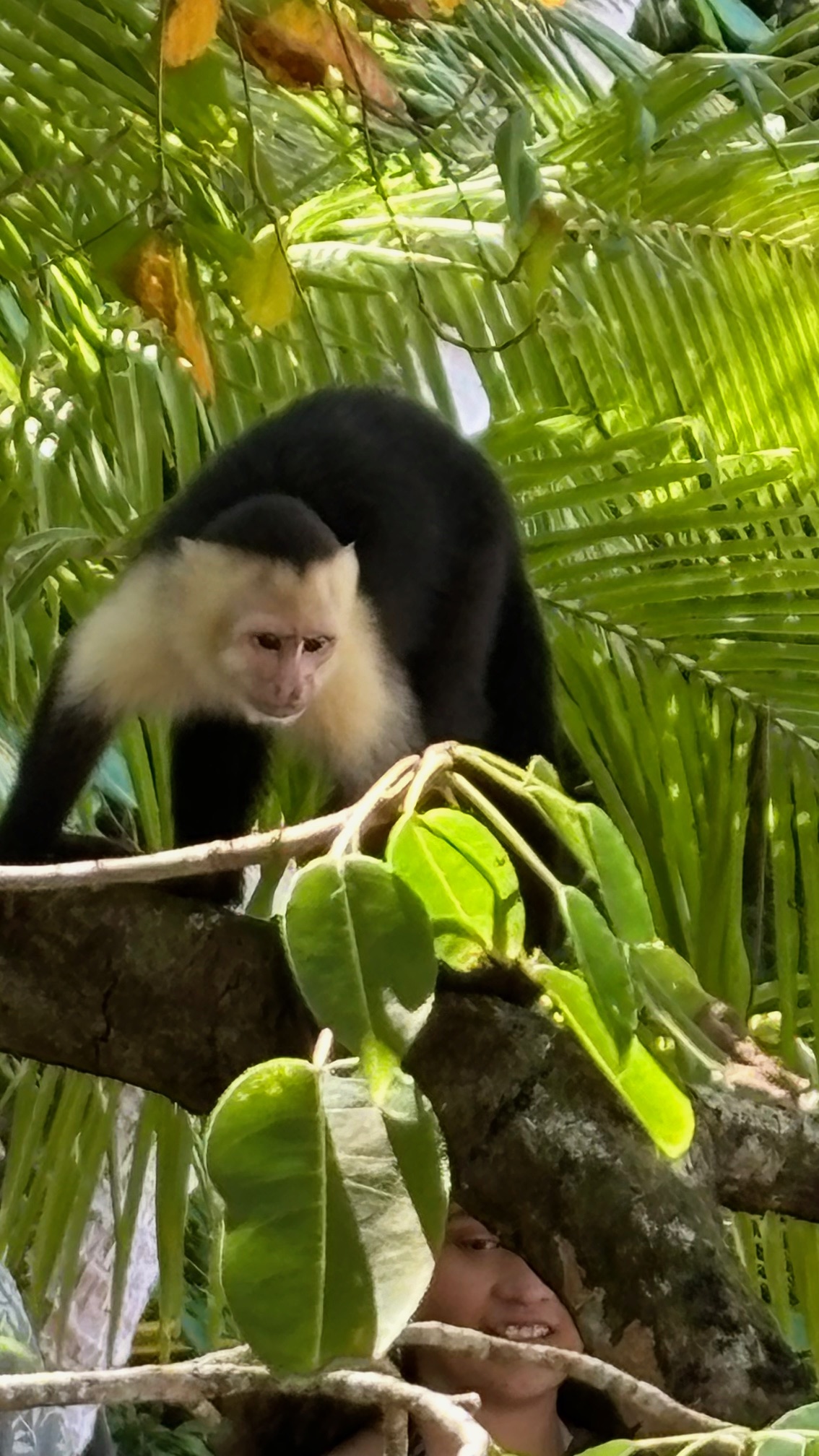

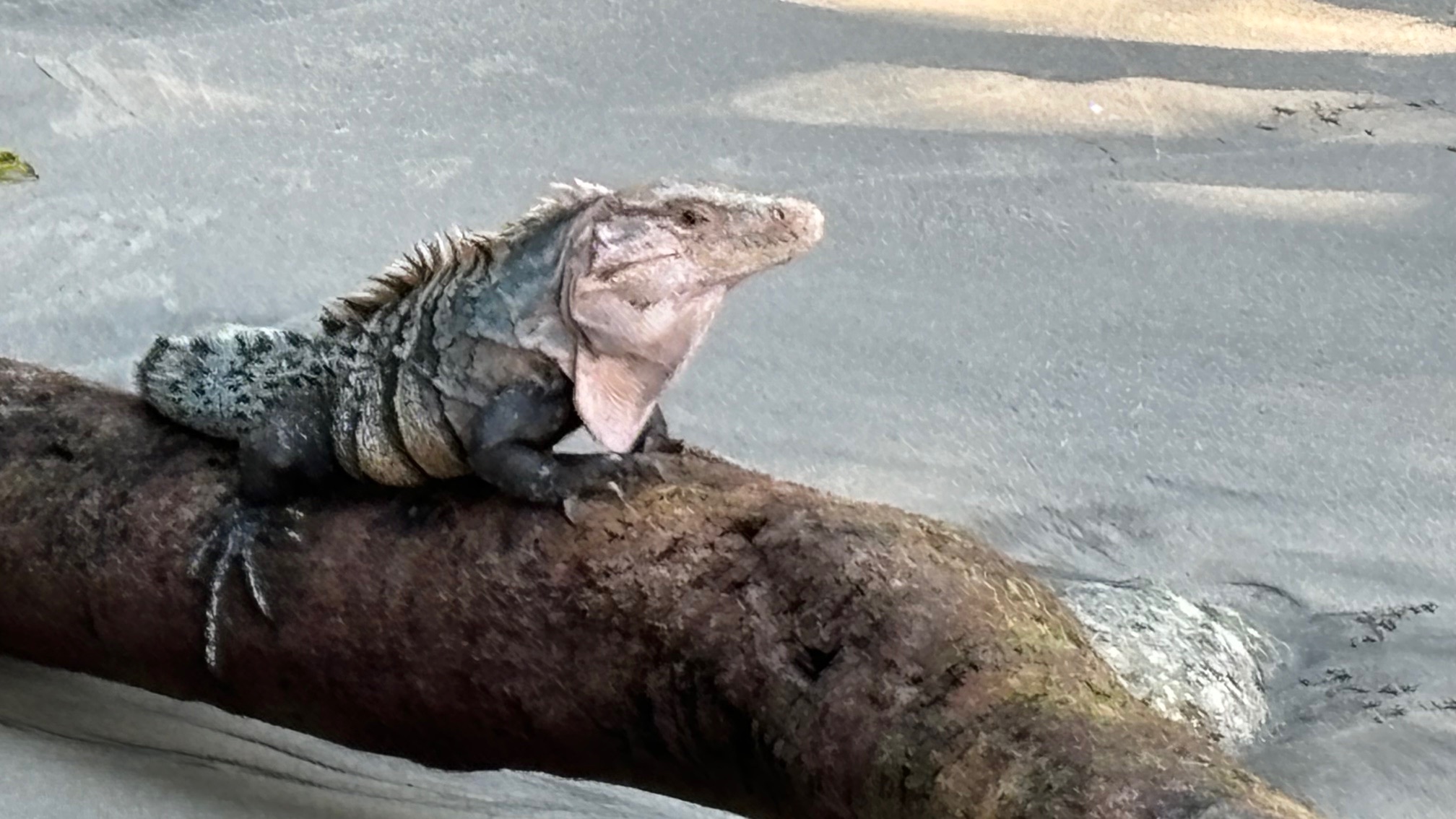
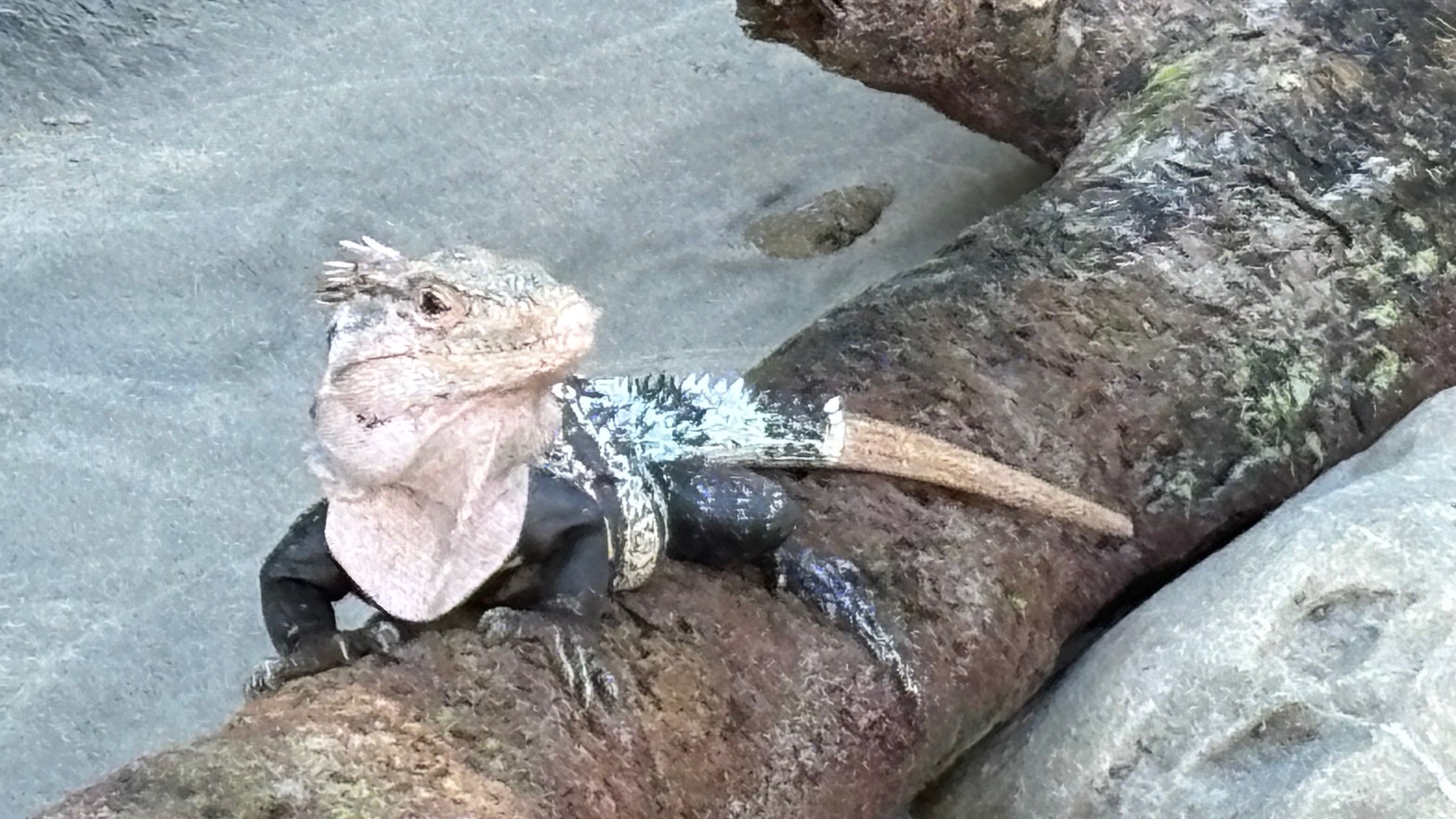





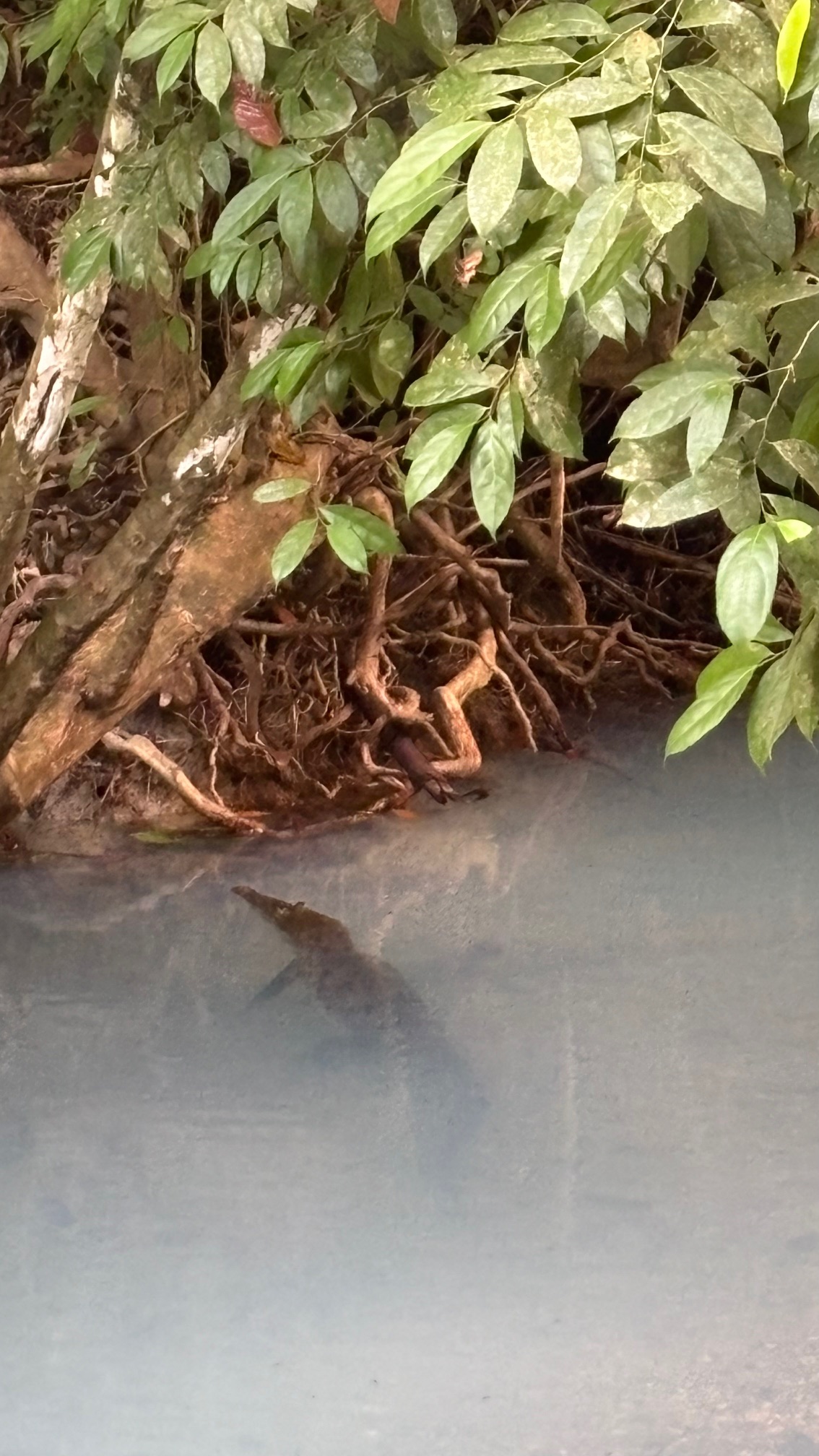
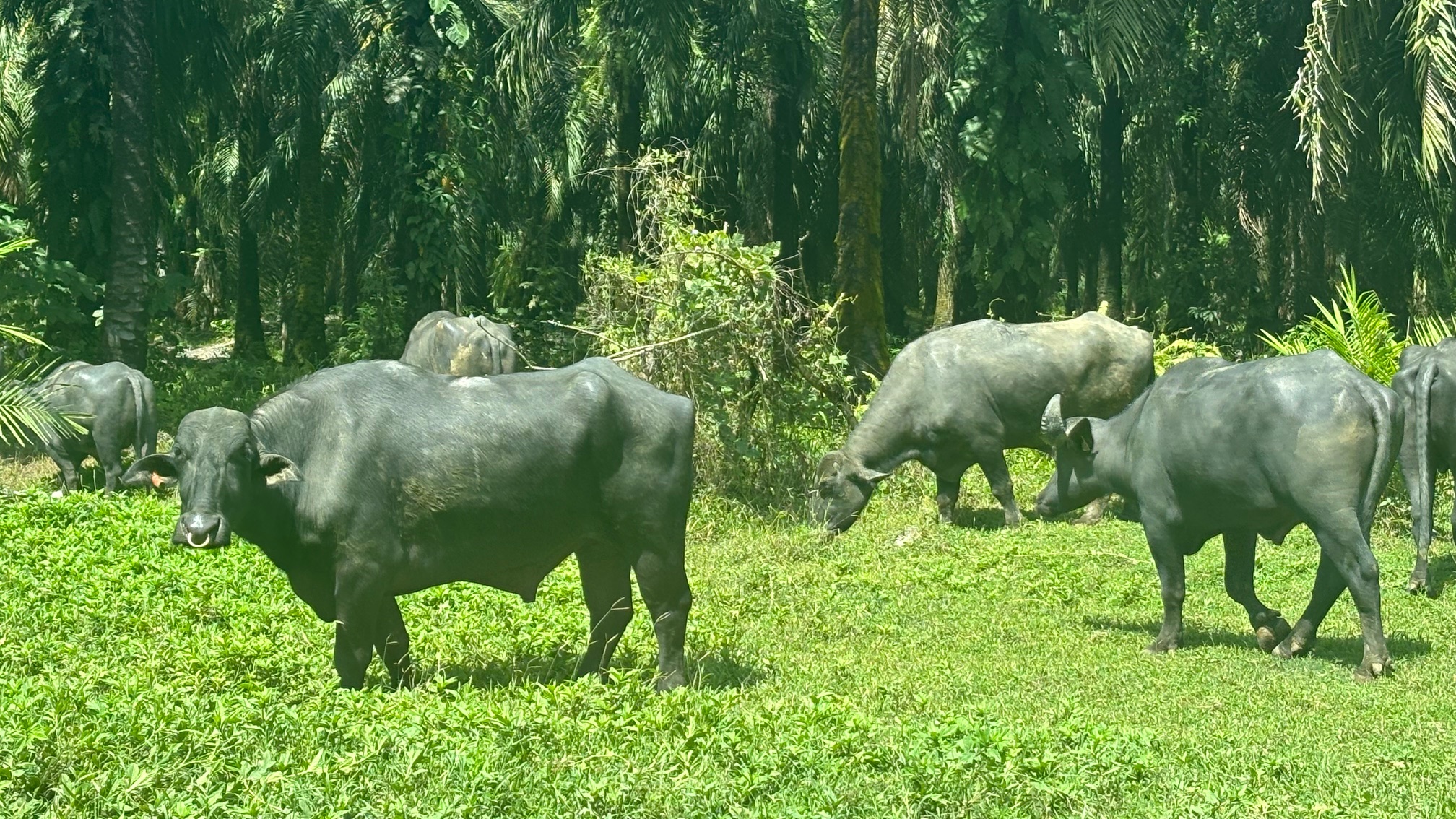
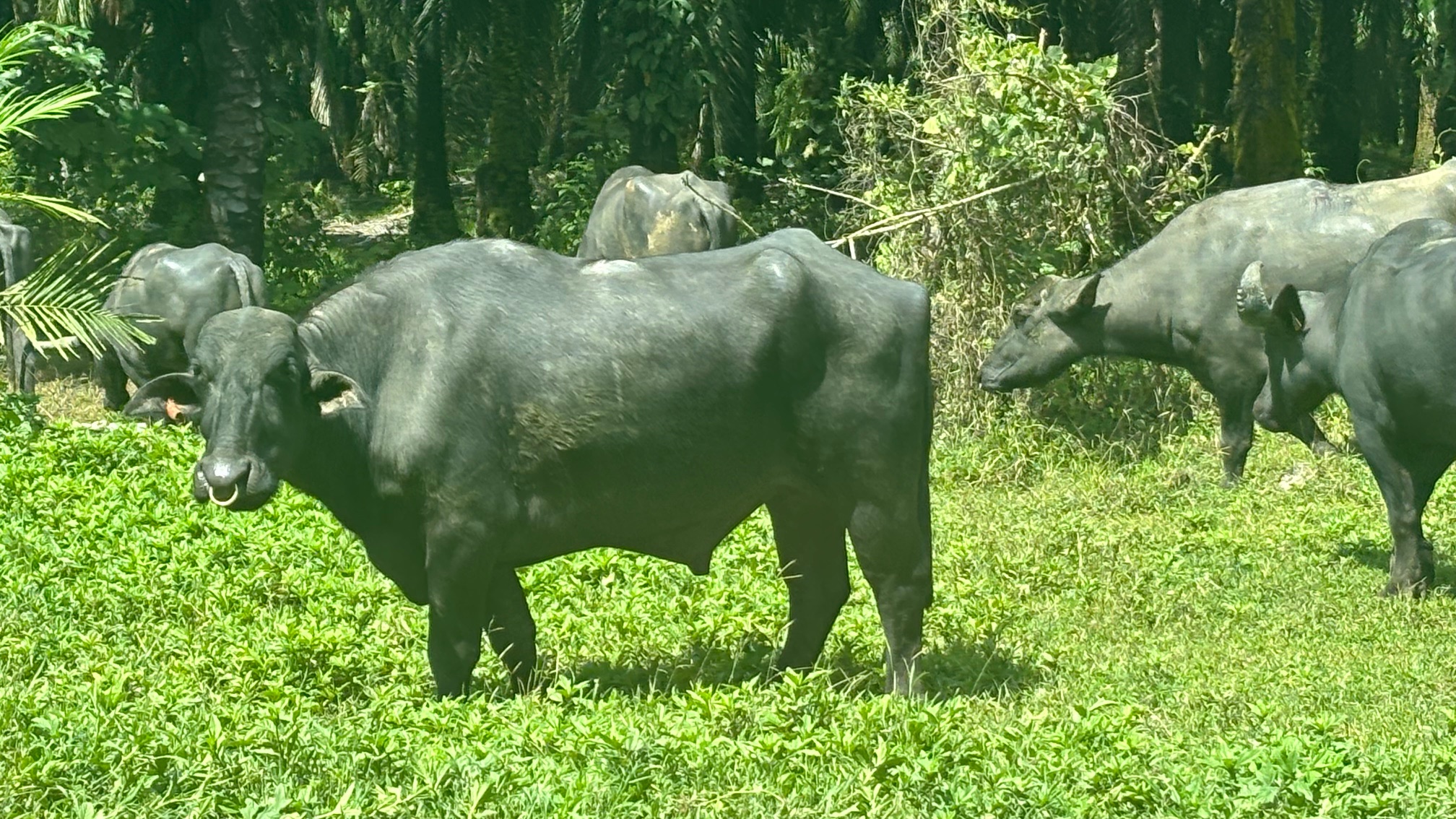

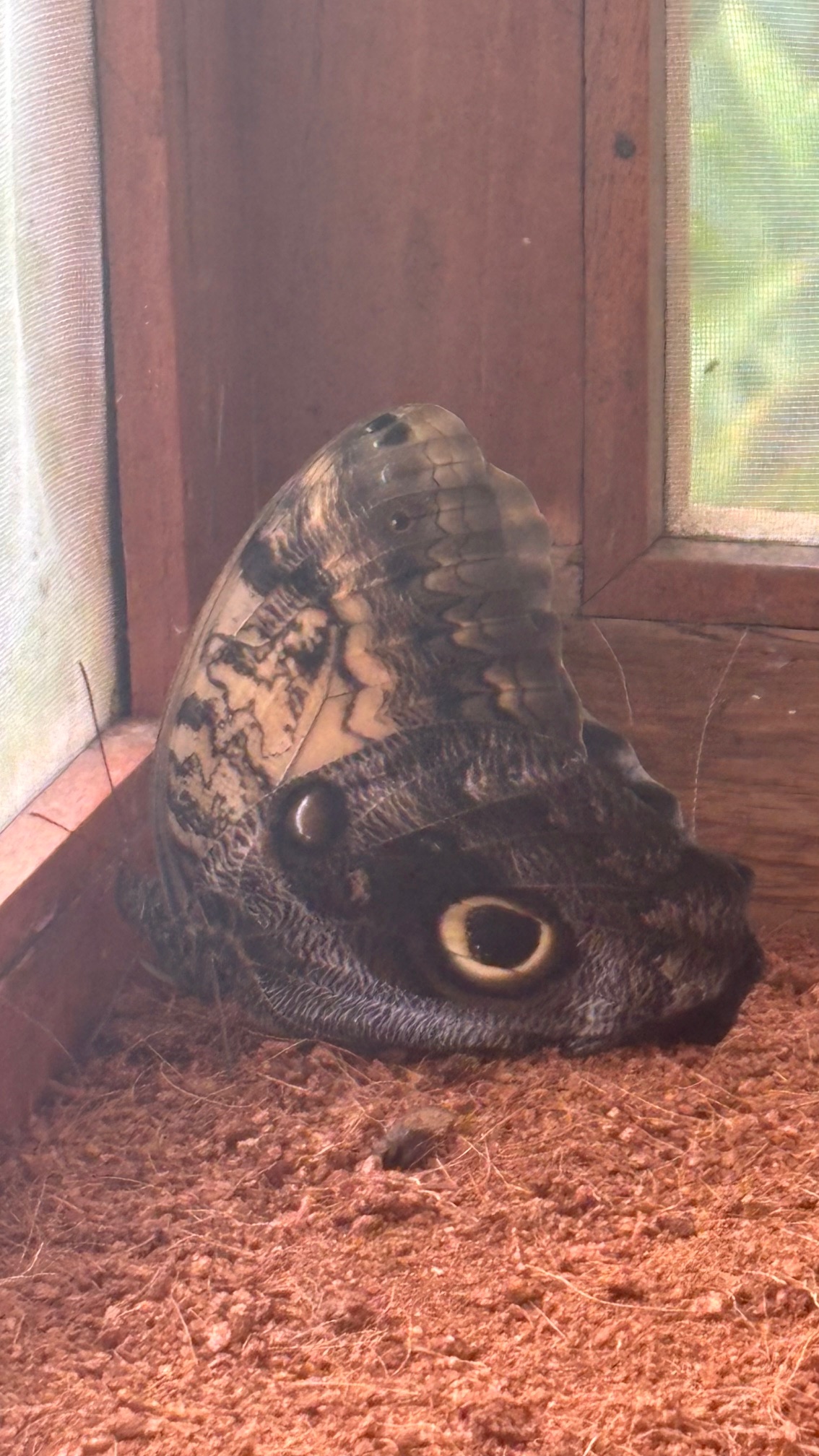

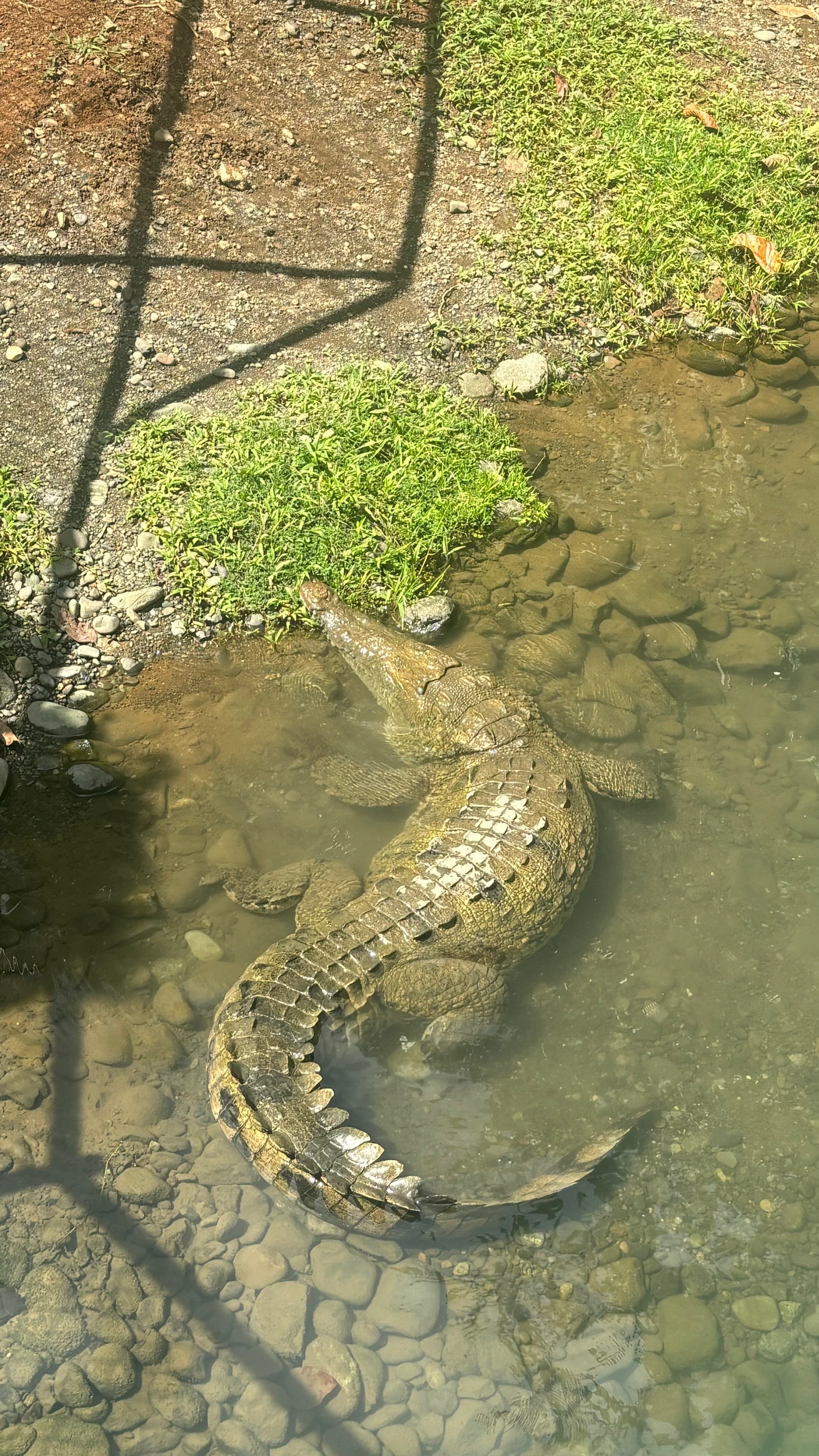

Camera: iPhone 15
Location: Manuel Antonio, Quepos, Costa Rica
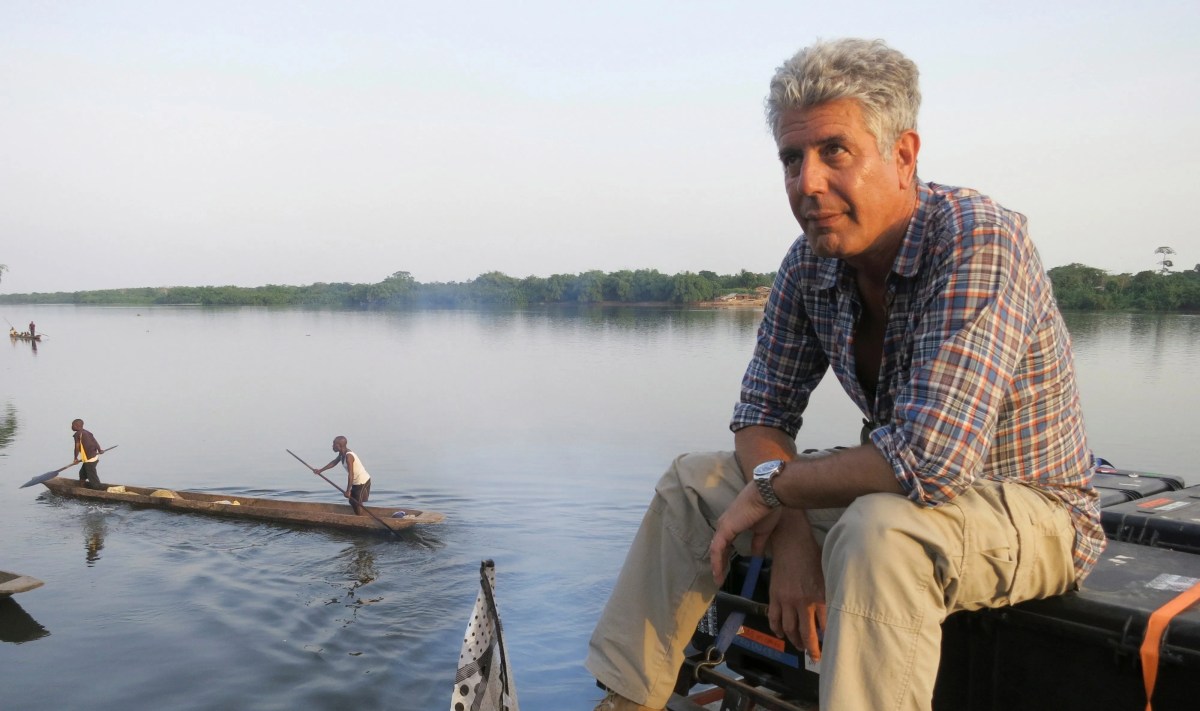
“One of Anthony Bourdain’s ‘Parts Unknown’ episodes in the Congo has one of the show’s best scenes where it has a vivid description of Bourdain gazing over New York City from his high-rise apartment in the closing moments, set up against the backdrop of his first and only foray to the Democratic Republic of Congo.”
If you had to pick opposites in the world, you couldn’t do much worse to contrast the journey through the thick Congolese jungles and down the Congo River with the urban sprawl of New York City. One of Anthony Bourdain’s ‘Parts Unknown’ episodes in the Congo has one of the show’s best scenes where it has a vivid description of Bourdain gazing over New York City from his high-rise apartment in the closing moments, set up against the backdrop of his first and only foray to the Democratic Republic of Congo.
There are multiple themes to take away from the significance of Bourdain’s perilous journey in the Congo throughout the episode and with the contrasting solitude and isolation he likely had felt back in his NYC apartment after such a harrowing trip. There is a burden that he must have felt in witnessing such a contrast between the Congo and New York City that leaves the contrasting scenes up for our interpretation as fans of his ‘Parts Unknown’ show. How easy it can be to feel lonely amongst millions of people after traveling to such a distinct place, the burden of making it through a perilous journey and putting your life on the line, and how traveling to such extreme places can change your sense of place in a complicated and often troubling world.
Before his passing in 2018, Anthony Bourdain was the preeminent travel host for over 15 years and his last show, Parts Unknown, from 2013-2018 was the deepest dive in his own mission of uncovering people’s stories through food and culture. In terms of looking at human nature and the human condition, few shows, if any, were better than Parts Unknown. More than anything, many of the Parts Unknown episodes had Bourdain providing needed historical context regarding the complex and difficult history of the country or place he would be visiting. This was especially the case during the Congo episode where he spends part of the episode looking at the colonial exploitation, civil conflict, and poverty that has gripped the country both before and after it became the nation state known as the Democratic Republic of the Congo today.
Bourdain was a huge fan of the Joseph Conrad book, ‘Heart of Darkness’ and makes it known in the episode of how became obsessed with the Congo and the Congo River without trivializing the country or its people. His approach is sincere, and he looks to paint an accurate picture of what the Congo is like, why he sought to demystify and humanize the place, and how it was both similar and different to Conrad’s interpretation of it.
“When all is said and done, I wanted to go to the Congo, and I did.” Bourdain knew that this would be one of his most difficult journeys, but he also wanted to pay homage to Conrad’s novel by following a similar exploration to the authors with a boat trip down the Congo river. However, this kind of journey as shown in the episode was not simply a leisurely trip down the river without witnessing the history, culture, or food of the Congolese. Bourdain and his film crew interacted with different villagers, aid workers, and other locals to hear their stories despite how difficult the journey had been especially losing power on the boat and being surrounded by mosquitoes and other insects at one point.
It takes a toll on a person to look at the dark history of a place’s past as well as its uncertain present and not be affected by it. Bourdain has a visible weariness and introspection upon the conclusion of the journey given how hearing about the history of violence, dealing with the security issues involved, the lack of infrastructure to make the journey work, and to hear about the sheer resilience and fortitude of the Congolese people under extremely difficult circumstances.
The hardest part for Bourdain in my view maybe wasn’t the actual trip down the Congo river with all the bureaucracy, bribery, and lack of infrastructure involved to make it finally happen. I think the final scene of this Parts Unknown episode sums up the ‘lost’ feeling and the isolation to have witnessed all that and come back to a New York City that is abundant, thriving yet inequal, and with a completely different set of circumstances than one would encounter in the Congo. There’s ‘culture shock’ and then there is experiencing a bit of a totally different reality that few Americans and fewer New Yorkers would ever see for themselves. This contrast in realities and the stark scene transition from leaving the Congo River to being back at his high-rise apartment in Manhattan is perhaps the greatest scene ever shot for Parts Unknown or in any of his travel shows.
To break down this excellent scene and contrast further, Bourdain is in one of the world’s most crowded cities, but he is alone and isolated in his apartment like being isolated from most people’s lived experiences of the world, which pales in comparison to his own having had been to over 100 countries in his travels. He is filmed sitting behind his apartment windows, which acts as a barrier between Anthony and the rest of the world, seeing everything for himself but finding it difficult to connect with his immediate surroundings in NYC after witnessing such a contrasting reality in the Congo.
I think this final scene of the Congo episode really encapsulates Bourdain’s struggle as a travel host and writer to search for meaning and purpose in a world that often feels indifferent or alienates the struggles of other people who live in a different place or country. Bourdain’s gaze through the window symbolizes the distance between the world he witnessed and the world he felt disconnected from. It reflected the existential tension that marked his life: the constant search for meaning, tempered by the knowledge that some things, no matter how deeply we travel, remain elusive.
In his life, Antony Bourdain likely felt a sense of solitude and isolation having witnessed the worst of humanity at times, which could be hard to relate to other people or even travelers who had not been to the same places. He was brave, kind, and let other people to tell their stories without judgment but it must have been lonely especially after a return from the Congo and returning home where he may have felt the most alone rather than out on the road with others in his crew or amongst people he had met. There is a loneliness in the familiar as any traveler can attest and the novelty of new places, people, and experiences make the routine feel mundane and trite. Bourdain’s entire journey, in this case, from the Congo back to his home in New York, shows that it can be hard to come full circle after visiting one of the least known places in the world.
The final shot of Anthony Bourdain in his New York City apartment, looking out over the vast, bustling city, yet consumed by solitude, serves as a poignant culmination of his journey as a seasoned traveler. After traveling the world, exploring the darkest corners of humanity in places like the Congo, Bourdain returns home, not with answers, but with a profound sense of isolation. The Congo episode, with its harrowing depictions of suffering and resilience, reflects the complexity of human nature that Bourdain grappled with throughout his career. The contrast between the vibrant, chaotic cityscape of NYC and Bourdain’s contemplative stillness in his apartment alone emphasizes a universal paradox: despite all the human connections made in the world, the traveler often finds themselves confronted with a loneliness that cannot be filled as a result.
Bourdain’s Parts Unknown was not merely about exploring food and culture, but it was also an exploration of the man himself. His travels were a quest for greater understanding, but they also unearthed the difficult truth that knowing the world does not necessarily mean knowing oneself at the same time. In the end, Bourdain’s legacy lies in the raw, honest portrayal of this duality, the external world and the internal battles that shape who we are. His life story continues to remind us that, no matter where we go or how much we learn, we all face the same fundamental challenge in life: to find a true connection in a world that often seems vast, indifferent, and overwhelming.
“To me, it’s also about seeing alternate realities in the sense that you get to witness how people around the world have distinct ways of living, thinking, and experiencing the world that challenge and even change your own perspective.”
I have always thought of travel as more than just changing your physical location to another place. To me, it’s also about seeing alternate realities in the sense that you get to witness how people around the world have distinct ways of living, thinking, and experiencing the world that challenge and even change your own perspective.
There’s the saying that you should want to “put yourself in someone else’ shoes” and travel is the best way to do that. By relocating ourselves if even for a few days, a week, or more, you can get a deeper understanding of the seemingly almost endless varieties of the human experience and reflect on the limits or possibilities inherent in our own worldview.
As Mark Twain once famously wrote, “Travel is fatal to prejudice, bigotry, and narrow-mindedness.” Travel allows us to gain access to a parallel world in a sense where the values of the people, the rhythms of their lives, and their daily routines or priorities differ from our own or they could surprisingly be similar or even the same as our own. In our own town, city, or country, we have such a tight conception of what everyday life should look like that travel allows us to see beyond our own way of living to see how other people live even if just for a short while.
As mentioned earlier, the reality of time and the pace of life can differ depending on the culture and it can help to reshape our own perception of time or daily rhythm that we are most accustomed to. We may think our quality of life is best based on how we spend our time each day, but travel allows us to see the alternatives out there or the different realities that are out there to experience.
For example, if you go to Italy or Spain, you’ll likely be able to have a long lunch, take an hour or two to go home and rest, and there’s a desire to not rush to do things if there’s no need to do it right away. The emphasis on leisure, family time, or catching up with friends can have a huge impact on our own perception of what’s important with our time after seeing what others think is better for mental well-being and what is actually a good use of one’s time. Focusing on ‘time is money’ or ‘efficiency matters most’ is certainly a reality that is out there but there are other alternatives that people around the world embrace and enjoy each day.
Individualism vs. Collectivism is another way to view the priorities that communities have when it comes to how the society is structured and what the role of the community is. How people connect, what they connect over, and when they connect is a useful observation to make when it comes to seeing the reality of community and connection in your travels. Some cultures prioritize family gatherings and a communal approach to problem solving and making decisions collectively. Others including in the United States focus on being independent, relying on yourself, and making something of yourself without relying on your family or community.
Social structures can differ in terms of how strong or weak the social safety net is and if it is prioritized at all. You can get a good sense of how strong a social structure is when you travel based on the use of public spaces, the embracing of local or national festivals, and how the least well-off people are treated in the society. Each culture in my view values community and social cohesion but travel exposes us to different realities regarding how strong or weak the communal ties are and if there is a sense of togetherness or isolation because of how the community or society is.
Every culture also has their reality of what they value and prioritize especially when it comes to how they interact with the world around them, specifically the material world. Different cultures have conceptions of what is essential and what is superfluous to living. You will likely see that each culture has different priorities in terms of consumption and materialism based on their own priorities but also what the culture tells them to prioritize.
Some cultures are okay with minimalism and cleanliness while others highlight material gain and being consumer driven. It is good to be able to travel to see these different realities of materialism vs. minimalism and how you fall on that spectrum. Some cultures are also more spiritual, in tune with nature and environmentalism, and what exactly constitutes personal happiness, fulfillment, and whether consumption falls within those values or whether it is better to have enough, or to go without as much as possible than to have too much.
Each culture also embraces its reality of what constitutes history, memory, and whether they are oriented more to the present, past, or the future. Societies each try to deal with the past in their own way to create a present identity and how to think about their collective future. Having a collective memory is a way to keep your culture relevant and to bring people together as well. All over the world, museums, memorials, and monuments are dedicated to fostering cultures’ collective memory, responsibility, and how to keep the culture going into the future.
We also have ancient ruins that are still there surrounded by modern life, reminding each culture regarding the rise and fall of past civilizations, and how each culture goes through these cycles of prosperity and decline. Historical awareness helps societies shape their values and keep their cultures alive into the future. When you travel, think about if the culture you are experiencing values the past the most or if it is geared more towards the present or even the future. Preservation of history, memory, and cultural artifacts helps us understand any culture or society’s priorities as well.
By traveling, you are exposing yourself to the multiplicity of human realities, which comes about because of how many different cultures and societies are out there with differing perspectives on time, consumption, values, community, and history itself. It is good to see these realities in person, even if for a quick trip, to not just explore the world for a bit, but to question your own values, beliefs, and worldview. Our assumptions about a culture, a society, and the world at large are often misguided or incomplete. Traveling allows us to redefine the boundaries of our own existence and help us come closer to understanding more what it truly means to live in this world.
My first back to Costa Rica in over 16 years starting in San Jose, the capital of the country!
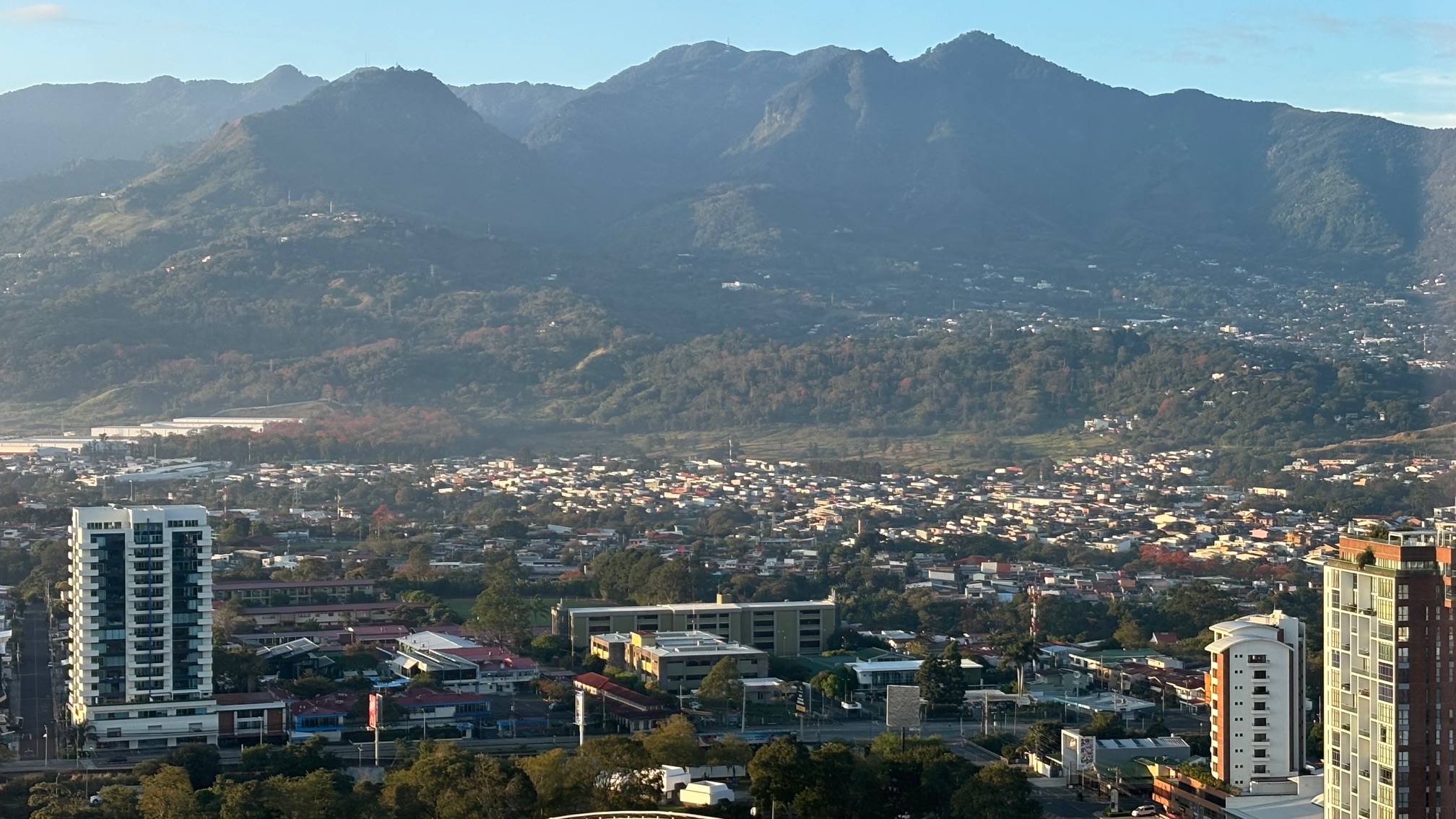
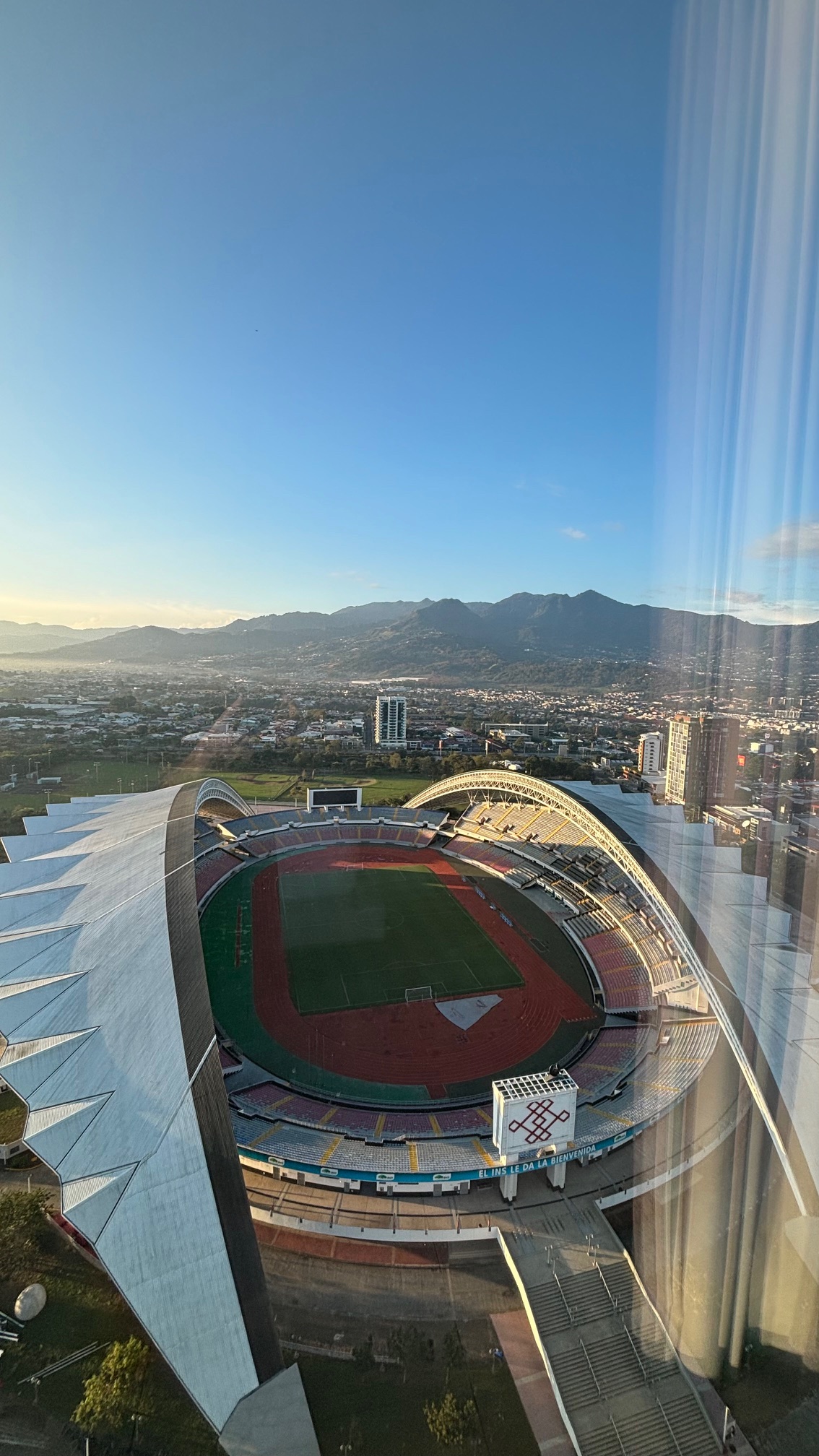
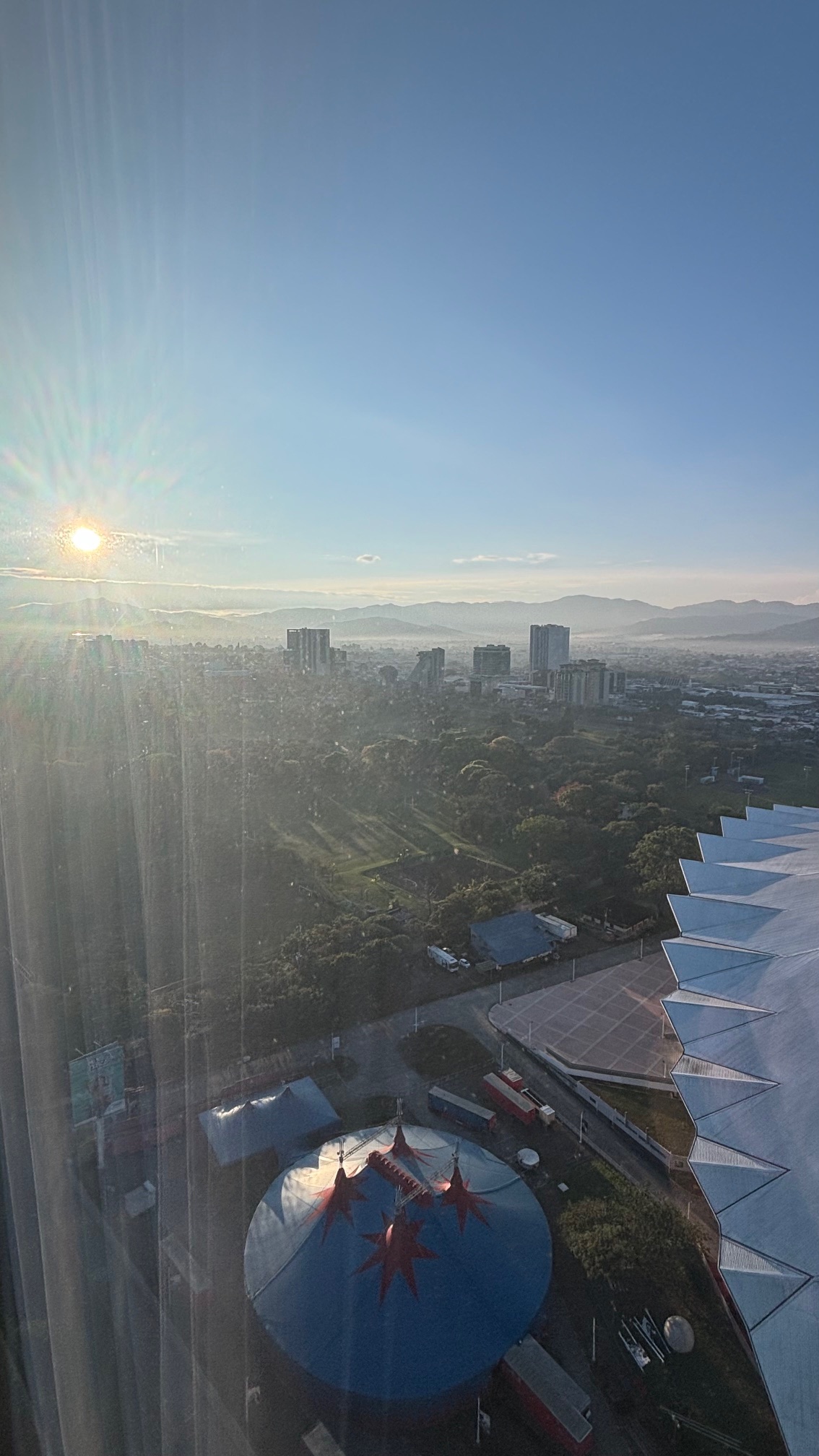
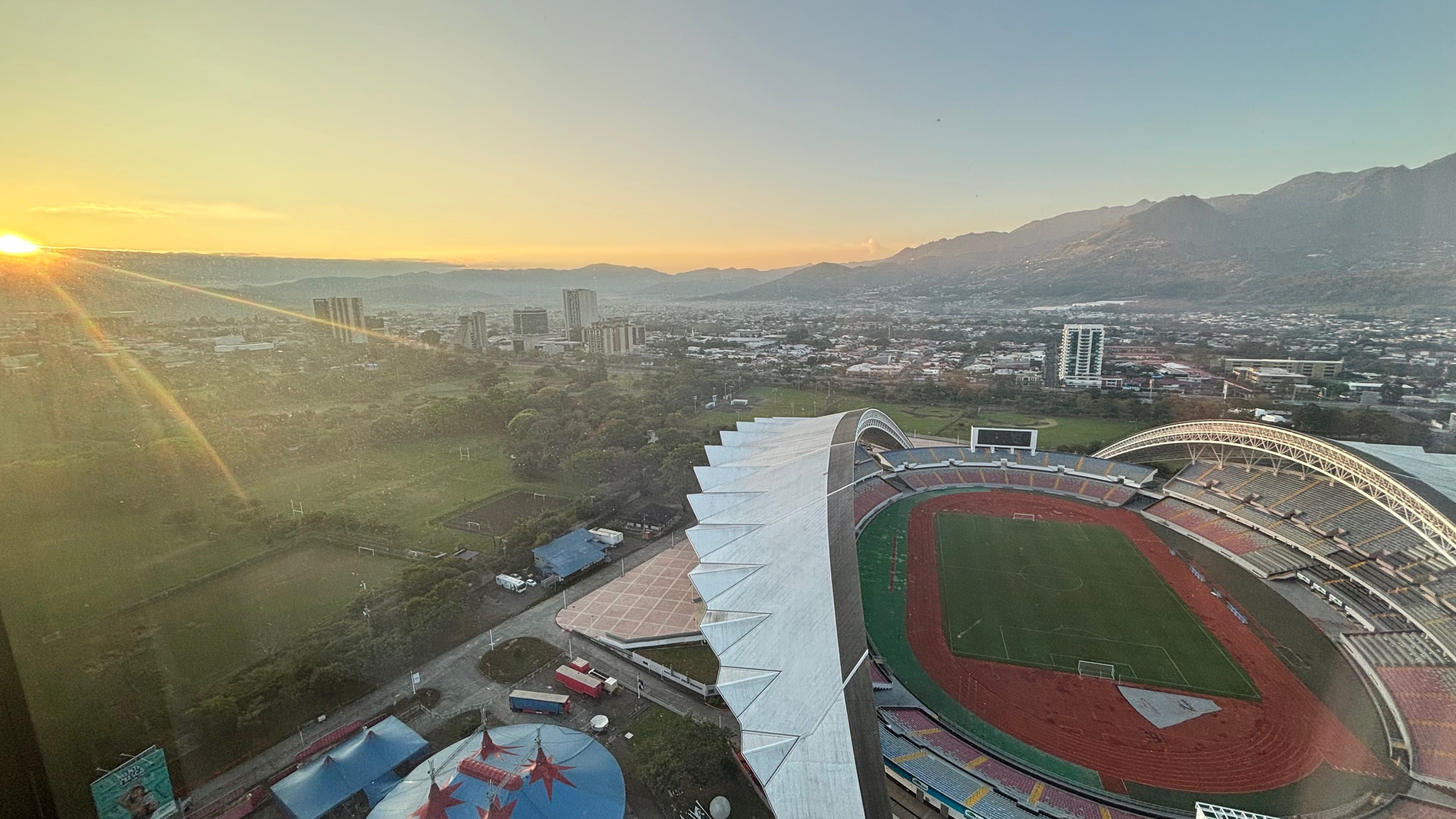
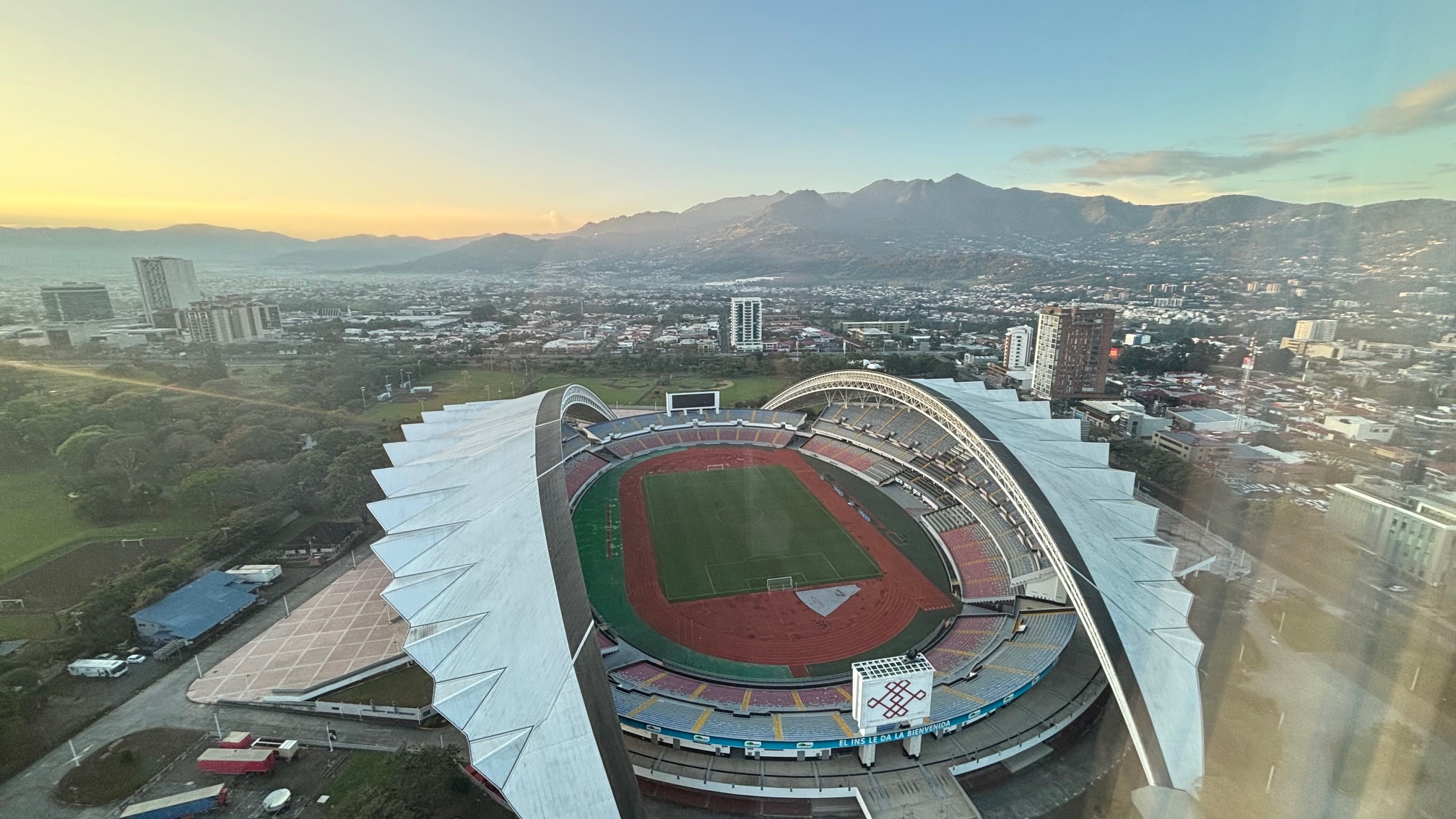


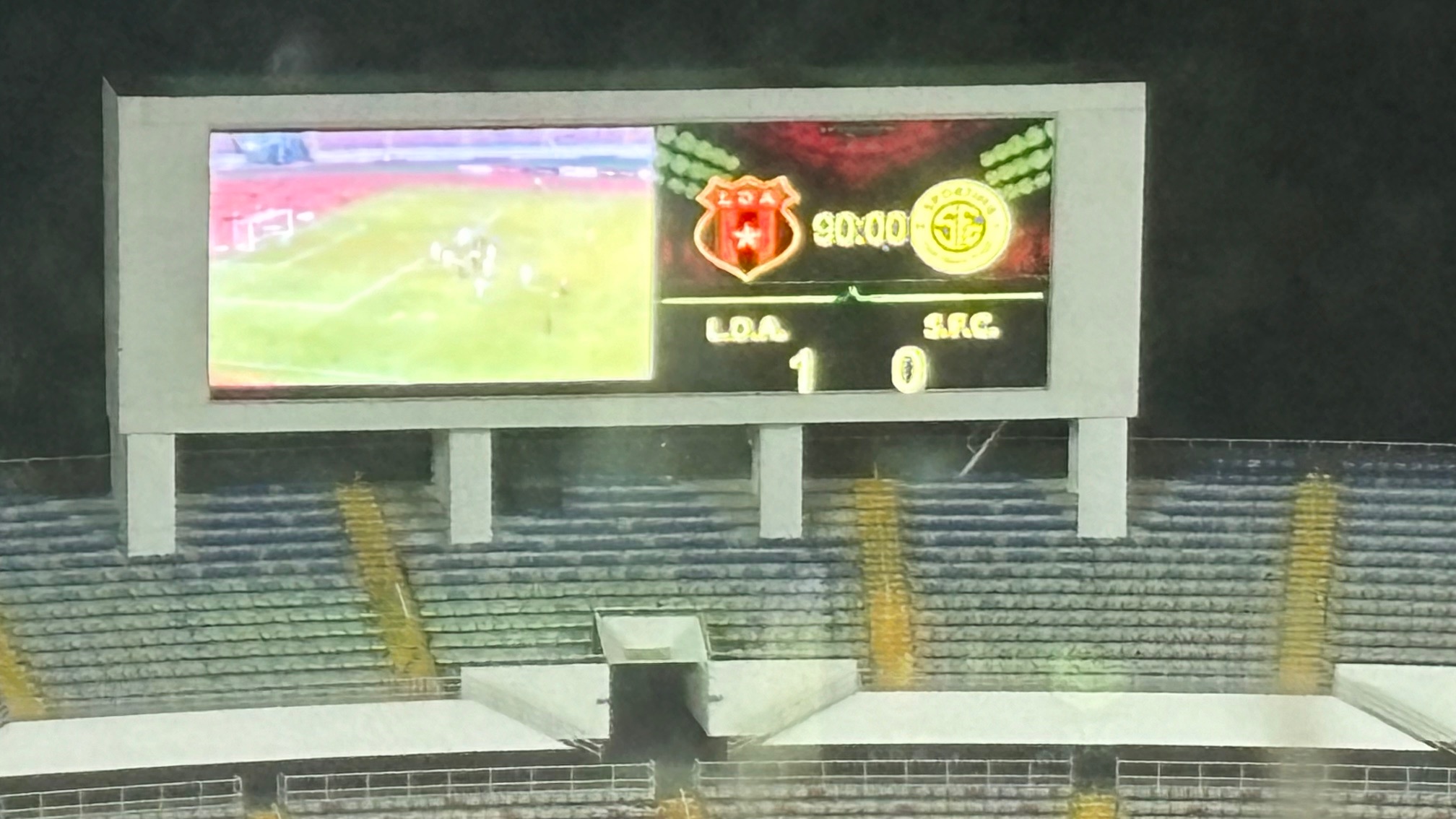


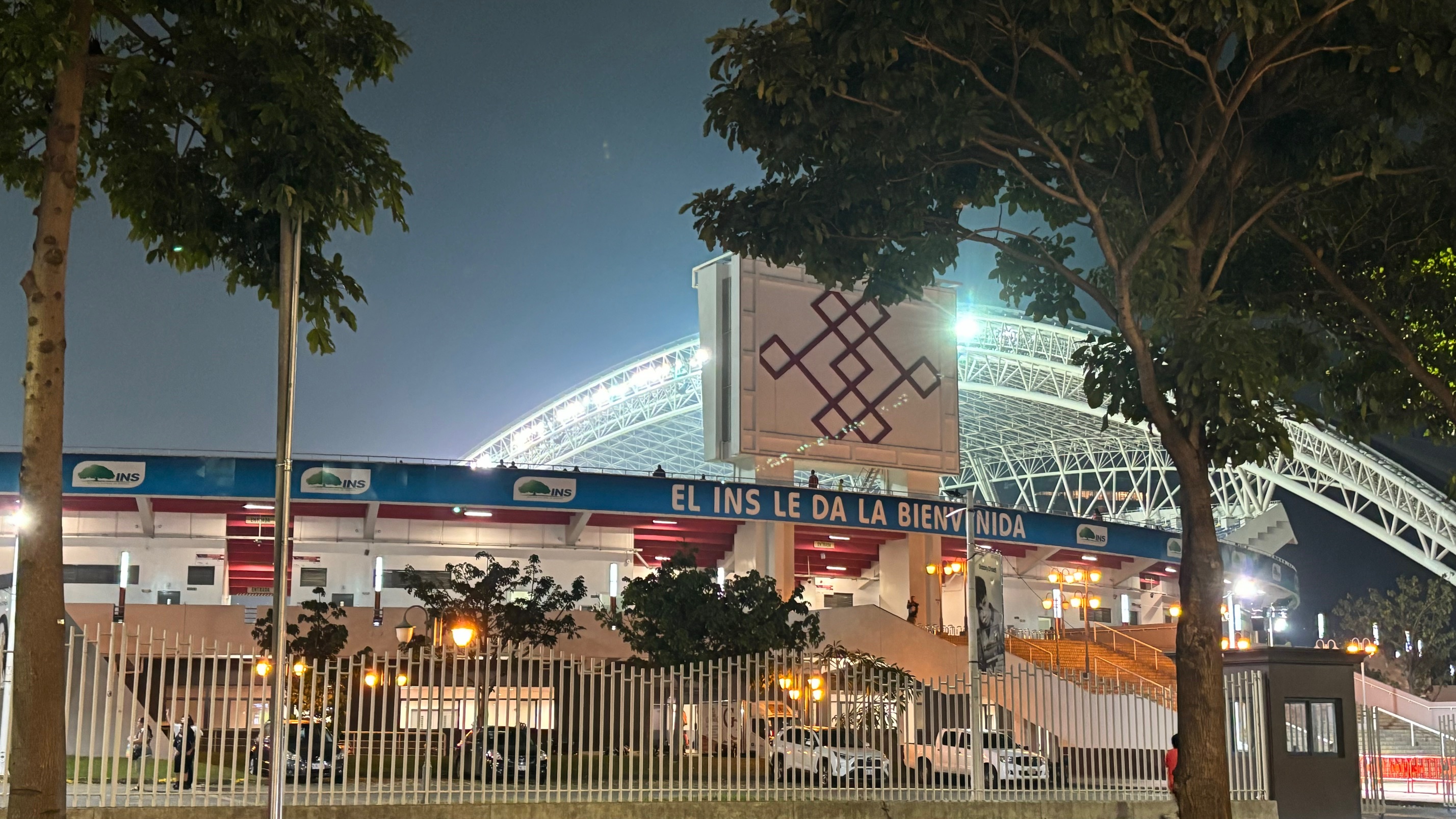
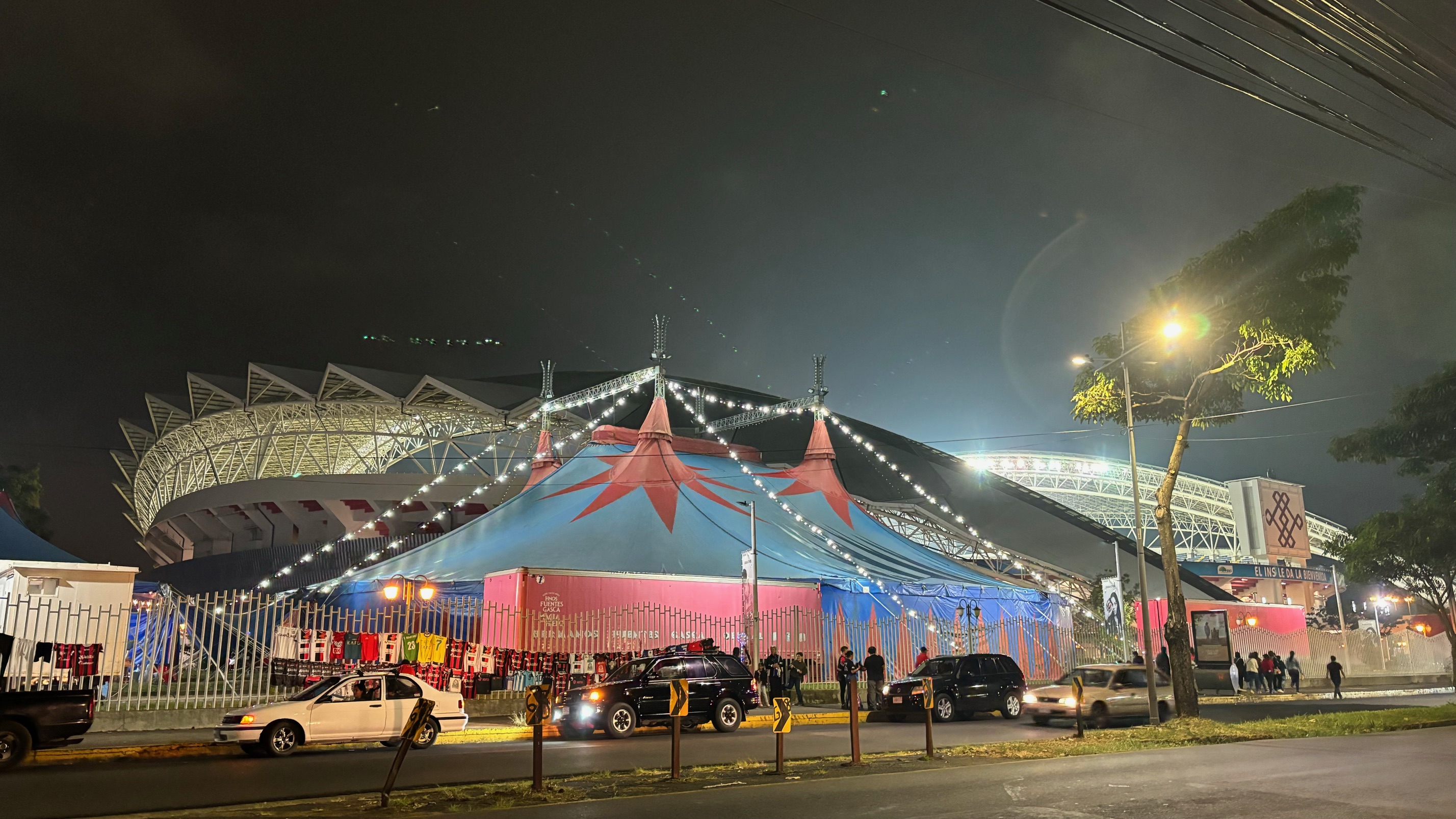
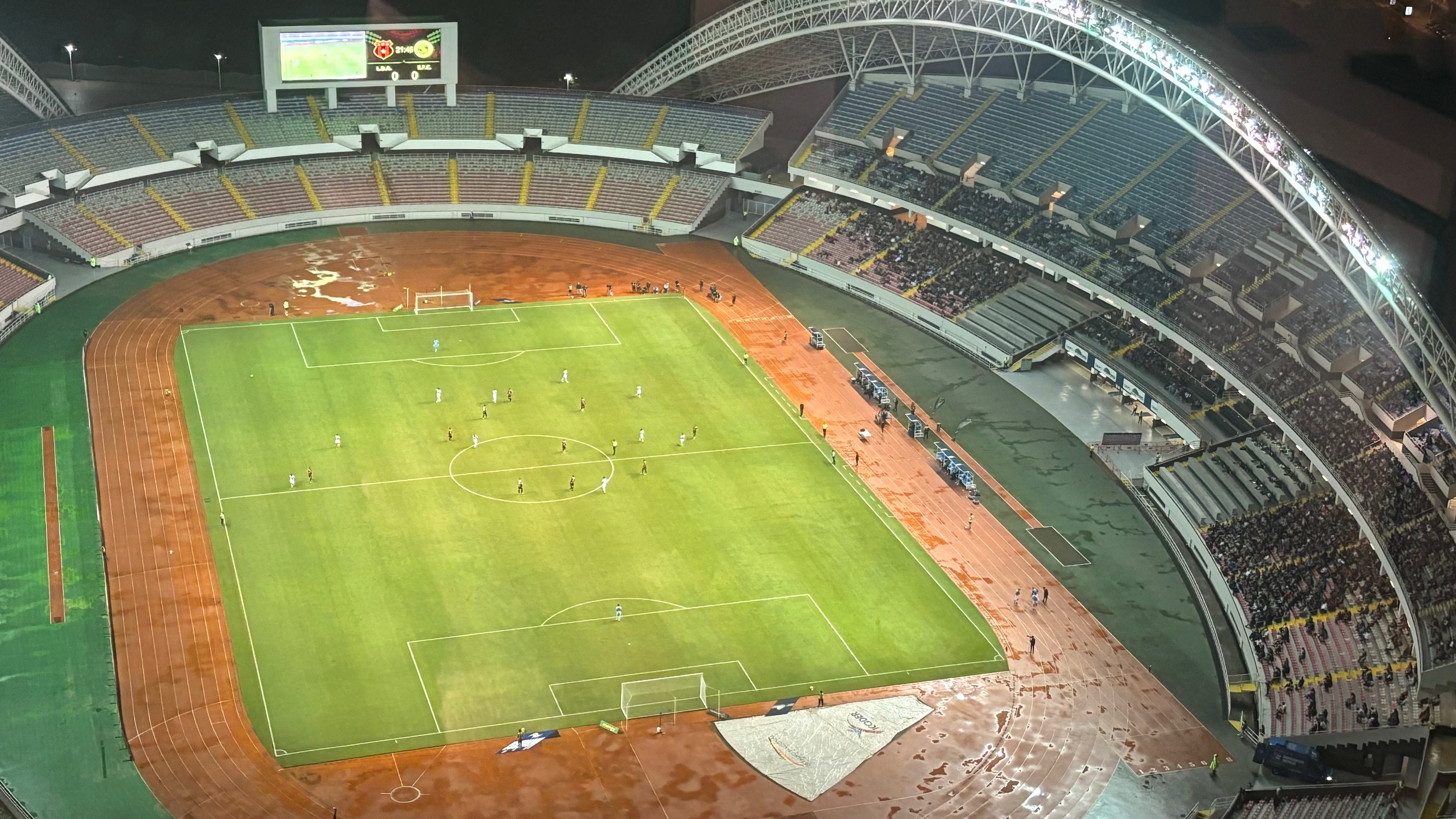
Camera: iPhone 15
Location: San Jose, Costa Rica
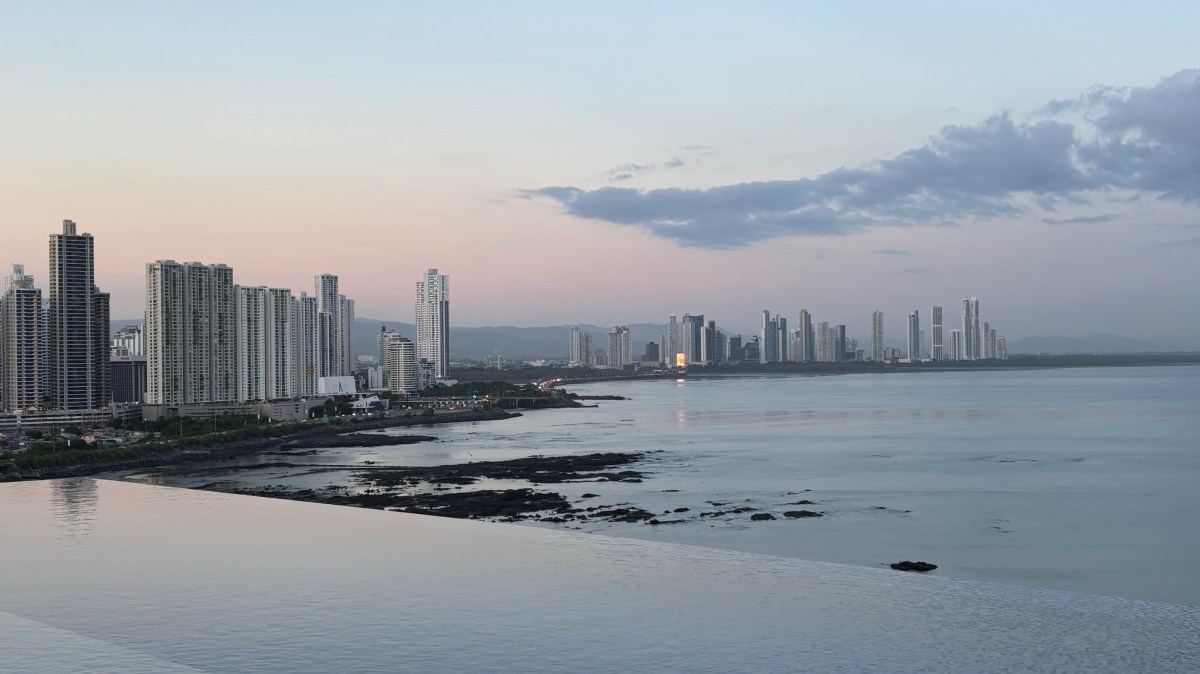
Various photographs of the Panama City skyline taken at different times of the day including morning, evening, and nighttime.
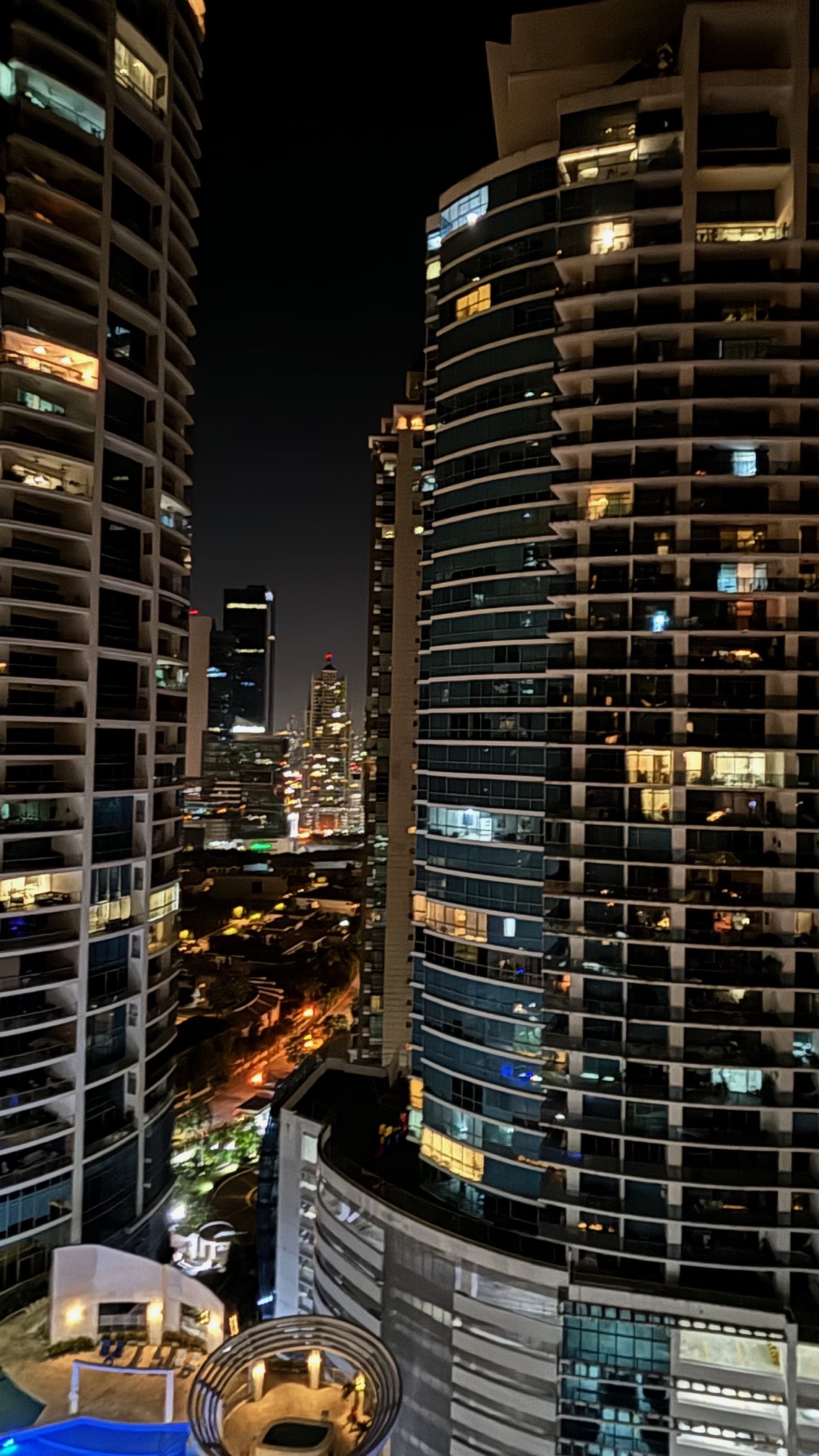
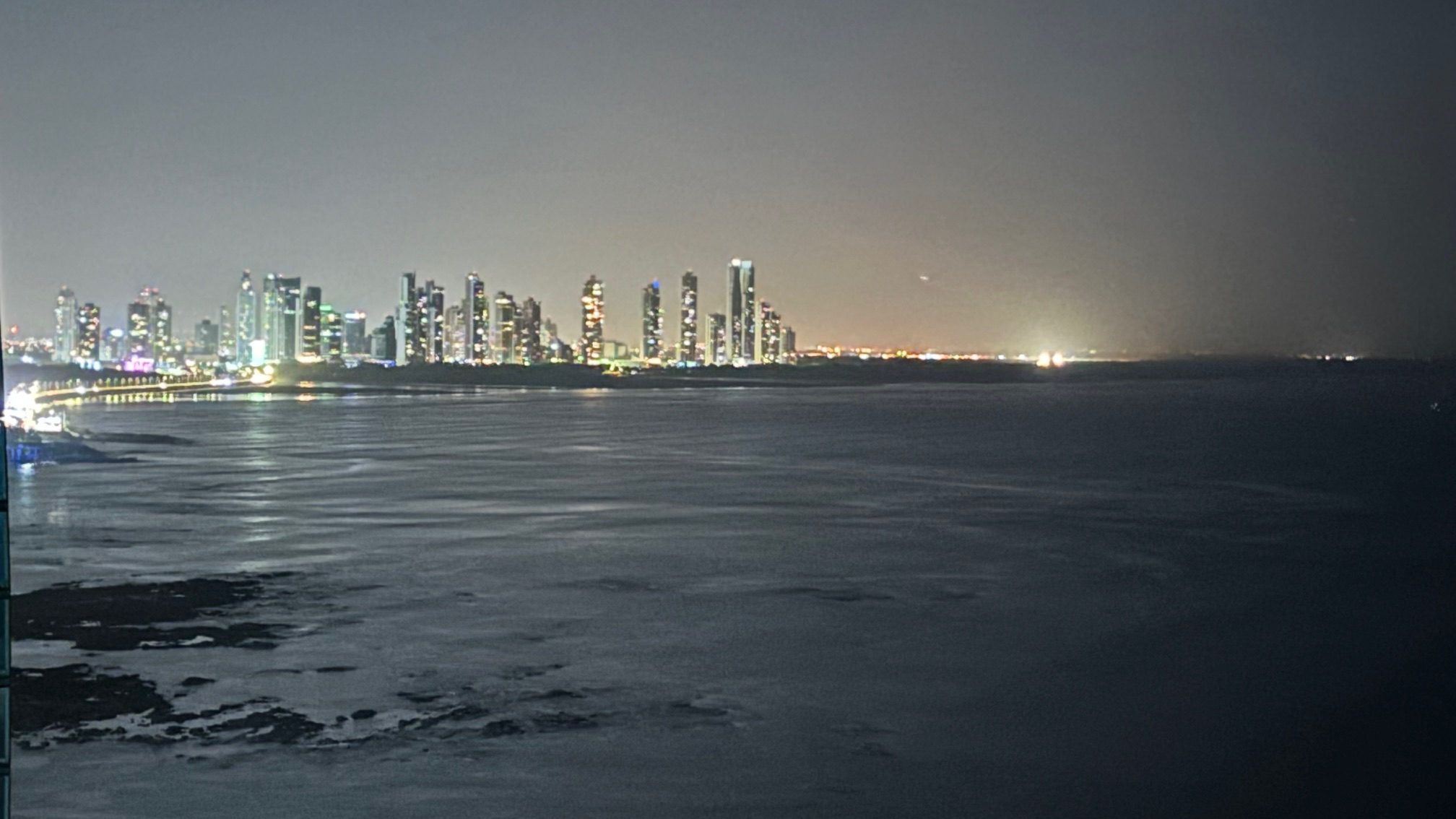

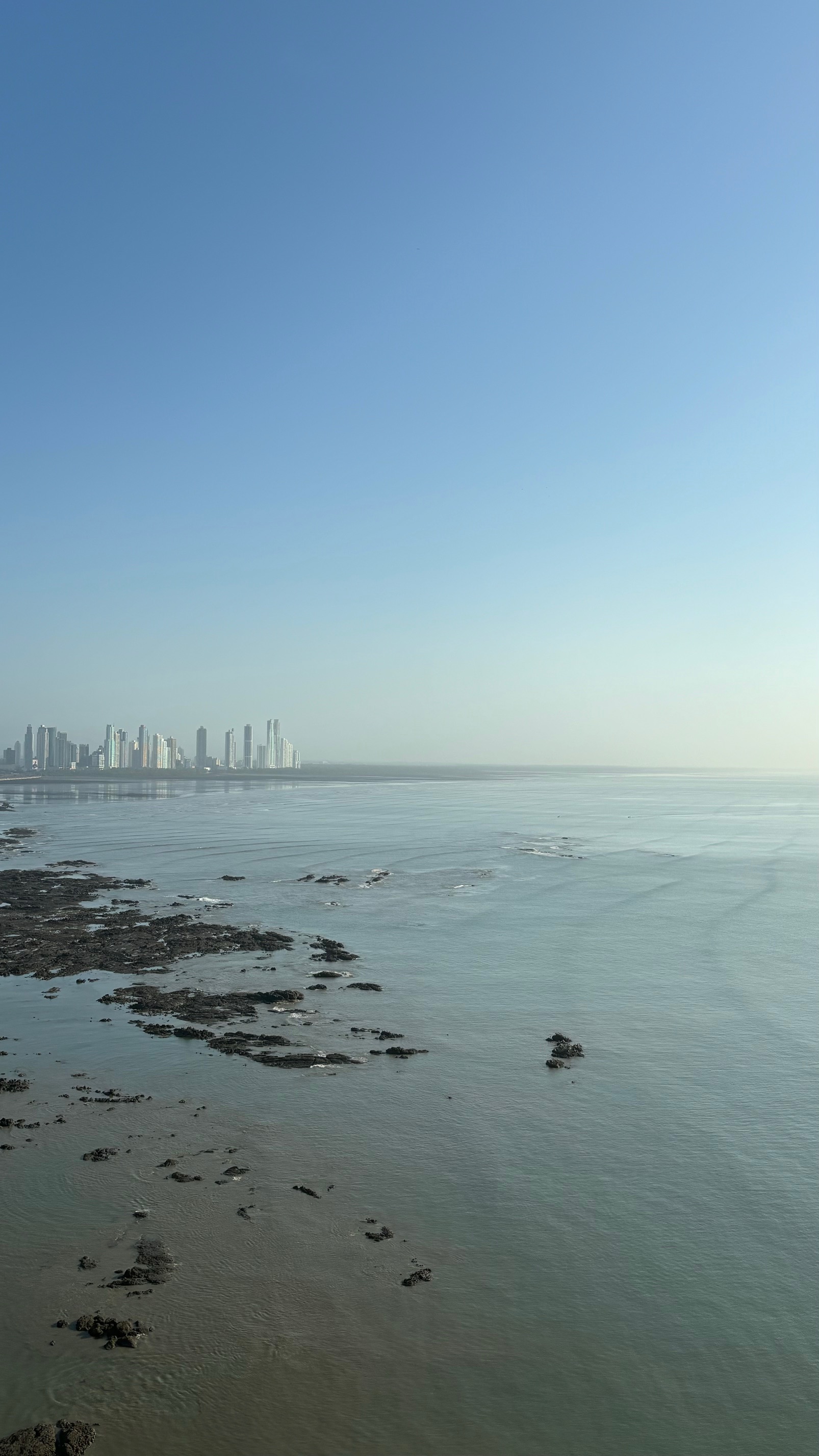
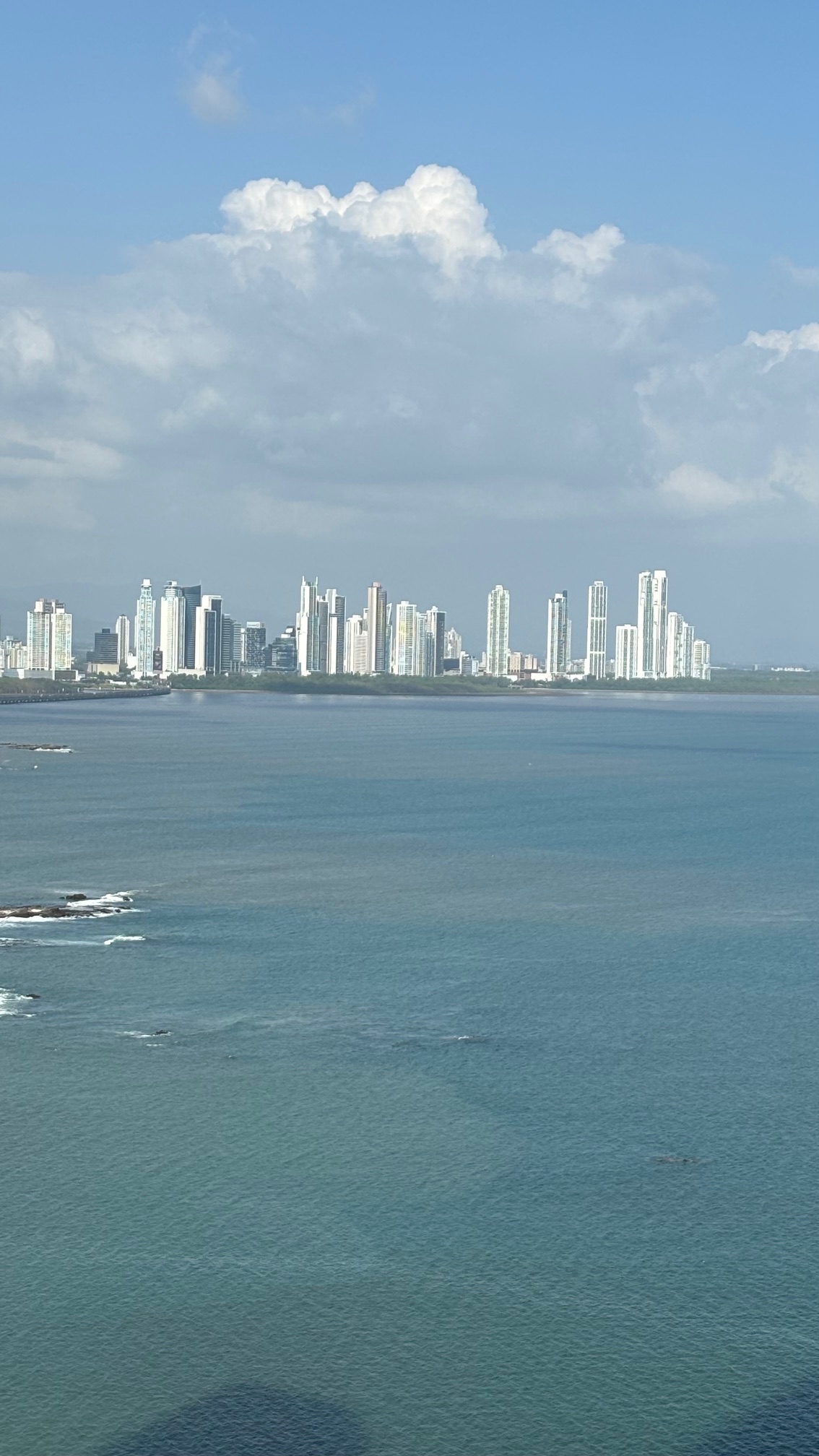
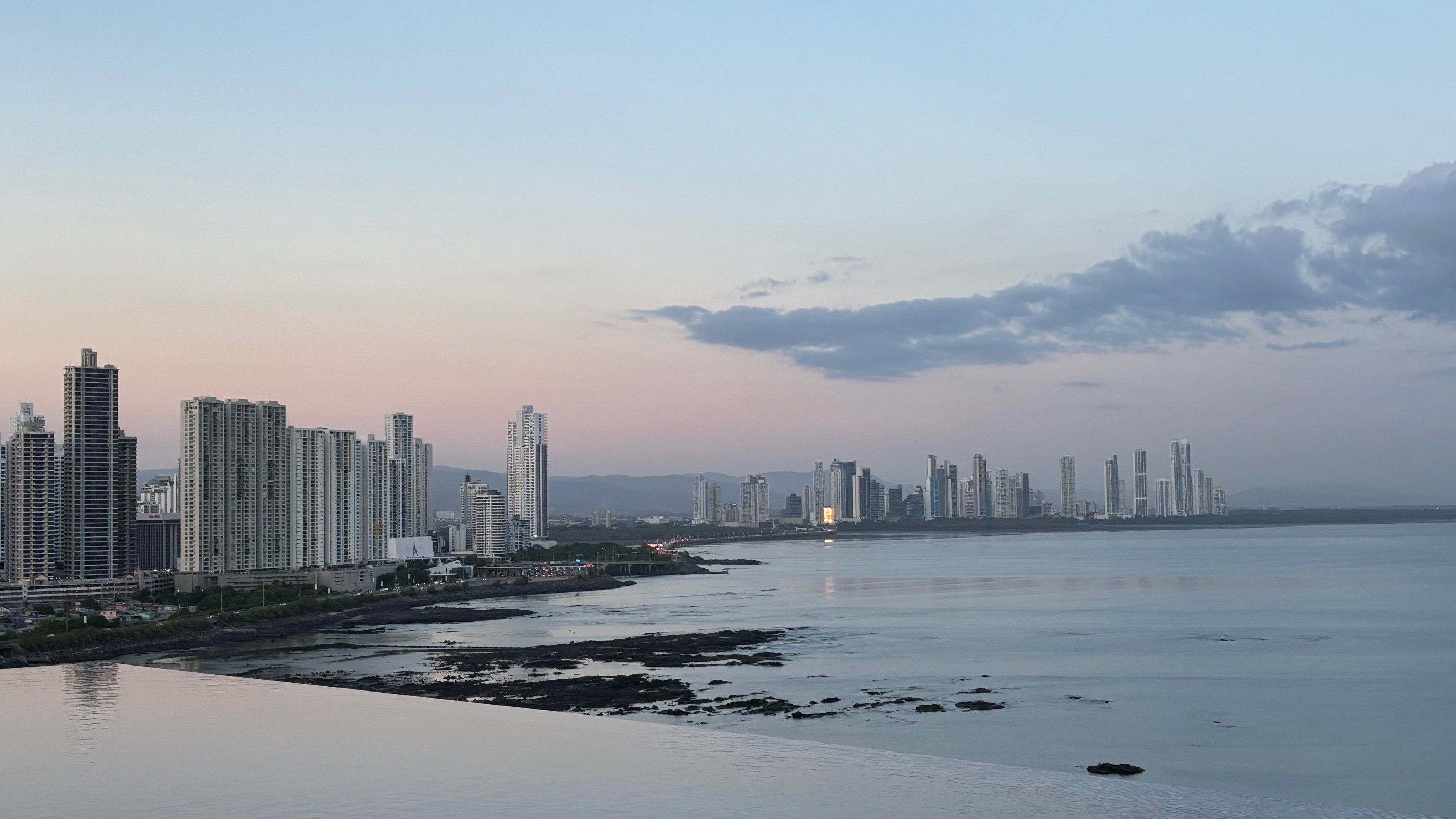
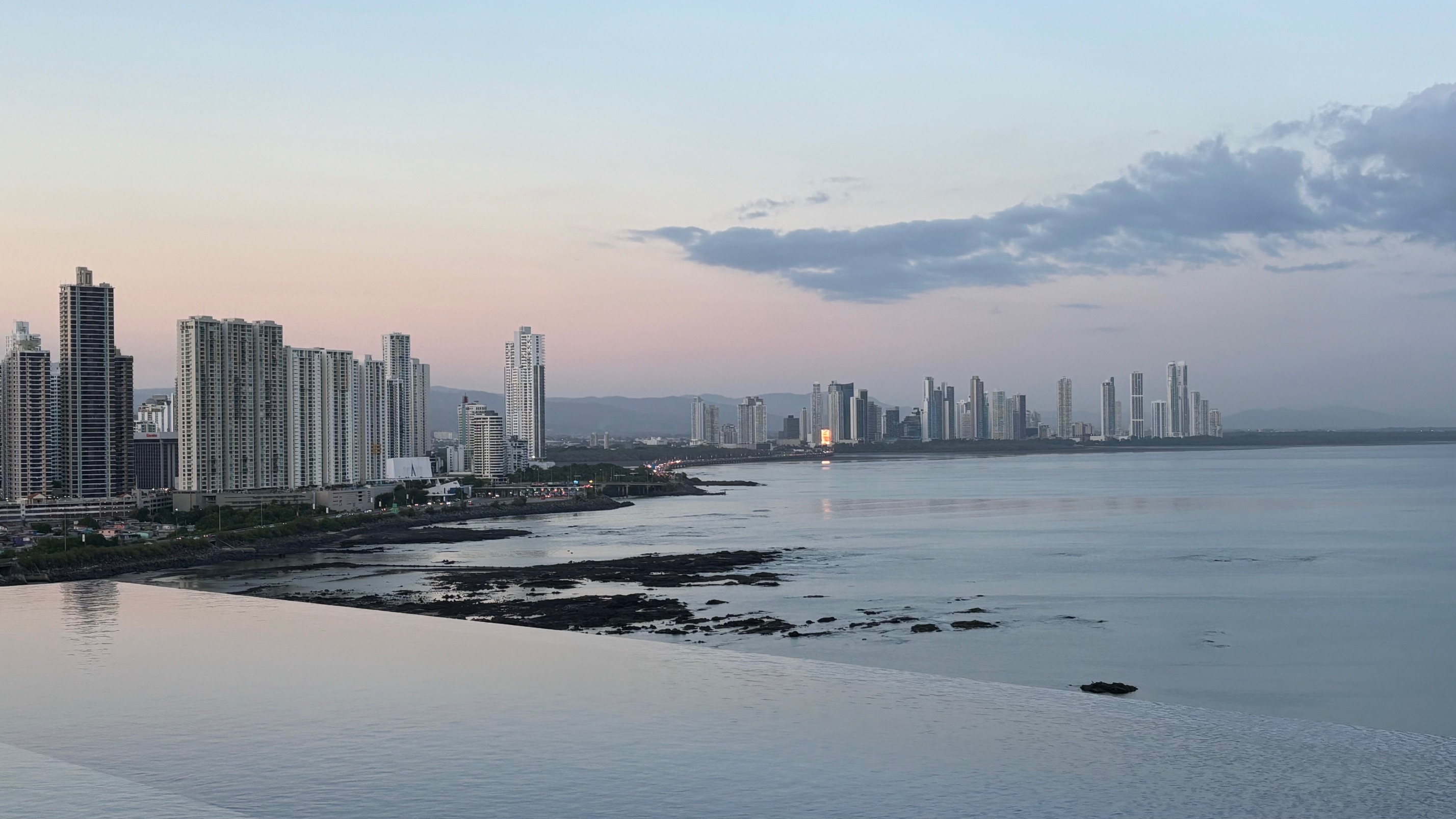
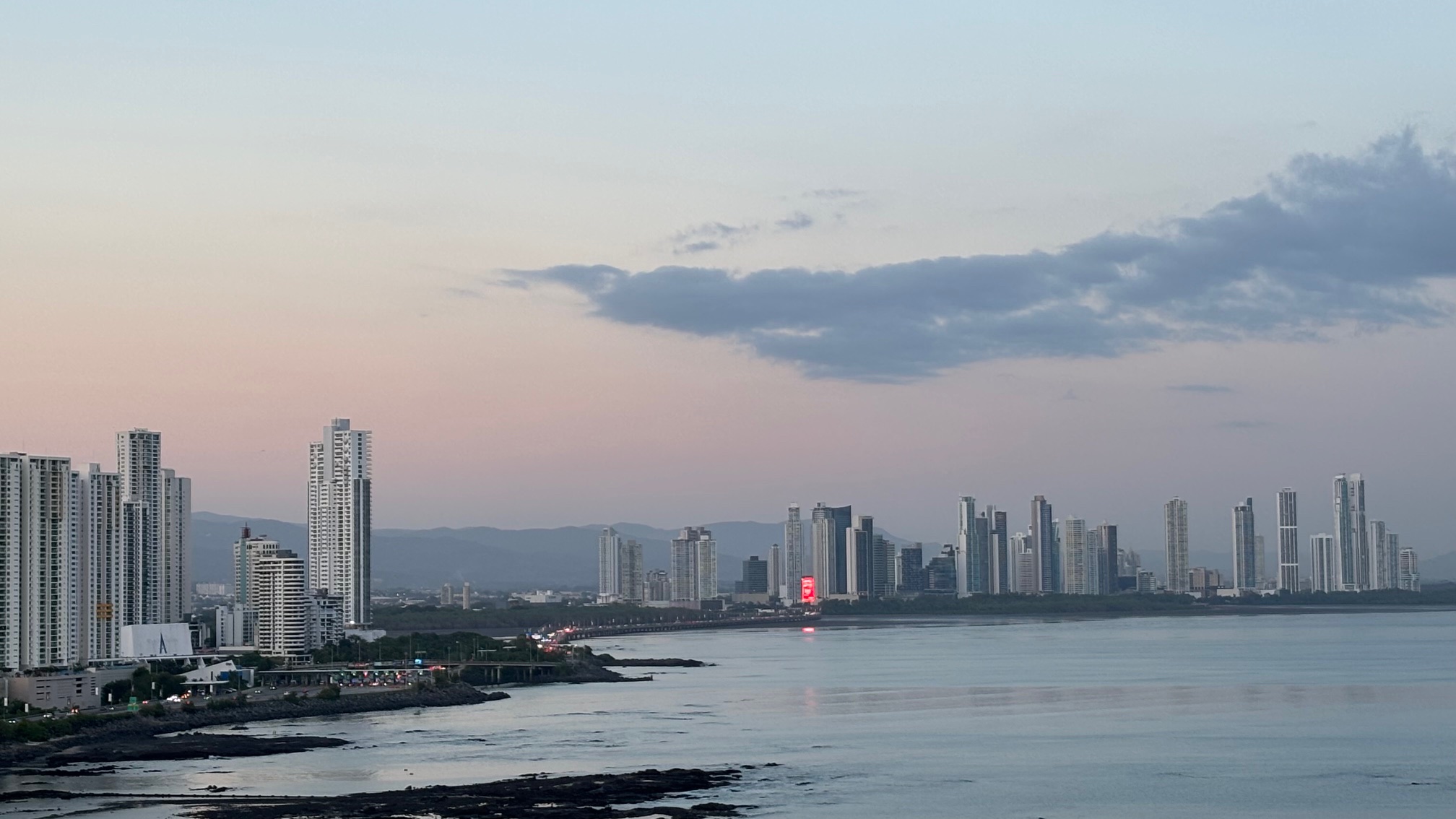
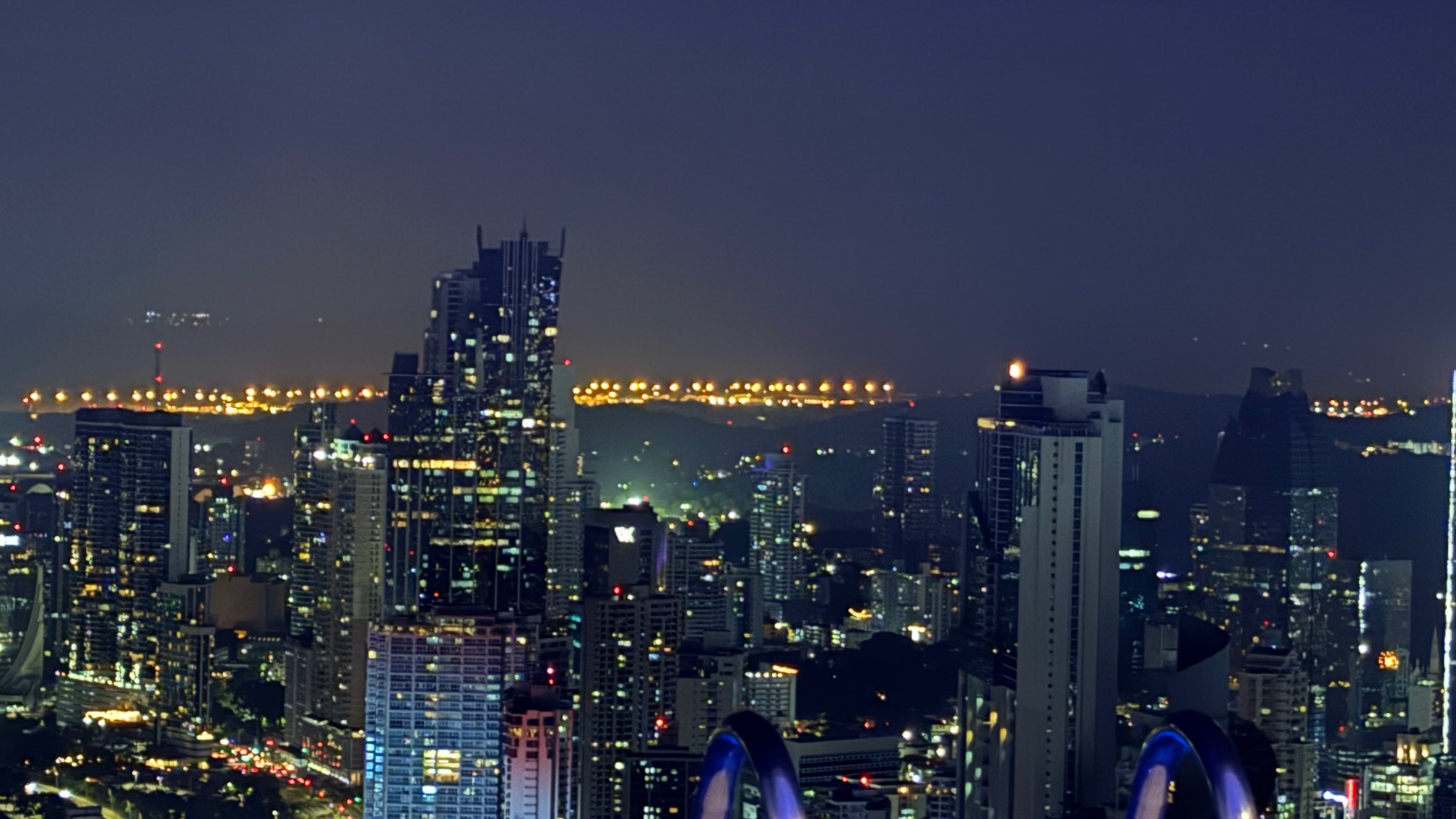
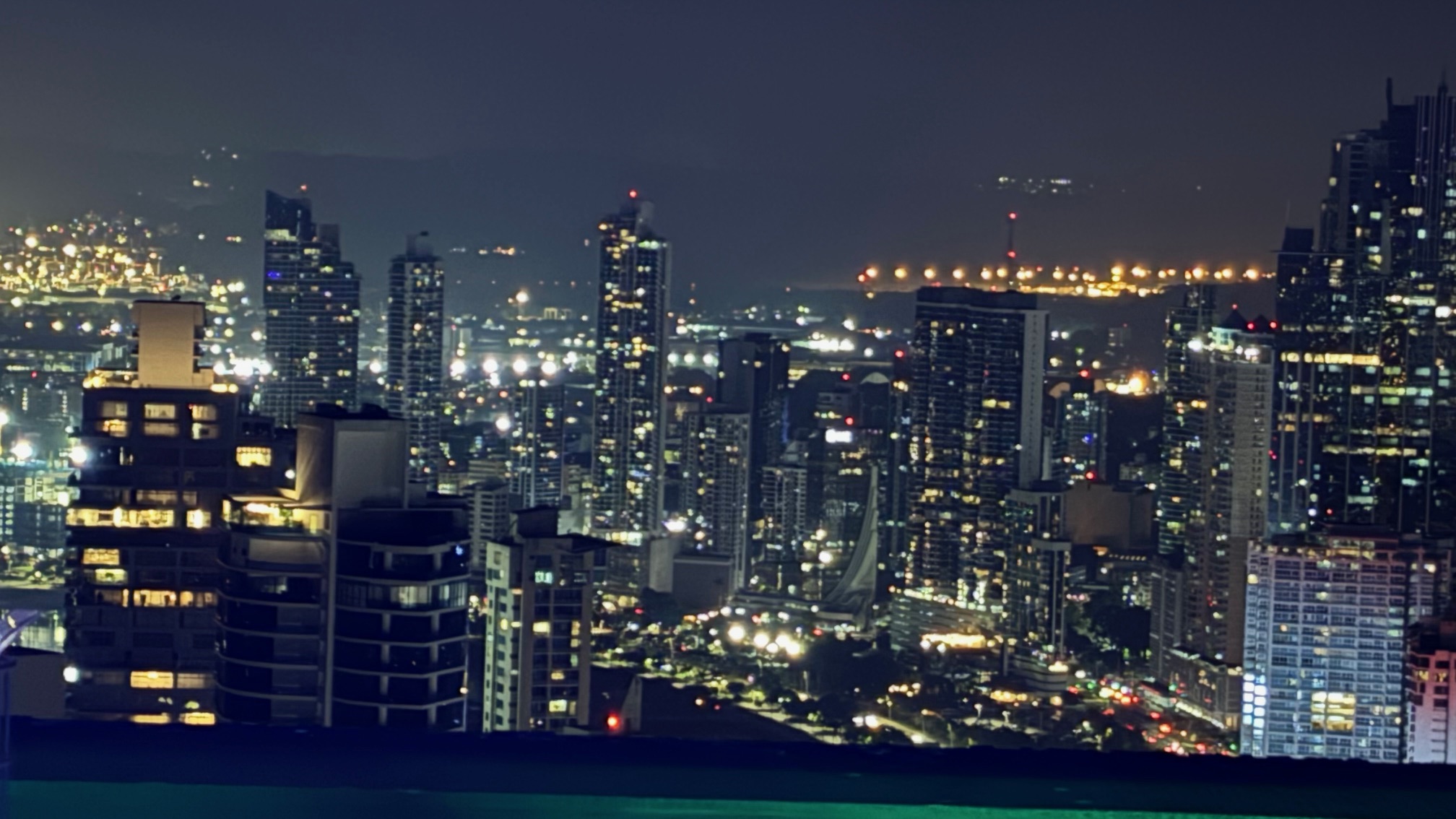

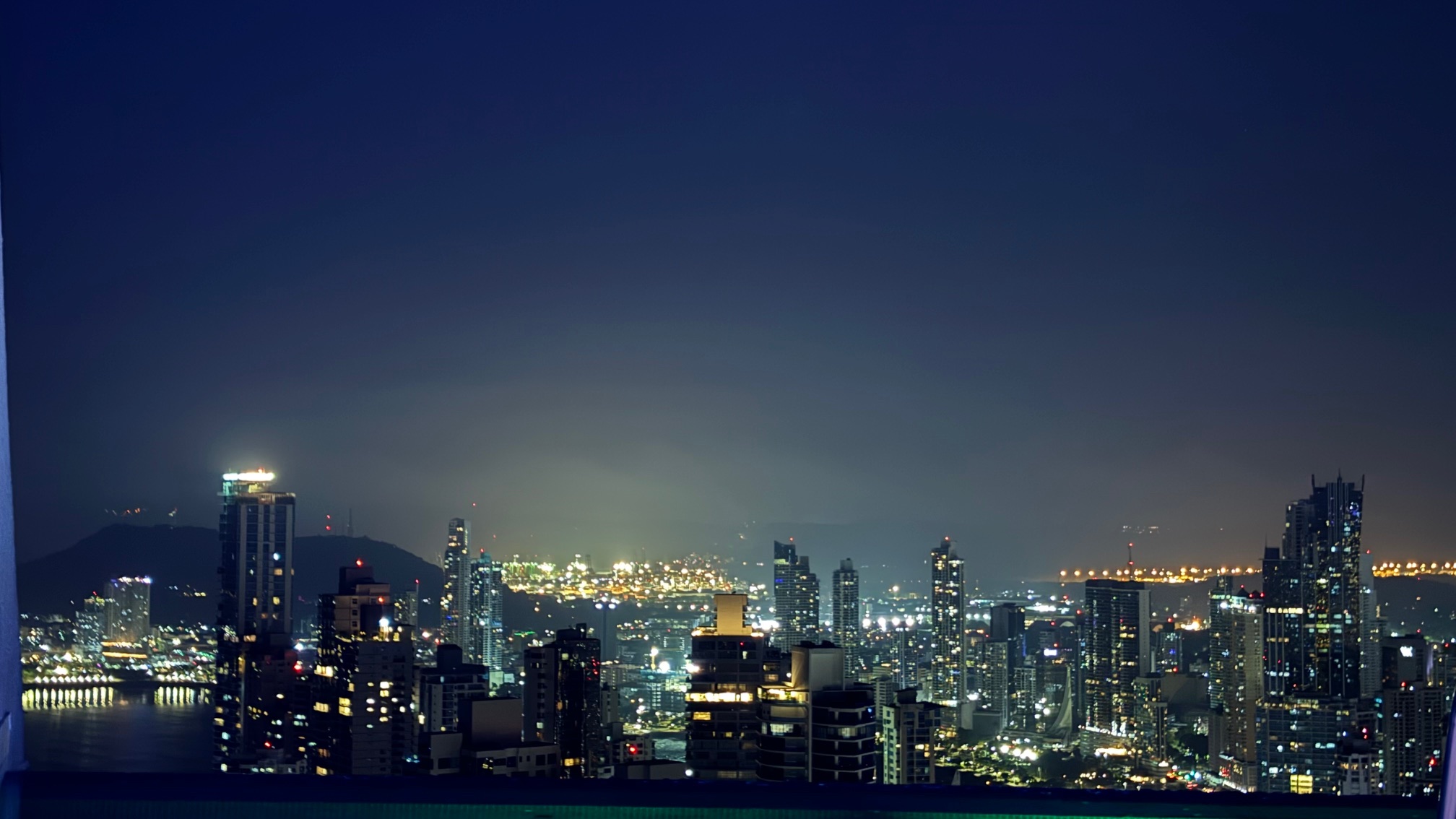
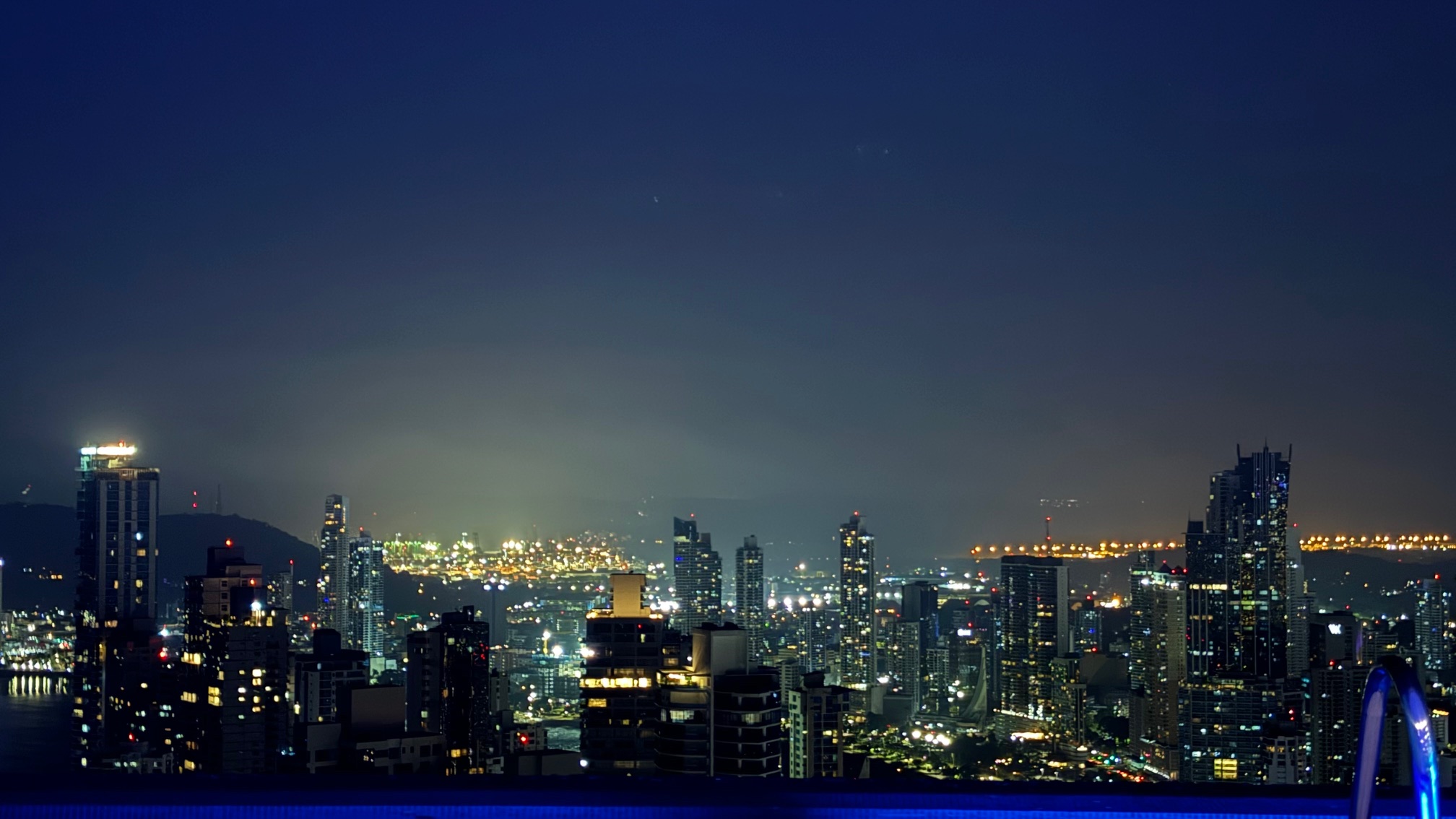
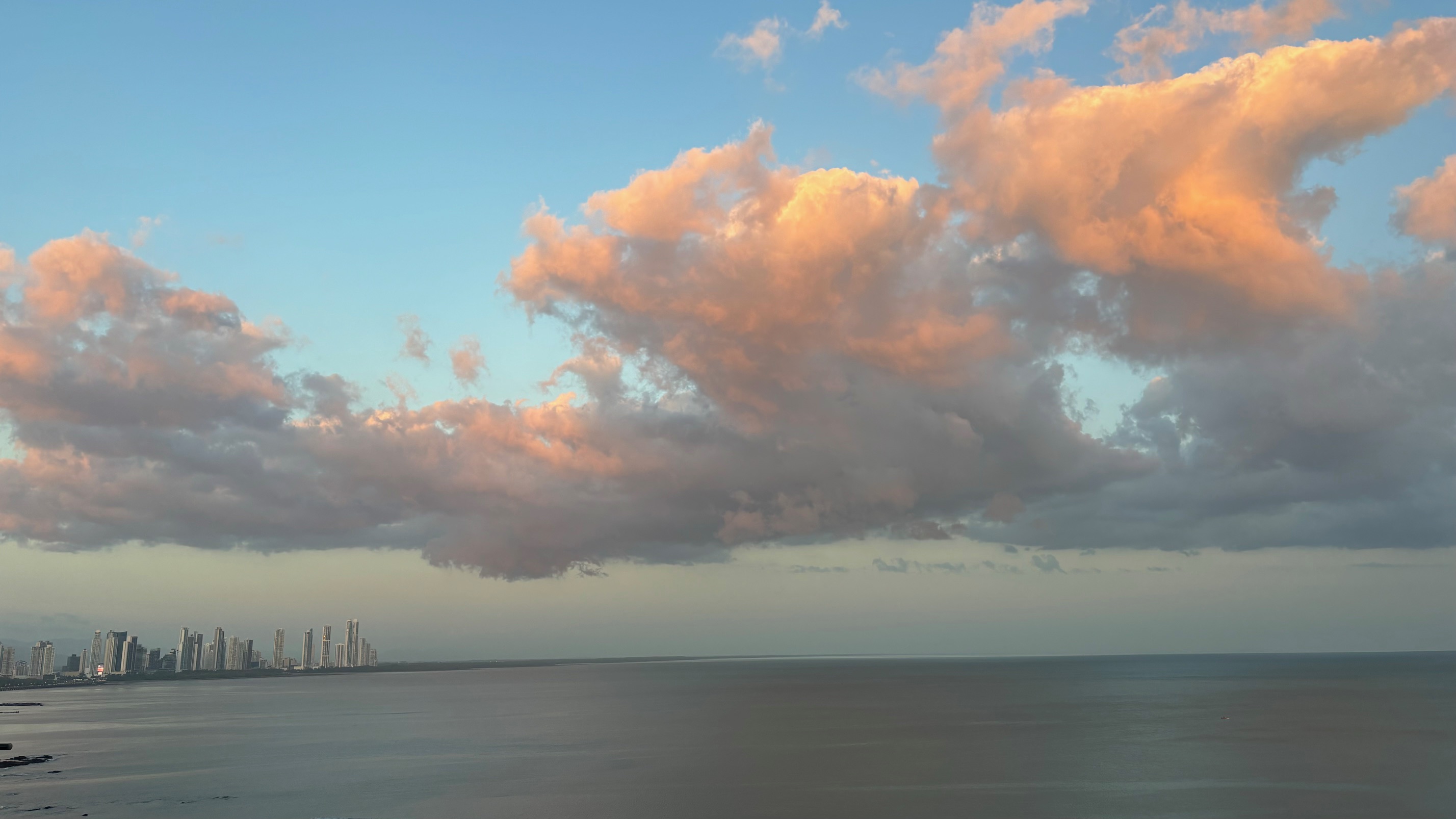
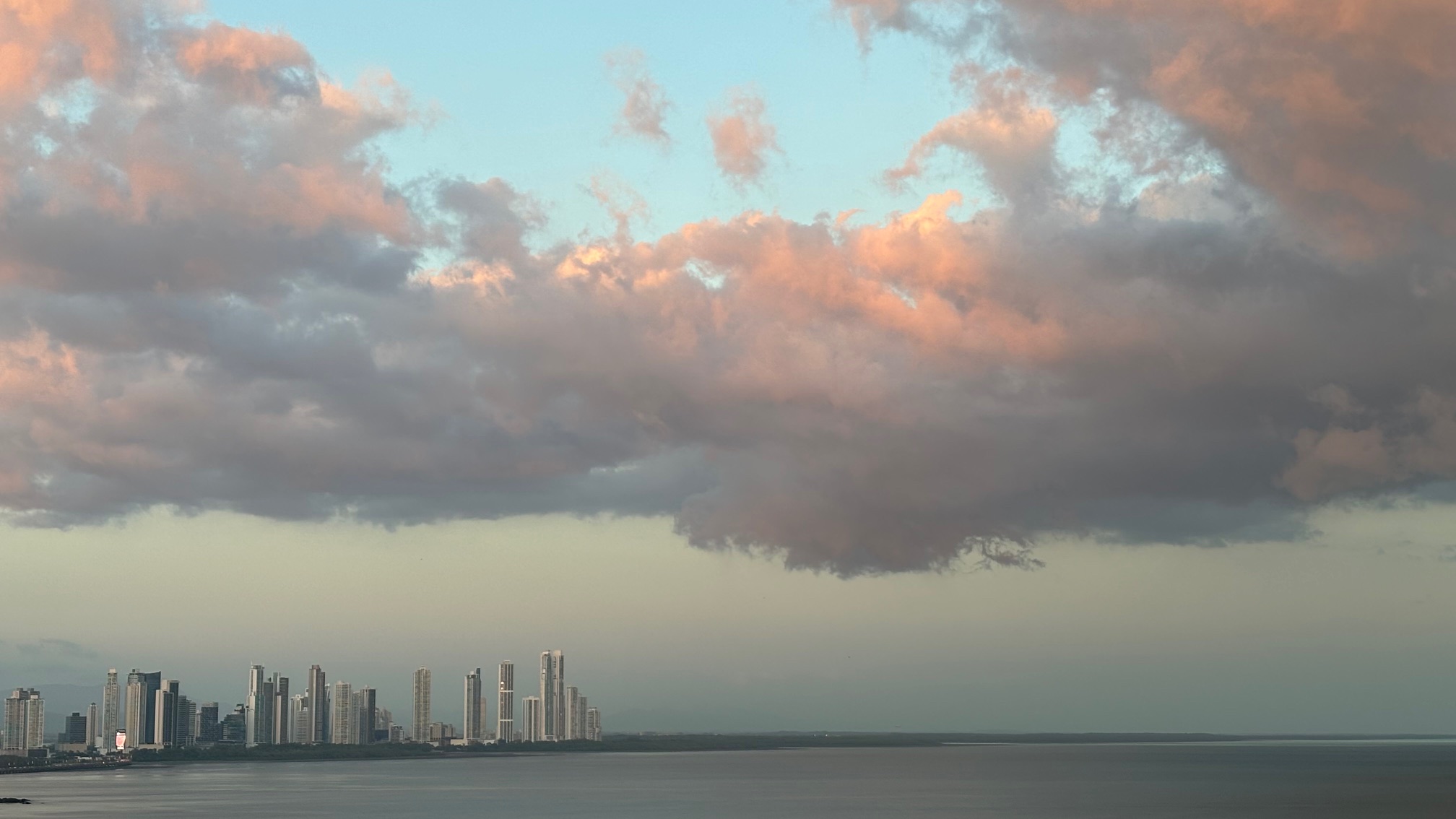
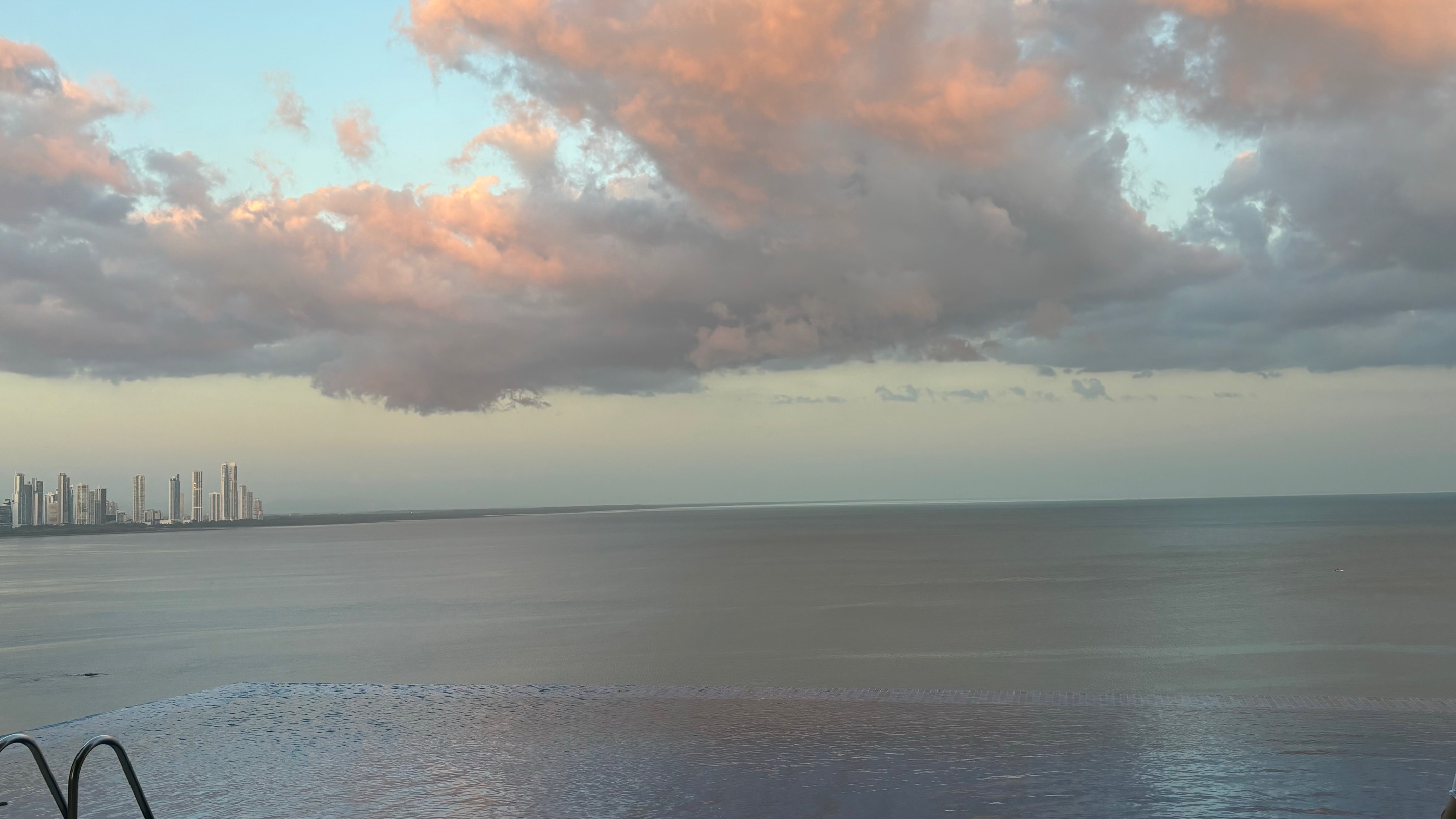
Camera: iPhone 12
Location: Panama City, Panama
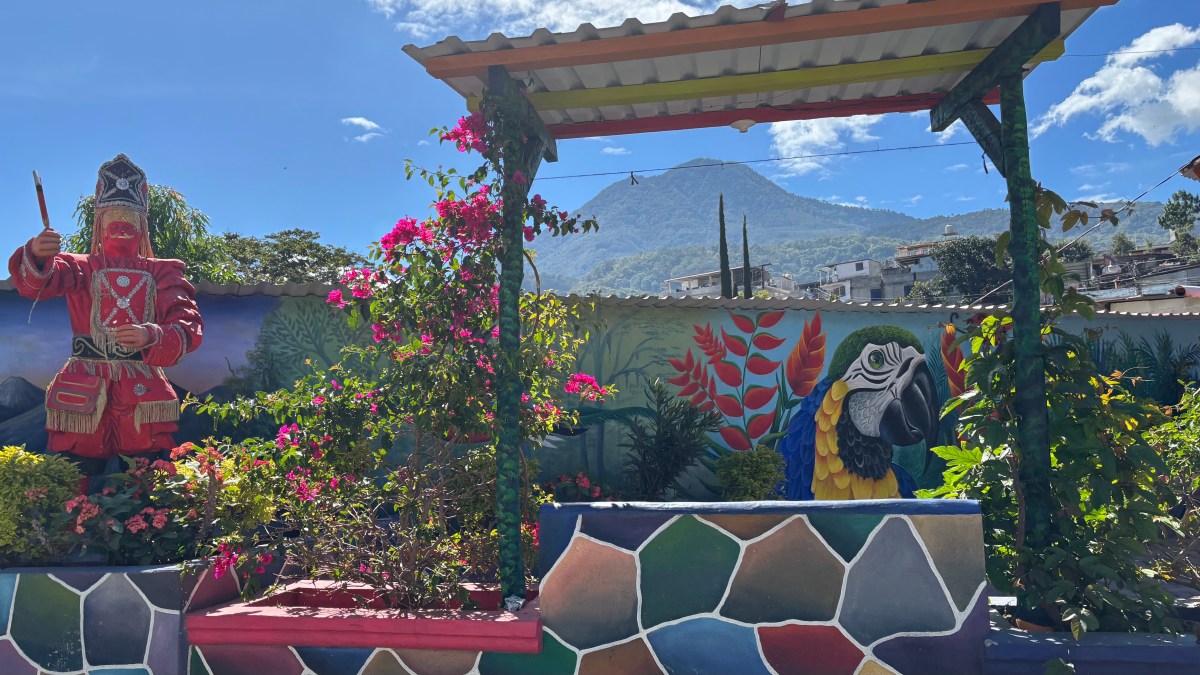
“Guatemala is a land of vibrant colors, where every shade seems to tell a story. The country’s deep appreciation for color is reflected not just in the clothing and jewelry its people wear but also in the landscapes, architecture, and cultural traditions that define it.”
Guatemala is a land of vibrant colors, where every shade seems to tell a story. The country’s deep appreciation for color is reflected not just in the clothing and jewelry its people wear but also in the landscapes, architecture, and cultural traditions that define it. From the intricately woven textiles of the Mayan people to the pastel-hued colonial facades of Antigua, Guatemala’s beauty is a feast for the eyes. Whether through its breathtaking nature, rich history, or enduring traditions, color is woven into the very fabric of daily life.
Nowhere is Guatemala’s love for color more evident than in its exquisite, handwoven textiles. Crafted primarily by Mayan women, these intricate pieces are a testament to patience, skill, and artistic expression. Some pieces take days, weeks, or even months to complete, each stitch infused with care and tradition. One of the most striking examples is the huipil, the traditional blouse worn with pride by many Guatemalan women. These garments are vibrant, highly detailed, and often feature complex patterns unique to different regions and communities.
Textiles remain a vital industry in Guatemala, just as they have been for centuries. Some of the best-known weaving towns include Chichicastenango, San Antonio Aguas Calientes, and Sololá, each producing distinctive patterns with deep cultural significance. Every color and motif have a meaning, and every artisan has a story to tell about the inspiration behind their designs.
Beyond textiles, Guatemala’s markets are an explosion of color and sensory delight. Stalls overflow with handmade pottery, carved wooden masks, beaded jewelry, and an array of fresh tropical produce in every imaginable shade. Walking through the bustling markets near Lake Atitlán, I was struck by the sheer variety of handcrafted goods, each piece reflecting a mix of indigenous Mayan and Spanish influences. The pride artisans take in their work is unmistakable, and the markets offer a chance not just to buy something beautiful but to connect with the people behind the craftsmanship.
The colorful beauty of Guatemala extends beyond textiles and markets to its historic cities, particularly Antigua. This colonial gem is a showcase of pastel-colored buildings that have stood for centuries, ranging from soft blues and warm yellows to rich pinks and deep reds. The cobblestone streets, designed for horse-drawn carriages rather than cars, add to the old-world charm, while churches, monasteries, and convents stand as remnants of a bygone era.
One of the most iconic sights in Antigua is the Santa Catalina Arch, its bold yellow hue standing in striking contrast against the deep greens and grays of the surrounding mountains. Whether wandering through hidden courtyards or admiring the fading frescoes of ancient ruins, it’s impossible not to be enchanted by the layers of color and history in this well-preserved city.
Guatemala’s natural beauty is just as vibrant as its culture. Towering volcanoes covered in lush greenery contrast with the turquoise waters of Lake Atitlán, creating a breathtaking mosaic of colors. In the heart of the country, Semuc Champey’s cascading pools shimmer in shades of blue and emerald, while the deep green of the Tikal rainforest hides ancient Mayan ruins beneath its dense canopy. Even Guatemala’s volcanic past contributes to its visual diversity, with dark gray and black lava fields standing as reminders of the earth’s raw power.
Adding to the country’s natural splendor are its abundant flowers, which seem to bloom everywhere thanks to Guatemala’s spring-like climate. Whether at sunrise or sunset, when the sky is painted in warm oranges, purples, and pinks, the country’s landscapes come together like a living masterpiece.
Guatemala’s love for color is also expressed through its festivals and public art. While I didn’t get to experience Semana Santa, the country’s most famous religious festival, I’ve learned about the breathtaking alfombras—intricate carpets made of dyed sawdust, flowers, and other materials, laid out in the streets as part of the celebrations.
Another spectacular event is the Giant Kite Festival in Sumpango, held on Día de los Muertos (Day of the Dead). During this tradition, enormous hand-painted kites, some reaching up to 60 feet in diameter, are flown as a tribute to ancestors. The designs are intricate and colorful, showcasing a blend of artistic skill and spiritual meaning.
Street art is another way color finds its way into Guatemala’s cultural fabric. Throughout Guatemala City and smaller towns, murals and graffiti depict everything from indigenous folklore to contemporary social issues, adding even more vibrancy to the urban landscape.
Guatemala’s color palette isn’t limited to what you see—it extends to its cuisine as well. The country’s traditional dishes are as visually striking as they are flavorful. Pepián, a deep red stew made with chicken or beef, and jocón, a green chicken stew flavored with tomatillos and cilantro, are just two examples of dishes that showcase the country’s bold use of color.
Tortillas, a staple of Guatemalan cuisine, come in shades of yellow, red, and even blue, depending on the type of corn used. Plates are often filled with black beans, golden plantains, white rice, and vibrant fruits like pitaya (dragon fruit), jocote, rambutan, and bananas. Before taking a bite, it’s tempting to just sit back and admire the array of colors on the plate, each meal is a work of art.
I could write endlessly about each of these colorful aspects of Guatemala, but what ties them all together is how deeply color is embedded in the country’s identity. The vibrant landscapes, clothing, and celebrations reflect the warmth and spirit of the Guatemalan people. If you love having your senses awakened and crave a destination that will captivate your eyes as much as your soul, Guatemala is a place you need to experience firsthand. Let the colors of this incredible country leave their mark on you, just as they have on me.
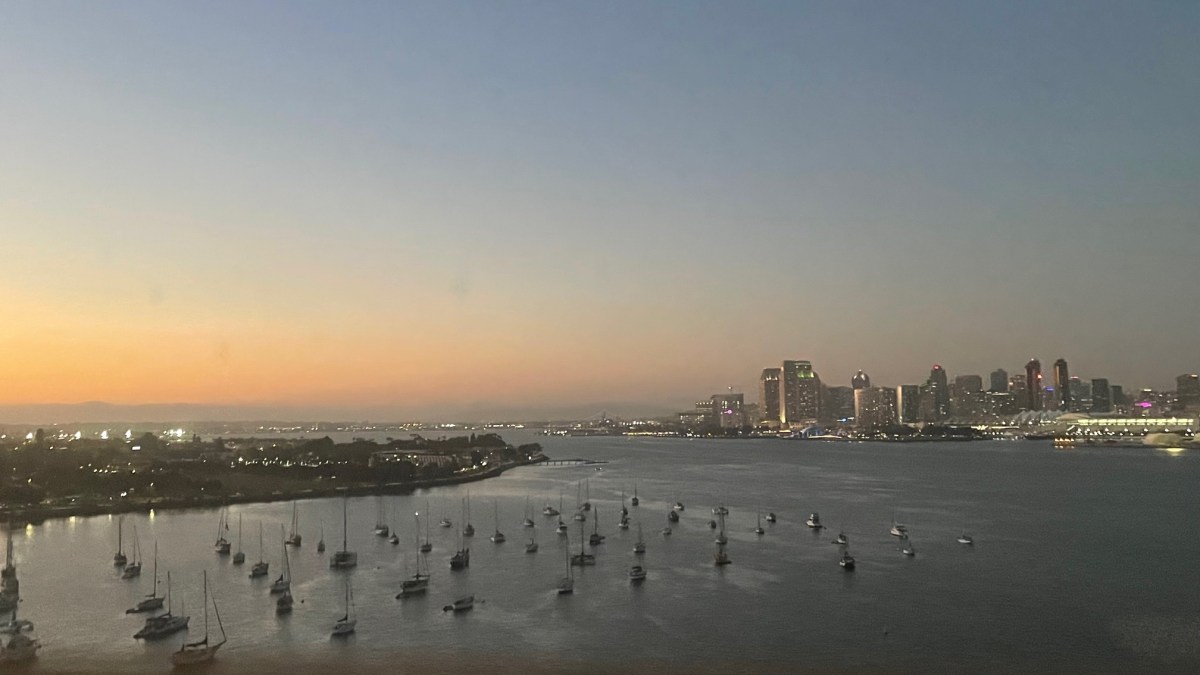
A beautiful sunset in San Diego, California and on Coronado Island nearby.
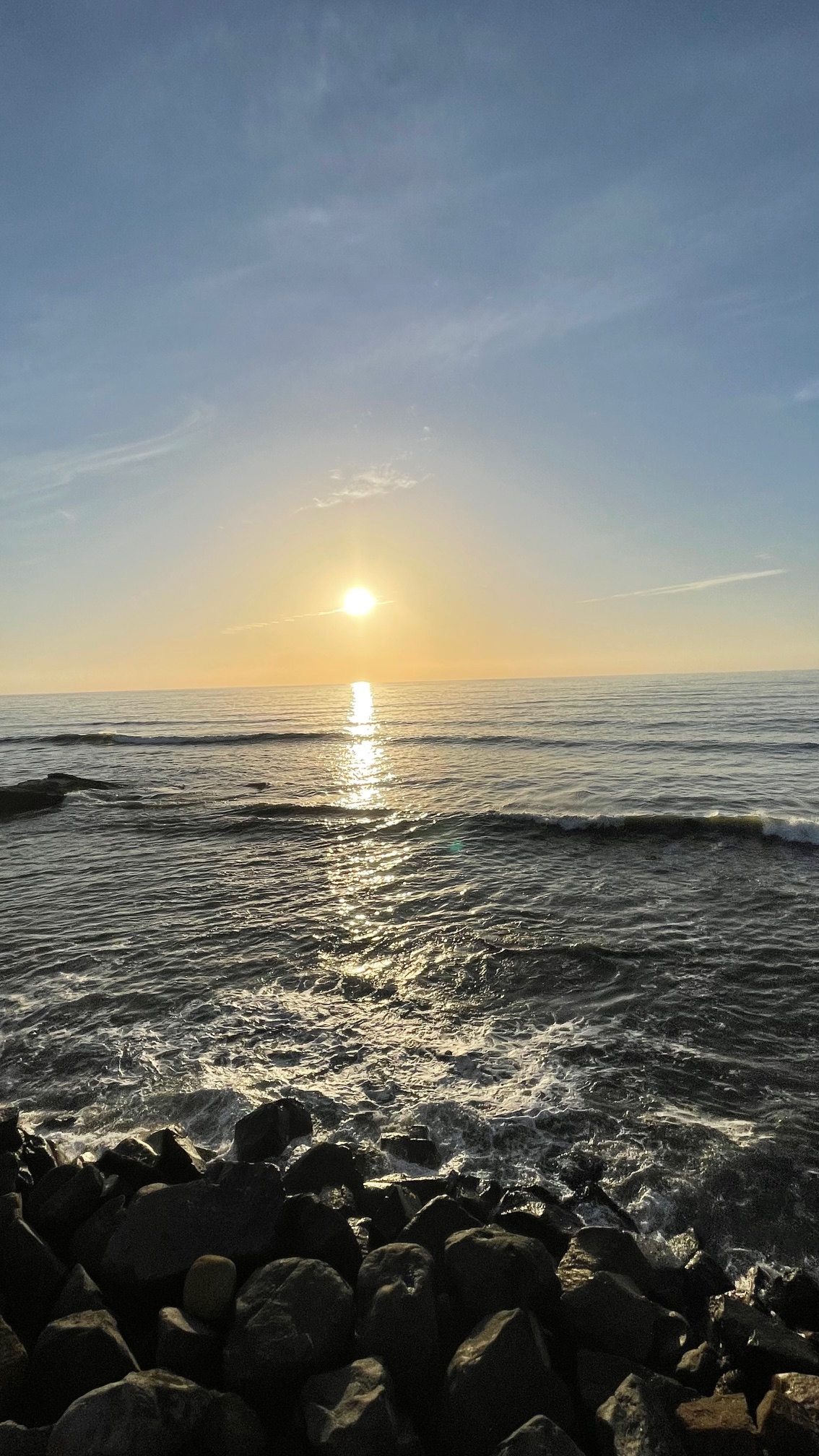

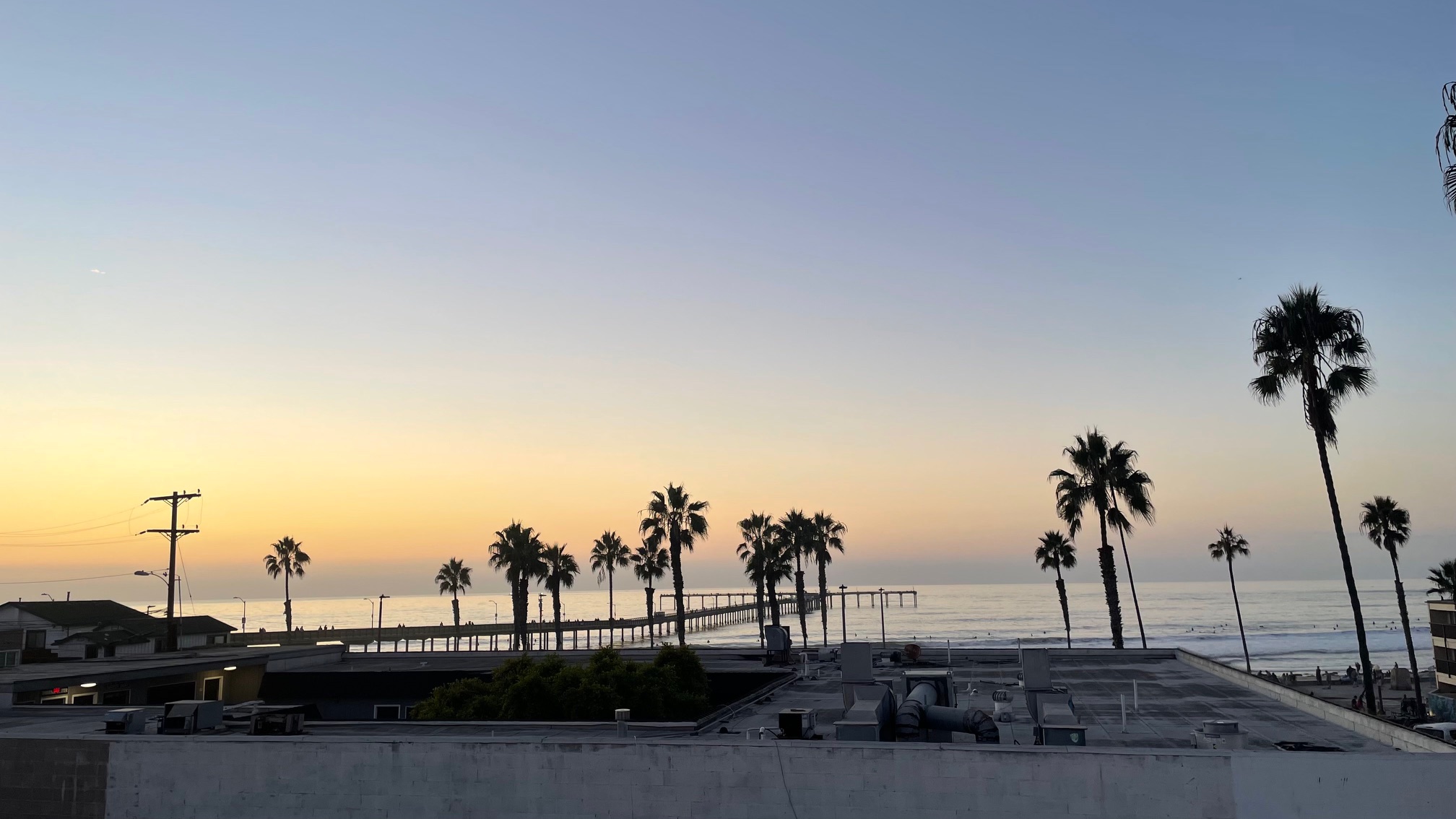
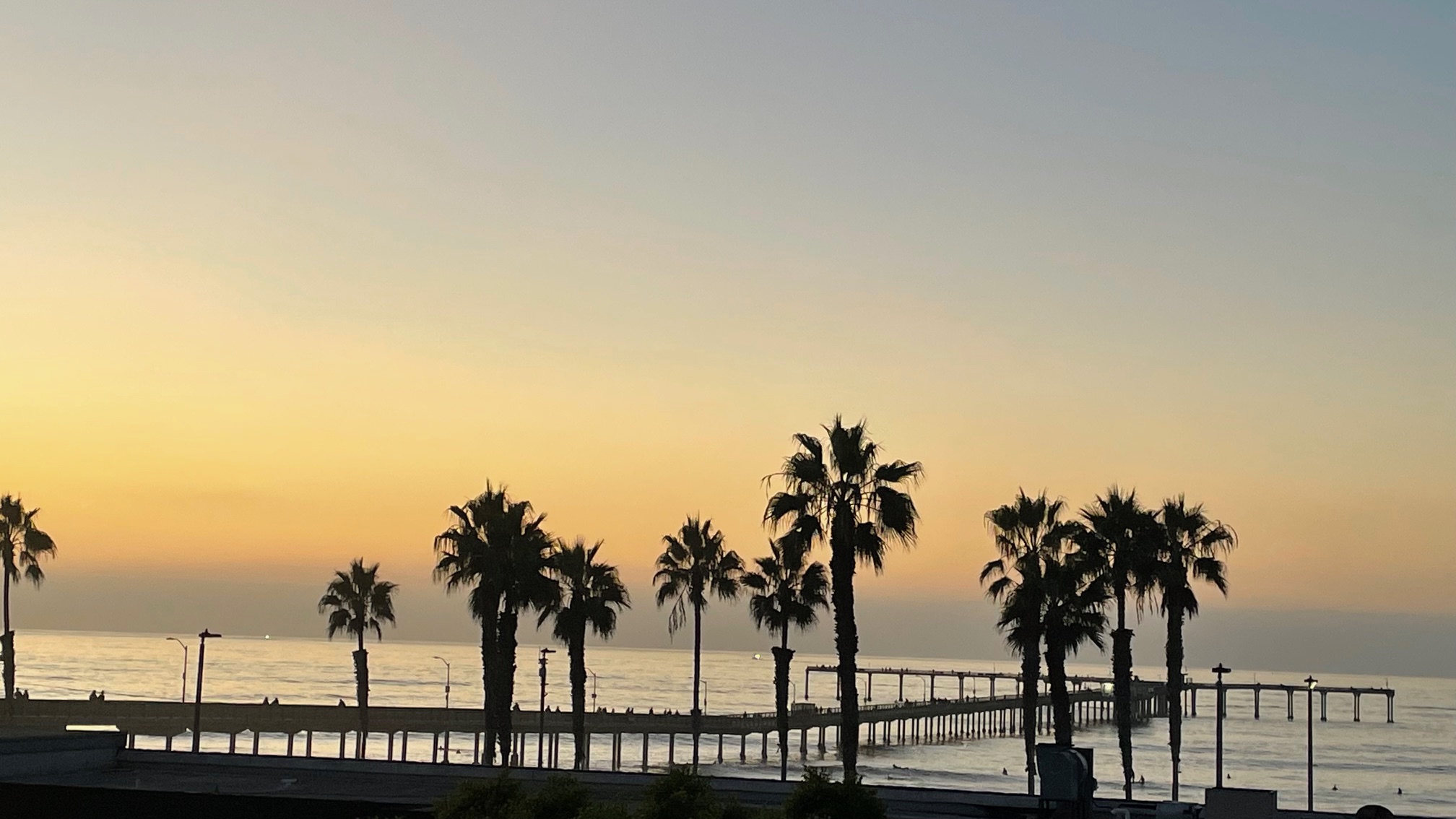


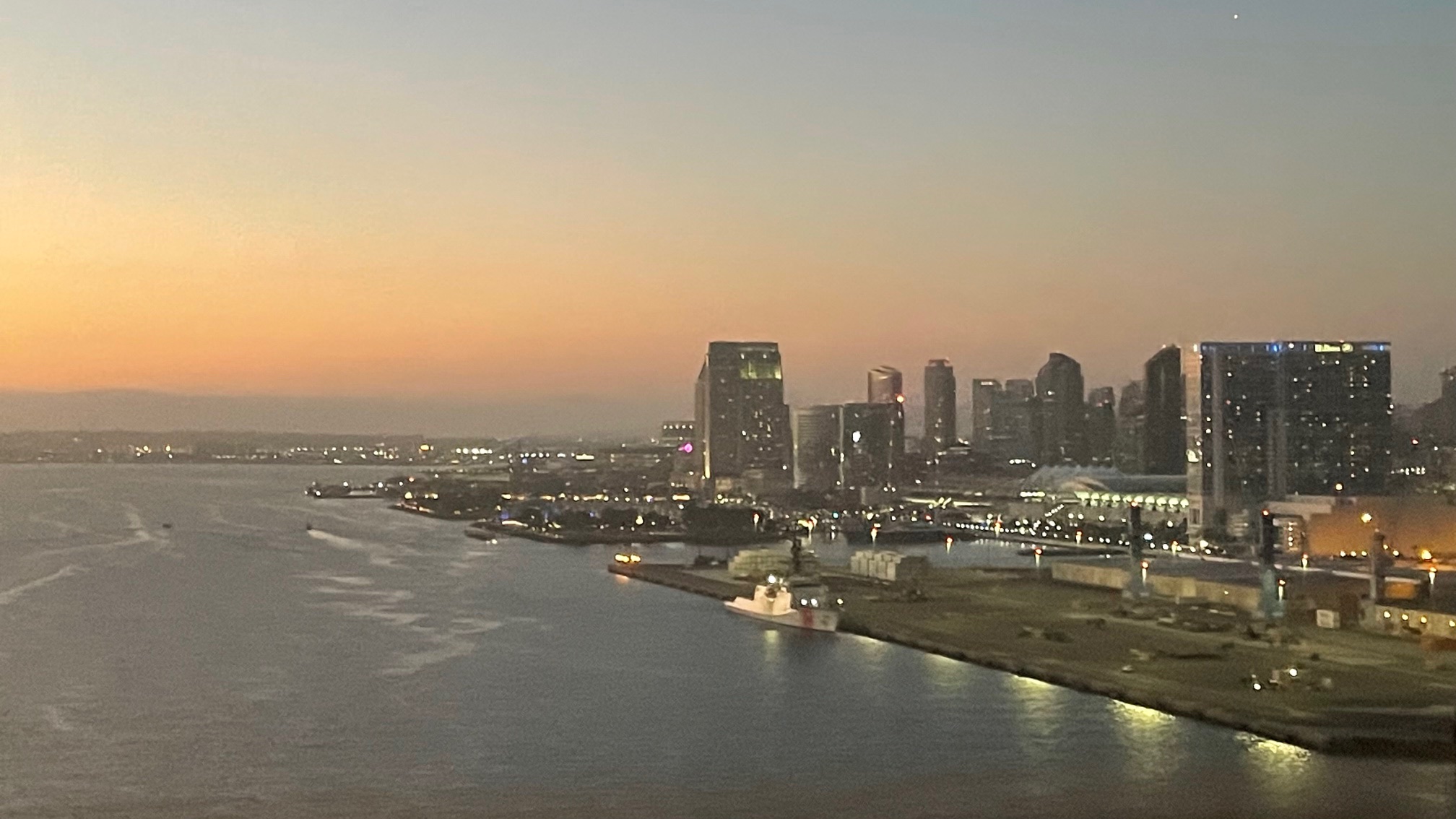

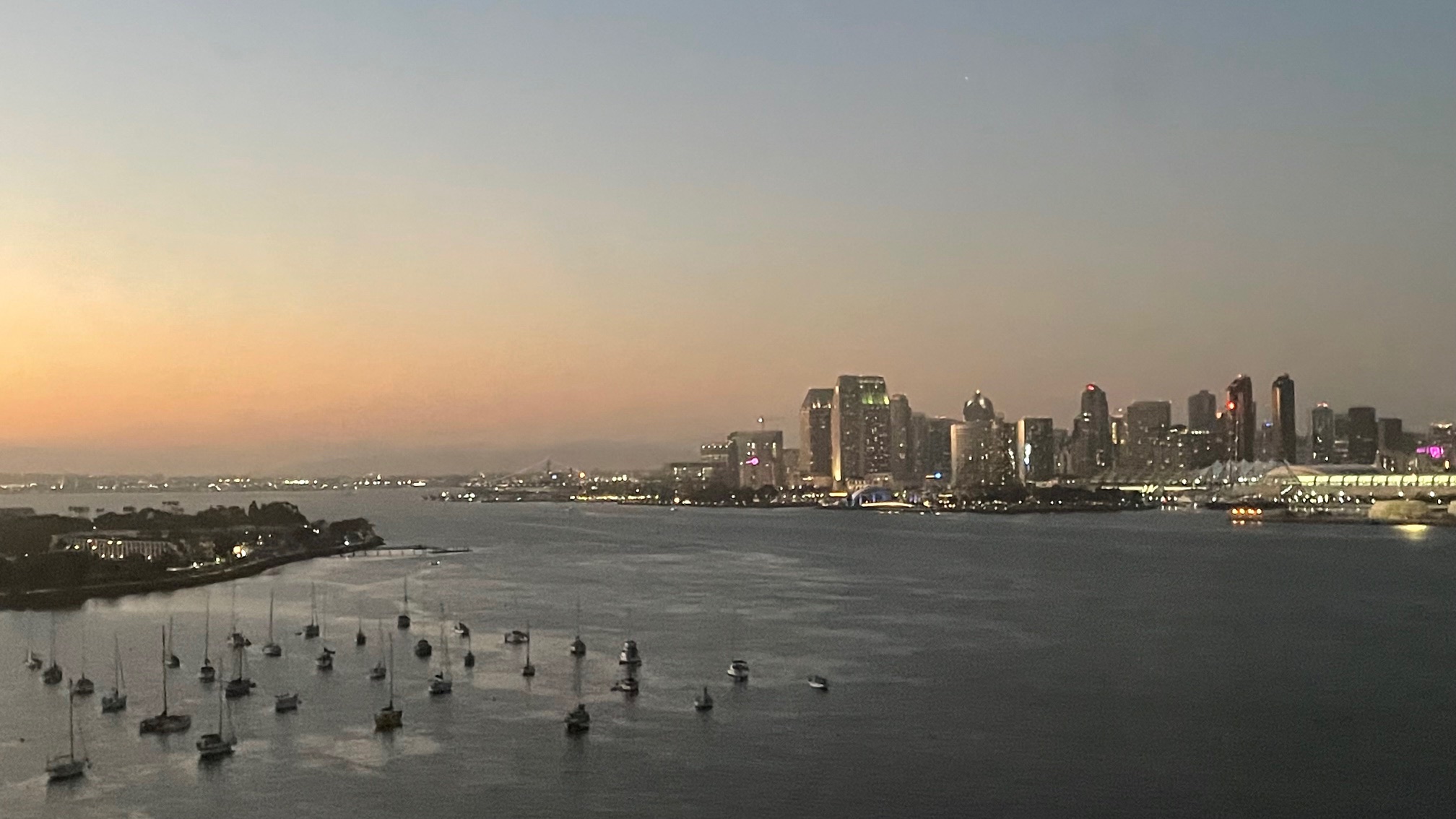
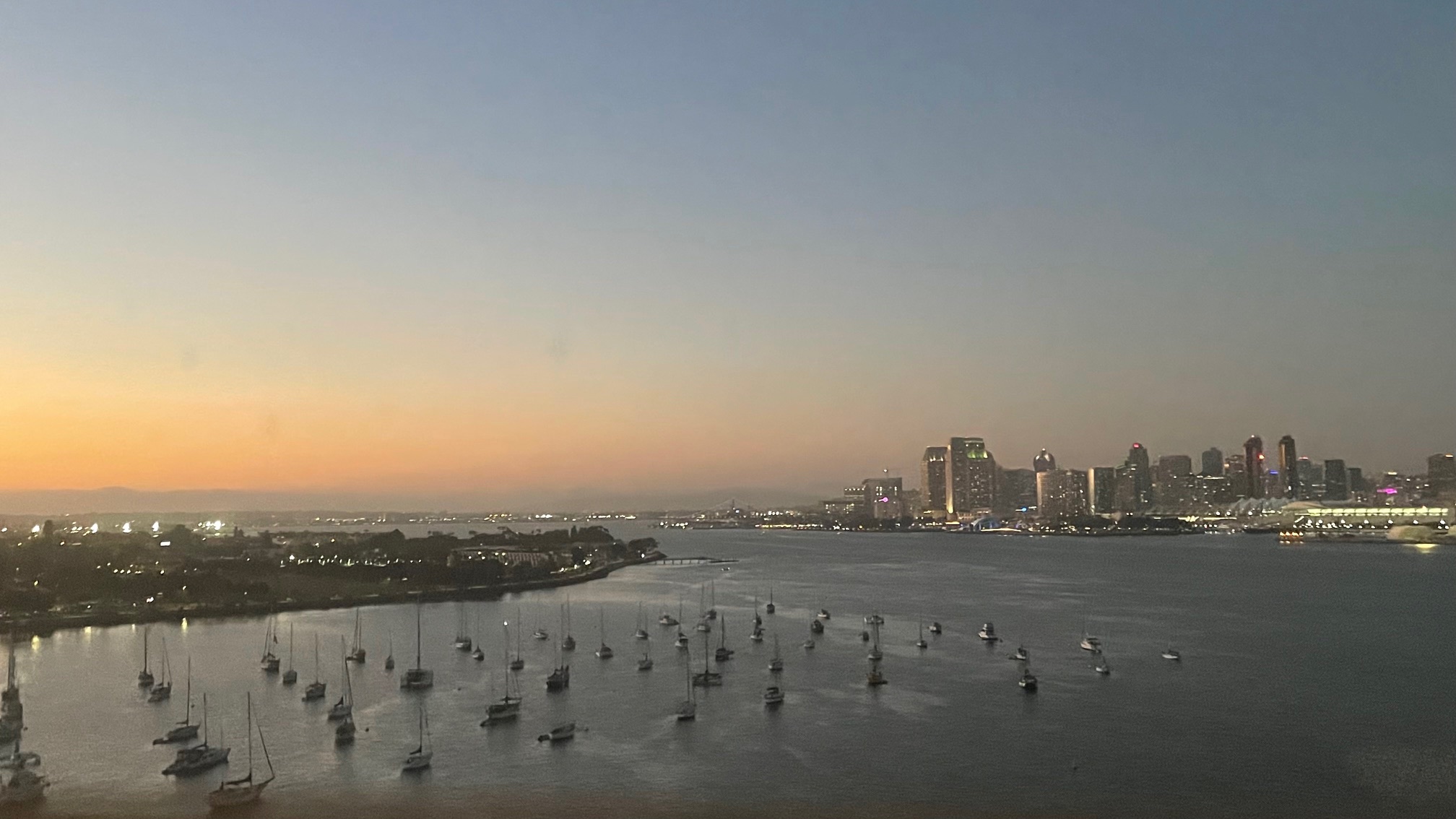
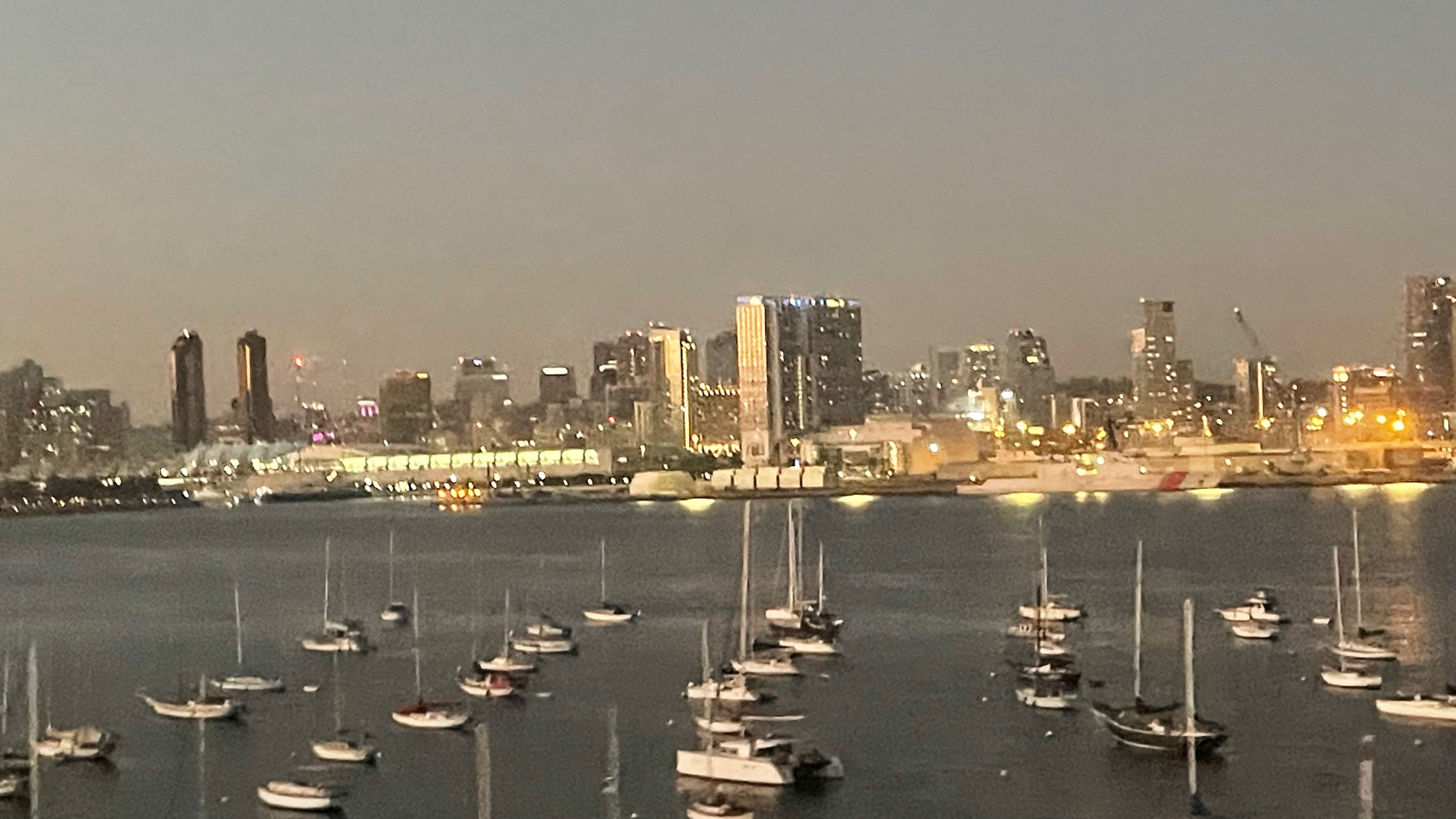

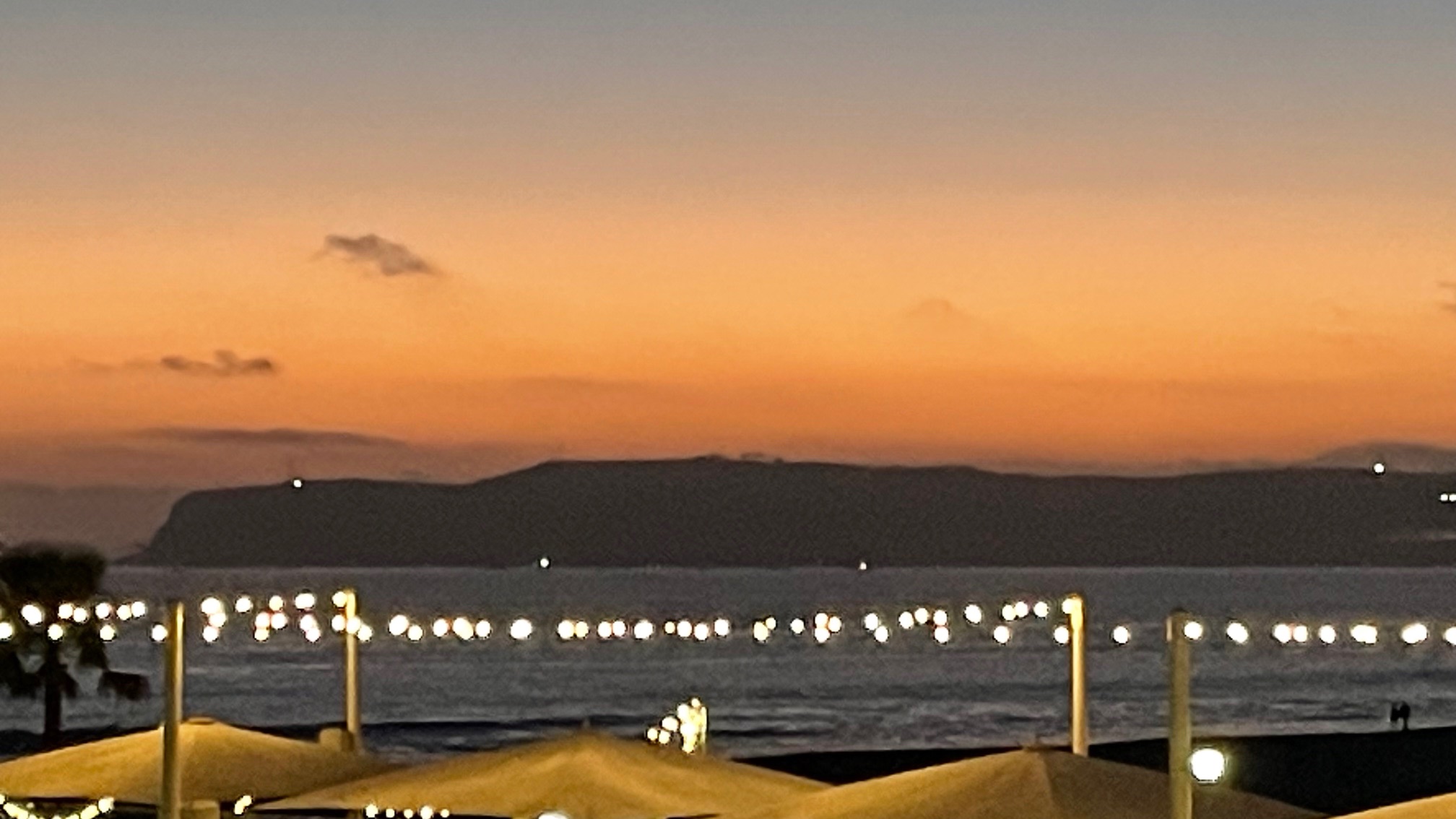
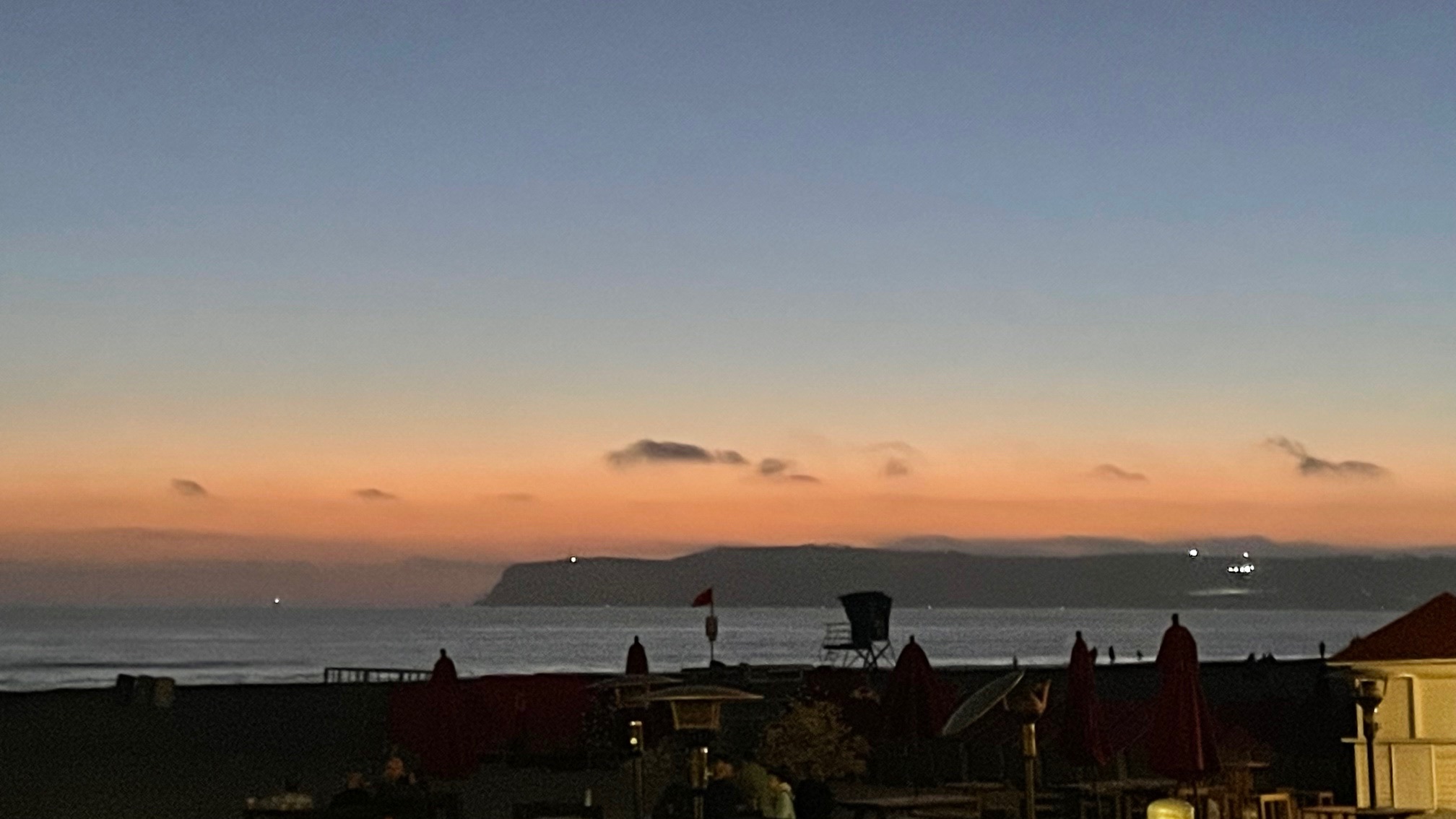

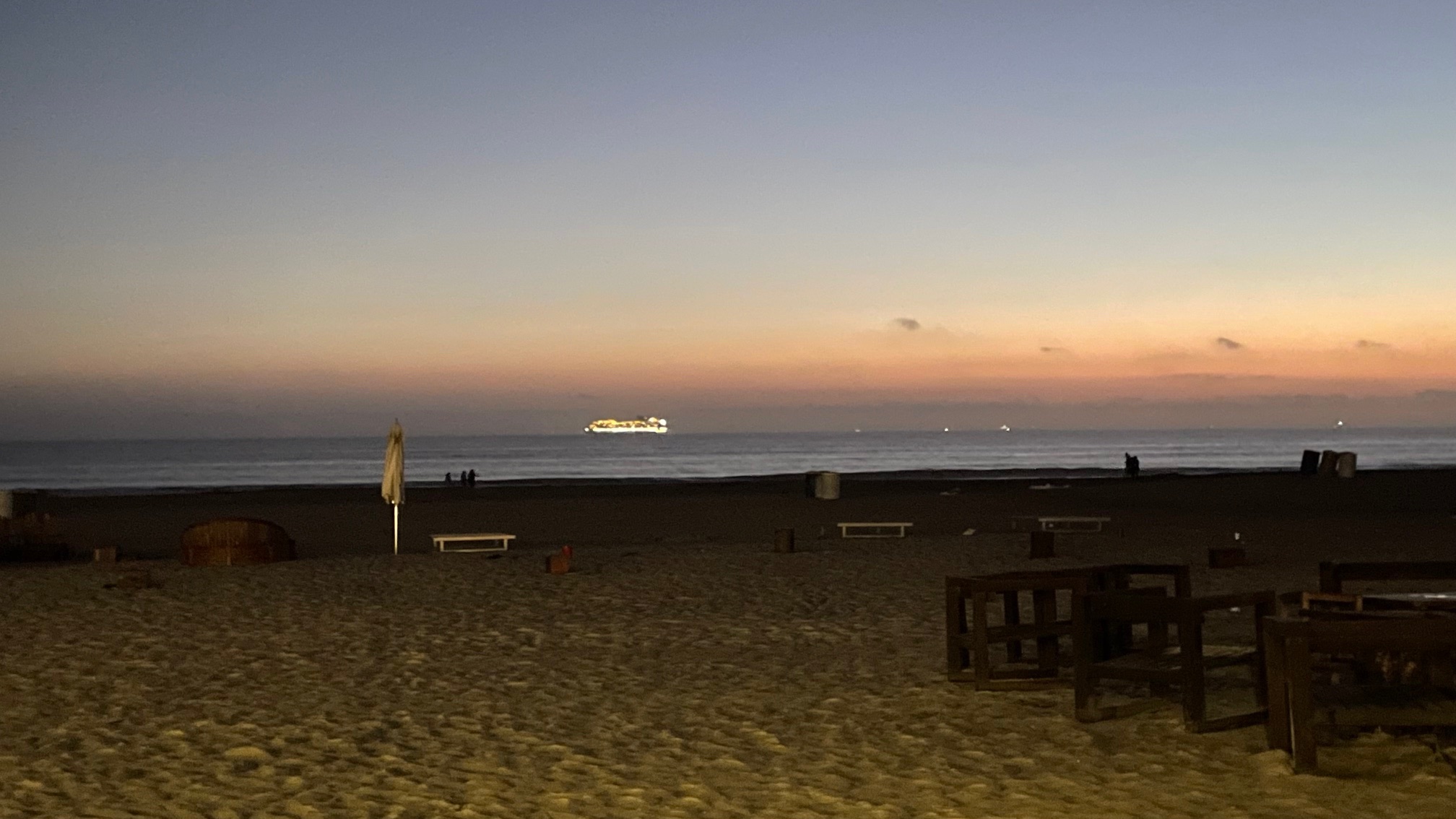

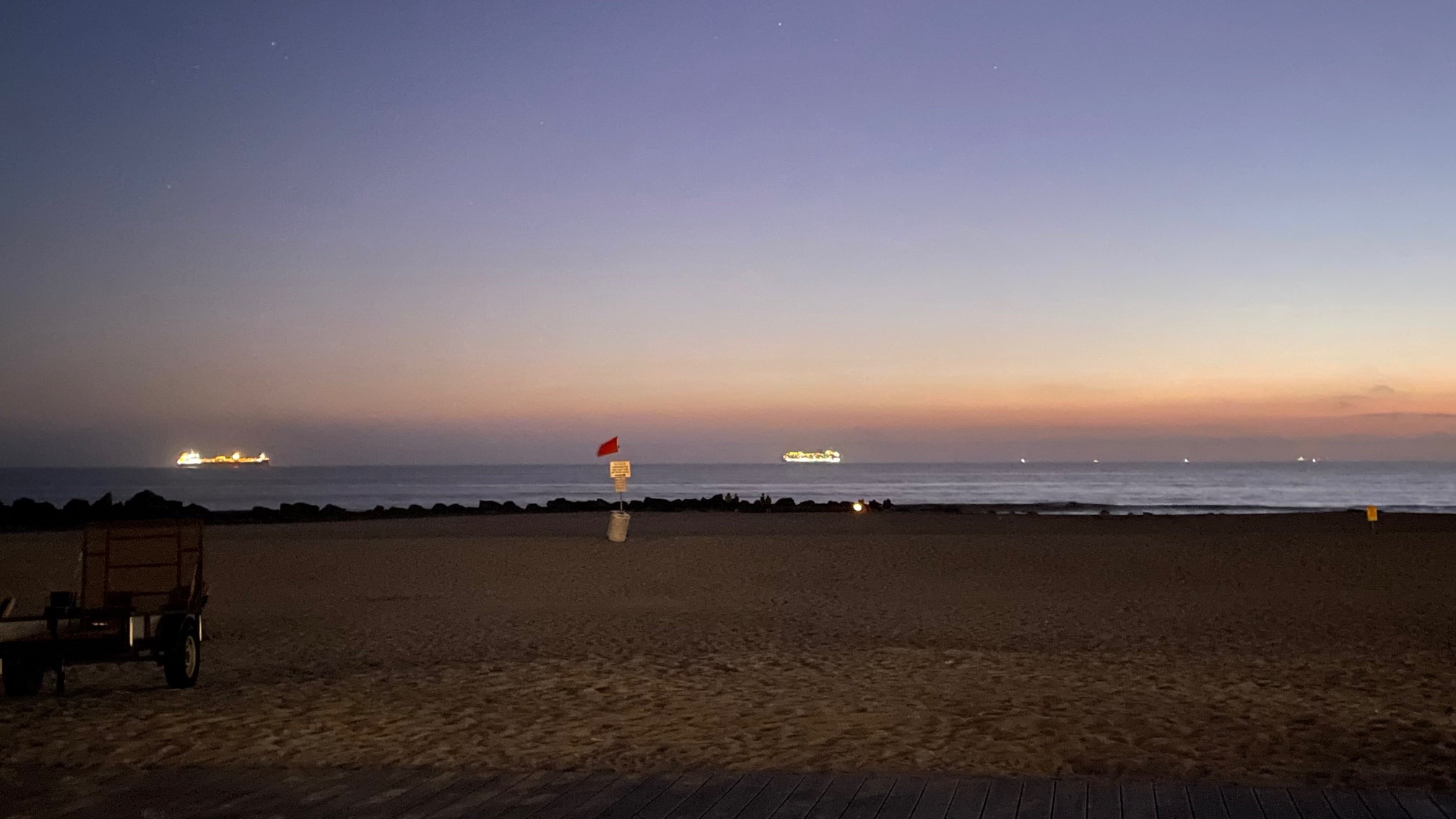


Camera: iPhone 12
Location: San Diego, California, United States and Coronado, California, United States
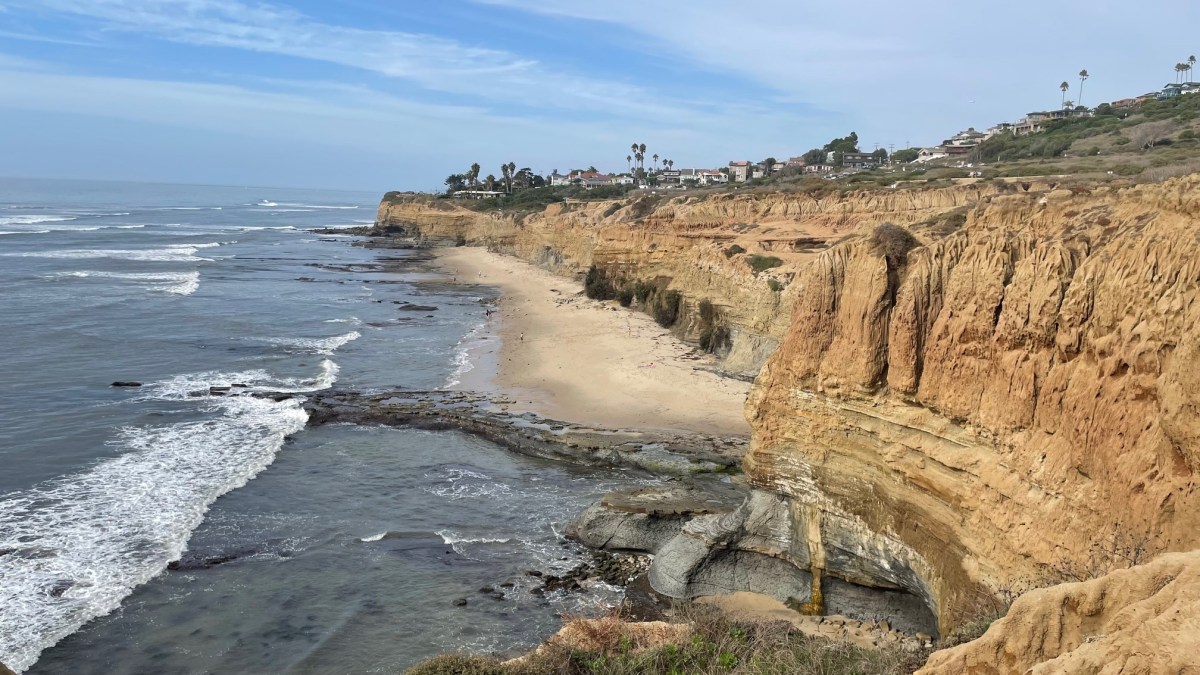
A beautiful Fall Day to go hiking in San Diego at Sunset Cliffs Natural Park from October 2023.
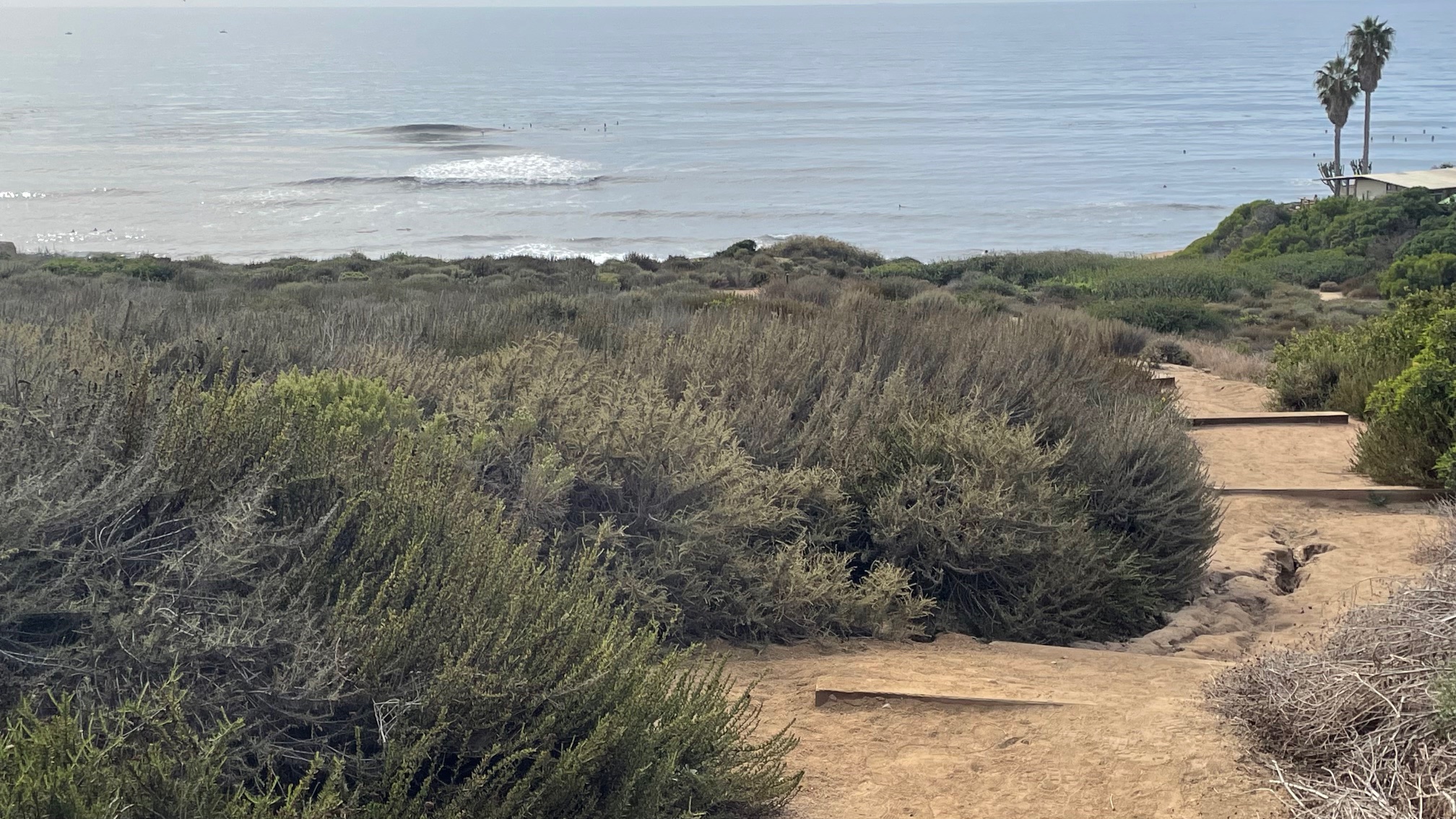

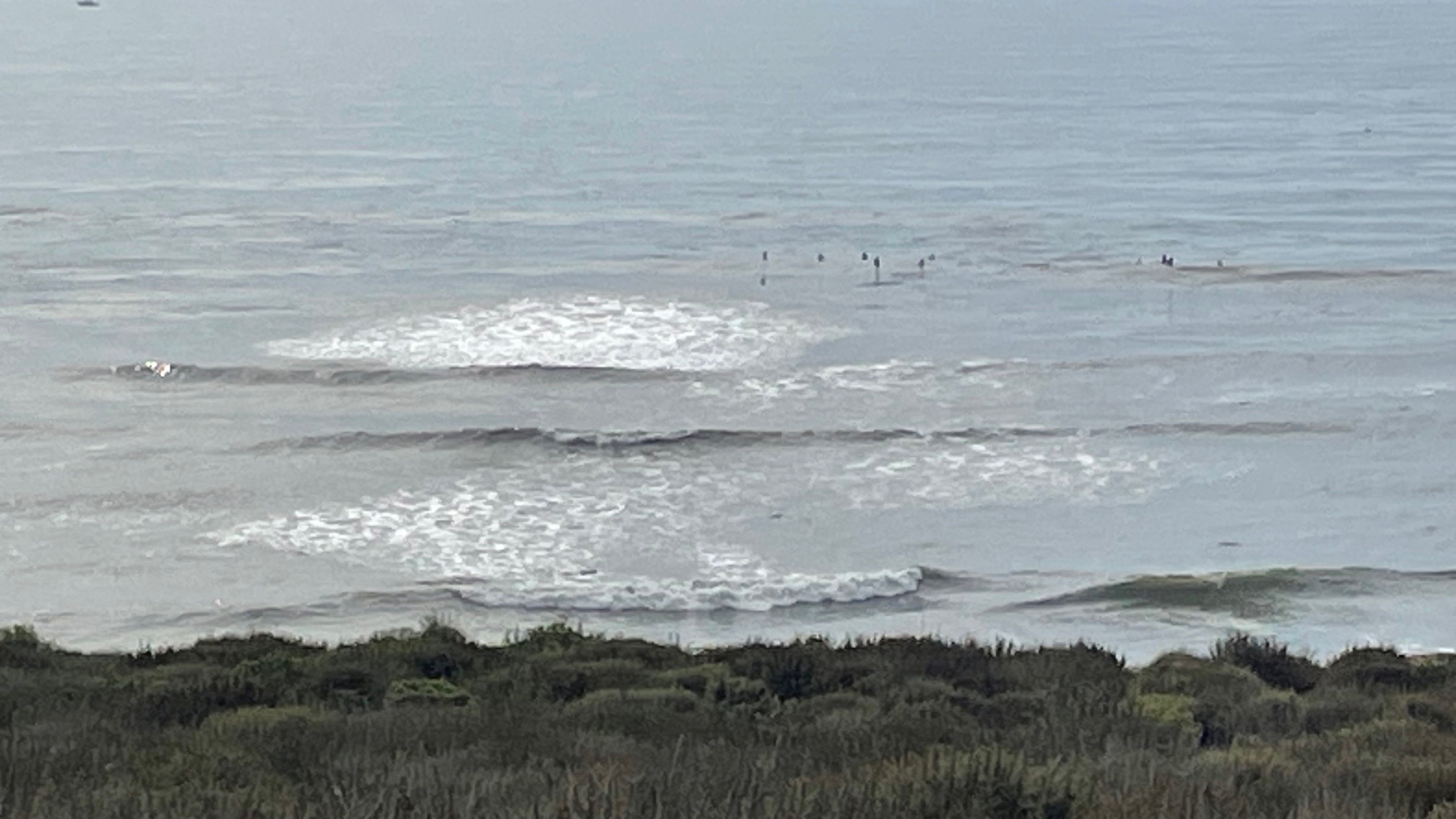

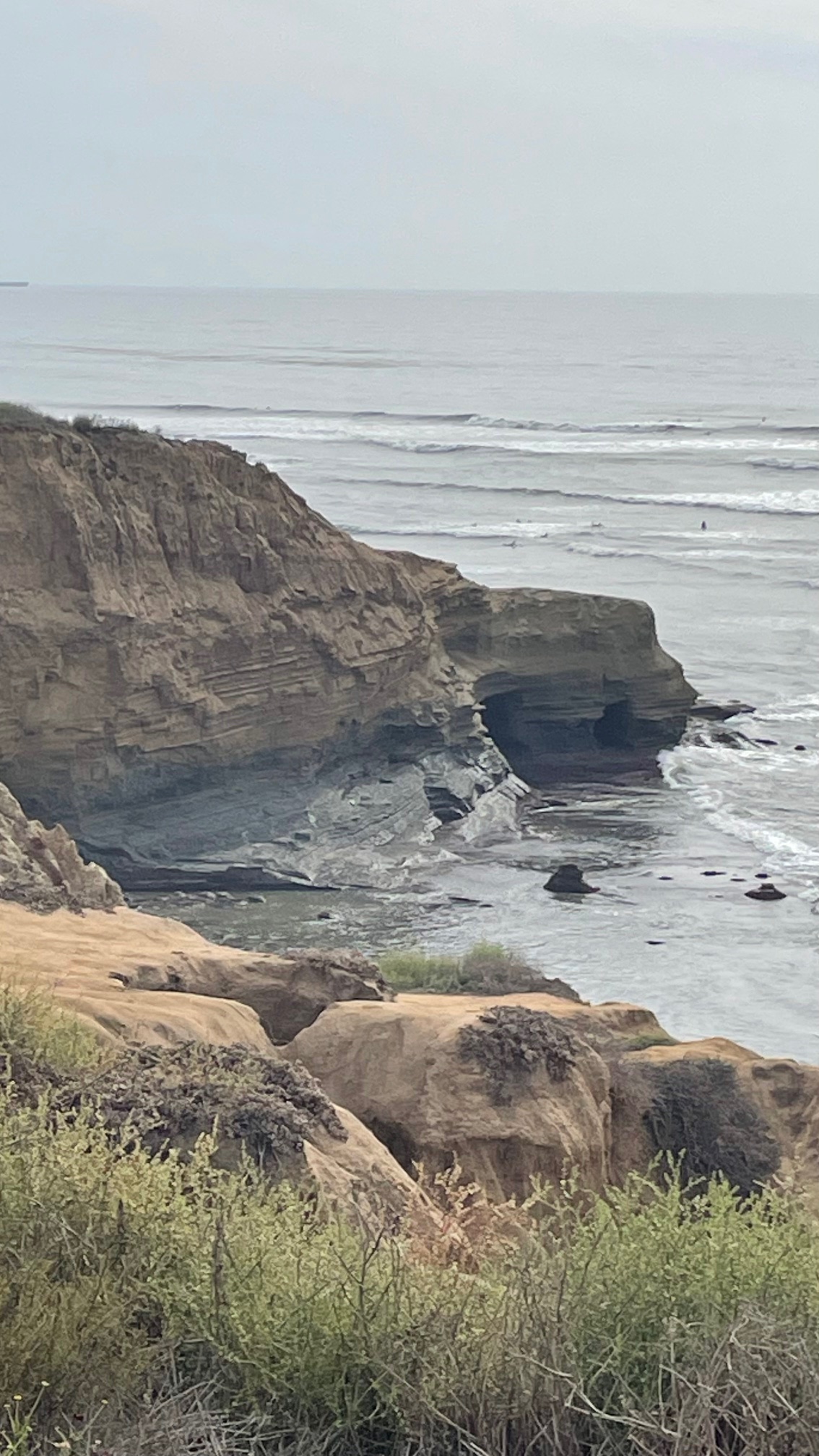
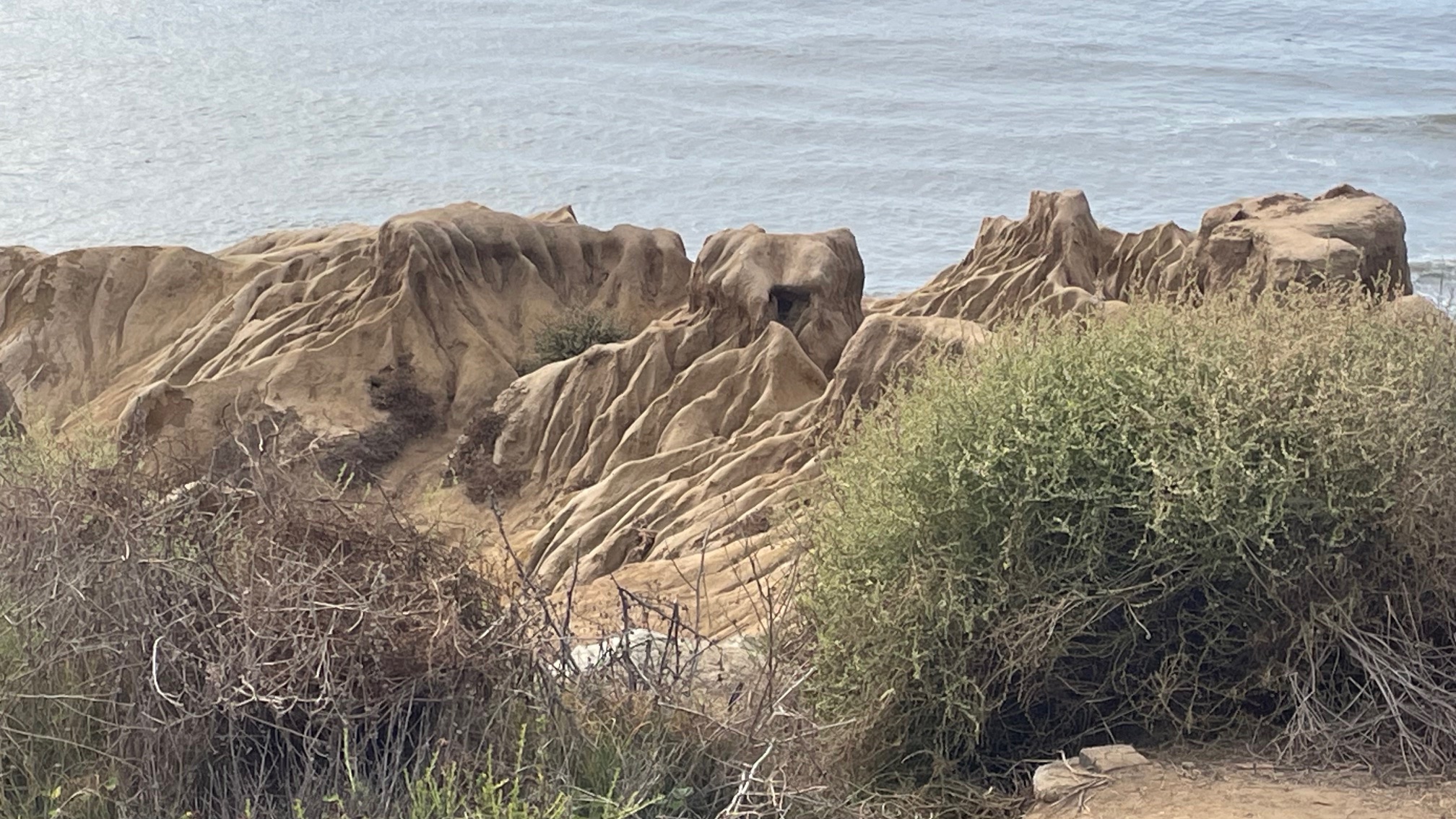
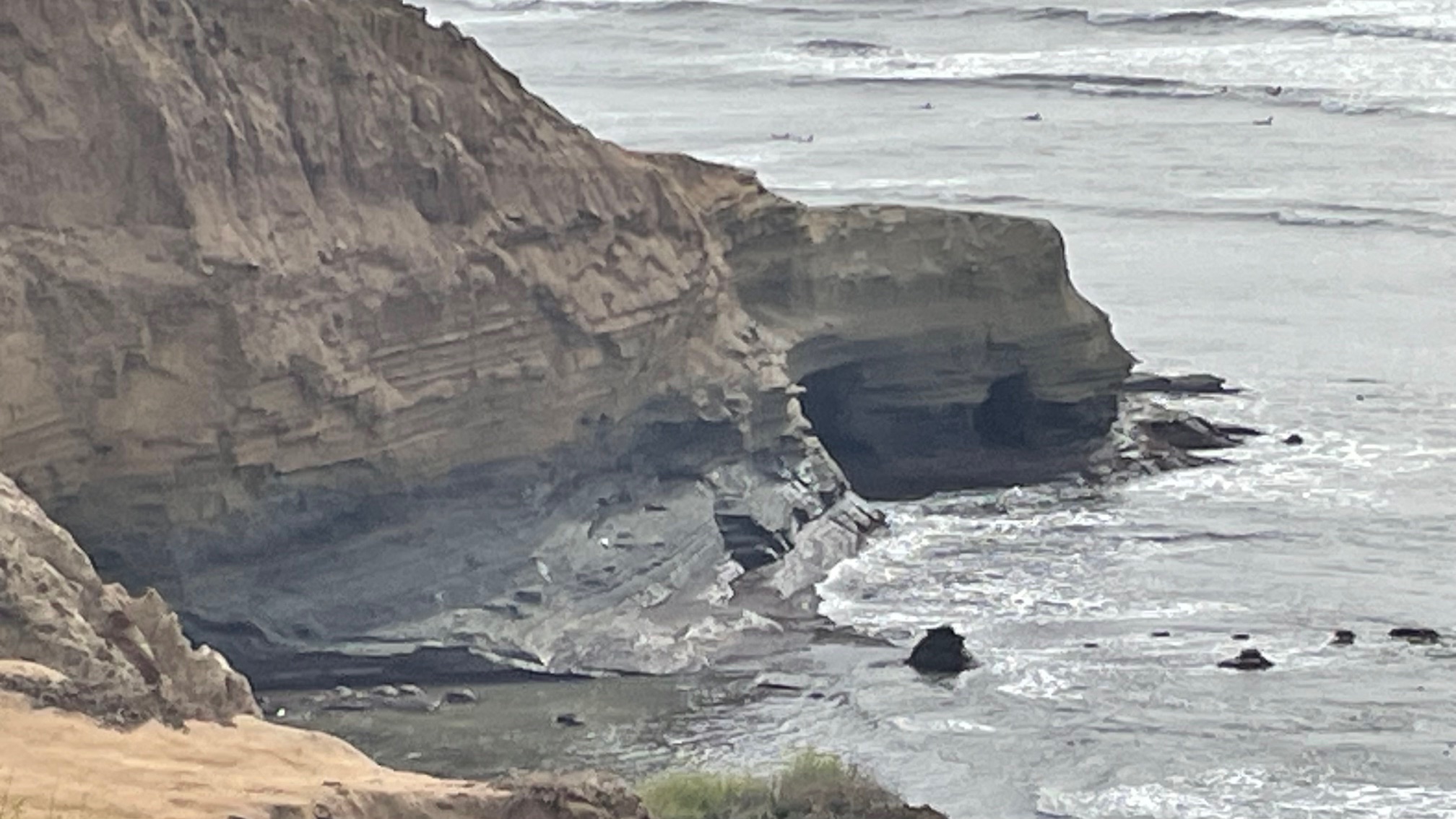
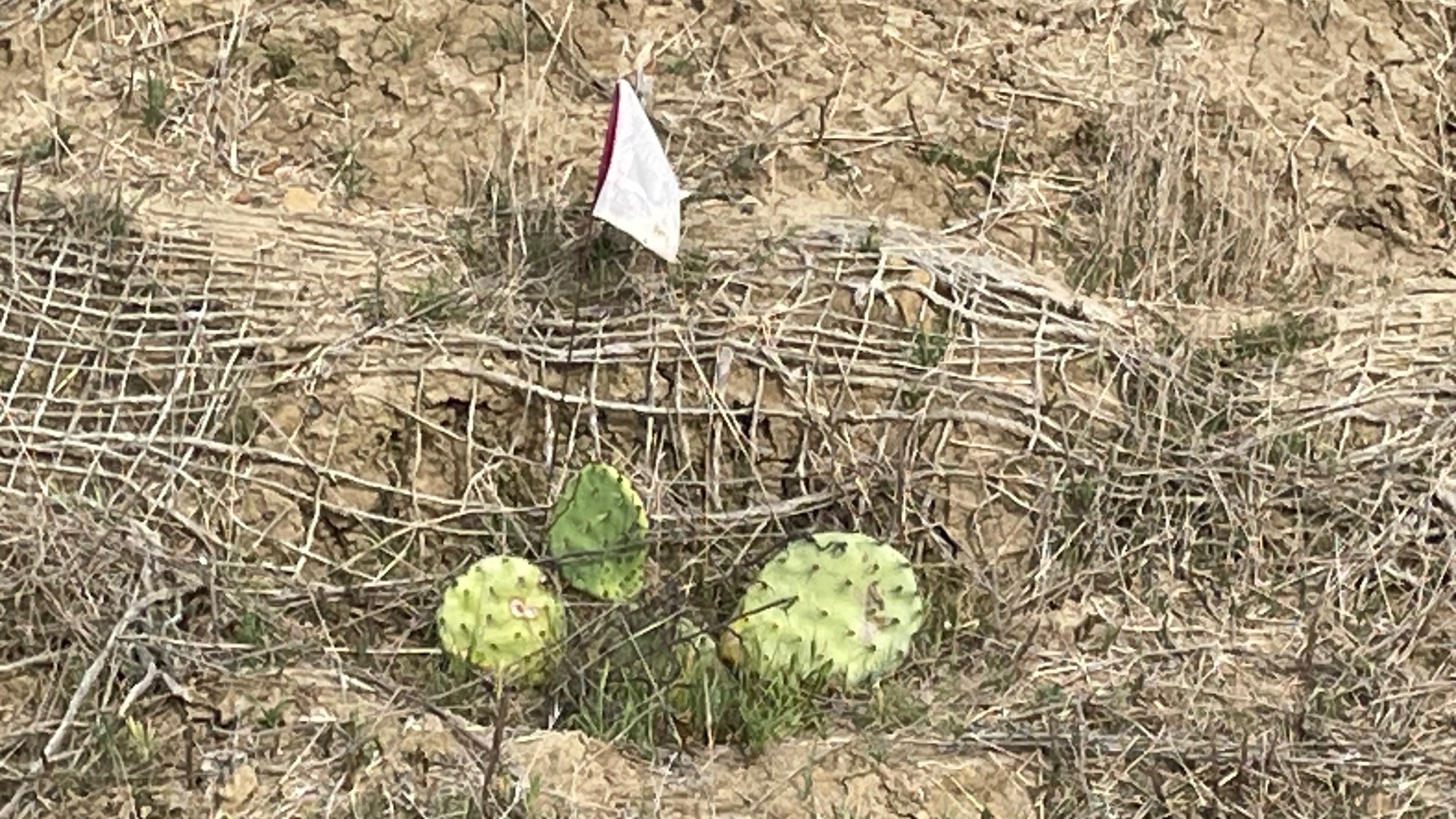
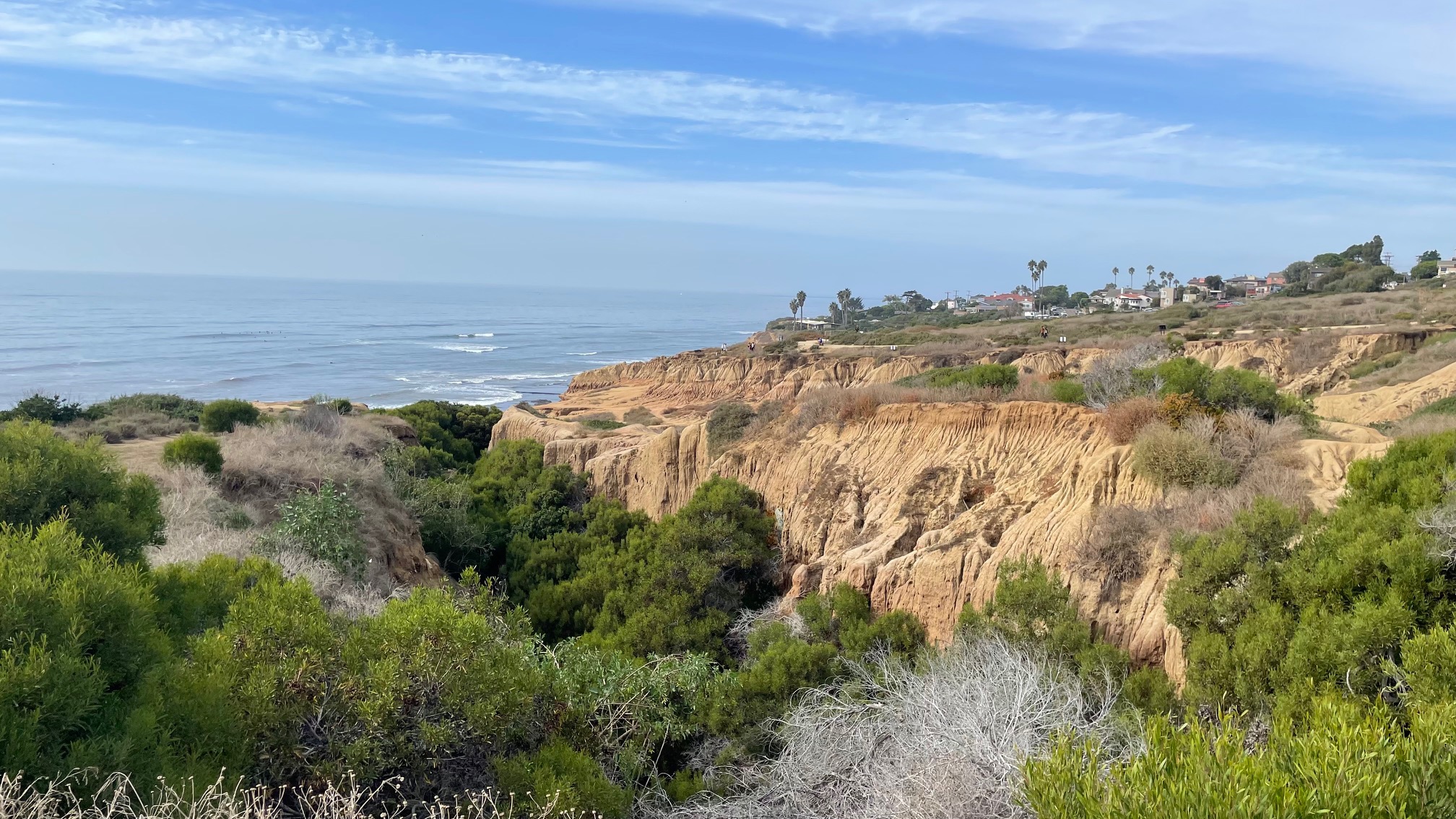
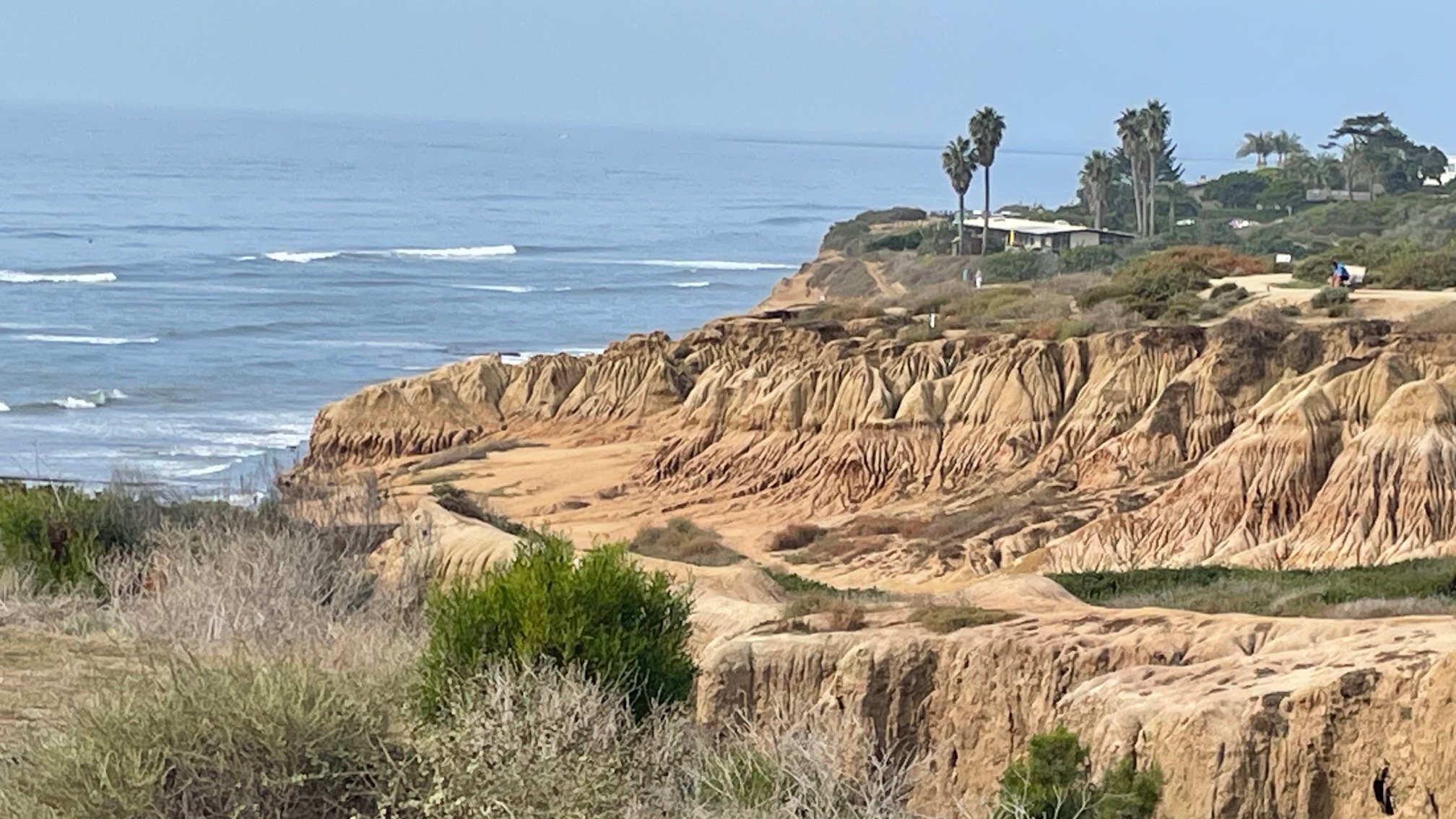
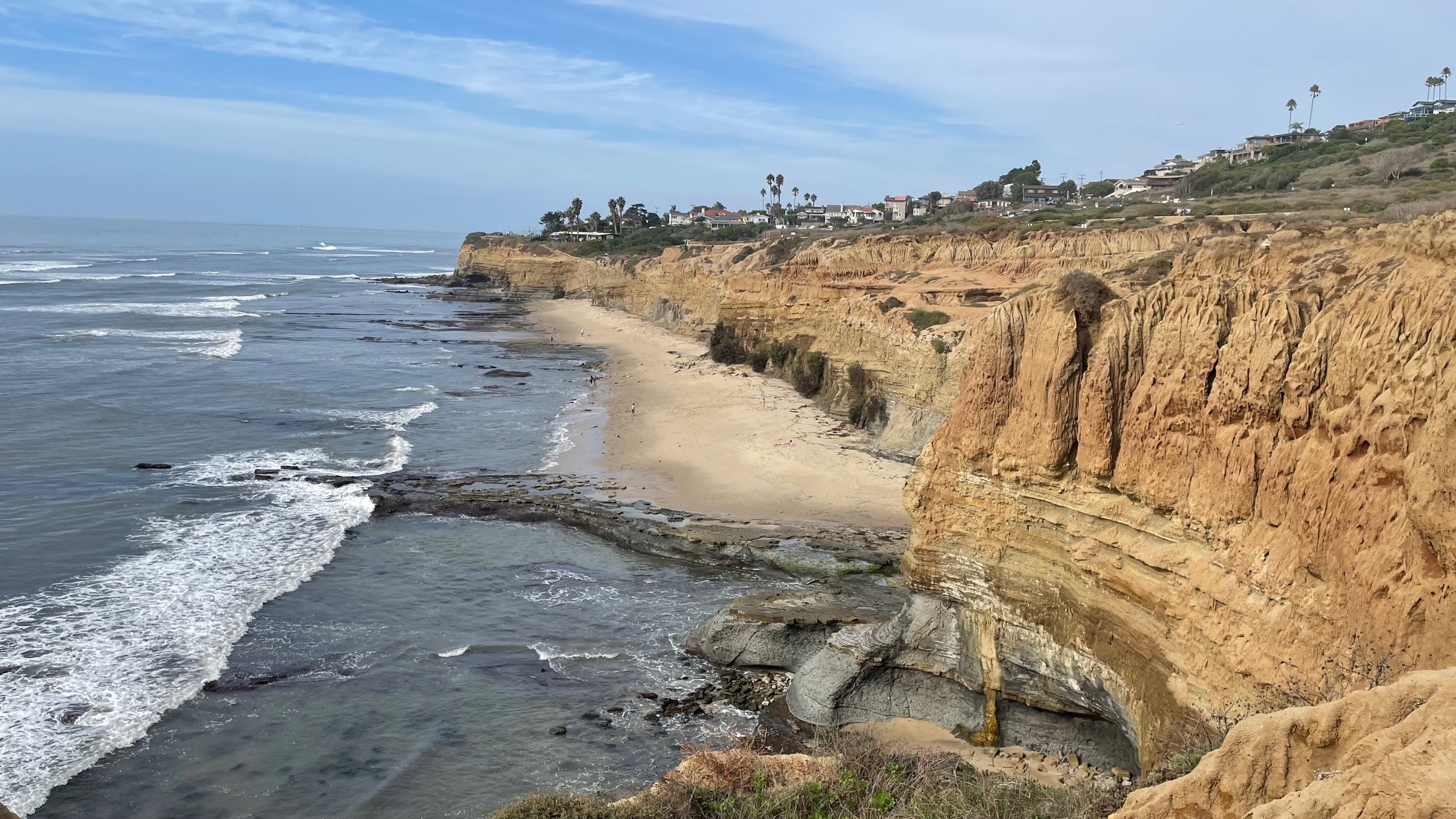
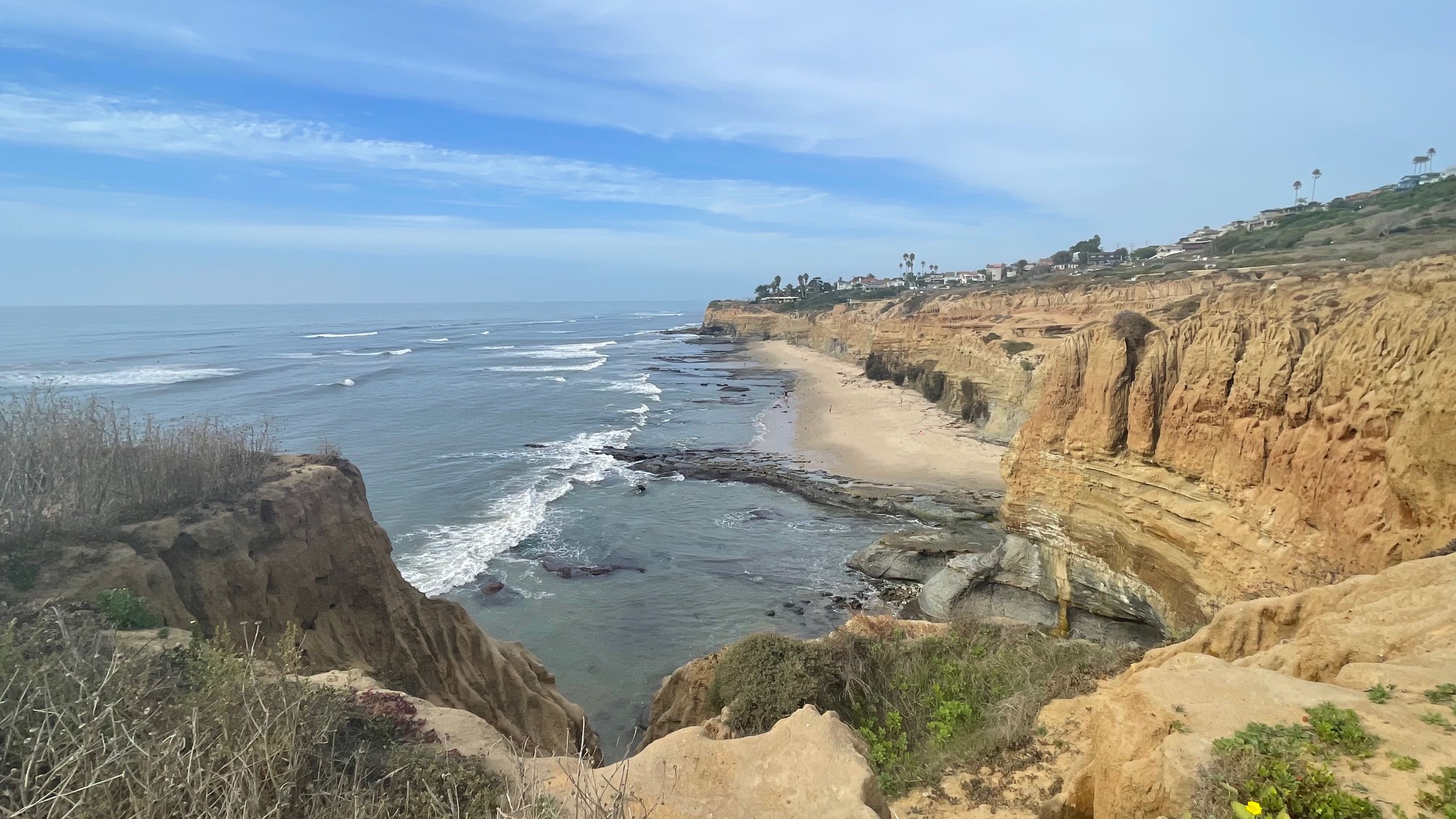
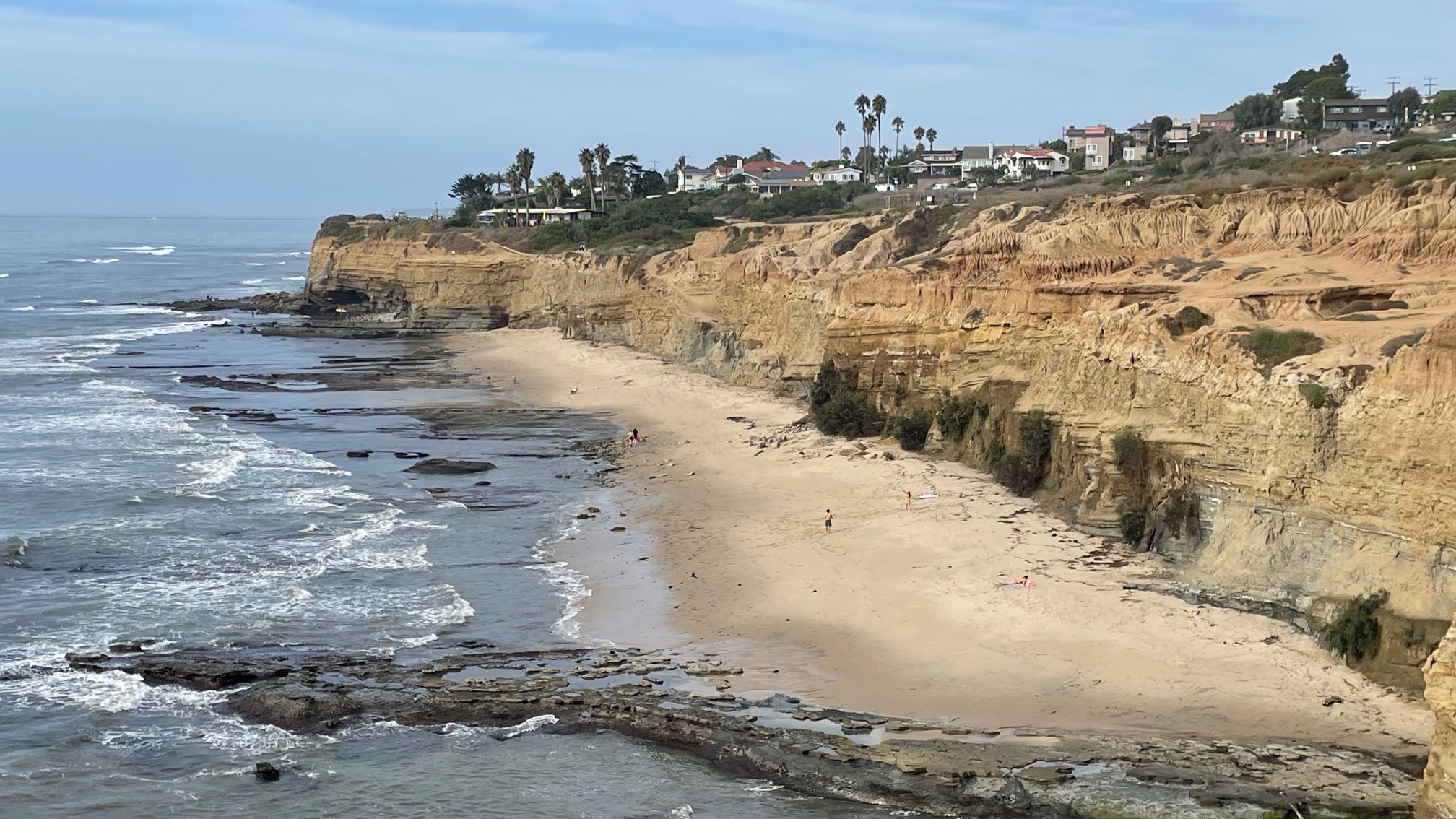
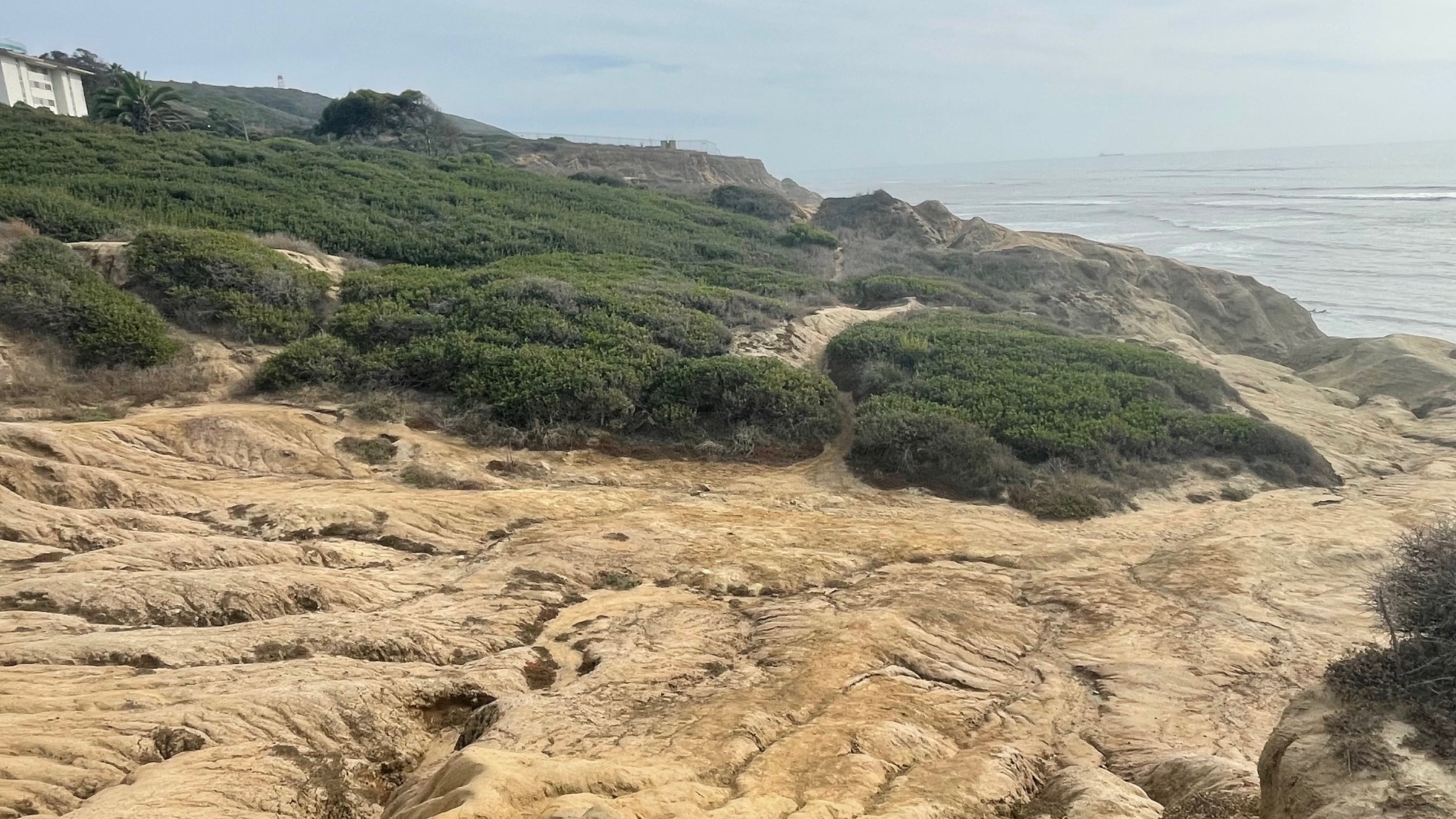
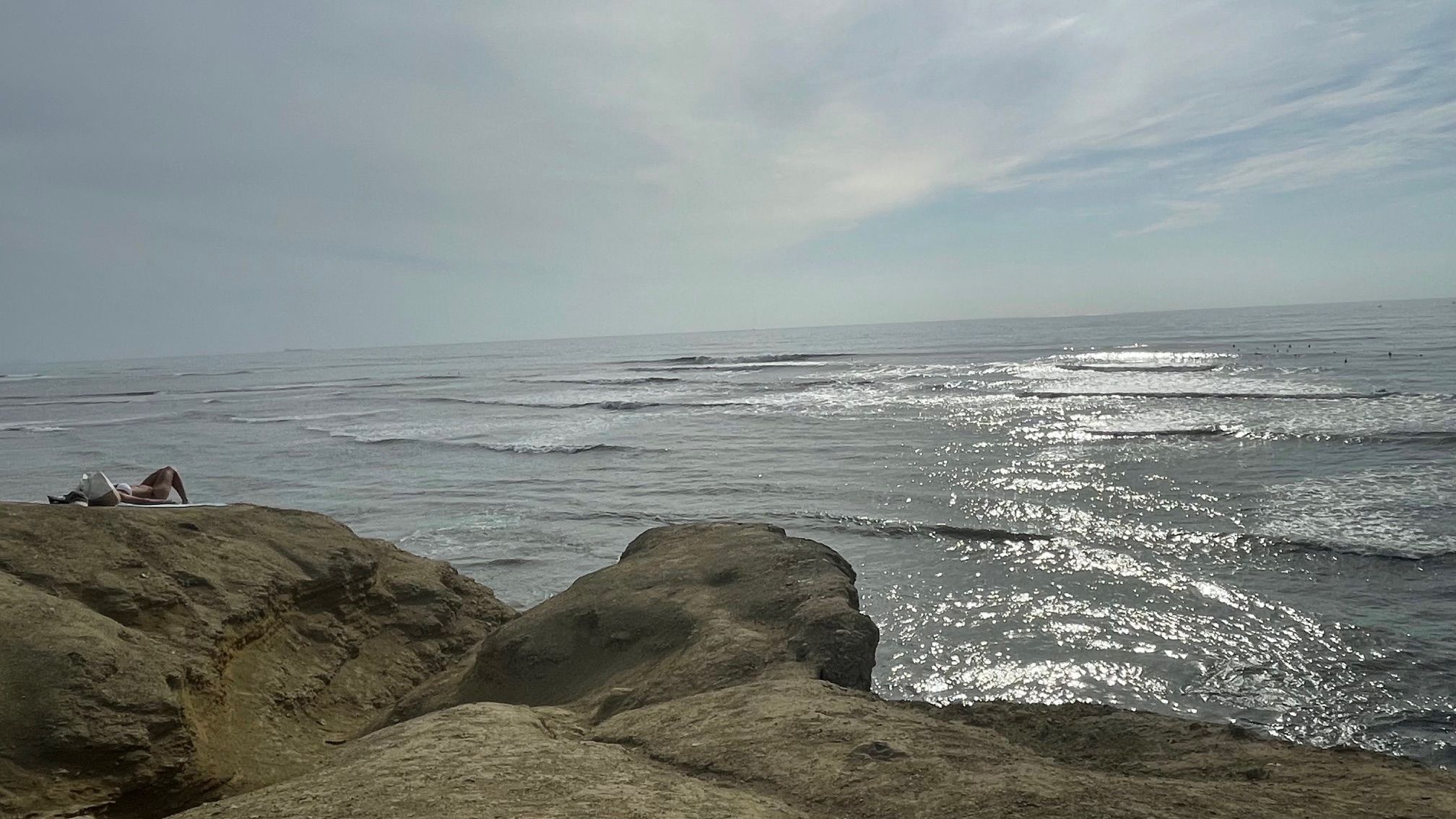
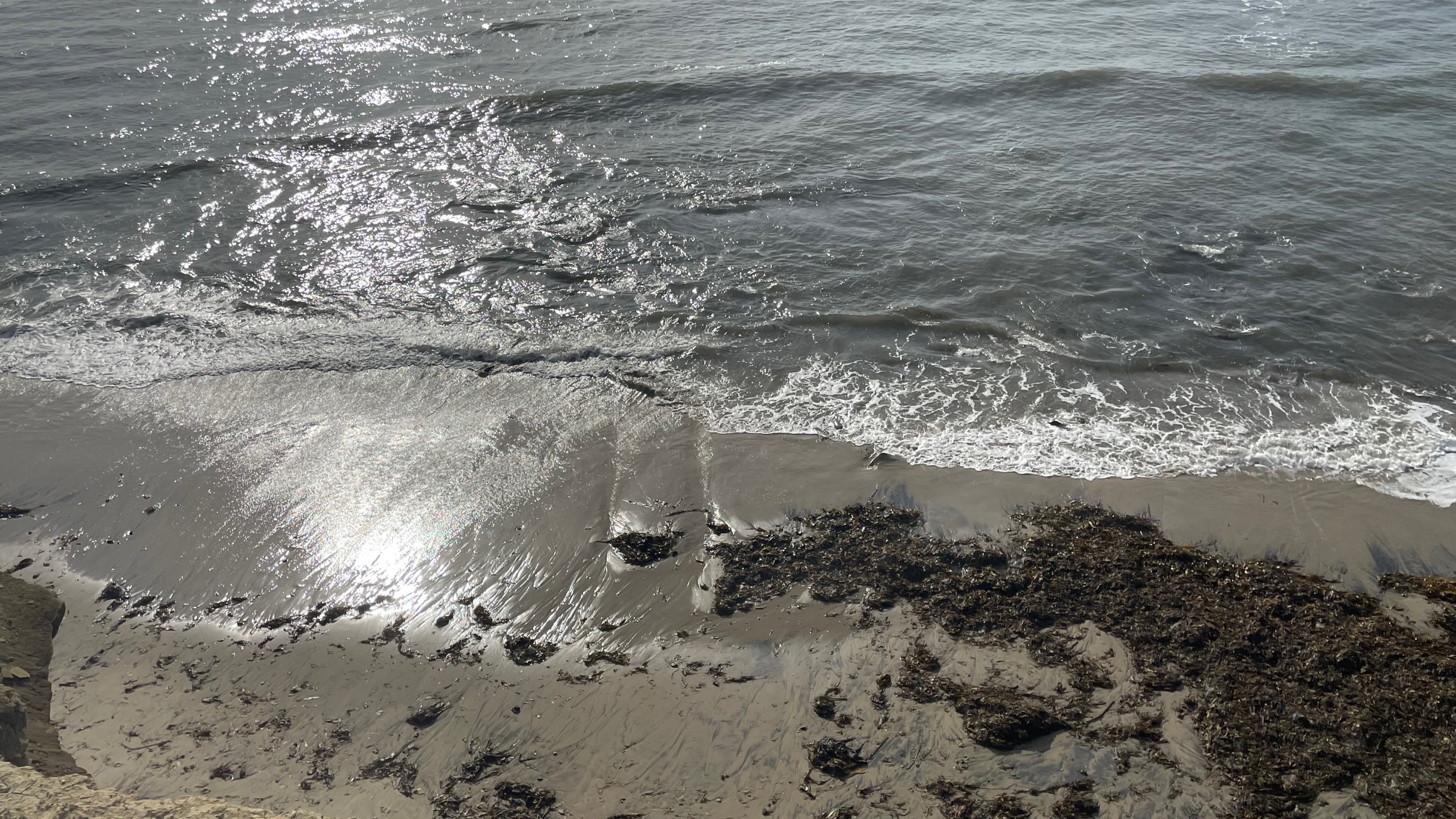
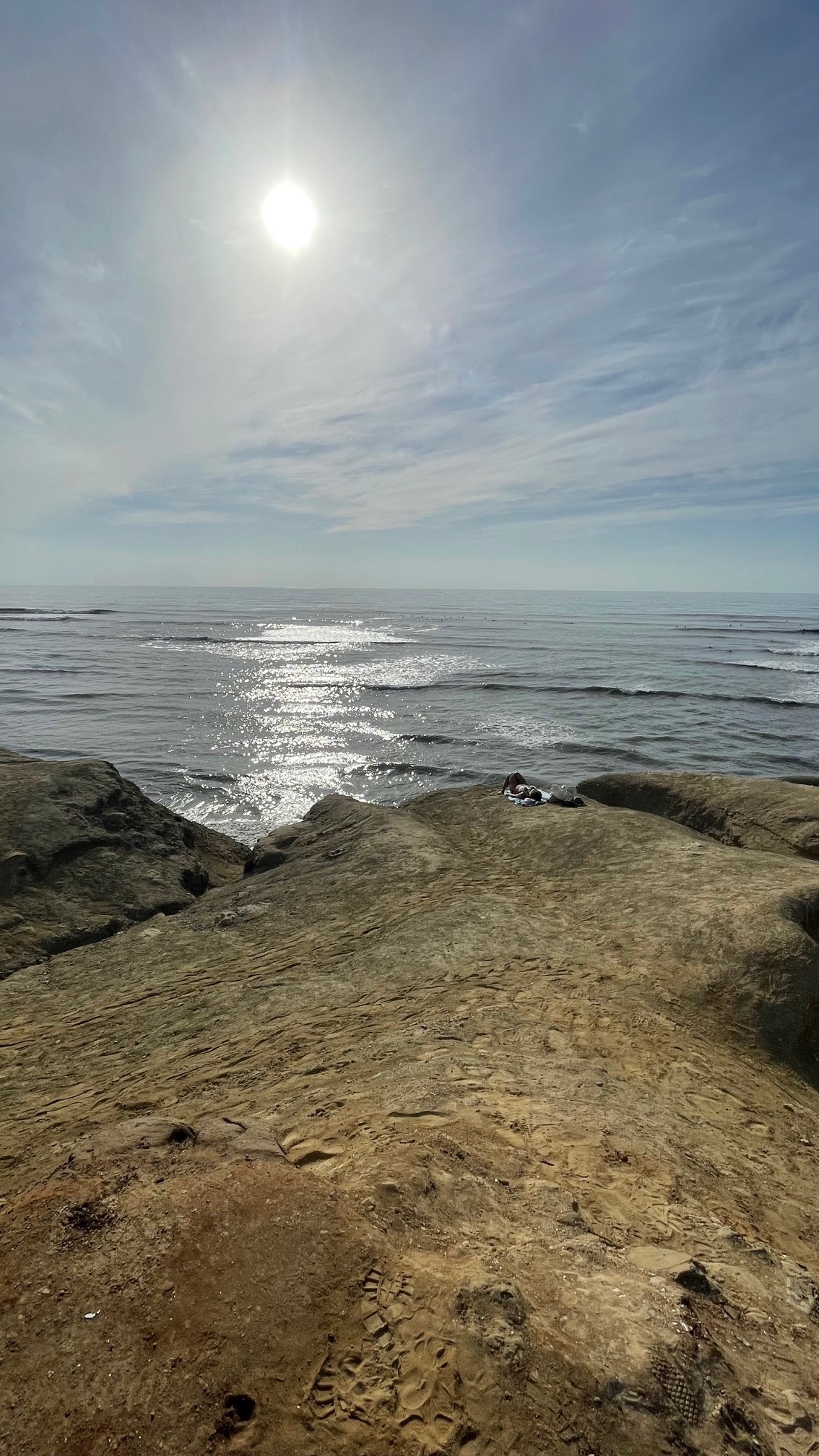
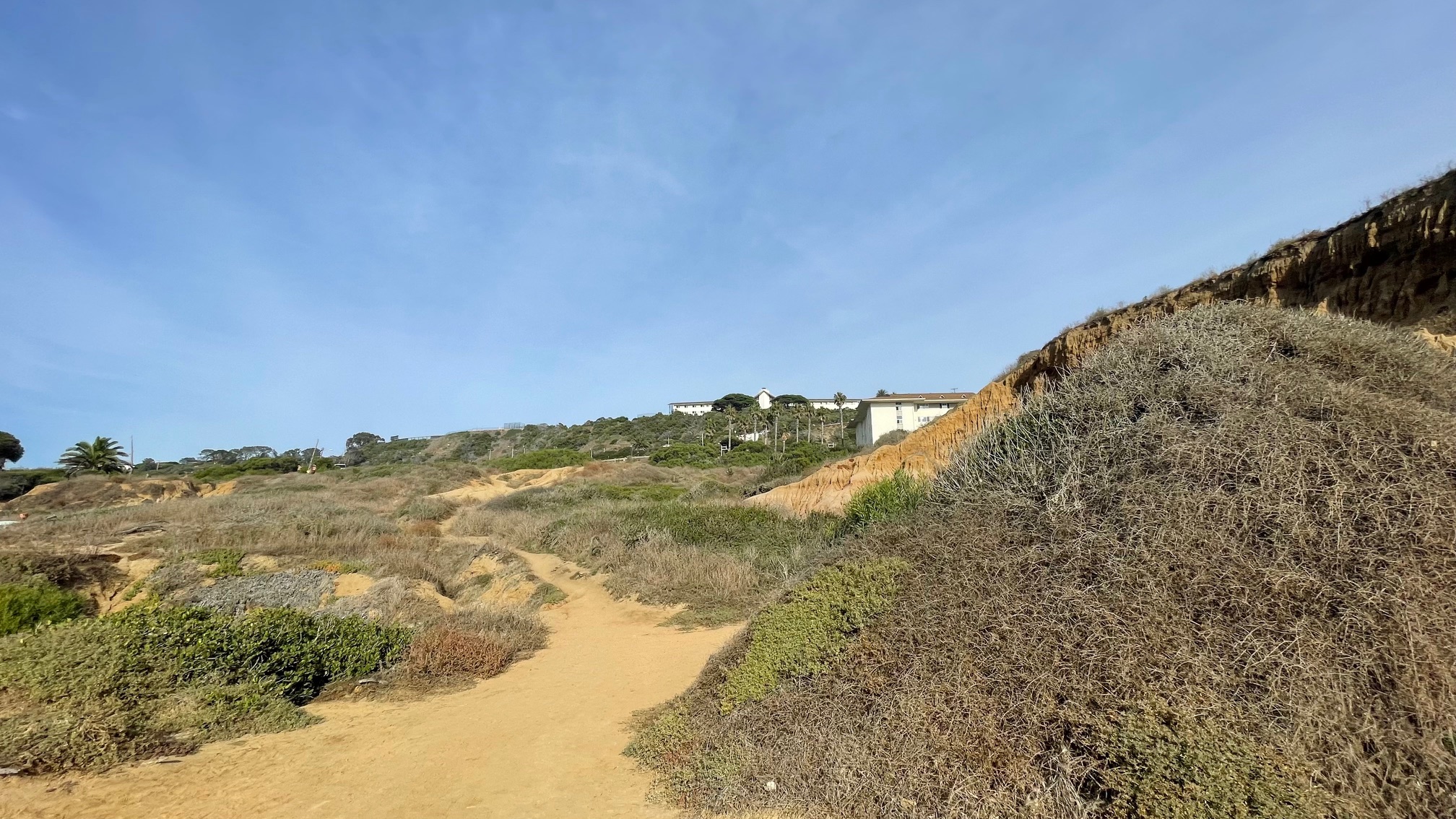
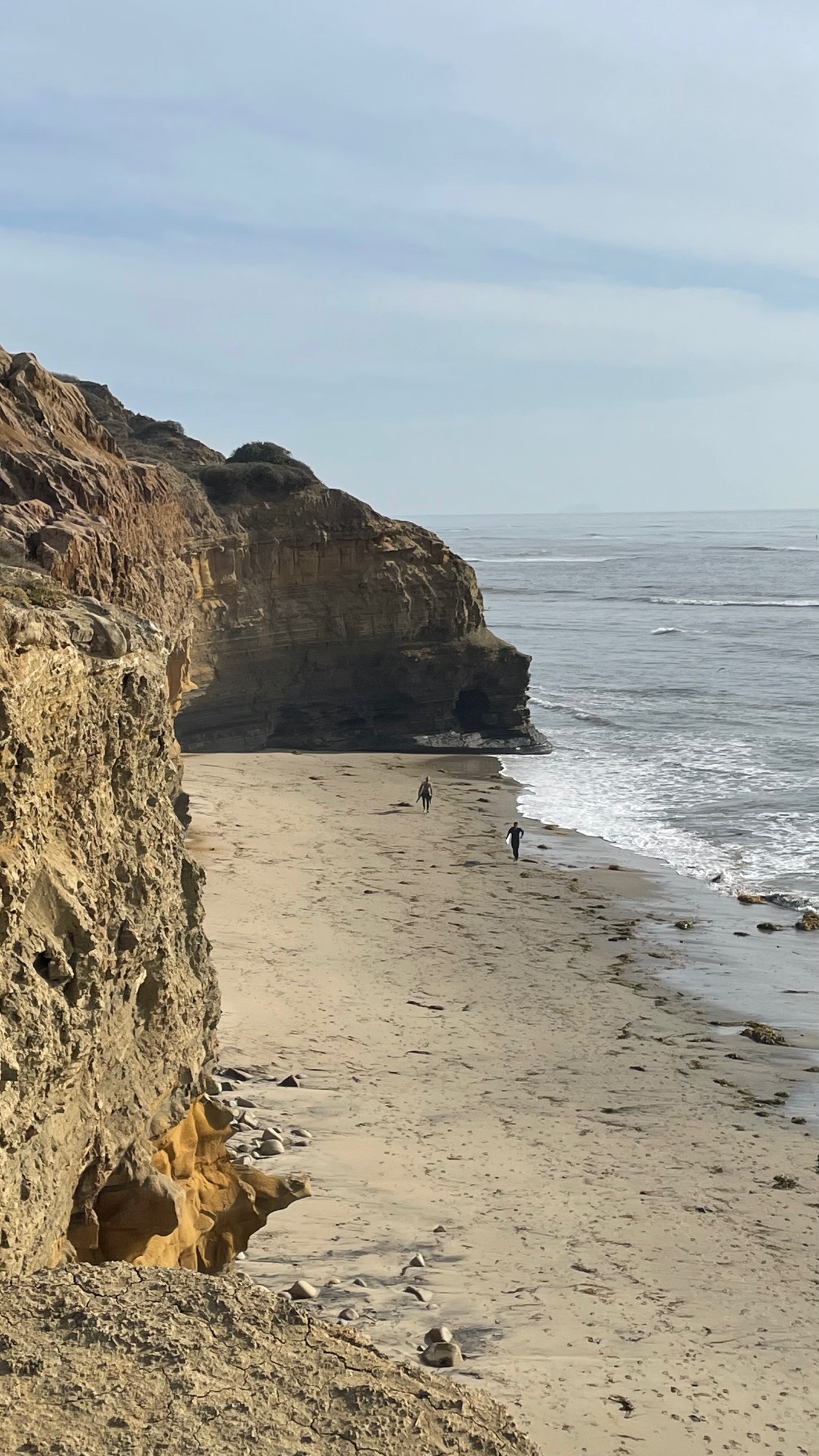
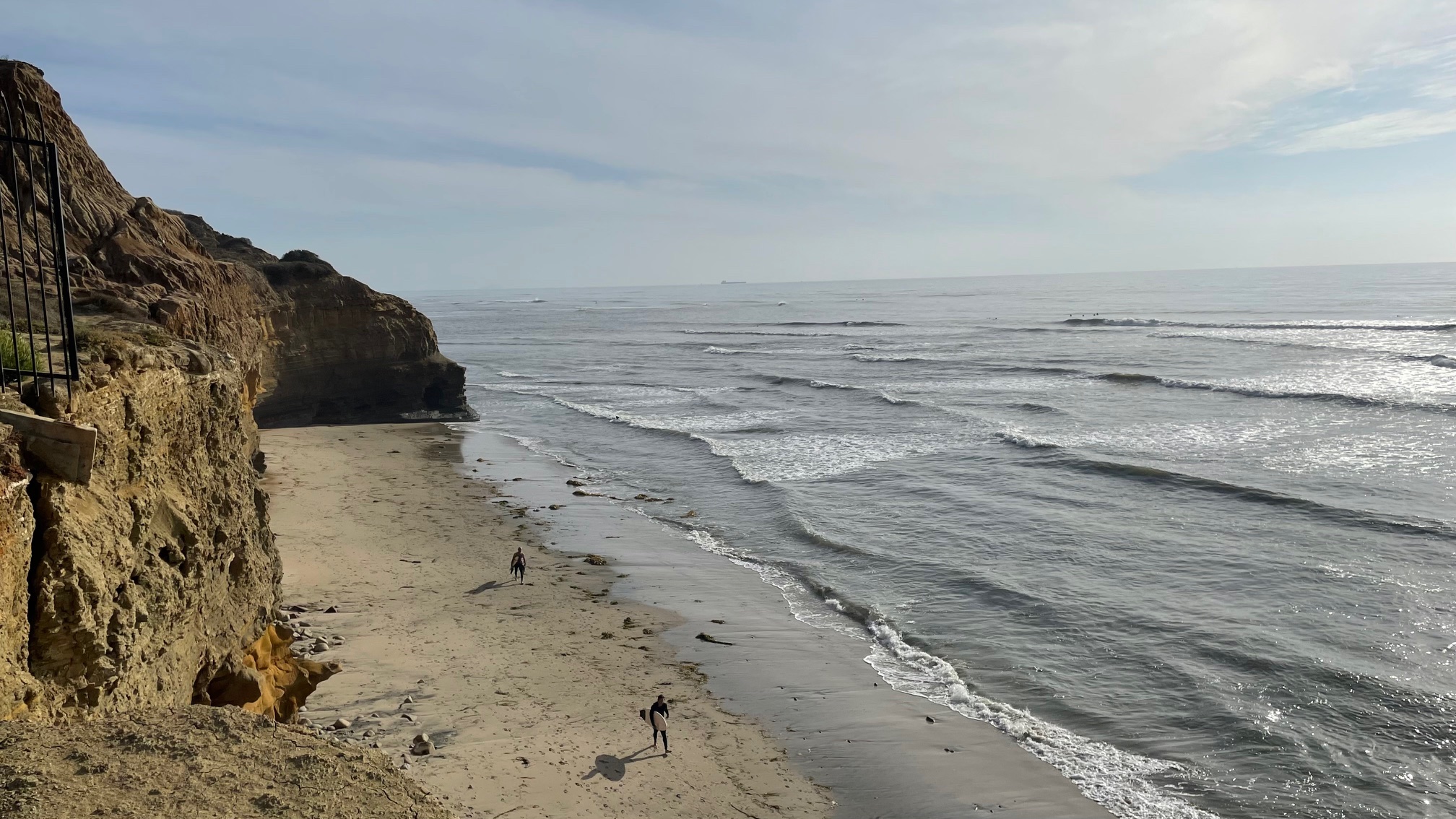
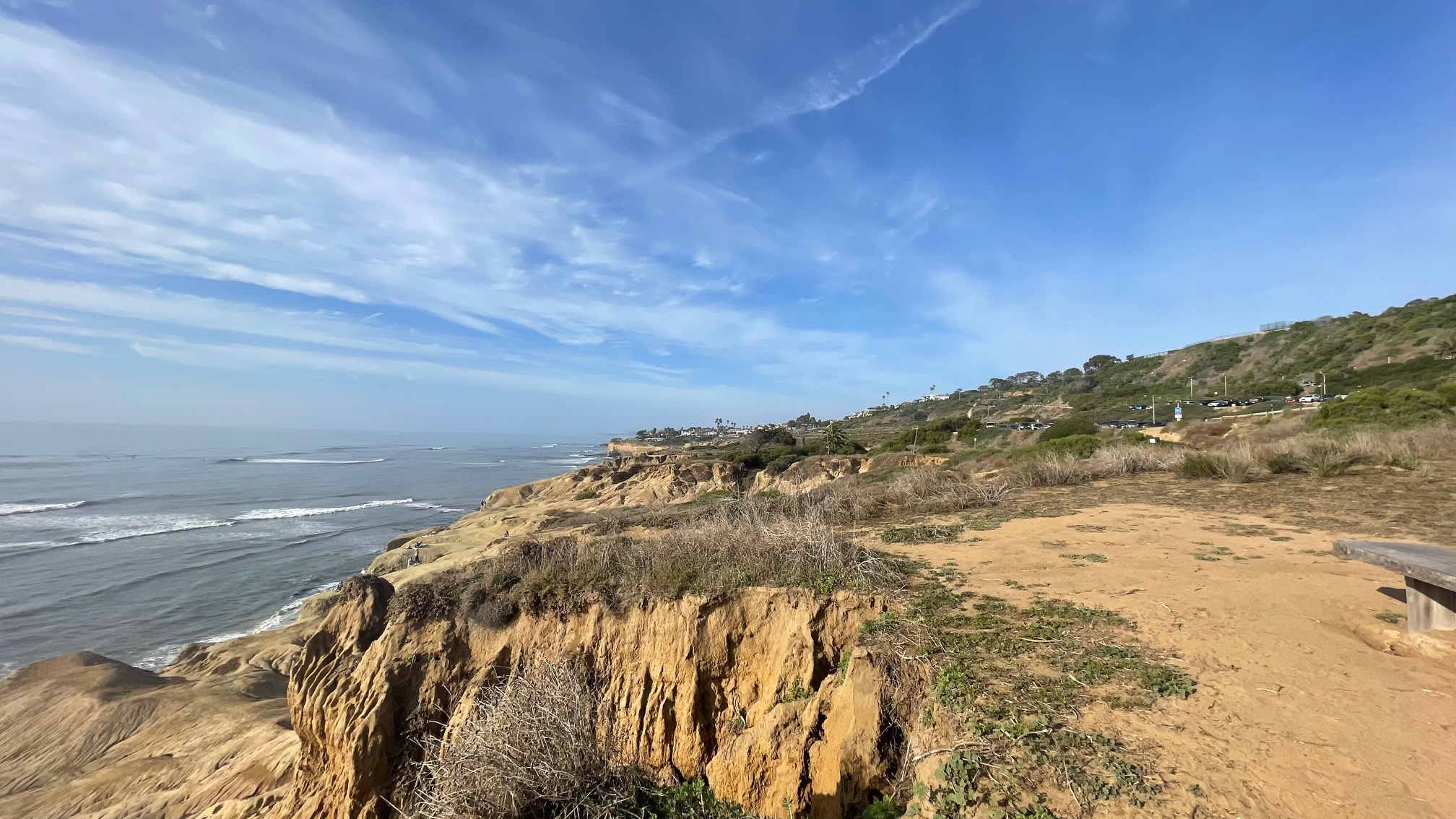
Camera: iPhone 12
Location: Sunset Cliffs Natural Park; San Diego, California, United States