






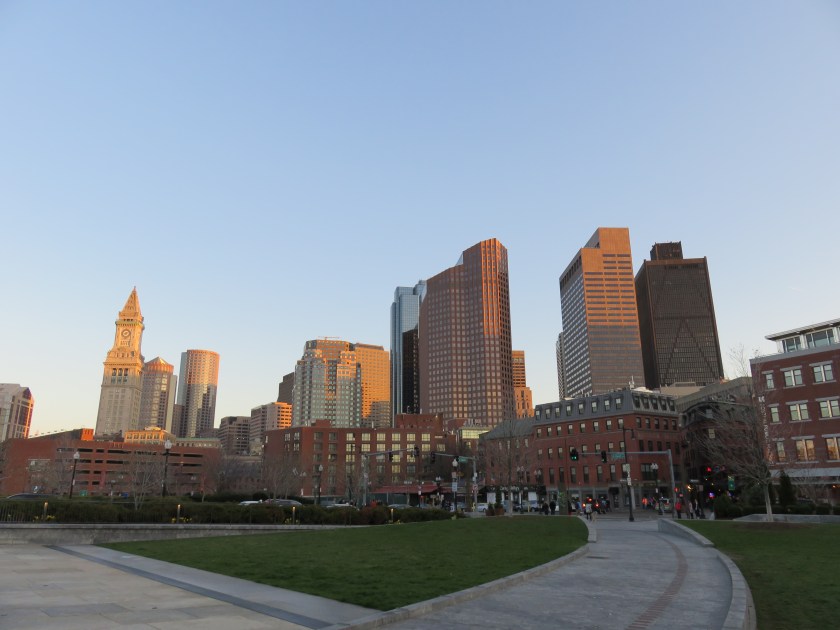
Camera: Canon PowerShot SX710 HS
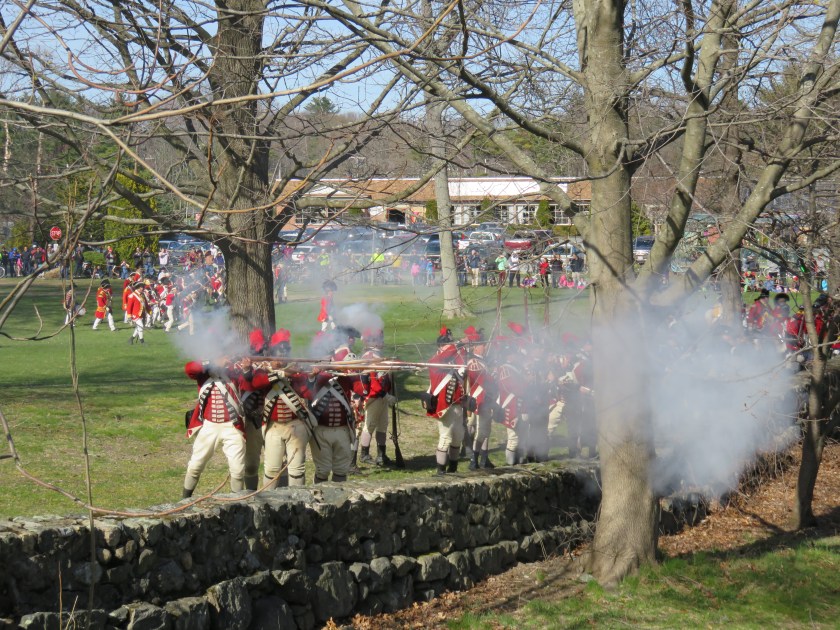
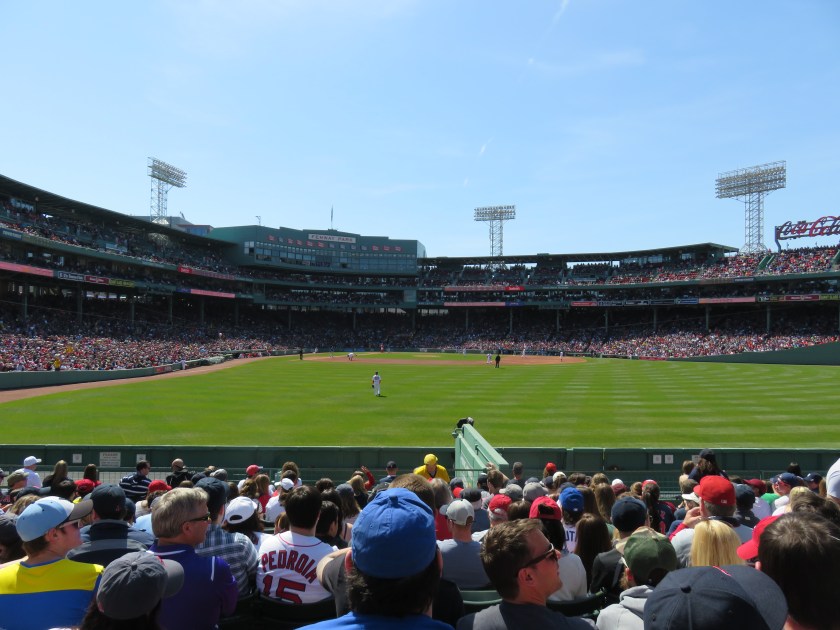
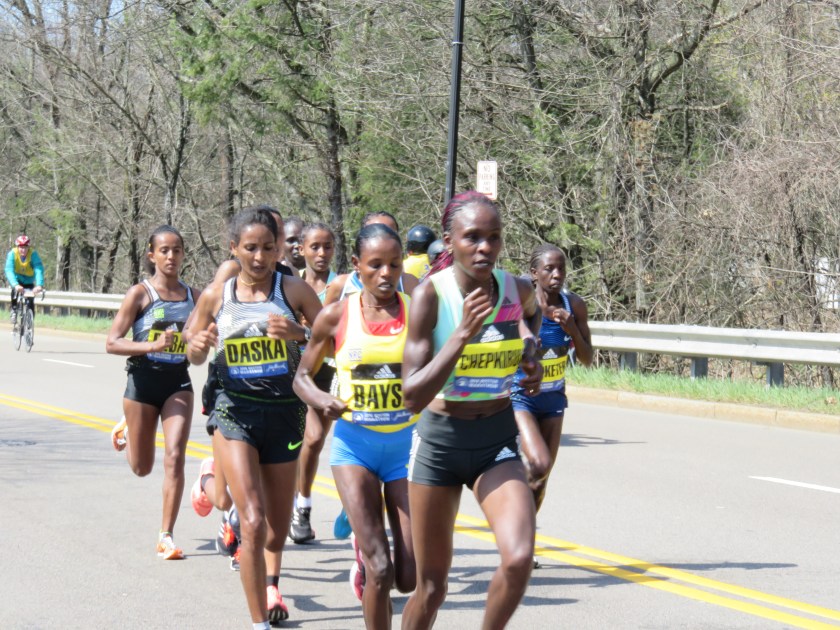
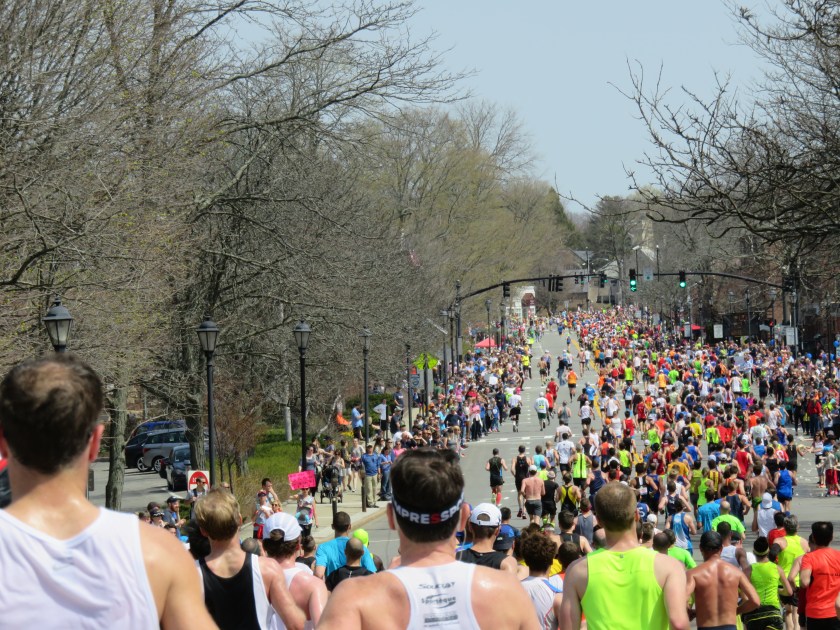
Locations: Lexington, Massachusetts; Concord, Massachusetts; Boston, Massachusetts; Wellesley, Massachusetts

Camera: Canon PowerShot SX710 HS
Locations: Lexington, Massachusetts; Concord, Massachusetts; Boston, Massachusetts; Wellesley, Massachusetts
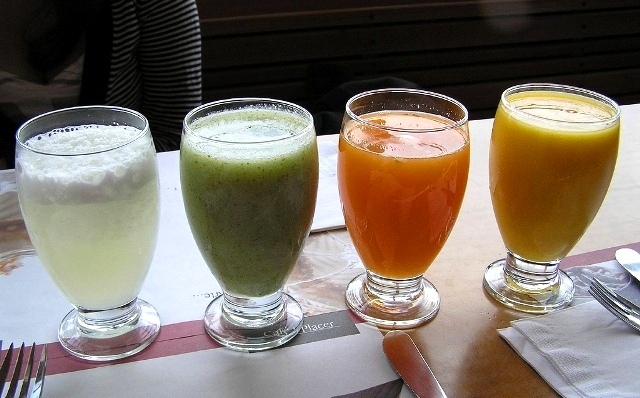
One of the joys of living here in Colombia is the diverse and plentiful selection of fruits to choose from. The choices are quite abundant and it is an integral part of the culture to imbibe in a cold and tasty fruit juice at the end of a long day.
As I mentioned before in my blog post titled, ‘The Heat Is On’, one of the best ways to deal with the heat and humidity is to cool down with a delicious fruit juice. It is also much healthier and refreshing than having soda or coffee instead. Over the past two months, I have done a great job of sampling the different choices of fruit juices and which ones I have a preference for. I’ve listed below the common fruit juices available here on the Atlantic coast and have also highlighted my personal favorites. The one juice that I have not tried thus far is the ‘Zanahoria’ or Carrot juice but I’m willing to give it a shot during the rest of my time here.
I hope that for those of you who plan on traveling to Colombia in the future will consider this ‘fruit juice’ list as a helpful guide to you. It can be a very hard choice to make when you’re at the ‘Fruteria’ and there are ten choices available but you’re not sure which one will be most refreshing.
Honestly, you can’t go wrong with any of the choices detailed below. Colombian fruit juices are freshly blended together rather than squeezed as is the case in the U.S. and elsewhere. In addition, the fruits are mixed with water or milk (smoothies) and topped off with a little bit of sugar. What results is a very fresh and tasty drink to keep you cool during those hot days and humid nights. The Colombian people take their fruit juices seriously and so do I.
While I only listed ten fruits / fruit juices to indulge in, there are over dozens of unique fruits here in Colombia to try out. Some of the most exotic and sought-after fruits reside here in Colombia and you usually can’t find them anywhere else. A lot of the fruits I mentioned in this post have great health benefits and are packed with nutrients. Different than the apple, banana, and grape, these ‘superfruits’ can cure ailments, keep you well, and give you more energy. If you decide to ever visit Colombia, eat the fruits and try the fruit juices. I promise you won’t regret it.
Speeding down, swerving in and out of traffic along the ‘Ruta Caribe’ at 100-120 km/h is the well-known and distinctive mode of transportation known as the ‘CooTrans Oriente.’ These auto-buses are affordable, widely used by the locals, and timely by arriving and departing every 20 minutes from town to town on their way to and from Barranquilla.
Established over twenty-five years ago here in the Atlantico department, CooTrans Oriente has become a mainstay when it comes to transporting people, goods, and services along the coast. Because of my Spanish classes and/or due to my technical training sessions, I am often riding the CooTrans Oriente multiple times per week so I have been accustomed to the norms and rules of this transportation enterprise here on the Atlantic coast.
I have taken a lot of buses in my life so far and most have been boring and uniform in design, color, and the attitude of both drivers and passengers. However, the CooTrans Oriente is unlike any other bus I’ve ever taken before. First of all, it’s colorful with every color represented in the spectrum from white to black, red to green being shown in the exterior of the bus. Each driver is allowed to design the interior and you can often see shag carpeting used for the steering wheel or for the gear shifter.
The conductors of the buses will pay tribute to Jesus Christ, God, and the Virgin Mary with religious scripture and sayings from the Bible. In addition, often, the drivers will highlight their family members and pay tribute to them by putting their names on the front dashboards in colorful font and lettering. CooTrans Oriente is a small company but it is extremely unique in allowing the drivers to personalize the buses, especially the designs for the interiors and the back windows.
It is very difficult to imagine bus drivers in the U.S. or in Europe being allowed to design their own buses or being able to display religious symbols or sayings so openly. Each bus is similar in its CooTrans Oriente lettering and the exterior has the same colors in mostly being red and blue. However, it’s a different story when it comes to the side and back windows. I have seen various tributes to video games like ‘Gears of War’ to displays of fandom for the popular ‘Juniors’ football team of Barranquilla to intricately designed religious murals depicting ‘The Last Supper.’ It is a real joy to just watch the buses go by and try to see the different symbols, designs, and murals that each make them unique.
More than just the colors and designs of CooTrans Oriente is the culture of the bus itself. Passengers will help each other out and have also helped me out tremendously. When I’m standing up on the bus after a long day of meetings or classes and I’m carrying two bags of groceries from the grocery store, a fellow passenger will allow me to put one of my bags on their laps to ease my carrying load a bit. It’s an extremely thoughtful and kind gesture, which I have not seen replicated elsewhere in the world thus far.
Also, it is common and allowed for venders to come on the bus to sell different snacks and drinks for those passengers thirsty and/or hungry enough to want to partake in especially if there’s a lot of traffic. There is also a more personal touch on this bus as you have an ‘Ayudante’ or helper who is present to take your money for the bus fare instead of loading your money on a card or putting the money in a machine near the driver as I’m used to from riding the buses back home.
Traveling on the CooTrans Oriente is quite an experience in of itself. Drivers will often offer a rolling stop to you when passing by the bus stop, which means you’ll have to hoist yourself and climb up the stairs quickly to catch the bus before it departs without you. Certain drivers will not follow the speed limit on the highway and will usually drive very quickly at 20-30 km/h above the normal speed for autobuses. This can be a bit harrowing to deal with at first but by driving very fast, you do catch an amazing wind breeze sitting by the windows which helps alleviate the Caribbean heat. The ‘Ruta Caribe’ for part of its highway only has a one-way express/lane for either direction. There is also no barrier in the expressway present, which would separate the drivers who are going in the opposite directions along the route.
There has been many times where the bus drivers will end up driving in the lane heading in the opposite direction to avoid traffic or speed ahead of the cars/motorcars/taxis in front of them to reach their final destination quicker. I have to be honest in that this rash decision-making honestly terrified me at first but the bus drivers here are extremely experienced and knowledgeable. They will only drive onto the lane heading the opposite direction if they don’t see any cars/trucks coming head on. I am not sure about the safety record of CooTrans Oriente but I do know that the seats are very comfortable and are made of some sort of leather material. So far, I haven’t witnessed or been involved with any accidents while riding the buses so I must say that the drivers here are quite good and that they know what they are doing.
Also, without any doubt, there will always be Colombian music played through the speakers for the passengers to enjoy during their travels. Sometimes, it’s Vallenato, and other times it’s Champeta, Cumbia, etc. There was one time recently where they had a music video playing with an actual TV at the front of the bus, which was pretty cool to see. The music video had scantily clad women dancing next to the main hip hop guy as he rapped in Spanish about their physical characteristics that he enjoys the most. None of the parents with children on the bus seemed to mind the video though.
Overall, I have enjoyed riding ‘CooTrans Oriente’ so far during my time here in Colombia and will continue to do so. The buses will take you to any part of Atlantico department from what I have noticed and it’s an affordable, cost-effective way to get around from town to town. The passengers, especially those sitting down, are very courteous and will help you out with your bags and even give up your seat for you. For female passengers, especially, the ‘Ayudante’ will lend his hand to help you ladies off of the bus and able-bodied men including myself will give up our seat for you whenever necessary as well.
In many ways, ‘CooTrans Oriente’ reflects the Caribbean Colombian culture. A deep love of their music, being colorful and animated, very open with kindness and warmth even to strangers, and having a wild side as well that comes out every now and then. There’s also the distinct feeling that like the people, the CooTrans Oriente doesn’t take itself too seriously, and knows how to have a good time even when driving down the highway at 120 km/h.

One of the great classic American films of the 20th century, The Godfather, directed by the legendary Francis Ford Coppola and based off of the novel of the same title by Mario Puzo is often considered to be the most influential film that created the ‘organized crime’ or mafia/gangster genre in cinemas.
Since its’ release in theaters in 1972, it has garnered a cult following among fans who led to ‘The Godfather’ becoming a trilogy with Parts Two and Three both released in following years. Because of its significance culturally and historically, the Library of Congress preserved it in the United States National Film Registry in 1990. Because of its success at the box office and with film critics alike, ‘The Godfather’ garnered many Academy Award nominations and won four Academy Awards including ‘Best Actor’ for Marlon Brando and ‘Best Picture’.
In addition to adding to the legendary career of Brando, ‘The Godfather’ also introduced to Hollywood a young Al Pacino and a very talented Robert Duvall. Both men would have extremely successful careers in American film but I believe that it was ‘The Godfather’ which helped catapult their early careers into noteworthy stardom.
Drawing parallels to the real life ‘Five Families’ of New York that dominated the Italian mafia during the 20th century, the fictional Corleone family, led by Don Vito Corleone, is highlighted as being the ‘pariah’ and at odds with the other crime families throughout the film. Vito Corleone, played by Marlon Brando, acts like the quintessential mob boss whose cunning and intellect has made him to this day a very quotable character that has become apart of American popular culture.
In The Godfather, we see Vito nearing the end of his reign as boss of the family and looking for his eventual successor. Vito has three sons: Sonny, the oldest whose lack of foresight and hotheaded temper makes him a liability albeit is the favorite initially to replace Vito as Don of the Corleone family. Fredo is the middle child and is a consistent womanizer. Considered neither to be reliable nor intelligent, Fredo is kept to the side often and is not a suitable person to lead the family due to his lack of cunning and intellect. Michael, a U.S. Army Veteran and the youngest child of Vito Corleone is portrayed as being very innocent and often has requested to be kept out of the family business if he can avoid it.
However, as the viewers of the film can understand and interpret, a mafia family reels everyone in to its business whether or not it’s intentional. One of the best aspects of The Godfather is watching the changes in Michael’s behavior and demeanor as extenuating circumstances involving the family forces his hand and he is forced to take on more responsibilities and duties as a Corleone and the son of Vito. His loss of innocence and the transformation that occurs with Michael from dignified U.S. Army Veteran to cunning, ruthless Mafia boss is a great strength of this timeless film.
For those critics who are against violent Mafia films and choose not to watch them, that is fine but it should be considered that there is more to this movie than meets the eye. Above all else, it is the story of a father trying to repent for the sins of the past and trying to keep his sons from avoiding the same mistakes that he has made.
The relationship between Vito and his son, Michael in particular is memorable for how Vito expects so much from Michael considering he is the most levelheaded and intelligent of the Corleone brothers. There is one great scene in the film where Vito and Michael are discussing the ongoing drama of the war between “The Five Families.” Vito laments to Michael on how he is sorry that he was thrust into the mafia business when he expected his son instead to become “Governor Corleone” or “Mayor Corleone.” Michael simply looks at his father lovingly, and says: “We’ll get there, pop. We’ll get there.”
Other classic scenes that I enjoyed involve the courtship between Michael and a beautiful Sicilian woman named Apollonia. What I liked most was highlighting the very old-school dating process of asking Apollonia’s father for permission to date and then later marry his daughter with all respect given. It’s a touching moment in the film, which reveals that Michael’s humanity has not been totally wiped out because of the mafia. It was also great of Director Coppola to show the traditional procession of the Sicilian wedding and how all of the townspeople were involved in wishing Michael and Apollonia well.
Without trying to spoil the rest of the film for those of you readers who haven’t watched The Godfather yet, I can’t recommend it enough to avid movie fans. The directing by Francis Ford Coppola, the cinematography, the acting performances by Al Pacino, Marlon Brando, Robert Duvall, James Caan, etc. are phenomenal and they deserved every heap of credit that was bestowed upon them at the Oscars and elsewhere.
The Godfather is simply more than just a mafia film in my opinion. It is a story about a complex family, fathers and sons, human nature, and the thirst for power and respect. Have an open mind and see this film if you get the chance. I promise that you won’t regret it even if the running time is three hours in total. You can always tell your friends and family that I wrote a blog post that you couldn’t refuse to read.
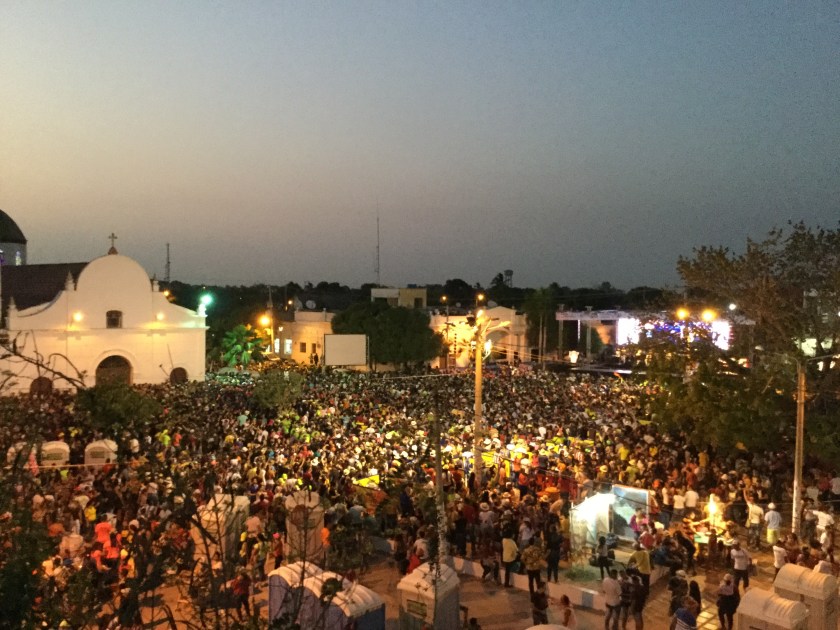
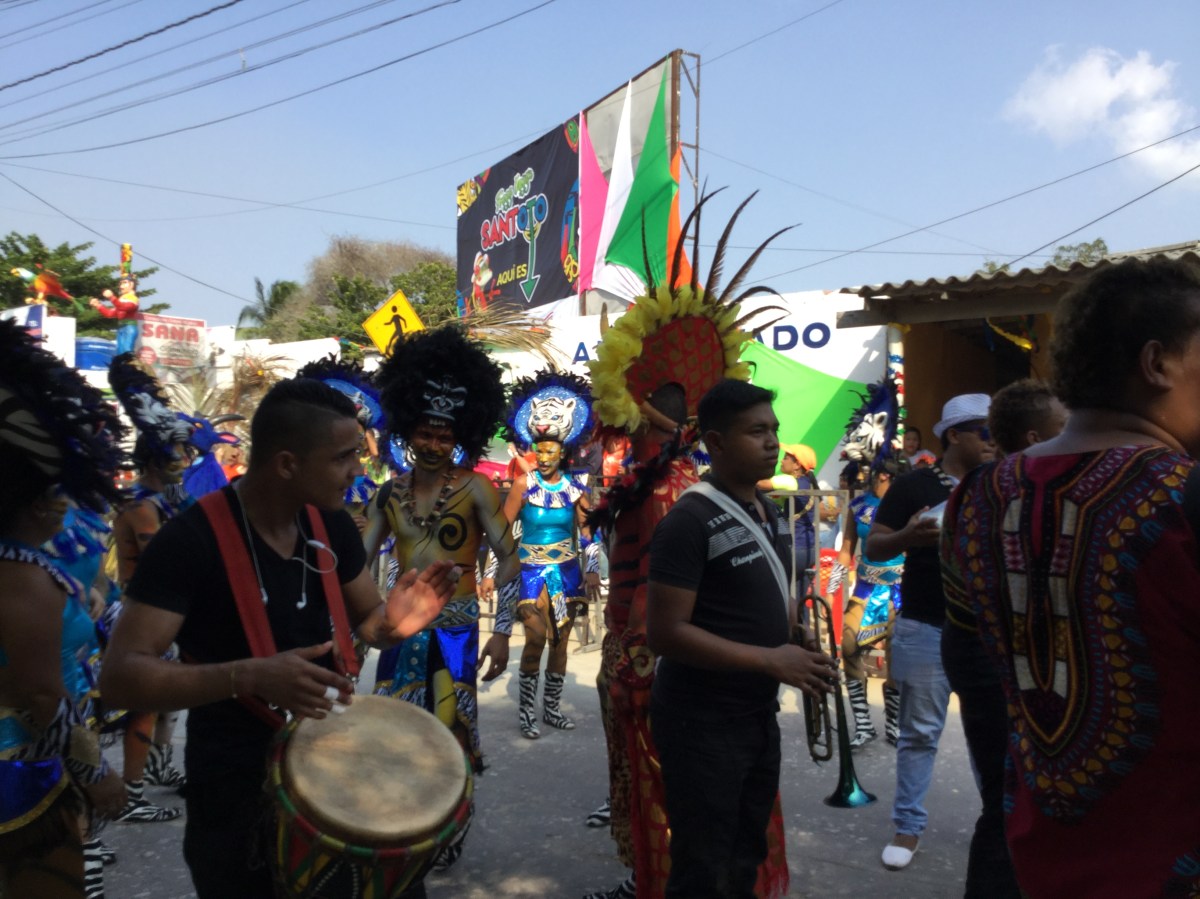
Carnaval Season here in Colombia has officially come and gone. Life here is starting to return to normalcy and I’m sure some of the locals are already beginning to count down to when Carnaval will be back in 2017. This was my first Carnaval ever and I can firmly say that it was some of the most fun I’ve had in a while. In addition to the festive parades and diverse costumes, there were also the live concerts, the neighborhood parties, and the street foods/drinks to add to the already festive atmosphere. Unfortunately, I was unable to make it to Barranquilla’s Carnaval this year but I still was able to enjoy myself by attending other parades, parties, and festivities in the Atlántico department.
The biggest highlight for me during the Carnaval celebrations was attending ‘La Gran Parada’ in one of the major towns located outside of Barranquilla. It was really cool to experience the parade from the seats and be able to enjoy a cold beverage and a warm snack while both the kids and adults danced, sang in their unique costumes as they came streaming down the main parade route.
Historically, Carnaval has been known as the main celebration associated with the Christian festive season that occurs before the period of Lent. There are many Carnaval festivals that happen around the world. The most famous one takes place in Rio de Janeiro, which attracts about a 1 million visitors to Brazil each year. Carnaval in Barranquilla is the 2nd largest in the world and brings in hundreds of thousands of tourists, partygoers as well. For those of us from the United States, we are more familiar with the Mardi Gras celebration and the infamous ‘Fat Tuesday’ which is also known for its size and scope of partying as well.
Before ‘Ash Wednesday’ and the beginning of Lent and the Easter season for Christians around the world, Carnaval represents a shedding of inhibitions, and an enjoyment of the pleasures in life. Some people see it as indulgent in heavy drinking, eating greasy foods, and fraternizing with the opposite sex but other people see it as a way to reconnect with their diverse culture, spending quality time with their family and friends, and enjoying a break from work and the daily grind. For my first Carnaval, I spent the festivities mainly meeting new people in my community, enjoying the company of new friends and my host family, and checking out the cool costumes and cultural dances that make up this very unique holiday.
I also had to deal with the tradition of young children and adults throwing great amounts of Maizena (corn starch) and white foam spray all over random strangers. It occurred multiple times where my clothes and my body, face would be covered with both substances during the festivities. Needless to say, I had to wash my clothes extra hard in order to get the cornstarch / spray out of my clothes and hair as best as I could. Besides getting messy, it was nice to drink a beer in public, eat some good food, watch the parade, and then reconnect with my fellow Peace Corps trainees later to celebrate together.
Carnaval was originally introduced to Colombia and Latin America from the Spaniards during the early days of the colonization hundreds of years ago. However, the celebration has evolved over hundreds of years to reflect the diversity in Colombian culture. In addition to European elements, Carnaval combines those traditions with those of the African, Amerindian indigenous cultures. It is a really interesting mix of cultures combined together and is reflected in the costumes, music, and dancing styles that are put on display in events like ‘La Gran Parada’ and ‘La Batalla de Flores.’ As for the types of music, they are various and diverse.
They include the popular Cumbia, Rumba, Vallenato, Reggaeton, Porro, Mapale, and African Congo music. Finally, it wouldn’t be Carnaval without the King and Queen of the festivities being anointed. For each town and city that is involved in the celebrations here in Carnaval, they must appoint a King and Queen to lead the main parade, to dance up a storm, and to wave to the partygoers in the stands. As far as I can tell in Colombia, being the King or Queen of Carnaval (Rey / Reina) is a huge honor and is very competitive between the young men and women vying for the title to represent their town or even the city of Barranquilla.
After experiencing my first Carnaval, it’s going to be difficult to top that kind of day party in the future. It truly was one of the best times I ever had in terms of celebrating a holiday. The only way I could top it in 2017 and beyond is if I was able to spend some free time and head to Barranquilla for the big kahuna there. I don’t know if it will be logistically possible but we’ll see what happens. If not, there’s always the biggest carnaval in Rio but that can wait until after I finish my Peace Corps service.

The regional and local dialects of the major languages can be found in different countries around the world. Colombia is no exception to this rule. Within the Latin American dialect of Spanish and also the Colombian regional variations lays the innermost layer of what’s popularly known as Costeñol, the coastal dialect of Colombian Spanish. One of the first things I learned as a foreigner living here in the Atlántico department of Colombia was that the locals here have their own unique dialect, colloquialisms, and vocabulary that is different from other regions of Colombia.
As someone who has only formally studied the Castilian Spanish in my previous schools and university, it has been a challenge in adapting to the local dialect and how fast the words and sentences come out for me to try to translate and respond to. However, it’s been really fun for me to learn about the sayings and phrases used by Costenos during everyday life. A lot of these vocabulary words have already rubbed off on me where I now feel comfortable using them in both the right setting and context.
For those of you unfamiliar with both Spanish and Costeñol, here are ten words and phrases that you should familiarize yourself with if you decide to visit Barranquilla, Santa Marta, Cartagena, and/or the surrounding towns nearby.
1.) Adios: Usually used to mean “Goodbye” in Spanish-speaking countries, it’s quite common where I’m living now for you to great your neighbors and friends with ‘Adios’ when you walk by their house and would like to greet them formally on your way home. Almost always, they’ll return your ‘Adios’ with a smile and a wave or thumbs up.
2.) A la orden: Okay, this isn’t a phrase just for the Atlantic coast of Colombia but for the entire country regardless of the region, which is pretty cool if you ask me. Wherever you visit or live in Colombia, you will most definitely hear this phrase being used. It’s the most popular one I know of and I find it to be my favorite thus far.
3.) Bacano: A word used to describe something that’s cool, interesting, or exciting. When you see a friend pulling up in his new motorcycle, which would be a perfect time to use the word ‘bacano’ here.
4.) Buenas: More popular in the morning and in the afternoon, it’s customary to greet other Costenos with a ‘Buenas’ and a smile as you start your day. For those unfamiliar with Spanish, it’s a shortened version of the popular greetings of ‘Buenos Dias’ or ‘Buenos Tardes.’
5.) Chévere: See ‘bacano’ above. A bit more difficult to pronounce for the average gringo. However, chévere is very popular as well and has a similar meaning in terms of expressing how something or someone is cool, exciting, and fun.
6.) No Jodas: An exclamation of shock, surprise, or disbelief. My host mother here taught me this one most recently when she remarked on how fat the dog was getting. It made me laugh to hear her use it in front of me along with the explanation she gave me.
7.) No dar papaya: Literally, it means ‘don’t give papaya’ which is a euphemism meaning that you should resist flashing your Prada bag, iPhone or Camera in public for the entire world to see. It’s okay to have that stuff with you from time to time but don’t give someone an excuse to make you a target for a snatch and grab by having it on display all the time. One of the first phrases I learned here upon my arrival and one that I won’t soon forget.
8.) Que le vaya bien: Before someone leaves the house or the apartment, it’s important to let them know this salutation and wish them well on their way to the school, office, store, or elsewhere and that they will have a pleasant journey.
9.) Qué pena: Expressing how shameful or disappointing something is. If your favorite football team lost last night or you realized you forgot to wish your mother a happy birthday, a phrase like this will sum up how you’re feeling right there and then.
10.) Que mas?: When you see your neighbor or a friend walk by you on the street, it’s a very good time to use this popular phrase. Being able to communicate about how your day was or what’s been going on in your life in Spanish is one of the coolest aspects of living and working here in Colombia. This phrase especially for the coast is good at making that goal a reality.
11. Cogelo Suave: Last but not least, this phrase is the equivalent of a New Yorker saying “Take it easy.” Relax, have a coffee, and everything will be all right. When your friend is running thirty minutes late and you’re ready to call it quits on waiting for him. Say ‘Cogelo Suave’ to yourself and stick it out for a little while longer.
There are many other phrases and words that are used on the Atlantic coast of Colombia that I’m still not familiar with. However, I hope to learn more and more each day about this very unique and interesting dialect of the Spanish language. In order to learn Costeñol, you must be prepared to study and use it too.
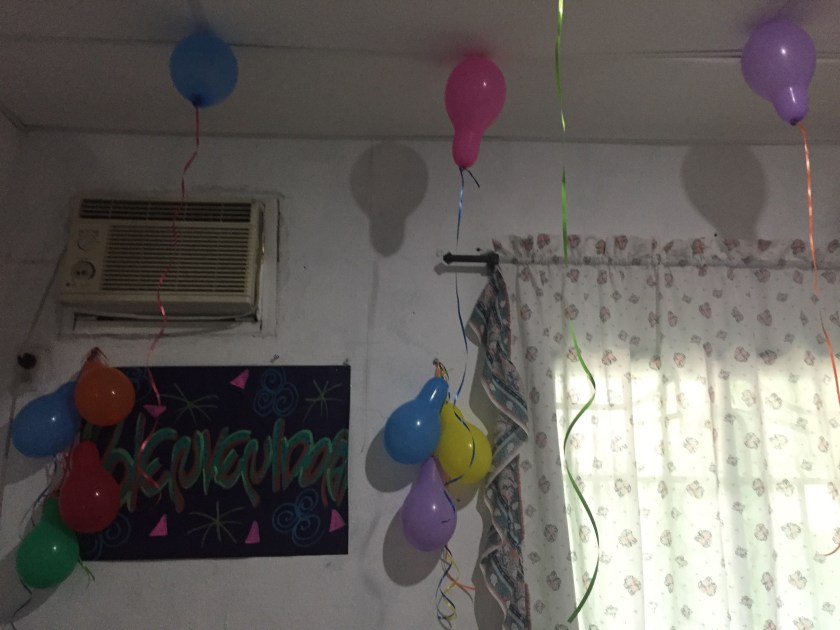
Over a week has passed since I arrived in Barranquilla, Colombia with the other Peace Corps Trainees from our CII-8 group but it seems like more time than that with all of the changes and moving around that we have done in such a short amount of time. Each of us has since relocated to different rural towns and communities outside of Barranquilla where we were each introduced and have become acquainted with our first host families here in Colombia for the first three months of our training.
The Atlantico department of Colombia has an interesting climate to say the least. It is very hot and humid here but the rainy season here is not slated to begin until around April or May. However, this month and hopefully in February, there is a very strong wind breeze coming from the coast that cools down the temperature a little bit which is a very welcome relief. From what I have heard from others, this is only temporary and does not stick around for the rest of the calendar year. Oh well.
I can’t speak for the other trainees but I have been extremely happy with my 1st host family here and how they have received me so far. They have been very hospitable, kind, and helpful to me especially when it comes to improving my Spanish and preparing excellent food for me. I currently live with a grandmother, her husband, and her grandson. Besides the Spanish classes that we are enrolled in as part of our training, I have enjoyed conversing with my host family in Spanish and learning the local slang words and phrases. The locals here known as Costeños, (People from the Caribbean coast of Colombia) tend to speak very quickly so it’s quite the challenge sometimes to understand everything but it will only help me in the long run to develop my fluency.
It’s been a real pleasure meeting the people in my community so far and sharing with them where I’m from, who I am, and why I’m here in Colombia. The locals in my community are very curious about the Peace Corps and what we are all about. This is the first time for many of them with meeting an American so I hope to make a good impression on behalf of my country and its people. In addition to Spanish classes, I hope to get involved in some community projects during my three-month stay here. My fellow Peace Corps trainees and I were lucky enough to meet some local officials along with the Mayor and we hope to be of any assistance to the community if it is necessary.
Families live within walking distance of each other and the bond between neighbors is much stronger and closer than what I’ve seen in the United States. That’s one of the first things that struck me about my community as well. Everybody knows each other pretty well and they each look out for one another. It’s really cool to see families hanging out and children playing together when the heat lets up and the sun sets down.
One thing that I underestimated before coming to Colombia was the sheer passion and love that the people have here for the game of football (futbol). It doesn’t matter what age you are or which neighborhood you are from. All you need is a few friends, a sturdy ball, your feet, and a makeshift goal/net and you have yourself a game. I have enjoyed bonding with my younger neighbors and other kids in the community by playing some football with them at the local field (cancha) or in the park. Regardless of language miscommunications that are bound to happen, football has a universal language that everyone can enjoy at the end of the day.
For the Colombians who are living in rural communities, access to the Internet is not easy to come by. I was very pleased to see that the local government here has recently set up a new Internet (Wi-fi) cafe with laptops for locals to share and use for a very minimal cost per hour. In addition, there is a small conference center for meetings, and a room for young people to hang out and play some video games after school lets out. From what I have noticed so far, there is a lot of construction going on and a lot of development, which is exciting to see.
In addition to the many motorcycles, motorcars that take families and friends from place to place within and outside our community, there are also these large buses that transport Colombians to and from Barranquilla. They remind me a lot of the dolmuşes that I used during my time living in Istanbul where for a small cost, they would ferry the stuffed in passengers from neighborhood to neighborhood. However, the difference here in Colombia is that these buses are a little bigger than the dolmuşes that I used there and they also are much more colorful. Each bus is unique in the colors that it has, the symbols and pictures that are used, and also with the kind of music that is being played through the speakers. It seems to me that these are buses that you would only find to be used in Colombia though. Some symbols are religious in meaning on the buses as they would be on the dolmuşes but other symbols represent cartoons, historical figures, etc. The cool fact of it is that each bus has a different name, different colors, and has a different saying for its passengers to read and enjoy.
In a way, these buses could represent the Colombian people. Colorful, full of life, and not shy when it comes to avoid a traffic jam at rush hour. One week in and I am starting to understand why Colombians are often ranked as one of the happiest, if not the happiest people in the world. More entries from me to come in the near future. Until then, “Que le vaya bien!”

In just one week from now, I will begin my training to become a Volunteer for the United States Peace Corps in Colombia starting in mid-January of 2016. For my three months of training, I will be living in a town called Santo Tomas, which is about 45 minutes outside of Barranquilla. For my work and living situation, after I’m sworn in as a Peace Corps Volunteer, I will be located in a site close to the Atlantic Coast of Colombia close to the cities of either Barranquilla, Santa Marta, or Cartagena. The school where I will be teaching and the community that I will be living in has not been announced yet due to the fact that I haven’t completed my training yet.
This will not be my first time living overseas for an extended period of time. Previously, I lived in Istanbul, Turkey last year as an ESL teacher at a private high school. I also studied for a semester at Bogazici University in Istanbul as well when I was in college. My first overseas living experience occurred when I was 16 years old in Costa Rica where I studied Spanish for a summer there in a language homestay program. I have become quite comfortable with adjusting to a new lifestyle and territory by now. However, it still may take me a few months to adapt to the new culture and hot climate.
My family and my friends have been very supportive of my decision over the past year and a half to pursue service in the U.S. Peace Corps. It’s not easy to be away from your family and friends for a long period of time but they all know about the good work that I will be doing in Colombia. They understand the importance of volunteering and serving. I would not be where I am today without the support of my father, mother, and my brother especially. They have been great to me throughout the whole application and selection process.
My main project while serving in Colombia will be developing, and improving upon the ‘Teaching English for Livelihoods’ program. I hope to work with local Colombian teachers to advance the English curriculum and materials that they are using to teach the students. I believe that with hard work and effort, we can make real progress in creating an effective way of teaching English and improving the English proficiency levels of the Colombian students. I also would like to expand upon tutoring and after-school programs related to English learning and making sure that the students see learning English as fun and useful to them.
I look forward to being apart of a new school and a new community. I am excited to explore my surroundings and to learn about the Colombian culture and their customs. I will be very happy to work with my Colombian colleagues as well at the school and hope that I can make a real difference in improving the English level of the students that I hope to help during my service. I want to immerse myself in becoming fluent in Spanish, learning the local dances, and tasting the Colombian cuisine as well.
My motivation to join Peace Corps was because of a number of different factors. I had a desire to volunteer and serve a purpose greater than myself. I felt that I could contribute a lot to the Peace Corps’ Education sector given my previous background and experiences as an ESL teacher. I wanted to explore a new country and a new culture as well. Spanish was the first foreign language that I learned as well so I hope to use this exciting opportunity to become fluent and to connect more easily with the locals in my community. It was also important to me to volunteer and contribute to the wider world in some way. I hope I can be an example to other Americans who want to be part of something bigger than themselves but are not sure where to begin.
When I leave Colombia, I want to leave behind a school and community that is better off than it was before I arrived. My main goal is to help the local teachers to develop an effective English language curriculum that will last for many years after I depart them. I hope to foster better relations between Americans and Colombians through my actions and my relationships that I hope to build between our two peoples.
I wish to help as many students as possible with their English language skills whether its through tutoring, after-school programs, etc. so that they can become bilingual and have a brighter future. Above all else, I would like to make new, lasting friendships and to be considered an honorary member of their community by the time I leave.
I leave in less than a week and I’m excited to begin and complete my training over the next three months. All I have left is the final packing of my bags and I’m off to Miami for the staging event!
There will be a change of focus for my blog from this point forward as I will focus on writing about my experiences and adventures living in Colombia. I hope to write about the cuisine, customs, culture, and food of my adopted country for the next 27 months. I hope that you will follow me on this exciting journey. Thank you very much for your continuing viewership and support. (Muchas Gracias y Saludos para todos! Vamonos!)

Gratitude is an important attribute that often gets overlooked nowadays with the fact that the instant gratification and fast-paced living of our culture takes precedence. However, in light of the recent terrible and horrific events that have occurred in Beirut, Paris, Ankara, and elsewhere, it’s important to take note before the upcoming holidays of Thanksgiving, Christmas, and the upcoming New Year of what we should be thankful for having in our lives.
It is relatively easy for people to take for granted the luxuries and conveniences that we have in the modern world. Most of us should look inwards to realize just how lucky and fortunate we are. There are people within our own country and other countries around the world that still struggle with poverty, homelessness, disease, violence, war, environmental changes, and terrorism. While we may not all suffer from the same problems depending on the country, we share the planet together and the empathy to understand that the whole of humanity is still in this together. I plan to use the upcoming holiday season, especially Thanksgiving, to reflect on what I am thankful for in this world and to reflect on this past year.
That is the true spirit and meaning of these holidays. It is the chance to spend time with loved ones, enjoy great food and drinks, but to also reflect and think of how fortunate you may be in this crazy world of ours. The new iPhone or the next gadget is not what makes the holiday season special. It’s our strong connection to our friends and family, our ability to reflect on the recent changes of our lives, and to be thankful for how good the world can be sometimes regardless of how ugly it can look to us at other times.
Here are the reasons why I’m thankful in 2015:
-I have a great family and a solid group of friends who will have my back and support me in whatever I choose to pursue, even if I decide to move halfway around the world on a whim. My parents, my brother, and other close family and friends help me to be a better person and inspire me to achieve more and set my goals higher.
-I live in a great country, which affords me a lot of opportunities if you work for them and have an open mind. It may have its flaws like any country does in this world but I’m proud to be a citizen of this nation and I’m grateful to have been born and grown up here.
-I have access to clean water, electricity, good food, and great health facilities that allow me to stay healthy and live well compared to others in this world that aren’t as fortunate.
-I can read countless books, educate myself in various subjects, and access the Internet to help me understand the world better and learn more to obtain more knowledge, make myself smarter. I don’t know what I would do without access to the Internet but for countless millions, they still aren’t able to take advantage of this precious resource.
-I enjoy making money from a profession that helps people in different countries around the world and it is a fulfilling job that I really like and has benefited my life in different ways.
-I am glad that I started this blog of mine two months ago, which has helped me to develop my writing abilities and make this hobby of mine a reality. I have some big plans for this website in 2016 and I am looking forward to sharing my future plans with my loyal readers very soon.
-I am happy to have had the unique ability to travel to many countries around the world so far at my age and I have learned so much from those experiences. It’s provided me great insight about different histories, cultures, foods, and societies, which is why it is so important to get your passport and get out there. Not many people are able to travel unfortunately and I hope that will change in the future as the world becomes more and more globalized. However, I’m not done traveling yet and I am looking forward to continuing my adventures in 2016 and beyond.
I will be taking a bit of a hiatus from my blog over the next two weeks to enjoy the Thanksgiving holiday with my family. In the meantime, check out my blog entry archives, look at my travel photography, and get in touch with me if you would like to.
I wish my readers in the United States a very happy and healthy Thanksgiving(!). For my international readers from around the world, I encourage and implore you all to realize the importance of having gratitude within you and to share it with your fellow man and woman.
Personal appearance is very important to how human beings generally judge one another even before we have a chance to open our mouths to to say something verbally. That’s a harsh truth for some to deal with but it is absolutely correct that what you wear can leave a positive or negative impact on how you are perceived by others. A major factor that plays into our overall appearance is how we dress ourselves. I am no fashion expert by any means but I have noticed recently and many others have as well that our culture has embraced dressing down in almost every situation, whether in a public or private setting. Instead of putting some work into our style and our appearance, most people today do not put in any effort at all and it’s very disappointing to see on a daily basis.

Going back to my parents’ and grandparents’ generations by looking at old photographs, watching old movies from that era, and seeing the attire that both men and women committed themselves to, it’s quite impressive to witness when compared to the lack of effort that most people subscribe to nowadays. Whether it was going to the supermarket, watching a film or play, and especially going out to a restaurant, both the rich and the poor, the young and the old, did their best to look their best. I would say that it’s becoming increasingly rare for most people to dress up even if its’ just to go out to dinner or to see a live show.
There was a recent news story that caught my attention where it showed the photographs of people in line to go see ‘Les Miserables’ on Broadway in New York City but instead of wearing suits and dresses, the photos showed most of the theater-goers wearing cargo shorts, tank tops, and flip flops. I can’t fault these people for not knowing how others dressed in the past to watch plays, or enjoy the opera but it shows a lack of awareness of the situation and type of event that you’re going to. When you’re going to the theater or the opera, you shouldn’t be dressing up like you’re attending a baseball game.
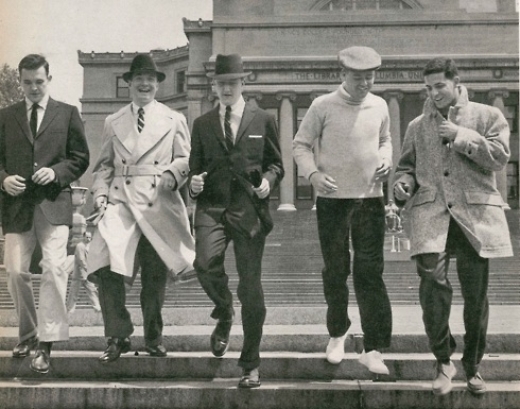
Some may say that how we dressed in previous generations was conformist, boring, and dated but you cannot doubt that those same folks displayed class, sophistication, and attention to detail at the same time. No generation is perfect or has all of the answers but the fact that they put effort into their appearance and how they looked everyday says a lot overall. ‘Dressing Up’ didn’t use to be for only a special occasion but was a day-to-day ritual for most. I also believe that nice dress clothes were more affordable back then and, the major clothing companies encouraged their sale to the American public. It’s only been since the 1960’s and onwards where casual became cool and wearing blue jeans, shirts, and shorts out in public became normal and culturally acceptable.
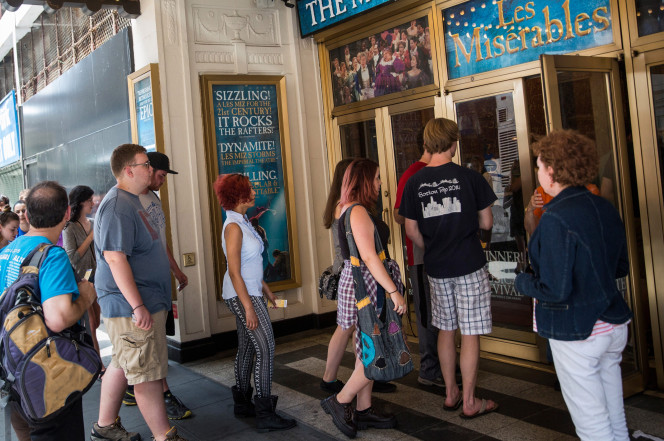
I have to admit that I am guilty of not dressing up for most social occasions these days but it is something in my own life that I am going to start changing. Recently, I’ve made it a point to look my best if it’s for a dinner out on the town, a theater play, or another classier type of social gathering. I don’t envision most people suddenly changing their ways too much where men will wear suits to the grocery store or women will wear dresses when going to the dry cleaners but I think that a balance between casual and formal wear has to be struck.
Instead of wearing a tank top, shorts, and flip flops when you’re shopping and/or running errands, try to wear a button-down shirt, a pair of khakis, and a nicer pair of shoes. You may be surprised on how much more seriously people will begin to take you in your personal and professional life if you start taking care of your appearance and your style. Regardless, if you’re attending a nighttime gala or heading to the local supermarket to get groceries, clothes will always make the man or woman.