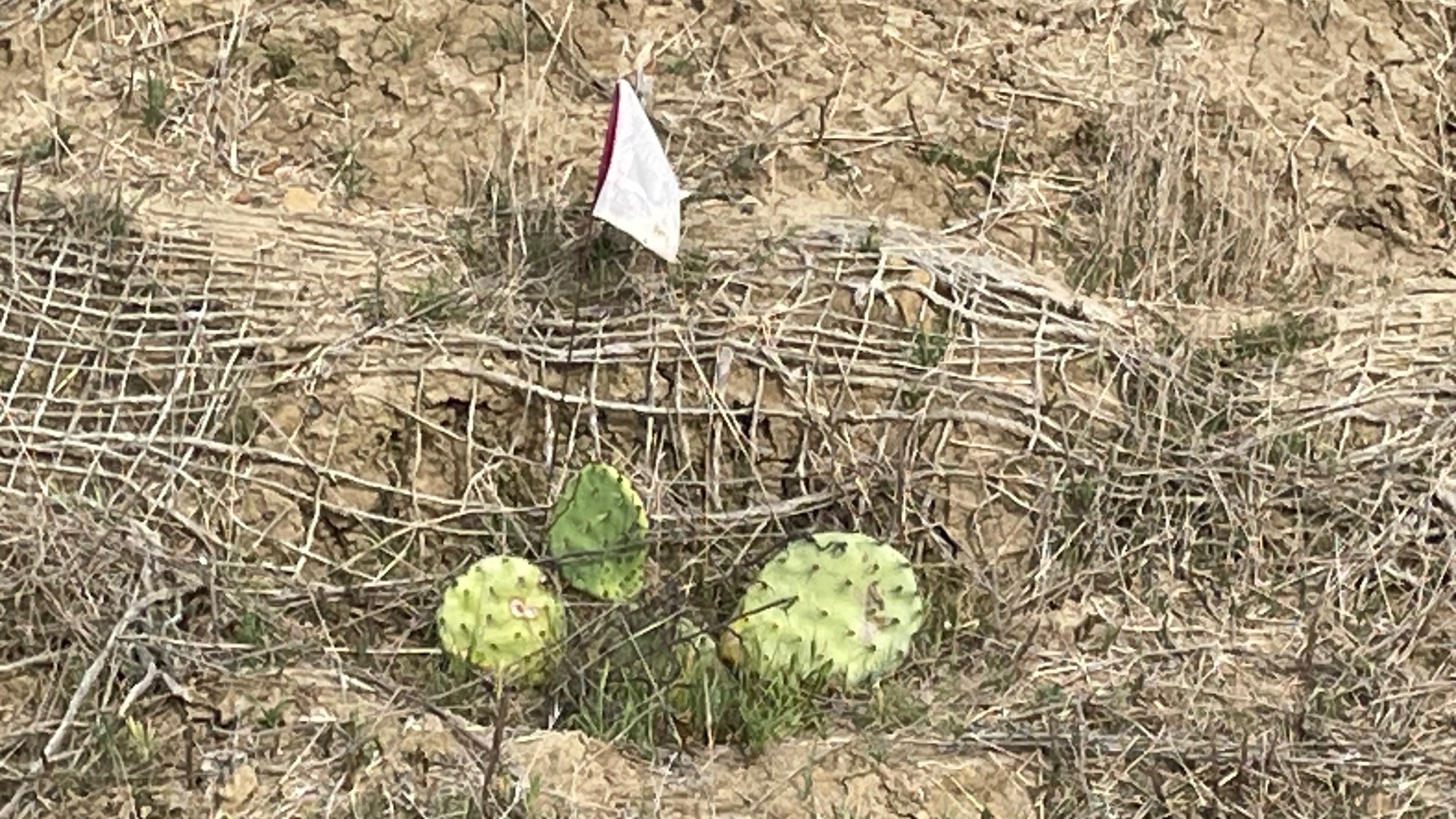
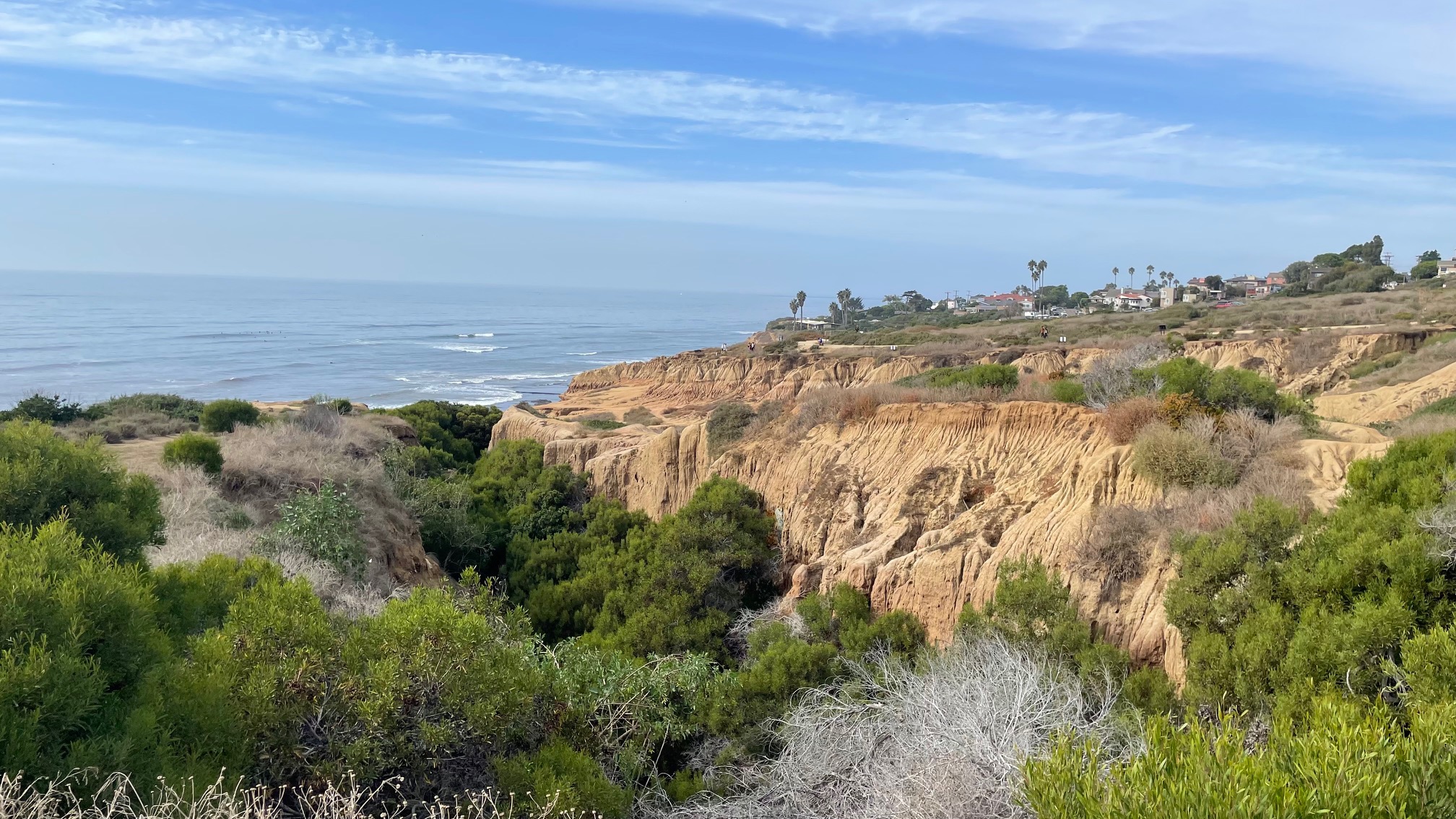
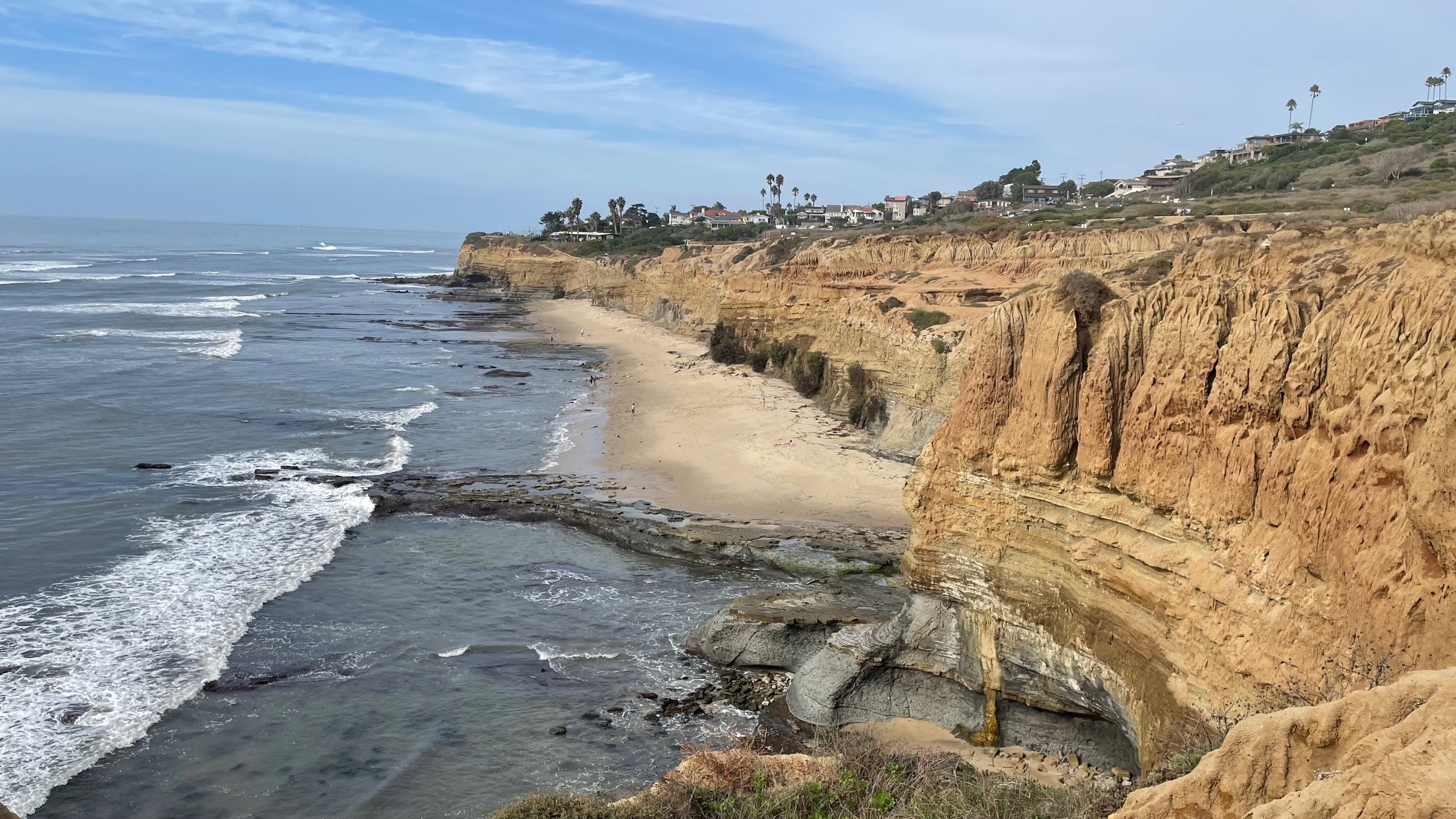
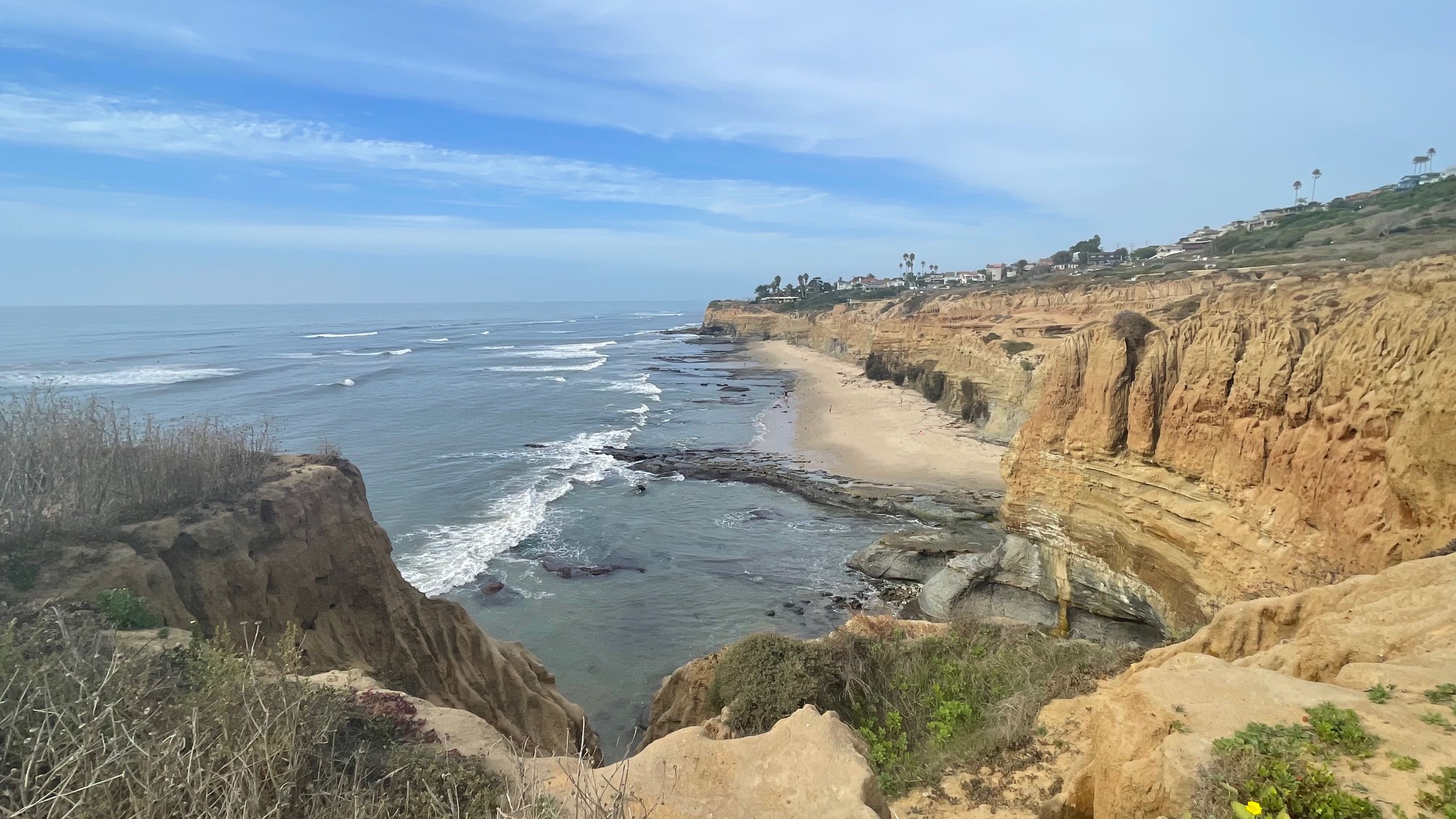
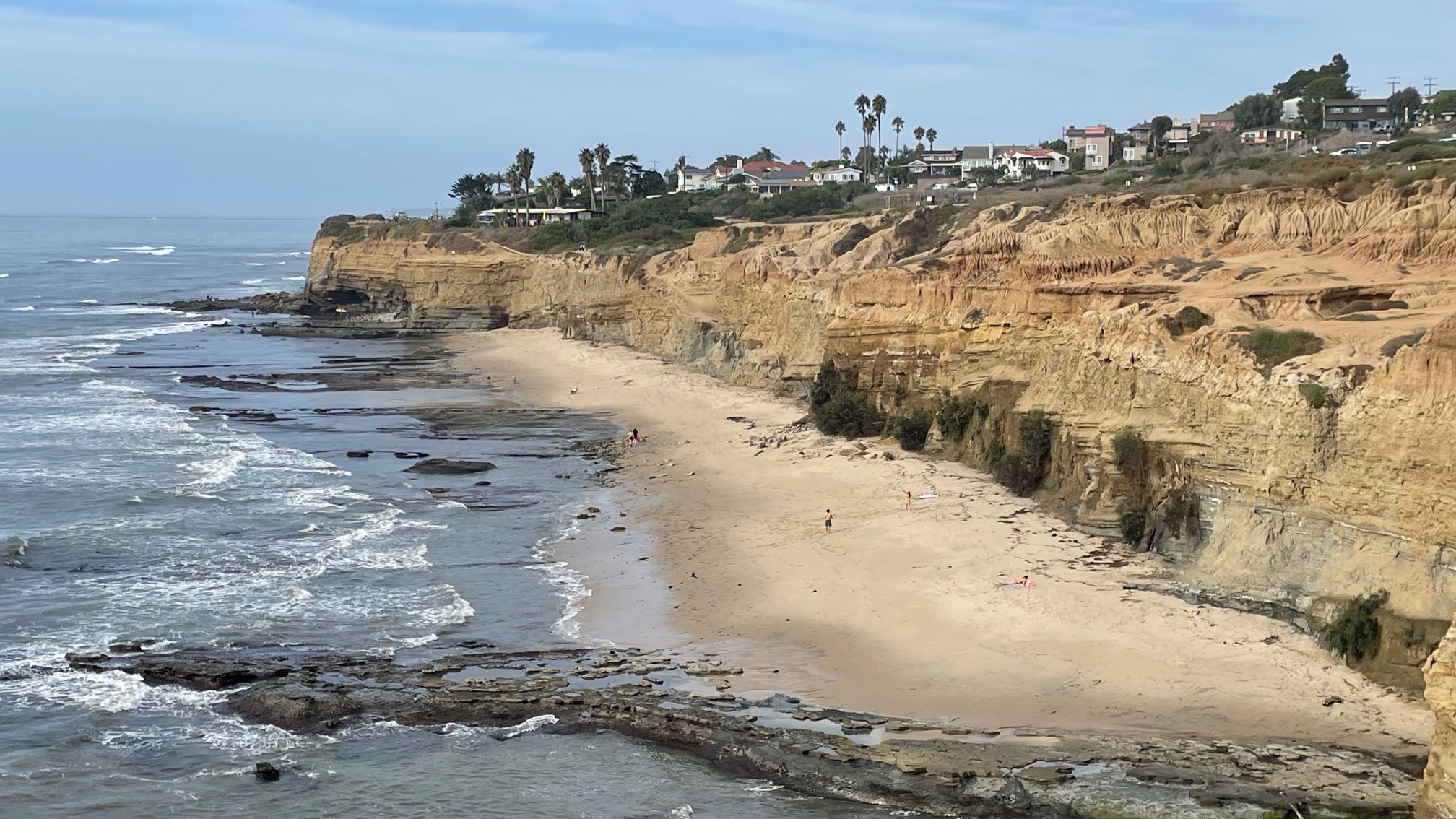
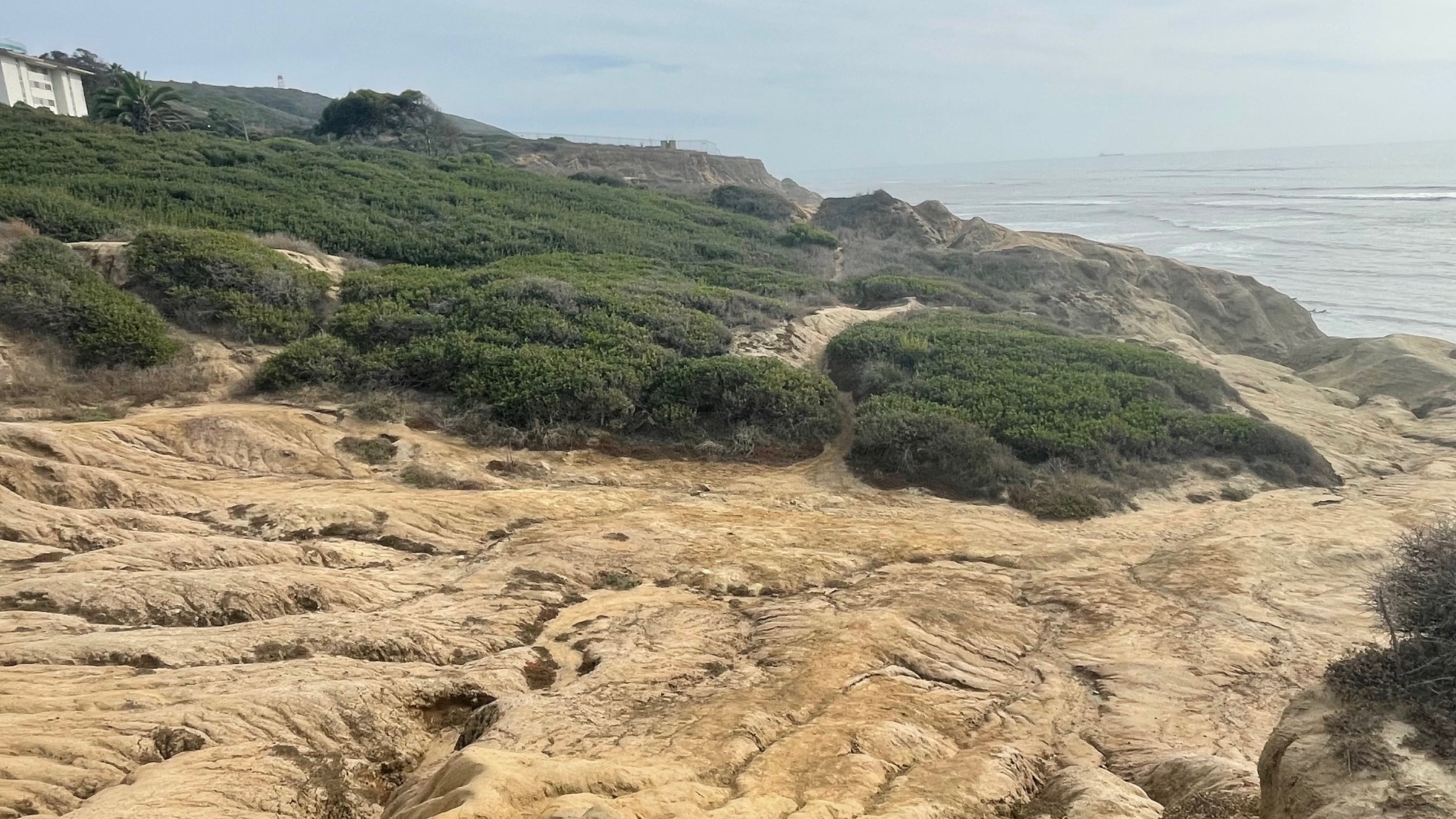
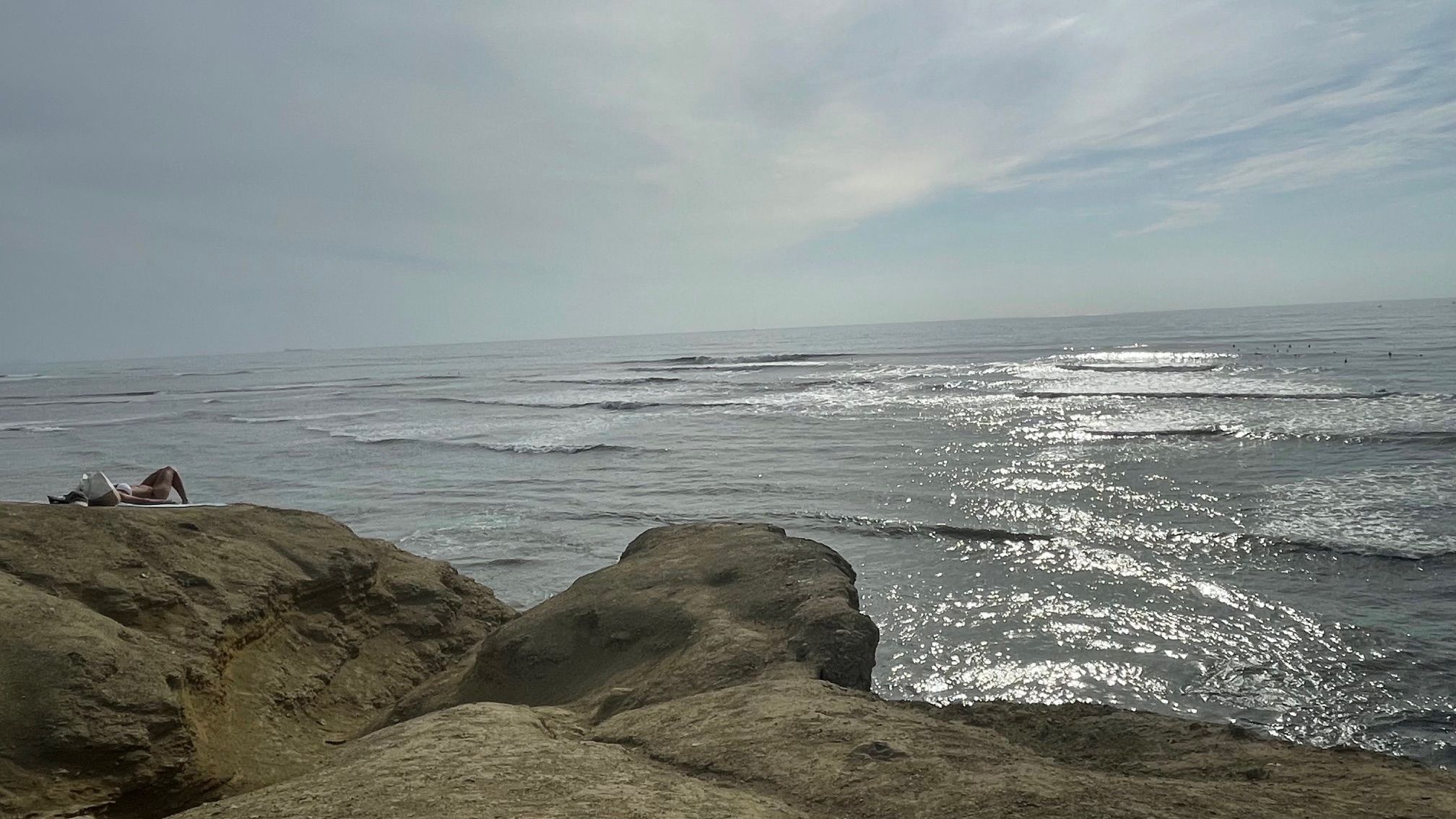
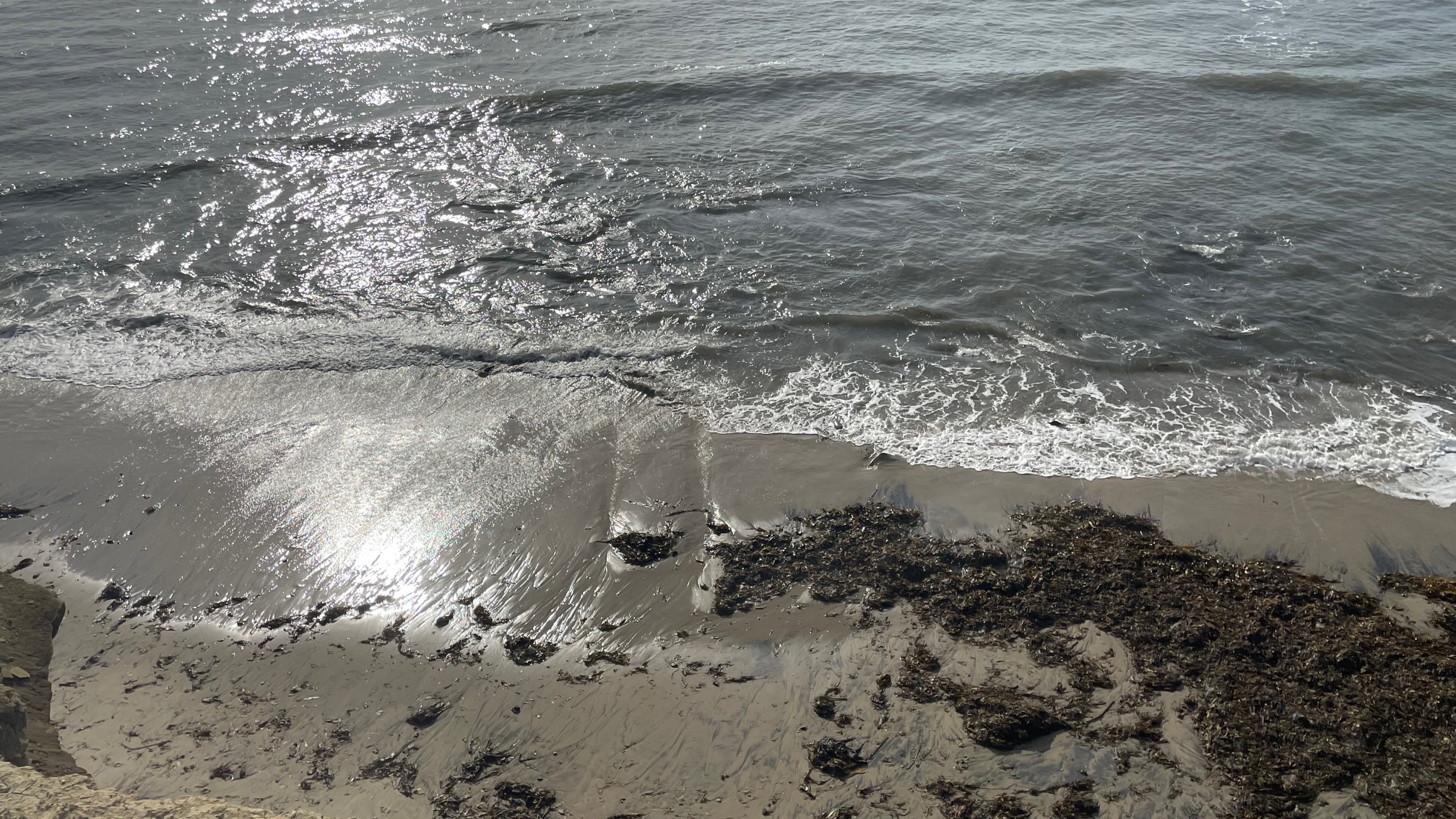
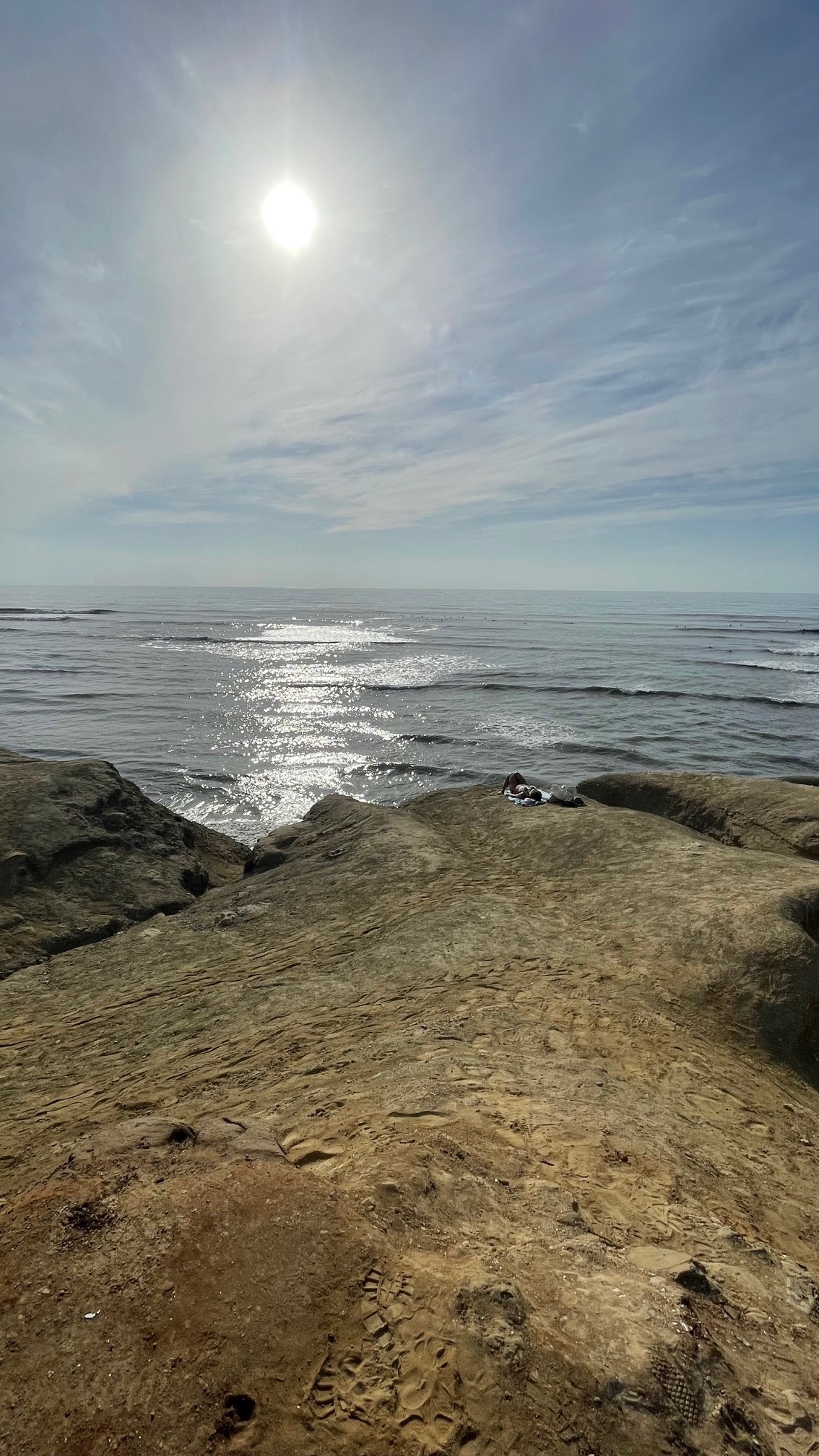
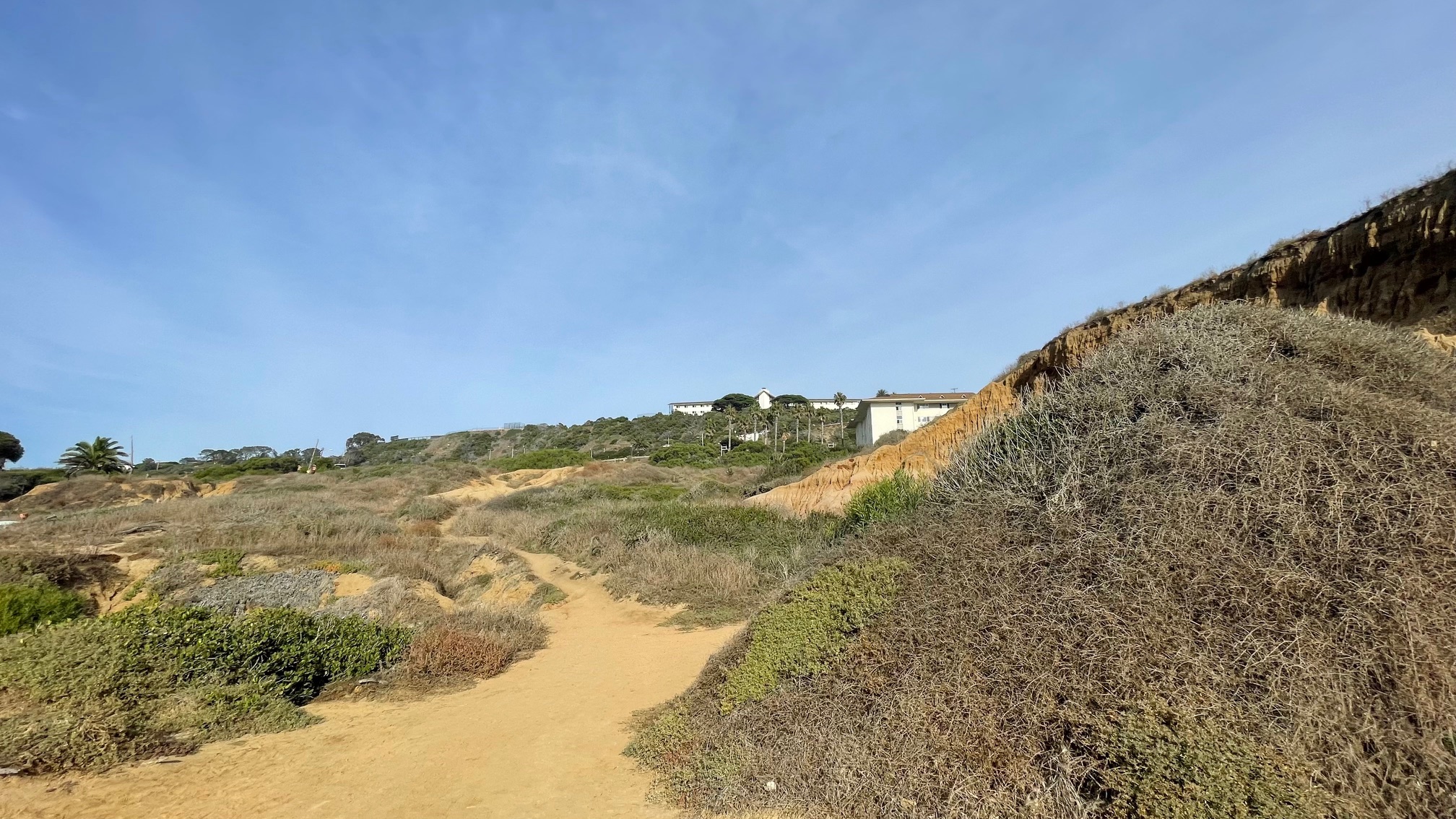
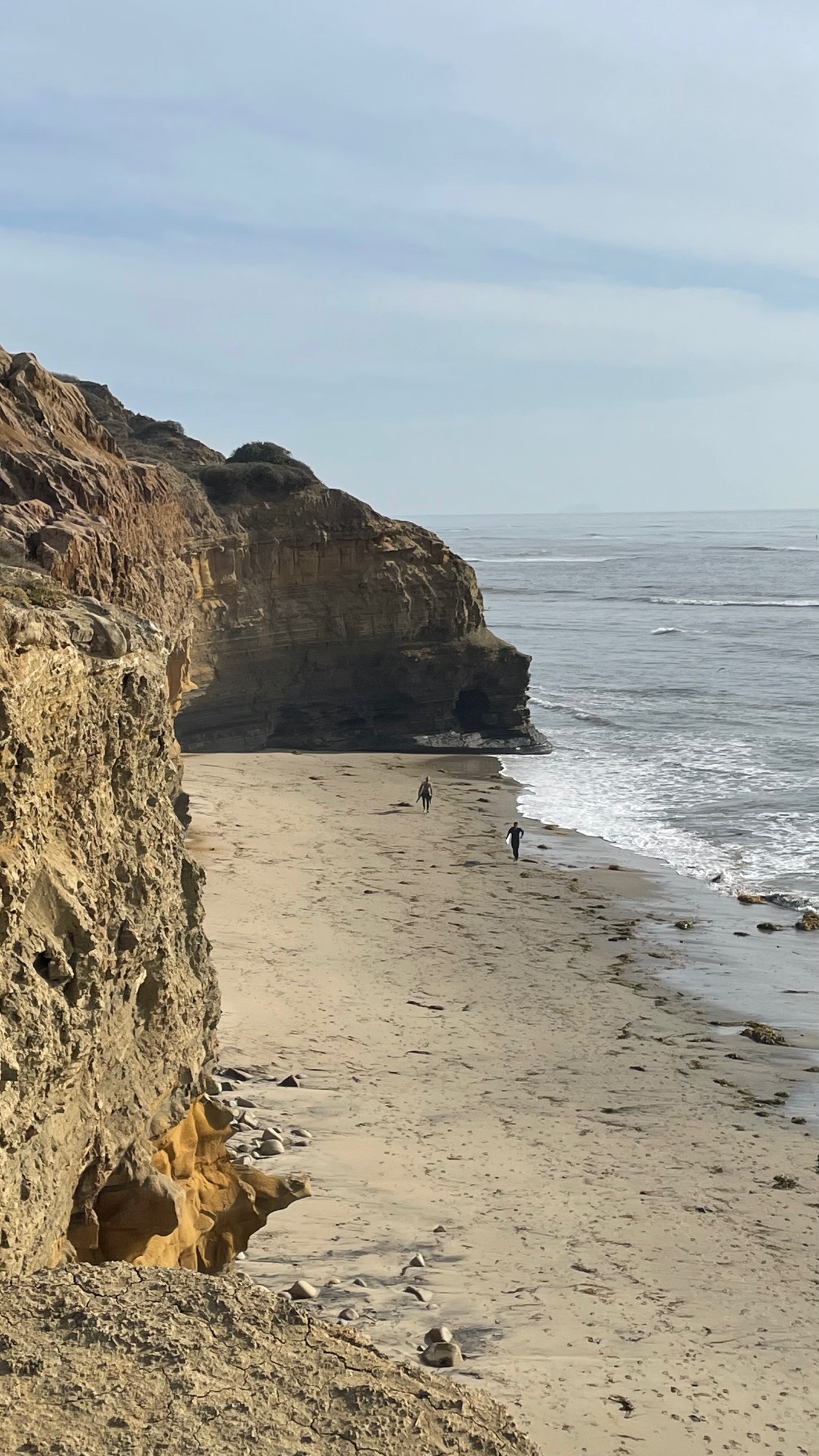
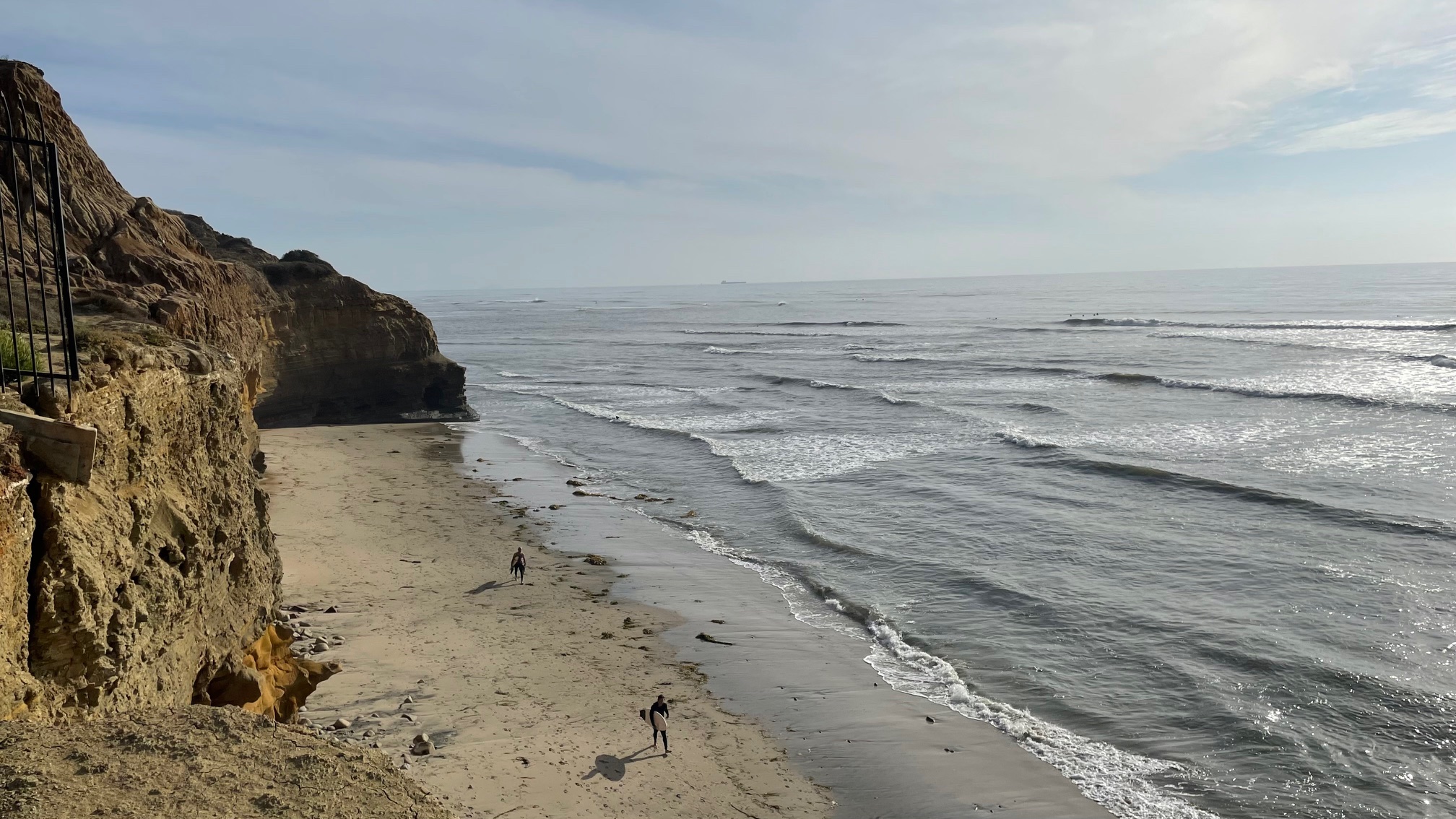
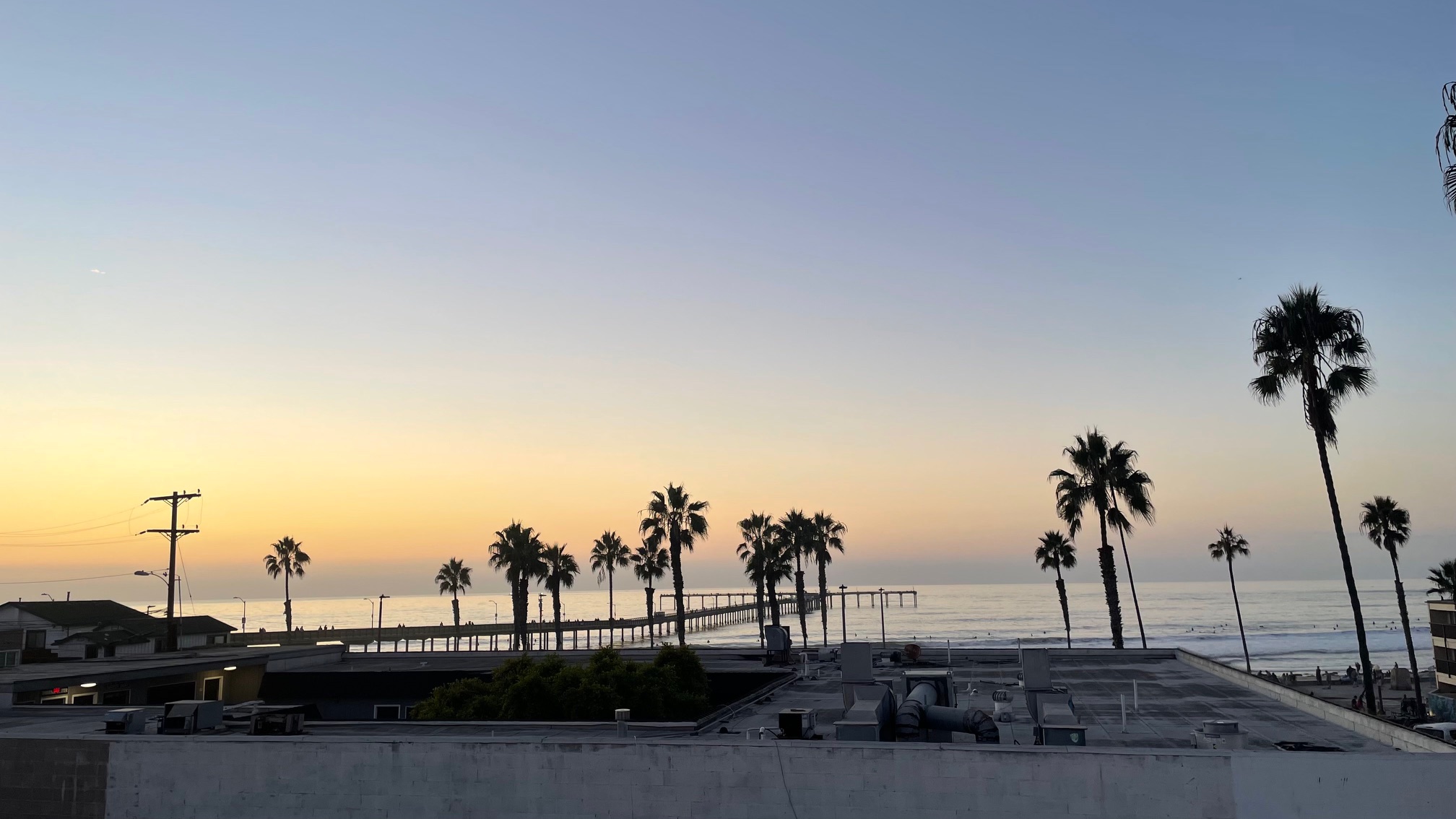
Camera: iPhone 12
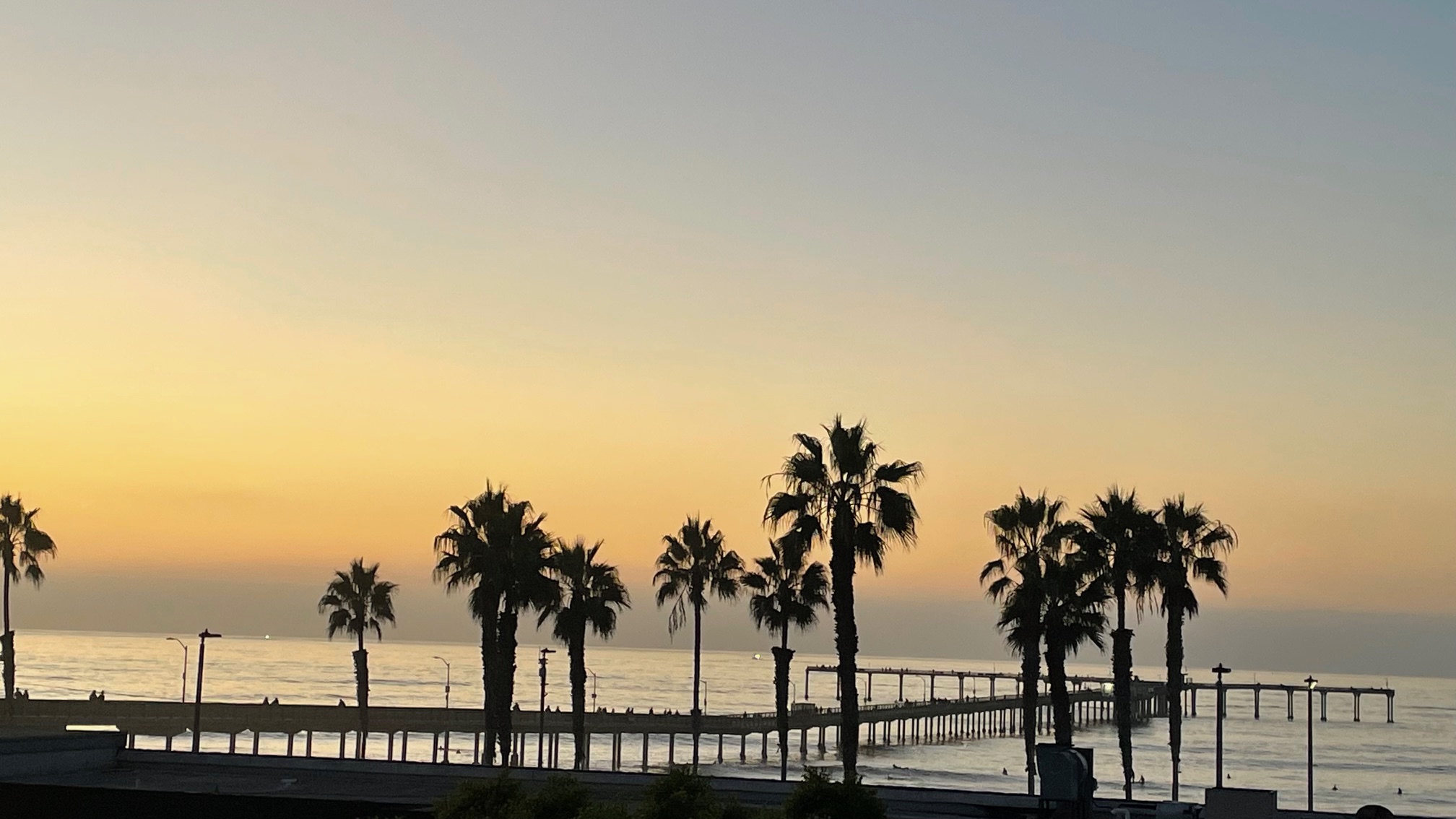
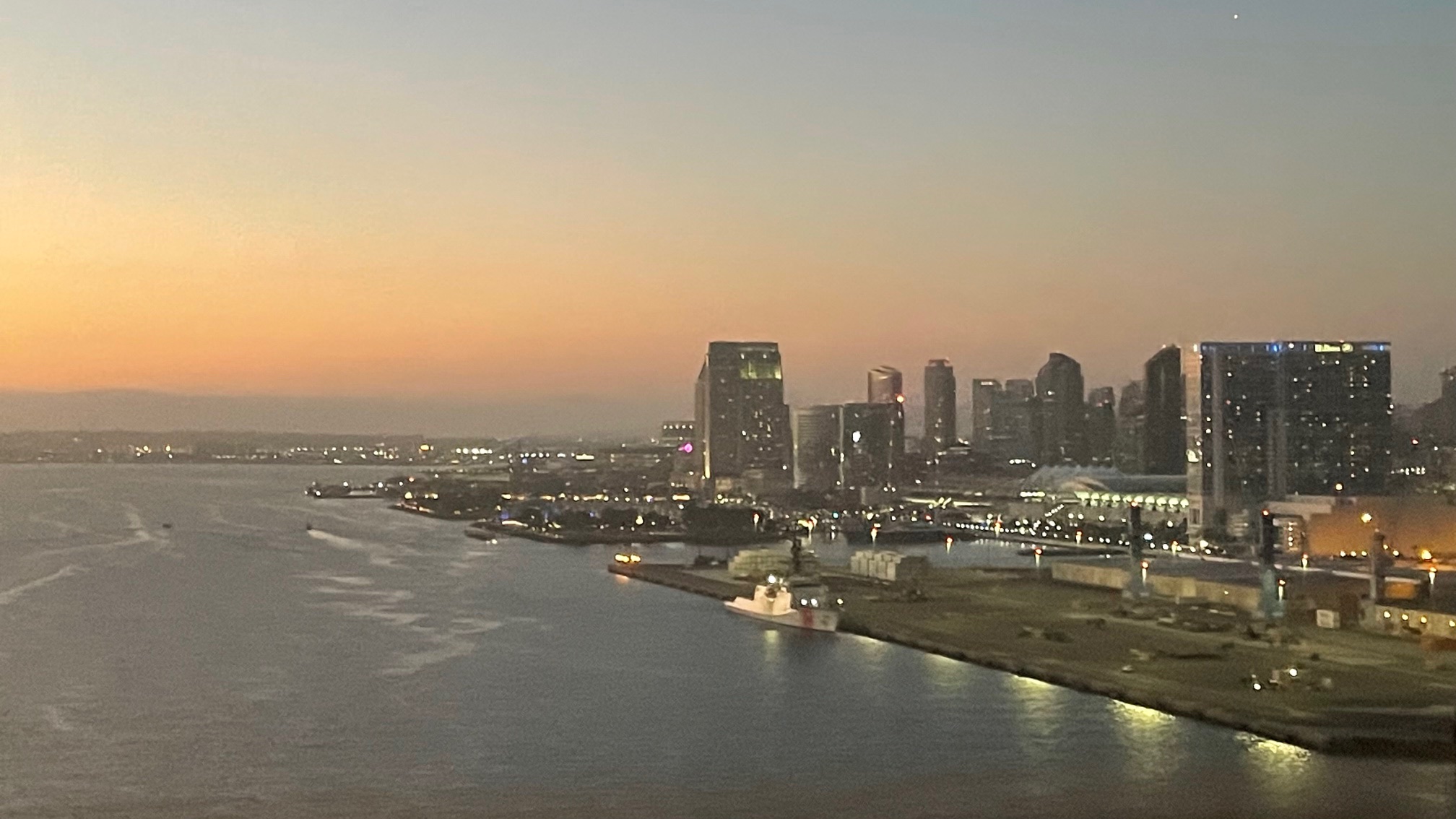
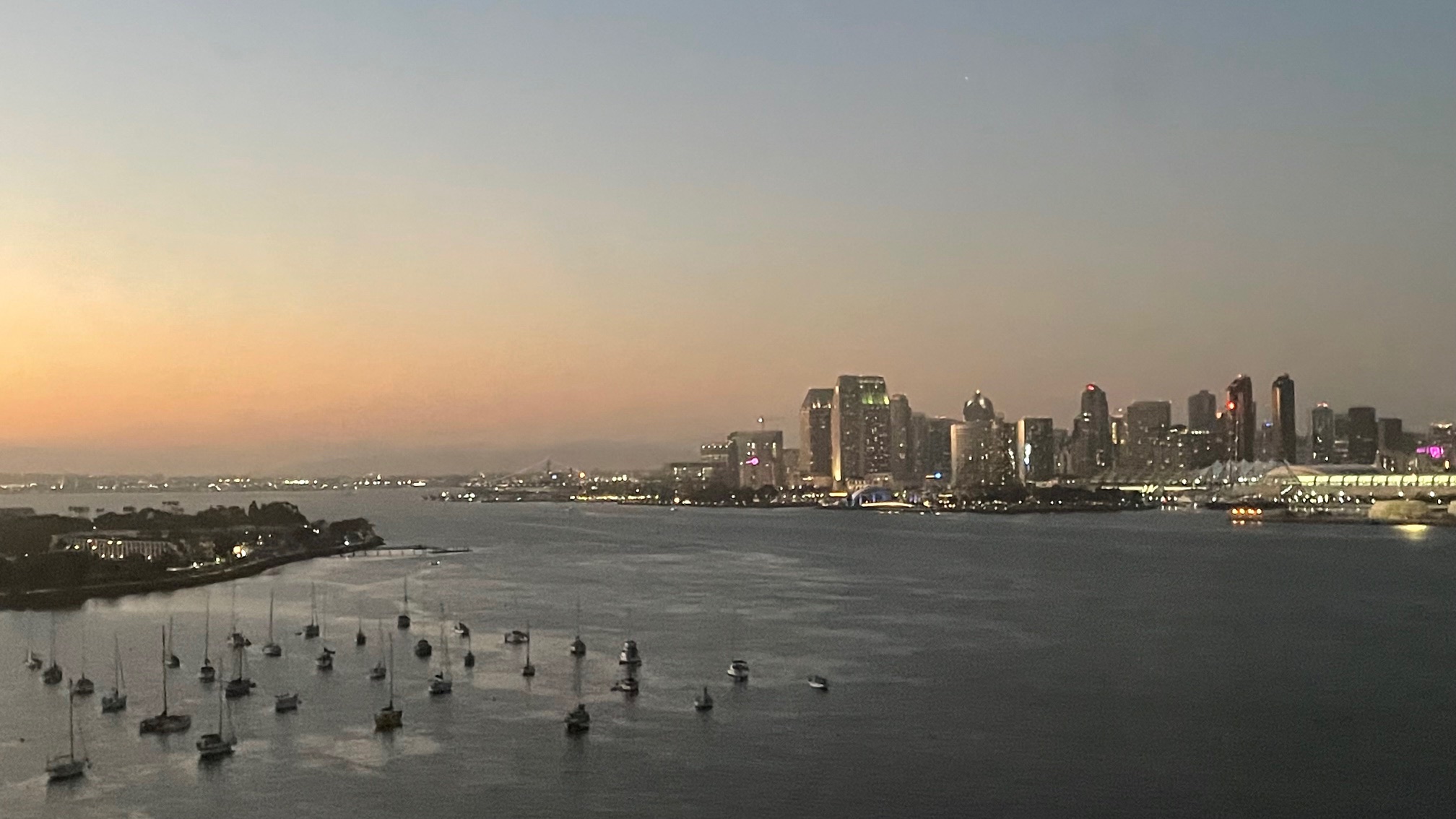
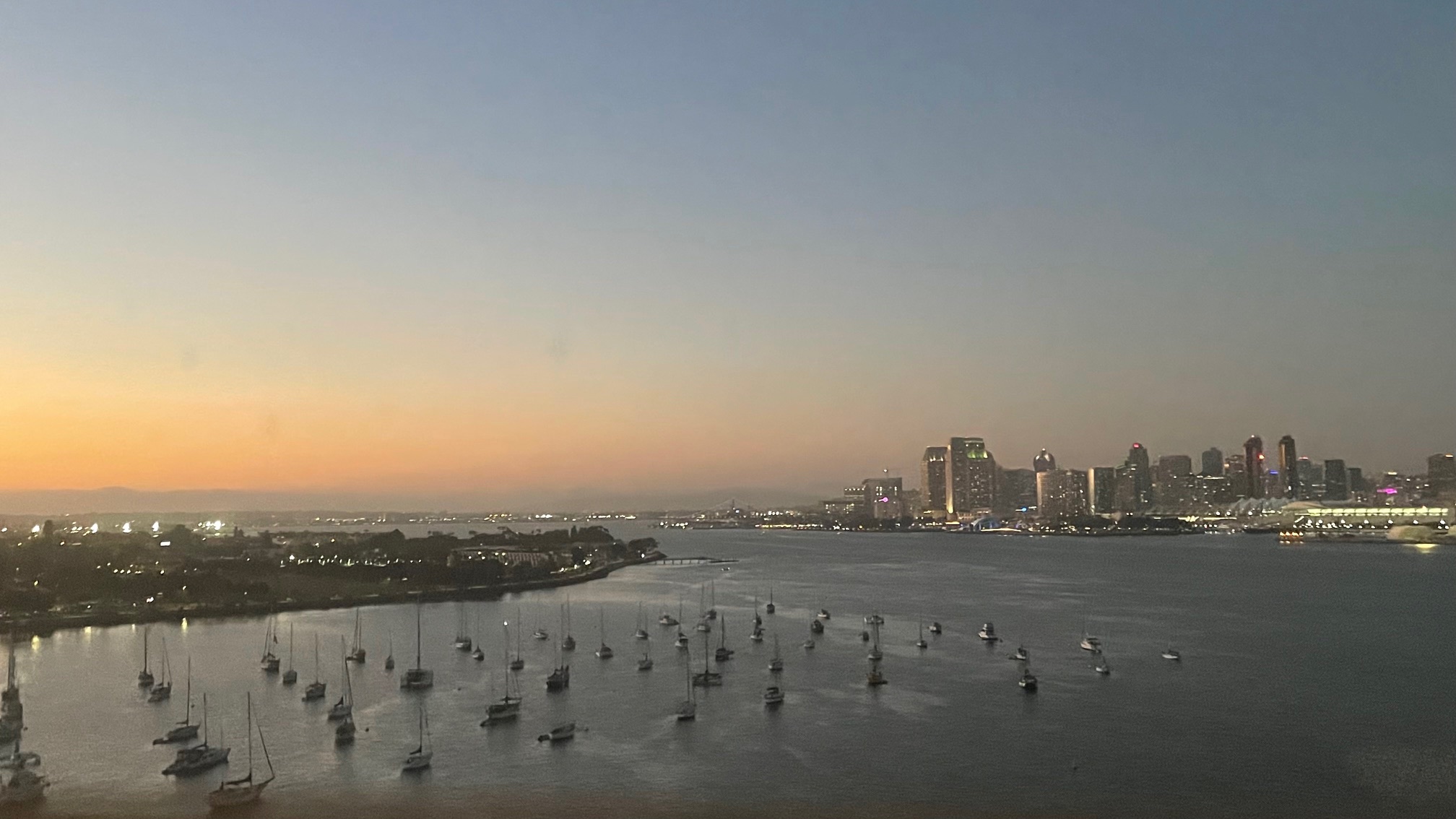
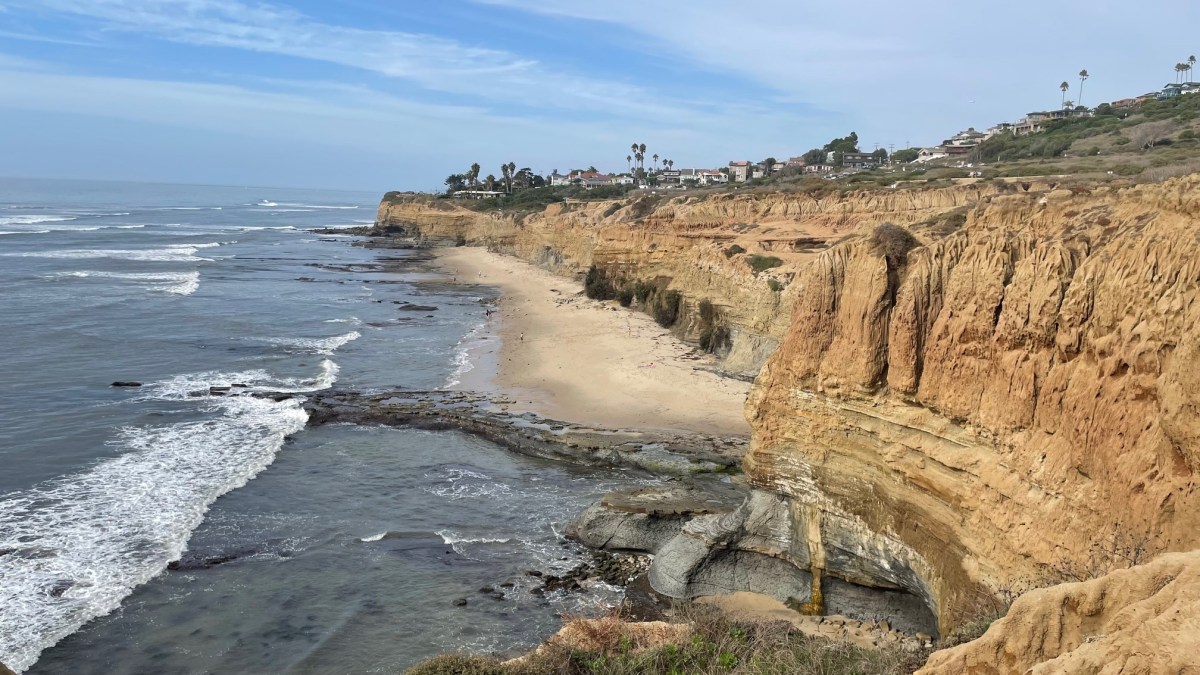
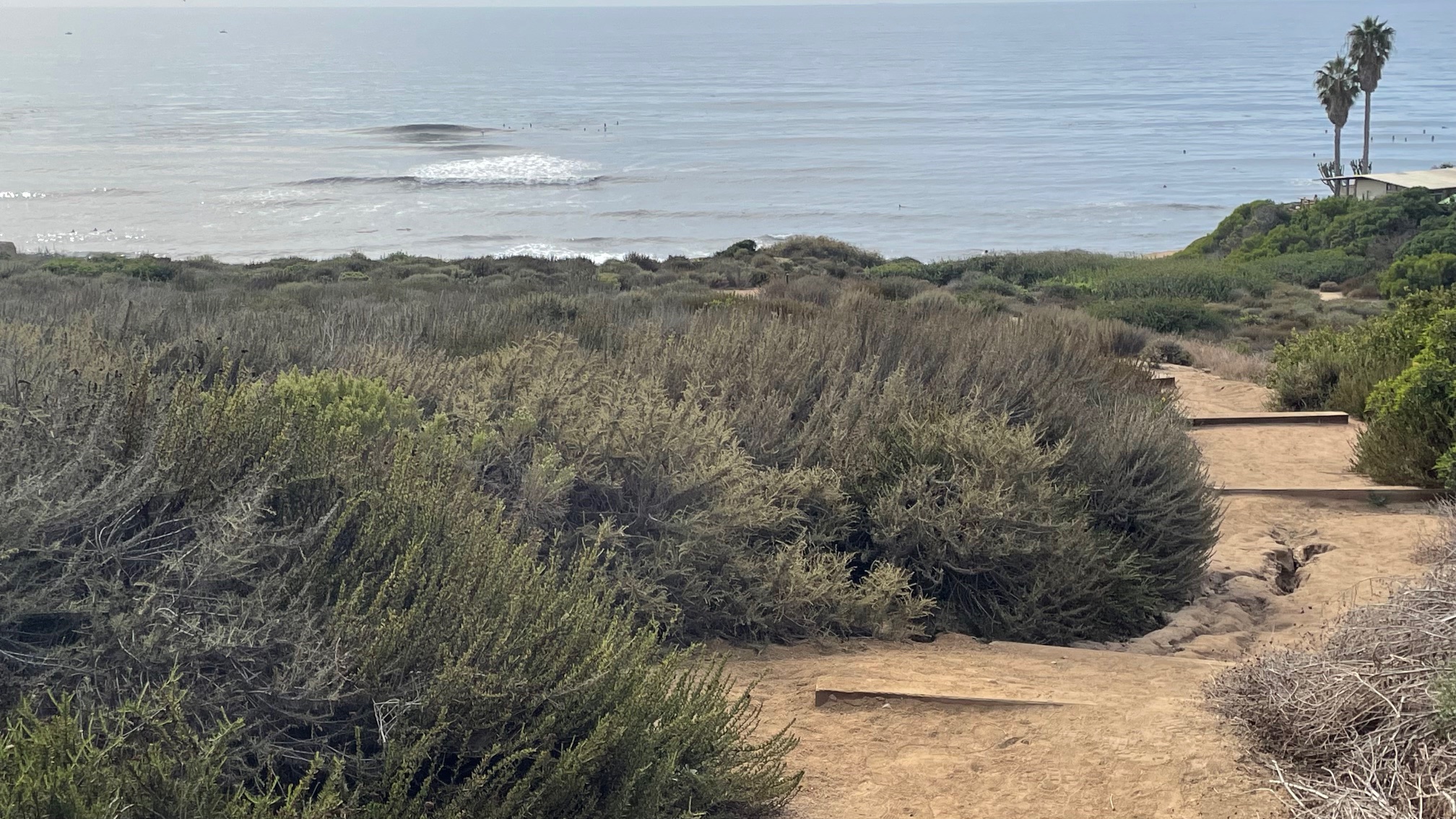
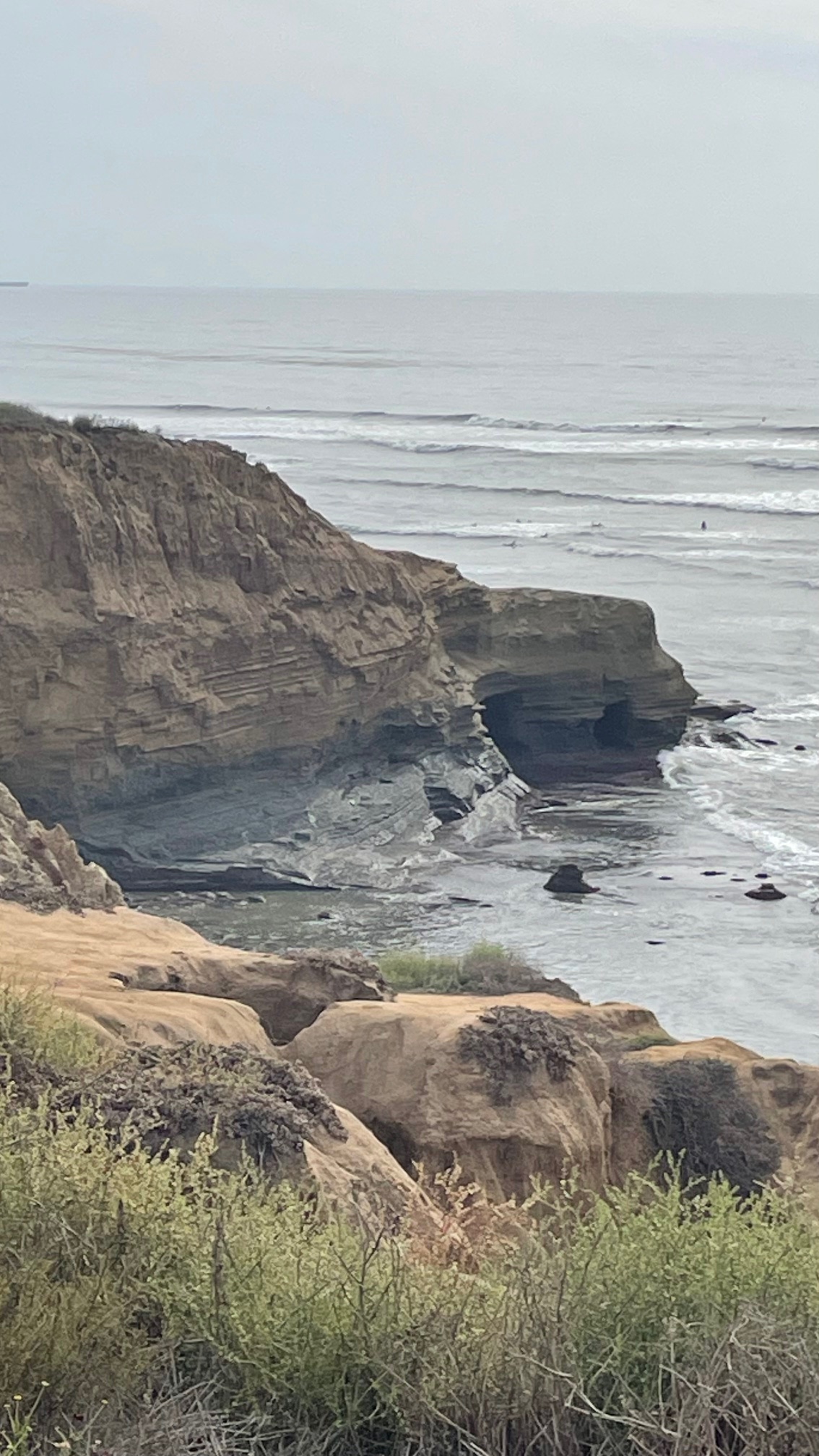
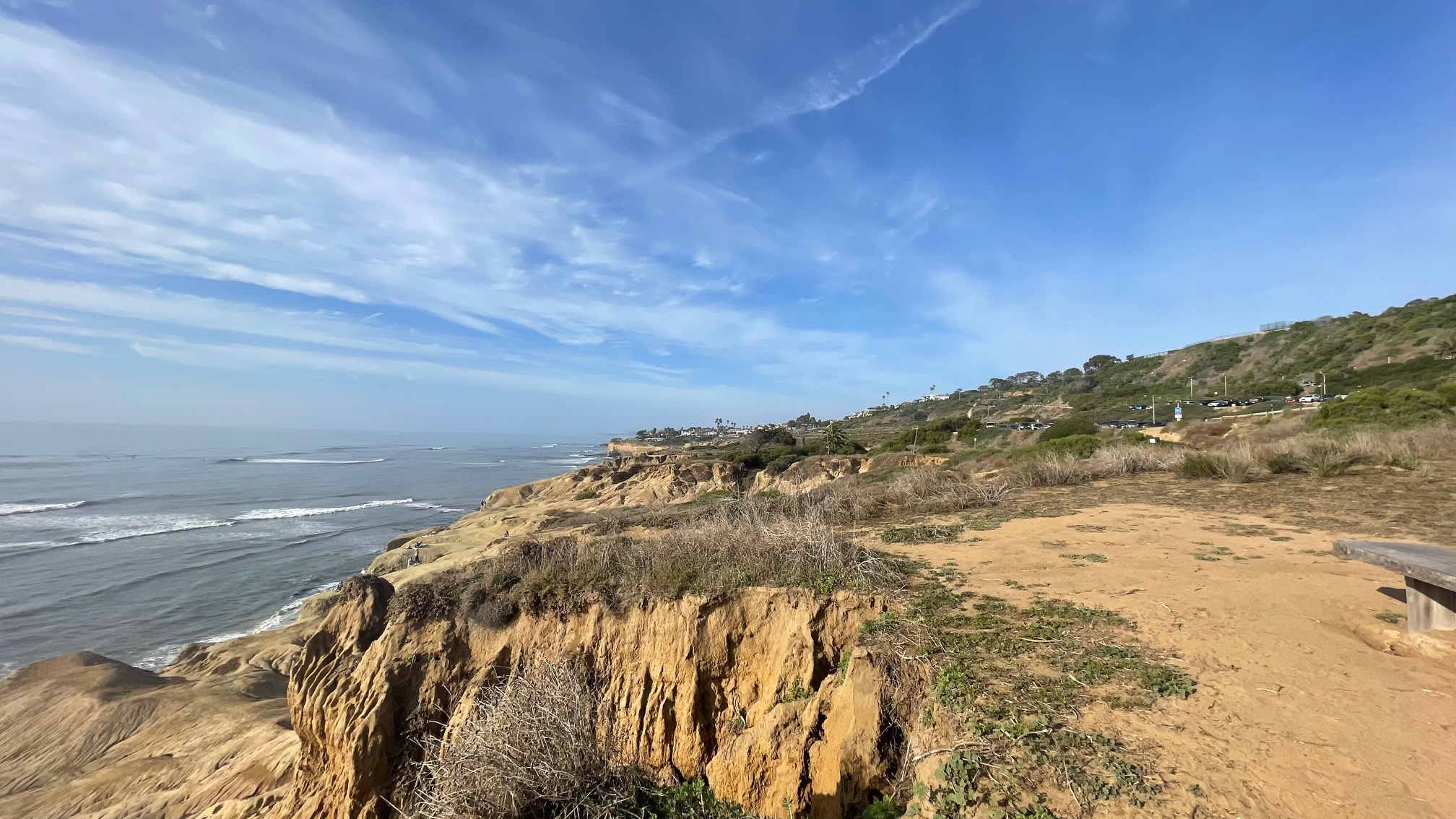
Location: Sunset Cliffs Natural Park; San Diego, California, United States
A beautiful Fall Day to go hiking in San Diego at Sunset Cliffs Natural Park from October 2023.
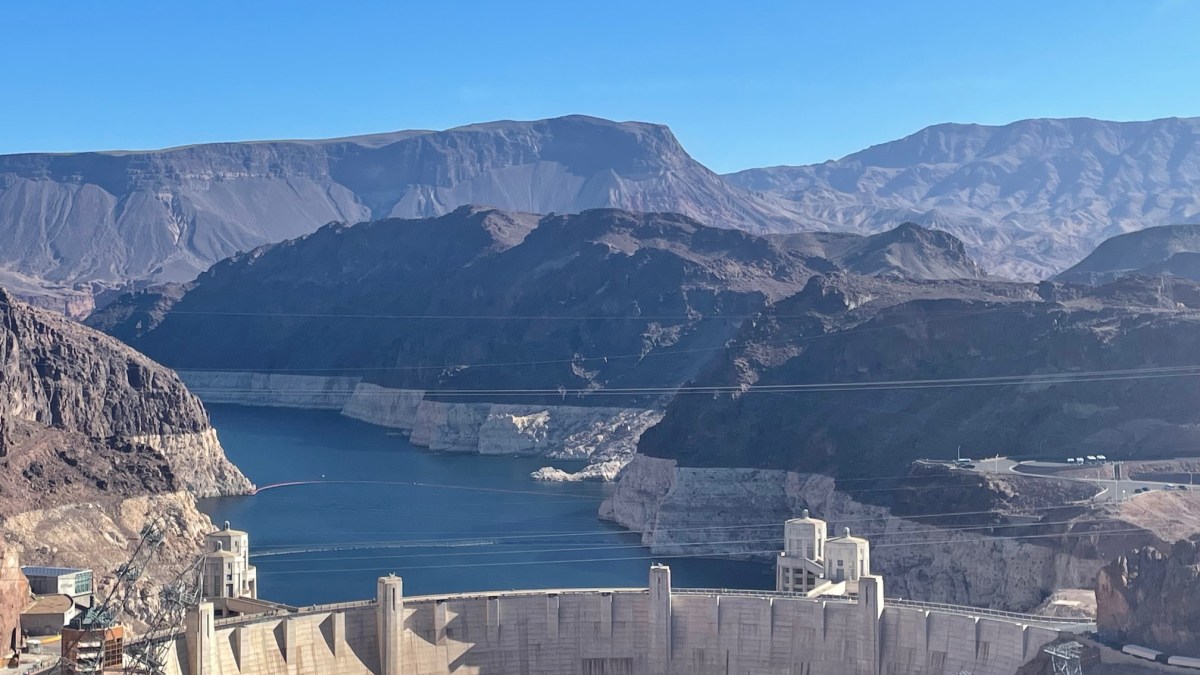
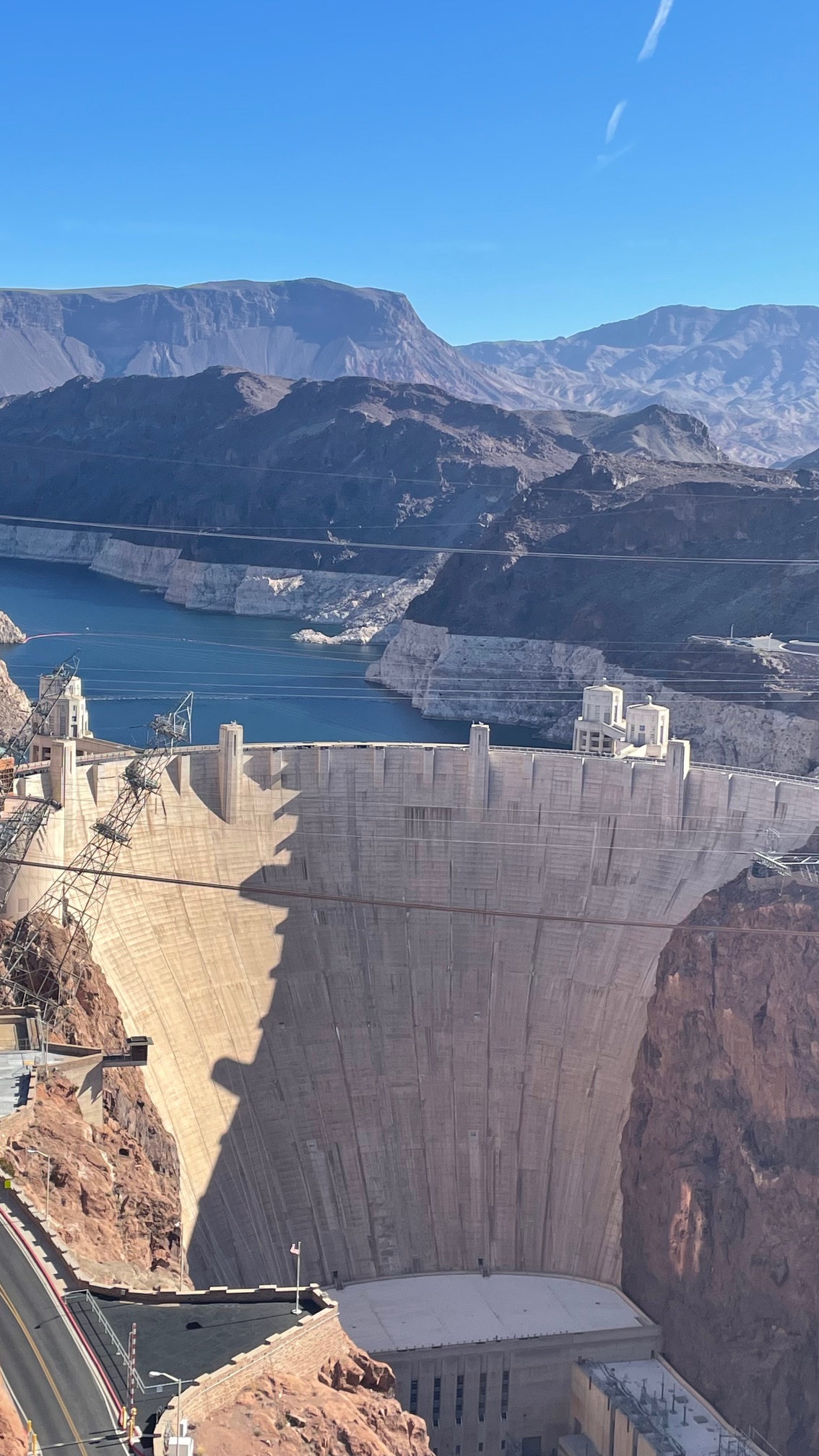
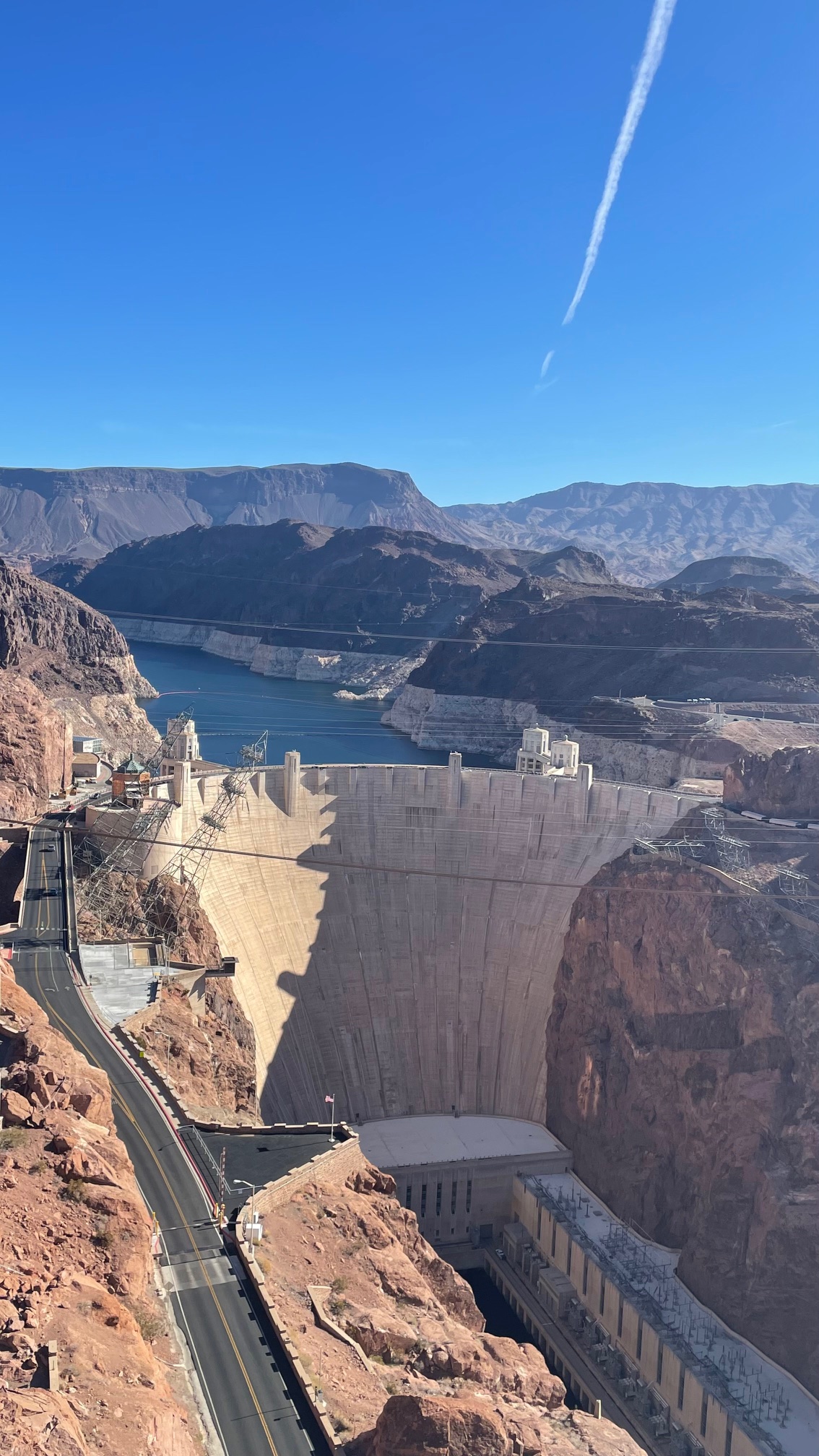
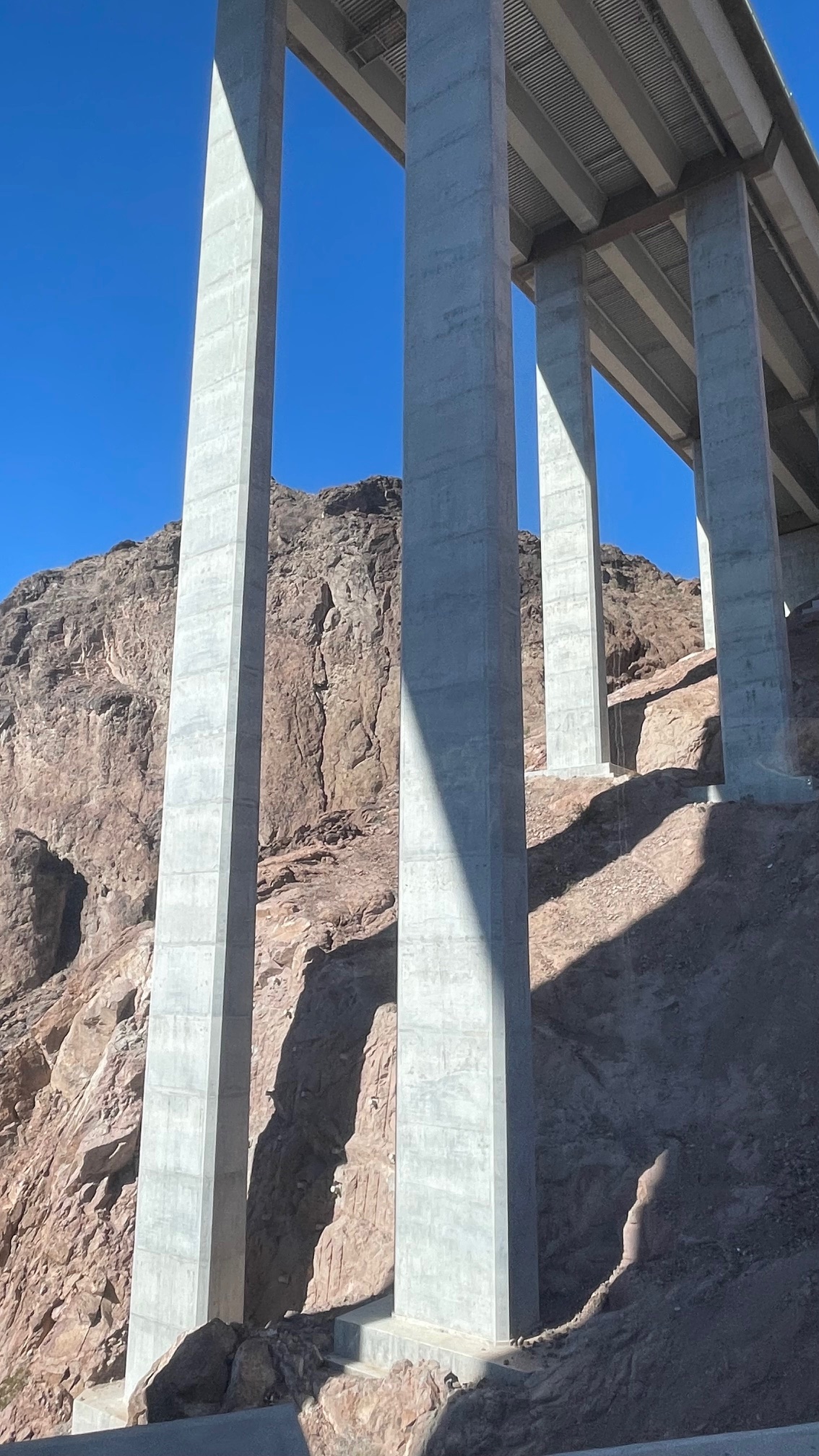
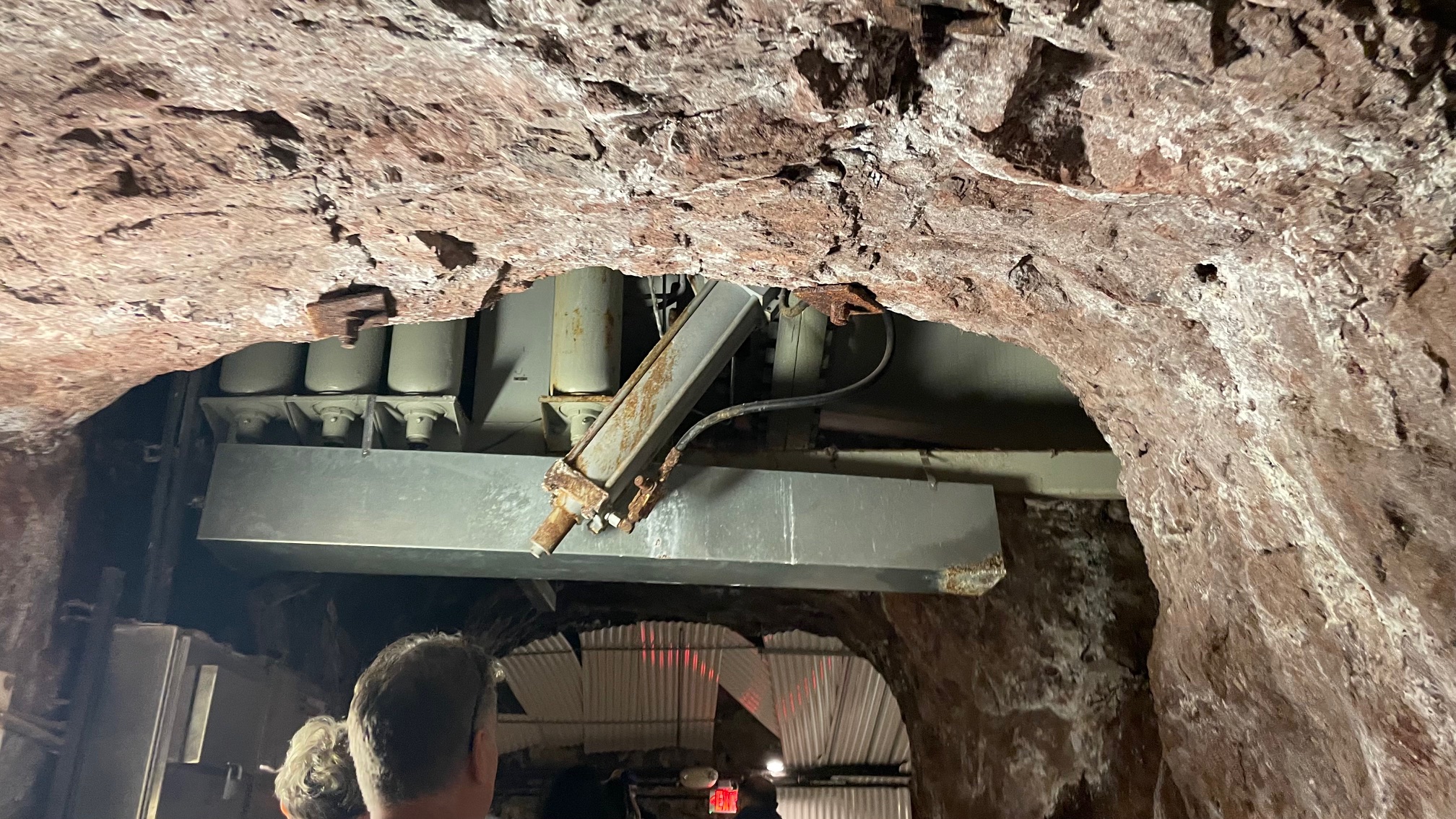
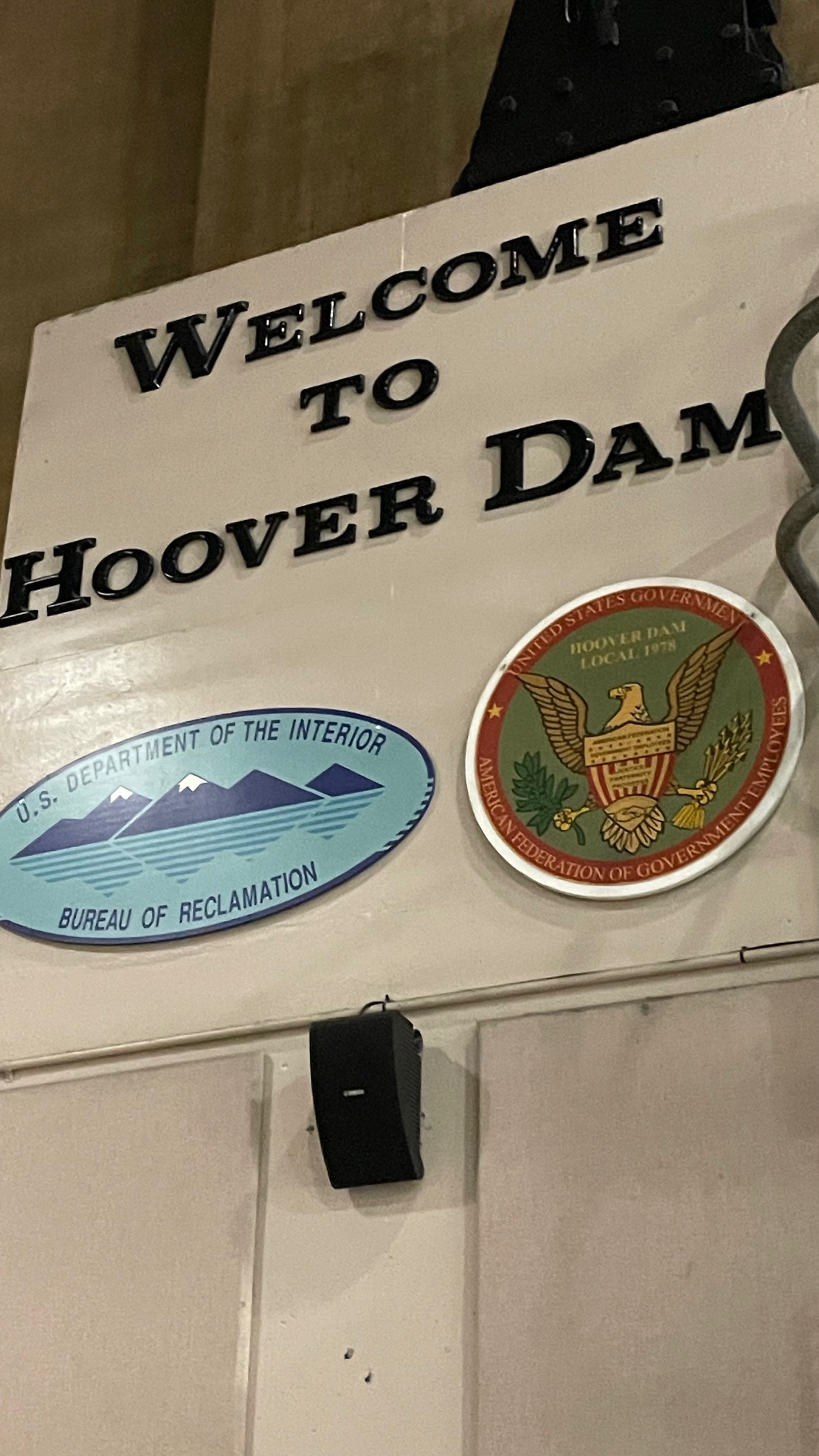
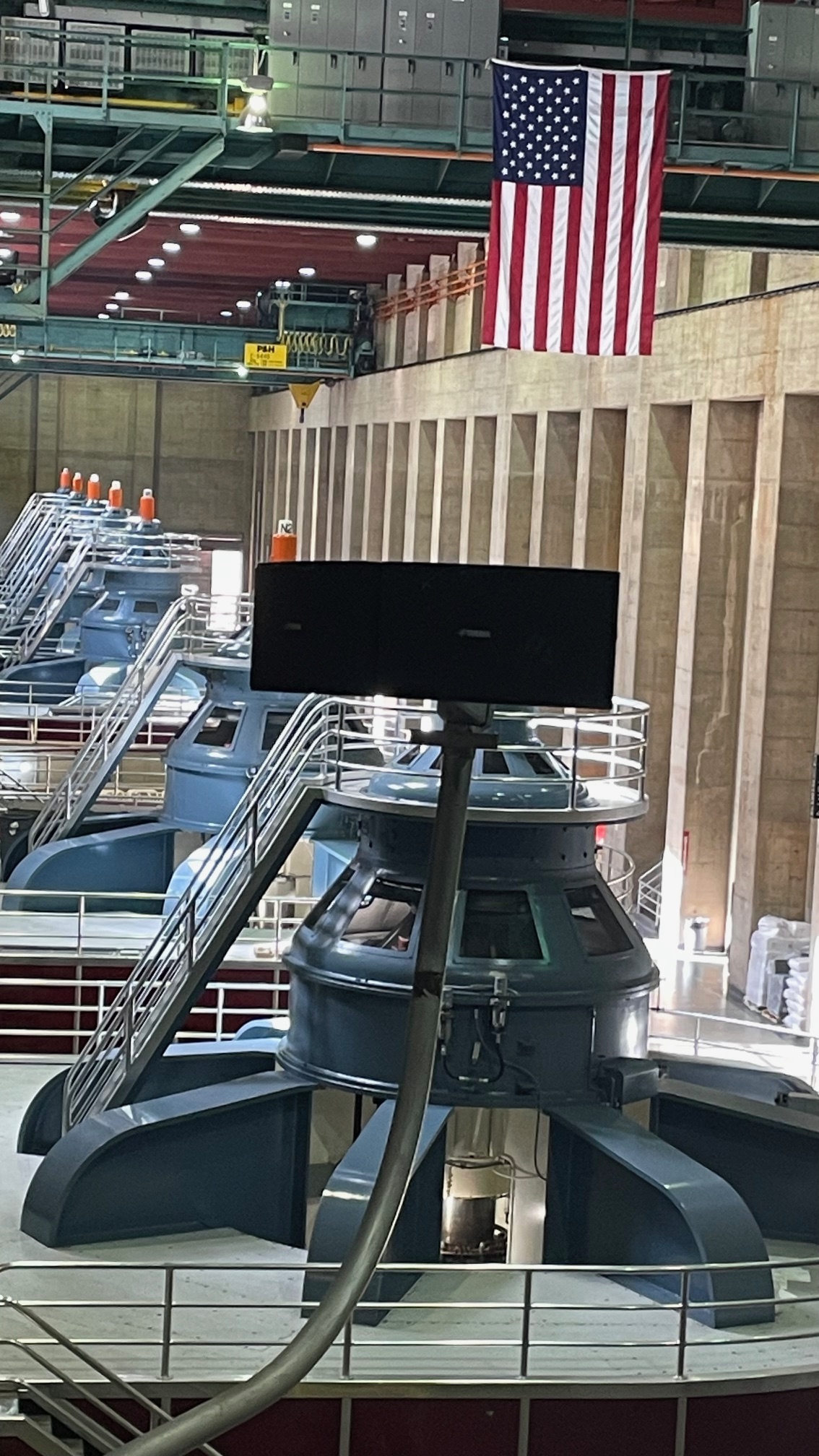
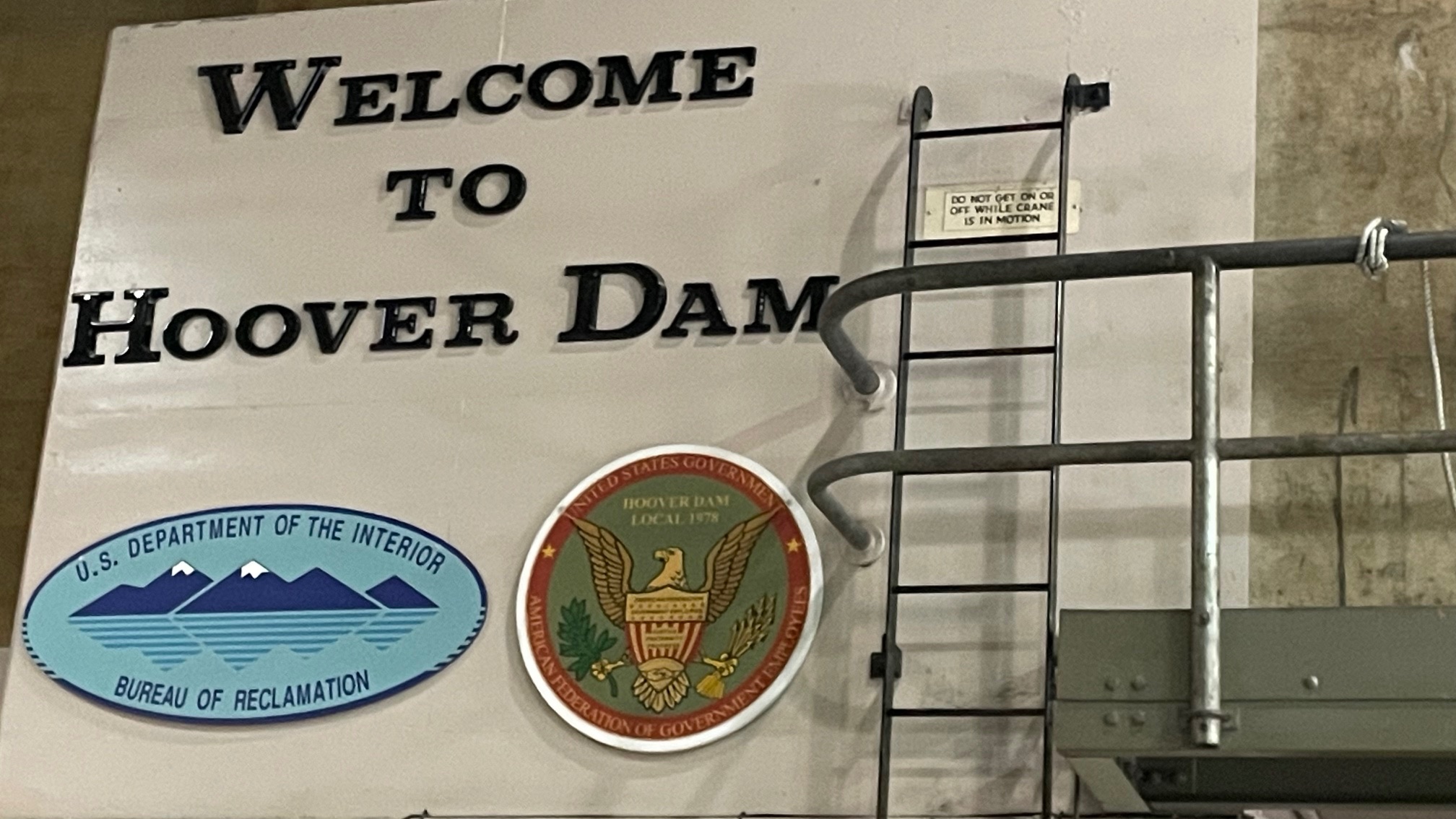
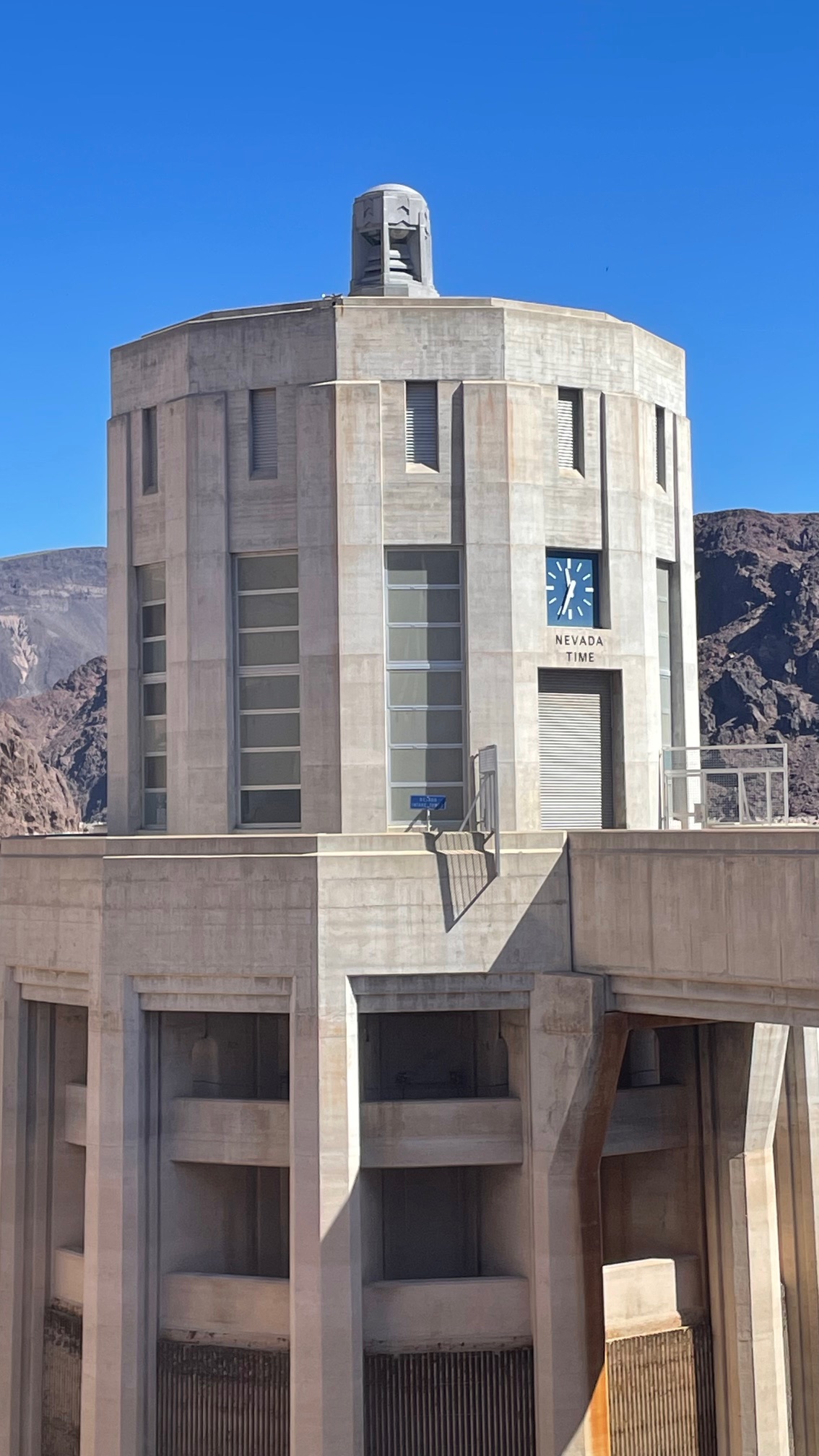
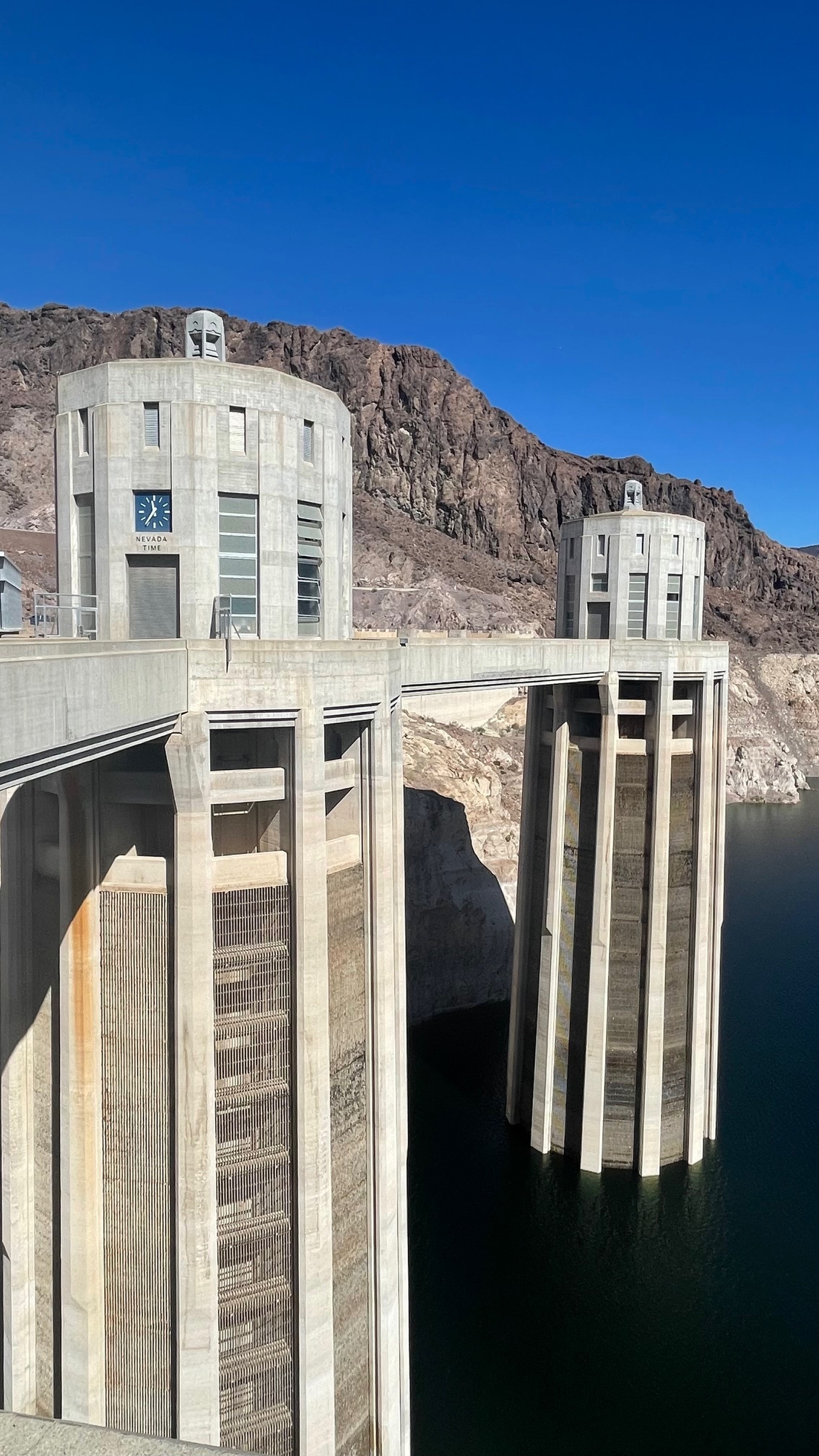
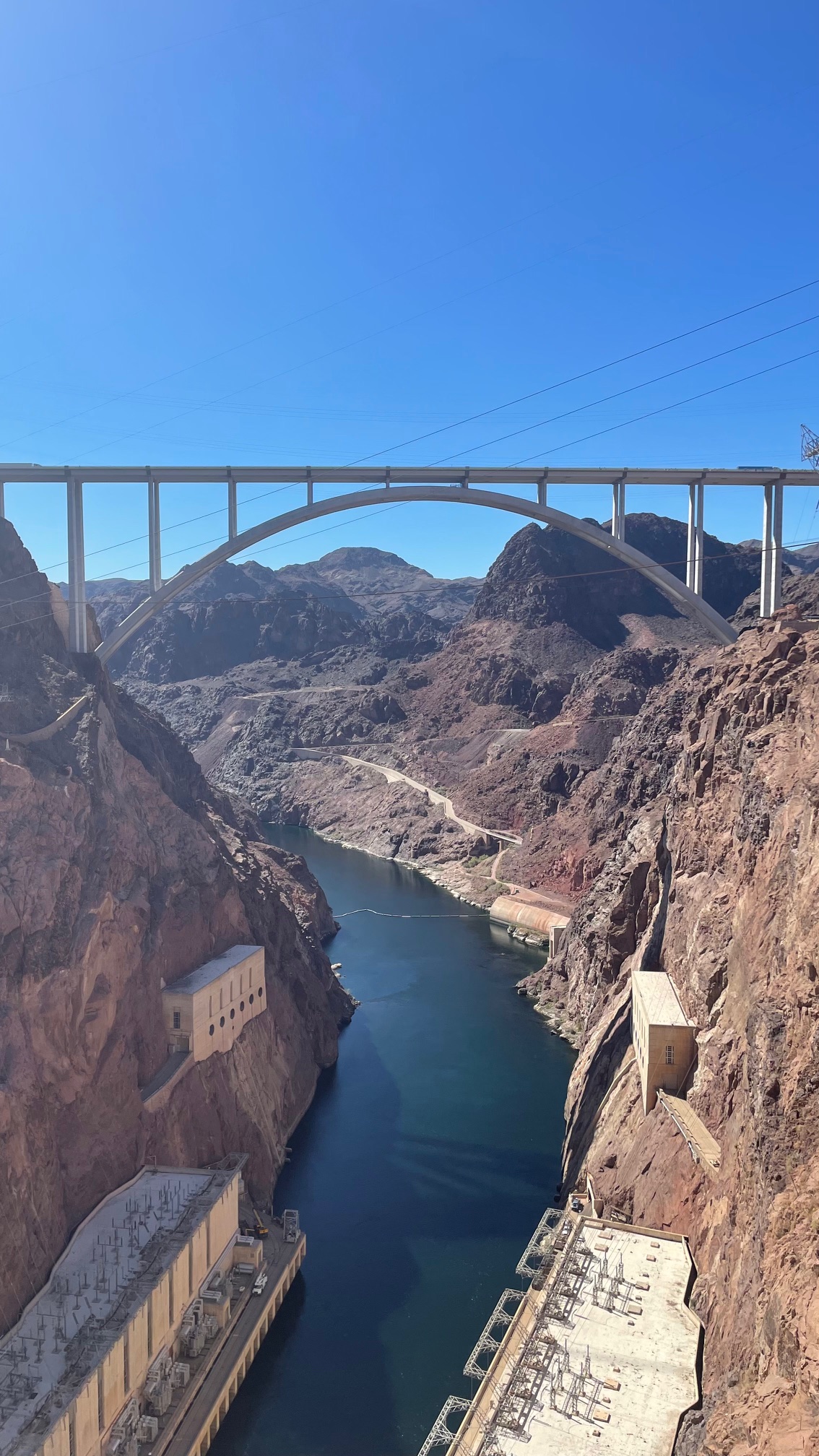
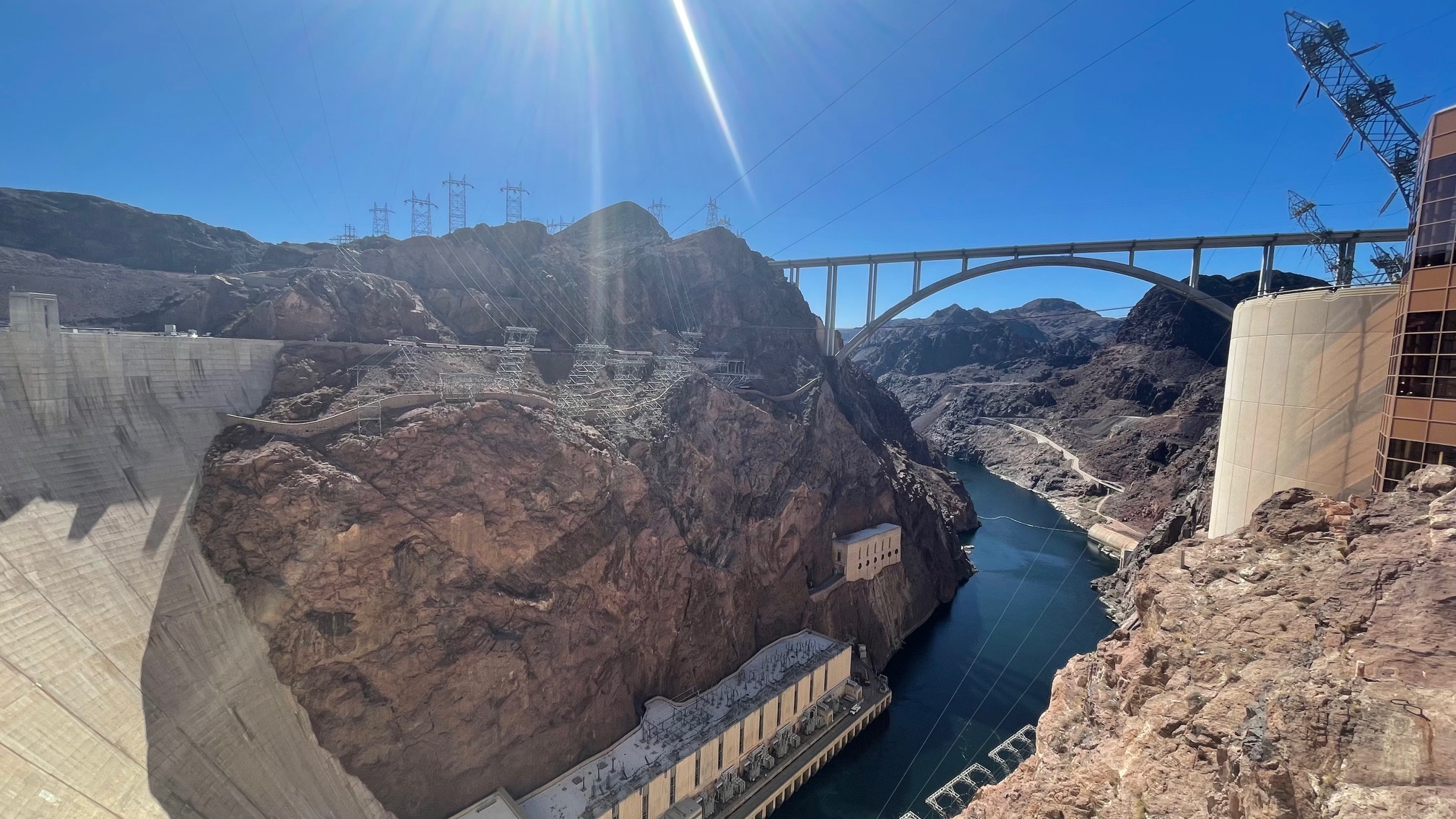
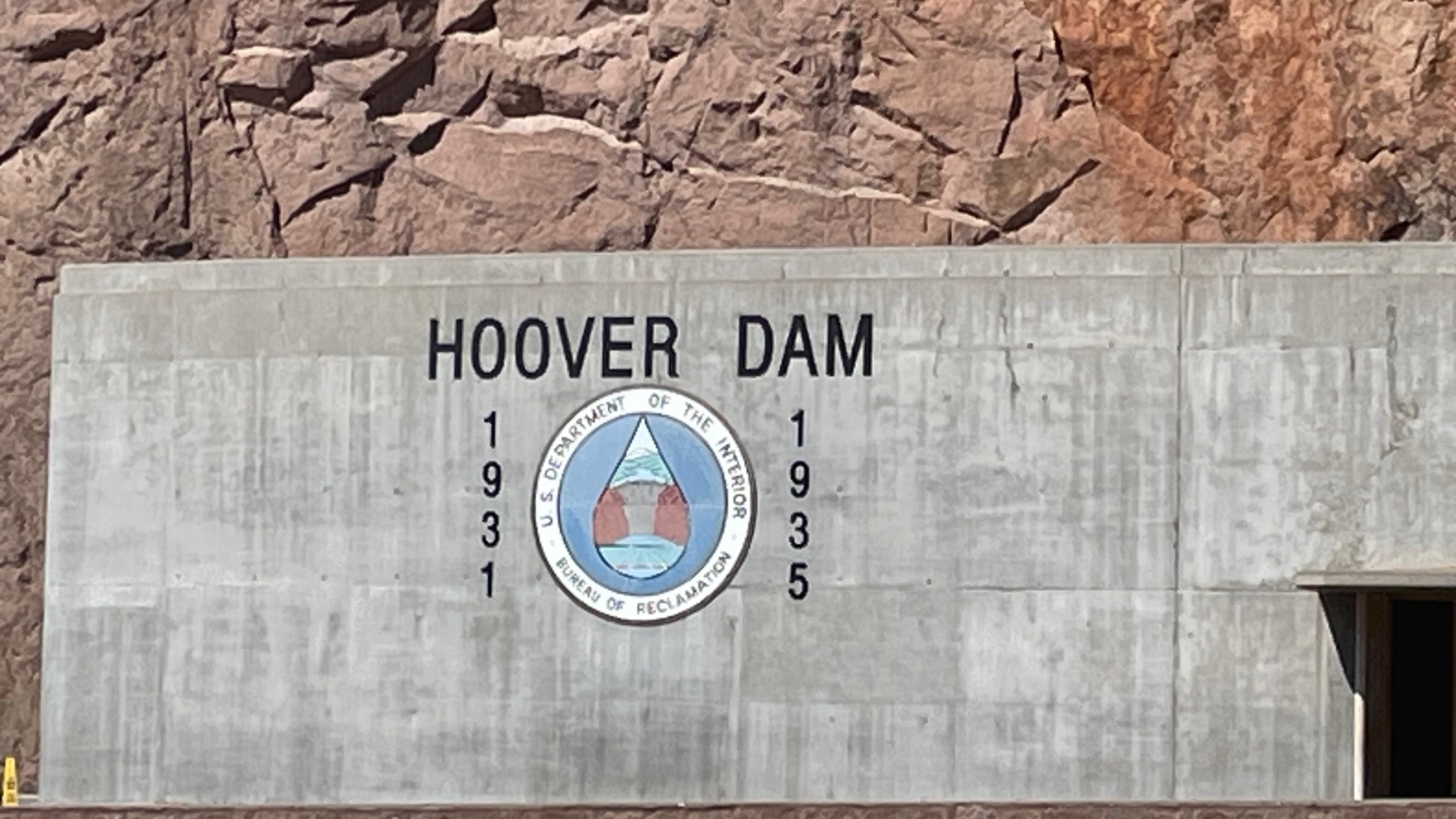
A first trip to one of the great American landmarks in the Western United States – The Hoover Dam.
“Evaluating the year that has passed can be a valuable exercise for yourself to gain deeper insights, identify growth opportunities for the new year, and celebrate the accomplishments or successes you had.”
2024 is ending soon as I write this article and I do believe it is important to look back on the year that was to evaluate it holistically, such as whether it was good, bad, or a mixed bag. Evaluating the year that has passed can be a valuable exercise for yourself to gain deeper insights, identify growth opportunities for the new year, and celebrate the accomplishments or successes you had.
Reflecting on various aspects of your life, even areas that you can improve upon will help you to set meaningful goals for the year ahead. Here’s a guide I have created on how to evaluate your year comprehensively, focusing on the five major areas of friends, family, relationships, experiences, and work or business.
Friends
Friendships are an essential part of life and key to one’s mental health as a surefire way to stay truly connected and bond over shared activities or hobbies or even lend each other a helping hand. Think about reflecting on your relationships with friends from over the past year. Ask yourself the following questions when doing so:
Document the moments and memories that stood out to you, whether they were fun gatherings, heart-to-heart conversations, or instances where you and your friends supported each other through a difficult time. Evaluate if there were any friendships that became draining or unbalanced and consider whether to address these issues or set boundaries or even cut off the friendship if it isn’t working out.
Family
Family relationships can greatly influence your emotional well-being in both positive but also negative ways depending on your own situation with your family members. I encourage you to reflect on the past year’s interactions with your family members and consider these questions:
Think about whether you balanced your time and energy across the various family member dynamics that are constantly evolving each year along with the different personalities that you have in your family. Identify some ways to strengthen bonds with family members next year who may need more of your attention or love than you were able to give up until this point.
Relationships
If you’re in a romantic relationship currently, evaluating this aspect of your life is crucial to keeping it on the right track into next year. Even if you’re single, reflecting on your relationship with yourself or any potential romantic connections is just as important. Ask yourself these questions as you close out the year:
Identify areas where you’ve grown together as a couple or individually when you two were apart. If there were challenges this year, consider how you’ll address them moving forward in your relationship.
Experiences (Travel, Hobbies, Interests, Fun Activities)
Reflect on how you spent your free time outside of work, school, or business and how engaged with life outside of your daily obligations and weekly chores you were. Think about where you went, what you did, what you learned, and how much you enjoyed life beyond the office or the shop or the factory floor. Consider the following in your assessment of your experiences:
Take note of the activities, hobbies, interests, etc. that brought you the most happiness and fulfillment. If your year felt monotonous and a bit too routine, think about incorporating more variety or adventure into your life next year. Plan the destinations, places, or cities with regards to travel ahead of time that you hope to visit in the new year.
Work or Business
Your professional or business life is another crucial area to evaluate at the end of any year as it makes up about 80% of our time throughout the year. Reflect on your career or business journey over the past year by asking yourself these questions:
Reflect on whether your work or business aligns with your personal values and passions. If there are gaps in that assessment, start thinking about how to address them in the coming year with regards to making your work or business more personally fulfilling Once you’ve reviewed these areas and answered as many questions in these five major areas as possible, combine your thoughts to identify patterns, strengths, and areas for improvement.
Lastly, think about the following ways generally on how you could make next year the best one yet:
Evaluating your year holistically gives you a clearer perspective on where you stand in your life and how to move forward in a positive manner. Use this article, the questions I’ve posed and to write a yearly reflection about these five major areas as a substantive foundation for setting meaningful goals and resolutions for the year ahead.
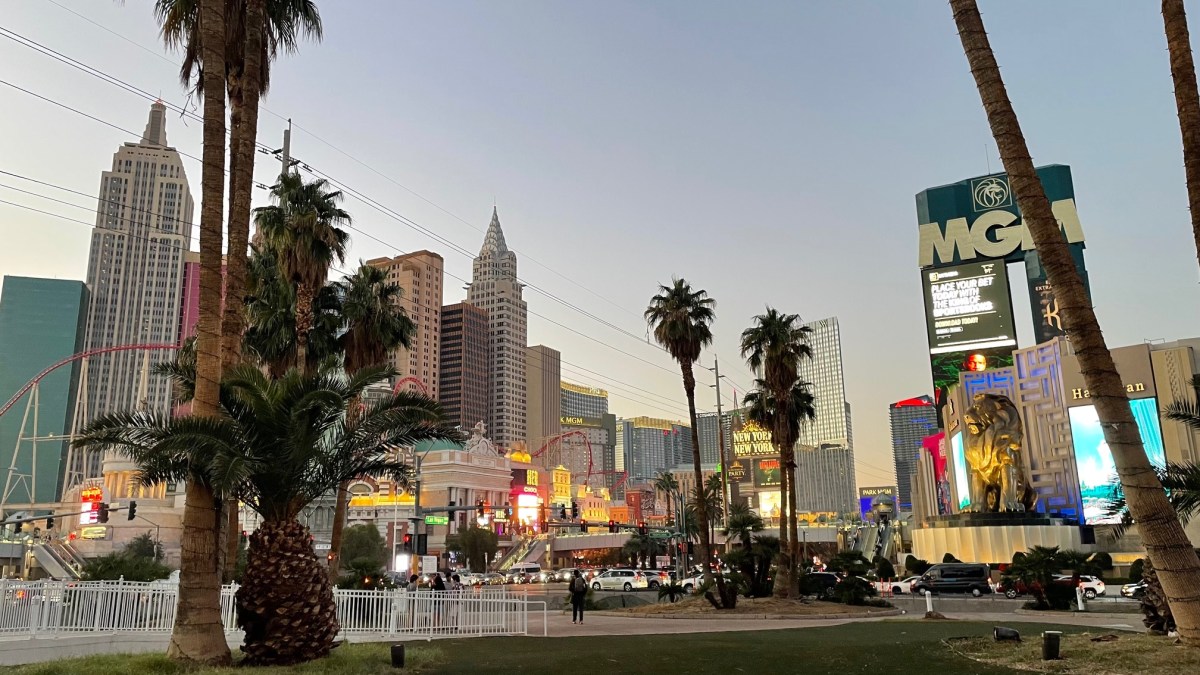
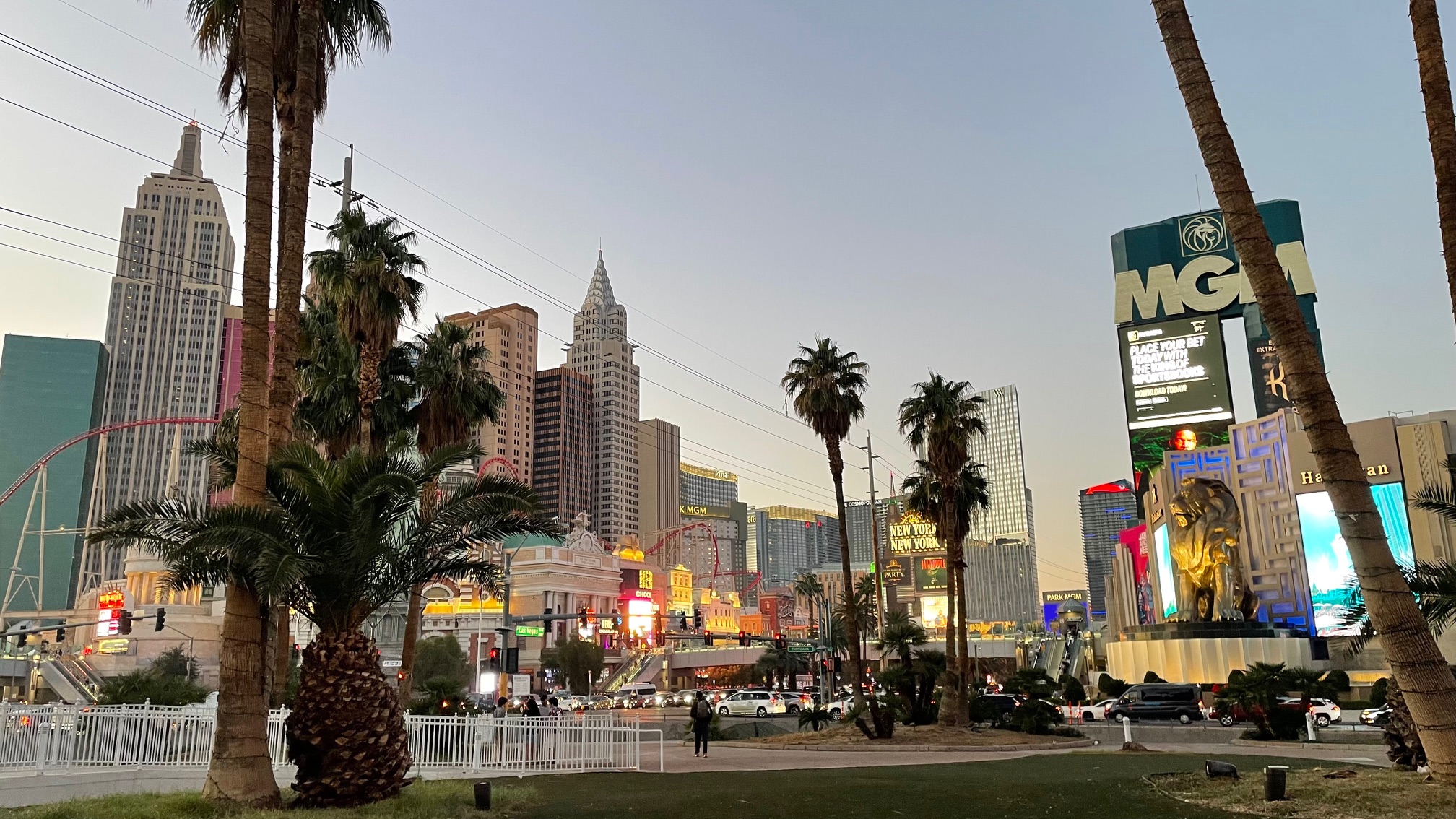
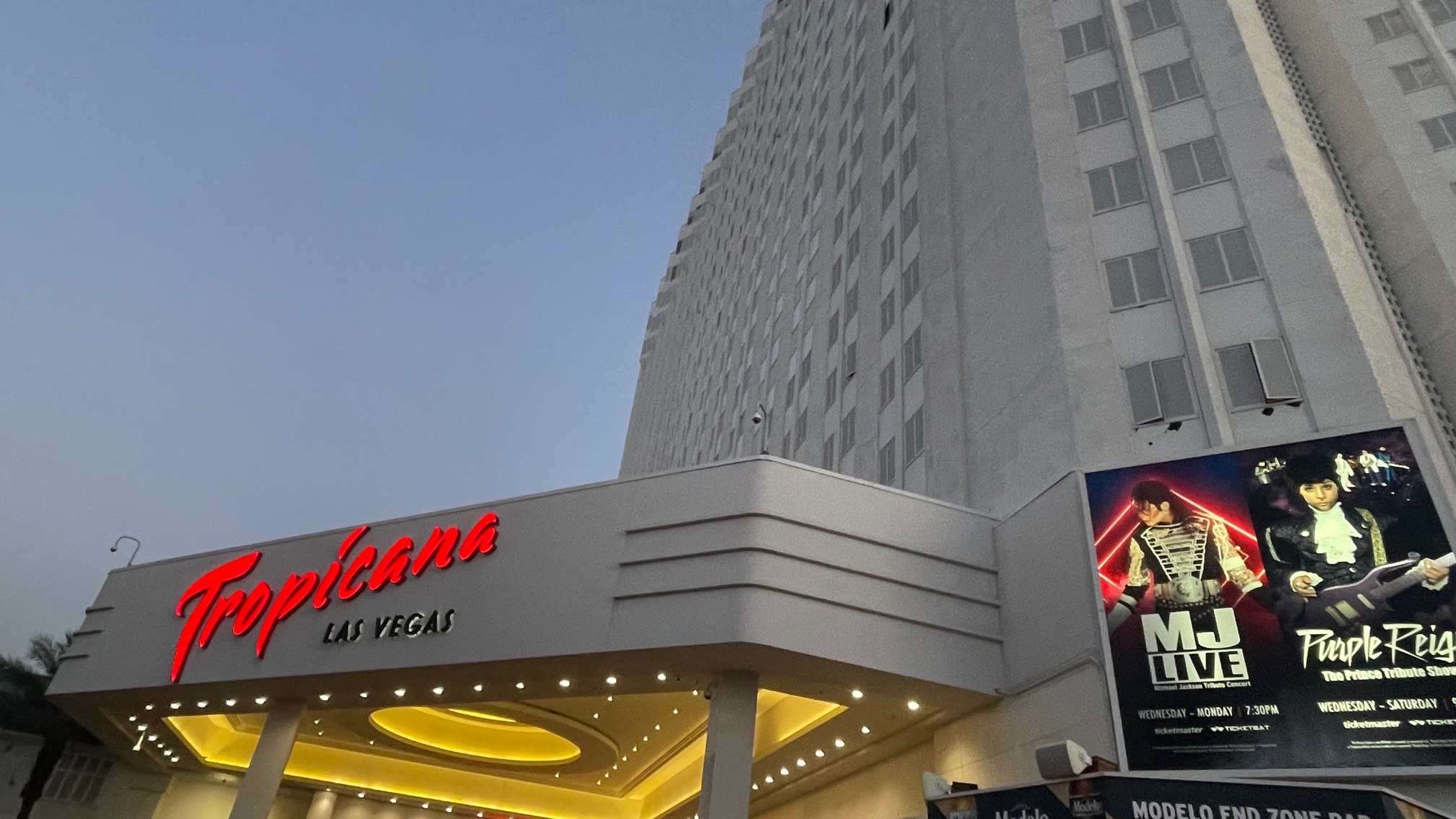
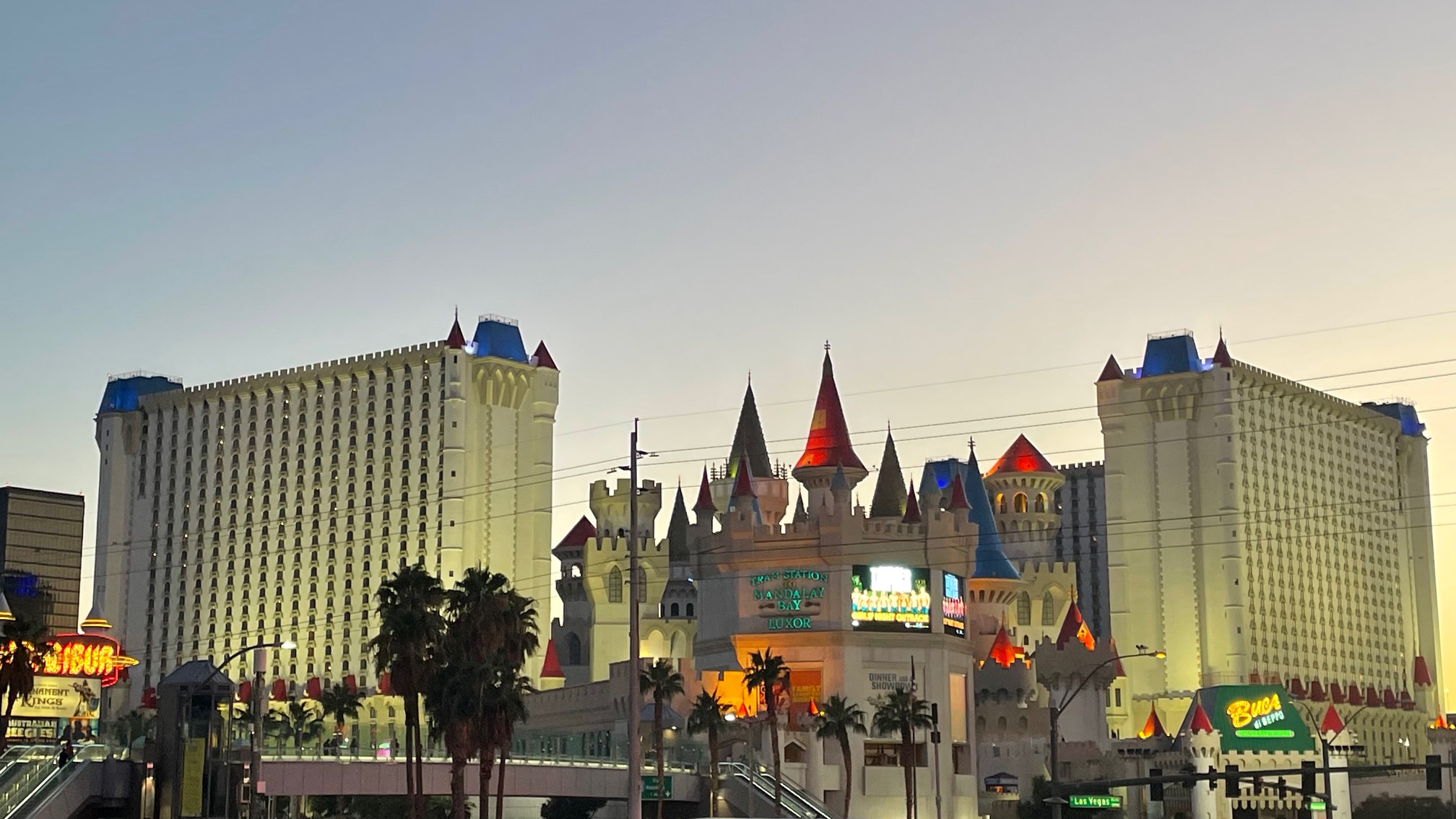
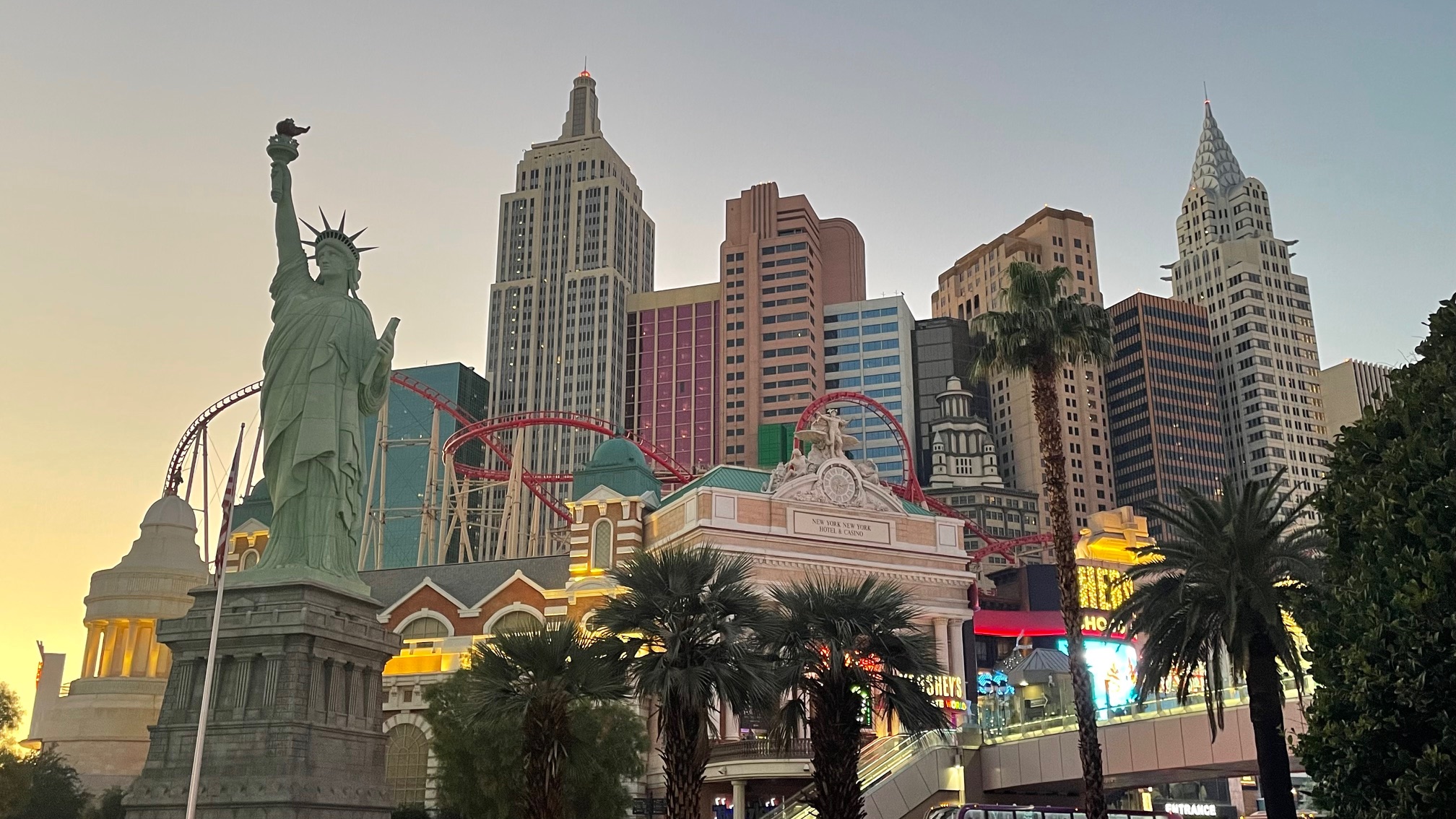
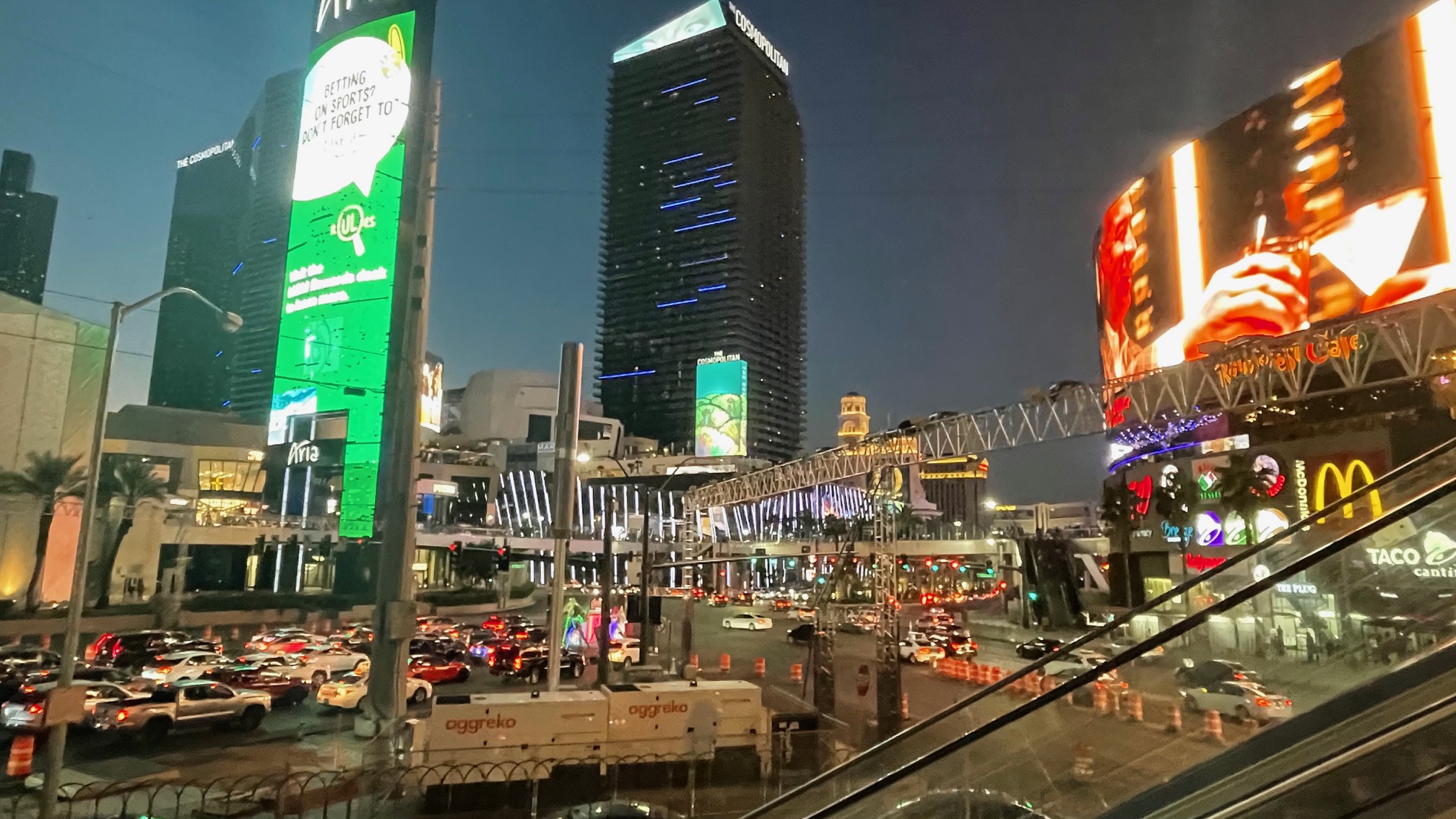
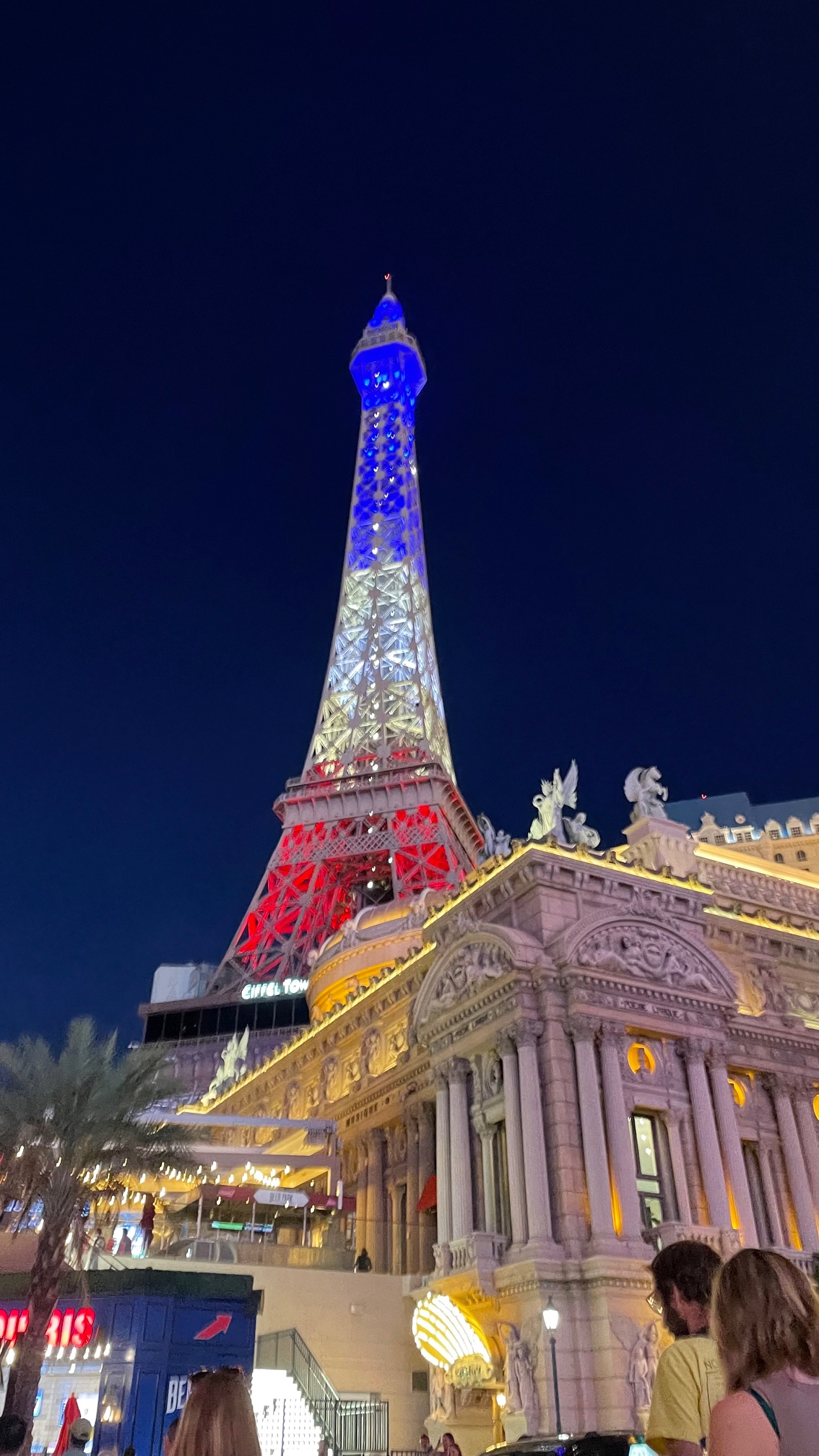
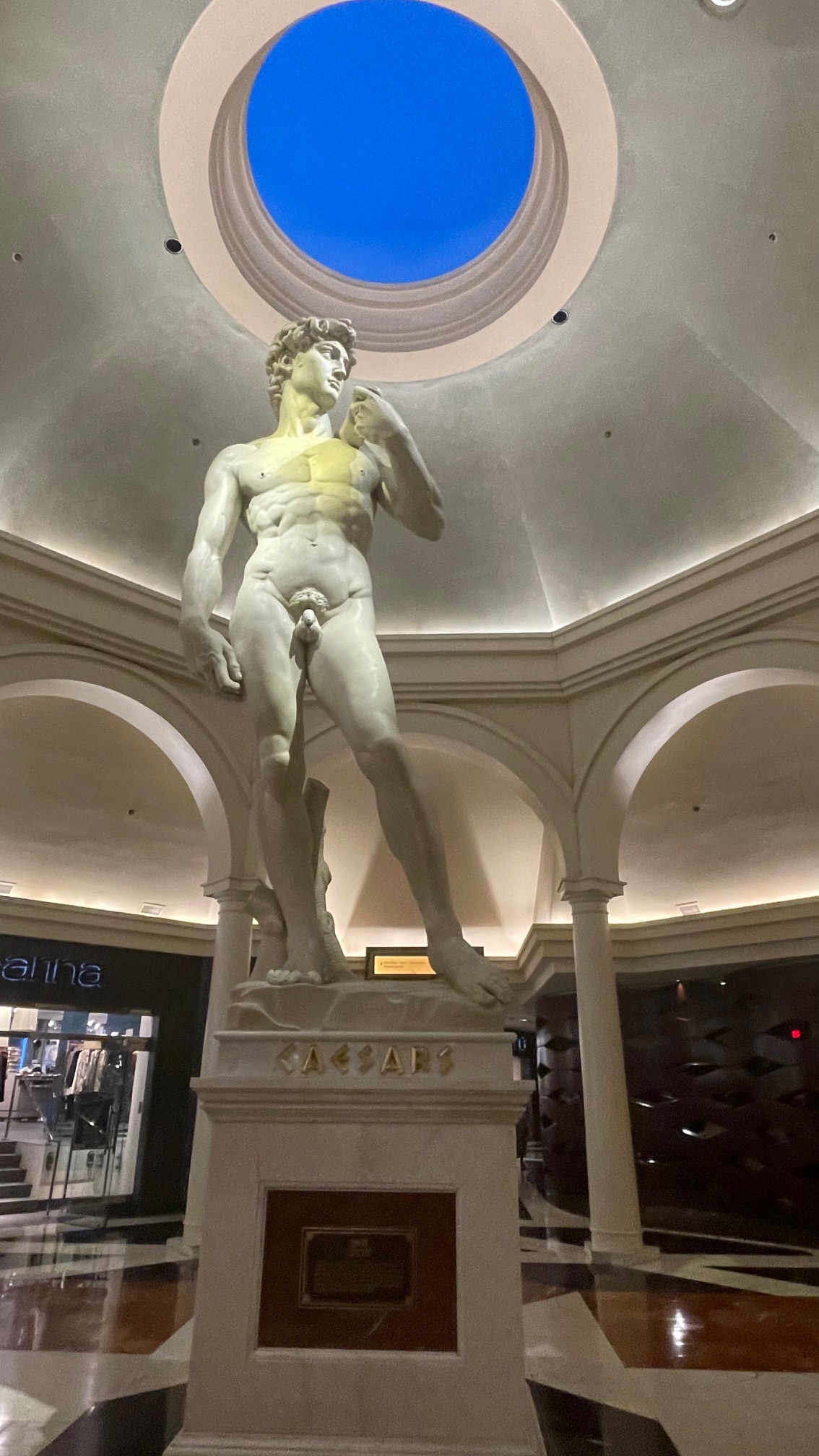
A first trip to Las Vegas, Nevada, United States.
“Traveling with a family member can be an invigorating yet challenging experience, especially when the family member in question has recently faced a potential tragedy, and you’ve become estranged from them.”
Traveling with a family member can be an invigorating yet challenging experience, especially when the family member in question has recently faced a potential tragedy, and you’ve become estranged from them. This is the dilemma faced by the co-protagonist of A Real Pain, David Kaplan (Jesse Eisenberg). On a trip to Poland, David must confront his family’s heritage while dealing with the eccentricities and hyperactive behavior of his cousin, Benji Kaplan (Kieran Culkin).
On the surface, David and Benji share a mutual love for their recently deceased grandmother and the memories they have of her, along with their childhood experiences. They are both nominally Jewish, although the film makes it clear that neither is particularly devout or observant. Benji is outspoken and upfront about his views on almost anything, while David is quiet, observant, and reserved in social settings. Benji seems to have retained the same rambunctious personality he had as a youth, whereas David now has a wife, a child, and a steady career in New York City as a digital marketer.
Following their grandmother’s death, Benji struggles to find his footing in adulthood. He works odd jobs in Binghamton, New York, and lives in his mother’s basement. Though less mature and socially aware than David, Benji is full of life and feels emotions more intensely. He has no filter, makes no apologies for it, and leaves a lasting impression on everyone he meets much to David’s frustration of not being able to do the same.
Despite not seeing each other for months after a distressing event in Benji’s life, the cousins decide to embark on a heritage trip to Poland. They join a group of American Jews to learn more about their ancestry and the circumstances surrounding their family’s departure from Nazi-occupied Poland. The group also includes other descendants of survivors with roots in Poland. The tour is efficiently led by a non-Jewish guide, who does an excellent job recounting the history of Polish Jews before World War II, the lead-up to the Holocaust, and the exodus of those who managed to survive. However, Benji finds the guide’s focus on statistics and dates robotic and disconnected from the lives of the people who were lost.
Benji’s outbursts during the tour seem socially inappropriate to David, displaying a lack of respect for the guide and the other participants. However, Benji’s emotional authenticity eventually wins over the group by the end of the tour. Unlike others on the trip, he refuses to numb himself to the pain of what they are witnessing and expresses his feelings freely without concern for others’ judgment. While his emotional instability troubles some on the tour, it also makes him memorable. Benji turns what could have been a somber and overwhelming experience into something more meaningful reminding everyone what it feels like to be truly alive.
In contrast, David hesitates to smoke a joint on the hotel roof, voice a critique during the tour, or even have a drink to relax after a long day. Meanwhile, Benji has no reservations about doing any of those things. Benji embraces life’s highs and lows, even when it leaves him emotionally unsteady, while David seeks stability and strives to remain even keeled through life’s challenges and opportunities. Despite his efforts, David feels let down by his job and struggles with doubts about how much his family truly loves him. Benji, on the other hand, is too immersed in the moment, sometimes for better, and sometimes for worse. The cousins admire yet resent each other throughout the film. Growing up in similar circumstances, they’ve ended up leading vastly different lives due to their contrasting personalities. While they can enjoy each other’s company, they also tire of one another quickly. Each character envies what the other has but is fiercely protective of their own lifestyle.
A Real Pain explores the concept of pain in a nuanced way: the pain of losing a loved one, the pain of dealing with a challenging family member, and the generational pain of having a family’s future stolen. The film captures how different people cope with these pains: David, Benji, the other tour participants, and even the tour guide, as they confront the events of the Holocaust, visit a Polish Jewish cemetery, and tour the Majdanek concentration camp. The message is clear: to cope with pain healthily, we must face it head-on in our own way. This journey of confronting pain is essential for building our resilience and strength.
Pain is what connects us to our humanity, reminding us that we are truly alive. During the trip, Benji recounts a painful memory: their grandmother once slapped him in a New York City restaurant because he arrived late for dinner. She had dressed up for the occasion, and the public slap left Benji feeling real pain. However, he acknowledges that this act of accountability, though hurtful, came from a place of love. Benji yearns for this kind of tough love from others, particularly from David. He craves someone who can hold him back from his impulsive tendencies, showing him care and affection in the process.
A poignant moment in the film occurs when David and Benji visit their late grandmother’s former house in Poland. The home is now owned by another family, and any traces of the Kaplans’ presence have long vanished. In a touching gesture, David places a stone in front of the house to honor their grandmother’s memory. However, the moment takes a humorous yet bittersweet turn when an elderly Polish man chastises them. He misunderstands their intention, believing the stone was placed maliciously to cause harm to the current elderly resident. Despite their efforts to explain the Jewish tradition of placing stones as a memorial to remember their deceased grandmother, the older man remains unconvinced despite his son’s English to Polish translation of their reasoning for having placed the stone there. Feeling awkward about the entire encounter, David and Benji decide to take the stone with them when they leave Poland.
In a beautifully symbolic gesture upon his return to New York, David later places the stone at the entrance of his Brooklyn home, where he lives with his wife and child. This act underscores the universal idea that “home is where the heart is.” While the memory of the family’s life in Poland has faded, their grandmother’s legacy endures. Her journey as an immigrant to America, striving to build a new life for her family while preserving her Jewish identity, continues to inspire her descendants, including David and Benji.
As the film concludes, the audience is left wondering about the futures of David and Benji’s relationship and their individual paths. The heritage trip and their shared memories of their grandmother seem to strengthen their bond. The film suggests that, despite their differences, family is ultimately the one thing you can rely upon in life. While Benji and David drive each other crazy, they also admire and need each other. The hope is that they will continue to support one another, bringing balance to each other’s lives with David finding more spontaneity and emotional authenticity, and Benji discovering greater stability and purpose.
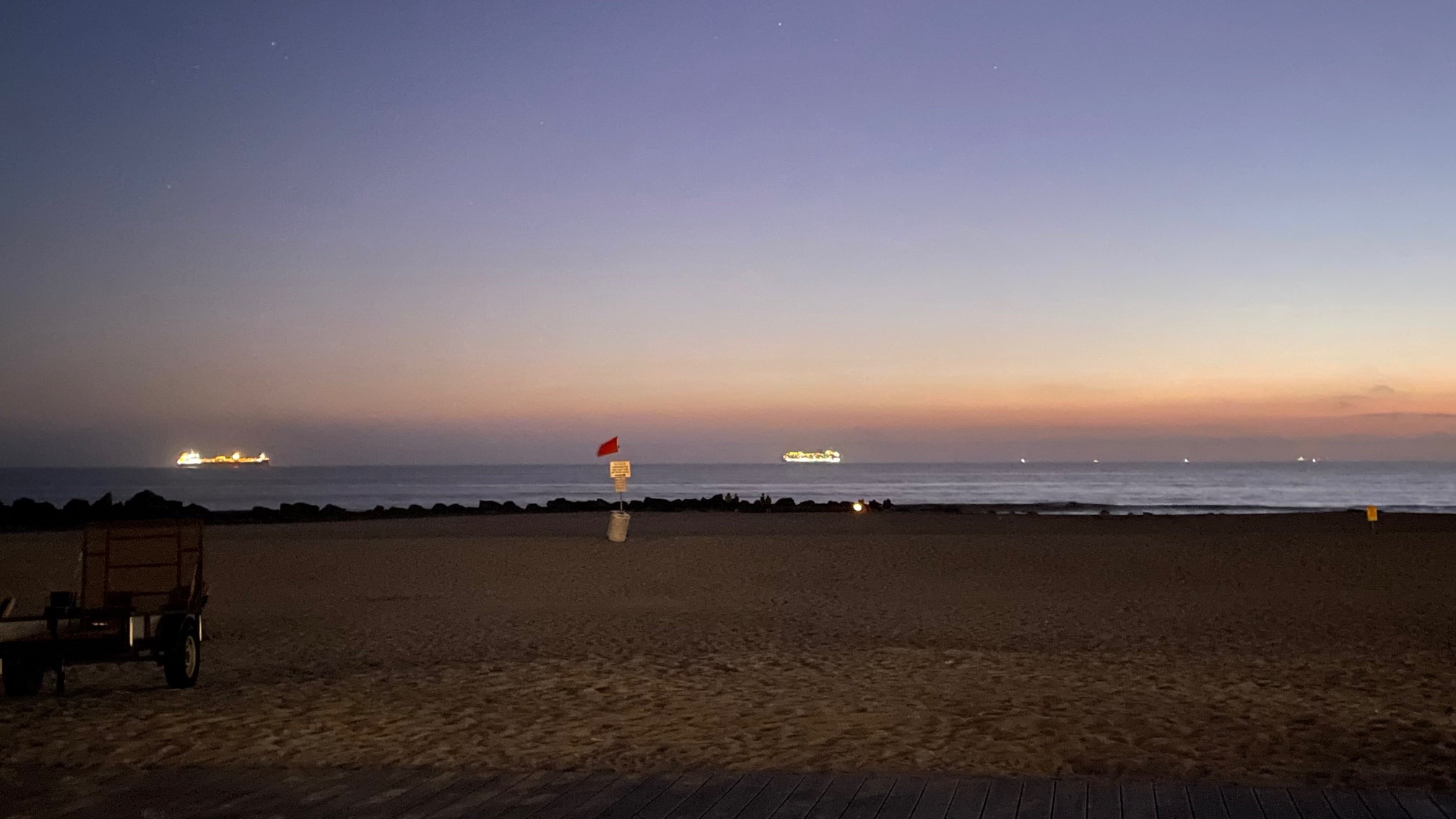
Enjoying one of America’s most beautiful beach towns and boardwalks known as Virginia Beach; a popular tourist destination in the Summertime.
“Only from above can you see how such massive populations can occupy relatively small portions of the Earth, while vast stretches of land remain sparsely populated.”
Flying into a megacity offers a unique perspective on its scale as I have done countless times over the years. From the window seat of an airplane, it’s impossible to fully grasp the size of cities like Istanbul, Mexico City, São Paulo, New York, or Los Angeles—cities that house tens of millions of people. Only from above can you see how such massive populations can occupy relatively small portions of the Earth, while vast stretches of land remain sparsely populated.
In these cities, one can sense how humanity has evolved over the centuries, transitioning from primarily agricultural societies to industrial powerhouses, and now, to the complexities of a post-industrial world. The growth of cities, especially megacities, reflects humanity’s ongoing desire to improve civilization, particularly in the realms of efficiency, innovation, and social equity.

In the 21st century, megacities are projected to grow at an unprecedented rate, particularly in Africa and Asia. New cities are expected to join the ranks of those already housing tens of millions of people, with some approaching populations of 100 million. This trend of urbanization is part of a broader pattern that dates to ancient civilizations. From Ancient Rome and Babylon to Athens, our cities have always concentrated power, knowledge, culture, commerce, and industry in urban centers. With a global population of 8 billion and rising, megacities are a relatively recent development, but they reflect historical trends toward greater urbanization. This process will likely continue throughout the 21st century.
More than ever, megacities are testing grounds for technological advancements and infrastructure developments that will shape the future. Whether it’s high-speed rail, autonomous vehicles, smart electricity grids, or renewable energy sources, these cities are ideal laboratories for innovation. Given their size and complexity, megacities allow for large-scale experiments in sustainability, from energy-efficient buildings to advanced waste management systems. These cities are also at the forefront of efforts to address current environmental challenges, integrating technologies that reduce their carbon emission footprint and improve water and energy use.
With millions of people living in near proximity, megacities serve as testing grounds for the social systems that underpin modern life: healthcare, education, and public safety. Cities with large populations can quickly reveal whether social safety nets are effective or in need of reform. These urban centers provide a direct feedback loop for policy ideas and social services, offering a unique opportunity to evaluate and improve the systems that impact the quality of life. The success or failure of these initiatives in megacities often sets the tone for broader national or even global policy shifts.
Megacities are also microcosms of global culture, where different languages, customs, and traditions coexist, creating a vibrant and diverse urban fabric. This cultural mixing is a hallmark of humanity’s increasing interconnectedness. Cities with millions of people can foster greater cooperation, creativity, and tolerance, but they also present various challenges. Integrating diverse cultures and languages in ways that promote social cohesion can be difficult, especially when disparities in wealth, power, and opportunity persist. However, megacities are often sites of cultural innovation and collaboration, where new ideas are born and tested on a global stage.
Cities are often the birthplace of new political ideas and social policies. When these policies succeed, they can be scaled up and implemented nationwide or even worldwide. Urban areas, being more densely populated and diverse, offer the ideal environment for experimenting with solutions to systemic issues, such as education reform, income inequality, or civic engagement. The ability to gather immediate feedback from a large and diverse population means that cities can rapidly assess the effectiveness of new public policies, making them key players in shaping the future of society.
The rapid urbanization of the world since the industrial age brings with it both opportunities and challenges. As cities continue to grow and scale, they will increasingly become the focal points for innovations and social experiments that shape the trajectory of human civilization. At their core, cities reflect humanity’s inherent desire to evolve, improve, and create something greater than us. The drive for progress embodied in the ambition, growth, and efficiency of urban areas mirrors our collective aspiration for a better future. However, this continued growth plans to bring more complexities. As megacities expand, they face the challenge of providing a good quality of life for millions of people while managing the unintended consequences of scale, such as overcrowding, pollution, and social inequality.
The success or failure of megacities in the 21st century has global implications. As urban centers grapple with present challenges like climate change, wealth inequality, and the effects of economic globalization, the solutions they implement or fail to implement will have ripple effects across the globe. From Tokyo to Cairo, from Bogotá to Kinshasa, these cities are testing grounds for humanity’s ability to adapt to a rapidly changing world. The development of megacities is not just a local issue or an urban issue; it is a global concern that reflects our collective ability to meet the challenges of the 21st century.

The paradox of progress is that while we strive to improve our cities and societies, we must recognize the complexities of providing a high quality of life for growing populations. The ambition to create more efficient, sustainable, and equitable urban environments must be balanced with the practical realities of physical infrastructure, resource management, and social integration. If megacities are successful in making responsible choices now, they will be better equipped to meet these challenges in the future. The decisions made today will shape the cities of tomorrow and, by extension, the world at large.
As the world becomes increasingly urbanized, the fate of megacities and urban areas will be intertwined with the well-being of all people. What happens in these cities, whether positive or negative, will affect everyone, whether they live in rural, suburban, or exurban areas. The interconnectedness of our societies means that the success or failure of urban areas will have far-reaching consequences. We must ensure that the policies and solutions developed in megacities are inclusive and benefit all members of society. The prosperity of our cities is not just the concern of city dwellers, but it is a global concern too. This becomes particularly evident to me when I fly over a city or megacity, witnessing its sprawling lights and endless streets, and realizing that the future of our civilization is unfolding in these urban spaces.
A quick visit to the city of Victoria on Vancouver Island in the British Columbia province of Canada.
A Flock of Bald Eagles Flying High in Ketchikan, Alaska
A First Visit to Ketchikan, Alaska