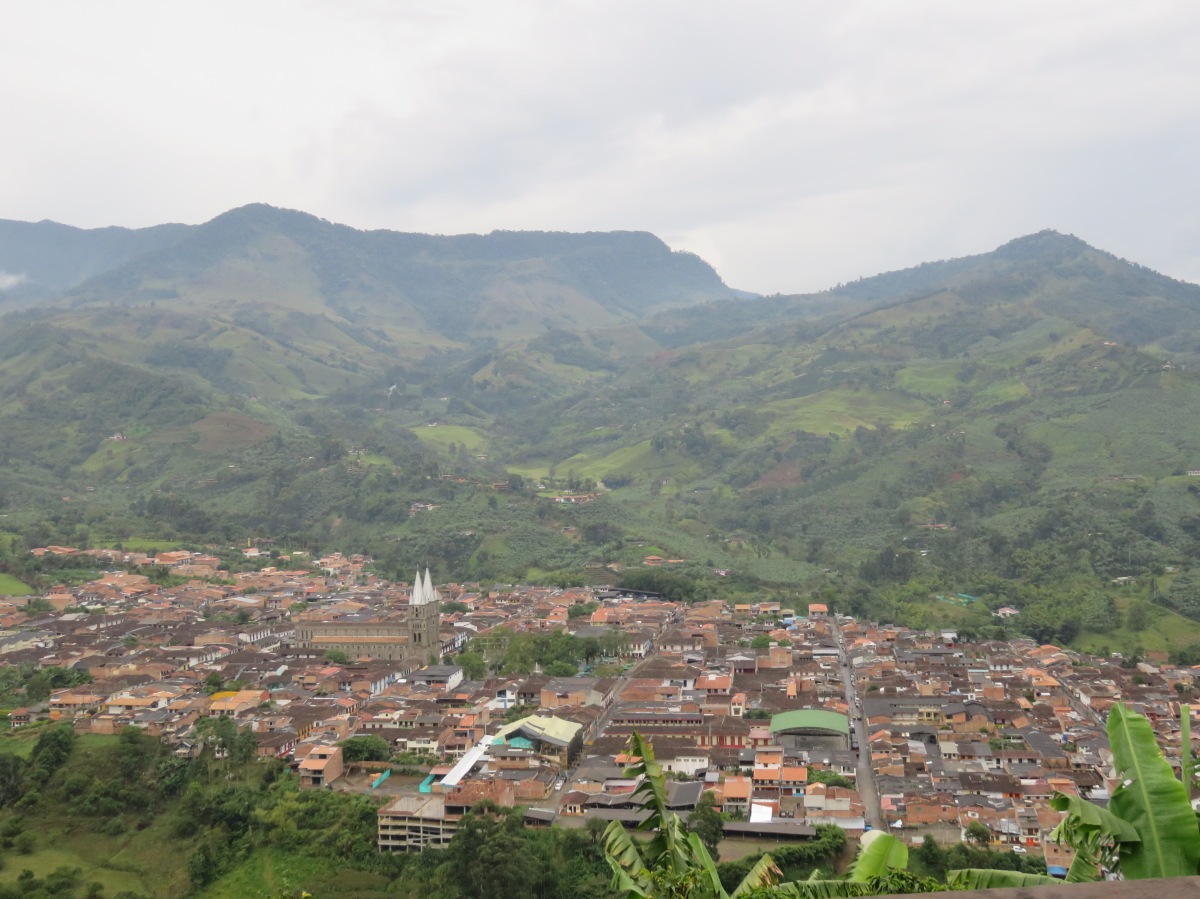
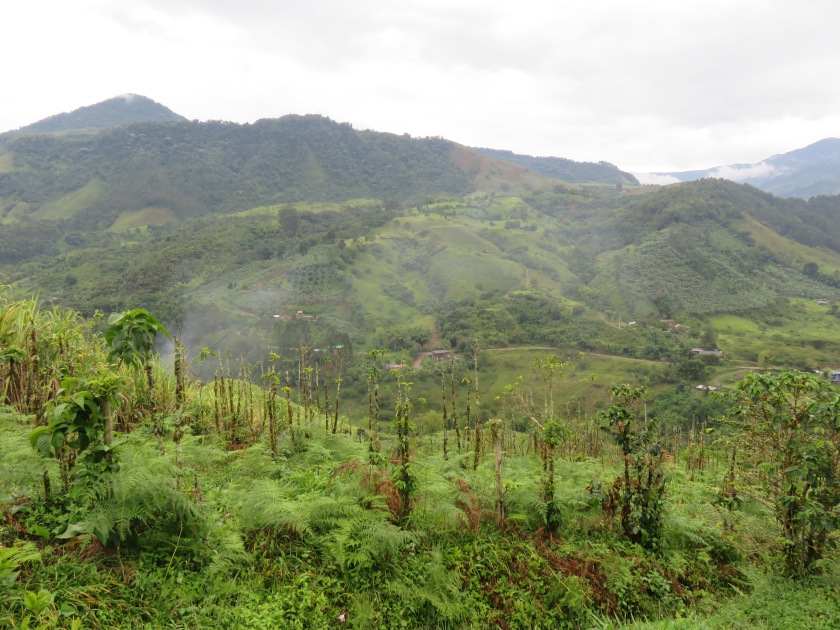
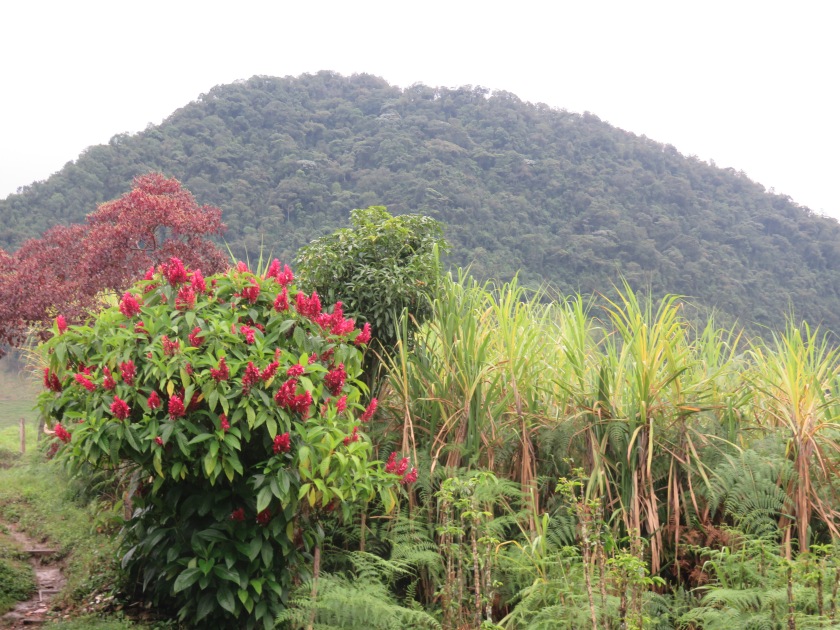
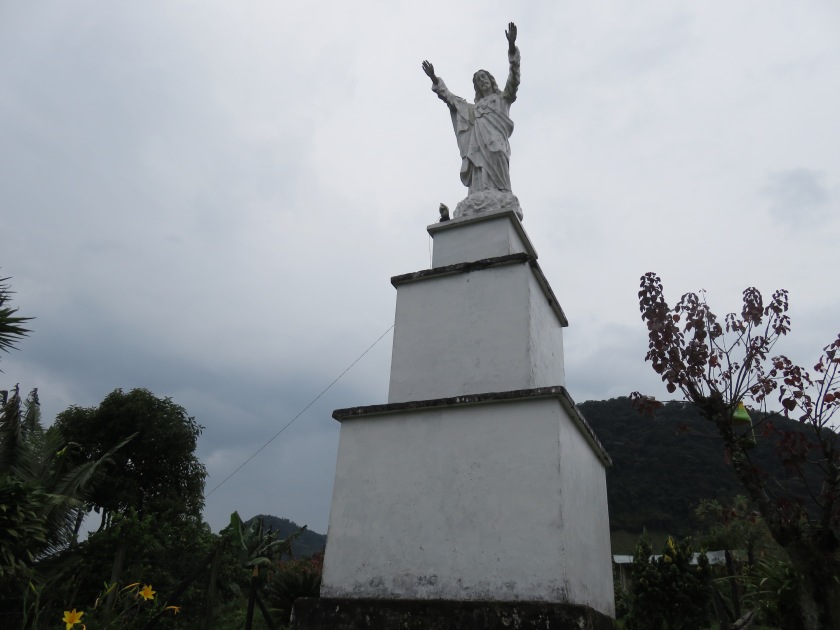
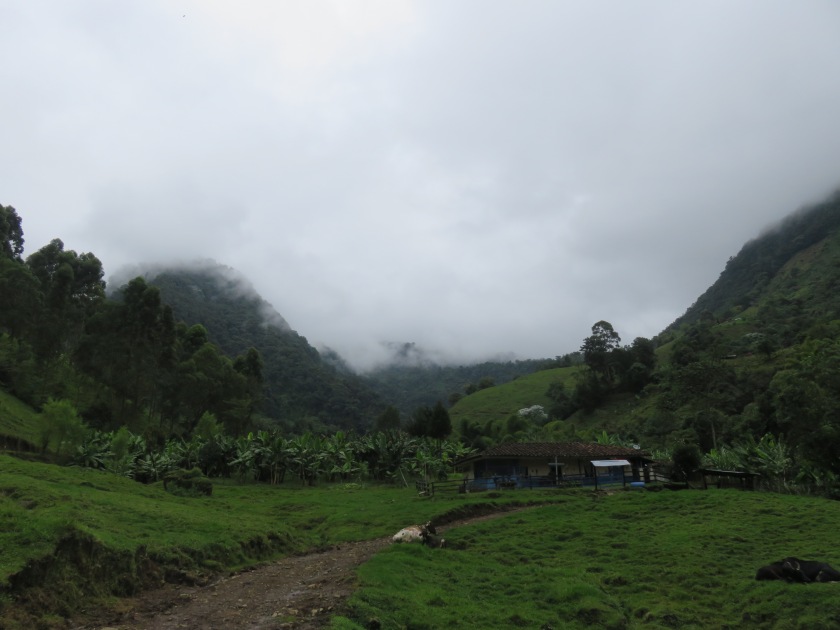
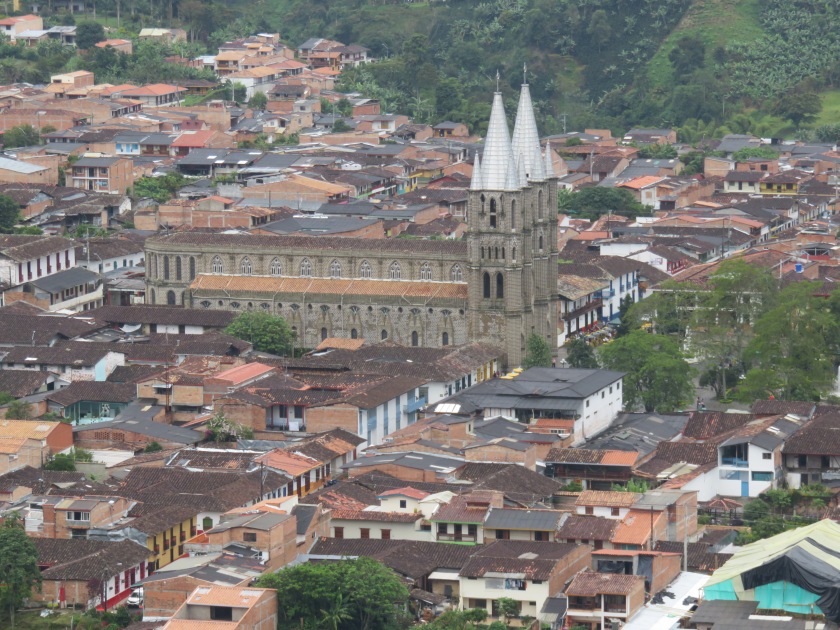
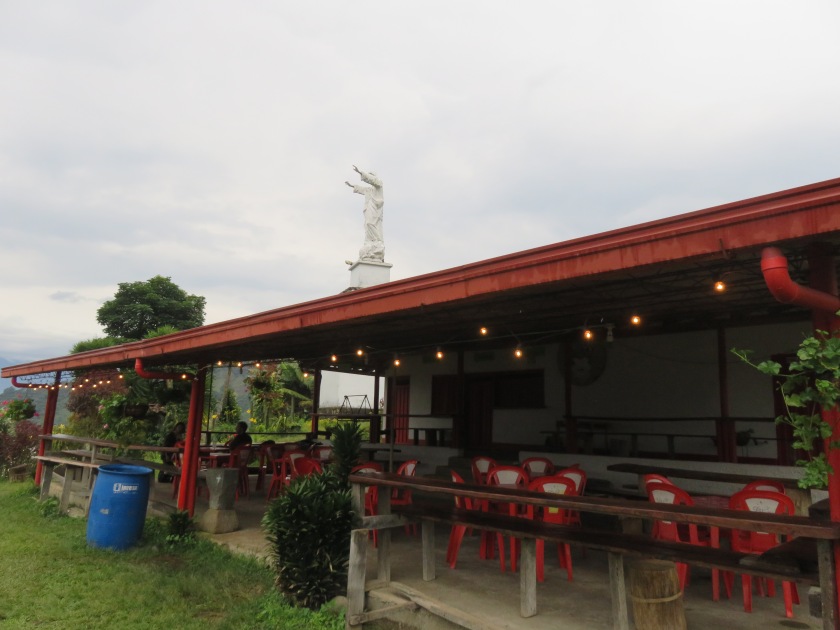
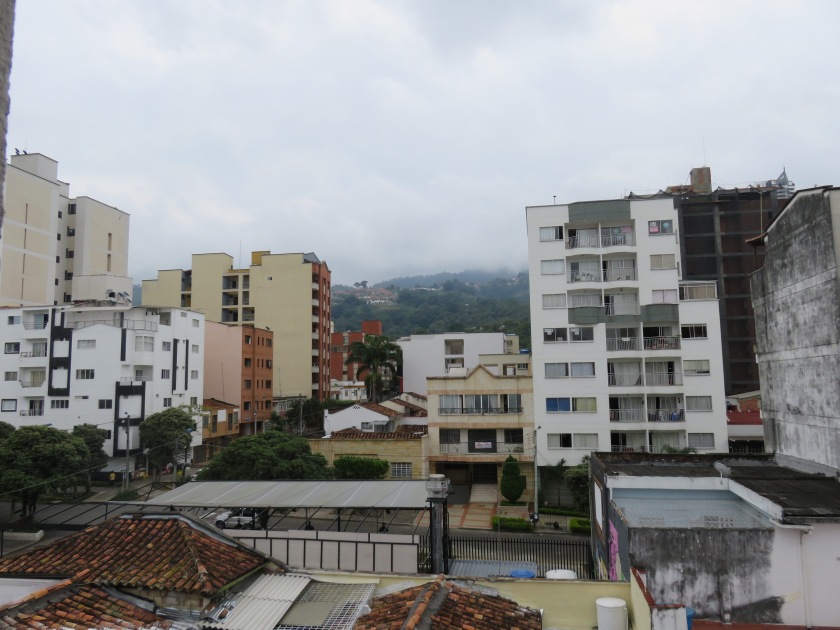
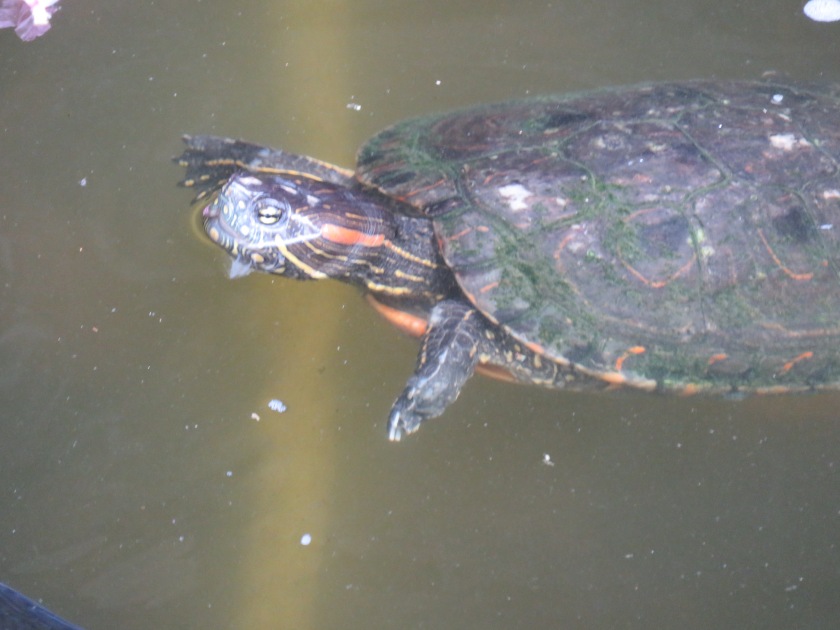
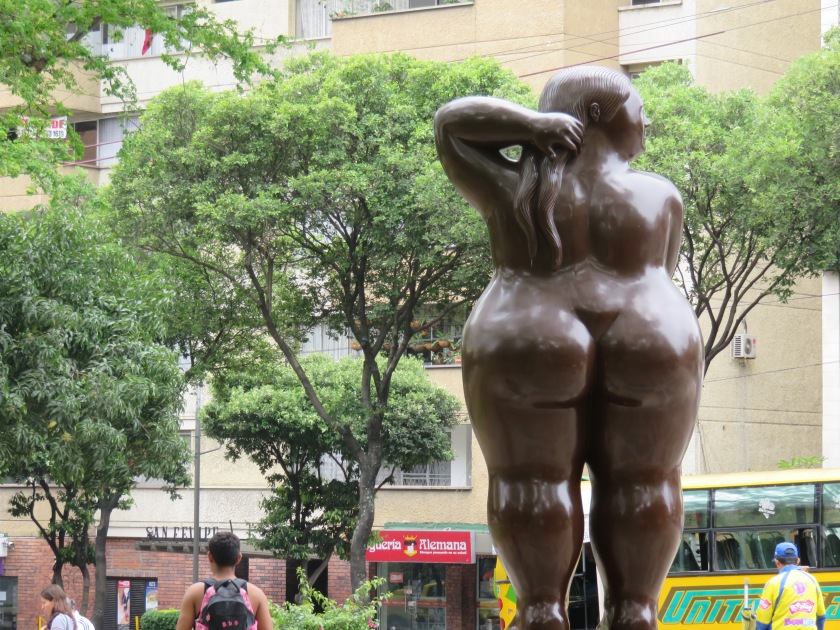
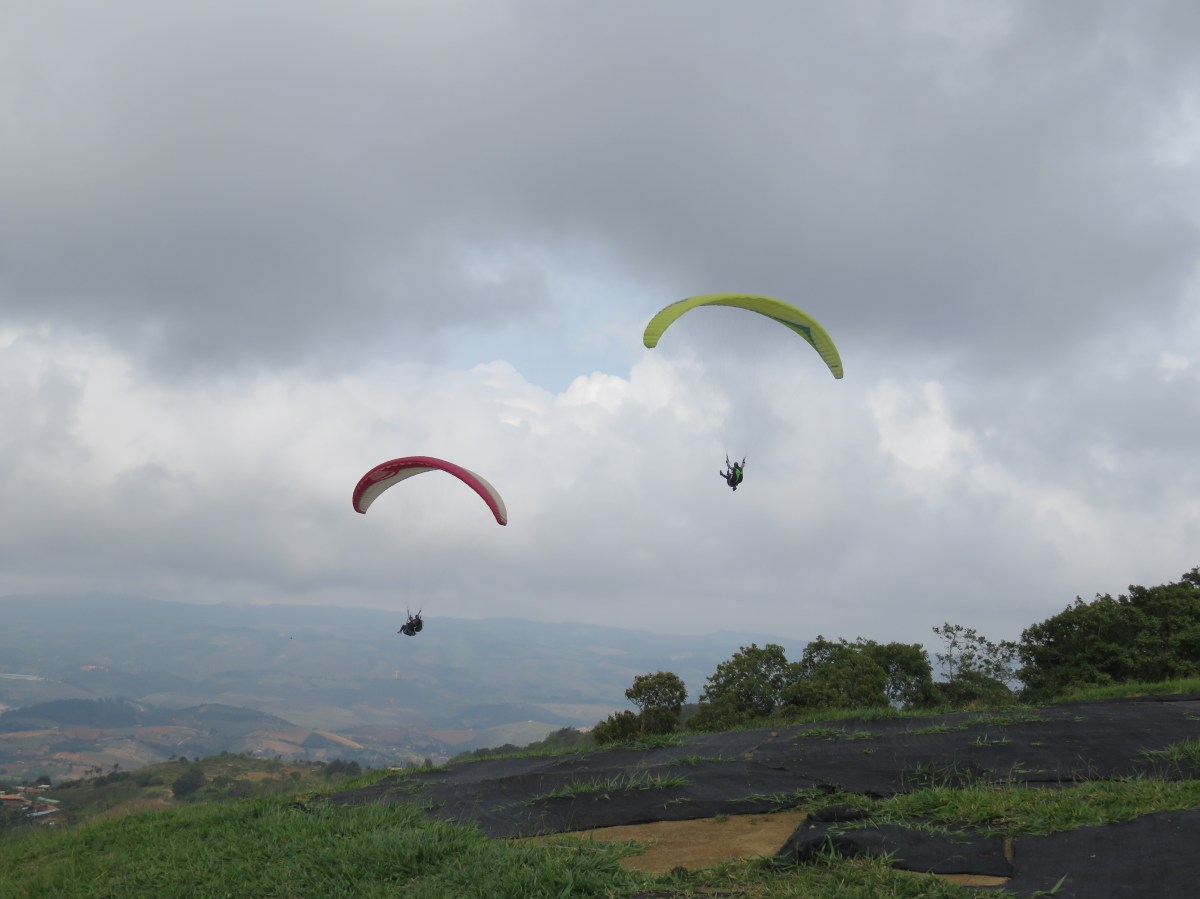
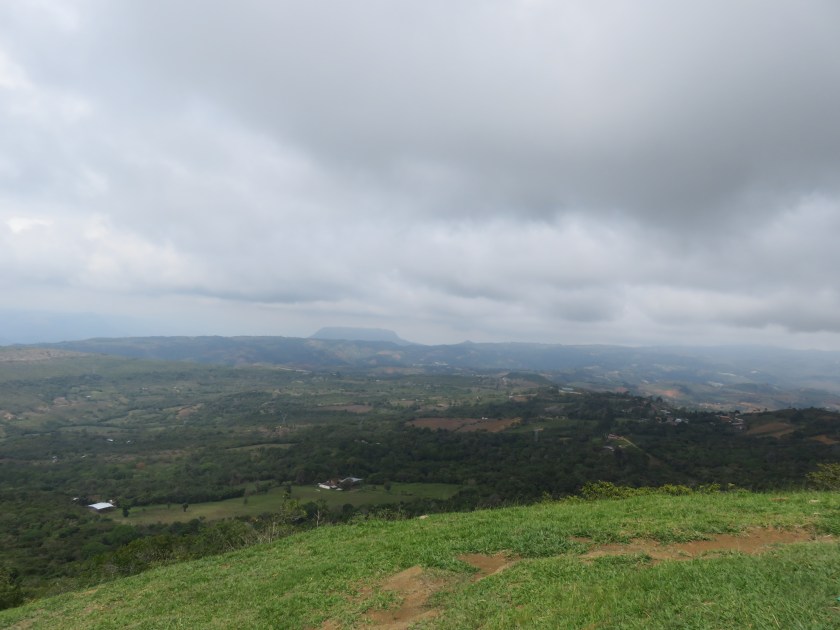
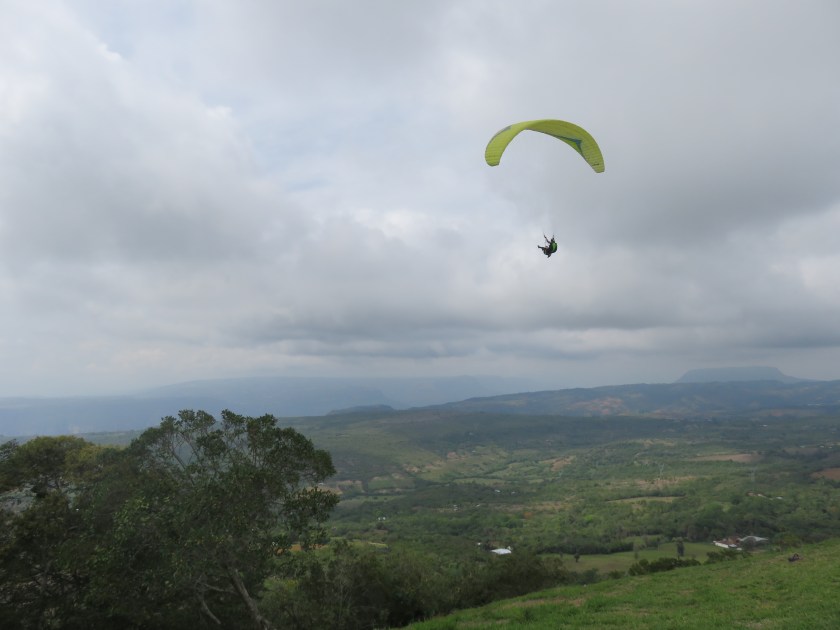
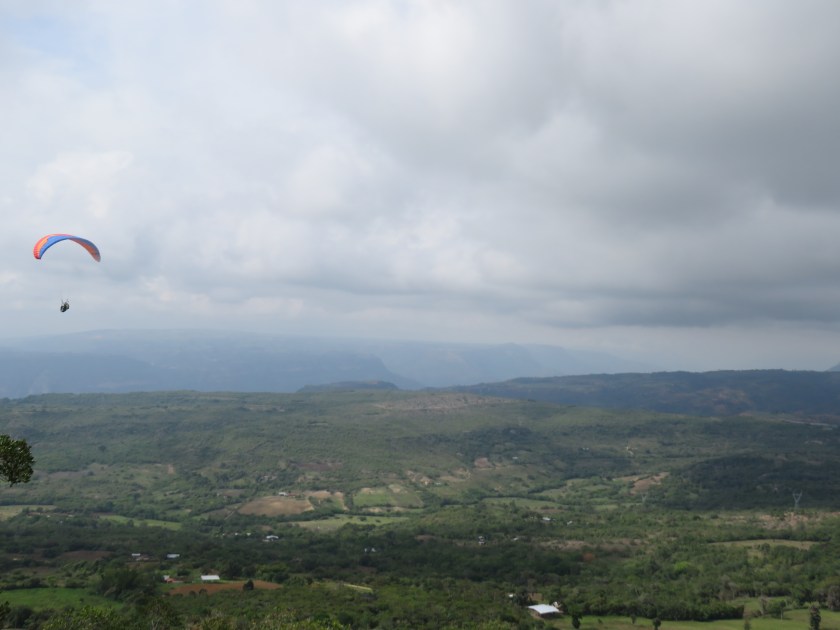
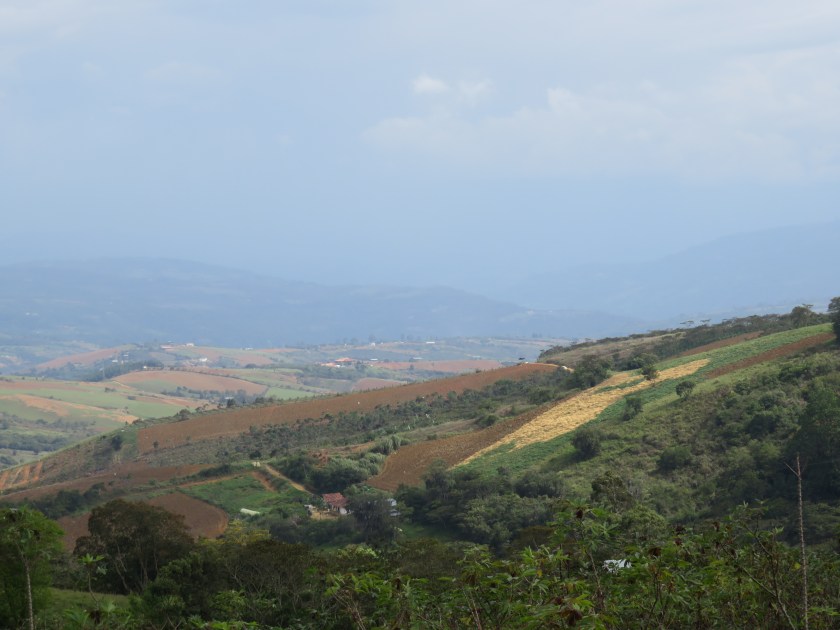
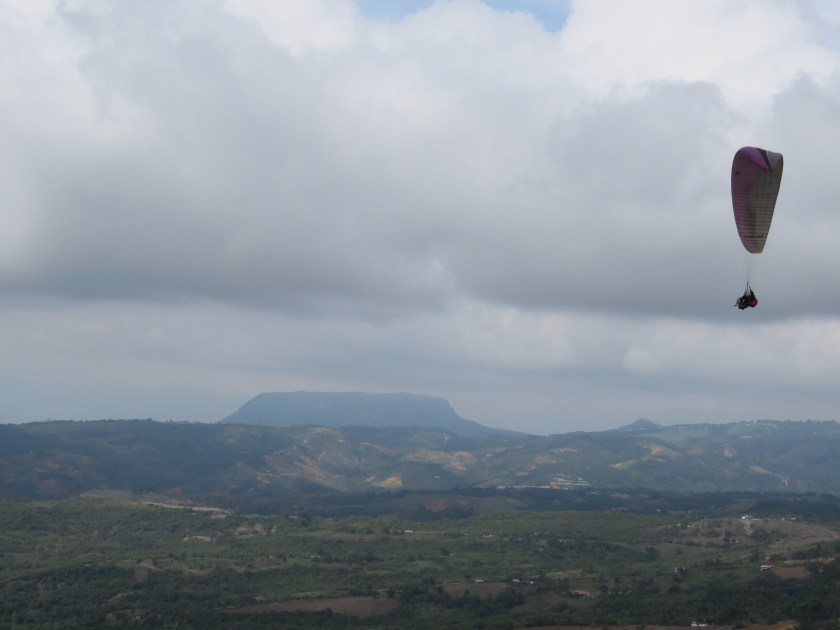
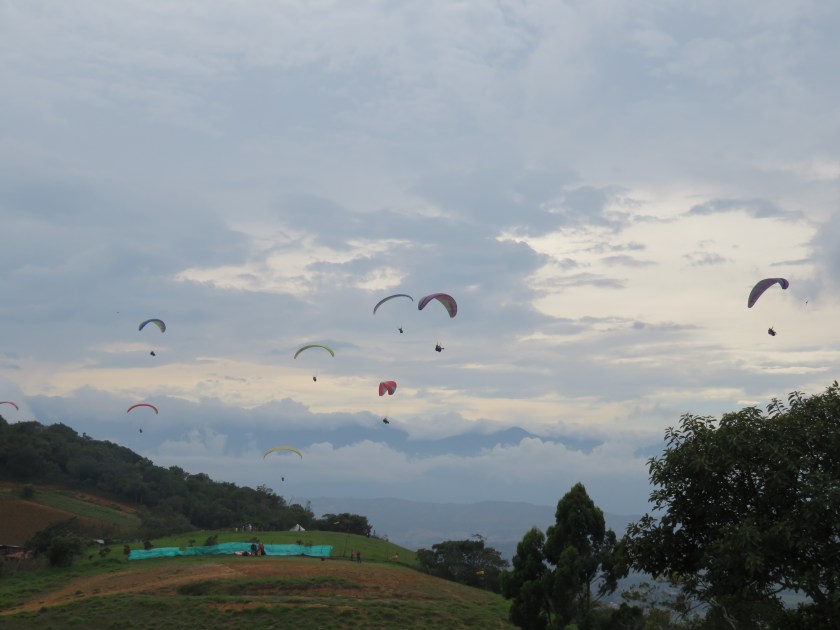
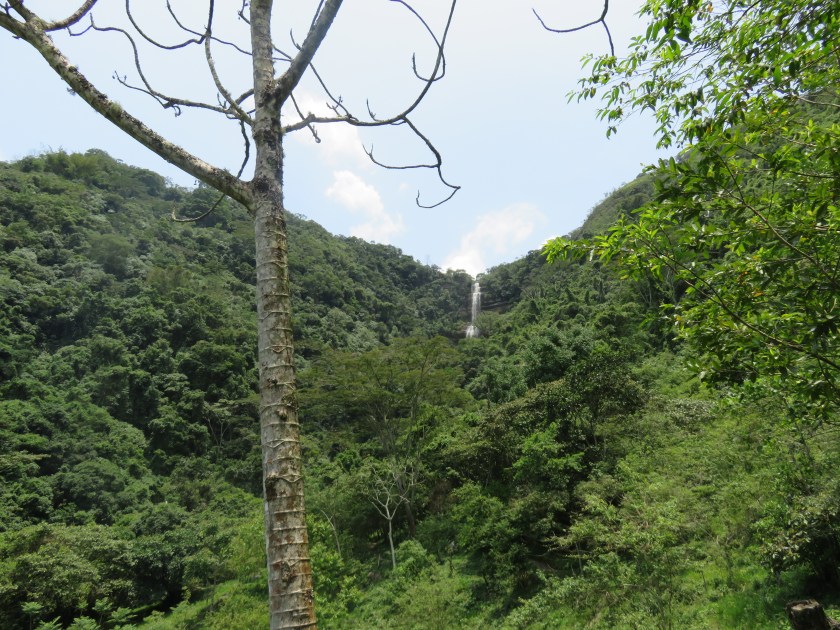
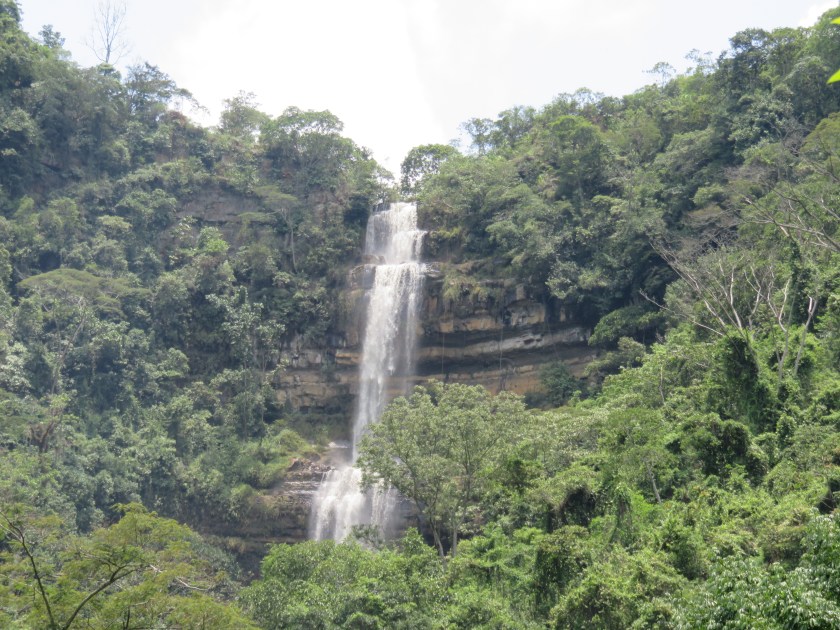
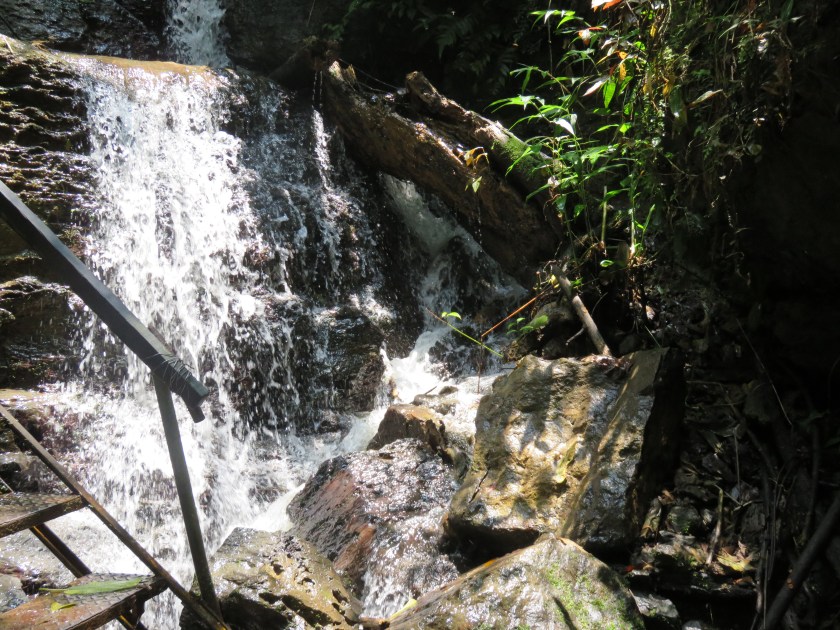
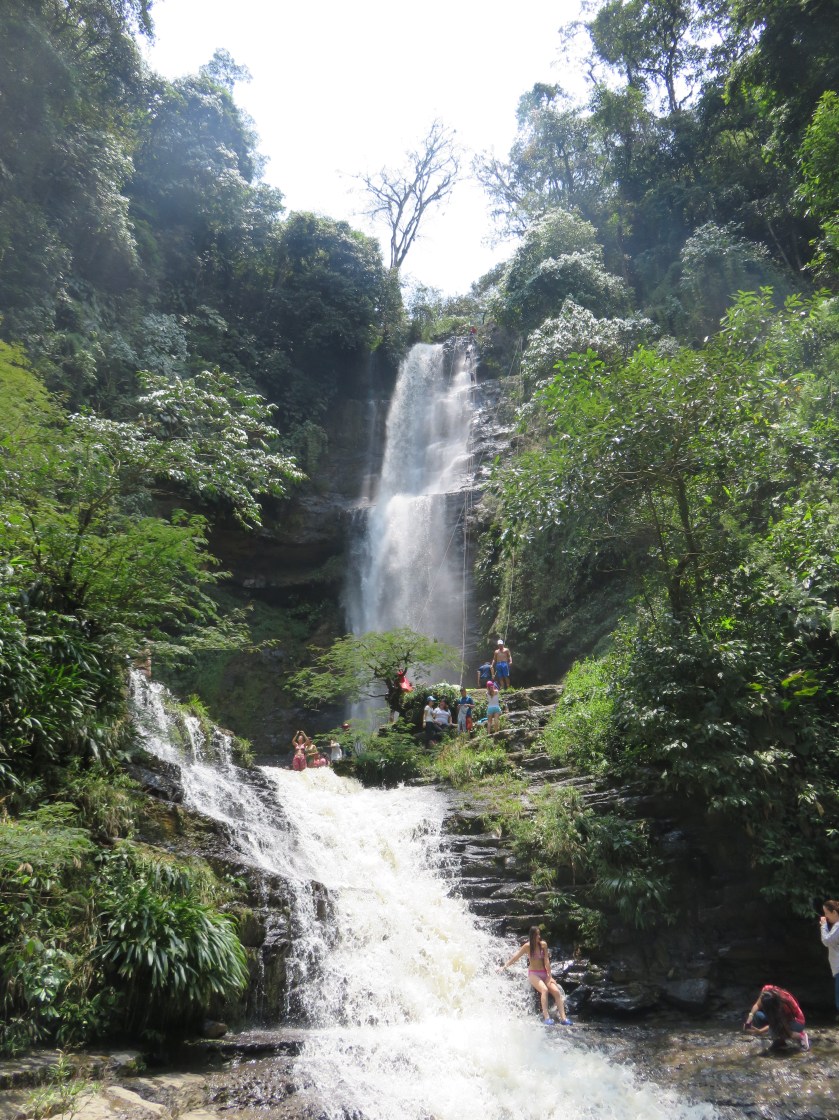
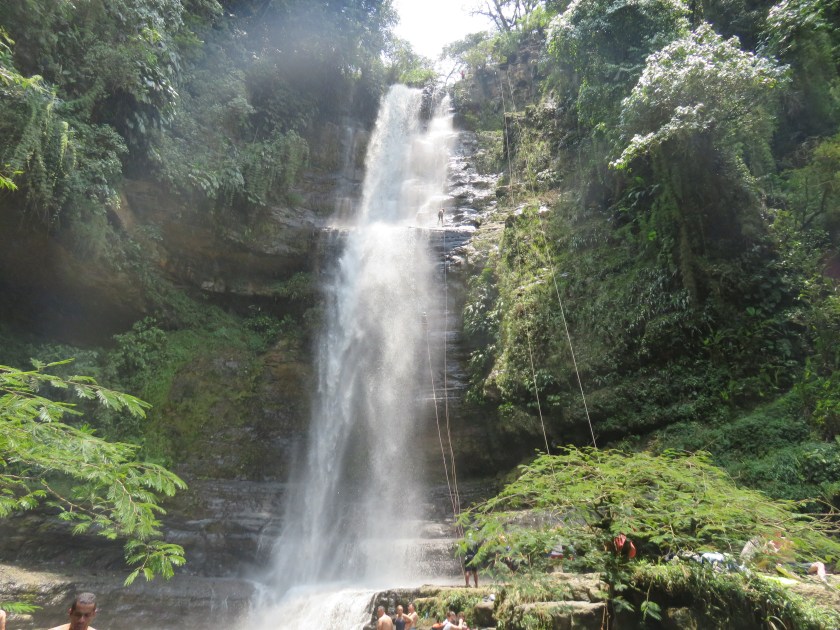
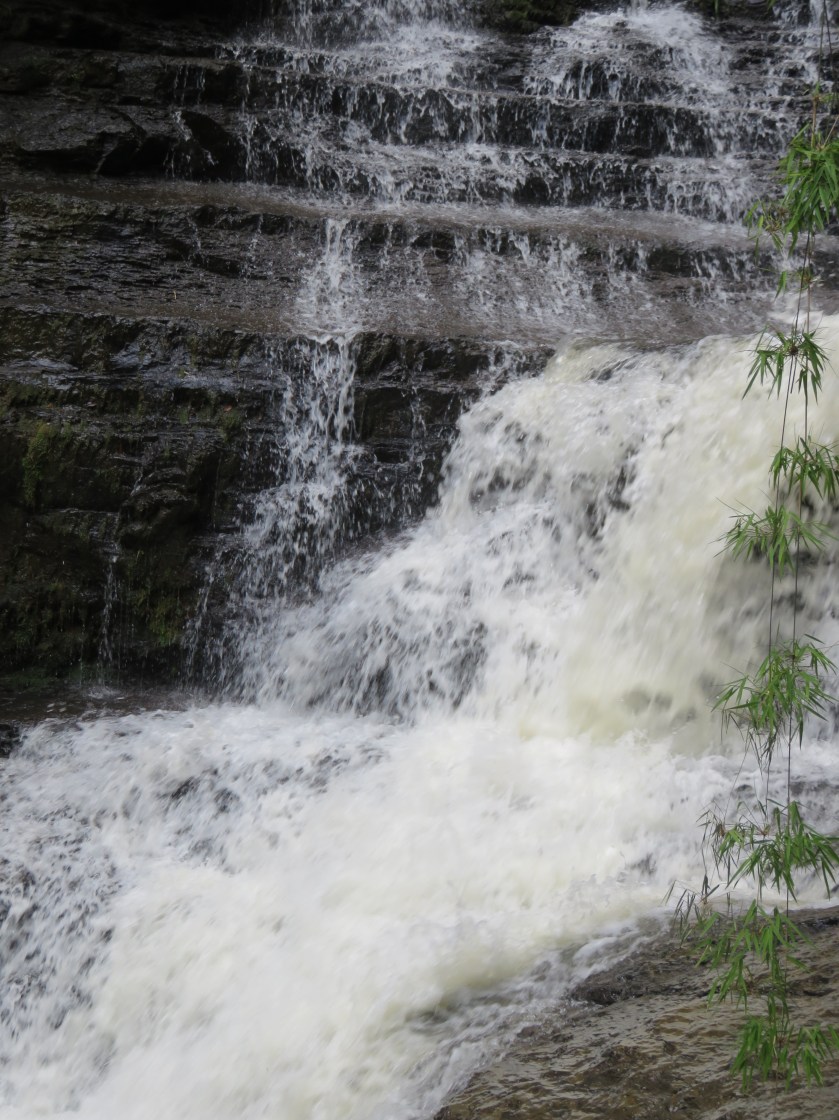
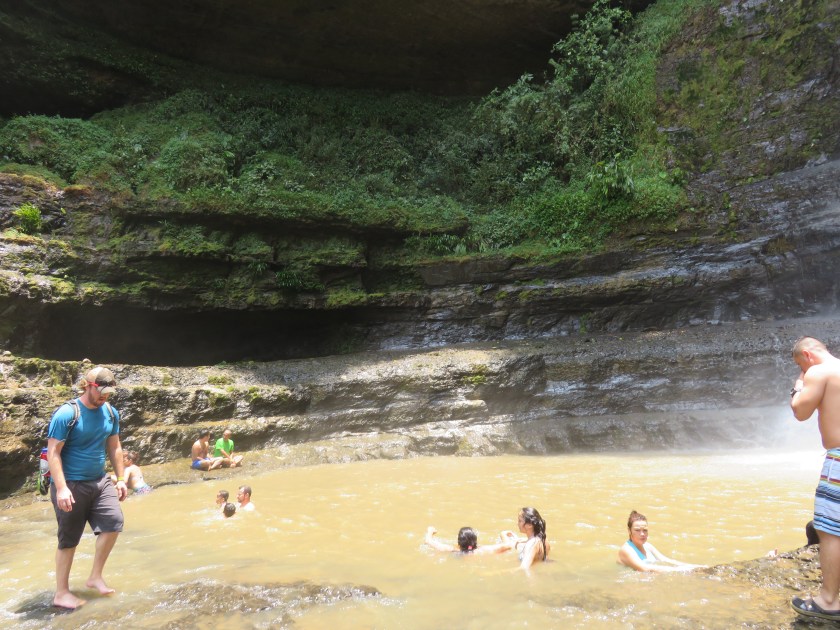
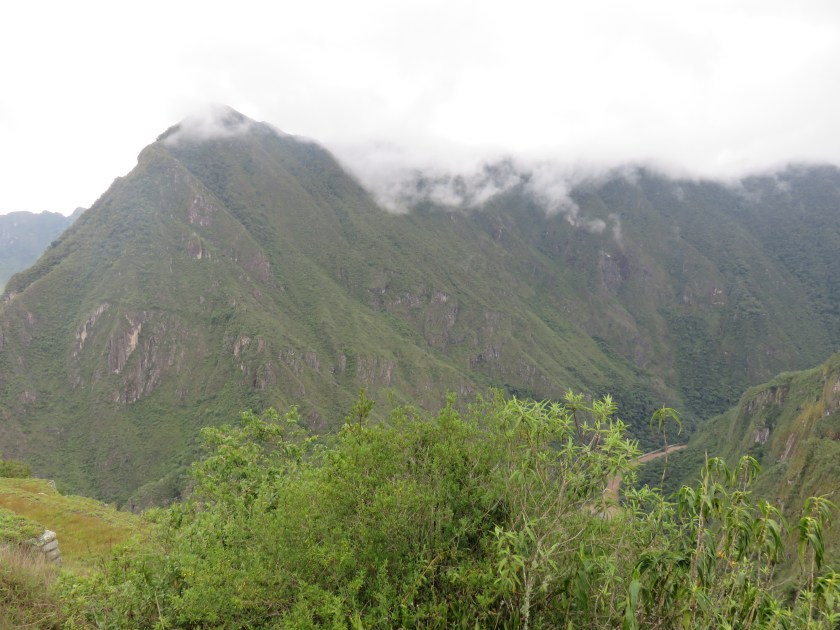
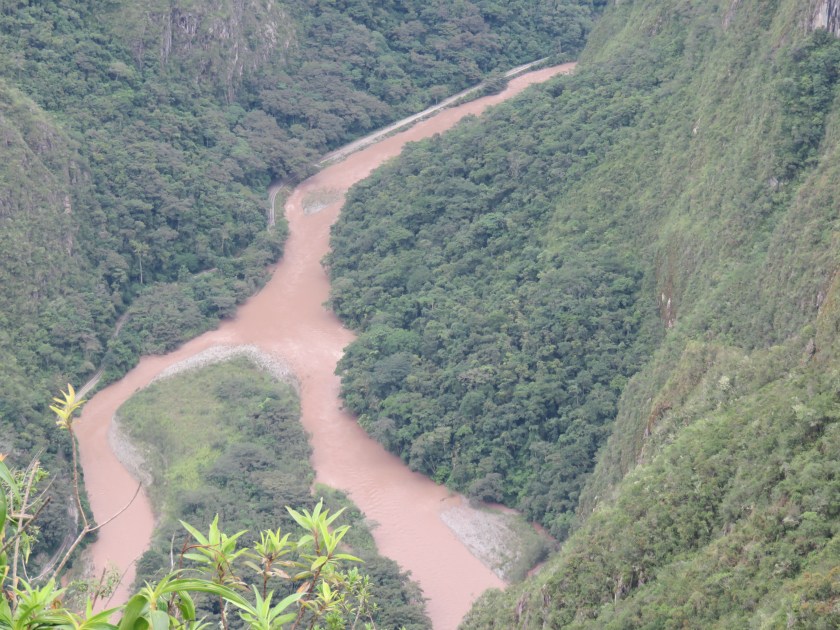
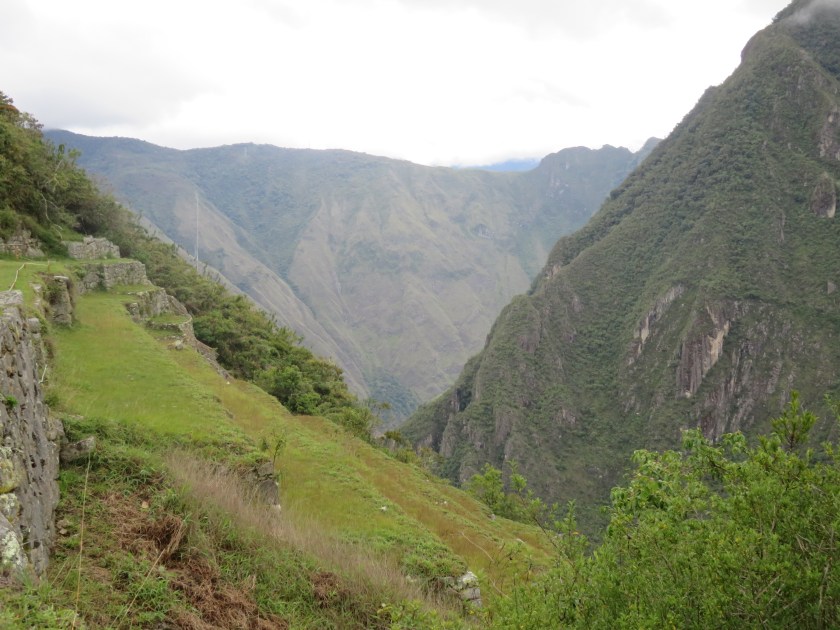
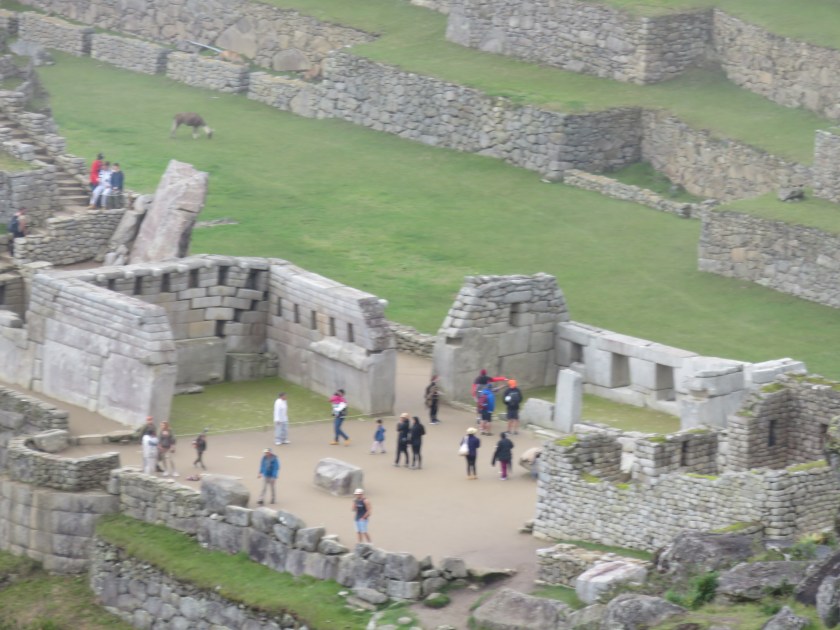
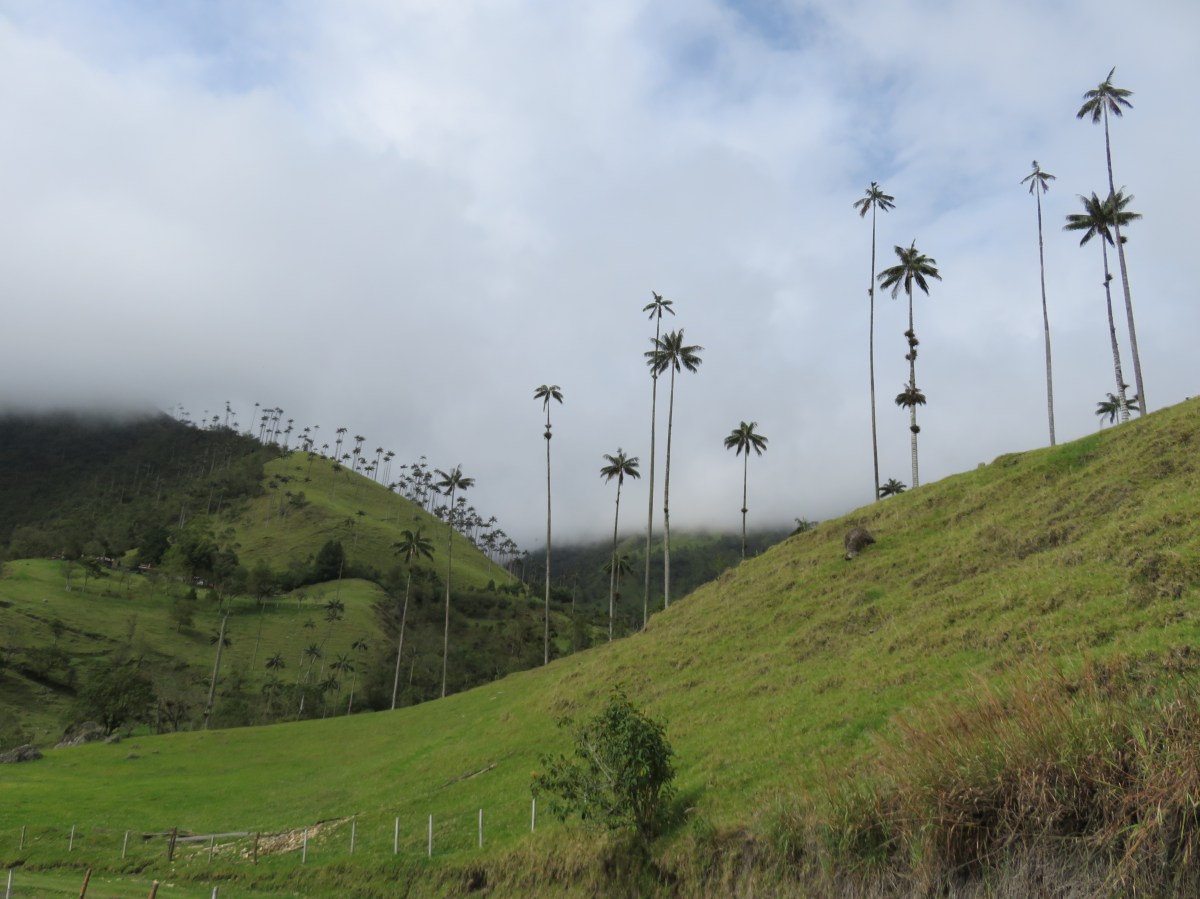
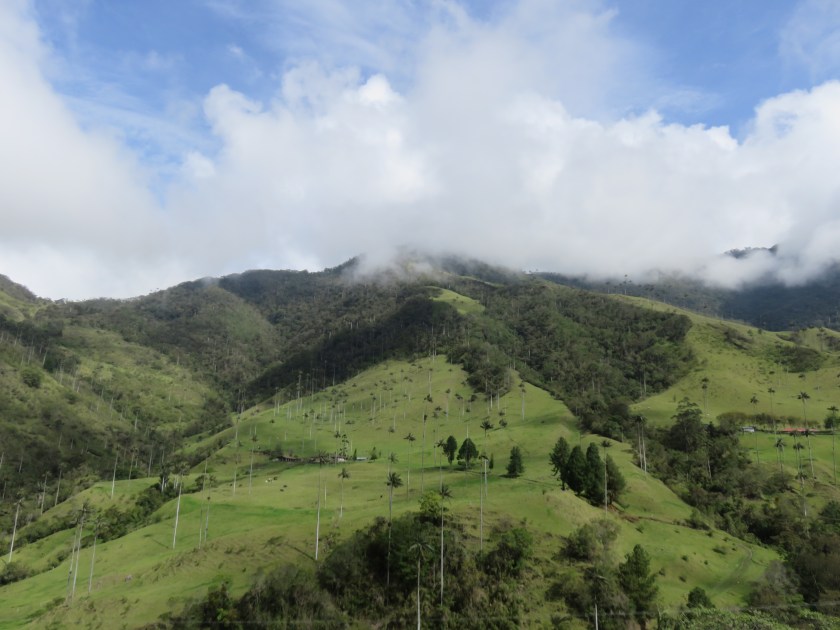
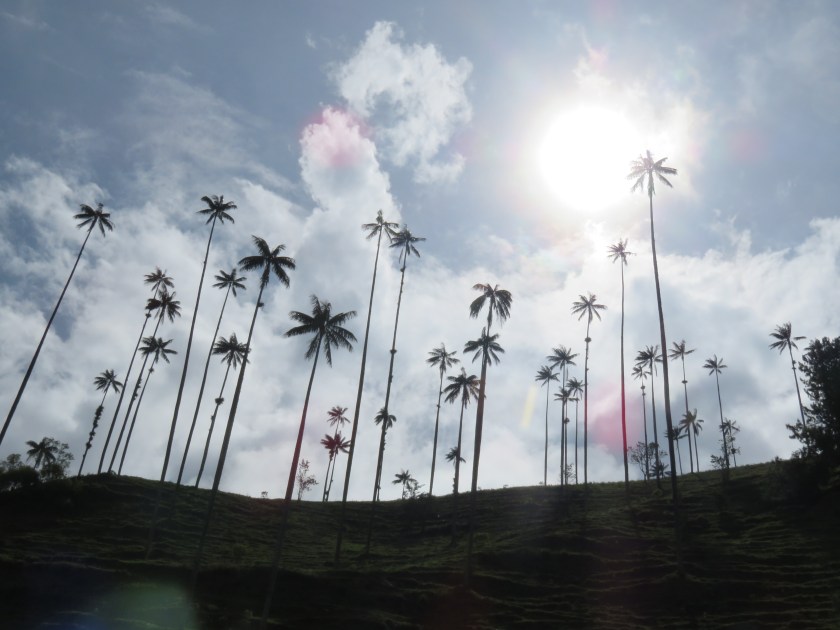
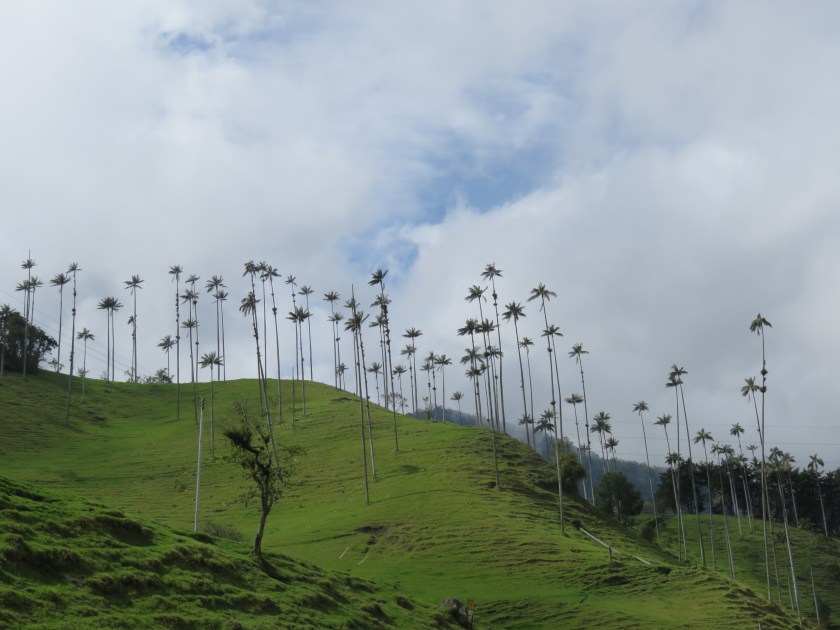
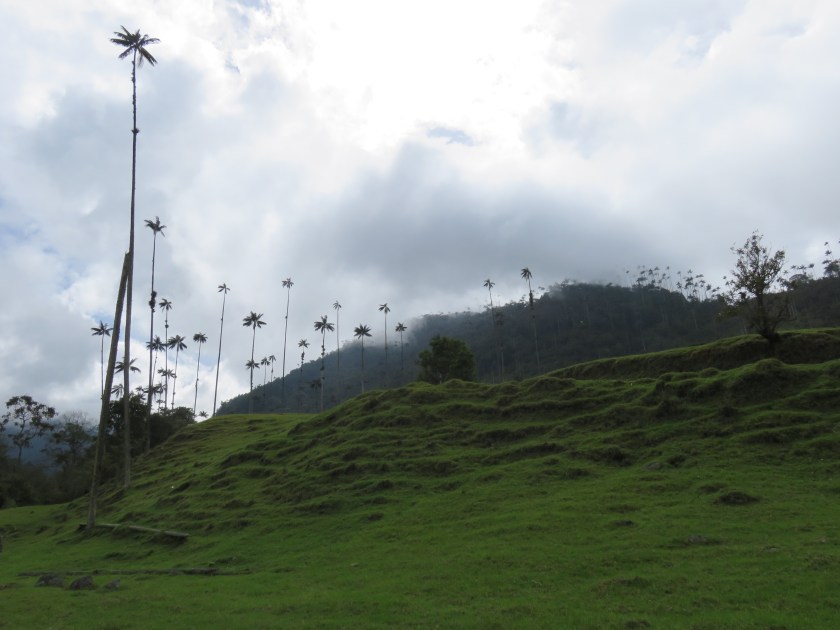
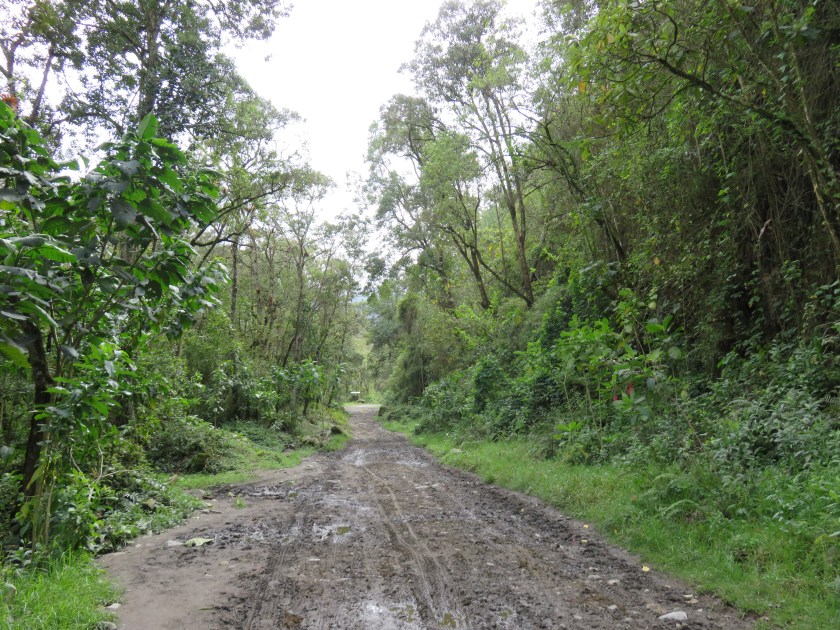
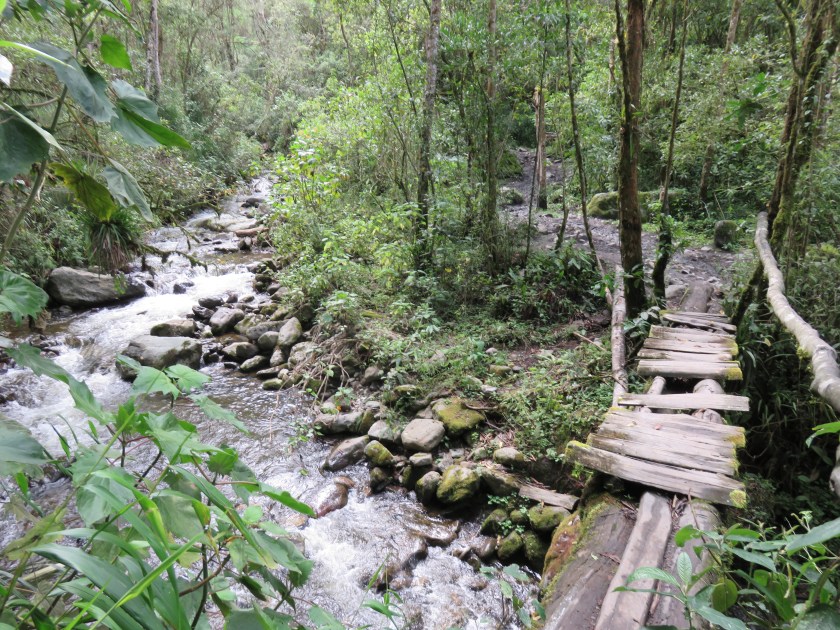
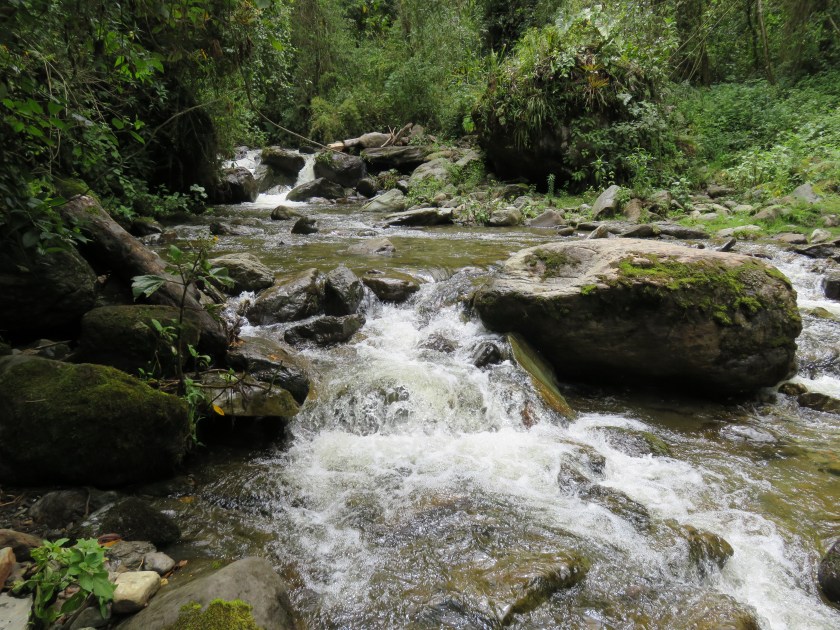
Jardin

IMG_2471IMG_2474IMG_2480IMG_2473

IMG_2484IMG_2490IMG_2503IMG_2502IMG_2492IMG_2485IMG_2511IMG_2512

Camera: Canon PowerShot SX710 HS

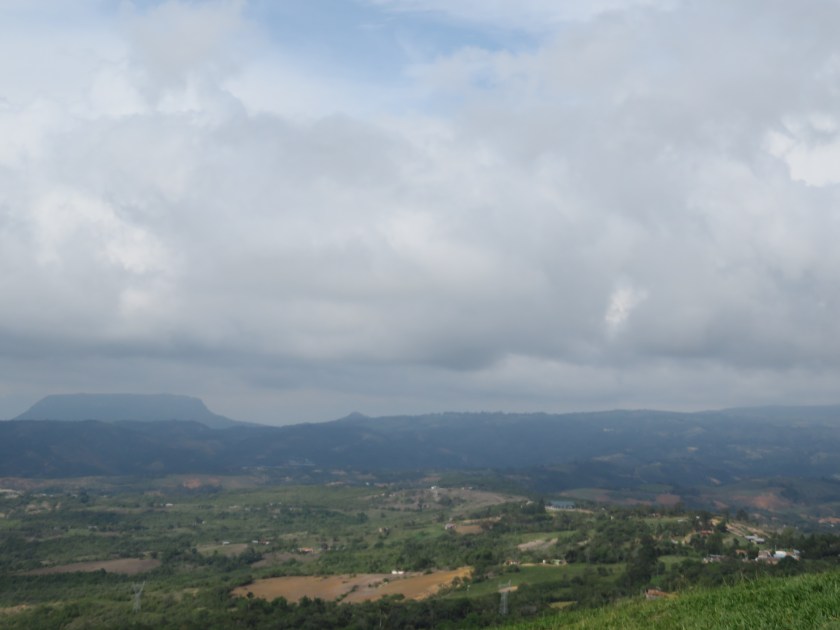
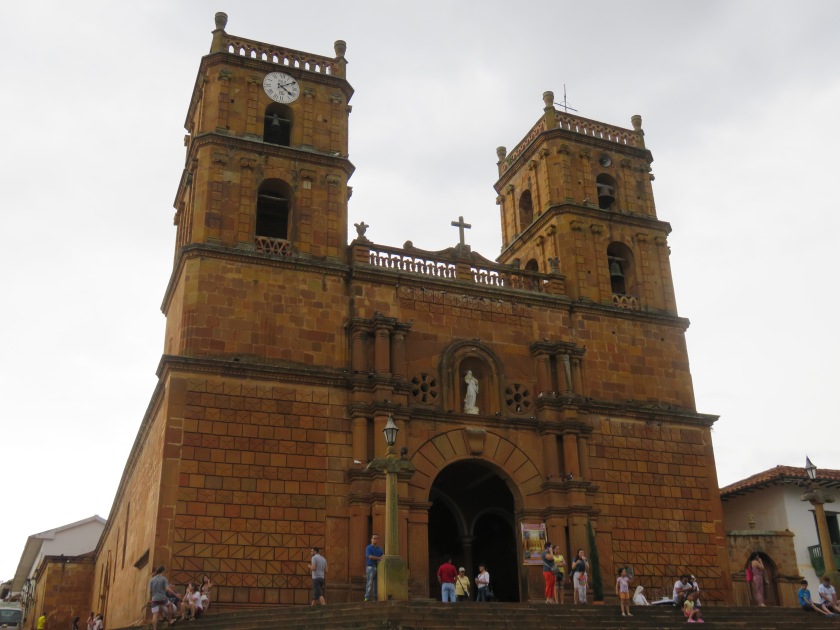
Location: Jardin, Antioquia, Colombia

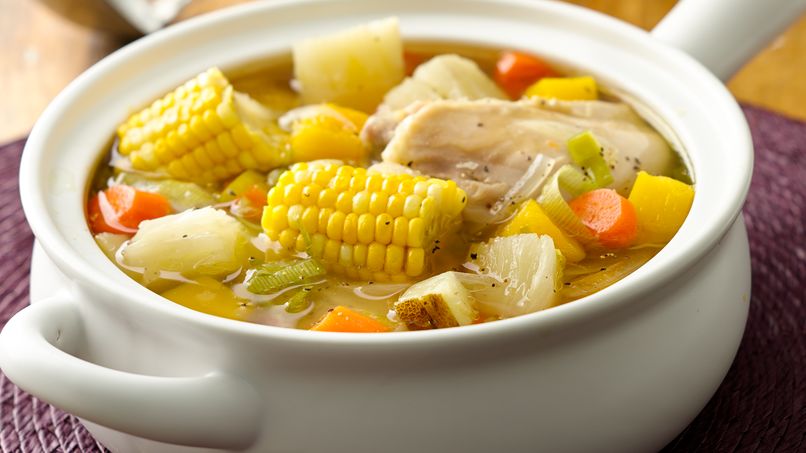
Cuisine Spotlight – Mondongo

Mondongo Soup is one of those polarizing foods that you encounter where you either love it or hate it. There’s no in between when it comes to Mondongo, which is what makes it a unique kind of food to cover in this month’s edition of cuisine spotlight. The main ingredient of diced or pieces of Tripe (the stomach entrails of a cow or pig) cause some folks to go nauseous while others salivate over the chance to get a big bowl of mondongo for their lunch or dinner.

However, Mondongo is more than what meets the eye and comes with a number of different ingredients that vary depending upon which country or part of Latin America you find yourself in. Part of what makes Mondongo an interesting food is that you can find it in more than one country and each place makes it a little bit differently than the other. I didn’t know Mondongo existed before I started living in Colombia and although I tried it once and enjoyed it, I’m not big on tripe in general while others love it very intensely. Even if you find yourself disgusted by the idea of eating cow’s stomach, perhaps you’ll reconsider after reading this article.

Mondongo is more than just beef or pork tribe. The main ingredients also include various vegetables cut up and chopped such as bell peppers, onions, carrots, cabbage, celery, tomatoes, lettuce, etc. Additional ingredients can include salt, pepper, coriander, garlic, oregano, and cilantro if you want to spice up the dish with some seasoning. You can also decide to add some corn and rice to the soup if you want to make it more heavy, and filling.

Usually, the tripe is soaked in citrus juice or sodium paste before it can begin cooking in a pot. If there are many types of spice or seasoning available in your local supermarket, you can make your Mondongo as bland or as zesty as you see fit. The great thing about a soup like Mondongo is that there is a lot of variety in making it and there’s no right or wrong way to make it. It would be quite a dish to make when you haven’t eaten all day and are ready to dig in after a long day at work.

Mondongo is a food dish most commonly found in Latin America, the Caribbean, and the Philippines. When it comes to the specific countries in which you can try Mondongo, there are quite a few that have it available. That list of countries includes Brazil, Panama, Puerto Rico, El Salvador, Venezuela, and in Colombia.

In Colombia, Mondongo is a traditional dish for Lunch and is made with a lot of cilantro and is known for having a lot of chicken or beef broth for the vegetables and tripe to soak in. Peas, Carrots, Onions, etc. are the most common vegetables for this type of Mondongo and corn is sometimes added to the mix. In addition to pork and beef tripe, chicken and turkey tripe is sometimes used in the Colombian version of Mondongo depending upon which region of the country you are in.

Mondongo is sometimes known as ‘mocoto’ in Brazil as the Portuguese translation of this popular soup dish. Mondongo is mainly consumed in the southern regions of the country but can also be found in the Northeast where it is known by the name of ‘dobradinha’ when it comes to Panama, Mondongo can be seasoned with pieces of chorizo or pigtails to create some added flavors. Pig knuckles, and feet can sometimes be added to Panamanian Mondongo as a substitute for pigtails or chorizo.

This type of Mondongo can also come with chickpeas; bay leafs, and is served with salads and/or plantains. There is also a tradition in Panama that some folks observe that when a new house is built for a family, they will gather together to celebrate the occasion and have a meal known as ‘mondongada’ that focuses on eating big servings of Mondongo.

In Puerto Rico, vegetables such as squash, pumpkin, eddo, cassava, capers, etc. can be added as well as the salted pork tail and feet that you can also find the Panamanian version of Mondongo. Lemon juice is the main ingredient that helps to distinguish the Puerto Rican version of Mondongo from other countries’ versions. For El Salvador, Their Mondongo is also called the ‘sopa de pata’ where chili powder, coriander leaves help to give it a spicy kick on top of the tripe, pieces of yucca, sweet corn, green beans, and plantains that make up the soup. Lastly, the Venezuelan version of Mondongo is often the only meal of the entire day due to the fact that it is very heavy compared to other kinds of Mondongo.

This kind of Mondongo is served with plenty of vegetables, different types of tripe, pigs’ feet, and seasoning but also comes with a serving of arepa on the side, which can be considered the national snack of Venezuela. The restaurants that sell Mondongo in Venezuela are known as ‘areperas’, which focus mainly on cooking Arepas, but the mondongo dish and the arepa go strictly together in Venezuela. Many Venezuelans make it a priority to eat Mondongo early in the morning before they go to work or later in the night before they go out to party and drink.

Regardless if you’re eating Mondongo in Colombia or Puerto Rico, it is a hearty, fulfilling soup dish that has a ton of variety to it. You can mix and match different ingredients together and decide what kind of sides you would like to serve with your Mondongo. Wherever in the world you eat this dish, you should do so on an empty stomach due to how heavy it is. You won’t need to have any breakfast, lunch, or dinner if your only meal of the day happens to be a big bowl of Mondongo. Enjoy responsibly or you may risk a stomachache. Buen provecho!




Bucaramanga

IMG_2129IMG_2132IMG_2135IMG_2136IMG_2142IMG_2146IMG_2152IMG_2154IMG_2181IMG_2186IMG_2185IMG_2191

Camera: Canon PowerShot SX710 HS

Location: Bucaramanga, Santander, Colombia

San Gil

IMG_2203IMG_2230IMG_2285IMG_2298IMG_2306IMG_2322IMG_2332IMG_2346IMG_2343IMG_2348IMG_2352IMG_2358IMG_2374IMG_2361IMG_2304

Camera: Canon PowerShot SX710 HS

Location: San Gil, Santander, Colombia

Barichara

IMG_2384IMG_2386IMG_2387IMG_2391IMG_2397IMG_2399IMG_2404IMG_2405IMG_2407IMG_2420IMG_2421IMG_2431IMG_2440IMG_2461IMG_2465

Camera: Canon PowerShot SX710 HS

Location: Barichara, Santander, Colombia

Cuisine Spotlight – Sancocho

Many cultures around the world have their own unique take on stews and soups that are both hearty and comes with a number of different ingredients. This is also the case in many Latin American countries where the stew itself is called ‘sancocho’ and is closely related to the Spanish stew known as ‘cocido.’ Along with the Spanish influence, Sancocho takes most of its’ ingredients from local foods that are popular and add flavor to the dish. Sancocho is also considered to be the national dish in a few of the Latin American countries where it is made and eaten.

Among the countries where Sancocho is a popular food dish includes the Canary Islands, Puerto Rico, Honduras, Ecuador, Colombia, Panama, the Dominican Republic, Peru, Venezuela, etc. so you could say that it’s a staple and has become popular in many households and restaurants. Sancocho is believed to have originated from the Canary Islands where it is a dish that heavily is made of a whole-cooked fish with broth and potatoes.

The dish was brought over to Latin America when the Canarians and their descendants immigrated to parts of the new world centuries ago. As is the case with many different foods, the immigrants who move to a different part of the world often bring their favorite dishes with them. While fish was a main ingredient in the ‘original’ sancocho, there are many different types of meats and vegetables that make up variations on the popular dish depending upon which country you’re in. Sancocho is especially common to be served during lunchtime as it is quite filling and can hold a person over until dinner comes around. It’s common for Sancocho to be served in a huge pot for a family gathering or birthday party where the dish can be expanded to served dozens of people total.

In Colombia, specifically, sancocho is an extremely popular dish with a wide range of ingredients that can range from chicken to ox tail. Other meats that can be apart of sancocho include hen, pork ribs, cow ribs, fish, etc. For example, sancocho with fish is really popular on the Atlantic coast of Colombia while pork and beef is more commonly found in the interior of the country. In addition to mean, sancocho can also include large portions of plantains, yucca, potatoes, and various vegetables such as tomatoes, carrots, cilantro, scallions, mazorca (corn on the cob), etc.

There is simply no limit as to what can be put into sancocho and each country puts a different spin on the popular dish. In the Dominican Republic, for example, there is Sancocho de siete carnes, which is a dish made up of a mixture of different meats including chicken, beef, pork, etc. Sancocho de gallina, which is made up of free-range chicken is quite popular in Panama and is also the national dish of the country. Puerto Rico has the distinction of even adding smoked ham, pork feet with chick feats, which is known as sancocho de patitas and is quite unique in terms of its’ culinary characteristics.

The beautiful thing about sancocho is that there are so many different regional and national varieties to this dish are that the possibilities of mixing and matching different ingredients or toppings is simply endless. Any nation that has been touched by Spanish influence or colonization has adapted their own version of sancocho including even in the Philippines, which has a huge amount of meats and vegetables to offer in its own national take on the dish. Keeping to the Spanish heritage of the dish, they call it cocido as it is known in Spain.

If you decide to come to Latin America and find yourself at someone’s family gathering, hanging out with a few friends, or enjoying a birthday party, it’s likely that you’ll get a good serving of sancocho. In addition, the sancocho you get depending upon the country or the region in which the dish is being served to you will most likely be different and have some variation to it. The beauty of a popular dish like sancocho is its’ history, its’ adaptability, as well as the chance to gather with a group of people and dig in to this delicious food together.


Comuna 13

img_2003img_2006img_2004

img_2009img_2014img_2013img_2017img_2026img_2034img_2021img_2047img_2035img_2042

Camera: Canon PowerShot SX710 HS

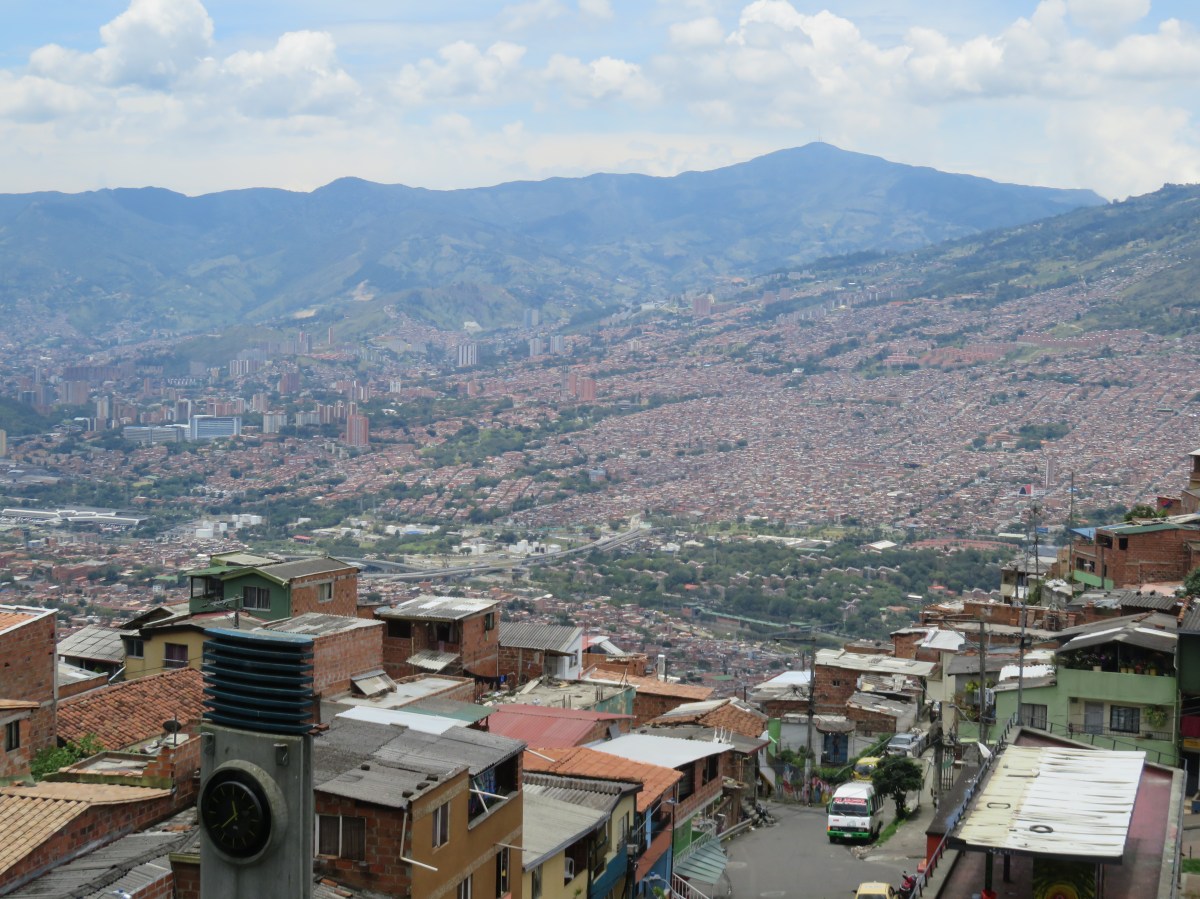
LocationMedellin, Colombia

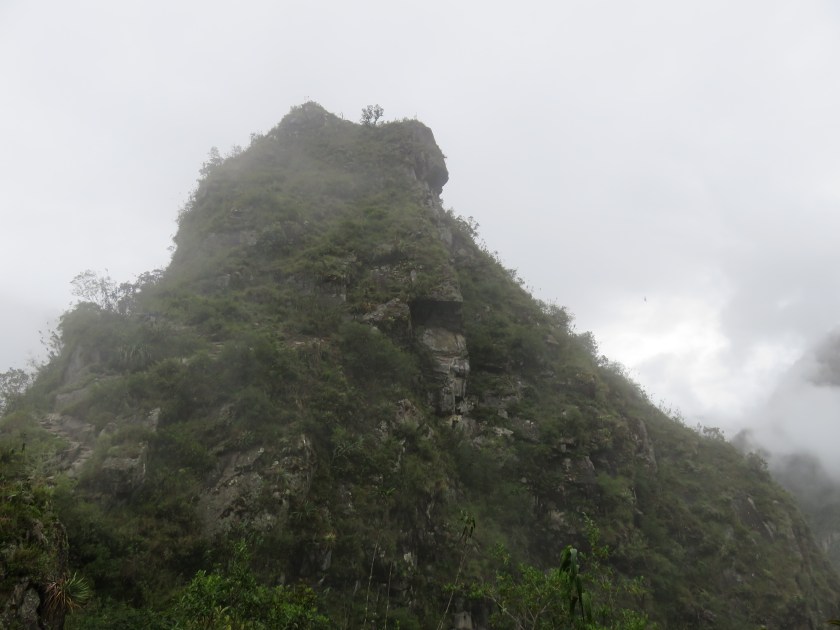
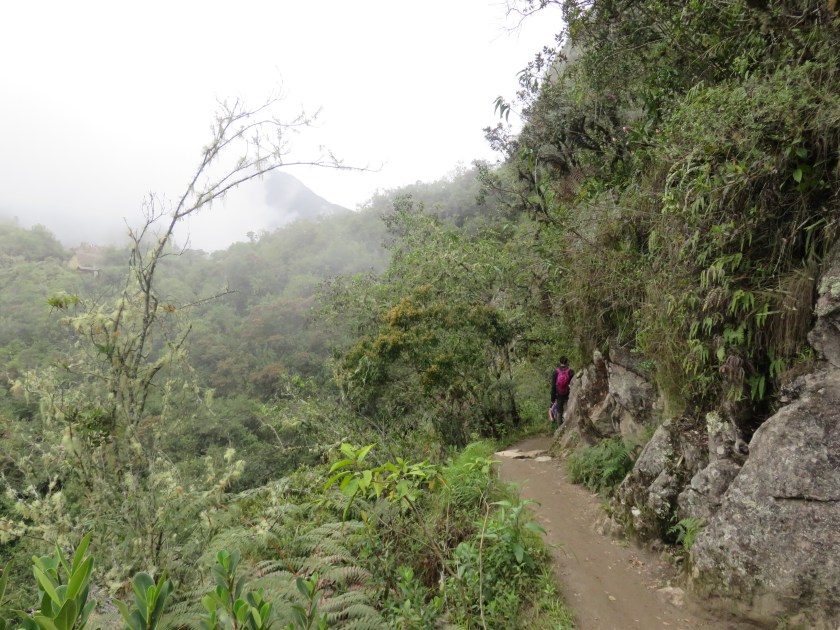
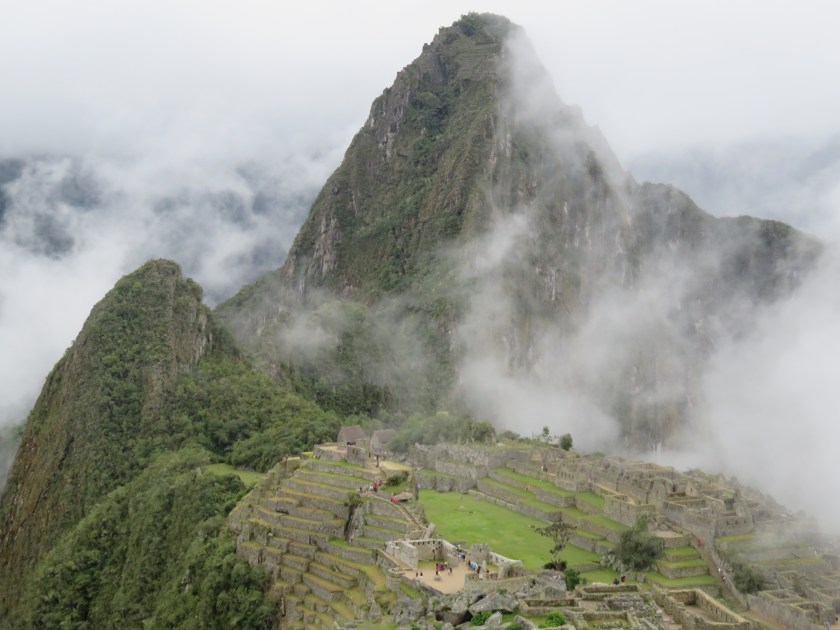
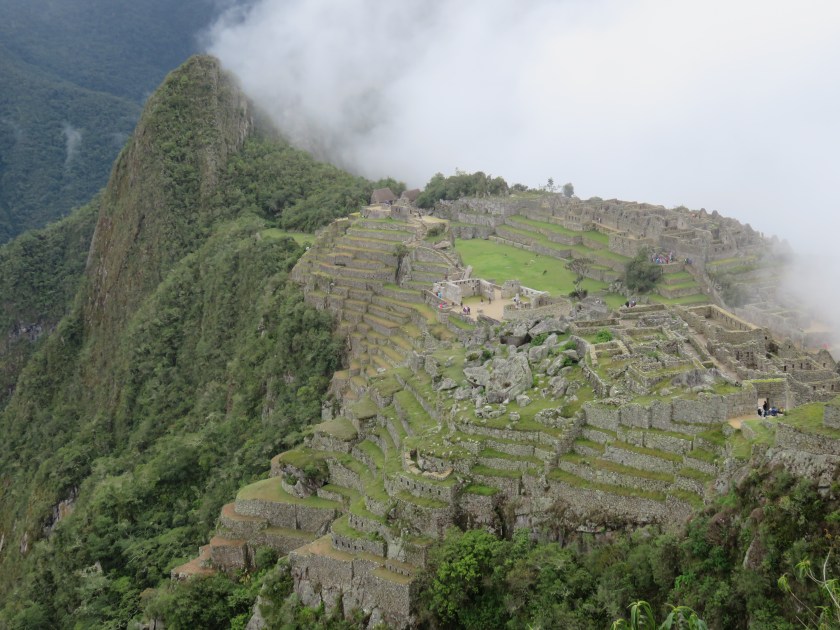
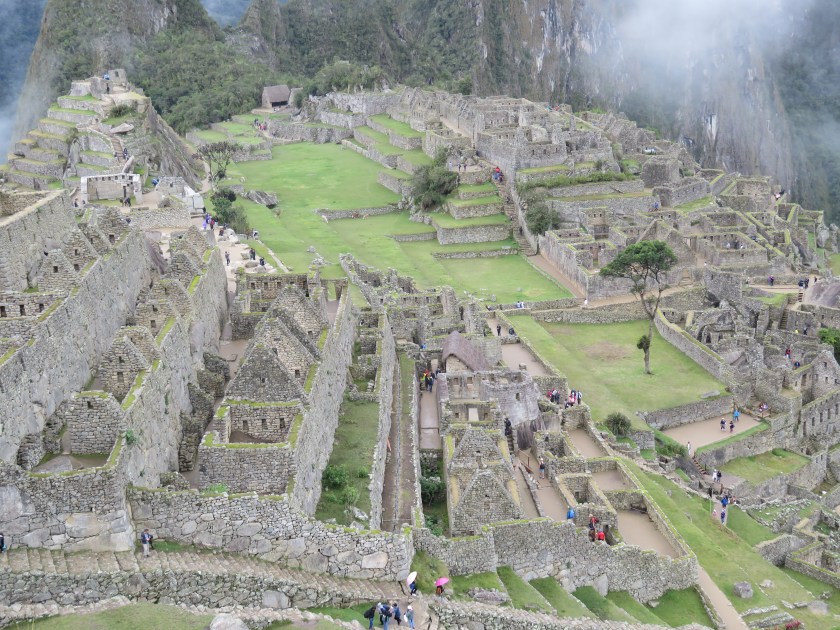
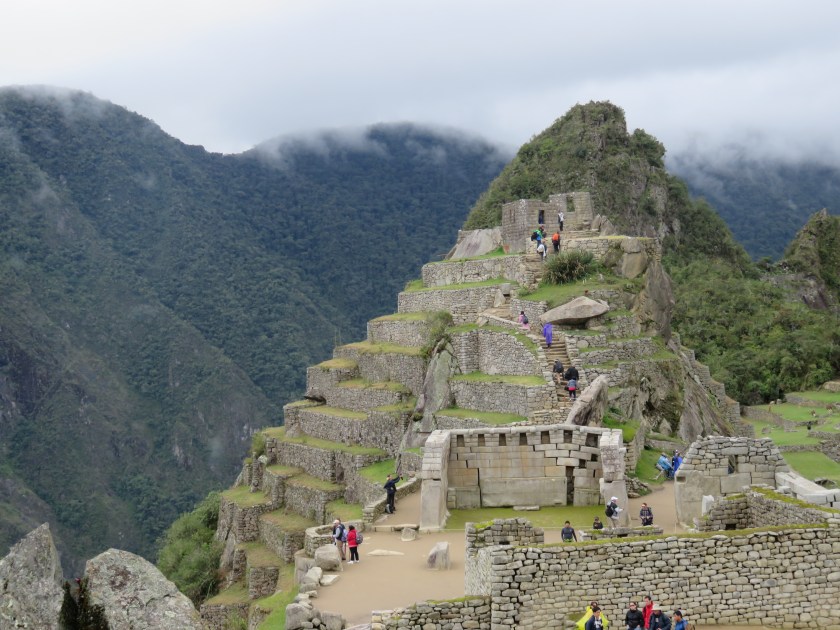
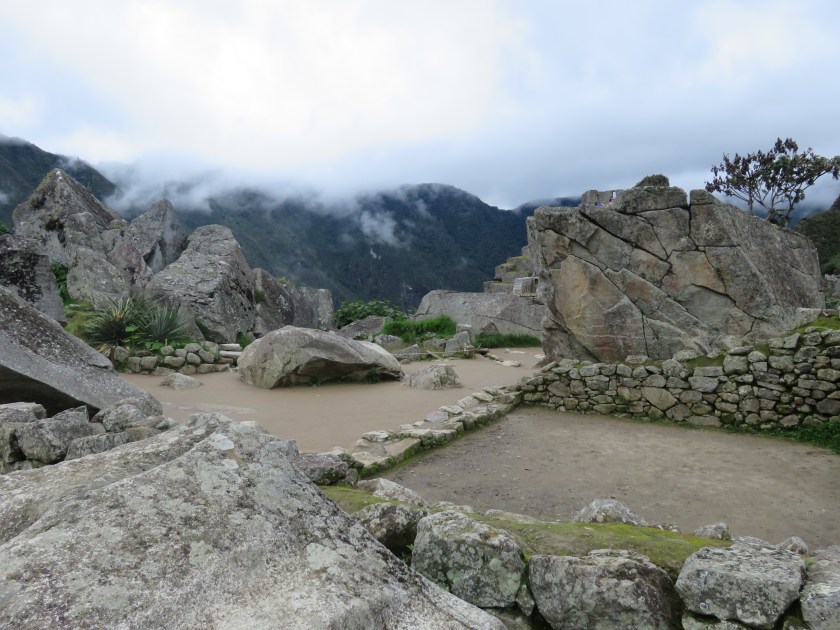
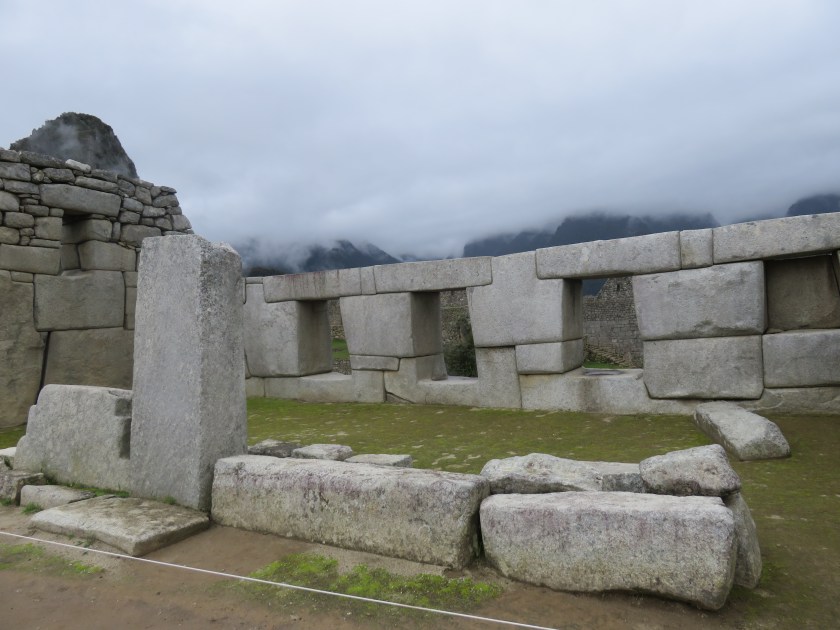
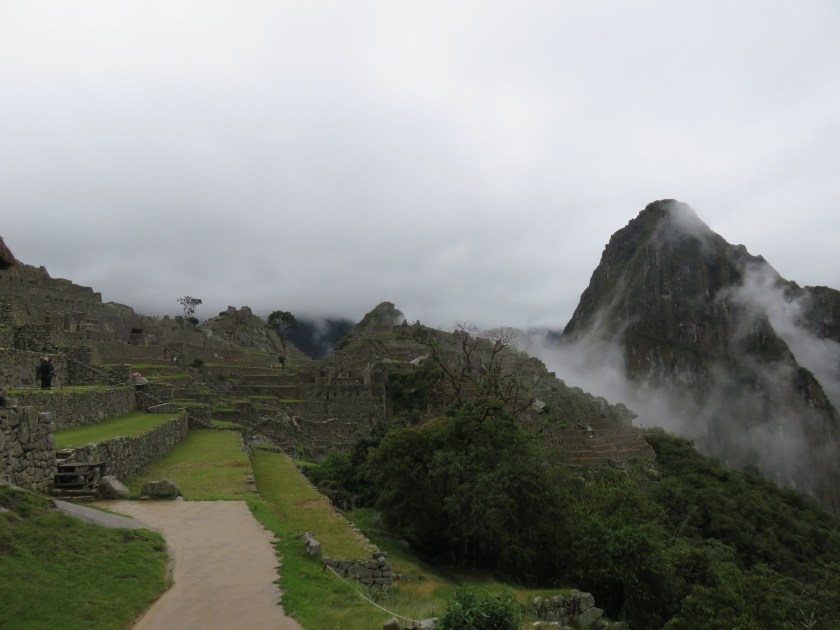
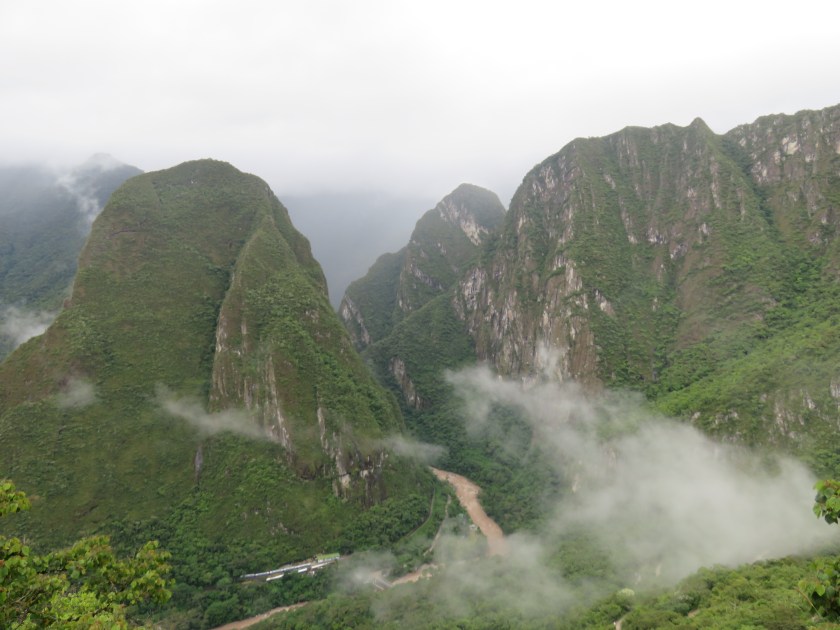
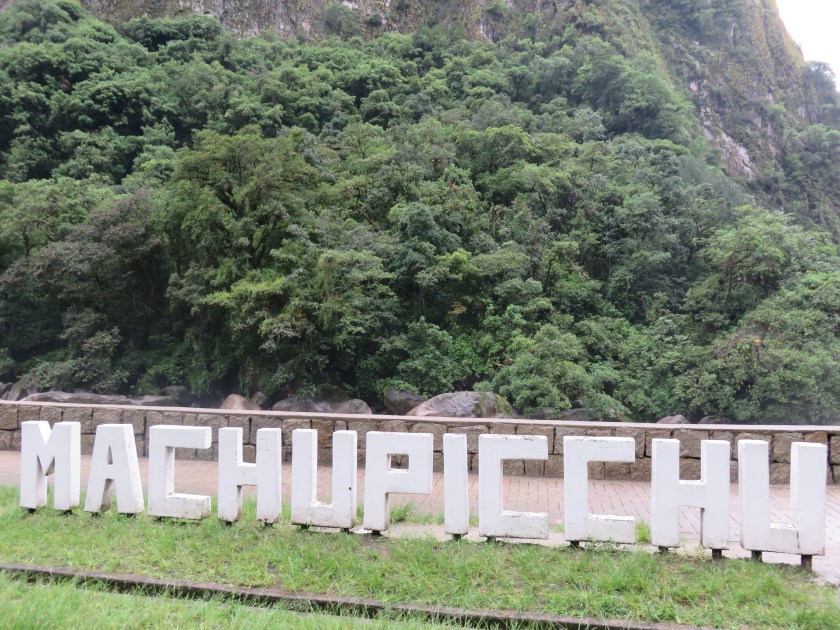
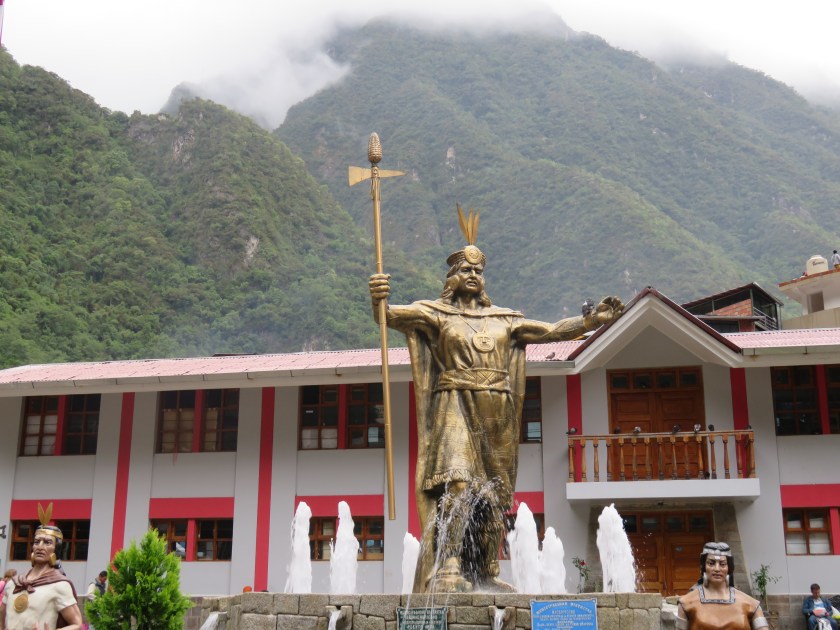
Machu Picchu and Huayna Picchu

img_1723img_1726img_1824img_1827img_1828img_1829img_1830img_1838img_1868img_1878img_1881img_1897

img_1955img_1968img_1984img_1989

Camera: Canon PowerShot SX710 HS

Location: Machu Picchu, Peru

Valle del Cocora

img_1096

img_1103img_1105

img_1109

img_1110

IMG_1115.JPG

img_1125img_1111

img_1133img_1120

img_1187

img_1207

CameraCanon PowerShot SX710 HS

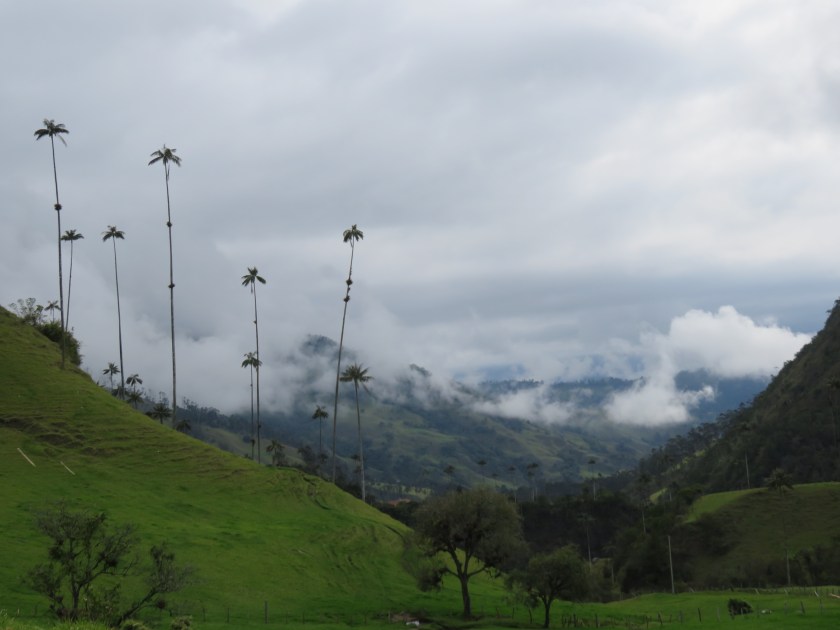
Location: Valle del Cocora; Salento, Quindio, Colombia

Cable Car Ride and Parque Arvi

img_0794img_0791img_0788img_0783

img_0759img_0761img_0762

img_0764img_0766img_0765img_0757img_0756

CameraCanon PowerShot SX710 HS

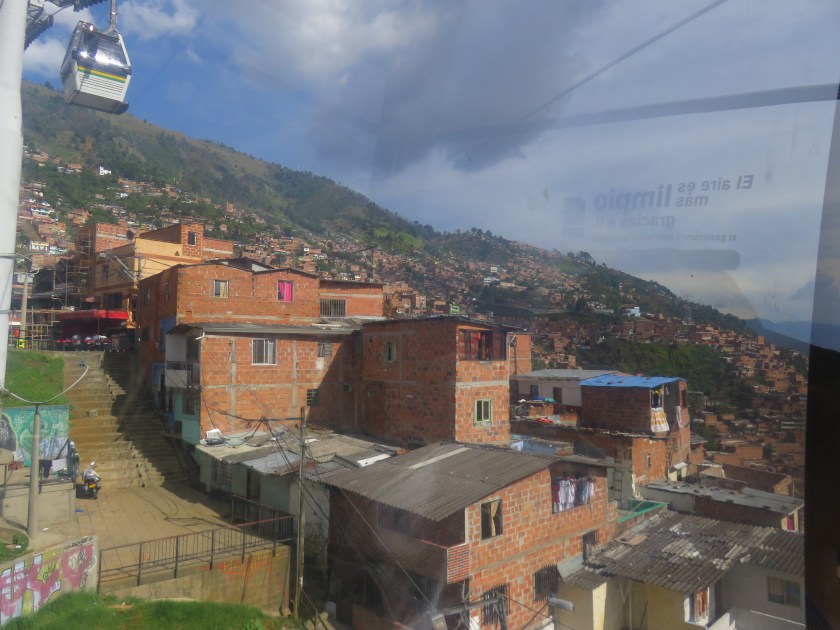
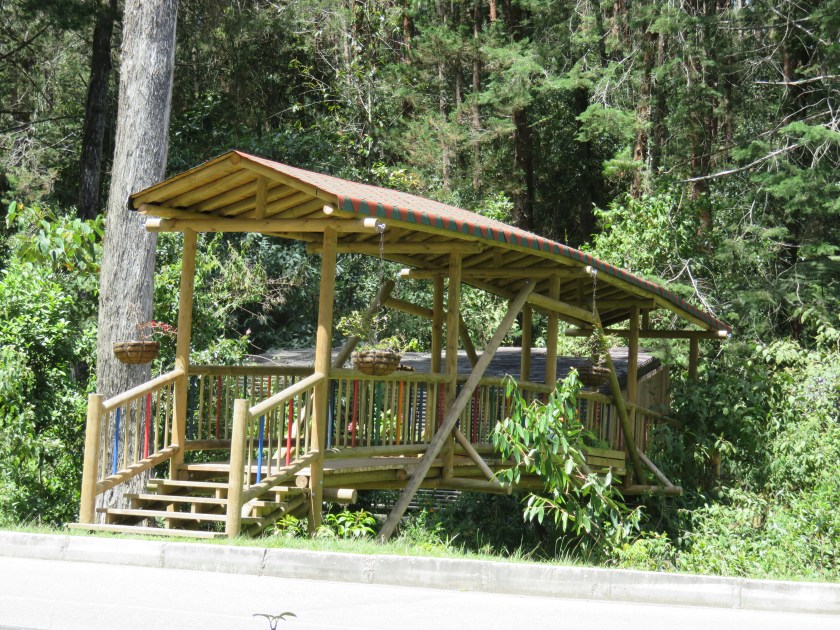
LocationParque Arvi; Medellin, Antioquia, Colombia