Cuisine Spotlight – Arepa

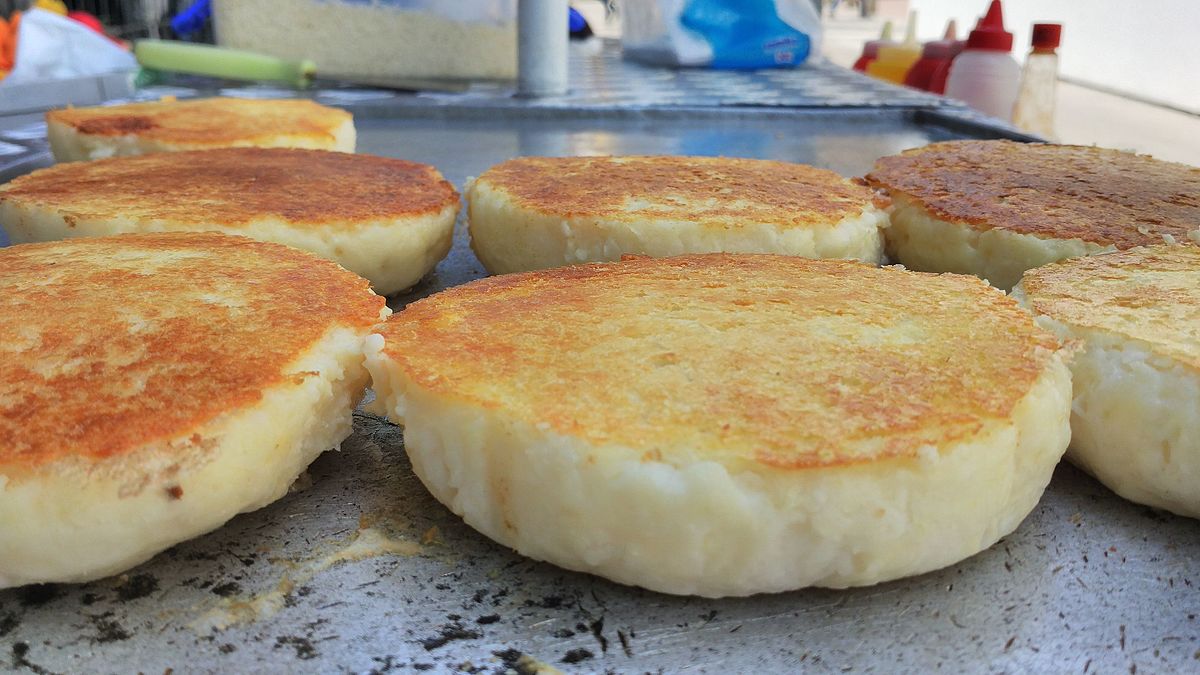
You can’t come to South America, especially Colombia, Venezuela, and even Panama without trying the local cuisine staple of the Arepa. The Arepa may be the most popular food to try and there is a lot of variety to this food, which makes it quite popular to eat. In countries such as Colombia or Venezuela, Arepas are eaten on a daily basis and are usually served with breakfast but they can also be served with lunch or dinner depending on the consumer’s preferences. Arepas can also be found in other countries such as the Dominican Republic, Puerto Rico, Trinidad and Tobago, etc. where they are less popular but still part of the local cuisine.
When compared to other Latin America staple foods, the Arepa is most similar to the Mexican gordita and the Salvadoran pupusa. What would surprise most people to learn about the Arepa is that an indigenous group of people known as the Timoto-Cuica created this food to feed the two separate tribes of the Timoto and the Cuica on a daily basis. This indigenous group was based out of the Andean region of western Venezuela and was made up of thousands of people total who were apart of those two tribes.

There are many different types of Arepas and you can mix and match with different ingredients depending upon your own preferences. Usually though, the Arepa is most often made up of ground maize dough or cooked flour to form the basis of this food. Sometimes, you can also substitute flour for yellow cornmeal that is popular in the Santander region of Colombia in the north of the country. In terms of appearance, an Arepa will be flat, round, and unleavened although sometimes they can be served as leavened especially when they are made in the street stalls late at night.

One of the great things about Arepas is there are many different ways in which you can cook them. An Arepa can be baked, grilled, steamed, fried, or boiled. The color, size, thickness, and appearance of an Arepa can vary from country to country or from one region to another. Perhaps, most importantly, you can add any kind of ingredients to fill out your arepa as a delicious sandwich or a platter.

The options are nearly limitless in that you can put on or within your Arepa such as foods like eggs, meat, fruits, vegetables, cheese, fish, shrimp, salad, etc. You can also simply eat it without any additional ingredients too if you just want to have a simple arepa for breakfast. However, if it’s late at night and you have had a few adult beverages to drink earlier, you may want to have an arepa sandwich with a lot of toppings to fill you up.

In order to make Arepas yourself, you need to have a good amount of water and salt to mix with your flour along with some additional ingredients like cooking oil, butter, eggs, and milk. Then, you’ll need to form the dough and shape it so it fits into the form of an Arepa and afterwards you can put it on the grill or stove to start cooking. Arepas can only take a couple of minutes to prepare and cook so it’s one of those foods that you can make in great quantities without too much effort or skill. Still though, that is part of what makes the Arepa such a daily staple of the cuisine is that it is simple yet delicious and there is a lot of variety to it if you are able to put in some extra effort.

When it comes to Colombia, it is probably the most popular food in the country and you can find it in practically every region of the country. In addition, there are dozens of variations on the Arepa depending on where in the country you find yourself. Despite the differences between Medellin and Cartagena, Bogota and Bucaramanga, each of these cities prides itself on their Arepas and would like to claim that they have the best Arepas in Colombia. In the past, the Arepa has become a cultural symbol of Colombia and is sometimes served with every meal of the day regardless of the circumstances, which is often the case particularly in the Antioquia region of the country.

You can find Arepas in many different places whether it’s been pre-packaged at the grocery store or if it’s being freshly prepared by hand late at night at the local street stall in your neighborhood. Wherever you visit in Colombia, you’re likely to be only a stone’s throw away from the nearest restaurant or cafeteria that will be able to serve you a delicious Arepa.

The Arepa has become so popular in Colombia that there is an annual festival devoted to this cuisine staple called the ‘Colombian Arepa Festival’, which is celebrated in the major cities of Bogota, Barranquilla, Medellin, Cali, and Bucaramanga. The festival in each of these five cities usually takes place sometime in between the months of August to December. If you haven’t figured it out already, the Arepa has a long-standing region in South America especially in Colombia. If you can’t stop your mouth from watering, you may want to buy a plane ticket and try this food out for yourself. Be careful though because if you eat them everyday, you may end up gaining some extra weight.

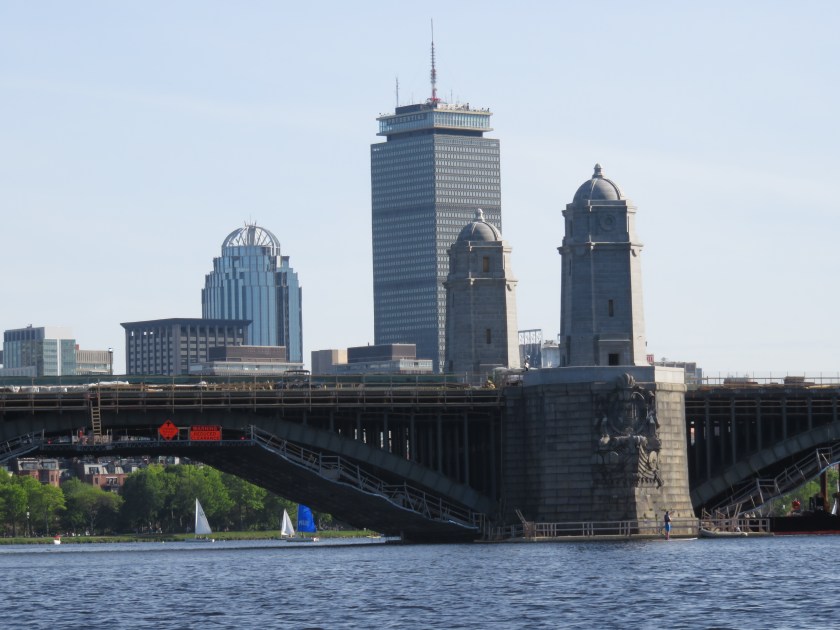
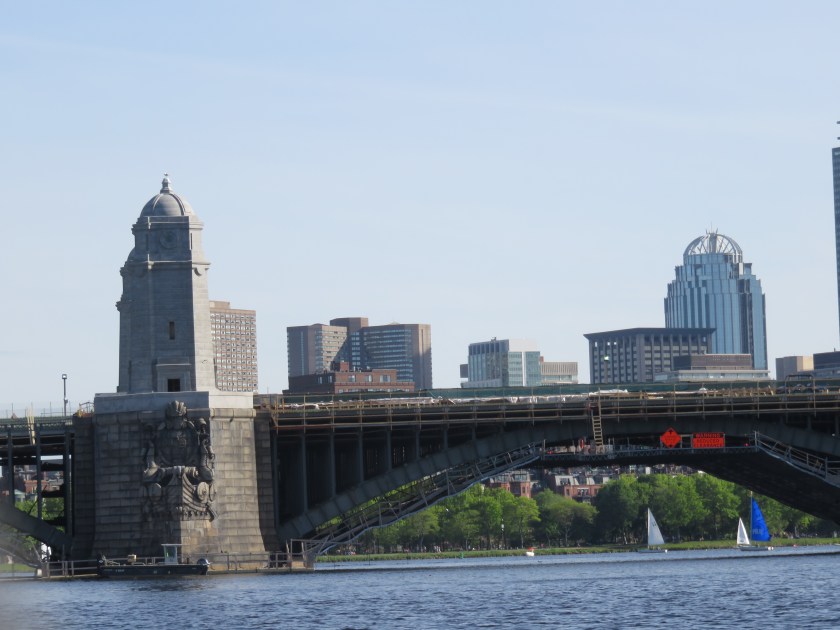
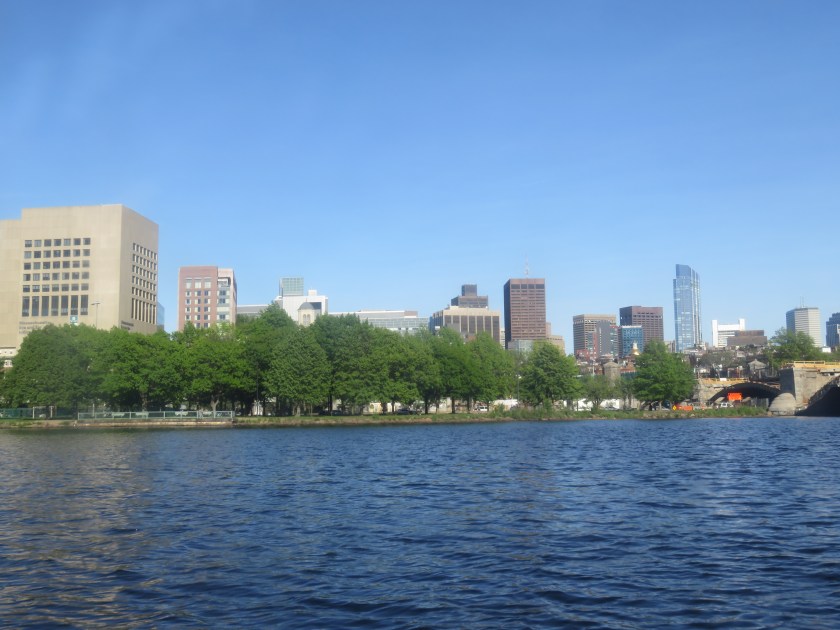
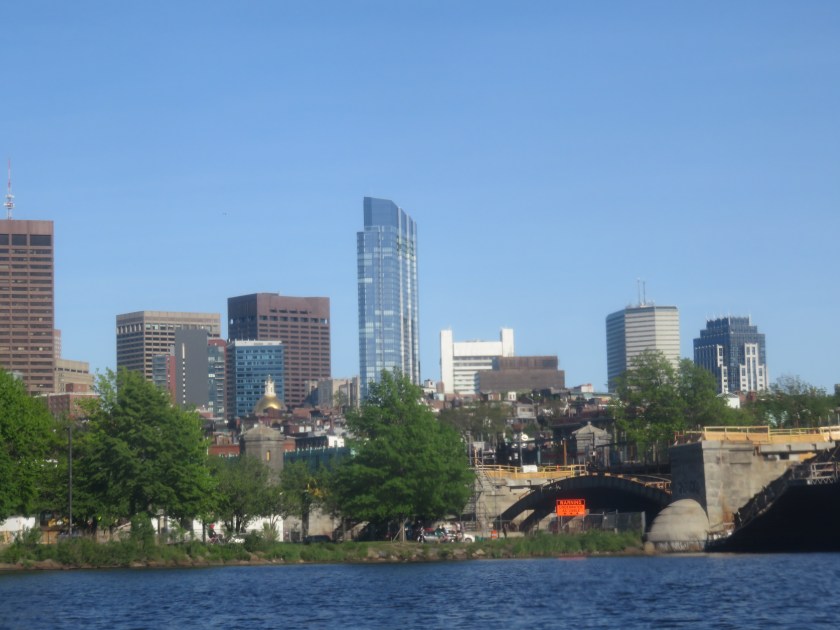
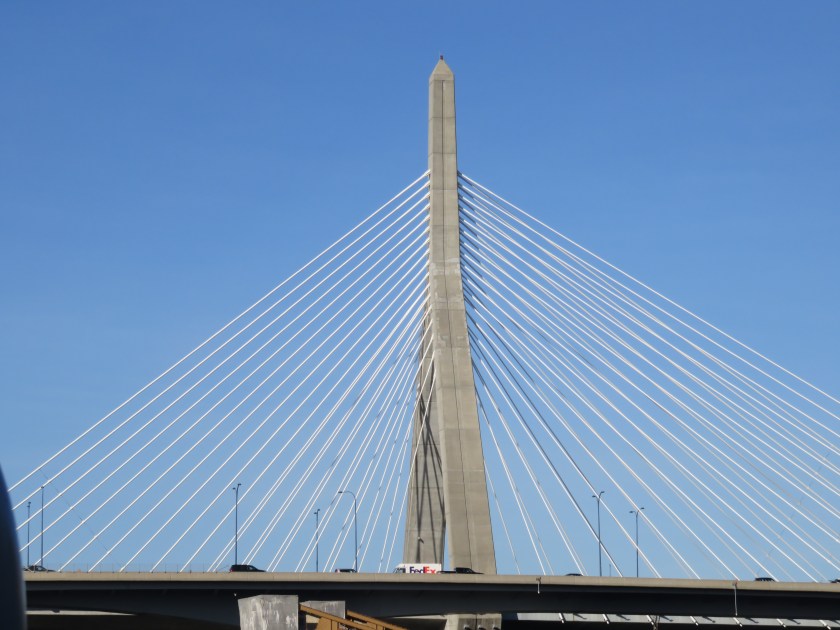
Boston on the Charles

IMG_2632IMG_2633IMG_2635IMG_2636IMG_2637IMG_2641IMG_2642IMG_2643IMG_2644IMG_2645IMG_2646IMG_2647IMG_2648

Camera: Canon PowerShot SX710 HS

Location: Boston, Massachusetts, United States

Bahia Solano & Nuqui

If you’re visiting Colombia and you are really looking for an off-the-beaten track experience that most tourists who visit the country don’t get to experience, then you may want to consider visiting Bahia Solano and Nuqui.

Before you start to book your trip to these two beautiful and distinct places in Colombia, it’s important to do your research first on how you can get there, what to do when you get there, and how to make the most of this mostly undiscovered part of the Pacific coast. Although Bahia Solano and Nuqui fly under the radar in terms of destinations to visit in Colombia, both of these places are becoming more and more popular as more tourists strive to discover these hidden gems.

Nuqui is both a town and municipality located on the Pacific coast of Colombia and is not a very big place when compared to Cartagena, Santa Marta, or Cali. There are only eight thousand residents of Nuqui in total and is located within the department of Choco specifically. The Choco department is wedged between the Baudo Mountains and the Pacific Ocean making the scenery quite unique and appealing to visitors.

There’s a lot of diversity, both culturally and ethnically to discover in Nuqui, and it’s a great chance for tourists to experience the Pacifico culture in Colombia while meeting the friendly and down-to-earth locals. Similar to Bahia Solano and the rest of the Choco department, the majority of the population there are Afro-Colombians or are the descendants of the various indigenous tribes that still call Colombia home to this day. You’ll get a chance to experience a different regional culture that is very different when compared to other regions such as Antioquia or Santander.

What may draw some tourists specifically to visiting Nuqui is the fact that there is an extremely diverse amount of flora and fauna to see and explore. It’s only a short trip from Nuqui to visit the mangroves of PNN Utria where you also have the option to go snorkeling or relax at the Playa Blanca. The main draw of Nuqui is considered to be the pristine beach of Guachalito that is mostly empty but is filled with mocha-colored sand next to a nearby jungle. Between checking out the marine life, hanging out on the mostly untouched beaches, and wading through the deep jungles, there’s plenty to do when it comes to visiting Nuqui.

There are also numerous other activities that you can do in Nuqui as well. If you want to chill out, you can hang out at some thermal springs and rub some healthy mud all over your body. You can do some ecological hikes just a stone’s throw from the beaches and check out some waterfalls where you can do some swimming to cool off. The most popular waterfall is known as the ‘Terco’ waterfall, which is about a four-hour hike but is worth the effort to get there.

If you happen to visit Nuqui between the months of June to October, you can check out whale watching and get up close to those beautiful mammals. Don’t be afraid to hit up the surf with the massive waves that can be found in Nuqui especially ‘Cabo Corriente’ if you’re up for the challenge at a more advanced level. Lastly, you can also tour the Jovi river especially by canoe if you would like to get some exercise into your trip.

In order to get to Nuqui, it’s possible by flying from the Olaya Herrera airport in Medellin or from Bogota with a stopover in the city of Quibdo. You can also take a boat to Nuqui from the beach of Guachalito, which will take about an hour or so.

Bahia Solano is pretty similar to Nuqui in terms of location as they are both located in the Choco department of Colombia. However, compared to Nuqui, Bahia Solano is considered the tourist capital of the Pacific coast of Colombia due to its’ location and its’ relatively cheap cost of touristic activities. Bahia Solano has the only airport on the Pacific coast or in Choco so you can fly to there first from other cities in Colombia before you travel on to Nuqui or another part of the Choco department.

There’s also a seaport, which will allow you to travel there by boat from other parts of the Pacific Coast if that is what you choose to do. Bahia Solano has a little bit of everything to offer the seasoned traveler or tourist. Between the mangroves, marshes, rivers, beaches, mountains, and scenic coasts, Bahia Solano has a natural biodiversity that is unmatched when compared to other destinations in Colombia. The flora, fauna, and overall biodiversity will draw you in as well as other sport activities such as surfing, fishing, and scuba diving. Bahia Solano is very close to other tourist draws such as the beach town of ‘El Valle’ and the nearby Ensenada de Utria National Park, which is also accessible from Nuqui too.

If you are looking for an organized tour within Bahia Solano, you may want to check out Pacifico tours. It will be a good chance to meet new people and explore the undiscovered Pacific coast with customizable trips that focus on your outdoor activity preferences. You can also partake in surfing and whale watching (June through October) through these tours or on your own.

‘Huina’ is a beautiful, remote beach in Bahia Solano that is popular with the locals and hasn’t been spoiled yet. You can choose a number of hikes to do that last from four to six hours to destinations like the ‘el Tigre’ waterfall from playa Aljemal or to the ‘Boro Boro’ area to explore the jungle part of Choco. If you want to do canoeing in Bahia Solano, you can tour the Rio Tundo to combine exploring the coast with exploring the jungle by passing through this river.

Whatever you decide to choose to do, Nuqui and Bahia Solano have a lot to offer the average tourist or traveler. You are going to be impressed by the natural beauty, warm people, and agreeable climate that you will encounter when you visit this part of the Pacific coast of Colombia. Have a good time and remember to take some pictures and video to remember this unique travel experience.

________________________________________

Note: For this blog post, while I haven’t been to either of these places yet, I did some thorough research regarding these two destinations as well as talking to other Colombians and friends of mine about these places. They have been highly recommended to me and I hope to visit Bahia Solano and Nuqui in the future.

Jardin

IMG_2471IMG_2474IMG_2480IMG_2473

IMG_2484IMG_2490IMG_2503IMG_2502IMG_2492IMG_2485IMG_2511IMG_2512

Camera: Canon PowerShot SX710 HS

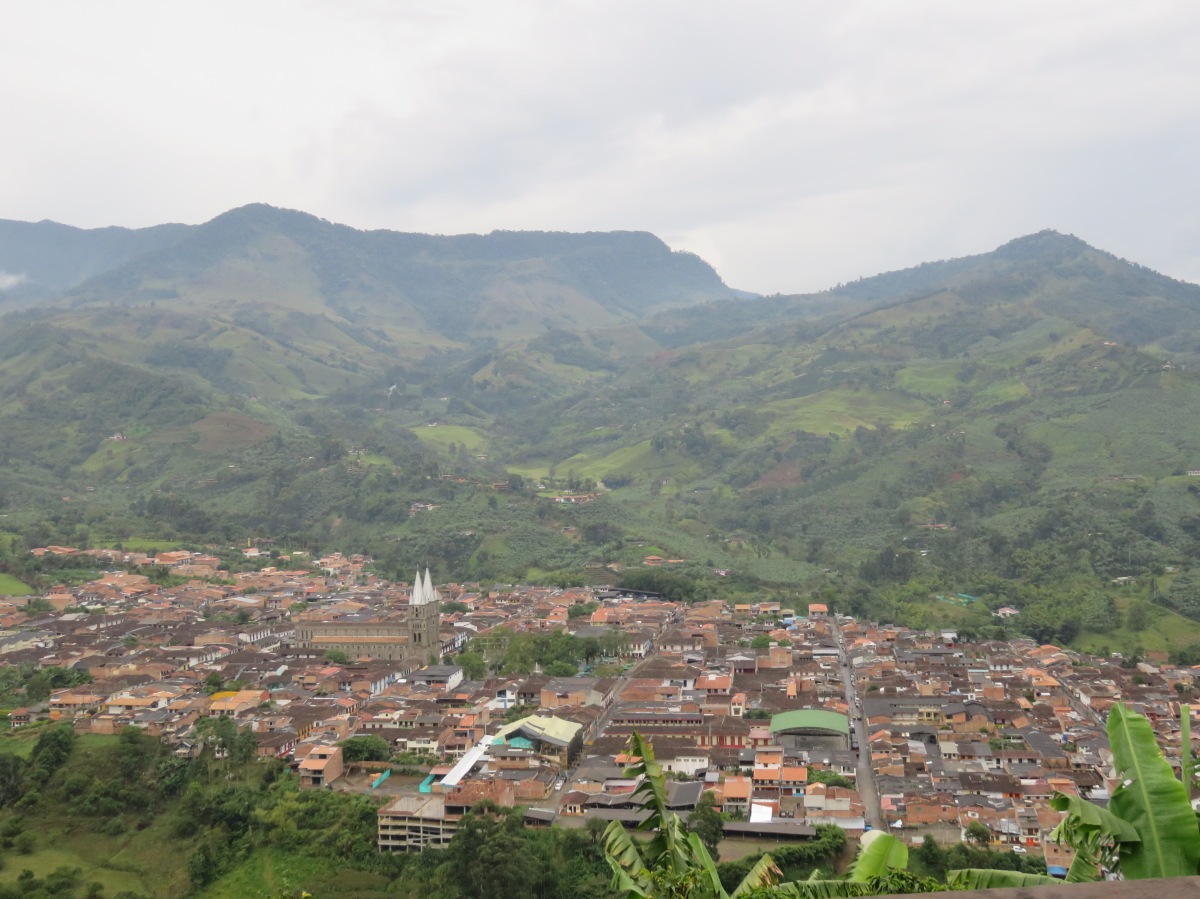
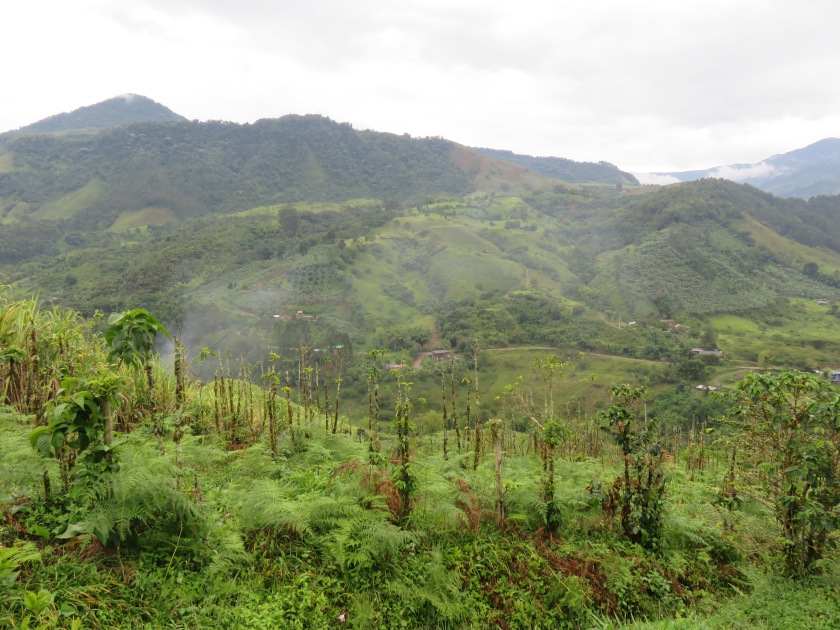
Location: Jardin, Antioquia, Colombia

Cuisine Spotlight – Mondongo

Mondongo Soup is one of those polarizing foods that you encounter where you either love it or hate it. There’s no in between when it comes to Mondongo, which is what makes it a unique kind of food to cover in this month’s edition of cuisine spotlight. The main ingredient of diced or pieces of Tripe (the stomach entrails of a cow or pig) cause some folks to go nauseous while others salivate over the chance to get a big bowl of mondongo for their lunch or dinner.

However, Mondongo is more than what meets the eye and comes with a number of different ingredients that vary depending upon which country or part of Latin America you find yourself in. Part of what makes Mondongo an interesting food is that you can find it in more than one country and each place makes it a little bit differently than the other. I didn’t know Mondongo existed before I started living in Colombia and although I tried it once and enjoyed it, I’m not big on tripe in general while others love it very intensely. Even if you find yourself disgusted by the idea of eating cow’s stomach, perhaps you’ll reconsider after reading this article.

Mondongo is more than just beef or pork tribe. The main ingredients also include various vegetables cut up and chopped such as bell peppers, onions, carrots, cabbage, celery, tomatoes, lettuce, etc. Additional ingredients can include salt, pepper, coriander, garlic, oregano, and cilantro if you want to spice up the dish with some seasoning. You can also decide to add some corn and rice to the soup if you want to make it more heavy, and filling.

Usually, the tripe is soaked in citrus juice or sodium paste before it can begin cooking in a pot. If there are many types of spice or seasoning available in your local supermarket, you can make your Mondongo as bland or as zesty as you see fit. The great thing about a soup like Mondongo is that there is a lot of variety in making it and there’s no right or wrong way to make it. It would be quite a dish to make when you haven’t eaten all day and are ready to dig in after a long day at work.

Mondongo is a food dish most commonly found in Latin America, the Caribbean, and the Philippines. When it comes to the specific countries in which you can try Mondongo, there are quite a few that have it available. That list of countries includes Brazil, Panama, Puerto Rico, El Salvador, Venezuela, and in Colombia.

In Colombia, Mondongo is a traditional dish for Lunch and is made with a lot of cilantro and is known for having a lot of chicken or beef broth for the vegetables and tripe to soak in. Peas, Carrots, Onions, etc. are the most common vegetables for this type of Mondongo and corn is sometimes added to the mix. In addition to pork and beef tripe, chicken and turkey tripe is sometimes used in the Colombian version of Mondongo depending upon which region of the country you are in.

Mondongo is sometimes known as ‘mocoto’ in Brazil as the Portuguese translation of this popular soup dish. Mondongo is mainly consumed in the southern regions of the country but can also be found in the Northeast where it is known by the name of ‘dobradinha’ when it comes to Panama, Mondongo can be seasoned with pieces of chorizo or pigtails to create some added flavors. Pig knuckles, and feet can sometimes be added to Panamanian Mondongo as a substitute for pigtails or chorizo.

This type of Mondongo can also come with chickpeas; bay leafs, and is served with salads and/or plantains. There is also a tradition in Panama that some folks observe that when a new house is built for a family, they will gather together to celebrate the occasion and have a meal known as ‘mondongada’ that focuses on eating big servings of Mondongo.

In Puerto Rico, vegetables such as squash, pumpkin, eddo, cassava, capers, etc. can be added as well as the salted pork tail and feet that you can also find the Panamanian version of Mondongo. Lemon juice is the main ingredient that helps to distinguish the Puerto Rican version of Mondongo from other countries’ versions. For El Salvador, Their Mondongo is also called the ‘sopa de pata’ where chili powder, coriander leaves help to give it a spicy kick on top of the tripe, pieces of yucca, sweet corn, green beans, and plantains that make up the soup. Lastly, the Venezuelan version of Mondongo is often the only meal of the entire day due to the fact that it is very heavy compared to other kinds of Mondongo.

This kind of Mondongo is served with plenty of vegetables, different types of tripe, pigs’ feet, and seasoning but also comes with a serving of arepa on the side, which can be considered the national snack of Venezuela. The restaurants that sell Mondongo in Venezuela are known as ‘areperas’, which focus mainly on cooking Arepas, but the mondongo dish and the arepa go strictly together in Venezuela. Many Venezuelans make it a priority to eat Mondongo early in the morning before they go to work or later in the night before they go out to party and drink.

Regardless if you’re eating Mondongo in Colombia or Puerto Rico, it is a hearty, fulfilling soup dish that has a ton of variety to it. You can mix and match different ingredients together and decide what kind of sides you would like to serve with your Mondongo. Wherever in the world you eat this dish, you should do so on an empty stomach due to how heavy it is. You won’t need to have any breakfast, lunch, or dinner if your only meal of the day happens to be a big bowl of Mondongo. Enjoy responsibly or you may risk a stomachache. Buen provecho!


A Day In Santa Fe

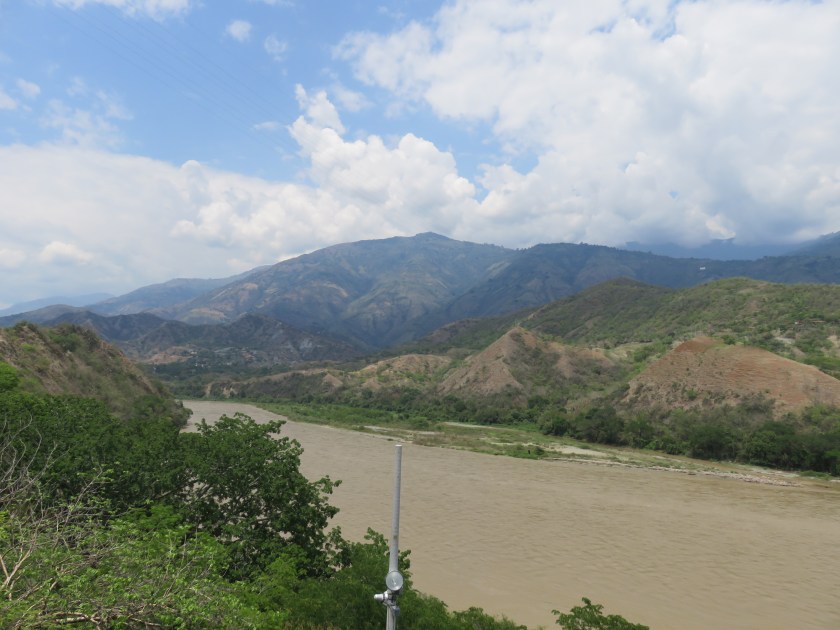
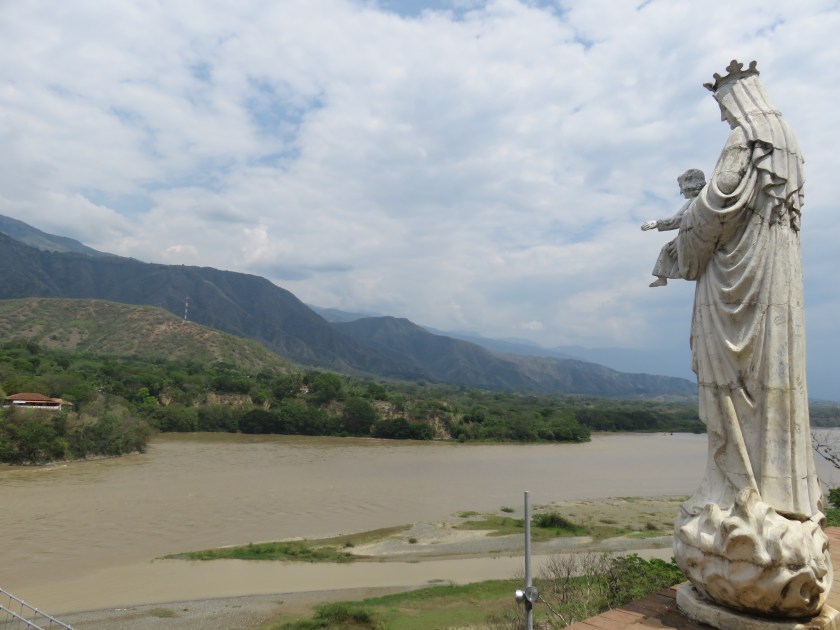
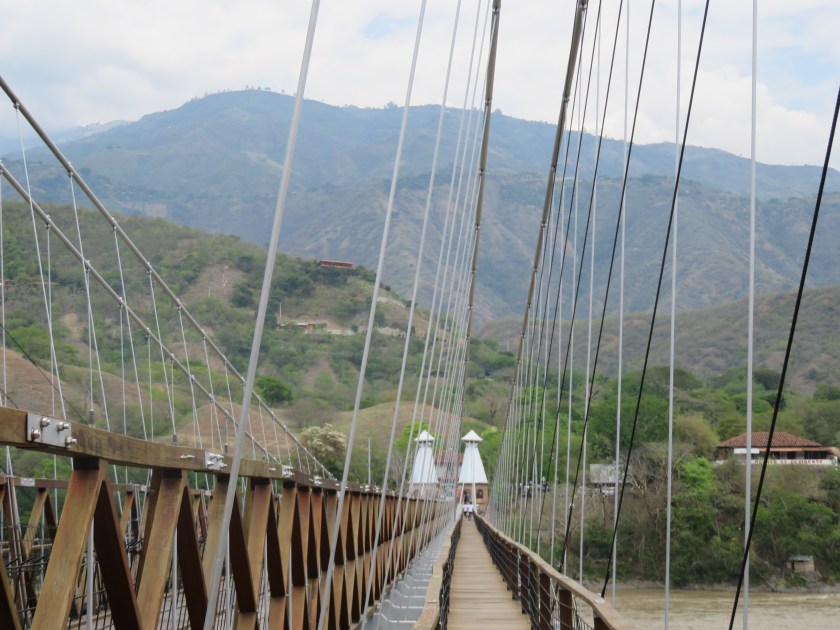
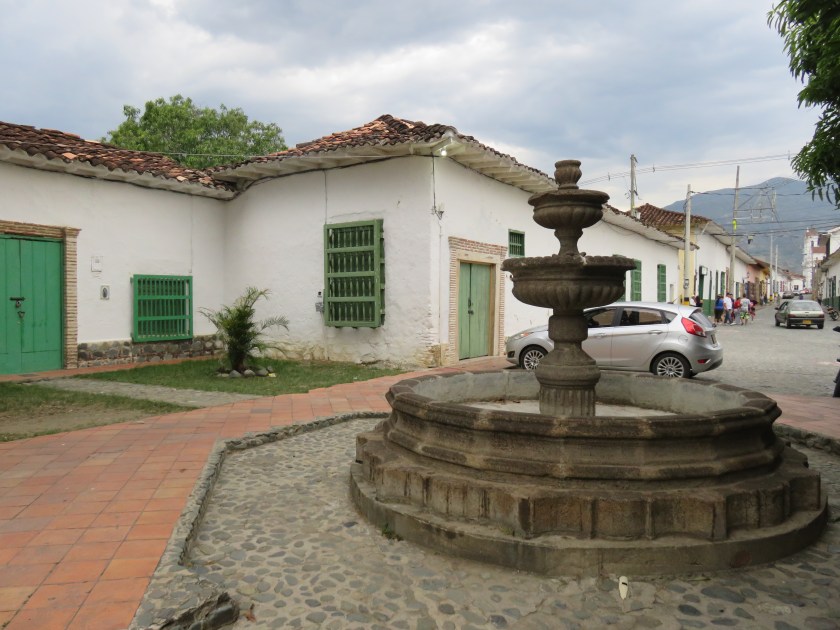
IMG_2066IMG_2054IMG_2059IMG_2057IMG_2060

IMG_2069IMG_2072IMG_2075IMG_2083IMG_2107IMG_2117IMG_2116IMG_2101IMG_2105IMG_2109

Camera: Canon PowerShot SX710 HS

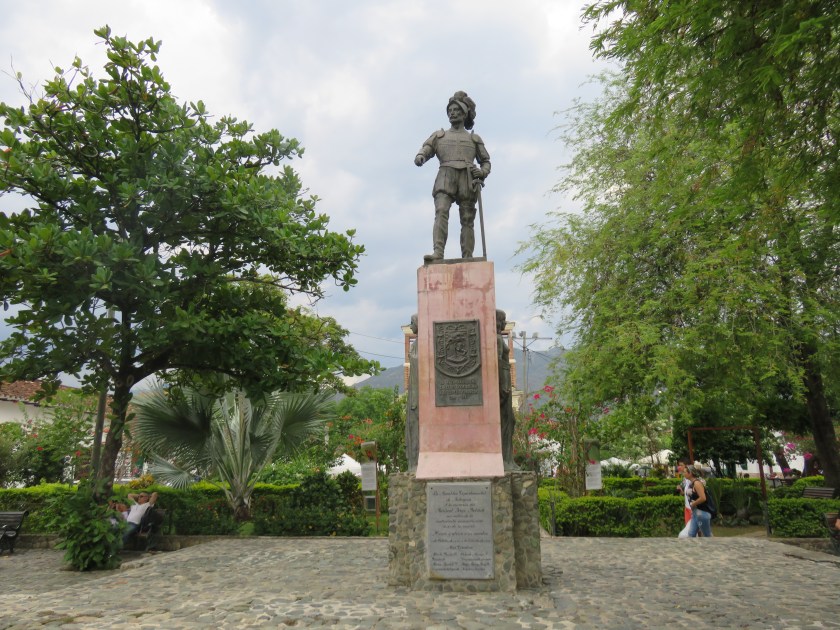
Location: Santa Fe de Antioquia, Antioquia, Colombia

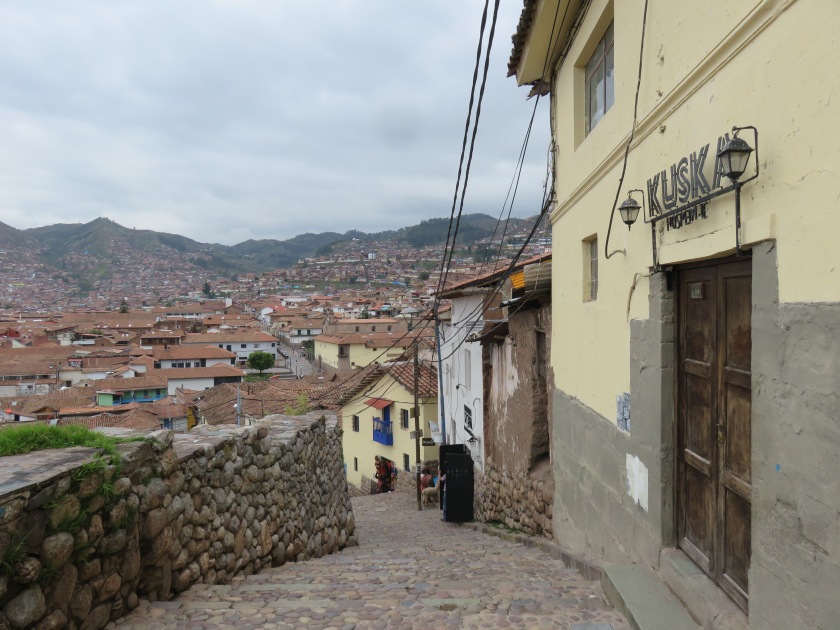
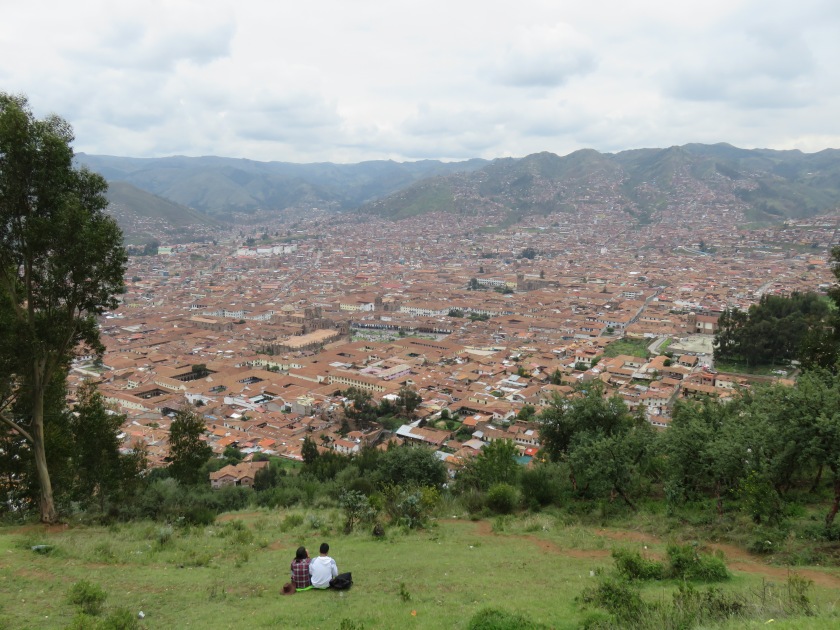
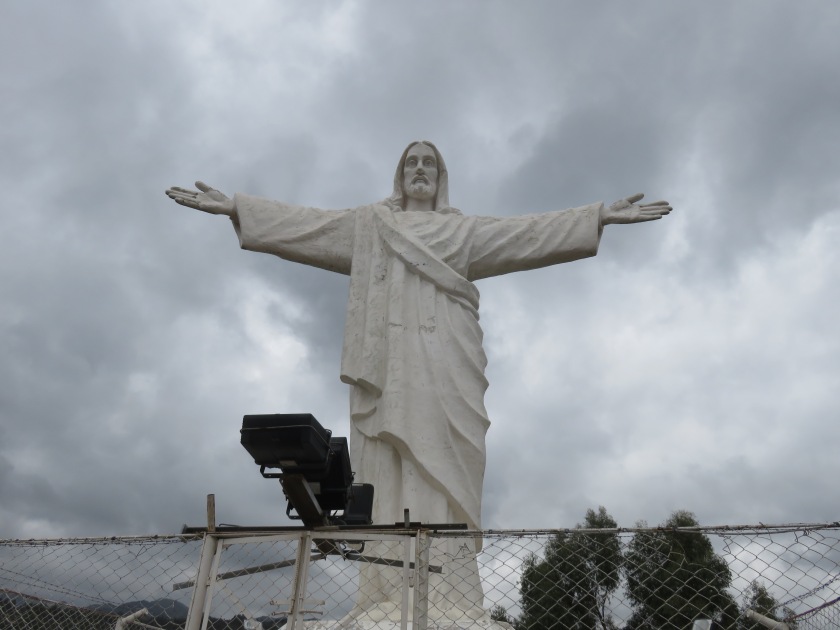
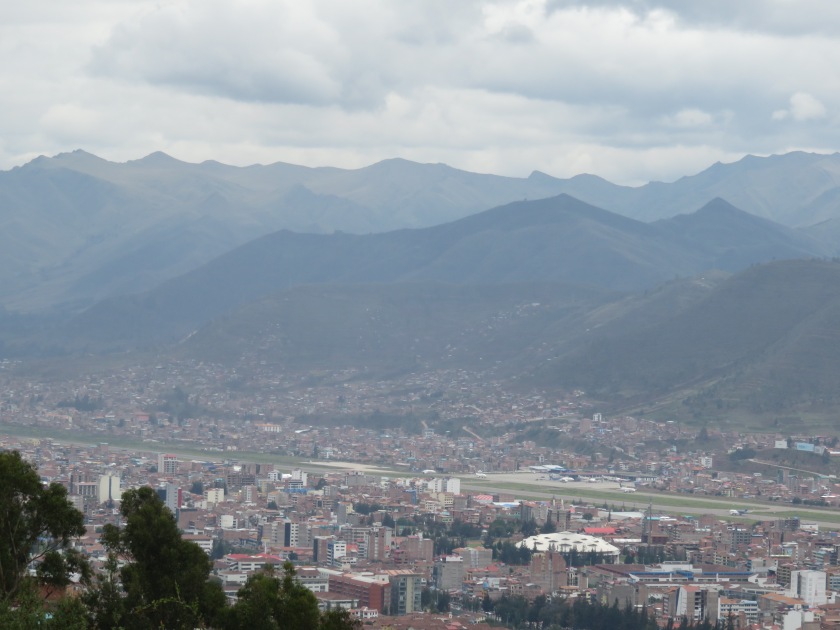
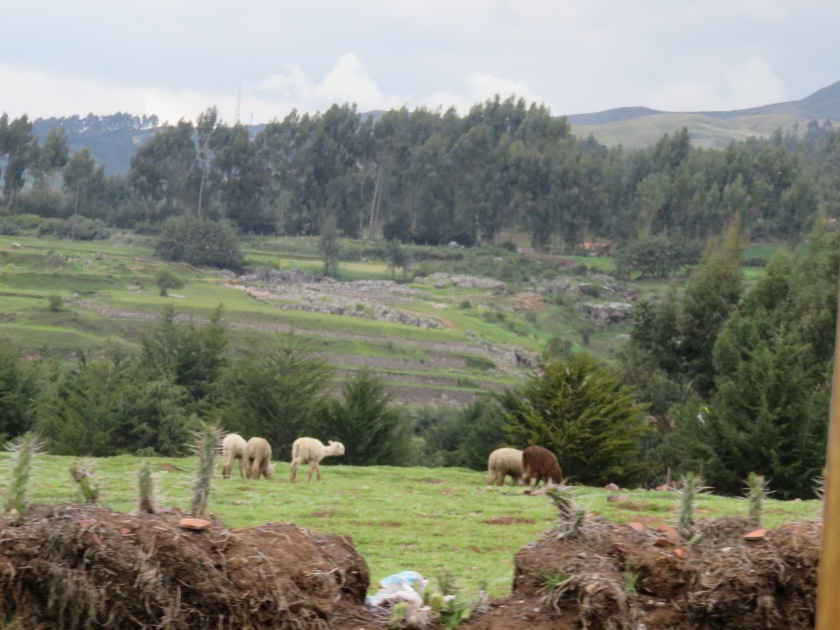
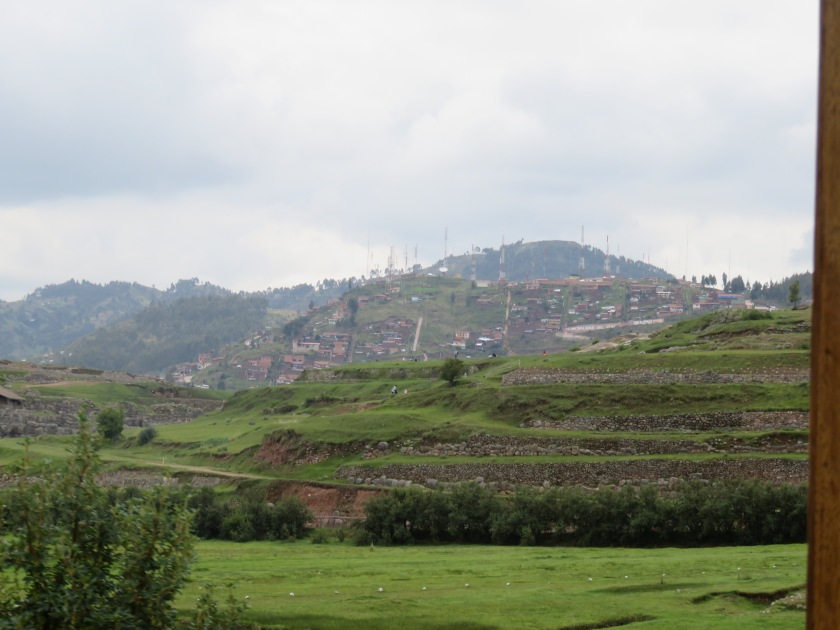
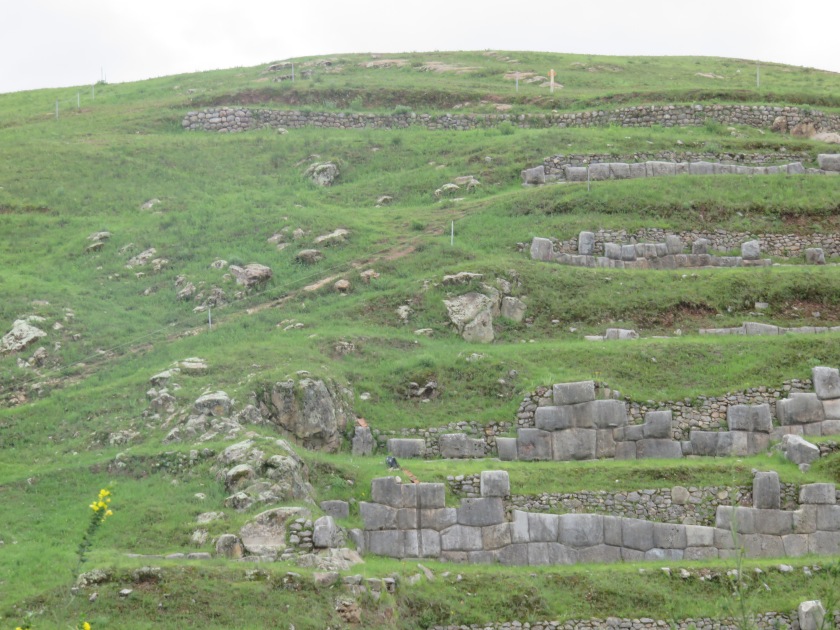
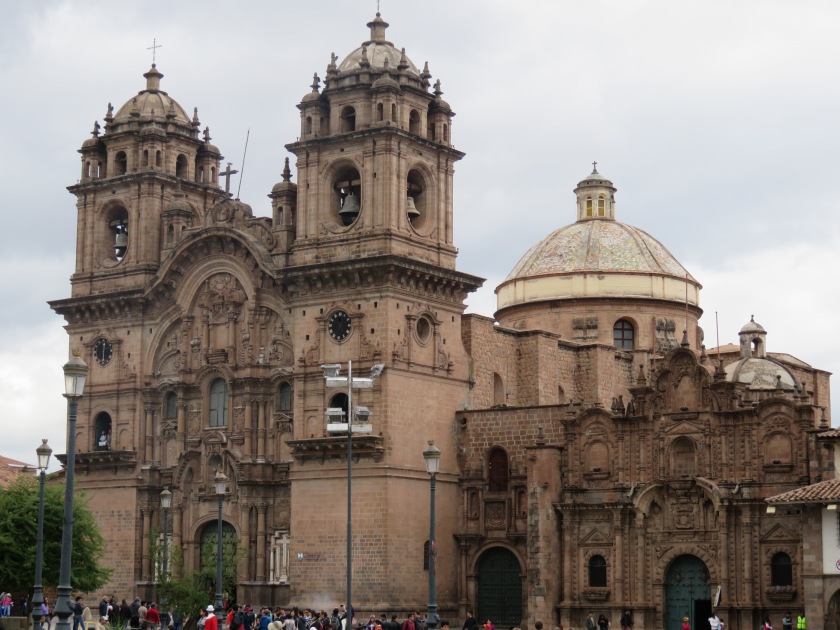
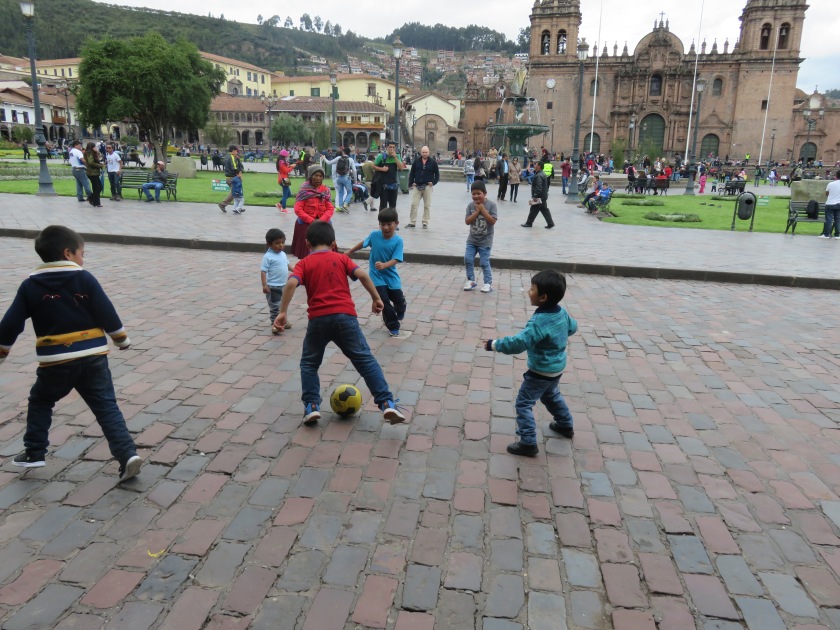
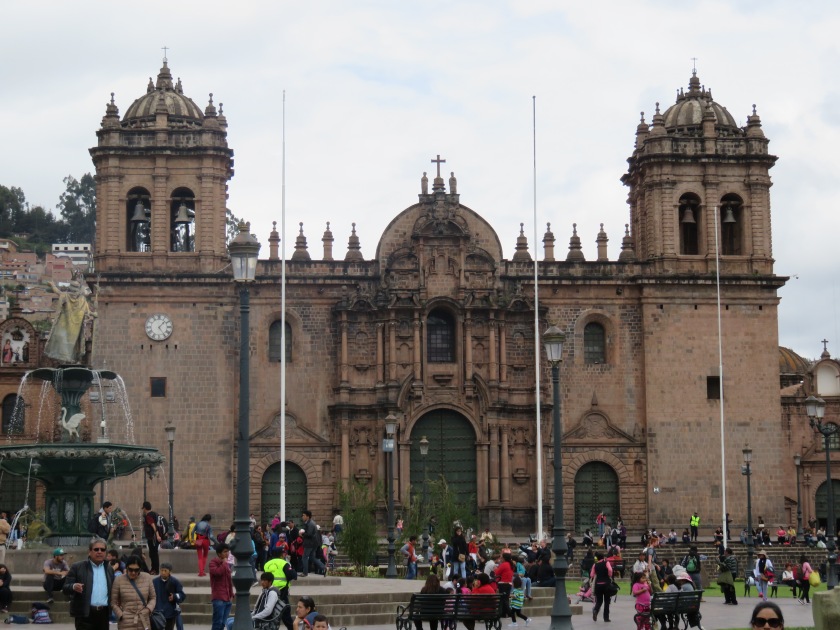
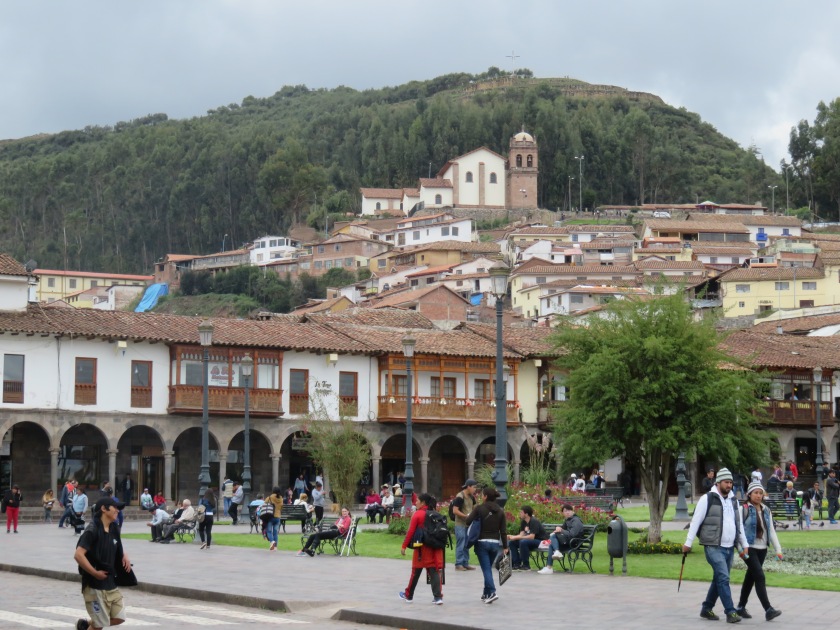
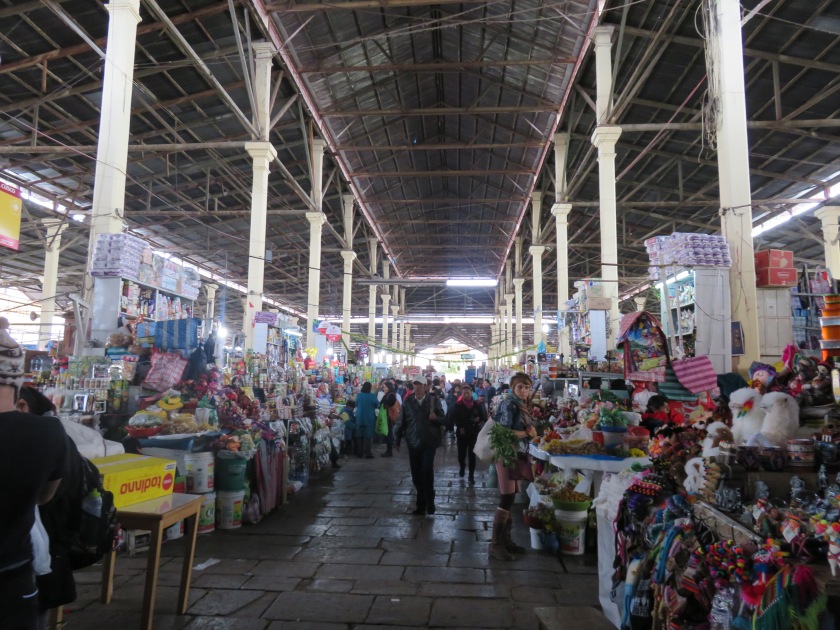
Cusco

img_1500img_1502img_1503img_1510img_1512img_1523img_1527img_1525img_1546img_1550img_1557img_1563img_1564img_1565img_1566img_1573

Camera: Canon PowerShot SX710 HS

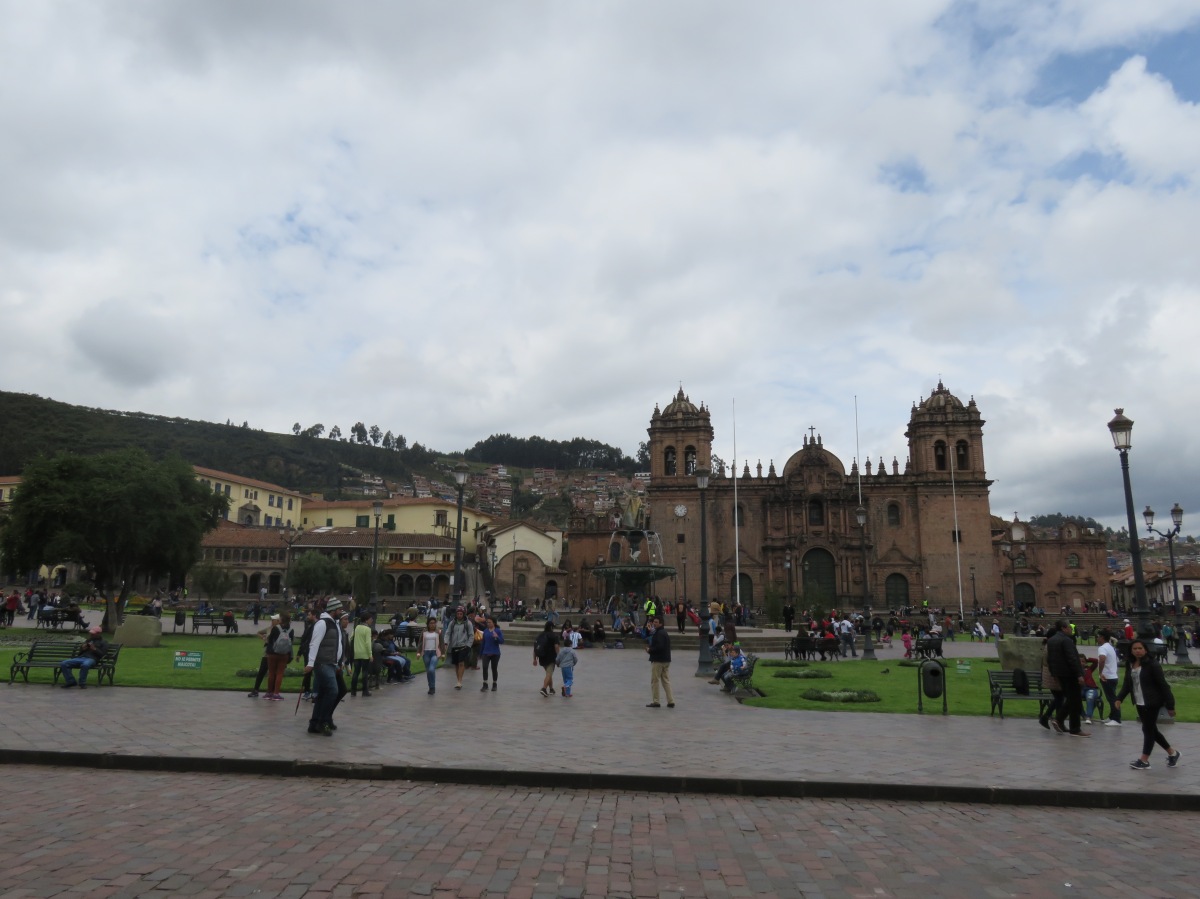
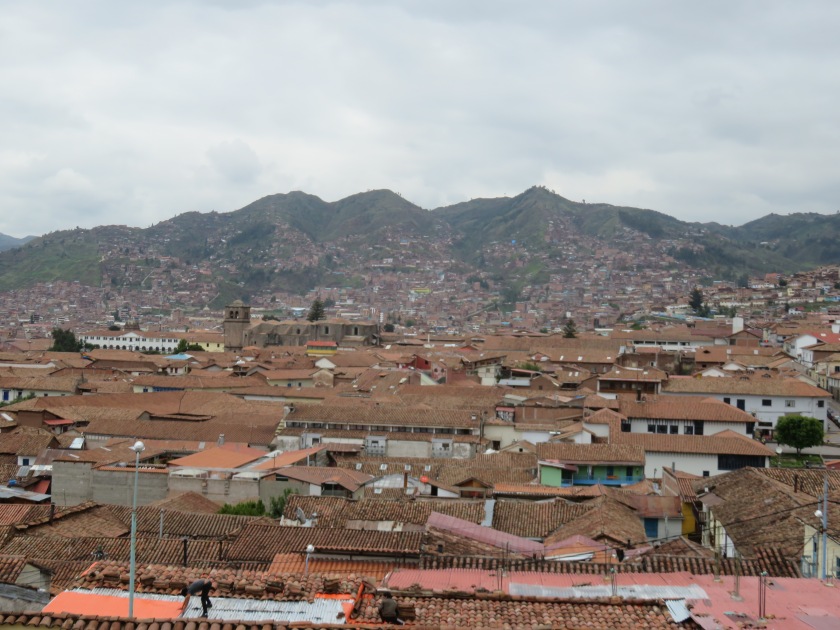
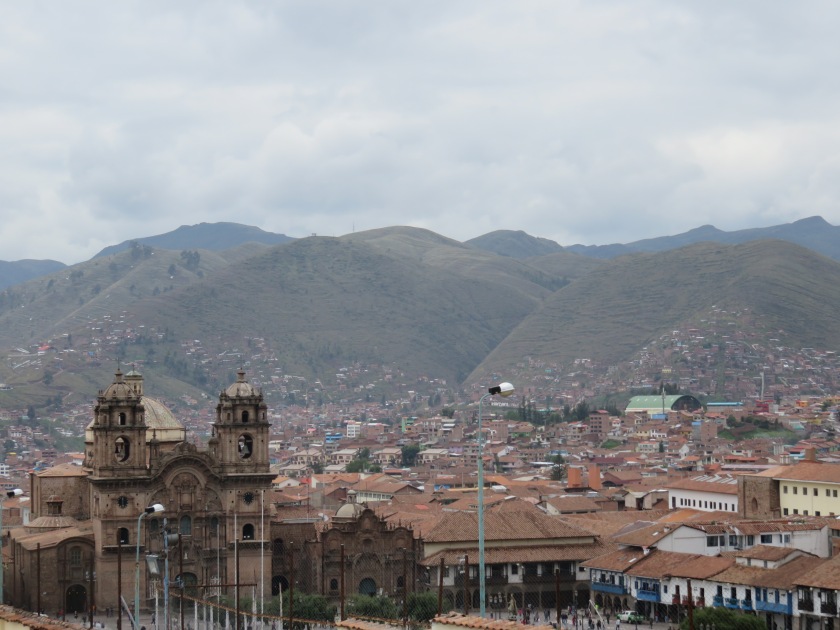
Location: Cusco, Peru

Lima

img_1372img_1379img_1403img_1406img_1412img_1416img_1418img_1426img_1433img_1439img_1442img_1463img_1472img_1481img_1498

Camera: Canon PowerShot SX710 HS

Location: Lima, Peru

The Wonder of Machu Picchu

img_1617
“The hardest yet most rewarding part of my visit: Hiking to the top of Huayna Picchu mountain.” 

There are few places in the world, which you can truly regard as being special and awe-inspiring. We describe these places as being a ‘wonder’ of humanity and one that represents our brief yet influential time on this planet. Before I came to Machu Picchu, I believed that the only other place that would classify as a ‘wonder’ to me would be the archaeological site of Petra in southern Jordan. A ‘wonder’ both of history and of architecture that goes back thousands of years is what sets apart places like Machu Picchu in Peru and Petra in Jordan. These places that touch on the cultural and historical legacy of man are what drive us to be resolute in protecting these artifacts of mankind and making sure that they are around for future generations.

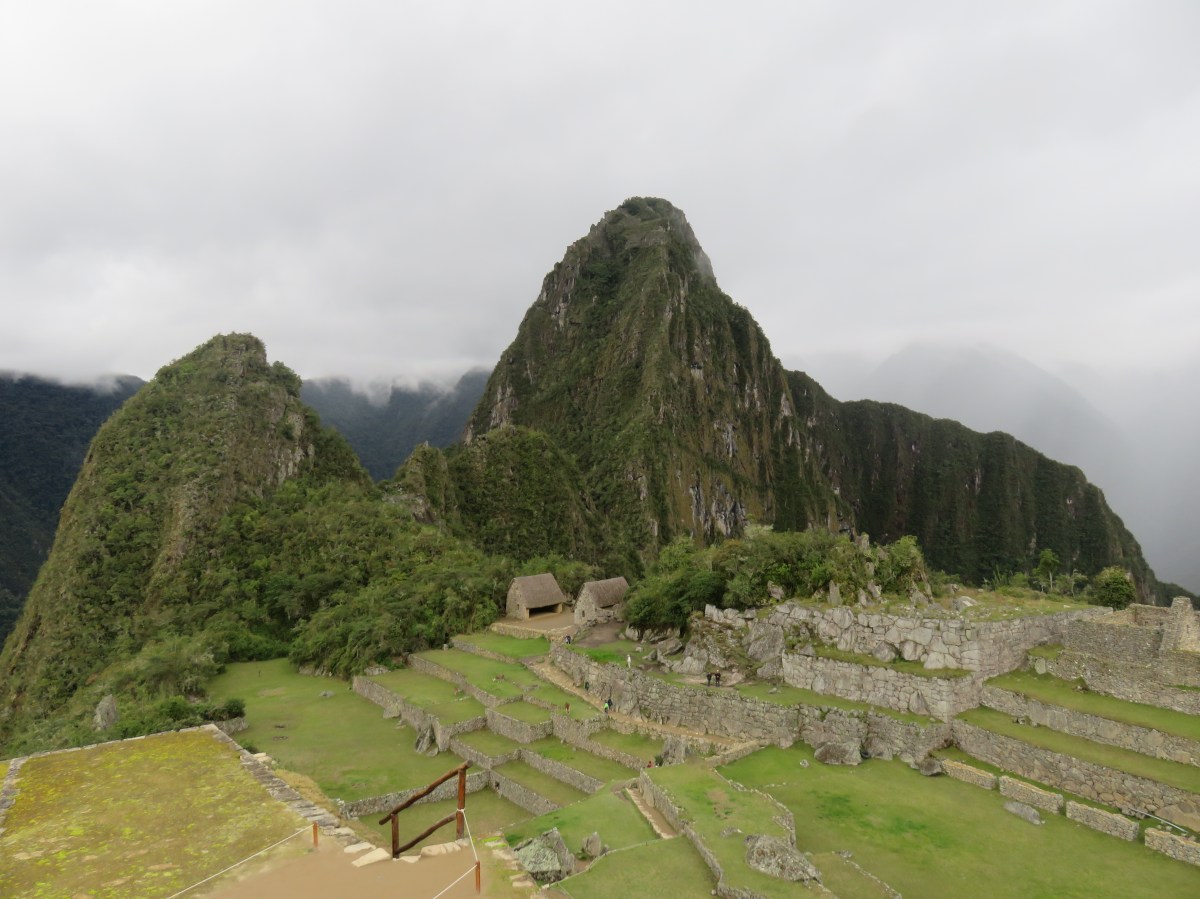
I consider myself to be incredibly lucky to have visited Machu Picchu just recently a couple of days ago. For those who don’t know, Machu Picchu is quite isolated from any major modern city or town but is possible to get to by train and bus due to the wonders of modern technology. Situated between towering mountains and located alongside the flowing Urubamba river, Machu Picchu is not only a wonder of Incan architecture and construction but is also a natural marvel due to the backdrop it has with the surrounding green mountains, wispy clouds, and the numerous kinds of plants that inhabit this part of Peru.

Among the things that stand out about Machu Picchu is that you feel isolated from the rest of the world. It may be the towering mountains that surround this archaeological site or it could be the fact that wispy clouds envelop your presence but you feel very that you’re secluded from other kinds of environment. The higher you climb in elevation, the world gets much quieter and you’re able to reflect more on not only the site of Machu Picchu that lays before you but also about life or whatever is on your mind in general.

I’m far from being an expert on ancient civilizations, especially the Incan civilization of which I know relatively little about but you have to give the people of this group considerable admiration and awe by the fact that they were able to build such a city in the most remote of places. The fact that it was possible for them to create an infrastructure out of rocks, stone, and wood in order to sustain themselves under ever-changing weather conditions is quite remarkable.

To be able to plant and harvest food, create a running water supply, and be able to construct encampments to house hundreds of Incans is very impressive to consider. Not only was there a high risk of death or injury to climb these mountains with heavy rocks or stones attached to your backs, it is likely that you would be on your own if you sustained serious injuries given that there were no modern medicines or hospitals or rely upon.

It is difficult for me to list a favorite thing about my trip to Machu Picchu. I really enjoyed climbing to the top of Huayna Picchu at 2,700 meters in total altitude despite my exasperated breath and tired knees. The views from this perching point above Machu Picchu are extraordinary and are something that I will never forget. Besides being able to take a bunch of pictures, it was great to sit and reflect on the wonder that lay before me. At a couple of thousand meters in the air, all your problems dissipate for a moment and you can truly hear the sound of the wind and the movements of the clouds. You can close your eyes and hear nothing but the sound of your own thoughts if you are so lucky.

Thanks to the efforts of the Peruvian Ministry of Culture, Machu Picchu is amazingly well preserved and should be around for future generations to enjoy. A limited amount of tourists, a couple of hundred in total per day can visit Machu Picchu and is a good idea to make sure that none of these famous Incan ruins will be damaged, tampered with, or destroyed. To lose such a precious treasure such as Machu Picchu or any other wonder of the world would be a tragedy for humanity and its’ history on this planet. While it was not cheap to get to Machu Picchu, I can fully understand why we as tourists pay the costs of admissions to visit these beautiful sites.

We do it to make sure that other people have the chance to experience these places firsthand and are able to share it with their children and grandchildren. I am quite lucky to have been able to visit such a wondrous place and I will remember my day at Machu Picchu quite fondly. If you’re reading this blog post and desire now to visit Machu Picchu, I would recommend that you do it with the knowledge that you do some research about the place, respect it during your visit, and do your best to take the experience in not just through your camera lens or smartphone but through your own eyes and ears.

To me, Machu Picchu is more than a lost Incan city of hundreds of years ago; it is a beautiful and awe-inspiring place of natural scenery. With its’ many mountains, huge river, and hundreds of diverse plants, this place can help you reflect not only about the past but on the present and future of yourself, humanity, and the planet itself. With any tourist site that’s located in a unique location, precautions and steps must be undertaken to make sure you have an enjoyable visit. Please make sure you bring some sunscreen, an umbrella, appropriate clothing and a lot of water. The weather can be quite unpredictable at Machu Picchu and it would be good of you to prepare to experience all four seasons in just one day at the site. Best of luck to you reading this post if you decide to take the journey to Machu Picchu. I promise that you won’t regret it.


A Chance Encounter

When it comes to traveling, most people often remember the places they’ve been, the food they ate, and the fun activities they did during their trips. However, what often gets lost in the shuffle is the ability to appreciate and remember the interesting people you meet during your travels, usually at the most random of times and in the most random of places. The best part of traveling can often be those chance encounters on the road that lead to you gaining a new friend, who might be a local from the country you’re visiting or another fellow foreigner who’s exploring the same places as you by coincidence.

One such encounter happened to me very recently during my first trip to Peru. I got up very early at around four in the morning to catch the train from the Peruvian village of Ollantaytambo to the town of Machu Picchu, which is located a couple of hundred feet below the famous ruins of the ancient Incan city of Machu Picchu. Running on just five hours of sleep and anxious to make sure that I had all my paperwork in store for the visit to Machu Picchu, I was not in a talkative mood and feeling pretty lethargic.

I boarded the train at around 5 am and was even more dismayed by the fact that I was assigned an ‘aisle’ seat instead of my usual preference for a ‘window’ seat. Rather than being able to view the beautiful, cascading Andean mountains and the river running through them beneath the train tracks, I would only be able to glance a peak of the scenery by arching my head over, behind, or in front of the person next to me who would soon be occupying my prized window seat.

Still though, I reminded myself internally to not be such a downer and to be grateful that I would soon be departing for one of the wonders of the modern world, which very few people get to visit during their lifetimes. I am also a big fan of train travel, and Peru Rail provided quite a comfortable ride to and from the town of Machu Picchu. Eventually, a man carrying two big toys in his hands asked in Spanish, “Con permiso” politely as he motioned that he was coming through to sit down in the open window seat next to me. I obliged politely and looked on with curiosity at he placed these large two toys on the tray table in front of him nonchalantly.

I thought to myself at the time that it was a curious sight to see a grown man holding two toys that a child would play with, and to especially be sitting by himself with them and not with a son or daughter nearby. The toys themselves captured my attention because they were two of my favorite toys that I owned when I was a child myself. If you have ever seen the ‘Toy Story’ movies, you’ll know that those characters were popular when I was growing up in the 1990’s and even until today due to the series’ recent surge in popularity.

I loved ‘Toy Story’ as a kid and I still do especially given the fact that I saw the movie ‘Toy Story 4’ a couple of years ago and that was just before I graduated from college. The two toys themselves were replicas of the two main characters, Buzz Lightyear and Sheriff Woody, who I had owned in my younger days. I spent many afternoons watching Buzz lift off and having Woody swing his plastic lasso around like a real cowboy would do. Some toys, even when you’re an adult, hold a deep connection for you and bring back a lot of memories that have since receded a long time ago.

Now, suddenly, my interest had been peaked in the man sitting next to me due to the toys that he was bringing with him to Machu Picchu. I started by telling him in Spanish how I used to love playing with those same toys of Buzz and Woody when I was a child. He was very friendly in responding to my curiosity and stated that; yes, he likes the toys a lot too and bought them for his two-year old son recently for his birthday. That put in place another piece of the puzzle for me as I realized that this man was not traveling to Machu Picchu by himself but was sharing this unique experience with his wife and his children.

For being such an early time in the morning to have a conversation, the man whose name I learned was Jorge (first name changed for privacy reasons) was polite, friendly, and patient with my imperfect Spanish. It’s one thing to speak in a foreign language when you’re fully awake in the middle of the afternoon and it’s a much more challenging task to be coherent in a foreign language at 5:30 in the morning when you are lethargic and groggy. However, I was able to communicate with Jorge pretty easily and he was able to practice some of his English as well. Like myself, Jorge also works in the education sector. He is a secretary at a primary / secondary school in Peru, and has been doing this job for over ten years. He is passionate about education and was curious about my experiences as an English teaching fellow in Medellin, Colombia.

From what I could tell about Jorge, he was a caring husband and father. He showed me pictures of his two young children on his iPhone with the traditional ceremonies that they would go through at their primary school. It was pretty interesting to see how they would dress up these little kids in traditional Peruvian clothing for these school events. Jorge must have taken a liking to me because even when one of the cabin crew for the Peru Rail train asked Jorge if he would like someone to move from the other row so he could sit with his wife and his children, he politely declined as I think he was really enjoying the conversation we were having. It also didn’t hurt that his family members were only sitting a row behind him so he could easily reach them if there was anything they needed, including if his little boy happened to want to play with Buzz and Woody again.

It was extremely interesting for me to hear from Jorge as a local and native citizen of Peru about his experiences visiting different parts of his country. He gave a lot of interesting insights about the regional differences between food, people, and the culture depending on where in Peru you were visiting. On this recent trip, I was only able to explore Lima and Cusco, but due to Jorge’s recommendations, I have a pretty good idea of where I would go in Peru for my next visit. I was happy to chat with Jorge about what it was like to grow up and live in New York, as well as talking about popular American music and movies that we both have a mutual fondness for. Despite having been born thousands of miles from each other on different continents and with different cultural backgrounds, we were able to bond as human beings because our similarities in terms of personality and interests were greater than our inherent differences of culture and country of birth.

Perhaps most notable for me about getting to know Jorge was how mature he was for his age. Jorge is only six years older than me but has a steady job, a wife and two young children. A lot of people my age and older are forgoing those traditional responsibilities of life but it says a lot about a man who provides for his family and is able to do things for them like take them on a trip to Machu Picchu. Men like Jorge are admirable in that they are responsible, mature, and do not shy away from their commitments. While all men carve their own path in life, they should try to exemplify the same traits as my new Peruvian friend Jorge has done. Maturity, responsibility, and a kindness to strangers like myself; these are the best traits to emulate when you witness them in another person. That’s how you become a true adult and someone who can be the leader of a family. It’s easy to say that my hour and a half spent talking to Jorge taught me more than just about old toys, it taught me a lot about adulthood and what it means to be a good man.

As we pulled into the Machu Picchu station, Jorge was very gracious and said that if I ever wanted to experience the best of Peruvian cuisine in Lima, where he and his family live, I was more than welcome to join them in the future. I told them that I would be happy to extend the same offer to them if they were ever in Medellin or even in New York if I was back there again. We exchanged our Facebook information, said our goodbyes, and parted ways as we both left the train to our final destinations. I continued on to my full-day visit to Huayna Picchu / Machu Picchu (which was amazing by the way, but that’s for another blog post).

You may ask by now if you’ve read this whole post: Ben, why did you decide to tell me about a chance encounter with a Peruvian guy on a train to Machu Picchu? The answer to your question is quite simple: It’s because traveling isn’t just about eating new foods, seeing cool places, or doing awesome activities. I enjoy all of the above and then some but traveling is also about getting to know the locals like Jorge and learning more about their country and their culture from their perspective.

Traveling is and always has been about broadening one’s horizons and getting outside of your comfort zone. For me, I’ve always been on the shy side personally but by traveling especially by myself, I’m forced to meet new people and start a conversation. I can only say that it’s done wonders for me in terms of building my confidence, improving my self-reliance, and lowering my anxiety when it comes to meeting new people. Traveling is more than just the experiences you’ve had and the places you’ve seen but it’s also about the new people you meet. Your memories will include the people you meet and you’ll look back on those same memories very fondly one day. You may never see that person again but at least you’ll know that they made your trip a little bit more special and rewarding because you met them in the first place.

I hope that as a reader of my blog that you’ll take this story to heart and remember to not be shy when it comes to meeting new people, regardless of whether you’re traveling or are at a party where you don’t know anybody there. The best stories come out of those experiences where you can met someone cool or unique and have a good time getting to know them. You may even be able to make a lifelong friend just by being willing to open your mouth and make the words come out.