





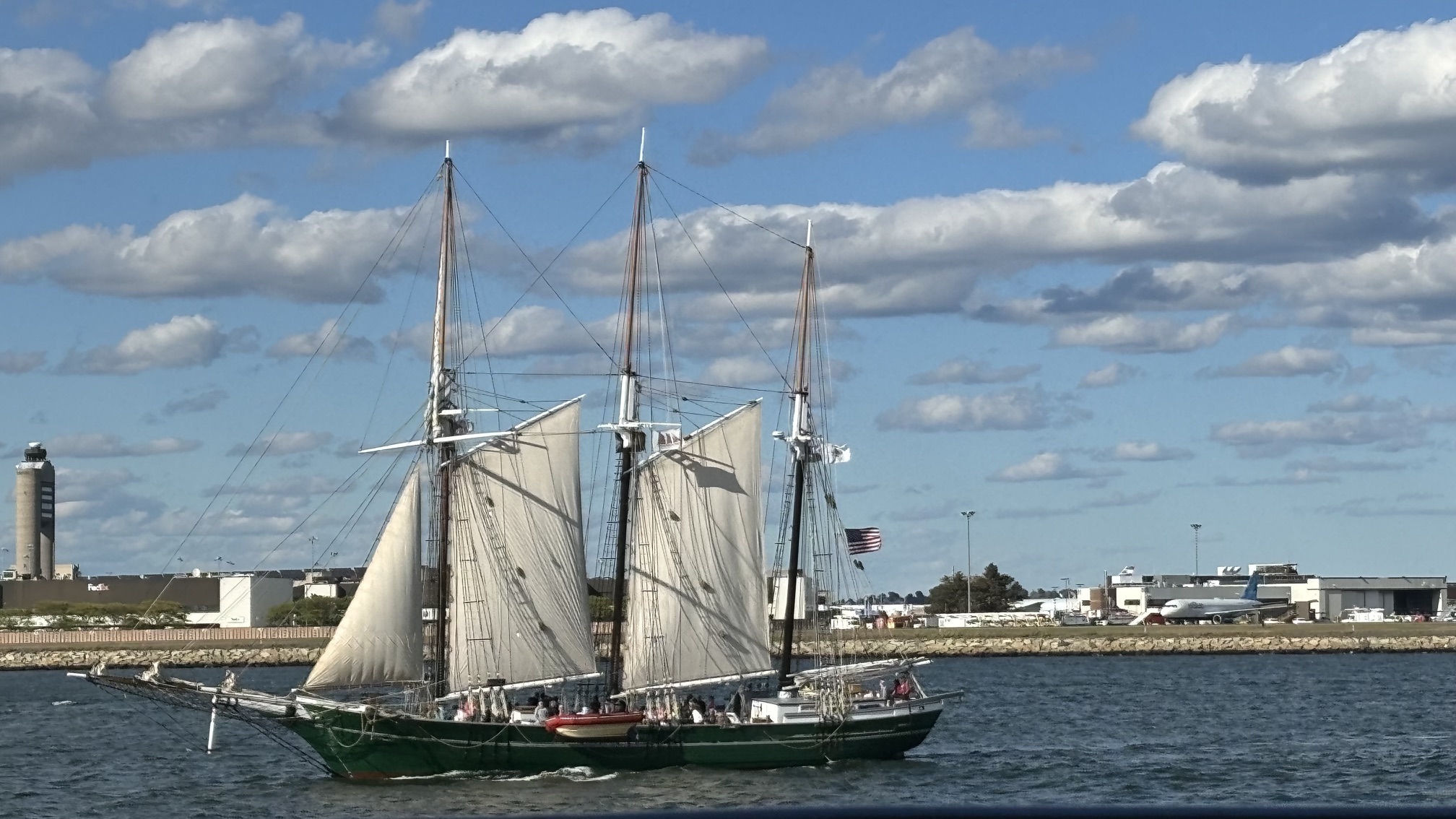
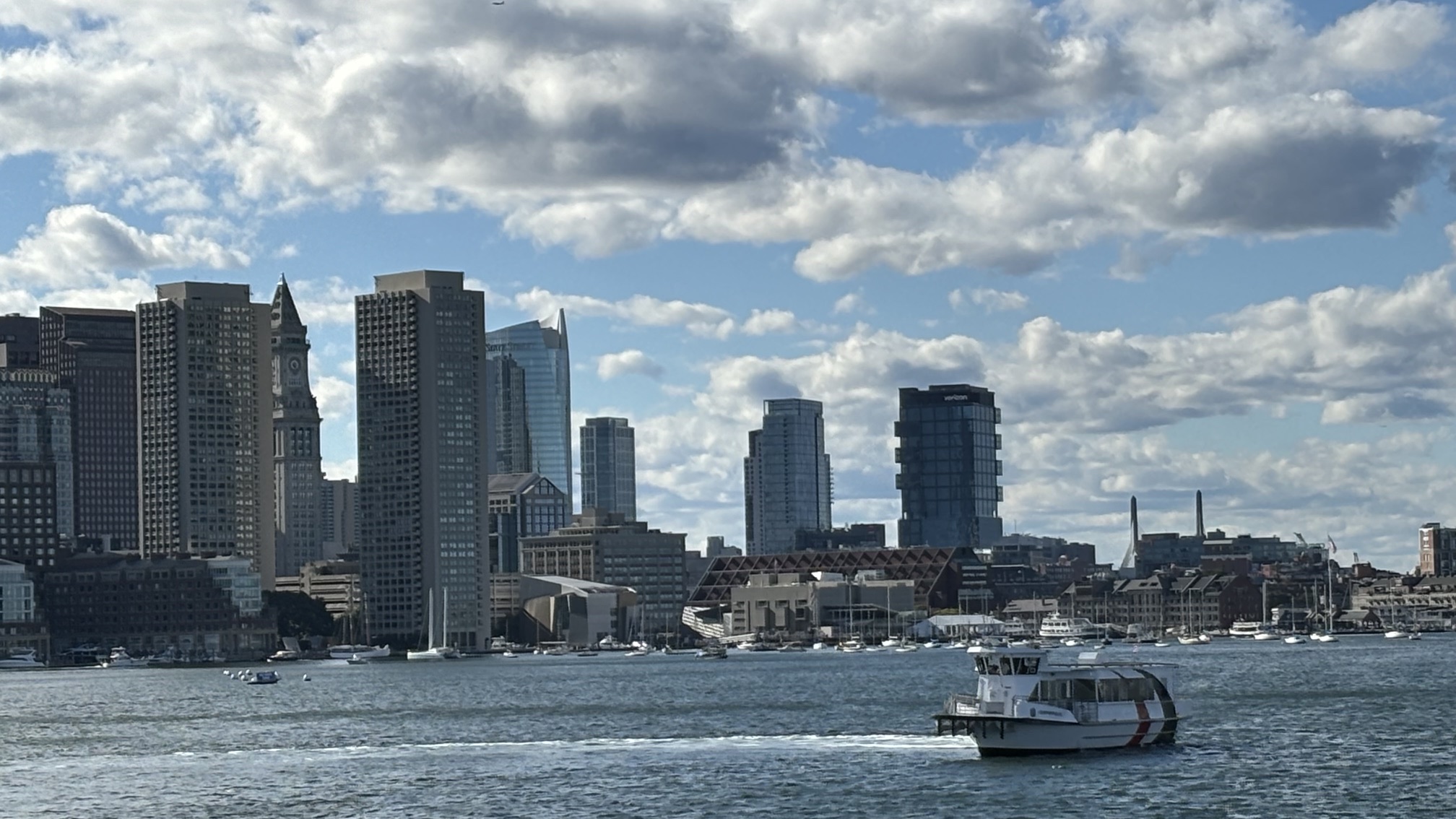
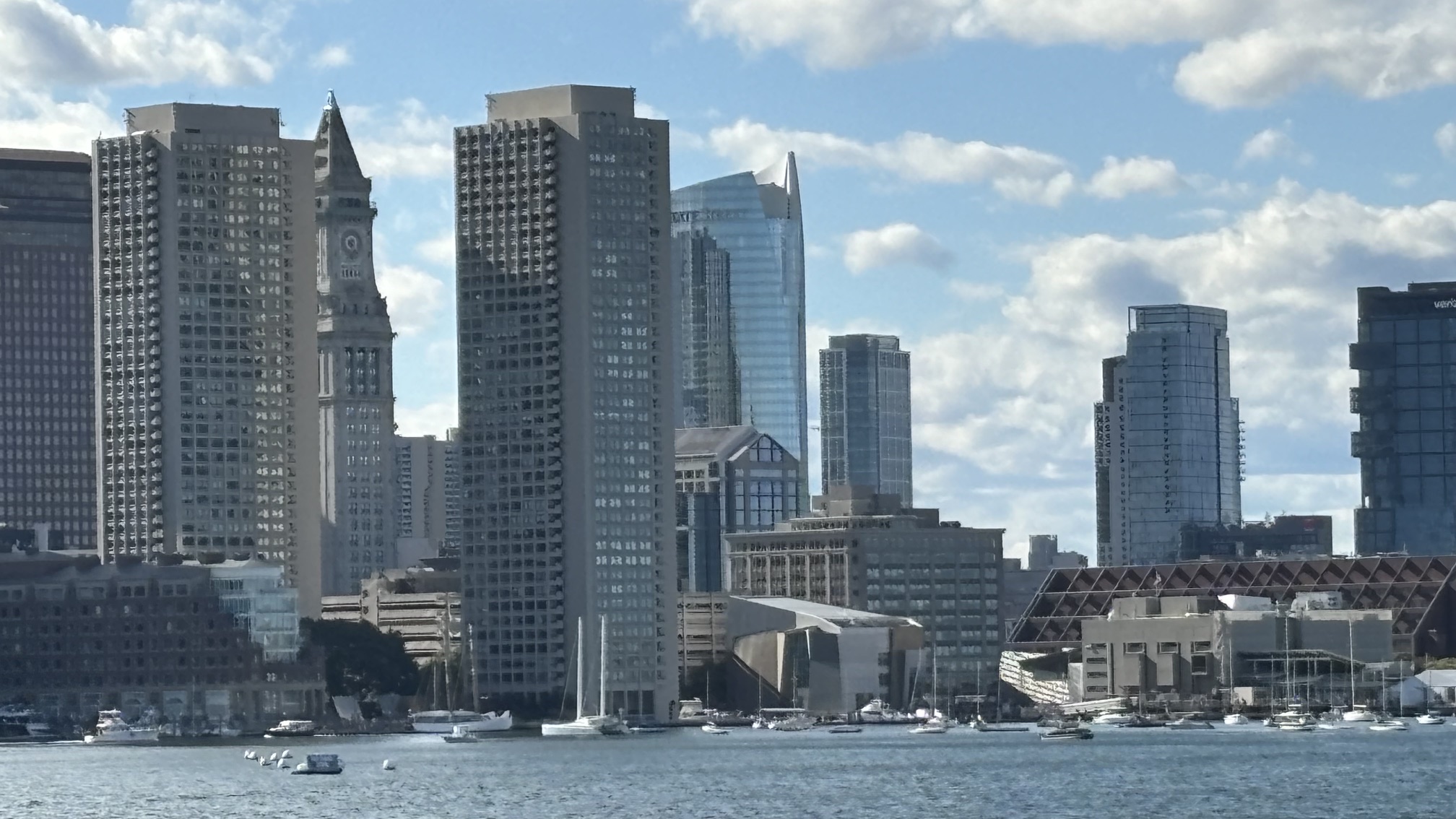
Camera: iPhone 15
Locations: Cape Cod National Seashore (Cape Cod), Provincetown, Massachusetts, United States; Boston, Massachusetts, United States

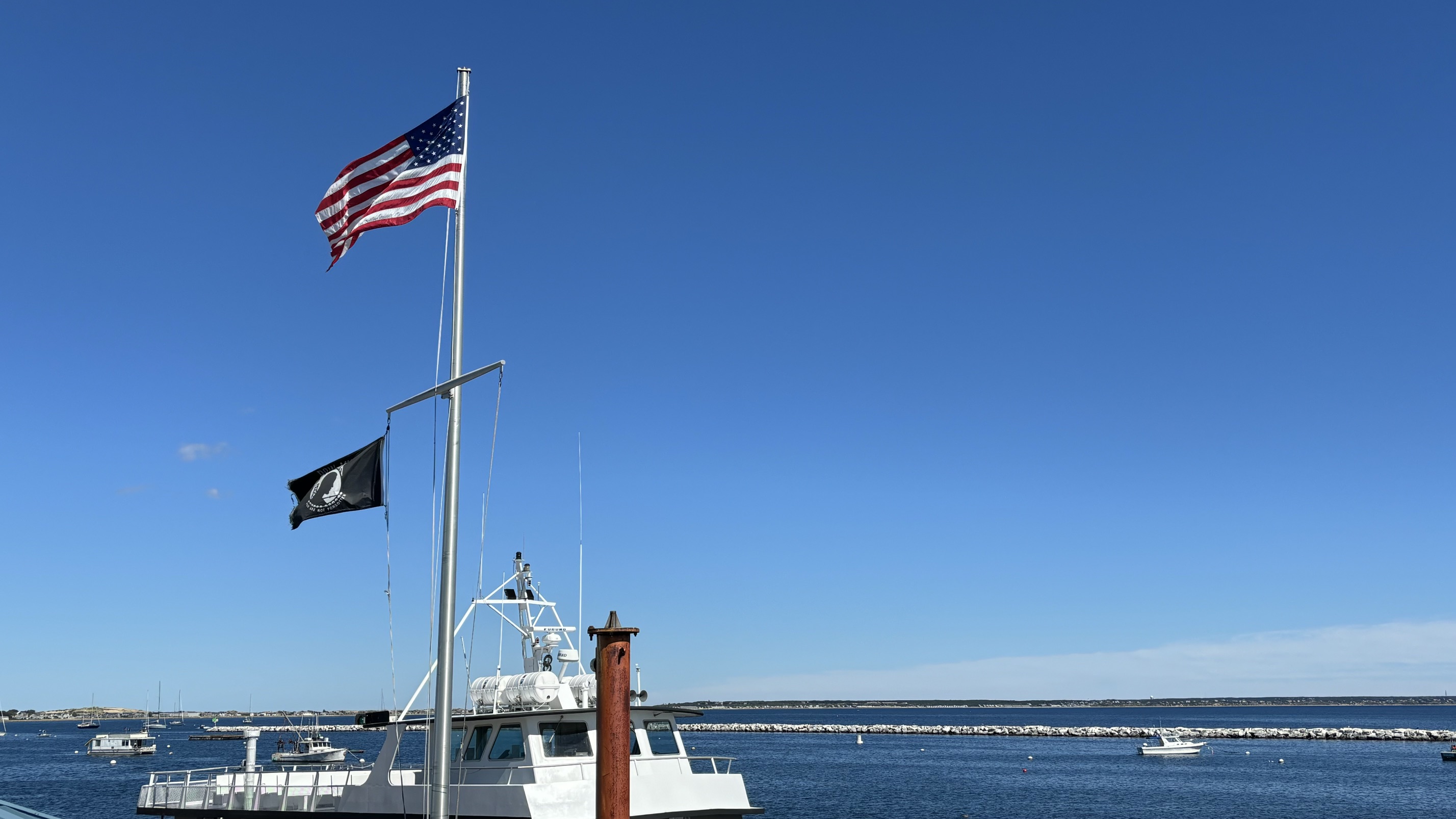
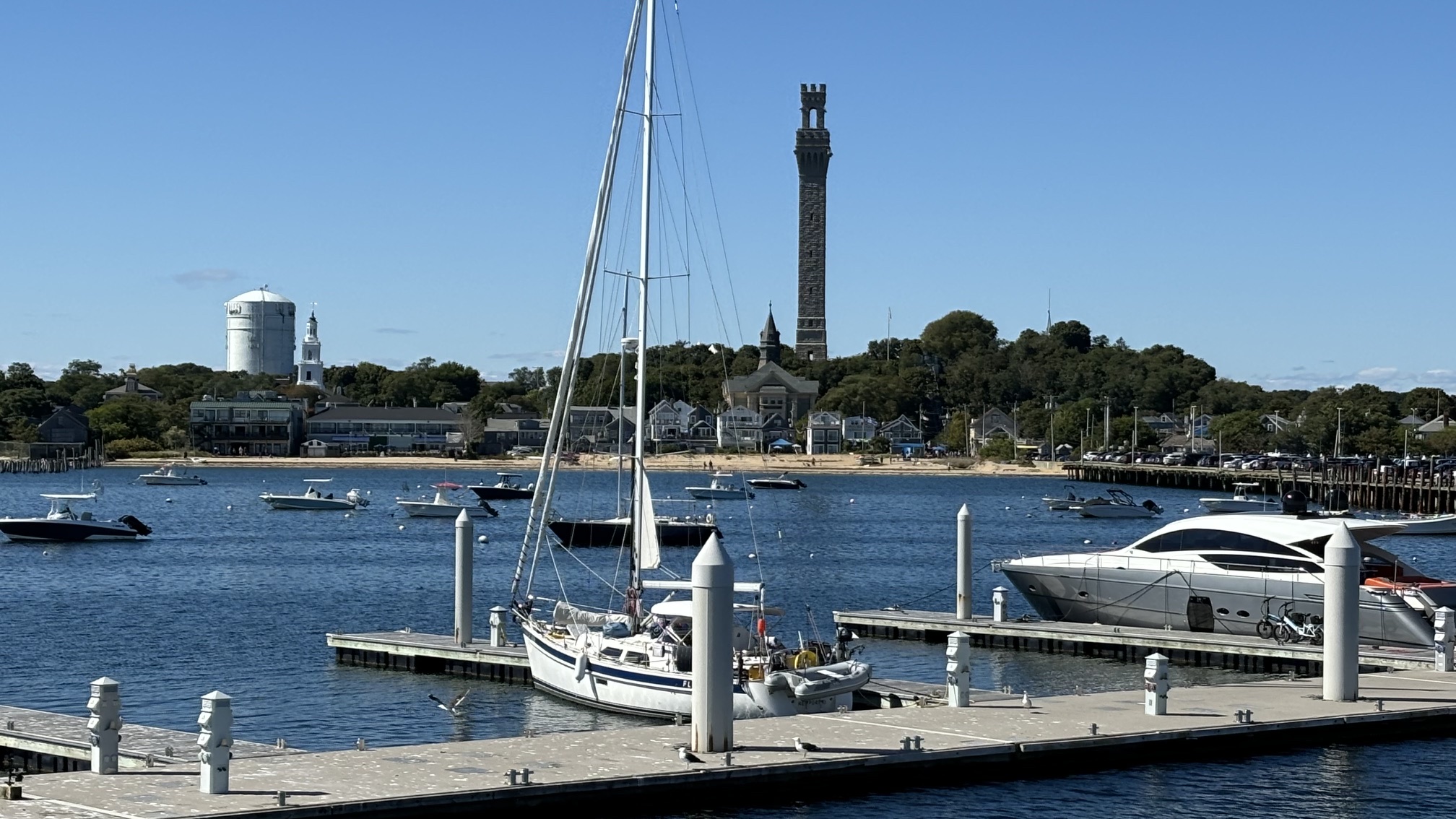
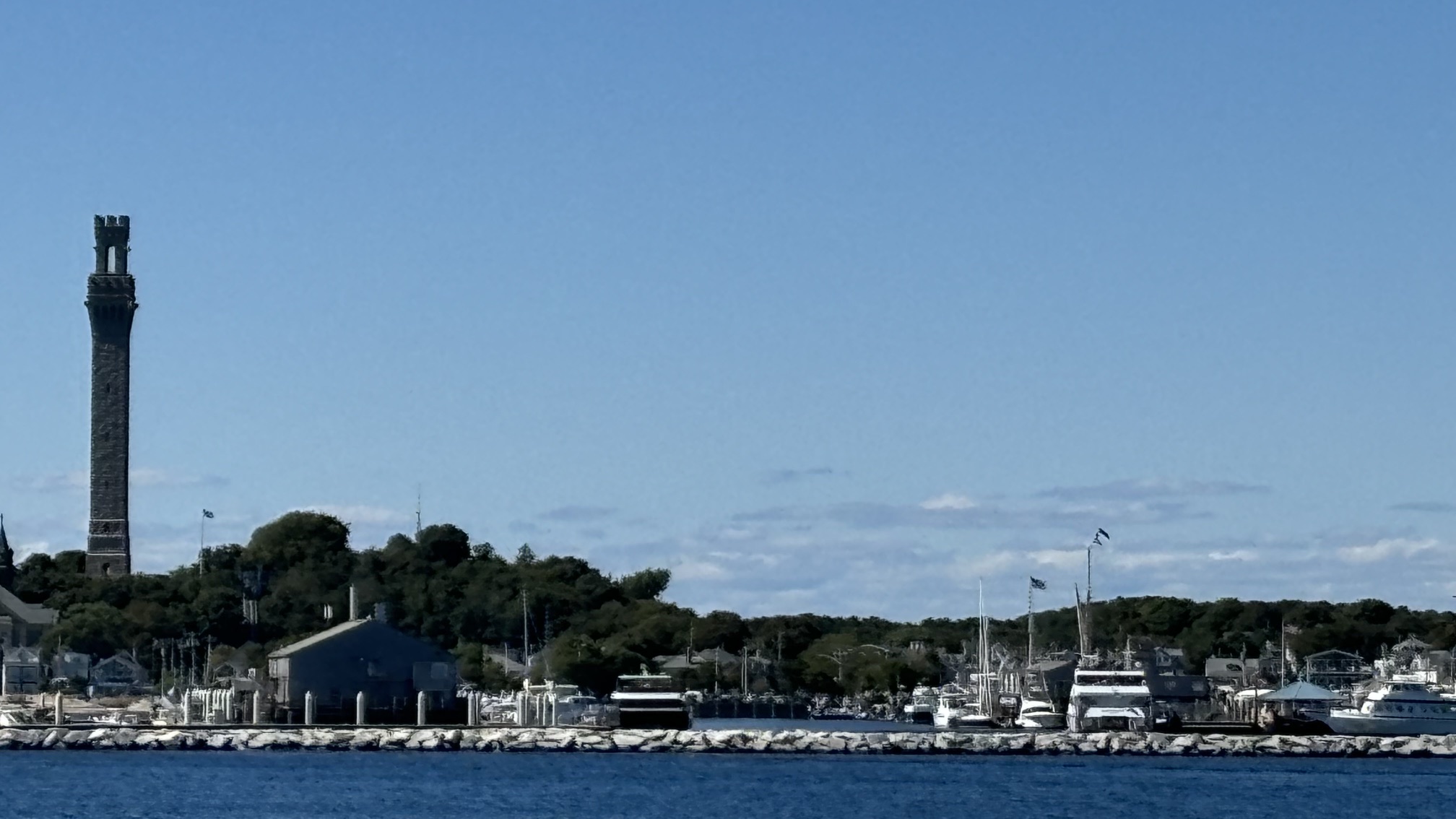
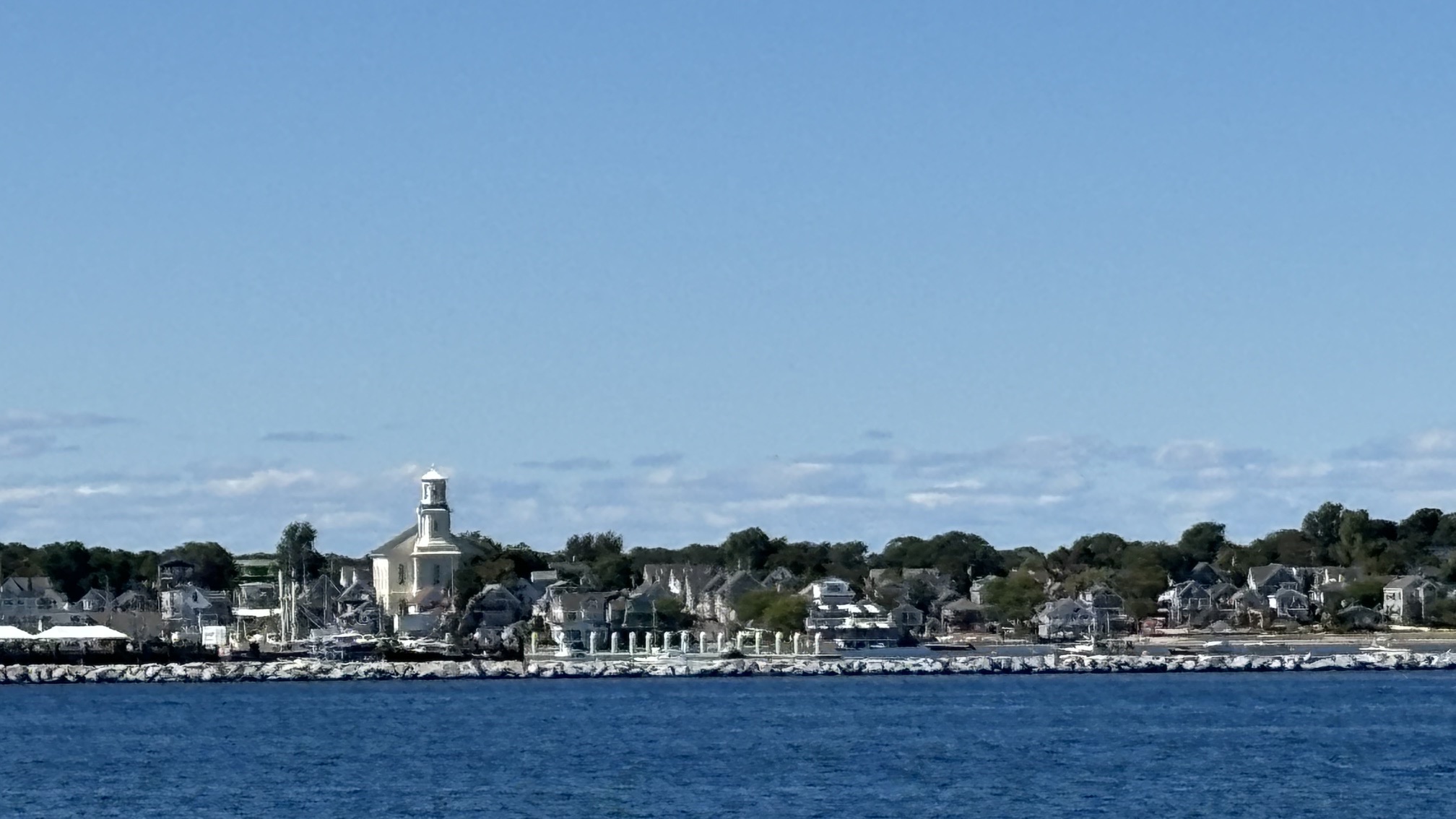
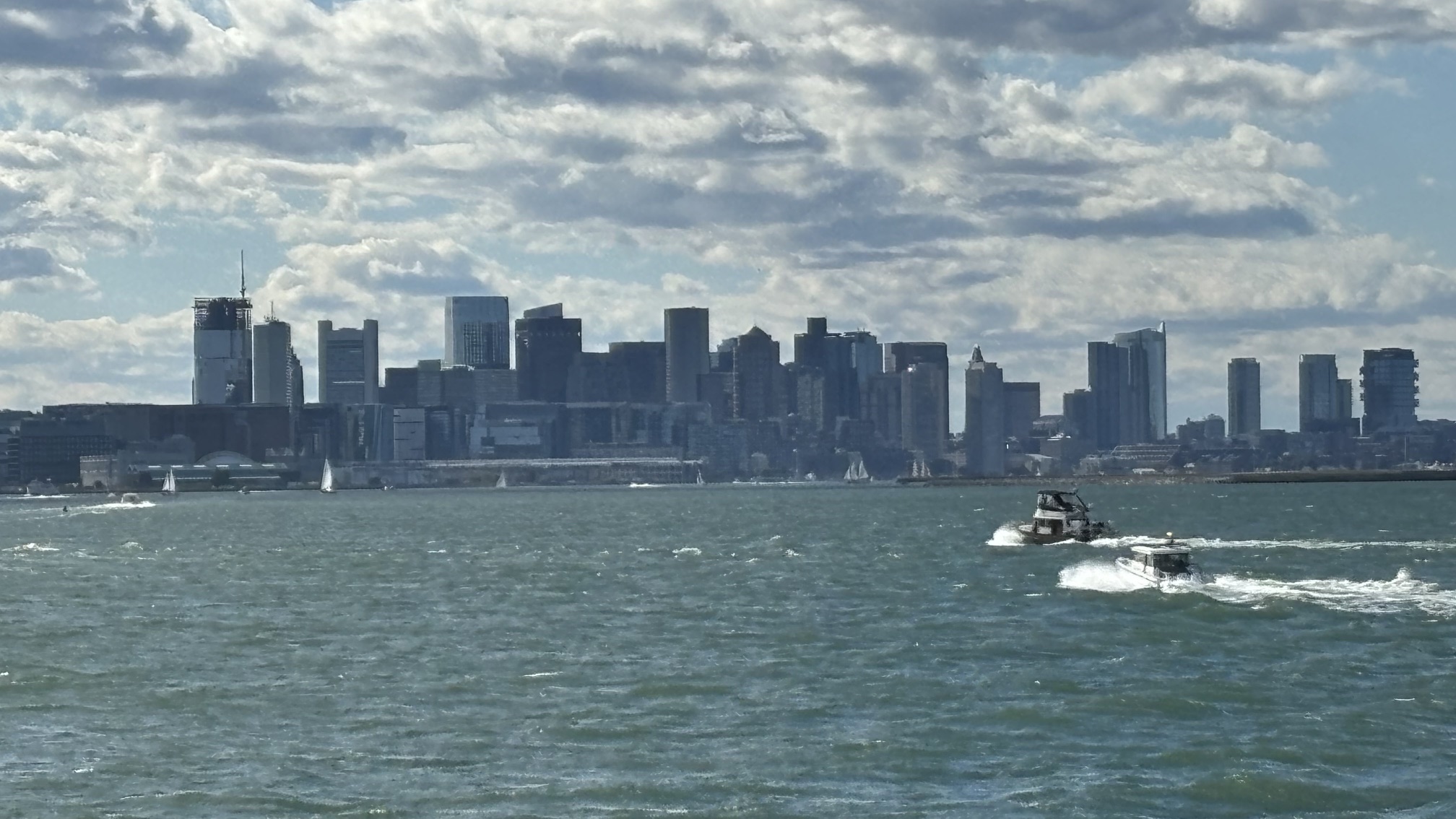
“A one-way trip on the Cape Cod ferry on a windy, late Summer in Massachusetts as I make my way back to Boston after a great Labor Day weekend with friends.”
Camera: iPhone 15
Locations: Cape Cod National Seashore (Cape Cod), Provincetown, Massachusetts, United States; Boston, Massachusetts, United States
“This book-to-film adaptation, praised for its emotional intensity and thematic complexity, remains one of Eastwood’s most acclaimed directorial efforts to this day. Mystic River is a powerful combination of stellar performances, masterful direction, evocative cinematography, and a carefully crafted screenplay making the film a standard bearer of cinematic storytelling.”
Mystic River, directed by Clint Eastwood in 2003 and starring an amazing cast including Sean Penn, Kevin Bacon, and Tim Robbins, is an intricate and darkly intense film that has left a lasting impact on audiences and critics alike since it first came out in theaters over two decades ago. Based on Dennis Lehane’s novel of the same name, the film explores deep themes of trauma, guilt, vengeance, and the ways in which past experiences haunt the present and future. This book-to-film adaptation, praised for its emotional intensity and thematic complexity, remains one of Eastwood’s most acclaimed directorial efforts to this day. Mystic River is a powerful combination of stellar performances, masterful direction, evocative cinematography, and a carefully crafted screenplay making the film a standard bearer of cinematic storytelling.
The plot begins in a working-class Boston neighborhood, not too far from the Mystic River, and centers on three childhood friends: Jimmy Markum (Sean Penn), Sean Devine (Kevin Bacon), and Dave Boyle (Tim Robbins). As young boys, the trio spends their days together, playing stick ball, hockey, exploring the neighborhood, and strengthening their bond as friends. However, one traumatic incident forever changes their lives, marking them all in ways that will resonate through their adult years. Decades later, their lives intertwine once more when Jimmy’s teenage daughter, Katie, is found murdered, prompting a deep and painful investigation into both the current crime and the unresolved scars of the past for each of the three main characters.
Set against the gritty, blue-collar backdrop of Eastwood’s Boston, the environment reflects the rough and bleak outlook shared by many of the characters, most of whom never left the neighborhood as adults. This urban setting becomes almost a character, embodying a sense of entrapment and suffocation and what ifs. Eastwood and the film’s cinematographer, Tom Stern, create a cold, foreboding atmosphere that mirrors the psychological darkness of the characters. The use of shadows and natural light throughout the film provides an eerily realistic tone, further immersing the audience in the story’s weighty themes. As a film, Mystic River, sets itself apart by giving each character room to grow and develop over the course of the two and half hours of screentime. Each of them has a unique backstory despite the overlap and they each have their own personal scars and demons to bear.
To understand the film better as an audience, we must go through each character’s backstory, motives, and circumstances:
The thematic core of Mystic River lies in its exploration of personal trauma and its long-lasting effects on those around the affected person. Eastwood skillfully illustrates how the characters’ pasts influence their present, emphasizing the psychological toll of unhealed wounds. The trauma of Dave’s abduction and abuse is a powerful throughline, shaping his entire personality and decisions, and is indirectly responsible for the fractures in his relationships, friendships, and the suspicions cast upon him, whether justified or not. The themes of guilt and retribution are intricately woven into the story, particularly through Jimmy’s character, as he vacillates between his roles as a loving father and a man haunted by his own past mistakes and violent tendencies.
The film also dives into the notion of justice, both formal and informal, in our world. Sean’s role as a Massachusetts State Police detective represents the lawful pursuit of justice, yet the lack of resolution to certain aspects of his past shows how incomplete the law can be in addressing psychological scars, especially in a community where the lawful pursuit of justice is looked upon with skepticism especially by Jimmy. Jimmy, on the other hand, seeks a more personal form of justice, operating on a visceral level almost as a vigilante for Katie and the community who were also affected by her loss, guided by his own sense of right and wrong. This contrast between official justice and personal retribution forms one of the central tensions in the film and between Jimmy and Sean, estranged friends who are brought back together because of Katie’s murder.
Mystic River subtly but powerfully engages with a subtle theme tied to the Catholic Church and refers to one of Dave’s abusers in the early part of the film’s plot. This also is shown in the film particularly in the Catholic Church’s allusions to the trauma and secrecy that have historically been associated with the institution, especially around issues of child abuse. Although the film does not explicitly delve into the church’s scandals, the storyline of Dave’s childhood abduction and abuse parallels the real-life abuse scandals within the Catholic Church that would become a dominant public conversation in the years following the film’s release in 2003. The film portrays the silence, guilt, and repression surrounding trauma for abuse victims, especially for male victims, in ways that align with the complex and devastating effects of institutional abuse later revealed in widespread reports that came out in the 2000s and 2010s.
Eastwood’s sensitive handling of these themes amplifies the emotional impact of the film, allowing Mystic River to serve as a quiet commentary on the long-lasting scars left by abuse, trauma, and lives that could have been different. The cultural resonance of the film deepened as these themes became more publicly discussed, especially with the Boston Archdiocese scandal coming to light just months before the movie’s release and other subsequent revelations about abuse within the Catholic Church. The film’s nuanced portrayal of silence and trauma thus became eerily relevant, mirroring real-world struggles for justice, accountability, and healing.
Eastwood’s direction in Mystic River is marked by a disciplined, almost minimalist style that avoids sensationalism or quick cuts and jumps. His choice is to keep the film grounded in the characters’ experiences, which creates an immersive atmosphere, allowing the audience to connect deeply with each character’s journey because they are fully fleshed out individuals by the end of the film to us. By focusing on small, authentic details—the cold, grim environment, the weathered textures of Boston’s streets, and the understated settings within homes and local establishments in the neighborhoods surrounding the Mystic River, Eastwood crafts a world that feels palpably real and one we can believe in as viewers.
Cinematographer Tom Stern contributes to this atmosphere by using a muted color palette dominated by grays, blues, and other cold tones, mirroring the bleak outlooks of the characters and their surroundings. The naturalistic lighting helps underscore the characters’ emotional states, with shadows and half-lit scenes, hinting at hidden secrets and unresolved traumas. The camera work is frequently restrained, using lingering shots that capture subtle shifts in the actors’ expressions, allowing their performances to be the focal point of each scene.
As an adaptation, Mystic River succeeds largely because of Brian Helgeland’s screenplay, which translates Lehane’s complex narrative into a visually evocative and emotionally rich script. Helgeland captures the essence of the novel’s psychological tension and moral ambiguity without resorting to heavy exposition, instead allowing the characters’ actions and interactions to reveal their deeper motivations and conflicts. The adaptation retains the novel’s depth by focusing on character development rather than plot mechanics, preserving the source material’s thematic weight.
The film’s pacing, controlled by Eastwood’s direction, also serves the adaptation well even at two and a half hours long in length. Rather than racing toward revelations, the narrative unfolds gradually, mirroring the pace of real life in how trauma is dealt with and the need for closure. This approach preserves the novel’s introspective tone, making it not just a crime thriller but a meditation on human resilience, the search for true justice, and the impact of unresolved pain.
Mystic River stands out as a masterclass in adapted screenwriting, direction, and performance. It is perhaps one of the greatest films in this young 21st century as well. Eastwood’s subtle yet unrelenting vision creates a haunting atmosphere that perfectly matches Lehane’s themes of trauma, revenge, and the flawed pursuit of justice. The ensemble cast delivers compelling performances, each actor bringing depth to their own character’s unique struggles and inner turmoil. With Stern’s atmospheric cinematography, the gritty Boston setting feels almost oppressive, creating a visual landscape as intense as the narrative itself.
Through its slow-burn approach, Mystic River probes deeply into the characters’ psyches and decisions, making the experience both unsettling and profoundly affecting. The result is a powerful film that not only respects its source material but elevates it, offering a cinematic experience that explores the human capacity for both destruction and redemption. Eastwood’s restrained direction, combined with the richness of Lehane’s story, makes Mystic River a film that resonates long after the final frame comes to an end.
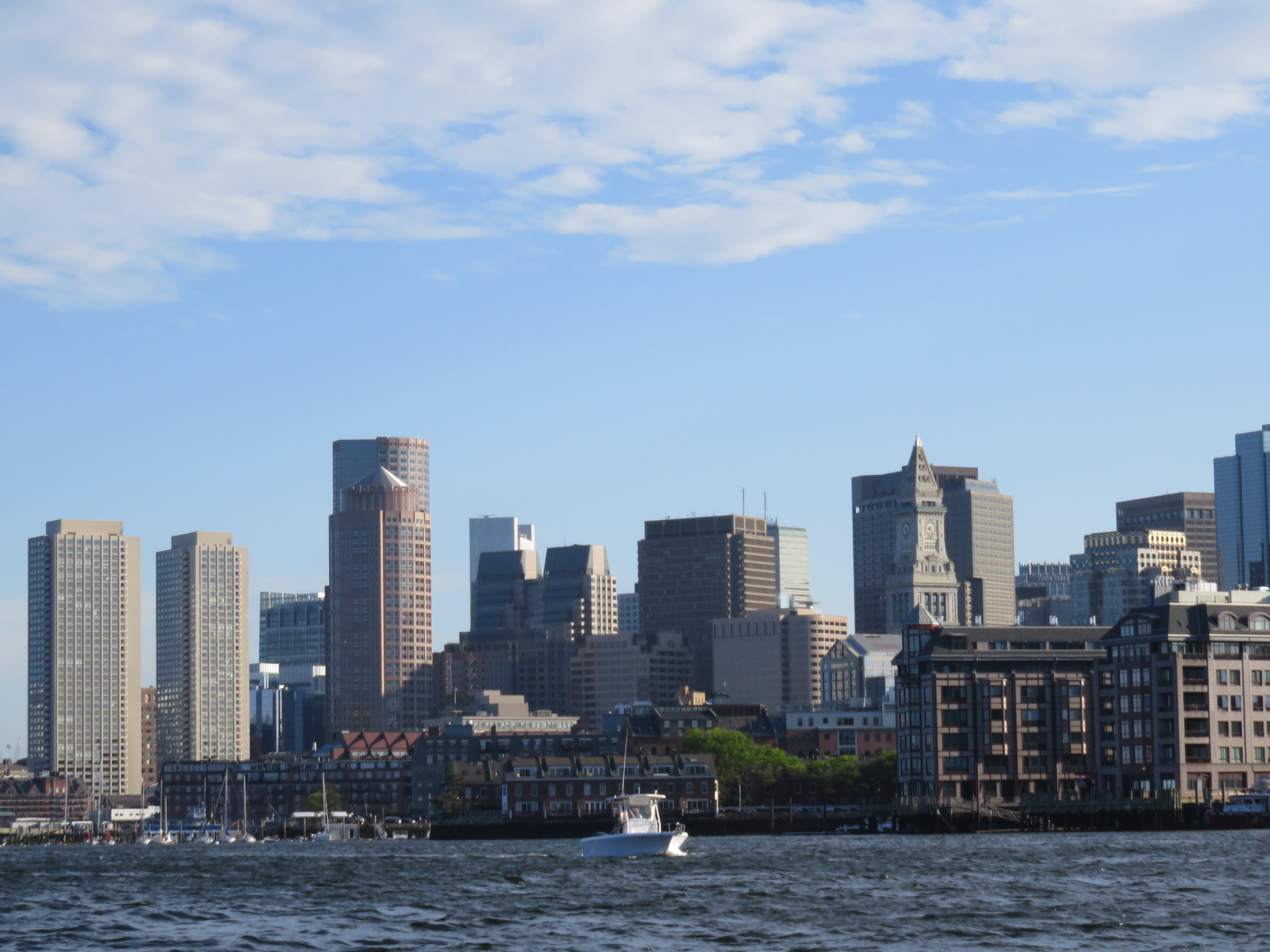
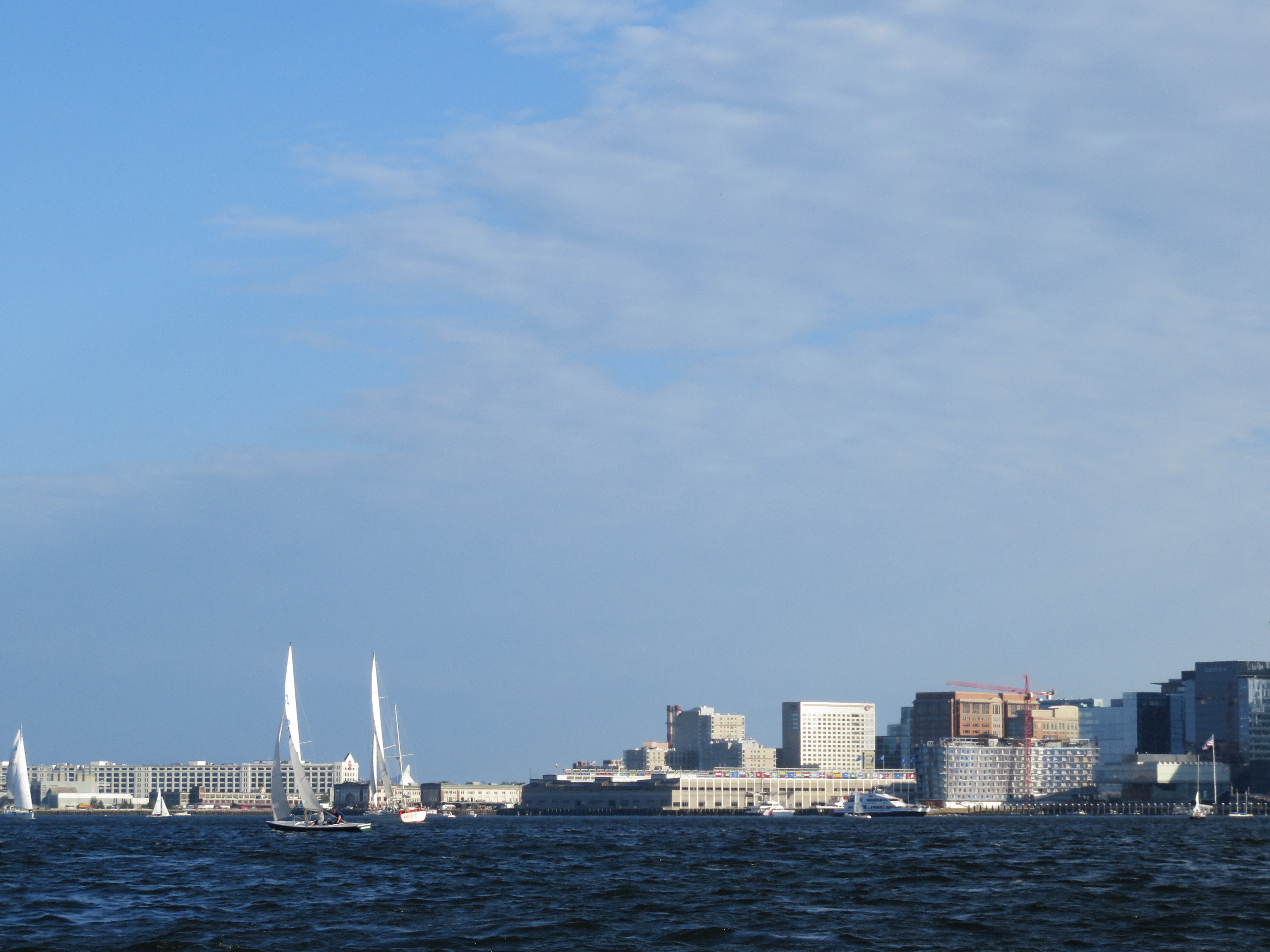

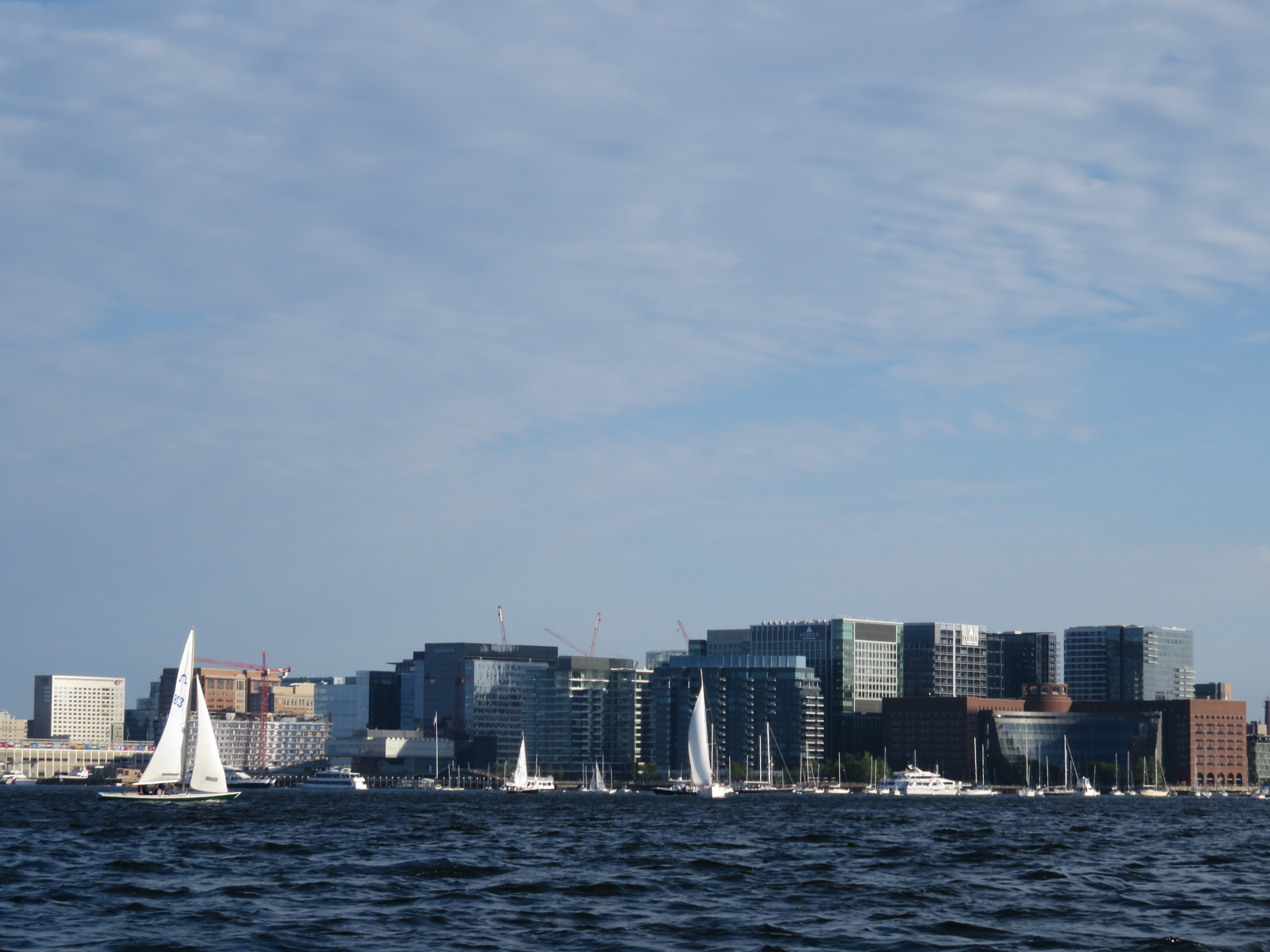
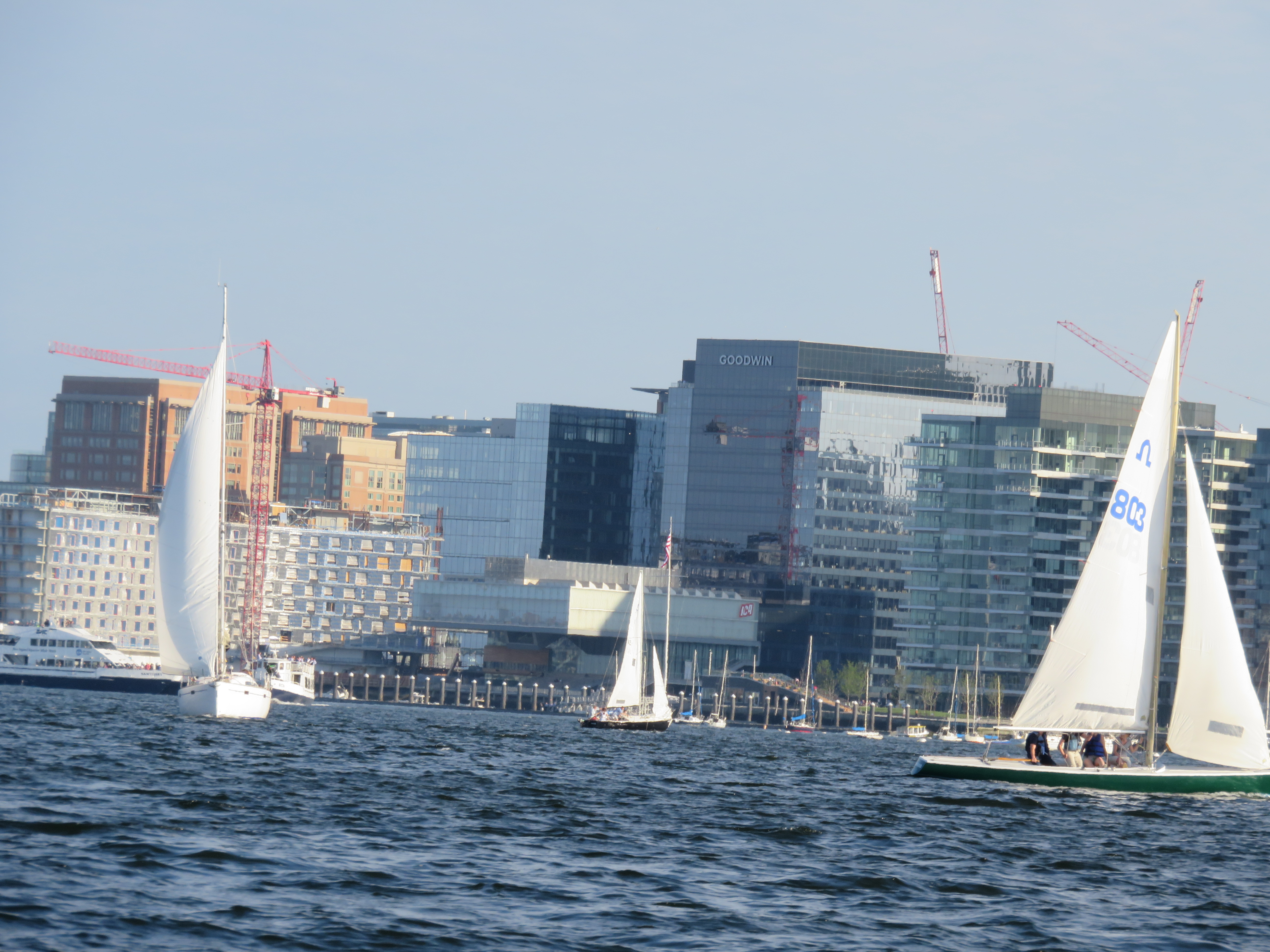



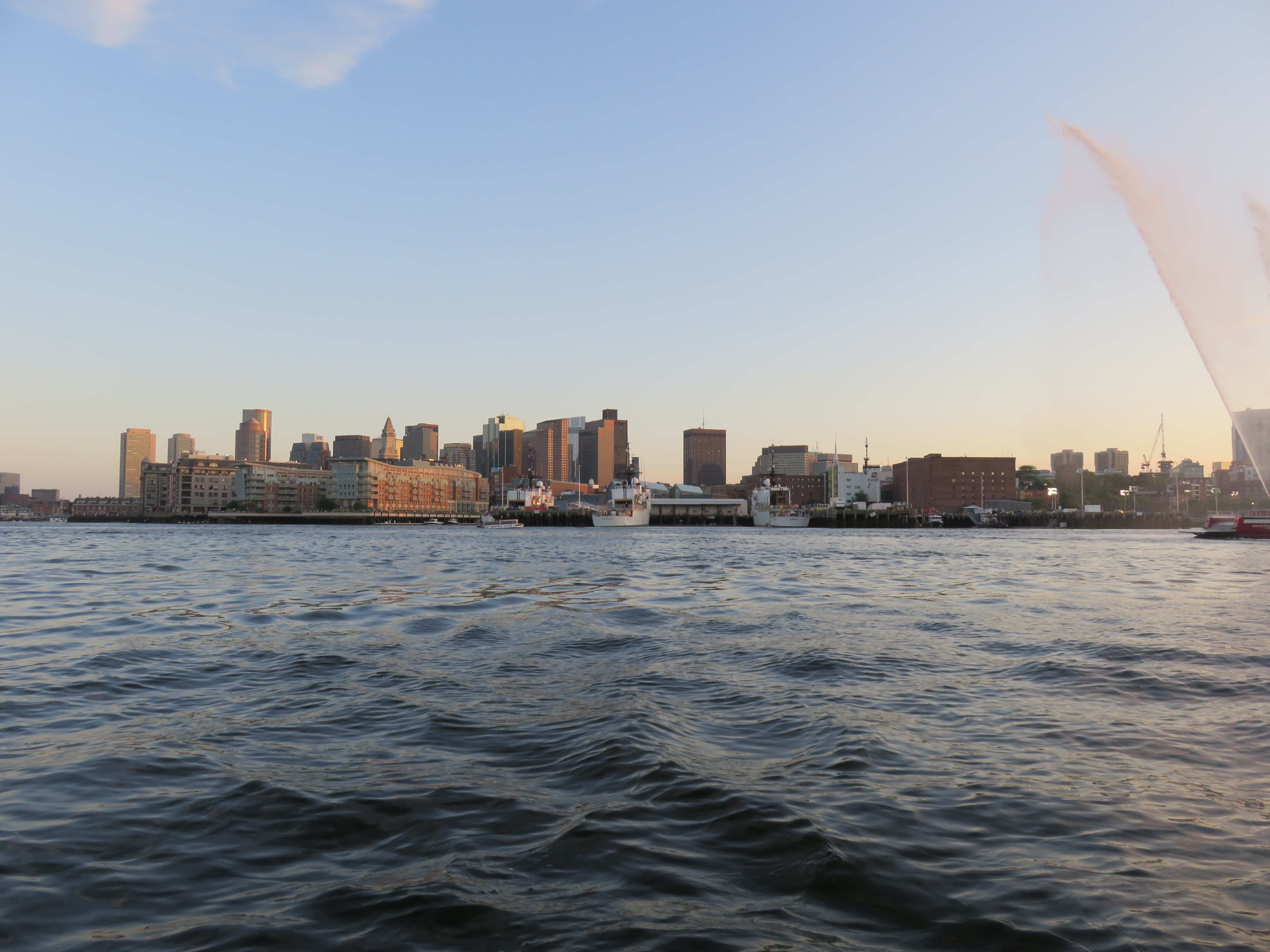


Camera: Canon PowerShot SX710 HS
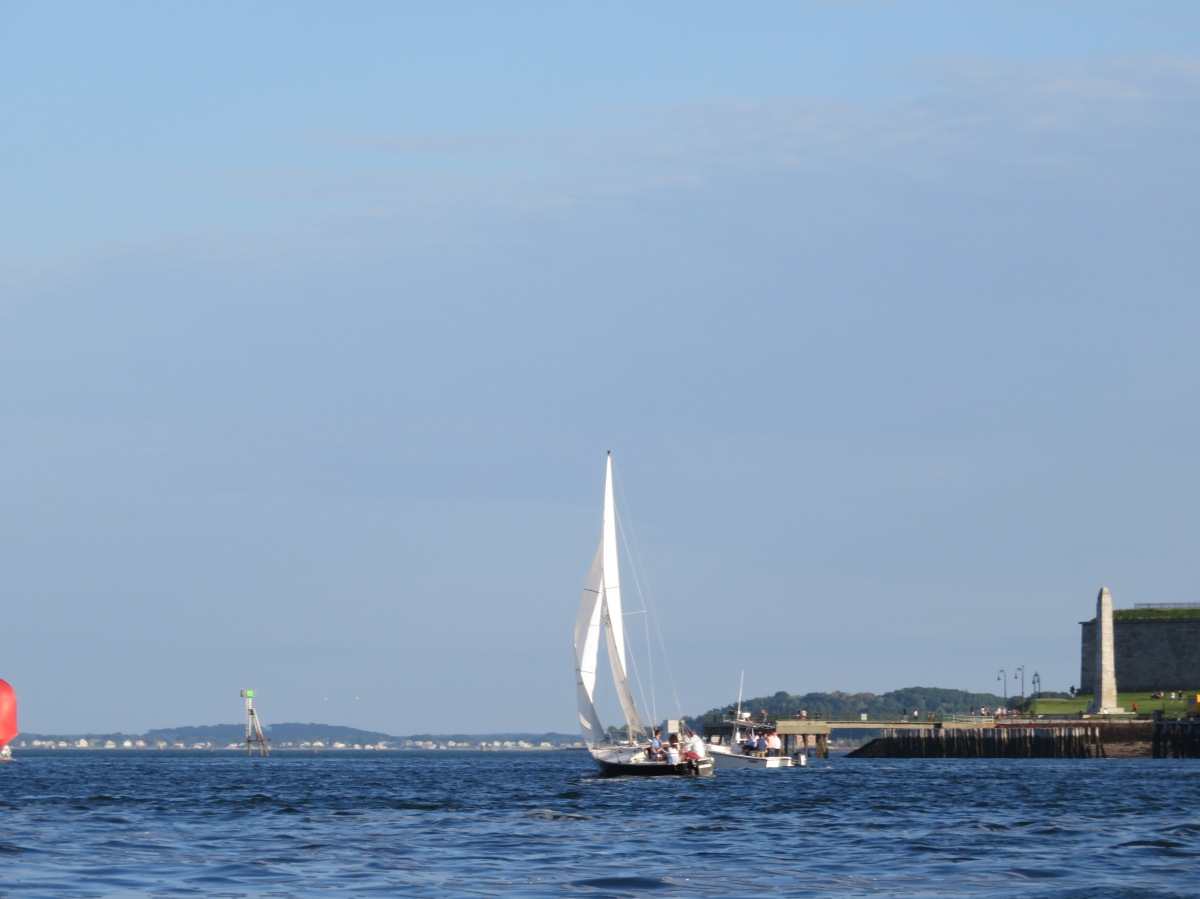
Location: Boston Harbor; Boston, Massachusetts, United States
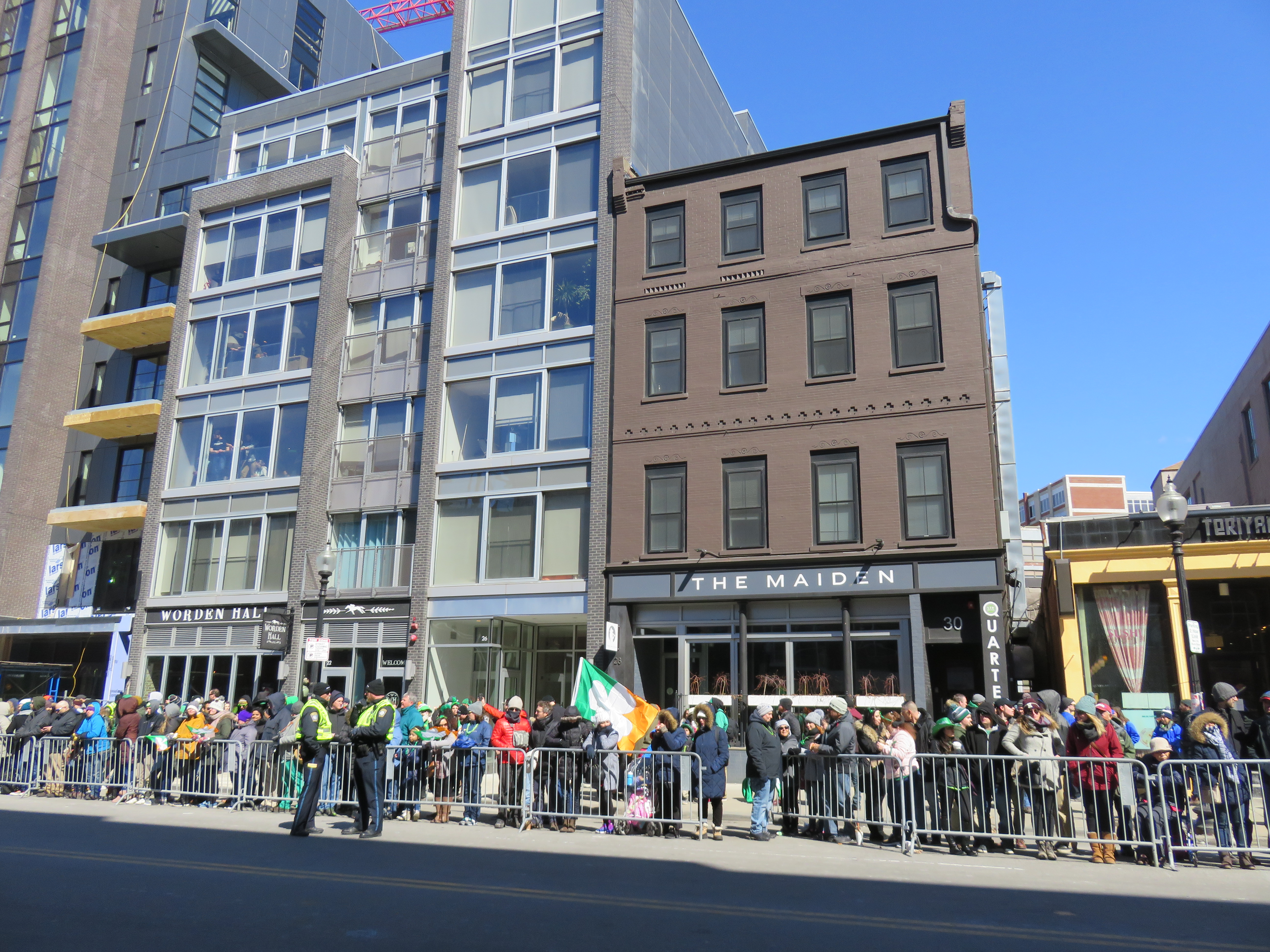



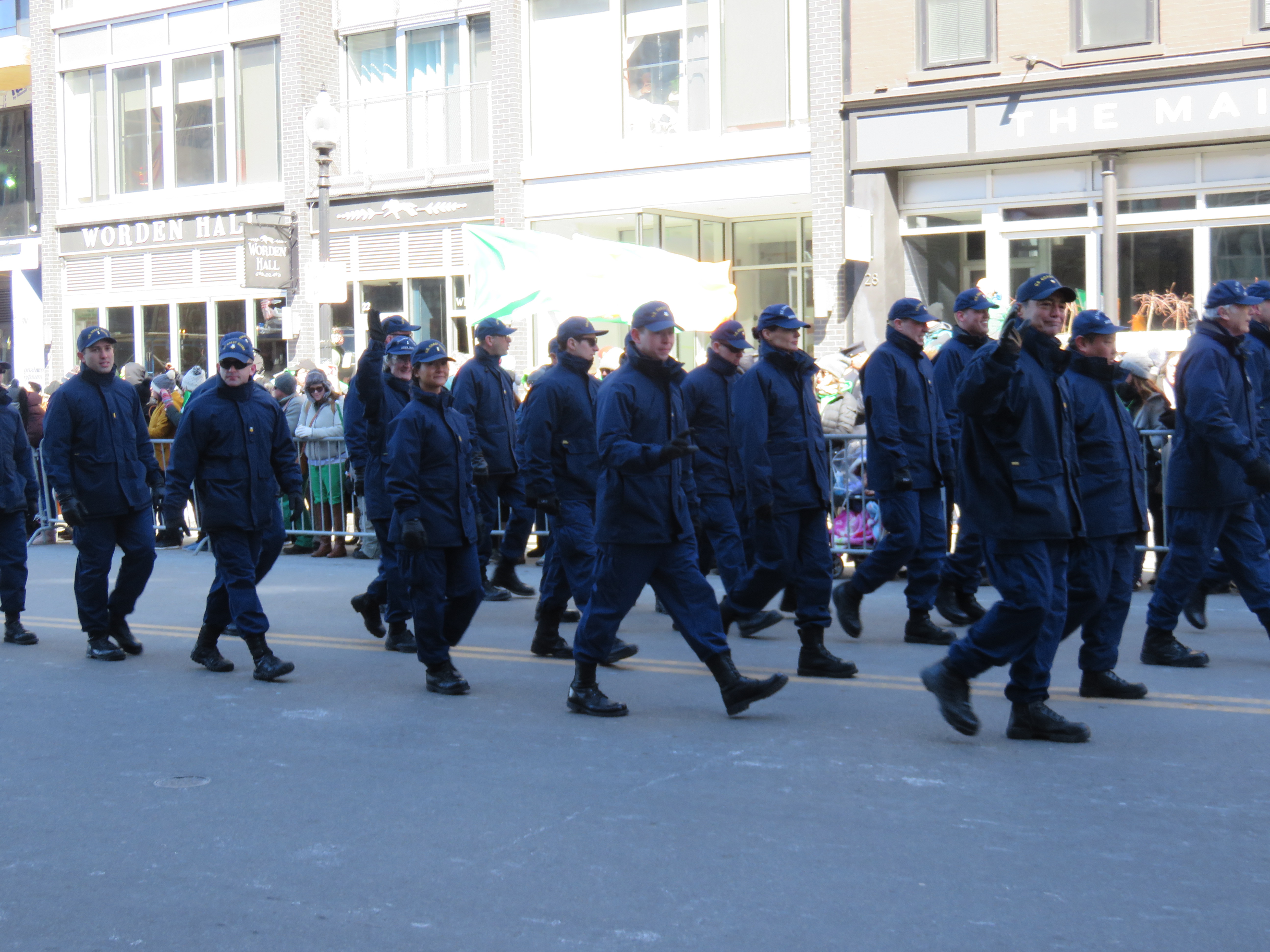

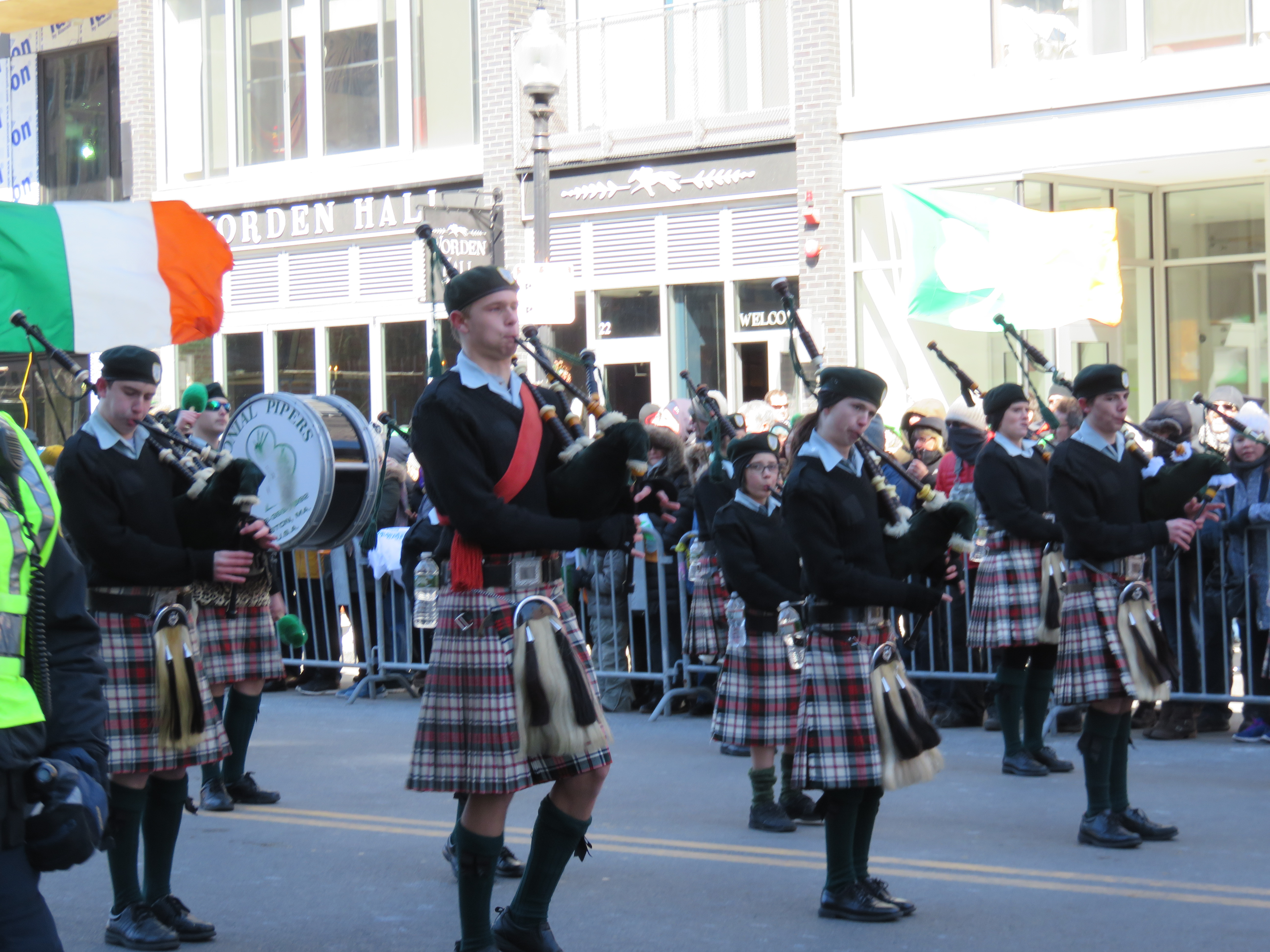


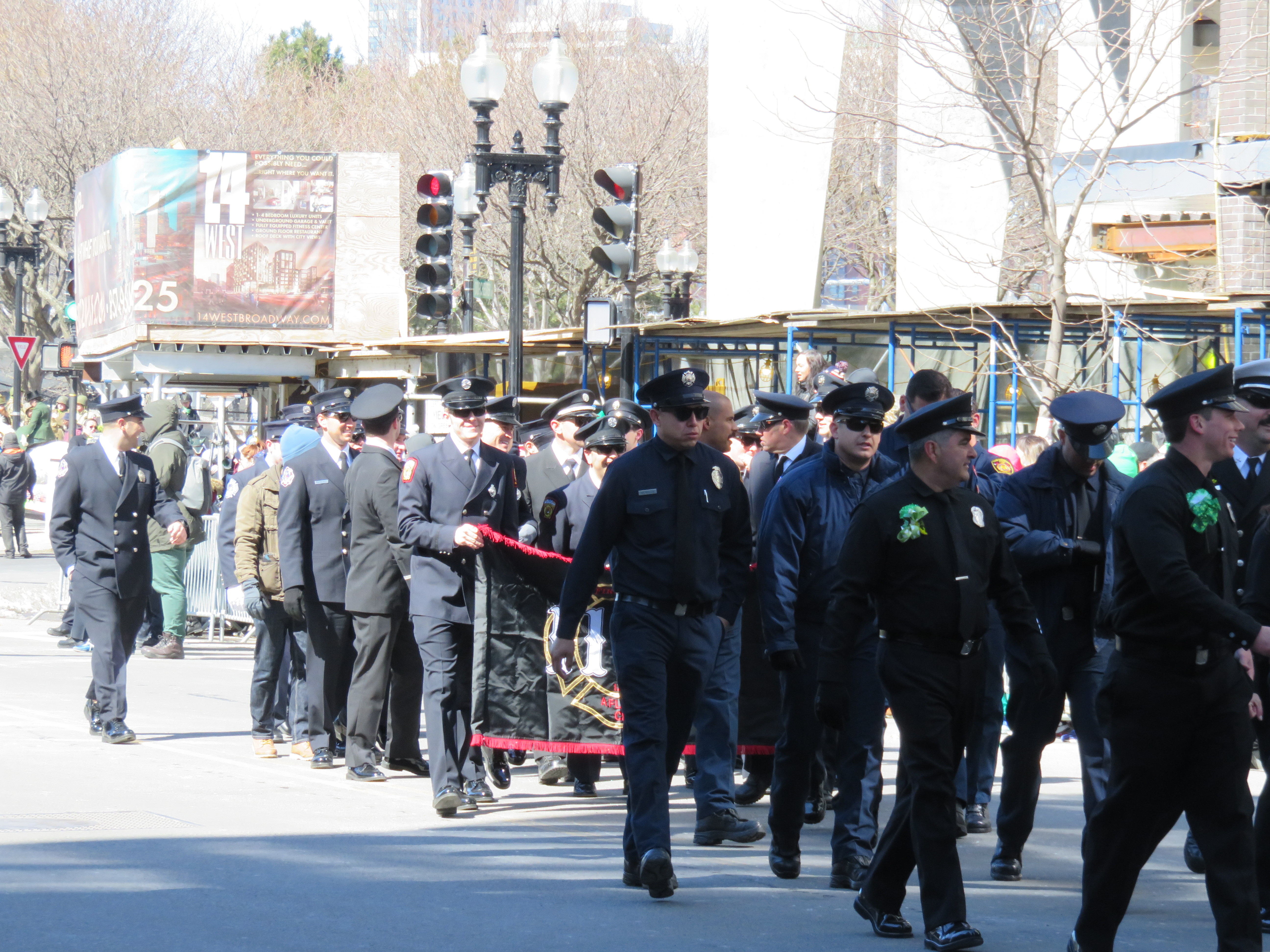




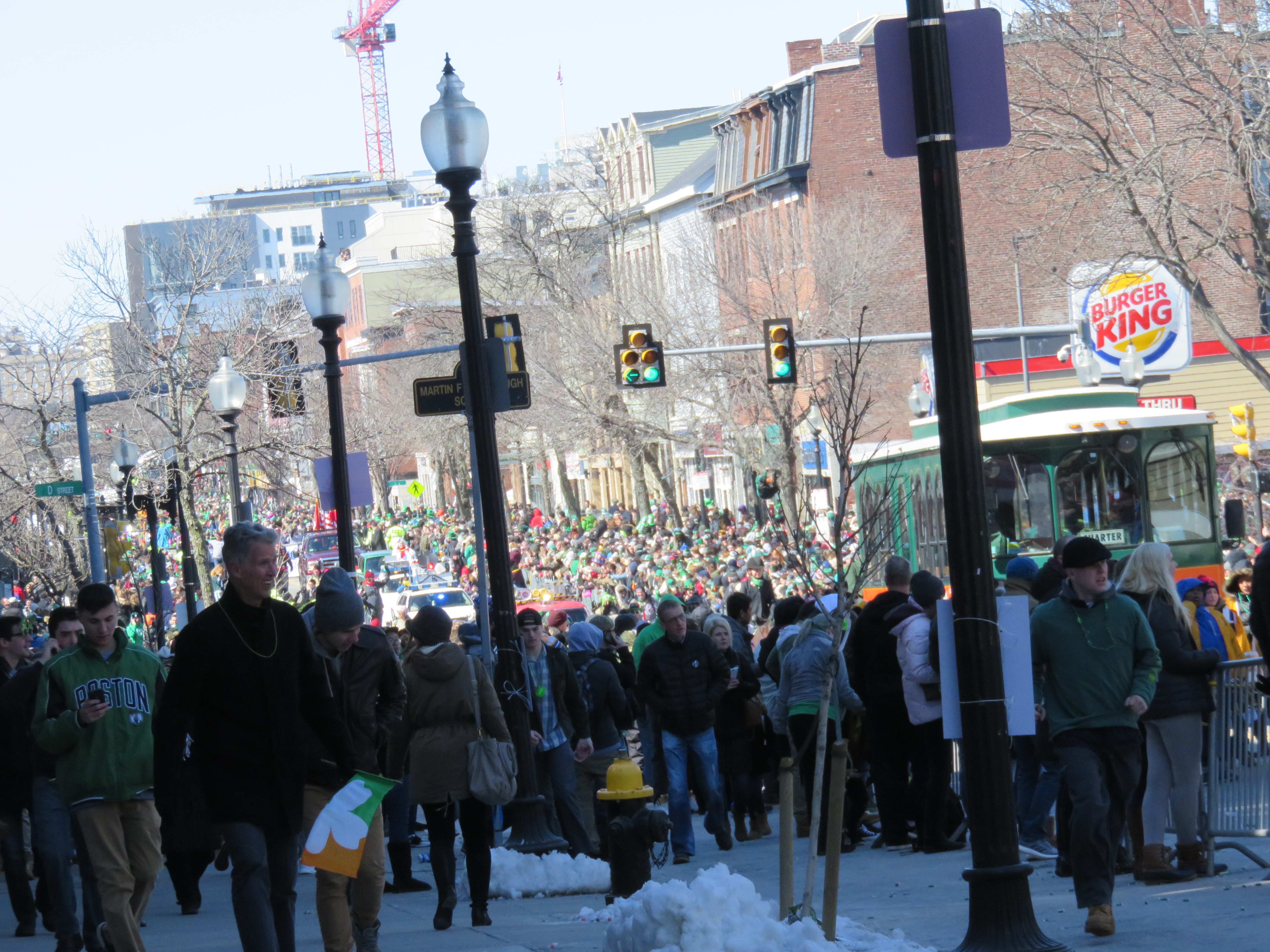
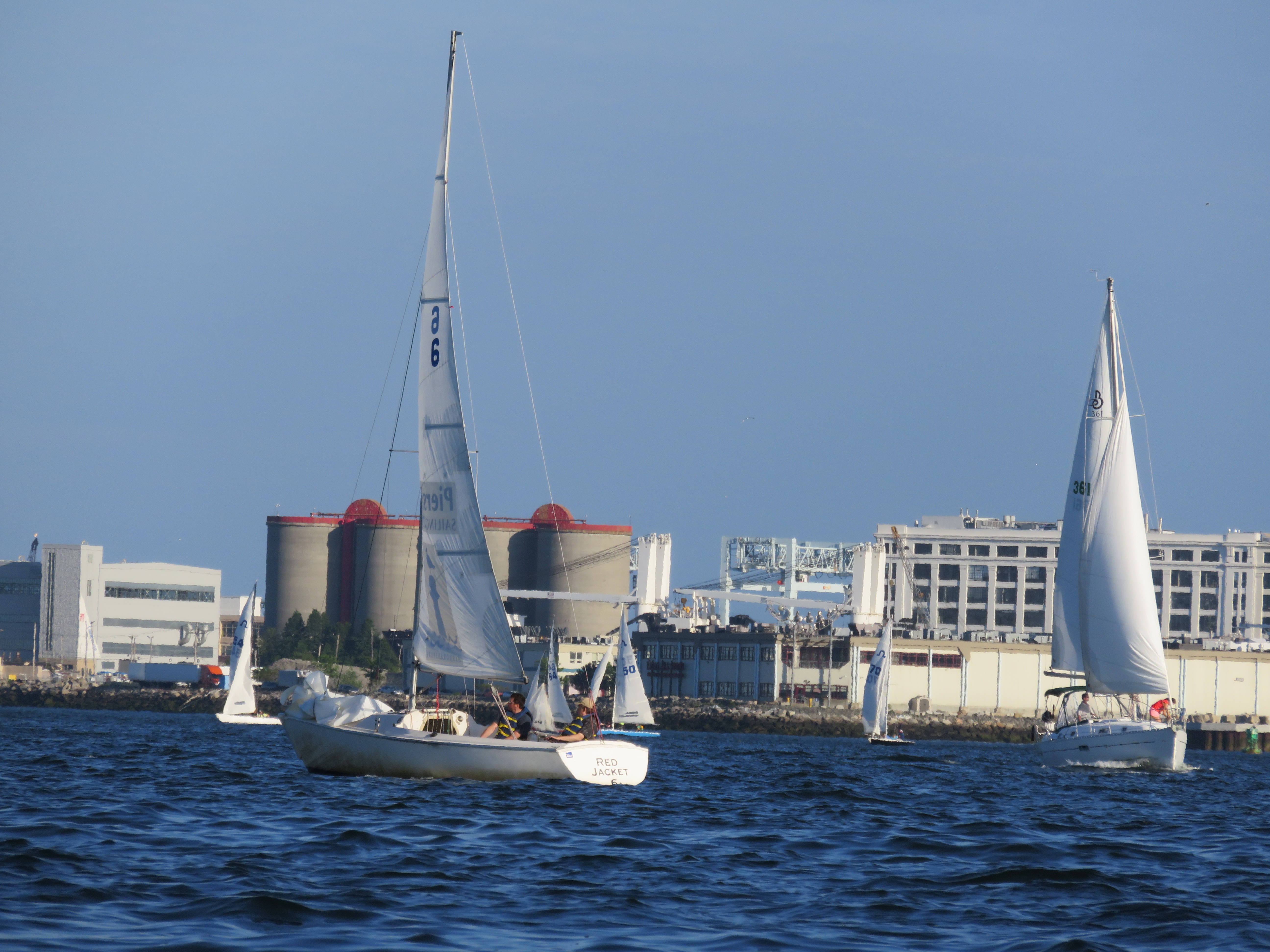
Camera: Canon PowerShot SX710 HS
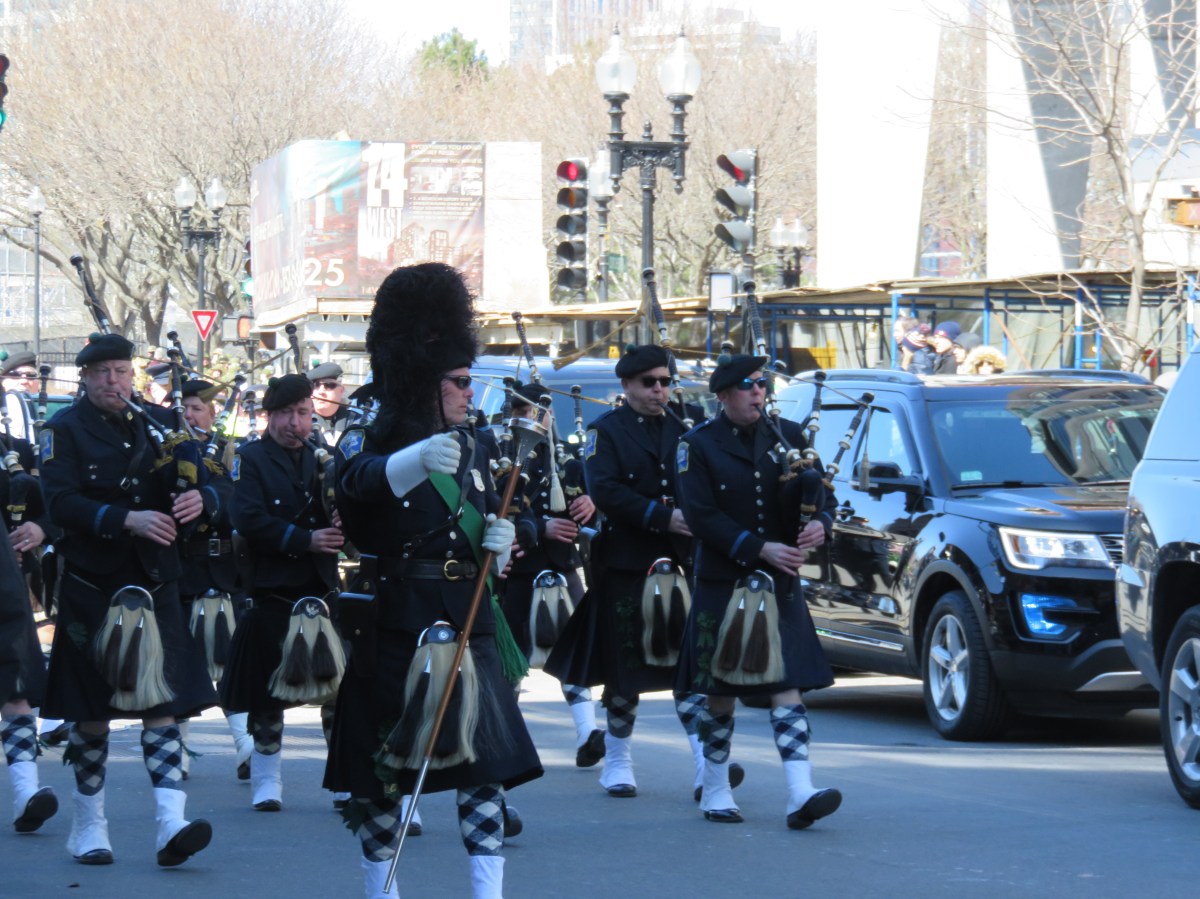
Location: South Boston, Massachusetts
I’ve used a lot of different metropolitan transit systems in cities I’ve either visited or lived in. From Istanbul to Berlin to Washington, DC, it’s fascinating to see how different cultures and countries treat their metro systems. Some cities emphasize the ability to eat and drink at established vendors right next to the platform, while others emphasize the ability to know exactly when the next train will be arriving with real-time updates. In a way, these metro systems are a microcosm of a country’s culture. Unbeknownst to most travelers, you can learn a lot about a city and a country as a whole based on how they approach their public transportation. Each metro system I’ve used has had their own kind of flair to them whether it’s the London Underground’s cleanliness, New York Subway’s 24-hour service, and Istanbul’s kind food merchants.
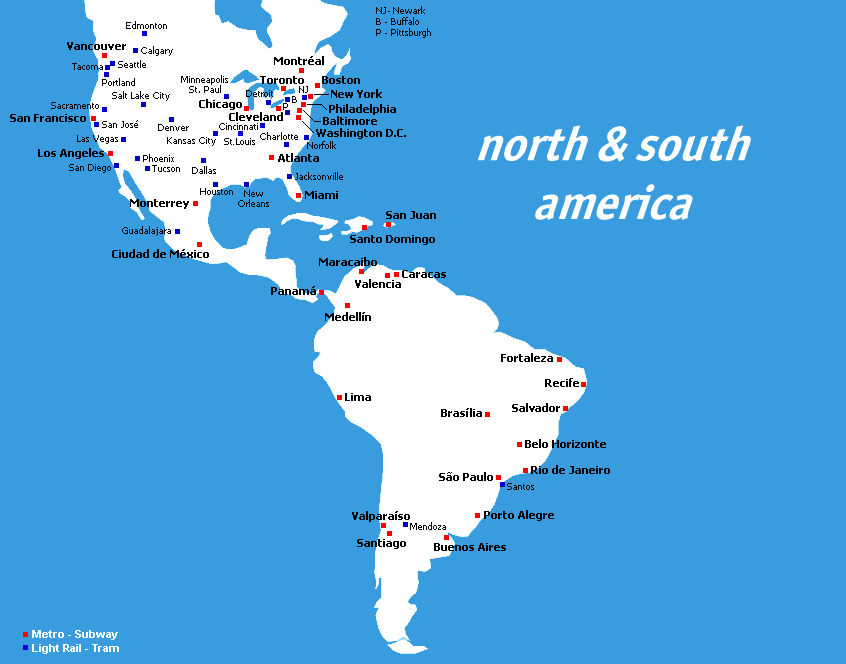
Out of all the metro systems I’ve rode on, there are currently two in the world that stand out to me in their approach to customer service. While most systems rarely have attendants to help people enter or leave the train, the two cities that are the exception to this rule are Boston and Medellin. These two transit systems actually have attendants working on behalf of the transportation authority to help passengers to use the metro effectively but with different approaches. For example, the way Boston does its’ customer service would be more hands-off while in Medellin it is much more hands on.
This difference in culture may play into the fact that the Boston T system has been in operation since 1897 and the locals are pretty adept at navigating the transit system considering its’ more than a century old. When it comes to Medellin, the metro system there began in 1995, which is a little over twenty years old. Medellin currently has the only urban train network in Colombia. Still though, you could draw the conclusion that the way the customer service of these two transit systems functions is reflective of the overall culture. In the U.S., we tend to be more individualistic especially when it comes to our urban transportation. When I lived in Medellin, I was enamored with how collective the metro system was when compared to where I’m currently living. In Boston, it’s much more about every man or woman for himself or herself as they try to navigate the system regardless of whether you’re a long-time local or a first-time visitor.
For Medellin, the aspect of their metro system that stood out most to me was the number of attendants who would help riders enter the train platform, instruct users on how to board and exit the trains, and how to refill and use their metro cards. Instead of just one or two attendants there on behalf of the transportation authority, there were usually up to a dozen workers assisting customers at each station. It was really nice for me to see the attention to detail that the metro system had in terms of assisting passengers to use the system effectively. This approach was crucial especially during a busy rush hour when there would be thousands of passengers wanting to enter and exit the train station.
Having a dedicated group of workers on hand to help smooth things over and make sure passengers were respecting each other and the transit system was a really impressive thing to witness. It doesn’t hurt that the entire Medellin metro system is well kept and has no littering, little rats running around etc. at any of its’ dozens of train stations. Compared to other cities, Medellin does a great job with its’ communal approach to the metro system. One of the catchphrases of their advertising is to ‘Vive La Cultura de Metro’, which basically translates to living the metro culture by respecting others and keeping the system clean.
Other cities could benefit from replicating the effective customer service, the emphasis on cleanliness, and the easy access to information that the Medellin Metro provides. Like any other transit system in a major city, it still does get quite congested during rush hour, and it can be hard to get on the train during peak hours due to lack of trains available. I know this from my own past experiences of having to fight to get on the train at 6 AM some mornings when I was a teacher there.
When it comes to the Boston T system, it’s the oldest in the United States and doesn’t take much time to get acclimated to. However, compared to the New York or Washington, DC transit systems, there is some customer service and assistance given. However, when you compare Boston to Medellin in this regard, it’s really no contest. While there are usually one or two attendants from the transit authority present, they don’t really actively help passengers. Sometimes, you can see a transit worker more interested in a smartphone game than to see if anyone needs help or has a question. Instead of being on the train platform to help riders get on and get off the train without issue, they usually just stand by the entrance to the station making sure everybody pays their fare.
Coming from where I was living in Medellin before I moved to Boston, this was a bit of a culture shock to me. It’s nice to have one or two more customer service attendants around to ask questions but I wish there were more attendants on the platform handling crowd control and enforcing the unwritten rules of getting on or leaving the train especially during rush hour. Also, compared to the dozen workers at any train station platform in Medellin, a city like Boston should have a few more people helping out compared to one or two workers per station.
Perhaps this cultural contrast is due to the fact that metro systems in the United States are much more individualistic in nature and the fact that public transit has been part of cities’ makeup for decades especially in the Northeast. I’m guessing that the majority of Bostonians would prefer to be left alone during the morning and evening commute rather than have hands-on help from transit service officials especially at a station platform. However, it might make everyone’s day a bit better and smoother if there were workers actively helping to assist people to refill their transit cards, making sure the rush hour commute goes smoothly, and aiding travelers to the city with directions.
When you travel to different countries, it is tempting to compare and contrast approaches to daily life. In any city, the transit system is an extension of the culture and I find it interesting to see the similarities and differences between countries in how they run their metro systems. It’s good to see how other cities and other countries do things because you’re able to see within your own culture what could be better or more improved. However, what may suit your own tastes may not suit others as much, even your own countrymen.
Train systems like whole cultures tend to be more individualistic or communal. What one city may lack in efficiency, they can make up for it in customer service. I believe it’s best to shoot for improvement in all areas to create a better travel experience. Having the trains run on time, being treated fairly by attendants, and enjoying clean, safe rides are keys for any metro system to achieve. Hopefully as more and more people travel and see the world, we can better see what ways we can improve our own cities and countries by seeing how others do it themselves.


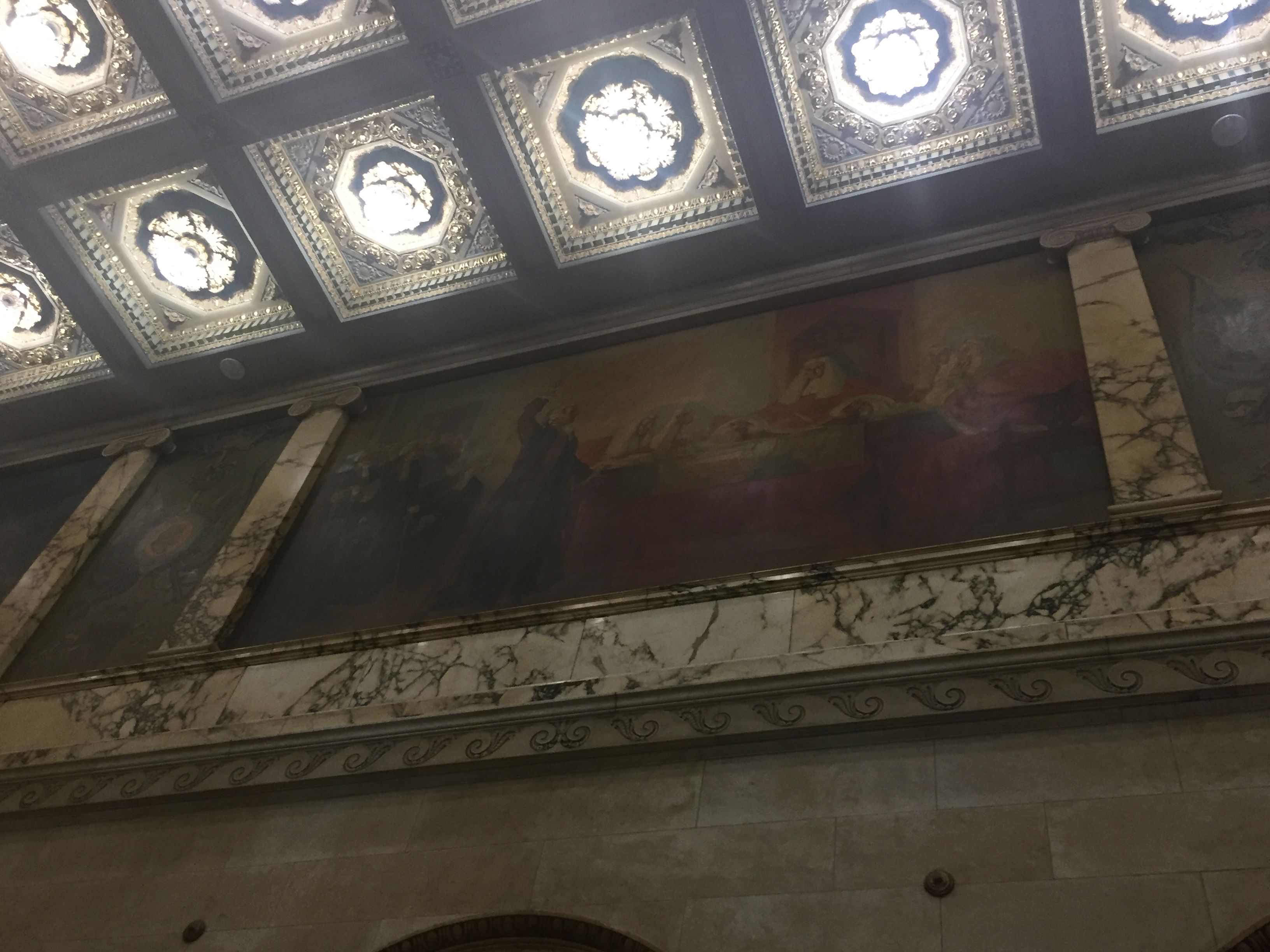
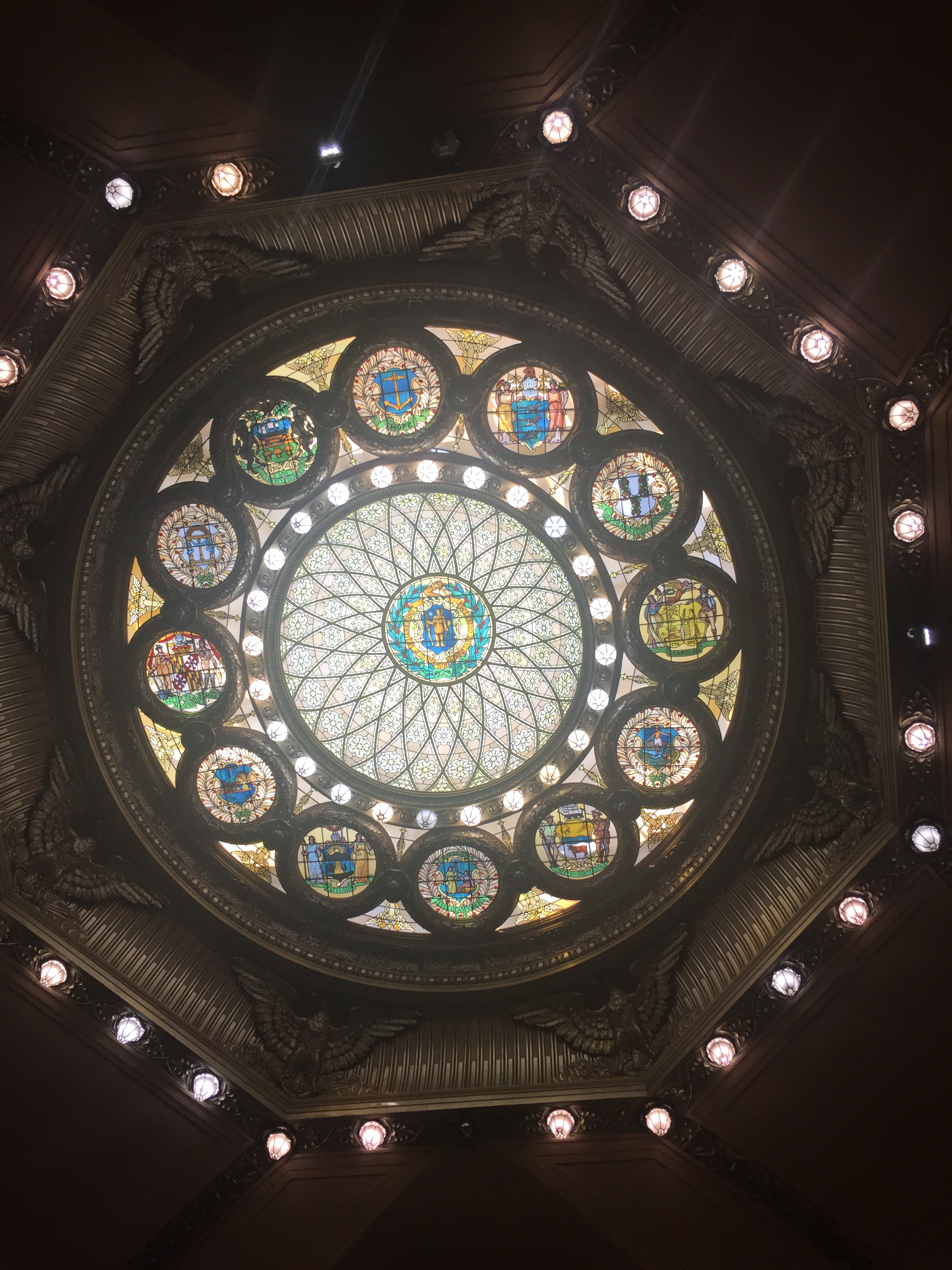


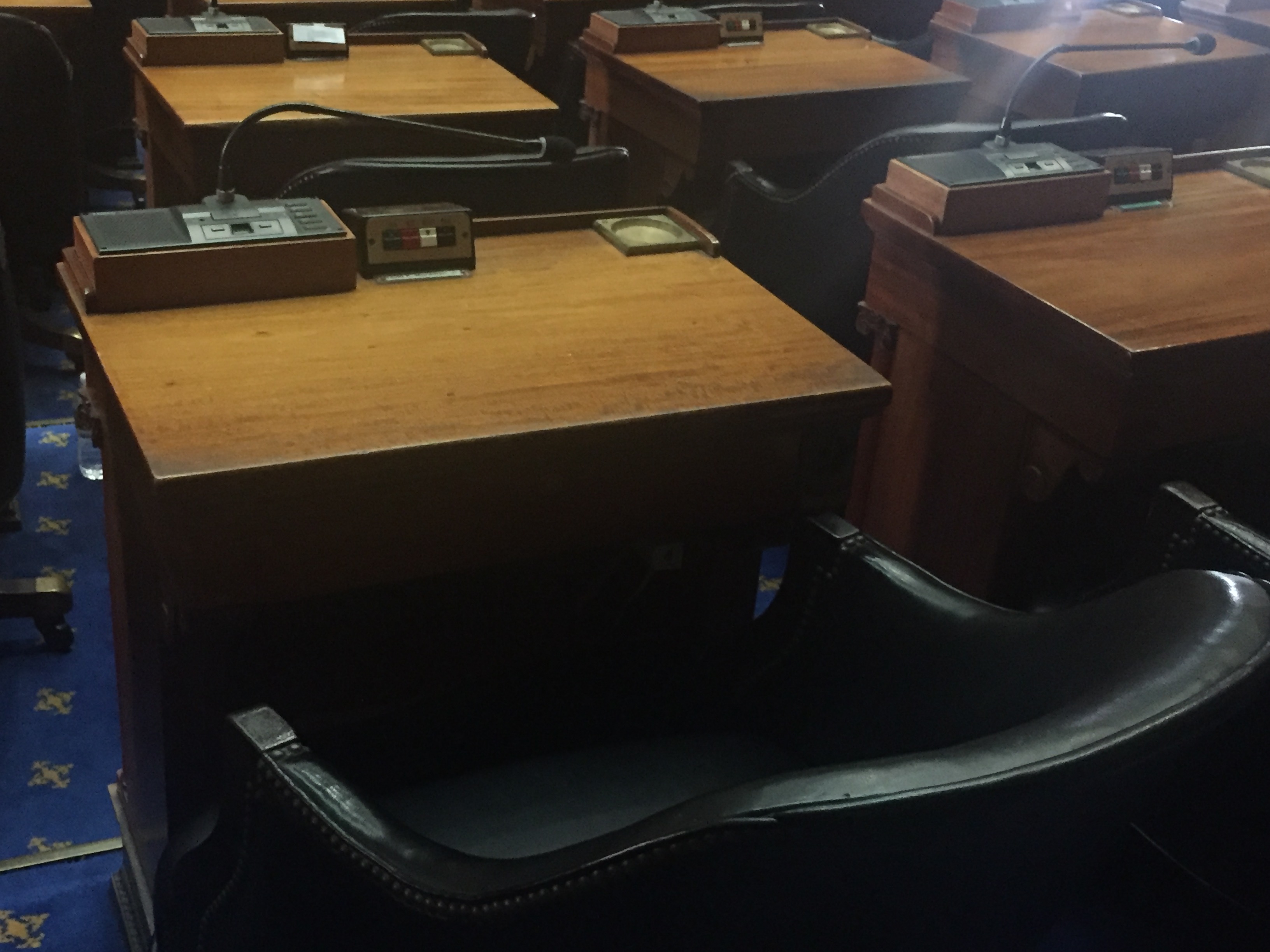


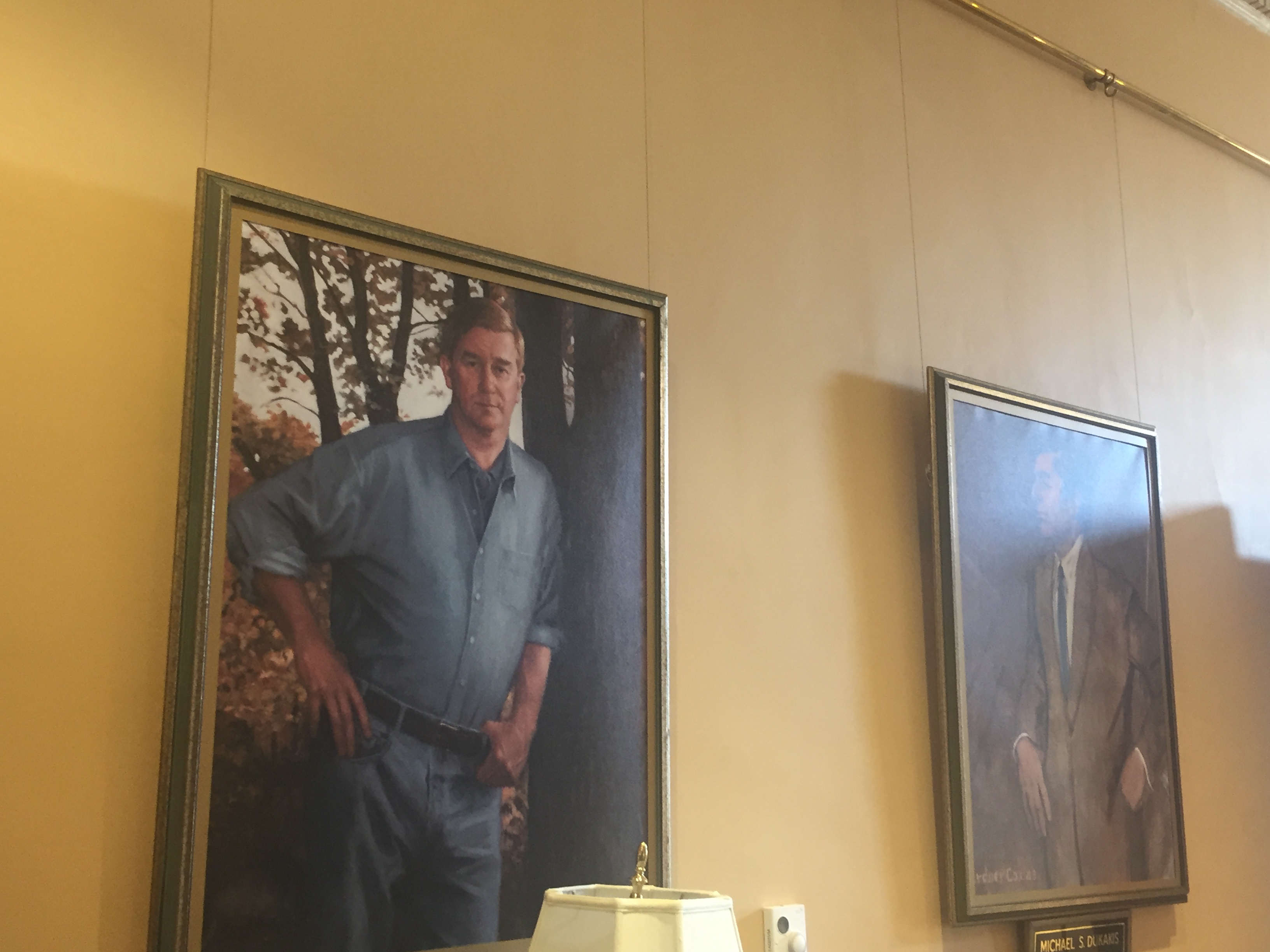


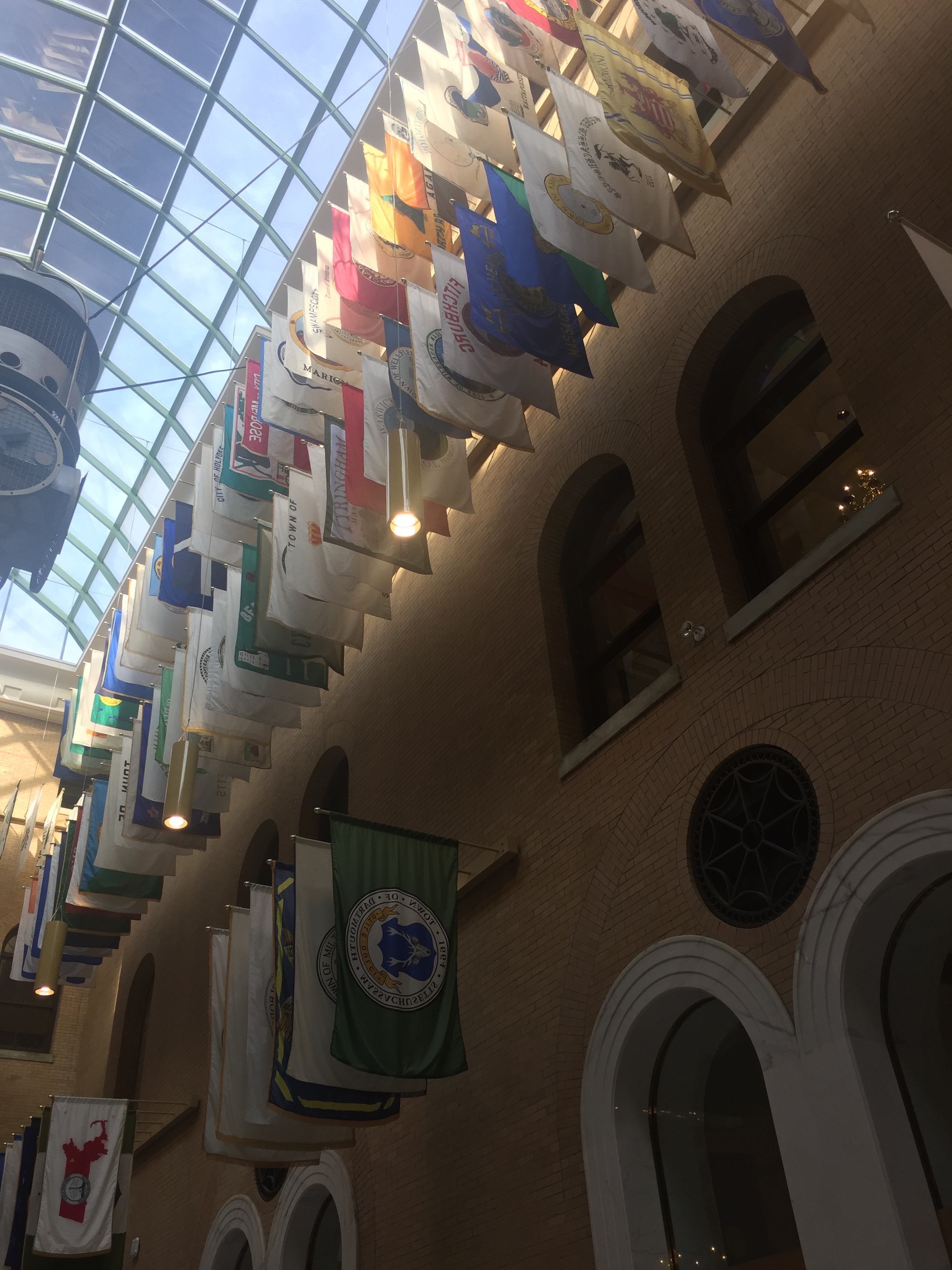

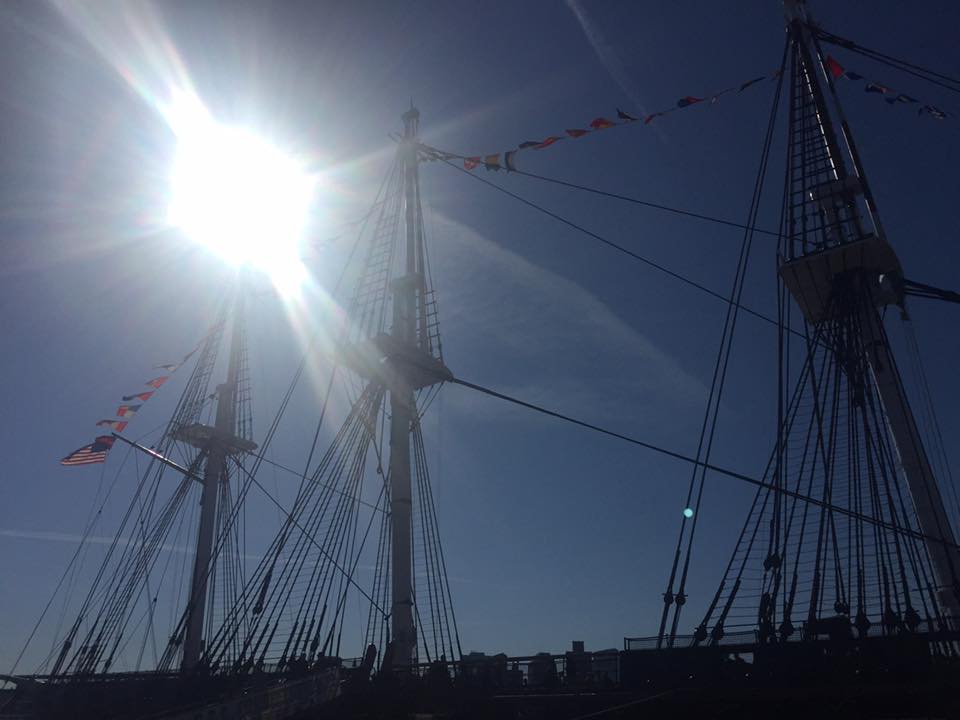
Camera: iPhone 6
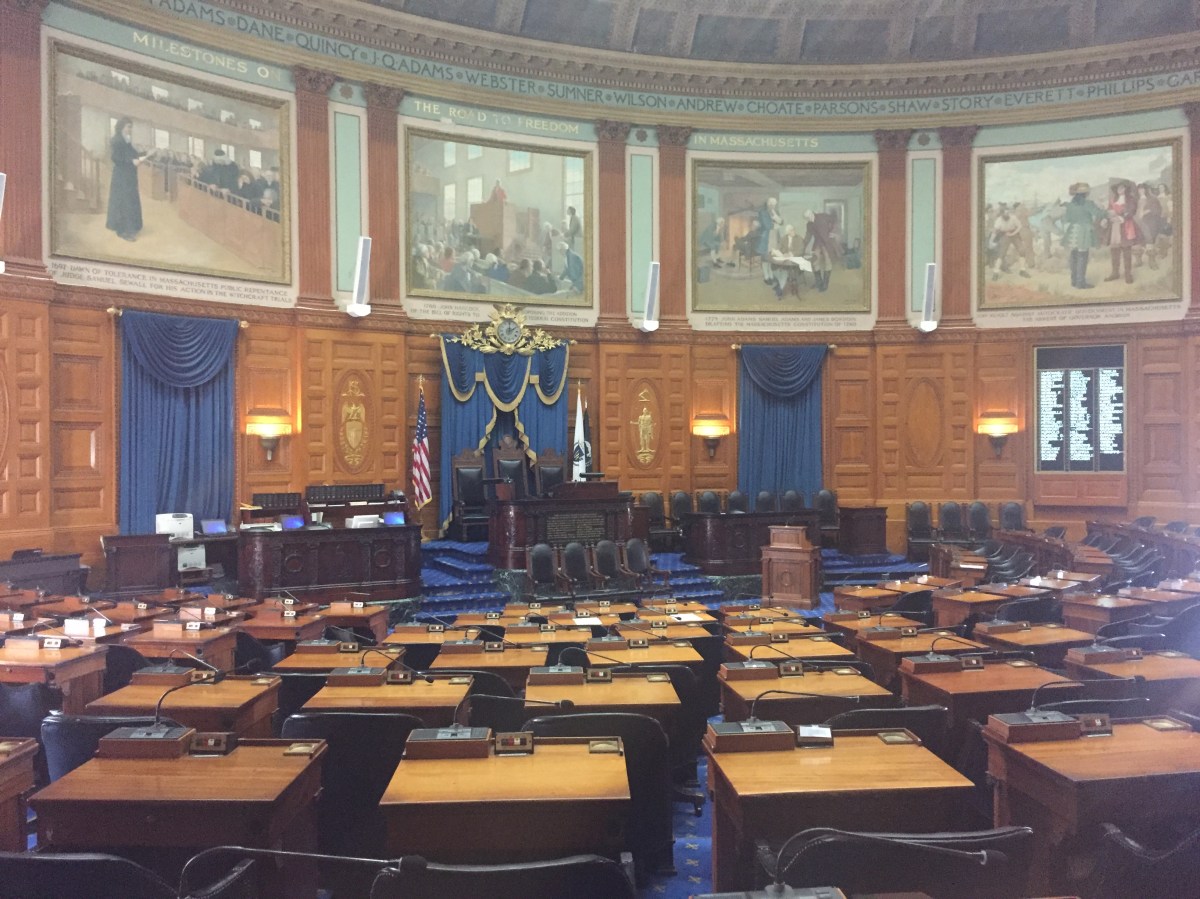
Location: Massachusetts State House; Boston, Massachusetts
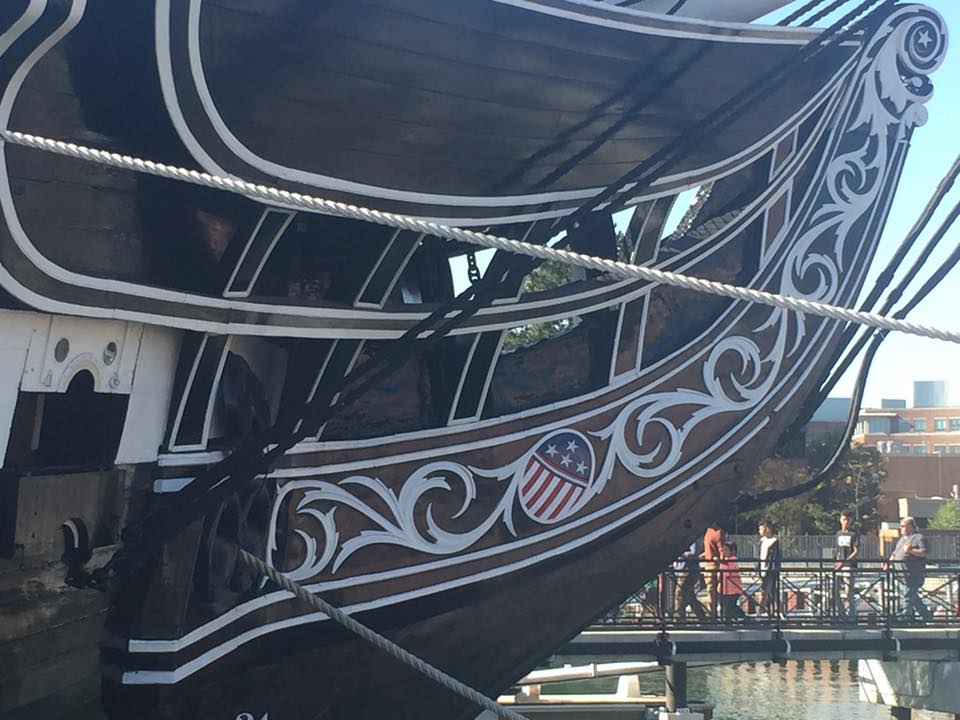

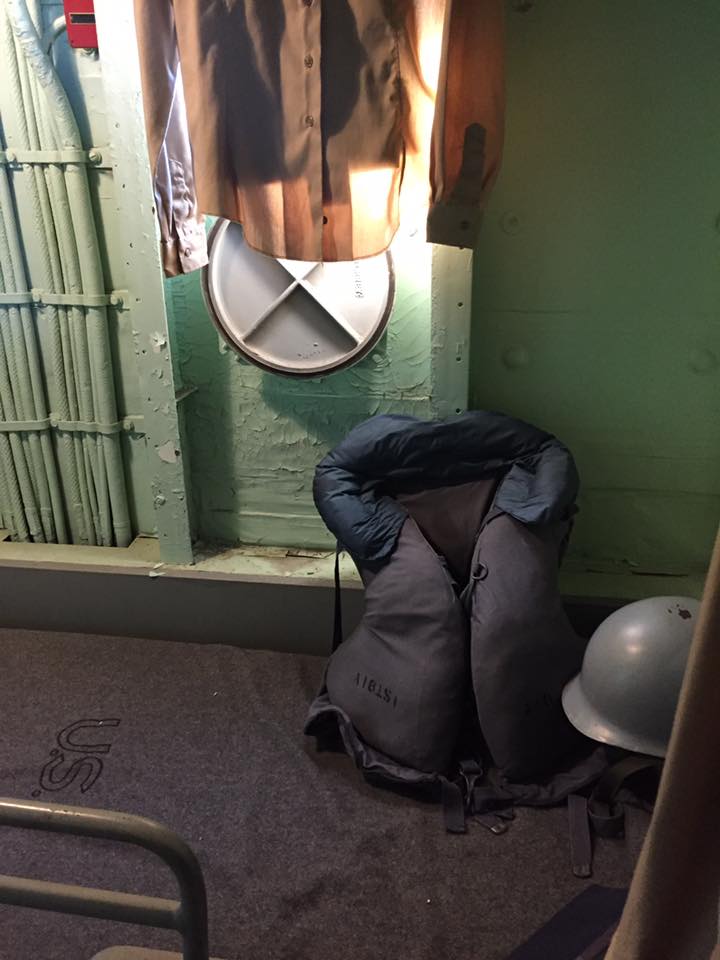




Camera: iPhone 6
Location: Boston, Massachusetts; Cambridge, Massachusetts













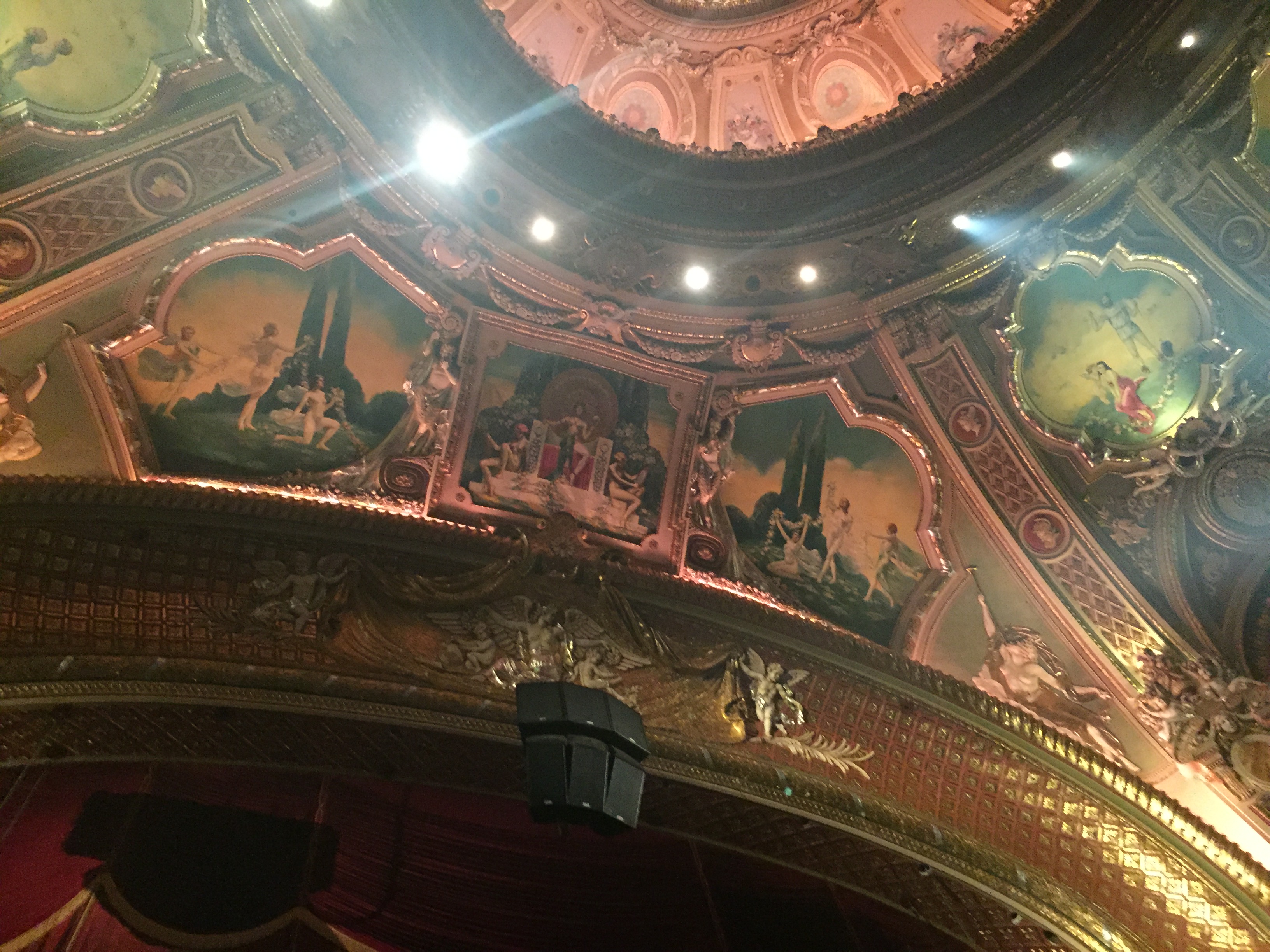

“Bloodbuzz Ohio” by The National (Video)
Camera: iPhone 6
Location: Boston, Massachusetts; The Wang Theatre at Boch Center
Today, September 16th marks the 2nd anniversary of www.benjweinberg.com, my personal blog and website which I have been proud to create and build up over the past two years. I have to say that it’s been the most successful year yet in terms of both overall viewership and unique visitors. I am proud to note that I have reached thousands of people from around the world each month, and have published over one hundred and fifty and photo-blog posts total over the past two years.
In the last year, I’ve documented my travels throughout Colombia and have really made the ‘English Corner’ series a cornerstone of this blog. In addition, I have reviewed many films and analyzed them such as ‘Collateral’, ‘Traffic’, and ‘Lord of War.’ I continue to write about psychological themes that are highlighted in articles such as ‘How You Think Affects Everything You Get’ and ‘Reaching the Gold Standard.’
In this 2nd year of blogging, I have done my best to improve my writing and editing skills in order to create useful content for my site visitors. In the third year of my website, I hope to write longer-form posts at 2,000 or 3,000 words total in order to dive deeper into topics of my choosing. I continue to devote a lot of time and effort into this blog and I am very thankful to all of the readers, friends, and family who have supported it by reading my articles, leaving comments, and giving me constructive feedback.
I’ve recently moved to Boston, Massachusetts so I do hope to focus on some cultural aspects of living in this historical New England city and to highlight some of the destinations that are popular here. I will continue to write about ESL topics in my ‘English Corner’ posts but also focus more on personal and professional development ideas that I think will help my readers to succeed and advance themselves in different parts of life.
As this blog enters year three, I will continue to produce consistent content on a weekly basis, and to also update the layout and design of the website to be more viewer friendly. If you’re new to this blog and don’t know much about me or my writings, I have an archives section which has the location of all one-hundred and fifty of my posts which have occurred in the past two years. I also have a ‘Best Of’ Articles page where I highlight the ten-blog posts that I like the most when it comes to culture, lifestyle, traveling, music/movies/books, and personal development. You can find the individual links to these ten top posts here: https://benjweinberg.com/best-of-articles/.
Lastly, the biggest changes that I’ve made to my website are to incorporate the ability of ESL students to sign-up and take private English lessons with me if they are interested in doing so. If you go to the ‘Learn English With Me’ page, you can find out more about which kinds of private lessons I’m offering as well as my pricing per lesson. There’s a sign-up interest form at the bottom of this webpage, and you can also check out my ESL teaching background and experience here: https://benjweinberg.com/learn-english-with-me/.
I also have advertised my freelancing services in writing and editing. I have done freelance writing and editing jobs for clients over the past couple of years and am looking to expand my clientele. If you would like to find out more information about my pricing, experience, and see my portfolio, you can check it out at this webpage: https://benjweinberg.com/freelance-services/. There is a sign-up interest form at the bottom of that webpage too so you can get in touch with me through an e-mail message.
In this third year, I hope that my website will continue to grow in terms of audience and produce better and more useful content. I want to say thank you to all the readers and supporters of benjweinberg.com. I look forward to keeping in touch with you throughout the rest of the year and into 2018. As always, you are free to comment on any and all of my articles, give me helpful feedback through a direct message, or to show interest in my freelance and teaching services by completing a sign-up form. Thank you again for your readership and I think that this 3rd year of benjweinberg.com will be the best one yet. Cheers!
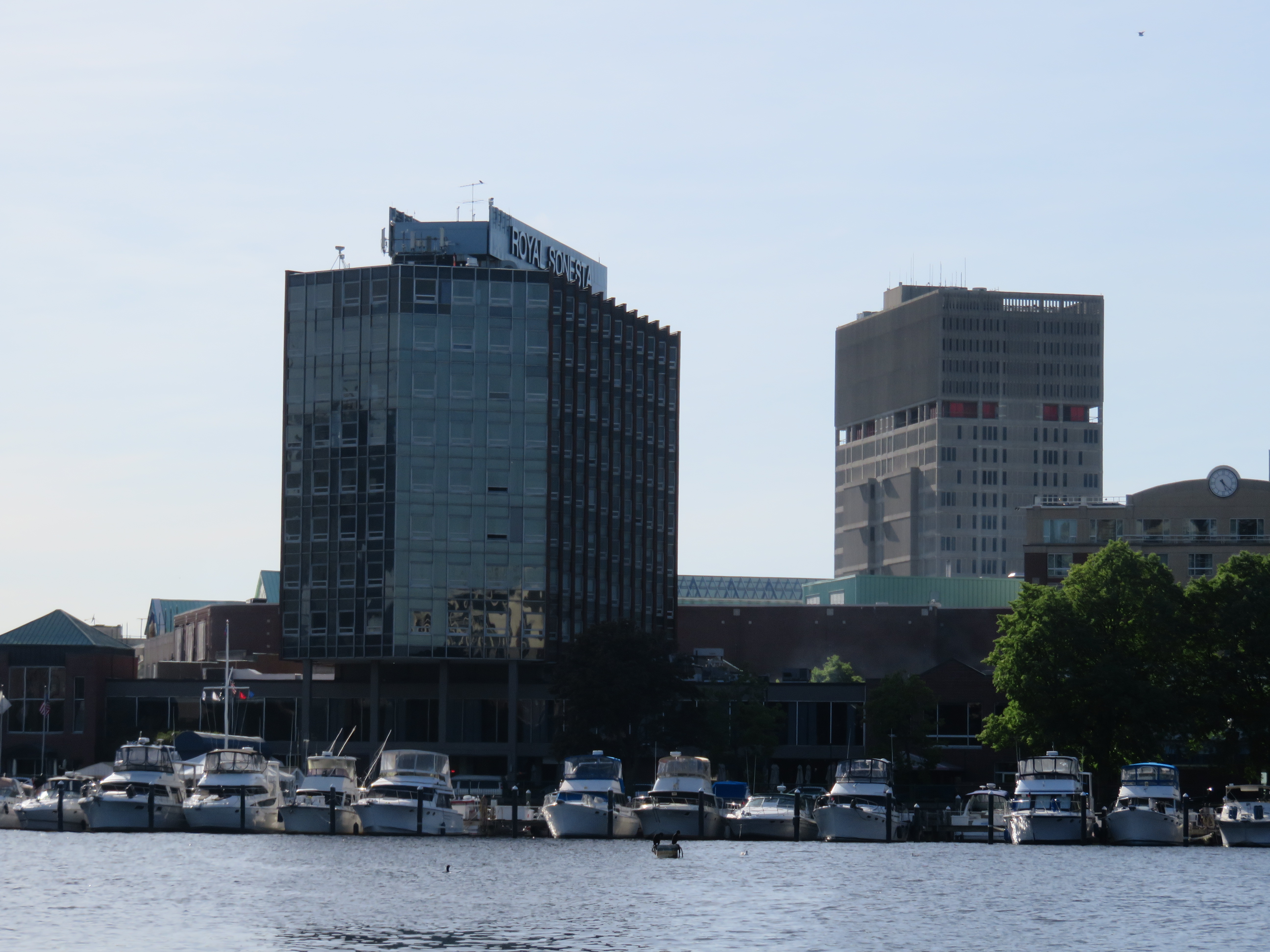
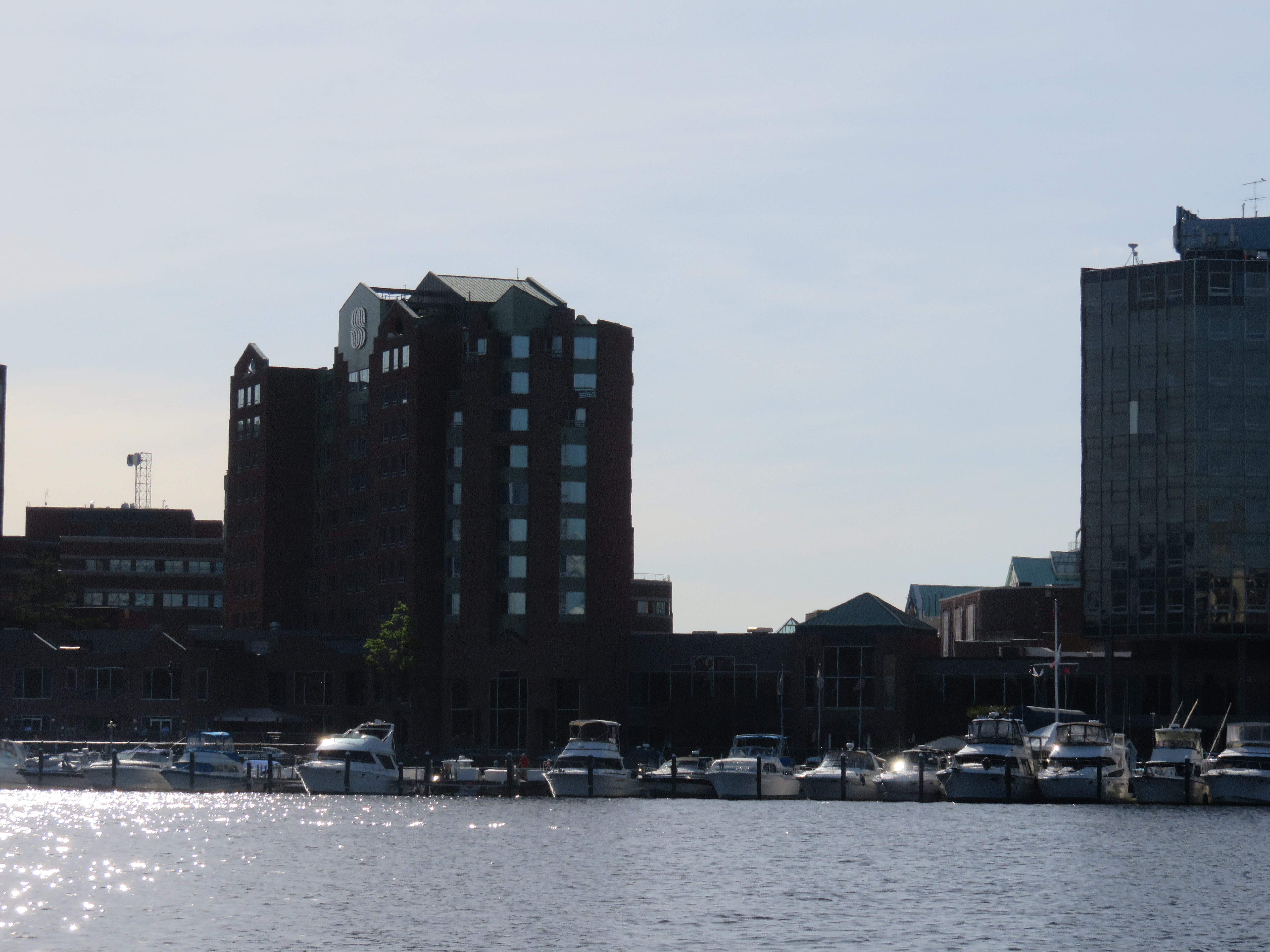
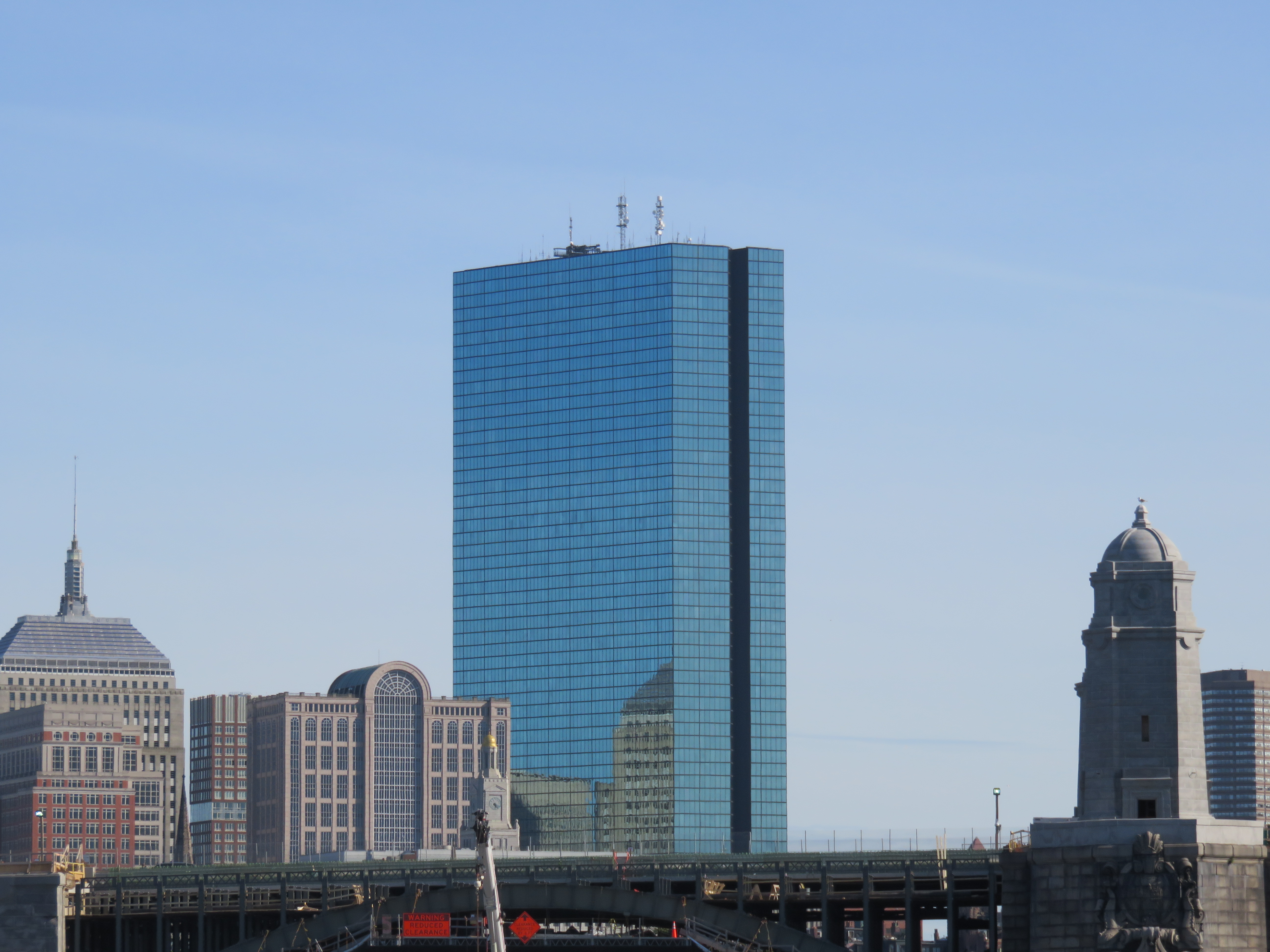
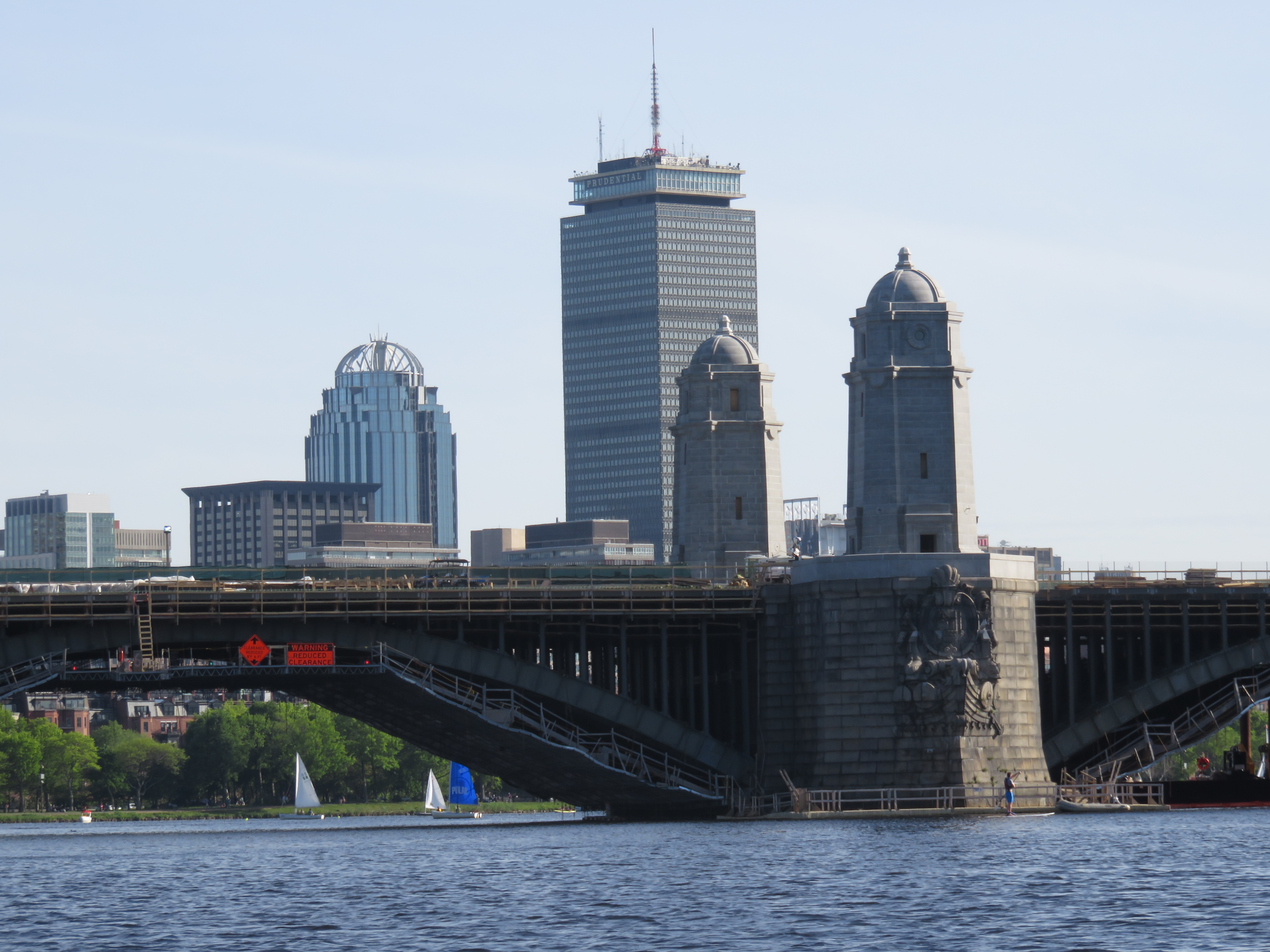
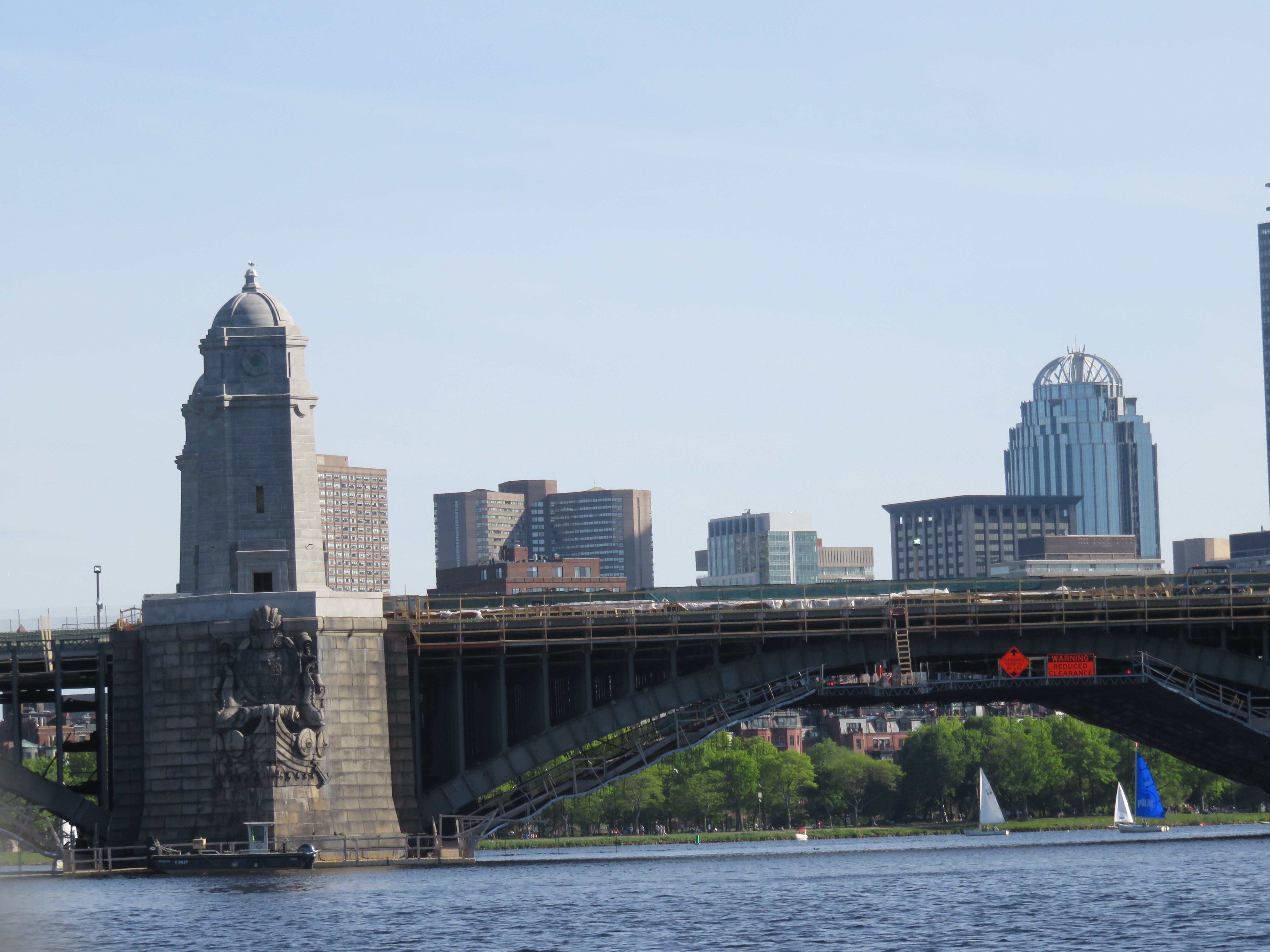


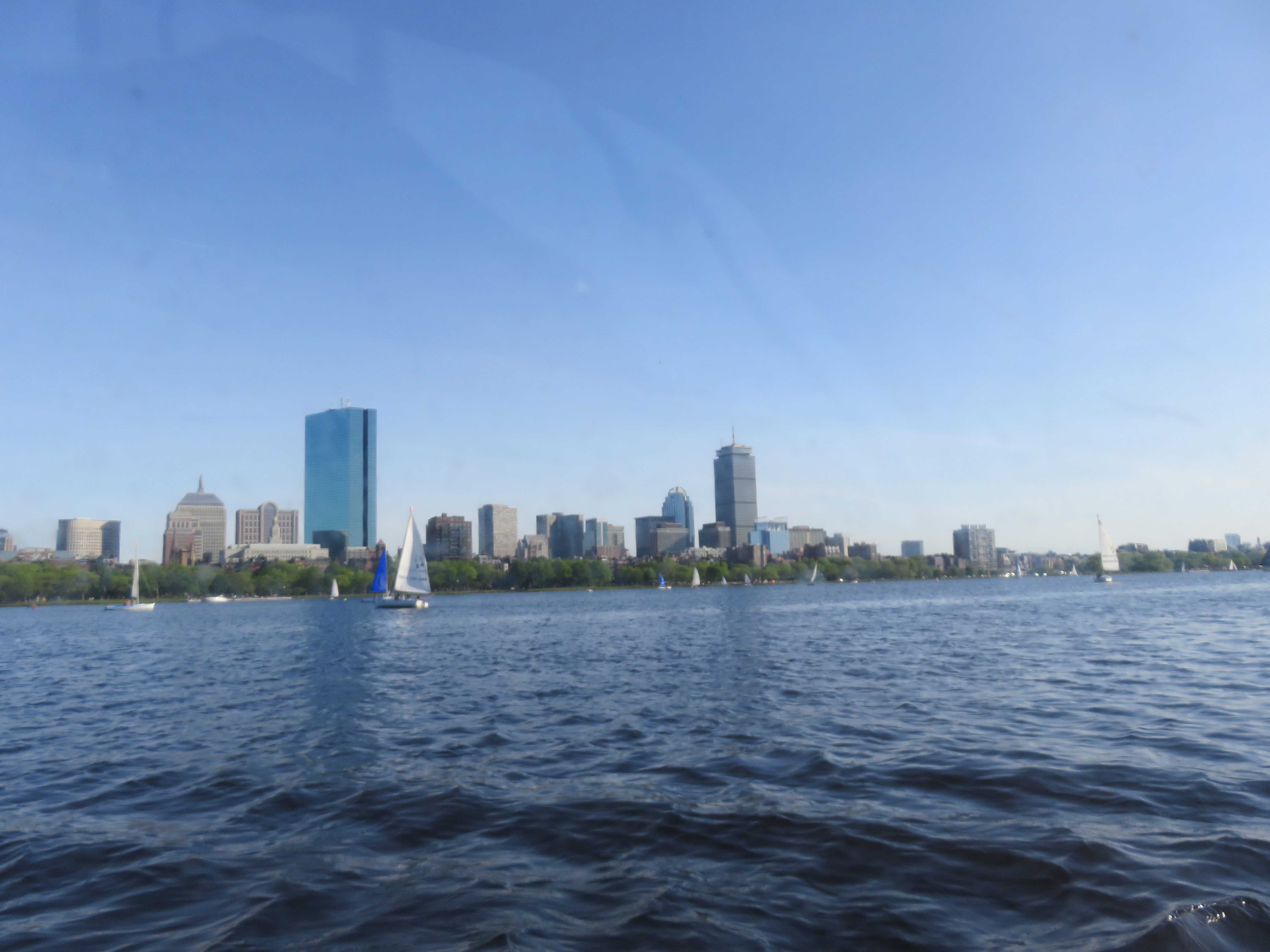
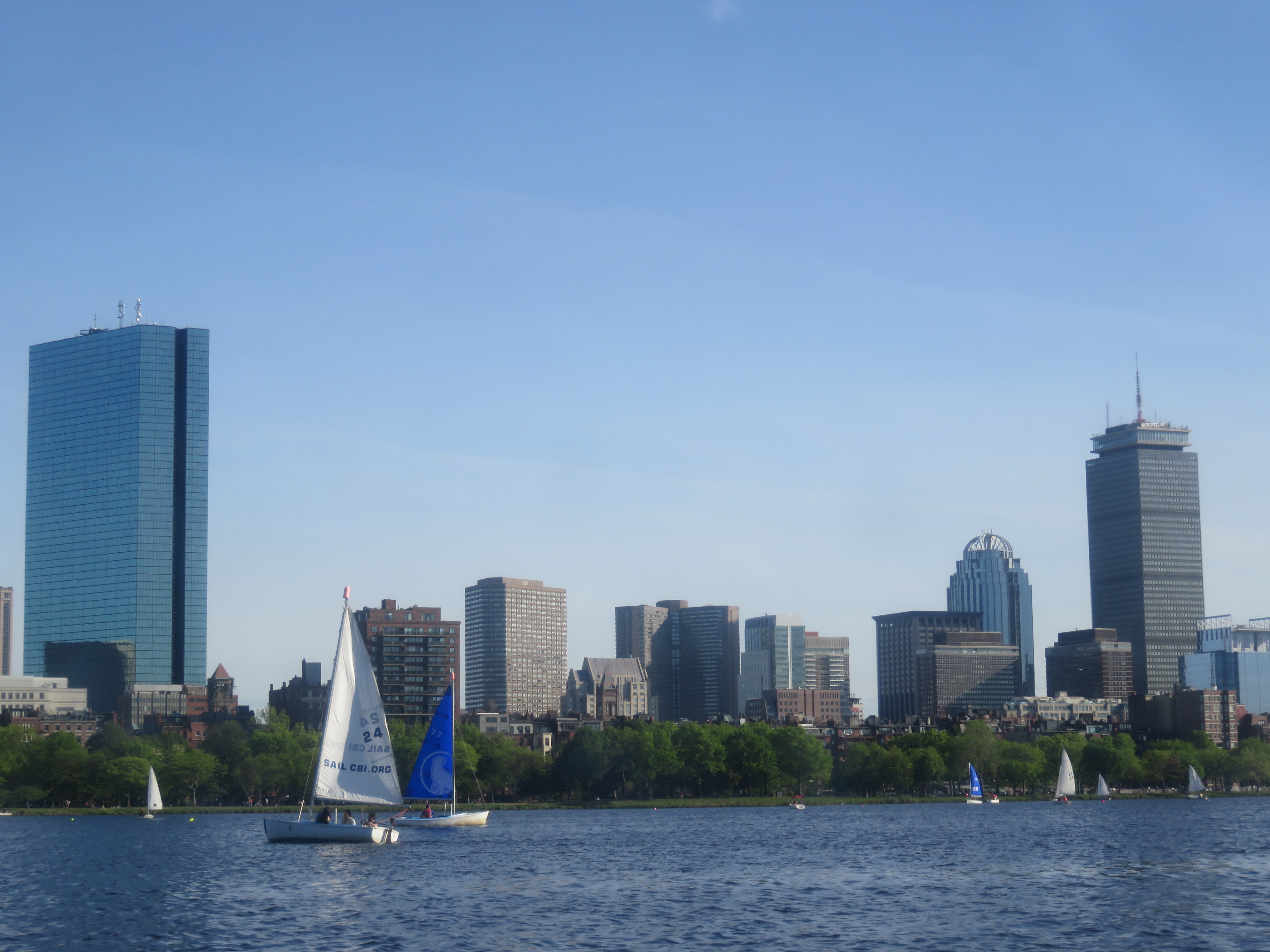
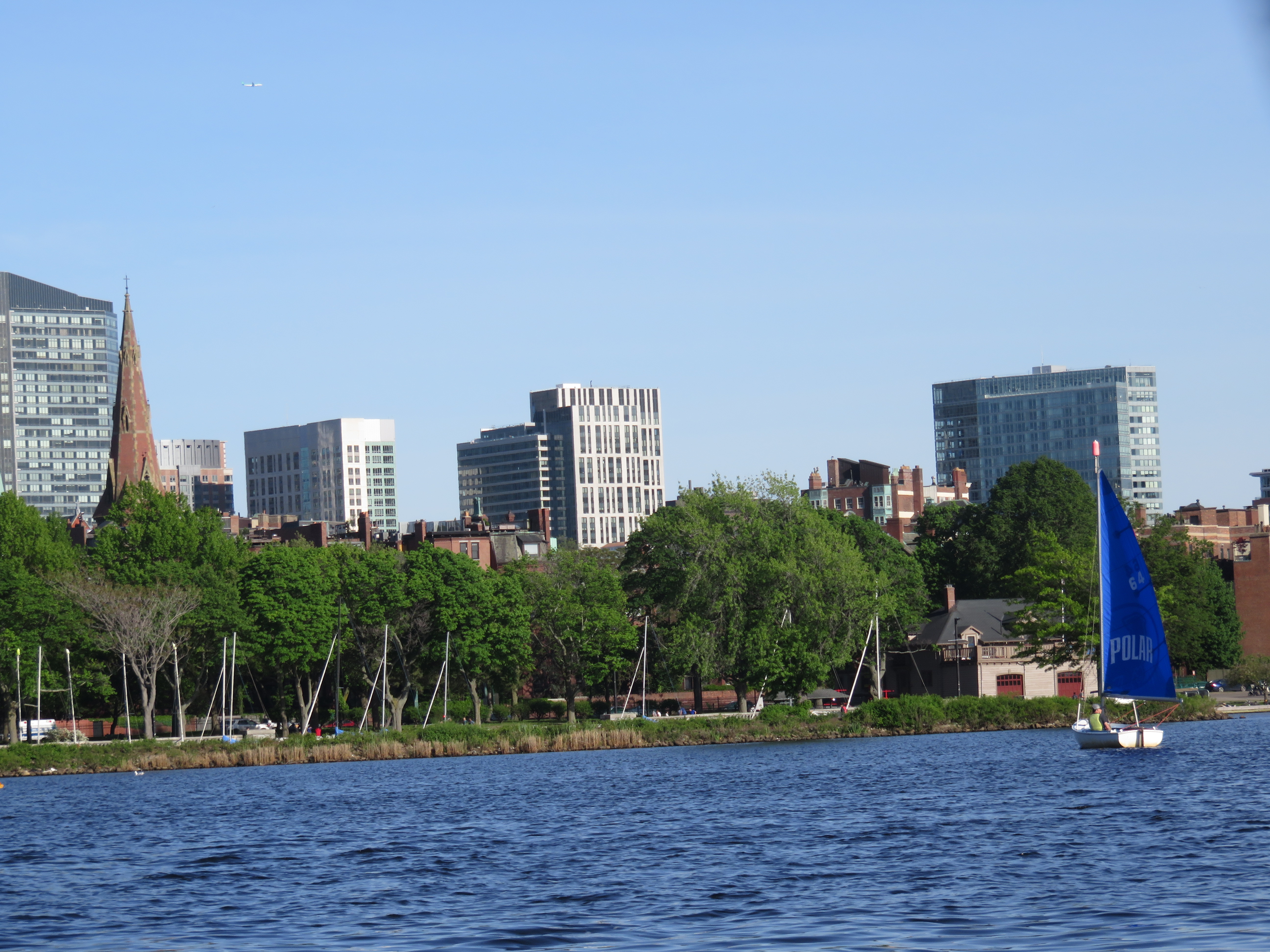


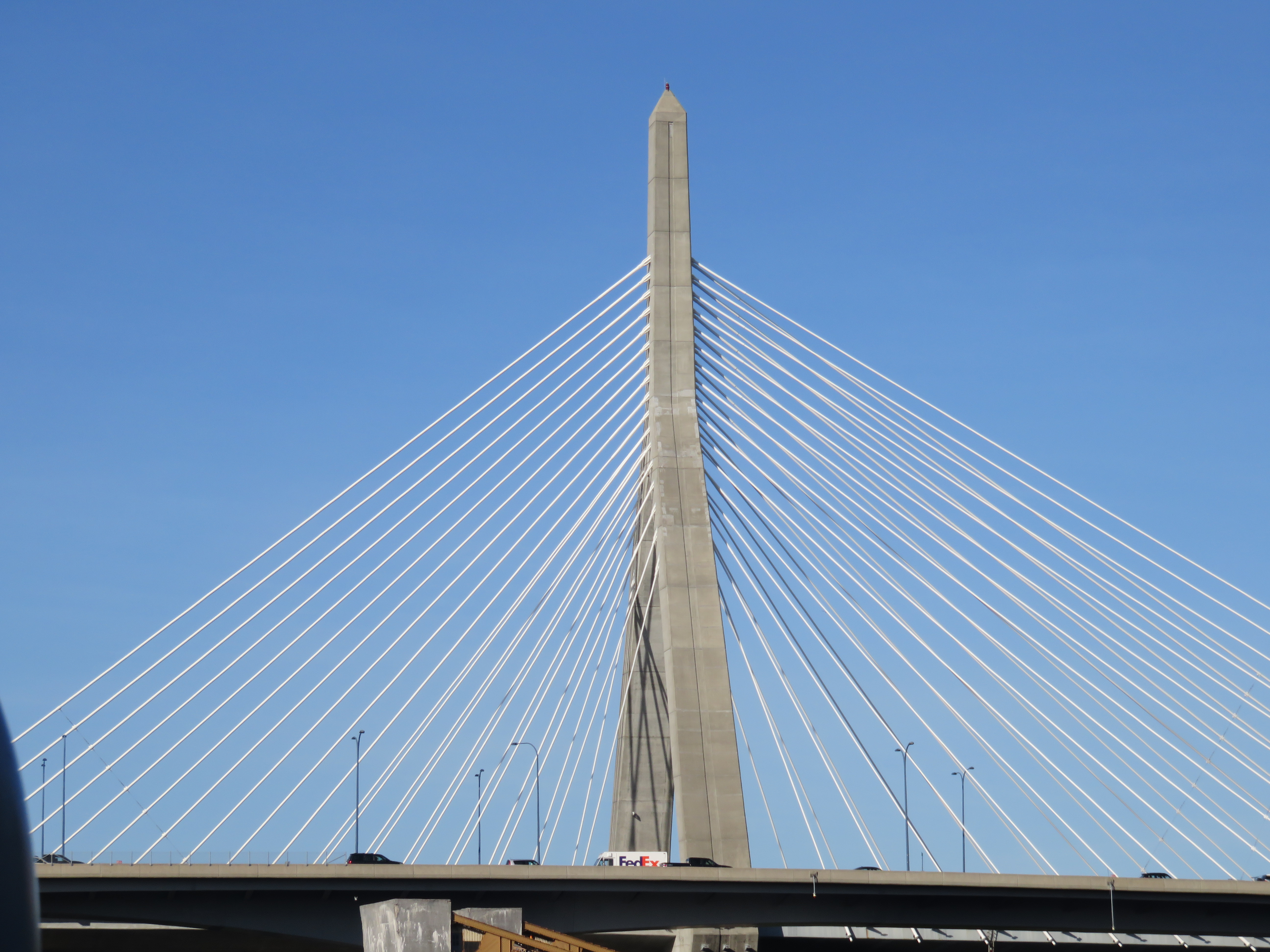
Camera: Canon PowerShot SX710 HS
Location: Boston, Massachusetts, United States