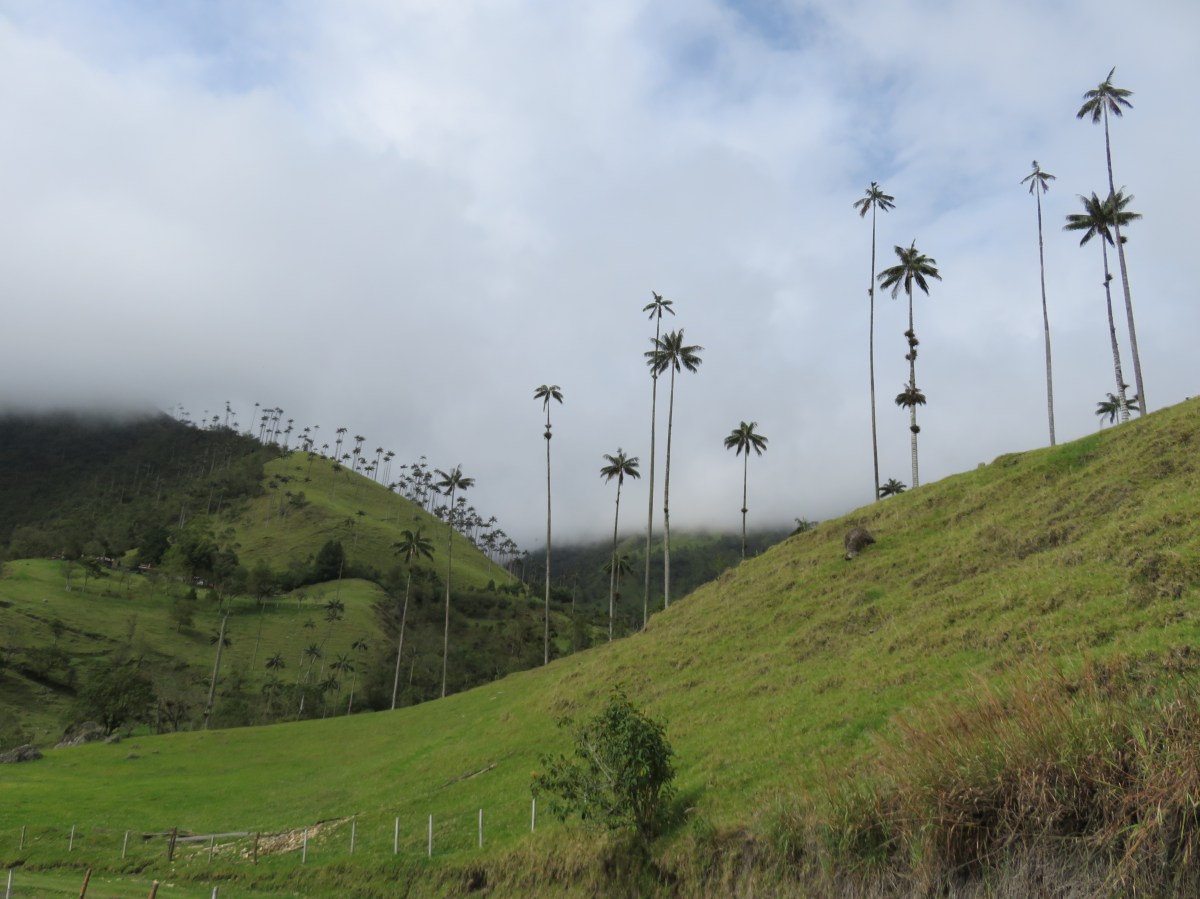
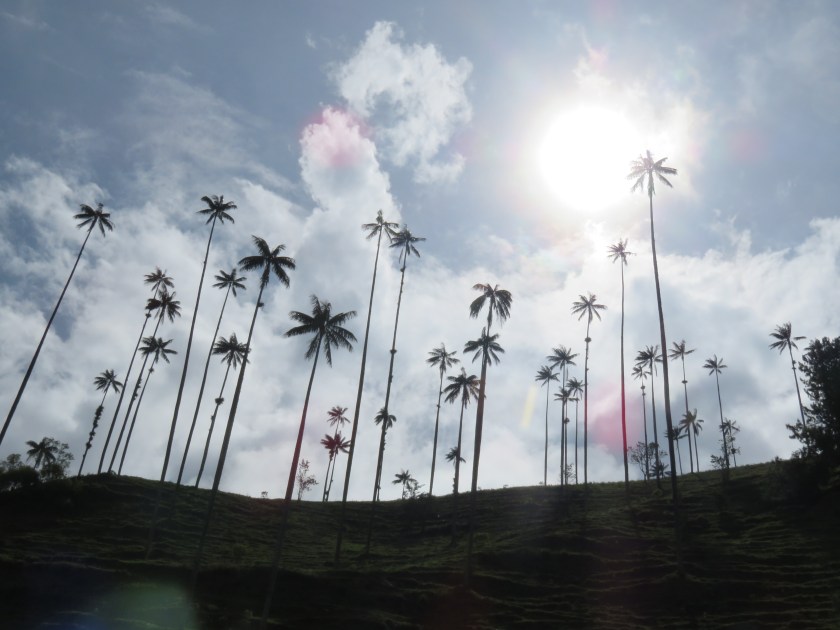
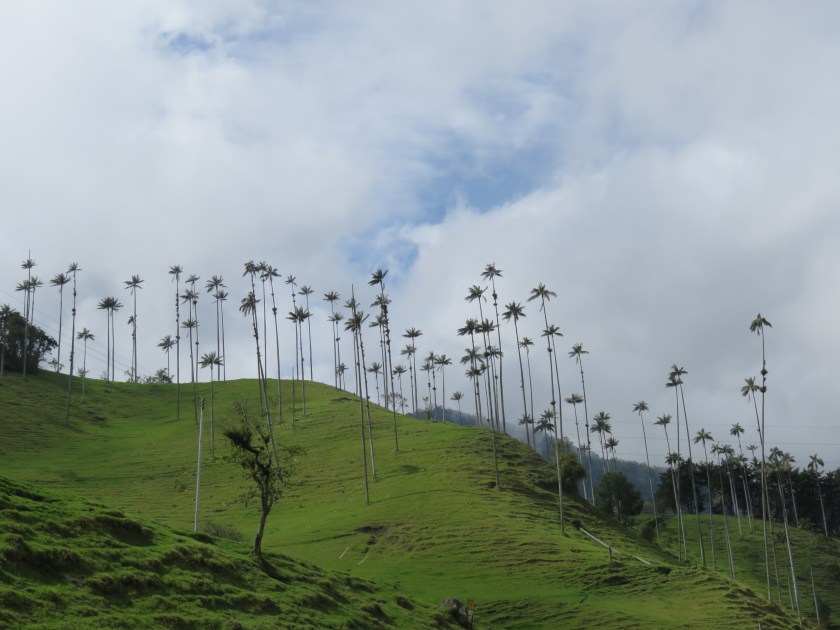
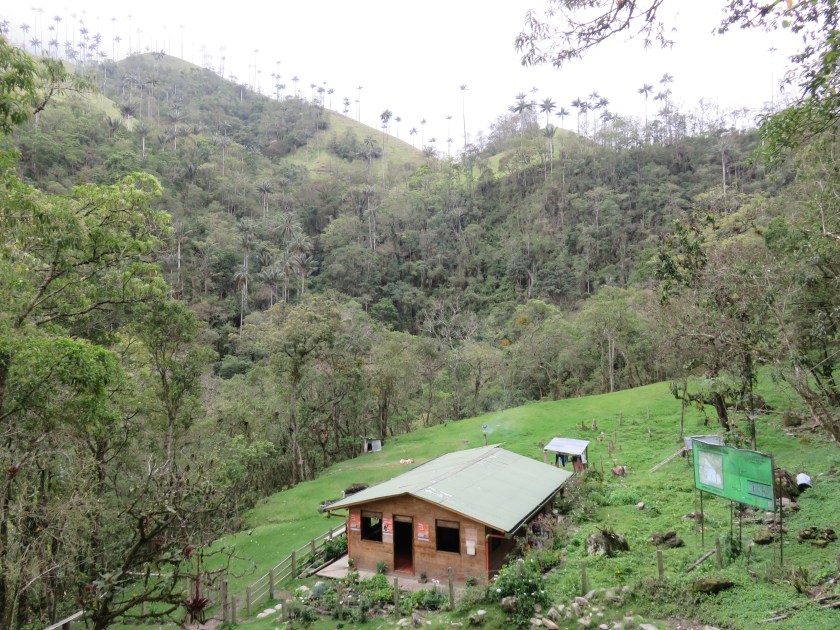
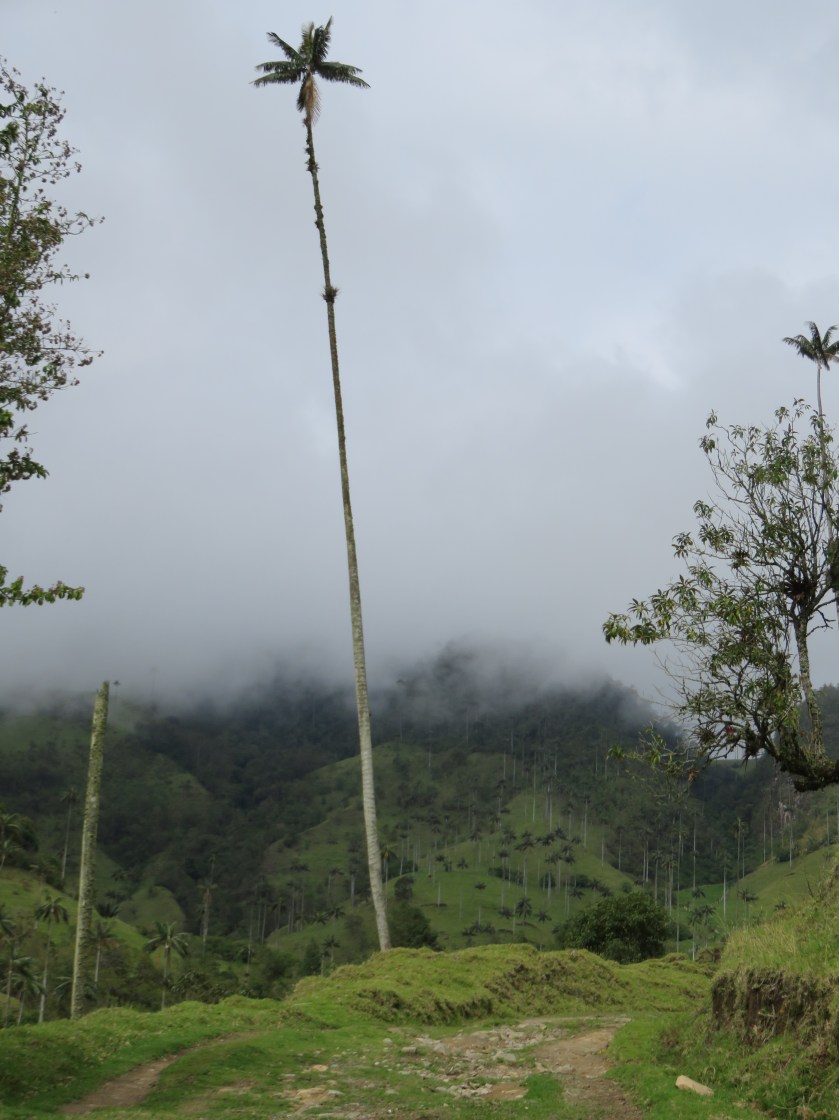
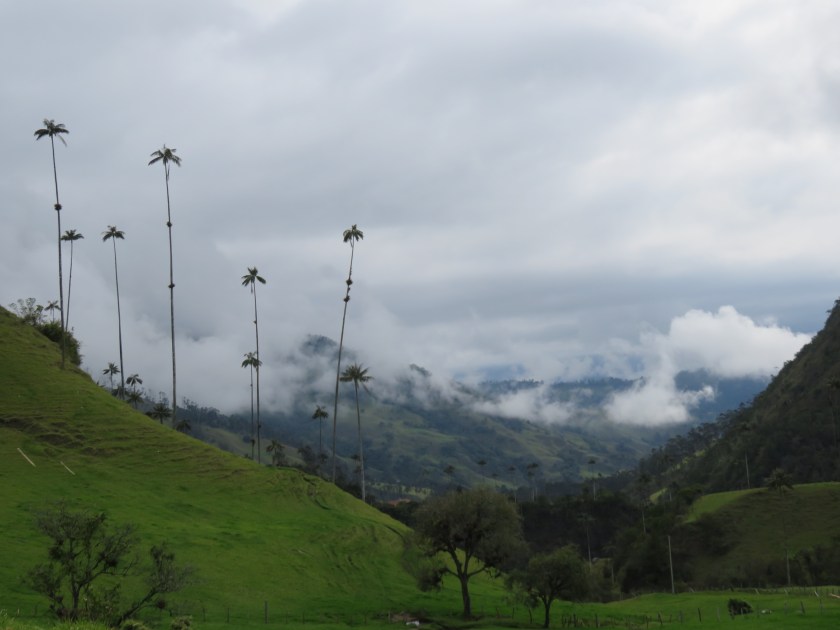
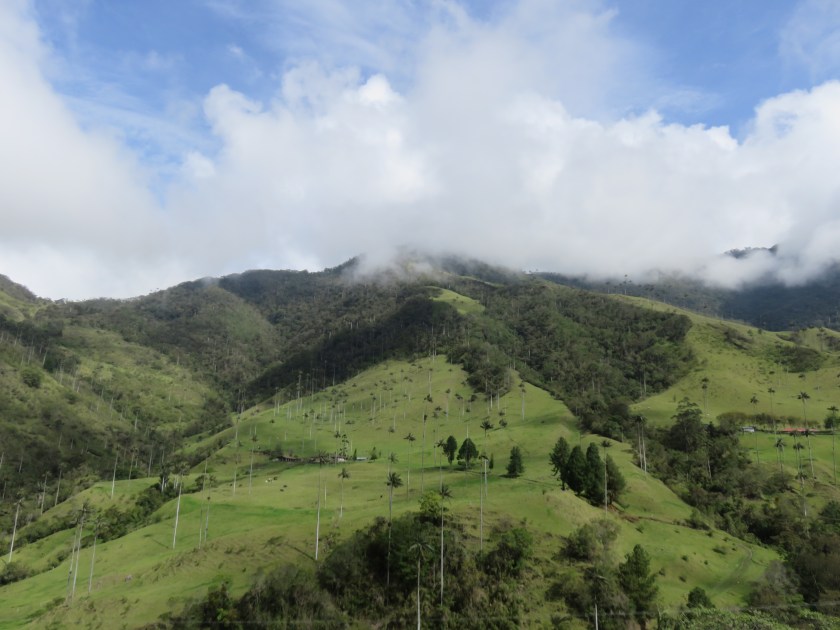
Valle del Cocora

img_1096

img_1103img_1105

img_1109

img_1110

IMG_1115.JPG

img_1125img_1111

img_1133img_1120

img_1187

img_1207

CameraCanon PowerShot SX710 HS

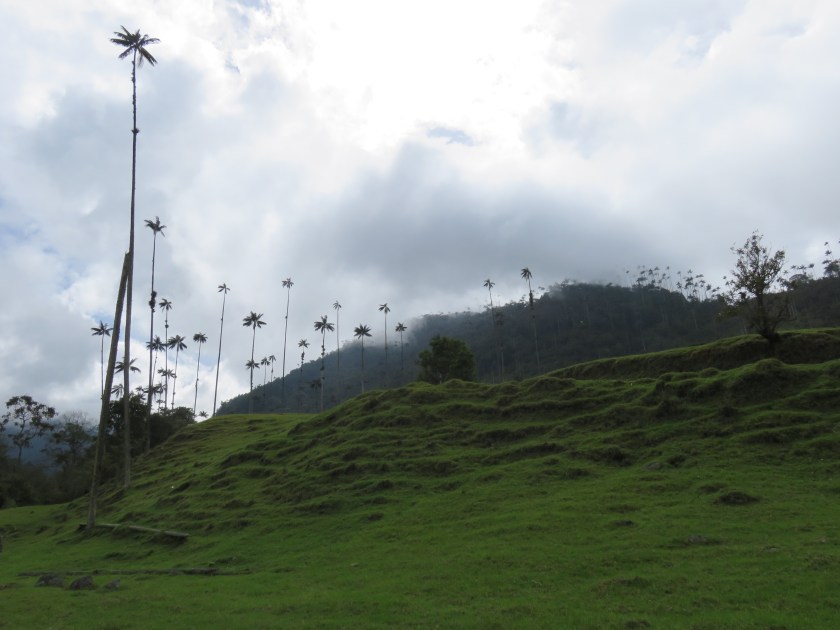
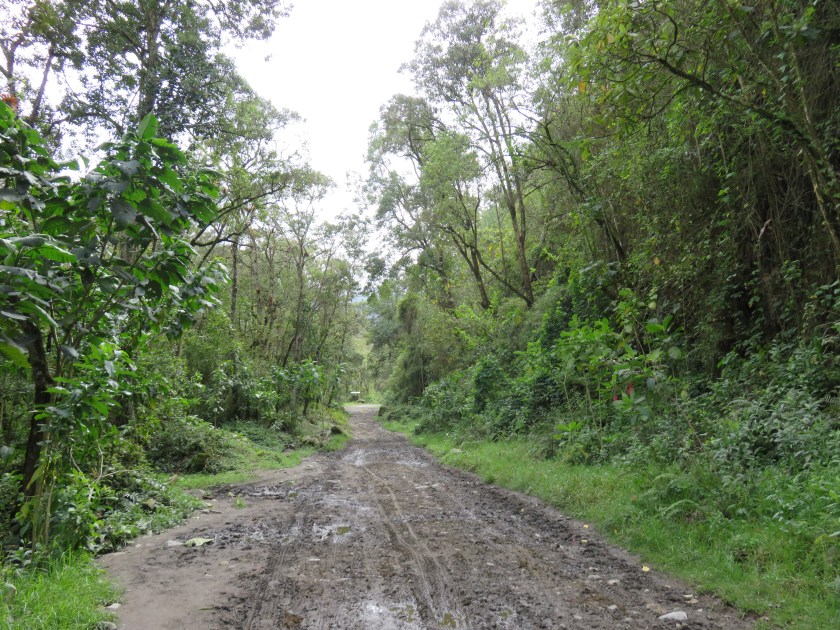
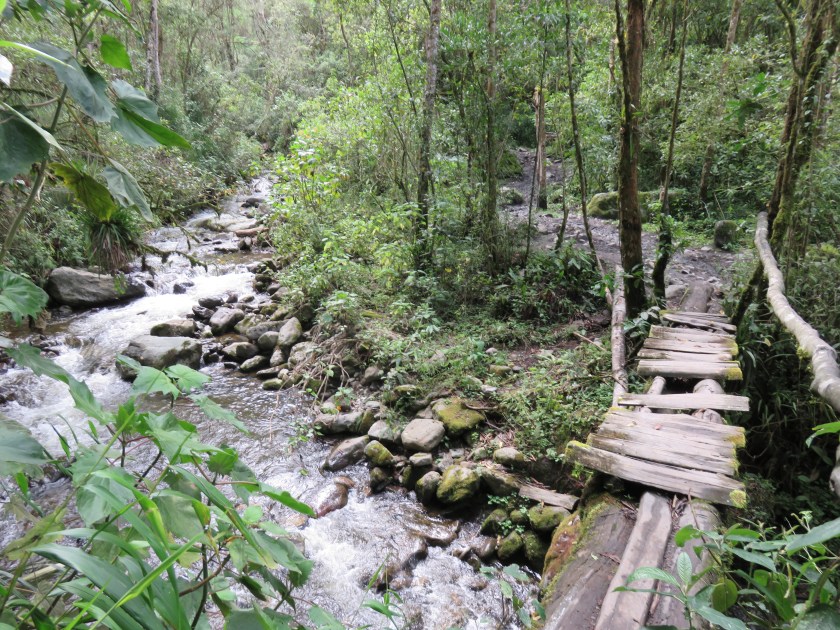
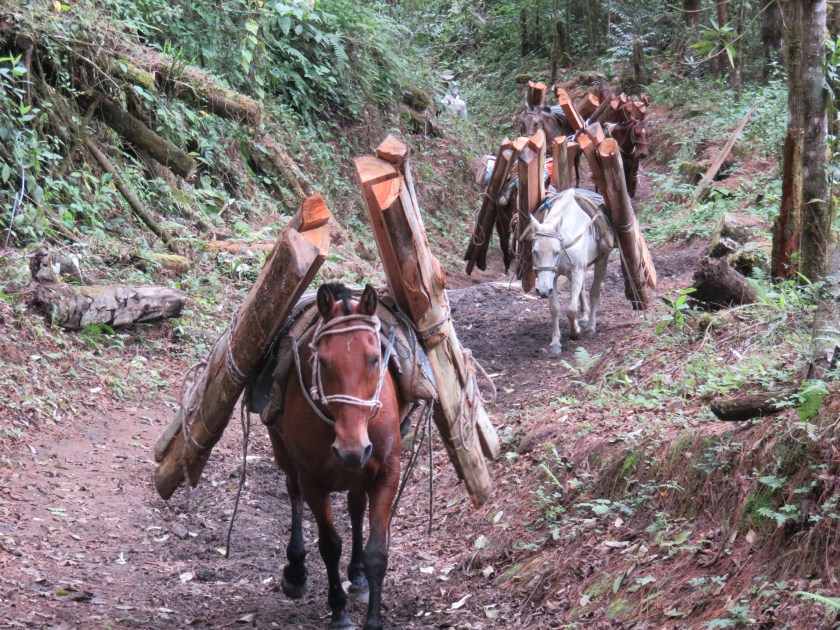
Location: Valle del Cocora; Salento, Quindio, Colombia

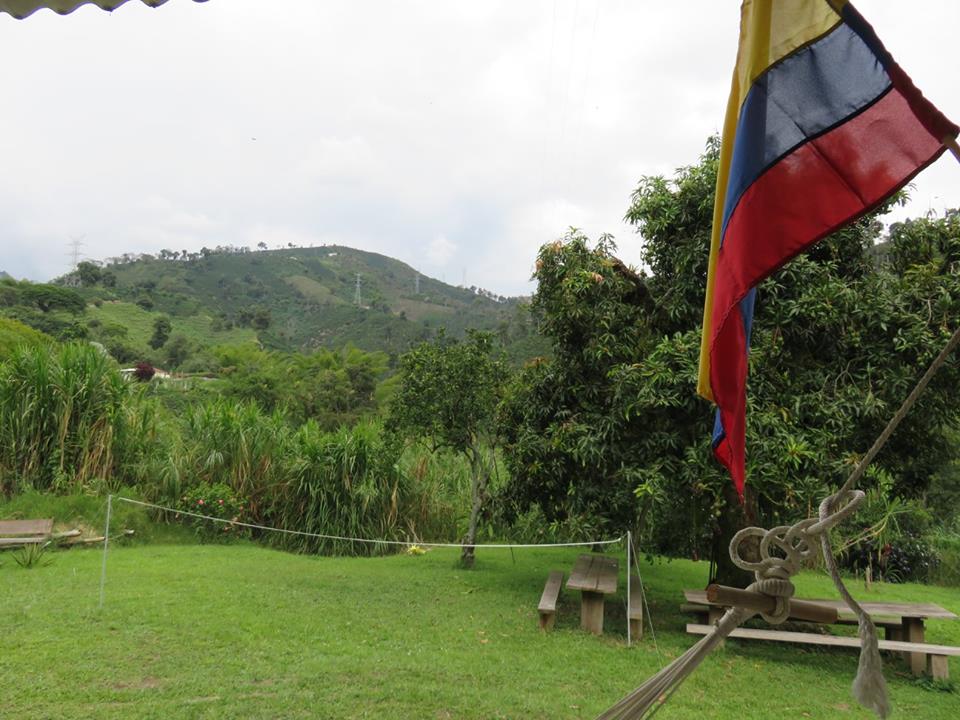
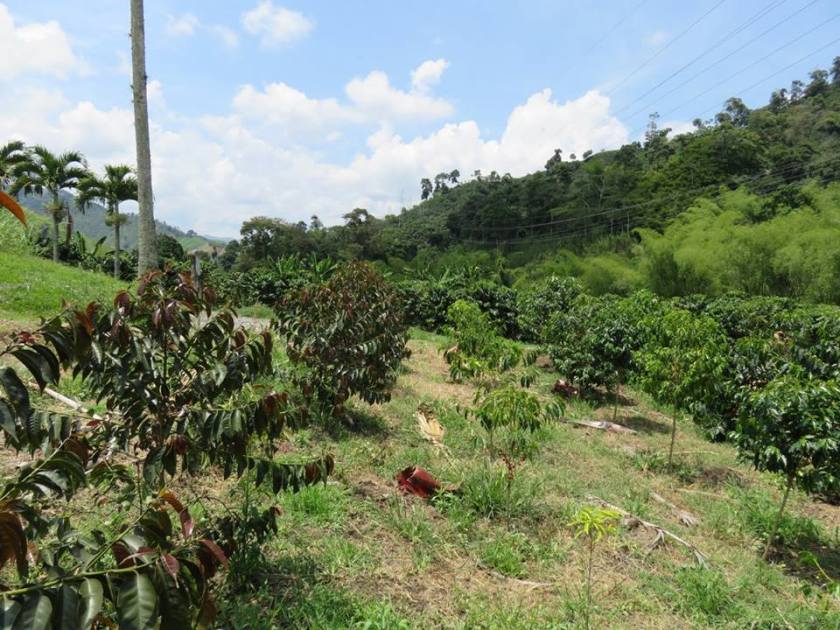
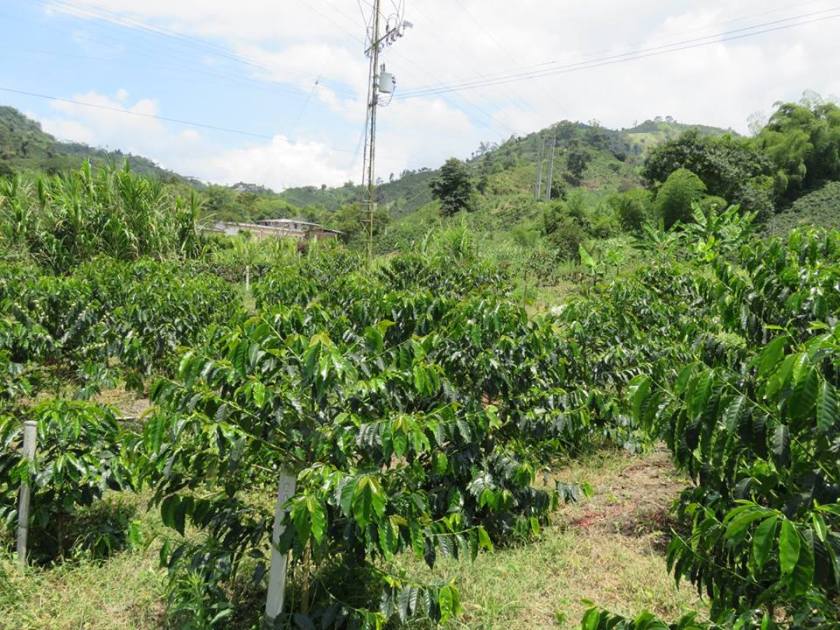
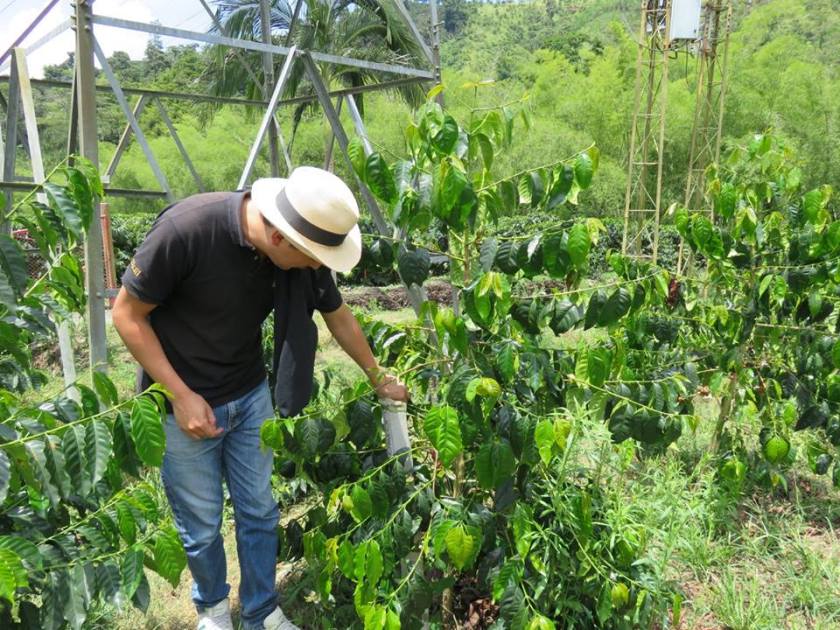
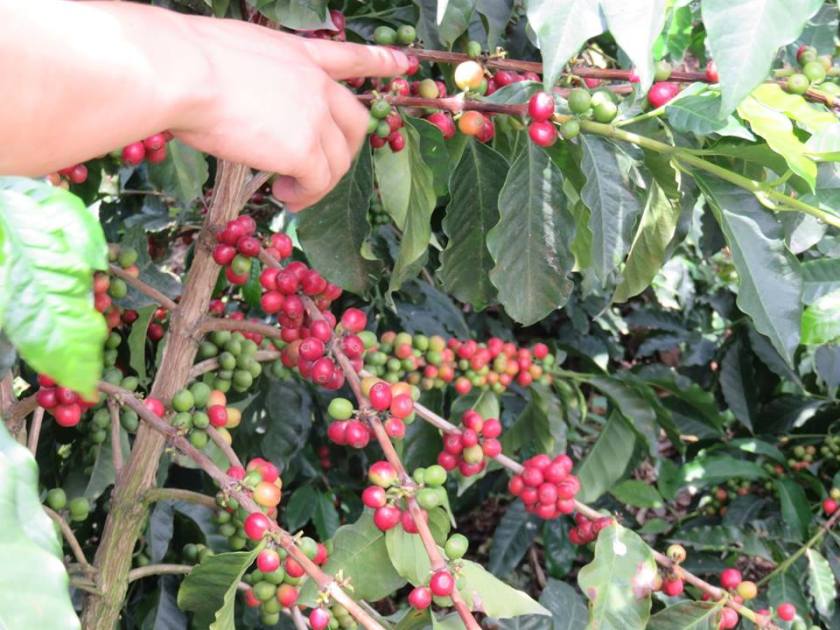
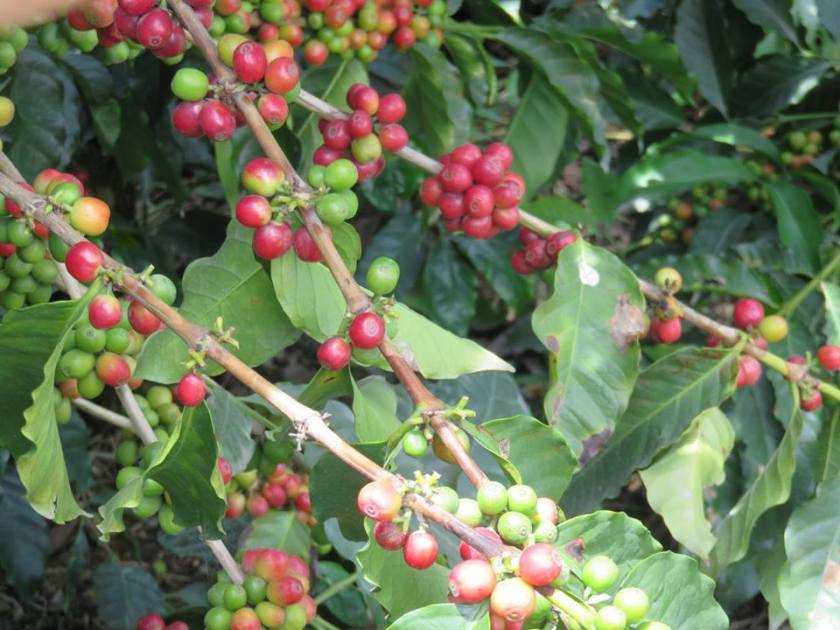
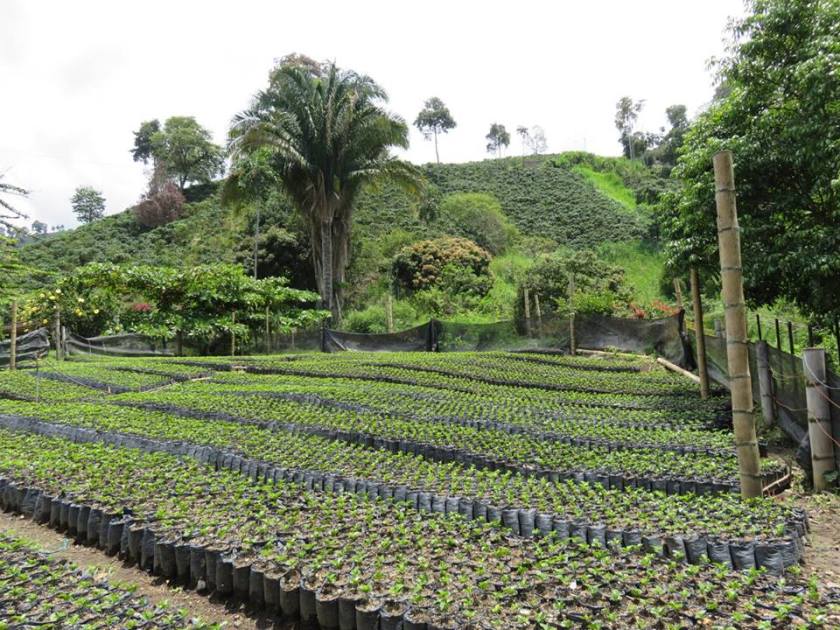
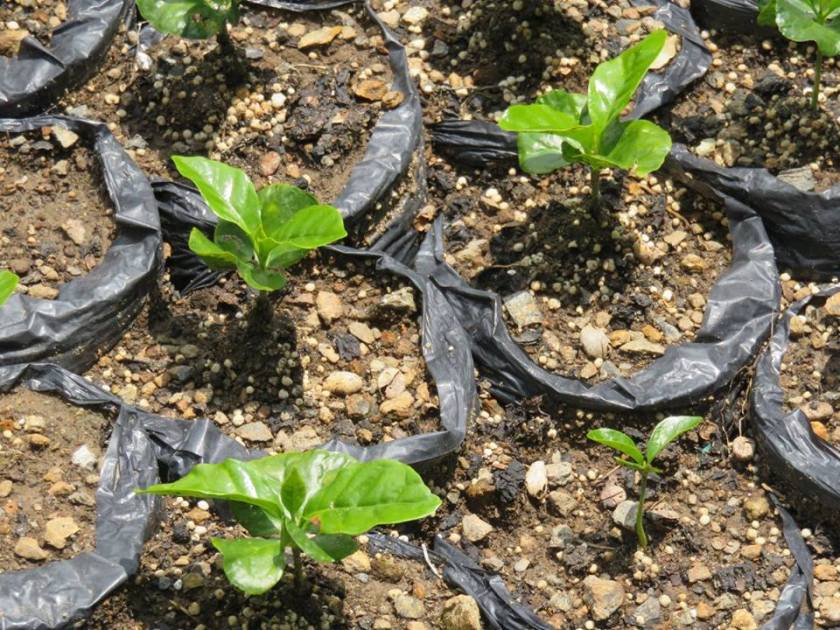
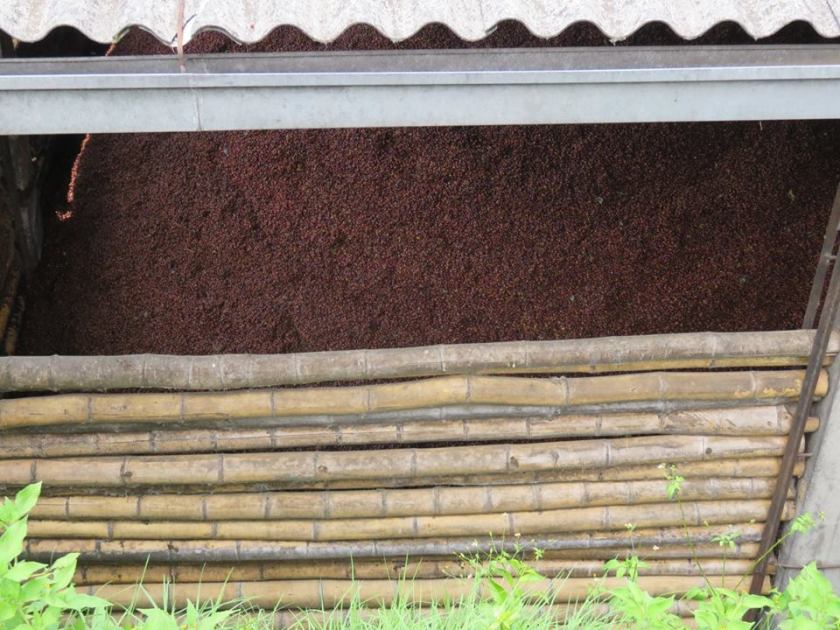
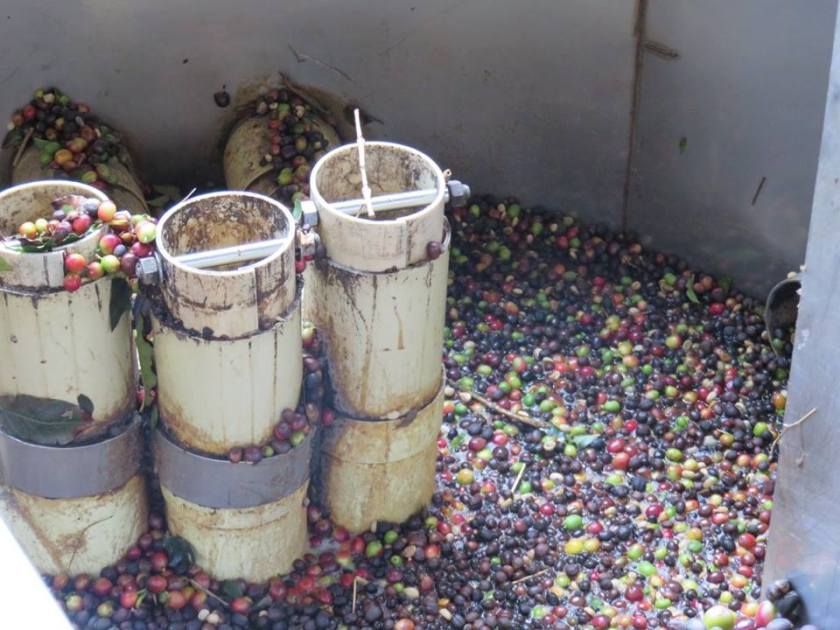
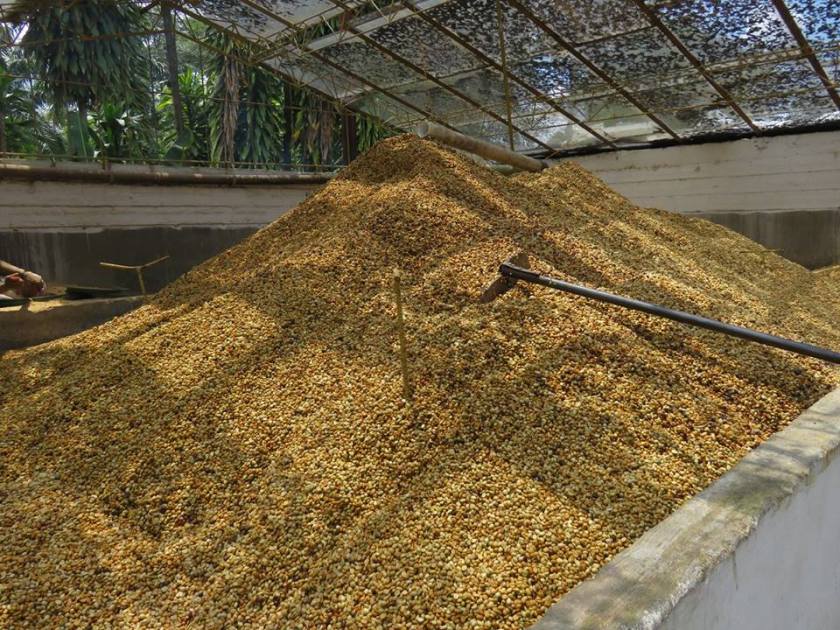
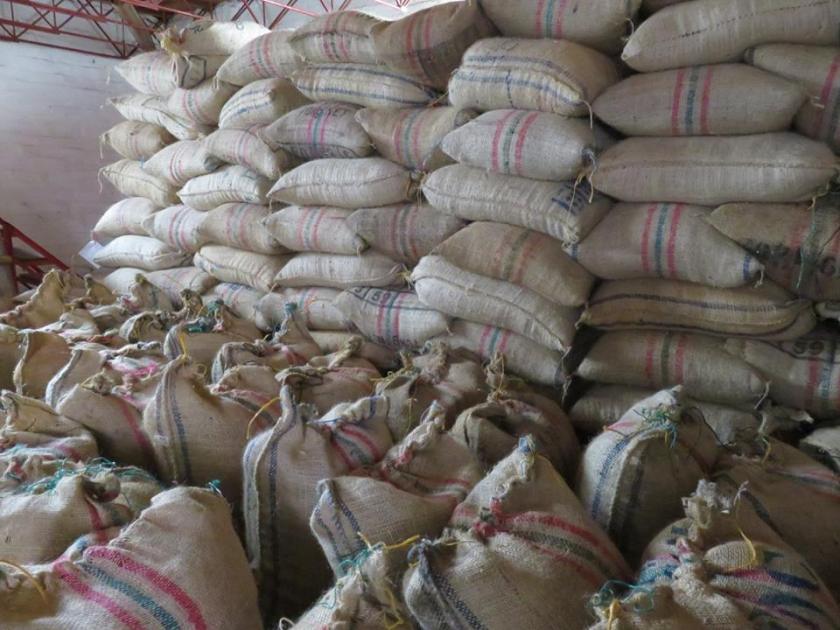
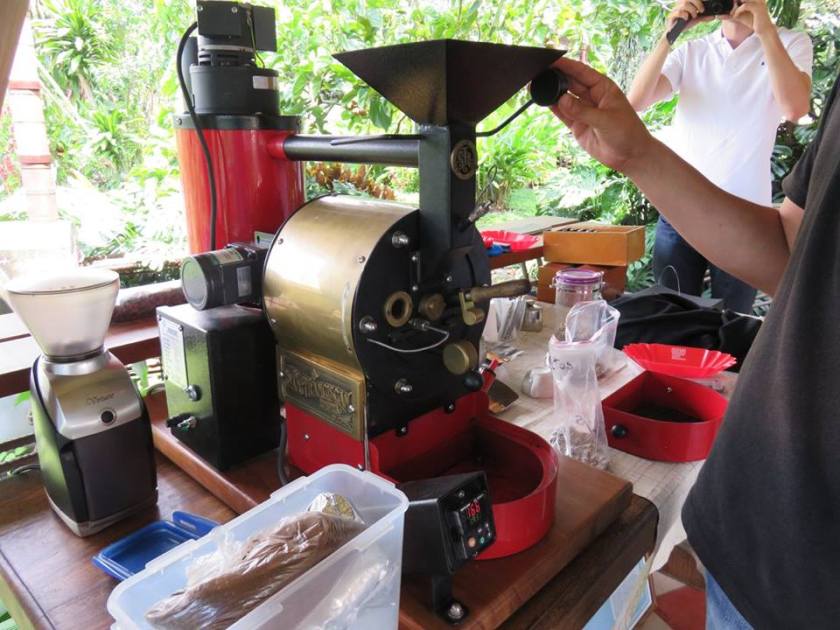
The Coffee Farm

14670823_10157522264220262_1820118778880301811_n1

14642343_10157522265030262_5816986866725143352_n

14702280_10157522265815262_3994102608413372427_n

14717321_10157522265800262_4156217177090237585_n

14691066_10157522266565262_1971029569822532956_n

14671307_10157522268405262_5203996779598185093_n

14642029_10157522268820262_8150422294198330640_n

14670825_10157522269660262_3561982785140579043_n

14729082_10157522270370262_458012479311699869_n14702320_10157522271640262_2442392730177033051_n

14590244_10157522272060262_3747618828295631682_n14717242_10157522272180262_8225771911386585992_n

CameraCanon PowerShot SX710 HS

Location: Hacienda Venecia Coffee Farm; Manizales, Caldas, Colombia

View From The Top

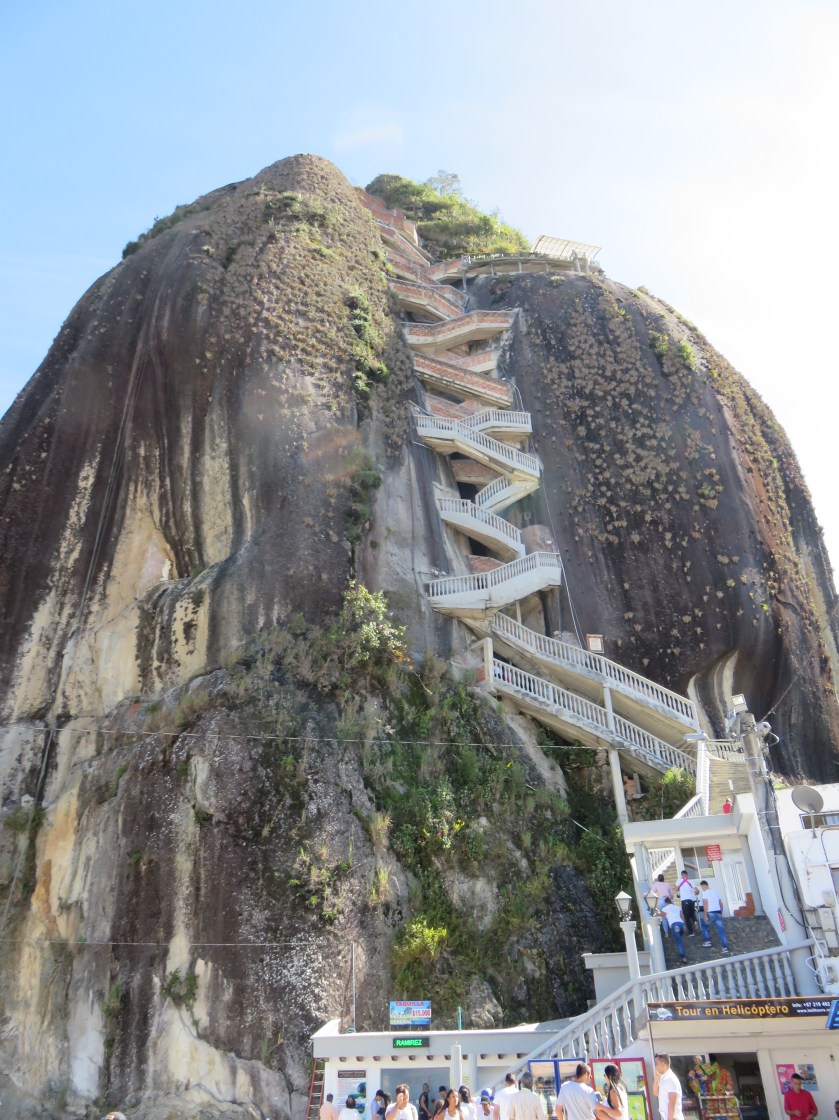
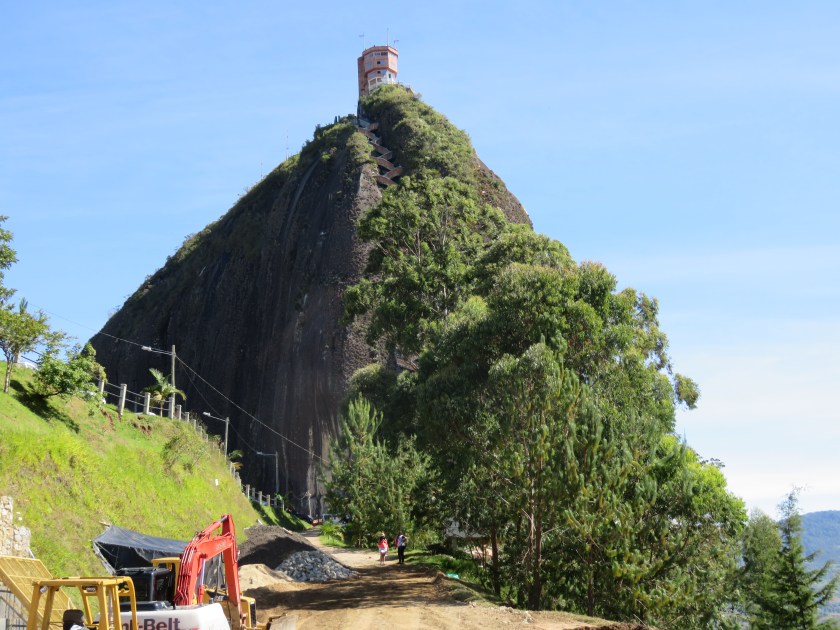
Tired and thirsty, my friend and I had finally reached the glorious peak at ‘La Piedra’ or ‘El Peñol del Piedra’, which loosely translates in English to ‘The Stone.’ It was quite a physically taxing climb up to the top of the rock as my legs burned and my feet became sore as my friend and I ascended the 750 steps along with some steep hiking up a good-sized hill to get to the base of the ‘La Piedra’ rock.

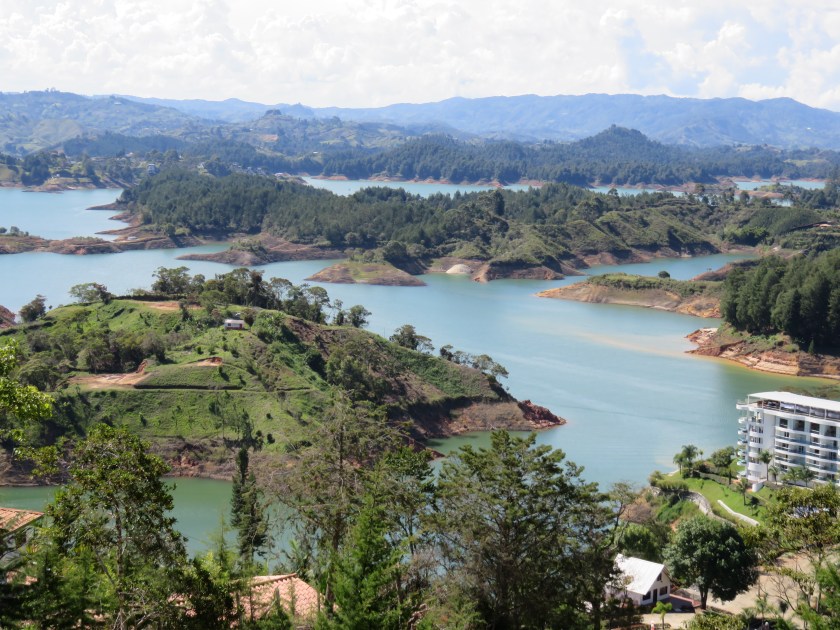
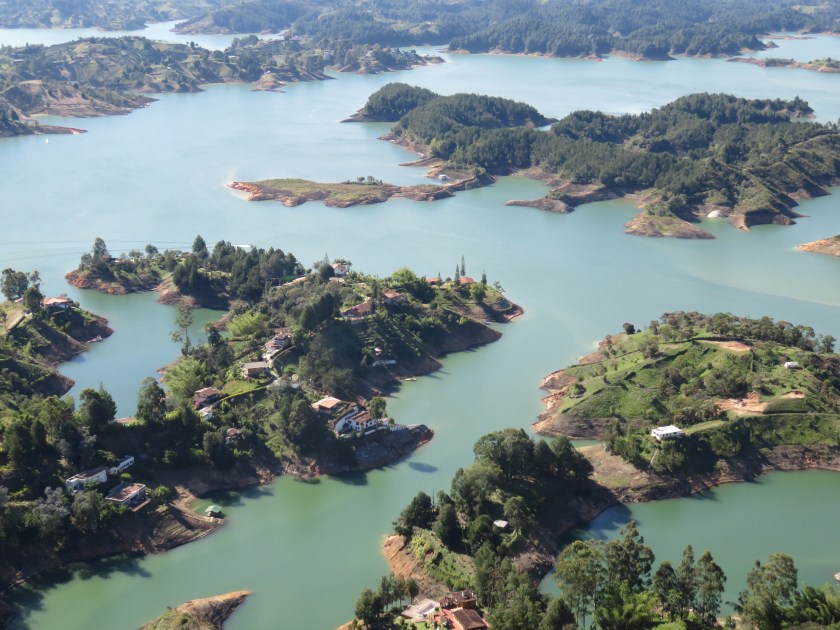
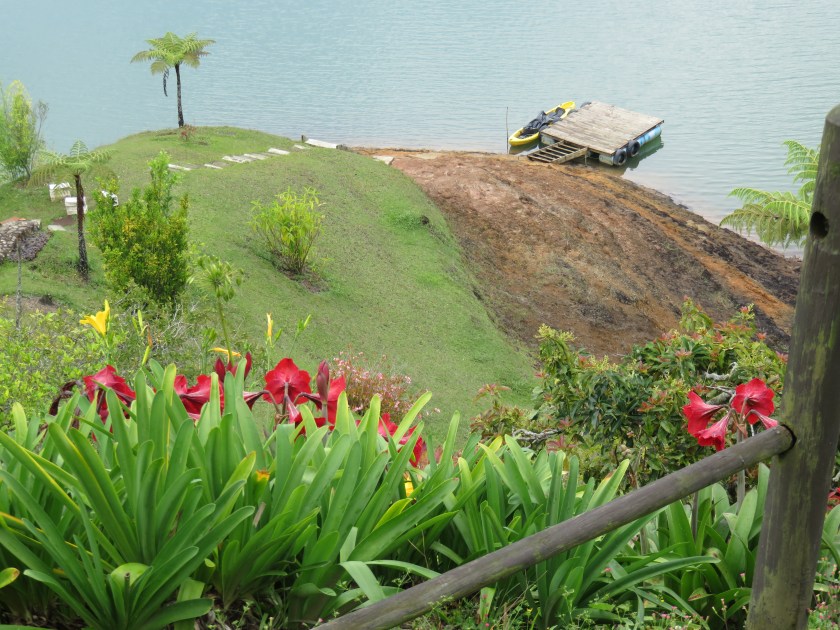
I came to Guatepe partly after hearing from friends in Medellin on how beautiful and unique it was and after seeing various pictures of the stunning landscapes that make up this tranquil part of Antioquia. I was skeptical of the place and didn’t think that it would live up to the hype but I am happy to say that I was completely wrong. Out of all the places I’ve visited and the landscapes I’ve traversed, Guatepe is a really special place to visit. The area is made up of dozens of intertwining, clear blue lakes surrounded by the greenest forestry you could imagine with soil rich in different colors. My friend compared it to the southern United States and thought that it was similar to the state of North Carolina. To me, that’s part of the beauty of Colombia in that there are so many varied landscapes. You could sometimes wonder whether or not you’re in a different country entirely depending on if you’re in Atlantico or in Antioquia.

The landscapes were beautiful, the air was clean, the people were friendly, and the view from the top of ‘La Piedra’ was unbeatable. A 360-degree vista of all of the lakes, hills, and greenery that make up Guatepe was quite breathtaking and peaceful to behold. It helped that my friend and I had great weather to enjoy where the skies were clear blue and the bright sun was shining down on us.

It was really pleasant to take pictures, to soak up the view, and to have a cold drink after the long journey to the top. I consider myself to be in pretty good shape but walking up the steep 750 steps is not for everyone and it really is quite the challenge. While it’s not insurmountable, your feet and legs feel the pain and you wonder when the full view is going to come into play. At ‘La Piedra’, they really make the tourists and the visitors to the rock work for it. There are no escalators or elevators. You have to pay for admission and if you don’t make it to the top, you don’t get your money back. Like a lot of things in life, you have to invest yourself physically and mentally in order to reap the benefits.

Similar to many other moments in life, I reflected on those 750 steps of ‘La Piedra’ as being a necessary yet temporary struggle to reach the top and enjoy the view. For me, it wouldn’t have been as worthwhile at all to check out ‘La Piedra’ if there were an escalator or an elevator to shortcut the journey. I believe that I enjoyed the view from the top of ‘La Piedra’ much more given the fact that I was tired, hungry, and in need of a rest. The struggle was tough enough for me that as a result, the ultimate reward became more fulfilling. If the climb up had been much easier, it simply would have been less rewarding. Because the views from this rock were magnificent, I was willing to climb the 750 steps to get to the top. Sometimes in life, the struggle is worth the reward.

Whether it’s traveling to a new country, starting a new job, moving to a new place, or working on a blog, there’s going to be some struggles and setbacks involved. Sometimes, you’re going to have to decide whether the sacrifices you make and the challenges you have to overcome are enough to justify the rewards. Nothing in life is as easy as it seems and if it appears that way, you may be let down when the reward or success you’ve seen from it doesn’t feel as good as a result. It’s important to realize that working hard and trying new things can lead to failure but it can also lead to a success that’s more whole and fulfilling.

Putting blood, sweat, and tears, into a project, a job, or a relationship takes a lot of work but you can rest easy knowing that it was your labor, which brought it into fruition. If everything in life is simply handed to you, you may feel happy and experience pleasure from it in the short-term but it’s likely to make you miserable in the long-term. Being able to exert yourself in the world physically or mentally can give you a much more lasting feeling of success and contentment. While I would have been happy with the ‘view from the top’ had there been an elevator for tourists like me to go to the top, I felt much more relieved and excited from the view after step #750 because it was the sweat and the toil to get up there physically that filled me with contentedness and satisfaction.

Before I left Guatepe, I wanted to see more of the area so I rented a kayak in the morning and set out by myself. I untied the canoe, got ahold of the equipment and the oars, and pushed the kayak out into the open waters. The day before, I had viewed Guatepe from the top but now I was back on level ground exerting myself physically stroke by stroke on a two-seater kayak in order to enjoy the scenery, and the peaceful quiet of a Sunday morning.

For anybody who’s done kayaking by themselves before should know, it’s a struggle at first to steer the kayak and to move in sync with the tide. Like the day before, I was challenging myself physically and thus, I felt more rewarded when I was able to glide by the birds chirping, the local residents fishing, and taking in the sheer greenery of Guatepe. I have to say it was a good way to end my weekend trip to that part of Antioquia, which is a truly beautiful and well-preserved area of Colombia.

I hope to get across to my readers that it’s very likely in life that you’ll get the most satisfaction from those challenges you endured and personally overcome. Whether it’s that huge rock in Guatepe you climbed or that successful business you started on your own time and with your own money, these efforts will create sustainable happiness and noticeable self-confidence. It’s not easy to get to the top and that’s why you have to work hard and exert yourself in order to enjoy the view.


Guatepe and La Piedra

img_0818img_0819

img_0834img_0825

img_0849

img_0872img_0883img_0904img_0913img_0949

img_0948

img_0964img_0973img_0975img_0977

CameraCanon PowerShot SX710 HS

Location: Guatepe, Antioquia, Colombia

A Weekend In Santa Marta

IMG_0733
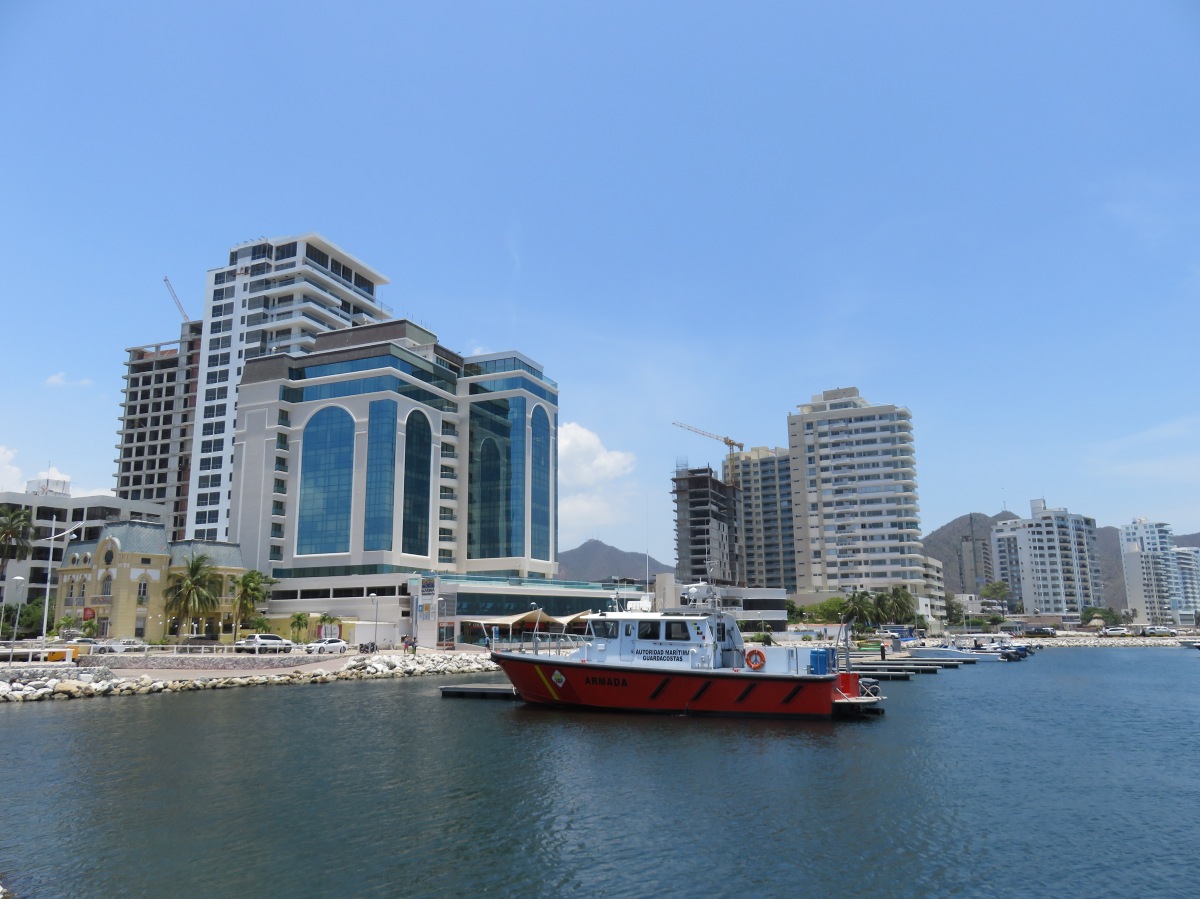
“Santa Marta Marina”

Santa Marta is an undiscovered gem of a city located on the northeastern tip of Atlantic coast of Colombia. I say that it’s an ‘undiscovered gem’ because it usually flies under the radar when compared to its’ coastal counterparts of Cartagena and Barranquilla. Still though, for Colombians and foreigners alike on vacation, Santa Marta has a lot to offer its’ visitors. I was drawn to Santa Marta a couple of months ago when I visited its’ neighboring town of Minca, which is also quite beautiful and full of lush scenery up in the mountains. Unfortunately, I did not get to spend much time in Santa Marta so I decided that during my 2nd time living in Colombia, I could not pass up the chance to visit this city if I had the chance.

Luckily, due to the recent religious holiday observed in Colombia which falls on a Monday, I was able to make my return to the Atlantic coast via Santa Marta for a long weekend and I had a great time overall. Even with three full days, I felt like I could have done and seen even more so if you’re planning on coming to Santa Marta, five days or so and that should be enough to cover everything. Due to the fact that I live in Medellin, which is surrounded by mountains with no sea in sight, I took full advantage of my time on the coast by hitting up the local beaches, sampling some great seafood and doing some hiking.

Santa Marta is a small and navigable city, which made it easier to visit for a long weekend. The locals I met were extremely helpful to me, and especially the taxi drivers who were patient with my handwritten directions. The historic center of Santa Marta was well preserved in my opinion and very walkable. There are a lot of bars and restaurants located around the Parque de Los Novios, which made it easy for me to choose places to eat and drink. Beyond that, you can easily go to La Quinta de San Pedro Alejandrino, which is place where the liberator of most of South America died in 1830. The hacienda is a museum, resting place, and has a really nice art gallery as well.

My recent trip mostly focused on visiting the different beaches located in Santa Marta, Rodadero, and Parque Tayrona. Santa Marta has many public beaches, which I found to be refreshing because there are a lot of hotels and private apartments located close to the sea but families and locals can mix with tourists to enjoy the beaches as well in the city. I found that to be a great idea and a contrast to other places, which have private beaches that only guests of the hotel or apartment can use freely. The public beach in Santa Marta is clean and nice to swim in but it can become quite crowded especially on holiday weekends.

The highlight of my trip was a visit to Parque Tayrona, one of the biggest and most popular national parks in Colombia. Well-preserved, pristine beaches, and great hiking opportunities, Parque Tayrona is the reason a lot of tourists come to Santa Marta in the first place. The park offers a lot of beautiful natural scenery of mountains, trees, and small rivers, which you can hike through for a day or more. Some visitors choose to spend a night or more in the park because it’s too big and vast to spend only a day there. The beaches are especially gorgeous because they are quite unspoiled and have no trash or residue of human presence for the most part. The water is clear, blue, and enjoyable to swim in. There’s a powerful rip-toe and large waves so be careful if you are to go swimming in some of the beaches there.

The particular beach that I visited, which is called Arrecifes, was barely inhabited and I enjoyed my time swimming, sunbathing, and listening to the clear sound of the waves without a care in the world. It was a very rewarding feeling to soak myself in the waters of the Atlantic again after a long day of waiting to get into the park and hiking through the park. For a couple of hours, I had the whole beach to myself so I was able to hear the sounds of the waves uninterrupted without any outside noise or voices to disturb the flow of nature. If there is one regret I have about the park is that I did not have enough time to see other beaches and that I should have woken up earlier to get into the park without waiting in line. If you plan on coming to Tayrona, make sure to get there by 8 or 9 AM, otherwise you will be waiting for a while to get in.

Before I left Santa Marta, I made sure to check out Rodadero, which was very different from Santa Marta and felt more like Miami Beach. High-rises, hotels, and apartments make up quite the skyline for this small city, which sits between the mountains and the coast. Rodadero is a great hub for restaurants and nightlife but also has nice public beaches which locals and tourists can enjoy alike. On my last day in the area, I decided to check out Playa Blanca, which was well worth the boat trip. Having a nice, private cabana that kept me out of the sun was welcome after two previous days in the sun. If you can’t make it to Parque Tayrona, spending the day in Rodadero is a great back up plan especially if you can make it to Playa Blanca where it’s less crowded and the water is crystal blue.

In addition to swimming and sunbathing, there are a multitude of activities to take part in. The fishing village of Taganga, which is nice to check out for a day due to its’ coastal style boardwalk also offers diving classes if you’re into learning that skill. There are also numerous tour groups offering snorkeling, hiking trips in the Santa Marta area for reasonable prices. If you’re feeling more leisurely, you can go jet skiing, banana boat riding, canoeing, and paddle boarding if that suits your fancy. The multitude of activities and places to visit in the area make it clear that Santa Marta is worth at least five days or so if you want to explore each nook and cranny of what the area has to offer. You simply can’t be bored if you decide to visit.

Despite being relatively undiscovered when compared to Aruba, the Bahamas, Bermuda, and other vacation getaways, Santa Marta is a city on the rise and its’ making a lot of progress in developing its’ tourism infrastructure. There are many cranes working on building the next hotel or apartment complex especially in Rodadero. The Santa Marta airport, which may be the smallest airport I’ve ever visited is getting a makeover and is going through a lot of construction in order to make it a hub for Colombians and tourists alike. With investments in infrastructure and education, Santa Marta will continue to grow in popularity.

I hope that tourists will continue to get along with the locals and respect the great natural beauty of the area especially in Parque Tayrona. The one thing that was difficult for me to deal with was the coastal humidity, which will cause you to sweat like no other. Be prepared to be hot but you get used to it eventually. Lastly, using AirBNB to meet some locals was really nice and I highly recommend the online service to my readers. Just make sure to do your research first and choose places to stay, which are conducive to your travel needs. A holiday weekend well spent in my opinion and I have a feeling that I will be back in Santa Marta one day soon. Parque Tayrona and Rodadero were my favorite parts of the trip and I’m sure others will enjoy those places too if they choose to visit this great area of the country.

For The Love of The Game

Atletico Nacional
Atletico Nacional: Copa de Libertadores Champions. I can truly say that I’m jumping on the winning bandwagon with this team from Medellin.

One of the best things about living in a foreign country is exploring and becoming immersed in the local sports scene. When you’re living outside the U.S., a different kind of football takes precedence over all of the sports combined. Football, in most countries, is the national sport and one in which kids from an early age learn to play and master over the years. Whether its’ a city street, a dirt field, or turf glass, football is an adaptable sport to any kind of climate which is why its’ such a famed world sport.

Before I started my travels, I looked upon football (soccer) as not that exciting and didn’t understand why it was so beloved. I didn’t like how there wasn’t that much scoring and didn’t appreciate how much skill and technique is needed in order to be successful. Football is like a fine wine that you grow to appreciate the more you learn about it. It’s a unique sport that caters both to the individual and the team too. You can play it anywhere and with anyone. Now, that I’m in my mid-20’s, I can say with a growing confidence how much I appreciate the ‘beautiful game for what it is.

The more I have traveled, the more I have witnessed the absolute love and passion that football fans have for their teams. Growing up in New York, I was a big fan of the New York Yankees and the New York Jets but it doesn’t really compare to the fanatics and supporters who back their football clubs up whether they win or lose. When I lived in Istanbul, Turkey, I saw this passion firsthand as celebrations or riots would occur whether or not the three big teams of Galatasaray, Besiktas, and Fenerbahce would win or lose. Fans of any of these local teams would light flares in the stadiums, parade through the streets, and fill the local bars up to capacity. There are few things in life that get people as emotional as the result of a football match. You have to be careful if you catch yourself in the wrong part of the city if you have your favorite team’s jersey on but they don’t support that team in that neighborhood.

I’ll never forget when thousands of Fenerbahce fans would crowd the streets of Kadikoy to celebrate their win over Besiktas. They sang team songs, lit flares up, and you could barely move through the streets. I, as a disgruntled Besiktas fan, realized just how outnumbered I was so I was forced to hide my dismay after the team had lost in a crushing defeat. There were also happier teams as an adopted Besiktas fan back in 2012 when I was studying abroad in Istanbul at the time. I remember counting down to the start of my first Besiktas match with thousands of other supporters as we jumped up and down to sing songs in support of our boys in black and white.

It’s truly a special experience when you go to a sporting event in a foreign country. I tend to find that football matches like the ones I experienced in Turkey had very passionate fans that made quite an event out of each and every game. While sporting events in the U.S. are quite fun and enjoyable in their own right, they are much more reserved than what I’ve seen from my experiences in Turkey and Colombia. A recent sports triumph that happened here in Medellin has helped make that even more true in my opinion.

Last Wednesday night, the popular and beloved Atletico Nacional team of Medellin triumphed over the Independiente del Valle FC of Quito, Ecuador to win the famed Copa de Libertadores trophy. For those of you who don’t know, the Copa de Libertadores is the South American equivalent of the UEFA Champions League where the best teams of the continent from Argentina to Paraguay battle it out over the course of many months to decide which team is the best in all of South America. It’s an intense tournament with a lot of talented teams. There are a lot of matches to play and a lot of travel involved. Its’ so difficult to win this championship that only two teams from Colombia have ever emerged victorious.

Atletico Nacional won the first championship for a Colombian club, in 1989, and Once Caldas of Manizales earned the second championship more recently in 2004. You could argue, in fact, that the Copa de Libertadores is more competitive than the UEFA Champions League of Europe given that twenty-five different teams from South America have won the title making it a more balanced and fair. There are heavyweight teams like Boca Juniors of Argentina and Santos of Brazil but there have been many underdogs who have emerged victorious in their quest of the trophy over the Copa’s history of competition.

I was lucky enough to be at a bar on the recent night when Atletico Nacional won their 2nd Copa de Libertadores title in their team history. It took them 27 years to become champions of South American club football and the excitement was palpable. A new and younger generation of devoted fans has emerged here in Medellin, and has never tasted a Copa win before. The city was on edge before the match but there was a sense of destiny with fans of all ages and backgrounds sporting the green and white of Atletico Nacional.

Taxis were hoisting the team’s flag all over the city, vendors were selling jerseys everywhere, and bars were decorating their establishments with green and white balloons. If you were a recent visitor to Medellin, you would think that there is only one football team in the city, and not two (Independiente Medellin is the other football team here with red and blue colors.) It was a special setup for a memorable match. Atletico Nacional had tied Independiente del Valle in Quito with a score of 1-1 so all they needed to do was come out with a simple victory at home now.

Due to an early and beautiful goal by forward Miguel Borja, the apprehension quickly turned to celebration for fans of Atletico Nacional all around the world. Fans still had to draw their breath after another 90 minutes of tension but Atletico Nacional were poised and determined to come out on top as champions. Atletico Nacional were victorious at 1-0 and when the final whistle blew, all of Medellin erupted in cheers, dancing, singing, and drinking.

Never in my life had I seen a city so joyous in the aftermath of victory. Cars were honking, fireworks were exploding all over, and huge crowds had formed in the streets to celebrate. Luckily, everything was peaceful here in Medellin during the night. Avenida 70, where a lot of bars and clubs were located, were so crowded that it took me an hour to get home because taxis couldn’t get through the streets. It was a wild and uproarious night and one that won’t soon be forgotten in the Colombian sports history books.

As a foreigner living here, it was pretty amazing to see the passion and the joy on the faces of the fans. If I had to compare it to a U.S. sports celebration, it would most closely resemble the Red Sox winning the 2004 World Series after an 86-year drought. The celebrations here were that intense and extensive. The school where I’m teaching here in Medellin opened its doors a few hours later than normal so that students could get some rest (or the teachers themselves.) In Turkey and now Colombia, I’ve seen the love that millions of people have for the real football. It is truly ‘the beautiful game.’

The City of Eternal Spring

Medellin, a bustling metropolis of over three million people, has a popular and well-known nickname, “The City of Eternal Spring.” I can say for certain that this particular nickname is well warranted and appropriate given the moderate temperatures and humidity that make up the day and night here. Among the cities and towns I’ve visited in Colombia thus far, Medellin is special in that its’ climate is hospitable and agreeable.

Luckily, after a long day’s work at my new school, I can come back home without sweating through my shirt and dress pants. When it does rain here, it’s refreshing and cool. Sometimes, it can pour really hard but usually only for short periods of time and despite July and August being the prime months for the rainy season, it hasn’t been that frequent of an occurrence.

In addition to its’ great climate, there are other qualities that make Medellin a unique city. Its’ transportation is well organized and runs smoothly. The metro system here is one of the few in South America and is clean, affordable, and has frequent trains. I’ve been impressed at how easy it is to get around the city without breaking the bank. In addition to the metro, there are also the ‘Colectivo’ buses, the Metro Plus bus system, the Metro Cable car system, plentiful taxis, and Uber if you really need to get around in a hurry. Motorcycles, which I noticed to be quite popular on the Atlantic coast, are also another great way to get around especially if you’re not patient with the traffic here.

Caution is necessary, as ‘right of way’ does not exist for the pedestrian so you have to be an eye out for both cars, taxis, motorcycles, and large buses. Everything seems to run efficiently when it comes to getting people to and from their jobs whether they are in the north, south, or central part of the city. While I haven’t spent much time in Bogota or Cali, I would say that Medellin is the most interconnected city in Colombia when it comes to transportation.

Residents of Medellin and the Antioquia region in general are commonly known as ‘Paisas.’ This nickname is also spot on given the fact that these people are really born and raised here in the countryside. Compared with Costenos, Paisas are accustomed to the mountains and hills that surround their fair city. It’s been an adjustment for me given my past experience of living near the Atlantic coast of the country. It’s a unique opportunity to be able to see Colombia through a different lens.

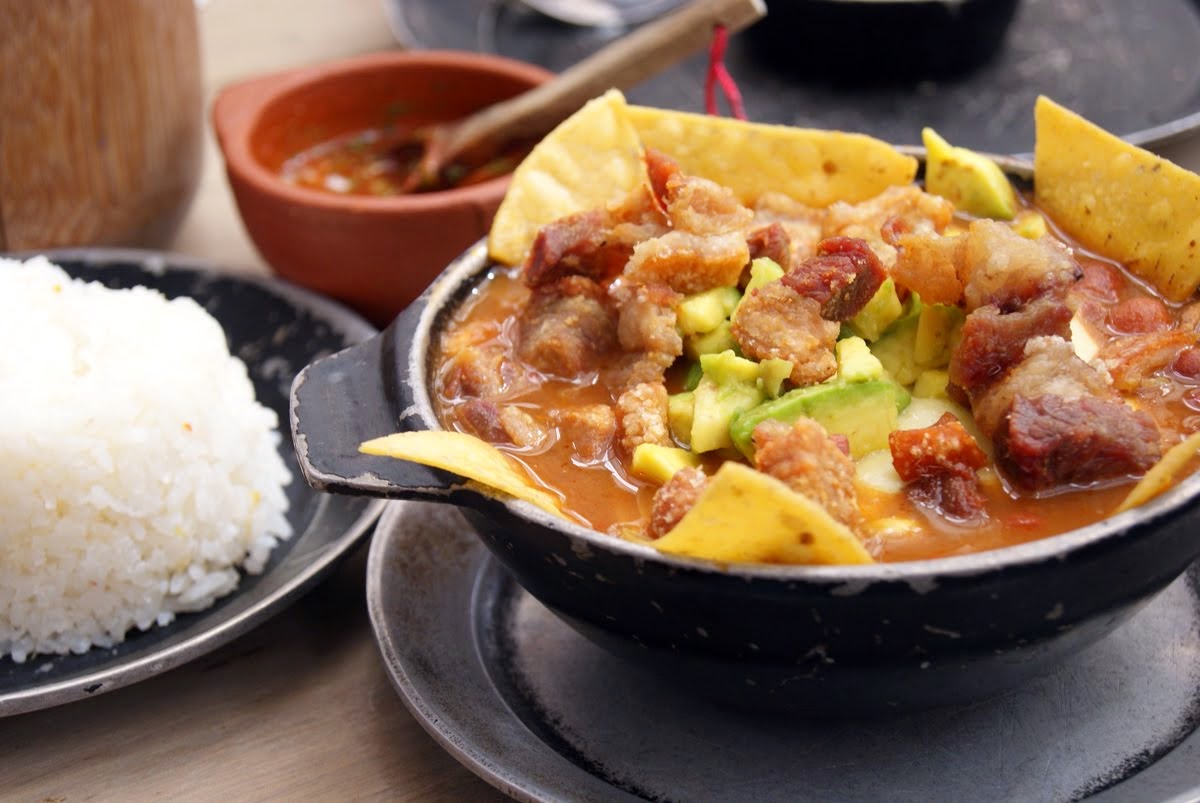
While the food is similar to what you would find in other parts of Colombia, Paisa cuisine is unique in offering hearty dishes like ‘La Bandeja Paisa’ and ‘Cazuela Antioquia.’ Rather than seafood, Antioquia pride itself on its’ offerings of different kinds of meat served with potatoes, avocado, tomatoes, etc. Each region of Colombia including Antioquia are known for its’ cuisine offerings which may be unique to the particular region.

To put it bluntly, Medellin is a city which contrasts its’ natural surroundings of mountains and rivers with its’ skyscrapers, bridges, and freeways. In any view of the city, you get a mix of pure nature and urban settings. Tucked below the valley, the city rises with its’ buildings and elevated metro to contend with the nearby green mountains that surround the city. The most special sight to me occurs at night when the lights of the city flicker brightly across the valley and off the side of the mountains. Each white and orange light that shines in the valley at night signifies one of the homes, apartments, and buildings that house a few of the city’s overall three million residents.

I have only been in Medellin for two weeks so far but I can tell that this is a special place. In addition to the great climate, good public transportation, tasty local cuisine, and stunning views of nature, the city’s inhabitants are friendly and helpful. Sometimes, to me, it doesn’t feel like a big city but a cluster of small towns that make up an urban area. Part of the fun of living here is discovering new neighborhoods that each has something different to offer. There are cool museums and botanical gardens to see at the University of Antioquia, trendy restaurants and bars that make up most of the Laureles / Estadio neighborhood, and the heart of the nightlife scene in El Poblado. It’s also cool to check out the more suburban neighborhoods that are within a metro ride of Medellin such as Envigado and Sabaneta.

Even if one were to get bored with Medellin, there are a lot of things to do, and places to see in the Antioquia region. In addition, there’s also a number of day trips out there to explore the local nature scene and to experience more traditional villages. It would be unrealistic for me to say that you can get bored living in Medellin because it really is a vibrant cultural capital and I believe that a lot of tourists and residents from other Colombian cities now acknowledge that fact. Having had an unfortunate negative reputation in the international news media for many decades, Medellin is a city on the rise with a deep culture, cool neighborhoods, and hard-working, friendly people who want to show you the best of what their home city and region have to offer. I am very happy with my decision to have come back here to Colombia and to make my current residence here in ‘The City of Eternal Spring.’ Hopefully, as a reader of my blog and website, you’ll come down to visit Medellin sometime to find out just what all the hype is about.
Bogotá

bogota8

bogota1

bogota2

IMG_0711

bogota3

bogota4

bogota6

bogota7

bogota9

IMG_0662

IMG_0665

Camera: iPhone 6 

Location: Bogotá, Colombia


Return to Colombia

bilingueprogram
“Yes, there are quite a lot of us in our group of teaching fellows for Colombia Bilingue. Pretty cool.”

After my first experience of living and working in Colombia was cut short rather unceremoniously, I decided not to give up on volunteering here as an English teacher and worked hard over the past three and a half months to return to this beautiful and lively country. After going through visa, medical, flights, and other forms of tedious paperwork all over again, I remained committed to what brought me to Colombia in the first place; a chance to improve the English proficiency of my students and to inspire them to look at the world a bit differently than before.

I have arrived here again in early July to accept the role of ‘English Teaching Fellow’ with the Heart for Change program and Volunteers Colombia organizations with the additional support of the Colombian Ministry of Education. I was extremely excited to hear that I had been accepted to this program in mid-April of 2016. Since then, I’ve worked diligently to prepare myself for the responsibilities and duties expected of me during these next six months to a year.

I’m quite proud to be among 240 English Teaching fellows who have come from over 30 countries around the world to be apart of this mission. It’s truly inspiring to meet and see other teachers come from nations like Iceland, Iran, Kenya, Serbia, and elsewhere with the goal of making Colombia a bilingual nation. This effort to improve the English language proficiency level of Colombia’s students is a massive undertaking and a worldwide effort. I am glad to once again play a small role as an ESL teacher in making Colombia more proficient in the English language.
After arriving in Bogota, the capitol of Colombia, the other 240 fellows and I underwent a week of intensive teacher training in order to prepare us for the job that lies ahead. While the topics that we went over were mostly review for me given my past experiences, I was grateful for the refresher and was impressed by the job done by the UNICA (Institucion Universitaria Colombiano Americana) in helping prepare us for the program’s start.

Unfortunately, I wasn’t able to explore much of Colombia’s capitol city of Bogota but I was able to walk around and check out the historic district along with the Plaza de Bolivar. In addition, I was able to dance some Salsa, eat some delicious Ajiaco soup at La Puerta Falsa (highly recommend), and practice Spanish again with the locals. Hopefully, I will be able to return to Bogota soon because there is a lot to do there and it’s a bustling metropolis on the same level as New York City and Mexico City.

What someone would notice immediately about Bogota is the unpredictability of its’ climate and it’s weather patterns. It could be sunny and warm in the early afternoon, completely cloudy an hour later, and then rainy and cold in the evening. If a direct comparison can be made with a U.S. city, the weather of Bogota would most closely resemble Seattle for better or worse.

Bogota is tucked in close to the Andes which allows visitors an excellent view of nearby towering, green mountains that jut out beyond the modern array of skyscrapers and office buildings. Bogota, like other Colombian cities, are urban oasis’s surrounded by rivers, mountains, and tropical jungles. Thankfully, from what I have noticed, there is a healthy balance here between nature and civilization, which is lacking in other places.

After having finished the initial paperwork, received my certificate from UNICA, and flown on to Medellin where I’ll be working full-time as a co-teacher in a public school starting next week, I am happy to close a past chapter in my life and open up a new one which has a positive, optimistic outlook. The first six months of 2016 were tough for me personally but I’ve put the past behind me and am ready for what comes next.

I look forward to finishing the work that I started back in January 2016 here in Colombia and hope to do some good work for my new students for the next six months or more. It’s been a wild ride with ups and downs, but I’m happy to continue riding the rollercoaster and seeing where I end up. For now, I’m fortunate to be back here in Colombia and won’t let this second chance go to waste. Todos Por Un Nuevo Pais!

The Last Full Measure

This past weekend, I was able to visit Gettysburg, Pennsylvania, the site of the most notable battle of the American Civil War, and one of the biggest battles in American military history. The battle of Gettysburg is also notable for being the main turning point of the Civil War. The outcome of the battle concluded with the Army of Northern Virginia, led by General Robert E. Lee, being prevented from invading further into the Northeast. Lee and his army were forced to retreat back into Virginia after the battles’ end and never again stepped foot in Union-controlled territory.

Set over a period of three days from July 1st – July 3rd of 1863, over 51,000 men from the Union and Confederate armies were killed, wounded, captured, or declared missing. It was the largest land battle ever fought in North America. More than 160,000 soldiers from both sides fought in the battle during those three tumultuous days with the town of Gettysburg and its civilians’ being caught in the crossfire. The battle of Gettysburg was fought on fields, marshes, hills, and sloping ridges over 10 square miles and around 6,000 total acres. In addition to the battlefield, Gettysburg is also home to a national soldiers’ cemetery close to the battlefield where the thousands of Union and Confederate troops, now long passed away, are ensconced in their final resting place.

The first thing one notices about Gettysburg is just how quiet and peaceful it is. One would have never guessed that a major battle had been fought here or that thousands of lives had been lost while fighting for their principles and values. The battlefield of Gettysburg, now devoid of soldiers and horses, still retains its wooden barriers, its replica cannons, and artillery. The National Park Service should be commended for restoring the grounds of the battlefield and keeping it clean for the more than one million plus tourists who visit the national military park each year.

What I was most surprised and pleased about during my visit was the amount of memorials, monuments, and tributes paid to the thousands of soldiers on the Union and Confederate sides. The armies, brigades, corps, divisions, etc. from each of the thirty states on both sides of the Civil War are each commemorated and memorialized in some form.

The most striking memorial to me was Pennsylvania’s state monument, the biggest and most awe-inspiring of them all. The Pennsylvania monument lists all of the soldiers’ names that fought for the commonwealth in the battle of Gettysburg. This monument in particular is Greco-Roman in design and has tributes to President Abraham Lincoln, and to notable soldiers and commanders from Pennsylvania. It also overlooks the entire battlefield of Gettysburg and can be seen from every part of the area.

Another notable memorial from the Gettysburg National Military Park can be found at the Gettysburg National Cemetery. In the center of the cemetery and overlooking the thousands of graves lying in repose is the Soldiers’ National Monument. This monument pays tribute to the soldiers who lost their lives at Gettysburg and is unique in quoting an allegory at its’ base that states, “Peace and plenty under freedom…following a heroic struggle.” In addition, this soldiers’ monument depicts the concept of ‘Liberty’ signified by a woman who carries a sword of war, while holding a wreath of peace. At the base, there are four separate statues representing ‘War, History, Peace, and Plenty’ in a chronological, circular order. In total, there are over 1,300 monuments, memorials and tributes at Gettysburg. It’s nearly impossible to see them all without spending a week or more at the battlefield because they are spread out over miles and miles of land. This is why it is known for being “the largest collection of outdoor sculpture in the world.”

You cannot come to Gettysburg without learning about the Gettysburg Address, and the process that led to President Lincoln delivering this famous and historic speech. While the spot where Abraham Lincoln gave the speech is not open to the public at this time, you can still see into the cemetery to view the general speech area. In addition, park rangers from the National Park Service are available for questions about the Gettysburg Address and a tour of the cemetery upon formal request. There’s also a bronze statue and monument of Lincoln’s bust along with an emblazoned copy of the entire Gettysburg Address close to the cemetery’s entrance.

American history was one of my favorite subjects from my high school days. The ability to go and visit historical battlefields like Gettysburg, Normandy, Lexington and Concord brings the history to life for me. I’ve been lucky enough so far to see some of the most notable locations of the American Revolution, Civil War, and World War II.

By visiting these places, you gain a great sense of gratitude and reverence around the conflicts, which these men fought and died in. You can better understand the costs and sacrifices that come with making war. Its’ also good to appreciate what we have today in our united country. There were times in our collective past as a nation when the concept of a ‘United States’ was very much in peril. Hopefully, we can continue to avoid the mistakes of the past, and learn from these dreadful conflicts.

The importance of seeking a brighter and peaceful future for our nation and the world is what I took from my visit to Gettysburg. These memorials, monuments, and the military park remind visitors and patrons alike why peace is something to strive for, even if it comes at a great cost. Sometimes, peace can only come through means of warfare, and that is why we give thanks to those men who gave their “last full measure of devotion.”

To learn more about the Gettysburg National Military Park, you can visit these websites for more information:

1.) https://www.nps.gov/gett/index.htm

2.) http://www.gettysburgfoundation.org