

I’ll Take Kind Gestures Over Kind Words Any Day

“When was the last time someone let you merge into traffic or grabbed you a coffee without asking? Too long, right? Small gestures like these can make your day or even your week. We’re taught from a young age that kind words keep the world turning, but words are just the starting point.”

When was the last time someone let you merge into traffic or grabbed you a coffee without asking? Too long, right? Small gestures like these can make your day or even your week. We’re taught from a young age that kind words keep the world turning, but words are just the starting point.

Even rarer than kind words are kind actions. Post-COVID, people’s social skills have atrophied, making everyday courtesies harder to come by. Things like holding the door, walking on the right side of the sidewalk, or letting someone merge on the highway might seem small but they matter far more than words alone, and we could all use more of them.

Having these kinds of gestures be optional instead of compulsory represents an overall reflection of the fracturing of what used to be common courtesy along with the kind of bare minimum expectations we have of one another too often. Instead of kind gestures, we often have the opposite now: people being loud in public places, not using earphones or headphones on their meetings or in the music they listen to, or just not minding their body language or others’ personal space. I value the importance of these basic gestures because they take such little time or self-awareness yet have become harder to find even when I consider them to be increasingly important to societal harmony.

It’s one thing for strangers to abstain from kind gestures or words but it’s entirely another when they come from business associates, colleagues, family, or friends. Taking the initiative and building a two-sided friendship or relationship, professional or personal, doesn’t take much to sustain but it truly can make a world of difference to the other person(s). Such kind gestures mean more than the average word could ever and people really remember those sincere actions more than giving a basic compliment or heaping on effusive praise.

These kind gestures depend on the kind of relationship you have with the person or group in question, but sending business associates a holiday card or remembering their birthday can strengthen the relationship significantly. You could also offer to buy them coffee or tea for providing advice or mentorship with your work or business. With work colleagues, it doesn’t hurt to share your appreciation in giving a kind word for them, but it could mean much more to bring in food or drinks for lunch or help them with a problem they are having on a difficult project. If you’re a manager, kind words are nice to hear but recognizing your employees with a bonus, a promotion, or just an award or other kind of real recognition can make a huge difference with morale building or employee retention at your firm.

With one’s family and friends, it’s always important to say ‘please’, ‘thank you’ and show your appreciation for their presence in your life. However, it’s always better to take the initiative to ask them out for a dinner or a concert or just to give them a call consistently to check-in with them and see how they’re really doing. Keeping a friendship or family relationship in good shape is hard to do but at least making the effort to see each other and to do so in a two-way manner is key to keeping it sustainable.

Being complimentary, supportive, and positive are all great with your words but real actions or gestures will always speak loudest. That’s especially the case when you’ve known that person a long time and have a history together. Sometimes, friendships end out of nowhere and family bonds are breakable by one party or the other, but if you want to make a real effort, make sure to rely on kind gestures primarily because they mean a lot more to someone than your words.

These days, it’s hard to get kind words out of strangers or people you don’t know and even more so when it comes to expecting basic social graces or gestures of kindness. As a result, we are starved for those kinds of gestures and actions that are unprompted, considerate, and relevant to us. We need those friends, family, and even close associates doing kind things for us and for them to be reciprocated as well because it helps foster our happiness, joy, and overall life satisfaction more than we think.

Kindness begets kindness. While words can move the needle, gestures, actions, and time spent together make a world of difference. Remember: kind words are the minimum of a polite society but making kind gestures second nature to you, especially for the people in your orbit, will make your life richer and fuller. Tomorrow, remember to hold the door for someone, send that quick ‘thank you’ note if someone did something kind for you, or buy a mentor or a friend a cup of coffee. Small gestures always make a big impact, which makes life better for everyone.
The Power of Saying ‘No’

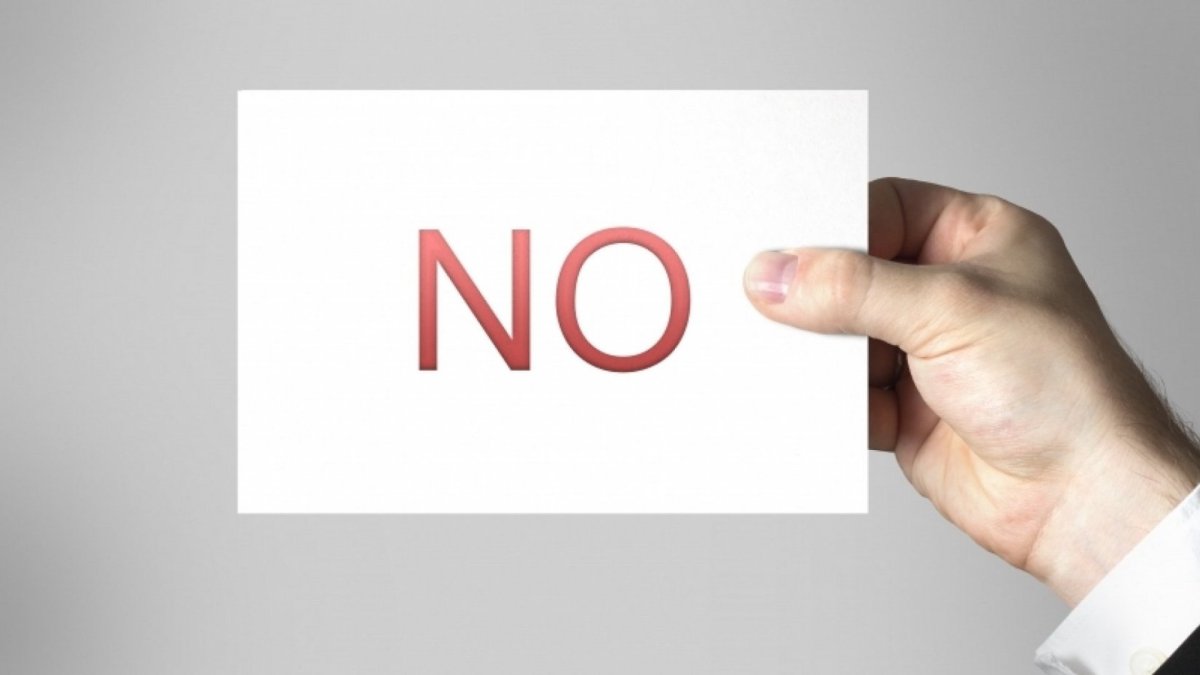
“As much as we like to say ‘yes’, it’s important to know that saying ‘no’ is just as important and even just as powerful.”

There is nothing wrong with saying ‘No’ to someone else. Saying ‘No’ has a negative connotation but it can be worth its weight as much as saying ‘Yes.’ There is a main reason why we have both ‘Yes’ and ‘No’ in English language vocabulary. There are times in our life when we can say ‘yes’ but we also have to moderate our impulse to say, ‘yes’ to things, people, and other commitments by balancing it out with the ‘no’s.’ As much as we like to say ‘yes’, it’s important to know that saying ‘no’ is just as important and even just as powerful.

When it comes to saying ‘no’, you do not want to overdo it either but it’s best to moderate your ‘no’s and to pick when and where to use that word. As you get older in life, the ‘no’ should be more often and the key hump to get over is to have any shame or remorse for saying ‘no.’ Psychologically, it’s much easier to say, ‘yes’ than it is to say ‘no’, but I would argue the ‘no’ needed to happen rather than a false ‘yes.’ Often, a truthful ‘no’ will be much better for you and other people than a fake ‘yes’, which could do much more harm. People don’t like to hear ‘no’s’ but rather than to embellish people with false yes’s, you must be firm with them and make the ‘no’ part of your vocabulary with them, even if they are friends or family of yours.

While others would not like to hear ‘no’, it is best not to lead them on when you’re not interested in anything related to business to doing favors to getting into a relationship. Honesty is part of the power of saying ‘no’ and if that person truly values you, they won’t be bothered by hearing the ‘no.’ A good litmus test for knowing how much someone cares about you is their reaction when you are bound to tell them ‘no’ at some point for one reason or another. If they give you a hard time in giving them a sincere ‘no’, it may be best to not be around them as much. The person(s) you say ‘no’ to, even if they are family or friends, should be mature and responsible enough to take the ‘no’ well and to understand that the ‘no’ itself is not a reflection of them as people but what they may be asking or telling you to do. If you disagree, have reservations about, don’t find it appealing, or don’t have time for it, it is best to say ‘no.’

When you tell other people ‘no’, you should always be firm but also do be as gentle as possible. It does not have to lead into a confrontation or an argument either. A good ‘no’ can be followed up with ‘that’s the way I feel’ or ‘sorry but it’s not possible, or ‘that is not something I’m interested in.’ Saying ‘no’ should never be seen as being disrespectful, rude, or condescending because it does not need to be as such. If you want to still be on good terms with someone like a friend or family, you can express your regret or disappointment on having to say ‘no’ depending on the ask or request. You don’t have to do that, but it can soften the blow, which may be important in salvaging the relationship or friendship for the long-term. In that relation to the other person or people, if the ‘yes’s outweigh the ‘no’s, the ‘no’ won’t be as big of a deal too. They should balance each other out but it is good to mix them up in order to have no ‘no’s at all or too many ‘yes’s back to back.

Most importantly, having the power to say ‘no’ not just every now and then but whenever you feel like it is crucial. You should not feel nervous or anxious about saying ‘no’ and to be ready to do so at any time. As we get older, we must be prepared to say ‘no’ more and more often. Time is limited as well as the chance to foster relationships, friendships, or job / business opportunities. If something does not sound that appealing to you at first, it’s best to have a firm ‘no’ for it rather to waste either your time or your money.

It’s likely in life that you’ll regret the ‘no’s you didn’t say rather than the ones that you did say ‘no’ too. There are plenty of charlatans, liars, scammers, fakers, and crooks out there and you need to be ready to say ‘no’ to them. Instead of saying ‘yes’ too many times, be more comfortable in saying ‘no’ especially if your heart, mind, or body are not into the idea. Unless you are enthusiastic or thrilled by the idea, thing, or even the person, a preemptive ‘no’ will make you better off in the long run. There is a power in saying ‘yes’ but there is also an equal if not more important power of saying ‘no’ especially if you are worried about losing precious time or valuable money or other resources.

Most of all, you should do your best to think deeply or weigh the ‘yes or no’ decisions as much as possible. Lose the impulse to give either a ‘yes’ or ‘no’ quickly unless you do not have the time or place to think it through first. Not controlling your impulses when it comes to saying ‘yes’ or ‘no’ can cost you both in the short-term or in the long-run. Be sure to have the power to say ‘no’ but remember to think it through carefully first before giving the ‘no’ to someone or something. Also, as I mentioned before, please be sure to phrase the ‘no’ in a polite or respectful manner. It’s not so much that you said ‘no’ at all but if you do it in the wrong way or with the wrong tone, you may risk losing that person or thing you care about forever.