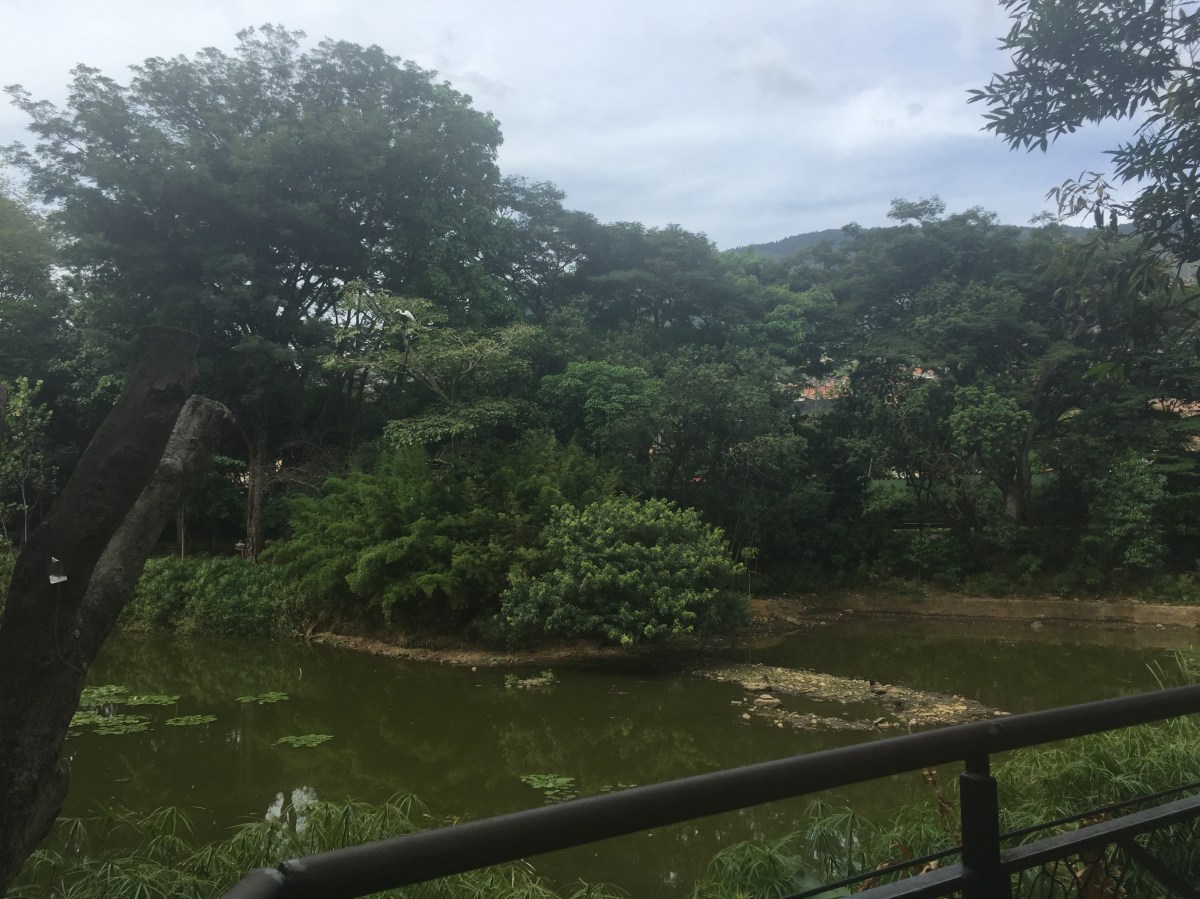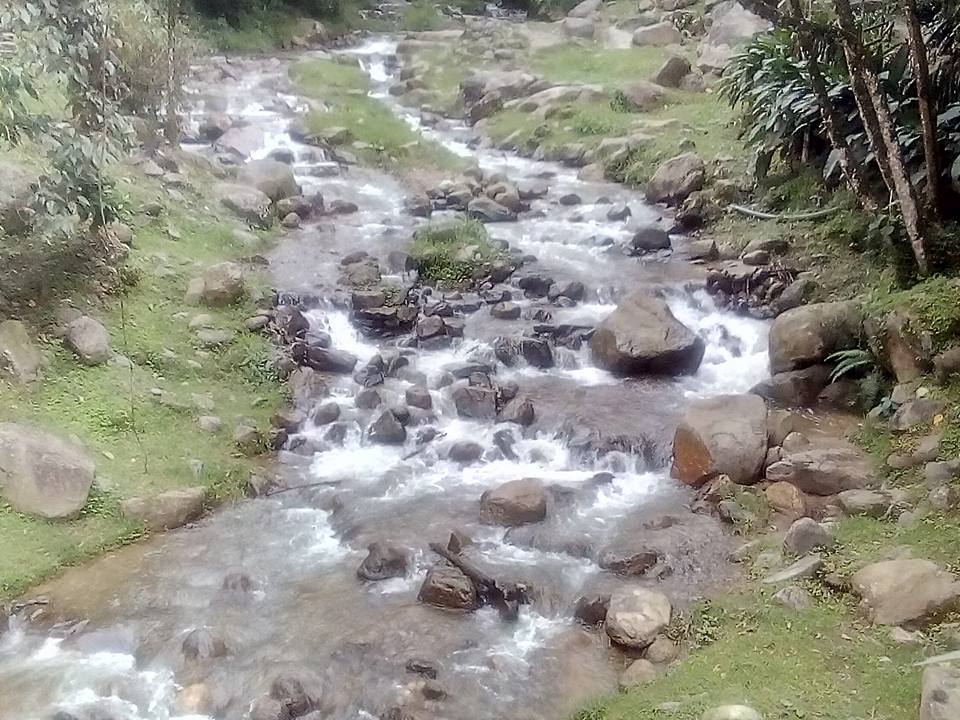







Camera: Lenovo A2010
Location: Envigado, Antioquia, Colombia (Parque Ecological)

Camera: Lenovo A2010
Location: Envigado, Antioquia, Colombia (Parque Ecological)


Camera: Canon PowerShot SX710 HS
Location: Lima, Peru
This week officially marks a year of my blog’s existence and I have to say that it’s been a rewarding and fulfilling experience overall. It started over seventy-five posts ago with my first look into the increasing presence of smartphones in today’s society with “Smartphones: Man’s New Best Friend?” and has continued up through this September with pictures during my recent trip to Guatepe, Antioquia, Colombia.
Over the past year, I’ve learned a lot about the writing process especially when it comes to topics like travel and self-development. While my writing and photography skills are still a work in progress, I believe that I am a better writer and photographer than I was a year ago. I have put a lot of time and effort into this blog over the past year and I am thankful to all of the readers, friends, and family who have supported it by reading the articles, leaving comments, and giving me constructive feedback.
I’ve been through some big life changes with moving home and then back to Colombia recently. This blog has changed to become more travel and culture focused since that’s where I am right now in my life but I hope to continue writing about self-development and even ESL topics. I’m quite proud of the work that has gone into this blog and hope that you as the reader have learned a lot or gained something from my writings. So far, I have had a couple of thousand unique visitors from many different countries along with thousands of individual views and that’s very exciting to see.
As this blog enters year two, I am hoping to invest more time and money into the layout and formatting as well as creating more content for the reader. The first year has been very rewarding for me and I hope to continue developing this blog and expanding the readership. As a writer who enjoys hearing constructive comments, feedback, and criticism, I hope that you will leave a comment telling me your thoughts and suggestions about the blog. I am open to any advice as long as its’ respectful and within reason. I will continue to have eight to ten posts per month in 2017 and will highlight more of my experiences of living, working in Colombia as well as some upcoming travels to different parts of South America.
If you’re new to this blog and don’t know much about me or my writings, I have organized an archives section which has the location of all seventy-five of my posts which have occurred in the past year. I also have a ‘Best Of’ Articles page where I highlight the ten blog posts that I like the most when it comes to culture, lifestyle, traveling, music/movies/books, and personal development. You can find the individual links to these ten top posts here: https://benjweinberg.com/best-of-articles/.
I am now one year into my blogging hobby and I am happy with the results so far. I hope that this website will continue to grow in terms of audience and expand in terms of its’ content. I want to say thank you to all the readers and supports of benjweinberg.com and I look forward to keeping in touch with you throughout the rest of the year and into 2017. Please feel free to leave a comment on this particular post if you would like to share your thoughts or express your opinion about the blog so far and where you might like to see it go in the next year. Cheers to the future and here’s hoping to a great 2nd year of this blog!
This ‘English Corner’ on the subject of conjunctions is a continuation of an ongoing blog post series with a new post every month to help English language learners to better understand the vocabulary, grammar, and syntax in order to better develop their own proficiency. I have over two years of experience of teaching the English language to non-native speakers, both online and in person.
I hope to use these posts to help you, the reader, improve your understanding of English, and also develop your fluency. If you have any questions about this ‘English Corner’ post, please leave a comment and I will answer them to the best of my ability. Any constructive feedback is appreciated and I hope that this will become a popular series of posts within my website. If you enjoy my ‘English Corner’ series, you can also request private English lessons with me through the WordPress message system.
Second only to ‘Prepositions’ in terms of grammatical importance, ‘Conjunctions’ play a vital role in the formation of sentences in the English language. Conjunctions do the important job of connecting words and phrases together to form a complete sentence. Examples of conjunctions include although, and, because, but, etc. Instead of forming simple sentences such as: “I like to play sports”, we can then add on to this sentence by adding the word ‘and’ to create a complete sentence which could be “I like to play sports and hang out with my friends on the weekends.”
Having a good grasp on conjunctions can make writing complete sentences a lot easier and give you the ability to form paragraphs and even entire essays by adhering to the sentence structure by adding a conjunction or two. When it comes to grammar topics like conjunctions, it’s important to be able to remember the correct words that fit into the category and to know when to apply them in your sentence.
The word ‘And’ is the most popular conjunction because it can be used for three different functions. Not only can it connect words but clauses as well as phrases. ‘And’ is also used to describe more than one person in a sentence by grouping them together such as “Tim and Tina went to the movies together last time. In addition to the word ‘and’, other popular conjunctions that are commonly used to connect sentences are ‘although, since, but, unless, or, yet, so, etc.’
Contrary to popular belief, conjunctions can be used in the beginning of a sentence rather than just in the heart of a sentence. For example: “Although he was tired from working late, James still decided to go out for a drink with his friends.” A conjunction is a part of speech that can also be more than one word. Examples of conjunctions that make up more than one word include ‘so that, in order to, as long as, etc.’ By clearing up the confusion and misleading information regarding conjunctions, beginner students of English will better be able to handle this important grammar subject.
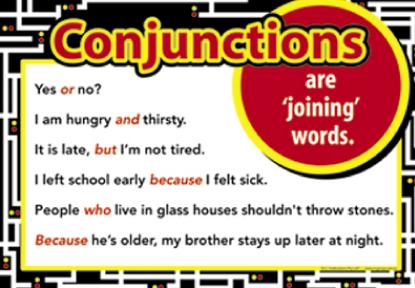
Learners of the English language often forget that conjunctions can be divided into two categories: coordinating and subordinating conjunctions.
Coordinating conjunctions are known for connecting two parts of a sentence or phrase together to form a complete sentence. This first type of conjunctions is usually used in the middle of a sentence and is supposed to connect words and clauses together along with two parts of a sentence.
An example of a sentence where a coordinating conjunction would be used could be “John picked up Tim after his soccer practice in the park and then they went to the movies together.” There are many different coordinating conjunctions but the most popular ones are ‘and, but, for, or, so, yet.’
Subordinating conjunctions have a more specific purpose than their coordinating counterparts. The main purpose of subordinating conjunctions is to join the dependent clause of a sentence to its’ independent clause to form a complete sentence. The main clause is also known as the independent clause and the conjunction is placed in between the two clauses in order to create the grammatical structure of the sentence.
For example, a sentence with a subordinating conjunction would look like “I had to study hard last night because we have an important English test today. Some examples of subordinating conjunctions include ‘although, because, since, unless.’ It’s important to remember that a subordinating conjunction will always come at the beginning of the subordinate clause, which could either be before or after the main clause. This means that there is some flexibility when it comes to inserting your subordinate conjunction in that it can come in either the beginning or middle of a sentence.
Lastly, in addition to conjunctions that are subordinate or coordinate and are one word usually, there are other types of conjunctions that can be a few words in all when forming a sentence. These two other types of conjunctions are known as compound or correlative.
Compound conjunctions often end in the words ‘that’ or ‘as’ and some examples of these conjunctions include: ‘as long as’, ‘provided that’, ‘because of that’, ‘in order to.’ Remember that a compound conjunction does not always end in ‘as’ or ‘that’ but it’s usually true in most instances. For example, a sentence with a compound conjunction would be like; “You can eat ice cream later as long as you eat your vegetables first.”
Correlative conjunctions are often made up of pairs of two corresponding words such as ‘neither…nor’, ‘either…or’, ‘both…and’, which serve to balance the sentence and the two clauses. For example, you could write a sentence like “We could either go to Spain or Italy for vacation this summer.” When using correlative conjunctions, remember that there needs to be two words that relate to each other in the overall meaning.
Like our previous topic of ‘Prepositions’, learning about ‘Conjunctions’ will help a beginner in English to gain confidence in developing both grammar and vocabulary. Both of these topics are important to review and go over with a student in order for them to correctly form a sentence by adhering to the necessary structure.
By knowing about the different types of conjunctions, some key examples, and their varied uses, students of English reading this post will gain a better understanding of this vital grammar topic. If you have any questions or comments about this ‘English Corner’ post, please feel free to write me a message. In the mean time, good luck with your continuing studies of the English language! I promise that there will be a new post next month focusing on another key topic.
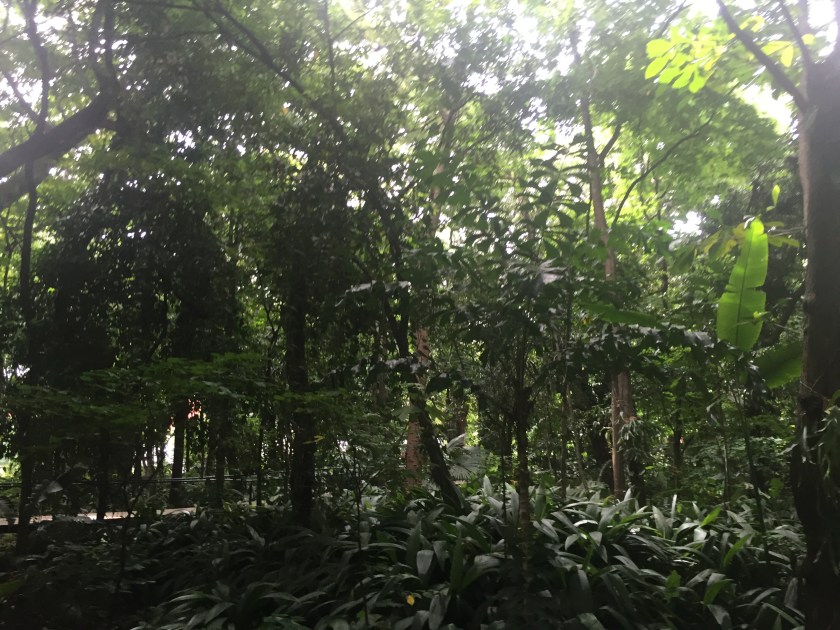





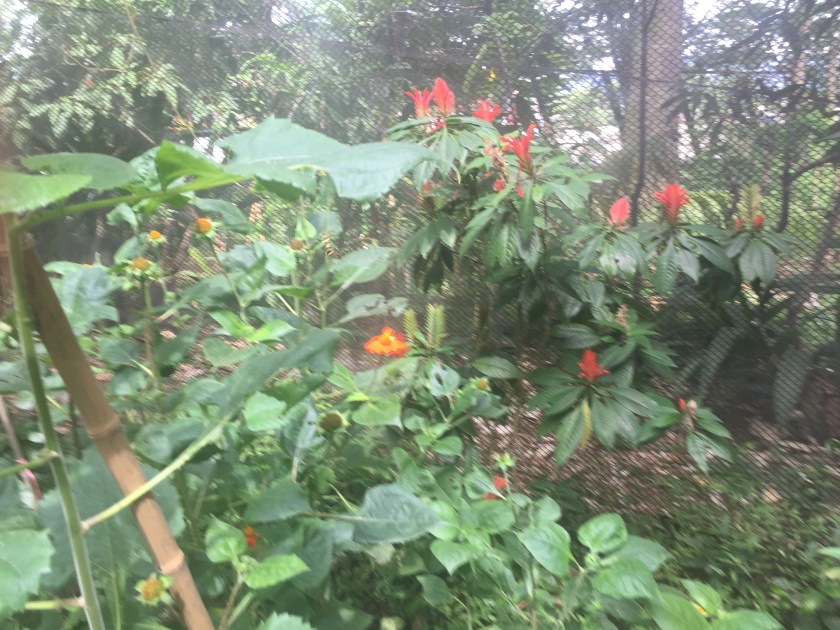






Camera: iPhone 6
Location: Medellin, Colombia







Camera: iPhone 6
Location: Bogotá, Colombia
After a five-month break, I’m back with another edition of “Book Recommendations.” I’ve had some free time on my hands lately which has allowed me to read these really great books. I would like to share my latest selections with my visitors and hope that you will check these books out for yourself.
Note: I have also posted the links to these books so you can check them out on Amazon.com. You simply need to click on the books’ images below in order to be re-directed to the Amazon page of the book itself. Enjoy.
1.) And Then All Hell Broke Loose: Two Decades In The Middle East by Richard Engel, Chief Foreign Correspondent for NBC News
As someone who has studied the Middle East region extensively in college and has made a few trips to the region (Turkey, Israel, Jordan), I continue to enjoy learning about this tumultuous part of the world despite its rough past and present.
This book by Richard Engel is excellent because it comes from someone who understands the complexities and historical background of the region. He is also a great correspondent and storyteller who weaves his own history of working in the Middle East alongside the tumultuous events over the past two decades, which have fundamentally transformed the region.
Mr. Engel has been a foreign correspondent in the Middle East for over twenty years now. In this book, he clearly displays his vast knowledge of its’ history, culture, societies, and the troubles that continue to plague the region. Engel is fluent in Arabic, Italian, and Spanish. He has worked for NBC News and other major news organizations for over two decades. He re-tells his firsthand experiences and stories of starting out as a freelance journalist for the Agence France-Presse in the late 1990’s during the time of Mubarak’s Egypt. He goes on to discuss his experiences of working and living in Iraq during the collapse of Saddam’s regime and the subsequent U.S. occupation of Iraq.
In addition, Mr. Engel has also spent a lot of time covering the fall of Muammar Gaddafi in Libya and the recent civil war in Syria. Richard Engel has also endured some trauma during his career as he was captured and kidnapped by ISIS in late 2012. For the readers of his book, we get personal insight into the hellish situations he has been drawn into through his accounts of witnessing the deaths and injuries of many of his journalist colleagues over the past twenty years. This book is fundamentally a more personal story as he recounts how his 20 years of covering the Middle East had affected his marriage, his friendships, and his mental state.
What I like most about this book is that Mr. Engel gives you the historical background and the straight facts of what happened in the region and why it happened. You can tell that he was both physically and emotionally affected by the wars and insurgencies that he bravely covered for the U.S. media. More than anything else, it is a well-written account of what it means to be a journalist in a very difficult region of the world for journalists. Richard Engel doesn’t preach about what should have happened or what could have been different in terms of the politics but he simply relays his past experiences for those of us who want a more personal, firsthand account of what it is like to cover the Middle East.
2.) Kitchen Confidential: Adventures in the Cultural Underbelly by Anthony Bourdain
A world-renowned traveler, famous television show host, coolest American alive over 50 years of age. You can also add best selling-author to this list as if it wasn’t long enough. These are just a few of the titles that Mr. Bourdain has earned over the course of his life. However, most people forget that he was a very successful chef in New York City and elsewhere during the 1980’s and 1990’s. He is especially known for being the executive chef at the famed restaurant of ‘Les Halles’ in Manhattan, NY.
Due to his years in the kitchen, Kitchen Confidential is an in-depth, intriguing look into the actual process of how the food we eat in restaurants ends up on our plates. You may not feel very hungry after reading this book due to the expose on some food industry practices that could be considered unsatisfactory in terms of health regulations. I know now that I won’t ever order fish or any other seafood from a restaurant if it’s a Monday.
This book is an unfiltered look into life as a cook and Bourdain hilariously delves into stories from his past and the characters he encounters in the various kitchens he’s worked in. He discusses how he worked alongside drug dealers, degenerates, thieves, loose cannons, etc. in the kitchen but that didn’t detract from the excellent chefs that they made themselves out to be. If anything, Bourdain argues, their eccentricities and attention to details help make these people into great cooks.
Kitchen Confidential is also useful in that Bourdain gives tips and advice to his readers on how to cook and prepare food better. His advice ranges from what kind of knives are best to which simple gadgets make the most difference in having a decent kitchen to cook in. If you like his travel shows and his antics as a TV host, you will most certainly enjoy this book.
3.) Connectography: Mapping The Future of Global Civilization by Parag Khanna
The race to win the 21st century will not be a race between militaries, or of competing arms but of overall connectivity. Mr. Khanna argues that whichever country becomes the most connected to the global supply chains of trade, finance, technology, infrastructure, etc. will stand to benefit most in our current globalized world. A geopolitical strategist, consultant, and world traveler, Mr. Khanna displays his in-depth knowledge of international affairs and geopolitics from his past travels and from his extensive research.
From Ukraine to the UAE and from China to Nigeria, Mr. Khanna details how national borders are no match for the global supply chains that are increasingly emerging. Physical boundaries of geography are becoming less important than the priorities of developing high-speed rail lines, building intercontinental pipelines, expanding the World Wide Web, along with increasing energy outputs and resource trading among many different nations.
While some prominent figures in politics are advocating for resurgent nationalism and wall-building, Mr. Khanna understands that this perspective is detrimental in a world which is becoming more fundamentally connected. In the 21st century, countries and continents need each other now more than ever. With ten trillion dollars and growing being spent per year on infrastructure, transportation, energy, and communications, this trend is likely to continue unabated.
Among the notable ideas in this great book that Mr. Khanna highlights are the emerging North American Union with related maps in the book showing how the United States, Canada, and Mexico are becoming more interdependent. China is also connecting itself to many of its neighbors in Eurasia through gas, oil pipelines and freight rail networks.
In Connectography, Mr. Khanna gives us an in-depth perspective on the world’s growing interdependence and how its’ affecting our everyday lives. While there are numerous challenges to this worldwide trend, which are also highlighted in the book, Mr. Khanna strikes on a final note of optimism. Even with the difficulties and struggles of climate change, terrorism, civil wars, etc., only a more inclusive, connected global society can meet these challenges head on and succeed together.






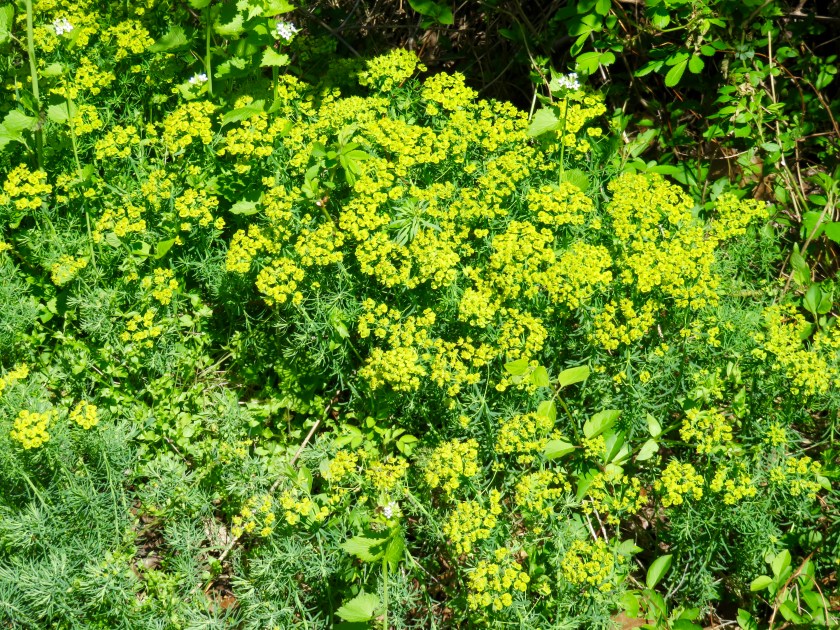



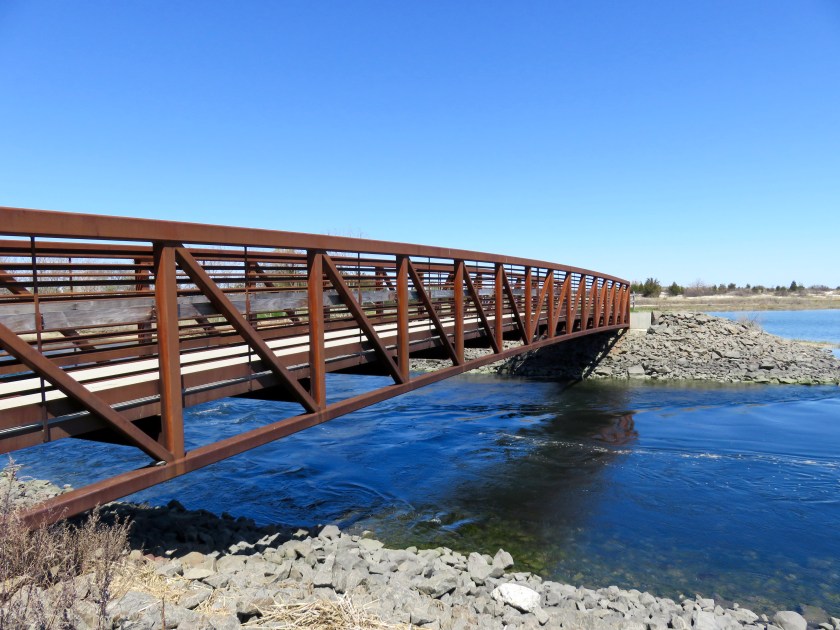



Camera: Canon PowerShot SX710 HS
Location: Sunken Meadow State Park; Long Island, New York
“I shall be telling this with a sigh, somewhere ages and ages hence: Two roads diverged in a wood, and I – I took the one less traveled by, and that has made all the difference.”
-Robert Frost (1874-1963)







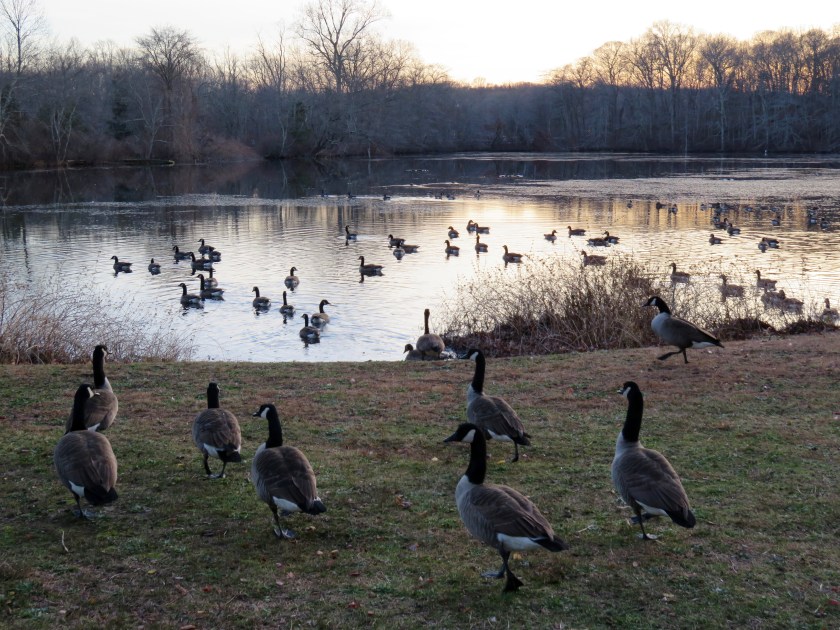


Camera: Canon PowerShot SX710 HS
Location: Caleb Smith State Park, New York