

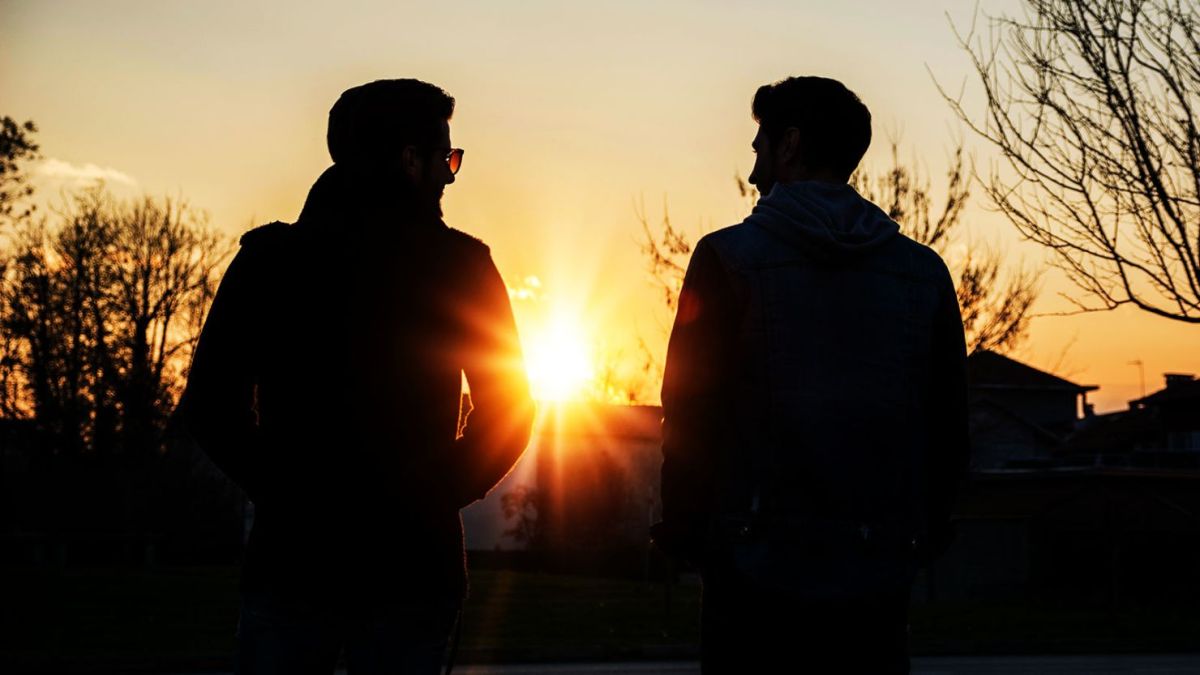
Deep vs. Superficial Friendships

“The friendships that we create in life come in various types and kinds, from the shallow and fleeting to the profound and enduring, but the idea of friendships in general, are crucial to maintaining a healthy and well-balanced life.”

The friendships that we create in life come in various types and kinds, from the shallow and fleeting to the profound and enduring, but the idea of friendships in general, are crucial to maintaining a healthy and well-balanced life. We must recognize though that there is a stark disparity between having deep friendships and having superficial ones. We should always try to prioritize having the former as much as possible as it is vital in helping with our emotional well-being and it is important to cultivate such enriching and long-lasting bonds when we can in life.

Deep friendships are akin to having actual roots that anchor us, offering solace, support, and understanding amidst life’s tumultuous events. Unlike superficial friendships, which often revolve around surface-level interactions and fleeting interests and hobbies, deep friendships transcend the superficiality of small talk by delving into the depths of our souls. These profound connections are characterized by authenticity, vulnerability, and reciprocity, serving as sanctuaries where we can reveal our true selves without fear of judgment.

The importance of having a deep friendship cannot be overstated. Research in psychology consistently underscores a myriad of benefits, ranging from enhanced emotional resilience to increased lifespan longevity. Deep friendships provide a nurturing environment where individuals can share their joys and sorrows, seek counsel, and celebrate milestones. Moreover, these intimate bonds foster a sense of belonging and validation, buffering against the pangs of loneliness and isolation that plague so many in today’s hyperconnected yet paradoxically lonely world.

Conversely, superficial friendships, while ubiquitous, often leave us feeling hollow and disconnected. In the age of social media, where likes and followers reign supreme, it’s all too easy to confuse online acquaintanceships with genuine friendships. Superficial friendships are characterized by surface-level interactions, revolving around shared activities or interests rather than by having a deep emotional connection or being able to be vulnerable with the other person without judgment or regret. While they may provide fleeting moments of amusement or distraction, they lack the depth and intimacy necessary for true companionship.

American culture, with its emphasis on individualism and instant gratification, often perpetuates the primacy of superficial friendships rather than deeper ones. From the frenetic pace of social gatherings, the inability to have spontaneous meetups with friends without scheduling weeks or months in advance to the superficiality of online interactions, many Americans find themselves these days caught in a whirlwind of shallow connections, neglecting the profound bonds that sustain us throughout our lives. Societal pressures in American culture of projecting a false or inflated image of success and popularity rather than being realistic of what your life is like. This kind of attitude can incentivize people to prioritize quantity over quality when it comes to friendships, leading to a proliferation of superficial ties at the expense of forming genuine connections with others.

This trend is particularly pronounced during the adolescent phase of life, which is a formative period characterized by peer pressure and social conformity. Teenagers, eager to fit in and be accepted, may gravitate towards superficial friendships based on shared interests or social status, neglecting the deeper connections that truly nourish the spirit. Similarly, adults, juggling the demands of career and family, may find themselves ensnared in a web of acquaintanceships, leaving little time or energy for cultivating deep friendships.

How can we resist the allure of superficial friendships and cultivate the depth and authenticity we crave? The first step is awareness, recognizing the differences between superficial and deep friendships and acknowledging the profound impact the latter kind can have on our well-being. Deep friendships are marked by essential qualities such as empathy, trust, and mutual respect, whereas superficial friendships are characterized by shallowness, frivolities, and transience.

Furthermore, cultivating deep friendships requires intentionality and effort. It entails investing both serious time and energy in building and nurturing those meaningful connections, prioritizing quality over quantity when it comes to who your friends really are. This kind of approach may involve initiating vulnerable conversations, actively listening to both our friends’ struggles and triumphs, and showing up for them in times of need, even when it may be inconvenient for you to do so. It also means being willing to reciprocate the same level of vulnerability and support, fostering a sense of mutual trust and understanding between the two people involved. If your friend is going through a personal crisis, or wants to celebrate his success(-es) with you, or needs some advice, will you be there for them through both the good times and the bad? You really must know that answer before you consider it a deep friendship.

It should be noted that fostering deep friendships necessitates setting boundaries and discerning when to invest in relationships that align with our values, beliefs, and nurture our personal growth. This may mean distancing ourselves from toxic or one-sided friendships that drain our energy, our time, and diminish our sense of self-worth. While it can be daunting to confront the discomfort of letting go from any friendship you make because of how difficult it can be to start from scratch with a new person, prioritizing one’s own emotional well-being is essential for fostering deeper and more fulfilling connections for creating more rewarding friendships.

Moreover, we must challenge societal norms that prioritize superficiality over depth and authenticity. This requires redefining our cultural narratives around friendship, valuing vulnerability, and emotional intimacy as essential components of genuine connection. By modeling deep friendships in our own lives and advocating for their importance in our communities, we can shift the cultural paradigm towards one that values quality over quantity in friendships.

The profound impact of deep and enduring friendships on happiness and health cannot be overstated. Research spanning past decades has consistently demonstrated many benefits of having meaningful social connections, from reduced stress and anxiety to improved immune function and physical health. Deep friendships provide a buffer against the inherent stresses of life, offering emotional support and validation during challenging times. When we have friends who truly understand us and care for our well-being rather than just know who our favorite sports team is or what we enjoy doing on weekends, we feel less alone in our struggles and more capable of navigating life’s ups and downs.

Deep friendships help us foster an essential sense of belonging and acceptance that is essential for our psychological well-being. When we can openly share our joys and sorrows with trusted friends, we validate our experiences and affirm our sense of self-worth. This sense of belonging not only enhances our self-esteem but also strengthens our resilience in the face of adversity and challenges. Studies have shown that individuals who have strong social support networks are better equipped to cope with stress, anxiety, and trauma, leading to improved mental and emotional health over time.

Additionally, deep friendships provide opportunities for personal growth and self-discovery, as we learn from and are inspired by the unique perspectives and experiences of our friends who can relate to what we’re going through each day. In essence, deep and lasting friendships enrich our lives in ways that superficial connections simply cannot replicate, contributing to our overall happiness and well-being in profound and meaningful ways. Having deep friendships is a large part of the bedrock of our emotional well-being, offering solace, support, and understanding in an increasingly superficial and shallow world. Distinguishing between deep and superficial friendships requires having emotional awareness, intentionality, and discernment. By prioritizing authenticity, vulnerability, and reciprocity in our friendships, we can cultivate deeper friendships that nourish the soul and sustain us through life’s tribulations and triumphs.

Don’t Rest on Your Laurels

“One of my favorite expressions in the English language: “Don’t rest on your laurels” means to not be complacent with what you have done and to keep moving forward.”

Complacency is the killer of any sustained success. What you have done in the past is in the past. Unfortunately, you cannot rest on your laurels for very long. One of my favorite expressions in the English language: “Don’t rest on your laurels” means to not be complacent with what you have done and to keep moving forward. Success is only temporary and while it can be lasting, if you don’t sustain what you’ve done to accomplish more, you may find yourself back at square one. You can be satisfied with your achievements and recognize them, but it is not wise to continue relying upon them when you need to be aware of what you have to do in the present and in the future.

With the current pandemic not going away anytime soon, it can be difficult to resign yourself to going with the flow, staying housebound, and waiting for things to become somewhat normal again. However, it should not be used as an excuse for you to let yourself go mentally or physically. Even if the first half of the year was a total wash for you and you put your own goals on hold, you still have a good chunk of the second half to make progress in whatever you set your mind to. Even though you may not be able to have fun as much as you like, this is a great time to reassess what is truly important to you, who truly matters to you, and how you want to be into the future. We all have extra time to think now and while that may feel like an undue burden, there is an opportunity in there to seek out what you are hoping to accomplish and will keep moving you forward during this unprecedented and difficult time.

Not resting on your laurels may sound difficult right now but it may be the perfect chance for you to move forward, to accomplish personal tasks that you’ve been putting off, and to pick up learning something new that you’ve been meaning to but never had the time before quarantine began or before you were resigned to staying at home more than you would have liked.

Each person is going to have their own set of goals and hopes but the main thing to keep in mind is that you have at least one thing that you want to accomplish that you didn’t have time for before the pandemic hit. Use your extra time even if it is just an hour or so each day to work towards a personal goal. With just one hour, you can accomplish a lot over the next five months. I would recommend setting a mental goal to hit like practicing meditation each day for 10 to 15 minutes or doing daily language practice for a new language that you would like to learn. You should also have one physical goal in mind like doing 50 pushups each day or 20 sprints or just being able to get in a form of exercise when you are not working or studying.

You cannot have just good physical health but poor mental health or vice versa. You need to work on both forms of health as they complement each other quite a bit. I truly believe that if you are making progress in both forms of health than you will be better able to confront the challenges of your day and your week. With this extra time at home, you can hit on both your mental and physical health in ways that you might not even be aware of.

If the gym is closed, go ahead and use your workout equipment at home. There are dozens of videos on how to do these kinds of exercises without needing very fancy equipment. You can also likely find stretch bands, jump rope, barbells, dumbbells, pull-up bars online to help you create that good 30-minute workout that can hit on different parts of the body. If you don’t have an outdoor space, look to your nearest park or public outdoor area to do sprints, go for a walk, go for a jog, or even do Yoga if you so desire to get a workout in.

Daily exercise is not only good for your body but it’s good for your mind as well. I think the pandemic has personally shown me as well the importance of staying fit and healthy and how it can get neglected when you are running around all the time, commuting to school or to work, and not making enough time for yourself to take care of your body. Now, with a little extra time, hopefully, we can collectively prioritize our physical health even if it’s just a simple home workout of 30 minutes.

Challenging yourself mentally on at least a weekly basis but preferably daily means learning something new to keep your mind sharp. If you are looking for work or haven’t been to school in a while, online learning opportunities are abundant from Coursera to LinkedIn Learning to Duolingo, which can challenge you to learn new skills to not only help you with your mental dexterity but can help you find a job depending on the type of industry you’re focusing on. Online learning is often less expensive than traditional means of education and since you are likely spending a lot more time in your apartment or your house, giving yourself thirty minutes to an hour per day of self-study can help you learn new skills while we are all living in this age of pandemic.

Keeping both your mental health and your physical health in mind during this trying time is very important. Not resting on your laurels even when life is influx and so many things are uncertain is not an excuse for your letting your mental and physical abilities go to waste. You are not only keeping yourself sharp to face ongoing challenges but you’re also getting out of your own head and letting your worries fall away for a little while. Wear a mask, socially distance, and wash your hands are all necessary in this current time but what’s also not being said is make sure you are taking care of both your mental and physical health too.

Whether it is a walk in the park, learning a new skill, doing home workouts, improving your cooking, trying to keep your routine even when homeward bound is very key to coming out of this pandemic better and more resilient. It’s something I have to work on myself but it’s key to keeping up a positive and forward-looking spirit. If you have more free time on your hands, that’s natural right now. Don’t become a sloth though and look to just vegetate out in front of the television. You have to do your best to stay active, stay positive, and keep moving forward.

It can be easy to rest on your laurels when much of our lives have been upended but you have to keep making progress towards your goals in ways that are possible right now. Hopefully, you have had time to think about which goals you want to achieve in the past few months and how you want to make the most of these remaining months of 2020. It’s been a hard year for everyone around the world, but you can still make it a fulfilling one for your own development by focusing on what you can control and how you make the most of these remaining months too.

A Wealth of Knowledge

knowledge-translation-and-exchange1
“The sharing and exchange of knowledge is easier now than it has ever been in human history.”

There has been no other time in human history than in today’s era where the average person with access to the Internet can seemingly have unlimited amounts of information available to him or her. When you truly think about the magnitude of it, untold amounts of data are being created every day. According to IBM, “The current estimate is 2.5 quintillion bytes of data per day and over 90% of the data in the world today has been created in the past two years alone.”

A common response nowadays from both family and friends when I ask a question to them about a random query is not a straight-forward answer but rather an off-handed suggestion to “Google it.” Living in this era of ‘Big Data’ can be quite overwhelming to the average person but one could also look into it as an opportunity to gain knowledge and further ones’ understanding on a limitless amount of subjects with the simple click of a mouse. The Internet is an amalgamation of thousands of libraries of Alexandria at the beck and call of one’s fingertips.

Compared to past ages when information and knowledge was more exclusive and harder to come by, today’s era allows everyone with an Internet connection to search and find information to their heart’s content. Instead of going to a library to find what you need on a subject, websites like Google, Wikipedia, and other online encyclopedias have largely replaced the main role of the physical library. I remember when I was younger and in my high school days having to seek out certain books in order to write a research paper or complete a book report.

However, now more than ever, you can easily find the sources of information you need online in order to facilitate your research and evidence. While I love libraries and hope that they never go out of style, the reality is that online encyclopedias and eBooks are largely replacing their original purpose. In order for libraries to stay relevant, they need to start incorporating computers, free Wi-Fi, and technical classes in order to remain useful.

From the 18th to the 20th centuries, universities and colleges across America were the standard bearers and purveyors of higher education. Originally for the elite, wealthy, and well connected, those students who were able to get accepted and afford undergraduate and graduate studies believed that they would have an advantage in the job market and in achieving the American Dream. More recently, as colleges and universities have become more inclusive than exclusive, tuition prices have inversely risen as well.

While higher education has become accessible to more and more young Americans, it also has become more expensive especially over the past decade. These events have led to an ongoing debate as to whether college is really worth the price tag and whether the average student gains anything from earning a four-year degree. With student loan debt at an all-time high of $1.3 trillion in 2015 in the United States and tuition rates at both public and private universities continuing to rise, people are beginning to look for alternatives to the current higher education system.

Over the past decade, there has been a drastic proliferation of massive open online courses (MOOCs) provided by both private companies and traditional universities. At a much lower price and sometimes free, people from all over the world can sign-up for these courses and partake in lectures, tests, quizzes, and papers as if they were actual enrolled undergraduate and graduate students at the physical form of the university. As the credentials and certifications bestowed upon these courses continue to increase and become more widely accepted, we may begin to see ‘the end of college’ as we know it.

Examples like Khan Academy, edX, Coursera, Udacity, etc. and other MOOCs have leveled the playing field. Tech entrepreneurs from Silicon Valley have allowed students from all over the world to access unlimited online courses to further their academic knowledge at a lower price. With the subsequent rise in online university programs for undergraduates and graduates, the physical college experience of dormitories, lecture halls, football stadiums, etc. may become less appealing to students as tuition prices continue to increase. While the social and networking benefits of college life are numerous, they may not be enough to compete with this era of free information that we are living in.

Compared to past decades, we’re living in a time when access to the Internet is at an all-time high and is increasingly rapidly due to the rise of mobile technology. Traditional havens of knowledge such as the library or the public university will have to adapt to stay relevant in this unlimited information age. In a worldwide job market that is evolving rapidly and where the average child today will work in an industry not yet created, the free exchange of knowledge must continue to spread through the worldwide web.

Countless others and I have benefited from taking online coding courses on ‘Codeacademy’ to learning new languages on ‘Duolingo.’ As MOOCs and online universities continue to develop their courses and credentials, we may begin to see an era where the average person can earn a degree or two without breaking the bank. MOOCs are cheaper, less time intensive, and can adapt more easily to the rapidly changing employment market.

A well-educated population is now more possible now than ever with the wealth of knowledge and information that is available. That fact is evident but it also is up to the individual to be willing to search for that information and actually apply it. Instead of getting frustrated with people asking me to ‘Google’ the answer, I find that it’s worth the hassle because it’s often true that I will find the answers I’m looking for and in greater detail than if I were to ask a friend or family member for a quick description. That’s the power of the Internet. That’s the wealth of knowledge that we are able to take advantage of.

Sources

Sites Mentioned