How Iceland Replenishes the Mind, Body, and Soul

“Iceland is one of those countries that can combine stunning landscape contrasts with sheer natural beauty, putting the average traveler at ease and offering you unique opportunities to rejuvenate physically, mentally, and spiritually through its landscapes, culture, and way of life.”

Few places on Earth these days can put you in supremely natural environments for which you can really feel at ease in nature that has been properly conserved and taken care of. You can be far away from technology, city life, and cover a wide variety of landscapes in just a few hours. Iceland is one of those countries that can combine stunning landscape contrasts with sheer natural beauty, putting the average traveler at ease and offering you unique opportunities to rejuvenate physically, mentally, and spiritually through its landscapes, culture, and way of life.

It hits you the moment to fly into Keflavik International Airport like you stepped on to a new planet that is both desolate but alluring in its other worldly landscapes. You see the molten rocks, the green moss, and the blue lagoons, and think to yourself, where did I just end up? The whole country can captive you on a trip like few others can by offering ways to put your mind, body, and soul at ease. Away with the office, away from the hustle and bustle, and able to tap fully into nature and your surroundings like few other places I’ve ever been to personally.

Being able to hike, swim, kayak, rock climb, and engage in a variety of other outdoor activities throughout the year makes Iceland a physical playground to enjoy. You can rest or exert yourself or do both to give your body a healthy experience on top of being able to put your mind at ease by being away from your devices by tapping into your natural surroundings because they are just that engaging and varied. Iceland provides your soul a reset where you can forget your own troubles and that of the world’s for a while to focus on feeling better, relaxing, or living in the moment, and experiencing what it is to be disconnected.

When it comes to reinvigorating yourself physically, you have a wide variety of ways to do so while in Iceland. You can enjoy a large variety of geothermal pools and hot springs such as the Blue Lagoon, Secret Lagoon, Sky Lagoon, etc. In the Summer months, there are also several pools around the country that may be open to the public including tourists to relax and enjoy the long summer nights, where daylight is every present. After having partook in a few lagoon visits in my recent trip, I can say for sure that your body feels cleaned and refreshed after soaking in the mineral-rich waters and combining that with the country’s culture of saunas, steam houses, and the occasional cold plunge.

It is an impressive combination of thermal relaxation letting you fully destress and decompress for a few hours but with residual health benefits for months or years to come. In addition, Iceland prides itself on healthy, local, and pesticide-free cuisine from fresh seafood to Skyr yogurt, as well as farm-to-table and greenhouse-to-table dishes. As mentioned earlier, there are tons of outdoor activities promoting physical health such as hiking, golfing, swimming, horseback riding, and rock climbing among others.

Everyone needs peace and quiet in their life and Iceland provides that in spades. I believe the country can nourish the mind by allowing you to bask in the solitude that you can find in Iceland’s varied landscapes from waterfalls, glaciers, black sand beaches, and fjords. There are numerous psychological benefits to disconnect every now and then from modern technology and the stresses of urban life and I felt a lot better not being on my phone during my time in Iceland. Though I did need my phone for photos and GPS, the beautiful surroundings allowed me to put my phone away and really live in the moment to enjoy the gorgeous landscapes I was able to visit.

The pace of life is also much slower in Iceland and there is a cultural emphasis on being mindful, engaging with other people, and slow living. When you drive there, you don’t see road rage, people yield to each other in traffic, and the rules of the road are observed since there is no ‘rushing around’ without end that you find in other cultures. Because of the natural beauty and slower pace of life, there are many more opportunities to reflect and think while enjoying the expansive natural visits. Taking time away from technology and the ‘hustle and bustle’ can allow you to reflect on life and enjoying the moment more fully.

Our soul needs to experience awe and joy. I believe Iceland’s natural phenomena and beauty from the Northern Lights to the Midnight Sun really can provide that to each person who visits. This kind of perspective is reflected in Icelandic sagas, myths, and folklore about having reference for nature, being in touch with those people in your life who matter to you and living in a sustainable or balanced way with nature. Iceland is an extremely environment conscious country and should be commended for being clean, approaching net zero carbon emissions, and working to be sustainable in its relationship with nature.

People in Iceland live in harmony with each other and with nature from what I noticed and are a progressive nation in that they are tight knit, looking out for their neighbors, and want everyone to be lifted in their society. These kinds of actions culturally are good for the soul and the soul of any nation. While the weather can be rather unpredictable, costs can be high to visit, and the lack of sun in the Winter is challenging, Iceland is a spectacularly beautiful and welcoming country that I hope to visit in the future.

Iceland is a holistic country to visit that can really make you better off in mind, body, and soul for having spent some time there. It is a rejuvenating kind of travel experience that I hope you’ll consider giving a chance for yourself. We need these kinds of retreats in life where you have real time to relax, reflect, disconnect and focus on yourself without outside distractions. Whether its soaking in the blue lagoon, hiking on top of a glacier, or going fishing on a charter boat to catch fresh seafood for your next meal, Iceland is a country where you can really be at ease with yourself and the world around you. Take a week or two from your busy schedule and come discover the land of Fire and Ice; I promise you won’t regret it.
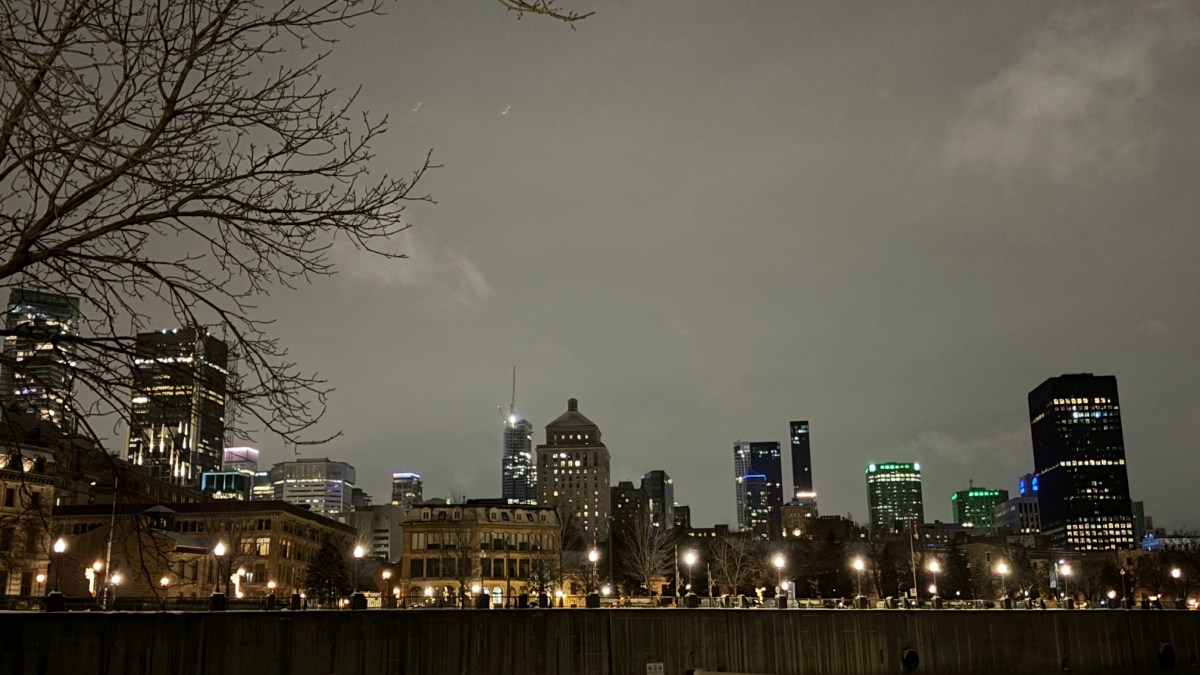

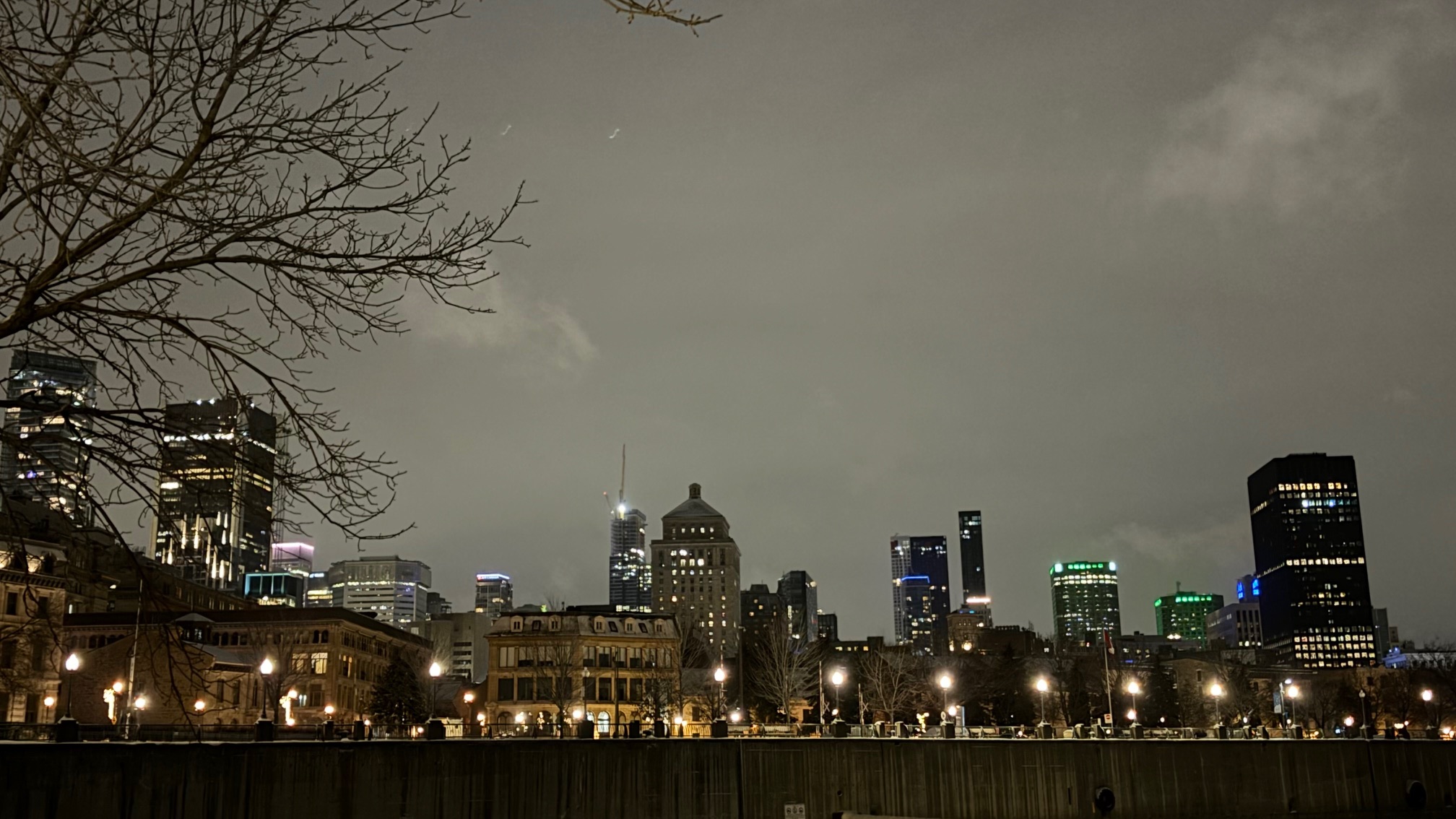
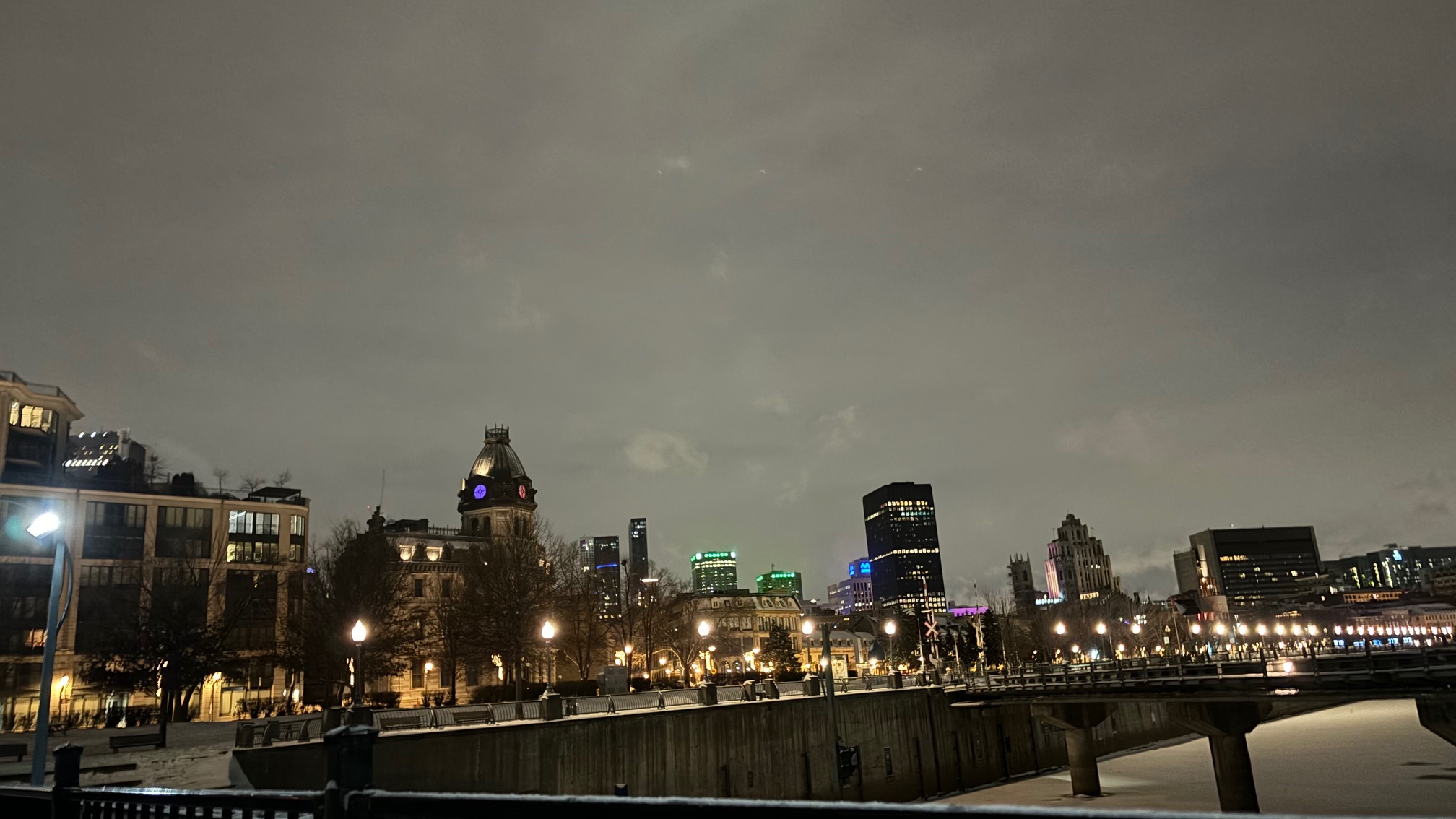
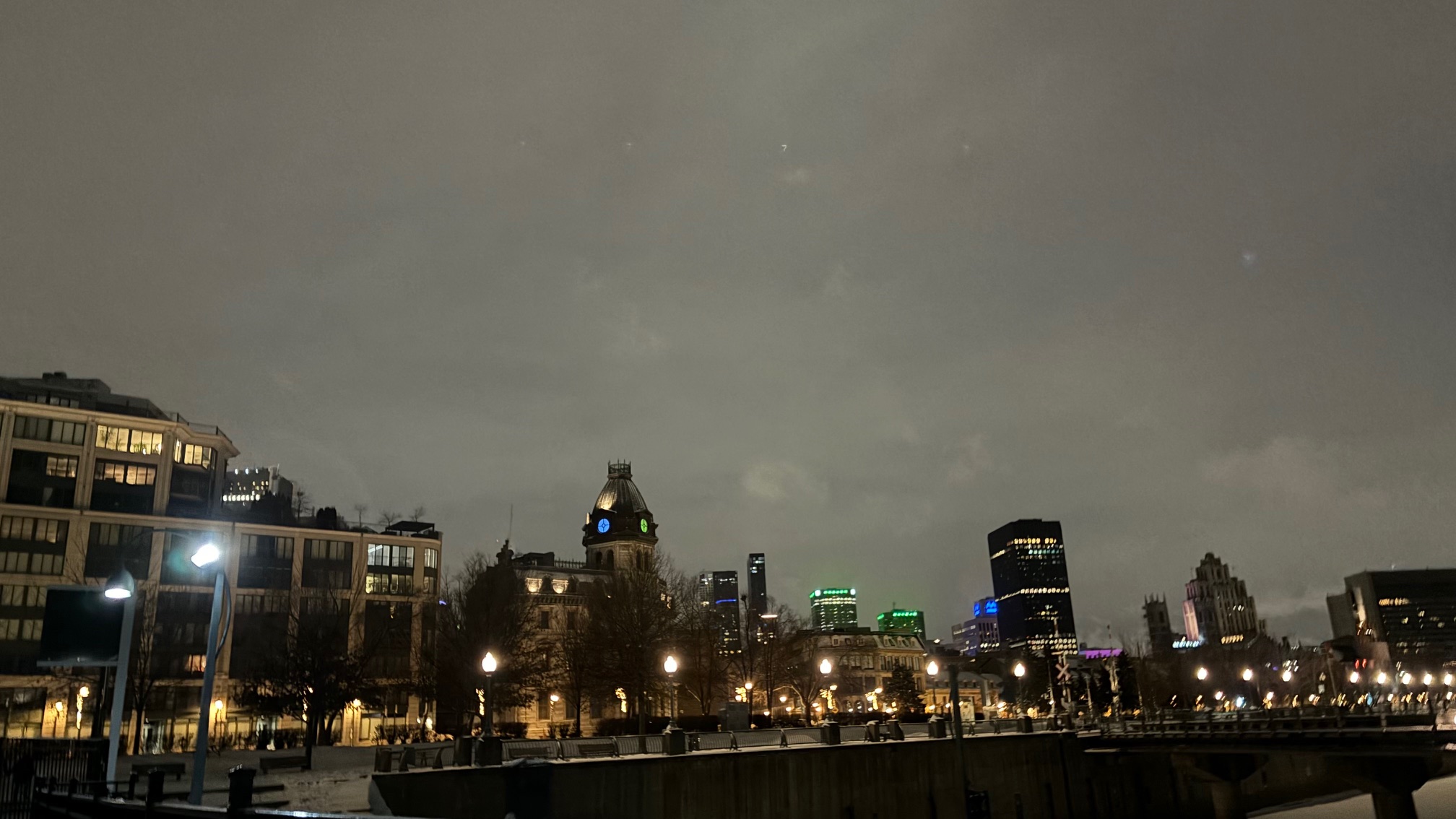
Nighttime in Montreal

Walking around Montreal at night to get a feel for the city in the wintertime.

Camera: iPhone 15

Location: Montreal, Quebec, Canada

Life, Subscribed: How Everything Became a Recurring Fee

“Welcome to the age of subscriptization: a world where the default mode of engagement is no longer ownership, but ongoing payment(s).”

Okay, not literally everything, but it’s certainly starting to feel that way. Remember that feeling you had as a kid or teenager picking up a compact disc (CD), a DVD, or a book from the local school fair. You paid for it only once and then you owned it for life or if you didn’t sell it to someone else or lose it entirely. I get nostalgic for those days when ownership of items was the priority in this economy. We used to buy things.

Now, we rent or subscribe to experiences, housing, streaming services, and even our identity, one monthly or yearly payment at a time. From software and streaming to meals, mattresses, and meditation, life itself has undergone a quiet revolution from owning to subscribing. Welcome to the age of subscriptization: a world where the default mode of engagement is no longer ownership, but ongoing payment(s).

At first glance, this model seems like a win to anyone. Why drop hundreds upfront on a good or service when you can pay $9.99 a month forever? Subscription services promise convenience, affordability, and flexibility, and they’ve reshaped how we consume as a society. Need entertainment? Subscribe to Netflix. Need groceries? Subscribe to weekly HelloFresh deliveries. Therapy? BetterHelp sessions, available by month or more. Transportation? Try Tesla’s subscription model. It’s not just media and goods anymore; it’s your health, your fitness, your mental well-being, and your relationships.

However, beneath the surface of ease lies a subtler transformation if you haven’t noticed it already, one that touches everything from personal finance to cultural values. Subscriptions create the illusion of choice and control while tethering us to an endless cycle of micropayments that add up over time and can lead to a financial trap. They can fragment our budgets, blur the line between need and want, and slowly chip away at your financial autonomy. When every facet of life comes with a recurring fee or payment, you may never feel “caught up” or always feel like you need to add one more service to make your life more convenient. There’s always one more plan, one more upgrade, one more renewal reminder in your inbox making it harder and harder to unsubscribe entirely.

Beyond our bank statements, the subscription model is rewiring our expectations and sense of satisfaction with our choices. We’ve become conditioned to expect instant access, regular updates, and constant novelty, whether it’s a new show to binge, a wardrobe refresh, or the latest application feature update. That “always something new” mindset can quietly foster impatience, restlessness, and even entitlement. Why wait for anything or stick with something you buy once when everything can be delivered, streamed, or unlocked for a monthly fee? This kind of mindset creates a culture that prizes immediacy over depth, reducing life’s experiences to transactions, and undermining the joy that can come from delayed gratification or from rewarding true craftmanship.

As people, we are also internalizing the logic of subscriptization in how we relate to ourselves and others. Self-improvement has become something you can subscribe to, through fitness applications, meditation platforms, career coaching, or therapy on demand. While these tools have value as subscriptions, they often position growth as something you consume, not something you do. There’s a growing risk that we start seeing our personal progress as another product, measurable, trackable, and cancelable, rather than as a slow, often uncomfortable process that lasts a lifetime.

This recent economic shift also speaks volumes about our societal mindset. In an era marked by career instability and a gig-based economy that more people must participate in to survive and make ends meet, people are more hesitant to commit entirely for the foreseeable future, whether it’s to a car, a house, or a romantic partner. Socially, we now navigate dating and relationships through platforms that resemble subscription services themselves, where matches, friends, or followers can be swiped, upgraded, or ghosted as easily as deleting your Spotify playlist.

The emotional consequences of this wide shift are still unfolding, but the early signs suggest it’s making genuine connection more fragile, and commitment feel optional entirely. Subscriptions cater to our age of societal anxiety, offering an easy way out at any time. Don’t like it? Cancel it. Swipe left. Move on. That same disposability in what we subscribe to may be eroding our sense of permanence, ownership, and investment, in both materialistic and emotional ways.

Meanwhile, companies aren’t just selling services, they’re collecting our data for months and years because of the subscription model. Every subscription is a pipeline of behavioral intelligence; when you watch, what you skip, how often you order, when you’re most likely to purchase. Algorithms then feed this data back into your shopping, dating, or entertainment experience, shaping your preferences before you even know you have them. It’s a form of consumer surveillance masquerading as personal freedom.

The subscriptization of life isn’t inherently evil, but it’s worth examining the consequences of moving more and more to a subscription-only economy. As we increasingly trade ownership for access to services and goods that we need rather than just want, and permanence for flexibility, we must ask ourselves: what are we gaining with this model, and what are we losing? Subscriptions might make life smoother, more convenient, but they can also make it shallower, more transactional, and harder to disconnect from. It is also possible that we end up paying more for these goods and services in the long run every week, month, or year, rather just one-time only.

The question isn’t whether we’ll return to owning everything again as that ship has sailed. In this new economy of access, the challenge is to subscribe with real intention, not out of pure habit. Because if everything is on auto-renew, or there’s no longer a ‘buy now’ option, it might be time to ask: who’s really in control of our choices as consumers?

More importantly, we need to consider what kind of life we’re curating through this endless stream of monthly and yearly commitments. Are we building something lasting or simply paying to keep the lights on in a lifestyle we don’t fully own? The convenience is real, especially for those who benefit from seamless access. However, so is the quiet erosion of autonomy when we outsource our decisions to algorithms, platforms, and plans we barely remember signing up for. At some point, the goal should be more than just temporary access. It must be about intentionally creating meaning, through what we purchase, who we support, and how we contribute. And meaning, as it turns out, isn’t something you can just rent or subscribe to.

Canadiens vs. Capitals at Bell Centre

“My first live Hockey game in Canada to see the Montreal Canadiens face off against the Washington Capitals at the Bell Centre in Montreal.”

Camera: iPhone 15

Location: Bell Centre; Montreal, Quebec, Canada

Real vs. Performative Patriotism in the Modern Era

“In today’s hyper-visual and hyper-fast world, it is usually the performative type of patriotism being showcased as a badge to wear or a symbol to show off.”

Picture this scenario: one person is screaming, “I love my country” while wrapping the flag around them at a rally and dressed up in that country’s colors, while another person nearby in the same city or town is quietly volunteering to mentor at a local school or makes a habit of voting in each election. Who is the patriot here? While you might say, “well, they both love their country and they’re both patriotic.” I would say in response, yes, they’re both patriotic but only one of them is performing real patriotism compared to performative patriotism. In today’s hyper-visual and hyper-fast world, it is usually the performative type of patriotism being showcased as a badge to wear or a symbol to show off.

This contrasts with how real patriotism is more about showcasing the values to live by which the nation stands for and in providing acts of service to your nation, in whatever way you can contribute. There’s nothing wrong with waving the flag, wearing your country’s colors, or showing love for one’s country in whatever way you deem fit but it’s not the same kind of patriotism as real acts that take blood, sweat, and sometimes tears in the work done to better one’s nation. I will explore the fundamental differences in terms of real and performative patriotism, and why real acts of patriotism are needed more than ever before.

Let me define first what I mean by real patriotism and performative patriotism. Both forms of patriotism do have a love of country as I had mentioned earlier. However, real patriotism as I define it is a love of country demonstrated through actions, responsibilities, sacrifice, and a willingness to critique the nation when necessary and work to improve it too. Performative patriotism, by contrast, involves loud declarations of loyalty, proudly showing symbol displays, and actions that focus on mainly visually promoting the nation as it is rather than working to improve or better the nation in some real way.

The tenets of real patriotism show up in different ways and are varied depending on the nation itself. However, real patriotism often focuses primarily on service to one’s community and the country, having constructive criticism and acknowledging the country’s faults, being a responsible and engaged citizen over making symbolic acts, and promoting unity and common ground rather than stoking division and distrust.

Whether it is military service, civil service in government, volunteering time and/or money to a cause, being civically engaged about the issues of the day, these are all different ways to serve your country responsibly. No country in the world is perfect but being able to criticize one’s nation freely is an act of patriotism because you care enough to acknowledge your home country’s flaws and desire to make it better. Being an activist and standing up for basic rights in one’s country, being a whistleblower, or a public reformer are all acts of patriotism that we should consider both real and integral.

It is one thing to wave a flag and shout your country’s name and it’s a whole other commitment to vote in every election regardless of whether it’s a local or national election. In addition, being educated about the civics process and your country’s government is key along with being a taxpayer of course and protecting the rights of your fellow man or woman. Any of these real actions as a citizen drive a country forward and make it a better place for all citizens. One quality of real patriotism that I find is overlooked is bringing people together, especially of different backgrounds, ethnicities, or religions. Real patriots do not tear their fellow citizens down or make their lives worse. Real patriots promote common ground, working together, and trying to find real solutions to the nation’s issues, whatever they may be.

Performative Patriotism has its time and place but if you are only performing and not putting in the real work around patriotism then you cannot be a patriot. Wearing flags, singing the anthem, making a pledge is all well and good but being able to put substantive action behind those symbolic gestures and will make a bigger difference than these performative acts. It has also become popular to virtue signal love of country on social media or at political events, to be seen showing off your patriotism rather than to do the hard work that takes days, months, weeks, and even years at a time to make the country better.

Supporting one’s country is great but the “my country, right or wrong” mindset also discourages admitting flaws, working to progress the country forward, and discourages actual dissent too. In addition, using divisive language that pits citizens against each other or scapegoats them for the problems that the nation is facing is not patriotism at all and is unjust and wrong. Patriotism should not be associated with exclusionary or divisive language but sadly that seems to be the case in the modern era.

Examples of real patriots for me include the civil rights movement during the 1960’s in the United States who worked to open the doors of opportunity and justice for every American and fought and sometimes bled to make America a more just and fair country. Teachers, health care workers, civil servants, and veterans are all real patriots who work jobs that improve and better the nation because of the work that they do. It’s also the volunteers who perform acts of service each day to clothe people, feed and shelter the homeless, and clean our streets, towns, and cities who are real patriots who often are not recognized for the work that they do.

Examples of performative patriots who say they care about the country but don’t put the work in are those who hide behind the flag without putting acts of service or work in to make the nation better. Protestors who act violently against their fellow citizens in clashing protests who claim they do it out of love of the country but who fan the flames of hatred, discord, and division. It’s also the companies and people who believe they are patriots by supporting political candidates but spend untold amounts of money to tip the scales in their favor because they know they can and think they are doing the right thing even when they are gaming the political system because of their wealth and influence.

Why should this classification of real vs. performative patriotism matter? Because I’ve found that in recent years performative patriotism has been used to divide people, rather than unite people for betterment of their country. This is not an isolated issue, and it isn’t going away. People need to start equating patriotism with real acts of duty, service, and sacrifice rather than thinking that flag waving and wearing or being loud about your opinion is being patriotic instead of focusing on the responsibilities of citizenry.

I believe that symbolic acts and gestures, while they have their place, have taken priority over actions that would unite people in a common cause, make their country better, and improve the state of their communities too. Social media, sports, and entertainment tend to focus on performative patriotism rather than real patriotism too partly because performative patriotism is loud, quick, and anyone can do it easily. Real patriotism takes hard work, sacrifice, and consistent efforts that often go unnoticed and unappreciated.

How do we spread real patriotism instead of performative patriotism? I think it’s important to dive into the full history and politics of a country rather than shying away from certain events or certain ways of thinking. It’s important to not only focus on the myths of a nation but the messy truths and sometimes ugly events which we need to learn from. If we forget the ugly parts of a country’s history, it is more than likely the nation itself will be doomed to repeat them in one form or another. It is also key to promote acts of civic engagement like voting in each election (making it easier for citizens to vote too), supporting local activism that is peaceful rather than vilifying it, and increasing access to community work and volunteering opportunities, which is something I think 99% of us, maybe universally, would support in our respective countries.

Additionally, we should not only honor military members and recognize veterans but also remember those people working in the public sector who do the hard work behind the scenes to keep a country running and who work hard to better it each day too. Whether it is civil servants, police, firefighters, teachers, doctors, nurses, and sanitation workers, they each are doing their patriotic duty each day even if we don’t recognize them as patriots, they are. Real patriotism is often quiet, not loud. You don’t need to scream and shout to show you love your country deeply.

Real patriotism is rather about showing up each day, doing the work well, and contributing to the betterment of society and the country. Let’s not mistake flag waving and noise making as solely showing love of one’s country going forward. A flag in your yard or waving on your porch means nothing if your neighbor is suffering and you do nothing about it to lend a hand to him or her. Real patriots acknowledge and fix what’s broken about a nation. They do the hard work and can still wave the flag too if they want to because they put in the effort and can say they have invested the blood, sweat, and tears to make their nation better. Can a performative patriot say the same? I don’t believe so.

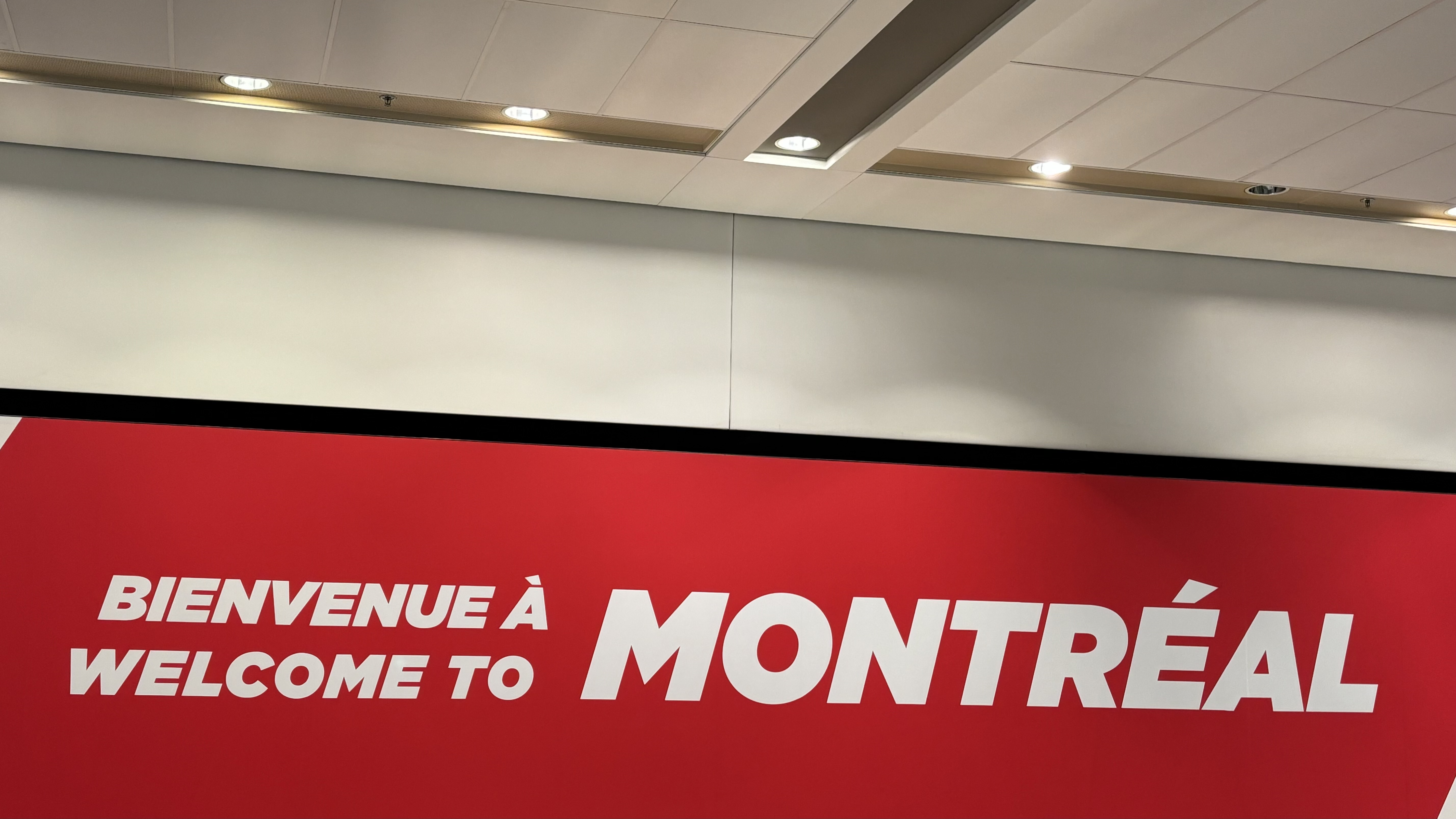
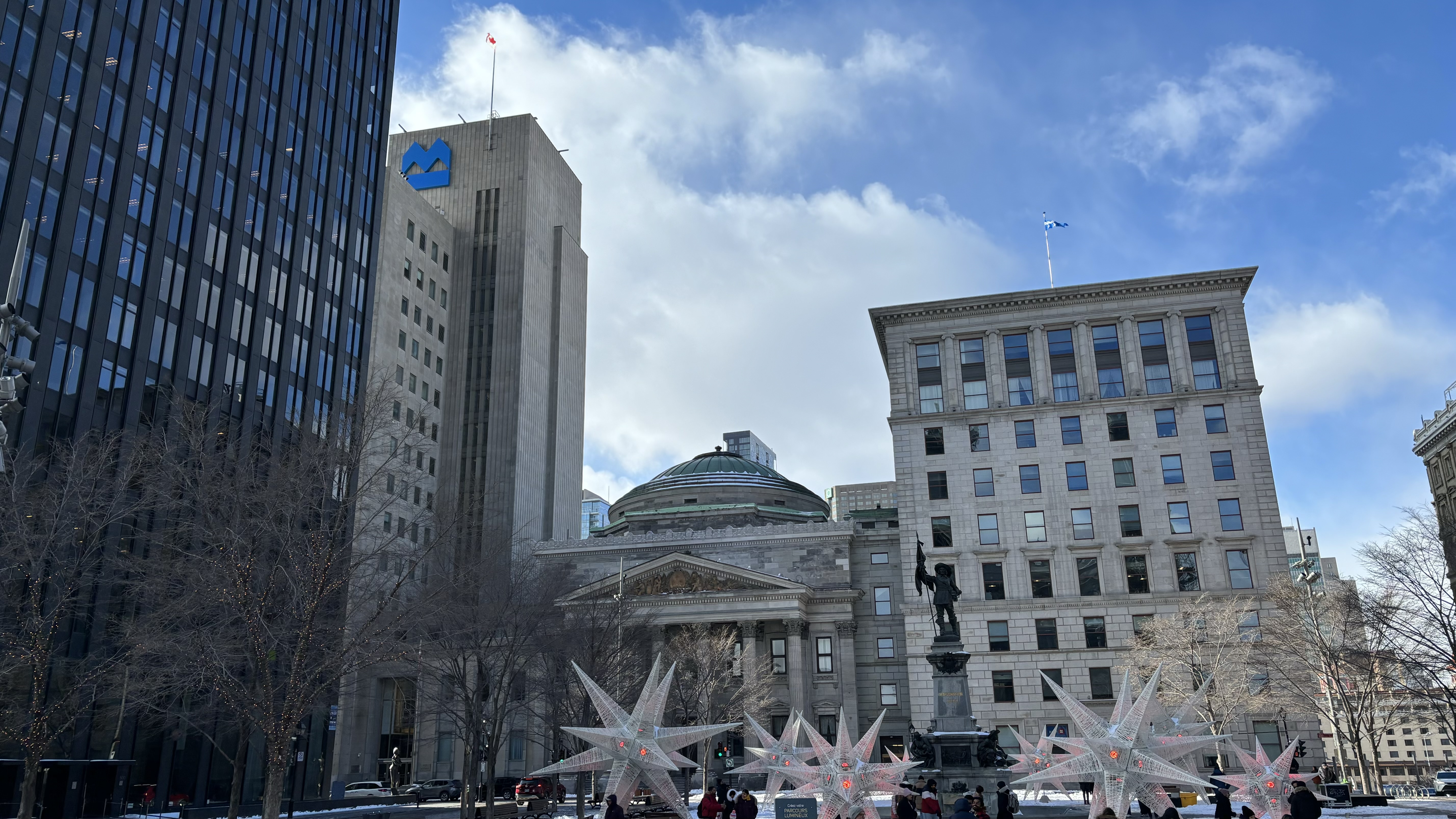
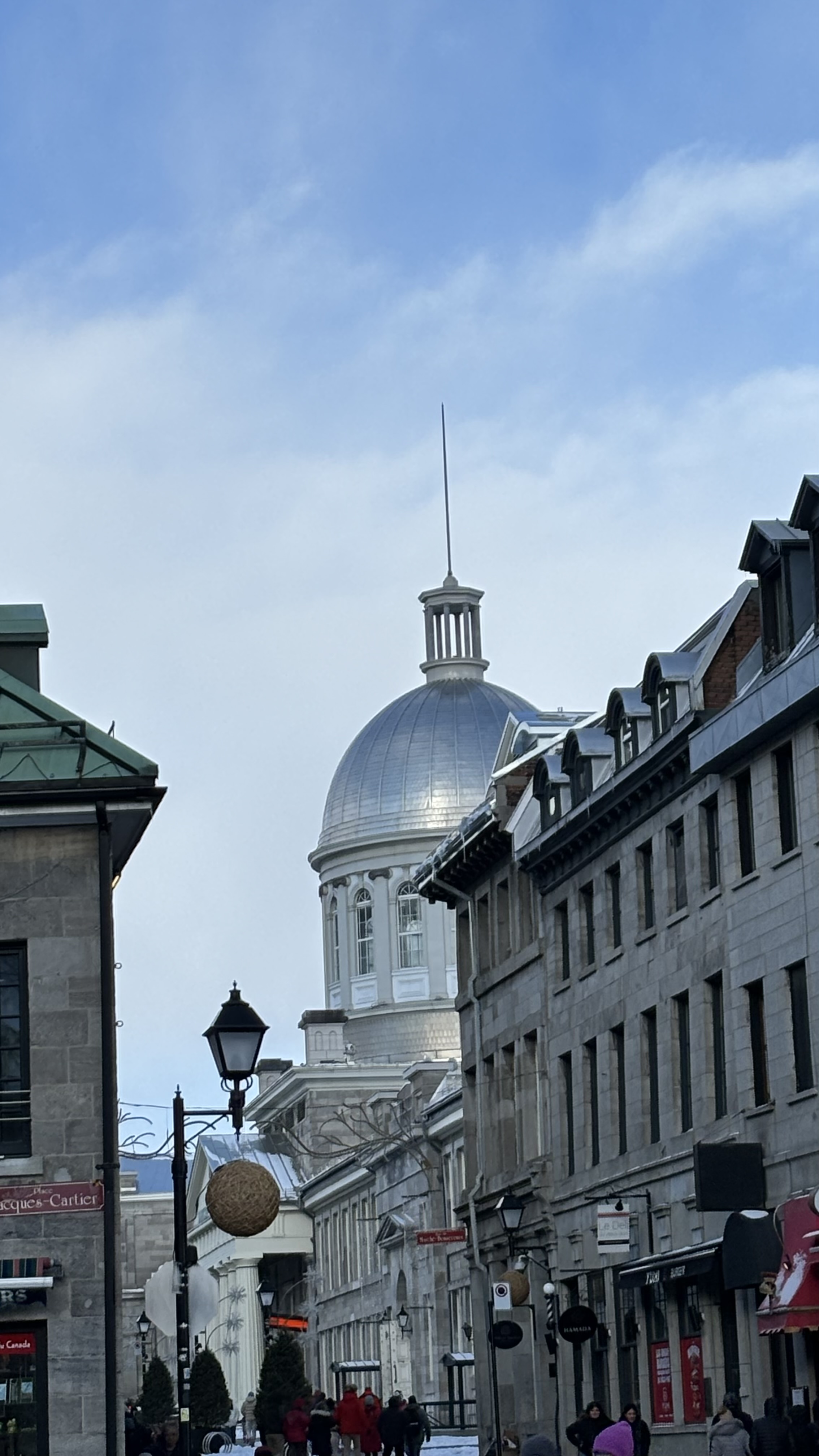
Bienvenue a Montreal

A visit to Montreal, Quebec, Canada during the Winter of 2024 for some tourism and sightseeing. One of the best cities in North America.

Camera: iPhone 15

Location: Montreal, Quebec, Canada

Cause, Chaos, and Consequence: Ripple vs. Butterfly Effect Explained

“I’ve written about the Ripple Effect before but while they sound like each other, The Butterfly Effect is far from being the same thing as a concept. They are philosophical cousins to be honest but while they are related, they were both raised in different households.”

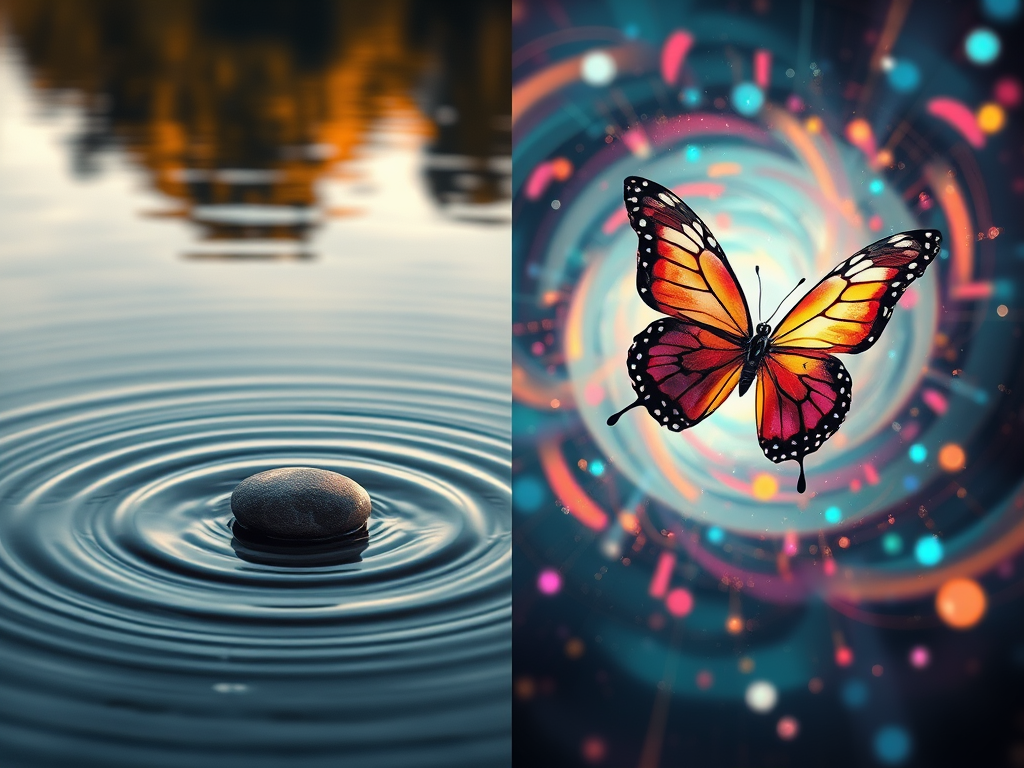
I’ve written about the Ripple Effect before but while they sound like each other, The Butterfly Effect is far from being the same thing as a concept. They are philosophical cousins to be honest but while they are related, they were both raised in different households.

To give some further background on the Ripple Effect, it is one action that causes a series of consequences that spread outward like ‘ripples on the water.’ These are both linear and observable consequences that are clear to see, like water droplets hitting the ocean. For an example of this phenomenon, if you donate to a college scholarship fund, that money would directly help a student go to a college or university. Maybe that student goes on to start a non-for-profit because of the help you gave to help hundreds of other students who were in the same position as he or she was when you donated the money. The effects of your one action spread out logically from the original action taken. The ripple effect has been used in the social sciences, in business development, and in personal decision-making each day.

When it comes to the Butterfly Effect, the definition of it pertains to a very small or slight change in the initial conditions of someone’s day or a event that was rather small or insignificant at the time that ends up causing unpredictable and massive effects down the line affecting untold numbers of people. The key idea for this phenomenon is that events can be nonlinear and cause chaotic consequences when you think the effects would have been minimal or nonexistent instead. For an example, a butterfly flapping its wings in Mexico could theoretically start a chain of atmospheric events that cause a tornado to occur across the border in Texas. The Butterfly Effect is often used in describing chaos theory, meteorology, or how complex systems work together succinctly or can become dysfunctional rather rapidly.

AspectRipple EffectButterfly Effect
DefinitionOne action causes a series of predictable consequencesTiny change leads to massive, unpredictable outcomes
Nature of ImpactLinear and logicalChaotic and nonlinear
PredictabilityGenerally predictableHighly unpredictable
ExampleHelping one student who then impacts othersBeing late to an event and missing a life-changing meeting
Field of OriginSocial sciences, psychology, personal developmentChaos theory, meteorology, complex systems
Visual MetaphorPebbles dropped in water creating wavesButterfly flapping wings triggering a tornado
Control Over OutcomeModerate to high: effects unfold over timeLow: small causes can lead to wildly disproportionate results
Typical UsageCause-and-effect logic in planning or strategyDescribing randomness or complexity in systems

Regarding the main difference between The Ripple Effect and The Butterfly Effect, ripple effects are much more predictable to the average person, and you can trace the causality more easily. Butterfly effects and their events are unpredictable, chaotic, and can happen when you least expect them yet have been put into motion for quite some time. To sum it up, Ripple effects have an obvious cause and effect that are easy to explain and observe while butterfly effects show how tiny inputs or changes can lead to wildly disproportionate outcomes.

To explain how this would play out in the real world, a Ripple Effect in one’s personal life would be deciding to go to the gym three times a week consistently. You start to feel healthier, have more energy, sleep better at night, improve your mood, you’re more productive at work, which leads to a monetary raise or even a promotion in your title. That one small but consistent change to your lifestyle with a new habit consistently done can ‘ripple’ out across your whole life in a predictable way given the known yet useful benefits of consistent exercise. 

As for the Butterfly Effect example when it comes to your personal life, let’s say you show up five minutes late to an important networking event. As a result, you may miss meeting someone who could have been a business partner for your new venture. Your career ends up going in a completely different direction because of that missed opportunity. Because of that, you end up having to move and live in a different city, with different friends, and a different lifestyle, all because of that five-minute delay that happened once in your life. This is a key example of an unpredictable event with unforeseen consequences. You probably or will never realize how your life changed as a result unless someone observing your life full-time could tell you about the chain reaction that occurred because of that late networking event arrival.

We can also look back at history for key examples where the ripple and butterfly effects were present in what happened in retrospect. With regards to the ripple effect, the Civil Rights movement in the United States leads to the Civil Rights Act being passed by Congress. This law causes desegregation to take place in public schools, which opens more education and job opportunities for minority students and eventually leads to more diverse leadership in both government and business. It’s a chain of predictable and traceable events that go back a few decades, but for which still resonates up through the modern era.

A famous example of the Butterfly Effect in action from world history was when an obscure Serbian nationalist, Gavrilo Princip, assassinated the Archduke Franz Ferdinand of Austria, in 1914. After that momentous but surprising event happened, Austria-Hungary declared war on Serbia, alliances with France and Russia kicked in, which lit the spark that consumed Europe during the first World War.

This momentous event of World War I then led to the fall of empires like the Ottoman and British empires over time, the stale peace that led to World War II, and then the rise of Communism and the Cold War. Would a war have started regardless of if Franz Ferdinand had not been assassinated that day? Most likely, but there was a chance that it would not have happened had the assassination not occurred. That one moment created chaos and unforeseen consequences that no one in Europe or around the world could have foreseen at that time in 1914.

Understanding the differences between the ripple effect and the butterfly effect isn’t just academic, it’s practical for your own life. In our personal lives and careers, most of us try to make thoughtful choices, expecting reasonably predictable outcomes. That’s the ripple effect in action: you invest time in learning a skill, and it pays off in future opportunities. However, life doesn’t always play by those rules. Sometimes, a seemingly insignificant decision, sending a message, missing a meeting, crossing paths with someone new, spirals into consequences no one could’ve predicted. That’s the butterfly effect crashing into the party to say it has arrived. Knowing both concepts helps us become more intentional with what we can control while remaining humble about what we can’t control. It’s the mental toolkit for navigating both stability and chaos in this uncertain world.

The truth of the matter is that life is shaped by both ripples and butterflies. Some of your actions will create steady waves of impact over time while other choices might unleash unpredictable storms. That doesn’t mean you should live in perpetual fear of chaos or paralysis over tiny choices. It does mean though that we should approach life with a mixture of clarity and curiosity: plant the seeds you can in life, but don’t be shocked if something unexpected grows.

As the saying goes, “We make plans, and the universe laughs.” Still, you should plan anyway and be prepared with the awareness that every choice matters, even when the outcome doesn’t go according to plan. You might be one ripple away from changing your community or your world, or one butterfly flap from a wild new chapter in your life.