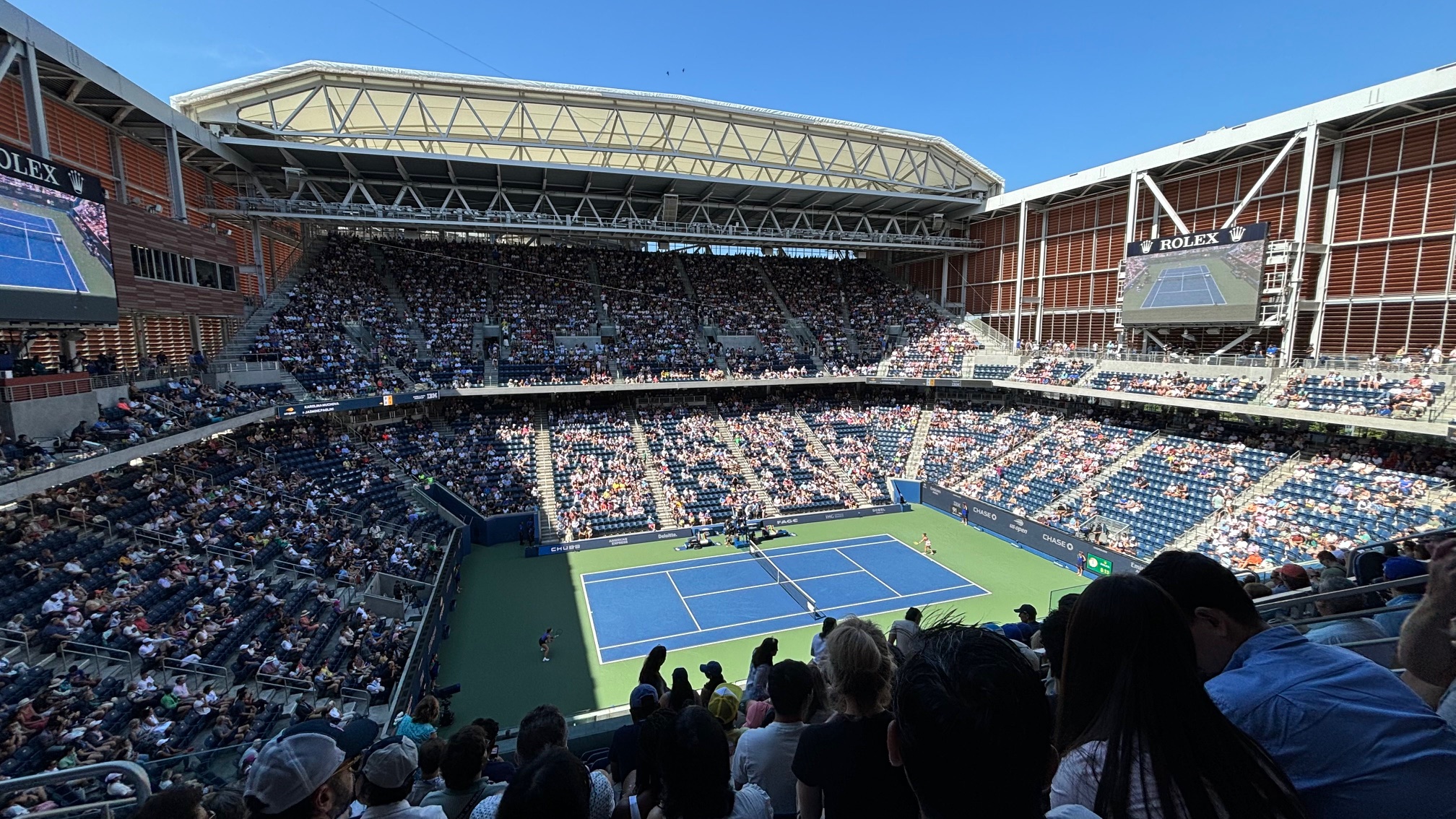




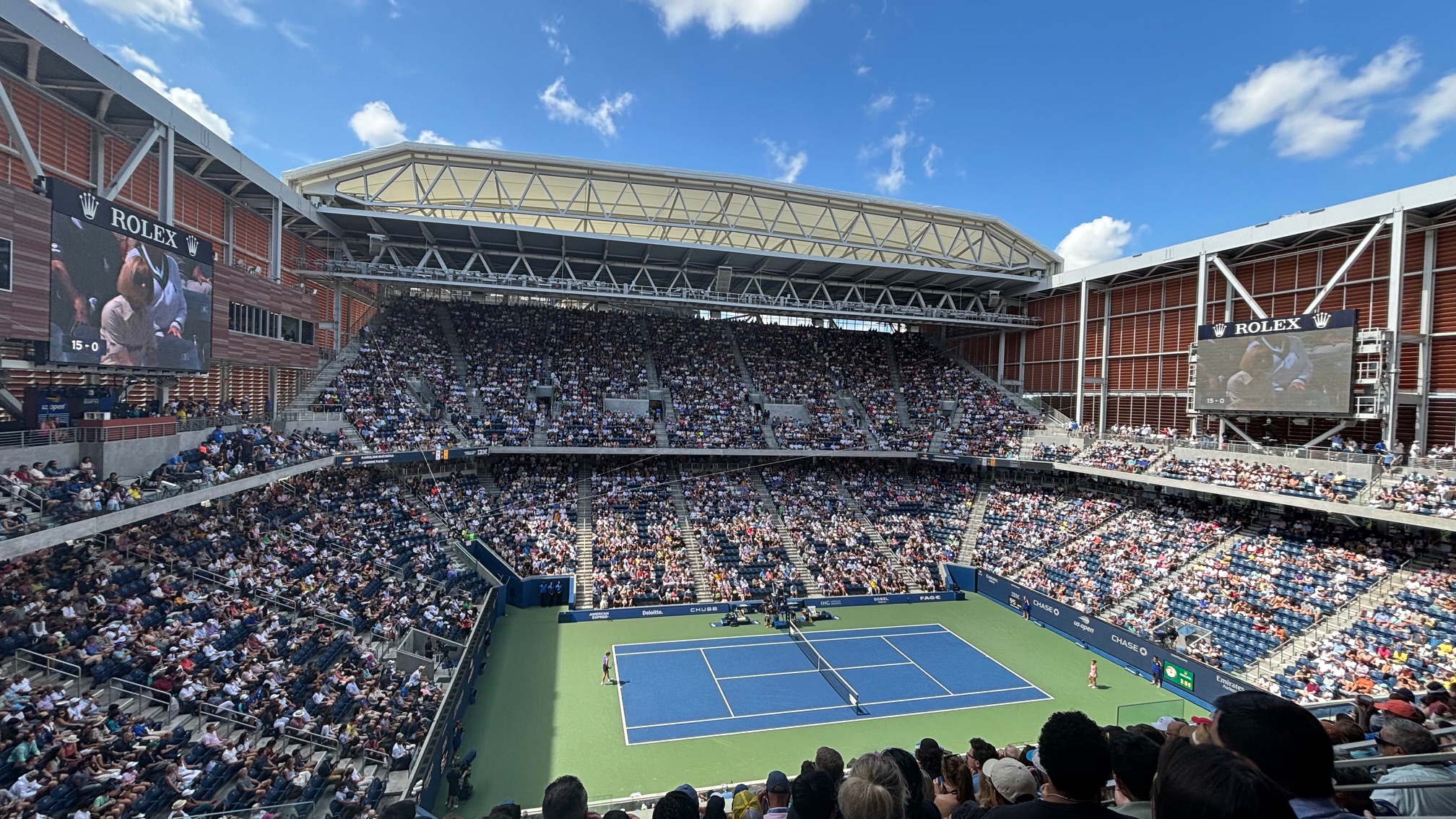









Camera: iPhone 15
Location: Billie Jean King US Tennis Association Center; Flushing Meadows, Queens, New York, United States

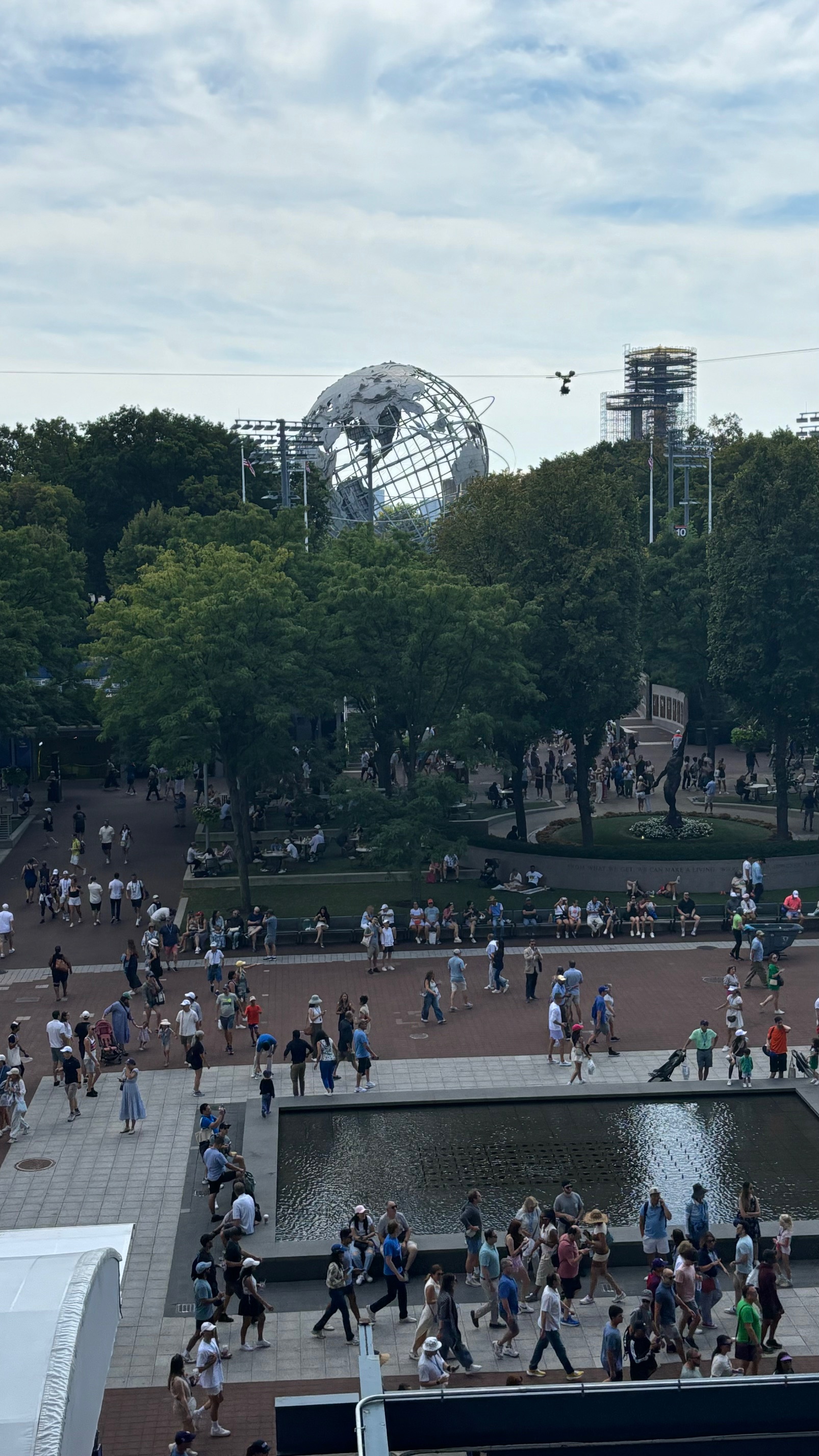
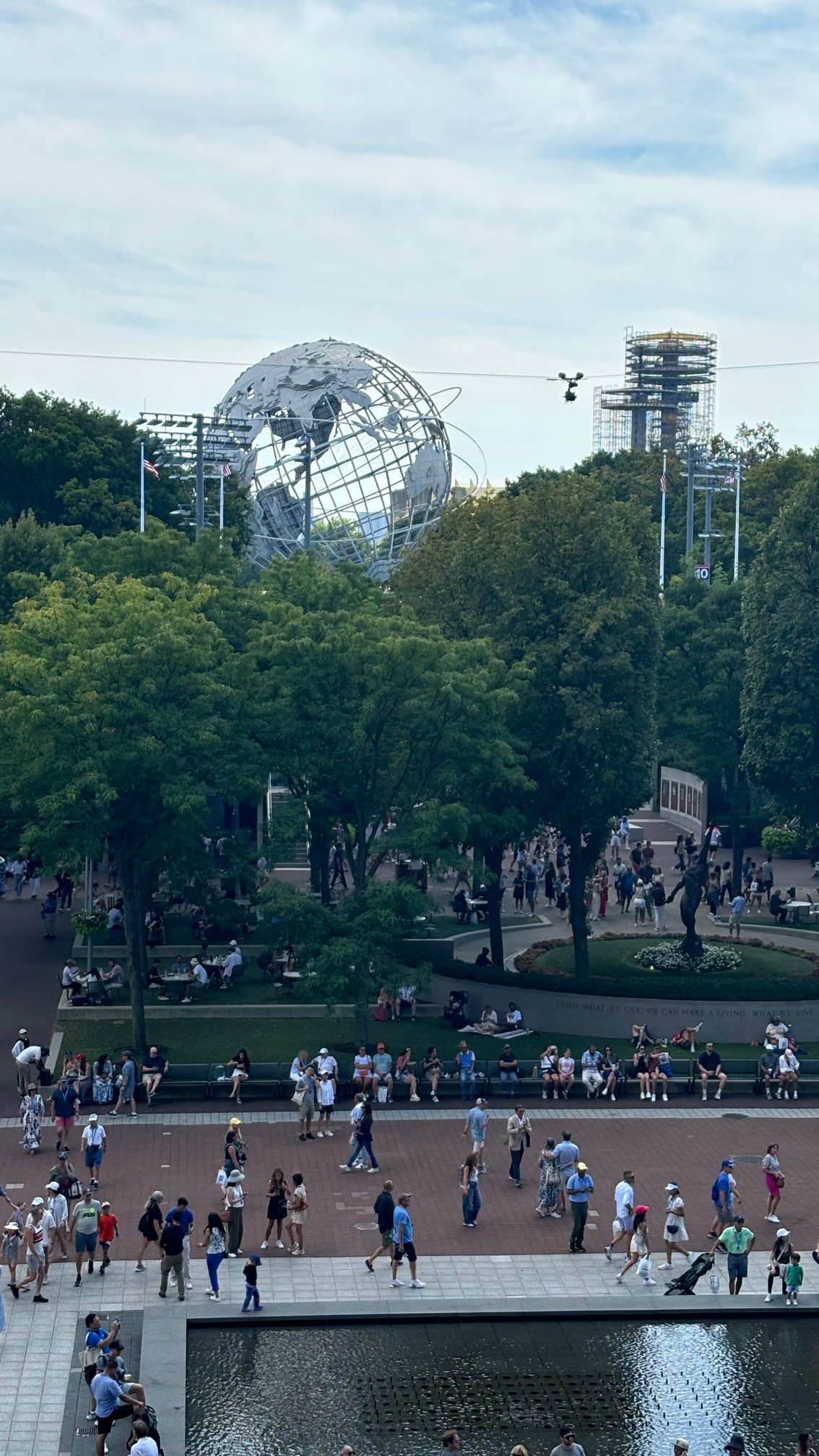
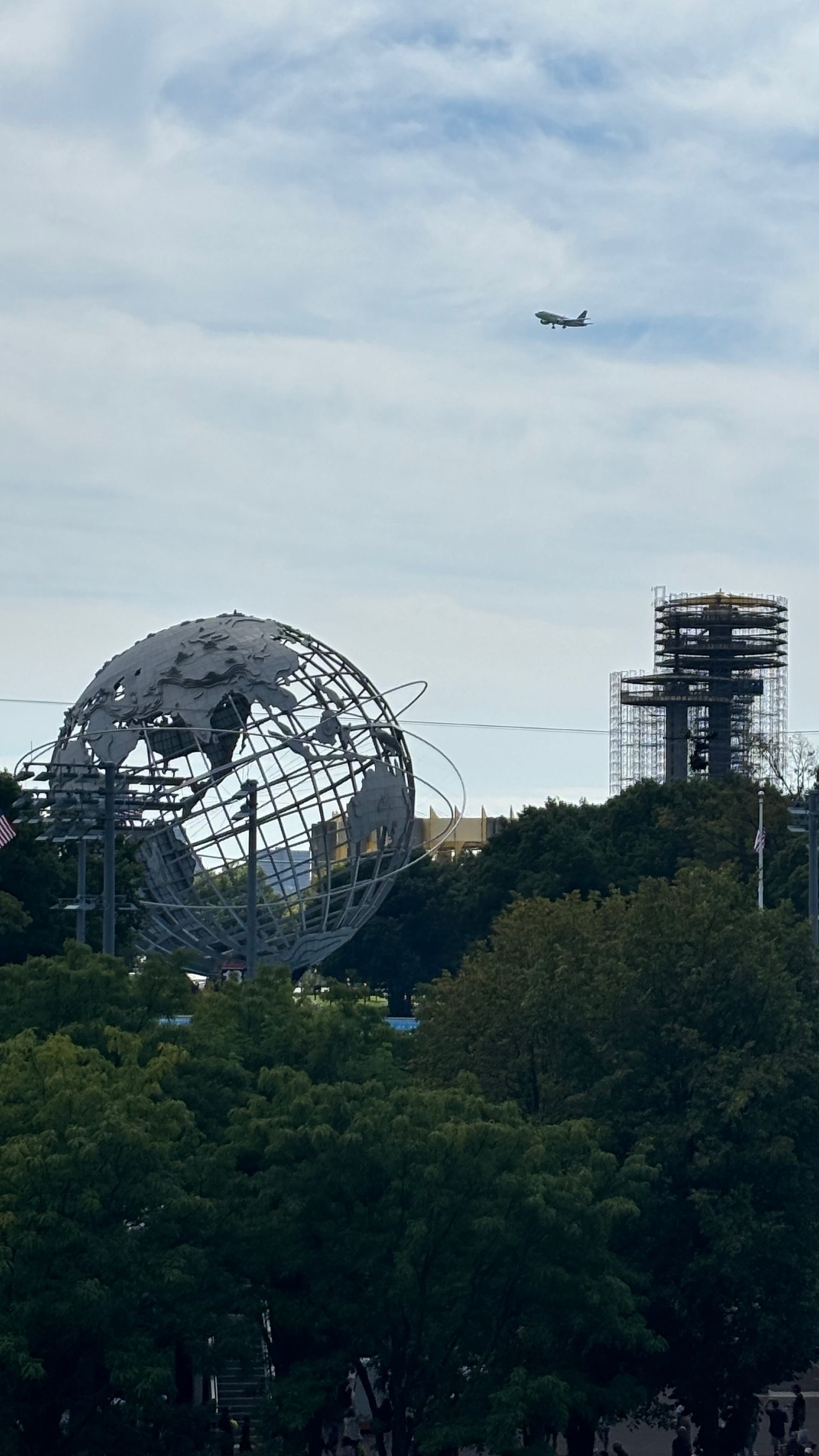
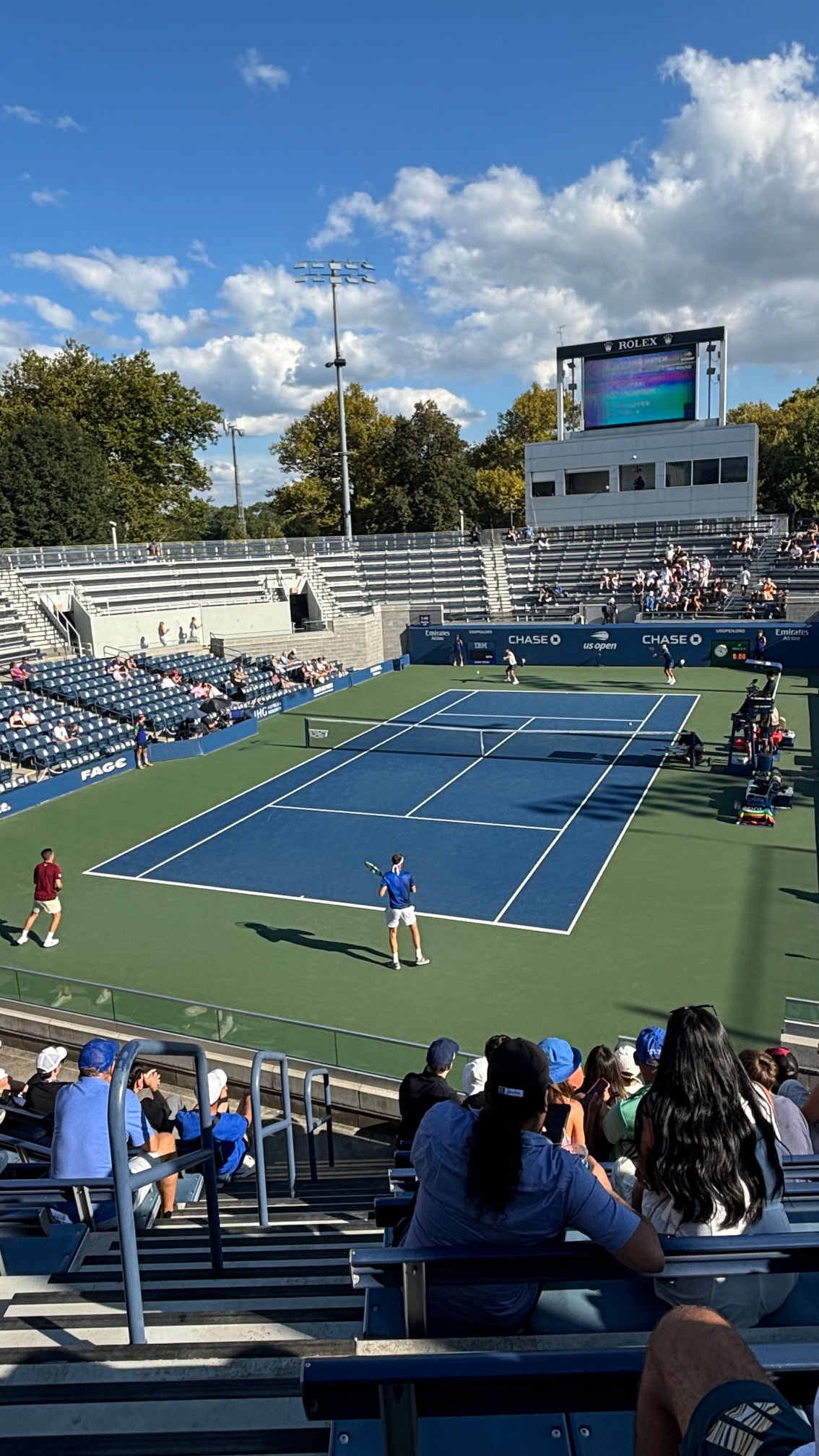
“A return trip to Queens, New York in the Summer of 2024 to enjoy the U.S. Tennis Open in Flushing Meadows on a beautiful Summer Day. From Arthur Ashe to Louis Armstrong Stadium, a very full day of great professional tennis spectating.”
Camera: iPhone 15
Location: Billie Jean King US Tennis Association Center; Flushing Meadows, Queens, New York, United States
“This shift in American daily life raises a deeper question: when did public life in the United States begin to disappear, and what would it take to bring it back?”
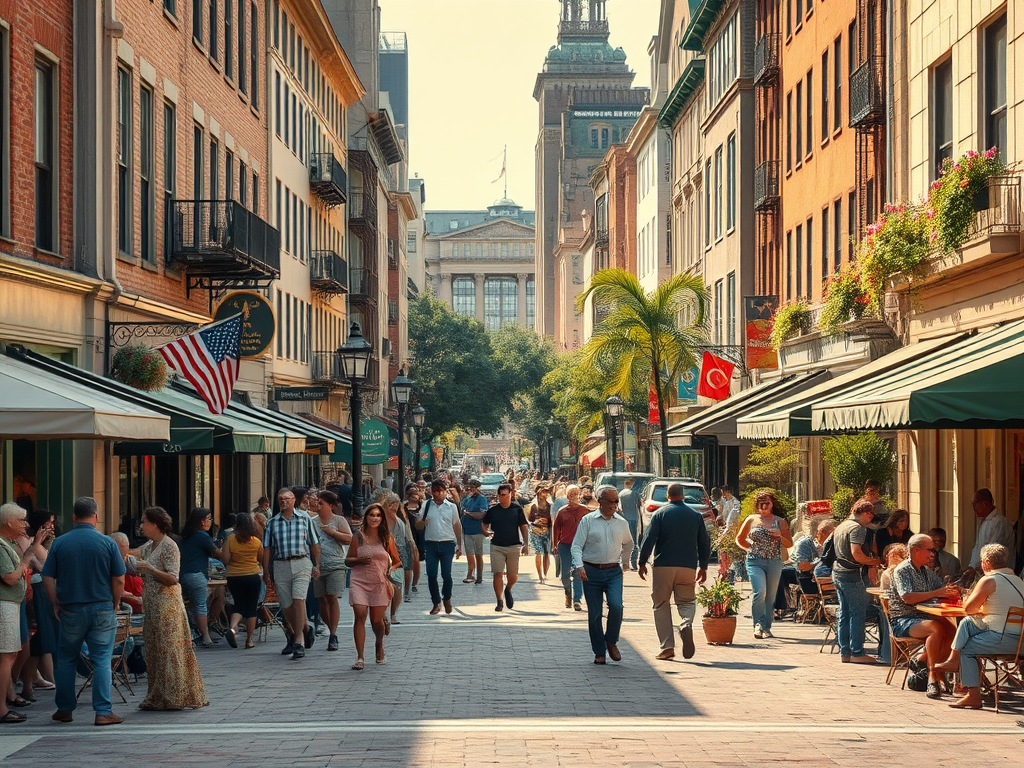
American cities were once defined by the energy of their streets and plazas across the country from big cities to small towns as places where people didn’t just pass through, but lingered, interacted, and built a sense of real community. Today, many of those same streets feel transactional at best and empty at worst. Instead of being corridors of activity, fun, and expression, streets have become corridors rather than the destinations. Public life has thinned out and become increasingly atomized in 2026 and this societal change here was done on purpose beginning in the 1950s and its effects still linger today in 2026. This shift in American daily life raises a deeper question: when did public life in the United States begin to disappear, and what would it take to bring it back?
The answer begins with the structural changes made to the design of our cities and towns in America during the 2nd half of the twentieth century. For the past few decades, American cities have been built around cars rather than people. The decline of street and plaza life in the United States is rooted in politicians catering to the automobile industry with car-first urban planning being prioritized above all else. With the expansion of the suburbs and the ‘American Dream’ having been tied to home ownership, rigid zoning policies meant that you could no longer walk out your door by foot and enjoy being in a lively community.
Wide roads, sprawling suburbs, and strict zoning laws have separated from where people live, work, and socialize with one another. In prioritizing having efficiency and convenience for the needs of the ‘nuclear family’, which is increasingly on the decline in today’s America, most cities and towns unintentionally eliminated the very conditions that made spontaneous human interaction possible and enjoyable. This seismic shift in public policy did not change just how American cities look and were laid out, it changed how each American related to each other, especially their neighbors.
This societal transformation has had a real human cost in this country. Public spaces are not just physical environments to move through but ideally, but they are also meant to be social ecosystems. Without their presence, opportunities for casual interaction shrink, and communities become more fragmented or isolated. As loneliness and social isolation rise across the country and has become a modern epidemic, the absence of vibrant ‘third places’, spaces outside of home and work has become increasingly noticeable. People are more connected digitally than ever yet often feel more disconnected in real life. Part of that solution is revitalizing what is common in other countries from Denmark to Colombia and from Spain to Turkey.
When I lived car-free across different countries and cities, my quality of life was inexorably more enjoyable and easier to get to know people. Making friends, running errands, and exploring is possible with a car but I found that exploring my new surroundings on foot and being able to get tea, coffee, or some food by foot in my local neighborhood made life in that new country or city much richer and more fun. Not needing a car was better for the environment and less expensive for my lifestyle and with having ride-sharing and good public transit options for where I was living in Istanbul, Medellin, or Mexico City, street and plaza life in each city across three continents was something I truly enjoyed taking full advantage of.
Other parts of the world often offer a clear contrast to how the U.S. has chosen to use its empty public spaces. In cities like Barcelona and Copenhagen, public space is treated as essential social infrastructure. Pedestrian-friendly streets, mixed-use neighborhoods, and a strong culture of outdoor living create environments where daily life naturally spills into the open regardless of what time of year it is, rain or shine. These cities are not necessarily more complex than U.S. cities, but they are simply designed with human behavior in mind including being able to walk, bike, or ride a scooter to where you need to go, which is much more environmentally friendly and cost-effective than needing to drive everywhere. There is real cultural emphasis on encouraging outdoor social life including showcasing musical performances, selling food and drinks in the open, and having benches, chairs, and tables for free gathering places at any time of the day or night.
You may be asking at this point: why has the United States struggled to follow suit in this way? The barriers are not just physical, but cultural and political. Car dependency is deeply ingrained in terms of cultural habits, and concerns around safety, public disorder, and accessibility often shape public opinion on encouraging street and plaza life to flourish without restrictions. At the same time, bureaucratic hurdles and zoning restrictions make it difficult to experiment with new ideas. The re-design and re-orientation of our physical landscapes would take decades or generations to construct including major financial costs and it would involve expanding transit and pedestrian friendly options, but I believe it would be worth it for future generations. Change is possible over time here, but it primarily requires a shift in cultural mindset and public policy.
Where progress has been made in the U.S. so far, the strategies are surprisingly straightforward. Expanding pedestrian zones and adding dedicated bike lanes in major cities, supporting street vendors and local businesses with easier permitting processes, and introducing outdoor dining and public events can quickly transform underused areas into vibrant gathering spaces. Small temporary interventions, often referred to as ‘tactical urbanism’, allow cities to test ideas before committing to permanent change. Importantly, good design alone is not enough. A well-designed plaza without any meaningful activity will remain empty; consistent programming and consistent use are what bring these unused spaces to life and keep people going there over time.
At a deeper level, successful public spaces tap into the psychology of place. People gather where they feel comfortable, stimulated, and welcomed. Elements like music, food, movement, and visual identity all contribute to whether a space feels alive or sterile. Safety matters, but so does the atmosphere where it’s welcoming, open, and engaging. A space can be technically safe yet feel uninviting if it lacks energy or purpose. Instead of holding events in asphalt parking lots or in lackluster fields without trees or any discernible nature will not stimulate the activity needed or generate the buzz needed so that the public spaces are going to need to thrive in the long run.
This is why revitalizing public space is about more than changes to urban planning; it is about rebuilding civic life in areas where it’s gone dormant or extinct entirely. Streets and plazas provide a shared environment where people from different backgrounds can coexist, interact, and develop a sense of mutual trust. In an increasingly polarized and digital society on top of being in a country where people don’t like to leave their vehicles or houses easily, these everyday interactions play a quiet but essential role in maintaining social cohesion and furthering progress for the town or city where locals and visitors are gathering.
In 2026, the urgency of this issue is only growing in terms of relevance. Hybrid and remote work arrangements have reshaped daily routines, leaving more flexibility for how and where people spend their time. At the same time, there is a growing desire, especially among younger generations, for experiences that feel authentic and communal, away from their phones and devices to reconnect with one another. American cities and towns that adapt to these shifts by prioritizing walkability, accessibility, and human-centered design will be better positioned for the future and achieve a higher quality of life for its residents and would help keep them living there for the long-term.
Revitalizing street and plaza life in the United States is not about copying other countries or eliminating cars entirely as part of our cultural memory. It is about restoring balance by creating welcoming spaces where people can once again gather, linger, and feel part of something larger than themselves and make new friends and acquaintances by doing so. When that happens consistently, streets stop being just pathways and start becoming places where life unfolds spontaneously.
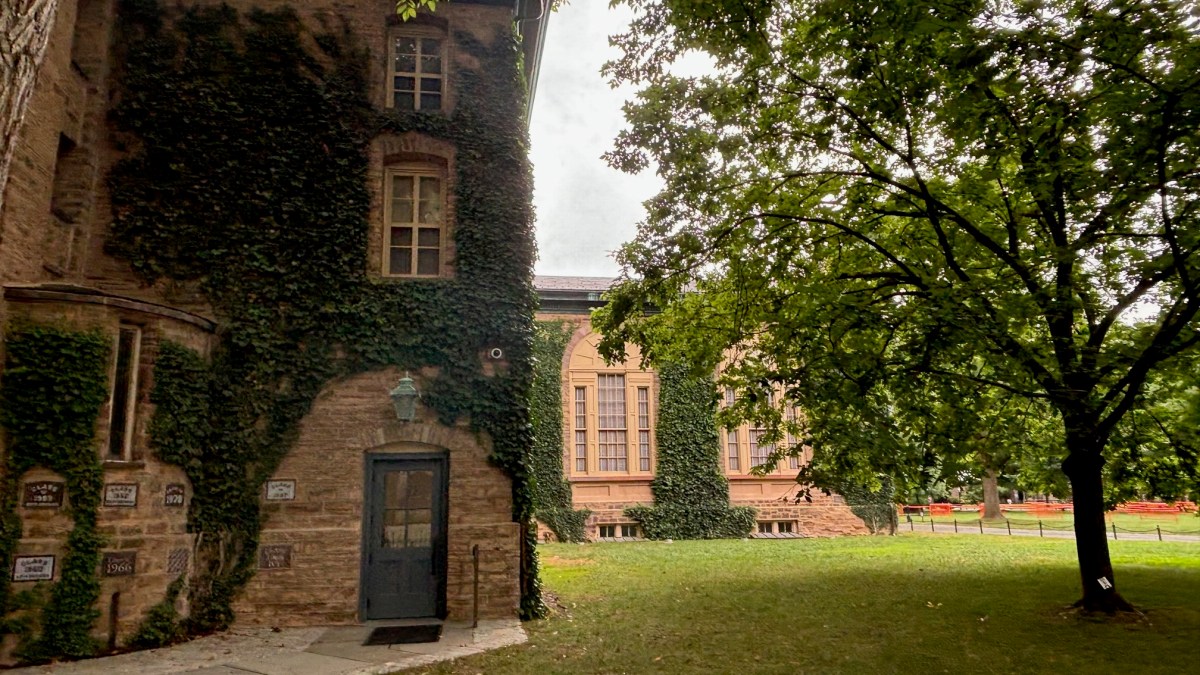
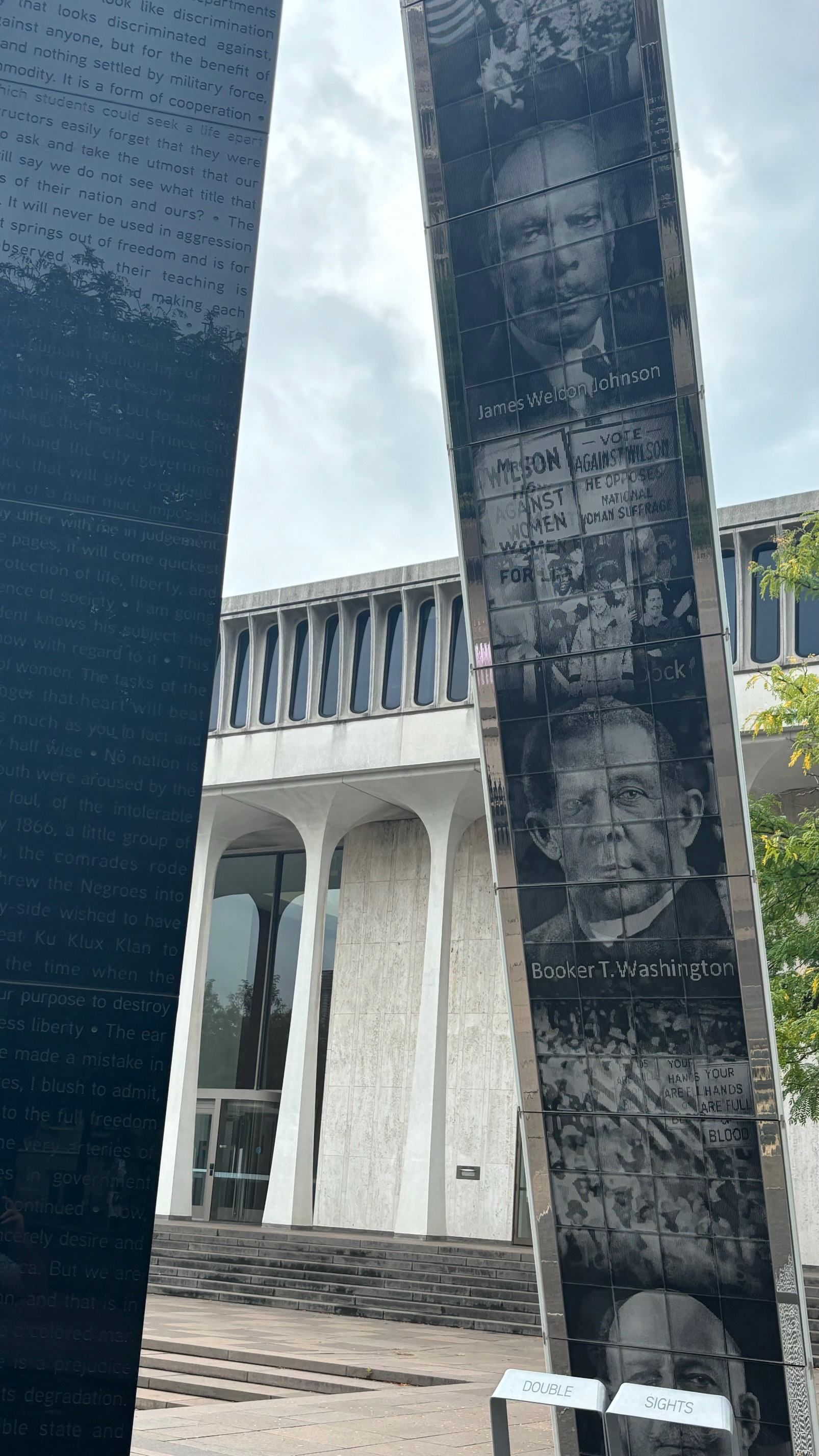
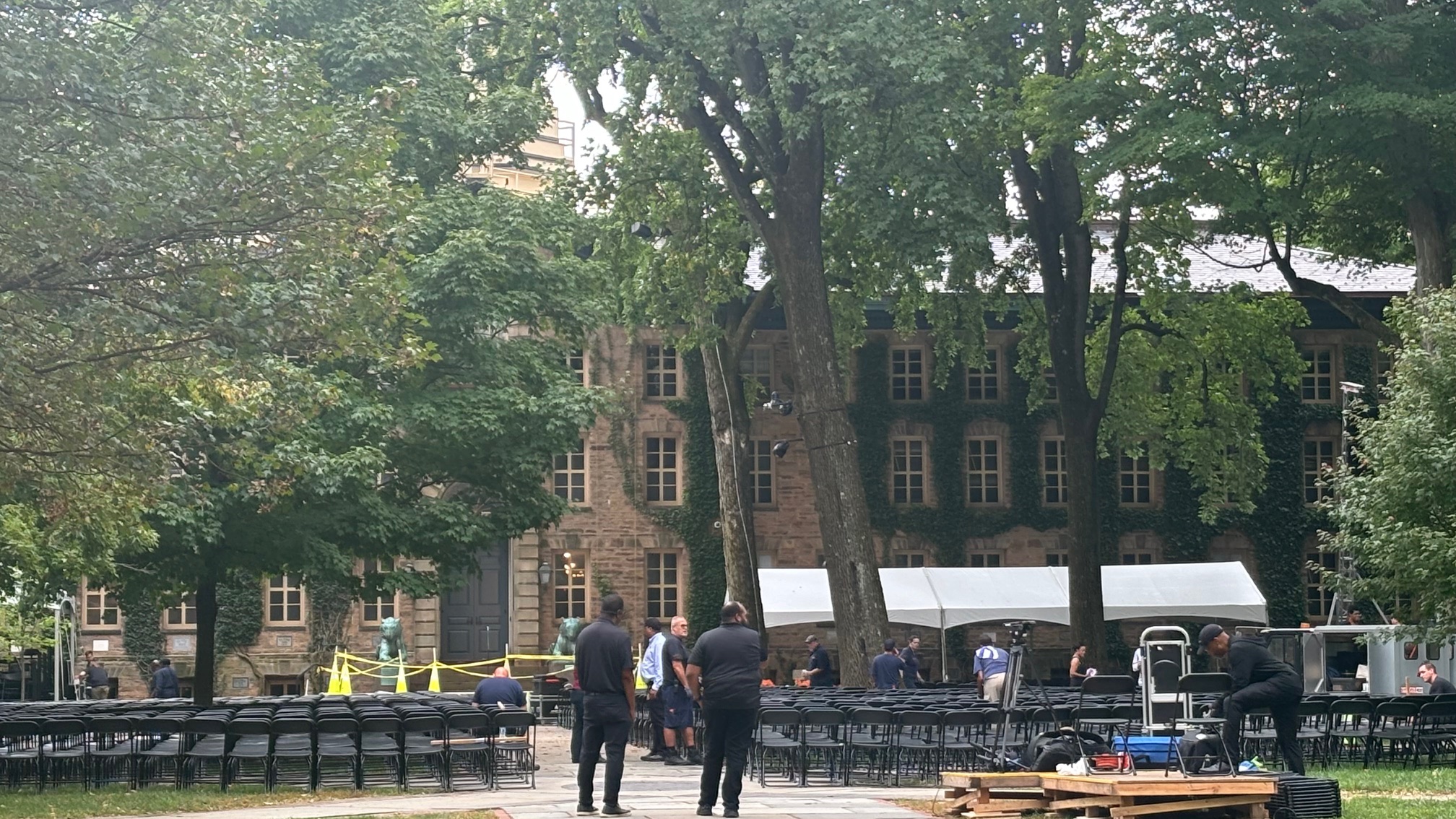
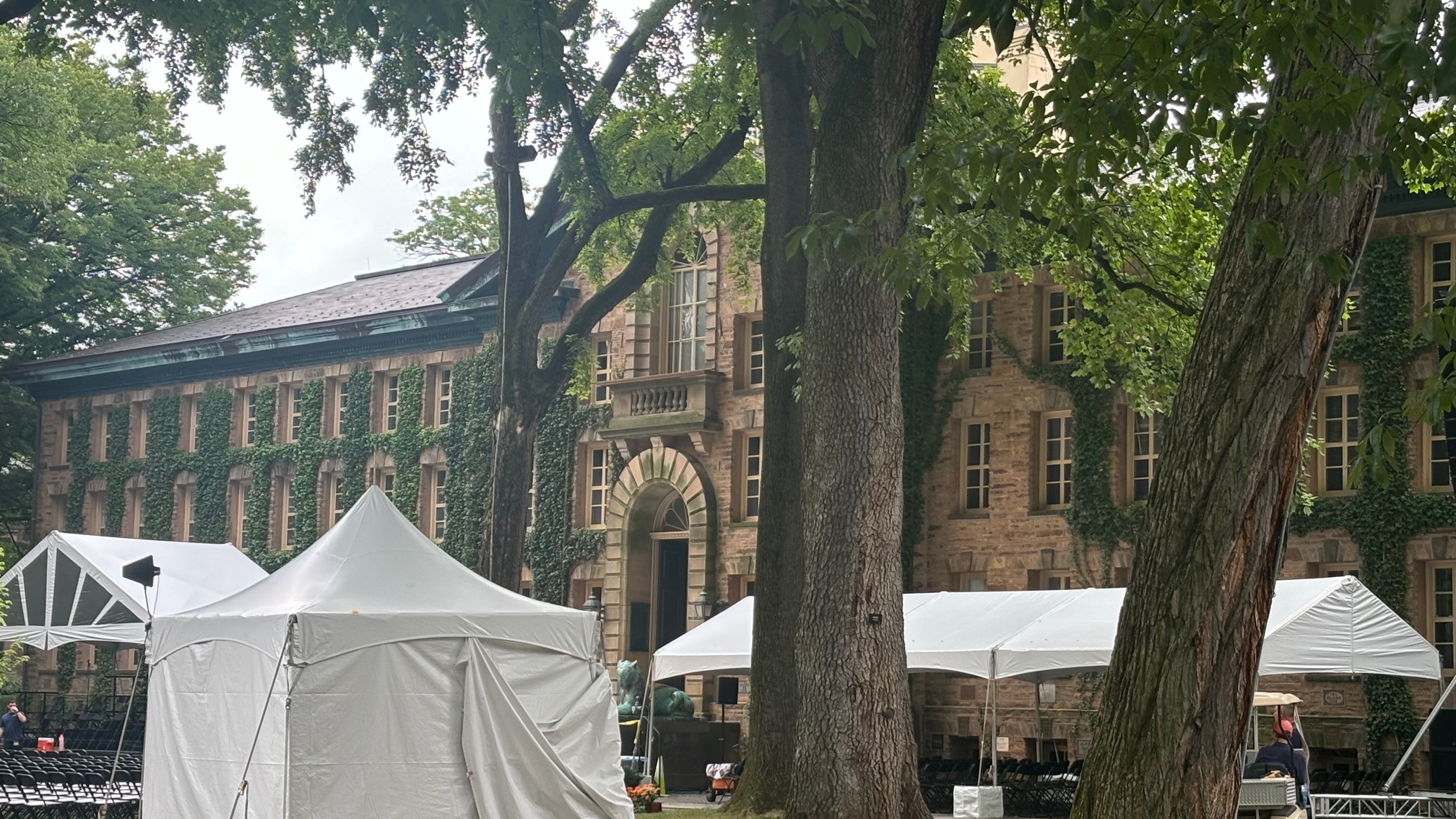
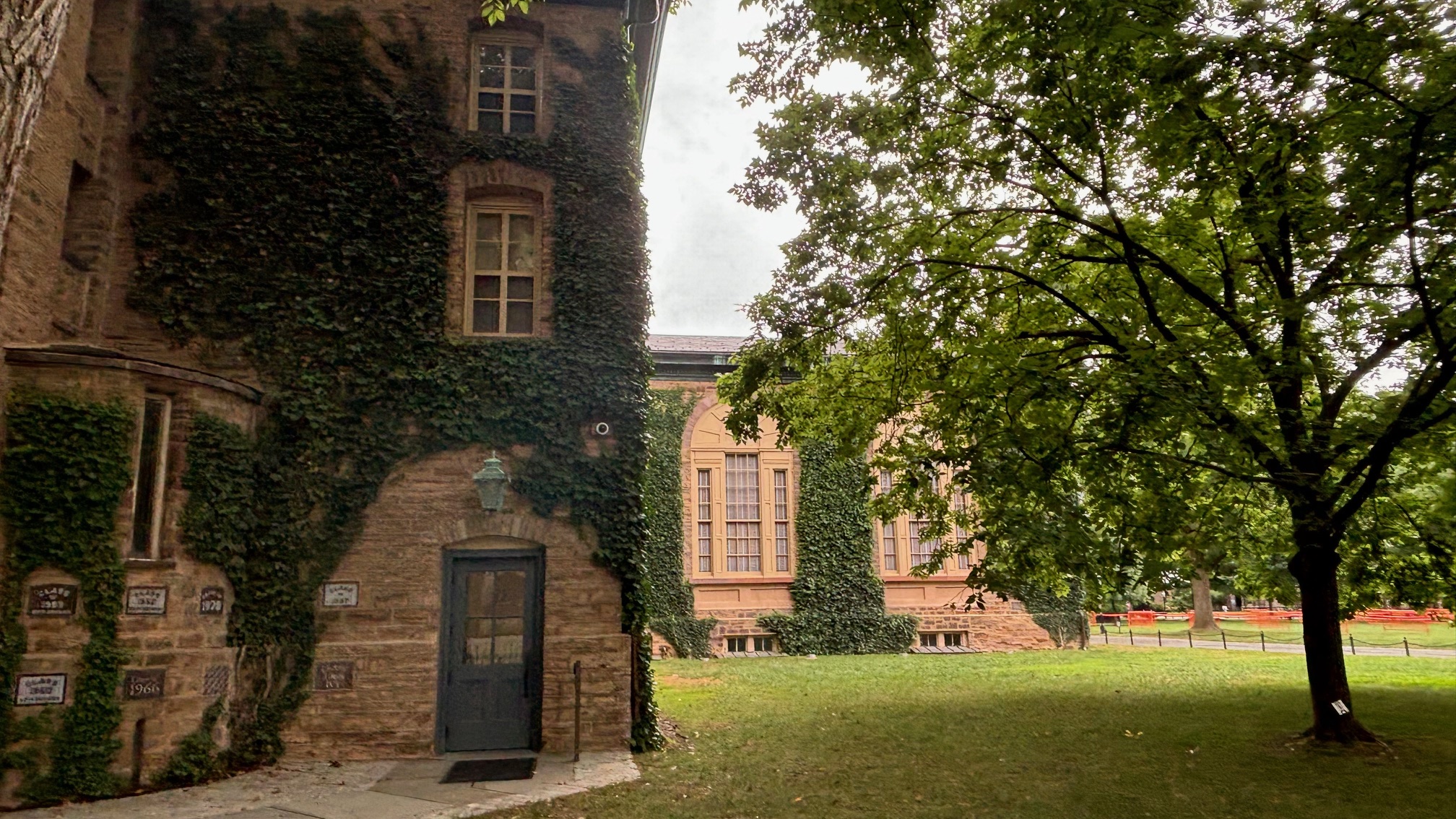
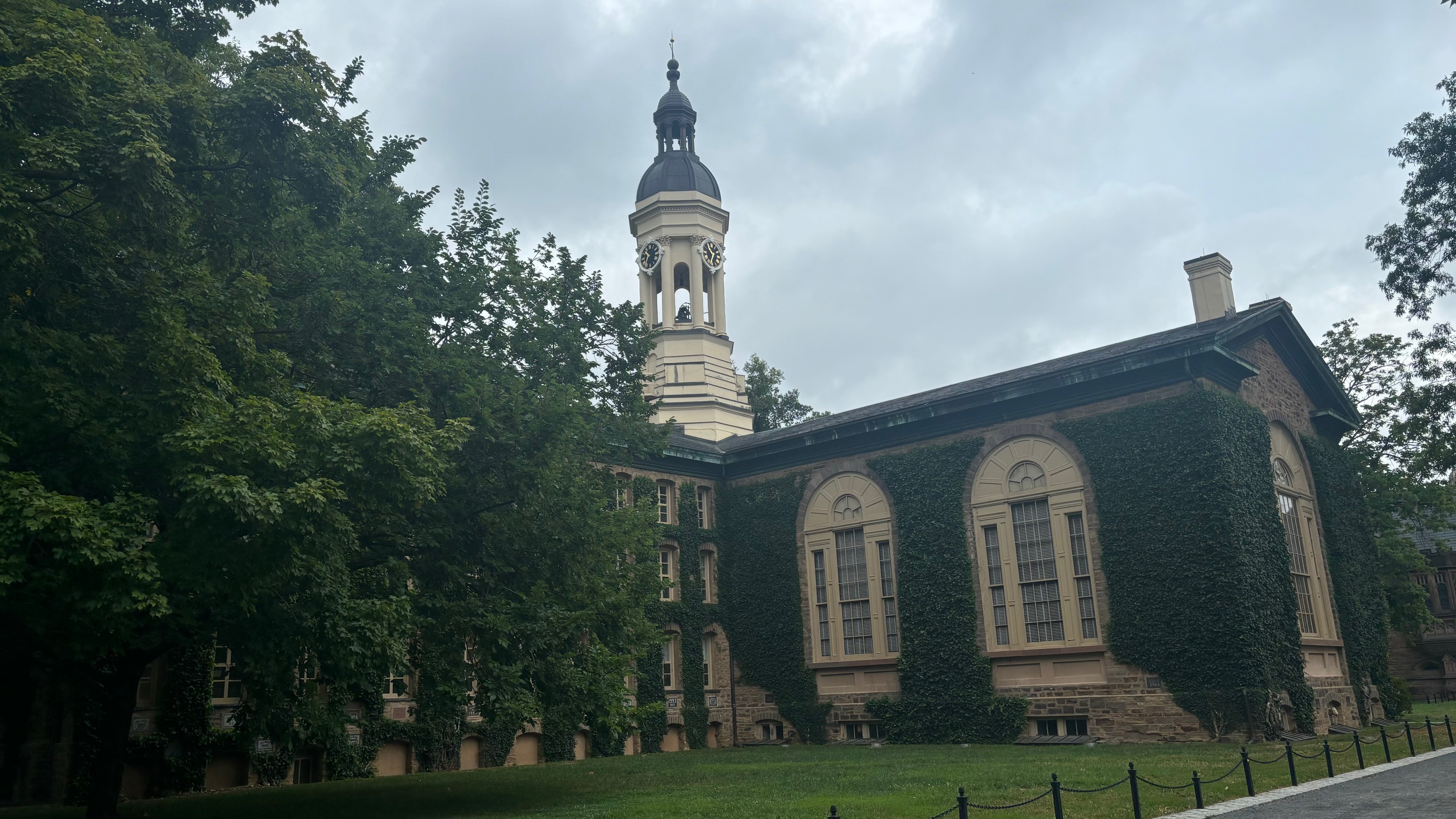
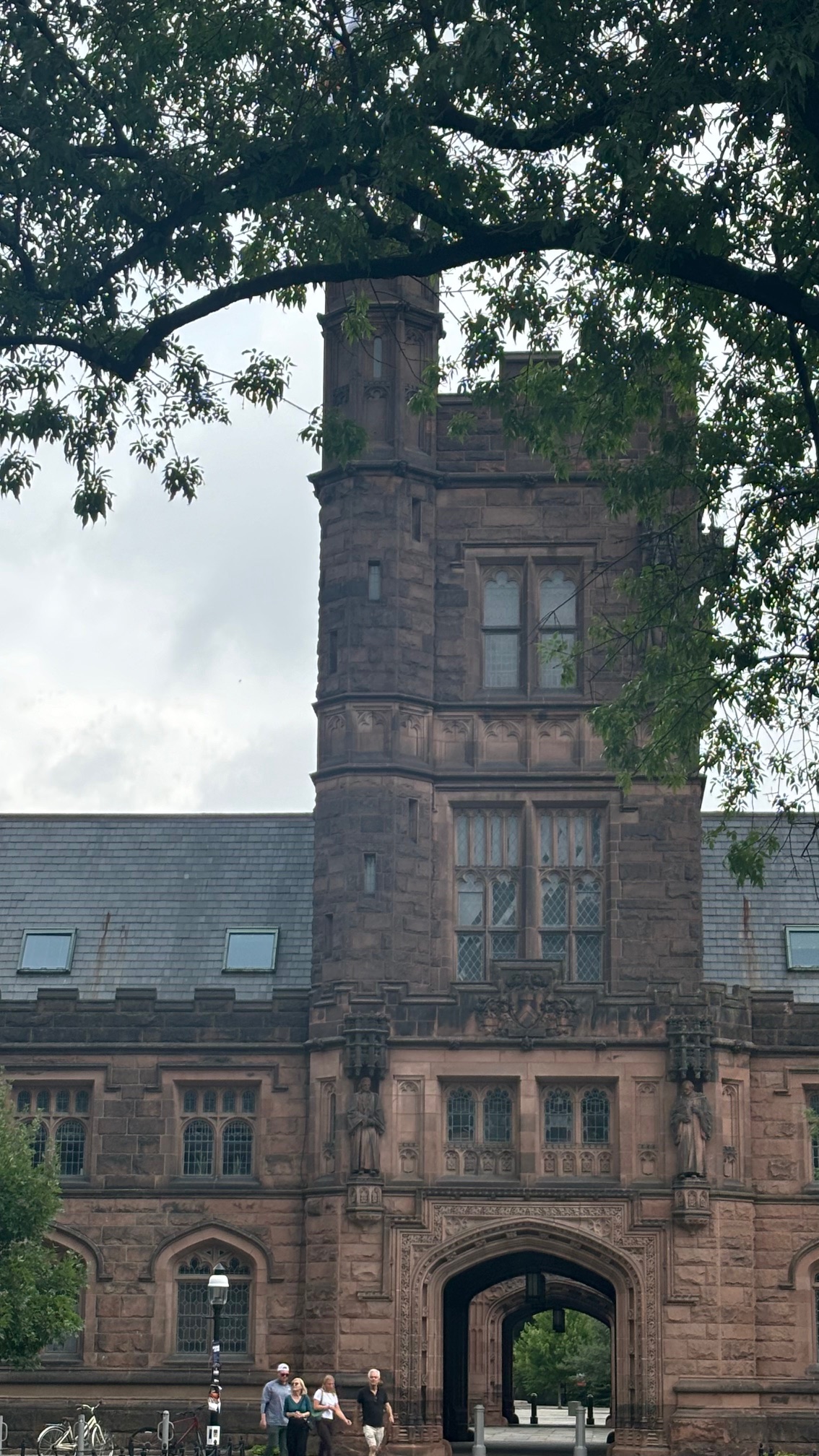
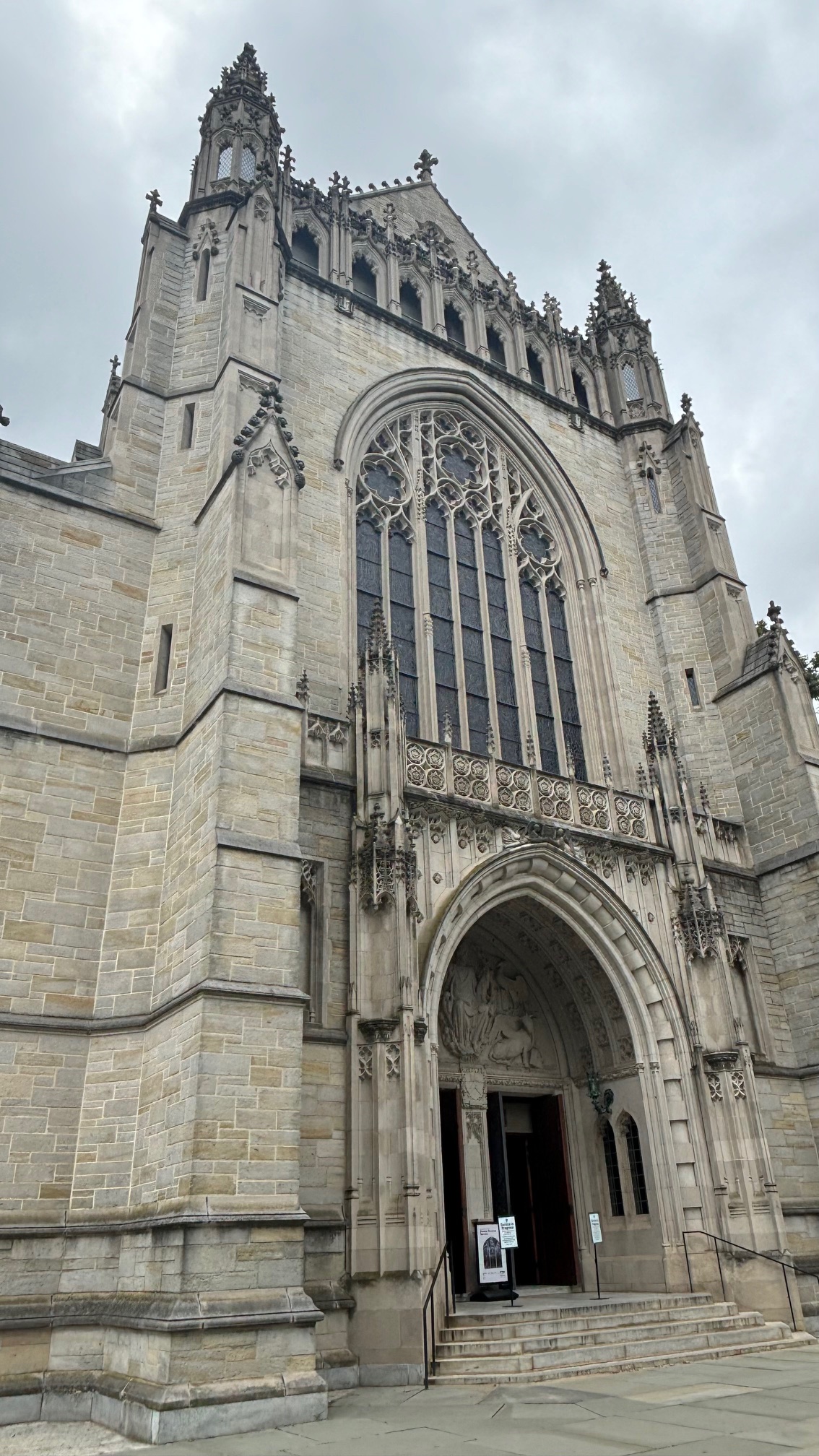
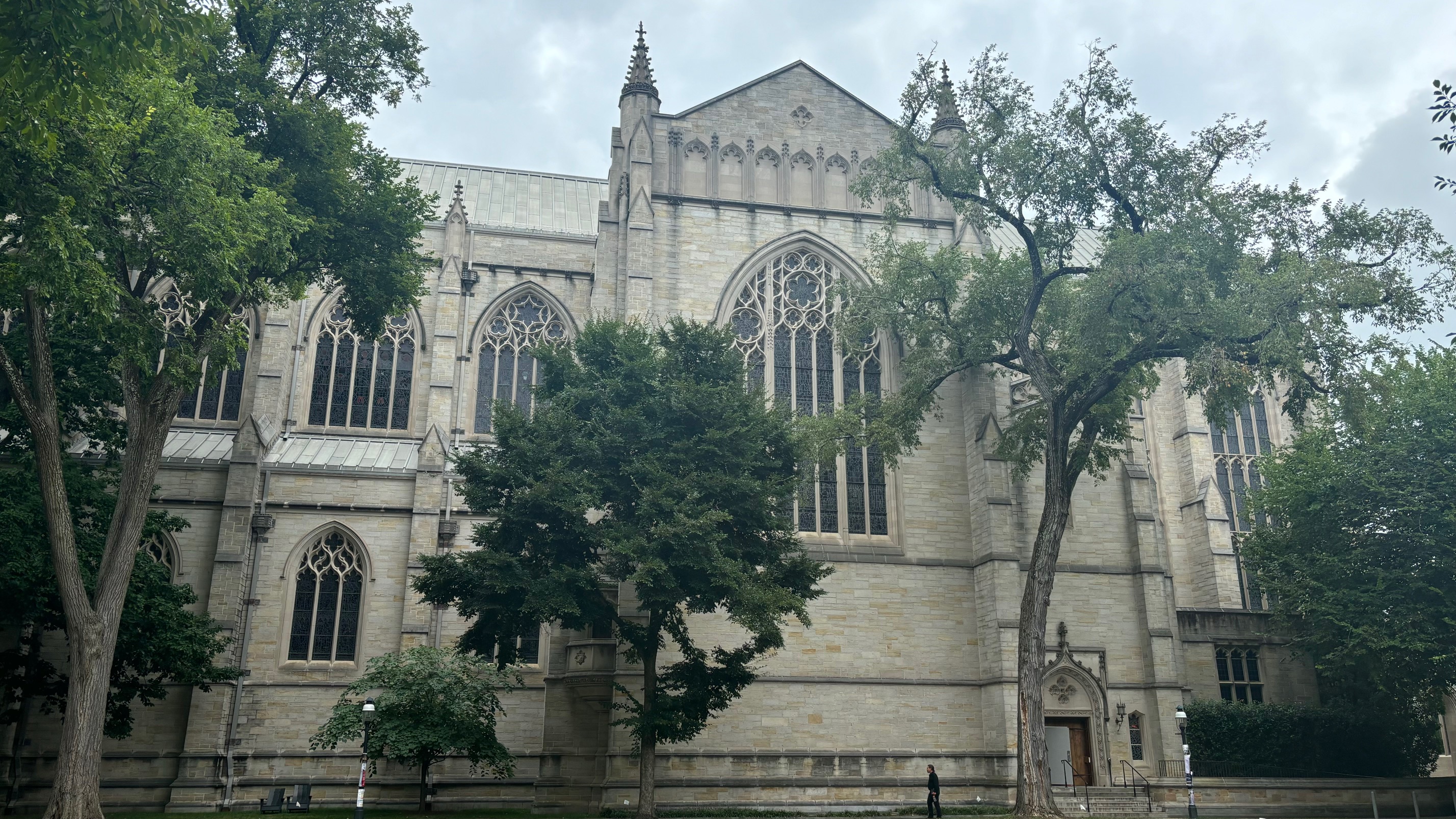
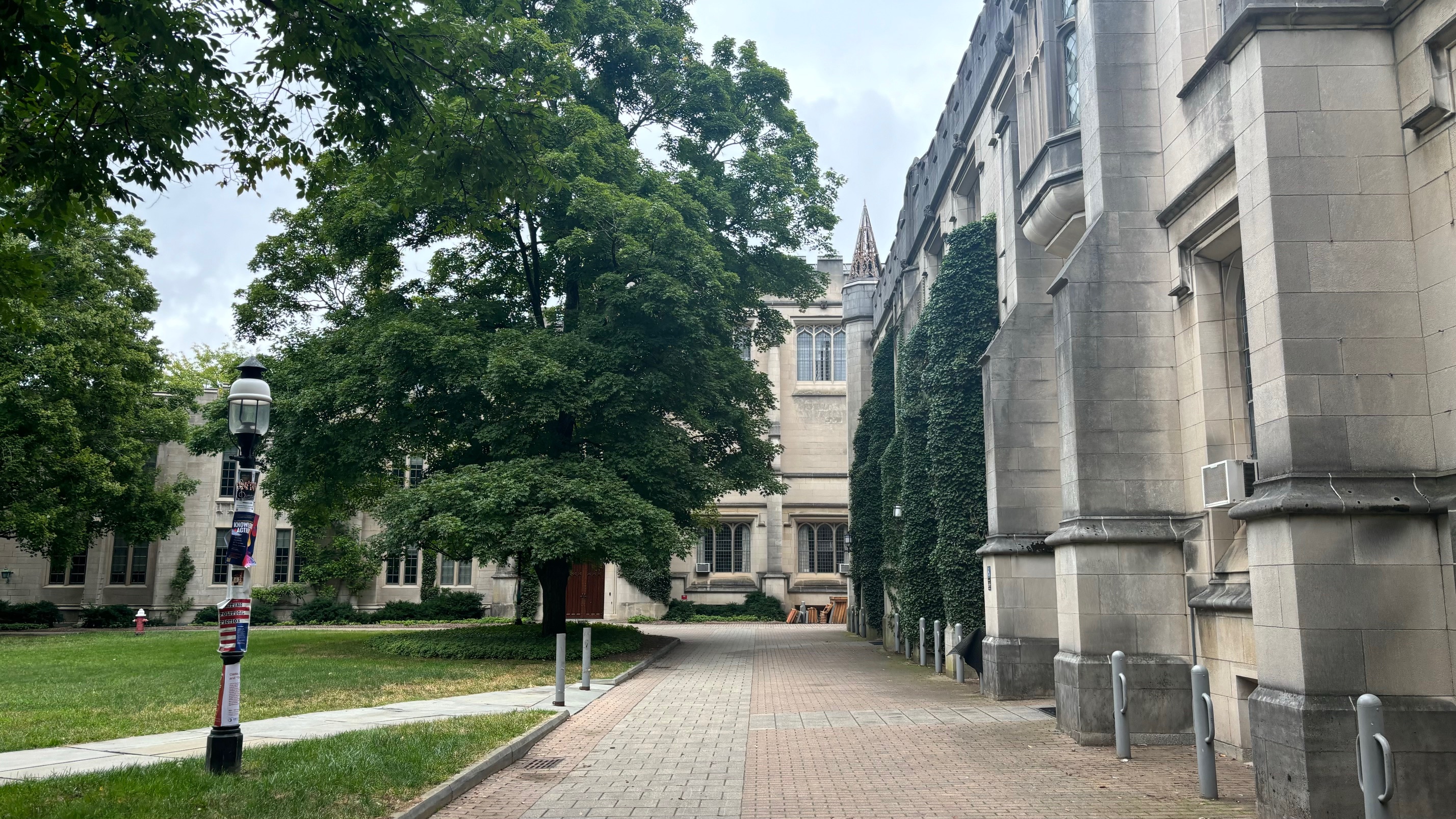
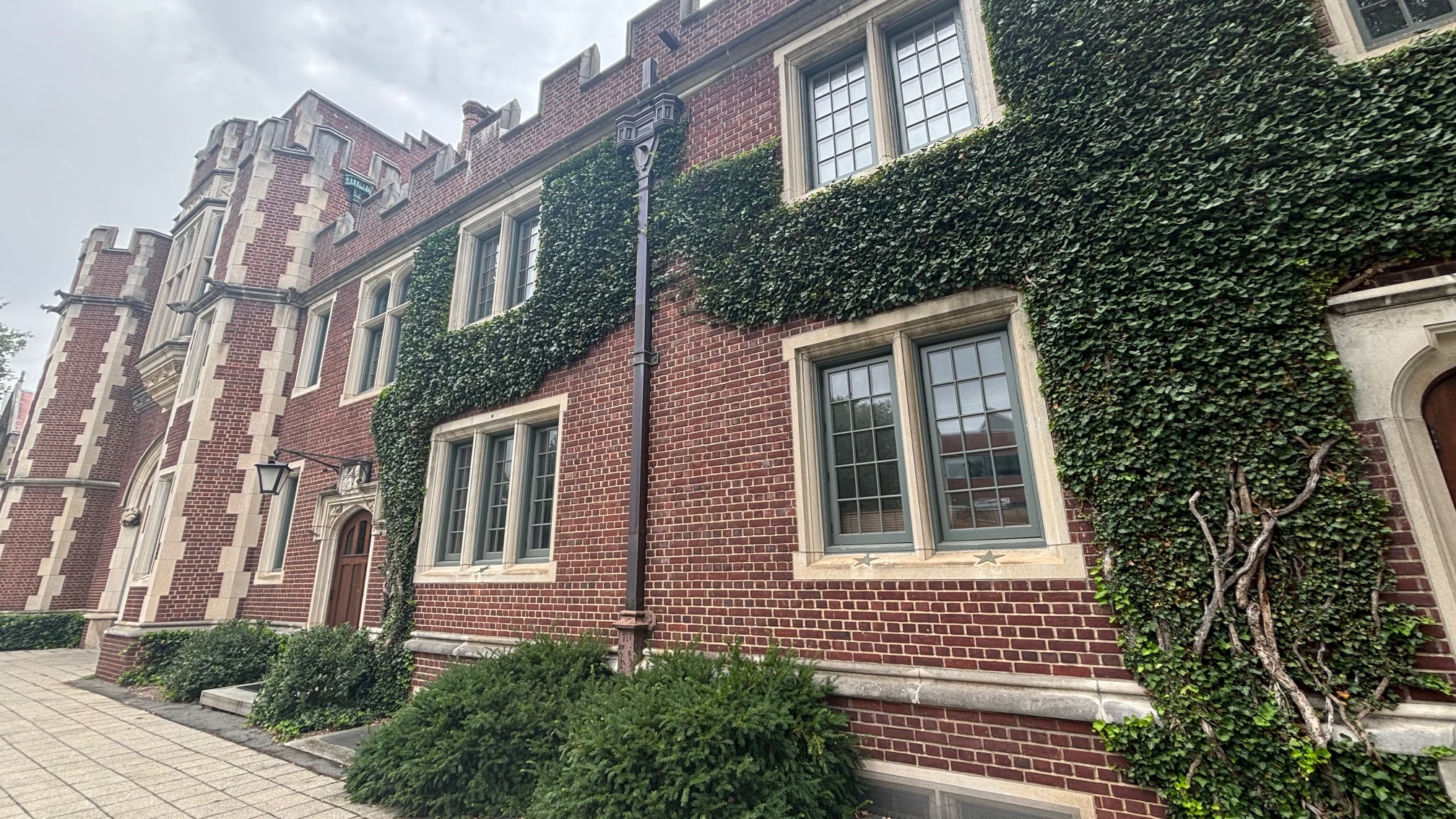
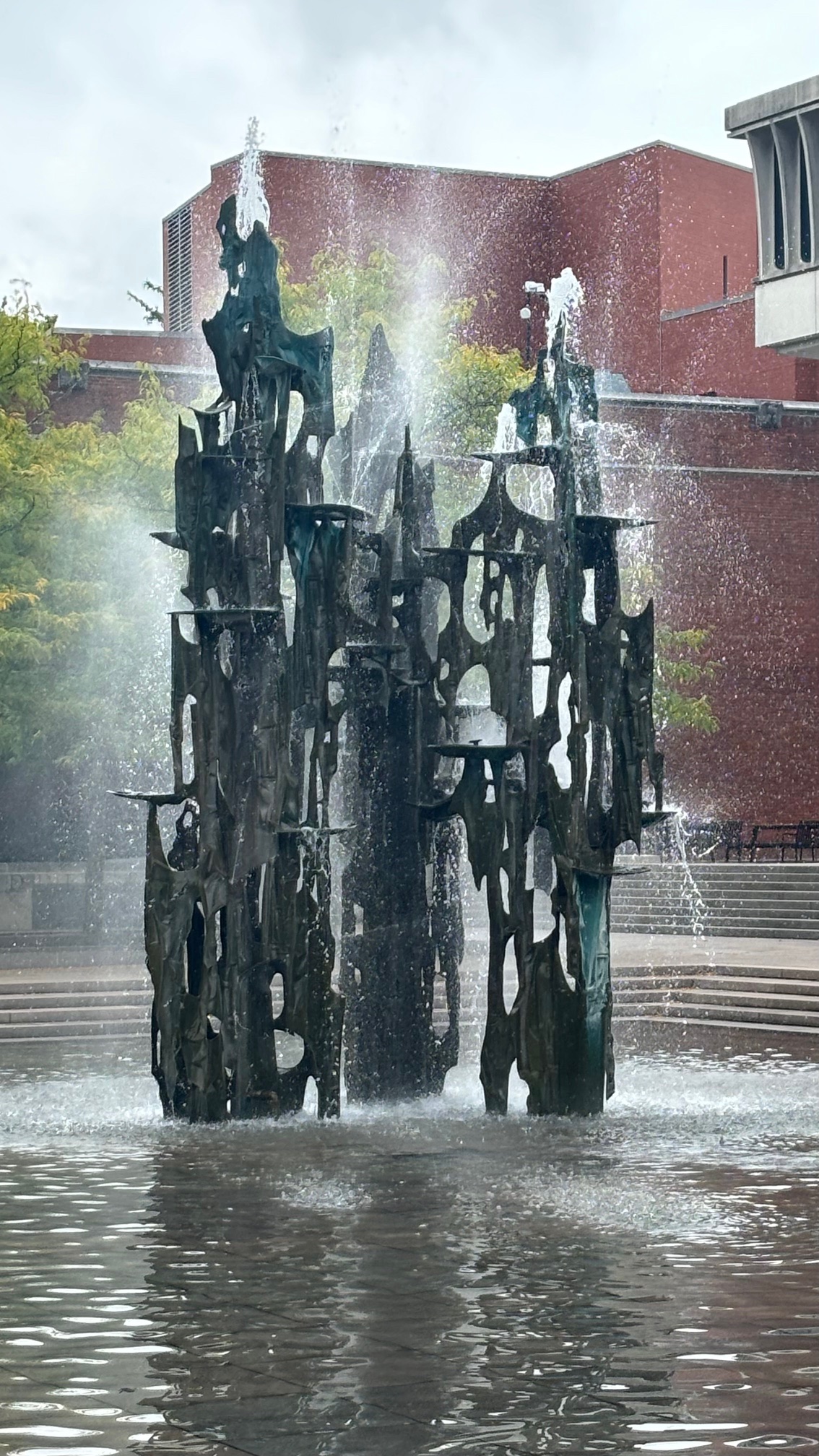
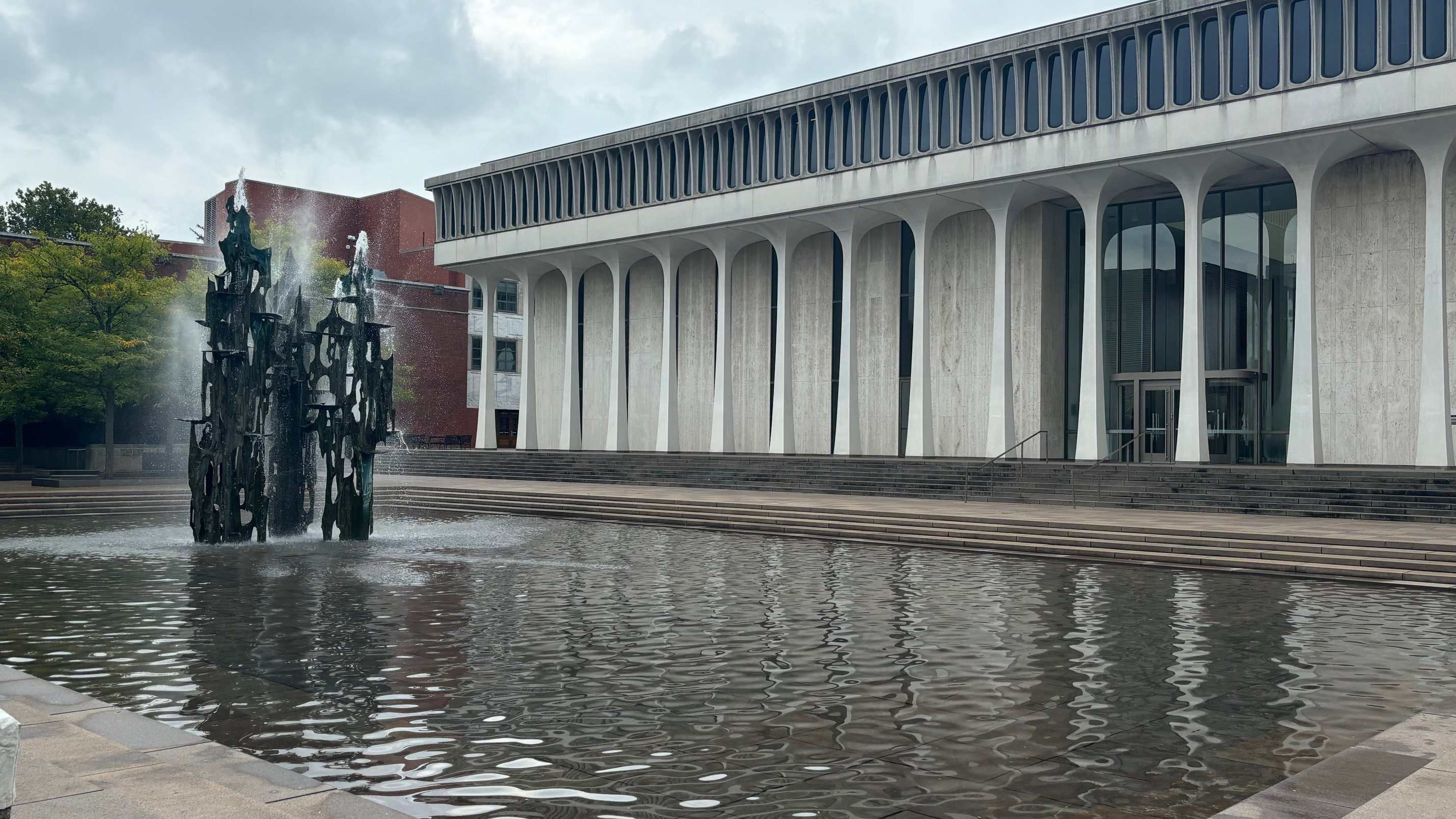
“Taking A visit to one of the most storied and historic university campuses in America: Princeton University. Taking a solo tour around the ivy-filled grounds and stunning collegiate gothic-style buildings in the heart of downtown Princeton.”


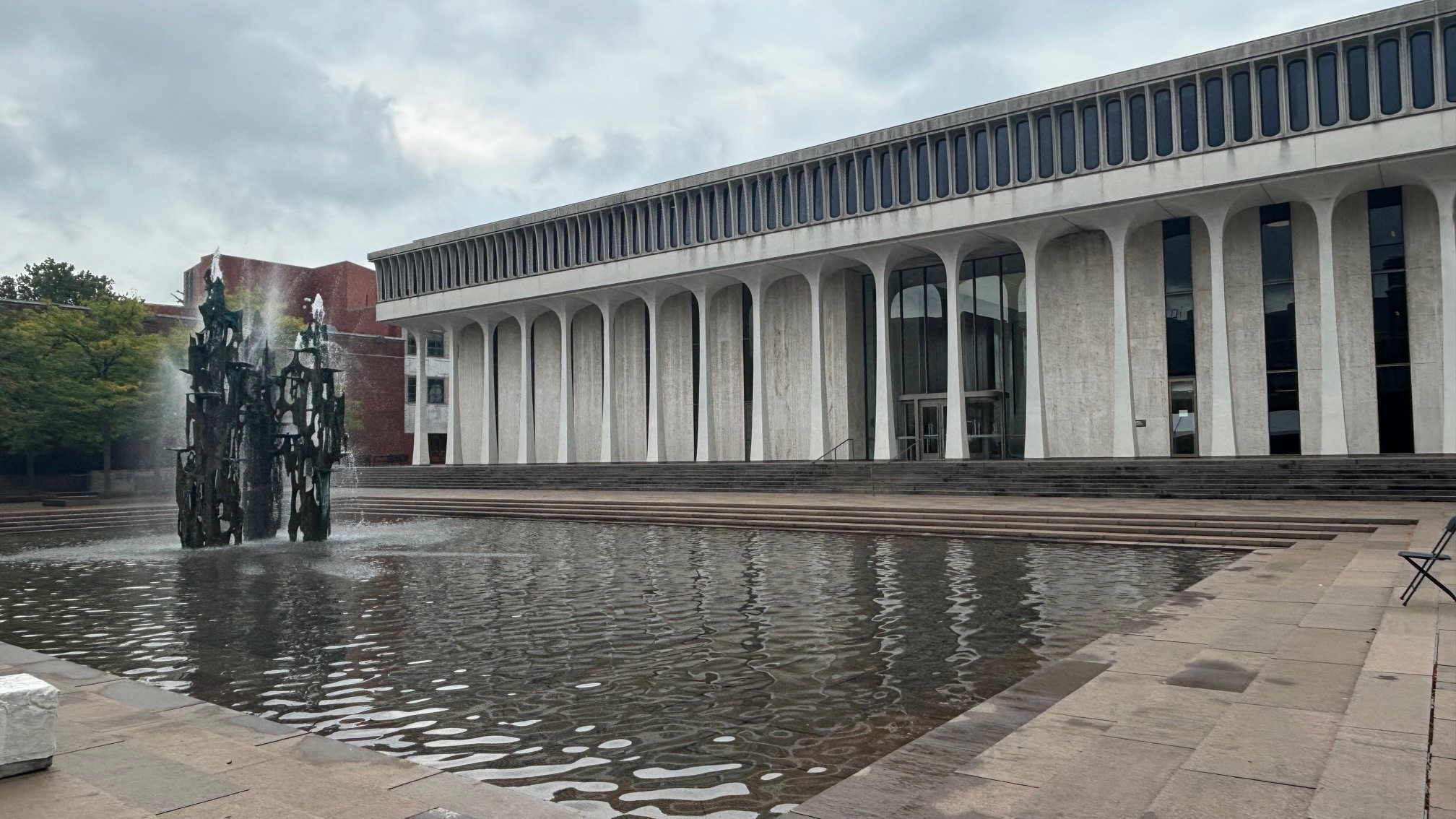
Camera: iPhone 15
Location: Princeton University; Princeton, New Jersey, United States
“Instead of trusting in the experts and letting them inform the public, those with little to no experience are voicing their opinion on subject(s) that they don’t have any expertise or understanding of. Thus, this brings me to the critical question that rarely gets asked today: Do you have a frame of reference here?”
We live in a time where having an opinion on every single topic is often treated as more important than having an informed one or not having one when you haven’t fully researched the topic at hand. The influence of social media, 24-hour news cycles, and the pressure to ‘weigh in’ constantly have created a culture where silence is mistaken for ignorance and confidence is mistaken for competence in many different areas. Instead of trusting in the experts and letting them inform the public, those with little to no experience are voicing their opinion on subject(s) that they don’t have any expertise or understanding of. Thus, this brings me to the critical question that rarely gets asked today: Do you have a frame of reference here?
A ‘frame of reference’ is built through lived experience, actual study, or meaningful exposure to a subject, regardless of which one it is. Without it, opinions are often shallow, reactive, or based on incomplete information from often unreliable sources. Yet today, many people, especially political leaders, regularly comment on complex issues such as geopolitics, economics, public health, without the necessary context to understand them or any one of these complex topics. This kind of willful arrogance doesn’t just dilute meaningful discourse on the subject being discussed; it can actively mislead others who assume that their confidence equals real credibility.
What’s personally refreshing for me is when a public figure, especially a political leader, admits the limits of their knowledge. When a mayor of a major city recently acknowledged that they were not informed enough to comment on a geopolitical issue involving another country, it stood out to me positively not as a weakness, but as showing intellectual honesty. In a culture that rewards hot takes and instant reactions, restraint is increasingly rare but it’s also responsible and what we should expect more from our leaders.
Real wisdom comes from not needing to be a ‘master of all’ but rather to hone your knowledge base and your life experience on subjects you are confident enough to weigh in on and learn more about others where you have little or no experience with. Focusing on mastering one subject or a few subjects is difficult enough over a period of years or a lifetime, what’s impossible is trying to comment on every little subject you hear about or is making the news.
There’s value in recognizing when something is outside your lane and admitting that you don’t know enough about something to give an opinion on. Deferring to experts, asking questions instead of making declarations, or simply choosing not to comment are all signs of maturity, not ignorance. In fact, the ability to say “I don’t know enough about this” might be one of the most credible statements a person can make, especially those people in positions of power and influence.
Before speaking out loud, it’s worth pausing to ask: Do I understand this? Or am I just participating to hear myself talk? That distinction matters more than ever because not every conversation needs your opinion, and not every opinion needs to be voiced. In practice, this means getting comfortable with a little restraint especially with different audiences. You’re your coworkers, it might look like asking clarifying questions instead of jumping into debate, or saying, “I haven’t looked into that enough to have a strong view.” That doesn’t make you disengaged; it makes you credible. With your friends and family, where emotions tend to run higher, it helps to focus on understanding their viewpoint rather than winning the argument. You don’t need to ‘correct’ every take at the dinner table. Sometimes the better move is letting a moment pass or redirecting the conversation to something more constructive or worthwhile.
If a topic genuinely interests you and you really want to learn more about it to have an informed opinion, there’s nothing wrong with engaging with it further but do it the right way. Take the time to seek out legitimate sources, compare perspectives, and pressure-test what you’re reading to see if it’s credible information. That kind of effort means going beyond sensational headlines, avoiding echo chambers, and giving more weight to subject-matter experts than to loud personalities who bloviate without any substance. Real understanding of any subject takes serious effort, which you may not be able to devote time to. Here’s the part that most people skip: be willing to revise your opinion as you learn more about the topic. Changing your mind isn’t a loss but rather it’s evidence that you’re thinking deeply about it in a constructive way. When you finally do speak about it, do it from a place of informed perspective, not impulse. That kind of discipline doesn’t just make your voice more credible; it makes it worth listening to.
When things get heated with voicing your opinion, especially with strangers, the goal should shift from being right to keeping things from spiraling out of control. You’re not going to out-argue someone who isn’t interested in nuance or subtlety. What you can do instead is lower the temperature of the conversation: acknowledge their perspective without endorsing it outright (“I can see why you’d feel that way”), avoid absolute statements, and step back when the conversation turns into a one-way performance rather than a two-day dialogue. Walking away from that person or people, changing the subject, or simply not engaging further in the discussion isn’t weakness, it’s control of your environment. It’s true that not every verbal battle deserves either your energy or your effort.
At the end of the day, discernment is a key skill for any adult to exercise, especially in our current era. Knowing when to speak, when to listen, and when to opt out entirely of making your opinion heard will earn you more respect than having a take on every single subject. In a world full of noise and bluster, the people who stand out are the ones who choose their words carefully and know when silence says enough.
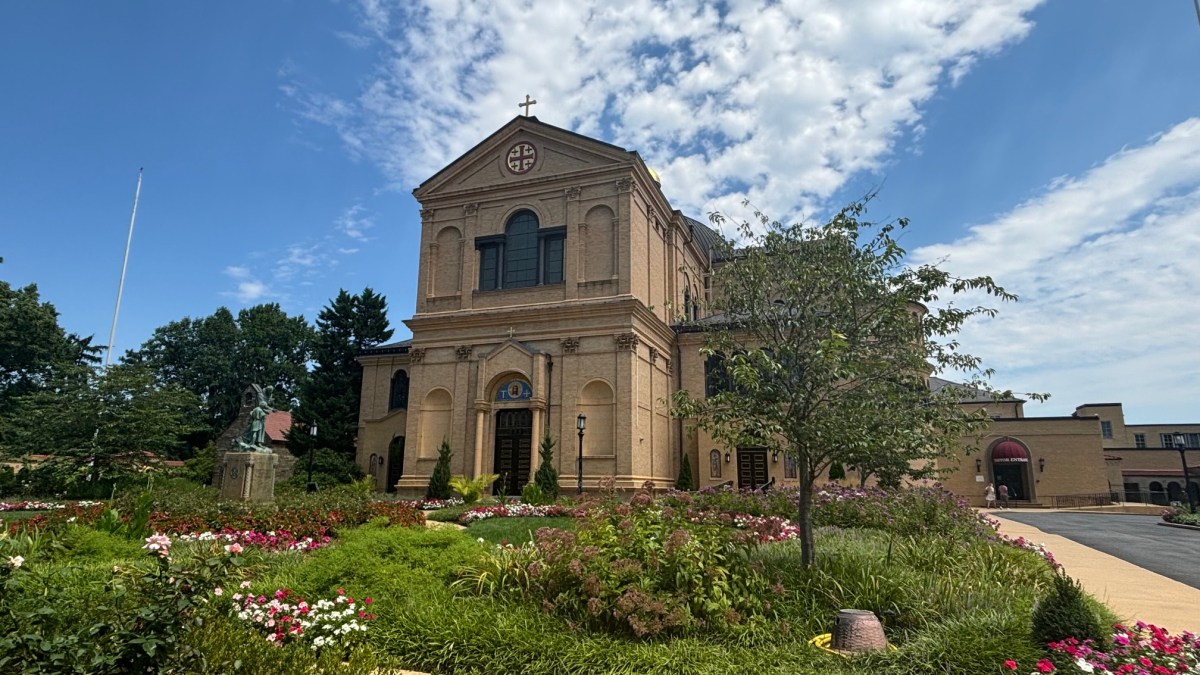
“Completed in 1899, this historic monastery and gardens of the Franciscan order has welcomed visitors from Washington, DC and around the world including those looking to practice their religion freely.”
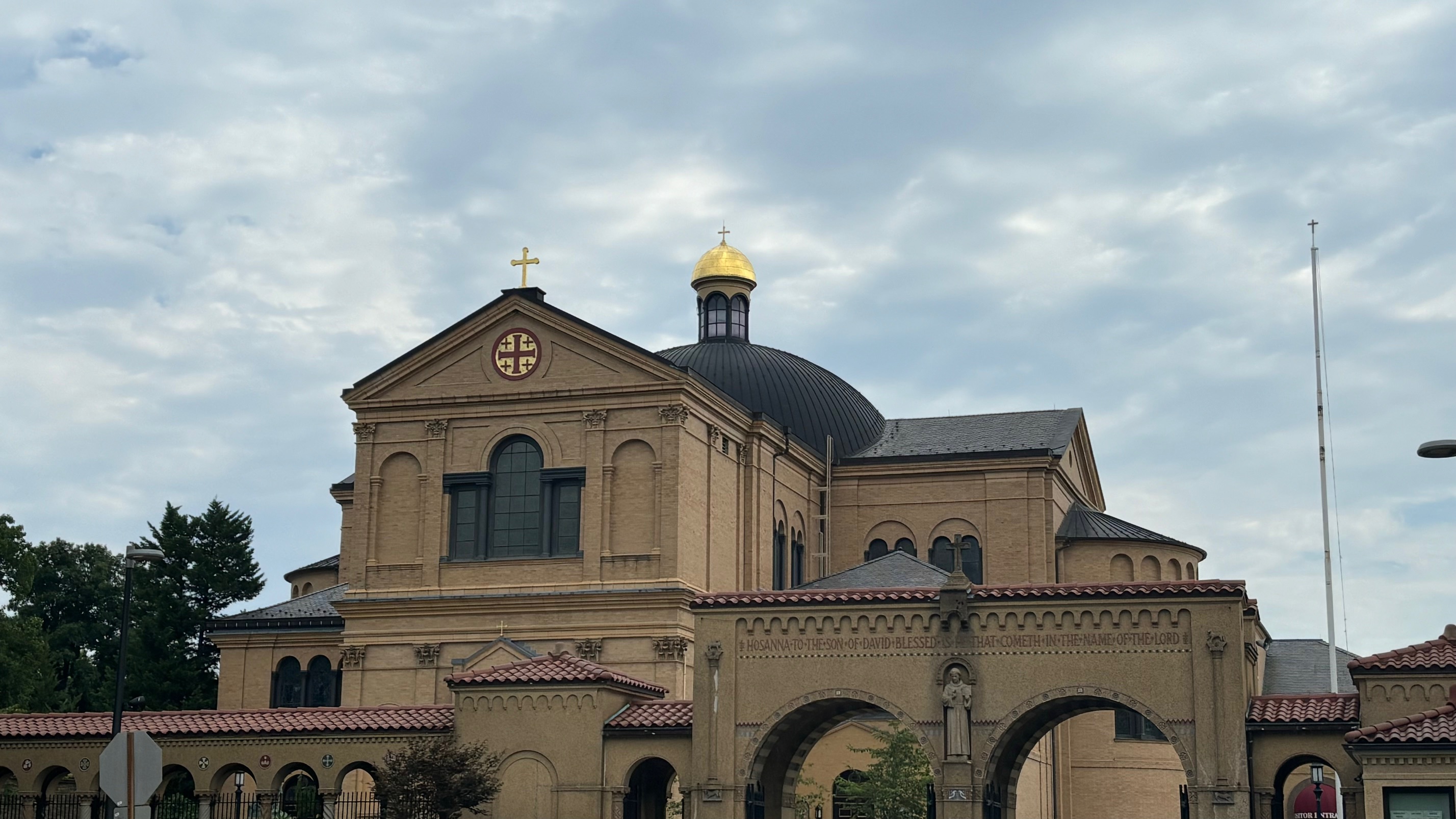









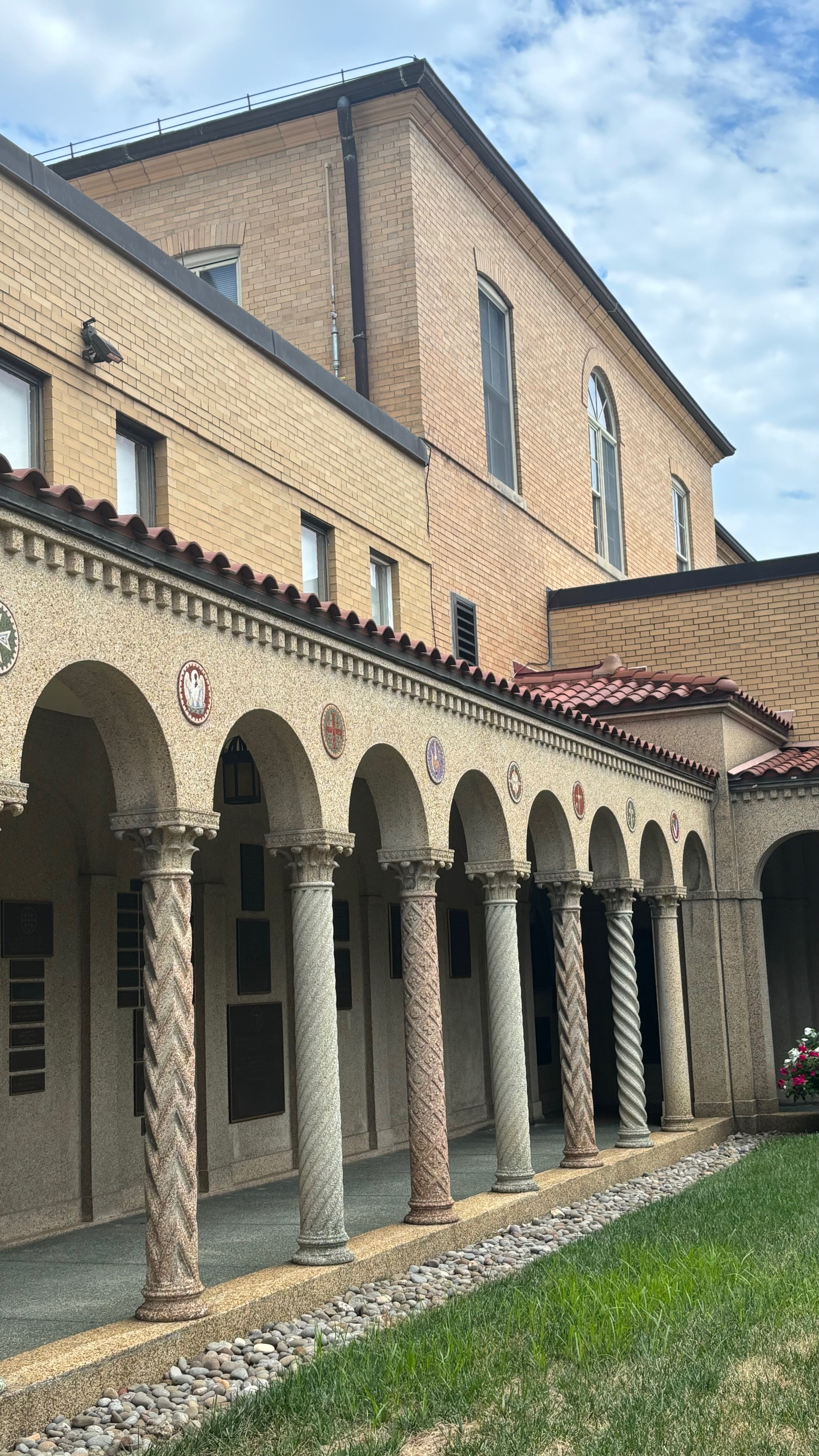
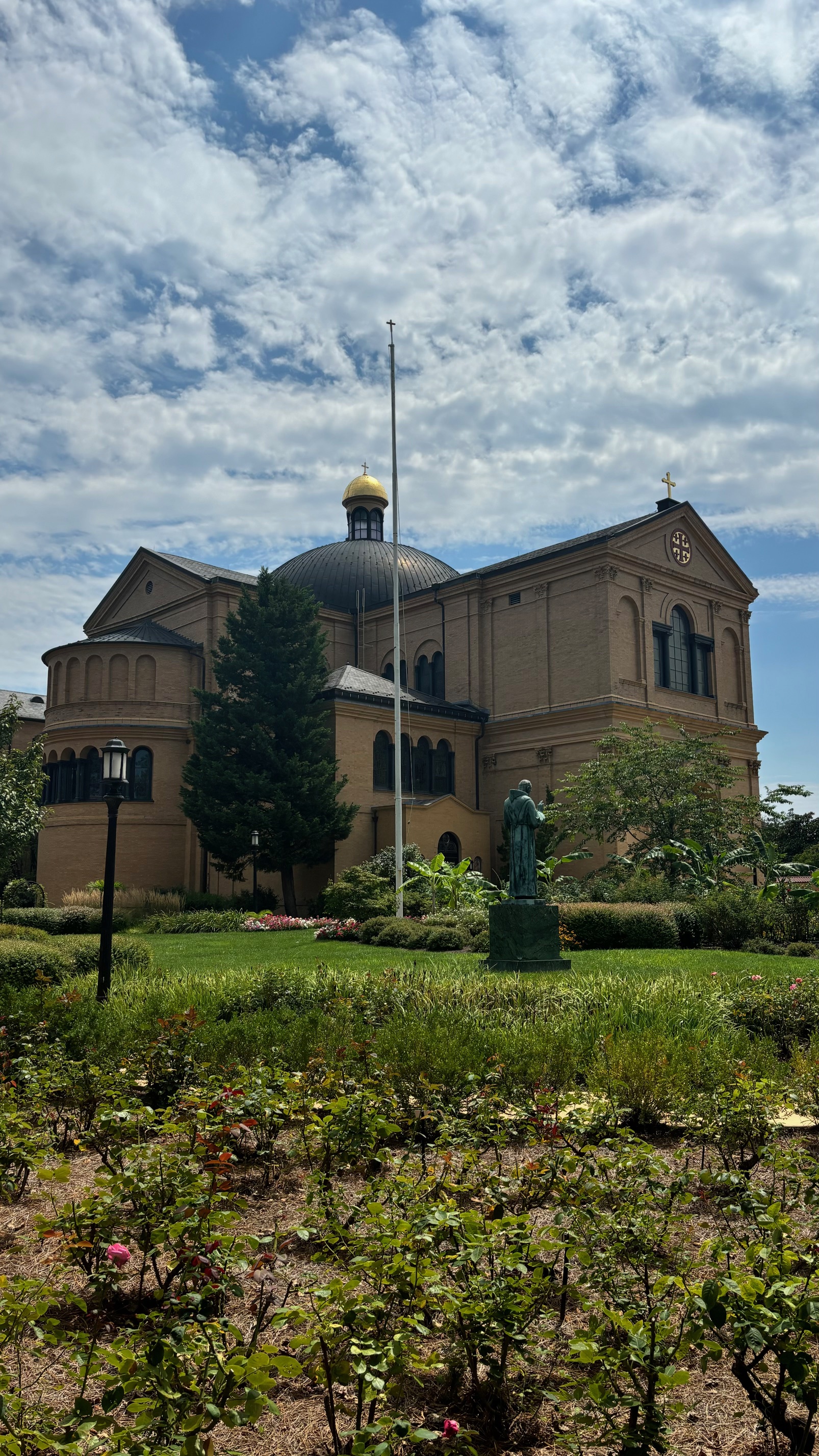

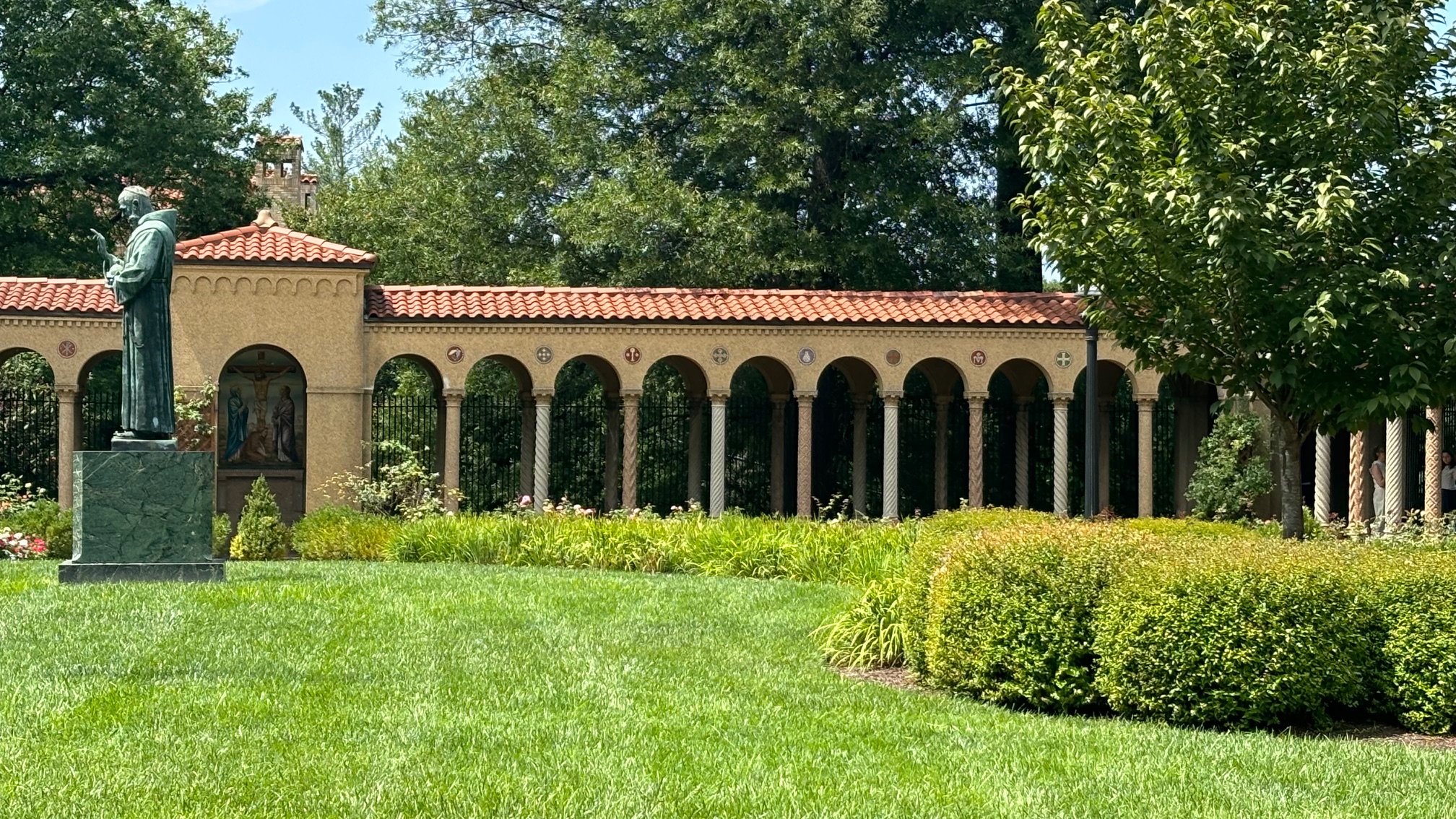



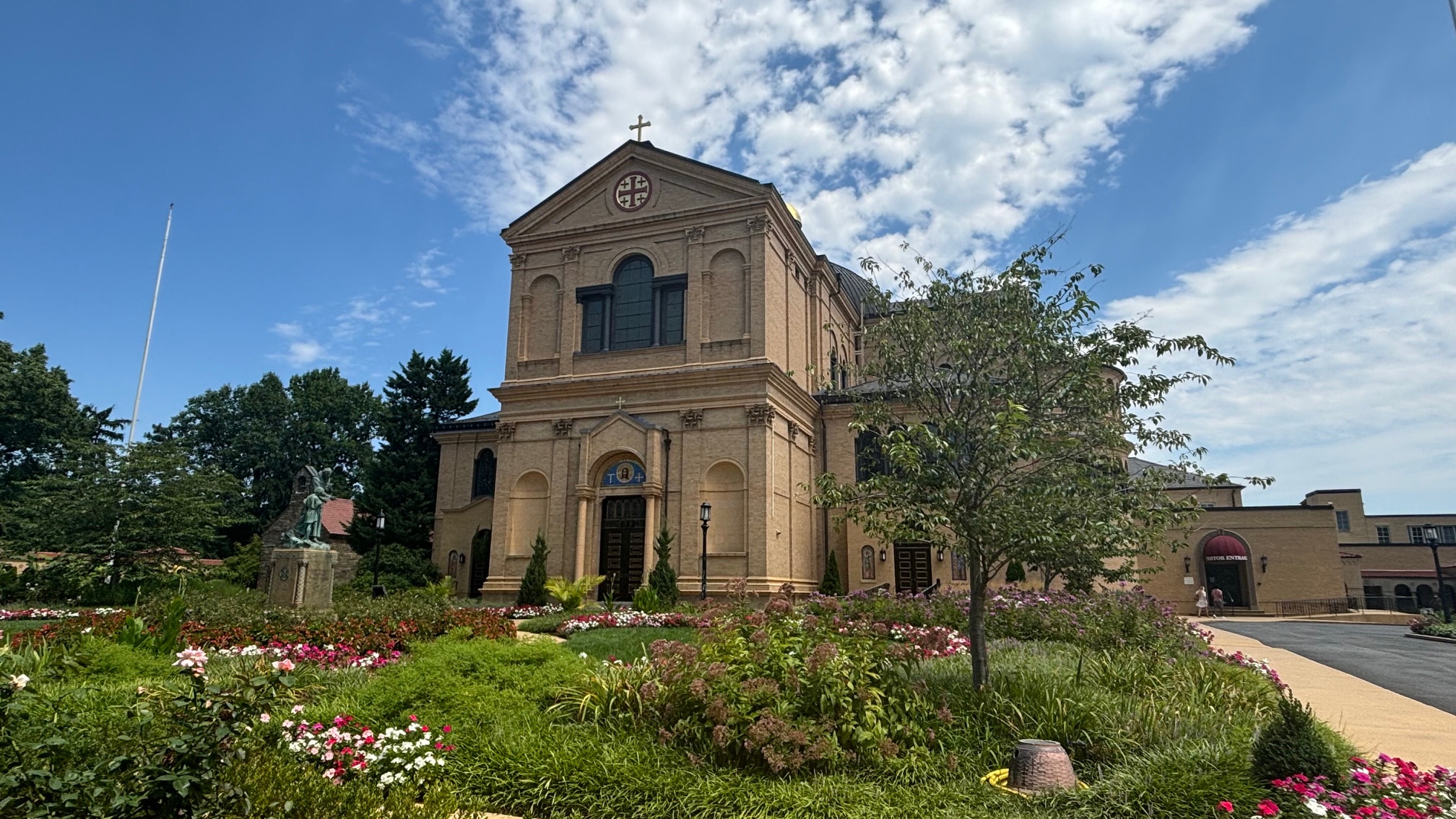
Camera: iPhone 15
Location: Franciscan Monastery of the Holy Land in America; Washington, District of Columbia
“While the film’s title, ‘Crime 101’ seems basic in its premise about a typical jewel thief applying his craft while other characters fight to make their mark in a ‘late stage’ capitalist system, the depth to which each character is brought to life over the film’s runtime and then tied into each other’s destinies convincingly is both good writing and screenplay adaptation.”
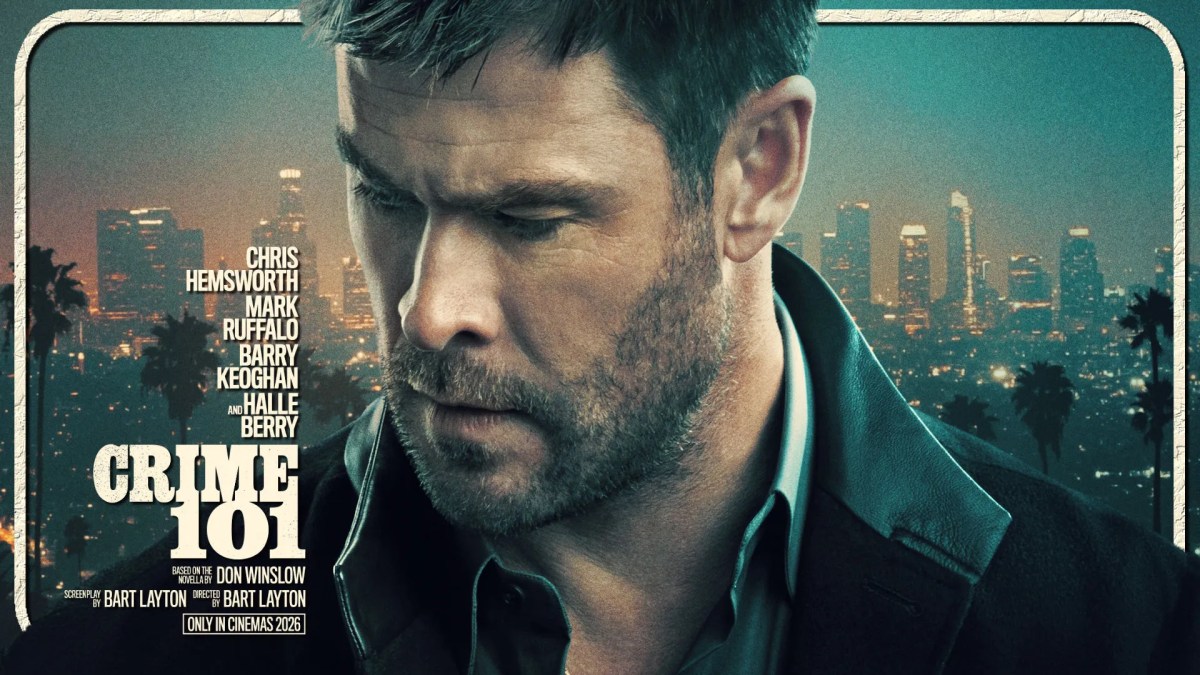
Los Angeles, California, just lends itself to being ripe for crime or drama thriller films and this has been the case since the 1990s when ‘Boyz n the Hood’, Heat’ and ‘L.A. Confidential’ came out in theaters. Since then, you’ve got other great films like ‘Training Day, Collateral’ and ‘Crime 101’ (2026). While the film’s title, ‘Crime 101’ seems basic in its premise about a typical jewel thief applying his craft while other characters fight to make their mark in a ‘late stage’ capitalist system, the depth to which each character is brought to life over the film’s runtime and then tied into each other’s destinies convincingly is both good writing and screenplay adaptation.
What could easily have fallen into the well-worn formula of a black-and-white crime thriller instead embraces moral ambiguity, examining how each character navigates the uneasy space between the fate handed to them and the choices they make to escape it. The film adaptation of ‘Crime 101’, a novella by crime novel author is fleshed out over different locations within Los Angeles from LAX to Santa Monica to Beverly Hills, showing that the city itself shapes the story, its characters, and how the action unfolds scene by scene.
The main storyline centers around Mike Davis, who is an experienced jewel thief, who has his own moral code despite robbing and threatening those who stand in his way, including no use of violence and never leaving a discernible trace behind including DNA. He leaves a discernible pattern that not many detectives would pick up on except for LAPD Detective Lou Lubesnick who unlike his younger colleagues, enjoys putting the pieces together, building a case up overtime, and trying to purposely entrap Mike before he lands his next big score. Lou is nearing the end of his career, wanting to still make a name for himself in his department, and the 101-highway jewel robber known as ‘Mike’ may be his best chance to still make a legacy for himself with his lack of recognition for his contributions and chiding he receives from younger superiors.
Sharon, like Mike and Lou, is heading towards a reckoning with her chosen path as she strives to close her biggest deal yet with her being a high-end insurance broker for LA’s wealthy elite, even though she has done so multiple times before, is not her own boss, and is unable to be recognized as a partner at her own firm after many years. Each character becomes honed in on each other because they reflect what they see in themselves as Lou looks to further his career by finding Mike and catching him, Mike needs Sharon to help him land an even bigger robbery of a client of hers, and Sharon realizes she may need both their help to get herself out of her current predicament at her job, which morally tests her and could threaten her financial future.
Each of the film’s major characters is looking to make their most out of the dog-eat-dog world that capitalism forces upon them whether you’re born into poverty and in the foster system like Mike, whether you’re overlooked and disregarded because of your unwilling to play the work status game like Sharon, or if you’re like Mike whose unique perspective and meticulous work is unrecognized by an LAPD looking to clear cases as soon as possible, even when a string of robberies fit a perfect pattern, but yet is overlooked by others for the clear ‘wins’ of the day.
Crime thrillers are a dime a dozen, but ‘Crime 101’ is brilliant in terms of its direction, the screenplay, the usefulness of the LA setting, and the depth of each main character with how you really get to know them over the course of the 2 ½ hour screen time. You’re able to understand the moral predicament of each character, what motivates them each, how the world has let them down in different ways, and what drives them to do what they do. Without giving everything away about each character in the first 20-30 minutes, Director Bart Layton can really bring out the suspense, the tension, and the character development without overdoing it.
The film’s release in 2026 really captures how chasing after increasingly concentrated capital in the hands of a wealthy few leaves each character scrambling to have a piece of the illusive pie, which is largely out of reach without resorting to extreme measures. The current issues of inequality, homelessness, lack of social welfare, really feed into the story and what drives each character as they are overlooked in the grand scheme of LA” s high society. Each of them stands to benefit from choosing to not play the game anymore on other people’s terms, whether for promotion (Sharon), for recognition (Lou), or freedom from a volatile past. (Mike).
Luckily, there are a few twists and turns throughout the film to keep it engaging, especially with great supporting performances by the legendary Nick Nolte (Money) as Mike’s money man and fixer along with Barry Keoghan as ‘Ormon’, a violent and disturbed young biker looking to steal or replicate Mike’s robbery success(es) but without any kind of moral code. Each of the major characters may be resigned to losing their job, their freedom, or their livelihood, but they cling to their chosen craft as a way to keep themselves moving forward in life. They don’t want to let their fate to be left to pure chance, but rather to work with each other in an unlikely way to make sure they can surpass the limits on their futures that society has imposed. You can question the morality of each character’s choices, but ‘Crime 101’ lets us really understand their motivations and why they take the actions they do, and it’s not done in an overly cliché way.
In the end, Crime 101’ stands out not just as another stylish Los Angeles crime thriller from a long history of great ones, but as a character-driven examination of ambition, recognition, and survival in a city where everyone seems to be chasing something just out of reach. By allowing its characters to exist in moral grey zones rather than simple hero-or-villain roles, the film captures the uneasy tension between personal choice and circumstance that defines so many lives in modern Los Angeles. Director Bart Layton builds suspense patiently, letting the intersecting paths of Mike, Lou, and Sharon unfold until their destinies collide in ways that feel both inevitable and tragic. In a genre crowded with forgettable heists and predictable thrillers, ‘Crime 101’ reminds audiences that the best crime stories are ultimately about people, their flaws, their desires, and the risks they are willing to take when the system leaves them with few other options.
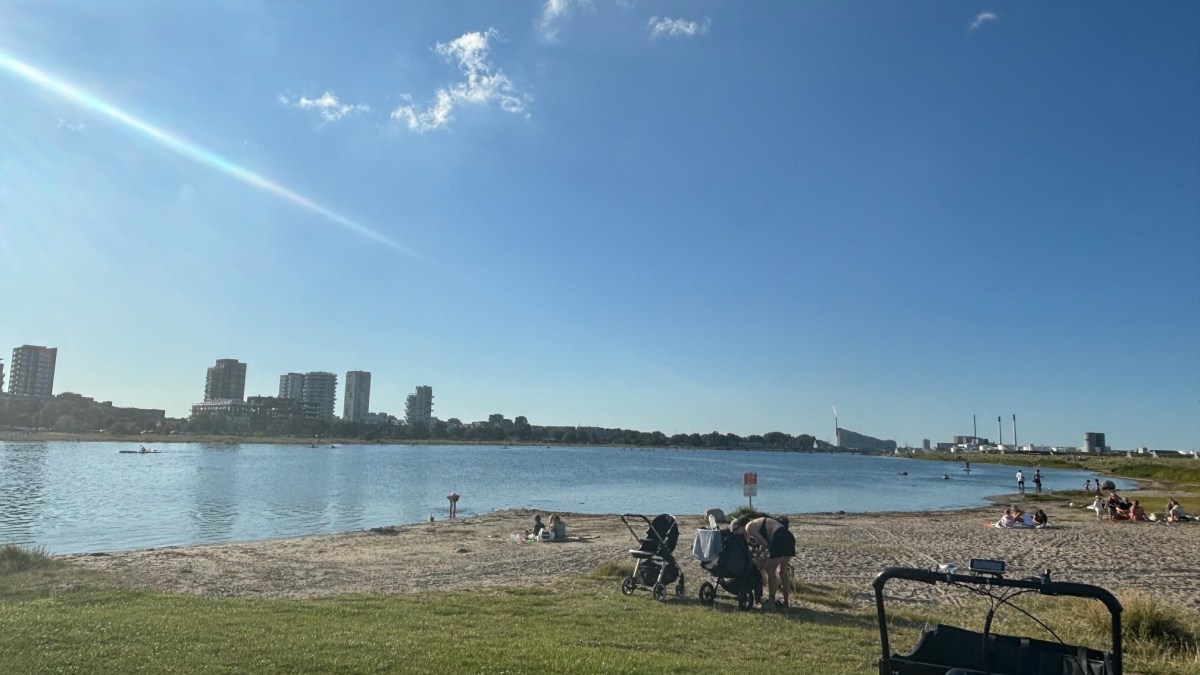
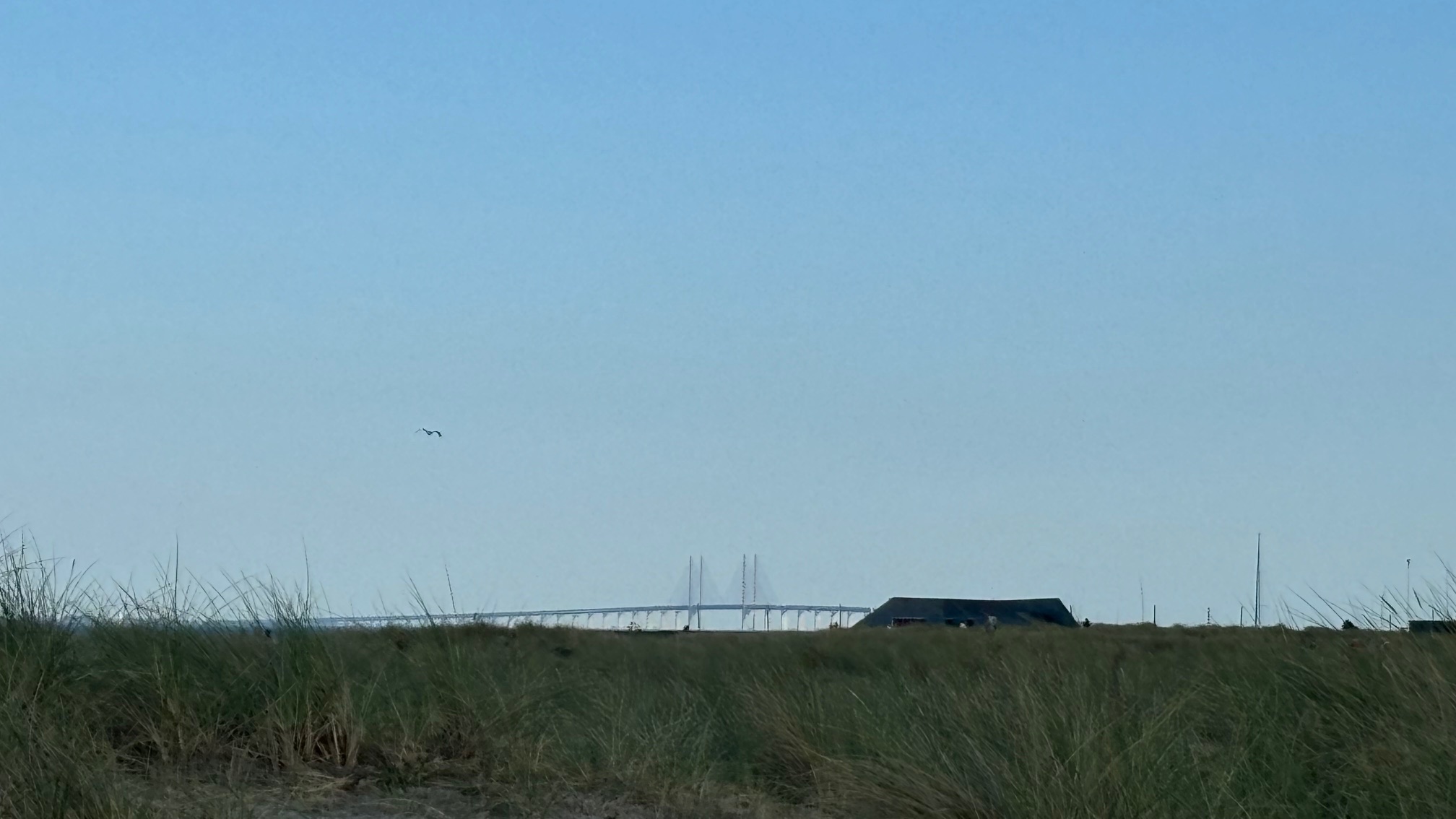
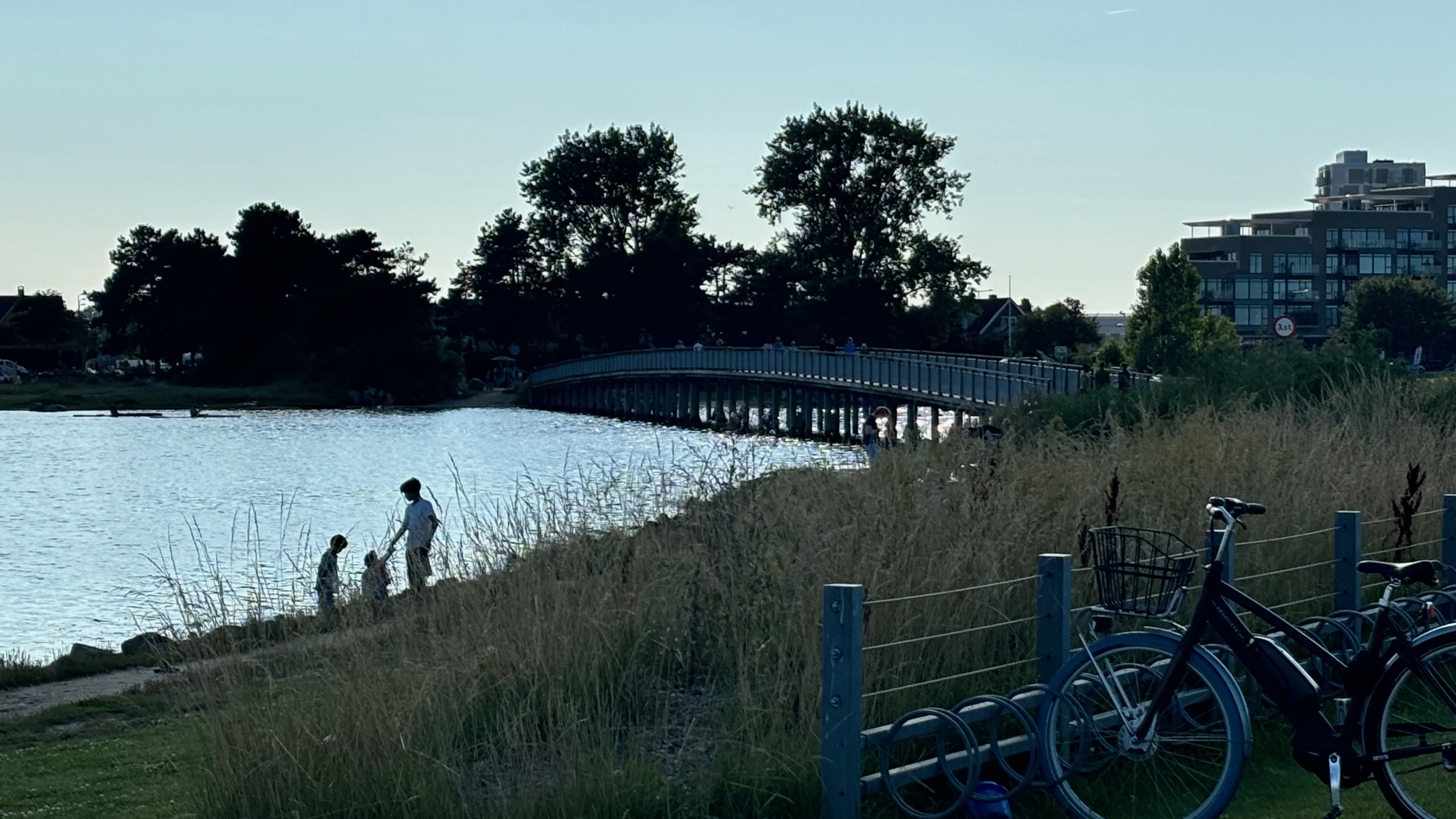
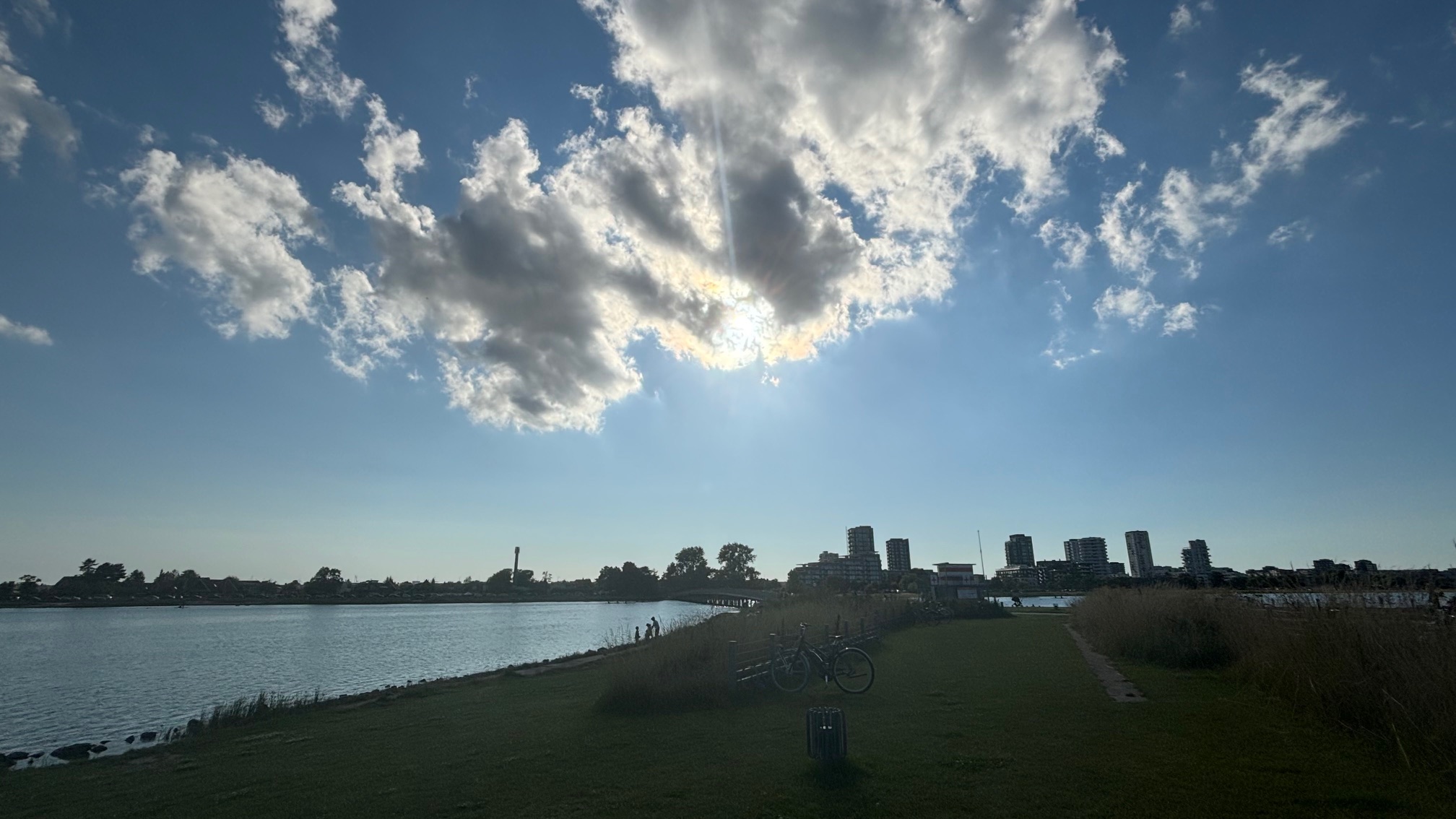
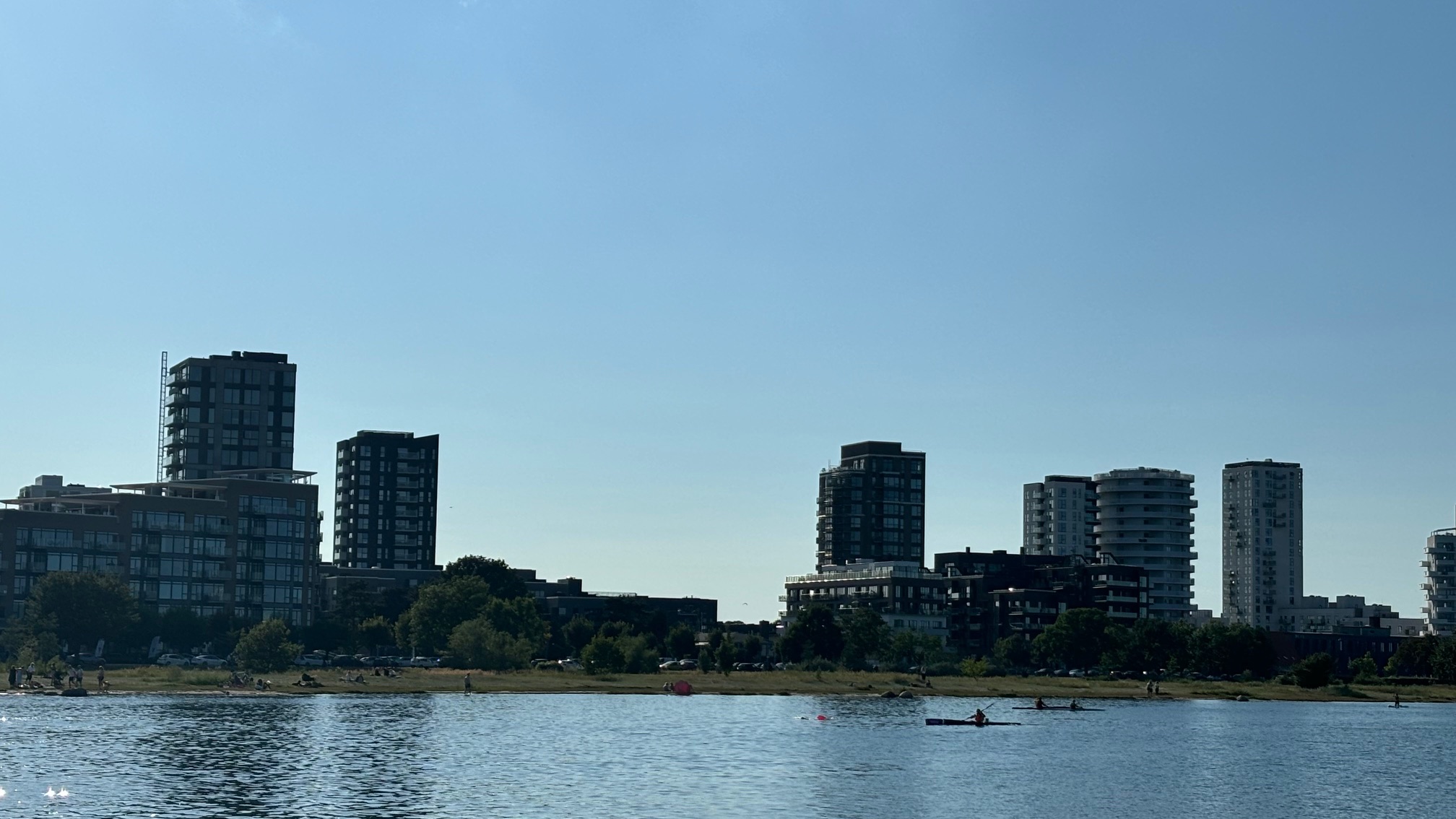
“A quiet stretch of sand just minutes from the heart of Copenhagen, Amager Strand feels like a small escape from the city. On a clear day, the Baltic breeze, cyclists rolling past, and the skyline in the distance make it the perfect place to slow down and soak in Danish summer.”
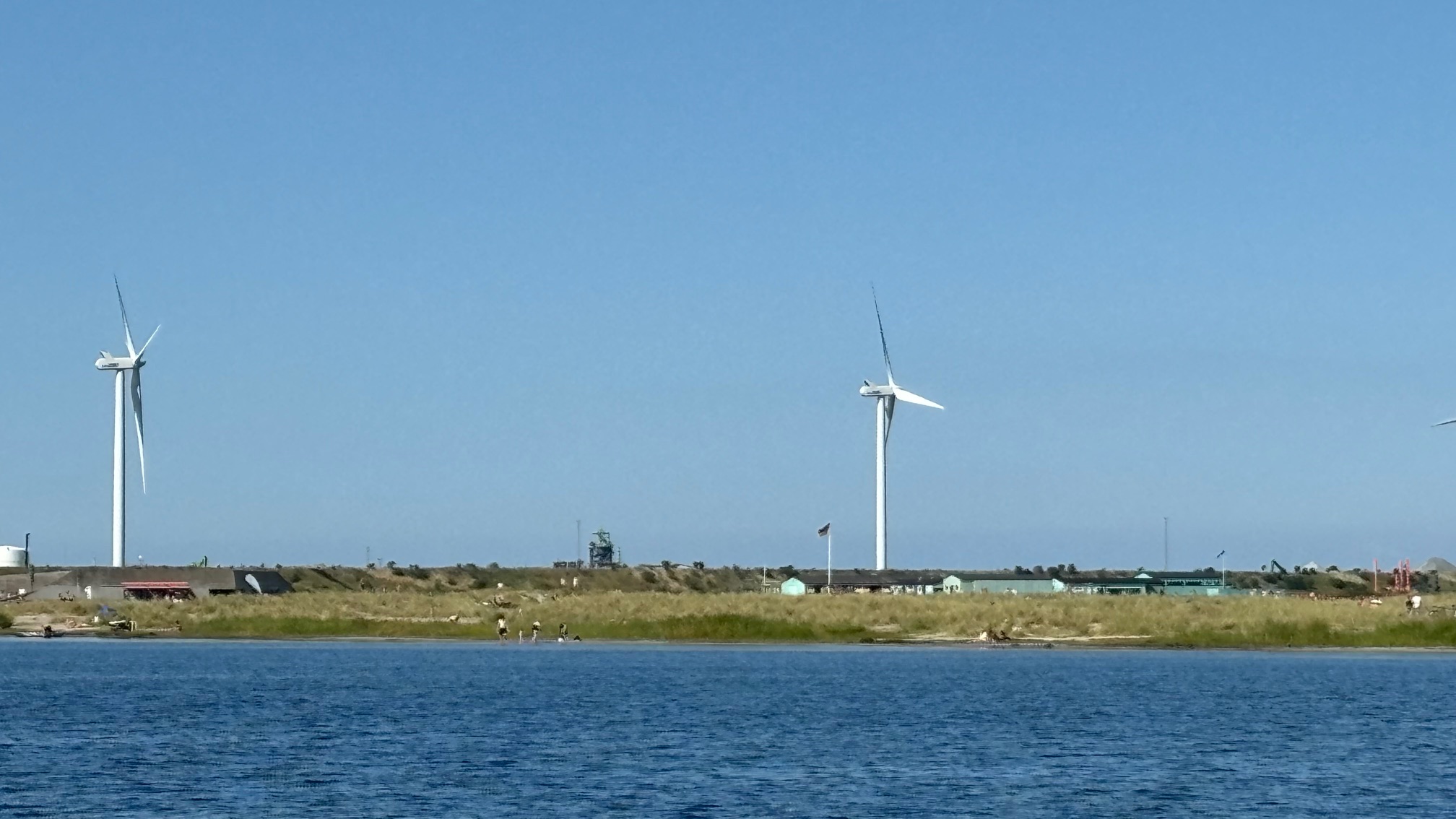


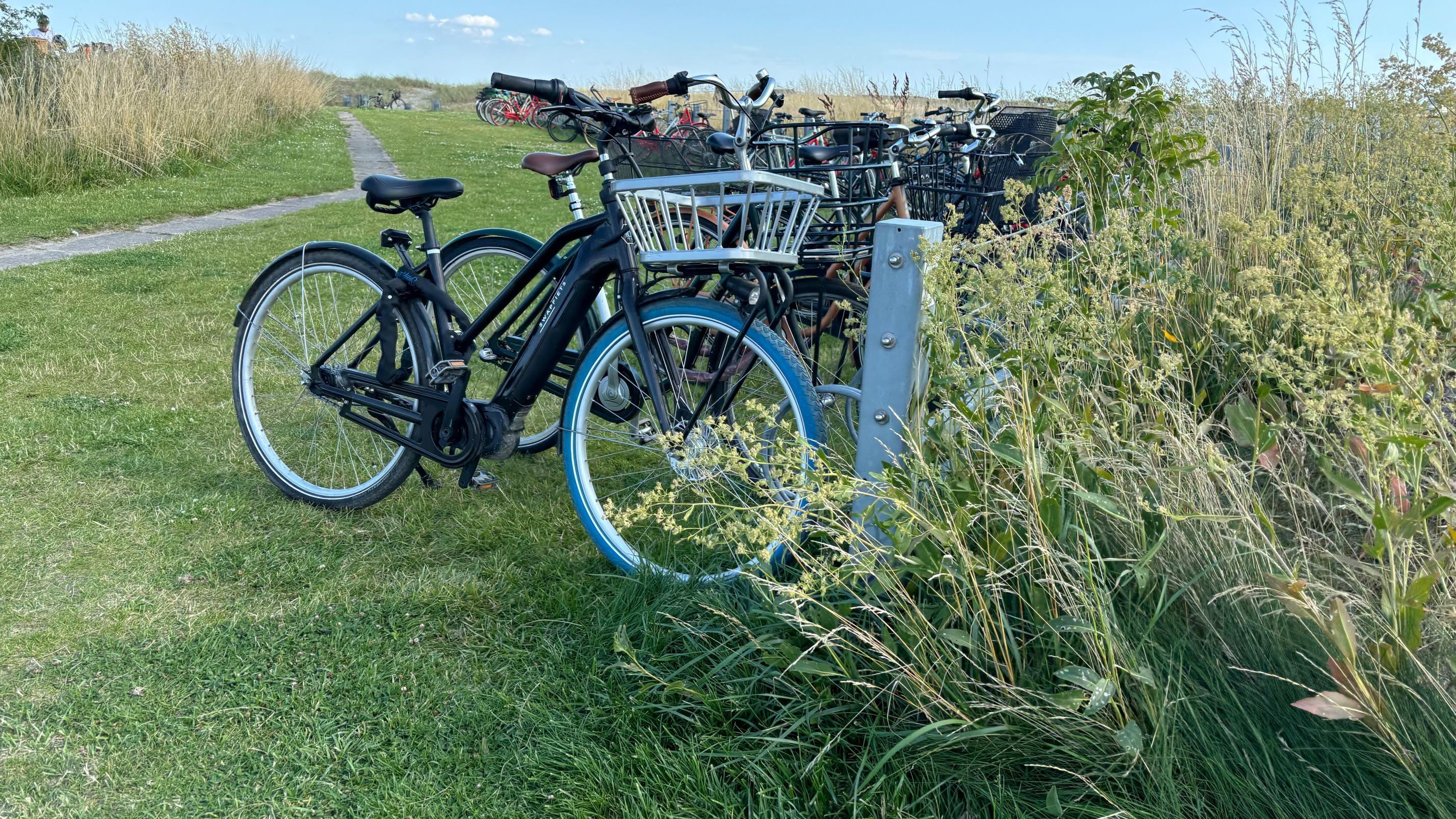
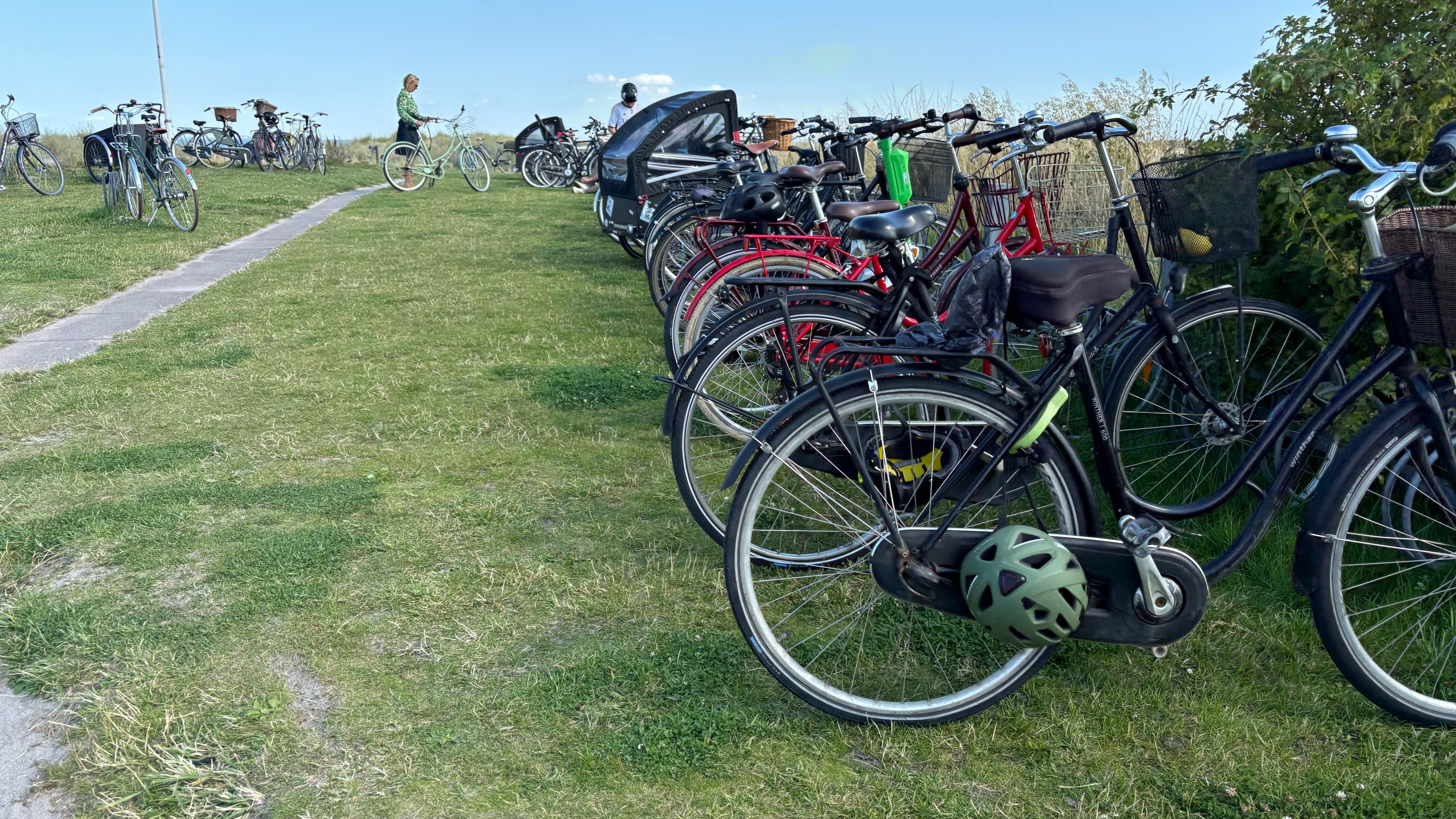

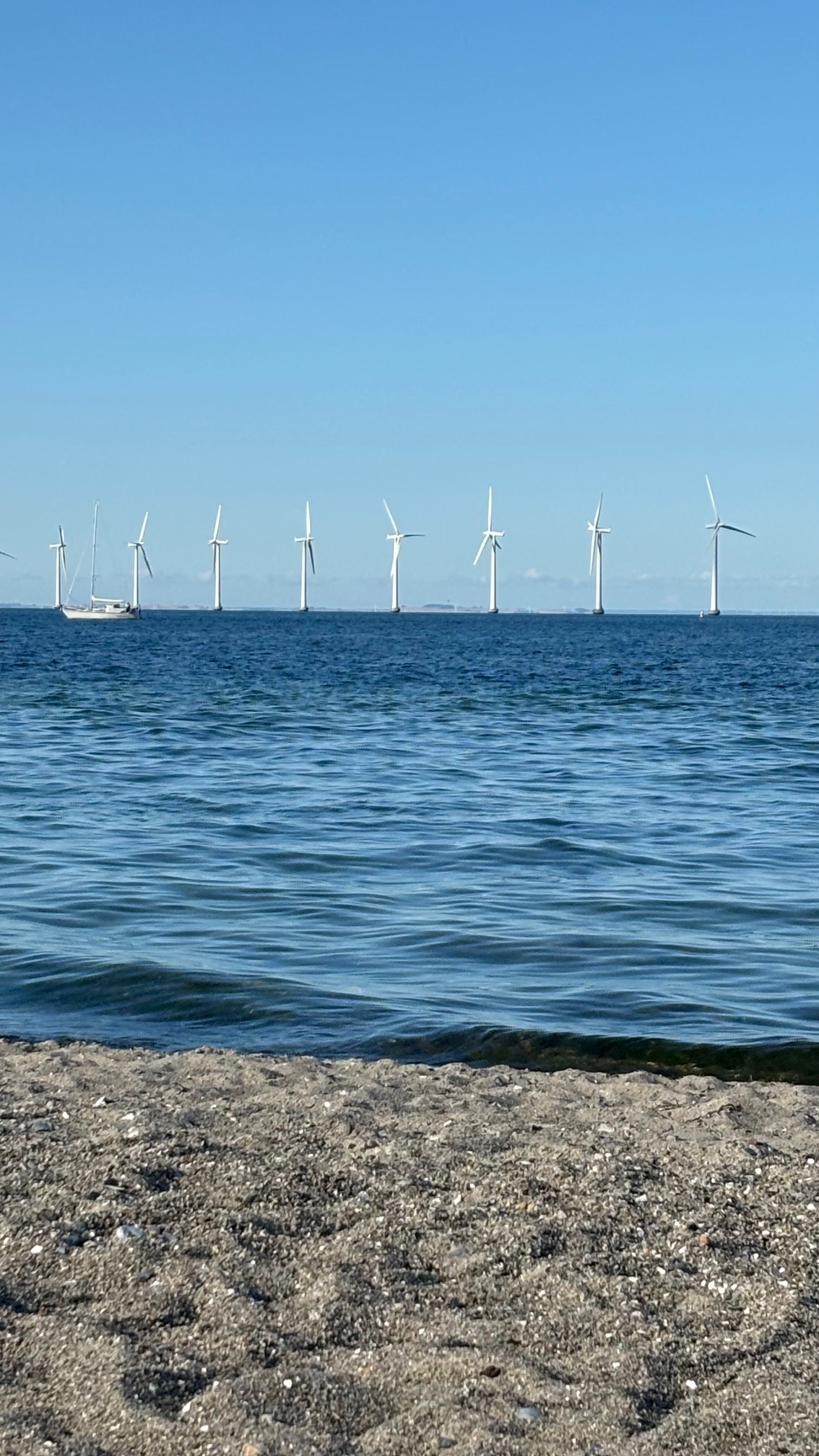

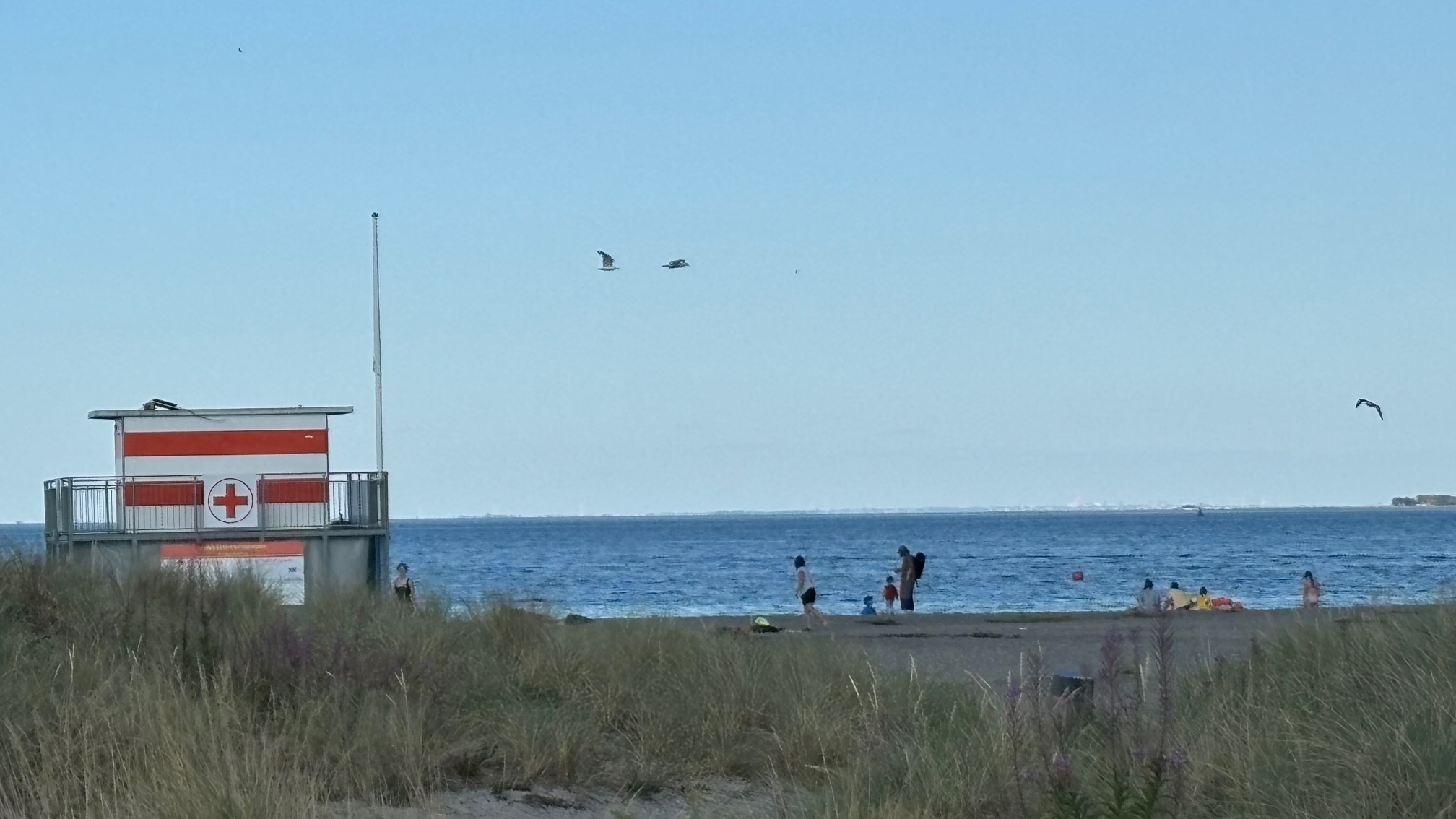
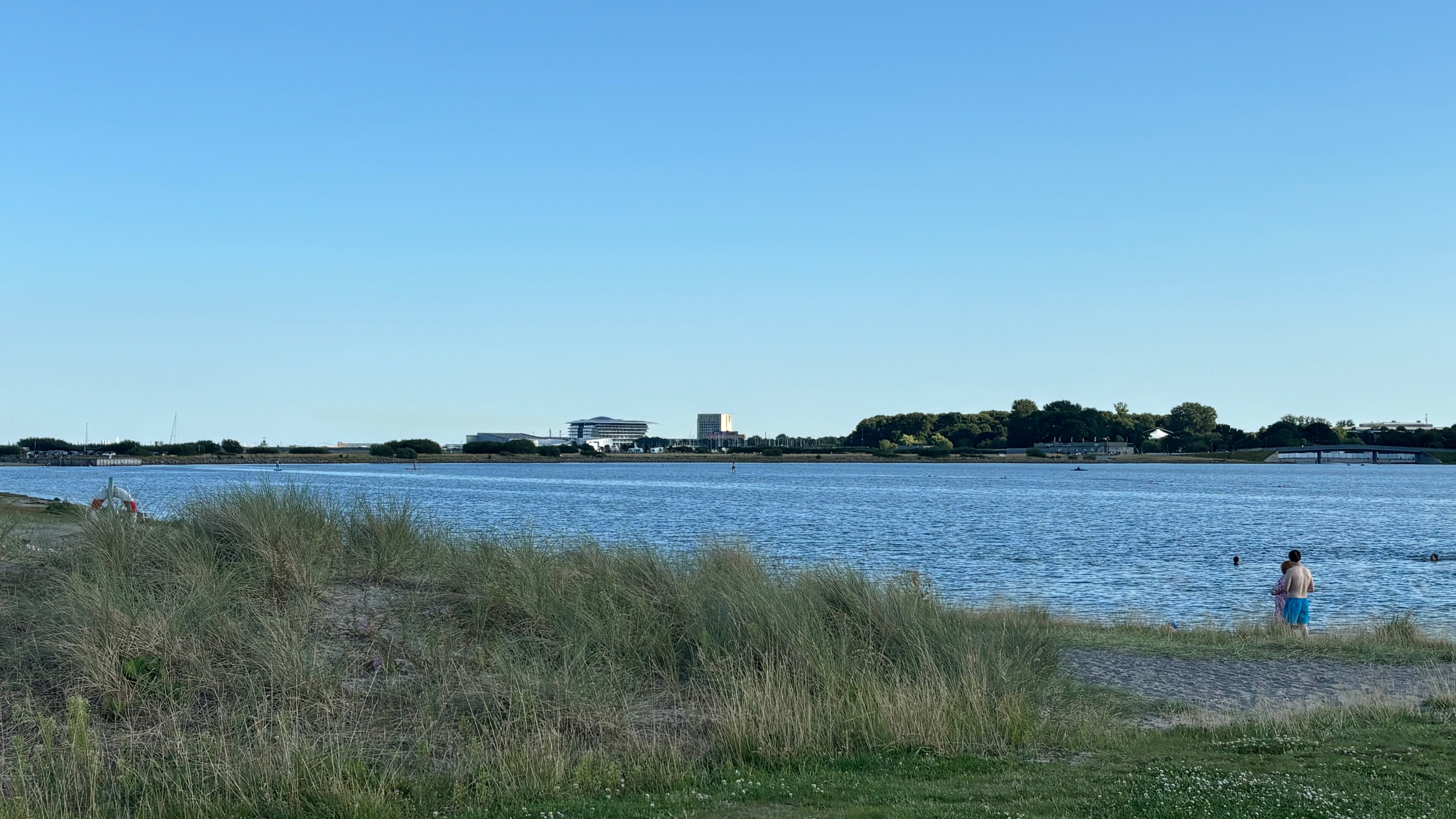

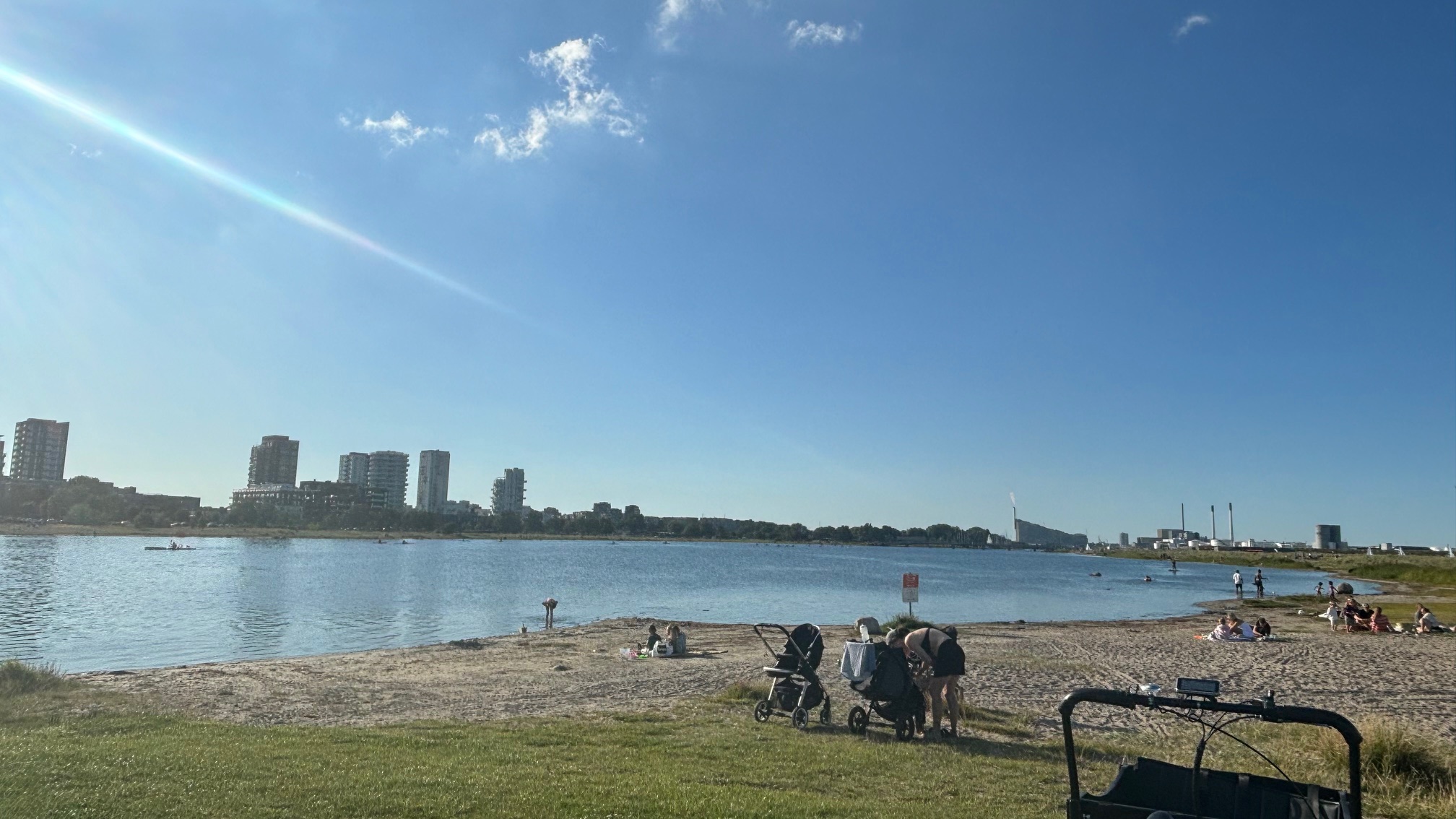
Camera: iPhone 15
Location: Amager Beachpark (Strand), Denmark
“As much as you want to go through life with a constant routine, when you instead establish new habits, hobbies, and places to visit, it’s best to mix it up and do what you can to make the most out of this one life you have.”
Turbulent times have a way of stripping life down to its essentials. It can make you appreciate what you have in life more and not take what you have for granted. When the headlines are gripping and uncertainty lingers each day, you realize how fragile our routines and habits really are. While it’s tempting to go through the motions and drift through our days on autopilot, by going to the same coffee house, driving the same commute, having the same conversations and making the same excuses, you should be taking off the autopilot instead and homing in more on what makes life enjoyable. As much as you want to go through life with a constant routine, when you instead establish new habits, hobbies, and places to visit, it’s best to mix it up and do what you can to make the most out of this one life you have.
I’ve caught myself sleepwalking before in my life. Not physically, but mentally. Waking up, checking my phone, answering emails, going through meetings, making the usual commute, working out at the same gym, eating dinner, scrolling, and sleeping. Productive on paper but not really waking up my senses to the full extent. This kind of routine can sap your spirit over time. It wasn’t that anything was wrong, but it can get boring after a while. That was the problem for me and for many others I suspect. There’s nothing wrong with what I was doing, and I still have my routine that I enjoy. However, nothing in my life was expanding either or challenging me enough. My life was efficient and that efficiency was quietly numbing me.
The truth is that living life on autopilot feels responsible, especially in adulthood. It feels mature and what is expected of us at a certain age. Routine keeps the bills paid and the calendar organized. Routine, when left unchecked, becomes a cage you build yourself and can be suffocating after a while. The brain loves predictability as it conserves its energy. Routine avoids discomfort and novelty unless you force yourself to be different and try new things. True growth doesn’t happen in conservation mode or by playing it safe. Growth demands friction and friction requires intention, which means making the effort to break the routine you impose on yourself.
For myself, it’s always been travel that has exposed the lie of living life on autopilot almost instantly, especially from my solo travels. It’s hard to drift through life when you can’t read the street signs, when you’re ordering food in broken Spanish, Turkish, or German, when you don’t fully understand the cultural cues or conversations around you. You’re alert, present, and living in the moment. The precious moments where you’re slightly uncomfortable but also feeling fully alive are the best for me. I live for those moments every chance I get to experience them even when they’re harder to come by as I get older. The colors and smells you sense feel sharper. Conversations feel deeper and livelier. Time stretches rather than drags me down. It’s not about how each country is magical but rather that you are fully awake and experiencing life more fully.
Waking up and taking yourself off autopilot isn’t dramatic, but it should be a deliberate effort. It’s choosing an unfamiliar conversation instead of a safe one. It’s taking a different route home. It’s signing up for something new you might be bad at but want to try anyway to see how it goes. It’s reading different books and engaging people who may not share the beliefs or views as you. It’s learning twenty new words in a language you don’t “need” but desire to learn to expand your horizons. It’s asking yourself, honestly, “When was the last time I felt truly engaged?”
You don’t need to burn your life down and leave your responsibilities behind, which is a false choice. You need to interrupt it and bring something into your life to make it more enjoyable.
Turbulent times are unsettling and especially at this moment we’re living in around the world. At the same time, they’re clarifying what really should matter to you. They remind you that stability and prosperity are never guaranteed. Political systems shift. Jobs will change. Borders can close. Health falters. Family and friendship ties fade. When you accept that inherent fragility to life, you stop assuming you have endless tomorrows to play around with. When tomorrow isn’t promised, living your life on autopilot becomes a risk you can’t afford to take.
You get one life. No rehearsal. No dress rehearsal. No backup plan for the 2nd one. The world is unpredictable enough so don’t make your inner world predictable too. Refuse to sleepwalk through the years as they go by faster. Shake up your routines. Question your assumptions, values, and beliefs. Chase what unsettles you in a healthy way. Stay curious about the world and the people in it. Stay moving as much as possible. Because the greatest tragedy in life isn’t the inevitable turbulence that will come your way. It’s the numbness you’ll experience if you don’t choose to make this life the best it can be.
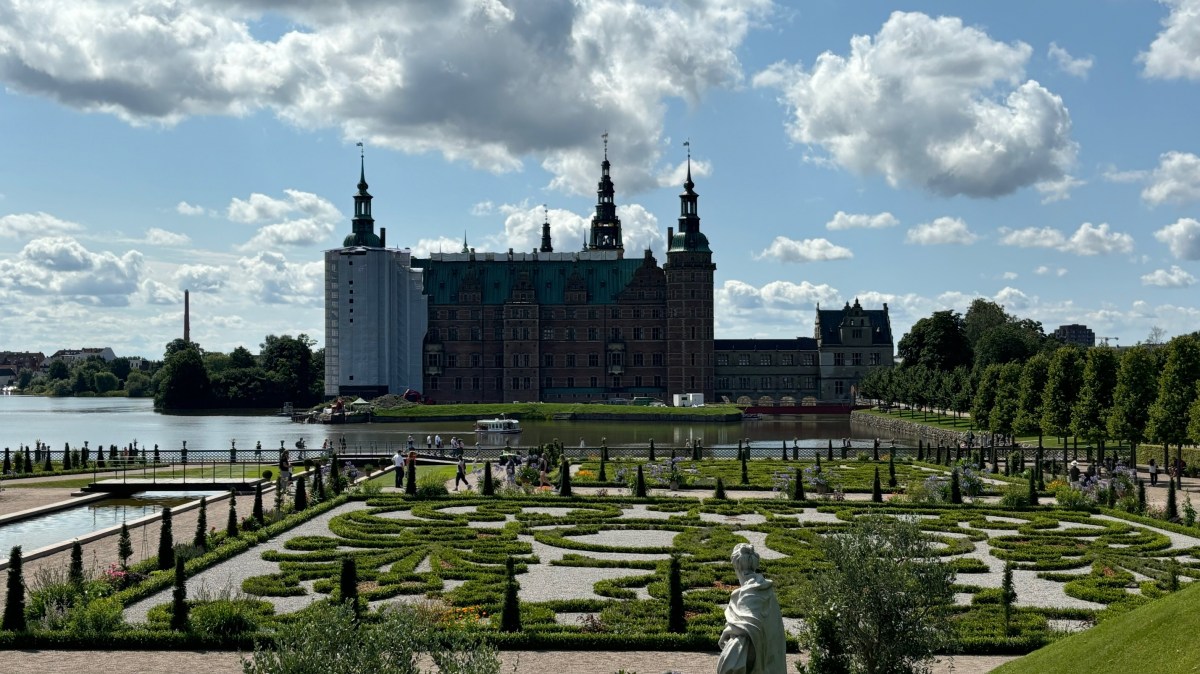
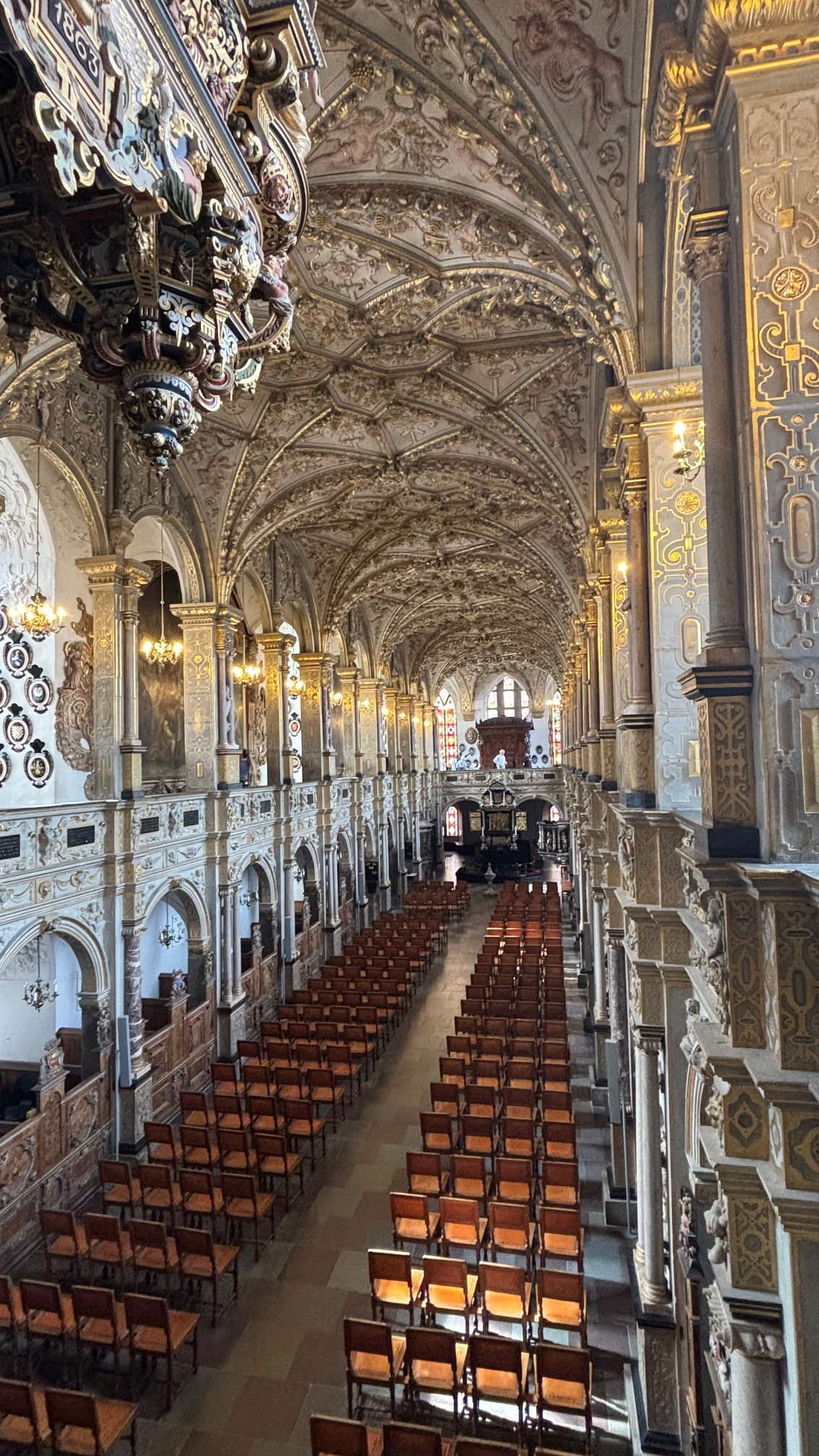
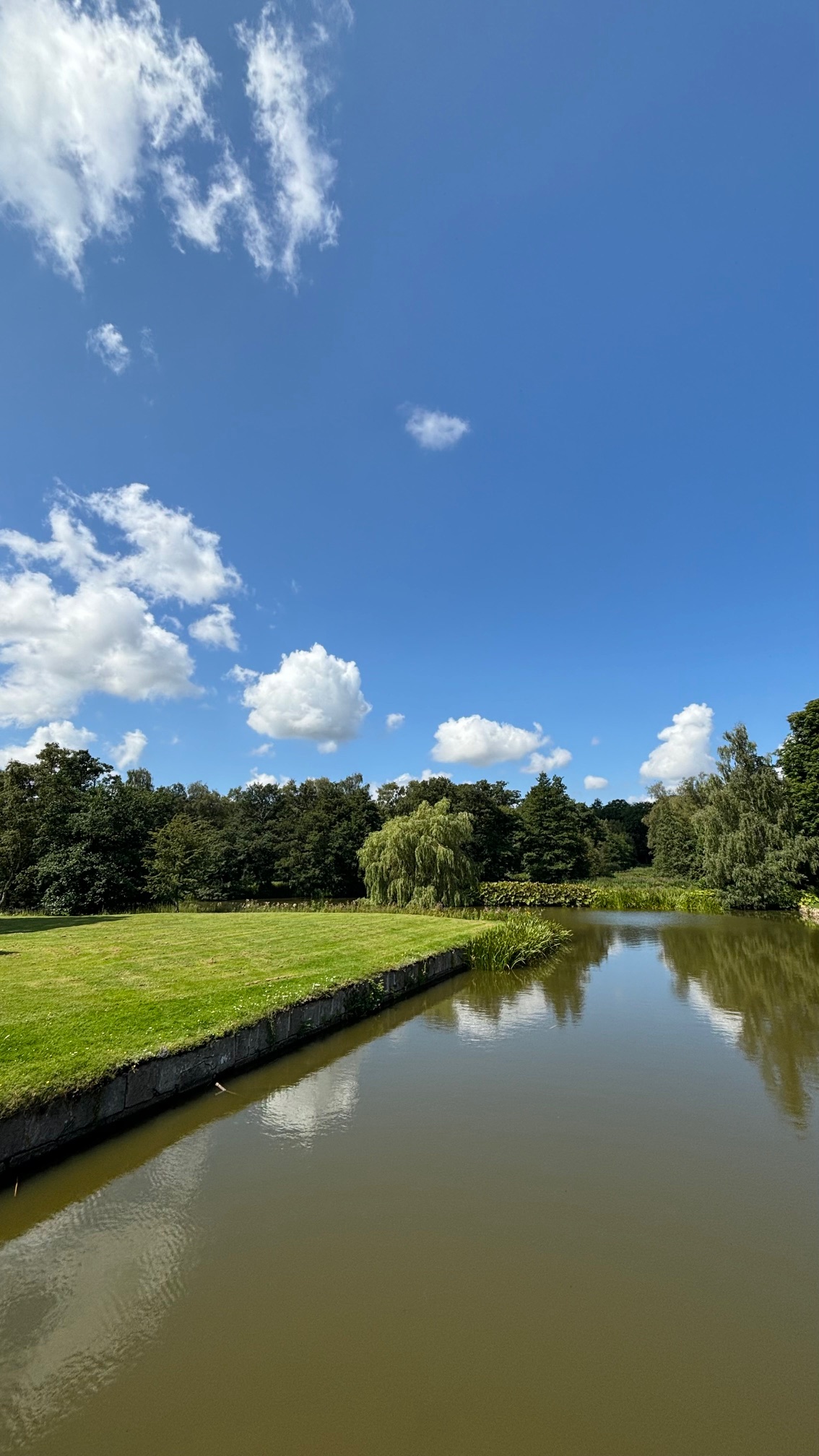
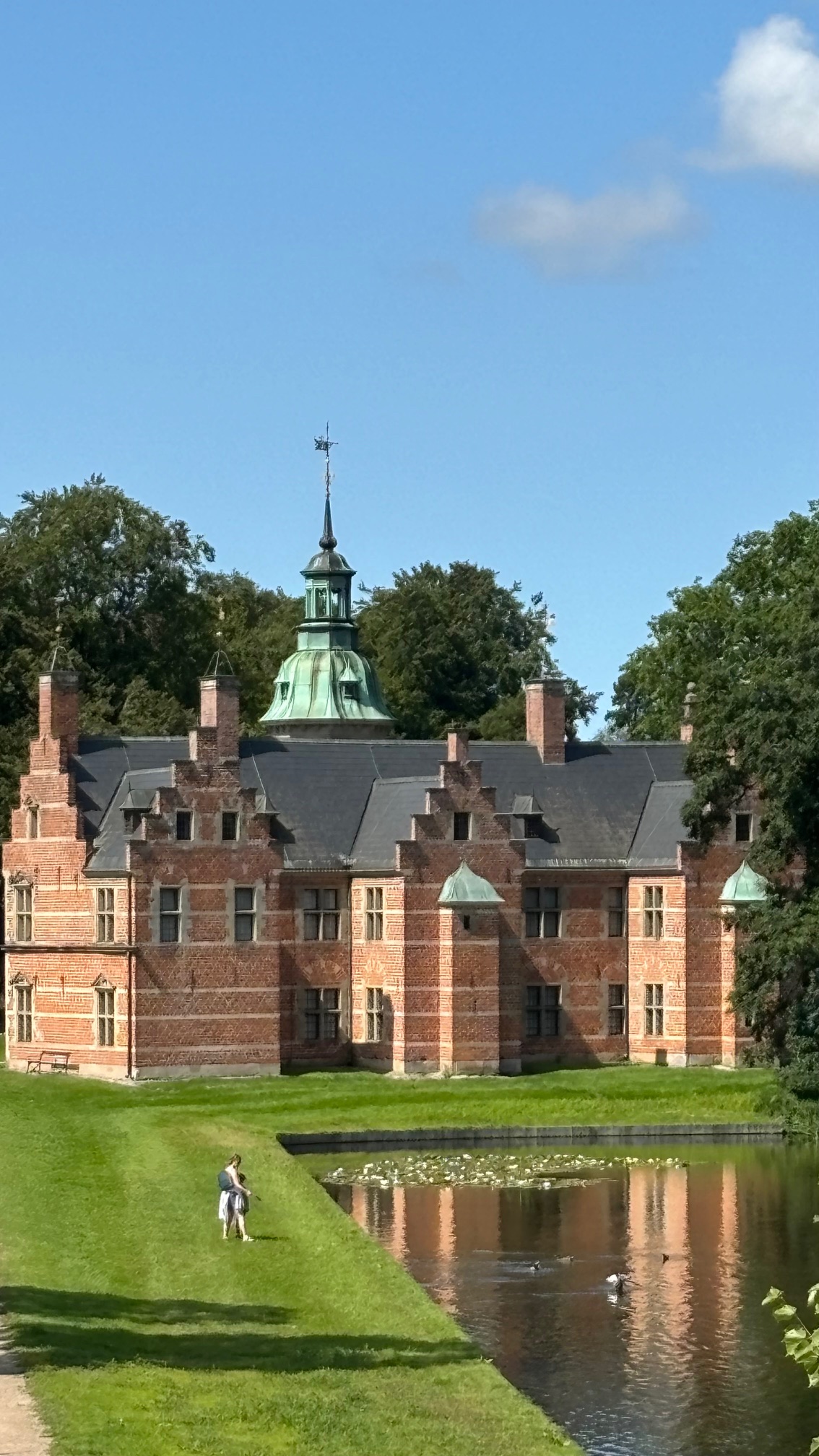
“Frederiksborg Castle in Hillerød, Denmark – a Renaissance masterpiece framed by water, silence, and centuries of Danish history.”

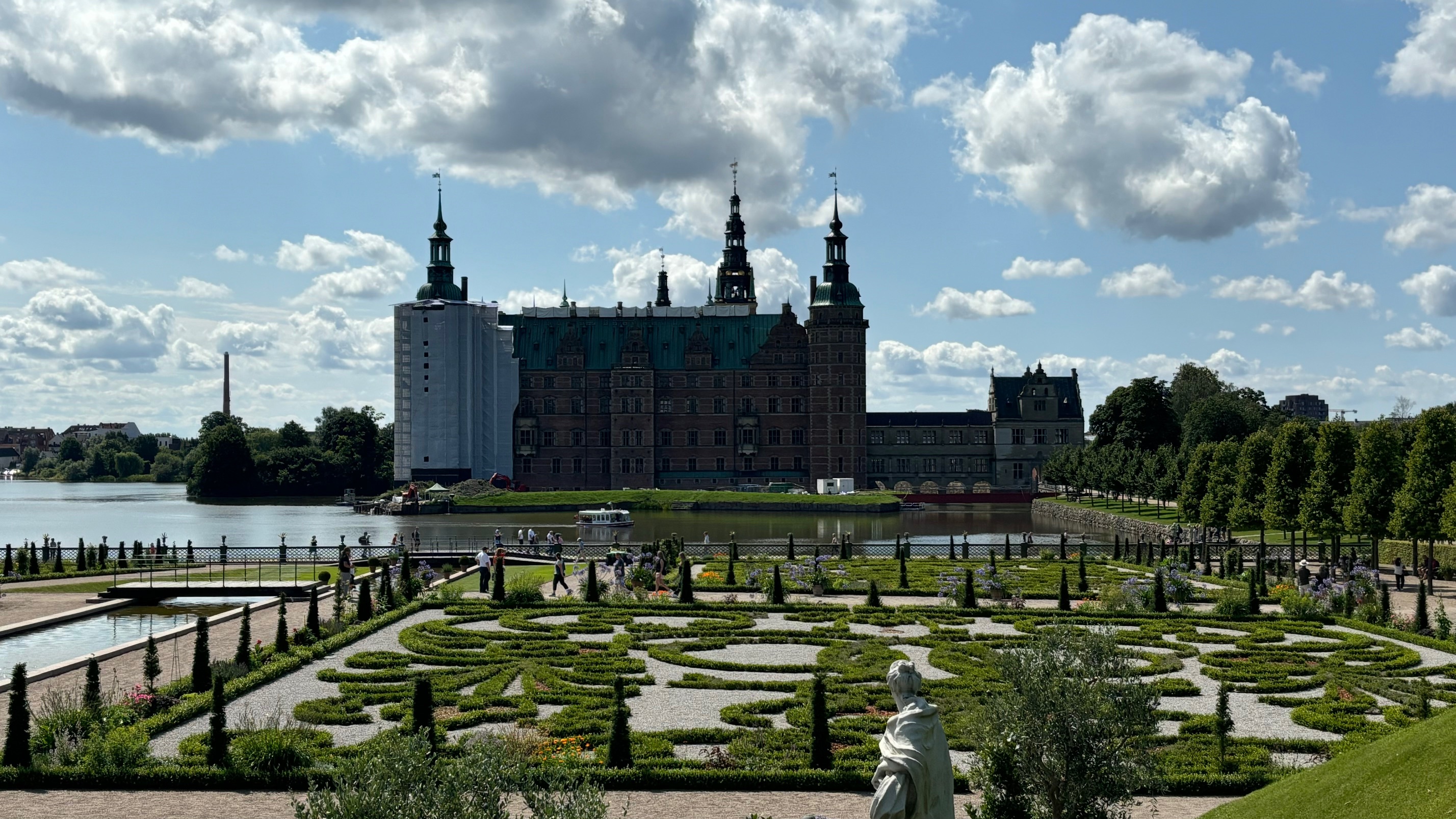

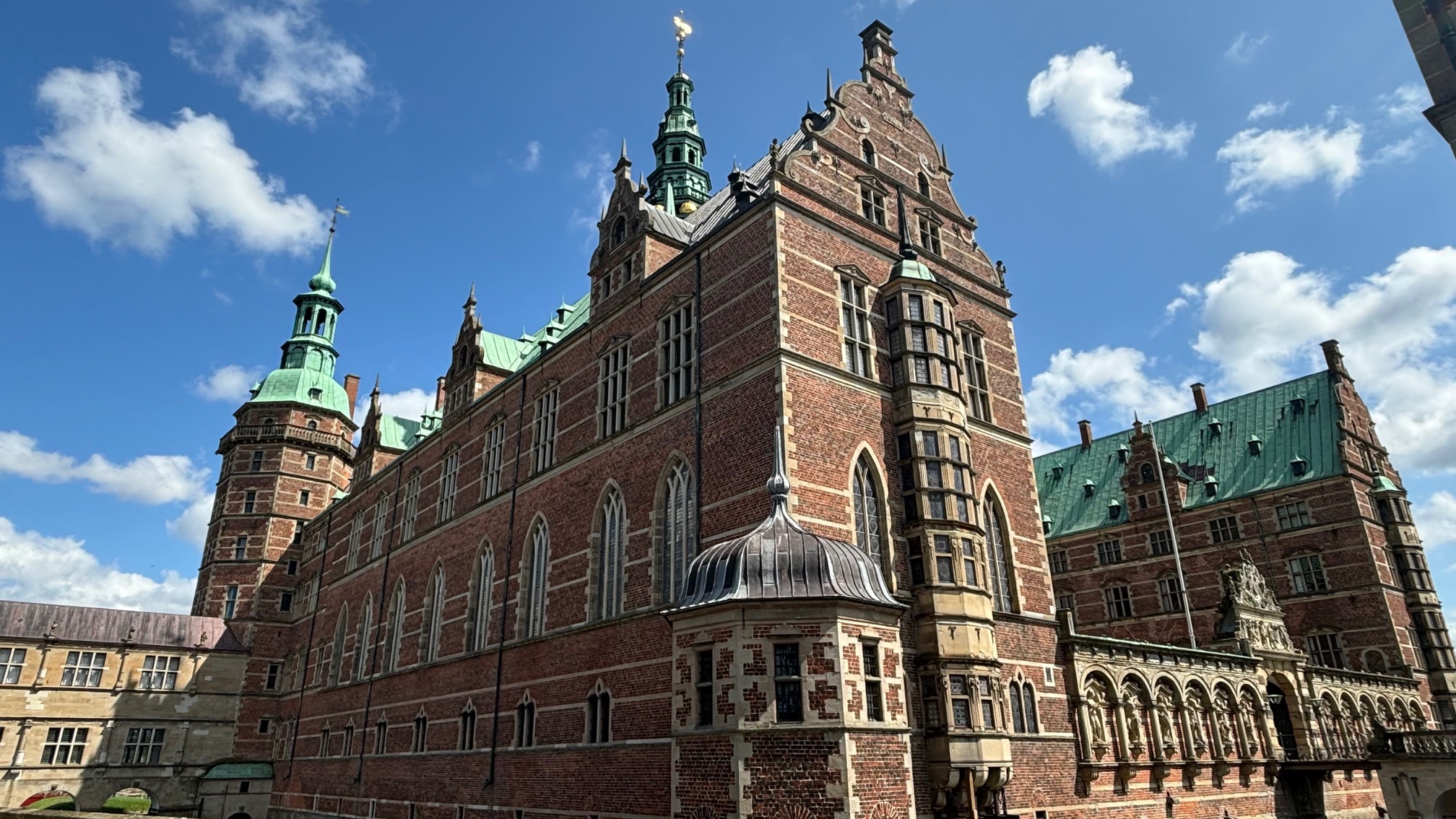
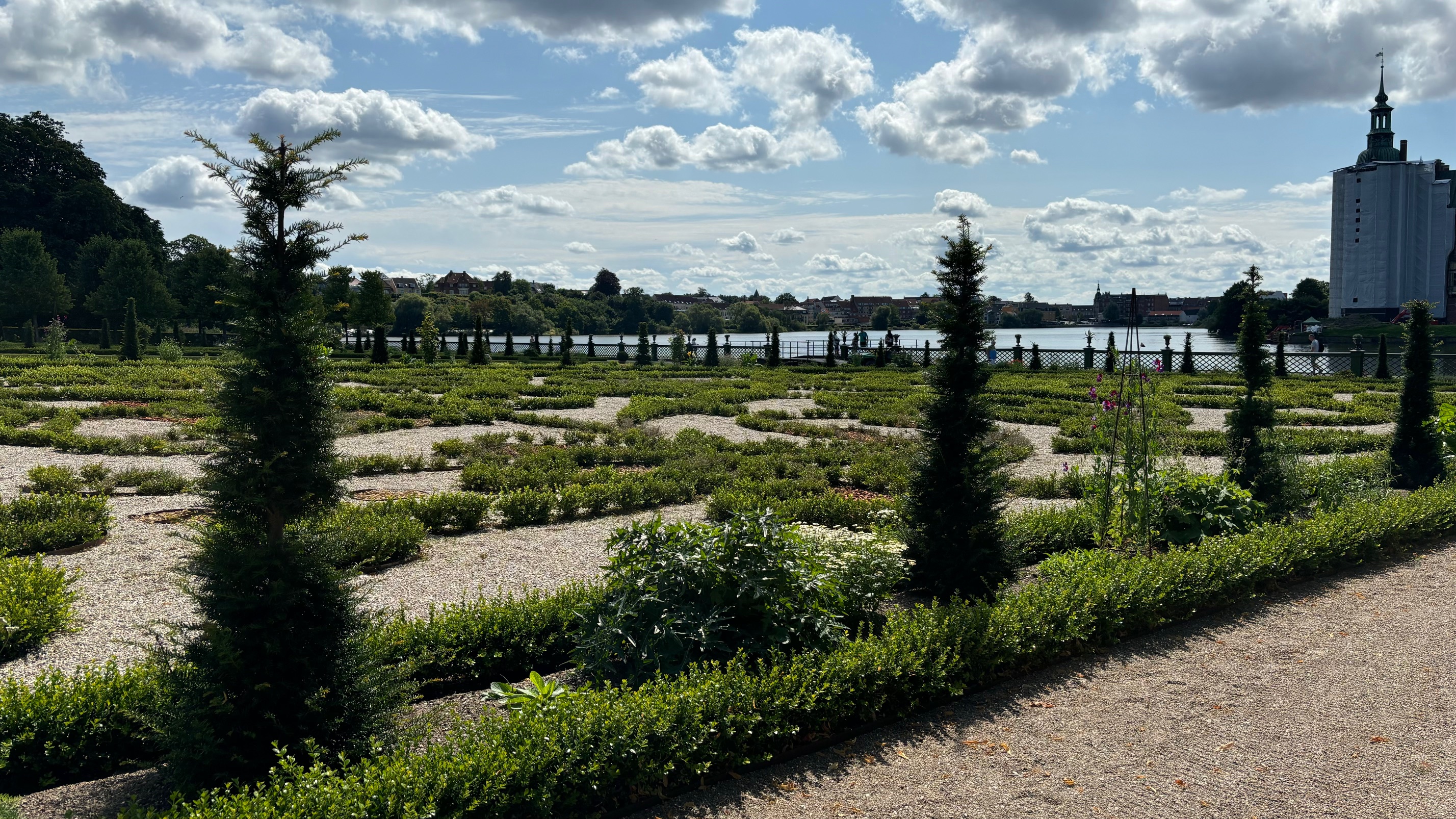
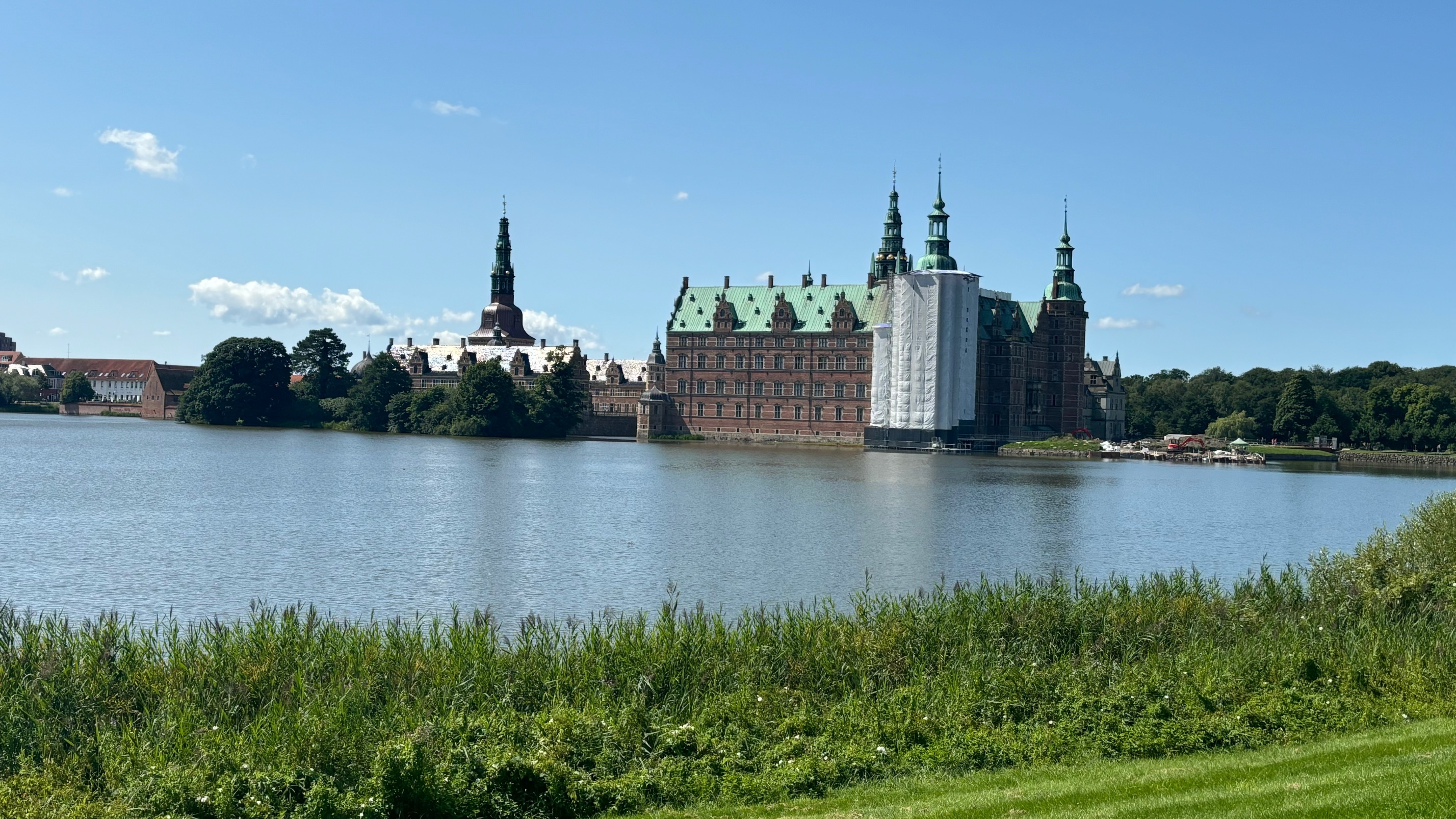
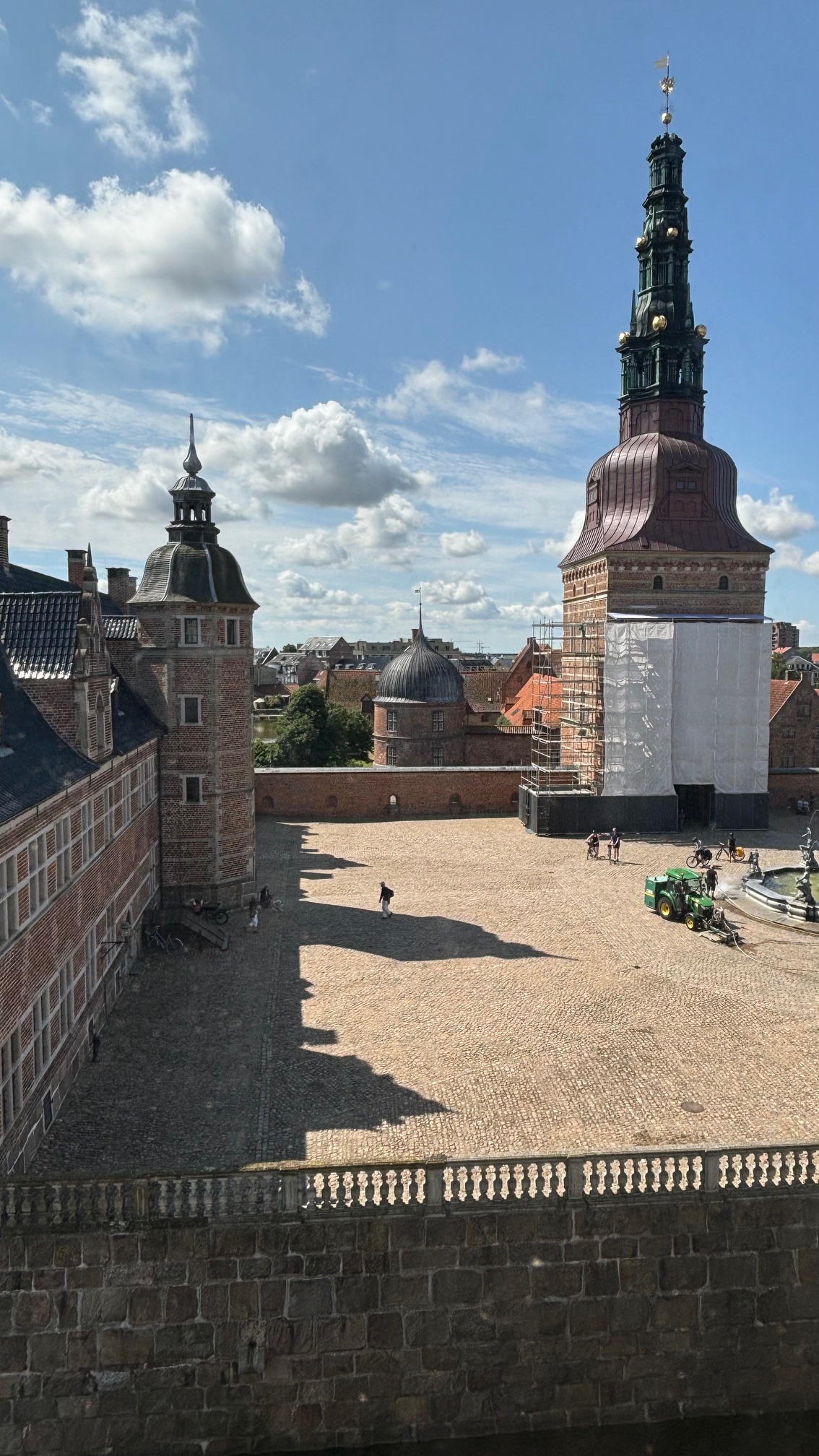
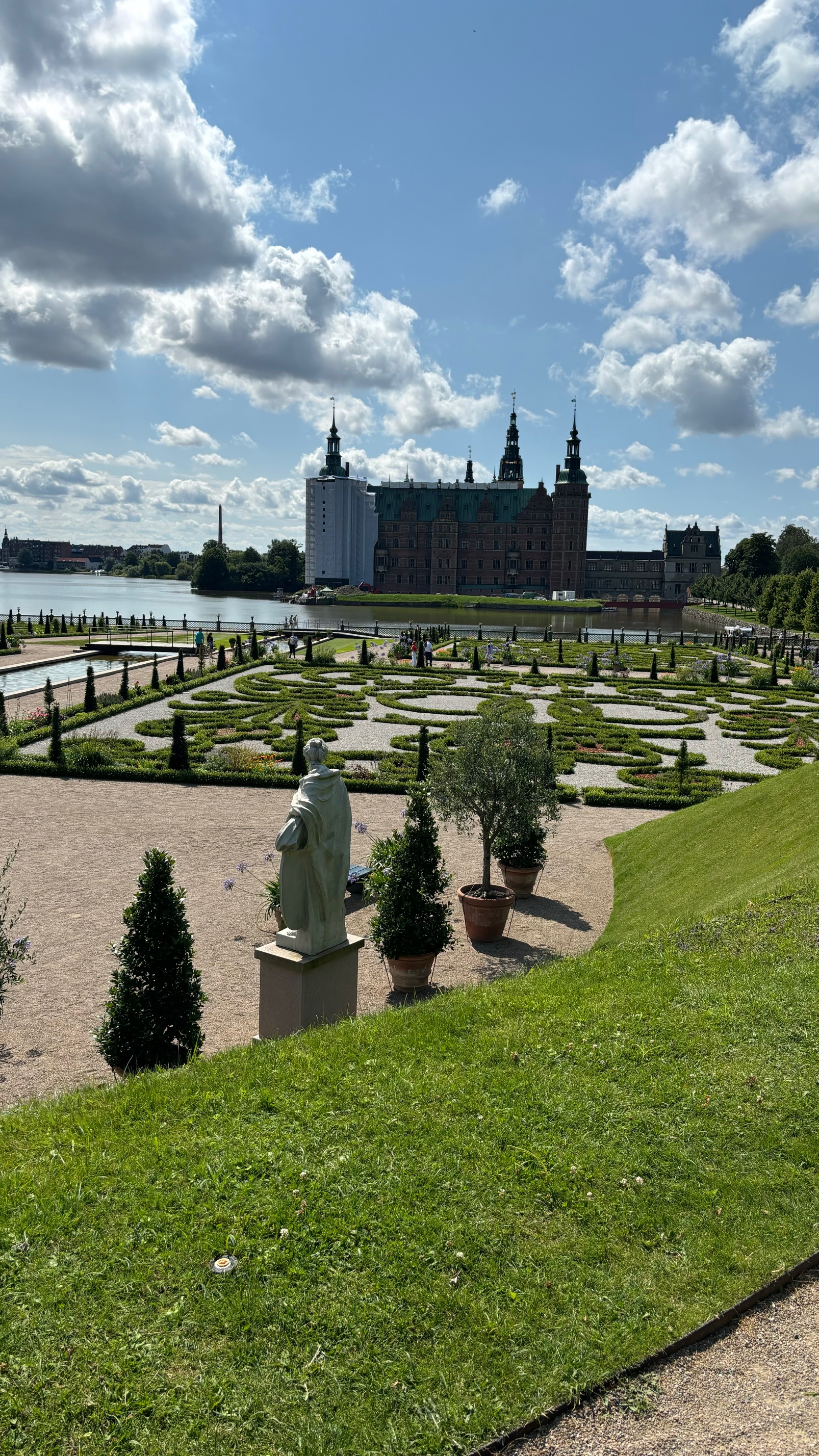

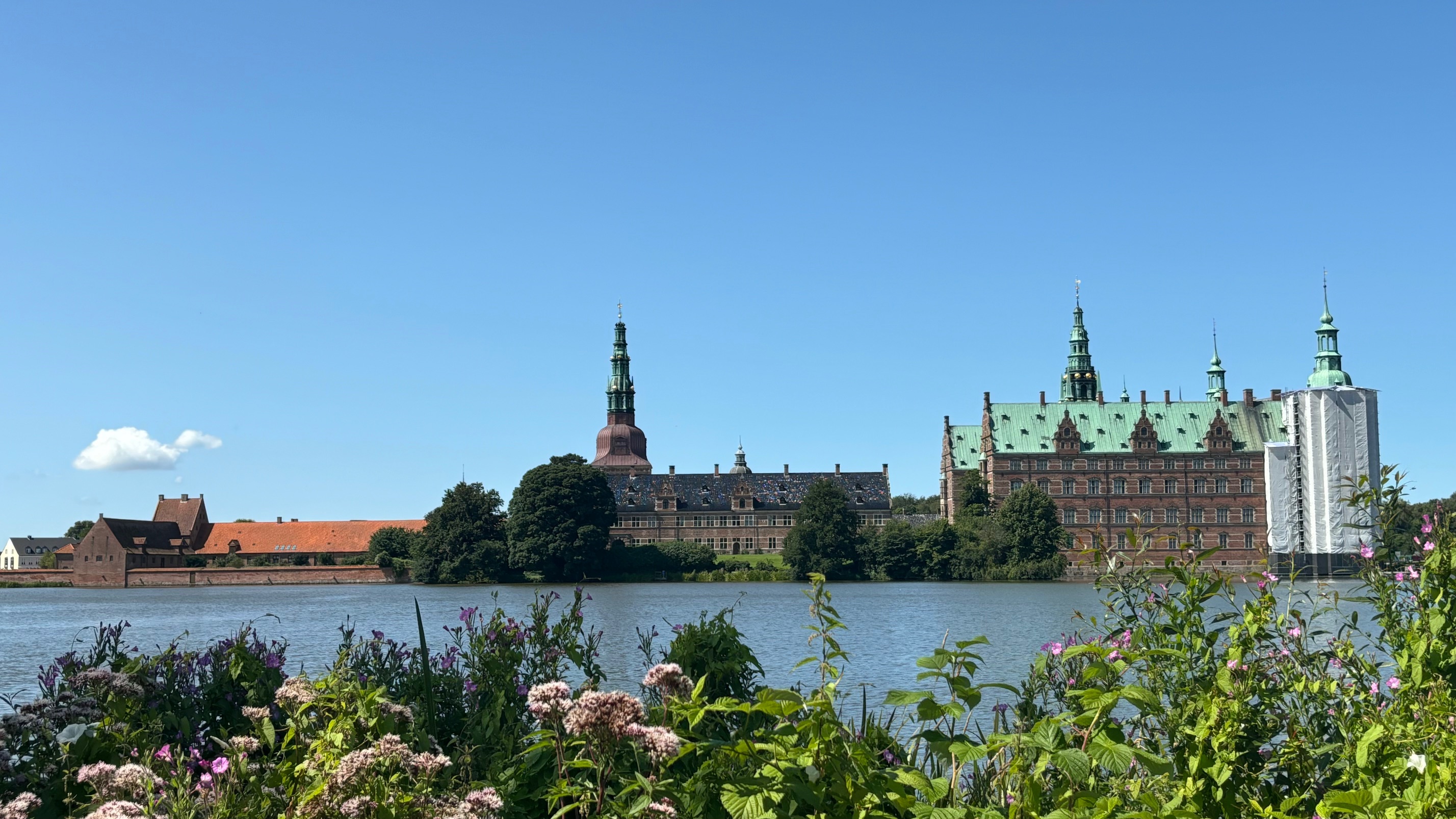



Camera: iPhone 15
Location: Frederiksborg Slot (Castle), Hillerød, Denmark
“However, when you realize that aging responsibly is a choice rather than a given and it comes down to acting and being responsible as an effort, you’ll begin to see why not everybody has that trait nor do they even try to emulate it.”
Growing older is inevitable and hopefully all of us reading this article will live long, healthy lives because getting an elder age is never guaranteed in life. While growing old is inevitable naturally, becoming emotionally mature and experiencing personal growth are choices that not everyone makes or even want to try. We all know someone in our lives who acts like they are still in their 20s when they are pushing 40 or decides to avoid acting like their given age altogether even when they’re a grown adult and have been for a while. Some people age without maturing and it can be difficult to wrap your head around why that is the case. However, when you realize that aging responsibly is a choice rather than a given and it comes down to acting and being responsible as an effort, you’ll begin to see why not everybody has that trait nor do they even try to emulate it.
Just because the years pile on top of each other doesn’t mean that you’ve learned anything about life, responsibility, or self-awareness. I’ve known people who do act their age or even beyond their years and I’ve known others who never mature emotionally or try to do so when they are double my age or even more senior. The skills that one must exercise in adulthood are not innate as we are taught when we are young. Adulthood involves having self-awareness, being accountable for one’s actions, both good and bad, and emotionally regulating your behavior especially around loved ones and friends. Some people collect birthdays like stamps but never collect wisdom or thoughtfulness or responsibility. Being a full-fledged adult takes more than paying your taxes and holding a job, it’s about having adult characteristics too, which are either magnified by our life experiences or diminished by the lack thereof.
Some adults act like teenagers when they gossip about others, dodge responsibility, chase instant gratification endlessly, and avoid anything that feels ‘grown up.’ Sadly, even when the adult in question has children or is supposed to be a caretaker for an elderly relative or parent, they often shirk that responsibility too even when they have no excuse for it. Some examples to look out for with people who never grow up in adulthood are when they never or seldom apologize for bad behavior, always blame others for their misfortune, avoid financial responsibility, prioritize the party lifestyle, or choose material gains over building healthy relationships.
If someone is always complaining or gossiping or is constantly unreliable at the workplace, in their friendships, and in their romantic life, they might want to look at themselves in the mirror rather than point the finger at someone else to blame. The ‘Peter Pan’ effect seems to be getting amplified by social media rather than diminished where people care more about hedonistic pursuits than doing their own inner work on a consistent basis to be a more responsible adult.
Acting immature and irresponsible as an adult doesn’t just hurt the person but also can wreck their friendships, relationships, and career. Age alone doesn’t excuse behavior and even when we look up to our elders especially as they are more senior than us in not just age, but rank, title, or other status, that doesn’t excuse poor behavior at the end of the day. Emotional immaturity can create tension and misunderstandings that can destroy a team, a group, a leadership committee, and more personal relationships. If you’ve ever dealt with an unreliable friend, a partner who wouldn’t apologize, or a coworker who couldn’t handle criticism or any negative feedback, you’re likely aware of how immature some adults can be. If you’re like me, you’ve likely been frustrated by someone older than you who acted like a teenager or a child.
In a world which continued to be obsessed with youth, fun, and overall frivolity, it’s easier now than ever to want to put off growing up with society rewarding those who never do especially in roles of leadership and social prominence. These cultural pressures including social media, influencer lifestyles, and late adulthood indulgences mask a deeper issue of society glamorizing irresponsibility, lack of responsibility to one another, or pursuing eternal youth when adults should be pursuing wisdom, accountability, and emotional maturity. Those who embrace personal growth and emotional intelligence may not be “cool” or “fun” or have the best “vibes”, but you need serious and responsible adults in charge and being accountable to one another.
Growing up means owning your mistakes, apologizing when you were wrong, learning from your errors, and treating others with kindness and empathy, especially when it’s hard. I find it rare nowadays from my own personal life to see others around me apologize for their poor behavior or to do so sincerely to make amends but that is a huge part of being a real adult. When you apologize sincerely, it shows that you care about being a mature person.
This kind of responsible adult behavior also extends t0 managing your finances and relationships responsibly, navigating conflict constructively, and thinking deeply about how your actions and words affect other people. Maturity isn’t perfect but it involves trying, falling, and trying again. Each day, I want you to think about how you can be a more responsible adult who is in tune with your emotions, able to be responsible for your actions, and being able to practice some self-awareness.
What’s the payoff for growing up and not just growing old? Well, you’ll have deeper connections, real life satisfaction, and the kind of confidence about knowing who you are rather than projecting a false image of who you want to be all the time. To me, meaningful relationships and positive friendships, having career stability and growth, and showing mental resilience in the face of adversity, which faces every adult regardless of who you are all benefits of true adulthood. Those who don’t grow up and still act like they are 15 at 50 or 30 at 75 are going to feel stuck in an earlier life stage forever and will be envious, unfulfilled, or jealous of how others achieve more peace of mind because of their emotional balance. Growth may be hard and even painful at times but it’s worth it in the long run especially when it comes to navigating life as you get older.
Yes, getting older is inevitable though that is a privilege that not everybody gets to have too, but choosing to grow up consciously is what makes life meaningful, memorable, and worth living. Immaturity may be satisfying at first to avoid being responsible, accountable, or needing to make sacrifices but the costs will eventually weigh the benefits especially as you naturally continue to age. We all have the choice on how we age and how we can grow and mature with each age. It is a lifelong process where there is both progress and setbacks bit for which it is important to leave a positive memory behind for those who can speak about your character, your maturity, and your overall manner as a human being. Remember to not just collect birthdays as the years pass by, collect wisdom, courage, and the kind of growth that lasts until your last day.