View From The Top

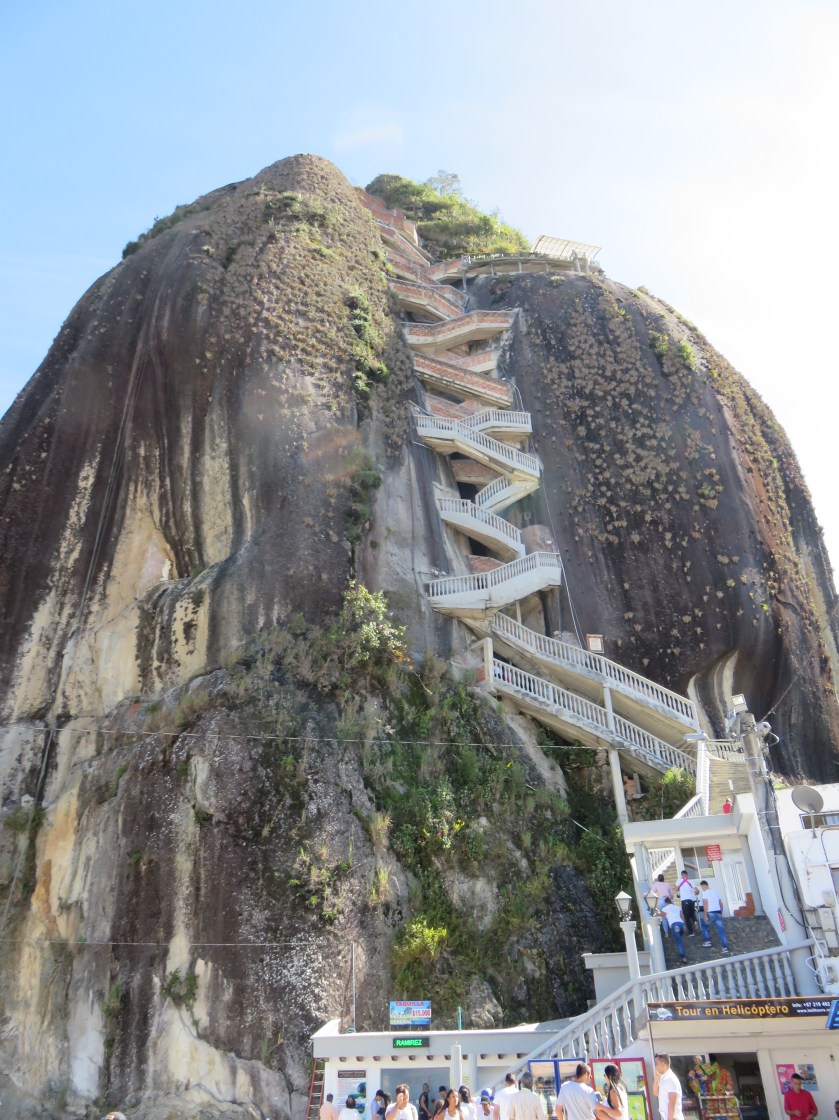
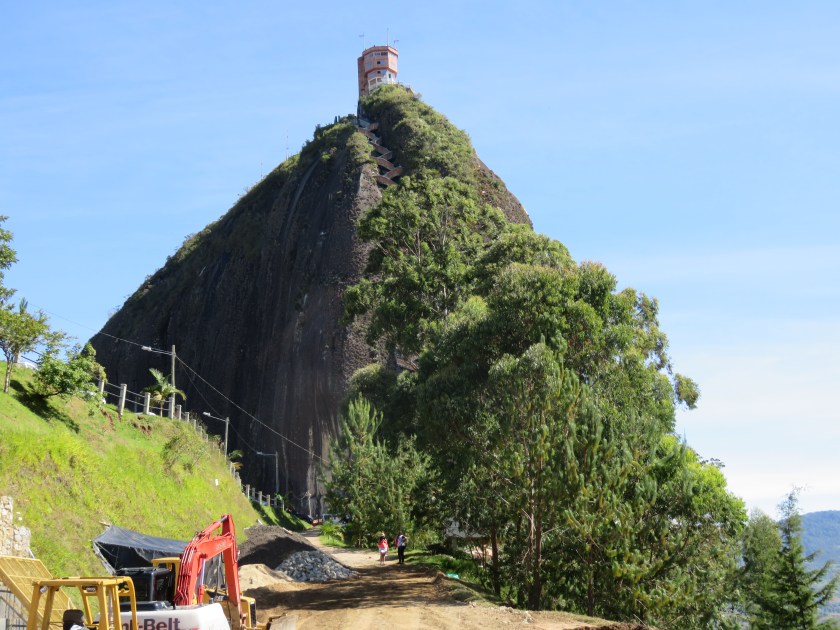
Tired and thirsty, my friend and I had finally reached the glorious peak at ‘La Piedra’ or ‘El Peñol del Piedra’, which loosely translates in English to ‘The Stone.’ It was quite a physically taxing climb up to the top of the rock as my legs burned and my feet became sore as my friend and I ascended the 750 steps along with some steep hiking up a good-sized hill to get to the base of the ‘La Piedra’ rock.

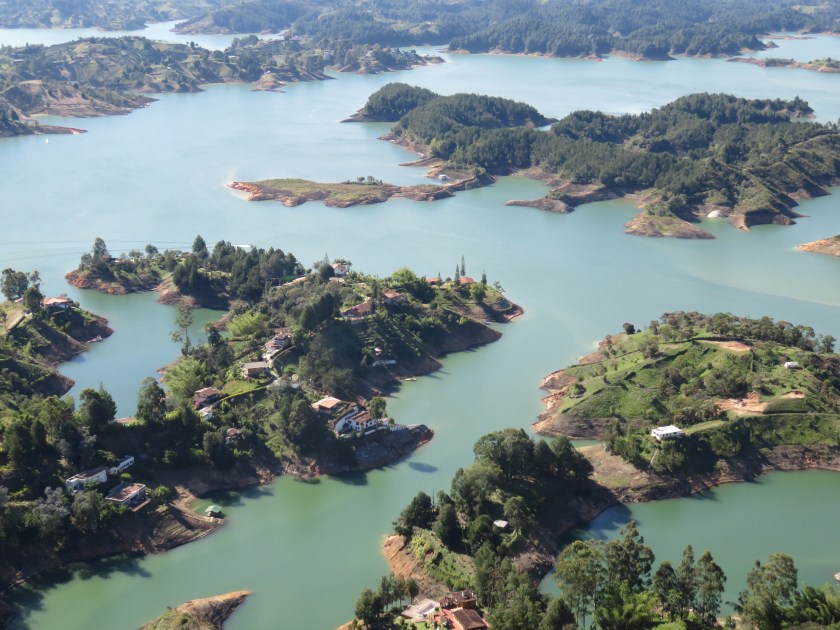
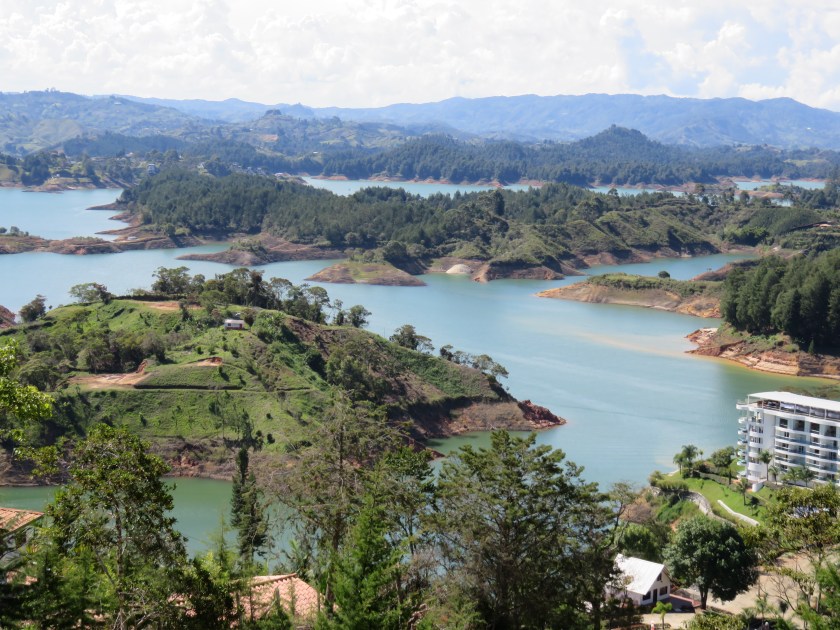
I came to Guatepe partly after hearing from friends in Medellin on how beautiful and unique it was and after seeing various pictures of the stunning landscapes that make up this tranquil part of Antioquia. I was skeptical of the place and didn’t think that it would live up to the hype but I am happy to say that I was completely wrong. Out of all the places I’ve visited and the landscapes I’ve traversed, Guatepe is a really special place to visit. The area is made up of dozens of intertwining, clear blue lakes surrounded by the greenest forestry you could imagine with soil rich in different colors. My friend compared it to the southern United States and thought that it was similar to the state of North Carolina. To me, that’s part of the beauty of Colombia in that there are so many varied landscapes. You could sometimes wonder whether or not you’re in a different country entirely depending on if you’re in Atlantico or in Antioquia.

The landscapes were beautiful, the air was clean, the people were friendly, and the view from the top of ‘La Piedra’ was unbeatable. A 360-degree vista of all of the lakes, hills, and greenery that make up Guatepe was quite breathtaking and peaceful to behold. It helped that my friend and I had great weather to enjoy where the skies were clear blue and the bright sun was shining down on us.

It was really pleasant to take pictures, to soak up the view, and to have a cold drink after the long journey to the top. I consider myself to be in pretty good shape but walking up the steep 750 steps is not for everyone and it really is quite the challenge. While it’s not insurmountable, your feet and legs feel the pain and you wonder when the full view is going to come into play. At ‘La Piedra’, they really make the tourists and the visitors to the rock work for it. There are no escalators or elevators. You have to pay for admission and if you don’t make it to the top, you don’t get your money back. Like a lot of things in life, you have to invest yourself physically and mentally in order to reap the benefits.

Similar to many other moments in life, I reflected on those 750 steps of ‘La Piedra’ as being a necessary yet temporary struggle to reach the top and enjoy the view. For me, it wouldn’t have been as worthwhile at all to check out ‘La Piedra’ if there were an escalator or an elevator to shortcut the journey. I believe that I enjoyed the view from the top of ‘La Piedra’ much more given the fact that I was tired, hungry, and in need of a rest. The struggle was tough enough for me that as a result, the ultimate reward became more fulfilling. If the climb up had been much easier, it simply would have been less rewarding. Because the views from this rock were magnificent, I was willing to climb the 750 steps to get to the top. Sometimes in life, the struggle is worth the reward.

Whether it’s traveling to a new country, starting a new job, moving to a new place, or working on a blog, there’s going to be some struggles and setbacks involved. Sometimes, you’re going to have to decide whether the sacrifices you make and the challenges you have to overcome are enough to justify the rewards. Nothing in life is as easy as it seems and if it appears that way, you may be let down when the reward or success you’ve seen from it doesn’t feel as good as a result. It’s important to realize that working hard and trying new things can lead to failure but it can also lead to a success that’s more whole and fulfilling.

Putting blood, sweat, and tears, into a project, a job, or a relationship takes a lot of work but you can rest easy knowing that it was your labor, which brought it into fruition. If everything in life is simply handed to you, you may feel happy and experience pleasure from it in the short-term but it’s likely to make you miserable in the long-term. Being able to exert yourself in the world physically or mentally can give you a much more lasting feeling of success and contentment. While I would have been happy with the ‘view from the top’ had there been an elevator for tourists like me to go to the top, I felt much more relieved and excited from the view after step #750 because it was the sweat and the toil to get up there physically that filled me with contentedness and satisfaction.

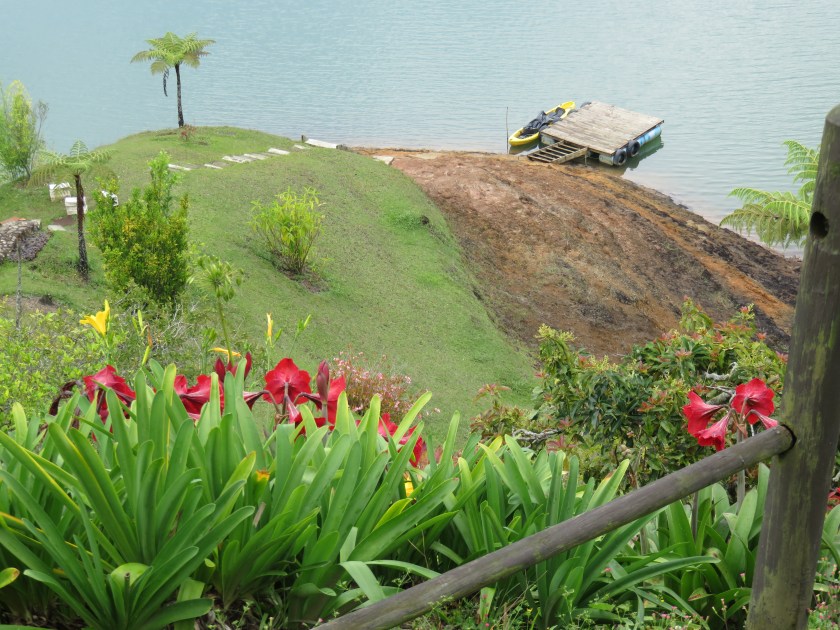
Before I left Guatepe, I wanted to see more of the area so I rented a kayak in the morning and set out by myself. I untied the canoe, got ahold of the equipment and the oars, and pushed the kayak out into the open waters. The day before, I had viewed Guatepe from the top but now I was back on level ground exerting myself physically stroke by stroke on a two-seater kayak in order to enjoy the scenery, and the peaceful quiet of a Sunday morning.

For anybody who’s done kayaking by themselves before should know, it’s a struggle at first to steer the kayak and to move in sync with the tide. Like the day before, I was challenging myself physically and thus, I felt more rewarded when I was able to glide by the birds chirping, the local residents fishing, and taking in the sheer greenery of Guatepe. I have to say it was a good way to end my weekend trip to that part of Antioquia, which is a truly beautiful and well-preserved area of Colombia.

I hope to get across to my readers that it’s very likely in life that you’ll get the most satisfaction from those challenges you endured and personally overcome. Whether it’s that huge rock in Guatepe you climbed or that successful business you started on your own time and with your own money, these efforts will create sustainable happiness and noticeable self-confidence. It’s not easy to get to the top and that’s why you have to work hard and exert yourself in order to enjoy the view.

 

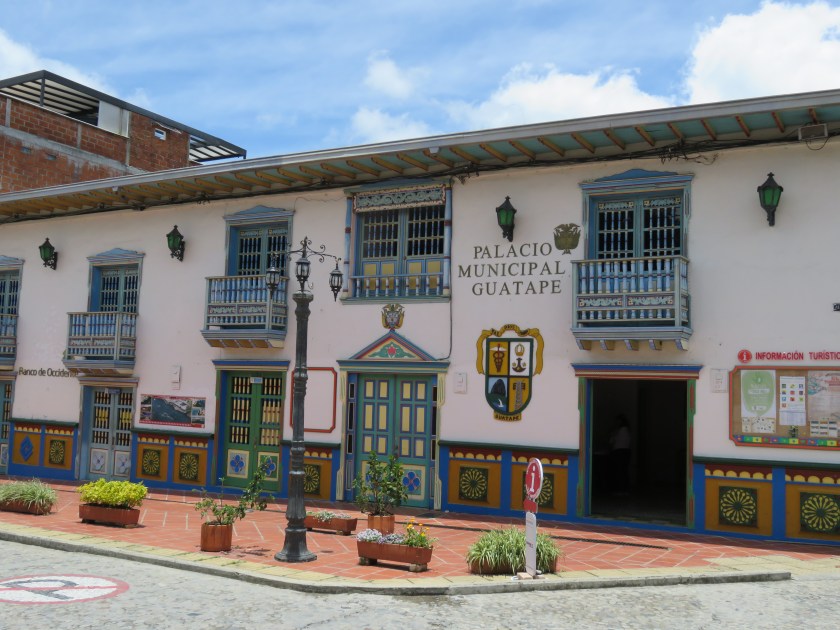
Guatepe and La Piedra

img_0818img_0819

img_0834img_0825

img_0849

img_0872img_0883img_0904img_0913img_0949

img_0948

img_0964img_0973img_0975img_0977

CameraCanon PowerShot SX710 HS

Location: Guatepe, Antioquia, Colombia

Cuisine Spotlight – Bandeja Paisa

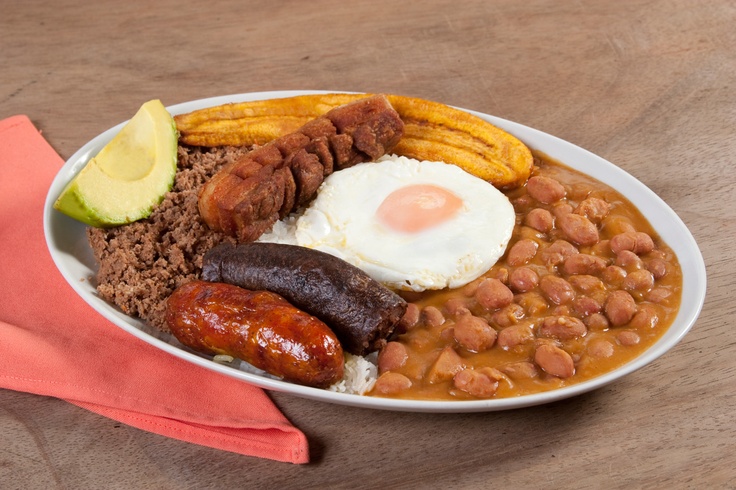
For my first post in the new ‘Cuisine Spotlight’ series, I will be focusing on my favorite dish here in Colombia, which is known as the ‘Bandeja Paisa.’ Flavorful, unique, and made up of different food groups, ‘Bandeja Paisa’ is a conglomeration of the best of Colombian cuisine, and specifically of the Antioquia region. You can tell by its’ name that this popular food dish has its’ origins with the Paisas who are the inhabitants of Department of Antioquia. If you translated ‘Bandeja Paisa’ from Spanish to English, it would roughly mean ‘Paisa Platter.’

It’s a paisa platter because there are a number of different foods that make up this huge plate of food. There is a variety and amount of flavors and tastes that you can’t find in many other dishes here. While there are a number of ‘Bandejas’ or ‘Platters’, the ‘Bandeja Paisa’ is the most well known along with its’ ingredients. The ‘Bandeja Paisa’ usually includes red beans mixed with pork, white rice, ground meat, chicharron, fried egg, plantains, chorizo, arepas, blood sausage, avocado, and criollo sauce to top it all off. You have to eat ‘Bandeja Paisa’ on an empty stomach. Otherwise, you may not be able to finish half of the dish.

‘Bandeja Paisa’ is a lunchtime dish and should be enjoyed with a nice cold glass of fruit juice. In Colombian culture, lunch rather than dinner is the main meal of the day and is to be taken seriously. I would recommend to have your ‘Bandeja Paisa’ dish with other people around whether they be friends or family because chances are good that you won’t be able to finish it all on your own. It is likely that the ‘Bandeja Paisa’ dish was made for those people who worked the fields for farming and growing crops. They also could be herding cattle and collecting food for their families.

I would like to believe that they would look forward to having ‘Bandeja Paisa’ as their main meal of the day due to the arduous physical tasks that would be asked of them to complete from sunrise to mid-day. I’m sure millions of Colombians and foreigners here like myself have thought about settling down and having ‘Bandeja Paisa’ after a long day of work regardless of which profession we tie ourselves to. Once again, it’s worth noting that the simple pleasures like a big meal after a hard day of labor can make a world of difference in brightening our outlook for the rest of the day. Having something to look forward to like biting into a chorizo or sampling some avocado can make the work less tedious and the time pass by more quickly.

‘Bandeja Paisa’ is considered to be a mestizo dish meaning that it is a unique mixture of both American and European ingredients and foods. The different indigenous peoples who have inhabited Antioquia and Colombia in general have left their influence on dishes like this one along with the Spanish colonists who adapted the ‘Bandeja Paisa’ to their own tastes and preferences. Interestingly enough, there is also some African influence along with that of British and French colonialists. The best thing about the ‘Bandeja Paisa’ is that you can adapt it to fit your dietary needs. If you don’t like having so much meat, you can switch in a salad or a vegetable. While the original food options are preferred, I’ve noticed that there are a number of variations to the ‘Bandeja Paisa’ and that Antioquians are flexible with its’ presentation.

The people of Antioquia have such a fond love for ‘Bandeja Paisa’ that they tried to get the national government in Bogota to make it the national dish of Colombia. While there has been no movement on having this become official, ‘Bandeja Paisa’ is held in high regard in terms of representing Colombian cuisine and is advertised by many restaurants and tourist agencies alike. Similar to the popular ‘Sancocho’ favored by Costenos on the Atlantic coast and the delicious ‘Ajiaco’ soup that Bogotanos covet, the Paisas of Antioquia regard ‘Bandeja Paisa’ as the national dish of Colombia even though its’ overall popularity is limited to the department itself.

While ‘Bandeja Paisa’ is not an everyday kind of food, it is a delicious and unique plate of food that is a large part of the cuisine here in Antioquia. It is an excellent choice when it comes to filling yourself up after a long day of work. It is very affordable, has all different food groups represented and it will earn respect from the locals by trying it out. My last recommendation if you are going to try to eat the whole ‘Bandeja Paisa’ is to order some lemonade, water, or fruit juice because it will help a lot with the digestion process and prevent you from getting a nasty stomachache. Buen provecho!

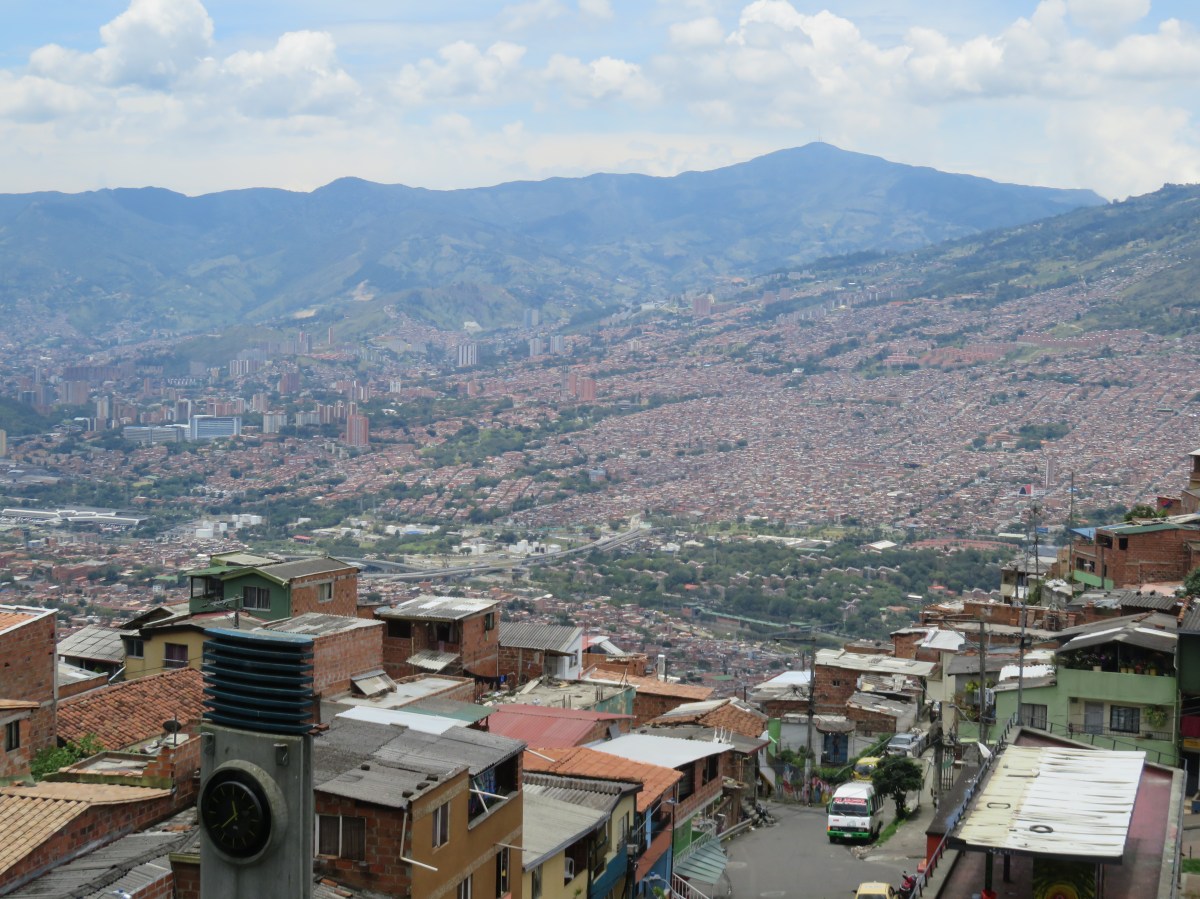
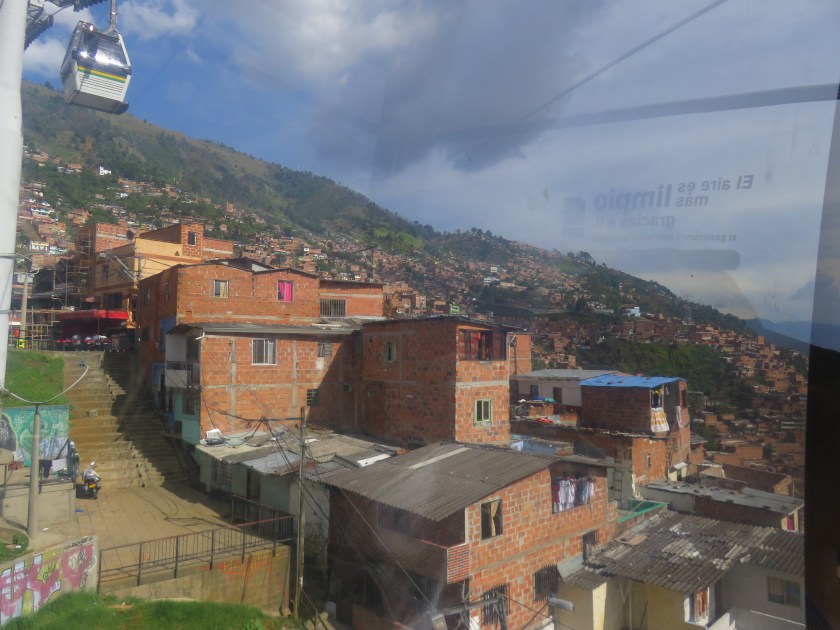
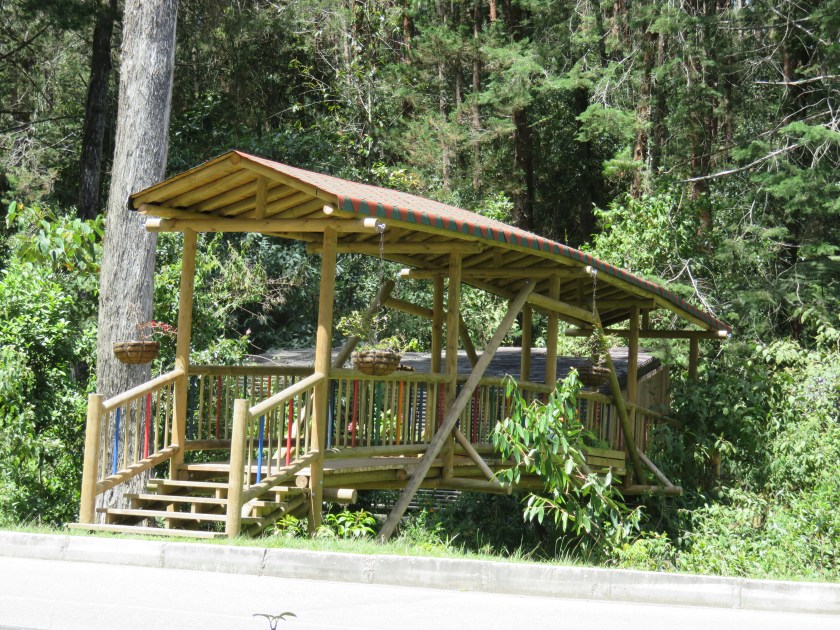
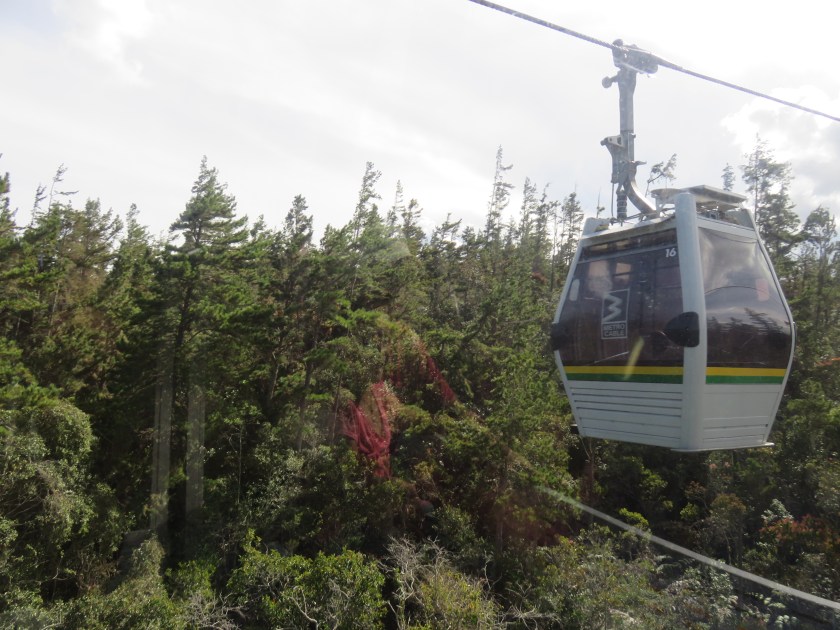
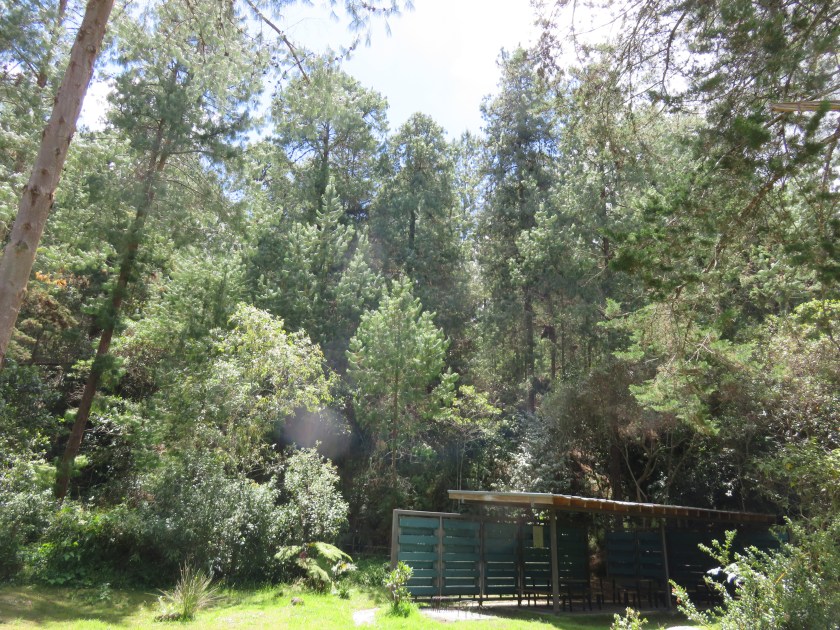
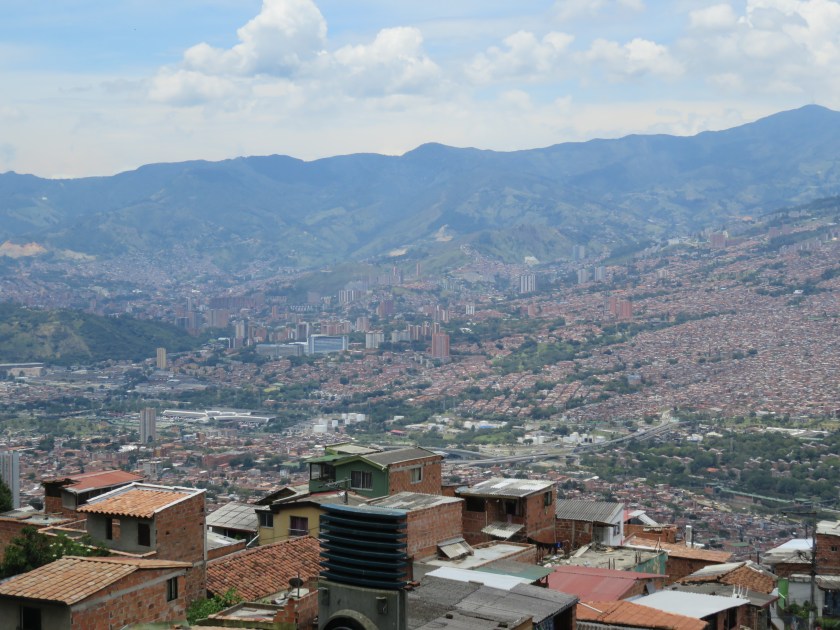
Cable Car Ride and Parque Arvi

img_0794img_0791img_0788img_0783

img_0759img_0761img_0762

img_0764img_0766img_0765img_0757img_0756

CameraCanon PowerShot SX710 HS

LocationParque Arvi; Medellin, Antioquia, Colombia

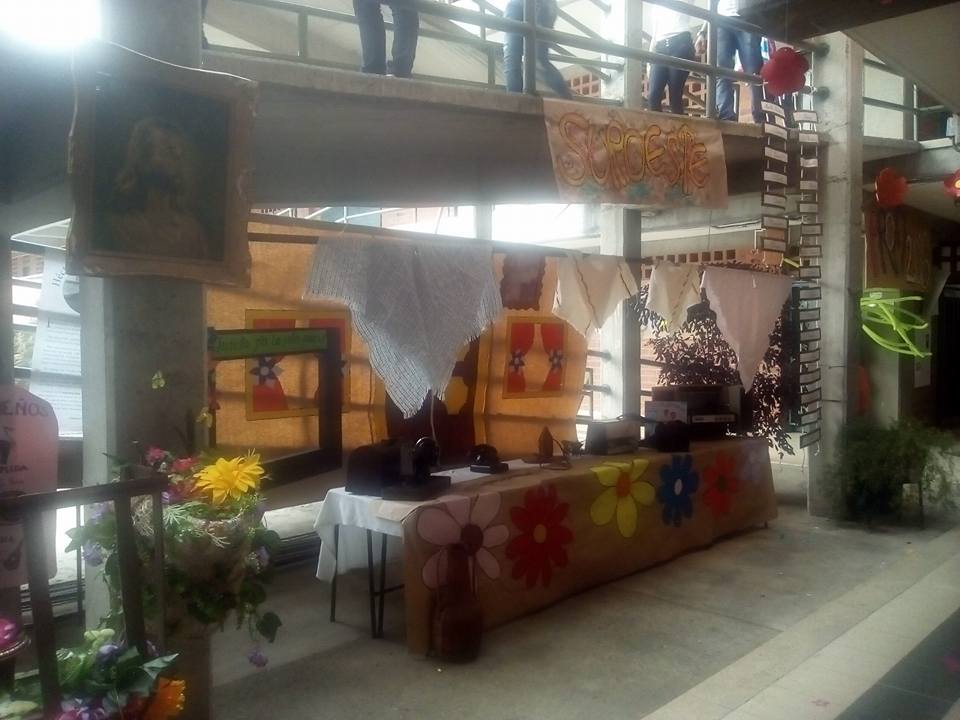
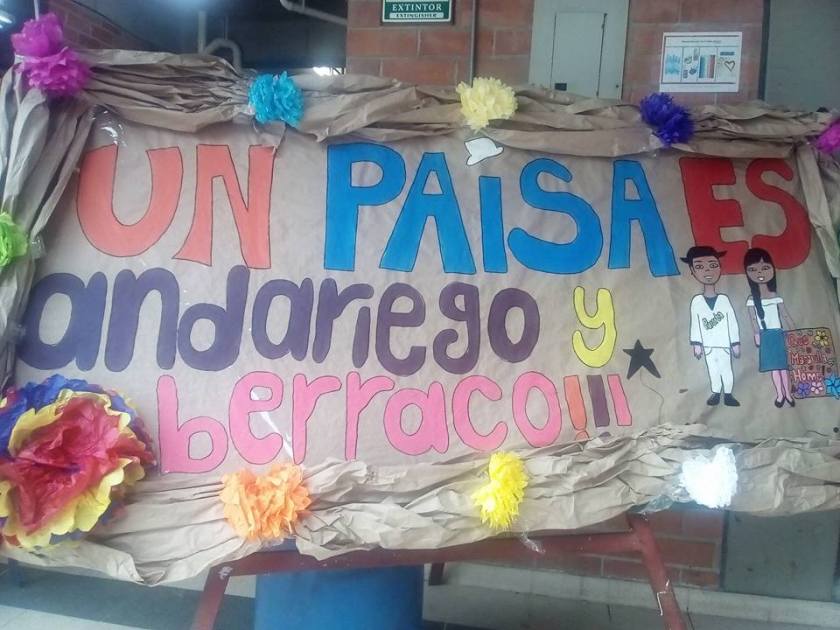
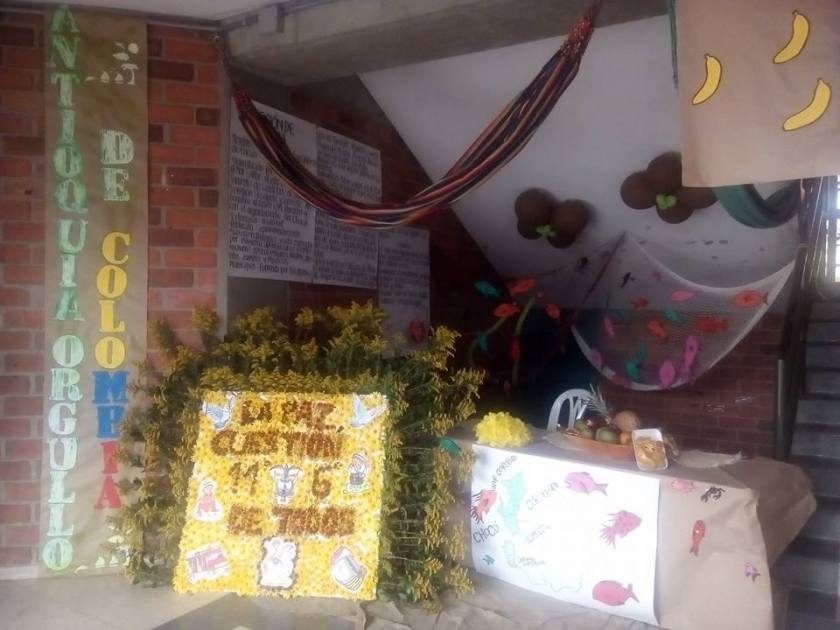
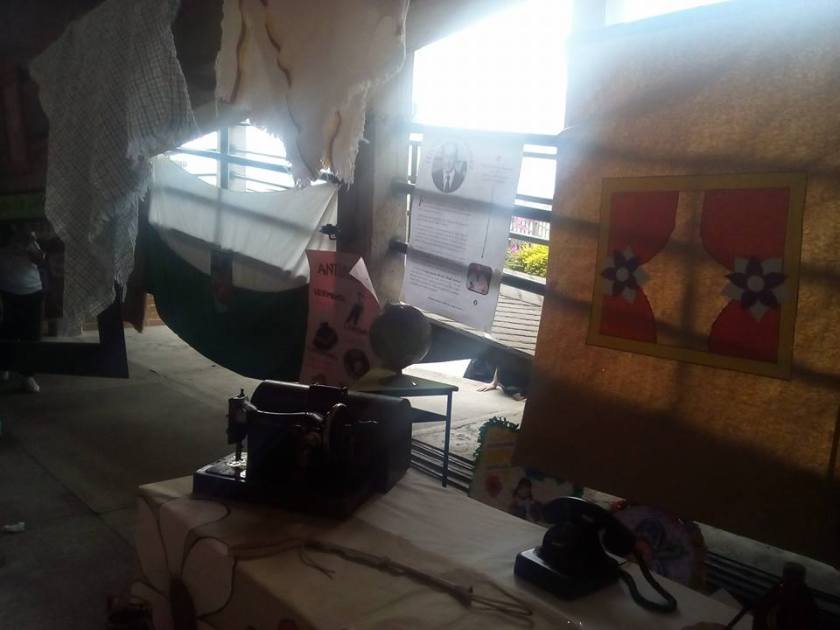
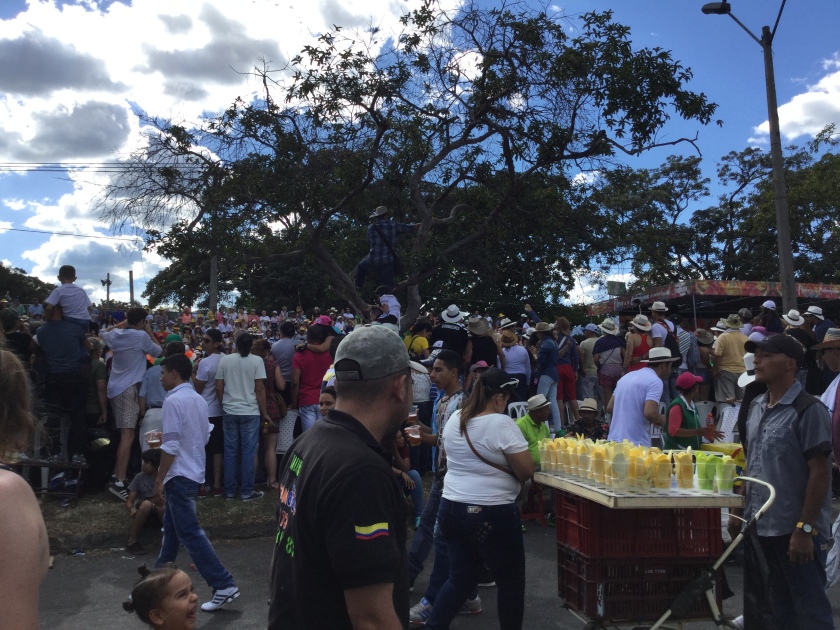
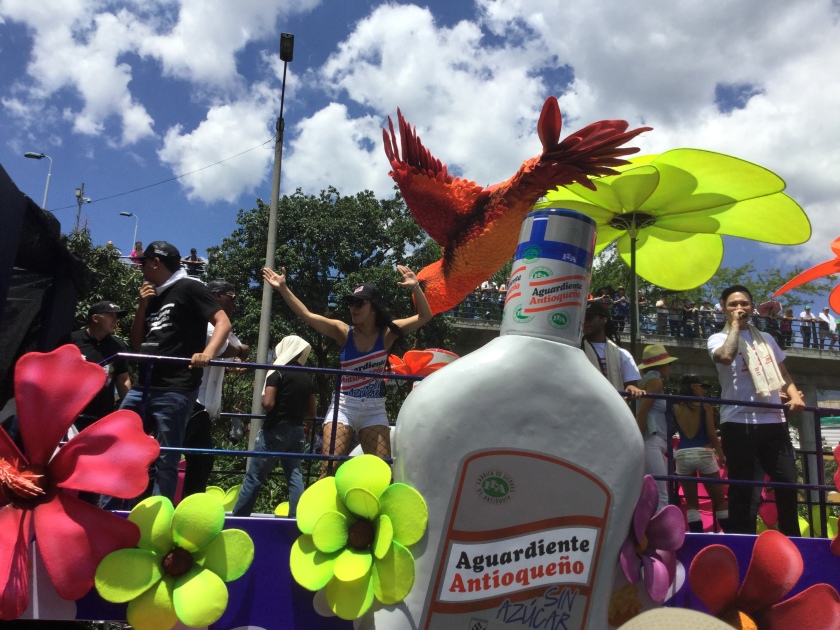
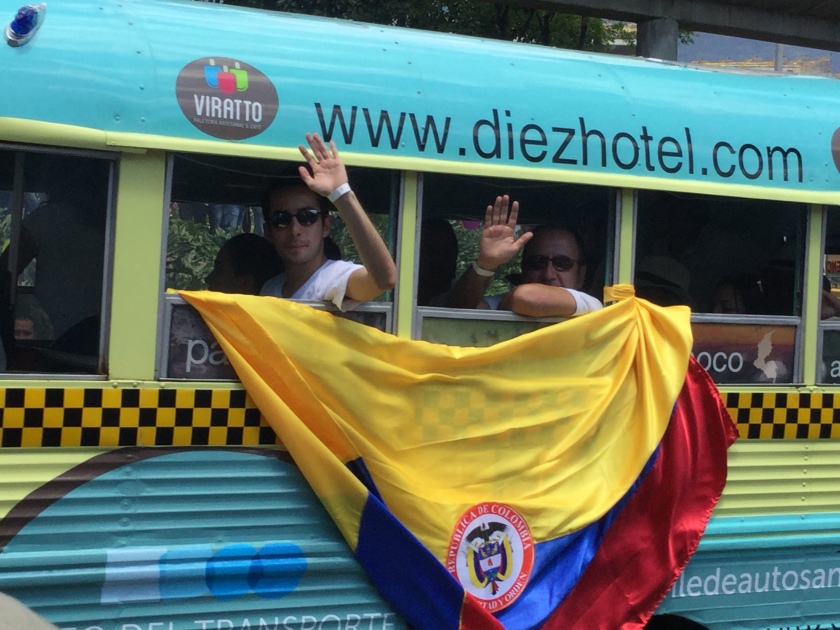
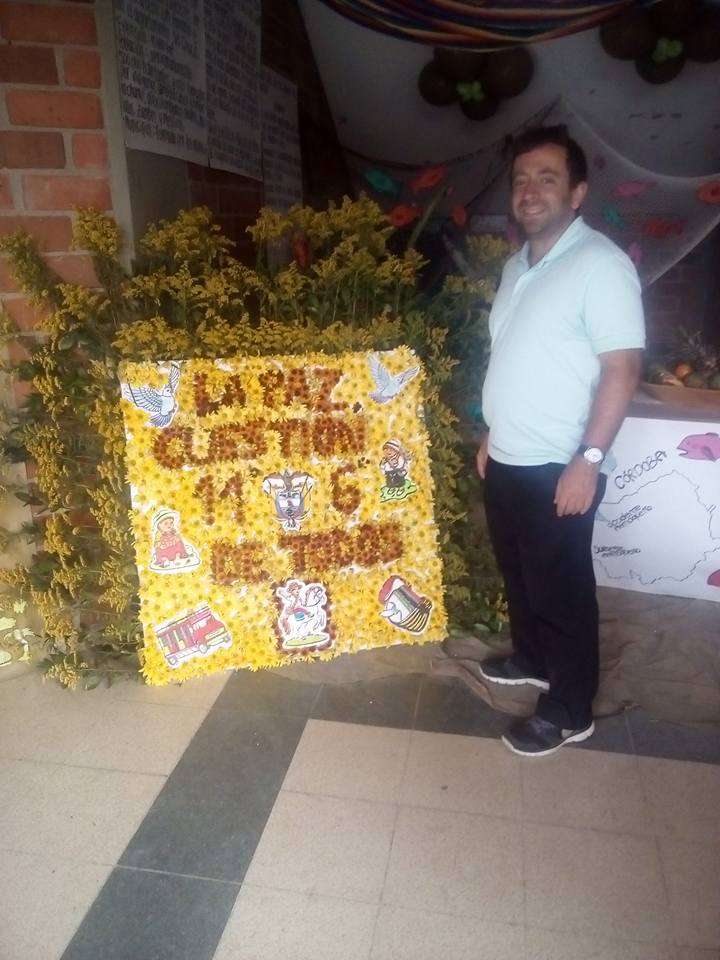
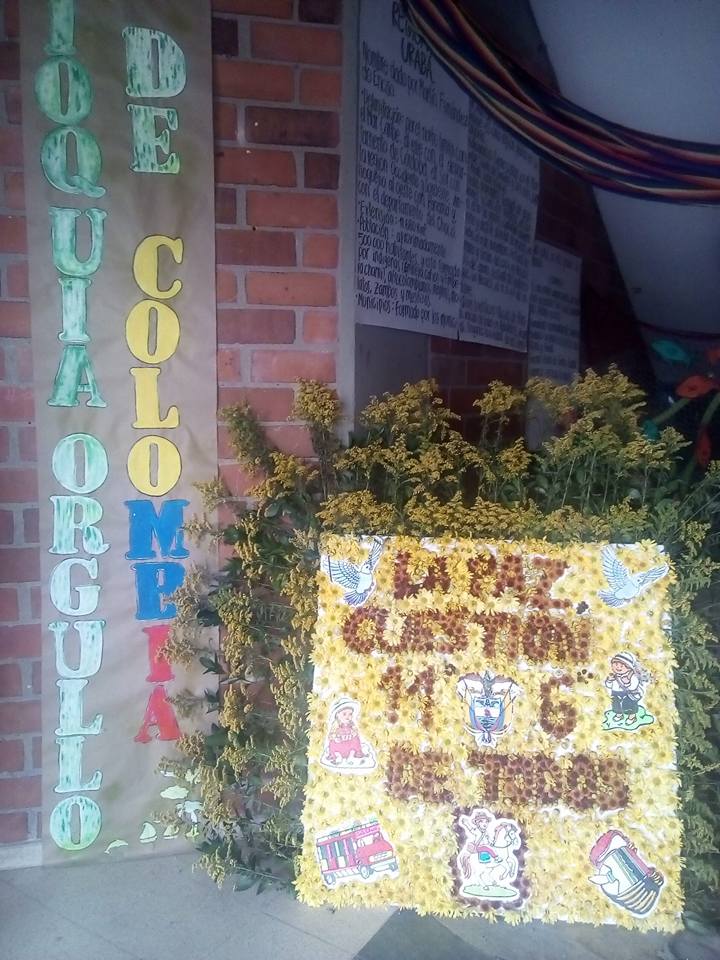
Antioquia Day


antioquiaday6

antioquiaday

antioquiaday3

antioquiaday4

antioquiaday5

antioquiaday7

antioquiaday8

antioquiaday9

antioquiaday10

antioquiaday11

Camera: Lenovo A2010 

Location: Medellin, Antioquia, Colombia

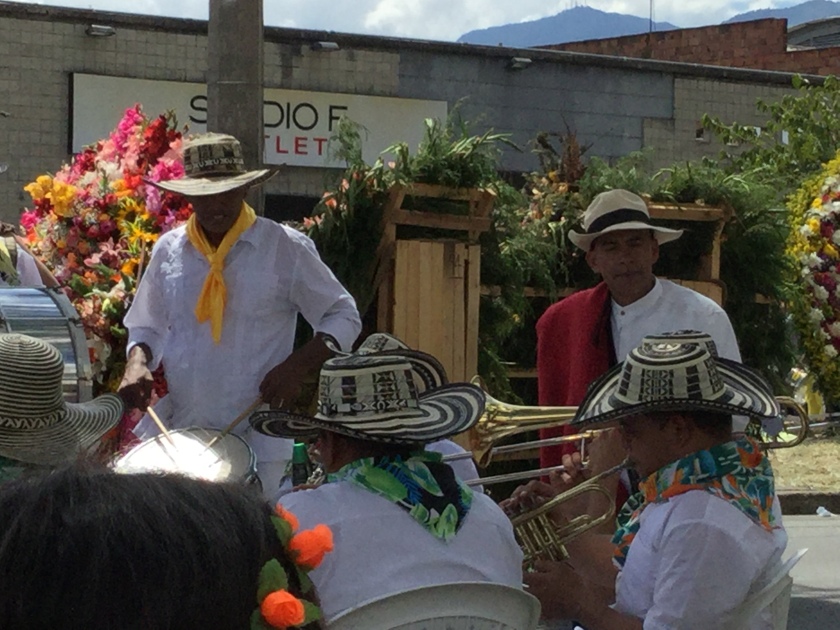
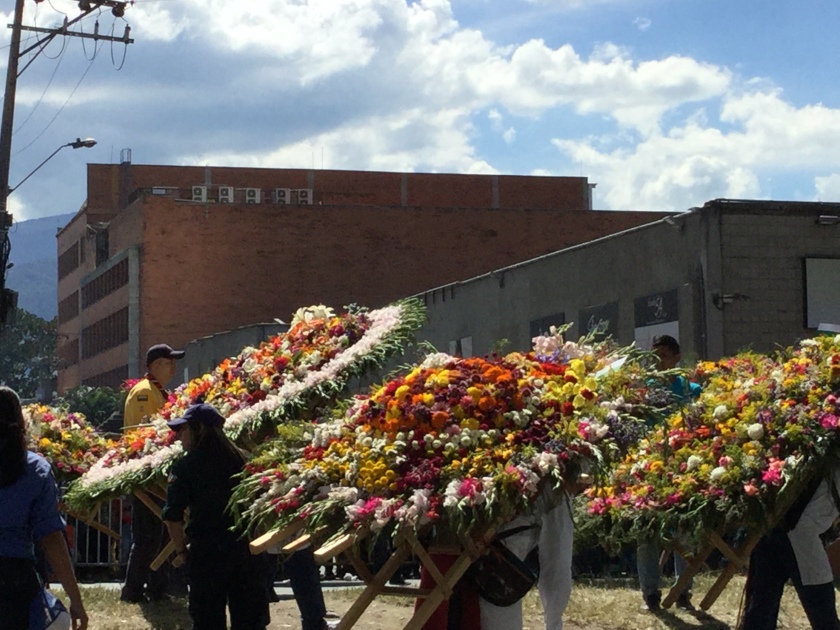
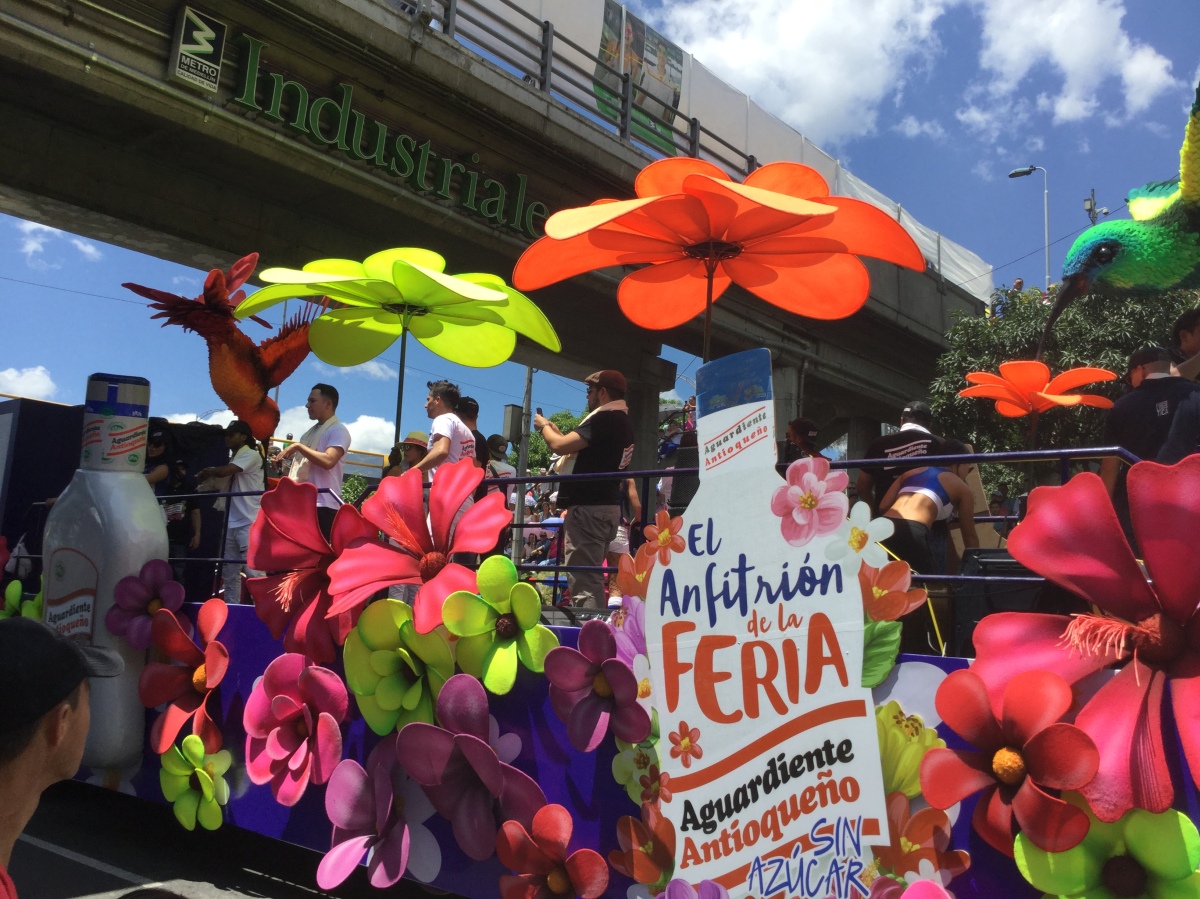
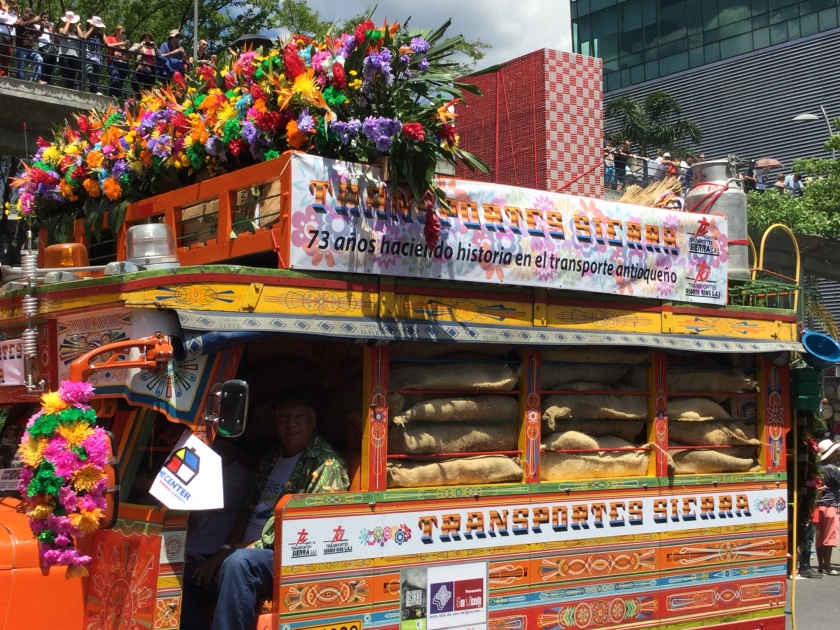
El Desfile de Los Silleteros

IMG_0233IMG_0234IMG_0236IMG_0247IMG_0250

IMG_0253IMG_0268IMG_0269IMG_0272IMG_0273

IMG_0274IMG_0276IMG_0278IMG_0281IMG_0280

CameraiPod Touch, 6th Generation

Location: El Desfile de Los Silleteros (Flower Men and Women Parade), La Feria de Las Flores; Medellin, Antioquia, Colombia

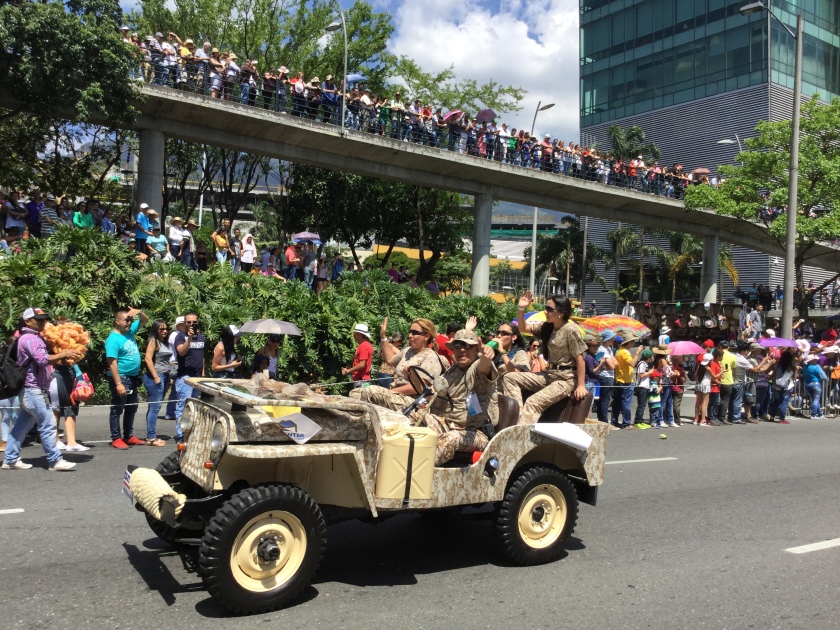
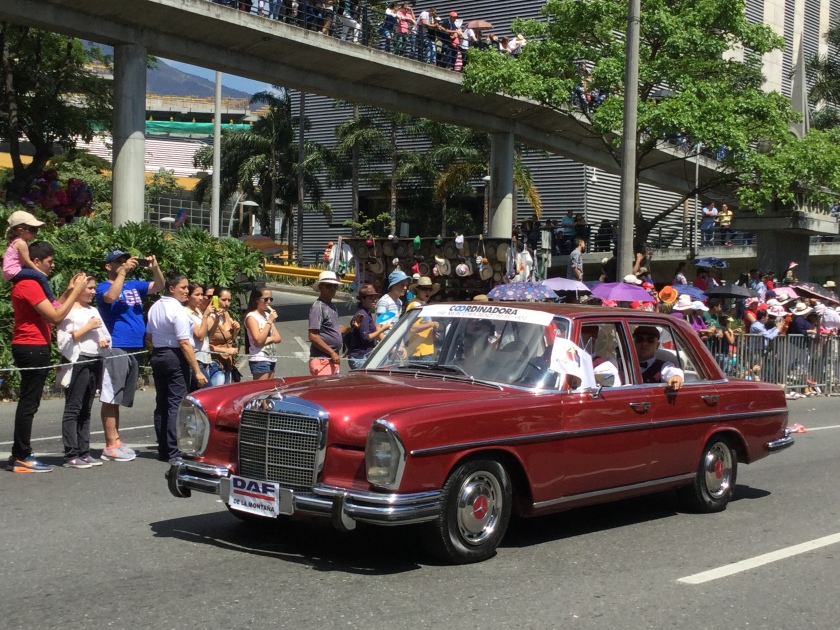
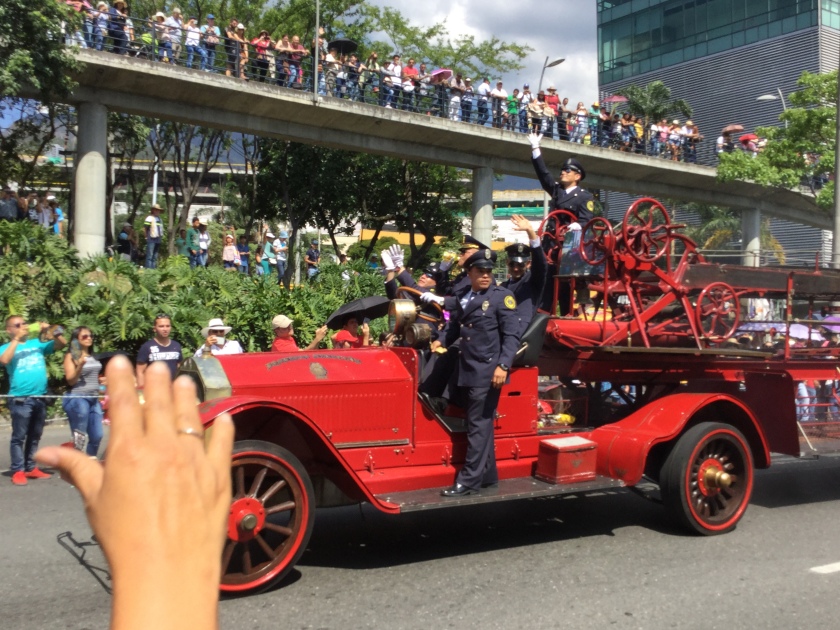
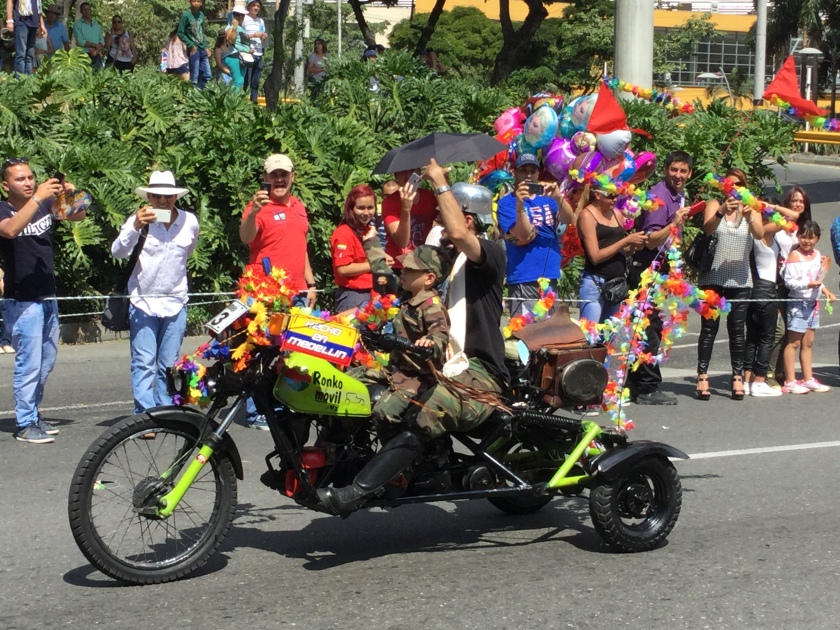
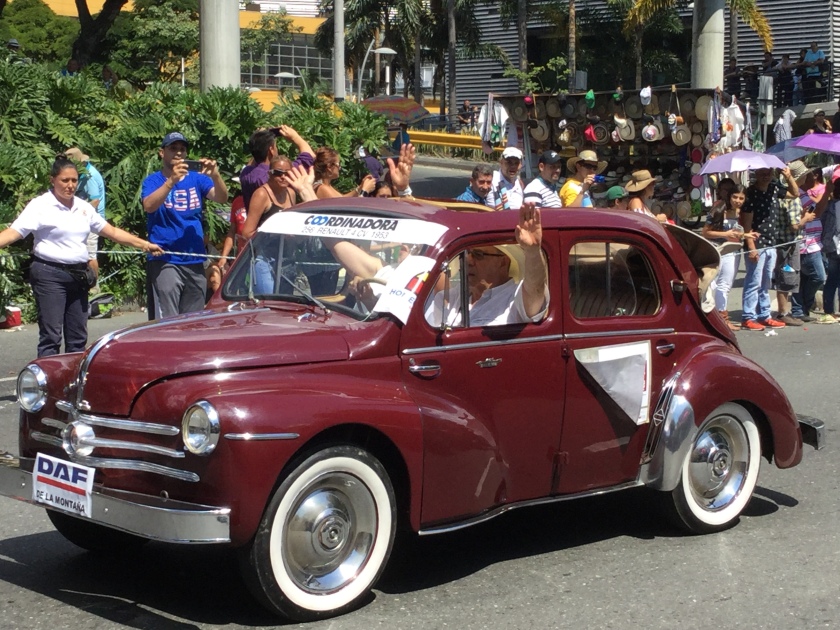
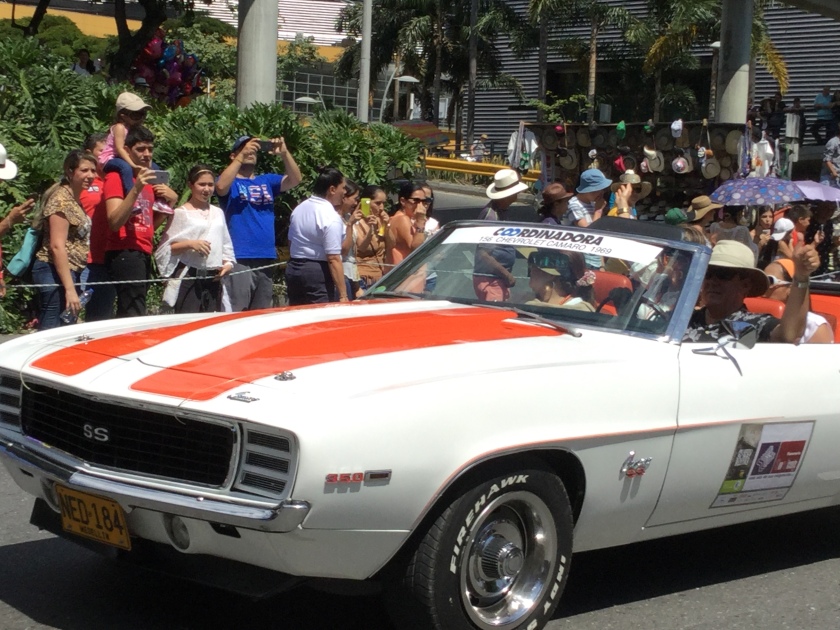
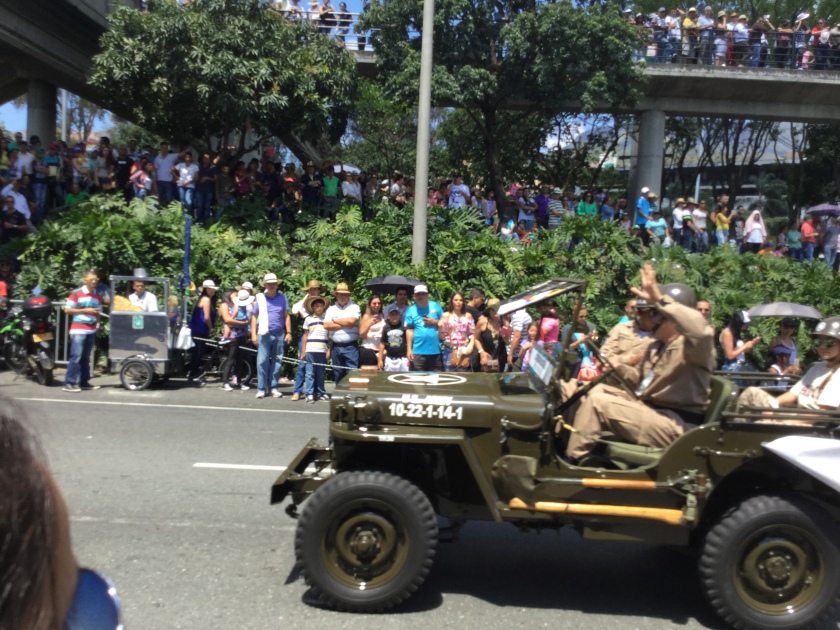
El Desfile de Los Carros Antiguos

IMG_0153IMG_0159

IMG_0163IMG_0164

IMG_0166

IMG_0174

IMG_0176

IMG_0190IMG_0203IMG_0217

IMG_0229IMG_0226IMG_0224IMG_0219

IMG_0207

CameraiPod Touch, 6th Generation

Location: El Desfile de Los Carros Antiguos (Antique Car Parade), La Feria de Las Flores; Medellin, Antioquia, Colombia


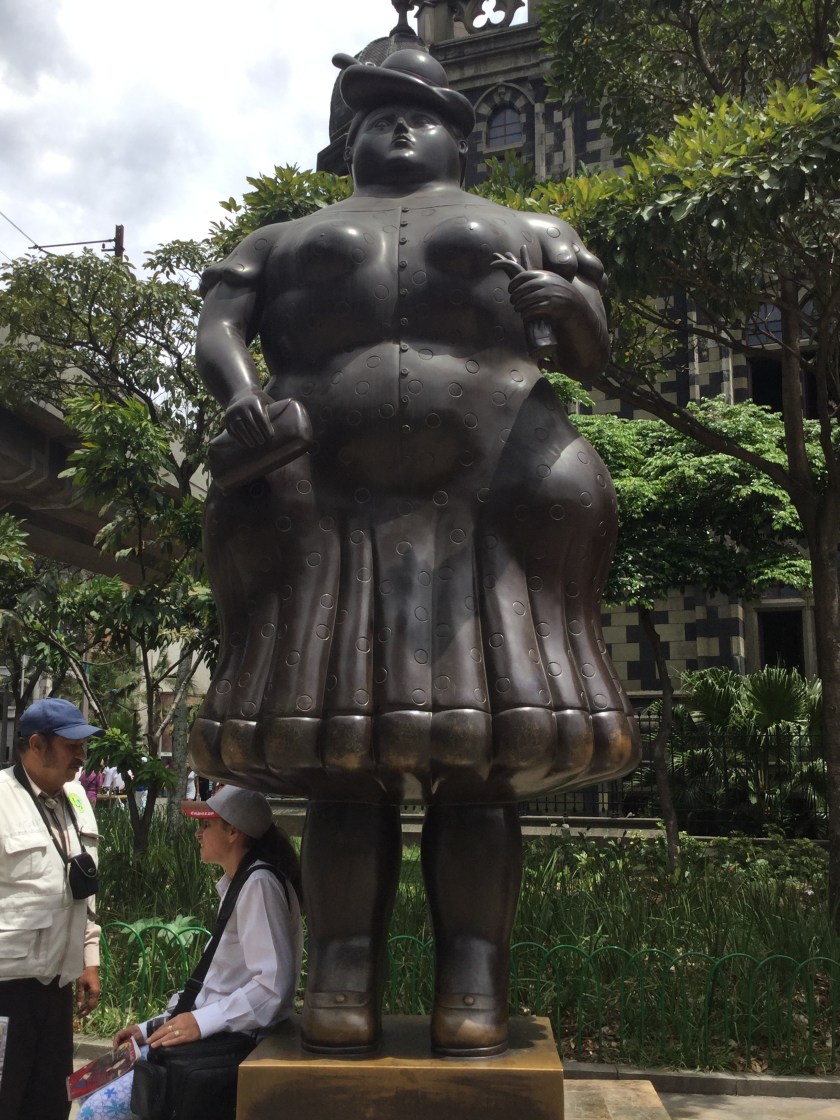
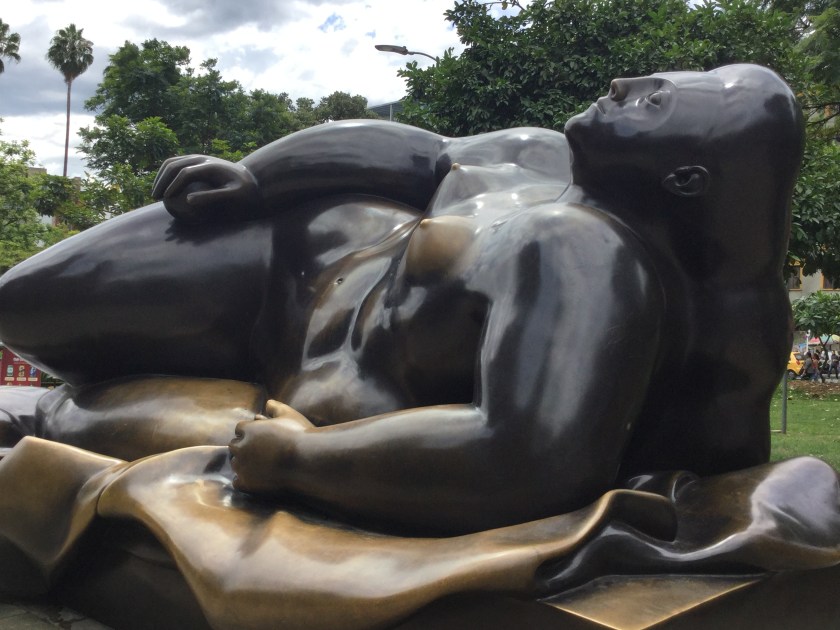
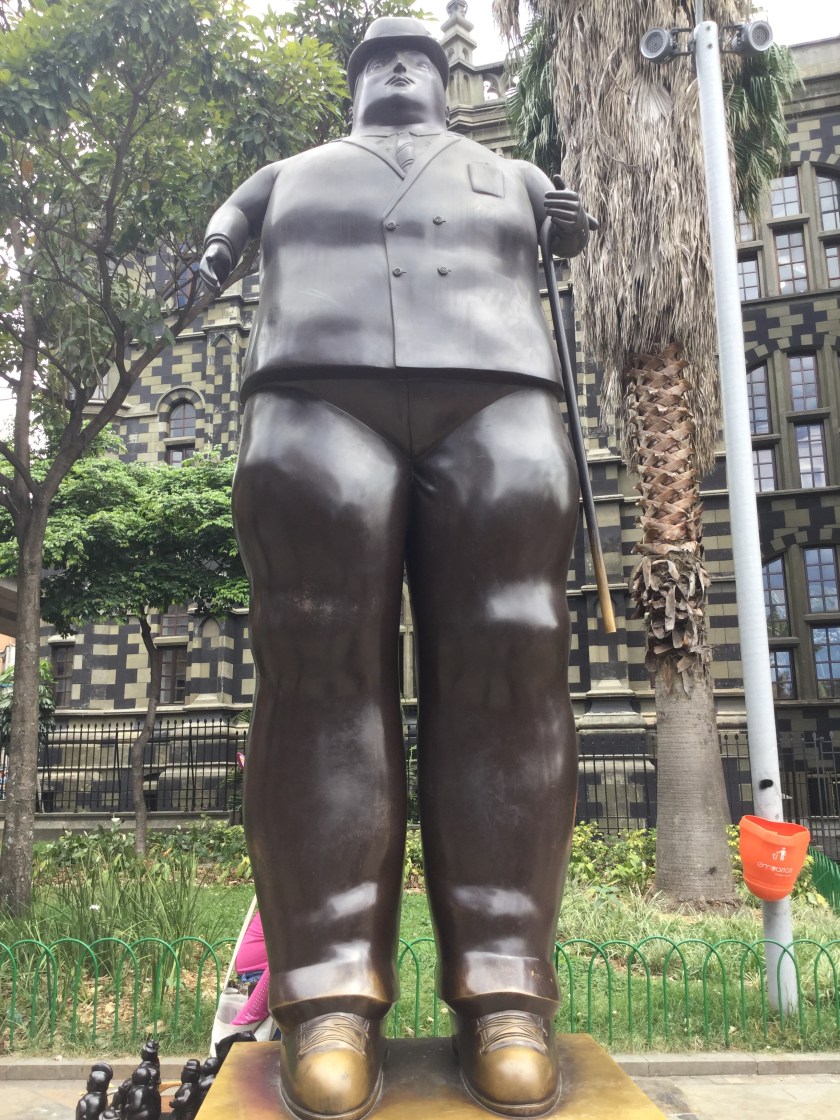
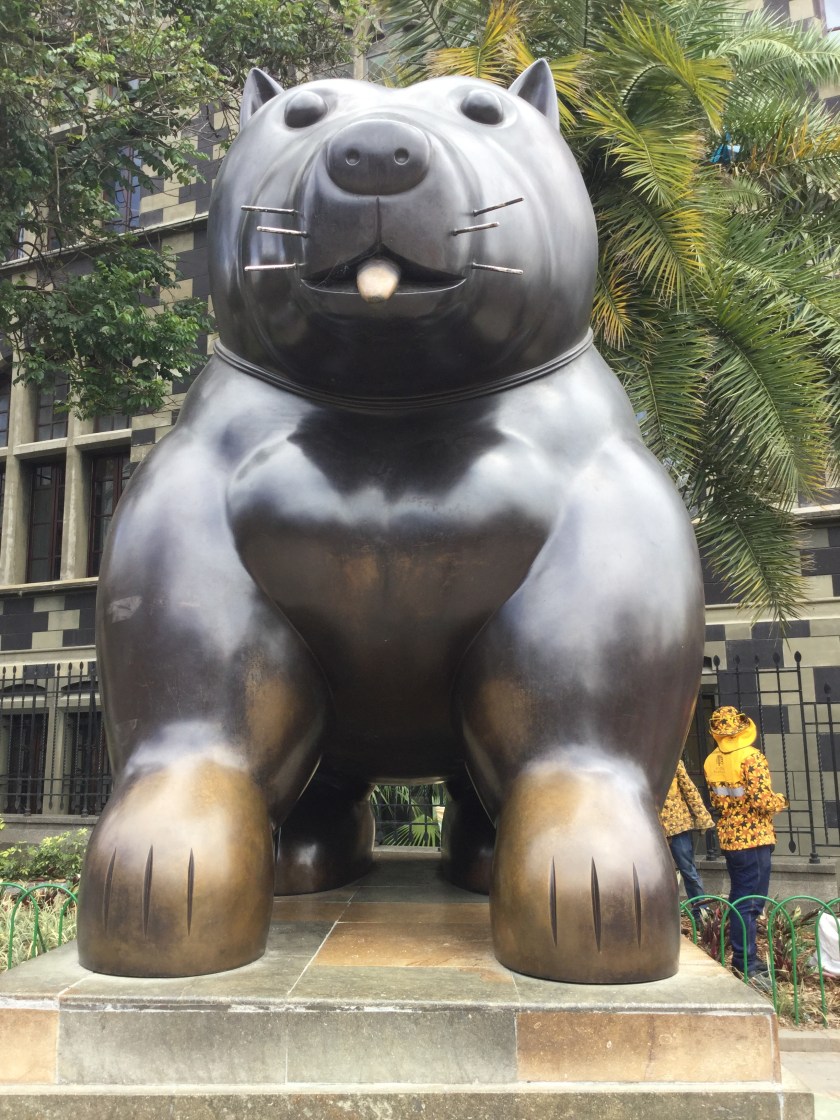
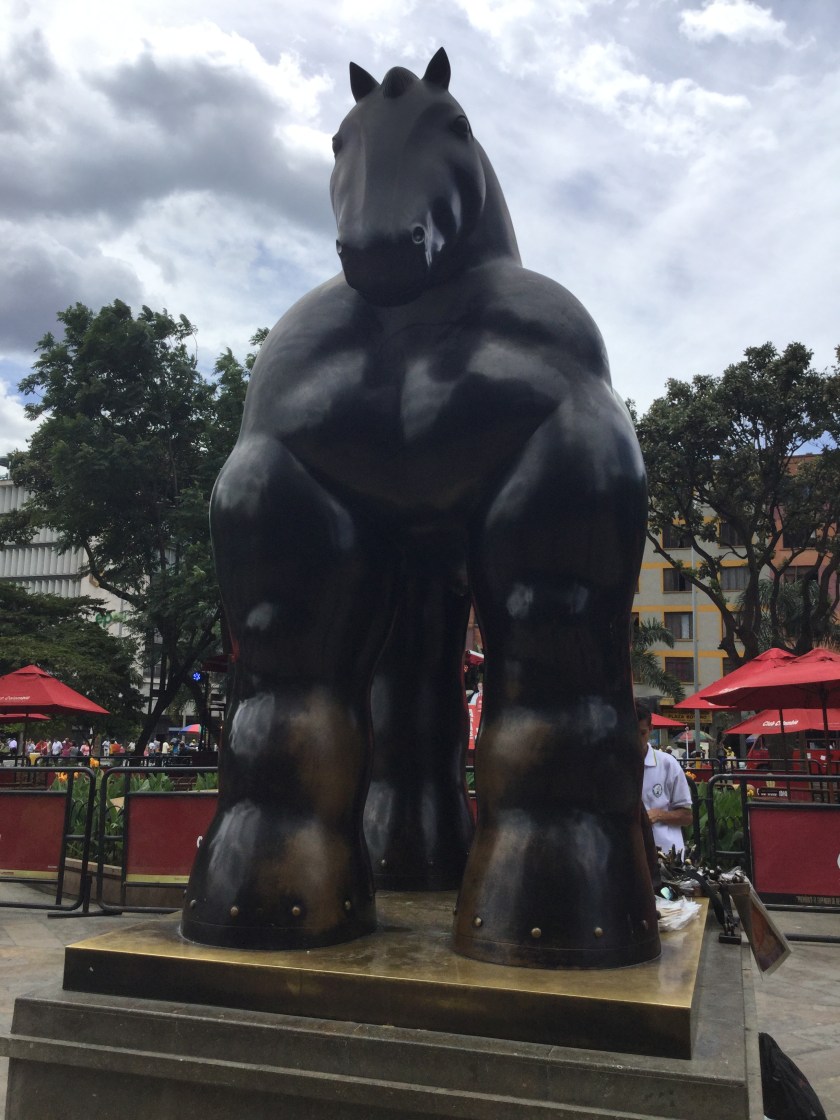
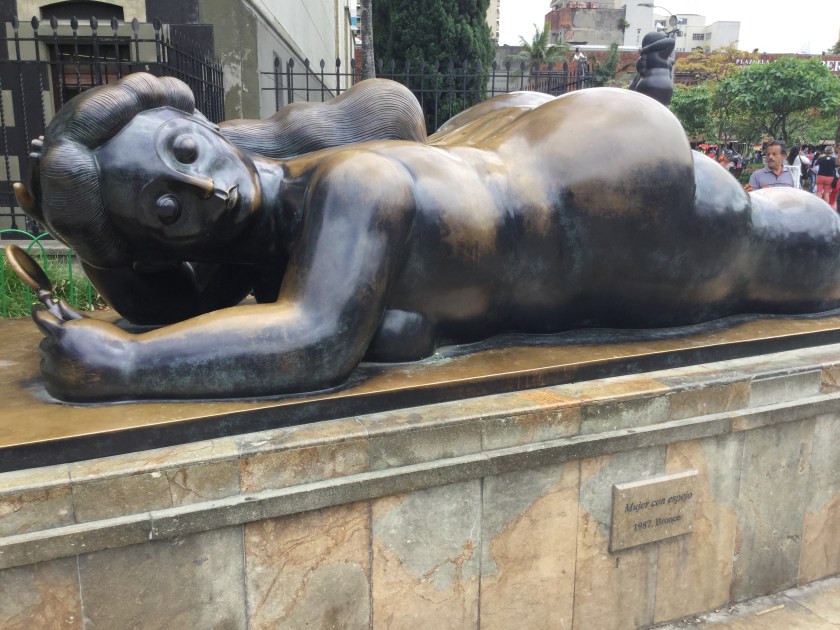
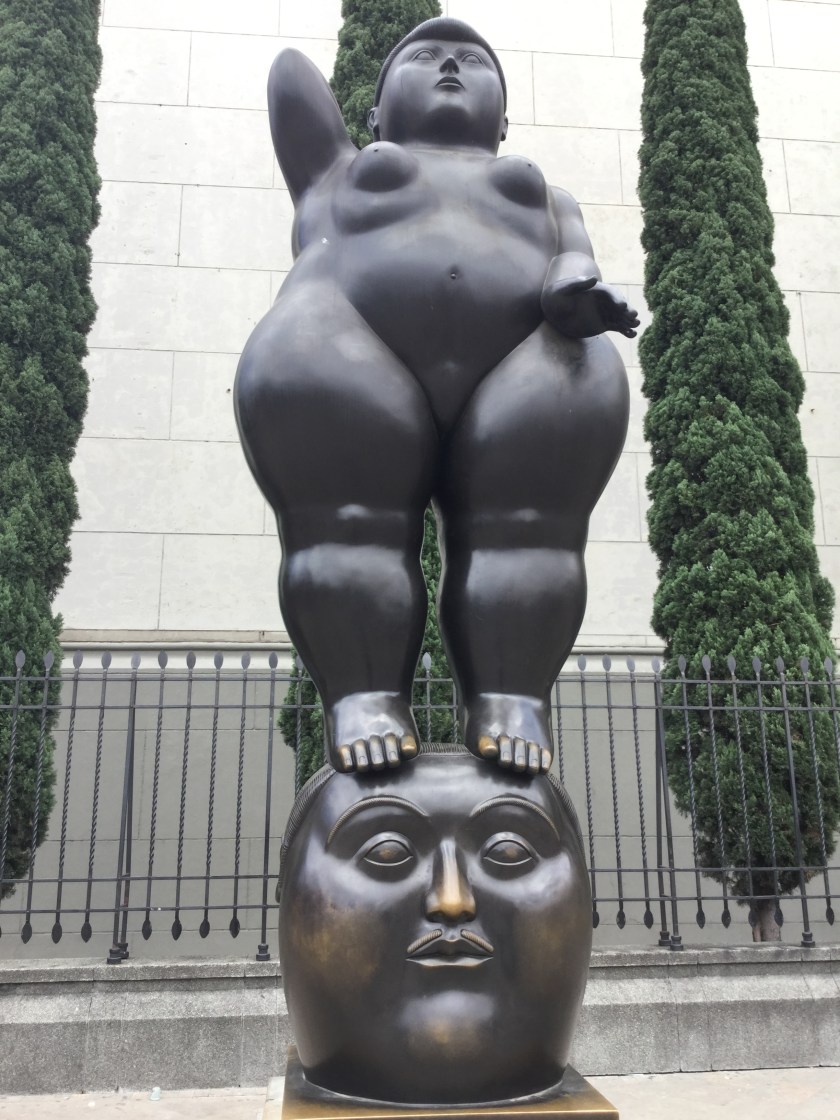
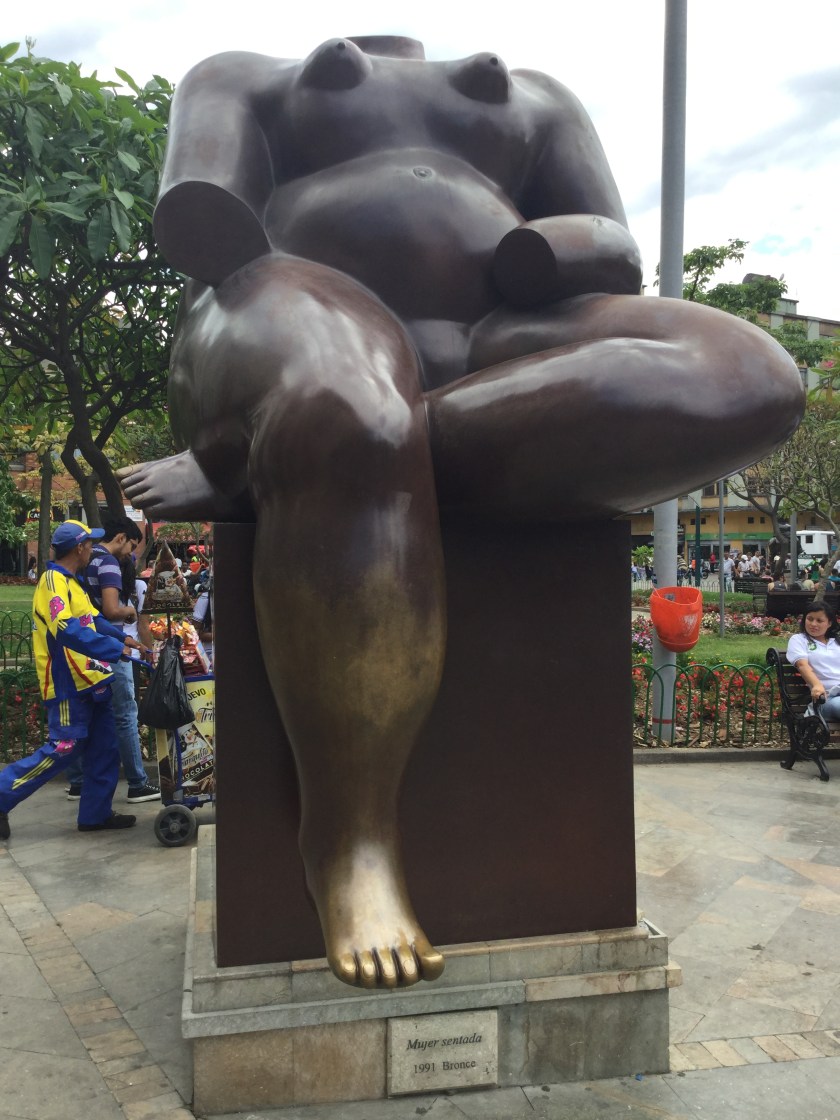
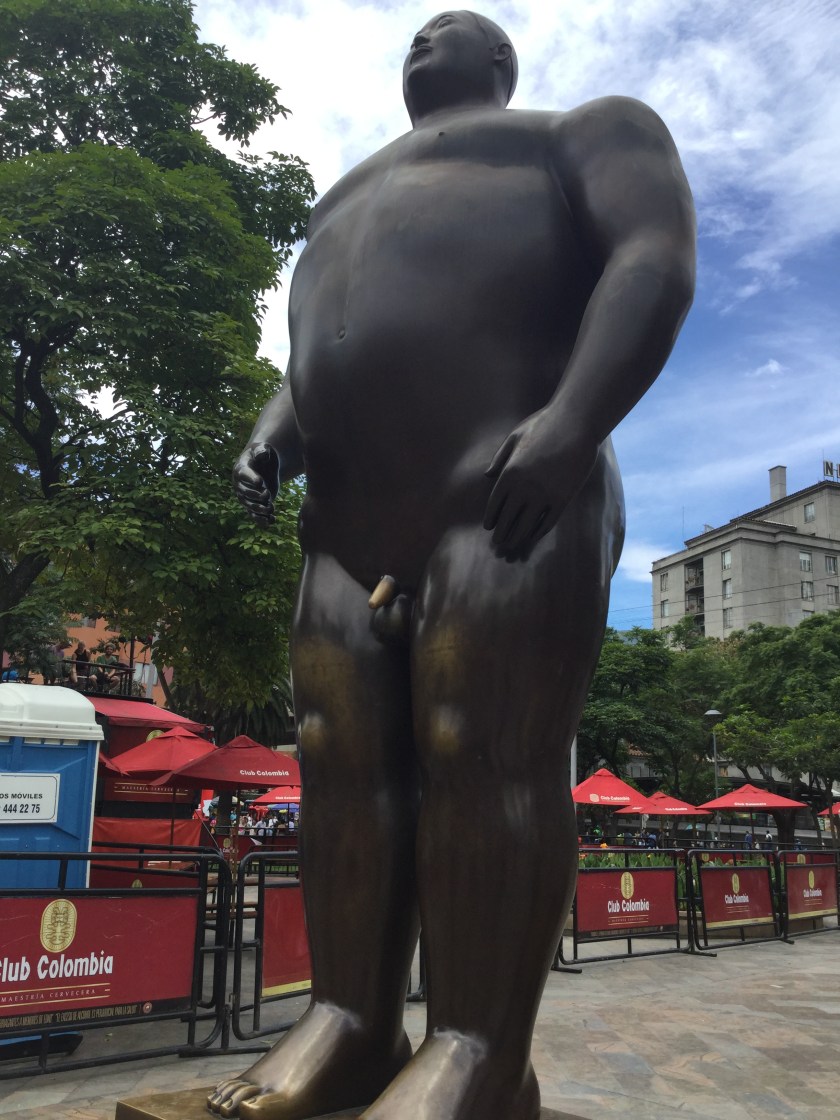
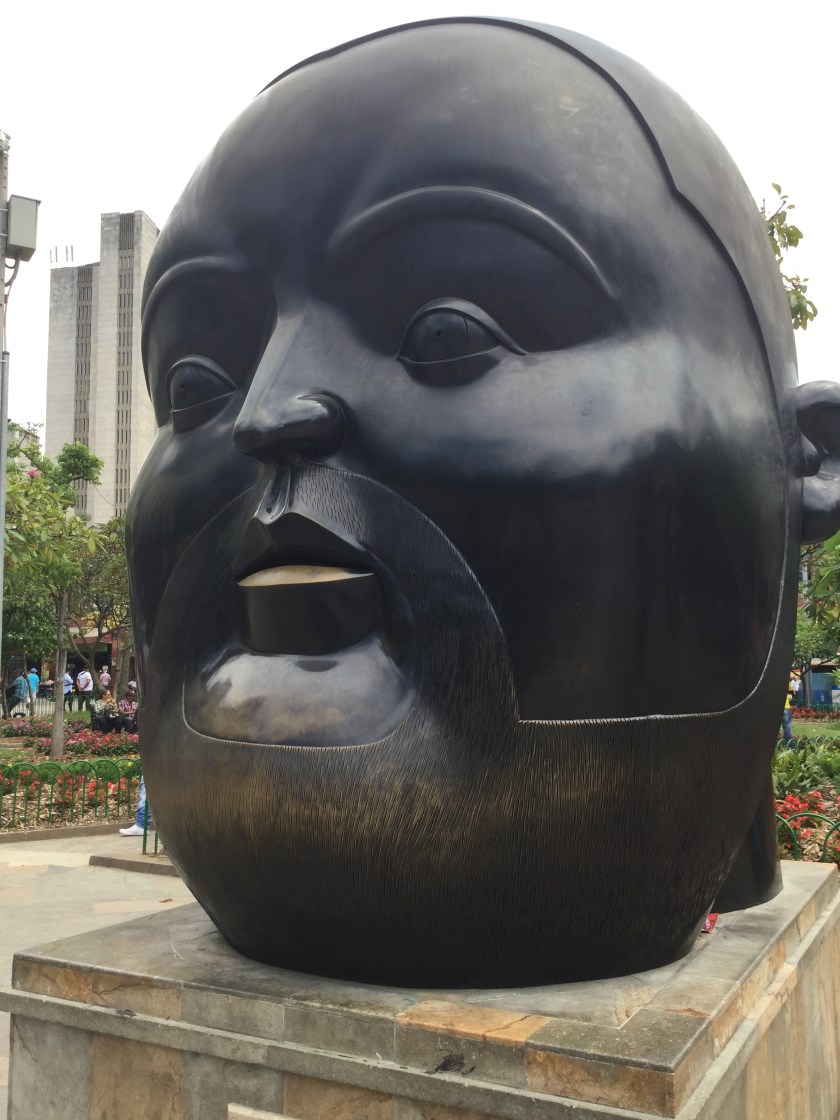
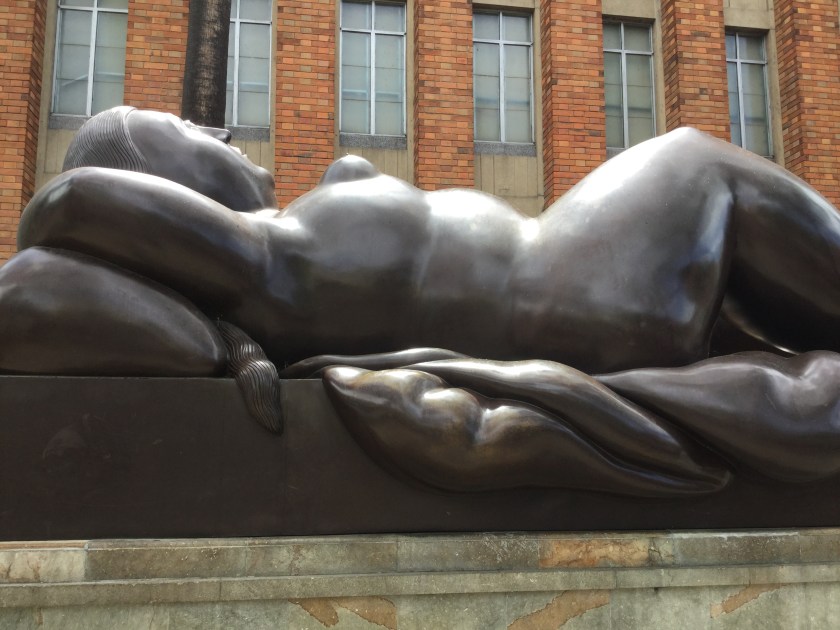
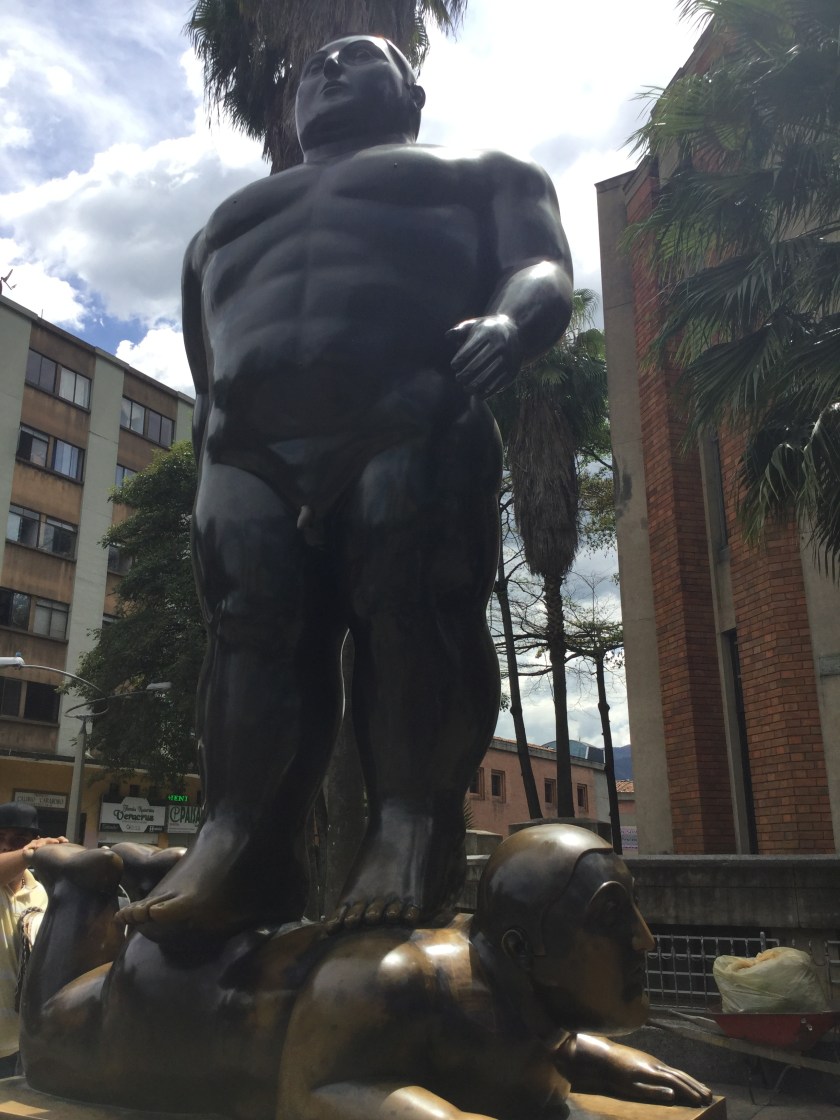
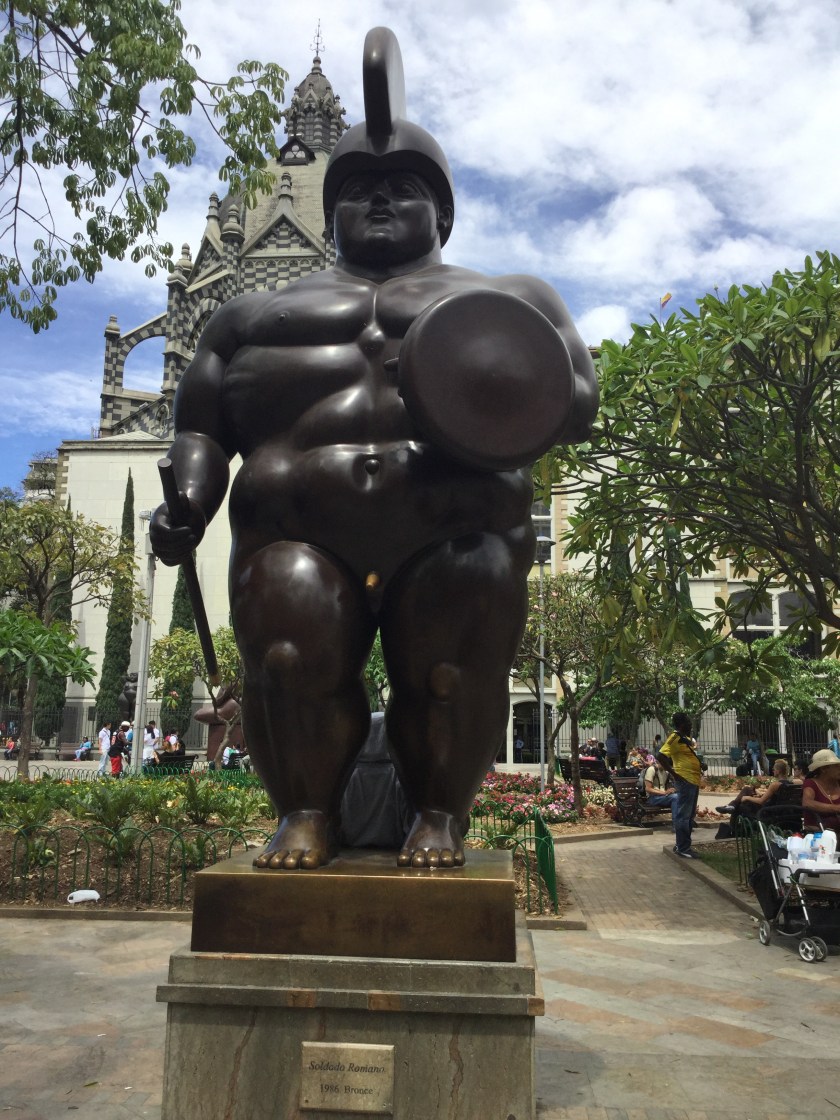
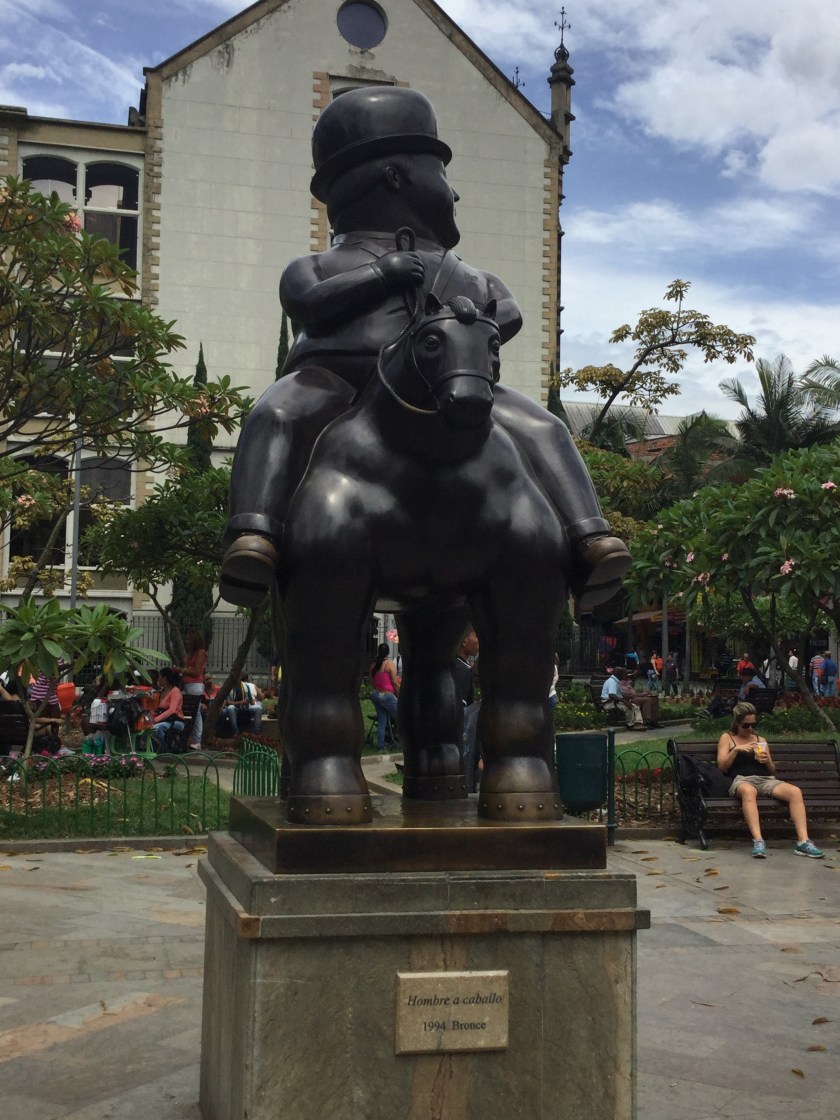
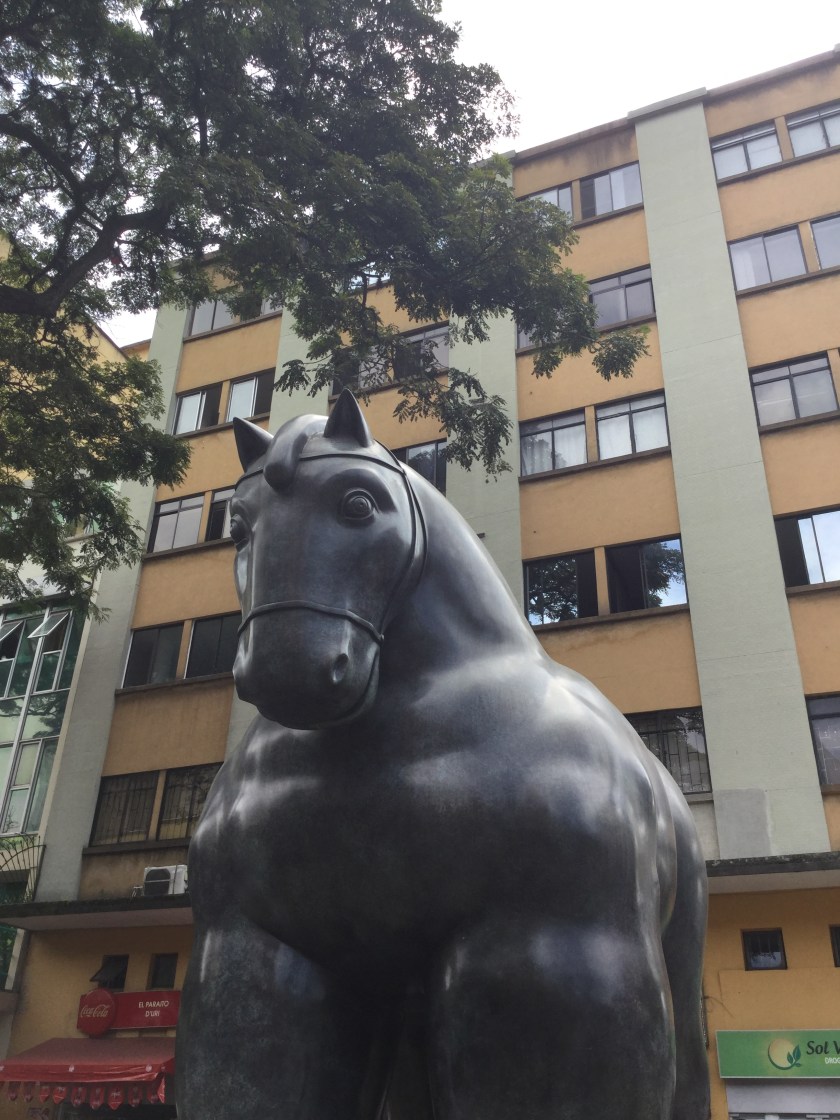
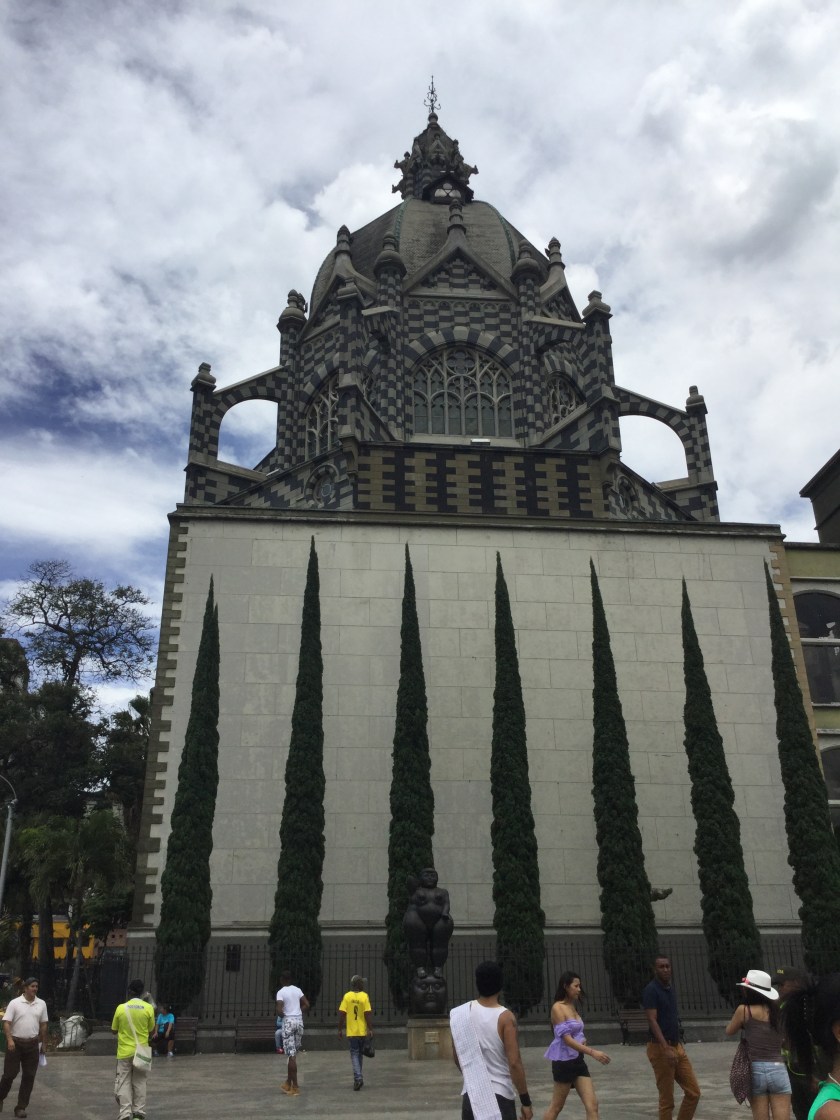
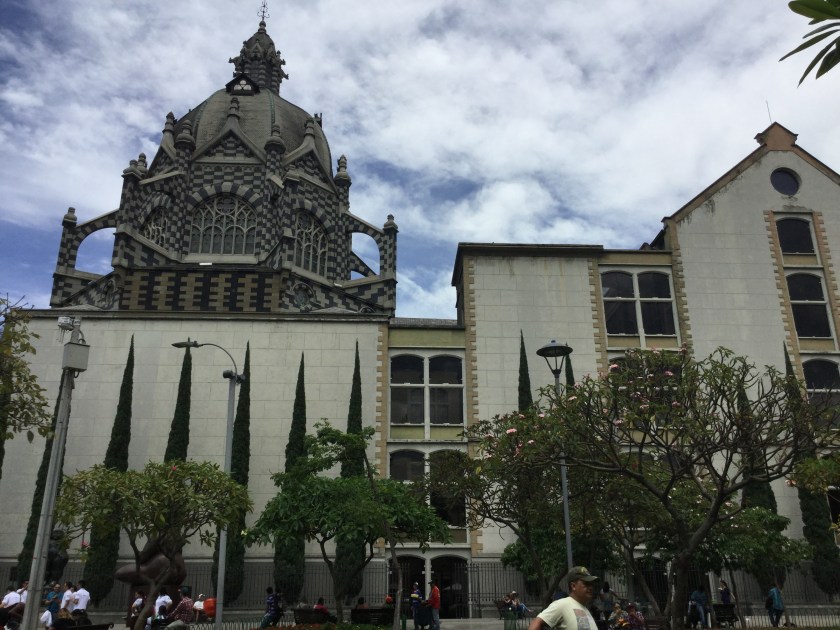
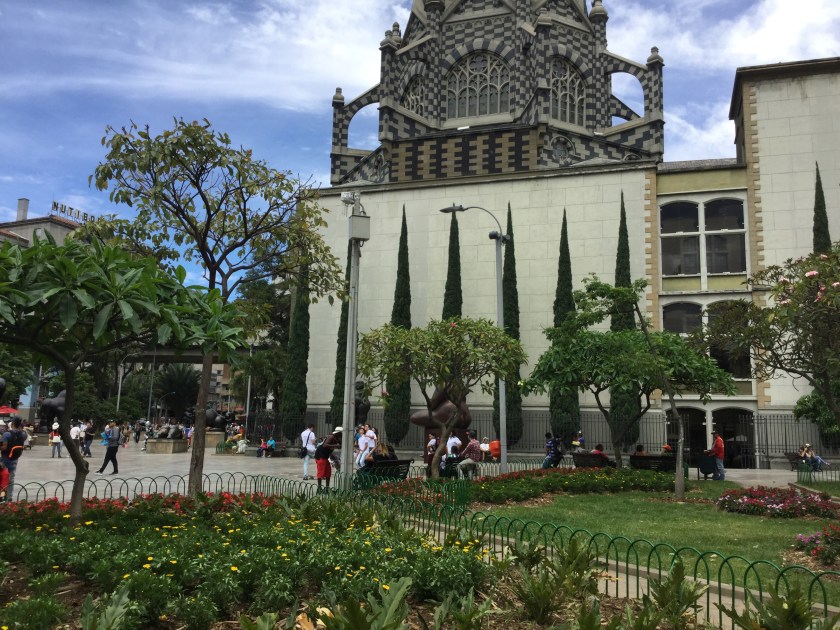
Botero Plaza

IMG_0131

IMG_0132IMG_0133IMG_0134IMG_0135

IMG_0136IMG_0137IMG_0138IMG_0139

IMG_0142IMG_0143IMG_0144IMG_0145IMG_0146IMG_0151IMG_0141IMG_0148IMG_0149

CameraiPod Touch, 6th Generation

LocationPlaza de Botero; Medellin, Colombia

For The Love of The Game

Atletico Nacional
Atletico Nacional: Copa de Libertadores Champions. I can truly say that I’m jumping on the winning bandwagon with this team from Medellin.

One of the best things about living in a foreign country is exploring and becoming immersed in the local sports scene. When you’re living outside the U.S., a different kind of football takes precedence over all of the sports combined. Football, in most countries, is the national sport and one in which kids from an early age learn to play and master over the years. Whether its’ a city street, a dirt field, or turf glass, football is an adaptable sport to any kind of climate which is why its’ such a famed world sport.

Before I started my travels, I looked upon football (soccer) as not that exciting and didn’t understand why it was so beloved. I didn’t like how there wasn’t that much scoring and didn’t appreciate how much skill and technique is needed in order to be successful. Football is like a fine wine that you grow to appreciate the more you learn about it. It’s a unique sport that caters both to the individual and the team too. You can play it anywhere and with anyone. Now, that I’m in my mid-20’s, I can say with a growing confidence how much I appreciate the ‘beautiful game for what it is.

The more I have traveled, the more I have witnessed the absolute love and passion that football fans have for their teams. Growing up in New York, I was a big fan of the New York Yankees and the New York Jets but it doesn’t really compare to the fanatics and supporters who back their football clubs up whether they win or lose. When I lived in Istanbul, Turkey, I saw this passion firsthand as celebrations or riots would occur whether or not the three big teams of Galatasaray, Besiktas, and Fenerbahce would win or lose. Fans of any of these local teams would light flares in the stadiums, parade through the streets, and fill the local bars up to capacity. There are few things in life that get people as emotional as the result of a football match. You have to be careful if you catch yourself in the wrong part of the city if you have your favorite team’s jersey on but they don’t support that team in that neighborhood.

I’ll never forget when thousands of Fenerbahce fans would crowd the streets of Kadikoy to celebrate their win over Besiktas. They sang team songs, lit flares up, and you could barely move through the streets. I, as a disgruntled Besiktas fan, realized just how outnumbered I was so I was forced to hide my dismay after the team had lost in a crushing defeat. There were also happier teams as an adopted Besiktas fan back in 2012 when I was studying abroad in Istanbul at the time. I remember counting down to the start of my first Besiktas match with thousands of other supporters as we jumped up and down to sing songs in support of our boys in black and white.

It’s truly a special experience when you go to a sporting event in a foreign country. I tend to find that football matches like the ones I experienced in Turkey had very passionate fans that made quite an event out of each and every game. While sporting events in the U.S. are quite fun and enjoyable in their own right, they are much more reserved than what I’ve seen from my experiences in Turkey and Colombia. A recent sports triumph that happened here in Medellin has helped make that even more true in my opinion.

Last Wednesday night, the popular and beloved Atletico Nacional team of Medellin triumphed over the Independiente del Valle FC of Quito, Ecuador to win the famed Copa de Libertadores trophy. For those of you who don’t know, the Copa de Libertadores is the South American equivalent of the UEFA Champions League where the best teams of the continent from Argentina to Paraguay battle it out over the course of many months to decide which team is the best in all of South America. It’s an intense tournament with a lot of talented teams. There are a lot of matches to play and a lot of travel involved. Its’ so difficult to win this championship that only two teams from Colombia have ever emerged victorious.

Atletico Nacional won the first championship for a Colombian club, in 1989, and Once Caldas of Manizales earned the second championship more recently in 2004. You could argue, in fact, that the Copa de Libertadores is more competitive than the UEFA Champions League of Europe given that twenty-five different teams from South America have won the title making it a more balanced and fair. There are heavyweight teams like Boca Juniors of Argentina and Santos of Brazil but there have been many underdogs who have emerged victorious in their quest of the trophy over the Copa’s history of competition.

I was lucky enough to be at a bar on the recent night when Atletico Nacional won their 2nd Copa de Libertadores title in their team history. It took them 27 years to become champions of South American club football and the excitement was palpable. A new and younger generation of devoted fans has emerged here in Medellin, and has never tasted a Copa win before. The city was on edge before the match but there was a sense of destiny with fans of all ages and backgrounds sporting the green and white of Atletico Nacional.

Taxis were hoisting the team’s flag all over the city, vendors were selling jerseys everywhere, and bars were decorating their establishments with green and white balloons. If you were a recent visitor to Medellin, you would think that there is only one football team in the city, and not two (Independiente Medellin is the other football team here with red and blue colors.) It was a special setup for a memorable match. Atletico Nacional had tied Independiente del Valle in Quito with a score of 1-1 so all they needed to do was come out with a simple victory at home now.
Due to an early and beautiful goal by forward Miguel Borja, the apprehension quickly turned to celebration for fans of Atletico Nacional all around the world. Fans still had to draw their breath after another 90 minutes of tension but Atletico Nacional were poised and determined to come out on top as champions. Atletico Nacional were victorious at 1-0 and when the final whistle blew, all of Medellin erupted in cheers, dancing, singing, and drinking.
Never in my life had I seen a city so joyous in the aftermath of victory. Cars were honking, fireworks were exploding all over, and huge crowds had formed in the streets to celebrate. Luckily, everything was peaceful here in Medellin during the night. Avenida 70, where a lot of bars and clubs were located, were so crowded that it took me an hour to get home because taxis couldn’t get through the streets. It was a wild and uproarious night and one that won’t soon be forgotten in the Colombian sports history books.

As a foreigner living here, it was pretty amazing to see the passion and the joy on the faces of the fans. If I had to compare it to a U.S. sports celebration, it would most closely resemble the Red Sox winning the 2004 World Series after an 86-year drought. The celebrations here were that intense and extensive. The school where I’m teaching here in Medellin opened its doors a few hours later than normal so that students could get some rest (or the teachers themselves.) In Turkey and now Colombia, I’ve seen the love that millions of people have for the real football. It is truly ‘the beautiful game.’

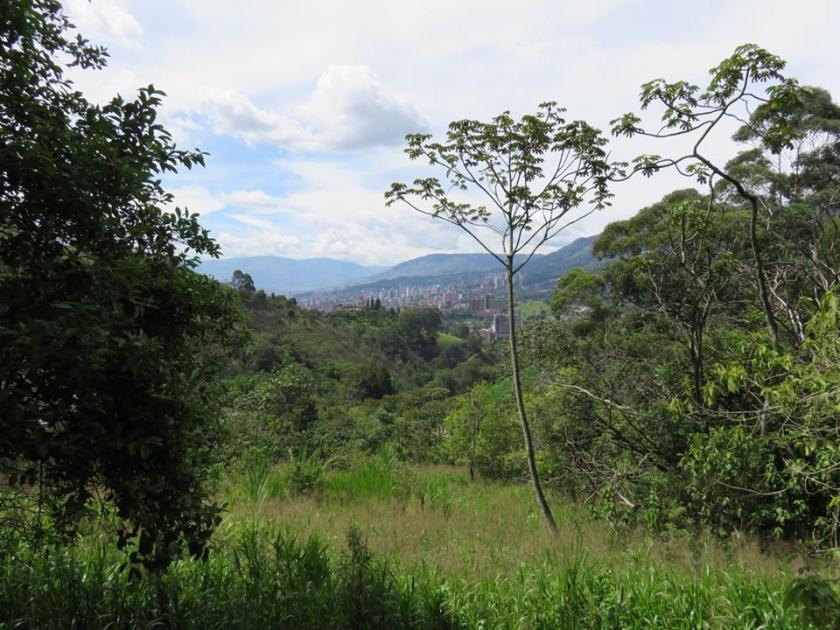
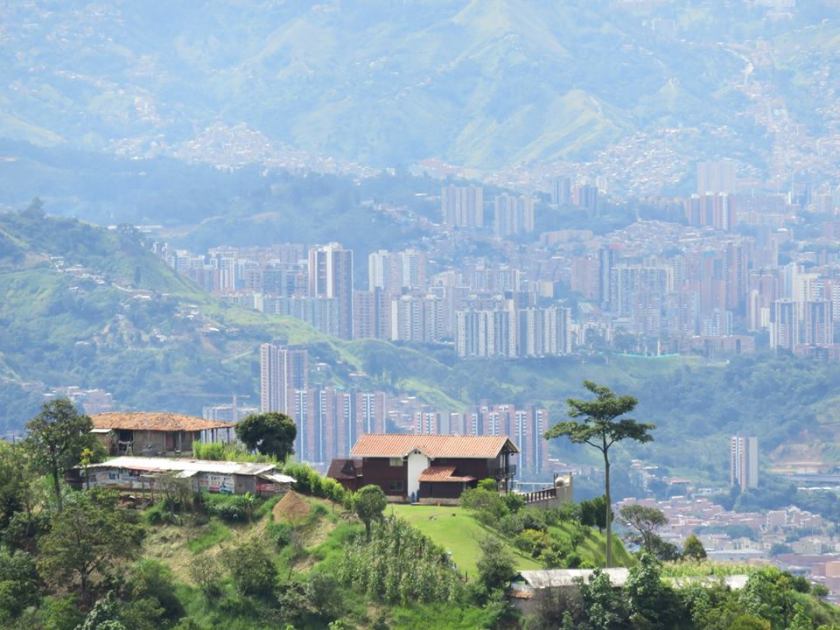
Hiking in Envigado

envigado2

envigado3

envigado4

envigado5

envigado6

envigado7

envigado8

envigado9

envigado10

envigado11

envigado12

envigado14

envigado15

envigado16

envigado17

CameraCanon PowerShot SX710 HS

Location: Envigado, Antioquia, Colombia