

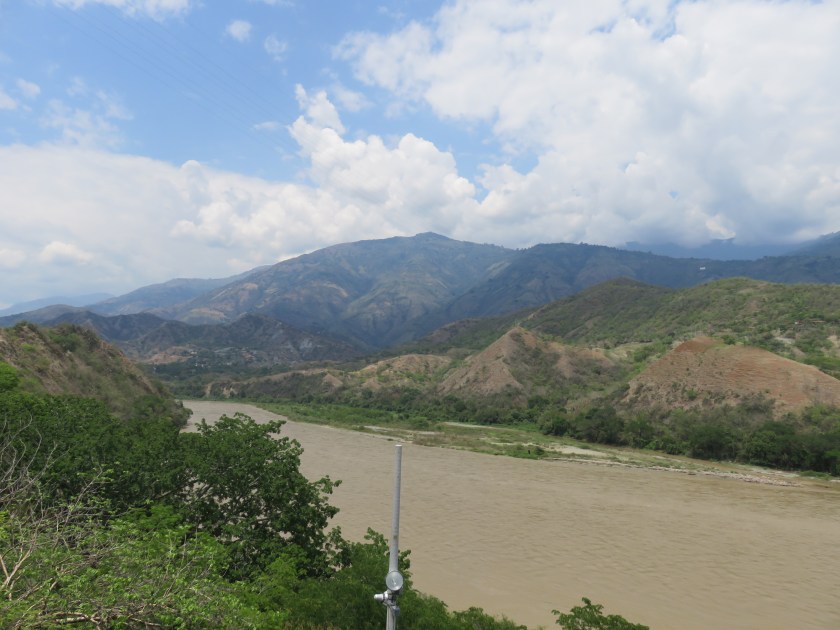
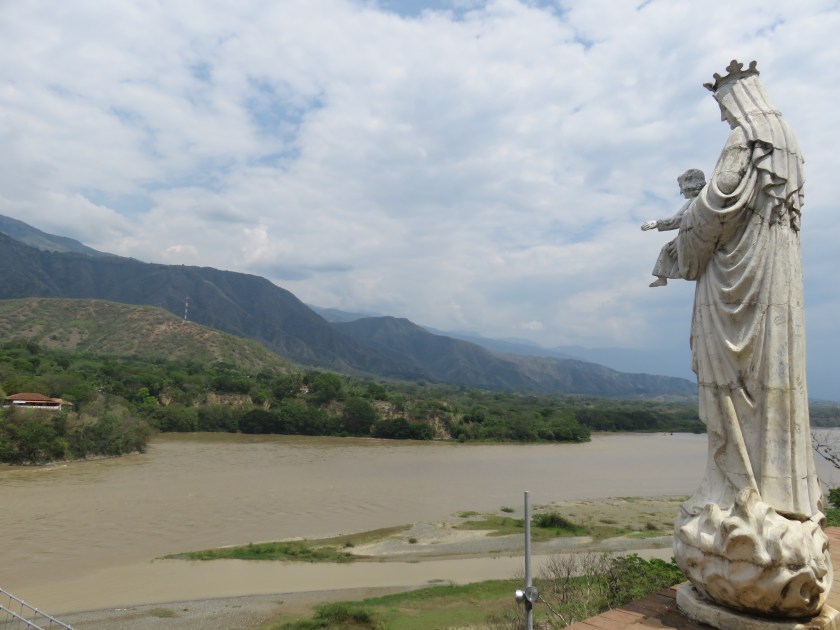


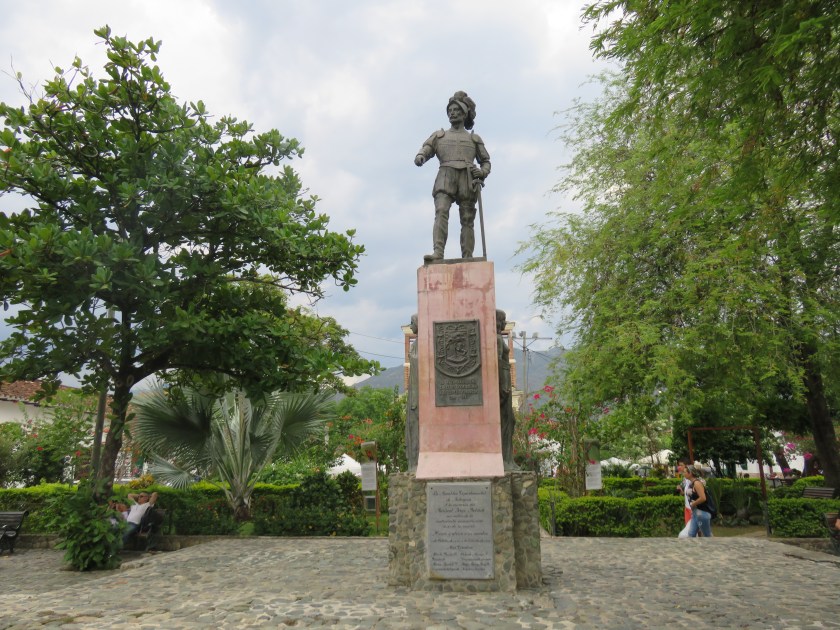


Camera: Canon PowerShot SX710 HS
Location: Santa Fe de Antioquia, Antioquia, Colombia

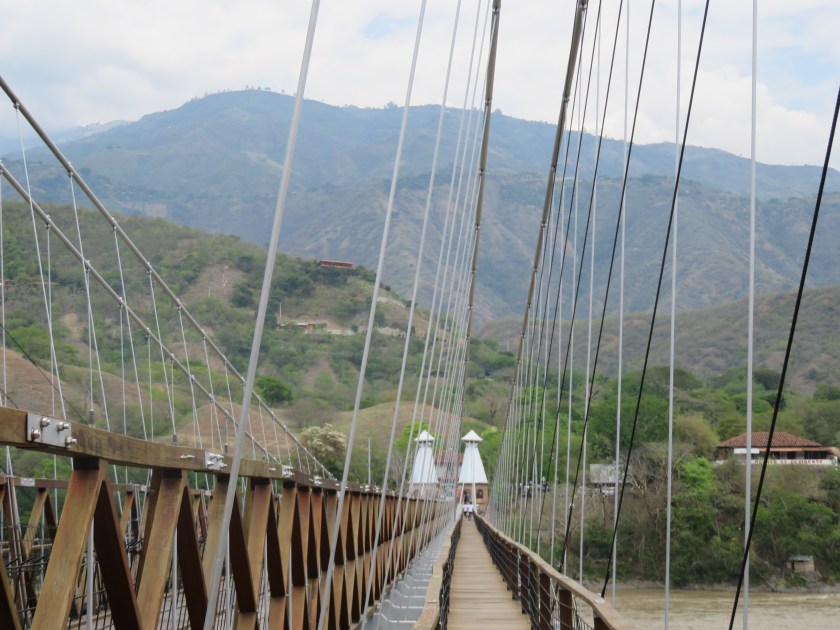
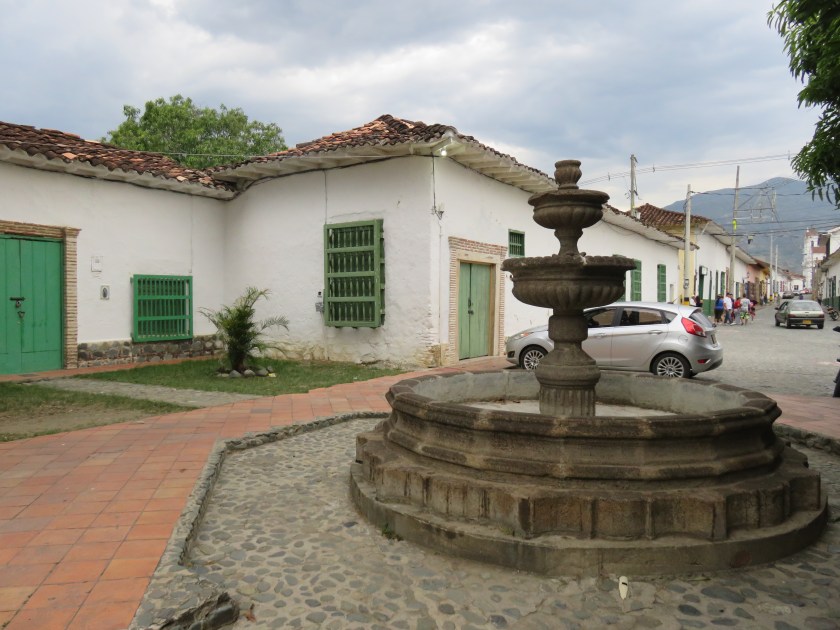
Camera: Canon PowerShot SX710 HS
Location: Santa Fe de Antioquia, Antioquia, Colombia





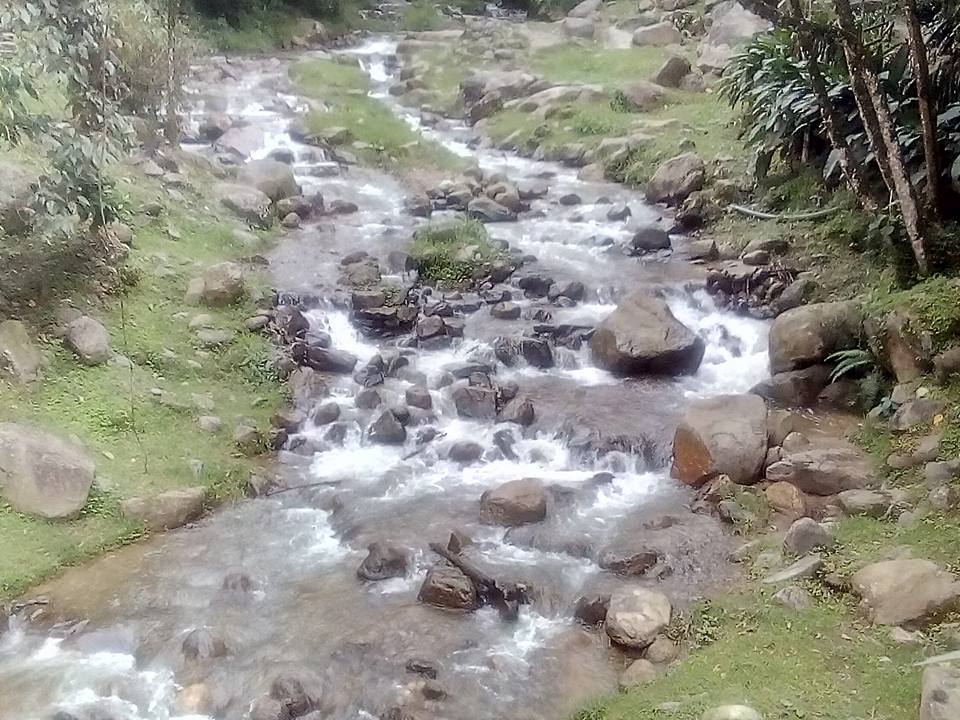
Camera: Lenovo A2010
Location: Envigado, Antioquia, Colombia (Parque Ecological)
Most visitors and newcomers who arrive in Colombia may be surprised to find out that the national sport of the country is not ‘football’ as most people would guess given how popular the sport is around the country and due to the high quality of the national team shown in international competitions such as the FIFA World Cup. While Colombians may have the most passion for ‘the beautiful game’ of football, the national sport of Colombia is actually the game of ‘Tejo.’ This was actually an official decree made by the Congress of the Republic of Colombia back in 2000. While not as massively popular as football, Tejo is considered the second most widely played sport in the country and actually fields both teams and competitions in different cities.
Tejo is the oldest sport in Colombia and dates back over five hundred years and is said to have originated with the Musica indigenous tribe who speak the Chibcha language and were based in the northwestern part of Modern-day Colombia. Luckily, the game of Tejo hasn’t changed much since the Musica indigenous people first introduced it in the early 1500’s. However, it’s likely that they used a golden disc known as the ‘Zepguagoscua’, and the game of Tejo was known as ‘Turmeque’ back then and was played mainly by the indigenous peoples located in the modern regions of Cundinamarca and Boyacá.
The Spaniards who came to Colombia are known to have used wooden disks when they played the game and focused more on the accuracy of their throws than the distance of the throws, the latter which is more of a factor when playing the modern game today. From gold disks to wooden disks to stone disks to now using iron metal discs for playing, the game has evolved mainly in what material you’re using in order to get the furthest yet most accurate throws.
The main objective of Tejo hasn’t changed that much though in that you’re going to want to take the iron metal disc in your hand and underhand toss it about 15-20 meters so that you’ll hit the metal ring known as the ‘bocin’ as well as the ‘mechas’, which are triangular paper packets that are filled with gunpowder. You get the most points for hitting the bocin in the middle of the clay landing field but you can also receive from three to twelve points from hitting the different mechas and causing some loud explosions that are likely to earn you both some cheers and high fives.
While players should focus on the metal ring, you’ll also want to focus on hitting as many mechas as you can when you step up to throw the iron disk. When you hit the gunpowder packets, there is a loud bang like an actual gunshot and you may even see some white smoke emerge from the exploded triangular packets. Tejo is a pretty simple game to learn and only takes a couple of tries for you to get the hang of it. The iron disk only weights about two kilograms or so and if you get a good arch on the underhand throw, you’re likely to hit the clay field or even the mechas, bocin if you’re lucky. Tejo is a mix of skill and luck in my opinion but it’s quite exciting to play especially when you make some of those gunpowder packets explode for everybody to hear.
Both men and women are welcome to play Tejo and the only difference is that guys use the two kilogram iron disc and the ladies can choose to use a smaller, one kilogram iron disc if they would like to as well as being able to do the underhand throw from about fifteen meters away, which is a bit shorter than the regular distance of twenty meters or so. These rules aren’t mandatory for women so it is up to the individual lady what kind of distance or disc that she intends to use for Tejo.
Tejo is also a team game so you can play with up to five other people on the same time to face another team with the same amount of people. You’re often rooting each other on to hit the bocin or mechas in order to reach a certain amount of total points in order to win the match. There are numerous amounts of teams and competitions that are held all across Colombia and even in the neighboring countries of Venezuela, Panama, Peru, Ecuador, etc. Prize money is often involved in these competitions so certain Tejo players take this game very seriously if you’re playing for more than just bragging rights.
Tejo has become quite a popular sport with tourists and foreigners who come to Colombia and you can include me amongst those people. One of the aspects that Tejo that first time players find to be interesting is the ability to drink alcohol such as beer, rum, or aguardiente during a game. While this next statement can be disputed, it’s possible that you will get better throwing the Tejo at the clay field the more you drink although it depends on the individual player. It’s important to note that you can play Tejo completely stone cold sober and you would still have a lot of fun. Tejo is overall a social sport that should be enjoyed either amongst friends or between close-knit teams.
Unfortunately, it took me about ten months of living here in Colombia to finally play the sport of Tejo but it’s easy to say that I’m glad I finally did. While I wouldn’t play it competitively, it’s a sport that is a lot of fun and a great way to meet new people or locals in your city. The combination of throwing metal discs at gunpowder triangles while drinking a cold beer is a good one overall. Tejo has been apart of Colombian culture going back to over five centuries ago and it doesn’t seem to be going away anytime soon.
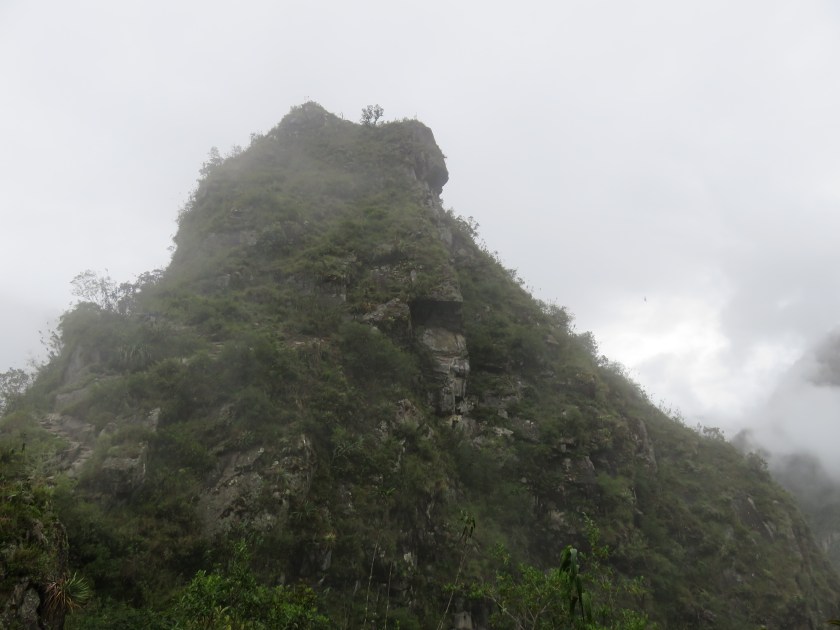
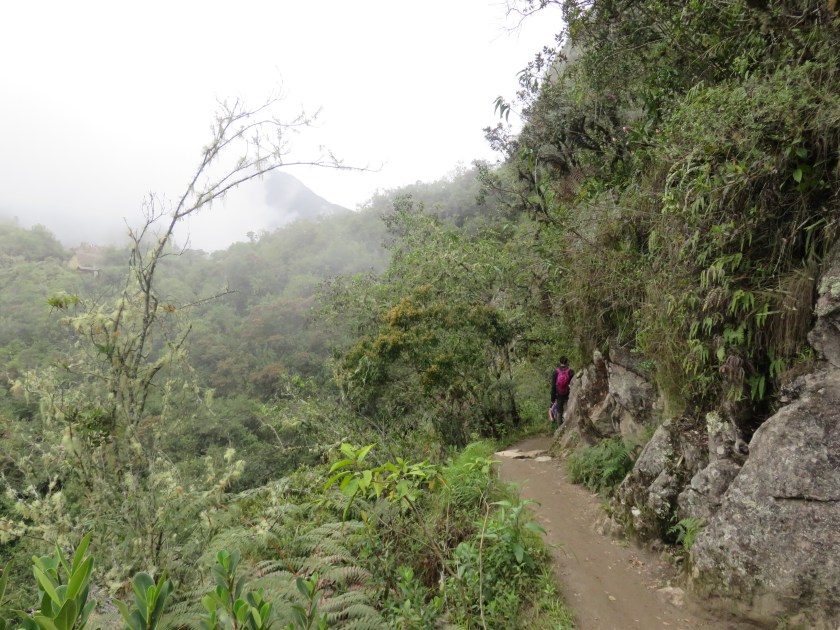
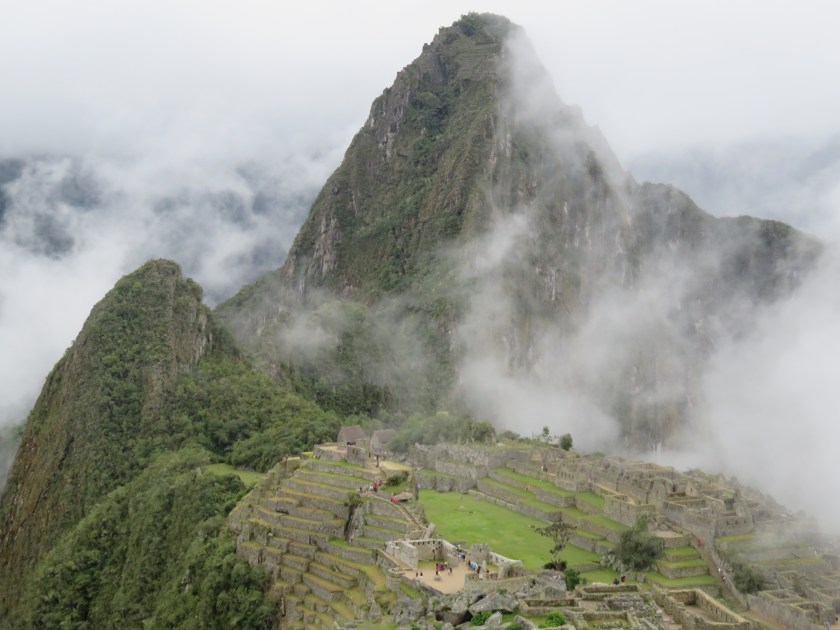
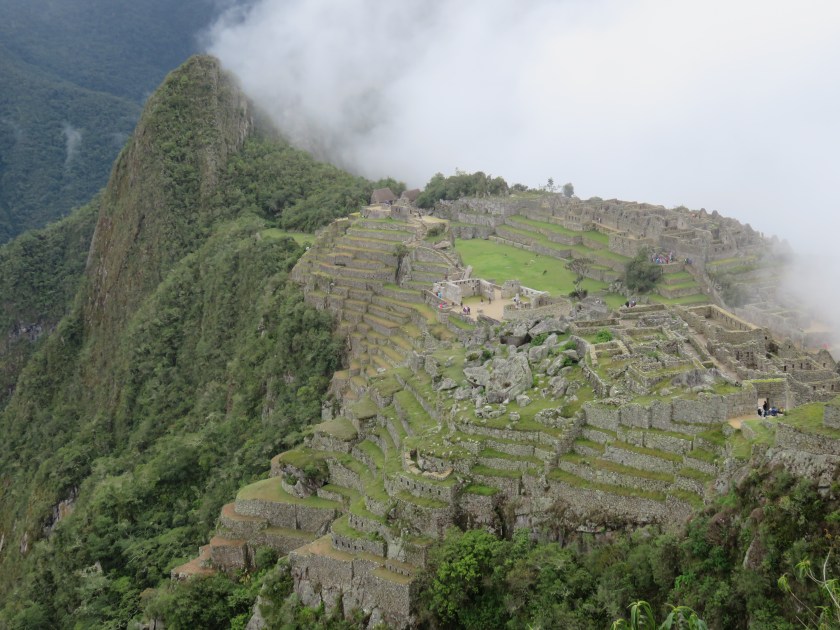
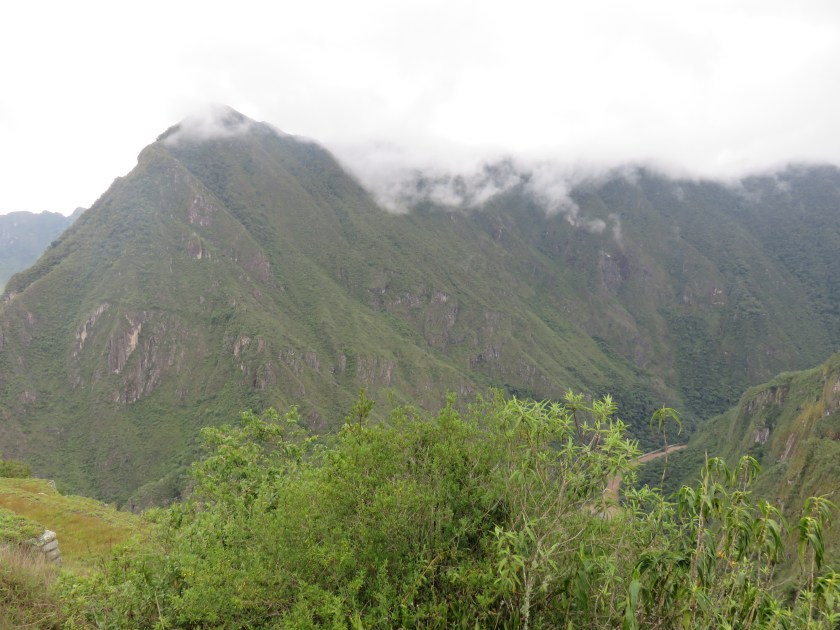
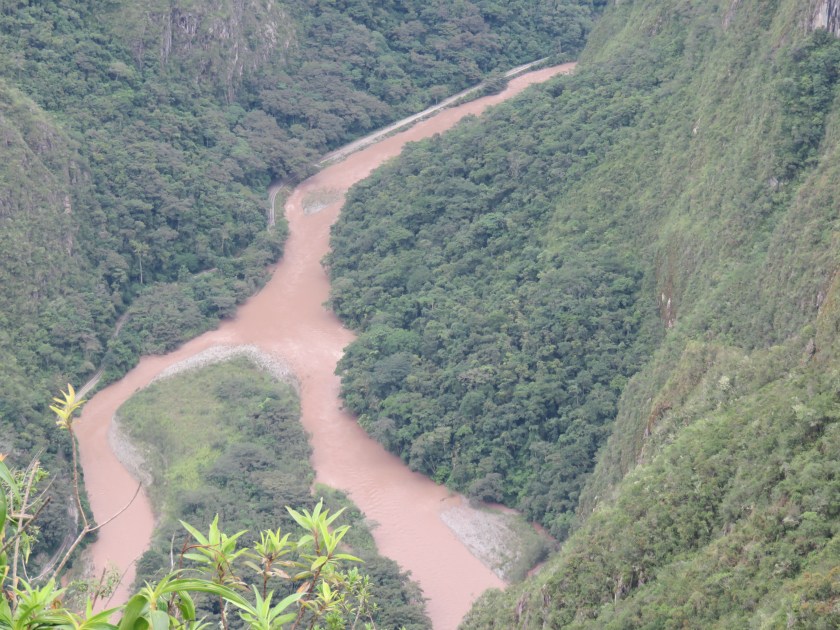
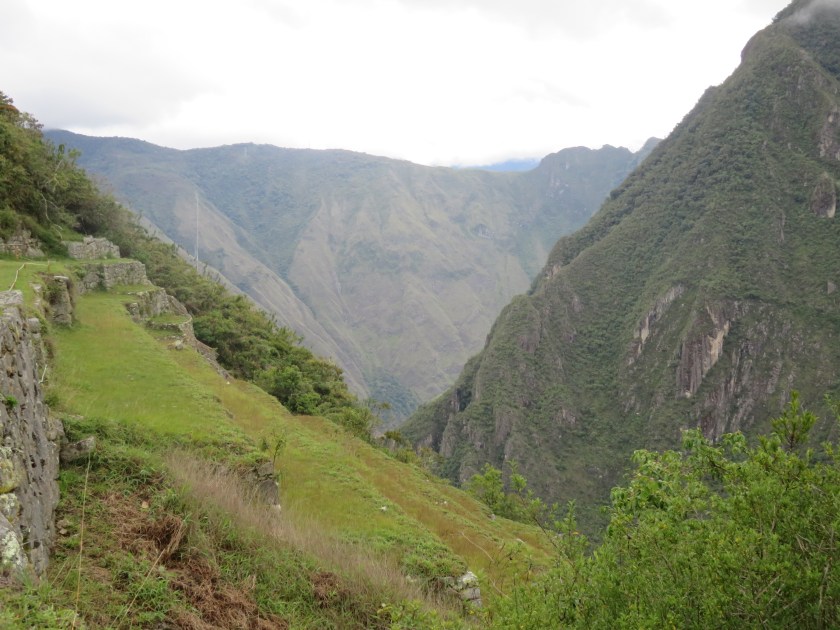
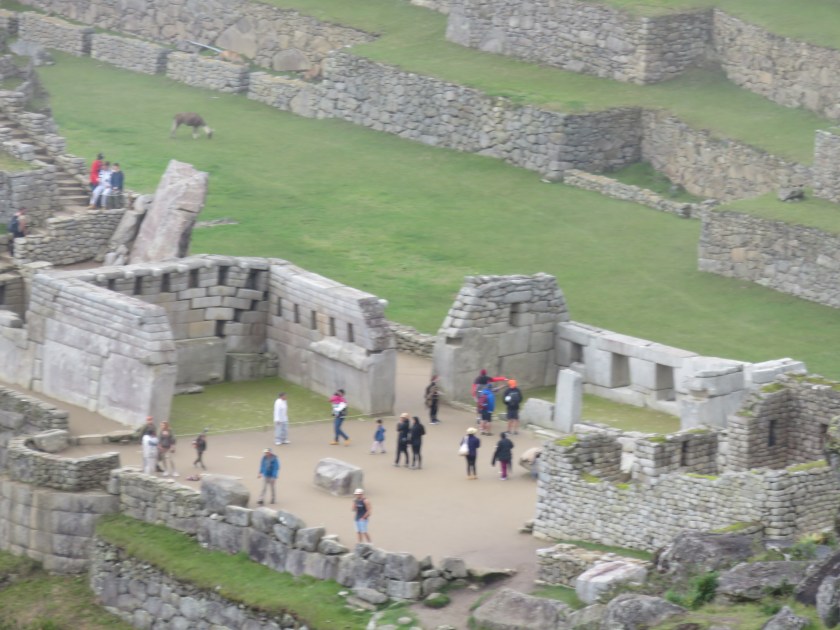
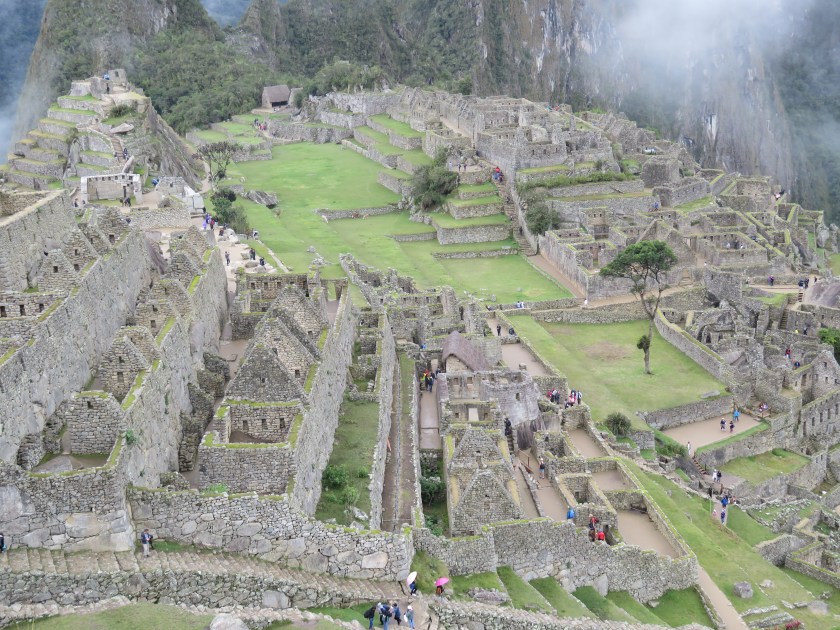
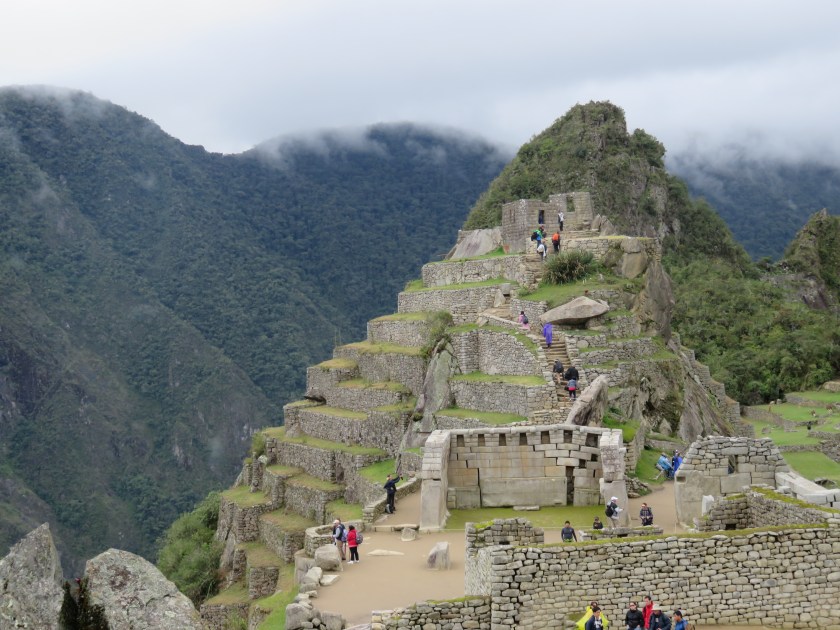
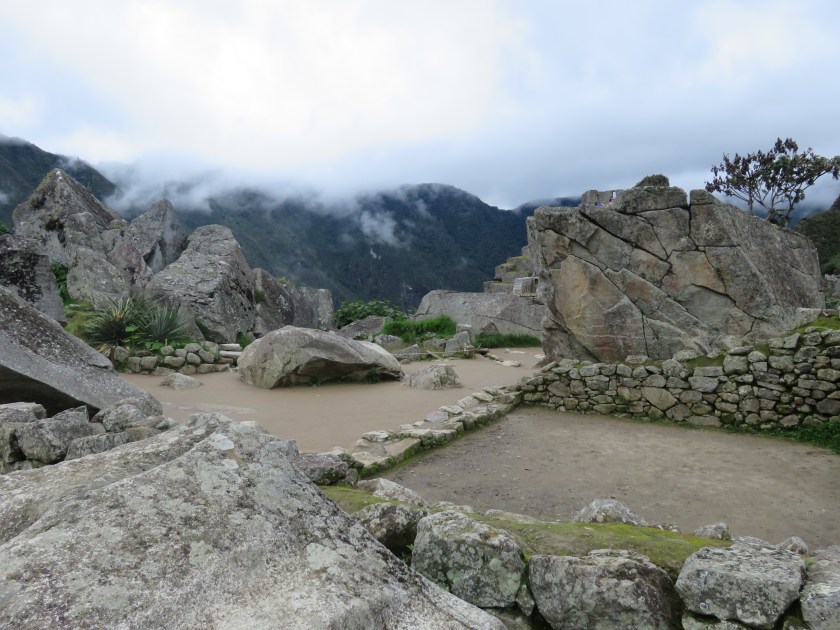
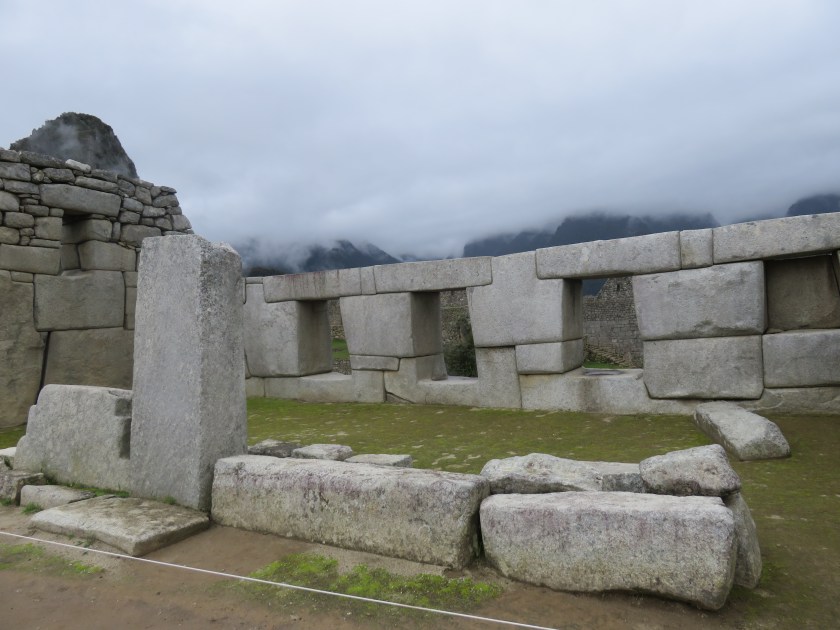
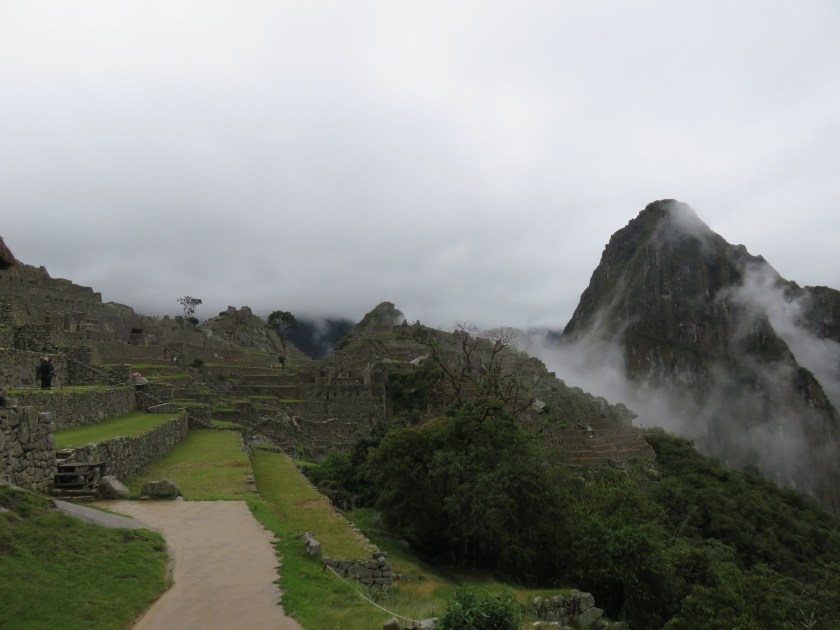
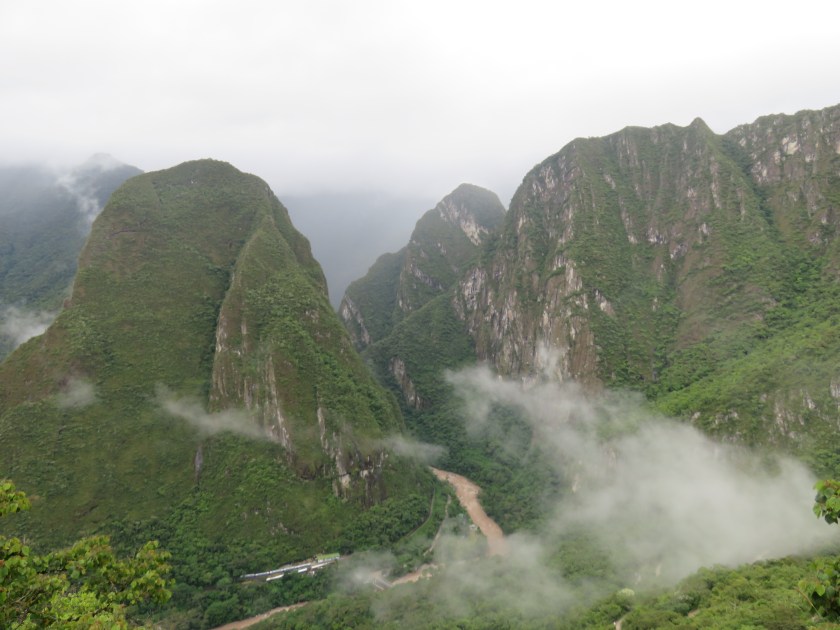
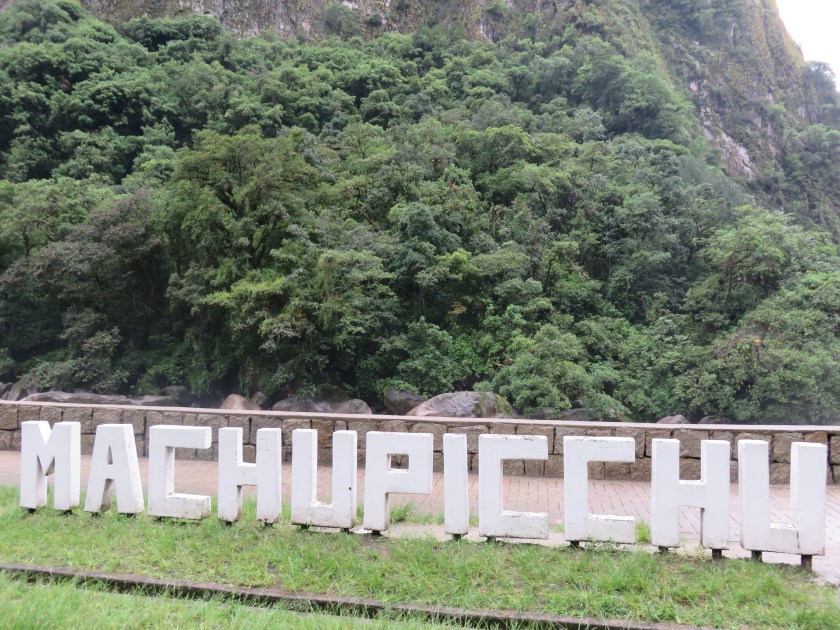
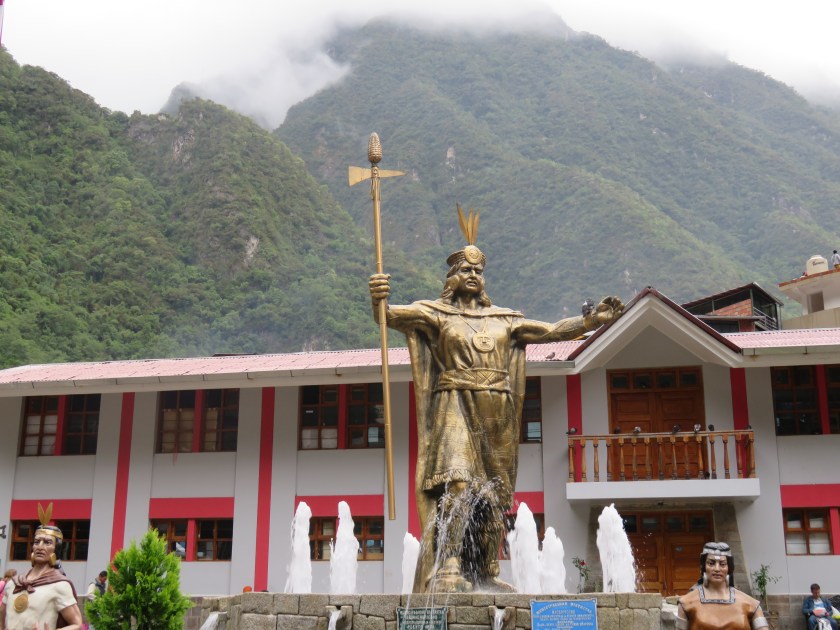
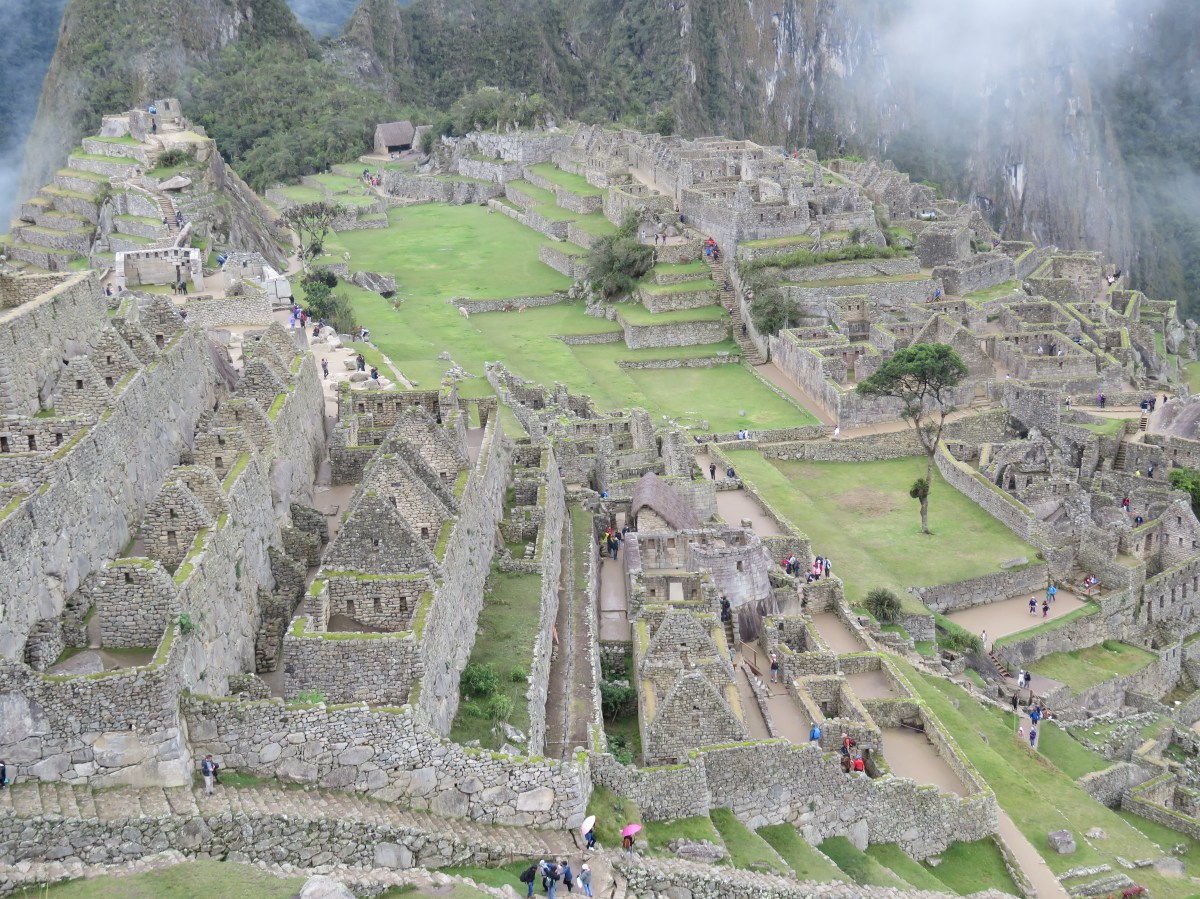
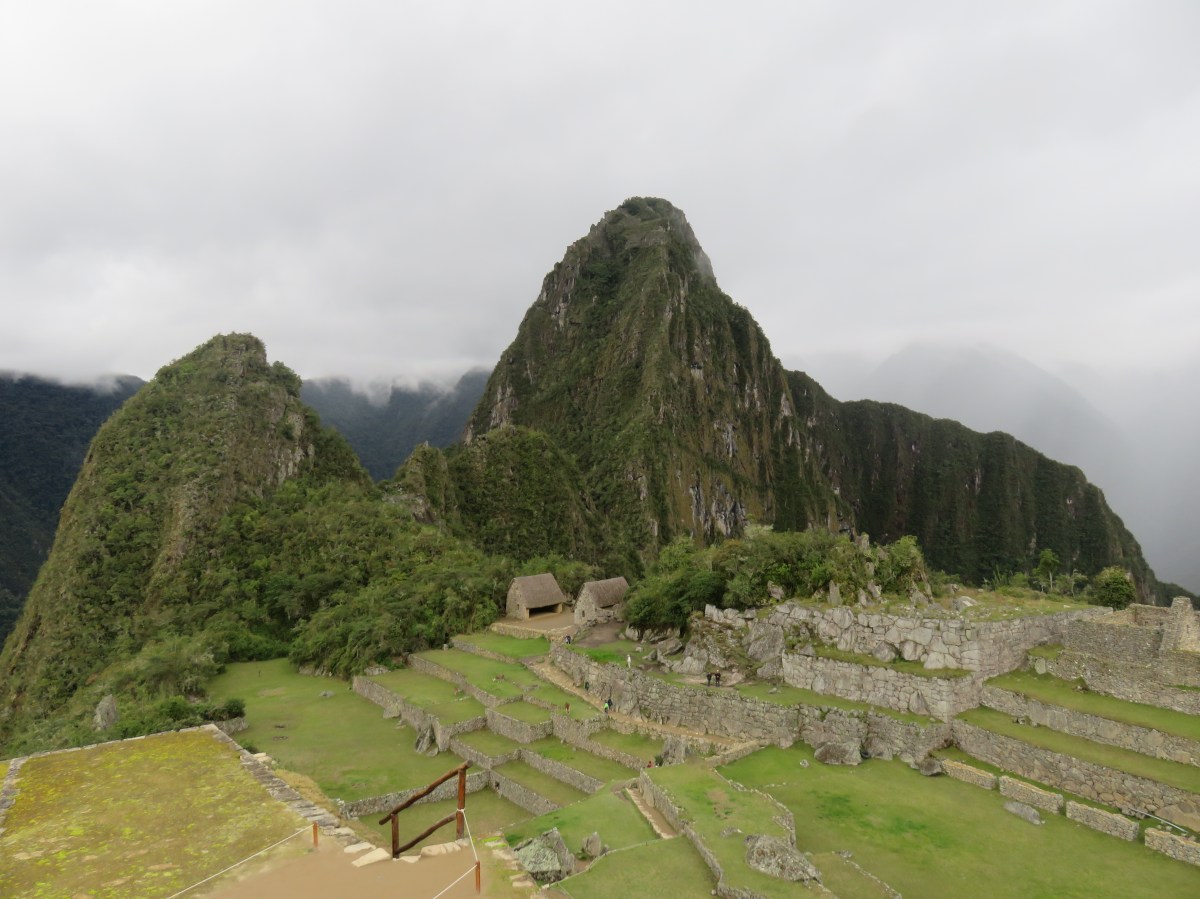
Camera: Canon PowerShot SX710 HS
Location: Machu Picchu, Peru

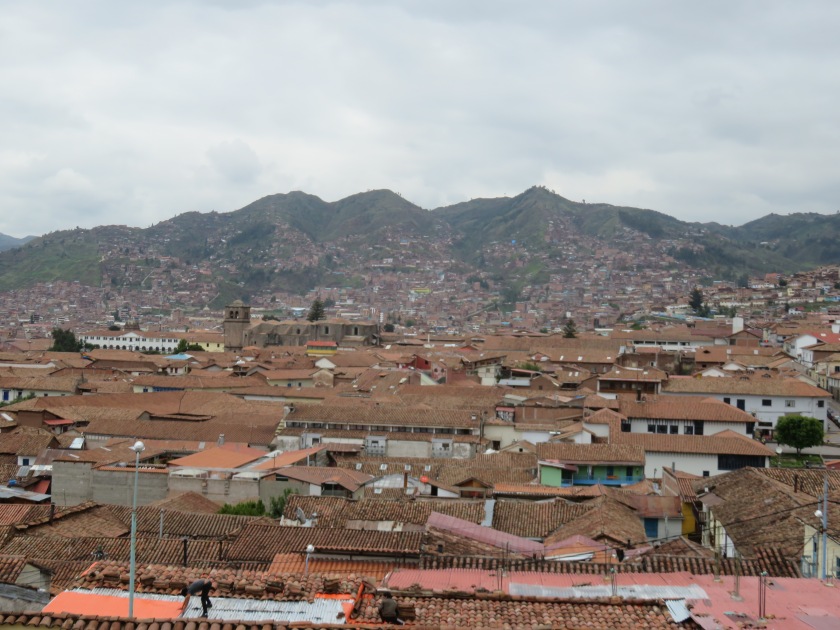
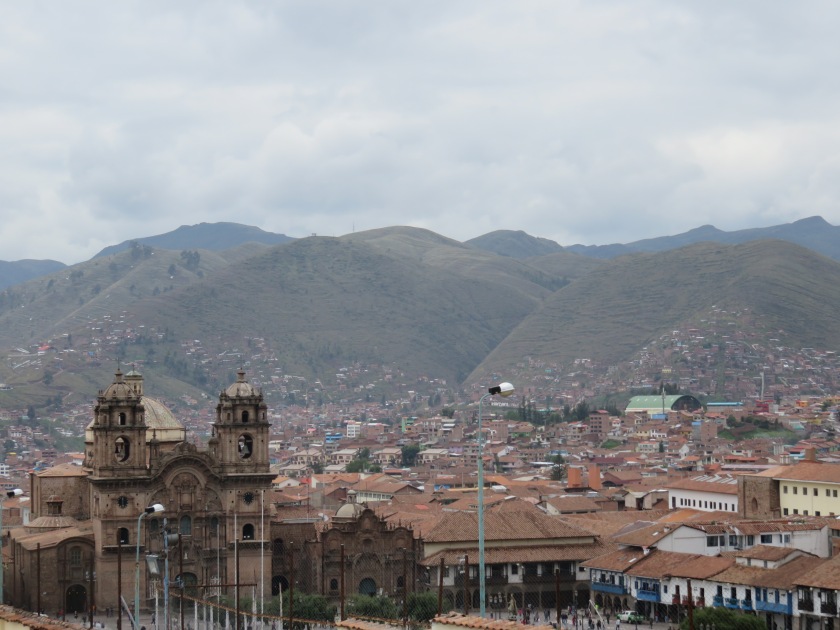
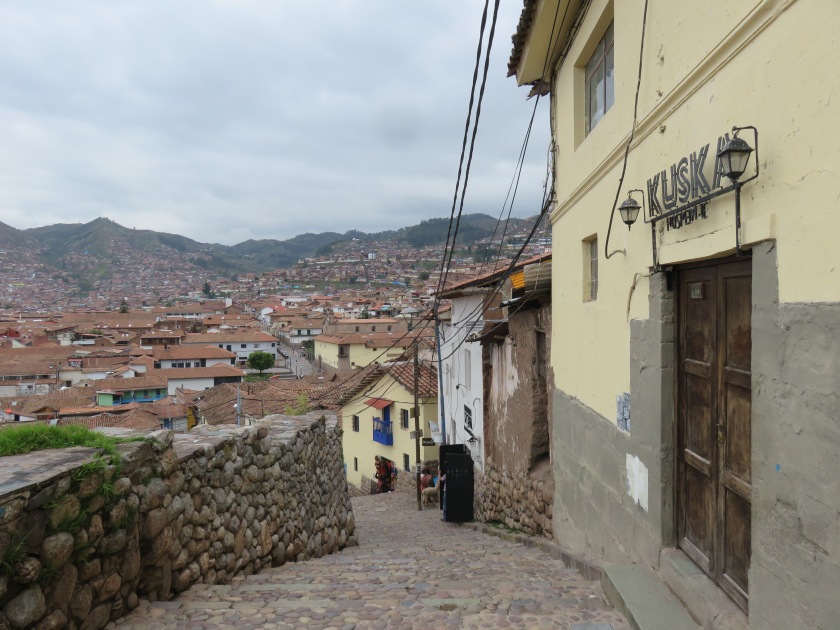
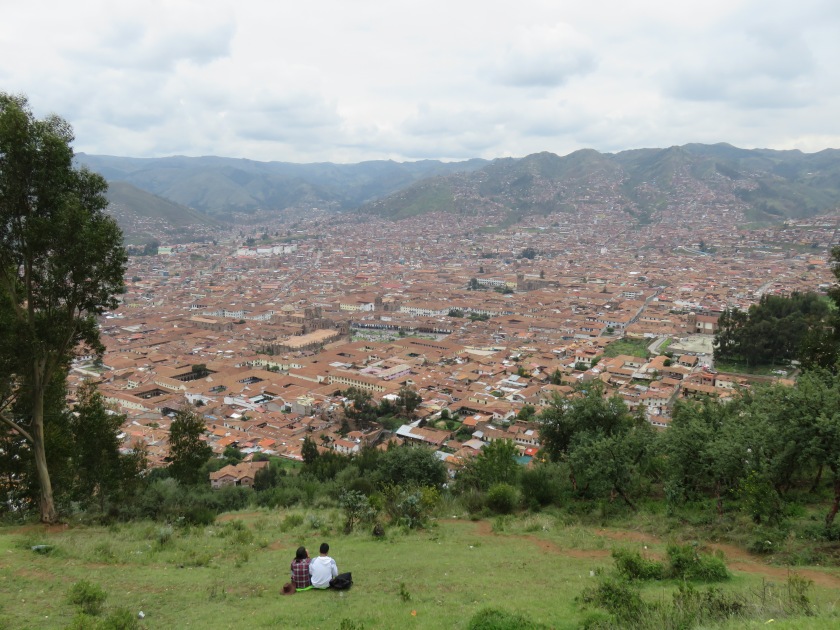
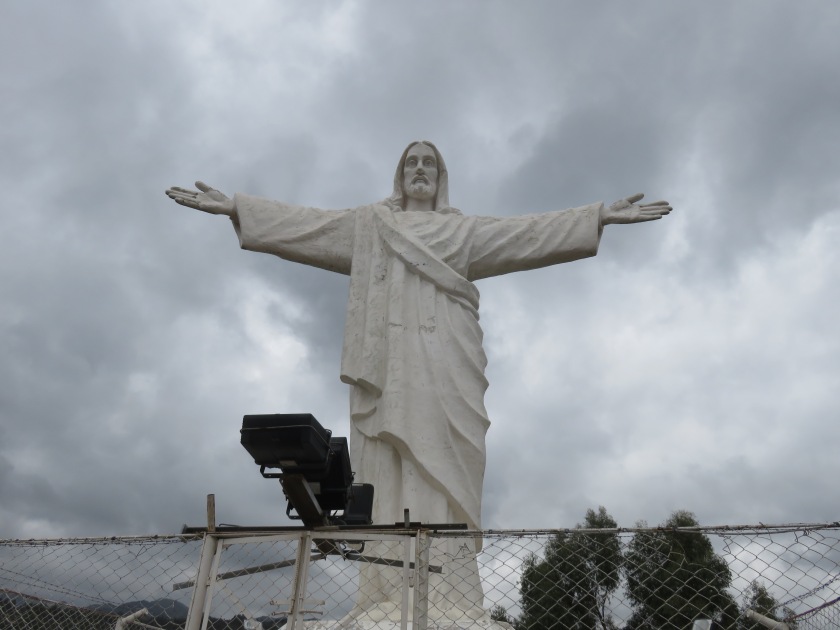

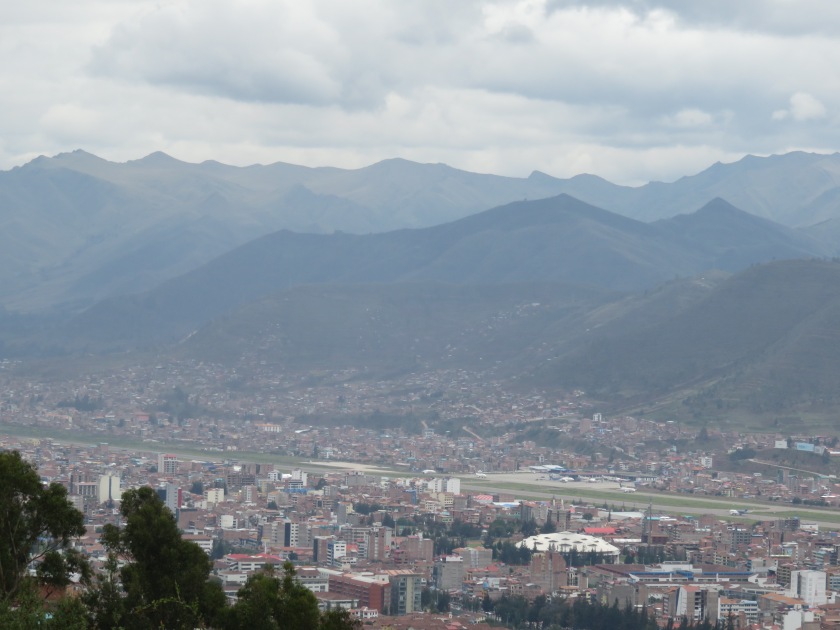
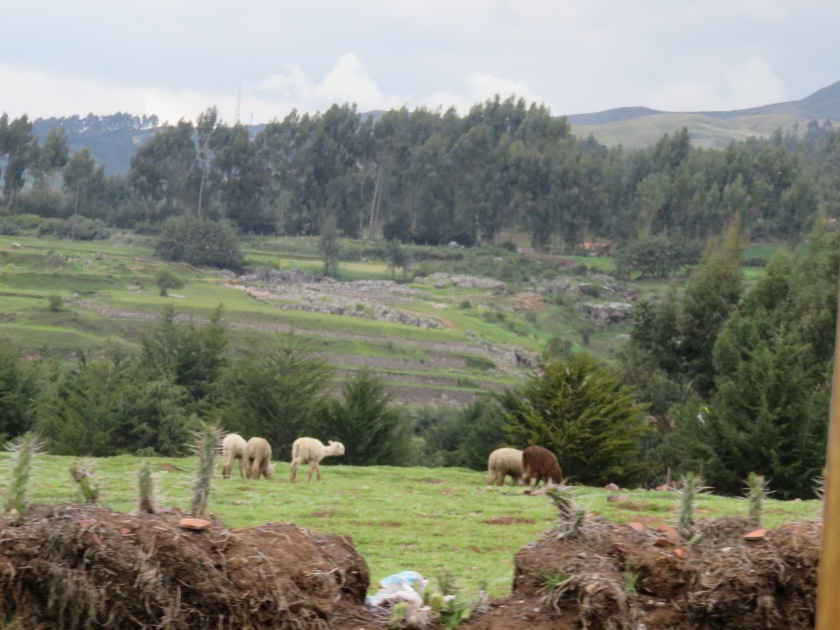
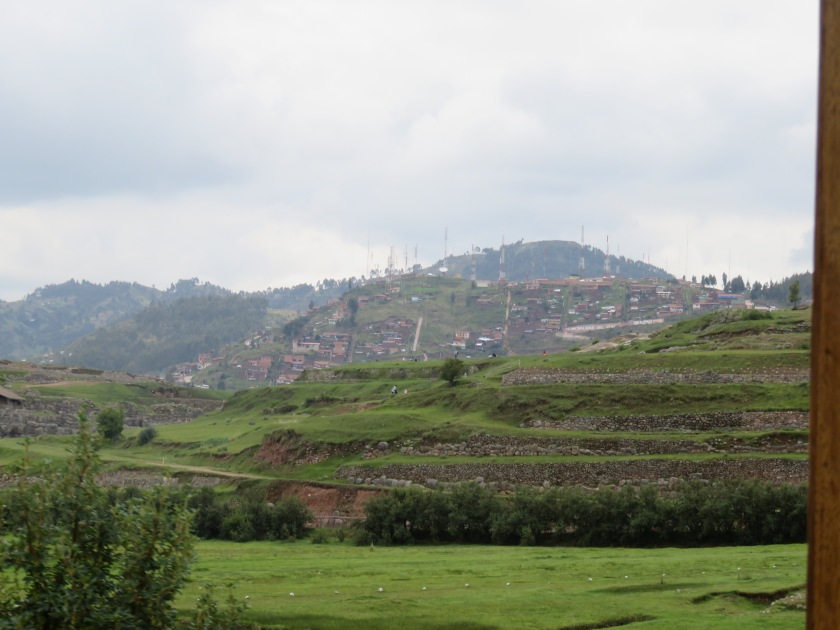
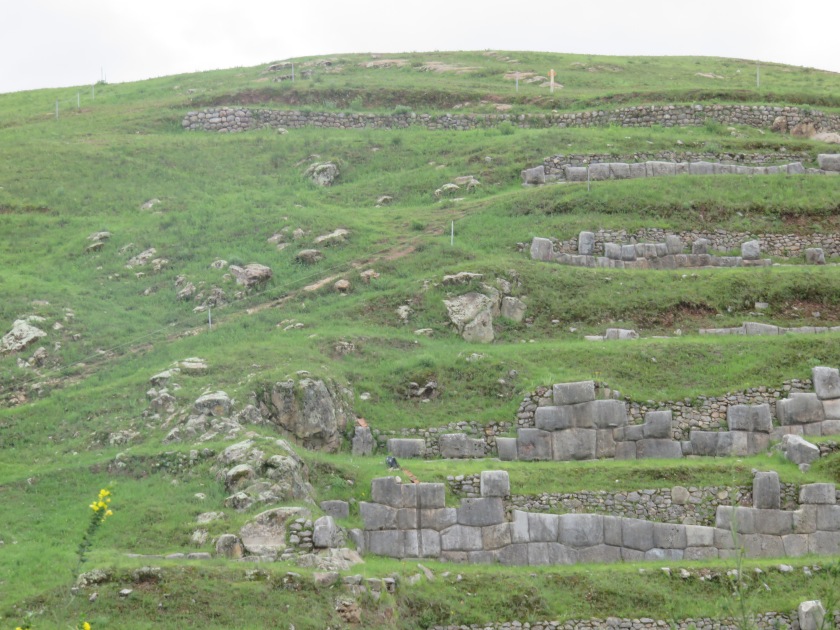
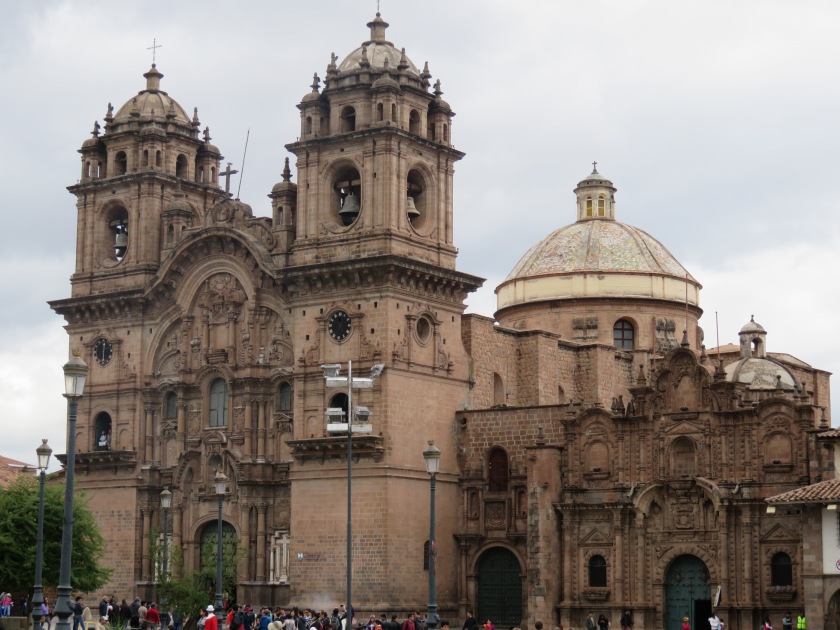
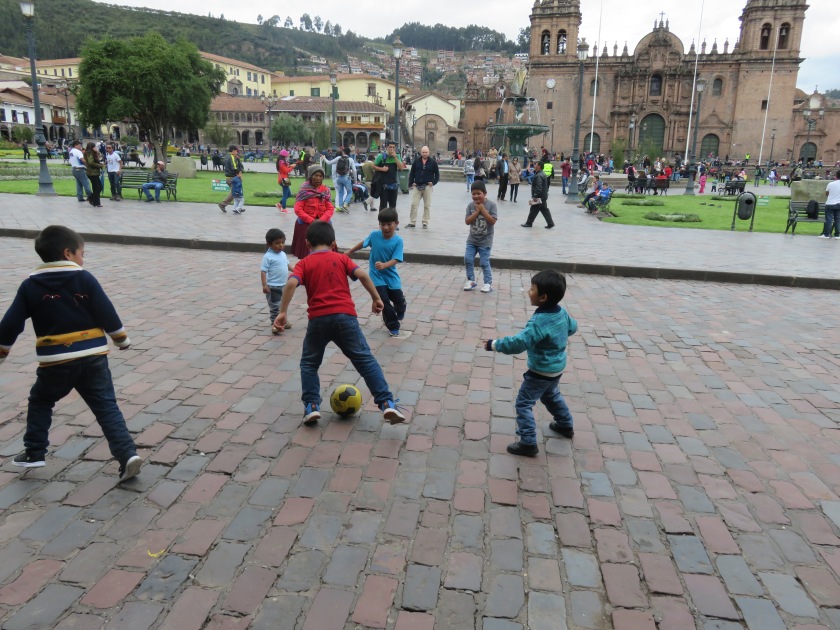
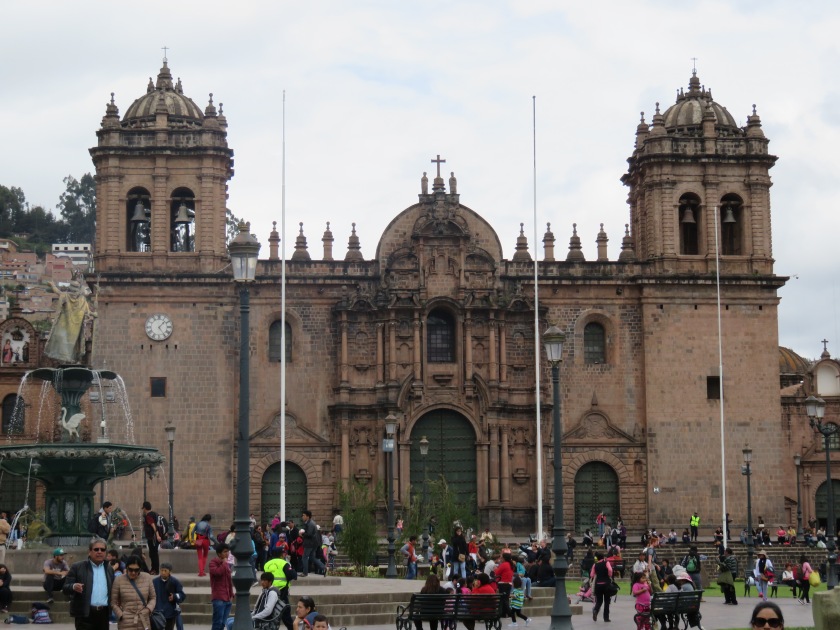
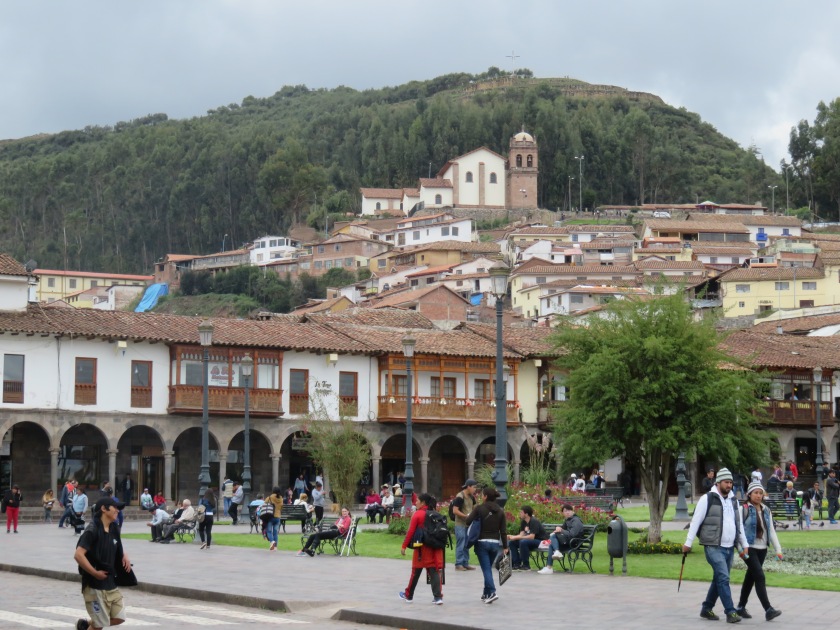
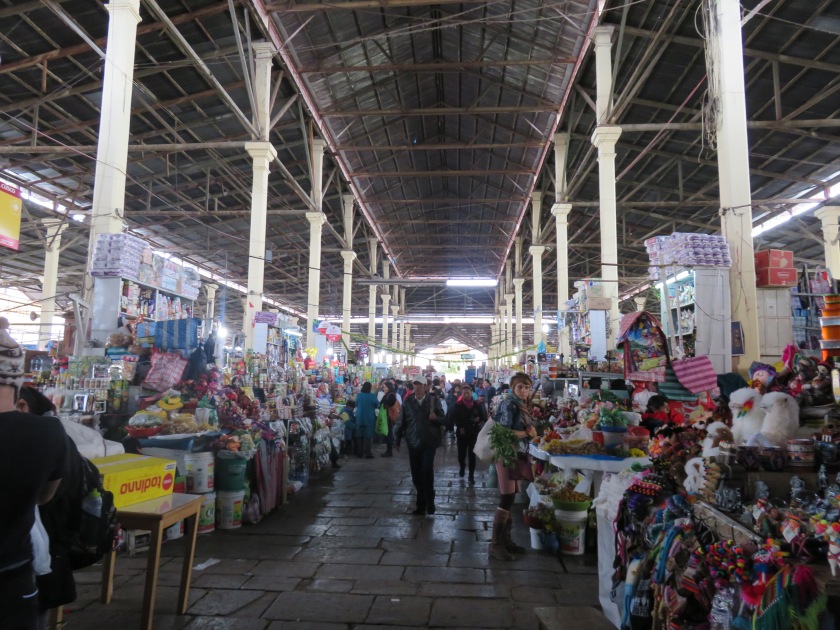
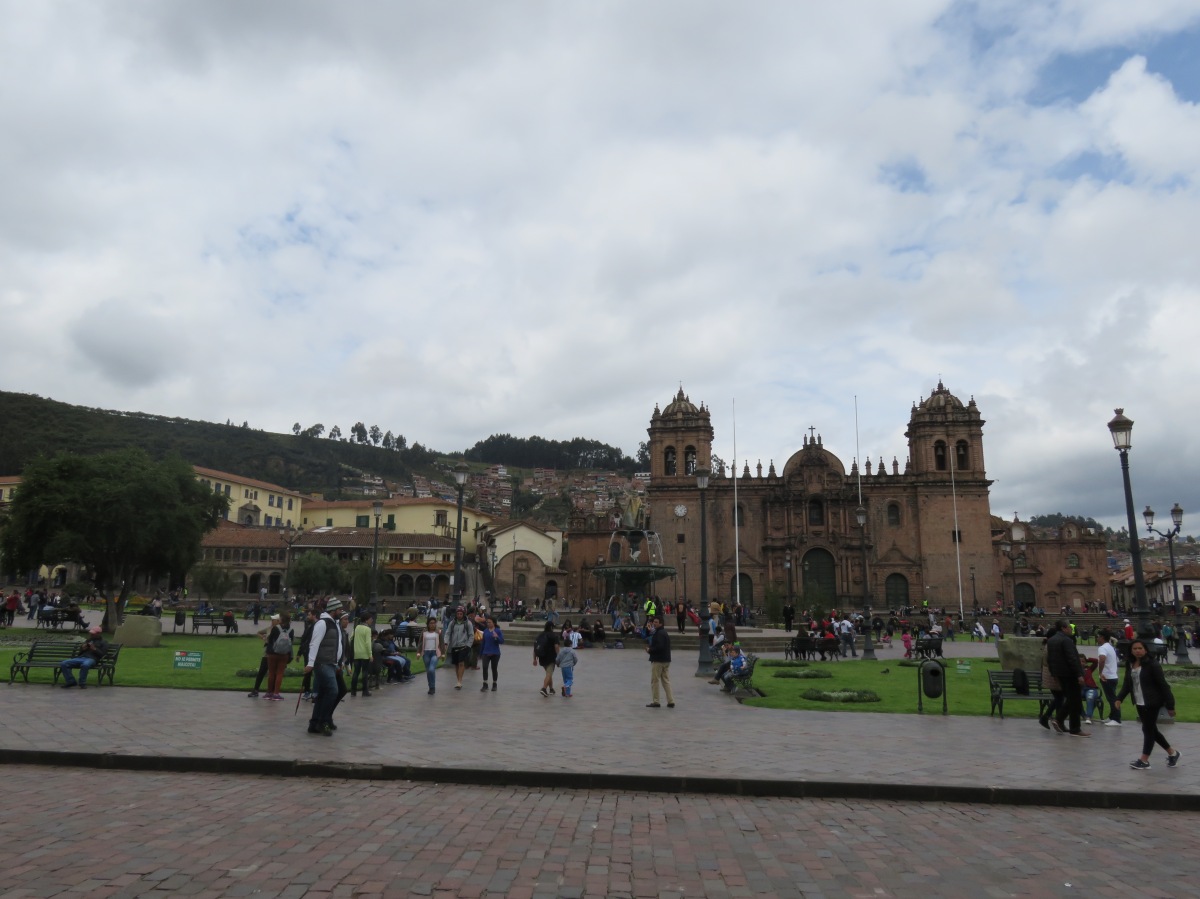
Camera: Canon PowerShot SX710 HS
Location: Cusco, Peru
There are few places in the world, which you can truly regard as being special and awe-inspiring. We describe these places as being a ‘wonder’ of humanity and one that represents our brief yet influential time on this planet. Before I came to Machu Picchu, I believed that the only other place that would classify as a ‘wonder’ to me would be the archaeological site of Petra in southern Jordan. A ‘wonder’ both of history and of architecture that goes back thousands of years is what sets apart places like Machu Picchu in Peru and Petra in Jordan. These places that touch on the cultural and historical legacy of man are what drive us to be resolute in protecting these artifacts of mankind and making sure that they are around for future generations.
I consider myself to be incredibly lucky to have visited Machu Picchu just recently a couple of days ago. For those who don’t know, Machu Picchu is quite isolated from any major modern city or town but is possible to get to by train and bus due to the wonders of modern technology. Situated between towering mountains and located alongside the flowing Urubamba river, Machu Picchu is not only a wonder of Incan architecture and construction but is also a natural marvel due to the backdrop it has with the surrounding green mountains, wispy clouds, and the numerous kinds of plants that inhabit this part of Peru.
Among the things that stand out about Machu Picchu is that you feel isolated from the rest of the world. It may be the towering mountains that surround this archaeological site or it could be the fact that wispy clouds envelop your presence but you feel very that you’re secluded from other kinds of environment. The higher you climb in elevation, the world gets much quieter and you’re able to reflect more on not only the site of Machu Picchu that lays before you but also about life or whatever is on your mind in general.
I’m far from being an expert on ancient civilizations, especially the Incan civilization of which I know relatively little about but you have to give the people of this group considerable admiration and awe by the fact that they were able to build such a city in the most remote of places. The fact that it was possible for them to create an infrastructure out of rocks, stone, and wood in order to sustain themselves under ever-changing weather conditions is quite remarkable.
To be able to plant and harvest food, create a running water supply, and be able to construct encampments to house hundreds of Incans is very impressive to consider. Not only was there a high risk of death or injury to climb these mountains with heavy rocks or stones attached to your backs, it is likely that you would be on your own if you sustained serious injuries given that there were no modern medicines or hospitals or rely upon.
It is difficult for me to list a favorite thing about my trip to Machu Picchu. I really enjoyed climbing to the top of Huayna Picchu at 2,700 meters in total altitude despite my exasperated breath and tired knees. The views from this perching point above Machu Picchu are extraordinary and are something that I will never forget. Besides being able to take a bunch of pictures, it was great to sit and reflect on the wonder that lay before me. At a couple of thousand meters in the air, all your problems dissipate for a moment and you can truly hear the sound of the wind and the movements of the clouds. You can close your eyes and hear nothing but the sound of your own thoughts if you are so lucky.
Thanks to the efforts of the Peruvian Ministry of Culture, Machu Picchu is amazingly well preserved and should be around for future generations to enjoy. A limited amount of tourists, a couple of hundred in total per day can visit Machu Picchu and is a good idea to make sure that none of these famous Incan ruins will be damaged, tampered with, or destroyed. To lose such a precious treasure such as Machu Picchu or any other wonder of the world would be a tragedy for humanity and its’ history on this planet. While it was not cheap to get to Machu Picchu, I can fully understand why we as tourists pay the costs of admissions to visit these beautiful sites.
We do it to make sure that other people have the chance to experience these places firsthand and are able to share it with their children and grandchildren. I am quite lucky to have been able to visit such a wondrous place and I will remember my day at Machu Picchu quite fondly. If you’re reading this blog post and desire now to visit Machu Picchu, I would recommend that you do it with the knowledge that you do some research about the place, respect it during your visit, and do your best to take the experience in not just through your camera lens or smartphone but through your own eyes and ears.
To me, Machu Picchu is more than a lost Incan city of hundreds of years ago; it is a beautiful and awe-inspiring place of natural scenery. With its’ many mountains, huge river, and hundreds of diverse plants, this place can help you reflect not only about the past but on the present and future of yourself, humanity, and the planet itself. With any tourist site that’s located in a unique location, precautions and steps must be undertaken to make sure you have an enjoyable visit. Please make sure you bring some sunscreen, an umbrella, appropriate clothing and a lot of water. The weather can be quite unpredictable at Machu Picchu and it would be good of you to prepare to experience all four seasons in just one day at the site. Best of luck to you reading this post if you decide to take the journey to Machu Picchu. I promise that you won’t regret it.
When it comes to traveling, most people often remember the places they’ve been, the food they ate, and the fun activities they did during their trips. However, what often gets lost in the shuffle is the ability to appreciate and remember the interesting people you meet during your travels, usually at the most random of times and in the most random of places. The best part of traveling can often be those chance encounters on the road that lead to you gaining a new friend, who might be a local from the country you’re visiting or another fellow foreigner who’s exploring the same places as you by coincidence.
One such encounter happened to me very recently during my first trip to Peru. I got up very early at around four in the morning to catch the train from the Peruvian village of Ollantaytambo to the town of Machu Picchu, which is located a couple of hundred feet below the famous ruins of the ancient Incan city of Machu Picchu. Running on just five hours of sleep and anxious to make sure that I had all my paperwork in store for the visit to Machu Picchu, I was not in a talkative mood and feeling pretty lethargic.
I boarded the train at around 5 am and was even more dismayed by the fact that I was assigned an ‘aisle’ seat instead of my usual preference for a ‘window’ seat. Rather than being able to view the beautiful, cascading Andean mountains and the river running through them beneath the train tracks, I would only be able to glance a peak of the scenery by arching my head over, behind, or in front of the person next to me who would soon be occupying my prized window seat.
Still though, I reminded myself internally to not be such a downer and to be grateful that I would soon be departing for one of the wonders of the modern world, which very few people get to visit during their lifetimes. I am also a big fan of train travel, and Peru Rail provided quite a comfortable ride to and from the town of Machu Picchu. Eventually, a man carrying two big toys in his hands asked in Spanish, “Con permiso” politely as he motioned that he was coming through to sit down in the open window seat next to me. I obliged politely and looked on with curiosity at he placed these large two toys on the tray table in front of him nonchalantly.
I thought to myself at the time that it was a curious sight to see a grown man holding two toys that a child would play with, and to especially be sitting by himself with them and not with a son or daughter nearby. The toys themselves captured my attention because they were two of my favorite toys that I owned when I was a child myself. If you have ever seen the ‘Toy Story’ movies, you’ll know that those characters were popular when I was growing up in the 1990’s and even until today due to the series’ recent surge in popularity.
I loved ‘Toy Story’ as a kid and I still do especially given the fact that I saw the movie ‘Toy Story 4’ a couple of years ago and that was just before I graduated from college. The two toys themselves were replicas of the two main characters, Buzz Lightyear and Sheriff Woody, who I had owned in my younger days. I spent many afternoons watching Buzz lift off and having Woody swing his plastic lasso around like a real cowboy would do. Some toys, even when you’re an adult, hold a deep connection for you and bring back a lot of memories that have since receded a long time ago.
Now, suddenly, my interest had been peaked in the man sitting next to me due to the toys that he was bringing with him to Machu Picchu. I started by telling him in Spanish how I used to love playing with those same toys of Buzz and Woody when I was a child. He was very friendly in responding to my curiosity and stated that; yes, he likes the toys a lot too and bought them for his two-year old son recently for his birthday. That put in place another piece of the puzzle for me as I realized that this man was not traveling to Machu Picchu by himself but was sharing this unique experience with his wife and his children.
For being such an early time in the morning to have a conversation, the man whose name I learned was Jorge (first name changed for privacy reasons) was polite, friendly, and patient with my imperfect Spanish. It’s one thing to speak in a foreign language when you’re fully awake in the middle of the afternoon and it’s a much more challenging task to be coherent in a foreign language at 5:30 in the morning when you are lethargic and groggy. However, I was able to communicate with Jorge pretty easily and he was able to practice some of his English as well. Like myself, Jorge also works in the education sector. He is a secretary at a primary / secondary school in Peru, and has been doing this job for over ten years. He is passionate about education and was curious about my experiences as an English teaching fellow in Medellin, Colombia.
From what I could tell about Jorge, he was a caring husband and father. He showed me pictures of his two young children on his iPhone with the traditional ceremonies that they would go through at their primary school. It was pretty interesting to see how they would dress up these little kids in traditional Peruvian clothing for these school events. Jorge must have taken a liking to me because even when one of the cabin crew for the Peru Rail train asked Jorge if he would like someone to move from the other row so he could sit with his wife and his children, he politely declined as I think he was really enjoying the conversation we were having. It also didn’t hurt that his family members were only sitting a row behind him so he could easily reach them if there was anything they needed, including if his little boy happened to want to play with Buzz and Woody again.
It was extremely interesting for me to hear from Jorge as a local and native citizen of Peru about his experiences visiting different parts of his country. He gave a lot of interesting insights about the regional differences between food, people, and the culture depending on where in Peru you were visiting. On this recent trip, I was only able to explore Lima and Cusco, but due to Jorge’s recommendations, I have a pretty good idea of where I would go in Peru for my next visit. I was happy to chat with Jorge about what it was like to grow up and live in New York, as well as talking about popular American music and movies that we both have a mutual fondness for. Despite having been born thousands of miles from each other on different continents and with different cultural backgrounds, we were able to bond as human beings because our similarities in terms of personality and interests were greater than our inherent differences of culture and country of birth.
Perhaps most notable for me about getting to know Jorge was how mature he was for his age. Jorge is only six years older than me but has a steady job, a wife and two young children. A lot of people my age and older are forgoing those traditional responsibilities of life but it says a lot about a man who provides for his family and is able to do things for them like take them on a trip to Machu Picchu. Men like Jorge are admirable in that they are responsible, mature, and do not shy away from their commitments. While all men carve their own path in life, they should try to exemplify the same traits as my new Peruvian friend Jorge has done. Maturity, responsibility, and a kindness to strangers like myself; these are the best traits to emulate when you witness them in another person. That’s how you become a true adult and someone who can be the leader of a family. It’s easy to say that my hour and a half spent talking to Jorge taught me more than just about old toys, it taught me a lot about adulthood and what it means to be a good man.
As we pulled into the Machu Picchu station, Jorge was very gracious and said that if I ever wanted to experience the best of Peruvian cuisine in Lima, where he and his family live, I was more than welcome to join them in the future. I told them that I would be happy to extend the same offer to them if they were ever in Medellin or even in New York if I was back there again. We exchanged our Facebook information, said our goodbyes, and parted ways as we both left the train to our final destinations. I continued on to my full-day visit to Huayna Picchu / Machu Picchu (which was amazing by the way, but that’s for another blog post).
You may ask by now if you’ve read this whole post: Ben, why did you decide to tell me about a chance encounter with a Peruvian guy on a train to Machu Picchu? The answer to your question is quite simple: It’s because traveling isn’t just about eating new foods, seeing cool places, or doing awesome activities. I enjoy all of the above and then some but traveling is also about getting to know the locals like Jorge and learning more about their country and their culture from their perspective.
Traveling is and always has been about broadening one’s horizons and getting outside of your comfort zone. For me, I’ve always been on the shy side personally but by traveling especially by myself, I’m forced to meet new people and start a conversation. I can only say that it’s done wonders for me in terms of building my confidence, improving my self-reliance, and lowering my anxiety when it comes to meeting new people. Traveling is more than just the experiences you’ve had and the places you’ve seen but it’s also about the new people you meet. Your memories will include the people you meet and you’ll look back on those same memories very fondly one day. You may never see that person again but at least you’ll know that they made your trip a little bit more special and rewarding because you met them in the first place.
I hope that as a reader of my blog that you’ll take this story to heart and remember to not be shy when it comes to meeting new people, regardless of whether you’re traveling or are at a party where you don’t know anybody there. The best stories come out of those experiences where you can met someone cool or unique and have a good time getting to know them. You may even be able to make a lifelong friend just by being willing to open your mouth and make the words come out.
Is it worth it for a person to be sentimental? Is it healthy or unhealthy to hold on to certain items, memories, or keepsakes for the long-term? Like most things in life, there is a balance that has to be struck when it comes to sentimentality. Some folks are not sentimental at all and don’t have much care for old family photos or for holding on to gifts beyond their initial utility. Other people are much more sentimental and hold on to personal keepsakes for years on end allowing their living spaces and their memories to become cluttered as time goes by.
As you get older, your memories will inevitably start to fade away so certain items, keepsakes, and important people in your life can help you to remember certain moments of your past that you’ll want to preserve due to their importance to you. Not everything and not everyone from your past will live on in your memories so you have to be responsible enough to choose what really matters to you and which memories mean the most to you going forward. Being able to balance your sentimentality will help you to become a more mature and emotionally healthier adult.
In my possessions, I have a duffel bag, which has some sentimental value to me. I tend to be a more sentimental person than most people and I try to collect photographs and hold on to personal keepsakes as long as I can. One of the items that is particularly sentimental to me is my duffel bag. There’s nothing particularly notable about this duffel bag based on its’ design, style or purpose. Its’ similar to most other duffel bags on the market and can be used for multiple purposes including trips to other places, which is something that I have done a lot of the past couple of years.
The one thing that visually stands out about this duffel bag is its’ logo. Its’ a black duffel bag with a logo of a purple dragon and the name ‘Saprissa’ embroidered in the same logo. ‘Saprissa’ is short for ‘Deportivo Saprissa’, which is a popular Costa Rican football club based out of San Jose, the capital of the country. The duffel bag’s significance to me isn’t based out of its’ usability, color, or design but rather its’ importance lies in where I bought the item and what I have done with it since then.
The reason why this particular duffel bag is sentimental to me, and why I have continuously used it for almost a decade now is because it brings back a lot of memories for me. Ever since I bought the Saprissa duffel bag back in 2008 when I was studying the Spanish language in Costa Rica, I’ve held on to it and have brought it around the world with me.
From short trips to Jordan and the Czech Republic to my long-stays in Turkey and Colombia, this duffel bag has been to almost as many foreign countries as I have. What the bag lacks in style or design, it makes up for it in terms of substance and reliability. For over eight years, my duffel bag has weathered mud, dirt, snow, rain, wind, and other natural elements that I’ve traveled in along with the dozens of taxi, train, plane, and bus rides I’ve been on. It’s never failed me and it has concurrently led to me becoming more and more attached to using it for each of my trips to distant places.
After almost nine years of using this duffel bag, like all things, its’ starting to show physical wear and tear. Most likely, I should have stopped using it after two or three years but the memories always seem to flow back to me when I see the bag lying there in my room or when I pack it up for another trip. The bag itself is linked to the places I’ve been, the people I’ve met, the meals I’ve had, and the experiences that were tied into the adventures I’ve gone through with the help of this simple, black duffel bag which I carried along with me.
The bag handle is starting to fray, the zippers are exhausted, and the strap material is starting to rupture, and I think it may be time for a new duffel bag. It will be difficult for me to stop using the Saprissa bag that I’ve grown so accustomed to over the years. You simply can’t transfer those powerful memories to another bag quite so easily. The best you can do is mentally let your attachment dissolve, get rid of the bag, and transfer those special memories over to those other keepsakes and photographs that will remind you similarly of your past adventures.
Everything and everyone in your past will fade away to some degree. The important thing is to have one or two things left in your possession that you can fall back on so those items can also trigger those past memories for you to remember and recollect, whether they were joyous, happy, sad, or challenging. Being sentimental about all the things from your past can lead to a cluttered memory and a lack of set priorities. However, having one or two items from a trip or event can be enough to give you all the memories and remembrance you need in order to feel connected to your past.
Finding that particular balance of healthy sentimentality is a lifelong struggle but it helps to pave the way for a complete and fulfilling life. The key is to not the let the remembrance of your past keep you from living in the present and from creating your future. Your sentimentality should not prevent you from making new memories, creating new friendships, and forming new bonds with keepsakes.
Like my duffel bag, certain objects will fade away so it may be best to sustain your past with personal photographs, writings, or even paintings so that your memories can feel more permanent and can even be enjoyed by your friends and family members long after the day when you’re no longer around. Where you can let go of your sentimentality is when you realize that some things will be taken away from you whether you like it or not sometimes and it’s not productive to fight against this fact of life.
The best you can do is to place your memories into different items whether it be a journal or a photo album, which are much more sturdy and reliable than my trusty yet fading duffel bag. Above all else, Sentimentality is about caring. As an adult, you have to find out what’s truly worth caring about. If you’re lucky, you’ll be able to replace what’s been lost and hold on to the memories that are special to you. You have to be ready to let go one day because nothing lasts forever.

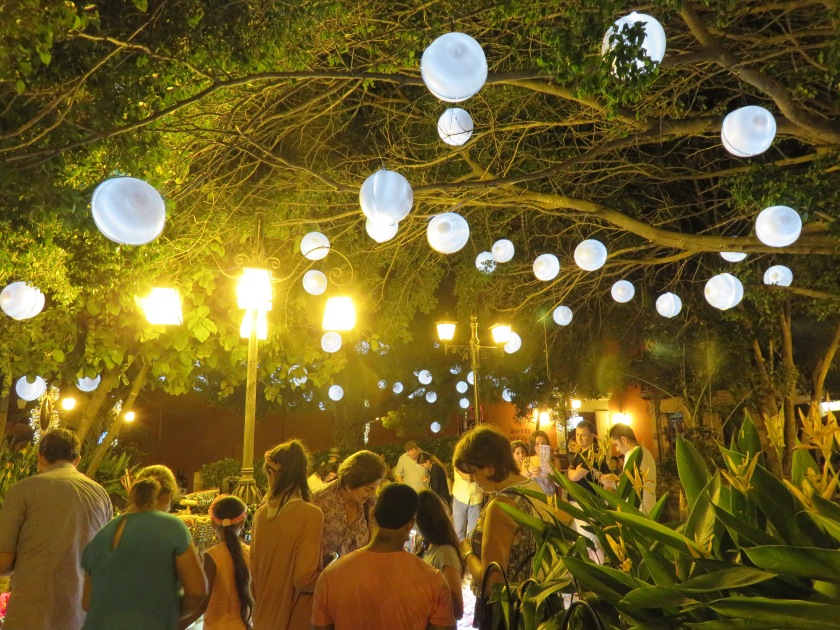


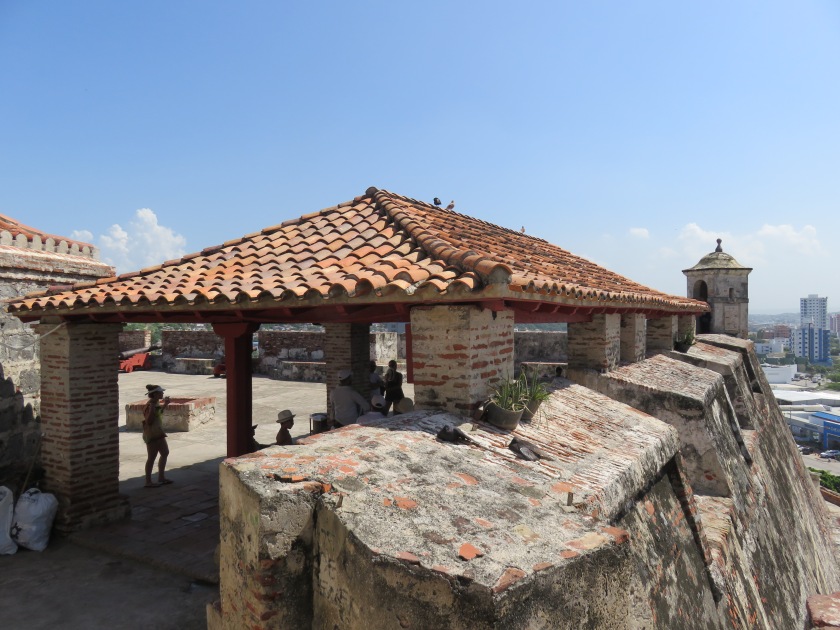


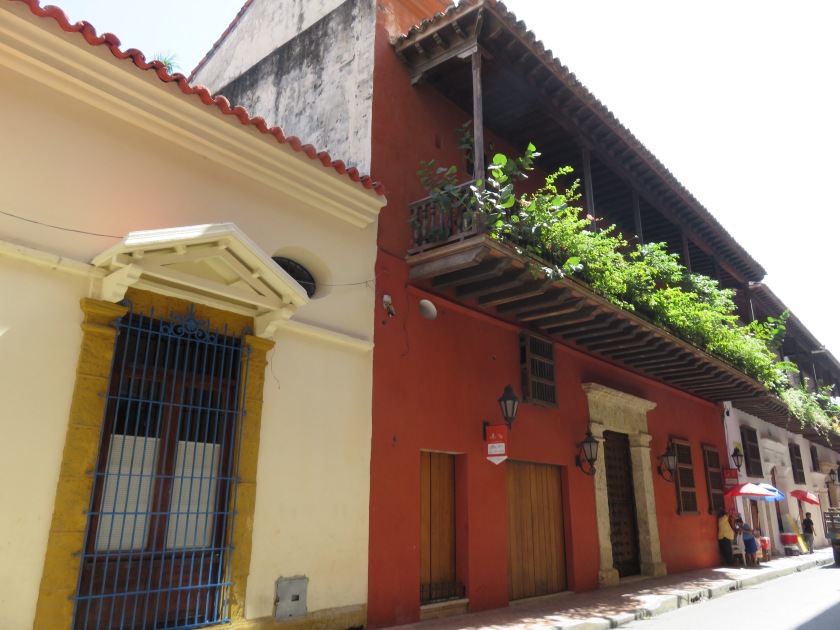


Camera: Canon PowerShot SX710 HS
Location: Cartagena, Colombia





Camera: iPod Touch, 6th Generation
Location: San Andres Island, Colombia