The Nation’s Memory Is Not Yours to Rewrite

“When you erase, bulldoze, or alter these symbols forever, you change how a place is understood and strip future generations of history they would otherwise have witnessed firsthand.”

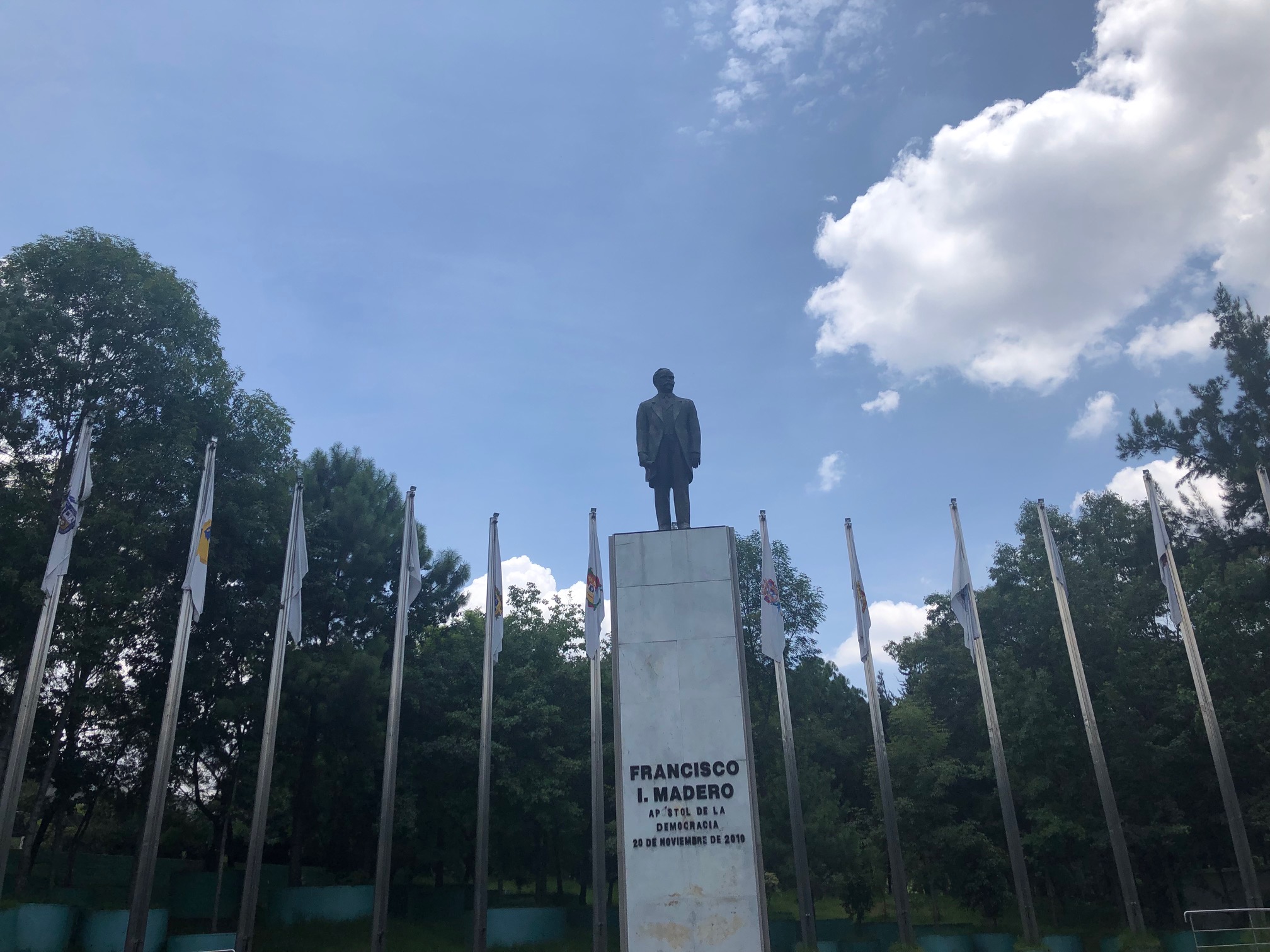
A civilization’s monuments, memorials, and symbols are its autobiography, chiseled in stone, cast in bronze, arranged in plazas and squares where citizens walk daily. They are not neutral objects and are often contested in terms of meaning and relevance. Each carries weight: the pride of founding, the grief of loss, and the uncomfortable truths of contested history. That historical weight is precisely why they matter, and precisely why they should not be altered, removed, or rewritten by any single political moment or leader.

One man or one woman should not have sway over the monuments, memorials, and symbols that dot the landscape of a country, nor should institutions be swayed by the whims of that person regardless of what public office or status they occupy. When the institutions entrusted with safeguarding national heritage defer to one executive’s preferences rather than the greater public’s, they abandon the very mandate that justifies their existence. The public and the representatives elected to speak for them should be the only ones with the power to change, remove, or replace the symbols and monuments that define a town, city, or nation. When you erase, bulldoze, or alter these symbols forever, you change how a place is understood and strip future generations of history they would otherwise have witnessed firsthand.

The impulse to reshape public memory is understandable as values and priorities shift with each passing generation, just as society itself does. Every historical era believes its moral clarity superior to the last. However, there is a meaningful difference between a society collectively working through its commemorative landscape, through legislation, local governance, and democratic deliberation, and a leader or institution beholden to one person rather than the public at large.

The latter uses executive authority to redecorate or revert the national story according to personal preference, by passing elected representatives and any meaningful public input on the proposed changes. The former is how mature democracies handle living history, with the consent of those being governed as the most important factor above all else. The latter is how authoritarian states operate when they revise a nation’s living memory as they see fit, without prior consultation or approval.

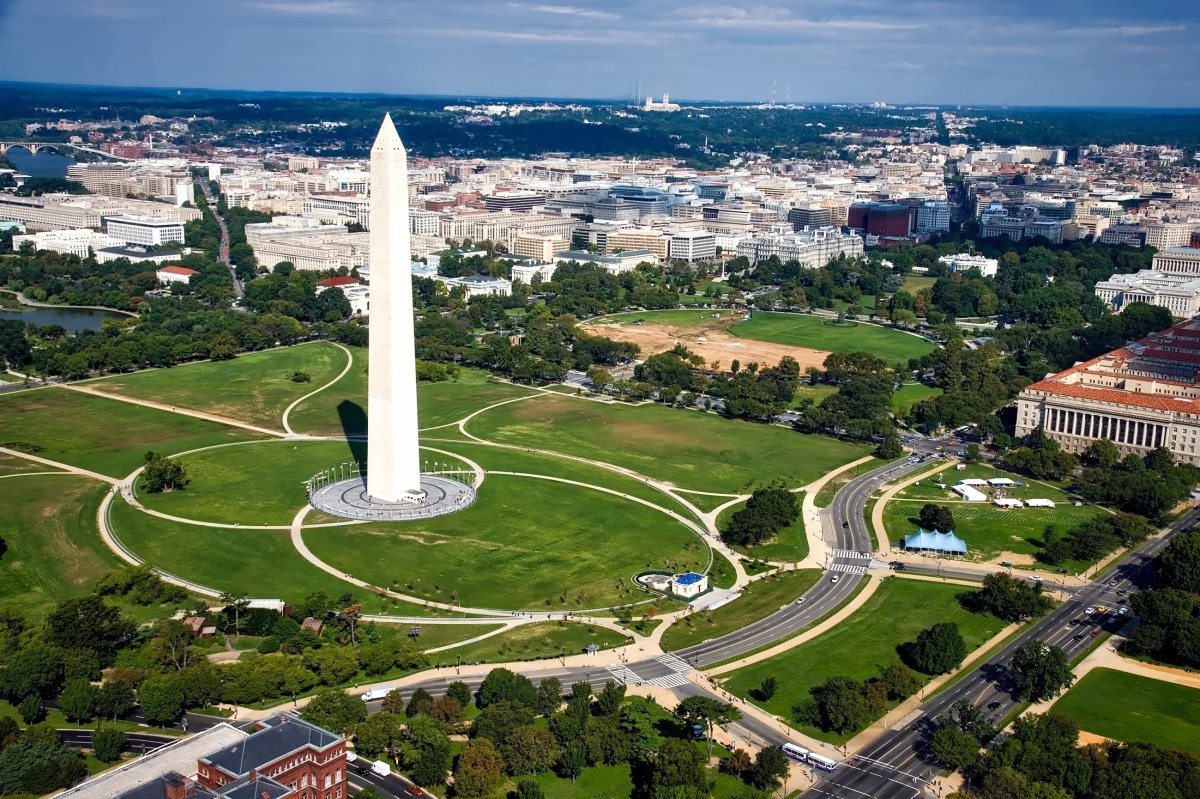
In Washington, D.C., the stakes feel particularly acute given the relatively short history of the city compared with other nations’ capitals that date back thousands of years. As the United States celebrates its 250th year as a sovereign nation, the capital’s memorials and monuments are not simply decorative; they are civic infrastructure at the heart of what makes this country’s history legible to its own people and the world.

The Lincoln Memorial, the Vietnam Wall, the MLK Memorial, the World War II Memorial, etc., these are foundational places where Americans of radically different politics and background go to grieve, to reconcile, to protest, to gather, and to feel something collectively true. Visitors travel from across the country and around the world to stand before these national landmarks in person, having known them only through photographs or screens. They deserve to find them intact, not altered or diminished without public consent.

When these symbols and monuments become pawns in a culture war, renamed, relocated, or removed at the stroke of a pen, something beyond stone and brick is damaged. The precedent it sets is equally corrosive: if any administration or political party can reshape national memory at will, then no symbol is truly secure. Preservation does not mean uncritical veneration or unobjective support. Controversial symbols have been removed or replaced before in the United States and in other countries, but those decisions carried weight because the people saw them as clearly divisive, racist, or unworthy of public honor. In those documented cases, no single leader or institution acted alone; the change was voted upon by the people or by their elected representatives who had to live alongside those symbols in their own communities.

Having reverence for national monuments and symbols means insisting that changes to shared symbolic space deserve public process and genuine review, not political expedience or unilateral decree. History, including its uncomfortable chapters, belongs to all of us, not to whichever administration or party currently holds the lease on the capital or controls the institutions managing these national heirlooms. The stroke of a pen that rewrites monuments and memorials today can just as easily be turned against the ones you hold dear tomorrow. Remember that and always stand up to those who would erase or alter a nation’s history without the support and consent of the citizenry.
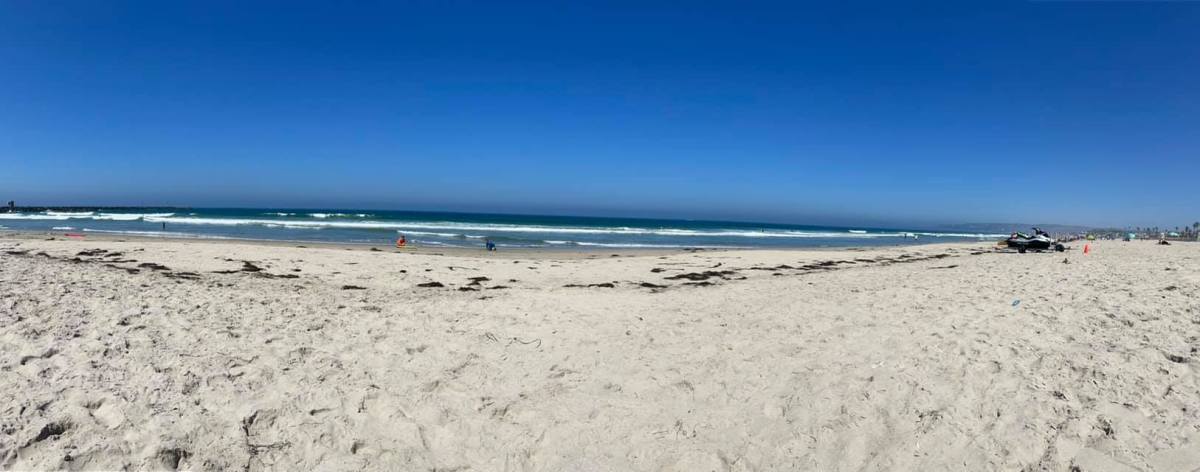
Peace of the Ocean

“Some folks prefer the mountains, others prefer the river, but I prefer the ocean. As the saying goes, “The ocean has no memory.” It doesn’t care who we are or where we come from, it’s just glad that we are there.”

Witness the waves splashing down on the sand, hear the wind swirling throughout the beach, feel the coolness of the water lapping up against your feet, and experience the solitude that you gain from being by yourself at dusk or dawn with a full view of the brilliant ocean. These are just a few ways that the peace of the ocean can captivate us and keep us coming back for more tranquility. Some folks prefer the mountains, others prefer the river, but I prefer the ocean. As the saying goes, “The ocean has no memory.” It doesn’t care who we are or where we come from, it’s just glad that we are there.

In this increasingly fast-paced world based around complex technology that can be both addictive and time consuming, it’s truly peaceful to get away from it all if only for a short while by taking time to go to the ocean. You don’t even have to get in the ocean but by being near it, I believe it refreshes us, it calms us, and allows us to be left with our thoughts and our memories.

Some folks like to swim, some like to surf, others like to fish, while some enjoy lounging on the beach; in all, there are dozens of options on how to interact with the ocean allowing us to find our own peace by being in the ocean or nearby it. The beauty of the ocean is that every time is a little bit different for the person who goes there. The setting may be the same, but you’ve changed as a person and so do your thoughts, feelings, and desires upon coming to the ocean. You grow older, you change jobs, you move places, you bring new people with you, but the ocean and its bounty never truly changes.

How you interact with the ocean may change too and what you decide to get from it will also adapt but nothing that ever changes is that we all seek peace of our own from this beautiful locale. Regardless of the activity involved, the ocean recharges our batteries, lets us relax, keeps us honest, and allows us to leave our troubles behind for a little while. Because of its restorative powers, it is no wonder why millions of people live by the ocean and why billions around the planet seek to visit it year in and year out.

The ocean is such a powerful part of human nature that we bury our dead there at times, that we memorialize people who made a living from it, and that we honor those who preserved peace when wars were fought over access to it. Humanity is always linked to the ocean and if we do not protect and preserve the ocean, a part of our humanity would be lost in the process. The ocean is a living and breathing thing providing us with the oxygen, nutrients, and food that we need to survive each day.

In return for the calm, tranquility, and overall peace that it brings us, we must do our part to keep it clean, keep its inhabitants from becoming endangered, and making sure that it is around for future generations. When we can no longer fish the waters, swim in the waves, or relax ourselves at pristine beaches, we will lose a piece of ourselves, and we will lose our own inner peace that the ocean cultivates in those of us who go there to rejuvenate and restore ourselves each time.

The ocean gives us peace of mind, peace of body, and peace of spirit. It’s only fair that we strive to give back as best as we can by taking care of it and letting it be enjoyed far into the future. Acidification, pollution, loss of natural habits and pockets of floating trash threaten not only the ocean but the rest of the planet too. We will not be able to have as much as peace if the ocean is dying. When we can no longer fish the waters responsibly, swim in clean waves, or go boating with clean energy, we will suffer a true lack of peace. Our minds and our bodies won’t be at ease if the ocean is not at ease.

The climate change crisis is not just about preserving the planet, but it is also about preserving our own mental peace of mind. The ocean allows us to feel better about ourselves, improve our social relationships, and spend quality time away from work or other commitments. If we lose the chance to enjoy the ocean, that lack of peace will hurt us as human beings. If we can no longer enjoy one of our best natural environments, we will lose a great way to relax, rejuvenate, and recharge ourselves to deal with life’s challenges and opportunities. I hope we can do better in the future to keep the ocean beautiful, clean, and vibrant because I enjoy the peace that it brings me in return.

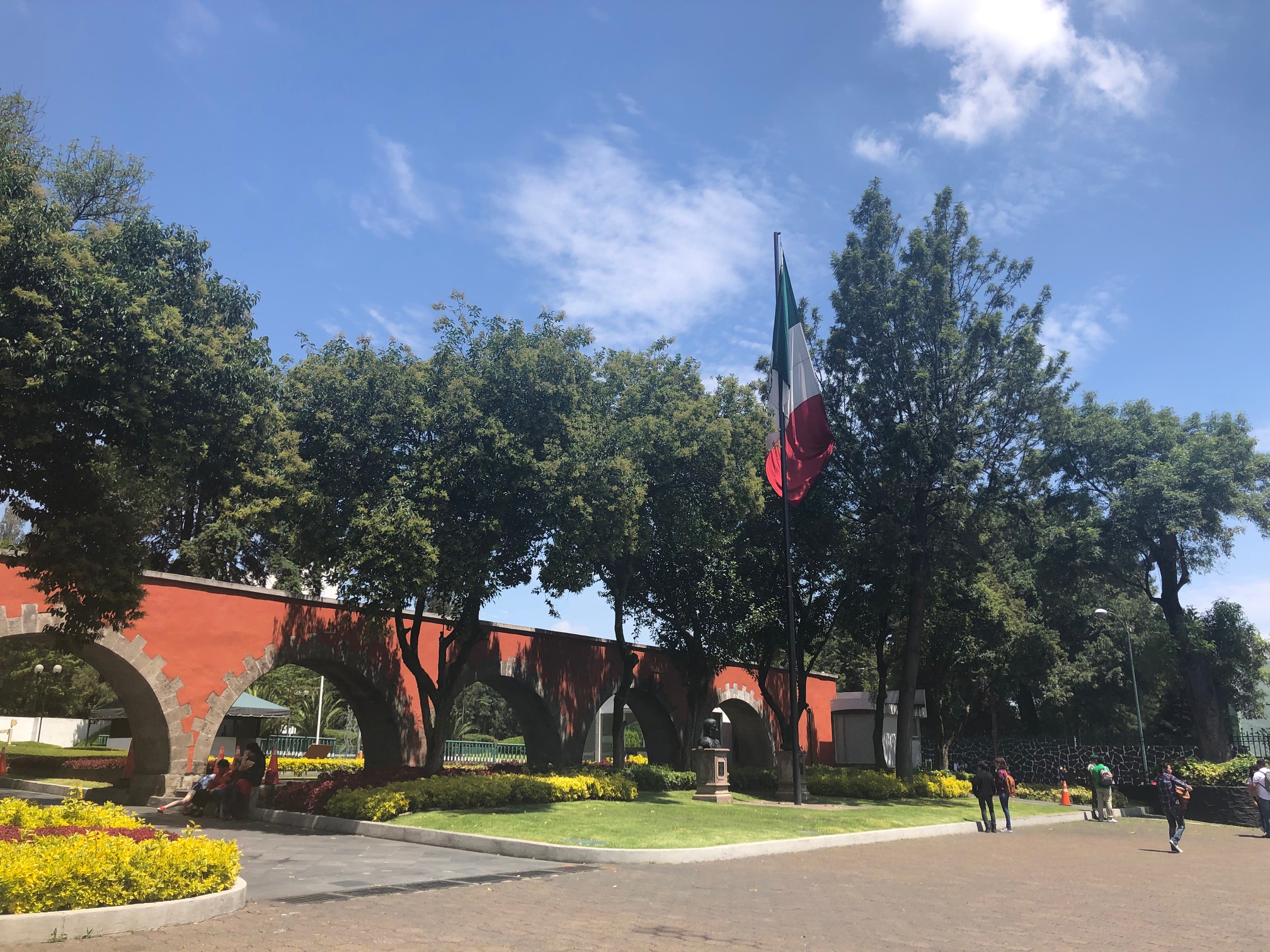
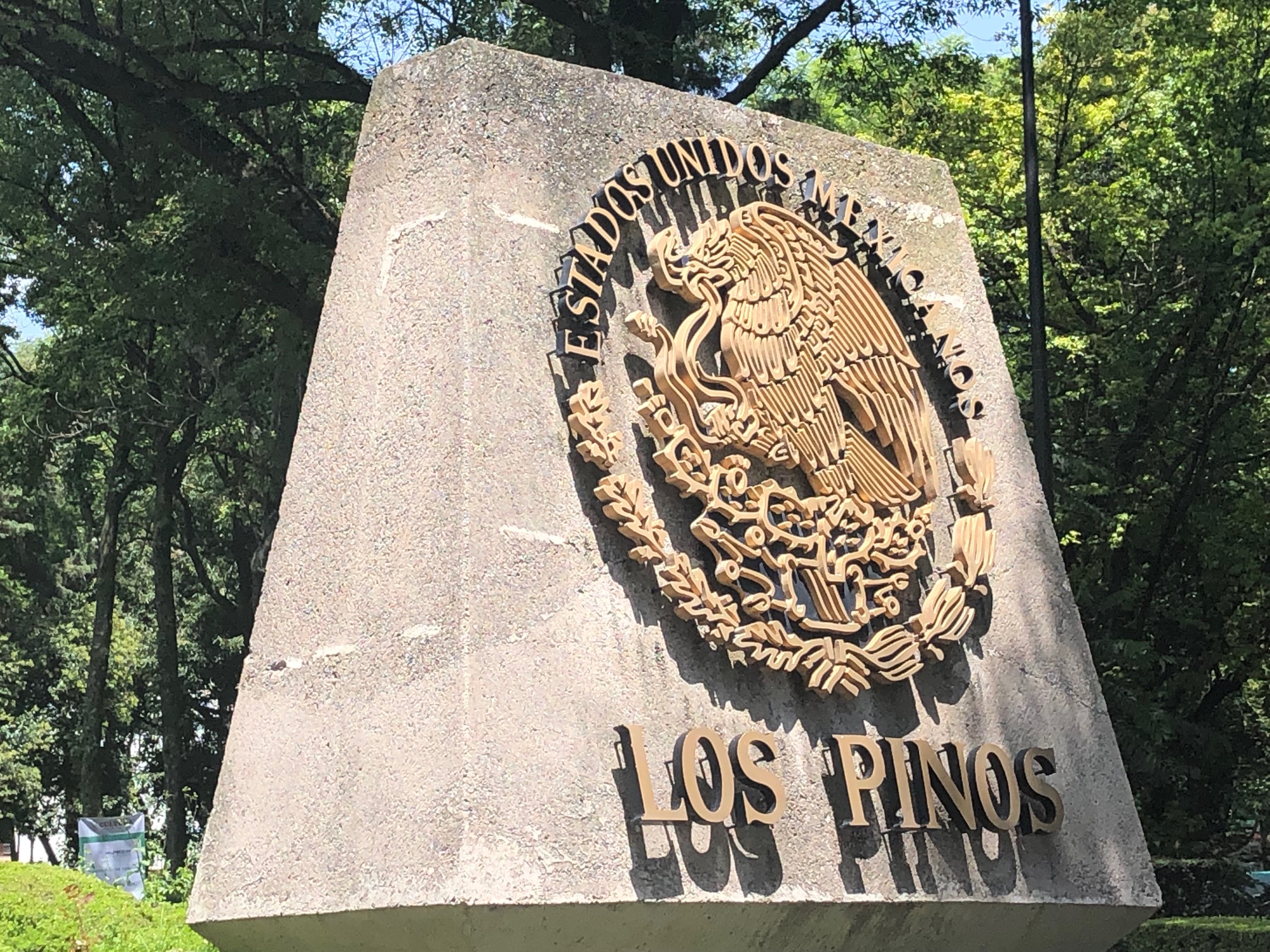
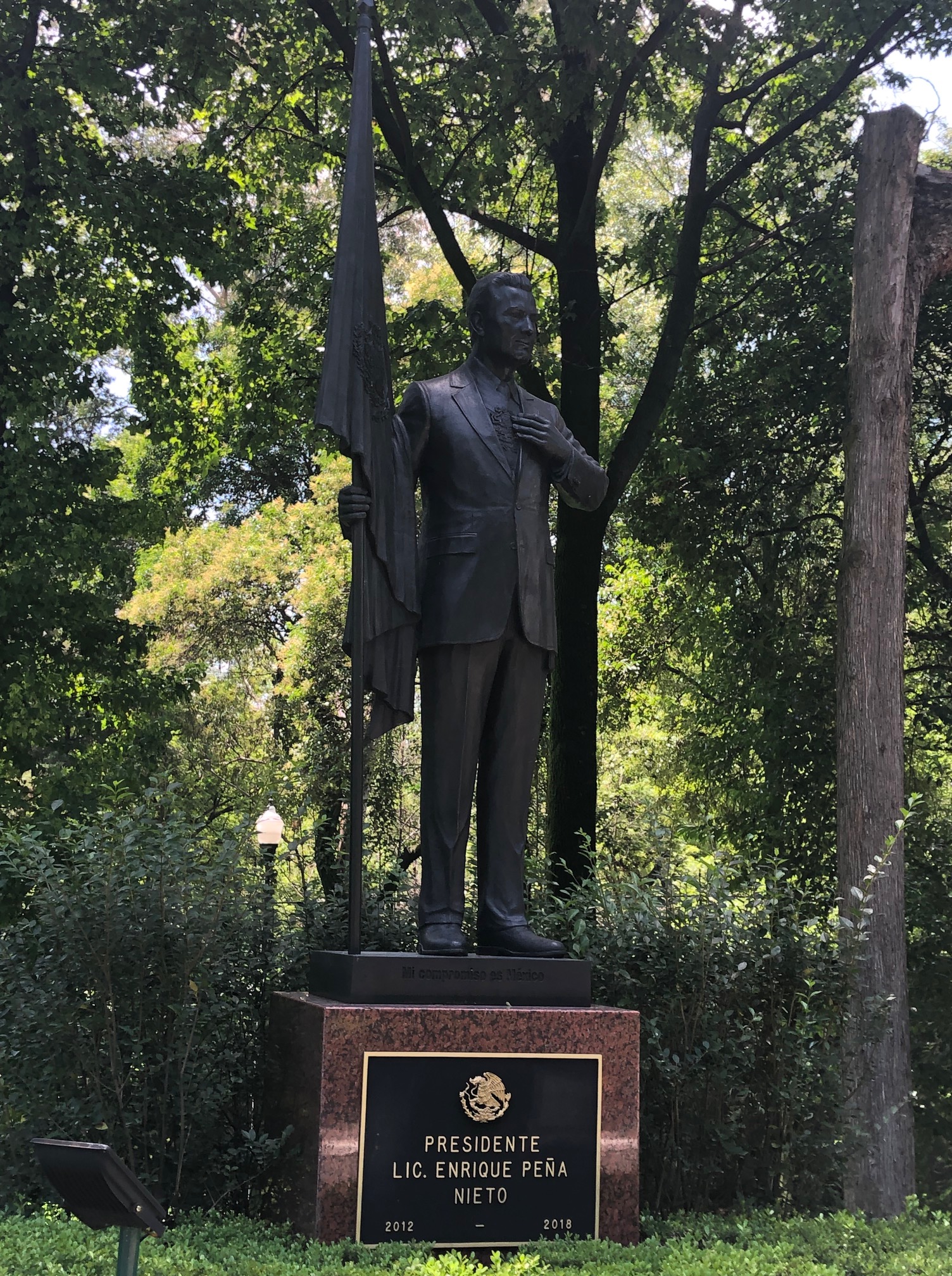
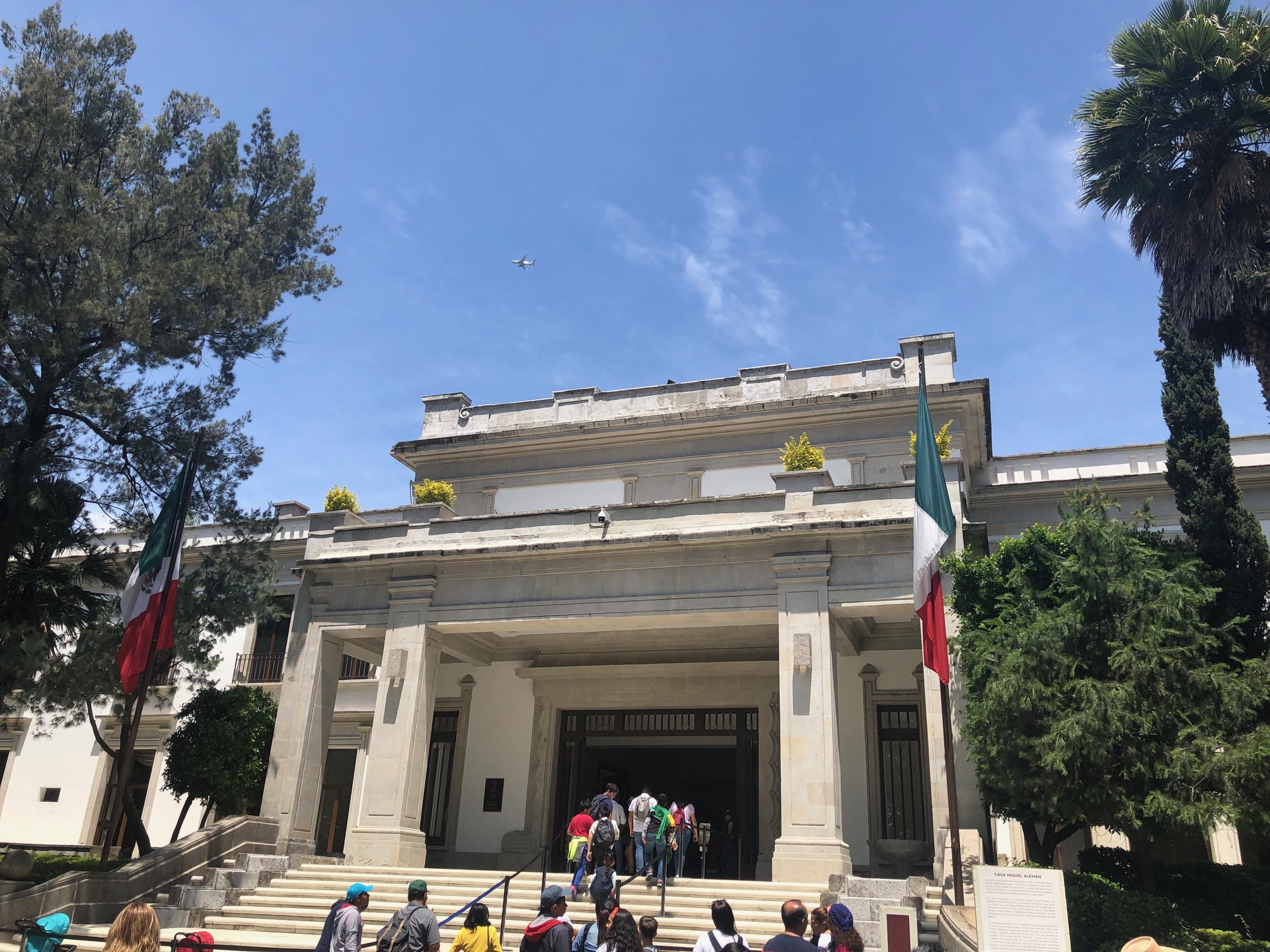
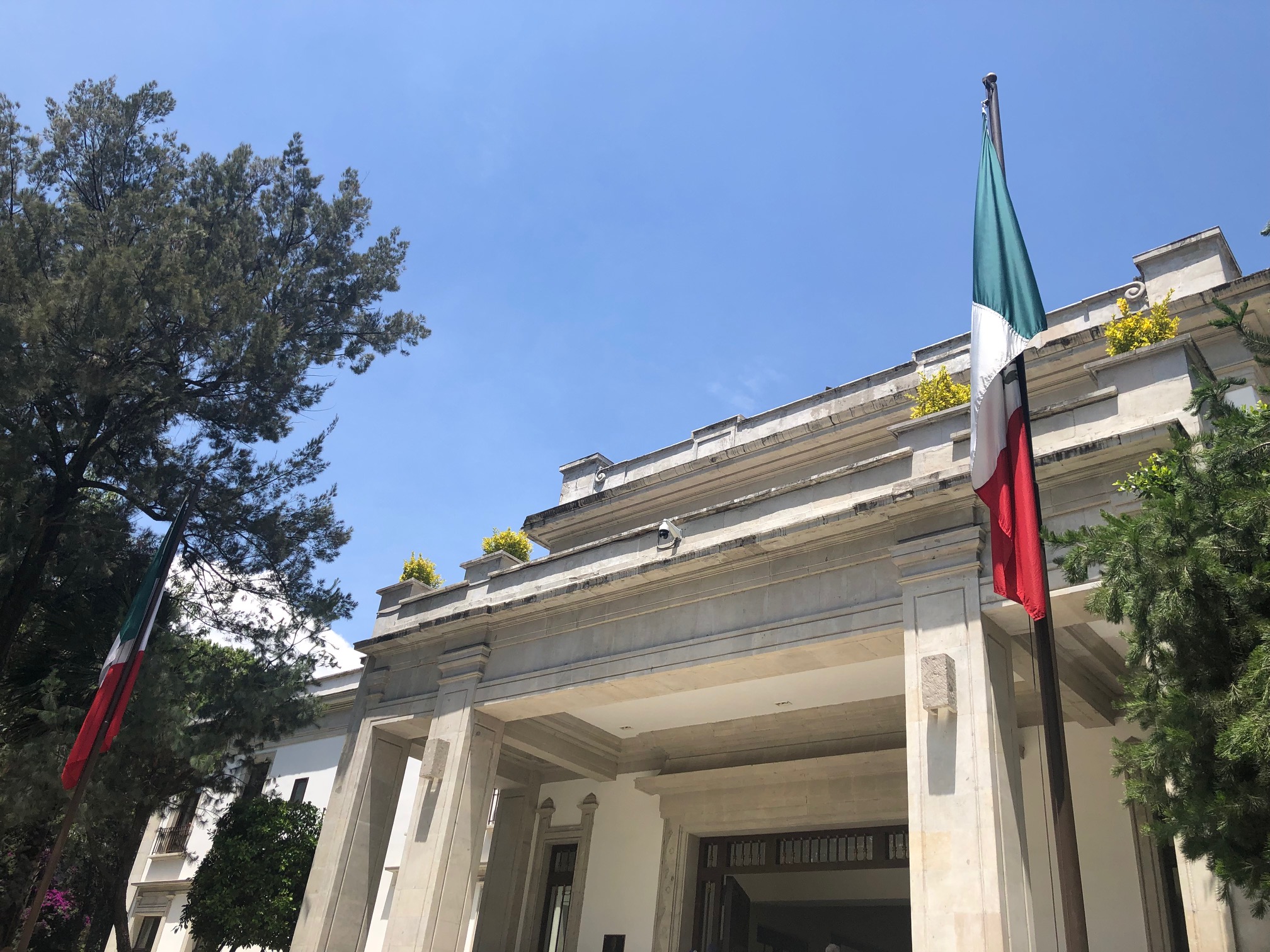
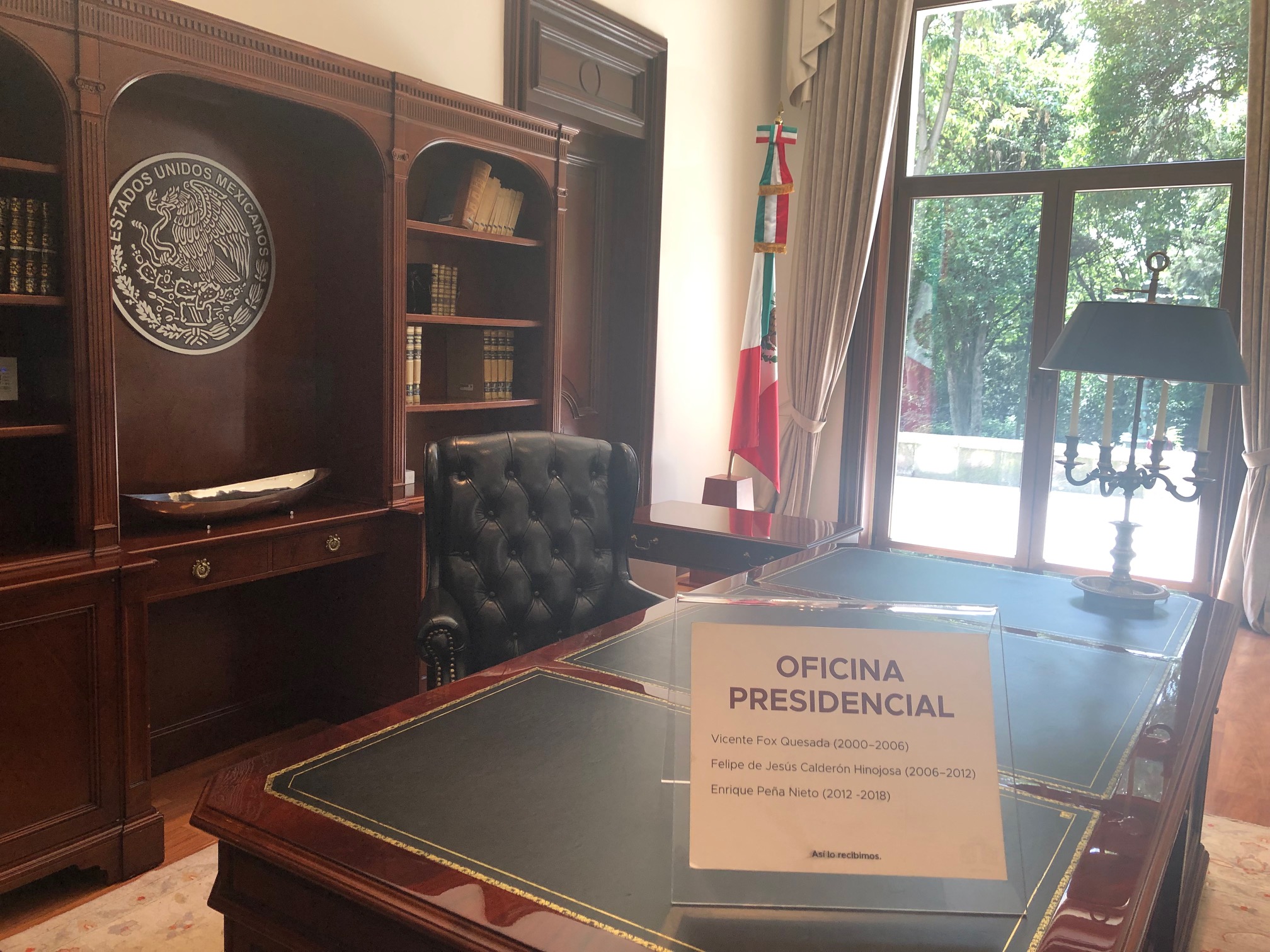
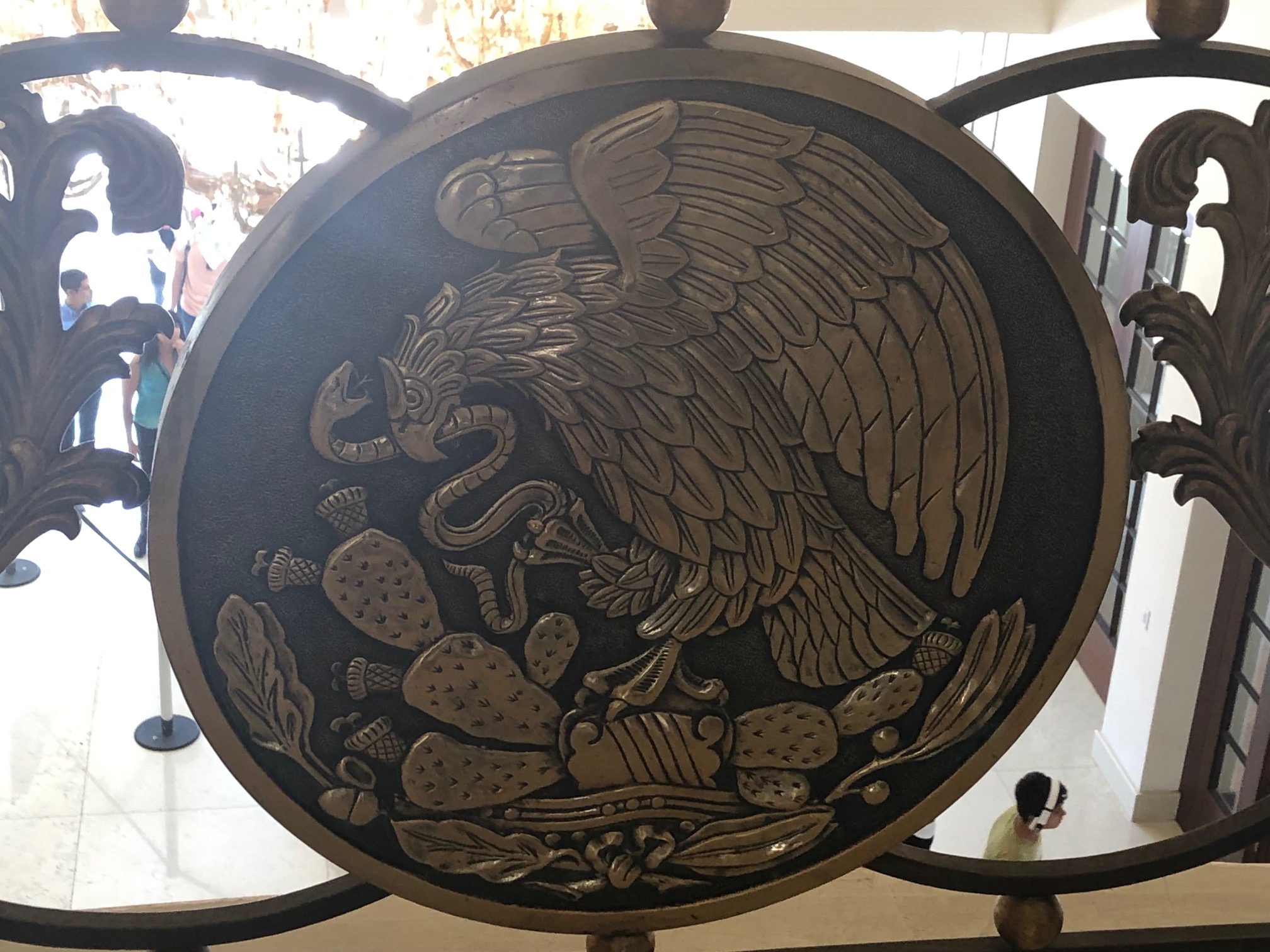
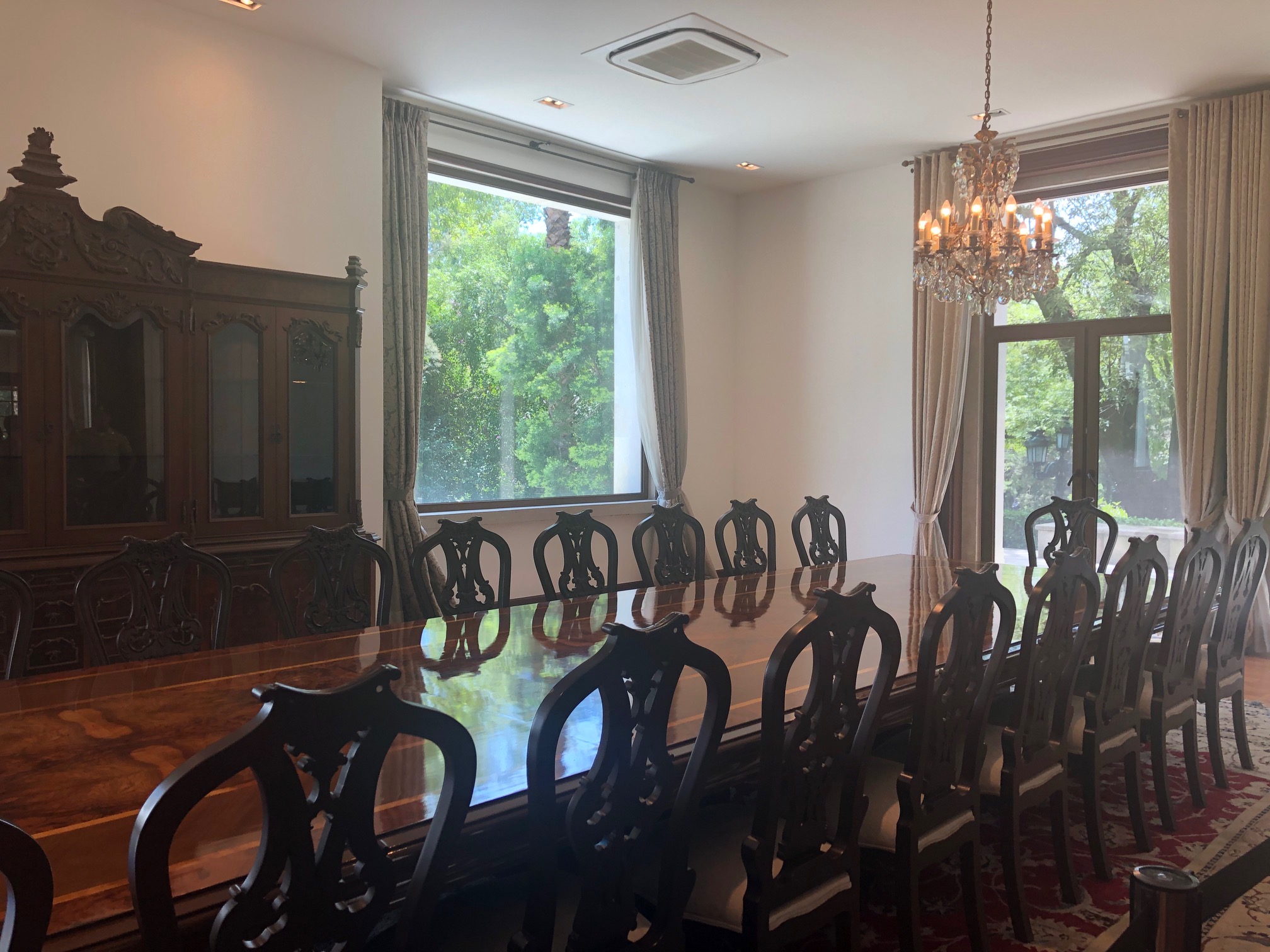
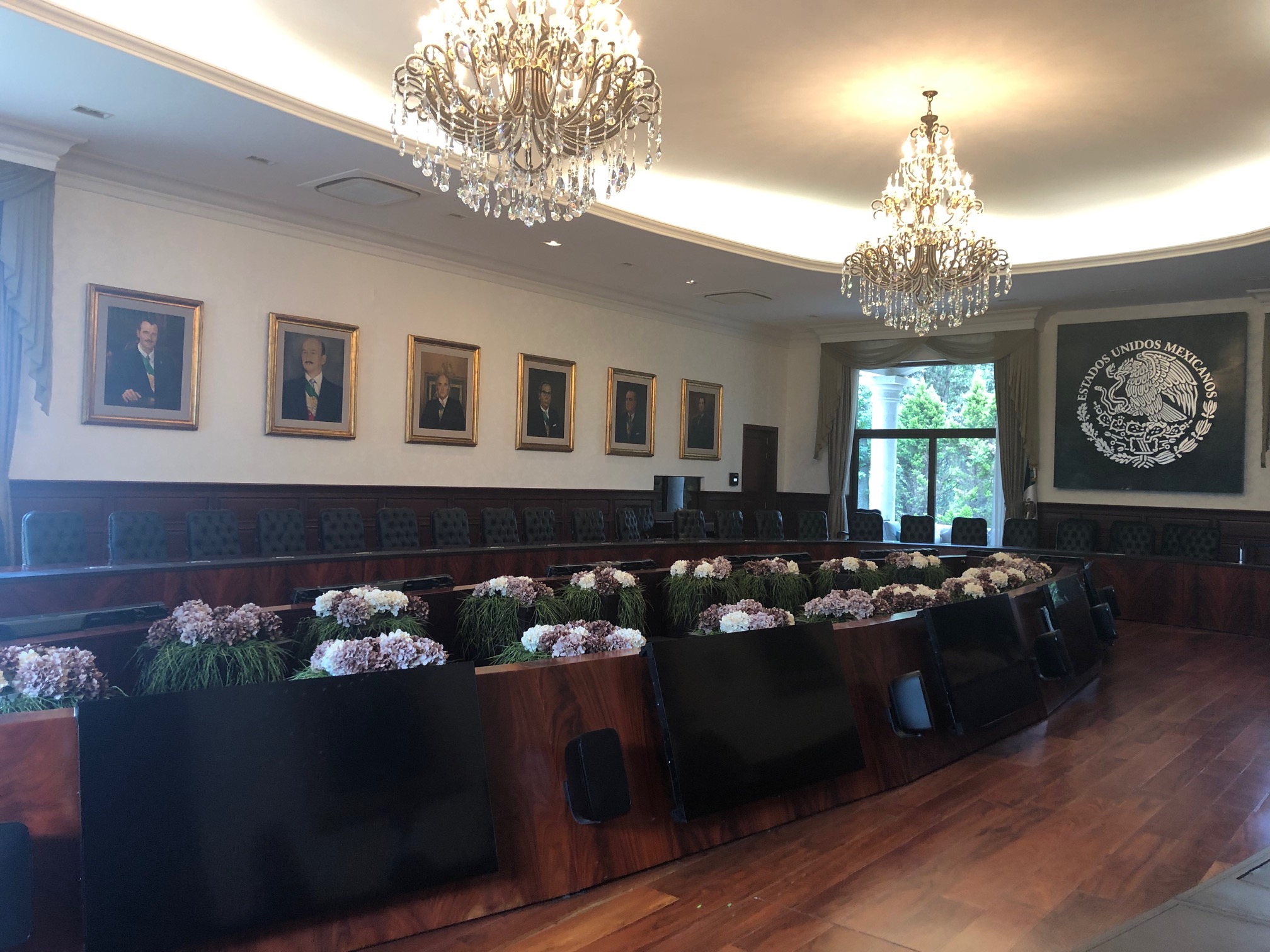
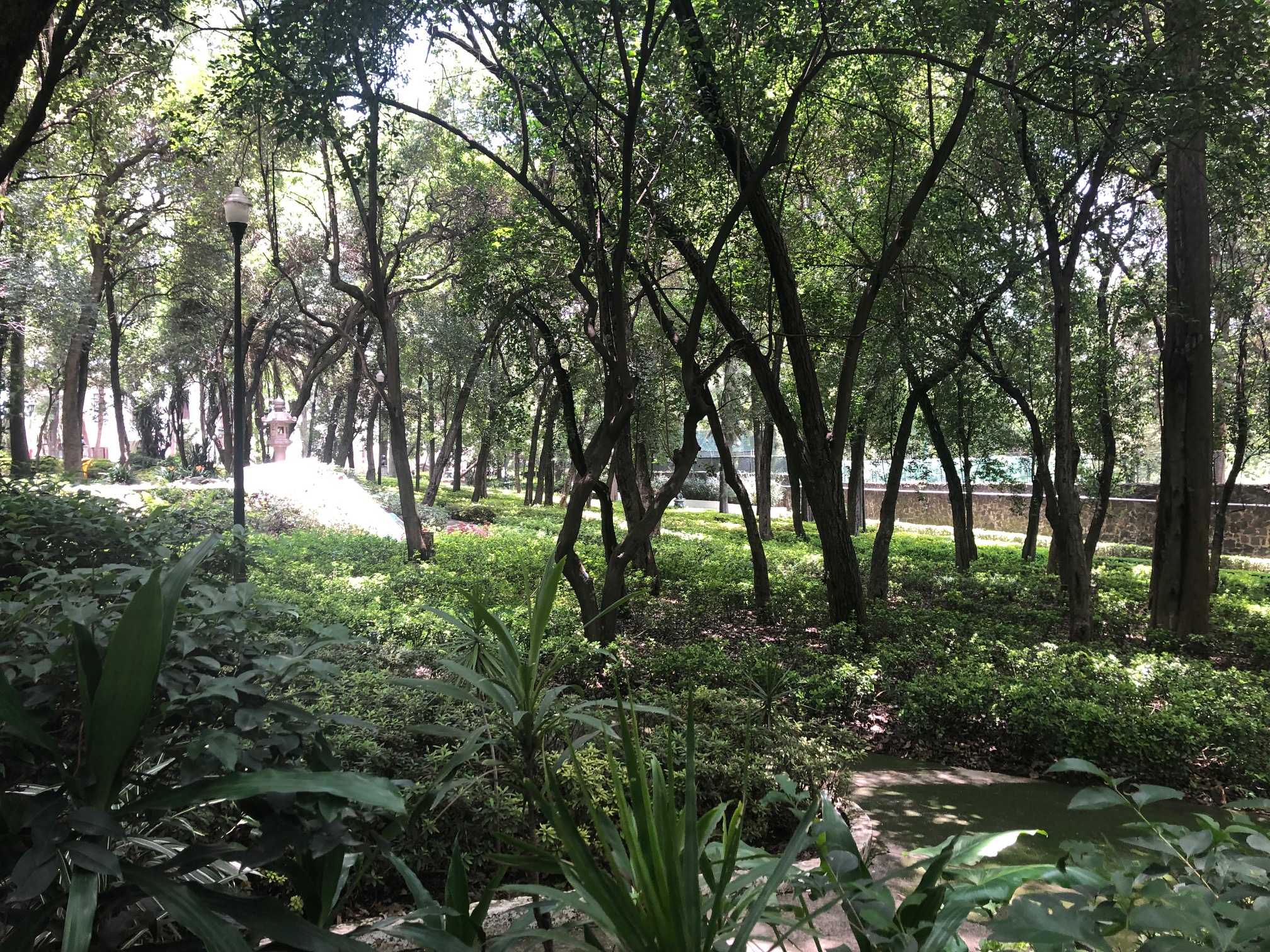
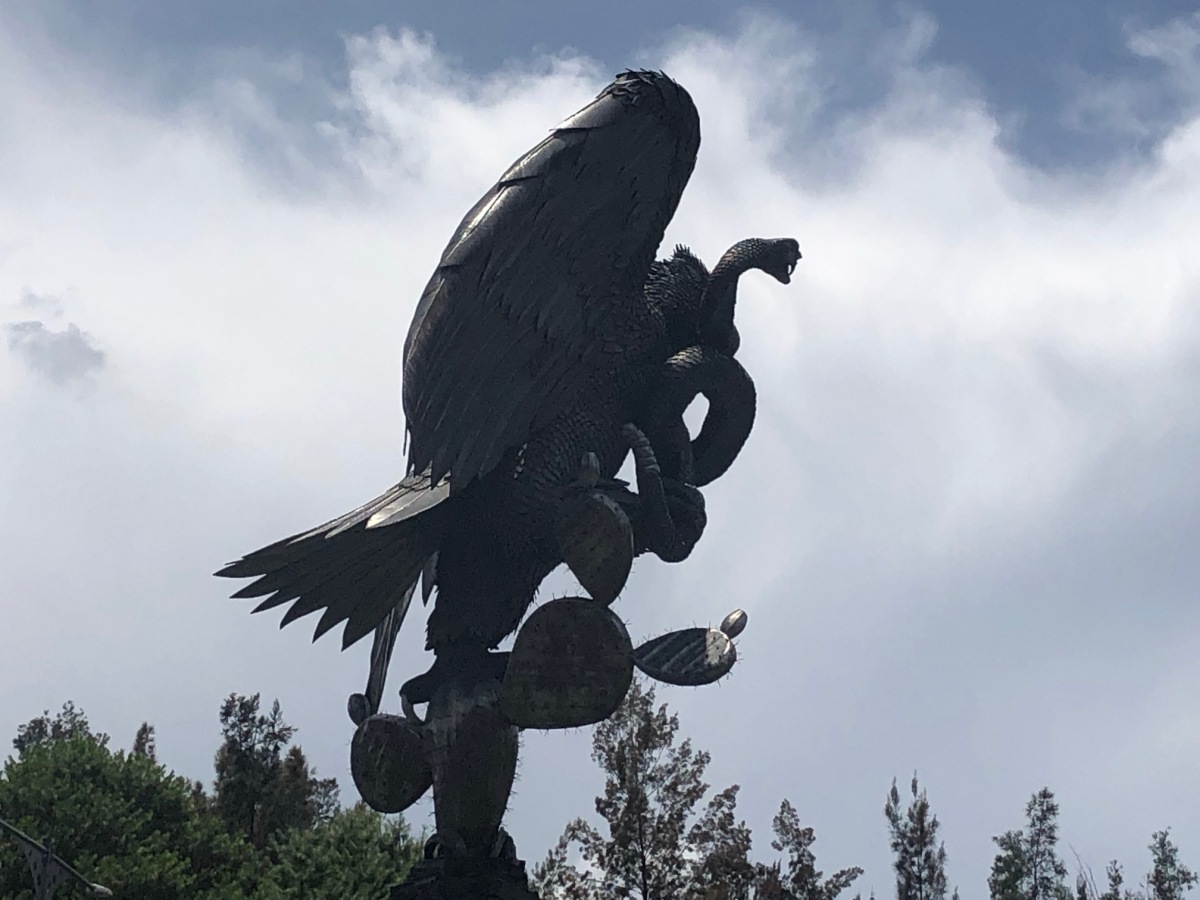
Los Pinos

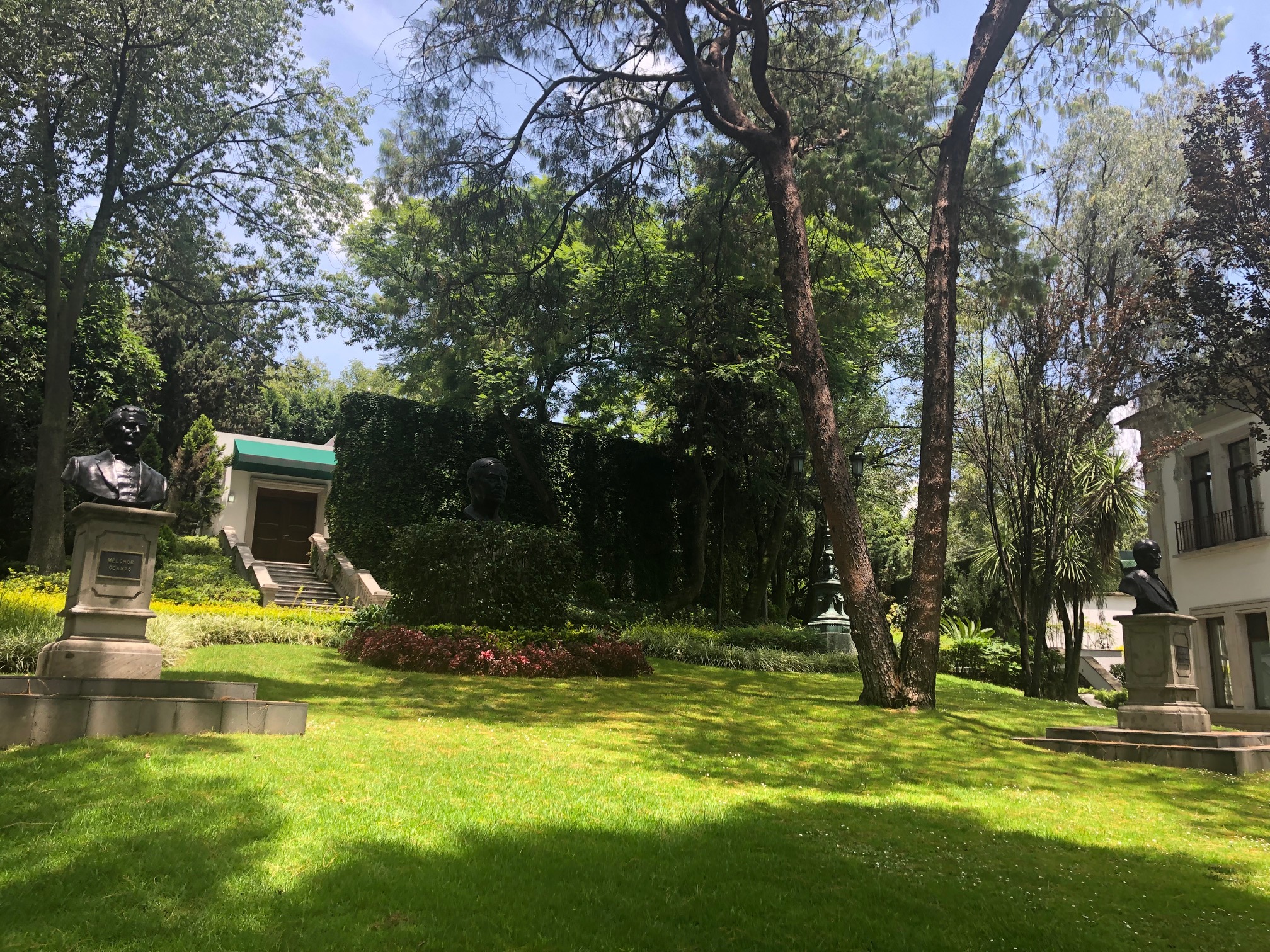
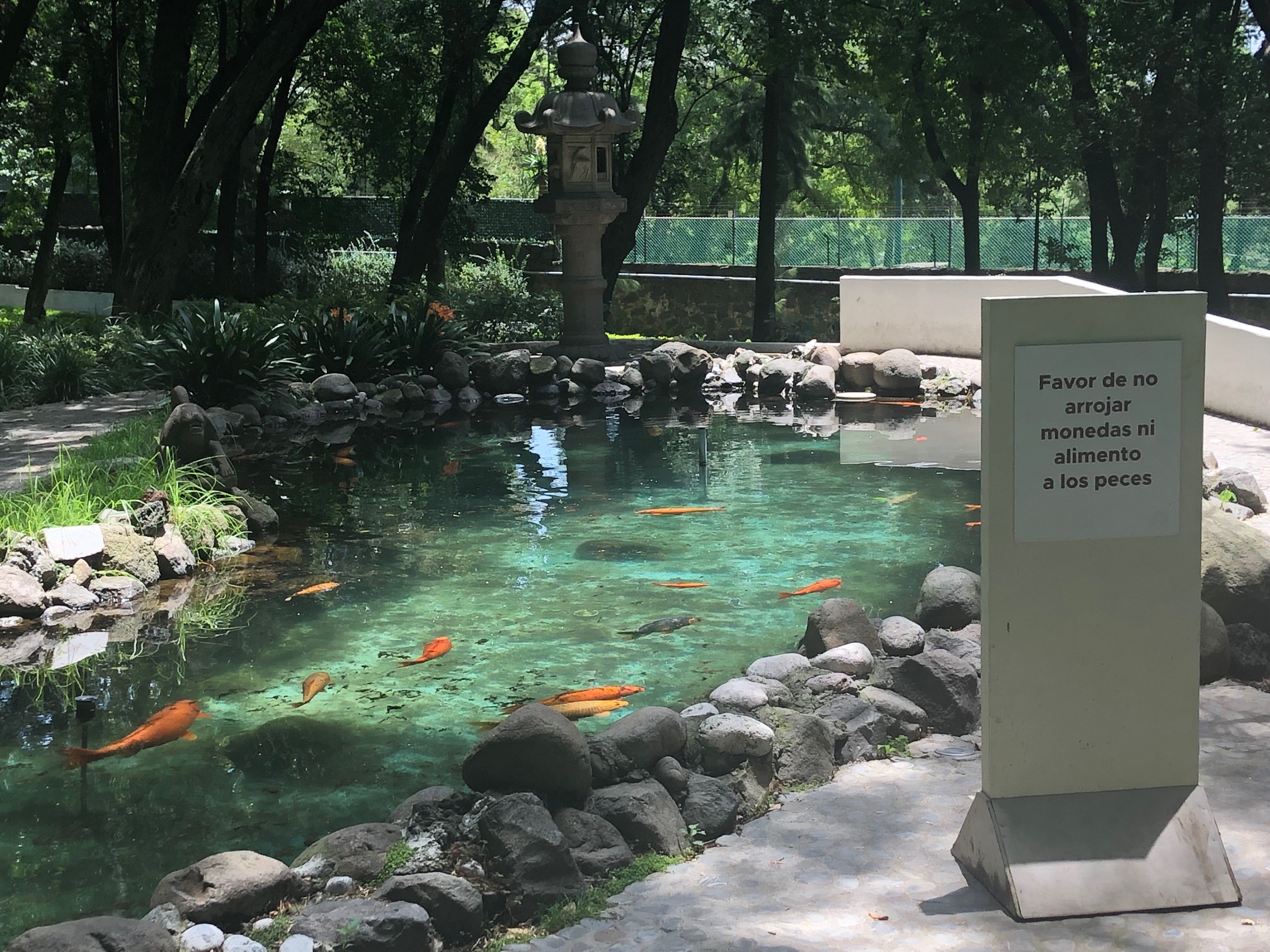
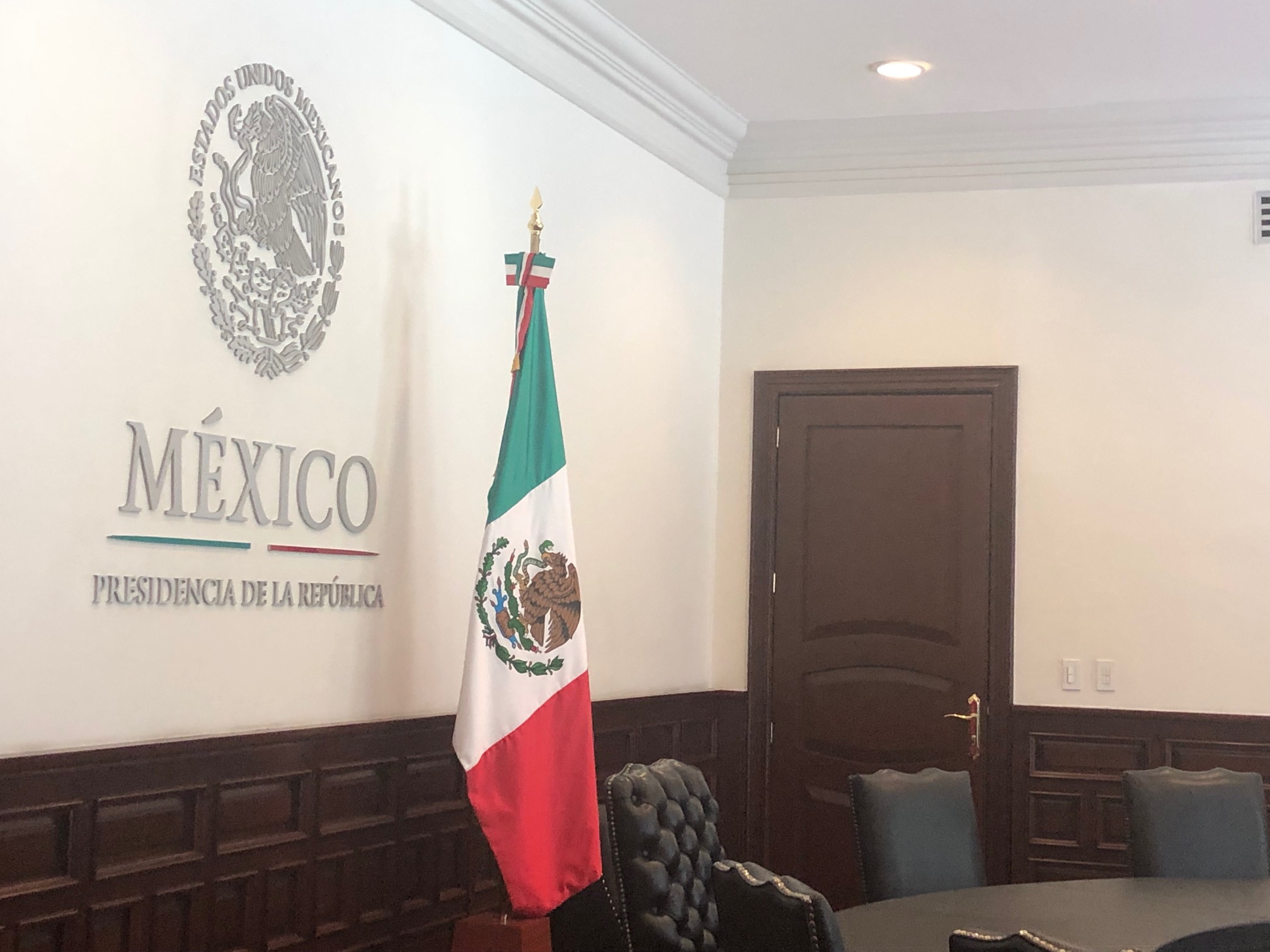
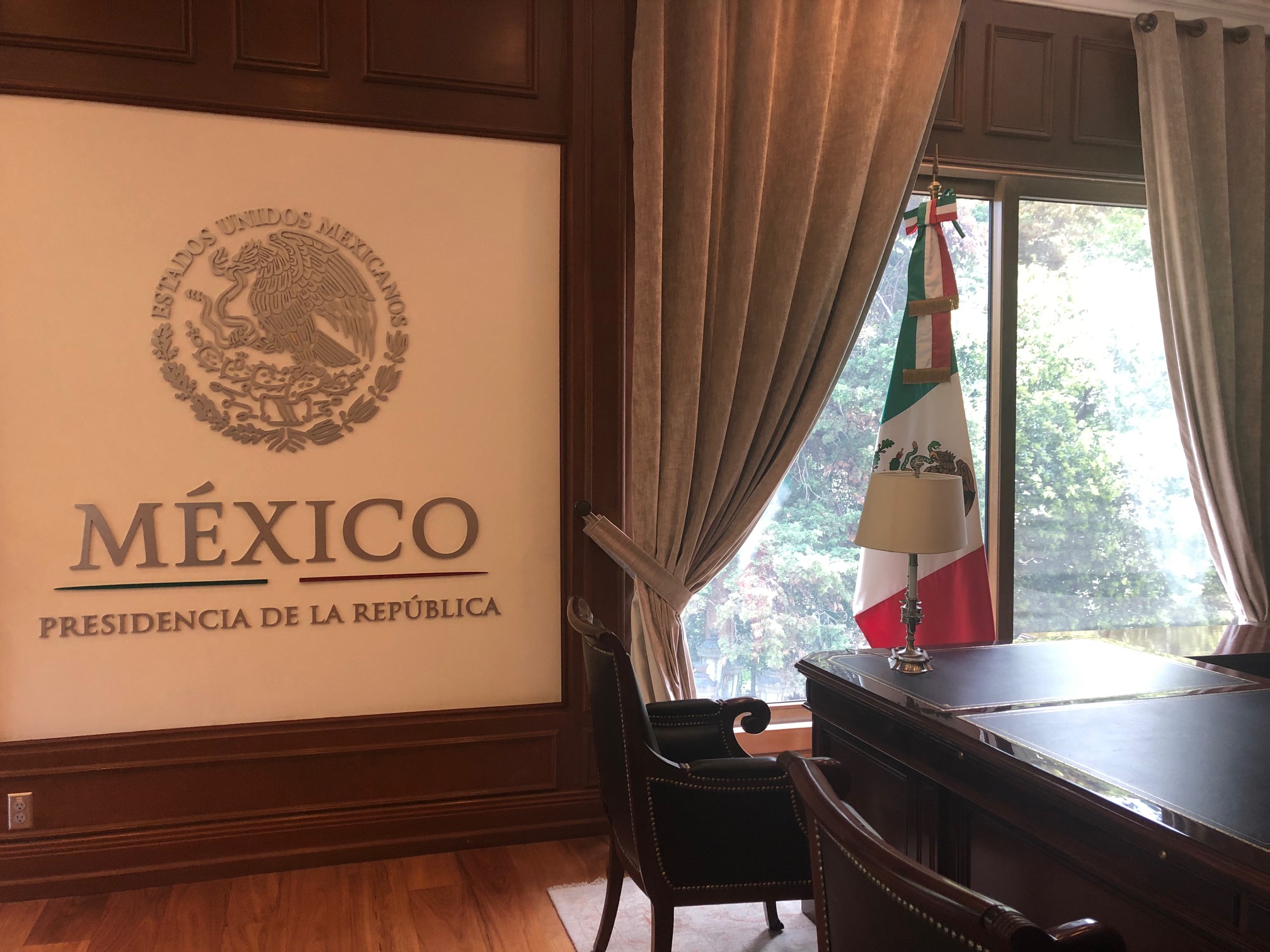
IMG_2847IMG_2851IMG_2852IMG_2856IMG_2858IMG_2862IMG_2865IMG_2872IMG_2877IMG_2879IMG_2886IMG_2893IMG_2908IMG_2900IMG_2909

Camera: iPhone 8

Location: Los Pinos Cultural Center; Mexico City, Mexico