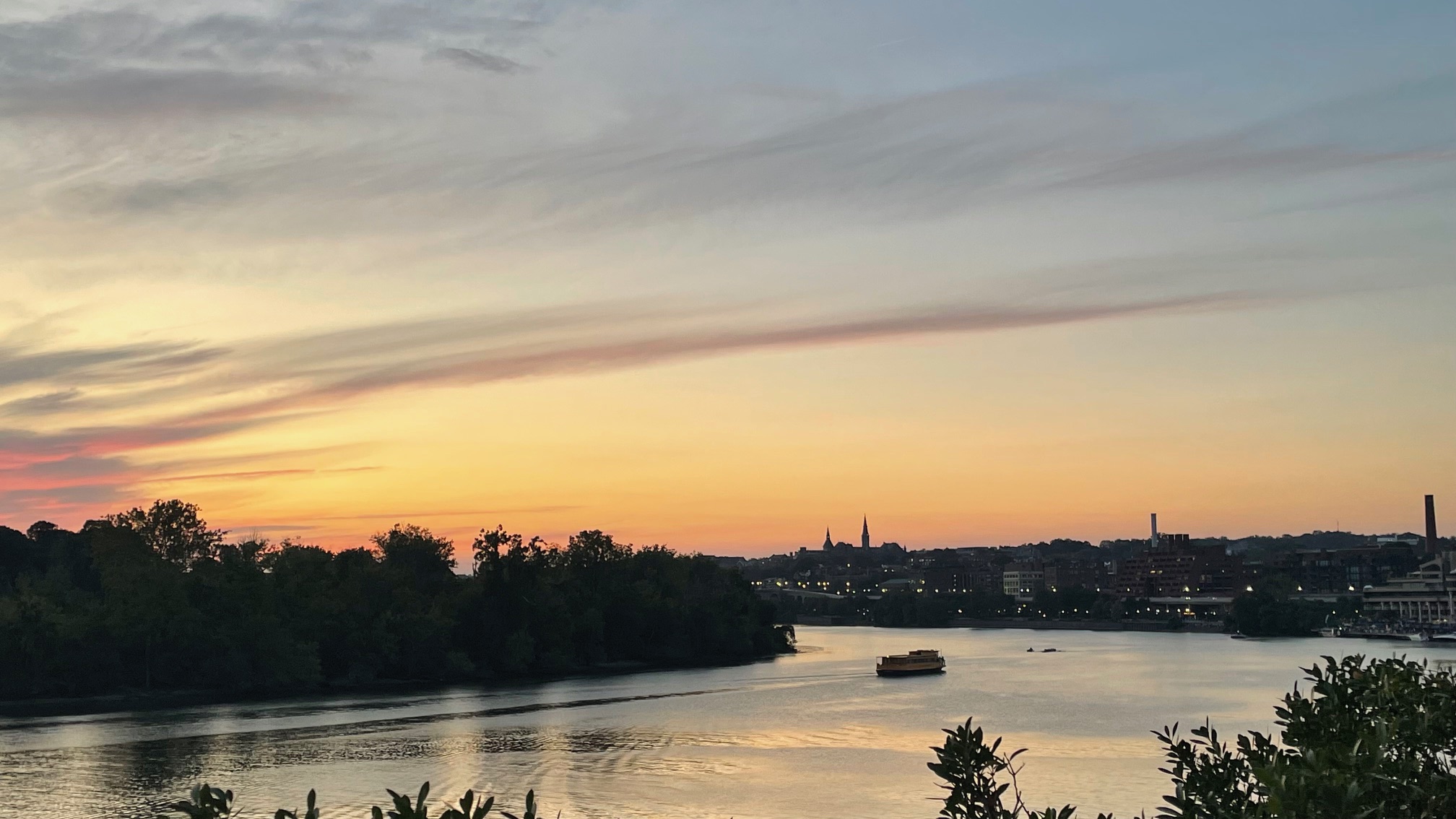
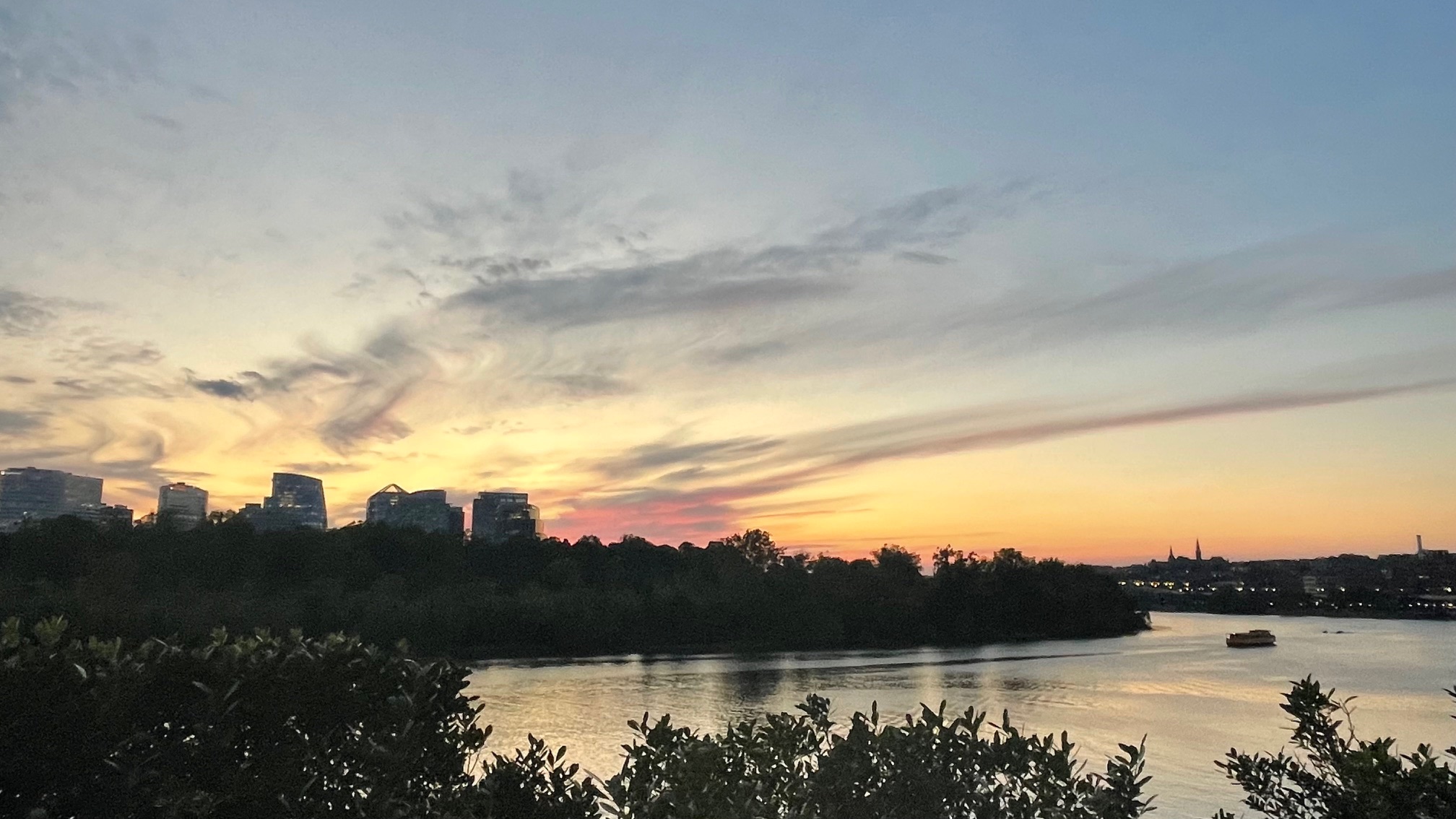

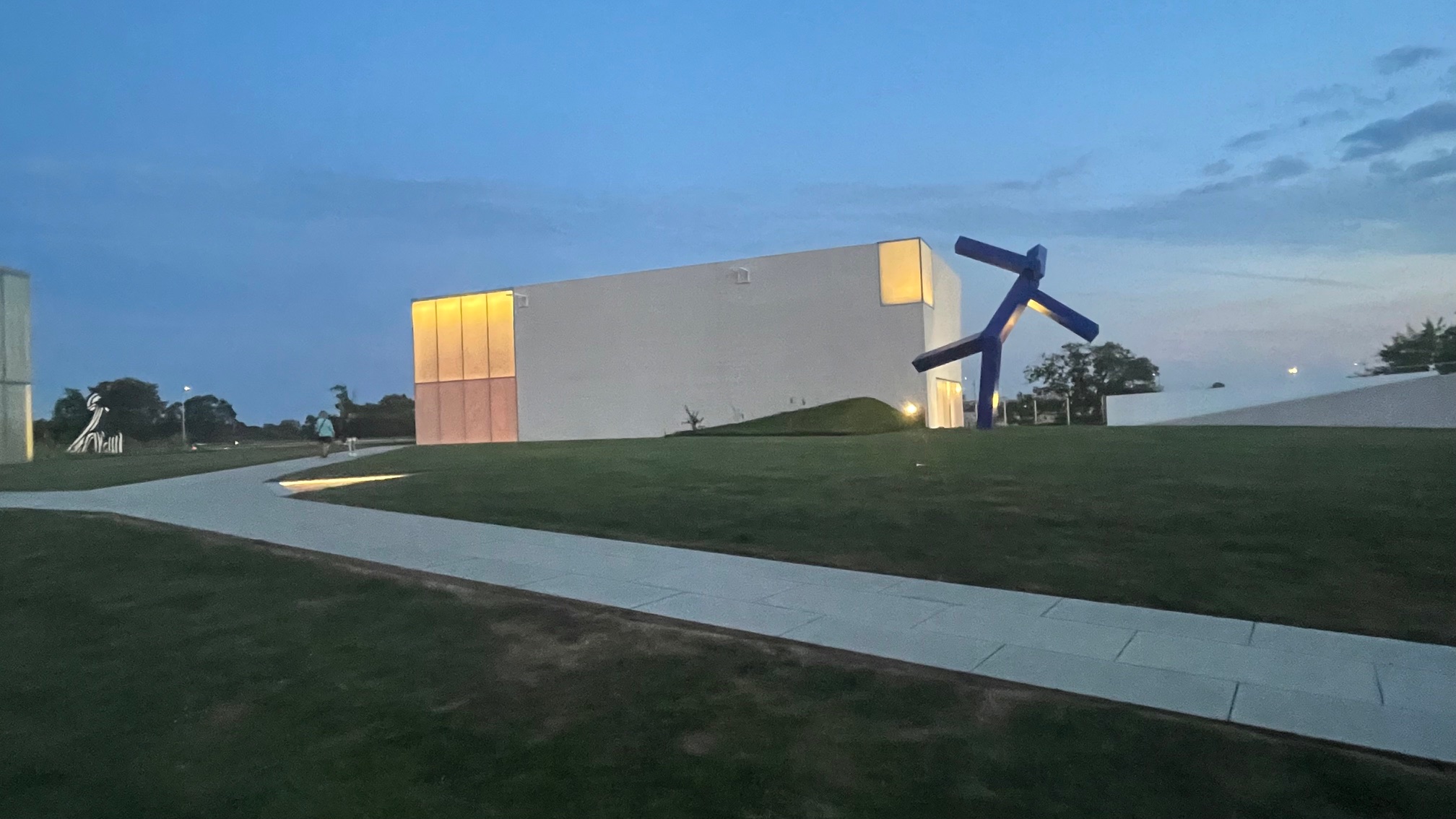
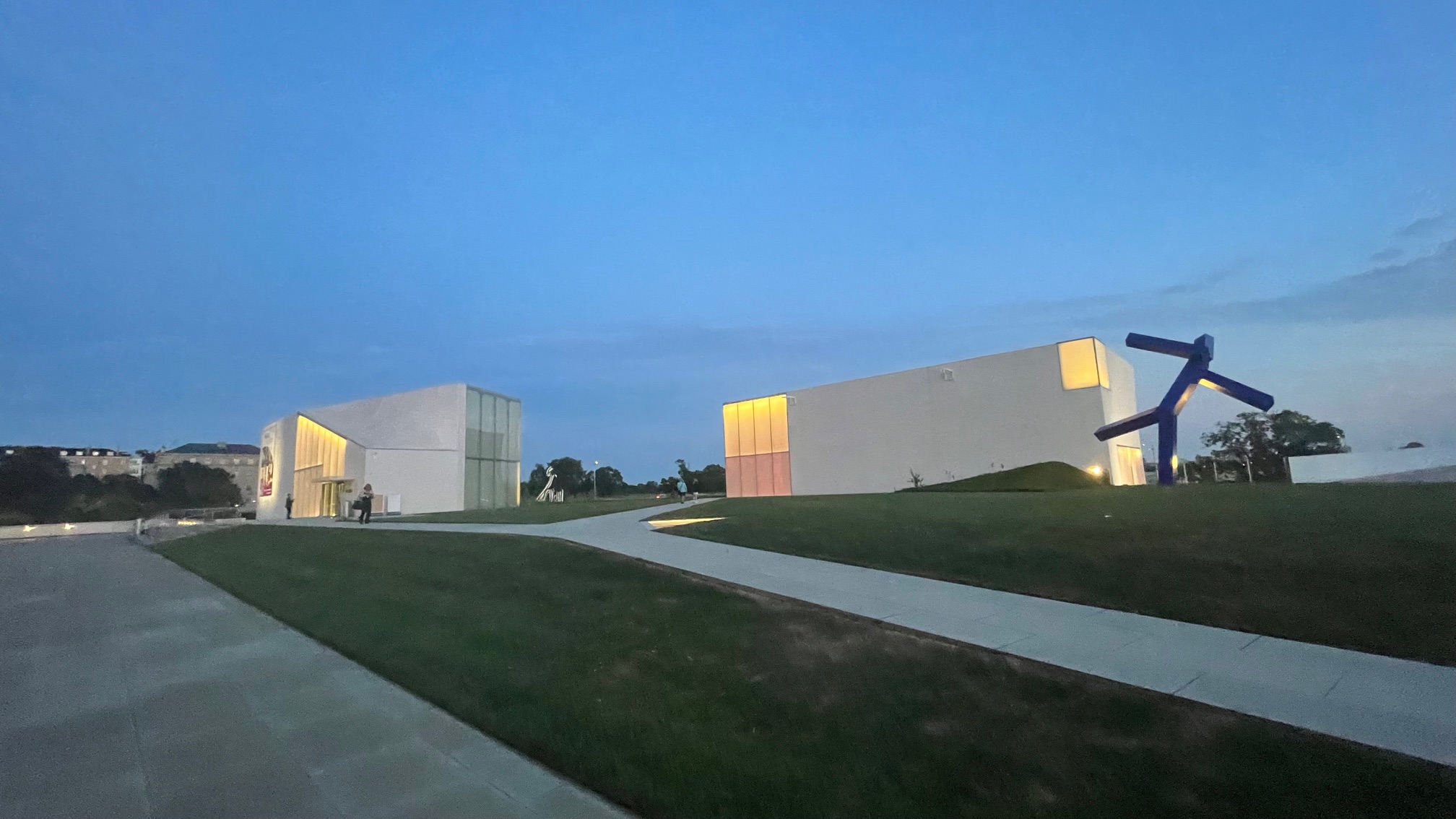
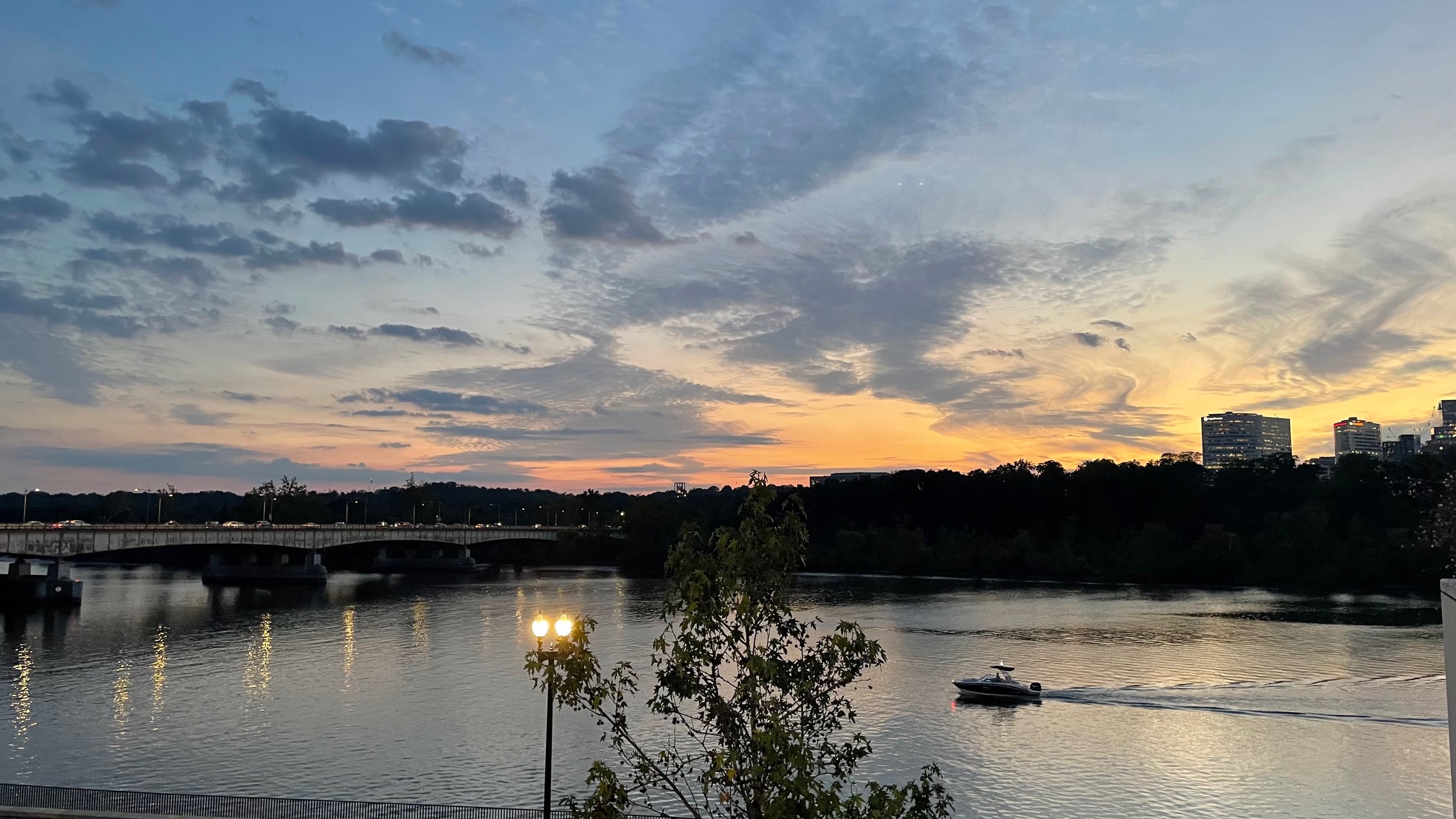
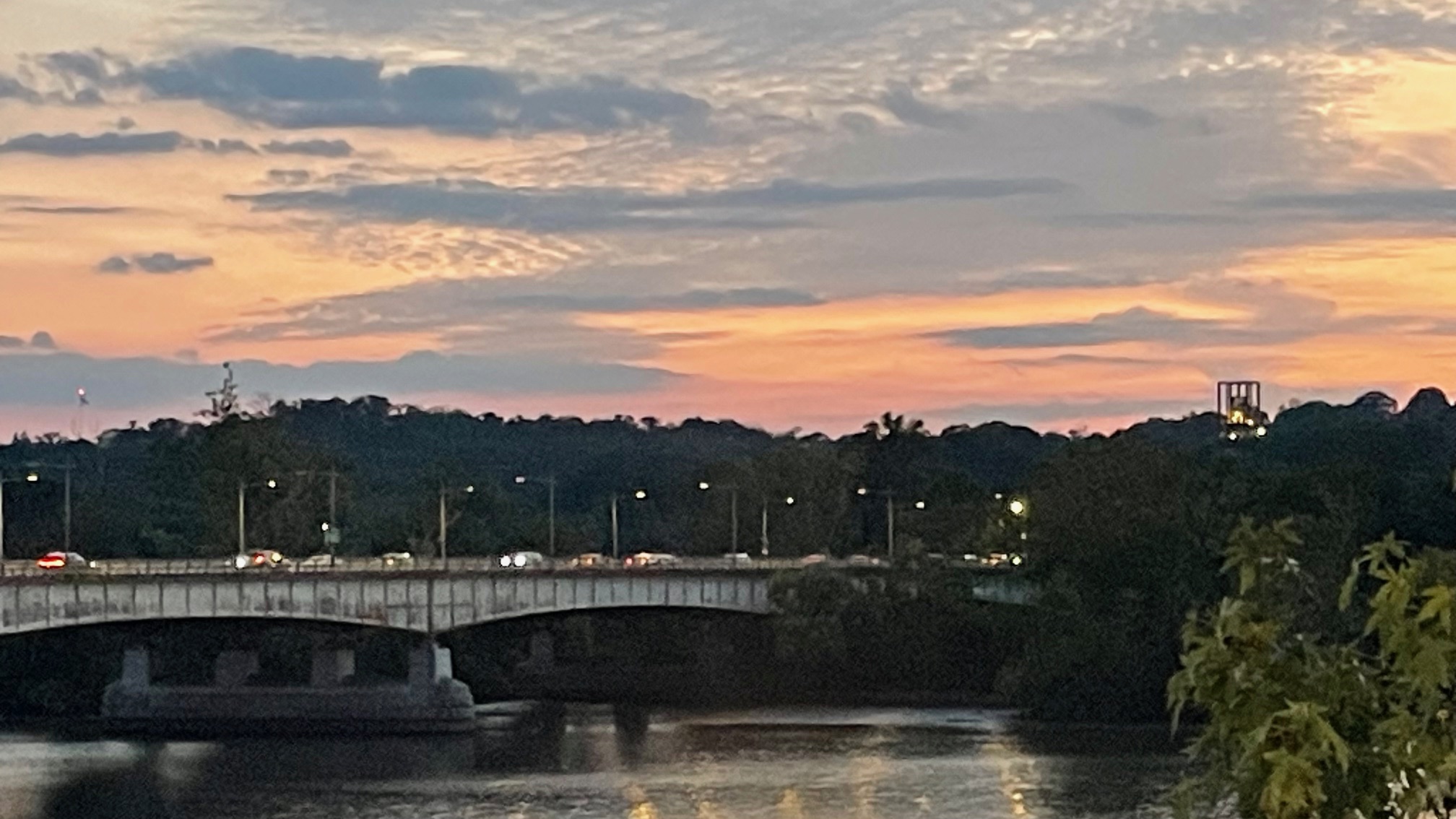
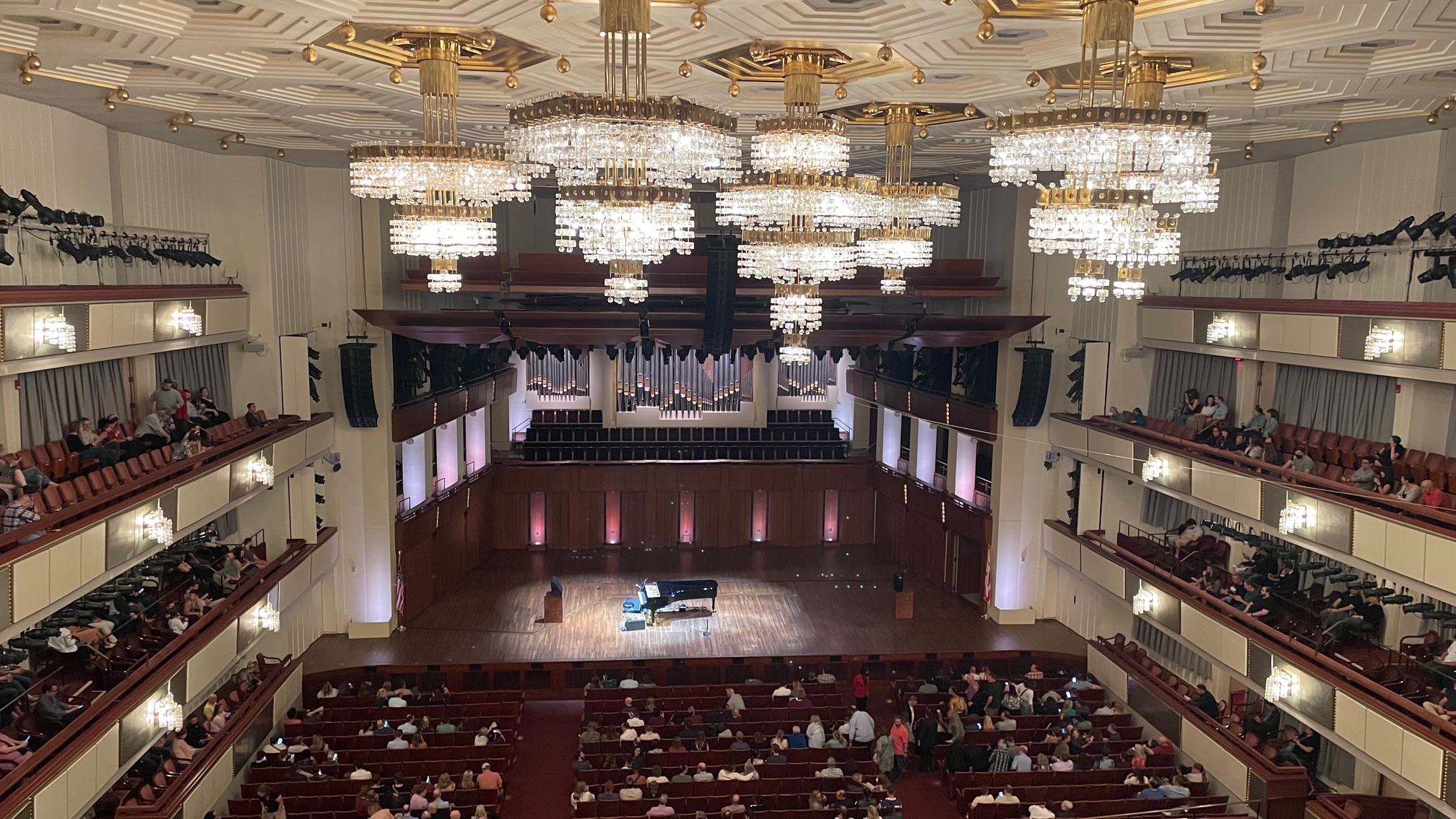
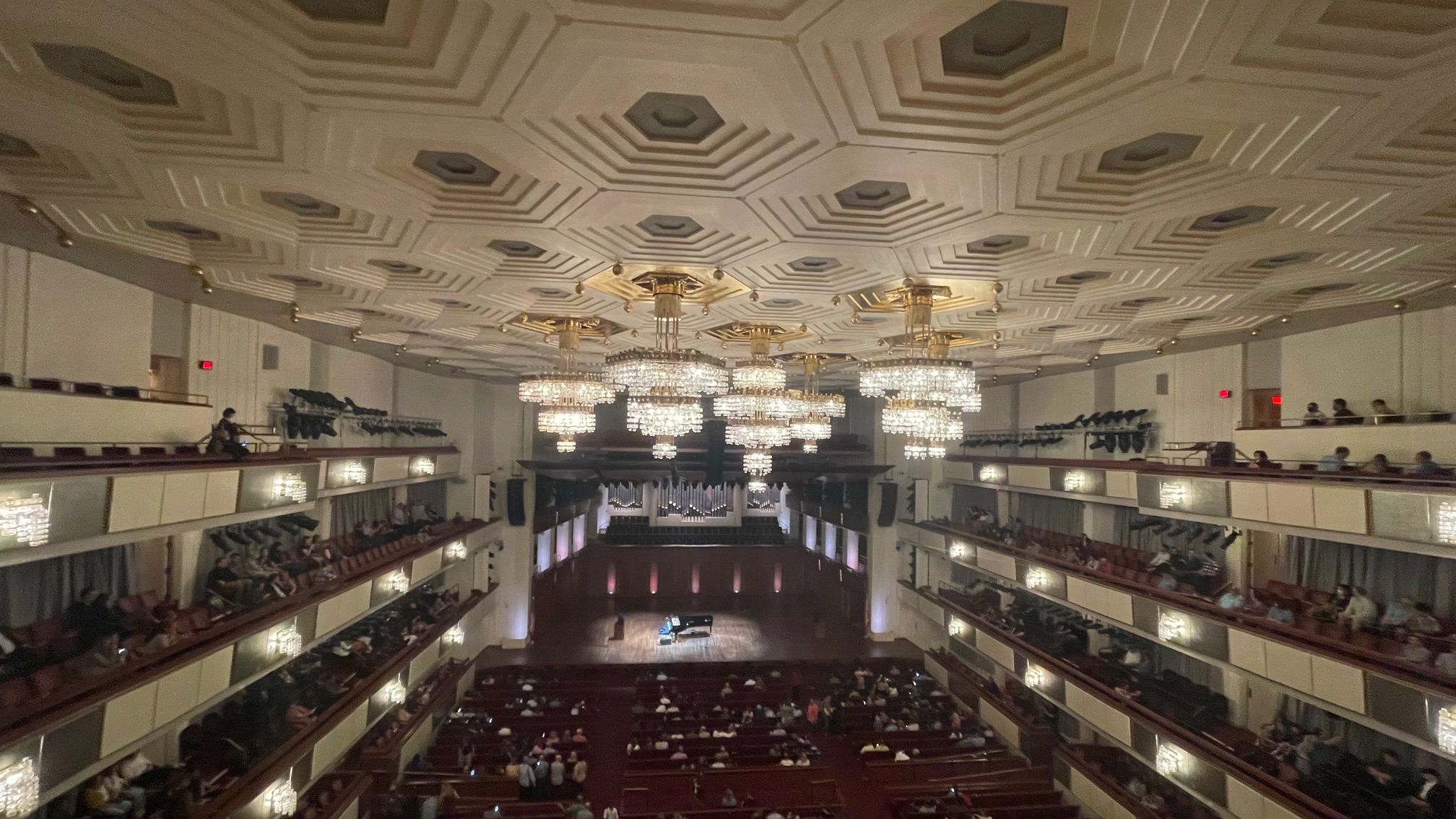



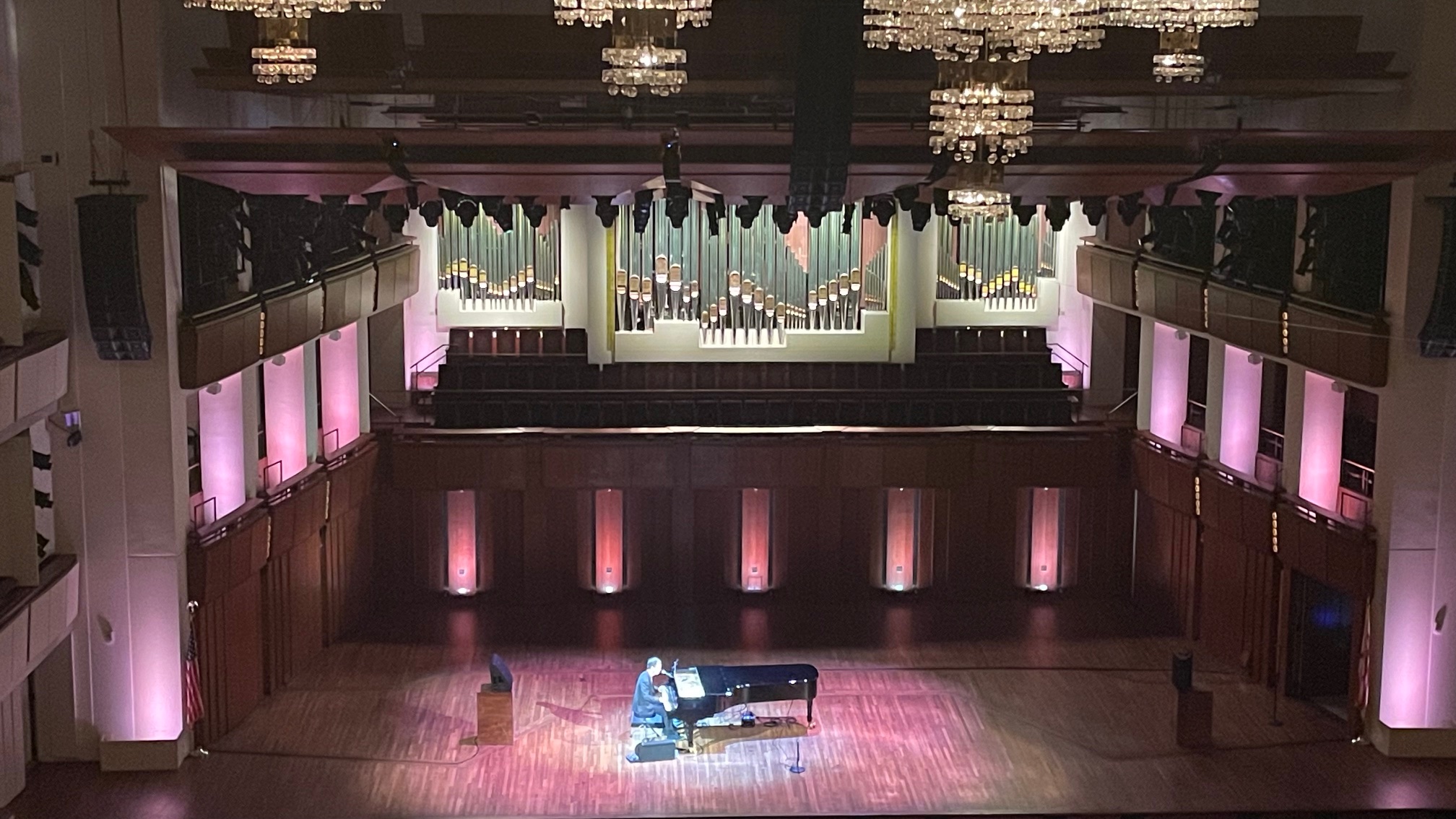


Camera: iPhone 12
Location: The Kennedy Center; Washington, District of Columbia, United States

Ben Folds performing live in concert at the Kennedy Center in Washington, DC, USA in the Fall of 2023.
Camera: iPhone 12
Location: The Kennedy Center; Washington, District of Columbia, United States
“However, if there is one piece of advice that has stood the test of time for language learners around the world, it is this: speak, speak, speak.”
Learning a new language such as English can feel like an intimidating journey without end, filled with new grammar rules, unfamiliar sounds, and seemingly endless vocabulary to master. However, if there is one piece of advice that has stood the test of time for language learners around the world, it is this: speak, speak, speak. When it comes to mastering English, speaking as often as possible is not just a strategy; it is a necessity to reach your goals.
Many learners prioritize reading, writing, and listening when studying English and while those proficiencies are important, speaking should be the #1 priority in terms of mastery. Unfortunately, speaking is often overlooked due to the fear of making mistakes or feeling embarrassed. Yet, speaking is the skill that ties all the other proficiencies together. It brings the theory of the language into practice, turning abstract concepts into tangible communication that gives learners real satisfaction when they can hold a conversation or form a sentence.
Speaking English frequently will help you:
One of the biggest obstacles for English learners is the fear of making mistakes as I have noticed during my years as an ESL teacher and business founder. This fear can be paralyzing, leading to hesitation or complete silence because the fear can be so overwhelming. However, embracing mistakes as learning opportunities is critical to one’s success in language learning. Language experts all agree on this that the fastest way to improve is by making errors and correcting them.
Consider these pieces of advice to overcome this fear that many English language learners have:
To truly immerse yourself in English, you need to create as many speaking opportunities as possible in your life. Here are some practical strategies that my students have used and for which I would recommend to you:
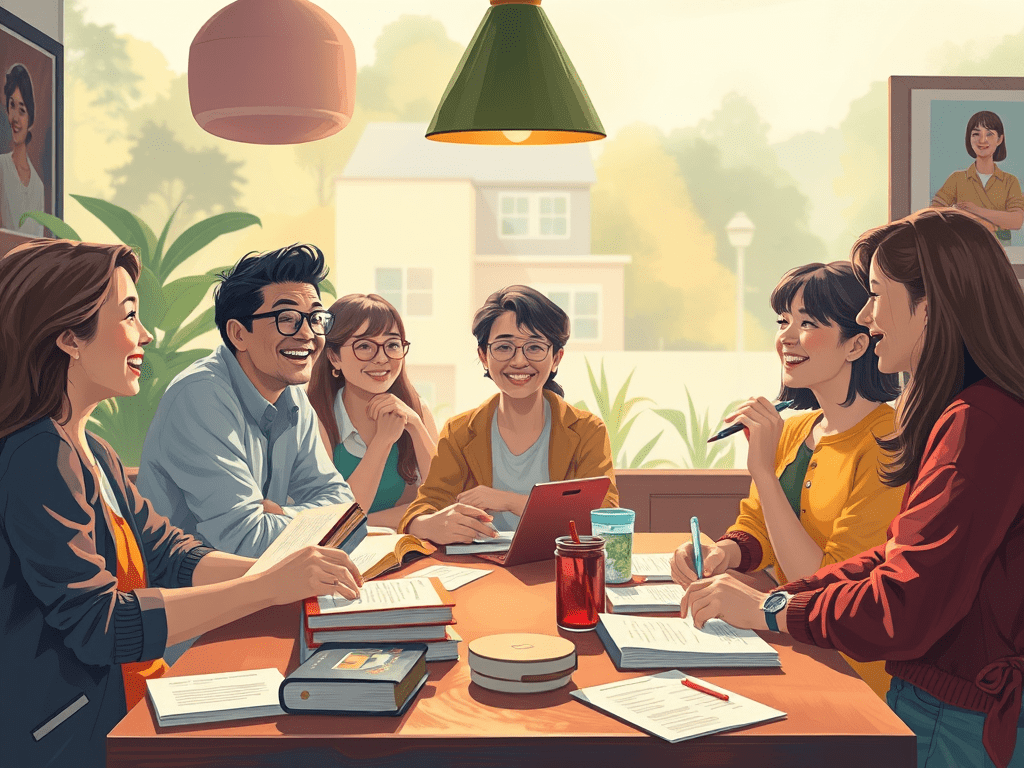
1. Join an English Conversation Group
Local or online conversation groups provide a supportive environment for practicing English. Participants are often fellow learners, so the atmosphere is encouraging rather than judgmental. Meetup platforms, language exchange groups, and community centers are great places to start.
2. Engage in Language Exchanges
Language exchanges pair you with someone who wants to learn your native language while helping you practice English. This mutual learning arrangement benefits both parties. Applications like Tandem and HelloTalk make it easy to connect with language partners worldwide.
3. Speak with Friends and Family If Possible
If you have English-speaking friends or family, use them as practice partners. Even brief daily conversations can make a difference. If they’re fluent, ask for feedback on your pronunciation and grammar.
4. Talk to Yourself
While it may feel odd at first, speaking to yourself in English is highly effective. Describe what you’re doing, narrate your thoughts, or practice imaginary conversations. This helps you think in English and reduces hesitation. You can also create your own written conversations and then practice them out loud to yourself to improve your confidence.
5. Participate in Online Communities
Platforms like Reddit, Discord, and Facebook groups often have English-speaking communities centered around specific interests. Join discussions via video calls or live chats to engage in real-time conversations. Focusing on a shared interest will have you more engaged in the conversations too.
6. Attend Online or In-Person Lessons, Workshops, or Classes
Enroll in speaking-focused workshops, lessons, or classes. These are often led by experienced instructors who can guide you through structured practice and provide valuable feedback.
7. Immerse Yourself in English-Speaking Environments
Whenever possible, travel to English-speaking countries or immerse yourself in communities where English is the primary language. Immersion forces you to adapt and speak naturally to people of different ages and backgrounds. You can also create new friendships that way, which may last a lifetime and help you to practice even more beyond your say in that English-speaking country.
Mastering any language requires you to step out of your comfort zone. It can be awkward and even nerve-wracking to speak in a language you’re not fluent in or one that you can’t even speak at all. However, growth happens when you push past your discomfort and keep working at it until you begin to succeed.
Here’s how to embrace the challenge of learning conversational English:
Speaking English frequently doesn’t just improve your language skills; it also brings numerous personal and professional benefits to highlight as reasons to keep speaking:
Consistency is key to mastering any skill, and speaking English is no exception. Aim to speak daily, even if it’s just for a few minutes each day. Regular practice leads to steady improvement, and over time, speaking English will feel as natural as your native language.
Consider creating a schedule or habit that incorporates speaking practice into your daily routine. For example:
Just these three activities can add an hour of English practice to your day without making it the focal point of your day. You can spread it out throughout the day and practice speaking with different people with each conversational opportunity having a different purpose.
To learn English effectively, you must step out of the classroom and into the real world. Speaking the language is the bridge between the theory and the practical use, the key to fluency, and the foundation for building confidence. By speaking as often as possible as consistently as possible, even with the inevitable mistakes, you’ll immerse yourself in the English language and accelerate your learning journey sustainably.
Remember, the goal of speaking English is not perfection but effective communication. Each conversation, no matter how imperfect or error-ridden, brings you closer to actual fluency. Please don’t wait to get started with speaking. Speak, speak, speak, and watch your English skills soar.
Enjoying one of America’s most beautiful beach towns and boardwalks known as Virginia Beach; a popular tourist destination in the Summertime.









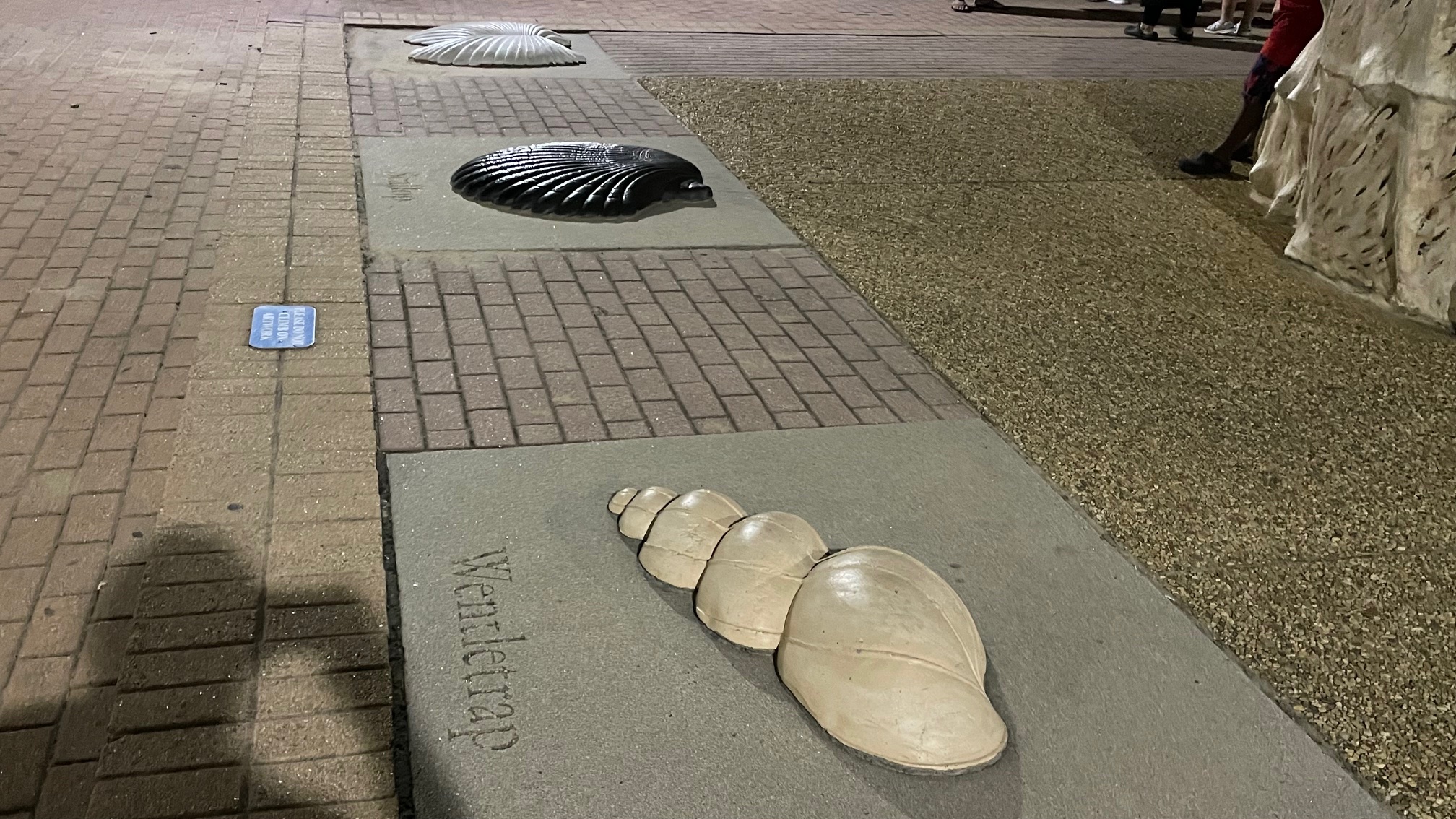











Camera: iPhone 12
Location: Virginia Beach, Virginia, United States
“Sadly, that is no longer the case even though some people seem to be blind to this change in our expectations of people’s professional qualifications.”
As you go through your professional and career pursuits, you realize more and more each year the need to continually invest in your skills. It used to be whereas a high school and more recently a college degree would set you on a path for sustained success whatever field you would enter. Sadly, that is no longer the case even though some people seem to be blind to this change in our expectations of people’s professional qualifications.
More than ever, ‘skills pay the bills’ so even though you may be formally educated, it is simply not enough to compete 5-10-20 years down the line. Technology and the world of work continues to rapidly change, whether you wear a blue collar or a white collar, many types of work nowadays ask you to stay up to date with the latest trends, innovations, and developments including new skills you’ll need to succeed.
This is not advice you are likely to hear as much if you’re a young person reading this article or just having been fresh out of college. You must continually be learning as much as you can and as related to your career interests long-term. Unfortunately, I don’t think our traditional education system from K-12 or at the university level have realized this as much yet to provide skills in the trades or in different areas like STEM, project management, cybersecurity, artificial intelligence, cloud computing, etc.
Hopefully, your employer or your university can provide those skills to you as part of your employment or as part of your time as a student but that is not always the case for us. In our working life, you will often have to take the initiative in learning new skills or building upon your current skillsets to pay the bills especially as you get older and move up the career ladder.
They may even pay for training or for your exam and/or course, but if that’s not in the cards, I do recommend seeking out those skillsets on your own that are marketable to add to your repertoire. It may be financially unaffordable or difficult, but I do recommend at least taking a few low-cost courses or no-cost videos to at least learn on your own. We still live in a day and age with seemingly unlimited access to information, whether online, or in your public library to learn new skills. Learning new skills and being certified or credentialed is worth the financial investment as well if you can save up money for it or at least work your way towards accreditation.
It does not hurt to show initiative to ask directly of your boss or other employees about ways to learn from them or see if you can shadow them to learn a new skill. You can also politely let them know the benefits that you could bring to your workplace from them having invested in your new skillsets over time. It may not take much to convince them, and you would be surprised how your argument could change their mind(s) when they realize the benefits to the company or the organization.
Still, if that does not happen, always, always invest in yourself. Jobs may change, bosses will change, but the skills you learn could last for the life of your career. Try out different skills here and there to see how much you want to invest in it financially and time wise. It can take a while to find out which skill(s) you would like to use for a living. I ask that you keep trying out different skills, learn new ones, and do it for yourself first. It is helpful in keeping yourself mentally sharp too because we can tend to stagnate after our formal education is over whether it was high school, college, or even after an advanced degree.
It is great to test ourselves not only in our teens in 20s, but in our 30s, 40s, 50s, and even beyond that. The current job market is not easy as I can tell so you need to keep investing in your skillsets to stand out amongst stiff competition regardless of what career field, you’re in. Please do not let yourself stagnate and rest on your laurels forever. I do agree it is good to take a break from learning here and there to give yourself time to think about what you want to learn.
However, you won’t be as competitive in your career pursuits if you aren’t improving your skills or learning new ones. The economy is so dynamic and changing rapidly due to advancements in different technologies that you constantly need to adapt to keep up with the job market. I barely mentioned the future of work, but I can say for sure that the future of work will go well for those of us who work hard, stay flexible, learn new skills with or without the support of our employers, and for whom of us have an open mind and a thirst for knowledge that cannot ever be quenched. Keep investing in yourself because as the saying goes, “skills pay the bills.”
One of America’s most visited museums, the Smithsonian National Museum of American History on the National Mall.

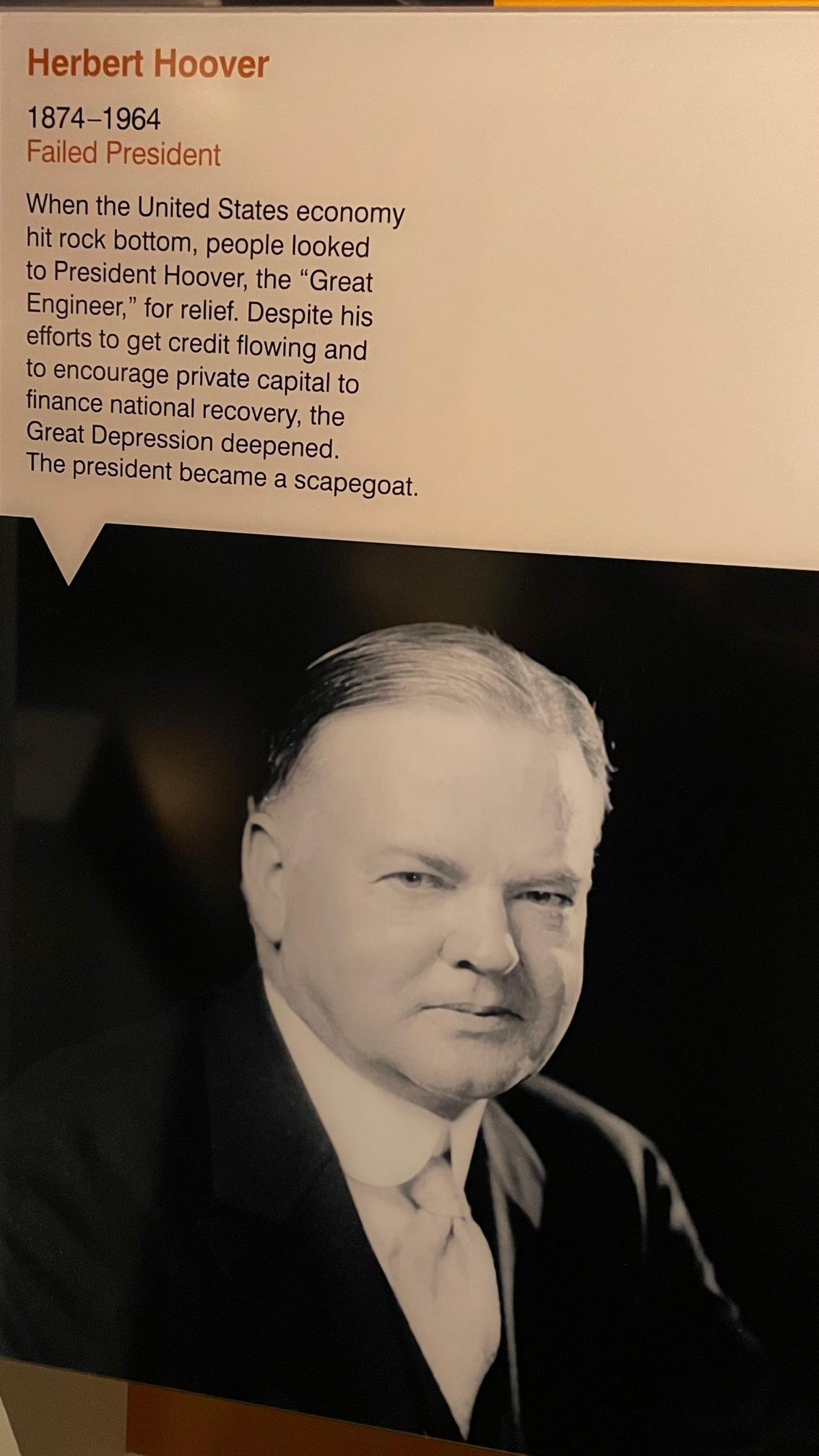










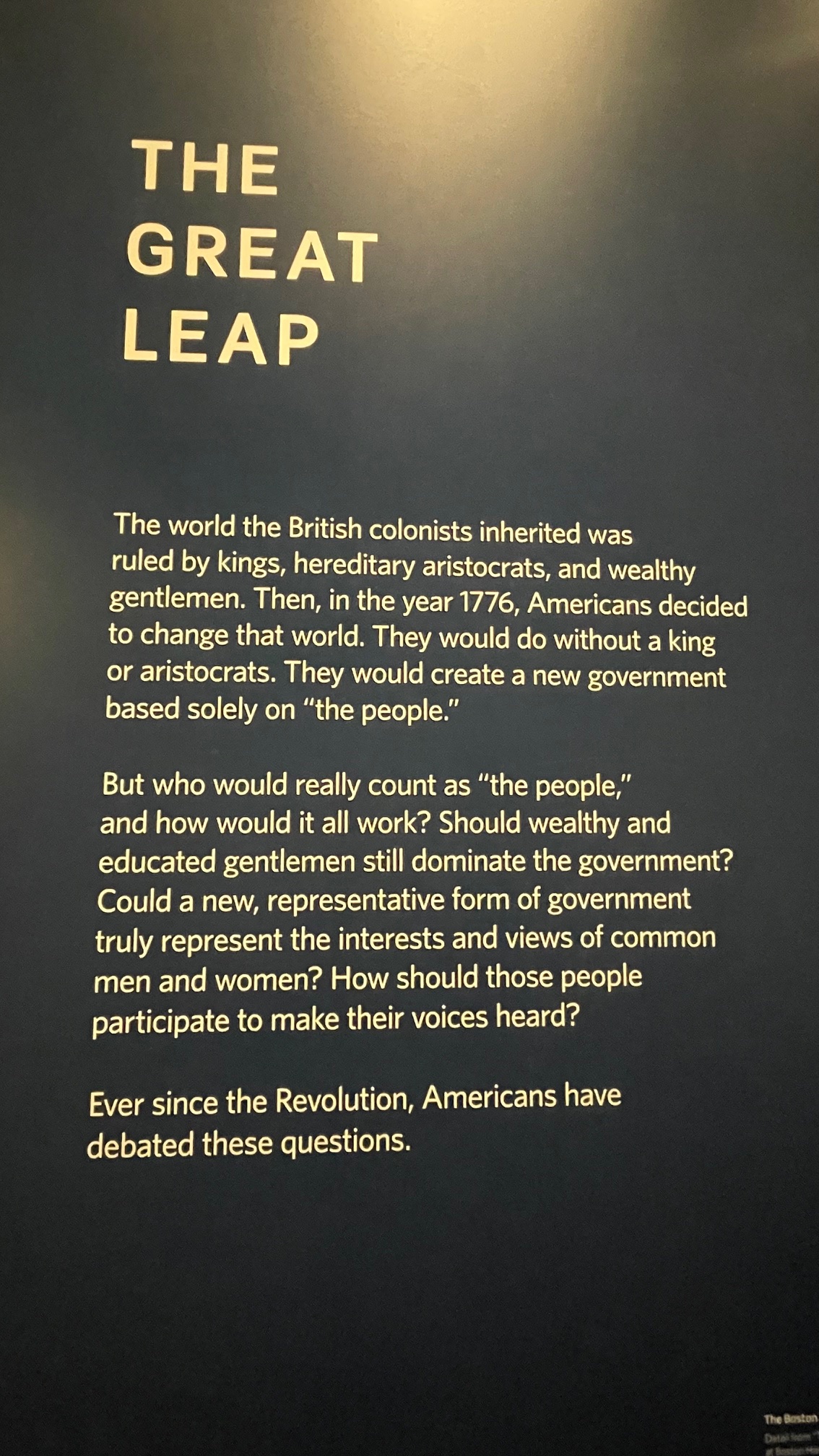
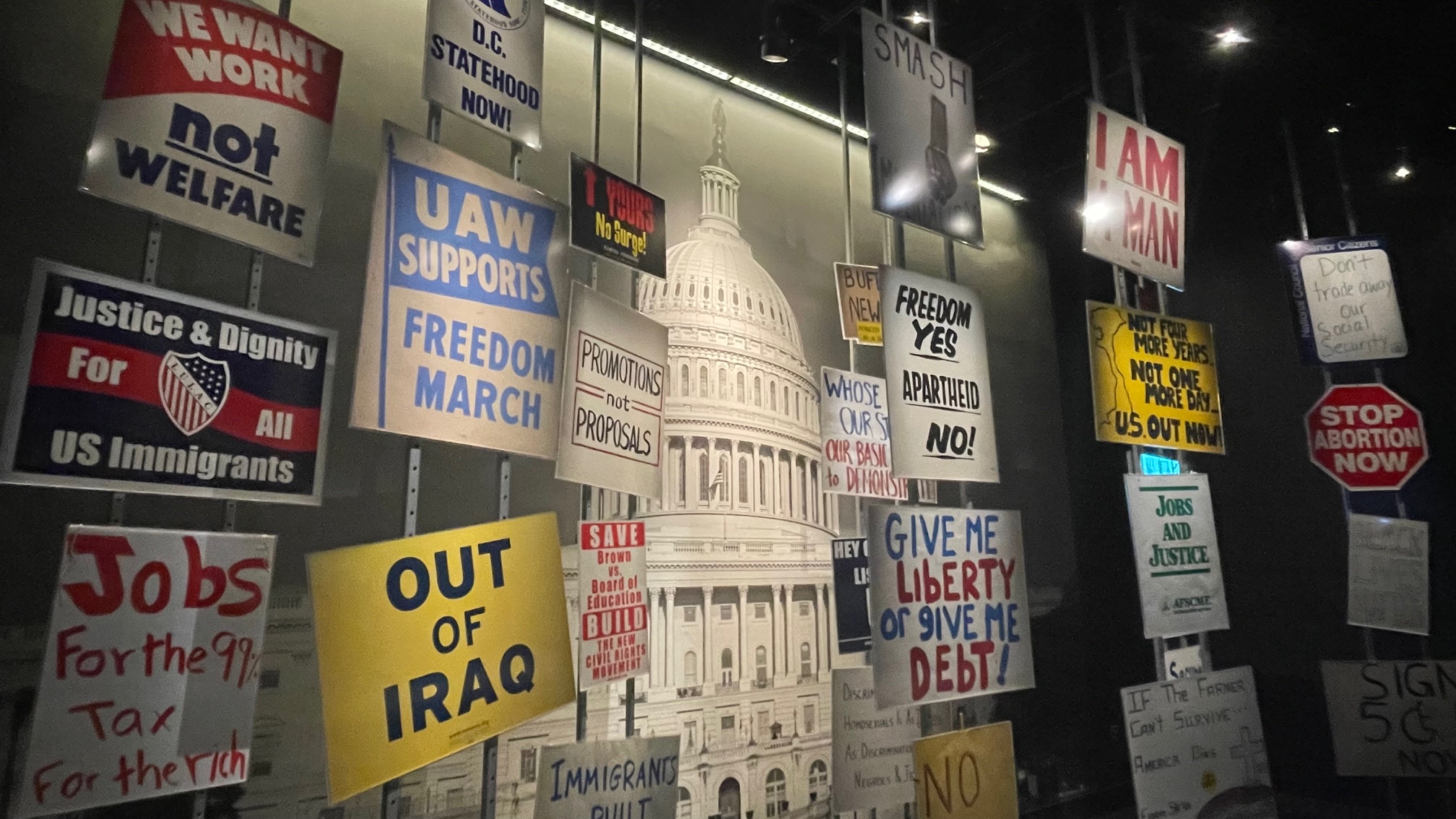
Camera: iPhone 12
Location: Smithsonian Institution – National Museum of American History; Washington, District of Columbia, United States
Mi Segundo Conjunto de Poesía en Español – Diciembre 2024 / My Second Set of Spanish Poetry – December 2024
Te quiero
Te quiero
Te quiero en el día
Te quiero en la noche
Te quiero para toda la vida
Te quiero conmigo
Te quiero, mi corazón
Te quiero.
Ignorancia
La ignorancia es una plaga,
causa mucho daño a la gente.
La ignorancia puede desparramar.
Podemos dejarla afuera,
porque si no,
La ignorancia puede matarnos.
Hasta El Final
Hasta el final,
yo puedo cuidarte.
Hasta el final,
yo necesito besarte.
Hasta el final,
yo quiero abrazarte.
Hasta el final,
yo miro tus ojos.
Hasta el final,
yo soy tuyo.
La Luna
Brillante, belleza y bonita,
la luna me hace sentir así.
En inmensidad siento su profundidad.
La luna es mi guía por la noche,
porque sin la luna existiendo,
no podríamos sobrevivir.
Mi Mano En La Tuya
Tengo todo de ti en mi mano.
Manos juntas unimos nuestras almas.
Siento tu corazón en mi mano.
Podemos caminar mano en mano,
hasta el fin del mundo.
Sin tu mano en la mía,
una pieza de mi vida desaparecerá.
A visit to the United States Botanic Garden, a national botanical garden in the heart of Washington, DC.
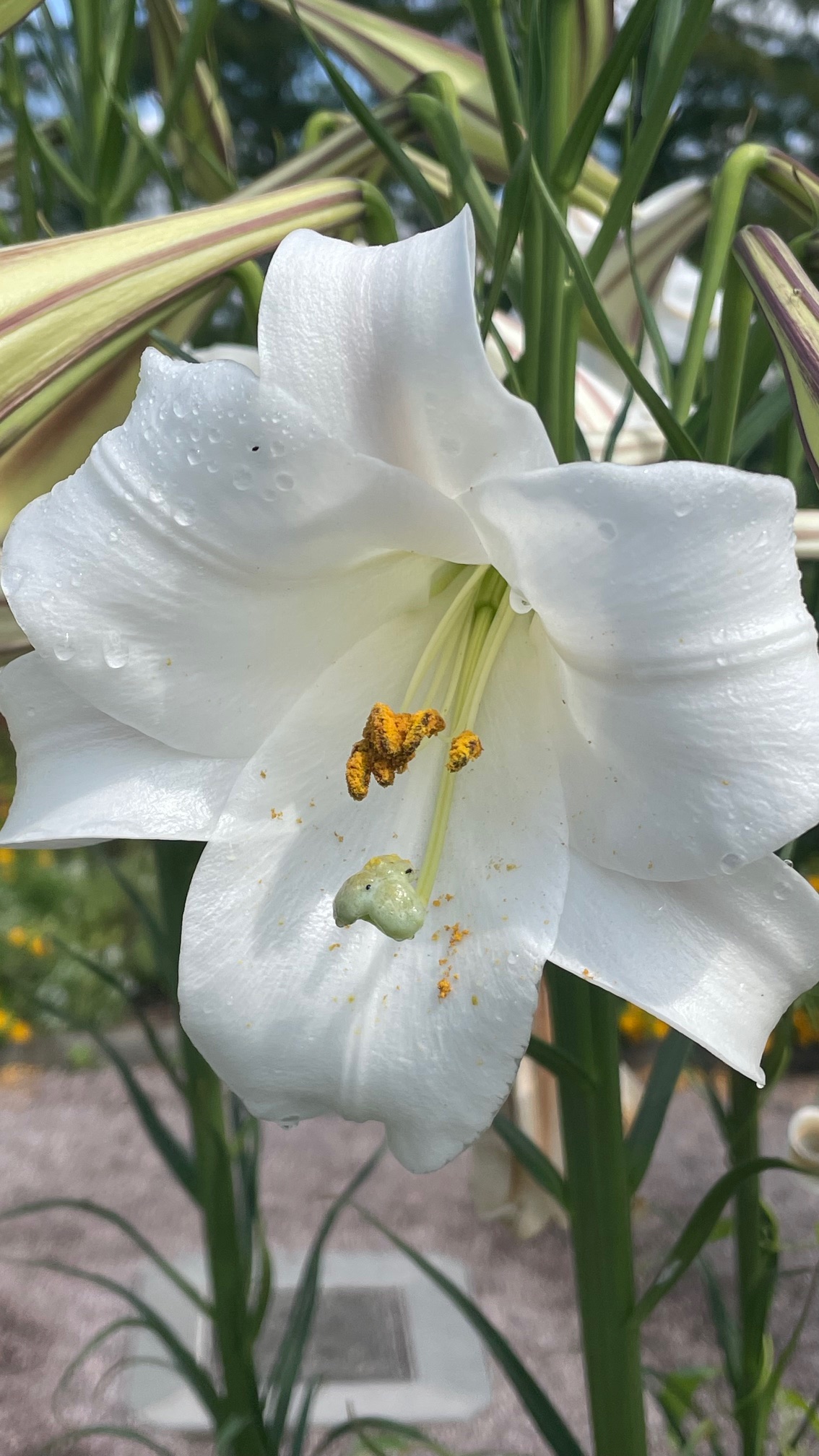

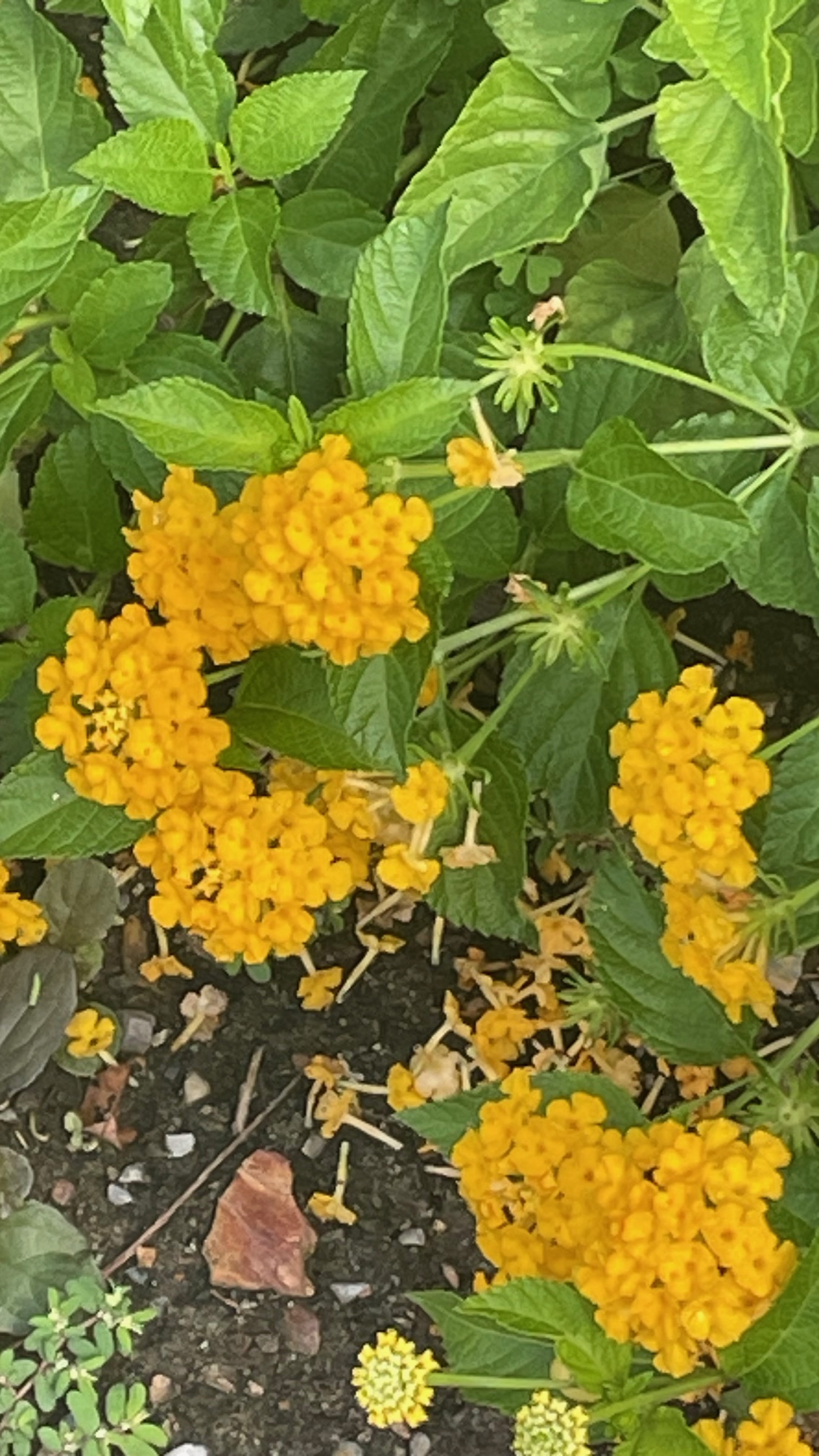













Camera: iPhone 12
Location: United States Botanic Garden; Washington, District of Columbia, United States
“To be, feel, or act the same or to be resistant to change can hurt us in an ever-changing society where we are constantly at the mercy of forces that are beyond our control.”
Being adaptable is largely thought of as a good characteristic and for which you are usually commended for. We try our best to be adaptable to the challenges and opportunities that life throws at us as best as we can. To be, feel, or act the same or to be resistant to change can hurt us in an ever-changing society where we are constantly at the mercy of forces that are beyond our control.
When you can adjust to new conditions or changes, there is usually positive reinforcement from others who also are adaptable to the changes or conditions at the same time. My concern is that while adaptability has helped us thrive in different eras as a species, it has at the same time been a weakness of ours in adapting to norms or behaviors that harm our collective progress.
Adaptability is both our biggest strength and our biggest weakness in that it both allows us to change conditions and norms for the better, but also it can make things worse when we backslide into previous harmful attitudes, values, and beliefs that can make a comeback. Being adaptable has helped humanity survive different tumultuous eras since the early days when we were foraging for basic sustenance and shelter to survive.
The act of adaptation goes back to what makes us innately human, at our core, even when we get used to adapting to less-than-ideal conditions or changes that revert progress we’ve made rather than embracing further progress to our benefit. While change does not always equal to progress, my concern is that when we are adaptable to any kind of change, both positive and negative, without thinking of the consequences of such constant adaptability, we remain at risk for going backwards and worsening our quality of life.
To give a few examples of when adaptability is a strength of ours as a species, I would refer to our ever-increasing desire to assimilate, tolerate, and promote diversity, inclusion, and equity in our world. This social inclusion and desire for equal rights has been an adaptation that is rather recent when you consider how far humanity has come from the centuries and millennia of mistreatment, discrimination, slavery, and wars that were fought to keep the horrible status quo of how we treat each other.
Our ability to adapt to making sure that this previous status quo was no longer acceptable and repugnant in terms of previous attitudes has led to greater tolerance, acceptance, and more diversity throughout the world. Yes, there are still challenges to our adaptability in this important area but to say that we haven’t made progress in this area of life would be a falsehood. Being able to adapt successfully to these societal changes has by and large been a positive development in my lifetime and beforehand earlier on in the 20th century. While there has been negative resistance to this kind of adaptability, I’ve found there has been most people accepting these changes that have gone on and while the struggle continues, this strength of humanity to seek greater equality and inclusion has been a net positive of our adaptability mechanism.
In addition to that previous point, the expansion of social and economic rights to more and more people throughout the world have led to greater political and civil rights as a result. They have been tied to each other and have been a positive step in the right direction. There is greater representation politically and economically for more diverse populations than ever before and while progress still needs to be made, the status quo has been upended by our adaptability in this area to these kinds of societal changes.
While adaptability is our greatest strength, it can also be our greatest weakness ironically, and this has been shown in different areas of life where there has been a reversal of progress recently or too much comfort shown with a lack of progress. I’ll point to two different areas where there been a reluctant yet steady adaptability towards the climate crisis and for democratic backsliding across the world. Where there is significant resistance in both areas, we are running out of time in preventing these new ‘norms’ from taking hold. It’s common knowledge that our planet’s climate is changing with disastrous consequences for livability for more and more people in different worlds.
Longer-lasting heat waves, disastrous storms with greater frequency, and unyielding glacial icecap melting threaten to become the rule of our life on this planet rather than the exception. From my perspective, we have become complacent to these changes and are looking to adapt rather than to work harder to change course. From our political leaders to our civil society, we are looking more and more like we are giving up rather than trying harder to reverse the negative changes set to befall us around the world.
Our ability to adapt to a warming world highlight how while we can adapt to negative changes, many of us will still suffer as a result and some won’t survive this kind of adaptation. Rather than seek to change the status quo in climate action, I believe that we are seeking to adapt to the changes that will befall us despite the harm it will do to the planet and our place in it rather than do our best to collectively try to resist such a negative adaptation.
Related to this regretful kind of adaptability, our political leadership worldwide has failed to martial the resources and the willpower necessary to combat climate change as quickly and as effectively as needed. Instead of championing solutions and working across societies to solve the climate crisis, there has been instead of focus on centralizing power, holding on to political office, and reversing previous norms and values of democratic rule to a forthright shift towards autocratic or dictatorial rule. I think this is a negative adaptation that more and more countries are seemingly getting used to as previous norms, values, and equality under the law are being undermined. It is not too late to reverse the damage done while the power of the vote and the right to assemble and protest is still allowed but that is not a given.
As much as we had to adapt to democratic rule centuries ago, it’s been shown that when there is no fight to keep those norms and values alive, we can just as slide backwards to the days when kings, tyrants, and demagogues ruled by force and decree across broad swaths of the world. Democratic norms and values are not universal values these days but our adaptions to them have largely further greater equality, inclusion, and prosperity than the opposite of autocratic rule. If we get used to the unraveling of previous norms that had served us well as a society to a previous time where we adapted to autocratic norms and rule by the few over the many, then we are in for a rough period of adaptation which will not serve us as well.
Adaptability has largely served humanity well since our early days of foraging and hunter-gathering. It is an innate trait that we must make whatever conditions we live in work well enough for us. Being able to adapt can both help us but also harm us depending on what we are adapting to. Let’s continue to set a higher standard individually and collectively to what we tolerate and adapt to and what we will not adapt to. We still have a choice in what we get used to and for what we do not accept and let’s hope we always will but right now, our adaptability is leading us on a crash course where instead of choosing to adapt to our surroundings, we will be forced to do so and will have to do so as a result without having had the choice in previous eras.
A unique visual art experience and exhibit in Washington, DC.


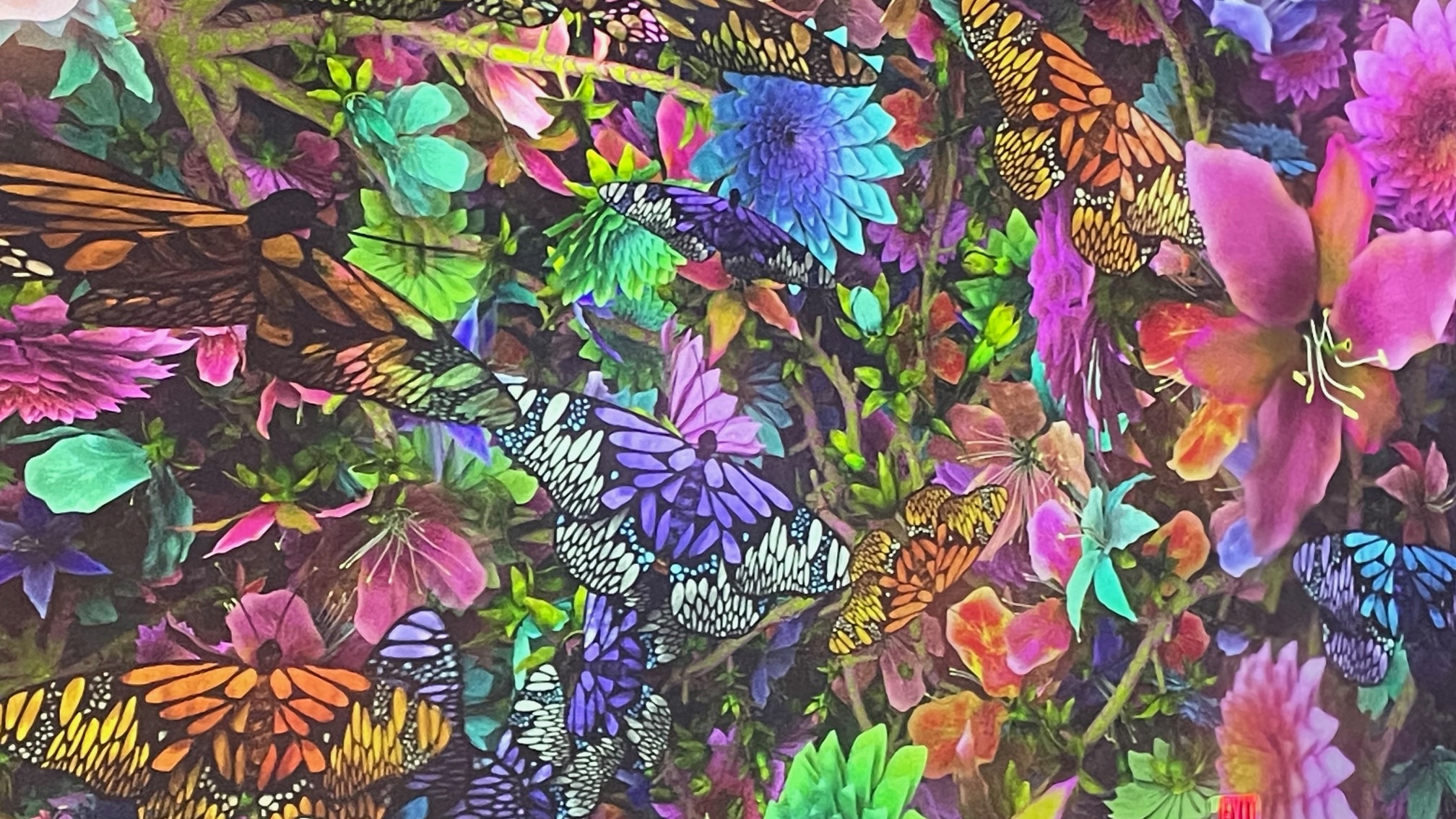
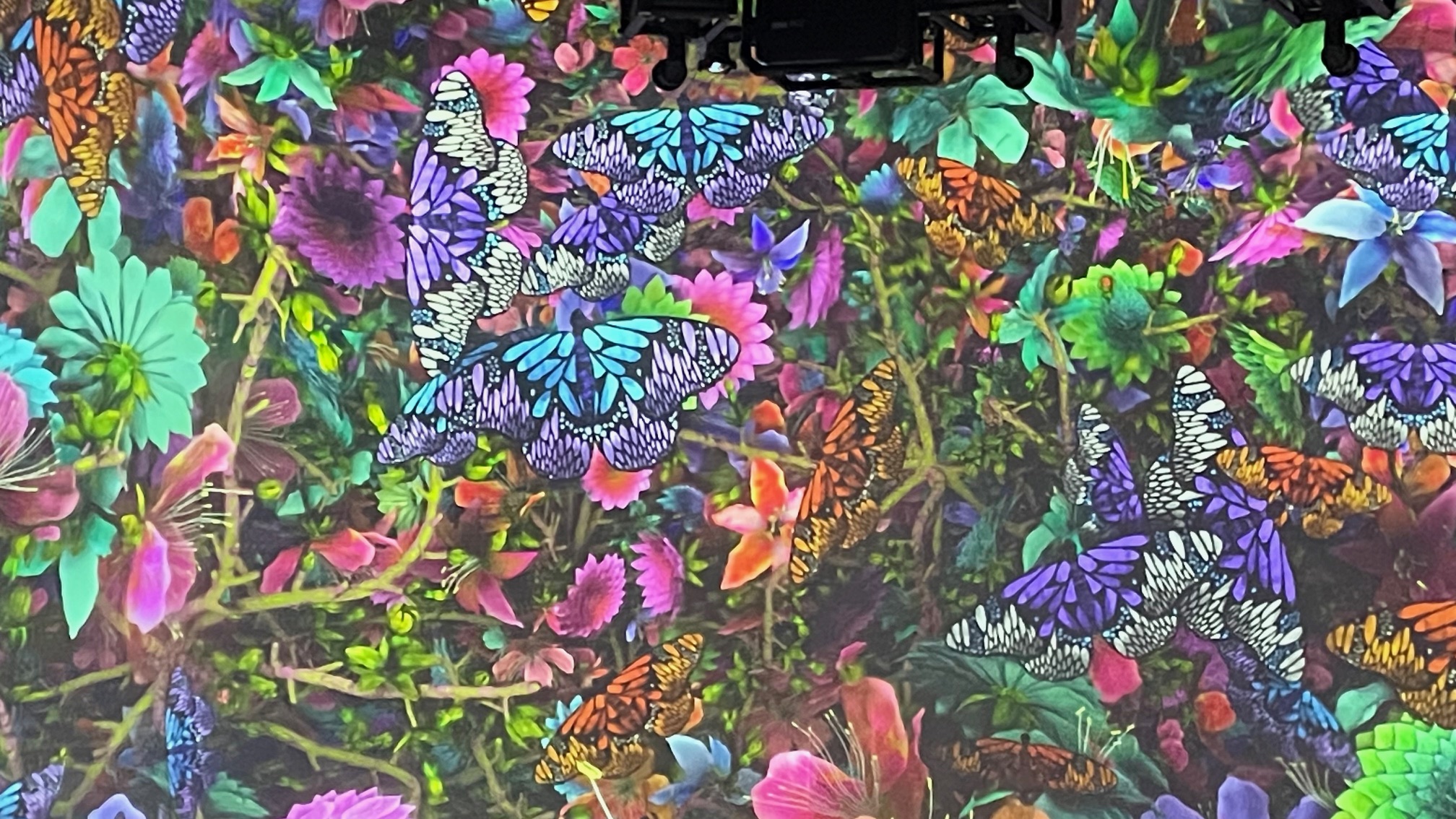







Camera: iPhone 12
Location: Artechouse; Washington, District of Columbia, United States
“Only from above can you see how such massive populations can occupy relatively small portions of the Earth, while vast stretches of land remain sparsely populated.”
Flying into a megacity offers a unique perspective on its scale as I have done countless times over the years. From the window seat of an airplane, it’s impossible to fully grasp the size of cities like Istanbul, Mexico City, São Paulo, New York, or Los Angeles—cities that house tens of millions of people. Only from above can you see how such massive populations can occupy relatively small portions of the Earth, while vast stretches of land remain sparsely populated.
In these cities, one can sense how humanity has evolved over the centuries, transitioning from primarily agricultural societies to industrial powerhouses, and now, to the complexities of a post-industrial world. The growth of cities, especially megacities, reflects humanity’s ongoing desire to improve civilization, particularly in the realms of efficiency, innovation, and social equity.
In the 21st century, megacities are projected to grow at an unprecedented rate, particularly in Africa and Asia. New cities are expected to join the ranks of those already housing tens of millions of people, with some approaching populations of 100 million. This trend of urbanization is part of a broader pattern that dates to ancient civilizations. From Ancient Rome and Babylon to Athens, our cities have always concentrated power, knowledge, culture, commerce, and industry in urban centers. With a global population of 8 billion and rising, megacities are a relatively recent development, but they reflect historical trends toward greater urbanization. This process will likely continue throughout the 21st century.
More than ever, megacities are testing grounds for technological advancements and infrastructure developments that will shape the future. Whether it’s high-speed rail, autonomous vehicles, smart electricity grids, or renewable energy sources, these cities are ideal laboratories for innovation. Given their size and complexity, megacities allow for large-scale experiments in sustainability, from energy-efficient buildings to advanced waste management systems. These cities are also at the forefront of efforts to address current environmental challenges, integrating technologies that reduce their carbon emission footprint and improve water and energy use.
With millions of people living in near proximity, megacities serve as testing grounds for the social systems that underpin modern life: healthcare, education, and public safety. Cities with large populations can quickly reveal whether social safety nets are effective or in need of reform. These urban centers provide a direct feedback loop for policy ideas and social services, offering a unique opportunity to evaluate and improve the systems that impact the quality of life. The success or failure of these initiatives in megacities often sets the tone for broader national or even global policy shifts.
Megacities are also microcosms of global culture, where different languages, customs, and traditions coexist, creating a vibrant and diverse urban fabric. This cultural mixing is a hallmark of humanity’s increasing interconnectedness. Cities with millions of people can foster greater cooperation, creativity, and tolerance, but they also present various challenges. Integrating diverse cultures and languages in ways that promote social cohesion can be difficult, especially when disparities in wealth, power, and opportunity persist. However, megacities are often sites of cultural innovation and collaboration, where new ideas are born and tested on a global stage.
Cities are often the birthplace of new political ideas and social policies. When these policies succeed, they can be scaled up and implemented nationwide or even worldwide. Urban areas, being more densely populated and diverse, offer the ideal environment for experimenting with solutions to systemic issues, such as education reform, income inequality, or civic engagement. The ability to gather immediate feedback from a large and diverse population means that cities can rapidly assess the effectiveness of new public policies, making them key players in shaping the future of society.
The rapid urbanization of the world since the industrial age brings with it both opportunities and challenges. As cities continue to grow and scale, they will increasingly become the focal points for innovations and social experiments that shape the trajectory of human civilization. At their core, cities reflect humanity’s inherent desire to evolve, improve, and create something greater than us. The drive for progress embodied in the ambition, growth, and efficiency of urban areas mirrors our collective aspiration for a better future. However, this continued growth plans to bring more complexities. As megacities expand, they face the challenge of providing a good quality of life for millions of people while managing the unintended consequences of scale, such as overcrowding, pollution, and social inequality.
The success or failure of megacities in the 21st century has global implications. As urban centers grapple with present challenges like climate change, wealth inequality, and the effects of economic globalization, the solutions they implement or fail to implement will have ripple effects across the globe. From Tokyo to Cairo, from Bogotá to Kinshasa, these cities are testing grounds for humanity’s ability to adapt to a rapidly changing world. The development of megacities is not just a local issue or an urban issue; it is a global concern that reflects our collective ability to meet the challenges of the 21st century.
The paradox of progress is that while we strive to improve our cities and societies, we must recognize the complexities of providing a high quality of life for growing populations. The ambition to create more efficient, sustainable, and equitable urban environments must be balanced with the practical realities of physical infrastructure, resource management, and social integration. If megacities are successful in making responsible choices now, they will be better equipped to meet these challenges in the future. The decisions made today will shape the cities of tomorrow and, by extension, the world at large.
As the world becomes increasingly urbanized, the fate of megacities and urban areas will be intertwined with the well-being of all people. What happens in these cities, whether positive or negative, will affect everyone, whether they live in rural, suburban, or exurban areas. The interconnectedness of our societies means that the success or failure of urban areas will have far-reaching consequences. We must ensure that the policies and solutions developed in megacities are inclusive and benefit all members of society. The prosperity of our cities is not just the concern of city dwellers, but it is a global concern too. This becomes particularly evident to me when I fly over a city or megacity, witnessing its sprawling lights and endless streets, and realizing that the future of our civilization is unfolding in these urban spaces.