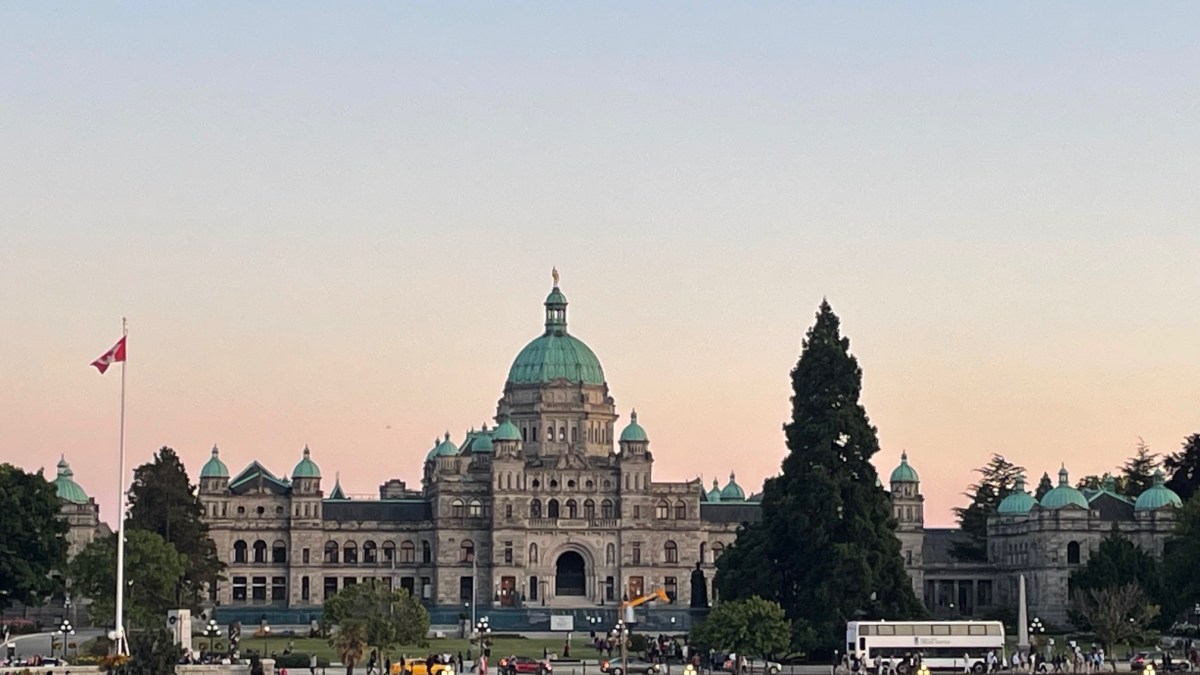


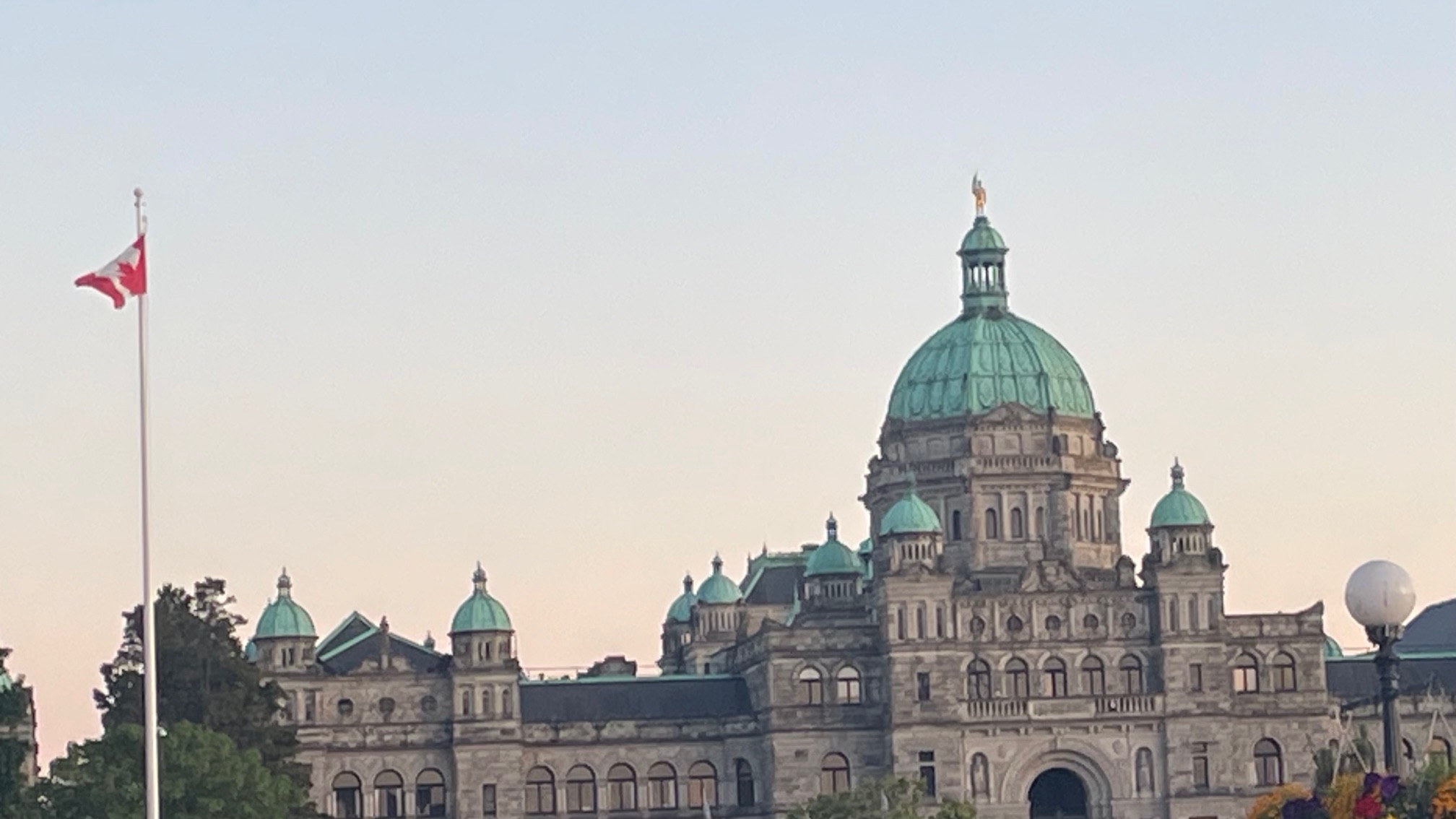







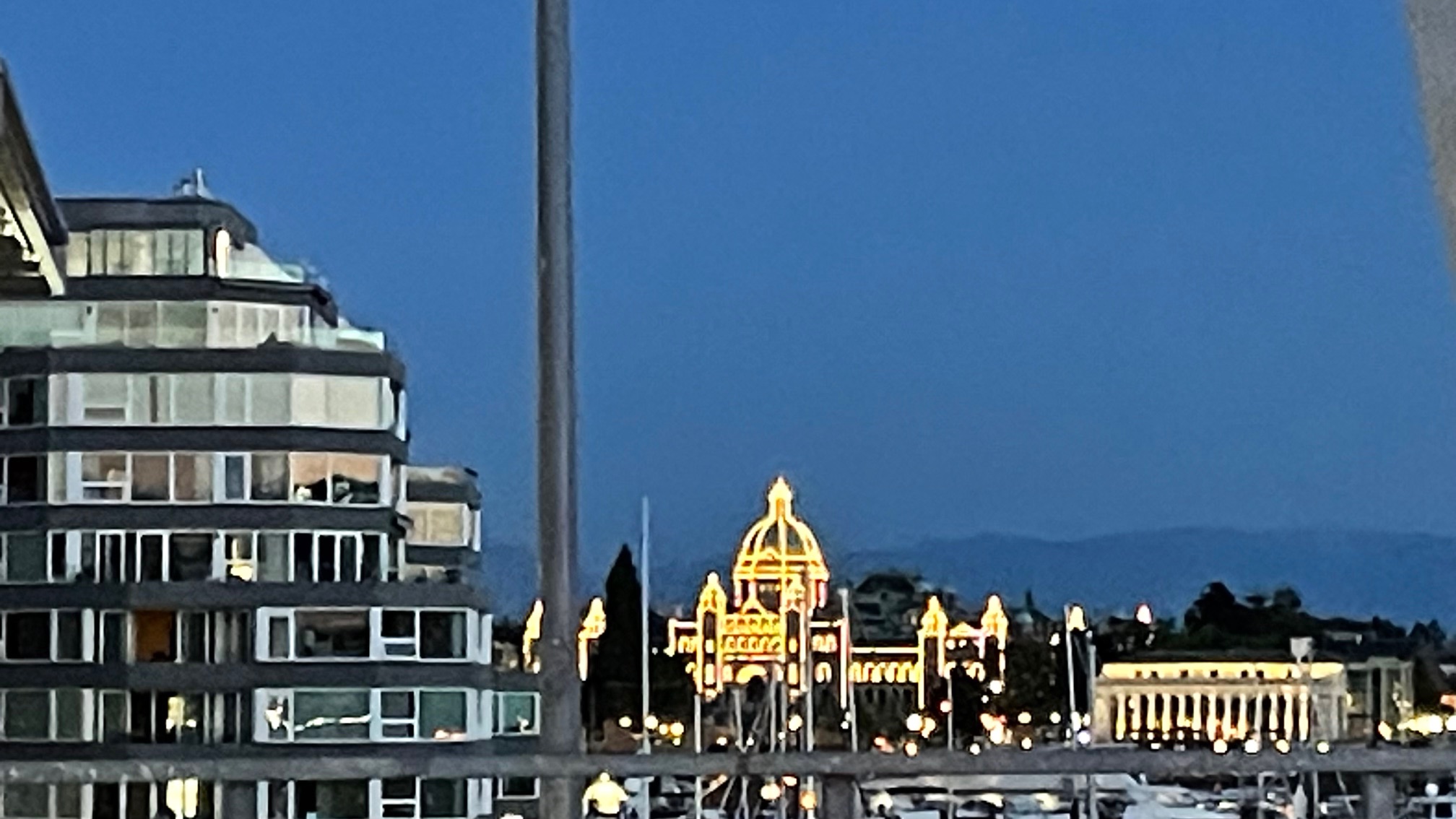
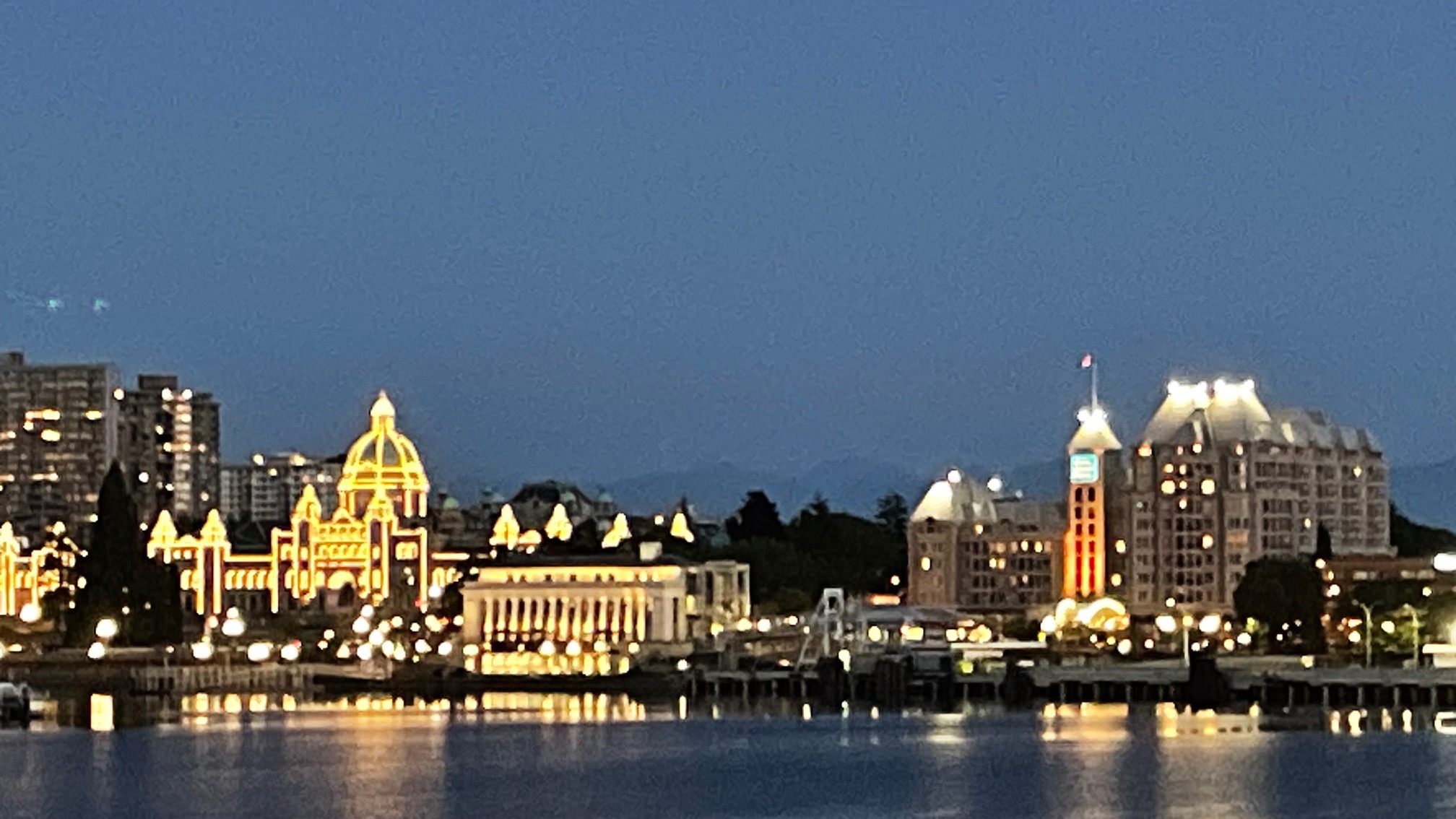
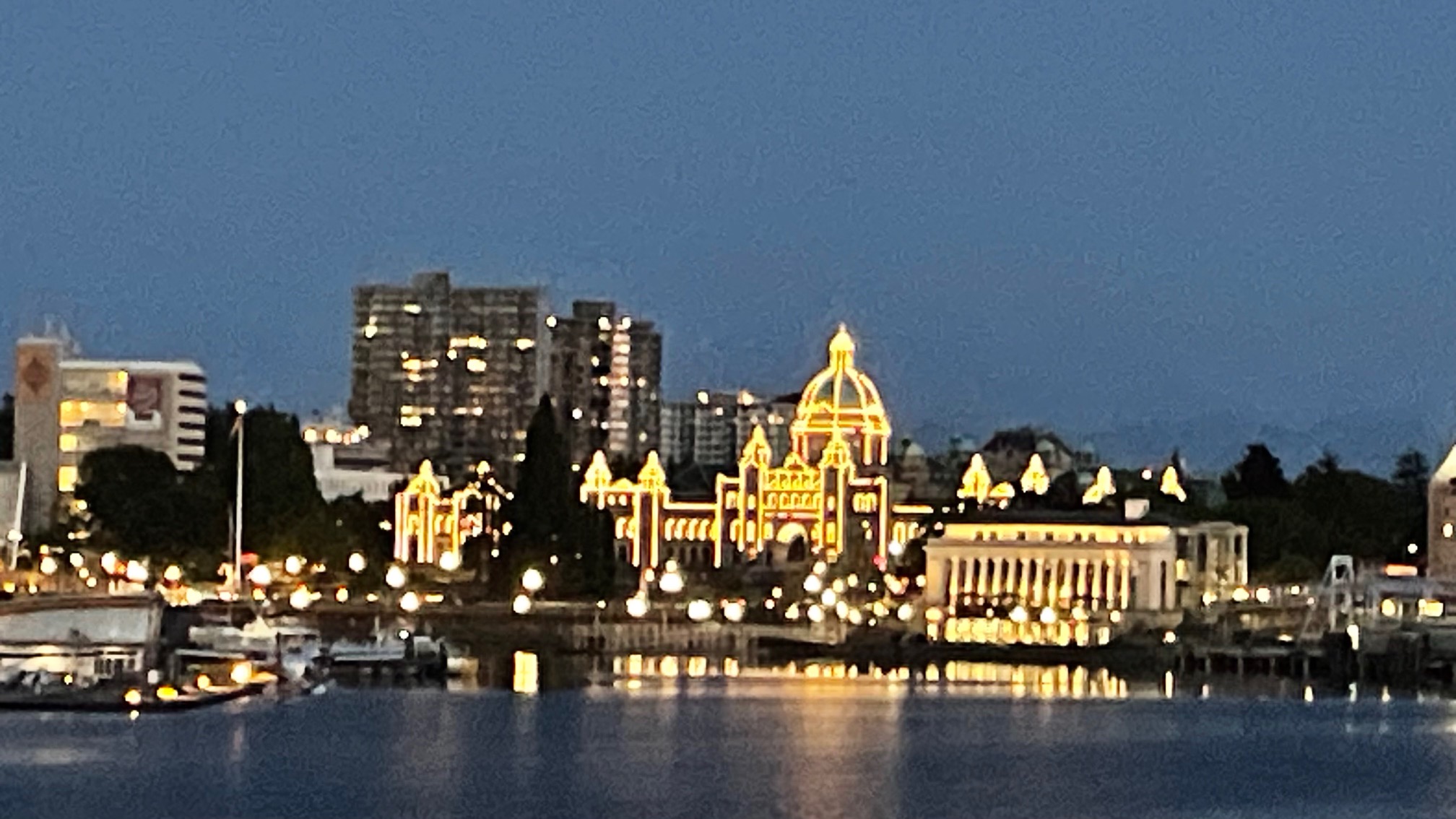
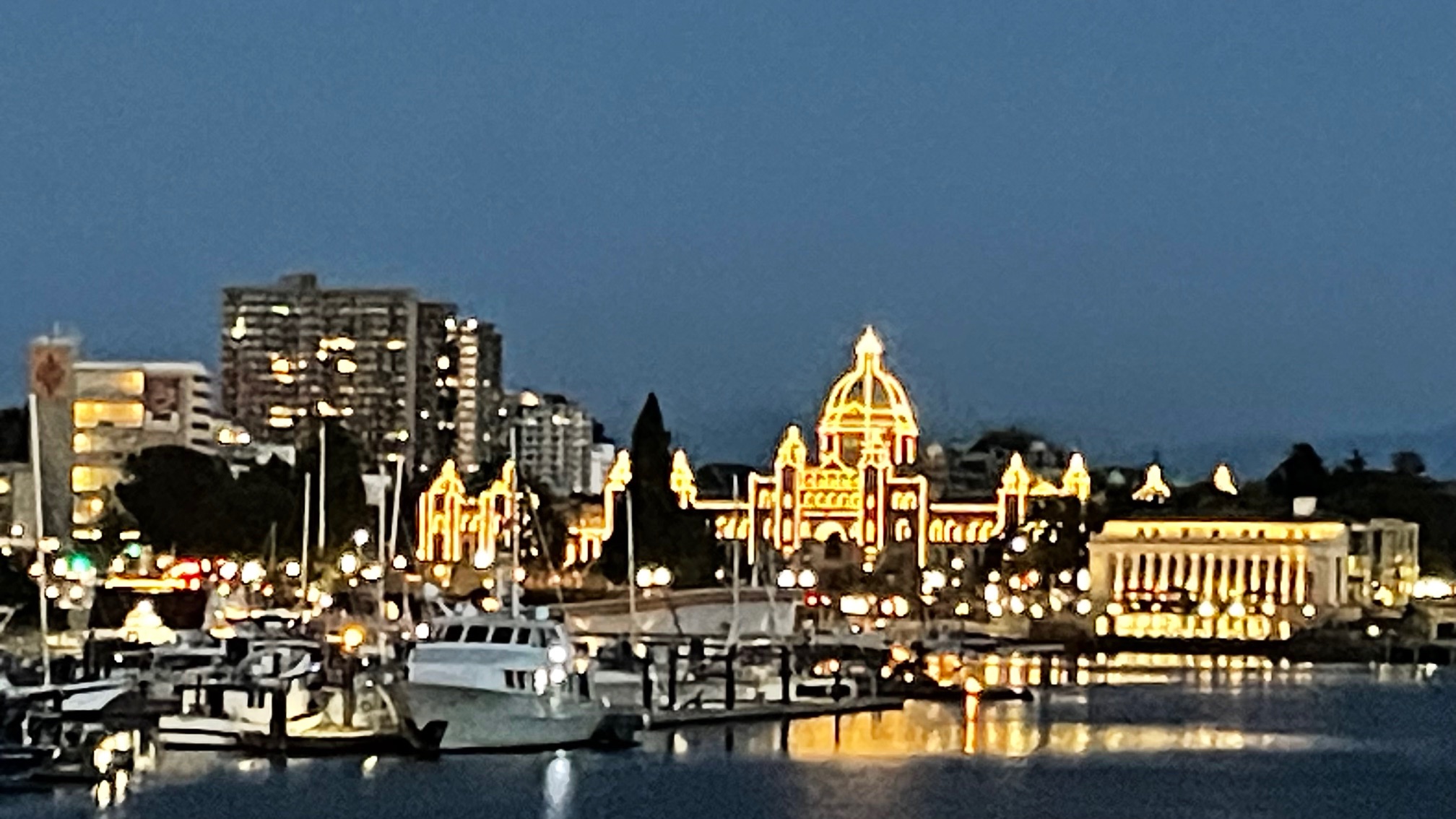

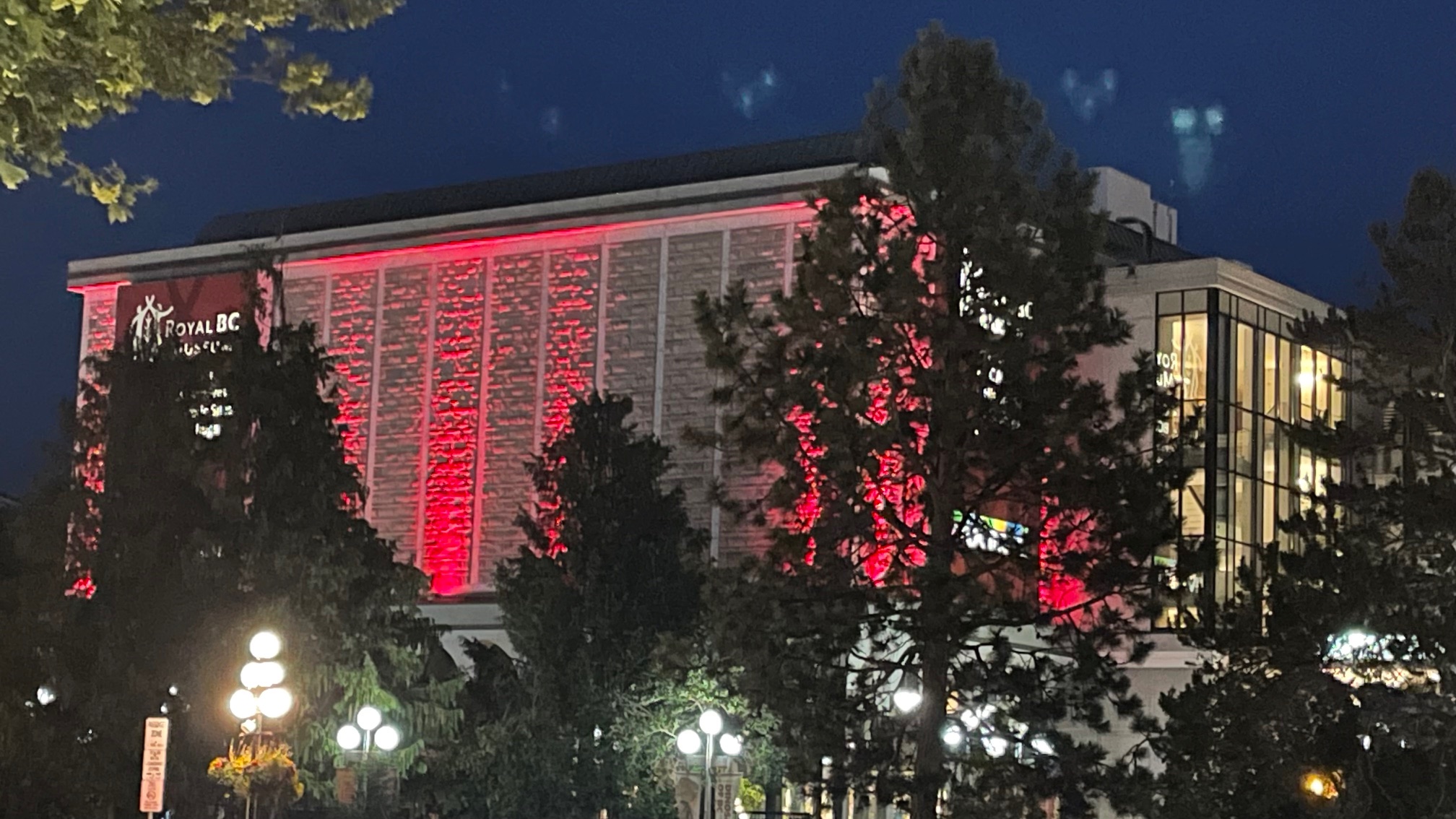


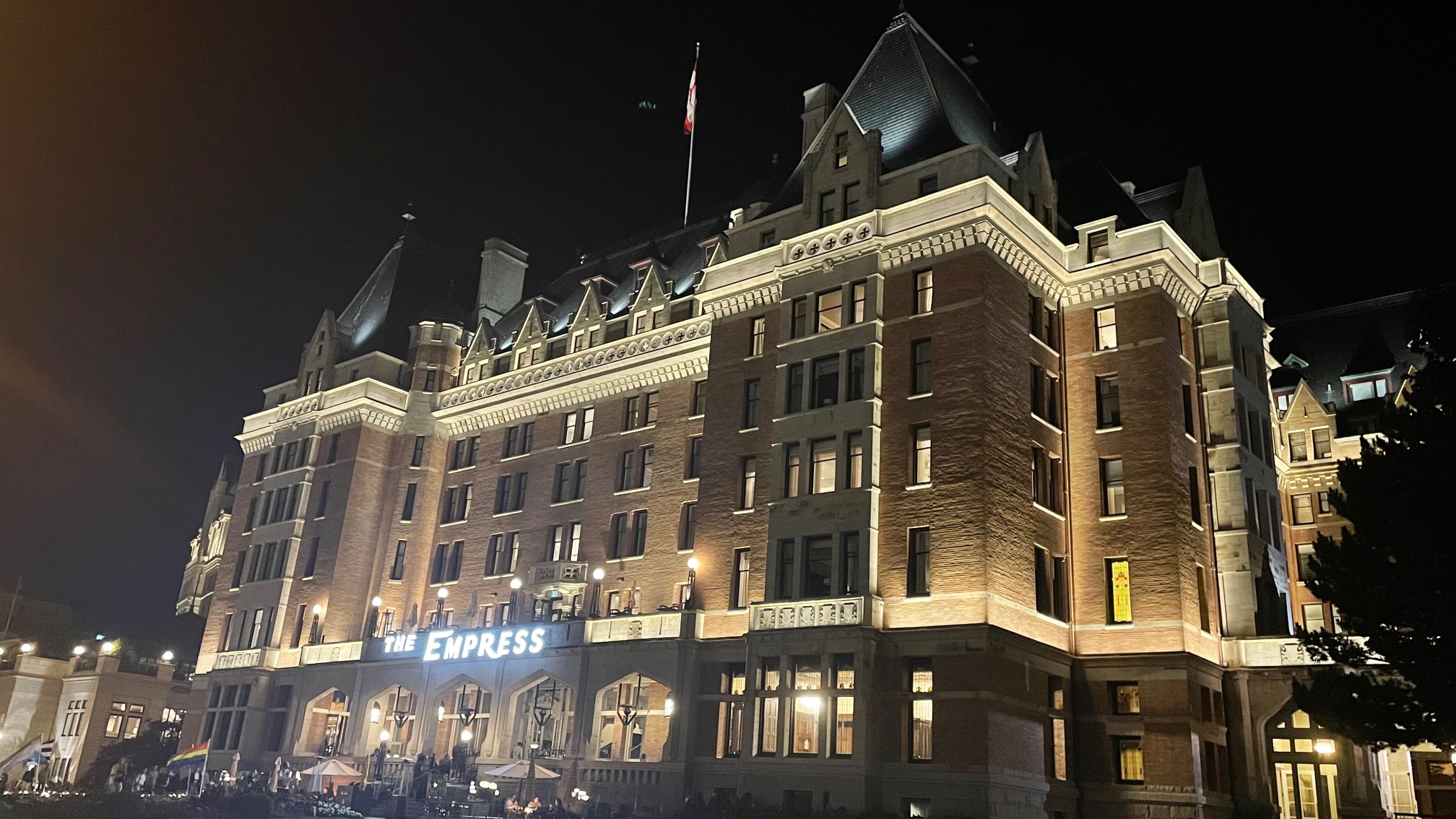
Camera: iPhone 12
Location: Victoria, British Columbia, Canada

A quick visit to the city of Victoria on Vancouver Island in the British Columbia province of Canada.
Camera: iPhone 12
Location: Victoria, British Columbia, Canada
My First Attempt at writing poetry in the Spanish language, which is my second language. I have five poems here and hope to write more in the future. Muchas gracias por leer mis palabras aqui.
Yo te pienso en la noche.
Yo extraño tu presencia.
Con las estrellas tan brillantes.
En frente de la luna mas grande.
Yo veo tu cara y tu sonrisa.
_____________________
2. Me Hace Falta
Cada dia que yo vivo,
Extrañando como vivi contigo.
No puedo continuar sin ti.
Recordando tu sonrisa y tu besos.
Me hace falta tu presencia.
_____________________
3. Azul
Me toco la guitarra esta noche.
Pensando en el mar y el lago azul.
Es como nadar en tus ojos azules.
Hasta el fin de mi vida.
_____________________
4. Estoy De Pie
Aqui, estoy de pie
No se por donde vaya.
Pensando en mis pasos proximos.
En tu mundo donde quisiera estar.
Porque aqui no puedo continuar.
____________________
5. Viajero Gringo
Soy viajero gringo
Eso no voy a cambiar.
Pensando en el mundo entero.
Quiero vivir asi, porque este mundo
Es siempre un parte de mi corazon.
“One key trait that is often undervalued is knowing how to spot someone who is not just friendly, kind, and decent but who values this kind of traits and characteristics in other people whom they surround themselves with professional and/or personally.”
A good way to examine someone’s character and moral values is who they surround themselves with. Whether they are a friend, a family member, a public figure, or even someone in the workplace, you can tell a lot about someone based on who they spend their time with or confide in. One key trait that is often undervalued is knowing how to spot someone who is not just friendly, kind, and decent but who values this kind of traits and characteristics in other people whom they surround themselves with professional and/or personally.
You must be able to get comfortable with both analyzing and understanding how other people act and whether their behavior or their personality will not just be good for you but also whether it is good for other people too. It’s often overlooked but being able to assess accurately the character of a man or a woman is key to keeping potential trouble or problems out of your life as a result. It can take a lot of time to really get to the heart of who someone is but if you feel that you want to truly know that person deeply and how they act not only to you but towards other people, it’s important to spend a lot of time around them not only privately but publicly as well to get a real sense of who they are.
Remember that who you surround yourself with by choice reflects either good or bad on you. We can’t choose our family members, but we can choose who are friends are, who we have a relationship with, which work colleagues we mentor or learn from, and our other associates in our network of personal or professional connections, however casual they may be to us. If you don’t take the time to truly assess someone’s moral compass, their character, and their overall behavior, you may be drawn into negative situations or circumstances that could affect your life badly.
Do not put yourself into those kinds of negative situations in life by choice where you could have instead cut ties with the person(s) who were affecting your life poorly. Be able to say ‘no’, walk away, maintain your distance, or cut ties permanently to preserve your own peace and your own moral character. It is extremely important in life to avoid the sycophants, suckups, liars, cronies, fools, toadies, goons, and flunkeys who can make our life much more complicated or worse as a result.
Life is too short to hang around people of poor behavior and character especially when you have a choice in the matter. That is why it is so key to be careful of the people who you associate with freely. I encourage everyone reading these words to take seriously how you size up your fellow man or woman even if it is a casual connection or someone in your general network of connections. Who you surround yourself with says a lot about a person and you do not want your connections or friends or network to reflect poorly on you.
It is often said that a man’s / woman’s reputation is built over decades but can be lost in minutes or hours. Surround yourself with people of moral fiber and good character and your reputation will be positive as a result. There are so many numerous examples of public figures or well-known people in our society who do such a poor job of surrounding themselves with the right people and it harms so many others as a result. People who cannot judge the character of someone well enough should have no business being a leader or overseeing a company, organization, or a country. Judgment of character is a key skill that must be honed over the course of our lives whether it is thinking of having that person as a friend, a romantic partner, or a business associate.
When you can judge character well and find good people to surround yourself with, the benefits of doing so will reverberate throughout your life. You will have much less stress, anxiety, and experience much less negativity as a result. Your own reputation won’t suffer, and you’ll be able to spend time better with those good people creating both positive experiences and the good memories from them. In addition, you want to have people not only of good character and moral fiber but to have people around you who will tell you the truth, tell you what they really think, let you know when you’re messing up, and who will support you during the good times and the bad.
Being around people who lie to you, mislead you, talk about you behind your back, kiss up to you, or act phony around you are not worth the time or the effort to keep around you at all. It takes a while to really get to know someone but if you let people who you don’t vet or don’t really get to know into your life especially your inner, private life, you are asking for trouble as a result. Maybe you will have fewer friends or a smaller professional network because of your own vetting or analysis of people around you but to me, it’s always better to have a few true friends and associates than a bunch of liars, sycophants, and phonies who tell you what you want to hear rather than what you need to hear.
Please be careful of who you associate with whoever they may be. Be sure to know how to evaluate and assess the people in your life and believe in your own intuition of who a person is and whether they deserve to be part of your life. Remember that who you surround yourself with reflects who you are as a person. Don’t try to be everyone’s friend and have suspect people in your life as a result. Find people of strong moral character, vet them well, and make sure you and they continue to do good and be good to themselves and to others in life.
A Flock of Bald Eagles Flying High in Ketchikan, Alaska
















Camera: iPhone 12
Location: Ketchikan, Alaska, United States
“This book-to-film adaptation, praised for its emotional intensity and thematic complexity, remains one of Eastwood’s most acclaimed directorial efforts to this day. Mystic River is a powerful combination of stellar performances, masterful direction, evocative cinematography, and a carefully crafted screenplay making the film a standard bearer of cinematic storytelling.”
Mystic River, directed by Clint Eastwood in 2003 and starring an amazing cast including Sean Penn, Kevin Bacon, and Tim Robbins, is an intricate and darkly intense film that has left a lasting impact on audiences and critics alike since it first came out in theaters over two decades ago. Based on Dennis Lehane’s novel of the same name, the film explores deep themes of trauma, guilt, vengeance, and the ways in which past experiences haunt the present and future. This book-to-film adaptation, praised for its emotional intensity and thematic complexity, remains one of Eastwood’s most acclaimed directorial efforts to this day. Mystic River is a powerful combination of stellar performances, masterful direction, evocative cinematography, and a carefully crafted screenplay making the film a standard bearer of cinematic storytelling.
The plot begins in a working-class Boston neighborhood, not too far from the Mystic River, and centers on three childhood friends: Jimmy Markum (Sean Penn), Sean Devine (Kevin Bacon), and Dave Boyle (Tim Robbins). As young boys, the trio spends their days together, playing stick ball, hockey, exploring the neighborhood, and strengthening their bond as friends. However, one traumatic incident forever changes their lives, marking them all in ways that will resonate through their adult years. Decades later, their lives intertwine once more when Jimmy’s teenage daughter, Katie, is found murdered, prompting a deep and painful investigation into both the current crime and the unresolved scars of the past for each of the three main characters.
Set against the gritty, blue-collar backdrop of Eastwood’s Boston, the environment reflects the rough and bleak outlook shared by many of the characters, most of whom never left the neighborhood as adults. This urban setting becomes almost a character, embodying a sense of entrapment and suffocation and what ifs. Eastwood and the film’s cinematographer, Tom Stern, create a cold, foreboding atmosphere that mirrors the psychological darkness of the characters. The use of shadows and natural light throughout the film provides an eerily realistic tone, further immersing the audience in the story’s weighty themes. As a film, Mystic River, sets itself apart by giving each character room to grow and develop over the course of the two and half hours of screentime. Each of them has a unique backstory despite the overlap and they each have their own personal scars and demons to bear.
To understand the film better as an audience, we must go through each character’s backstory, motives, and circumstances:
The thematic core of Mystic River lies in its exploration of personal trauma and its long-lasting effects on those around the affected person. Eastwood skillfully illustrates how the characters’ pasts influence their present, emphasizing the psychological toll of unhealed wounds. The trauma of Dave’s abduction and abuse is a powerful throughline, shaping his entire personality and decisions, and is indirectly responsible for the fractures in his relationships, friendships, and the suspicions cast upon him, whether justified or not. The themes of guilt and retribution are intricately woven into the story, particularly through Jimmy’s character, as he vacillates between his roles as a loving father and a man haunted by his own past mistakes and violent tendencies.
The film also dives into the notion of justice, both formal and informal, in our world. Sean’s role as a Massachusetts State Police detective represents the lawful pursuit of justice, yet the lack of resolution to certain aspects of his past shows how incomplete the law can be in addressing psychological scars, especially in a community where the lawful pursuit of justice is looked upon with skepticism especially by Jimmy. Jimmy, on the other hand, seeks a more personal form of justice, operating on a visceral level almost as a vigilante for Katie and the community who were also affected by her loss, guided by his own sense of right and wrong. This contrast between official justice and personal retribution forms one of the central tensions in the film and between Jimmy and Sean, estranged friends who are brought back together because of Katie’s murder.
Mystic River subtly but powerfully engages with a subtle theme tied to the Catholic Church and refers to one of Dave’s abusers in the early part of the film’s plot. This also is shown in the film particularly in the Catholic Church’s allusions to the trauma and secrecy that have historically been associated with the institution, especially around issues of child abuse. Although the film does not explicitly delve into the church’s scandals, the storyline of Dave’s childhood abduction and abuse parallels the real-life abuse scandals within the Catholic Church that would become a dominant public conversation in the years following the film’s release in 2003. The film portrays the silence, guilt, and repression surrounding trauma for abuse victims, especially for male victims, in ways that align with the complex and devastating effects of institutional abuse later revealed in widespread reports that came out in the 2000s and 2010s.
Eastwood’s sensitive handling of these themes amplifies the emotional impact of the film, allowing Mystic River to serve as a quiet commentary on the long-lasting scars left by abuse, trauma, and lives that could have been different. The cultural resonance of the film deepened as these themes became more publicly discussed, especially with the Boston Archdiocese scandal coming to light just months before the movie’s release and other subsequent revelations about abuse within the Catholic Church. The film’s nuanced portrayal of silence and trauma thus became eerily relevant, mirroring real-world struggles for justice, accountability, and healing.
Eastwood’s direction in Mystic River is marked by a disciplined, almost minimalist style that avoids sensationalism or quick cuts and jumps. His choice is to keep the film grounded in the characters’ experiences, which creates an immersive atmosphere, allowing the audience to connect deeply with each character’s journey because they are fully fleshed out individuals by the end of the film to us. By focusing on small, authentic details—the cold, grim environment, the weathered textures of Boston’s streets, and the understated settings within homes and local establishments in the neighborhoods surrounding the Mystic River, Eastwood crafts a world that feels palpably real and one we can believe in as viewers.
Cinematographer Tom Stern contributes to this atmosphere by using a muted color palette dominated by grays, blues, and other cold tones, mirroring the bleak outlooks of the characters and their surroundings. The naturalistic lighting helps underscore the characters’ emotional states, with shadows and half-lit scenes, hinting at hidden secrets and unresolved traumas. The camera work is frequently restrained, using lingering shots that capture subtle shifts in the actors’ expressions, allowing their performances to be the focal point of each scene.
As an adaptation, Mystic River succeeds largely because of Brian Helgeland’s screenplay, which translates Lehane’s complex narrative into a visually evocative and emotionally rich script. Helgeland captures the essence of the novel’s psychological tension and moral ambiguity without resorting to heavy exposition, instead allowing the characters’ actions and interactions to reveal their deeper motivations and conflicts. The adaptation retains the novel’s depth by focusing on character development rather than plot mechanics, preserving the source material’s thematic weight.
The film’s pacing, controlled by Eastwood’s direction, also serves the adaptation well even at two and a half hours long in length. Rather than racing toward revelations, the narrative unfolds gradually, mirroring the pace of real life in how trauma is dealt with and the need for closure. This approach preserves the novel’s introspective tone, making it not just a crime thriller but a meditation on human resilience, the search for true justice, and the impact of unresolved pain.
Mystic River stands out as a masterclass in adapted screenwriting, direction, and performance. It is perhaps one of the greatest films in this young 21st century as well. Eastwood’s subtle yet unrelenting vision creates a haunting atmosphere that perfectly matches Lehane’s themes of trauma, revenge, and the flawed pursuit of justice. The ensemble cast delivers compelling performances, each actor bringing depth to their own character’s unique struggles and inner turmoil. With Stern’s atmospheric cinematography, the gritty Boston setting feels almost oppressive, creating a visual landscape as intense as the narrative itself.
Through its slow-burn approach, Mystic River probes deeply into the characters’ psyches and decisions, making the experience both unsettling and profoundly affecting. The result is a powerful film that not only respects its source material but elevates it, offering a cinematic experience that explores the human capacity for both destruction and redemption. Eastwood’s restrained direction, combined with the richness of Lehane’s story, makes Mystic River a film that resonates long after the final frame comes to an end.
A First Visit to Ketchikan, Alaska














Camera: iPhone 12
Location: Ketchikan, Alaska, United States
“There’s always been the drive to encourage people to gamble, to smoke, to drink, to eat (and quite a lot of eating), or for prescription pills, but I don’t remember a time in my life where it was so present or in your face.”
It seems as if lately popular advertising and commercials are geared towards encouraging ‘slothful’ or lazy behavior. How many times have you seen marketing focused on satiating one’s appetite whether that’s for sports betting, general gambling, fast food, alcohol, or other forms of indulgence?
Instant gratification seems to rule the day in terms of today’s popular media and advertising, which didn’t use to be case as much in past years. There’s always been the drive to encourage people to gamble, to smoke, to drink, to eat (and quite a lot of eating), or for prescription pills, but I don’t remember a time in my life where it was so present or in your face.
Now, I have nothing against people indulging here and there especially as responsible adults and I do think moderation rather than total abstention or condemnation of legal indulgences should be preferred in terms of popular messaging. However, I don’t believe it should be as prominent as it is today or as how much it is in our faces today without any serious acknowledgement of how addictive or abusive these behaviors can be.
For example, sports betting and gambling used to be quite limited to in person casinos or only certain areas or jurisdictions where it’s legal, but now it’s widespread and being actively encouraged through big business and even with live updates on betting possibilities during many sporting events. Yes, there is messaging about gambling or betting addictions but those kinds of preventative messages about the dangers of that kind of addiction are heavily outweighed by how easy it’s become to place a bet or multiple bets, and how openly encouraged it has become by the mass media. It used to be much harder to bet or to gamble especially on sports and it required a real effort or at least something you had to do in a physical location or area, but now it’s captured the digital world and can take milliseconds to make a bet or place a wager.
I do think it is a morally troubling area in our society now, where sporting venues, companies, or sports TV channels are encouraging sports betting and gambling and while it’s legal, I do think many young people, especially young men, are being taken advantage of as a result. While I encourage legal pursuits of pleasure and sustenance for food, drink, or gambling, what I do not like is how pervasive it has become and how it can become predatory with the amount of advertising, marketing, commercials, and societal pressure that is being put on people to indulge as much as possible and as often as possible.
There is a clear difference in my view between making something legal to do and making it overtly available and powerful as a lobby or industry. With addictive behaviors around food, drink, gambling, or other pleasures, there must be stricter regulations involved especially surrounding how big business these areas are and how much advertising and marketing can be done for them and in which venue(s) or place(s). There has to be a much better job done with enforcing limits, regulations, and where the advertising can be done. I also think the dangers of addiction need to have more airtime or attention as a result if these behaviors are to be marketed freely.
Similarly to smoking, restricting where you can smoke, increasing the price for smoking cigarettes, cigars, or vapes, and then placing strong notices about the physical harms of smoking has helped regulate that kind of industry successfully in my view without making it entirely illegal or condemning it fully. People can still smoke responsibly but they know today more than ever the dangers involved and the risks to one’s health as well as it being an addictive habit. You also don’t see as many commercials or advertisements for smoking as you did twenty or thirty years ago. You still do have the advertising to some degree, but I think it’s an area of our society where the regulations, awareness of the risks and dangers, and the potential side effects are quite clear compared to other vice industries today.
Additionally, if it can be done for what was a titanic industry like smoking cigarettes and other tobacco products, there is no reason why those same regulations and rules can’t be brought in for advertising of gambling, sports betting, prescription drugs, unhealthy foods, or alcohol. There has been a lax recently for those industries especially for prescription drugs, which the U.S. is one of the few countries in the world, which allows TV and radio advertisements for prescription drugs. Many of these drugs may be approved by a regulatory agency but the actual side effects and risks are not clearly stated in public advertising and the risks are also not known to potential customers as much as they should be. Like those prescription drugs being advertised freely with the side effects and risks being shortchanged in advertising, that is where we are today with legal sports betting and gambling.
I do think there has to be more action taken to regulating these growing vice or pleasure industries with less advertising out in the open, more acknowledgement by those companies selling these services on the clearly known risks and addictions and making sure that the sports teams or venues themselves and the TV / radio partners cannot market these companies either. Fast food, alcohol, and increasingly legal marijuana are also areas of vice that could do a much better job of highlighting their risks of addiction, abuse, or the dangers of too much use to one’s health.
Lastly, with better regulation of vice industries, there should be a countermovement in my view of encouraging healthy forms of behavior in our popular media and advertising. Yes, you have some advertisements for the gym or health clubs, but rarely do you see healthy foods being advertised or how to be mentally fit in difficult times, or how to have use better judgment in our financial lives, our relationships and friendships. These kinds of messages may need more public service announcements (PSAs) rather than your typical free market advertisements, but companies and especially the popular media should be encouraging people to both be healthier mentally and physically overindulging in vices that when not moderated, can encourage slothful behavior.
Where we are today as a society in our popular media is not healthy. Instead of openly encouraging these vices, we should be prioritizing healthier behaviors and more productive uses of our time. I’m not using against these legal vices, but I think their presence has been too much, too soon, and there needs to be more regulation of them in popular media and advertising going forward.
While these vices are fun for people to indulge in responsibly, the messages corporations and individuals are sending us are too much in terms of encouragement of these vices without equally talking about potentials risks, harms, or negative consequences of possible abuse if not carefully used. I hope we can start to encourage more positive forms of media and advertising with regards to keeping people healthier, fitter, and with better behaviors in how they both spend their time and their money.
Walking in One of Sitka’s Great Historic State Parks
















Camera: iPhone 12
Location: Old Sitka State Historic Park; Sitka, Alaska, United States
“However, beyond its religious connotations, atonement serves a profound purpose in individual personal development and promoting social cohesion.”
Atonement, the process of seeking forgiveness for wrongdoings, mistakes, or outright sins, is deeply ingrained in human cultures for millennia, especially within the framework of the three major monotheistic religions. However, beyond its religious connotations, atonement serves a profound purpose in individual personal development and promoting social cohesion.
When we seek atonement privately or in public, it is not merely for the sake of appeasing others or a higher power that we may believe in. Often, it is instead for our own psychological healing and moral growth throughout the course of our lives. This lifelong process of self-reflection and reconciliation is vital for both personal improvement and societal progress.
Atonement plays a central role in the three major monotheistic religions: Judaism, Christianity, and Islam. Each religious tradition emphasizes the importance of repentance, asking for forgiveness, and making amends for past wrongdoing, albeit with distinct interpretations and practices unique to each religion.
In Judaism, atonement and seeking repentance is a core theme of the religion, especially during the recent holiday of Yom Kippur that just past last week, also known as, the Day of Atonement. This holy day in the Jewish calendar is marked by fasting from both food and drink for 24 hours, prayer, and introspection, where individuals seek forgiveness from God for their sins. However, Jewish teaching also emphasizes that for sins committed against other people, one must seek forgiveness directly from the person who was harmed or affected. Atonement, therefore, in the Jewish tradition, is not just a divine transaction but also a social responsibility.
In Christianity, atonement is primarily associated with the sacrifice of Jesus Christ, whose death is seen as a means for the reconciliation between God and humanity. However, Christians are also encouraged to confess their sins, seek forgiveness, and repent in their daily lives. This process of confession and reconciliation allows individuals to reflect on their shortcomings and work towards spiritual and moral renewal. The act of confession is usually done with a priest or a church leader privately, but it can also be done between the person who committed the wrongful act and the person(s) who were affected by it, like Judaism.
In Islam, atonement is closely linked to the concept of “tawbah” or repentance. Muslims are encouraged to seek forgiveness from God for their sins with sincerity and to avoid repeating the wrongdoing(s) again. The emphasis in Islam is on turning away from sin and seeking to live a righteous life in accordance with God’s will. Similarly to Judaism and Christianity, there is a focus on seeking forgiveness from those who have been wronged, which underscores the social dimension of atonement.
While the specific rituals and interpretations of atonement may vary, all the major monotheistic religions recognize the need for repentance, forgiveness, and moral correction. This demonstrates the universal human need to reconcile with the divine and the society when we err and do wrong.
Beyond religious imperatives, atonement serves as a powerful tool for personal development. By acknowledging our mistakes and seeking to rectify them, we embark on a journey of self-awareness and moral growth. The process of doing atonement often involves deep self-reflection and introspection. We are supposed to recognize not only the harm or indignity we may have caused others but also the deeper motivations behind our actions. This introspection allows us to understand our flaws, learn from our mistakes, and ultimately become better individuals.
Atonement, when done well, fosters emotional and psychological healing. Guilt and remorse, if left unchecked, can burden the conscience and prevent personal growth from ever occurring in the person who committed the wrongdoing. When we make amends, we release ourselves from the emotional weight of guilt, allowing us to move forward with a clearer conscience and a stronger sense of purpose. Atonement, then is not just about seeking forgiveness from others or from a higher power, but about forgiving ourselves and allowing ourselves the grace to grow.
Atonement also plays a crucial role in maintaining overall societal harmony and prosperity. No human society can function without a mechanism or a method for individuals to acknowledge and make amends for their wrongdoings. In fact, many legal and social systems are built around the concept of atonement, whether through restitution, punishment, or reconciliation. By allowing individuals the opportunity to atone for their mistakes, societies can offer a healthy path toward rehabilitation and reintegration rather than perpetual condemnation and disownment.
In a world where mistakes and sins are inevitable, the ability to atone ensures that all individuals are not defined solely by their errors and wrongdoing. Instead, they are given the opportunity to learn, grow, and go on to contribute positively to society. A society that does not allow for any kind of atonement, religious or secular, risks fostering resentment and alienation, while a society that encourages repentance and forgiveness cultivates greater compassion, empathy, and unity.
The act of Atonement is a deeply human practice that transcends religious boundaries. While monotheistic religions emphasize the importance of repentance and forgiveness, atonement also serves as a key tool for personal development and societal cohesion. By seeking atonement, we not only make amends for our wrongdoings but also embark on a path of self-improvement and to not make the same mistakes again. As individuals and as part of a society, the ability to atone allows us to learn from our mistakes, to heal from guilt, and build a more just and compassionate world.
Welcome to Sitka








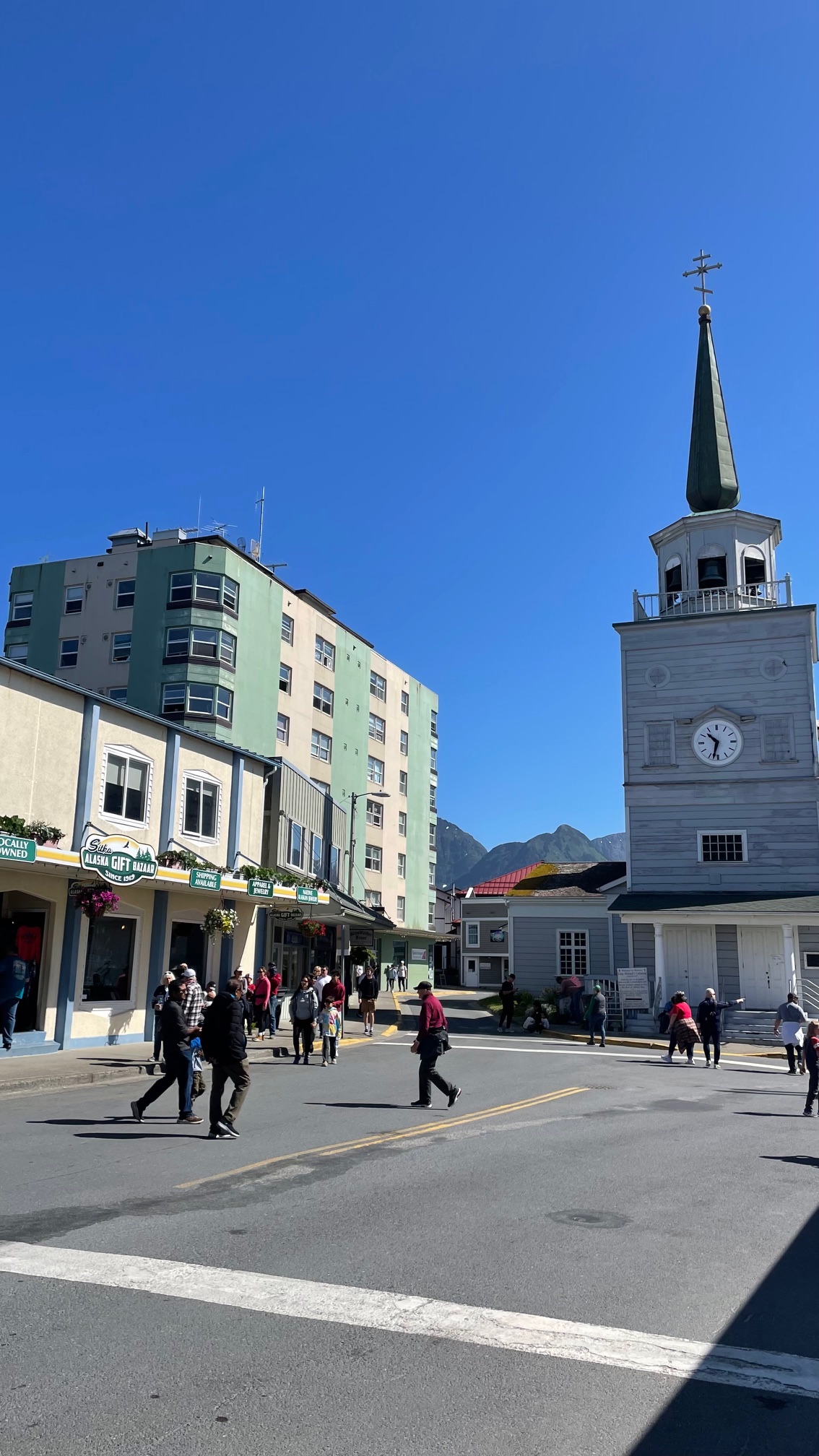






Camera: iPhone 12
Location: Sitka, Alaska, United States