
















Camera: iPhone 15
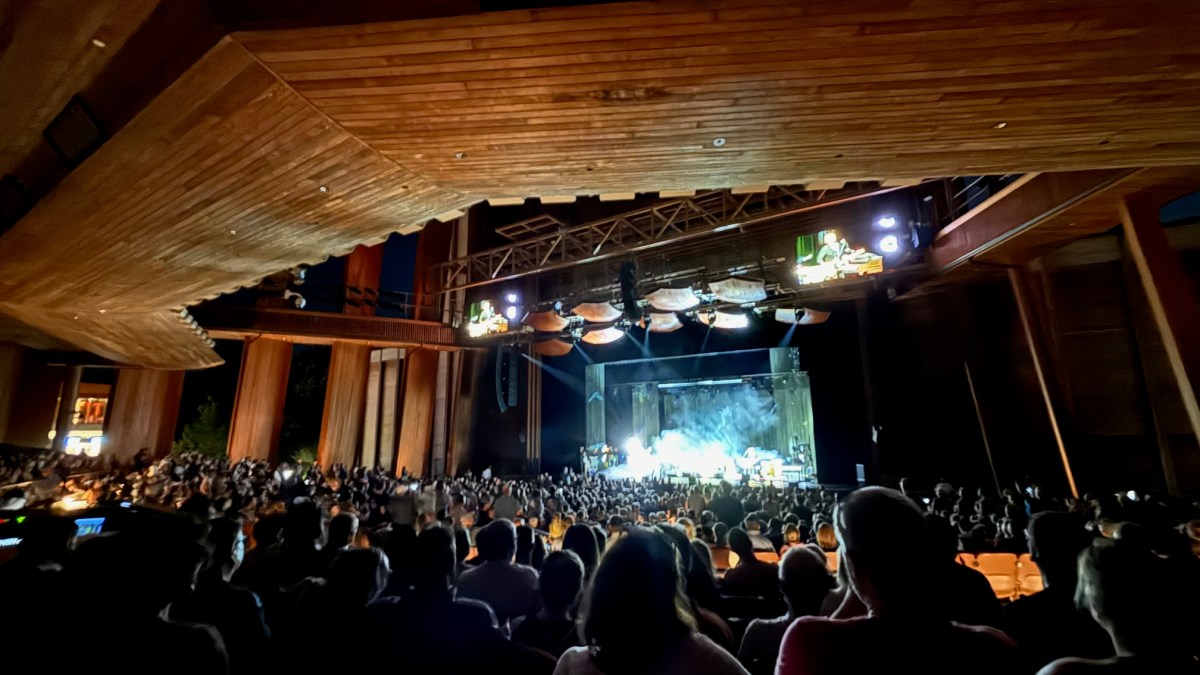
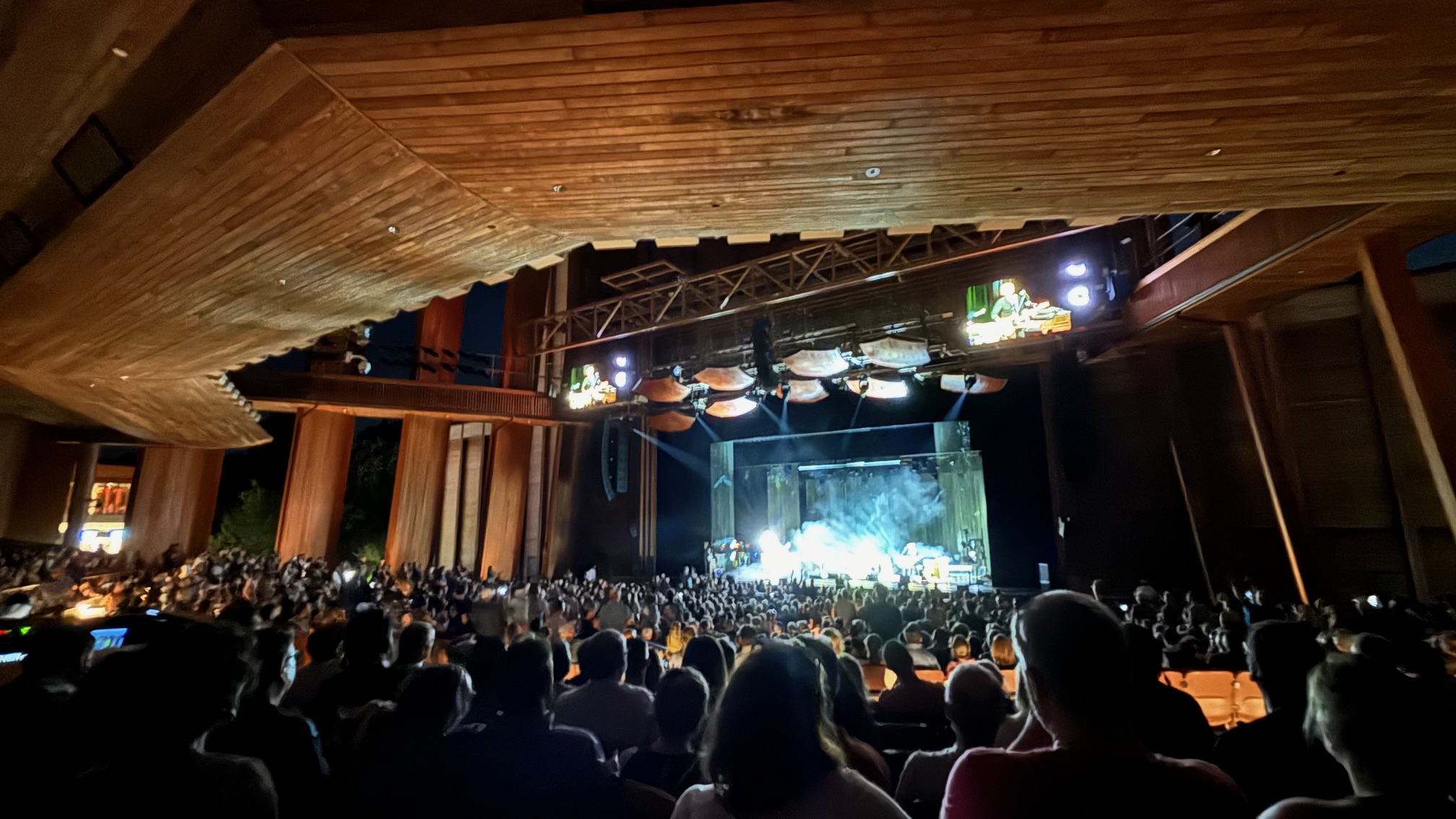
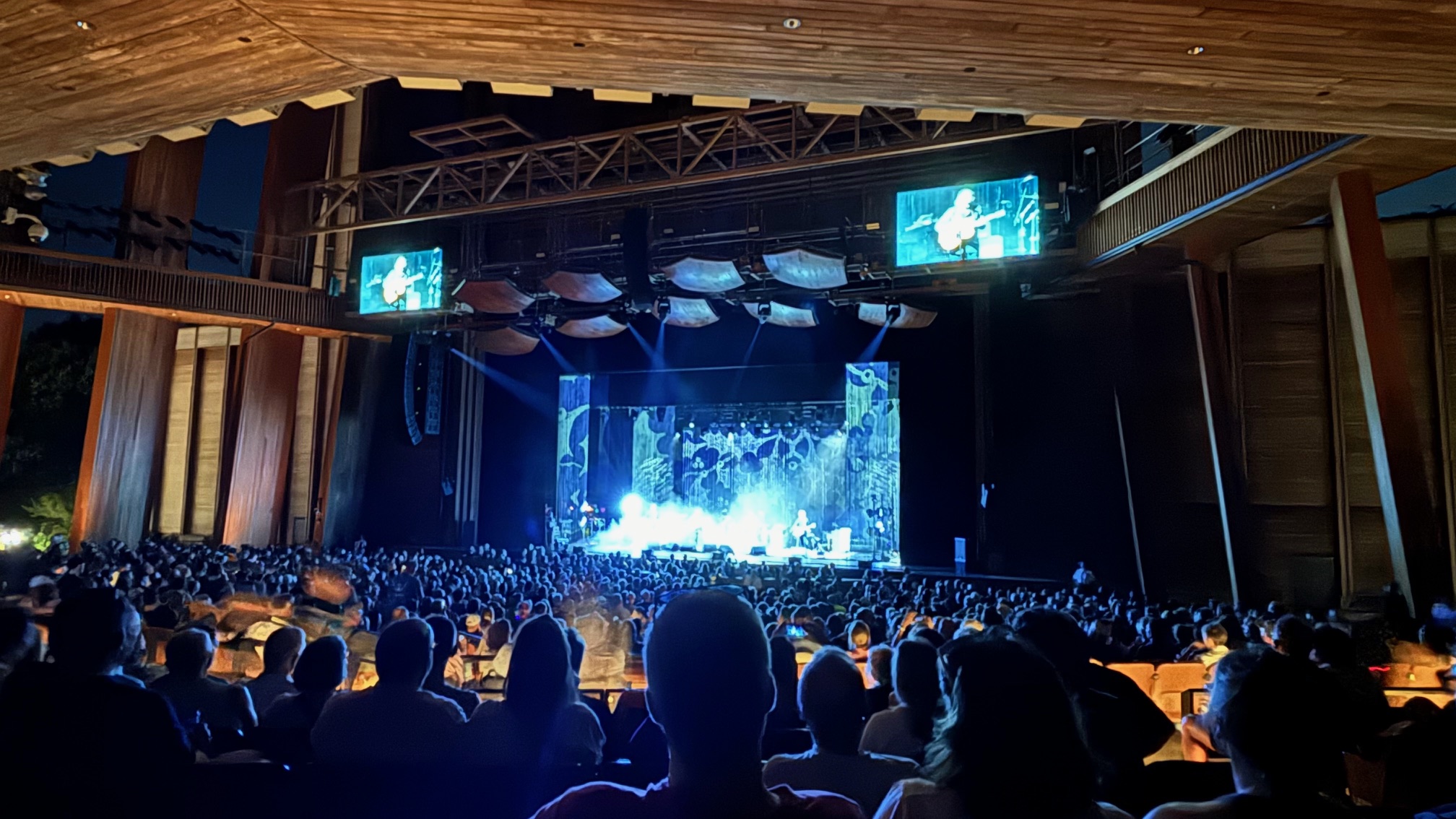
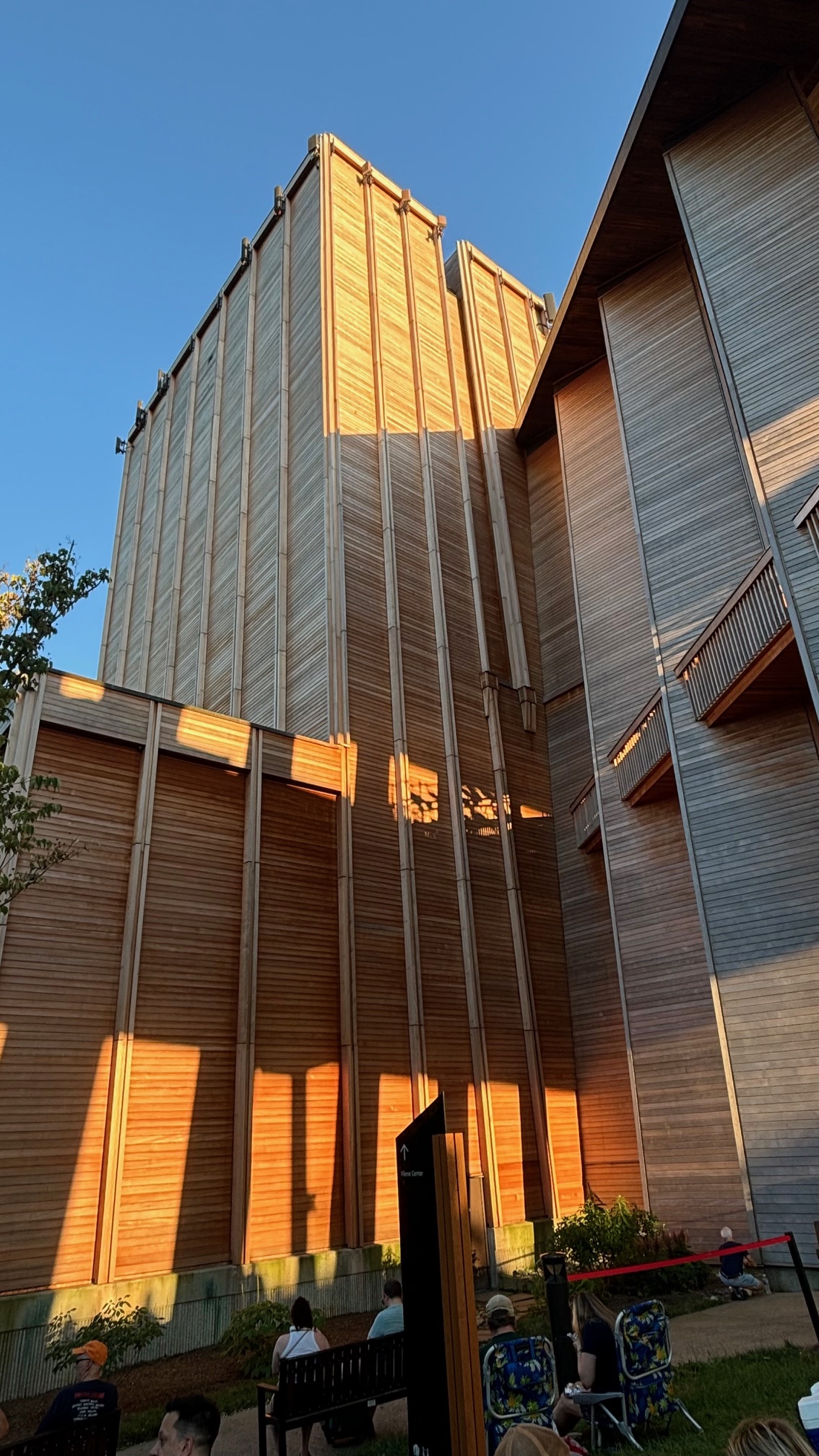
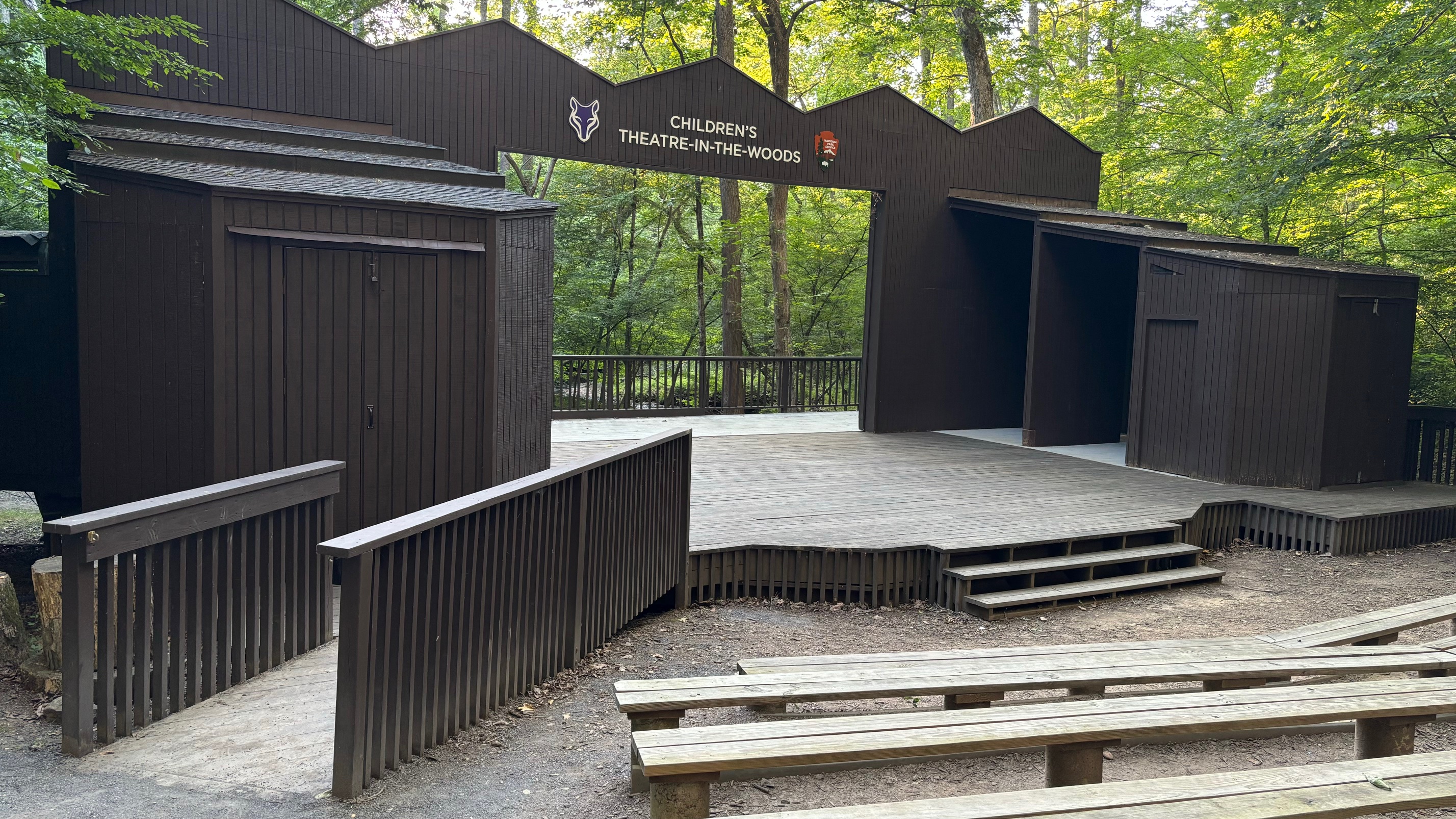
Location: Wolf Trap National Park for the Performing Arts; Vienna, Virginia

Enjoying the recently renovated Wolf Trap amphitheater and live music venue for the band Wilco in June of 2024 in Vienna, Virginia.
Camera: iPhone 15
Location: Wolf Trap National Park for the Performing Arts; Vienna, Virginia
“Life is not just about paying bills, taking care of errands, and going to and from work or school. No, life is more than just going through the motions.”
Life is not just about paying bills, taking care of errands, and going to and from work or school. No, life is more than just going through the motions. As an adult especially, you must have a life beyond the daily grind. You must be going out of your way to make time to enjoy life and to have something to look forward to, as frequently as possible. Life is short and days, weeks, and months can pass you by without taking full advantage of it. As you get older, it becomes not just about being successful and finding purpose but finding enjoyment out of it before your time is up here.
Enjoyment doesn’t have to lead to you spending your money needlessly. It could be going on a walk, a hike, or chatting with a friend on a park bench. You can enjoy the sunrise, the sunset, or take the time to exercise and feel good about yourself as a result. These are all things that you can look forward to without spending your hard-earned money. While there is nothing wrong with using money to have fun and relax a bit, it’s not the end all be all with looking forward to a gift, a purchase, or a subscription. If it brings you happiness and you’re responsible for it, monetary or not, you should always be marking your calendar each day to at least one thing or event or person you’re looking forward to interacting with.
Clearly, man or woman is not a machine and grinding endlessly just to sustain us alone is not healthy in the long-term. You can be a hard worker and still take the time to enjoy life even when you have a busy schedule. However, you need to also set boundaries and be willing to look at your time honestly to figure when and where you can fit this downtime in. You can easily get overwhelmed with errands, chores, duties, work, and other obligations and not carve out any time for yourself but that is no way to go through this life.
We all need our down time to reset, enjoy, and relax without feeling guilty for having done so. No one in your life is going to plan out your fun experiences or down time for you so you need to be actively doing so yourself. Managing your calendar well is part of that and being conscious of what brings you joy and happiness. Other people will often dictate for you what they think will bring you fulfillment outside of work or school, but you need to decide for yourself the best uses for your free time.
For some people, that could be playing tennis on a weekly basis, for others, it could be catching up with different friends over a drink or coffee over the course of a month. You should always be looking to make time for your fun and enjoyment as you see it best. It takes effort, communication, and planning but it’s better than just going through the motions without breaking up the daily grind a bit.
Being able to plan a vacation, a concert, a hike, or just time spent with loved ones is what really will fuel you through the ups and downs of professional and academic life. You need interests, hobbies, experiences, and people you like to get more out of life beyond the briefcase or backpack. We were not meant to live to work and earn our daily bread alone. Take the time out when you can to have something to look forward to doing, experiencing, or enjoying, whatever that may be, guilt free.
There will always be plenty of hours to give for that job, that class, or that bill payment, but there is less time for our free time by and large. That is why it’s important to plan out your free time well, to have a life beyond the grind, and to create fun, joy, and laughter wherever you can, whenever you can. Enjoy your free time and make the most of it because it’s not for forever and you need to make the most of the time we are given to pursue our own happiness.
A USMNT vs. Colombia friendly soccer match from June 2024 in which Colombia won handily in front of. a close to sellout crowd at Northwest Stadium in Landover, Maryland.
















Camera: iPhone 15
Location: Northwest Stadium; Landover, Maryland
“As someone who’s taught English across continents, from the bustling streets of Istanbul to the colorful hills of Medellín, I’ve seen the magic that happens when a student first cracks the code of an idiomatic expression. It’s like unlocking a secret level in the video game of language.”
Have you ever been in a conversation where someone said, “It’s a piece of cake,” and you started looking around for the dessert? Welcome to the weird and wonderful world of English idioms. As someone who’s taught English across continents, from the bustling streets of Istanbul to the colorful hills of Medellín, I’ve seen the magic that happens when a student first cracks the code of an idiomatic expression. It’s like unlocking a secret level in the video game of language. Idioms aren’t just expressions; they’re passports into culture, connection, and real-world communication.
Whether you’re watching Netflix, reading a Hemingway novel, or trying to impress your coworkers at happy hour, idioms are everywhere whether it’s talking about the weather or discussing a prospective business deal. If you’re serious about mastering English, learning them is not optional, it’s essential to furthering both your cultural awareness and vocabulary knowledge.
Let’s be realistic in that textbook English is safe, repetitive, and sometimes boring. Idioms are where the real flavor of the English language is. Idioms add personality and depth to your speech and syntax, letting you say something simple in a far more colorful way.
Instead of saying to someone, “I’m very tired,” a native speaker might say, “I’m beat.” Or, instead of “She’s very rich,” you might hear from someone, “She’s rolling in dough.” These idioms are more than shortcuts as they’re personality-packed expressions that help you sound natural and fluent in English.
Let’s look at a quick dialogue example to show you what I mean:
Tourist: “How hard is the hike up that volcano?”
Local: “Oh, it’s a breeze. You’ll be at the top of the summit before lunch.”
“A breeze” means something easy and it’s the same idea as “a piece of cake,” “a walk in the park,” or “no sweat.” By learning just one idiom, you open the door to several ways of expressing yourself naturally with other similar idioms.
Want to take it up a notch of difficulty? Idioms are also key for business English usage:
Whether you’re in a job interview or at a dinner party, idioms level up your vocabulary game.
Idioms aren’t random in terms of their use as they’re rooted in the culture, humor, and history of the English-speaking countries. Understanding where an idiom comes from gives you a peek into how English speakers think and communicate with one another.
Take “bite the bullet” as an example. This expression comes from the 1800s when soldiers, lacking anesthesia, were given a bullet to bite during surgery to cope with pain after suffering a serious ailment. It now means to do something unpleasant or difficult that you’ve been avoiding.
Another example, “let the cat out of the bag”, this one comes from old market scams where sellers would replace a little piglet with a cat in a sack. If the cat escaped, the secret was out.
These origin stories make idioms more memorable and teach you about local values like courage, humor, or sarcasm. They help you “read between the lines” and understand what’s really being said to you in English.
Textbooks will teach you how to say, “I’m very happy today.” But if you walk into a room and shout, “I’m on cloud nine!” or “I’m over the moon!”, people won’t just understand you, they’ll feel your emotion.
Here’s a little chart to show the difference between literal and idiomatic English:
| Situation | Literal English | Idiomatic English |
| Tired | “I’m very tired.” | “I’m running on fumes.” |
| Congratulate | “Good job!” | “You nailed it!” |
| Cancel plans | “Let’s stop now.” | “Let’s call it a day.” |
| Sick | “I don’t feel well.” | “I’m under the weather.” |
This is what fluency in English looks like: not just knowing what words mean but knowing how people use them too.
Idioms are also key to using humor and sarcasm, both of which are staples of English language communication. If someone tells you a ridiculous story and you respond with, “Yeah, when pigs fly,” you’ve just used a classic English idiom to say, “That’ll never happen.”
Idioms can feel overwhelming to the average English learner for multiple reasons. For one, there are thousands of them, and more are created each year. In this case, how do you learn without “losing your marbles”?
Here are some tried-and-true strategies for the English student to prevent themselves from being overwhelmed:
Learning idioms might feel like a “wild goose chase” at first. Here’s the truth though: they’re what separate the textbook English speaker from the fluent English speaker. They’re what make conversations natural, emails smoother, and jokes funnier. Moreover, idioms help you express both your emotions and personality. Instead of just saying, “I disagree,” you might say, “That doesn’t hold water.” Instead of saying “I’m nervous,” you can say, “I’ve got butterflies in my stomach.”
It’s not about sounding smart to the other person in the conversation, it’s about sounding real to them. Next time someone tells you to “hold your horses,” smile and relax a little. You’re no longer on the outside looking in with regards to not knowing what they mean or expecting yourself to hold a heavy animal. You’re now part of the conversation, the culture, and the rhythm of English. Keep learning, keep studying, keep laughing, and above all, keep speaking English idioms, one idiom at a time.
Enjoying a nice scenic boat ride out on the Chesapeake Bay on Maryland’s Eastern Shore. The tides were calm and the wind was fierce but a good time was had by all.





















Camera: iPhone 15
Location: Chesapeake Bay, Maryland
“It’s very rare in movies where a monologue becomes a classic and is quoted and re-quoted throughout the decades. That is most definitely the case nowadays with James Earl Jones’s famous monologue playing Terence Mann in the 1989 American movie, ‘Field of Dreams.’”
It’s very rare in movies where a monologue becomes a classic and is quoted and re-quoted throughout the decades. That is most definitely the case nowadays with James Earl Jones’s famous monologue playing Terence Mann in the 1989 American movie, ‘Field of Dreams.’ Now over 35 years old and counting, Field of Dreams’ and this legendary scene focus on the timeless appeal of Baseball in America, whose monologue has become iconic culturally not just for baseball fans and movie lovers but for what America can represent to the world when it taps into its best impulses.
“Ray, people will come, Ray. They’ll come to Iowa for reasons they can’t even fathom.” Baseball isn’t just a sport in this scene; it is the heartbeat of a nation’s spirit and resilience. The sport embodies the essence of the American Dream where everyone regardless of background, race, or ethnicity, can find a chance to succeed and belong, on and off the field. The monologue by Terence Mann (played by the legendary James Earl Jones) taps into the idea of America thriving on belief, on hope, and on the idea that greatness is around the corner if you dare to dream about it and fight for it.
Terence Mann isn’t just selling the idea of a baseball field and game to Ray Kinsella (Kevin Costner) on his farm but rather the idea of the possibility of uniting people and bringing them together. The message of his monologue is clear to viewers: If you build something meaningful in life, whatever that may be including a baseball field, people will be drawn to it because hope, enjoyment, and belief are powerful magnets.
Ray’s struggle to manage this baseball field and bring closure to a rough chapter in his life unresolved with his estranged father is emblematic of the struggles we all go through in this life. This scene with Ray is emblematic of a universal human quest to search for inner peace amidst chaos, uncertainty, and doubt. Terence’s monologue offers Ray and the audience a kind of calm assurance, a spiritual yearning, reminding everyone that the future isn’t handed to us, and it’s what we create and what we work towards to stay true to our vision, whatever that may be. It’s not about instant gratification in the form of a house or a car, it’s also about believing in your values, your vision, and knowing that the work you do is meaningful, especially if it connects to the past, family, baseball, or otherwise.
This scene also highlights how baseball has functioned and continues to function as a unifying thread through America’s social fabric. In the face of division, segregation, bias, and greed, baseball still brings people together around the country, crossing lines of race, class, and background. It’s a shred language that can bring Americans together, a communal ritual that reminds us that we’re all in this together as a people. When Terence says, “people will come, Ray…”, it’s a promise that no matter how ugly the world gets, how divided America may be, that promise will endure no matter the obstacles that face us. Sports, and in this case, baseball, has the unique power to draw people together in a collective experience that transcends our differences and can unite us to bring joy, happiness, and excitement with comradery and sportsmanship leading the way.
In this famous monologue, the actor playing Terence Mann, James Earl Jones’ delivery is everything and has made it such an iconic scene throughout the years. He is calm, measured, yet deeply convincing in summing up the power of the game of baseball. His voice here carries the weight of baseball’s history and that of America, of unspoken truths, of healed traumas, of future possibilities. He’s not just a supporting character in the movie; he’s also a narrator and a guide from the past.
He’s a sage sent into Ray’s life to remind him (and the audience) of a timeless truth: building anything worthwhile takes patience, faith, and a belief in the everlasting power of human connection. His words echo beyond the scene and the entire movie into the realm of business, relationships, goals, and our life’s purpose. He reinforces the idea that success comes from persistence and the courage to believe in what you put out into the world.
The scene is also a nod to the resilience embedded in American culture and its people. There is a strong “keep going no matter what” mentality that is deeply embedded into the cultural landscape and is also about leaning into “reinventing oneself” if you must that creates hope after hardship and how collective belief can overcome turning to cynicism and despair. In its essence, the monologue is a microcosm of American optimism, delivered through the poetic cadence of Jones’ voice and the symbolism of baseball as a sport that has gone through trials and tribulations like the country that birthed it.
Ray’s field or stadium to be in Iowa isn’t just about bringing baseball players from the past or present there to play a regular game. It sells the idea instead that America’s greatness is rooted in shared dreams and the belief that when you create something authentic and true, people will come…and not just to watch the game unfold, but for sharing a connection with each other, hoping for better days ahead, and finding community in a shared love of the game, America’s pastime.
“The Sakura Matsuri, hosted by the Japan‑America Society of Washington, DC, is the largest celebration of Japanese culture in the U.S. It’s a marquee event of the National Cherry Blossom Festival.”















Camera: iPhone 15
Location: Washington, District of Columbia
My sixth set of Spanish poems focused on showing attention to your beloved, having a queen in your life, the fight of your life, dignity being everything, and escaping when it’s necessary.
Óyeme bien
Óyeme bien, finalmente,
Estamos juntos de nuevo.
¿Qué puedo contarte todo de mi corazón?
Mis orejas podrán aguantar eso.
Sin ti, no tengo nadie a quien contar mis secretos.
Óyeme bien con tu voz bonita y fiel.
¿Dónde está mi reina?
Mi reina de mi corazón.
Ninguna persona es como mi reina.
Mi reina de mi felicidad.
Puedo luchar por mi reina para siempre.
Porque para mí, mi reina es todo el mundo.
La lucha de mi vida
¡Sube al ring,
Ponte los guantes!
Mantén la guardia alta,
Nunca temas el golpe.
La vida te golpeará duro,
¡Asegúrate de devolver el golpe con más fuerza!
¡La dignidad lo es todo!
Respeta a la gente que trabaja,
Respeta a la gente que estudia,
Respeta a la gente que hace que la vida sea lo que es.
Todo trabajo tiene dignidad,
Toda persona tiene dignidad, igual.
No lo olvides ni por un minuto.
Afuera de aquí
Ya no hay nada para nosotros.
Solo violencia, dolor y miseria aquí.
Recuerden lo que nos arrebataron a nosotros y a ustedes.
Almas atrapadas aquí para siempre, lastimosamente.
Aún tenemos una opción para sobrevivir y vivir.
Salgan de aquí ahora, antes de que sea demasiado tarde.
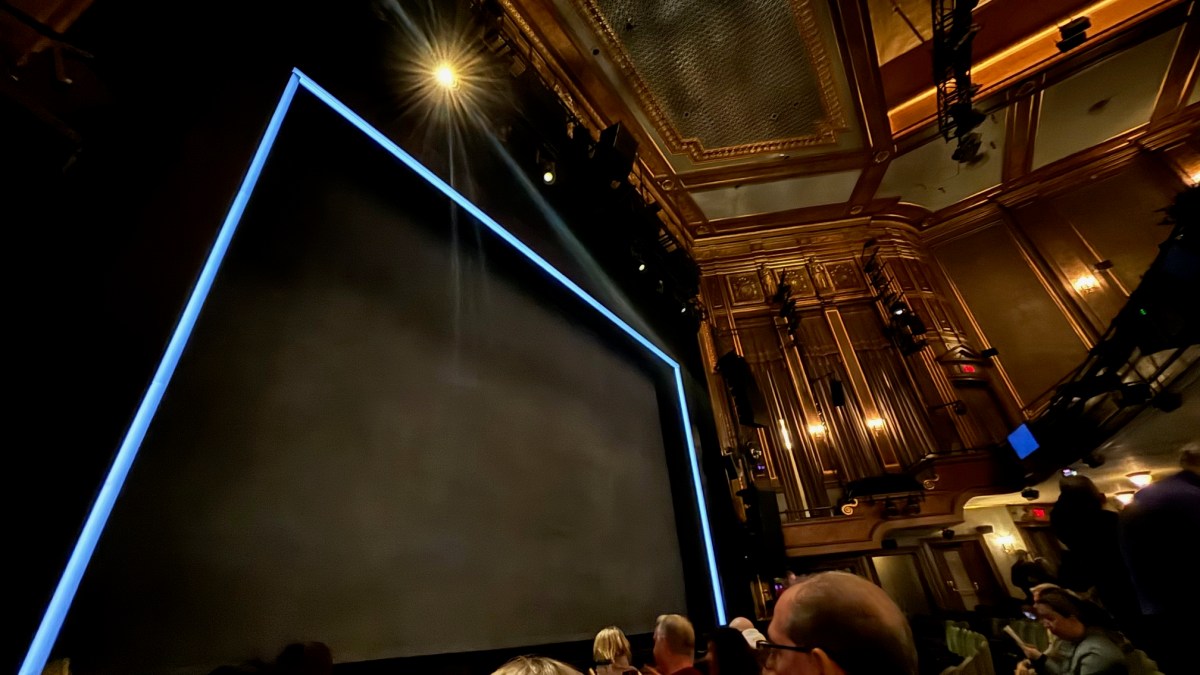
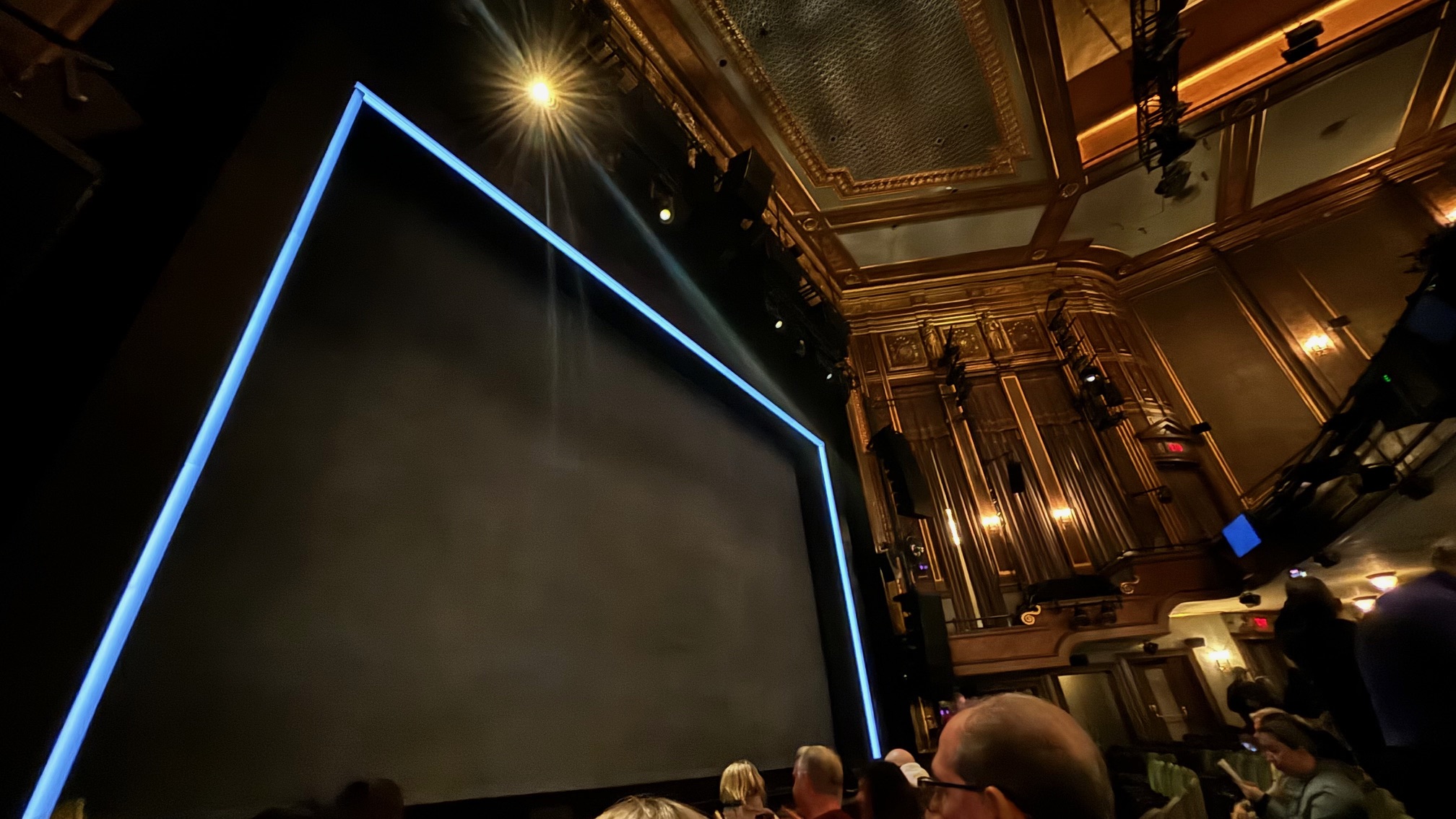
Playing tourist for the evening in a walking tour of Times Square and The Oculus at World Trade Center with a stop in between for ‘Tommy!’ musical on Broadway!

















Camera: iPhone 15
Location: Manhattan; New York, New York
“You should not be performing for other people and achieving goals for their attention. The ‘likes’, the ‘emojis’, the ‘congratulations’ are all well and good but when it comes down to it, you don’t owe the world a status update.”
Not everything in your life needs to be broadcast to other people, especially strangers. It’s preferable even to move in silence while you work towards achieving your personal goals or achievements. True self-growth is about achieving your wins in life because of your own hard work and desire and not just to seek validation from others. You should not be performing for other people and achieving goals for their attention. The ‘likes’, the ‘emojis’, the ‘congratulations’ are all well and good but when it comes down to it, you don’t owe the world a status update.
You build a legacy for yourself and not for chasing the validation of others, whether they end up giving it to you or not when your success comes to fruition. We live in a world where broadcasting every tiny move is celebrated, which is fine for those who choose to engage in it, but that’s not what your life should be focused on.
Telling people too much, especially too soon, can be bad for your goal setting and put undue pressure on you to reach that goal even more. If you fail, everyone will know who you shared the original goal with which could sting. While telling people can provide external motivation, at the same time, you are also putting a lot more stress and anxiety on yourself to perform for others because of how public you made your goal.
In my view, overexposure kills momentum and the energy you give towards outside attention can distract you from setting and achieving your goals. To give a personal example, in the past, I let some people I trusted in my life know about my goals, especially when it comes to launching a business or passing a certification for professional reasons. While I enjoyed letting those people I cared about know, I should have waited until I had achieved my goals in both areas before making it public even to close friends and family.
The sting of failure or falling short is accepted best by those closest to you but it can still hurt knowing that you may have let them down by promising more than you could deliver. Often, it’s best to wait until the goal is achieved, like having a profitable business or acing your certification before you let others know you were even working on that accomplishment to begin with.
Some things in life need space, time, and most importantly, privacy to develop like the roots of a tree as they form the foundation for growth. Self-improvement can be shared publicly but it should be thought of primarily as a private contract within yourself, and not public performance. Real growth takes a lot of time and achieving tough goals takes years, decades, and sometimes an entire lifespan.
Updating others constantly will get boring too and if you are going to update others, make sure you are only doing it when you achieve something along the path to success. Progress should be boring and predictable, and you shouldn’t need applause or praise to keep going towards your goal or objective as well.
I find that the most successful people often work in silence until its time to deliver the final result, not announce to the world that it’s in progress. Whether it’s Albert Einstein working on the e=mc(squared) result, Michael Jordan putting in the years as a teenager and college basketball player to make it to the NBA and become a legend there, or even Steve Jobs getting rejected multiple times for what would become world renowned tech products like the iMac and iPod.
These legends in different fields of mathematics, technology, and sports did not announce to the world when they made progress towards their goals, they only announced to the world that they had made it when they achieved their goals. For a personal example, I didn’t tell the world when I started a martial art, I only let it be known to people when I had been doing it for a few years and had some progress or goal achieved to show for the efforts I had made. It’s great to start towards a goal but only announce it after you’ve been grinding for a while and have achieved a result with that job or activity or passion.
Let the results do the talking when you work in silence. When your final product or achievement is ready, it’ll speak louder than any fan or hater will have to say about it when it becomes public. Again, don’t tell people or especially strangers on the Internet your plans, show them the outcomes and the results that you have achieved and maybe how you got there if you want to give that away too. I think it’s best for anybody to be devoted to improving themselves and bettering their lives with real goals is to build in peace and quiet.
Keep your head down, have a steady heart, work consistently towards your goals, whatever they may be, and do so only loud enough for you to hear them constantly, until they echo for everyone else once you’ve achieved what you set out to accomplish.