Being a Specialist vs. a Jack of All Trades in 2025

“There’s a saying that’s been repeated so often it’s lost its bite these days: “A jack of all trades is a master of none.” However, what most people forget is the full quote: “…but oftentimes better than a master of one.” That second half hits home for me as someone who likes to consider myself a man of many interests and likes.”

There’s a saying that’s been repeated so often it’s lost its bite these days: “A jack of all trades is a master of none.” However, what most people forget is the full quote: “…but oftentimes better than a master of one.” That second half hits home for me as someone who likes to consider myself a man of many interests and likes. I’ve been a jack of all trades most of my life, by design, and not by accident. I’ve always had too many interests to narrow myself into one lane, from teaching English and managing international projects to running side businesses, writing, and exploring new skills like photography and video creation. In 2025, this flexibility isn’t a flaw but rather its survival and adaptation in an ever-changing and acceleratingly fast world.

Let’s be real here too: the world doesn’t reward loyalty to one craft the way it used to in my parents or grandparents’ generations. The days when someone could spend thirty years perfecting a single skill at one company and retire with a gold watch are long gone. Industries move at the speed of AI updates and quarterly market shifts. The specialist like the surgeon, the dentist, the coder, the data scientist still has immense value, of course, and they should be commended for their craft and their dedication to their field.

Those are the people who go deep rather than wide, mastering one corner of a field to the point where they can innovate within it and do so for decades luckily. However, the specialist also lives or dies by their niche or calling. When that niche collapses, loses favor in terms of employability, or evolves faster than they can adapt to the changes to the industry, their expertise in one area can quickly become a liability.

On the other hand, generalists or ‘jack of all trade’s types, people like me, tend to thrive when change is the only constant in life. We’re used to juggling multiple domains, learning on the fly, and connecting dots others don’t even see or don’t wish to see. When AI starts writing code or generating content faster than humanly possible, the jack of all trades doesn’t panic; they pivot to adapt to that change and to see how they can go with the flow. They find new intersections where creativity, management, and soft skills still matter in a world that is increasingly tech-first, question later. In 2025, the ability to synthesize ideas across fields like education, technology, business, culture is arguably more valuable than mastery of just one skillset.

Still though, let’s not sugarcoat it: being a generalist or ‘jack of all trades’ comes with tradeoffs. You’re rarely the “go-to” expert in the room. You may not command the highest salary, or you may constantly feel spread thin, working to keep up with several evolving interests instead of going all-in on one interest. There’s a sense of restlessness built into the generalist’s DNA. However, that same restlessness is what keeps us generalist types adaptable and flexible. We’re built for the gig economy, the hybrid or remote workplace, the new industries, and the unpredictable career paths that define this modern era.

Specialists, for their part, enjoy a kind of depth that the generalists envy. They can focus, dig deep, and master a single language, whether that’s the language of law, medicine, finance, or engineering. Their work can bring a deep sense of purpose and respect that comes from being the person that people rely on when things get complex or challenging. Specialization can be a trap too though as it can make you resistant to change, or worse, blind to possible opportunities outside your comfort zone. The moment your expertise or your sole skillset is no longer in demand, your value can plummet unless you reinvent yourself and to do so quickly.

The reality is that 2025 doesn’t belong exclusively to either camp of ‘generalists’ or ‘specialists’. It belongs to the hybrids instead, who the ones who know enough across different professional disciplines to connect the dots and have enough depth in one or two areas to back it up with credibility and experience. The future as I see it will reward those people who can learn fast, adapt faster, and translate knowledge across industries.

Also, if you know how to communicate well, can solve problems, and meet deadlines consistently, you will always be in demand in my view to work for a company, organization, or other professional body. Whether you’re a generalist who’s learning to specialize or a specialist learning to broaden your scope beyond your field, the key remains the same as you should stay curious, stay humble, and never stop evolving.

Yes, I’m a jack of all trades and I don’t see that changing anytime soon in my own life. If anything, I’ve learned to wear it as armor in a world that’s constantly trying to box people into a corner. I’ve been told I should “pick a lane,” specialize, and double down on one thing alone but that’s never been me or my personality. My curiosity doesn’t fit neatly into a job title or a sole industry. I like moving between worlds, connecting people and ideas that weren’t supposed to meet in the first place.

I’ve realized that being a generalist isn’t about doing everything halfway; it’s about mastering having adaptability itself. It’s about knowing enough across fields to spot the patterns others miss and having the guts to reinvent yourself when the winds change direction. Specialists might thrive when the road is straight and predictable, but I thrive when the map is being redrawn in real time. So no, I don’t apologize for my curiosity or for the eclectic path I’ve taken in life so far. Being a jack of all trades in 2025 isn’t a weakness, rather, it’s an operating system for the modern world. In a time when rigidity gets punished and reinvention gets rewarded; versatility isn’t just a skill; it’s a survival strategy to get by. Honestly, I wouldn’t have it any other way.

Musee d’Orsay

After nine years since my last trip to Paris, I returned in the Summer of 2024 to enjoy some sights like Musee d’Orsay but also for the Summer Olympics!

Camera: iPhone 15

Location: Musee d’Orsay, Paris, France

A Visit to McGill University

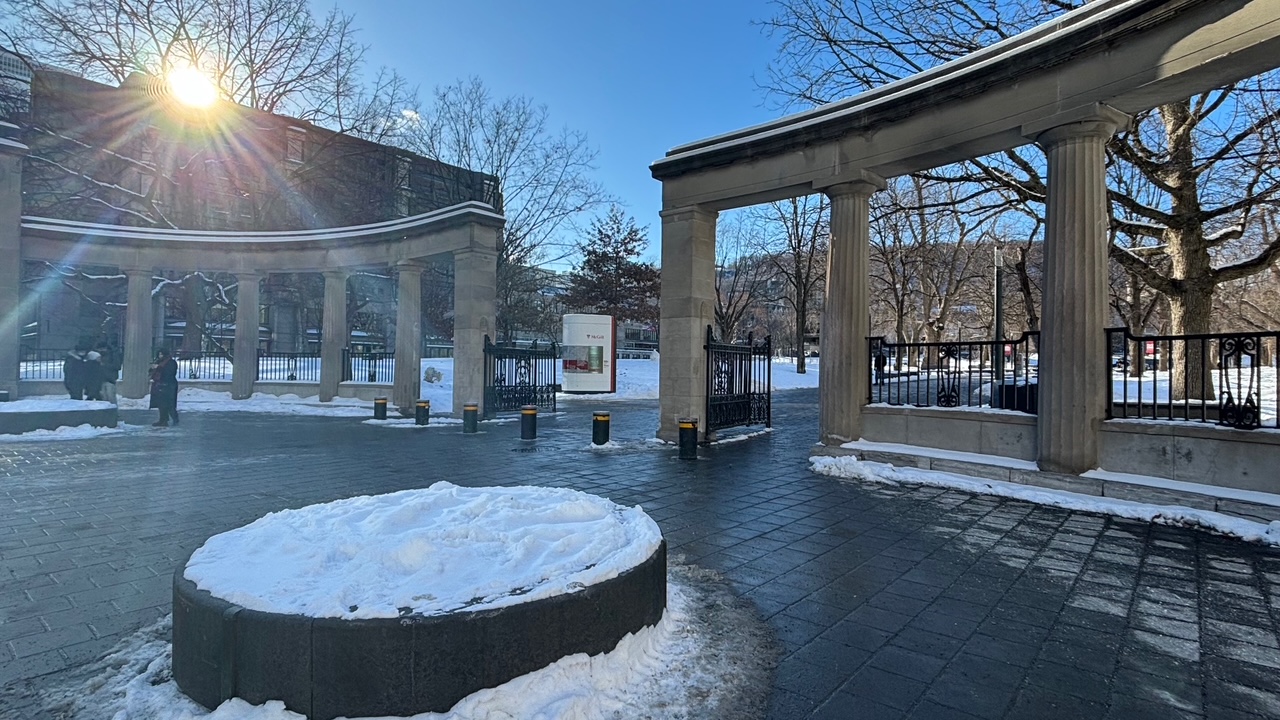
Checking out one of Canada’s most famous and historic universities, McGill University in Downtown Montreal on a Winter’s day.

Camera: iPhone 15

Location: Montreal, Quebec, Canada; McGill University

United States Naval Academy

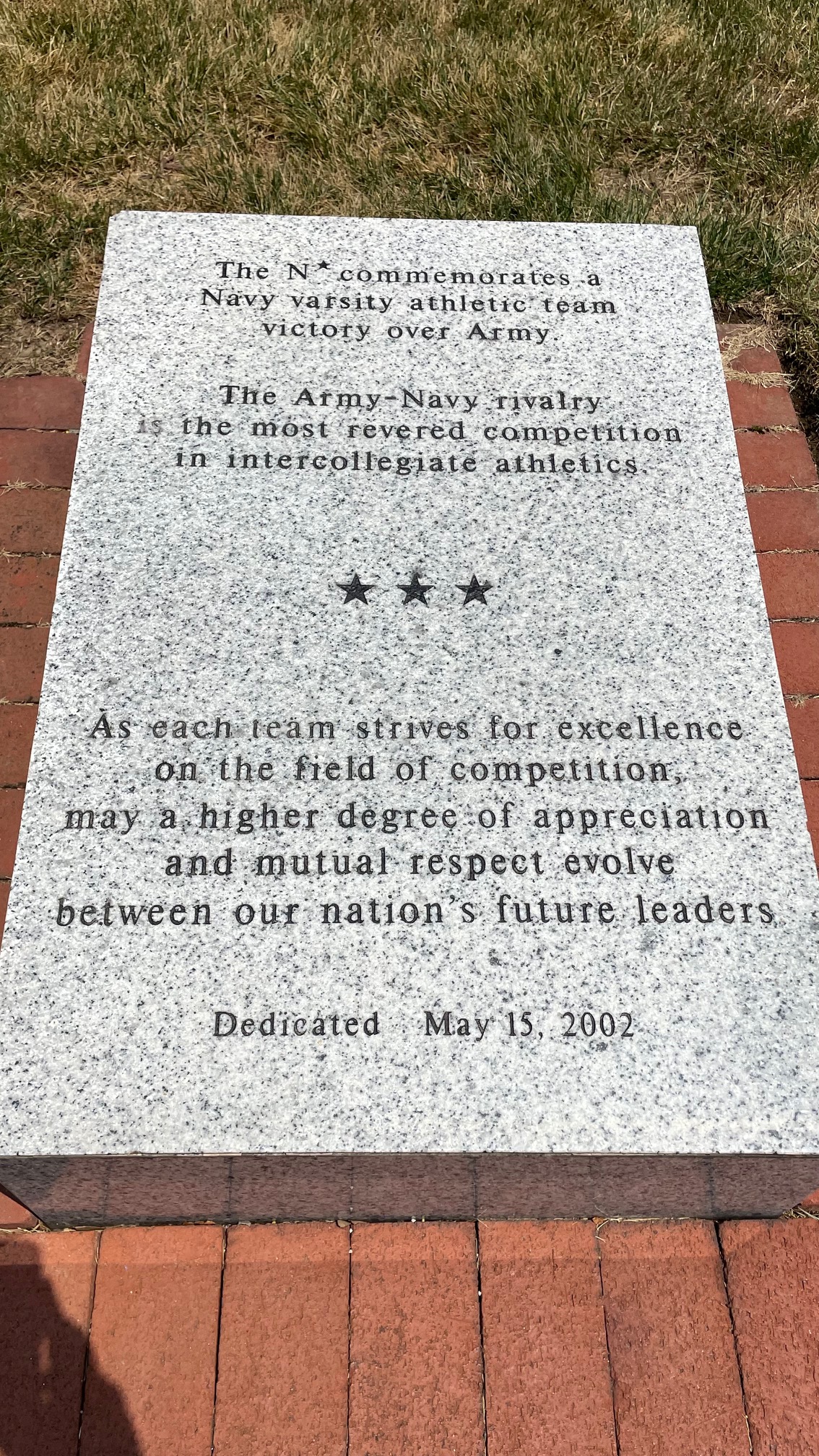
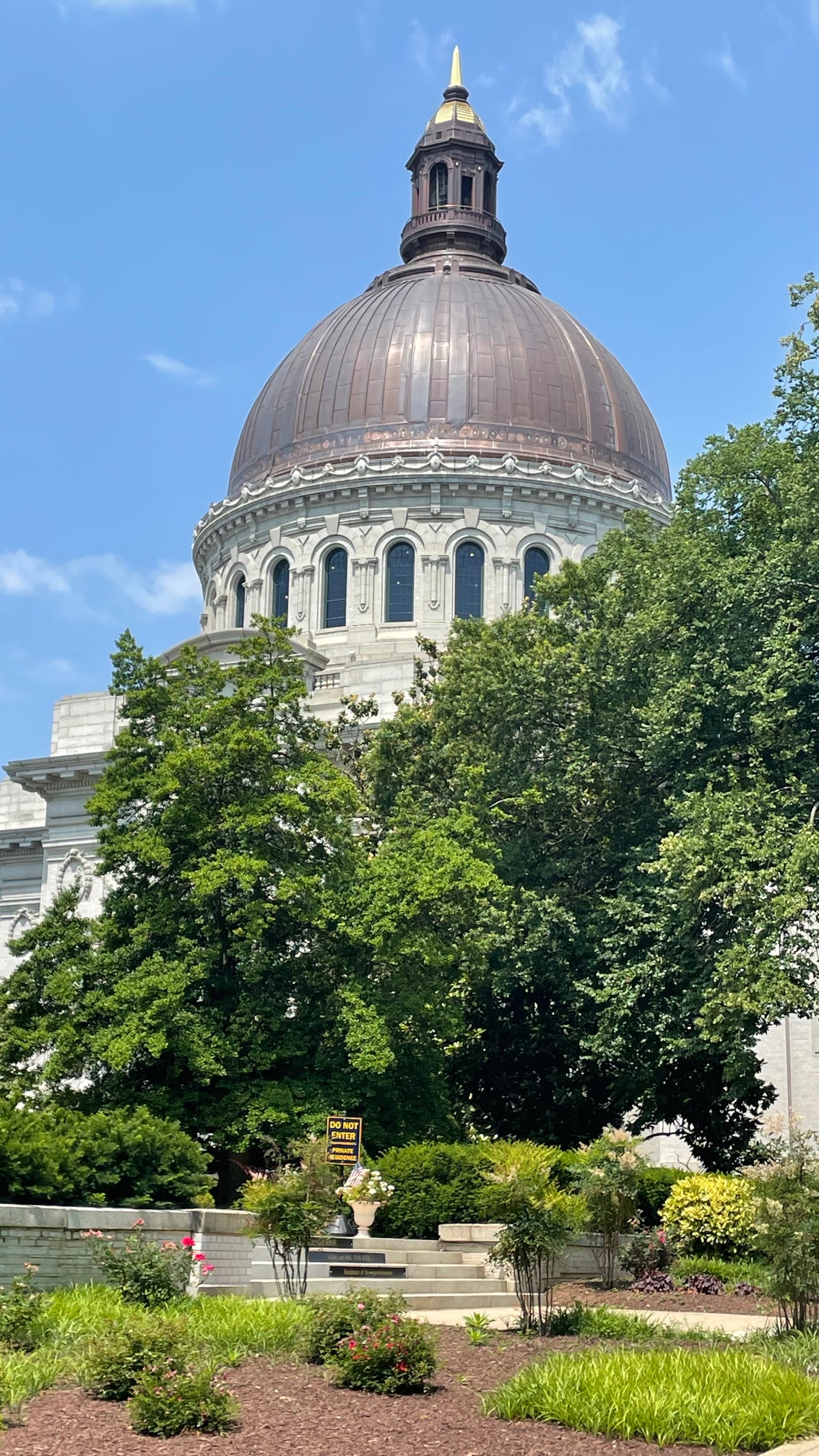
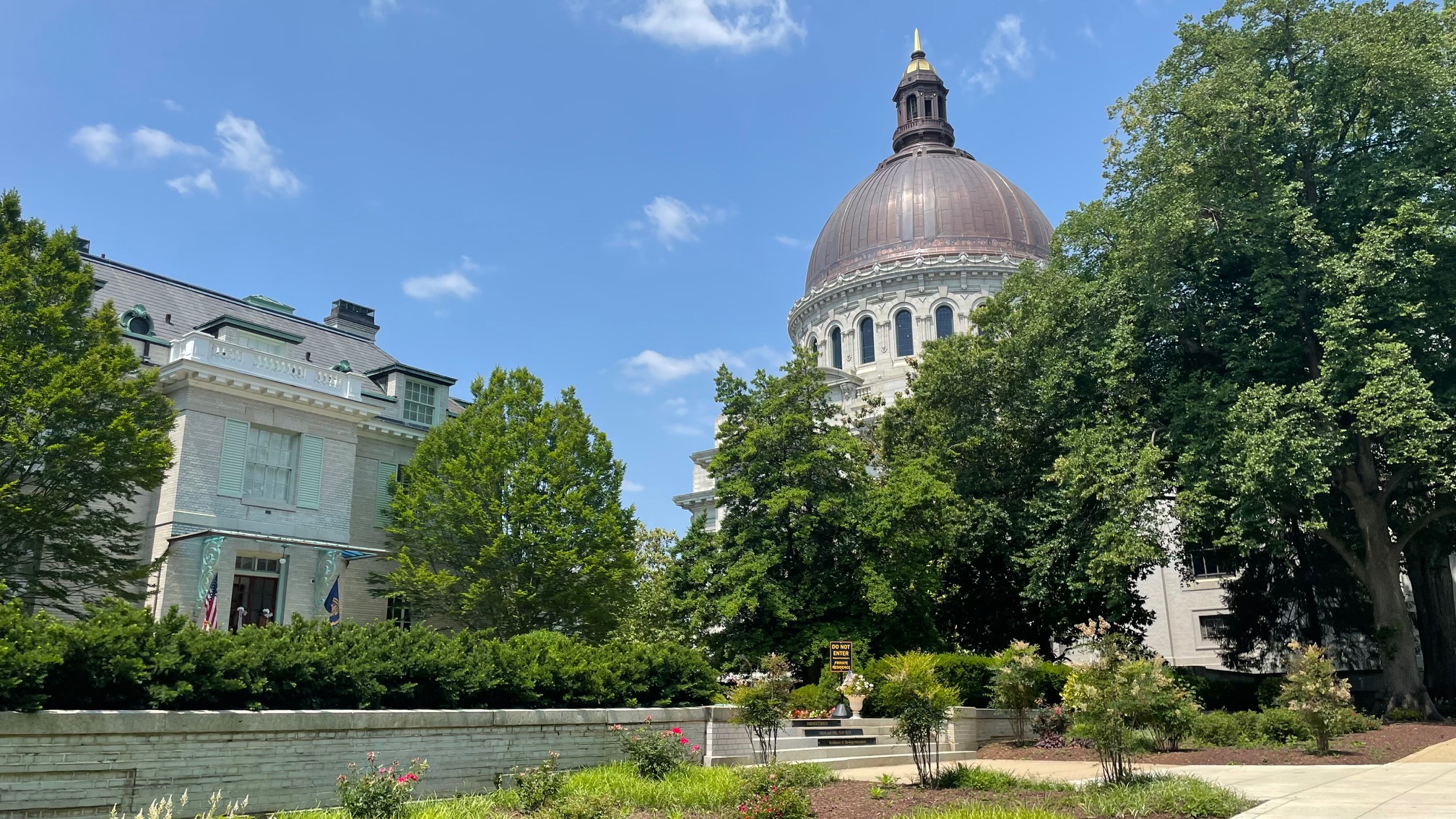
A Visit to the United States Naval Academy in Annapolis, Maryland

Camera: iPhone 12

Locations: United States Naval Academy; Annapolis, Maryland, United States

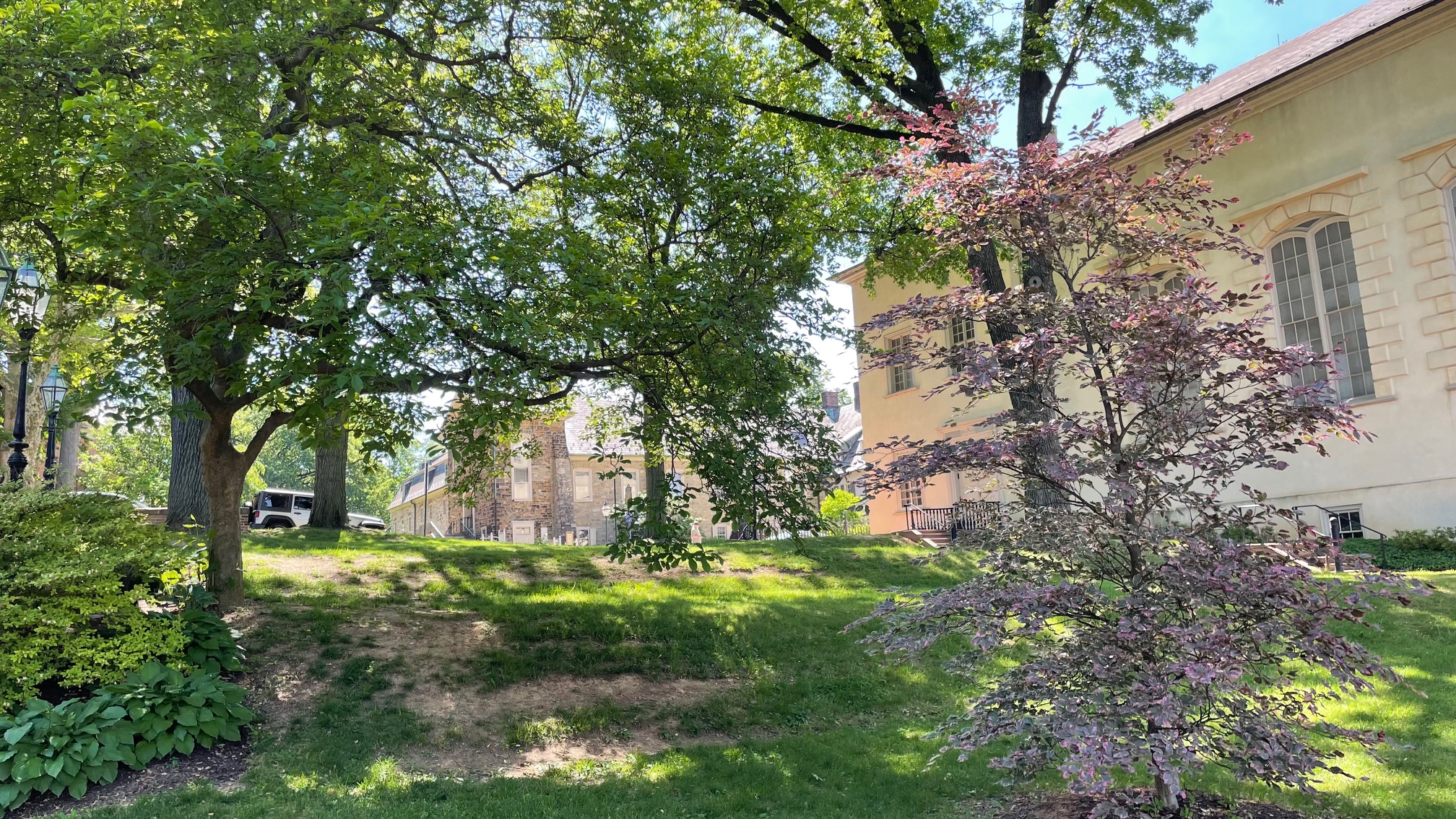
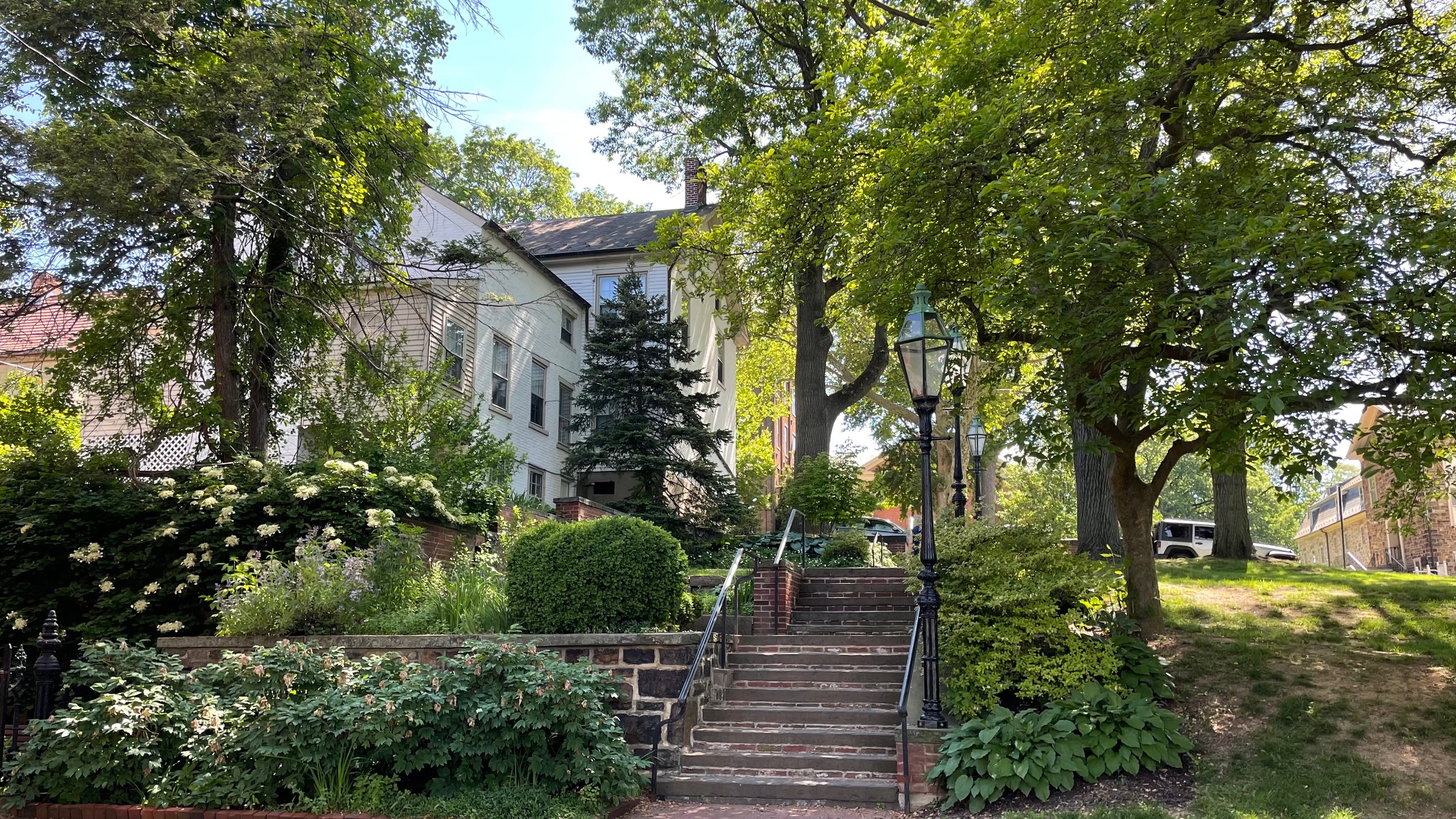
Allentown and Bethlehem, PA

A Visit to Allentown and Bethlehem, Pennsylvania

Camera: iPhone 12

Locations: Allentown, Pennsylvania, United States; Bethlehem, Pennsylvania, United States

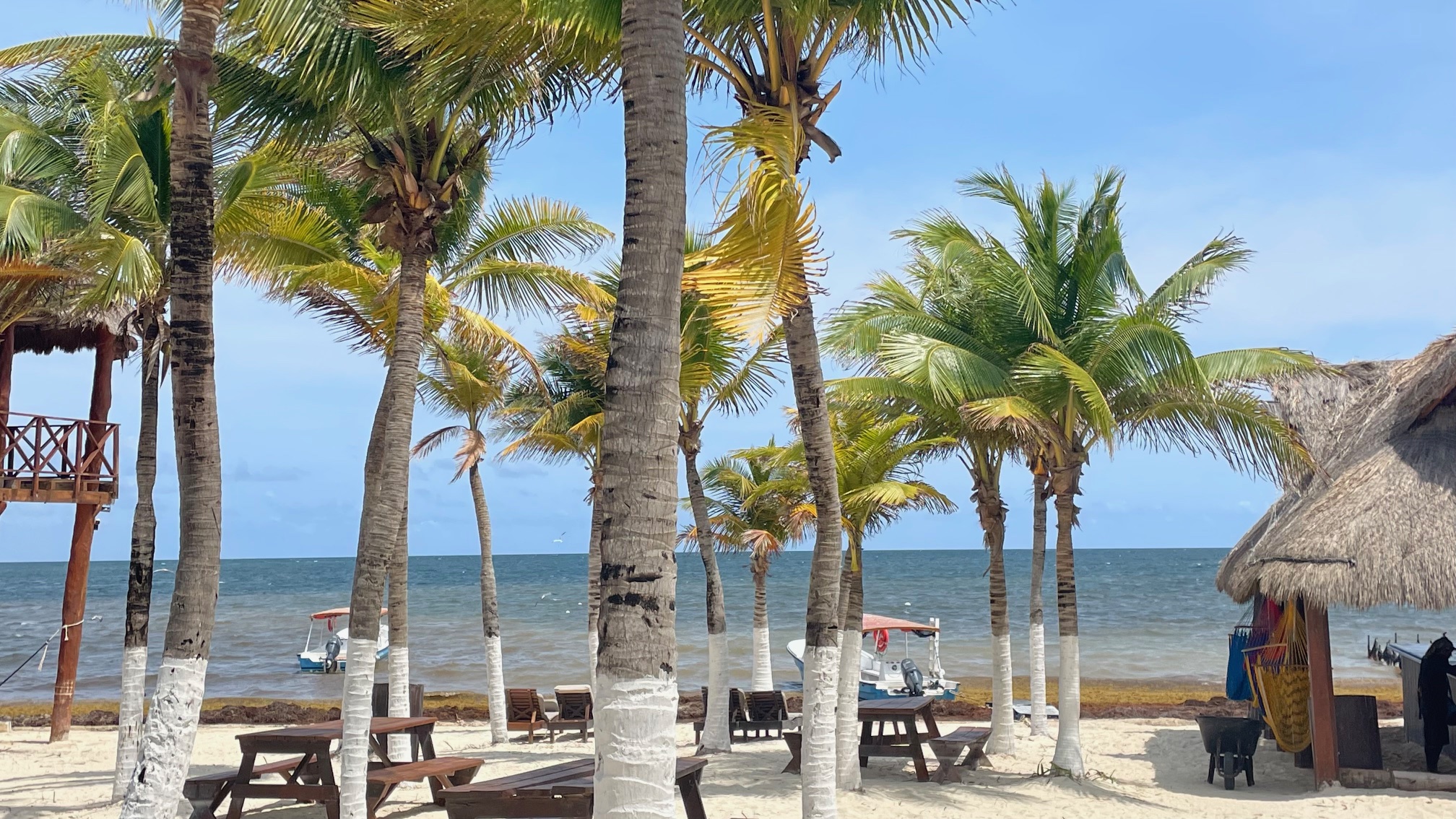
Playa Del Carmen, Mexico

Playa Del Carmen, Mexico

Camera: iPhone 12

Location: Playa del Carmen, Mexico

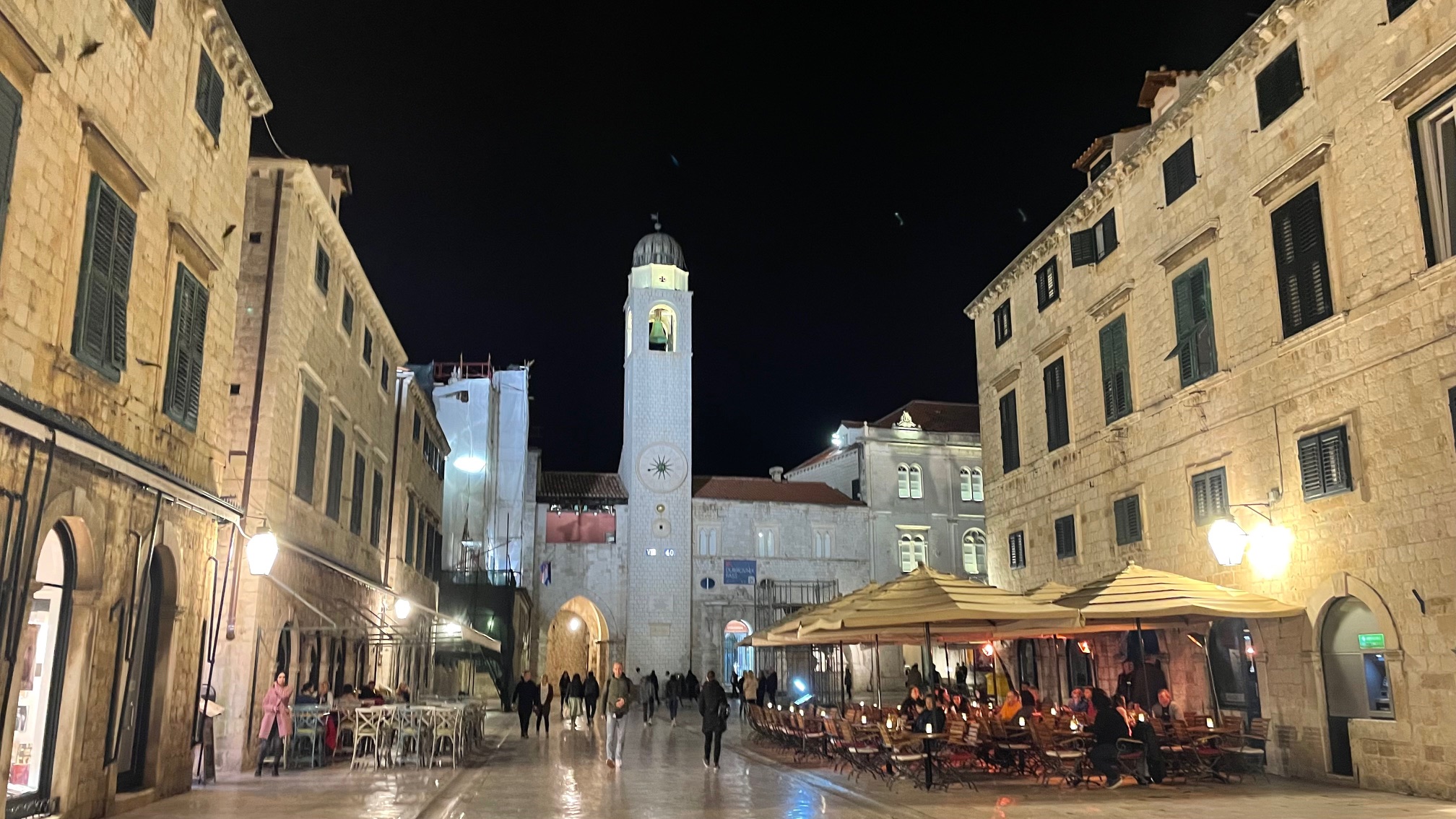
Dubrovnik At Night

Dubrovnik At Night

Camera: iPhone 12

Location: Dubrovnik, Croatia

Being An Active Listener

“I would like to highlight the significance of having active listening skills in contemporary society, its myriad of benefits, its role in fostering respect and empathy for other people, and the pitfalls of distraction in the digital age.”

With the frenzied pace of modern life, where everyone seems to be talking but few are truly listening, the act of active listening has become increasingly crucial to partake in. In a society inundated with seemingly unlimited information and plagued by short attention spans, the ability to listen intently and engage with others through attentive body language has emerged as a rare and invaluable skill, both personally and professionally. I would like to highlight the significance of having active listening skills in contemporary society, its myriad of benefits, its role in fostering respect and empathy for other people, and the pitfalls of distraction in the digital age.

Active listening is more than just hearing words come out of the other person’s mouth; it is about comprehending fully the message being conveyed, acknowledging the speaker’s perspective, and responding thoughtfully when they are done. In a world where communication often takes place through digital screens and abbreviated text messages, genuine human connection can easily be lost, especially when it’s not done face-to-face. However, active listening provides a counterbalance to this growing trend, allowing people to connect on a deeper level and work on building more meaningful relationships.

One of the primary benefits of active listening is the ability to facilitate effective and thorough communication. By listening attentively without interrupting, one can better understand the thoughts, feelings, and intentions of the other person behind the words spoken. This type of listening comprehension lays the foundation for productive dialogue, enabling participants to exchange ideas, resolve conflicts, and collaborate more effectively. Whether in personal relationships, professional settings, or in the public discourse, the ability to listen actively fosters mutual understanding and helps to facilitate constructive communication.

Moreover, being an active listener is a sign of respect and shows that you have real empathy towards other people. When we give someone our undivided attention, we convey that their words and experiences are truly valued. This kind of validation not only strengthens interpersonal bonds but also nurtures a sense of belonging and significance. In a society where people often feel isolated and unheard from, the simple act of listening actively can make a profound difference in someone’s life or even just their day. By demonstrating empathy and understanding, active listeners create a supportive and caring environment where individuals feel safe to express themselves authentically.

Additionally, active listening enhances our capacity for empathy and compassion. When we truly listen to others, we gain insight into their emotions, perspectives, and lived experiences. This expanded awareness cultivates empathy, allowing us to relate to others on a deeper level and appreciate the diversity of our individual experiences. Through active listening, we transcend our own preconceptions and biases and open ourselves up to new ideas and perspectives. In doing so, we foster a more inclusive and empathetic society where differences are accepted and acknowledged rather than feared and ignored.

Furthermore, active listening promotes personal growth and self-awareness. By paying attention to the thoughts and feelings that arise within us as we listen to others, we gain valuable insights into our own beliefs, values, and biases. This self-reflection enables us to identify areas for our own personal growth and development, fostering greater self-awareness and more emotional intelligence. Also, by engaging in active listening, we cultivate a habit of mindfulness and presence, allowing us to fully immerse ourselves in the present moment and appreciate the richness of undisturbed human interaction.

In today’s digital age, the temptation to multitask and divide our attention is constant. With smartphones constantly buzzing with notifications and social media feeds demanding our immediate attention, it can be challenging to stay fully present during conversations. However, the consequences of being distracted can be profound, leading to misunderstandings, missed opportunities, and damaged relationships and friendships. When we allow ourselves to be distracted by our phones, laptops, tablets, or other devices while interacting with others, we signal that they are not worthy of our full attention. This lack of full presence undermines the quality of the communication involved and diminishes the level of trust and respect between two or more individuals.

While active listening holds immense value, there are certain pitfalls to avoid ensuring its full effectiveness. One common mistake is the tendency to mentally prepare responses while the other person is speaking, rather than fully absorbing their message. This kind of anticipation without thinking can lead to misunderstandings and missed opportunities for genuine connection. Additionally, interrupting or interjecting with personal anecdotes can derail the conversation and detract from the speaker’s unique experience. To mitigate these kinds of challenges, it is essential to cultivate mindfulness and self-awareness during interactions, even if you really have something urgent to add to the conversation.

To avoid this kind of pitfall, you should be actively monitoring your thoughts and impulses, resisting the urge to jump to conclusions or offer unsolicited advice without being asked for it. Instead, you can practice patience and humility, allowing the speaker to express themselves fully before formulating your response. By maintaining open body language and making eye contact, we can signal our engagement and receptivity, encouraging the speaker to continue sharing their uninterrupted thoughts and feelings. When we are being mindful of these potential pitfalls and committing to being an active listener with sincerity and respect, we can foster deeper connections and enrich our friendships and relationships with other people.

Therefore, it is essential to prioritize presence and mindfulness in all your interactions with others. By consciously setting aside any distractions and giving our full attention to the person speaking to us, we demonstrate full respect and consideration for their thoughts and feelings. In addition, by resisting the urge to check our phones or engage in other activities while listening to that person, we create a real space for authentic connection and meaningful dialogue. By doing this, we honor the inherent dignity and worth of every individual, fostering a culture of respect and empathy that they will be able to return in kind if they follow your good example.

Active listening is a key cornerstone of effective communication, respect, and empathy in today’s world. Listening attentively without interrupting, showing engaged body language, thinking up a response until after they’ve finished talking, and giving our full attention to the speaker helps create a foundation for meaningful dialogue and authentic connection, which is becoming increasingly rare. In our society marked by digital distractions and fleeting, shallow interactions, the ability to listen actively is more important than ever to cultivate day-in and day-out. When we embrace the art of active listening, we can foster deeper relationships, cultivate greater empathy and understanding, and create a more compassionate and inclusive world for everyone.

San Juan Sunset

San Juan Sunset

Camera: iPhone 12

Location: San Juan, Puerto Rico

My Top Five Travel Tips For 2024

“I believe it is important to have a little bit of preparedness to avoid a lot of inconvenience or pain for your next trip.”

With the COVID pandemic now in everyone’s rear view mirror, the travel bug seems to be gripping more and more people to get out there for a trip in 2024. Now, even if you’re not traveling very far or wide, I believe it is important to have a little bit of preparedness to avoid a lot of inconvenience or pain for your next trip. I travel a good amount each year and have thought of my top five tips to use for your travel in 2024 and beyond.

If you follow this list, I promise your travel will be smoother and even help you book more trips in the future. Travel is one of life’s joys, but it can also be anxious, stressful, and even overwhelming. I’ve been in your shoes before which is why I thought it was necessary to draft a list that can help you avoid most travel issues and save you some time and money.

  1. Choose not to check a bag with the airline to avoid fees / delays / missed connections.

In 2024, everything associated with travel seems to incur a hidden fee or another step, which wasn’t the case five or ten years ago. You can be charged to select a seat on the airplane, to have WIFI access, to even have a basic drink or a snack depending on the fare you buy. It can be disappointing and even hurt your experience of traveling but I’d recommend avoiding these fees if you can but especially if the airline or other travel provider charges fee(s) to check your bag or suitcase. The cost of checking one bag can range from $30-$50 for a one-way flight and if you are on a tight budget, I don’t recommend checking a bag unless you really need additional clothes or shoes or extra medicine or toiletries to take with you.

Don’t give the airlines the satisfaction of getting another $100 out of you and you can save yourself time making a flight connection or getting to your hotel or Airbnb sooner when you don’t have to go to baggage claim to pick up your suitcase. Carry-on luggage is still mainly free in 2024 and if you pack enough for 1-2 weeks, you should be fine with not checking a bag. I would only make an exception to this advice if you’re away for more than two weeks or have a work trip, which requires formal clothes and shoes. If you’re also going to experience more than two climates, especially with heavier clothing needed for your trip(s), it’s probably best to check the bag.

However, laundry and cleaning services should help prevent the need for you to check luggage and it’s good to check with your lodging as that can save you the need to check a bag if you can wash your clothes at your destination to re-wear them without having to deal with dirty clothes repeatedly. Make sure to avoid fees, delays, and missed connections by not checking your bag. You will not regret it.

2. Look into earning miles or points at a hotel chain or an airline alliance if feasible.

What’s better than traveling? Traveling for free! If you have good credit, travel a lot, and enjoy the idea of indulging more in comfort when you’re on the road, I don’t see the harm in earning miles / points / rewards if you take a lot of trips. I won’t get into specifics in terms of my recommendations but there’s plenty of good information out there on rewards programs, credit cards for airlines, hotels, and ways to get into train or airport lounges when you spend a certain amount of money.

My key point here is it’s free to sign up for mileage programs or points programs if you’re willing to give up some basic personal information. It’s a good way to gather miles or points if you stay with a certain hotel chain or travel with the same airline / SkyTeam alliance members year after year. I think it is important to have patience with this tip as it may not reward you for a while but if you keep building up your miles, points, and continue to use your membership ID or number, you will be able to earn certain upgrades, free offerings, and be able to build up your credit when you pay off your bill on time.

Instead of continuing to let these mileage or points programs go by without you being a member, it doesn’t hurt to sign up to see when you get rewards or qualify for anything back especially if these programs are free to sign up to earn the miles or points. The rewards may take some time to earn but if you have travel multiple times a year, you’ll be reaping the benefits of your membership in no time.

3. Invest in useful travel gear (AirTag, portable charger(s), noise-cancelling headphones, sleep mask, earplugs)

If you can save money in baggage or other fees imposed by airlines or other companies, it’s always a worthy investment to make your travel experience more tolerable or enjoyable by upgrading your gear. If you want to get some sleep on the plane, an eye mask may help you catch a few hours of shut eye. If you’re worried about finding an outlet to plug in your phone or computer, portable chargers that fit in your backpack or even your suitcase can help you avoid your battery shutting down by getting one before you head off on the road.

From having used it multiple times, Apple’s AirTag(s) are an excellent way to track your luggage from when you leave your place to get to your destination. No longer do you have to worry about your bag being lost in the terminal or at the connecting airport, you’ll be able to track its location, activate its location if ‘lost’, and even signal to the person who has your luggage or to personnel on who it belongs to so you can contact them or know who to get in touch with.

As eye masks are good for shutting out the light to sleep, I can’t recommend enough getting some good ear plugs not only for plane noise but also if you’re staying in a noisy city or in a noisy hotel. If you’re sensitive to noise when traveling, earplugs are easily transportable, easy to use, and can be carried on you everywhere. If you want to listen to your music or podcasts alone and hear nothing else, noise-cancelling headphones or earphones can make your journey go by faster and make it more enjoyable to listen to what you want rather than the person next to you snoring in their seat.

4. Learn about your destination(s) beforehand culture, foods, language, history

We all have busy lives, and it can be hard to read about the place(s) you’re going to. However, I highly recommend taking the time to learn at least a little about where you’re going even if it’s just the basics. You will have a much more enjoyable trip, especially if you’re going outside of your country by knowing a little bit about the people, the culture, the language, the history, and the popular foods. You’ll stand out in a good way as an educated traveler who respects the locals by putting in the time and the effort to know more about the people and the place(s) you’re visiting. It may not always be possible to know a lot, but you’d be surprised what some effort on your part can do to boost your travel experience.

In exchange, be a good Ambassador for your own city and your country. If people ask, tell them a little about you in the conversation so they think of you as less of a stranger. If you’re only learning about who they are without telling them a little about yourself in response, it can make it a bit too one-sided in terms of the experience. People are generally kind, curious, and open-minded especially if you’re able to know a little about the language and the culture before you get on the plane. It’s good to know more also about where you come from, what you like, and how to teach a little about your own language in exchange.

Travel is not just about your own benefit but also for others’ benefit as well to learn about who you are as a traveler, where you came from, what you can impart to them, and how you can mutually learn from each other on the road.

5. Be flexible with your plans and open to spontaneous adventures or experiences.

Not everything in travel must be planned down to the last minute. I do recommend that it’s best to be open to changing plans or adapting new ones as you head out on your trip. I think it’s important to generally have an idea of what you want to do on your trip, especially if you can map it out daily. However, I think planning too much by the minute or the hour can lessen the overall travel experience and make it too rigid. I’ve found that the best memories can really come to you on the trip when something unexpected happens or when you saw or did something on a whim.

I do think there’s a healthy balance of researching what you want to do, having tour(s) or experience(s) pre-planned, but also to take some time to walk around, try something new, or go somewhere that appeals to you with no planning. If you happen to meet a fellow traveler or other travelers on the road, it can be great to join them as well spontaneously to do something fun together than on your own.

You should be ready to embrace the unknown when you’re traveling and to be flexible with your plans. I find it’s best to build connections with others and do things together rather than to stick with your pre-arraigned itinerary without straying from it. Travel is about leaping into the unknown to some extent and plans should be flexible. You have to be ready for anything when you travel and to expect the unexpected. We can try to control what happens, but you got to leave room for spontaneity, change, and flexibility when you travel. Sometimes, the best experiences in travel happen to you when you least expect them and had no idea you were going to have it happen to you.

Life, like travel, is something you can try to control but it’s out of our hands a lot of times. You must embrace the unknown, enjoy it while it lasts, and be willing to experience the new things to come your way. I hope you travel far and wide in 2024 and beyond and that these five tips can help you avoid any unnecessary anxiety, stress, or additional costs / delays from what I have imparted on to you all. I’ll see you on the road and good luck with your travel plans!