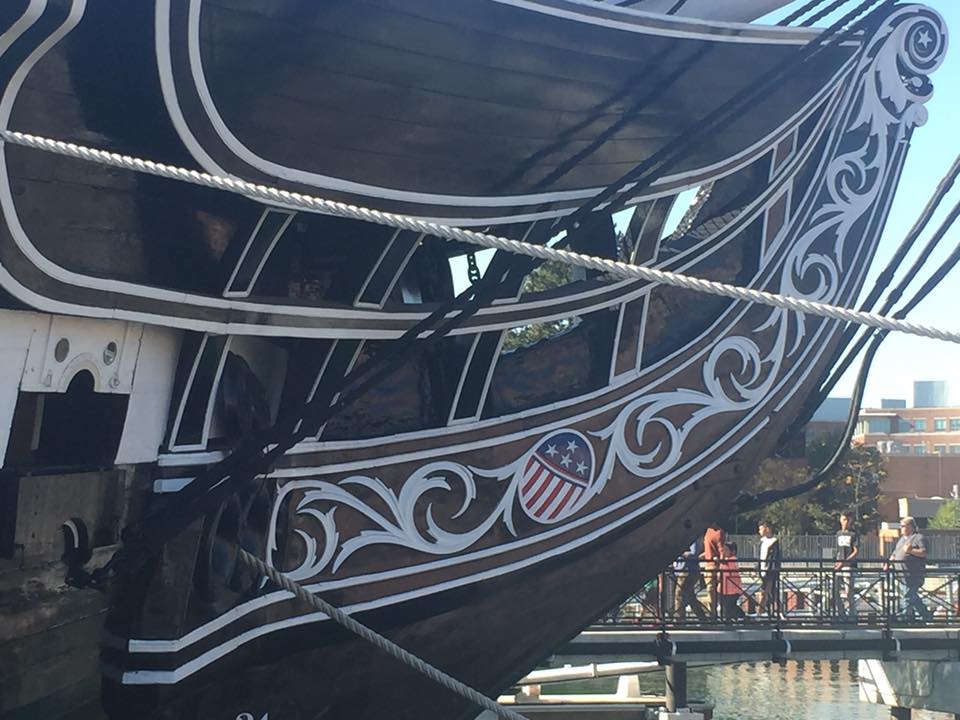




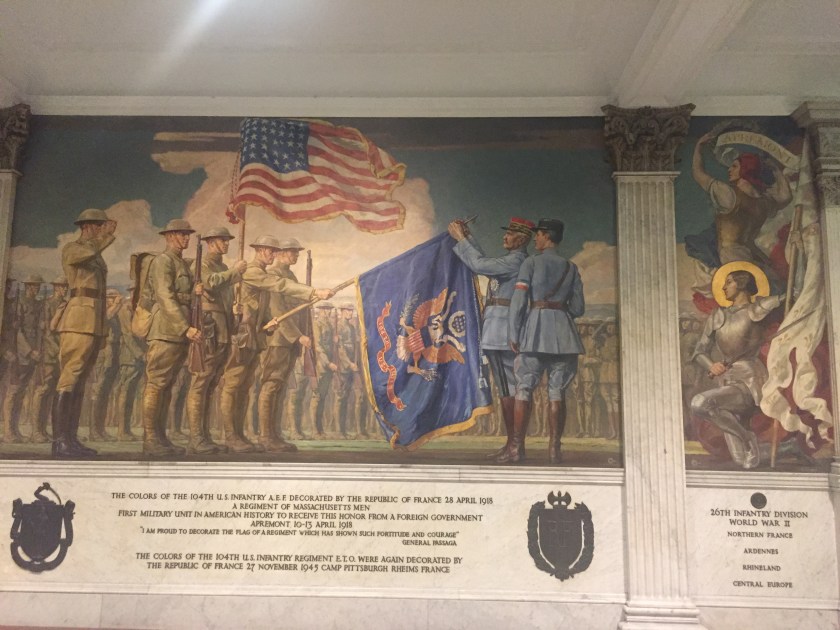








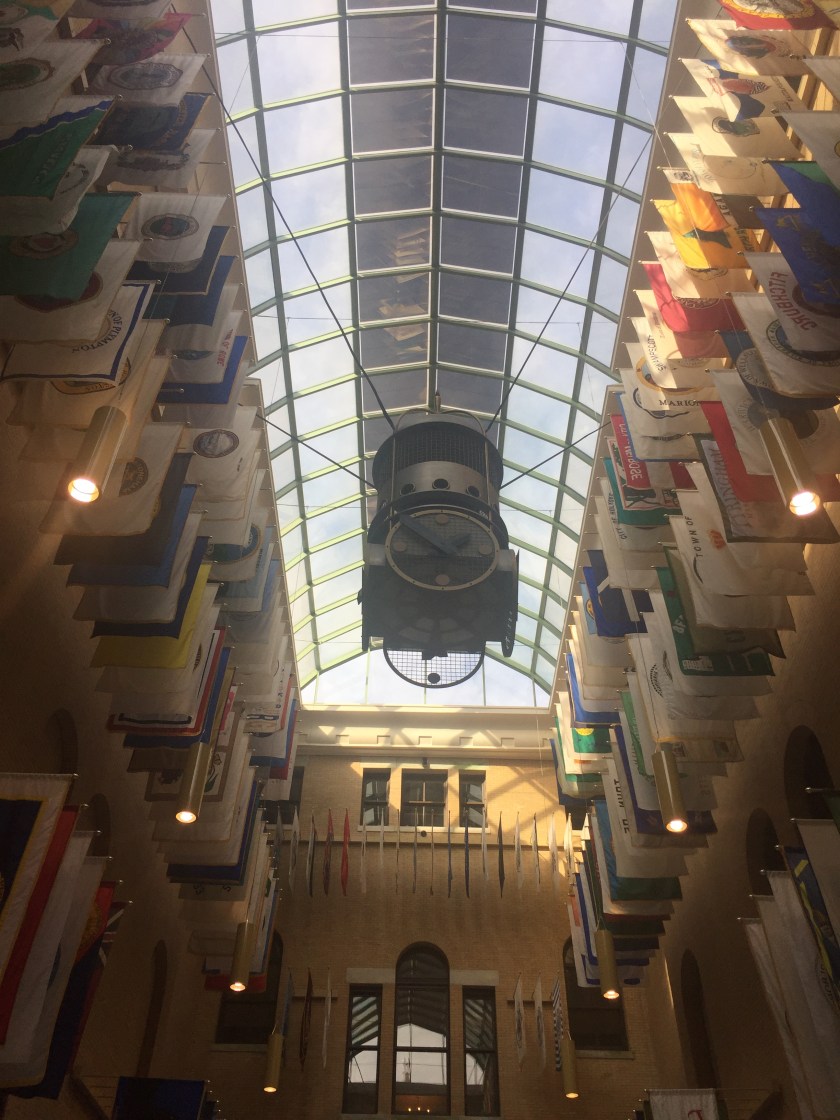
Camera: iPhone 6
Location: Massachusetts State House; Boston, Massachusetts

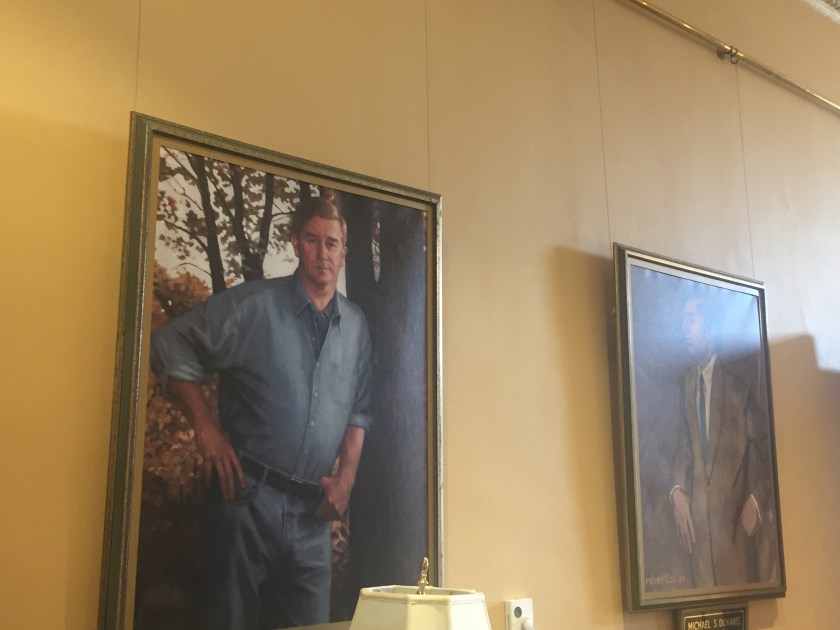
Camera: iPhone 6
Location: Massachusetts State House; Boston, Massachusetts
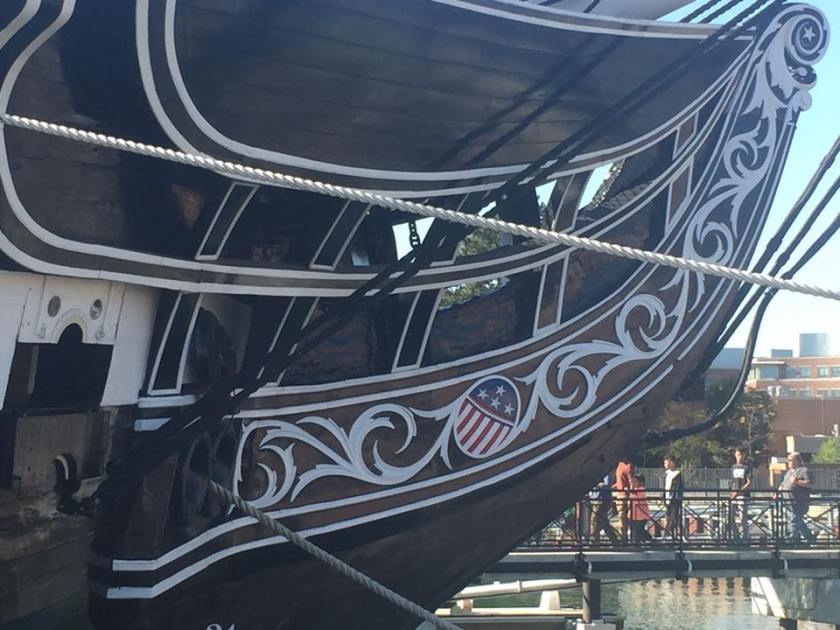

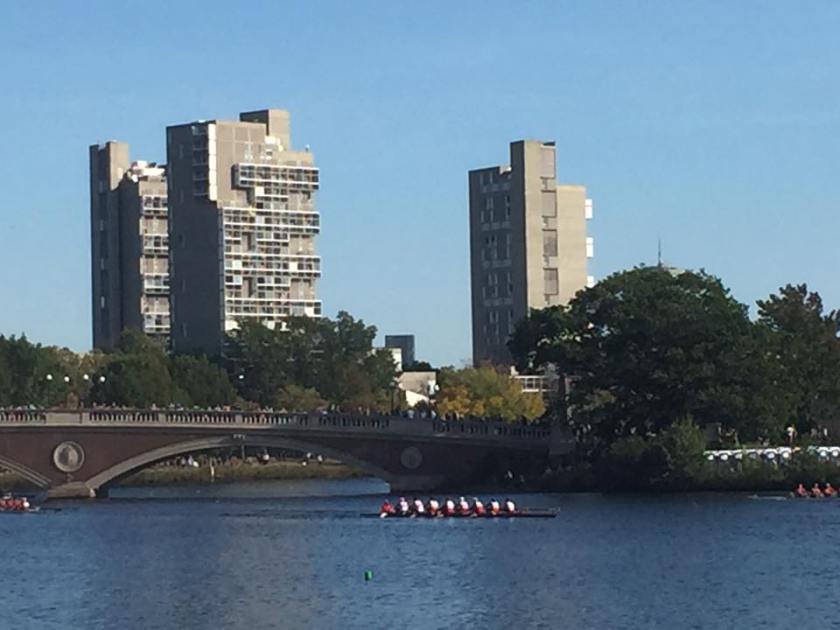

Camera: iPhone 6
Location: Boston, Massachusetts; Cambridge, Massachusetts
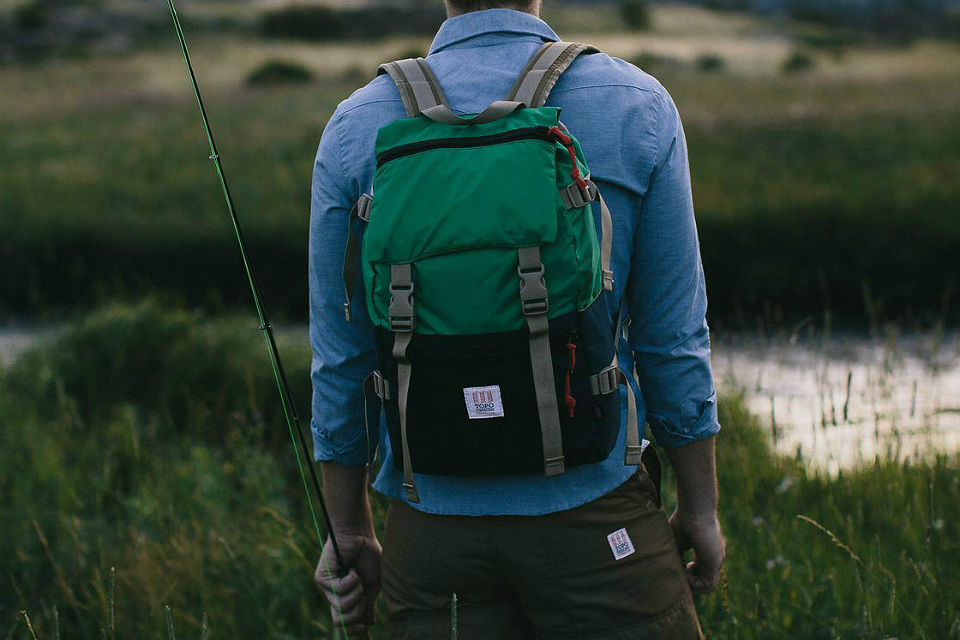
You have the money, you have the time, and you have some destinations in mind: you’re ready to live the nomadic lifestyle for a while and travel the world. This may be your dream life but the question is: are you prepared to make the jump? and do you have everything you need to make the journey? Having the right backpack with you could make the difference between having the time of your life or booking an early flight home.
Where’s Your Backpack?
Despite having the money, the time, and the destinations finalized in your mind, do you have the gear that you’ll need in order to complete the journey? Unless you plan on lugging a suitcase through the Andes or the Himalayas, you’re going to need a sturdy and reliable travel backpack. However, thankfully for you, there are more options now than ever when it comes to travel backpacks and they’re not as expensive as they used to be.
There are dozens of backpacks that I could write about but then this article would be ten thousand words total. Instead, I’m going to focus on three great options that you should seriously consider, one of them which that I have personally used during my travels throughout South America and can highly recommend to my readers.
You can check out a number of options if you visit the website titled, ‘Live Once Live Wild’ and see their ‘What is the Best Travel Backpack’? article which you can access here: http://liveoncelivewild.com/best-travel-backpack/. Regardless of which backpack you choose, you’ll have plenty of good options to choose from.
JanSport Katahdin 40L – Best Bargain
If you’re not looking to spend a lot of money but still want to get some good value out of a travel backpack, you may want to consider buying the JanSport Katahdin 40L. This backpack is made out of Polyester material so it can withstand the elements pretty well and it can store a good amount of camping gear as well as a laptop if you’re going to need to do some work when you’re on the road.
There’s a top loading main compartment, a padded hipbelt for comfort, and dual water bottle pockets on the sides in case you get thirsty. The price may vary depending upon which store you buy the JanSport Katahdin but if you go to (goo.gl/MuNVtX) you can get it on sale now for about $55, which is a pretty good discount considering the original price is about $80. While not as flashy as some other options on the market, this travel backpack has a good amount of features that make it worth a look when you’re shopping for a bargain option that still gets the job done.
Mountaintop 50L
If you can’t spend all that much money, the cheapest option you may want to divulge in would be the Mountaintop 50L. The best thing about this travel backpack is the amount of storage for your items and clothes that you can fit in there. You can do a lot with 50L of storage and there are a lot of deep pockets, expendable collars, a big front pocket, and even a hydration system that make up this backpack. It’s also a comfortable fit for your body and back.
There’s a good amount of cushion and comfort for you so that you won’t feel too uncomfortable during your journeys when you are carrying this backpack around. Even though this Mountaintop 50L is one of the cheapest options out there, it’s still a top rated travel backpack that has become increasingly popular over the past couple of years. If you’re looking to buy one of these bad boys, you can go to (goo.gl/dTCNXI) where you can buy one for only $45, which is extremely affordable compared to other options. As if that wasn’t enough, you can buy the Mountaintop 50L in different colors including red, blue, green, gold, etc.
Osprey Farpoint 55
A personal favorite of mine that I have used during my recent travels in South America is the Osprey Farpoint 55. Depending upon how big you want your backpack to be, Osprey has you covered by offering the average traveler the Farpoint 40, 55, and 70. The bigger your Osprey is, the more expensive it’s going to be to buy. Osprey’s are top-notch quality but they are among the costliest backpacks on the market. However, in return, your Osprey backpack will last for years because of its’ high quality. It’s made entirely of polyester, is resistant to most weather elements, and comes with a lot of storage and space including an extra daypack bag that’s attached to the front of your Osprey backpack.
You can choose from three different colors and you can find the price for the Farpoint 55 at (goo.gl/z3EvQc). As noted, the price of this backpack can range from $160 – $190 so it’s important you make sure to save some money up before you go ahead and click the ‘buy’ button.
If you want to check out some more backpack options for travel, go to your local camping store and it’s likely that you’ll find what you’re looking for. I hope you choose the backpack that you believe is right for you and I’ll see you out there on the road.


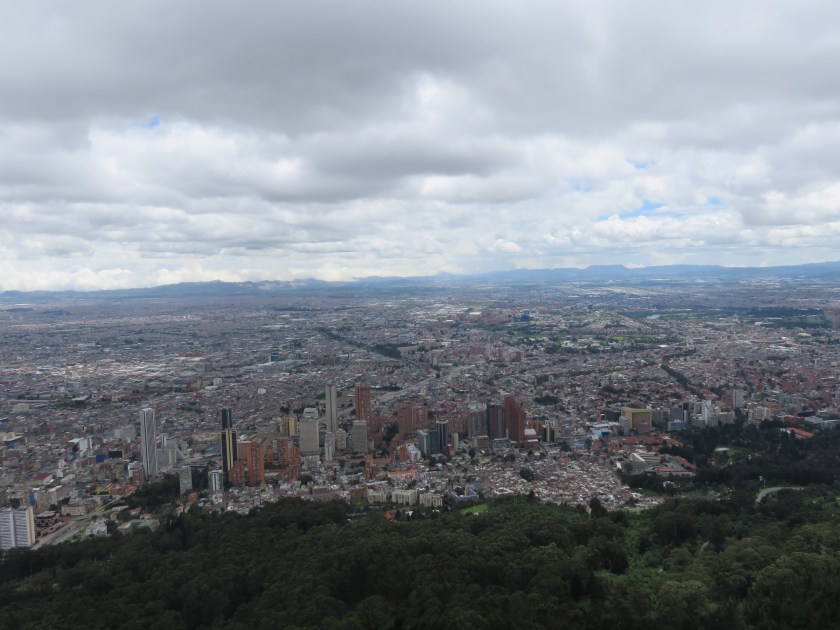


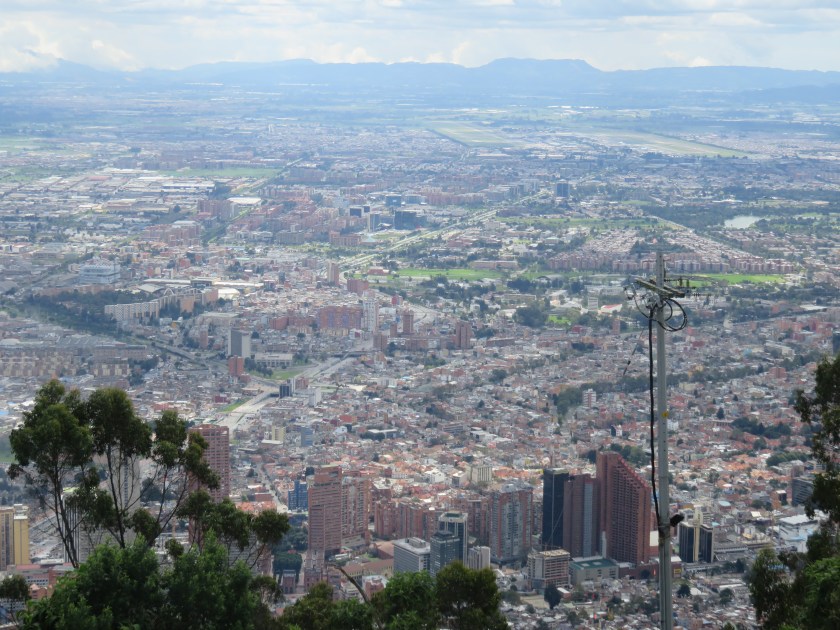

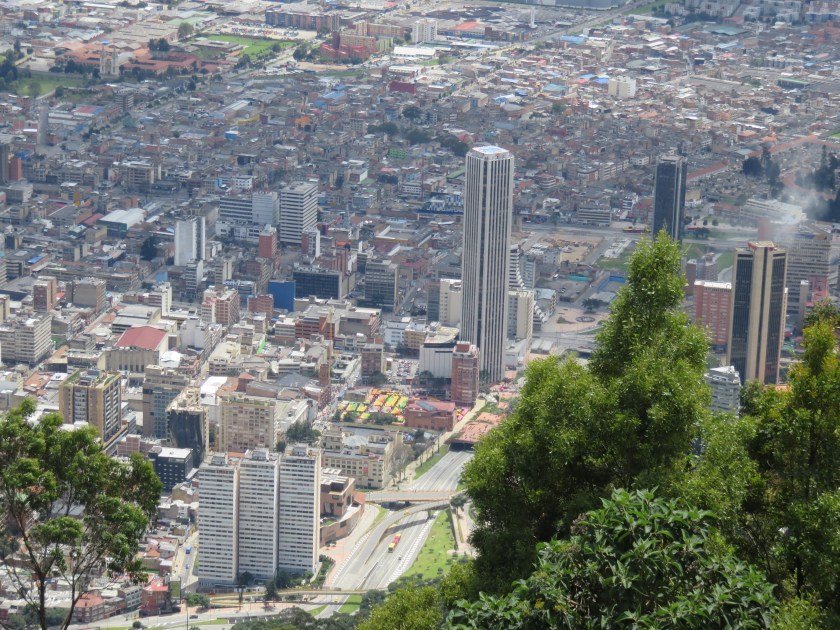
Camera: Canon PowerShot SX710 HS
Location: Monserrate, Bogota, Colombia









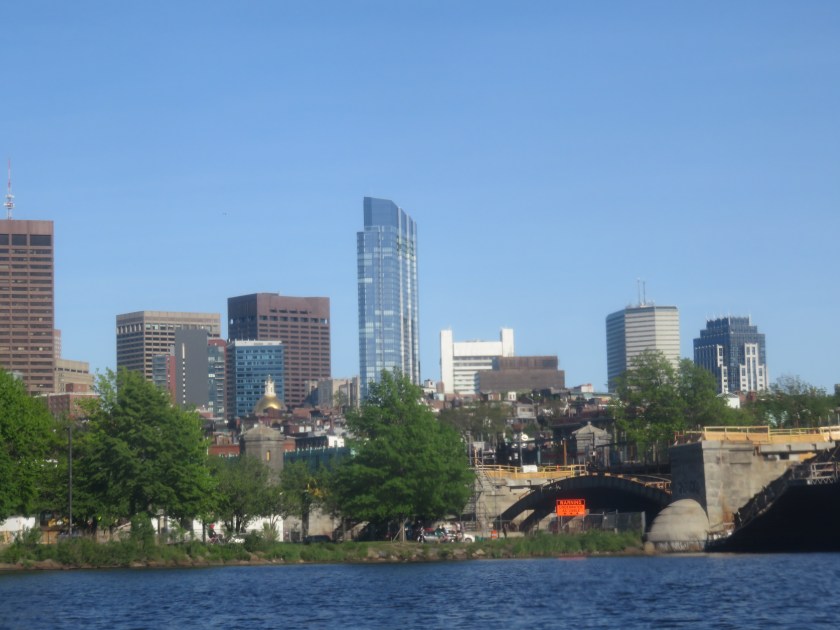
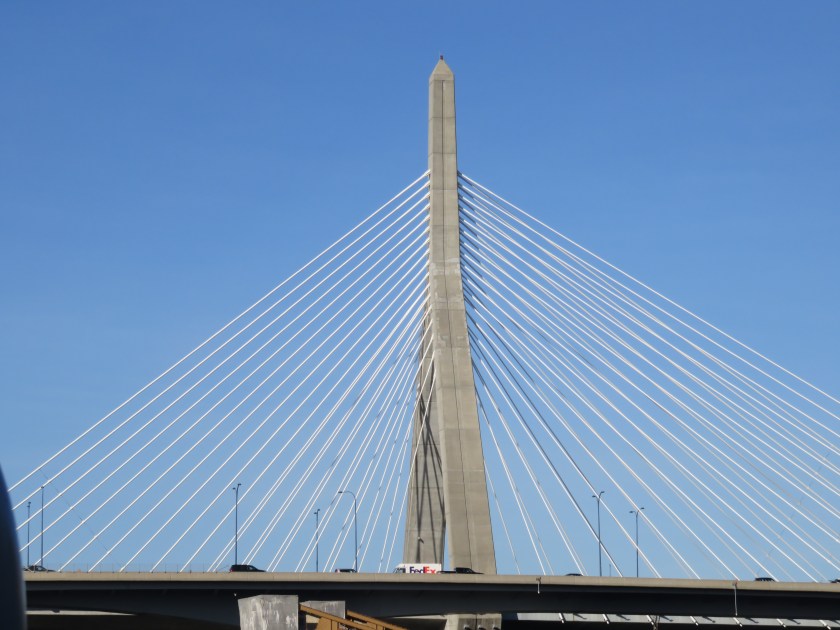
Camera: Canon PowerShot SX710 HS
Location: Boston, Massachusetts, United States
If you’re visiting Colombia and you are really looking for an off-the-beaten track experience that most tourists who visit the country don’t get to experience, then you may want to consider visiting Bahia Solano and Nuqui.
Before you start to book your trip to these two beautiful and distinct places in Colombia, it’s important to do your research first on how you can get there, what to do when you get there, and how to make the most of this mostly undiscovered part of the Pacific coast. Although Bahia Solano and Nuqui fly under the radar in terms of destinations to visit in Colombia, both of these places are becoming more and more popular as more tourists strive to discover these hidden gems.
Nuqui is both a town and municipality located on the Pacific coast of Colombia and is not a very big place when compared to Cartagena, Santa Marta, or Cali. There are only eight thousand residents of Nuqui in total and is located within the department of Choco specifically. The Choco department is wedged between the Baudo Mountains and the Pacific Ocean making the scenery quite unique and appealing to visitors.
There’s a lot of diversity, both culturally and ethnically to discover in Nuqui, and it’s a great chance for tourists to experience the Pacifico culture in Colombia while meeting the friendly and down-to-earth locals. Similar to Bahia Solano and the rest of the Choco department, the majority of the population there are Afro-Colombians or are the descendants of the various indigenous tribes that still call Colombia home to this day. You’ll get a chance to experience a different regional culture that is very different when compared to other regions such as Antioquia or Santander.
What may draw some tourists specifically to visiting Nuqui is the fact that there is an extremely diverse amount of flora and fauna to see and explore. It’s only a short trip from Nuqui to visit the mangroves of PNN Utria where you also have the option to go snorkeling or relax at the Playa Blanca. The main draw of Nuqui is considered to be the pristine beach of Guachalito that is mostly empty but is filled with mocha-colored sand next to a nearby jungle. Between checking out the marine life, hanging out on the mostly untouched beaches, and wading through the deep jungles, there’s plenty to do when it comes to visiting Nuqui.
There are also numerous other activities that you can do in Nuqui as well. If you want to chill out, you can hang out at some thermal springs and rub some healthy mud all over your body. You can do some ecological hikes just a stone’s throw from the beaches and check out some waterfalls where you can do some swimming to cool off. The most popular waterfall is known as the ‘Terco’ waterfall, which is about a four-hour hike but is worth the effort to get there.
If you happen to visit Nuqui between the months of June to October, you can check out whale watching and get up close to those beautiful mammals. Don’t be afraid to hit up the surf with the massive waves that can be found in Nuqui especially ‘Cabo Corriente’ if you’re up for the challenge at a more advanced level. Lastly, you can also tour the Jovi river especially by canoe if you would like to get some exercise into your trip.
In order to get to Nuqui, it’s possible by flying from the Olaya Herrera airport in Medellin or from Bogota with a stopover in the city of Quibdo. You can also take a boat to Nuqui from the beach of Guachalito, which will take about an hour or so.
Bahia Solano is pretty similar to Nuqui in terms of location as they are both located in the Choco department of Colombia. However, compared to Nuqui, Bahia Solano is considered the tourist capital of the Pacific coast of Colombia due to its’ location and its’ relatively cheap cost of touristic activities. Bahia Solano has the only airport on the Pacific coast or in Choco so you can fly to there first from other cities in Colombia before you travel on to Nuqui or another part of the Choco department.
There’s also a seaport, which will allow you to travel there by boat from other parts of the Pacific Coast if that is what you choose to do. Bahia Solano has a little bit of everything to offer the seasoned traveler or tourist. Between the mangroves, marshes, rivers, beaches, mountains, and scenic coasts, Bahia Solano has a natural biodiversity that is unmatched when compared to other destinations in Colombia. The flora, fauna, and overall biodiversity will draw you in as well as other sport activities such as surfing, fishing, and scuba diving. Bahia Solano is very close to other tourist draws such as the beach town of ‘El Valle’ and the nearby Ensenada de Utria National Park, which is also accessible from Nuqui too.
If you are looking for an organized tour within Bahia Solano, you may want to check out Pacifico tours. It will be a good chance to meet new people and explore the undiscovered Pacific coast with customizable trips that focus on your outdoor activity preferences. You can also partake in surfing and whale watching (June through October) through these tours or on your own.
‘Huina’ is a beautiful, remote beach in Bahia Solano that is popular with the locals and hasn’t been spoiled yet. You can choose a number of hikes to do that last from four to six hours to destinations like the ‘el Tigre’ waterfall from playa Aljemal or to the ‘Boro Boro’ area to explore the jungle part of Choco. If you want to do canoeing in Bahia Solano, you can tour the Rio Tundo to combine exploring the coast with exploring the jungle by passing through this river.
Whatever you decide to choose to do, Nuqui and Bahia Solano have a lot to offer the average tourist or traveler. You are going to be impressed by the natural beauty, warm people, and agreeable climate that you will encounter when you visit this part of the Pacific coast of Colombia. Have a good time and remember to take some pictures and video to remember this unique travel experience.
________________________________________
Note: For this blog post, while I haven’t been to either of these places yet, I did some thorough research regarding these two destinations as well as talking to other Colombians and friends of mine about these places. They have been highly recommended to me and I hope to visit Bahia Solano and Nuqui in the future.
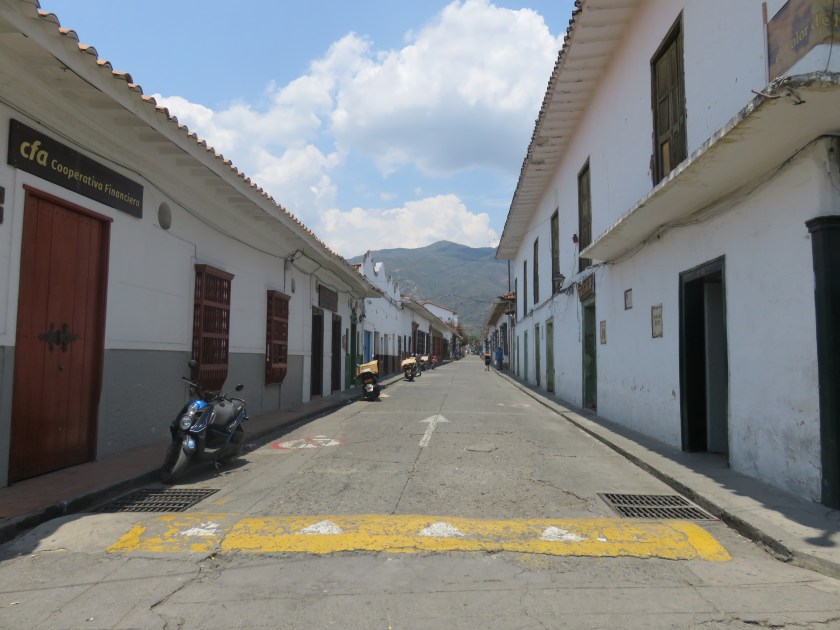
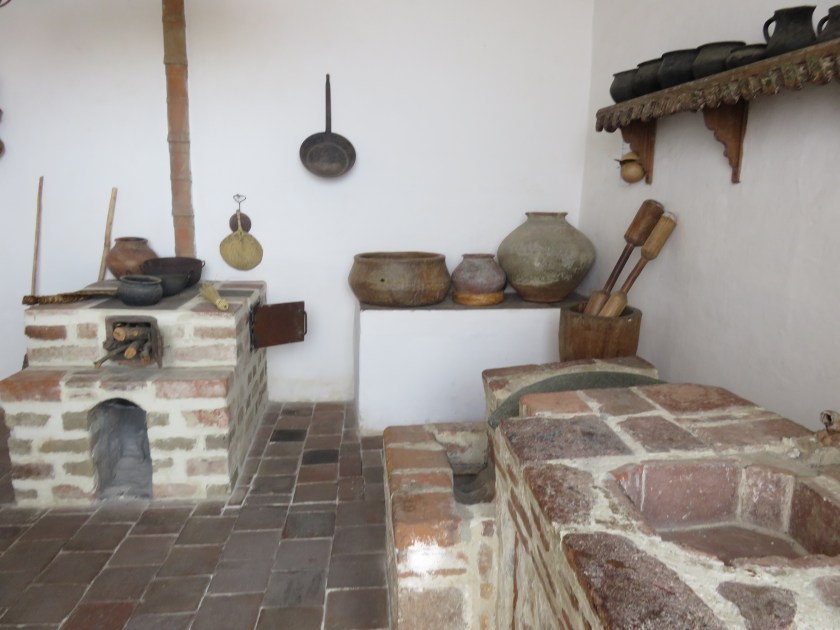
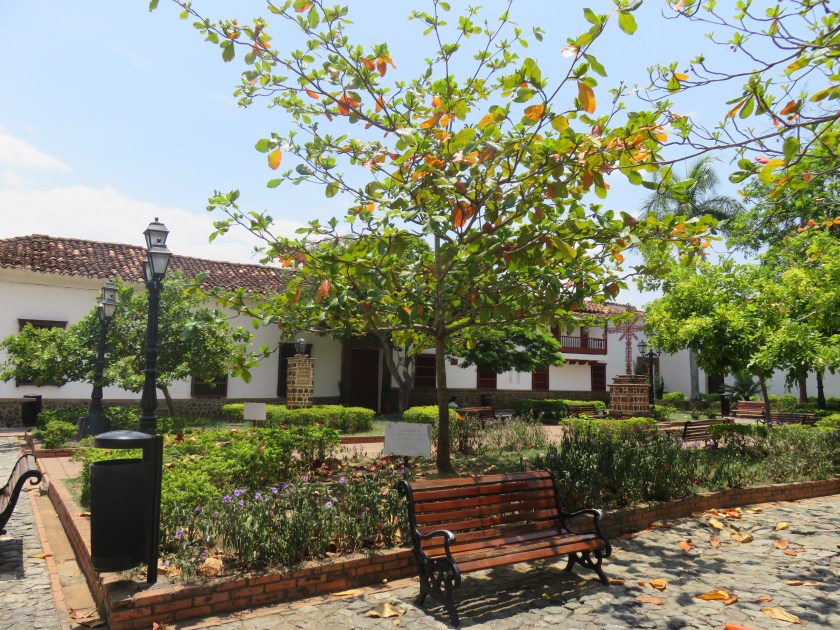


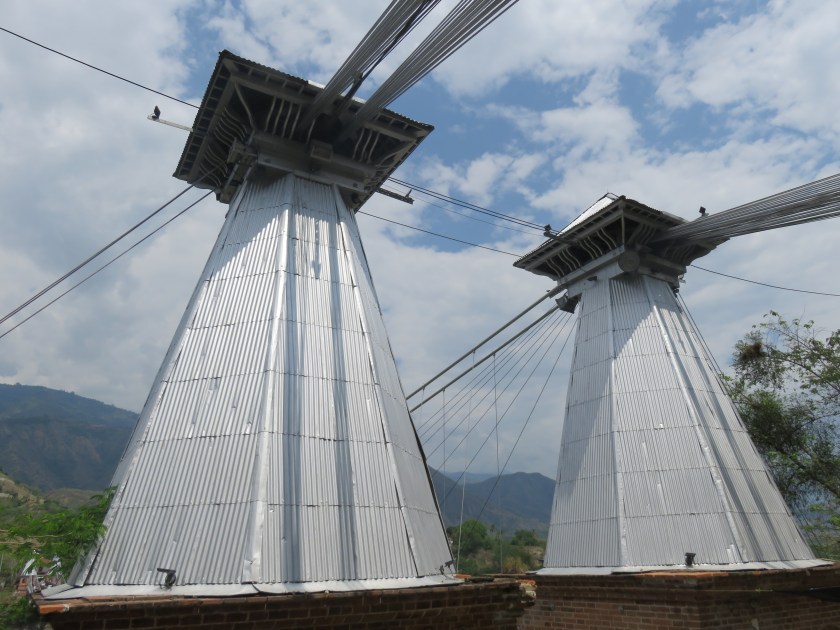
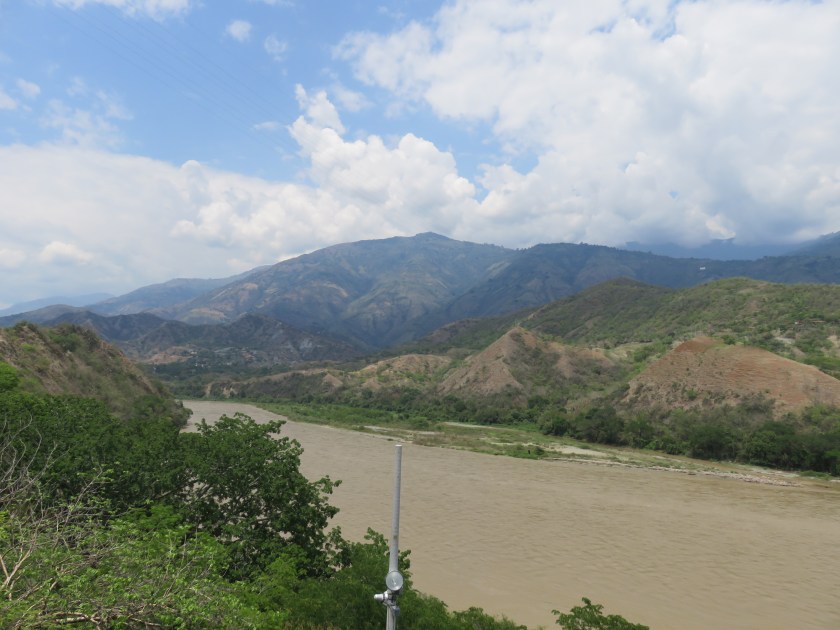
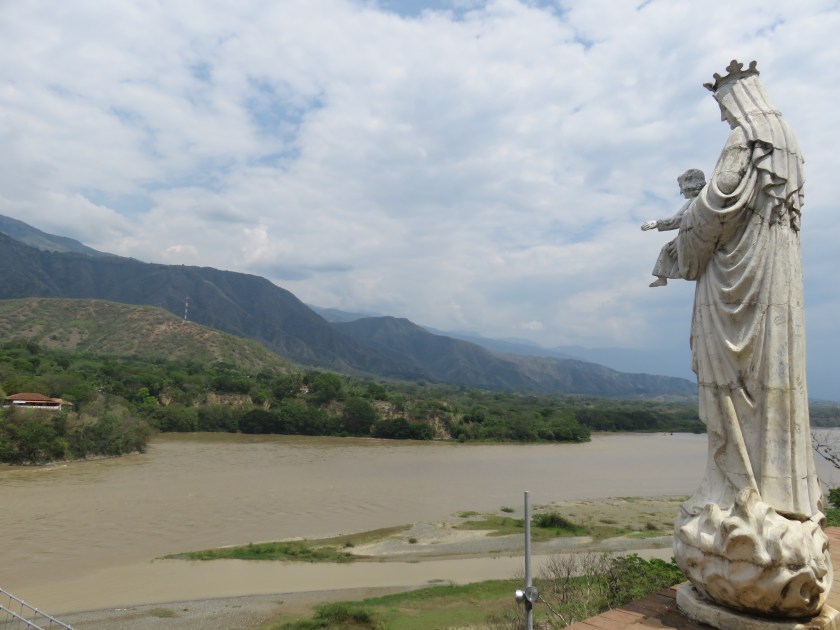
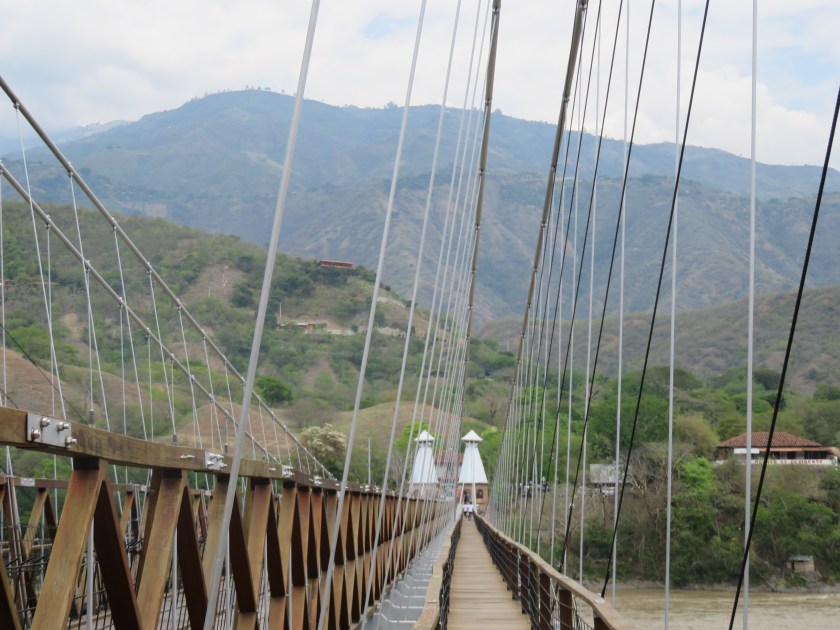


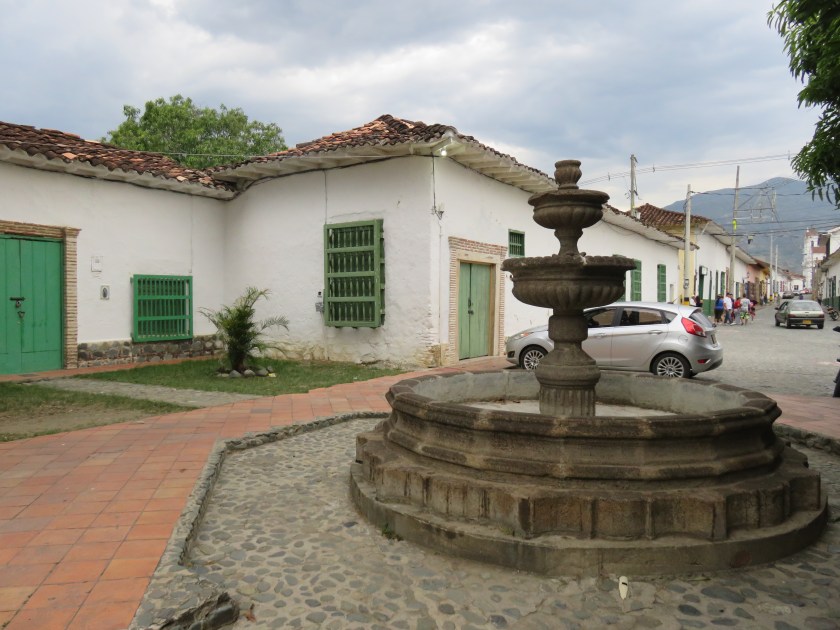
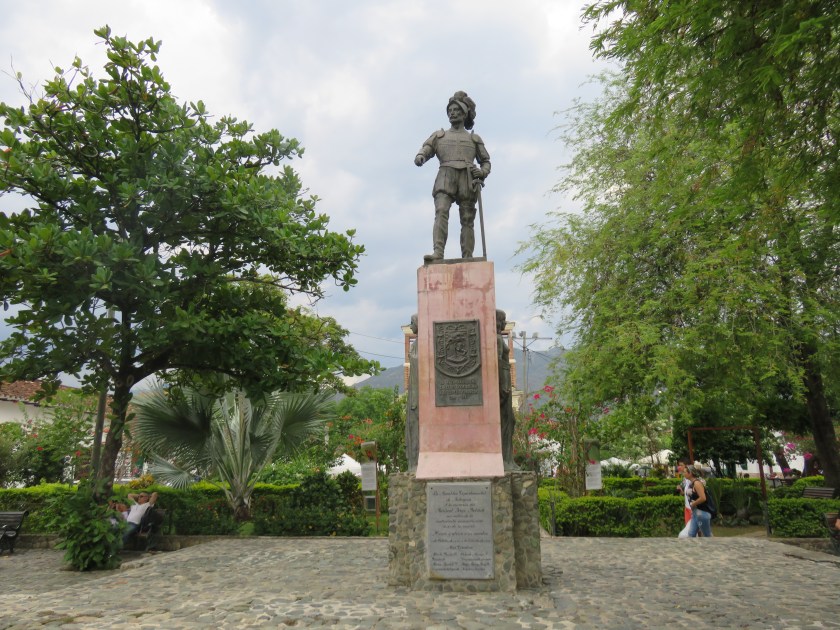


Camera: Canon PowerShot SX710 HS
Location: Santa Fe de Antioquia, Antioquia, Colombia
Most visitors and newcomers who arrive in Colombia may be surprised to find out that the national sport of the country is not ‘football’ as most people would guess given how popular the sport is around the country and due to the high quality of the national team shown in international competitions such as the FIFA World Cup. While Colombians may have the most passion for ‘the beautiful game’ of football, the national sport of Colombia is actually the game of ‘Tejo.’ This was actually an official decree made by the Congress of the Republic of Colombia back in 2000. While not as massively popular as football, Tejo is considered the second most widely played sport in the country and actually fields both teams and competitions in different cities.
Tejo is the oldest sport in Colombia and dates back over five hundred years and is said to have originated with the Musica indigenous tribe who speak the Chibcha language and were based in the northwestern part of Modern-day Colombia. Luckily, the game of Tejo hasn’t changed much since the Musica indigenous people first introduced it in the early 1500’s. However, it’s likely that they used a golden disc known as the ‘Zepguagoscua’, and the game of Tejo was known as ‘Turmeque’ back then and was played mainly by the indigenous peoples located in the modern regions of Cundinamarca and Boyacá.
The Spaniards who came to Colombia are known to have used wooden disks when they played the game and focused more on the accuracy of their throws than the distance of the throws, the latter which is more of a factor when playing the modern game today. From gold disks to wooden disks to stone disks to now using iron metal discs for playing, the game has evolved mainly in what material you’re using in order to get the furthest yet most accurate throws.
The main objective of Tejo hasn’t changed that much though in that you’re going to want to take the iron metal disc in your hand and underhand toss it about 15-20 meters so that you’ll hit the metal ring known as the ‘bocin’ as well as the ‘mechas’, which are triangular paper packets that are filled with gunpowder. You get the most points for hitting the bocin in the middle of the clay landing field but you can also receive from three to twelve points from hitting the different mechas and causing some loud explosions that are likely to earn you both some cheers and high fives.
While players should focus on the metal ring, you’ll also want to focus on hitting as many mechas as you can when you step up to throw the iron disk. When you hit the gunpowder packets, there is a loud bang like an actual gunshot and you may even see some white smoke emerge from the exploded triangular packets. Tejo is a pretty simple game to learn and only takes a couple of tries for you to get the hang of it. The iron disk only weights about two kilograms or so and if you get a good arch on the underhand throw, you’re likely to hit the clay field or even the mechas, bocin if you’re lucky. Tejo is a mix of skill and luck in my opinion but it’s quite exciting to play especially when you make some of those gunpowder packets explode for everybody to hear.
Both men and women are welcome to play Tejo and the only difference is that guys use the two kilogram iron disc and the ladies can choose to use a smaller, one kilogram iron disc if they would like to as well as being able to do the underhand throw from about fifteen meters away, which is a bit shorter than the regular distance of twenty meters or so. These rules aren’t mandatory for women so it is up to the individual lady what kind of distance or disc that she intends to use for Tejo.
Tejo is also a team game so you can play with up to five other people on the same time to face another team with the same amount of people. You’re often rooting each other on to hit the bocin or mechas in order to reach a certain amount of total points in order to win the match. There are numerous amounts of teams and competitions that are held all across Colombia and even in the neighboring countries of Venezuela, Panama, Peru, Ecuador, etc. Prize money is often involved in these competitions so certain Tejo players take this game very seriously if you’re playing for more than just bragging rights.
Tejo has become quite a popular sport with tourists and foreigners who come to Colombia and you can include me amongst those people. One of the aspects that Tejo that first time players find to be interesting is the ability to drink alcohol such as beer, rum, or aguardiente during a game. While this next statement can be disputed, it’s possible that you will get better throwing the Tejo at the clay field the more you drink although it depends on the individual player. It’s important to note that you can play Tejo completely stone cold sober and you would still have a lot of fun. Tejo is overall a social sport that should be enjoyed either amongst friends or between close-knit teams.
Unfortunately, it took me about ten months of living here in Colombia to finally play the sport of Tejo but it’s easy to say that I’m glad I finally did. While I wouldn’t play it competitively, it’s a sport that is a lot of fun and a great way to meet new people or locals in your city. The combination of throwing metal discs at gunpowder triangles while drinking a cold beer is a good one overall. Tejo has been apart of Colombian culture going back to over five centuries ago and it doesn’t seem to be going away anytime soon.

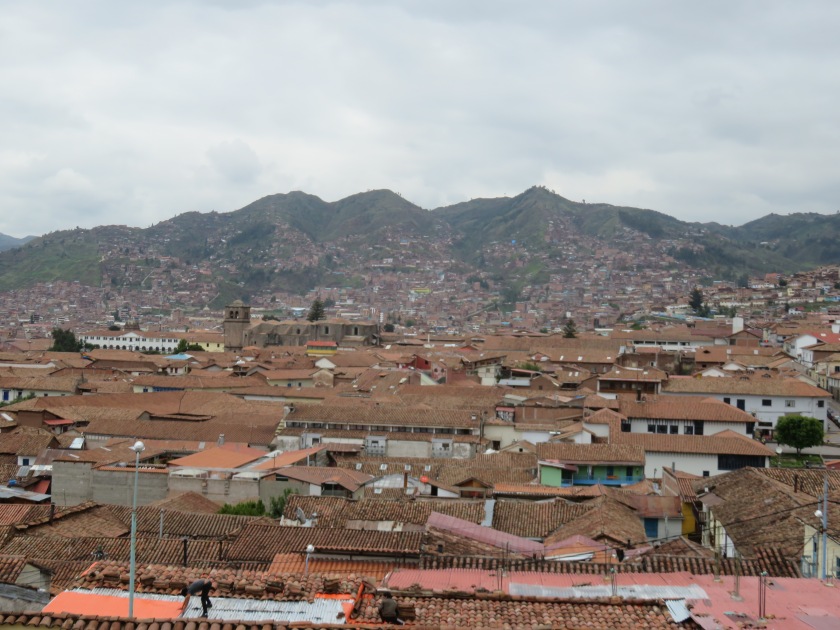
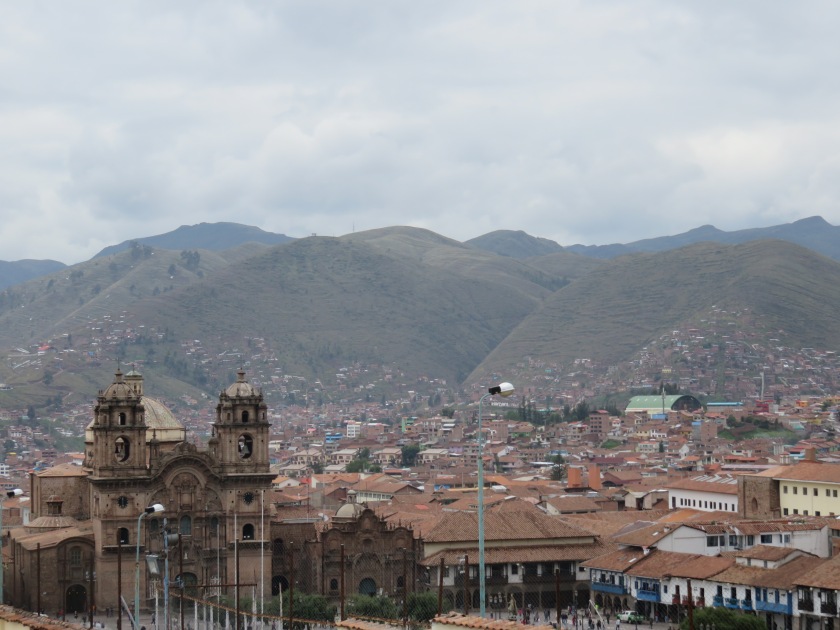
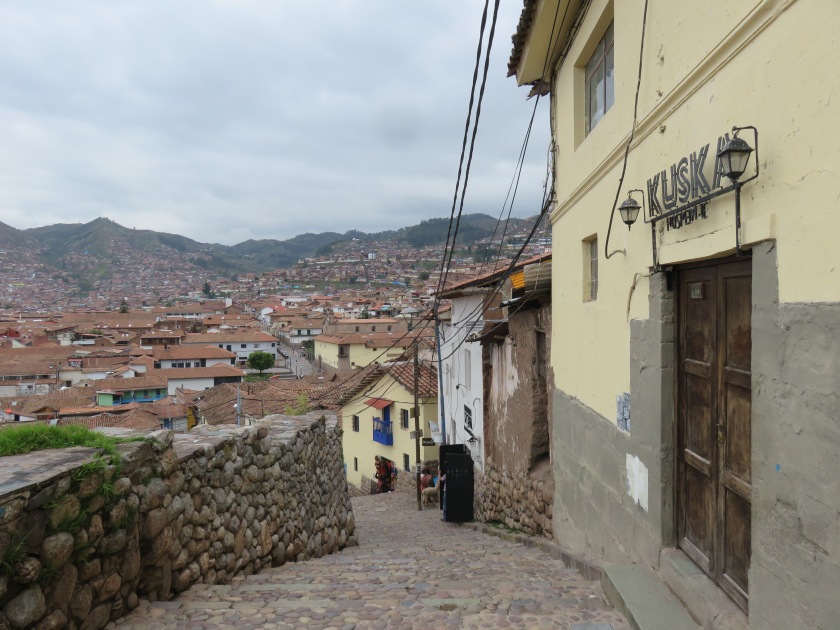
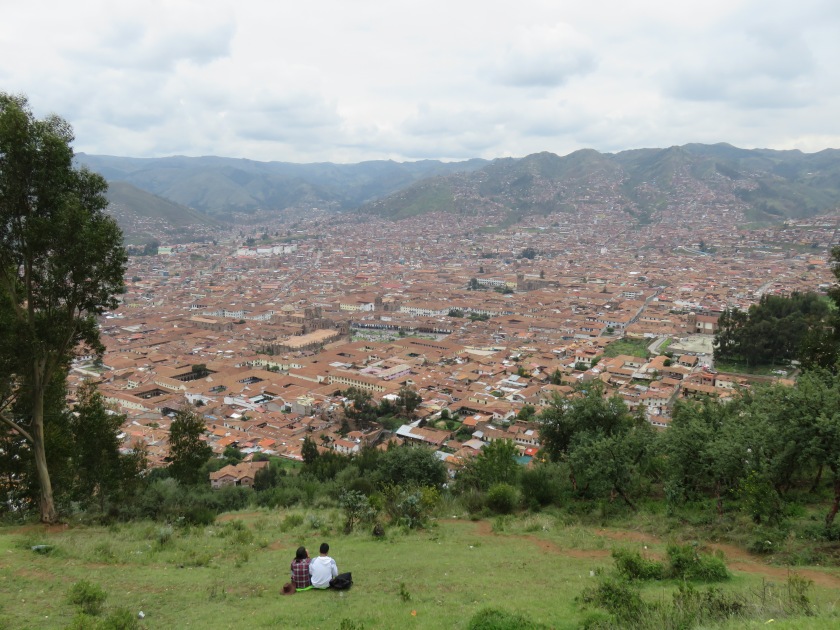
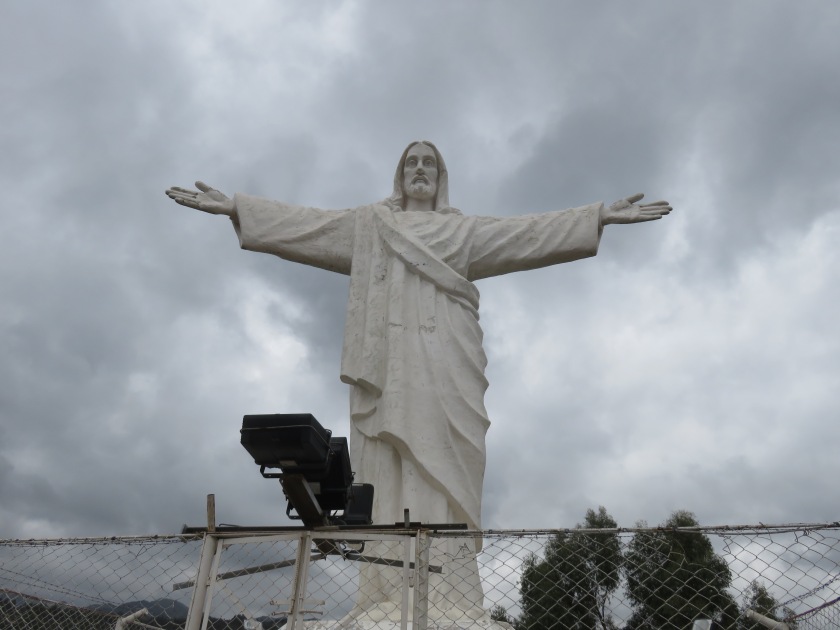

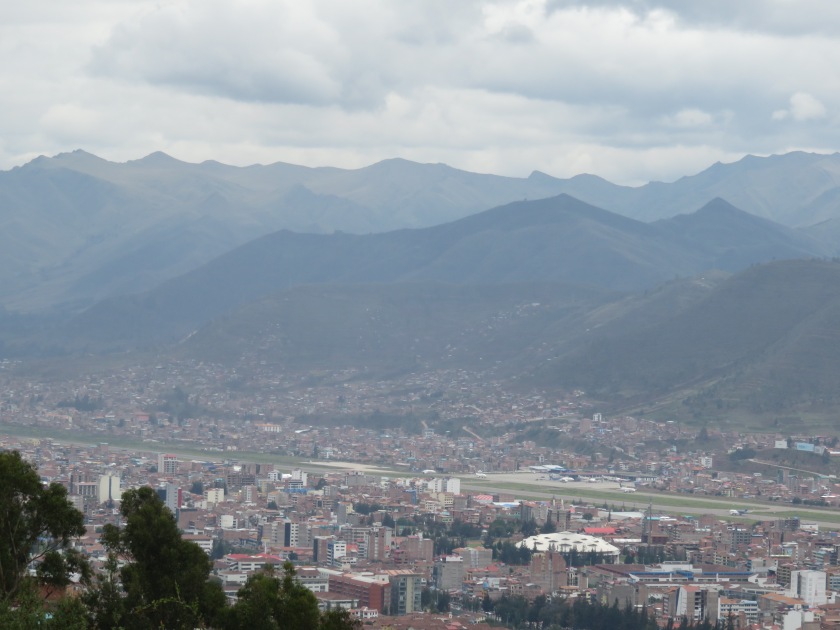
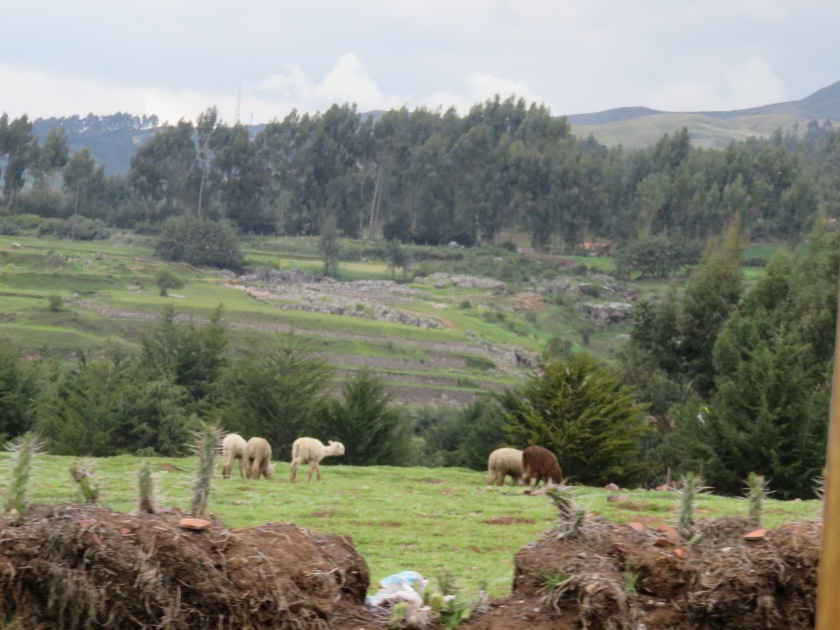
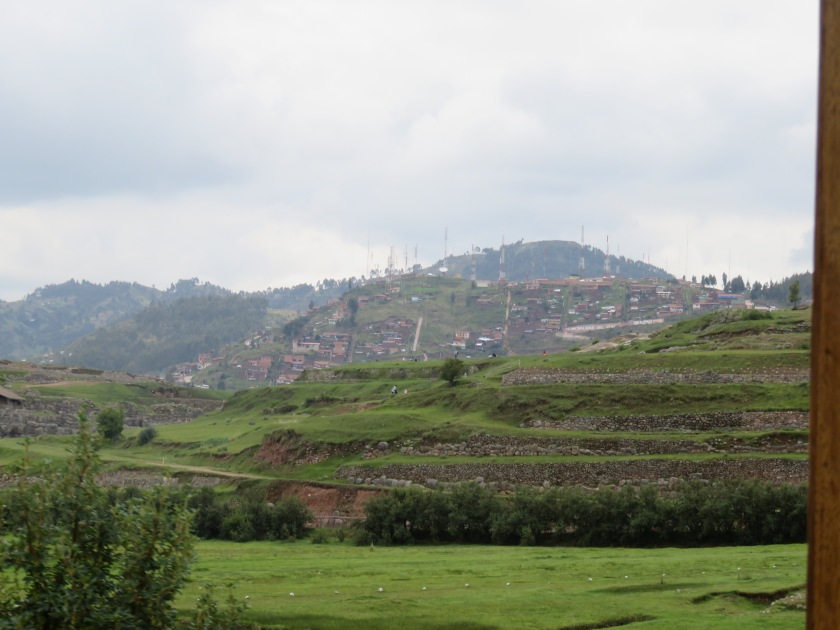
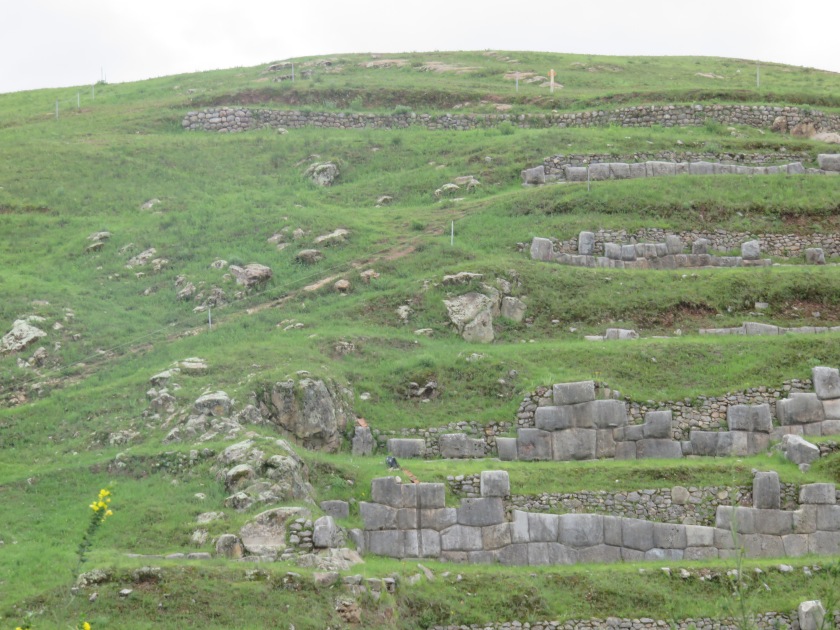
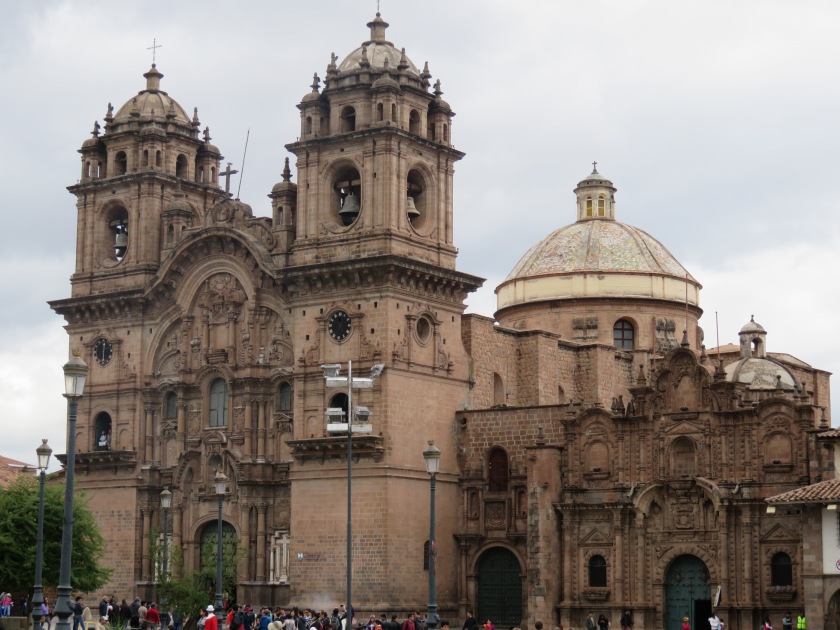
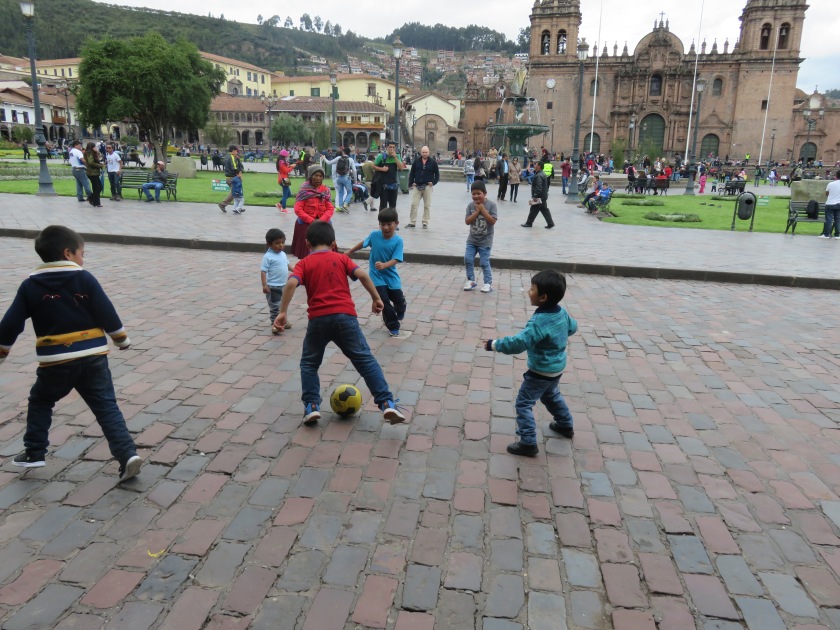
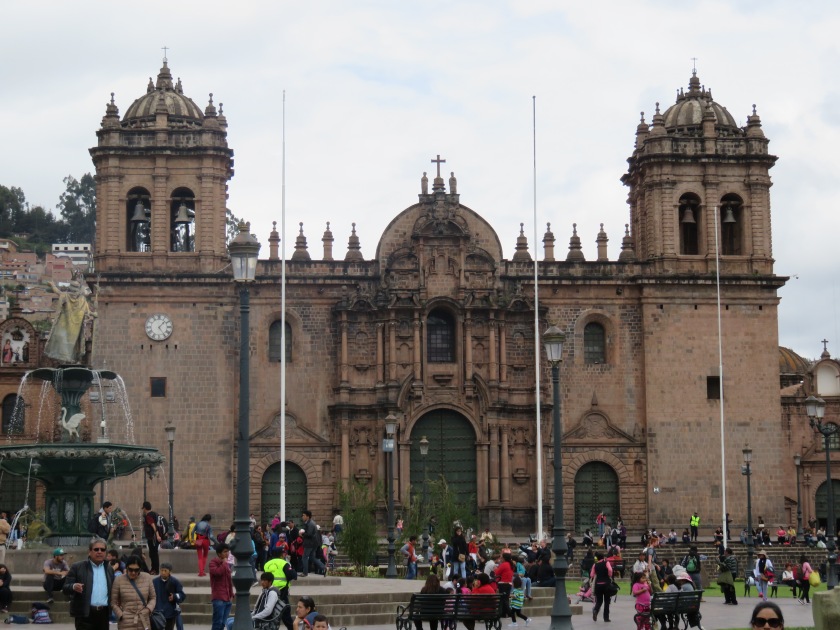
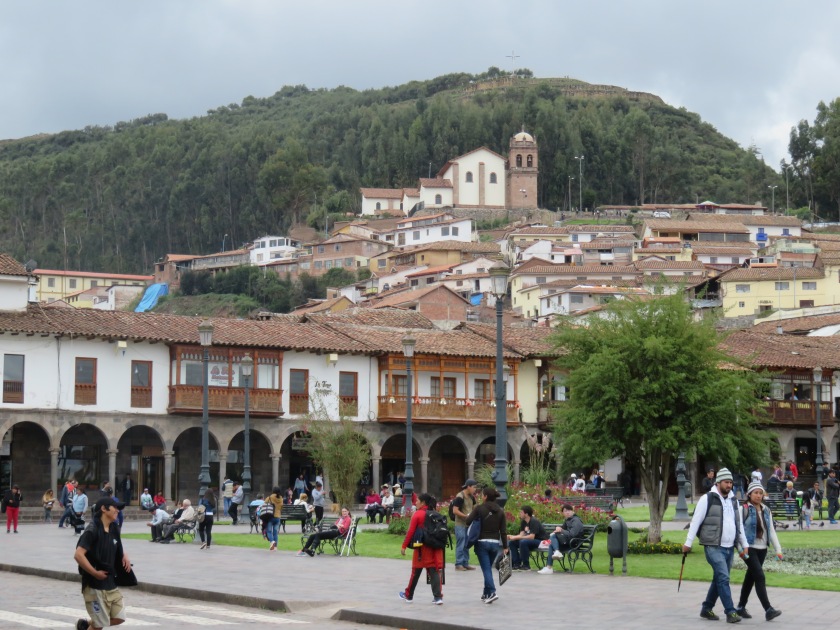
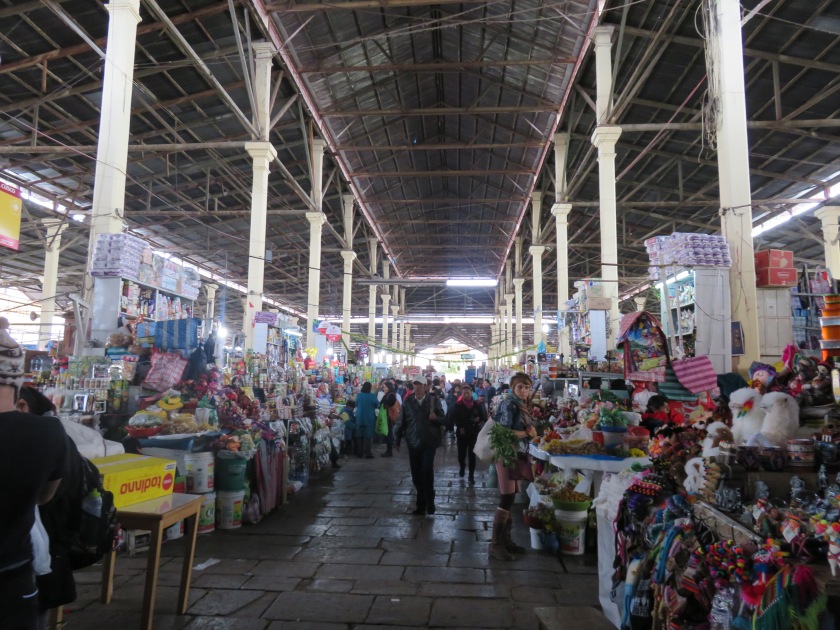
Camera: Canon PowerShot SX710 HS
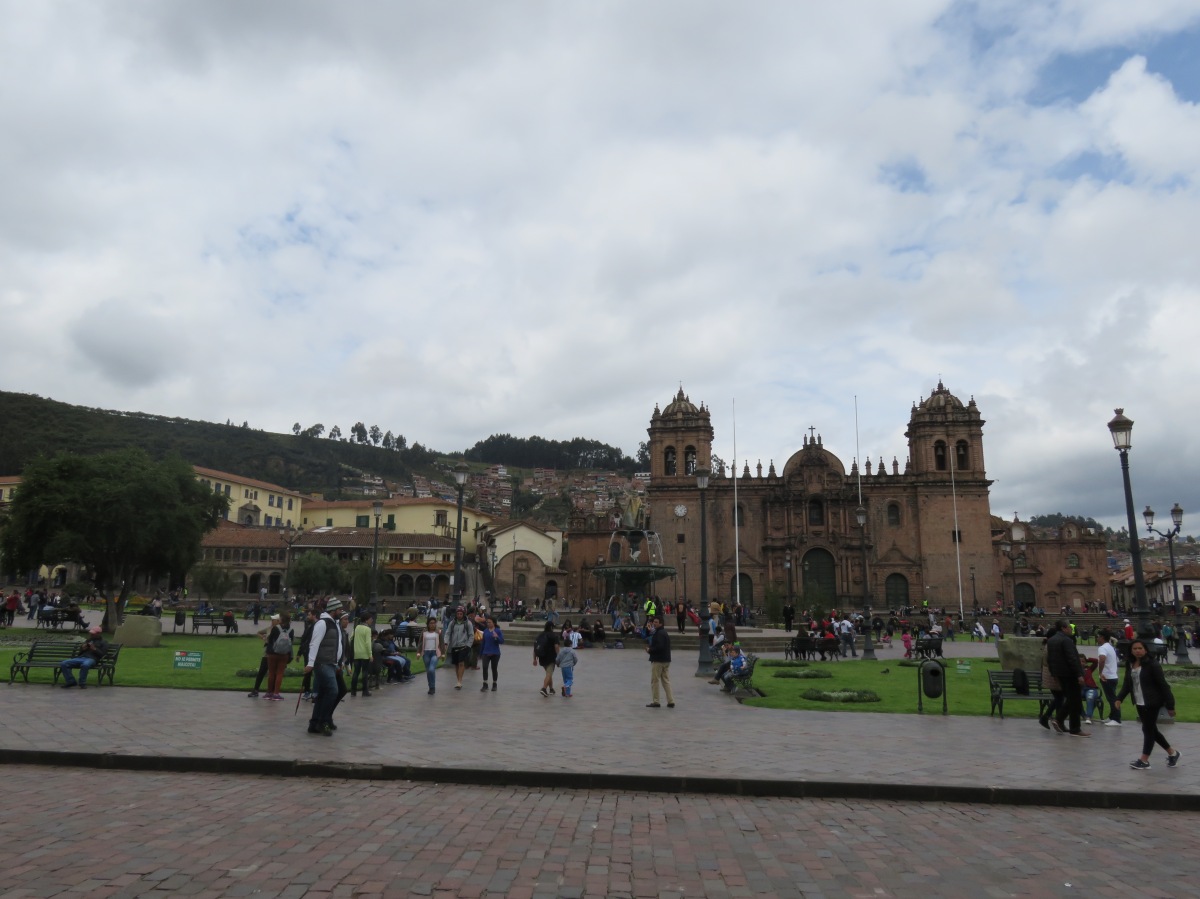
Location: Cusco, Peru
There are few places in the world, which you can truly regard as being special and awe-inspiring. We describe these places as being a ‘wonder’ of humanity and one that represents our brief yet influential time on this planet. Before I came to Machu Picchu, I believed that the only other place that would classify as a ‘wonder’ to me would be the archaeological site of Petra in southern Jordan. A ‘wonder’ both of history and of architecture that goes back thousands of years is what sets apart places like Machu Picchu in Peru and Petra in Jordan. These places that touch on the cultural and historical legacy of man are what drive us to be resolute in protecting these artifacts of mankind and making sure that they are around for future generations.
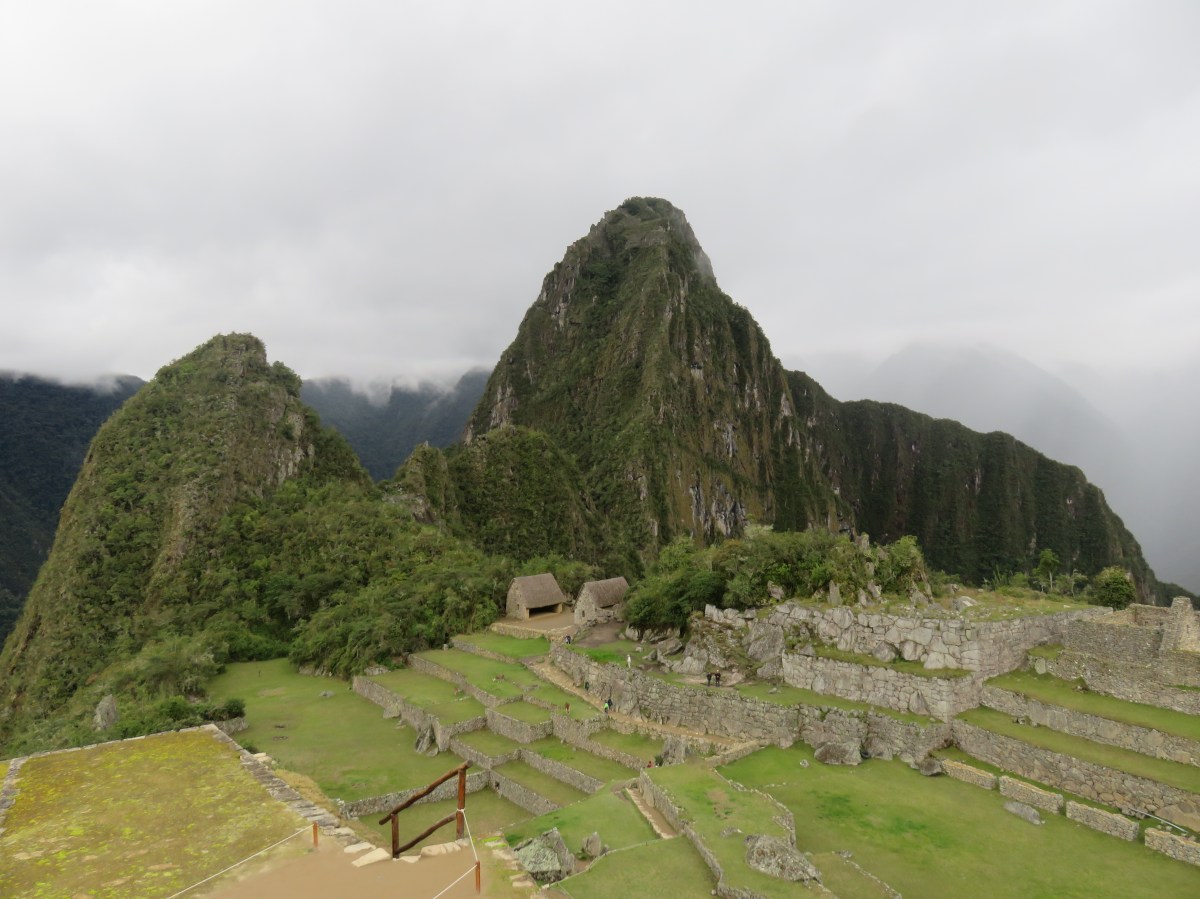
I consider myself to be incredibly lucky to have visited Machu Picchu just recently a couple of days ago. For those who don’t know, Machu Picchu is quite isolated from any major modern city or town but is possible to get to by train and bus due to the wonders of modern technology. Situated between towering mountains and located alongside the flowing Urubamba river, Machu Picchu is not only a wonder of Incan architecture and construction but is also a natural marvel due to the backdrop it has with the surrounding green mountains, wispy clouds, and the numerous kinds of plants that inhabit this part of Peru.
Among the things that stand out about Machu Picchu is that you feel isolated from the rest of the world. It may be the towering mountains that surround this archaeological site or it could be the fact that wispy clouds envelop your presence but you feel very that you’re secluded from other kinds of environment. The higher you climb in elevation, the world gets much quieter and you’re able to reflect more on not only the site of Machu Picchu that lays before you but also about life or whatever is on your mind in general.
I’m far from being an expert on ancient civilizations, especially the Incan civilization of which I know relatively little about but you have to give the people of this group considerable admiration and awe by the fact that they were able to build such a city in the most remote of places. The fact that it was possible for them to create an infrastructure out of rocks, stone, and wood in order to sustain themselves under ever-changing weather conditions is quite remarkable.
To be able to plant and harvest food, create a running water supply, and be able to construct encampments to house hundreds of Incans is very impressive to consider. Not only was there a high risk of death or injury to climb these mountains with heavy rocks or stones attached to your backs, it is likely that you would be on your own if you sustained serious injuries given that there were no modern medicines or hospitals or rely upon.
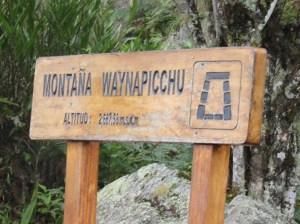
It is difficult for me to list a favorite thing about my trip to Machu Picchu. I really enjoyed climbing to the top of Huayna Picchu at 2,700 meters in total altitude despite my exasperated breath and tired knees. The views from this perching point above Machu Picchu are extraordinary and are something that I will never forget. Besides being able to take a bunch of pictures, it was great to sit and reflect on the wonder that lay before me. At a couple of thousand meters in the air, all your problems dissipate for a moment and you can truly hear the sound of the wind and the movements of the clouds. You can close your eyes and hear nothing but the sound of your own thoughts if you are so lucky.
Thanks to the efforts of the Peruvian Ministry of Culture, Machu Picchu is amazingly well preserved and should be around for future generations to enjoy. A limited amount of tourists, a couple of hundred in total per day can visit Machu Picchu and is a good idea to make sure that none of these famous Incan ruins will be damaged, tampered with, or destroyed. To lose such a precious treasure such as Machu Picchu or any other wonder of the world would be a tragedy for humanity and its’ history on this planet. While it was not cheap to get to Machu Picchu, I can fully understand why we as tourists pay the costs of admissions to visit these beautiful sites.
We do it to make sure that other people have the chance to experience these places firsthand and are able to share it with their children and grandchildren. I am quite lucky to have been able to visit such a wondrous place and I will remember my day at Machu Picchu quite fondly. If you’re reading this blog post and desire now to visit Machu Picchu, I would recommend that you do it with the knowledge that you do some research about the place, respect it during your visit, and do your best to take the experience in not just through your camera lens or smartphone but through your own eyes and ears.
To me, Machu Picchu is more than a lost Incan city of hundreds of years ago; it is a beautiful and awe-inspiring place of natural scenery. With its’ many mountains, huge river, and hundreds of diverse plants, this place can help you reflect not only about the past but on the present and future of yourself, humanity, and the planet itself. With any tourist site that’s located in a unique location, precautions and steps must be undertaken to make sure you have an enjoyable visit. Please make sure you bring some sunscreen, an umbrella, appropriate clothing and a lot of water. The weather can be quite unpredictable at Machu Picchu and it would be good of you to prepare to experience all four seasons in just one day at the site. Best of luck to you reading this post if you decide to take the journey to Machu Picchu. I promise that you won’t regret it.