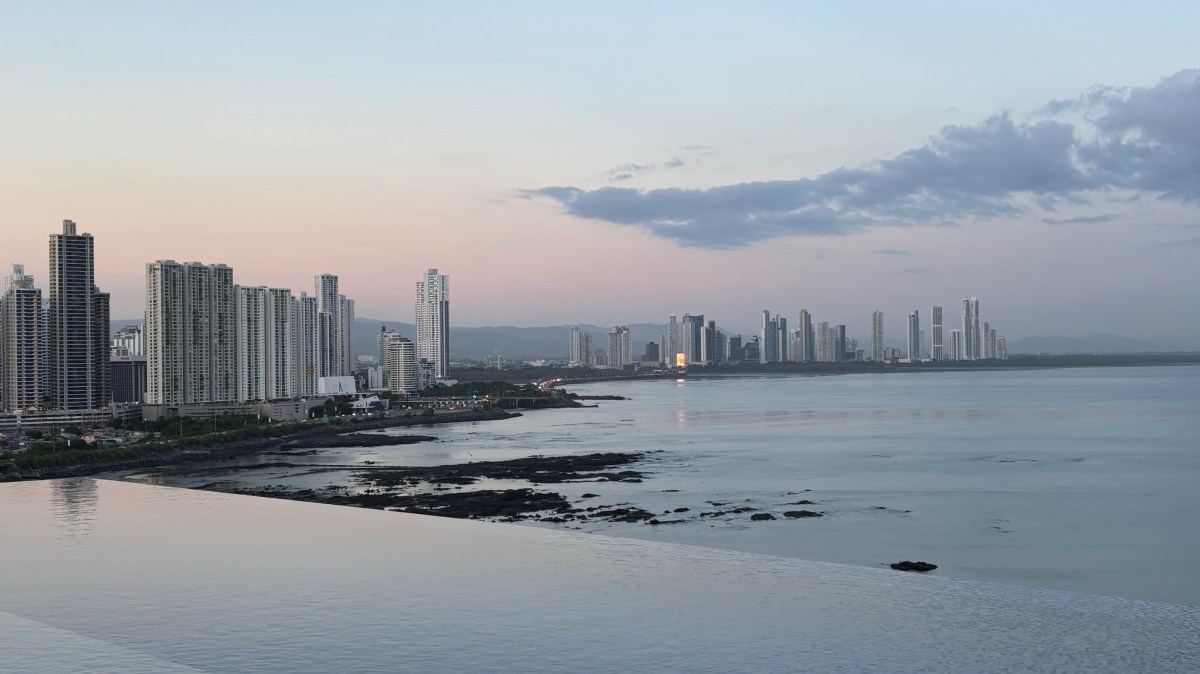
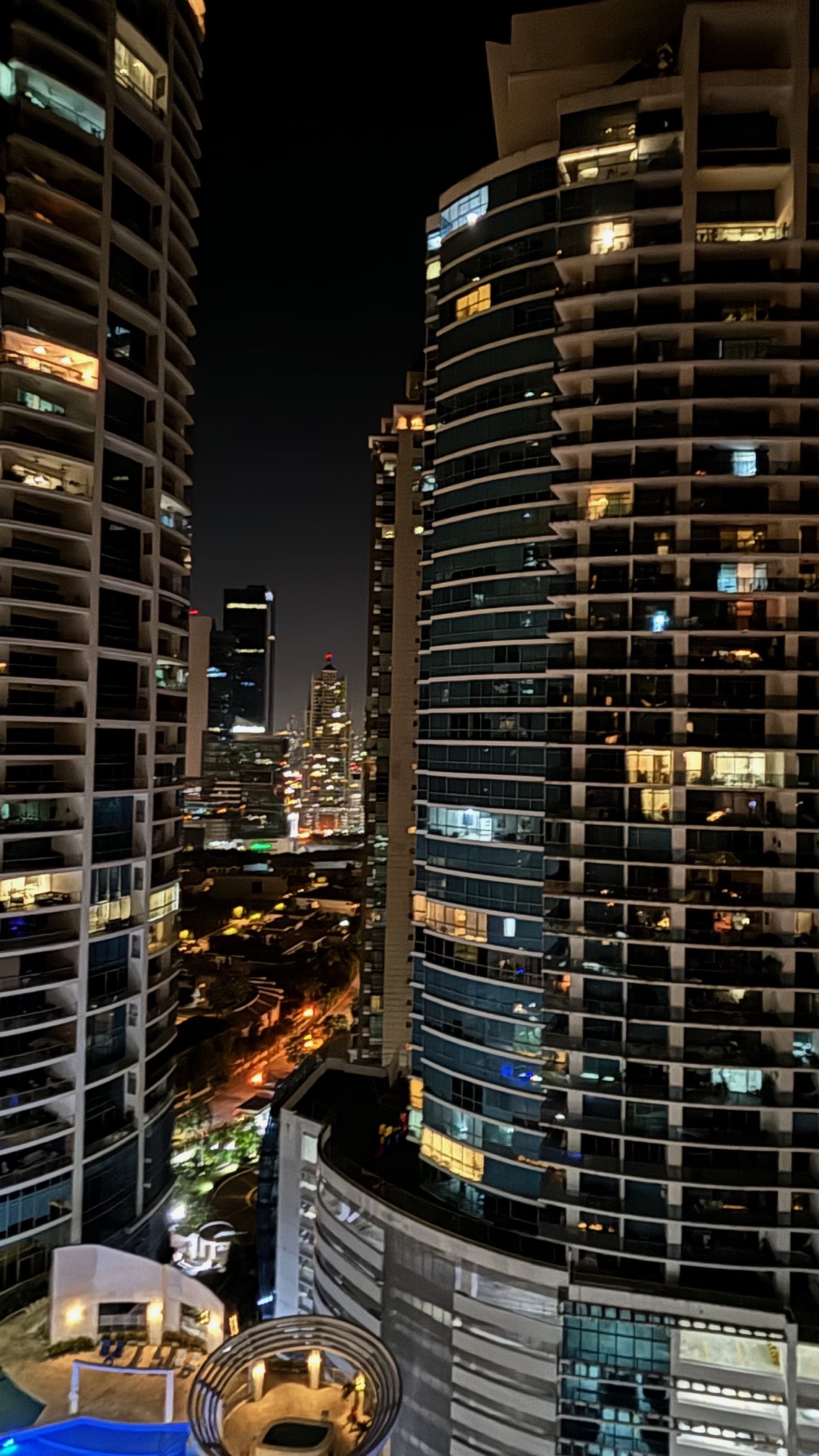
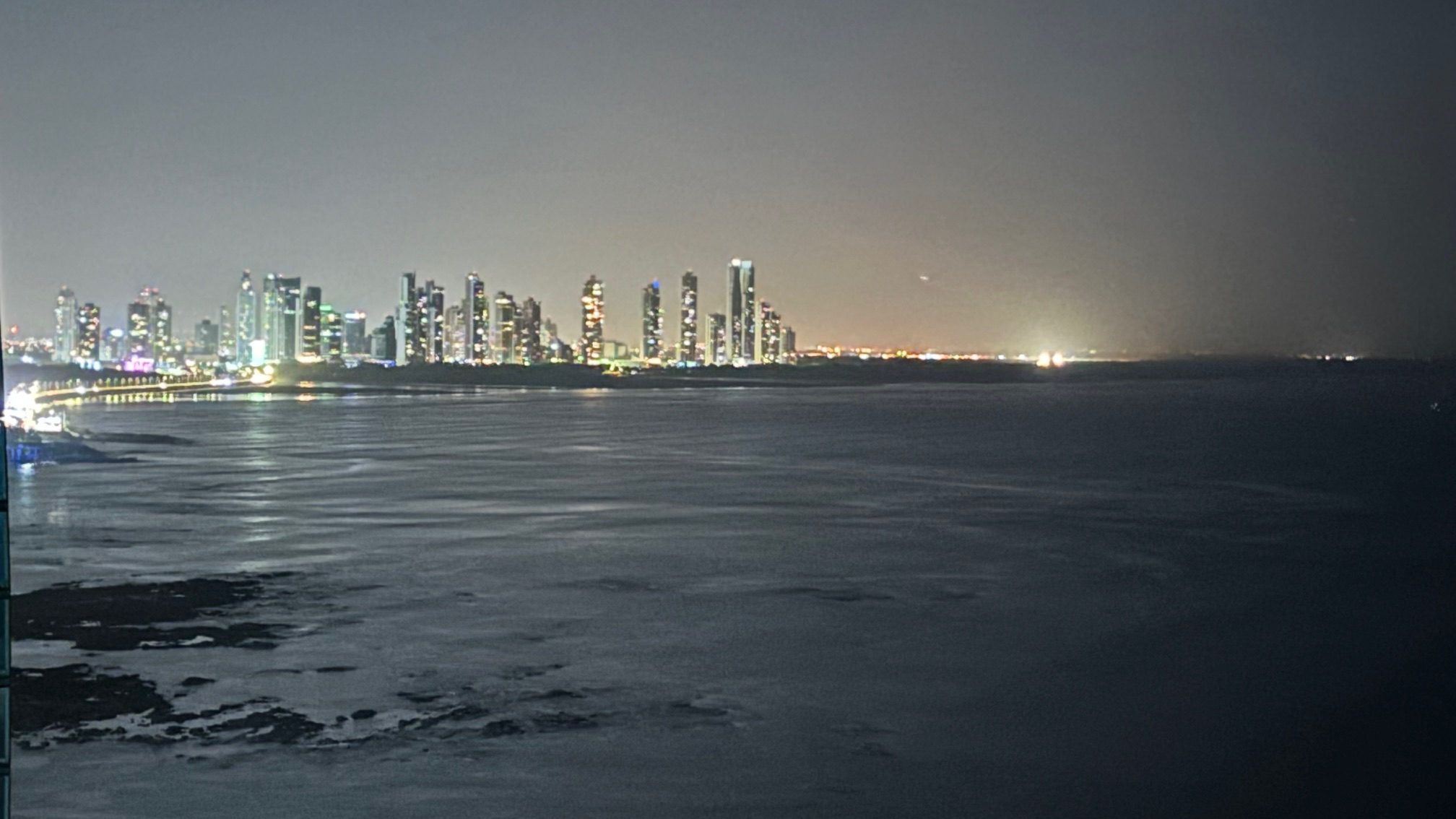

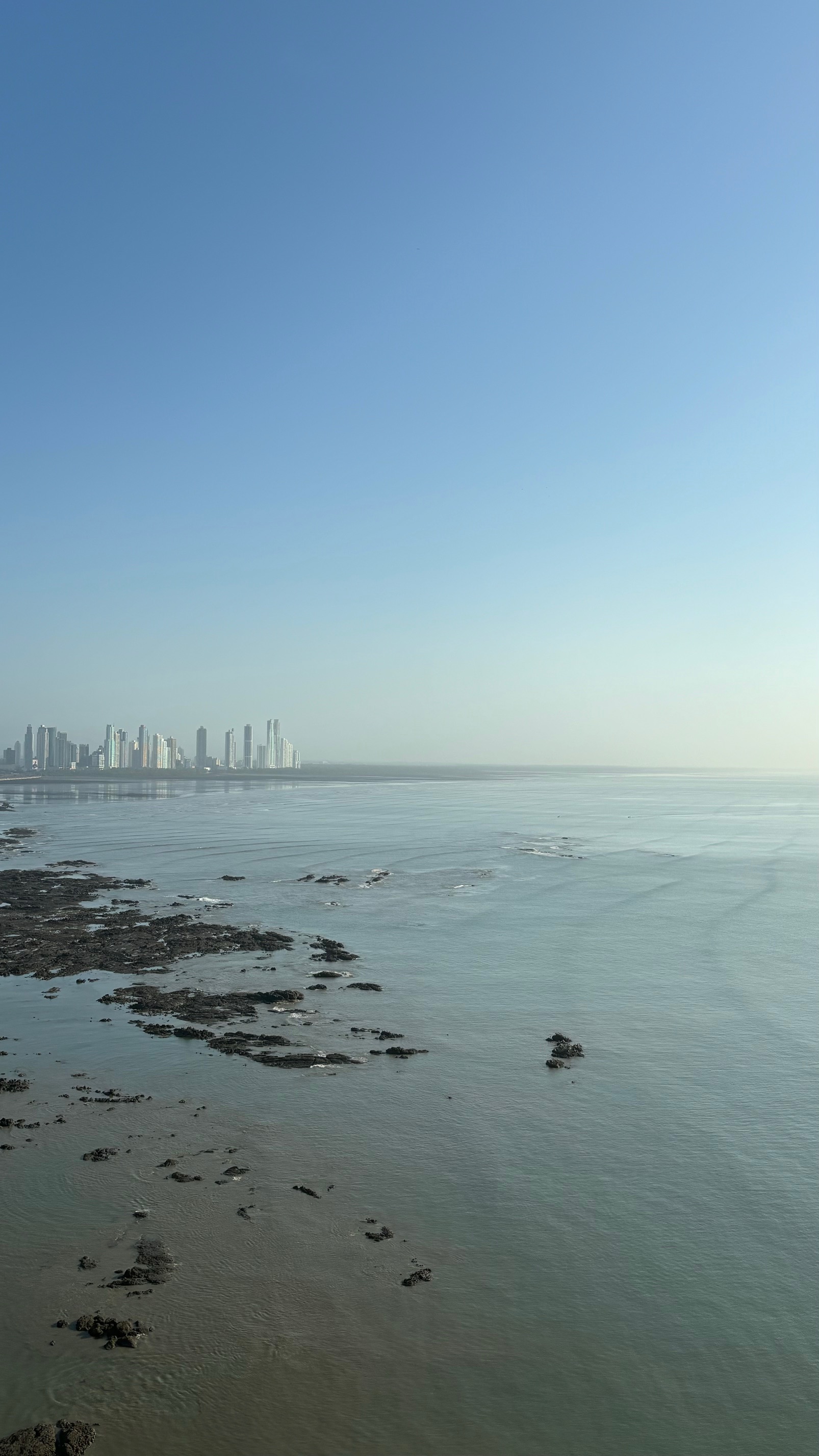
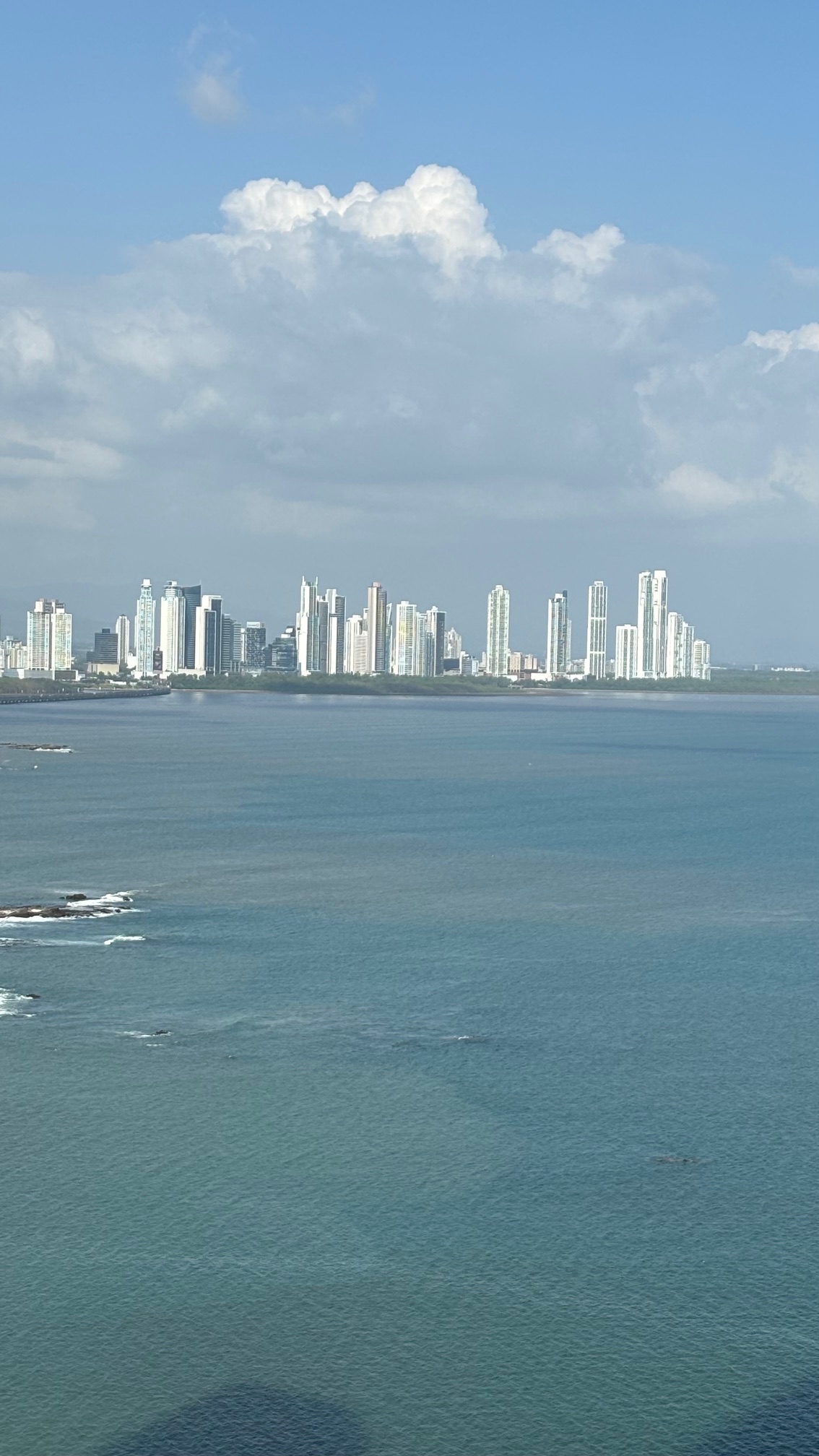
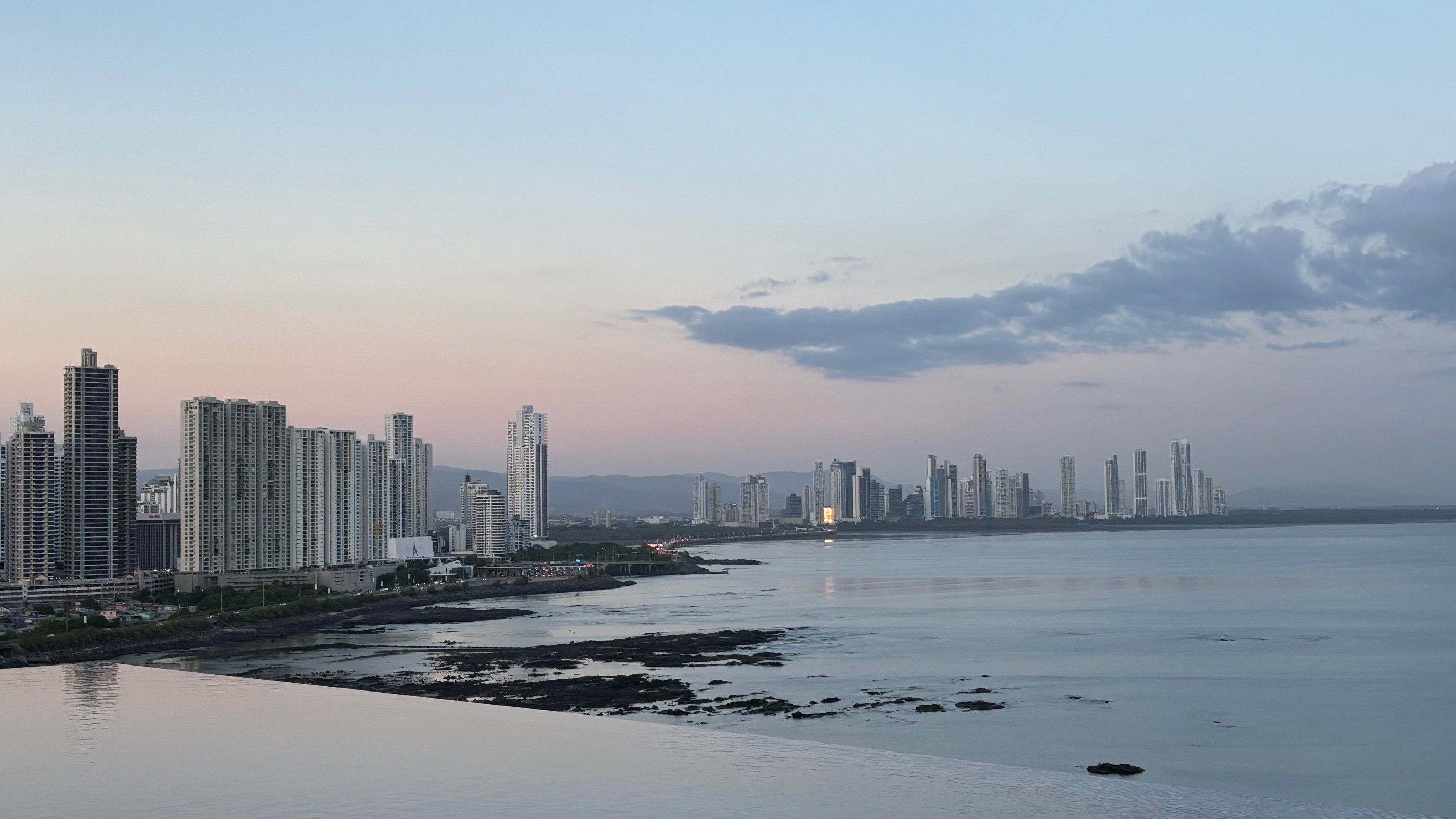
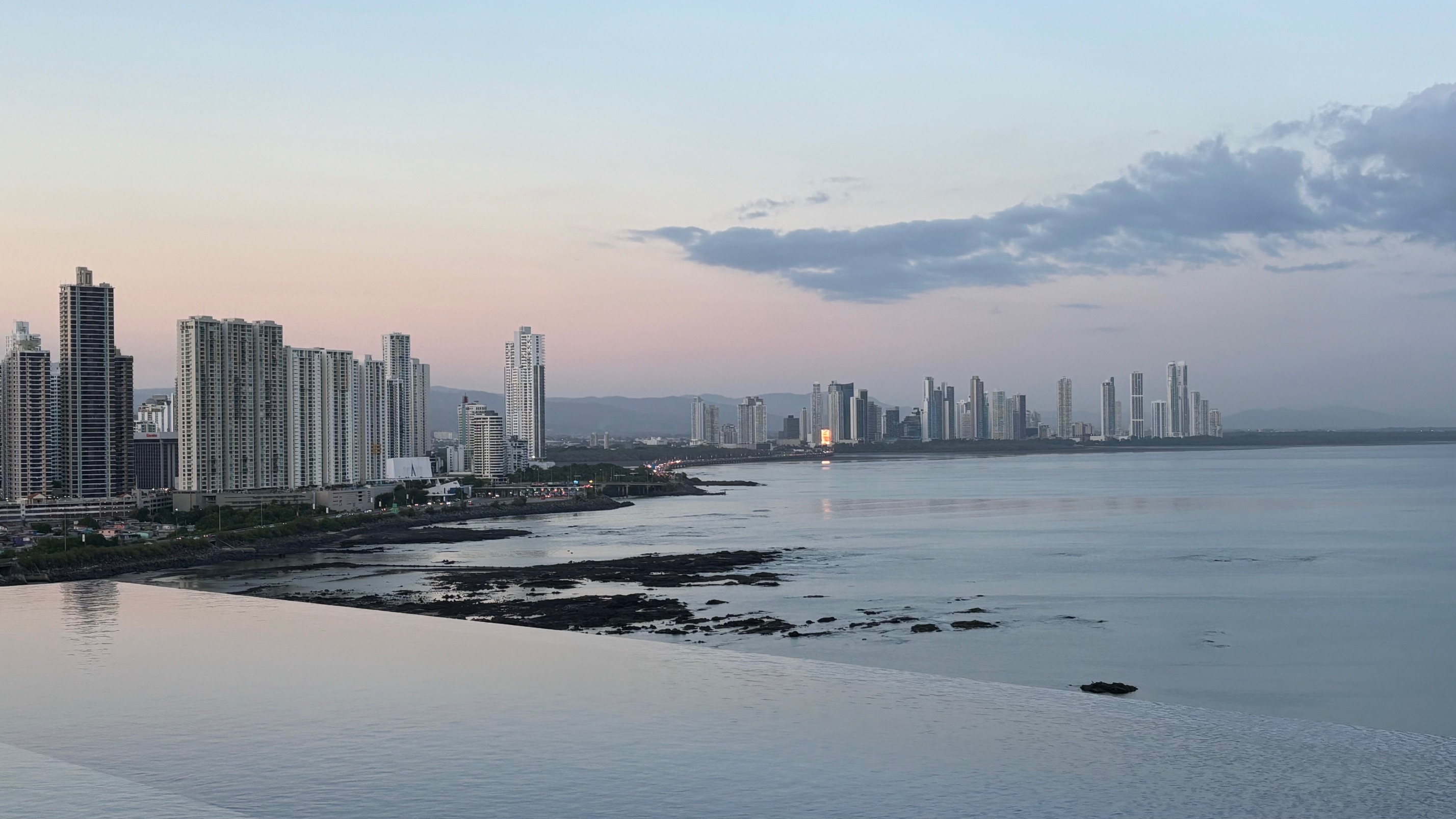
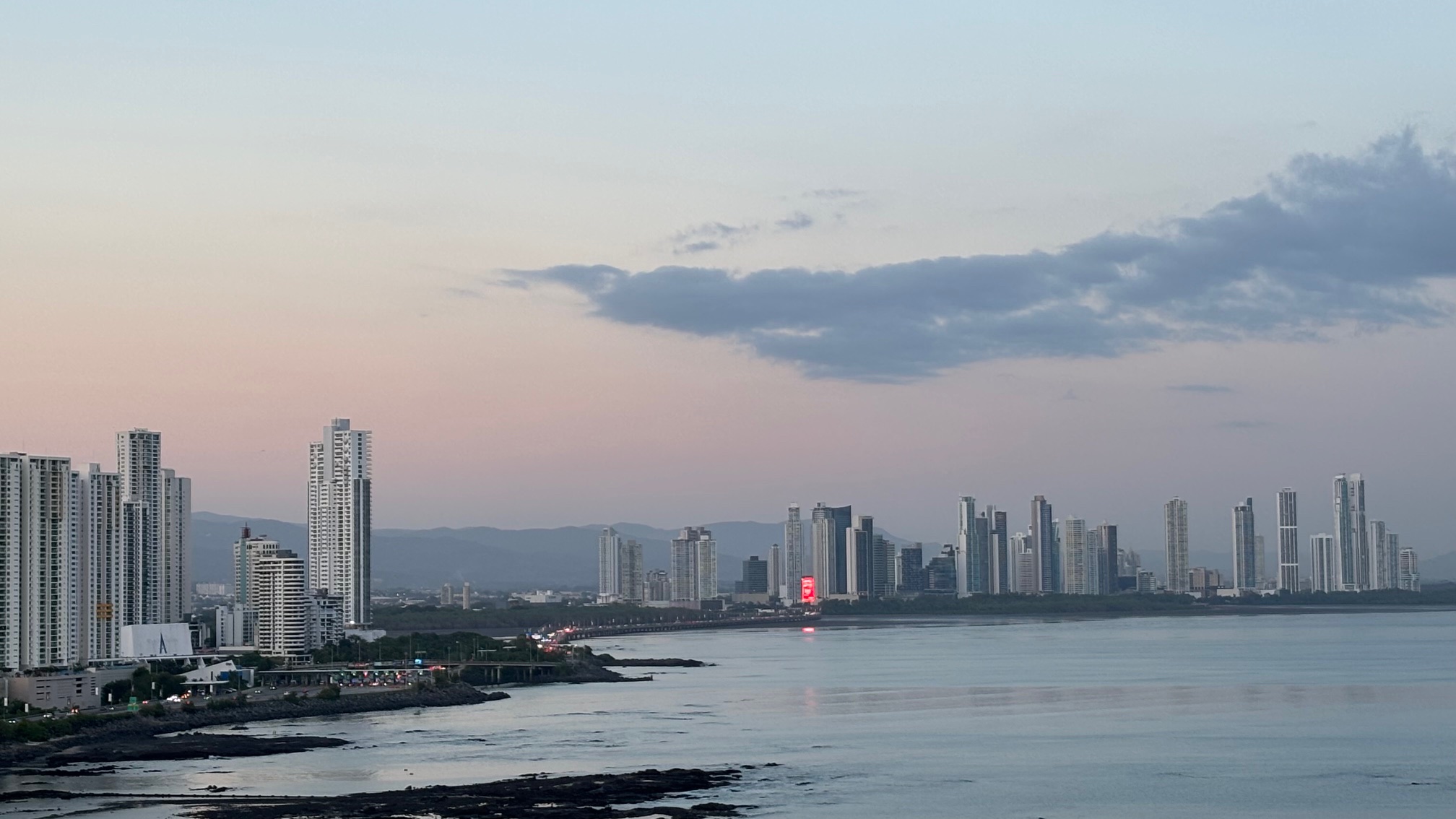
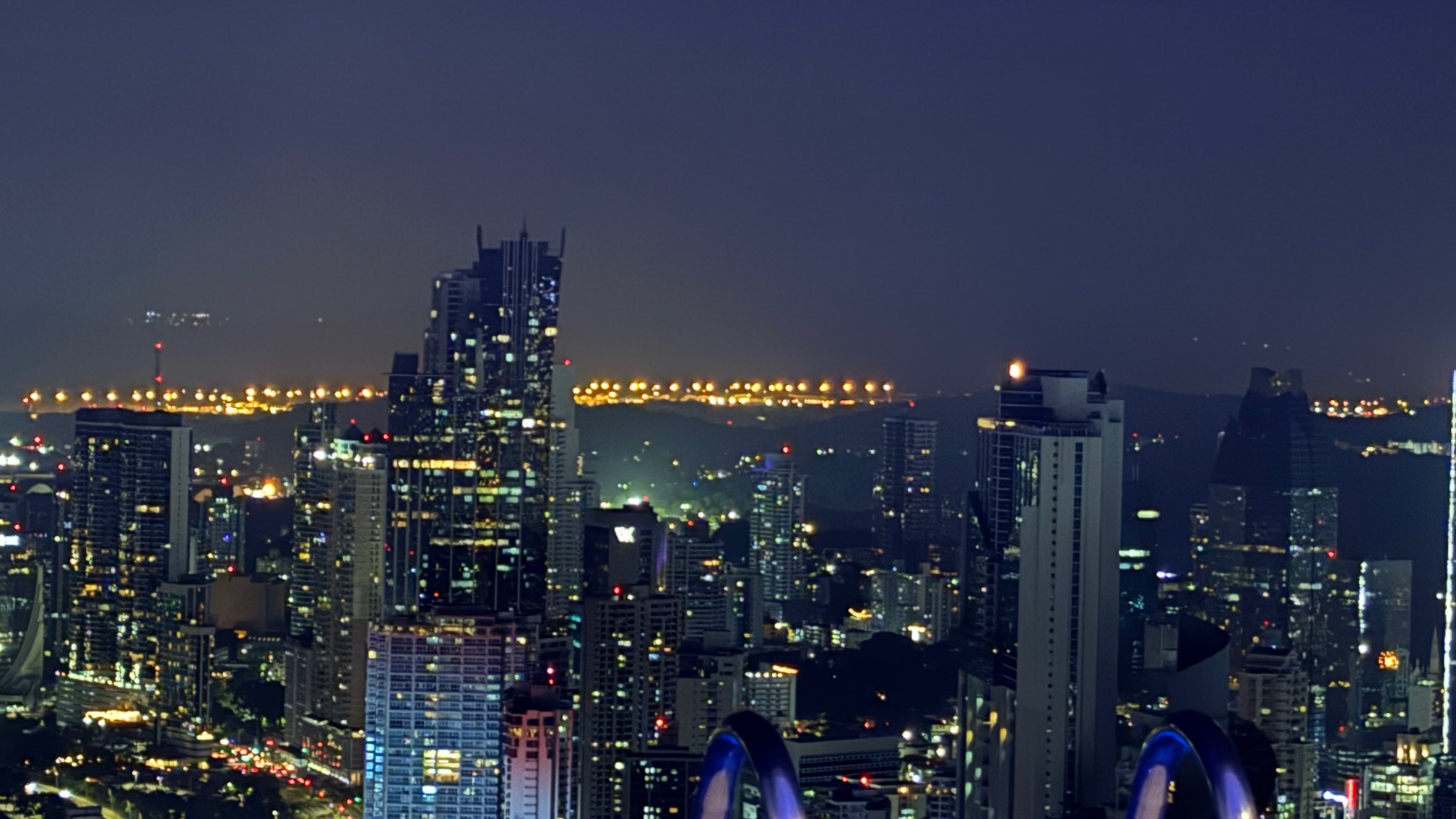
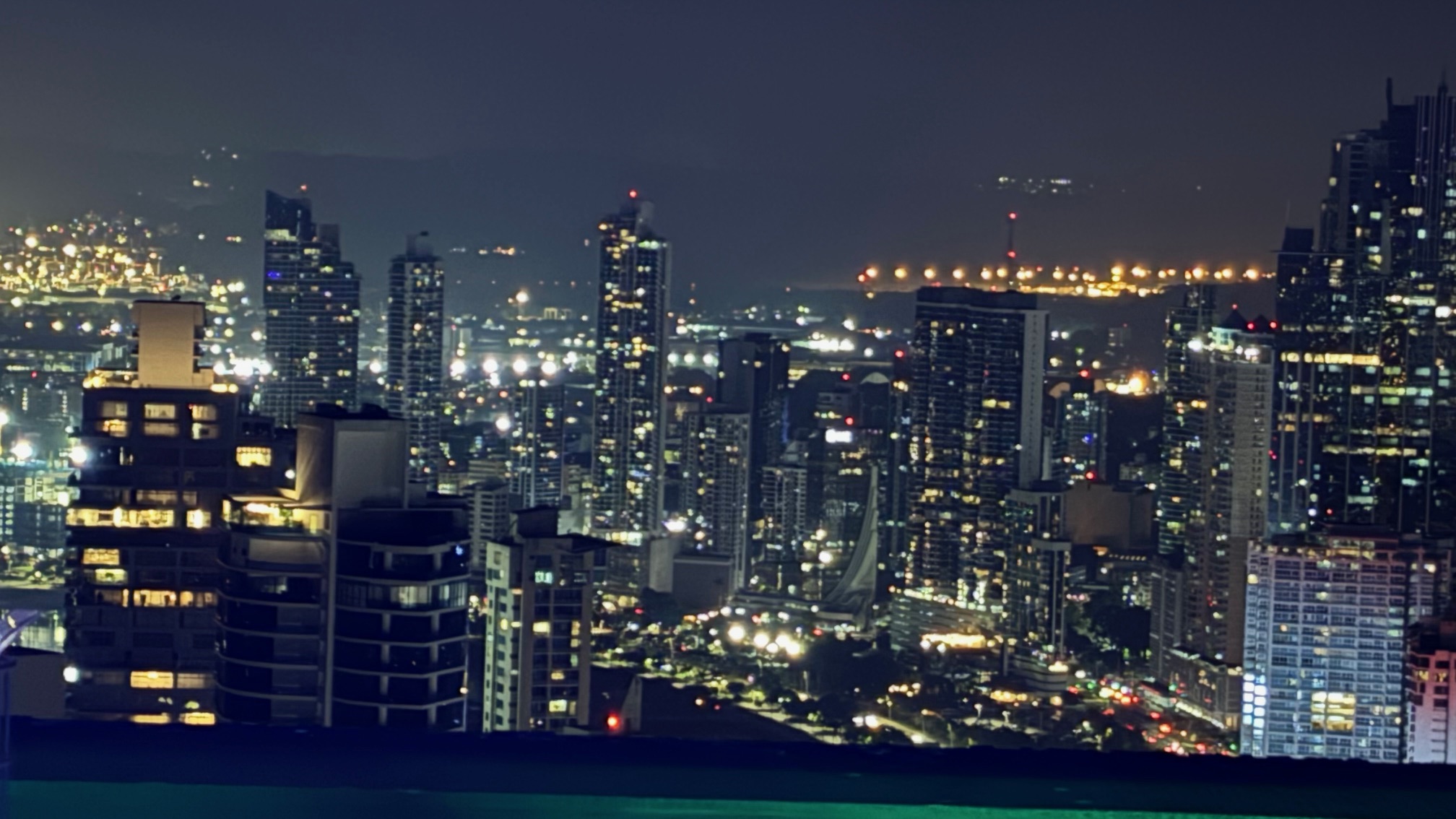

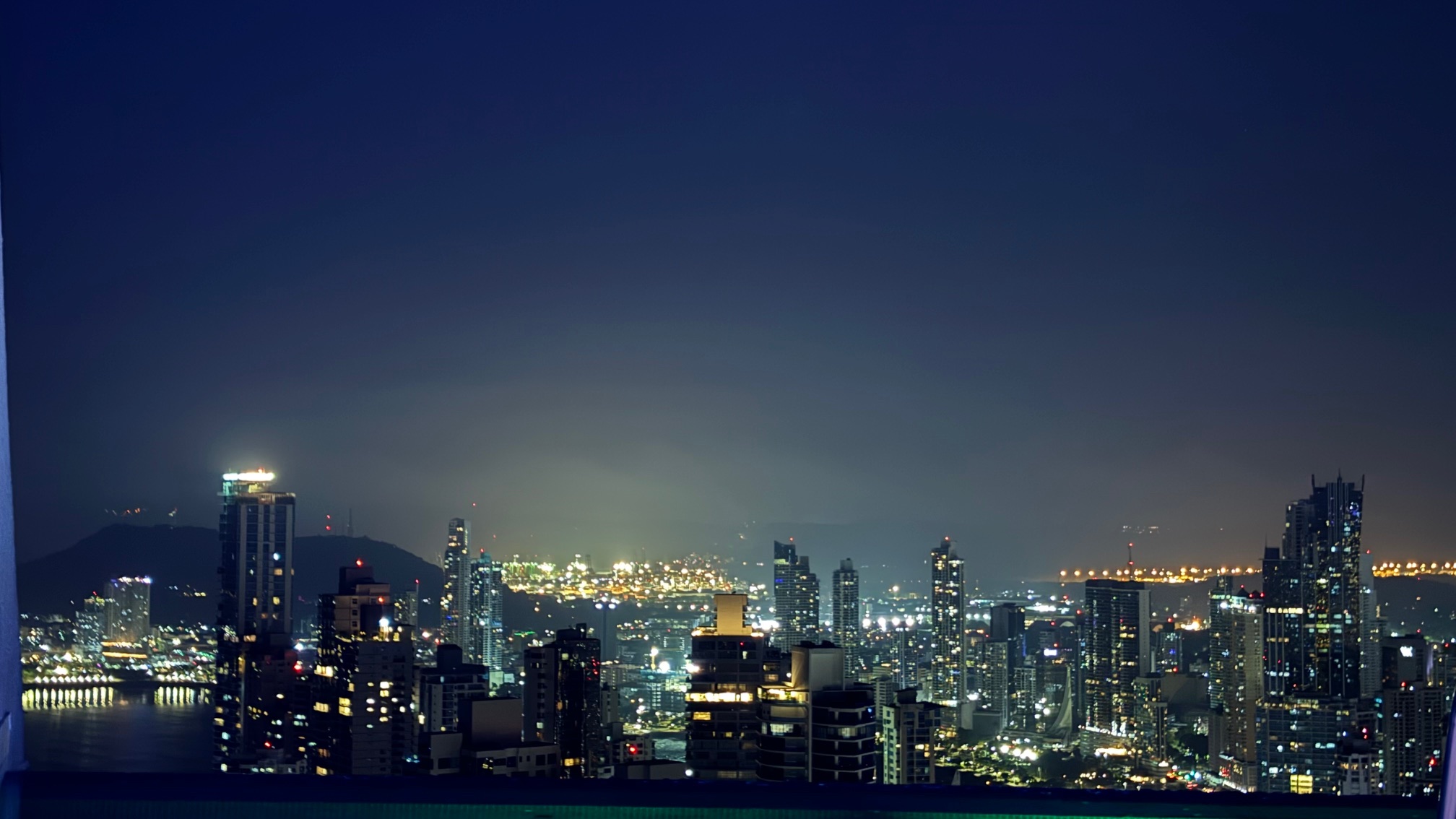
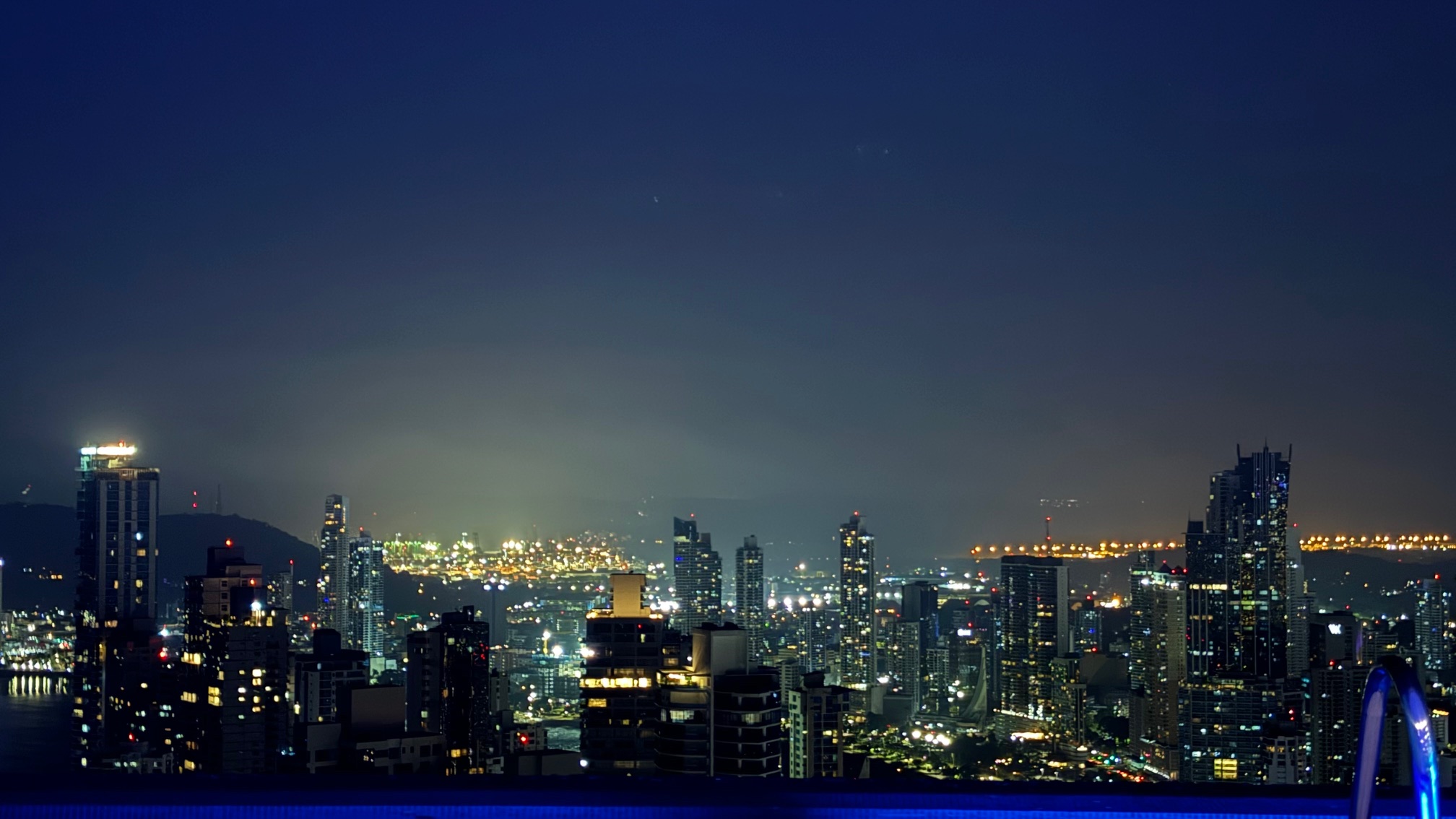
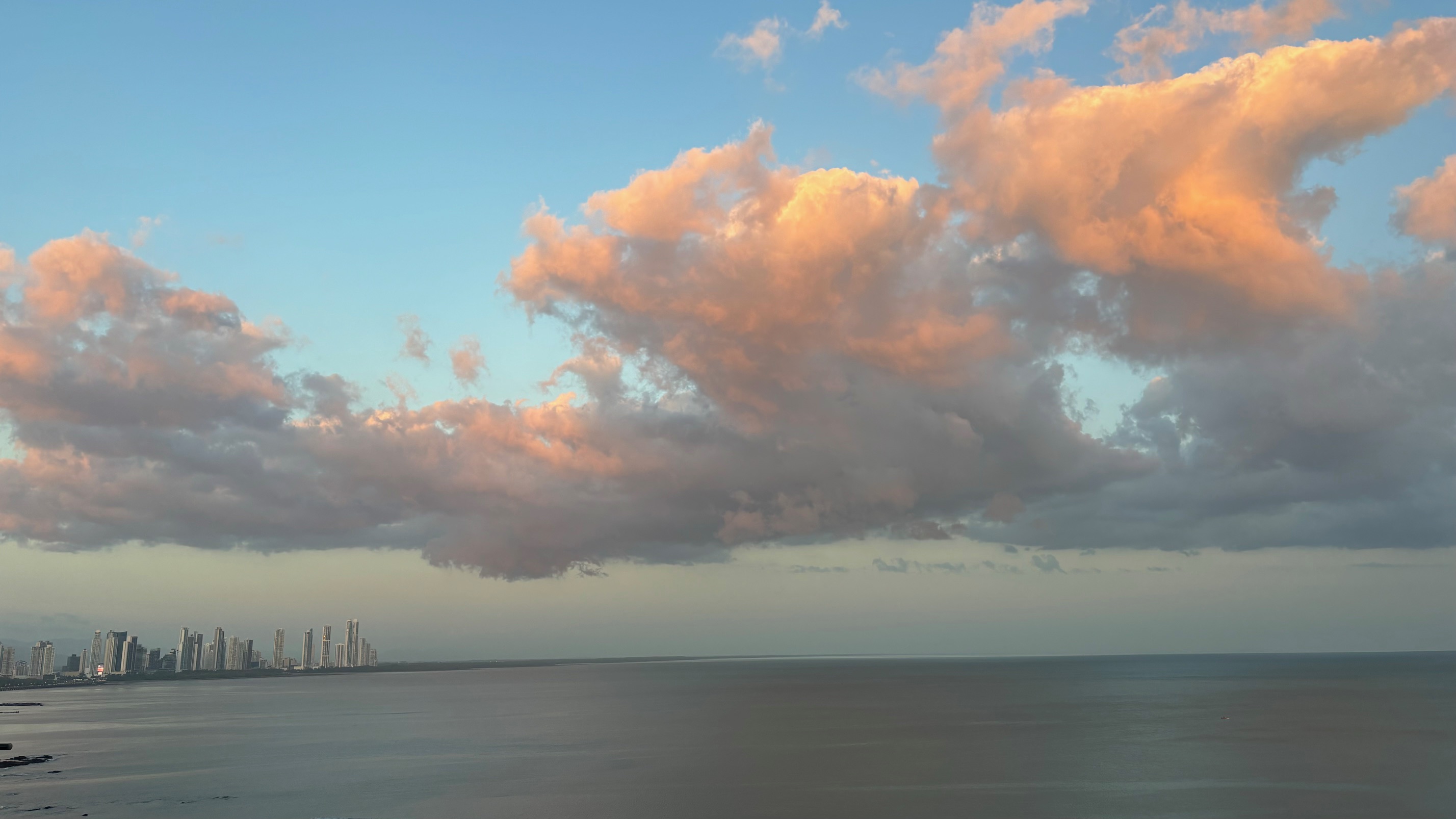
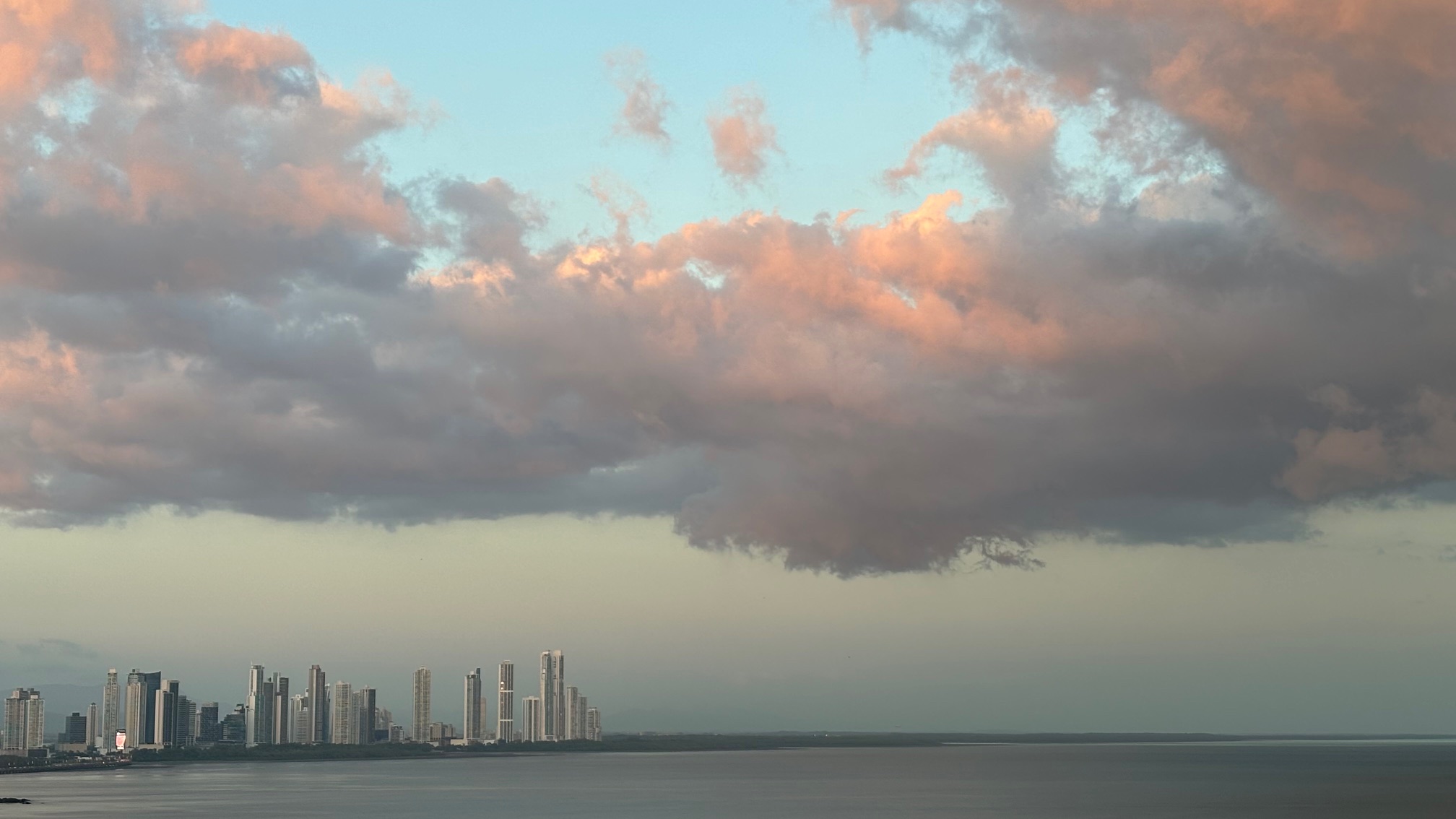
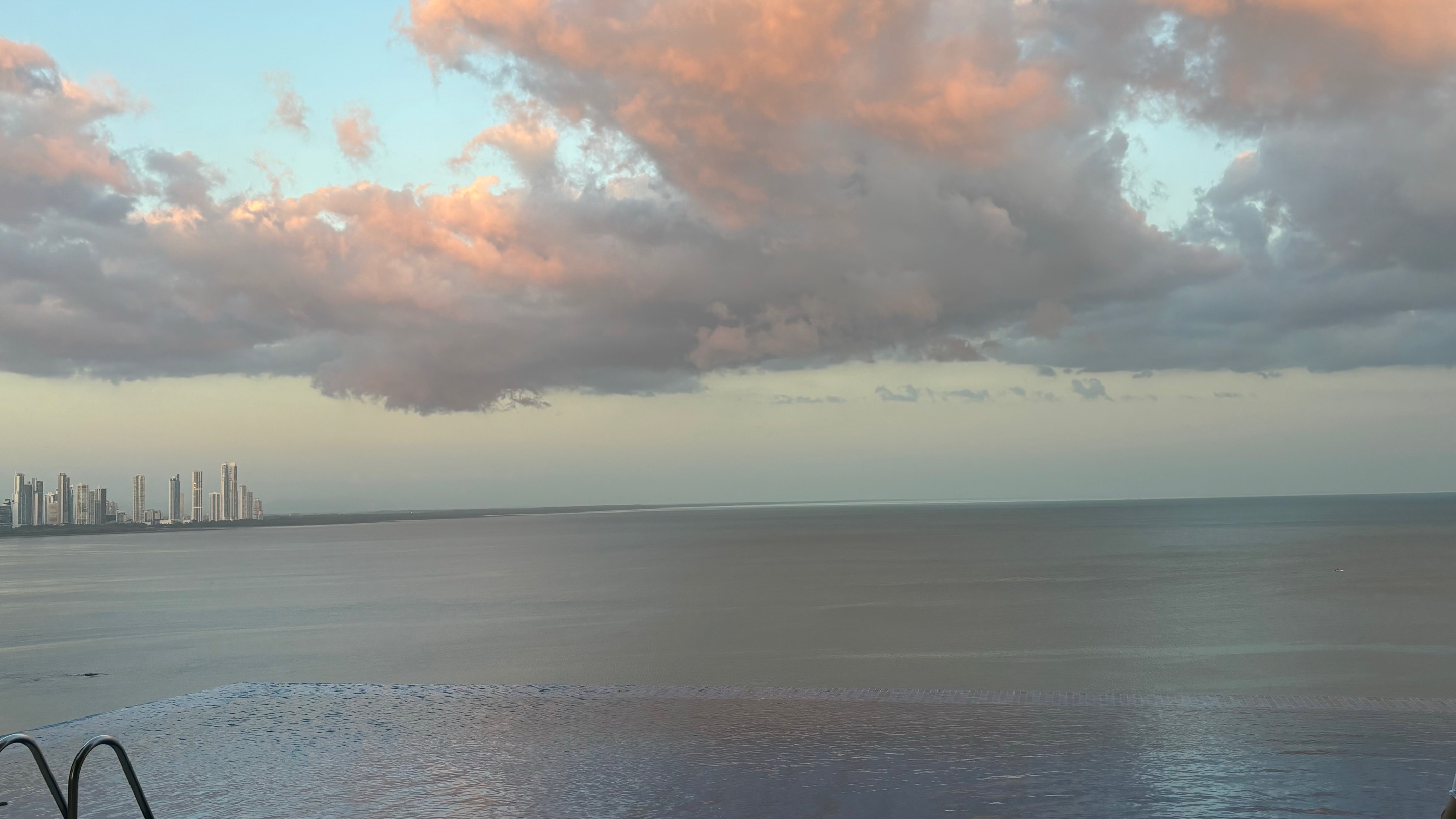
Camera: iPhone 12
Location: Panama City, Panama

Various photographs of the Panama City skyline taken at different times of the day including morning, evening, and nighttime.
Camera: iPhone 12
Location: Panama City, Panama
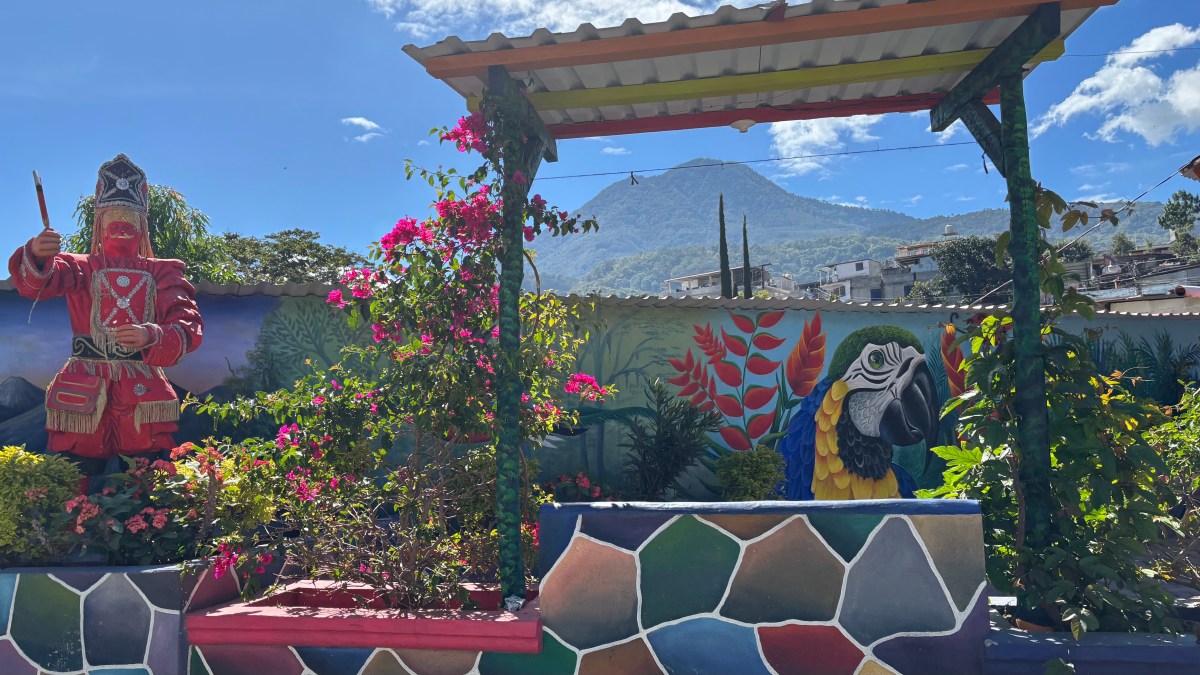
“Guatemala is a land of vibrant colors, where every shade seems to tell a story. The country’s deep appreciation for color is reflected not just in the clothing and jewelry its people wear but also in the landscapes, architecture, and cultural traditions that define it.”
Guatemala is a land of vibrant colors, where every shade seems to tell a story. The country’s deep appreciation for color is reflected not just in the clothing and jewelry its people wear but also in the landscapes, architecture, and cultural traditions that define it. From the intricately woven textiles of the Mayan people to the pastel-hued colonial facades of Antigua, Guatemala’s beauty is a feast for the eyes. Whether through its breathtaking nature, rich history, or enduring traditions, color is woven into the very fabric of daily life.
Nowhere is Guatemala’s love for color more evident than in its exquisite, handwoven textiles. Crafted primarily by Mayan women, these intricate pieces are a testament to patience, skill, and artistic expression. Some pieces take days, weeks, or even months to complete, each stitch infused with care and tradition. One of the most striking examples is the huipil, the traditional blouse worn with pride by many Guatemalan women. These garments are vibrant, highly detailed, and often feature complex patterns unique to different regions and communities.
Textiles remain a vital industry in Guatemala, just as they have been for centuries. Some of the best-known weaving towns include Chichicastenango, San Antonio Aguas Calientes, and Sololá, each producing distinctive patterns with deep cultural significance. Every color and motif have a meaning, and every artisan has a story to tell about the inspiration behind their designs.
Beyond textiles, Guatemala’s markets are an explosion of color and sensory delight. Stalls overflow with handmade pottery, carved wooden masks, beaded jewelry, and an array of fresh tropical produce in every imaginable shade. Walking through the bustling markets near Lake Atitlán, I was struck by the sheer variety of handcrafted goods, each piece reflecting a mix of indigenous Mayan and Spanish influences. The pride artisans take in their work is unmistakable, and the markets offer a chance not just to buy something beautiful but to connect with the people behind the craftsmanship.
The colorful beauty of Guatemala extends beyond textiles and markets to its historic cities, particularly Antigua. This colonial gem is a showcase of pastel-colored buildings that have stood for centuries, ranging from soft blues and warm yellows to rich pinks and deep reds. The cobblestone streets, designed for horse-drawn carriages rather than cars, add to the old-world charm, while churches, monasteries, and convents stand as remnants of a bygone era.
One of the most iconic sights in Antigua is the Santa Catalina Arch, its bold yellow hue standing in striking contrast against the deep greens and grays of the surrounding mountains. Whether wandering through hidden courtyards or admiring the fading frescoes of ancient ruins, it’s impossible not to be enchanted by the layers of color and history in this well-preserved city.
Guatemala’s natural beauty is just as vibrant as its culture. Towering volcanoes covered in lush greenery contrast with the turquoise waters of Lake Atitlán, creating a breathtaking mosaic of colors. In the heart of the country, Semuc Champey’s cascading pools shimmer in shades of blue and emerald, while the deep green of the Tikal rainforest hides ancient Mayan ruins beneath its dense canopy. Even Guatemala’s volcanic past contributes to its visual diversity, with dark gray and black lava fields standing as reminders of the earth’s raw power.
Adding to the country’s natural splendor are its abundant flowers, which seem to bloom everywhere thanks to Guatemala’s spring-like climate. Whether at sunrise or sunset, when the sky is painted in warm oranges, purples, and pinks, the country’s landscapes come together like a living masterpiece.
Guatemala’s love for color is also expressed through its festivals and public art. While I didn’t get to experience Semana Santa, the country’s most famous religious festival, I’ve learned about the breathtaking alfombras—intricate carpets made of dyed sawdust, flowers, and other materials, laid out in the streets as part of the celebrations.
Another spectacular event is the Giant Kite Festival in Sumpango, held on Día de los Muertos (Day of the Dead). During this tradition, enormous hand-painted kites, some reaching up to 60 feet in diameter, are flown as a tribute to ancestors. The designs are intricate and colorful, showcasing a blend of artistic skill and spiritual meaning.
Street art is another way color finds its way into Guatemala’s cultural fabric. Throughout Guatemala City and smaller towns, murals and graffiti depict everything from indigenous folklore to contemporary social issues, adding even more vibrancy to the urban landscape.
Guatemala’s color palette isn’t limited to what you see—it extends to its cuisine as well. The country’s traditional dishes are as visually striking as they are flavorful. Pepián, a deep red stew made with chicken or beef, and jocón, a green chicken stew flavored with tomatillos and cilantro, are just two examples of dishes that showcase the country’s bold use of color.
Tortillas, a staple of Guatemalan cuisine, come in shades of yellow, red, and even blue, depending on the type of corn used. Plates are often filled with black beans, golden plantains, white rice, and vibrant fruits like pitaya (dragon fruit), jocote, rambutan, and bananas. Before taking a bite, it’s tempting to just sit back and admire the array of colors on the plate, each meal is a work of art.
I could write endlessly about each of these colorful aspects of Guatemala, but what ties them all together is how deeply color is embedded in the country’s identity. The vibrant landscapes, clothing, and celebrations reflect the warmth and spirit of the Guatemalan people. If you love having your senses awakened and crave a destination that will captivate your eyes as much as your soul, Guatemala is a place you need to experience firsthand. Let the colors of this incredible country leave their mark on you, just as they have on me.
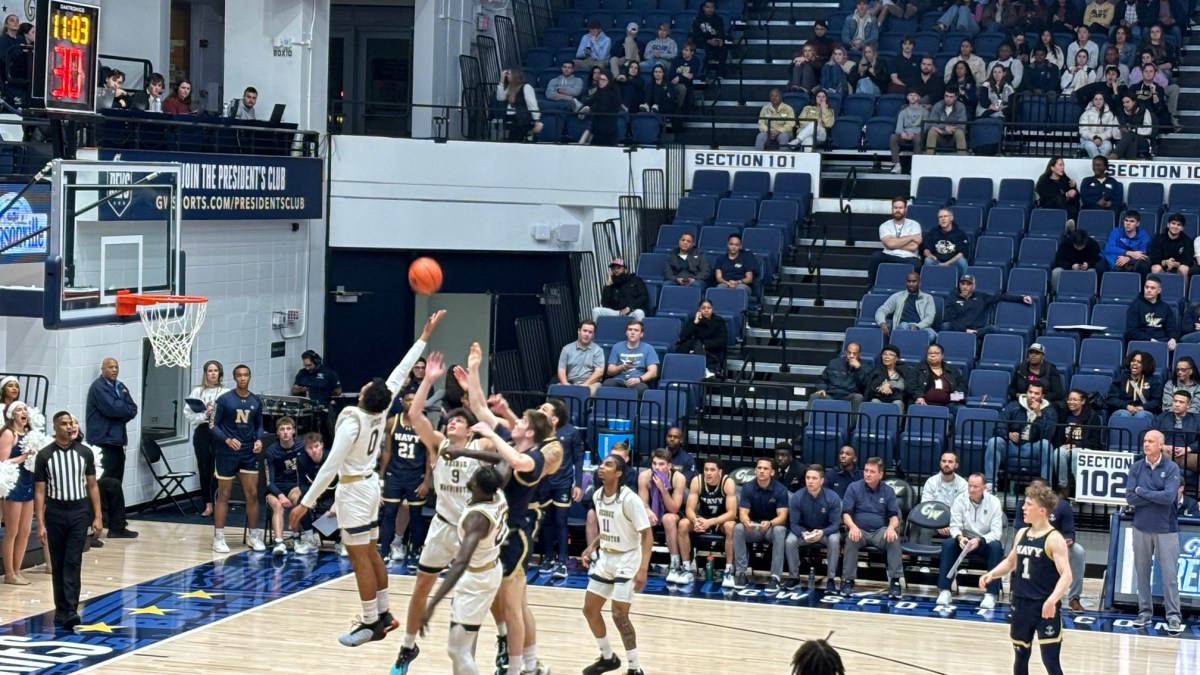
Watching a George Washington University Revolutionaries Basketball Game at the Charles E. Smith Center.
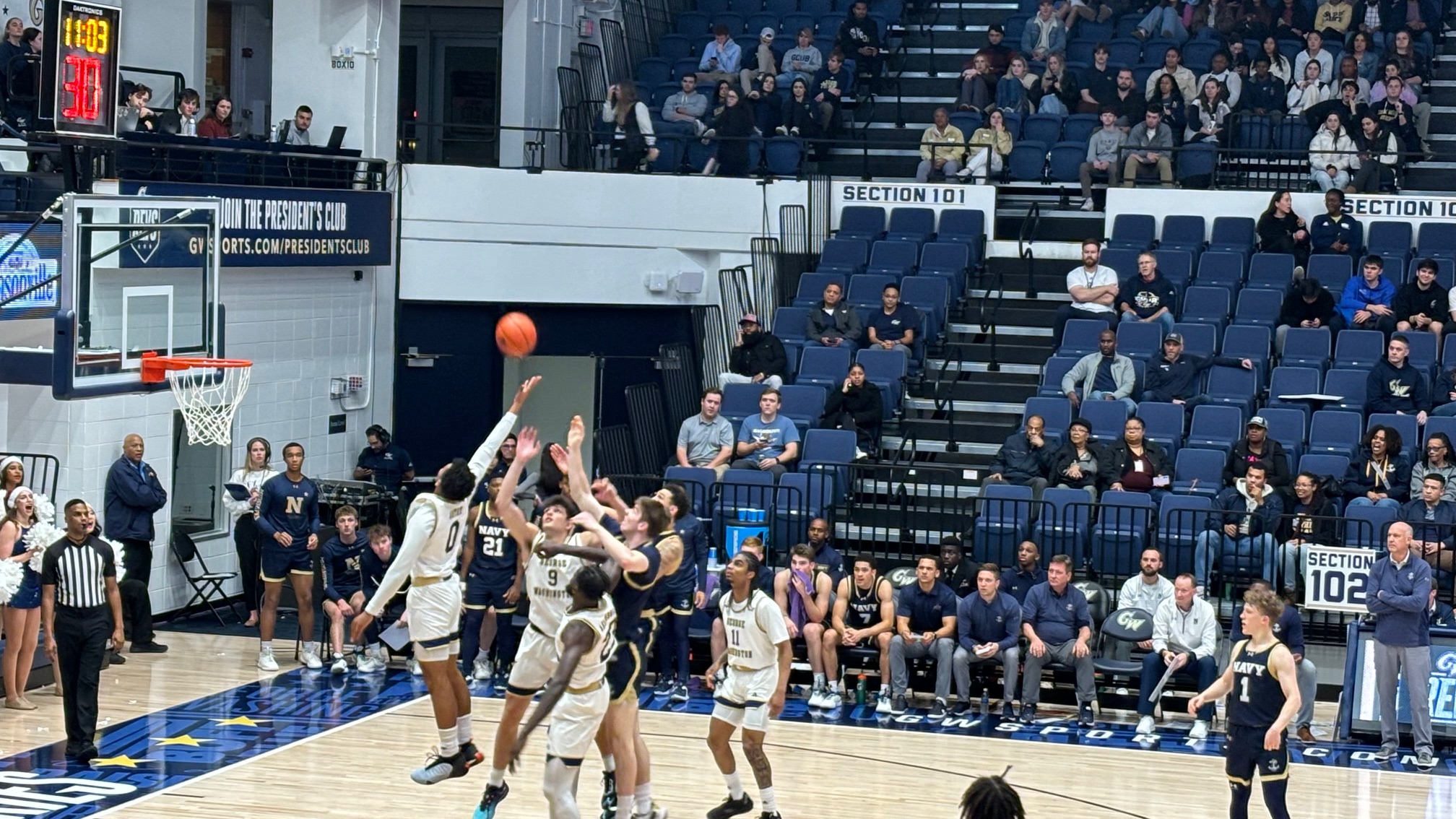

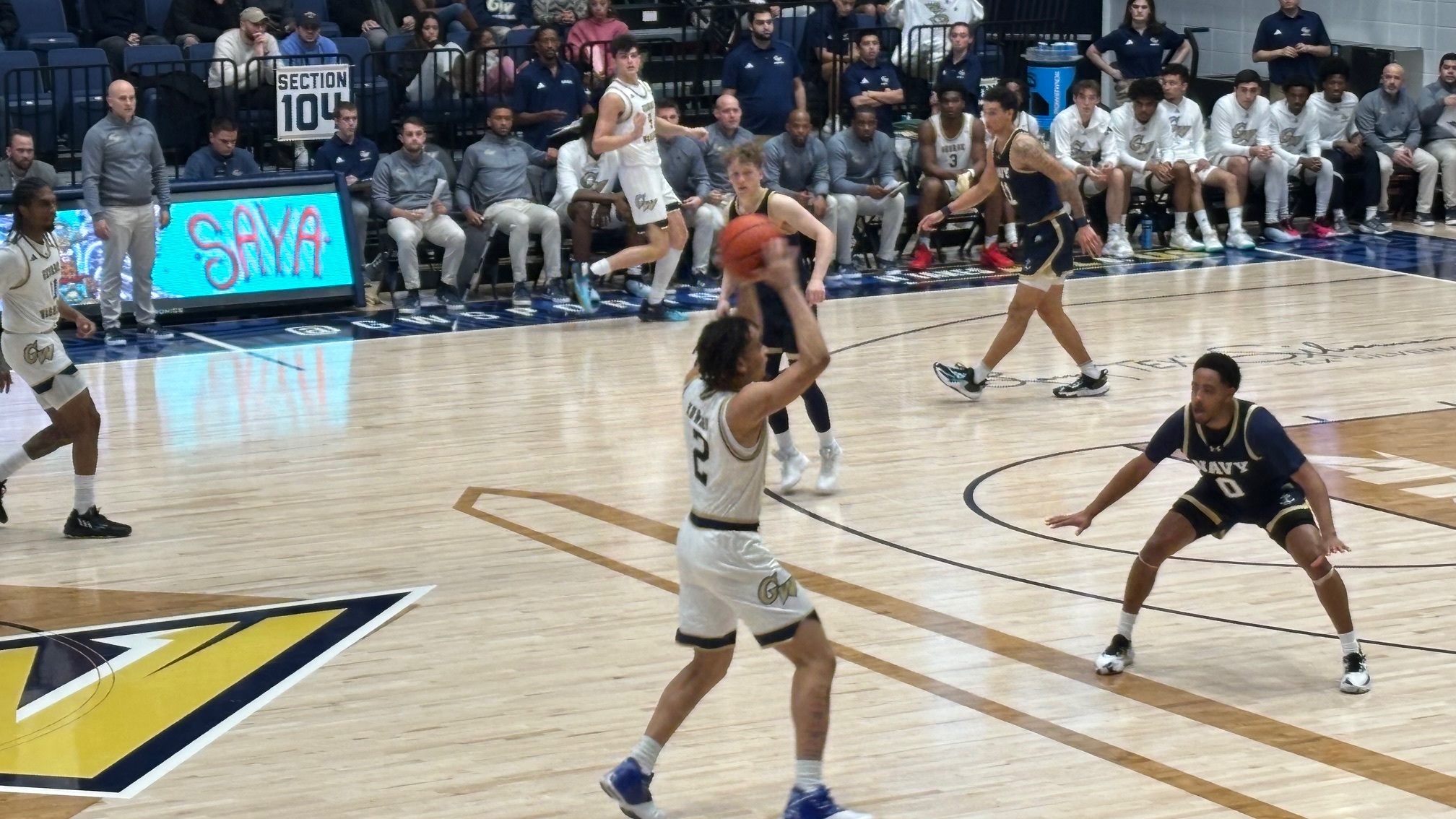

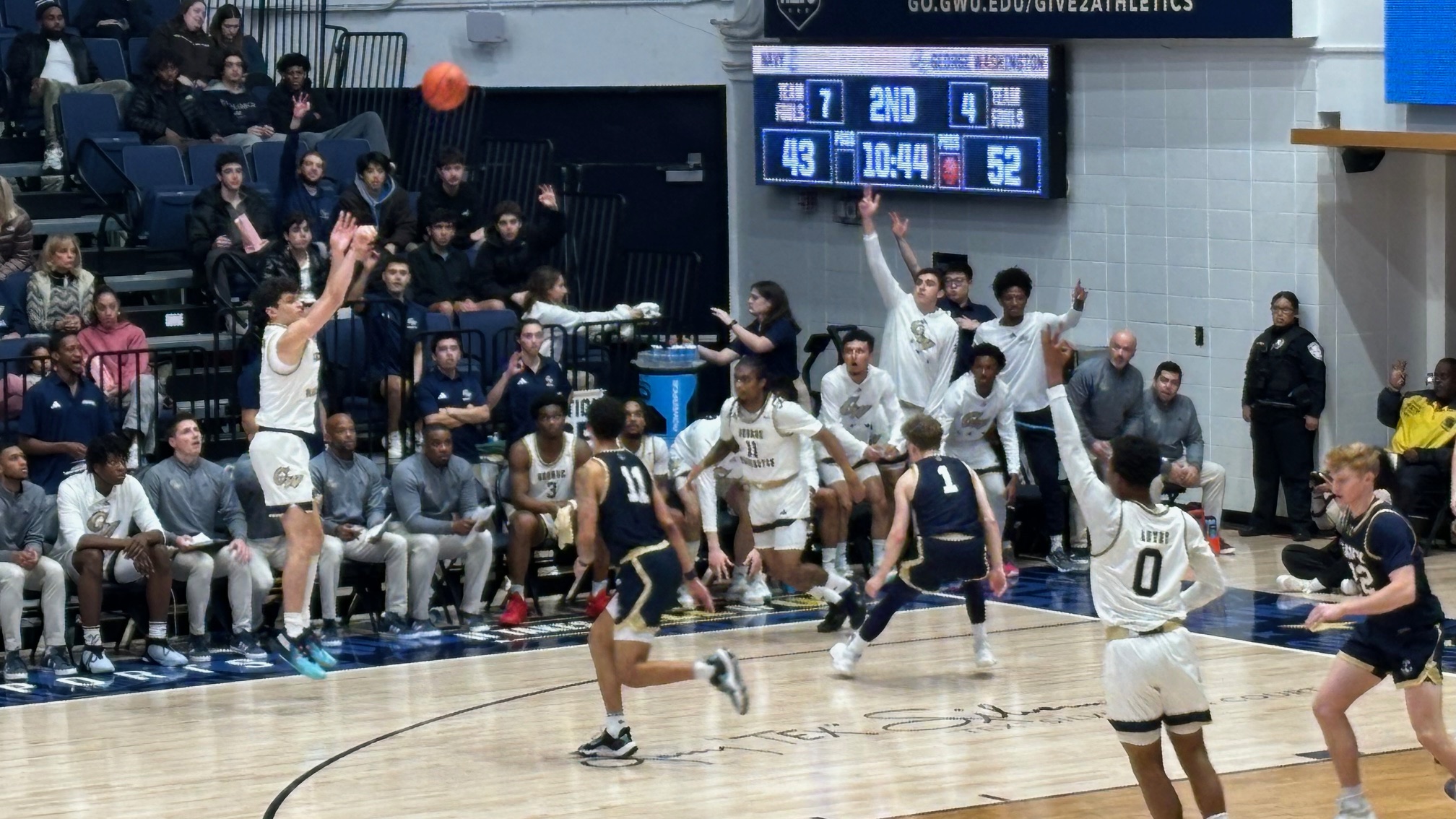

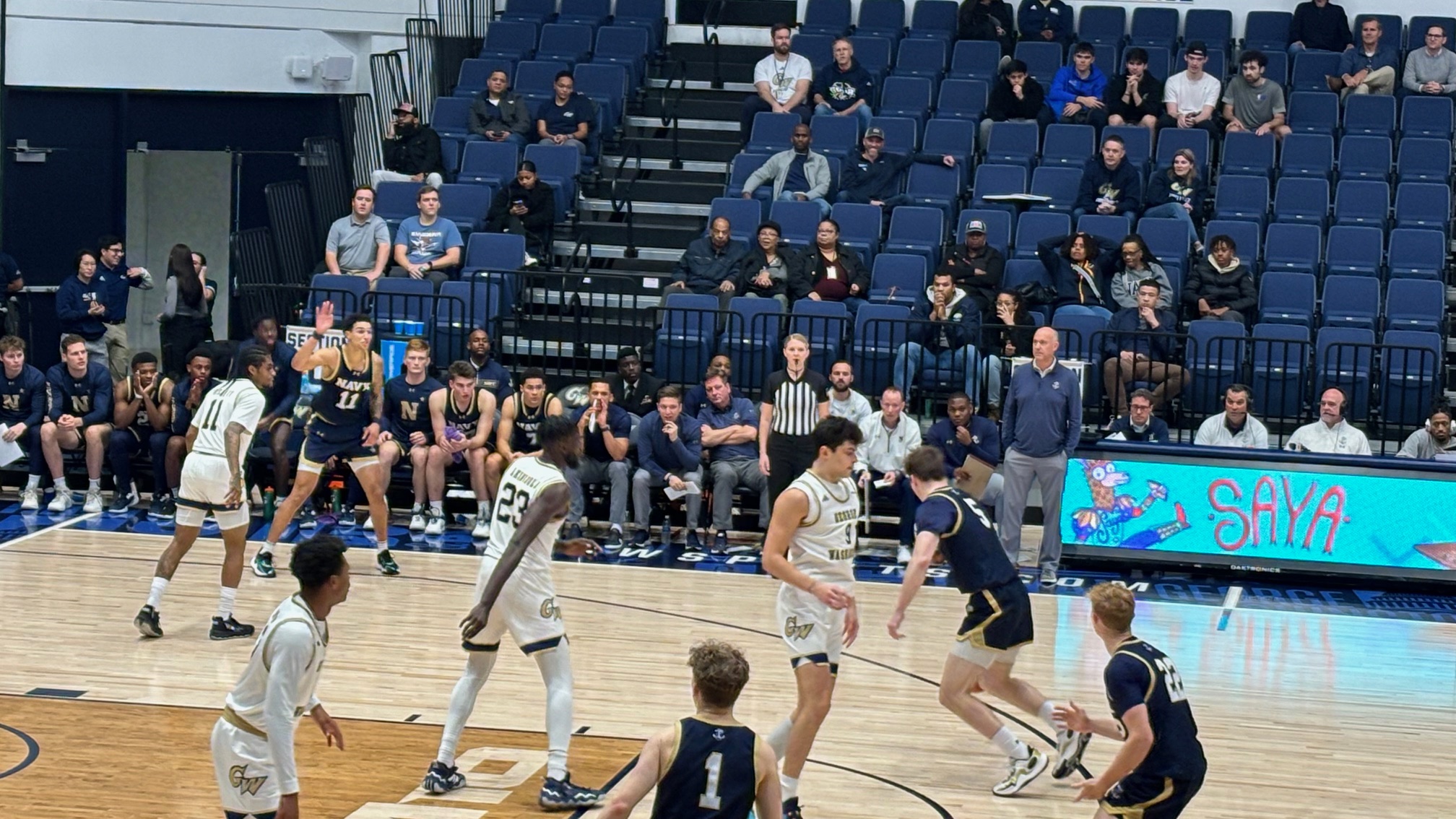


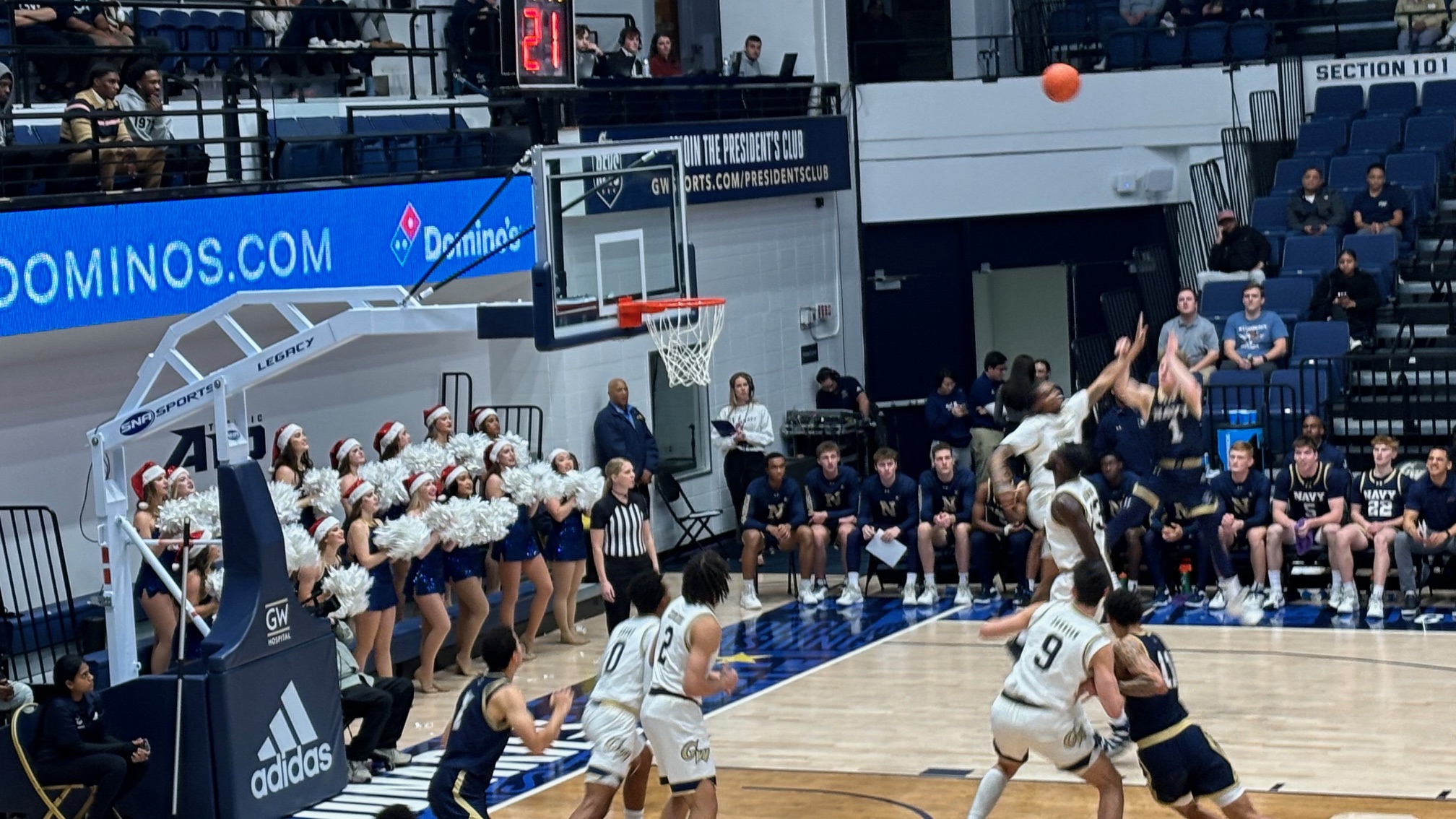

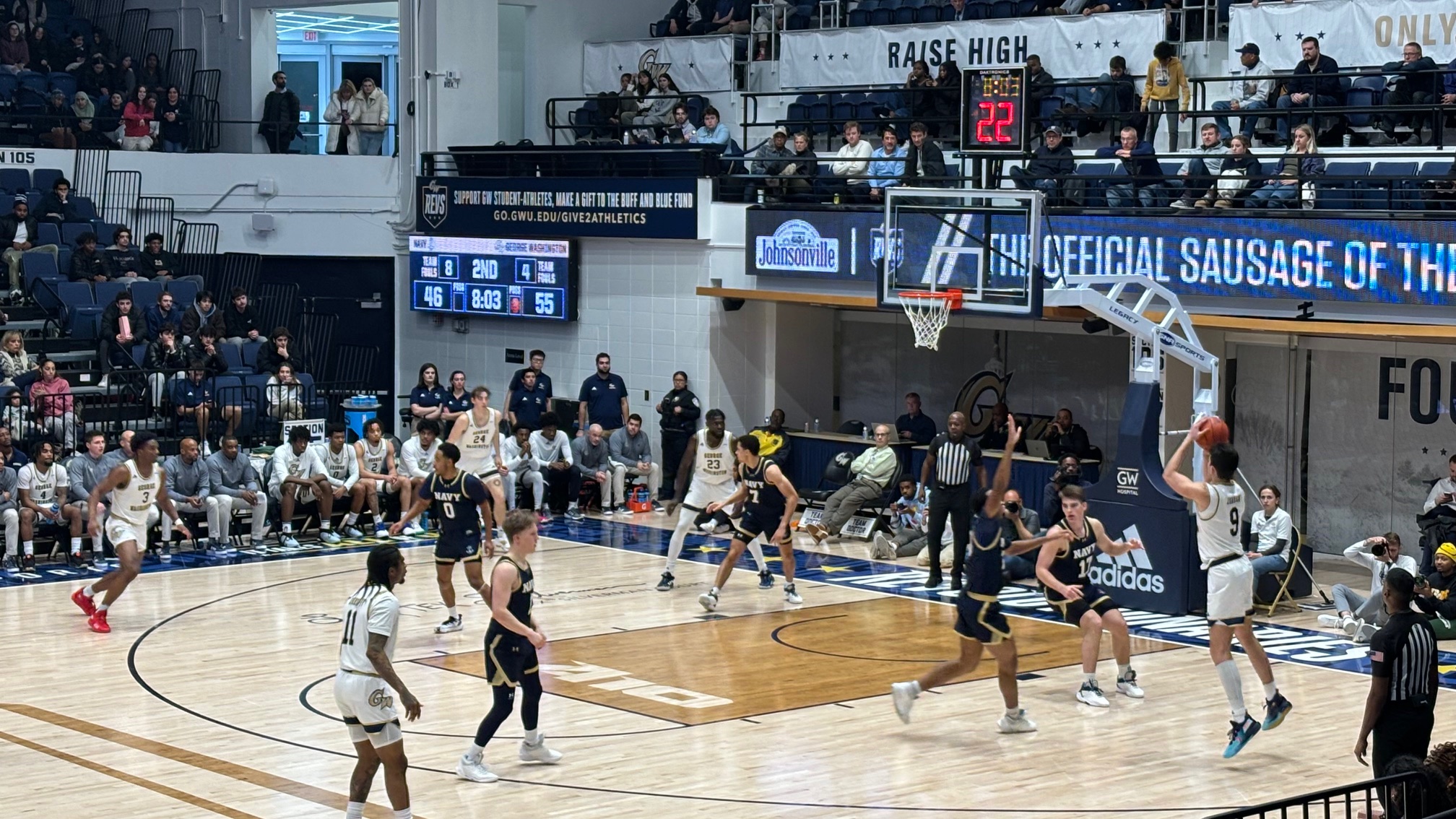
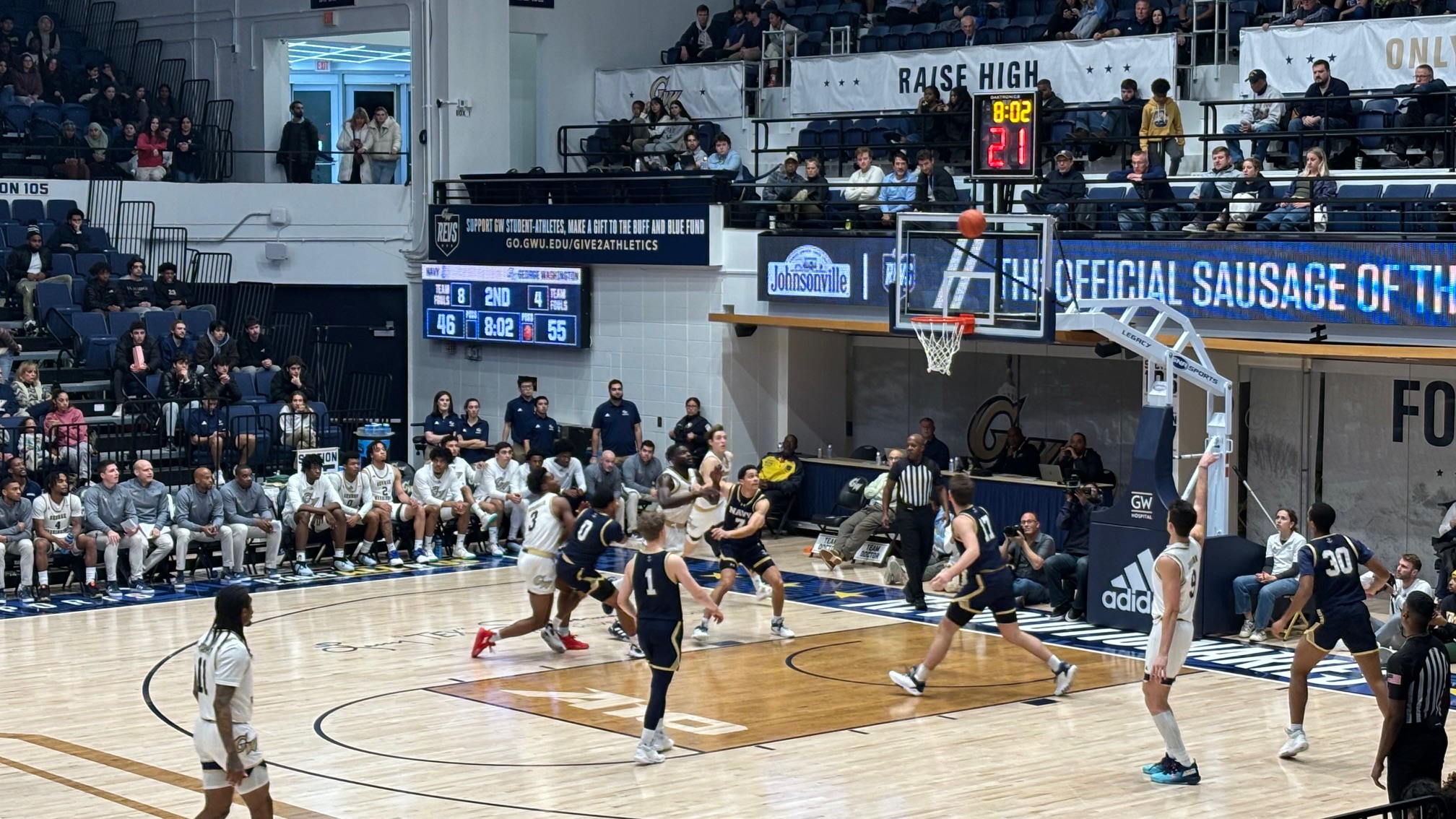


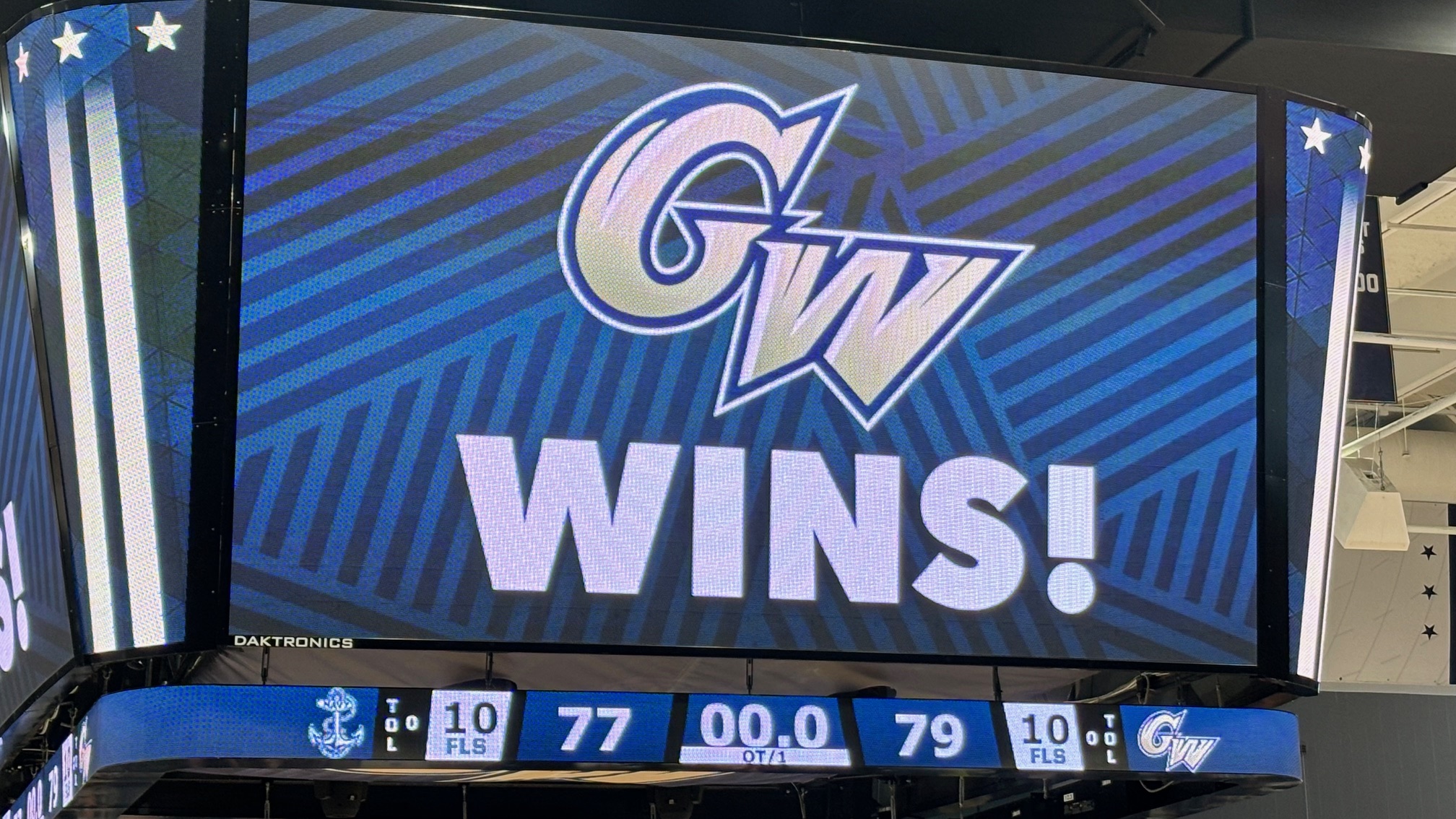
Camera: iPhone 12
Location: Charles E. Smith Center; Washington, District of Columbia, United States
“There’s nothing wrong with distractions and wanting to enjoy an event, a spectacle, or indulge a bit but in the times that we’re living in, it’s important to realize that focusing only on ‘bread and circuses’ is something we can no longer afford to do.”
Who doesn’t enjoy sports or entertainment or both? People since the dawn of time have enjoyed being entertained or have been spectators or participants in games, sports, or other spectacles. At best, it is a thrilling adrenaline rush to be part of it to the roar of hundreds or thousands of people. At worse, it is a pleasant distraction from the humdrum of our daily life and our routines. There’s nothing wrong with distractions and wanting to enjoy an event, a spectacle, or indulge a bit but in the times that we’re living in, it’s important to realize that focusing only on ‘bread and circuses’ is something we can no longer afford to do.
The concept and phrasing of “bread and circuses or in Latin known as, “panem et circenses”, comes from the Roman Empire and belongs to the Roman poet Juvenal. Juvenal criticized how the Roman leadership would use free food such as bread and grant entertainment such as the gladiator events and other spectacles of the coliseum to distract the citizenry from societal and economic decay. While the Roman empire declined and fell as all empires do, today, in our modern world, we have major sporting events such as the FIFA World Cup and the NFL Super Bowl. Reality Television shows remain quite popular, and the media spends hours on celebrity scandals and gossip rather than focus on systemic issues affecting each of us daily.
Why is this an issue today as it was almost 200 years ago? I would argue that we are living through an era of upheaval including political instability, economic inequality, the effects of climate change, and the rise of authoritarianism. Distraction such as ‘bread and circuses’ help to keep people distracted from these ongoing issues and is a powerful tool to be utilized by those holding power. While sports and entertainment can be healthy outlets, it does not go well for a society when it is all-consuming, and people are overly reliant on it each day for fulfillment or pleasure. An active citizenry must remain focused on issues that affect them and their families as if they are paying attention and are engaged, positive change is more likely to occur as a result.
Political leaders can use major sporting events to help push their agendas forward as the times surrounding such events are the easiest to enact policies that are controversial but in which public attention is directed elsewhere. Politicians and leaders can also engage in controversies surrounding sporting events and how it related to ‘culture wars’ and ‘celebrity feuds’ to divert from ongoing political scandals or economic problems. Major sporting events are also used to stir national pride in a country and can be used to distract from real issues that the country is facing as well.
Sports and entertainment are big money for corporations and for wealthy individuals. Sports can reflect ongoing economic inequalities especially when multimillion-dollar commercials are paid for by a company rather than in investing in their own workforce’s compensation. Money spent in the billions of dollars each year on sports betting, gambling, or on tickets could have been funneled towards programs focusing on social well-being in health care, education, or infrastructure.
Celebrities and athletes should be compensated well for the work they do but there is an issue when ordinary workers who help make events, games, and other spectacles run smoothly are not paid a living wage. Thousands of workers are making decent pay, but it pales in comparison to what the ‘stars’ are making especially when they are the one preparing their food, keeping them safe with security measures, and helping stock the shelves and sell the merchandise.
There is also the ongoing debate in society about taxpayer money funding massive students and events that are not benefiting the surrounding community or the city itself. A lot of that money gets funneled to corporations in the ‘naming rights’ and to the ‘billionaires’ who see their net worth grow up as the sports franchise becomes more valuable over the years. A society where income inequality is high and is rising will be reflected in sports and entertainment as well. While there are some economic benefits to be made by the average person in these industries, a large sum of the gains to go to the wealthiest owners, players, and stars while the wealth does not ‘trickle down’ much, if at all.
While some of these issues do get coverage in the media although increasingly sparingly, I would argue that general news media, especially in recent years, has become sensationalistic and has focused on ‘click bait’ content rather than on serious investigative journalism. News outlets have prioritized celebrity feuds, sports gossip, and other trivial controversies that pale in comparison in terms of importance compared to real issues going on with the wider society. Viral content gets more clicks and eyeballs, especially on social media, and that’s where the focus has turned especially in recent years. Too much information at one time also presents most people from being able to decipher of what’s real vs. what’s fake and what to pay attention to because ‘information overload’ makes it hard to pinpoint what is likely to affect them the most and is worth paying attention to.
Similarly to the issues I’ve mentioned that ‘bread and circuses’ distract from each day, one issue that is the most immediate and wide scale in terms of ongoing effects is the accelerating climate crisis. Major sports and entertainment events all have an environmental cost and leave a sizable carbon footprint. When you tally up, the travel emissions, energy consumption because of the game or event, and the waste involved from having thousands of people in attendance, communities who support the events or games must deal with the aftermath, including both the financial and environmental costs.
While these massive events like the Super Bowl, the FIFA World Cup, and the Olympics due to pledge to be more sustainable and environmentally friendly, many companies do not end up footing the bill for the carbon emitted or the energy used. They can do so because the companies help sponsor the events and contribute enough money to them, so they aren’t as liable to help with the environmental aftereffects. Looking at two recent examples with the 2016 Rio Olympics and the 2022 FIFA World Cup in Qarar, these two events led to increased carbon emissions (FIFA) and environmental aftereffects. (Olympics)
While I am supportive of sports and entertainment and have been a fan of both, I still recognize the need to tone it back these days because excessive consumption of either will not help our society and our world be better. Sports and reality TV may seem as important as real issues, but they are not and never will be. People must stay engaged in what’s going on in their community, their country, and their world. As consumers of news, we also have the individual and collective power to choose which news outlets we give our time and our money to as well. If frivolities and ‘bread and circuses’ is all a news organization is offering, then it’s not a real news organization to begin with.
Advocating for solutions to real issues, being a reliable voter, and volunteering in your community consistently can help keep the ‘bread and circuses’ to a more tolerable level. We all want to experience gratification and rewards in our lives and sports, or entertainment do both in providing that kind of dopamine hit but it’s a cheap one, and it’s not something we do ourselves. Political activism, working for social change, and developing our problem-solving abilities is real gratification in whatever issue you want to work on in our world. It’s not as instant and far from being easy but improving anything in society will take effort, discomfort, patience, and a lot of perseverance. Make sure you advocate for what you care about because celebrities and sports figures may not do the same, if at all.
You should stay focused on what’s important in the news, be civically engaged and encourage others in your life to do so. Remember to balance your consumption of entertainment and sports along with awareness of the issues and problems affecting you, your families, and your communities. Watching the Super Bowl is fine and I just did so recently as I have most years of my life, but if we continue to ignore political scandals, economic problems, and societal injustices, there won’t be much to celebrate in our society beyond that one day of the calendar year, where two teams of millionaires play a game that you can’t even be part of or even afford to go to.
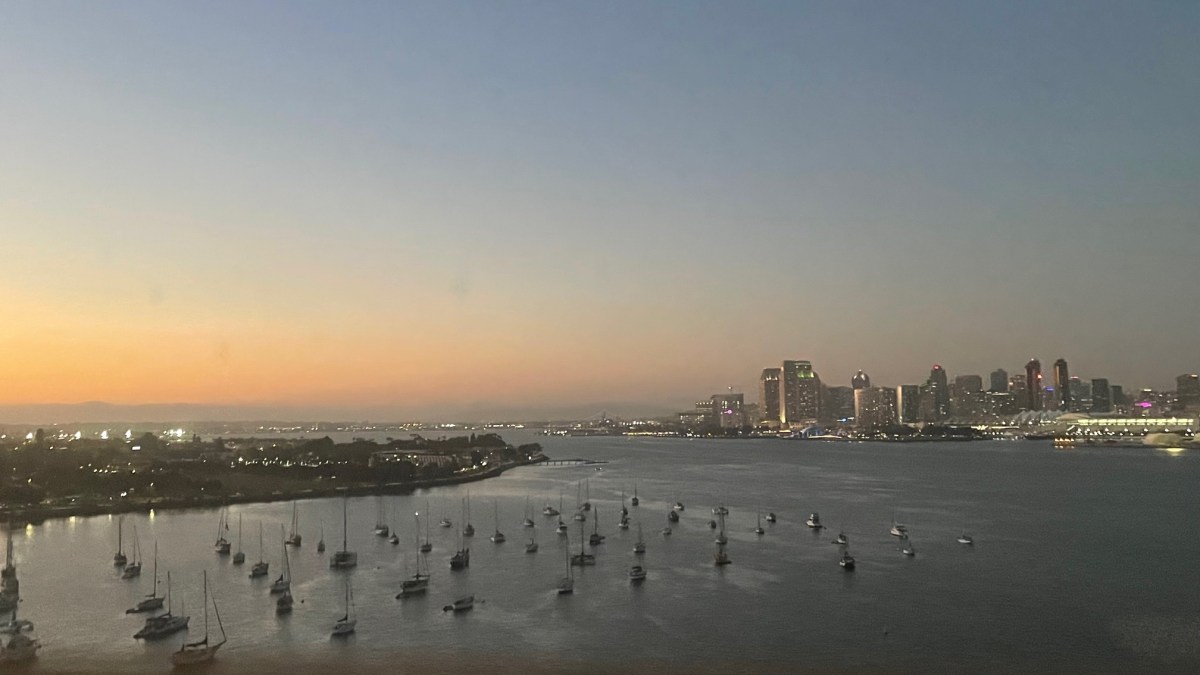
A beautiful sunset in San Diego, California and on Coronado Island nearby.
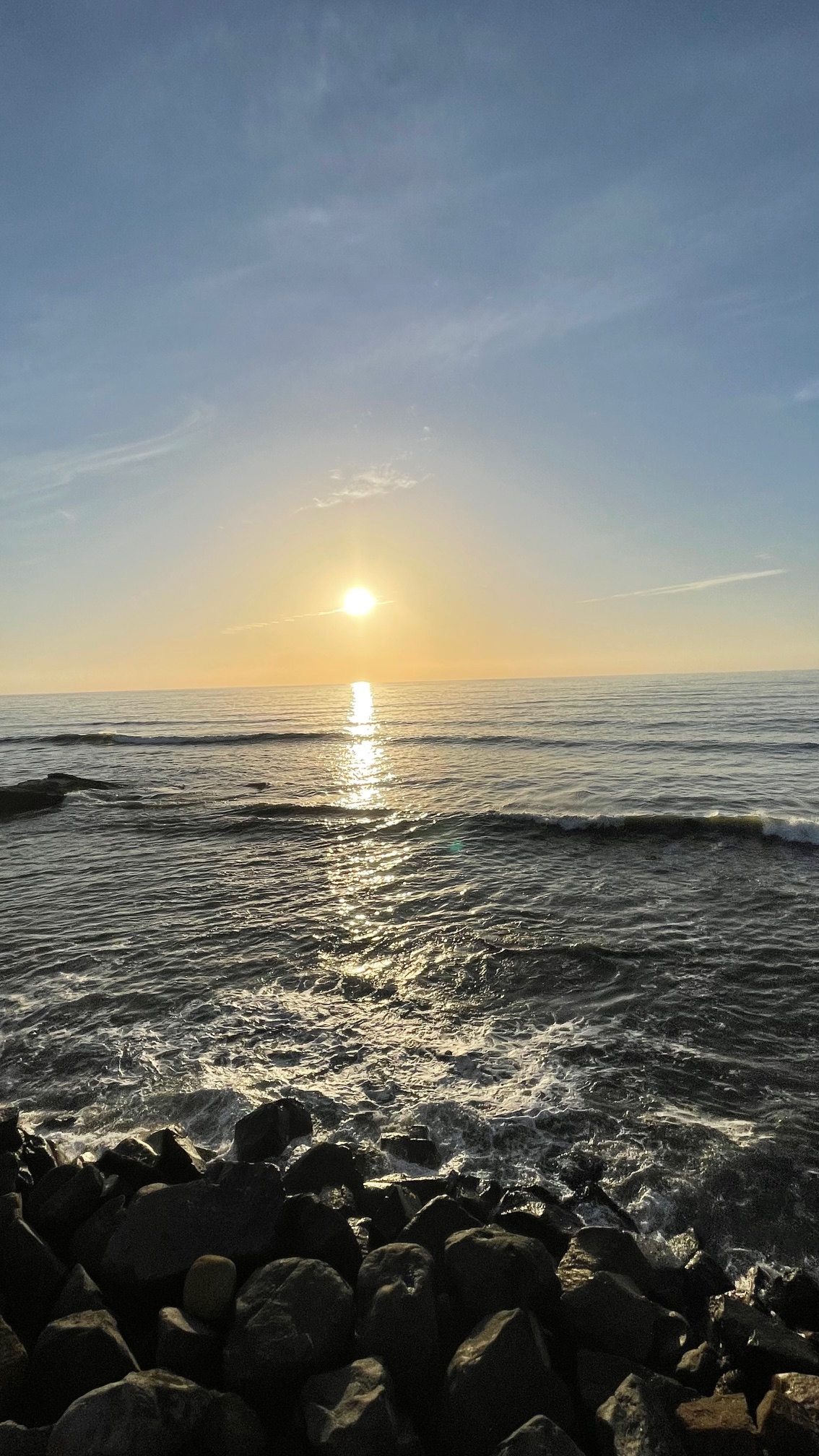

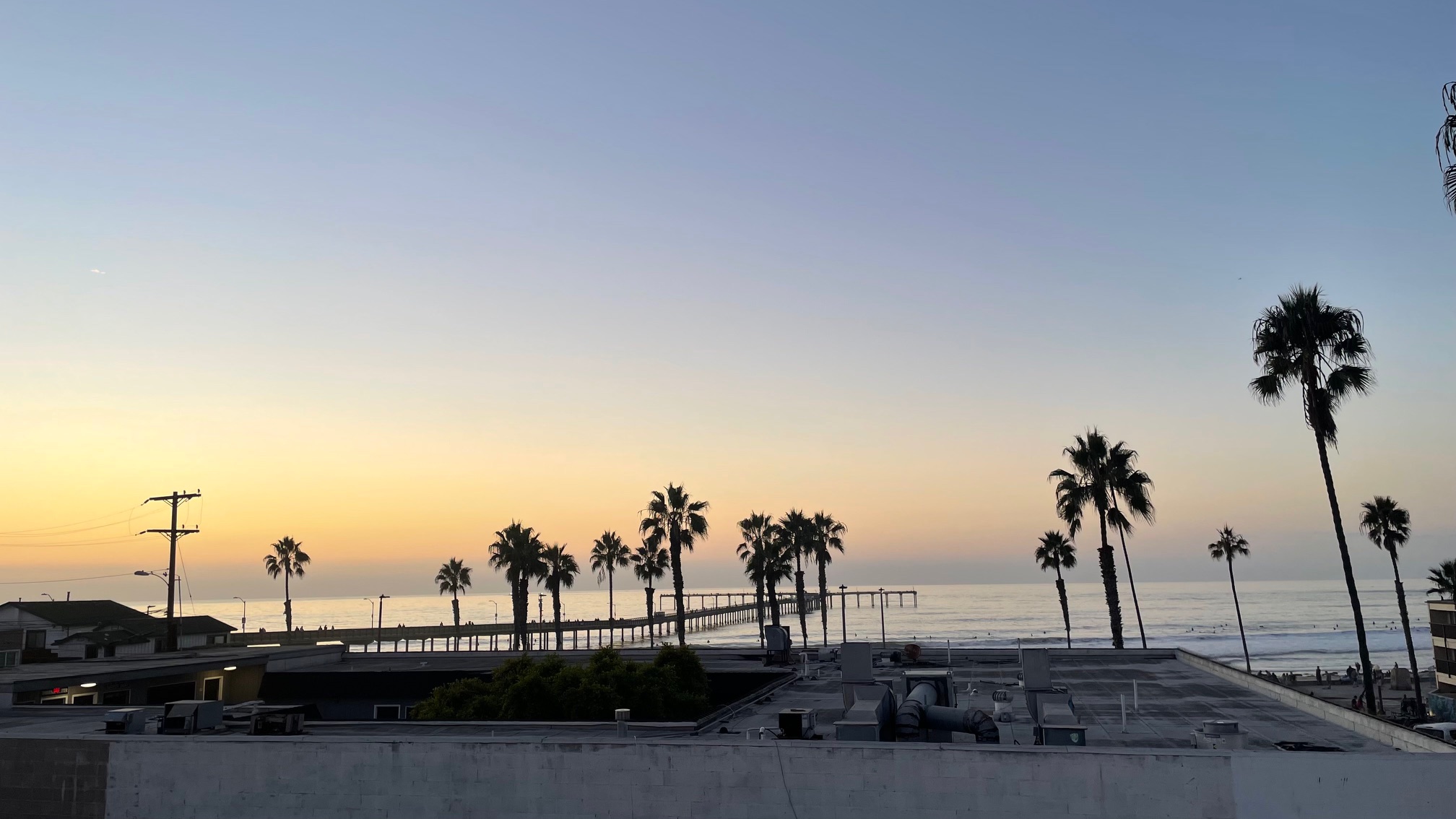
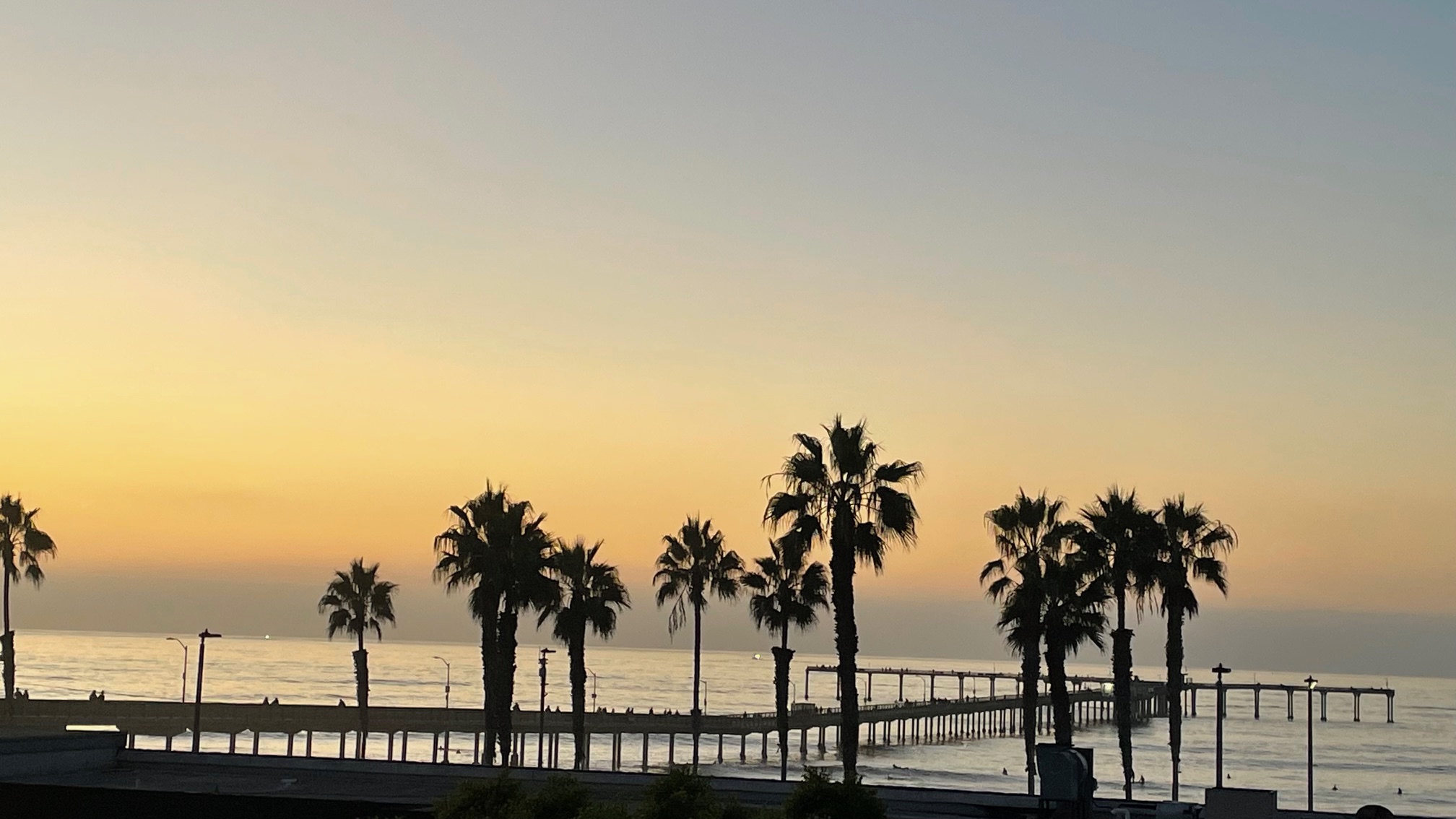


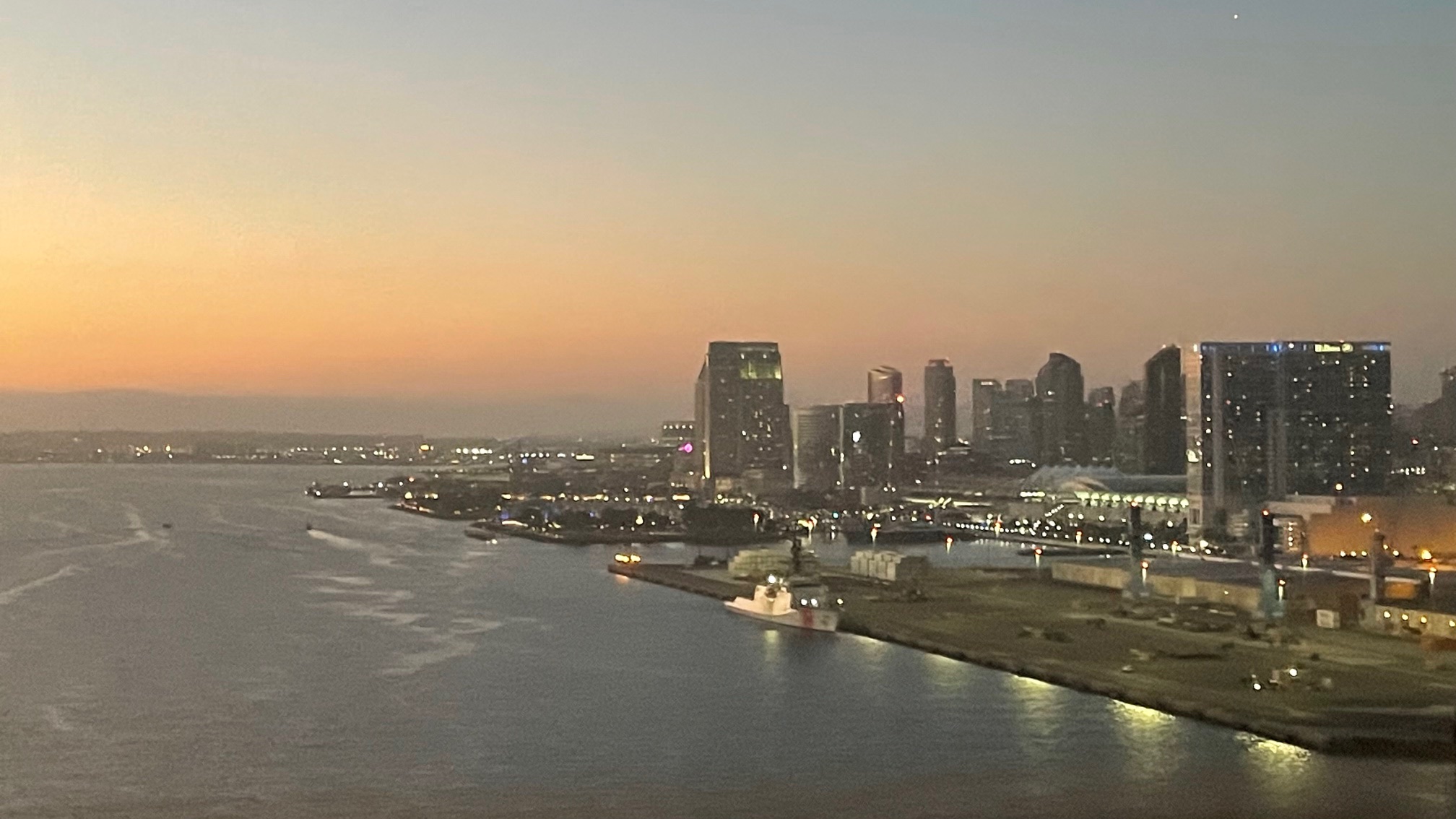

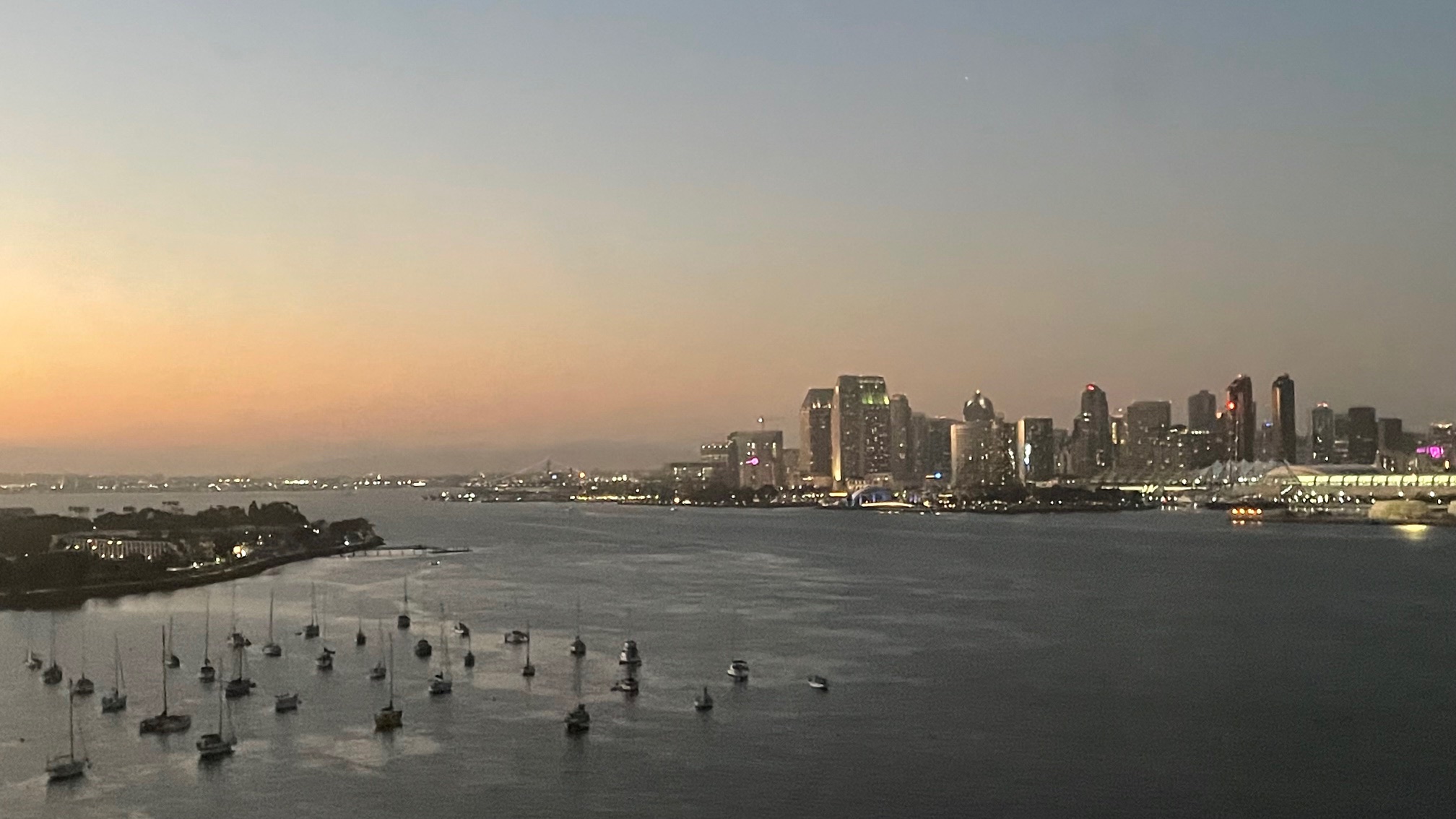
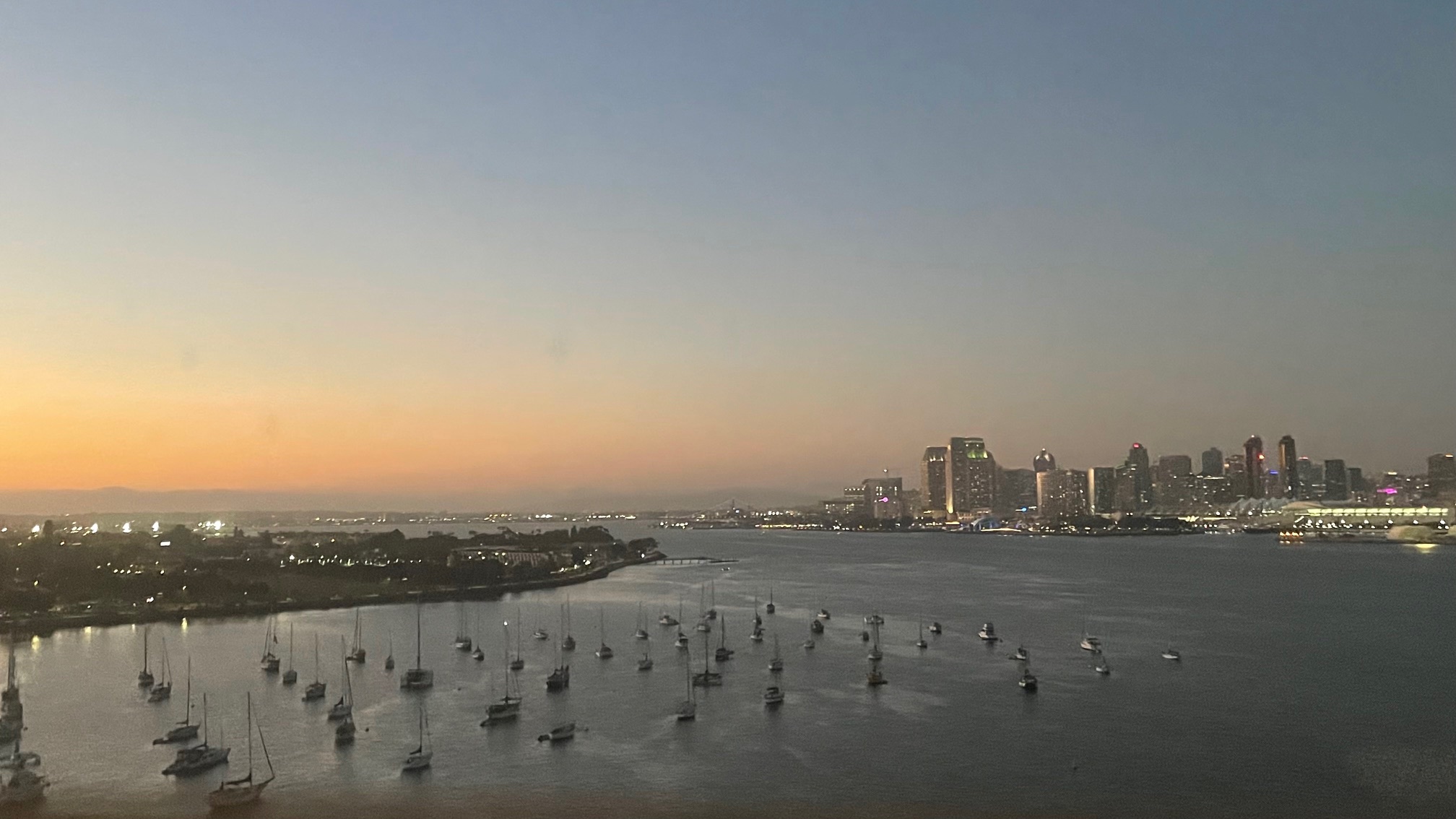
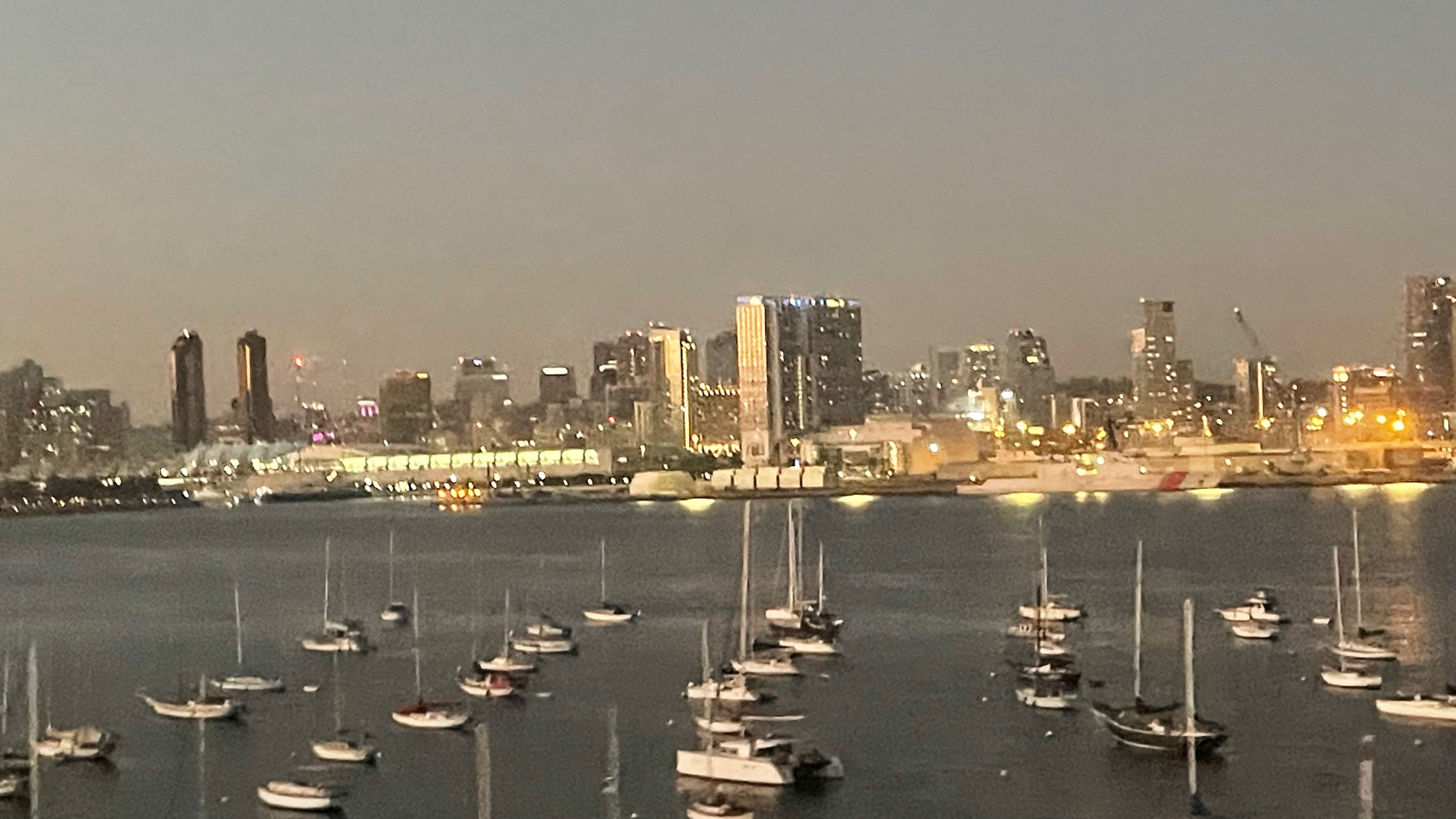

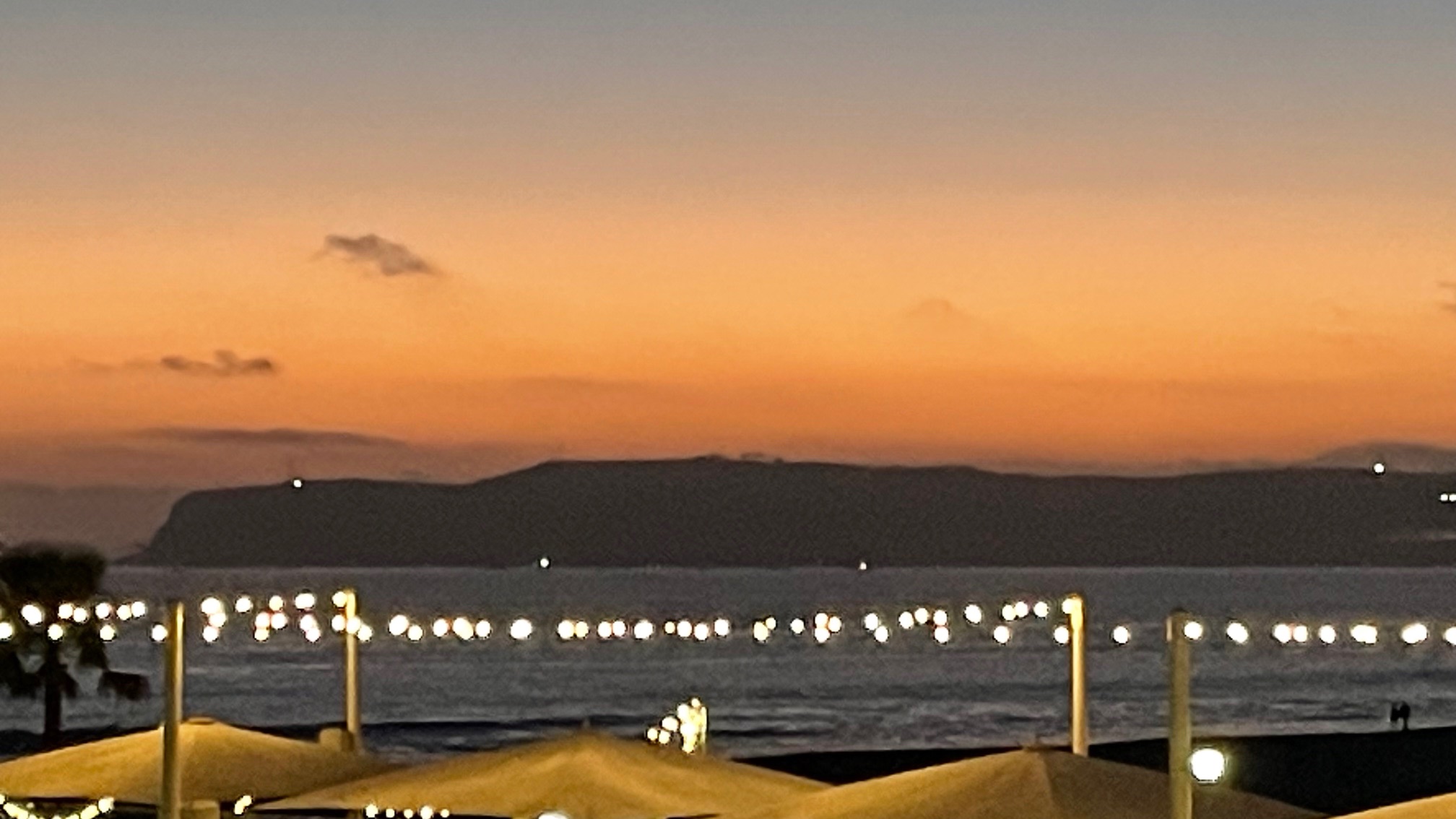
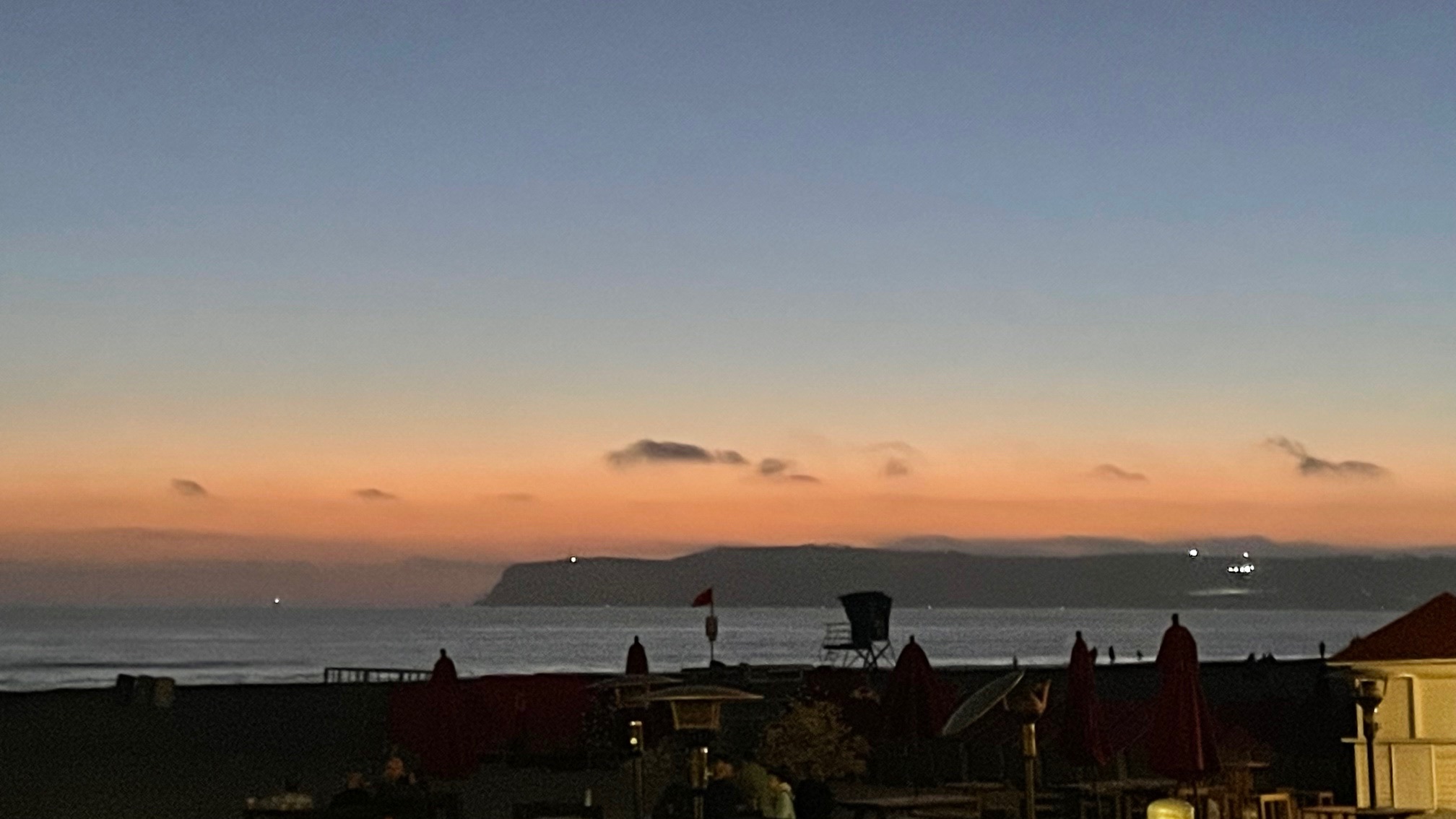

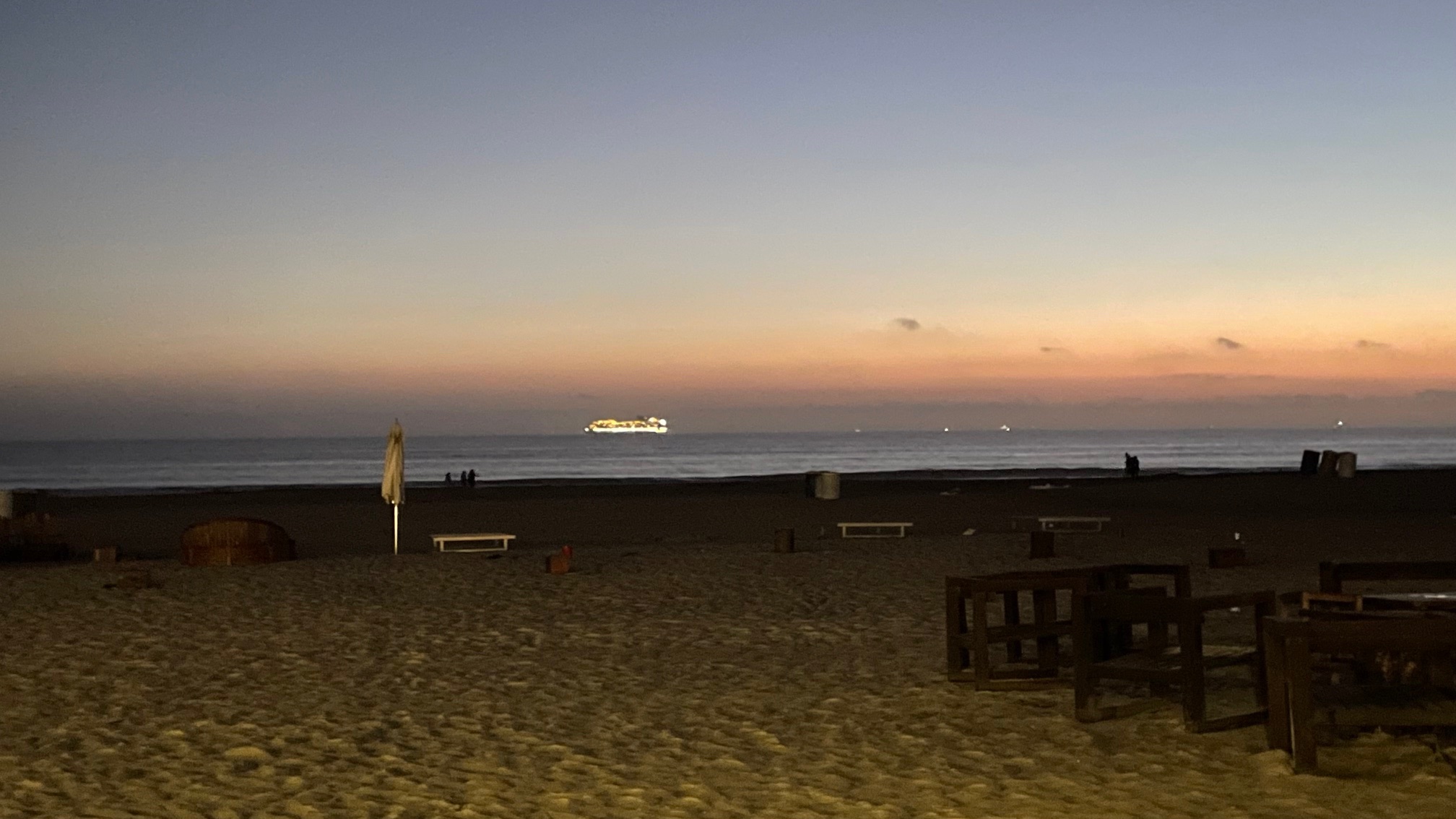

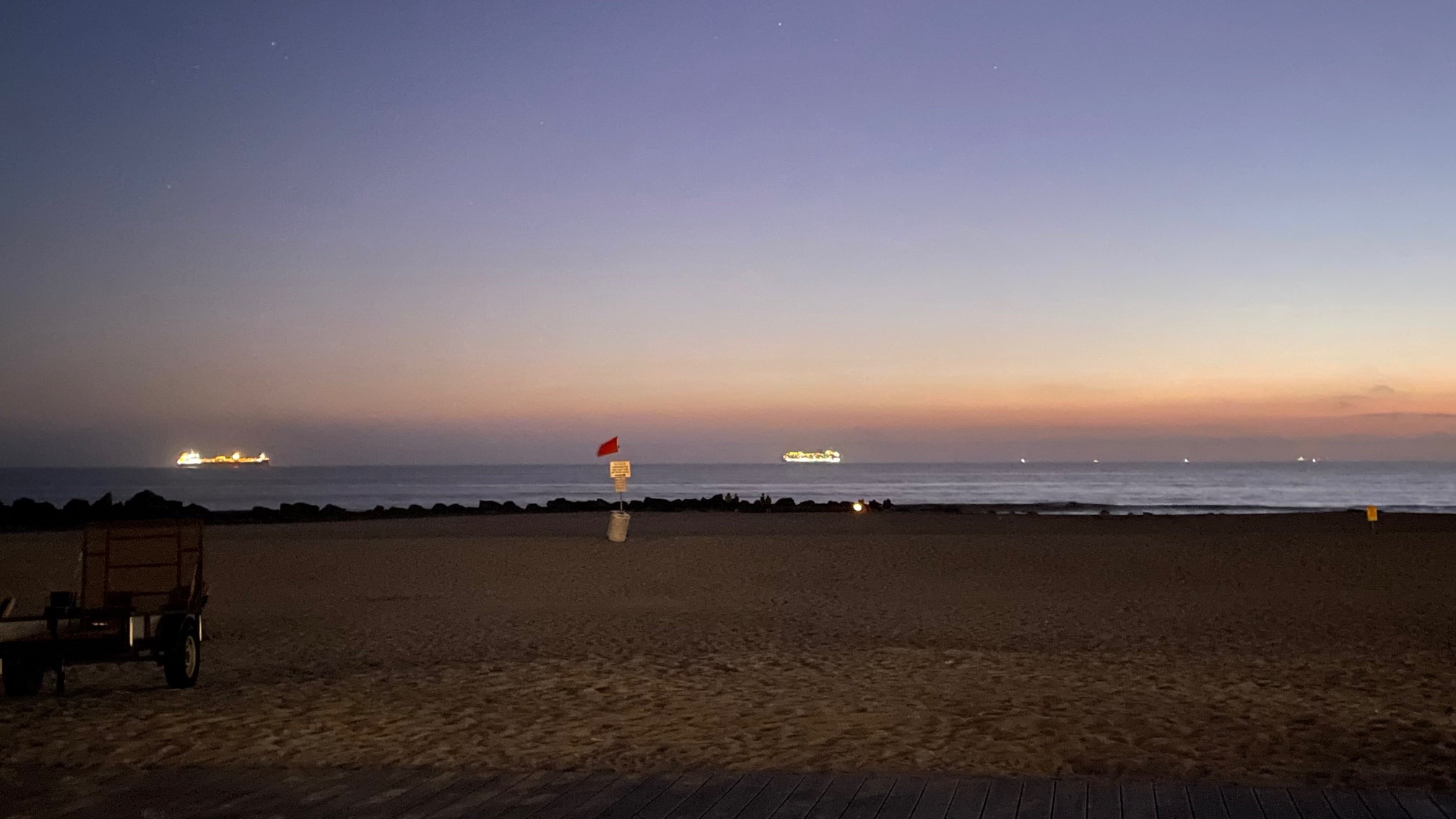


Camera: iPhone 12
Location: San Diego, California, United States and Coronado, California, United States
“We also often must think if the choice or decision we make is ‘perfect’ but to put it bluntly, no choice or decision is ever perfect.”
With the rapid pace of change and constant streams of information coming at us each day, it leads a lot of us to overthink decisions and choices to the point of inaction. There are too many choices we have to make, sometimes big and sometimes small, but we can easily get overwhelmed by the fear of making the wrong decision or if it’s better to avoid deciding altogether. We also often must think if the choice or decision we make is ‘perfect’ but to put it bluntly, no choice or decision is ever perfect.
Everyday, we are faced with hundreds or even thousands of choices such as choosing what to eat, what to wear, to what to do with your life, career, or school choices. Major life decisions should always take precedence in terms of your focus and your analysis, but you have to make the decision at some point regarding career, school, investments, and relationships. You must be able to prioritize effectively the decisions you have to make in the order of what’s more urgent and what’s most important. Smaller choices should deserve some time, but they should take away from the big choices we have to make day in and day out. Prioritization, knowing when to limit the time spent on a choice, and embracing choices or decisions that are ‘good enough’ over ‘perfect’ will help prevent you from falling into an ‘analysis paralysis.’
I believe that ‘analysis paralysis’ is more common than ever due to several factors. We have too much information and it’s overloading our thought process because it’s seemingly endless with regards to the Internet and it’s harder than ever to filter out good information from bad. The fear of missing out (FOMO) has us thinking that we have endless choices in life rather than a few immediate choices we should focus on that affect our lives.
Social media makes it seem like we have endless time or endless options to consider but we must reframe it as these are the choices I can make that are within my control and for which directly impact me. Society tends to reward those people who seem to have made the best decisions even when we know we don’t know the full story behind the choice because social media and the Internet don’t give us everything regarding how a person decided or made a choice to begin with.
Too many choices each day of life, which society can thrust upon us all at once, is a modern problem especially regarding how many streaming services, career paths, educational options, and other non-essential choices that flood our attention spans. While it’s important to make choices, you should not waste more time than you need analyzing every option out there because it would be a waste of your time.
As I mentioned earlier, to avoid analysis paralysis, you have to choose only on what you can control or have an impact on your life to decide upon immediately. You got to set time limits on these decisions you can make and are relevant to your life at the time. There is also no such thing as a ‘perfect’ choice or decision and every decision we make has positives and negatives to it as well as unknown factors that we cannot foresee upon making the choice.
You should be identifying the key factors of the choice and what impacts it’ll have from making one choice or the other, but for which truly matters rather than analyzing what could be or should be without knowing what those unknowns may lead to. Identifying what truly matters and really impacts you day to day should be priority in your decision making and should be based on relevant information that is creditable and trustworthy too.
Taking small choices or decisions can make it easier as well to handle bigger decisions but both need to be happening in your life. You can’t ignore the big choices or the small choices and often they will need to be made at the same time or same day. Breaking down your decisions and the steps that lead to them will reduce the chances of you being overwhelmed by making them. Take the decision-making process one step at a time, especially for the big decisions, will make it less daunting and give you more confidence in how you analyze the choices you have.
Limit the amount of information you expose yourself to and make sure the information you get is trustworthy before making your choice or decision. There is too much information out there for every choice we could make in this information age so make sure you trust your sources, limit them to a handful, and try to analyze both sides of the choice without delaying it too much.
By recognizing what ‘analysis paralysis’ is, how often it can affect us in our daily lives due to living through the ‘information age’ and taking steps to overcoming this paralysis one choice or decision at a time, you can improve the quality of your life immensely. Go easy on yourself and try to make the best decisions you can with the best information you can get. We all make mistakes in our choices and our decisions because we’re human but it’s important also to learn from past mistakes and do the best we can each day we make a choice or decision.
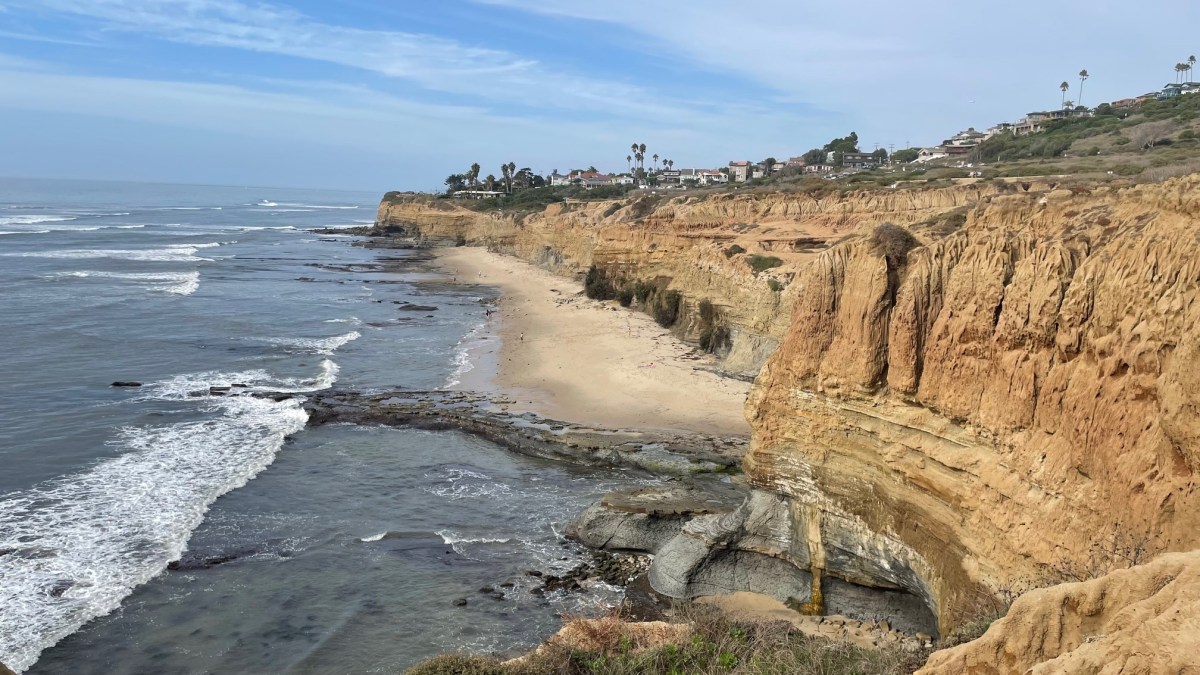
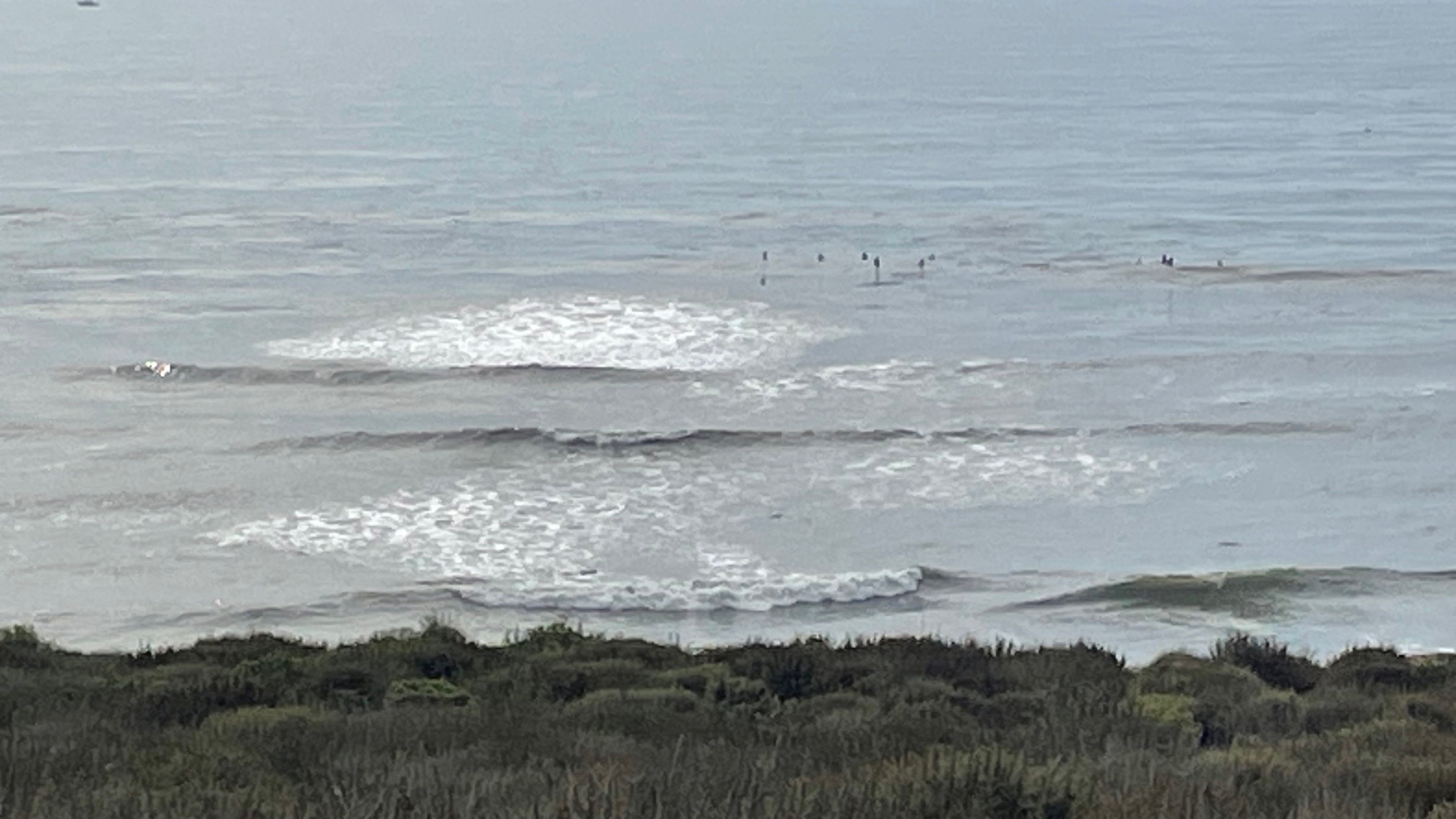
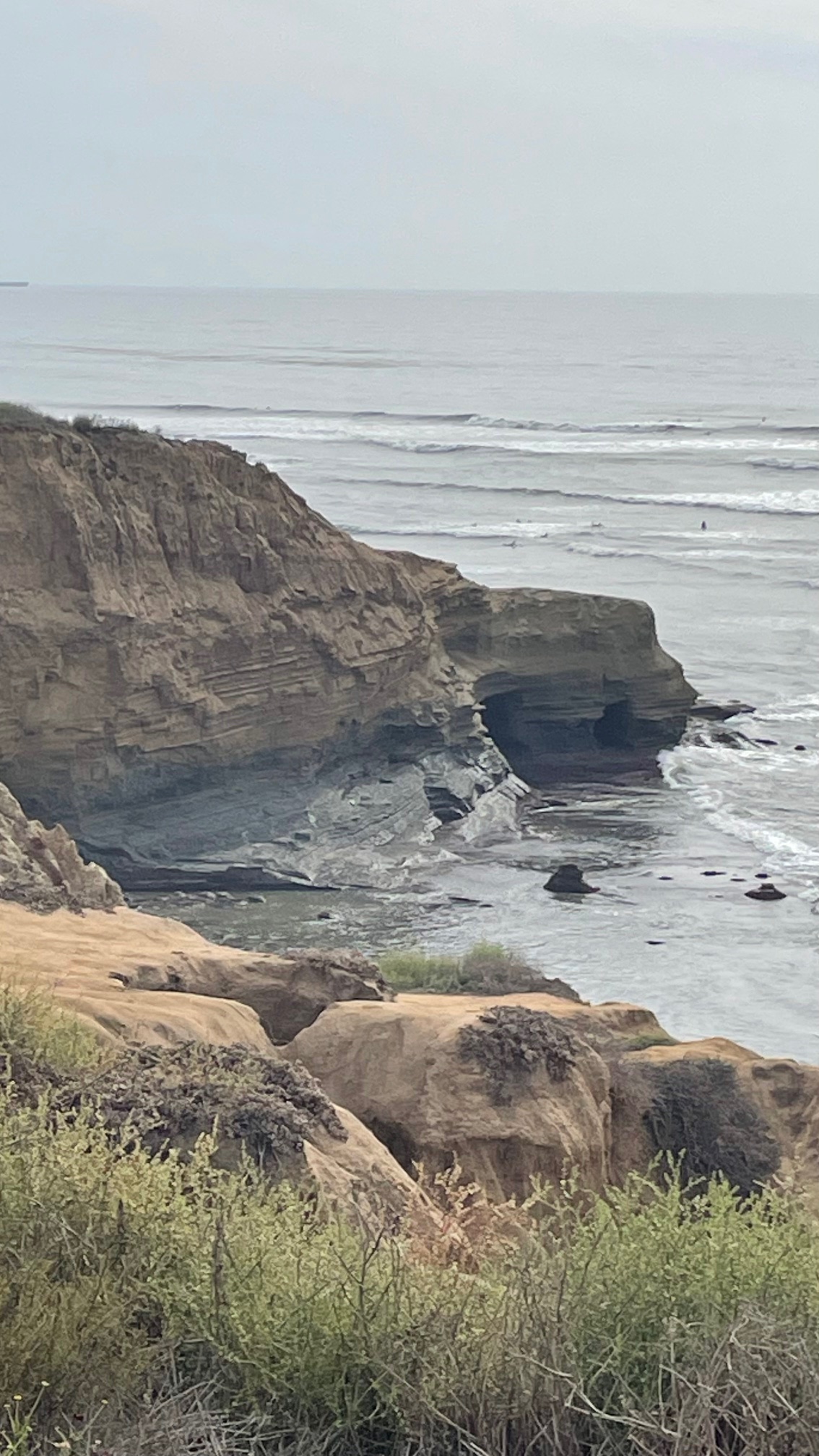
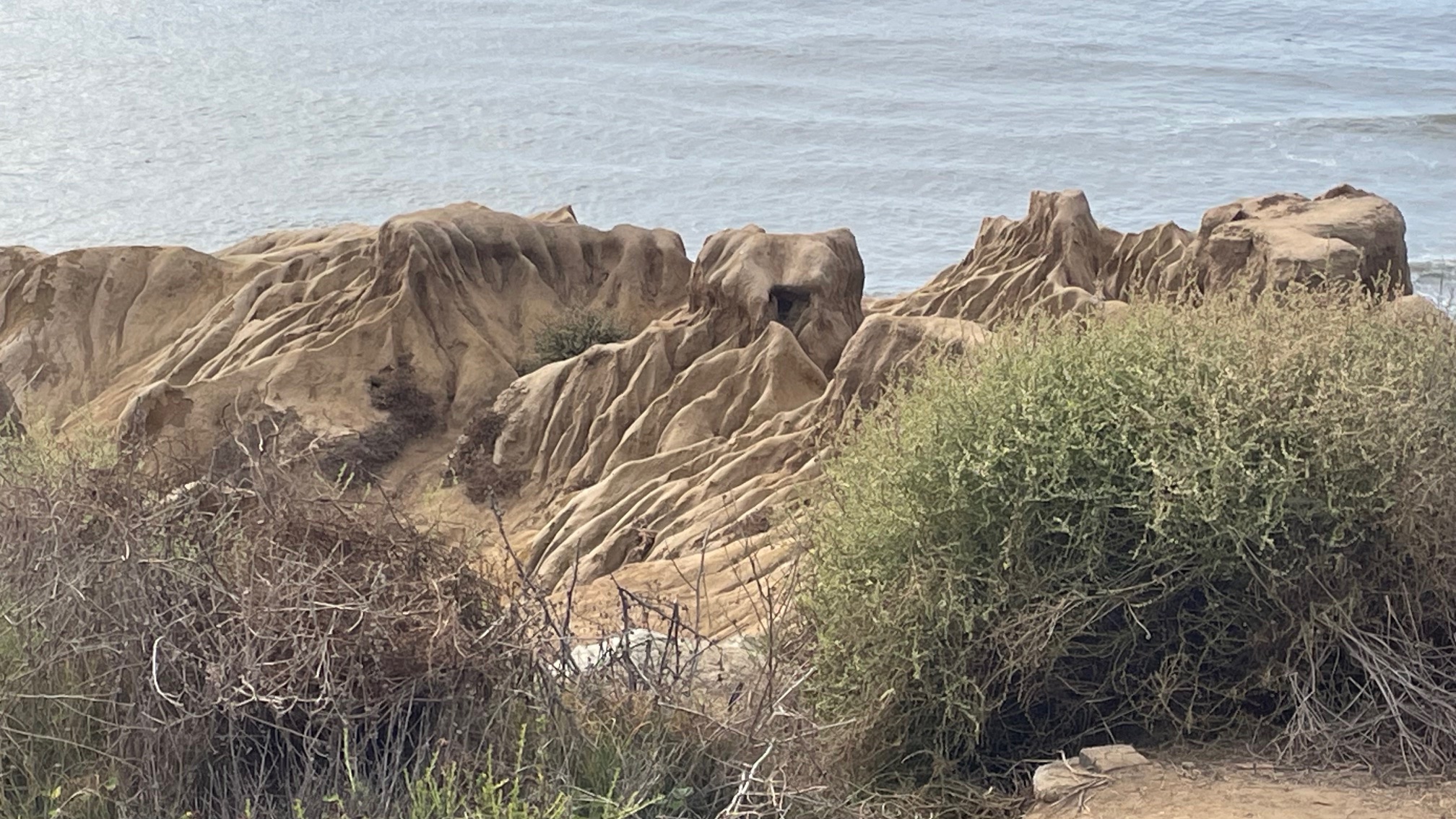
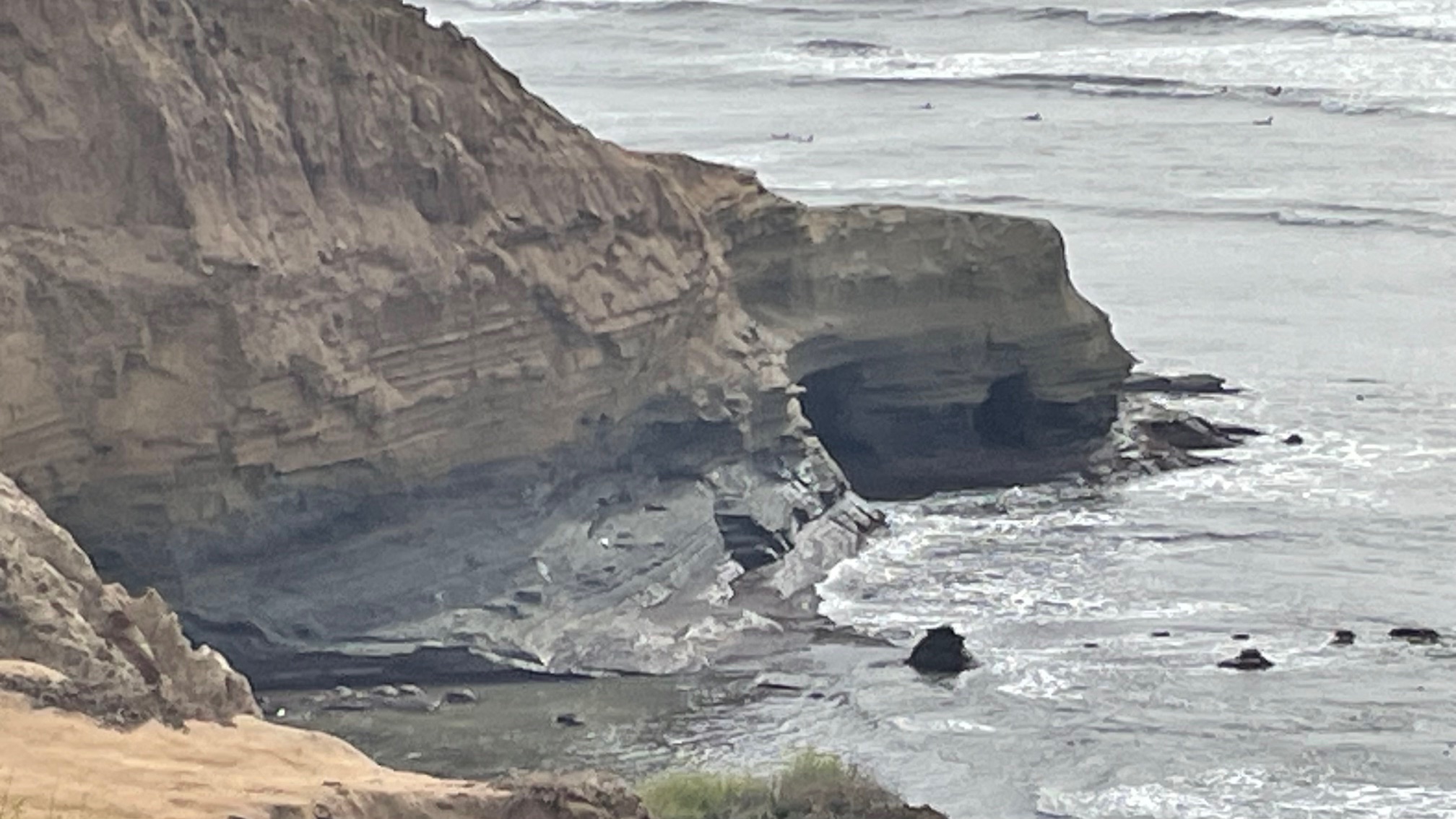
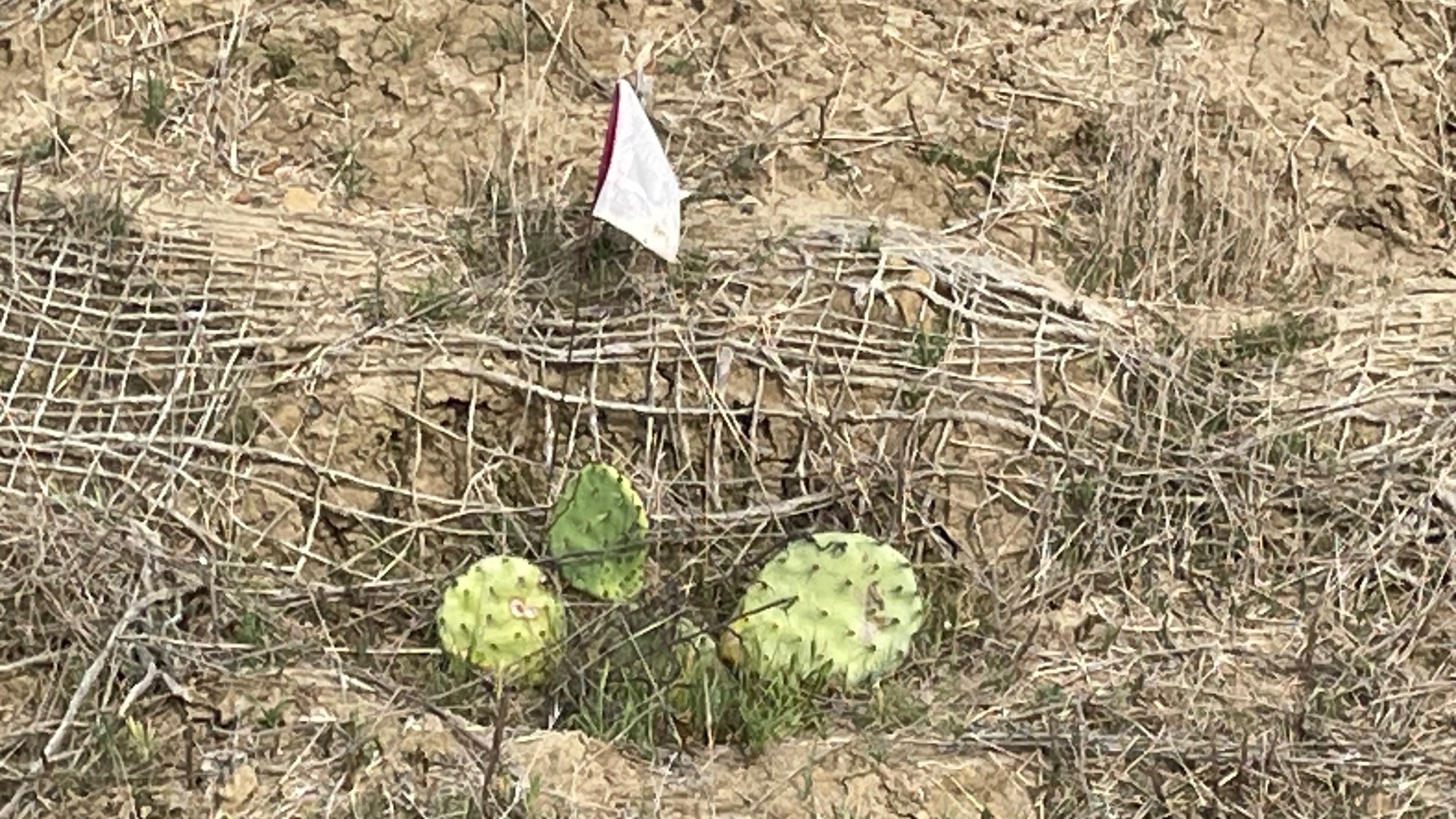
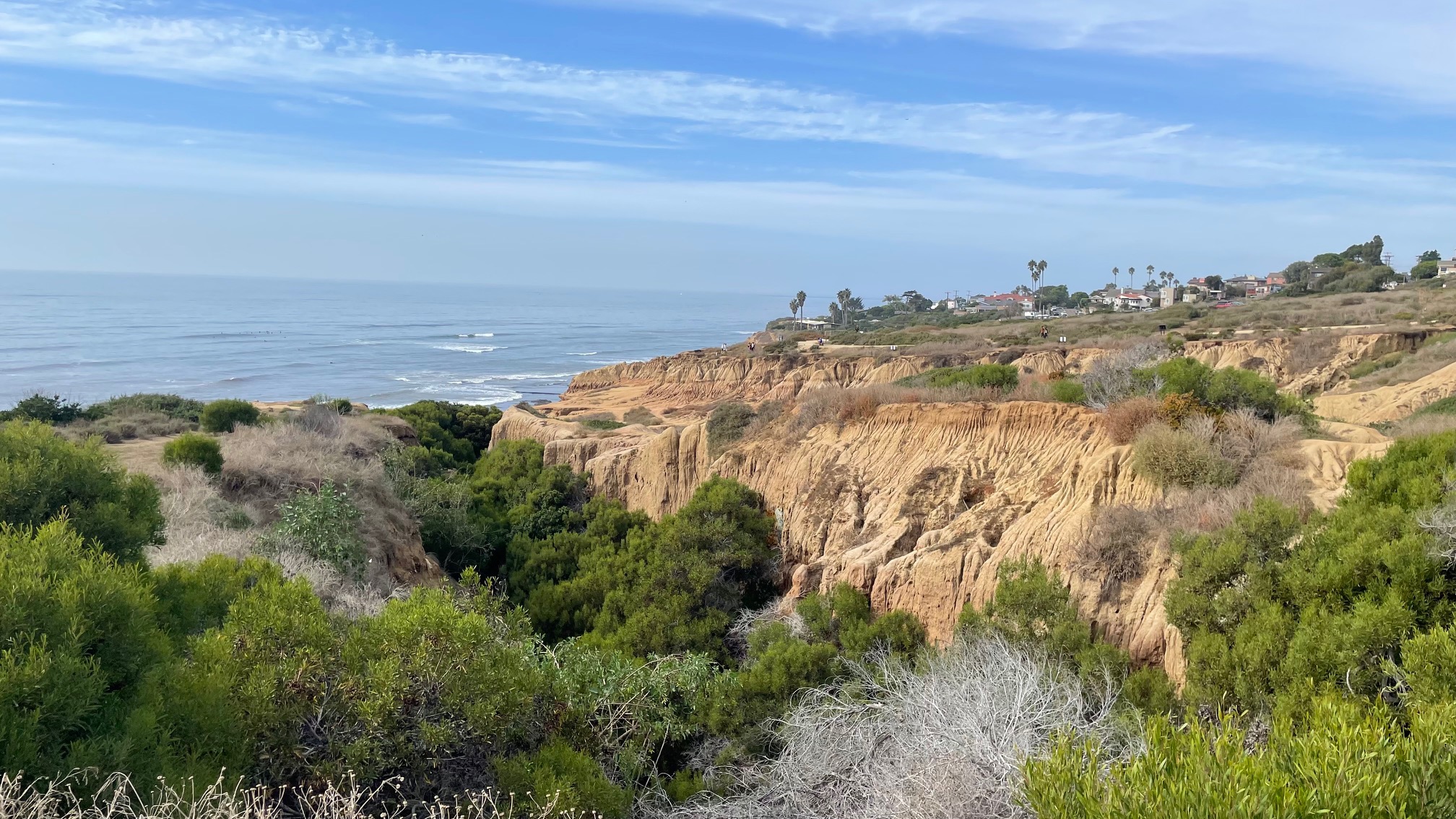
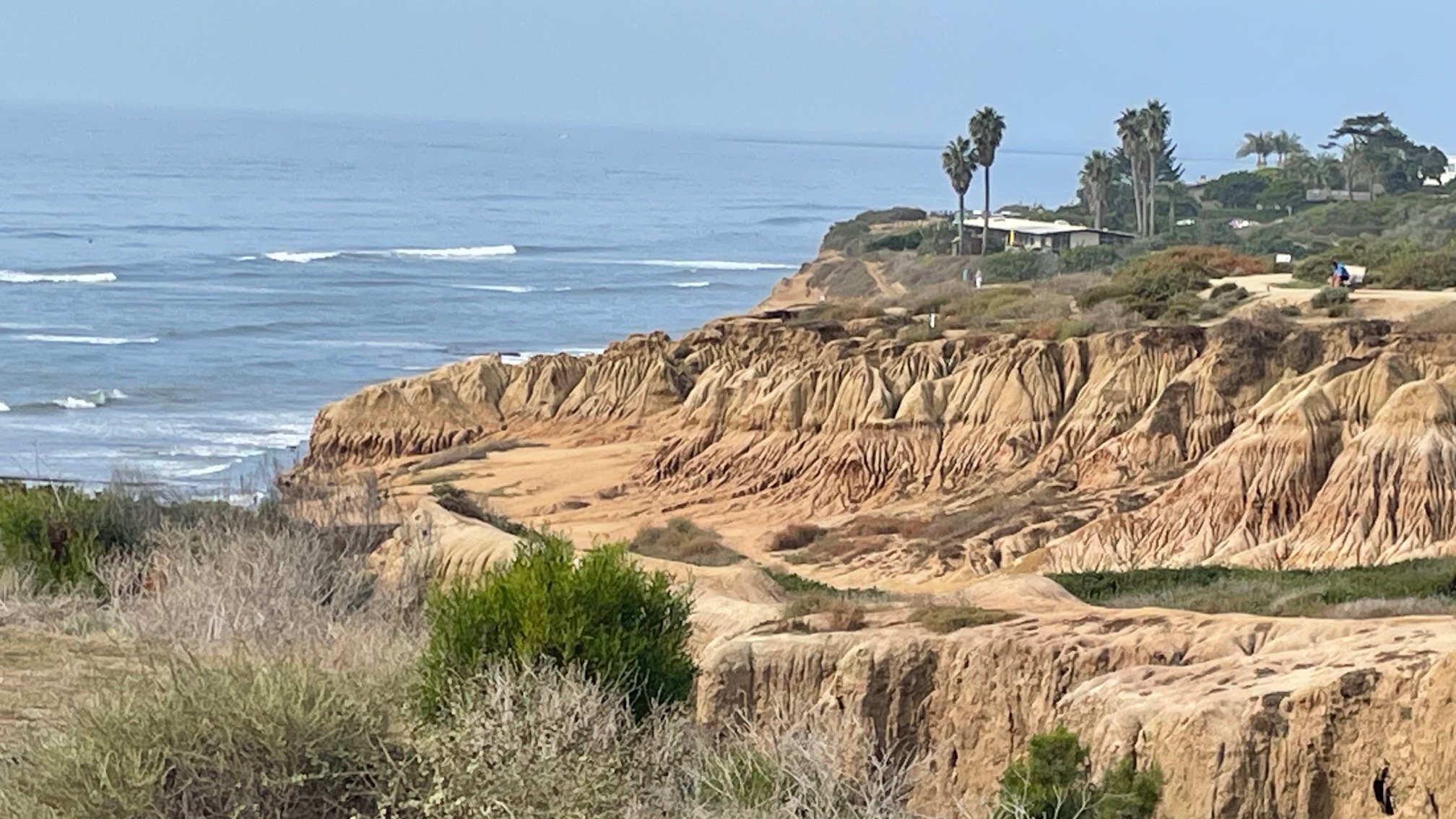
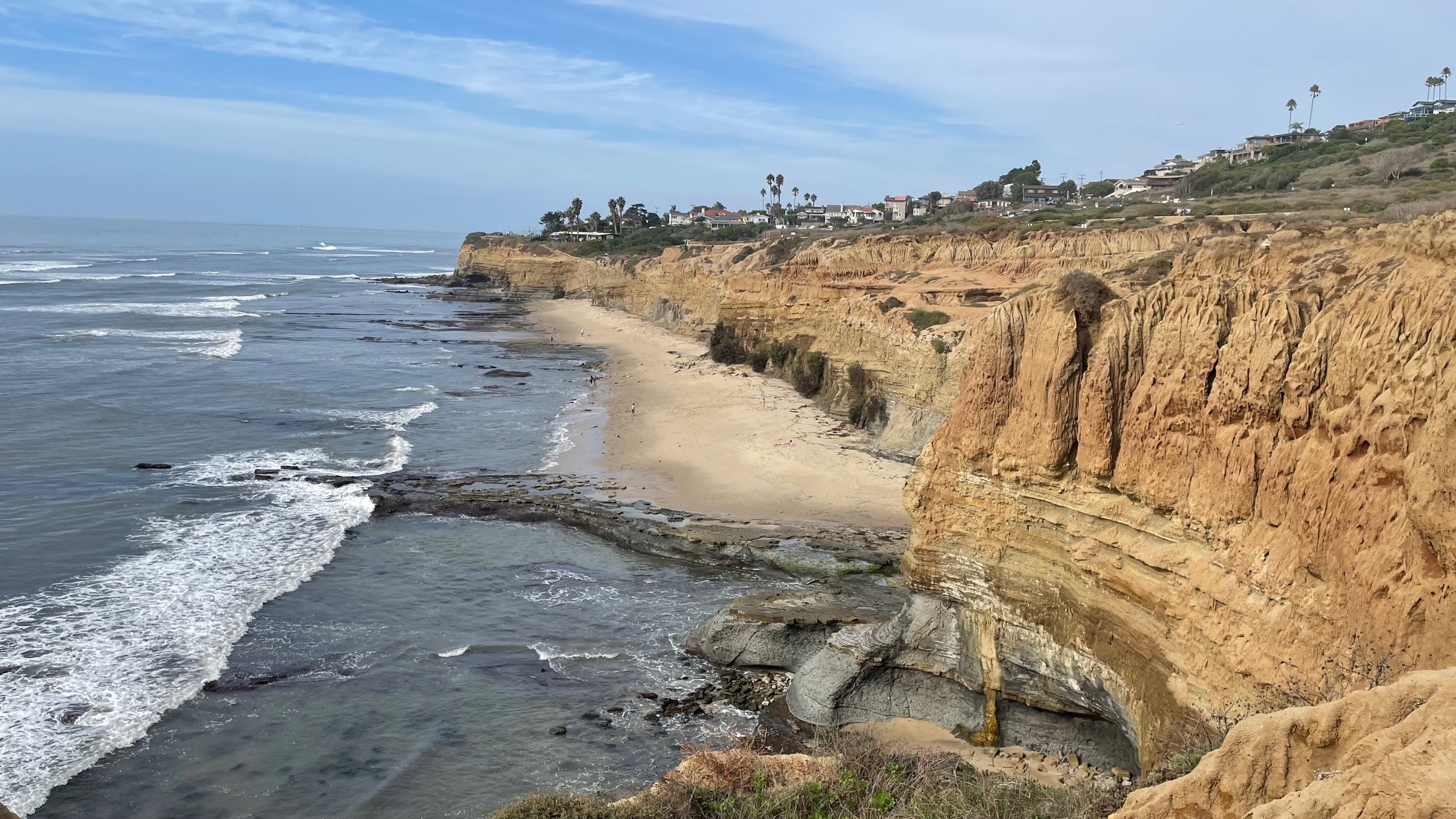
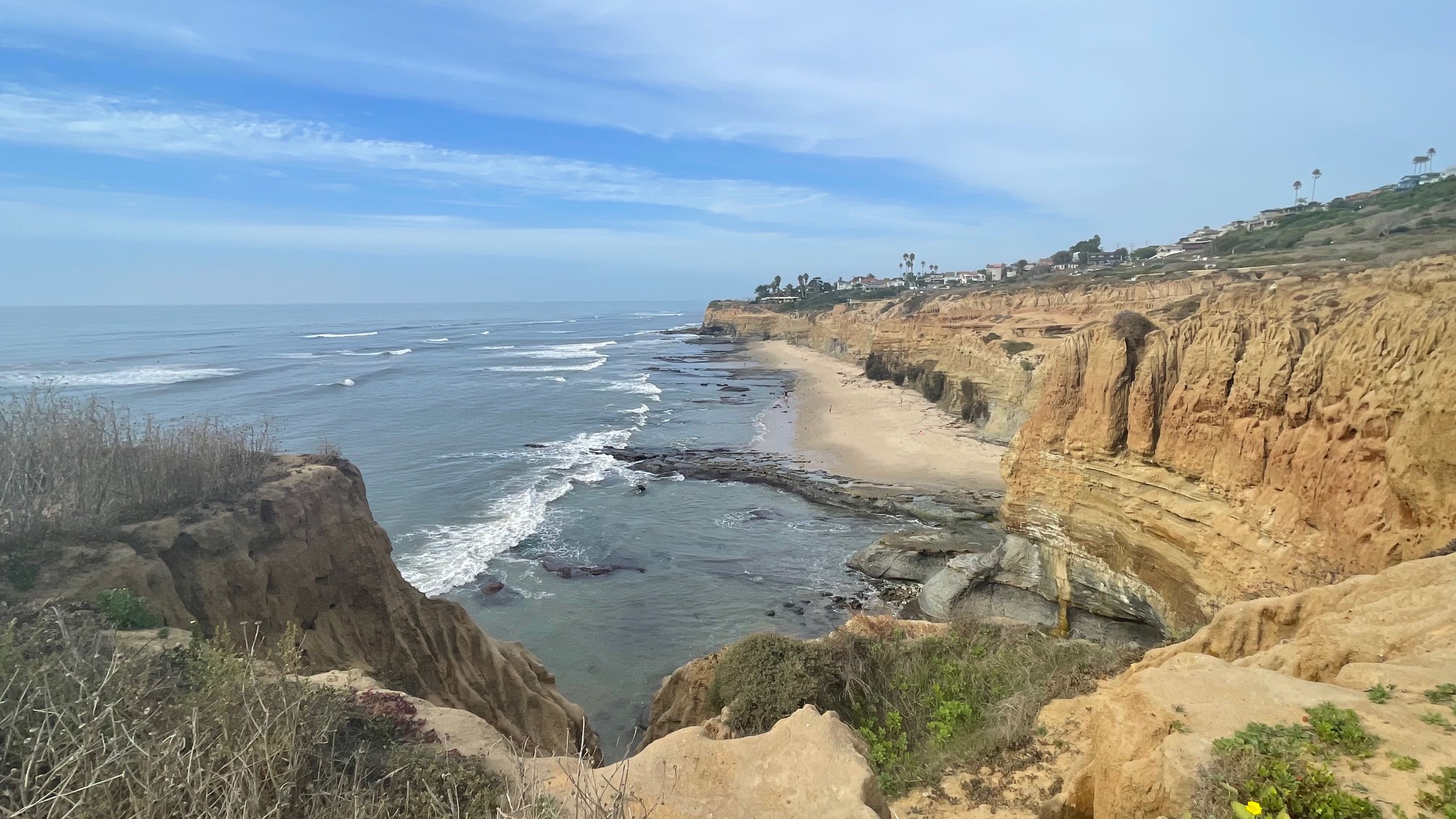
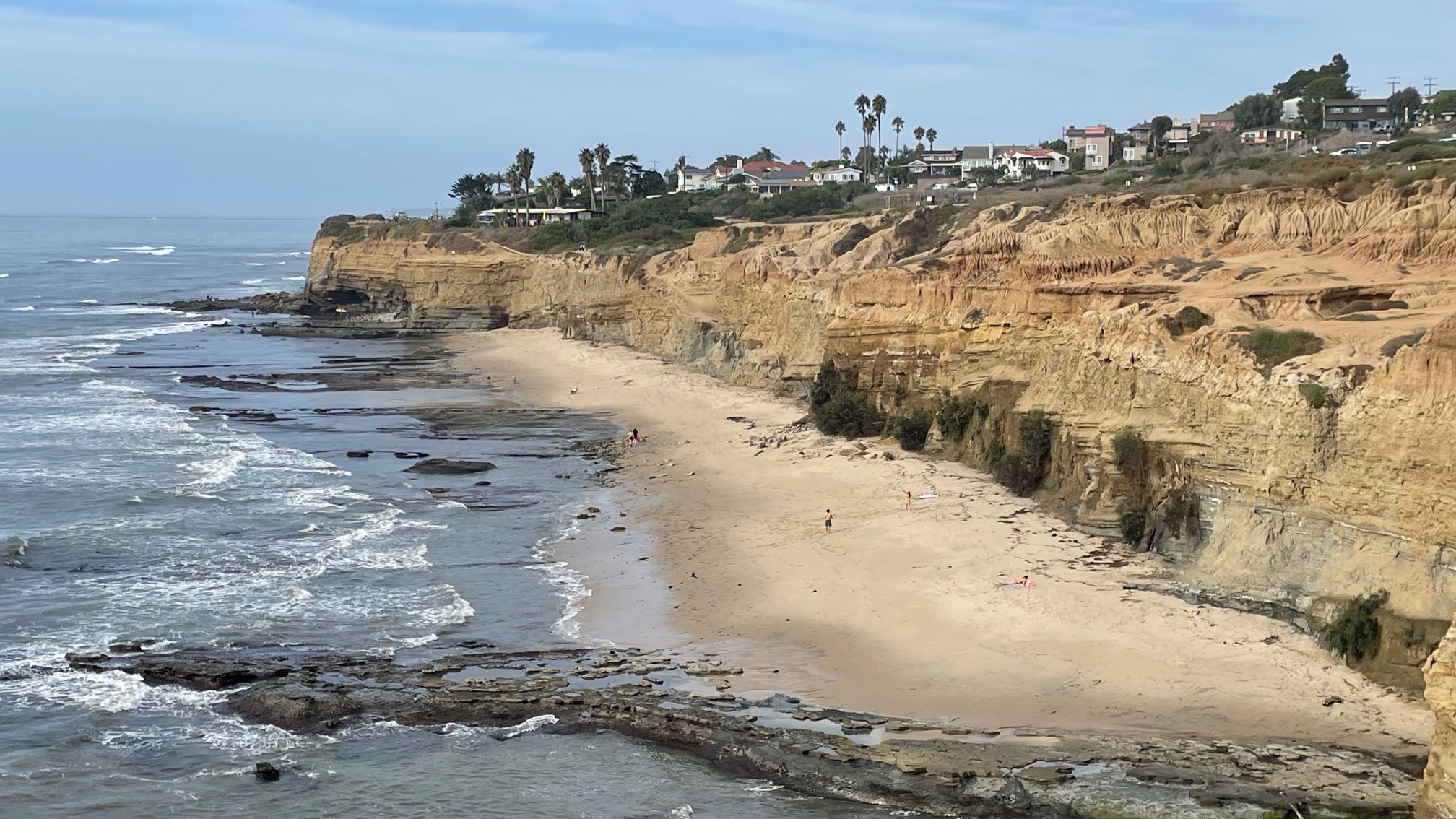
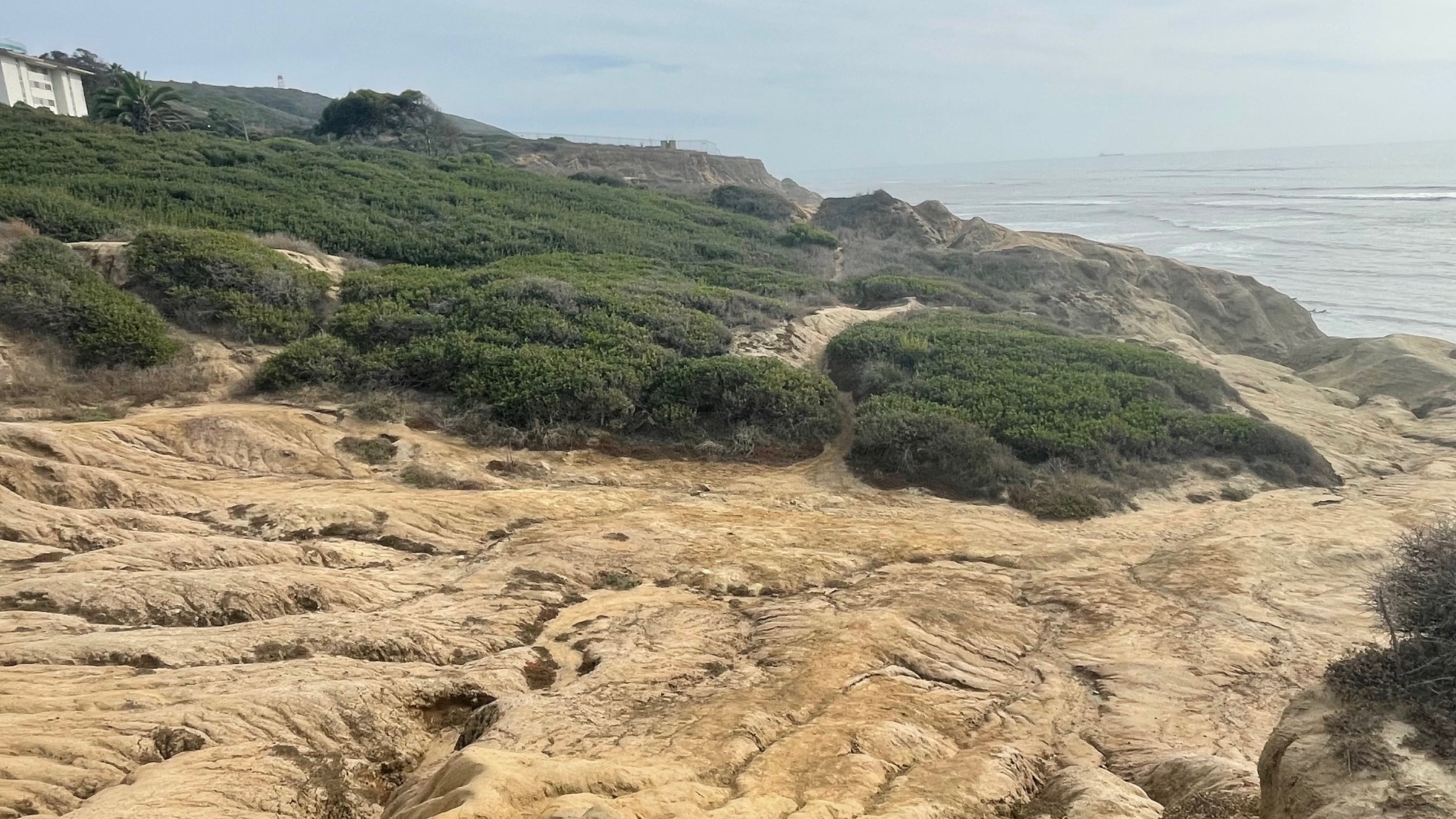
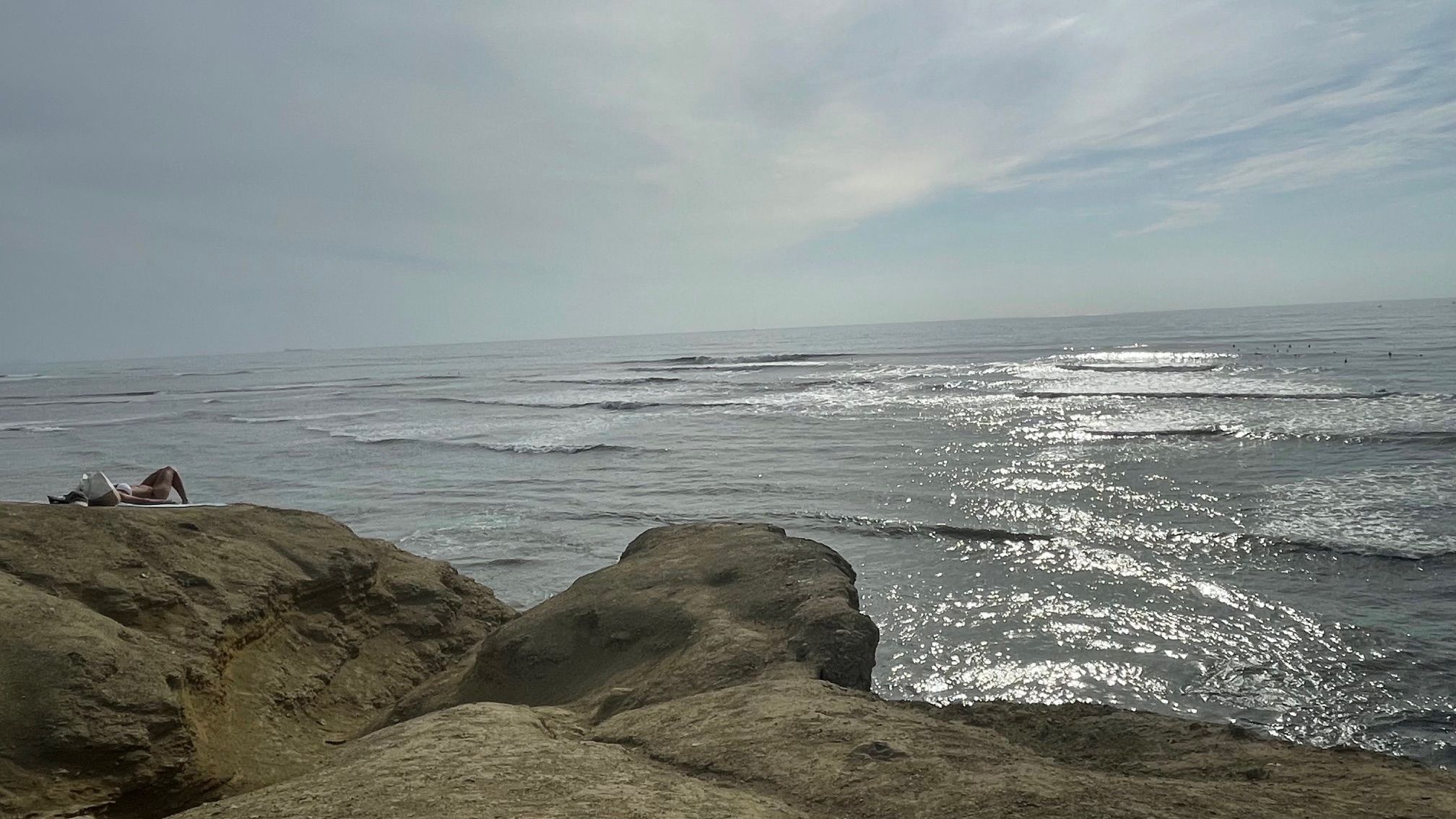
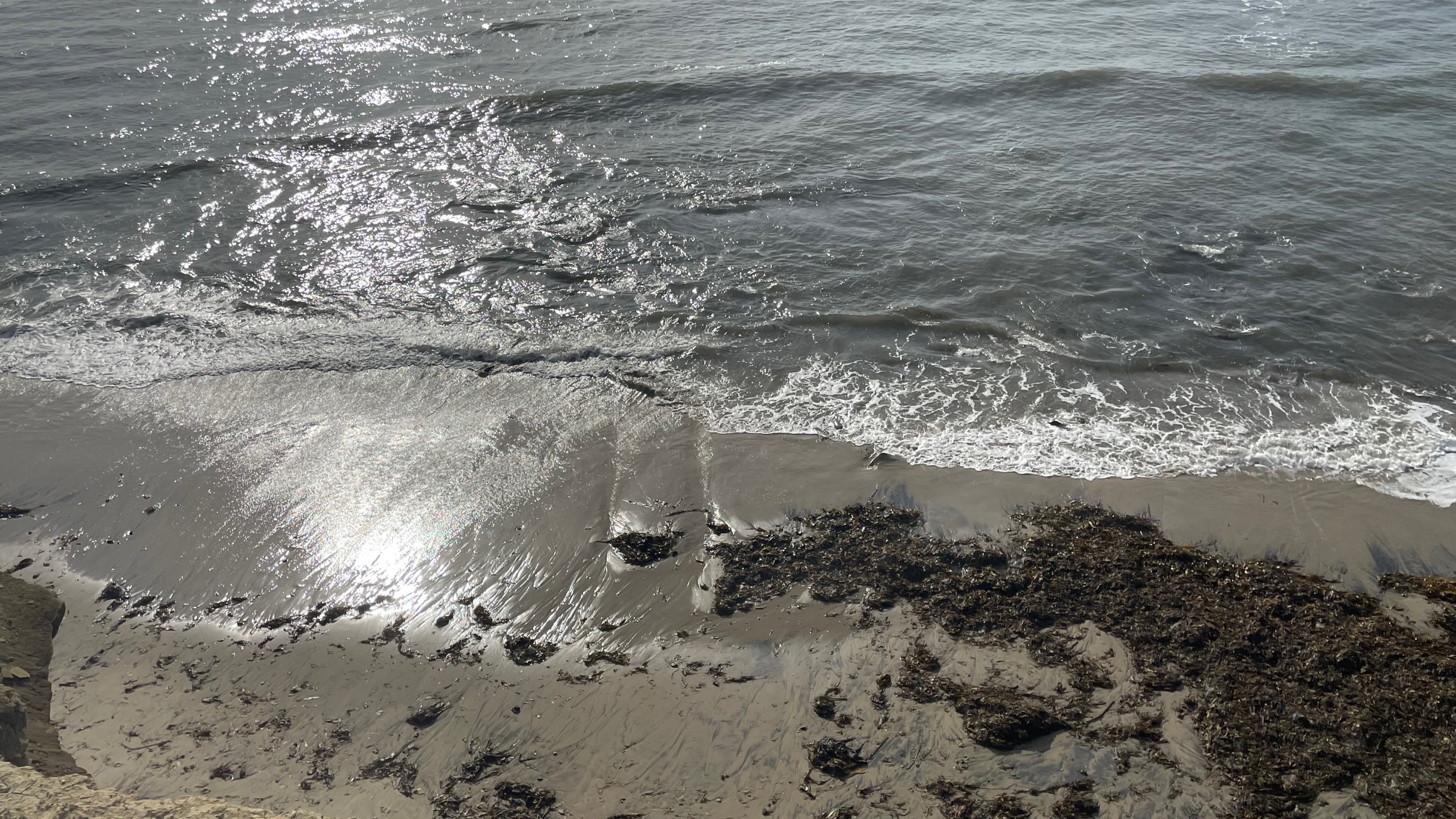
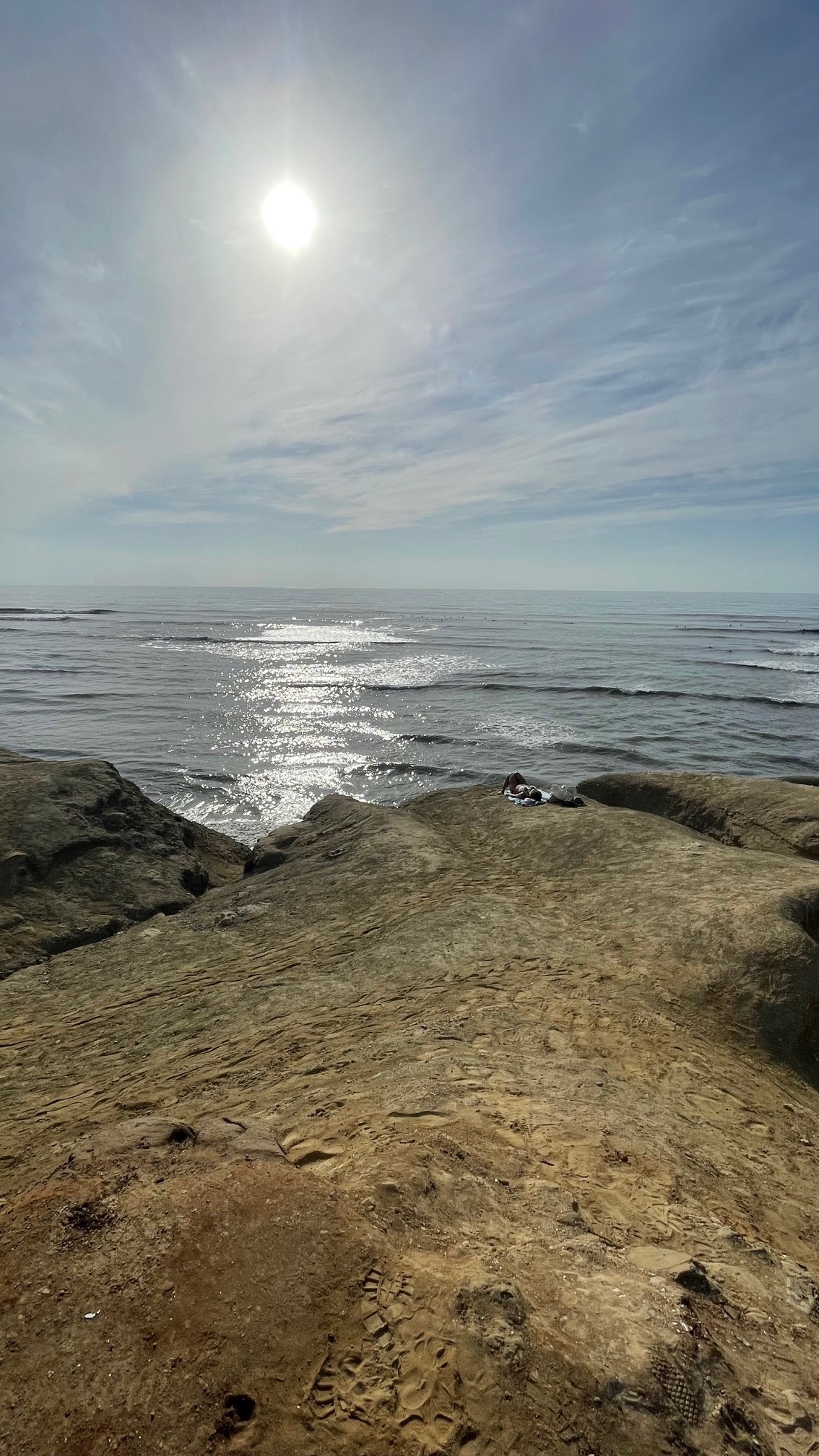
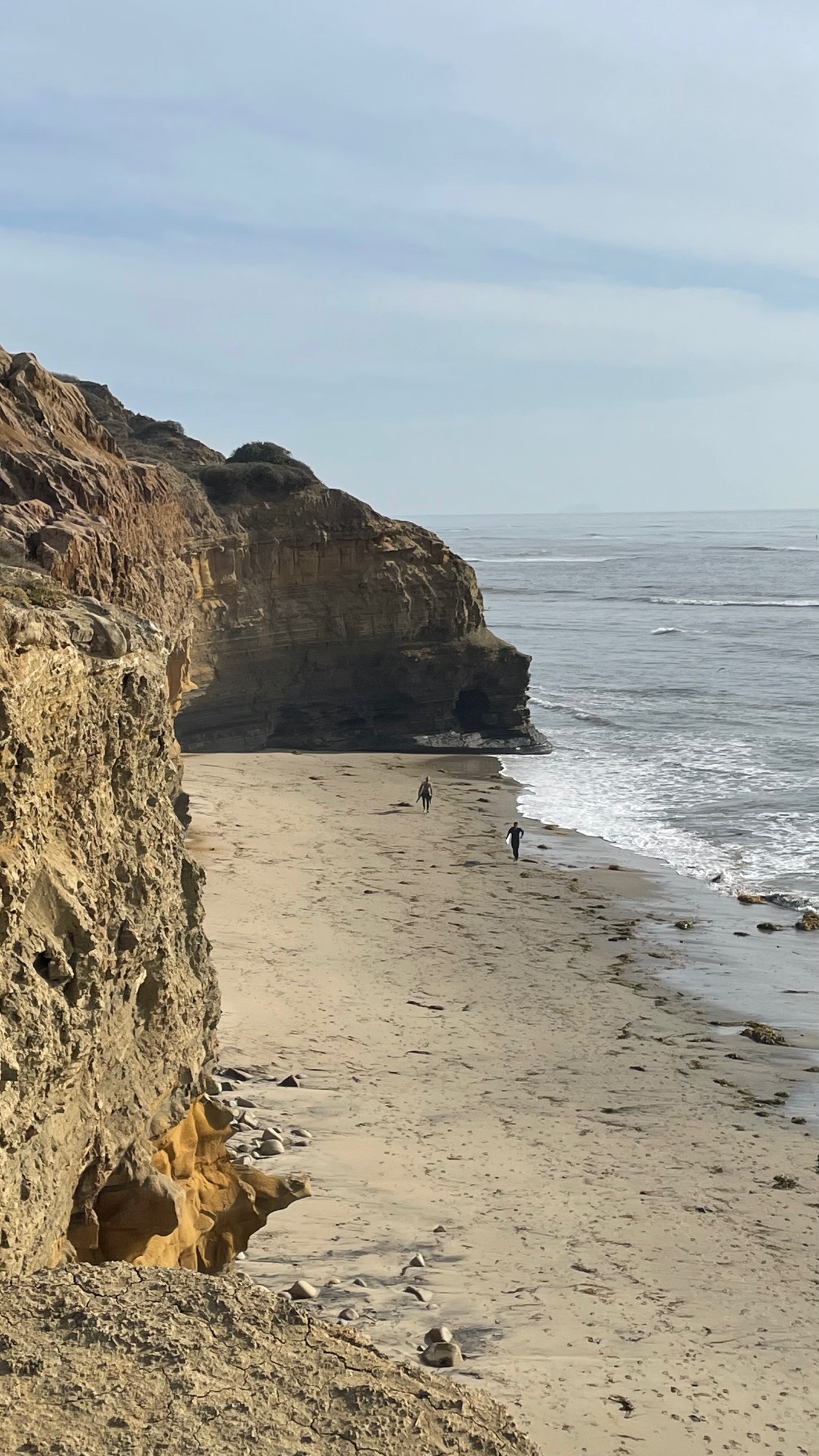
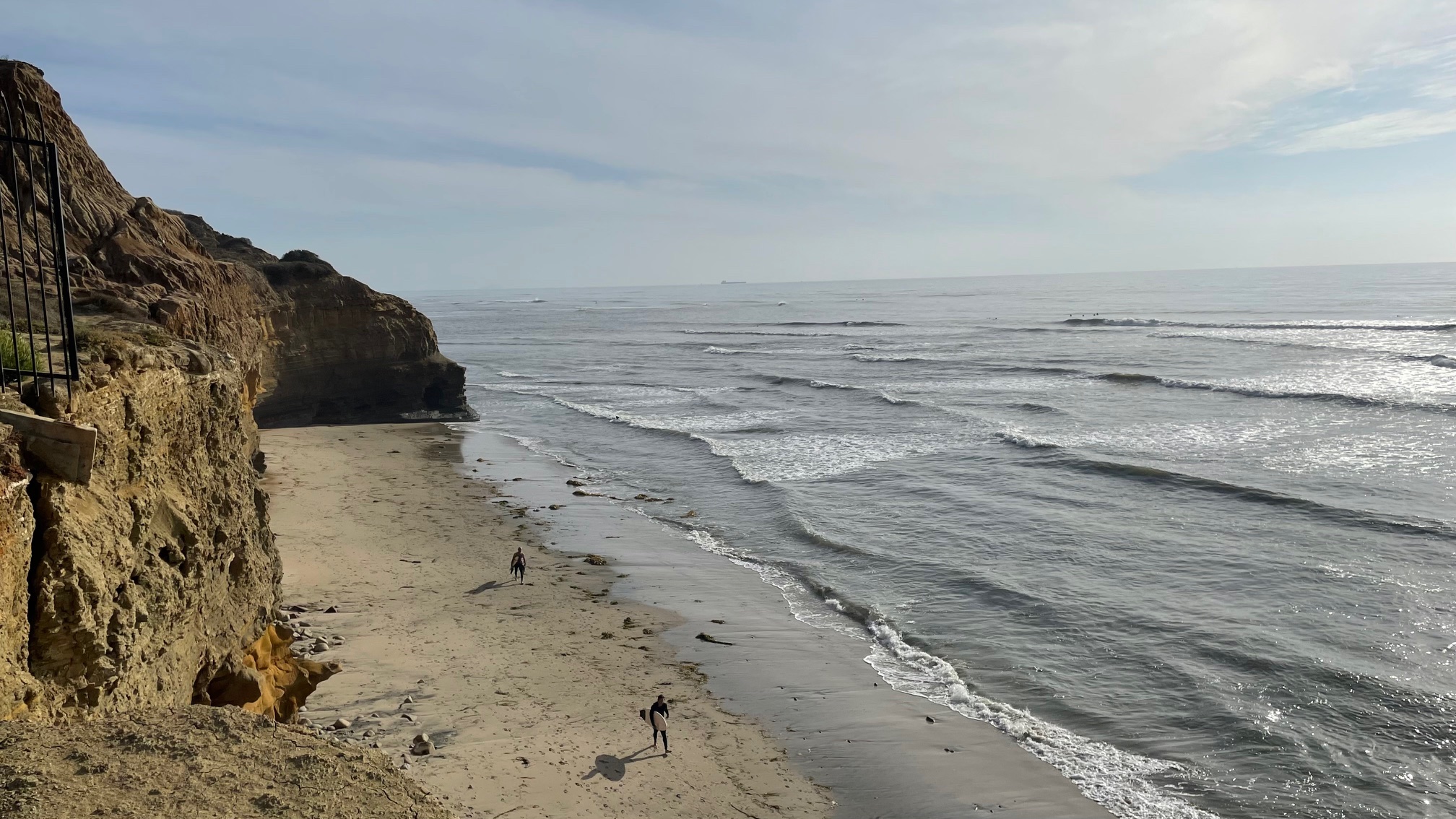
A beautiful Fall Day to go hiking in San Diego at Sunset Cliffs Natural Park from October 2023.
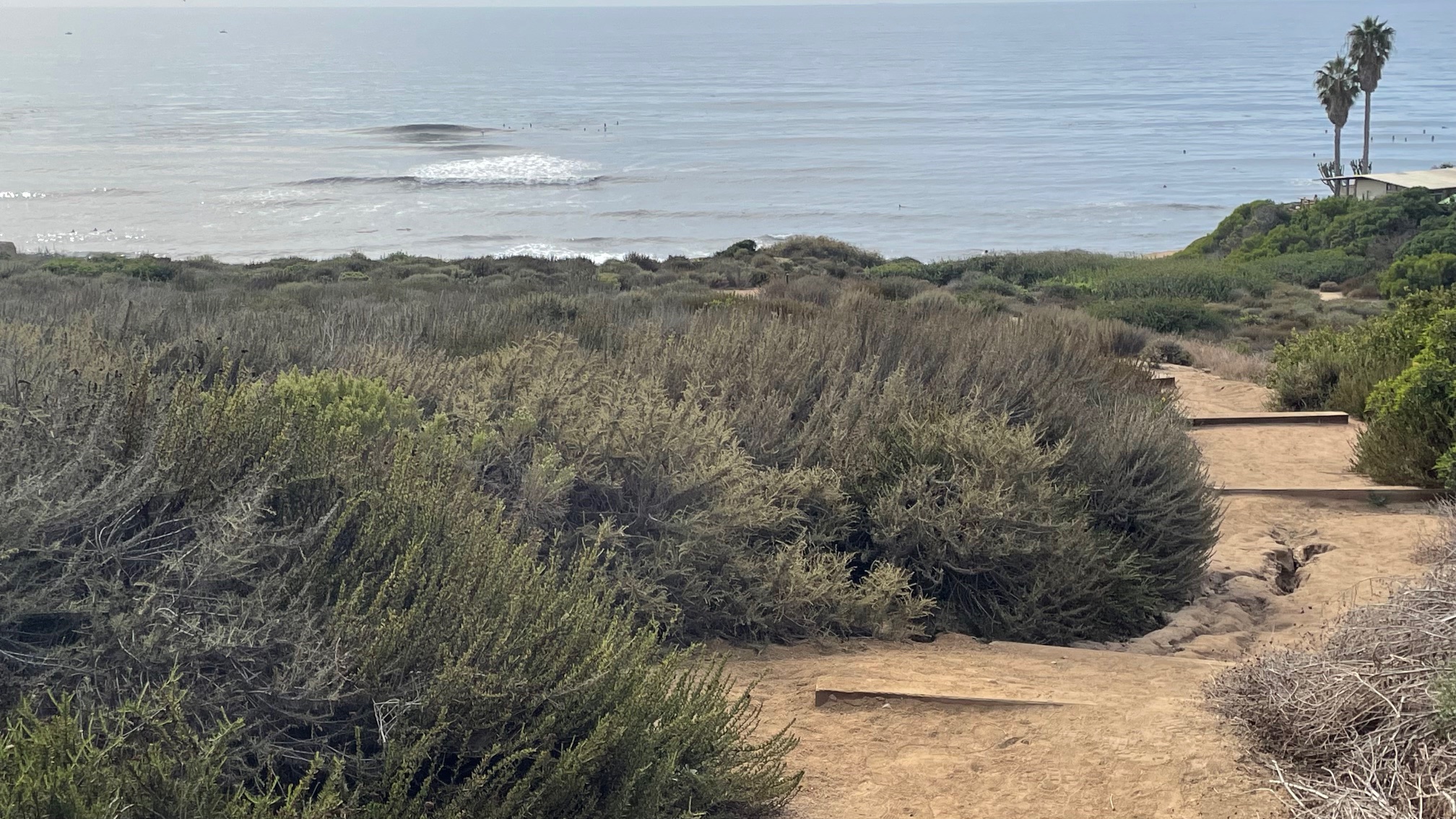



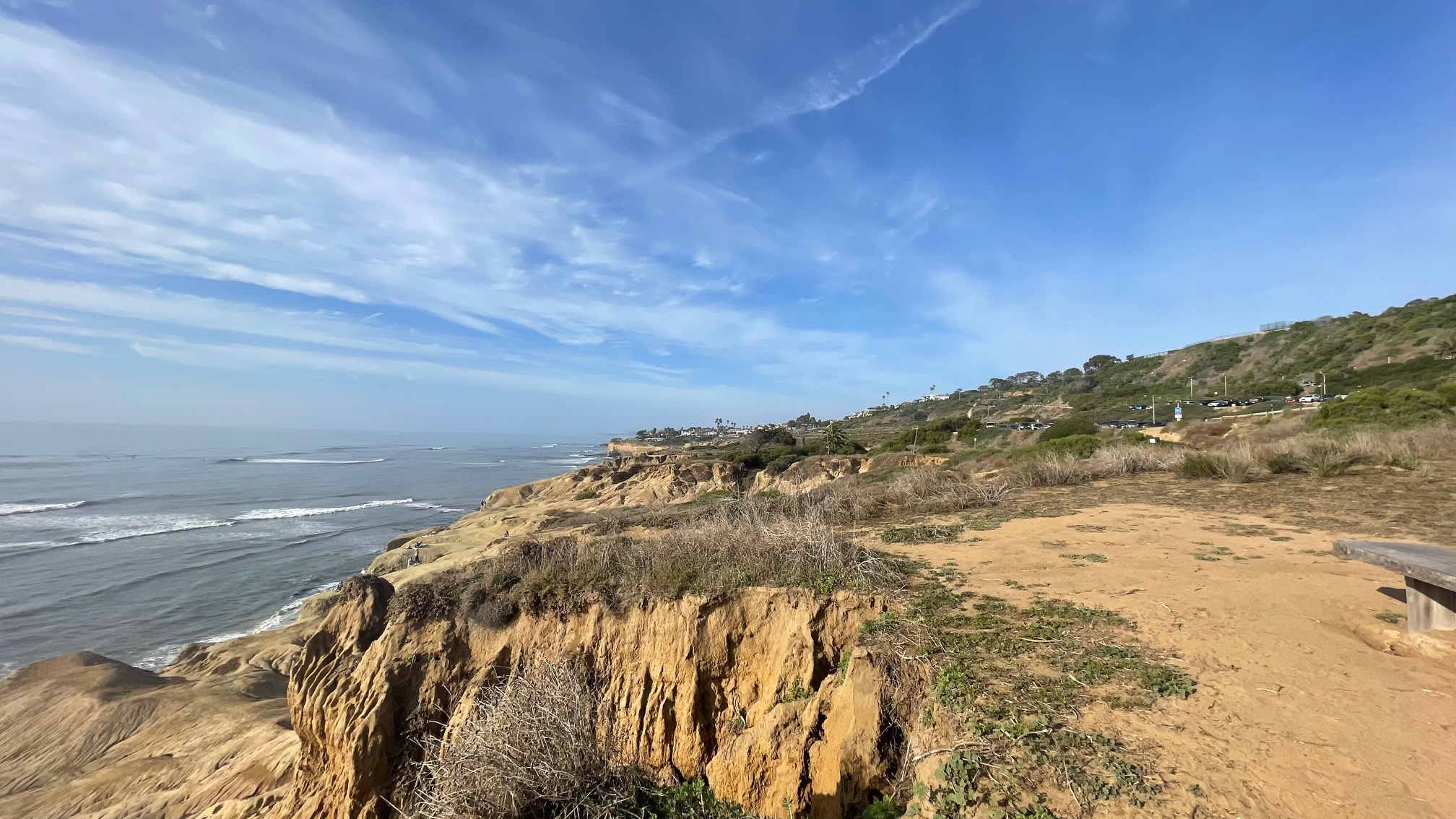
Camera: iPhone 12
Location: Sunset Cliffs Natural Park; San Diego, California, United States