The Need to Revive Third Spaces

“In our current era where technology bridges vast distances across the globe in the blink of an eye but isolates more and more people within their own digital silos, the need to revive “third spaces” in society has never been more relevant.”

In our current era where technology bridges vast distances across the globe in the blink of an eye but isolates more and more people within their own digital silos, the need to revive “third spaces” in society has never been more relevant. The rapid rise of social media, virtual teleconferencing, and remote work, while convenient, has inadvertently eroded the fabric of community life across the world. People now spend more time in their private homes or virtual worlds, leaving little room for real-world, in-person interaction and causing our social skills to atrophy.

This new reality has led to a society that feels increasingly fragmented, even though we are more “connected” than ever before. Reviving ‘third spaces’ as places that are neither at home nor at work, is crucial for fostering more community, improving overall mental well-being, and re-establishing a sense of belonging that is rapidly slipping away.

The concept of third spaces was first introduced by the sociologist Ray Oldenburg in the 1980s. Mr. Oldenburg argued that people need separate spaces outside of their homes (the first space) and workplaces (the second space) to relax, socialize, and build relationships. These third spaces are at the heart of community life, where casual encounters can lead to meaningful connections, new ideas can be exchanged, and civic engagement can flourish. Historically, third spaces have included places like cafés, libraries, public parks, community centers, and even religious institutions—venues that offer a neutral ground where everyone is welcome, and no one is excluded.

Third spaces are characterized by several key attributes: they are easily accessible to the public, offer a low barrier to entry, and are often inexpensive or free. The atmosphere is typically relaxed, informal, and conducive to spontaneous interactions. Unlike at work or even at home to some extent, people can let their guard down in these third spaces, making it easier to build authentic friendships and relationships. These third places provide a vital counterbalance to the isolated routines of home and work life, which can serve as anchors for community cohesion.

In the 2020s thus far, third spaces have been steadily disappearing from our society or transforming in ways that reduce their community-building potential. Many cafés and bars have morphed into workspaces, filled with patrons glued to their laptops, headphones in, and social interactions minimized. It doesn’t help when the music is blaring, and the focus is on making a profit rather than stoking conversation and comraderie.

Libraries, once vibrant hubs of communal activity, are often silent, with the rise of digital media and one-click access to books, music, movies, etc. These technological changes have reduced the need for people to physically gather there at the library even when they enjoy the nostalgia of it. Public parks are underfunded and sometimes ignored, and community centers struggle to keep their doors open amidst tight budgets and a lack of spreading the word around the town or city they want to appeal to.

The COVID-19 pandemic further accelerated this decline in third spaces. Lockdowns, social distancing, and remote work have made public gathering spaces feel risky, unappealing, or unnecessary. Even as restrictions have now eased or gone away completely, the habits formed during the pandemic continue to persist. People are increasingly content to stay home, order food and goods online, and engage with others through screens. This societal shift has left communities more disconnected and less resilient, especially to misinformation and polarization.

To address this growing disconnection, I believe that a society needs to reinvest in and revitalize these third spaces. Several types of third spaces are particularly worth reviving including the following:

  1. Community Cafés: Cafés have long been the quintessential third spaces, but they need to reclaim their role as social hubs rather than workstations. Imagine local coffee shops with community tables, guest speakers, encouraging conversation between strangers, or hosting regular events like poetry readings or discussion groups. These spaces should foster interaction and connection, not isolation.
  2. Public Libraries: Libraries are one of the few remaining third spaces that are truly accessible to all, regardless of one’s socio-economic status. Modern libraries should expand their role as community centers by offering more than just books. They can host workshops, film screenings, art exhibits, and civic meetings on important issues going on within the community. Libraries can serve as the epicenter of a community’s cultural and intellectual life. They should also include events for people of different generations or even cut across generations for communal meetups.
  3. Public Parks and Outdoor Spaces: Parks and outdoor spaces provide the setting for unstructured play, exercise, and relaxation. These spaces should be maintained and expanded, with facilities that encourage community use—such as picnic areas, playgrounds, sports courts, and outdoor stages for performances. In urban areas, the creation of pocket parks or pedestrianized streets can make a big difference in encouraging public gatherings. I have always liked the idea of having street fairs that encourage artistic and musical expression from those people within a community. Outdoor exercise areas for adults are also a great way to get people out of the home especially when they don’t pay a price to take care of their physical health.
  4. Cultural Centers: Places that celebrate local arts, traditions, and multicultural experiences can serve as vibrant third spaces. These centers can host exhibitions, live performances, and hands-on workshops that bring diverse groups together. By emphasizing inclusivity and creative expression, cultural centers help bridge societal divides and foster a sense of shared identity. I would also extend the appeal of these centers to include a focus on learning different languages, having potlucks or dinner events where different cultures can express themselves to the community, they have a presence in.
  5. Co-Working and Maker Spaces: While many co-working spaces have become more like isolating offices, there is still a potential to redesign them as collaborative third spaces. These spaces can blend work and socialization by offering communal areas for shared projects, networking events, and skill-sharing sessions. Similarly, maker spaces—where people can create, build, and invent—can foster a strong sense of community among innovators, entrepreneurs, and hobbyists. Having night classes or bootcamp sessions for adults looking to reskill or to improve their skillsets is also a way of making co-working spaces appealing not only in the daytime but at night as well. If these places can lower their costs to the public or be free to a community, it would make a huge difference to those people who need its services.

Third spaces are more than just locations for socializing and learning new things, but they also play a fundamental role in the overall health and vitality of a community.

Here’s how that is the case in various ways:

  1. Strengthening Social Bonds: Third spaces foster relationships between people who might not otherwise cross paths or meet each other. These spaces allow for casual, spontaneous interactions that can lead to friendships, collaborations, and support networks. By creating environments where people can come together and engage with each other without the profit motive in the way, third spaces will help reduce feelings of loneliness and social isolation, which are on the rise in many parts of the world.
  2. Encouraging Civic Engagement: Third spaces often serve as venues for community discussions, grassroots organizing, and public forums. These spaces make it easier for individuals to get involved in local issues, volunteer, or participate in civic activities. When people feel connected to their community through shared spaces, they are more likely to take an active role in improving it. It provides a way for their voices to be heard and not ignored by those who hold power or hold public office.
  3. Promoting Diversity and Inclusion: In an increasingly polarized and divided world, third spaces can help bridge divides between people. These are the places where people from different backgrounds, professions, and viewpoints can come together on neutral ground to discuss important topics that matter to the community. In inclusive third spaces, everybody is welcome to partake, and everyone has an equal opportunity to participate, which can break down barriers between us and foster mutual understanding.
  4. Enhancing Mental and Physical Well-Being: The act of simply being around other people in a relaxed, welcoming environment can have significant benefits for one’s mental health. Third spaces offer a respite from the pressures of work and home life where you are always expected to play a role and do your part. Being able to provide people opportunities for recreation, relaxation, and emotional support away from those other two spaces is key to a healthier life. Physical third spaces like parks and recreation centers also encourage healthy lifestyles through outdoor activities and sports that everyone is welcome to join and use.
  5. Revitalizing Local Economies: Vibrant third spaces can breathe life into local economies regardless of whether it’s for a town or a city. When communities invest in their parks, cultural centers, and other public spaces, they attract traffic and interest to surrounding businesses. Small businesses like cafés, bookstores, and boutiques often thrive when they are near popular third spaces, creating a positive economic ripple effect.

In today’s disconnected age, the need to revive third spaces is essential for building healthier, more connected communities, which are lacking in many towns and cities these days. These ‘third spaces’, which are neither at home nor at work, provide crucial opportunities for socialization, civic engagement, and personal well-being.

By reimagining and reinvesting in community cafés, public libraries, parks, cultural centers, co-working spaces, and even new types of third spaces, we can restore the fabric of community life that is increasingly being frayed. In a time when loneliness and polarization are rampant, third spaces offer a powerful antidote—one that is more important than ever in the 2020s. Reviving these spaces is not just a nostalgic pursuit; it is a necessary step toward a more inclusive, resilient, and vibrant society.

Sunset in Dubrovnik

Sunset in Dubrovnik

Camera: iPhone 12

Location: Dubrovnik, Croatia

The Brilliance of Curb Your Enthusiasm

“Created by and starring the incomparable and legendary Larry David, this groundbreaking television series has left an indelible mark on the landscape of comedic television forever.”

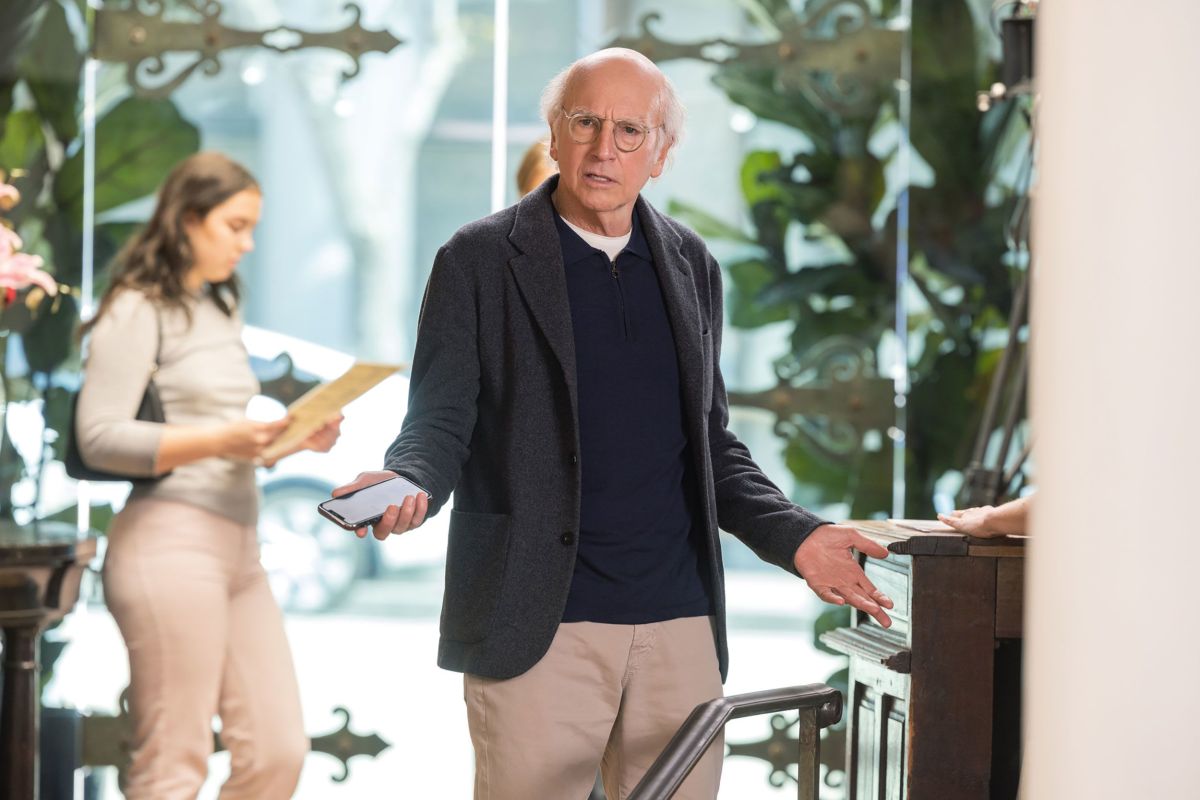
In the realm of television comedy history, few shows have attained the iconic status and enduring brilliance of HBO’s “Curb Your Enthusiasm.” Created by and starring the incomparable and legendary Larry David, this groundbreaking television series has left an indelible mark on the landscape of comedic television forever.

From its razor-sharp wit to its unapologetically irreverent humor, “Curb Your Enthusiasm” stands as a testament to the genius of its creator and the unparalleled hilarity of its ensemble cast. In this reflection on the recent 12-season end to this timeless show, I will dive into what makes “Curb Your Enthusiasm” one of the best comedy shows of the current century, examining its societal critiques, witty dialogue usage, and the reasons for the genius behind show creator, Larry David’s success.

At the heart of “Curb Your Enthusiasm,” lies its fearless examination of social norms and conventions, some that I would argue as the show does are both outdated and tiresome. Through its biting satire and clever storytelling, the show offers a candid and often uncomfortably honest portrayal of everyday American life. Larry David, known for his role as the co-creator of “Seinfeld,” brings his signature brand of observational humor to “Curb Your Enthusiasm”, presenting audiences with a heightened reality where social etiquette is put under a microscope and hilariously dissected.

One of the show’s defining features is its ability to derive comedy from mundane situations, turning everyday occurrences into laugh-out-loud moments. Whether it’s navigating the intricacies of a dinner party or grappling with the complexities of personal relationships, “Curb Your Enthusiasm” finds humor in the absurdities of human behavior. This relatable quality endears the show to audiences of all backgrounds, as viewers see themselves reflected in Larry David’s misadventures and faux pas.

Central to the success of “Curb Your Enthusiasm” was its groundbreaking use of improvisation. Unlike traditional sitcoms with scripted dialogues, “Curb” relies heavily on improvised performances, giving its actors the freedom to explore their characters, and react in real-time. This unscripted approach lends a unique authenticity to the show’s interactions, allowing for spontaneous moments of comedic brilliance that feel genuine and unrehearsed.

Larry David’s portrayal of himself as a fictionalized version of his persona is nothing short of a genius move. Through his character, also named Larry David, the creator skewers societal norms with fearless abandonment, fearlessly tackling taboo subjects, and challenging conventional wisdom. David’s willingness to embrace discomfort and confront controversial topics head-on sets “Curb Your Enthusiasm” apart from other comedies, elevating it to a league of its own.

The ensemble cast of “Curb Your Enthusiasm” further contributes to its comedic brilliance. From Jeff Garlin’s portrayal of Larry’s loyal but perpetually exasperated manager, Jeff Greene, to Richard Lewis, a fellow comedian dressed in black perpetually and Larry’s comedic foil, to Cheryl Hines’ pitch-perfect performance as Larry’s long-suffering wife, Cheryl, each actor brings their A-game to the show, delivering performances that are equal parts hilarious and heartwarming. The chemistry between each of the cast members is palpable, lending an authenticity to their interactions, which was essential to the show’s long-lasting success.

Beyond its comedic brilliance, “Curb Your Enthusiasm” is also notable for its incisive social commentary. Through its satirical lens, the show tackles issues of race, religion, politics, relationships, friendships, and more, offering a searing critique of contemporary American society. Whether it’s exposing the absurdity of political correctness or challenging entrenched stereotypes, “Curb” fearlessly confronts the ‘elephant in the room’, sparking real conversations between its viewers, and provoking a good amount of thought long after the credits roll.

Another hallmark of “Curb Your Enthusiasm” is its distinctive dialogue patterns. The show is renowned for its rapid-fire banter and quick-witted repartee, with characters engaging in verbal sparring matches that are as entertaining as they are memorable. Larry David’s penchant for wordplay and linguistic acrobatics infuses the show’s dialogue with a playful energy, keeping audiences on their toes, and delighting in every clever turn of phrase.

Perhaps the most remarkable aspect of “Curb Your Enthusiasm” is the way in which it blurs the lines between reality and fiction. Larry David’s decision to play a fictionalized version of himself blurs the boundaries between the actor and the character, inviting viewers to question where the line between truth and fiction truly lies with regards to if Larry behaves as his character, Larry will do. This meta-narrative device adds an additional layer of complexity to the show’s storytelling, challenging audiences to discern where reality ends and satire begins.

Larry David’s success in making “Curb Your Enthusiasm” a TV show hit can be attributed to his uncompromising vision and unwavering commitment to his craft as an actor. As both the creator and star of the show, David brings a singular voice to the screen, infusing each episode with his unique perspective and razor-sharp wit. His willingness to push boundaries and defy expectations has earned him a devoted following amongst fans including myself and has cemented his status as one of the most influential figures in comedy history.

“Curb Your Enthusiasm” stands as a timeless masterpiece of television comedy, a show that continues to resonate with audiences more than two decades after its initial debut. Through its fearless satire, impeccable improvisation, and incisive social commentary, “Curb” offers a refreshing take on the human condition, challenging conventions, and sparking a lot of genuine laughter in equal measure. With its brilliant writing, unforgettable characters, and fearless exploration of society’s taboo subjects, “Curb Your Enthusiasm” has rightfully earned its place as one of the comedy shows of this young century, leaving an indelible mark on the world of television, and inspiring countless imitators in its wake.                                

Larry David’s previous successful show, “Seinfeld”, and “Curb Your Enthusiasm” are often mentioned in the same breath, given their shared DNA through David’s involvement. While both shows explore the intricacies of human behavior and social conventions, they do so through distinct lenses. “Seinfeld” operates within the confines of a traditional situational comedy or ‘sitcom’ format, with scripted dialogue and episodic storylines centered around four main characters, one of whom, ‘George Costanza’ was based on Larry David’s past experiences living as a younger man in New York City. In contrast, “Curb Your Enthusiasm” eschews traditional sitcom conventions in favor of a more improvisational approach, blurring the lines between reality and fiction with its mockumentary-style presentation.
Despite these differences, the two shows share a common thread in their exploration of the minutiae of everyday life. Both “Seinfeld” and “Curb Your Enthusiasm” derive humor from the absurdity of human behavior, finding comedy in the mundane and the trivial. However, where “Seinfeld” often relies on situational humor and elaborate plotlines, “Curb” thrives on its characters’ interactions and spontaneous moments of hilarity that arise from their social faux pas. In considering which of the two shows may be perceived as superior to the other, one could argue that “Curb Your Enthusiasm” holds the edge due to its fearless approach to comedy and its willingness to push boundaries.

While “Seinfeld” remains a beloved classic with its timeless humor and iconic characters, “Curb” distinguishes itself through its unapologetically irreverent tone and its willingness to tackle taboo subjects head-on. Additionally, “Curb” benefits from the creative freedom afforded by its HBO platform, allowing for more explicit language and mature themes than its network predecessor. Ultimately, whether one views “Curb Your Enthusiasm” or “Seinfeld” as the better of the two shows may come down to personal preference, but there’s no denying the lasting impact and enduring brilliance of both series in the pantheon of television comedy history. Overall, Curb Your Enthusiasm is a pretty, pretty, pretty good show and one worth watching again and again.
Casco Viejo

Camera: iPhone 12

Location: Casco Viejo Historic District; Panama City, Panama

Cracks In The Foundation

“It is why I have chosen this article to focus on my noticing of cracks in the foundation, which signifies that while the foundation of our society is ever present, there are growing cracks in it that harm us each day.”

Good writers are always cognizant of both their wider environment and their immediate surroundings. It can be hard to ignore obvious changes in the wider society, even negative ones that affect our day-to-day lives. It is why I have chosen this article to focus on my noticing of cracks in the foundation, which signifies that while the foundation of our society is ever present, there are growing cracks in it that harm us each day. The ‘cracks’ I will refer to relate to physical infrastructure: everything from roads, bridges, transportation networks to housing. While it would be difficult for me to argue that our physical infrastructure has improved in my lifetime, it does not mean that this is a permanent situation, and the status quo will stay the same or even get worse.

On the contrary, the digital infrastructure has greatly improved in my lifetime to juxtapose against the decline of the physical infrastructure, and I do believe the two kinds of infrastructure are interrelated with each other. While digital infrastructure components such as cell phones, the Internet, fiber optic cables have become commonplace, physical infrastructure has been neglected during this same period of about three decades or more. Our GPS technology in our cars along with our surging connectivity through the growing ‘Internet of Things’ movement continues to get more and more advanced but at the same time, the roads, bridges, and tunnels, etc. that our cars and transit networks use each day continue to show cracks, potholes, and growing traffic gridlock through sheer neglect of either funding, maintenance, or neglect or perhaps all of the above.

Talking about infrastructure is not a popular topic in polite conversation but when people can’t get to work on time or to their doctor’s appointments because buses and trains are running infrequently or they break down for repair on tracks that haven’t been maintained, our wider society is affected. When there is a lack of public transportation options, people suffer economically and personally when they can’t get from point A to point B. I am not sure how these cracks appeared, but it was decades in the making and now we are footing the bill.

I am not a civil engineer, architect, and far from an expert in infrastructure public policy but when you notice how infrastructure could be better or at least improve people’s lives with some shifts, it is important to speak out on how the situation could be generally improved. I would recommend a couple of ways where these cracks in the foundation could be addressed with common sense measures: 1.) Listen to the needs of the local community. 2.) Make sure the money is being spent wisely and that adequate funding is being received. 3) Hold those people in power accountable for the infrastructure present and if they ignore the issue, they should no longer be responsible for overseeing the infrastructure of their city or community.

When transit agencies, local officials, or company architects or engineers don’t solicit public input or opinions, then it is likelier that there will be some friction in new infrastructure projects. For example, if there is real demand for a bicycle lane on a major roadway and that would be preferable than creating another lane on a highway, there should be a referendum or a vote on it after soliciting public feedback. The same kind of opinion polling could be said for a building a new light rail line or a new metro station to help commuters get to their jobs faster and without needing a car.

Those kinds of ideas should be received more easily by officials in charge, and I do believe more community input is key to improving infrastructure. If an agency or a company do not listen to outside feedback, then that project may not happen at all, or the wrong project will get done without public support. At the end of the day, for more infrastructure investments, more taxpayer money will be needed so why not get more public input in each community or in each city on how that increased funding could be spent?

A lack of monetary investment on a consistent basis can cause infrastructure to decay over time. Without tracking where the money is being spent, whether enough money is being spent, or whether any money is needed at all to make repairs, renovations, or new projects, then the physical infrastructure is bound to be worse off. Local public officials must constantly be aware of the infrastructure status of their community or city and to track whether potholes are being filled, whether bridges are structurally deficient or not, or whether new metro stations need to be built due to an increase in the local population. It’s not enough to build the original infrastructure of a town or city alone, but it is also vitally important to do quarterly or yearly updates to see if maintenance, rebuilding, or renovations are needed to that original infrastructure. Some funding should also be allocated each year to see whether new projects are feasible and whether they can be built without doing environmental damage.

If new taxes are to be levied, citizens should have a choice to decide if they would like to pay more in taxes towards infrastructure specifically and how much it would cost annually. I believe citizens would be more likely to support infrastructure investments if they knew how their lives would be improved by them and where that increase in taxes would be going towards in an effort of being more transparent with the public. When officials neglect the infrastructure of the town, city, etc. that they are directly responsible for managing or overseeing, then they should no longer have their authority given to them by the people who elected them, subsequently should lose their power that they were originally entrusted with.

Physical Infrastructure, like digital infrastructure, are the key components of any functioning society and it is the duty of both the average citizen and the average public official to maintain it constantly and consistently, to improve it when necessary, and to rebuild or expand it to make people’s lives better. The tax dollars that go towards maintaining public infrastructure must not be abused or squandered. There should also be a greater effort made to be transparent with where that infrastructure money is being spent and to whose benefit.                   

When the infrastructure works well, when it is efficient, and when it grows the whole economy, everyone stands to benefit. If it is left to decay, to rot, to crumble even, people will lose out economically and it can tragically cause people to be hurt or killed for pure ignorance or negligence. We must always be aware of any cracks in the foundation that appear when it comes to the physical infrastructure. When cracks are ignored, inevitably, they will grow to become fissures, and to even crumble to destroy the foundation entirely, which will cause even more money and resources to be spent in the long run. If the infrastructure is constantly maintained, renovated, or rebuilt, the cracks will all disappear and there will be no tragic consequences to come about as a result when you can strive to solve the problem(s) from the beginning, likely saving money, and even lives in the process.

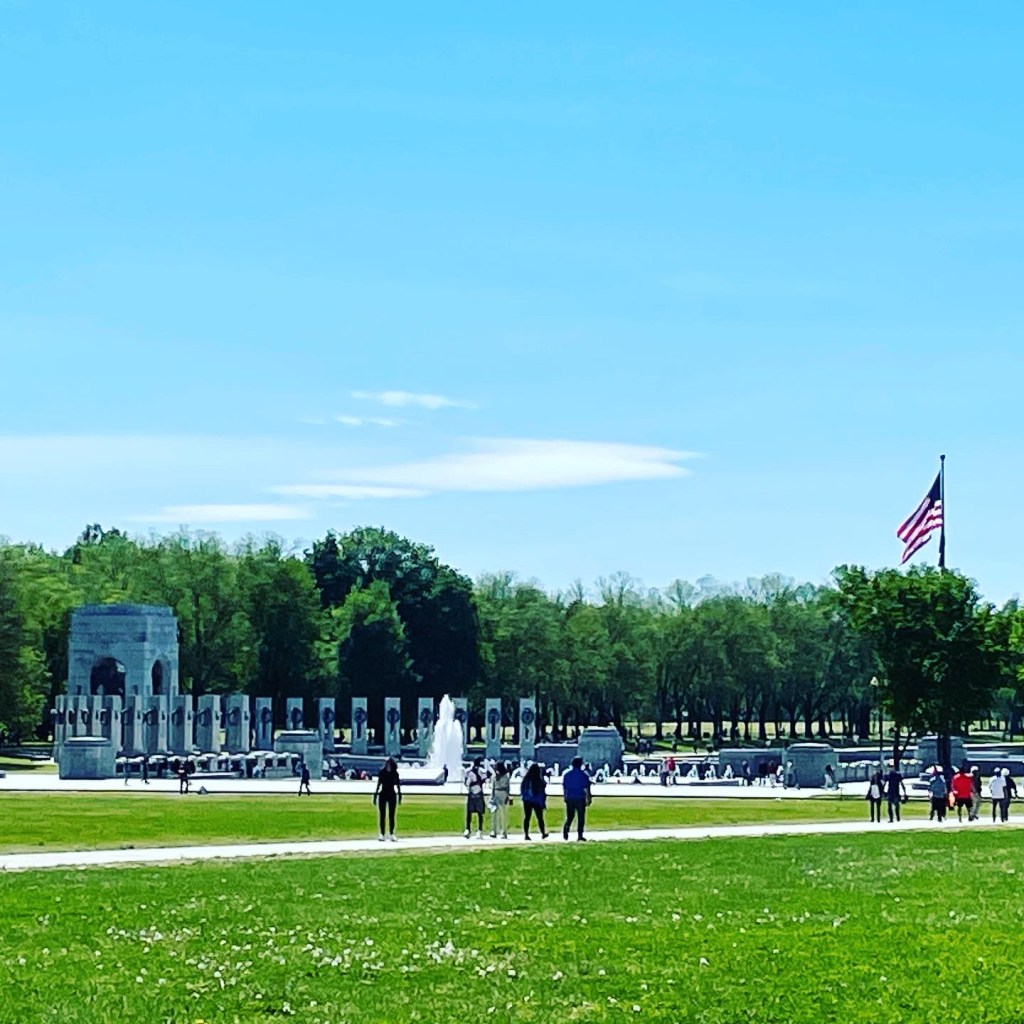
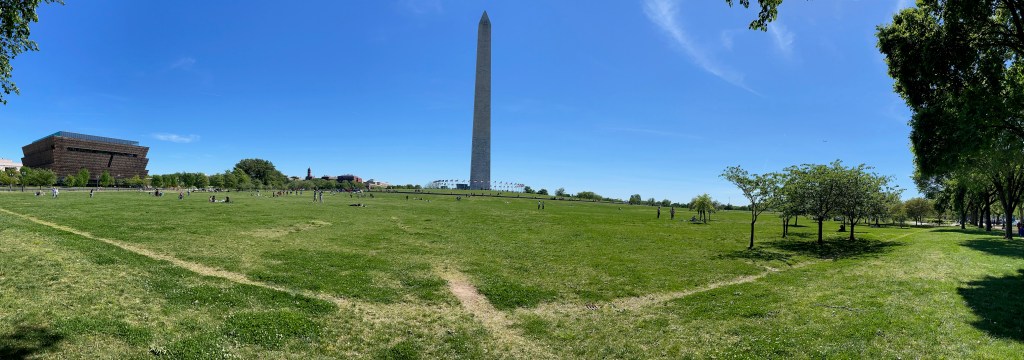
A Day on The National Mall

Camera: iPhone 12

Location: Washington, District of Columbia, United States

English Corner – Showing Compassion and Kindness with Words

“When you learn English as a Second Language, your vocabulary to express kindness, compassion, and understanding towards others should be a top priority.”

One of the key parts of English vocabulary that a new learner to the language should focus on is to how to be compassionate and kind to other people. When you learn English as a Second Language, your vocabulary to express kindness, compassion, and understanding towards others should be a top priority. Expressing kindness in English or in any language will get you very far with other native speakers and can help you in any situation. When you do your best to treat others in ways that they would like to be treated such as with kindness and respect, you will likely not run into any serious conflicts or issues. There may be misunderstandings and ‘lost in translation’ moments but if you are able to make amends for it with your English vocabulary, you will be forgiven by other people and they’ll often give you a second chance.

To give you some ideas, I’m going to break this article down into two parts. I will begin with compassion, which means showing sympathy and concern for other people who may be going through a rough time or having issues in their life. There are multiple ways to express compassion in the English language and I’m going to give examples of both words, phrases, and sentences that express compassion clearly and deeply. When you are compassionate towards other people without expecting anything in return, that is truly what it means to be a mature human being who is also emotionally intelligent.

Words of Compassion:

  • Feeling
  • Empathy
  • Remorse
  • Sorrow
  • Forgiveness
  • Regret
  • Mercy
  • Benevolence
  • Sympathy
  • Mercy

Phrases of Compassion:

  • Feel better soon!
  • Wish you well!
  • Things will get better!
  • Stay positive!
  • I hear you!
  • I’m with you!
  • I am so sorry!
  • Please forgive me!
  • I didn’t mean to!
  • Will you forgive me?

Sentences of Compassion:

  • I am sorry if I hurt you in any way.
  • I didn’t mean to cause you any pain or sorrow.
  • I feel a lot of remorse for what I did and hope you can forgive me someday.
  • Please know that I am thinking of you and your family in these tough times.
  • My thoughts and prayers are with you all.
  • I did not mean to cause you any harm or any offense. If I did, I am very sorry.
  • I would like to ask for your forgiveness.
  • Please have mercy on me as I did not mean any wrongdoing.
  • I hear where you are coming from and see that what I did was wrong.
  • Please know that you have my deepest sympathies in these difficult times.

Showing compassion in English is all about having empathy for another person whether you were right or wrong. It means showing emotions that are genuine, which may lead to someone forgiving you or seeing your point of view, but it will definitely show that you are a mature person who is capable of admitting their mistakes and seeking forgiveness rather than being stubborn about it.

When it comes to kindness, it always goes a long way whether it is made up of individual words, a few words, or in complete sentences. Showing kindness will open up more doors for you in the English language than any other kind of vocabulary. However, it must be earnest, it must be done without expectation of return, and it must be consistently used in your daily usage of the language. Without kindness, you will not be able to fully utilize English and it is unlikely you’ll be able to learn other vocabulary within the language itself. When you have kindness in your personal vocabulary, everything else will come shortly after and other English speakers will be willing to help you out so that you will become a better learner and keep being a better person.

Words of Kindness:

  • Patient
  • Understanding
  • Pleasant
  • Nice
  • Generous
  • Charitable
  • Humane
  • Decent
  • Warm-Hearted
  • Altruistic

Phrases of Kindness:

  • I’ll help you.
  • Let me assist you.
  • How are you?
  • You look well.
  • Do you feel good?
  • How have you been?
  • I’m here to help.
  • How’s your family?
  • Give my best to him/her.
  • My house is your house.
  • Thank you very much.
  • Excuse me.
  • Please!
  • I appreciate it.

Sentences of Kindness:

  • I am here to help you and your family.
  • I’m giving to charity because I think it’s a worthy cause.
  • I would like to volunteer on the weekends because it’s the right thing to do.
  • Helping people out is the best way to make someone else’s day.
  • I enjoy getting out of my seat on the bus to give it to an elderly person.
  • Giving back to others without expecting anything in return is true generosity.
  • Before you do anything else in your day, you should be kind first.
  • My job is to help people with their luggage as a doorman and it makes my day.
  • I’m cleaning out the trash in the neighborhood park because I care about my community.
  • Before you criticize the world around you, think about how you can make it better with simple kindness.

With Kindness and Compassion, you can go far in this world in any language but especially with the English language. I believe it is truly important to have this post as a separate article because before you dive into any other type of English vocabulary, you should be willing to learn the basics of being kind and compassionate and to use it as much as you can. I promise you will not regret it and you’ll be much better off for studying this particular kind of English vocabulary.

Sunrise In The Clouds

Camera: iPhone 12

Location: Up In The Clouds