Cuisine Spotlight – Patacones

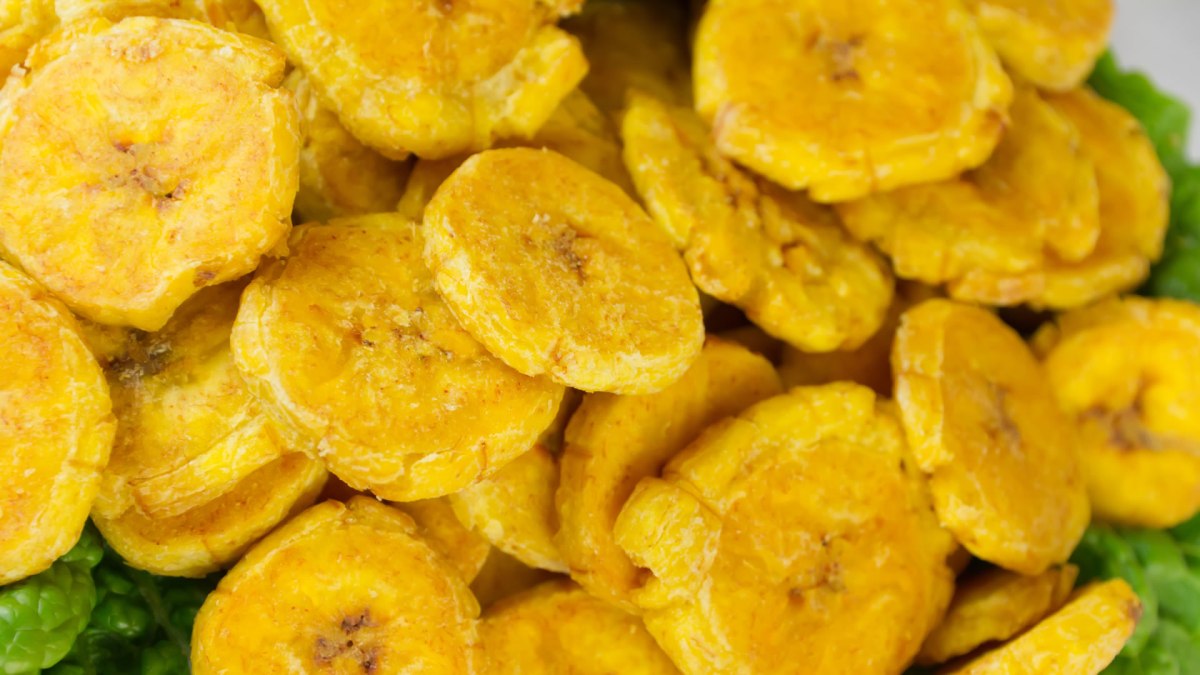
Patacones are one of my favorite side dishes or entrees that you can find in Latin America. It’s a versatile kind of food that can be a side dish with fish, chicken, or beef but you can also make it a kind of entrée by putting two patacones together with a type of meat or fish inside along with lettuce, tomatoes, and other toppings. This food also makes for a wonderful snack if you want to munch on something between lunch and dinner. Patacones are relatively easy to make and don’t take too much skill because the recipe is pretty simple to follow.

Commonly known as ‘Tostones’, which comes from the verb tostar, “to toast” in Spanish are slices or pieces of plantain that have been fried twice over. While they are known as ‘tostones’ in countries such as Puerto Rico, Honduras, Guatemala, Nicaragua, Venezuela, the Dominican Republic, etc. They also have a different nickname of ‘tachinos’ (Cuba), ‘bananas pesees’ (Haiti). However, since I have been living in Colombia for almost a year now, I will refer to this delicious food as ‘Patacones’, which is the common name here and also in countries like Panama, Peru, Costa Rica, and Ecuador. You can find patacones of all shapes and sizes across both Central and South America, and there are many ways to put this food to good use.

When it comes to preparing and cooking patacones, you first have to pick up a few unripe plantains (green in color) from the local food market. After buying the plantains, you’re going to have to peel them and then slice into individual pieces that are circular in appearance. You should make sure that they’re big enough in length and width before you decide to begin frying them.

It’s important to put enough cooking oil in your frying pan, and to heat up the pan sufficiently first before putting the raw slices of plantains in there. For the first time, you’re going to want to fry the plantains for one to two minutes on each side until they start to look cooked enough by showing a golden color. One time isn’t enough to make patacones so you’re going to want to fry these patacones a second time to finish the job. However, before you decide to do that, it’s important to remove the patacones from the frying pan for a few minutes in order to get rid of excess cooking oil.

The patacones should be patted down and flattened before being fried a second time in the pan. For the second frying, the patacones should only be fried for a minute or two on each side before they are finished cooking. After they have been thoroughly fried, you should make sure to pound them flat with some kind of utensil that has a large flat surface like a bowl or a pot cover. By the time you’re done, your patacones should be golden, and crispy brown. It’s pretty common to add extra ingredients like salt, or some seasoning depending on if you want this food to be a bit spicy or not.

Patacones can also be served with garlic sauce (ajo in Spanish) or with hogao sauce as is done here in Colombia. You can make the comparison that Patacones are almost like French fries in that you can have them as a side dish or snack without too much effort. It’s easy to make between six to ten patacones to serve you and your guests. If you’re looking for an appetizer or a snack dish to serve friends and family at a house party, patacones are a great option. Patacones have their origin in West African cuisine, and made their way over to Latin America within the colonial period of Gran Colombia during the eighteenth century.

The best thing about a dish like patacones is how versatile it is. You can put anything on top of it whether its’ shrimp ceviche or avocado paste. It can function as a sandwich if you put two of them together with a kind of meat or fish in between to add additional flavor. They’re easy to cook, prepare, and delicious to eat. Be careful though because it’s likely you won’t be able to stop at just eating one patacone.

Whether it’s in the Caribbean, or in Latin America, or throughout the rest of the world, you’re likely to find patacones being served at a restaurant, or being sold as the original plantains in the supermarket. Personally, I look forward to learn how to cook patacones, and serving them to friends and family in the future. Now that I’ve tasted patacones many times and enjoyed this food, I’d like to make my own and have a taste of Colombia when I’m outside of this lovely country.

English Corner – Interjections

What is an Interjection? You may reading the title of this blog post and appear to be slightly confused. The concept may sound familiar to you but it’s possible that you may have forgotten the meaning of the word since you left high school English. If you’re learning English as a non-native speaker, you may be even more befuddled. Luckily, if you keep reading on, you’ll discover that ‘Interjections’ are more common than we think they are and play a huge role in English literature. There are also a number of examples when it comes to what are interjections and where they are used in a sentence. If your curiosity has been piqued, keep reading on to find out more about this underrated and underused form of speech.

To answer the question that I posed in the opening paragraph, an Interjection is considered to be one of the eight parts of speech along with nouns, verbs, pronouns, adjectives, adverbs, prepositions, and conjunctions. While interjections are unnecessary to be placed in most sentences and are considered to be the least important part of speech, you can still use it quite effectively to grab the reader’s attention especially when you’re writing a short story or novel.

You need nouns, verbs, and even adjectives to make a complete sentence that makes grammatical sense but you do not an interjection to make that happen. However, to convey the depths of emotion within a sentence, interjections are an important part of speech that must be used in those cases. You can express either emotions or feelings with interjections but they are not as grammatically important as other parts of speech. If you plan on using interjections in academic or professional forms of writing, I would not recommend doing that. Instead, interjections would be perfect for more artistic or creative forms of writing that allow you as the author to express your emotions or feelings to the readers.

When it comes to the placing of interjections within a sentence itself, there are a couple of options for you to consider. It is quite common to put an interjection like “Wow!” or “Oh no!” with an exclamation at the beginning of a sentence to signal that it is a strong emotion.

Examples:

Oh no! I forgot to do my homework last night!”

Wow! That was an exciting football match!”

Interjections don’t solely need to be at the beginning of a sentence but can also be found in the middle or at the end of a sentence. Emotions and feelings can be conveyed in any part of a sentence as long as it makes sense within the story or article you’re writing.

Example: So, it’s going to rain today, huh?

In this case, the interjection here is “huh?” which comes at the end of the sentence to express disappointment or bewilderment that it’s going to rain. When you use ‘huh’ as an interjection in English, it mainly conveys confusion rather than excitement or wonder, which would allow you to place an exclamation point after a different interjection (!) such as wow!

As for an interjection that can go in the middle of a sentence, let’s look at this example below.

Example: “According to what you just told me, my gosh, that’s the most intelligent argument you have ever made.”

You do not need an exclamation point in this case but you should understand that the author of this quote is expressing his sentiment that what the other person just said was very smart and insightful.

Last but not least, interjections can even be their own sentences on their own especially when they are followed by an exclamation mark (!) or a question mark (?). Even though, interjections are very short in length at only one or two words, with the emotion or feeling they convey, it can be its own sentence. The complete thought has already been expressed in terms of the emotion that the narrator or character is feeling. In this rare case, you do not need either a subject or an action to make a complete sentence. Some examples of an interjection making up an entire stand-alone sentence would be “Wow!” “Huh?”, or “Oh gosh!”

If you aren’t clear what interjections are at this point, let me give you some more common examples to help you out.

Examples: Hah, Boo, Ew, Dang, Darn, Gosh, Oh, Oh No, Ouch, Shoot, Uh-Oh, Ugh, Yikes.

There are over hundreds of examples of interjections that you can look up to start using in your own stories or articles. These examples above are just a few of the most commonly used ones that you’ll see in the English language. When it comes to interjections being used within larger sentences, there are some examples that I can show you to improve your comprehension.

Examples:

Yowza! That was a close call with those hooligans.

Hurray! We won the baseball league championship.

It was a great celebration, my goodness, you missed out on it.

Oh no! I forgot to do my Science project that was due today.

Boo! The creepy ghost scared my friends and I away from the haunted house.

Remember, it’s important to know when and where these interjections should be used. Academic and formal forms of writing should have no place for interjections because you are trying to convey facts and relevant information rather than emotions and feelings. However, when it comes to artistic or creative forms of writing, you can use as many interjections as you want.

While interjections are considered to be an unpopular and relatively unknown form of speech, they are actually used quite frequently and are very popular when you think about it. During those times when you are texting back and forth with your friends or you need to write a captivating fictional story, interjections play a large role in the English language and shouldn’t be overlooked.

Choosing the Right Travel Backpack for You

You have the money, you have the time, and you have some destinations in mind: you’re ready to live the nomadic lifestyle for a while and travel the world. This may be your dream life but the question is: are you prepared to make the jump? and do you have everything you need to make the journey? Having the right backpack with you could make the difference between having the time of your life or booking an early flight home.

Where’s Your Backpack?

Despite having the money, the time, and the destinations finalized in your mind, do you have the gear that you’ll need in order to complete the journey? Unless you plan on lugging a suitcase through the Andes or the Himalayas, you’re going to need a sturdy and reliable travel backpack. However, thankfully for you, there are more options now than ever when it comes to travel backpacks and they’re not as expensive as they used to be.

There are dozens of backpacks that I could write about but then this article would be ten thousand words total. Instead, I’m going to focus on three great options that you should seriously consider, one of them which that I have personally used during my travels throughout South America and can highly recommend to my readers.

You can check out a number of options if you visit the website titled, ‘Live Once Live Wild’ and see their ‘What is the Best Travel Backpack’? article which you can access here: http://liveoncelivewild.com/best-travel-backpack/. Regardless of which backpack you choose, you’ll have plenty of good options to choose from.

JanSport Katahdin 40L – Best Bargain

If you’re not looking to spend a lot of money but still want to get some good value out of a travel backpack, you may want to consider buying the JanSport Katahdin 40L. This backpack is made out of Polyester material so it can withstand the elements pretty well and it can store a good amount of camping gear as well as a laptop if you’re going to need to do some work when you’re on the road.

There’s a top loading main compartment, a padded hipbelt for comfort, and dual water bottle pockets on the sides in case you get thirsty. The price may vary depending upon which store you buy the JanSport Katahdin but if you go to (goo.gl/MuNVtX) you can get it on sale now for about $55, which is a pretty good discount considering the original price is about $80. While not as flashy as some other options on the market, this travel backpack has a good amount of features that make it worth a look when you’re shopping for a bargain option that still gets the job done.

Mountaintop 50L

If you can’t spend all that much money, the cheapest option you may want to divulge in would be the Mountaintop 50L. The best thing about this travel backpack is the amount of storage for your items and clothes that you can fit in there. You can do a lot with 50L of storage and there are a lot of deep pockets, expendable collars, a big front pocket, and even a hydration system that make up this backpack. It’s also a comfortable fit for your body and back.

There’s a good amount of cushion and comfort for you so that you won’t feel too uncomfortable during your journeys when you are carrying this backpack around. Even though this Mountaintop 50L is one of the cheapest options out there, it’s still a top rated travel backpack that has become increasingly popular over the past couple of years. If you’re looking to buy one of these bad boys, you can go to (goo.gl/dTCNXI) where you can buy one for only $45, which is extremely affordable compared to other options. As if that wasn’t enough, you can buy the Mountaintop 50L in different colors including red, blue, green, gold, etc.

Osprey Farpoint 55

A personal favorite of mine that I have used during my recent travels in South America is the Osprey Farpoint 55. Depending upon how big you want your backpack to be, Osprey has you covered by offering the average traveler the Farpoint 40, 55, and 70. The bigger your Osprey is, the more expensive it’s going to be to buy. Osprey’s are top-notch quality but they are among the costliest backpacks on the market. However, in return, your Osprey backpack will last for years because of its’ high quality. It’s made entirely of polyester, is resistant to most weather elements, and comes with a lot of storage and space including an extra daypack bag that’s attached to the front of your Osprey backpack.

You can choose from three different colors and you can find the price for the Farpoint 55 at (goo.gl/z3EvQc). As noted, the price of this backpack can range from $160 – $190 so it’s important you make sure to save some money up before you go ahead and click the ‘buy’ button.

If you want to check out some more backpack options for travel, go to your local camping store and it’s likely that you’ll find what you’re looking for. I hope you choose the backpack that you believe is right for you and I’ll see you out there on the road.


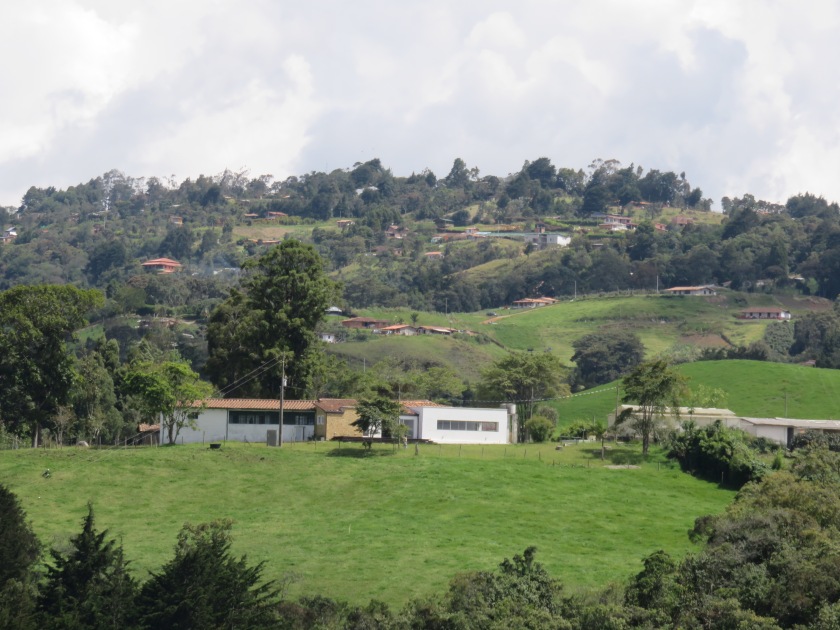
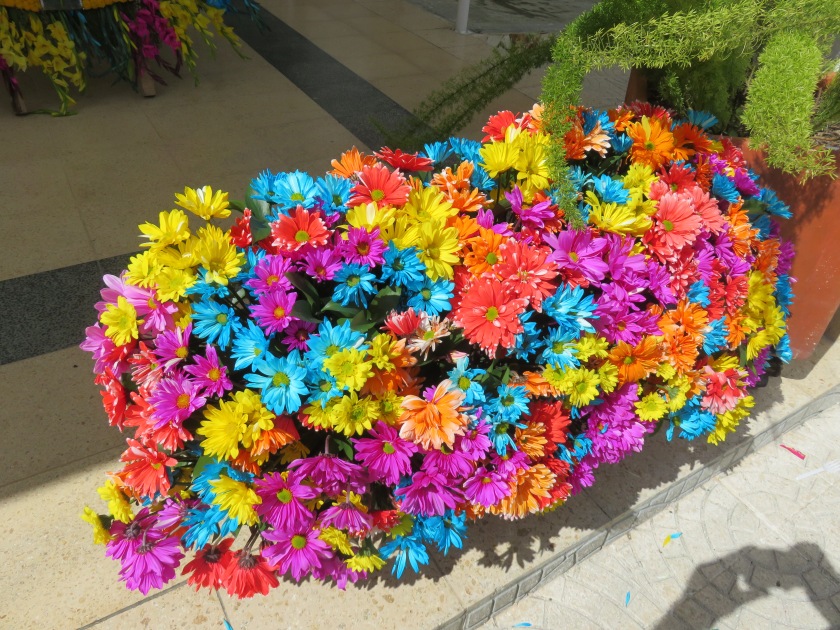
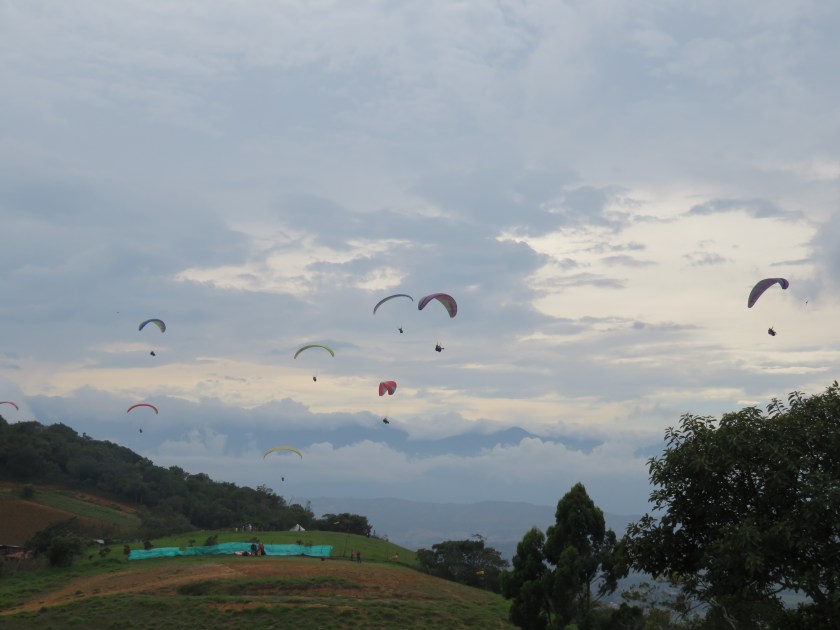
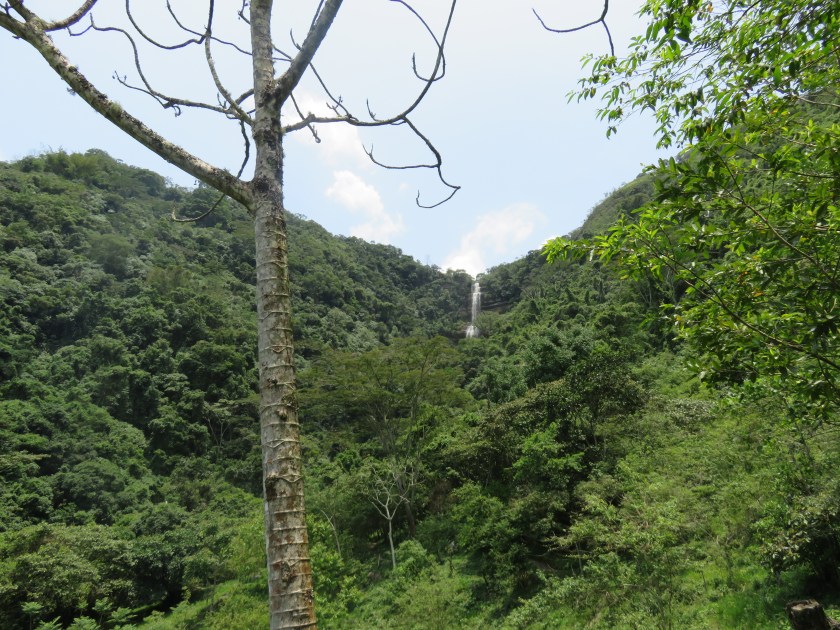
Santa Elena

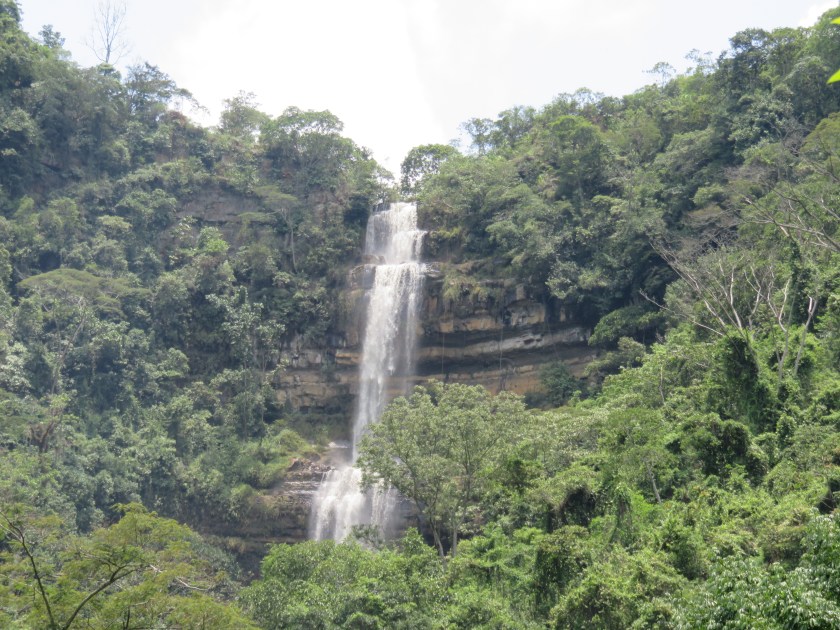
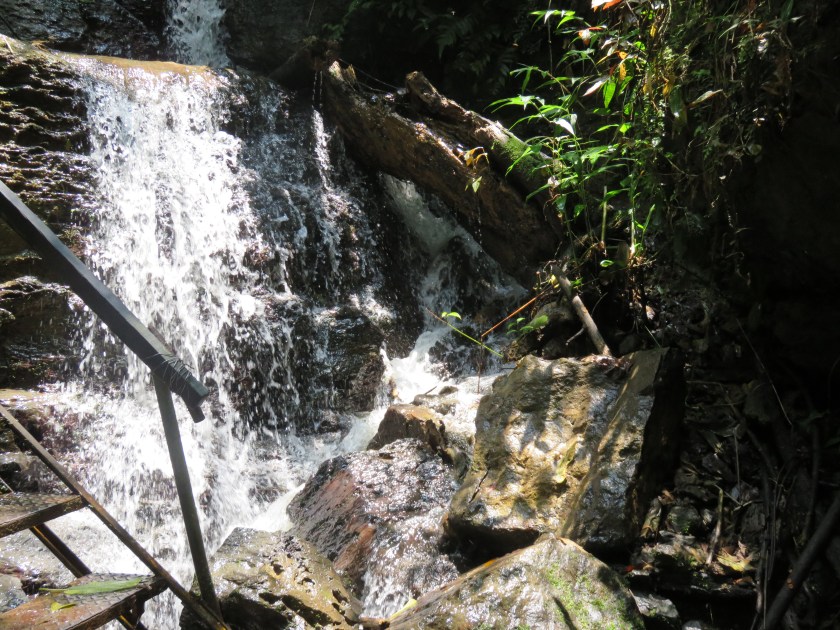
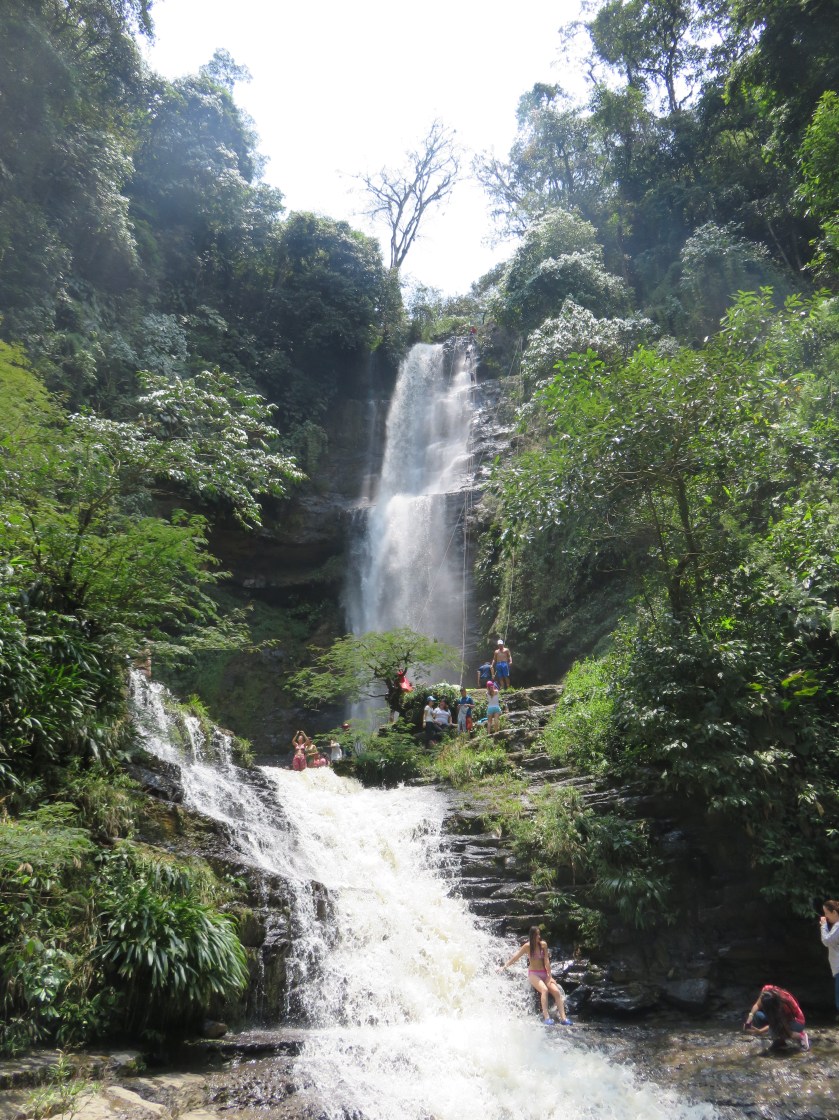
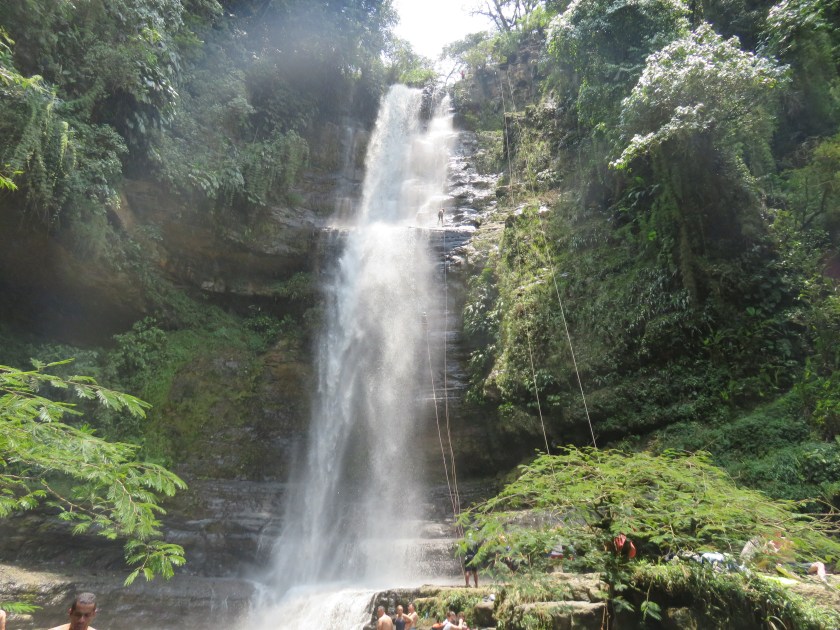
IMG_2773IMG_2774IMG_2775IMG_2768IMG_2769IMG_2770IMG_2780IMG_2781IMG_2783IMG_2784IMG_2785IMG_2787IMG_2788IMG_2790IMG_2766

Camera: Canon PowerShot SX710 HS

Location: Santa Elena, Antioquia, Colombia

Cultural Spotlight – Bachata

If you consider Salsa to be wild and exhilarating, then Bachata could be considered the opposite kind of music in that it is both suave and smooth. While Bachata may not be the most exciting kind of Latin music, it is a genre that is both popular and historical. It may not be as skill-based as Salsa or Merengue, but you do need to keep a good rhythm and there is a good amount of variation to this kind of dance. The most important thing to be aware of when dancing Bachata is to watch your steps and make sure you’re moving seamlessly with your lady or gentleman partner in tow.

Bachata is a Latin music genre originally from the Dominican Republic, which came of being in the first half of the 20th century. One of the cool aspects about Bachata is that it combines European, African, and Indigenous musical elements to really captivate its’ listeners and dancers. Jose Manuel Calderon of the Dominican Republic did the first compositions, which formed the original Bachata songs back in those early days of the 20th century.

Bachata is considered to be a mixture of its’ predecessors: Merengue, Bolero and Son, which are other distinct Latin music genres. Similar to Salsa, Bachata takes both the form of a song and the form of a distinct dance that are supposed to go together. The mood of a Bachata song can be either very exuberant or more melancholy. Bachata’s original name was ‘amargue’ which means ‘bitter music’ or ‘blues mules’ reflecting in its’ origins the fact that Bachata used to be more somber and reserved when it was first created in the Dominican Republic.

A surprising fact about the Bachata music genre is that it wasn’t always that popular until the past few decades. Throughout most of the 20th century, especially in the Dominican Republic, this form of music was associated with rural communities who were mostly working class or poor in terms of their status. For a long time, Bachata was not allowed to be played on television or radio because it was too vulgar or crass for the elite members of Dominican society.

However, this attitude began to change in the 1980s and 1990s when both the instrumentation and the styles of Bachata multiplied to become more urban and diverse. Bachata has ended up in the 21st century as being one of the most popular forms of Latin music, up there with both Salsa and Merengue, and is played in bars, discotheques, and dance halls all across Latin America.

Bachata requires a group of musicians playing diverse instruments in order for an actual song to be played from the genre and for dancing to occur. There are seven instruments that usually make up the structure, rhythm, and beat of a Bachata song. You have your ‘Requinto’ (lead guitar), ‘Segunda’ (rhythm guitar), electric guitar, bass guitar, acoustic guitar, bongos, and guira. While none of these instruments are mandatory, you need them all in order to create a dance-oriented form of Bachata rather than a more classically oriented form that is most similar to Bolero.

While Bachata started originally in the Dominican Republic and became popular there eventually after a few decades, Bachata has now become one of the most popular forms of Latin music in the region. You can find Bachata music playing in countries such as Cuba, Panama, Mexico, Honduras, Guatemala, Venezuela, Colombia, Chile, etc. Anywhere you go within the region, you’re likely to hear a Bachata song being played in your neighborhood or in your city.

The first Bachata songs that were composed by Jose Manuel Calderon, considered to be the modern founder of the genre, were titled ‘Borracho de amor’ and ‘Que sera de mi’. These songs came about in the early 1960s, which shows that the modern form of Bachata has been around for over five decades now. Hundreds of musicians, singers, and dancers have contributed to this unique and popular genre. Some of the more famous contributors to Bachata include names like Marino Perez, Leonardo Paniagua, Luis Vargas, Antony Santos, Juan Luis Guerra, and Romeo Santos. If you have the chance to listen or dance to some Bachata music, do yourself a favor and tune in, kick off your shoes, and enjoy this very popular genre of Latin music.

Monserrate

IMG_2761IMG_2736IMG_2743IMG_2760IMG_2742IMG_2746IMG_2735IMG_2763IMG_2741IMG_2755IMG_2753IMG_2751

Camera: Canon PowerShot SX710 HS

Location: Monserrate, Bogota, Colombia

San Gil

IMG_2203IMG_2230IMG_2285IMG_2298IMG_2306IMG_2322IMG_2332IMG_2346IMG_2343IMG_2348IMG_2352IMG_2358IMG_2374IMG_2361IMG_2304

Camera: Canon PowerShot SX710 HS

Location: San Gil, Santander, Colombia

Why You Should Learn to Cook in Your 20’s

You’ve got the good job. You live in a nice apartment. You are able to move out of your parents’ house. You’re lucky enough to consider yourself to be pretty independent and self-sufficient in your 20’s, which isn’t so easy to come by these days. However, have you learned how to cook? Can you feed yourself without needing to go to a restaurant or to order from Domino’s?

I consider that being able to learn how to cook is one of the most important skills any young adult should have a good proficiency in by the time they turn 30. You don’t need to be on the level of Anthony Bourdain or Emeril Lagasse but you should be able to know a decent amount of recipes and be able to cook yourself a couple of homemade meals each week. There are a number of good reasons as to why it’s important to learn how to cook in your 20’s and I’ll cover a few of them in this post.

1.) You’ll save money.

Regardless of where you’re living in the world, it’s often the case that buying groceries from the local market or supermarket and cooking meals for yourself will be less expensive than going out to eat for lunch or dinner or even both meals. The costs really add up after a while from eating out all of the time or from ordering a lot of meals to be delivered to your door. In your 20’s, many people are trying to save up money for graduate school, or to buy a car or to lease an apartment so if you’re able to buy food for yourself and then cook it, you’re way ahead of the game and you’ll probably save a good amount of money each month. Any kind of savings that you can create in your 20’s will make a sizable impact down the road and cooking your own meals is one of the best ways to have a positive impact on your personal budget each month.

2.) It’s healthier for you.

Let’s be honest: ordering out or eating out at a restaurant are not the healthiest options to do repeatedly. While there are healthy options out there, they are usually the exception and not the rule. Eating a takeout pizza with extra cheese from Domino’s is simply not as preparing a fresh salad from scratch for your dinner. Unless you go to a higher-end restaurant, a lot of restaurants these days use a lot of sugar, salt, or other preservatives that can lead you to put on some extra weight if you’re not careful. Knowing how to cook forces you to create your own daily diet without having any outside influence. You’ll be more responsible for your intake of different foods and learning how to properly balance your diet with fruits, vegetables, dairy products, grains, meats, etc. This is a skill that is better to be learned in your 20’s so that it can be a healthy habit that can stay with you for the rest of your life. You’re making a conscious choice every time you prepare and cook your own food and that’s a great skill to have.

3.) You’ll become more independent and self-reliant.

Being comfortable with your cooking skills and knowing that you’ll never go hungry or rely on others to cook your food is a great thing for your self-esteem. The confidence that you’ll gain as you get better at cooking is something that can transfer over to your parts of your life. It’s a skill that you can share with other people whether it’s your friends, your parents or other members of your family. A lot of your 20’s is learning how to function as an individual who is independent from other people and one of the best ways to do that is to learn how to cook a good meal. It may take time and a lot of effort but the rewards will be ever present throughout your life. You can make other people in your life happier and healthier by cooking for them and they’ll appreciate the fact that you can take care of yourself in the kitchen.

4.) It’s easier now than ever.

With modern technology like the stove, the gas oven, and the many utensils and kitchenware you can buy for pretty cheap, learning how to cook is easier now than ever. In addition, any aspiring cook has the entirety of the Internet at their disposal. Whether it’s learning the basics for the first time or trying out a new recipe, there is a limitless amount of information out there that can help you achieve your cooking goals. There are hundreds of videos on YouTube that can walk you through a recipe step by step and there are thousands of unique recipes that you can look up on a moment’s notice through Google that can make cooking more fun and creative.

Centuries ago, cooking food was much more of a daily ordeal with the average meal taking a full day to prepare but due to the advent of modern technology, it really is easier now than ever. For example, I learned of a website recently called Blue Apron, which actually delivers all of the fresh ingredients for the different recipes you want to make without you leaving your apartment or house to scavenge for the ingredients at the local market. There are also a number of companies out there such as Whole Foods that can deliver all of your groceries to your door making it even easier and more cost effective to cook your own meals.

5.) It makes you more creative.

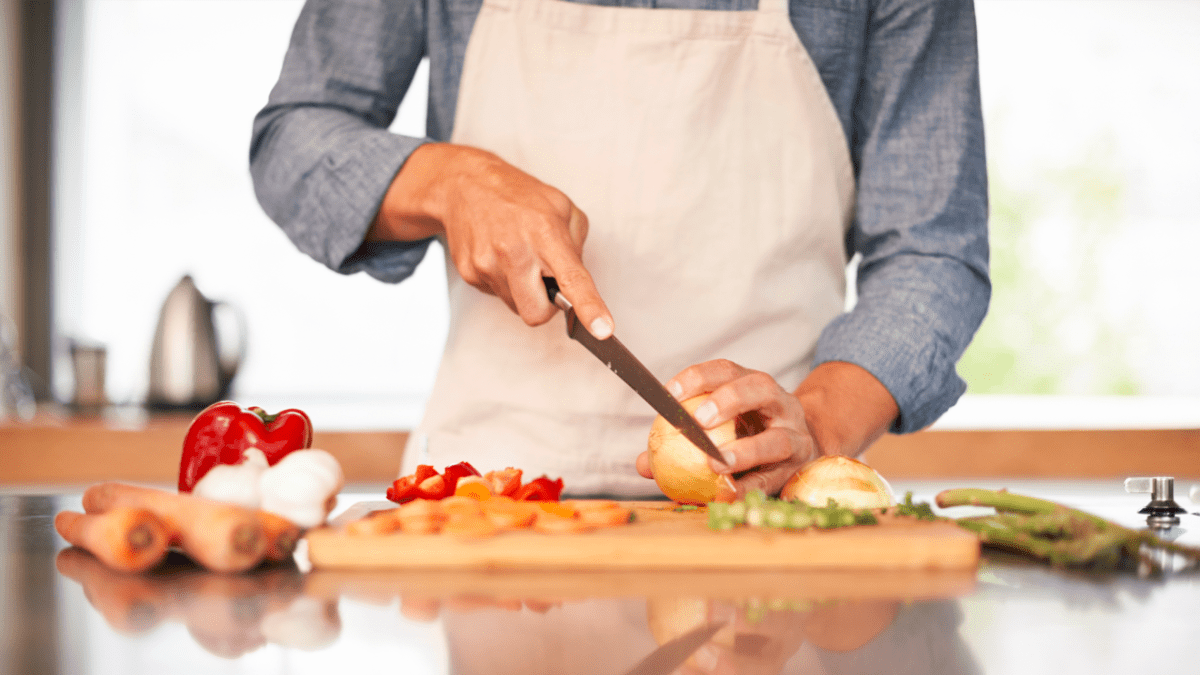
With thousands of recipes to choose from and with different ingredients to mix and match with your favorite foods, cooking is really an art just like painting or music. You can experiment as much as you want and really tailor your meal to your own preferences. When you order food at a restaurant, it’s really up to the chef’s own taste on how he puts your meal together. When you cook for yourself, you’re giving back control to yourself. You can work with your hands and you can slice and dice as you please.

While you may struggle at first with getting the recipes down to a science, you’ll keep getting better and better the more you practice and that’s what makes it so fun. Even if you burn the chicken or undercook the spaghetti, you can learn from your mistakes and know what to do better the next time. Cooking is a skill that really utilizes both your mind and your body. While it takes a lot of effort and time to master, the results are often delicious.

Put away the Chinese takeout menu, and put that apron on. It’s time to take these reasons into consideration as you begin your cooking career. Even if you’re a single guy or gal living in the heart of the city with restaurants abound, you should still give yourself the joy of cooking. You’ll thank yourself later when you have a wife or children to cook for at home and you can put together a meal that’s more than just scrambled eggs or spaghetti. Now, if you’ll excuse me, I’ve got to make myself dinner.

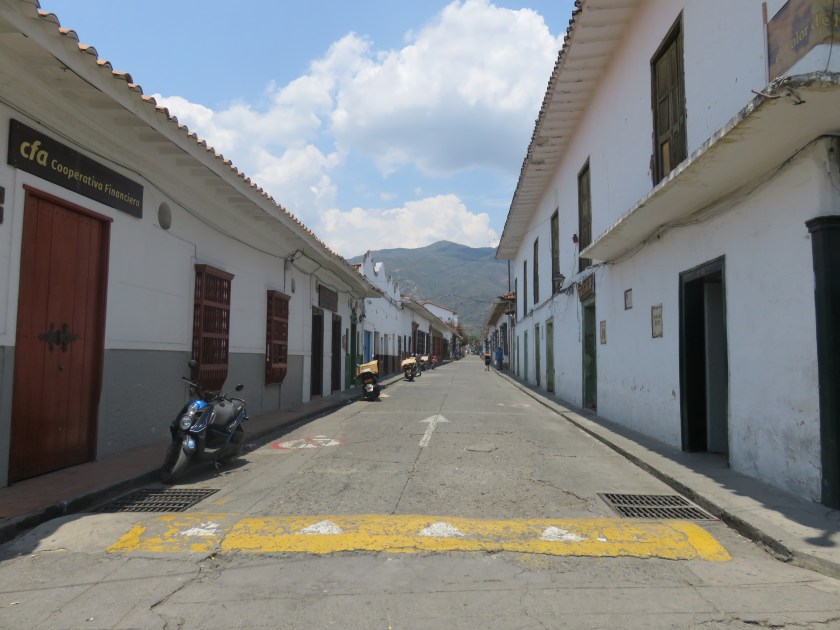
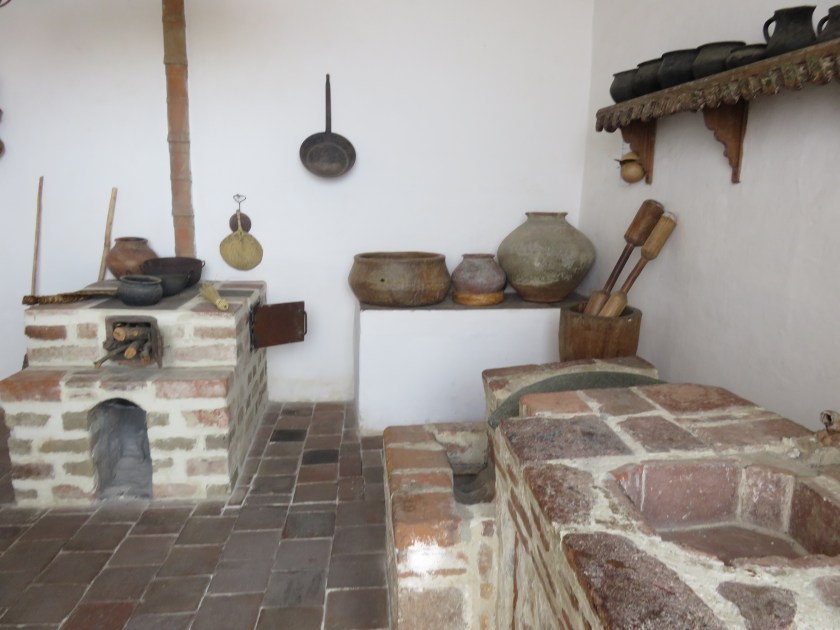
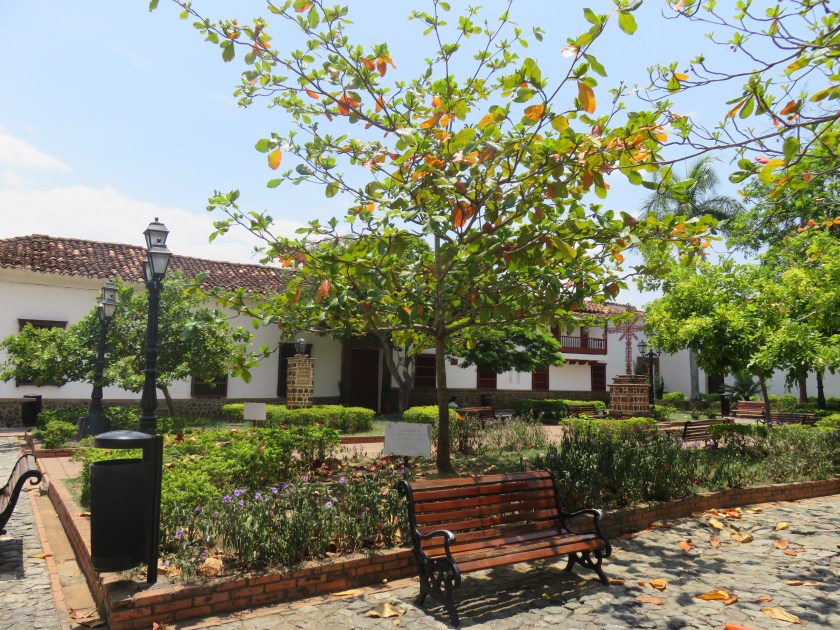
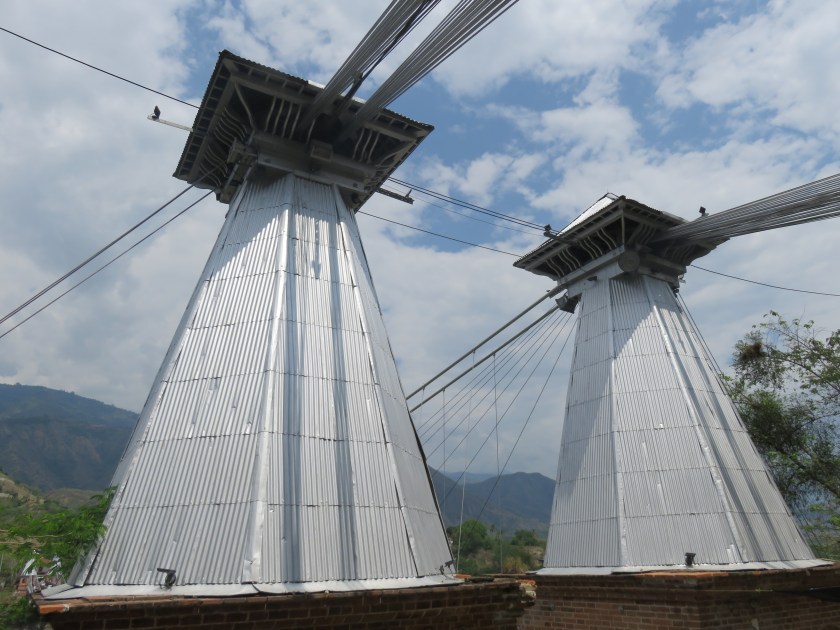
A Day In Santa Fe

IMG_2066IMG_2054IMG_2059IMG_2057IMG_2060

IMG_2069IMG_2072IMG_2075IMG_2083IMG_2107IMG_2117IMG_2116IMG_2101IMG_2105IMG_2109

Camera: Canon PowerShot SX710 HS

Location: Santa Fe de Antioquia, Antioquia, Colombia

El Salado

el salado1el salado2el salado3el salado4el salado5el salado6el salado7el salado8el salado9el salado10el salado11el salado12

Camera: Lenovo A2010

Location: Envigado, Antioquia, Colombia (Parque Ecological)