Book Recommendations – Volume IV

Wintertime is often the best time to settle down with a cup of hot coffee / tea and open up a new book or fire up your Kindle to catch up on some reading. When it’s cold and snowy out, there is no better way to pass the time than to sit down with a good book in order to learn something new or to be entertained by a particular story. If you’re looking for some good recommendations, here are three books that I have read recently that I think avid readers would enjoy especially if you like non-fiction material. If you happen to read any of these three recommendations, please let me know what you thought of these books in the comments section below.
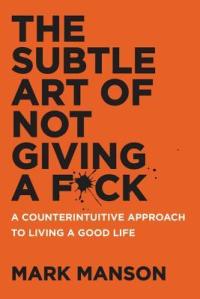
markmansonbook

1.) The Subtle Art of Not Giving A F*ck by Mark Manson is a current New York Times bestseller and is not your typical self-development book. I have been following Mark’s writings for a couple of years now and I hold him in high regard. He has helped change my life for the better with his unconventional life advice and his second book is a great read. Contrary to some self-help books that advertise a philosophy of feeling good all the time and always being positive, Mark instead advocates for a more balanced approach to life. It’s important to embrace the negatives and setbacks in life because you’ll be a stronger and a more mature person for it.

It’s a common truth that not everything will go well in life so it’s better to make due with that than to have a ‘pie in the sky’ attitude all of the time. Mark asks the reader to think about the fact that going through negative experiences is actually a positive experience and can teach us a lot about ourselves. Having solely positive experiences without any adversity or setbacks is itself a negative experience as well because you didn’t struggle and fight for it, which means that it wasn’t that much of a big deal in retrospect. Learning from our past mistakes and our failures is just as important, if not more so, as having massive success according to Mark’s thesis.

The title of the book itself, The Subtle Art of Not Giving a F*ck, doesn’t imply that we as human beings shouldn’t care about anything going on in our lives but rather that we should be more selective about the things that we can truly control and have some input in. You shouldn’t give a f*ck about everything, only the things that matter the most to you and that truly impact your life in some way. Overall, this book is a really thoughtful perspective on living one’s life in a mature and thoughtful manner and has some really practical advice for any demographic of reader.
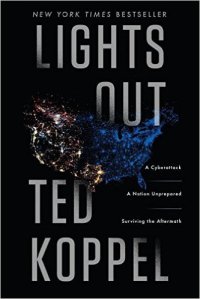
lightsoutbook

2.) Lights Out: A Cyberattack, A Nation Unprepared, Surviving the Aftermath by Ted Koppel is a well-researched, thought out look about the cyber security challenges facing the United States especially when it comes to the national energy grid that makes it possible for Americans to live a 21st century lifestyle. I remember watching Ted Koppel on ABC’s Nightline when I was a child and he always impressed me with his ability to look at a story he was reporting on from all angles and do a thorough job with interviewing different people involved with the issue. This book written by Mr. Koppel is no exception. Mr. Koppel does great investigative reporting on what is being done and what isn’t being done to prevent such a cyber attack from happening.

With the increasing amount of focus being put on cyber security as it affects different businesses, individuals, and governments, this book is a must-read as it considers the areas in which we are most vulnerable to attack. Mr. Koppel looks at how we can address the current gaps in cyber security such as when it comes to our different energy grids across the United States and what should be done about it in order to prevent an attack from happening in the near future. Mr. Koppel interviews a wide variety of people involved with cyber security from the Secretary of Homeland Security to leaders of the Mormon church in Salt Lake City to ‘preppers’ across the U.S. who make it a lifestyle habit of preparing themselves and their families with emergency supplies and goods in case a cyber attack happens and the electric grid goes down.

The frightening possibility of a regional and national blackout happening in the United States is discussed in detail as to what would be the consequences and how long it would take for the electric grid to go back online. The current picture isn’t very rosy and a lot of work needs to be done according to Mr. Koppel. Hopefully, the policy makers and leaders of government take notice of this book as it is both a warning and a call to action for those people in power to do more about this situation and to help protect against such a potential disastrous scenario.
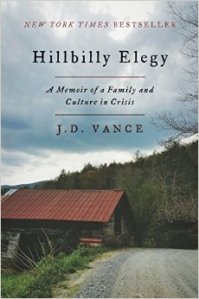
hillbillyelegybook

3.) Hillbilly Elegy: A Memoir of a Family and Culture in Crisis by J.D. Vance was one of the most important books of 2016 for its’ insight into a part of the United States that rarely gets much in-depth coverage. This book is a mix of a personal memoir of Mr. Vance’s life who is a native of the hills of Kentucky and who grew up in southern Ohio and also a retrospective on the economic and social conditions that are affecting Appalachia to this day. Mr. Vance goes into great detail about the struggles of the white, working class, both self-inflicted and those wounds placed on them by economic decline and societal decay that’s out of their control. It’s a community that doesn’t get much fanfare but who still have a political impact as showcased in the recent 2016 election.

Even with a troubled family that both uplifts him and casts him down, Mr. Vance through his hard-work and intellect makes it out of Appalachia and was a member of the Marine corps, a law school graduate and now a successful writer. However, it could be argued that he is the exception and not the norm when it comes to the current state of Appalachian communities. Upward mobility can be hard to believe in for today’s America with stories like Mr. Vance’s becoming less and less common. For this course to reverse itself, economic vitality has to come back to forgotten regions like the Rust Belt and Appalachia. The current social malaise and dispirited communities may be able to improve if the local economy were to improve for families like the Vance’s.

You root for the people of Appalachia highlighted in this memoir who have been dealt a bad hand in life but still try to make the best of things and want to help their family members achieve the American dream, even if it appears out of reach to most. One such example that sticks in my mind from this book is ‘Mamaw’, Mr. Vance’s grandmother and one of the few steady and pragmatic influences in his life that helped make him who he is today. To change a community and a society, it starts with the family but it doesn’t end there. Families in these communities need a future and they need prospects, both educational and job-wise. Let’s see if this book has an impact as well on the policymakers, think tanks, and government leaders. It’s a must-read and I highly recommend it.
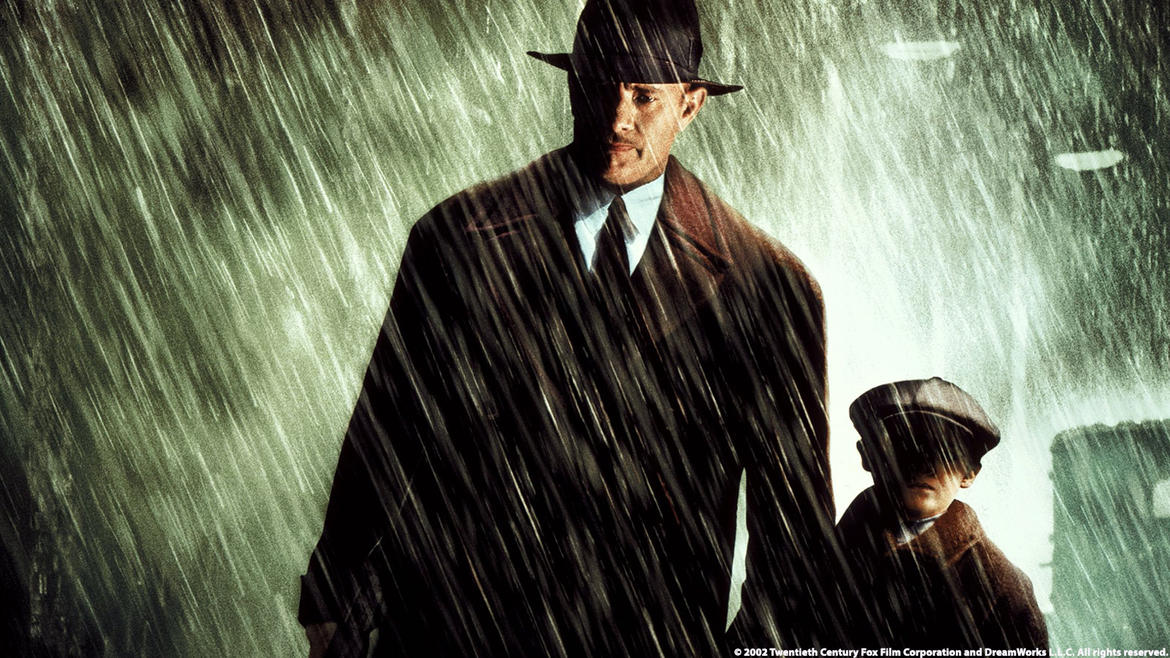


‘Road to Perdition’ – Film Review and Analysis

One of the most underrated movies of the 2000’s was Sam Mendes’s ‘Road to Perdition’, which was released to critical acclaim back in 2002 and did pretty well at the box office with around $200 million in ticket sales. While some people would be skeptical of watching ‘Road to Perdition’ at first because they think it’s your average crime / mafia movie that doesn’t have much to offer in terms of storyline and symbolism, they would be wrong when it comes to this film.

Sam Mendes, who directed two other great films ‘American Beauty’ and ‘Revolutionary Road’, does an excellent job here as this movie is beautifully shot and has a stellar cast. ‘Road to Perdition’ also benefited from the legendary cinematography work of the departed Conrad L. Hall for which he won a posthumous Oscar for ‘Best Cinematography’ for this film after he passed away in 2003. The scenery and settings for this movie help to create quite a unique atmosphere and the wide shots, long angles that are used help to make this film stand out as being above average. Beyond just the cinematography, the acting by the cast also stands out.

When you look back to see who was starring in the main roles for ‘Road to Perdition’, it is a very impressive list. Tom Hanks plays Michael Sullivan Sr., the lead role of the film and a conflicted Irish mafia man caught between his past and keeping his son sheltered from the consequences of his actions. Paul Newman, one of the greatest American actors of all-time plays the role of John Rooney, an Irish mafia boss, who is also conflicted between his paternal feelings of love for Michael Sr., and his wish to protect his own son, Connor, played by a young Daniel Craig, from his own destructive sins. Rounding out the list is Jude Law, who plays a gifted hit-man / grisly photographer known as Harlan McGuire, and Stanley Tucci, who plays a high-ranking member of the Italian mafia known as Frank Nitti. A young actor who steals most of his scenes is the young but talented Tyler Hoechlin who is Michael Sullivan Jr. in the film, a boy who is coming to terms with his father’s lifestyle and his ties to the mafia. A truly impressive cast of Academy Award winners and nominees, which makes this film even more of a lasting treasure.

‘Road to Perdition’ really brings the atmosphere and makes the setting feel real as it portrays life in Great Depression-era America by focusing on specifically both on the city of Chicago and its’ rural hinterlands, cornfields of greater Illinois. The movie really portrays well the last decade of America being discovered and settled, while undergoing deep economic difficulties, as the Irish and Italian mafias become a source of income and employment when none could be had.

Most movies don’t seem to want to portray the mafia as having been a well-oiled machine that acted like a legitimate business, but ‘Road to Perdition’ makes clear that there are ways to look at the criminal enterprises that achieved a lot of prominence during the Great Depression due to their ability to bootleg and their appeal to provide a good income to men without work.

Without spoiling too much of the plot, Michael Sullivan Jr. (Tom Hanks) is an enforcer and bodyguard for the Irish mafia in the Chicago area of Illinois who has a close relationship with his boss, John Rooney (Paul Newman), who is implied to have helped Michael Sr. a lot with a home, a steady income, and a purpose which is quite difficult to come by during the height of the Great Depression. Michael Sr. is a flawed man who has done murder and committed other crimes for his boss, Mr. Rooney, and knows that it may cost him his life. Despite his past transgressions, he wants to protect his family from his sins and wants to keep his boys from knowing about what he does for a living.

Connor Rooney (Daniel Craig) is shown to be jealous of the close relationship that his father, John, and Michael Sr. have and is resentful of him. Michael Sullivan Jr. (Tyler Hoechlin) is distant from Michael Sr., his father due to late working hours and distant lifestyle. As any boy would like to know about his father, Michael Jr. decides to find out the truth about who his father, Michael Sr. is, and what he does for Mr. Rooney. At this point, the plot really takes off in tragic and unexpected ways leaving the viewer engaged in the storyline and the eventual outcome. As mentioned before, the acting done by this legendary cast helps make the film what it is and what it still is today.

Beyond just being a typical mobster movie, ‘Road to Perdition’ has a number of poignant and thought-provoking themes that stay with you even after the end credits begin to roll. This film goes over the trials and tribulations that fathers and sons can have with each other even when they love and care for each other dearly. Michael Sr. and John Rooney are not related by blood by have a relationship similar to a father and son as Mr. Rooney was around for Michael and his family when they had nothing. He is heavily indebted to Mr. Rooney even if he knows what he is doing is wrong by committing violent acts for the mafia. Still, their bond appears to be unbreakable and they get along quite well with each other.

To the contrary, both of their relationships with their respective sons are shaky at best and hostile at worst. There is a considerable distance between Michael Sr. and Michael Jr. due to the fact that Michael Sr. makes his lifestyle and his work for Mr. Rooney a well-kept secret. Michael Sr. does not show much affection or love for his boy and it’s not made clear until the end of the film why that is. Michael Sr. obviously cares for his boy but likely doesn’t want his son to know about the horrible things he’s done to keep him, his brother, and his wife save from harm or want. Still though, Michael Jr. does not want to be kept away from his father and who he is.

He ends up pursuing the truth whether or not his father wants him to or not leading to quite a turn of events when the truth comes to light. Connor Rooney, John’s son is quite envious of the close relationship that Michael Sr. has with his father compared to him. However, this is for a number of reasons. Connor is very much unlike his father, John, and has a number of character and personality flaws that make him a liability to the family. Connor is shown to be impulsive, manipulative, untrustworthy, and greedy but the conflict comes to light when John Rooney must decide if he should stick by his son’s side or give him up due to his past misdeeds. As John Rooney says to Michael Sullivan Sr. during one of the movie’s best scenes, “Sons were put on this Earth to trouble their fathers.”

During one of the movie’s most touching scenes, Michael Sr. tells Michael Jr. about a town called an idyllic town called Perdition, Illinois, which has beautiful scenery along the beach of Lake Michigan, and where the Sullivan family has visited before when Michael Jr. was a little boy. Perdition is portrayed as a goal for the two Michaels to get to in order to start their lives anew and escape the sins of the past. It’s a way for Michael Sr. to get redemption after taking care of his ties to the mafia and by trying to make up for what he did wrong as both a father and a man. The word ‘Perdition’ as defined in other words is ‘hell’ or ‘complete and utter damnation’ in more religious terms. Michael Sr. may try to redeem his sins by going to church or by rectifying the wrongs he’s done by getting revenge on the men who wronged him in the past but he knows deep down that it may not be enough.

If he is on the ‘Road to Perdition’ or the road to hell, the film shows the audience that he wants to keep his son, Michael Jr., from going down that same path. He wants badly for his son to have a better life and a brighter future away from violence and death. Michael Sr. won’t let his downfall lead to that of his son’s as well. Even if Michael Sr. is a murderer and a sinner, he knows what’s still right from wrong and he is going to do his best to preserve the innocence and goodness of his son. As a father, he is flawed but he still loves his son dearly and wants the best for him still.

Certain moves fit a certain season of the year well and ‘Road to Perdition’ is no exception. The winter setting, the Chicago cold, and the mature themes help lead it to being an ideal film to be watched during the depths of winter in January and February. Without spoiling anything, the film is a real story with real characters who are flawed in their own ways but who each have their own complex motives that drive the plot forward. This film, most of all, touches the audience emotionally and will pull on your heartstrings.

‘Road to Perdition’ is very underrated film that remains one of my favorite movies to this day. I highly recommend ‘Road to Perdition’ to other movie buffs who are looking to watch a crime / mafia film that has a soul. In addition to having an all-star cast, a renowned director, and a legendary cinematographer at the helm, ‘Road to Perdition’s music score composed by Thomas Newman is excellent and fits perfectly into the many moods of the film and has some stirring moments that add to the film’s setting. If you’re snowed in this weekend from the blizzard, do yourself a favor and go watch ‘Road to Perdition.’

An Urban Transformation

img_2039
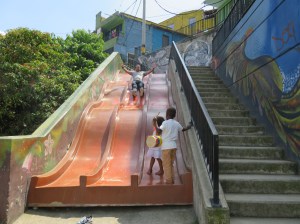
“The kids were cheering me on.”

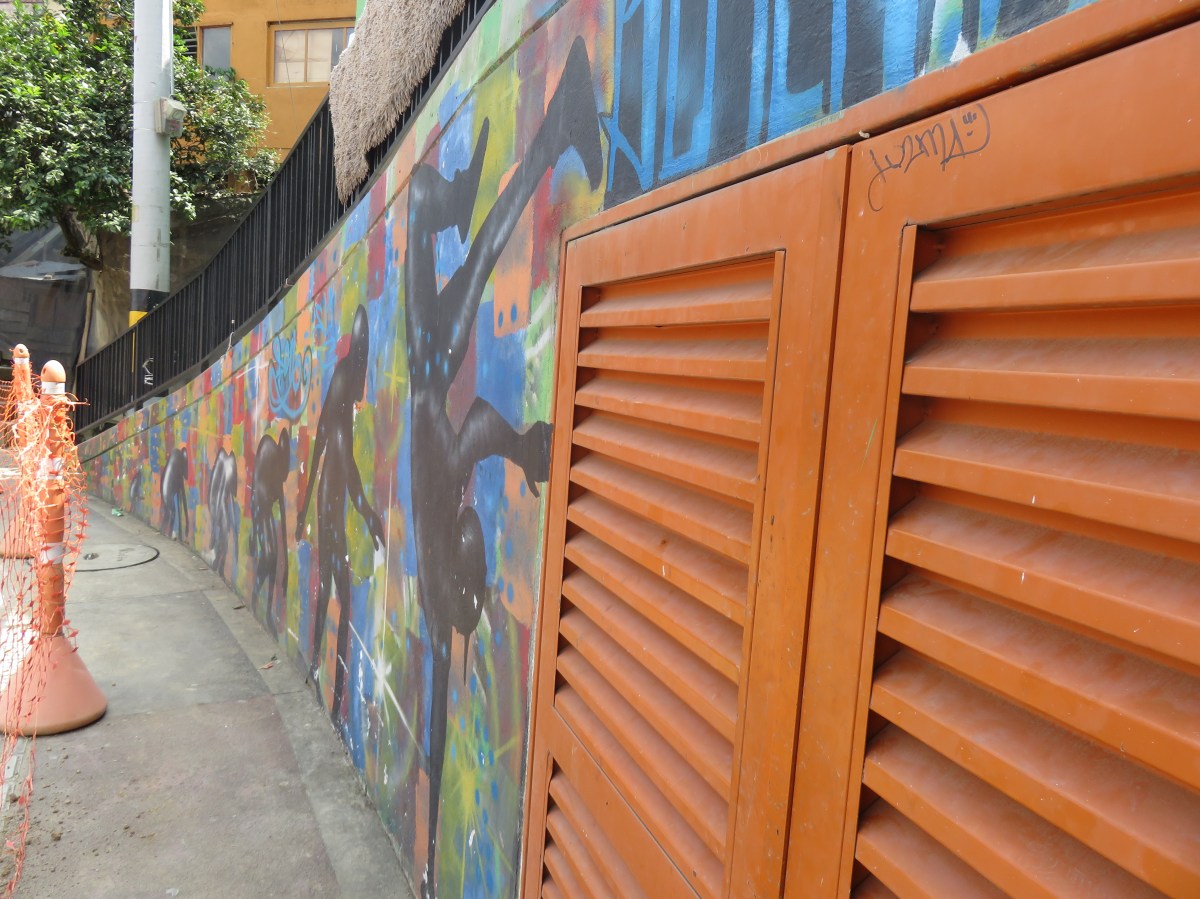
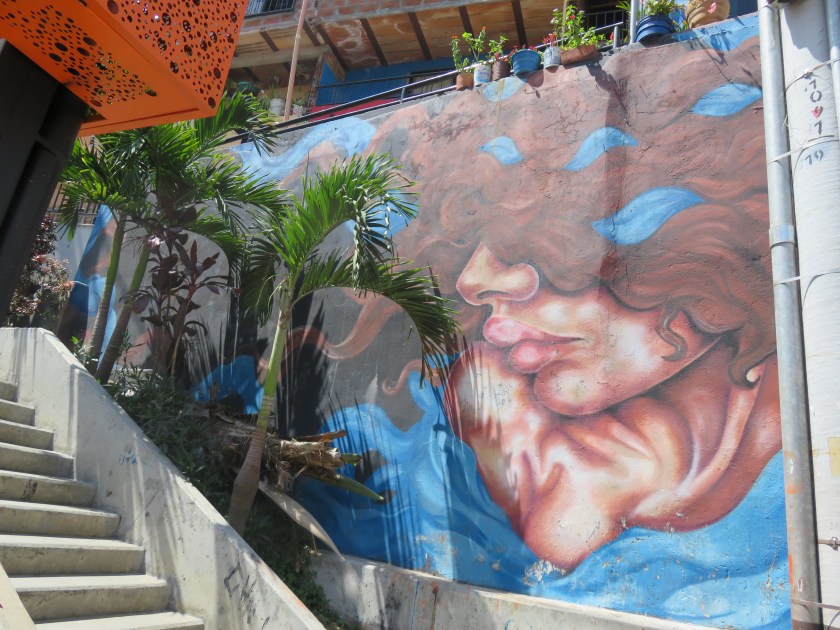
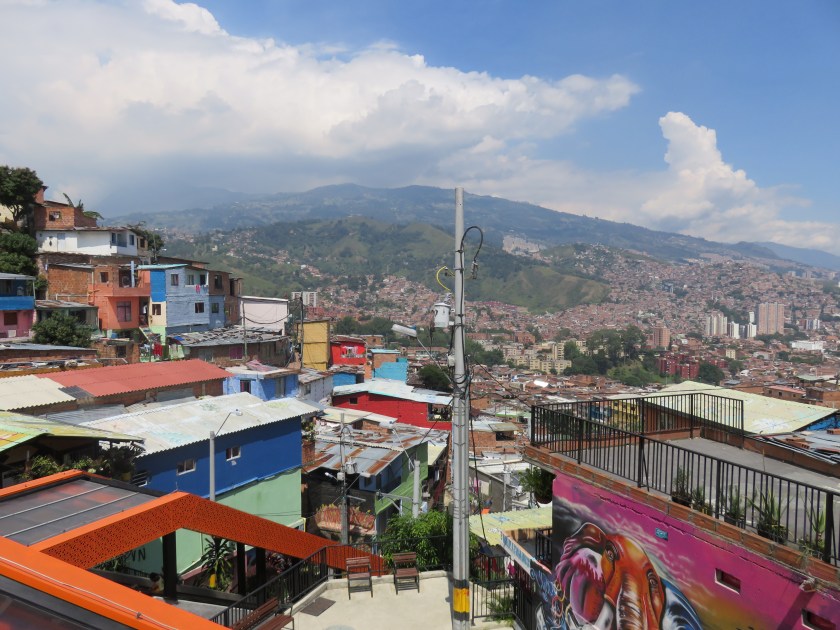
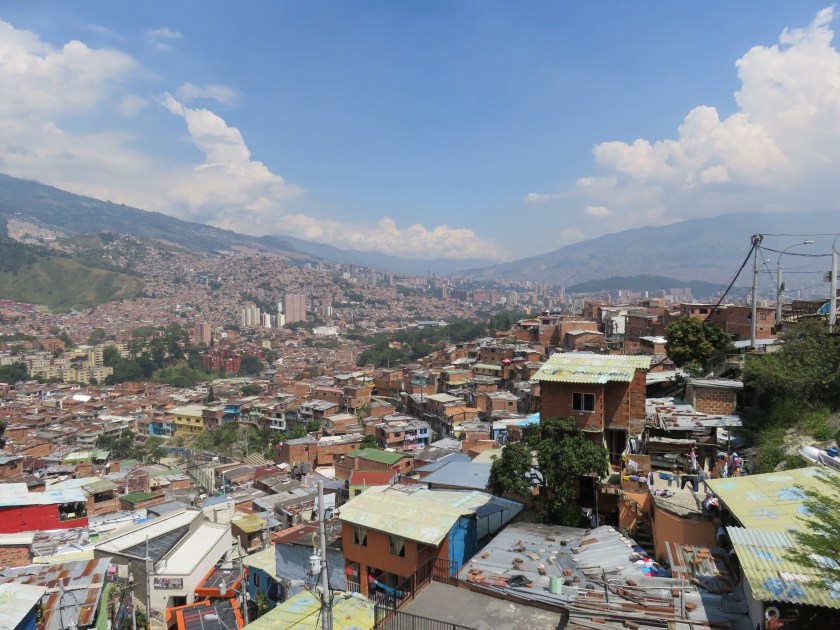
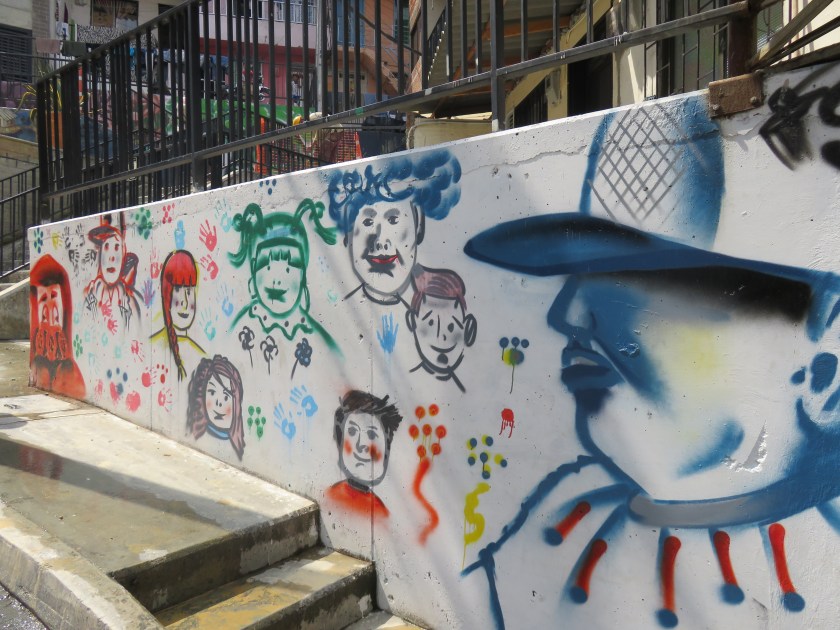
I had the pleasure recently of visiting Comuna 13, a neighborhood in Medellin that has had a difficult history with gang violence and the illegal drug trade but which is showing signs of both progress and renewal. Due to the investments made by both the local and city government, Comuna 13 has become a hotbed for beautiful street art and graffiti murals, which has attracted many local artists to make a positive mark on this community. Many of these artists are from Medellin and grew up in the neighborhoods of Comuna 13. Rather than discuss the past of Comuna 13, I would rather talk about why this particular community is poised to have a brighter future.

Beyond just the new street art and the graffiti murals that you can find around Comuna 13 are the relatively new escalators that connect the San Javier metro station to the communities located in the hills surrounding this transportation hub. These escalators make it a lot easier for both students and workers to gain easier access to the rest of the Medellin metropolitan area and are an easy way to get from point A to point B. The escalators are free to use for all people including the tourists who come to visit this part of the city.

While the escalators are not so numerous, it is possible that more of them will be added to other parts of the city in the future if I were to haphazard a guess. Medellin can set an example to other urban cities on how to connect neighborhoods efficiently with the use of escalators, especially those with sloping hills and steep mountains within the city limits. For the elderly and children as well, these escalators can be quite useful in helping them get around the neighborhood without too much trouble.

If you don’t feel like taking the escalators, there are concrete staircases adjacent to the new escalators so you can choose which way you want to go up or go down. The escalators are weatherproof as well which is quite genius when you think about. On your way to the metro, the overhang, which is a bright, fluorescent orange color, will protect you fully from the elements such as rain, snow, hail, etc. It only takes about five to ten minutes to get from the top of the escalators to the bottom of the escalators so if you’re in a rush, you won’t have to go through too many escalators to get to your final destination.

The city government of Medellin and local police has done a great job in my opinion with regards to keeping this part of Comuna 13 safe and secure. I noticed during my visit that locals and volunteers are instrumental in helping to keep the area around the escalators clean and orderly. There are park benches and small parks nearby to encourage community get-togethers as well as the fact that there is a big slide where the local children can use to slide up and down to have some fun in the neighborhood. Being the kid at heart that I am, I partook in one of the slides because it is pretty enjoyable and you do go down at a pretty fast speed.

Beyond just the new escalators, the cool slides, and the park benches, there are also now a few library parks, which are free for members of the community to enjoy, explore, and learn. In addition to being places for education, the libraries are great meeting places for the community and can strengthen neighborhood ties. You can also hold cultural, recreational, and educational activities such as group English classes or a family birthday party. Books in these libraries are free to borrow and use.

Everyone can use them regardless of their age, educational level or social status. The mind is a terrible thing to waste and because of the twelve library parks in Comuna 13 and other parts of Medellin, city residents here have a real chance to learn new things and satisfy their curiosity. One particular volunteer group that I’m interested in learning about is called ‘Stairway to English’, which provides free English classes with native speakers to members of the Comuna 13 community.

My visit to Comuna 13 left quite an impact on me. I did go through an organized tour this time, which I do recommend to people visiting this webpage. It was really useful to learn about the history, background, and the progress being made for this part of Medellin. Medellin is quite a large city and it can be easy to get caught up in only staying within your own neighborhood and to not see other parts of the city. Personally, I do hope that other escalator projects in urban areas will become popular in Colombia and other parts of the world.

Human beings are increasingly becoming more urban with over 70% of the world’s population projected to be living in cities by mid-century. This puts the onus on local, city, and national governments to adapt to this reality and try to make life easier and better for the millions of people who call a city their home. Other cities should take note of the social progress being made in Comuna 13 and I can only hope that more and more residents of Medellin will be able to improve their lives in different ways because of urban projects like building library parks or constructing escalator routes.

If you’re in Medellin sometime and you’re curious to check out the positive urban transformation that is ongoing in Comuna 13 and other parts of the city, I would recommend using Comuna 13 Tours, which has a very knowledgeable, kind, and helpful staff members who are bilingual and want to share their city with foreigners out of the goodness in their heart. This is not an official endorsement and I don’t get paid or receive any benefits from mentioning this tour on my website.

I’m doing it because I really enjoyed the experience I had recently with them and I think other visitors who come to Medellin should do the same based off my positive experience using this tour group. Perhaps, most importantly of all, you’ll meet a few locals during your tour and you can see how hospitable, kind, and open they are in Comuna 13. My only advice is to be careful about your photo taking, and to be respectful of both the tour guide and the locals who are kind enough to take some time out of their day to share with you. I look forward to visiting Comuna 13 again someday and I hope to use that giant slide again too.

For more information: http://www.comuna13tours.com/

Comuna 13

img_2003img_2006img_2004

img_2009img_2014img_2013img_2017img_2026img_2034img_2021img_2047img_2035img_2042

Camera: Canon PowerShot SX710 HS

LocationMedellin, Colombia

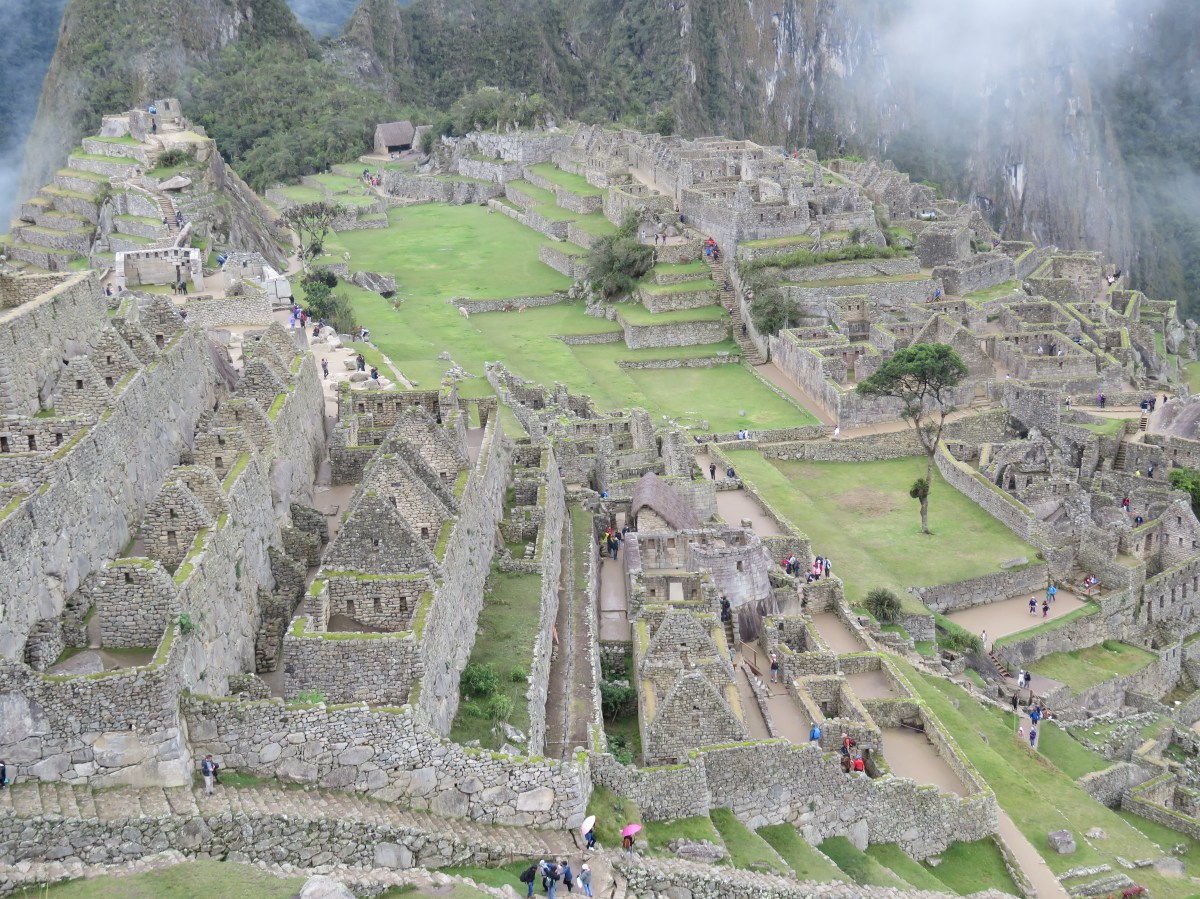
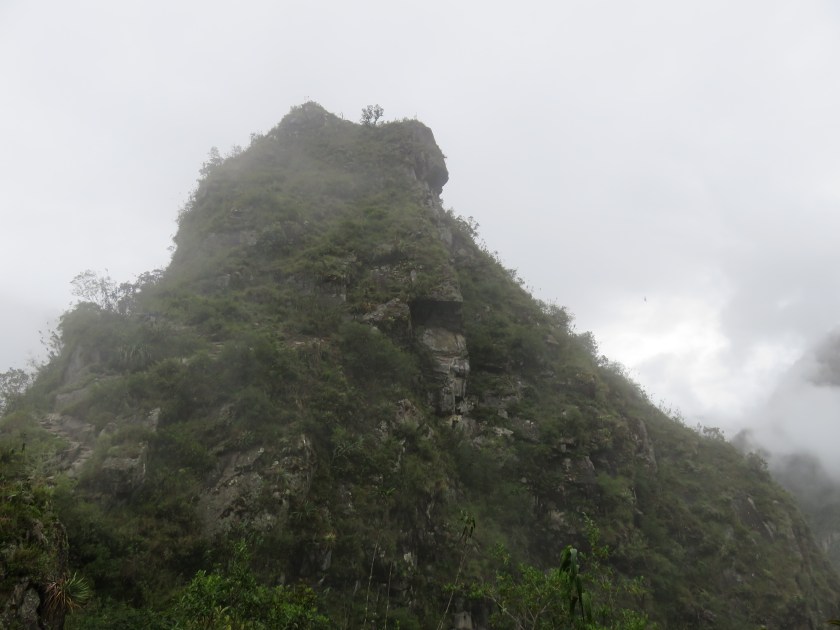
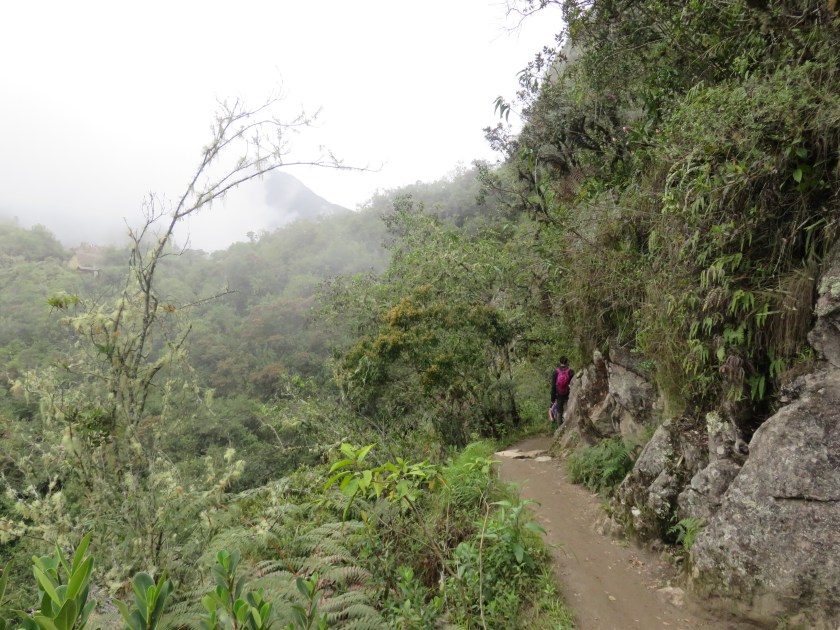
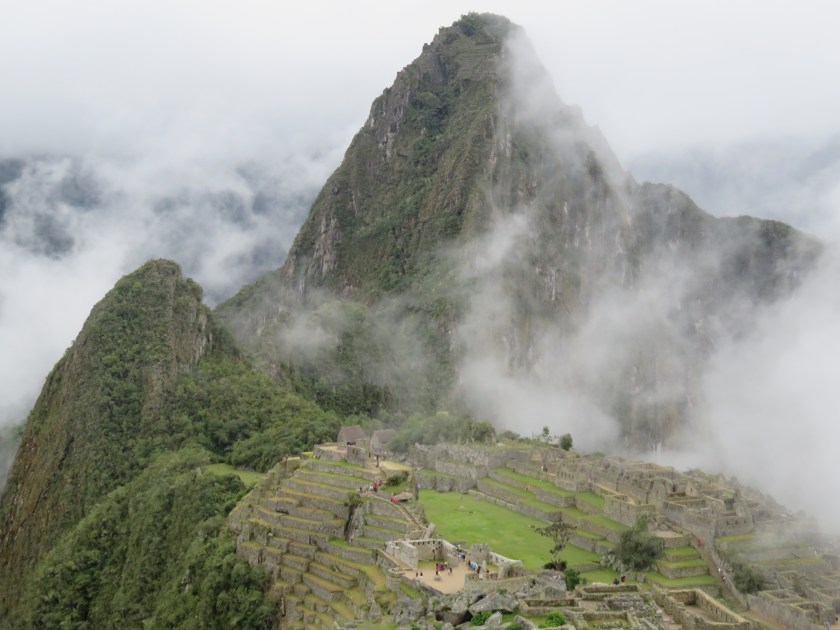
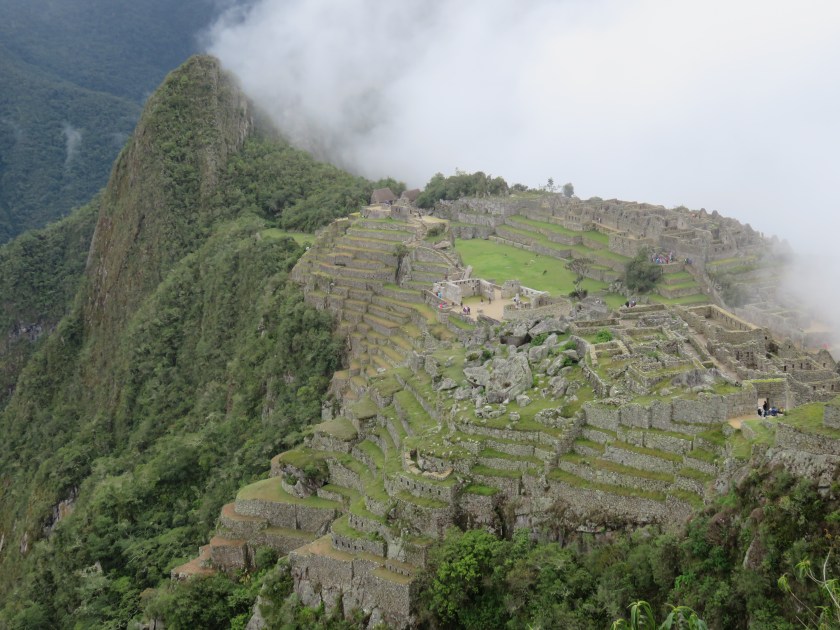
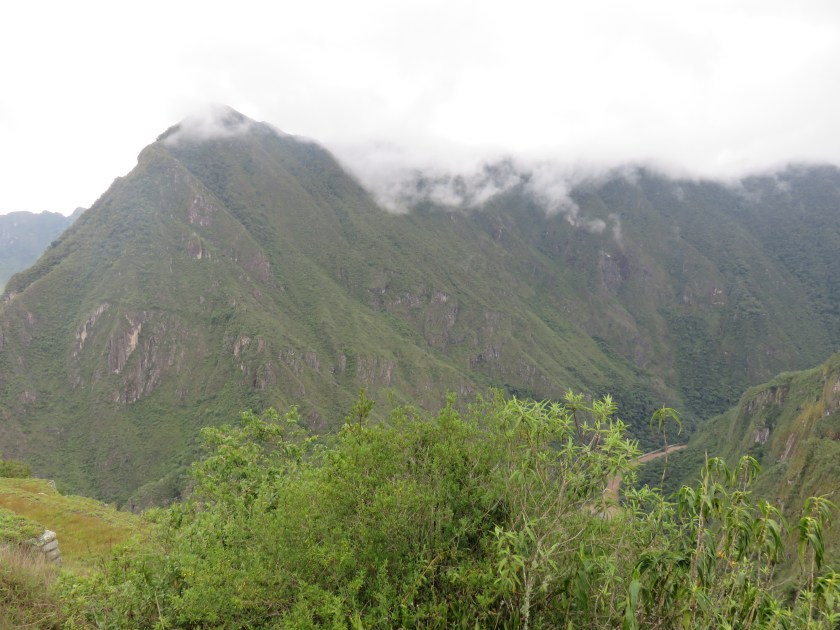
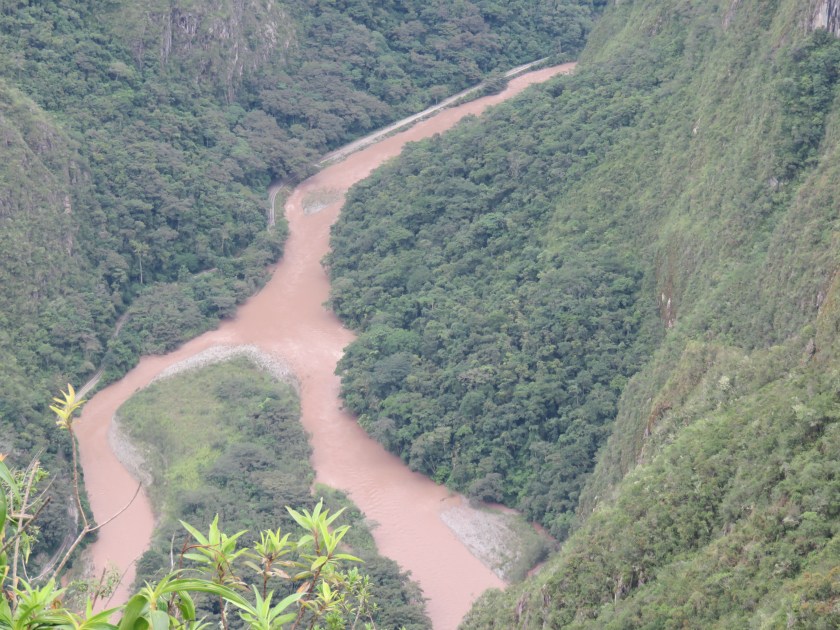
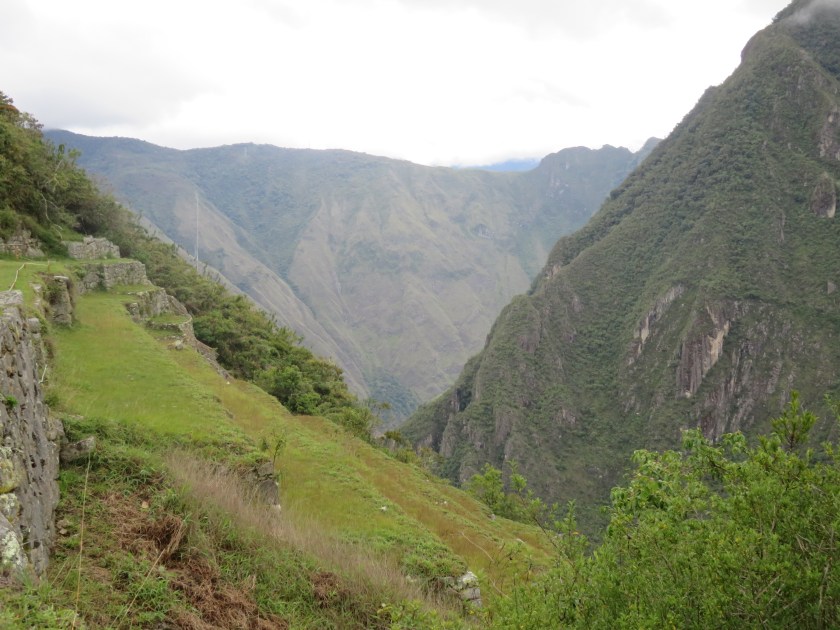
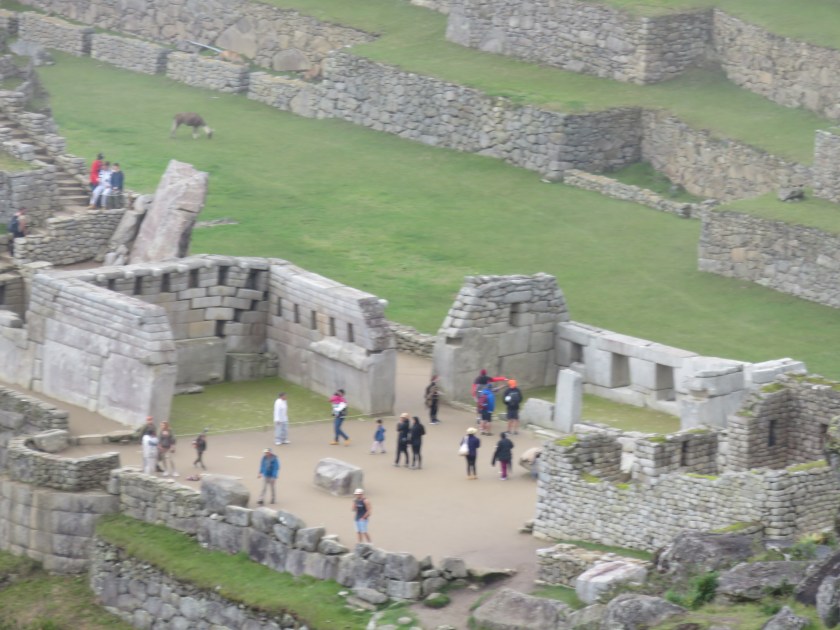
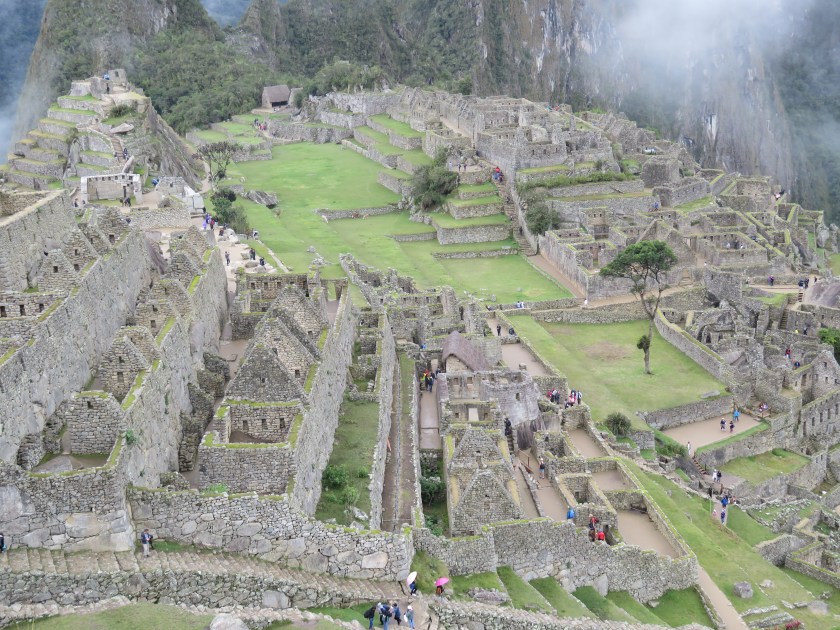
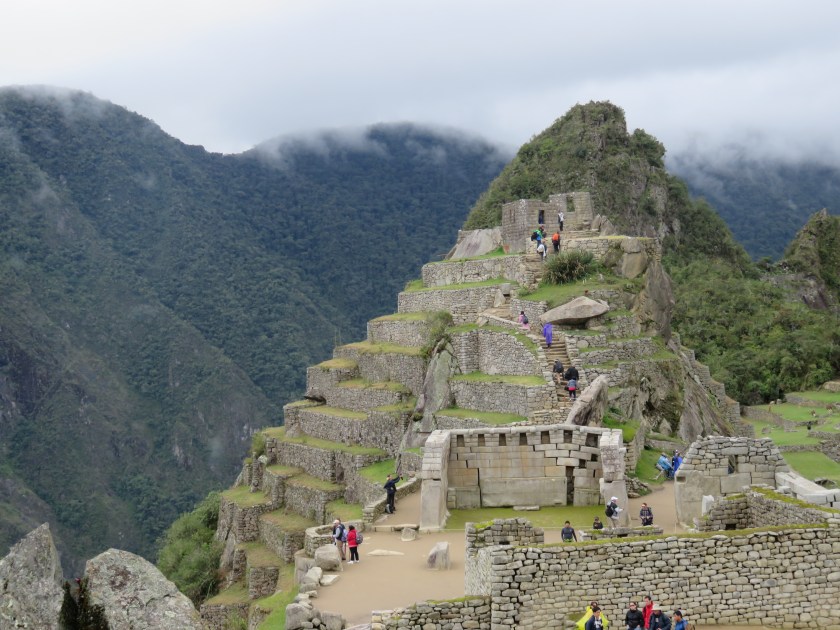
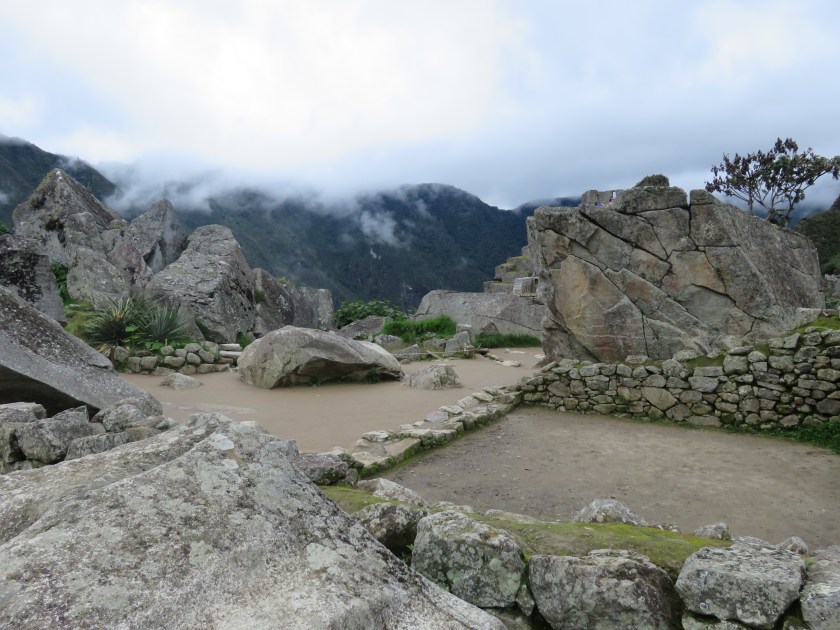
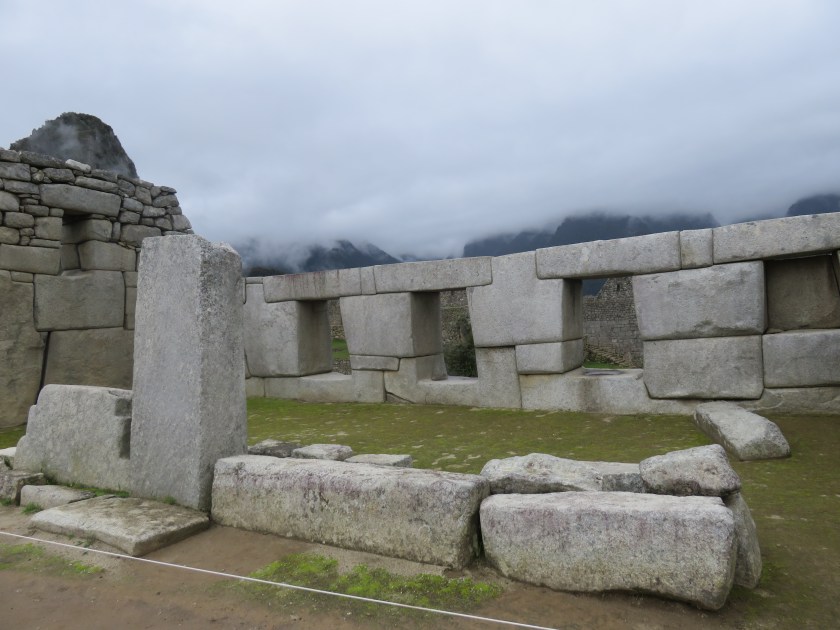
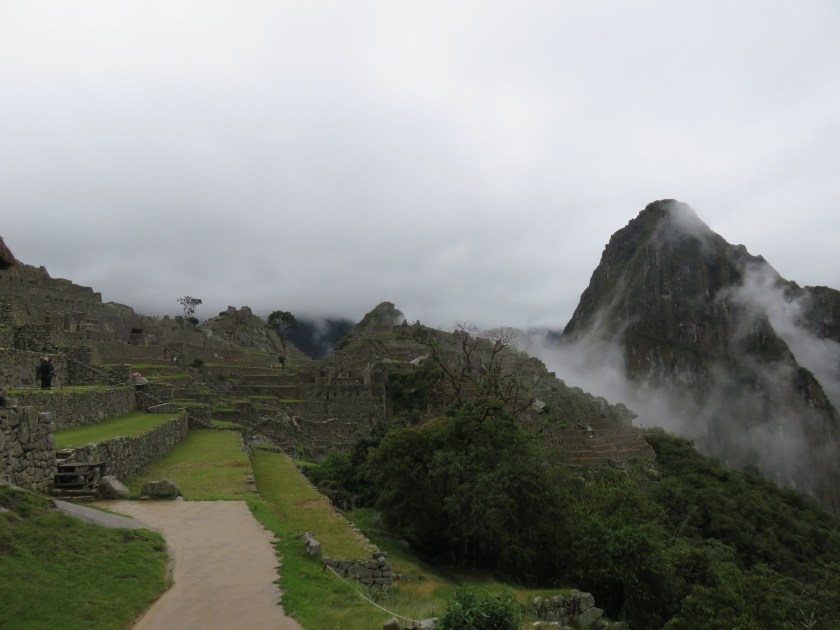
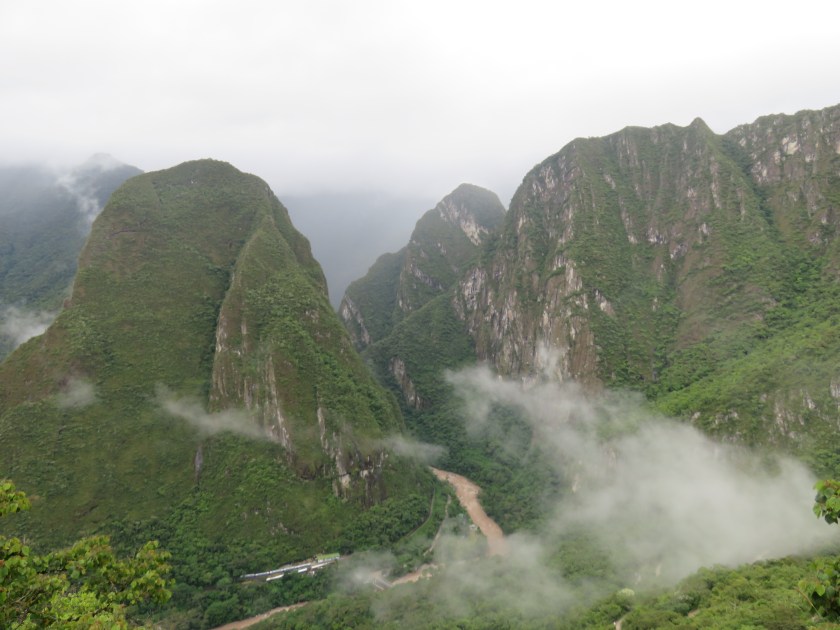
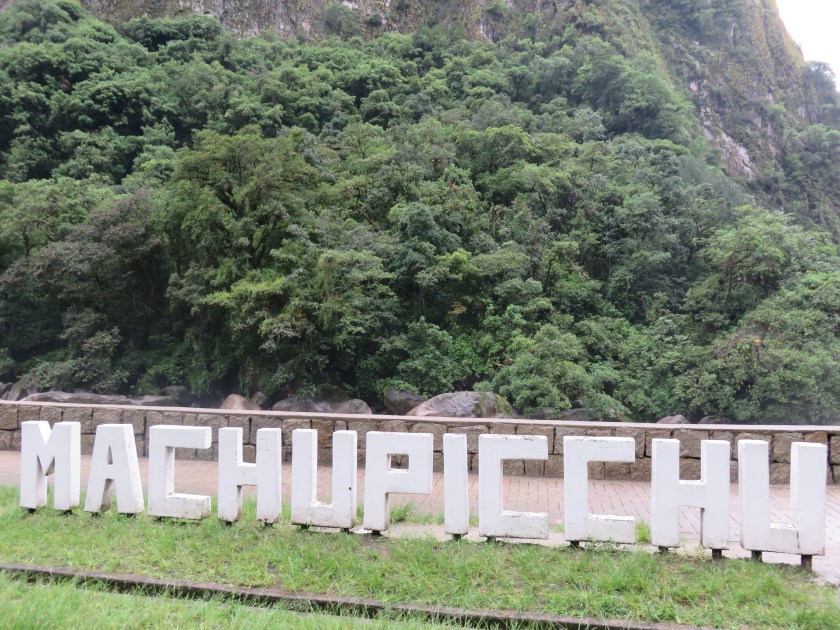
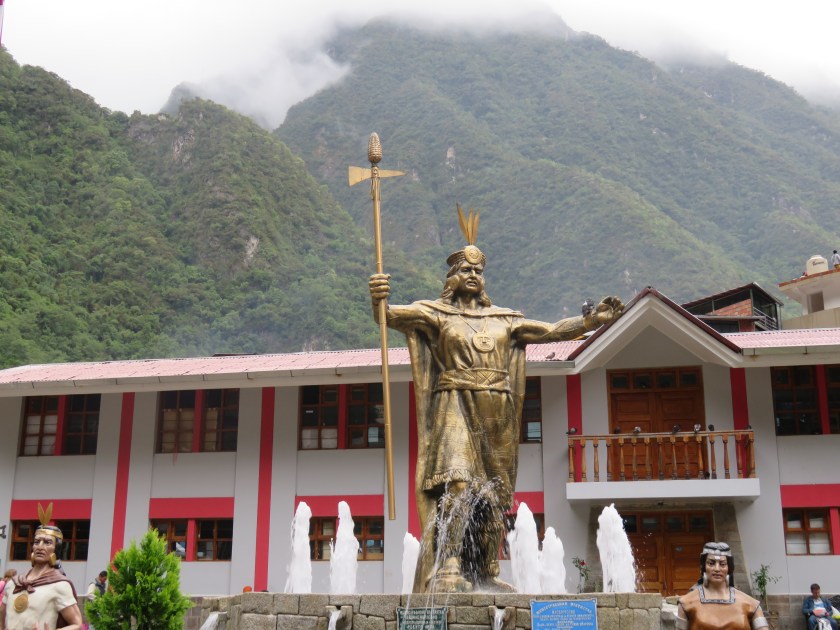
Machu Picchu and Huayna Picchu

img_1723img_1726img_1824img_1827img_1828img_1829img_1830img_1838img_1868img_1878img_1881img_1897

img_1955img_1968img_1984img_1989

Camera: Canon PowerShot SX710 HS

Location: Machu Picchu, Peru

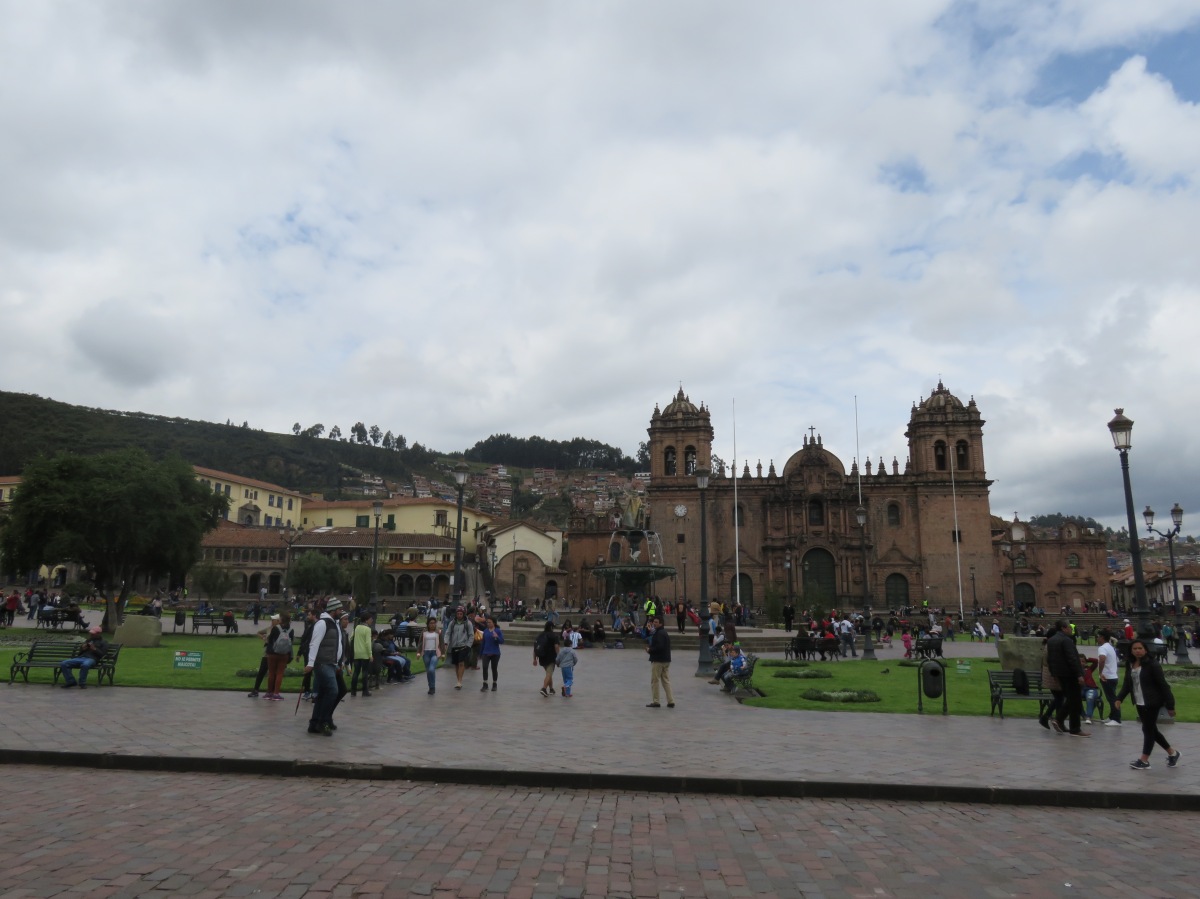
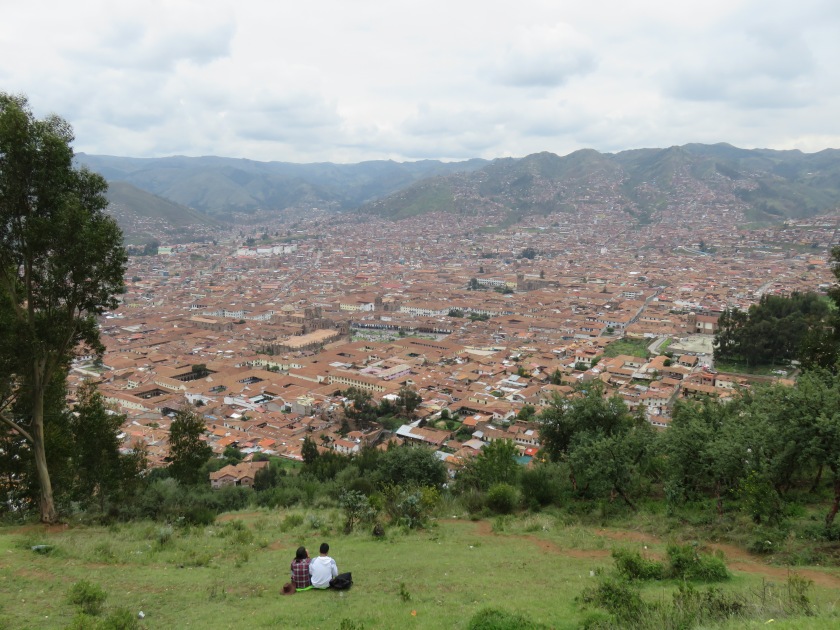
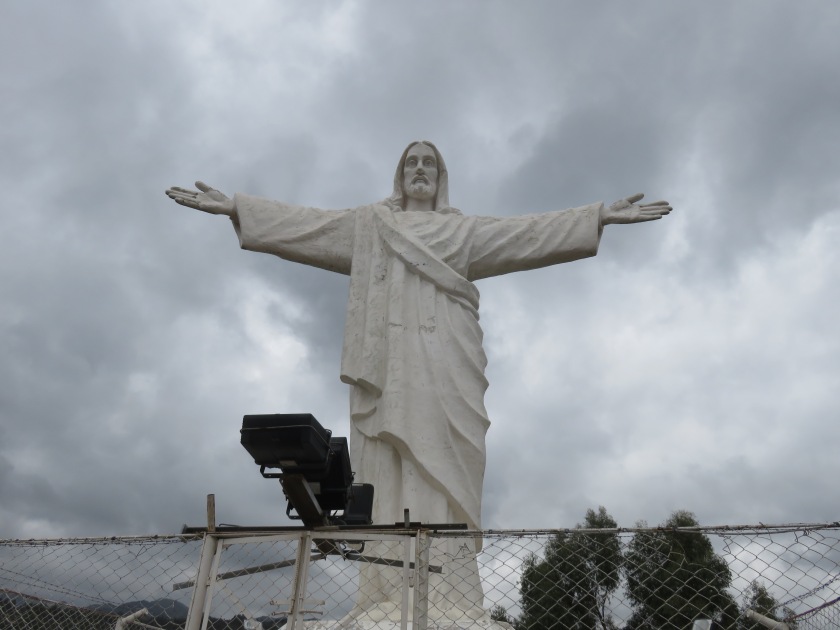
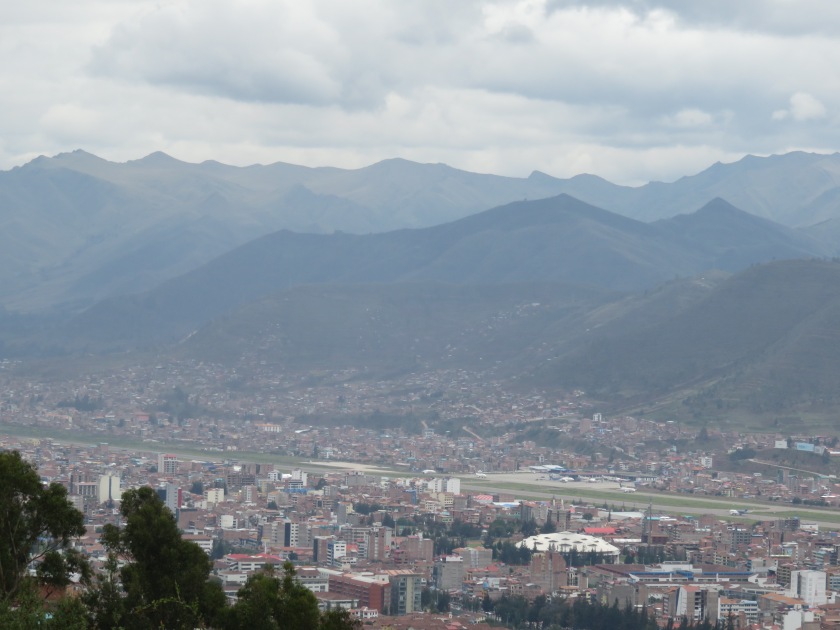
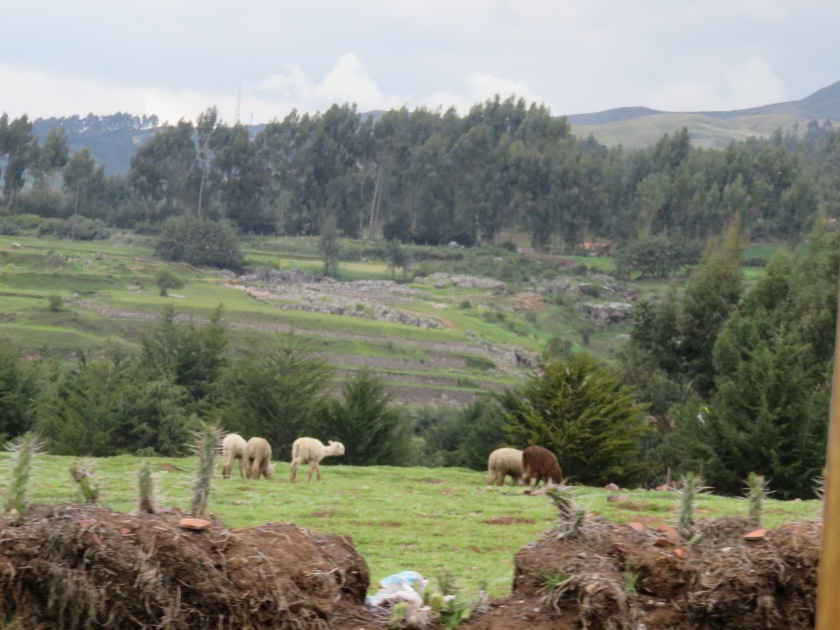
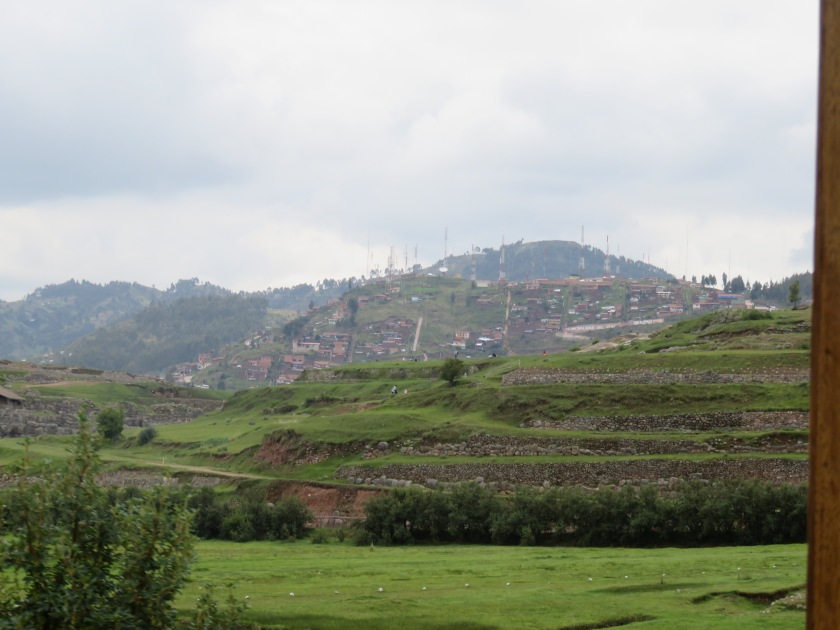
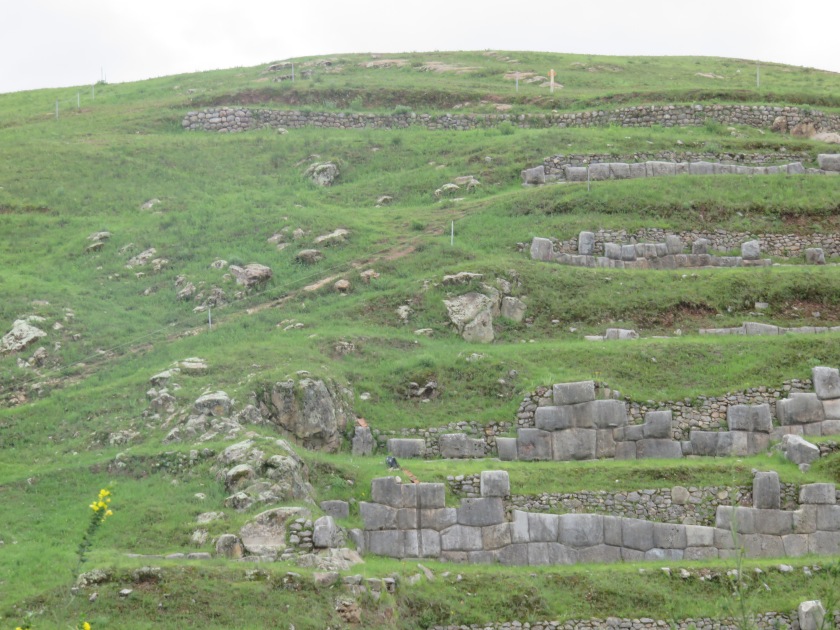
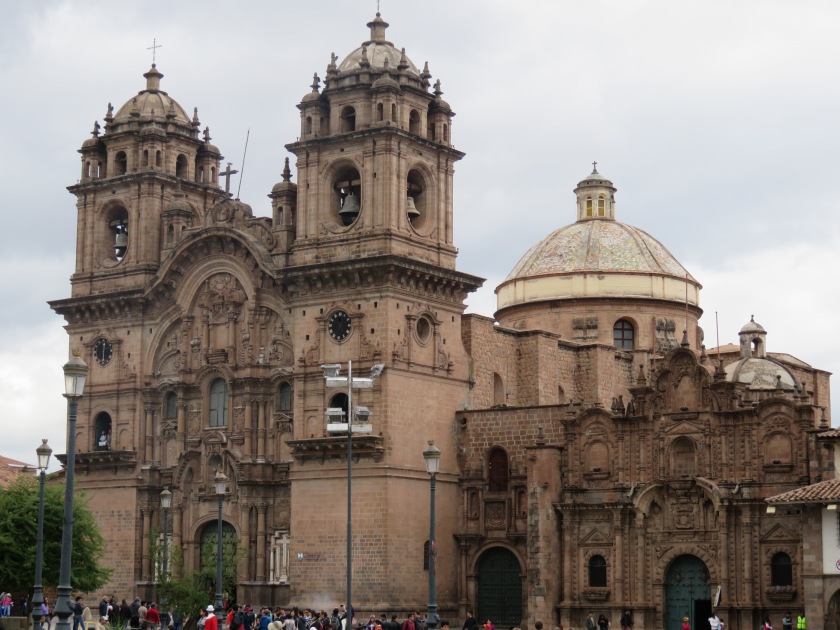
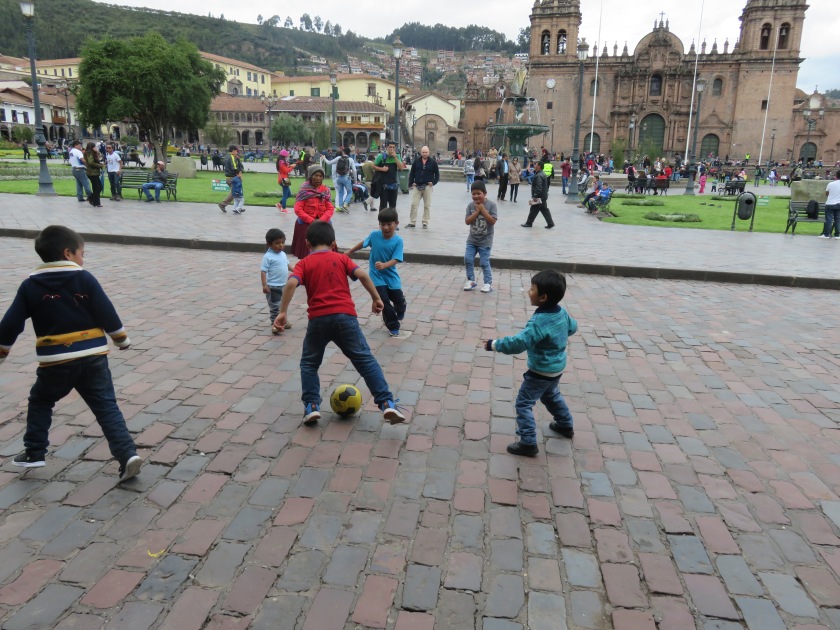
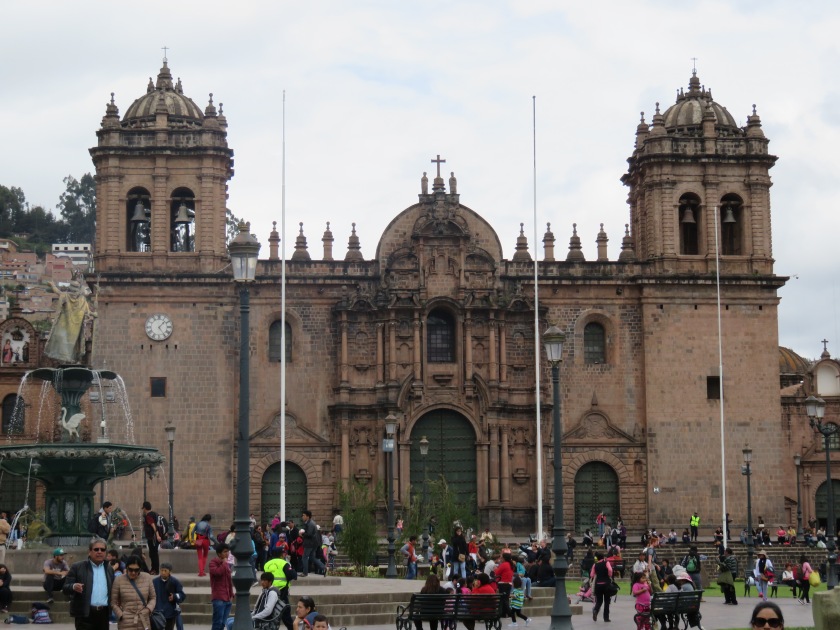
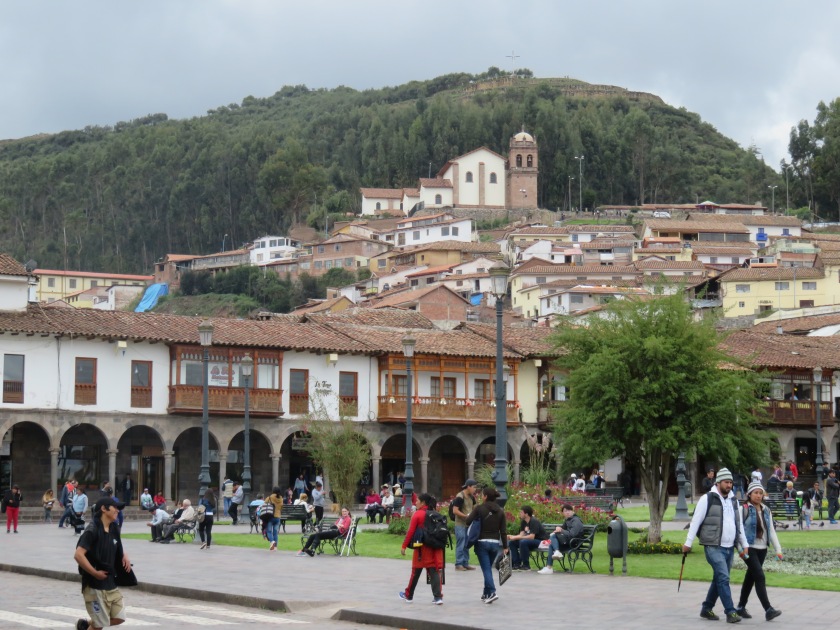
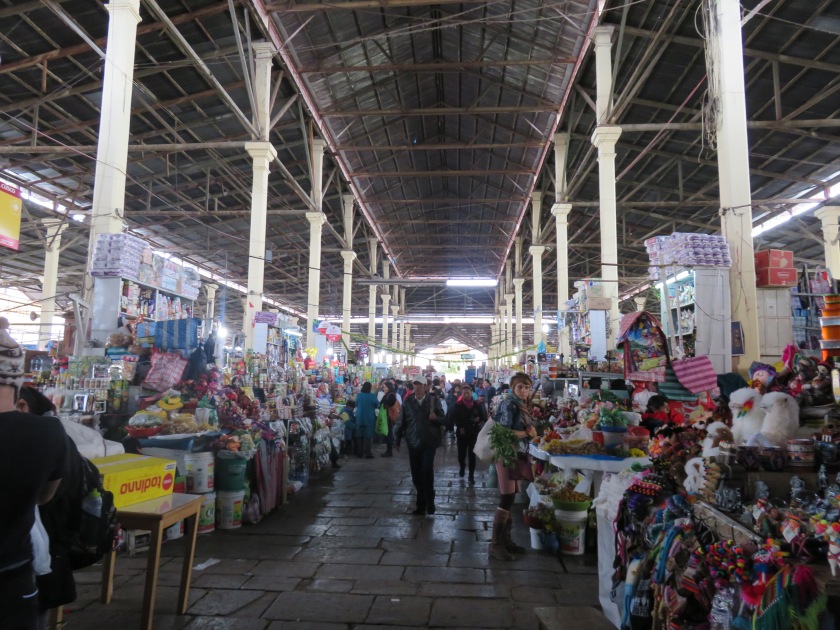
Cusco

img_1500img_1502img_1503img_1510img_1512img_1523img_1527img_1525img_1546img_1550img_1557img_1563img_1564img_1565img_1566img_1573

Camera: Canon PowerShot SX710 HS

Location: Cusco, Peru

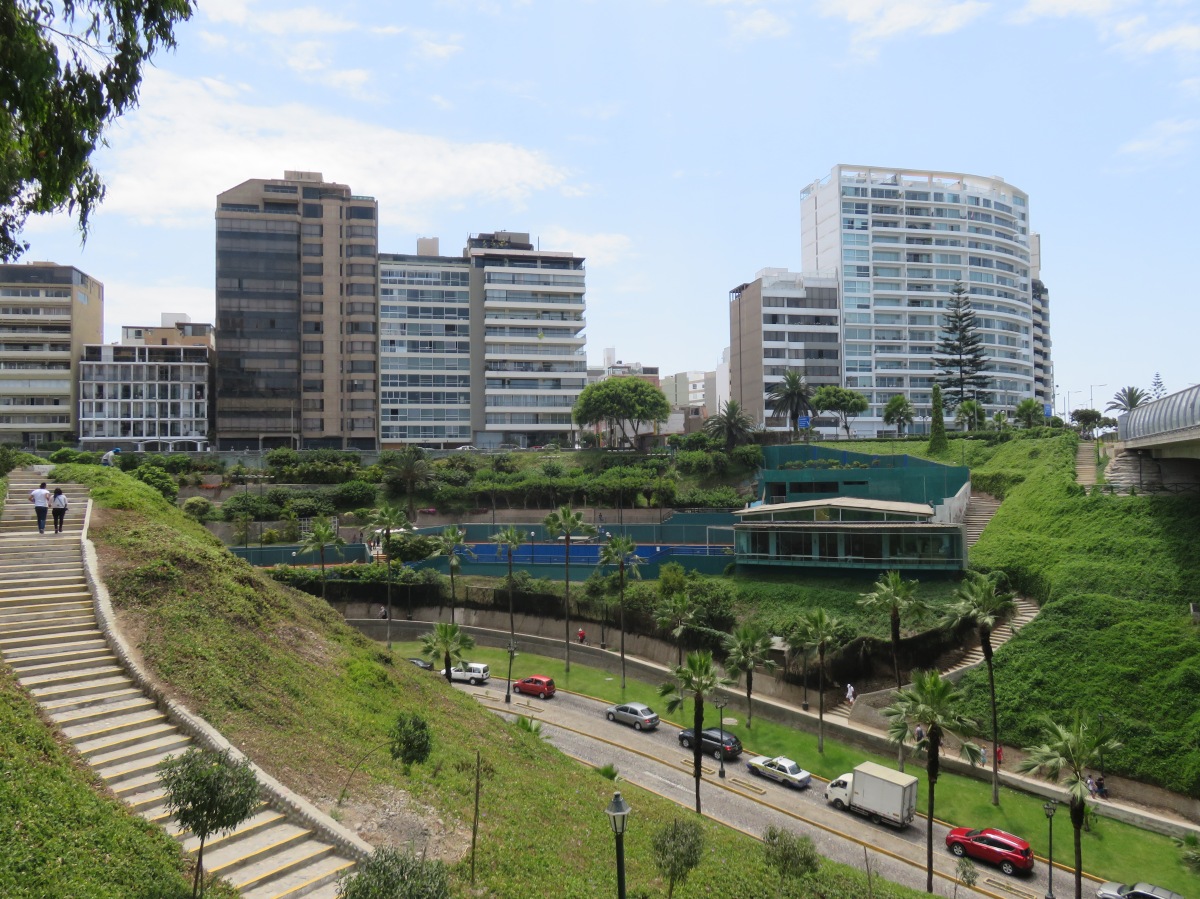
Lima

img_1372img_1379img_1403img_1406img_1412img_1416img_1418img_1426img_1433img_1439img_1442img_1463img_1472img_1481img_1498

Camera: Canon PowerShot SX710 HS

Location: Lima, Peru

Cartagena v. San Andres Island – A Comparison

24d0cbb9d14b491b89c035b207c4597c
“San Andres Island: Located Northwest of mainland Colombia and closest to the coast of Nicaragua. Very small island as you can see from this map.

If you’re in a cold, winter climate right now and you’re looking to escape the frigid temperatures and snowy weather for a little while, you should consider the following two destinations for a vacation. Recently, I was lucky enough to take two, separate trips in December to the San Andres Island in Colombia and then to the coastal, colonial city of Cartagena, which is also located in Colombia. While these destinations are similar in many respects, they are still unique in a number of ways. Depending on what you’re looking for in a tropical destination, both San Andres and Cartagena have a lot to offer for the average traveler.

San Andres Island

After visiting the San Andres Island in early December, I consider it to be a hidden gem of the Caribbean. I write this because I find it to be much less of a tourist destination than other tropical islands such as the Bahamas, Bermuda, U.S. Virgin Islands, Aruba, etc. and small countries such as Jamaica, Cuba, and the Dominican Republic. What it lacks in notoriety and sheer size, San Andres is just as much of a Caribbean destination than other more popular islands.

The island is rich in both biodiversity and sheer crystal blue beaches that you can swim in, go snorkeling, or go riding around in a boat or Jet Ski. San Andres is blessed with vibrant coral reefs, sand banks, and outer cays, which are easy to explore by foot or by boat. You can snorkel with the fishes or go scuba diving with them depending upon your personal preference. The island is smaller than most tropical destinations at only 26 square kilometers in total area but I consider it an advantage to be able to see a good amount of the island in only a week if that’s how long you plan to stay.

There are a number of ways to get around the island including local buses, which will do a circular loop around the island and can be hailed from anywhere you are in the main street. You can also rent your own scooter or golf buggy cart to get around the island for a day or more. Taxis are also plentiful in most areas but tend to be more expensive depending on where you’re going on the island.

Most restaurants, hotels are located in the northern part of the island and tend to be a little bit cheaper than Cartagena in terms of pricing. The great thing about San Andres is that there is a number of bed and breakfast places available, which are cheaper than the major hotel chains if you’re looking to save some money. The smaller hotel chains and the bed and breakfasts are usually located closer to the island’s less popular but still very beautiful beaches, which are also less touristy overall.

During the low season for San Andres’s tourism, it’s possible to find a beach where there are few tourists around and where there’s still white sand and crystal blue waters. All you would have to do is make sure you do your research and find out where these lesser-known beaches are and take public transportation or your own scooter there for the day. You won’t find these beaches in El Centro or in the north of the island.

Luckily, I was able to find a beach like that ten minutes south of where I was staying by bus, which was the highlight of my trip. If you’re looking to visit San Andres, make sure you visit during the low season and be ready to explore the island beyond just the touristy areas. In addition to being accessible by plane from Colombia, which is the owner of the island, you can also get to San Andres from the countries of Panama and Costa Rica. With the right planning and set-up, you’ll be able to walk to the nearest tropical beach when you stay in San Andres for your visit.
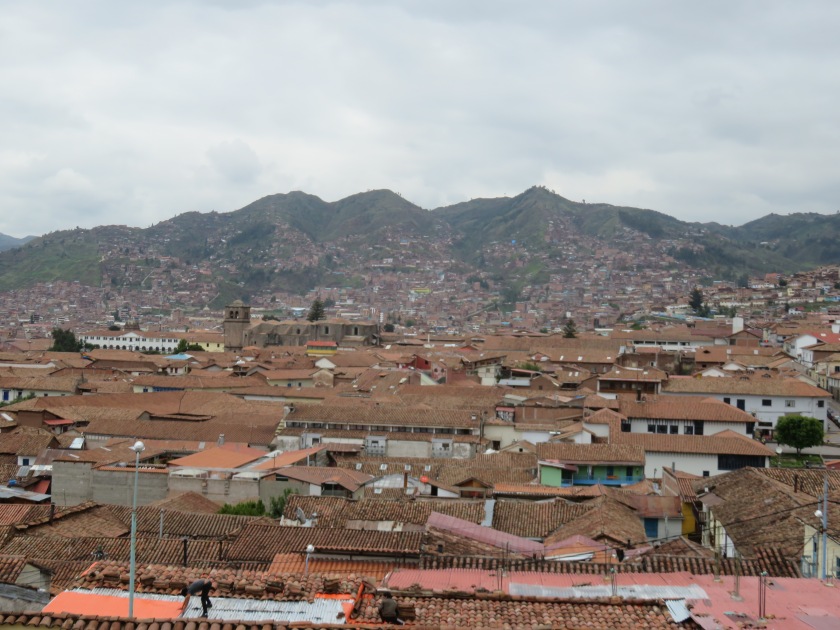
Cartagena

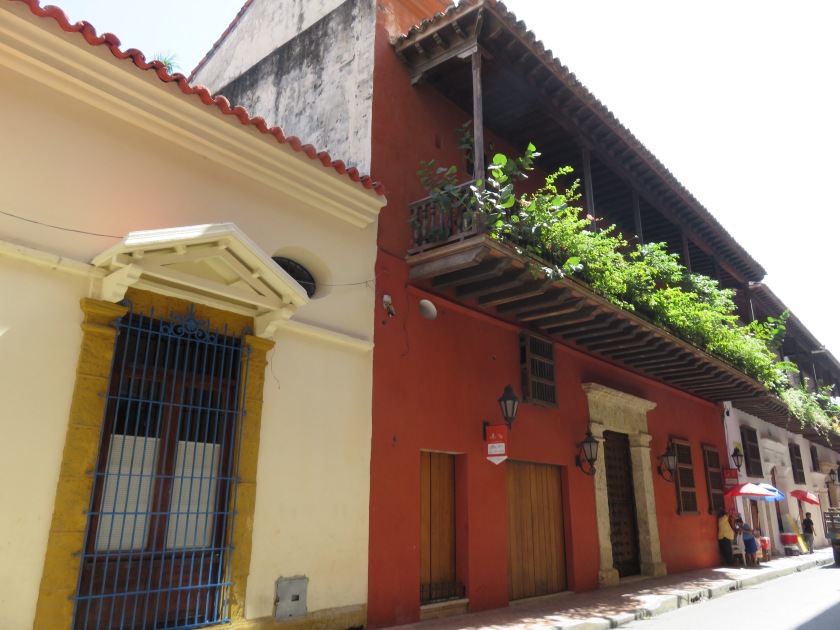
A city with an interesting mixture of colorful, colonial buildings and modern, towering skyscrapers, Cartagena is the most popular tourist destination in all of Colombia and has been growing in popularity in recent years. Known most for being the location of the oldest Spanish colony in the Americas, Cartagena offers a lot of history, culture, and diversity to those tourists who visit its’ colonial streets, coastal beaches, or plentiful hotels. Cartagena is very easy to get to by bus, by boat, or by plane with its’ modern international airport named after former President of Colombia, Rafael Nunez who was a Cartagenero.

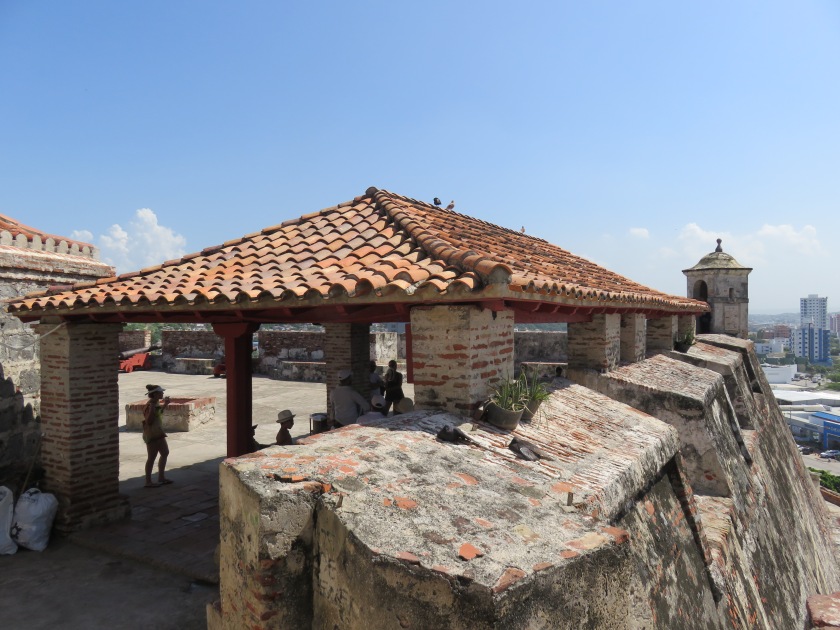
If you’re short on time, it would not be a complete trip to Cartagena without visiting sites like the Felipe de San Barajas Castle, which was a Spanish fortress designed to protect the city from foreign invaders and from scheming pirates. There’s also the walled colonial city with its’ colorful buildings, which have been somewhat transformed to offer restaurants, boutique hotels, and artisanal shopping to its many tourists. In my opinion, the walled colonial city still has a lot of character and its architecture is really pleasing to the eye. Costenas are among the friendliest people in Colombia and are truly welcoming to the sheer amount of tourists that come to the city each year.

While I was not able to go there during my recent trip, the La Popa hill has great views of Cartagena and you can take a tour of a monastery there with a history dating back to the 17th century. While Cartagena has a number of beaches, the best ones take some effort to get to, which can take a whole day trip back and forth. The most famous beach in the area is La Playa Blanca located on the Baru Island, where you can find white sand beaches and the crystal blue water that can’t be easily found elsewhere in Cartagena. Lastly, Cartagena is a big city with over a million residents and thousands of tourists. If you don’t get to do everything in one trip, you can rest assured knowing that it’s a city that is worth more than one visit.
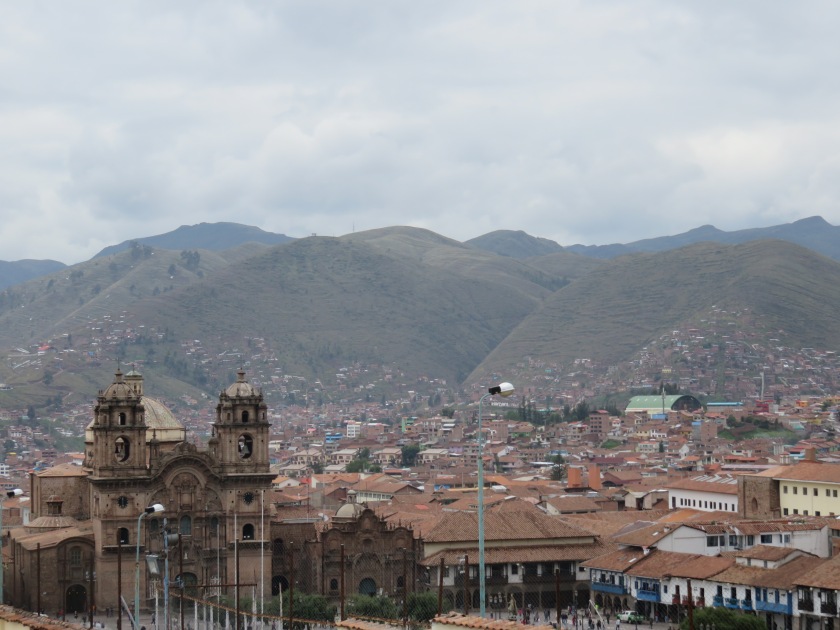
Comparison

Overall, I had an excellent time during my two separate visits to Cartagena and San Andres Island. Both of these destinations have a lot to offer to the average tourist and are relatively affordable and easy to get to from other parts of the Americas. If you’re looking for a warm destination with friendly and open people, these two locations should be high on your list.
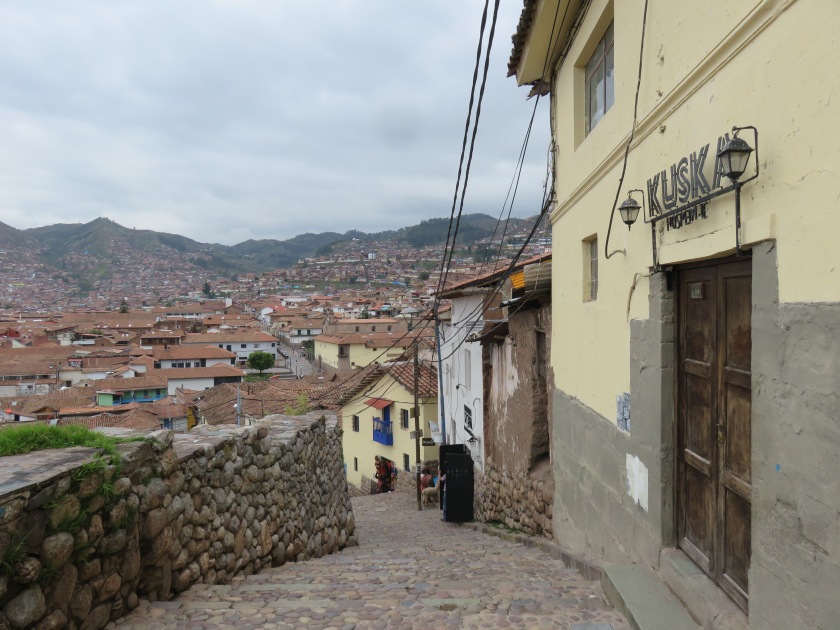
If I were to give recommendations based on what each place can offer as its’ specialty, you’ll want to give San Andres the edge in terms of its’ beaches and its’ water sports activities. The manageable size of the island to navigate along with its various modes of transportation makes it easy for the traveler to explore different beaches, coral reefs, and outer cays without having to go very far. San Andres is also a bit cheaper of a destination in terms of average lodging and food costs compared with Cartagena.

While San Andres has the advantage with its’ beaches and its’ overall costs, Cartagena shines when it comes to the history of the city, its’ open and friendly people along with the numerous options for dining and lodging. In all of the cities of Colombia, the walled colonial city of Cartagena is very special along with the San Felipe de Barajas Castle. The restaurant and nightlife scene is also much more vibrant giving the average tourist a lot to do, see, and explore at nighttime compared with San Andres.

I would suggest that while Cartagena has a number of accessible beaches, the special ones like Playa Blanca take some time to get to and are not located within the city. When it comes to crystal blue waters and white sand beaches, San Andres Island is a destination that offers that in a number of locations without too much effort needed.

The beauty of these two destinations is that they each have something special to offer the tourist, the traveler, or the backpacker. If you’re looking for beautiful beaches and water sports activities, head to San Andres Island but if you’re looking to learn more about history, culture and to experience good restaurants and nightlife, head to the city of Cartagena. Either destination has its’ own specialties and advantages. You won’t regret your time in either destination and it will be a good travel experience that you’ll have fond memories about.

Cartagena

img_1278img_1282img_1289img_1285img_1300img_1312img_1316img_1328img_1334img_1329img_1345img_1346img_1349img_1360img_1363

Camera: Canon PowerShot SX710 HS

Location: Cartagena, Colombia

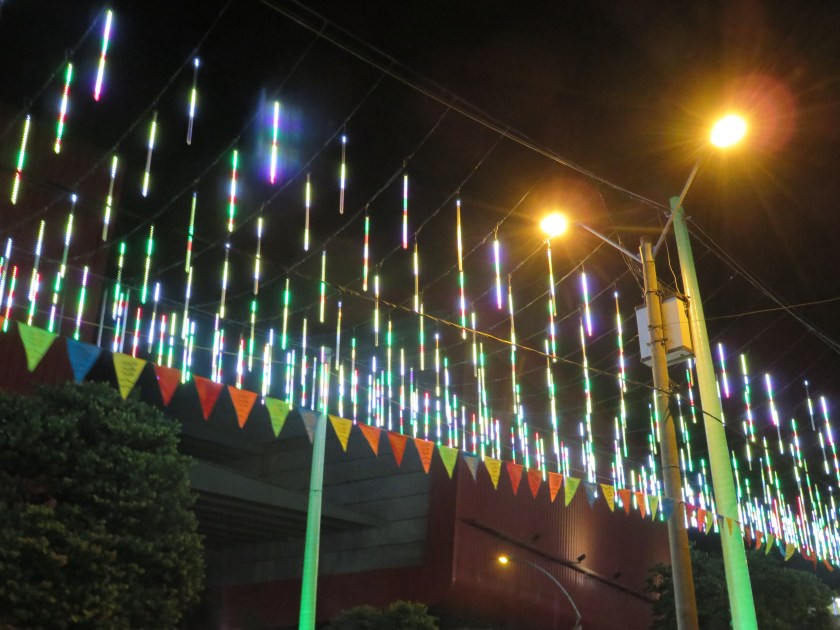
Christmas Lights of Medellin

img_1247img_1250img_1252

img_1253img_1256img_1261

img_1264

img_1265

img_1268
img_1272

Camera: Canon PowerShot SX710 HS

Location: Medellin, Colombia