
‘Lost In Translation’ – Film Review and Analysis

suntory-time
“For a relaxing time, make it…Suntory time.”

One of the great films of the 2000’s, Lost In Translation is a film that is often underrated but which deserves a lot of praise and acclamation. Directed and produced by Sofia Coppola, daughter of the highly acclaimed director Francis Ford Coppola, Lost In Translation is the story of two Americans of different ages who are visiting Japan for different reasons but who are struggling with similar existential crises.

Bob Harris, played by the wonderful Bill Murray, is an aging actor and movie star from Hollywood who is struggling with a mid-life crisis. He comes to Tokyo to film whiskey commercials and appear on some popular Japanese talk shows. In one of her first roles on film, the talented Scarlett Johansson plays Charlotte, a young college graduate from Yale, who is struggling to figure out what she wants to do in her life.

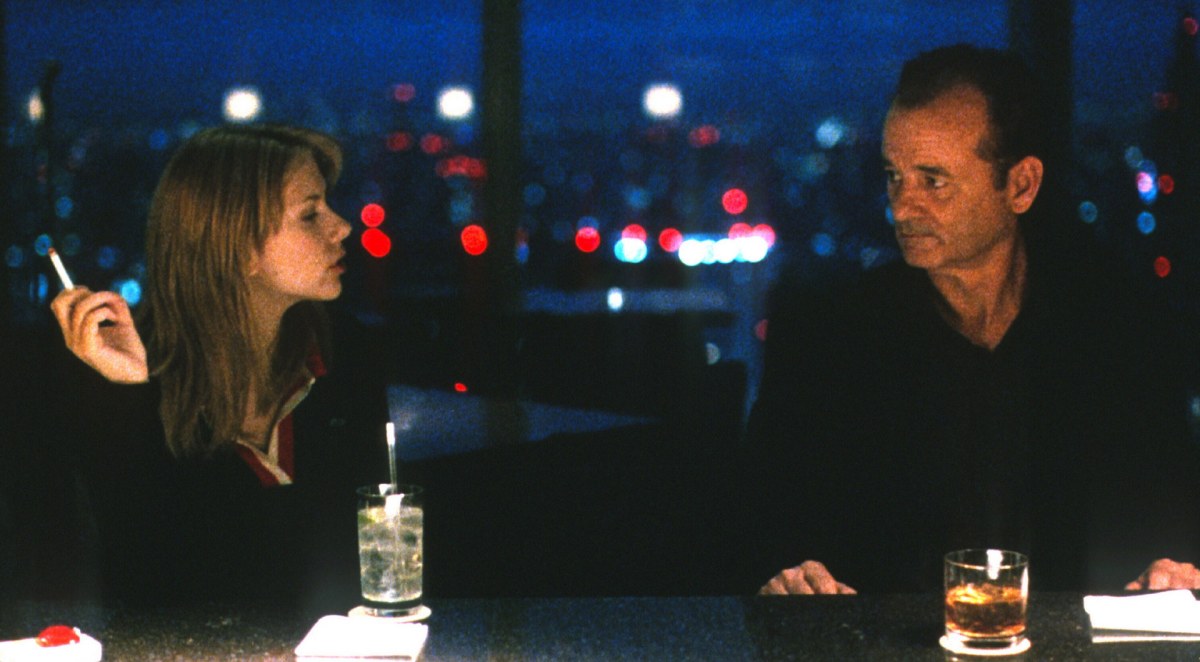
While Bob and Charlotte come from different backgrounds and are of different ages, they are both struggling with adult concerns such as marriage, work, and the search for overall meaning. Bob has been married for twenty-five years whereas Charlotte has only been marries for two years. While they are at different stages in their marriages, both of them have doubts about being or staying with their partners. In addition, once they meet each other in the hotel lounge for the first time, they are drawn to each other’s personality, humor, and the fact that they are adjusting to Japanese culture for the first time.

One of the best things about Lost In Translation is the way Tokyo, Japan becomes a character in the film. The city is a sprawling metropolis with a population of over twenty million people that seems to go on forever. Since Charlotte’s husband is a director and is busy shooting for a new film and Bob’s wife is five thousand miles away, they both find time to explore and immerse themselves in the bright lights and diverse sounds of Tokyo.

The most illustrative scenes in describing the developing relationship of Bob and Charlotte take place in the karaoke bars and the hibachi restaurants where they try to adapt to the culture shock and the persistent jet-lag together. Despite being married, they feel alone and unhappy in their relationships for different reasons.

They take solace and comfort in each other’s company as they navigate the intricacies of Japanese language and culture. They start off as complete strangers in the hotel bar but then become friends over the course of their stay. Bob also acts as a life mentor to Charlotte who is in her early 20’s by giving her lessons on life, marriage, and what it’s like to have children. Bill Murray’s character comes across as someone who’s halfway through life and is honest to Charlotte about the ups’ and downs’ of it all.

Charlotte’s youth and curiosity about the world helps to change Bob too as he rediscovers the joys and thrills of being care-free and being able to laugh with someone who puts no pressure on him. After appearing on cheesy talk shows and doing uninspiring whiskey commercials, Bob is able to have fun and enjoy himself around Charlotte. From the one-sided phone conversations you hear from Bob and his wife back in Los Angeles, neither of them seem happy or fulfilled about their marriage. I don’t want to spoil the ending for those of you who haven’t watched the film but it is possible that Bob and Charlotte will find romance or love when they least expected it to happen.

I have to admit that the first time I saw Lost In Translation, it made me really want to visit Japan. The nightlife and crowded streets of Tokyo interest me quite a bit. I was also intrigued by a scene from the movie that was set in Kyoto, where Charlotte takes a high-speed train to the city to see the Shinto temples and the beautiful cherry blossoms. The cinematography and settings of the film are very moving and beautiful. Lost In Translation has a reputation of being a serious and deep film with little humor mixed in.

However, I would disagree with this assessment because there are a lot of scenes of light-hearted humor especially when Bob Harris, Bill Murray’s character is on the set for a Japanese commercial. Many things are ‘lost in translation’ as he looks for guidance and help from his translator but she never gives him the full story of what the Japanese director wants. There are other humorous scenes where Bob appears as a guest on a goofy talk show with a quirky host. Another classic moment is when a Japanese escort is sent to Bob’s hotel room and asks Mr. Bob Harris to “lip her stockings.” It’s a subtle English faux pas but I found it hilarious the first time I watched it.

Two strangers who meet in a hotel bar and get to know each other over a drink is not a new movie concept. However, the relationship that develops after that chance meeting is what makes Lost In Translation a great film. The on-screen chemistry between the two great actors, Bill Murray and Scarlett Johansson also draws the viewers in to the plot. There can be few other cities as magical, crazy, and hypnotizing as modern Tokyo.

The neon lights, huge skyscrapers, and hoards of people make it a unique setting, which is rarely used in Hollywood films. Lost In Translation isn’t your typical romance movie and it doesn’t have a clear-cut ending. What it does offer the viewer are the special moments of two lost souls making a deep connection with each other in a foreign city, and enjoying those experiences during the short time that they have together.
 

The Rolling Stones: A Retrospective

mickjagger
72 years old and still going. Amazing.

For more than 50 years, The Rolling Stones have been the mainstays and stewards of the Rock n’ Roll universe. Founded in 1962, this English band transformed the music world, sold hundreds of millions copies of their albums, and have sold out countless arenas, stadiums, and concert halls. The original grouping of Mick Jagger (vocals), Keith Richards (guitar), Brian Jones (guitar), Bill Wyman (bass), Charlie Watts (drums), and Ian Stewart (piano) together help lead the emergence of Rock n’ Roll as the pre-eminent form of Western music during the 1960’s and 1970’s. Legendary and famous albums such as Let It Bleed (1969), Sticky Fingers (1971), and Exile on Main Street (1972) helped cement their legacy as ranking among the greatest live acts in Rock n’ Roll history.

When people ask me: Beatles or Stones? I simply reply, why do we have to choose between them? Why not appreciate both of these groups and appreciate how similar and how different they are. Both bands helped to represent the countercultural movement that took place in the 1960’s in both the United Kingdom and the United States. They represented the youth of the generation and the hopes for a better, freer, and more open world where you could listen, dance, and have some fun as you listen to their tunes.

While The Beatles aired on the side of creativity, experimenting with new genres, and sticking to the studio to express their musical talents, The Rolling Stones were and still are brash, bold, and loud. As a group, the blues and R&B genres heavily influenced them during their early years. Taking their cues from legends such as Chuck Berry, Lil’ Richard, and Buddy Holly, the Rolling Stones would not become the massive success they have been over the pasty fifty years without those blues pioneers who came before them.

Due to front man Mick Jagger’s exuberance, high energy, and eccentric dance moves, the Rolling Stones also gained a reputation for being an amazing live act that sold out stadiums and arenas around the world. It also helps that long-standing guitar legend Keith Richards has stayed by Jagger’s side all this time to play alongside him and the rest of the band.

With the talented support and musical stylings of the late, great Brian Jones, and Charlie Watts, the Rolling Stones have stuck together through many ups and downs over their long history. While many rock acts from The Beatles to The Eagles to The Doors have broken up due to untimely deaths, heated feuds between members, and egos clashing, The Rolling Stones have been an exception to the rule and have produced high-quality music and toured extensively without losing who they are and what they represent to the world.

While The Rolling Stones have gained all the money and fame, they still care about the fans. This band always gives their best effort regardless if they are playing in Rio de Janeiro or London. It’s a testament to their popularity where they have been able to play in all six continents of the world without skipping a beat. Their global reach was on display recently when they played a huge outdoor concert in their first trip to Havana, Cuba.

Over 500,000 people attended to see the Stones live in the flesh. Perhaps, most notable, the concert was free for all attendees so everyone could attend who wanted to without paying a high price. During the Castro years, bands like The Rolling Stones had their music bootlegged and spread throughout the Cuban isle even when the Castro government officially outlawed it. Mick Jagger declared the occasion to be “A new time” for Cuba signaling that the free expression of live music was going to continue and expand.

Whenever I listen to The Rolling Stones, their songs always lift my spirits up and instantly put me in a good mood. Tunes like “Jumping Jack Flash”, “Wild Horses”, “Start Me Up”, “Brown Sugar”, and “Satisfaction” will never go out of style and hopefully inspire future generations to pick up the guitar and sing into the microphone. Whenever I hear one of their songs, I still get the urge to dance and sing along.

Even though this is a retrospective post for a musical group that is still active and going strong, I think after fifty years of being legends of Rock n’ Roll, it is a good occasion to reflect on their wide-ranging impact on the world. To this day, I regret to inform my readers that I still have to yet to see The Rolling Stones live in concert. My hope is to make it happen before the band calls it quits for good. Given that Mick, Keith, Charlie, and Ronnie show no signs of slowing down even though they’re septuagenarians, I keep my hopes up that I’ll be rocking out to them in a live setting soon enough. Until then, let us all hope that they make it to their 60th anniversary as a band in 2022.


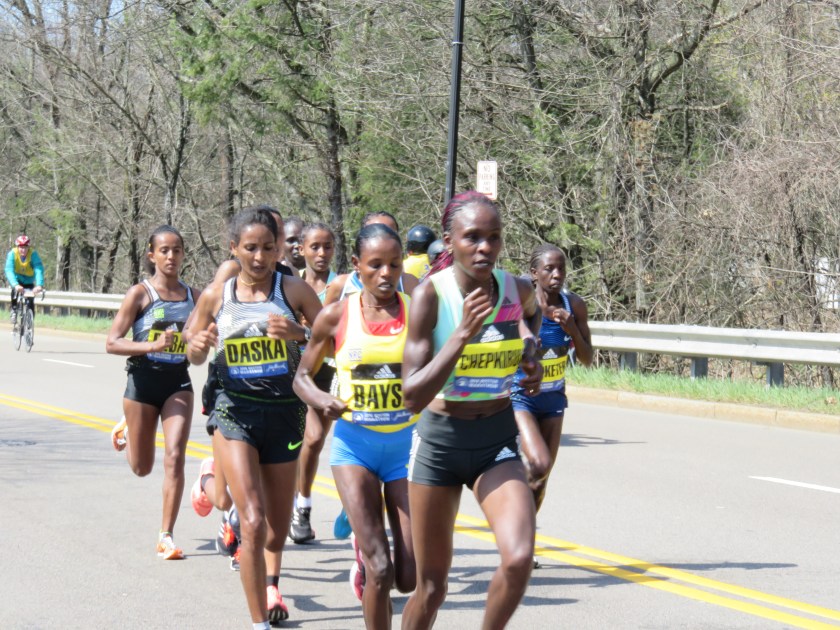
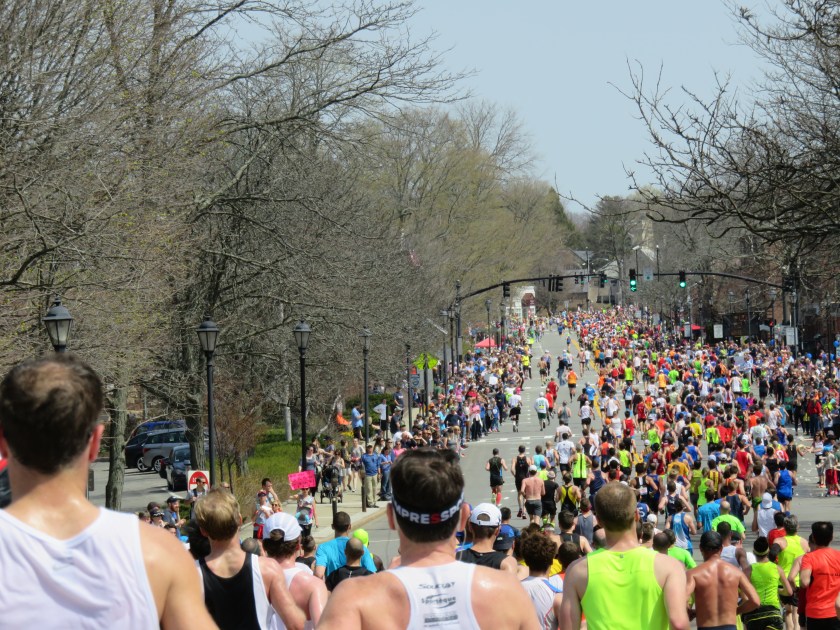
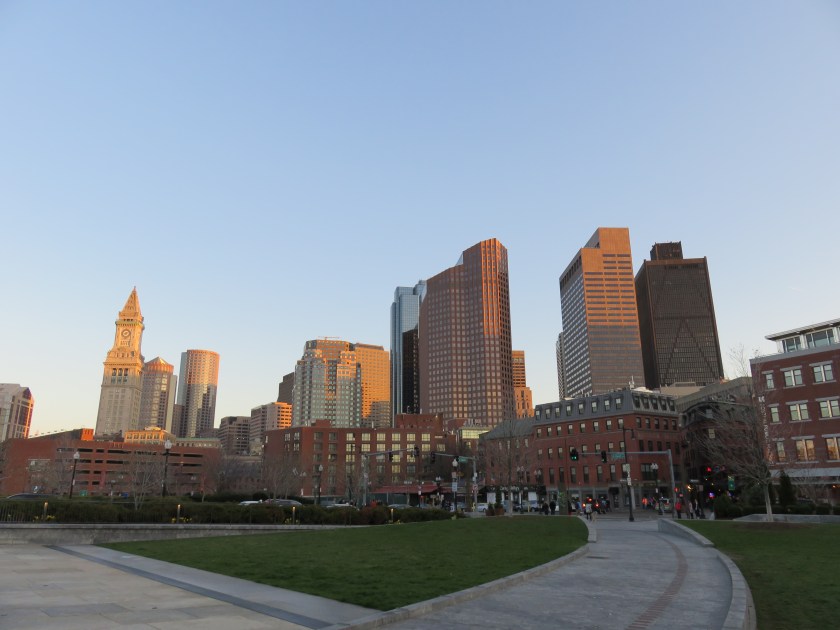
Patriots’ Day Weekend In Boston

IMG_0157

IMG_0160

IMG_0178

IMG_0219

IMG_0224.JPG

IMG_0260

IMG_0274

IMG_0287IMG_0290

IMG_0298

IMG_0320

IMG_0329

IMG_0348

IMG_0308

IMG_0313

CameraCanon PowerShot SX710 HS

Locations: Lexington, Massachusetts; Concord, Massachusetts; Boston, Massachusetts; Wellesley, Massachusetts

The Limits of Perception

dreamstime_2907801
“Do you see what I see?”

“Perception” is an interesting word when you think deeply about it. No, I’m not just talking about your two eyes, and the vision that allows you to perceive the world visually. In other words, we can only perceive the experiences that we have or had in the past, the people we met, the places we visited and lived in, and the choices that we make or made.

Human beings are mortal which means we have limited time on this Earth to see and experience all that life has to offer. For some people, this is a very frightening and gloomy notion. However, others would see this fact as a way to get the most out of life and expand their perception of the world as much as possible.

A limited “perception” of life and the world has consequences when you think about it. If you don’t have the ability to put yourself into someone else’s shoes or to imagine or experience life as they do, then your ability to emphasize with them would be diminished. Yes, you can have sympathy for their plights or jubilation for their successes but you wouldn’t be able to connect with them on a deeper level.

A consistent problem in human nature is our lack of ability to put ourselves in someone else’s shoes and see life as they do. When we are unable to break down barriers between social classes, races, religions, and gender, disagreements and hostilities between these groups is likely to continue. From my perspective and my past travels, the similarities of humans around the world drastically outweigh the differences. That doesn’t mean that these differences are bad or that they should be eliminated. I happen to believe that cultural and social differences are part of what makes humanity unique and should not be demonized.

This leaves the question that my blog readers would wonder to themselves hopefully after reading this entry: How do I expand my perception of life and the world around me? Now, when I ask this question, I do not mean for you to go out to the nearest pharmacy and get yourself some contacts or a pair of prescription glasses.

What I mean and what I believe is that we humans have limited time on Earth and we can’t live forever to experience everything and to meet everybody around the world. However, there are ways to expand this perception by traveling the world, reading books, and meeting different kinds of people. These three concepts are not crazy ideas but rather novel concepts to create greater empathy in yourself and for others along with a more profound view of humanity as a whole.

Traveling has always had the highest return on investment for me and the experiences I have had have helped me view the world in a different way. I know that it’s not feasible for everyone to travel but if you can’t make a huge jump to another country, try to travel to different places and cities within your own country. Learning about the local culture and customs, enjoying the local cuisine, and indulging in the history and background of the society are important for any seasoned traveler.

You will start to view the world in shades of grey rather than pure black and white. You would also learn that cultures and societies are complex and that it takes a lot of time to immerse yourself in its deeper reaches. Most of all, you are communicating in a different language which is fascinating and complex in its own right. Above all else, you are seeing the commonalities and similarities that exist between your family and their family, your town and their town, and your country and their country.

Meeting new people from different backgrounds and places ties into traveling as well but it really makes your perception of the world grow. If you stay in the same town where you grow up and never leave, chances are that you’ll have a limited perception of people and life itself. Talking to different people, hearing their stories, cooking with them, and sharing a meal or drink has many benefits. You may be able to build a friendship that lasts for years even if you don’t speak the same language or come from the same culture.

By hearing their story and listening to them, you expand your own perception of the world and the people who inhabit it. You can get beyond the stereotypes and the clichés and really get into deeper social connections with people, especially in this interconnected world that we all live in.

Lastly, reading books is an integral park for learning about the world and facilitating a deeper perception. As individuals, we cannot experience everything or know everything there is to know. However, by reading about the stories of others who have come before you and who had lived, and died, you will gain greater knowledge and wisdom. Regardless of whether the book is fiction or non-fiction, you’re reading someone’s life story or reading about a subject that spans a part of human history.

Book by book, you are enlightening yourself by learning about the experiences and perceptions of others. By learning about the men and women who have come before you and who have lived exemplary and distinguished lives, you can take lessons from their existence and apply those lessons to your own life. If you can’t travel or meet different kinds of people, reading books by those authors who have and whom shared those unique experiences with their readers is the next best thing.

We all have one live to life, and you can only see what’s right in front of your eyes. Make sure that you continue to give yourself the opportunities and chances to indulge in the knowledge and wisdom that can be gained by expanding your perception of the world and its inhabitants. Travel, read books, and meet different people for as long as you may live. Only then will you gain true enlightenment and wisdom.

Colombian Fruits and Juices

paloquemao-bogota-colombia-fruit
“So many choices to choose from, so little time.”

One of the joys of living here in Colombia is the diverse and plentiful selection of fruits to choose from. The choices are quite abundant and it is an integral part of the culture to imbibe in a cold and tasty fruit juice at the end of a long day.

As I mentioned before in my blog post titled, ‘The Heat Is On’, one of the best ways to deal with the heat and humidity is to cool down with a delicious fruit juice. It is also much healthier and refreshing than having soda or coffee instead. Over the past two months, I have done a great job of sampling the different choices of fruit juices and which ones I have a preference for. I’ve listed below the common fruit juices available here on the Atlantic coast and have also highlighted my personal favorites. The one juice that I have not tried thus far is the ‘Zanahoria’ or Carrot juice but I’m willing to give it a shot during the rest of my time here.

I hope that for those of you who plan on traveling to Colombia in the future will consider this ‘fruit juice’ list as a helpful guide to you. It can be a very hard choice to make when you’re at the ‘Fruteria’ and there are ten choices available but you’re not sure which one will be most refreshing.

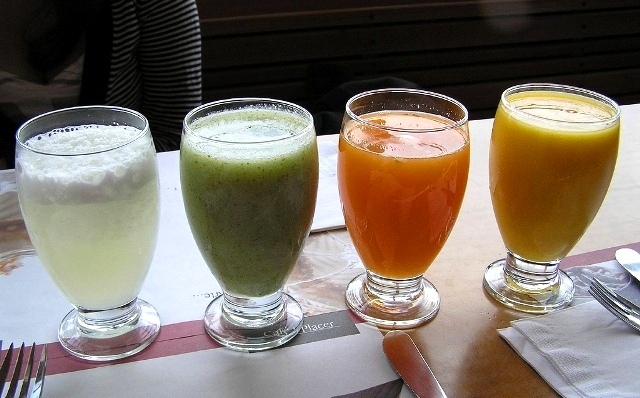
Honestly, you can’t go wrong with any of the choices detailed below. Colombian fruit juices are freshly blended together rather than squeezed as is the case in the U.S. and elsewhere. In addition, the fruits are mixed with water or milk (smoothies) and topped off with a little bit of sugar. What results is a very fresh and tasty drink to keep you cool during those hot days and humid nights. The Colombian people take their fruit juices seriously and so do I.

  • Lulo: Orange on the outside with green and yellow pulp on the inside, Lulo has a citrus flavor that is very sour to eat. However, jugo de lulo, mixed with some sugar, is perhaps the most popular juice here on the Atlantic coast. Also known as Naranjilla in other parts of Latin America, the fruit is related to the tomatillo and some people would describe its flavor as somewhere between green apple, and lime. It’s up there with being one of my favorite juices here.
  • Guanabana: Another one of Colombia’s most popular fruit juices. Its’ thorny green skin is filled with white filling and black seeds, similar in appearance to the fruit known as the cherimoya. Its juice has a creamy flavor with hints of strawberry and pineapple, and goes well with water, milk, and sugar.
  • Tomate de Arbol: The ‘tomato of the tree’ in English is an egg-shaped fruit with a yellow filling that is distinct from the typical red tomato that you would find in the supermarket. It has one of the most unique flavors I’ve ever tasted, and is similar to a mix of passion fruit and tomato, and supposedly has many health benefits. I enjoy its unique flavor and its refreshing qualities.
  • Granadilla: This fruit is a close relative of the well-known passion fruit. On the outside, it looks like a small orange or mandarina, but when it is cracked open, it contains a gelatinous pulp filled with black seeds. The flavor is similar to that of the passion fruit, but sweeter, and the seeds are easily disposable by spitting them out amidst the delicious juices. When turned into a fruit juice, it’s pulpy yet satisfying on a hot and humid day.
  • Mamoncillo: On the outside, this fruit looks like a lime, but when cracked open, it reveals a pinky-orange flesh similar to that of a lychee. The flavor is a mix of the tartness of a lime with the mild sweetness of the lychee. When blended into a juice, it looks like an iced tea and has a light orange/beige color.
  • Maracuya: Another part of the passion fruit family along with the Granadilla. It has an oval-shape, can look a bit wrinkly, and makes for a delicious juice or ice cream flavor as well. Maracuya is a great source of Vitamin C and is also known to be a natural sedative too. It also is known to aid digestion of food in the stomach. Extremely similar to the look of orange juice, Maracuya has a yellow-orange color when turned into a juice.
  • Gulupa: A cousin of the aforementioned Maracuya and another passion fruit. It has a dark purple skin that becomes wrinkled when it is ripe for eating or drinking. Along with Maracuya, it has plenty of Vitamin C and can help ease stress and tension in the body. When blended into a juice, it has a yellow color and looks very similar to orange juice.
  • Zapote: One of Colombia’s toughest and most durable fruits. It can grow very fast and is resistant to heavy wind and drought conditions. Zapote is full of minerals and antioxidants and can help with ailments ranging from irritable bowel syndrome to gastritis. It is very high in fiber so be careful not to eat too many as it does act as a natural laxative. Like other fruits here, it goes well with sugar and has a pink-orange color in juice/smoothie form.
  • Borojo: Known to be a ‘Love Juice’, and possessing some aphrodisiac qualities, this juice has been well-known for centuries and can act like a natural Viagra if you’re in the mood. Nutritionists have claimed that ‘Borojo’ is one of the most nutrient-rich fruits in the world can help combat malnutrition. When mixed and blended into a fruit juice, it gives off a dark to light brown color.
  • Mora: Known as ‘Blackberry’ in English, this is my favorite juice to have here in Colombia. Rich in Vitamin C, antioxidants, and nutrients, it is the most refreshing drink I’ve encountered thus far. I also enjoy the dark red color of the juice and enjoy it after a long day outside. While not an exotic fruit or drink, it gets the job done and I enjoy the simplicity yet refreshing qualities of the juice itself.

While I only listed ten fruits / fruit juices to indulge in, there are over dozens of unique fruits here in Colombia to try out. Some of the most exotic and sought-after fruits reside here in Colombia and you usually can’t find them anywhere else. A lot of the fruits I mentioned in this post have great health benefits and are packed with nutrients. Different than the apple, banana, and grape, these ‘superfruits’ can cure ailments, keep you well, and give you more energy. If you decide to ever visit Colombia, eat the fruits and try the fruit juices. I promise you won’t regret it.

CooTrans Oriente

Speeding down, swerving in and out of traffic along the ‘Ruta Caribe’ at 100-120 km/h is the well-known and distinctive mode of transportation known as the ‘CooTrans Oriente.’ These auto-buses are affordable, widely used by the locals, and timely by arriving and departing every 20 minutes from town to town on their way to and from Barranquilla.

Established over twenty-five years ago here in the Atlantico department, CooTrans Oriente has become a mainstay when it comes to transporting people, goods, and services along the coast. Because of my Spanish classes and/or due to my technical training sessions, I am often riding the CooTrans Oriente multiple times per week so I have been accustomed to the norms and rules of this transportation enterprise here on the Atlantic coast.

I have taken a lot of buses in my life so far and most have been boring and uniform in design, color, and the attitude of both drivers and passengers. However, the CooTrans Oriente is unlike any other bus I’ve ever taken before. First of all, it’s colorful with every color represented in the spectrum from white to black, red to green being shown in the exterior of the bus. Each driver is allowed to design the interior and you can often see shag carpeting used for the steering wheel or for the gear shifter.

The conductors of the buses will pay tribute to Jesus Christ, God, and the Virgin Mary with religious scripture and sayings from the Bible. In addition, often, the drivers will highlight their family members and pay tribute to them by putting their names on the front dashboards in colorful font and lettering. CooTrans Oriente is a small company but it is extremely unique in allowing the drivers to personalize the buses, especially the designs for the interiors and the back windows.

It is very difficult to imagine bus drivers in the U.S. or in Europe being allowed to design their own buses or being able to display religious symbols or sayings so openly. Each bus is similar in its CooTrans Oriente lettering and the exterior has the same colors in mostly being red and blue. However, it’s a different story when it comes to the side and back windows. I have seen various tributes to video games like ‘Gears of War’ to displays of fandom for the popular ‘Juniors’ football team of Barranquilla to intricately designed religious murals depicting ‘The Last Supper.’ It is a real joy to just watch the buses go by and try to see the different symbols, designs, and murals that each make them unique.

More than just the colors and designs of CooTrans Oriente is the culture of the bus itself. Passengers will help each other out and have also helped me out tremendously. When I’m standing up on the bus after a long day of meetings or classes and I’m carrying two bags of groceries from the grocery store, a fellow passenger will allow me to put one of my bags on their laps to ease my carrying load a bit. It’s an extremely thoughtful and kind gesture, which I have not seen replicated elsewhere in the world thus far.

Also, it is common and allowed for venders to come on the bus to sell different snacks and drinks for those passengers thirsty and/or hungry enough to want to partake in especially if there’s a lot of traffic. There is also a more personal touch on this bus as you have an ‘Ayudante’ or helper who is present to take your money for the bus fare instead of loading your money on a card or putting the money in a machine near the driver as I’m used to from riding the buses back home.

Traveling on the CooTrans Oriente is quite an experience in of itself. Drivers will often offer a rolling stop to you when passing by the bus stop, which means you’ll have to hoist yourself and climb up the stairs quickly to catch the bus before it departs without you. Certain drivers will not follow the speed limit on the highway and will usually drive very quickly at 20-30 km/h above the normal speed for autobuses. This can be a bit harrowing to deal with at first but by driving very fast, you do catch an amazing wind breeze sitting by the windows which helps alleviate the Caribbean heat. The ‘Ruta Caribe’ for part of its highway only has a one-way express/lane for either direction. There is also no barrier in the expressway present, which would separate the drivers who are going in the opposite directions along the route.

There has been many times where the bus drivers will end up driving in the lane heading in the opposite direction to avoid traffic or speed ahead of the cars/motorcars/taxis in front of them to reach their final destination quicker. I have to be honest in that this rash decision-making honestly terrified me at first but the bus drivers here are extremely experienced and knowledgeable. They will only drive onto the lane heading the opposite direction if they don’t see any cars/trucks coming head on. I am not sure about the safety record of CooTrans Oriente but I do know that the seats are very comfortable and are made of some sort of leather material. So far, I haven’t witnessed or been involved with any accidents while riding the buses so I must say that the drivers here are quite good and that they know what they are doing.

Also, without any doubt, there will always be Colombian music played through the speakers for the passengers to enjoy during their travels. Sometimes, it’s Vallenato, and other times it’s Champeta, Cumbia, etc. There was one time recently where they had a music video playing with an actual TV at the front of the bus, which was pretty cool to see. The music video had scantily clad women dancing next to the main hip hop guy as he rapped in Spanish about their physical characteristics that he enjoys the most. None of the parents with children on the bus seemed to mind the video though.

Overall, I have enjoyed riding ‘CooTrans Oriente’ so far during my time here in Colombia and will continue to do so. The buses will take you to any part of Atlantico department from what I have noticed and it’s an affordable, cost-effective way to get around from town to town. The passengers, especially those sitting down, are very courteous and will help you out with your bags and even give up your seat for you. For female passengers, especially, the ‘Ayudante’ will lend his hand to help you ladies off of the bus and able-bodied men including myself will give up our seat for you whenever necessary as well.

In many ways, ‘CooTrans Oriente’ reflects the Caribbean Colombian culture. A deep love of their music, being colorful and animated, very open with kindness and warmth even to strangers, and having a wild side as well that comes out every now and then. There’s also the distinct feeling that like the people, the CooTrans Oriente doesn’t take itself too seriously, and knows how to have a good time even when driving down the highway at 120 km/h.

‘The Godfather’ – Film Review and Analysis

don-vito
“I’ve spent my life trying not to be careless. Women and children can be careless, but not men.”

One of the great classic American films of the 20th century, The Godfather, directed by the legendary Francis Ford Coppola and based off of the novel of the same title by Mario Puzo is often considered to be the most influential film that created the ‘organized crime’ or mafia/gangster genre in cinemas.

Since its’ release in theaters in 1972, it has garnered a cult following among fans who led to ‘The Godfather’ becoming a trilogy with Parts Two and Three both released in following years. Because of its significance culturally and historically, the Library of Congress preserved it in the United States National Film Registry in 1990. Because of its success at the box office and with film critics alike, ‘The Godfather’ garnered many Academy Award nominations and won four Academy Awards including ‘Best Actor’ for Marlon Brando and ‘Best Picture’.

In addition to adding to the legendary career of Brando, ‘The Godfather’ also introduced to Hollywood a young Al Pacino and a very talented Robert Duvall. Both men would have extremely successful careers in American film but I believe that it was ‘The Godfather’ which helped catapult their early careers into noteworthy stardom.

Drawing parallels to the real life ‘Five Families’ of New York that dominated the Italian mafia during the 20th century, the fictional Corleone family, led by Don Vito Corleone, is highlighted as being the ‘pariah’ and at odds with the other crime families throughout the film. Vito Corleone, played by Marlon Brando, acts like the quintessential mob boss whose cunning and intellect has made him to this day a very quotable character that has become apart of American popular culture.

In The Godfather, we see Vito nearing the end of his reign as boss of the family and looking for his eventual successor. Vito has three sons: Sonny, the oldest whose lack of foresight and hotheaded temper makes him a liability albeit is the favorite initially to replace Vito as Don of the Corleone family. Fredo is the middle child and is a consistent womanizer. Considered neither to be reliable nor intelligent, Fredo is kept to the side often and is not a suitable person to lead the family due to his lack of cunning and intellect. Michael, a U.S. Army Veteran and the youngest child of Vito Corleone is portrayed as being very innocent and often has requested to be kept out of the family business if he can avoid it.

However, as the viewers of the film can understand and interpret, a mafia family reels everyone in to its business whether or not it’s intentional. One of the best aspects of The Godfather is watching the changes in Michael’s behavior and demeanor as extenuating circumstances involving the family forces his hand and he is forced to take on more responsibilities and duties as a Corleone and the son of Vito. His loss of innocence and the transformation that occurs with Michael from dignified U.S. Army Veteran to cunning, ruthless Mafia boss is a great strength of this timeless film.

For those critics who are against violent Mafia films and choose not to watch them, that is fine but it should be considered that there is more to this movie than meets the eye. Above all else, it is the story of a father trying to repent for the sins of the past and trying to keep his sons from avoiding the same mistakes that he has made.

The relationship between Vito and his son, Michael in particular is memorable for how Vito expects so much from Michael considering he is the most levelheaded and intelligent of the Corleone brothers. There is one great scene in the film where Vito and Michael are discussing the ongoing drama of the war between “The Five Families.” Vito laments to Michael on how he is sorry that he was thrust into the mafia business when he expected his son instead to become “Governor Corleone” or “Mayor Corleone.” Michael simply looks at his father lovingly, and says: “We’ll get there, pop. We’ll get there.”

Other classic scenes that I enjoyed involve the courtship between Michael and a beautiful Sicilian woman named Apollonia. What I liked most was highlighting the very old-school dating process of asking Apollonia’s father for permission to date and then later marry his daughter with all respect given. It’s a touching moment in the film, which reveals that Michael’s humanity has not been totally wiped out because of the mafia. It was also great of Director Coppola to show the traditional procession of the Sicilian wedding and how all of the townspeople were involved in wishing Michael and Apollonia well.

Without trying to spoil the rest of the film for those of you readers who haven’t watched The Godfather yet, I can’t recommend it enough to avid movie fans. The directing by Francis Ford Coppola, the cinematography, the acting performances by Al Pacino, Marlon Brando, Robert Duvall, James Caan, etc. are phenomenal and they deserved every heap of credit that was bestowed upon them at the Oscars and elsewhere.

The Godfather is simply more than just a mafia film in my opinion. It is a story about a complex family, fathers and sons, human nature, and the thirst for power and respect. Have an open mind and see this film if you get the chance. I promise that you won’t regret it even if the running time is three hours in total. You can always tell your friends and family that I wrote a blog post that you couldn’t refuse to read.

A Trip to Minca

IMG_0123.JPG

This past weekend, I was able to make my first road trip here in Colombia with a few fellow Peace Corps trainees. When I found out that we would be going to visit a current volunteer in the Magdalena department, a different and very unique, beautiful part of Colombia that is much different from where I have been currently living in Atlántico.

It was quite the trip for the four of us trainees, as we had to use three different modes of transportation such as cars, taxis, and buses in order to get to our final destination. However, the scenery and landscape changes that we were able to see and enjoy could not be matched. Going from the savanna/dry flatlands of Atlántico to the lush tropical mountains and hillsides of Magdalena was quite fascinating for me. It was almost as if we had transported ourselves to a different country but in fact, we were only four or so hours away from our original starting point.

This small road trip was able to put into perspective for me just how biodiverse and unique Colombia is as a nation. I have only seen a little bit of the wide range of landscapes and scenery that this country has to offer but I have been really impressed with how different it is even when just describing the Atlantic coast. Along with China and the United States, Colombia ranks as one of the most bio-diverse and naturally rich countries in the world, which is amazing considering its size compared to those two aforementioned countries. I really do hope to see as much as Colombia as I can and to be able to see how diverse and unique it really is.

Getting back to the trip, it was smooth traveling for us all even when we had to take a car halfway up the mountain to about an altitude about 1,000 meters. Our host, a current Peace Corps volunteer in Colombia was generous, gracious, and showed us around the town of Minca and all it has to offer. When you’re up in the Sierra Nevada Mountains, you can indulge in a lot of different outdoor activities.

Minca recently has become a more popular tourist hotspot with cafes, restaurants, and small hostels being filled with French, German, and other European tourists. It is difficult to conclude whether or not the locals of Minca have benefited or not from this influx of tourists who have come to see the natural sights and sounds. I would argue that this is part of a growing trend for Colombia as more and more tourists come to explore the country given that the safety and security situation has been improving.

During our short stay in Minca, we were able to meet some of the locals who have benefited from the Peace Corps’ volunteer being there to help with their English. In addition to working full-time at the school, the volunteer here gives English lessons to adults and also those business owners who would like to have a decent level of proficiency for dealing with the incoming tourists. I really admired the hard work and effort that the volunteer has put in to the community there and the close comradery, affection that the local people have for the volunteer too.

In addition, the teachers and students at the school in Minca welcomed us with open arms and allowed us to observe their lessons, answer their questions, and answer our many questions as well. I believe that it will be vitally important for myself, as a volunteer-to-be is to establish a productive and successful working relationship with my Colombian counter-part. It’s also important to really get to know all of the students in the school on some level and be able to interact with them, which should help when it comes to classroom learning.

We were truly lucky to spend a day with a current Peace Corps volunteer and to observe them at work and at home to see what kind of life may await us for our two years of service. Minca is a really peaceful, unique town nestled in the Sierra Nevada Mountains. The beautiful vistas, and the cascading waterfalls will stay in my memory for a long time.

Even if my site placement puts me far from that type of location and environment, I definitely hope to be able to visit the Magdalena department of Colombia soon again. If for anything else for the fact that I really enjoy hiking up the mountains, breaking into a sweat, and then cooling off by diving into the cool, refreshing waters of the many waterfalls to be found there. Stay tuned for more road trips in the future. Colombia is a very big country and I hope to visit more places here in the future.

Costeñol

se habla costeñol

The regional and local dialects of the major languages can be found in different countries around the world. Colombia is no exception to this rule. Within the Latin American dialect of Spanish and also the Colombian regional variations lays the innermost layer of what’s popularly known as Costeñol, the coastal dialect of Colombian Spanish. One of the first things I learned as a foreigner living here in the Atlántico department of Colombia was that the locals here have their own unique dialect, colloquialisms, and vocabulary that is different from other regions of Colombia.

As someone who has only formally studied the Castilian Spanish in my previous schools and university, it has been a challenge in adapting to the local dialect and how fast the words and sentences come out for me to try to translate and respond to. However, it’s been really fun for me to learn about the sayings and phrases used by Costenos during everyday life. A lot of these vocabulary words have already rubbed off on me where I now feel comfortable using them in both the right setting and context.

For those of you unfamiliar with both Spanish and Costeñol, here are ten words and phrases that you should familiarize yourself with if you decide to visit Barranquilla, Santa Marta, Cartagena, and/or the surrounding towns nearby.

1.) Adios: Usually used to mean “Goodbye” in Spanish-speaking countries, it’s quite common where I’m living now for you to great your neighbors and friends with ‘Adios’ when you walk by their house and would like to greet them formally on your way home. Almost always, they’ll return your ‘Adios’ with a smile and a wave or thumbs up.

2.) A la orden: Okay, this isn’t a phrase just for the Atlantic coast of Colombia but for the entire country regardless of the region, which is pretty cool if you ask me. Wherever you visit or live in Colombia, you will most definitely hear this phrase being used. It’s the most popular one I know of and I find it to be my favorite thus far.

3.) Bacano: A word used to describe something that’s cool, interesting, or exciting. When you see a friend pulling up in his new motorcycle, which would be a perfect time to use the word ‘bacano’ here.

4.) Buenas: More popular in the morning and in the afternoon, it’s customary to greet other Costenos with a ‘Buenas’ and a smile as you start your day. For those unfamiliar with Spanish, it’s a shortened version of the popular greetings of ‘Buenos Dias’ or ‘Buenos Tardes.’

5.) Chévere: See ‘bacano’ above. A bit more difficult to pronounce for the average gringo. However, chévere is very popular as well and has a similar meaning in terms of expressing how something or someone is cool, exciting, and fun.

6.) No Jodas: An exclamation of shock, surprise, or disbelief. My host mother here taught me this one most recently when she remarked on how fat the dog was getting. It made me laugh to hear her use it in front of me along with the explanation she gave me.

7.) No dar papaya: Literally, it means ‘don’t give papaya’ which is a euphemism meaning that you should resist flashing your Prada bag, iPhone or Camera in public for the entire world to see. It’s okay to have that stuff with you from time to time but don’t give someone an excuse to make you a target for a snatch and grab by having it on display all the time. One of the first phrases I learned here upon my arrival and one that I won’t soon forget.

8.) Que le vaya bien: Before someone leaves the house or the apartment, it’s important to let them know this salutation and wish them well on their way to the school, office, store, or elsewhere and that they will have a pleasant journey.

9.) Qué pena: Expressing how shameful or disappointing something is. If your favorite football team lost last night or you realized you forgot to wish your mother a happy birthday, a phrase like this will sum up how you’re feeling right there and then.

10.) Que mas?: When you see your neighbor or a friend walk by you on the street, it’s a very good time to use this popular phrase. Being able to communicate about how your day was or what’s been going on in your life in Spanish is one of the coolest aspects of living and working here in Colombia. This phrase especially for the coast is good at making that goal a reality.

11. Cogelo Suave: Last but not least, this phrase is the equivalent of a New Yorker saying “Take it easy.” Relax, have a coffee, and everything will be all right. When your friend is running thirty minutes late and you’re ready to call it quits on waiting for him. Say ‘Cogelo Suave’ to yourself and stick it out for a little while longer.

There are many other phrases and words that are used on the Atlantic coast of Colombia that I’m still not familiar with. However, I hope to learn more and more each day about this very unique and interesting dialect of the Spanish language. In order to learn Costeñol, you must be prepared to study and use it too.

The Season for Gratitude

2014-11-26-gratitude2
“What are you grateful for?”

Gratitude is an important attribute that often gets overlooked nowadays with the fact that the instant gratification and fast-paced living of our culture takes precedence. However, in light of the recent terrible and horrific events that have occurred in Beirut, Paris, Ankara, and elsewhere, it’s important to take note before the upcoming holidays of Thanksgiving, Christmas, and the upcoming New Year of what we should be thankful for having in our lives.

It is relatively easy for people to take for granted the luxuries and conveniences that we have in the modern world. Most of us should look inwards to realize just how lucky and fortunate we are. There are people within our own country and other countries around the world that still struggle with poverty, homelessness, disease, violence, war, environmental changes, and terrorism. While we may not all suffer from the same problems depending on the country, we share the planet together and the empathy to understand that the whole of humanity is still in this together. I plan to use the upcoming holiday season, especially Thanksgiving, to reflect on what I am thankful for in this world and to reflect on this past year.

That is the true spirit and meaning of these holidays. It is the chance to spend time with loved ones, enjoy great food and drinks, but to also reflect and think of how fortunate you may be in this crazy world of ours. The new iPhone or the next gadget is not what makes the holiday season special. It’s our strong connection to our friends and family, our ability to reflect on the recent changes of our lives, and to be thankful for how good the world can be sometimes regardless of how ugly it can look to us at other times.

Here are the reasons why I’m thankful in 2015:

-I have a great family and a solid group of friends who will have my back and support me in whatever I choose to pursue, even if I decide to move halfway around the world on a whim. My parents, my brother, and other close family and friends help me to be a better person and inspire me to achieve more and set my goals higher.

-I live in a great country, which affords me a lot of opportunities if you work for them and have an open mind. It may have its flaws like any country does in this world but I’m proud to be a citizen of this nation and I’m grateful to have been born and grown up here.

-I have access to clean water, electricity, good food, and great health facilities that allow me to stay healthy and live well compared to others in this world that aren’t as fortunate.

-I can read countless books, educate myself in various subjects, and access the Internet to help me understand the world better and learn more to obtain more knowledge, make myself smarter. I don’t know what I would do without access to the Internet but for countless millions, they still aren’t able to take advantage of this precious resource.

-I enjoy making money from a profession that helps people in different countries around the world and it is a fulfilling job that I really like and has benefited my life in different ways.

-I am glad that I started this blog of mine two months ago, which has helped me to develop my writing abilities and make this hobby of mine a reality. I have some big plans for this website in 2016 and I am looking forward to sharing my future plans with my loyal readers very soon.

-I am happy to have had the unique ability to travel to many countries around the world so far at my age and I have learned so much from those experiences. It’s provided me great insight about different histories, cultures, foods, and societies, which is why it is so important to get your passport and get out there. Not many people are able to travel unfortunately and I hope that will change in the future as the world becomes more and more globalized. However, I’m not done traveling yet and I am looking forward to continuing my adventures in 2016 and beyond.

I will be taking a bit of a hiatus from my blog over the next two weeks to enjoy the Thanksgiving holiday with my family. In the meantime, check out my blog entry archives, look at my travel photography, and get in touch with me if you would like to.

I wish my readers in the United States a very happy and healthy Thanksgiving(!). For my international readers from around the world, I encourage and implore you all to realize the importance of having gratitude within you and to share it with your fellow man and woman.