Cultural Spotlight – Vallenato

For my last blog post regarding Colombian culture for a while, I’d like to focus on a form of dance that is very popular there, especially on the Caribbean coast. Similar to cumbia, vallenato is a form of Colombian folk music that is both traditional and innovative in its’ instrumentation, interpretation. If we were to translate vallenato to English, it would roughly mean, “born in the valley,” which refers to vallenato’s roots coming from the Caribbean region of Colombia.

The valley that is being referenced as having started this popular music is located between Sierra Nevada de Santa Marta and the Serrania de Perija. Vallenato is also partly named after the Colombian city of Valledupar where this genre of music originated. Vallenato has become so popular not just in Colombia but also in rest of Latin America making it apart of mainstream Latin music that is apart of the cultural heritage of that country and that region of the world.

Vallenato originated from the tradition of farmers who would travel from Colombian village to village on long journeys in their quest to sell cattle in local fairs or look for greener pastures for them. During these trips, the farmers would sing together, play guitars and other instruments like gaita flutes (kuisis), which were indigenous to the local culture. Since these farmers would travel often, they would often bring news and information to the different towns that they visited. Sometimes, these messages to the village folk would be delivered in the song form so that the towns would know what’s going on nearby in the valley.

Vallenato is an eclectic mix of different kinds of world music such as Spanish, African, and Amerindian. Vallenato songs started to become common during the early 1900’s from the Caribbean region of Colombia. The early forms of vallenato would come with instruments such as gaita flutes, guacharaca (percussion), caja, bass guitar, and acoustic guitar. Additionally, you could make the sounds more European by adding instruments like the accordion or the piano.

Since the early days of vallenato, the accordion has become an increasingly large part of the sound of the songs of this particular genre of music. While vallenato was originally a genre of music for lower class folk and farmers in particular, it has since become popular across all spectrums and social classes within Colombian society. Many subgenres have come out of traditional vallenato such as romantic vallenato, commercial vallenato, and new wave vallenato.

Since the heart of the vallenato genre deals with telling stories, it is a very social form of music. You can drink liquor, enjoy a nice meal, and even dance with a partner to this genre. Listening to vallenato can go well with having a family party, attending a festival, or checking out a carnival. Vallenato has become so popular that there are two main festivals devoted to it: the Vallenato Legend Festival and the Cradle of Accordions festival. Valledupar has also become one of Colombia’s most famous cities given the fact that it was the birthplace of one of its most popular music genres, Vallenato.

When it comes to vallenato, you cannot have a song without the caja, the guacharaca, and the accordion to flesh out the sound and rhythm. The caja, is a small drum, that you can place between your knees and play with your bare hands. This drum was originally brought over by the Europeans during colonization and was mainly used by African slaves for entertainment.

The guacharaca, a wooden, ribbed stick that most looks like sugar cane can be rubbed together with a small fork in order to create a scraping sound. This instrument is meant to imitate the sound of the guacharaco bird from the Cesar region of Colombia, who is known to hunt for food and dance to perform the mating ritual. Lastly, you can’t forget to use the accordion of German origin in order to get the different tones needed to fill out the vallenato sound. By using the right buttons and hitting the right reeds, you should be able to get the rhythm down.

Speaking of the rhythms of vallenato, there are four different beats that create a rhythmic structure and a melody chord structure to form the basis for a song. The four rhythms are known as son, paseo, merengue, and puya. The son and paseo are played in a 2/4 time while the merengue and puya are played in a 6/8 time or ¾ time structure. ‘Son’ is known as being the slowest and most somber movement of vallenato and also has a heavy cadence. ‘Paseo’ is probably the most widely recorded rhythm of vallenato is known as being the most consistent of the four rhythms.

When it comes to ‘puya’, it’s the easiest rhythm of vallenato for each musician to have a solo with one of the three main instruments. It also has a faster up-tempo and is the oldest of the four rhythms. ‘Merengue’, which is not the same type of music as the original genre, but is the fourth and last vallenato rhythm, and was brought to Colombia by some African tribal groups. It’s a more narrative style of vallenato and is played in decimas, which is a 10-line format with Spanish internal rhythms the came over to Colombia originally during the 16th century.

There have been many composers, singers, and groups of Vallenato bands that have emerged over the past century who have helped to contribute to this genre of music. Perhaps the most famous Colombian composer of Vallenato was Rafael Escalona, who composed a number of famous songs and was one of the co-founders of the Vallenato Legend Festival along with Consuelo Araujo and Alfonso Lopez Michelsen.

Many Vallenato groups have also become orchestras in both their large size and instrumentation. The most popular of these orchestras are Binomio de Oro de America, Carlos Vives y la provincia, and Los Diablitos del Vallenato. You also can’t talk about Vallenato without mentioning Silvestre Dangond, who has become maybe the most famous modern day singer and composer of songs in this genre.

He has become popular not only in his native Colombia but also in Latin America and worldwide. While originally a genre of music from Colombia, Vallenato has expanded its’ popularity to Latin America and the rest of the world to share with its’ listeners both the joys, sadness, and romance of life itself.
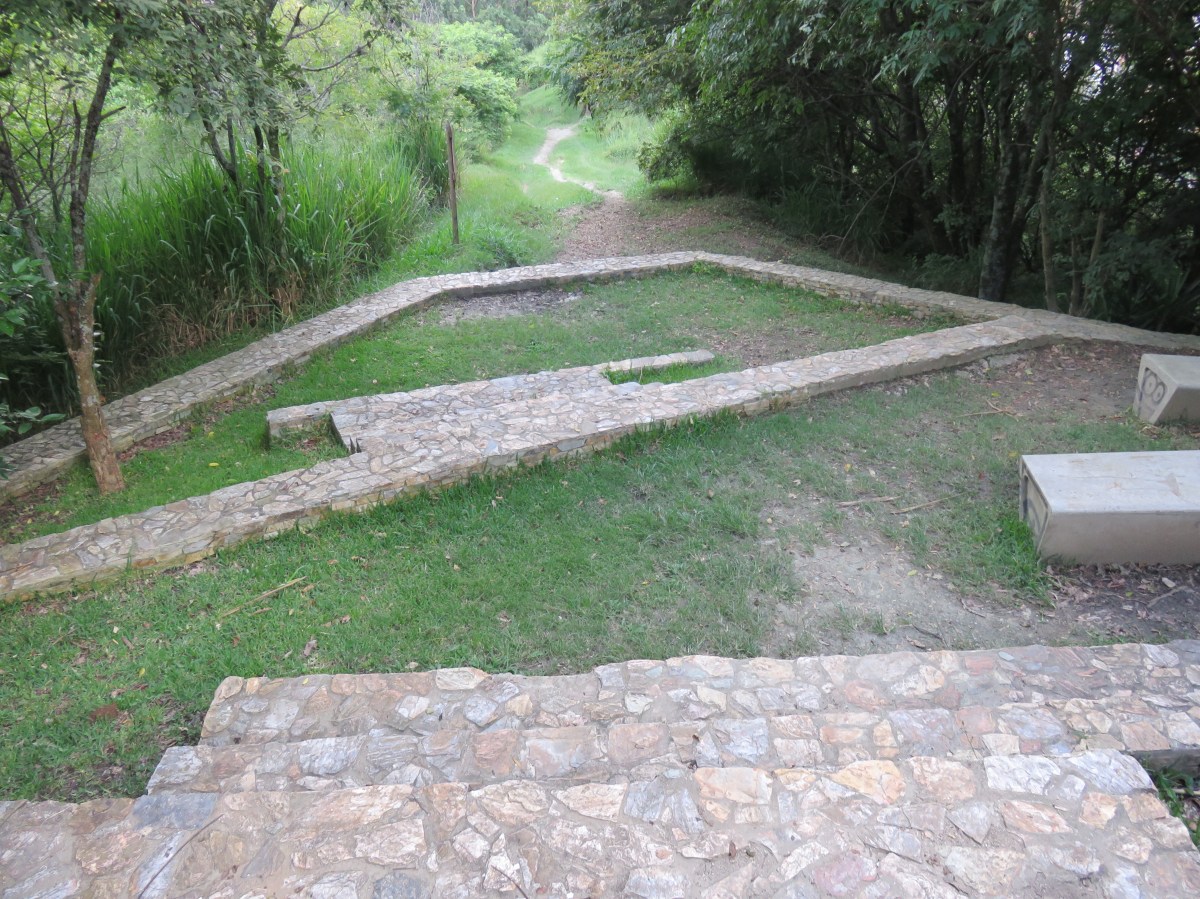

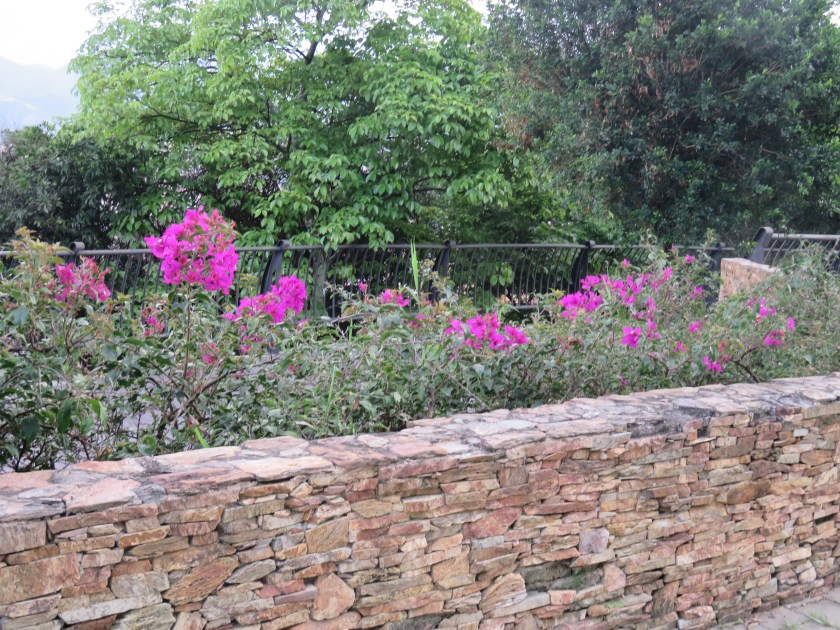
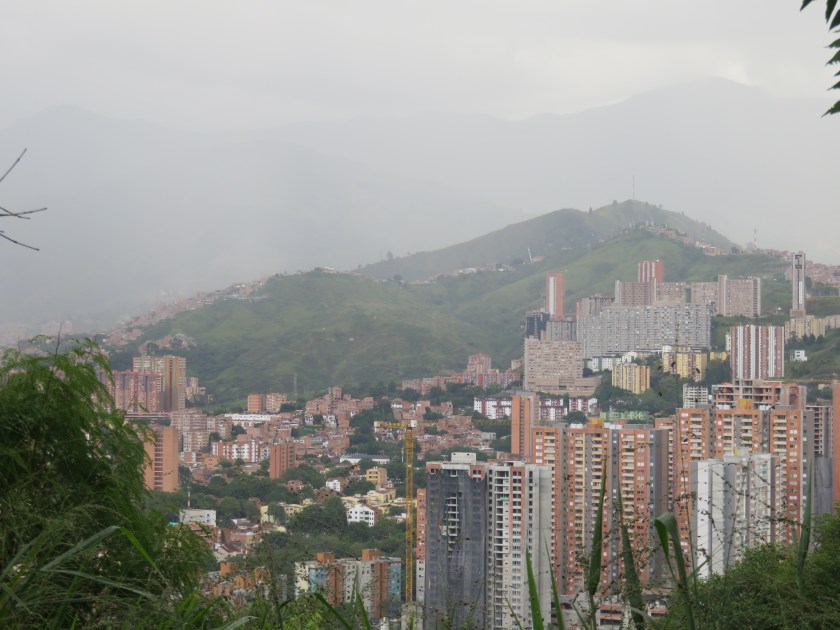
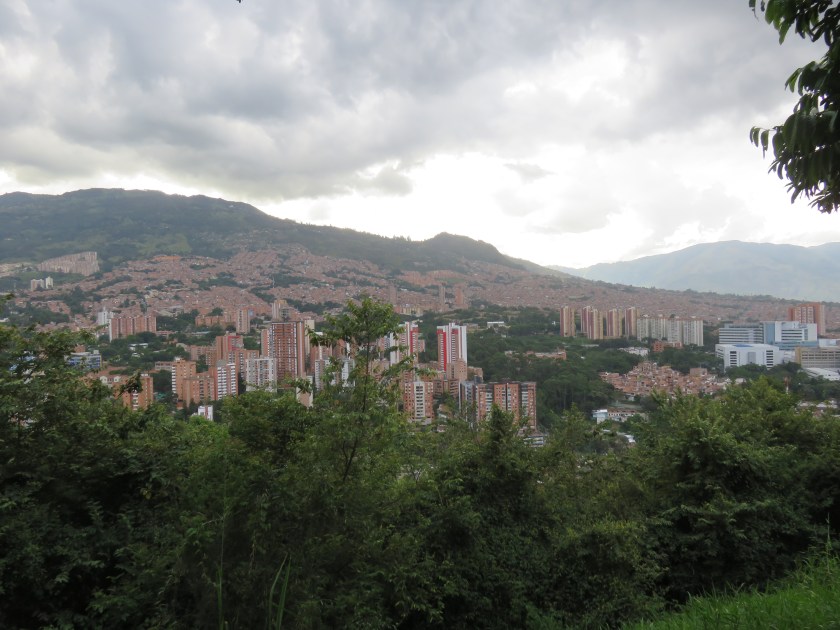
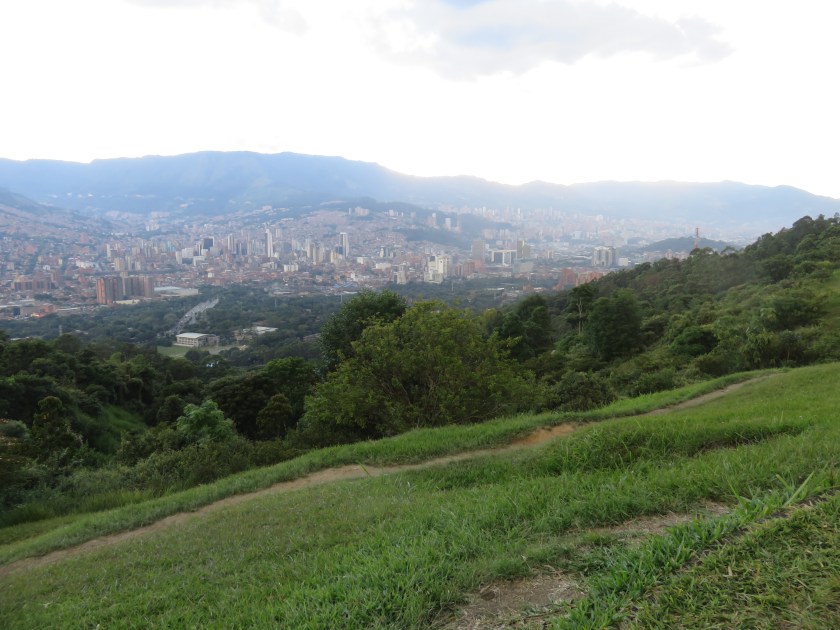
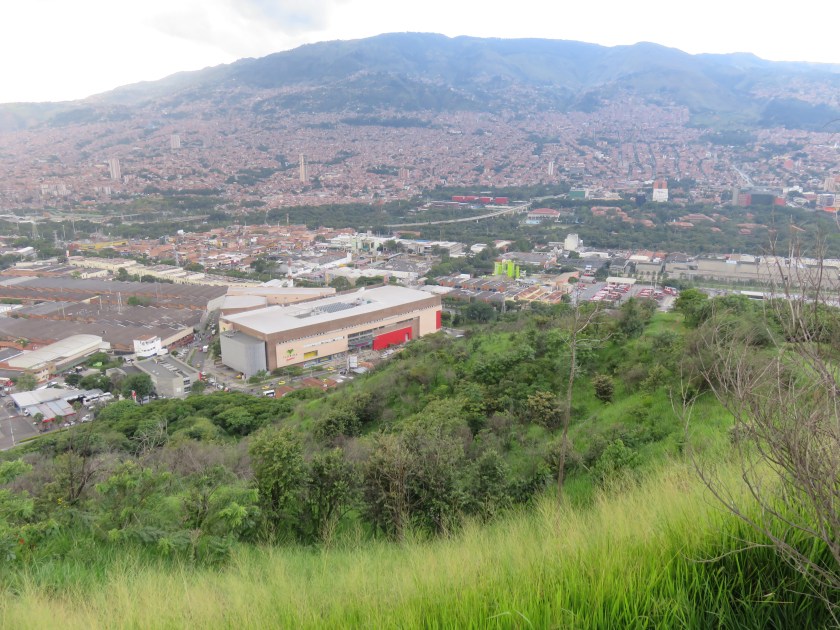
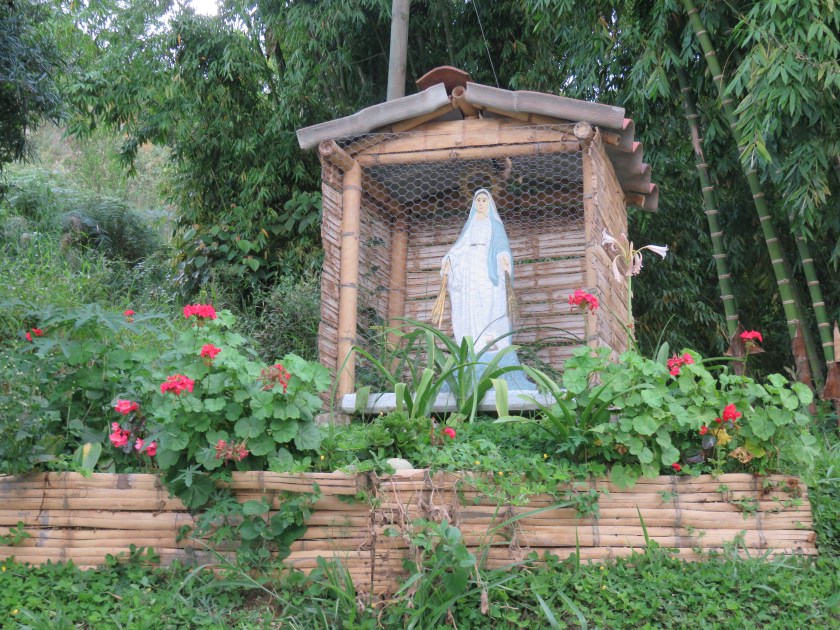
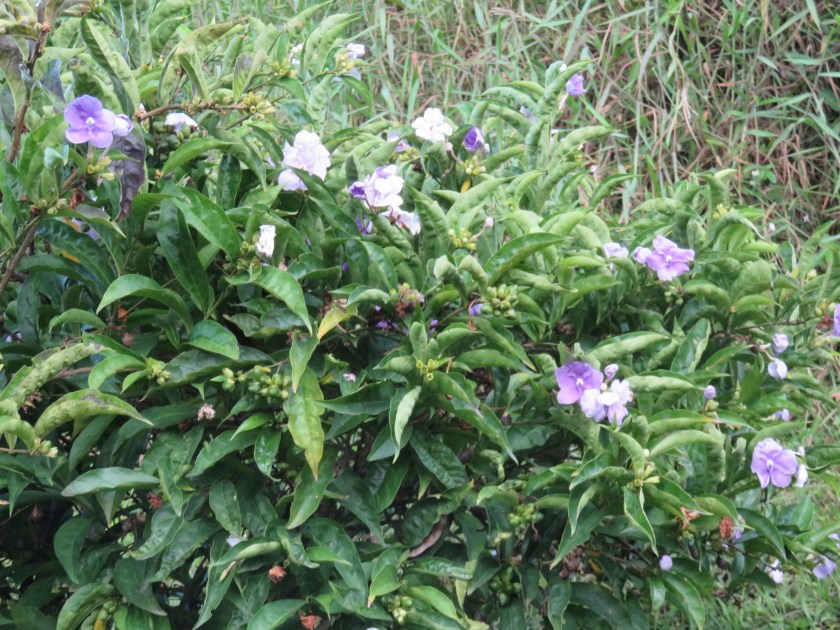
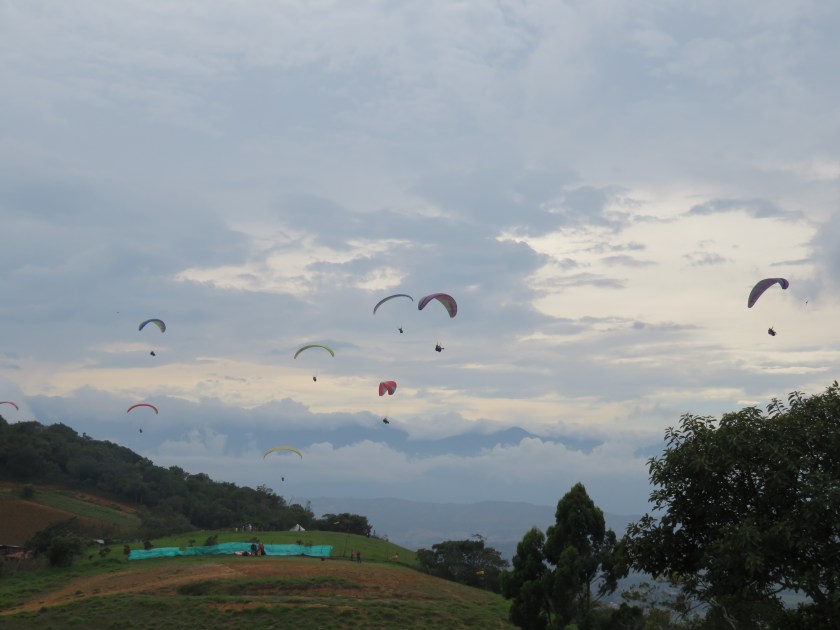
Cerro El Volador

IMG_2791IMG_2796IMG_2803IMG_2809IMG_2814IMG_2828IMG_2842IMG_2862IMG_2852IMG_2858IMG_2860IMG_2831IMG_2818IMG_2819IMG_2847

Camera: Canon PowerShot SX710 HS

Location: Medellin, Antioquia, Colombia

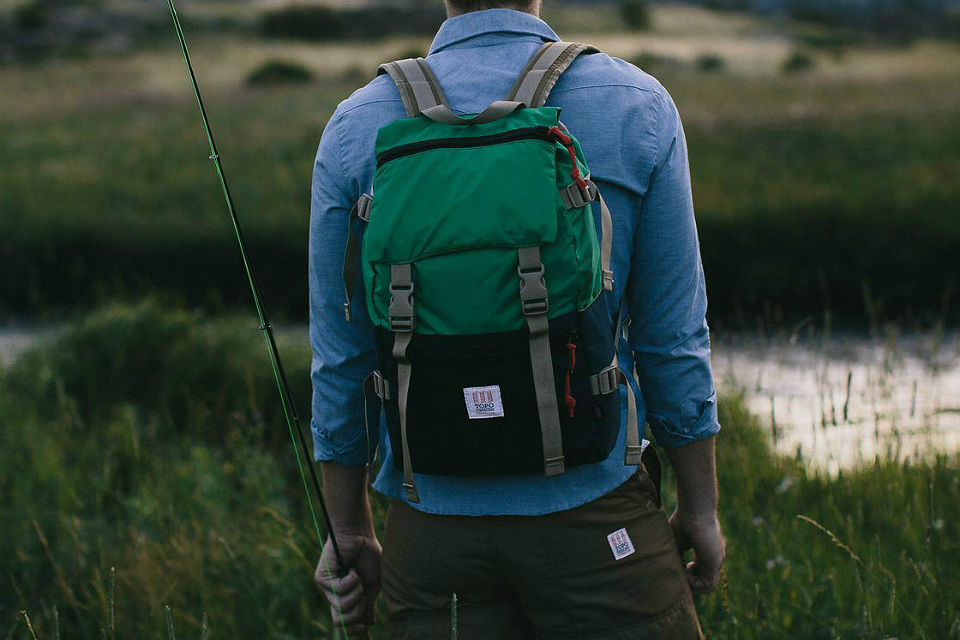
Choosing the Right Travel Backpack for You

You have the money, you have the time, and you have some destinations in mind: you’re ready to live the nomadic lifestyle for a while and travel the world. This may be your dream life but the question is: are you prepared to make the jump? and do you have everything you need to make the journey? Having the right backpack with you could make the difference between having the time of your life or booking an early flight home.

Where’s Your Backpack?

Despite having the money, the time, and the destinations finalized in your mind, do you have the gear that you’ll need in order to complete the journey? Unless you plan on lugging a suitcase through the Andes or the Himalayas, you’re going to need a sturdy and reliable travel backpack. However, thankfully for you, there are more options now than ever when it comes to travel backpacks and they’re not as expensive as they used to be.

There are dozens of backpacks that I could write about but then this article would be ten thousand words total. Instead, I’m going to focus on three great options that you should seriously consider, one of them which that I have personally used during my travels throughout South America and can highly recommend to my readers.

You can check out a number of options if you visit the website titled, ‘Live Once Live Wild’ and see their ‘What is the Best Travel Backpack’? article which you can access here: http://liveoncelivewild.com/best-travel-backpack/. Regardless of which backpack you choose, you’ll have plenty of good options to choose from.

JanSport Katahdin 40L – Best Bargain

If you’re not looking to spend a lot of money but still want to get some good value out of a travel backpack, you may want to consider buying the JanSport Katahdin 40L. This backpack is made out of Polyester material so it can withstand the elements pretty well and it can store a good amount of camping gear as well as a laptop if you’re going to need to do some work when you’re on the road.

There’s a top loading main compartment, a padded hipbelt for comfort, and dual water bottle pockets on the sides in case you get thirsty. The price may vary depending upon which store you buy the JanSport Katahdin but if you go to (goo.gl/MuNVtX) you can get it on sale now for about $55, which is a pretty good discount considering the original price is about $80. While not as flashy as some other options on the market, this travel backpack has a good amount of features that make it worth a look when you’re shopping for a bargain option that still gets the job done.

Mountaintop 50L

If you can’t spend all that much money, the cheapest option you may want to divulge in would be the Mountaintop 50L. The best thing about this travel backpack is the amount of storage for your items and clothes that you can fit in there. You can do a lot with 50L of storage and there are a lot of deep pockets, expendable collars, a big front pocket, and even a hydration system that make up this backpack. It’s also a comfortable fit for your body and back.

There’s a good amount of cushion and comfort for you so that you won’t feel too uncomfortable during your journeys when you are carrying this backpack around. Even though this Mountaintop 50L is one of the cheapest options out there, it’s still a top rated travel backpack that has become increasingly popular over the past couple of years. If you’re looking to buy one of these bad boys, you can go to (goo.gl/dTCNXI) where you can buy one for only $45, which is extremely affordable compared to other options. As if that wasn’t enough, you can buy the Mountaintop 50L in different colors including red, blue, green, gold, etc.

Osprey Farpoint 55

A personal favorite of mine that I have used during my recent travels in South America is the Osprey Farpoint 55. Depending upon how big you want your backpack to be, Osprey has you covered by offering the average traveler the Farpoint 40, 55, and 70. The bigger your Osprey is, the more expensive it’s going to be to buy. Osprey’s are top-notch quality but they are among the costliest backpacks on the market. However, in return, your Osprey backpack will last for years because of its’ high quality. It’s made entirely of polyester, is resistant to most weather elements, and comes with a lot of storage and space including an extra daypack bag that’s attached to the front of your Osprey backpack.

You can choose from three different colors and you can find the price for the Farpoint 55 at (goo.gl/z3EvQc). As noted, the price of this backpack can range from $160 – $190 so it’s important you make sure to save some money up before you go ahead and click the ‘buy’ button.

If you want to check out some more backpack options for travel, go to your local camping store and it’s likely that you’ll find what you’re looking for. I hope you choose the backpack that you believe is right for you and I’ll see you out there on the road.


Monserrate

IMG_2761IMG_2736IMG_2743IMG_2760IMG_2742IMG_2746IMG_2735IMG_2763IMG_2741IMG_2755IMG_2753IMG_2751

Camera: Canon PowerShot SX710 HS

Location: Monserrate, Bogota, Colombia

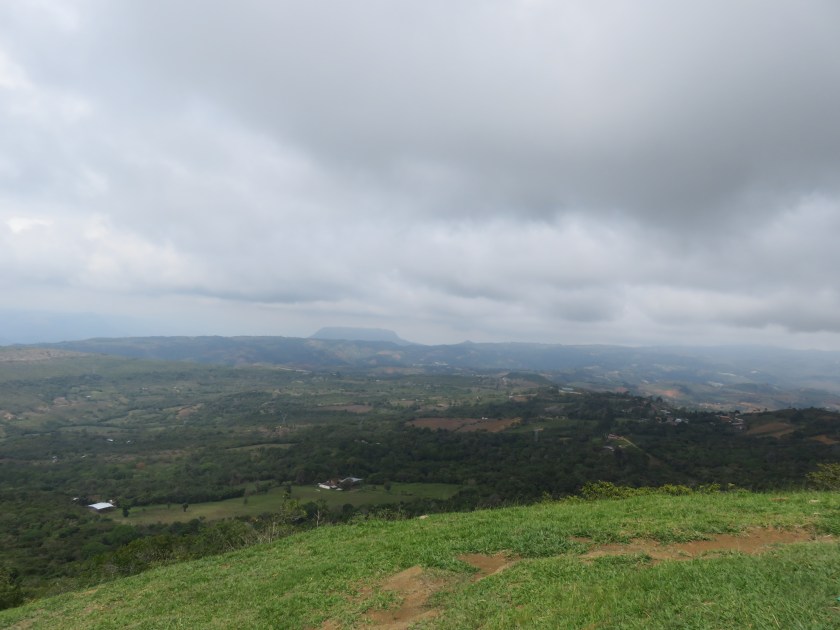
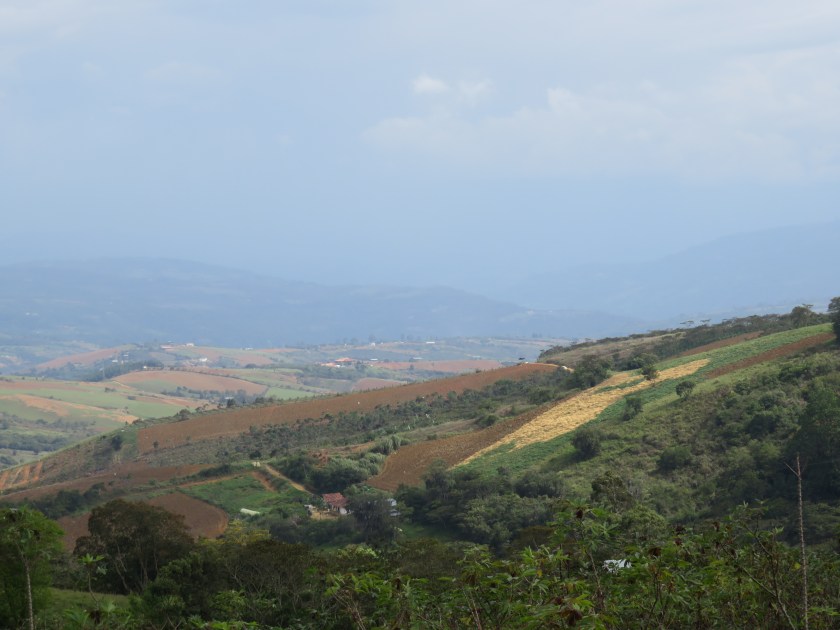
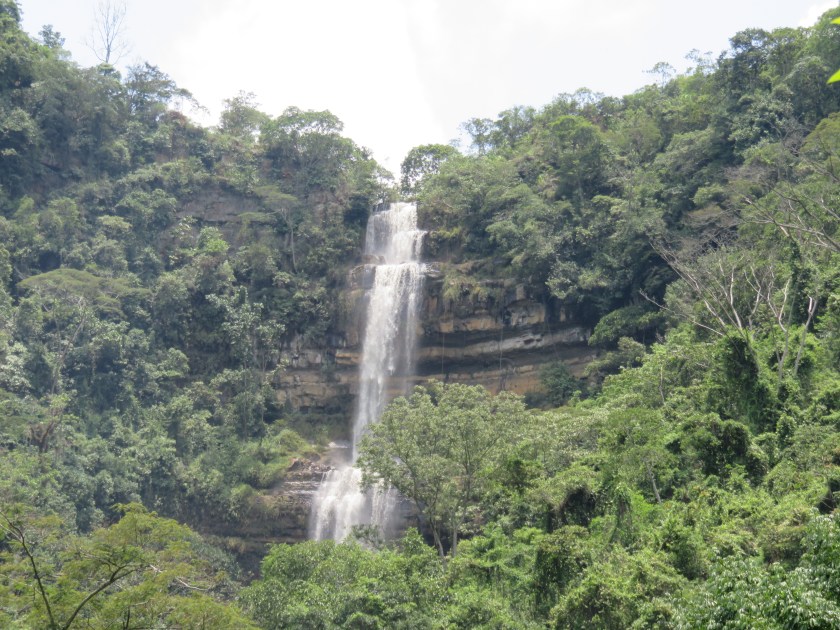
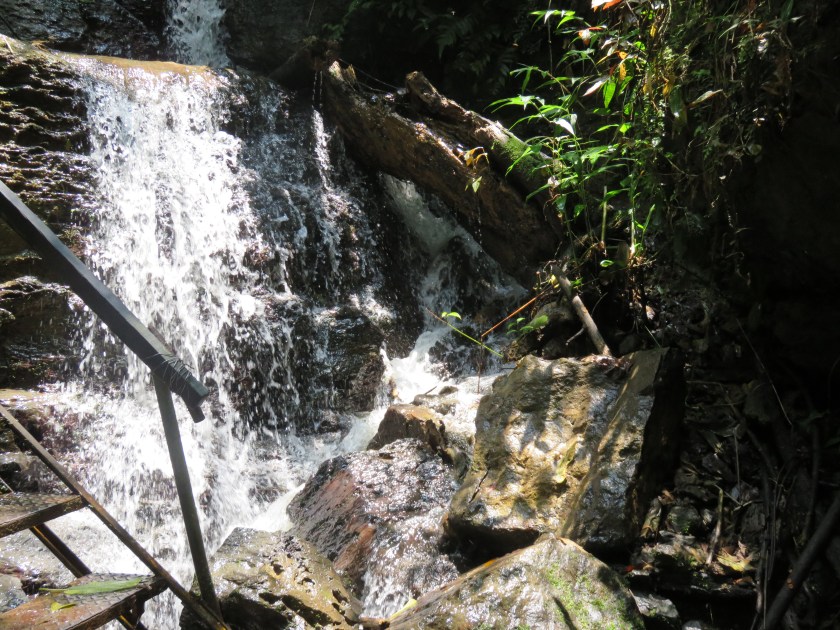
San Gil

IMG_2203IMG_2230IMG_2285IMG_2298IMG_2306IMG_2322IMG_2332IMG_2346IMG_2343IMG_2348IMG_2352IMG_2358IMG_2374IMG_2361IMG_2304

Camera: Canon PowerShot SX710 HS

Location: San Gil, Santander, Colombia

Why You Should Learn to Cook in Your 20’s

You’ve got the good job. You live in a nice apartment. You are able to move out of your parents’ house. You’re lucky enough to consider yourself to be pretty independent and self-sufficient in your 20’s, which isn’t so easy to come by these days. However, have you learned how to cook? Can you feed yourself without needing to go to a restaurant or to order from Domino’s?

I consider that being able to learn how to cook is one of the most important skills any young adult should have a good proficiency in by the time they turn 30. You don’t need to be on the level of Anthony Bourdain or Emeril Lagasse but you should be able to know a decent amount of recipes and be able to cook yourself a couple of homemade meals each week. There are a number of good reasons as to why it’s important to learn how to cook in your 20’s and I’ll cover a few of them in this post.

1.) You’ll save money.

Regardless of where you’re living in the world, it’s often the case that buying groceries from the local market or supermarket and cooking meals for yourself will be less expensive than going out to eat for lunch or dinner or even both meals. The costs really add up after a while from eating out all of the time or from ordering a lot of meals to be delivered to your door. In your 20’s, many people are trying to save up money for graduate school, or to buy a car or to lease an apartment so if you’re able to buy food for yourself and then cook it, you’re way ahead of the game and you’ll probably save a good amount of money each month. Any kind of savings that you can create in your 20’s will make a sizable impact down the road and cooking your own meals is one of the best ways to have a positive impact on your personal budget each month.

2.) It’s healthier for you.

Let’s be honest: ordering out or eating out at a restaurant are not the healthiest options to do repeatedly. While there are healthy options out there, they are usually the exception and not the rule. Eating a takeout pizza with extra cheese from Domino’s is simply not as preparing a fresh salad from scratch for your dinner. Unless you go to a higher-end restaurant, a lot of restaurants these days use a lot of sugar, salt, or other preservatives that can lead you to put on some extra weight if you’re not careful. Knowing how to cook forces you to create your own daily diet without having any outside influence. You’ll be more responsible for your intake of different foods and learning how to properly balance your diet with fruits, vegetables, dairy products, grains, meats, etc. This is a skill that is better to be learned in your 20’s so that it can be a healthy habit that can stay with you for the rest of your life. You’re making a conscious choice every time you prepare and cook your own food and that’s a great skill to have.

3.) You’ll become more independent and self-reliant.

Being comfortable with your cooking skills and knowing that you’ll never go hungry or rely on others to cook your food is a great thing for your self-esteem. The confidence that you’ll gain as you get better at cooking is something that can transfer over to your parts of your life. It’s a skill that you can share with other people whether it’s your friends, your parents or other members of your family. A lot of your 20’s is learning how to function as an individual who is independent from other people and one of the best ways to do that is to learn how to cook a good meal. It may take time and a lot of effort but the rewards will be ever present throughout your life. You can make other people in your life happier and healthier by cooking for them and they’ll appreciate the fact that you can take care of yourself in the kitchen.

4.) It’s easier now than ever.

With modern technology like the stove, the gas oven, and the many utensils and kitchenware you can buy for pretty cheap, learning how to cook is easier now than ever. In addition, any aspiring cook has the entirety of the Internet at their disposal. Whether it’s learning the basics for the first time or trying out a new recipe, there is a limitless amount of information out there that can help you achieve your cooking goals. There are hundreds of videos on YouTube that can walk you through a recipe step by step and there are thousands of unique recipes that you can look up on a moment’s notice through Google that can make cooking more fun and creative.

Centuries ago, cooking food was much more of a daily ordeal with the average meal taking a full day to prepare but due to the advent of modern technology, it really is easier now than ever. For example, I learned of a website recently called Blue Apron, which actually delivers all of the fresh ingredients for the different recipes you want to make without you leaving your apartment or house to scavenge for the ingredients at the local market. There are also a number of companies out there such as Whole Foods that can deliver all of your groceries to your door making it even easier and more cost effective to cook your own meals.

5.) It makes you more creative.

With thousands of recipes to choose from and with different ingredients to mix and match with your favorite foods, cooking is really an art just like painting or music. You can experiment as much as you want and really tailor your meal to your own preferences. When you order food at a restaurant, it’s really up to the chef’s own taste on how he puts your meal together. When you cook for yourself, you’re giving back control to yourself. You can work with your hands and you can slice and dice as you please.

While you may struggle at first with getting the recipes down to a science, you’ll keep getting better and better the more you practice and that’s what makes it so fun. Even if you burn the chicken or undercook the spaghetti, you can learn from your mistakes and know what to do better the next time. Cooking is a skill that really utilizes both your mind and your body. While it takes a lot of effort and time to master, the results are often delicious.

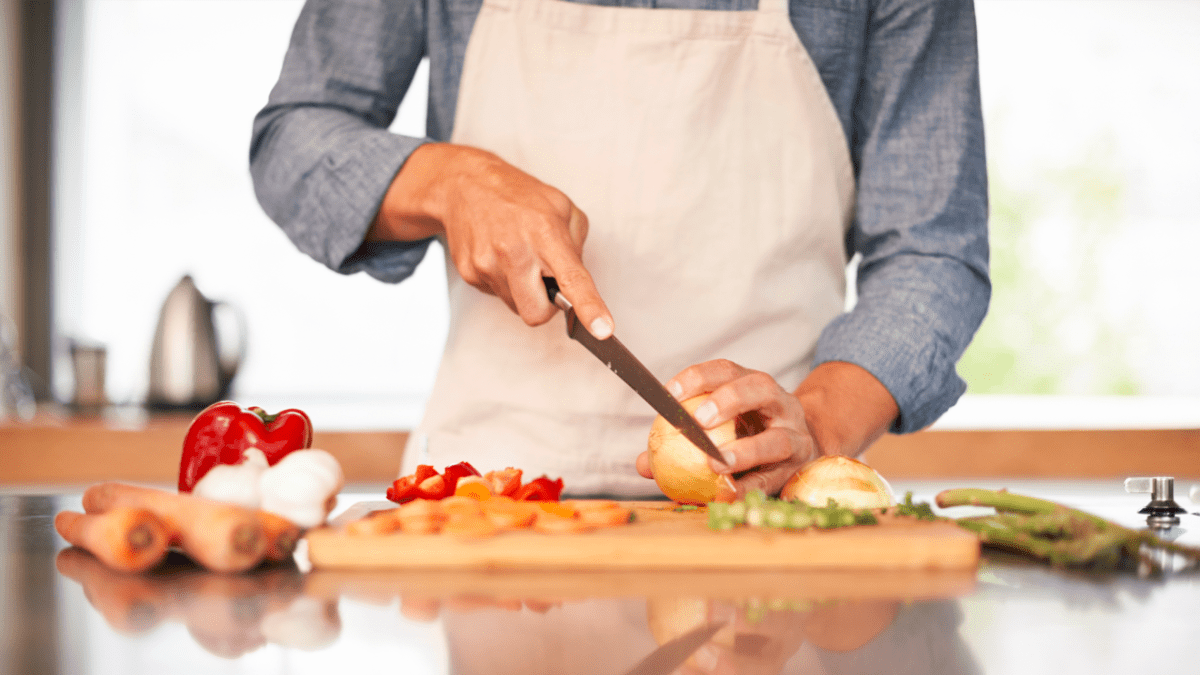
Put away the Chinese takeout menu, and put that apron on. It’s time to take these reasons into consideration as you begin your cooking career. Even if you’re a single guy or gal living in the heart of the city with restaurants abound, you should still give yourself the joy of cooking. You’ll thank yourself later when you have a wife or children to cook for at home and you can put together a meal that’s more than just scrambled eggs or spaghetti. Now, if you’ll excuse me, I’ve got to make myself dinner.

A Day In Santa Fe

IMG_2066IMG_2054IMG_2059IMG_2057IMG_2060

IMG_2069IMG_2072IMG_2075IMG_2083IMG_2107IMG_2117IMG_2116IMG_2101IMG_2105IMG_2109

Camera: Canon PowerShot SX710 HS

Location: Santa Fe de Antioquia, Antioquia, Colombia

Cuisine Spotlight – Ajiaco

IMG_2913-thumb-625xauto-113710
“Are you hungry yet?” “I am.”

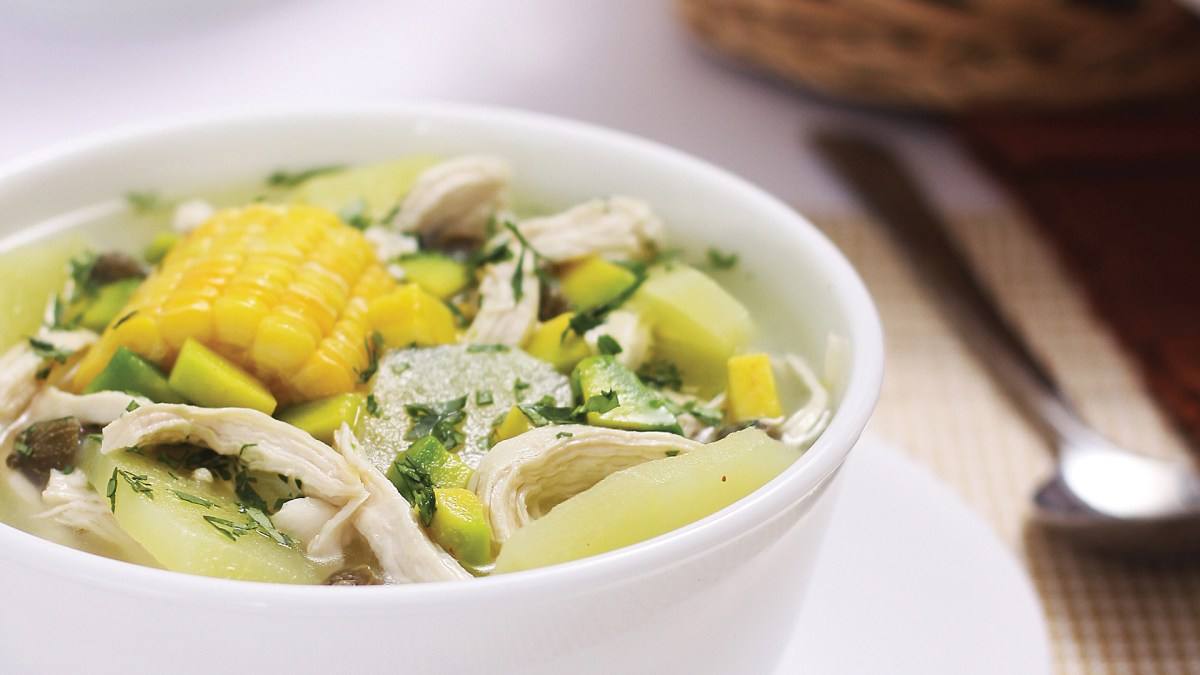
A delicious yet underrated popular dish here in Colombia that is hearty, tasty, and has a lot of flavor to it is one you may not be familiar with unless you come to the country to experience it firsthand. You may be able to experience this food outside of Colombia but you have to go to the source of where it’s made to perfection in order to get the most out of the dish. While not as hyped up as ‘Bandeja Paisa’ or ‘Sancocho’, Ajiaco is just as delicious if not more so and is pretty easy to make if you can collect all of the necessary ingredients.

Ajiaco is a popular food dish not only just in Colombia but different versions of it can also be found in the countries of Peru and Cuba. Ajiaco has been around since the 16th century but it is unsure as to which country the food originated in first as to whether it was Colombia, Peru, or Cuba.

When it comes to Colombia, Ajiaco is most popular in the capital city of Bogota where it is made mainly with big pieces of chicken breasts that have been sliced up, fresh corn ears that have been cut into smaller pieces, scallions, minced garlic, chopped cilantro, three different types of potatoes such as red potatoes, white potatoes, and Andean potatoes (papa criolla). In order to complete this recipe for ‘Ajiaco Bogatano’, you’re going to need to add some guasca, which are dehydrated herbs as well as capers and heavy milk cream to top it all off.
Some people also like to add white rice to their Ajiaco dish in Colombia as well as some avocado that you can mix in with the rest of the ingredients. In order to get some more flavors out of this dish, you may want to add some salt and pepper to add to the taste. With all of the necessary ingredients to this recipe being added and mixed together, you will need to use a big pot to cook it all in. Ajiaco, Colombian style, will take a couple of hours to prepare, cook, and serve to you and your guests but the end results are delicious. When it comes to Ajiaco, it could be the only meal you have in a day and still come away from eating it feeling full and satisfied.
There is so much to the Colombian version of Ajiaco that it easily one of my favorite dishes to have here. It’s got vegetables, meat, and grains all loaded into one big bowl of deliciousness and if you make enough of it, you’re likely to have seconds and even thirds if you’re lucky. Like many other popular dishes from Colombia, Ajiaco is a great food to share with your friends and your family. It’s the kind of dish that you can serve to five, ten or more people depending on how big of a pot you want to use and how many hours you have free to cook all of the ingredients together.

Ajiaco can be an ideal dish that you can serve at a wedding, a birthday party, a family gathering of some kind, or for celebrating a religious ceremony. Have patience though because Ajiaco takes a while to get ready and serve to your guests. Because it’s got chicken, corn, rice, avocado, potatoes, there’s not much that you won’t like in your Ajiaco serving when it’s finally ready to eat. If you’re feeling a little down in the dumps or are feeling sick, I believe that Ajiaco would be a good way to start to make you feel better and improve your mood.

‘Ajiaco bogotano’ is not the only version of Ajiaco out there in Latin America as there are variations on this popular dish that are available in Peru and in Cuba. When it comes to Peru, Ajiaco is a dish mainly of different kinds of potatoes along with garlic, a mix of yellow and red chilis, yerbabuena, huacatay, that is accompanied with rice on the side and a choice of meat that is either chicken or rabbit stew.

Similar to Ajiaco from Colombia, you can add and mix together as many of the ingredients as you want when it comes to Peruvian form of Ajiaco in order to get the most taste and flavor out of the dish. The Cuban Ajiaco is also distinctly unique from the Peruvian and Colombian versions in its’ own rights. In Cuba, Ajiaco is much more of a stew, which is made up of a lot of different meats such as chicken, beef, pork, rather than just one or two kinds and many vegetables like carrots, onions, scallions, rice, potatoes, tubers, and starchy roots. ‘Viandas’ are also a unique aspect of Cuban Ajiaco that adds a lot to the dish.

As to the origin of Ajiaco as mentioned earlier, it is still debated by different scholars on the subject. It is estimated that the food dish originated with the indigenous tribe of Taino who inhabited parts of the Caribbean including modern-day Cuba. The word ‘Aji’ in Ajiaco is said to have originated from the Taino tribe’s language and the meaning of ‘Aji’ in their language is ‘hot pepper.’

It is believed that Ajiaco first originated in Cuba due to the fact that it is quite a diverse dish of different ingredients reflecting how Cuba was a melting pot of indigenous, African, and European cultures mixed together. Ajiaco has been served in Cuba since the 16th century, which is longer than the food’s origin in both Colombia and Peru. From the city of Havana to the village of Camaguey, the tradition of making Ajiaco was born and continues to thrive today. Farmers, slaves, traders, and regular people would exchange and buy ingredients from each other in order to put their own mark on this popular food dish over the centuries.

Regardless if its’ Cuban, Colombian, Peruvian or just homemade from scratch, Ajiaco is a delicious food dish that has a variety and a flavor that is hard to beat. It doesn’t matter what social status you have or what your cultural background is, Ajiaco is a dish that is deeply loved in Latin America and around the world. If you are curious about trying it out, there are many recipes available on the Internet depending on which kind of Ajiaco you would like to try out.

If you come to any of the countries where Ajiaco is popular and has a known history, I promise you won’t be disappointed when you eat it. Just remember to have an empty stomach when you dig in to eat because you’re going to need extra room for this plentiful and fulfilling dish of goodness. Buen Provecho!

Cultural Spotlight – Tejo

Most visitors and newcomers who arrive in Colombia may be surprised to find out that the national sport of the country is not ‘football’ as most people would guess given how popular the sport is around the country and due to the high quality of the national team shown in international competitions such as the FIFA World Cup. While Colombians may have the most passion for ‘the beautiful game’ of football, the national sport of Colombia is actually the game of ‘Tejo.’ This was actually an official decree made by the Congress of the Republic of Colombia back in 2000. While not as massively popular as football, Tejo is considered the second most widely played sport in the country and actually fields both teams and competitions in different cities.

Tejo is the oldest sport in Colombia and dates back over five hundred years and is said to have originated with the Musica indigenous tribe who speak the Chibcha language and were based in the northwestern part of Modern-day Colombia. Luckily, the game of Tejo hasn’t changed much since the Musica indigenous people first introduced it in the early 1500’s. However, it’s likely that they used a golden disc known as the ‘Zepguagoscua’, and the game of Tejo was known as ‘Turmeque’ back then and was played mainly by the indigenous peoples located in the modern regions of Cundinamarca and Boyacá.

The Spaniards who came to Colombia are known to have used wooden disks when they played the game and focused more on the accuracy of their throws than the distance of the throws, the latter which is more of a factor when playing the modern game today. From gold disks to wooden disks to stone disks to now using iron metal discs for playing, the game has evolved mainly in what material you’re using in order to get the furthest yet most accurate throws.

The main objective of Tejo hasn’t changed that much though in that you’re going to want to take the iron metal disc in your hand and underhand toss it about 15-20 meters so that you’ll hit the metal ring known as the ‘bocin’ as well as the ‘mechas’, which are triangular paper packets that are filled with gunpowder. You get the most points for hitting the bocin in the middle of the clay landing field but you can also receive from three to twelve points from hitting the different mechas and causing some loud explosions that are likely to earn you both some cheers and high fives.

While players should focus on the metal ring, you’ll also want to focus on hitting as many mechas as you can when you step up to throw the iron disk. When you hit the gunpowder packets, there is a loud bang like an actual gunshot and you may even see some white smoke emerge from the exploded triangular packets. Tejo is a pretty simple game to learn and only takes a couple of tries for you to get the hang of it. The iron disk only weights about two kilograms or so and if you get a good arch on the underhand throw, you’re likely to hit the clay field or even the mechas, bocin if you’re lucky. Tejo is a mix of skill and luck in my opinion but it’s quite exciting to play especially when you make some of those gunpowder packets explode for everybody to hear.

Both men and women are welcome to play Tejo and the only difference is that guys use the two kilogram iron disc and the ladies can choose to use a smaller, one kilogram iron disc if they would like to as well as being able to do the underhand throw from about fifteen meters away, which is a bit shorter than the regular distance of twenty meters or so. These rules aren’t mandatory for women so it is up to the individual lady what kind of distance or disc that she intends to use for Tejo.

Tejo is also a team game so you can play with up to five other people on the same time to face another team with the same amount of people. You’re often rooting each other on to hit the bocin or mechas in order to reach a certain amount of total points in order to win the match. There are numerous amounts of teams and competitions that are held all across Colombia and even in the neighboring countries of Venezuela, Panama, Peru, Ecuador, etc. Prize money is often involved in these competitions so certain Tejo players take this game very seriously if you’re playing for more than just bragging rights.

Tejo has become quite a popular sport with tourists and foreigners who come to Colombia and you can include me amongst those people. One of the aspects that Tejo that first time players find to be interesting is the ability to drink alcohol such as beer, rum, or aguardiente during a game. While this next statement can be disputed, it’s possible that you will get better throwing the Tejo at the clay field the more you drink although it depends on the individual player. It’s important to note that you can play Tejo completely stone cold sober and you would still have a lot of fun. Tejo is overall a social sport that should be enjoyed either amongst friends or between close-knit teams.

Unfortunately, it took me about ten months of living here in Colombia to finally play the sport of Tejo but it’s easy to say that I’m glad I finally did. While I wouldn’t play it competitively, it’s a sport that is a lot of fun and a great way to meet new people or locals in your city. The combination of throwing metal discs at gunpowder triangles while drinking a cold beer is a good one overall. Tejo has been apart of Colombian culture going back to over five centuries ago and it doesn’t seem to be going away anytime soon.


Book Recommendations – Volume IV

Wintertime is often the best time to settle down with a cup of hot coffee / tea and open up a new book or fire up your Kindle to catch up on some reading. When it’s cold and snowy out, there is no better way to pass the time than to sit down with a good book in order to learn something new or to be entertained by a particular story. If you’re looking for some good recommendations, here are three books that I have read recently that I think avid readers would enjoy especially if you like non-fiction material. If you happen to read any of these three recommendations, please let me know what you thought of these books in the comments section below.

markmansonbook

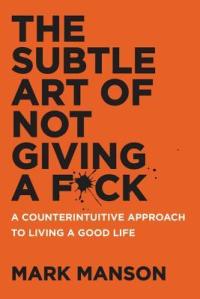
1.) The Subtle Art of Not Giving A F*ck by Mark Manson is a current New York Times bestseller and is not your typical self-development book. I have been following Mark’s writings for a couple of years now and I hold him in high regard. He has helped change my life for the better with his unconventional life advice and his second book is a great read. Contrary to some self-help books that advertise a philosophy of feeling good all the time and always being positive, Mark instead advocates for a more balanced approach to life. It’s important to embrace the negatives and setbacks in life because you’ll be a stronger and a more mature person for it.

It’s a common truth that not everything will go well in life so it’s better to make due with that than to have a ‘pie in the sky’ attitude all of the time. Mark asks the reader to think about the fact that going through negative experiences is actually a positive experience and can teach us a lot about ourselves. Having solely positive experiences without any adversity or setbacks is itself a negative experience as well because you didn’t struggle and fight for it, which means that it wasn’t that much of a big deal in retrospect. Learning from our past mistakes and our failures is just as important, if not more so, as having massive success according to Mark’s thesis.

The title of the book itself, The Subtle Art of Not Giving a F*ck, doesn’t imply that we as human beings shouldn’t care about anything going on in our lives but rather that we should be more selective about the things that we can truly control and have some input in. You shouldn’t give a f*ck about everything, only the things that matter the most to you and that truly impact your life in some way. Overall, this book is a really thoughtful perspective on living one’s life in a mature and thoughtful manner and has some really practical advice for any demographic of reader.

lightsoutbook

2.) Lights Out: A Cyberattack, A Nation Unprepared, Surviving the Aftermath by Ted Koppel is a well-researched, thought out look about the cyber security challenges facing the United States especially when it comes to the national energy grid that makes it possible for Americans to live a 21st century lifestyle. I remember watching Ted Koppel on ABC’s Nightline when I was a child and he always impressed me with his ability to look at a story he was reporting on from all angles and do a thorough job with interviewing different people involved with the issue. This book written by Mr. Koppel is no exception. Mr. Koppel does great investigative reporting on what is being done and what isn’t being done to prevent such a cyber attack from happening.

With the increasing amount of focus being put on cyber security as it affects different businesses, individuals, and governments, this book is a must-read as it considers the areas in which we are most vulnerable to attack. Mr. Koppel looks at how we can address the current gaps in cyber security such as when it comes to our different energy grids across the United States and what should be done about it in order to prevent an attack from happening in the near future. Mr. Koppel interviews a wide variety of people involved with cyber security from the Secretary of Homeland Security to leaders of the Mormon church in Salt Lake City to ‘preppers’ across the U.S. who make it a lifestyle habit of preparing themselves and their families with emergency supplies and goods in case a cyber attack happens and the electric grid goes down.

The frightening possibility of a regional and national blackout happening in the United States is discussed in detail as to what would be the consequences and how long it would take for the electric grid to go back online. The current picture isn’t very rosy and a lot of work needs to be done according to Mr. Koppel. Hopefully, the policy makers and leaders of government take notice of this book as it is both a warning and a call to action for those people in power to do more about this situation and to help protect against such a potential disastrous scenario.

hillbillyelegybook

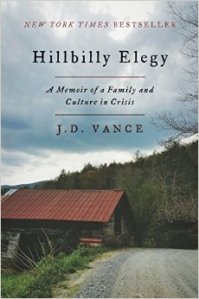
3.) Hillbilly Elegy: A Memoir of a Family and Culture in Crisis by J.D. Vance was one of the most important books of 2016 for its’ insight into a part of the United States that rarely gets much in-depth coverage. This book is a mix of a personal memoir of Mr. Vance’s life who is a native of the hills of Kentucky and who grew up in southern Ohio and also a retrospective on the economic and social conditions that are affecting Appalachia to this day. Mr. Vance goes into great detail about the struggles of the white, working class, both self-inflicted and those wounds placed on them by economic decline and societal decay that’s out of their control. It’s a community that doesn’t get much fanfare but who still have a political impact as showcased in the recent 2016 election.

Even with a troubled family that both uplifts him and casts him down, Mr. Vance through his hard-work and intellect makes it out of Appalachia and was a member of the Marine corps, a law school graduate and now a successful writer. However, it could be argued that he is the exception and not the norm when it comes to the current state of Appalachian communities. Upward mobility can be hard to believe in for today’s America with stories like Mr. Vance’s becoming less and less common. For this course to reverse itself, economic vitality has to come back to forgotten regions like the Rust Belt and Appalachia. The current social malaise and dispirited communities may be able to improve if the local economy were to improve for families like the Vance’s.

You root for the people of Appalachia highlighted in this memoir who have been dealt a bad hand in life but still try to make the best of things and want to help their family members achieve the American dream, even if it appears out of reach to most. One such example that sticks in my mind from this book is ‘Mamaw’, Mr. Vance’s grandmother and one of the few steady and pragmatic influences in his life that helped make him who he is today. To change a community and a society, it starts with the family but it doesn’t end there. Families in these communities need a future and they need prospects, both educational and job-wise. Let’s see if this book has an impact as well on the policymakers, think tanks, and government leaders. It’s a must-read and I highly recommend it.