Watching The World Go By In Paris

“Many cities are great for people watching or just seeing daily life transpire in front of your eyes, but Paris is different from the others because you are allowed to slow down fully to take it all in.”

Few cities embrace the pleasure of watching the world go by more than Paris. No wonder why writers from all corners of the globe have come to the ‘City of Lights’ to be inspired to reach their creative goals. If you’re a keen observer as any good writer should be, you’ll see all walks of life come through Paris each day. Whether it’s a starry-eyed tourist with a camera in their hand, a bookkeeper plying his trade by the Seine River, or a street music performer trying to earn a Euro or two. Many cities are great for people watching or just seeing daily life transpire in front of your eyes, but Paris is different from the others because you are allowed to slow down fully to take it all in.

In Paris, the pace of life is fast like any city but the city’s awe-inspiring beauty, its prominent café culture, its pleasant on their ears language of French encourages you to slow down, have a coffee or a pastry, sit down with a book or a pad of paper, and really take it all in. One of my favorite aspects of the city is that compared to most major cities or even other cities I’ve been to in France is that you are encouraged not to rush the experience whether when you’re dining, drinking, or smoking (for those who partake).

No one cares how long you sit at a café or a brasserie (some places are even open 24/7), if you pay for something on the menu and be kind to your server. Some tables may have you face each other if you’re with a companion but often, your chair(s) and table will be facing out on to the lively Parisian streets or plaza whether you are alone or with someone else.

Paris does not bemoan the lone traveler or the lone wanderer who comes to visit it. It is perfectly normal to be by yourself with your thoughts, your sketch pad, and your cup of coffee spending as much time as you need with whatever you happen to be working on. I’d imagine that even if you visit in the Fall or Winter, you’ll still see people out in the streets or in the plazas, talking, laughing, eating, drinking, and making the most out of their lives in the big city. When you are in Paris, you can watch the world go by and even if you’re in a rush personally that day with work or studies, the city will encourage you to slow down, stop somewhere, and take in its ever-enchanting beauty and detail.

Writers, painters, musicians, and other kinds of artists have had a field day with creating great works from having lived in Paris because there is so much to be inspired by. The city of Paris and French culture, in general, have a high emphasis placed on beauty, aesthetics, and the art of good presentation. Any type of artist will be able to come to Paris to draw or paint about the daily scenes of life they see there, have time to think deeply about their approach to their work, and foster ideas without being interrupted endlessly.

Even with the humming noise of traffic and pedestrians, it is not a overly loud city when compared to other major cities I’ve been to in the world. You can find those moments of quiet and peace amid the waves of people and vehicles who pass you by. Sitting and facing out towards the world and not with your back to it allows you to assess better how you fit into this magnificent city and where you fit into its ever-changing melody and rhythm.

I believe you could spend years in Paris and not have tried every restaurant, café, brasserie, or bar. There are seemingly endless places to sit, drink, relax, think, write, and reflect, which is why the city is and will always be such a haven for brilliant artists of all kinds throughout the millennia. Paris encourages you to soak it all in and to pay attention to what you’re surrounded by.

Throughout Paris’s history, the city has sought to inspire humanity to move forward through making new inventions, creating new works of art, writing new literature, and building more beautiful and awe-inspiring architecture. When you think about a self-fulfilling prophecy for a city to have, Paris was built on reaching higher and higher in terms of our human aspirations to create beauty in this life and to find the beauty in each other.

We may fall short from time to time, but Paris is a city built on pursuing excellence in all facets through the pursuit of one’s dreams. For those people who are creative in any sense of the word, who want to share their creativity and gifts with the world, Paris is a great home to begin doing so. When you come to the ‘Ville de Lumiere’, not only can you watch the world go by without a care in the world and be able to take in all its beauty and charm, but you will also be inspired by the city that was built on fulfilling the hopes and dreams of its many inhabitants.

Paris would not be the city it is today without the creative and forward-thinking men and women who built it to be what it is today and will remain for the future, a beautiful and inspiring beacon of human ingenuity and vision that inspires both visitors and Parisians alike.

To Write, You Must Observe

“Being a good observer contributes to being a good writer. Taking the time to observe the world around you help to stimulate a good sense of what to write about and what could be put to paper.”

Being a good observer contributes to being a good writer. Taking the time to observe the world around you help to stimulate a good sense of what to write about and what could be put to paper. I find that observing people, animals, or just nature without distractions can stimulate your ability to process possible ideas whether for poetry, stories, or for articles. You can draw both hypotheses and conclusions from you observe the world around you. It allows you to come up with scenarios or storylines just from seeing what’s going on around you.

You can really let your imagination run wild with coming up with fictional events, stories, or essays when you can draw on what you observe. Being observant allows you to think about good ideas for what you would like to write further about or to come up with ways to flesh out a person’s story or history. A good writer can flesh out the details based on what they are observing and create a good story or plot from what they may see out in the world. Being an observer doesn’t have to be a majestic place like from a mountain top or overlooking a lake.

You can make insightful and creative observations just by sitting at your neighborhood café for a few hours or from walking through your local nature park. A simple change of scenery stimulates your mind just from putting yourself in an unfamiliar location. A writer should immerse yourself in different settings and bring a pen and paper or their laptop with them. Having a quiet place to observe is also much better than a noisy place, similar with how a pond or a backyard porch is better for observations to be written down than going to Times Square or Las Vegas to come up with good writing ideas.

I do believe certain places are better for writing down your observations especially if they are quiet and allow you to concentrate more. You’re able to not only come up with story or novel ideas in those places but can write more in-depth about what you’re seeing without being distracted in those crowded, noisier, or places with sensory overload. It is a key part of being a writer to hone your observations as much as possible without overwhelming your senses by trying to observe everything all at once.

It is more productive to focus your observational writing on a particular part of a place or scene rather than trying to make sense of everything going on around you all at once. To develop your creative writing abilities, when making observations, do your best to hone your story idea or your poetry to a specific animal, nature scene, person, or theme. Observational writing can really let you hone your descriptive abilities by letting you expand your vocabulary, develop your chance to set the scene, and use your imagination to create a story out of nothing.

I would also say that being a good observer does not end at fictional scenarios but can help you with your non-fiction writing as you can attend live events like concerts, protests, or speeches, where you can observe the speaker or the attendees and writing about the setting along with the sequence of events that happened from first to last. Observational writing comes in handy when you are a news reporter, journalist, or in forming opinions. Without being able to be at the scene or where something is happening as it happens; you rob your writing from being able to recall in as much detail as what happened and how it happened when you’re not actually there.

Experiencing something virtually or secondhand does not lend the same kind of credibility or have the same kind of feeling as when you’re there in real life when something is happening live. Your observations when writing should be experienced firsthand as much as possible. I’ve found that my own writing about things, places, or events I’ve been to is not as sharp when I wait a few days or a week after to recap what happened and the accuracy is not the same as when you are writing about it as it happens.

If you are looking to improve your writing skills, I recommend sitting yourself somewhere quiet and peaceful where you can make your live observations and develop them if you would like to into poems, stories, or essays to use your imagination. You can really develop your vocabulary, your prose, and your own form of storytelling through making live observations. Good writing tends to come from being a good observer. The more time you can spend in different places observing the world and its inhabitants, your writing is going to improve and will also help you develop your own narratives, settings, and plotlines. Be sure to use your observations to further your writing skills and to take your compilation observational notes to make yourself a better and more complete writer.

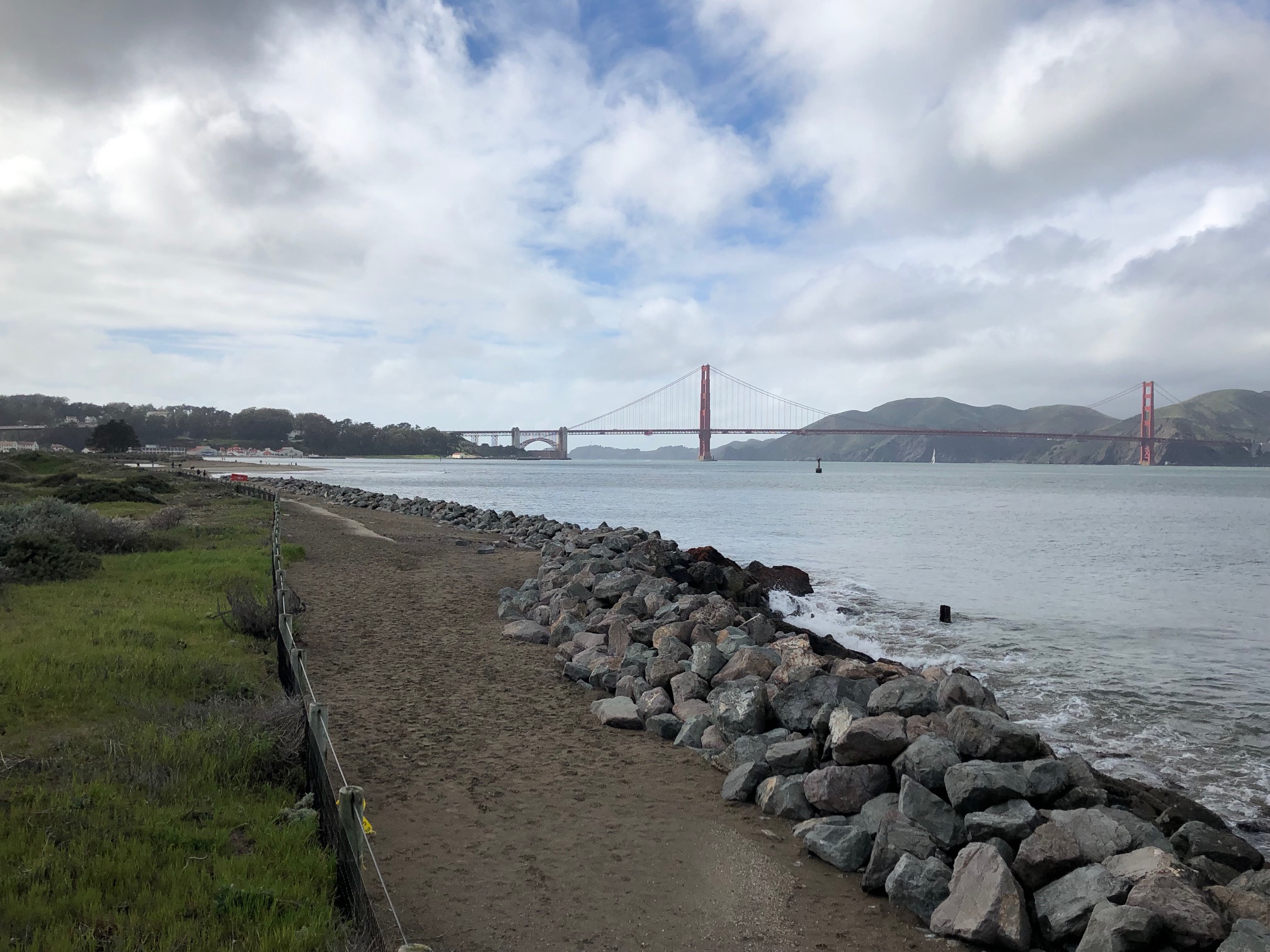
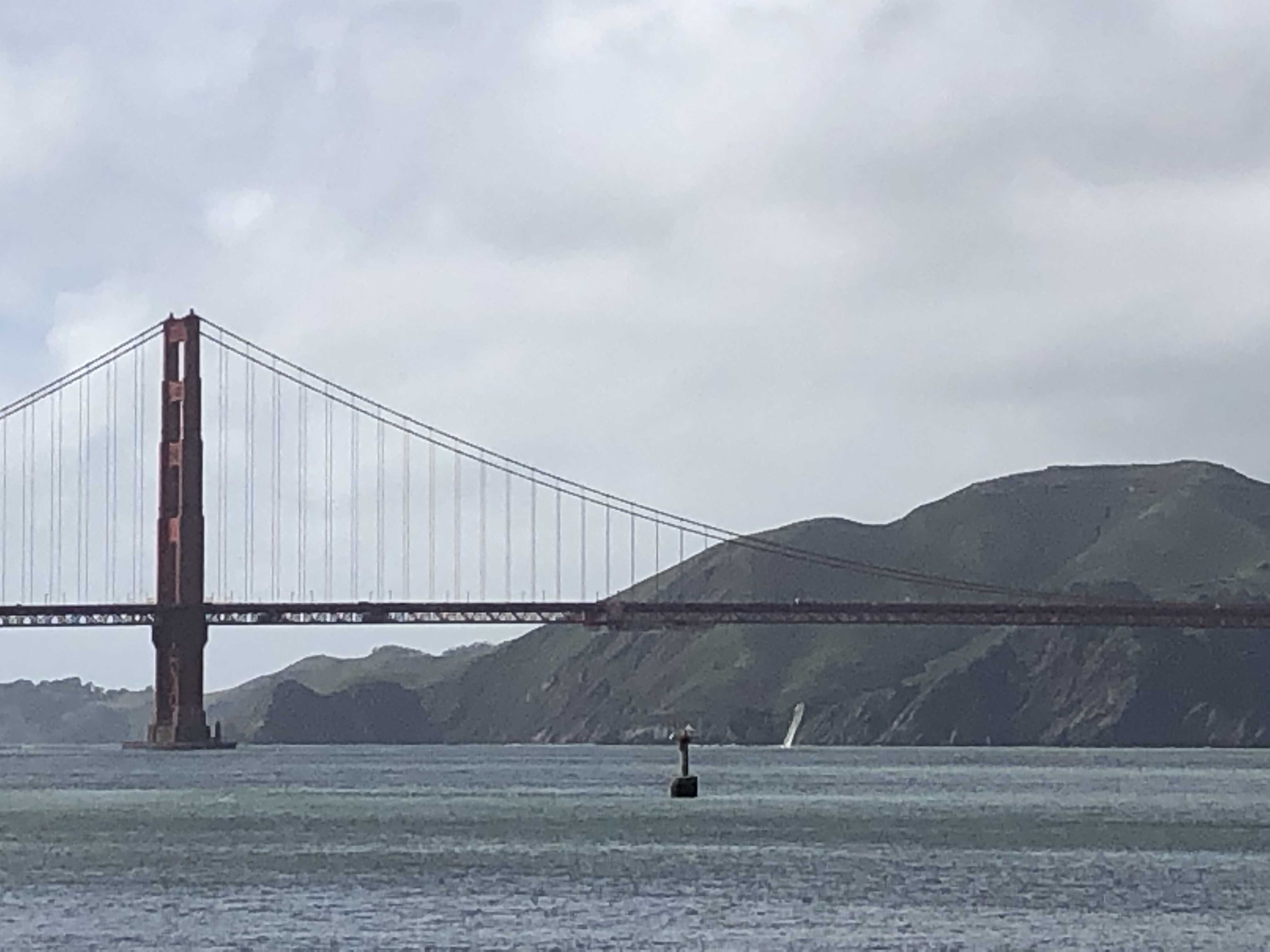
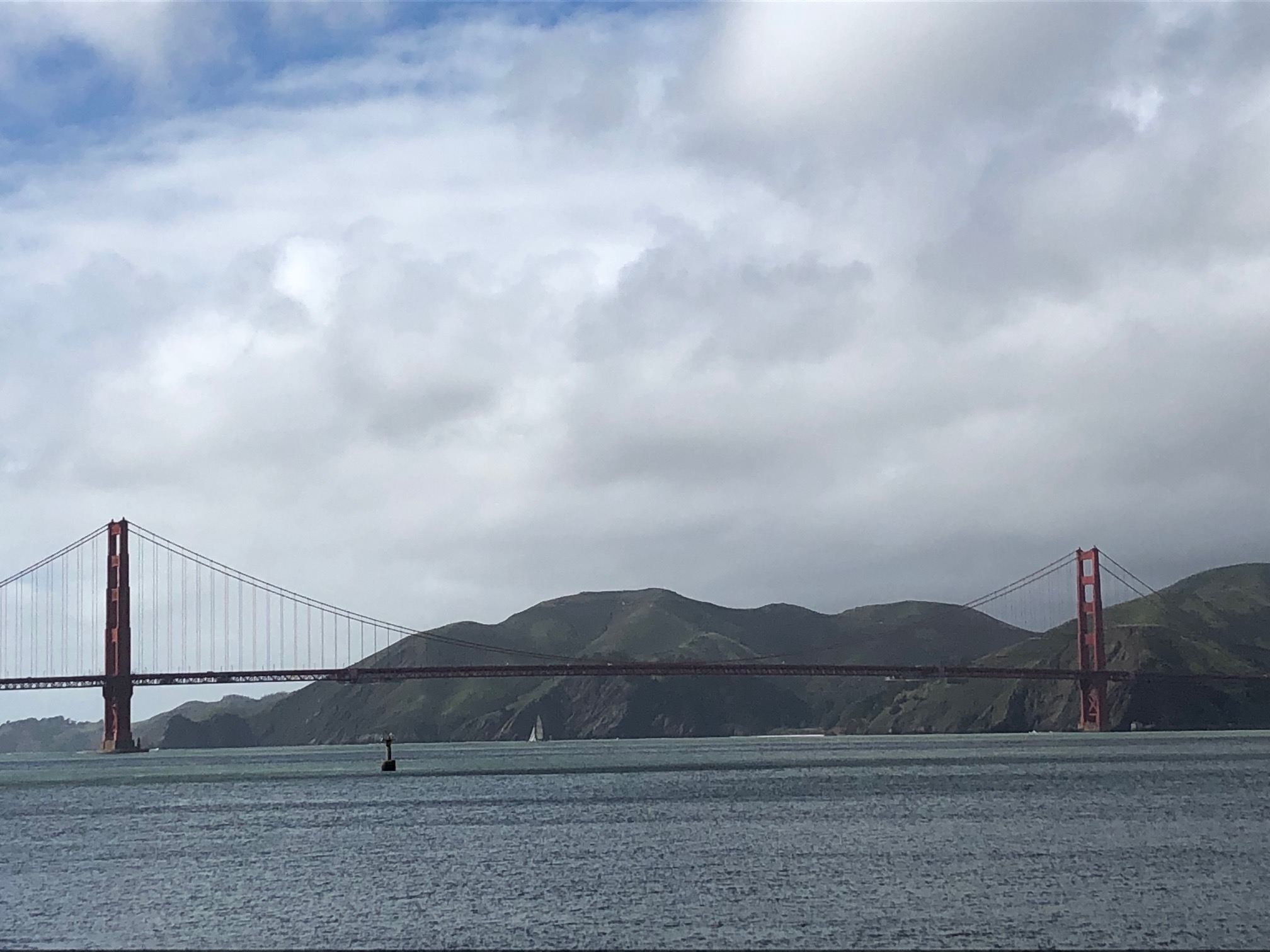
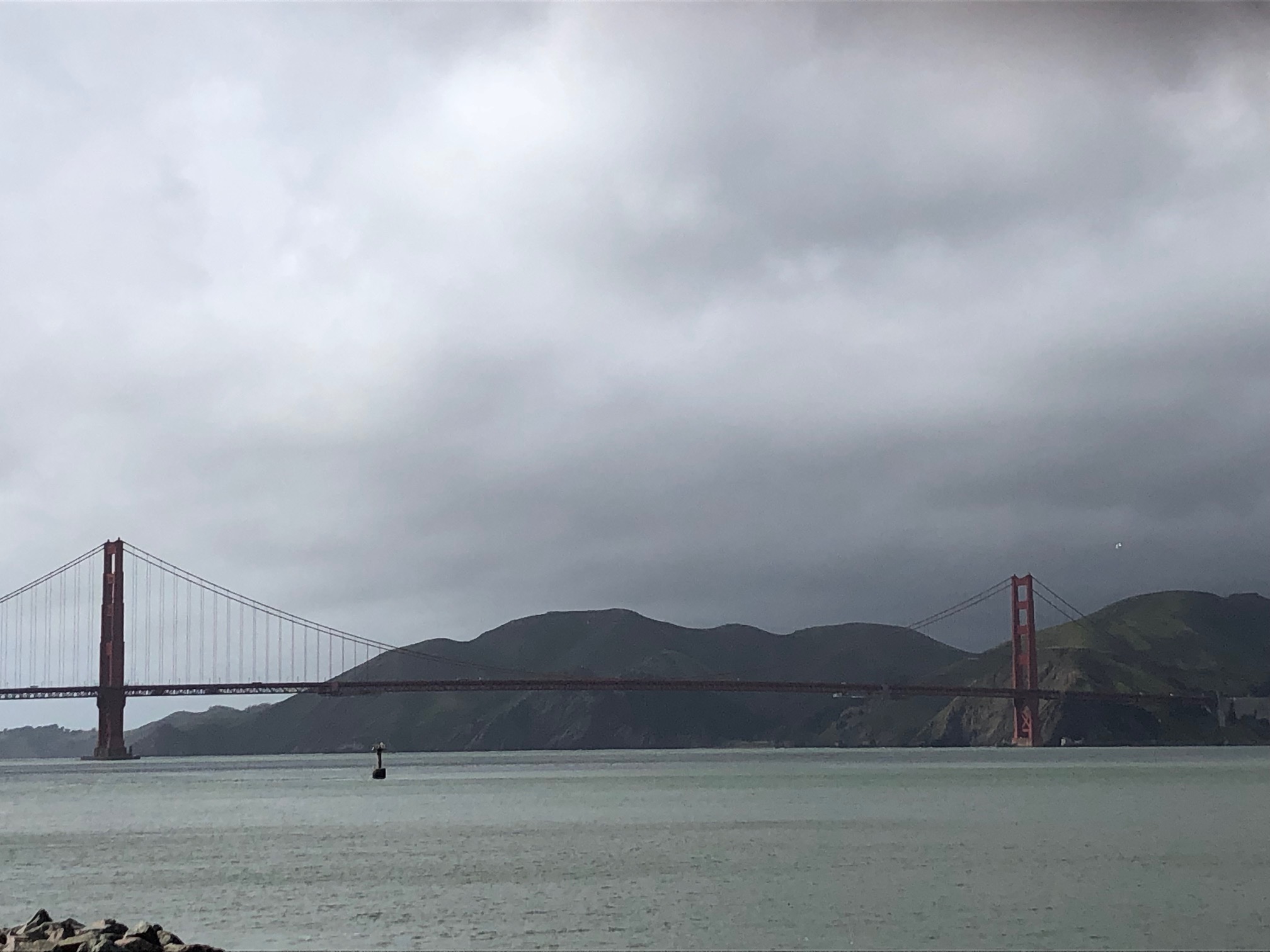
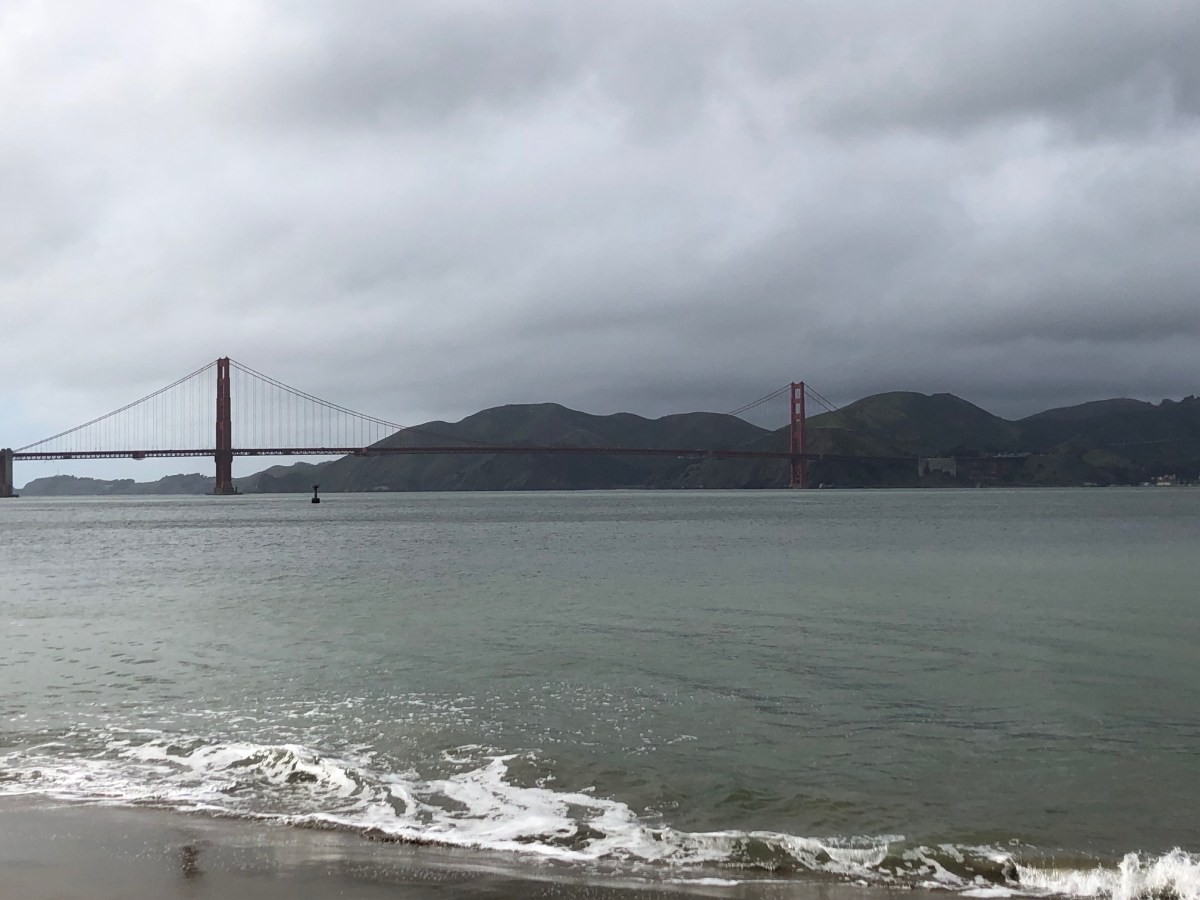
The Golden Gate Bridge

IMG_1705IMG_1739IMG_1737IMG_1735IMG_1733IMG_1732IMG_1730IMG_1729IMG_1728IMG_1727IMG_1723IMG_1722IMG_1718IMG_1716IMG_1707

CameraiPhone 8

Location: San Francisco, California 

English Corner – Spot The Mistakes

Once you have learned to embrace your errors, the next key part of being an editor of your written English language work is to spot the mistakes. You need to become proficient in catching your mistakes, understanding why they were mistakes, and then fixing them. You are bound to make some mistakes with your English writing but the best way to get over that hurdle is to spot them, understand them, and fix them. It doesn’t even have to be your English when it comes to spotting the mistakes.

Beyond your own work, look at the English language wherever you go and see if there are any mistakes that other people have made. You may be able to help other writers whether they are friends, family, colleagues, or fellow students by helping them spot their mistakes and assisting them in getting them fixed.

Part of becoming proficient as an editor is getting that extra practice that comes with spotting errors in the English that others have put forward. You should always point out their mistakes in a polite and courteous manner, but you should be able to learn from their mistakes in addition to your own. Peer editing is a crucial part of becoming a better English writer and it will make you more adept as an editor too when it comes to be time to review your own work.

Most of us go about our daily lives trying to not focus on the advertisements or the notices that come across our path. However, another crucial way to boost your English language skills is to look closely at those words and phrases you see every day when you’re out and about. You may not notice it but there are sometimes silly and easily fixable errors that are in these notices and advertisements.

When you spot them, take the time to snap a photo with your phone and then when you’re home later, you’ll be able to write down the incorrect word or sentence and re-write it, so it is correct. In order to make this happen, you have to be observant and you have to sometimes get close to the notice, advertisement, or posting in public and really look carefully at it to see if the written English is right. What may be tedious at first may end up being a fun game of sorts that you can play with friends and family to improve your English.

Spotting errors does not only have to be with regards to advertisements or public notices. Despite how well edited written pieces of work are, you are likely to still find small errors in publications such as newspapers, journals, magazines, and even short stories. If you have purchased any one of these items, you should take the time to highlight the errors you find because there may be a few that have slipped the radar of the editor before it came time for publication. In addition to highlighting these errors, you should consider fixing the mistakes and even making the publisher and/or author aware of the fact that there were some mistakes left in the final version of the written piece.

The last key component when it comes to spotting English mistakes is having a way to document them whether you found these mistakes either in public or in private. It would be really beneficial to have a list of English mistakes that you have noticed and fixed as well as what was the running theme that they may have had in common. It would be wise to group those mistakes in categories whether they were grammatical errors, structural errors, or spelling errors. You could also write about the patterns of the mistakes in a journal or a Word document so you can keep track of where, how, and why you spotted those English errors.

Also, there are hundreds of activities, worksheets, and general practice problems out there that any student can use to boost their proficiency in being a better English editor. You will need to be already a decent writer to make proper edits, but you can do so at the Intermediate level or above. In addition, daily or even weekly practice by completing those ‘mistake’ correction worksheets will go a long way to become a good editor not only for yourself but for your fellow classmates or work colleagues.

There are many different websites out there where you can download, open, and use these activities for free and they are really easy to do so on your own. After completing these worksheets, be sure to get a trusted friend who is good in English or a qualified teacher or professor to look over your corrections to make sure that you did well in spotting and correcting the errors in the paragraph, essay, or article. Without proper oversight, you will not be as well off as an English editor so having a person for peer review is key in this case.

Spotting the mistakes that you make with the English language is easy enough, but it takes a lot of hard work and effort to spot the mistakes of others. However, by doing so, you’ll develop the skillset necessary to be a good Editor not just for yourself but for other English writers. Having the chance to practice spotting errors and mistakes in writing will set you apart from other learners. You should not be afraid of challenging yourself or your ego to point out the mistakes that you or others will inevitably make and then fix them.

While doing so, keep a running tally of these mistakes and understand if they are a pattern and how you can overcome making the same mistake over and over again. As I have mentioned previously, you learn through making mistakes and this is the case for both native English speakers and for English as a Second Language learners. Nobody’s perfect and we all have flaws in our language abilities. Instead of hiding from these mistakes, let us hold each other accountable and bring them out into the open so that we all may improve and become better English learners.

Mind Your Surroundings

In an era of nearly unlimited distractions, the best way to make yourself stand out is to mind your surroundings. Ironically, this should not be that hard to do yet so many people struggle today with keeping their eyes and ears clear of distractions. One of the main reasons for this phenomenon is the fact that technology has rendered us with the ability to avert the need to use our eyes actively in sizing up our environment by focusing instead on flashy advertisements, fluorescent smartphones, and glittering video board. Our eyes are being constantly assaulted by so many visual cues from inanimate objects that we have an increasing amount of trouble focusing on what’s real and what’s in front of us. Not only are our eyes being affected by this distracted kind of living but our ears as well. If you want to see the extent of this, go to any street corner, subway / bus stop, or any public park, instead of listening to nature with the sound of birds chirping and leaves falling, we instead close ourselves off from the natural world with our earphones, headphones, and even earplugs.

Now I’m as guilty as listening to loud music through my earphones and also focusing on my smartphone or a cheesy advertisement as much as the next person, however, I try to be as self-aware as possible in limiting the amount of time I devote my eyesight to screens and my hearing to artificial sounds. What I worry about and what I would encourage you, dear reader, to do is to know the time(s) and the place(s) to put the distractions away for good and to focus on the world around you. You may not think it is important now until something unfortunate or unseemly happens to you because you were not in touch with the immediate environment. Anything can happen in a split second and if you are not prepared for that to occur, especially in public, you may end up regretting your decision to look at your phone or to listen to music when you should have put the ear-pods away. ‘Mind your surroundings’ is a simple wish I have for everyone especially when you are not at home or in a private domicile. When you are in an unfamiliar environment, you have to be much more aware of your surroundings than you would otherwise because it could even mean the difference between life and death.

Unfortunately, it’s become well documented especially in recent years with the rise of mobile technology how a few folks have met an early end to their lives because they simply were not paying enough attention to their environment. These terrible accidents and freak of nature incidents could be avoided if people put down their phones, their headphones, and their smart watches to listen and look carefully at where they were going. Unless you have an important call, are lost in an unfamiliar area, or have to look at you watch for the time, it can wait. Minding your surroundings is especially true in public places. You need to be watching out for where you are going, or it could cost you. This is especially true when you are not familiar with the local environment or may not speak the language if you are traveling to a new country. Being able to hear the sound of cars / buses going by, of what pedestrians are doing or saying, and to orient yourself to find out which neighborhood or part of town you’re in, this is absolutely critical to do, and you do not need modern technology in order to do this.

While it’s definitely true that most people have good intentions, this is not always the case. Do not let yourself become an easy target especially when it would only take a few precautionary steps to keep yourself aware of your environment. Multiple people have died from texting while driving, looking at their smartphone as they crossed a busy intersection, or have fallen off a cliff from a ‘selfie’ gone wrong. While we live in an era of technological abundance, let us not also live in a time that is bereft of common sense. You owe it not only to yourself but to your friends and your family to make wise decisions in terms of managing your interactions with the immediate environment. The steps you can take are quite simple, but they take serious discipline which may not be easy.

A few tips that I personally think would make a big difference involve some measure of personal responsibility but are really not that strenuous in terms of total effort. Sitting yourself in a restaurant facing the entrance and exit of a restaurant is key if something unfortunate were to happen or if you would like to have a good idea of what’s going on throughout the place, especially if you’re seated further into the room than right by the entrance. I find this tip to be really underrated when you are with close friends or family members who you want to look out for when they are sitting across from you and facing away from the entrance and/or exit.

Another tip of mine is to put your phone on airplane mode or simply turn it off when you are on the go. If you are walking for a little while, driving in a car (all the time!), or are involved in an activity, which requires serious concentration, you should not tempt yourself to be on your phone, smartwatch, etc. because it may lead to deadly consequences if you are not careful. A public service campaign that I fully support is titled, “It can wait”, which shows how 99% of texts or phone calls can wait a half an hour or even more when you’re busy doing other actions such as driving. Having the discipline to use a hands-free method or to contact the person(s) before you operate a vehicle or other machinery is common sense and saves lives.

Above all, the advice of ‘mind your surroundings’ is also appropriate in terms of being able to assess your environment quickly and accurately. You cannot do this if you are listening to music, texting, or have your eyes peeled to the ground. Maintain your awareness, be vigilant, and be sure to maintain eye contact that is dead ahead. You may not think that these tips are important now, but you do not want to regret being distracted if it comes to backfiring on you in the future. Whether you are at a movie theater, the beach, in your car, hiking a mountain, kayaking in the lake, you need to be able to be aware of who and what is around you at all times. If you’re lying in bed or relaxing on the couch, then I would say it’s not bad to let your guard down. However, in public, especially when you’re traveling to a new area, city, country, etc., you need to put the distractions away, mind your surroundings, and pay careful attention to what is going on around you. Unfortunately, this needs to be said in today’s world where every minute, our senses are absorbed all of the time especially in urban environments.

Nobody’s perfect but you really have to adapt yourself to the various locales that you put yourself into. A seasoned traveler, explorer, or observer can tell you that being aware and mindful is a key trait to have that will keep you moving forward. Please do your best to follow some of the tips I have laid out and some of the cautions that I have listed. Keep the texting, calling, and Tweeting to a minimum when you’re on the go and you should be fine. Always mind your surroundings to the best of your ability.

What can the creative process give us?

Anything that is done in the creative process takes effort and hard work. Any work of art, any piece of music, any lengthy novel took days, weeks, months, and even years to create. The creative process allows any person to express oneself in any way they see fit. The idea to keep in mind is that it is best for somebody to discover what he or she would like to create based on what his or her interests are. They then must discover for themselves what exactly they are good at creating and what they have a passion for doing. Being creative cannot be forced on someone.

The person in question has to decide what they enjoy doing and how far their talent can take them. Sometimes, the person can discover his creative vocation on his or her own but other times, it’s often the recommendation of a close friend or family member who gives the person inspiration to continue on with their craft. The key to remember about the creative process is that it can add value to people’s lives and also provide substantive meaning for any human being.

Being creative allows you to step outside of yourself and observe the external world in some way to shape it in a way that you see fit. Whether it is painting, writing, sculpting, etc., you’re putting yourself out there to see how you can do it differently and how can you create something truly unique. The creative possibilities out there are infinite and it’s important to choose a hobby or interest that appeals to you and which you can devote serious time to.

Some other traits that you can develop besides being observant and aware of the world around you are to become more collaborative and open to learning from others. A creative person will learn from others who have come before him or her in order to develop themselves as an artist, writer, builder, etc. Without copying them directly or replicating their kind of work, a creator will take what they have learned and studied to develop their own style or add value to their field. You don’t have to become the next Mozart or Rembrandt but you should try to innovate or change up the creative field so as to do something that will be remembered in the future.

Collaborating with other creative people and working alongside them or just to learn from them can make you more skilled in your work. You can learn a lot of valuable lessons from other creative people and they can mentor you based on their years of experience if you’re just starting out. Even if you suffer setbacks or false starts, knowing that you have a network of people similar to you in your creative world who can give you advice or a new perspective will give you the extra motivation to continue forward and learn from your mistakes. Through collaboration, you’ll learn to be less defensive and tame your ego so that you can learn and become better at your creative vocation.

Harnessing your creative energies can make you more outgoing, more connected to the world and can make you more humble. In a world that seems to be moving faster and faster, being able to slow down, observe your surroundings, and collect your thoughts is a great way to fuel your creative impulses. While we cannot control much outside of our own choices and decisions, harness your creative abilities will give you a sense of control over the external world. You can also gain a lot of satisfaction from putting something out into the world even if it never gains popular recognition. To keep it as a healthy endeavor, exercising your creative abilities should never be done for the possible fame, fortune, or notoriety of it but rather for your own benefit.

Without any kind of creative outlet, humans can stagnate both mentally and physically. People can often be placed into two categories: producers and consumers. We have the capacity to do both but we are often told by the larger society and culture to consume, consume, and consume some more. While there’s nothing wrong with consumption within reason, being able to channel our energies into a productive endeavor can be good for both the mind and the body. This is especially the case when you’re working to solve a problem or to make life better for people. You don’t know what your own potential or capacity for creativity is until you begin to do it. Everybody has the ability to be creative but they have to figure out where they can contribute the most to an idea, a project, or a work of art.

There has never been a better time in human history to be a creative individual. The advent of the Internet and global social networking has allowed people of all backgrounds to express themselves in various ways. More than ever, the average person is a website, a YouTube channel, an eCommerce shop away from sharing their creativity with the world at the click of a button. While the creative process is long, challenging, and comes with no certain reward, the benefits to a person’s mental and physical health cannot be overstated. The Einsteins, Beethovens, and Rembrandts of the world knew that their creative contributions would change the world in one way or another. They did it not just for the world though but their own sense of fulfillment and purpose. Instead of asking themselves what they could receive from the world, they thought instead of what they could contribute to the world with their individual talents.

Being creative, innovative, and experimental comes with risks but also a number of rewards. Even if you fail or don’t reach your goals, you will still learn a lot about yourself as well as what you are capable of. The key is to keep working at it to find out what you are skilled at whether that’s being an artist, a writer, an architect, an engineer, etc. Everybody has a creative flame within them that can be harnessed and molded. You just have to figure out for yourself how to develop, practice, and become proficient in your craft throughout the creative process.