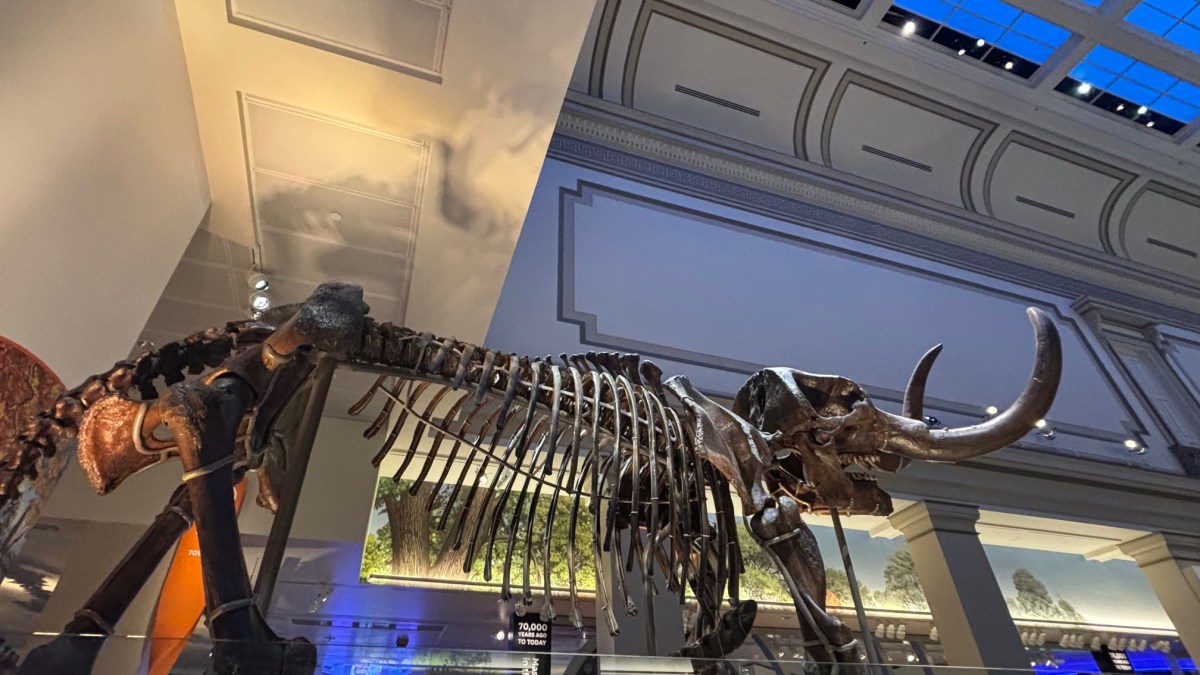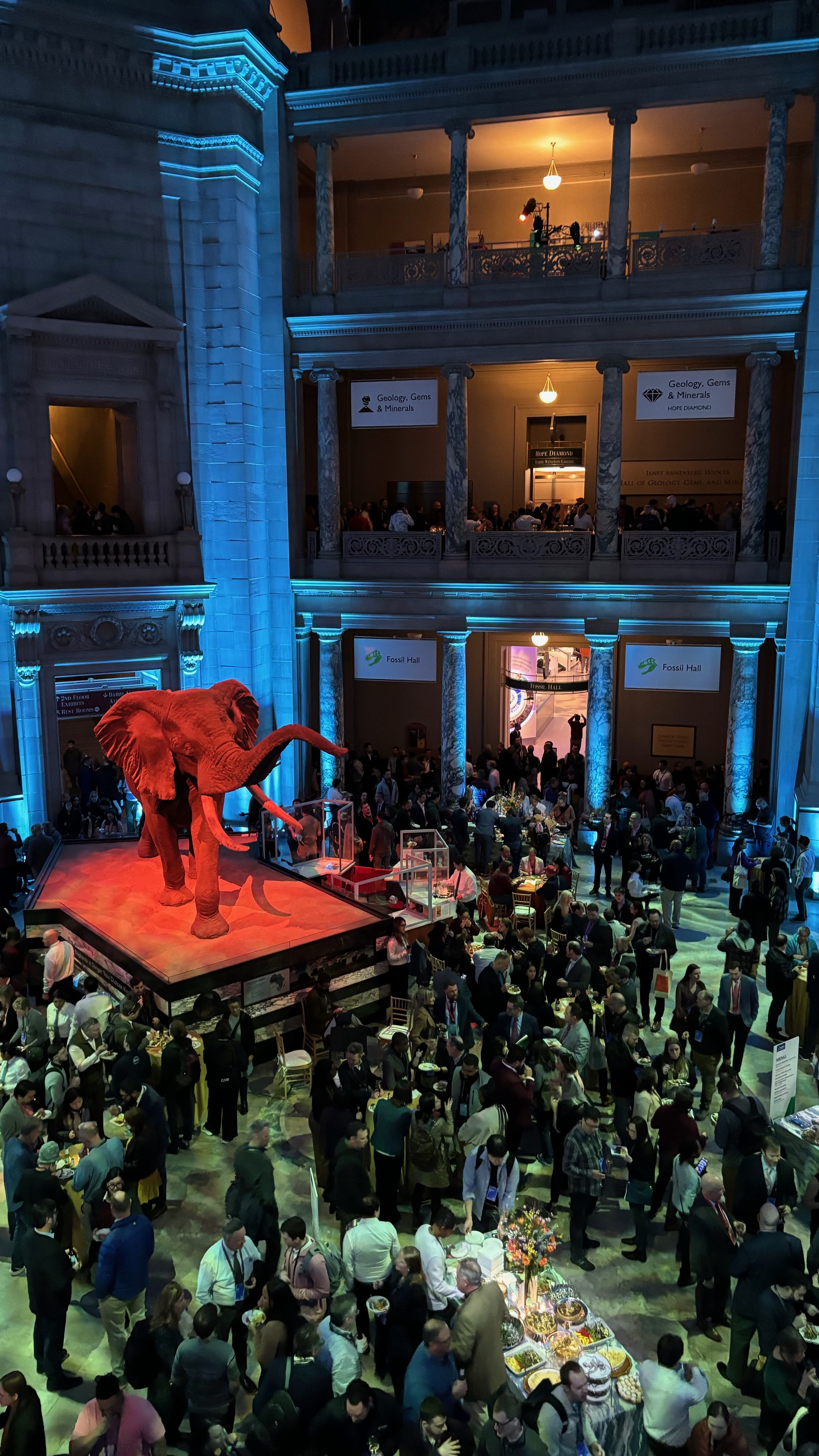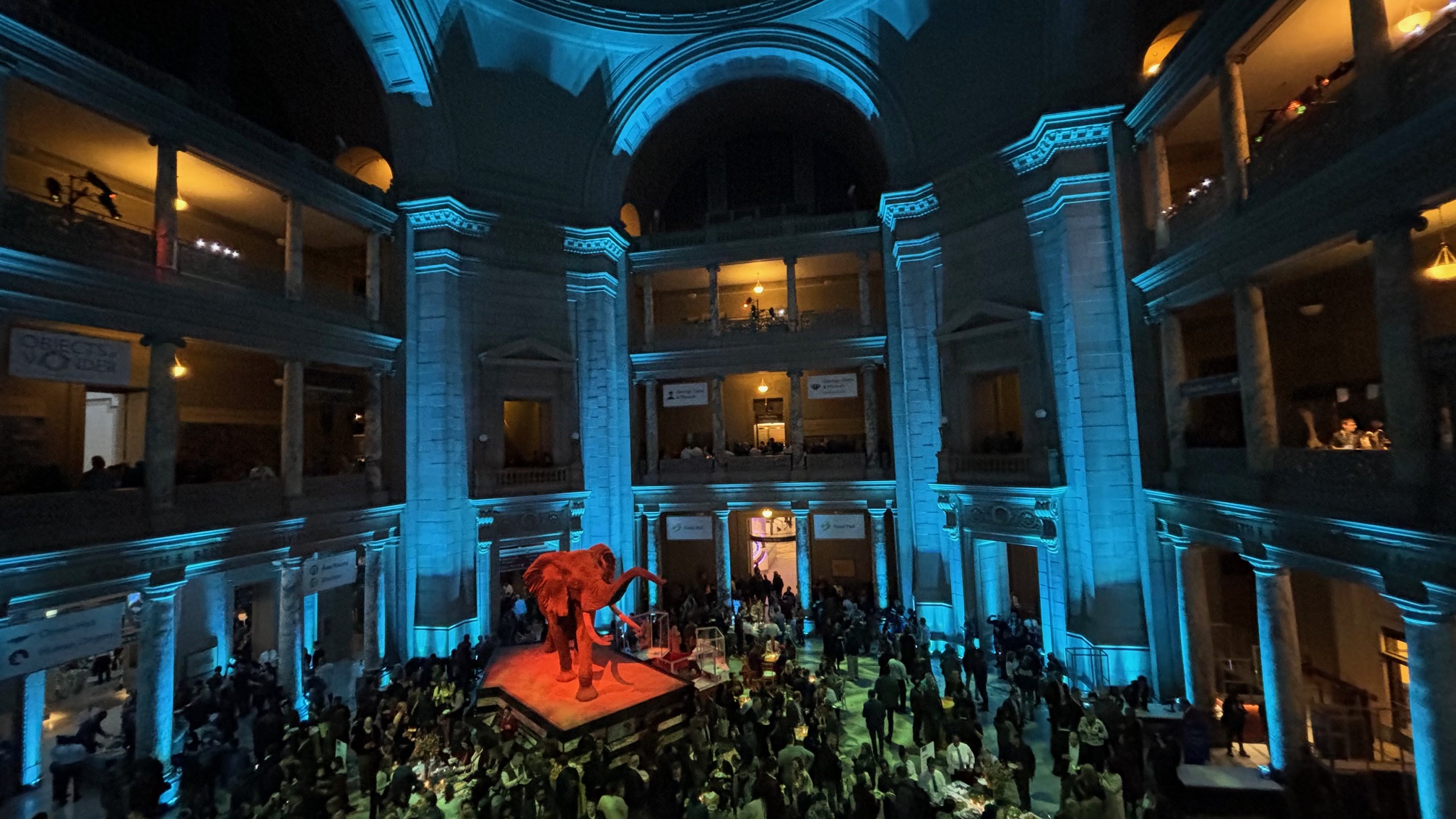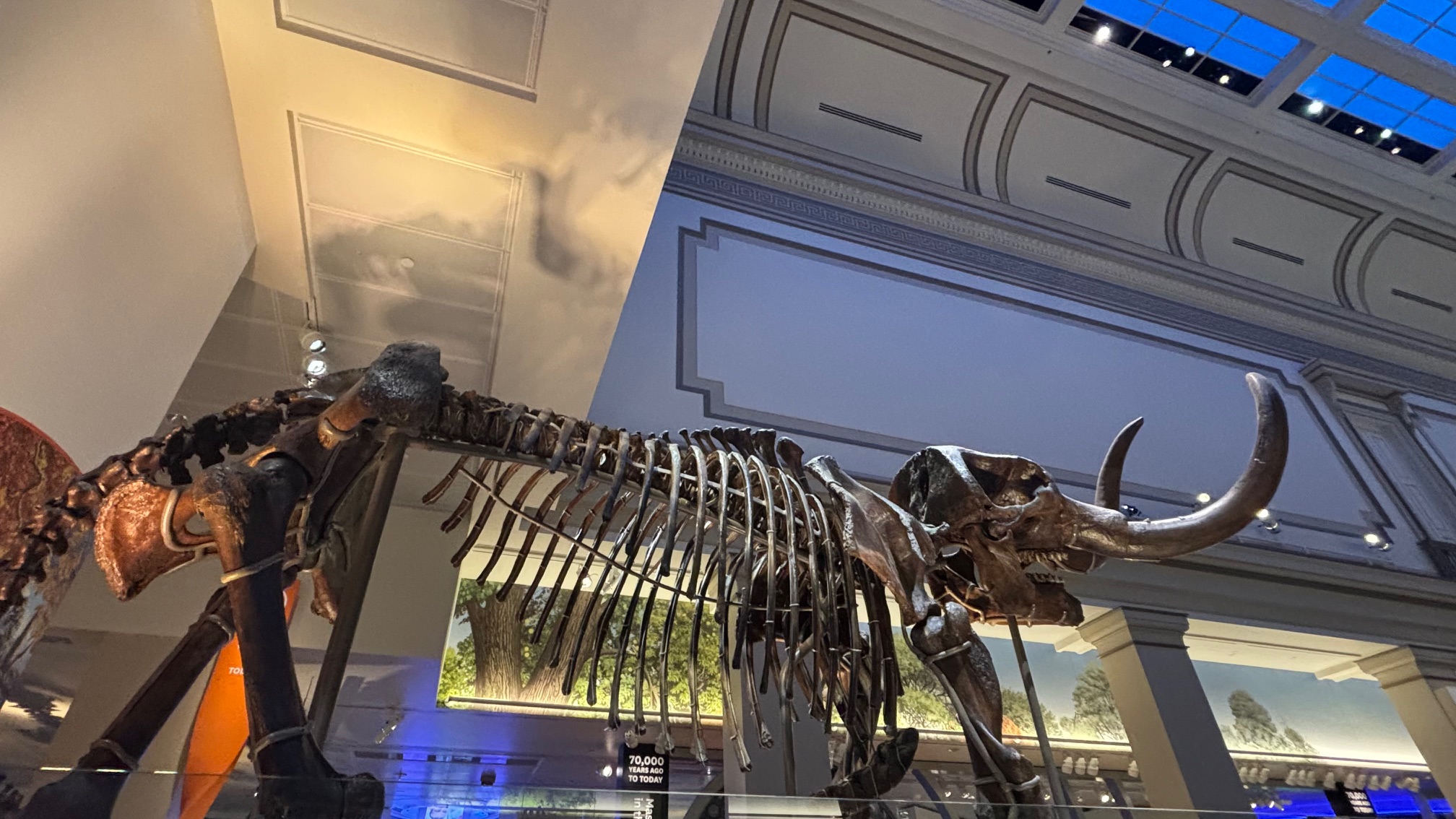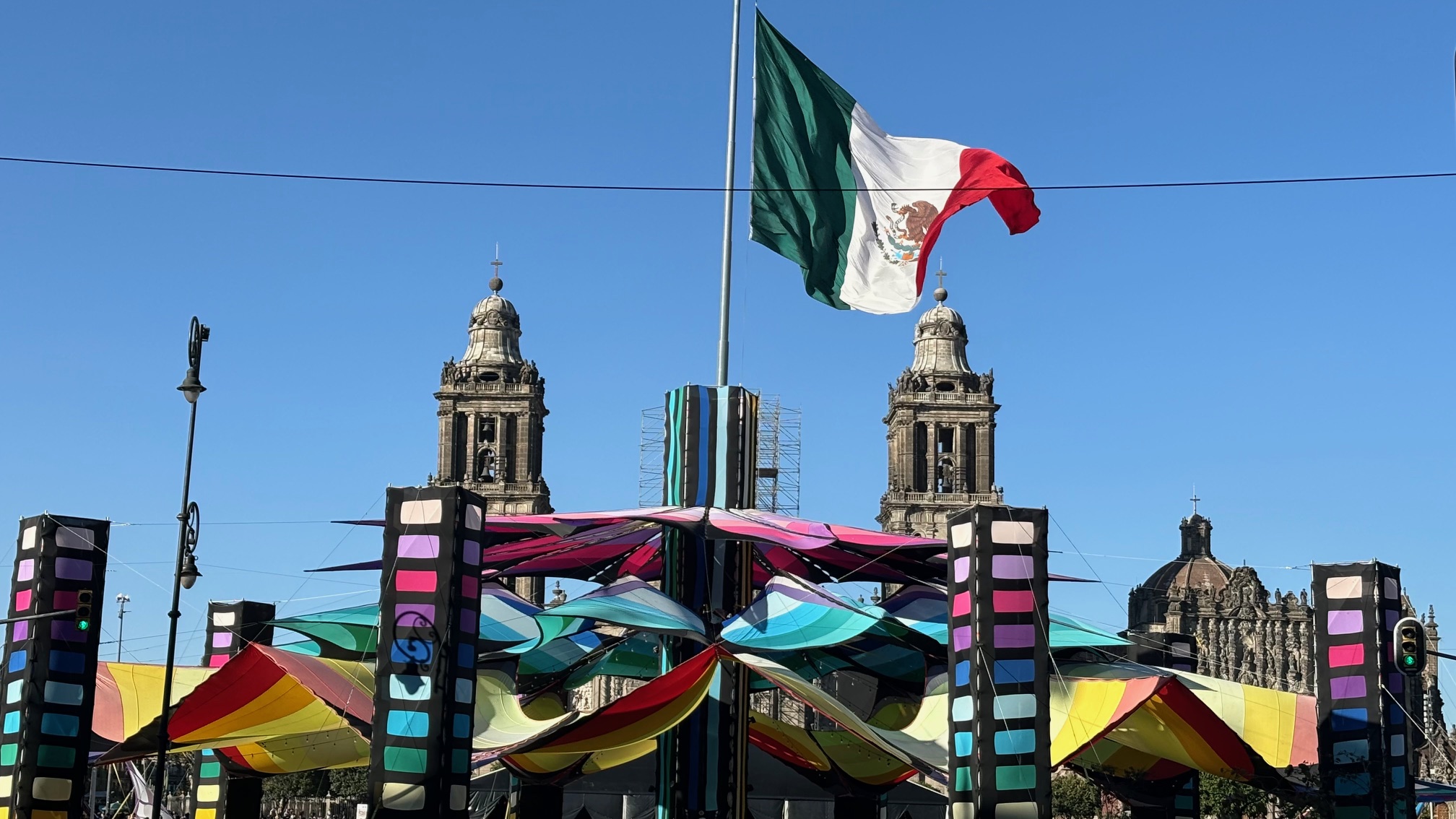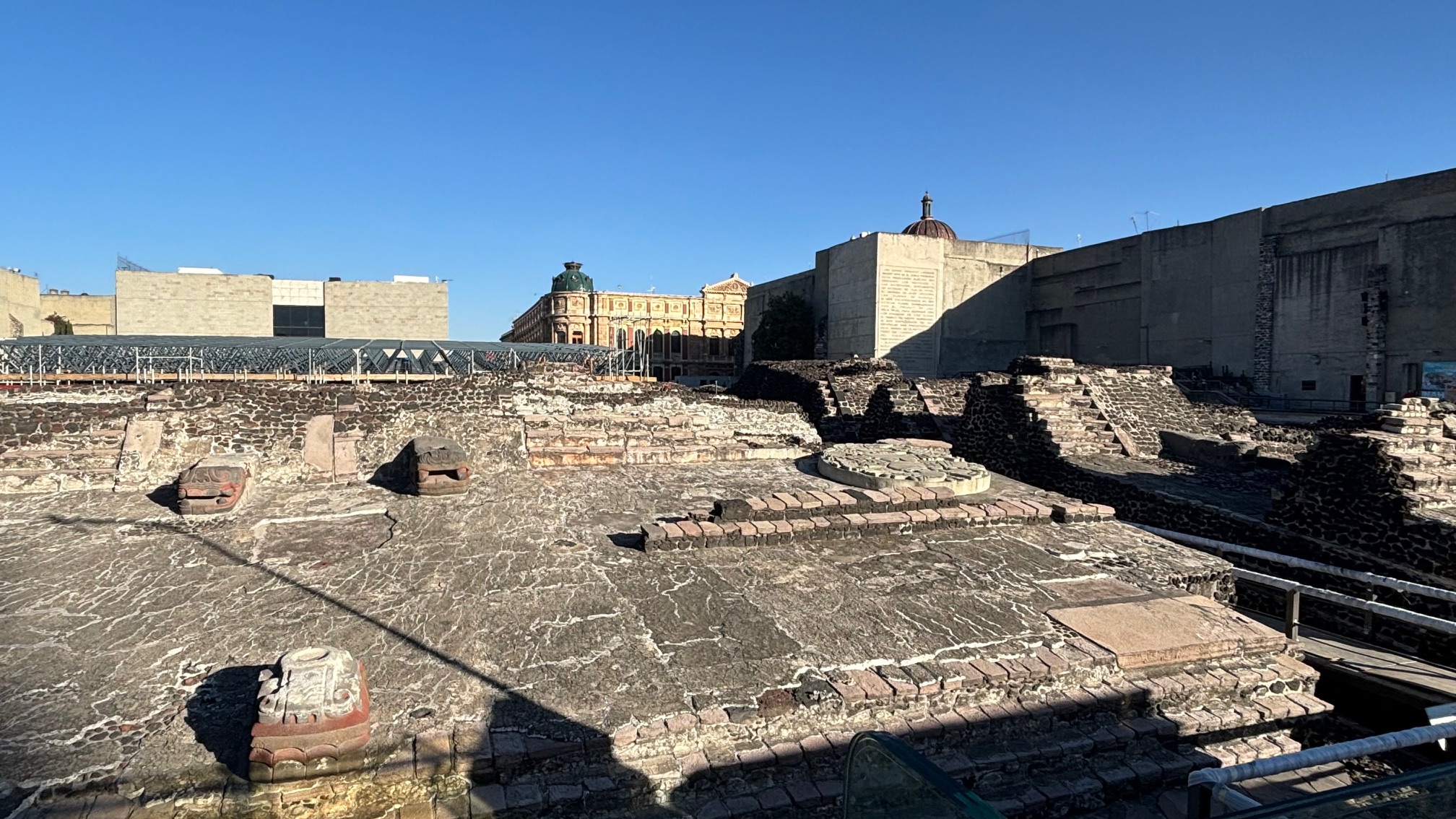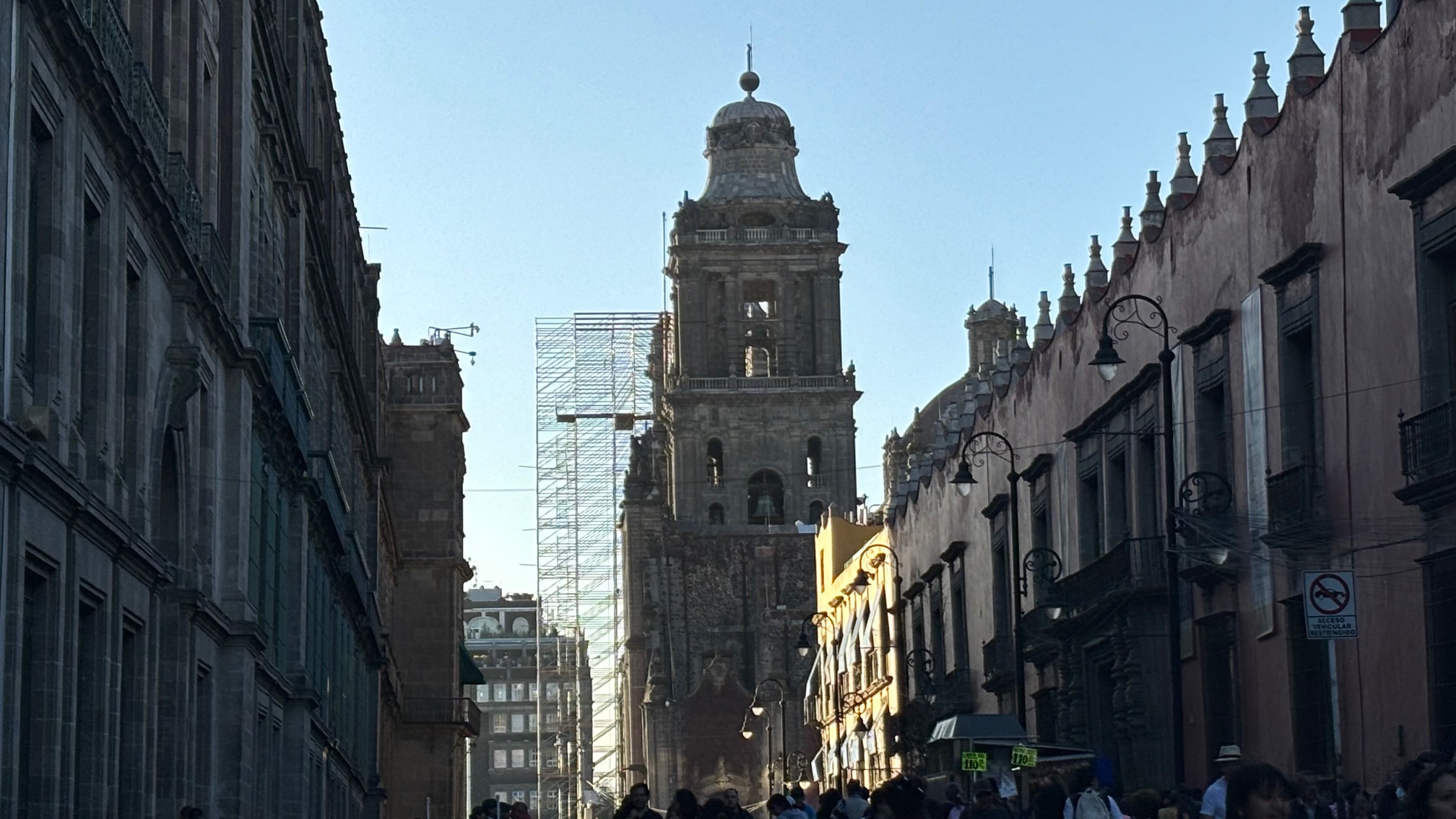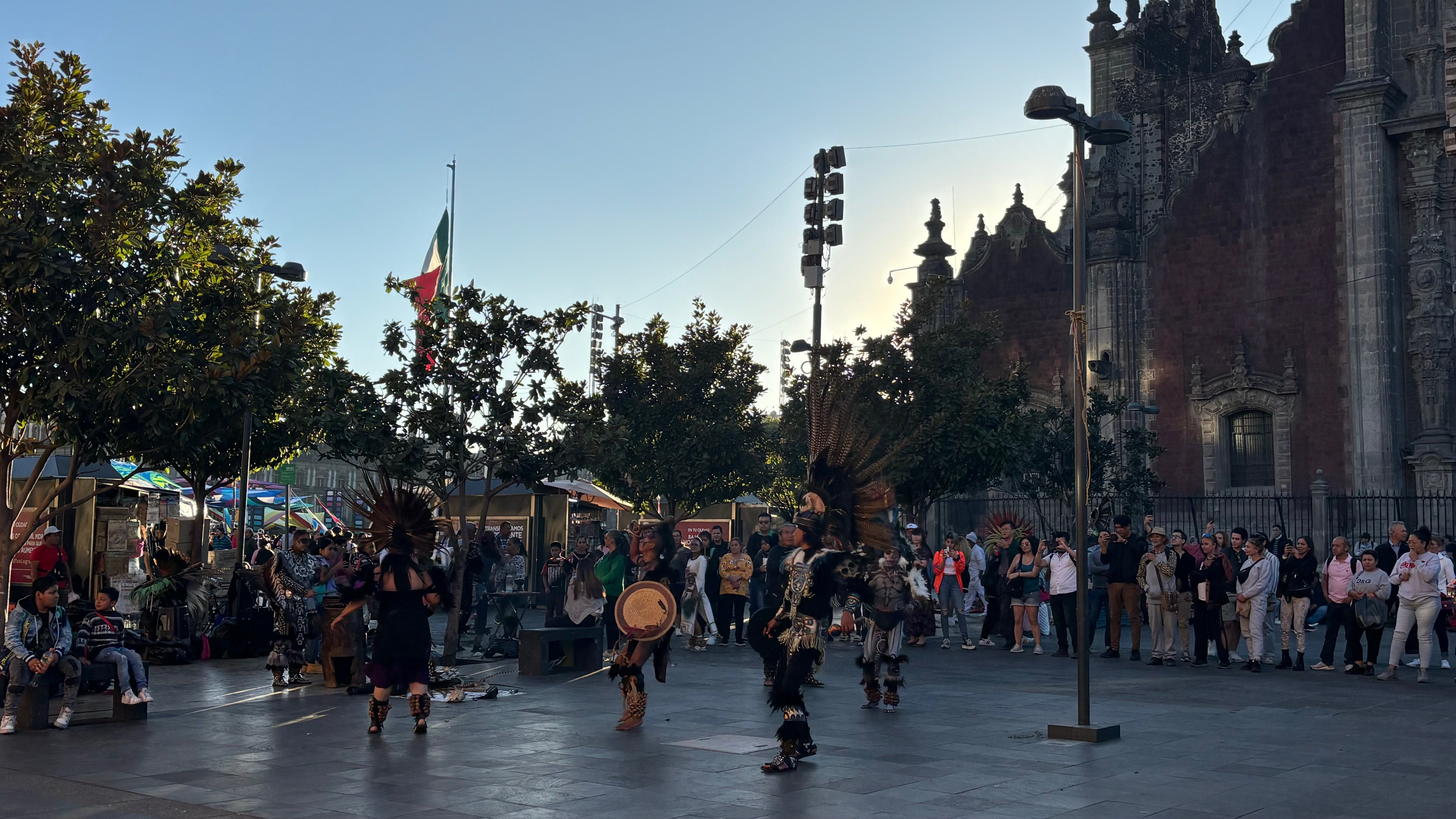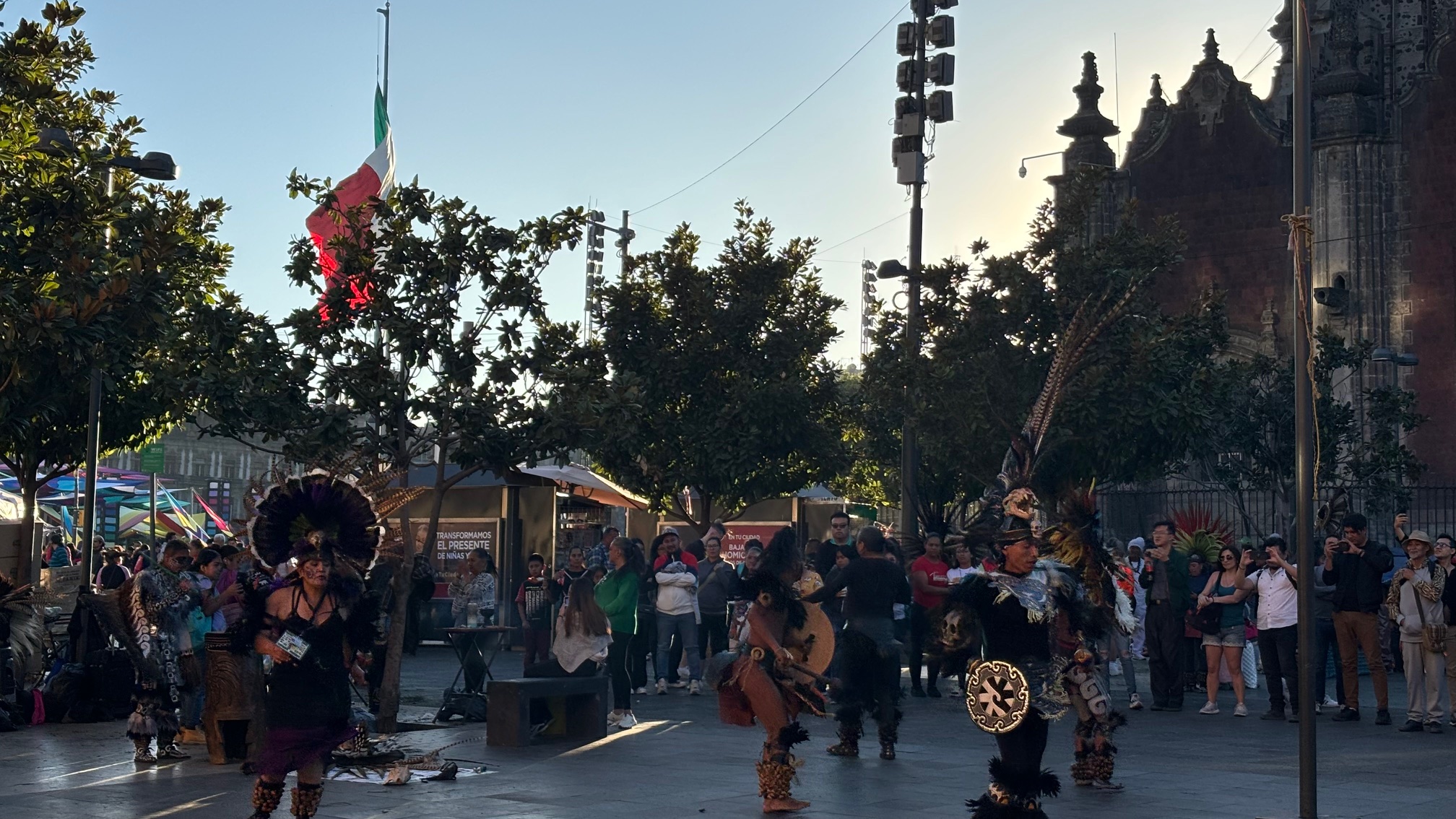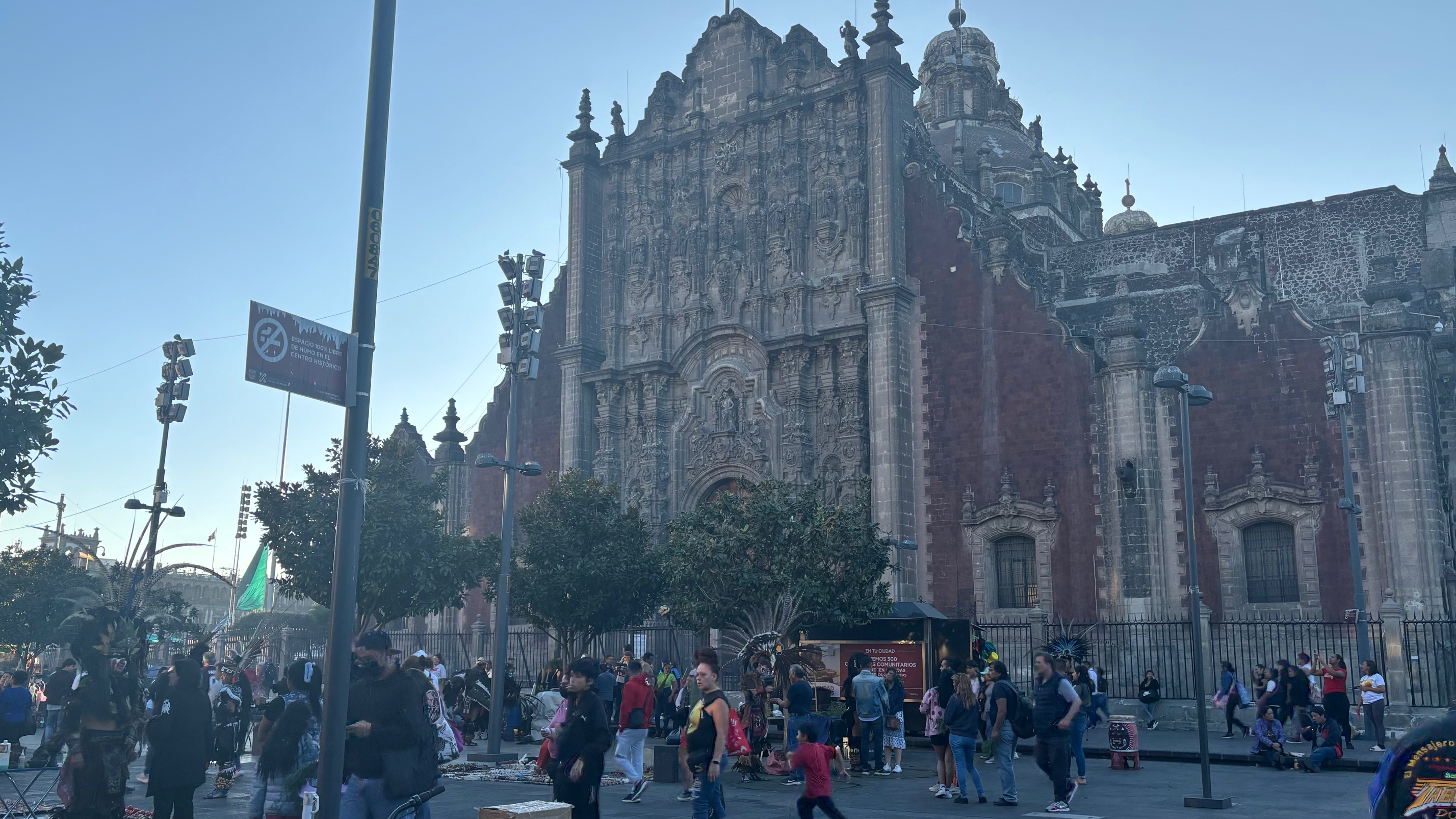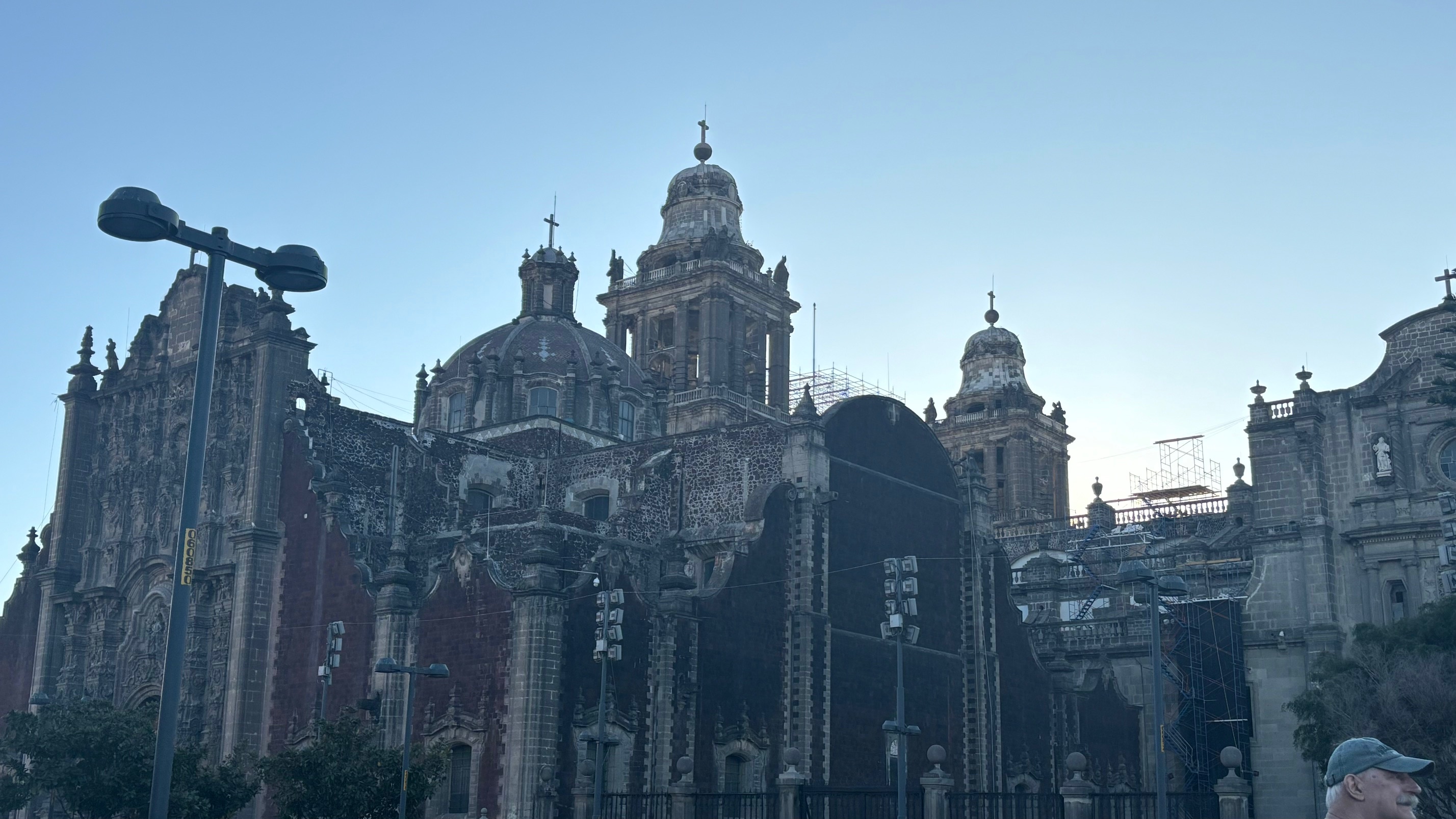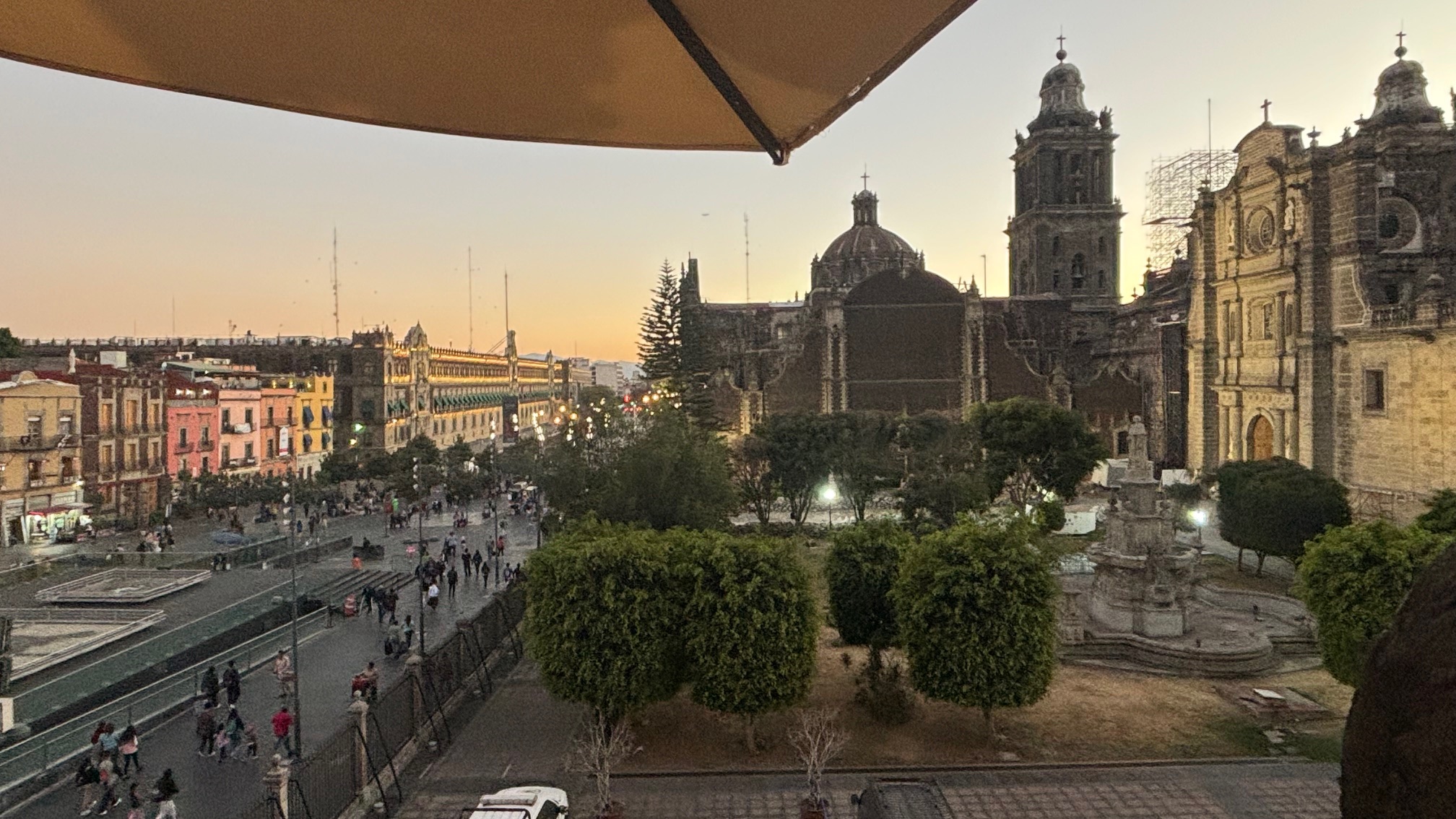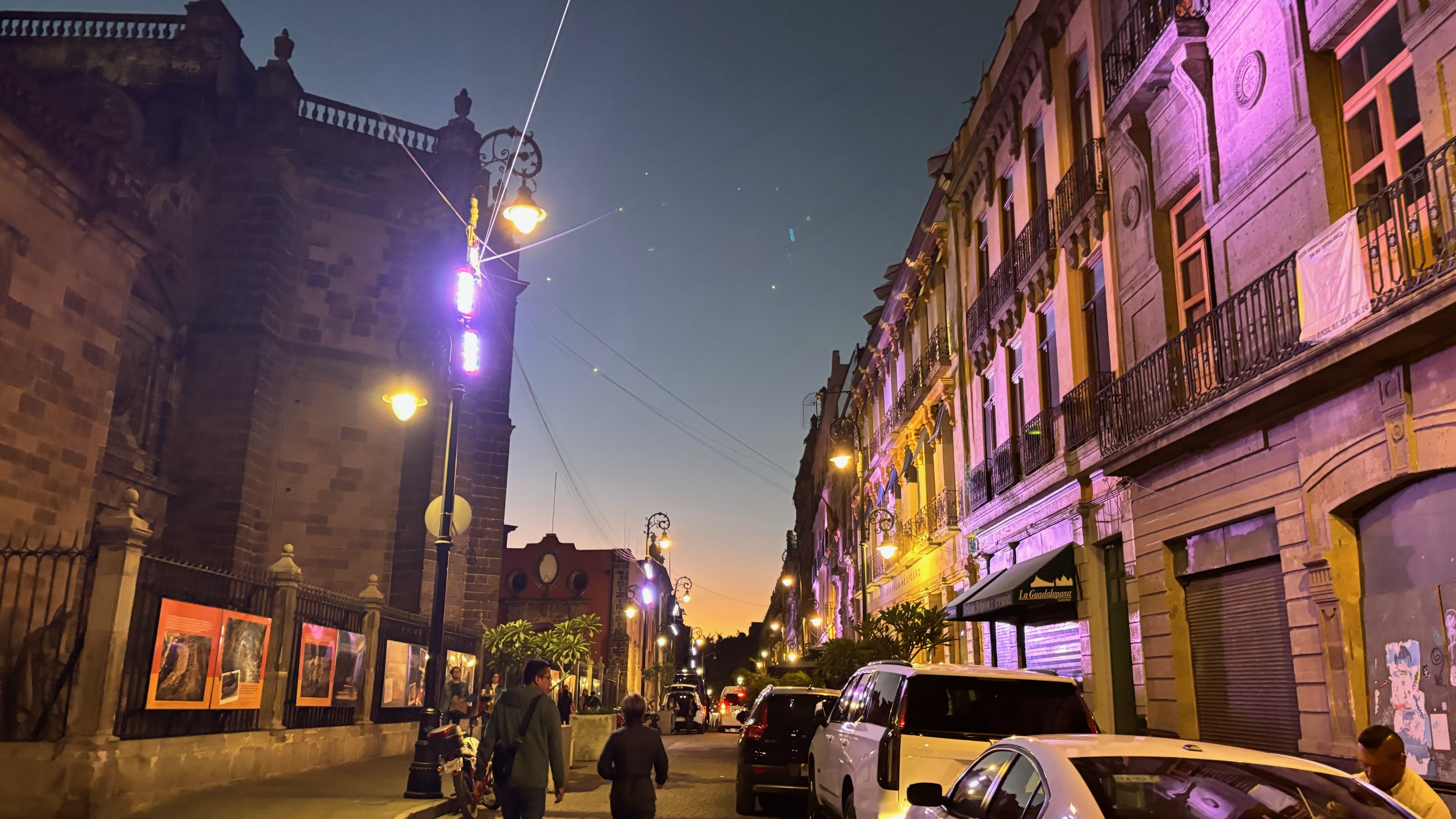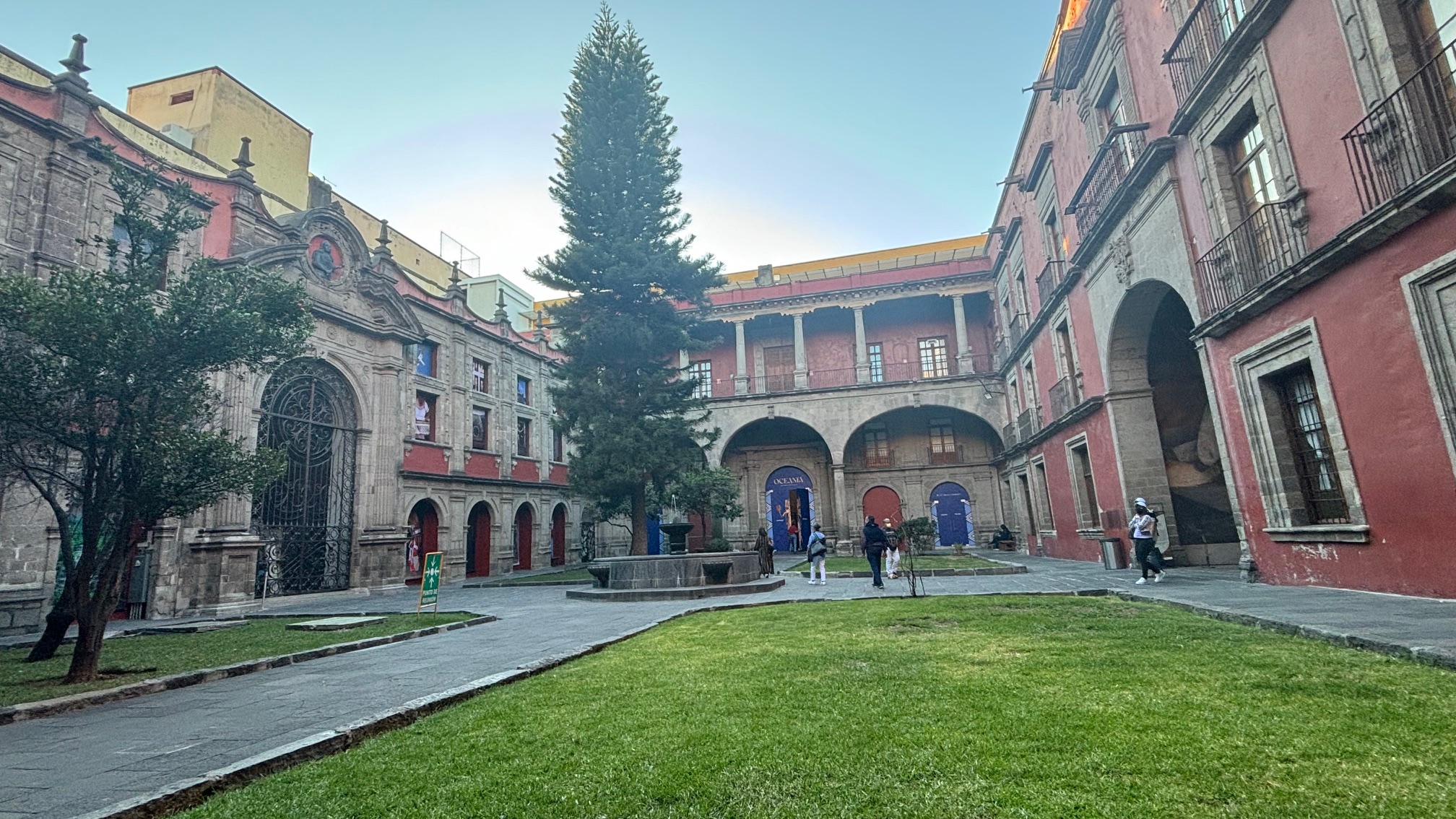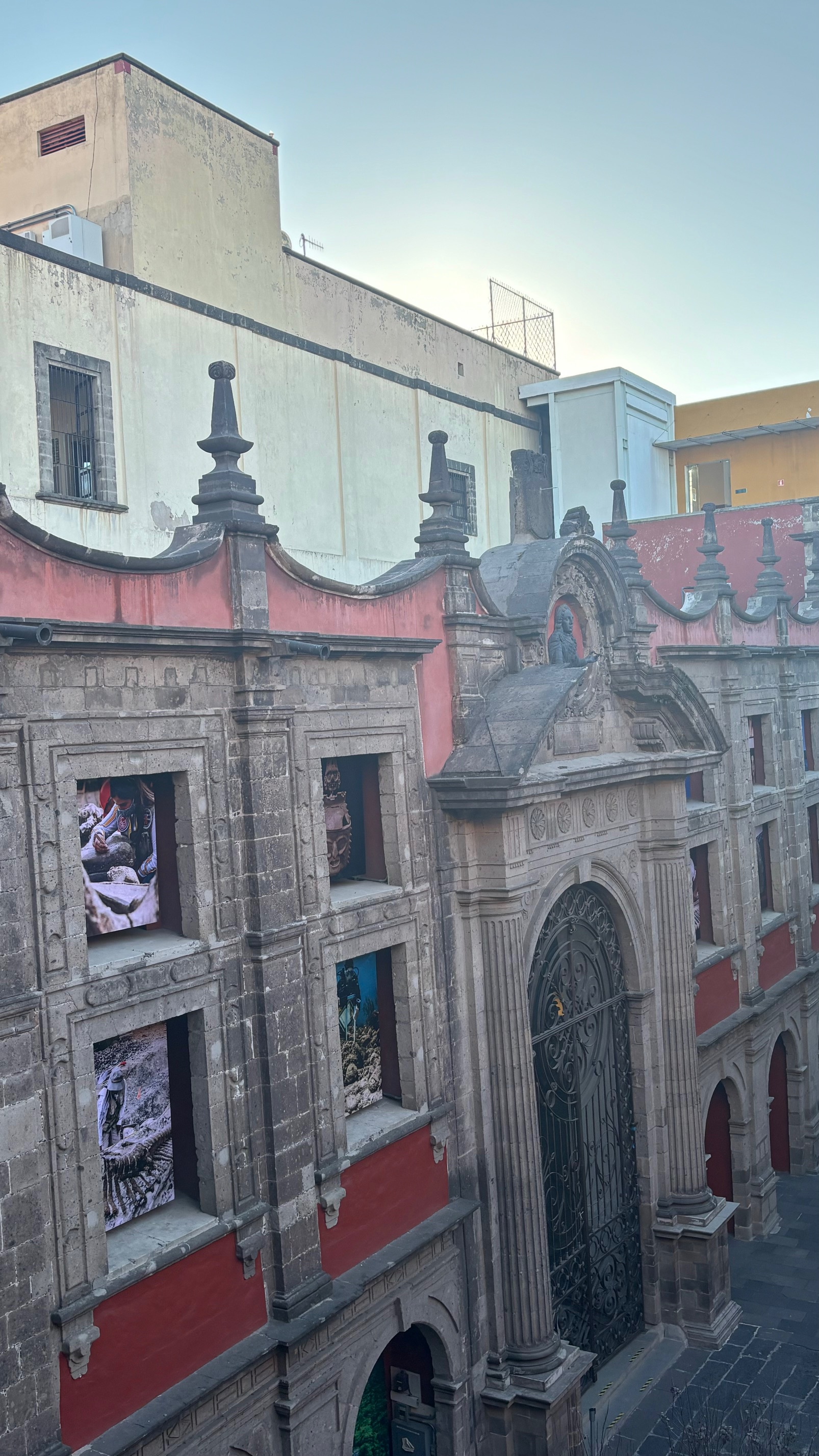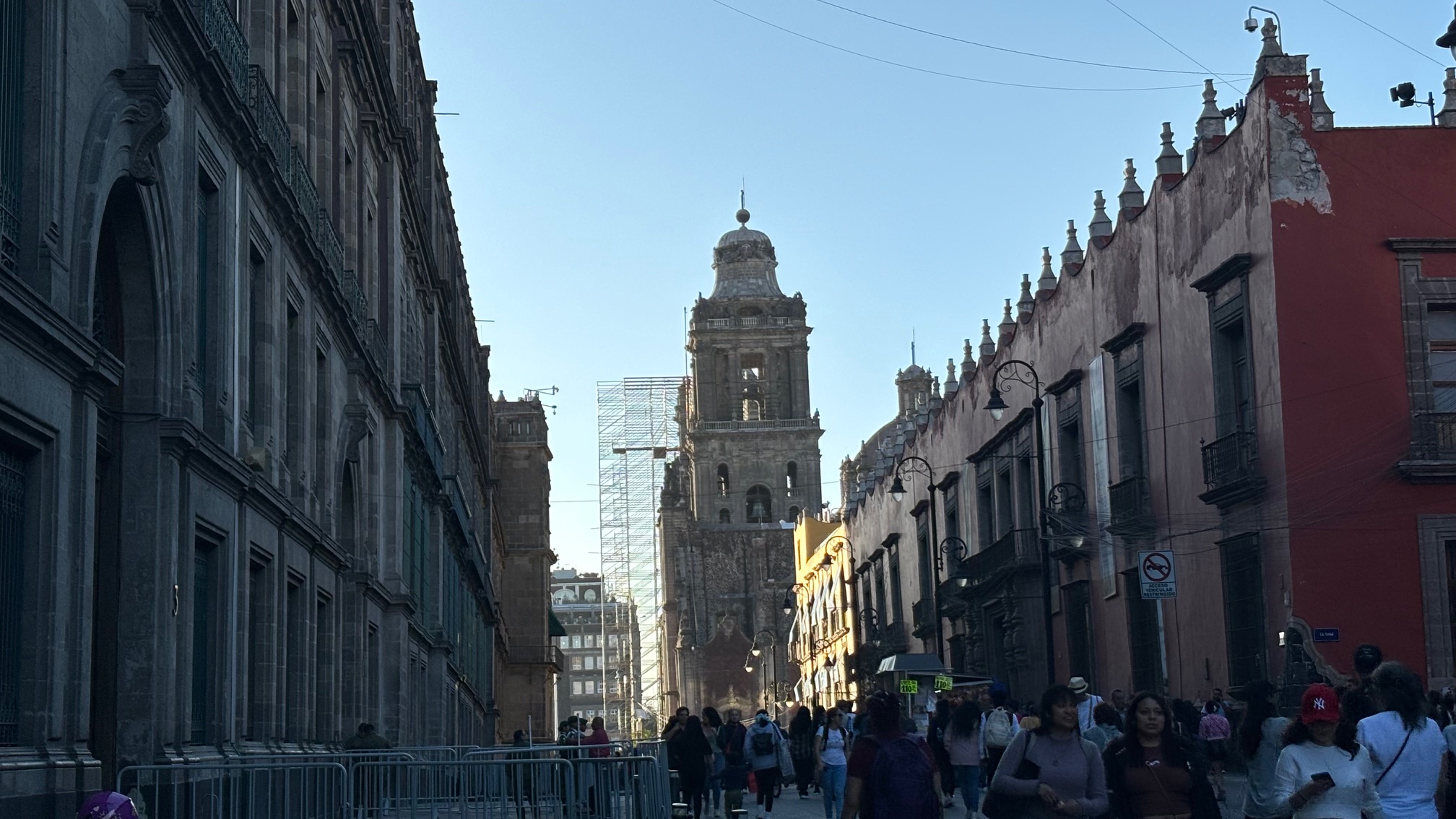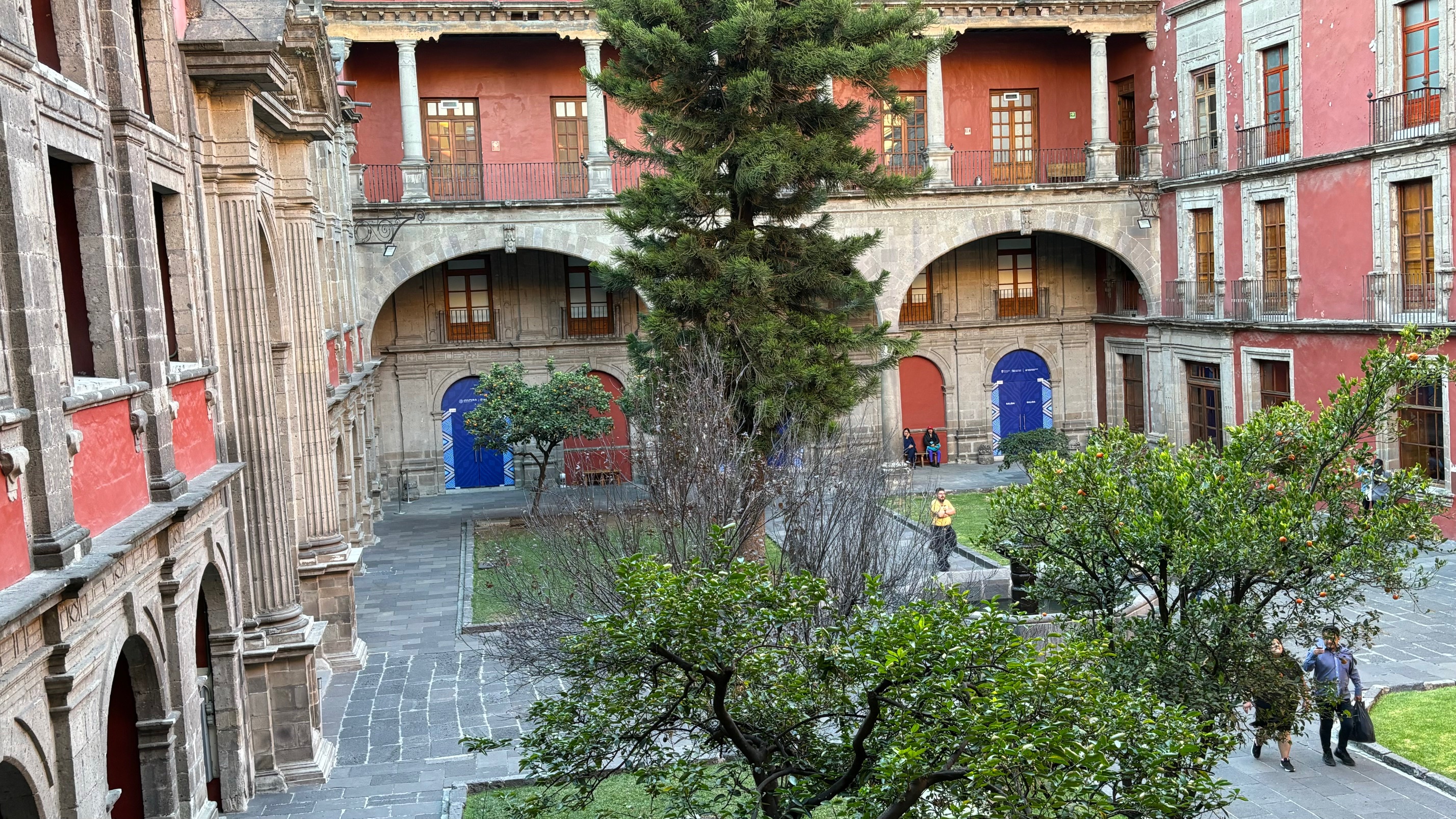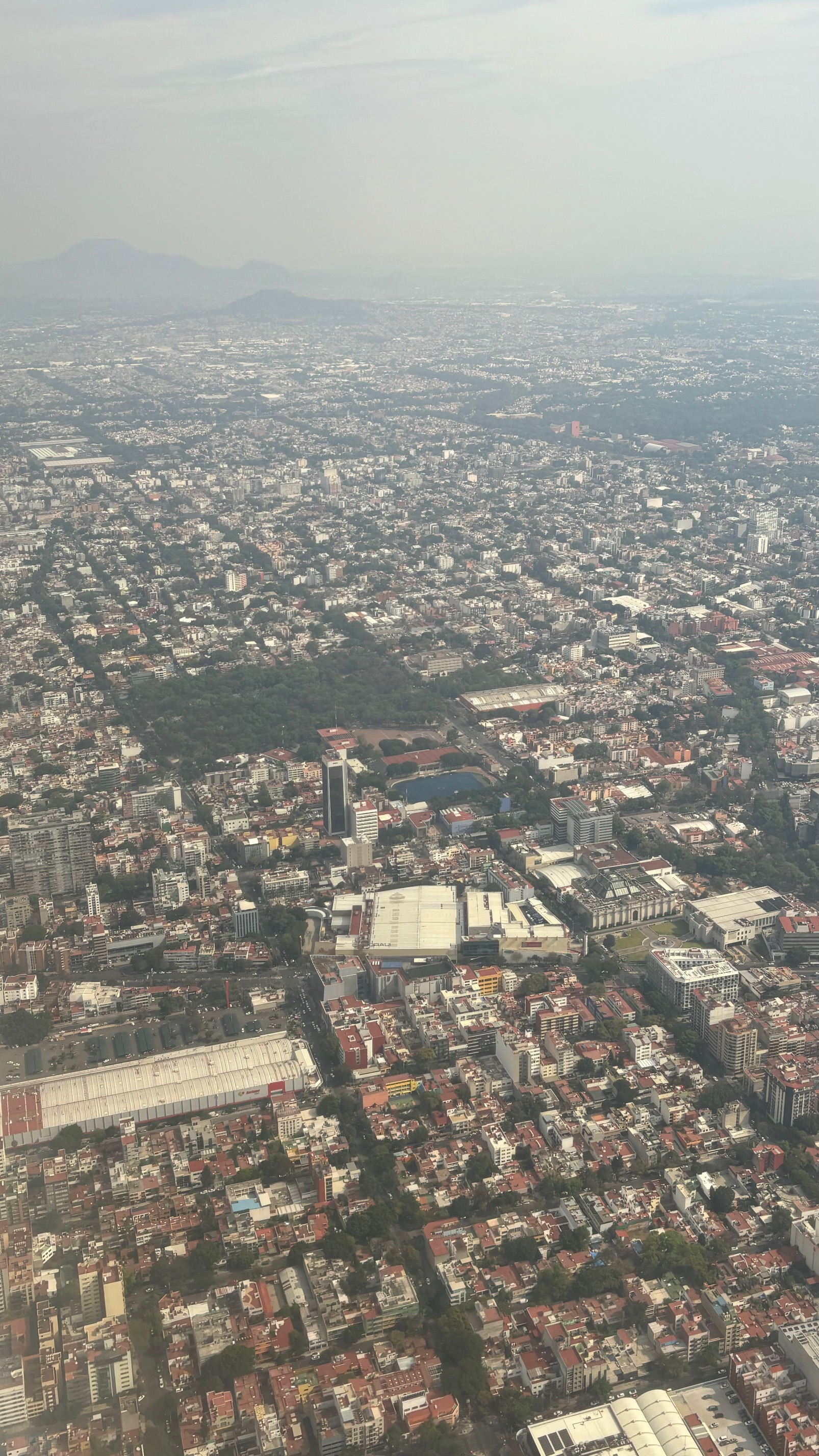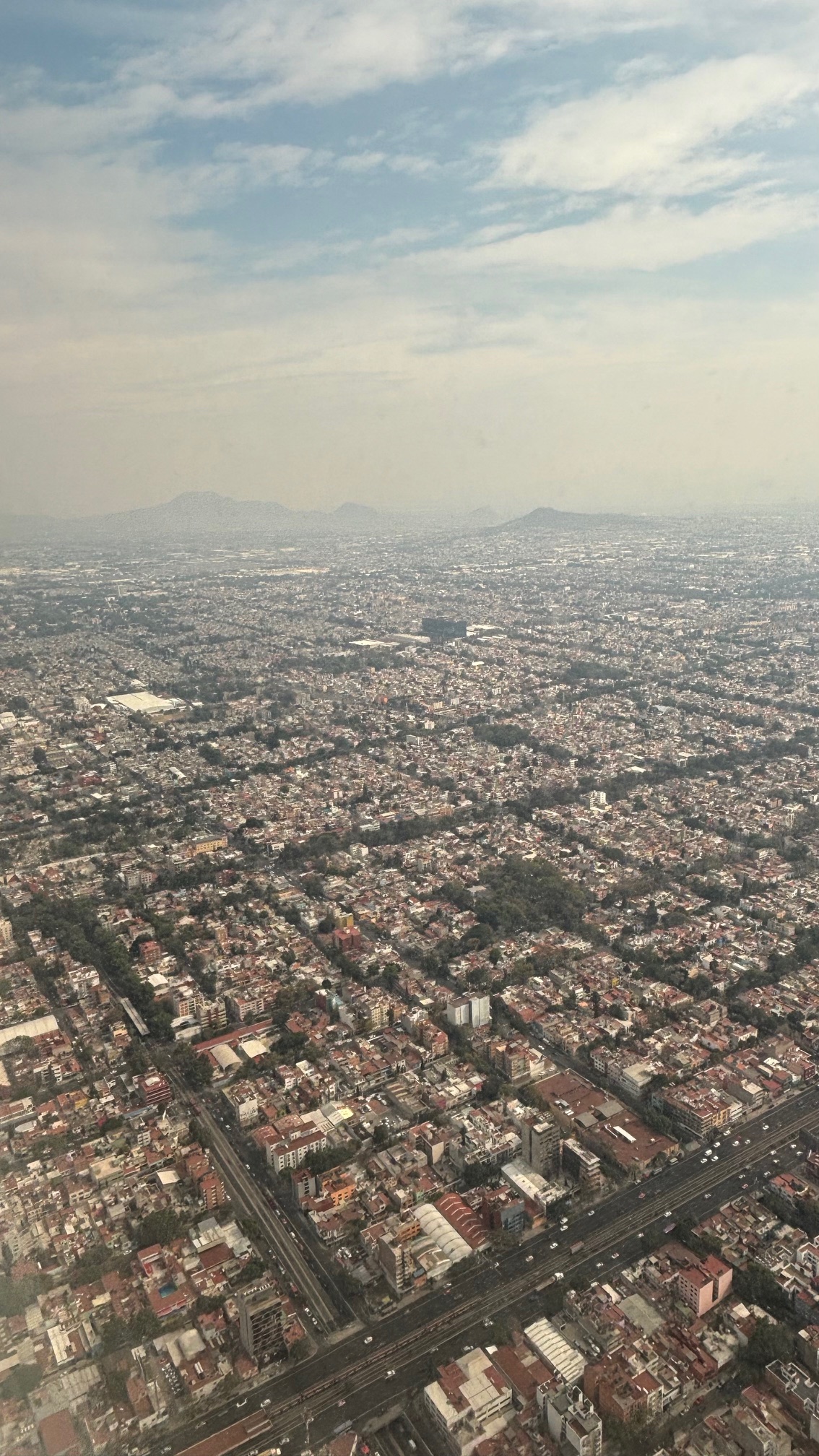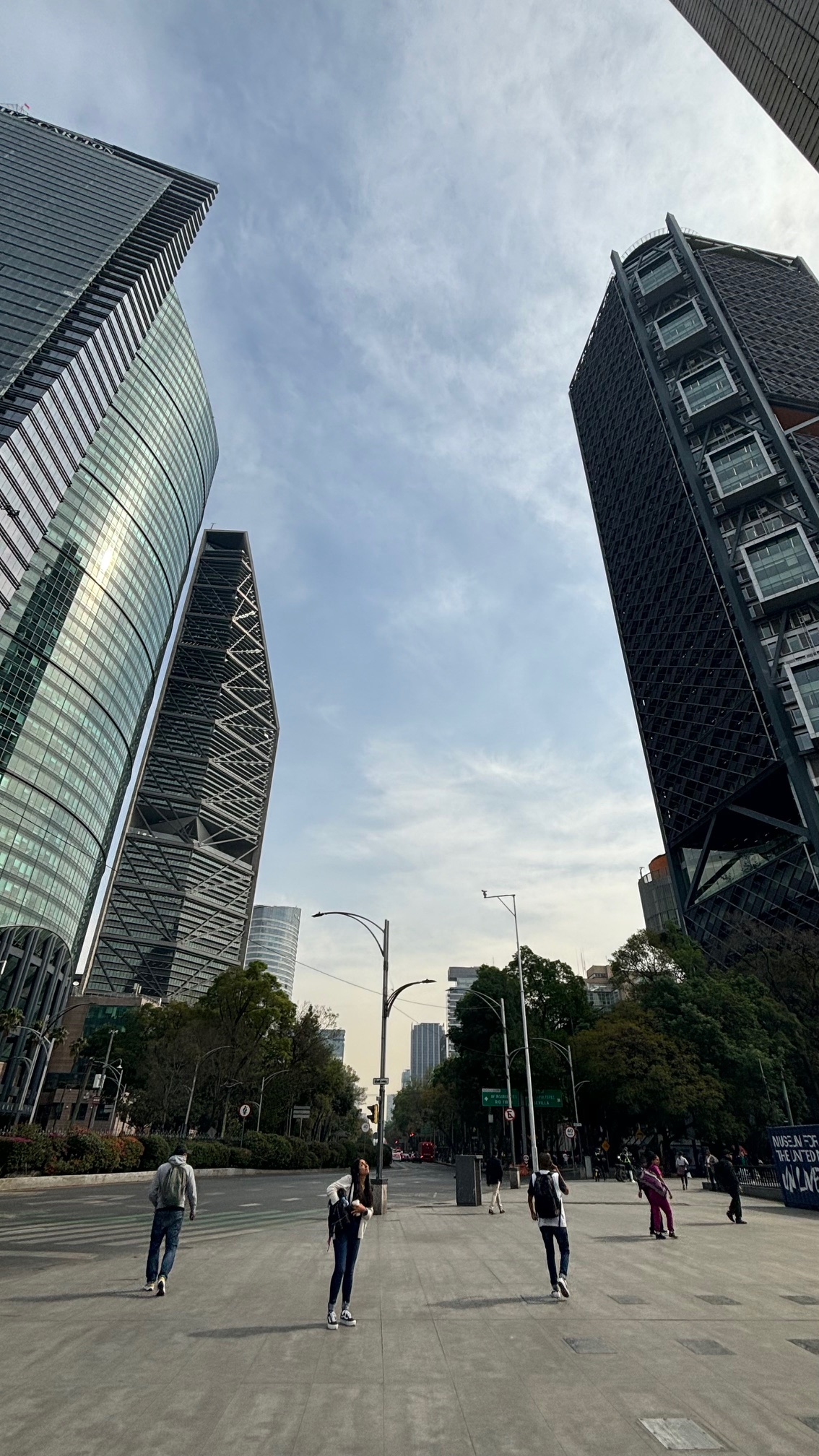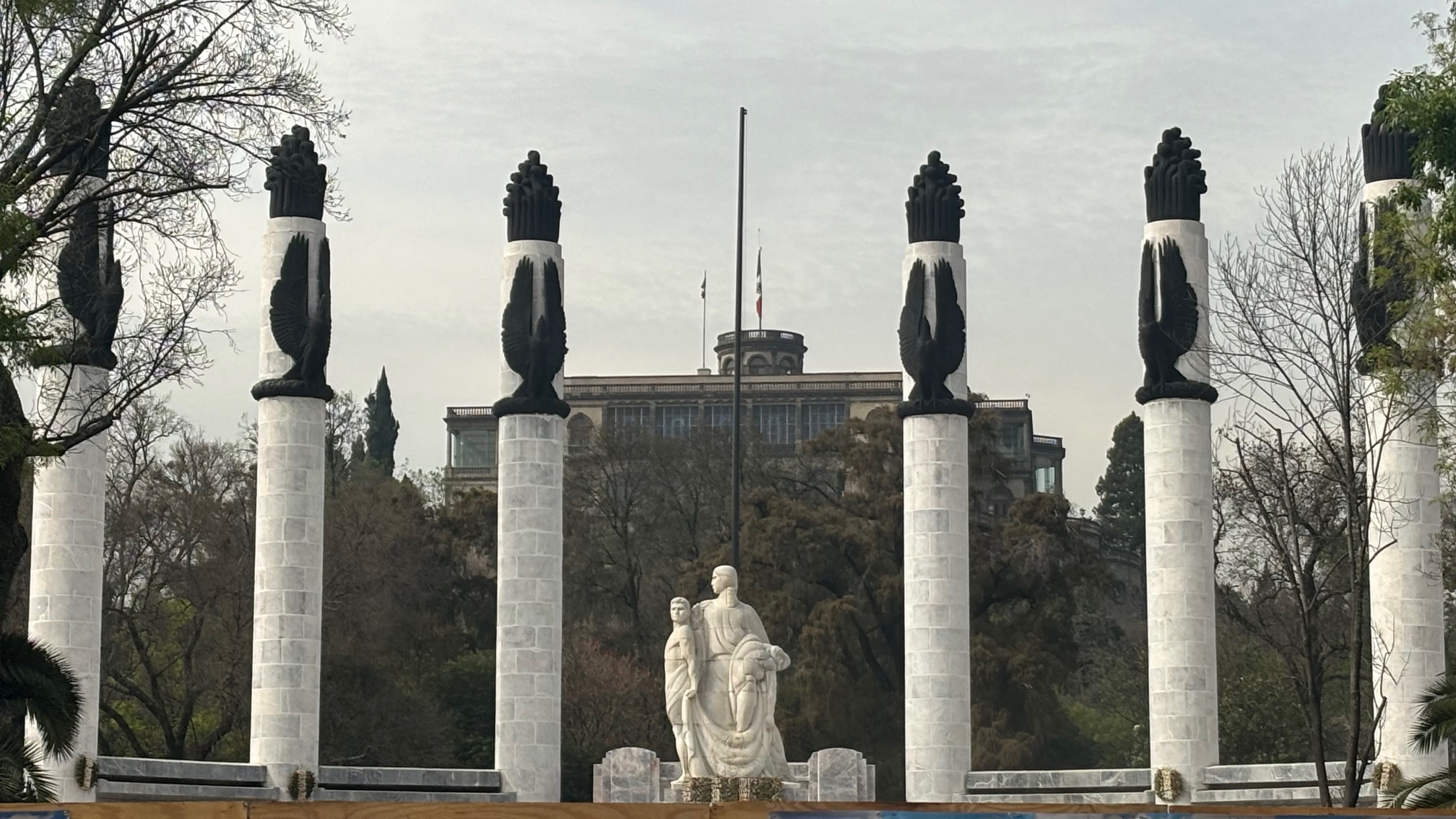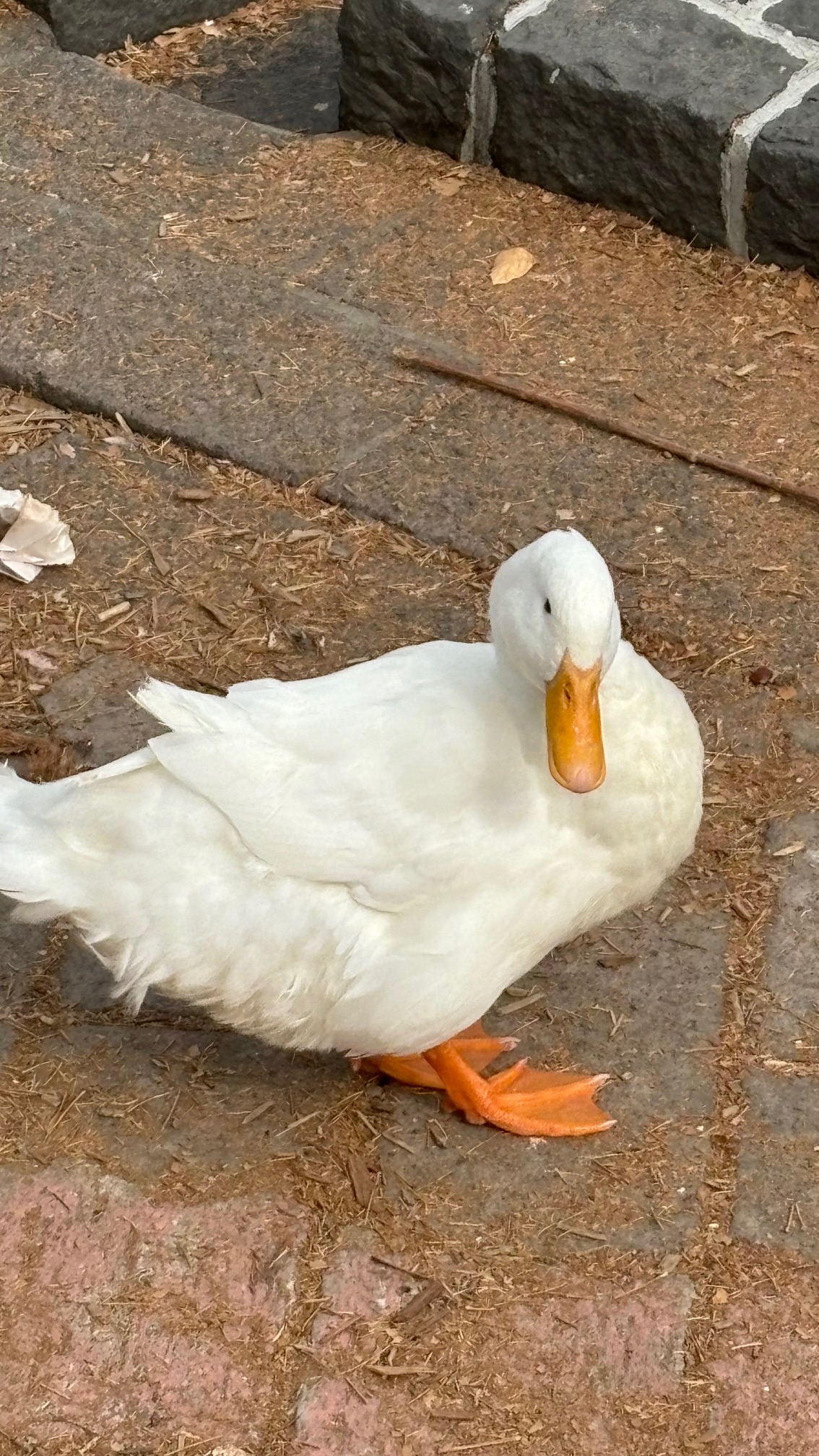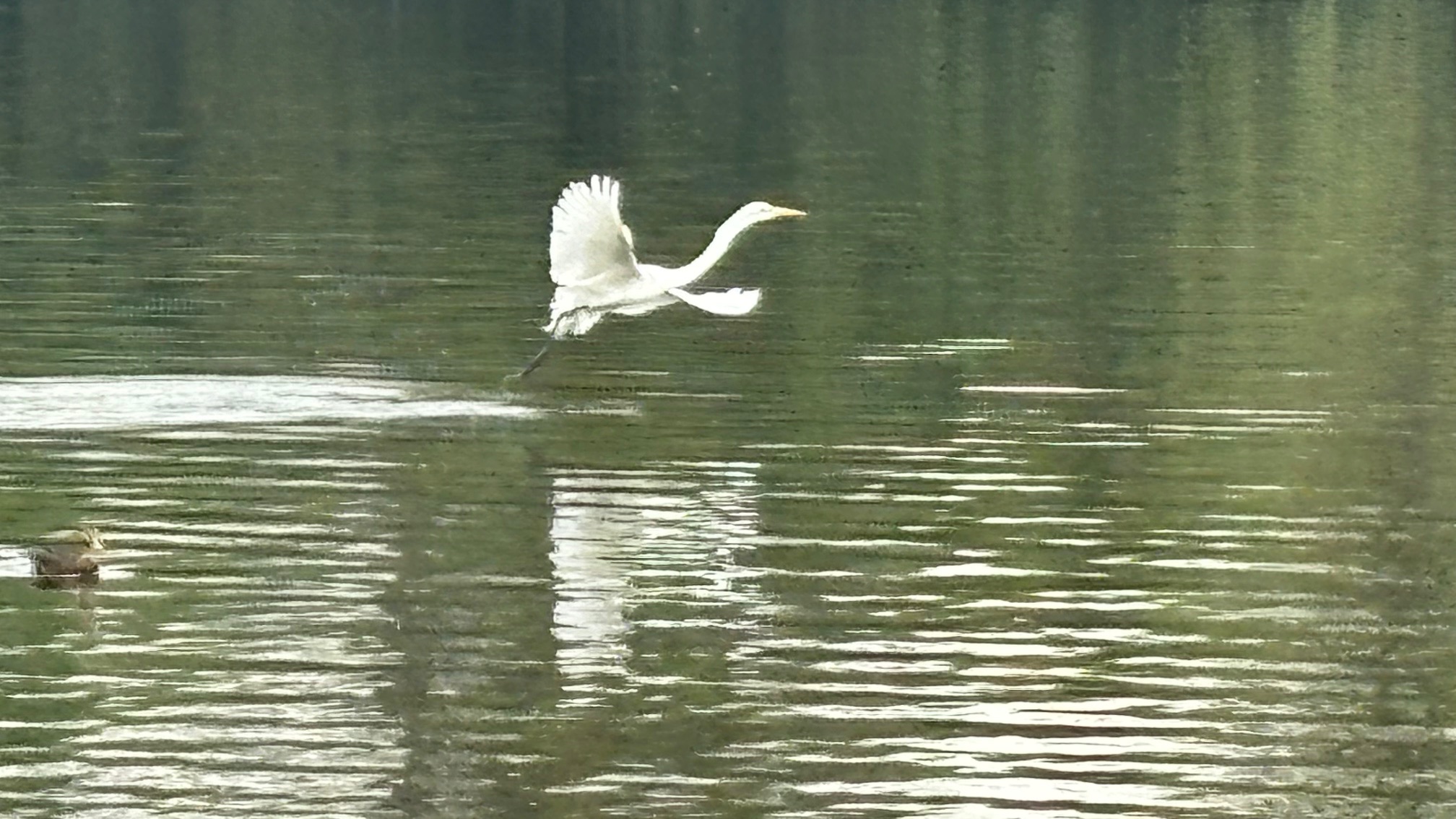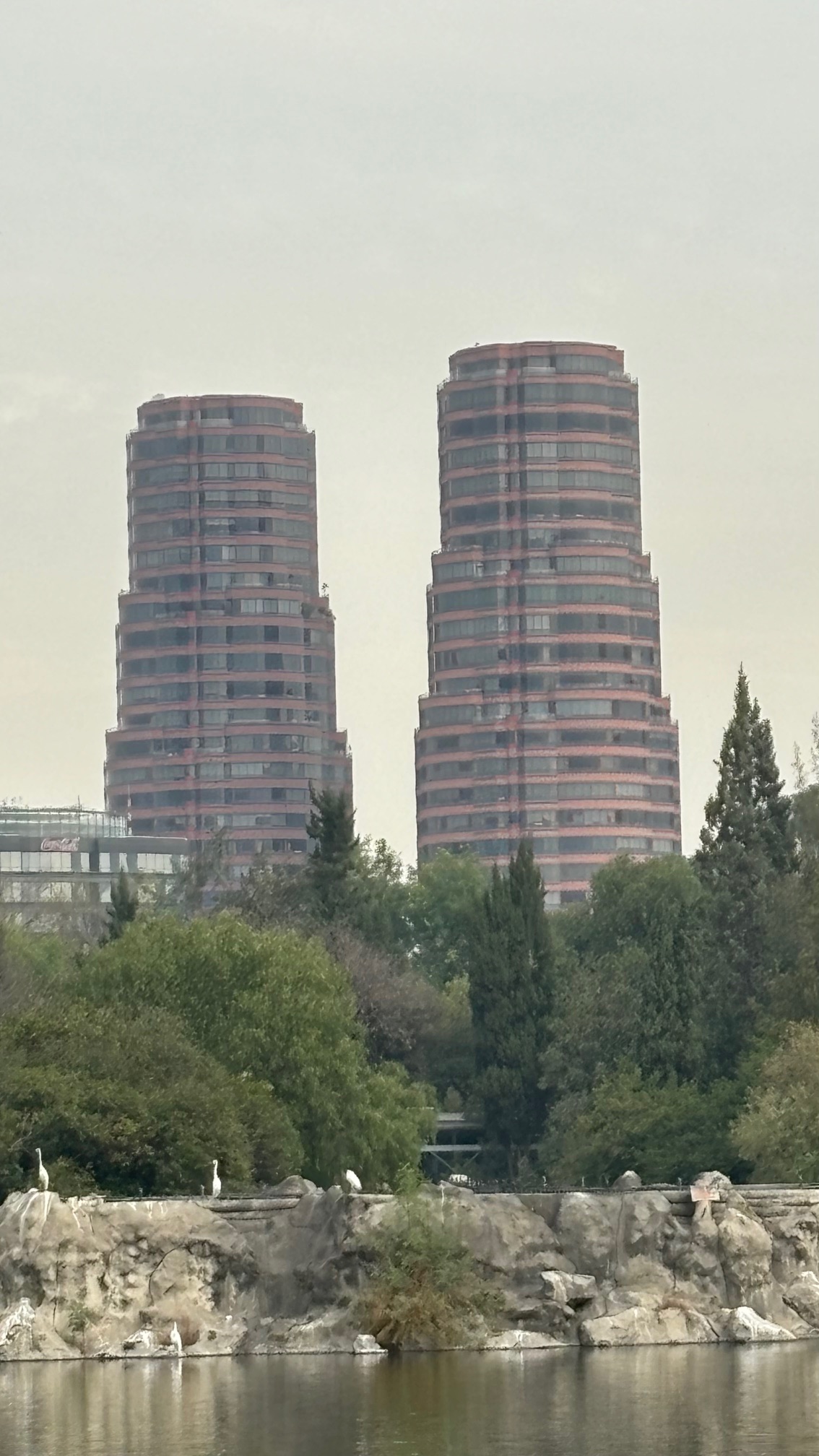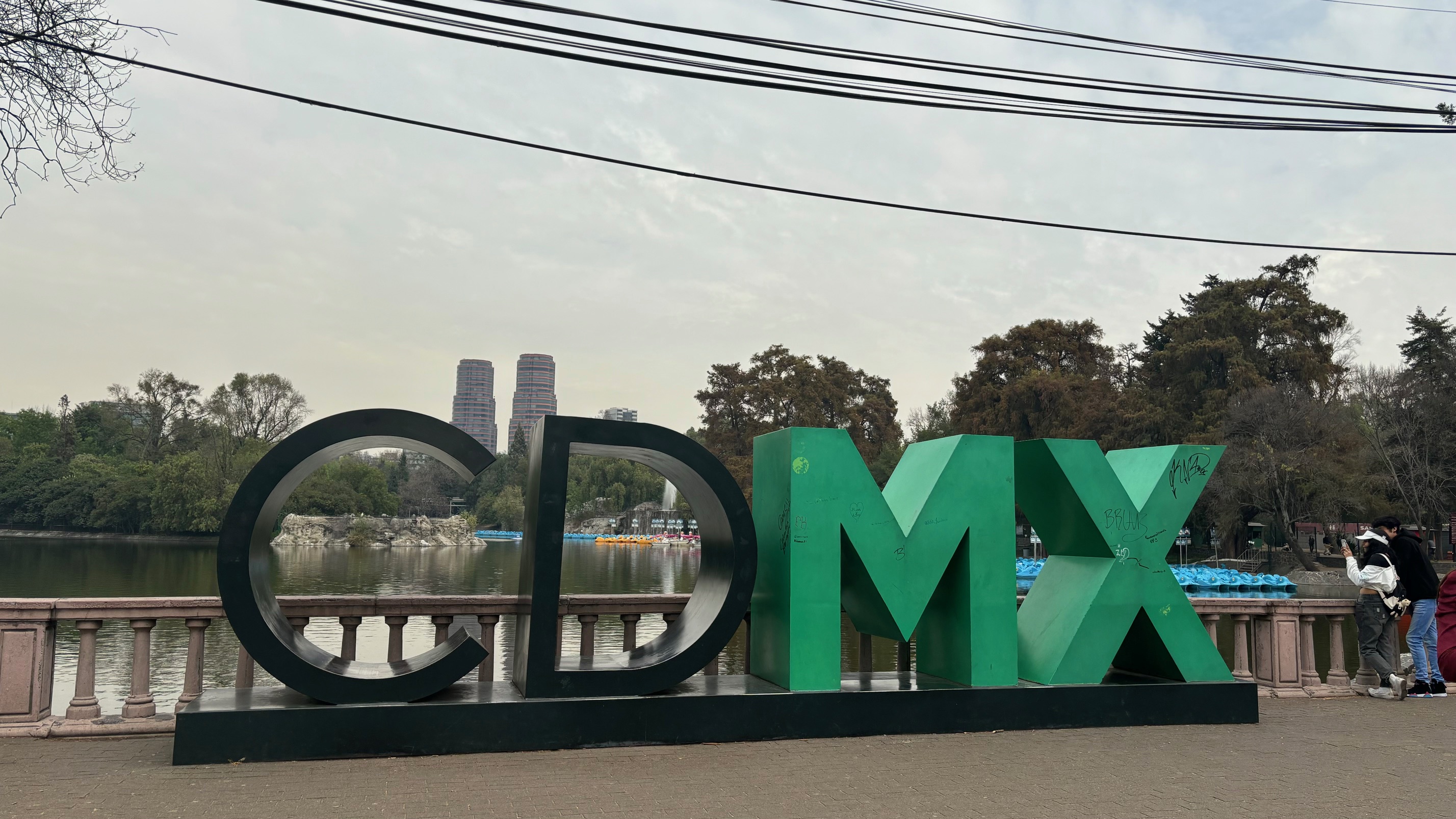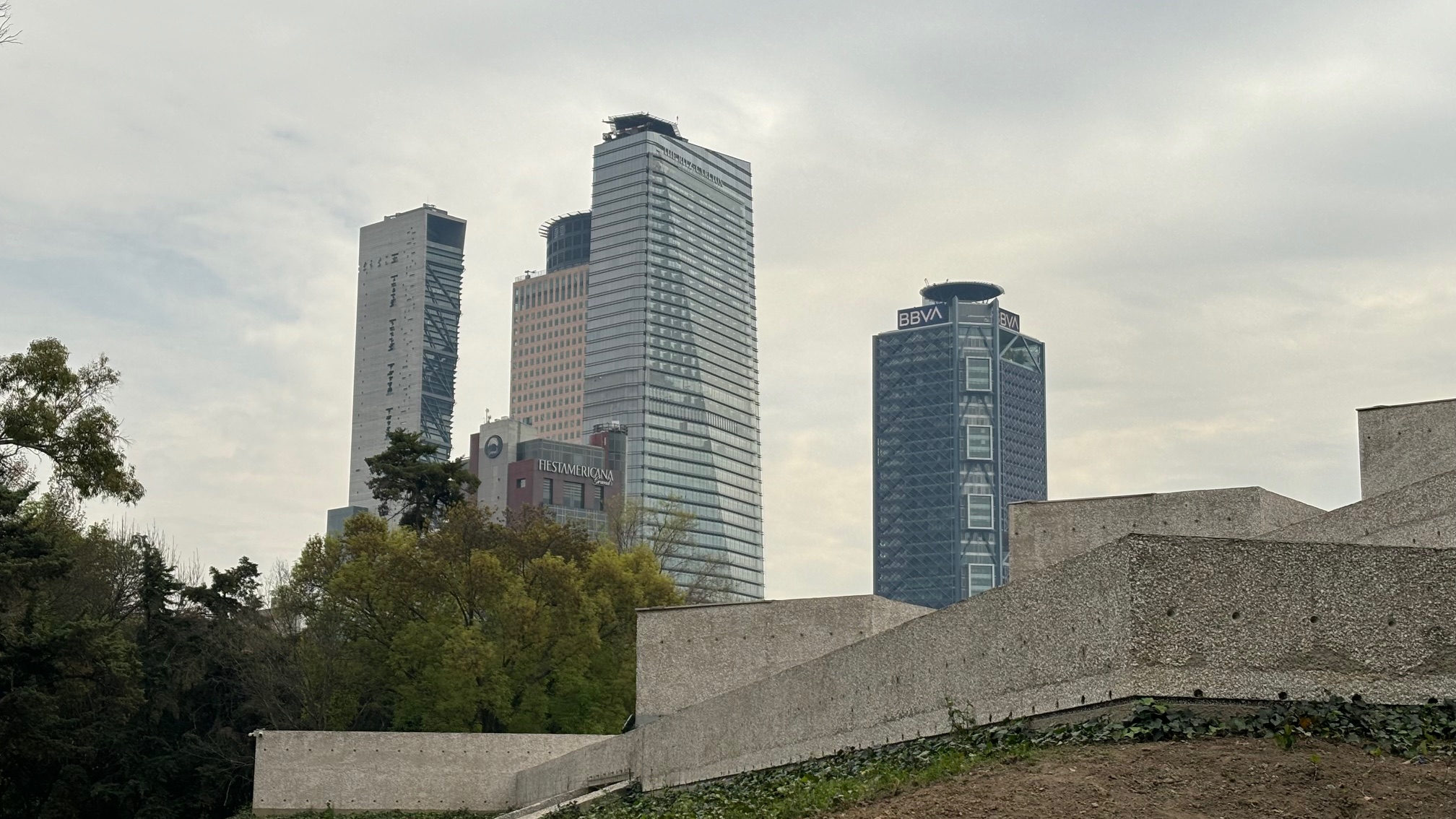
In The Heart of CDMX

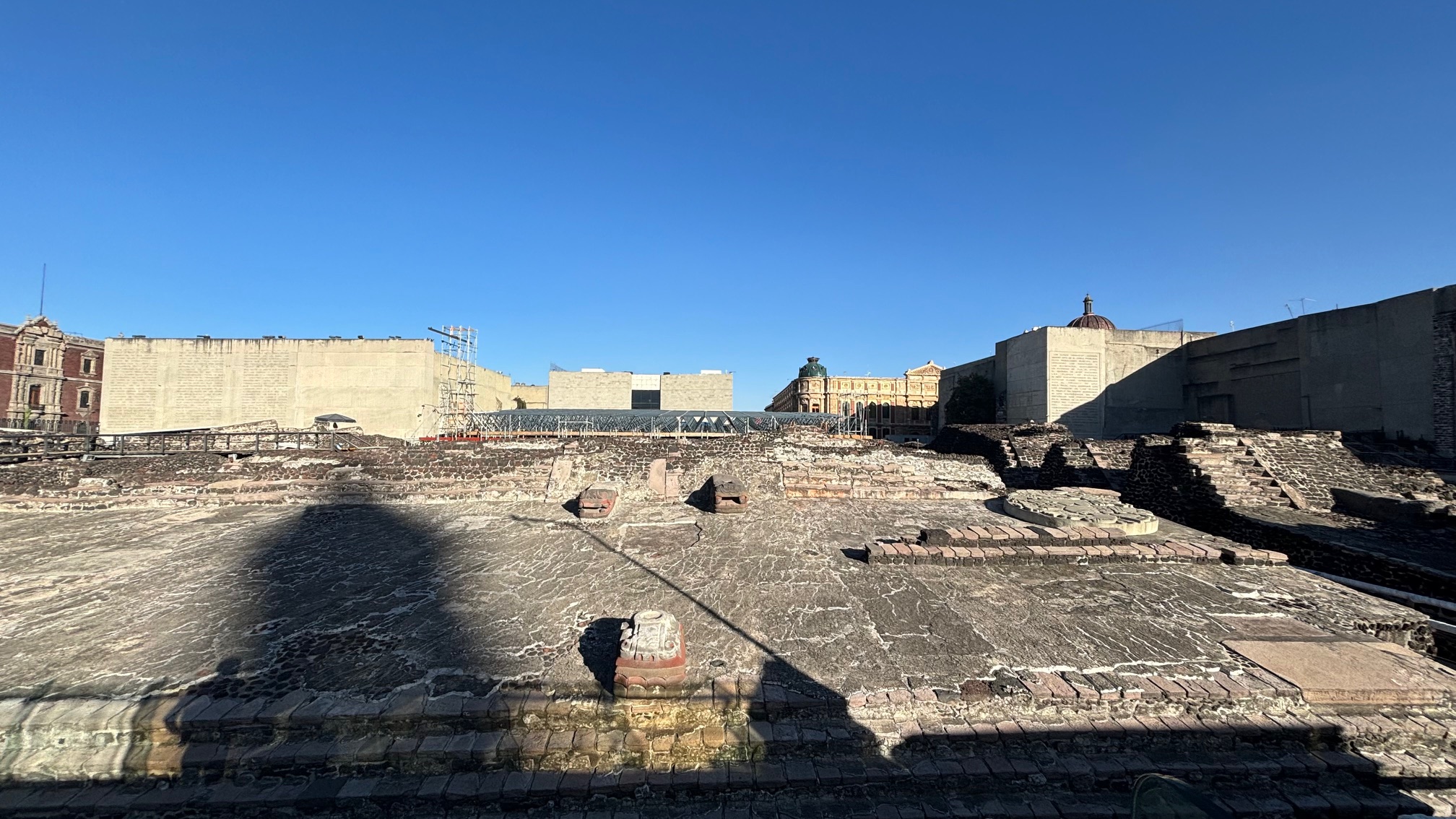
“Walking through downtown Mexico City and visiting the historic center of the city along with museums and the Metropolitan Cathedral.”

Camera: iPhone 15

Location: Historic Center (Zocalo), Mexico City, Mexico

Anatomy of a Scene – ‘The Lady In The Red Dress’ (The Matrix)

“In a simulated world, which is built both on illusion and deception, distraction is the perfect weapon for keeping one complacent and from asking questions.”

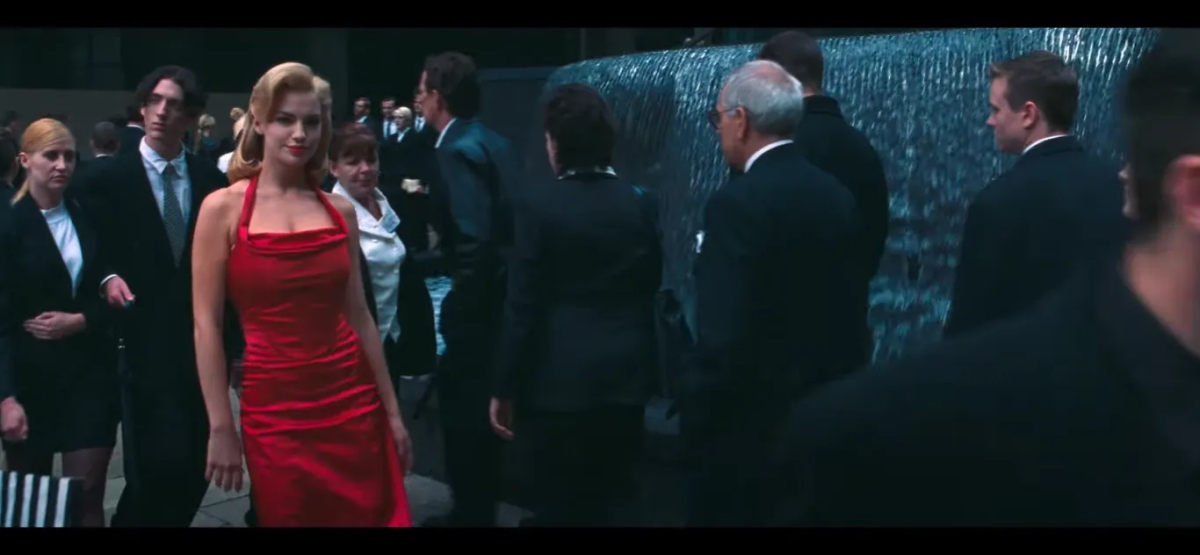
In a simulated world, which is built both on illusion and deception, distraction is the perfect weapon for keeping one complacent and from asking questions. Few film moments capture that idea more powerfully than a short but iconic scene from The Matrix (1999): Neo (Keanu Reeves), newly unplugged from the simulated world he once thought of as reality or the ‘real world’, walks through a bustling cityscape inside a training simulation that is programmed to feel like ‘The Matrix’, but whose participants realize it is a simulation and not the ‘real world’.

Suddenly, his attention is captured fully as he stops listening to Morpheus’s speech and focuses elsewhere. This distraction is not of danger, but by desire. A stunning blonde woman in a bright red dress walks past him on a city street. He turns to look at her and take in her beauty. A moment later, he’s staring down the barrel of a gun from an Agent of The Matrix.
This moment, while brief, is the Matrix in miniature form, a system that doesn’t just imprison the body, but hijacks the mind as well. In this scene, the Wachowski Brothers, who directed the Matrix film series, deliberate show the audience how distraction can be deadly, how perception can be manipulated, and how even the most liberated minds are vulnerable to illusion even after escaping from the simulated word of The Matrix. Over two decades later, this scene resonates more than ever as we live in a blurred world now of reality and simulation and of seemingly endless distractions like the lady in the red dress.

Let’s walk through how the scene unfolds similarly to how Neo and Morpheus experience the simulation themselves. Neo and Morpheus are in what appears to be a peaceful, clean city environment with sun-drenched streets, people in business attire moving in orderly fashion of different occupations and livelihoods. It’s not the gritty or green-tinted world Neo has just escaped from. Everything here is vibrant, bright, almost too perfect and calm. There’s a catch to it but we don’t know what it is yet as the audience.

Morpheus explains to Neo, “This isn’t the real world. It’s a computer-generated dreamworld built to keep us under control.” They’re inside a training program that mimics the Matrix, but this version is safe and controlled with seemingly no threats like what lurk inside the Matrix. As they walk, Morpheus encourages Neo to stay alert and keep up with him. However, Neo’s attention suddenly drifts elsewhere. A tall, blonde, and slightly smirking woman in a red dress glide past him, a stark contrast to the grayscale suits and muted tones of the crowd. The camera follows Neo’s gaze and not Morpheus’ words. Just as Neo turns around to look at her again, Morpheus interrupts: “Were you listening to me, Neo, or were you looking at the woman in the red dress?”

Neo turns again and instead of the woman, an Agent from the Matrix stands there with a gun to his head. The simulation freezes. Morpheus smiles. “Look again.” This is Neo’s wake-up call after he flinches from the sight of the Agent’s gun in his face. Neo is shaken as at any time in the Matrix, any of those ‘people’ are enslaved by the Matrix can turn into an Agent who is looking to prevent others from being freed from their enslavement by Neo, Morpheus and his crew. In The Matrix, distractions can be deadly because anyone can be an Agent and turn into one at any time. Neo learns his lesson and Morpheus instructs Neo about the real danger of going back into the Matrix, but they have a mission to free those from a reality that is not real, whatever the cost may be.

At its core, the Lady in the Red Dress scene isn’t just about Neo getting distracted having not been accustomed to the unique threat of an Agent. It’s about how the Matrix and by extension, any system of contro uses desire, beauty, and sensory overload to mask its true threat.

The woman in red is not a glitch, nor an accident of the simulation. She is designed by Morpheus’s crew to test Neo’s ability to focus and to challenge his awareness in an environment that constantly floods the senses, a virtual simulation that is meant to feel real but isn’t real. Morpheus isn’t just teaching Neo about the Matrix’s mechanics but also, he’s teaching him about vulnerability. The greatest danger isn’t always visible or known in the Matrix. Often, it’s hidden behind the things we want most or desire to have the most.

The red dress is more than a splash of color on a woman who is simulated to be a distraction. It’s a symbol in the overall movie of temptation, distraction, and the human tendency to follow what pleases us, rather than what protects us, even if it will end up hurting us later. In mythology, this kind of idea of ill-fated temptation appears often: sirens luring sailors to their doom in ‘Odysseus’, the forbidden fruit offered to Adam and Eve in Eden from the Old Testament, each of these illusions are designed to distract heroes from their quests or to lead to the fall of man and woman.

In this scene, the woman in the red dress is a test, one for which Neo fails, momentarily, and I think a lot of us would fail like he did with the distractions that are constantly thrown at us each day. His eyes are drawn away from his mentor, away from the lesson he is teaching, and toward something that feels more real than the truth. The result of his ill-fated choice? Instant danger and his potential demise if he were to make the same mistake again.

The brilliance of this scene lies in how it’s staged visually and shot from Neo’s perspective: everyone is dressed in grayscale, forming a camouflage of conformity and ordinariness. The woman is the only thing that stands out to Neo and the audience. She breaks the pattern of what we see and thus, attracts attention and an extra look. That’s what makes her the perfect distraction and allegory for ill-fated temptation, and that’s what makes this scene timeless.

Fast forward to today’s world where distraction has become the default mode for many of us. Our attention is fragmented by design, engineered by algorithms, applications, increasingly ‘real’ virtual and simulated realities, and seemingly endless digital stimuli, for which has dramatically shortened our attention spans. The modern “Matrix” isn’t an actual simulation in our brains, at least not yet as I write this, but it’s a network of more and more screens, news feeds, constant notifications, and seductive content. It’s the all-knowing algorithm pushing what it knows will make you pause mid-scroll and continue to feed your dopamine receptors.

Every time you find yourself watching a video you didn’t intend to watch, reacting to an outrage post on a political or social issue, comparing your life to curated influencer perfection on social media, or buying something new because it popped up at just the right time in your news feed, that’s the ‘red dress’ in action. While you’re watching the distraction, whatever kind it may be, something else is happening in the background of our lives: real threats are forming that pose real danger to us. Climate change. Political instability. Ongoing wars. Mental health crises. Surveillance capitalism. Social isolation. Economic inequality. Things that are far more dangerous and impactful than seeing ‘a lady in red’. Like Neo, we rarely see ‘the Agent’ or the real threats coming at us on the horizon.

In The Matrix, Morpheus teaches Neo that true liberation begins with awareness, not just of the system, but of how the system manipulates us and our desires. The Lady in the Red Dress is a metaphor for all the ways we’re trained to look away, to not pay attention, to surrender to the pleasure of the moment rather than focus on the issues of the present and the future. In 2025, this scene is more relevant than ever to our real world. It reminds us that to stay aware, engaged, and vigilant in a constantly distracted world is a small yet meaningful act of rebellion.

The focus and impact that you give to the world around you rather than cheap simulated or virtual distractions is actual power. Being able to have greater perception and awareness is everything these days and will allow you to help other people do the same. The next time something flashy, tempting, or beautifully packaged grabs your attention, you should ask yourself: “Am I listening, or was I looking at ‘the woman in the red dress’?”

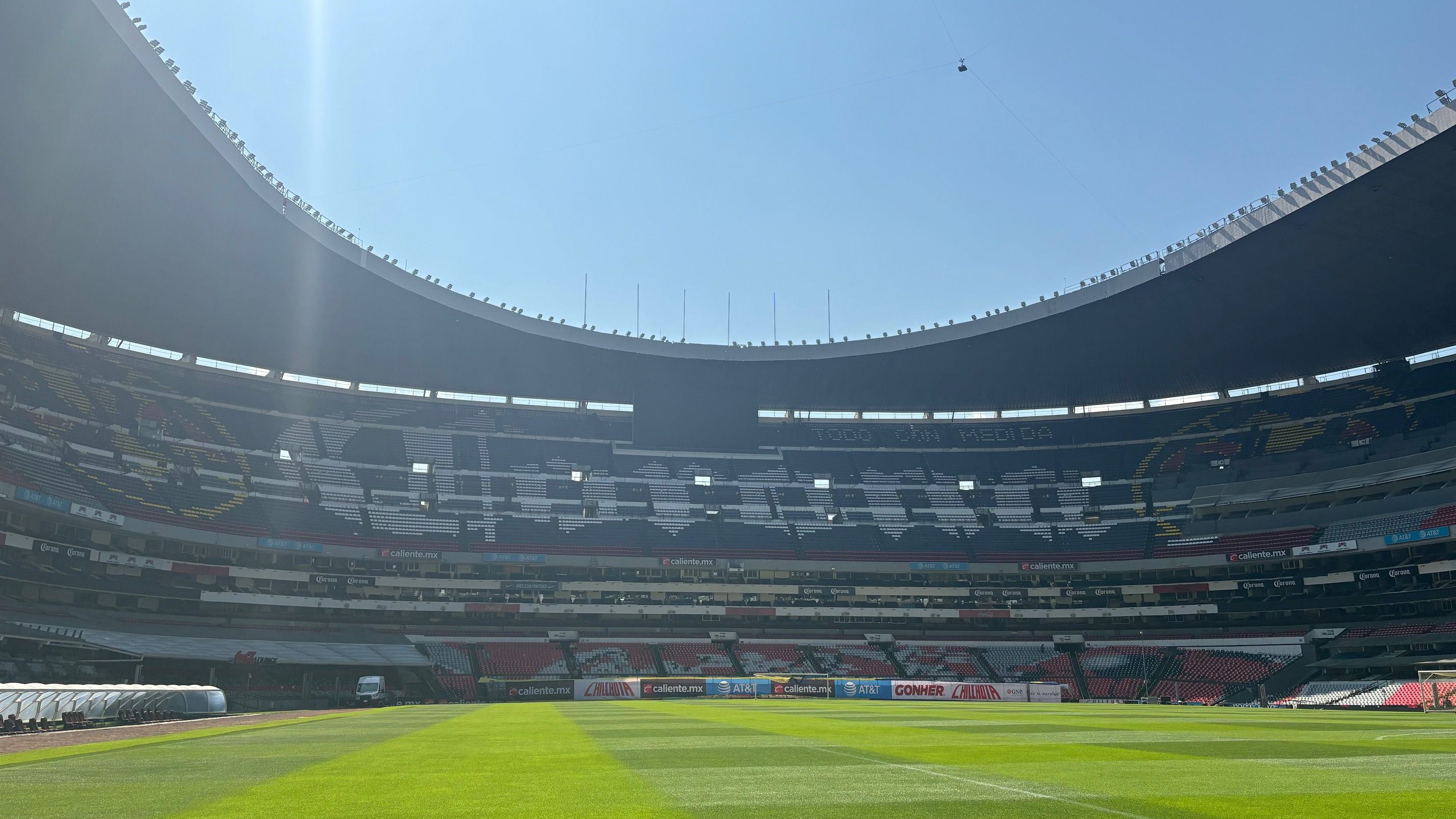
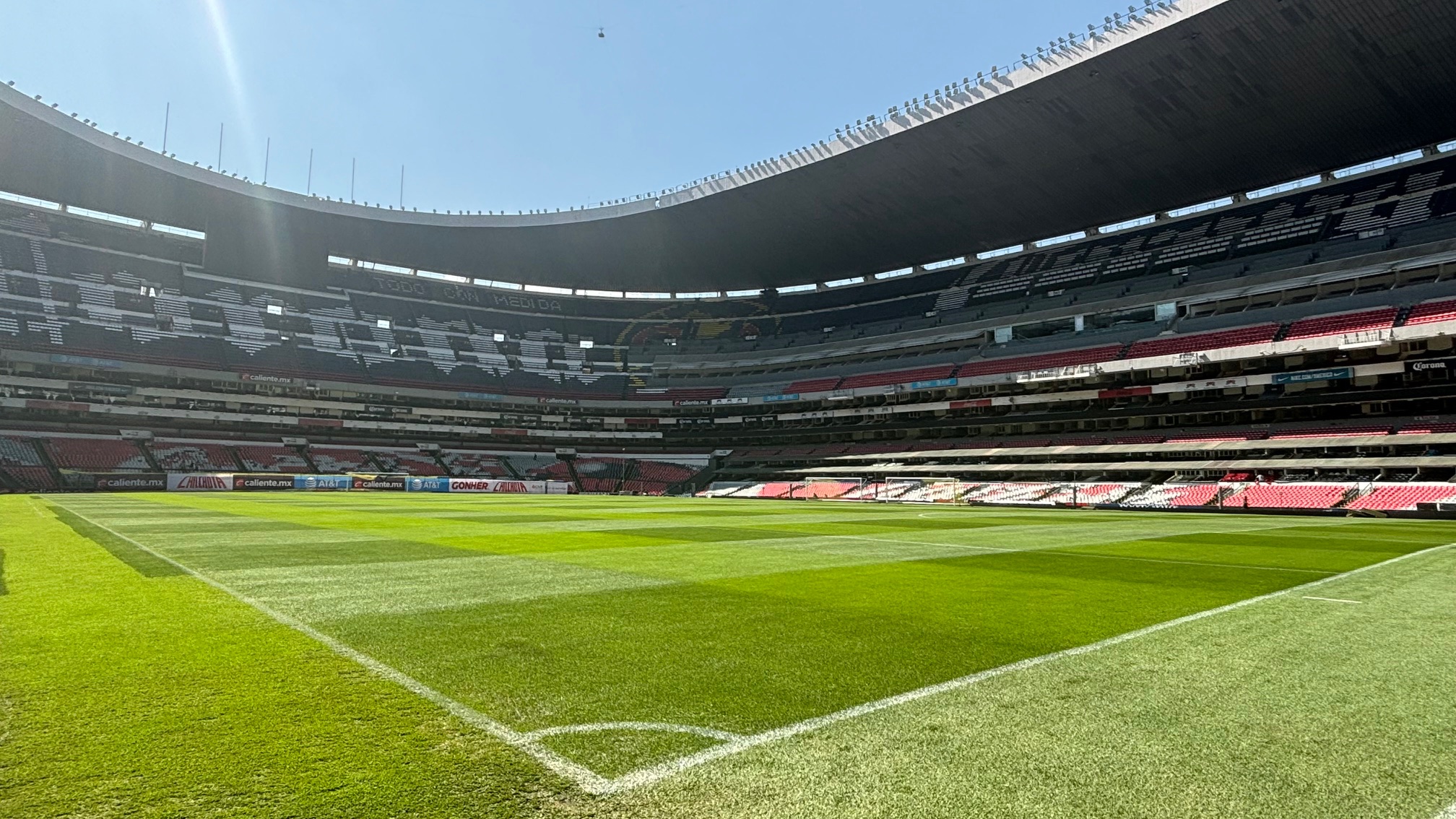
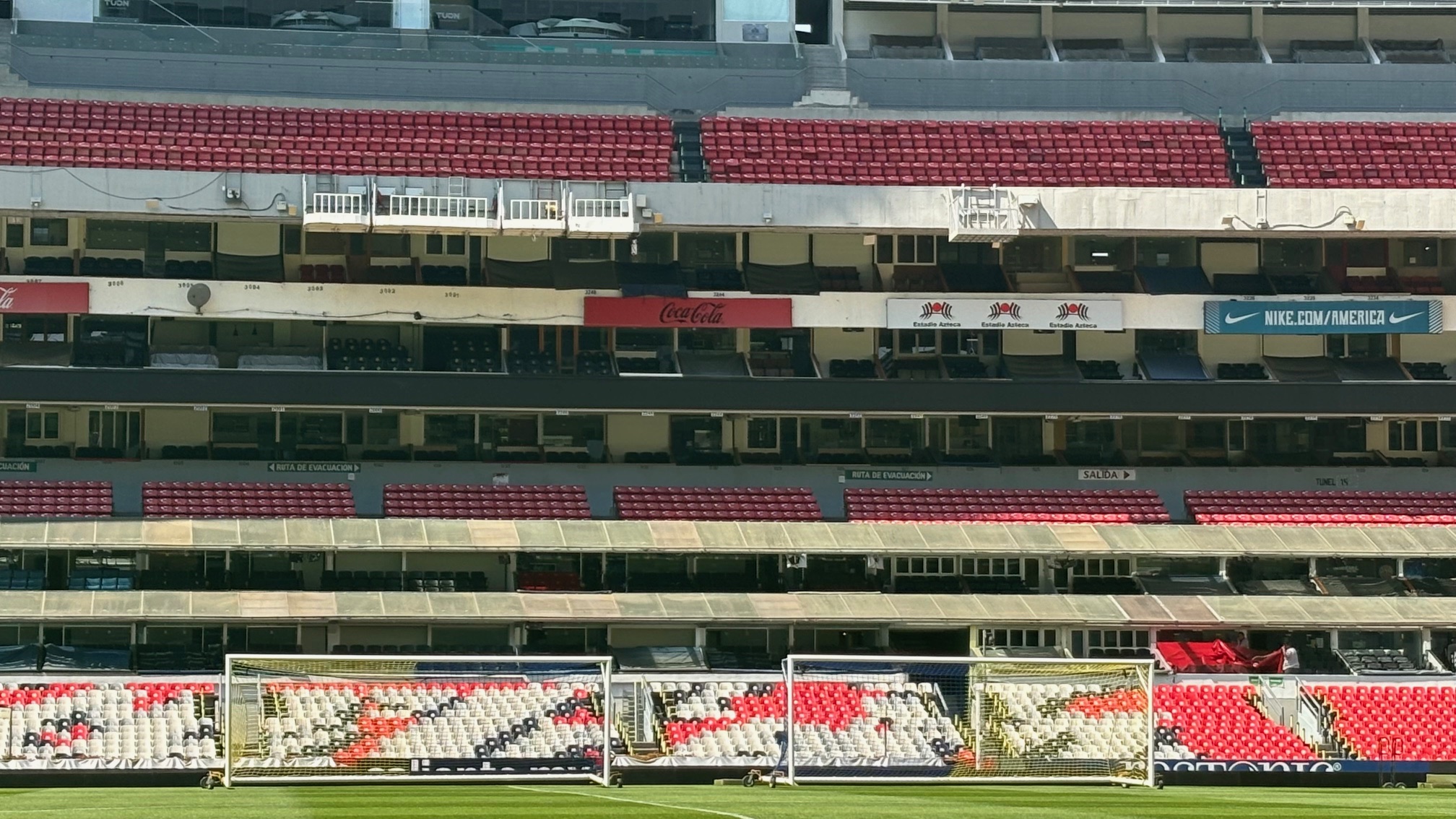
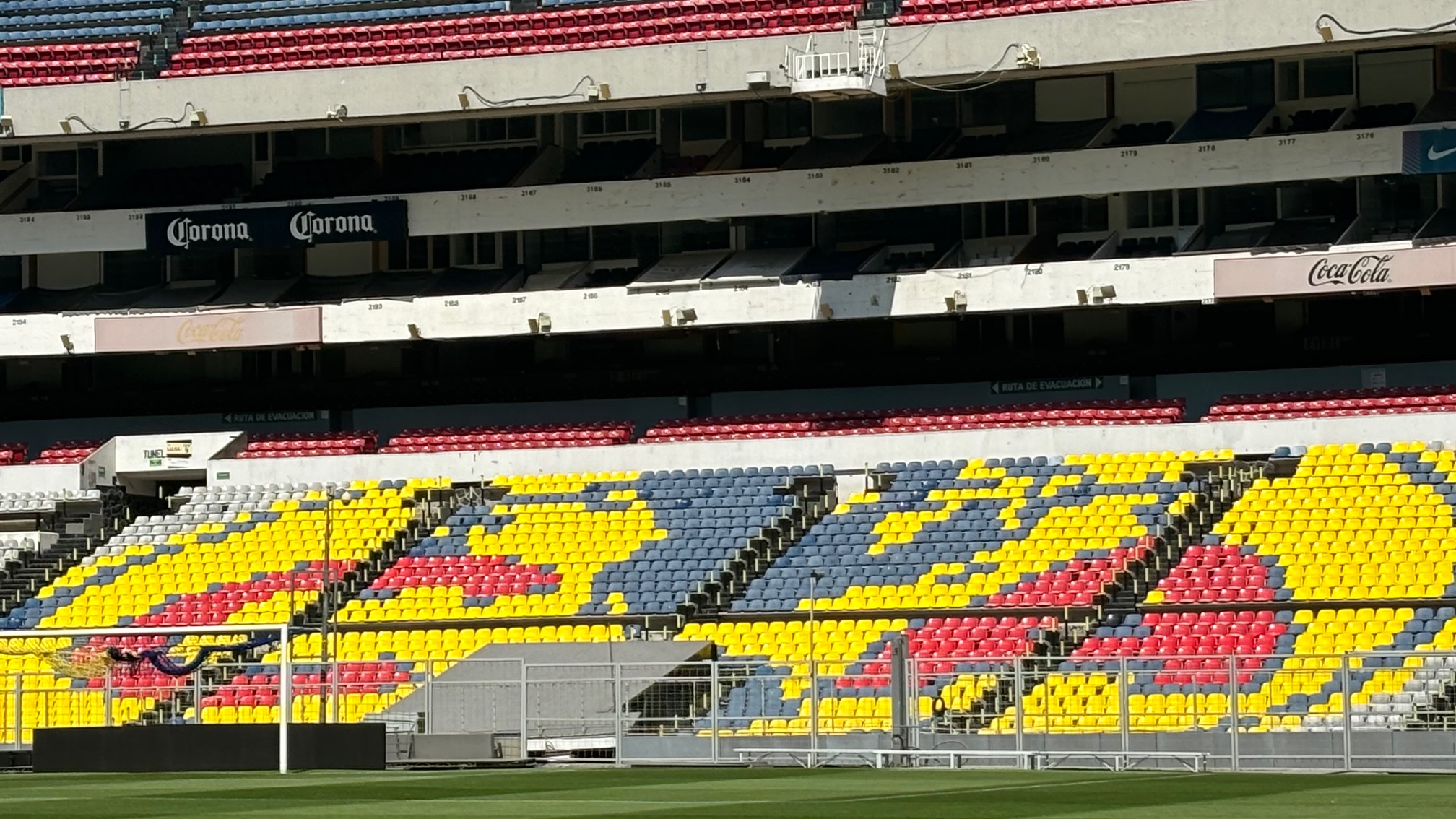
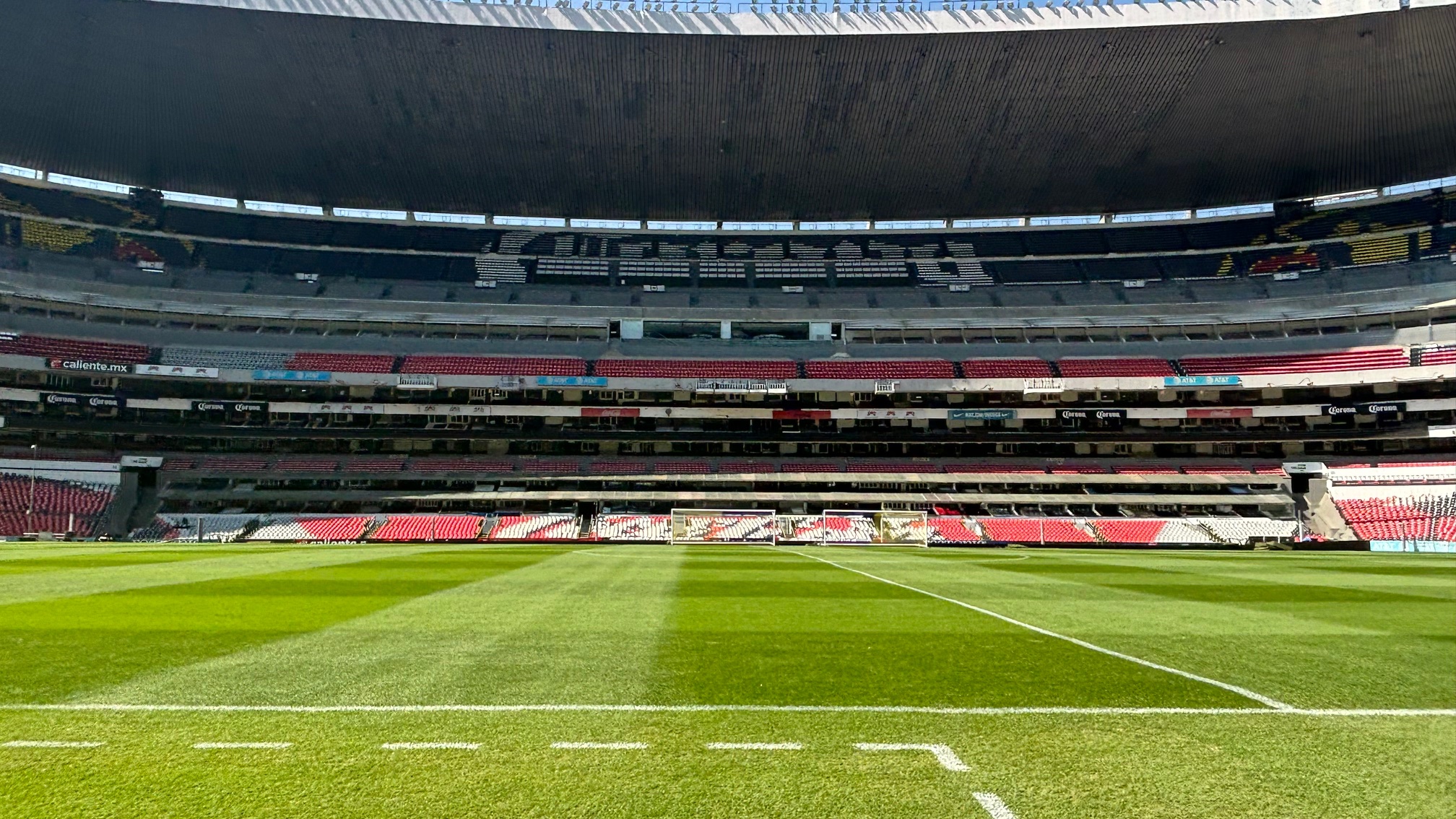
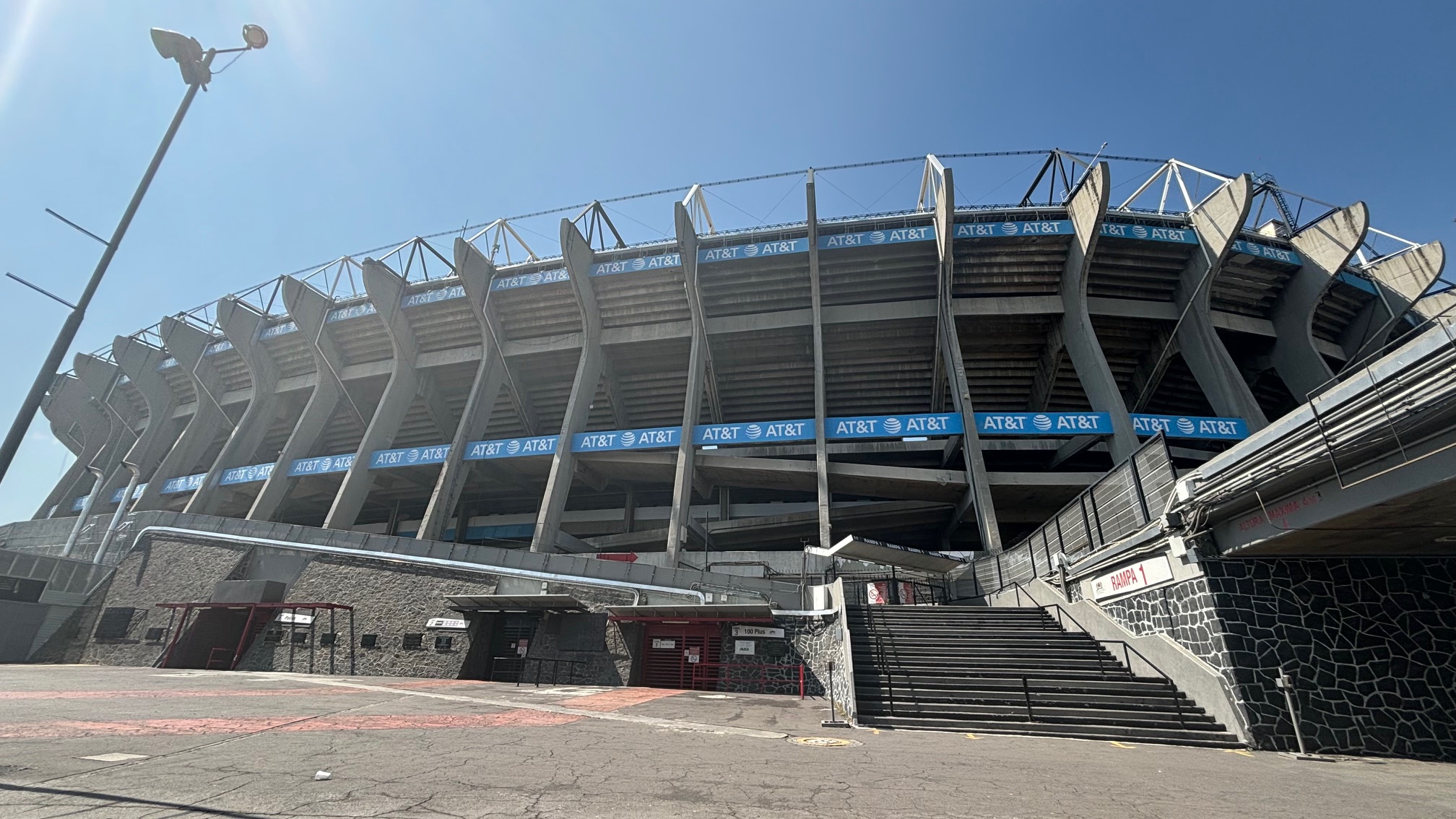
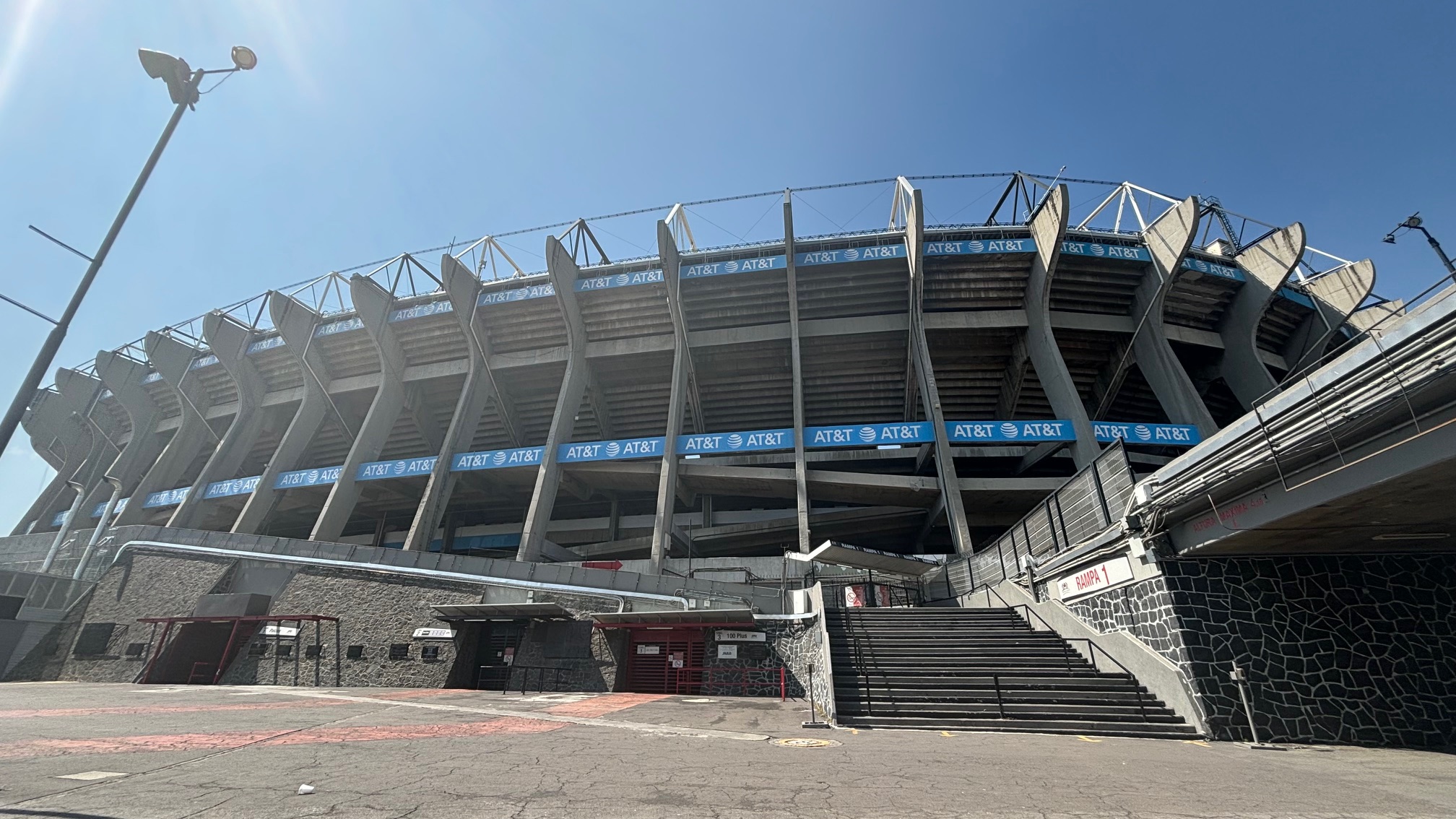
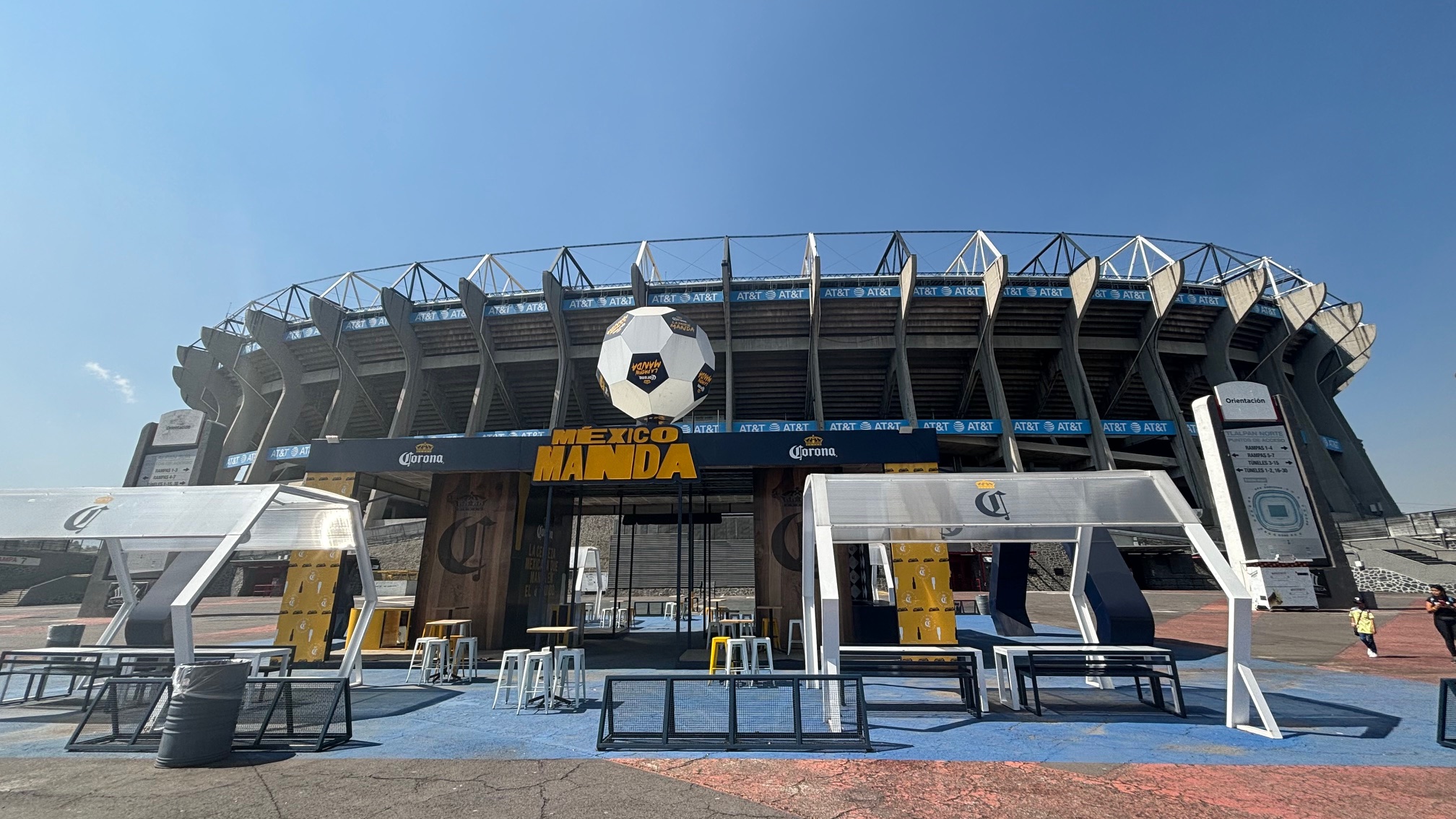
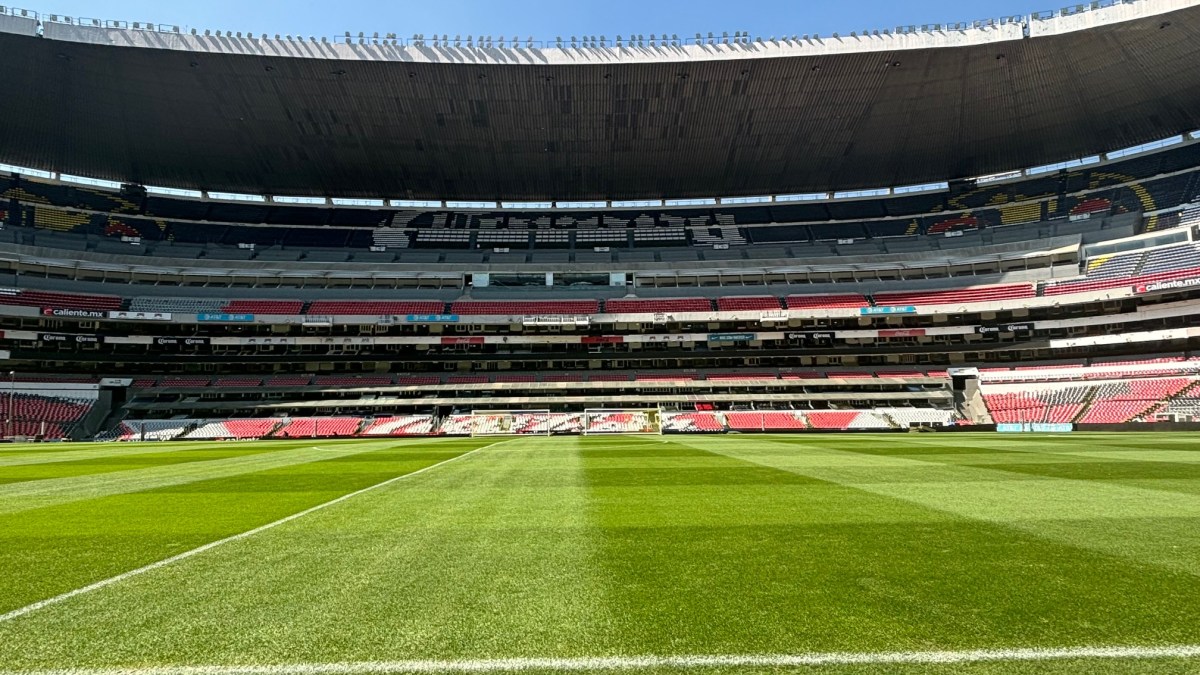
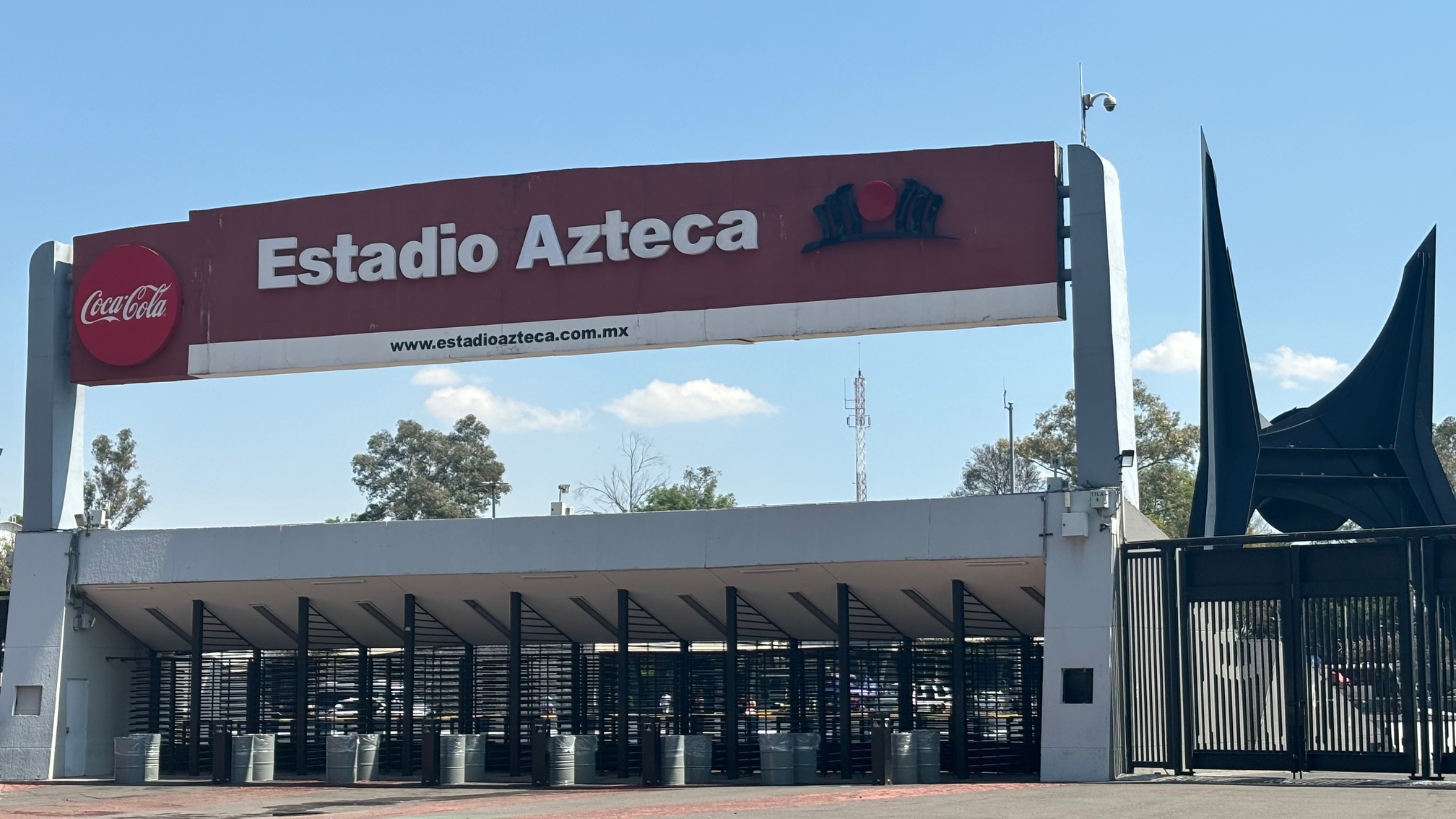
Estadio Azteca

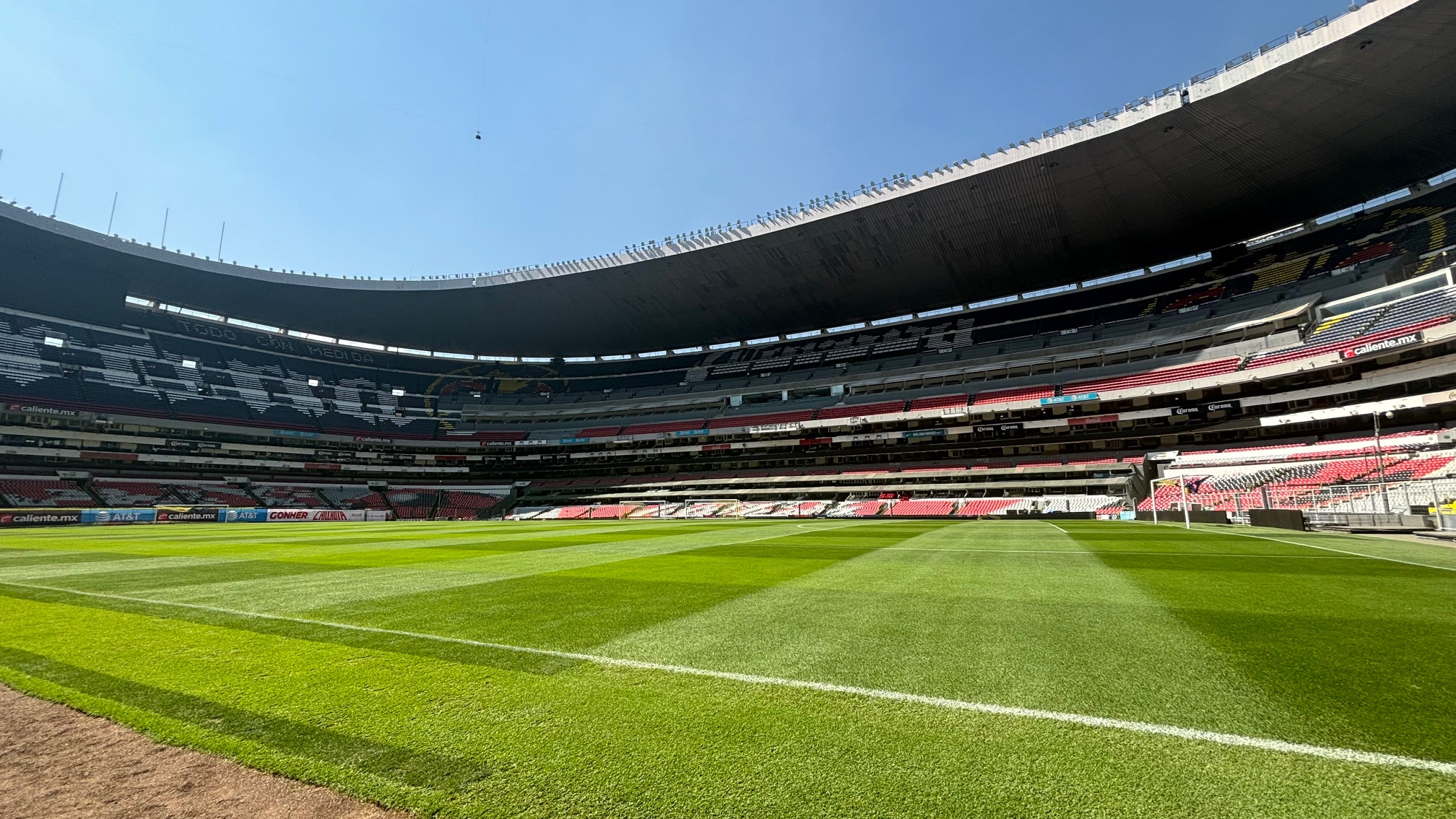
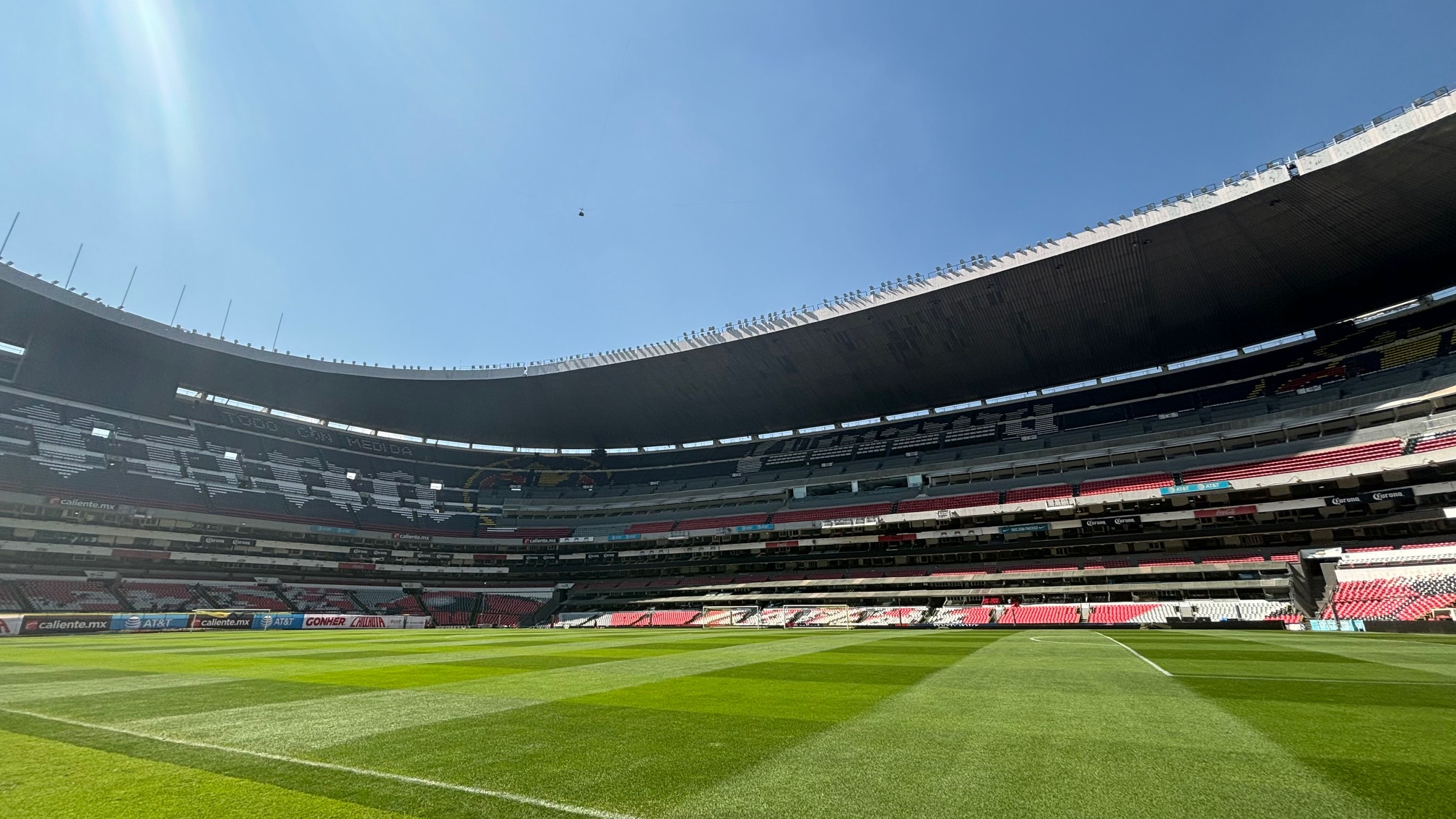
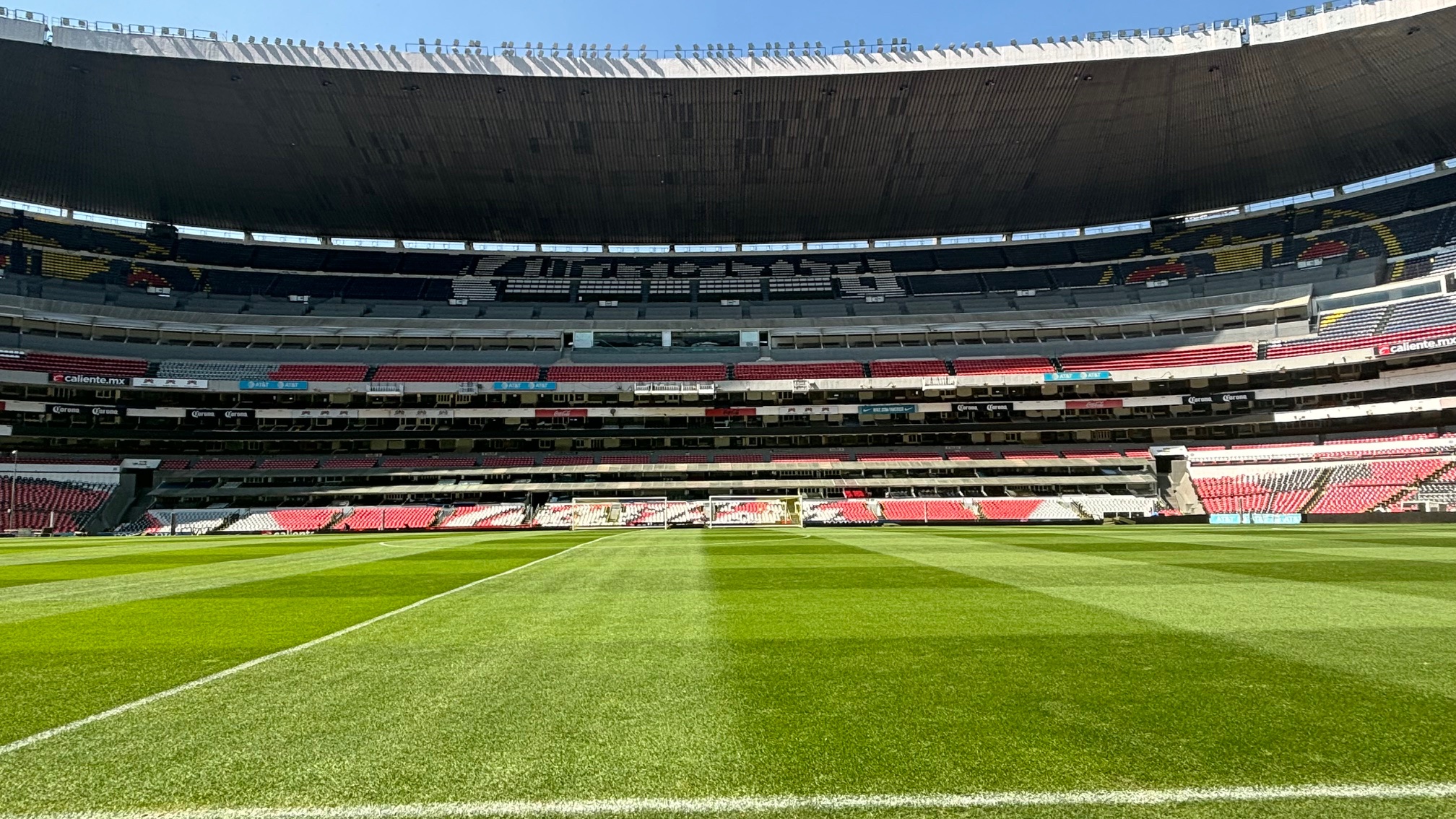
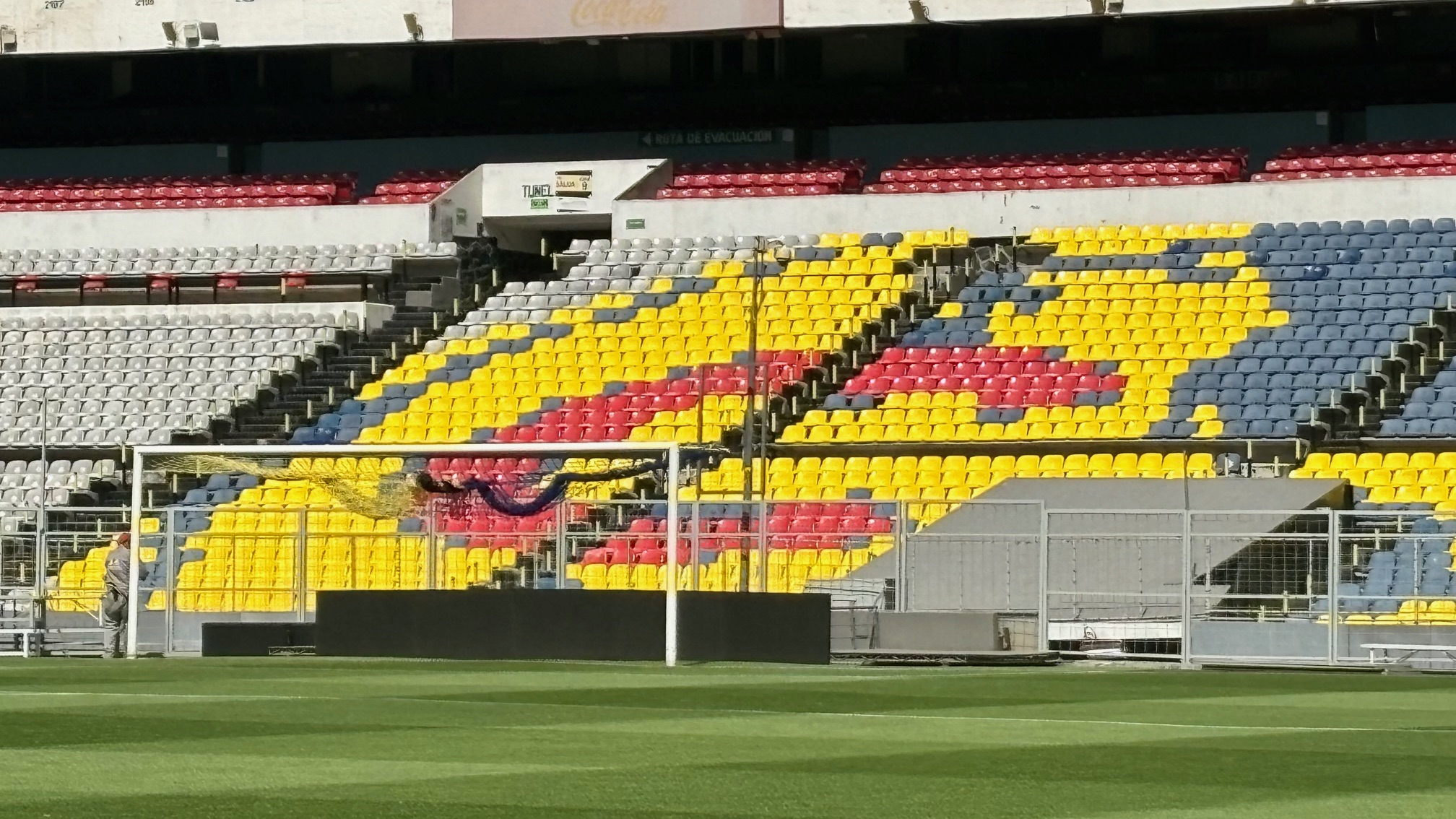
My first visit to the historic Azteca Stadium or Estadio Azteca in Mexico City, Mexico where the opening match of the 2026 FIFA World Cup will be played.

Camera: iPhone 15

Location: Estadio Azteca (Azteca Stadium) Mexico City, Mexico

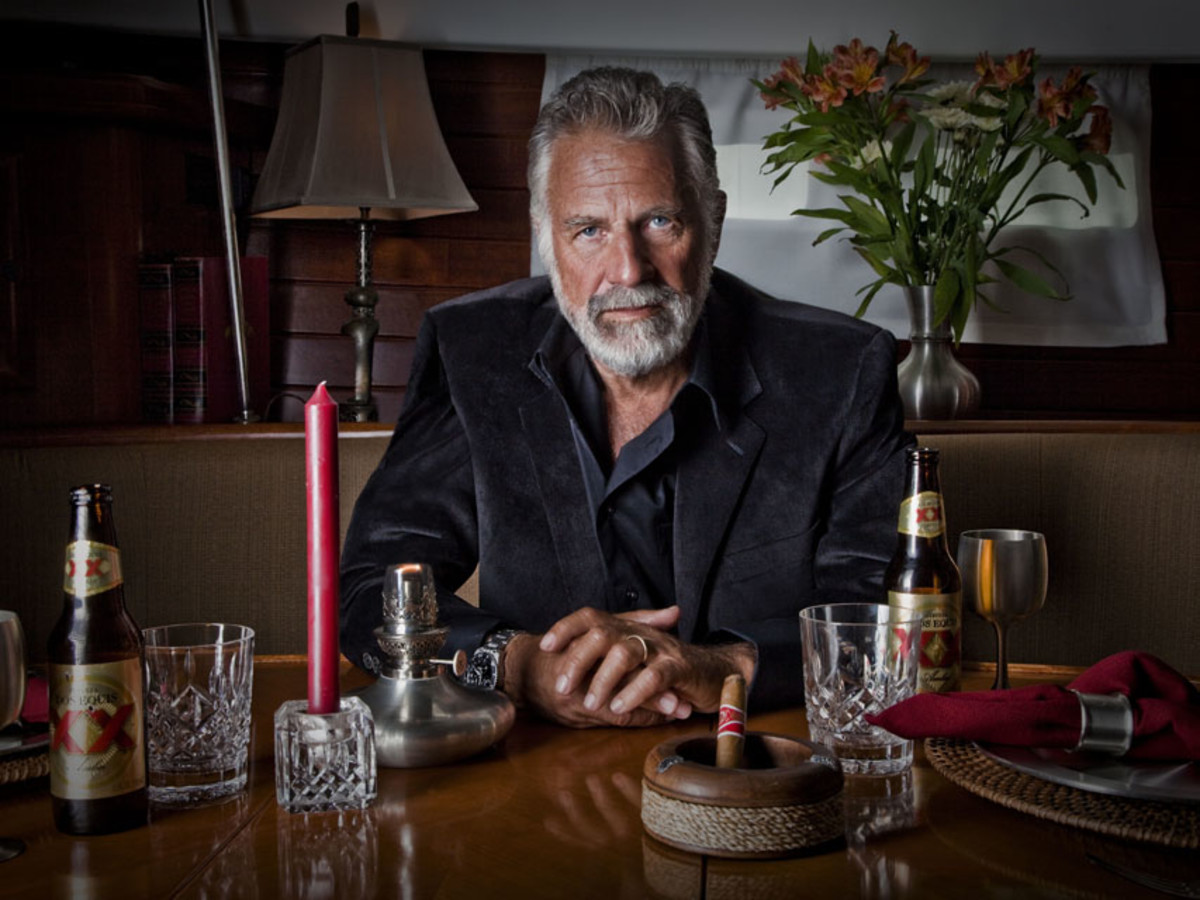
Emulating ‘The Most Interesting Man in The World’

“You don’t have to be the most interesting man or woman in the world, but I think these commercials did do a good job of why it’s necessary in life to embrace curiosity, experience, adventures, and being charismatic.”

I am not a big fan of commercials or advertisements generally, however, if they can be humorous or insightful, such as one kind of commercial that has captivated me for years, on what it is like to be ‘the most interesting man in the world’. I have long had a soft spot for the now defunct ‘Dos Equis’ beer commercials focusing on the character of “The Most Interesting Man in The World.” These commercials were not only humorous but also served as a cheesy yet truthful take in my view regarding how to be a more well-rounded, open-minded, confident, curious, and adventurous person. You don’t have to be the most interesting man or woman in the world, but I think these commercials did do a good job of why it’s necessary in life to embrace curiosity, experience, adventures, and being charismatic.

“The police often question him because they find him interesting.” In many of the ‘Most Interesting Man in The World’ commercials, you see the character actor, Jonathan Goldsmith engaged in various activities such as climbing Mount Everest, arm-wrestling a military general, or flying a plane. The character thrives on experiencing life and all it has to offer despite the risk(s) and danger(s) involved.

Whether its fencing, sea diving, or rescuing a lion, he thrives on novelty and making the most out of what life is all about. I don’t see anything wrong with you incorporating this kind of mindset such as seeking out new hobbies or interests, traveling to unique places, and learning new things to make life more exciting and fulfilling. You don’t need to be the most interesting man or woman in the world to do that, but you do need to take action to make that happen.

“He has inside jokes with complete strangers.” Having charisma, being appealing to other people, and showing confidence in your actions will carry you far in life. What ‘The Most Interesting Man in The World’ commercials show us is that it does help to be charismatic, confident, and able to handle social situations with ease. This kind of character takes time to develop and won’t come easily, but like ‘the most interesting man’, it can pay off for you when you invest in your social life and take time to get better at building those social skills. The character in the commercial is not doing these activities alone and he is not at the bar or restaurant alone. He is self-assured, confident, telling a story, and being humorous to enhance his relationships. You should work on doing the same in terms of having those characteristics in both your personal and professional relationships. You never know when having these kinds of interpersonal skills will come in handy, but I can guarantee it will help you in life in one way or the other.

“He can speak French…in Russian.” The character himself is well versed in those activities and is knowledgeable in many fields such as learning languages, playing sports, or knowing different instruments. These commercials, while funny, do show the viewer the value of being a lifelong learner as it will make you a more well-rounded person. Being able to ride widely on different subjects, picking up new skills over the years, and engaging in a wide array of activities will make you stand out in a good way in terms of forming a holistic personality. If the character can do it, you can make it happen as well though take it one step at a time in terms of becoming a Renaissance person. You may not get there right away with being well-rounded, but years or decades of work will help you get there most often.

“People hang on his every word, even the prepositions.” The most interesting man in the world doesn’t boast and talk at length without being prompted first to share his adventures and experiences. He is intriguing because he is mysterious and saves his best stories for those, he wants to share them with. Even in these commercials, the actor has a real presence about him, partly because of his age but also because of his body language. You do not need to overshare with the average person or stranger, but you should intrigue people with your aura and your confidence. You can let someone new know a little bit about you without giving everything away. It takes time to get good at that, but you should save your best stories for your most intimate friendships or relationships. You should divulge a little bit about yourself at a time while maintaining some mystery for those people who really care to get to know you better.

“His blood smells like cologne.” When you dress well like the character does, when you have strong composure and when you carry yourself with both dignity and respect, people will treat you better and take you seriously. Remember to boost your confidence this way by paying more attention to how you present yourself, how you speak, and how you think you’re being perceived. You don’t need to be a fashion icon but like ‘the most interesting man in the world’, you have it in your power to dress well, have more refined taste, and present yourself as best as possible. Having good body language, dressing well, and being confident may not make you the ‘most interesting person’ but it will make you much more appealing and intriguing to know more about.

“Presidents take notes when he speaks.” Everything about these commercials suggest that ‘The Most Interesting Man in The World’ has a legacy worth remembering and that his persona lives on long after he’s gone. The idea of having a legacy, contributing to something bigger than yourself, and being part of a greater mission are all themes from these commercials. Being remembered well, pursuing meaningful work, helping others who are less fortunate, and making bold choices should never be shied away from. You don’t have to be a fictional commercial character to do all these things.

The overall message behind this part of the character is something that we all can relate to in our lives. We want to have a positive impact in the world and leave something good behind whether that’s a family, a garden, or a charity. Whatever legacy you intend to have, ‘The Most Interesting Man in The World’ encourages us all to life a life worth remembering and one in which we have a positive and memorable impact on the lives of other people.

At the end of the day, The Most Interesting Man in the World may be a fictional character from a beer commercial, but the essence of his magnetic and charismatic persona offers real life lessons. By embracing curiosity, confidence, and a spirit of adventure, anyone can cultivate a richer and more well-rounded life by following this example.

Whether it’s learning a new skill, traveling to unfamiliar places, or simply carrying yourself with both charisma and composure, you can become more interesting as a result, man or woman. The key to remember here is to stay open to new experiences and never stop growing as a person. You don’t have to be the most interesting person in the world or even the most likable person in the world but by following the character’s example, you just might become the most interesting person in the room and that’s a big deal. Stay curious, stay bold, and of course, stay thirsty, my friends.

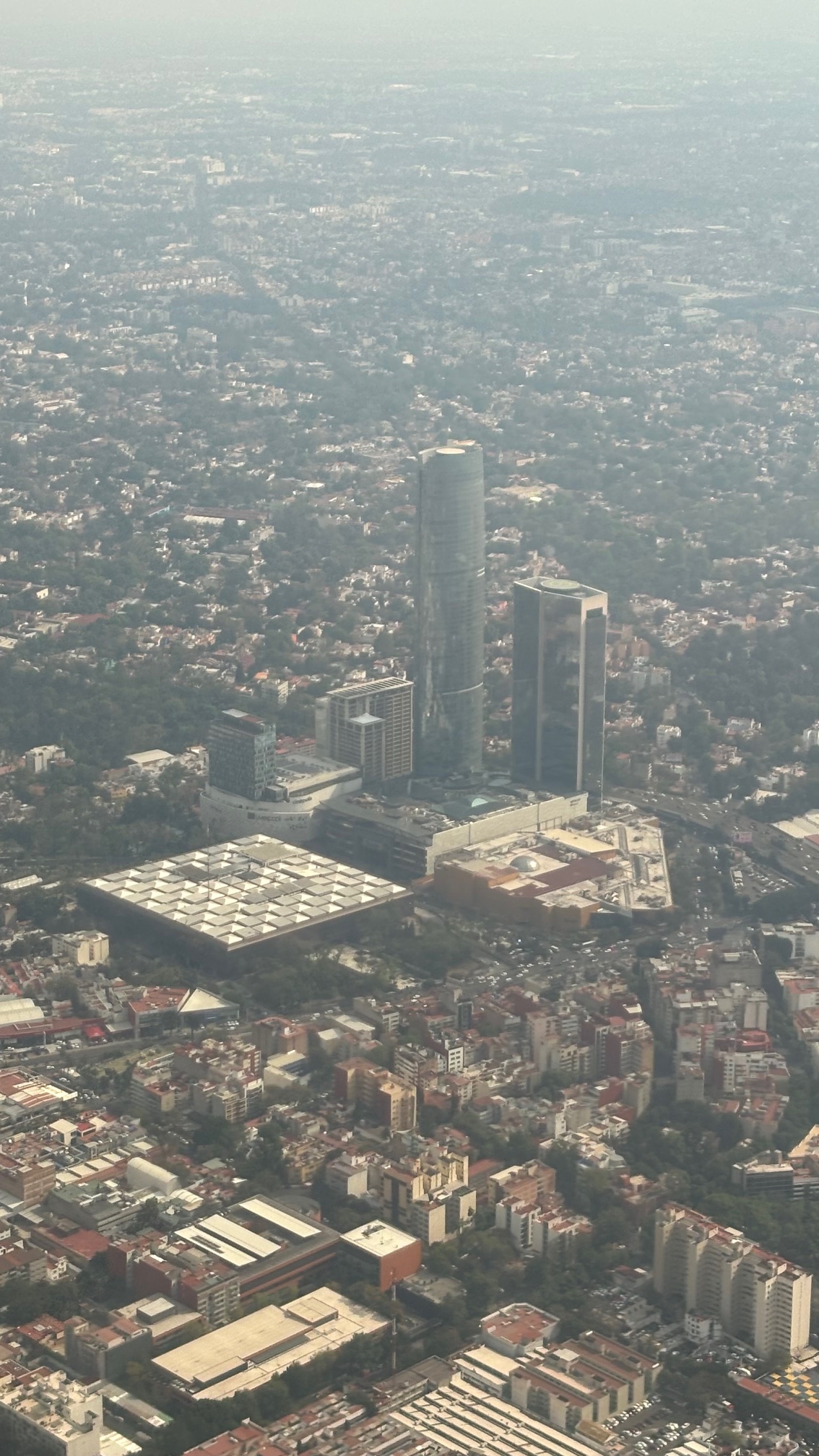
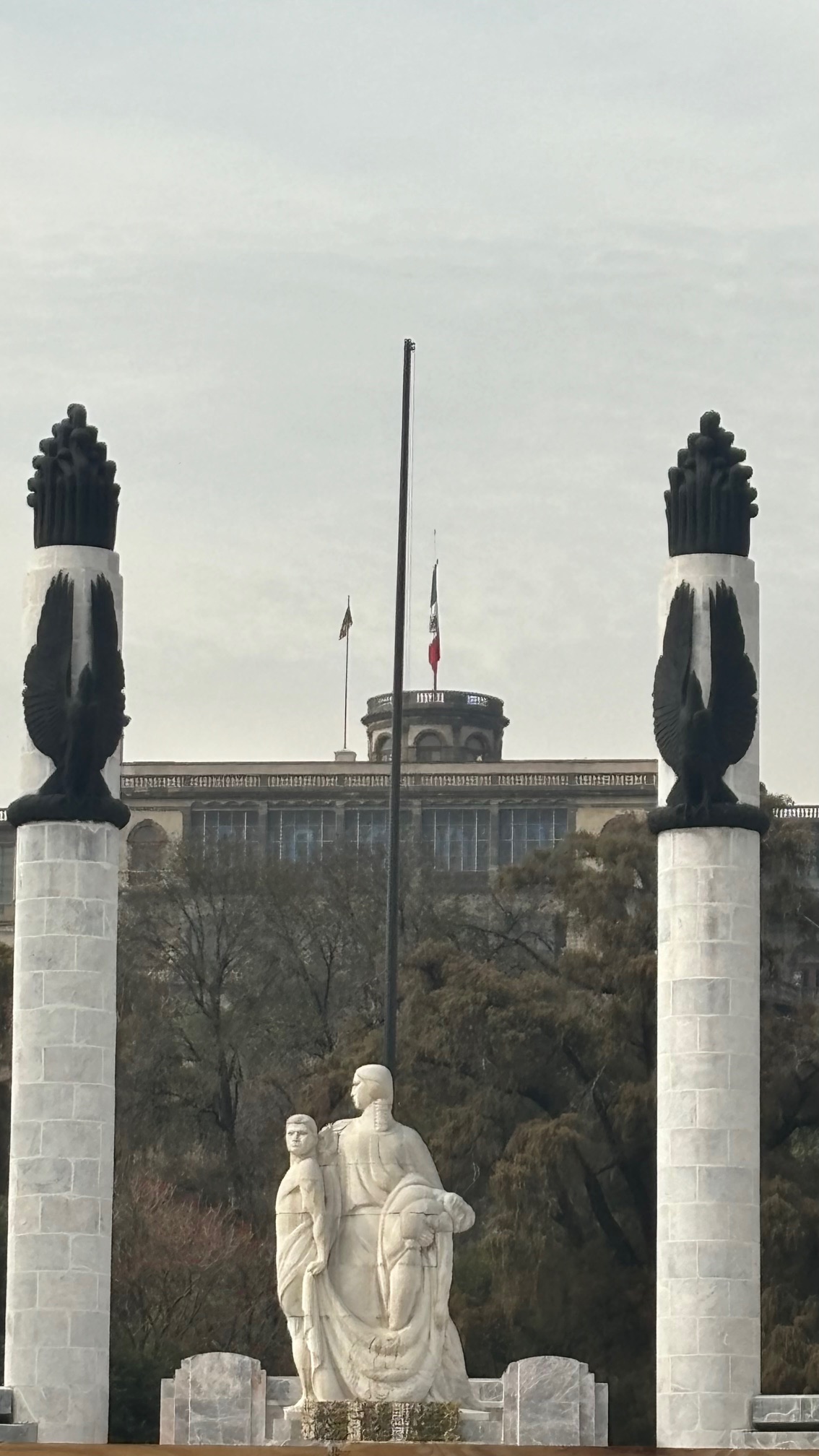
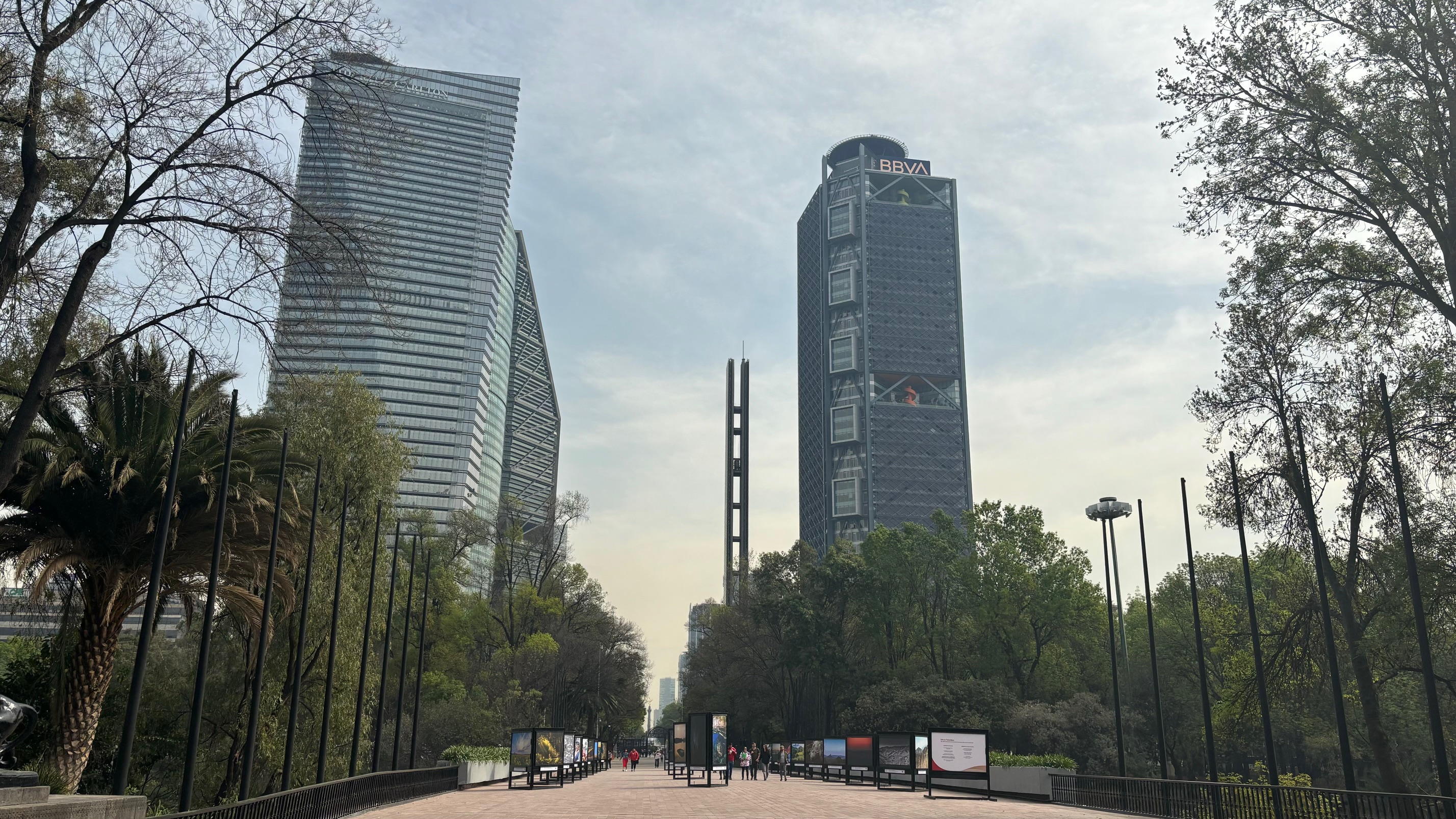
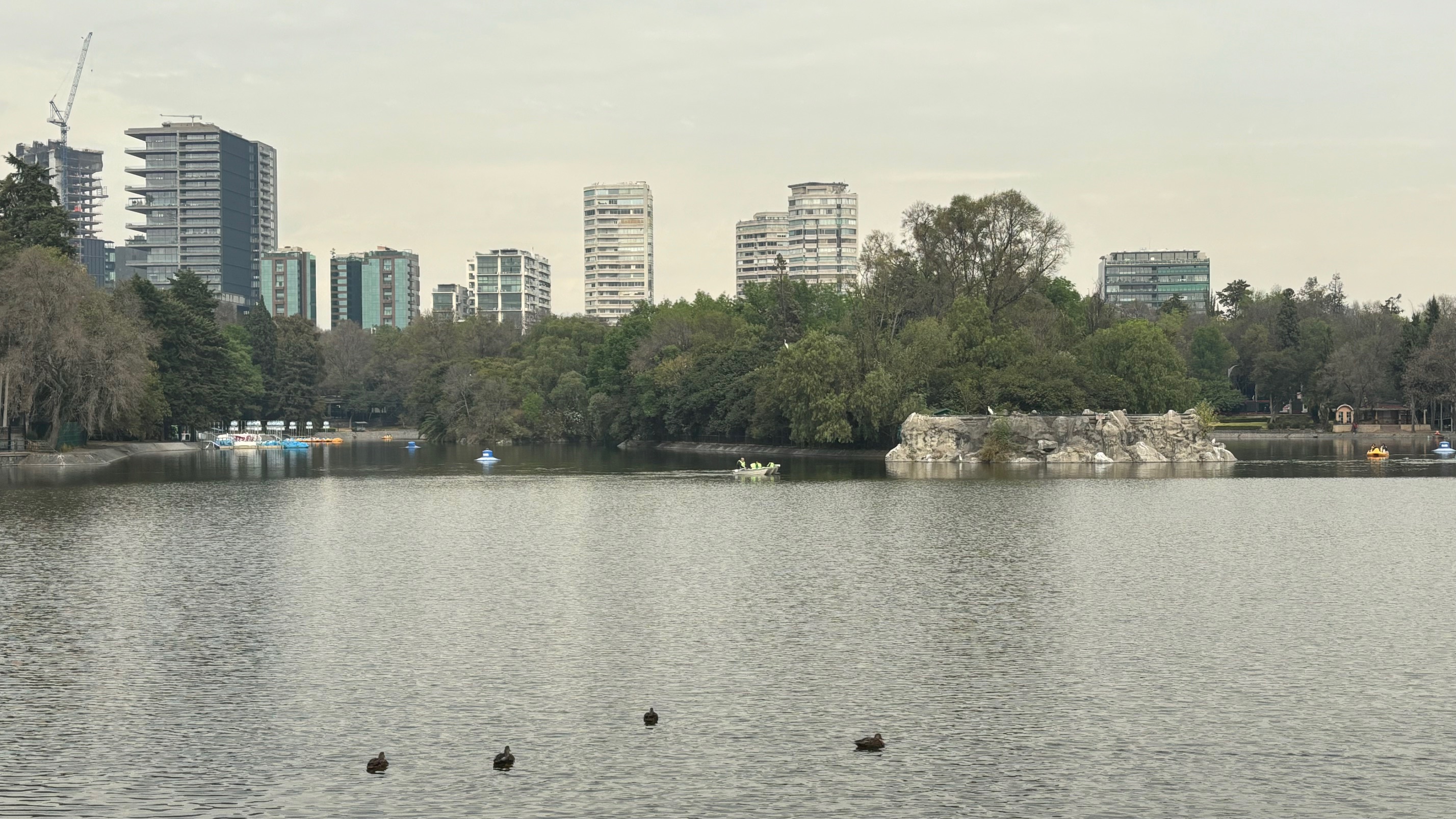
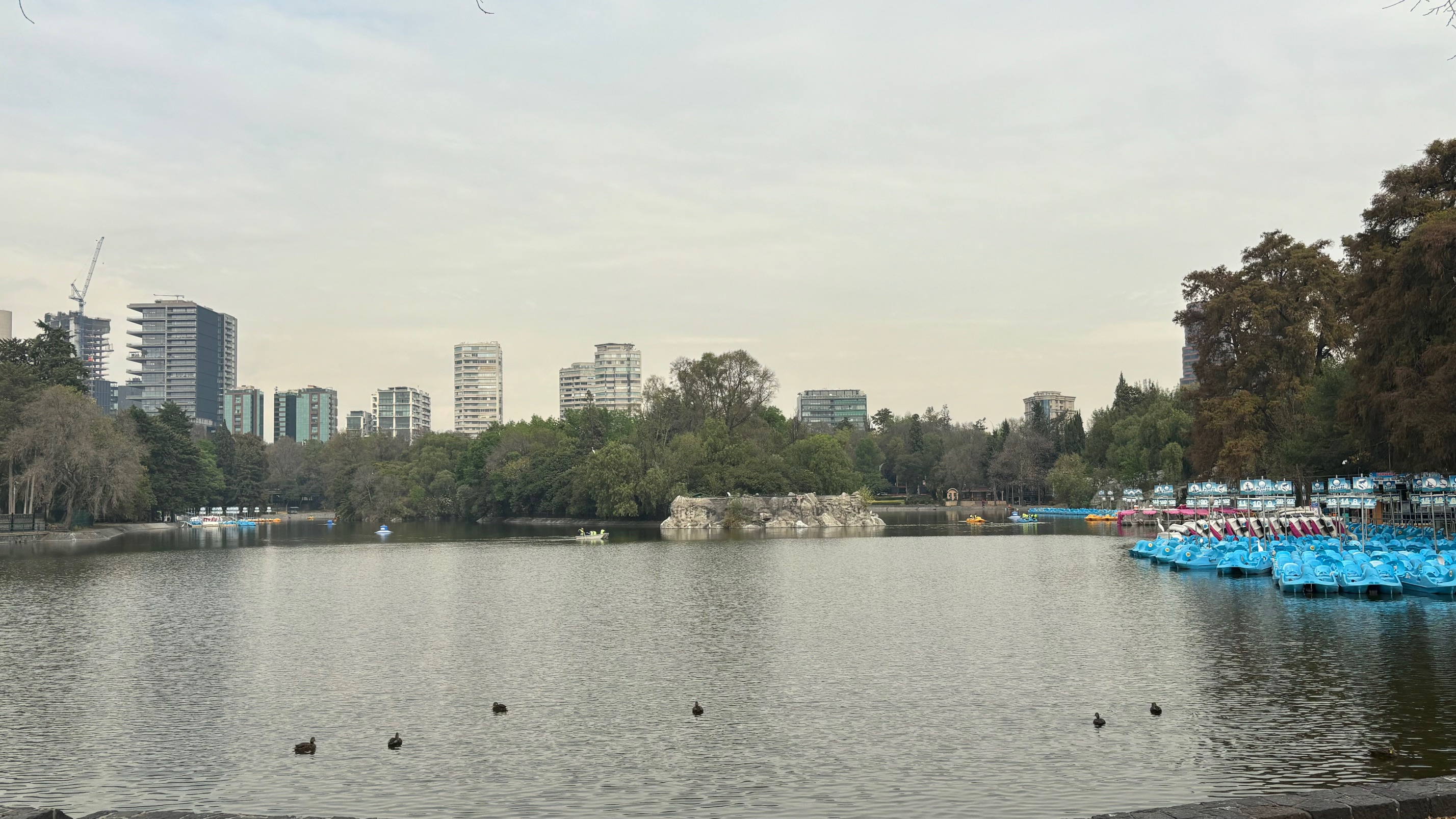
Return to Mexico City

Trip to Mexico City in February of 2024 to enjoy Chapultepec Park and other tourist spots in the city.

Camera: iPhone 15

Location: Mexico City, Mexico

My First Attempt at English Poetry (March 2025)

Taking a break from my Spanish poems to write some poems, the first in a series on English language poetry, which I am new to!

1. Layover Nights

Jetlagged again,
3 AM blinks on the clock,
Sleep slips through my fingers,
Mind unraveling miles away.

Is this the life I chased?
A suite with a view, but you’re not here.
Other side of the world,
Feet to the floor,
Another day in paradise—
Or just another day alone?


2. Trapped

Loveless job,
Loveless bed,
Loveless life?

The hamster wheel spins,
But I refuse to run.
Not again.
Not this time.

Life’s too short
To live behind glass.


3. Hotel Bar

A stranger in a dim-lit room,
Another Elton John hit sways through the air.
The piano man knows the chords,
The bartender waters down the whiskey,
And your eyes hold a question.

Shall we dance to Tiny Dancer?
No names, no promises,
Just a song, just a moment
Before morning erases us both.


4. Big Fish or Small Fish

Catch the big fish,
Be the big fish,
So much pressure on both.

Is it better to swim unseen,
A small fish in deep waters?
Or to rise, to glisten, to be devoured,
A trophy too tempting to let go?

Big fish take the bait,
Small fish slip through the cracks.
One feeds on ambition,
The other on time.

Who really wins?

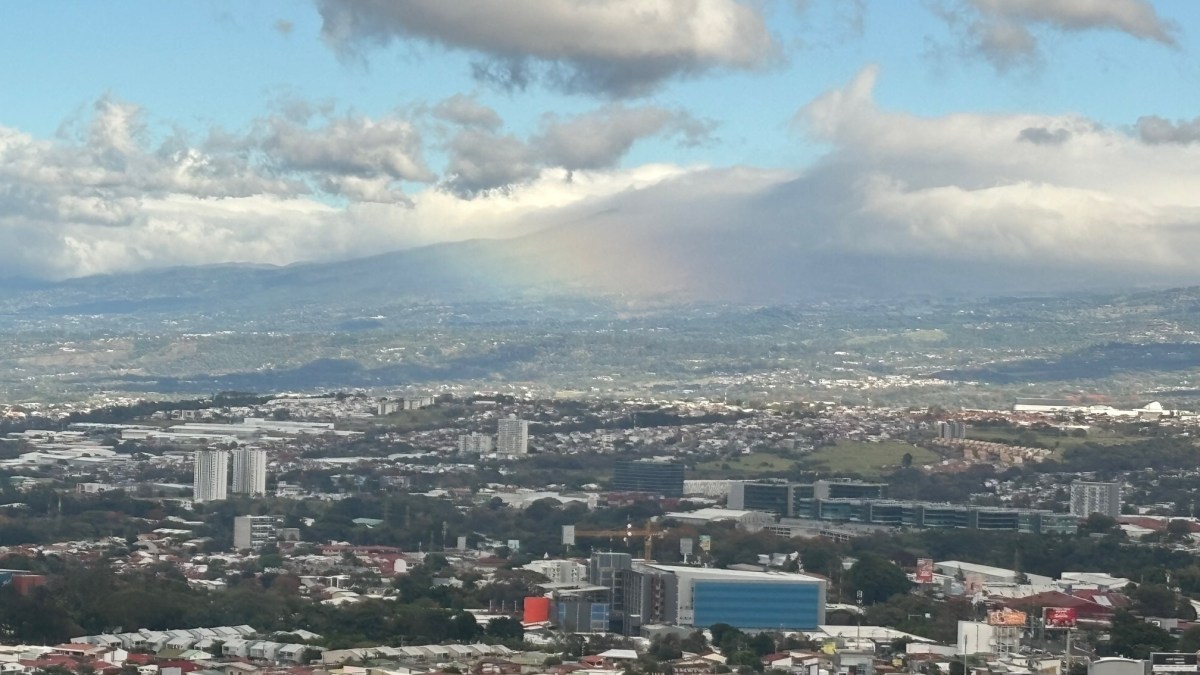
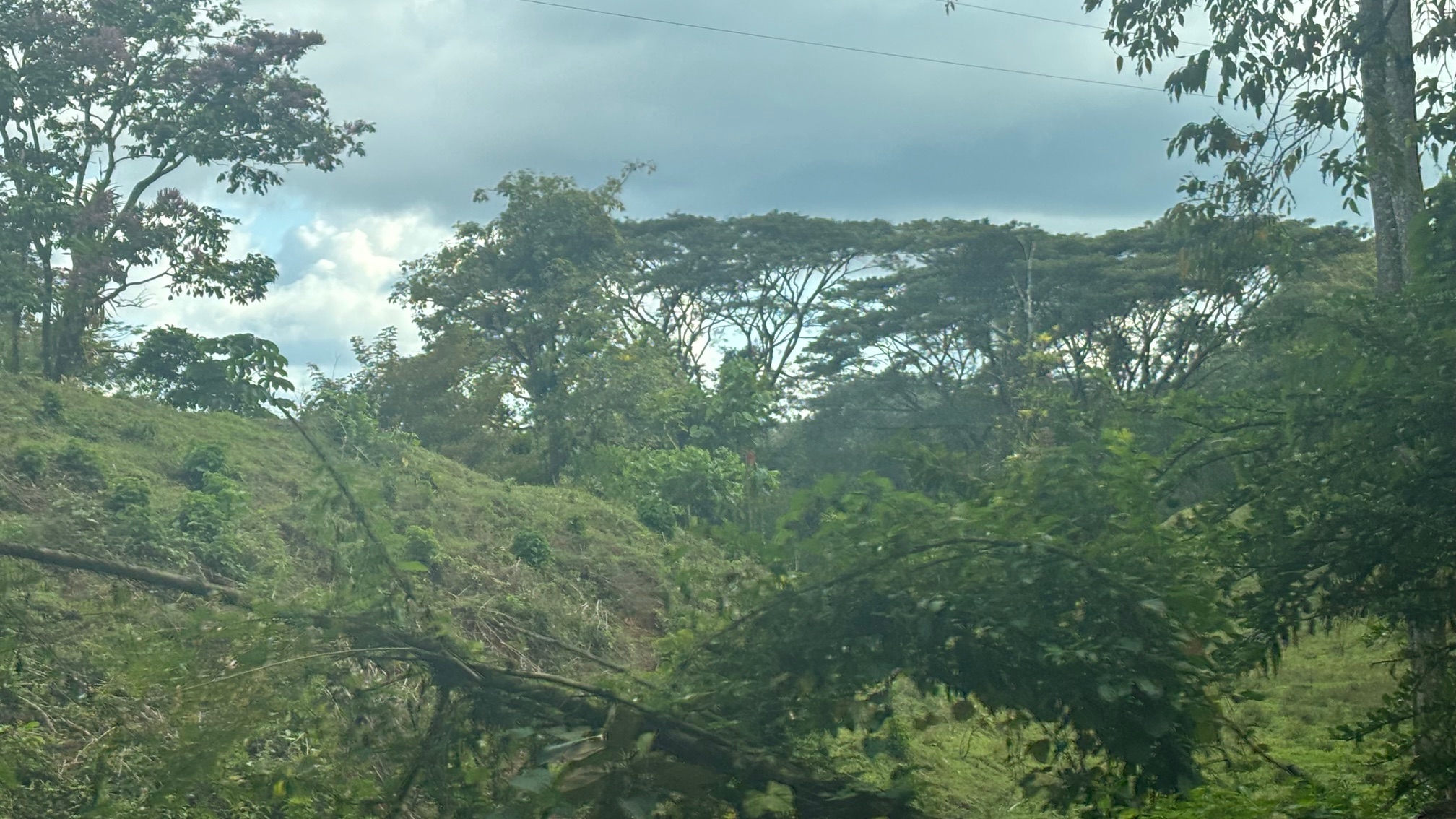
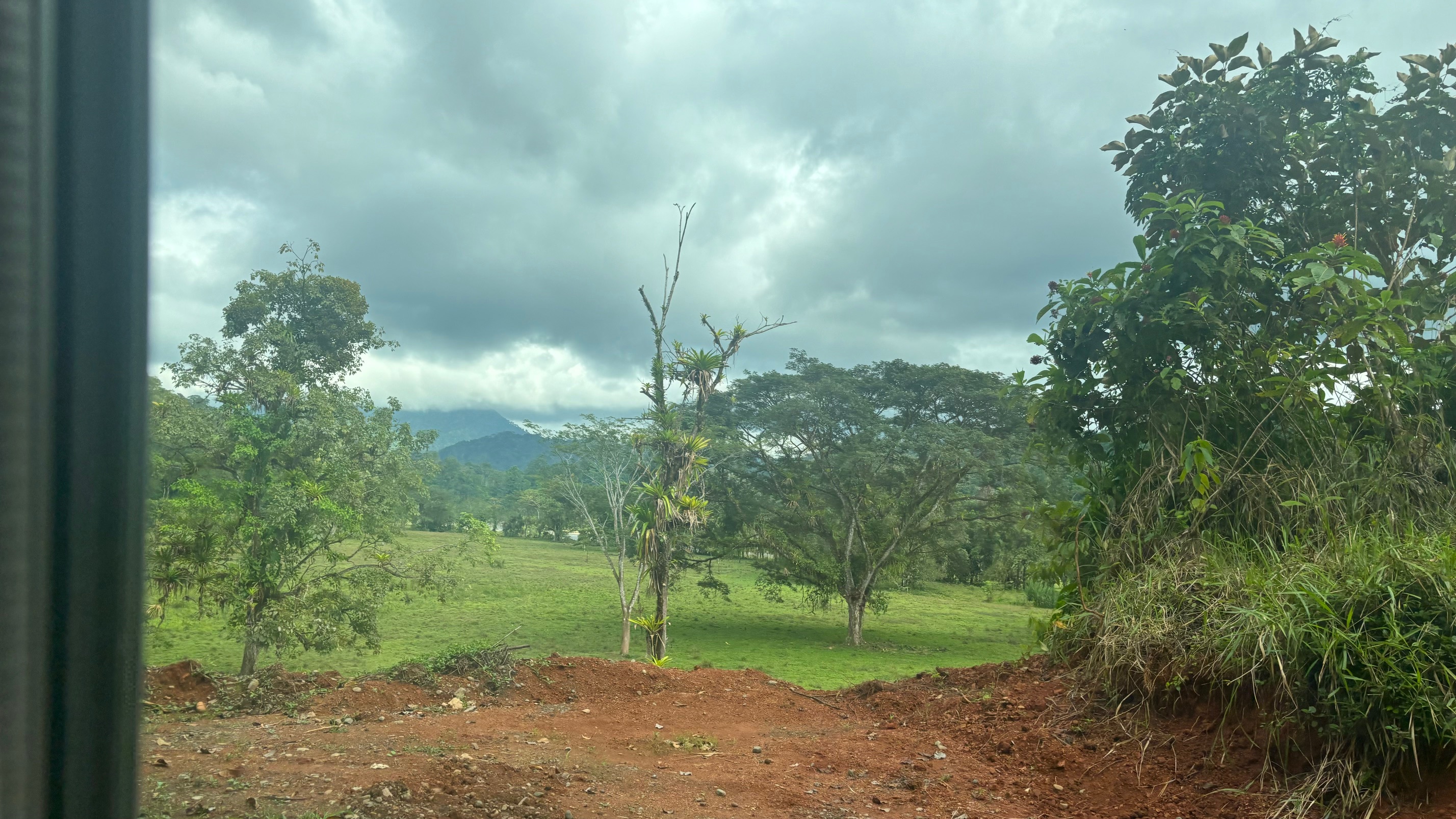
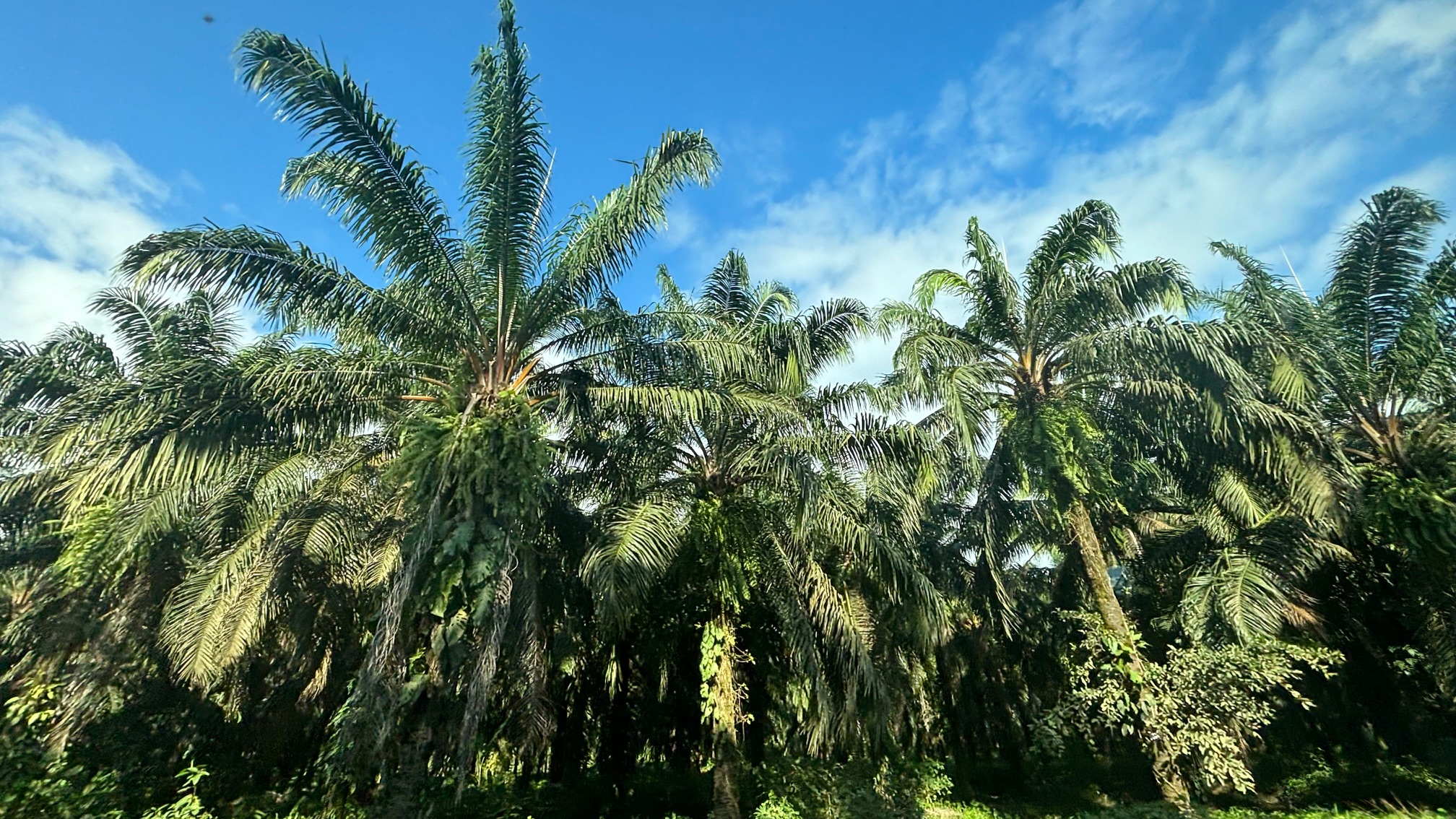
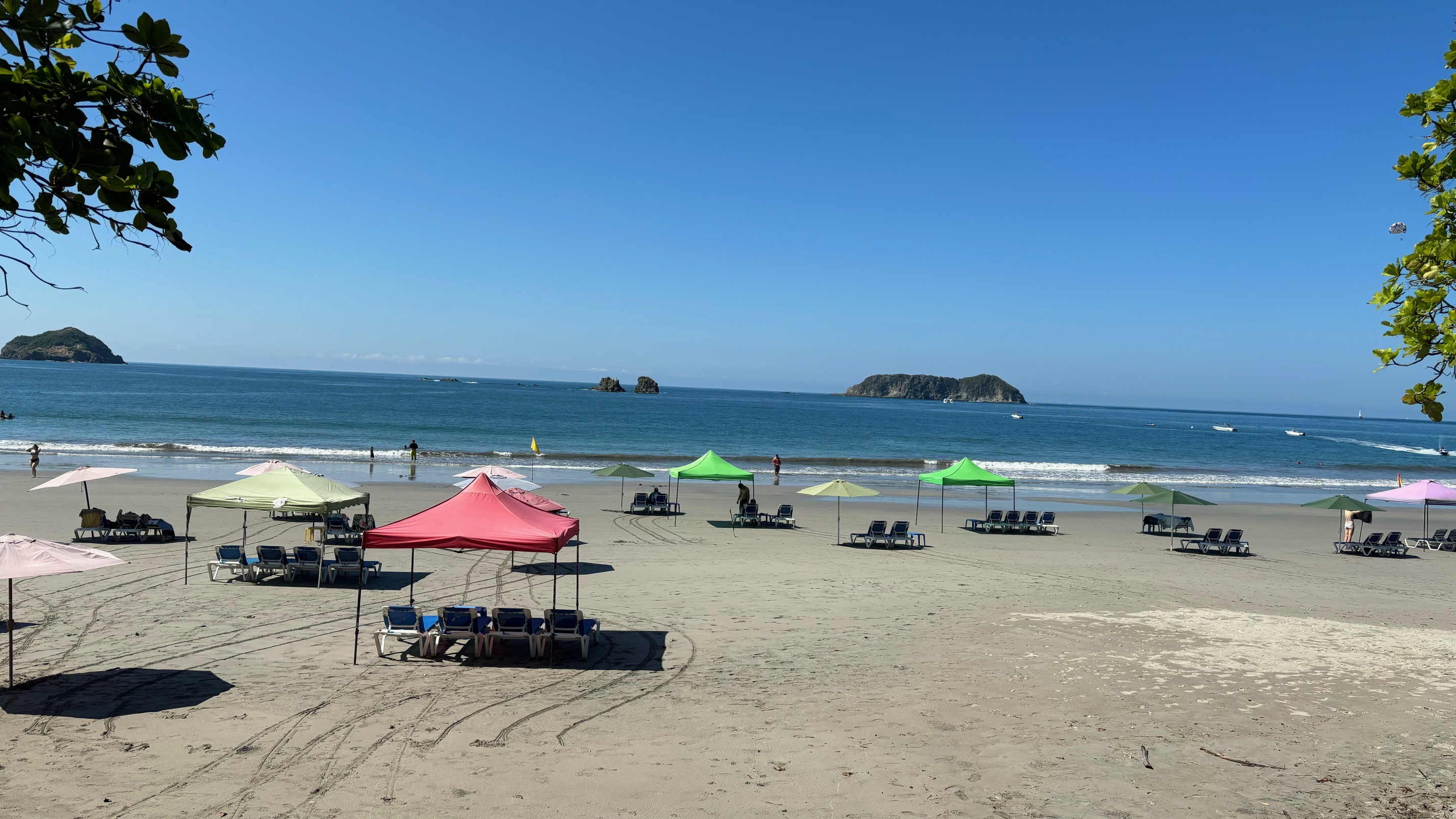
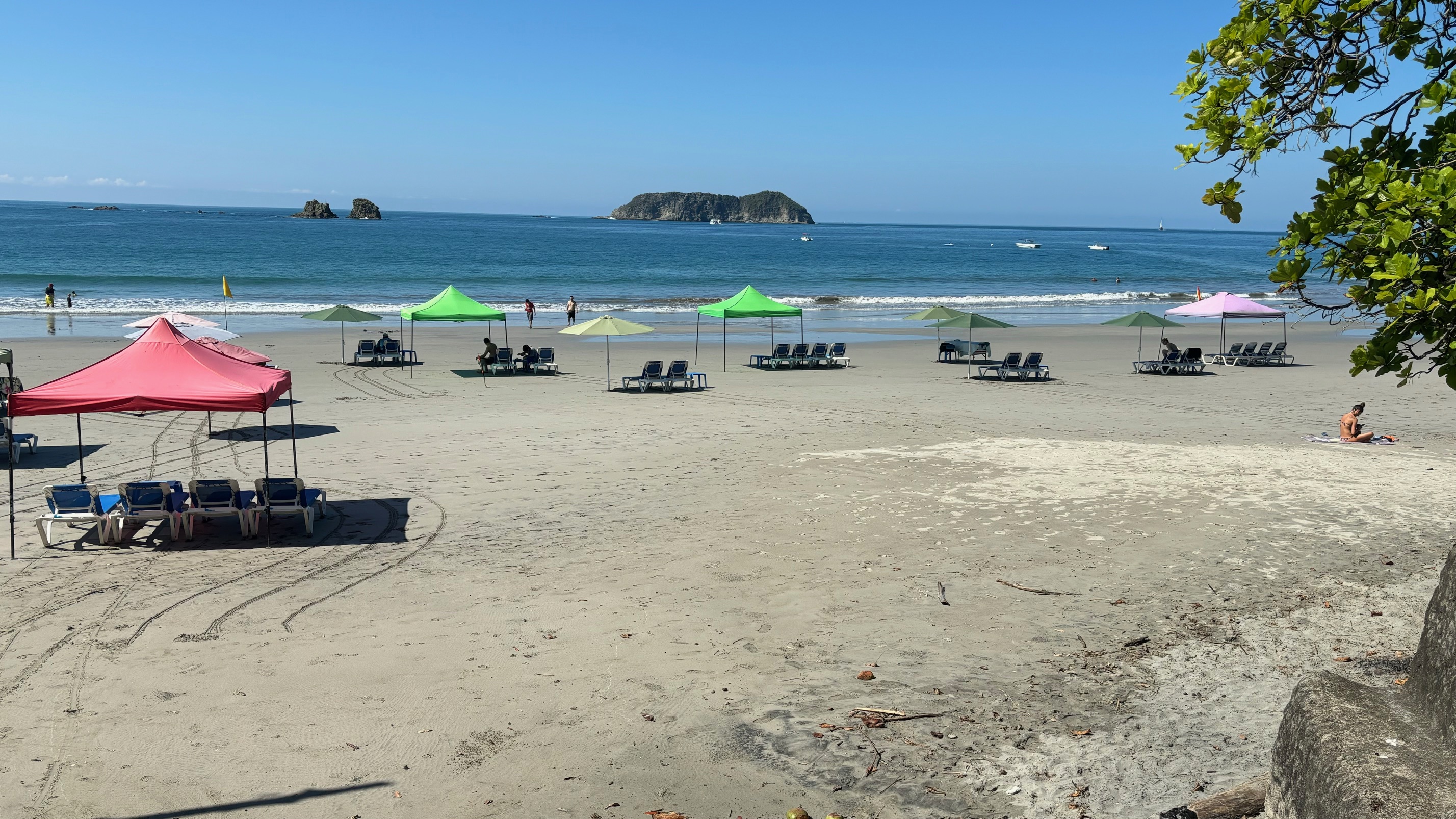
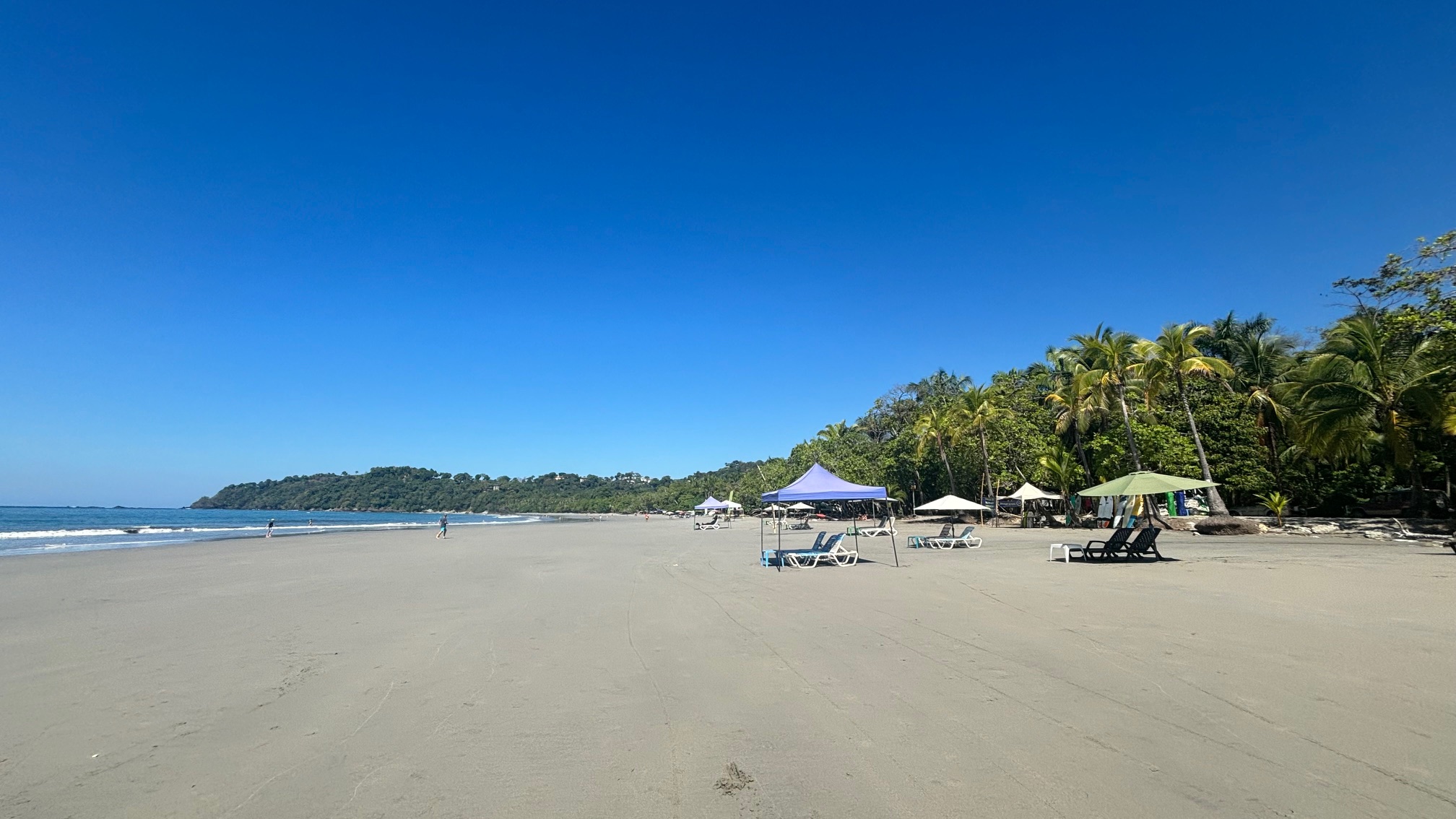
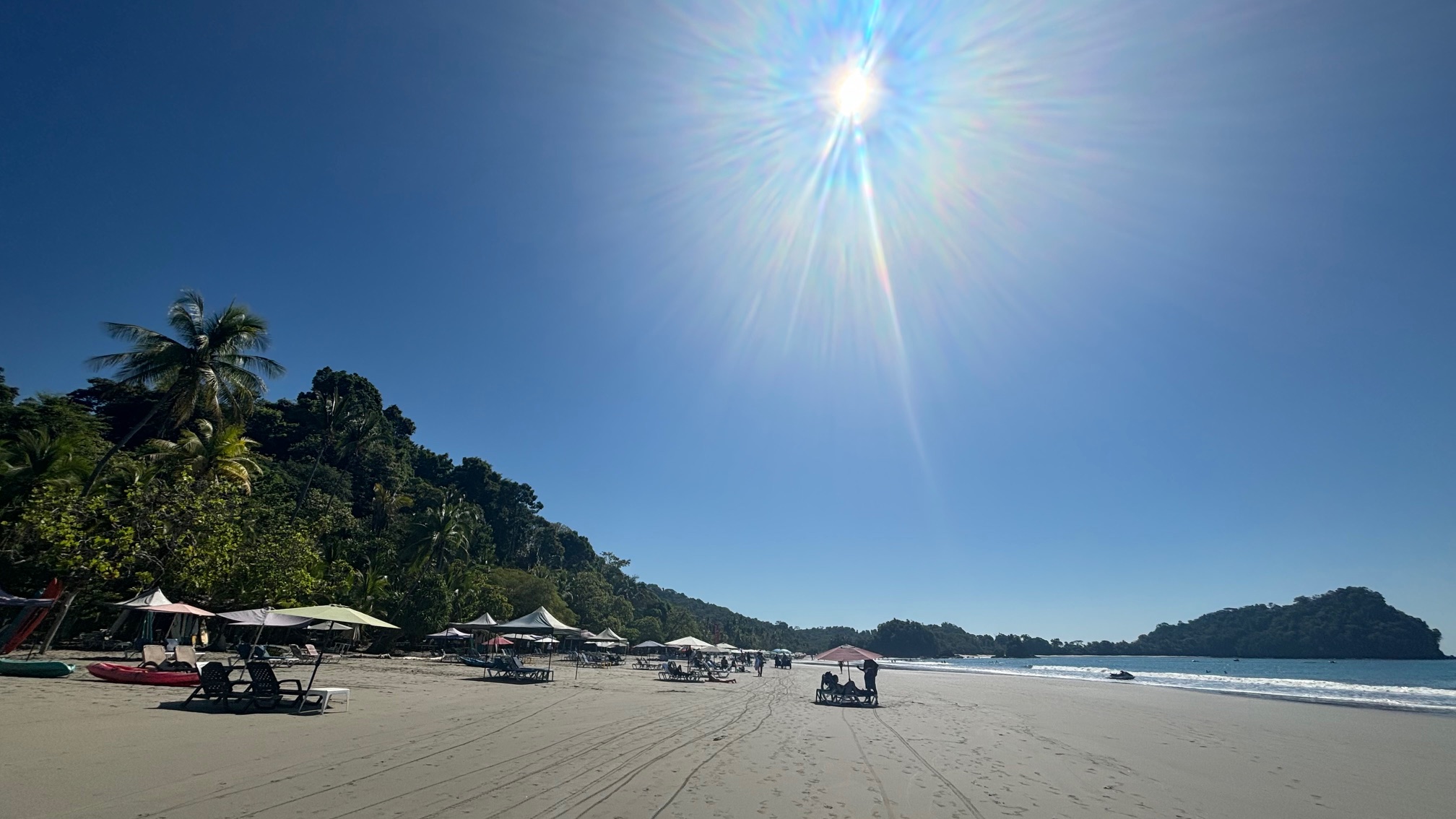
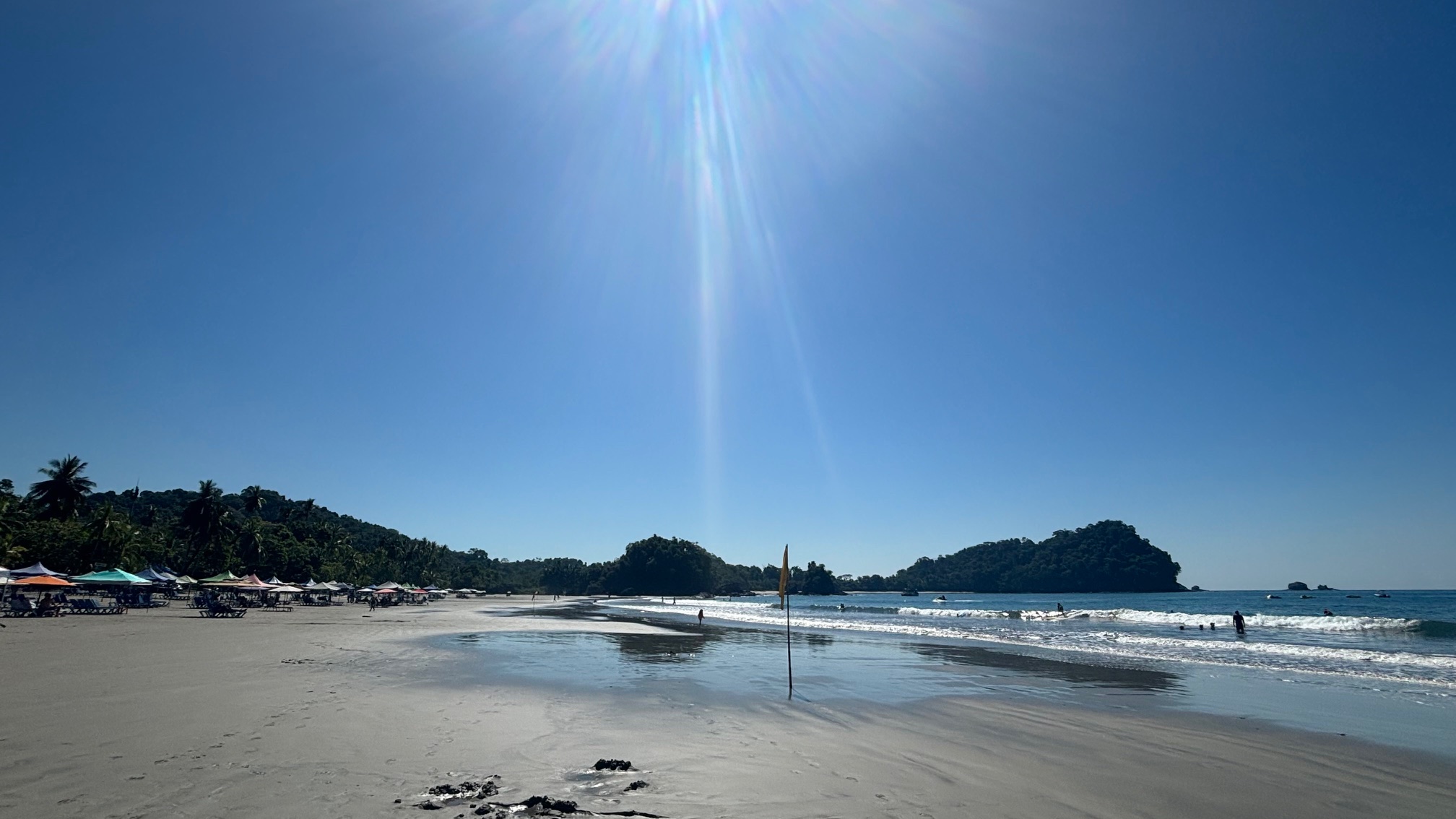
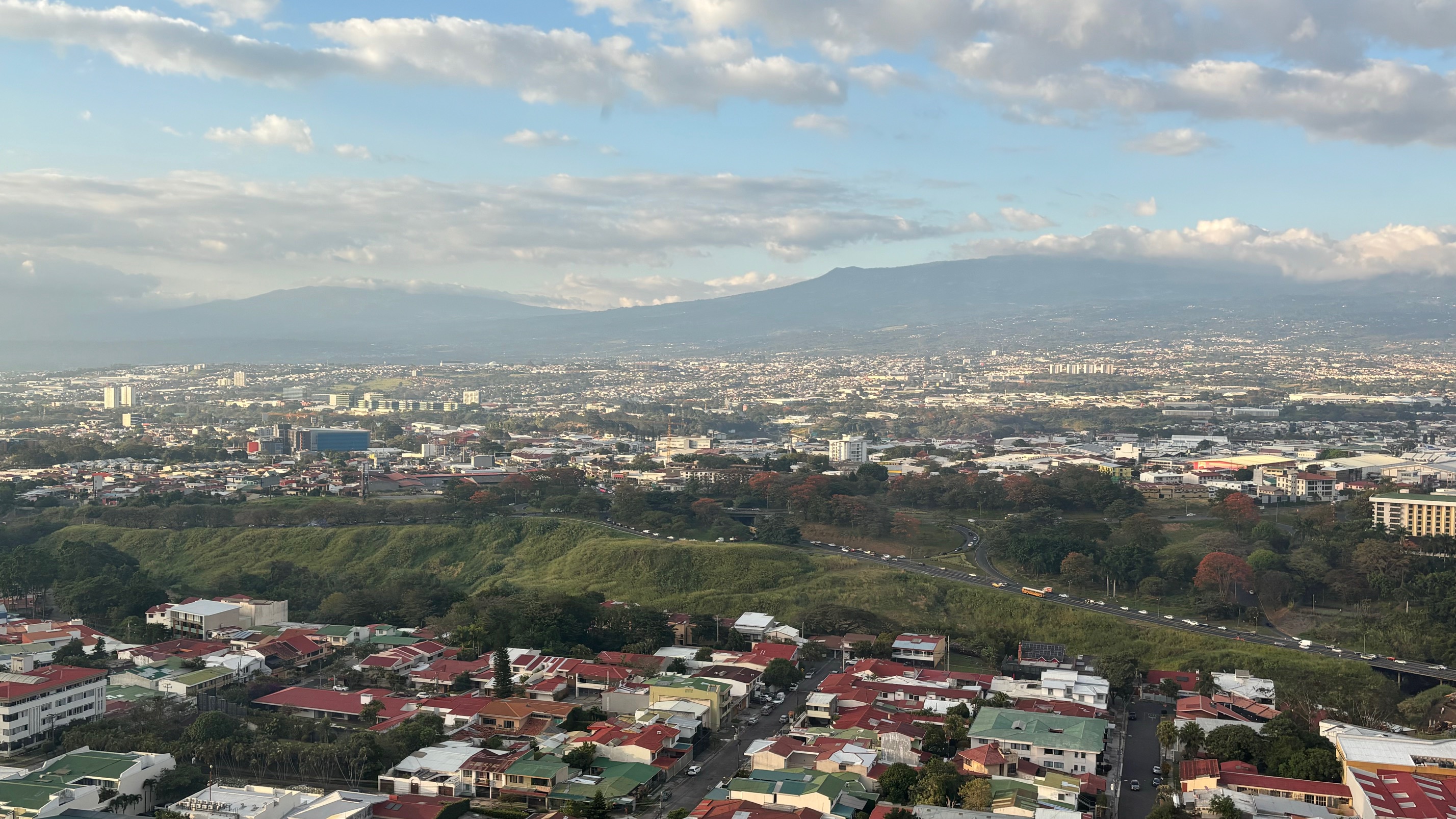
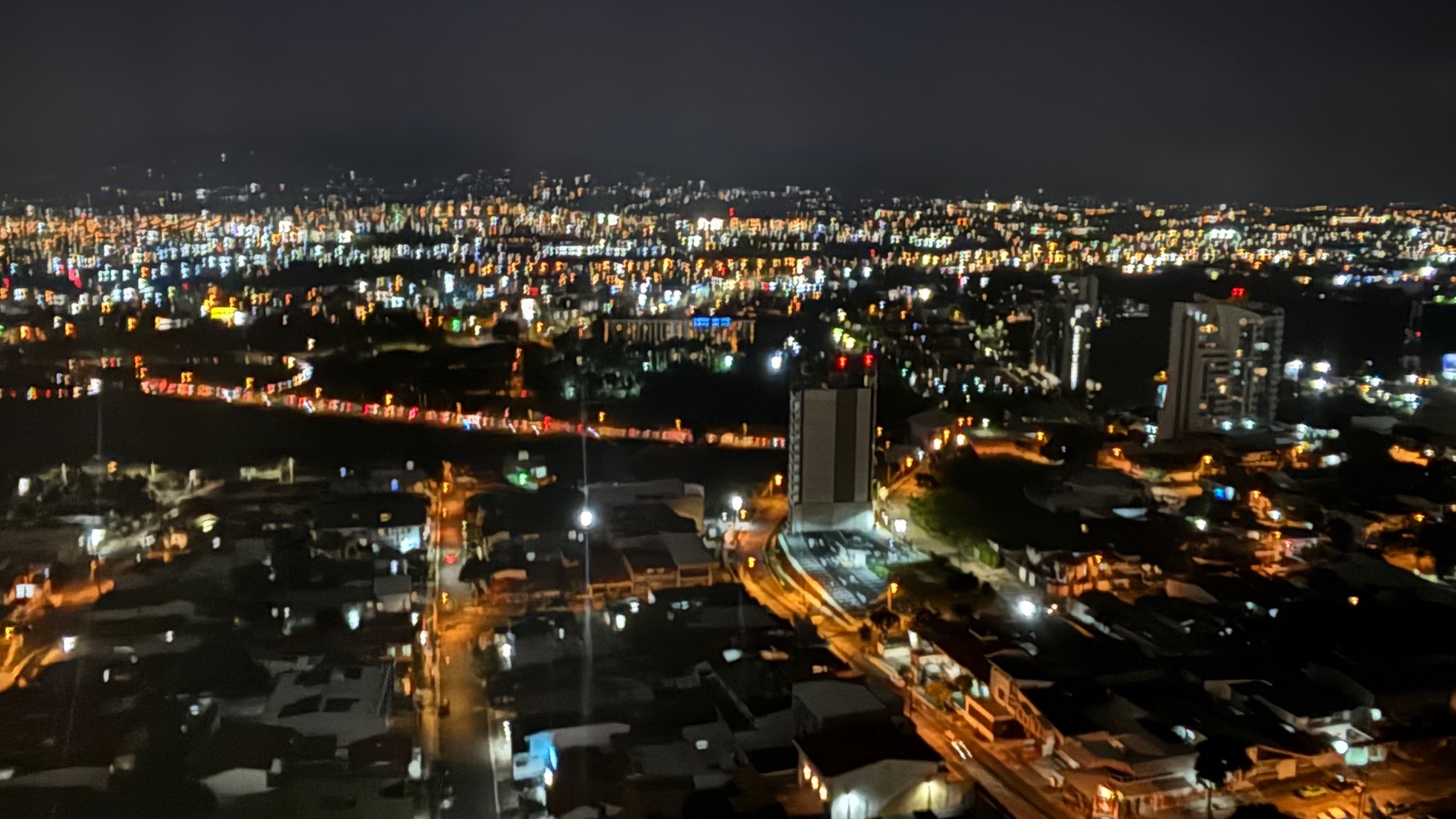
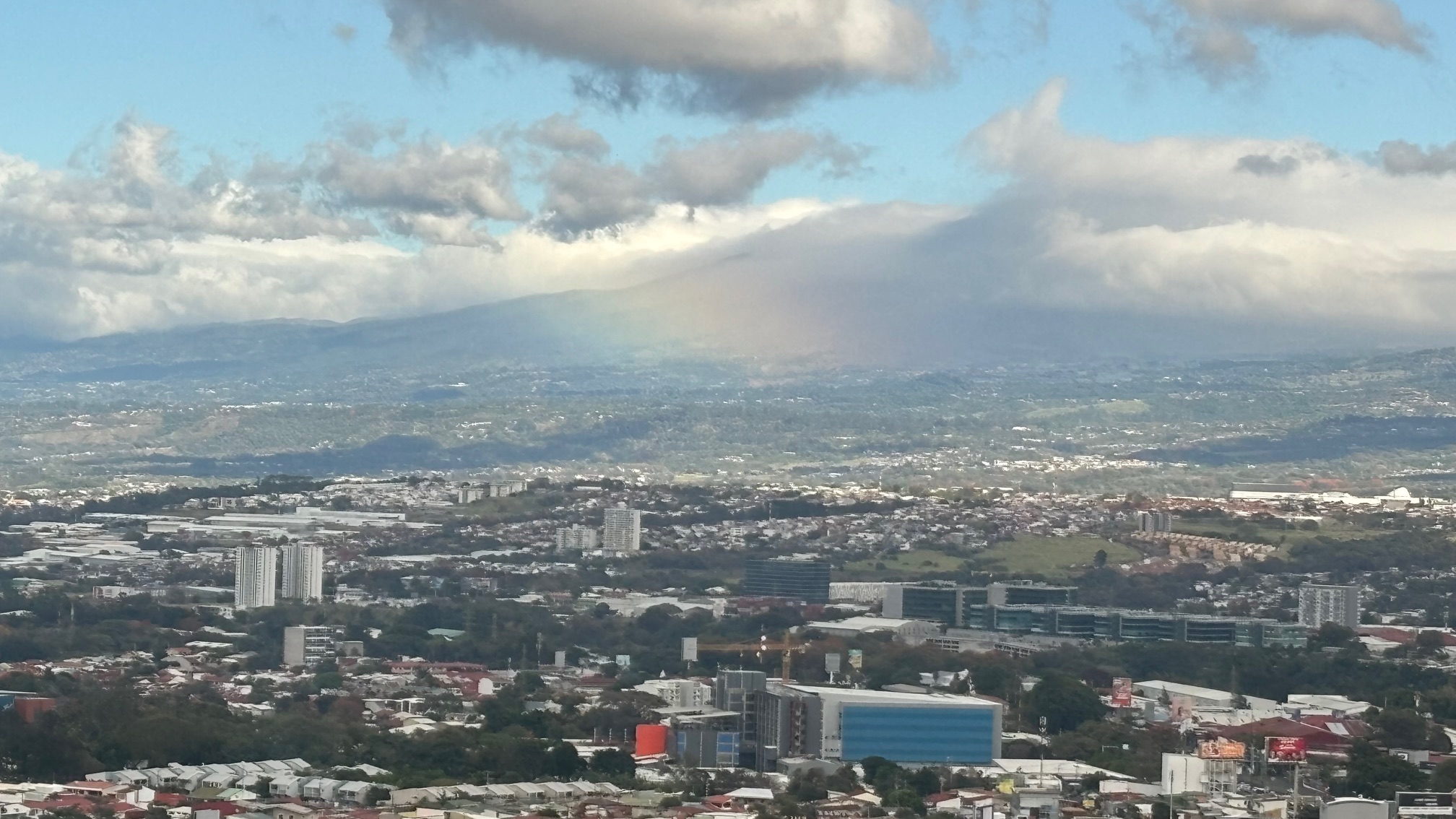
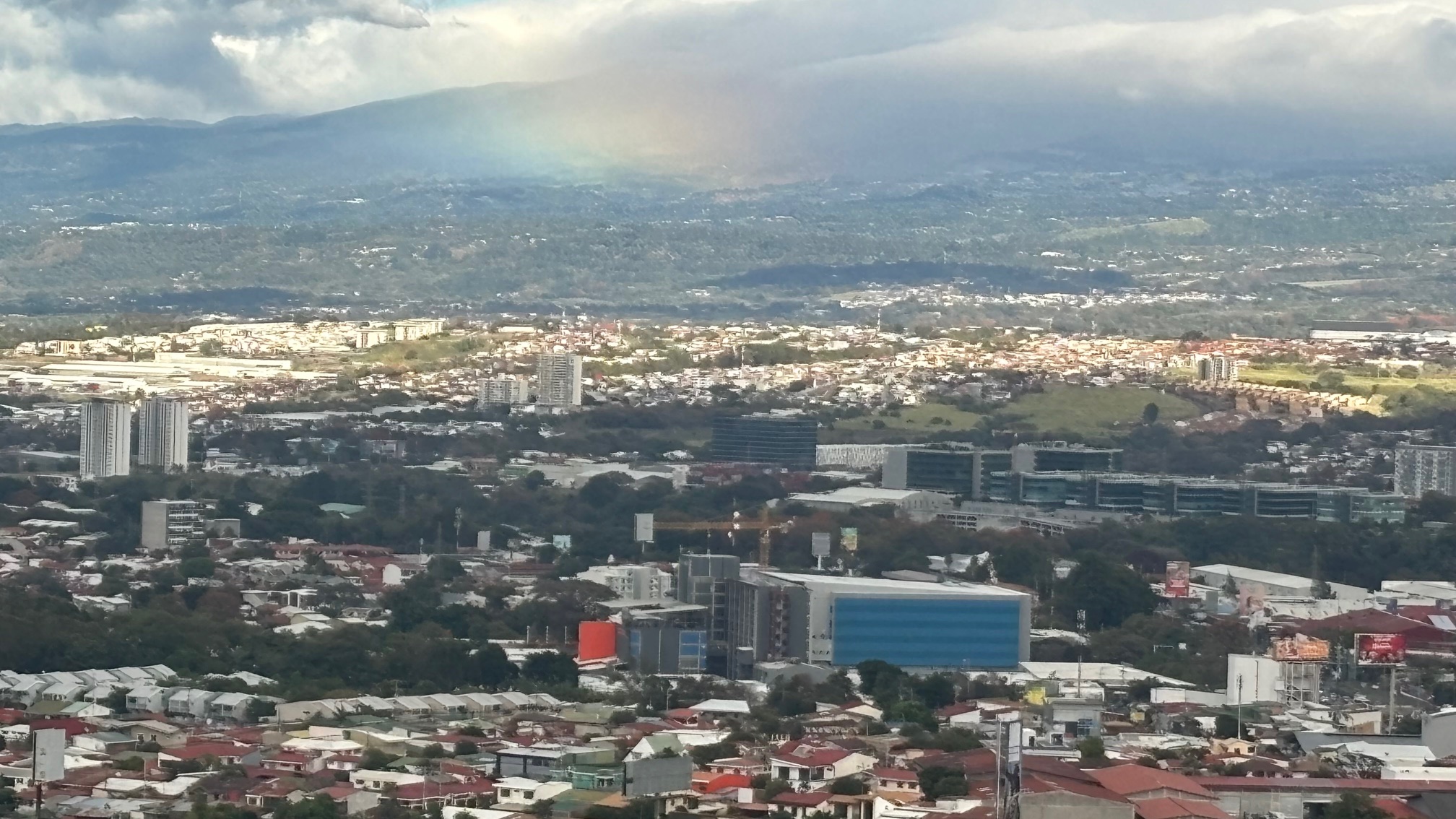
Jungles, Beaches, and Rainbows

Assorted photos of jungles, beaches, and a unique rainbow sighting in San Jose, Costa Rica.

Camera: iPhone 15

Location: Costa Rica

Unlocking More Freedom By Escaping The Hamster Wheel

“I am hopeful that everyone reading this article can find a way to escape at some point in the sense that you keep pursuing a life that is freer, more fulfilling, and less constricted than what is expected of you rather than what you are wishing for.”

Life can feel a lot like a ‘hamster wheel’ the older you get. The responsibilities, bills, obligations, and societal expectations can pile up without you even noticing at first. The hustle and bustle of life can keep us trapped without a way out. I am hopeful that everyone reading this article can find a way to escape at some point in the sense that you keep pursuing a life that is freer, more fulfilling, and less constricted than what is expected of you rather than what you are wishing for.

It is easy to settle into the steady job, the steady paycheck, the comfort of the ‘daily grind’ despite the dislike of it that a lot of us feel about it. It’s called a ‘grind’ for a reason and while there’s nothing wrong with steady work, paying your bills, and handling your responsibilities like an adult, but it’s about not questioning or working towards a different path that may make you get more out of life and what it has to offer you. You should not resign yourself to a life of constantly chasing something that you don’t even want or what doesn’t make you fulfilled. You should consider the ‘hamster wheel’ as a temporary station and not your permanent status in life.

Society often encourages each of us to take the ‘safe route’ and to ‘climb the ladder’ without thinking about if it’s really fulfilling or giving you the purpose and satisfaction we yearn for as human beings. It’s a cycle of working, earning, spending and saving, and while that’s fine if that’s your choice, I do believe there is more to life than that and you have to try to figure out which path is the right one for you off the wheel.

You may want to get off the proverbial ‘hamster wheel’ if you have a feeling of monotony and boredom each day, there’s a lack of passion or purpose in what you’re doing, and if you’re not earning or having the kind of success you envisioned in your current role in whatever work you are currently doing. Time slips away faster and faster as you age, and you really got to ask yourself more and more is if it’s worth my time and effort. If you’ve aged five years and your goals are still not in reach or if the job or vocation you chosen isn’t doing it for you anymore, you need to have some internal reflection on whether your life is heading in the right direction.

Productivity and achievement can be fulfilling at first but if you find the work to be repetitive, listless, or without any growth, it will often lead to burnout and a lack of overall fulfillment. If you are feeling that days are becoming more listless, directionless, or without any purpose, you may need to adjust your career, your lifestyle, or even your values to decide if where you’re heading is where you want to end up being. If that involves refocusing your priorities to less possessions or less spending or a change in your home location, you may need to shake things up a bit to see if you can get more out of life than you’ve been getting.

I am a fan of routines but if that routine, daily or otherwise, is sucking the life out of you, then you need to change up your routine or lifestyle in a big way. Living freely means not just breaking free of an unfulfilling routine but also creating space for deeper relationships, more creativity in what you do, activities that contribute to personal growth, and diversifying your identity outside of your work and more towards experiences and living more outside of the grind.

If you can’t escape the ‘hamster wheel’, I completely understand but you can still create a more intentional approach to your life. You can still prioritize those things that give you greater satisfaction and meaning including balancing out work, leisure time, and personal development without sacrificing each of these life aspects. Other strategies involve being less materialistic and being minimalistic with your possessions, setting boundaries with people at work and at home, practicing mindfulness in your decision making, and exploring different careers and lifestyles that serve you and not someone else. Those practical steps can help you break free a bit more and help you reclaim control over your life.

Meaningful change takes time and having more personal freedom involves making gradual shifts to where you live, who you work with, how you spend your time, what you prioritize, and how you live your life each day. You don’t need to quit your job today, sell your house, and move to a different city or country, but you can try to make some changes in your life to improve your freedom and choice as much as possible.

Living outside the ‘hamster wheel’ can bring a greater sense of peace, clarity, and contentedness that will allow you to enjoy your time more, bolster your relationships, and allow you to have more experiences that you want to have. Think less of what other think of your life and prioritize a life where you are constrained less about what others think of you and focus more on creating your own joy, happiness, and connections with other people as much as possible. Getting off the hamster wheel fully will not be easy but if you can’t get off now, try to slow down, take measure of what’s working and what isn’t, and make meaningful changes to enjoy life before that spinning wheel comes to an end.

Creatures and Critters of Costa Rica

The various creatures and critters you will encounter in Costa Rica during a trip or visit.

Camera: iPhone 15

Location: Manuel Antonio, Quepos, Costa Rica

Anatomy of a Scene – Bourdain’s ‘Parts Unknown’ in Congo and NYC Contrast

“One of Anthony Bourdain’s ‘Parts Unknown’ episodes in the Congo has one of the show’s best scenes where it has a vivid description of Bourdain gazing over New York City from his high-rise apartment in the closing moments, set up against the backdrop of his first and only foray to the Democratic Republic of Congo.”

If you had to pick opposites in the world, you couldn’t do much worse to contrast the journey through the thick Congolese jungles and down the Congo River with the urban sprawl of New York City. One of Anthony Bourdain’s ‘Parts Unknown’ episodes in the Congo has one of the show’s best scenes where it has a vivid description of Bourdain gazing over New York City from his high-rise apartment in the closing moments, set up against the backdrop of his first and only foray to the Democratic Republic of Congo.

There are multiple themes to take away from the significance of Bourdain’s perilous journey in the Congo throughout the episode and with the contrasting solitude and isolation he likely had felt back in his NYC apartment after such a harrowing trip. There is a burden that he must have felt in witnessing such a contrast between the Congo and New York City that leaves the contrasting scenes up for our interpretation as fans of his ‘Parts Unknown’ show. How easy it can be to feel lonely amongst millions of people after traveling to such a distinct place, the burden of making it through a perilous journey and putting your life on the line, and how traveling to such extreme places can change your sense of place in a complicated and often troubling world.

Before his passing in 2018, Anthony Bourdain was the preeminent travel host for over 15 years and his last show, Parts Unknown, from 2013-2018 was the deepest dive in his own mission of uncovering people’s stories through food and culture. In terms of looking at human nature and the human condition, few shows, if any, were better than Parts Unknown. More than anything, many of the Parts Unknown episodes had Bourdain providing needed historical context regarding the complex and difficult history of the country or place he would be visiting. This was especially the case during the Congo episode where he spends part of the episode looking at the colonial exploitation, civil conflict, and poverty that has gripped the country both before and after it became the nation state known as the Democratic Republic of the Congo today.

Bourdain was a huge fan of the Joseph Conrad book, ‘Heart of Darkness’ and makes it known in the episode of how became obsessed with the Congo and the Congo River without trivializing the country or its people. His approach is sincere, and he looks to paint an accurate picture of what the Congo is like, why he sought to demystify and humanize the place, and how it was both similar and different to Conrad’s interpretation of it.

“When all is said and done, I wanted to go to the Congo, and I did.” Bourdain knew that this would be one of his most difficult journeys, but he also wanted to pay homage to Conrad’s novel by following a similar exploration to the authors with a boat trip down the Congo river. However, this kind of journey as shown in the episode was not simply a leisurely trip down the river without witnessing the history, culture, or food of the Congolese. Bourdain and his film crew interacted with different villagers, aid workers, and other locals to hear their stories despite how difficult the journey had been especially losing power on the boat and being surrounded by mosquitoes and other insects at one point.

It takes a toll on a person to look at the dark history of a place’s past as well as its uncertain present and not be affected by it. Bourdain has a visible weariness and introspection upon the conclusion of the journey given how hearing about the history of violence, dealing with the security issues involved, the lack of infrastructure to make the journey work, and to hear about the sheer resilience and fortitude of the Congolese people under extremely difficult circumstances.

The hardest part for Bourdain in my view maybe wasn’t the actual trip down the Congo river with all the bureaucracy, bribery, and lack of infrastructure involved to make it finally happen. I think the final scene of this Parts Unknown episode sums up the ‘lost’ feeling and the isolation to have witnessed all that and come back to a New York City that is abundant, thriving yet inequal, and with a completely different set of circumstances than one would encounter in the Congo. There’s ‘culture shock’ and then there is experiencing a bit of a totally different reality that few Americans and fewer New Yorkers would ever see for themselves. This contrast in realities and the stark scene transition from leaving the Congo River to being back at his high-rise apartment in Manhattan is perhaps the greatest scene ever shot for Parts Unknown or in any of his travel shows.

To break down this excellent scene and contrast further, Bourdain is in one of the world’s most crowded cities, but he is alone and isolated in his apartment like being isolated from most people’s lived experiences of the world, which pales in comparison to his own having had been to over 100 countries in his travels. He is filmed sitting behind his apartment windows, which acts as a barrier between Anthony and the rest of the world, seeing everything for himself but finding it difficult to connect with his immediate surroundings in NYC after witnessing such a contrasting reality in the Congo.

I think this final scene of the Congo episode really encapsulates Bourdain’s struggle as a travel host and writer to search for meaning and purpose in a world that often feels indifferent or alienates the struggles of other people who live in a different place or country. Bourdain’s gaze through the window symbolizes the distance between the world he witnessed and the world he felt disconnected from. It reflected the existential tension that marked his life: the constant search for meaning, tempered by the knowledge that some things, no matter how deeply we travel, remain elusive.

In his life, Antony Bourdain likely felt a sense of solitude and isolation having witnessed the worst of humanity at times, which could be hard to relate to other people or even travelers who had not been to the same places. He was brave, kind, and let other people to tell their stories without judgment but it must have been lonely especially after a return from the Congo and returning home where he may have felt the most alone rather than out on the road with others in his crew or amongst people he had met. There is a loneliness in the familiar as any traveler can attest and the novelty of new places, people, and experiences make the routine feel mundane and trite. Bourdain’s entire journey, in this case, from the Congo back to his home in New York, shows that it can be hard to come full circle after visiting one of the least known places in the world.

The final shot of Anthony Bourdain in his New York City apartment, looking out over the vast, bustling city, yet consumed by solitude, serves as a poignant culmination of his journey as a seasoned traveler. After traveling the world, exploring the darkest corners of humanity in places like the Congo, Bourdain returns home, not with answers, but with a profound sense of isolation. The Congo episode, with its harrowing depictions of suffering and resilience, reflects the complexity of human nature that Bourdain grappled with throughout his career. The contrast between the vibrant, chaotic cityscape of NYC and Bourdain’s contemplative stillness in his apartment alone emphasizes a universal paradox: despite all the human connections made in the world, the traveler often finds themselves confronted with a loneliness that cannot be filled as a result.

Bourdain’s Parts Unknown was not merely about exploring food and culture, but it was also an exploration of the man himself. His travels were a quest for greater understanding, but they also unearthed the difficult truth that knowing the world does not necessarily mean knowing oneself at the same time. In the end, Bourdain’s legacy lies in the raw, honest portrayal of this duality, the external world and the internal battles that shape who we are. His life story continues to remind us that, no matter where we go or how much we learn, we all face the same fundamental challenge in life: to find a true connection in a world that often seems vast, indifferent, and overwhelming.