









Camera: Canon PowerShot SX710 HS
Location: Santa Elena, Antioquia, Colombia

Camera: Canon PowerShot SX710 HS
Location: Santa Elena, Antioquia, Colombia








Camera: Canon PowerShot SX710 HS
Location: Monserrate, Bogota, Colombia
Similar to the ‘Simple Future Tense’ that was written about in last month’s edition of the ‘English Corner’, it is only natural that we continue with the other form of the Future tense in English known as the Continuous Future tense or the Future Progressive tense. This grammatical tense is the last of the major verb forms that appears often in the English language and it is quite important to master each of the Past, Present, and Future grammatical tenses before moving on to other grammatical topics, which I will proceed with next month. There are a number of similarities between the Simple Future tense and the Future Progressive tense so it’s important to take them into account when you start to use them in either your speaking or writing activities.
Compared to the Simple Future tense, there is a major distinction between it and the Future Progressive tense that should be recognized by the learner. The Future Progressive tense is more specific than the Simple Future tense in that this grammatical tense refers to an event or a thing that will occur at a specific point in the future and is certain in its’ happening at a given time or date.
The Simple Future tense is most often used when it comes to possibilities and probabilities that could occur in the future rather than certain events or things that will definitely transpire. For the latter principle, you’re going to want to use the Future Progressive Tense as much as you can. Now that we know when to use this particular grammar form, we should learn about its’ structure especially when it comes to its’ positive, negative, and question forms.
When it comes to the structure of the Future Progressive tense, you’re going to want to put the subject at the beginning of the sentence regardless if you’re beginning with I, You, We, They, etc. The auxiliary verbs of ‘will’ and ‘be’ should follow after the subject and then to finish off the sentence, you will need to put down a main verb in the present participle form with the base form of the word + ing and then the ‘action’ part of the sentence should come at the very end to complete the structure. It’s important to note that this structure should only apply to the positive form of the Future Progressive tense as the questions and negative form of this grammar tense is a little bit different.
Examples: Positive
When you want to use the negative form of the Future Progressive tense with the correct structure, it’s quite simple to do. In between the will and be, the two auxiliary verbs of this grammatical tense, you would need to put the word ‘not’ in between these two words in order to make the structure of the sentence negative in its’ meaning. Also, if you want to turn the Future Progressive tense structure into the question form, you need to exchange the placing of the ‘subject’ at the beginning of the sentence for the auxiliary verb of ‘will’ and have these two parts switch places. Please look at the examples below to get a better sense of how to create the negative and question forms of the Future Progressive tense.
Examples: Negative
Examples: Question
It’s important to note that certain verbs such as ‘shall’ can be substituted for ‘will’ as an auxiliary verb when it comes to the Future Progressive tense and be used in its’ place. ‘Shall’ and ‘will’ have the same meaning and express the same certainty when it comes to an event or a thing that will definitely take place in the future at a certain time and date.
Examples: Shall
As mentioned in the previous blog post on the ‘Simple Future Tense’, it is quite common to contract the form of ‘I will’ to be ‘I’ll’ and still be grammatically correct with your sentence. If you want to make a contraction in the negative form, you should turn ‘I will not’ into ‘I won’t’ to make sense in your sentence structure.
Contractions: Positive
I will –> I’ll
You will –> You’ll
They will –> They’ll
He will –> He’ll
She will –> She’ll
Contractions: Sentence Examples
Before I finish up this post on the ‘Future Progressive Tense’, I would like to remind my readers that the most important distinction between the ‘Simple Future Tense’ and this one is that the Future Progressive Tense refers to a specific timeframe in the future and is very particular in its’ timeline. Since we are using ‘will’ or ‘shall’, you’re going to want to give the reader or listener a specific time or date in the future in which you will be doing the action so that they know when to expect it to be started or completed.
The future action will be ongoing but the reader or listener in question will have a better idea on when the action will be completed as well. Since this is the Future Progressive tense, there must be a specific time and date when the action will be in the process of completion. I will be leaving you with some examples so that you’ll have a better idea of how to use this important grammatical tense. Good luck and please let me know if you have any questions or comments about this particular subject.
Examples: Actions











Camera: Canon PowerShot SX710 HS
Location: Boston, Massachusetts, United States
If you’re visiting Colombia and you are really looking for an off-the-beaten track experience that most tourists who visit the country don’t get to experience, then you may want to consider visiting Bahia Solano and Nuqui.
Before you start to book your trip to these two beautiful and distinct places in Colombia, it’s important to do your research first on how you can get there, what to do when you get there, and how to make the most of this mostly undiscovered part of the Pacific coast. Although Bahia Solano and Nuqui fly under the radar in terms of destinations to visit in Colombia, both of these places are becoming more and more popular as more tourists strive to discover these hidden gems.
Nuqui is both a town and municipality located on the Pacific coast of Colombia and is not a very big place when compared to Cartagena, Santa Marta, or Cali. There are only eight thousand residents of Nuqui in total and is located within the department of Choco specifically. The Choco department is wedged between the Baudo Mountains and the Pacific Ocean making the scenery quite unique and appealing to visitors.
There’s a lot of diversity, both culturally and ethnically to discover in Nuqui, and it’s a great chance for tourists to experience the Pacifico culture in Colombia while meeting the friendly and down-to-earth locals. Similar to Bahia Solano and the rest of the Choco department, the majority of the population there are Afro-Colombians or are the descendants of the various indigenous tribes that still call Colombia home to this day. You’ll get a chance to experience a different regional culture that is very different when compared to other regions such as Antioquia or Santander.
What may draw some tourists specifically to visiting Nuqui is the fact that there is an extremely diverse amount of flora and fauna to see and explore. It’s only a short trip from Nuqui to visit the mangroves of PNN Utria where you also have the option to go snorkeling or relax at the Playa Blanca. The main draw of Nuqui is considered to be the pristine beach of Guachalito that is mostly empty but is filled with mocha-colored sand next to a nearby jungle. Between checking out the marine life, hanging out on the mostly untouched beaches, and wading through the deep jungles, there’s plenty to do when it comes to visiting Nuqui.
There are also numerous other activities that you can do in Nuqui as well. If you want to chill out, you can hang out at some thermal springs and rub some healthy mud all over your body. You can do some ecological hikes just a stone’s throw from the beaches and check out some waterfalls where you can do some swimming to cool off. The most popular waterfall is known as the ‘Terco’ waterfall, which is about a four-hour hike but is worth the effort to get there.
If you happen to visit Nuqui between the months of June to October, you can check out whale watching and get up close to those beautiful mammals. Don’t be afraid to hit up the surf with the massive waves that can be found in Nuqui especially ‘Cabo Corriente’ if you’re up for the challenge at a more advanced level. Lastly, you can also tour the Jovi river especially by canoe if you would like to get some exercise into your trip.
In order to get to Nuqui, it’s possible by flying from the Olaya Herrera airport in Medellin or from Bogota with a stopover in the city of Quibdo. You can also take a boat to Nuqui from the beach of Guachalito, which will take about an hour or so.
Bahia Solano is pretty similar to Nuqui in terms of location as they are both located in the Choco department of Colombia. However, compared to Nuqui, Bahia Solano is considered the tourist capital of the Pacific coast of Colombia due to its’ location and its’ relatively cheap cost of touristic activities. Bahia Solano has the only airport on the Pacific coast or in Choco so you can fly to there first from other cities in Colombia before you travel on to Nuqui or another part of the Choco department.
There’s also a seaport, which will allow you to travel there by boat from other parts of the Pacific Coast if that is what you choose to do. Bahia Solano has a little bit of everything to offer the seasoned traveler or tourist. Between the mangroves, marshes, rivers, beaches, mountains, and scenic coasts, Bahia Solano has a natural biodiversity that is unmatched when compared to other destinations in Colombia. The flora, fauna, and overall biodiversity will draw you in as well as other sport activities such as surfing, fishing, and scuba diving. Bahia Solano is very close to other tourist draws such as the beach town of ‘El Valle’ and the nearby Ensenada de Utria National Park, which is also accessible from Nuqui too.
If you are looking for an organized tour within Bahia Solano, you may want to check out Pacifico tours. It will be a good chance to meet new people and explore the undiscovered Pacific coast with customizable trips that focus on your outdoor activity preferences. You can also partake in surfing and whale watching (June through October) through these tours or on your own.
‘Huina’ is a beautiful, remote beach in Bahia Solano that is popular with the locals and hasn’t been spoiled yet. You can choose a number of hikes to do that last from four to six hours to destinations like the ‘el Tigre’ waterfall from playa Aljemal or to the ‘Boro Boro’ area to explore the jungle part of Choco. If you want to do canoeing in Bahia Solano, you can tour the Rio Tundo to combine exploring the coast with exploring the jungle by passing through this river.
Whatever you decide to choose to do, Nuqui and Bahia Solano have a lot to offer the average tourist or traveler. You are going to be impressed by the natural beauty, warm people, and agreeable climate that you will encounter when you visit this part of the Pacific coast of Colombia. Have a good time and remember to take some pictures and video to remember this unique travel experience.
________________________________________
Note: For this blog post, while I haven’t been to either of these places yet, I did some thorough research regarding these two destinations as well as talking to other Colombians and friends of mine about these places. They have been highly recommended to me and I hope to visit Bahia Solano and Nuqui in the future.




Camera: Canon PowerShot SX710 HS
Location: Barichara, Santander, Colombia
You’ve got the good job. You live in a nice apartment. You are able to move out of your parents’ house. You’re lucky enough to consider yourself to be pretty independent and self-sufficient in your 20’s, which isn’t so easy to come by these days. However, have you learned how to cook? Can you feed yourself without needing to go to a restaurant or to order from Domino’s?
I consider that being able to learn how to cook is one of the most important skills any young adult should have a good proficiency in by the time they turn 30. You don’t need to be on the level of Anthony Bourdain or Emeril Lagasse but you should be able to know a decent amount of recipes and be able to cook yourself a couple of homemade meals each week. There are a number of good reasons as to why it’s important to learn how to cook in your 20’s and I’ll cover a few of them in this post.
1.) You’ll save money.
Regardless of where you’re living in the world, it’s often the case that buying groceries from the local market or supermarket and cooking meals for yourself will be less expensive than going out to eat for lunch or dinner or even both meals. The costs really add up after a while from eating out all of the time or from ordering a lot of meals to be delivered to your door. In your 20’s, many people are trying to save up money for graduate school, or to buy a car or to lease an apartment so if you’re able to buy food for yourself and then cook it, you’re way ahead of the game and you’ll probably save a good amount of money each month. Any kind of savings that you can create in your 20’s will make a sizable impact down the road and cooking your own meals is one of the best ways to have a positive impact on your personal budget each month.
2.) It’s healthier for you.
Let’s be honest: ordering out or eating out at a restaurant are not the healthiest options to do repeatedly. While there are healthy options out there, they are usually the exception and not the rule. Eating a takeout pizza with extra cheese from Domino’s is simply not as preparing a fresh salad from scratch for your dinner. Unless you go to a higher-end restaurant, a lot of restaurants these days use a lot of sugar, salt, or other preservatives that can lead you to put on some extra weight if you’re not careful. Knowing how to cook forces you to create your own daily diet without having any outside influence. You’ll be more responsible for your intake of different foods and learning how to properly balance your diet with fruits, vegetables, dairy products, grains, meats, etc. This is a skill that is better to be learned in your 20’s so that it can be a healthy habit that can stay with you for the rest of your life. You’re making a conscious choice every time you prepare and cook your own food and that’s a great skill to have.
3.) You’ll become more independent and self-reliant.
Being comfortable with your cooking skills and knowing that you’ll never go hungry or rely on others to cook your food is a great thing for your self-esteem. The confidence that you’ll gain as you get better at cooking is something that can transfer over to your parts of your life. It’s a skill that you can share with other people whether it’s your friends, your parents or other members of your family. A lot of your 20’s is learning how to function as an individual who is independent from other people and one of the best ways to do that is to learn how to cook a good meal. It may take time and a lot of effort but the rewards will be ever present throughout your life. You can make other people in your life happier and healthier by cooking for them and they’ll appreciate the fact that you can take care of yourself in the kitchen.
4.) It’s easier now than ever.
With modern technology like the stove, the gas oven, and the many utensils and kitchenware you can buy for pretty cheap, learning how to cook is easier now than ever. In addition, any aspiring cook has the entirety of the Internet at their disposal. Whether it’s learning the basics for the first time or trying out a new recipe, there is a limitless amount of information out there that can help you achieve your cooking goals. There are hundreds of videos on YouTube that can walk you through a recipe step by step and there are thousands of unique recipes that you can look up on a moment’s notice through Google that can make cooking more fun and creative.
Centuries ago, cooking food was much more of a daily ordeal with the average meal taking a full day to prepare but due to the advent of modern technology, it really is easier now than ever. For example, I learned of a website recently called Blue Apron, which actually delivers all of the fresh ingredients for the different recipes you want to make without you leaving your apartment or house to scavenge for the ingredients at the local market. There are also a number of companies out there such as Whole Foods that can deliver all of your groceries to your door making it even easier and more cost effective to cook your own meals.
5.) It makes you more creative.
With thousands of recipes to choose from and with different ingredients to mix and match with your favorite foods, cooking is really an art just like painting or music. You can experiment as much as you want and really tailor your meal to your own preferences. When you order food at a restaurant, it’s really up to the chef’s own taste on how he puts your meal together. When you cook for yourself, you’re giving back control to yourself. You can work with your hands and you can slice and dice as you please.
While you may struggle at first with getting the recipes down to a science, you’ll keep getting better and better the more you practice and that’s what makes it so fun. Even if you burn the chicken or undercook the spaghetti, you can learn from your mistakes and know what to do better the next time. Cooking is a skill that really utilizes both your mind and your body. While it takes a lot of effort and time to master, the results are often delicious.
Put away the Chinese takeout menu, and put that apron on. It’s time to take these reasons into consideration as you begin your cooking career. Even if you’re a single guy or gal living in the heart of the city with restaurants abound, you should still give yourself the joy of cooking. You’ll thank yourself later when you have a wife or children to cook for at home and you can put together a meal that’s more than just scrambled eggs or spaghetti. Now, if you’ll excuse me, I’ve got to make myself dinner.
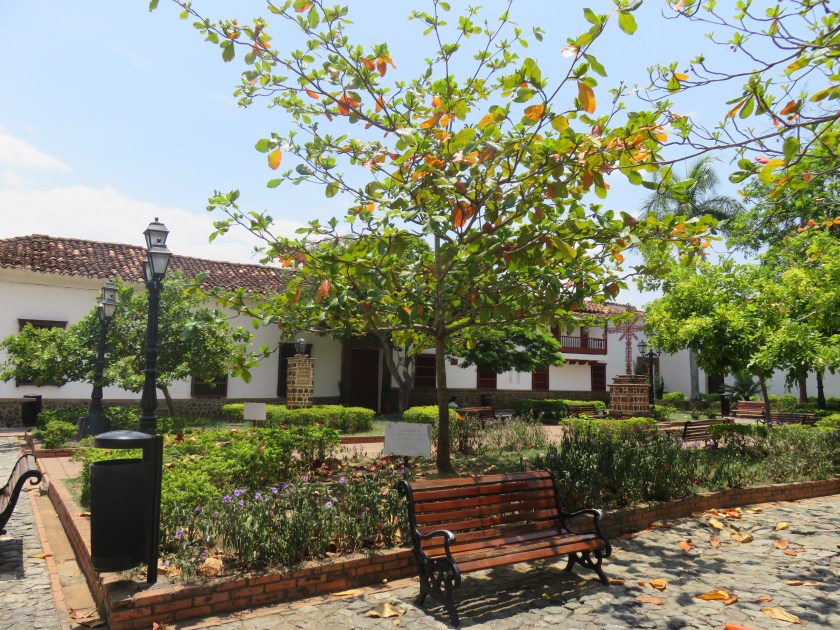


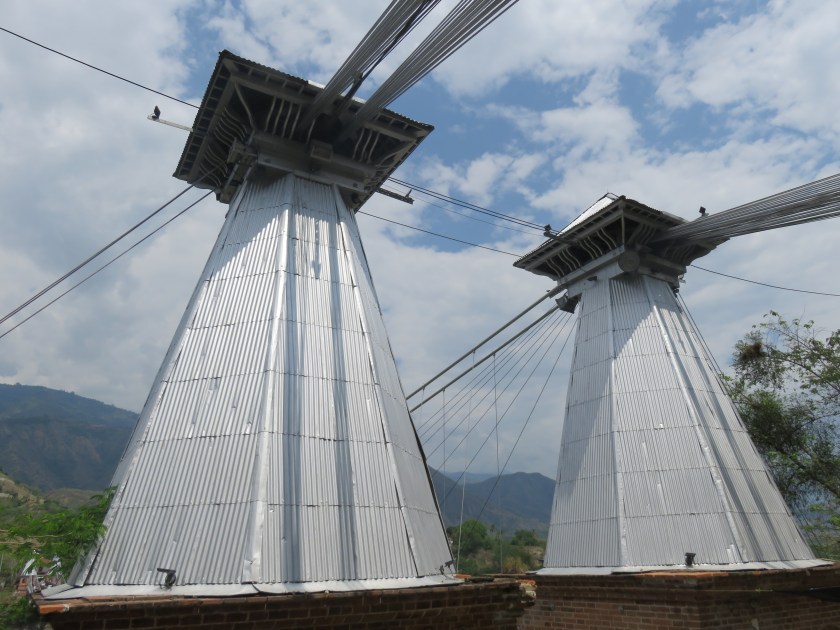


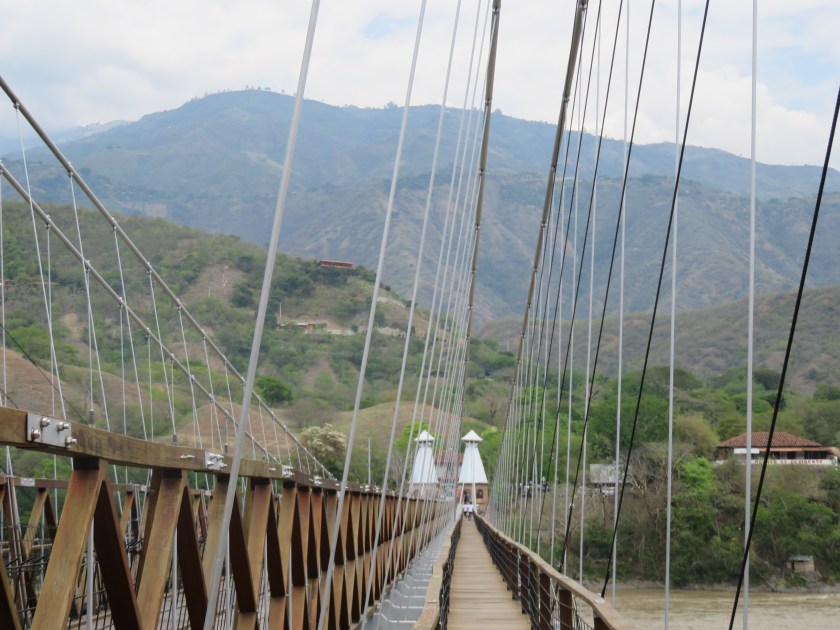


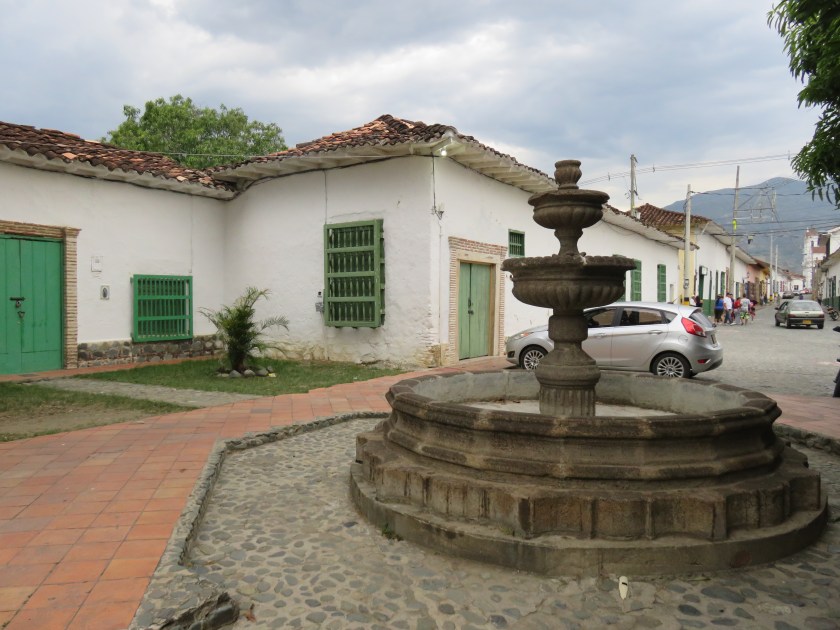



Camera: Canon PowerShot SX710 HS
Location: Santa Fe de Antioquia, Antioquia, Colombia
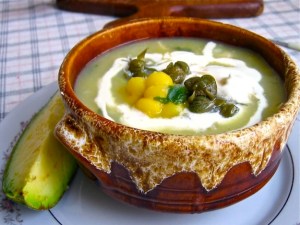
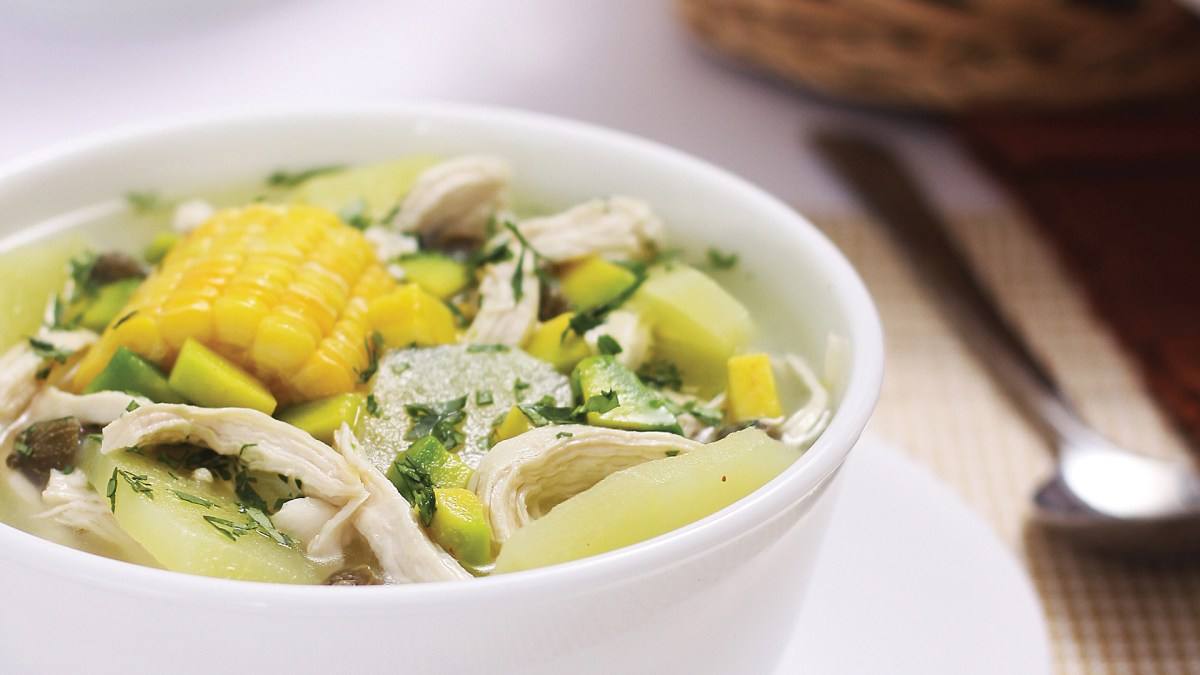
A delicious yet underrated popular dish here in Colombia that is hearty, tasty, and has a lot of flavor to it is one you may not be familiar with unless you come to the country to experience it firsthand. You may be able to experience this food outside of Colombia but you have to go to the source of where it’s made to perfection in order to get the most out of the dish. While not as hyped up as ‘Bandeja Paisa’ or ‘Sancocho’, Ajiaco is just as delicious if not more so and is pretty easy to make if you can collect all of the necessary ingredients.
Ajiaco is a popular food dish not only just in Colombia but different versions of it can also be found in the countries of Peru and Cuba. Ajiaco has been around since the 16th century but it is unsure as to which country the food originated in first as to whether it was Colombia, Peru, or Cuba.
When it comes to Colombia, Ajiaco is most popular in the capital city of Bogota where it is made mainly with big pieces of chicken breasts that have been sliced up, fresh corn ears that have been cut into smaller pieces, scallions, minced garlic, chopped cilantro, three different types of potatoes such as red potatoes, white potatoes, and Andean potatoes (papa criolla). In order to complete this recipe for ‘Ajiaco Bogatano’, you’re going to need to add some guasca, which are dehydrated herbs as well as capers and heavy milk cream to top it all off.
Some people also like to add white rice to their Ajiaco dish in Colombia as well as some avocado that you can mix in with the rest of the ingredients. In order to get some more flavors out of this dish, you may want to add some salt and pepper to add to the taste. With all of the necessary ingredients to this recipe being added and mixed together, you will need to use a big pot to cook it all in. Ajiaco, Colombian style, will take a couple of hours to prepare, cook, and serve to you and your guests but the end results are delicious. When it comes to Ajiaco, it could be the only meal you have in a day and still come away from eating it feeling full and satisfied.
There is so much to the Colombian version of Ajiaco that it easily one of my favorite dishes to have here. It’s got vegetables, meat, and grains all loaded into one big bowl of deliciousness and if you make enough of it, you’re likely to have seconds and even thirds if you’re lucky. Like many other popular dishes from Colombia, Ajiaco is a great food to share with your friends and your family. It’s the kind of dish that you can serve to five, ten or more people depending on how big of a pot you want to use and how many hours you have free to cook all of the ingredients together.
Ajiaco can be an ideal dish that you can serve at a wedding, a birthday party, a family gathering of some kind, or for celebrating a religious ceremony. Have patience though because Ajiaco takes a while to get ready and serve to your guests. Because it’s got chicken, corn, rice, avocado, potatoes, there’s not much that you won’t like in your Ajiaco serving when it’s finally ready to eat. If you’re feeling a little down in the dumps or are feeling sick, I believe that Ajiaco would be a good way to start to make you feel better and improve your mood.
‘Ajiaco bogotano’ is not the only version of Ajiaco out there in Latin America as there are variations on this popular dish that are available in Peru and in Cuba. When it comes to Peru, Ajiaco is a dish mainly of different kinds of potatoes along with garlic, a mix of yellow and red chilis, yerbabuena, huacatay, that is accompanied with rice on the side and a choice of meat that is either chicken or rabbit stew.
Similar to Ajiaco from Colombia, you can add and mix together as many of the ingredients as you want when it comes to Peruvian form of Ajiaco in order to get the most taste and flavor out of the dish. The Cuban Ajiaco is also distinctly unique from the Peruvian and Colombian versions in its’ own rights. In Cuba, Ajiaco is much more of a stew, which is made up of a lot of different meats such as chicken, beef, pork, rather than just one or two kinds and many vegetables like carrots, onions, scallions, rice, potatoes, tubers, and starchy roots. ‘Viandas’ are also a unique aspect of Cuban Ajiaco that adds a lot to the dish.
As to the origin of Ajiaco as mentioned earlier, it is still debated by different scholars on the subject. It is estimated that the food dish originated with the indigenous tribe of Taino who inhabited parts of the Caribbean including modern-day Cuba. The word ‘Aji’ in Ajiaco is said to have originated from the Taino tribe’s language and the meaning of ‘Aji’ in their language is ‘hot pepper.’
It is believed that Ajiaco first originated in Cuba due to the fact that it is quite a diverse dish of different ingredients reflecting how Cuba was a melting pot of indigenous, African, and European cultures mixed together. Ajiaco has been served in Cuba since the 16th century, which is longer than the food’s origin in both Colombia and Peru. From the city of Havana to the village of Camaguey, the tradition of making Ajiaco was born and continues to thrive today. Farmers, slaves, traders, and regular people would exchange and buy ingredients from each other in order to put their own mark on this popular food dish over the centuries.
Regardless if its’ Cuban, Colombian, Peruvian or just homemade from scratch, Ajiaco is a delicious food dish that has a variety and a flavor that is hard to beat. It doesn’t matter what social status you have or what your cultural background is, Ajiaco is a dish that is deeply loved in Latin America and around the world. If you are curious about trying it out, there are many recipes available on the Internet depending on which kind of Ajiaco you would like to try out.
If you come to any of the countries where Ajiaco is popular and has a known history, I promise you won’t be disappointed when you eat it. Just remember to have an empty stomach when you dig in to eat because you’re going to need extra room for this plentiful and fulfilling dish of goodness. Buen Provecho!
Most visitors and newcomers who arrive in Colombia may be surprised to find out that the national sport of the country is not ‘football’ as most people would guess given how popular the sport is around the country and due to the high quality of the national team shown in international competitions such as the FIFA World Cup. While Colombians may have the most passion for ‘the beautiful game’ of football, the national sport of Colombia is actually the game of ‘Tejo.’ This was actually an official decree made by the Congress of the Republic of Colombia back in 2000. While not as massively popular as football, Tejo is considered the second most widely played sport in the country and actually fields both teams and competitions in different cities.
Tejo is the oldest sport in Colombia and dates back over five hundred years and is said to have originated with the Musica indigenous tribe who speak the Chibcha language and were based in the northwestern part of Modern-day Colombia. Luckily, the game of Tejo hasn’t changed much since the Musica indigenous people first introduced it in the early 1500’s. However, it’s likely that they used a golden disc known as the ‘Zepguagoscua’, and the game of Tejo was known as ‘Turmeque’ back then and was played mainly by the indigenous peoples located in the modern regions of Cundinamarca and Boyacá.
The Spaniards who came to Colombia are known to have used wooden disks when they played the game and focused more on the accuracy of their throws than the distance of the throws, the latter which is more of a factor when playing the modern game today. From gold disks to wooden disks to stone disks to now using iron metal discs for playing, the game has evolved mainly in what material you’re using in order to get the furthest yet most accurate throws.
The main objective of Tejo hasn’t changed that much though in that you’re going to want to take the iron metal disc in your hand and underhand toss it about 15-20 meters so that you’ll hit the metal ring known as the ‘bocin’ as well as the ‘mechas’, which are triangular paper packets that are filled with gunpowder. You get the most points for hitting the bocin in the middle of the clay landing field but you can also receive from three to twelve points from hitting the different mechas and causing some loud explosions that are likely to earn you both some cheers and high fives.
While players should focus on the metal ring, you’ll also want to focus on hitting as many mechas as you can when you step up to throw the iron disk. When you hit the gunpowder packets, there is a loud bang like an actual gunshot and you may even see some white smoke emerge from the exploded triangular packets. Tejo is a pretty simple game to learn and only takes a couple of tries for you to get the hang of it. The iron disk only weights about two kilograms or so and if you get a good arch on the underhand throw, you’re likely to hit the clay field or even the mechas, bocin if you’re lucky. Tejo is a mix of skill and luck in my opinion but it’s quite exciting to play especially when you make some of those gunpowder packets explode for everybody to hear.
Both men and women are welcome to play Tejo and the only difference is that guys use the two kilogram iron disc and the ladies can choose to use a smaller, one kilogram iron disc if they would like to as well as being able to do the underhand throw from about fifteen meters away, which is a bit shorter than the regular distance of twenty meters or so. These rules aren’t mandatory for women so it is up to the individual lady what kind of distance or disc that she intends to use for Tejo.
Tejo is also a team game so you can play with up to five other people on the same time to face another team with the same amount of people. You’re often rooting each other on to hit the bocin or mechas in order to reach a certain amount of total points in order to win the match. There are numerous amounts of teams and competitions that are held all across Colombia and even in the neighboring countries of Venezuela, Panama, Peru, Ecuador, etc. Prize money is often involved in these competitions so certain Tejo players take this game very seriously if you’re playing for more than just bragging rights.
Tejo has become quite a popular sport with tourists and foreigners who come to Colombia and you can include me amongst those people. One of the aspects that Tejo that first time players find to be interesting is the ability to drink alcohol such as beer, rum, or aguardiente during a game. While this next statement can be disputed, it’s possible that you will get better throwing the Tejo at the clay field the more you drink although it depends on the individual player. It’s important to note that you can play Tejo completely stone cold sober and you would still have a lot of fun. Tejo is overall a social sport that should be enjoyed either amongst friends or between close-knit teams.
Unfortunately, it took me about ten months of living here in Colombia to finally play the sport of Tejo but it’s easy to say that I’m glad I finally did. While I wouldn’t play it competitively, it’s a sport that is a lot of fun and a great way to meet new people or locals in your city. The combination of throwing metal discs at gunpowder triangles while drinking a cold beer is a good one overall. Tejo has been apart of Colombian culture going back to over five centuries ago and it doesn’t seem to be going away anytime soon.