The Importance of Being Reliable and Responsive to People

“It is important to be both reliable and responsive to the people you care about and even to those you’re just getting to know if you can do so.”

How many times have you sent a text or an email to someone thinking it was useful, humorous, thoughtful, or even just to reach out for it to have been received but not replied to? Chances are good it’s happened at least once if not multiple times to the people reading this article. It is one of the inevitabilities in life that not every text, call, or email will receive the attention it deserves and that’s alright as not everyone has the time or the urge to respond. However, when it’s a friend, family member, or a colleague, who you trust or respect or have some kind of relationship with, then it can be a real problem when your outreach goes ignored.

It is important to be both reliable and responsive to the people you care about and even to those you’re just getting to know if you can do so. Nobody’s perfect but you can really stand out nowadays in a good way when you’re willing to make the effort to respond to someone, to be relied upon and follow through, and to hold yourself accountable. These are qualities in a person that will always make you stand out in a good way because in our attention-deficit addled society, these kinds of traits are becoming less and less common.

Things happen in life such as emergencies, setbacks, and sometimes we just need a break from being plugged in to what’s going on with everyone else. It’s okay to take time off from reaching out if you want to focus on yourself for a while. If people try to reach out still, let them know though that you need some time away from the phone or the computer and if they really need you, indicate that it should only be for an emergency or an urgent matter. I don’t mind when people are unreachable but if there’s a lack of communication about why or for what purpose, it can cause some resentment and the fraying of the relationship or friendship in the long-term.

Nowadays, you can silent your notifications, put your away message up for colleagues to be aware of, or just simply turn your social media channels or phone off for a little while. You can be unresponsive and still be a responsible person in my view. What causes concern in my view is when you refuse to answer me when you read my message and wouldn’t give me any reason or indication of what’s going on. There’s a lot of talk about ‘Ghosting’ people today and I believe we are all guilty of ‘ghosting’ on each other at one time or another, but if it’s a recurring pattern, you really should think twice in how you act towards other people, especially if they value your feedback, opinion, or just want to see how you are.

Whether at work or at home or in ‘third spaces’ with friends or someone you’ve just met, remember to be responsive within reason because it’s about common courtesy not only regarding your time and effort but also of theirs for having reached out to you in the first place. It’s something we overlook but when someone is reaching out to you, they are first thinking about you and spending some time out of the millions of other things they could be thinking about to focus on you as an individual to some degree. It does not mean you need to spend a lot of your time but if you have the availability, it doesn’t hurt to give a simple response or at least let them know where they stand with you, whatever kind of relationship you may have with that person.

Whether it’s a co-worker sending you a message on Microsoft Teams asking for advice on a presentation, an elderly family member asking you to do them a favor regarding a health question, or a friend inviting you to their wedding or their birthday party, you do have a responsibility to be responsive. These situations I posed may not be urgent, but they are important, and to ‘ghost’ them is neither mature nor responsible. You have a duty not only to yourself in how you act but how you carry yourself with others.

At the end of your life, how do you want people to remember you? That’s part of why being reliable and responsive takes on such importance especially as you get older. People will remember in any kind of relationship that you have or had with them how you treated them, if you responded to them, and how much you invested into the relationship, whatever it may have been. Make sure to remember this kind of legacy that you’re building each time you answer that e-mail, respond to that voicemail, or send that text message out. The irony of our technological age is that we are connected by our devices but are as disconnected as ever regarding reaching out, making plans, and being reliable in how we present ourselves.

You can set the tone by being a reliable person who’s available and is reliable whether at work, at school, or at home. Be the person who can be trusted, who gets things done, and is able to follow through when you make a commitment to someone else. Sadly, being both reliable and responsive to other people is becoming rarer and rarer in my view. I believe you can have a lot of professional success and personal happiness if you are able to respond to others in a timely manner and be counted on when they need you.

Hopefully, they will remember you for what you did, how you acted, and how well you treated them. They won’t forget it and ideally, they will follow your lead by picking up those kinds of traits in response. Being someone who is reliable and responsive can have that positive effect on how others behave as well creating a good kind of ‘domino effect’ and improving people’s behavior in a family, in an office, or in a group. You do not have to be available 24 / 7 and nobody is expecting you to be doing so but it’s important to be willing to respond, to follow up, to check in, and to be present with other people whomever they may be and whatever kind of relationship you may have with them.


Gone Whale Watching in Auke Bay

Whale Watching on Auke Bay near Juneau, Alaska (Summer 2023)

Camera: iPhone 12

Location: Auke Bay in Juneau, Alaska, United States

Finding Your Personal Sanctuary in Modern Life

“With how hectic and chaotic modern life can be, it’s more important now than ever to find your own sanctuary where you can be at peace.”

With how hectic and chaotic modern life can be, it’s more important now than ever to find your own sanctuary where you can be at peace. It’s a place that you only know ideally but if not, it is a quiet place where you can be at ease. We all deal with a lot of stressors each day and it is key to find your own sanctuary where you can be yourself, be by yourself, and enjoy being at peace. It is increasingly hard to do these days when there are so many distractions, commitments, or other things to take care of in our day-to-day lives.

Still though, for one’s own mental health, it is more important now than ever to find your own place, secluded in nature or just somewhere you can call your own, public or private, where you can be free to relax and enjoy some peace. Each person’s sanctuary will look differently from another person’s, but it must be a place where you can rest easy, relax fully, and away from work, chores, or other commitments. You should be focused on this place being good for not only your mind and your body but your soul. It is a place that you can choose to be by yourself but also that you can let other people enjoy as well should you choose to.

When I think of these places of sanctuary, it can vary in terms of setting and background. I have always loved being near the sea or the ocean. It calms me down, lets me focus, or just lets me relax and be at ease. I can leave my earthly troubles for a while and just focus on the birds, the sound of the waves, and the sand beneath my feet. I can also think more clearly when I’m just looking at the water crashing down on the beach or to be watching a seal, dolphin, or birds in the distance. There’s something relaxing about a natural setting like the ocean that may not take my problems away but where I can take a break from them instead and realize also how insignificant and temporary they are. I also love to go in the ocean, to walk on the sand, or to play a sport there a bit like volleyball or some football.

If it’s not the ocean, I have discussed the beauty of a walk in the woods or a hiking trek through the mountains to ease one’s stress and provide some clarity through life’s stressors. If you have a park or a mountain, or even just some nature nearby, a place of sanctuary can be found there as well in nature. Being able to camp or to hike or just to walk in nature, preferably by yourself in a deserted area for a while can do a lot of good for mind, body, and soul.

A sanctuary is one that you decide for yourself, and it can range from a mountain pass, a walk through the flat woods, a serene beach by an ocean or the sea, or a local park at sunset where you’re the only one there. You can let people into your own sanctuary, or you can keep it private as it should be up to you. I do believe that we all need our own sanctuary away from people now and then.

It does not mean I am recommending being a social recluse, but we do need a place where we can rest, relax, and recharge to face our challenges again, whatever they may be. We need that alone time to ourselves in a public or private setting where we can truly think freely, feel different emotions, and let us get in touch with nature.

Now, if you have not decided on what your sanctuary is yet, do not be discouraged. You have time to figure out a place in the world where you like to go and is quiet for you to be free in. There are a lot of places to choose from but the key thing to keep in mind is that it is quiet, solitary, and where you can do some reflection. If you cannot find your sanctuary to call your own, it’s important to find a private room, a private garden, or just a private setting in general, where you can be by yourself for a while to give yourself time to relax and reflect amid your days of hustle and bustle.

Your own sanctuary is what you make of it. You must decide how it looks, where it is, and how often you go there. The main thing to take away from having a sanctuary is that wherever or whatever it is, you can call it your own and it is quiet enough where it provides some solitude and peace. Others can join you there, but they don’t have to if you don’t want them to. Make sure your sanctuary is never disturbed and that is always welcoming regardless of whatever may be going on in your life, both good and bad. A sanctuary is where we find true peace in this world, and I hope you’ll find your own one day.

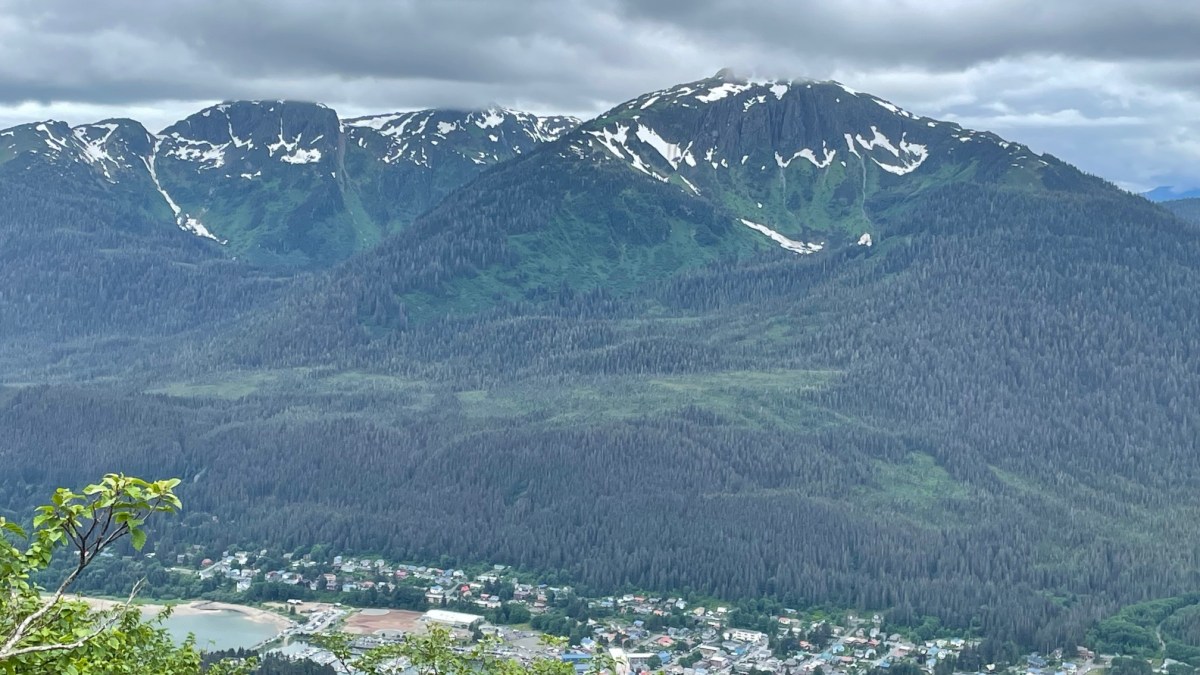
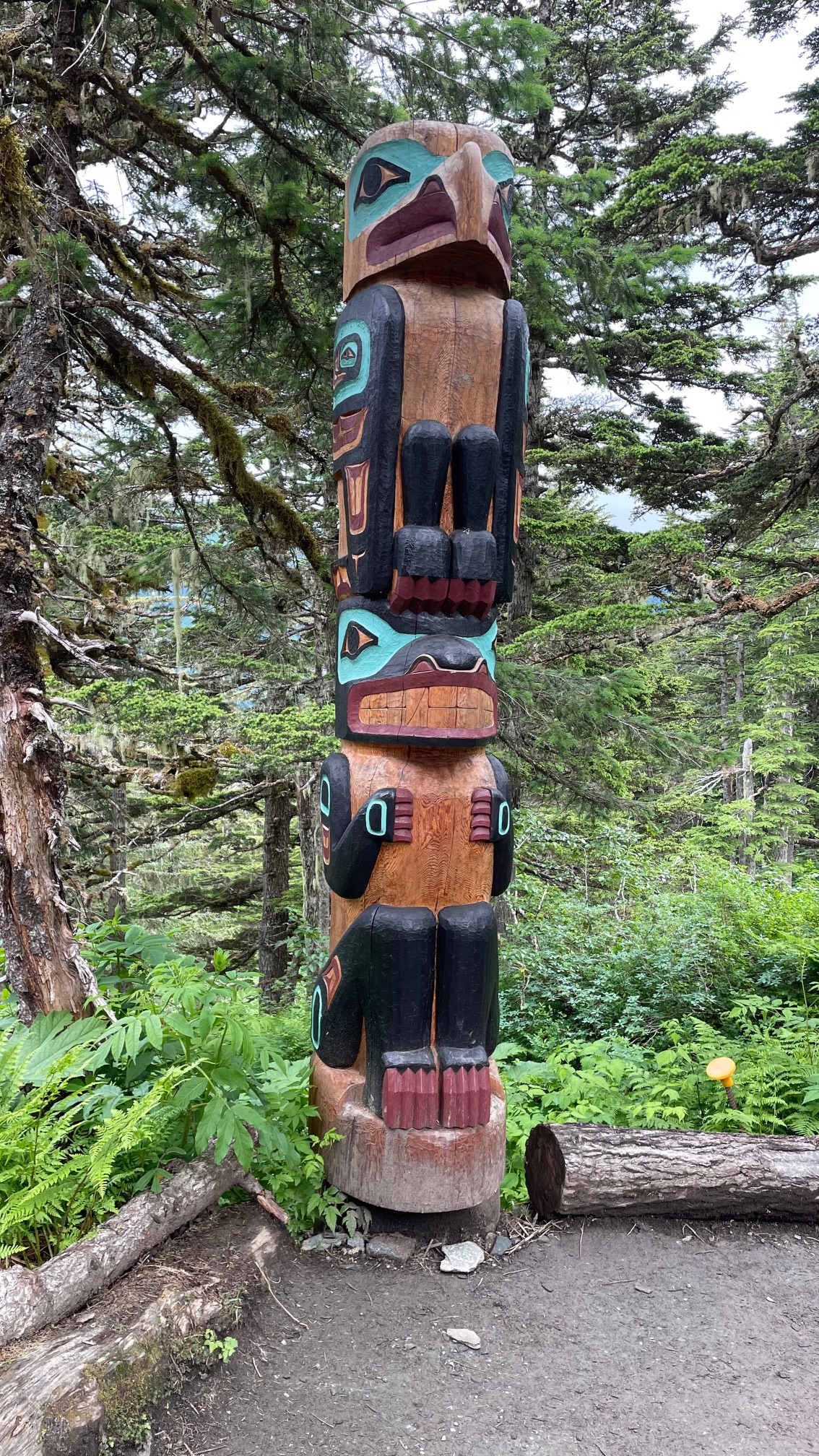
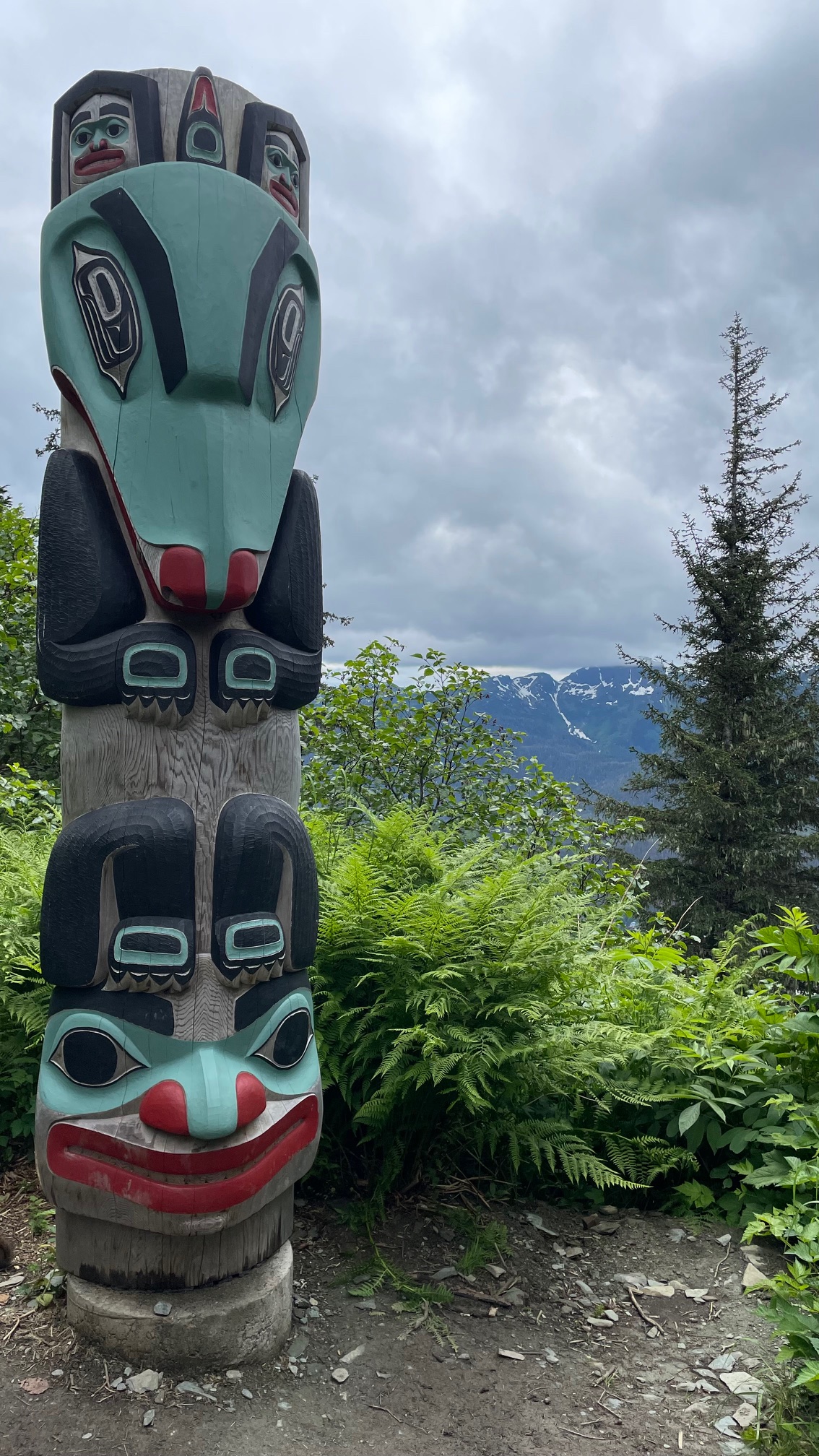
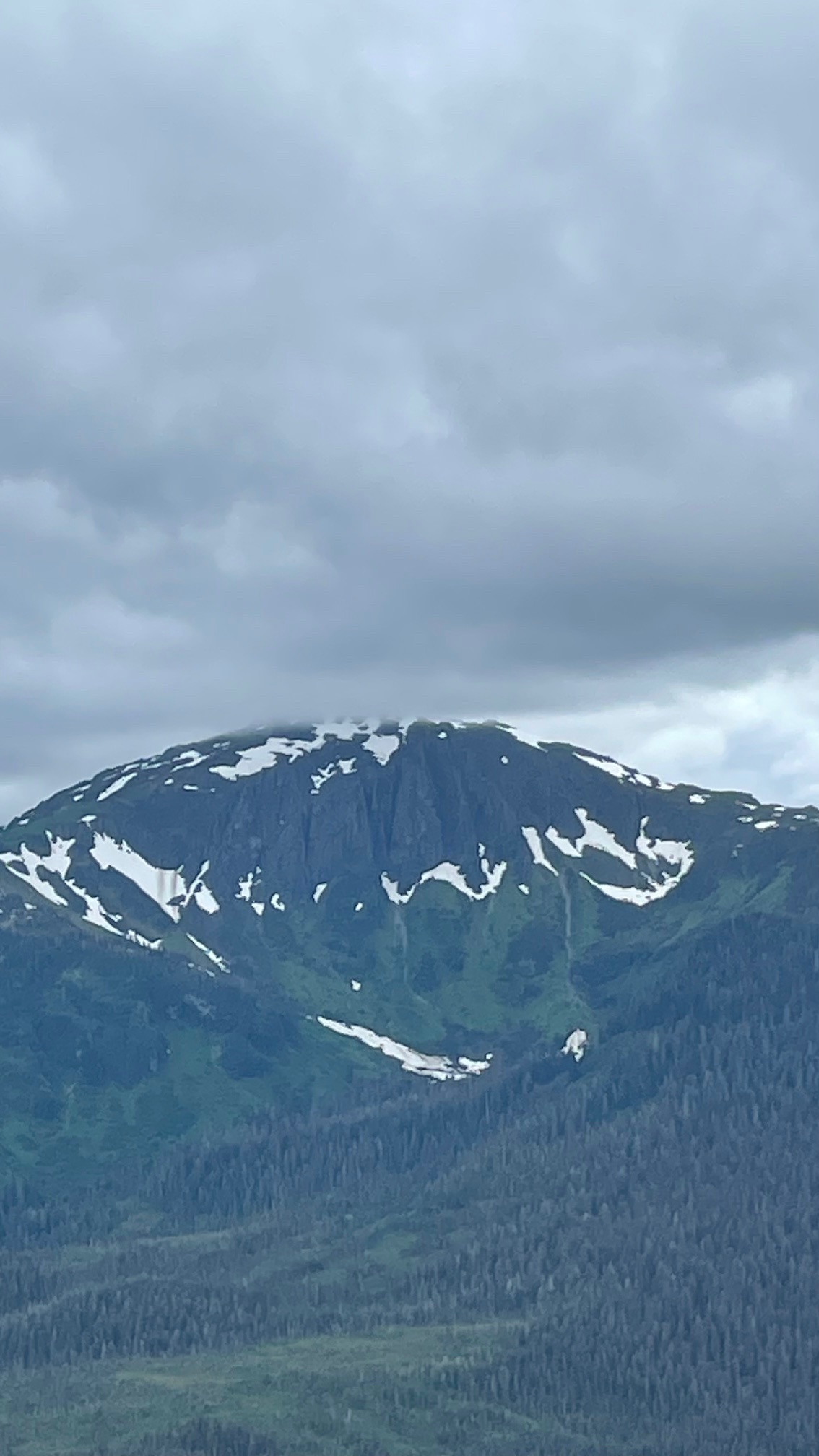
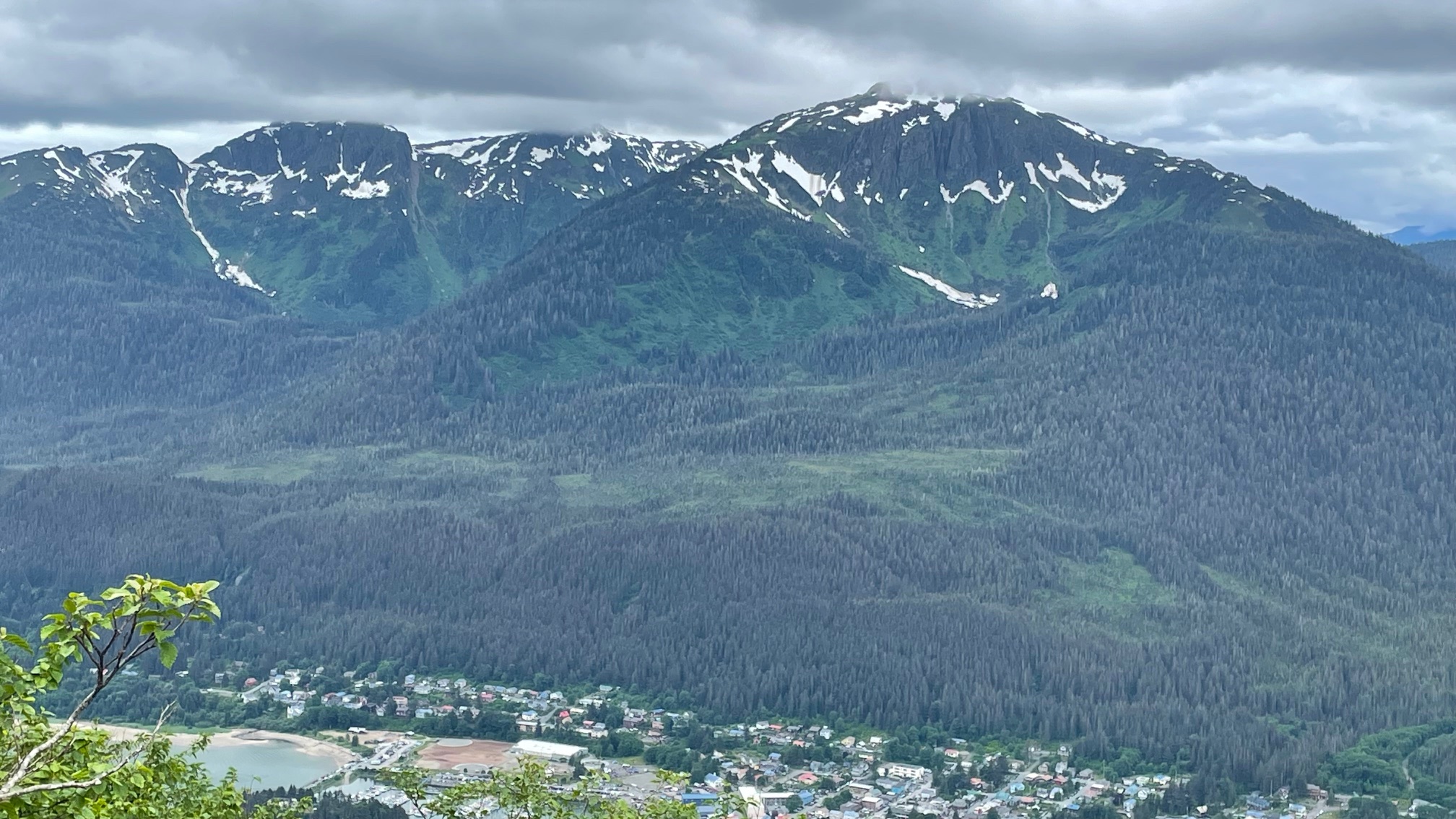
Hiking in Juneau, Alaska

Hiking in Juneau, Alaska, USA

Camera: iPhone 12

Location: Juneau, Alaska, United States

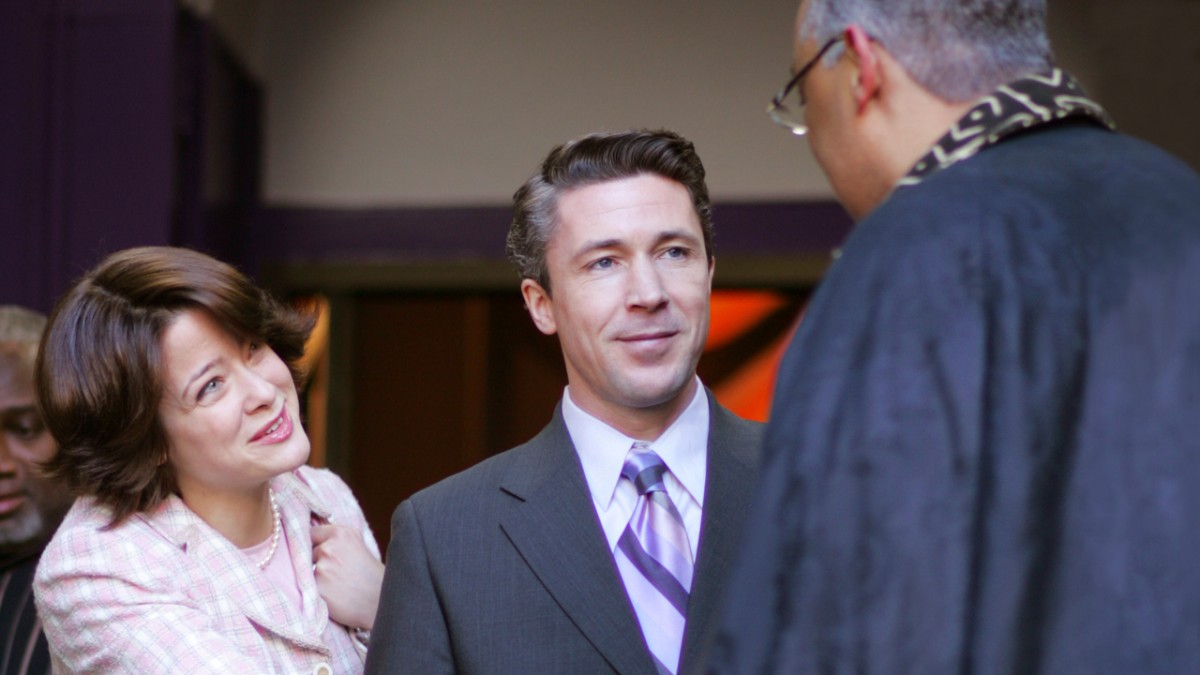
Anatomy of a Scene – ‘The Bowls of Sh*t Analogy’ (The Wire)

“He describes how, during his time as the mayor, he had to endure constant demands, pressures, and compromises from various interest groups, from business leaders to police brass to union members, each one forcing him into undesirable and often humiliating positions.”

In this scene from the HBO show, ‘The Wire’, Tommy Carcetti, having just been elected as the mayor of Baltimore, seeks advice from Tony, a former mayor of Baltimore, who has since left city politics. At this scene’s beginning, Tony’s anecdote about “eating sh*t” conveys a bleak reality about the job of being mayor. He describes how, during his time as the mayor, he had to endure constant demands, pressures, and compromises from various interest groups, from business leaders to police brass to union members, each one forcing him into undesirable and often humiliating positions.

The peculiar imagery Tony uses of “eating sh*t” is deliberately crude for the viewer, emphasizing the degradation, disgust, and frustration politicians often face, especially in dealing with conflicting interests and the inherent contradictions in serving a large and diverse constituency such as in the city of Baltimore.

This “parable of the bowls of sh*t” lays bare the unglamorous side of politics—one where idealism and personal ambition are often suffocated by the practicalities of governing a community, a city, or even a country. Tony is essentially warning Tommy Carcetti that as mayor, he will be forced to navigate a landscape where decisions are rarely black and white, and success often means making choices that will inevitably upset one group or another within his constituency.

Tony’s use of the phrase of “eating sh*t” is a vivid and visceral metaphor for the compromises that politicians are forced to make, whether they want to or not, and how it can be interpreted in several ways:

  1. Constituent Demands and Special Interests: Every politician enters office with a policy platform and promises to keep, but once elected, they must contend with the complex and competing demands of their constituents. Business leaders may push for deregulation so they can improve their balance sheet, while unions may demand better labor protections and more workers rights. Environmentalists would advocate for sustainability, while real estate developers might prioritize economic growth over conservation. Each of these groups represents a different “bowl of sh*t” that a politician must eat, in the sense that satisfying one group often means alienating another in the process. Tony’s point is that no matter what decision is made, someone or some group will be unhappy, and the politician is left to bear the burden of that dissatisfaction, often at the ballot box when it comes time for election day.
  2. Compromising Ideals for Practical Governance: Many politicians enter office with lofty ideals, but the reality of governance forces them to compromise even when they would rather not do so. Tony’s story reflects how those compromises can wear a person down, leading to disillusionment with the political process. For someone like Carcetti, who may still hold on to a vision of reform and change as a newer politician, Tony’s words serve as a sobering reminder that idealism alone will not be enough to get the job done. The job itself will require him to make deals, water down policies, and prioritize certain interests over others. Over time, this compromise can erode a politician’s sense of purpose, leaving them, as Tony implies, burned out and ready to leave politics behind.
  3. Bureaucratic and Institutional Challenges: Beyond the immediate interests of voters and lobbyists, politicians must also grapple with the entrenched bureaucracies of a government. Mayors, governors, and presidents are not free agents—they operate within systems that include various institutions, legal constraints, and political adversaries. Tony’s “sh*t” may also refer to the frustrations of working within this system, where change is often slow, and even modest reforms can be blocked by bureaucratic inertia or political opposition. The administrative side of governance can be just as dispiriting as dealing with special interests.

Tony’s disillusionment with his time as mayor of Baltimore is emblematic of a larger critique of politics in general. This scene from ‘The Wire’ highlights several key themes that resonate beyond the specific context of the show:

  1. The Personal Cost of Politics: Tony’s story reveals the emotional and psychological toll that politics can take on individuals and on families. His decision to leave the office and pursue a different career suggests that the constant battles, compromises, and failures eventually become too much. For Carcetti, this scene is a warning that the personal price of pursuing higher office may be more than he expects it to be. It suggests that political power is not just about having prestige and influence—it is also about enduring constant pressures that can erode a person’s ideals and sense of self-worth.
  2. The Limits of Power: Despite being mayor, Tony felt powerless in many respects. This is a paradox of political leadership: while politicians are often seen as wielding immense power, they are also constrained by the demands of other people. Whether it is donors, voters, or other political actors, a politician’s power is always mediated by those they are beholden to. Tony’s experience suggests that being in charge does not mean having total control. In fact, it often means being at the mercy of various outside forces that are beyond one’s control, leading to frustration, disenchantment and, eventually, burnout.
  3. Cynicism vs. Idealism: The conversation between Tony and Tommy Carcetti highlights the tension between cynicism and idealism in politics. Tony, having gone through the wringer as a former mayor, represents the cynical view that politics is an unending series of compromises and frustrations. Carcetti, on the other hand, represents the younger and more idealistic politician who still believes he can make a difference. The scene leaves open the question of whether Carcetti will maintain his idealism or if he will, like Tony, become disillusioned over time. This tension between cynicism and idealism is a central theme in many political dramas, reflecting the real-world challenges that politicians face.

In essence, Tony’s parable of the “bowls of sh*t” is a commentary on the nature of modern political leadership. It paints a picture of politics not as a noble pursuit of justice, opportunity, or progress for your constituents, but as a constant battle to navigate competing outside interests and pressures. This scene from ‘The Wire’ offers a cynical, yet realistic, portrayal of what it means to be a politician: a job where compromises are inevitable, satisfaction is rare, and the personal toll can be significant especially on one’s family and friends, and the politician themselves.

For Tommy Carcetti, this conversation is a forewarning of the difficulties that lie ahead for him as the new Mayor of Baltimore, setting up a narrative about the price of obtaining power and the inevitable disillusionment that comes with it. Ultimately, this scene serves as a powerful reminder that politics is not just about the exercise of power, but about the endurance of hardship, frustration, and compromise that comes with it.

Alaskan Sunsets

Sunsets on the Inside Passage in Alaska

Camera: iPhone 12

Location: Somewhere in Alaska, United States

Always Stand Up to Bullies

“We’ve all dealt with bullying in our lives at one point or another. It can range from verbal slights such as biting sarcasm to full on insults to even threats of physical violence, but these actions all harm the bullied person regardless of the severity or extent.”

We’ve all dealt with bullying in our lives at one point or another. It can range from verbal slights such as biting sarcasm to full on insults to even threats of physical violence, but these actions all harm the bullied person regardless of the severity or extent. For myself, I was unfortunately bullied when I was younger and it’s something that you never truly get over even as you grow older, and it starts to recede to the back of your mind.

Still though, words hurt especially when they come from people you trusted such as a family member or even a friend. Bullying from a stranger is bad, but it’s worse when it comes from people who you liked or respected initially. You should never grow comfortable with being bullied even when you are a young person and if it’s happening to someone you know or care about as well, you should always look to stand up for them or make sure they stand up for themselves in front of the bully.

Bullying is never acceptable from a child let alone a fully grown adult, and it continues way too often in our society not only to children but to adults as well. Usually, the person doing the bullying to others was hurt by other bullies and has become insecure as a result, but that does not give them the right to hurt others in the same way they were hurt. They should instead choose to break the cycle of bullying as it really is a cycle that goes from one person to the other. Even when I was bullied, I didn’t want to do that to other people. Instead, I have learned that you must put your foot down and confront the bully directly. I’m not talking about getting into a war of words with the bully or escalating the situation with them. Instead, you call them out on their bullying, tell them you won’t tolerate the abuse or the rhetoric, and make sure you don’t associate with that person anymore.


Now, I will only make an exception if they apologize and promise it won’t happen again especially if it’s from a friend or a family member. You got to be direct with that person who you still care about and basically let them know that what they said is disrespectful and you don’t want to hear it anymore. Jokes or sarcasm can often disguise bullying, but you have to call it out if it hurts your feelings. If you let them get away with it once, you should be prepared for them to do it again because they’ll feel like they have free reign once you let it slide the first time.

I’ve had instances in my own life where a friend or a family member was disrespectful to me either due to my physical appearance or the way I dressed, and I did not tolerate it. I didn’t shout or didn’t insult them back. Rather, I made sure to let them know that wasn’t polite or kind and I took offense to it. Often, they’ll back down when they’re being called out on it and when you make clear that you’re serious that you were offended. If they do it again, it’s best you cut them out of your life completely or begin to maintain distance from them until they get the message and apologize formally.

If they never apologize or keep doing it, you need to have ‘zero tolerance’ for that bullying kind of behavior even when you were close to the person to begin with or have familial ties. Just because you have a history with that person doesn’t mean it gives them license to take advantage of that relationship or friendship to begin bullying you. These days, you really got to put your foot down and stamp out disrespect and incivility when you see it begin to happen to you. It can be hard as you may not want to lose that person but if it’s harming your emotional or mental health, you’ll be better off cutting that person off from you and spending your time around people instead who value you, respect you, and treat you well.

Just as you would not tolerate bullying from a friend or a family member, the same should be said for a colleague at work, a classmate, or even a stranger on the street. Bullies are often cowards who hide behind their words because it makes them feel better because they are insecure themselves about who they are as a person. You always have a choice on how you react to a bully, whoever they are, but make sure to not accept the bullying, never get used to it, and call the bullying out, and get away from that person(s) who bully you.

If it escalates to become harassment, abuse, or worse, you can get a restraining order, sever contact, or even get the legal authorities involved. There are always options to stop bullying and it should never be tolerated by you. If you’ve been bullied, are being bullied, or worry about bullying, make sure to stand up for yourself, have ‘zero tolerance’ for it, and remember that trading insults will bring you down to the bully’s level, which they enjoy doing.

Instead of escalating and trading insults with the bully, make sure to let them know you call them out on their behavior, preferably in front of other peers, extricate yourself from the situation, prevent that person from seeing you or contacting you again, and highlight the verbal or emotional abuse to other people in the bully’s orbit to make them aware of what the bully has done to you.

Bullying sucks and it’s sad that this article must still be written but whether you’re an adult, a teenager, or a child, you should know that bullies do not have control or power over you. Their words may hurt but they are not a reflection of who you actually are as a person. Hurt people like bullies hurt other people to make themselves feel better. You may be bullied sadly at points in your life, but it is not permanent, and you can choose to remove yourself from the situation and call it out clearly when it happens. By doing that, the bully will be shamed and ridiculed for their bad behavior, and they will likely back down from doing it again.

Don’t be afraid to stand up to the bullies of the world and always call them out on their bad behavior when the time comes for it.

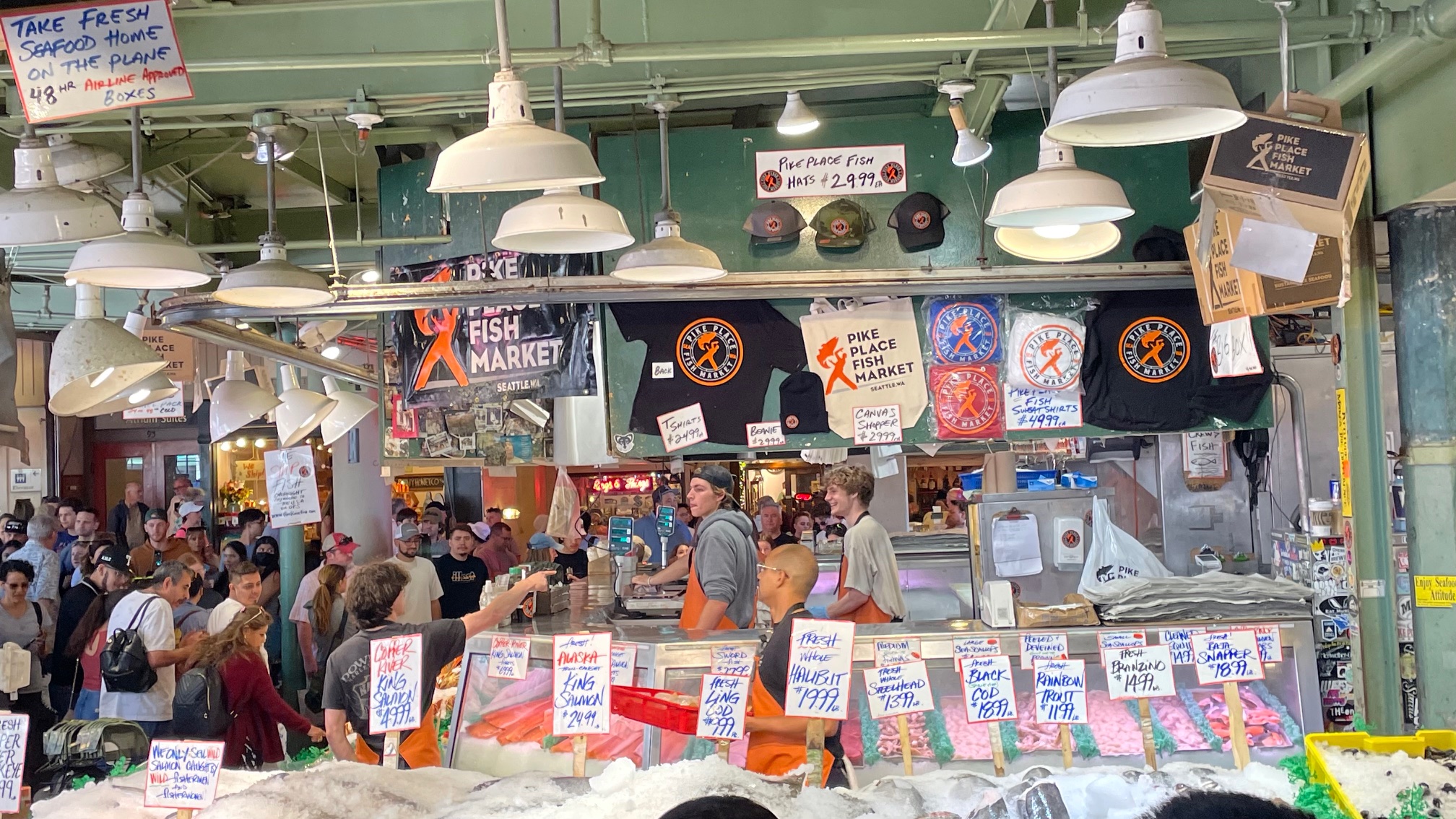
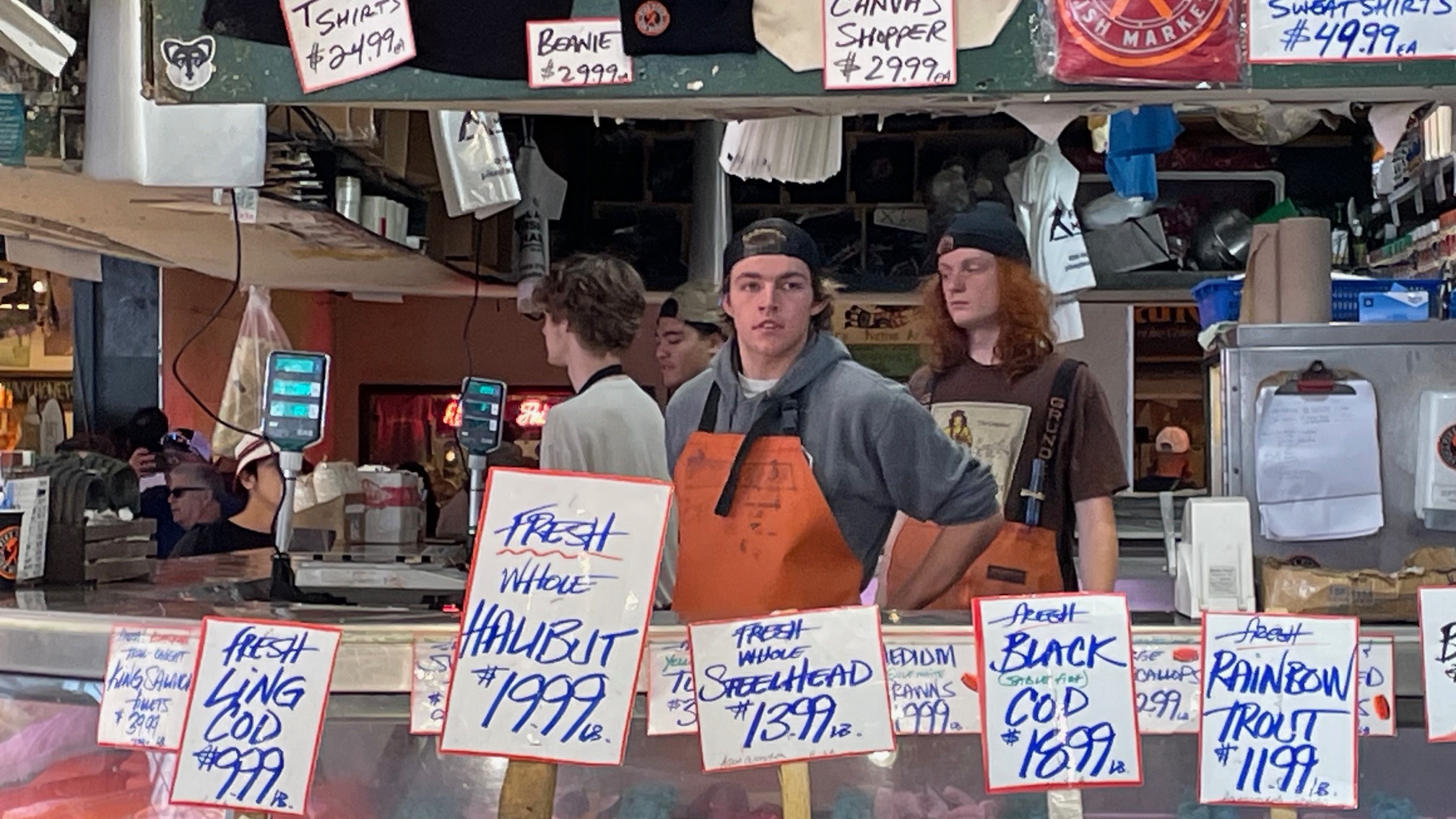
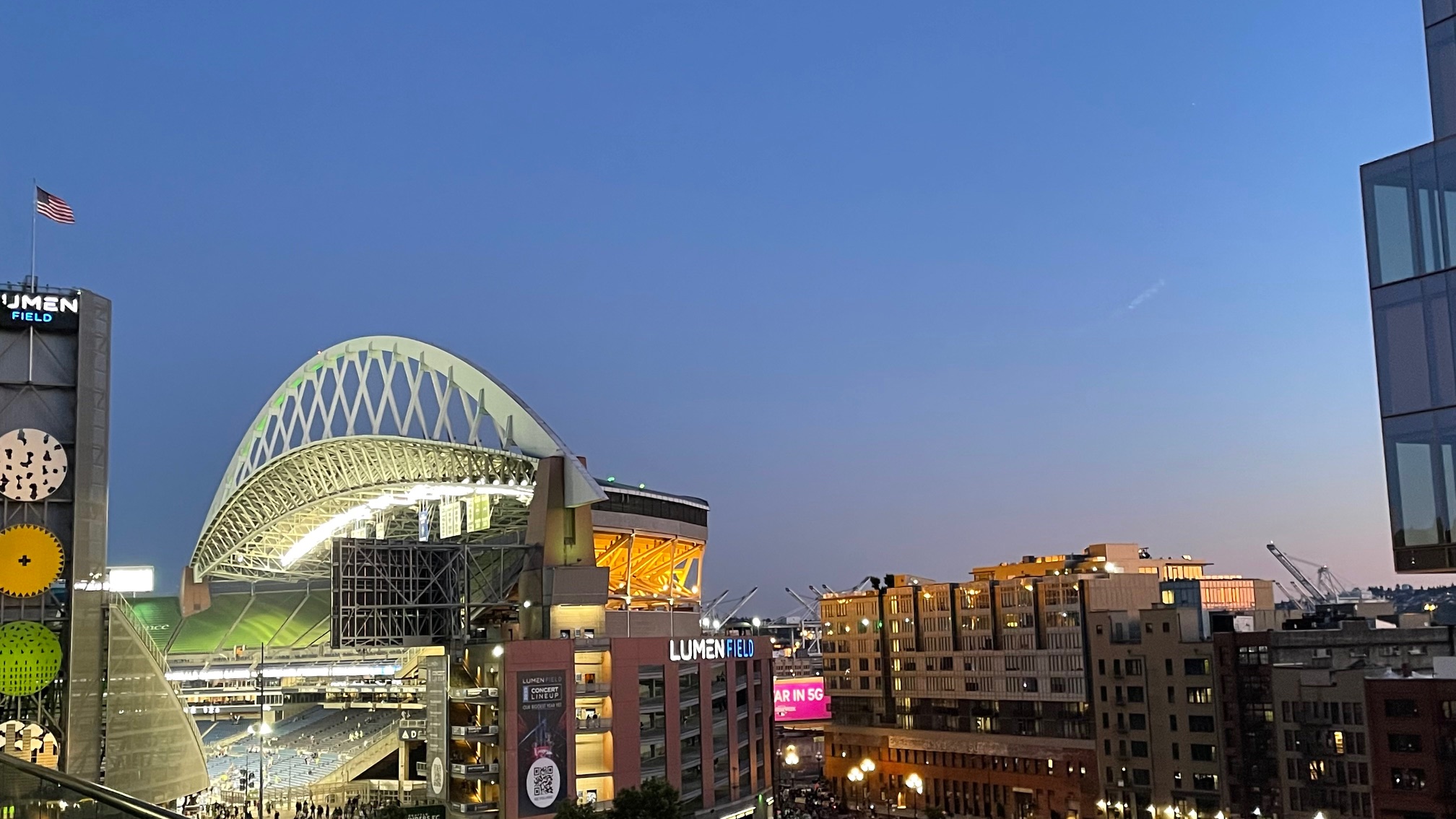
Downtown Seattle

Pike’s Place Market, The Space Needle, Museum of Popular Culture and More Seattle Landmarks!

Camera: iPhone 12

Location: Seattle, Washington, United States