Thinking of Life Like It’s a Cup of Turkish Coffee

“Similarly to life itself, I find that the Turkish coffee experience is a lot like life and perhaps even more so than a box of chocolates (no offense to any Forrest Gump fans).”

I love Turkish coffee. Its roast, its scent, its strength, and subtle sweetness that I can’t get enough of. I don’t even mind the times I drink too much, leaving bitter remains on my tongue. I’m not too bothered by it because sometimes you must taste the bitter ends to get the sweetness out of most of the coffee you drink. Turkish coffee is unique, the jolt and caffeine rush unlike any other I’ve experienced in the world. Similarly to life itself, I find that the Turkish coffee experience is a lot like life and perhaps even more so than a box of chocolates (no offense to any Forrest Gump fans).

Preparing Turkish coffee to be served is an art, requiring patience, precision, and care, qualities life demands from us as well. The finely ground beans must be measured just right, water poured with attention, and heat applied slowly to coax out the perfect brew without letting it boil over. A slight misstep can change the flavor entirely, just as small choices in life can ripple into large consequences. Stirring the coffee gently, watching the foam rise, and letting it rest before serving mirrors the need to pause, reflect, and nurture the moments that matter most. In both coffee and life, the effort put into preparation shapes the richness of the experience and skipping the process only leaves you with a bitter, incomplete taste.

Just like a cup of Turkish coffee is carefully prepared with time and attention, life rewards those who pause to notice the details. The swirling patterns at the bottom of the cup hint at what’s to come, just as small choices ripple into larger consequences. Sometimes, life surprises you with unexpected flavors like a hint of cardamom, a twist of fortune, and other times it’s a sharp bitterness that makes you wince. But every sip, whether sweet or strong, shapes the experience and reminds you that the richness of life comes from paying attention, savoring the moment, and accepting the unknown.

When you first taste Turkish coffee, it’s like a jolt of pure energy and a rush that I would liken to the sun hitting your face as you wake up from a dream and when your consciousness first stirs in the morning. You try to recapture that feeling with each sip, chasing the sweetness that lingers consistently. You can even add a bit of sugar, stir it around to keep the bitterness at bay, and prolong the experience as much as you can. Life like a Turkish coffee cup is pretty small and the portion is not as big as you would expect. It’s a concentrated dose of caffeine and is a high-quality batch of brew.

Like life itself, you got to enjoy it to the fullest but also savor it at the same time. No matter your age, life rushes by, just like the last sip at the bottom of a Turkish coffee cup. Bitterness is inevitable in a Turkish coffee experience as it’s mixed in with the rest of the sweet flavor. There are bitter times in life to be had mixed in with the sweet times and as much as you try to avoid it or abstain from it, you need the bitter parts of life to truly realize how sweet the overall experience was. The bitterness reminds you to savor the good times and to not let it affect your perception of the life you had as a whole. Coffee, like life, can be bitter or strong at times, but that doesn’t mean we should stop living or stop drinking it. 

Especially towards the end of life, the bitterness is unavoidable and comes on strong. As health wanes and loved ones are lost, life goes on and you sip, and you savor it while it lasts. A good Turkish coffee is enjoyed ideally by a body of water like the Bosphorus Strait in Istanbul but ideally, it can be with a view of the ocean, the mountains, or even just on your back patio with the quiet of the day. Life, like Turkish coffee, should be embraced in all its sweetness, bitterness, and everything in between. You really don’t want to miss out on the whole experience having never fully lived it to the most extent. Don’t miss it. Drink it all.


Olympics Fever in Paris

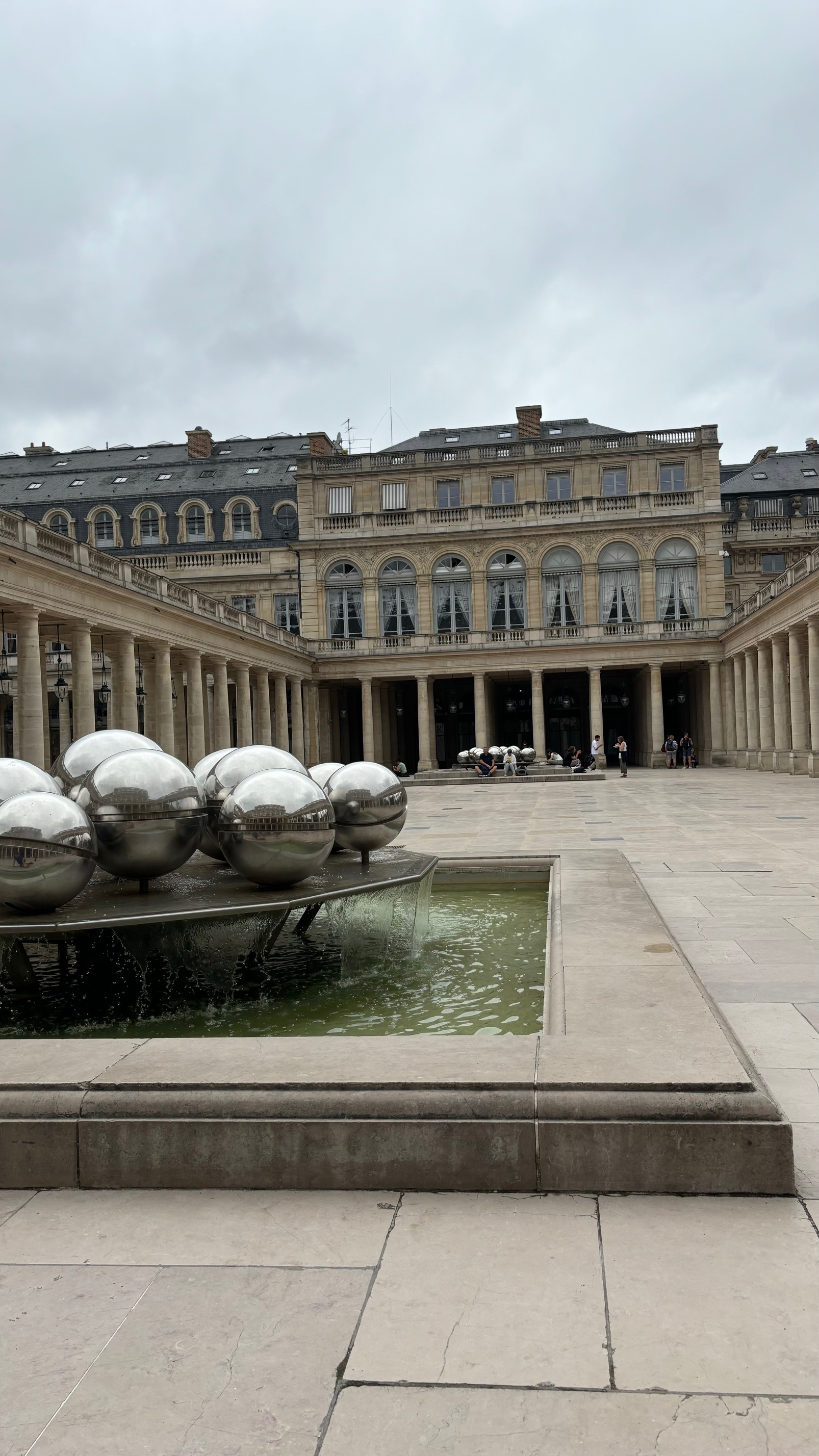
“Strolling around the different arrondissements in Paris, which have been turned into staging grounds, country houses, supportive banners, and other festivities related to the 2024 Summer Olympic Games.”

Camera: iPhone 15

Location: Paris, France during the 2024 Summer Olympics

Why Constant Ratings and Reviews Are Hurting Your Business

“As any business owner such as myself will tell you, getting customer feedback is extremely important to see how your business or company is doing.”

As any business owner such as myself will tell you, getting customer feedback is extremely important to see how your business or company is doing. Customers won’t sugarcoat it and won’t hide their feelings, especially when they’ve spent money on something they see as either useful or valuable. Having ratings and reviews is a good way to get feedback on how your business can improve. From a customer’s perspective, it is nice to make one’s opinion known, to have an impact on the product or service you use and have their input lead to actual changes to keep them around longer as a customer.

However, where this reviewing and rating system can run into trouble, is when you are constantly reviewing every single service and product, it’s become compulsory instead of optional, and it’s spread to industries where direct responses can be a bit too on the nose when they serve the public and not private interests. From restaurants to ride-sharing applications to doctor’s offices, every transaction in society now comes with a mandatory rating request, leaving more customers fatigued and desensitized.

Being asked to constantly review every single business, public or private, doesn’t always lead to better or more in-depth feedback, and there are other ways companies can strike the right balance going forward. One of the ways to do so is to go beyond the basic ‘stars’ or out of 10 scale that is being used by most providers today. Its surface-level, lacks nuance, and rarely captures how the customer truly feels. In this case, less is more. Anonymous, optional surveys completed at the customer’s discretion generate more meaningful feedback than shallow ratings from everyone at once.

For example, if you are a small business or company, and you are getting 100 five-star ratings, but they are from bots or fake accounts with no actual written reviews, can you claim to be a reputable business? Instead, especially with more of the Internet being filled with AI, bots, and fake accounts, real verification methods with anonymized surveys, which can be filled out over time, will make for a happier and less stressed customer base.

If you are getting scores or ratings constantly but with no real feedback, how can you possibly gain real insights from these ratings? Also, how can customers trust these cursory ratings when they could be fake or not with anything real backing up their star rating? Personally, I would rather get 10 real reviews from customers who opt to voluntarily leave a review for my business that’s in-depth and insightful about the product or service rather than 100 fake ones with no substance or trustworthiness. Beyond the risk of fake reviews, there’s also the problem of overwhelming customers with constant rating requests.

Forcing customers to rate every interaction is stressful, disingenuous, and harmful. Business owners should always make any kind of rating or review optional and only prompt the customer to leave the review every now and then and not after every interaction. There should not be a penalty for not leaving reviews as well and they should remain optional yet encouraged. Companies or firms can also incentivize reviews or ratings with a referral offering, a discount, or perhaps a free trial to encourage greater participation. If they really dislike or like your product or service, they often will want you to be the first to know but they should have the autonomy to do so on their own initiative. In addition to incentivizing voluntary feedback, companies must consider the ethical implications of rating individuals directly.

Moreover, I do not think it’s wise for some companies to review their customers even with the gig economy unless they consent to it as certain ridesharing companies have done up to this point. It’s good to have responsible customers using your platform or service but having anonymous reviews of your customers without their knowledge or feedback about their own ratings is morally gray at best and potentially illegal too. I also think it should be discouraged to rank teachers, doctors, lawyers, and other professionals directly even if it is a private practice or company. Evaluating the institution rather than individual professionals is more responsible; rating certified individuals in sensitive fields is ethically questionable.

In the end, more reviews and ratings do not automatically mean better feedback for a company. Overloading your customers with constant rating requests leads to superficial or lack of candid responses, stress, and even distrust, while fake or bot-generated reviews undermine the credibility of a business. The solution is simple but often overlooked: make feedback selective, anonymized, and meaningful.

Encourage customers to share their insights thoughtfully rather than compulsively and consider thoughtful incentives to reward genuine engagement. Beyond numbers and stars, businesses should focus on creating systems that respect their customers’ time, autonomy, and privacy. By doing so, companies not only gain actionable insights but also cultivate trust, loyalty, and a happier customer base, proving that sometimes, less truly is more.

Men’s Rugby Sevens at the 2024 Summer Olympics

“From Saint-Denis to the world stage: Rugby Sevens lit up the Stade de France during the 2024 Olympics. All images shot on an iPhone 15, capturing the intensity on the pitch and the pulse of the Olympic crowd.”

Camera: iPhone 15

Location: Stade de France – 2024 Summer Olympics, Multiple Men’s Rugby Sevens Matches; Saint-Denis, France

Self-Awareness is a Key Trait to Cultivate

“In a world where everyone has an opinion on every imaginable topic, but very few people have genuine self-awareness, that quality now feels like a rare mineral. True self-awareness is valuable, hard to find, and even harder to refine if you do not cultivate it like copper or silver.”

In a world where everyone has an opinion on every imaginable topic, but very few people have genuine self-awareness, that quality now feels like a rare mineral. True self-awareness is valuable, hard to find, and even harder to refine if you do not cultivate it like copper or silver. At its core, self-awareness is simply understanding your thoughts, emotions, habits, and personal blind spots without flinching or ignoring them. It’s the ability to see yourself honestly instead of through the fog of ego, insecurity, or willful ignorance. That sounds simple, but anyone who’s confronted with their own emotional patterns knows that simple isn’t easy. In terms of personal traits that will serve you well at home, in the workplace, or in public, exercising self-awareness makes a huge difference and is a net positive in one’s life.

Self-awareness is rare today for a few reasons. First, distraction is the default setting of modern life. Between social media, nonstop notifications, and the pressure to perform instead of looking inward about their behavior, most people never slow down long enough to reflect or contemplate who they are or how they act. Secondly, ego protection kicks in for many of us. It’s uncomfortable to recognize that you might be wrong, inconsistent, reactive, or stuck in old habits that drain you or other people. Thirdly, our individualistic culture rewards projection over introspection and putting on an act over being yourself. Being loud, visible, and “on brand” is praised more than being grounded or honest with oneself. The result is a society full of people acting on autopilot, repeating the same behavioral patterns, and wondering why life keeps giving them the same lessons. Introspection is hard to do but it could help get you off an autopilot setting.

When life turns upside down, that’s exactly when self-awareness becomes most valuable. When the world is chaotic, clarity becomes a superpower. The more you understand yourself along with your triggers, your strengths, your weaknesses, your values, the better decisions you will make. You react less to external circumstances and respond more from a place of self-assurance by knowing who you are and what you want to be. Your relationships improve because you’re paying attention to how your behavior affects others. Even your career trajectory changes: self-aware people take feedback well, adapt quickly, and build trust, which quietly but consistently pushes them upward.

The good news for us all in this? Self-awareness isn’t fixed and it’s a muscle you can train. It’s a skill you can cultivate intentionally but you must make a consistent effort to do so successfully. At work, start doing quick “post-project or post-task reviews” for yourself: what went well, what drained you, what you’d do differently, what could be better next time, and how well did you work with others. Ask trusted people for feedback and instead of defending yourself, listen to what they have to say first and what they are genuinely telling you. Notice your stress triggers and learn to pause before reacting, whether it’s in meetings, emails, or elsewhere in your workplace.

I’ve had my own moments at work where I reacted prematurely instead of responding thoughtfully, only to later realize that having self-awareness could’ve saved me a headache. Instead of interrupting, acting abrasive, and preventing a real discussion, think about where they are coming from and why they think of you the way that they do. Focus on the ways that you can improve when they have legitimate critiques and suggestions for improvement in your work performance.

In your personal life, carve out time for your own reflection. Making that kind of effort will pay off tenfold by turning inwards to discover more about your mindset, your thought process, and your personal habits, good or otherwise. Even five minutes of journaling can reveal emotional patterns you never noticed. Try also meditation or silence at the beginning or end of your day and in just ten uninterrupted minutes, it can be surprisingly revealing. Pay attention to your relationships and friendships as well: where you feel energized, where you feel defensive, and where conflicts repeat with the people in your life. Life is too short to be around people who avoid self-awareness. If you are making the effort to be introspective and try to be a better person with self-awareness, you should gravitate to those people in your life who are making that effort too, friends, family or acquaintances especially.

Ultimately, self-awareness isn’t about perfection; it’s about alignment with who you are and how others see you. The more honest you are with yourself, the easier it becomes to make choices that fit the life you want. Know yourself deeply. Pause often for self-reflection. The world will stop dictating your path and you finally begin choosing it. 

Let The Games Begin!

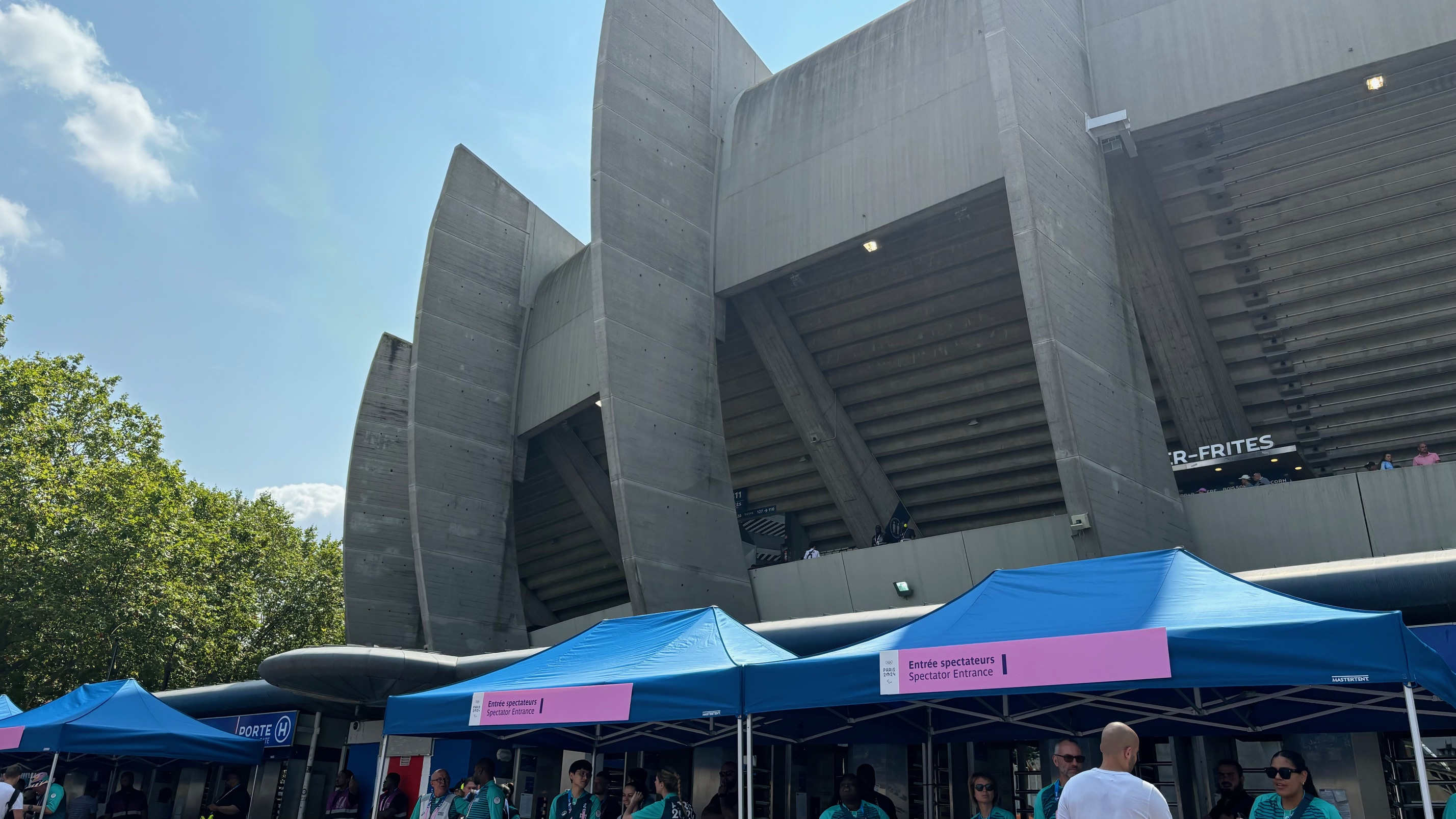
“Standing inside Parc des Princes during the 2024 Summer Olympics felt like being plugged directly into the heartbeat of world football. Spain vs. Uzbekistan wasn’t just a match, it was a collision of styles, chants, and raw Olympic energy bouncing off the old Parisian stands.”

Camera: iPhone 15

Location: Parc des Princes – 2024 Summer Olympics, Spain vs. Uzbekistan; Paris, France

‘Springsteen: Deliver Me From Nowhere’ – Film Review and Analysis

“What I enjoyed about ‘Springsteen: Deliver Me from Nowhere’ (directed by Scott Cooper) is that for a biographical film, it really does dive into the effects of fame, expectations, struggling with one’s past, and reconciling it with a future very much unlike where you once came from.”

Everyone knows who Bruce Springsteen is by now, the Rock superstar and legend who has produced over twenty studio albums, won dozens of awards, and sold out shows over many decades. He is the extrovert’s extrovert on the stage producing marathon 3 ½ – 4 hour live shows with the powerful energy and stamina of a man half or one third of his age (Springsteen is 76 as of this writing). What I enjoyed about ‘Springsteen: Deliver Me from Nowhere’ (directed by Scott Cooper) is that for a biographical film, it really does dive into the effects of fame, expectations, struggling with one’s past, and reconciling it with a future very much unlike where you once came from.

‘Springsteen: Deliver Me from Nowhere’, the film has excellent source material in the book of the same name mostly due to interviews with the man (i.e. Springsteen) himself in the book, previously released in 2023 by author Warren Zanes. I highly recommend reading the book before seeing the movie to get a fuller picture of how Springsteen’s unlikely first solo album came to be in 1982. While the movie takes some time away for some side plots not related to the album’s making, it does do justice to how ‘Nebraska’ came to be and how it almost got completely derailed. The romantic subplot, while competently acted, feels tacked on and somewhat distracting from the core narrative. I found myself wishing the film had dedicated more screen time to the mechanics and mindset behind Nebraska’s creation as the book had done that it is based on; its stark originality is one of the most fascinating aspects of Springsteen’s career, and the film sometimes glides past that too quickly and not deeply enough.

Commercial success puts a lot of pressure on any musician and even Bruce Springsteen was exhausted both mentally and physically from ‘The River’ tour with his first taste of super stardom. It’s hard to top that kind of album so his decision after the tour to seek some peace and quiet at a rental home in Colts Neck, New Jersey seems like a good step to get the writing process started again. In the film, Bruce seems introverted almost to a fault when he gets off stage, must sit by himself to have some quiet and enjoy the peace of his dry towel hanging over his head.

While he responds warmly to fans and to his love interest especially during his guest set at The Stone Pony in Asbury Park, you still sense he’s caught between who he was and who fame is forcing him to become. I enjoyed how the film shows that he is battling himself at times in terms of what direction to take his life on top of his unresolved issues of his past highlighted by his turbulent relationship with his father (played by the great Stephen Graham). Even when you’re popular and famous for your music, sometimes anyone would want to do, including Bruce, is to isolate oneself for a while and be somewhere where you aren’t recognized or don’t want to be recognized. Bruce wants to focus on his musical range and channel his creativity away from the record executives’ wants, away from the band, and perhaps away from everyone.

Jeremy Allen White nails the role, embodying Springsteen’s physical stillness, haunted expressions, and the restless mind of a young artist wrestling with ideas he doesn’t yet fully understand. Being able to master guitar playing, the singing, the panic of not knowing who he is at times and searching for lyrics and the meaning behind them are tall tasks for any actor to convince an audience of and Jeremy nails it throughout the film. White’s performance works because he understands Springsteen not just physically but emotionally: a rising star caught between inspiration and uncertainty, trying to decode the meaning of his own lyrics as he writes them.

Coming up with an album different than anything you’ve ever done before takes time, effort, and introspection, which helps Bruce to look for movies, books, and stories that help create the theme for what Nebraska becomes. While Bruce and the E Street Band are shown in the film as a tight band, hitting on all cylinders, and creating great music for their own album, Bruce feels passionately about making something of his own and letting it not be changed or influenced beyond what he put together in an upstairs bedroom of his rental house on a simple four track cassette. Even in the early 1980s, technology could have given Nebraska a cleaner, more polished sound. But Springsteen refused to smooth out the edges. He believed the atmosphere, imperfections, and claustrophobic intimacy of the demos were the very thing that made the album special.

In both the book and the recent film, Springsteen is not afraid of Nebraska failing or his other music not being well received. Rather, he is afraid of how not to crack up from what is haunting him internally. Money, fame, and a bright future do not make him whole, and being able to carve out your own identity, deal with your past wisely, and find a way to deal with depression in a healthy manner takes time, support, and sometimes admitting when you need to seek help.

Luckily, Bruce has a loyal manager, Jon Landau (played by Jeremy Strong) who is more than looking out for making money off the next hit Springsteen album. He shows that he cares for Bruce as a person and more importantly as a dear friend and wants what’s best for him, even if Nebraska is not the album he would have hoped to promote or the kind of musical direction, he wants from Bruce either. Landau wants Bruce to find inner peace and happiness more than just fame, success, and wealth, which not every manager wants for their star.

Bruce, like the characters in Nebraska, are imperfect people in an imperfect world, and even if the stories are ghostly, gruesome, or unpolished, like the album, they must be told and given room to breathe. Even from great solitude and from introversion, Bruce’s personal struggle in that time led to one of his best albums and is still being covered and listened to over forty years later. Nebraska wasn’t built for radio or for Top 10 charts, even if it did outperform expectations, but it was built for truth and showed the underbelly of hard lives and harder circumstances. Bruce’s childhood and dealing with his past are covered in the film and you get the sense that there would be no Nebraska if the artist hadn’t any struggles in life or not been tested by family or by fame or by his search for the next song.

‘Deliver Me from Nowhere’ isn’t just a book or a film. It’s a reminder that even legends hit that crossroads where success, identity, and truth collide. It’s a thoughtful, beautifully acted portrait of an artist wrestling with his past to shape his future. For Springsteen fans, it adds new insight into one of his most daring albums; for newcomers, it’s an unforgettable introduction to the man behind the myth. Nebraska was never meant for radio or music videos; it was meant for honesty and truth-telling. More than forty years later after this album first came out, that honesty still cuts through all the noise.

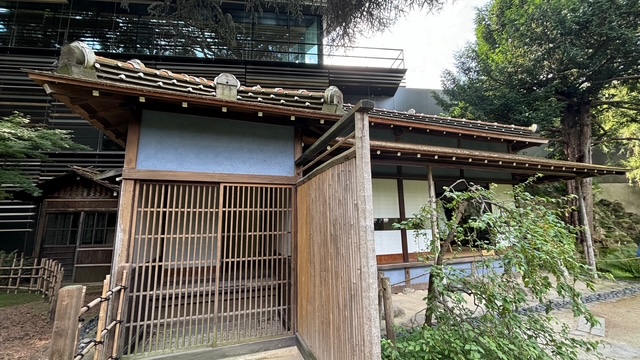
The Albert-Kahn Museum and Garden in Paris, France

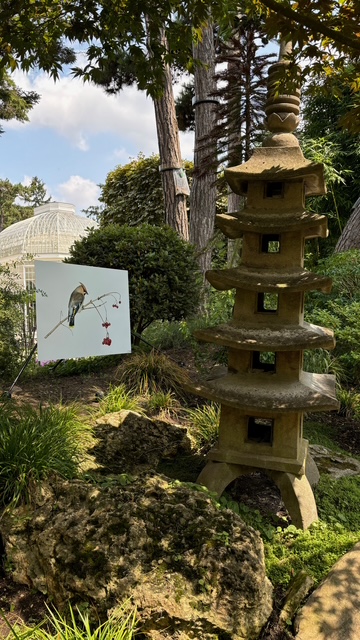
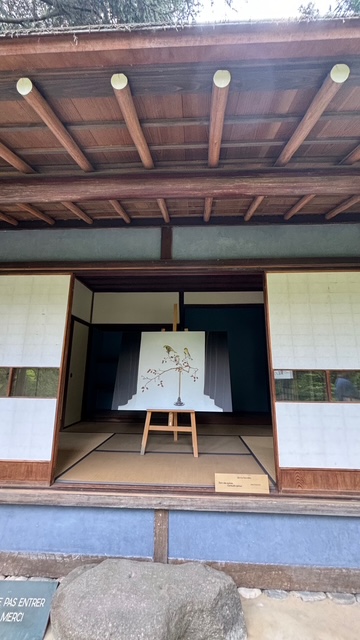
“The Albert-Kahn Museum and Garden is one of Paris’ most photogenic escapes. This peaceful oasis blends Japanese gardens, French rose alleys, and English-style lawns, creating a living reflection of Albert Kahn’s vision of global harmony through nature and photography.”

Camera: iPhone 15

Location: Albert-Kahn Museum and Garden; Paris, France