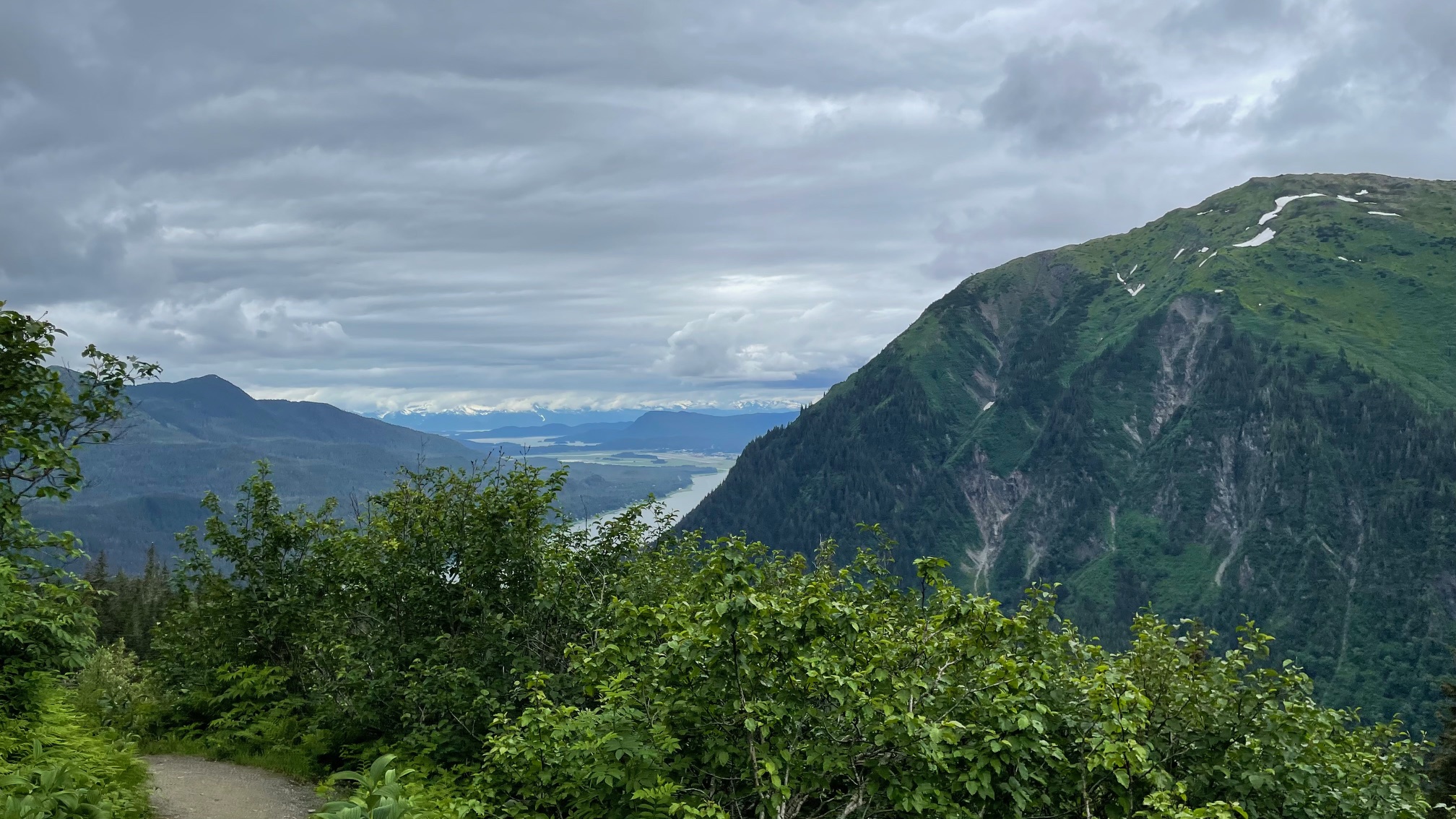
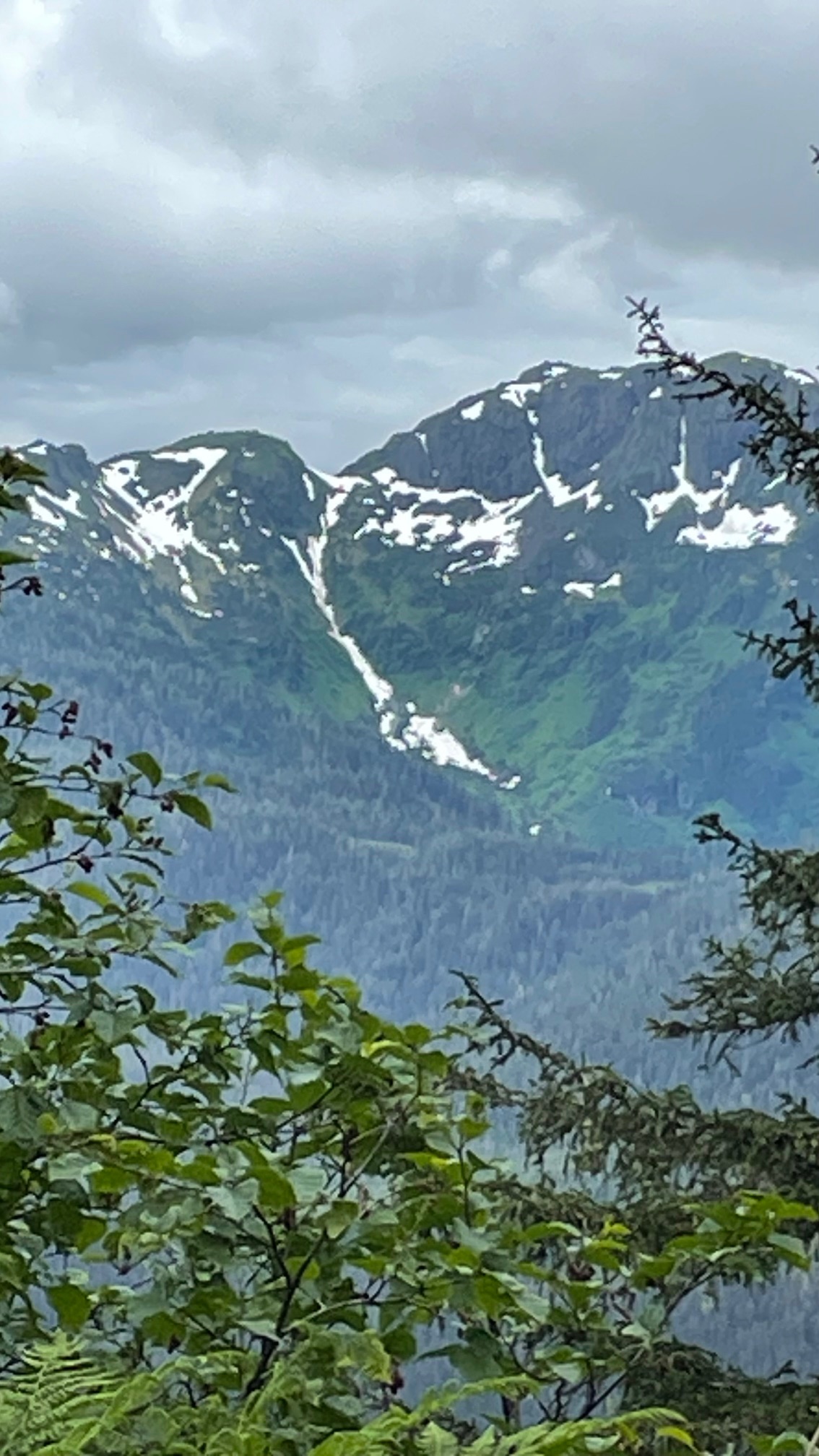
Finding Your Personal Sanctuary in Modern Life

“With how hectic and chaotic modern life can be, it’s more important now than ever to find your own sanctuary where you can be at peace.”

With how hectic and chaotic modern life can be, it’s more important now than ever to find your own sanctuary where you can be at peace. It’s a place that you only know ideally but if not, it is a quiet place where you can be at ease. We all deal with a lot of stressors each day and it is key to find your own sanctuary where you can be yourself, be by yourself, and enjoy being at peace. It is increasingly hard to do these days when there are so many distractions, commitments, or other things to take care of in our day-to-day lives.

Still though, for one’s own mental health, it is more important now than ever to find your own place, secluded in nature or just somewhere you can call your own, public or private, where you can be free to relax and enjoy some peace. Each person’s sanctuary will look differently from another person’s, but it must be a place where you can rest easy, relax fully, and away from work, chores, or other commitments. You should be focused on this place being good for not only your mind and your body but your soul. It is a place that you can choose to be by yourself but also that you can let other people enjoy as well should you choose to.

When I think of these places of sanctuary, it can vary in terms of setting and background. I have always loved being near the sea or the ocean. It calms me down, lets me focus, or just lets me relax and be at ease. I can leave my earthly troubles for a while and just focus on the birds, the sound of the waves, and the sand beneath my feet. I can also think more clearly when I’m just looking at the water crashing down on the beach or to be watching a seal, dolphin, or birds in the distance. There’s something relaxing about a natural setting like the ocean that may not take my problems away but where I can take a break from them instead and realize also how insignificant and temporary they are. I also love to go in the ocean, to walk on the sand, or to play a sport there a bit like volleyball or some football.

If it’s not the ocean, I have discussed the beauty of a walk in the woods or a hiking trek through the mountains to ease one’s stress and provide some clarity through life’s stressors. If you have a park or a mountain, or even just some nature nearby, a place of sanctuary can be found there as well in nature. Being able to camp or to hike or just to walk in nature, preferably by yourself in a deserted area for a while can do a lot of good for mind, body, and soul.

A sanctuary is one that you decide for yourself, and it can range from a mountain pass, a walk through the flat woods, a serene beach by an ocean or the sea, or a local park at sunset where you’re the only one there. You can let people into your own sanctuary, or you can keep it private as it should be up to you. I do believe that we all need our own sanctuary away from people now and then.

It does not mean I am recommending being a social recluse, but we do need a place where we can rest, relax, and recharge to face our challenges again, whatever they may be. We need that alone time to ourselves in a public or private setting where we can truly think freely, feel different emotions, and let us get in touch with nature.

Now, if you have not decided on what your sanctuary is yet, do not be discouraged. You have time to figure out a place in the world where you like to go and is quiet for you to be free in. There are a lot of places to choose from but the key thing to keep in mind is that it is quiet, solitary, and where you can do some reflection. If you cannot find your sanctuary to call your own, it’s important to find a private room, a private garden, or just a private setting in general, where you can be by yourself for a while to give yourself time to relax and reflect amid your days of hustle and bustle.

Your own sanctuary is what you make of it. You must decide how it looks, where it is, and how often you go there. The main thing to take away from having a sanctuary is that wherever or whatever it is, you can call it your own and it is quiet enough where it provides some solitude and peace. Others can join you there, but they don’t have to if you don’t want them to. Make sure your sanctuary is never disturbed and that is always welcoming regardless of whatever may be going on in your life, both good and bad. A sanctuary is where we find true peace in this world, and I hope you’ll find your own one day.

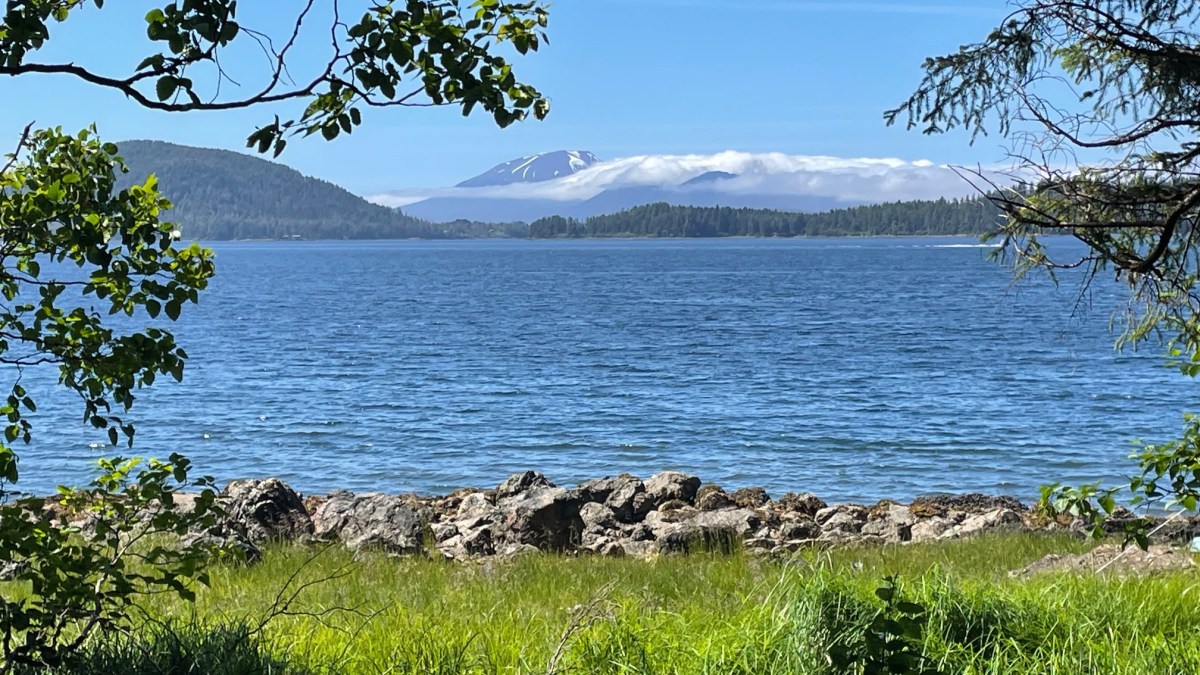
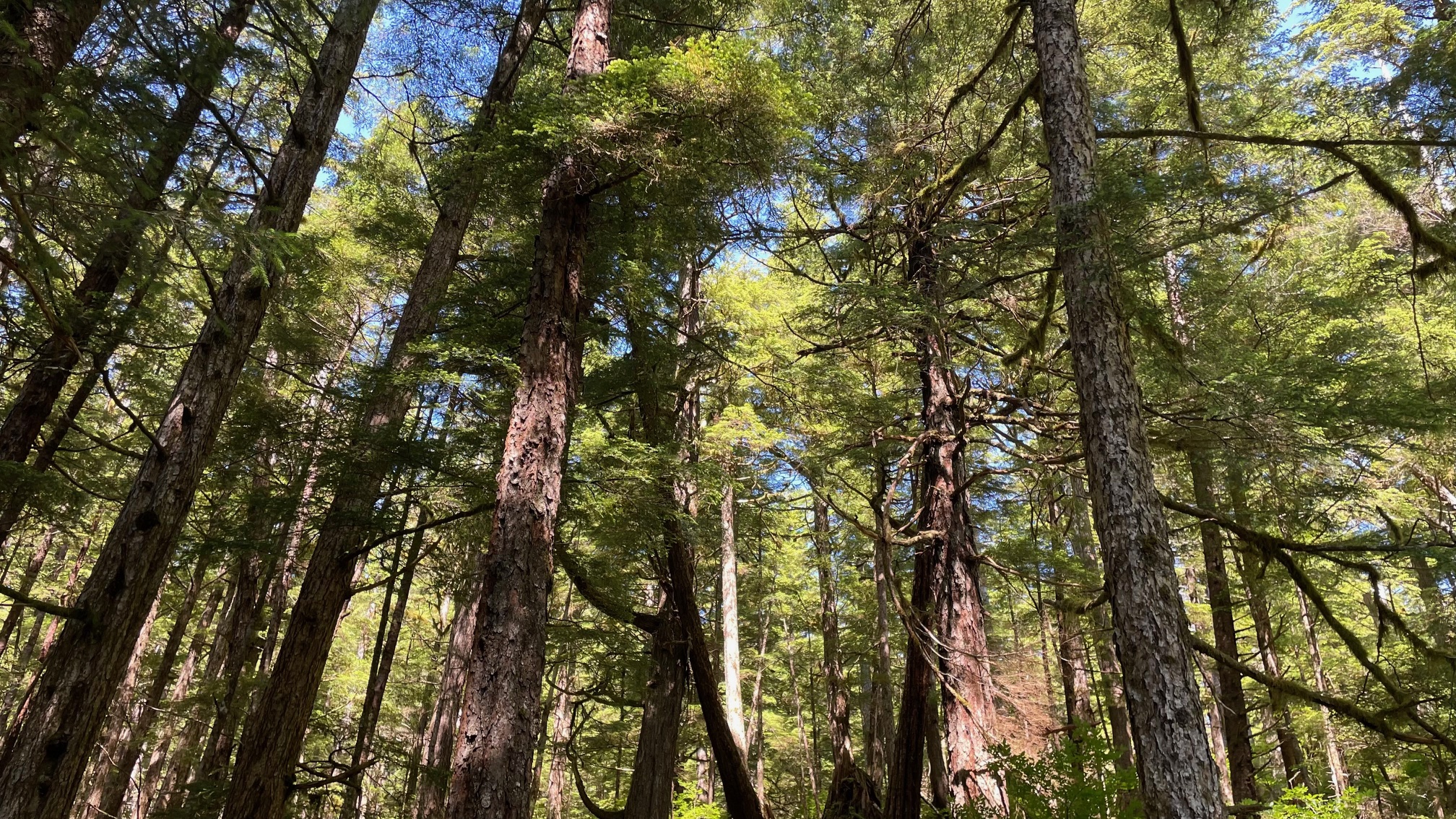
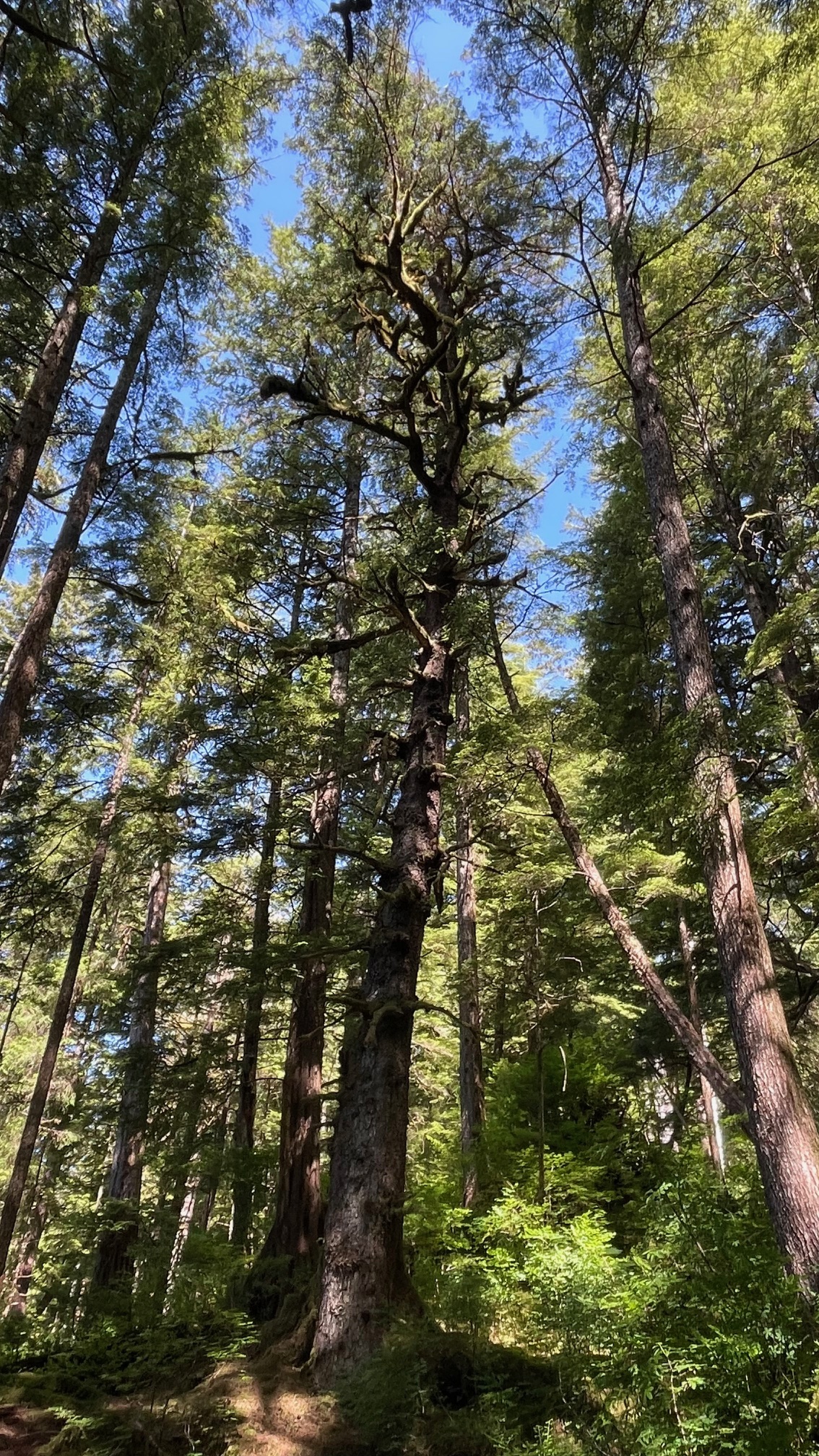
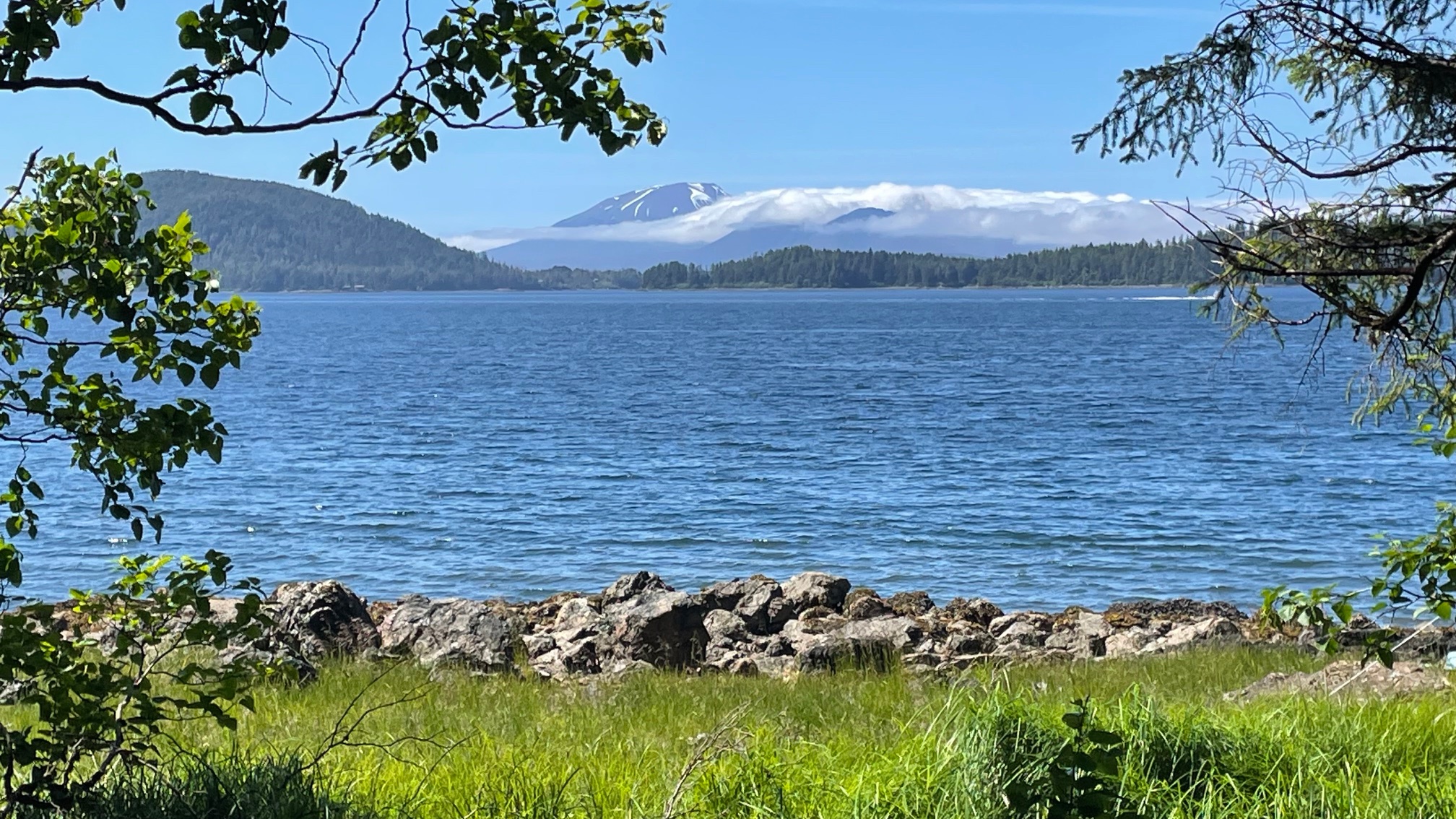
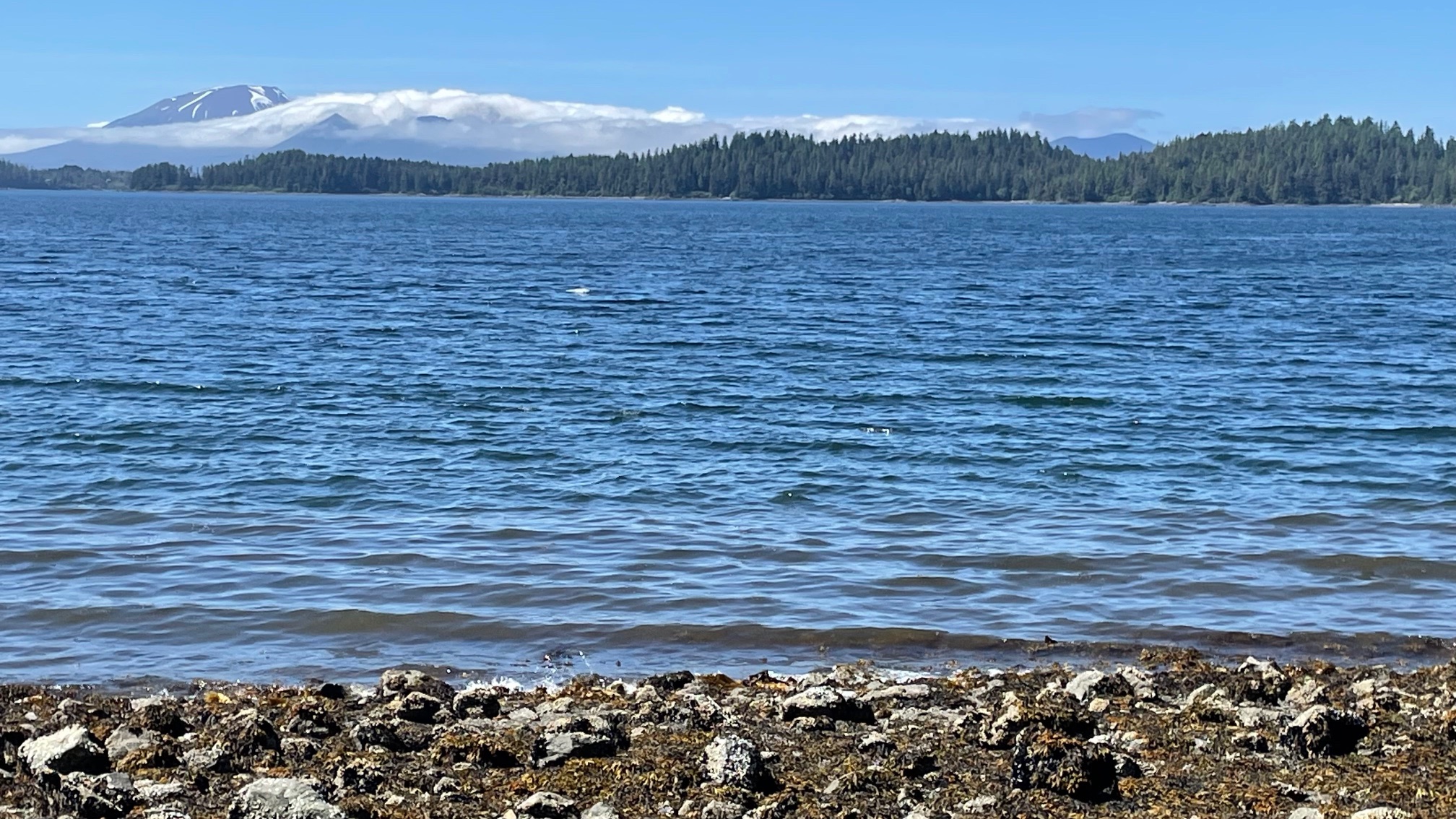
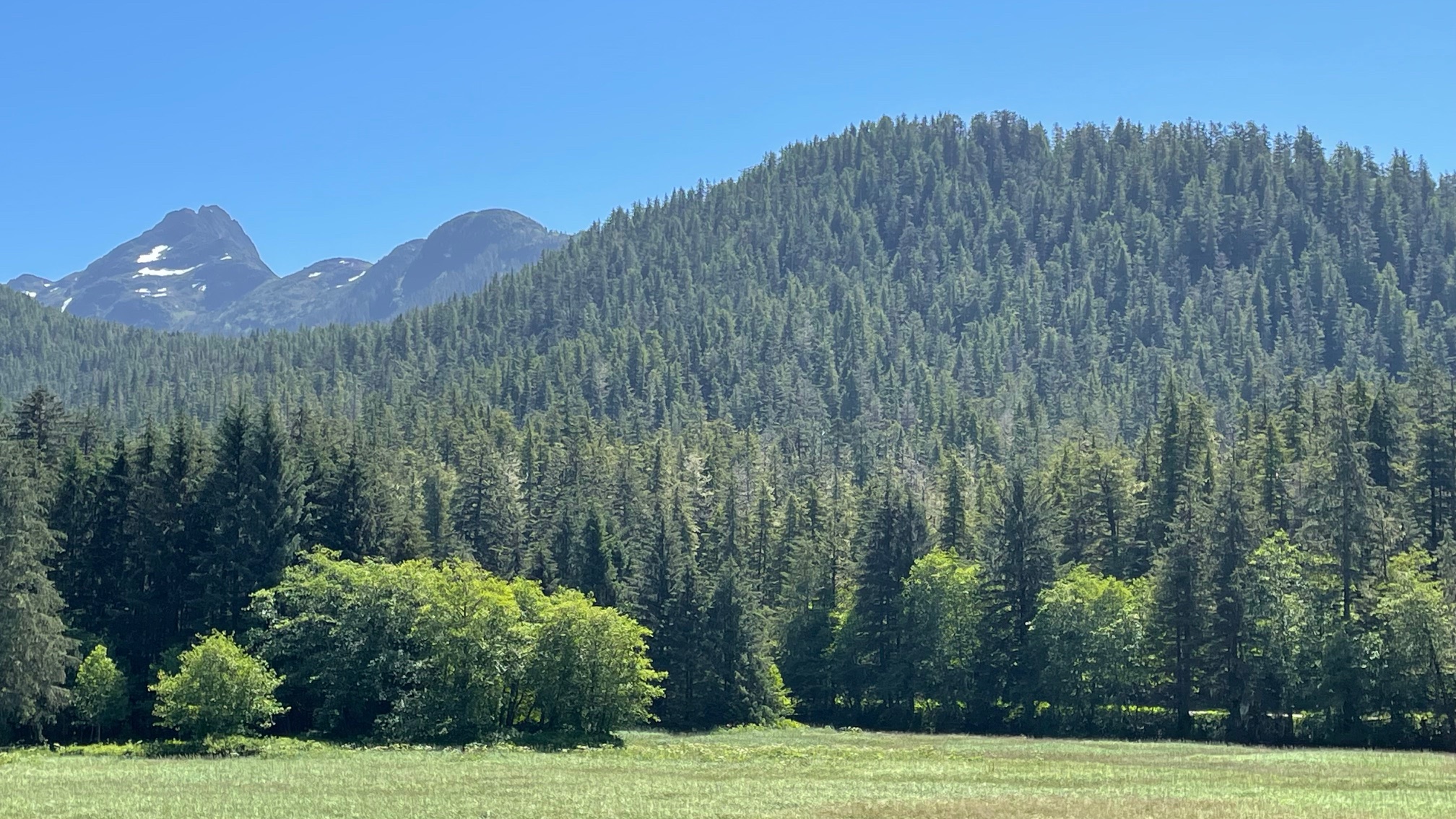
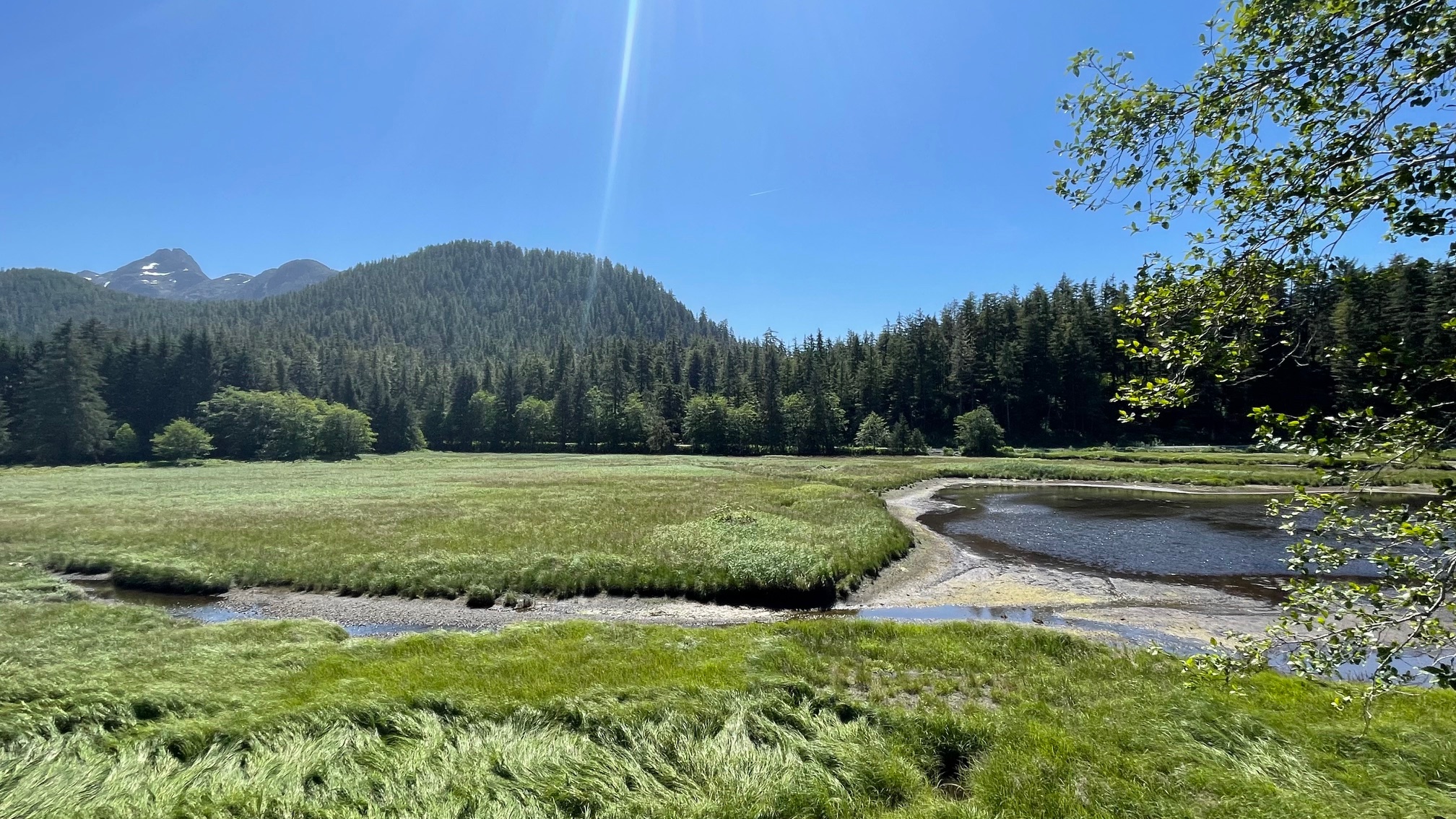
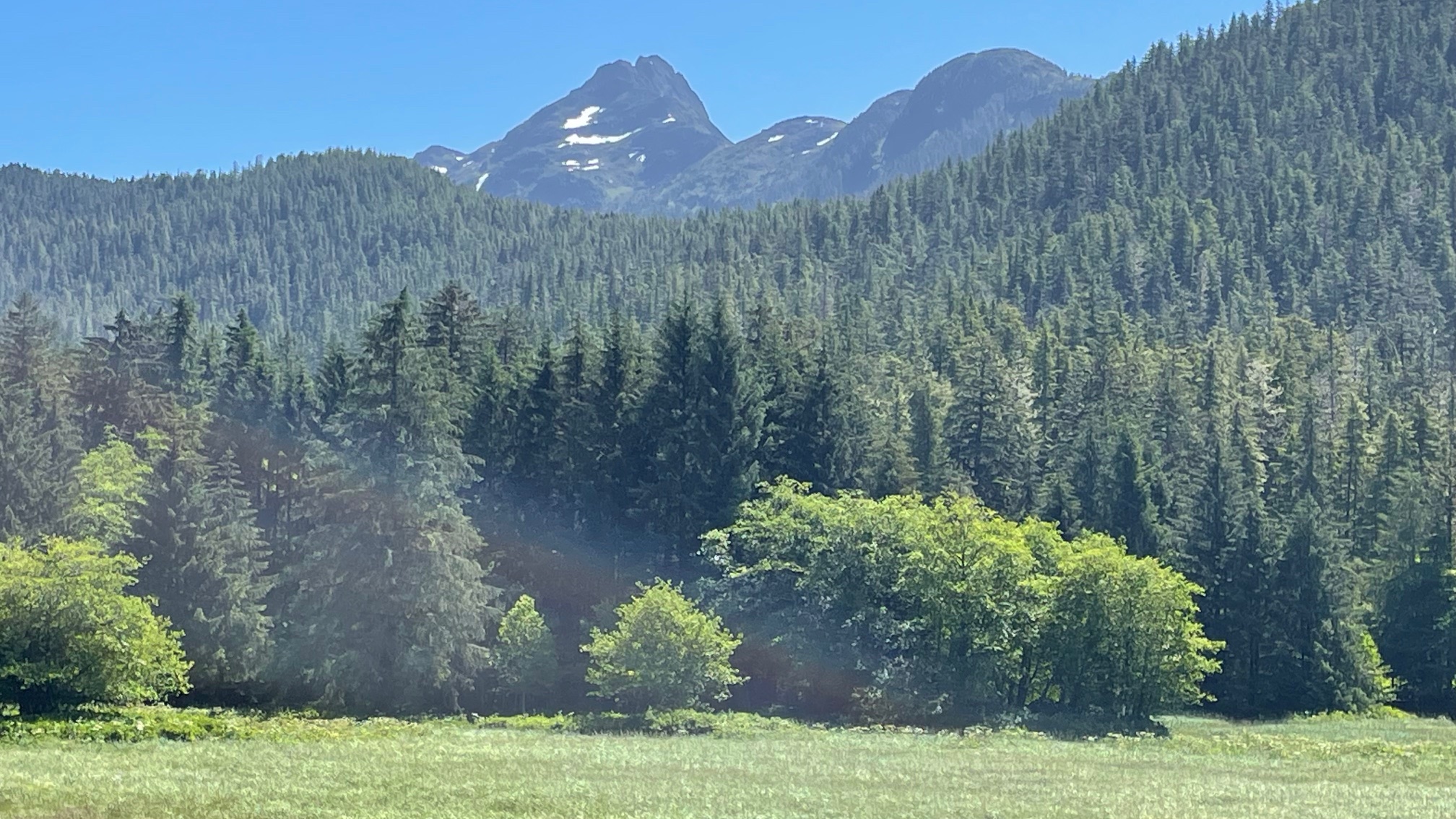
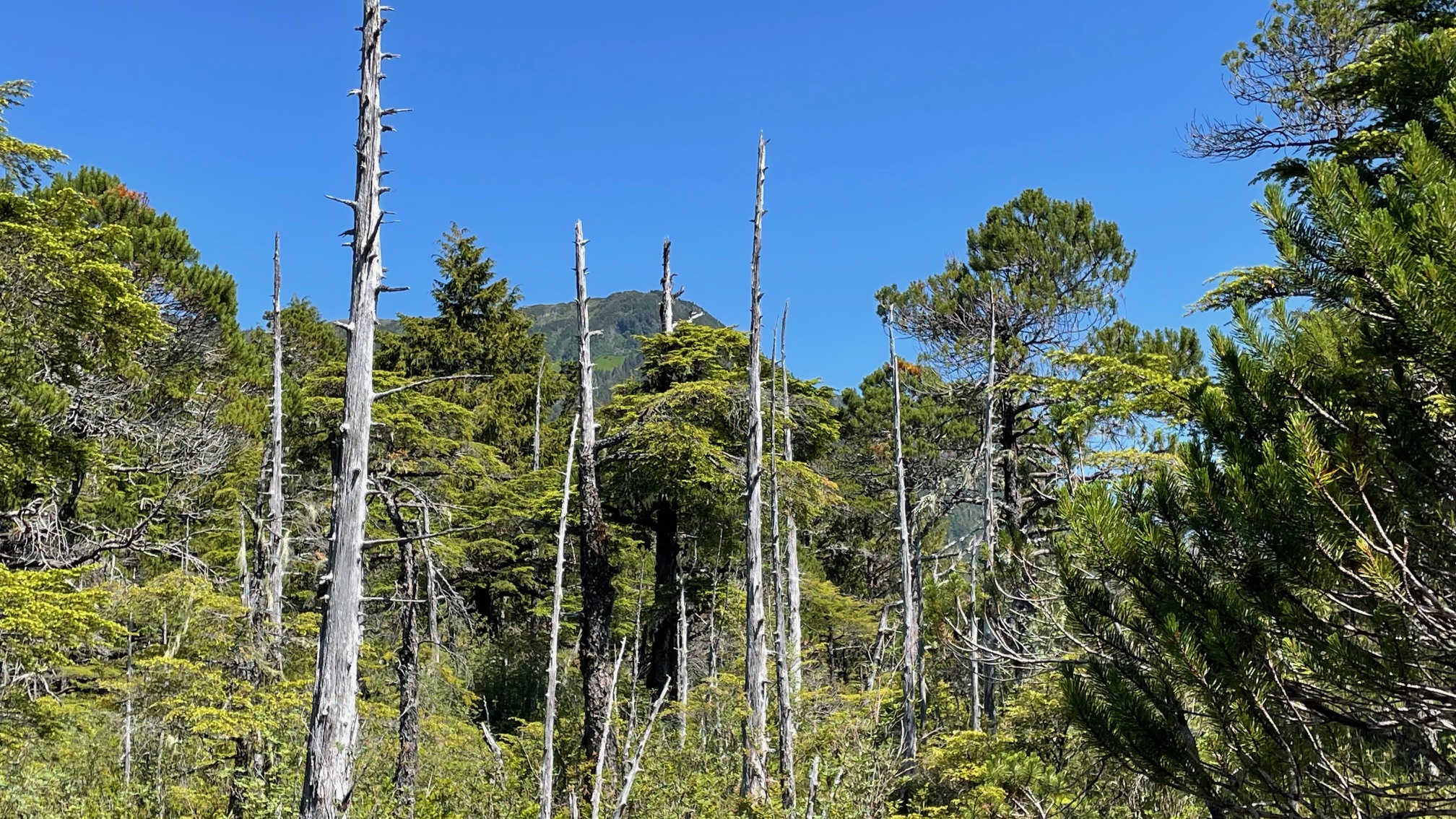
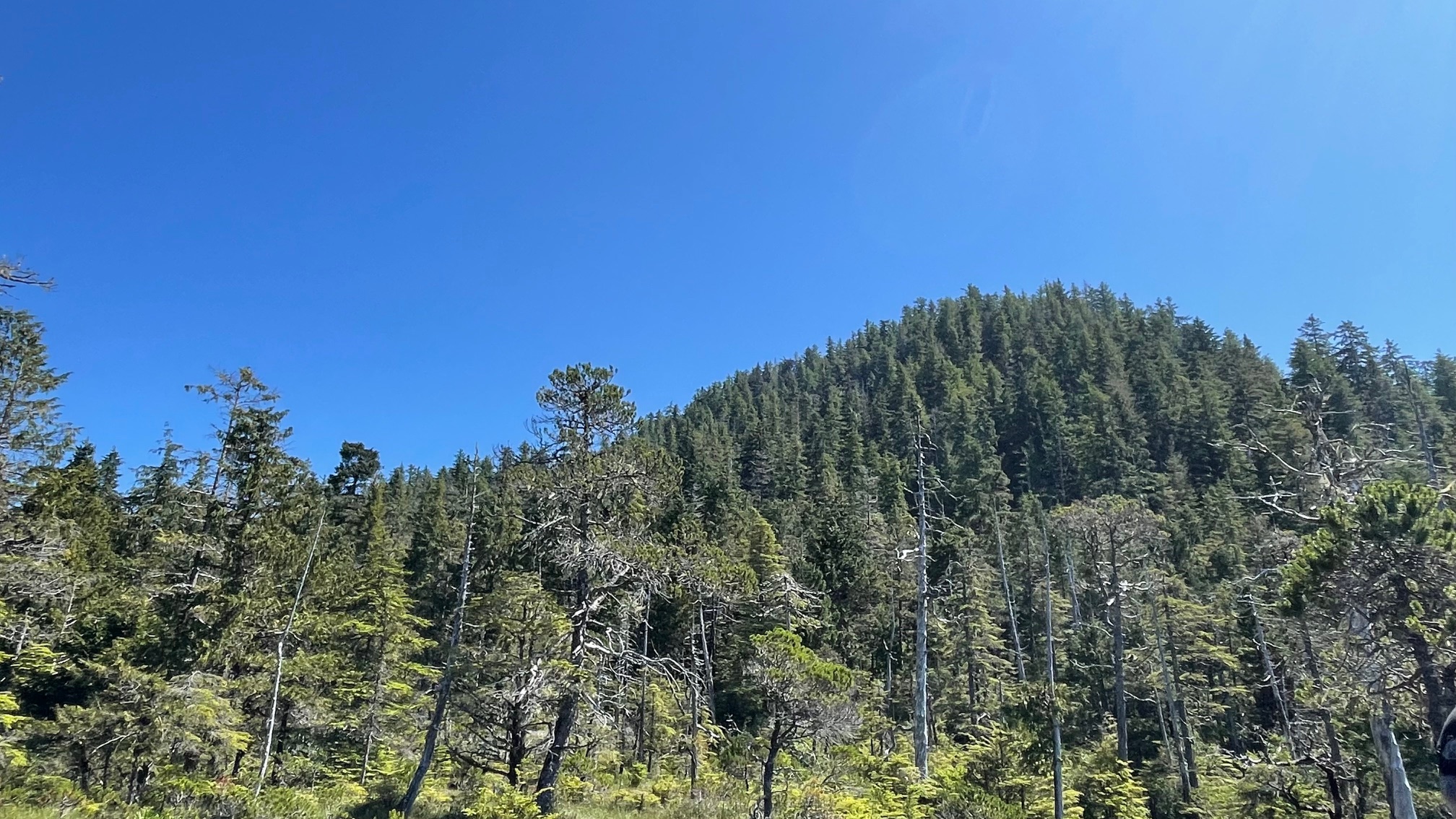
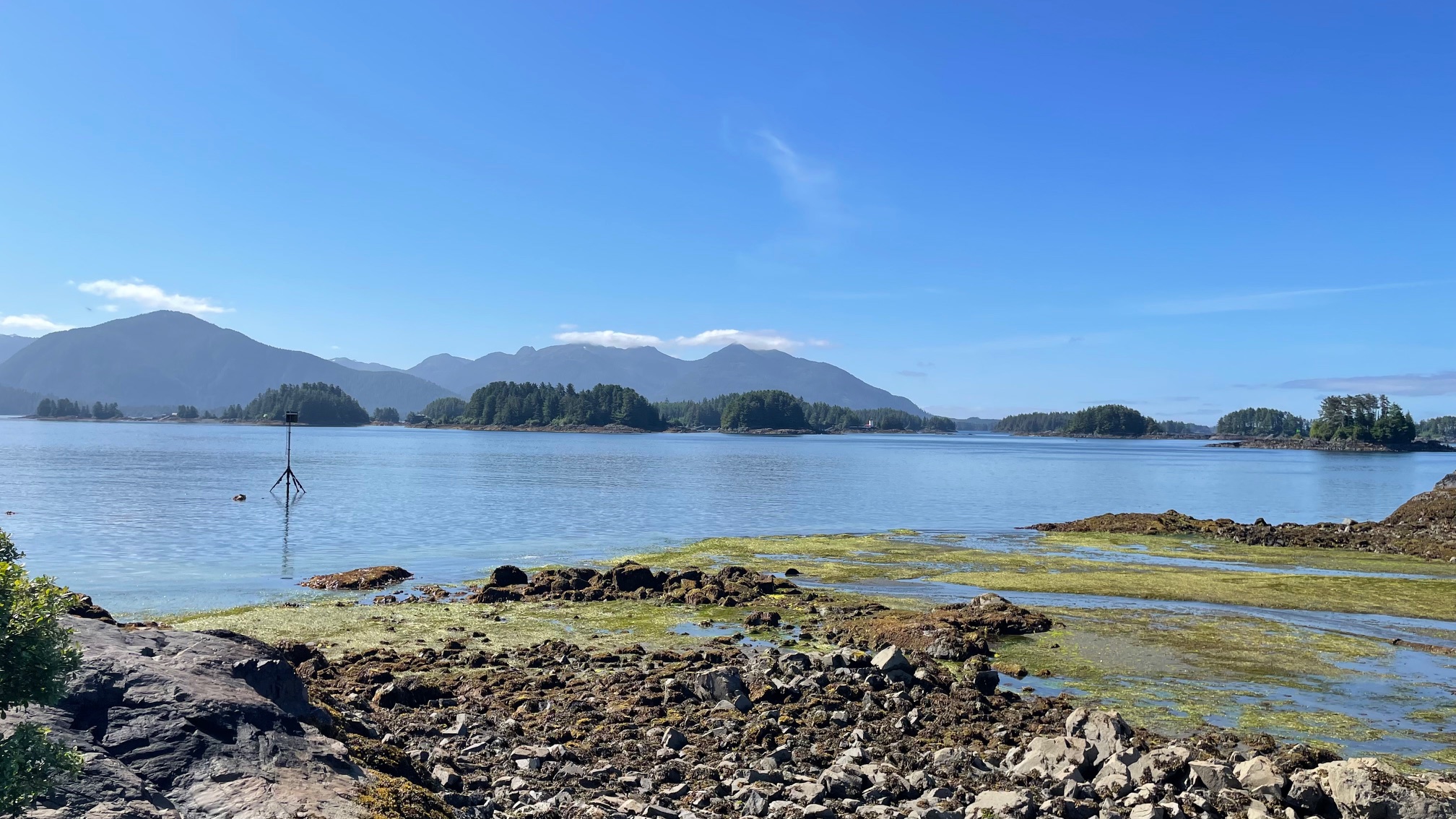
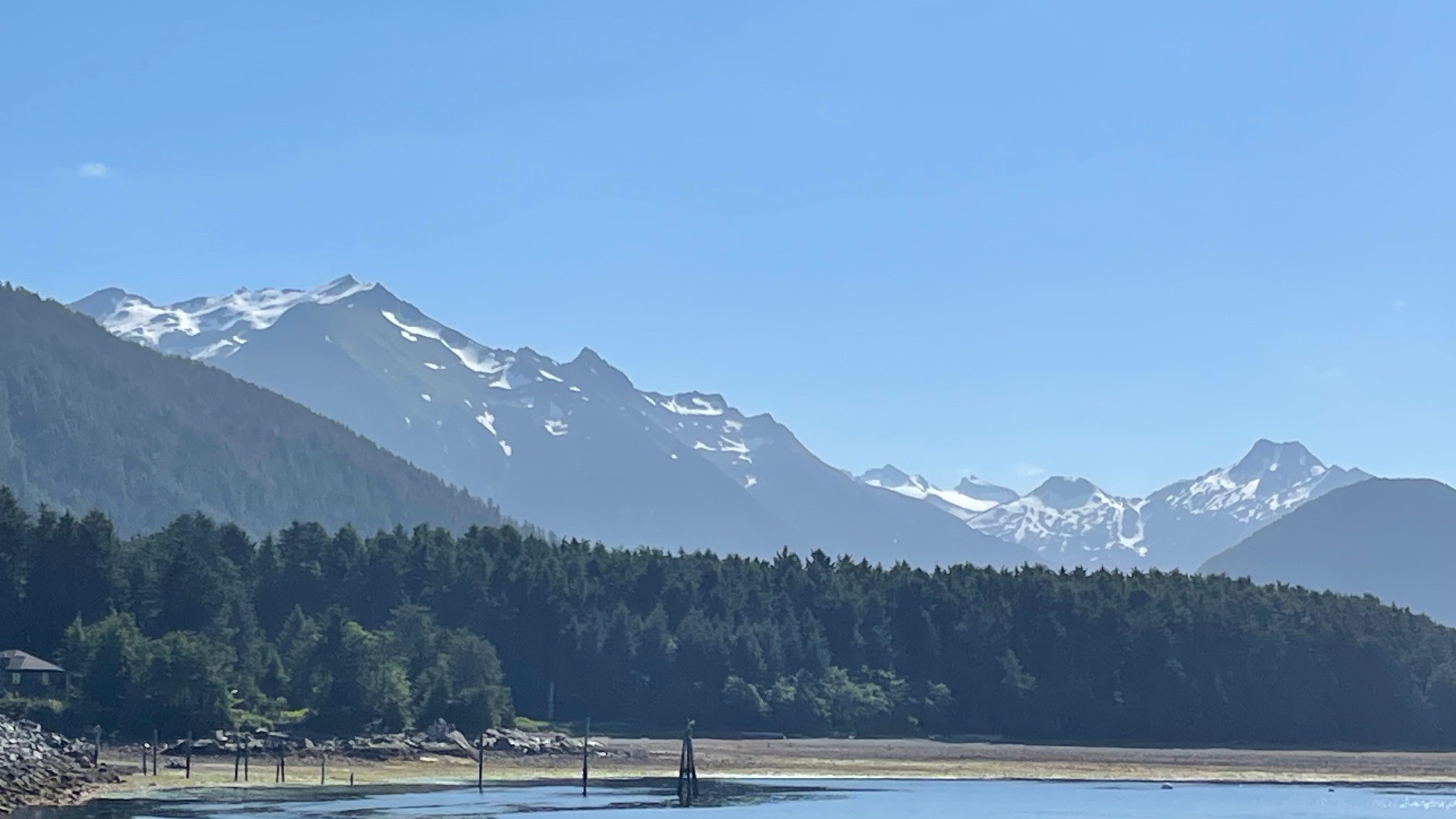
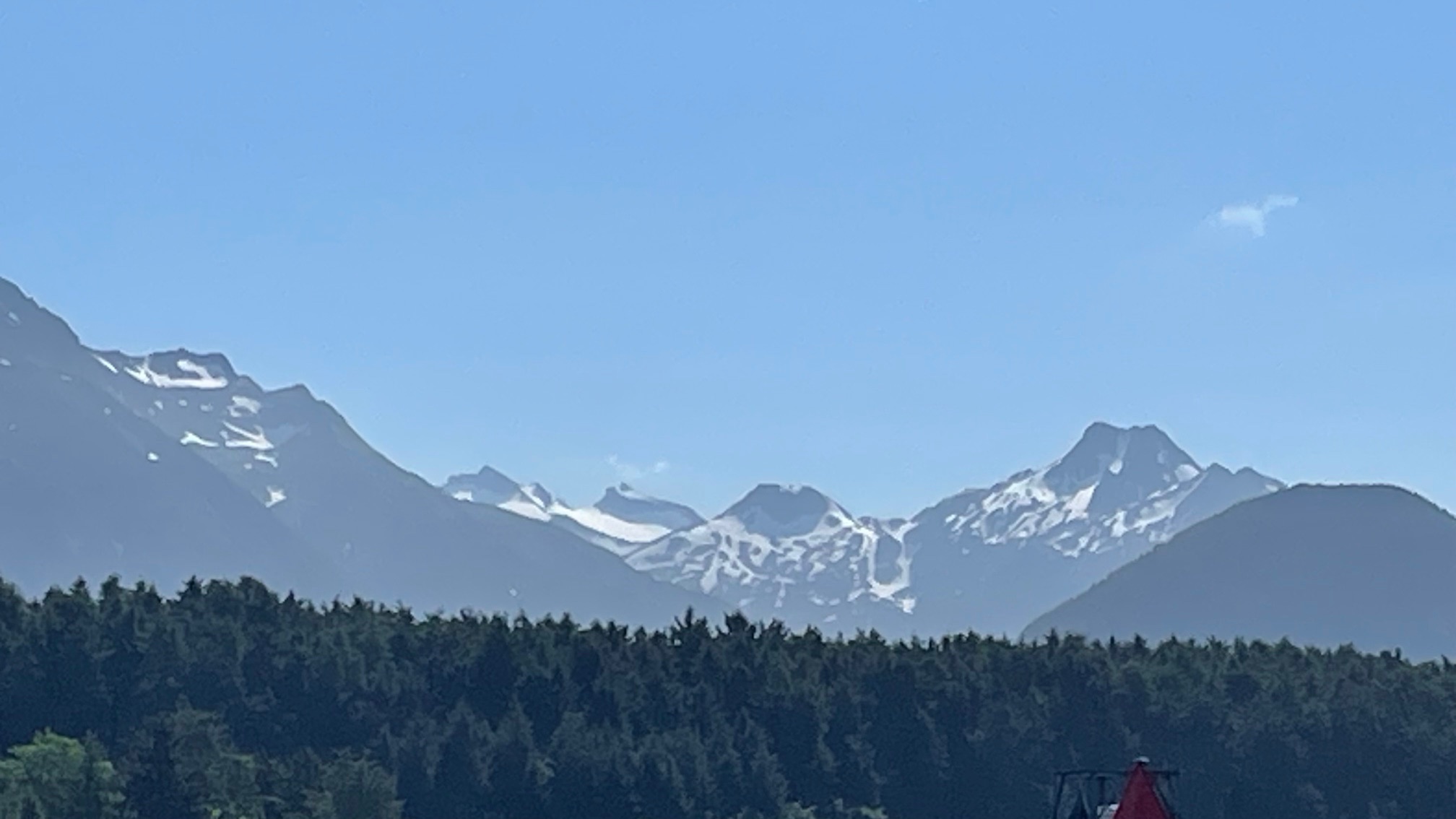
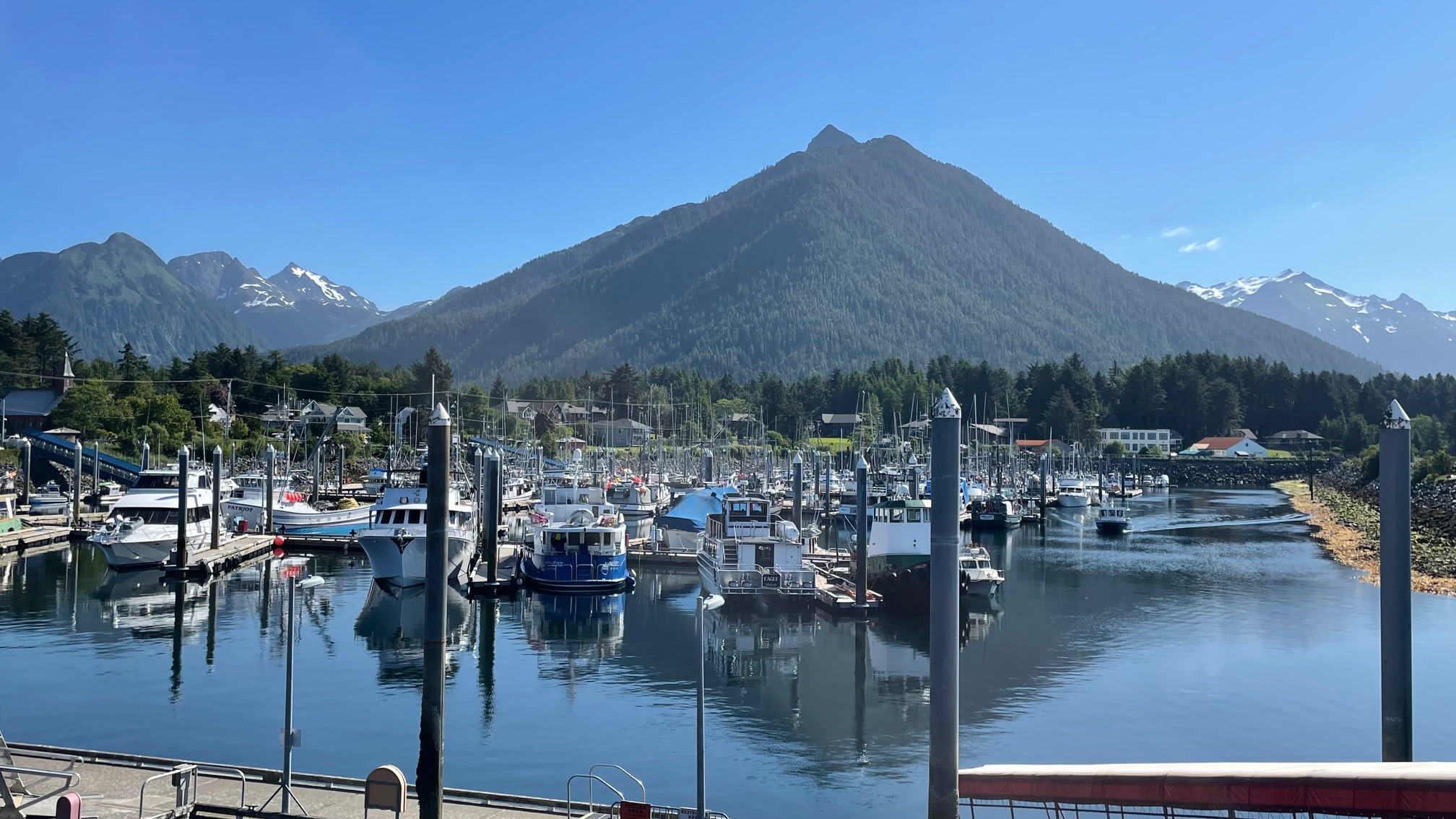
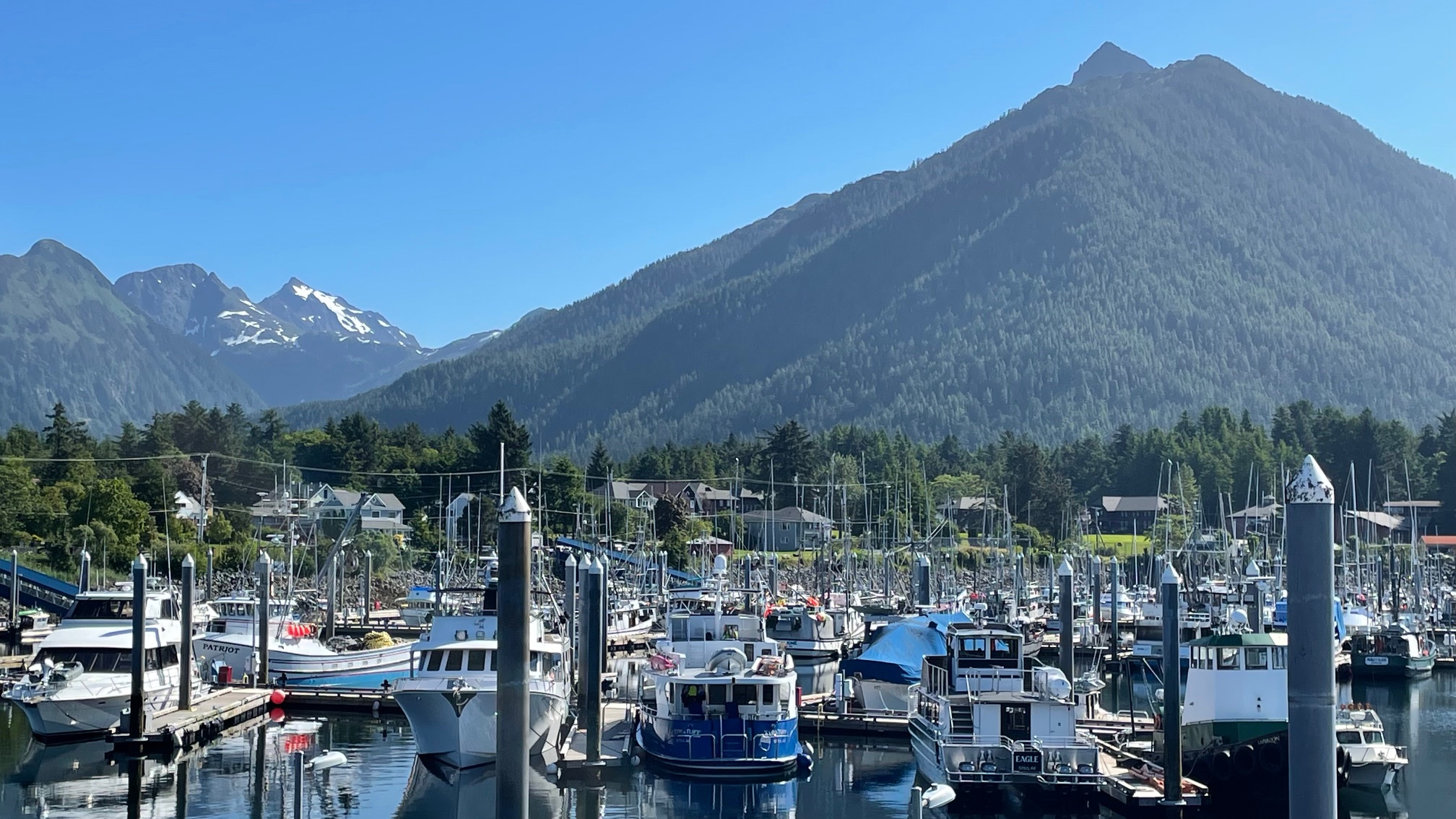
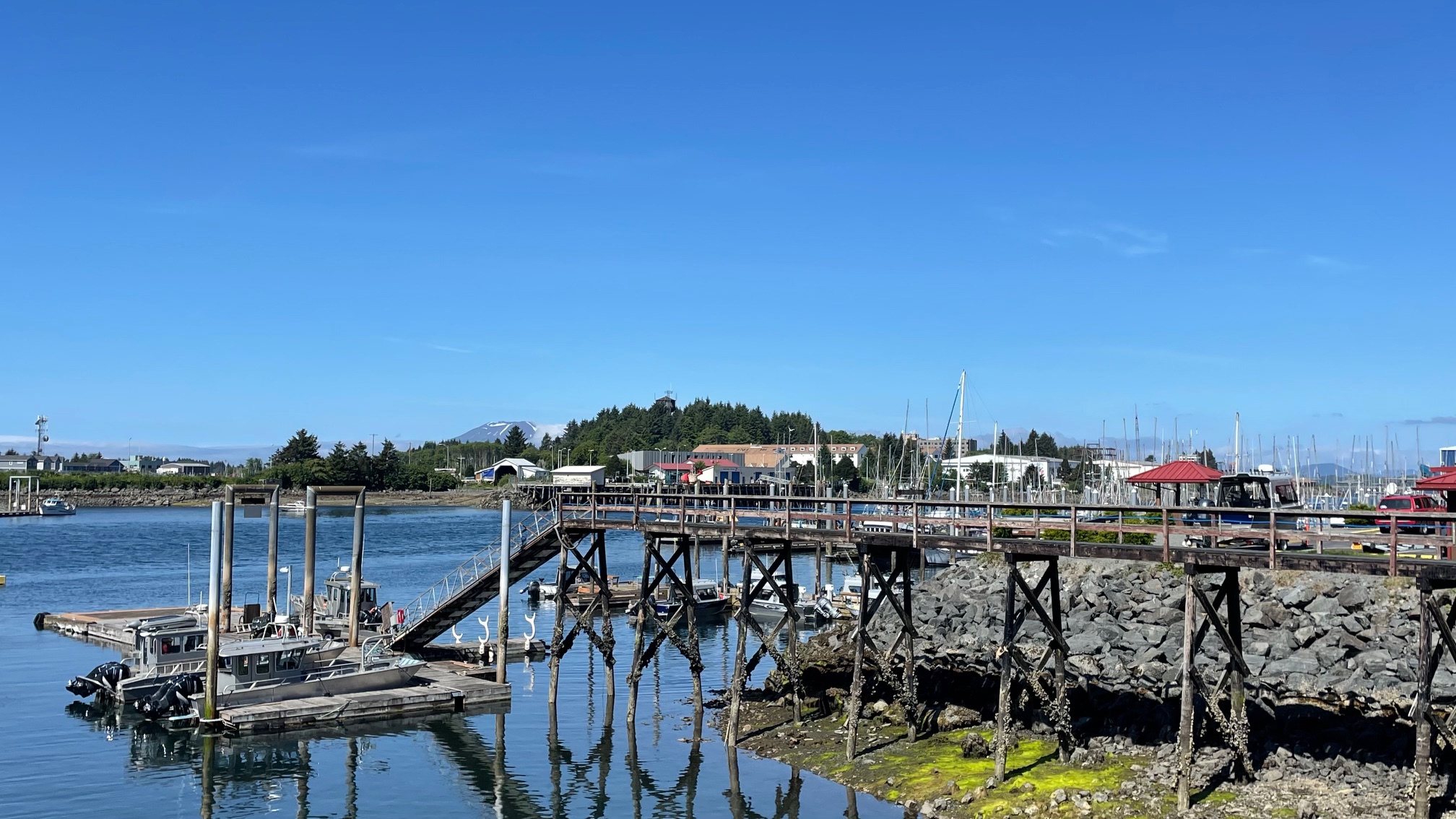
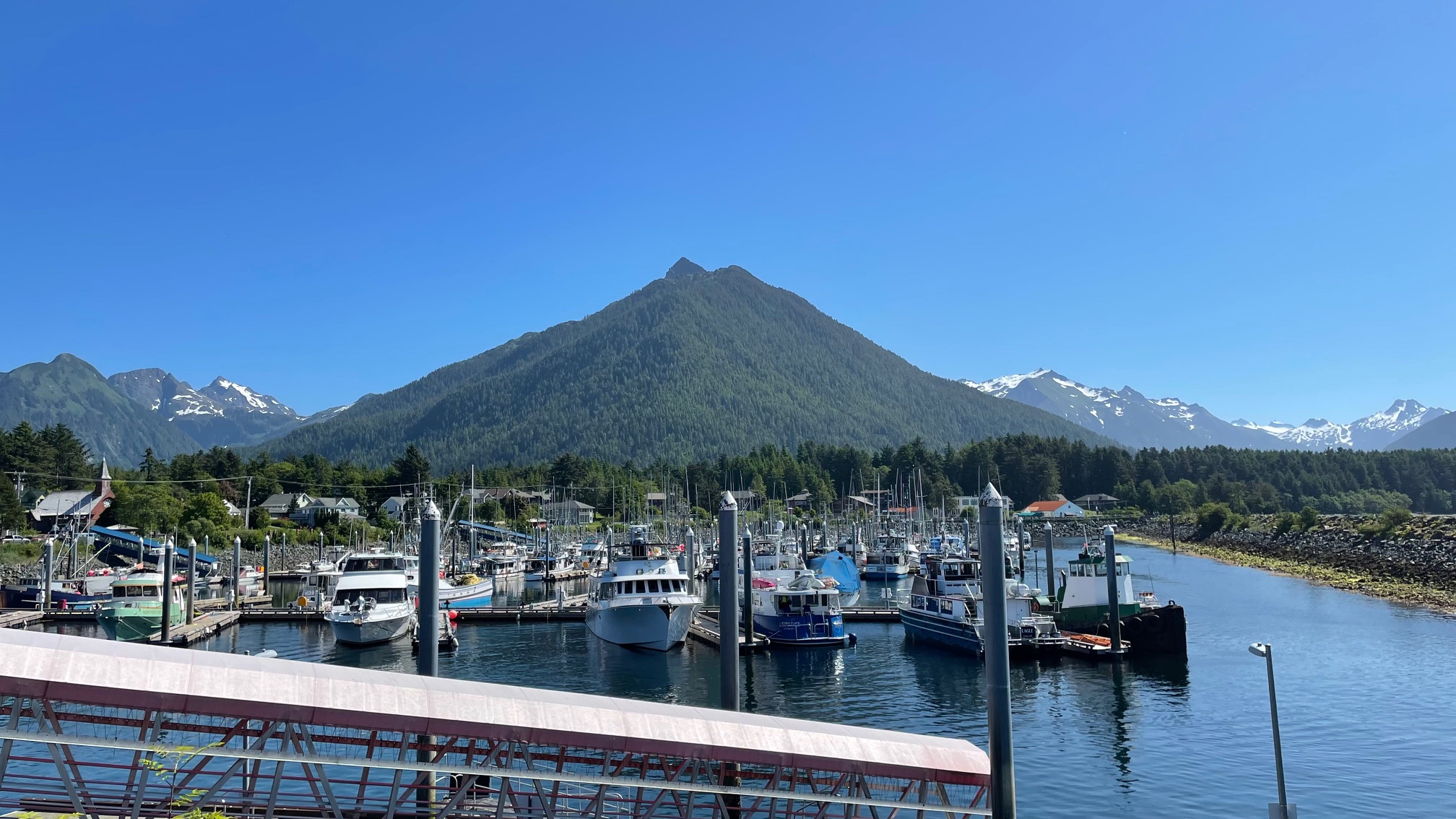
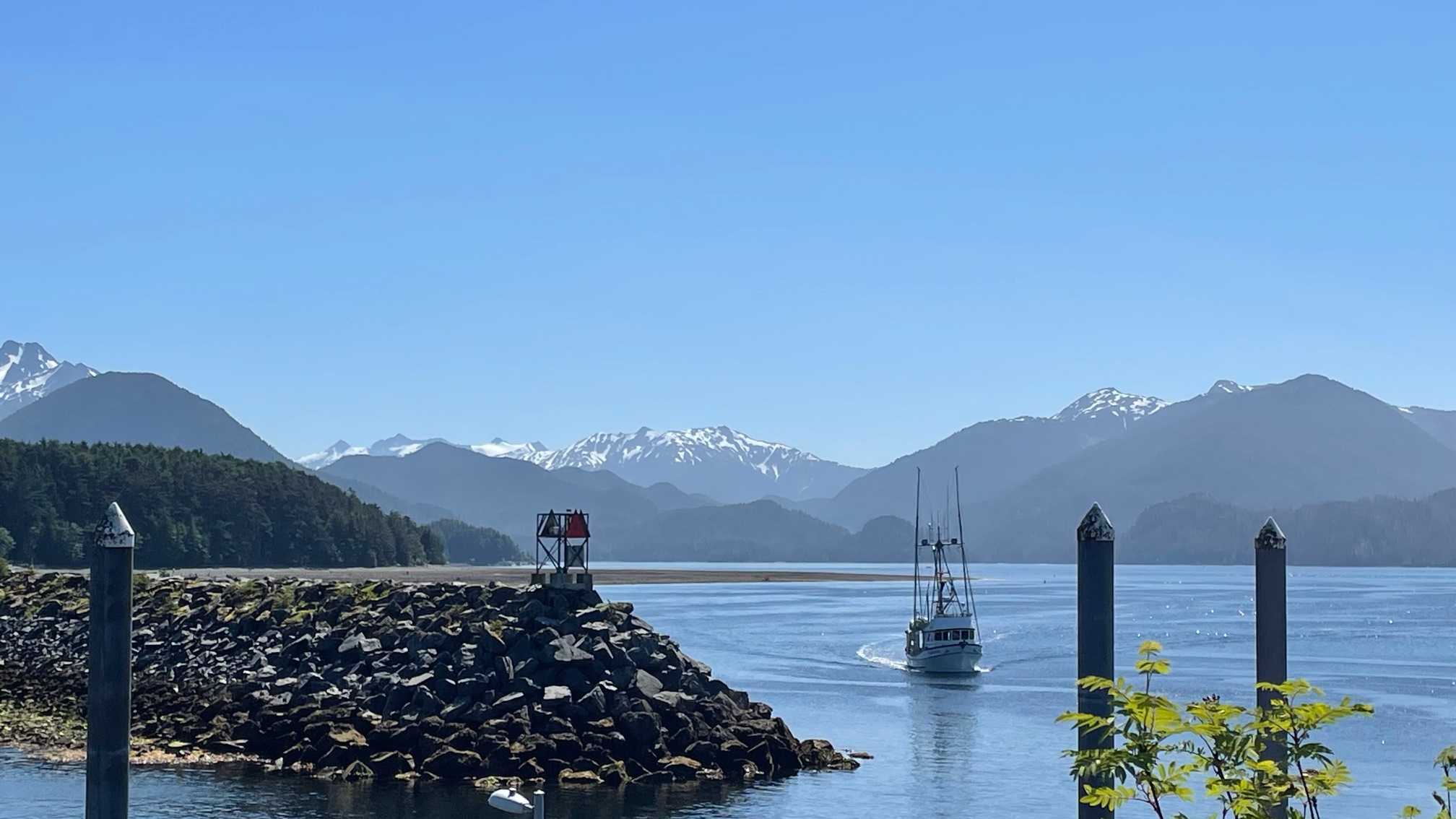
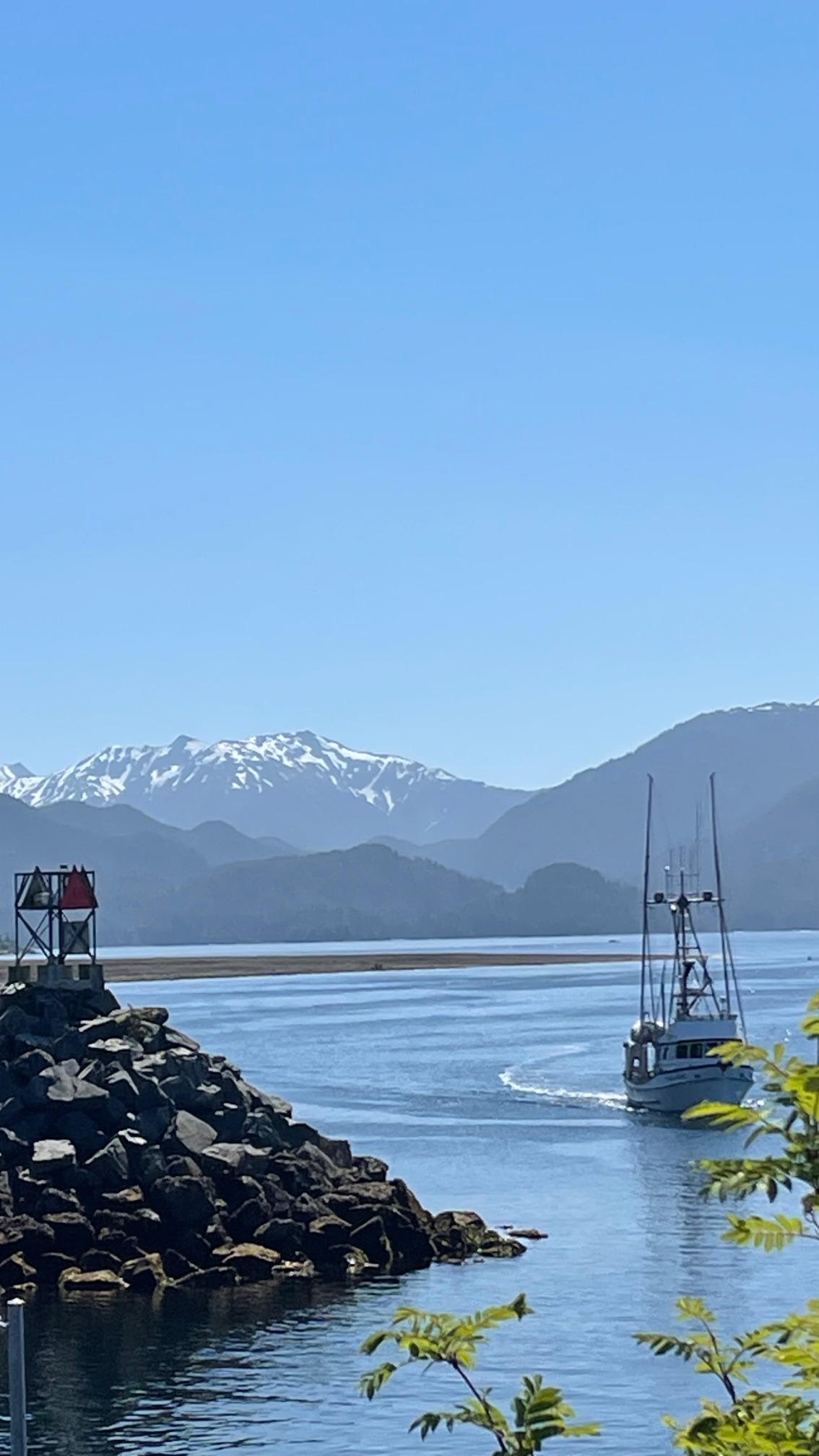
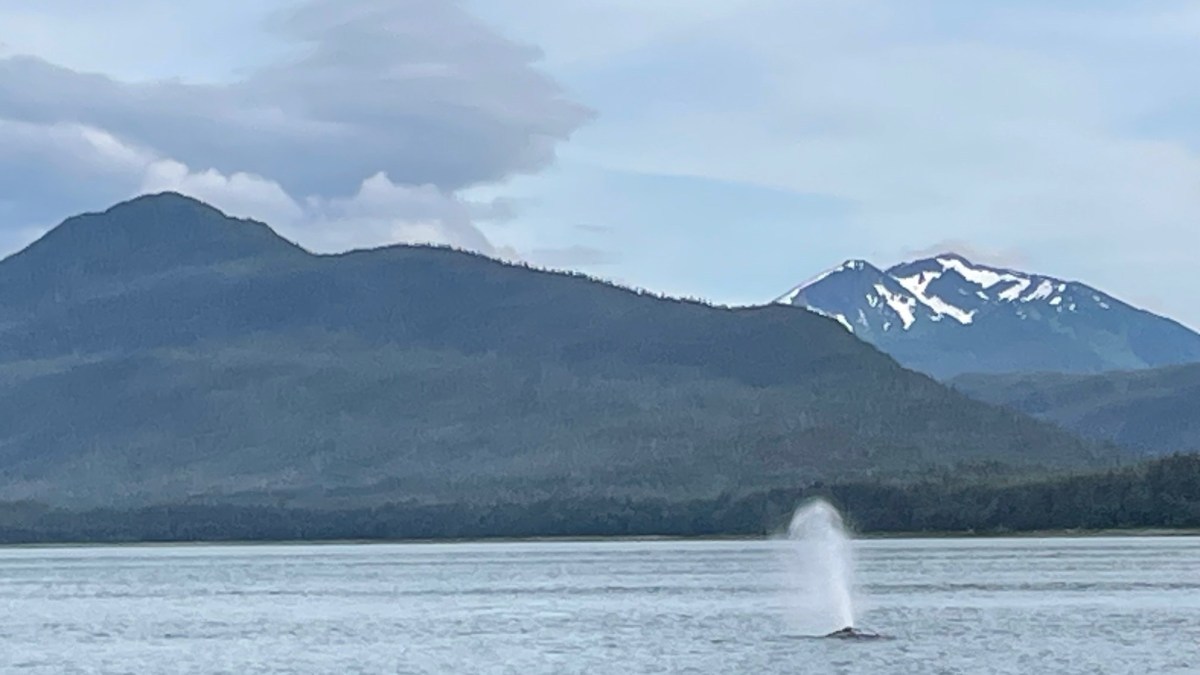
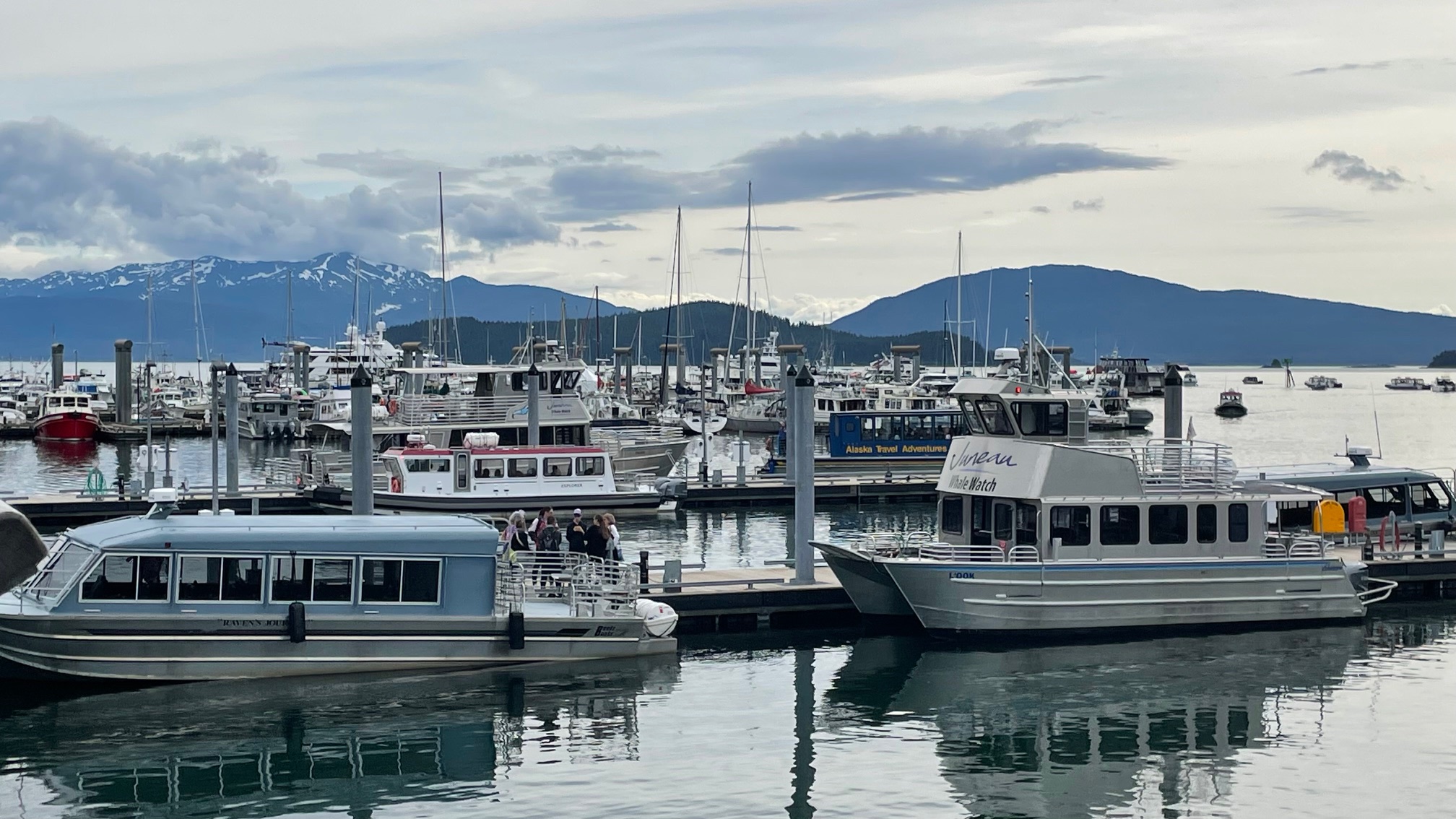
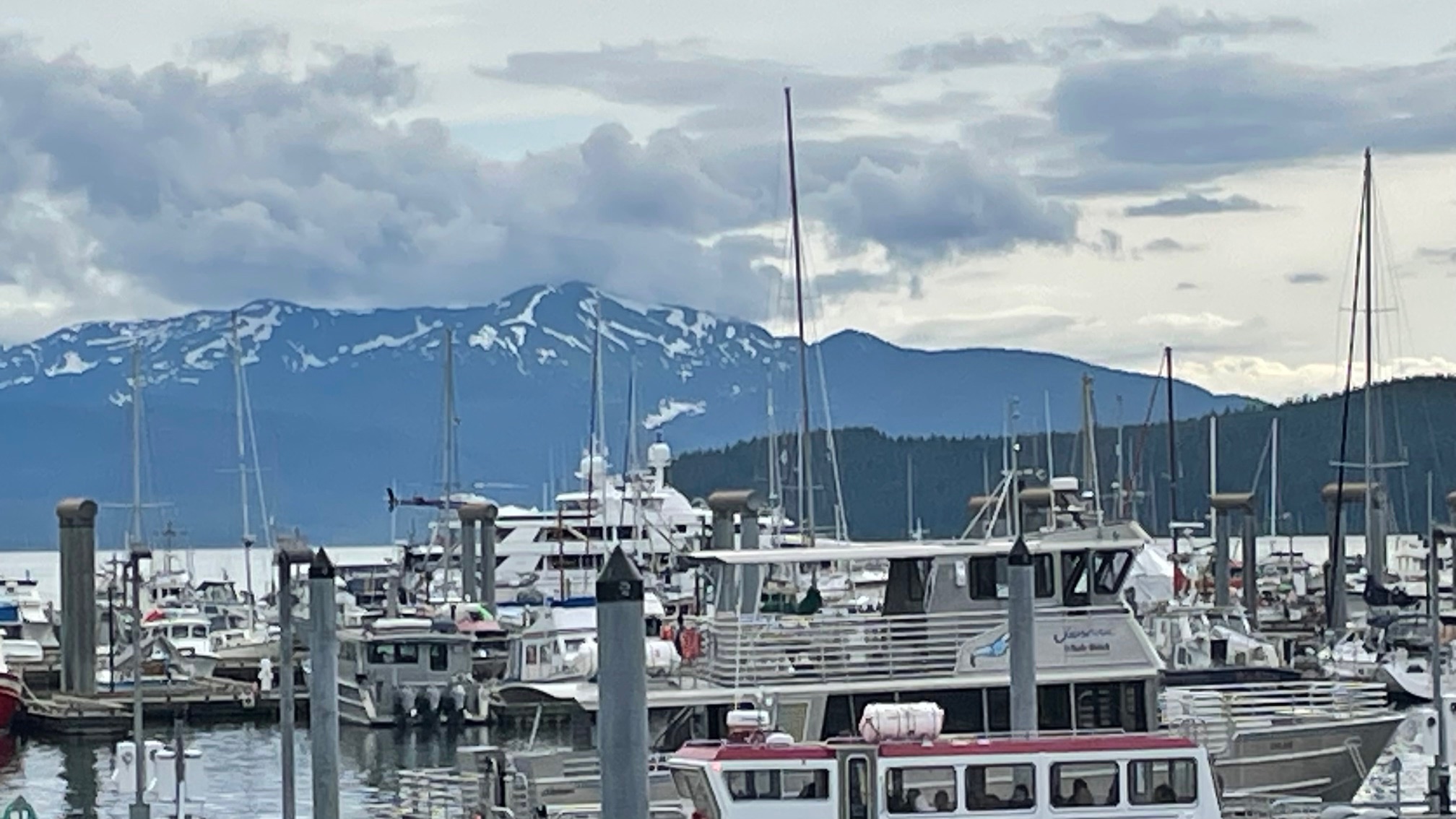
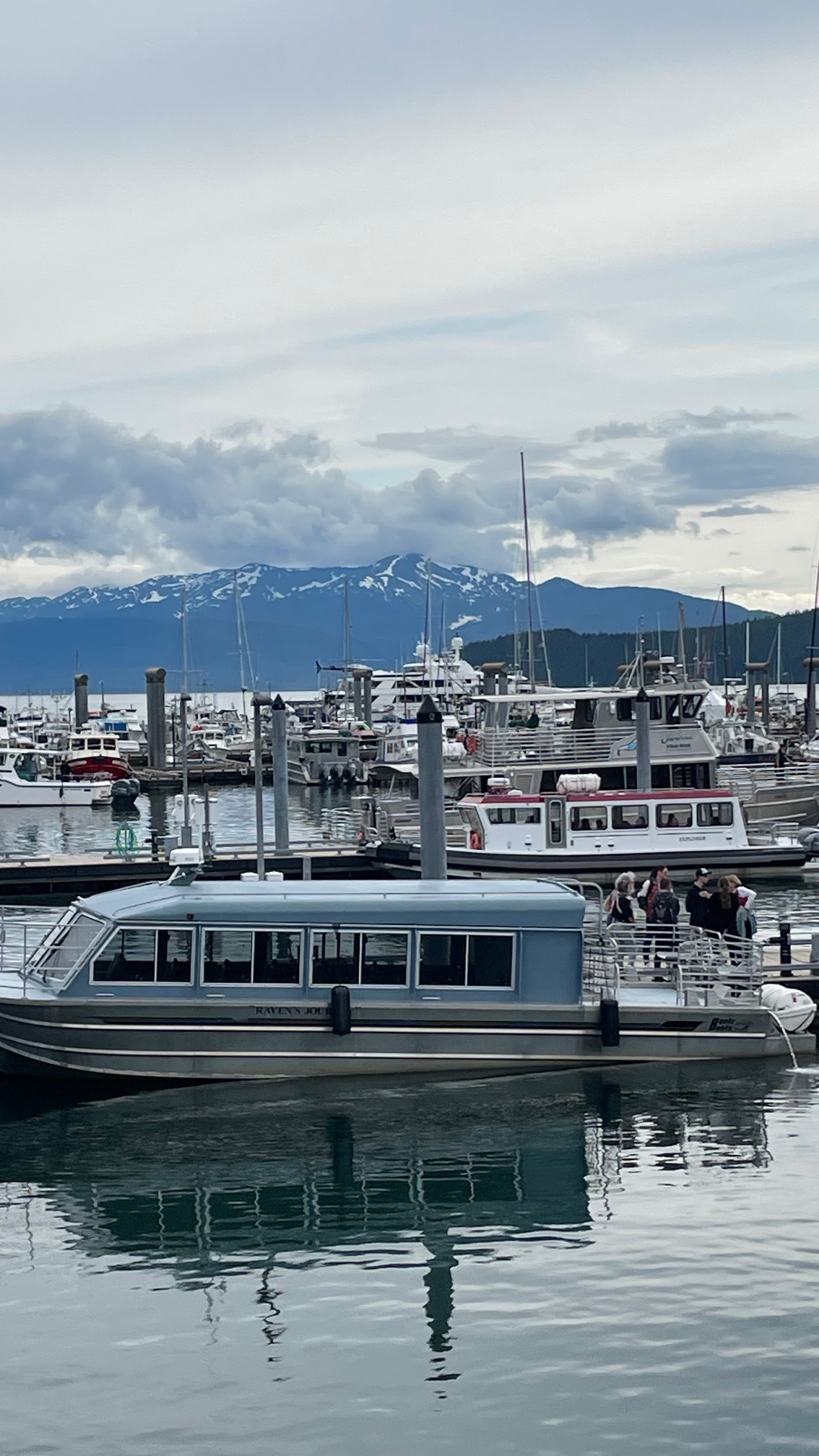
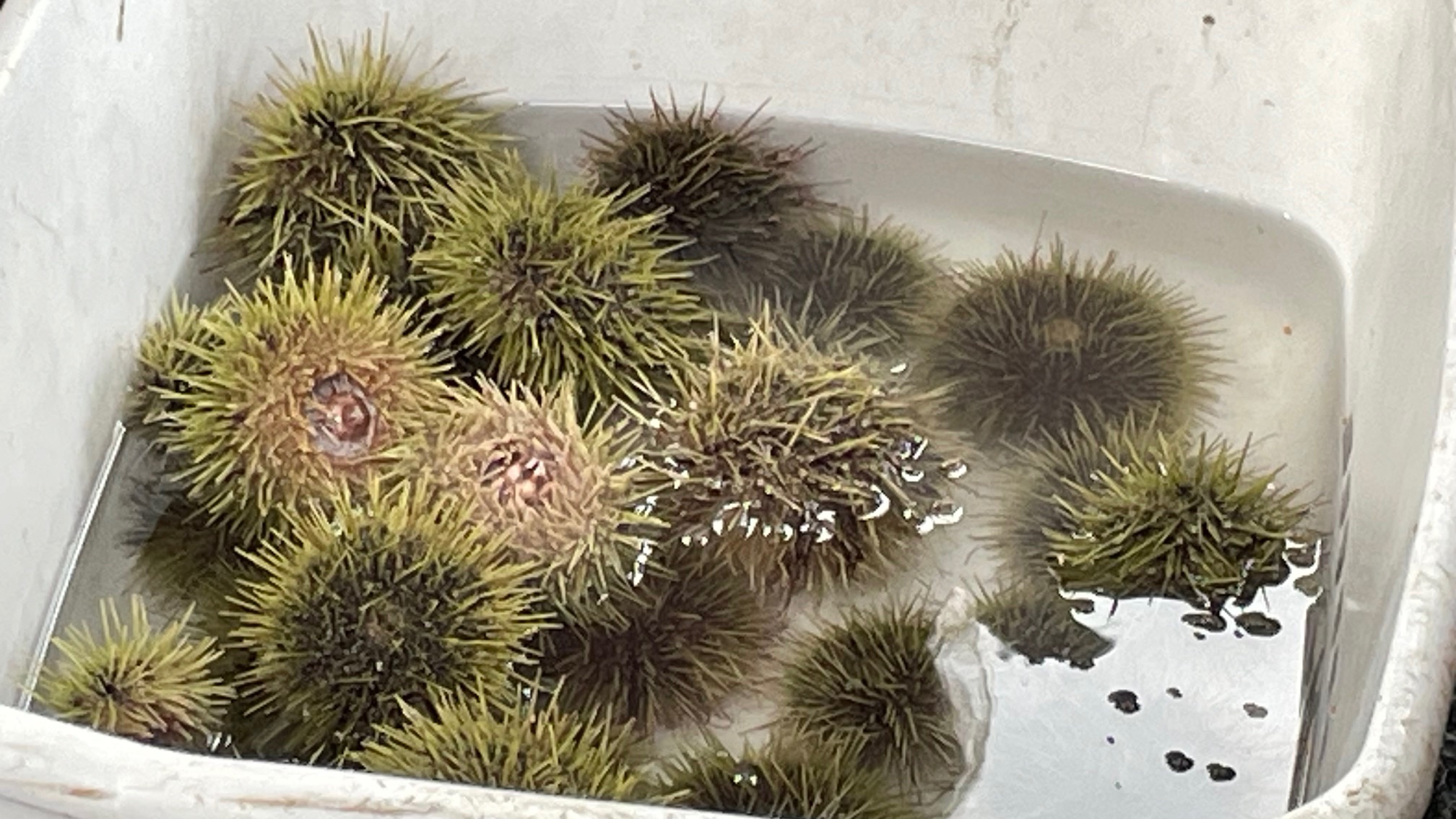
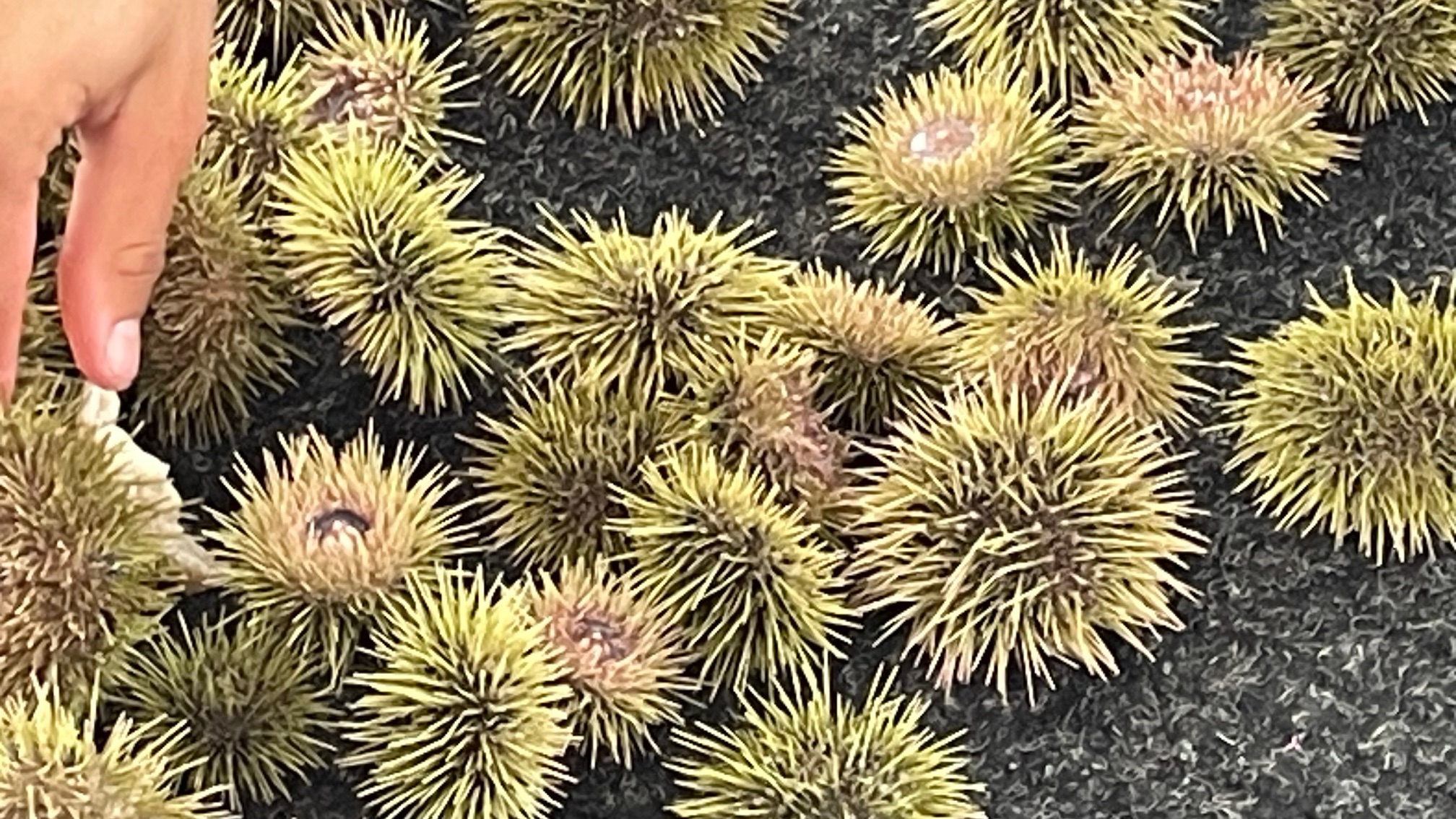
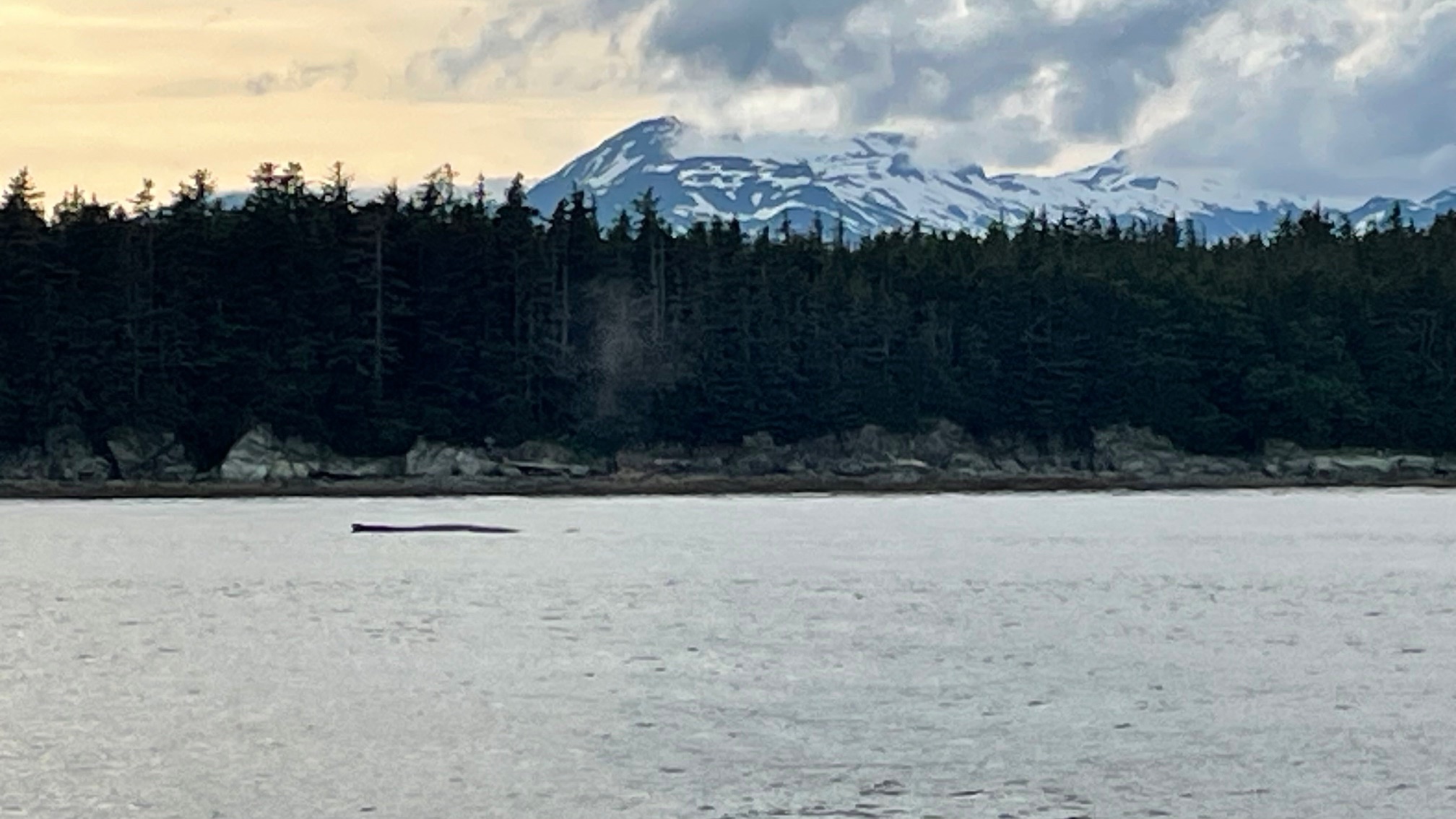
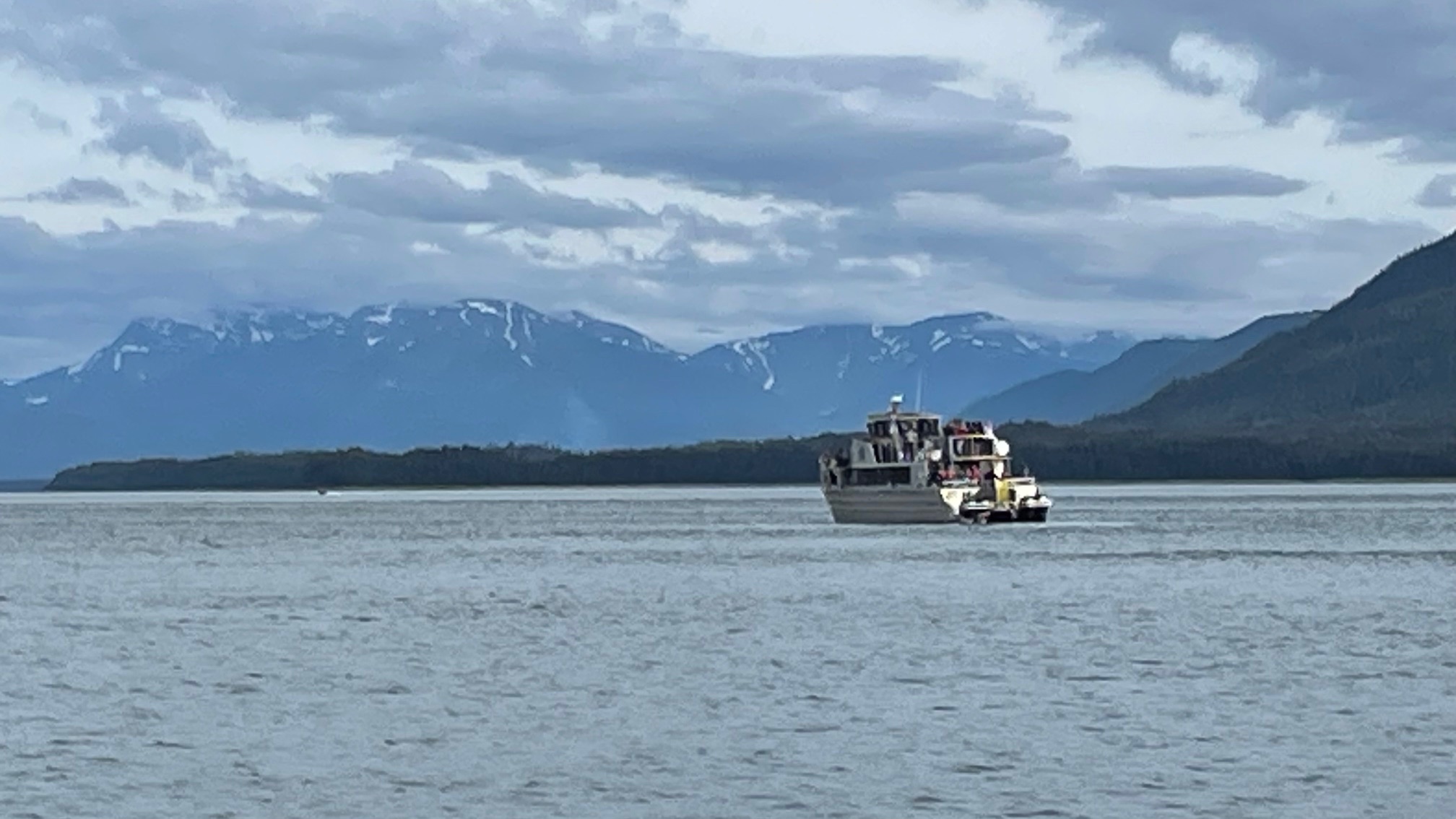
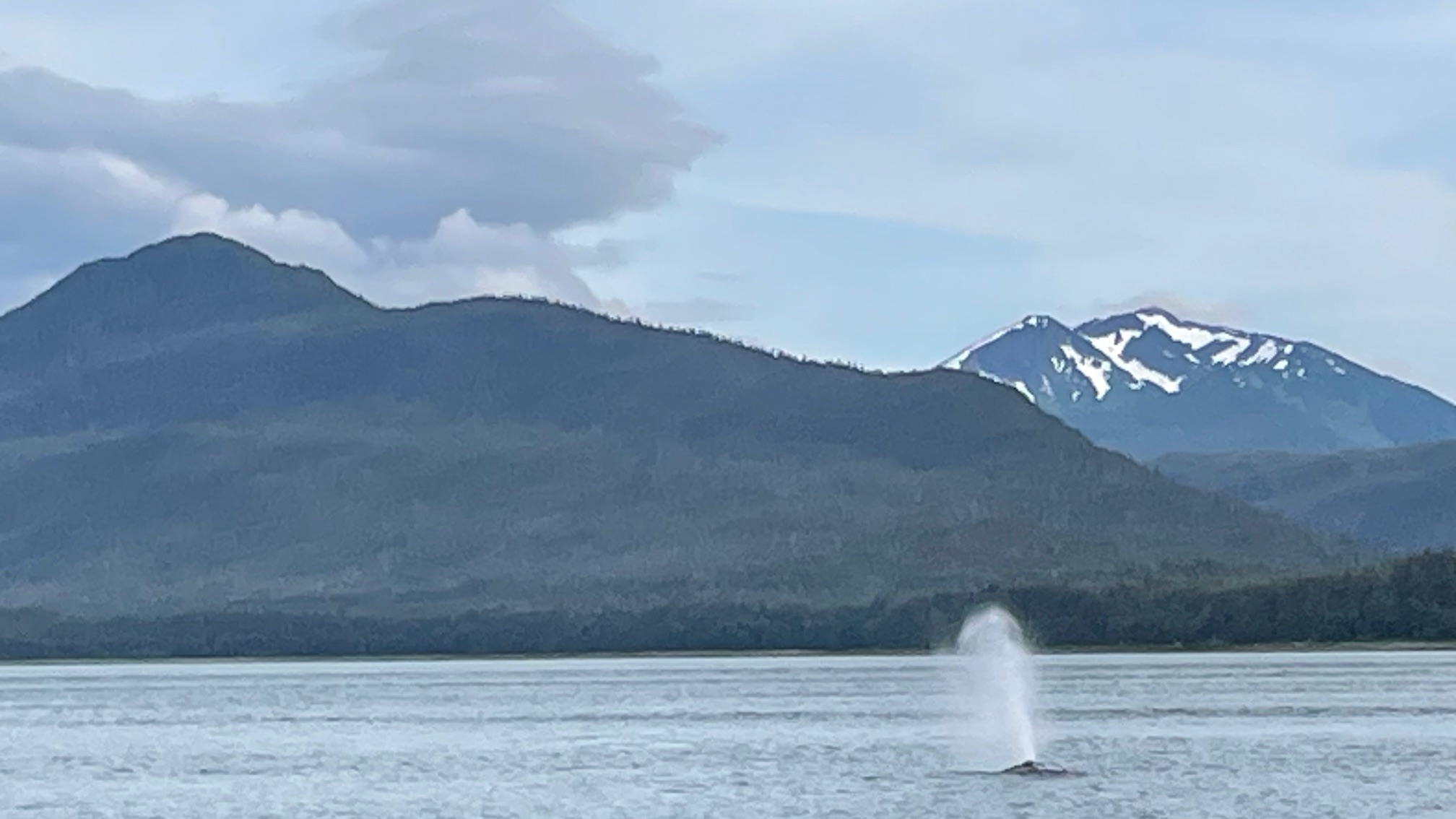
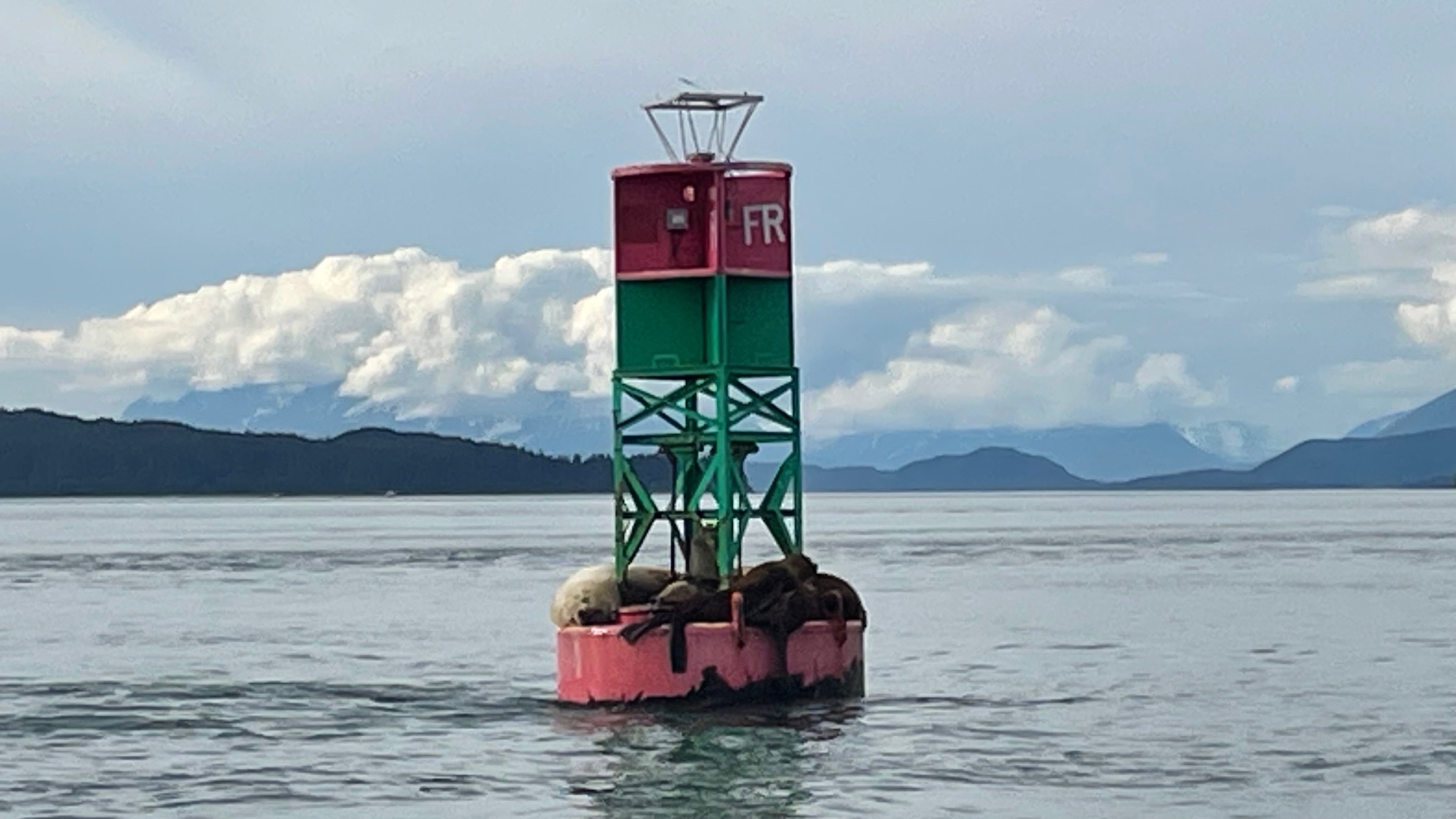
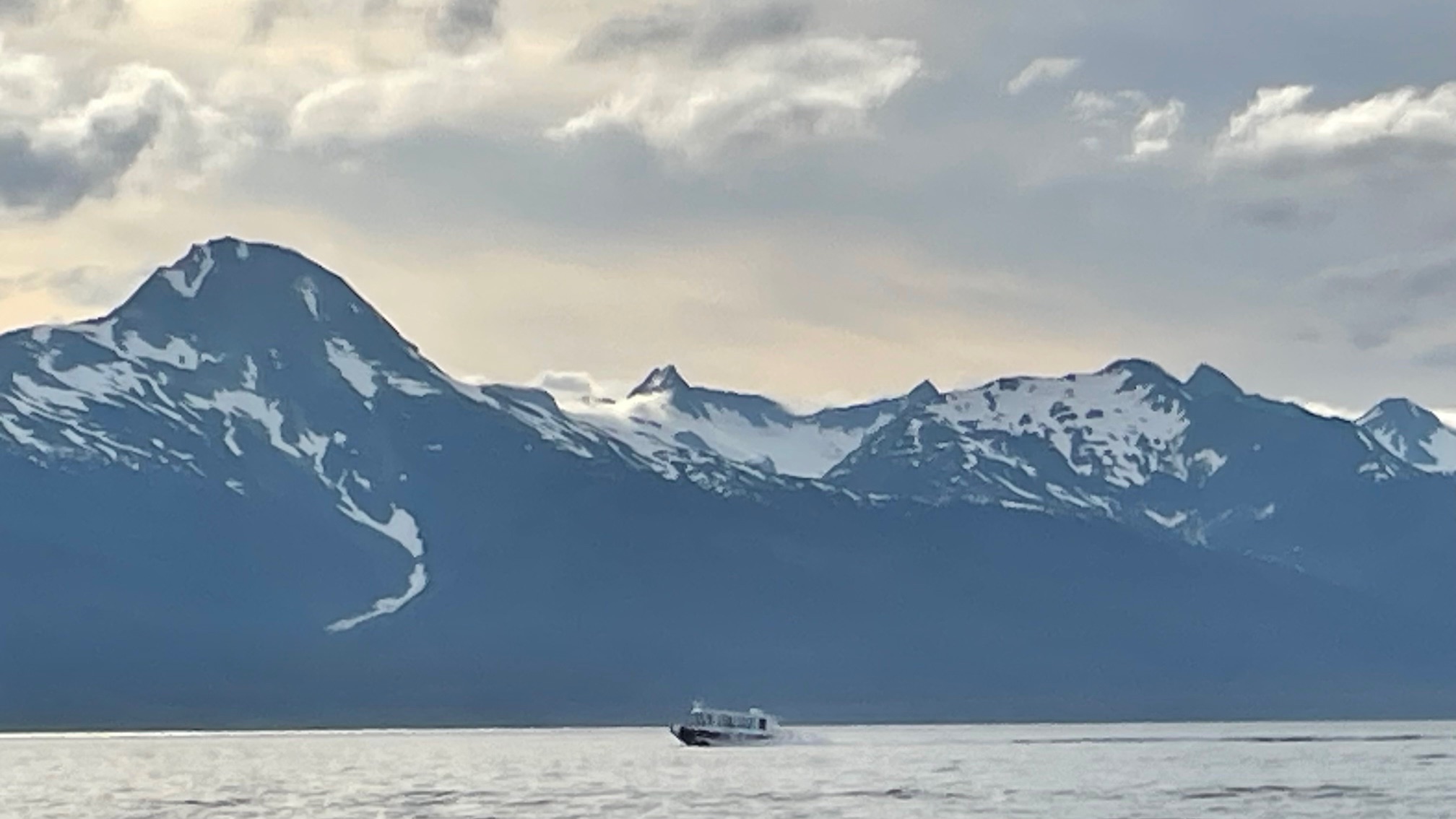
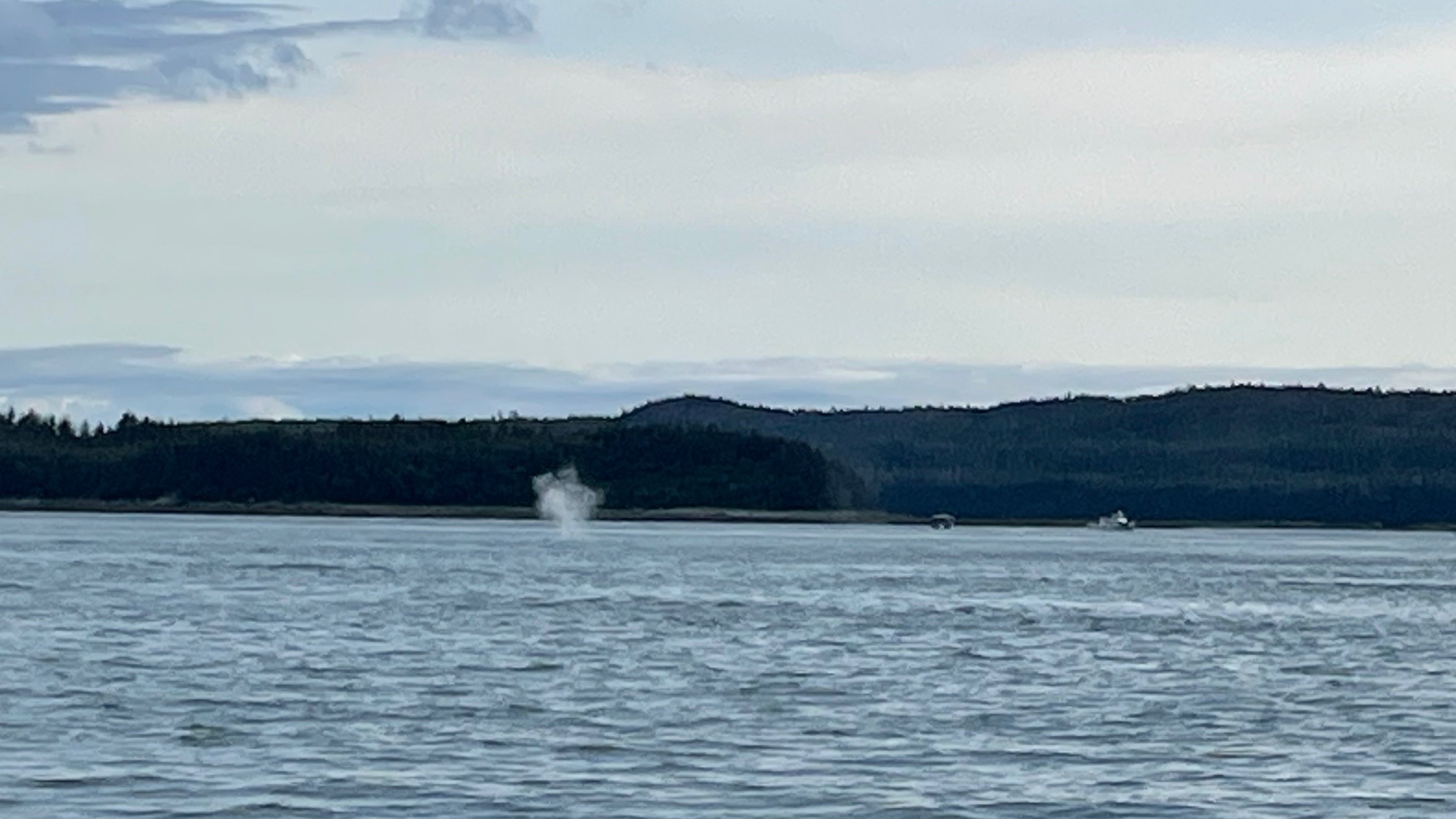
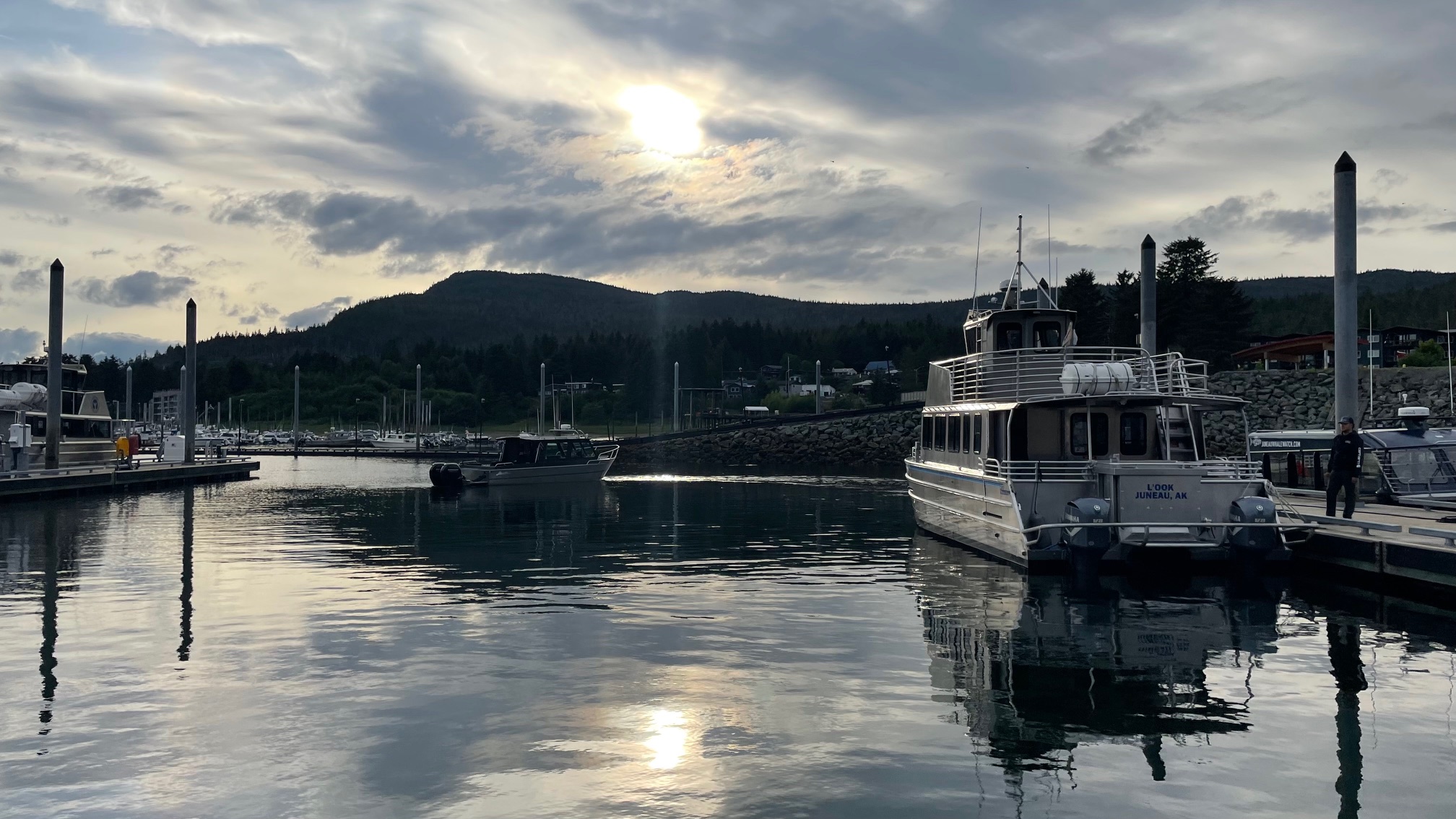
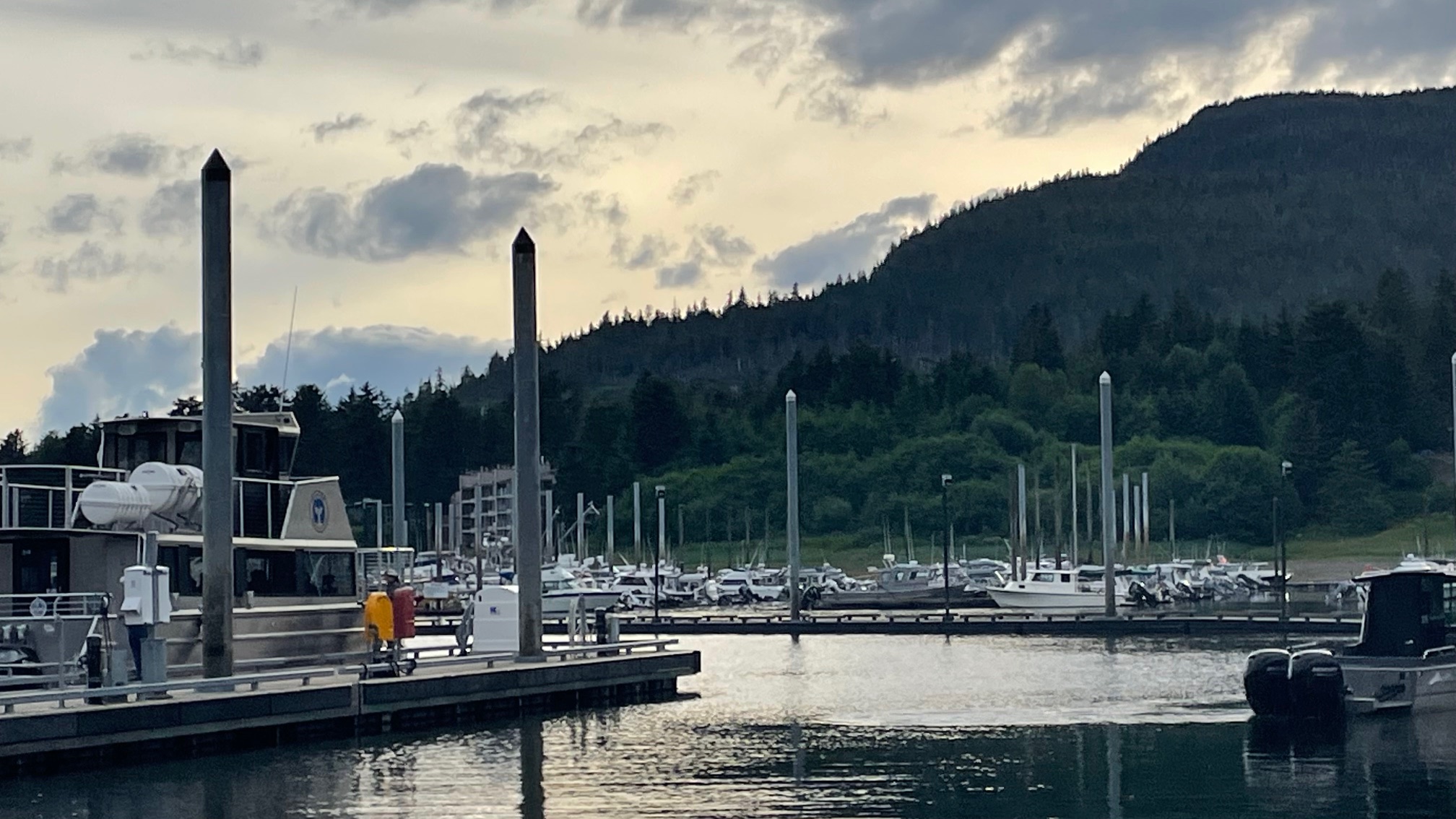
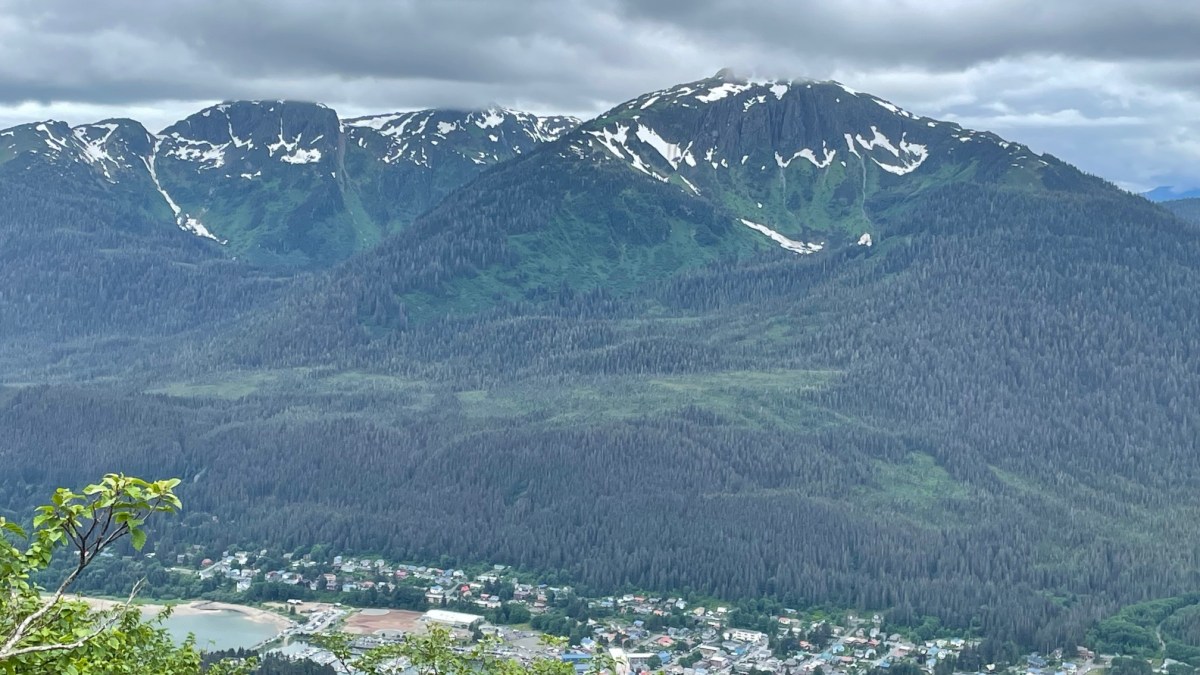
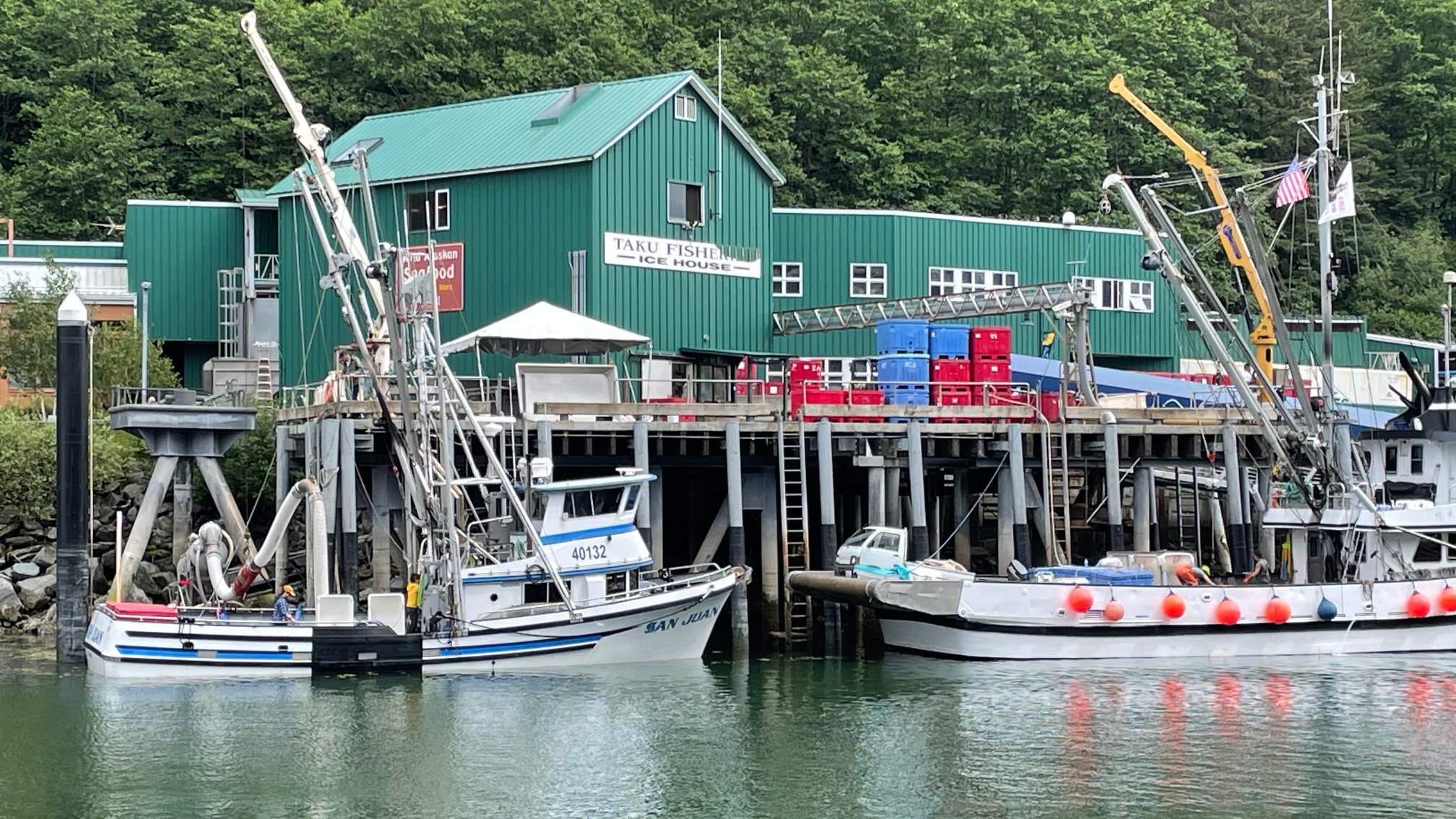
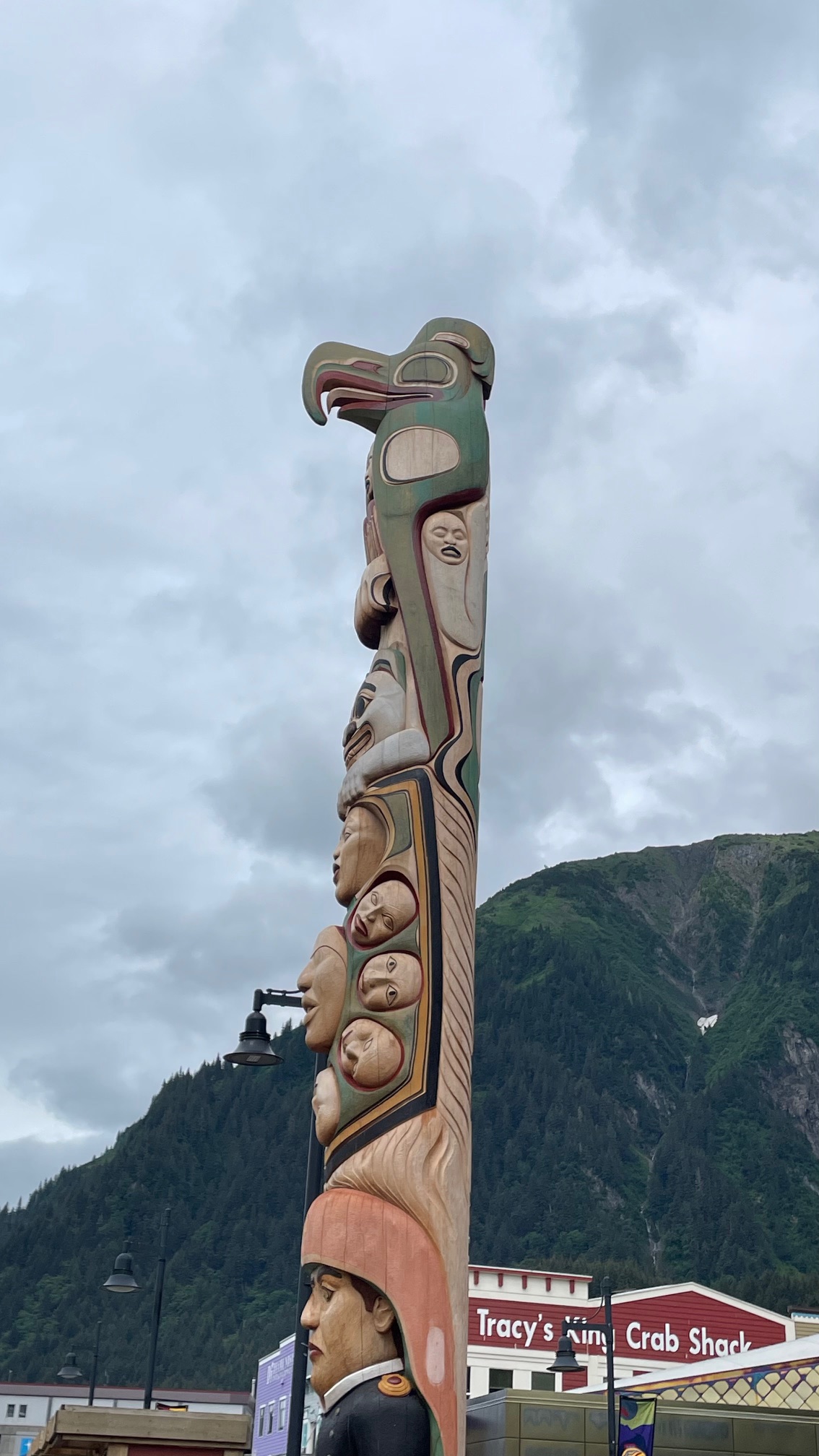
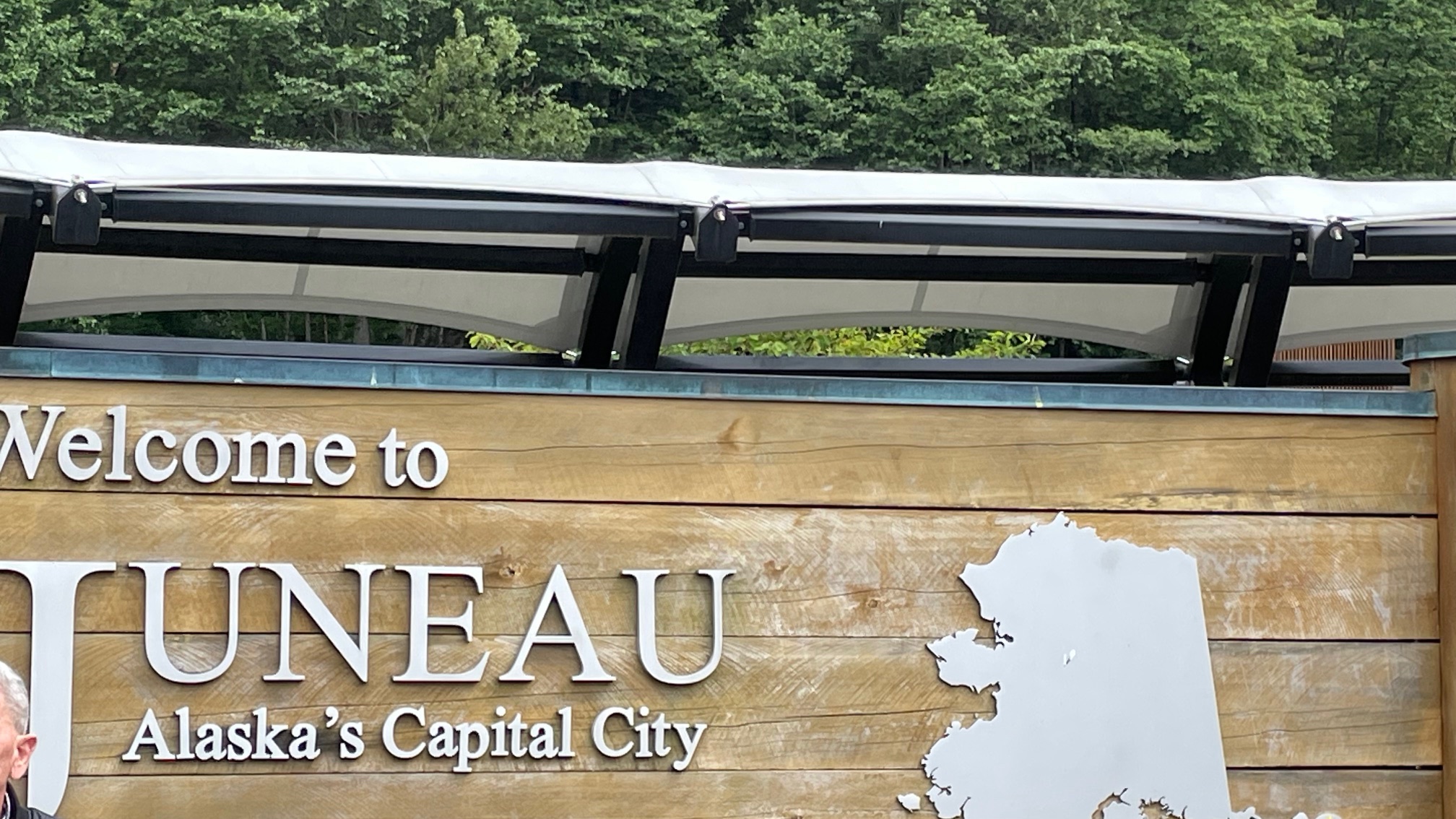
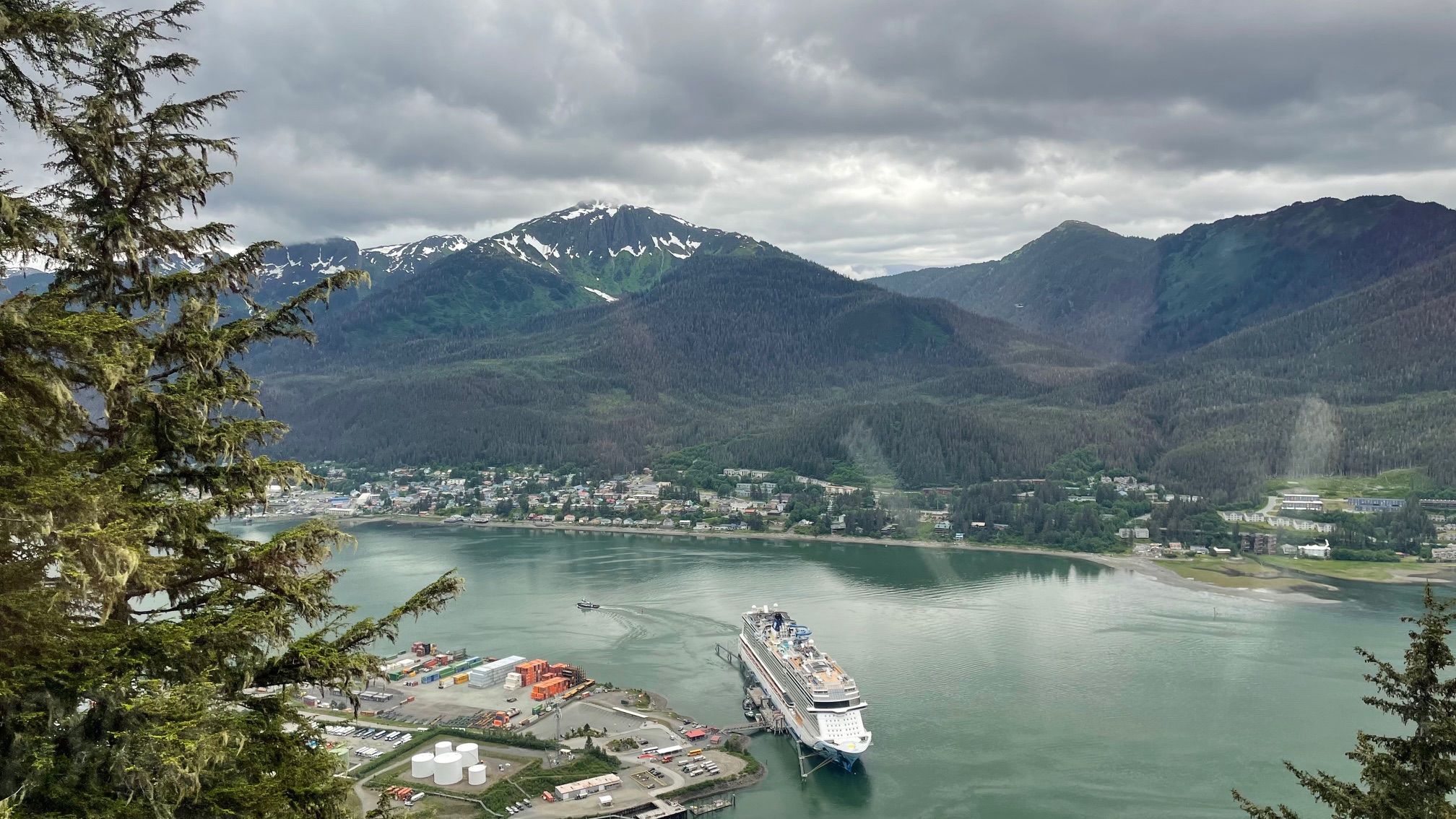
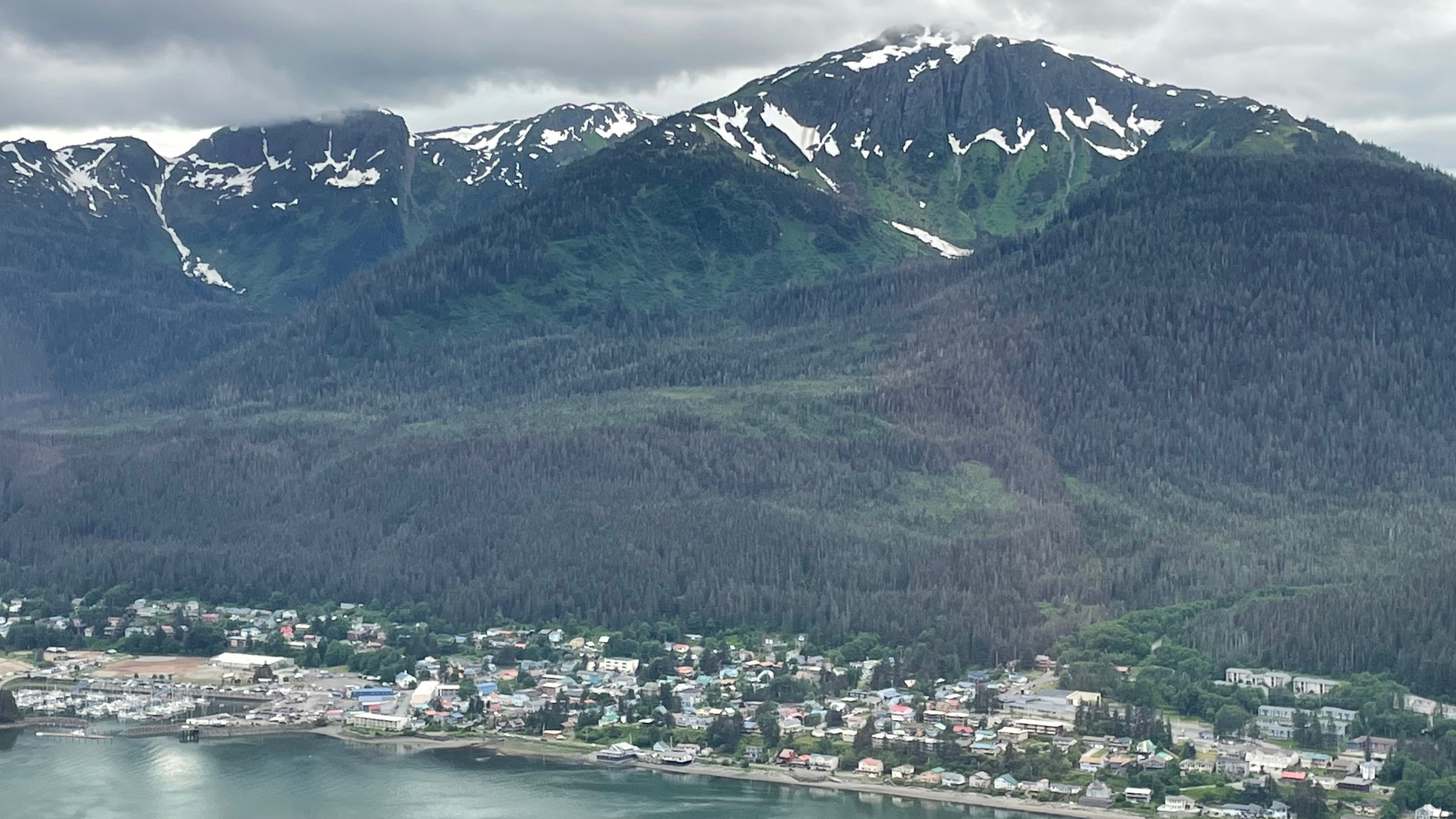
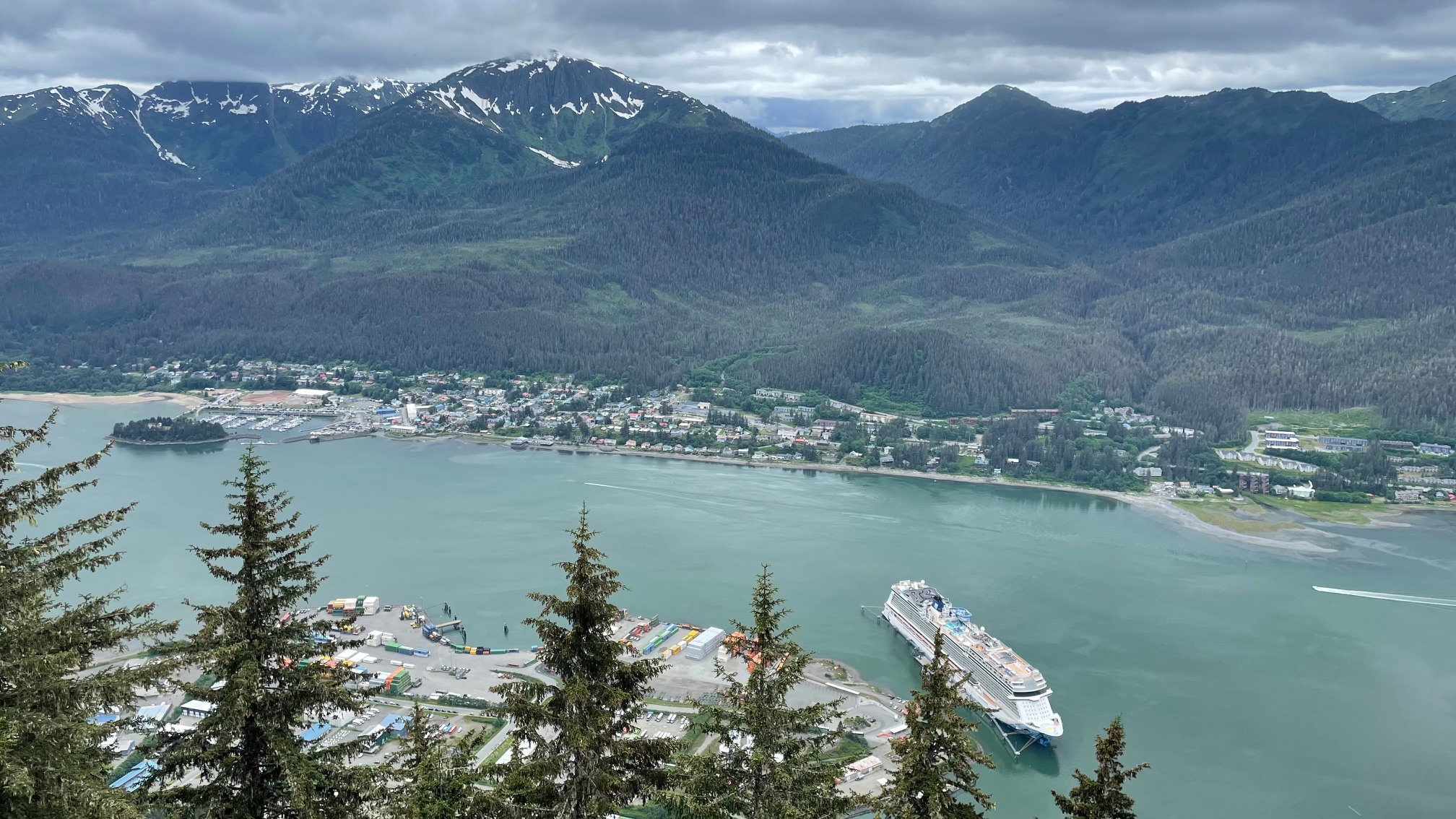
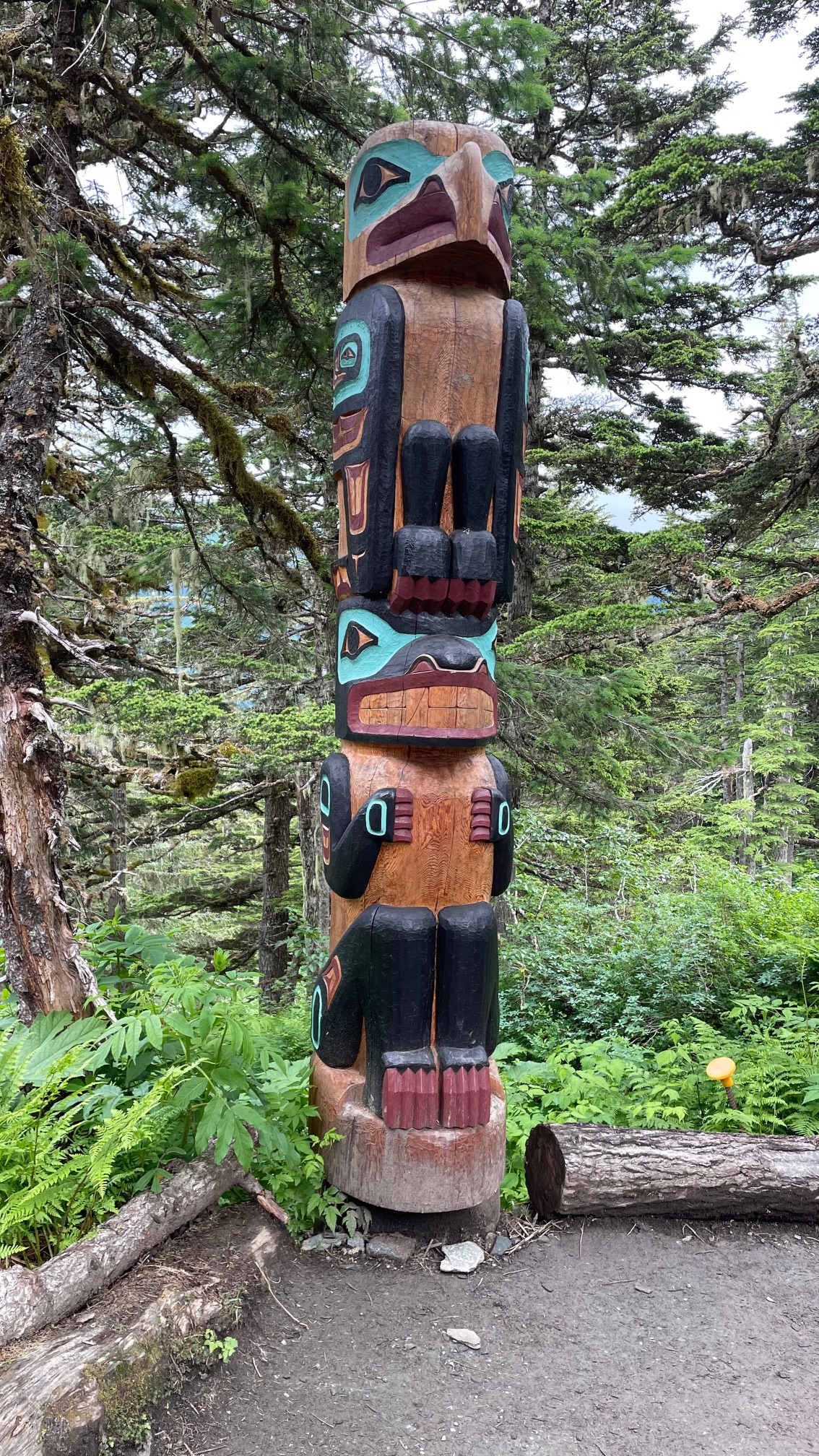
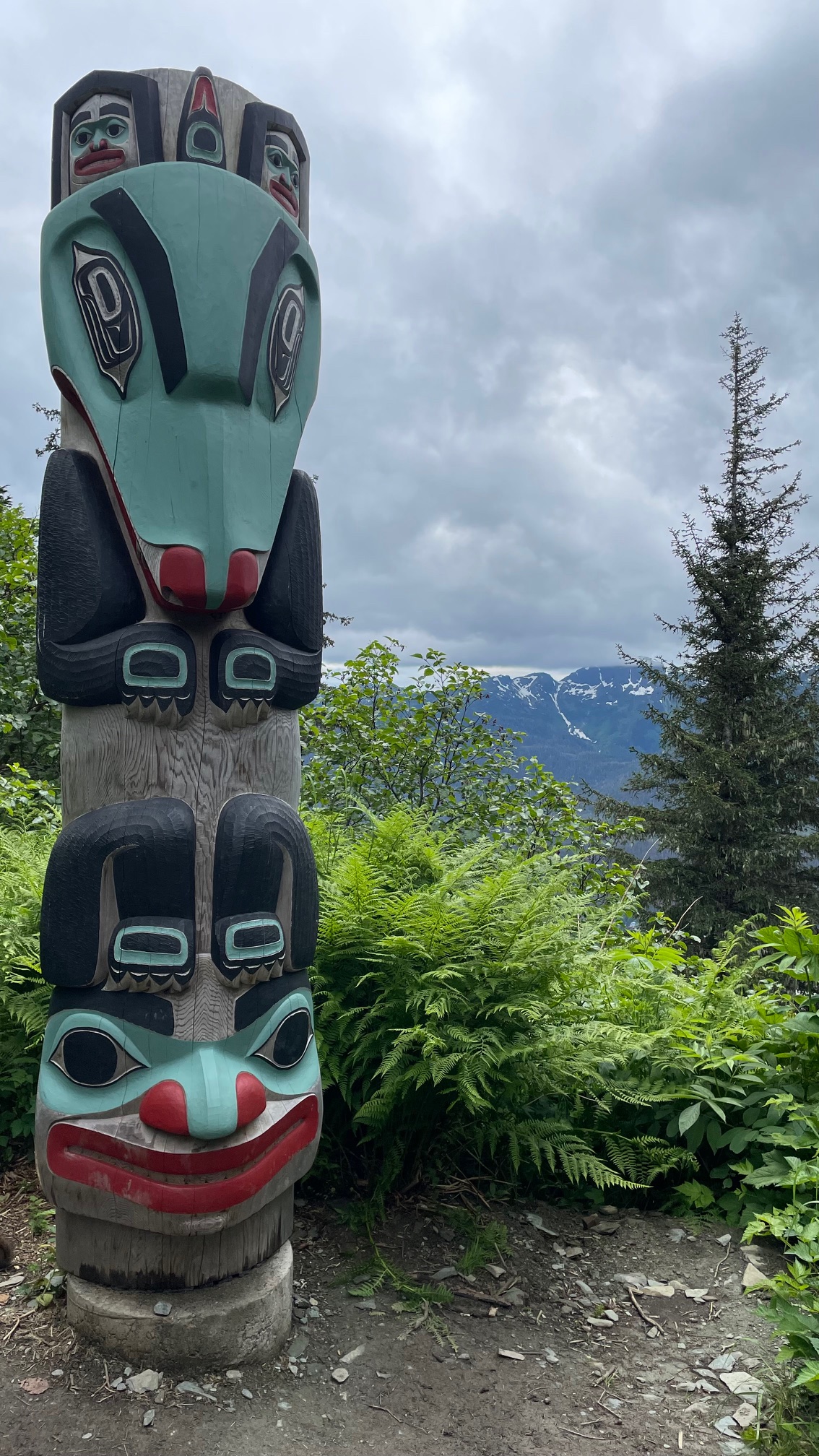
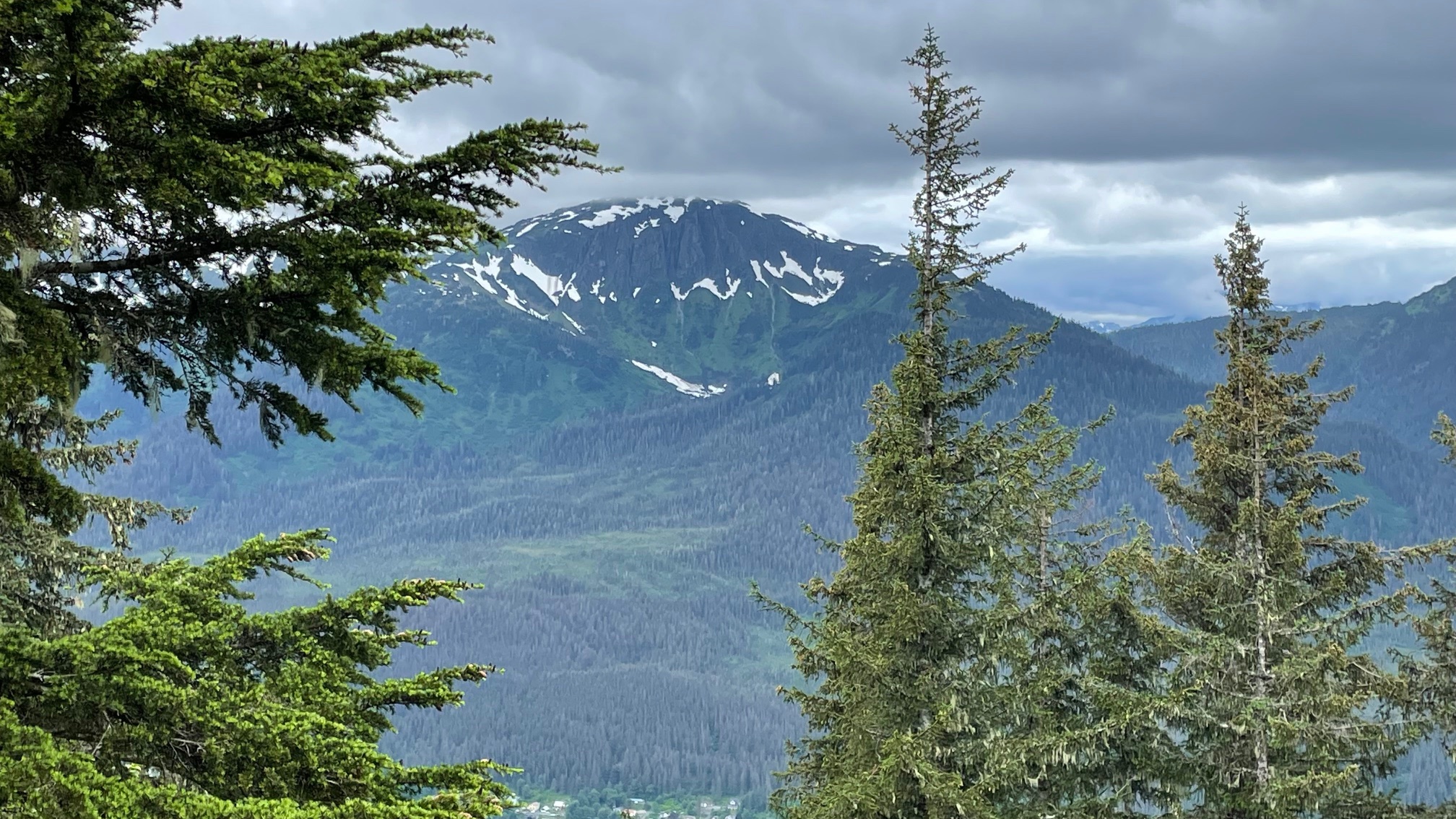
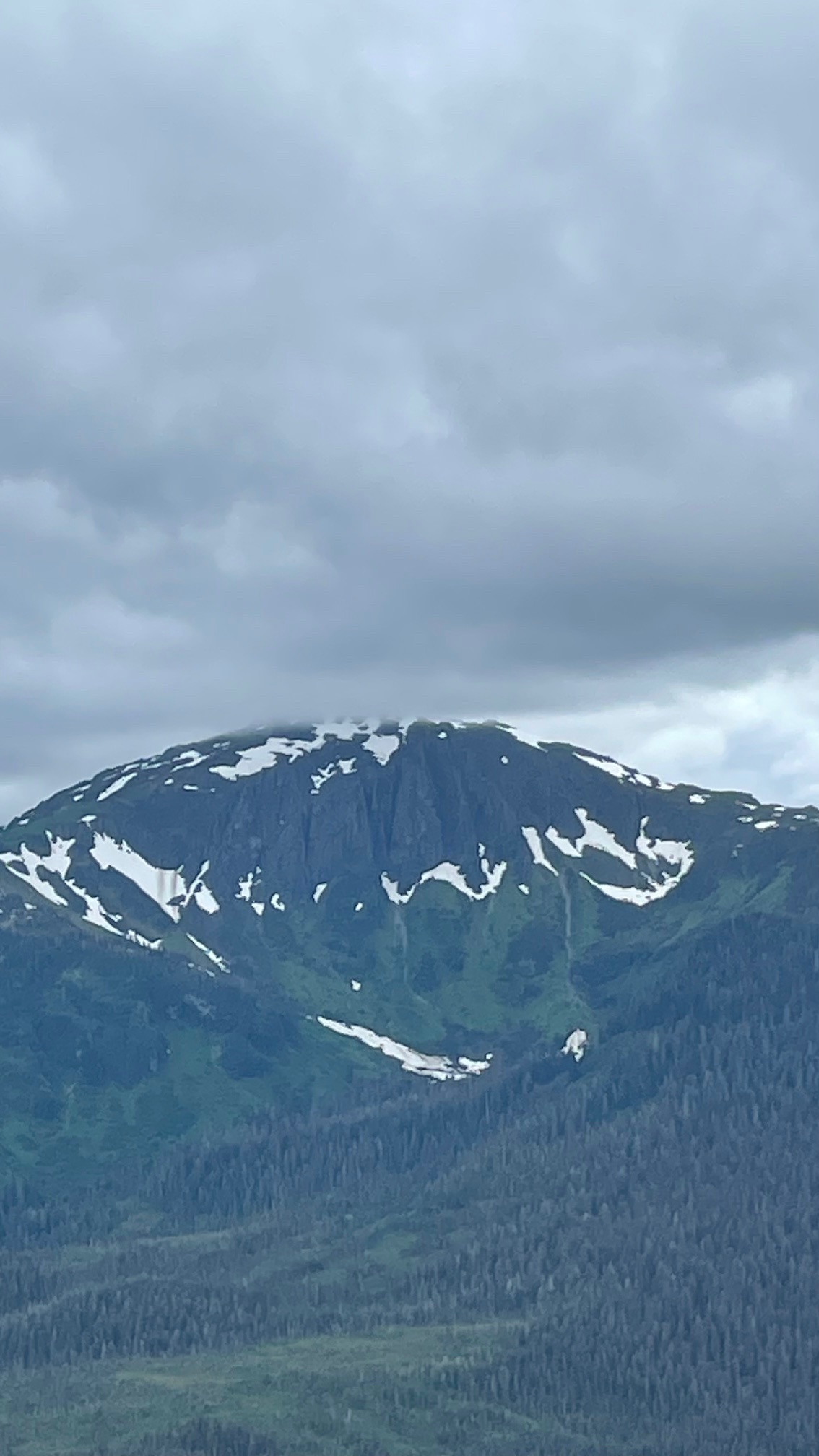
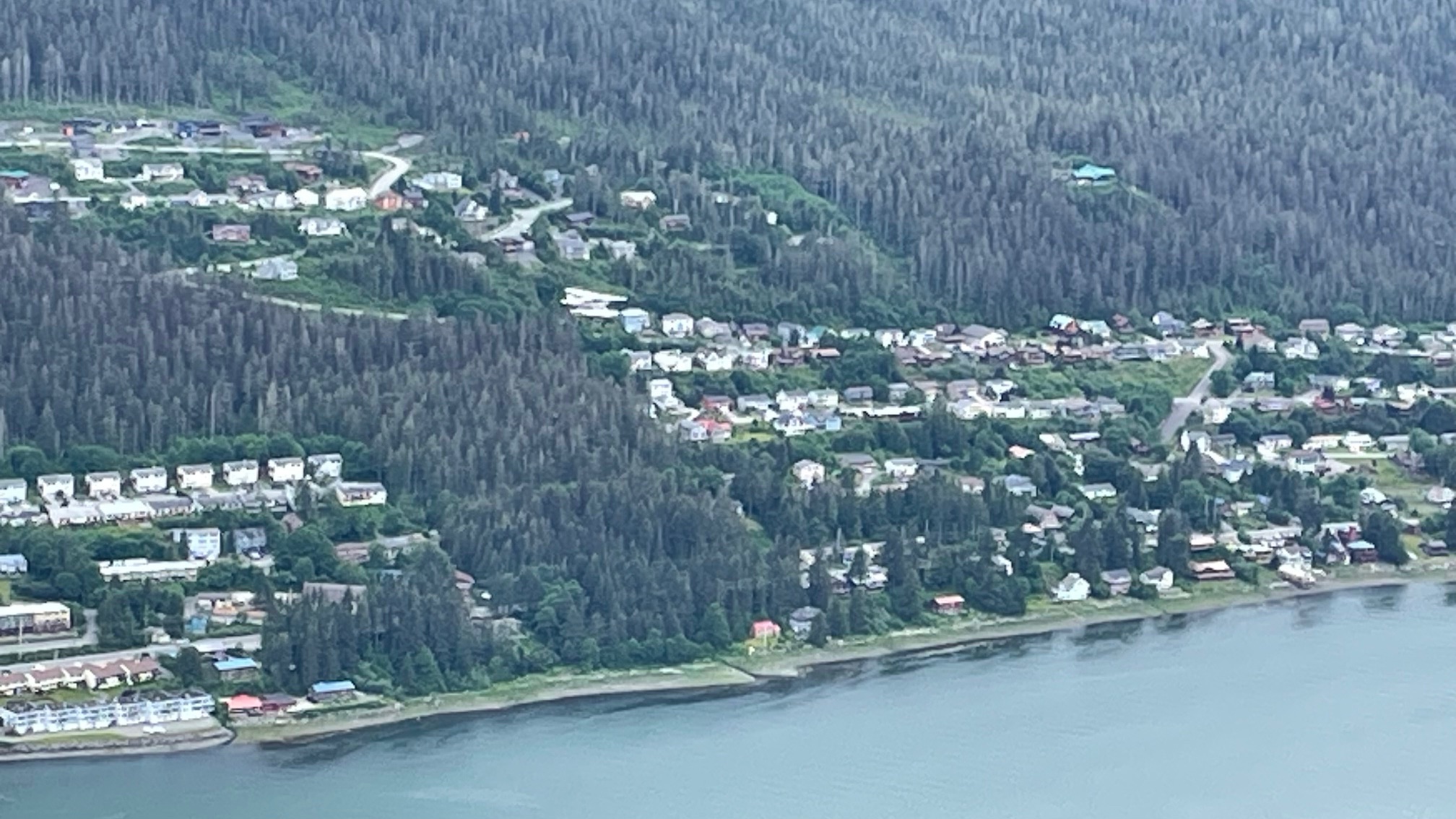
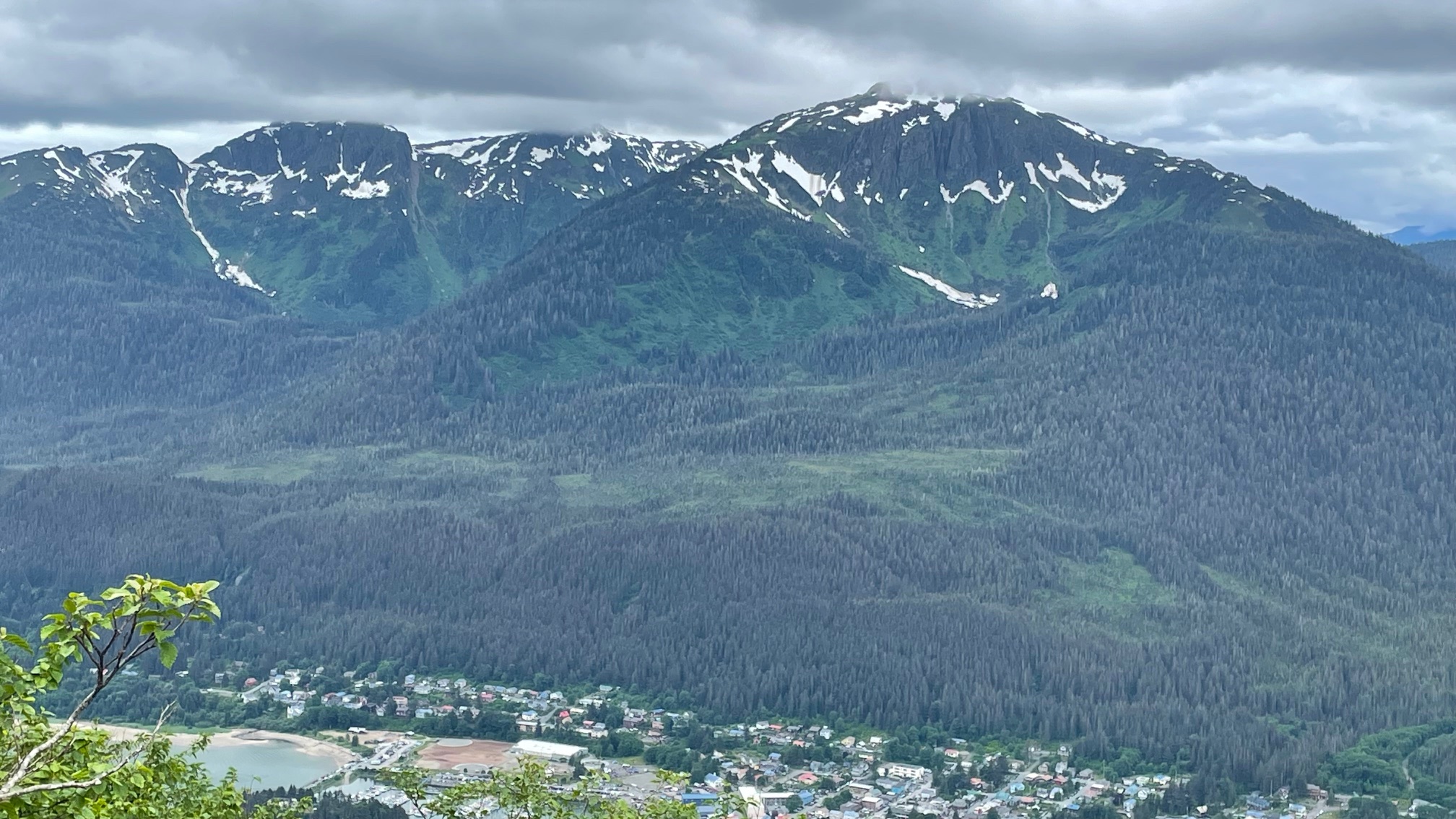
Hiking in Juneau, Alaska

Hiking in Juneau, Alaska, USA

Camera: iPhone 12

Location: Juneau, Alaska, United States

Anatomy of a Scene – ‘The Bowls of Sh*t Analogy’ (The Wire)

“He describes how, during his time as the mayor, he had to endure constant demands, pressures, and compromises from various interest groups, from business leaders to police brass to union members, each one forcing him into undesirable and often humiliating positions.”

In this scene from the HBO show, ‘The Wire’, Tommy Carcetti, having just been elected as the mayor of Baltimore, seeks advice from Tony, a former mayor of Baltimore, who has since left city politics. At this scene’s beginning, Tony’s anecdote about “eating sh*t” conveys a bleak reality about the job of being mayor. He describes how, during his time as the mayor, he had to endure constant demands, pressures, and compromises from various interest groups, from business leaders to police brass to union members, each one forcing him into undesirable and often humiliating positions.

The peculiar imagery Tony uses of “eating sh*t” is deliberately crude for the viewer, emphasizing the degradation, disgust, and frustration politicians often face, especially in dealing with conflicting interests and the inherent contradictions in serving a large and diverse constituency such as in the city of Baltimore.

This “parable of the bowls of sh*t” lays bare the unglamorous side of politics—one where idealism and personal ambition are often suffocated by the practicalities of governing a community, a city, or even a country. Tony is essentially warning Tommy Carcetti that as mayor, he will be forced to navigate a landscape where decisions are rarely black and white, and success often means making choices that will inevitably upset one group or another within his constituency.
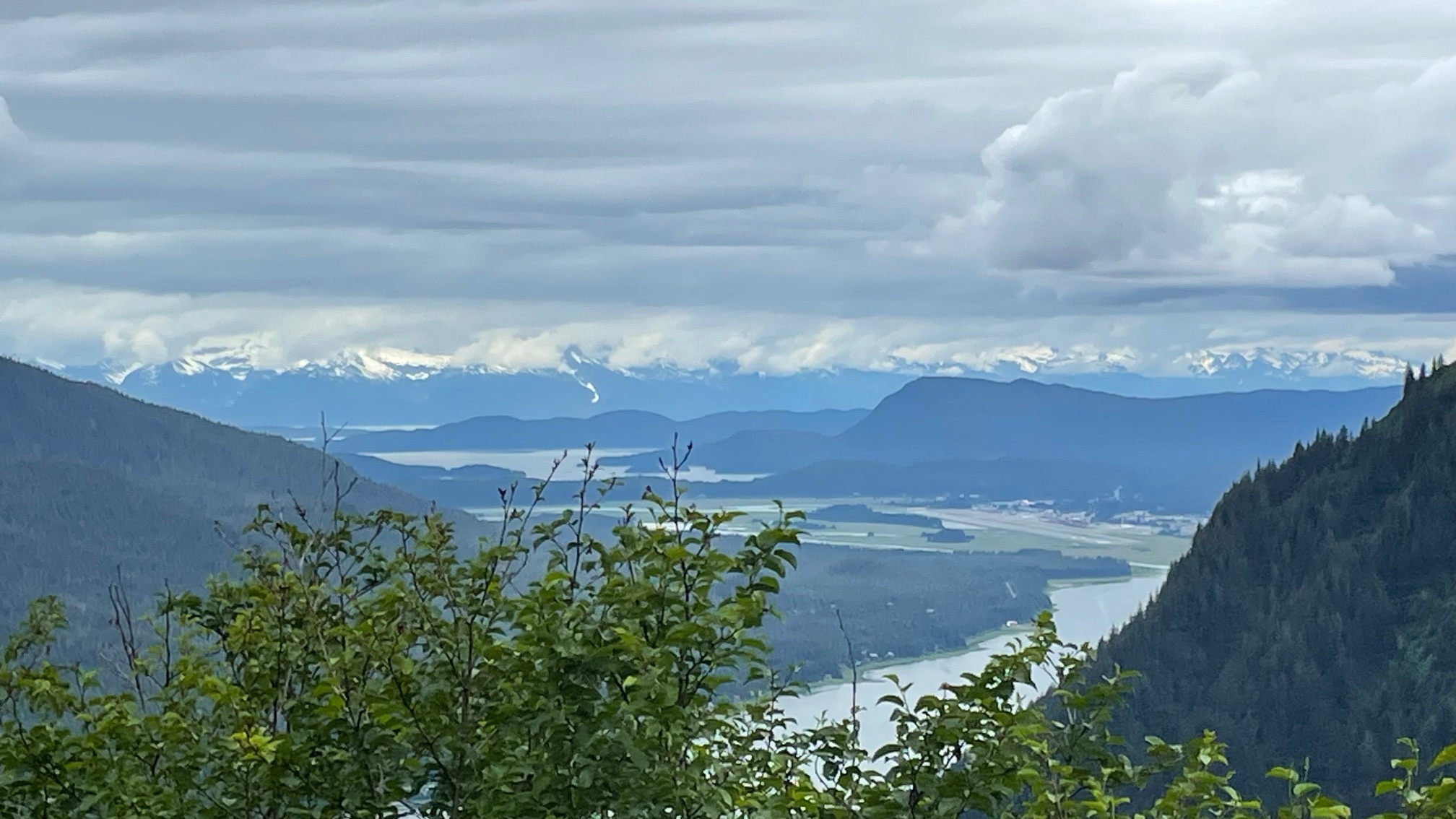
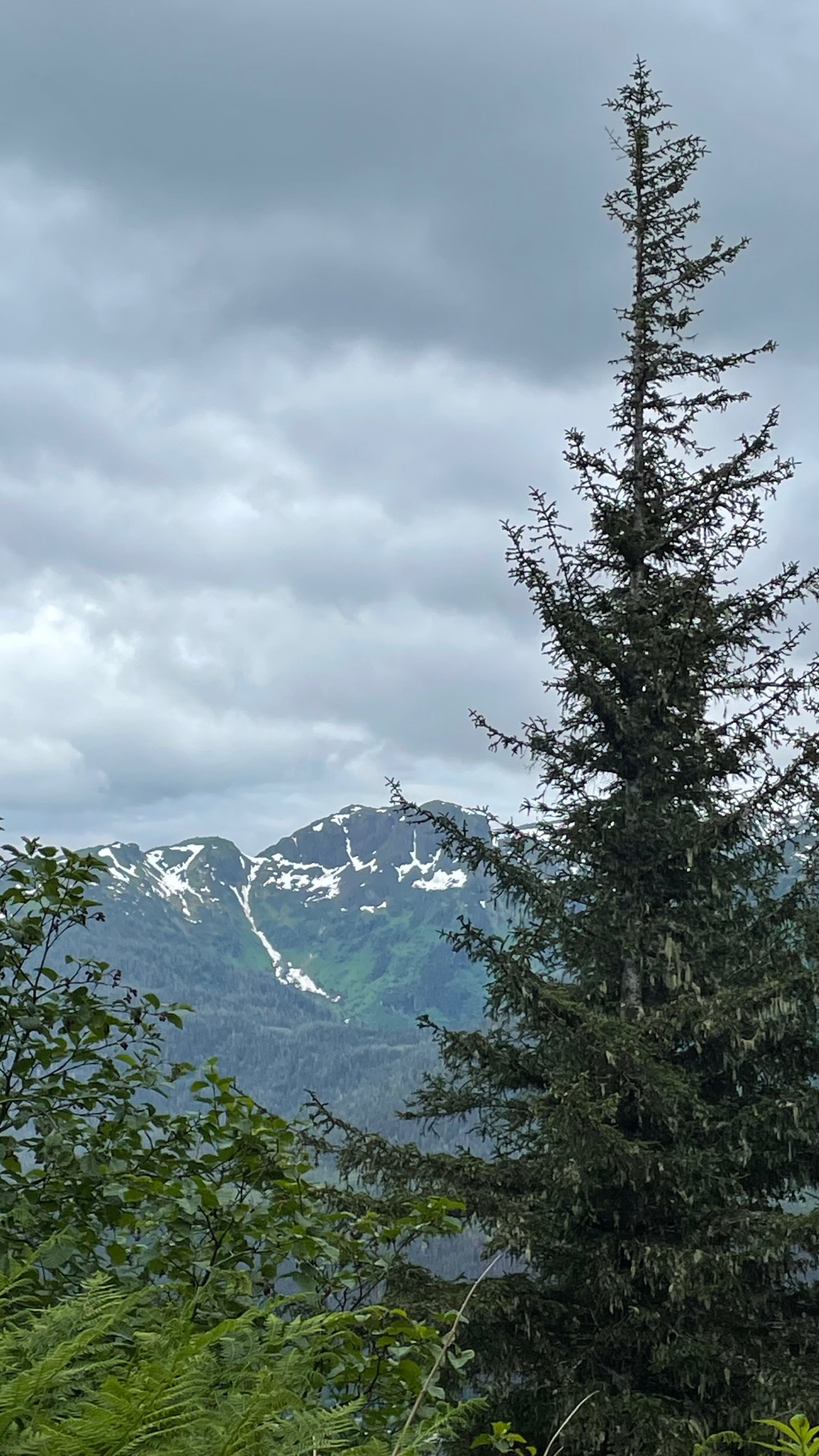
Tony’s use of the phrase of “eating sh*t” is a vivid and visceral metaphor for the compromises that politicians are forced to make, whether they want to or not, and how it can be interpreted in several ways:

  1. Constituent Demands and Special Interests: Every politician enters office with a policy platform and promises to keep, but once elected, they must contend with the complex and competing demands of their constituents. Business leaders may push for deregulation so they can improve their balance sheet, while unions may demand better labor protections and more workers rights. Environmentalists would advocate for sustainability, while real estate developers might prioritize economic growth over conservation. Each of these groups represents a different “bowl of sh*t” that a politician must eat, in the sense that satisfying one group often means alienating another in the process. Tony’s point is that no matter what decision is made, someone or some group will be unhappy, and the politician is left to bear the burden of that dissatisfaction, often at the ballot box when it comes time for election day.
  2. Compromising Ideals for Practical Governance: Many politicians enter office with lofty ideals, but the reality of governance forces them to compromise even when they would rather not do so. Tony’s story reflects how those compromises can wear a person down, leading to disillusionment with the political process. For someone like Carcetti, who may still hold on to a vision of reform and change as a newer politician, Tony’s words serve as a sobering reminder that idealism alone will not be enough to get the job done. The job itself will require him to make deals, water down policies, and prioritize certain interests over others. Over time, this compromise can erode a politician’s sense of purpose, leaving them, as Tony implies, burned out and ready to leave politics behind.
  3. Bureaucratic and Institutional Challenges: Beyond the immediate interests of voters and lobbyists, politicians must also grapple with the entrenched bureaucracies of a government. Mayors, governors, and presidents are not free agents—they operate within systems that include various institutions, legal constraints, and political adversaries. Tony’s “sh*t” may also refer to the frustrations of working within this system, where change is often slow, and even modest reforms can be blocked by bureaucratic inertia or political opposition. The administrative side of governance can be just as dispiriting as dealing with special interests.

Tony’s disillusionment with his time as mayor of Baltimore is emblematic of a larger critique of politics in general. This scene from ‘The Wire’ highlights several key themes that resonate beyond the specific context of the show:

  1. The Personal Cost of Politics: Tony’s story reveals the emotional and psychological toll that politics can take on individuals and on families. His decision to leave the office and pursue a different career suggests that the constant battles, compromises, and failures eventually become too much. For Carcetti, this scene is a warning that the personal price of pursuing higher office may be more than he expects it to be. It suggests that political power is not just about having prestige and influence—it is also about enduring constant pressures that can erode a person’s ideals and sense of self-worth.
  2. The Limits of Power: Despite being mayor, Tony felt powerless in many respects. This is a paradox of political leadership: while politicians are often seen as wielding immense power, they are also constrained by the demands of other people. Whether it is donors, voters, or other political actors, a politician’s power is always mediated by those they are beholden to. Tony’s experience suggests that being in charge does not mean having total control. In fact, it often means being at the mercy of various outside forces that are beyond one’s control, leading to frustration, disenchantment and, eventually, burnout.
  3. Cynicism vs. Idealism: The conversation between Tony and Tommy Carcetti highlights the tension between cynicism and idealism in politics. Tony, having gone through the wringer as a former mayor, represents the cynical view that politics is an unending series of compromises and frustrations. Carcetti, on the other hand, represents the younger and more idealistic politician who still believes he can make a difference. The scene leaves open the question of whether Carcetti will maintain his idealism or if he will, like Tony, become disillusioned over time. This tension between cynicism and idealism is a central theme in many political dramas, reflecting the real-world challenges that politicians face.

In essence, Tony’s parable of the “bowls of sh*t” is a commentary on the nature of modern political leadership. It paints a picture of politics not as a noble pursuit of justice, opportunity, or progress for your constituents, but as a constant battle to navigate competing outside interests and pressures. This scene from ‘The Wire’ offers a cynical, yet realistic, portrayal of what it means to be a politician: a job where compromises are inevitable, satisfaction is rare, and the personal toll can be significant especially on one’s family and friends, and the politician themselves.

For Tommy Carcetti, this conversation is a forewarning of the difficulties that lie ahead for him as the new Mayor of Baltimore, setting up a narrative about the price of obtaining power and the inevitable disillusionment that comes with it. Ultimately, this scene serves as a powerful reminder that politics is not just about the exercise of power, but about the endurance of hardship, frustration, and compromise that comes with it.

Alaskan Sunsets

Sunsets on the Inside Passage in Alaska

Camera: iPhone 12

Location: Somewhere in Alaska, United States

Always Stand Up to Bullies

“We’ve all dealt with bullying in our lives at one point or another. It can range from verbal slights such as biting sarcasm to full on insults to even threats of physical violence, but these actions all harm the bullied person regardless of the severity or extent.”

We’ve all dealt with bullying in our lives at one point or another. It can range from verbal slights such as biting sarcasm to full on insults to even threats of physical violence, but these actions all harm the bullied person regardless of the severity or extent. For myself, I was unfortunately bullied when I was younger and it’s something that you never truly get over even as you grow older, and it starts to recede to the back of your mind.

Still though, words hurt especially when they come from people you trusted such as a family member or even a friend. Bullying from a stranger is bad, but it’s worse when it comes from people who you liked or respected initially. You should never grow comfortable with being bullied even when you are a young person and if it’s happening to someone you know or care about as well, you should always look to stand up for them or make sure they stand up for themselves in front of the bully.

Bullying is never acceptable from a child let alone a fully grown adult, and it continues way too often in our society not only to children but to adults as well. Usually, the person doing the bullying to others was hurt by other bullies and has become insecure as a result, but that does not give them the right to hurt others in the same way they were hurt. They should instead choose to break the cycle of bullying as it really is a cycle that goes from one person to the other. Even when I was bullied, I didn’t want to do that to other people. Instead, I have learned that you must put your foot down and confront the bully directly. I’m not talking about getting into a war of words with the bully or escalating the situation with them. Instead, you call them out on their bullying, tell them you won’t tolerate the abuse or the rhetoric, and make sure you don’t associate with that person anymore.

Now, I will only make an exception if they apologize and promise it won’t happen again especially if it’s from a friend or a family member. You got to be direct with that person who you still care about and basically let them know that what they said is disrespectful and you don’t want to hear it anymore. Jokes or sarcasm can often disguise bullying, but you have to call it out if it hurts your feelings. If you let them get away with it once, you should be prepared for them to do it again because they’ll feel like they have free reign once you let it slide the first time.

I’ve had instances in my own life where a friend or a family member was disrespectful to me either due to my physical appearance or the way I dressed, and I did not tolerate it. I didn’t shout or didn’t insult them back. Rather, I made sure to let them know that wasn’t polite or kind and I took offense to it. Often, they’ll back down when they’re being called out on it and when you make clear that you’re serious that you were offended. If they do it again, it’s best you cut them out of your life completely or begin to maintain distance from them until they get the message and apologize formally.

If they never apologize or keep doing it, you need to have ‘zero tolerance’ for that bullying kind of behavior even when you were close to the person to begin with or have familial ties. Just because you have a history with that person doesn’t mean it gives them license to take advantage of that relationship or friendship to begin bullying you. These days, you really got to put your foot down and stamp out disrespect and incivility when you see it begin to happen to you. It can be hard as you may not want to lose that person but if it’s harming your emotional or mental health, you’ll be better off cutting that person off from you and spending your time around people instead who value you, respect you, and treat you well.

Just as you would not tolerate bullying from a friend or a family member, the same should be said for a colleague at work, a classmate, or even a stranger on the street. Bullies are often cowards who hide behind their words because it makes them feel better because they are insecure themselves about who they are as a person. You always have a choice on how you react to a bully, whoever they are, but make sure to not accept the bullying, never get used to it, and call the bullying out, and get away from that person(s) who bully you.

If it escalates to become harassment, abuse, or worse, you can get a restraining order, sever contact, or even get the legal authorities involved. There are always options to stop bullying and it should never be tolerated by you. If you’ve been bullied, are being bullied, or worry about bullying, make sure to stand up for yourself, have ‘zero tolerance’ for it, and remember that trading insults will bring you down to the bully’s level, which they enjoy doing.

Instead of escalating and trading insults with the bully, make sure to let them know you call them out on their behavior, preferably in front of other peers, extricate yourself from the situation, prevent that person from seeing you or contacting you again, and highlight the verbal or emotional abuse to other people in the bully’s orbit to make them aware of what the bully has done to you.

Bullying sucks and it’s sad that this article must still be written but whether you’re an adult, a teenager, or a child, you should know that bullies do not have control or power over you. Their words may hurt but they are not a reflection of who you actually are as a person. Hurt people like bullies hurt other people to make themselves feel better. You may be bullied sadly at points in your life, but it is not permanent, and you can choose to remove yourself from the situation and call it out clearly when it happens. By doing that, the bully will be shamed and ridiculed for their bad behavior, and they will likely back down from doing it again.

Don’t be afraid to stand up to the bullies of the world and always call them out on their bad behavior when the time comes for it.

Downtown Seattle

Pike’s Place Market, The Space Needle, Museum of Popular Culture and More Seattle Landmarks!

Camera: iPhone 12

Location: Seattle, Washington, United States

Maslow’s Hierarchy of Needs and The True Quality of Life

“Maslow’s hierarchy of needs has always been a good reference for me in describing what exactly makes us have a safe, secure, happy, and fulfilling life. I do believe we need to have our hierarchy of needs in mind as people when we focus on what’s best for our fellow man or women and how to build a prosperous society.”

Everybody wishes to have a high quality of life but what exactly does that mean? We hear the term ‘quality of life’ a lot but what goes into the ‘quality’ of it and what makes for a satisfying ‘life’? Maslow’s hierarchy of needs has always been a good reference for me in describing what exactly makes us have a safe, secure, happy, and fulfilling life. I do believe we need to have our hierarchy of needs in mind as people when we focus on what’s best for our fellow man or women and how to build a prosperous society.

                                                                                                Source: SimplyPsychology.com

While I don’t wish to compare my own views on what true ‘quality of life’ is compared to Abraham Maslow’s ‘hierarchy of needs’ as shown in the pyramid diagram above, but it’s important to look at what makes a society flourish. I agree with Maslow at the base of the pyramid is the most important to ensure a life has some quality with it.

The societies that have the strongest base for ‘physiological needs’ usually are the happiest and satisfied with their quality of life. For example, you cannot focus on ‘safety and security’ as much as you can when you can’t even guarantee that the water you drink is clean and the air that you breathe is clean. Everything else on Maslow’s pyramid goes out the window if you are hungry, thirsty, don’t have a roof over your head or cannot clothe yourself or your family.

A lack or absence of ‘physiological needs’ is often found in the poorest or least developed of our societies and can still plague even our wealthiest and most developed societies. The key thing for all societies is that we should have an attitude of wanting to guarantee the ‘highest quality of life’ we can deliver to all people rather than just the few who can afford it financially. I do believe any society and its leadership is responsible for delivering on both ‘physiological needs’ and on ‘safety and security’ and once that is achieved, it will lead to better conditions whereas we go up Maslow’s pyramid, love, belonging, self-esteem, and self-actualization tend to be easier to achieve as well. True quality of life is knowing that if you fall on hard times, not by your fault, you’ll be looked after by your society and your government while you look to get back on your feet.

I don’t believe it’s anything farfetched or overly utopian to believe in everyone having the right to breathe clean air, drink clean war, have enough food each day, and have a roof over one’s head. I also think that while education and health care may not be on ‘physiological needs’, it ranks close in that regard to build that functional society. Everyone should be able to afford a good education and find good health care where they live and societies that accomplish this for their people are rewarded back and then some with citizens who are thriving as a result. Societies that are more educated, healthier, and with more opportunities to succeed tend to be those that have a true quality of life in my view.

You may be thinking that true quality of life is about having a big bank account, a bigger house, all the gadgets and electronics you could ever want, and all your material desires within reach, but to me, that would not go along at all with Maslow’s hierarchy. Having that stuff may make you happier but it doesn’t reflect a true quality of life in any society. If the roads are falling apart, people around you are suffering and in poverty, and you can go bankrupt for seeking medical care or a higher education, your quality of life will also suffer as a result even if you’re not directly affected by it.

When we are looked after or cared by others in the society who can ensure we have a good education, good health care, and to have affordable housing, the quality of life for everyone will go up. We are not islands unto ourselves alone and we are reflections of how we treat others. If you’re reading this article, think more about how your society or country could have a better quality of life not just for yourself but for the people living there too.

I ask that you believe in your ability to create change whether that’s advocating for more environmental regulations, prioritizing people’s access to basic needs including food and housing and thinking more about how we can include people in making them feel they belong in the society. We should collectively work towards providing more opportunities to everyone, so they don’t feel left out. Any healthy society has those public places to gather, discuss, and hopefully fix the quality-of-life issues going on in their community, town, city, or country.  

I don’t judge a society by how wealthy it is, how big the houses people live in are, or how much they have in material goods and services available. I judge a society by how they treat the least well-off members, how they prioritize the public good or not, and what they are doing to improve the overall quality of life rather than ignoring it or having it steadily decline under their watch.

It’s important for us to start thinking about not just ourselves and our own quality of life but those of our fellow man and woman. When they are worse off than us, let’s lift them up and look out for them instead of shunning them or isolating them instead. We should always be advocating for a ‘true quality of life’ where everybody is given the opportunity to succeed, grow, live healthy and happy lives, and pursue their dreams.

We all will be better off for having invested in the basic tenets of civilized society such as education, health care, transit, housing, and healthy food supply rather than just guarantee them for the few who can afford it. The higher the quality of life is not just for us but for every member of our society, the more likely we will all flourish together and reach our highest fulfillment.

Welcome to Seattle

A Visit to Seattle, Washington, USA

Camera: iPhone 12

Location: Seattle, Washington, United States

The Need to Revive Third Spaces

“In our current era where technology bridges vast distances across the globe in the blink of an eye but isolates more and more people within their own digital silos, the need to revive “third spaces” in society has never been more relevant.”

In our current era where technology bridges vast distances across the globe in the blink of an eye but isolates more and more people within their own digital silos, the need to revive “third spaces” in society has never been more relevant. The rapid rise of social media, virtual teleconferencing, and remote work, while convenient, has inadvertently eroded the fabric of community life across the world. People now spend more time in their private homes or virtual worlds, leaving little room for real-world, in-person interaction and causing our social skills to atrophy.

This new reality has led to a society that feels increasingly fragmented, even though we are more “connected” than ever before. Reviving ‘third spaces’ as places that are neither at home nor at work, is crucial for fostering more community, improving overall mental well-being, and re-establishing a sense of belonging that is rapidly slipping away.

The concept of third spaces was first introduced by the sociologist Ray Oldenburg in the 1980s. Mr. Oldenburg argued that people need separate spaces outside of their homes (the first space) and workplaces (the second space) to relax, socialize, and build relationships. These third spaces are at the heart of community life, where casual encounters can lead to meaningful connections, new ideas can be exchanged, and civic engagement can flourish. Historically, third spaces have included places like cafés, libraries, public parks, community centers, and even religious institutions—venues that offer a neutral ground where everyone is welcome, and no one is excluded.

Third spaces are characterized by several key attributes: they are easily accessible to the public, offer a low barrier to entry, and are often inexpensive or free. The atmosphere is typically relaxed, informal, and conducive to spontaneous interactions. Unlike at work or even at home to some extent, people can let their guard down in these third spaces, making it easier to build authentic friendships and relationships. These third places provide a vital counterbalance to the isolated routines of home and work life, which can serve as anchors for community cohesion.

In the 2020s thus far, third spaces have been steadily disappearing from our society or transforming in ways that reduce their community-building potential. Many cafés and bars have morphed into workspaces, filled with patrons glued to their laptops, headphones in, and social interactions minimized. It doesn’t help when the music is blaring, and the focus is on making a profit rather than stoking conversation and comraderie.

Libraries, once vibrant hubs of communal activity, are often silent, with the rise of digital media and one-click access to books, music, movies, etc. These technological changes have reduced the need for people to physically gather there at the library even when they enjoy the nostalgia of it. Public parks are underfunded and sometimes ignored, and community centers struggle to keep their doors open amidst tight budgets and a lack of spreading the word around the town or city they want to appeal to.

The COVID-19 pandemic further accelerated this decline in third spaces. Lockdowns, social distancing, and remote work have made public gathering spaces feel risky, unappealing, or unnecessary. Even as restrictions have now eased or gone away completely, the habits formed during the pandemic continue to persist. People are increasingly content to stay home, order food and goods online, and engage with others through screens. This societal shift has left communities more disconnected and less resilient, especially to misinformation and polarization.

To address this growing disconnection, I believe that a society needs to reinvest in and revitalize these third spaces. Several types of third spaces are particularly worth reviving including the following:

  1. Community Cafés: Cafés have long been the quintessential third spaces, but they need to reclaim their role as social hubs rather than workstations. Imagine local coffee shops with community tables, guest speakers, encouraging conversation between strangers, or hosting regular events like poetry readings or discussion groups. These spaces should foster interaction and connection, not isolation.
  2. Public Libraries: Libraries are one of the few remaining third spaces that are truly accessible to all, regardless of one’s socio-economic status. Modern libraries should expand their role as community centers by offering more than just books. They can host workshops, film screenings, art exhibits, and civic meetings on important issues going on within the community. Libraries can serve as the epicenter of a community’s cultural and intellectual life. They should also include events for people of different generations or even cut across generations for communal meetups.
  3. Public Parks and Outdoor Spaces: Parks and outdoor spaces provide the setting for unstructured play, exercise, and relaxation. These spaces should be maintained and expanded, with facilities that encourage community use—such as picnic areas, playgrounds, sports courts, and outdoor stages for performances. In urban areas, the creation of pocket parks or pedestrianized streets can make a big difference in encouraging public gatherings. I have always liked the idea of having street fairs that encourage artistic and musical expression from those people within a community. Outdoor exercise areas for adults are also a great way to get people out of the home especially when they don’t pay a price to take care of their physical health.
  4. Cultural Centers: Places that celebrate local arts, traditions, and multicultural experiences can serve as vibrant third spaces. These centers can host exhibitions, live performances, and hands-on workshops that bring diverse groups together. By emphasizing inclusivity and creative expression, cultural centers help bridge societal divides and foster a sense of shared identity. I would also extend the appeal of these centers to include a focus on learning different languages, having potlucks or dinner events where different cultures can express themselves to the community, they have a presence in.
  5. Co-Working and Maker Spaces: While many co-working spaces have become more like isolating offices, there is still a potential to redesign them as collaborative third spaces. These spaces can blend work and socialization by offering communal areas for shared projects, networking events, and skill-sharing sessions. Similarly, maker spaces—where people can create, build, and invent—can foster a strong sense of community among innovators, entrepreneurs, and hobbyists. Having night classes or bootcamp sessions for adults looking to reskill or to improve their skillsets is also a way of making co-working spaces appealing not only in the daytime but at night as well. If these places can lower their costs to the public or be free to a community, it would make a huge difference to those people who need its services.

Third spaces are more than just locations for socializing and learning new things, but they also play a fundamental role in the overall health and vitality of a community.

Here’s how that is the case in various ways:

  1. Strengthening Social Bonds: Third spaces foster relationships between people who might not otherwise cross paths or meet each other. These spaces allow for casual, spontaneous interactions that can lead to friendships, collaborations, and support networks. By creating environments where people can come together and engage with each other without the profit motive in the way, third spaces will help reduce feelings of loneliness and social isolation, which are on the rise in many parts of the world.
  2. Encouraging Civic Engagement: Third spaces often serve as venues for community discussions, grassroots organizing, and public forums. These spaces make it easier for individuals to get involved in local issues, volunteer, or participate in civic activities. When people feel connected to their community through shared spaces, they are more likely to take an active role in improving it. It provides a way for their voices to be heard and not ignored by those who hold power or hold public office.
  3. Promoting Diversity and Inclusion: In an increasingly polarized and divided world, third spaces can help bridge divides between people. These are the places where people from different backgrounds, professions, and viewpoints can come together on neutral ground to discuss important topics that matter to the community. In inclusive third spaces, everybody is welcome to partake, and everyone has an equal opportunity to participate, which can break down barriers between us and foster mutual understanding.
  4. Enhancing Mental and Physical Well-Being: The act of simply being around other people in a relaxed, welcoming environment can have significant benefits for one’s mental health. Third spaces offer a respite from the pressures of work and home life where you are always expected to play a role and do your part. Being able to provide people opportunities for recreation, relaxation, and emotional support away from those other two spaces is key to a healthier life. Physical third spaces like parks and recreation centers also encourage healthy lifestyles through outdoor activities and sports that everyone is welcome to join and use.
  5. Revitalizing Local Economies: Vibrant third spaces can breathe life into local economies regardless of whether it’s for a town or a city. When communities invest in their parks, cultural centers, and other public spaces, they attract traffic and interest to surrounding businesses. Small businesses like cafés, bookstores, and boutiques often thrive when they are near popular third spaces, creating a positive economic ripple effect.

In today’s disconnected age, the need to revive third spaces is essential for building healthier, more connected communities, which are lacking in many towns and cities these days. These ‘third spaces’, which are neither at home nor at work, provide crucial opportunities for socialization, civic engagement, and personal well-being.

By reimagining and reinvesting in community cafés, public libraries, parks, cultural centers, co-working spaces, and even new types of third spaces, we can restore the fabric of community life that is increasingly being frayed. In a time when loneliness and polarization are rampant, third spaces offer a powerful antidote—one that is more important than ever in the 2020s. Reviving these spaces is not just a nostalgic pursuit; it is a necessary step toward a more inclusive, resilient, and vibrant society.

A Day in Annapolis, Maryland

A Day Trip to Annapolis, Maryland

Camera: iPhone 12

Location: Annapolis, Maryland, United States