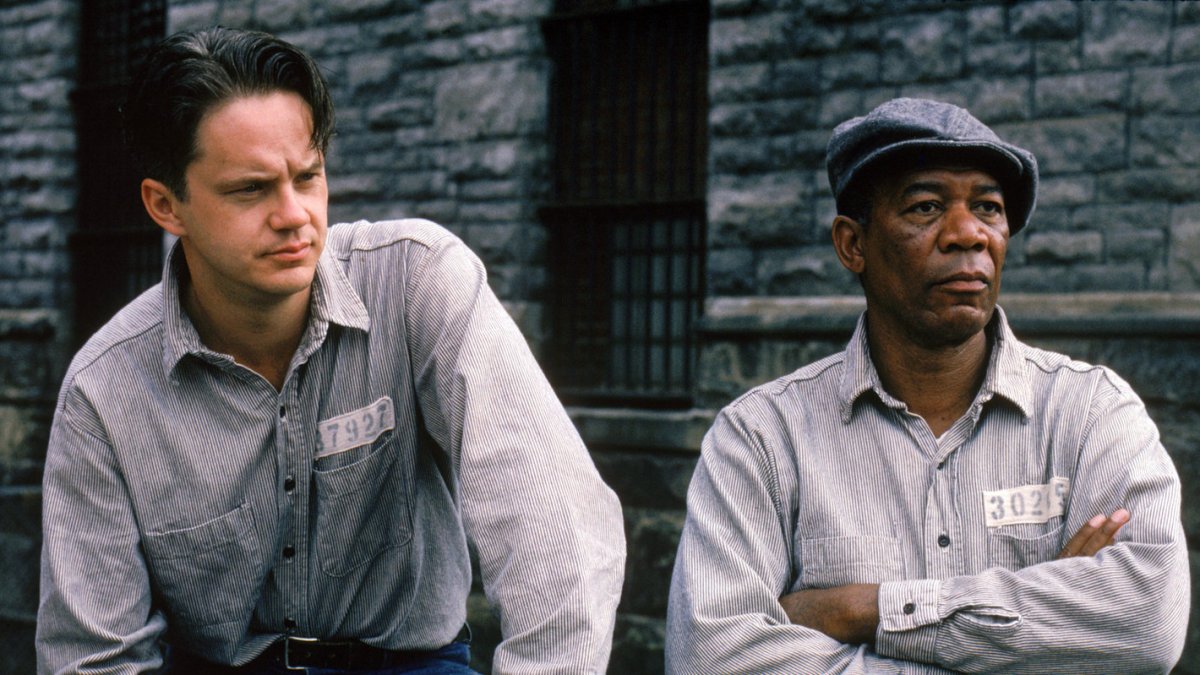
‘The Shawshank Redemption’ – Film Review and Analysis

Few other modern films capture the power of the human spirit more than The Shawshank Redemption. Directed by Frank Darabont, released originally in 1994, and starring Morgan Freeman as Ellis ‘Boyd’ Redding, Tim Robbins as Andy Dufresne; this film was not originally successful in movie theaters when it was released to the general public.

However, since then, The Shawshank Redemption has become a cult classic which has skyrocketed in popularity even after its’ release twenty years later. It is often considered by film critics to be one of the best Hollywood movies of the 20th century. Personally, I have watched this film multiple times and consider it to be my all-time favorite movie. If I’m channel surfing late at night and I see that The Shawshank Redemption is on AMC, HBO, or another movie network, I’ll often stop what I’m doing to watch the film already in progress. It’s that good of a movie and is timeless in its’ themes and its’ overall message.

More so than just the brilliant acting by Mr. Freeman and Mr. Robbins, along with the great directing by Frank Darabont, the cinematography is quite flawless and the film has a consistent flow to it. It also has an engaging plot and setting that suits the overall themes quite well. The Shawshank Redemption is a very human story with a lot of powerful, and emotional scenes that have captivated millions of viewers. It’s rare to come across a film today that can tug at your heartstrings and make you really feel deep emotions about a fictional story and characters. The Shawshank Redemption is able to pass that test and remind you of what it means to be human. The film highlights the triumphs, the tragedies, and the deeper meaning that we seek within our own lives.

Andy Dufresne is a young, smart, and ambitious banker in Portland, Maine who is accused and later convicted of murdering his wife and her extramarital lover. At first, he appears to the audience as a cold, detached, and remorseless person who very well could have committed that awful crime. The other main character, Ellis ‘Boyd’ Redding, a long-time prisoner at Shawshank state prison is unimpressed by Andy’s appearance at first sight and remarks how “a stiff breeze would blow him over.” As the saying goes though, “Don’t judge a book by its’ cover.”

Throughout the film, we learn through the eyes of Red more about Andy and what he’s like in terms of his true personality and character. We don’t know whether he killed his wife or not because he pronounces his innocence to Red and the other prisoners. Red is resigned to his life in prison and tries to make the best of it by being ‘the guy who can get you things.’ His friendship with Andy blossoms due to a simple, haphazard moment when Andy asks Red for a rock hammer to carve chess pieces. It’s an unusual request but it gets the two men to talk to each other and to break down the stereotypes that Red has of Andy, and Andy has of Red.

Andy must deal as best as he can with his new life as a prisoner whom may in fact be innocent of the crime that he was convicted of. As Red states knowingly in the film, “Prison is no fairy tale world.” Andy has to cope with the vindictive warden of Shawshank prison, played by Bob Gunton as well as the malicious head prison guard, Captain Byron Hadley, who is played by Clancy Brown. He also must fend off some sadistic fellow prisoners who wish him physical harm and sexual violence. It is clear to the viewer that Andy, despite the injustices he has encountered in Shawshank and outside of Shawshank prison, maintains the ‘hope’ that he’ll survive his ordeal and eventually win his freedom. Despite his friend, Red, warning him about the dangers of seeking hope in a place where none can be found, Andy reminds Red that “Hope is a good thing, maybe even the best of things, and no good thing ever dies.”

The most memorable scenes of this film still stick out to me after all of these years. My favorite is the famous ‘Suds on the Roof’ scene when Andy risks his life to give his fellow prisoners a one-time allowance of beers while they tar the roof of a factory by giving the prison guard, Hadley, some financial advice on how to deal with the IRS. Andy knew how much it would means to his fellow prisoners if they could enjoy a beer or two while doing hard work in the hot Maine summer sun. In that scene, he also showed a lot of bravery by confronting Hadley about if “he trusts his wife with money or not.”

Another notable scene that stands out to me is how Andy continuously asks the state of Maine for extra money to give to the Shawshank prison in order to build a memorial library in honor of another prisoner, Brooks Hatlen, who committed suicide regrettably after finishing up his sentence. Andy keeps writing letters for months on end but finally receives the funds he needs after a few years to build the memorial library. Because of this library, many prisoners like young Tommy Williams, who Andy takes a liking to, end up reading books and even receiving their High School GEDs (General Equivalency Degree).

Lastly, there is an extremely beautiful scene where Andy is collecting records for the prison library and ends up putting an Italian opera record over the loudspeakers for all of the prisoners to hear. He locks himself in the room so the guards and the warden can’t get to him. For a few minutes, the opera music flows openly through the walls and the bars of the prison. As Red puts it succinctly in the movie, “For the briefest of moments, every last man in Shawshank felt free…”

After nineteen years in prison and many tumultuous events, Andy knows that his destiny no longer is meant just for the walls and bars of Shawshank prison. He dreams of a coastal city in Mexico known as Zihuatanejo, where he can run a hotel and begin his life anew. Andy implores Red to join him one day and help him out with his business since he’s a man who “knows how to get things.” While Andy remains hopeful and optimistic even when his future seems grim, Red is skeptical and dismissive of Andy’s “pipe dream.”

Despite the long odds, Andy doesn’t let the negativity get him down and puts effort toward realizing his dream of getting out of Shawshank and making his way to Mexico. This courage and perseverance shown by Andy has a lasting effect on Red by the end of the movie as they have become close friends who have known each other for almost twenty years. Red realizes the innate truth behind Andy’s belief in everlasting hope and to “get busy livin’ or get busy dyin.’”

Some people who have not taken the time to watch The Shawshank Redemption regard it naively as just another prison movie. However, this summarization is far from the truth. Similar to The Green Mile, it’s a story about finding hope in the least hopeful of places and never giving up on life when it seems rather cruel or unjust. It also has a constant theme about the power of male friendship and how Andy and Red have bonded together over the years despite their initial differences.

The Shawshank Redemption was never a summer blockbuster or a critically acclaimed behemoth of a film but it is widely regarded now as one of the best American films of all-time. Many people have cited this movie as having changed their lives for the better when they were going through difficult times in their personal or professional lives. Above all else, The Shawshank Redemption is a story about one man’s ability to remain hopeful during the most difficult and harsh circumstances. As Red states at the end of the film, “Get busy livin’ or get busy dyin.’ That’s goddamn right.”
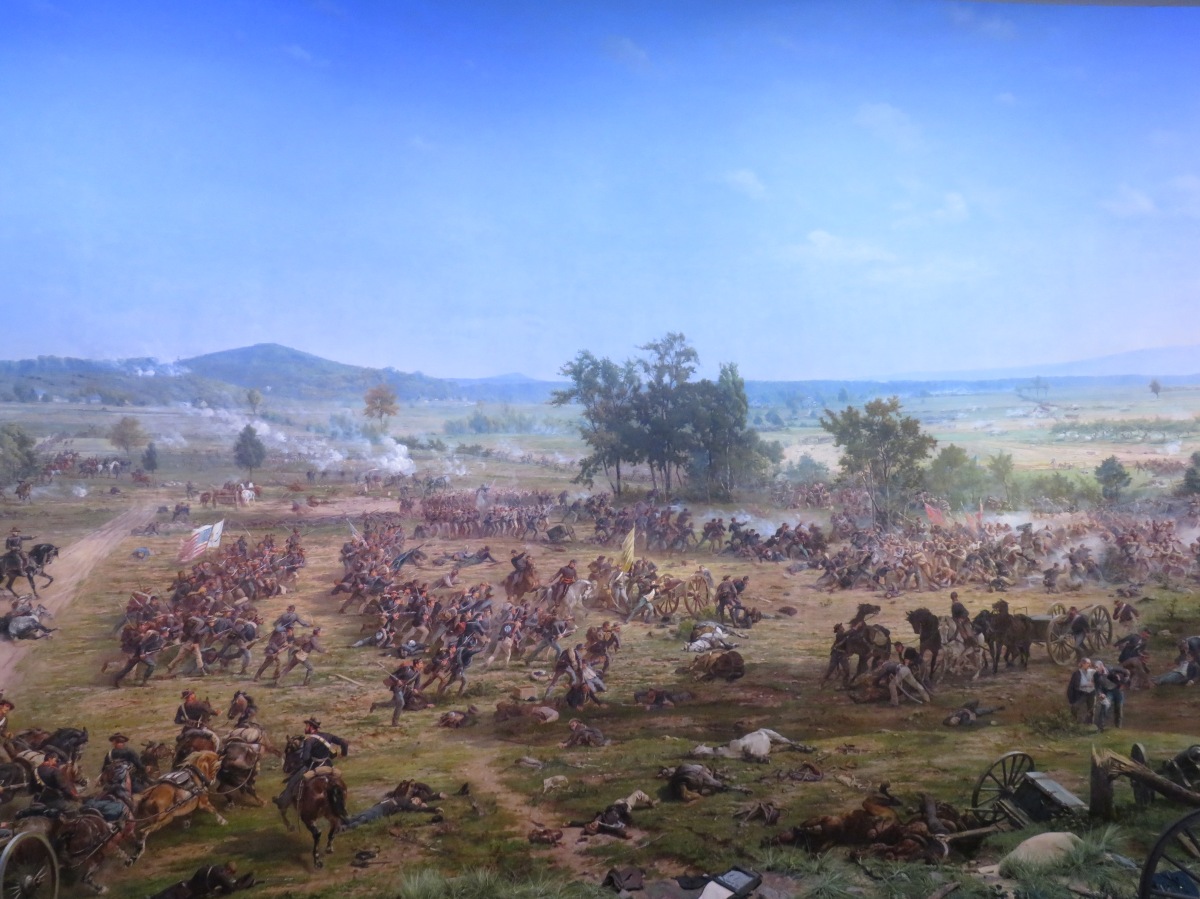
 

The Last Full Measure

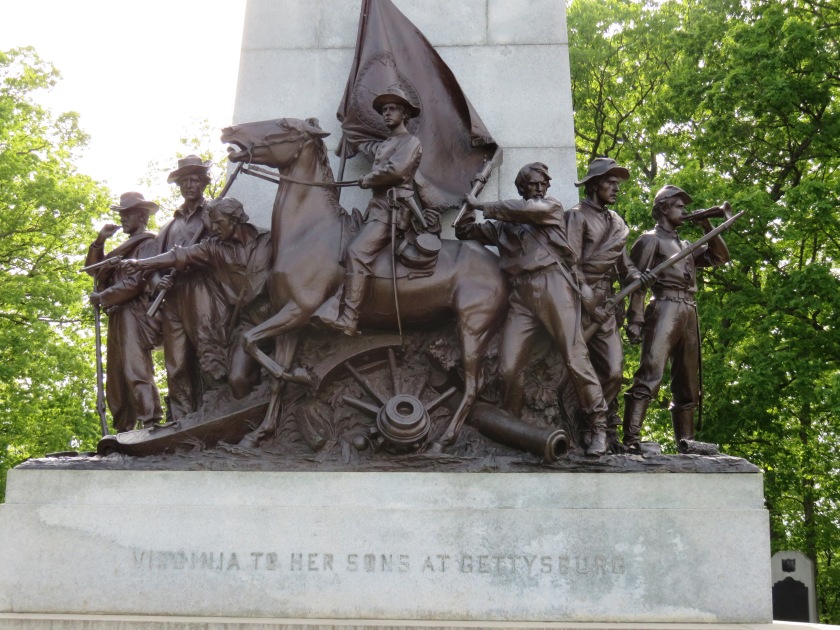
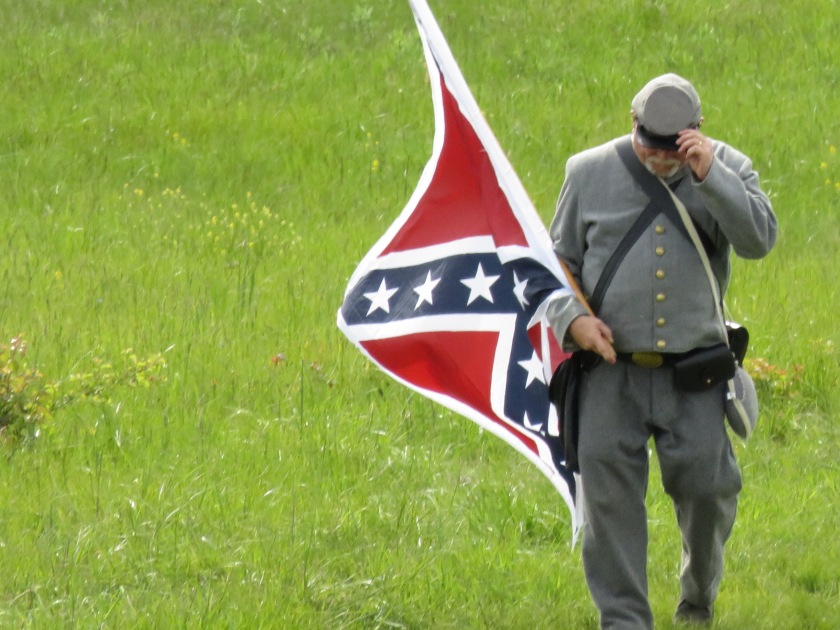
This past weekend, I was able to visit Gettysburg, Pennsylvania, the site of the most notable battle of the American Civil War, and one of the biggest battles in American military history. The battle of Gettysburg is also notable for being the main turning point of the Civil War. The outcome of the battle concluded with the Army of Northern Virginia, led by General Robert E. Lee, being prevented from invading further into the Northeast. Lee and his army were forced to retreat back into Virginia after the battles’ end and never again stepped foot in Union-controlled territory.

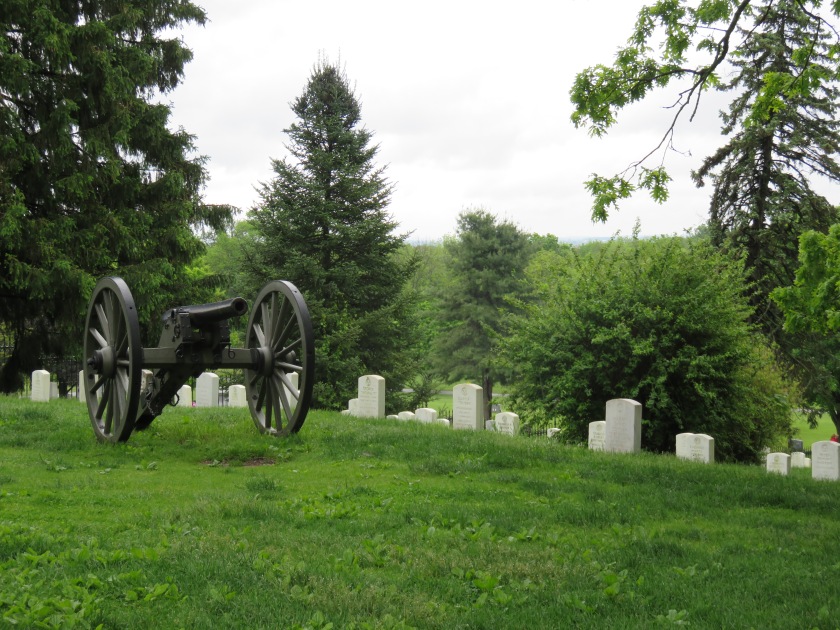
Set over a period of three days from July 1st – July 3rd of 1863, over 51,000 men from the Union and Confederate armies were killed, wounded, captured, or declared missing. It was the largest land battle ever fought in North America. More than 160,000 soldiers from both sides fought in the battle during those three tumultuous days with the town of Gettysburg and its civilians’ being caught in the crossfire. The battle of Gettysburg was fought on fields, marshes, hills, and sloping ridges over 10 square miles and around 6,000 total acres. In addition to the battlefield, Gettysburg is also home to a national soldiers’ cemetery close to the battlefield where the thousands of Union and Confederate troops, now long passed away, are ensconced in their final resting place.

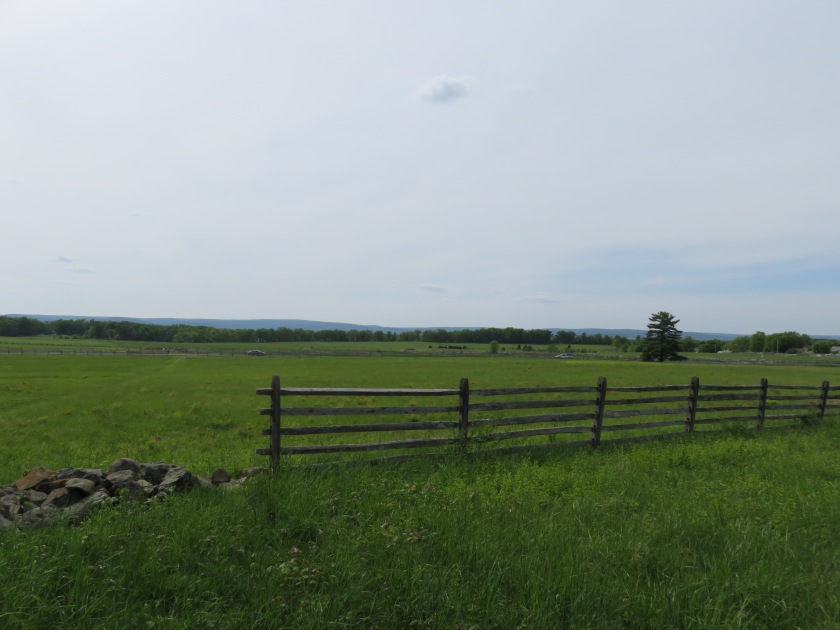
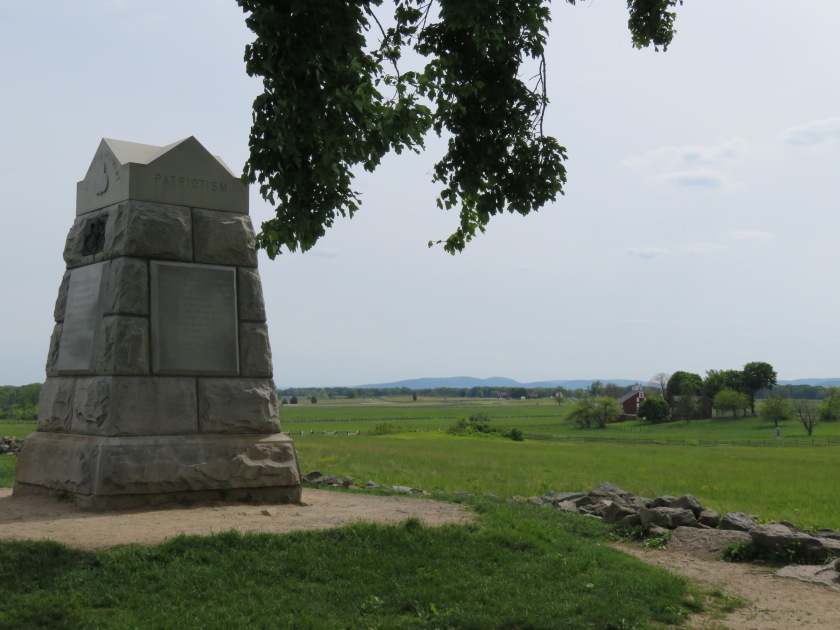
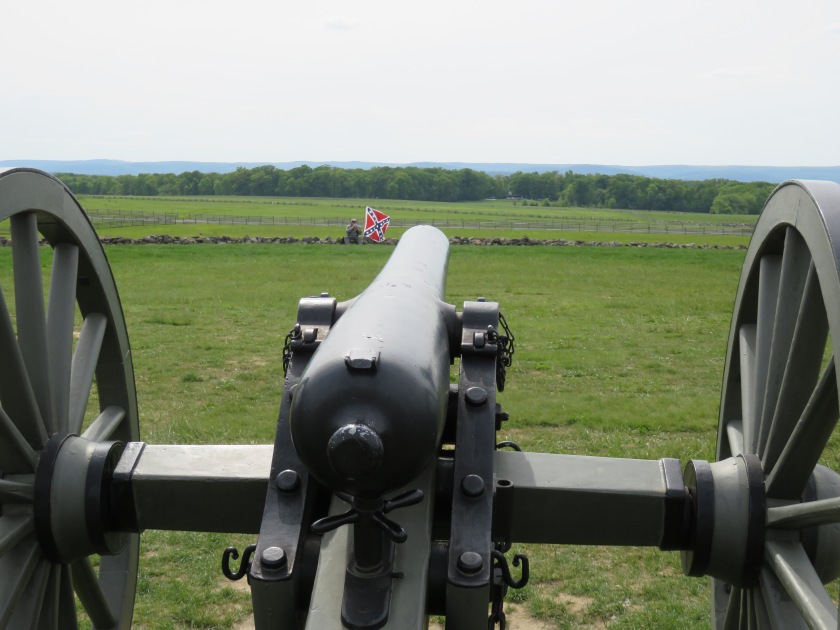
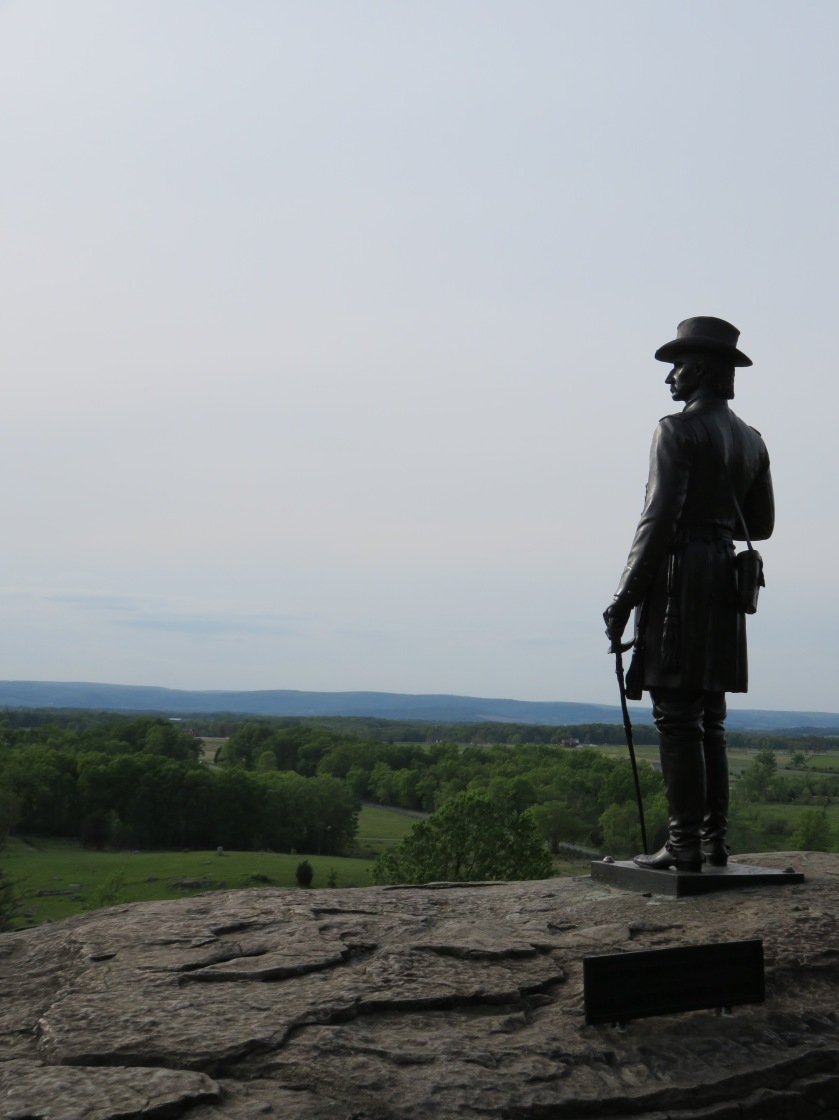
The first thing one notices about Gettysburg is just how quiet and peaceful it is. One would have never guessed that a major battle had been fought here or that thousands of lives had been lost while fighting for their principles and values. The battlefield of Gettysburg, now devoid of soldiers and horses, still retains its wooden barriers, its replica cannons, and artillery. The National Park Service should be commended for restoring the grounds of the battlefield and keeping it clean for the more than one million plus tourists who visit the national military park each year.

What I was most surprised and pleased about during my visit was the amount of memorials, monuments, and tributes paid to the thousands of soldiers on the Union and Confederate sides. The armies, brigades, corps, divisions, etc. from each of the thirty states on both sides of the Civil War are each commemorated and memorialized in some form.

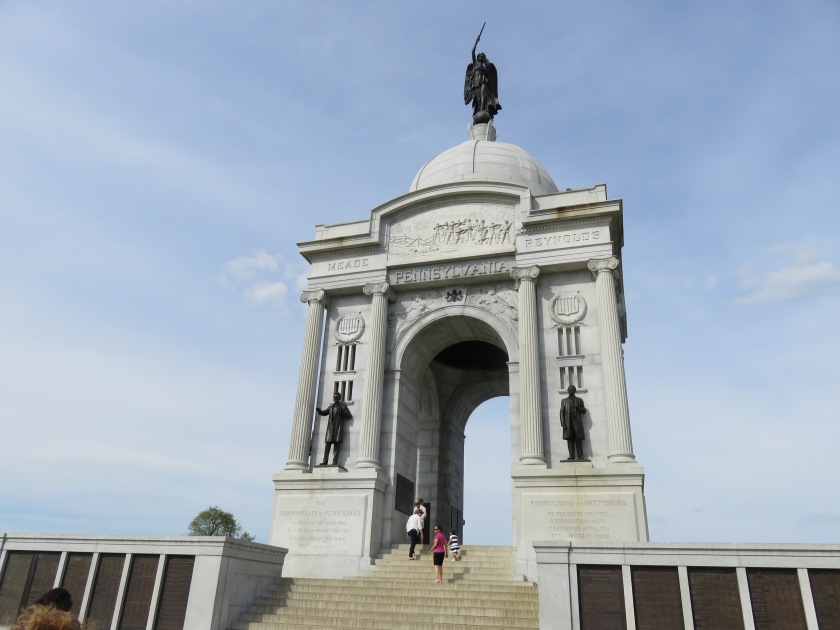
The most striking memorial to me was Pennsylvania’s state monument, the biggest and most awe-inspiring of them all. The Pennsylvania monument lists all of the soldiers’ names that fought for the commonwealth in the battle of Gettysburg. This monument in particular is Greco-Roman in design and has tributes to President Abraham Lincoln, and to notable soldiers and commanders from Pennsylvania. It also overlooks the entire battlefield of Gettysburg and can be seen from every part of the area.

Another notable memorial from the Gettysburg National Military Park can be found at the Gettysburg National Cemetery. In the center of the cemetery and overlooking the thousands of graves lying in repose is the Soldiers’ National Monument. This monument pays tribute to the soldiers who lost their lives at Gettysburg and is unique in quoting an allegory at its’ base that states, “Peace and plenty under freedom…following a heroic struggle.” In addition, this soldiers’ monument depicts the concept of ‘Liberty’ signified by a woman who carries a sword of war, while holding a wreath of peace. At the base, there are four separate statues representing ‘War, History, Peace, and Plenty’ in a chronological, circular order. In total, there are over 1,300 monuments, memorials and tributes at Gettysburg. It’s nearly impossible to see them all without spending a week or more at the battlefield because they are spread out over miles and miles of land. This is why it is known for being “the largest collection of outdoor sculpture in the world.”
You cannot come to Gettysburg without learning about the Gettysburg Address, and the process that led to President Lincoln delivering this famous and historic speech. While the spot where Abraham Lincoln gave the speech is not open to the public at this time, you can still see into the cemetery to view the general speech area. In addition, park rangers from the National Park Service are available for questions about the Gettysburg Address and a tour of the cemetery upon formal request. There’s also a bronze statue and monument of Lincoln’s bust along with an emblazoned copy of the entire Gettysburg Address close to the cemetery’s entrance.

American history was one of my favorite subjects from my high school days. The ability to go and visit historical battlefields like Gettysburg, Normandy, Lexington and Concord brings the history to life for me. I’ve been lucky enough so far to see some of the most notable locations of the American Revolution, Civil War, and World War II.

By visiting these places, you gain a great sense of gratitude and reverence around the conflicts, which these men fought and died in. You can better understand the costs and sacrifices that come with making war. Its’ also good to appreciate what we have today in our united country. There were times in our collective past as a nation when the concept of a ‘United States’ was very much in peril. Hopefully, we can continue to avoid the mistakes of the past, and learn from these dreadful conflicts.

The importance of seeking a brighter and peaceful future for our nation and the world is what I took from my visit to Gettysburg. These memorials, monuments, and the military park remind visitors and patrons alike why peace is something to strive for, even if it comes at a great cost. Sometimes, peace can only come through means of warfare, and that is why we give thanks to those men who gave their “last full measure of devotion.”

To learn more about the Gettysburg National Military Park, you can visit these websites for more information:

1.) https://www.nps.gov/gett/index.htm

2.) http://www.gettysburgfoundation.org

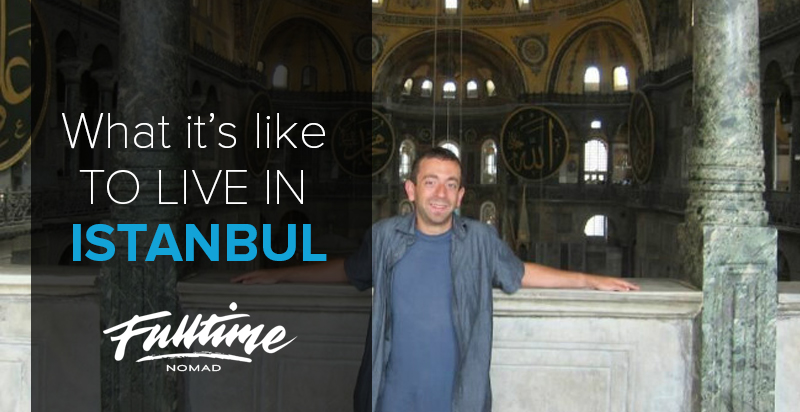
Fulltime Nomad – Istanbul, Turkey (Living Abroad Series)

Recently, I wrote an article and submitted pictures for a guest blog post on the travel website, Fulltime Nomad, as apart of their “Living Abroad Series.”

Johnny & Radhika of Fulltime Nomad were nice enough to let me share my thoughts and experiences on their website on what it was like to live in Istanbul, Turkey.

In the article, I talk about what life is like for a foreigner in Istanbul, the unique food and culture of the city, and how best to navigate the challenges and adaptations that come with living and working as an expatriate.

Here are a few excerpts from the article:

What did you love about living there?

“I loved a lot of things about living in Istanbul. I really enjoyed the Turkish cuisine with my favorites being menemen, iskender kebab, baklava, lahmacun, borek, etc. I could go on and on about the food in Istanbul but you’ll have to visit for yourself!

Being within walking distance of the Bosphorus was a real treat for me too. I’m a big fan of history so I liked learning more about the Ottoman Empire, the founding of the Turkish Republic, and visiting all of the great museums and monuments that Istanbul has to offer.”

What are the local people like? Were there any challenges that you faced?

“Istanbul is an enormous city with a lot of different people from different backgrounds mixing together. It’s similar to a lot of other major cities where there’s a lot of hustle and bustle so people may not be as warm or friendly as they would be in smaller towns or communities. However, there are a lot of smaller neighborhoods within Istanbul that are unique in that they feel smaller and people look out for each other. Overall, Turkish culture is very hospitable and kind. When you’re invited to a Turkish person’s home, be ready because they will feed you, enjoy your company, and care for you as a foreigner in their country.

The biggest challenges I faced were battling the horrendous Istanbul traffic on a daily basis and becoming advanced in the Turkish language. I tried to avoid it as much as possible by taking Istanbul’s rapidly developing metro system but it’s inevitable that you’ll hit traffic 90% of the time. That’s why I encourage people who come to visit Istanbul to stay close to the major tourism spots and/or near to the cool, hip neighborhoods. The Turkish language isn’t that hard for foreigners to learn but you really have to memorize the grammar structures and be prepared to work on your pronunciation and vocabulary skills. It’s not easy but the local people will respect and admire you very much if you try to learn Turkish.”

And, finally, any advice or encouragement for someone wanting to take the leap and live overseas?

“Do it. Have a plan and know what you’re getting into but I highly, highly recommend it. If you’re young, want to explore the world, and have a little money saved up; it’s a worthwhile investment. It’s a lot different living overseas than just being a tourist but it’s a much more special experience. You get to experience the culture more, go deeper into the language, and a gain a more mature perspective of the world.”

_____________________________________________

You can read my full article here: Full Time Nomad – Living in Istanbul

I want to thank Johnny & Radhika again for letting me be apart of their ‘Living Abroad’ blog post series. It was a real pleasure for me to write about my past experiences and memories of Istanbul.

If you’re interested in learning more about the digital nomad lifestyle, go to Fulltime Nomad to learn more about Johnny & Radhika’s story. You can also like them on Facebook at FulltimeNomad and follow them on Twitter, @FTNomad.


Gettysburg

IMG_0490

IMG_0430

IMG_0436IMG_0434

IMG_0444

IMG_0439

IMG_0457

IMG_0464

IMG_0521

IMG_0498

IMG_0499

IMG_0500

IMG_0532

IMG_0543

IMG_0529

CameraCanon PowerShot SX710 HS

LocationGettysburg National Military Park; Gettysburg, Pennsylvania

Book Recommendations – Volume III

After a five-month break, I’m back with another edition of “Book Recommendations.” I’ve had some free time on my hands lately which has allowed me to read these really great books. I would like to share my latest selections with my visitors and hope that you will check these books out for yourself.

Note: I have also posted the links to these books so you can check them out on Amazon.com. You simply need to click on the books’ images below in order to be re-directed to the Amazon page of the book itself. Enjoy.

1.) And Then All Hell Broke Loose: Two Decades In The Middle East by Richard Engel, Chief Foreign Correspondent for NBC News

As someone who has studied the Middle East region extensively in college and has made a few trips to the region (Turkey, Israel, Jordan), I continue to enjoy learning about this tumultuous part of the world despite its rough past and present.

This book by Richard Engel is excellent because it comes from someone who understands the complexities and historical background of the region. He is also a great correspondent and storyteller who weaves his own history of working in the Middle East alongside the tumultuous events over the past two decades, which have fundamentally transformed the region.

Mr. Engel has been a foreign correspondent in the Middle East for over twenty years now. In this book, he clearly displays his vast knowledge of its’ history, culture, societies, and the troubles that continue to plague the region. Engel is fluent in Arabic, Italian, and Spanish. He has worked for NBC News and other major news organizations for over two decades. He re-tells his firsthand experiences and stories of starting out as a freelance journalist for the Agence France-Presse in the late 1990’s during the time of Mubarak’s Egypt. He goes on to discuss his experiences of working and living in Iraq during the collapse of Saddam’s regime and the subsequent U.S. occupation of Iraq.

In addition, Mr. Engel has also spent a lot of time covering the fall of Muammar Gaddafi in Libya and the recent civil war in Syria. Richard Engel has also endured some trauma during his career as he was captured and kidnapped by ISIS in late 2012. For the readers of his book, we get personal insight into the hellish situations he has been drawn into through his accounts of witnessing the deaths and injuries of many of his journalist colleagues over the past twenty years. This book is fundamentally a more personal story as he recounts how his 20 years of covering the Middle East had affected his marriage, his friendships, and his mental state.

What I like most about this book is that Mr. Engel gives you the historical background and the straight facts of what happened in the region and why it happened. You can tell that he was both physically and emotionally affected by the wars and insurgencies that he bravely covered for the U.S. media. More than anything else, it is a well-written account of what it means to be a journalist in a very difficult region of the world for journalists. Richard Engel doesn’t preach about what should have happened or what could have been different in terms of the politics but he simply relays his past experiences for those of us who want a more personal, firsthand account of what it is like to cover the Middle East.

2.) Kitchen Confidential: Adventures in the Cultural Underbelly by Anthony Bourdain

A world-renowned traveler, famous television show host, coolest American alive over 50 years of age. You can also add best selling-author to this list as if it wasn’t long enough. These are just a few of the titles that Mr. Bourdain has earned over the course of his life. However, most people forget that he was a very successful chef in New York City and elsewhere during the 1980’s and 1990’s. He is especially known for being the executive chef at the famed restaurant of ‘Les Halles’ in Manhattan, NY.

Due to his years in the kitchen, Kitchen Confidential is an in-depth, intriguing look into the actual process of how the food we eat in restaurants ends up on our plates. You may not feel very hungry after reading this book due to the expose on some food industry practices that could be considered unsatisfactory in terms of health regulations. I know now that I won’t ever order fish or any other seafood from a restaurant if it’s a Monday.

This book is an unfiltered look into life as a cook and Bourdain hilariously delves into stories from his past and the characters he encounters in the various kitchens he’s worked in. He discusses how he worked alongside drug dealers, degenerates, thieves, loose cannons, etc. in the kitchen but that didn’t detract from the excellent chefs that they made themselves out to be. If anything, Bourdain argues, their eccentricities and attention to details help make these people into great cooks.

Kitchen Confidential is also useful in that Bourdain gives tips and advice to his readers on how to cook and prepare food better. His advice ranges from what kind of knives are best to which simple gadgets make the most difference in having a decent kitchen to cook in. If you like his travel shows and his antics as a TV host, you will most certainly enjoy this book.

3.) Connectography: Mapping The Future of Global Civilization by Parag Khanna

The race to win the 21st century will not be a race between militaries, or of competing arms but of overall connectivity. Mr. Khanna argues that whichever country becomes the most connected to the global supply chains of trade, finance, technology, infrastructure, etc. will stand to benefit most in our current globalized world. A geopolitical strategist, consultant, and world traveler, Mr. Khanna displays his in-depth knowledge of international affairs and geopolitics from his past travels and from his extensive research.

From Ukraine to the UAE and from China to Nigeria, Mr. Khanna details how national borders are no match for the global supply chains that are increasingly emerging. Physical boundaries of geography are becoming less important than the priorities of developing high-speed rail lines, building intercontinental pipelines, expanding the World Wide Web, along with increasing energy outputs and resource trading among many different nations.

While some prominent figures in politics are advocating for resurgent nationalism and wall-building, Mr. Khanna understands that this perspective is detrimental in a world which is becoming more fundamentally connected. In the 21st century, countries and continents need each other now more than ever. With ten trillion dollars and growing being spent per year on infrastructure, transportation, energy, and communications, this trend is likely to continue unabated.

Among the notable ideas in this great book that Mr. Khanna highlights are the emerging North American Union with related maps in the book showing how the United States, Canada, and Mexico are becoming more interdependent. China is also connecting itself to many of its neighbors in Eurasia through gas, oil pipelines and freight rail networks.

In Connectography, Mr. Khanna gives us an in-depth perspective on the world’s growing interdependence and how its’ affecting our everyday lives. While there are numerous challenges to this worldwide trend, which are also highlighted in the book, Mr. Khanna strikes on a final note of optimism. Even with the difficulties and struggles of climate change, terrorism, civil wars, etc., only a more inclusive, connected global society can meet these challenges head on and succeed together.

Walks In The Park

IMG_0382
“When seeking solitude, there is no better place than nature.”

With the constant temptations of technology, the Internet, endless entertainment options, and other distractions, it is all too easy nowadays to get caught up in work, school, and other commitments without ever taking time for yourself. It’s been scientifically and medically proven that your body and your mind need some time away from your daily stressors. It doesn’t have to be a long amount of time for solitude away from your home, or your workplace but just enough minutes or hours where you can re-charge your energy and re-capture your focus. When it comes to seeking out solitude and alone time, our options these days are becoming increasingly limited.

Some people choose yoga classes while other folks enjoy long workouts at the gym. While these activities in particular are healthy and enjoyable, they do not provide true solitude and quietness. Meditation can clear your head and allow you to control your thoughts better but it is not an active form of peace and serenity. For myself, to enjoy solitude, quiet, and a place to think; nothing truly beats a simple walk in the park for an hour or two. Clearly, I am not the first person to advocate for the joys and benefits of being in nature.

Henry David Thoreau, considered to be “the father of nature writing”, wrote many books including the famous novel, Walden, a reflection on the simplicities of living among nature in his cabin near Walden Pond in rural Massachusetts. In addition, his friend and fellow writer Ralph Waldo Emerson helped found the Transcendentalist movement partly due to the independence and intellectual stimulation, which he received from his retreats into the world of nature.

Whether you’re walking, jogging, running, or hiking in the park, it is going to be highly beneficial to you and your state of mind. It’s okay if you do it with a friend or a family member but it’s even better to do it by yourself. Taking a walk in the park or in the local nature preserve will allow you to clarify your thoughts, experience some solitude, and enjoy the world around you.

When you heed my advice from this blog post and decide to go for a walk in the park, remember to take the following steps before you go through with this idea:

  • Leave the iPhone, iPad, Laptop, MP3 player, and any other modern technological device at home. I know it can be really tempting to check your Twitter account or listen to the new Action Bronson album, but when you’re taking a walk through the park, this course of action is highly inadvisable. You’re there to observe nature, to listen to the birds’ chirping, to hear the bees buzzing, and to see the flowers begin to bloom in the springtime sunshine. If you wanted to be with your technological gadgets, the park is not the place to do that.
  • In the park or place of nature you go to, remember to find a part of the park that doesn’t have many or any people around. I write this piece of advice not to encourage you to be anti-social but to embrace a little bit of solitude in your life. A walk in the park will help you to focus your thoughts and clarify what you’re going through in your life. It’s refreshing and natural for people to be truly alone from time to time. This doesn’t mean you’re lonely and need someone to hang out with but that you’re using this walk or run in the park to concentrate and focus on the simple act of being in nature. Our distant ancestors did fine for themselves when they were on their own to hunt for animals or to gather food for their tribe. I think that you can survive on your own for an hour or two without needing any assistance or companionship.
  • When you’re on your walk or run in the park, it is important to go off the beaten path. There are set pathways and trails that you can follow in nature but it’s very enjoyable to go outside of your comfort zone instead by trying out new paths or walkaways that you have yet to discover. If there are certain areas of the park or preserve that you haven’t been to yet, go there! If there’s a massive hill or body of water in your path, don’t be afraid to hike over it or swim through it. The best adventures that a person can have are by taking the road not yet discovered or taken and that is true for other facets of life. Try to see and be in the new areas of the park that you haven’t been to yet. I promise that you won’t regret it later. You will be glad that you expanded your perception that you have of the natural park or preserve that you’re walking or running through.
  • Last but not least, please remember to take it all in. Spend some time just to admire the beauty of the sights that lie before you. If its’ a towering waterfall, a captivating sunset, or a stunning hillside view, remember to stop and just be present in the moment. It will be so quiet that you can hear the beating of your own heart and the sound of your own breath. You’re apart of nature just as nature is apart of you. As much as we try to avoid nature and natural living today, it’s still apart of whom we are as human beings. Nothing will change that and its’ apart of our nature since the early days of the hunter-gatherers. You only have one life to live and the more time you spend in natural settings, the better off you’ll be.

In conclusion, instead of that Sunday afternoon you spend at the bar watching your favorite sports team or at home catching up on the latest Netflix series, why not go to your local park instead? Do some walking or some jogging and eventually rest your legs to sit down at the nearest park bench. Take in the sights, sounds, and even the smells to remind yourself that there is more to life than just work or school. You’re apart of this world and the world is apart of you.

Sunken Meadow

IMG_0354

IMG_0356

IMG_0360

IMG_0361

IMG_0364

IMG_0367

IMG_0368

IMG_0371

IMG_0397

IMG_0402

IMG_0407

IMG_0410

IMG_0414

IMG_0428

CameraCanon PowerShot SX710 HS

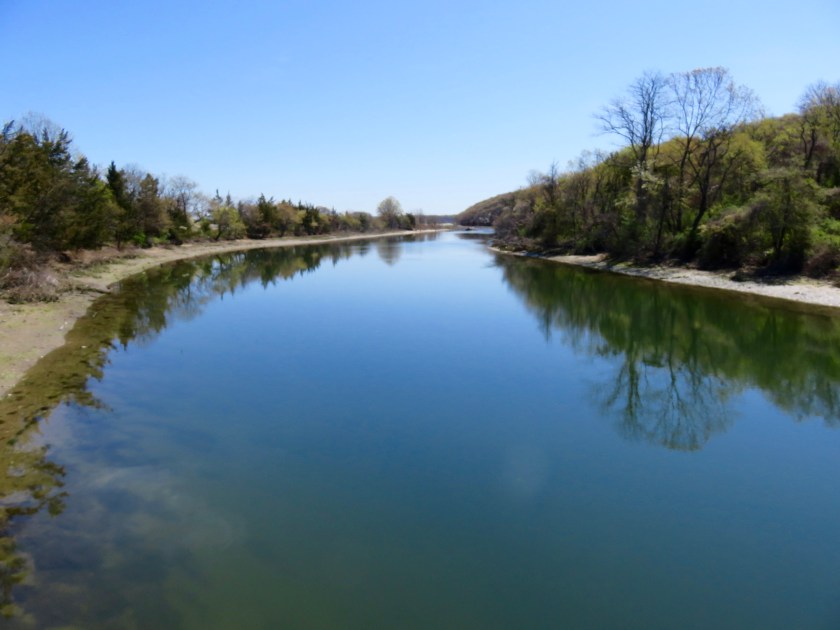
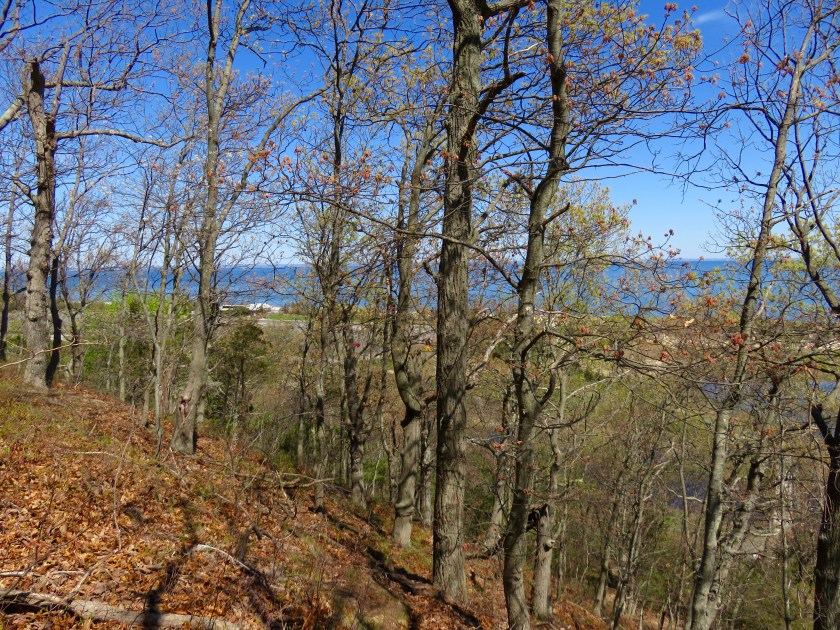
LocationSunken Meadow State Park; Long Island, New York


Interconnected

interconnected
“Will humanity become more or less interconnected during the 21st century?”

When the 21st Century is over and becomes apart of the history books, it will be known as the first truly interconnected, interdependent, and entangled era of human history. Compared to past eras, borders are more open, long-distance travel is common place due to modern aviation, and global commerce is more free than it ever has been. Globalization as a phenomenon has been made possible not just through open borders and advances in aviation but also due to the wonders of the Internet.

While many human beings can not physically cross borders or take modes of transport to other countries, the Internet has helped to minimize that gap of connection by allowing people from around the world to connect virtually at an increasing frequency. As the technology continues to improve and advance, the Internet has made our planet interconnected on a scale once considered unthinkable a generation ago.

I woke up one morning in New York, had my breakfast and juice, and then was able to log-in to Skype and chat with my good friend who is living in Beirut, Lebanon about his work there and how he has adjusted to living in the Mediterranean metropolis. After that, I sat down to have lunch and finished some homework for a 1:30 PM Spanish lesson with my teacher who is originally from Mexico but currently lives in Italy. Somehow, we were able to make the six-hour time difference work between me in New York and her in Italy. Before the day was over, I had two more Skype and Google Hangout based English lessons with my students from countries like Saudi Arabia and South Korea. Satisfied with my day of both teaching and learning, I settled the rest of my affairs and went down to the kitchen to prepare my dinner for the evening.

None of these lessons or exchanges of information would be possible between persons of different countries and backgrounds without the invention of the Internet. Too often, the average person either takes for granted the capabilities that allow us to stay connected on a worldwide scale or doesn’t take advantage of using this technology to bolster their abilities personally or professionally.

Professionally, as an ESL teacher, the fact that I have been able to use the Internet and web applications such as Skype, Google+, etc. to connect with numerous students from around the world virtually has been a real treat for me. Sometimes, my students with whom I’m working with online do not have the means or ability to work with a native English speaker / teacher in person in their own city or country. Those of us language teachers who commit time out of our lives to help others learn our native languages should be commended for making this a possibility. It is truly enjoyable for me to work with those students online from different countries who will share with me interesting tidbits about their cultures and societies.

Personally, I have been able to stay in touch and meet up again with friends of mine from different regions of the world thanks to staying connected through social media websites like Facebook, CouchSurfing, Twitter, etc. The Internet has allowed me to stay connected with international friends, both new and old, thanks to the rise of social media and its applications. It is funny to think that only fifty to hundred years ago, or even before the advent of the Internet, twenty years ago, the best that you could do is send a handwritten letter by mail or make an expensive call to any location overseas. Now, such communication to an international location is often very cheap or even free of charge depending on which application you decide to use.

While the advent of globalization has its positives and negatives, which are often debated and discussed endlessly, I believe that one net positive from globalization has been how the Internet and the “world wide web” has made humanity interconnected. This one trend of “Interconnectedness” for the 21st century is one that isn’t going to reverse course anytime soon and is going to be hard pressed to find itself limited in total amount of users or overall global popularity.

According to the World Bank’s recent report titled “World Development Report 2016: Digital Dividends”, the number of people worldwide who have access to the Internet has tripled from about 1 billion people in 2006 to about 3.5 billion people in 2016. This recent development is an extraordinary occurrence. This means that over 40% of humanity now has some type of access to the Internet which has become increasingly possible due to rise of mobile technology and the spread of 3G and 4G cellular networks.

As more and more people connect to digital markets of e-commerce, become new entrepreneurs and start to create their own small businesses, this will also allow more students to connect and learn with me here in New York and other teachers around the world to learn English or another foreign language. The possibilities of eventually having everyone connected to the Internet would be truly endless. It could lift millions more people out of poverty and create new economic opportunities where there were none before.

Some of the big questions to be answered in the coming decades is how do we as a global community work together to connect the remaining 60% of humanity to the Internet? How do we work together as governments, NGOs, and individuals to give people the means virtually to benefit economically and personally from the advent of the Internet? These are not easy questions to answer let alone solve. However, if humanity is to continue advancing and developing into the future, we must continue to become more interconnected to each other. That is a fundamental truth of the 21st century for which we all must be aware of.

Sources:

1.)  http://www.theguardian.com/technology/2016/jan/13/internet-not-conquered-digital-divide-rich-poor-world-bank-report

2.) http://www.worldbank.org/en/publication/wdr2016

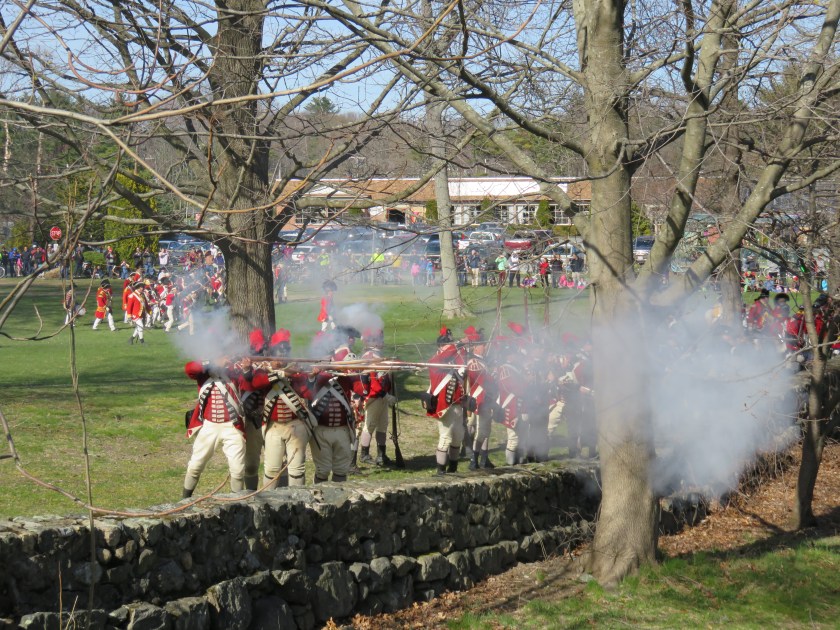
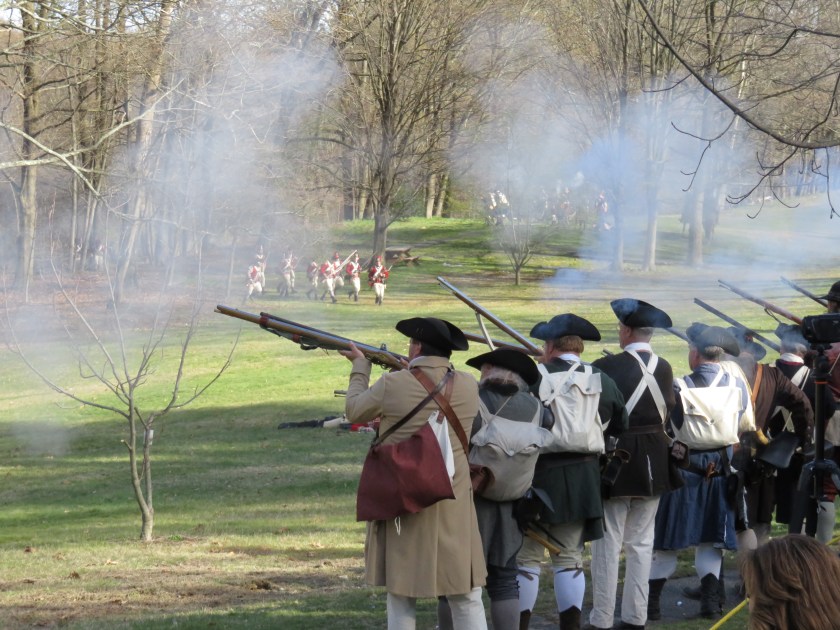
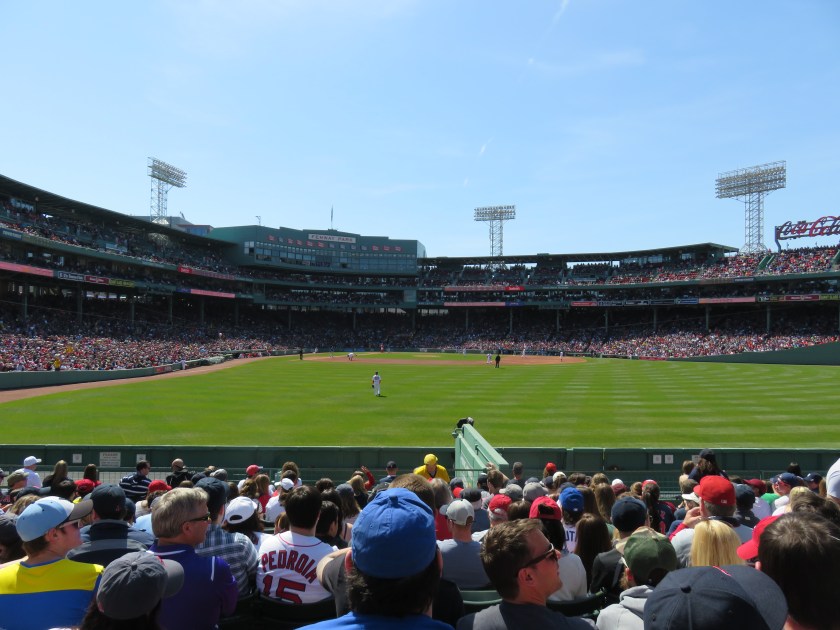
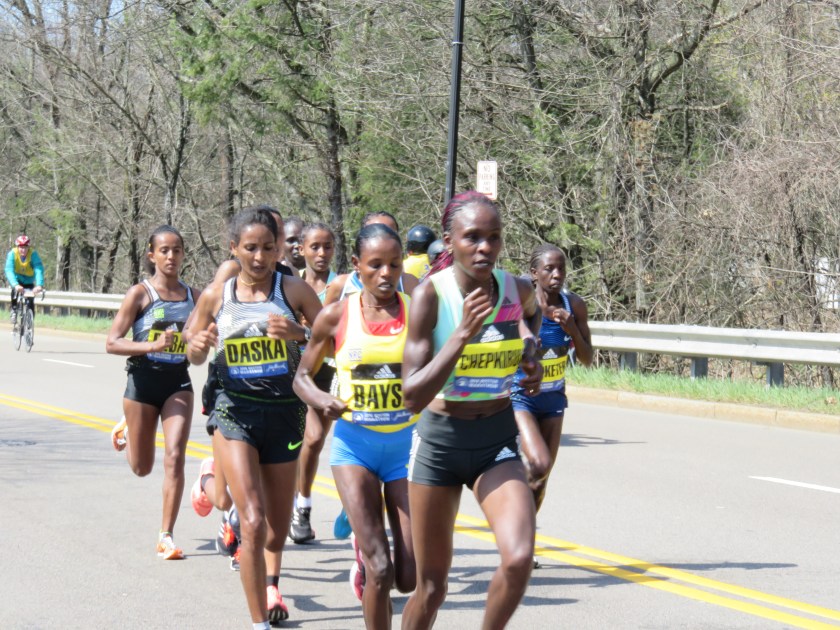
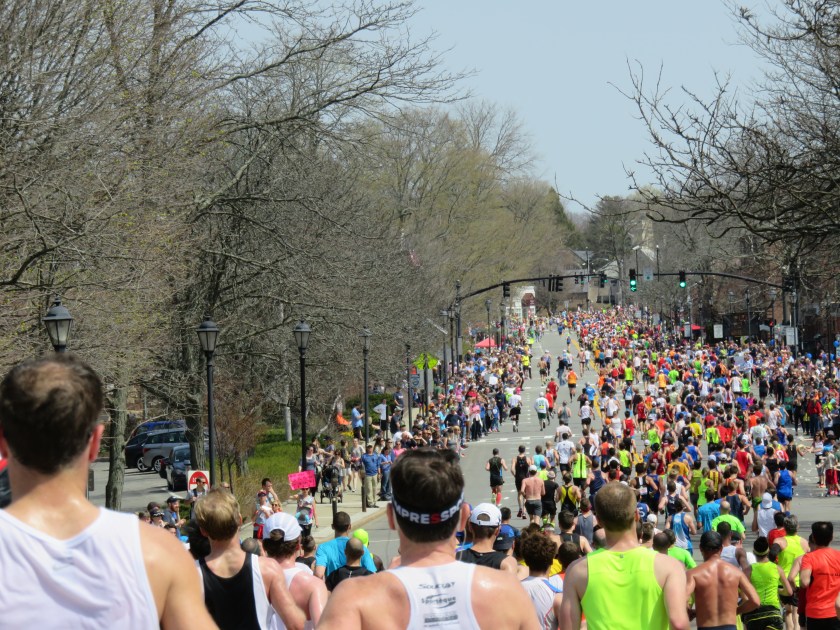
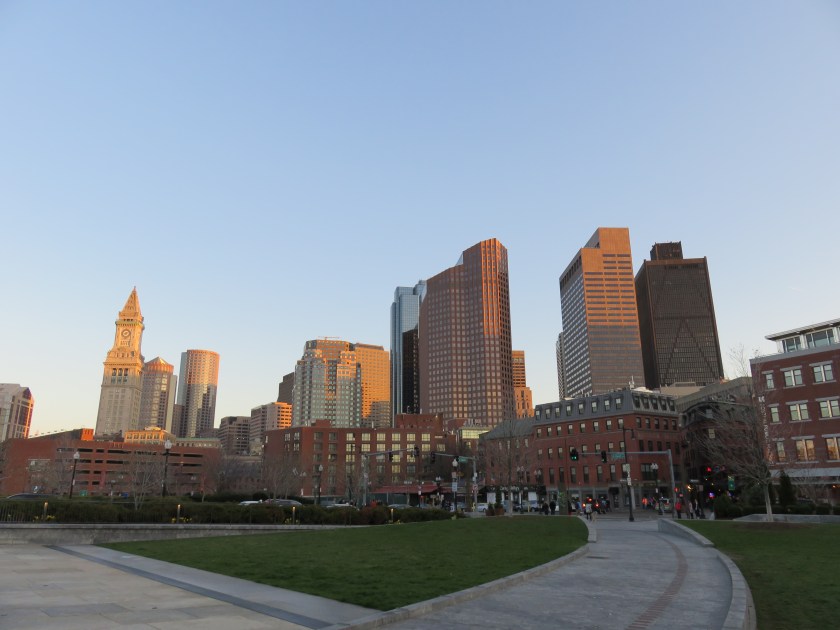
Patriots’ Day Weekend In Boston

IMG_0157

IMG_0160

IMG_0178

IMG_0219

IMG_0224.JPG

IMG_0260

IMG_0274

IMG_0287IMG_0290

IMG_0298

IMG_0320

IMG_0329

IMG_0348

IMG_0308

IMG_0313

CameraCanon PowerShot SX710 HS

Locations: Lexington, Massachusetts; Concord, Massachusetts; Boston, Massachusetts; Wellesley, Massachusetts

A Future To Believe In

It is very rare in American politics these days to have a candidate running for high office who is sincere, genuine, and committed to his principles and ideals. A candidate who will not bow to the special interests, who will look out for all citizens and not just the wealthy few, and who has the ideas to make the United States a more fair, equal, and prosperous country. Because of these reasons, I am supporting  Bernie Sanders’ candidacy for President and why I will be voting for him in the upcoming Democratic primary in New York on April 19th.

While there is no such thing as the “perfect Presidential candidate”, Senator Bernie Sanders is the best choice not only for the Democratic Party but for the nation as a whole. He has served not only as a U.S. Senator for Vermont, but also as a member of the U.S. House of Representatives, and the Mayor of Burlington before that. For over thirty years, Senator Sanders has been a faithful and dutiful public servant. Over the course of his political career, he has always been a staunch defender for the rights of working class people, the middle class, and the poor.

From a young age of 22 when he was apart of the historic ‘March on Washington for Jobs and Freedom’ along with Dr. King and other civil rights leaders, he has continuously fought for equality of opportunity and greater freedom for minorities, women, and the LGBT community. What is also notable to mention from his past was his willingness to participate in an anti-segregation protest in Chicago in 1963. Because he stood up for his beliefs, he ended up being arrested and was taken away by the police for living up to those principles of fairness, justice, and equality.

Mr. Sanders has made his Presidential campaign “of the people, by the people, and for the people.” He refuses to take money from SuperPACs unlike his Democratic and Republican rivals. He also does not accept donations from big corporations and the millionaires, billionaires of the country. He wishes to nominate Supreme Court justices who will attempt to overturn the disastrous Citizens United decision, which allowed large corporations the ability to donate huge sums of money to their favored candidates for elected office. I applaud his commitment to making his campaign about the individual supporters, donors rather than about corporate sponsorship and special interest contributions. More so than any other Presidential candidate in recent history, he has shown a commitment to running a national campaign that’s fueled and powered by the average voter.

In addition, I believe in his policy proposals for a national minimum wage of $15 per hour, a Medicare-for-all policy that would ensure universal health care for all U.S. citizens, and to reduce the incarceration rate significantly over time to end the unfortunate distinction of being the country that has the biggest prison population in the world. Over the past few weeks since I returned from Colombia, it has been a pleasure for me to knock on doors, make phone calls, and to volunteer for his campaign at the Washington Square Park rally on April 13th.

About 30,000 people attended one of the largest rallies of the 2016 election season at Washington Square Park this past Wednesday night to see Senator Bernie Sanders speak about his vision for America. As a volunteer at the event, I helped with crowd control by keeping the huge lines orderly and moving cordially. The atmosphere was filled with excitement and anticipation. The mood of the people attending the rally was happy and even joyous at times. It was a cold evening in lower Manhattan but you could feel the energy and the passion people felt about this particular campaign. In addition to Senator Sanders’ rousing one-hour stump speech, notable celebrities, public officials and figures also lent their voices during the massive rally. The most notable names were Tim Robbins, Spike Lee, Rosario Dawson, and Shailene Woodley.

I enjoyed the rally immensely and I was lucky enough to be close to the stage after a hectic day of volunteering and keeping order among the large crowds of people waiting in line. I shook Senator Sanders’ hand after the end of his speech and wished him well in Tuesday’s New York primary. It was an exciting moment for me and I was glad to be apart of such a large and historic campaign event. I can only hope that this rally will lead to a large turnout and a successful result at the polling places across New York State in just a few days from now.

While I usually avoid writing blog posts about politics, I have to make an exception in this case because I feel strongly about Bernie Sanders’ candidacy and believe that he is the best choice not only for the Democrats but for the country too. Similar to Candidate Obama in 2008, Candidate Sanders has created a lot of enthusiasm, held huge rallies, and has earned support from diverse groups of voters due to his campaign’s message and consistency.

Time will tell if his candidacy will be successful enough to be nominated as the Democratic Party’s standard-bearer and to continue on to the 2016 general election against the Republican nominee. However, so far, he has shocked all of his doubters and made it further than anyone would have originally thought possible. Despite what may happen in Tuesday’s New York primary and beyond, I know that I will continue to “Feel The Bern.”

______________________________________

Disclaimer: The views and opinions expressed in this blog post represent solely my own and do not reflect or represent those of any outside party, organization, company, or group. Thank you.