Don’t Degrade Yourself for Money or Power – A Timeless Lesson from ‘Marty Supreme’

“The main message I took away from this film, and which has been rattling around in my head since I saw it a few days ago is to never degrade yourself for money, power, or fame.”

*Spoilers ahead for the 2025 film, ‘Marty Supreme’, Directed by Josh Safdie*

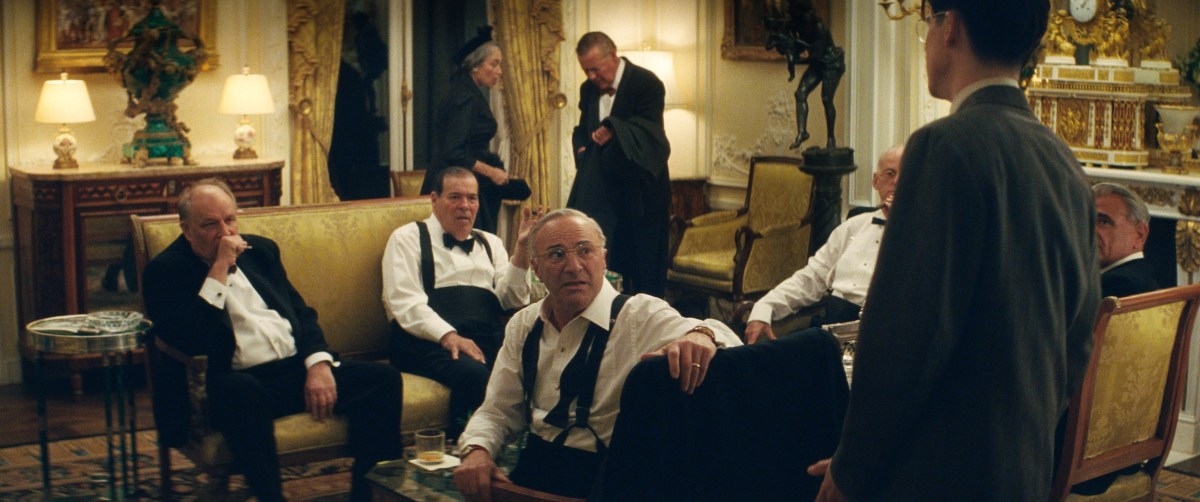
Even when a movie is based on a fictional story, there are still kernels of truth that can be taken from it. Such is the case for the critically acclaimed and highly rated movie that came out recently on Christmas Day, 2025: ‘Marty Supreme.’ Without giving away too much of the movie’s plot and setting, I’ll focus instead on a major theme from the movie and how it applies to real life. The main message I took away from this film, and which has been rattling around in my head since I saw it a few days ago is to never degrade yourself for money, power, or fame.

The main character of ‘Marty Supreme’, Marty Mauser, an up-and-coming tennis table contender on the world stage who’s also chasing fame, fortune, and notoriety in pursuing his overall dream of being the best. He also has his eyes and heart set on pursuing a beautiful movie star he comes across on a table tennis tour (despite her being a married woman).

Marty is a polarizing yet mesmerizing character but like the rest of the film’s characters, you can’t help being enamored by his boundless vision, clear goal, and strong determination. Despite my sympathizing with Marty in terms of his drive, work ethic, and grit, the film does a great job of showing how one’s morality, one’s relationships, and ultimate one’s soul can be corrupted in the pursuit of fulfilling a lifelong dream despite the obstacles involved, but at what cost to oneself?

Without giving away too many spoilers as I do encourage you to see the film before making your own judgment, Marty continually degrades himself in his behavior towards others, his association with shady characters who want to see him humiliated on purpose, and in his callous treatment towards competitors who stand in the way of his overall goal. In ‘Marty Supreme’, I found it as an overall cautionary tale for me and others in pursuit of our own goals and dreams in life in treading carefully. No dream, vision, or goal is worth losing your soul over. Think about the limits you should place on yourself in achieving your goals or dreams because you should assuredly do so to protect your soul. One that is a non-negotiable for me and hopefully for others is to not degrade yourself in any way for either money, power, or fame.

Keeping one’s morals, values, and character intact is priceless and no amount of money, power, or fame should ever change that. You must draw boundaries and limits with other people especially when they promise to help you in achieving your goal. Unfortunately, Marty Mauser forgets that in ‘Marty Supreme’ and it ends up costing him dearly along the way. He degrades himself to receive financial assistance in exchange to help him reach his long-desired goal but in the process of doing so, he loses his dignity, self-respect, and humiliates himself in front of other people. Any of our dreams can turn into real nightmares if we don’t impose non-negotiables or boundaries on ourselves and on others on what we are willing to tolerate to achieve success.

There is nothing wrong with having a strong competitive spirit, pushing yourself to the limit mentally or physically, and narrowing your focus on achieving a big goal or dream. However, where you run into possible problems or issues is when you put others in the driver’s seat and let them dictate the terms of how, why, or what they want you to do to achieve money, power, or other success. Don’t lose control over your own destiny and don’t be so desperate to achieve your goal or dream that you embarrass, humiliate, or otherwise degrade yourself to make it a reality. You never want to put your own autonomy at risk, get in deep with dirtbags or scoundrels, or sacrifice your friendships or relationships in the pursuit of your own success.

Being able to walk away, say no, and keep your morals intact is worth more than all the gold and glory that this life has to offer. Remember to evaluate the character and morals of those people you surround yourself with on the road to your goal or dream. Be able to step back, assess who you’re getting involved with, what’s their possible angle in supporting you, and do they have your best interests at heart or are they using you to an end?  I’ve watched this dynamic unfold time and again, from front-page scandals to the corridors of power, where money and ambition slowly corrode the very friendships and relationships that once mattered most.

Success that requires you to abandon your dignity isn’t success. It’s a transaction with a price you’ll eventually regret paying. ‘Marty Supreme’ reminds us that ambition without boundaries doesn’t lead to fulfillment; it leads to self-betrayal. The real victory isn’t reaching the top at any cost; it’s being able to look at yourself along the way and still recognize who you are. If achieving your dream requires you to humiliate yourself, surrender your autonomy, or tolerate people who don’t respect you, then the dream is already compromised. Money can be earned back. Power can shift hands quickly. Fame fades as priorities change. However, once you give away your self-respect, getting it back is a hell of a lot harder. Choose your boundaries wisely and guard them like your life depends on it. 

Keeping Your Cool When Others Try to Push Your Buttons

“The notion that you must fire back, get heated with your emotions, and lose your cool to do so is an unnecessary one and could end up costing you more.”

Your inner peace matters a lot more than you think. When other people, professionally or personally, try to get a rise out of you, don’t let them do it. Whether they are related to you by blood, or are in the same office building, or just a stranger on an airplane, some people get a kick out of pushing your buttons. It can be hard to not want to push back at them and not also be seen as a push over. The notion that you must fire back, get heated with your emotions, and lose your cool to do so is an unnecessary one and could end up costing you more.

What’s the alternative reaction you might ask? I suggest explaining yourself calmly, giving your side of it, and then moving away from that individual or de-escalating the situation as best as you can. Don’t let yourself be dragged down by their poor attitude, lack of self-awareness, or no emotional control. You deserve to be safe, respected, and not bullied into being quiet. Be firm, state how they made you feel, and then move on.

If that person or group of people won’t stop and keep escalating, you need to remove yourself from them and don’t associate with them as much as possible. If you must deal with them in a professional or personal manner going forward, let them know calmly in a spoken or written manner that you won’t tolerate such behavior from them anymore and you deserve to be treated better than how they have acted to you previously.  

Family and friends can sometimes push your buttons more than anyone else, even when they might not even mean any harm or inconvenience. Maybe it’s a sibling who always critiques your life choices, or a parent who insists they know what’s best for you even when you’re an adult. Instead of snapping back or holding in resentment for what they are suggesting, try calmly stating your perspective: “I understand your concern, but this is the decision I’m making for myself.” You don’t need to justify endlessly your choices but rather you can simply acknowledge their opinion while standing firm in your own decisions will help protect your peace and sets a clear boundary with those people closest to you in life.

Not everyone you encounter will treat you with respect or kindness in public, and that’s okay. They’re responsible for their own behavior. If someone cuts you off in traffic, sits in your assigned seat on an airplane pushes ahead in line in front of you, or acts rudely to you for no reason in public, your reaction is the only thing that you can control. Take a breath, respond politely if needed, or simply let it slide.

Protecting your composure doesn’t make you weak; it demonstrates self-control and keeps you from being dragged into unnecessary conflict. If anything, how they react to your calm behavior in response will tell you exactly what you need to know about this person, and you’ll know that you made the right choice not escalating the situation with a stranger who chooses to act out in public instead of acting politely and kindly.

Take my recent flight experience, for example: a lady sat in my assigned seat before I had even boarded the plane. I was also preoccupied with putting my carry-on in the overhead compartment nearby my assigned seat, and then when I got to my seat to settle in finally, she had the audacity to ask me to move to her seat. My first instinct that came to mind? Frustration and disbelief at her social ineptitude.

My better instinct(s) that I acted upon in this case: Take a deep breath, calmly reminded her it’s my seat, and be aware that the airline staff would handle any escalation if necessary. I explained that I paid for the seat and that if she wanted it, she should have asked me first and then the airline staff whether this would be a possibility. She backed down, moved to her correct seat, and I got to handle the rest of the flight without carrying someone else’s chaos.

Online interactions these days are a minefield for drama and bitterness. A heated comment or trolling post can provoke an instant emotional reaction but hitting “reply” while angry often escalates the situation and will make you feel worse for engaging with that person (like an AI bot or fake troll now). A more powerful approach is to pause, step back, and ask whether engagement is truly necessary with someone who wants to waste your time or provoke you into doing something you’ll regret. Sometimes, choosing not to respond is the strongest statement of all. It signals that you refuse to let negativity or vitriol invade your space.

When you feel provoked either offline or online, some mental tools or habits can be surprisingly effective. Count from one to ten. Take a deep breath and visualize a buffer between you and the instigator. You can also silently repeat a mantra like, “This is about them, not me.” These small actions give you a moment to choose a calm response rather than a reactive one. Over time, these actions can train your brain to prioritize your inner peace over the urge to “win” every confrontation or “one up” the other person. Often, the other person is not going to see your point of view, will choose to continue the argument, and it will only make you angrier and more miserable.

Maintaining composure in difficult situations pays off in every area of life. People notice when you stay calm under pressure and it earns respect professionally and personally. Your relationships benefit because you’re setting healthy boundaries, and you preserve your emotional energy for the life moments that truly matter. Most importantly, you gain peace of mind: fewer regrets, less stress, and the knowledge that you’re in control of your reactions, no matter what others do to you or how they act to you. Your calm is your emotional power in life so never give it away to someone else’s chaos.

The Lost Skill of Making People Feel Seen

“Most people aren’t lonely because they lack friends, they’re lonely because nobody truly sees them. In a world of constant interactions, at work, online, or in our daily routines, these moments are often shallow, rushed, and forgettable.”

Most people aren’t lonely because they lack friends, they’re lonely because nobody truly sees them. In a world of constant interactions, at work, online, or in our daily routines, these moments are often shallow, rushed, and forgettable.

One of the best books I’ve read recently on this subject is from New York Times writer and columnist, David Brooks, who authored the book, ‘How to Know a Person: The Art of Seeing Others Deeply and Being Deeply Seen’ in October 2023. The core idea of his book was that you can divide people into two camps of ‘Illuminators vs. Diminishers’, with illuminators making people feel recognized, clearer, more important, and the diminishers who make interactions about themselves or forget about the other person (often not on purpose). If attention is now the primary currency in our lives, giving or receiving quality attention is the key difference in seeing others fully.

Let’s go into what ‘feeling seen’ means in 2025 and what it doesn’t because it can get confusing if you’re new to this concept. Feeling seen is not about just agreeing with someone, praising them effusively, being ‘nice’ or ‘kind’, fixing their problems for them, dumping your own problems or inadequacies on them to compensate in return for them sharing their issues. Rather, feeling seen is about being perceived accurately and without judgment often, having your inner logic understood and how you see the world, and feeling that your emotions are being recognized rather than just analyzed and interpreted.

An example of this in action could be a friend, a spouse, or a co-worker telling you, “I don’t necessarily agree with you here, but I understand why that matters to you and I see your perspective.” Being able to let that person know that you know where they are coming from in their views and why it matters to them makes a huge difference in your personal and professional life.

Technological and other daily distractions aside, there are various reasons why people don’t feel fully seen nowadays. Most people are not patient in waiting for their turn to talk, rehearse their response in advance while you’re still speaking, filtering everything through themselves and what they would do, or just not wanting to understand when they listen. If you are not seeing someone enough, start with listening to understand the other person rather than listening to reply or putting themselves in their shoes right away. You cannot see someone else while you’re playing their role in your own mental movies or thinking through what you would do, say, or behave in their shoes.

Like any social skill, there are ways to make someone feel more seen and to build up that skill like it’s a positive habit. The more you use, repeat, and solidify these response tactics, the more comfortable other people will feel around you. First, listen to the emotion that they are carrying with their words even if they don’t express it outright. Train yourself to hear the ‘fear, anxiety, pride, shame, sadness, frustration, hope, joy, etc. that they exude with their cadence and tone beyond the words they are saying. Being able to voice what emotions they may be expressing to you in their words is very powerful and will make someone feel very seen. For example, “You sound disappointed, not angry, about ____.” As David Brooks wrote about ‘illuminators’, seeing people’s emotions clearly even if they aren’t telling you with their words what exactly they are feeling is a very useful people skill.

Second, I think it’s key to asking expanding questions, rather than extractive or basic ones. Good questions open doors to a deeper and more fulfilling conversation while bad questions can feel like an interview or an interrogation. A good question could be, “What part of your work gives you the most fulfillment?”, which can expand the conversation and take that person through a positive memory or a feeling of contentedness sharing what they do for a living in a specific way. Rather than an extractive question that may not lead anywhere that we often hear a lot as “So, what do you do?” If the question helps them understand better or explains why someone does what they do, you’re doing it the right way.

Additionally, some other ways to make others feel seen is to avoid pivoting to yourself right away. You should want to reflect on the conversation rather than redirect it to be about yourself or what you would do. For example, you could say “What I’m hearing from you is ____”, allowing that person to know that you were paying attention but also that you heard them correctly in terms of their viewpoint. Remember to ask questions that open the conversation, not trap it. Name specific strengths you notice. These small moves make someone feel truly seen. A friend once told me they felt burnt out by their job. In this case, just nodding back wasn’t enough, but I reflected on their frustrations with their work environment, and it completely shifted the conversation

Naming the strength(s) and good qualities of a person is also an excellent way to make them feel seen. Instead of calling someone you respect ‘smart, clever, hard-working’, go deeper than that by taking why you think they are that way and what it is specifically that led you to come to that conclusion about them. At a meeting once, instead of saying “Good point. I said, ‘I see why that approach would make sense given the constraints you’re dealing with.”

Lastly, people are unfinished characters meaning that they are complex, deep, and contradictory at times. Mr. Brooks’s book emphasizes the need to have a ‘moral imagination’ about someone to get beyond who you think they are just because you know their politics, childhood, job, worst moment(s). Assume in good faith that there is a lot more going on in a person’s life than you currently understand and try to hold judgment about them based just on the information that you have available about them.

Being seen by another person deeply is a great feeling and is increasingly rare these days. Seeing others requires courage, dedication, and attention, which is in short supply. The ability to see and be seen demands humility, slowing ourselves down, removing our ego armor, and being present with them fully. It is also worth noting that the people who feel most unseen by others end up being the worst at seeing others in response as it becomes a negative cycle. If you’re not seen at all or at least a little bit, why would you want to do the same for others rather than breaking the cycle?

Making others feel seen changes you for the better as a person. When you see others well, your relationships deepen, you become a better leader, your conflicts soften or end, and your own sense of personal meaning grows as a result. As Brooks writes in ‘How to Know a Person’, “To know other person well is one of the highest forms of love.” I think this is a great lesson worth imparting on us all to try to illuminate other people as often as people and to do so in a consistent manner. I’ve seen it personally in my classrooms, work meetings, or even casual coffee chats as people light up when someone hears them and not just nods along.

Try this once today: make someone feel truly understood. Watch what happens. Whether it’s a comment, a reflection, a thoughtful question, a moment of real attention without distraction, you can make a positive difference in that person’s life, especially if they are going through a tough time. You don’t need grand gestures, just presence, attention, and care. In a world obsessed with being seen, the rarest superpower is knowing how to see.

I’ll Take Kind Gestures Over Kind Words Any Day

“When was the last time someone let you merge into traffic or grabbed you a coffee without asking? Too long, right? Small gestures like these can make your day or even your week. We’re taught from a young age that kind words keep the world turning, but words are just the starting point.”

When was the last time someone let you merge into traffic or grabbed you a coffee without asking? Too long, right? Small gestures like these can make your day or even your week. We’re taught from a young age that kind words keep the world turning, but words are just the starting point.

Even rarer than kind words are kind actions. Post-COVID, people’s social skills have atrophied, making everyday courtesies harder to come by. Things like holding the door, walking on the right side of the sidewalk, or letting someone merge on the highway might seem small but they matter far more than words alone, and we could all use more of them.

Having these kinds of gestures be optional instead of compulsory represents an overall reflection of the fracturing of what used to be common courtesy along with the kind of bare minimum expectations we have of one another too often. Instead of kind gestures, we often have the opposite now: people being loud in public places, not using earphones or headphones on their meetings or in the music they listen to, or just not minding their body language or others’ personal space. I value the importance of these basic gestures because they take such little time or self-awareness yet have become harder to find even when I consider them to be increasingly important to societal harmony.

It’s one thing for strangers to abstain from kind gestures or words but it’s entirely another when they come from business associates, colleagues, family, or friends. Taking the initiative and building a two-sided friendship or relationship, professional or personal, doesn’t take much to sustain but it truly can make a world of difference to the other person(s). Such kind gestures mean more than the average word could ever and people really remember those sincere actions more than giving a basic compliment or heaping on effusive praise.

These kind gestures depend on the kind of relationship you have with the person or group in question, but sending business associates a holiday card or remembering their birthday can strengthen the relationship significantly. You could also offer to buy them coffee or tea for providing advice or mentorship with your work or business. With work colleagues, it doesn’t hurt to share your appreciation in giving a kind word for them, but it could mean much more to bring in food or drinks for lunch or help them with a problem they are having on a difficult project. If you’re a manager, kind words are nice to hear but recognizing your employees with a bonus, a promotion, or just an award or other kind of real recognition can make a huge difference with morale building or employee retention at your firm.

With one’s family and friends, it’s always important to say ‘please’, ‘thank you’ and show your appreciation for their presence in your life. However, it’s always better to take the initiative to ask them out for a dinner or a concert or just to give them a call consistently to check-in with them and see how they’re really doing. Keeping a friendship or family relationship in good shape is hard to do but at least making the effort to see each other and to do so in a two-way manner is key to keeping it sustainable.

Being complimentary, supportive, and positive are all great with your words but real actions or gestures will always speak loudest. That’s especially the case when you’ve known that person a long time and have a history together. Sometimes, friendships end out of nowhere and family bonds are breakable by one party or the other, but if you want to make a real effort, make sure to rely on kind gestures primarily because they mean a lot more to someone than your words.

These days, it’s hard to get kind words out of strangers or people you don’t know and even more so when it comes to expecting basic social graces or gestures of kindness. As a result, we are starved for those kinds of gestures and actions that are unprompted, considerate, and relevant to us. We need those friends, family, and even close associates doing kind things for us and for them to be reciprocated as well because it helps foster our happiness, joy, and overall life satisfaction more than we think.

Kindness begets kindness. While words can move the needle, gestures, actions, and time spent together make a world of difference. Remember: kind words are the minimum of a polite society but making kind gestures second nature to you, especially for the people in your orbit, will make your life richer and fuller. Tomorrow, remember to hold the door for someone, send that quick ‘thank you’ note if someone did something kind for you, or buy a mentor or a friend a cup of coffee. Small gestures always make a big impact, which makes life better for everyone.

Thinking of Life Like It’s a Cup of Turkish Coffee

“Similarly to life itself, I find that the Turkish coffee experience is a lot like life and perhaps even more so than a box of chocolates (no offense to any Forrest Gump fans).”

I love Turkish coffee. Its roast, its scent, its strength, and subtle sweetness that I can’t get enough of. I don’t even mind the times I drink too much, leaving bitter remains on my tongue. I’m not too bothered by it because sometimes you must taste the bitter ends to get the sweetness out of most of the coffee you drink. Turkish coffee is unique, the jolt and caffeine rush unlike any other I’ve experienced in the world. Similarly to life itself, I find that the Turkish coffee experience is a lot like life and perhaps even more so than a box of chocolates (no offense to any Forrest Gump fans).

Preparing Turkish coffee to be served is an art, requiring patience, precision, and care, qualities life demands from us as well. The finely ground beans must be measured just right, water poured with attention, and heat applied slowly to coax out the perfect brew without letting it boil over. A slight misstep can change the flavor entirely, just as small choices in life can ripple into large consequences. Stirring the coffee gently, watching the foam rise, and letting it rest before serving mirrors the need to pause, reflect, and nurture the moments that matter most. In both coffee and life, the effort put into preparation shapes the richness of the experience and skipping the process only leaves you with a bitter, incomplete taste.

Just like a cup of Turkish coffee is carefully prepared with time and attention, life rewards those who pause to notice the details. The swirling patterns at the bottom of the cup hint at what’s to come, just as small choices ripple into larger consequences. Sometimes, life surprises you with unexpected flavors like a hint of cardamom, a twist of fortune, and other times it’s a sharp bitterness that makes you wince. But every sip, whether sweet or strong, shapes the experience and reminds you that the richness of life comes from paying attention, savoring the moment, and accepting the unknown.

When you first taste Turkish coffee, it’s like a jolt of pure energy and a rush that I would liken to the sun hitting your face as you wake up from a dream and when your consciousness first stirs in the morning. You try to recapture that feeling with each sip, chasing the sweetness that lingers consistently. You can even add a bit of sugar, stir it around to keep the bitterness at bay, and prolong the experience as much as you can. Life like a Turkish coffee cup is pretty small and the portion is not as big as you would expect. It’s a concentrated dose of caffeine and is a high-quality batch of brew.

Like life itself, you got to enjoy it to the fullest but also savor it at the same time. No matter your age, life rushes by, just like the last sip at the bottom of a Turkish coffee cup. Bitterness is inevitable in a Turkish coffee experience as it’s mixed in with the rest of the sweet flavor. There are bitter times in life to be had mixed in with the sweet times and as much as you try to avoid it or abstain from it, you need the bitter parts of life to truly realize how sweet the overall experience was. The bitterness reminds you to savor the good times and to not let it affect your perception of the life you had as a whole. Coffee, like life, can be bitter or strong at times, but that doesn’t mean we should stop living or stop drinking it. 

Especially towards the end of life, the bitterness is unavoidable and comes on strong. As health wanes and loved ones are lost, life goes on and you sip, and you savor it while it lasts. A good Turkish coffee is enjoyed ideally by a body of water like the Bosphorus Strait in Istanbul but ideally, it can be with a view of the ocean, the mountains, or even just on your back patio with the quiet of the day. Life, like Turkish coffee, should be embraced in all its sweetness, bitterness, and everything in between. You really don’t want to miss out on the whole experience having never fully lived it to the most extent. Don’t miss it. Drink it all.

Why Constant Ratings and Reviews Are Hurting Your Business

“As any business owner such as myself will tell you, getting customer feedback is extremely important to see how your business or company is doing.”

As any business owner such as myself will tell you, getting customer feedback is extremely important to see how your business or company is doing. Customers won’t sugarcoat it and won’t hide their feelings, especially when they’ve spent money on something they see as either useful or valuable. Having ratings and reviews is a good way to get feedback on how your business can improve. From a customer’s perspective, it is nice to make one’s opinion known, to have an impact on the product or service you use and have their input lead to actual changes to keep them around longer as a customer.

However, where this reviewing and rating system can run into trouble, is when you are constantly reviewing every single service and product, it’s become compulsory instead of optional, and it’s spread to industries where direct responses can be a bit too on the nose when they serve the public and not private interests. From restaurants to ride-sharing applications to doctor’s offices, every transaction in society now comes with a mandatory rating request, leaving more customers fatigued and desensitized.

Being asked to constantly review every single business, public or private, doesn’t always lead to better or more in-depth feedback, and there are other ways companies can strike the right balance going forward. One of the ways to do so is to go beyond the basic ‘stars’ or out of 10 scale that is being used by most providers today. Its surface-level, lacks nuance, and rarely captures how the customer truly feels. In this case, less is more. Anonymous, optional surveys completed at the customer’s discretion generate more meaningful feedback than shallow ratings from everyone at once.

For example, if you are a small business or company, and you are getting 100 five-star ratings, but they are from bots or fake accounts with no actual written reviews, can you claim to be a reputable business? Instead, especially with more of the Internet being filled with AI, bots, and fake accounts, real verification methods with anonymized surveys, which can be filled out over time, will make for a happier and less stressed customer base.

If you are getting scores or ratings constantly but with no real feedback, how can you possibly gain real insights from these ratings? Also, how can customers trust these cursory ratings when they could be fake or not with anything real backing up their star rating? Personally, I would rather get 10 real reviews from customers who opt to voluntarily leave a review for my business that’s in-depth and insightful about the product or service rather than 100 fake ones with no substance or trustworthiness. Beyond the risk of fake reviews, there’s also the problem of overwhelming customers with constant rating requests.

Forcing customers to rate every interaction is stressful, disingenuous, and harmful. Business owners should always make any kind of rating or review optional and only prompt the customer to leave the review every now and then and not after every interaction. There should not be a penalty for not leaving reviews as well and they should remain optional yet encouraged. Companies or firms can also incentivize reviews or ratings with a referral offering, a discount, or perhaps a free trial to encourage greater participation. If they really dislike or like your product or service, they often will want you to be the first to know but they should have the autonomy to do so on their own initiative. In addition to incentivizing voluntary feedback, companies must consider the ethical implications of rating individuals directly.

Moreover, I do not think it’s wise for some companies to review their customers even with the gig economy unless they consent to it as certain ridesharing companies have done up to this point. It’s good to have responsible customers using your platform or service but having anonymous reviews of your customers without their knowledge or feedback about their own ratings is morally gray at best and potentially illegal too. I also think it should be discouraged to rank teachers, doctors, lawyers, and other professionals directly even if it is a private practice or company. Evaluating the institution rather than individual professionals is more responsible; rating certified individuals in sensitive fields is ethically questionable.

In the end, more reviews and ratings do not automatically mean better feedback for a company. Overloading your customers with constant rating requests leads to superficial or lack of candid responses, stress, and even distrust, while fake or bot-generated reviews undermine the credibility of a business. The solution is simple but often overlooked: make feedback selective, anonymized, and meaningful.

Encourage customers to share their insights thoughtfully rather than compulsively and consider thoughtful incentives to reward genuine engagement. Beyond numbers and stars, businesses should focus on creating systems that respect their customers’ time, autonomy, and privacy. By doing so, companies not only gain actionable insights but also cultivate trust, loyalty, and a happier customer base, proving that sometimes, less truly is more.

Self-Awareness is a Key Trait to Cultivate

“In a world where everyone has an opinion on every imaginable topic, but very few people have genuine self-awareness, that quality now feels like a rare mineral. True self-awareness is valuable, hard to find, and even harder to refine if you do not cultivate it like copper or silver.”

In a world where everyone has an opinion on every imaginable topic, but very few people have genuine self-awareness, that quality now feels like a rare mineral. True self-awareness is valuable, hard to find, and even harder to refine if you do not cultivate it like copper or silver. At its core, self-awareness is simply understanding your thoughts, emotions, habits, and personal blind spots without flinching or ignoring them. It’s the ability to see yourself honestly instead of through the fog of ego, insecurity, or willful ignorance. That sounds simple, but anyone who’s confronted with their own emotional patterns knows that simple isn’t easy. In terms of personal traits that will serve you well at home, in the workplace, or in public, exercising self-awareness makes a huge difference and is a net positive in one’s life.

Self-awareness is rare today for a few reasons. First, distraction is the default setting of modern life. Between social media, nonstop notifications, and the pressure to perform instead of looking inward about their behavior, most people never slow down long enough to reflect or contemplate who they are or how they act. Secondly, ego protection kicks in for many of us. It’s uncomfortable to recognize that you might be wrong, inconsistent, reactive, or stuck in old habits that drain you or other people. Thirdly, our individualistic culture rewards projection over introspection and putting on an act over being yourself. Being loud, visible, and “on brand” is praised more than being grounded or honest with oneself. The result is a society full of people acting on autopilot, repeating the same behavioral patterns, and wondering why life keeps giving them the same lessons. Introspection is hard to do but it could help get you off an autopilot setting.

When life turns upside down, that’s exactly when self-awareness becomes most valuable. When the world is chaotic, clarity becomes a superpower. The more you understand yourself along with your triggers, your strengths, your weaknesses, your values, the better decisions you will make. You react less to external circumstances and respond more from a place of self-assurance by knowing who you are and what you want to be. Your relationships improve because you’re paying attention to how your behavior affects others. Even your career trajectory changes: self-aware people take feedback well, adapt quickly, and build trust, which quietly but consistently pushes them upward.

The good news for us all in this? Self-awareness isn’t fixed and it’s a muscle you can train. It’s a skill you can cultivate intentionally but you must make a consistent effort to do so successfully. At work, start doing quick “post-project or post-task reviews” for yourself: what went well, what drained you, what you’d do differently, what could be better next time, and how well did you work with others. Ask trusted people for feedback and instead of defending yourself, listen to what they have to say first and what they are genuinely telling you. Notice your stress triggers and learn to pause before reacting, whether it’s in meetings, emails, or elsewhere in your workplace.

I’ve had my own moments at work where I reacted prematurely instead of responding thoughtfully, only to later realize that having self-awareness could’ve saved me a headache. Instead of interrupting, acting abrasive, and preventing a real discussion, think about where they are coming from and why they think of you the way that they do. Focus on the ways that you can improve when they have legitimate critiques and suggestions for improvement in your work performance.

In your personal life, carve out time for your own reflection. Making that kind of effort will pay off tenfold by turning inwards to discover more about your mindset, your thought process, and your personal habits, good or otherwise. Even five minutes of journaling can reveal emotional patterns you never noticed. Try also meditation or silence at the beginning or end of your day and in just ten uninterrupted minutes, it can be surprisingly revealing. Pay attention to your relationships and friendships as well: where you feel energized, where you feel defensive, and where conflicts repeat with the people in your life. Life is too short to be around people who avoid self-awareness. If you are making the effort to be introspective and try to be a better person with self-awareness, you should gravitate to those people in your life who are making that effort too, friends, family or acquaintances especially.

Ultimately, self-awareness isn’t about perfection; it’s about alignment with who you are and how others see you. The more honest you are with yourself, the easier it becomes to make choices that fit the life you want. Know yourself deeply. Pause often for self-reflection. The world will stop dictating your path and you finally begin choosing it. 

‘Springsteen: Deliver Me From Nowhere’ – Film Review and Analysis

“What I enjoyed about ‘Springsteen: Deliver Me from Nowhere’ (directed by Scott Cooper) is that for a biographical film, it really does dive into the effects of fame, expectations, struggling with one’s past, and reconciling it with a future very much unlike where you once came from.”

Everyone knows who Bruce Springsteen is by now, the Rock superstar and legend who has produced over twenty studio albums, won dozens of awards, and sold out shows over many decades. He is the extrovert’s extrovert on the stage producing marathon 3 ½ – 4 hour live shows with the powerful energy and stamina of a man half or one third of his age (Springsteen is 76 as of this writing). What I enjoyed about ‘Springsteen: Deliver Me from Nowhere’ (directed by Scott Cooper) is that for a biographical film, it really does dive into the effects of fame, expectations, struggling with one’s past, and reconciling it with a future very much unlike where you once came from.

‘Springsteen: Deliver Me from Nowhere’, the film has excellent source material in the book of the same name mostly due to interviews with the man (i.e. Springsteen) himself in the book, previously released in 2023 by author Warren Zanes. I highly recommend reading the book before seeing the movie to get a fuller picture of how Springsteen’s unlikely first solo album came to be in 1982. While the movie takes some time away for some side plots not related to the album’s making, it does do justice to how ‘Nebraska’ came to be and how it almost got completely derailed. The romantic subplot, while competently acted, feels tacked on and somewhat distracting from the core narrative. I found myself wishing the film had dedicated more screen time to the mechanics and mindset behind Nebraska’s creation as the book had done that it is based on; its stark originality is one of the most fascinating aspects of Springsteen’s career, and the film sometimes glides past that too quickly and not deeply enough.

Commercial success puts a lot of pressure on any musician and even Bruce Springsteen was exhausted both mentally and physically from ‘The River’ tour with his first taste of super stardom. It’s hard to top that kind of album so his decision after the tour to seek some peace and quiet at a rental home in Colts Neck, New Jersey seems like a good step to get the writing process started again. In the film, Bruce seems introverted almost to a fault when he gets off stage, must sit by himself to have some quiet and enjoy the peace of his dry towel hanging over his head.

While he responds warmly to fans and to his love interest especially during his guest set at The Stone Pony in Asbury Park, you still sense he’s caught between who he was and who fame is forcing him to become. I enjoyed how the film shows that he is battling himself at times in terms of what direction to take his life on top of his unresolved issues of his past highlighted by his turbulent relationship with his father (played by the great Stephen Graham). Even when you’re popular and famous for your music, sometimes anyone would want to do, including Bruce, is to isolate oneself for a while and be somewhere where you aren’t recognized or don’t want to be recognized. Bruce wants to focus on his musical range and channel his creativity away from the record executives’ wants, away from the band, and perhaps away from everyone.

Jeremy Allen White nails the role, embodying Springsteen’s physical stillness, haunted expressions, and the restless mind of a young artist wrestling with ideas he doesn’t yet fully understand. Being able to master guitar playing, the singing, the panic of not knowing who he is at times and searching for lyrics and the meaning behind them are tall tasks for any actor to convince an audience of and Jeremy nails it throughout the film. White’s performance works because he understands Springsteen not just physically but emotionally: a rising star caught between inspiration and uncertainty, trying to decode the meaning of his own lyrics as he writes them.

Coming up with an album different than anything you’ve ever done before takes time, effort, and introspection, which helps Bruce to look for movies, books, and stories that help create the theme for what Nebraska becomes. While Bruce and the E Street Band are shown in the film as a tight band, hitting on all cylinders, and creating great music for their own album, Bruce feels passionately about making something of his own and letting it not be changed or influenced beyond what he put together in an upstairs bedroom of his rental house on a simple four track cassette. Even in the early 1980s, technology could have given Nebraska a cleaner, more polished sound. But Springsteen refused to smooth out the edges. He believed the atmosphere, imperfections, and claustrophobic intimacy of the demos were the very thing that made the album special.

In both the book and the recent film, Springsteen is not afraid of Nebraska failing or his other music not being well received. Rather, he is afraid of how not to crack up from what is haunting him internally. Money, fame, and a bright future do not make him whole, and being able to carve out your own identity, deal with your past wisely, and find a way to deal with depression in a healthy manner takes time, support, and sometimes admitting when you need to seek help.

Luckily, Bruce has a loyal manager, Jon Landau (played by Jeremy Strong) who is more than looking out for making money off the next hit Springsteen album. He shows that he cares for Bruce as a person and more importantly as a dear friend and wants what’s best for him, even if Nebraska is not the album he would have hoped to promote or the kind of musical direction, he wants from Bruce either. Landau wants Bruce to find inner peace and happiness more than just fame, success, and wealth, which not every manager wants for their star.

Bruce, like the characters in Nebraska, are imperfect people in an imperfect world, and even if the stories are ghostly, gruesome, or unpolished, like the album, they must be told and given room to breathe. Even from great solitude and from introversion, Bruce’s personal struggle in that time led to one of his best albums and is still being covered and listened to over forty years later. Nebraska wasn’t built for radio or for Top 10 charts, even if it did outperform expectations, but it was built for truth and showed the underbelly of hard lives and harder circumstances. Bruce’s childhood and dealing with his past are covered in the film and you get the sense that there would be no Nebraska if the artist hadn’t any struggles in life or not been tested by family or by fame or by his search for the next song.

‘Deliver Me from Nowhere’ isn’t just a book or a film. It’s a reminder that even legends hit that crossroads where success, identity, and truth collide. It’s a thoughtful, beautifully acted portrait of an artist wrestling with his past to shape his future. For Springsteen fans, it adds new insight into one of his most daring albums; for newcomers, it’s an unforgettable introduction to the man behind the myth. Nebraska was never meant for radio or music videos; it was meant for honesty and truth-telling. More than forty years later after this album first came out, that honesty still cuts through all the noise.

Corruption Is A Weed That Is Not Easily Removed

“Invasive, resilient, and growing back sometimes stronger if not pulled out or removed completely, corruption is a weed that is not easily removed from society. Corruption has occurred throughout human systems at different levels throughout history since the dawn of mankind.”

Invasive, resilient, and growing back sometimes stronger if not pulled out or removed completely, corruption is a weed that is not easily removed from society. Corruption has occurred throughout human systems at different levels throughout history since the dawn of mankind. It’s a recurring feature that comes up across the world with examples ranging from post-Soviet oligarchies to Latin American caudillismo to modern lobbying culture without imposed limits or oversight mechanisms.

Corruption has different forms that emerge depending on the permissiveness of both the individual culture and its society. While corruption can’t be permanently eradicated, it must be confronted and diminished as much as possible by both citizens and leaders. A mature society recognizes the existential risk involved in how corruption can permeate a community, a society, a government, and how it must be pruned as much as possible with legal and rule-based consequences.

In my definition of corruption, it’s more than just outright bribery, grift, or stealing, it’s systematic decay in the forms it can take such as persistent favoritism, nepotism, cronyism, apathy, and moral erosion when there are no consequences for breaking the law or not obeying the rules of society. There are psychological roots involved in how corruption first gets planted as a root when greed, survival instinct, permissiveness from the society, and peer pressure takes hold since “everyone else is doing it” and “there won’t be any consequences for me” for flouting the rules or laws on the books that are supposed to stop it. There is fertile soil in any society for corruption to grow and spread as a ‘weed’ when institutions are weak, unresponsive, or don’t push back, transparency is low or non-existent, and accountability is rare for leaders and citizens.

Some examples of corruption digging in are when local or national officials enrich themselves from public projects or are enriched personally from private or backroom deals. They are involved personally in these same deals when they hold public office and do not separate their public role from their private life, which causes obvious conflict of interest issues. In the corporate world, when lobbying is not curtailed or regulated where it turns into legalized bribery. Unlimited money from a company given to a politician or a community leader to influence their decision-making is corrupt in nature, especially when this kind of ‘donation’ is not disclosed to the public. This kind of pervasiveness can spread to everyday life where the average citizen sees that those in power or who have wealth are getting away with the corruption and are not being held accountable. Possibly, you can see certain citizens cutting corners, committing nepotism, or looking the other way in response instead of pushing back and calling for accountability.

There need to be constant ‘gardeners’ on watch who need to get their hands involved to weed out the corruption in their society. Whether it’s civil society actors like journalists, whistleblowers, or reformers, they have a role to play especially when leaders or public officials do not hold themselves accountable. Backlash, burnout, and even threats to their lives are constant risks for these ‘gardeners’ but in a corrupt society, their role becomes increasingly important specifically when dismantling civil society becomes one of the goals of corrupt leadership. However, if society keeps rewarding or ignoring corruption taking place and the soil for it is fertile, then there is only so much that whistleblowers or journalists can do to stem the tide of corruption. The best the ‘gardeners’ can do is bring the corruption to light and to release the papers, reports, and evidence so that the public, likely unknown to them, just what is being done behind closed doors.

Sometimes, corruption is not limited to one leader but rather they can spawn a cascading effect as once it takes place with one central leader, his or her influence within a cabinet, an agency, or an entire government leads to the ‘hydra effect’ where it’s becomes beyond just one person and is institutionalized. Corruption becomes more than just a one-off event or about one leader, it becomes part of the culture itself, and this is when it becomes hardest to bring to light or to remove it easily from the wider society. Societies sometimes are complicit in their comfort with the level of corruption they are willing to tolerate and prefer the “devil they know” to how the system could be possibly change for the better. When you think of some examples here, the Italian mafia interlaced with the politics of the country post-WWII, when you hear of past political leaders in Colombia or Mexico who had known ties to drug gangs and cartels, or when lobbying becomes a revolving door between government and industry in the United States, that’s when it becomes embedded in the institutions themselves and is hard to remove like a cancer.

Technology can both help and hinder corruption as a double-edged sword depending on how it is used by the individual and the institution. It can either lead to more transparency by sharing instances of corruption more widely with citizens and being able to gather evidence to share with more reporting outlets. It can also lead to more digital forms of corruption that are becoming common like crypto scams, online pyramid schemes, and surveillance tools used against whistleblowers and activists. Also, illicit money including use of bogus cryptocurrencies can move faster and be dispersed faster than laws and regulations on the book can track or pinpoint the money laundering origin. Corrupt actors will also use online sources of information to promote disinformation, attack opponents with false information, or flood the zone with different orders and actions that could be considered corrupt, but for which takes time to track, to respond to, and to bring a case against in a court of law.

Nations can still control or minimize corruption through using their institutions’ digital systems in the modern age to counteract the growth of corruption because of the cyber world with their own digital tools. Whether its transparency laws on the books, or secure data regulations (the European Union’s General Data Protection Regulation (GDPR), these institutional tools recently developed can help assist in the fight against corruption online. Strengthening an independent judiciary or legislative body is also key to push back against overreach by executive power.

Legislating for stronger whistleblower protections as well as removing threats against civil society are other ways to stem the tide of corrupt actors from lashing out against accountability measures. Another key component that relates to preventing corruption from reaching the average citizen is encouraging more civic education about how to prevent or remove it from society by focusing on trust-building within different communities including having town halls, open hearing and sessions by government officials, and encouraging public input on referendums, propositions, and leadership matters such as term limits for politicians. It’s no secret that more developed nations in Scandinavia (Sweden, Denmark, Finland, Norway), Singapore, and in Oceania (Australia, New Zealand) have strict enforcement measures against corruption. In these countries, there is high trust in institutions, transparency in government actions, and social shame for citizens who engage in corruption or encourage corrupt behaviors.

The roots of corruption are there in each one of us and it’s not just out there as a distant term that applies to only the rich and powerful who are affected by its presence. How we conduct ourselves and how we relate to others has a direct impact on the kind of society you live in. When small personal compromises like lying, favoritism, or abuse of power take root, they spread throughout society little by little. “Weed management starts in your own garden” so if you want to fight corruption, hold yourself to a high standard and don’t engage at all with those people you may encounter in life who have acted corruptly or encourage it in your society.

The fight against corruption is also about the fight against one’s ego or greed or appetite for power or influence. Corruption, while it can’t be 100% eradicated, it can be minimized and kept under tight controls with constant vigilance by both the individual and the institution. It’s not just “liberty that requires our constant vigilance” as abolitionist Wendell Phillips once wrote in 1952 but also about maintaining our integrity and preventing others from falling into corrupt practices. Societies that understand the existential threat of corruption and how endless yet necessary the work of ‘weeding’ it out will be are the ones that will prosper, be just, and keep the weeds at bay.

Being a Specialist vs. a Jack of All Trades in 2025

“There’s a saying that’s been repeated so often it’s lost its bite these days: “A jack of all trades is a master of none.” However, what most people forget is the full quote: “…but oftentimes better than a master of one.” That second half hits home for me as someone who likes to consider myself a man of many interests and likes.”

There’s a saying that’s been repeated so often it’s lost its bite these days: “A jack of all trades is a master of none.” However, what most people forget is the full quote: “…but oftentimes better than a master of one.” That second half hits home for me as someone who likes to consider myself a man of many interests and likes. I’ve been a jack of all trades most of my life, by design, and not by accident. I’ve always had too many interests to narrow myself into one lane, from teaching English and managing international projects to running side businesses, writing, and exploring new skills like photography and video creation. In 2025, this flexibility isn’t a flaw but rather its survival and adaptation in an ever-changing and acceleratingly fast world.

Let’s be real here too: the world doesn’t reward loyalty to one craft the way it used to in my parents or grandparents’ generations. The days when someone could spend thirty years perfecting a single skill at one company and retire with a gold watch are long gone. Industries move at the speed of AI updates and quarterly market shifts. The specialist like the surgeon, the dentist, the coder, the data scientist still has immense value, of course, and they should be commended for their craft and their dedication to their field.

Those are the people who go deep rather than wide, mastering one corner of a field to the point where they can innovate within it and do so for decades luckily. However, the specialist also lives or dies by their niche or calling. When that niche collapses, loses favor in terms of employability, or evolves faster than they can adapt to the changes to the industry, their expertise in one area can quickly become a liability.

On the other hand, generalists or ‘jack of all trade’s types, people like me, tend to thrive when change is the only constant in life. We’re used to juggling multiple domains, learning on the fly, and connecting dots others don’t even see or don’t wish to see. When AI starts writing code or generating content faster than humanly possible, the jack of all trades doesn’t panic; they pivot to adapt to that change and to see how they can go with the flow. They find new intersections where creativity, management, and soft skills still matter in a world that is increasingly tech-first, question later. In 2025, the ability to synthesize ideas across fields like education, technology, business, culture is arguably more valuable than mastery of just one skillset.

Still though, let’s not sugarcoat it: being a generalist or ‘jack of all trades’ comes with tradeoffs. You’re rarely the “go-to” expert in the room. You may not command the highest salary, or you may constantly feel spread thin, working to keep up with several evolving interests instead of going all-in on one interest. There’s a sense of restlessness built into the generalist’s DNA. However, that same restlessness is what keeps us generalist types adaptable and flexible. We’re built for the gig economy, the hybrid or remote workplace, the new industries, and the unpredictable career paths that define this modern era.

Specialists, for their part, enjoy a kind of depth that the generalists envy. They can focus, dig deep, and master a single language, whether that’s the language of law, medicine, finance, or engineering. Their work can bring a deep sense of purpose and respect that comes from being the person that people rely on when things get complex or challenging. Specialization can be a trap too though as it can make you resistant to change, or worse, blind to possible opportunities outside your comfort zone. The moment your expertise or your sole skillset is no longer in demand, your value can plummet unless you reinvent yourself and to do so quickly.

The reality is that 2025 doesn’t belong exclusively to either camp of ‘generalists’ or ‘specialists’. It belongs to the hybrids instead, who the ones who know enough across different professional disciplines to connect the dots and have enough depth in one or two areas to back it up with credibility and experience. The future as I see it will reward those people who can learn fast, adapt faster, and translate knowledge across industries.

Also, if you know how to communicate well, can solve problems, and meet deadlines consistently, you will always be in demand in my view to work for a company, organization, or other professional body. Whether you’re a generalist who’s learning to specialize or a specialist learning to broaden your scope beyond your field, the key remains the same as you should stay curious, stay humble, and never stop evolving.

Yes, I’m a jack of all trades and I don’t see that changing anytime soon in my own life. If anything, I’ve learned to wear it as armor in a world that’s constantly trying to box people into a corner. I’ve been told I should “pick a lane,” specialize, and double down on one thing alone but that’s never been me or my personality. My curiosity doesn’t fit neatly into a job title or a sole industry. I like moving between worlds, connecting people and ideas that weren’t supposed to meet in the first place.

I’ve realized that being a generalist isn’t about doing everything halfway; it’s about mastering having adaptability itself. It’s about knowing enough across fields to spot the patterns others miss and having the guts to reinvent yourself when the winds change direction. Specialists might thrive when the road is straight and predictable, but I thrive when the map is being redrawn in real time. So no, I don’t apologize for my curiosity or for the eclectic path I’ve taken in life so far. Being a jack of all trades in 2025 isn’t a weakness, rather, it’s an operating system for the modern world. In a time when rigidity gets punished and reinvention gets rewarded; versatility isn’t just a skill; it’s a survival strategy to get by. Honestly, I wouldn’t have it any other way.