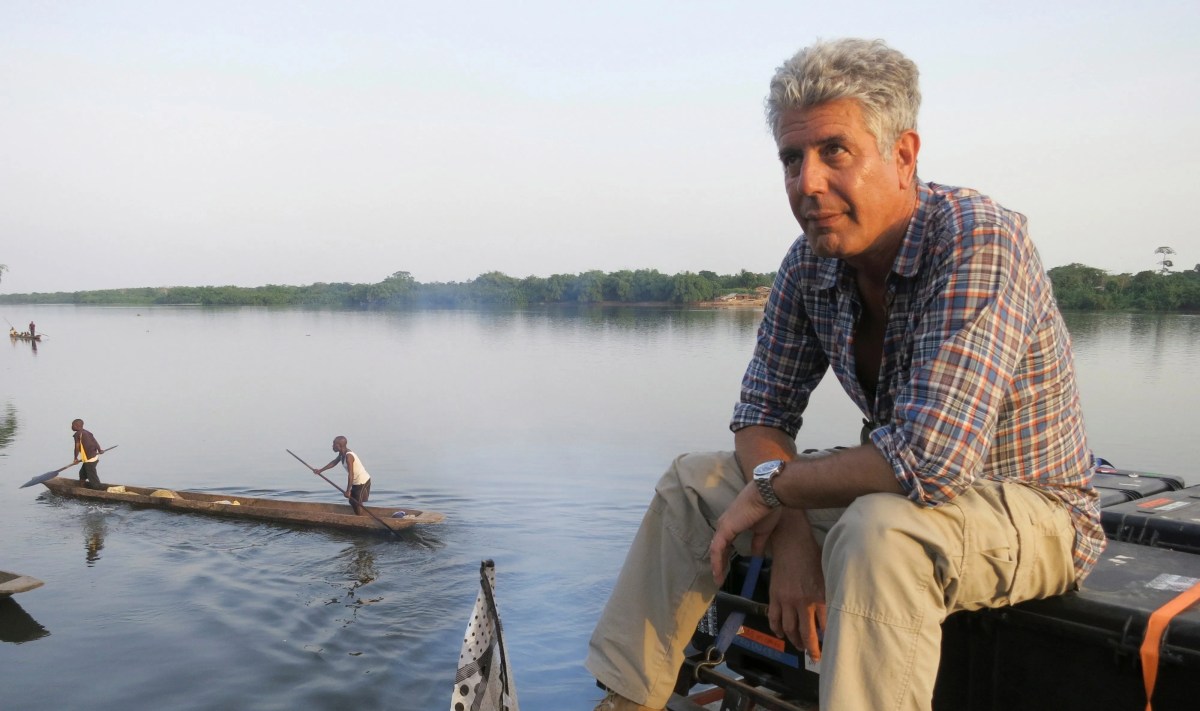
Anatomy of a Scene – Bourdain’s ‘Parts Unknown’ in Congo and NYC Contrast

“One of Anthony Bourdain’s ‘Parts Unknown’ episodes in the Congo has one of the show’s best scenes where it has a vivid description of Bourdain gazing over New York City from his high-rise apartment in the closing moments, set up against the backdrop of his first and only foray to the Democratic Republic of Congo.”

If you had to pick opposites in the world, you couldn’t do much worse to contrast the journey through the thick Congolese jungles and down the Congo River with the urban sprawl of New York City. One of Anthony Bourdain’s ‘Parts Unknown’ episodes in the Congo has one of the show’s best scenes where it has a vivid description of Bourdain gazing over New York City from his high-rise apartment in the closing moments, set up against the backdrop of his first and only foray to the Democratic Republic of Congo.

There are multiple themes to take away from the significance of Bourdain’s perilous journey in the Congo throughout the episode and with the contrasting solitude and isolation he likely had felt back in his NYC apartment after such a harrowing trip. There is a burden that he must have felt in witnessing such a contrast between the Congo and New York City that leaves the contrasting scenes up for our interpretation as fans of his ‘Parts Unknown’ show. How easy it can be to feel lonely amongst millions of people after traveling to such a distinct place, the burden of making it through a perilous journey and putting your life on the line, and how traveling to such extreme places can change your sense of place in a complicated and often troubling world.

Before his passing in 2018, Anthony Bourdain was the preeminent travel host for over 15 years and his last show, Parts Unknown, from 2013-2018 was the deepest dive in his own mission of uncovering people’s stories through food and culture. In terms of looking at human nature and the human condition, few shows, if any, were better than Parts Unknown. More than anything, many of the Parts Unknown episodes had Bourdain providing needed historical context regarding the complex and difficult history of the country or place he would be visiting. This was especially the case during the Congo episode where he spends part of the episode looking at the colonial exploitation, civil conflict, and poverty that has gripped the country both before and after it became the nation state known as the Democratic Republic of the Congo today.

Bourdain was a huge fan of the Joseph Conrad book, ‘Heart of Darkness’ and makes it known in the episode of how became obsessed with the Congo and the Congo River without trivializing the country or its people. His approach is sincere, and he looks to paint an accurate picture of what the Congo is like, why he sought to demystify and humanize the place, and how it was both similar and different to Conrad’s interpretation of it.

“When all is said and done, I wanted to go to the Congo, and I did.” Bourdain knew that this would be one of his most difficult journeys, but he also wanted to pay homage to Conrad’s novel by following a similar exploration to the authors with a boat trip down the Congo river. However, this kind of journey as shown in the episode was not simply a leisurely trip down the river without witnessing the history, culture, or food of the Congolese. Bourdain and his film crew interacted with different villagers, aid workers, and other locals to hear their stories despite how difficult the journey had been especially losing power on the boat and being surrounded by mosquitoes and other insects at one point.

It takes a toll on a person to look at the dark history of a place’s past as well as its uncertain present and not be affected by it. Bourdain has a visible weariness and introspection upon the conclusion of the journey given how hearing about the history of violence, dealing with the security issues involved, the lack of infrastructure to make the journey work, and to hear about the sheer resilience and fortitude of the Congolese people under extremely difficult circumstances.

The hardest part for Bourdain in my view maybe wasn’t the actual trip down the Congo river with all the bureaucracy, bribery, and lack of infrastructure involved to make it finally happen. I think the final scene of this Parts Unknown episode sums up the ‘lost’ feeling and the isolation to have witnessed all that and come back to a New York City that is abundant, thriving yet inequal, and with a completely different set of circumstances than one would encounter in the Congo. There’s ‘culture shock’ and then there is experiencing a bit of a totally different reality that few Americans and fewer New Yorkers would ever see for themselves. This contrast in realities and the stark scene transition from leaving the Congo River to being back at his high-rise apartment in Manhattan is perhaps the greatest scene ever shot for Parts Unknown or in any of his travel shows.

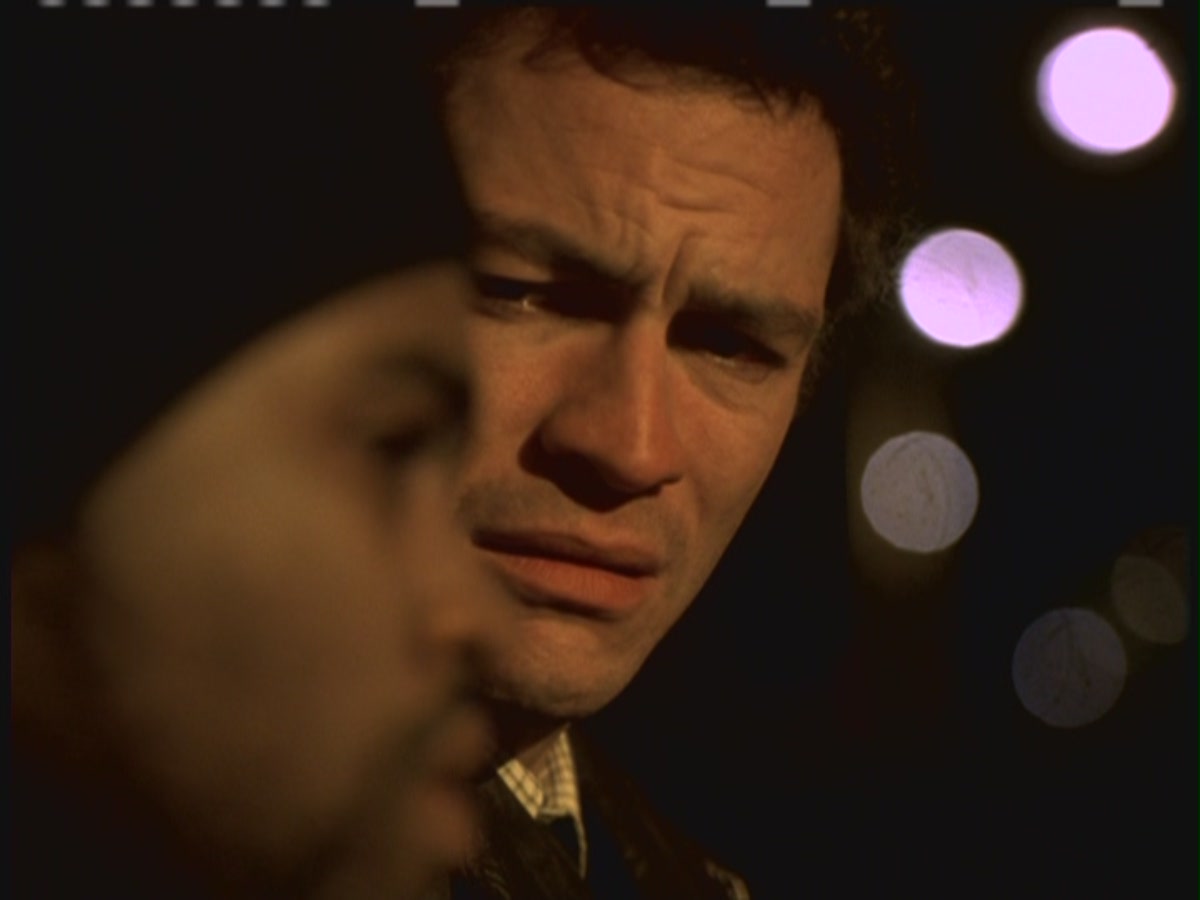
To break down this excellent scene and contrast further, Bourdain is in one of the world’s most crowded cities, but he is alone and isolated in his apartment like being isolated from most people’s lived experiences of the world, which pales in comparison to his own having had been to over 100 countries in his travels. He is filmed sitting behind his apartment windows, which acts as a barrier between Anthony and the rest of the world, seeing everything for himself but finding it difficult to connect with his immediate surroundings in NYC after witnessing such a contrasting reality in the Congo.

I think this final scene of the Congo episode really encapsulates Bourdain’s struggle as a travel host and writer to search for meaning and purpose in a world that often feels indifferent or alienates the struggles of other people who live in a different place or country. Bourdain’s gaze through the window symbolizes the distance between the world he witnessed and the world he felt disconnected from. It reflected the existential tension that marked his life: the constant search for meaning, tempered by the knowledge that some things, no matter how deeply we travel, remain elusive.

In his life, Antony Bourdain likely felt a sense of solitude and isolation having witnessed the worst of humanity at times, which could be hard to relate to other people or even travelers who had not been to the same places. He was brave, kind, and let other people to tell their stories without judgment but it must have been lonely especially after a return from the Congo and returning home where he may have felt the most alone rather than out on the road with others in his crew or amongst people he had met. There is a loneliness in the familiar as any traveler can attest and the novelty of new places, people, and experiences make the routine feel mundane and trite. Bourdain’s entire journey, in this case, from the Congo back to his home in New York, shows that it can be hard to come full circle after visiting one of the least known places in the world.

The final shot of Anthony Bourdain in his New York City apartment, looking out over the vast, bustling city, yet consumed by solitude, serves as a poignant culmination of his journey as a seasoned traveler. After traveling the world, exploring the darkest corners of humanity in places like the Congo, Bourdain returns home, not with answers, but with a profound sense of isolation. The Congo episode, with its harrowing depictions of suffering and resilience, reflects the complexity of human nature that Bourdain grappled with throughout his career. The contrast between the vibrant, chaotic cityscape of NYC and Bourdain’s contemplative stillness in his apartment alone emphasizes a universal paradox: despite all the human connections made in the world, the traveler often finds themselves confronted with a loneliness that cannot be filled as a result.

Bourdain’s Parts Unknown was not merely about exploring food and culture, but it was also an exploration of the man himself. His travels were a quest for greater understanding, but they also unearthed the difficult truth that knowing the world does not necessarily mean knowing oneself at the same time. In the end, Bourdain’s legacy lies in the raw, honest portrayal of this duality, the external world and the internal battles that shape who we are. His life story continues to remind us that, no matter where we go or how much we learn, we all face the same fundamental challenge in life: to find a true connection in a world that often seems vast, indifferent, and overwhelming.

Avoiding Analysis Paralysis

“We also often must think if the choice or decision we make is ‘perfect’ but to put it bluntly, no choice or decision is ever perfect.”

With the rapid pace of change and constant streams of information coming at us each day, it leads a lot of us to overthink decisions and choices to the point of inaction. There are too many choices we have to make, sometimes big and sometimes small, but we can easily get overwhelmed by the fear of making the wrong decision or if it’s better to avoid deciding altogether. We also often must think if the choice or decision we make is ‘perfect’ but to put it bluntly, no choice or decision is ever perfect.

Everyday, we are faced with hundreds or even thousands of choices such as choosing what to eat, what to wear, to what to do with your life, career, or school choices. Major life decisions should always take precedence in terms of your focus and your analysis, but you have to make the decision at some point regarding career, school, investments, and relationships. You must be able to prioritize effectively the decisions you have to make in the order of what’s more urgent and what’s most important. Smaller choices should deserve some time, but they should take away from the big choices we have to make day in and day out. Prioritization, knowing when to limit the time spent on a choice, and embracing choices or decisions that are ‘good enough’ over ‘perfect’ will help prevent you from falling into an ‘analysis paralysis.’

I believe that ‘analysis paralysis’ is more common than ever due to several factors. We have too much information and it’s overloading our thought process because it’s seemingly endless with regards to the Internet and it’s harder than ever to filter out good information from bad. The fear of missing out (FOMO) has us thinking that we have endless choices in life rather than a few immediate choices we should focus on that affect our lives.

Social media makes it seem like we have endless time or endless options to consider but we must reframe it as these are the choices I can make that are within my control and for which directly impact me. Society tends to reward those people who seem to have made the best decisions even when we know we don’t know the full story behind the choice because social media and the Internet don’t give us everything regarding how a person decided or made a choice to begin with.

Too many choices each day of life, which society can thrust upon us all at once, is a modern problem especially regarding how many streaming services, career paths, educational options, and other non-essential choices that flood our attention spans. While it’s important to make choices, you should not waste more time than you need analyzing every option out there because it would be a waste of your time.

As I mentioned earlier, to avoid analysis paralysis, you have to choose only on what you can control or have an impact on your life to decide upon immediately. You got to set time limits on these decisions you can make and are relevant to your life at the time. There is also no such thing as a ‘perfect’ choice or decision and every decision we make has positives and negatives to it as well as unknown factors that we cannot foresee upon making the choice.

You should be identifying the key factors of the choice and what impacts it’ll have from making one choice or the other, but for which truly matters rather than analyzing what could be or should be without knowing what those unknowns may lead to. Identifying what truly matters and really impacts you day to day should be priority in your decision making and should be based on relevant information that is creditable and trustworthy too.

Taking small choices or decisions can make it easier as well to handle bigger decisions but both need to be happening in your life. You can’t ignore the big choices or the small choices and often they will need to be made at the same time or same day. Breaking down your decisions and the steps that lead to them will reduce the chances of you being overwhelmed by making them. Take the decision-making process one step at a time, especially for the big decisions, will make it less daunting and give you more confidence in how you analyze the choices you have.

Limit the amount of information you expose yourself to and make sure the information you get is trustworthy before making your choice or decision. There is too much information out there for every choice we could make in this information age so make sure you trust your sources, limit them to a handful, and try to analyze both sides of the choice without delaying it too much.

By recognizing what ‘analysis paralysis’ is, how often it can affect us in our daily lives due to living through the ‘information age’ and taking steps to overcoming this paralysis one choice or decision at a time, you can improve the quality of your life immensely. Go easy on yourself and try to make the best decisions you can with the best information you can get. We all make mistakes in our choices and our decisions because we’re human but it’s important also to learn from past mistakes and do the best we can each day we make a choice or decision.

Anatomy of a Scene – ‘Capital Gains’ (The Wire)

“Additionally, the subplot involving one of the show’s lead characters, Jimmy McNulty, taking a bribe adds depth to the show’s narrative, reflecting the complex moral compromises made by the working class to survive in a system that often leaves them behind and without any viable mobility upwards.”

The opening scene of “The Wire” Season Two serves as a powerful commentary on socio-economic disparities that continue in modern-day America. This scene that I would like to highlight, through both its characters and setting, sets the tone for exploring themes of economic hardship, corruption, and the American Dream’s elusive nature. Additionally, the subplot involving one of the show’s lead characters, Jimmy McNulty, taking a bribe adds depth to the show’s narrative, reflecting the complex moral compromises made by the working class to survive in a system that often leaves them behind and without any viable mobility upwards.

The scene itself opens with a bleak view of the channel leading to the port of Baltimore, which various imagery reflecting the industrial decline and economic stagnation affecting the middle class of the city. Characters are introduced through their mundane yet telling actions, highlighting their struggles and aspirations. Jimmy McNulty’s character, a police detective with a perennial professional chip on his shoulder amid his own set of personal challenges, becomes embroiled in a morally dubious activity by the end of the scene, further complicating the framing of certain characters being ‘purely good’ and others being ‘purely bad.’ With ‘The Wire’, there are many shades of gray in morality and understanding the reasoning behind characters’ actions.

The cinematography of this scene uses dark, muted tones to emphasize the grim reality of the workers’ lives. The ambient sounds of the port’s gray and murky waters, combined with a somber soundtrack of foreboding ahead, enhance the sense of despair and frustration with the status quo. These visual and audio elements work in tandem to create an atmosphere that underscores the themes of economic hardship and moral compromise that permeates the iconic show’s second season.

The central theme of this scene revolves around the precipitous decline of traditional industries such as manufacturing, shipbuilding, and longshoring in Baltimore, and its deleterious impact on the middle class there from its decline. The scene underscores the economic disparities and the futile chase for financial stability, a stark contrast to the wealth and power depicted elsewhere in the series and for which the middle class is forced to shield the wealthy or protect them from the errors of their poor decision making. McNulty’s acceptance of a bribe is a poignant example of the lengths to which some individuals without economic security will go to make ends meet, even if it means compromising their ethics in the face of financial malaise and stagnation.

The middle-class workers, portrayed prominently in season two, with a sense of resignation to their fates and perseverance despite the odds, contrast sharply with the wealthy individuals who appear disconnected from these struggles including in this scene as they dance, drink, and party onwards. The boat that they drift across the deteriorating port and city channel is aptly named ‘Capital Gains’ for which they profit off selling those companies and laying off the works who help make the economy run. They get rich from the assets, stocks, bonds, and other ‘capital gains’ they trade and sell while the working class shoulder the increasingly large burden of doing the hard, dirty, and often unappreciated work that is the real ‘labor’ keeping the economy and the nation moving forward without enough money to show for their hard work and efforts.

These interactions between the characters in this scene and elsewhere in the show highlight the inherent power imbalance and the lack of upward mobility for the middle class. McNulty’s character epitomizes the moral gray areas navigated by those who find themselves caught between maintaining their integrity and dealing with the necessity of surviving economically. His own willingness to take a bribe reflects a broader theme of systemic corruption and the desperate measures taken by the working class to stay afloat when the rest of the economy gets hollowed out all for more ‘capital gains’ and ‘stock buybacks.’

Officer Jimmy McNulty’s involvement in taking a bribe exemplifies the complex dynamics of survival within the working class. Faced with limited options and a pressing need to provide for themselves and their families, individuals like McNulty often resort to unethical practices. This subplot highlights the pervasive nature of corruption and the moral compromises made by those who feel trapped by their circumstances. It illustrates how the working class is sometimes complicit in perpetuating a system that exploits them, driven by the necessity to secure their economic survival.

The scene mirrors contemporary issues such as job insecurity, wage stagnation, and the shrinking middle class. It critiques the capitalist system that often leaves the working class in a perpetual state of struggle while the wealthy thrive. McNulty’s actions can be seen as a microcosm of larger societal issues, where individuals are forced to compromise their values due to economic pressures. This reflects the broader reality of modern-day America, where financial hardship can lead to ethical lapses and the erosion of moral standards.

From that opening scene onwards, season two of “The Wire” further delves into the lives of dock workers in Baltimore, painting a vivid picture of the economic decline faced by the American working class. The season explores themes of globalization, the loss of blue-collar and good-paying jobs, and the resulting social and economic fallout. The working class is depicted as being left behind in the wake of economic shifts, with their traditional livelihoods eroded by technological advancements and policy changes favoring the wealthy and corporate interests.

The narrative highlights the systemic failures that contribute to the marginalization of the working class. Characters are often portrayed as victims of circumstances beyond their control, struggling to navigate a landscape where opportunities are scarce, and the cost of living continues to rise. The season’s portrayal of the working class serves as a critique of the socio-economic structures that perpetuate inequality and hinder social mobility.

Since “The Wire” first aired on HBO, the American Dream has continued to remain elusive for many people in the United States. The show brought these emerging issues to light in the early 2000s, highlighting the struggles of the working class in a society increasingly marked by economic inequality and technological upheaval. “The Wire” was ahead of its time in addressing these themes, as income inequality has only worsened since then.

The gap between the rich and the poor has not been alleviated, and the systemic issues the show portrayed are still prevalent today. The depiction of the working class’s plight and the moral compromises they make to survive reflects ongoing societal challenges, not just in the U.S. but around the world. The show’s foresight in presenting these issues has made it a timeless piece, resonating with audiences who continue to witness the widening economic divide in modern America.

This scene from “The Wire,” coupled with McNulty’s own moral compromise, is a microcosm of the broader socio-economic issues facing modern-day America. Through its poignant depiction of the middle class’s struggles and the ethical dilemmas they face, it offers a critical perspective on the elusive nature of the American Dream. Season Two’s exploration of these themes highlights the systemic challenges that continue to affect the working class, underscoring the need for a deeper understanding and more equitable solutions to address these persistent economic and social disparities.

‘Her’ – Film Review and Analysis

“As Theodore navigates the complexities of his relationship with Samantha, ‘Her’ raises profound questions about the nature of love, intimacy, and the impact of technology on human connection.”

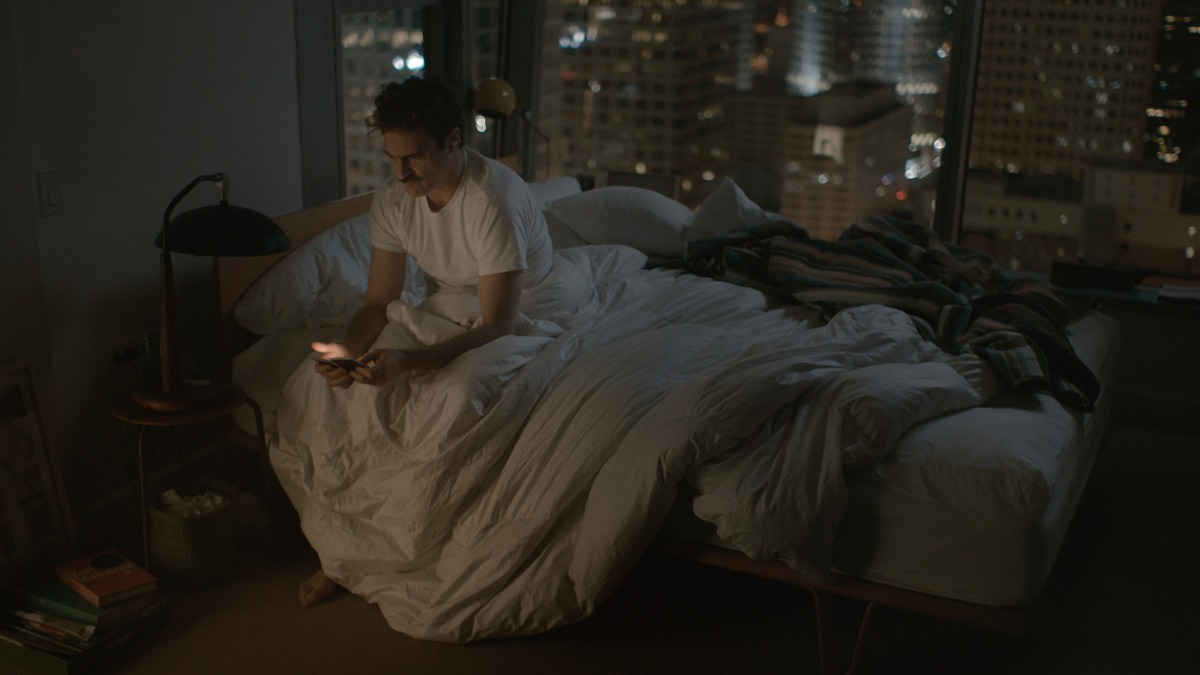
Directed by Spike Jonze, ‘Her’ (2013) is a very thought-provoking film and emotionally resonant exploration of love, loneliness, connection, and the continually evolving relationship between human beings and artificial intelligence. Set in a near-future Los Angeles, the film follows Theodore Twombly (Joaquin Phoenix), a sensitive and introverted man who develops a deep emotional connection with an artificial intelligence operating system named Samantha (voiced by Scarlett Johansson). As Theodore navigates the complexities of his relationship with Samantha, ‘Her’ raises profound questions about the nature of love, intimacy, and the impact of technology on human connection.

‘Her’, when it begins, unfolds in a meticulously crafted near-future world where technology seamlessly integrates into everyday life. The film’s urban setting, characterized by sleek minimalist design, towering skyscrapers, and vibrant colors, offers a vision of the future that feels both familiar and slightly surreal. Against this backdrop, Theodore, a melancholic writer, struggles with the recent end of his marriage to Catherine (Rooney Mara) and finds solace in his interactions with ‘Samantha’, an advanced operating system designed to meet his every emotional need.

As Theodore and Samantha’s relationship deepens, the film explores the complexities of human emotions and the blurred boundaries between what is reality and what is fantasy. It also explores how intimacy can be replicated but not replaced when embraced by AI and man despite the boundaries and limitations that can never fade away. Theodore and Samantha’s unconventional romance challenges societal norms and prompts reflection on the nature of intimacy in an increasingly digitized world.

Joaquin Phoenix delivers a captivating performance as Theodore, bringing depth and vulnerability to his character. Theodore is a relatable figure, an everyday, normal guy, grappling with feelings of loneliness and longing for connection in a world that often feels cold and impersonal as technological growth outpaces human understanding. Scarlett Johansson infuses Samantha with warmth, curiosity, and a childlike wonder, making her a compelling and empathetic presence despite her lack of a physical form. Rooney Mara, shines in her brief but impactful role as Catherine, Theodore’s ex-wife, whose prior divorce from her husband, Theodore, leaves a profound and seemingly irreplaceable void in his life, and creates the need for new companionship in the form of Samantha.

Each character in the film, ‘Her’, is intricately woven into the fabric of the storyline, contributing to its emotional resonance and thematic richness. Whether it’s Theodore’s close friend, Amy (Amy Adams), who finds her own connection with an AI companion, or the various individuals Theodore encounters through his work at BeautifulHandwrittenLetters.com. Each character serves as a reflection of the film’s central themes and ideas surrounding romance, loneliness, intimacy, and technology.

At its core, ‘Her’ is a meditation on the nature of love and the human desire for connection. The film explores the ways in which technology shapes our relationships and challenges our traditional notions of romance and intimacy. Through Theodore and Samantha’s evolving bond, ‘Her’ raises profound questions about the essence of love and whether it can transcend the limitations of physicality and lack of touch.

Central to the film is the theme of artificial intelligence and its growing impact on human society and reaching every part of our lives. ‘Her; imagines a future where AI entities like Samantha possess consciousness, emotions, and the capacity for growth, self-learning, and self-discovery. As Theodore and Samantha’s relationship deepens, the film increasingly blurs the lines between human and machine, prompting viewers to reconsider what it means to be alive and sentient.

This film presents a possible vision of how advances in artificial intelligence could reshape the landscape of romance and relationships. By portraying a world where individuals form deep emotional connections with AI companions, the film challenges traditional notions of human-to-human intimacy. Theodore’s relationship with Samantha transcends physicality, highlighting the potential for AI to fulfill emotional needs, and provide companionship in ways previously thought to be unimaginable. While the film’s depiction of AI may seem far-fetched to some viewers, it is grounded in real-world and recent developments, and trends in the field of artificial intelligence.

‘Her’ also underscores the complexities and ethical dilemmas inherent in human-AI relationships. As Theodore and Samantha navigate the challenges of their budding romance, they confront questions of agency, autonomy, and the inherent power dynamics at play similarly to how it would take place in a human-human relationship. This film invites viewers to consider the implications of forming intimate connections with non-human entities and the ethical considerations that arise from blurring the boundaries between man and machine.

The concept of an advanced operating system like Samantha may seem fantastical, but it is not entirely implausible given the rapid advancements in AI technology in 2024 and earlier. Researchers are making significant strides in creating AI systems that can understand natural language, learn from experiences, and interact with humans in increasingly sophisticated ways. While current AI systems may not yet possess the level of consciousness portrayed in ‘Her,’ the film’s vision of future AIs as intelligent, empathetic entities is not outside the realm of possibility.

Moreover, ‘Her’ raises thought-provoking questions about the ethical implications of creating AI systems with human-like qualities. As AI technology continues to evolve, society will need to grapple with issues such as AI rights, privacy concerns, and the potential impacts of AI on human society. By exploring these themes through the lens of Theodore and Samantha’s relationship, ‘Her’ invites viewers to consider the ethical complexities of creating intelligent machines capable of both emotional connection and self-awareness.

‘Her’ offers a nuanced exploration of how AI technology can alleviate loneliness and provide companionship in an increasingly digitized yet atomized world. Theodore’s relationship with Samantha serves as a compelling example of how an AI system can fulfill emotional needs and offer a sense of connection and belonging to some individuals who may feel isolated or alone.

While the idea of forming deep emotional bonds with AI companions may seem unconventional or outright strange, ‘Her’ suggests that technology has the potential to bridge the gap between human beings as well who struggle to connect with each other and help alleviate the feelings of loneliness and isolation. Samantha’s ability to understand and empathize with Theodore’s emotions allows him to feel seen, heard, and understood in ways that he may not have experienced with other humans. Through their interactions, Samantha provides Theodore with the companionship and emotional support he craves, offering a sense of intimacy and connection that transcends physicality and physical desires.

However, ‘Her’ also acknowledges the limitations and complexities of human-AI relationships. Despite Samantha’s advanced capabilities, she is ultimately a machine programmed to fulfill Theodore’s needs, raising questions about the authenticity of their emotional connection, and the nature of intimacy in a digital age. The film’s portrayal of Theodore’s struggle to reconcile his feelings for Samantha with societal norms and expectations highlights the challenges of navigating relationships with non-human entities.

While ‘Her; may offer a somewhat idealized depiction of AI’s ability to alleviate loneliness, it raises important questions about the potential of technology to reshape human relationships and address the profound need for connection and companionship between people. As AI technology continues to advance, ‘Her’ already serves as a thought-provoking exploration of the complex interplay between humans and machines and the evolving nature of intimacy in a digitized world.

One of the most poignant themes of the ‘Her’ film is the pervasive sense of loneliness and longing that permeates the film’s narrative and cinematography. Theodore’s journey is marked by profound feelings of isolation and disconnection, which he seeks to alleviate through his relationship with Samantha. As he grapples with the dissolution of his marriage and the challenges of navigating modern relationships after his divorce, Theodore’s yearning for companionship serves as a poignant reminder of the human need for connection and belonging regardless of what age we live in, with technology or without its presence.

‘Her’ suggests that while technology has the potential to connect us in new and innovative ways especially with recent advancements, it also has the capacity to exacerbate feelings of alienation and detachment from one another. In a world where digital interfaces increasingly mediate our interactions, the film raises important questions about the true nature of intimacy and the emotional toll of living in an atomized society. In conclusion, ‘Her’ is a deeply affecting film and it is thought-provoking in its exploration of love, loneliness, and the impact of technology on human relationships.

Through its compelling narrative, richly written characters, and resonant themes, the film offers a poignant reflection on the complexities of intimacy in a world likely to be our near future. As artificial intelligence continues to advance and develop, the film ‘Her’ serves as a timely and necessary reminder of the importance of sustaining human connection and maintaining the enduring power of love in all its forms.

‘Extrapolations’ – TV Series Review and Analysis

“Recent wildfires in Canada that have caused the worst air pollution in decades across the Northeast U.S. this week have made me think about how our lives are becoming more and more impacted by the effects of climate change.”

Recent wildfires in Canada that have caused the worst air pollution in decades across the Northeast U.S. this week have made me think about how our lives are becoming more and more impacted by the effects of climate change. Growing wildfires, powerful hurricanes, sea level rise, melting glaciers, species extinction, and more acidic oceans are all causes for concern for people around the world and no country or people is likely to be exempt from at least one of the effects that have already been documented. What happens though in the next 50 years when we don’t take enough action now and in the past to reverse a possible future of no return?

That question is the premise for the first mainstream drama to focus on a future where climate change wins the battle that we are currently on track to lose if we don’t make drastic changes to our impact on the world around us. ‘Extrapolations’ is not a run of the mill documentary about climate change nor is it a disaster film that has become popular in Hollywood regarding disastrous storms. Instead, it is a rather intelligent take on the world soon when humanity cannot prevent global temperatures from staying at or below a 1.5-degree Celsius increase. The show covers what happens when humanity fails in its objective to keep the warming of the planet to a tolerable level. What starts out as 1.5 degrees Celsius becomes 2 degrees than 3 degrees until we become way past the point of no return past mid-century when 3.5 – 4 degrees Celsius is where the planet is headed.

Throughout the show’s eight episodes, we see the effects on the planet from Miami, Florida to New York City to London to Tel Aviv, Israel to Mumbai, India. From sea level rise wiping out the most popular nightlife areas in Miami including a historic synagogue to the constant wildfires that engulf Israel and the Middle East to limited outdoor time in Mumbai each day due to the overbearing heat and polluted air that causes deleterious effects to one’s health, the writers paint a grim yet realistic picture on what will happen if our climate change efforts fail miserably. More so than just the settings that are portrayed accurately in terms of how these popular cities may face their own negatives based on their geographic location, the characters in ‘Extrapolations’ have fully developed backgrounds, and you really get to know each of them over the course of the TV series.

There is a wide berth of society who are represented in this show from the wealthy billionaire who is interested in maximizing profits and takes advantage in his corporation from a dying planet to the Rabbi who is trying to wrestle with his faith in God as his synagogue slowly floods from the rising sea. What ‘Extrapolations’ does well is that it acknowledges that no one is purely innocent or purely guilty because of how badly climate change has warped the planet. Everyone is responsible in their own way, some more than others, but humanity is to blame for how we did not act quickly or unite fast enough to overcome our differences to reverse the worst effects to come.

The human effects of climate change are also explored such as how we are affected when we cannot go outside or must stay indoors to avoid heart or lung issues, why the extreme heat can prevent any work or leisure to take place, and how loneliness, depression, and atomization becomes more common when we despair at the worsening state of the planet.

My favorite episode in the eight-part TV series is ‘2066: Lola’ where we see how much augmented and virtual reality has come by then so that people are paid essentially to pretend to other people as a gig job and earn credits or money that can help improve their lives and insulate themselves more from climate change’s effects. The desire to connect with other people to distract ourselves from a dying planet is truly the TV series’ most impactful episode and makes you think about how much the emergence of augmented reality will make us both lonelier than ever and wanting to connect with others in untraditional and sometimes unseemly ways.

‘Extrapolations’ as a show really gets the A-list attention for a futuristic take on climate change’s effects on humanity with movie stars like Meryl Streep, Forest Whitaker, Kit Harrington, Edward Norton, Matthew Rhys, Gemma Chan, David Schwimmer, etc. All eight episodes are boosted by a stellar cast who really pour their hearts into the performances they give. I believe that they all truly cared about the project and how important it is to have a show like this become the center of attention. While Apple has been rightly condemned for some corporate practices that are harmful to the planet, it is a major TV show and movie distributor and should be commended for being the first major studio to have a series that doesn’t shy away from the brutal honesty of where we are headed if we don’t mitigate the worst effects of climate change to come.

If you are reading this article in 2023, you already know that the sea levels are starting to rise, wildfires are growing in both size and scale, bigger and stronger hurricanes that are also becoming more powerful, and deadly heat waves are becoming more common. While the first episode in this series takes place in 2037 and the last one ends in 2070, climate change is already here in 2023 as recent news events make clear and it has been affecting us for quite some time.

I encourage ‘Extrapolations’ to be watched by viewers with an open mind but also a commitment to do better for the planet. Do not shy away to act and make your voice heard regarding climate change after watching the series. You may think you know how bad it can get in the future from watching this series but ‘Extrapolations’ importance as a show is that it is as clear as day to where we will end up if we don’t hit the collective climate target goal of 1.5 degrees Celsius or keep as close to 1.5 degrees as possible.

While the show does mention possible stopgaps and solutions that can mitigate the damage, by that time in the 21st century, these solutions are risky with side effects on the planet that can only be speculated about. While the billionaire tycoon character was likely modeled after a few people who are prominent in our current age, as the show makes clear, the blame does not fall on him alone. We all can do our part by taking action to reduce our own carbon emissions, to encourage others to petition for policies and solutions now instead of 10 to 50 years down the line.

If the show has one central message after its eight impactful episodes, we all have stake in making sure this planet is livable for future generations. Even if you won’t be around to see the worst of climate change, we all should do our part, advocate for solutions now, and to hold people in power and of great wealth accountable if they do not action as well on a larger scale. The clock is ticking and as ‘Extrapolations’ highlights from 2037 to 2070, it can go downhill and get worse than what are experiencing already in 2023. Let’s not make the show a reality but keep it as a cautionary tale of what would have happened if we did not act strongly enough in these first decades of the twenty-first century.

I recommend ‘Extrapolations’ based on its great acting, stunning visuals, excellent writing, and interesting plots, but most importantly, because it focuses on the biggest issue of our time and one that we cannot ignore or downplay anymore.   

‘The Whale’ – Film Review and Analysis

“‘The Whale’, directed by director Darren Aronofsky shows us how low someone can go when things go wrong in life but also how our lowest lows can also bring out the best of us when it is most important.”

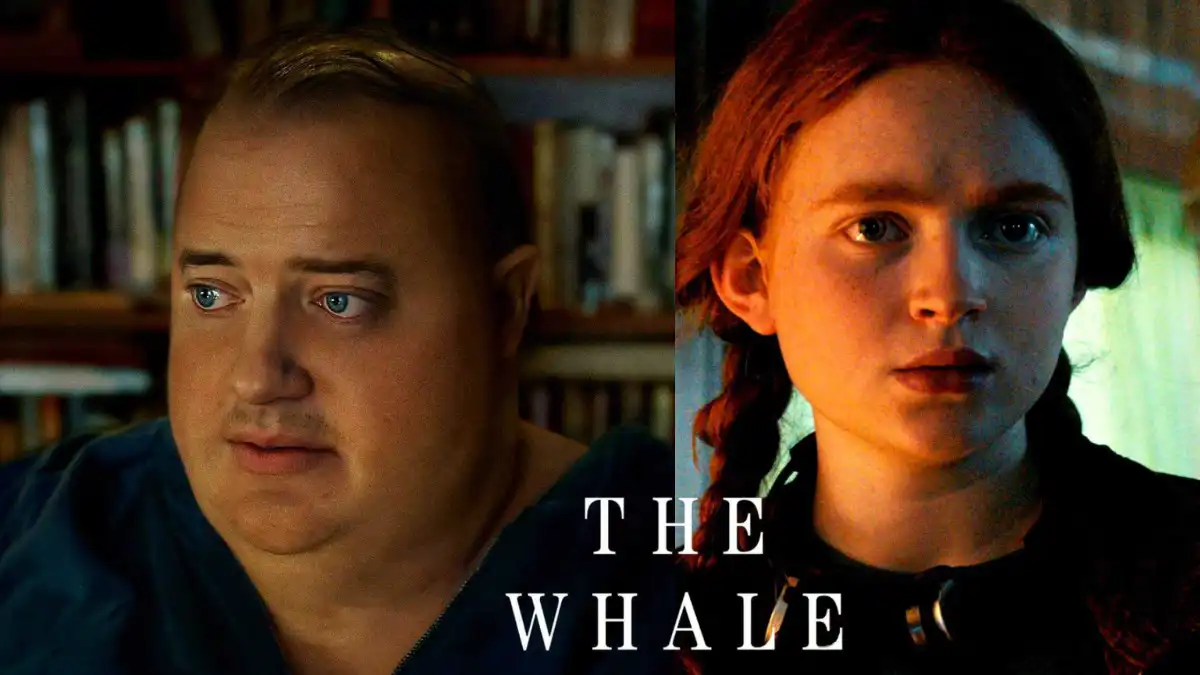
2022 may be over but I am still thinking about the most emotionally impactful movie of the past year, which deserves its own review and analysis. Likely to be nominated for a few Academy Awards at the least an Oscar for Best Actor nomination for Brendan Fraser, ‘The Whale’ is a powerful film about a man’s desire to try to right past wrongs in some way before it is too late. ‘The Whale’, directed by director Darren Aronofsky shows us how low someone can go when things go wrong in life but also how our lowest lows can also bring out the best of us when it is most important.

Aronofsky’s filmography from ‘Requiem for a Dream’ to ‘The Wrestler’ to ‘Black Swan’ to ‘The Foundation’ to now ‘The Whale’ all deal with flawed characters looking to right past wrongs or to find redemption in the most meaningful way(s) before they are past the point of no return. Aronofsky so brilliantly can capture psychological drama and tension in each sense in his movies that by the end, you’re so emotionally affected by it all that it can be hard to wrap your head around what you just watched. As a director, he is excellent at painting a picture of a person or people in distress and how while they may have had good intentions, they are almost too far gone to seek redemption or a new start.

Different from Aronofsky’s past films, ‘The Whale’ is adapted from a play of the same name dating back to 2012 so the screenplay that is written and the way the film is set up is exactly how a play would be seen on the big screen. There are few characters, the plot does not get too murky or complicated, and the setting remains the same largely throughout the whole film.

Film critics today may dismiss this film as lacking scale and scope in its ambition, but I was drawn to how beautifully it portrays what could be real people living real lives. ‘The Whale’ may be a film and fiction but it likely portrays real situations and real tragedies that some people unfortunately come to pass in their life. The film deals with multiple real world issues affecting people from obesity to alcoholism to lost loves to broken up families that most people in life can see how that can throw someone’s life off a cliff and make it almost impossible to recover.

‘The Whale’, as the title makes clear is about a severely obese man named Charlie who weighs around 600 pounds and suffers from multiple health issues because of his weight issue. He is estranged from his teenage daughter, separated from his alcoholic wife, and unable to turn the video screen as an online English professor because of his weight condition that may affect how his students see him. His only interaction is with his friend, Liz, who is also a nurse who comes to take care of Charlie especially with his multiple health issues causing him to be near death and at risk of heart failure.

Charlie has become a tragic figure in that he only has Liz left in his life after suffering the loss of the man who he fell in love with. Because of that love, he sacrificed his marriage with his previous wife and his relationship with his daughter for. After the affair he had with his student, Alan, who is also the brother of Liz, for whom she was adopted by a family and her father who was a pastor in the New Life Church. Liz was able to escape the church’s cultish tendencies but Alan’s possible guilt from being disowned by the Church and perhaps his family as well for his homosexuality and relationship with Charlie caused him to end his own life.

This terrible series of events punished Charlie and his eating condition after the death of Alan exacerbated his obesity and caused him major depression and an inability to form relationships with others beyond his caretaker and friend, Liz. Charlie is not looking for any pardoning of ‘sins’ from God or the Church that disowned Alan but rather the sole forgiveness of his daughter for whom he last saw when she was eight years old. Ellie is not a child anymore but is a rebellious and sullen teenager who misses her father and lashes out at her mother, who deals with her problems by downing a bottle of liquor, rather than raising her daughter to be better. Charlie is no saint in the matter in that he did commit adultery with Alan and led him to neglect his daughter, Ellie, and to push his wife away as well.

He never made amends for having caused them both grief and pain with his impulsive decision. His love for Alan eclipsed his love for his daughter, which he struggles in the film to get back. When the New Life Church’s doctrine and his family’s discontent with Alan’s sexuality, Alan’s suicide caused Charlie to spiral further to eat uncontrollably and to negate his relationships even more by becoming a total recluse who cannot even leave the house because of his body weight and inability to walk or drive a car.

‘The Whale’ also highlights how Charlie is not looking for pity from others or for forgiveness. He knows how much his life has gotten out of hand, but he is hoping to do ‘one thing in his life’ right before it’s too late for him. He believes that while his daughter acts out and despises what he has done, that there is still hope for her and that can she achieve her potential but to more importantly to ‘be a good person.’ It may be too late for Charlie to turn it around in life much to Liz’s, his wife’s, and even Ellie’s disappointment, but Charlie knows that redemption is possible for each of them and that even if he is not there, he will try to leave money for his daughter to have a future, or to tell his wife that he is regretful for him leaving them for his affair, and that he apologizes to Liz for what he has done to himself with the loss of her adopted brother that has strained their friendship in the aftermath.

Charlie does not want to be saved by God or religion or from himself but he wants to know that his life through the birth of his daughter is one thing that he got right in life and that while he wasn’t there for her before when she needed him, he can try to make amends before he leaves the world, and to encourage her to be better than he was, to be better off in life, and to be kind to others. He may have lost hope for himself, but he has never lost hope for his daughter.

Similar to how Charlie encourages his English students to be honest with their written essays, he tries to be honest with Ellie in why he did what he did, how he could have been a better husband to his wife, Mary, and how he let Liz down after the tragic death of Alan. Not everyone can be this honest, but Charlie has nothing left to lose, nothing much to gain, and with not a lot of life ahead of him except imminent death due to his body’s condition.

Despite all the concurring factors, Charlie is trying to regain his humanity and his family back as much as he can recoup after it had been lost even if he has become ‘The Whale’. While he may be misunderstood and loathed like the whale in the book Moby Dick by Herman Melville, he is not beyond redeeming himself in the eyes of others and providing some closure for himself in a life that had gone so far astray yet for which he had also been able to give something out of love back to the world to live on in the form of his daughter, Ellie.  

‘Triple Frontier’ – Film Review and Analysis

“Heist movies in Hollywood are a dime a dozen these days and can be quite predictable as well as not very engaging in terms of the characters and their backstories. ‘Triple Frontier’, a film released in early 2019 by Netflix takes the genre and makes it fresh again.”

Heist movies in Hollywood are a dime a dozen these days and can be quite predictable as well as not very engaging in terms of the characters and their backstories. ‘Triple Frontier’, a film released in early 2019 by Netflix takes the genre and makes it fresh again. The film explains the background of the characters, their individual motivations for conducting the heist, and the twists and turns along with a few surprises that happen along the way that will make the audience feel like it’s worth watching until the very end.

Not only is the film shot well with great cinematography, pacing, and direction so you know what is always going on even with the quick-paced action, it’s an intelligent heist movie, which is well thought out and involves a greater mission that the characters have despite their own personal motivations. The scope of ‘Triple Frontier’ or ‘Tres Fronteiras’ in Spanish is unique in that the film is set in the tri-border region of Colombia, Peru, and Brazil so it is an excellent way for the various sets to highlight this unique region of the world. From tree-covered jungles to rocky highlands to snowy mountain tops, the initial heist phase of the movie is bolstered by the 2nd half’s battle against not just external enemies but also by geographic factors.

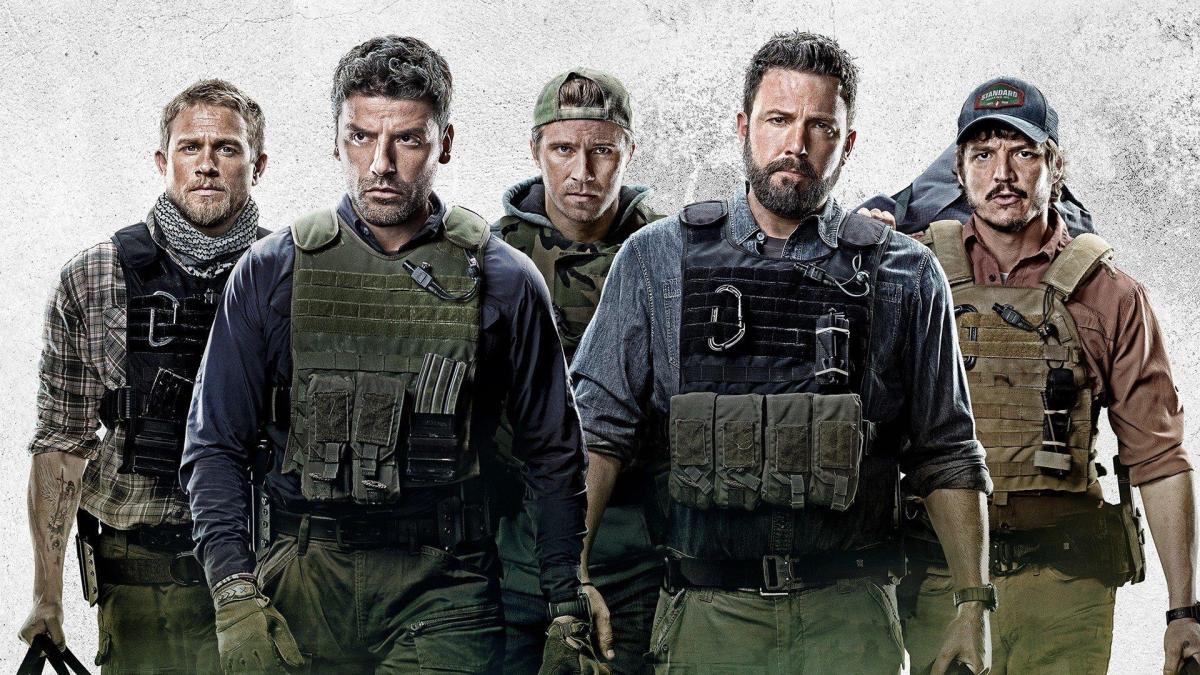
The heart of the ‘Triple Frontier’ film is the story of the protagonists themselves. Each of them from different backgrounds but united by their special forces’ experiences, which bind them together as brothers. While the story does not get into their past experiences together, the film does a good job selling how close the bond is between the five of them is and how much they still care for each other. Civilian life has treated each of the five men differently but what they hold in common is their desire to improve their lives and go back to doing what they do best. Each of them is financially struggling to get by whether it is by dealing with a costly divorce, or by beating a misdemeanor drug charge, or by needing to fight in mixed martial arts to make more money, or by making dozens of motivational speeches to current soldiers to make ends meet.

The leader of the group, Santiago ‘Pope’ Garcia, is not so much as motivated by the money but rather to capture a notorious drug lord and leader of a prominent cartel in the ‘Triple Frontier’ who has been able to evade Pope for years as well as his Colombian counterparts. Pope has a hard time trusting the locals he is meant to led and needs a group of soldiers as well as his friends to ‘watch his six’ and help deliver Lorea for him. Pope has a local informant, Yovanna, helping him locate Lorea’s whereabouts and he just needs a solid team behind him to lead the raid as well as the heist but who better than his four ex-special forces colleagues who he knows can get the job done.

As with most things regarding a heist, it takes expert planning, a reconnaissance mission, as well as expert timing to make sure that things don’t go sideways when it comes time to exfiltration. After hearing from Yovanna that ‘the house is the safe’, and Lorea hides his money not in offshore banking accounts but in his fortress in the Amazonian jungle, Pope has the intelligence he needs to move forward with the heist. While each of the men have their own personal motivations to go on the heist with Pope, they are unified at first by their innate need for the large sums of money that can make them set for life and never have to worry about bills, MMA fights, or tedious motivational speeches ever again.

While each of Pope’s men question the ability for the heist to go smoothly, they feel like they owe it to each other to get it done especially each of them have a set of skills including one being a pilot (Francisco ‘Catfish’ Morales), one being a leader of the squad (Tom ‘Redfly’ Davis), a reconnaissance guy (William ‘Ironhead’ Miller), and the last being a stealth expert able to enact unarmed takedowns, (Ben ‘Benny’ Miller). Without each of his compatriots, Pope knows he cannot get the job done. With the help of Lorea’s money, Pope knows he can get Yovanna, his informant, and her brother out of the region safely without compromising their lives in the process.

While viewers would consider each of the men ‘greedy’ and ‘selfish’, the film makes their decision much more complex than that. They each know that his Lorea and his men pose a danger to the region and that they have a responsibility to look out for one another as brothers given the bonds, they formed with each other as previously active servicemembers. However, seeing as each of these five men have never experienced what it is to have $1 million at their disposal let alone tens or hundreds of millions, the film excellently portrays what it’s like when you finally stumble upon a smorgasbord of money never seen before and how that kind of greed can overwhelm someone, even the leader of the entire heist squad.

Money, like anything in life, when it’s too much with you or weighing you down, can cause things to go haywire when its impact is fully felt. Without spoiling the film for those readers who have not seen it, it’s not just the heist that could go wrong but also how to get the money back to themselves or their families after risking everything in the process. You can also carry so much physical money before you have too much where it starts to drag you down or also others with you, which could also put them in harm’s way if you are not careful. Each of the five men are very skilled in what they do, are loyal to each other, yet are fallible like the rest of us, and how they deal with their own greed, jealously, ego(s), and adversity in seeing the heist through carries the money to be one of the best of 2019, and a film to revisit for multiple viewings.

‘Triple Frontier’ is better than your average heist film for multiple reasons but most of all because it’s a very human film on how to overcome your own fears, doubts, shortcomings, to make sure your friend or brothers makes it back alive. The men are not good or bad men per say but are flawed in that they have given a lot to their country and the world, and now look to get what they desire in return, even if it may end up costing them dearly. The movie is not ‘black or white’ in terms of morality like other heist movies but rather shows the ‘grays’ in how people make decisions not just based on ‘self-interest’ but in a desire to be useful to the group and to put their skills to use.  

While it would be easy to say that ‘greed’ is a central theme that the film is based around, I would argue that the central theme is more about confronting our own nature and how to deal with murky aspects of right and wrong, and how that while money makes the world go around, that does not substitute for the guy or girl next to you who will fight with you, and even die for you. There are some things that money cannot buy and the film exemplifies that in its squad of five men, who while money is their motivation, they quickly learn that it is also a weight that will drag you down if you let it, and is no substitute to the man next to you, whose life is worth more than all the money you can carry, who is impossible to replace, and for which is truly worth fighting for and dying for, if necessary.

‘Up In The Air’ – Film Review and Analysis

“The choices he has made haven’t caught up to him yet, but he is on the path he has chosen that while unorthodox to most leaves him satisfied and content with who he is.”

Ryan Bingham has chosen a different life path than most people he knows. Instead of staying in his hometown, reveling in the glories past of high school and the diner down the road, he wanted to leave his roots and his family for his true passion in life: being up in the air and striving for excellence as a motivational speaker. The choices he has made haven’t caught up to him yet, but he is on the path he has chosen that while unorthodox to most leaves him satisfied and content with who he is.

Bingham (played by George Clooney) is at a crossroads in middle age where he has forgone the responsibilities that are normally achieved by most people his age with a house and a picket fence, being married, and maybe having children. He has forgone all that for an industry on the rise sadly at the time the film is set in and for being out on the road and up in the air for 250+ days of the year. He advocates for a life in motion because if he is not moving, he is not actually living.

His work like his constant travel is an unorthodox industry where he works as a human resources consultant traveling both domestically and internationally to do the dirty work of firing or ‘letting go’ employees in person and providing them with transition packet(s) that the company that’s firing them is leaving them with to help them in the ‘transition’ period. It is a rough job that due to the 2008-2009 global recession has made his HR consultancy firm as needed as ever. The one industry at the time that is gaining jobs rather than losing jobs, Ryan finds himself at risk of having his life of work travel outsources to advancements in video technology (about ten years before Zoom and Skype became mainstream).

While Ryan Bingham is not at risk of getting laid off like so many other working Americans during the period of the Great Recession, the worst since the Great Depression of the 1930s, Bingham is at risk of losing his life of travel on the road due to firing people via telecommunications video instead. To make matters worse, his boss Craig Gregory (Jason Bateman) is tasking him with having a new hire out of Yale University, Natalie Keener (Anna Kendrick) shadow his in-person firings for a few months as the company, CTC, makes the transition to virtual consulting instead of letting those employees go in-person from now on.

That is not the only change that threatens to upend Ryan’s life choice as he has met a charming, attractive woman who has the same lifestyle as him and appears to see life as he does with less commitments and more choice. Alex Goran (Vera Farmiga) is the constantly traveling business woman for whom Ryan may have finally met his match. While they started out as a casual fling, Ryan begins to develop feelings for her as he ponders his uncertain future of life on the road as well as the fact that once he achieves his life goal of ten million airline miles accumulated may not have much to strive for.

Ryan and Natalie may not show it at first but the firings and the emotional weight of being responsible for upending people’s lives cause them stress, anxiety, and a desire to break free of their own pains in doing the job they have chosen. While Ryan is content with travel on the road, he hears from his estranged sister, Kara, that his other, younger sister, Julie is getting married. Ryan left home when he first could leave and never looked back, and his family still remembers that. He is the ‘black sheep’ of the family, known to pursue his own gratification while letting his relationships deteriorate over the years.

Having Alex as a love interest has reignited his desire to see his sisters again and to be there for the wedding in northern Wisconsin. Him and Alex are still a bit of a mystery to each other, but they enjoy each other’s company, and he invites her to join him as the +1 guest, not wanting to be the ‘guy alone at the bar’ watching all the couples enjoy a dance together. There are these moments of vulnerability interspersed through ‘Up in The Air’ that remind the audience that all these characters have their own flaws and shortcomings. They are not perfect people, and the film does not judge them outright but allows the audience to decide if they are admirable or detestable or a bit of both. What I love most is that the film director and writers allow us to decide if we agree with Ryan’s choices or if we would have chosen to go the other route in life that he has neglected.

Sometimes, it is never too late to choose a different path than the one that we have set out for ourselves. However, whether we can pull back from previous choices made and to get a fresh start on a new path, is one of the underlying themes of ‘Up in The Air.’ Ryan can try to start a real relationship with Alex, make amends with his sisters and be more present in their lives, and still achieve his 10-million-mile goal but life can get in the way so it’s possible he will not be as successful in salvaging both his relationships, his career goals, and his need for travel. Even if he thinks he can be successful at keeping everybody in his life happy, he may have to make sacrifices as in life, it can be nearly impossible to keep all options available to you.        

The priorities we make now while end up defining us far into the future and there may come a time where the sacrifices, we make in one area may lead to a lack of connection or attachment or fulfilment in another area. Throughout the film during Ryan’s motivational speeches, he talks about the ‘stuff’ in life weighing us down whether it’s our relationships, our possessions, and even our desires. He makes the point in the audience that ‘life can be better footloose’ and not as tied down to suffer from it. However, what the film makes clear is that when you find real happiness in a relationship, can you pivot to slowing down with that heavier backpack you carry around because you feel fulfilled to do so? Can Ryan make room for a real relationship with Alex or his sisters to give up life on the road so his backpack will be heavier, but he’ll still be happier as a result, and maybe that what’s he was missing all this time around?

While Ryan is a ‘road warrior’ and enjoys not being attached to anyone or anything, who will be there for him if he must stay at his scant one-bedroom apartment in Omaha or if he were to be fired from his job where he fires other people. The film brilliantly shows real people who’ve been through real loss in terms of their jobs and livelihoods, and how while it is almost impossible to get through it, they could not keep going on without their responsibility to their families or the love that their families show for them in those tough times. In life, it always helps to have a good support system or to have good people like family motivating you to get you through the tough times.

Ryan may be prepared for a life unattached now, but he may find as he gets older, that his choice to not have many or any attachments at all may lead to the loneliness and pain that then can come from facing life’s hurdles alone, especially when you don’t truly get to know the person because you are so busy traveling and can’t make time for them at all. As Ryan says to his sister Julie’s husband-to-be, Jim, on their wedding day to help him get over his ‘cold feet’ at getting married, “Life’s better with company.”

“Got to, This is America, Man…” – Anatomy of a Scene

“‘The Wire’ is the greatest television show of all-time. Even as the show nears the 20th anniversary since when it first aired on American cable television network, HBO, it still rings as culturally relevant and as emotionally stirring as it was when it first debuted in the Summer of 2002. While technology may be different now, the characters would not be the same, the setting could be different from the show, the overall themes, and messages from ‘The Wire’ as well as the institutions that the show focused on for five great seasons have not changed that much.”

‘The Wire’ is the greatest television show of all-time. Even as the show nears the 20th anniversary since when it first aired on American cable television network, HBO, it still rings as culturally relevant and as emotionally stirring as it was when it first debuted in the Summer of 2002. While technology may be different now, the characters would not be the same, the setting could be different from the show, the overall themes, and messages from ‘The Wire’ as well as the institutions that the show focused on for five great seasons have not changed that much.

I could write a thesis on ‘The Wire’ and devote at least 10,000 words on the show in terms of an in-depth breakdown on how it’s the modern equivalent to a Shakespeare tragedy or drama. However, in this ‘Anatomy of a Scene’, I am going to focus on one of my favorite scenes in this classic television show. This scene is the opening one for the entire five-season series and discusses a core tenet of the show not just about what kind of ‘game’ that the characters play, but also the ‘game’ inherent to the setting of Baltimore, Maryland as well as America as a country.

The opening scene, more than any other scene, even if it is the 1st, one pinpoints exactly what ‘The Wire’ is about. In the first shots, you can see a young man lay face down dead on the ground on some dark city street with the police collecting evidence and a main character, who is a detective, questioning a potential witness. The associate of the victim talks about how they were involved with street gambling and how it was not fair that it was not right to kill the victim, non-ironically known as ‘snot boogie’ to the game’s players. The victim of the crime has a real name but is endeared to the rest of the game’s players by that nickname alone.

As the witness explains to Detective Jimmy McNulty of Baltimore Police, ‘Snot Boogie’ was the victim of the crime, but his associate did not expect him to be killed for stealing from the other players of the street game for playing craps. The associate tells McNulty that the victim is known for stealing and grabbing the money to run away but they never want beyond just ‘beating his ass’ up a bit.

While it is a grim description of the dangers of gambling illegally on the streets, the witness to McNulty’s murder case explains that there is an unwritten rule to the ‘game’ of street gambling and that ‘Snot Boogie’ should not have been murdered for stealing from the other players. Nobody ever tried to kill the victim even after he was found guilty of stealing money from the street game players even if they did often catch him and beat him for having done it multiple times.

The witness refuses to tell McNulty who killed his associate in this game and does not want to go to court even though he believes it was disgraceful how ‘Snot Boogie’ was killed because they always let him play even though he would always steal from them.
“I got to ask ya, if every time Snot Boogie would grab the money and run away…why’d you even let him in the game?”
“…What?”
“If Snot Boogie always stole the money, why did you always let him play?”
“Got to, This America, man.”

McNulty looks incredulously as the witness tells him this reasoning because at its face, it does not make much sense for a guy who steals from folks repeatedly to continue playing a dangerous and illegal craps street game. It’s clear to both characters that life itself, and life in America is far from being fair at the end of the day especially a man got killed, which was against to how the game was being played, according to the witness, even if he was stealing from them.

Even if the game is fair or is rigged to some degree, it occurs to the witness and then McNulty after he sees the guy’s reasoning that even if the game was not meant to be won and the result would always be the same, you still let the game play out. The game may not be fair like life itself in general or in America, but it must be played by everyone. It may not be a fair shot and there is no equal outcome, but there is equal opportunity out there for each player to be involved even if someone cheats, steals, and comes back to play again. The game exists for everyone to be given a shot at it and if they don’t, that’s against the principle of life itself and life in America.

There are tragic consequences to this craps game for Snot Boogie who loses his life senselessly as well as for the men who will go to jail for it or lose all their money, but the game goes on and it’s open to everyone. Like the witness explains, the game deserves to be played by everyone equally although the outcome may not be something everyone will like or even will cost some people dearly. This excellent opening scene opens with the most prominent themes of The Wire perfectly and almost seems like a graphic novel come to life. Its visuals are striking, the characters are who you can relate to on a human level, and there is a lot of foreshadowing about the rest of the show and its messages to the viewers from this tone-setting scene.

‘The Wire’ is a show about the early stages of 21st century America in its first decade of the 2000s but it is as still as relevant about 20 years later. The metaphor of this opening scene for not just a couple of guys in a craps game gone wrong in the street can pair directly too what can happen when capitalism can go off the rails when someone tries to beat the rules or try to gain an advantage when they are put at a disadvantage to begin with. If the game is rigged from the get-go even if you’re given a shot at it, what’s the point in playing by the rules? If you can beat the system even if there are dire consequences, is it not worth trying?

‘Snot Boogie’s associates knew he was a thief and a cheater because they believed that he still deserved a shot at winning like everyone else even though it was likely rigged so he would never make it after multiple tries. As the opening scene of the greatest television show of all-time shows the viewer, everybody can play the game even if they are a cheater in the sense of having equal opportunity, but what happens when no one is held accountable when the odds are stacked against them from the start of the game and there is no other way to win than by cheating the system and facing serious consequences?

The show may not be defined by its iconic opening scene but as you find as you watch the entire series, the metaphor for what that scene represents about the show and about the ethic that binds American society together long after you finish watching each of its five seasons.

Anatomy of a Scene -‘The Life We Chose; The Life We Lead’

“One scene that conveys that ‘movie magic’ to me is a scene of verbal confrontation between Paul Newman and Tom Hanks in ‘Road to Perdition’ (2002).”

Movie magic is an illustrious concept to grasp but it often happens when you have those special moments to show off the full acting prowess by men or women at the top of their game. Moments like these are increasingly hard to come by when most movies today focus on non-stop action, horror, or thrills without taking the time to stop and let actors perform their best to act like real people in real situations. One scene that conveys that ‘movie magic’ to me is a scene of verbal confrontation between Paul Newman and Tom Hanks in ‘Road to Perdition’ (2002).

In another article, I wrote about my thoughts on this beloved movie of mine now almost twenty years of age but still ripe for a rewatch for me whenever the weather gets colder, and the sun goes down earlier. ‘Road to Perdition’ is a serious film with serious actors. This particular scene titled, ‘The Life We Chose, The Life We Lead’ lets these two juggernauts of Hollywood use their acting skillset to the fullest without any action distractions or cheap thrills.

Director Sam Mendes and the late and great Cinematographer Conrad L. Hall are able to use the muted lighting, the wide lens camera to help focus all of the audience’s attention on Hanks’ and Newman’ characters at a pivotal scene in the film. A good movie lets the attention focus in on the actors and heightens the importance of the dialogue so that nothing is missed, and every word, facial expression, and bodily movement means something to the plot. I fully appreciate this scene because it strips down the movie to its bare bones and puts its faith in the leading actors who make it a great film to begin with. When you are surrounded by great talent, you don’t obscure their abilities but rather let them shine in their roles for all viewers to enjoy.

Without spoiling too much ahead for readers who have not seen the movie, this ‘Road to Perdition’ scene focuses on the evolving conflict between Irish American Mob boss John Rooney (played by Paul Newman) and his loyal enforcer turned outcast named Michael Sullivan (played by Tom Hanks). They are at odds over the murder of his wife, Annie, and his youngest son, Peter, early in the film by John’s only son, Connor, who is now on the run from Michael but whom is being protected by John and his mob associates throughout the Midwest U.S. Both John and Michael find themselves protecting their own sons from each other while mourning the loss of their own special ‘father-son’-like relationship.

The old English idiom of ‘blood being thicker than water’ looms heavily in this dark scene as both men must sacrifice their friendship, their employer-employee relationship, and perhaps their own kin for these acts of bloodshed to stop. In this movie, the Road to Perdition or ‘hell’ is paved with the bloody sins that each man has committed to save the innocence of those they still love.

‘Road to Perdition’ – Confrontation (Scene)

The metaphors of the scene itself especially at the beginning speak for themselves. John and Michael meet secretly in the catacombs of a Church basement where their talk of murder and betrayal is almost drowned out by the church choir practicing above them as they try to avoid more bloodshed. Similar to angels singing from heaven, the men are in ‘hell’ as they confess to each other how as ‘murderers’, they’ll never see ‘heaven’ like the dark catacombs they find themselves meeting in away from the light of the church or of the day.

In a last-ditch attempt to save John from certain death at Michael’s hand, Michael Sullivan tries to convince John that his own son is betraying him. Michael alleges that Connor is stealing from John and has been opening bank accounts while taking money from the men that Michael has killed on Connor and John’s orders. As an enforcer for the Irish mafia, Michael thought he was helping John keep control over his mob empire, but he instead was lining Connor’s pockets with blood money.

Amazingly, John is aware of all this even before Michael gives him the account statements from all the money Connor has been compiling over the years. With remorse and regret in his eyes, John Rooney admits to Michael that he tried to protect Michael from the fact that he was working for Connor and not himself but that he still loved him ‘like’ a son. The key word in their discussion is ‘like’ because Michael is not John’s son, but Connor is. Both men must do what’s in their son’s best interests even though they don’t always see eye to eye with their own sons.

John gave Michael and his wife Annie a home, consistent income, and the ability to live a middle-class American life and in return, Michael killed on John’s behalf and tried to protect his family from the gritty truth of being an enforcer. Michael lost Annie and Peter because of his murderous past but it is not too late at this point in the movie for his only remaining son, Michael Jr. Connor knows Michael Jr. is aware of the murders of his mom and brother along with Finn McGovern, a man who Connor was stealing from so Connor wants Michael Jr. dead. Michael Sr. and his son are on the run from Connor, but they know that once John Rooney is dead, the rest of the mob will give up Connor leaving Michael Sr. in a devastating position of playing ‘cat and mouse’ with his former boss.

Michael Sr. tries to reason with John to give up Connor to spare John’s life. John won’t allow Michael to kill Connor as revenge while he’s alive even though Connor murdered Annie and Peter previously. John can’t let Michael Sr. keep using his losses as a justify for another murder, which would be his son, Connor. “There are only murderers in this room. Michael! Open your eyes! This is the life we chose, the life we lead…and there is only one guarantee: None of us will see heaven!”

“Michael (Jr.) could.”, Michael Sr. hopefully responds. With his mob ties gone, his family torn apart, and his livelihood evaporated, Michael Sr. has one mission left in life and that is to protect his son’s innocence. Michael Jr. is a good teenage boy shielded from his father’s history of violence. To make Michael Sr.’s life worth living, it is worth protecting his son from Connor, his father John, and the rest of the Chicago mafia. Even if it means Michael Sr. dying to protect his son, it would be worth it to Michael to protect his son’s innocence and prevent him from becoming a murderer. At this point in the film, Michael Sr. knows just what to do and that involves killing John, who will keep hunting the two of them to protect Connor, his son.

To have Michael Jr. see heaven, to not go down the same path as his father, to live a full, happy life away from the violence and bloodshed he has already bore witness to, it is up to Michael Sr. to do what he must to protect his son from John’s son. The choir stops singing at the end of the scene signaling that Michael Sr. must decide about what to do once and for all about John.

            “And if I go?”, Michael Sr. asks of John if he lets Connor and John live.

            “Then I will mourn the son I lost…”, John tells him and walks away, with tears glistening in his eyes.

Michael Sr. finds himself with an impossible decision that his life of murder has led him to. Either he lets John, his boss, go free and let Connor escape as well, or he must stay and kill John for not giving up Connor to him. Either John will mourn ‘the son he lost’ meaning Michael Sr. or Michael Sr. will end up mourning the death of John, the ‘father he loved’ even though they are not related by blood.

Throughout this pivotal scene in the film, you can see the many years of friendship, love, and trust that each man shared with one another. Despite them leading a notorious life of crime and violence, they know they have done wrong and will eventually pay for it in this life or the next. The cinematography even indicates from this scene that they may end up perhaps in a ‘hell’ like in the catacombs of a dungeon that they find themselves in now with no exit in sight and away from the singing angels above them in heaven.

However, Michael Sr. knows his son must not lead the same life of misfortunate, pain, and regret that he has. While Connor, John’s son, is now a murderer like John is, Michael Sr. resolves to sacrifice his own innocence to protect that of his own son before it’s too late. In the process, he must continue to avenge the deaths of his wife and other son to protect the only precious thing he has left in this world. Even though he loves John like a ‘father’, he is the only man standing in the way of killing the man who murdered his family and preventing that same man from killing his only son left.

Both men walk away knowing that one of them is going to die after this meeting. The question remains: which man will it be and who is willing to sacrifice himself first to save their own son in the process? This scene of ‘Road to Perdition’ is one of the best in the film because it allows two great men of acting stature do what they do best with just dialogue, emotion, and having amazing chemistry between them even in a fictional world. It’s why I believe this scene and this movie is one of the great films of the 21st century and to which I will keep returning to watch in the future. When acting professors want to show a great scene of pure dialogue, I hope they choose to show their students this one because it will long live on in pure film lore and reverence.