English Corner – The Beauty of Using Idioms

“As someone who’s taught English across continents, from the bustling streets of Istanbul to the colorful hills of Medellín, I’ve seen the magic that happens when a student first cracks the code of an idiomatic expression. It’s like unlocking a secret level in the video game of language.”

Have you ever been in a conversation where someone said, “It’s a piece of cake,” and you started looking around for the dessert? Welcome to the weird and wonderful world of English idioms. As someone who’s taught English across continents, from the bustling streets of Istanbul to the colorful hills of Medellín, I’ve seen the magic that happens when a student first cracks the code of an idiomatic expression. It’s like unlocking a secret level in the video game of language. Idioms aren’t just expressions; they’re passports into culture, connection, and real-world communication.

Whether you’re watching Netflix, reading a Hemingway novel, or trying to impress your coworkers at happy hour, idioms are everywhere whether it’s talking about the weather or discussing a prospective business deal. If you’re serious about mastering English, learning them is not optional, it’s essential to furthering both your cultural awareness and vocabulary knowledge.

Let’s be realistic in that textbook English is safe, repetitive, and sometimes boring. Idioms are where the real flavor of the English language is. Idioms add personality and depth to your speech and syntax, letting you say something simple in a far more colorful way.

Instead of saying to someone, “I’m very tired,” a native speaker might say, “I’m beat.” Or, instead of “She’s very rich,” you might hear from someone, “She’s rolling in dough.” These idioms are more than shortcuts as they’re personality-packed expressions that help you sound natural and fluent in English.

Let’s look at a quick dialogue example to show you what I mean:

Tourist: “How hard is the hike up that volcano?”
Local: “Oh, it’s a breeze. You’ll be at the top of the summit before lunch.”

“A breeze” means something easy and it’s the same idea as “a piece of cake,” “a walk in the park,” or “no sweat.” By learning just one idiom, you open the door to several ways of expressing yourself naturally with other similar idioms.

Want to take it up a notch of difficulty? Idioms are also key for business English usage:

  • “Let’s touch base next week” (Let’s talk then)
  • “We need to think outside the box” (Be creative and look for a unique solution)
  • “Keep me in the loop” (Update me as soon as you can)

Whether you’re in a job interview or at a dinner party, idioms level up your vocabulary game.

Idioms aren’t random in terms of their use as they’re rooted in the culture, humor, and history of the English-speaking countries. Understanding where an idiom comes from gives you a peek into how English speakers think and communicate with one another.

Take “bite the bullet” as an example. This expression comes from the 1800s when soldiers, lacking anesthesia, were given a bullet to bite during surgery to cope with pain after suffering a serious ailment. It now means to do something unpleasant or difficult that you’ve been avoiding.

Another example, “let the cat out of the bag”, this one comes from old market scams where sellers would replace a little piglet with a cat in a sack. If the cat escaped, the secret was out.

These origin stories make idioms more memorable and teach you about local values like courage, humor, or sarcasm. They help you “read between the lines” and understand what’s really being said to you in English.

Textbooks will teach you how to say, “I’m very happy today.” But if you walk into a room and shout, “I’m on cloud nine!” or “I’m over the moon!”, people won’t just understand you, they’ll feel your emotion.

Here’s a little chart to show the difference between literal and idiomatic English:

SituationLiteral EnglishIdiomatic English
Tired“I’m very tired.”“I’m running on fumes.”
Congratulate“Good job!”“You nailed it!”
Cancel plans“Let’s stop now.”“Let’s call it a day.”
Sick“I don’t feel well.”“I’m under the weather.”

This is what fluency in English looks like: not just knowing what words mean but knowing how people use them too.

Idioms are also key to using humor and sarcasm, both of which are staples of English language communication. If someone tells you a ridiculous story and you respond with, “Yeah, when pigs fly,” you’ve just used a classic English idiom to say, “That’ll never happen.”

Idioms can feel overwhelming to the average English learner for multiple reasons. For one, there are thousands of them, and more are created each year. In this case, how do you learn without “losing your marbles”?

Here are some tried-and-true strategies for the English student to prevent themselves from being overwhelmed:

  • Group idioms by their theme: Food idioms, money idioms, love idioms, weather idioms. It’s easier to remember “butter someone up” and “a tough nut to crack” when they’re in the same category.
  • Use flashcards or applications like Quizlet: Repetition helps idioms stick in your memory. Add a picture or a sample sentence to each card to associate it with the idiom.
  • Watch English-language media: Shows like Friends, The Office, or How I Met Your Mother are gold mines of real idiomatic English. Movies like Who’s on First? Too.
  • Practice in the right context: Don’t just memorize the idioms you are studying but use the idioms in conversation, writing, or journaling as much as possible.
  • Keep an idiom journal for memory: Write down one new idiom a day and use it in an appropriate sentence. In a month, you’ll know 30. In a year, you’ll be an idiom machine.

Learning idioms might feel like a “wild goose chase” at first. Here’s the truth though: they’re what separate the textbook English speaker from the fluent English speaker. They’re what make conversations natural, emails smoother, and jokes funnier. Moreover, idioms help you express both your emotions and personality. Instead of just saying, “I disagree,” you might say, “That doesn’t hold water.” Instead of saying “I’m nervous,” you can say, “I’ve got butterflies in my stomach.”

It’s not about sounding smart to the other person in the conversation, it’s about sounding real to them. Next time someone tells you to “hold your horses,” smile and relax a little. You’re no longer on the outside looking in with regards to not knowing what they mean or expecting yourself to hold a heavy animal. You’re now part of the conversation, the culture, and the rhythm of English. Keep learning, keep studying, keep laughing, and above all, keep speaking English idioms, one idiom at a time.

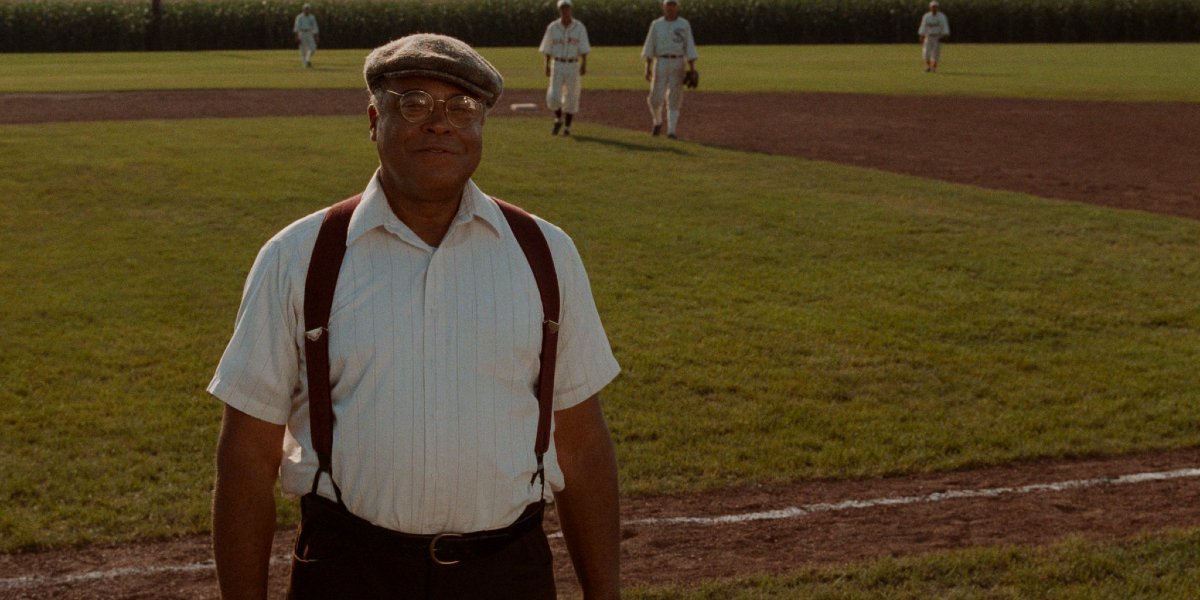
Anatomy of a Scene – “People will come, Ray, people will most definitely come.”

“It’s very rare in movies where a monologue becomes a classic and is quoted and re-quoted throughout the decades. That is most definitely the case nowadays with James Earl Jones’s famous monologue playing Terence Mann in the 1989 American movie, ‘Field of Dreams.’”

It’s very rare in movies where a monologue becomes a classic and is quoted and re-quoted throughout the decades. That is most definitely the case nowadays with James Earl Jones’s famous monologue playing Terence Mann in the 1989 American movie, ‘Field of Dreams.’ Now over 35 years old and counting, Field of Dreams’ and this legendary scene focus on the timeless appeal of Baseball in America, whose monologue has become iconic culturally not just for baseball fans and movie lovers but for what America can represent to the world when it taps into its best impulses.

“Ray, people will come, Ray. They’ll come to Iowa for reasons they can’t even fathom.” Baseball isn’t just a sport in this scene; it is the heartbeat of a nation’s spirit and resilience. The sport embodies the essence of the American Dream where everyone regardless of background, race, or ethnicity, can find a chance to succeed and belong, on and off the field. The monologue by Terence Mann (played by the legendary James Earl Jones) taps into the idea of America thriving on belief, on hope, and on the idea that greatness is around the corner if you dare to dream about it and fight for it.

Terence Mann isn’t just selling the idea of a baseball field and game to Ray Kinsella (Kevin Costner) on his farm but rather the idea of the possibility of uniting people and bringing them together. The message of his monologue is clear to viewers: If you build something meaningful in life, whatever that may be including a baseball field, people will be drawn to it because hope, enjoyment, and belief are powerful magnets.

Ray’s struggle to manage this baseball field and bring closure to a rough chapter in his life unresolved with his estranged father is emblematic of the struggles we all go through in this life. This scene with Ray is emblematic of a universal human quest to search for inner peace amidst chaos, uncertainty, and doubt. Terence’s monologue offers Ray and the audience a kind of calm assurance, a spiritual yearning, reminding everyone that the future isn’t handed to us, and it’s what we create and what we work towards to stay true to our vision, whatever that may be. It’s not about instant gratification in the form of a house or a car, it’s also about believing in your values, your vision, and knowing that the work you do is meaningful, especially if it connects to the past, family, baseball, or otherwise.

This scene also highlights how baseball has functioned and continues to function as a unifying thread through America’s social fabric. In the face of division, segregation, bias, and greed, baseball still brings people together around the country, crossing lines of race, class, and background. It’s a shred language that can bring Americans together, a communal ritual that reminds us that we’re all in this together as a people. When Terence says, “people will come, Ray…”, it’s a promise that no matter how ugly the world gets, how divided America may be, that promise will endure no matter the obstacles that face us. Sports, and in this case, baseball, has the unique power to draw people together in a collective experience that transcends our differences and can unite us to bring joy, happiness, and excitement with comradery and sportsmanship leading the way.

In this famous monologue, the actor playing Terence Mann, James Earl Jones’ delivery is everything and has made it such an iconic scene throughout the years. He is calm, measured, yet deeply convincing in summing up the power of the game of baseball. His voice here carries the weight of baseball’s history and that of America, of unspoken truths, of healed traumas, of future possibilities. He’s not just a supporting character in the movie; he’s also a narrator and a guide from the past.

He’s a sage sent into Ray’s life to remind him (and the audience) of a timeless truth: building anything worthwhile takes patience, faith, and a belief in the everlasting power of human connection. His words echo beyond the scene and the entire movie into the realm of business, relationships, goals, and our life’s purpose. He reinforces the idea that success comes from persistence and the courage to believe in what you put out into the world.

The scene is also a nod to the resilience embedded in American culture and its people. There is a strong “keep going no matter what” mentality that is deeply embedded into the cultural landscape and is also about leaning into “reinventing oneself” if you must that creates hope after hardship and how collective belief can overcome turning to cynicism and despair. In its essence, the monologue is a microcosm of American optimism, delivered through the poetic cadence of Jones’ voice and the symbolism of baseball as a sport that has gone through trials and tribulations like the country that birthed it.

Ray’s field or stadium to be in Iowa isn’t just about bringing baseball players from the past or present there to play a regular game. It sells the idea instead that America’s greatness is rooted in shared dreams and the belief that when you create something authentic and true, people will come…and not just to watch the game unfold, but for sharing a connection with each other, hoping for better days ahead, and finding community in a shared love of the game, America’s pastime. 

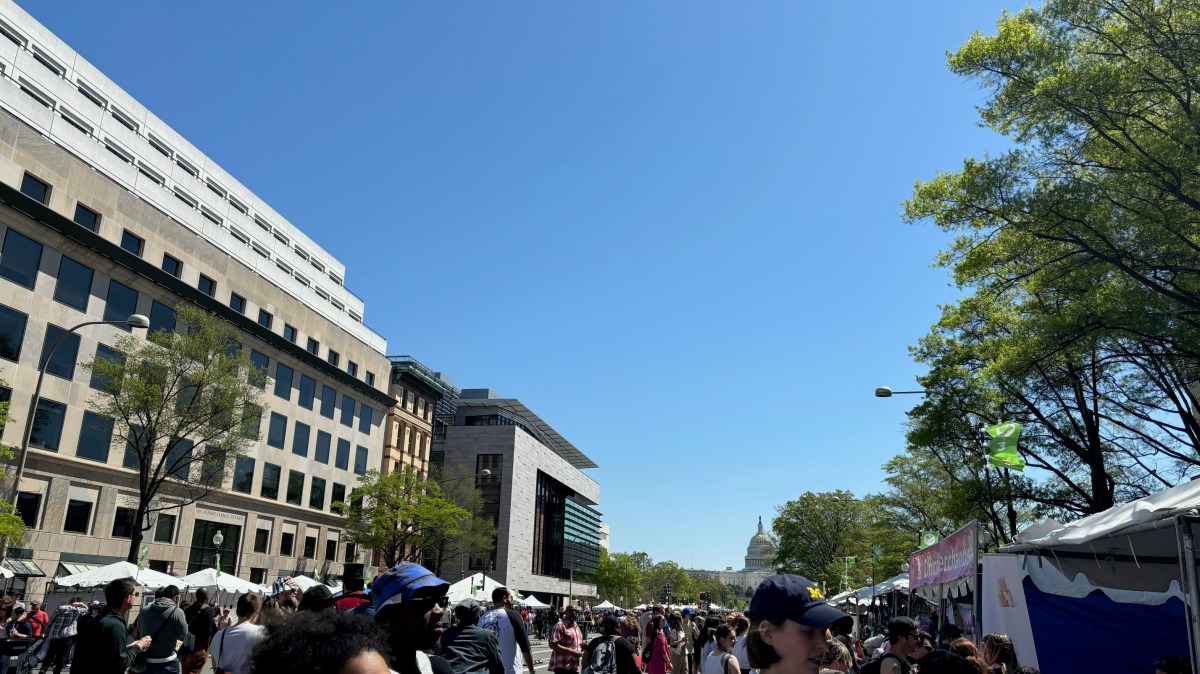
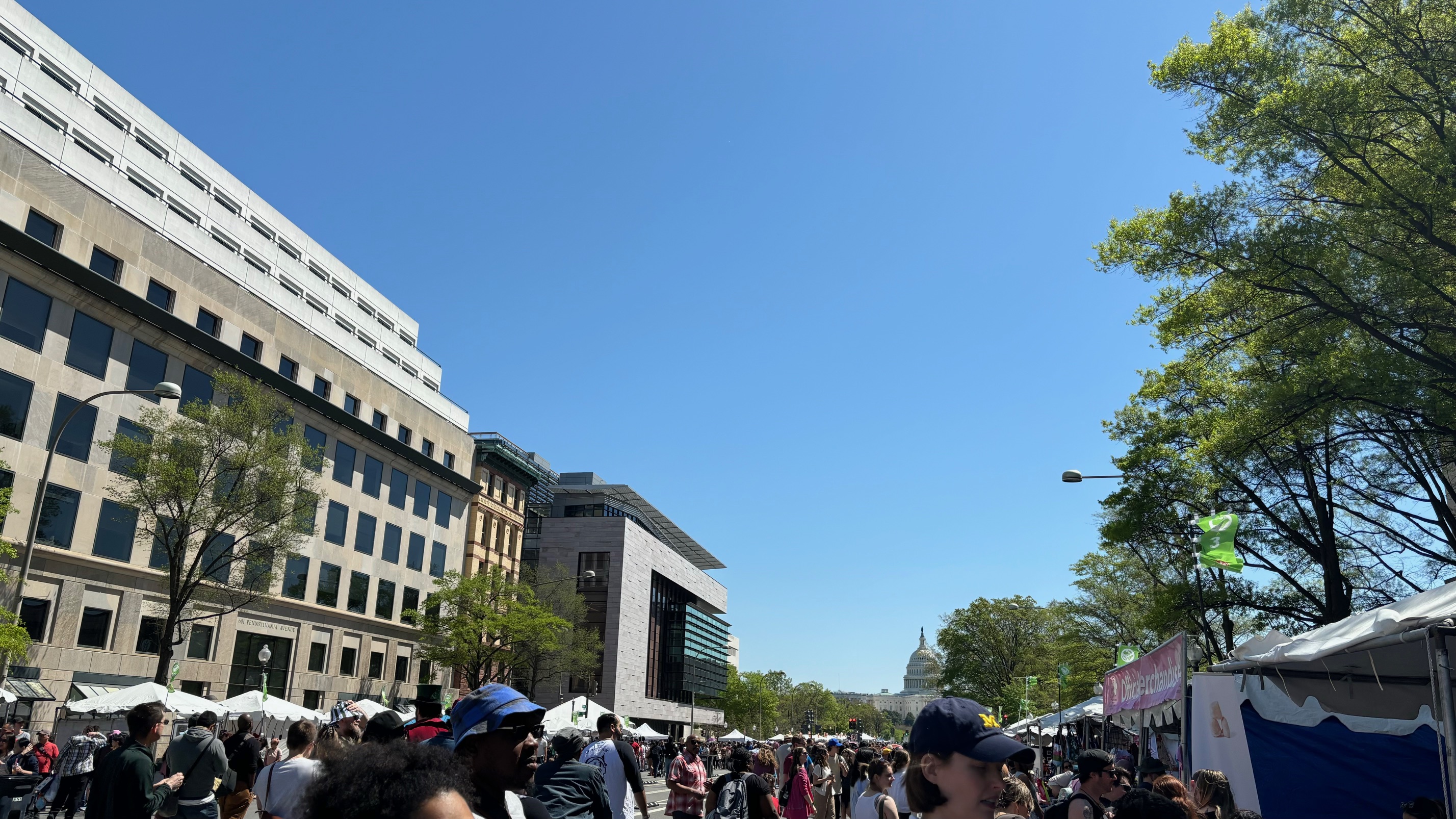
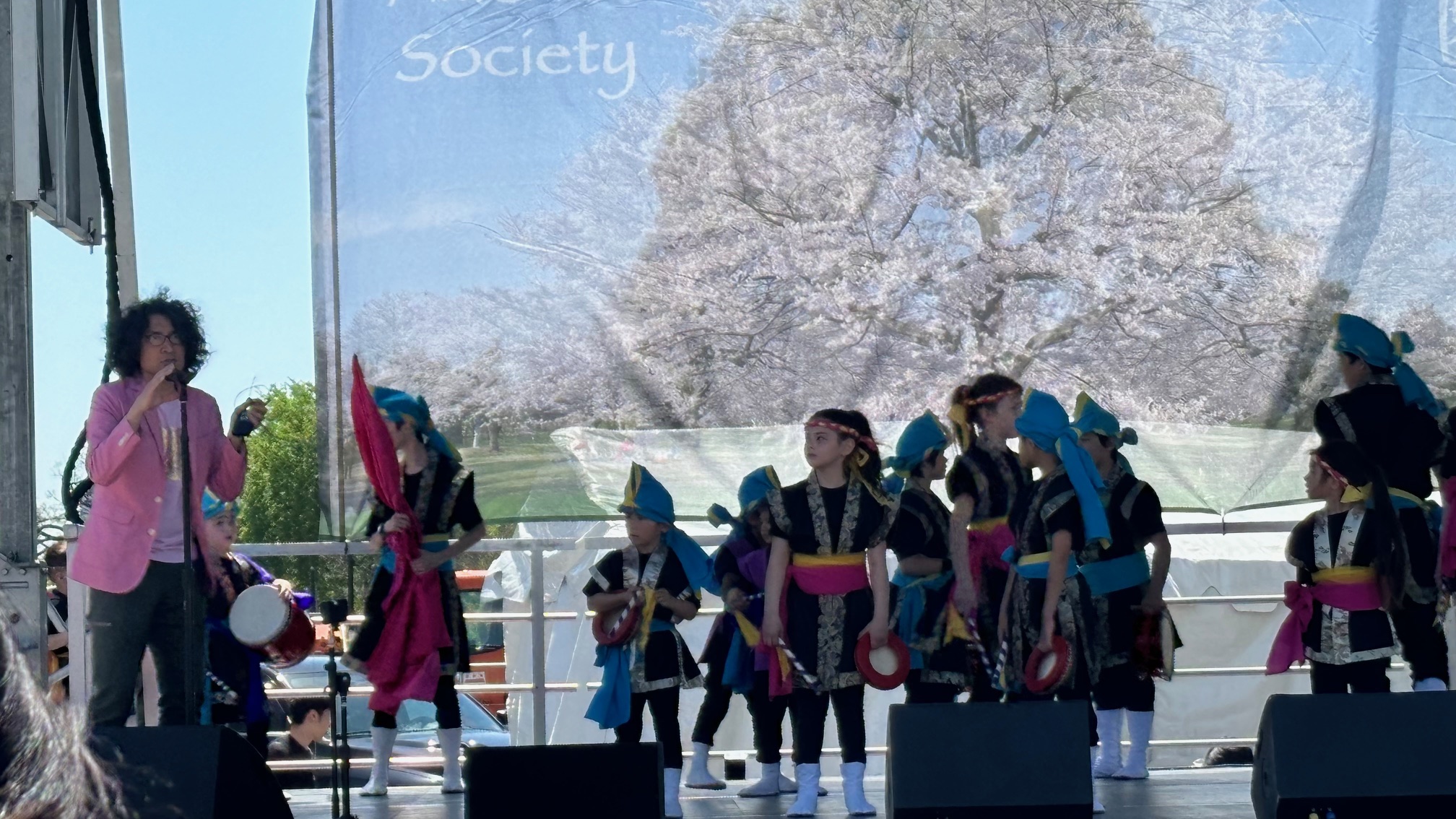
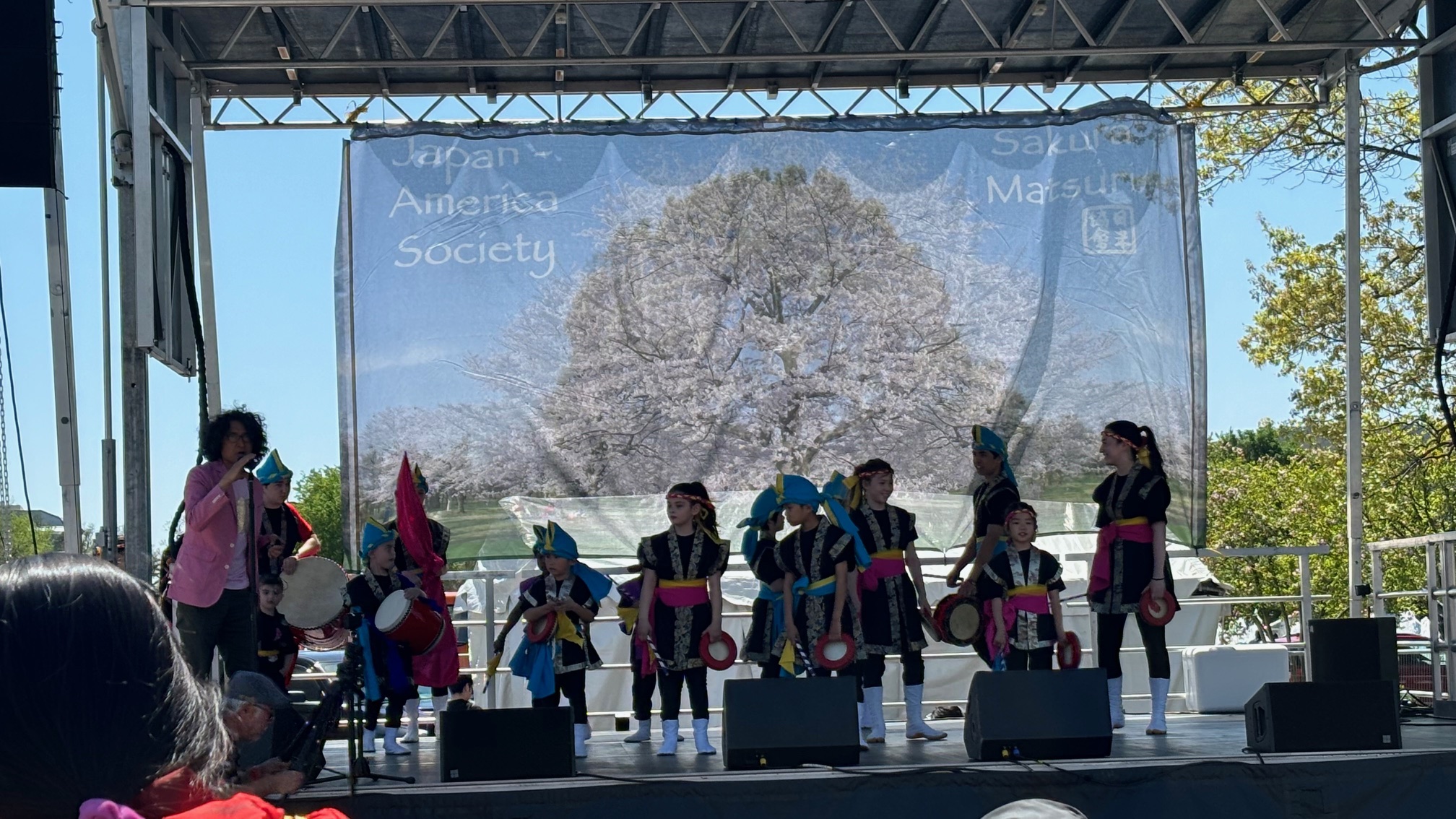
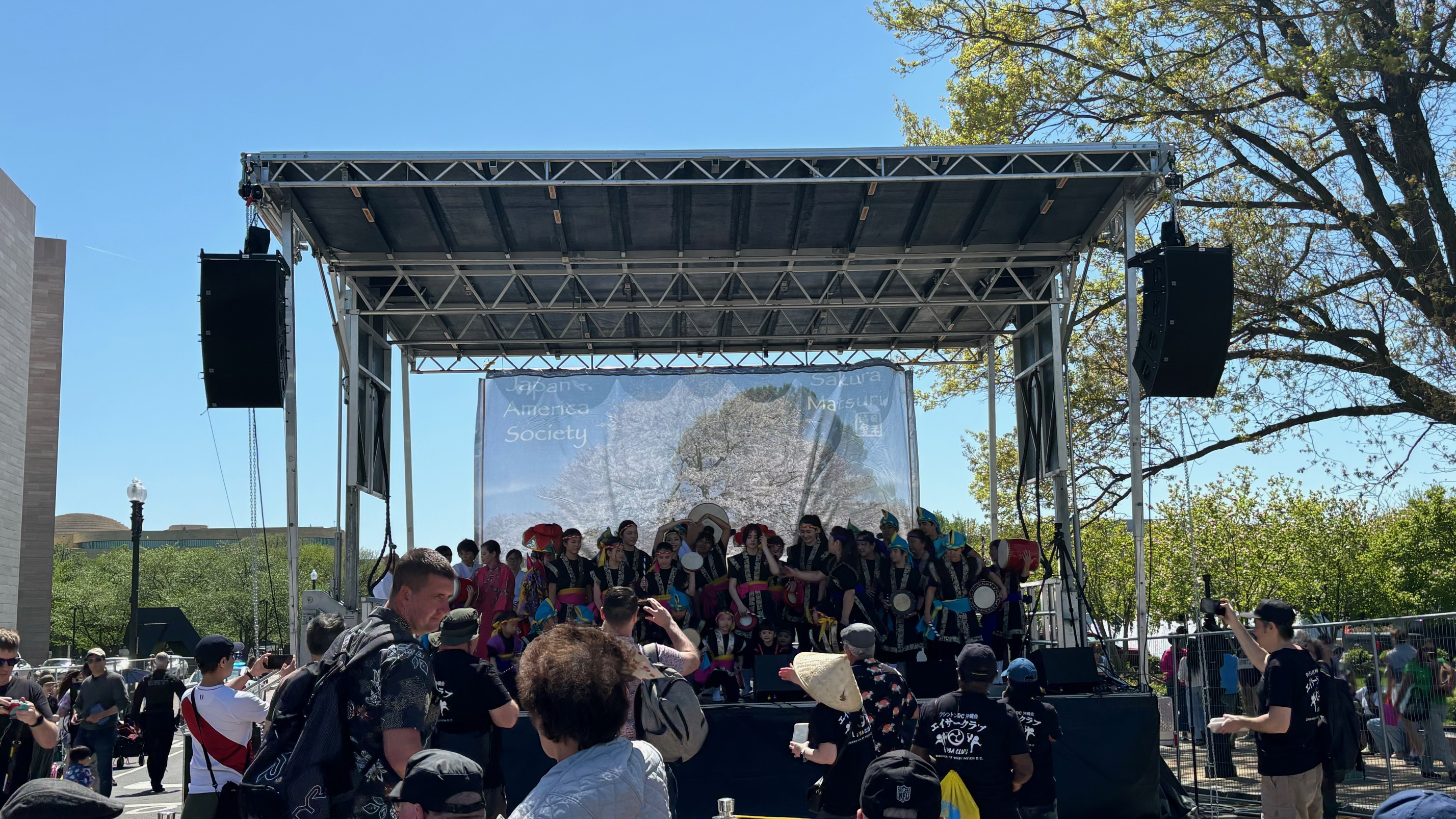
The Sakura Matsuri Japanese Festival in Washington, DC

“The Sakura Matsuri, hosted by the Japan‑America Society of Washington, DC, is the largest celebration of Japanese culture in the U.S. It’s a marquee event of the National Cherry Blossom Festival.”

Camera: iPhone 15

Location: Washington, District of Columbia

My Second Attempt at English Poetry (June 2025)

My second attempt at writing English poetry and covering different topics such as the open road, nature, love, summertime, and the stillness of life.

1. Silence on the Open Road in Iceland

No horns, no hurry, no traffic rush, just endless sky,
Lava fields hush as the glaciers sigh.
Each mile whispers what words cannot say,
The road and I just slip away.


2. The Peace and The Quiet

No noise, no news, no fuss,                                                                                                   only my breath and the calm breeze.
The world exhales at once,                                                                                                     putting me at ease.
In stillness, truth begins to speak,
The loudest peace is soft and sleek.


3. The Majesty of Nature

Snowcapped Mountain peaks glimmer far and wide,
Wild rivers roar and tumble with pride.
Bold explorers yearn for each high crest,
to leave a mark, and to pass the test.
Bow to the wind, the sky, the flame,
this wild world remembers your name.


4. Summer Breeze

My warm hands go across your soft skin,                                                                            a flirty tease, a calming sense of ease,
salt, sand, and sun felt in a lazy breeze.
Time forgets to check the clock,
Summer sighs and slips its lock.


5. My Blue-Eyed Baby

Your blue eyes flash, like a new day’s dawn,                                                                        Pure joy and glee I see, you could never do wrong.
One smile, the world turns sweet and slow,
you’ve got that magic, baby, don’t you know?

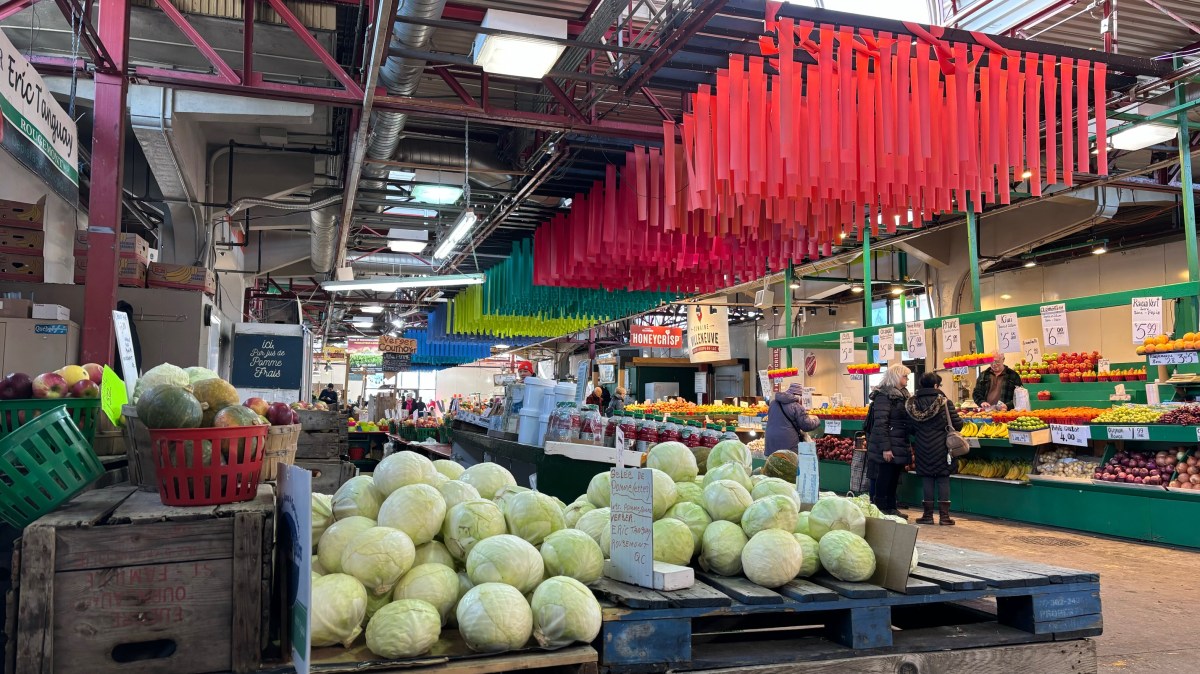
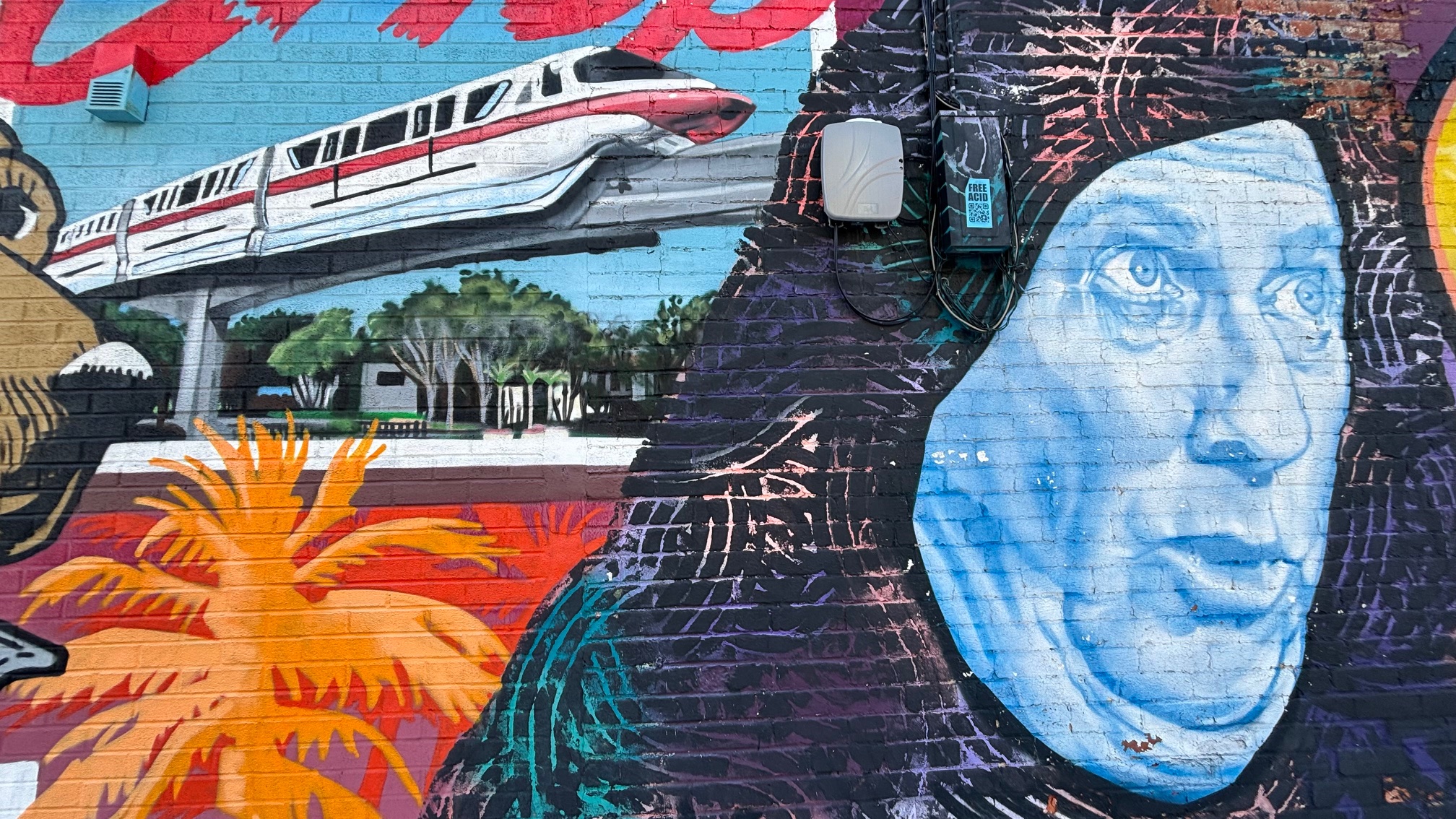
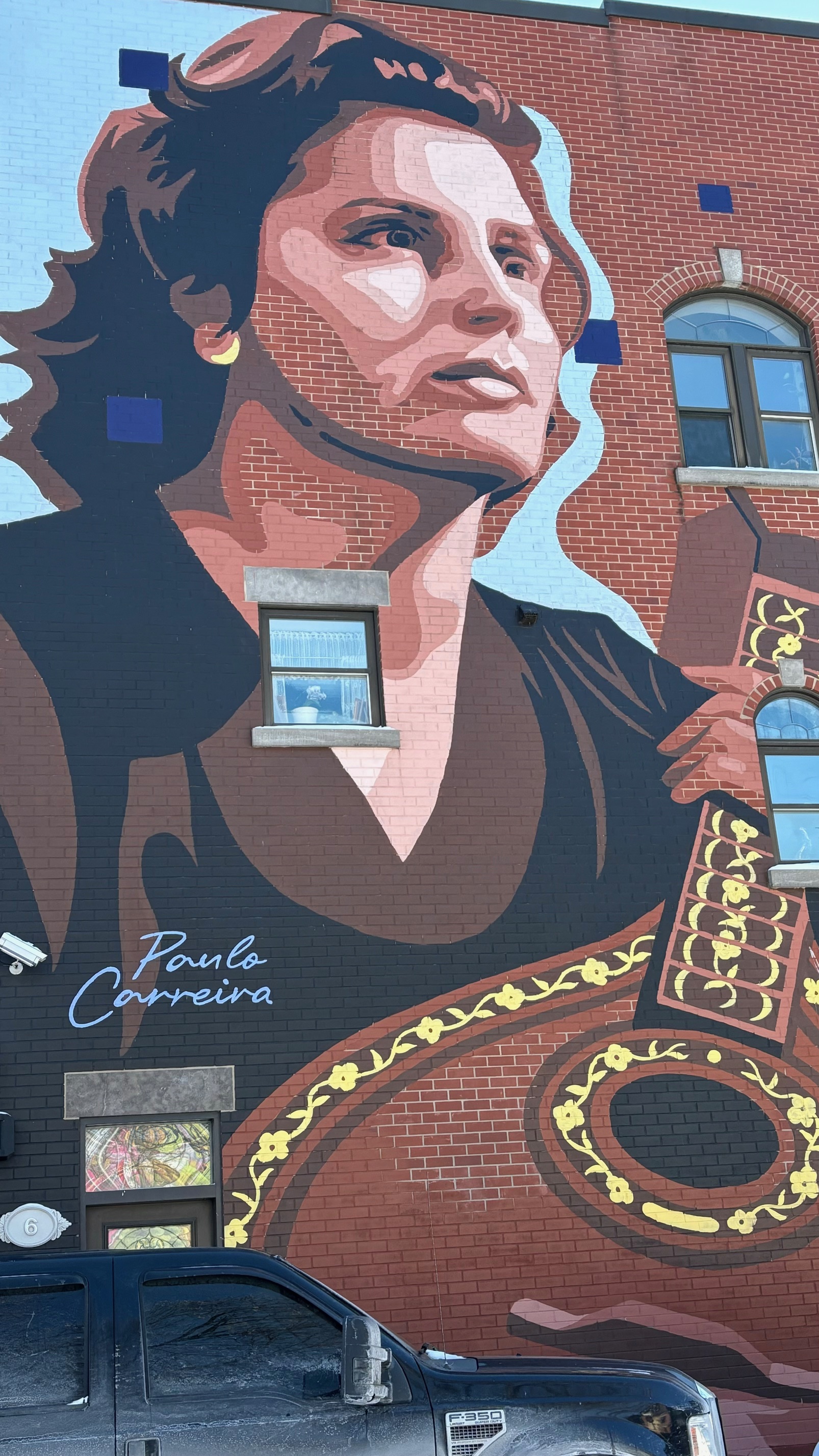
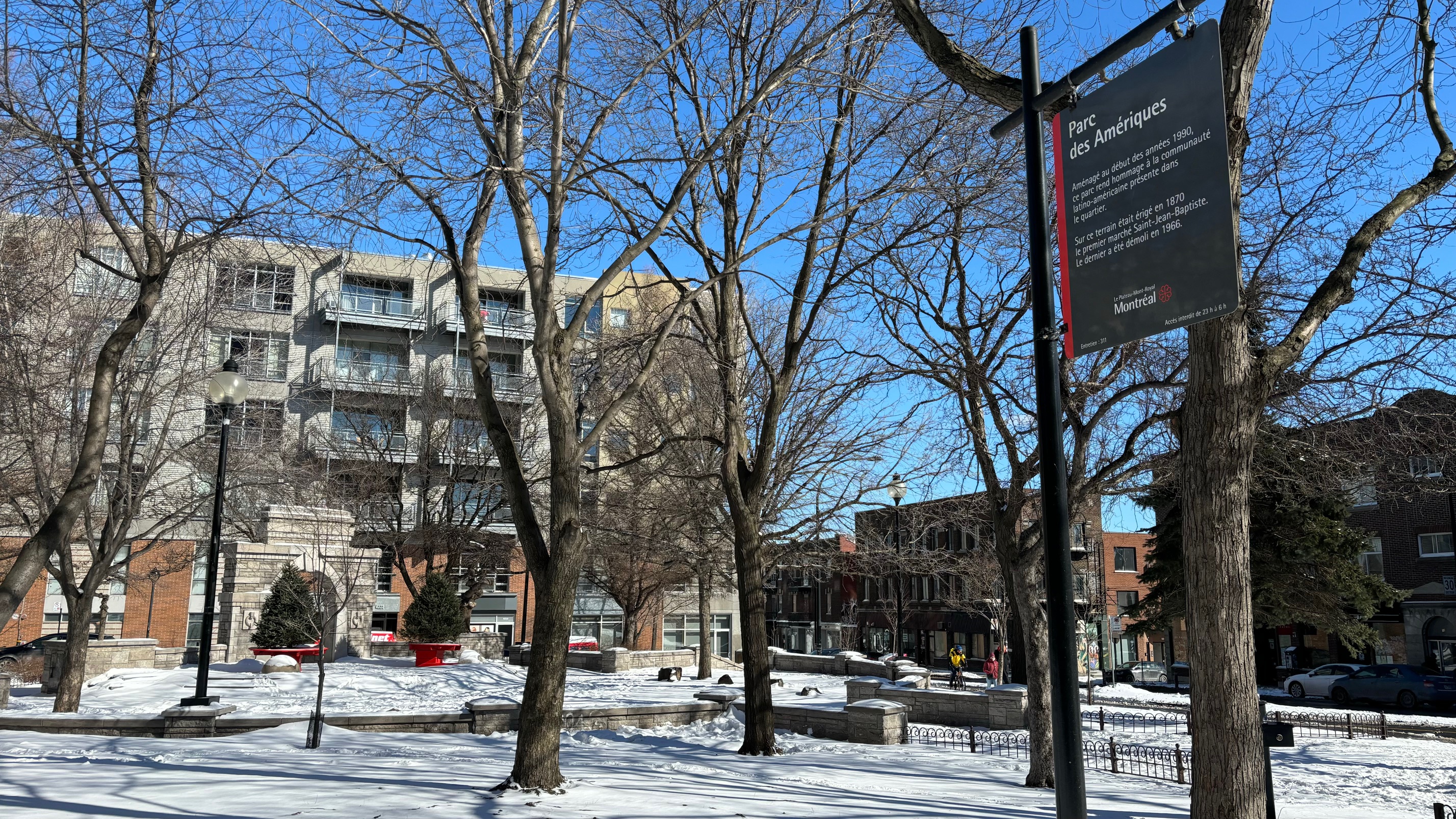
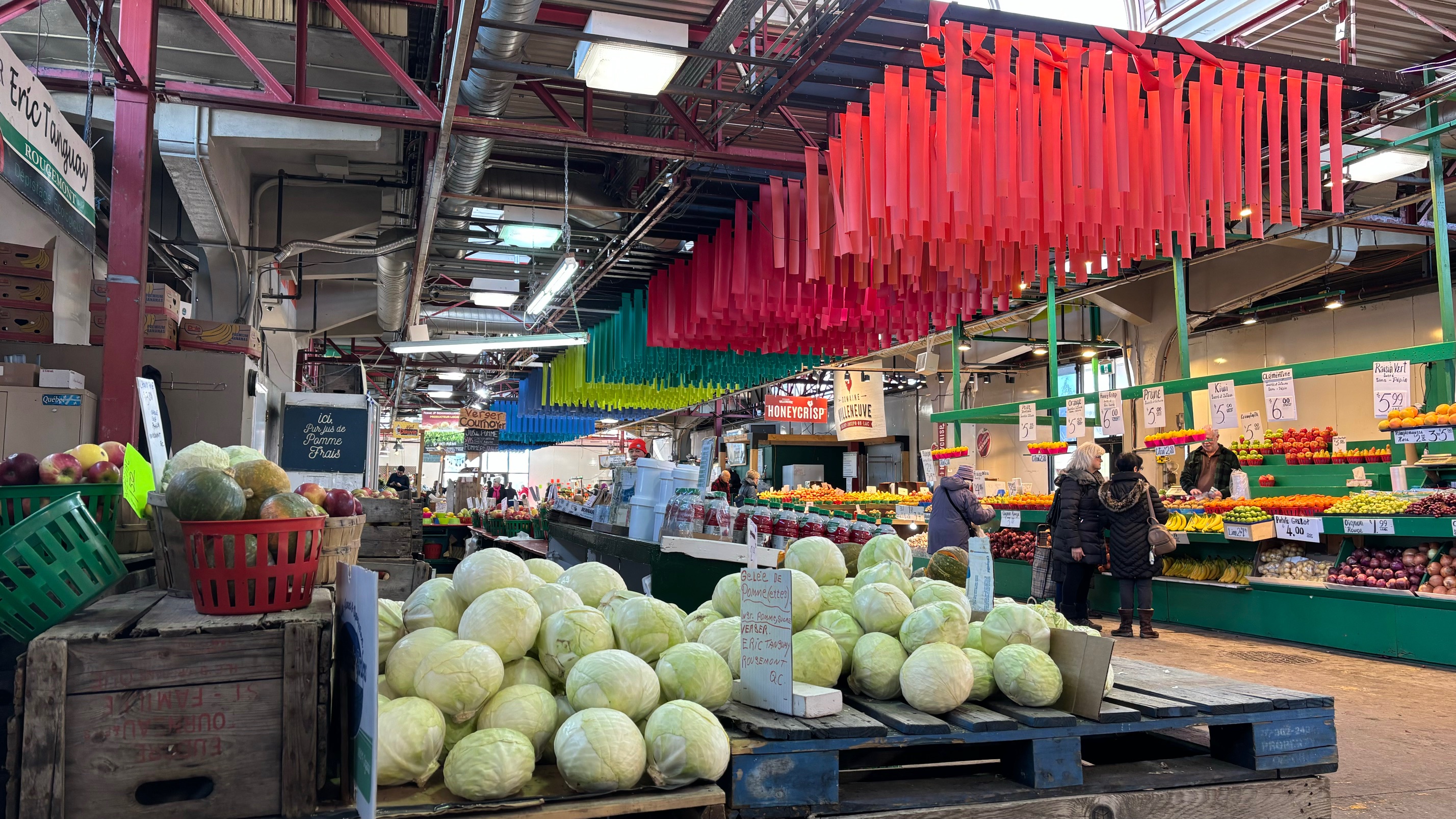
Murals and Markets in Montreal

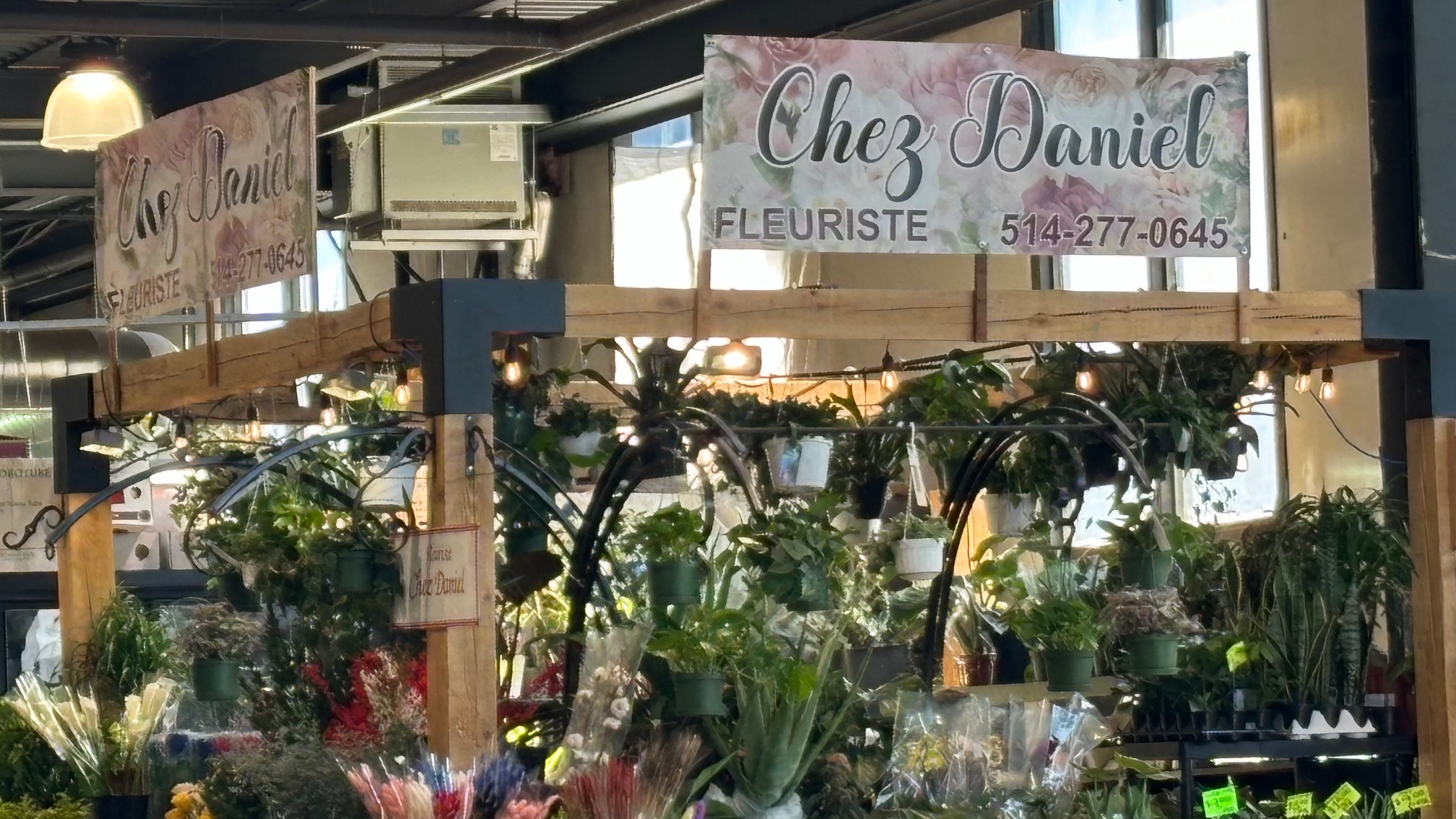
Walking around the various neighborhoods of Montreal to check out street murals and also stop in to Jean-Talon Market for a visit and some Poutine.

Camera: iPhone 15

Location: Montreal, Quebec, Canada; Jean-Talon Market

How Iceland Replenishes the Mind, Body, and Soul

“Iceland is one of those countries that can combine stunning landscape contrasts with sheer natural beauty, putting the average traveler at ease and offering you unique opportunities to rejuvenate physically, mentally, and spiritually through its landscapes, culture, and way of life.”

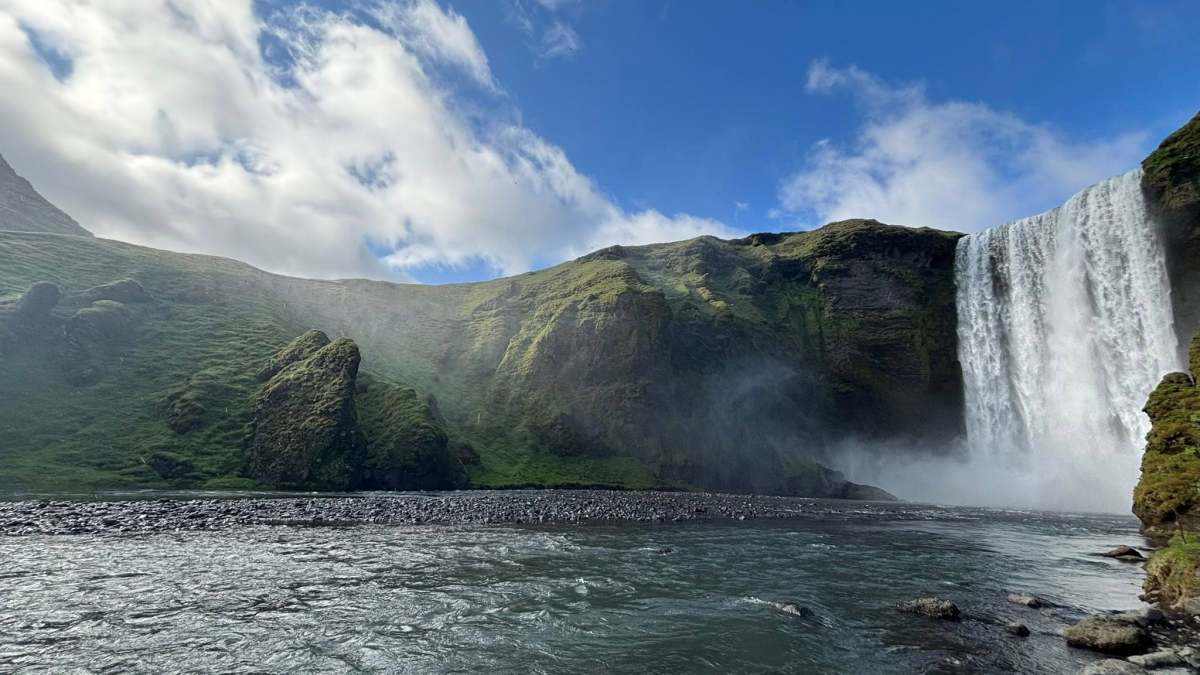
Few places on Earth these days can put you in supremely natural environments for which you can really feel at ease in nature that has been properly conserved and taken care of. You can be far away from technology, city life, and cover a wide variety of landscapes in just a few hours. Iceland is one of those countries that can combine stunning landscape contrasts with sheer natural beauty, putting the average traveler at ease and offering you unique opportunities to rejuvenate physically, mentally, and spiritually through its landscapes, culture, and way of life.

It hits you the moment to fly into Keflavik International Airport like you stepped on to a new planet that is both desolate but alluring in its other worldly landscapes. You see the molten rocks, the green moss, and the blue lagoons, and think to yourself, where did I just end up? The whole country can captive you on a trip like few others can by offering ways to put your mind, body, and soul at ease. Away with the office, away from the hustle and bustle, and able to tap fully into nature and your surroundings like few other places I’ve ever been to personally.

Being able to hike, swim, kayak, rock climb, and engage in a variety of other outdoor activities throughout the year makes Iceland a physical playground to enjoy. You can rest or exert yourself or do both to give your body a healthy experience on top of being able to put your mind at ease by being away from your devices by tapping into your natural surroundings because they are just that engaging and varied. Iceland provides your soul a reset where you can forget your own troubles and that of the world’s for a while to focus on feeling better, relaxing, or living in the moment, and experiencing what it is to be disconnected.

When it comes to reinvigorating yourself physically, you have a wide variety of ways to do so while in Iceland. You can enjoy a large variety of geothermal pools and hot springs such as the Blue Lagoon, Secret Lagoon, Sky Lagoon, etc. In the Summer months, there are also several pools around the country that may be open to the public including tourists to relax and enjoy the long summer nights, where daylight is every present. After having partook in a few lagoon visits in my recent trip, I can say for sure that your body feels cleaned and refreshed after soaking in the mineral-rich waters and combining that with the country’s culture of saunas, steam houses, and the occasional cold plunge.

It is an impressive combination of thermal relaxation letting you fully destress and decompress for a few hours but with residual health benefits for months or years to come. In addition, Iceland prides itself on healthy, local, and pesticide-free cuisine from fresh seafood to Skyr yogurt, as well as farm-to-table and greenhouse-to-table dishes. As mentioned earlier, there are tons of outdoor activities promoting physical health such as hiking, golfing, swimming, horseback riding, and rock climbing among others.

Everyone needs peace and quiet in their life and Iceland provides that in spades. I believe the country can nourish the mind by allowing you to bask in the solitude that you can find in Iceland’s varied landscapes from waterfalls, glaciers, black sand beaches, and fjords. There are numerous psychological benefits to disconnect every now and then from modern technology and the stresses of urban life and I felt a lot better not being on my phone during my time in Iceland. Though I did need my phone for photos and GPS, the beautiful surroundings allowed me to put my phone away and really live in the moment to enjoy the gorgeous landscapes I was able to visit.

The pace of life is also much slower in Iceland and there is a cultural emphasis on being mindful, engaging with other people, and slow living. When you drive there, you don’t see road rage, people yield to each other in traffic, and the rules of the road are observed since there is no ‘rushing around’ without end that you find in other cultures. Because of the natural beauty and slower pace of life, there are many more opportunities to reflect and think while enjoying the expansive natural visits. Taking time away from technology and the ‘hustle and bustle’ can allow you to reflect on life and enjoying the moment more fully.

Our soul needs to experience awe and joy. I believe Iceland’s natural phenomena and beauty from the Northern Lights to the Midnight Sun really can provide that to each person who visits. This kind of perspective is reflected in Icelandic sagas, myths, and folklore about having reference for nature, being in touch with those people in your life who matter to you and living in a sustainable or balanced way with nature. Iceland is an extremely environment conscious country and should be commended for being clean, approaching net zero carbon emissions, and working to be sustainable in its relationship with nature.

People in Iceland live in harmony with each other and with nature from what I noticed and are a progressive nation in that they are tight knit, looking out for their neighbors, and want everyone to be lifted in their society. These kinds of actions culturally are good for the soul and the soul of any nation. While the weather can be rather unpredictable, costs can be high to visit, and the lack of sun in the Winter is challenging, Iceland is a spectacularly beautiful and welcoming country that I hope to visit in the future.

Iceland is a holistic country to visit that can really make you better off in mind, body, and soul for having spent some time there. It is a rejuvenating kind of travel experience that I hope you’ll consider giving a chance for yourself. We need these kinds of retreats in life where you have real time to relax, reflect, disconnect and focus on yourself without outside distractions. Whether its soaking in the blue lagoon, hiking on top of a glacier, or going fishing on a charter boat to catch fresh seafood for your next meal, Iceland is a country where you can really be at ease with yourself and the world around you. Take a week or two from your busy schedule and come discover the land of Fire and Ice; I promise you won’t regret it.
Life, Subscribed: How Everything Became a Recurring Fee

“Welcome to the age of subscriptization: a world where the default mode of engagement is no longer ownership, but ongoing payment(s).”

Okay, not literally everything, but it’s certainly starting to feel that way. Remember that feeling you had as a kid or teenager picking up a compact disc (CD), a DVD, or a book from the local school fair. You paid for it only once and then you owned it for life or if you didn’t sell it to someone else or lose it entirely. I get nostalgic for those days when ownership of items was the priority in this economy. We used to buy things.

Now, we rent or subscribe to experiences, housing, streaming services, and even our identity, one monthly or yearly payment at a time. From software and streaming to meals, mattresses, and meditation, life itself has undergone a quiet revolution from owning to subscribing. Welcome to the age of subscriptization: a world where the default mode of engagement is no longer ownership, but ongoing payment(s).

At first glance, this model seems like a win to anyone. Why drop hundreds upfront on a good or service when you can pay $9.99 a month forever? Subscription services promise convenience, affordability, and flexibility, and they’ve reshaped how we consume as a society. Need entertainment? Subscribe to Netflix. Need groceries? Subscribe to weekly HelloFresh deliveries. Therapy? BetterHelp sessions, available by month or more. Transportation? Try Tesla’s subscription model. It’s not just media and goods anymore; it’s your health, your fitness, your mental well-being, and your relationships.
However, beneath the surface of ease lies a subtler transformation if you haven’t noticed it already, one that touches everything from personal finance to cultural values. Subscriptions create the illusion of choice and control while tethering us to an endless cycle of micropayments that add up over time and can lead to a financial trap. They can fragment our budgets, blur the line between need and want, and slowly chip away at your financial autonomy. When every facet of life comes with a recurring fee or payment, you may never feel “caught up” or always feel like you need to add one more service to make your life more convenient. There’s always one more plan, one more upgrade, one more renewal reminder in your inbox making it harder and harder to unsubscribe entirely.

Beyond our bank statements, the subscription model is rewiring our expectations and sense of satisfaction with our choices. We’ve become conditioned to expect instant access, regular updates, and constant novelty, whether it’s a new show to binge, a wardrobe refresh, or the latest application feature update. That “always something new” mindset can quietly foster impatience, restlessness, and even entitlement. Why wait for anything or stick with something you buy once when everything can be delivered, streamed, or unlocked for a monthly fee? This kind of mindset creates a culture that prizes immediacy over depth, reducing life’s experiences to transactions, and undermining the joy that can come from delayed gratification or from rewarding true craftmanship.

As people, we are also internalizing the logic of subscriptization in how we relate to ourselves and others. Self-improvement has become something you can subscribe to, through fitness applications, meditation platforms, career coaching, or therapy on demand. While these tools have value as subscriptions, they often position growth as something you consume, not something you do. There’s a growing risk that we start seeing our personal progress as another product, measurable, trackable, and cancelable, rather than as a slow, often uncomfortable process that lasts a lifetime.

This recent economic shift also speaks volumes about our societal mindset. In an era marked by career instability and a gig-based economy that more people must participate in to survive and make ends meet, people are more hesitant to commit entirely for the foreseeable future, whether it’s to a car, a house, or a romantic partner. Socially, we now navigate dating and relationships through platforms that resemble subscription services themselves, where matches, friends, or followers can be swiped, upgraded, or ghosted as easily as deleting your Spotify playlist.

The emotional consequences of this wide shift are still unfolding, but the early signs suggest it’s making genuine connection more fragile, and commitment feel optional entirely. Subscriptions cater to our age of societal anxiety, offering an easy way out at any time. Don’t like it? Cancel it. Swipe left. Move on. That same disposability in what we subscribe to may be eroding our sense of permanence, ownership, and investment, in both materialistic and emotional ways.

Meanwhile, companies aren’t just selling services, they’re collecting our data for months and years because of the subscription model. Every subscription is a pipeline of behavioral intelligence; when you watch, what you skip, how often you order, when you’re most likely to purchase. Algorithms then feed this data back into your shopping, dating, or entertainment experience, shaping your preferences before you even know you have them. It’s a form of consumer surveillance masquerading as personal freedom.

The subscriptization of life isn’t inherently evil, but it’s worth examining the consequences of moving more and more to a subscription-only economy. As we increasingly trade ownership for access to services and goods that we need rather than just want, and permanence for flexibility, we must ask ourselves: what are we gaining with this model, and what are we losing? Subscriptions might make life smoother, more convenient, but they can also make it shallower, more transactional, and harder to disconnect from. It is also possible that we end up paying more for these goods and services in the long run every week, month, or year, rather just one-time only.

The question isn’t whether we’ll return to owning everything again as that ship has sailed. In this new economy of access, the challenge is to subscribe with real intention, not out of pure habit. Because if everything is on auto-renew, or there’s no longer a ‘buy now’ option, it might be time to ask: who’s really in control of our choices as consumers?

More importantly, we need to consider what kind of life we’re curating through this endless stream of monthly and yearly commitments. Are we building something lasting or simply paying to keep the lights on in a lifestyle we don’t fully own? The convenience is real, especially for those who benefit from seamless access. However, so is the quiet erosion of autonomy when we outsource our decisions to algorithms, platforms, and plans we barely remember signing up for. At some point, the goal should be more than just temporary access. It must be about intentionally creating meaning, through what we purchase, who we support, and how we contribute. And meaning, as it turns out, isn’t something you can just rent or subscribe to.

Canadiens vs. Capitals at Bell Centre

“My first live Hockey game in Canada to see the Montreal Canadiens face off against the Washington Capitals at the Bell Centre in Montreal.”

Camera: iPhone 15

Location: Bell Centre; Montreal, Quebec, Canada

Night at the Museum

A nighttime visit to an open house event at the Museum of Natural History in Washington, DC, USA.

Camera: iPhone 15

Location: Museum of Natural History, Washington, District of Columbia, USA

Anatomy of a Scene – Bourdain’s ‘Parts Unknown’ in Congo and NYC Contrast

“One of Anthony Bourdain’s ‘Parts Unknown’ episodes in the Congo has one of the show’s best scenes where it has a vivid description of Bourdain gazing over New York City from his high-rise apartment in the closing moments, set up against the backdrop of his first and only foray to the Democratic Republic of Congo.”

If you had to pick opposites in the world, you couldn’t do much worse to contrast the journey through the thick Congolese jungles and down the Congo River with the urban sprawl of New York City. One of Anthony Bourdain’s ‘Parts Unknown’ episodes in the Congo has one of the show’s best scenes where it has a vivid description of Bourdain gazing over New York City from his high-rise apartment in the closing moments, set up against the backdrop of his first and only foray to the Democratic Republic of Congo.

There are multiple themes to take away from the significance of Bourdain’s perilous journey in the Congo throughout the episode and with the contrasting solitude and isolation he likely had felt back in his NYC apartment after such a harrowing trip. There is a burden that he must have felt in witnessing such a contrast between the Congo and New York City that leaves the contrasting scenes up for our interpretation as fans of his ‘Parts Unknown’ show. How easy it can be to feel lonely amongst millions of people after traveling to such a distinct place, the burden of making it through a perilous journey and putting your life on the line, and how traveling to such extreme places can change your sense of place in a complicated and often troubling world.

Before his passing in 2018, Anthony Bourdain was the preeminent travel host for over 15 years and his last show, Parts Unknown, from 2013-2018 was the deepest dive in his own mission of uncovering people’s stories through food and culture. In terms of looking at human nature and the human condition, few shows, if any, were better than Parts Unknown. More than anything, many of the Parts Unknown episodes had Bourdain providing needed historical context regarding the complex and difficult history of the country or place he would be visiting. This was especially the case during the Congo episode where he spends part of the episode looking at the colonial exploitation, civil conflict, and poverty that has gripped the country both before and after it became the nation state known as the Democratic Republic of the Congo today.

Bourdain was a huge fan of the Joseph Conrad book, ‘Heart of Darkness’ and makes it known in the episode of how became obsessed with the Congo and the Congo River without trivializing the country or its people. His approach is sincere, and he looks to paint an accurate picture of what the Congo is like, why he sought to demystify and humanize the place, and how it was both similar and different to Conrad’s interpretation of it.

“When all is said and done, I wanted to go to the Congo, and I did.” Bourdain knew that this would be one of his most difficult journeys, but he also wanted to pay homage to Conrad’s novel by following a similar exploration to the authors with a boat trip down the Congo river. However, this kind of journey as shown in the episode was not simply a leisurely trip down the river without witnessing the history, culture, or food of the Congolese. Bourdain and his film crew interacted with different villagers, aid workers, and other locals to hear their stories despite how difficult the journey had been especially losing power on the boat and being surrounded by mosquitoes and other insects at one point.

It takes a toll on a person to look at the dark history of a place’s past as well as its uncertain present and not be affected by it. Bourdain has a visible weariness and introspection upon the conclusion of the journey given how hearing about the history of violence, dealing with the security issues involved, the lack of infrastructure to make the journey work, and to hear about the sheer resilience and fortitude of the Congolese people under extremely difficult circumstances.

The hardest part for Bourdain in my view maybe wasn’t the actual trip down the Congo river with all the bureaucracy, bribery, and lack of infrastructure involved to make it finally happen. I think the final scene of this Parts Unknown episode sums up the ‘lost’ feeling and the isolation to have witnessed all that and come back to a New York City that is abundant, thriving yet inequal, and with a completely different set of circumstances than one would encounter in the Congo. There’s ‘culture shock’ and then there is experiencing a bit of a totally different reality that few Americans and fewer New Yorkers would ever see for themselves. This contrast in realities and the stark scene transition from leaving the Congo River to being back at his high-rise apartment in Manhattan is perhaps the greatest scene ever shot for Parts Unknown or in any of his travel shows.

To break down this excellent scene and contrast further, Bourdain is in one of the world’s most crowded cities, but he is alone and isolated in his apartment like being isolated from most people’s lived experiences of the world, which pales in comparison to his own having had been to over 100 countries in his travels. He is filmed sitting behind his apartment windows, which acts as a barrier between Anthony and the rest of the world, seeing everything for himself but finding it difficult to connect with his immediate surroundings in NYC after witnessing such a contrasting reality in the Congo.

I think this final scene of the Congo episode really encapsulates Bourdain’s struggle as a travel host and writer to search for meaning and purpose in a world that often feels indifferent or alienates the struggles of other people who live in a different place or country. Bourdain’s gaze through the window symbolizes the distance between the world he witnessed and the world he felt disconnected from. It reflected the existential tension that marked his life: the constant search for meaning, tempered by the knowledge that some things, no matter how deeply we travel, remain elusive.

In his life, Antony Bourdain likely felt a sense of solitude and isolation having witnessed the worst of humanity at times, which could be hard to relate to other people or even travelers who had not been to the same places. He was brave, kind, and let other people to tell their stories without judgment but it must have been lonely especially after a return from the Congo and returning home where he may have felt the most alone rather than out on the road with others in his crew or amongst people he had met. There is a loneliness in the familiar as any traveler can attest and the novelty of new places, people, and experiences make the routine feel mundane and trite. Bourdain’s entire journey, in this case, from the Congo back to his home in New York, shows that it can be hard to come full circle after visiting one of the least known places in the world.

The final shot of Anthony Bourdain in his New York City apartment, looking out over the vast, bustling city, yet consumed by solitude, serves as a poignant culmination of his journey as a seasoned traveler. After traveling the world, exploring the darkest corners of humanity in places like the Congo, Bourdain returns home, not with answers, but with a profound sense of isolation. The Congo episode, with its harrowing depictions of suffering and resilience, reflects the complexity of human nature that Bourdain grappled with throughout his career. The contrast between the vibrant, chaotic cityscape of NYC and Bourdain’s contemplative stillness in his apartment alone emphasizes a universal paradox: despite all the human connections made in the world, the traveler often finds themselves confronted with a loneliness that cannot be filled as a result.

Bourdain’s Parts Unknown was not merely about exploring food and culture, but it was also an exploration of the man himself. His travels were a quest for greater understanding, but they also unearthed the difficult truth that knowing the world does not necessarily mean knowing oneself at the same time. In the end, Bourdain’s legacy lies in the raw, honest portrayal of this duality, the external world and the internal battles that shape who we are. His life story continues to remind us that, no matter where we go or how much we learn, we all face the same fundamental challenge in life: to find a true connection in a world that often seems vast, indifferent, and overwhelming.