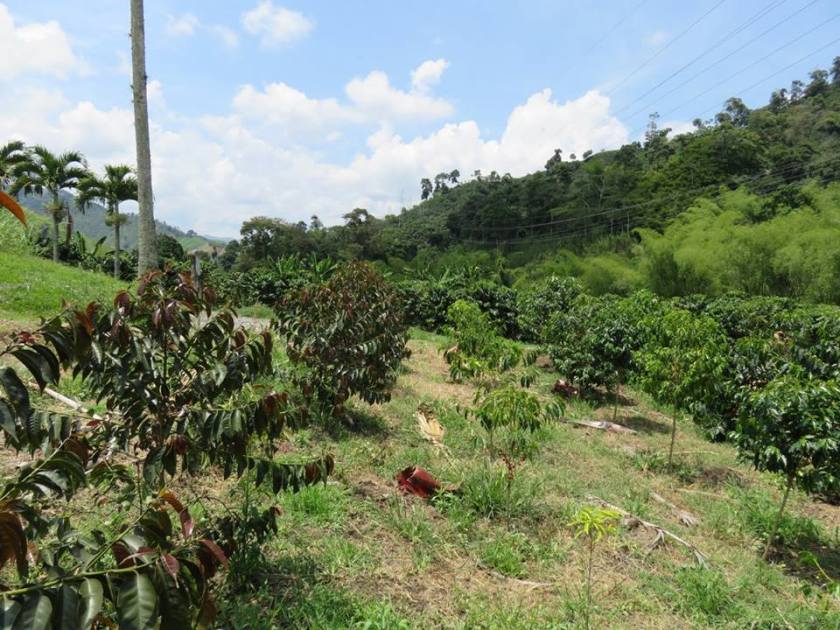

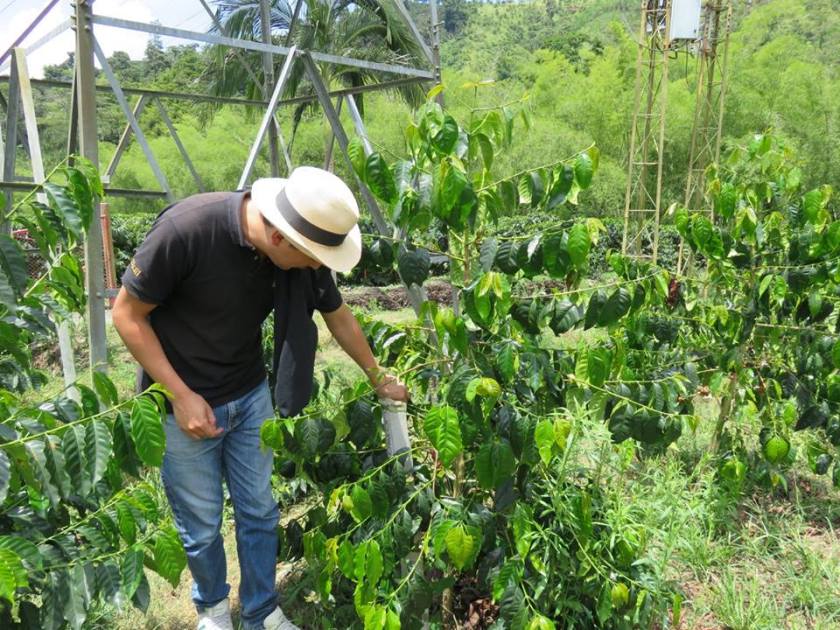


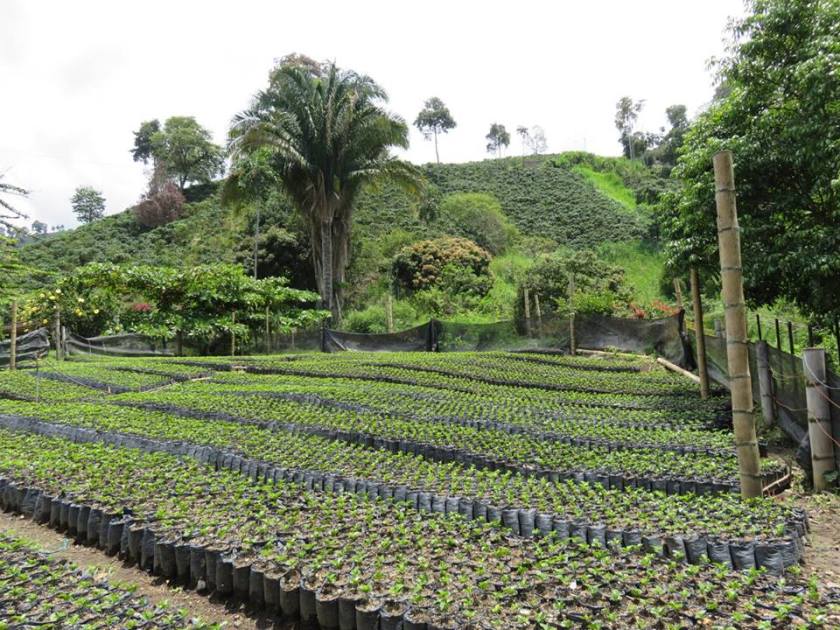


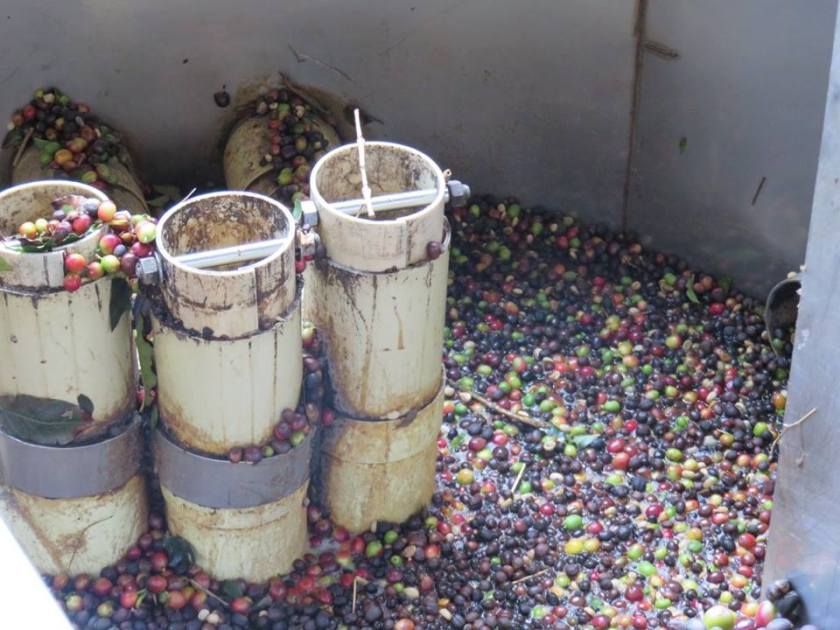
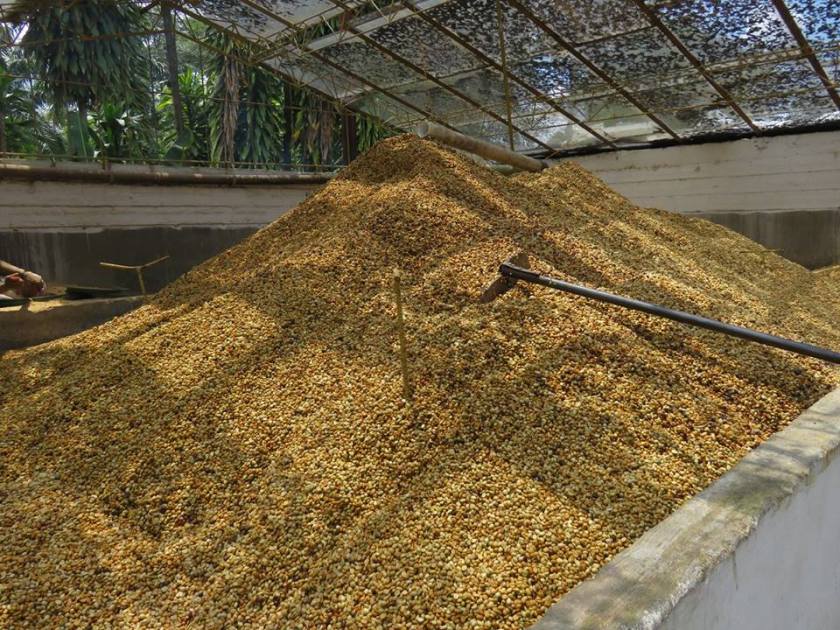

Camera: Canon PowerShot SX710 HS
Location: Hacienda Venecia Coffee Farm; Manizales, Caldas, Colombia

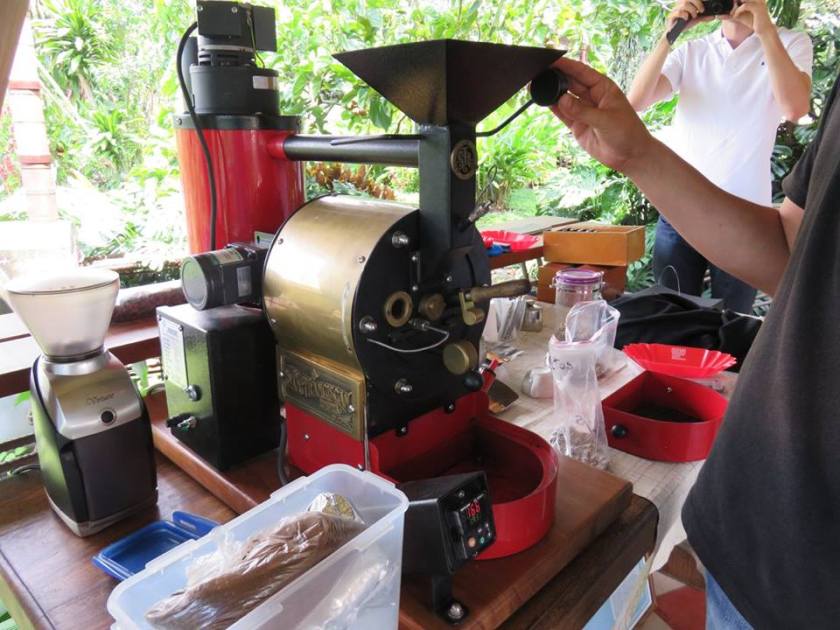
Camera: Canon PowerShot SX710 HS
Location: Hacienda Venecia Coffee Farm; Manizales, Caldas, Colombia
This ‘English Corner’ on the subject of conjunctions is a continuation of an ongoing blog post series with a new post every month to help English language learners to better understand the vocabulary, grammar, and syntax in order to better develop their own proficiency. I have over two years of experience of teaching the English language to non-native speakers, both online and in person.
I hope to use these posts to help you, the reader, improve your understanding of English, and also develop your fluency. If you have any questions about this ‘English Corner’ post, please leave a comment and I will answer them to the best of my ability. Any constructive feedback is appreciated and I hope that this will become a popular series of posts within my website. If you enjoy my ‘English Corner’ series, you can also request private English lessons with me through the WordPress message system.
Second only to ‘Prepositions’ in terms of grammatical importance, ‘Conjunctions’ play a vital role in the formation of sentences in the English language. Conjunctions do the important job of connecting words and phrases together to form a complete sentence. Examples of conjunctions include although, and, because, but, etc. Instead of forming simple sentences such as: “I like to play sports”, we can then add on to this sentence by adding the word ‘and’ to create a complete sentence which could be “I like to play sports and hang out with my friends on the weekends.”
Having a good grasp on conjunctions can make writing complete sentences a lot easier and give you the ability to form paragraphs and even entire essays by adhering to the sentence structure by adding a conjunction or two. When it comes to grammar topics like conjunctions, it’s important to be able to remember the correct words that fit into the category and to know when to apply them in your sentence.
The word ‘And’ is the most popular conjunction because it can be used for three different functions. Not only can it connect words but clauses as well as phrases. ‘And’ is also used to describe more than one person in a sentence by grouping them together such as “Tim and Tina went to the movies together last time. In addition to the word ‘and’, other popular conjunctions that are commonly used to connect sentences are ‘although, since, but, unless, or, yet, so, etc.’
Contrary to popular belief, conjunctions can be used in the beginning of a sentence rather than just in the heart of a sentence. For example: “Although he was tired from working late, James still decided to go out for a drink with his friends.” A conjunction is a part of speech that can also be more than one word. Examples of conjunctions that make up more than one word include ‘so that, in order to, as long as, etc.’ By clearing up the confusion and misleading information regarding conjunctions, beginner students of English will better be able to handle this important grammar subject.
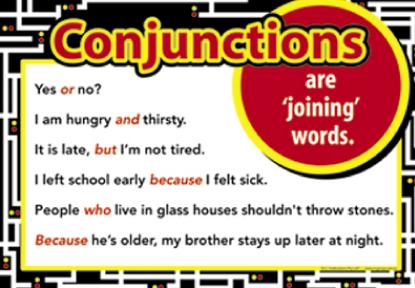
Learners of the English language often forget that conjunctions can be divided into two categories: coordinating and subordinating conjunctions.
Coordinating conjunctions are known for connecting two parts of a sentence or phrase together to form a complete sentence. This first type of conjunctions is usually used in the middle of a sentence and is supposed to connect words and clauses together along with two parts of a sentence.
An example of a sentence where a coordinating conjunction would be used could be “John picked up Tim after his soccer practice in the park and then they went to the movies together.” There are many different coordinating conjunctions but the most popular ones are ‘and, but, for, or, so, yet.’
Subordinating conjunctions have a more specific purpose than their coordinating counterparts. The main purpose of subordinating conjunctions is to join the dependent clause of a sentence to its’ independent clause to form a complete sentence. The main clause is also known as the independent clause and the conjunction is placed in between the two clauses in order to create the grammatical structure of the sentence.
For example, a sentence with a subordinating conjunction would look like “I had to study hard last night because we have an important English test today. Some examples of subordinating conjunctions include ‘although, because, since, unless.’ It’s important to remember that a subordinating conjunction will always come at the beginning of the subordinate clause, which could either be before or after the main clause. This means that there is some flexibility when it comes to inserting your subordinate conjunction in that it can come in either the beginning or middle of a sentence.
Lastly, in addition to conjunctions that are subordinate or coordinate and are one word usually, there are other types of conjunctions that can be a few words in all when forming a sentence. These two other types of conjunctions are known as compound or correlative.
Compound conjunctions often end in the words ‘that’ or ‘as’ and some examples of these conjunctions include: ‘as long as’, ‘provided that’, ‘because of that’, ‘in order to.’ Remember that a compound conjunction does not always end in ‘as’ or ‘that’ but it’s usually true in most instances. For example, a sentence with a compound conjunction would be like; “You can eat ice cream later as long as you eat your vegetables first.”
Correlative conjunctions are often made up of pairs of two corresponding words such as ‘neither…nor’, ‘either…or’, ‘both…and’, which serve to balance the sentence and the two clauses. For example, you could write a sentence like “We could either go to Spain or Italy for vacation this summer.” When using correlative conjunctions, remember that there needs to be two words that relate to each other in the overall meaning.
Like our previous topic of ‘Prepositions’, learning about ‘Conjunctions’ will help a beginner in English to gain confidence in developing both grammar and vocabulary. Both of these topics are important to review and go over with a student in order for them to correctly form a sentence by adhering to the necessary structure.
By knowing about the different types of conjunctions, some key examples, and their varied uses, students of English reading this post will gain a better understanding of this vital grammar topic. If you have any questions or comments about this ‘English Corner’ post, please feel free to write me a message. In the mean time, good luck with your continuing studies of the English language! I promise that there will be a new post next month focusing on another key topic.
The ‘English Corner’ will be a new blog post series from me with a new post every month to help English language learners to better understand the vocabulary, grammar, and syntax in order to better develop their own proficiency. I have over two years of experience of teaching the English language to non-native speakers, both online and in person. I hope to use these posts to help you, the reader, improve your understanding of English, and also develop your fluency.
If you have any questions about this ‘English Corner’ post, please leave a comment and I will answer them to the best of my ability. Any constructive feedback is appreciated and I hope that this will become a popular series of posts within my website. If you enjoy my ‘English Corner’ series, you can also request private English lessons with me through the WordPress message system.
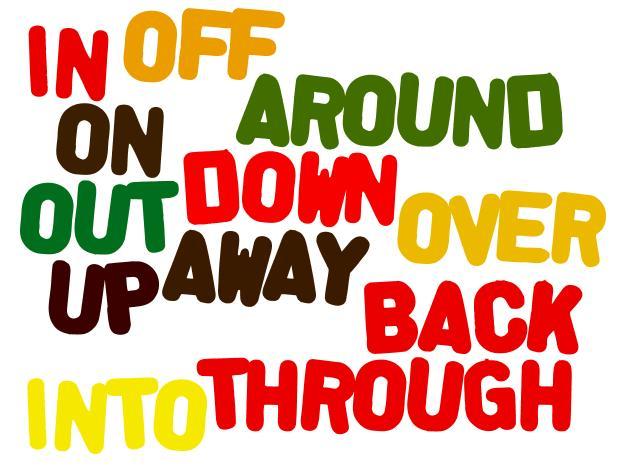
One of the biggest struggles that new learners of the English language will encounter during their studies is mastering the grammatical concept of the ‘Preposition.’ The most common issue that a lot of my ESL students have come across is how to better understand and memorize the grammar rules of the ‘Preposition.’
It’s nearly impossible to memorize all of the ‘Prepositions’ and their specific uses in English. I find that it’s best to examine certain examples where the individual preposition is being used in the sentence and for what context does it most apply fittingly. It’s important to remember that a preposition is considered to be a part-of-speech that comes before a noun type of phrase and connects it to another part of the sentence. The name of ‘Preposition’ can be broken down into pre-position which gives us a good hint that this part-of-speech needs to be placed before the noun. There are different types of noun phrases such as the noun phrase (the short boy), the noun (meat), the pronoun (us), and the ‘gerund or before the verb in –ing form’ (dancing).
The most common prepositions are on, in, to, for, with, by, and. There are numerous other prepositions and for a full list of them, I highly recommend going to this link: https://www.englishclub.com/grammar/prepositions-list.htm
There are three types of relationships that the preposition has with the rest of the sentence. They are relationships in time, in space, and of a certain method.
For some examples of prepositions in these three different relationships, let’s look at the following sentences:
Note: The physical location of the soccer ball is located on the floor. ‘On’ is a good example of a preposition that is used to demonstrate the relationship in space between itself and the noun.
Note: When it comes to date / time / place, a preposition like in is perfect for highlighting the relationship of time when it comes to a noun like ‘October.’ For months, days, weeks, and other words for time, it’s important to use the correct preposition to express this relationship.
Note: When describing a method with a preposition, using by is the most popular and the most useful. Whether its’ mailing a package, or writing a reply to your boss, this kind of preposition will come in handy especially when it comes to connecting the gerund (verb + ing) to the part of speech.
There are several kinds of relationships that are expressed with the help of prepositions but the most common relate to space, time, and method.
Prepositions can either be one word (after, in, by, etc.) or a couple of words, which makes them more complex in their overall nature. (according to, despite that, because of, etc.)
Prepositions will usually come in the middle of a sentence to connect two parts of a whole sentence. However, there are exceptions and sometimes they will appear at the beginning or end of a sentence.
Examples:
Which person did you talk to?
To which person did you talk?
____________________________________________
Another important distinction between prepositions is related to whether they involve place or time.
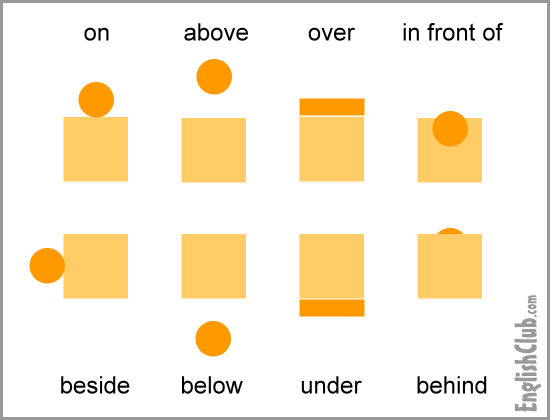
Prepositions of place describe the relation of an object or thing to another object or thing in terms of space.
This chart below provided by http://www.englishclub.com explains this phenomenon along with a list of corresponding prepositions of place:
Here are some example sentences for preposition of place:
Prepositions of time usually involve prepositions like at, in, on, by, etc. We use at to describe a specific time or date. We use in to highlight months, years, decades, and long periods of time. The last preposition of on is the most specific and deals with days of the week, and dates in time. By is the least common preposition of time but can be used to express important due dates when it comes to days and weeks.
Here are some example sentences for preposition of time:
This chart below from http://www.englishlearnsite.com is very useful in giving us more examples on how to use these prepositions of time in the correct manner without getting frustrated.
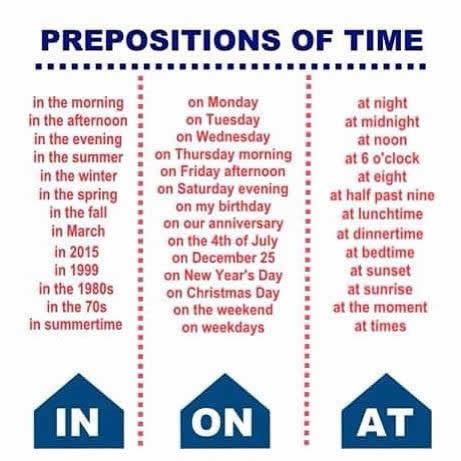
Prepositions are an important grammatical concept to master in order to become fluent in the English language. I hope this first ‘English Corner’ session was helpful to you as a reader of my website. Remember that a preposition is always followed by a noun, and never by a verb. Prepositions usually appear in the middle of a sentence but sometimes at the beginning or end too. Placing your prepositions before the ‘noun’ and after the subject/verb will help you greatly with regards to your English grammar.
I hope you enjoyed this first edition of ‘English Corner’ and I look forward to sharing another topic with all of my visitors again soon.
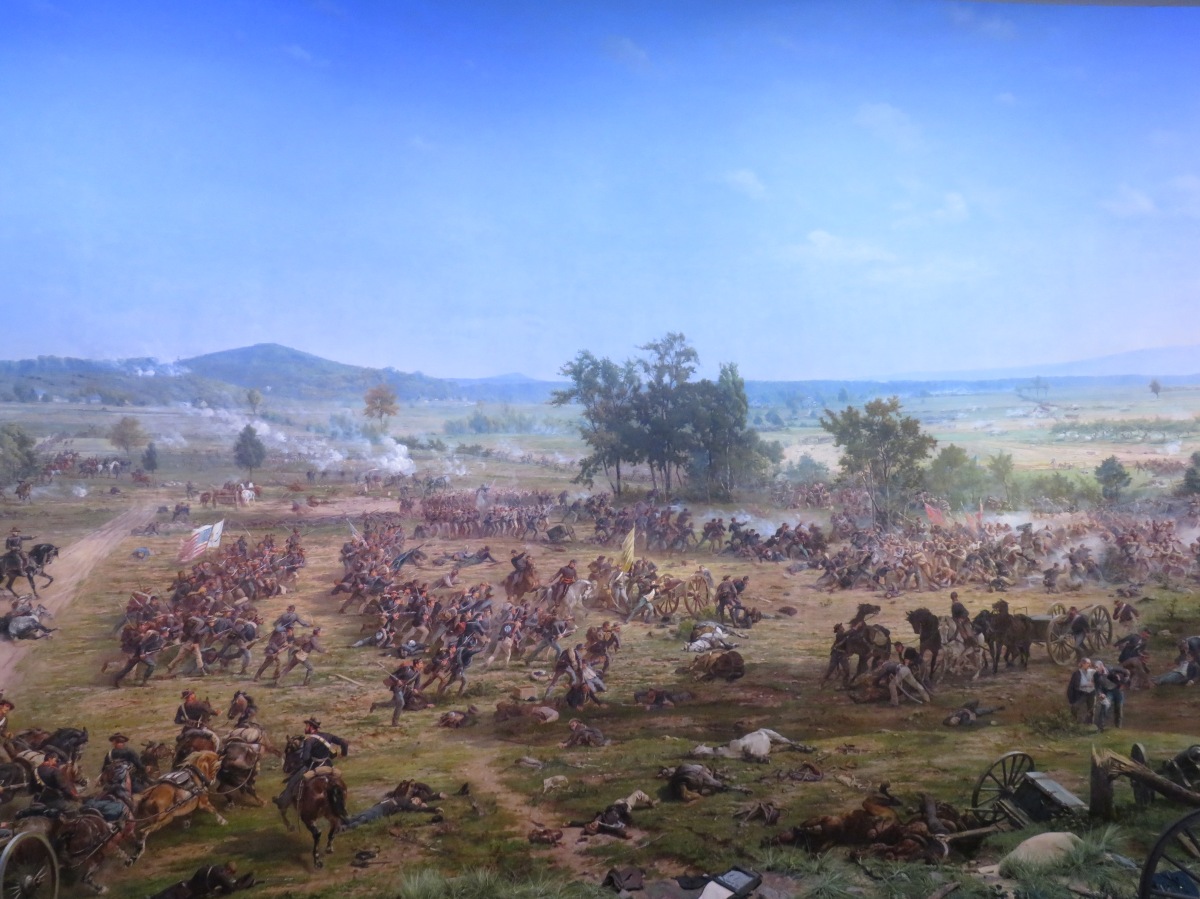
This past weekend, I was able to visit Gettysburg, Pennsylvania, the site of the most notable battle of the American Civil War, and one of the biggest battles in American military history. The battle of Gettysburg is also notable for being the main turning point of the Civil War. The outcome of the battle concluded with the Army of Northern Virginia, led by General Robert E. Lee, being prevented from invading further into the Northeast. Lee and his army were forced to retreat back into Virginia after the battles’ end and never again stepped foot in Union-controlled territory.
Set over a period of three days from July 1st – July 3rd of 1863, over 51,000 men from the Union and Confederate armies were killed, wounded, captured, or declared missing. It was the largest land battle ever fought in North America. More than 160,000 soldiers from both sides fought in the battle during those three tumultuous days with the town of Gettysburg and its civilians’ being caught in the crossfire. The battle of Gettysburg was fought on fields, marshes, hills, and sloping ridges over 10 square miles and around 6,000 total acres. In addition to the battlefield, Gettysburg is also home to a national soldiers’ cemetery close to the battlefield where the thousands of Union and Confederate troops, now long passed away, are ensconced in their final resting place.
The first thing one notices about Gettysburg is just how quiet and peaceful it is. One would have never guessed that a major battle had been fought here or that thousands of lives had been lost while fighting for their principles and values. The battlefield of Gettysburg, now devoid of soldiers and horses, still retains its wooden barriers, its replica cannons, and artillery. The National Park Service should be commended for restoring the grounds of the battlefield and keeping it clean for the more than one million plus tourists who visit the national military park each year.
What I was most surprised and pleased about during my visit was the amount of memorials, monuments, and tributes paid to the thousands of soldiers on the Union and Confederate sides. The armies, brigades, corps, divisions, etc. from each of the thirty states on both sides of the Civil War are each commemorated and memorialized in some form.
The most striking memorial to me was Pennsylvania’s state monument, the biggest and most awe-inspiring of them all. The Pennsylvania monument lists all of the soldiers’ names that fought for the commonwealth in the battle of Gettysburg. This monument in particular is Greco-Roman in design and has tributes to President Abraham Lincoln, and to notable soldiers and commanders from Pennsylvania. It also overlooks the entire battlefield of Gettysburg and can be seen from every part of the area.
Another notable memorial from the Gettysburg National Military Park can be found at the Gettysburg National Cemetery. In the center of the cemetery and overlooking the thousands of graves lying in repose is the Soldiers’ National Monument. This monument pays tribute to the soldiers who lost their lives at Gettysburg and is unique in quoting an allegory at its’ base that states, “Peace and plenty under freedom…following a heroic struggle.” In addition, this soldiers’ monument depicts the concept of ‘Liberty’ signified by a woman who carries a sword of war, while holding a wreath of peace. At the base, there are four separate statues representing ‘War, History, Peace, and Plenty’ in a chronological, circular order. In total, there are over 1,300 monuments, memorials and tributes at Gettysburg. It’s nearly impossible to see them all without spending a week or more at the battlefield because they are spread out over miles and miles of land. This is why it is known for being “the largest collection of outdoor sculpture in the world.”
You cannot come to Gettysburg without learning about the Gettysburg Address, and the process that led to President Lincoln delivering this famous and historic speech. While the spot where Abraham Lincoln gave the speech is not open to the public at this time, you can still see into the cemetery to view the general speech area. In addition, park rangers from the National Park Service are available for questions about the Gettysburg Address and a tour of the cemetery upon formal request. There’s also a bronze statue and monument of Lincoln’s bust along with an emblazoned copy of the entire Gettysburg Address close to the cemetery’s entrance.
American history was one of my favorite subjects from my high school days. The ability to go and visit historical battlefields like Gettysburg, Normandy, Lexington and Concord brings the history to life for me. I’ve been lucky enough so far to see some of the most notable locations of the American Revolution, Civil War, and World War II.
By visiting these places, you gain a great sense of gratitude and reverence around the conflicts, which these men fought and died in. You can better understand the costs and sacrifices that come with making war. Its’ also good to appreciate what we have today in our united country. There were times in our collective past as a nation when the concept of a ‘United States’ was very much in peril. Hopefully, we can continue to avoid the mistakes of the past, and learn from these dreadful conflicts.
The importance of seeking a brighter and peaceful future for our nation and the world is what I took from my visit to Gettysburg. These memorials, monuments, and the military park remind visitors and patrons alike why peace is something to strive for, even if it comes at a great cost. Sometimes, peace can only come through means of warfare, and that is why we give thanks to those men who gave their “last full measure of devotion.”
To learn more about the Gettysburg National Military Park, you can visit these websites for more information:
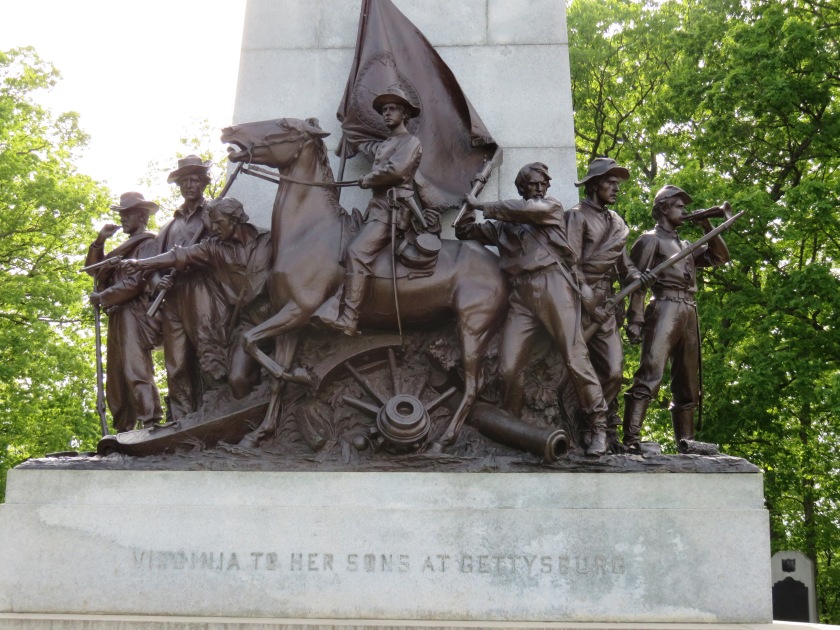
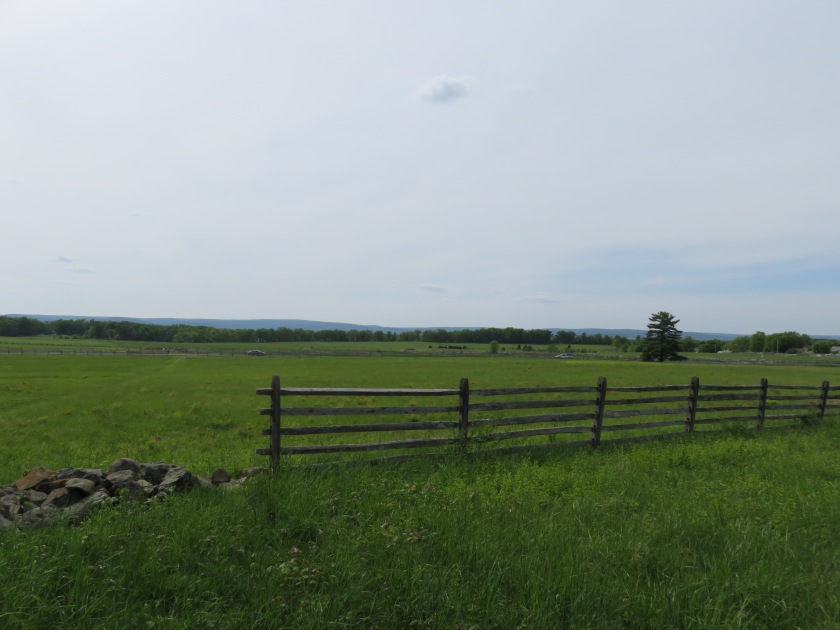

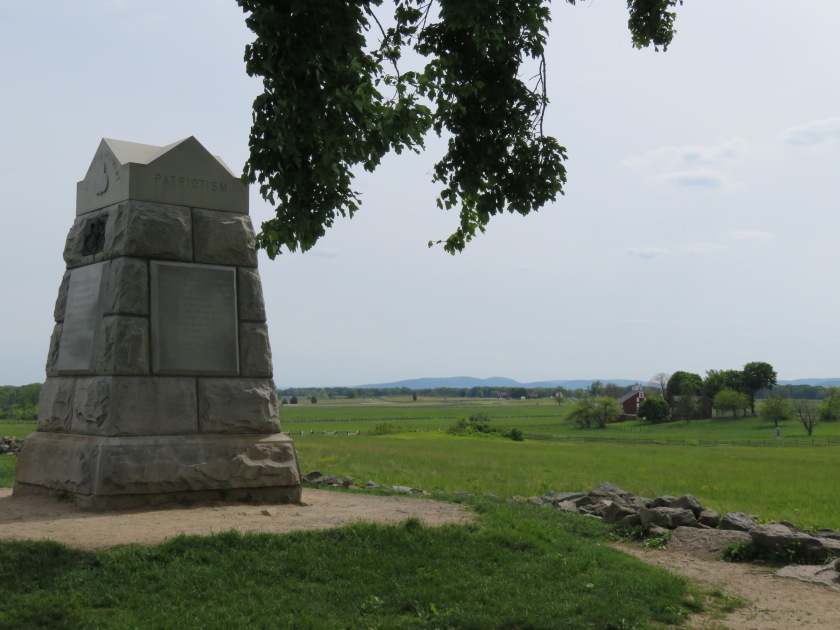
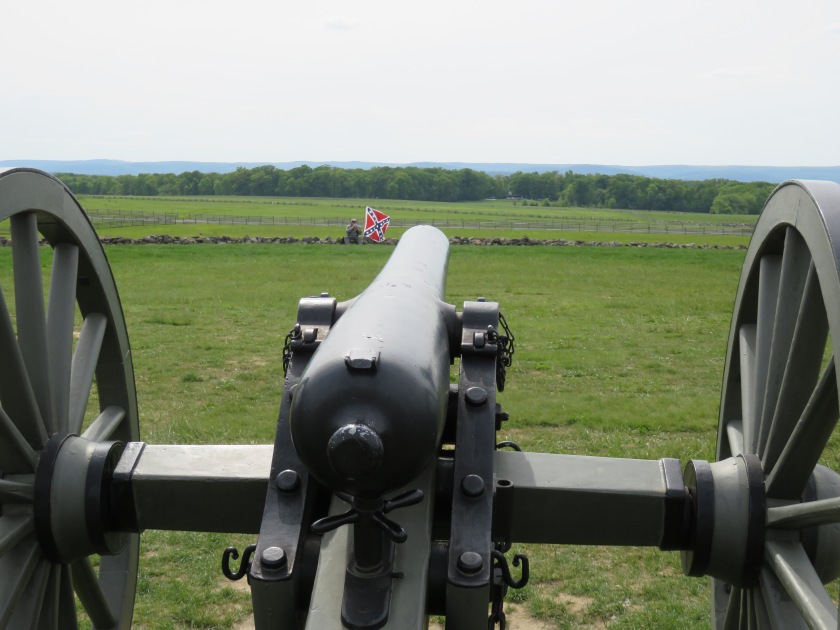


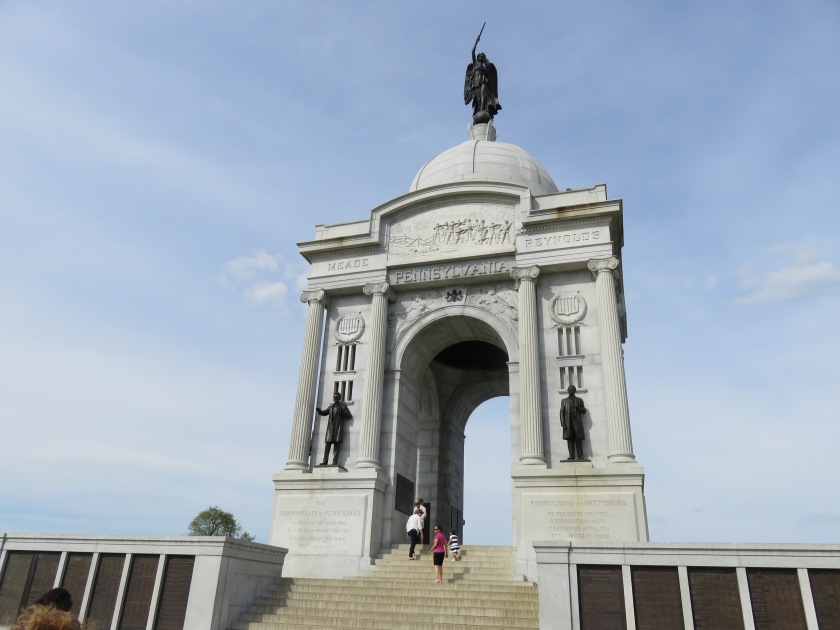


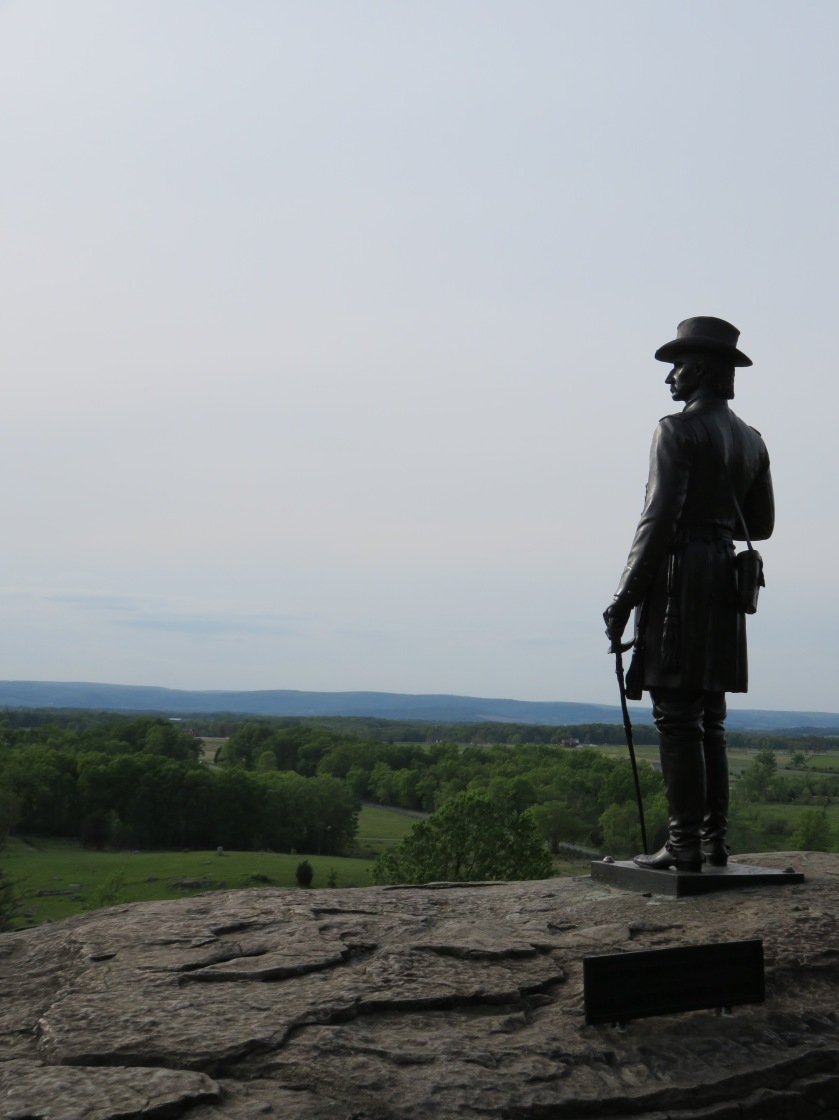

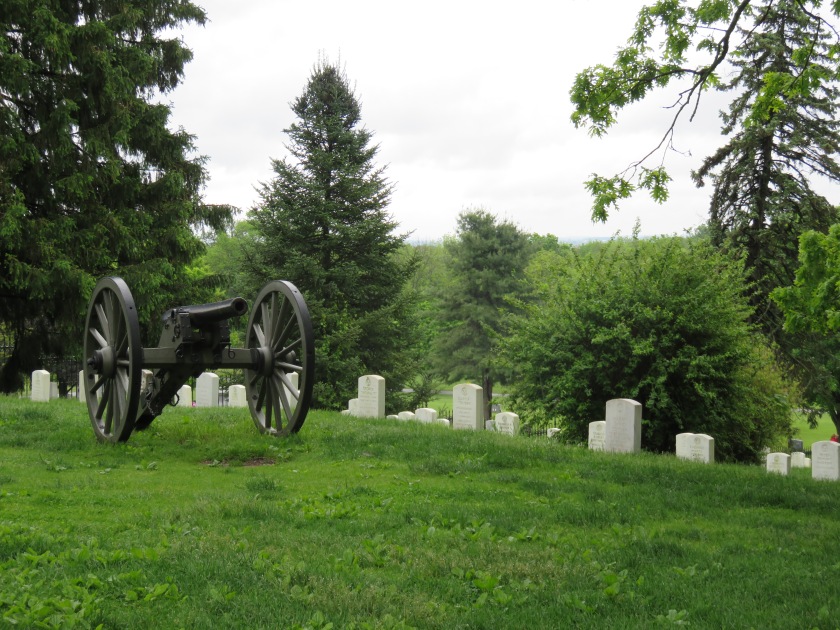


Camera: Canon PowerShot SX710 HS
Location: Gettysburg National Military Park; Gettysburg, Pennsylvania
After a five-month break, I’m back with another edition of “Book Recommendations.” I’ve had some free time on my hands lately which has allowed me to read these really great books. I would like to share my latest selections with my visitors and hope that you will check these books out for yourself.
Note: I have also posted the links to these books so you can check them out on Amazon.com. You simply need to click on the books’ images below in order to be re-directed to the Amazon page of the book itself. Enjoy.
1.) And Then All Hell Broke Loose: Two Decades In The Middle East by Richard Engel, Chief Foreign Correspondent for NBC News
As someone who has studied the Middle East region extensively in college and has made a few trips to the region (Turkey, Israel, Jordan), I continue to enjoy learning about this tumultuous part of the world despite its rough past and present.
This book by Richard Engel is excellent because it comes from someone who understands the complexities and historical background of the region. He is also a great correspondent and storyteller who weaves his own history of working in the Middle East alongside the tumultuous events over the past two decades, which have fundamentally transformed the region.
Mr. Engel has been a foreign correspondent in the Middle East for over twenty years now. In this book, he clearly displays his vast knowledge of its’ history, culture, societies, and the troubles that continue to plague the region. Engel is fluent in Arabic, Italian, and Spanish. He has worked for NBC News and other major news organizations for over two decades. He re-tells his firsthand experiences and stories of starting out as a freelance journalist for the Agence France-Presse in the late 1990’s during the time of Mubarak’s Egypt. He goes on to discuss his experiences of working and living in Iraq during the collapse of Saddam’s regime and the subsequent U.S. occupation of Iraq.
In addition, Mr. Engel has also spent a lot of time covering the fall of Muammar Gaddafi in Libya and the recent civil war in Syria. Richard Engel has also endured some trauma during his career as he was captured and kidnapped by ISIS in late 2012. For the readers of his book, we get personal insight into the hellish situations he has been drawn into through his accounts of witnessing the deaths and injuries of many of his journalist colleagues over the past twenty years. This book is fundamentally a more personal story as he recounts how his 20 years of covering the Middle East had affected his marriage, his friendships, and his mental state.
What I like most about this book is that Mr. Engel gives you the historical background and the straight facts of what happened in the region and why it happened. You can tell that he was both physically and emotionally affected by the wars and insurgencies that he bravely covered for the U.S. media. More than anything else, it is a well-written account of what it means to be a journalist in a very difficult region of the world for journalists. Richard Engel doesn’t preach about what should have happened or what could have been different in terms of the politics but he simply relays his past experiences for those of us who want a more personal, firsthand account of what it is like to cover the Middle East.
2.) Kitchen Confidential: Adventures in the Cultural Underbelly by Anthony Bourdain
A world-renowned traveler, famous television show host, coolest American alive over 50 years of age. You can also add best selling-author to this list as if it wasn’t long enough. These are just a few of the titles that Mr. Bourdain has earned over the course of his life. However, most people forget that he was a very successful chef in New York City and elsewhere during the 1980’s and 1990’s. He is especially known for being the executive chef at the famed restaurant of ‘Les Halles’ in Manhattan, NY.
Due to his years in the kitchen, Kitchen Confidential is an in-depth, intriguing look into the actual process of how the food we eat in restaurants ends up on our plates. You may not feel very hungry after reading this book due to the expose on some food industry practices that could be considered unsatisfactory in terms of health regulations. I know now that I won’t ever order fish or any other seafood from a restaurant if it’s a Monday.
This book is an unfiltered look into life as a cook and Bourdain hilariously delves into stories from his past and the characters he encounters in the various kitchens he’s worked in. He discusses how he worked alongside drug dealers, degenerates, thieves, loose cannons, etc. in the kitchen but that didn’t detract from the excellent chefs that they made themselves out to be. If anything, Bourdain argues, their eccentricities and attention to details help make these people into great cooks.
Kitchen Confidential is also useful in that Bourdain gives tips and advice to his readers on how to cook and prepare food better. His advice ranges from what kind of knives are best to which simple gadgets make the most difference in having a decent kitchen to cook in. If you like his travel shows and his antics as a TV host, you will most certainly enjoy this book.
3.) Connectography: Mapping The Future of Global Civilization by Parag Khanna
The race to win the 21st century will not be a race between militaries, or of competing arms but of overall connectivity. Mr. Khanna argues that whichever country becomes the most connected to the global supply chains of trade, finance, technology, infrastructure, etc. will stand to benefit most in our current globalized world. A geopolitical strategist, consultant, and world traveler, Mr. Khanna displays his in-depth knowledge of international affairs and geopolitics from his past travels and from his extensive research.
From Ukraine to the UAE and from China to Nigeria, Mr. Khanna details how national borders are no match for the global supply chains that are increasingly emerging. Physical boundaries of geography are becoming less important than the priorities of developing high-speed rail lines, building intercontinental pipelines, expanding the World Wide Web, along with increasing energy outputs and resource trading among many different nations.
While some prominent figures in politics are advocating for resurgent nationalism and wall-building, Mr. Khanna understands that this perspective is detrimental in a world which is becoming more fundamentally connected. In the 21st century, countries and continents need each other now more than ever. With ten trillion dollars and growing being spent per year on infrastructure, transportation, energy, and communications, this trend is likely to continue unabated.
Among the notable ideas in this great book that Mr. Khanna highlights are the emerging North American Union with related maps in the book showing how the United States, Canada, and Mexico are becoming more interdependent. China is also connecting itself to many of its neighbors in Eurasia through gas, oil pipelines and freight rail networks.
In Connectography, Mr. Khanna gives us an in-depth perspective on the world’s growing interdependence and how its’ affecting our everyday lives. While there are numerous challenges to this worldwide trend, which are also highlighted in the book, Mr. Khanna strikes on a final note of optimism. Even with the difficulties and struggles of climate change, terrorism, civil wars, etc., only a more inclusive, connected global society can meet these challenges head on and succeed together.

There has been no other time in human history than in today’s era where the average person with access to the Internet can seemingly have unlimited amounts of information available to him or her. When you truly think about the magnitude of it, untold amounts of data are being created every day. According to IBM, “The current estimate is 2.5 quintillion bytes of data per day and over 90% of the data in the world today has been created in the past two years alone.”
A common response nowadays from both family and friends when I ask a question to them about a random query is not a straight-forward answer but rather an off-handed suggestion to “Google it.” Living in this era of ‘Big Data’ can be quite overwhelming to the average person but one could also look into it as an opportunity to gain knowledge and further ones’ understanding on a limitless amount of subjects with the simple click of a mouse. The Internet is an amalgamation of thousands of libraries of Alexandria at the beck and call of one’s fingertips.
Compared to past ages when information and knowledge was more exclusive and harder to come by, today’s era allows everyone with an Internet connection to search and find information to their heart’s content. Instead of going to a library to find what you need on a subject, websites like Google, Wikipedia, and other online encyclopedias have largely replaced the main role of the physical library. I remember when I was younger and in my high school days having to seek out certain books in order to write a research paper or complete a book report.
However, now more than ever, you can easily find the sources of information you need online in order to facilitate your research and evidence. While I love libraries and hope that they never go out of style, the reality is that online encyclopedias and eBooks are largely replacing their original purpose. In order for libraries to stay relevant, they need to start incorporating computers, free Wi-Fi, and technical classes in order to remain useful.
From the 18th to the 20th centuries, universities and colleges across America were the standard bearers and purveyors of higher education. Originally for the elite, wealthy, and well connected, those students who were able to get accepted and afford undergraduate and graduate studies believed that they would have an advantage in the job market and in achieving the American Dream. More recently, as colleges and universities have become more inclusive than exclusive, tuition prices have inversely risen as well.
While higher education has become accessible to more and more young Americans, it also has become more expensive especially over the past decade. These events have led to an ongoing debate as to whether college is really worth the price tag and whether the average student gains anything from earning a four-year degree. With student loan debt at an all-time high of $1.3 trillion in 2015 in the United States and tuition rates at both public and private universities continuing to rise, people are beginning to look for alternatives to the current higher education system.
Over the past decade, there has been a drastic proliferation of massive open online courses (MOOCs) provided by both private companies and traditional universities. At a much lower price and sometimes free, people from all over the world can sign-up for these courses and partake in lectures, tests, quizzes, and papers as if they were actual enrolled undergraduate and graduate students at the physical form of the university. As the credentials and certifications bestowed upon these courses continue to increase and become more widely accepted, we may begin to see ‘the end of college’ as we know it.
Examples like Khan Academy, edX, Coursera, Udacity, etc. and other MOOCs have leveled the playing field. Tech entrepreneurs from Silicon Valley have allowed students from all over the world to access unlimited online courses to further their academic knowledge at a lower price. With the subsequent rise in online university programs for undergraduates and graduates, the physical college experience of dormitories, lecture halls, football stadiums, etc. may become less appealing to students as tuition prices continue to increase. While the social and networking benefits of college life are numerous, they may not be enough to compete with this era of free information that we are living in.
Compared to past decades, we’re living in a time when access to the Internet is at an all-time high and is increasingly rapidly due to the rise of mobile technology. Traditional havens of knowledge such as the library or the public university will have to adapt to stay relevant in this unlimited information age. In a worldwide job market that is evolving rapidly and where the average child today will work in an industry not yet created, the free exchange of knowledge must continue to spread through the worldwide web.
Countless others and I have benefited from taking online coding courses on ‘Codeacademy’ to learning new languages on ‘Duolingo.’ As MOOCs and online universities continue to develop their courses and credentials, we may begin to see an era where the average person can earn a degree or two without breaking the bank. MOOCs are cheaper, less time intensive, and can adapt more easily to the rapidly changing employment market.
A well-educated population is now more possible now than ever with the wealth of knowledge and information that is available. That fact is evident but it also is up to the individual to be willing to search for that information and actually apply it. Instead of getting frustrated with people asking me to ‘Google’ the answer, I find that it’s worth the hassle because it’s often true that I will find the answers I’m looking for and in greater detail than if I were to ask a friend or family member for a quick description. That’s the power of the Internet. That’s the wealth of knowledge that we are able to take advantage of.
Sources
Sites Mentioned
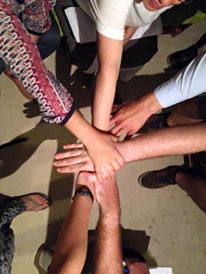
As apart of my training program to become a Volunteer for Peace Corps – Colombia, my fellow trainees and I have worked hard over these past weeks and months in developing and implementing mini-projects in partnership with our community here in different ways.
Overall, there have been three community projects that we have been working on over these past two months. All of us trainees together have worked on a ‘Limpieza La Comunidad’ or ‘Cleaning up the Community’ project with local citizens in an effort to make the parks and the local river here cleaner and safer for everyone. So far, we have conducted two clean-ups so far during the weekends which have at the central park of our town and then most recently at the ecological park and the area near the football stadium.
It has been a real joy to work with the young people of the community especially. The children and teenagers, who have helped us with the clean-up process the most. They have been extremely enthusiastic and willing to pitch in to assist and work with us. I have worked with one child in particular, named Jesus, age eight, who has helped me specifically with picking up the trash and sweeping the leaves. For both times where we have had our clean-up project in different parks, Jesus has been there to be my partner and help me with my big trash bag. I hope that after we leave for our volunteer sites in mid-April that the children, teenagers, and young people of our current community will become the next leaders of this clean-up effort and will continue these projects and make a sustainable difference in their town.
In addition, my colleagues and I have been able to create two mini-projects related to English education here in the community. A few of my fellow trainees have started a ‘reading buddies’ after-school program where they have read books alongside children and teenagers over the past couple of weeks. Others and myself have worked hard to create a community English class based around conversation lessons that have taken place on Thursday nights and during the weekends.
My fellow trainees and I have split the hours of teaching between ourselves and now provide about three hours a week between the three of us in giving conversational lessons in basic English to those members of the community who want to learn and expressed sincere interest to us in attending our classes. I have been very pleased with the turnout for my community class on Thursday nights and the hard work, engagement that my students have had so far for learning conversational English.
Eight adults showed up for my first class last week and I hope that they will continue coming to class over the next few weeks. For this program, I also hope to designate a leader(s) to continue having English classes within the community. If possible, I will select an adult with the English skills necessary in order to teach his fellow Colombians and keep the class going into the future. I always think back about how lucky I was in the past to pursue my passion for foreign languages and how I was able to take Turkish and Arabic classes at night and also attend Spanish conversation groups as well. It has been great giving that same opportunity to those adults interested in learning my language and developing their conversational proficiency.
Lastly, my fellow trainees and I have successfully completed recently two separate training sessions for the English teachers in our community. The topics have focused around creating speaking and listening activities for their students in an interactive way, as well as working on the pronunciation of difficult sounds in the English language. Both ‘charlas’ or teacher training sessions have been well attended; the teachers were enthusiastic about sharing what they had learned from us and applying this knowledge in their classrooms for the future.
As our first projects finish up over the next few weeks, I can say that we made a meaningful impact in our community during our training program. Each of the trainees has worked hard, provided a lot of time and effort, and have developed good relationships with the local community too. I believe that we can hold our heads up high as we head into April 2016 and the beginning of our formal volunteer service here in Colombia.

The day has finally come and I have made it safely to Colombia. It has been an extremely eventful week so far and I am very happy to be apart of the CII-8 volunteer trainee group as apart of the U.S. Peace Corps. Everyone in my cohort has been extremely friendly and helpful so far and I look forward to training with them over the next three months so that we can be sworn in as official Volunteers serving in Colombia. It’s a real pleasure for me to meet all of the great people from around the United States who have committed themselves to the Peace Corps for the next 27 months.
The only bad part of this trip so far was the rather tedious and stressful flight from New York to Miami on American Airlines which provides much better international service than domestic service. I arrived in Miami on Monday afternoon after a tumultuous morning but I was happy to be reunited with a good friend of mine from college who showed me around the Miami Beach area.
The anticipation and excitement had caused me to lose sleep over these past few days and that built up to a crescendo when I arrived to the hotel on Tuesday morning for ‘Staging’ with the other volunteers-to-be. After a long day of orientation, icebreakers, and getting to know my fellow invitees to Peace Corps Colombia, I capped off the ‘Staging’ event by going to an excellent Cuban restaurant called “La Rosa” which I would recommend to anyone reading this blog. Fantastic food and a great atmosphere.
Finally, the moment had arrived yesterday when we gathered our many bags and backpacks and headed off together to the Miami Airport. After checking-in, going through security, and arriving at the gate, we were on our way to Colombia. Compared to my usual flights overseas, this was extremely easy to handle as it was only a 3-hour flight and the service, hospitality is much improved for an international trip from American Airlines thankfully.
Since arriving, the other invitees and I have been extremely busy with meetings, paperwork, and briefings designed to help ease our transition into life in Colombia. This is necessary for us to all take part in because this weekend, we will be moving out to small pueblos outside of Barranquilla to begin our three months of technical and language training before we can be sworn-in as official volunteers.
I am extremely grateful and pleased with the support of all of the staff and the current Peace Corps volunteers. Those currently serving have been a great resource to us in answering our questions and helping us out. I was especially pleased with how enthusiastically and warmly we were greeted at the airport by the current staff and volunteers here in Colombia.
Barranquilla seems like a very nice city from what I’ve seen so far and reminds me a lot of Miami although much more humid and down-to-earth. Thankfully, there is a very nice wind breeze coming in from the Caribbean Sea to the north of us so the hot weather is much more bearable during this month although this is likely to change in the Spring. This will only be a short-stay here in the city before we meet our Colombian host families for the next three months.
Lastly, I am excited to begin my training to become an official Volunteer and am committed to my mission and goals here in Colombia. It’s been a long journey to get to this point but I am ready for the work to begin and I am very happy to be here.

In just one week from now, I will begin my training to become a Volunteer for the United States Peace Corps in Colombia starting in mid-January of 2016. For my three months of training, I will be living in a town called Santo Tomas, which is about 45 minutes outside of Barranquilla. For my work and living situation, after I’m sworn in as a Peace Corps Volunteer, I will be located in a site close to the Atlantic Coast of Colombia close to the cities of either Barranquilla, Santa Marta, or Cartagena. The school where I will be teaching and the community that I will be living in has not been announced yet due to the fact that I haven’t completed my training yet.
This will not be my first time living overseas for an extended period of time. Previously, I lived in Istanbul, Turkey last year as an ESL teacher at a private high school. I also studied for a semester at Bogazici University in Istanbul as well when I was in college. My first overseas living experience occurred when I was 16 years old in Costa Rica where I studied Spanish for a summer there in a language homestay program. I have become quite comfortable with adjusting to a new lifestyle and territory by now. However, it still may take me a few months to adapt to the new culture and hot climate.
My family and my friends have been very supportive of my decision over the past year and a half to pursue service in the U.S. Peace Corps. It’s not easy to be away from your family and friends for a long period of time but they all know about the good work that I will be doing in Colombia. They understand the importance of volunteering and serving. I would not be where I am today without the support of my father, mother, and my brother especially. They have been great to me throughout the whole application and selection process.
My main project while serving in Colombia will be developing, and improving upon the ‘Teaching English for Livelihoods’ program. I hope to work with local Colombian teachers to advance the English curriculum and materials that they are using to teach the students. I believe that with hard work and effort, we can make real progress in creating an effective way of teaching English and improving the English proficiency levels of the Colombian students. I also would like to expand upon tutoring and after-school programs related to English learning and making sure that the students see learning English as fun and useful to them.
I look forward to being apart of a new school and a new community. I am excited to explore my surroundings and to learn about the Colombian culture and their customs. I will be very happy to work with my Colombian colleagues as well at the school and hope that I can make a real difference in improving the English level of the students that I hope to help during my service. I want to immerse myself in becoming fluent in Spanish, learning the local dances, and tasting the Colombian cuisine as well.
My motivation to join Peace Corps was because of a number of different factors. I had a desire to volunteer and serve a purpose greater than myself. I felt that I could contribute a lot to the Peace Corps’ Education sector given my previous background and experiences as an ESL teacher. I wanted to explore a new country and a new culture as well. Spanish was the first foreign language that I learned as well so I hope to use this exciting opportunity to become fluent and to connect more easily with the locals in my community. It was also important to me to volunteer and contribute to the wider world in some way. I hope I can be an example to other Americans who want to be part of something bigger than themselves but are not sure where to begin.
When I leave Colombia, I want to leave behind a school and community that is better off than it was before I arrived. My main goal is to help the local teachers to develop an effective English language curriculum that will last for many years after I depart them. I hope to foster better relations between Americans and Colombians through my actions and my relationships that I hope to build between our two peoples.
I wish to help as many students as possible with their English language skills whether its through tutoring, after-school programs, etc. so that they can become bilingual and have a brighter future. Above all else, I would like to make new, lasting friendships and to be considered an honorary member of their community by the time I leave.
I leave in less than a week and I’m excited to begin and complete my training over the next three months. All I have left is the final packing of my bags and I’m off to Miami for the staging event!
There will be a change of focus for my blog from this point forward as I will focus on writing about my experiences and adventures living in Colombia. I hope to write about the cuisine, customs, culture, and food of my adopted country for the next 27 months. I hope that you will follow me on this exciting journey. Thank you very much for your continuing viewership and support. (Muchas Gracias y Saludos para todos! Vamonos!)