Being a Specialist vs. a Jack of All Trades in 2025

“There’s a saying that’s been repeated so often it’s lost its bite these days: “A jack of all trades is a master of none.” However, what most people forget is the full quote: “…but oftentimes better than a master of one.” That second half hits home for me as someone who likes to consider myself a man of many interests and likes.”

There’s a saying that’s been repeated so often it’s lost its bite these days: “A jack of all trades is a master of none.” However, what most people forget is the full quote: “…but oftentimes better than a master of one.” That second half hits home for me as someone who likes to consider myself a man of many interests and likes. I’ve been a jack of all trades most of my life, by design, and not by accident. I’ve always had too many interests to narrow myself into one lane, from teaching English and managing international projects to running side businesses, writing, and exploring new skills like photography and video creation. In 2025, this flexibility isn’t a flaw but rather its survival and adaptation in an ever-changing and acceleratingly fast world.

Let’s be real here too: the world doesn’t reward loyalty to one craft the way it used to in my parents or grandparents’ generations. The days when someone could spend thirty years perfecting a single skill at one company and retire with a gold watch are long gone. Industries move at the speed of AI updates and quarterly market shifts. The specialist like the surgeon, the dentist, the coder, the data scientist still has immense value, of course, and they should be commended for their craft and their dedication to their field.

Those are the people who go deep rather than wide, mastering one corner of a field to the point where they can innovate within it and do so for decades luckily. However, the specialist also lives or dies by their niche or calling. When that niche collapses, loses favor in terms of employability, or evolves faster than they can adapt to the changes to the industry, their expertise in one area can quickly become a liability.

On the other hand, generalists or ‘jack of all trade’s types, people like me, tend to thrive when change is the only constant in life. We’re used to juggling multiple domains, learning on the fly, and connecting dots others don’t even see or don’t wish to see. When AI starts writing code or generating content faster than humanly possible, the jack of all trades doesn’t panic; they pivot to adapt to that change and to see how they can go with the flow. They find new intersections where creativity, management, and soft skills still matter in a world that is increasingly tech-first, question later. In 2025, the ability to synthesize ideas across fields like education, technology, business, culture is arguably more valuable than mastery of just one skillset.

Still though, let’s not sugarcoat it: being a generalist or ‘jack of all trades’ comes with tradeoffs. You’re rarely the “go-to” expert in the room. You may not command the highest salary, or you may constantly feel spread thin, working to keep up with several evolving interests instead of going all-in on one interest. There’s a sense of restlessness built into the generalist’s DNA. However, that same restlessness is what keeps us generalist types adaptable and flexible. We’re built for the gig economy, the hybrid or remote workplace, the new industries, and the unpredictable career paths that define this modern era.

Specialists, for their part, enjoy a kind of depth that the generalists envy. They can focus, dig deep, and master a single language, whether that’s the language of law, medicine, finance, or engineering. Their work can bring a deep sense of purpose and respect that comes from being the person that people rely on when things get complex or challenging. Specialization can be a trap too though as it can make you resistant to change, or worse, blind to possible opportunities outside your comfort zone. The moment your expertise or your sole skillset is no longer in demand, your value can plummet unless you reinvent yourself and to do so quickly.

The reality is that 2025 doesn’t belong exclusively to either camp of ‘generalists’ or ‘specialists’. It belongs to the hybrids instead, who the ones who know enough across different professional disciplines to connect the dots and have enough depth in one or two areas to back it up with credibility and experience. The future as I see it will reward those people who can learn fast, adapt faster, and translate knowledge across industries.

Also, if you know how to communicate well, can solve problems, and meet deadlines consistently, you will always be in demand in my view to work for a company, organization, or other professional body. Whether you’re a generalist who’s learning to specialize or a specialist learning to broaden your scope beyond your field, the key remains the same as you should stay curious, stay humble, and never stop evolving.

Yes, I’m a jack of all trades and I don’t see that changing anytime soon in my own life. If anything, I’ve learned to wear it as armor in a world that’s constantly trying to box people into a corner. I’ve been told I should “pick a lane,” specialize, and double down on one thing alone but that’s never been me or my personality. My curiosity doesn’t fit neatly into a job title or a sole industry. I like moving between worlds, connecting people and ideas that weren’t supposed to meet in the first place.

I’ve realized that being a generalist isn’t about doing everything halfway; it’s about mastering having adaptability itself. It’s about knowing enough across fields to spot the patterns others miss and having the guts to reinvent yourself when the winds change direction. Specialists might thrive when the road is straight and predictable, but I thrive when the map is being redrawn in real time. So no, I don’t apologize for my curiosity or for the eclectic path I’ve taken in life so far. Being a jack of all trades in 2025 isn’t a weakness, rather, it’s an operating system for the modern world. In a time when rigidity gets punished and reinvention gets rewarded; versatility isn’t just a skill; it’s a survival strategy to get by. Honestly, I wouldn’t have it any other way.

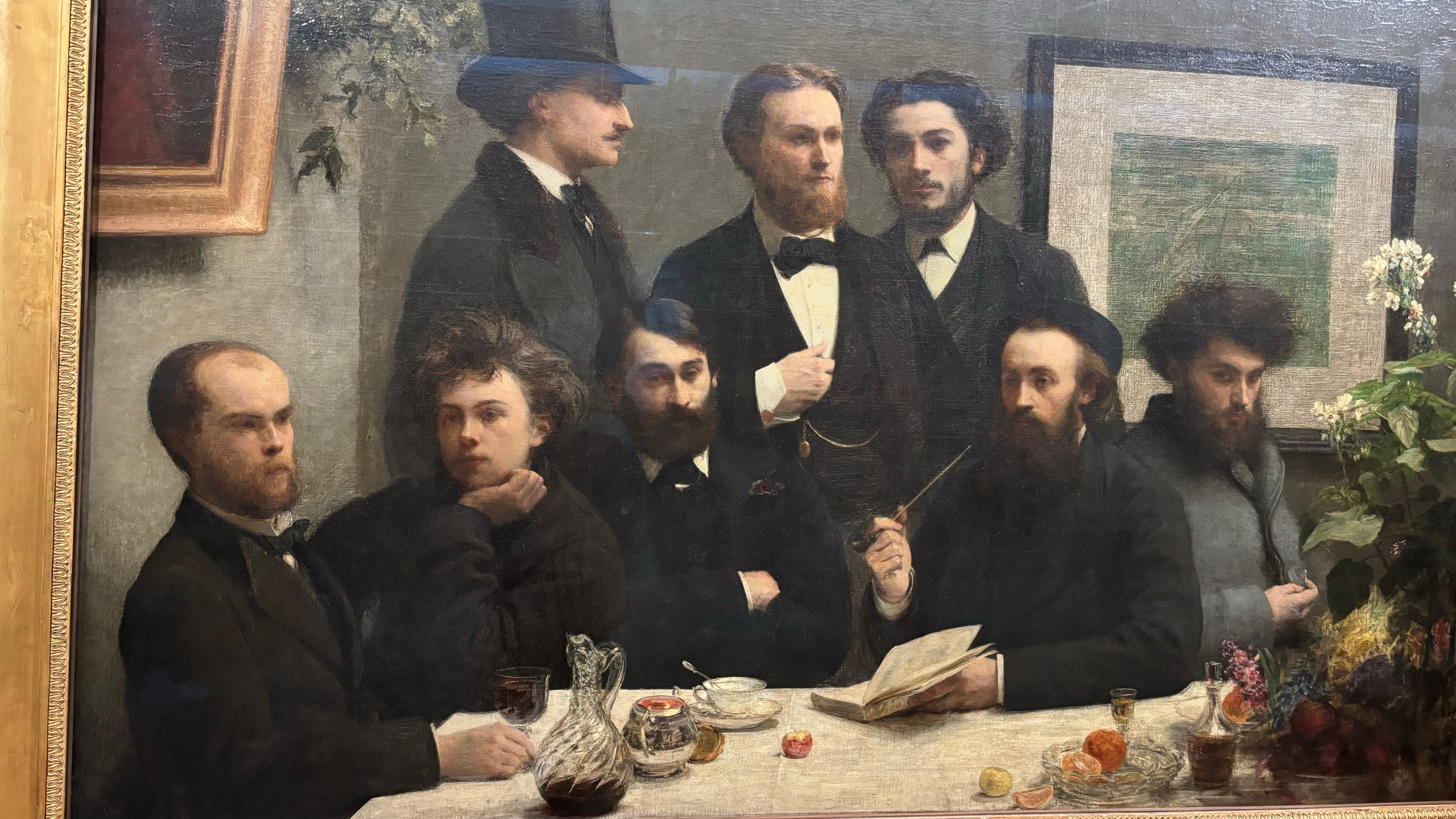
Musee d’Orsay

After nine years since my last trip to Paris, I returned in the Summer of 2024 to enjoy some sights like Musee d’Orsay but also for the Summer Olympics!

Camera: iPhone 15

Location: Musee d’Orsay, Paris, France

A Visit to McGill University

Checking out one of Canada’s most famous and historic universities, McGill University in Downtown Montreal on a Winter’s day.

Camera: iPhone 15

Location: Montreal, Quebec, Canada; McGill University

Emulating ‘The Most Interesting Man in The World’

“You don’t have to be the most interesting man or woman in the world, but I think these commercials did do a good job of why it’s necessary in life to embrace curiosity, experience, adventures, and being charismatic.”

I am not a big fan of commercials or advertisements generally, however, if they can be humorous or insightful, such as one kind of commercial that has captivated me for years, on what it is like to be ‘the most interesting man in the world’. I have long had a soft spot for the now defunct ‘Dos Equis’ beer commercials focusing on the character of “The Most Interesting Man in The World.” These commercials were not only humorous but also served as a cheesy yet truthful take in my view regarding how to be a more well-rounded, open-minded, confident, curious, and adventurous person. You don’t have to be the most interesting man or woman in the world, but I think these commercials did do a good job of why it’s necessary in life to embrace curiosity, experience, adventures, and being charismatic.

“The police often question him because they find him interesting.” In many of the ‘Most Interesting Man in The World’ commercials, you see the character actor, Jonathan Goldsmith engaged in various activities such as climbing Mount Everest, arm-wrestling a military general, or flying a plane. The character thrives on experiencing life and all it has to offer despite the risk(s) and danger(s) involved.

Whether its fencing, sea diving, or rescuing a lion, he thrives on novelty and making the most out of what life is all about. I don’t see anything wrong with you incorporating this kind of mindset such as seeking out new hobbies or interests, traveling to unique places, and learning new things to make life more exciting and fulfilling. You don’t need to be the most interesting man or woman in the world to do that, but you do need to take action to make that happen.

“He has inside jokes with complete strangers.” Having charisma, being appealing to other people, and showing confidence in your actions will carry you far in life. What ‘The Most Interesting Man in The World’ commercials show us is that it does help to be charismatic, confident, and able to handle social situations with ease. This kind of character takes time to develop and won’t come easily, but like ‘the most interesting man’, it can pay off for you when you invest in your social life and take time to get better at building those social skills. The character in the commercial is not doing these activities alone and he is not at the bar or restaurant alone. He is self-assured, confident, telling a story, and being humorous to enhance his relationships. You should work on doing the same in terms of having those characteristics in both your personal and professional relationships. You never know when having these kinds of interpersonal skills will come in handy, but I can guarantee it will help you in life in one way or the other.

“He can speak French…in Russian.” The character himself is well versed in those activities and is knowledgeable in many fields such as learning languages, playing sports, or knowing different instruments. These commercials, while funny, do show the viewer the value of being a lifelong learner as it will make you a more well-rounded person. Being able to ride widely on different subjects, picking up new skills over the years, and engaging in a wide array of activities will make you stand out in a good way in terms of forming a holistic personality. If the character can do it, you can make it happen as well though take it one step at a time in terms of becoming a Renaissance person. You may not get there right away with being well-rounded, but years or decades of work will help you get there most often.

“People hang on his every word, even the prepositions.” The most interesting man in the world doesn’t boast and talk at length without being prompted first to share his adventures and experiences. He is intriguing because he is mysterious and saves his best stories for those, he wants to share them with. Even in these commercials, the actor has a real presence about him, partly because of his age but also because of his body language. You do not need to overshare with the average person or stranger, but you should intrigue people with your aura and your confidence. You can let someone new know a little bit about you without giving everything away. It takes time to get good at that, but you should save your best stories for your most intimate friendships or relationships. You should divulge a little bit about yourself at a time while maintaining some mystery for those people who really care to get to know you better.

“His blood smells like cologne.” When you dress well like the character does, when you have strong composure and when you carry yourself with both dignity and respect, people will treat you better and take you seriously. Remember to boost your confidence this way by paying more attention to how you present yourself, how you speak, and how you think you’re being perceived. You don’t need to be a fashion icon but like ‘the most interesting man in the world’, you have it in your power to dress well, have more refined taste, and present yourself as best as possible. Having good body language, dressing well, and being confident may not make you the ‘most interesting person’ but it will make you much more appealing and intriguing to know more about.

“Presidents take notes when he speaks.” Everything about these commercials suggest that ‘The Most Interesting Man in The World’ has a legacy worth remembering and that his persona lives on long after he’s gone. The idea of having a legacy, contributing to something bigger than yourself, and being part of a greater mission are all themes from these commercials. Being remembered well, pursuing meaningful work, helping others who are less fortunate, and making bold choices should never be shied away from. You don’t have to be a fictional commercial character to do all these things.

The overall message behind this part of the character is something that we all can relate to in our lives. We want to have a positive impact in the world and leave something good behind whether that’s a family, a garden, or a charity. Whatever legacy you intend to have, ‘The Most Interesting Man in The World’ encourages us all to life a life worth remembering and one in which we have a positive and memorable impact on the lives of other people.

At the end of the day, The Most Interesting Man in the World may be a fictional character from a beer commercial, but the essence of his magnetic and charismatic persona offers real life lessons. By embracing curiosity, confidence, and a spirit of adventure, anyone can cultivate a richer and more well-rounded life by following this example.

Whether it’s learning a new skill, traveling to unfamiliar places, or simply carrying yourself with both charisma and composure, you can become more interesting as a result, man or woman. The key to remember here is to stay open to new experiences and never stop growing as a person. You don’t have to be the most interesting person in the world or even the most likable person in the world but by following the character’s example, you just might become the most interesting person in the room and that’s a big deal. Stay curious, stay bold, and of course, stay thirsty, my friends.

English Corner – ‘Speak, Speak, Speak’

“However, if there is one piece of advice that has stood the test of time for language learners around the world, it is this: speak, speak, speak.”

Learning a new language such as English can feel like an intimidating journey without end, filled with new grammar rules, unfamiliar sounds, and seemingly endless vocabulary to master. However, if there is one piece of advice that has stood the test of time for language learners around the world, it is this: speak, speak, speak. When it comes to mastering English, speaking as often as possible is not just a strategy; it is a necessity to reach your goals.

Many learners prioritize reading, writing, and listening when studying English and while those proficiencies are important, speaking should be the #1 priority in terms of mastery. Unfortunately, speaking is often overlooked due to the fear of making mistakes or feeling embarrassed. Yet, speaking is the skill that ties all the other proficiencies together. It brings the theory of the language into practice, turning abstract concepts into tangible communication that gives learners real satisfaction when they can hold a conversation or form a sentence.

Speaking English frequently will help you:

  1. Internalize New Vocabulary and Grammar: Reading and memorizing vocabulary is one thing but using it in conversation solidifies your understanding and context. Grammar becomes less about rules and more about the natural flow of how it is used.
  2. Improve Your Pronunciation: Speaking allows you to practice forming sounds, intonations, and rhythms unique to English. Over time, this reduces the accent barrier.
  3. Build Confidence: The more you speak, the more you’ll realize that making mistakes is a natural part of learning the language. Each conversation is a step closer to fluency.
  4. Engage in Real-life Communication: Real-world language use is unpredictable and time-tested. Speaking prepares you to handle unexpected topics, expressions, and idioms.

One of the biggest obstacles for English learners is the fear of making mistakes as I have noticed during my years as an ESL teacher and business founder. This fear can be paralyzing, leading to hesitation or complete silence because the fear can be so overwhelming. However, embracing mistakes as learning opportunities is critical to one’s success in language learning. Language experts all agree on this that the fastest way to improve is by making errors and correcting them.

Consider these pieces of advice to overcome this fear that many English language learners have:

  • Shift Your Mindset: Understand that mistakes are not failures but steppingstones to your eventual success. Every mispronounced word or wrong tense is a chance to learn and how to get better at it.
  • Practice Self-compassion: Remind yourself that everyone starts somewhere. Even native speakers make mistakes and often without realizing it!
  • Celebrate Small Wins: Successfully ordering coffee in English, knowing how to phrase a question, sentence, or completing a short conversation is worth celebrating as a victory in your English learning journey. These moments build confidence and will keep you learning the language to keep improving.

To truly immerse yourself in English, you need to create as many speaking opportunities as possible in your life. Here are some practical strategies that my students have used and for which I would recommend to you:

1. Join an English Conversation Group

Local or online conversation groups provide a supportive environment for practicing English. Participants are often fellow learners, so the atmosphere is encouraging rather than judgmental. Meetup platforms, language exchange groups, and community centers are great places to start.

2. Engage in Language Exchanges

Language exchanges pair you with someone who wants to learn your native language while helping you practice English. This mutual learning arrangement benefits both parties. Applications like Tandem and HelloTalk make it easy to connect with language partners worldwide.

3. Speak with Friends and Family If Possible

If you have English-speaking friends or family, use them as practice partners. Even brief daily conversations can make a difference. If they’re fluent, ask for feedback on your pronunciation and grammar.

4. Talk to Yourself

While it may feel odd at first, speaking to yourself in English is highly effective. Describe what you’re doing, narrate your thoughts, or practice imaginary conversations. This helps you think in English and reduces hesitation. You can also create your own written conversations and then practice them out loud to yourself to improve your confidence.

5. Participate in Online Communities

Platforms like Reddit, Discord, and Facebook groups often have English-speaking communities centered around specific interests. Join discussions via video calls or live chats to engage in real-time conversations. Focusing on a shared interest will have you more engaged in the conversations too.

6. Attend Online or In-Person Lessons, Workshops, or Classes

Enroll in speaking-focused workshops, lessons, or classes. These are often led by experienced instructors who can guide you through structured practice and provide valuable feedback.

7. Immerse Yourself in English-Speaking Environments

Whenever possible, travel to English-speaking countries or immerse yourself in communities where English is the primary language. Immersion forces you to adapt and speak naturally to people of different ages and backgrounds. You can also create new friendships that way, which may last a lifetime and help you to practice even more beyond your say in that English-speaking country.

Mastering any language requires you to step out of your comfort zone. It can be awkward and even nerve-wracking to speak in a language you’re not fluent in or one that you can’t even speak at all. However, growth happens when you push past your discomfort and keep working at it until you begin to succeed.

Here’s how to embrace the challenge of learning conversational English:

  • Set Realistic Goals: Begin with manageable goals, like introducing yourself, ordering food or drinks or asking for directions. Gradually increase the complexity of your conversations as you become more comfortable and focus on different possible topics to talk about with a language partner or with your teacher.
  • Accept Awkward Moments: If you’re misunderstood or stumble over words, laugh it off and try again. Humor lightens the pressure on yourself, and others will understand that you are doing your best.
  • Learn from Feedback: When someone corrects you, take it as constructive guidance rather than criticism. They are not looking to undermine your goals but rather to help you succeed.
  • Focus on Progress, Not Perfection: Fluency takes time and may even take a lifetime as a non-native speaker. Celebrate progress in terms of being understood in the conversation instead of fixating on perfect grammar or pronunciation.

Speaking English frequently doesn’t just improve your language skills; it also brings numerous personal and professional benefits to highlight as reasons to keep speaking:

  • Cultural Exchange: Engaging in conversations allows you to learn about different cultures, which broadens your perspective on the world.
  • Networking Opportunities: English is the global lingua franca, especially in the academic and business worlds. Proficiency opens doors to international friendships and professional connections that can last your entire career.
  • Increased Self-confidence: Mastering English empowers you to navigate diverse settings with confidence and resolve.
  • Cognitive Growth: Learning and using a second language enhances brain function, improving memory, problem-solving, and creativity.

Consistency is key to mastering any skill, and speaking English is no exception. Aim to speak daily, even if it’s just for a few minutes each day. Regular practice leads to steady improvement, and over time, speaking English will feel as natural as your native language.
Consider creating a schedule or habit that incorporates speaking practice into your daily routine. For example:

  • Morning: Practice some self-talk while getting ready for the day. (5-10 minutes)

  • Afternoon: Engage in a quick language exchange or chat with a colleague. (30 minutes)

  • Evening: Join an online conversation group or call a friend. (15-30 minutes)

Just these three activities can add an hour of English practice to your day without making it the focal point of your day. You can spread it out throughout the day and practice speaking with different people with each conversational opportunity having a different purpose.

To learn English effectively, you must step out of the classroom and into the real world. Speaking the language is the bridge between the theory and the practical use, the key to fluency, and the foundation for building confidence. By speaking as often as possible as consistently as possible, even with the inevitable mistakes, you’ll immerse yourself in the English language and accelerate your learning journey sustainably.

Remember, the goal of speaking English is not perfection but effective communication. Each conversation, no matter how imperfect or error-ridden, brings you closer to actual fluency. Please don’t wait to get started with speaking. Speak, speak, speak, and watch your English skills soar.

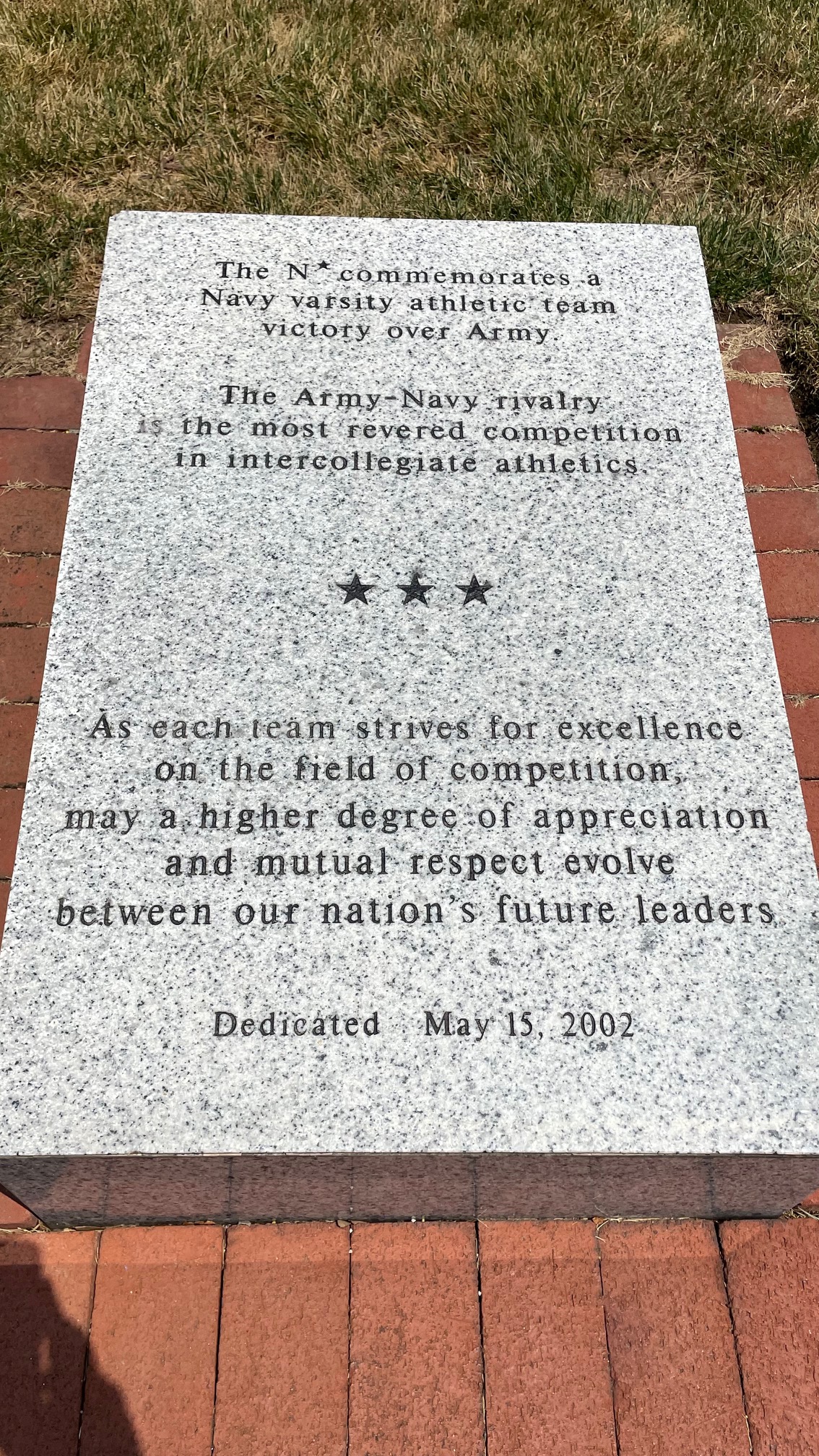
United States Naval Academy

A Visit to the United States Naval Academy in Annapolis, Maryland

Camera: iPhone 12

Locations: United States Naval Academy; Annapolis, Maryland, United States

Allentown and Bethlehem, PA

A Visit to Allentown and Bethlehem, Pennsylvania

Camera: iPhone 12

Locations: Allentown, Pennsylvania, United States; Bethlehem, Pennsylvania, United States

Playa Del Carmen, Mexico

Playa Del Carmen, Mexico

Camera: iPhone 12

Location: Playa del Carmen, Mexico

Dubrovnik At Night

Dubrovnik At Night

Camera: iPhone 12

Location: Dubrovnik, Croatia

Welcome to Croatia

Dubrovnik From The Air

Camera: iPhone 12

Location: Up In The Air / Dubrovnik, Croatia