The Wonder of Machu Picchu

img_1617
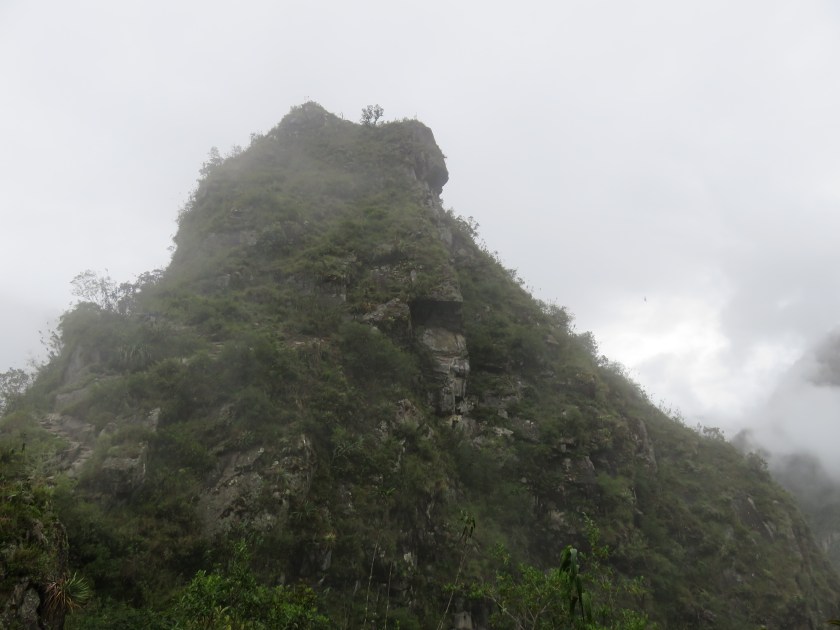
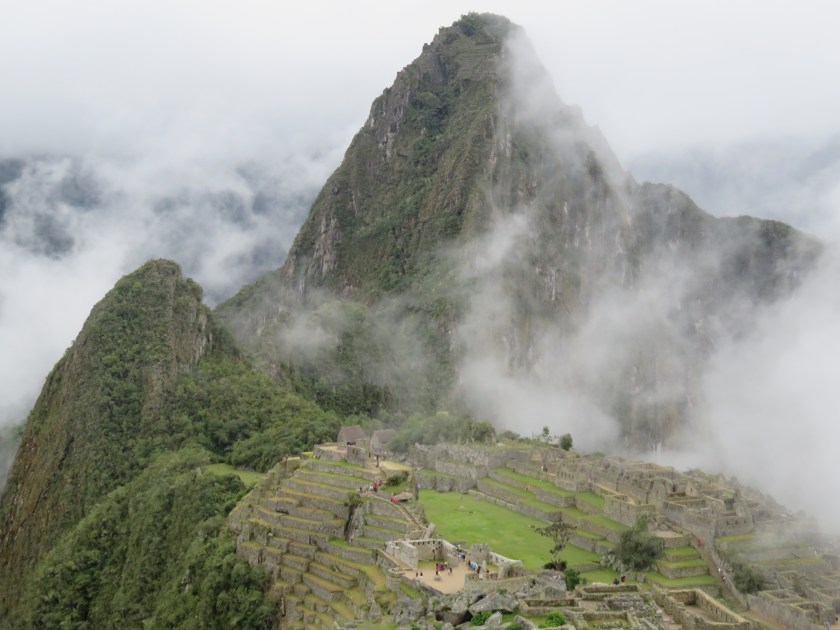
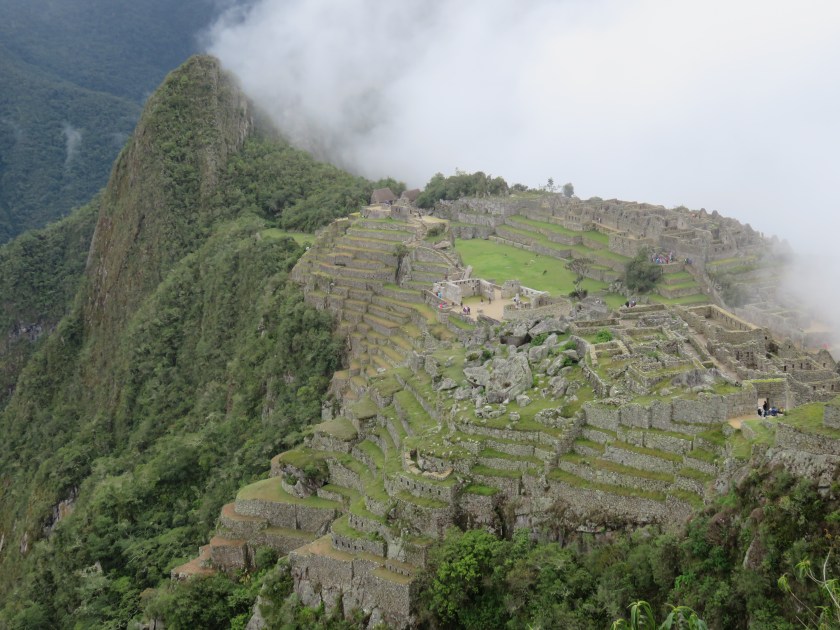
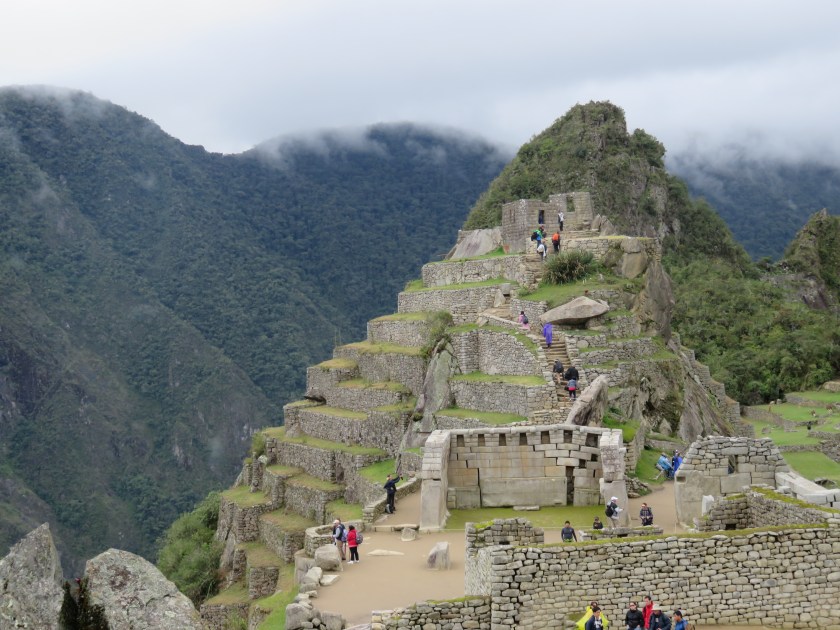
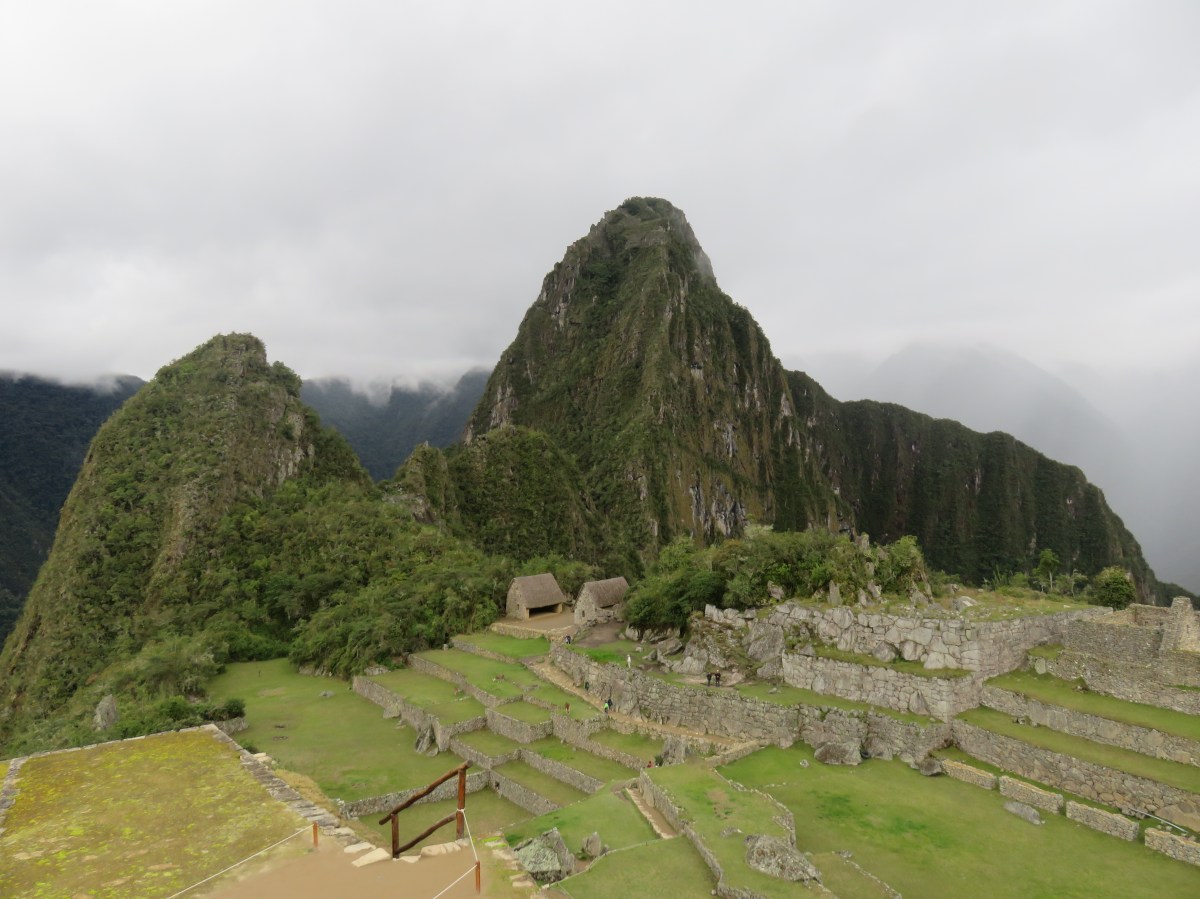
“The hardest yet most rewarding part of my visit: Hiking to the top of Huayna Picchu mountain.” 

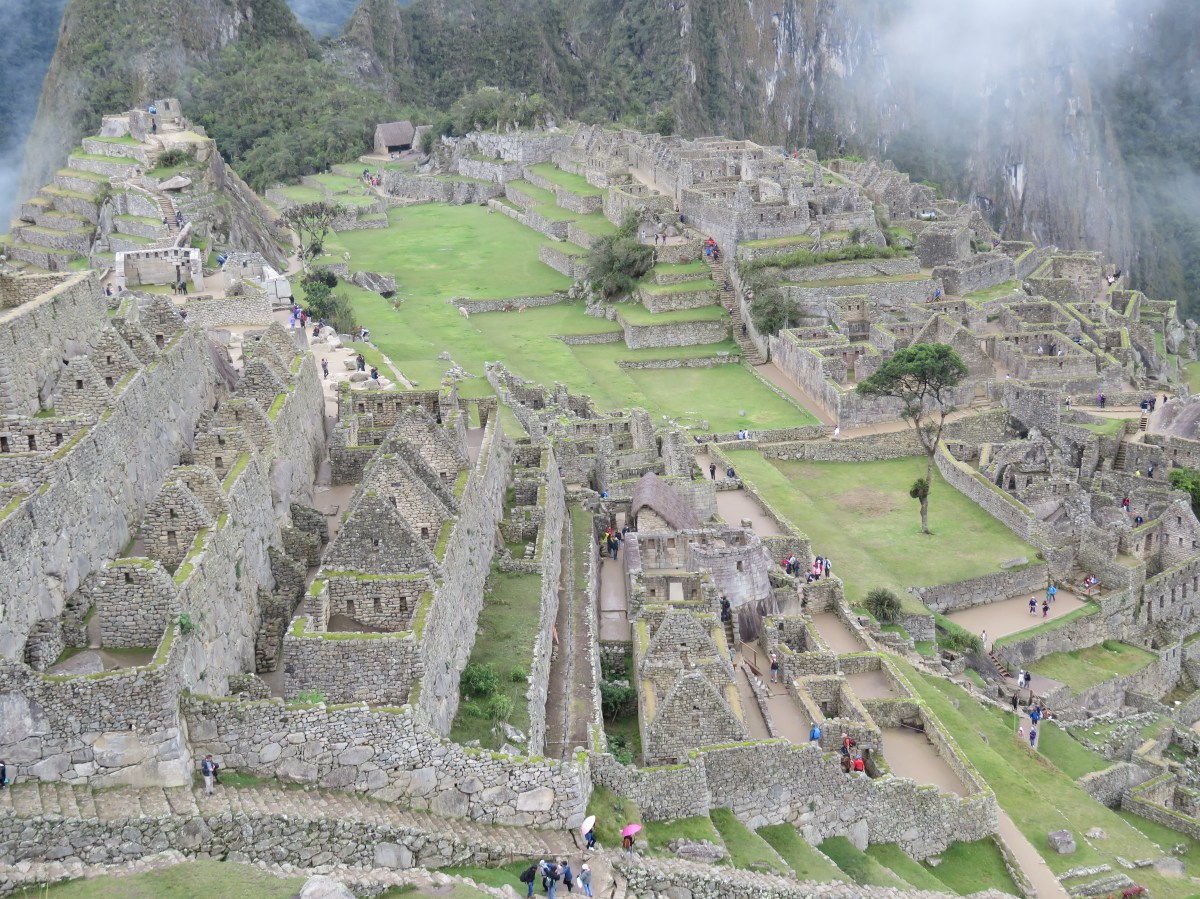
There are few places in the world, which you can truly regard as being special and awe-inspiring. We describe these places as being a ‘wonder’ of humanity and one that represents our brief yet influential time on this planet. Before I came to Machu Picchu, I believed that the only other place that would classify as a ‘wonder’ to me would be the archaeological site of Petra in southern Jordan. A ‘wonder’ both of history and of architecture that goes back thousands of years is what sets apart places like Machu Picchu in Peru and Petra in Jordan. These places that touch on the cultural and historical legacy of man are what drive us to be resolute in protecting these artifacts of mankind and making sure that they are around for future generations.

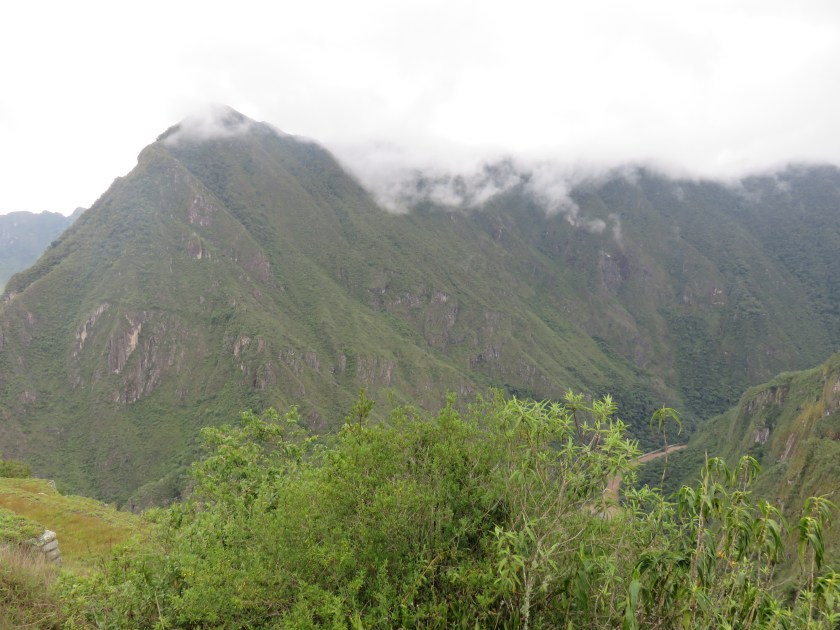
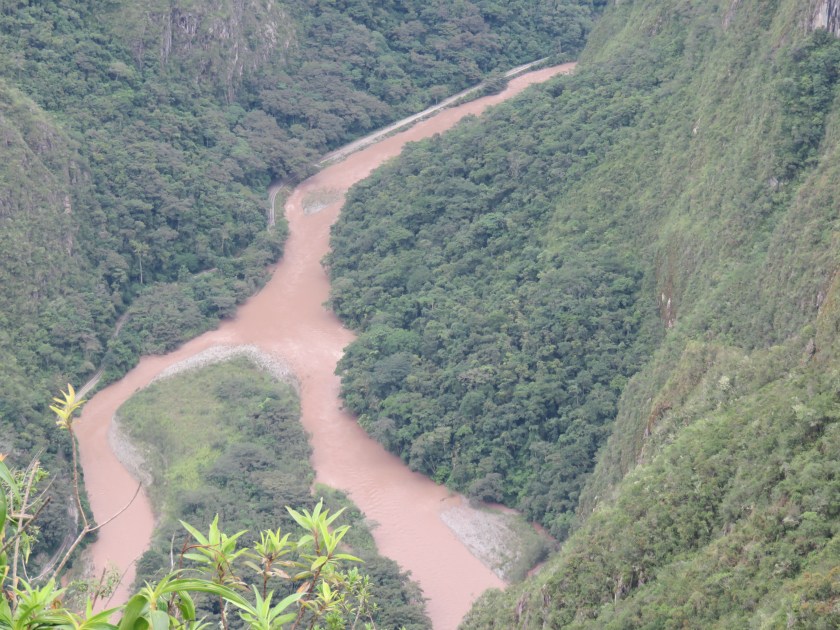
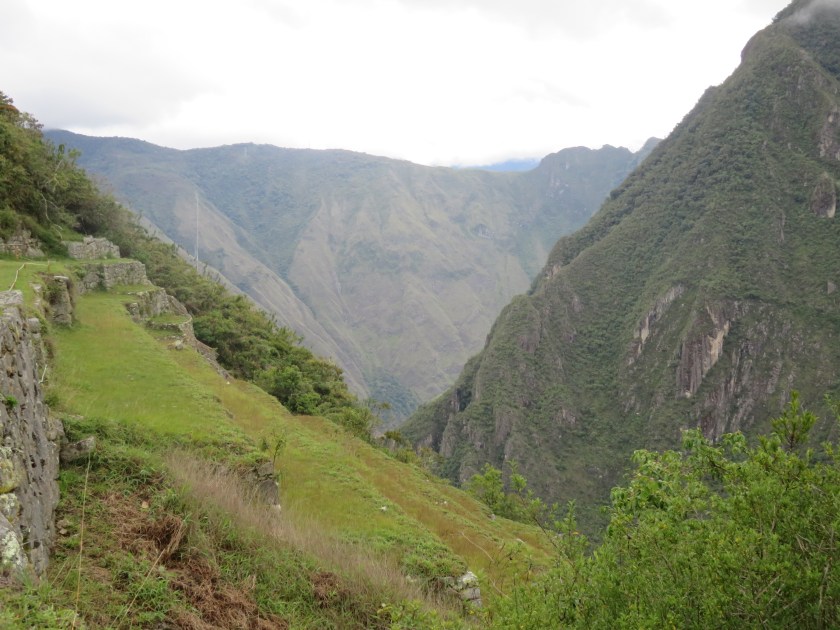
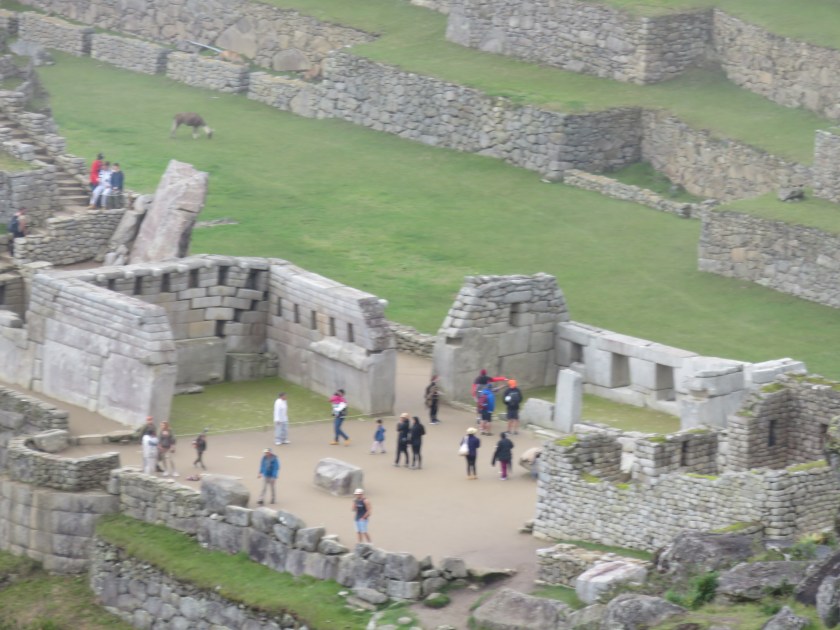
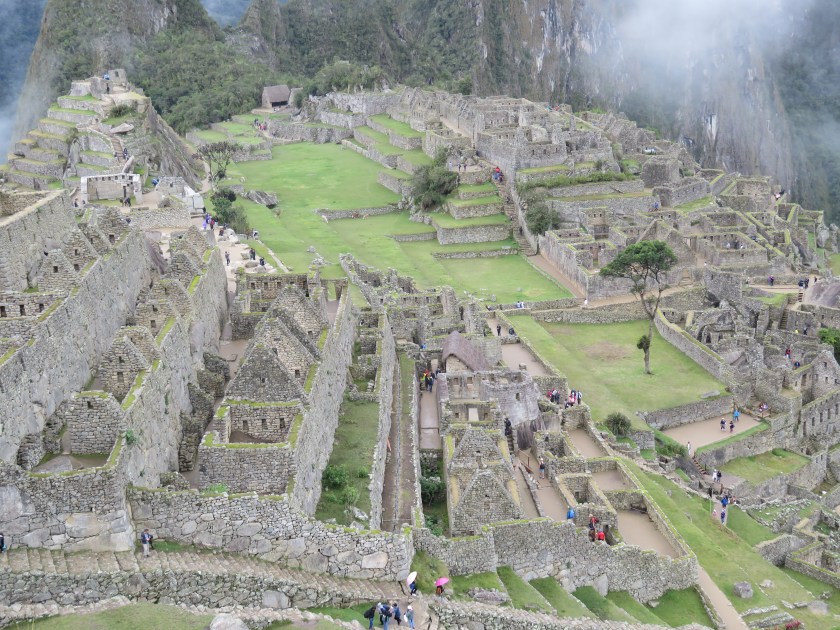
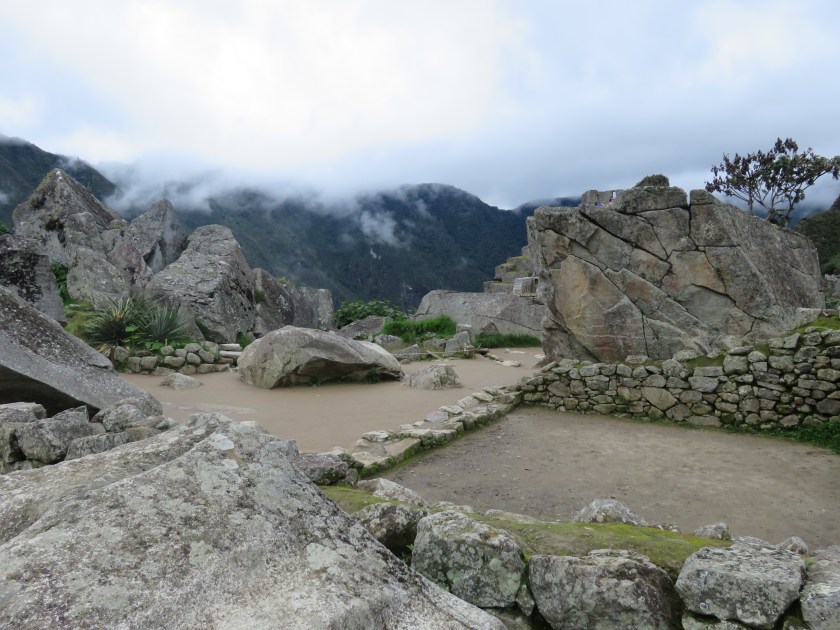
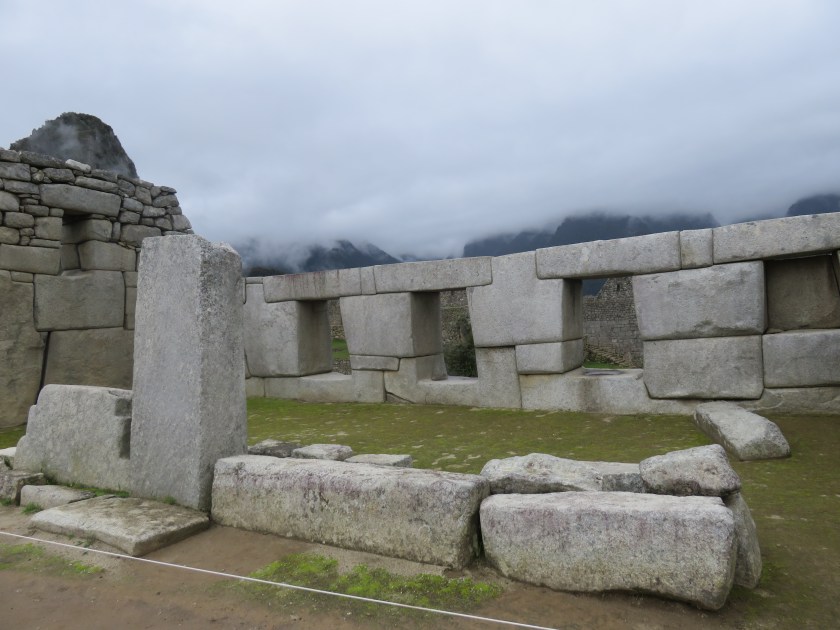
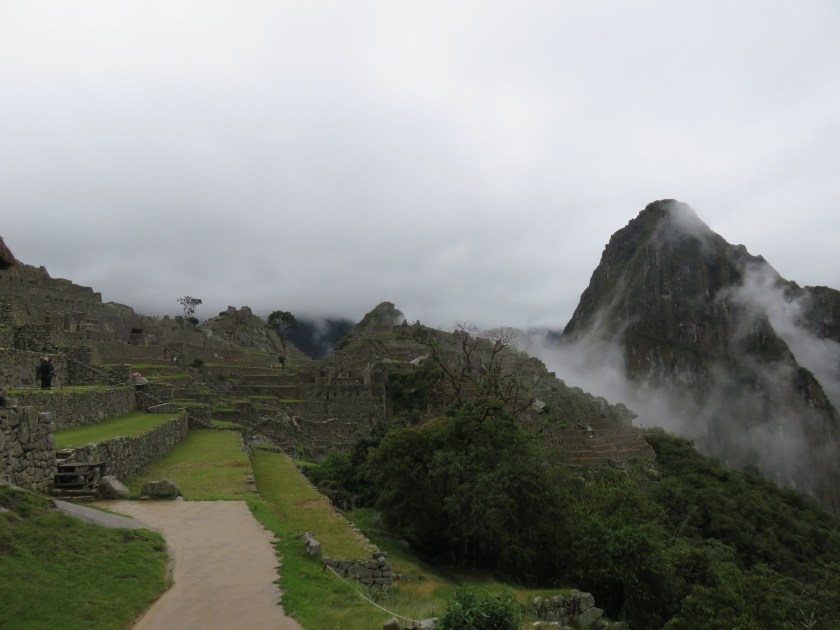
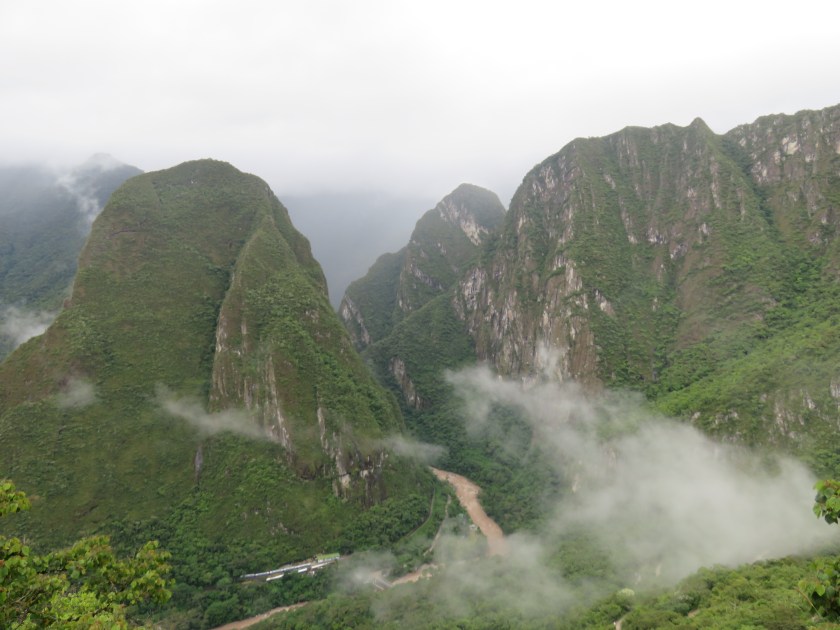
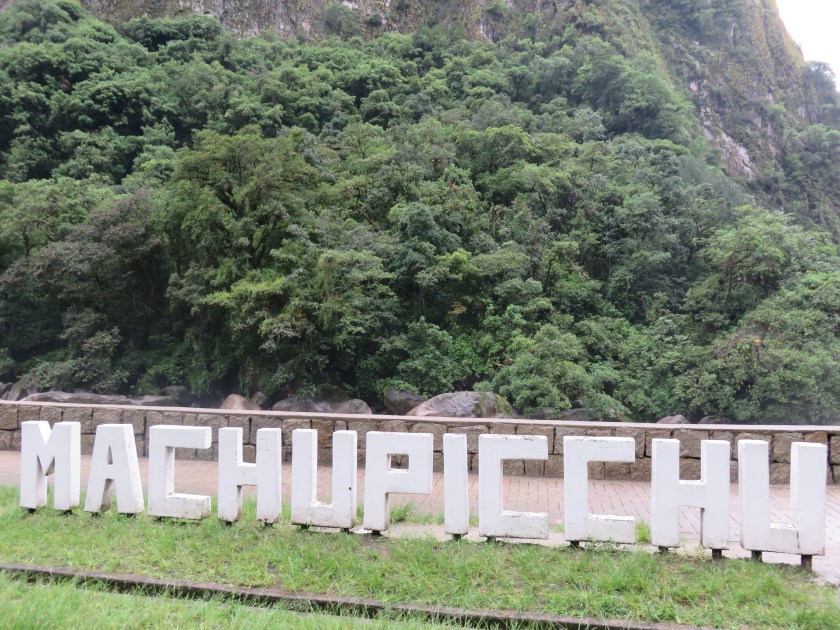
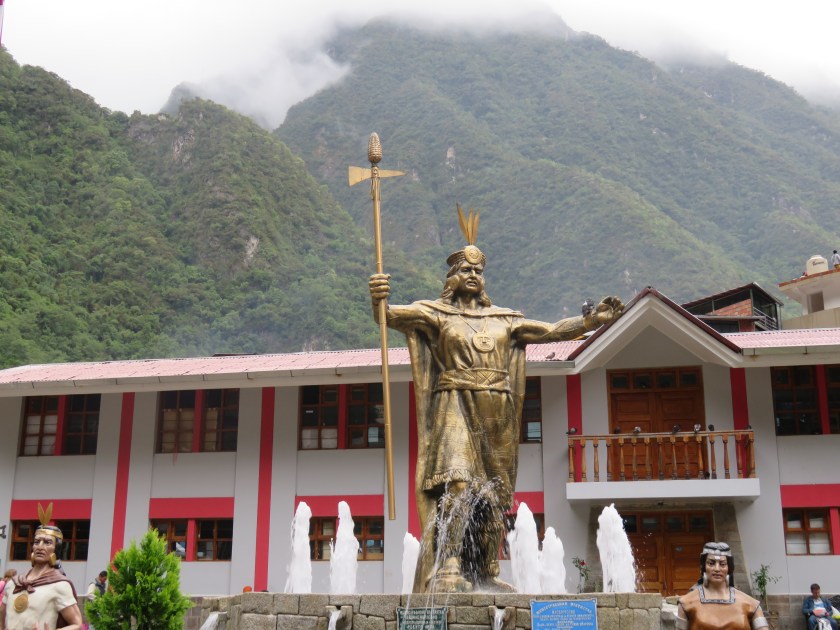
I consider myself to be incredibly lucky to have visited Machu Picchu just recently a couple of days ago. For those who don’t know, Machu Picchu is quite isolated from any major modern city or town but is possible to get to by train and bus due to the wonders of modern technology. Situated between towering mountains and located alongside the flowing Urubamba river, Machu Picchu is not only a wonder of Incan architecture and construction but is also a natural marvel due to the backdrop it has with the surrounding green mountains, wispy clouds, and the numerous kinds of plants that inhabit this part of Peru.

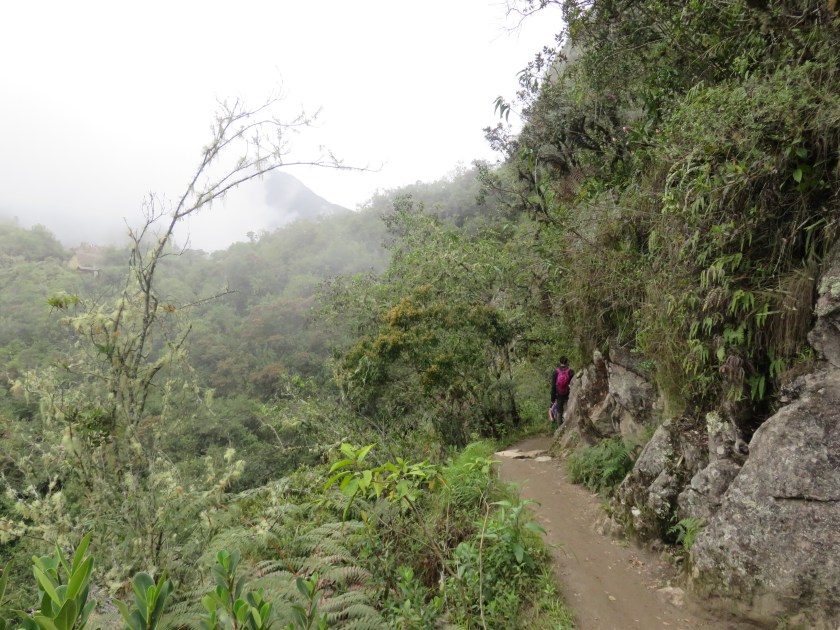
Among the things that stand out about Machu Picchu is that you feel isolated from the rest of the world. It may be the towering mountains that surround this archaeological site or it could be the fact that wispy clouds envelop your presence but you feel very that you’re secluded from other kinds of environment. The higher you climb in elevation, the world gets much quieter and you’re able to reflect more on not only the site of Machu Picchu that lays before you but also about life or whatever is on your mind in general.

I’m far from being an expert on ancient civilizations, especially the Incan civilization of which I know relatively little about but you have to give the people of this group considerable admiration and awe by the fact that they were able to build such a city in the most remote of places. The fact that it was possible for them to create an infrastructure out of rocks, stone, and wood in order to sustain themselves under ever-changing weather conditions is quite remarkable.

To be able to plant and harvest food, create a running water supply, and be able to construct encampments to house hundreds of Incans is very impressive to consider. Not only was there a high risk of death or injury to climb these mountains with heavy rocks or stones attached to your backs, it is likely that you would be on your own if you sustained serious injuries given that there were no modern medicines or hospitals or rely upon.

It is difficult for me to list a favorite thing about my trip to Machu Picchu. I really enjoyed climbing to the top of Huayna Picchu at 2,700 meters in total altitude despite my exasperated breath and tired knees. The views from this perching point above Machu Picchu are extraordinary and are something that I will never forget. Besides being able to take a bunch of pictures, it was great to sit and reflect on the wonder that lay before me. At a couple of thousand meters in the air, all your problems dissipate for a moment and you can truly hear the sound of the wind and the movements of the clouds. You can close your eyes and hear nothing but the sound of your own thoughts if you are so lucky.

Thanks to the efforts of the Peruvian Ministry of Culture, Machu Picchu is amazingly well preserved and should be around for future generations to enjoy. A limited amount of tourists, a couple of hundred in total per day can visit Machu Picchu and is a good idea to make sure that none of these famous Incan ruins will be damaged, tampered with, or destroyed. To lose such a precious treasure such as Machu Picchu or any other wonder of the world would be a tragedy for humanity and its’ history on this planet. While it was not cheap to get to Machu Picchu, I can fully understand why we as tourists pay the costs of admissions to visit these beautiful sites.

We do it to make sure that other people have the chance to experience these places firsthand and are able to share it with their children and grandchildren. I am quite lucky to have been able to visit such a wondrous place and I will remember my day at Machu Picchu quite fondly. If you’re reading this blog post and desire now to visit Machu Picchu, I would recommend that you do it with the knowledge that you do some research about the place, respect it during your visit, and do your best to take the experience in not just through your camera lens or smartphone but through your own eyes and ears.

To me, Machu Picchu is more than a lost Incan city of hundreds of years ago; it is a beautiful and awe-inspiring place of natural scenery. With its’ many mountains, huge river, and hundreds of diverse plants, this place can help you reflect not only about the past but on the present and future of yourself, humanity, and the planet itself. With any tourist site that’s located in a unique location, precautions and steps must be undertaken to make sure you have an enjoyable visit. Please make sure you bring some sunscreen, an umbrella, appropriate clothing and a lot of water. The weather can be quite unpredictable at Machu Picchu and it would be good of you to prepare to experience all four seasons in just one day at the site. Best of luck to you reading this post if you decide to take the journey to Machu Picchu. I promise that you won’t regret it.


A Chance Encounter

When it comes to traveling, most people often remember the places they’ve been, the food they ate, and the fun activities they did during their trips. However, what often gets lost in the shuffle is the ability to appreciate and remember the interesting people you meet during your travels, usually at the most random of times and in the most random of places. The best part of traveling can often be those chance encounters on the road that lead to you gaining a new friend, who might be a local from the country you’re visiting or another fellow foreigner who’s exploring the same places as you by coincidence.

One such encounter happened to me very recently during my first trip to Peru. I got up very early at around four in the morning to catch the train from the Peruvian village of Ollantaytambo to the town of Machu Picchu, which is located a couple of hundred feet below the famous ruins of the ancient Incan city of Machu Picchu. Running on just five hours of sleep and anxious to make sure that I had all my paperwork in store for the visit to Machu Picchu, I was not in a talkative mood and feeling pretty lethargic.

I boarded the train at around 5 am and was even more dismayed by the fact that I was assigned an ‘aisle’ seat instead of my usual preference for a ‘window’ seat. Rather than being able to view the beautiful, cascading Andean mountains and the river running through them beneath the train tracks, I would only be able to glance a peak of the scenery by arching my head over, behind, or in front of the person next to me who would soon be occupying my prized window seat.

Still though, I reminded myself internally to not be such a downer and to be grateful that I would soon be departing for one of the wonders of the modern world, which very few people get to visit during their lifetimes. I am also a big fan of train travel, and Peru Rail provided quite a comfortable ride to and from the town of Machu Picchu. Eventually, a man carrying two big toys in his hands asked in Spanish, “Con permiso” politely as he motioned that he was coming through to sit down in the open window seat next to me. I obliged politely and looked on with curiosity at he placed these large two toys on the tray table in front of him nonchalantly.

I thought to myself at the time that it was a curious sight to see a grown man holding two toys that a child would play with, and to especially be sitting by himself with them and not with a son or daughter nearby. The toys themselves captured my attention because they were two of my favorite toys that I owned when I was a child myself. If you have ever seen the ‘Toy Story’ movies, you’ll know that those characters were popular when I was growing up in the 1990’s and even until today due to the series’ recent surge in popularity.

I loved ‘Toy Story’ as a kid and I still do especially given the fact that I saw the movie ‘Toy Story 4’ a couple of years ago and that was just before I graduated from college. The two toys themselves were replicas of the two main characters, Buzz Lightyear and Sheriff Woody, who I had owned in my younger days. I spent many afternoons watching Buzz lift off and having Woody swing his plastic lasso around like a real cowboy would do. Some toys, even when you’re an adult, hold a deep connection for you and bring back a lot of memories that have since receded a long time ago.

Now, suddenly, my interest had been peaked in the man sitting next to me due to the toys that he was bringing with him to Machu Picchu. I started by telling him in Spanish how I used to love playing with those same toys of Buzz and Woody when I was a child. He was very friendly in responding to my curiosity and stated that; yes, he likes the toys a lot too and bought them for his two-year old son recently for his birthday. That put in place another piece of the puzzle for me as I realized that this man was not traveling to Machu Picchu by himself but was sharing this unique experience with his wife and his children.

For being such an early time in the morning to have a conversation, the man whose name I learned was Jorge (first name changed for privacy reasons) was polite, friendly, and patient with my imperfect Spanish. It’s one thing to speak in a foreign language when you’re fully awake in the middle of the afternoon and it’s a much more challenging task to be coherent in a foreign language at 5:30 in the morning when you are lethargic and groggy. However, I was able to communicate with Jorge pretty easily and he was able to practice some of his English as well. Like myself, Jorge also works in the education sector. He is a secretary at a primary / secondary school in Peru, and has been doing this job for over ten years. He is passionate about education and was curious about my experiences as an English teaching fellow in Medellin, Colombia.

From what I could tell about Jorge, he was a caring husband and father. He showed me pictures of his two young children on his iPhone with the traditional ceremonies that they would go through at their primary school. It was pretty interesting to see how they would dress up these little kids in traditional Peruvian clothing for these school events. Jorge must have taken a liking to me because even when one of the cabin crew for the Peru Rail train asked Jorge if he would like someone to move from the other row so he could sit with his wife and his children, he politely declined as I think he was really enjoying the conversation we were having. It also didn’t hurt that his family members were only sitting a row behind him so he could easily reach them if there was anything they needed, including if his little boy happened to want to play with Buzz and Woody again.

It was extremely interesting for me to hear from Jorge as a local and native citizen of Peru about his experiences visiting different parts of his country. He gave a lot of interesting insights about the regional differences between food, people, and the culture depending on where in Peru you were visiting. On this recent trip, I was only able to explore Lima and Cusco, but due to Jorge’s recommendations, I have a pretty good idea of where I would go in Peru for my next visit. I was happy to chat with Jorge about what it was like to grow up and live in New York, as well as talking about popular American music and movies that we both have a mutual fondness for. Despite having been born thousands of miles from each other on different continents and with different cultural backgrounds, we were able to bond as human beings because our similarities in terms of personality and interests were greater than our inherent differences of culture and country of birth.

Perhaps most notable for me about getting to know Jorge was how mature he was for his age. Jorge is only six years older than me but has a steady job, a wife and two young children. A lot of people my age and older are forgoing those traditional responsibilities of life but it says a lot about a man who provides for his family and is able to do things for them like take them on a trip to Machu Picchu. Men like Jorge are admirable in that they are responsible, mature, and do not shy away from their commitments. While all men carve their own path in life, they should try to exemplify the same traits as my new Peruvian friend Jorge has done. Maturity, responsibility, and a kindness to strangers like myself; these are the best traits to emulate when you witness them in another person. That’s how you become a true adult and someone who can be the leader of a family. It’s easy to say that my hour and a half spent talking to Jorge taught me more than just about old toys, it taught me a lot about adulthood and what it means to be a good man.

As we pulled into the Machu Picchu station, Jorge was very gracious and said that if I ever wanted to experience the best of Peruvian cuisine in Lima, where he and his family live, I was more than welcome to join them in the future. I told them that I would be happy to extend the same offer to them if they were ever in Medellin or even in New York if I was back there again. We exchanged our Facebook information, said our goodbyes, and parted ways as we both left the train to our final destinations. I continued on to my full-day visit to Huayna Picchu / Machu Picchu (which was amazing by the way, but that’s for another blog post).

You may ask by now if you’ve read this whole post: Ben, why did you decide to tell me about a chance encounter with a Peruvian guy on a train to Machu Picchu? The answer to your question is quite simple: It’s because traveling isn’t just about eating new foods, seeing cool places, or doing awesome activities. I enjoy all of the above and then some but traveling is also about getting to know the locals like Jorge and learning more about their country and their culture from their perspective.

Traveling is and always has been about broadening one’s horizons and getting outside of your comfort zone. For me, I’ve always been on the shy side personally but by traveling especially by myself, I’m forced to meet new people and start a conversation. I can only say that it’s done wonders for me in terms of building my confidence, improving my self-reliance, and lowering my anxiety when it comes to meeting new people. Traveling is more than just the experiences you’ve had and the places you’ve seen but it’s also about the new people you meet. Your memories will include the people you meet and you’ll look back on those same memories very fondly one day. You may never see that person again but at least you’ll know that they made your trip a little bit more special and rewarding because you met them in the first place.

I hope that as a reader of my blog that you’ll take this story to heart and remember to not be shy when it comes to meeting new people, regardless of whether you’re traveling or are at a party where you don’t know anybody there. The best stories come out of those experiences where you can met someone cool or unique and have a good time getting to know them. You may even be able to make a lifelong friend just by being willing to open your mouth and make the words come out.


Being Sentimental

Is it worth it for a person to be sentimental? Is it healthy or unhealthy to hold on to certain items, memories, or keepsakes for the long-term? Like most things in life, there is a balance that has to be struck when it comes to sentimentality. Some folks are not sentimental at all and don’t have much care for old family photos or for holding on to gifts beyond their initial utility. Other people are much more sentimental and hold on to personal keepsakes for years on end allowing their living spaces and their memories to become cluttered as time goes by.

As you get older, your memories will inevitably start to fade away so certain items, keepsakes, and important people in your life can help you to remember certain moments of your past that you’ll want to preserve due to their importance to you. Not everything and not everyone from your past will live on in your memories so you have to be responsible enough to choose what really matters to you and which memories mean the most to you going forward. Being able to balance your sentimentality will help you to become a more mature and emotionally healthier adult.

In my possessions, I have a duffel bag, which has some sentimental value to me. I tend to be a more sentimental person than most people and I try to collect photographs and hold on to personal keepsakes as long as I can. One of the items that is particularly sentimental to me is my duffel bag. There’s nothing particularly notable about this duffel bag based on its’ design, style or purpose. Its’ similar to most other duffel bags on the market and can be used for multiple purposes including trips to other places, which is something that I have done a lot of the past couple of years.

The one thing that visually stands out about this duffel bag is its’ logo. Its’ a black duffel bag with a logo of a purple dragon and the name ‘Saprissa’ embroidered in the same logo. ‘Saprissa’ is short for ‘Deportivo Saprissa’, which is a popular Costa Rican football club based out of San Jose, the capital of the country. The duffel bag’s significance to me isn’t based out of its’ usability, color, or design but rather its’ importance lies in where I bought the item and what I have done with it since then.

The reason why this particular duffel bag is sentimental to me, and why I have continuously used it for almost a decade now is because it brings back a lot of memories for me. Ever since I bought the Saprissa duffel bag back in 2008 when I was studying the Spanish language in Costa Rica, I’ve held on to it and have brought it around the world with me.

From short trips to Jordan and the Czech Republic to my long-stays in Turkey and Colombia, this duffel bag has been to almost as many foreign countries as I have. What the bag lacks in style or design, it makes up for it in terms of substance and reliability. For over eight years, my duffel bag has weathered mud, dirt, snow, rain, wind, and other natural elements that I’ve traveled in along with the dozens of taxi, train, plane, and bus rides I’ve been on. It’s never failed me and it has concurrently led to me becoming more and more attached to using it for each of my trips to distant places.

After almost nine years of using this duffel bag, like all things, its’ starting to show physical wear and tear. Most likely, I should have stopped using it after two or three years but the memories always seem to flow back to me when I see the bag lying there in my room or when I pack it up for another trip. The bag itself is linked to the places I’ve been, the people I’ve met, the meals I’ve had, and the experiences that were tied into the adventures I’ve gone through with the help of this simple, black duffel bag which I carried along with me.

The bag handle is starting to fray, the zippers are exhausted, and the strap material is starting to rupture, and I think it may be time for a new duffel bag. It will be difficult for me to stop using the Saprissa bag that I’ve grown so accustomed to over the years. You simply can’t transfer those powerful memories to another bag quite so easily. The best you can do is mentally let your attachment dissolve, get rid of the bag, and transfer those special memories over to those other keepsakes and photographs that will remind you similarly of your past adventures.

Everything and everyone in your past will fade away to some degree. The important thing is to have one or two things left in your possession that you can fall back on so those items can also trigger those past memories for you to remember and recollect, whether they were joyous, happy, sad, or challenging. Being sentimental about all the things from your past can lead to a cluttered memory and a lack of set priorities. However, having one or two items from a trip or event can be enough to give you all the memories and remembrance you need in order to feel connected to your past.

Finding that particular balance of healthy sentimentality is a lifelong struggle but it helps to pave the way for a complete and fulfilling life. The key is to not the let the remembrance of your past keep you from living in the present and from creating your future. Your sentimentality should not prevent you from making new memories, creating new friendships, and forming new bonds with keepsakes.

Like my duffel bag, certain objects will fade away so it may be best to sustain your past with personal photographs, writings, or even paintings so that your memories can feel more permanent and can even be enjoyed by your friends and family members long after the day when you’re no longer around. Where you can let go of your sentimentality is when you realize that some things will be taken away from you whether you like it or not sometimes and it’s not productive to fight against this fact of life.

The best you can do is to place your memories into different items whether it be a journal or a photo album, which are much more sturdy and reliable than my trusty yet fading duffel bag. Above all else, Sentimentality is about caring. As an adult, you have to find out what’s truly worth caring about. If you’re lucky, you’ll be able to replace what’s been lost and hold on to the memories that are special to you. You have to be ready to let go one day because nothing lasts forever.

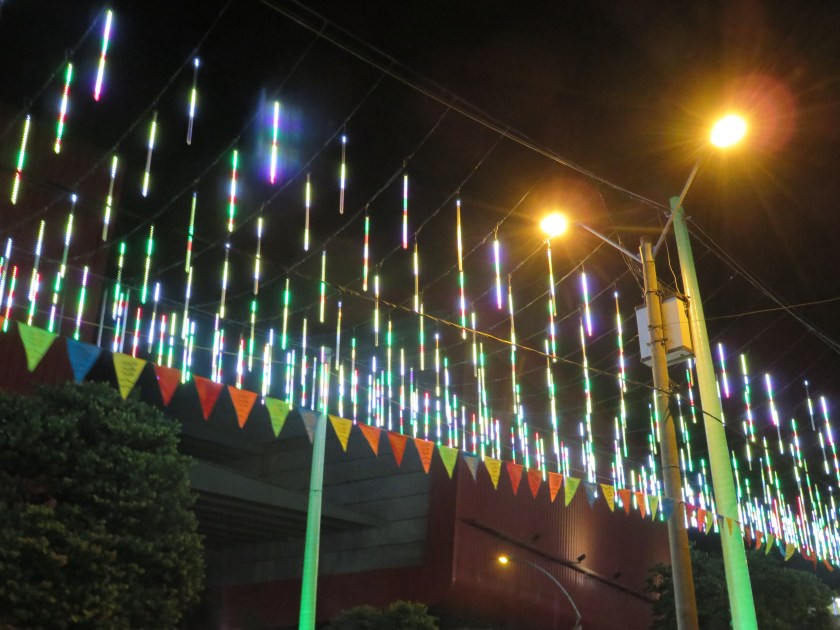
Christmas Lights of Medellin

img_1247img_1250img_1252

img_1253img_1256img_1261

img_1264

img_1265

img_1268
img_1272

Camera: Canon PowerShot SX710 HS

Location: Medellin, Colombia

San Andres Island

img_0284

img_0289img_0295

img_0299

img_0312img_0315img_0309

img_0326img_0341

img_0333img_0349img_0351

CameraiPod Touch, 6th Generation

Location: San Andres Island, Colombia

The Art of Traveling Solo

The famous English author, J.R.R. Tolkien, once wrote in his poem “All that is gold does not glitter” a line that should be noted for its’ truth and its’ profundity. The 2nd line of the poem states, “Not all those who wander are lost.” This is a fitting statement for those of us travelers who have stepped foot in another city or country being completely on our own. It’s not something that can be easily done and requires a bit of mental fortitude to be able to enjoy it despite the inherent challenges.

While most travelers like to go from place to place in packs, big groups, or in guided tours, I believe that it is necessary to try out traveling alone especially if you have prior experience in traveling to other cities and countries. Once you are comfortable with the art of traveling itself, I think it’s a good idea to challenge yourself by traveling alone. I won’t choose to judge you if you decide to never try it by I respect any fellow traveler more when they tell me that they have been by themselves in a new country for days, weeks, months, and even years at a time.

In order to travel alone successfully, I would recommend that a person be able to adapt or inherently have a few traits or characteristics that will put them more at ease with the idea. First, you have to be comfortable being alone. You have to be able to embrace the solitude of your thoughts and to be more observant of the world. This is a hard thing to accomplish for strictly extroverted people who thrive off of the energy of being around others. However, if you’re a strict introvert or fall somewhere in the middle of those two broad categories like myself, then you won’t find traveling solo as hard as pure extroverts. Sometimes, you will have to be alone in a restaurant, in a museum, or in your train/plane/taxi.

I think there’s a benefit to this because then you’re more likely to focus on the place you’re traveling to and be able to better absorb the culture, customs, and especially the food/drinks of the new place you’re traveling to. When you’re with your friends and family on a trip, you’re often wrapped up in what they’re thinking, what you’re going to do with them for the day, if they’re having a good time or not, etc. With friends and family, you’re in a mini-bubble that’s hard to break out of. When you’re traveling with another person or a group in general, you’re less likely to appreciate other aspects of the trip. How can you focus on the sheer beauty of the Coliseum in Rome, Italy when your close friend is trying to discuss the latest Game of Thrones episode with you?

Some critics of traveling solo also forget about the fact that you will still meet people during your travels to new places. You’ll only truly be alone if you never open your mouth and be social. It’s easier now than ever to connect with new people and make new friends due to the wonders of the Internet. Due to the popularity of websites like AirBNB, Couchsurfing, and the ubiquitous amount of hostels in every part of the globe, even if you travel alone for an extended period of time, it’s still easy to meet people due to the sharing economy’s emphasis on affordable, shared living spaces.

I also couldn’t forget the sheer amount of other opportunities to have language exchanges, expat gatherings, and to just make the effort to open your mouth to someone and start a conversation. I find that it’s easier to meet people on the road than it is when I’m at home because they’re curious about where you’re from, how long you have been traveling for, and what you are doing in their country, etc. and you’ll also be curious about the same things.

During my recent trip to Santa Marta, which was done solo, I was able to befriend my kind AirBNB host from Bogota, hang out with the locals at a bar, and practice my beginner Portuguese with a Brazilian woman from Rio de Janeiro. When you’re traveling alone, you really have to put yourself out there and be more social. That’s not easy for a lot of people but it’s important to try it at least once. If you have any kind of social anxiety or shyness, you’ll be able to overcome it more and more due to solo travels.

Traveling alone is something that you have to ease into over time. I think it’s wise to start with a day trip to a nearby city where you don’t know anyone and then eventually work your way up to visiting a new country by yourself for a few days or a week. Personally, the longest that I’ve traveled by myself for has been about two weeks. I’d like to eventually reach that level of a month or more on the road without anyone holding my hand. Traveling alone forces you out of your comfort zone and mentally challenges you. You have to navigate a new city and country, practice the language by yourself, and be able to handle flights, trains, and buses without the guidance of others.

While this is not easy and takes practice, you’ll feel more confident and sure of yourself as a result. The times where you could have been taking selfies with your friends or partying until the wee hours of the morning are instead focused on having a nice coffee by the river or taking your time in an art museum by going through the galleries at your own pace. Traveling solo is a good time to be selfish as you can set your schedule, your own destinations, and decide where you want to go and when you want to go. There’s nobody holding you back and that’s quite liberating. I often get a feeling of true freedom while traveling alone that’s not easily replicated.

Even if there was no one else physically with me, I have nice memories of my past solo travels. The moment when I woke up on my train to Krakow, Poland in the early morning to open my window to see fresh snow on the ground and the sun rising as we entered the train station. The feeling of pure relaxation as I enjoyed a nice mid-day cappuccino with a view of the Prague skyline in the Czech Republic, and the absolute quiet I felt as I sat on the beach in Parque Tayrona, Colombia and heard nothing but the soft, sea breeze and the waves splashing against my feet. These are the memories that I will cherish and never forget. That is why I enjoy the art of solo traveling.

Return to Colombia

bilingueprogram
“Yes, there are quite a lot of us in our group of teaching fellows for Colombia Bilingue. Pretty cool.”

After my first experience of living and working in Colombia was cut short rather unceremoniously, I decided not to give up on volunteering here as an English teacher and worked hard over the past three and a half months to return to this beautiful and lively country. After going through visa, medical, flights, and other forms of tedious paperwork all over again, I remained committed to what brought me to Colombia in the first place; a chance to improve the English proficiency of my students and to inspire them to look at the world a bit differently than before.

I have arrived here again in early July to accept the role of ‘English Teaching Fellow’ with the Heart for Change program and Volunteers Colombia organizations with the additional support of the Colombian Ministry of Education. I was extremely excited to hear that I had been accepted to this program in mid-April of 2016. Since then, I’ve worked diligently to prepare myself for the responsibilities and duties expected of me during these next six months to a year.

I’m quite proud to be among 240 English Teaching fellows who have come from over 30 countries around the world to be apart of this mission. It’s truly inspiring to meet and see other teachers come from nations like Iceland, Iran, Kenya, Serbia, and elsewhere with the goal of making Colombia a bilingual nation. This effort to improve the English language proficiency level of Colombia’s students is a massive undertaking and a worldwide effort. I am glad to once again play a small role as an ESL teacher in making Colombia more proficient in the English language.

After arriving in Bogota, the capitol of Colombia, the other 240 fellows and I underwent a week of intensive teacher training in order to prepare us for the job that lies ahead. While the topics that we went over were mostly review for me given my past experiences, I was grateful for the refresher and was impressed by the job done by the UNICA (Institucion Universitaria Colombiano Americana) in helping prepare us for the program’s start.

Unfortunately, I wasn’t able to explore much of Colombia’s capitol city of Bogota but I was able to walk around and check out the historic district along with the Plaza de Bolivar. In addition, I was able to dance some Salsa, eat some delicious Ajiaco soup at La Puerta Falsa (highly recommend), and practice Spanish again with the locals. Hopefully, I will be able to return to Bogota soon because there is a lot to do there and it’s a bustling metropolis on the same level as New York City and Mexico City.

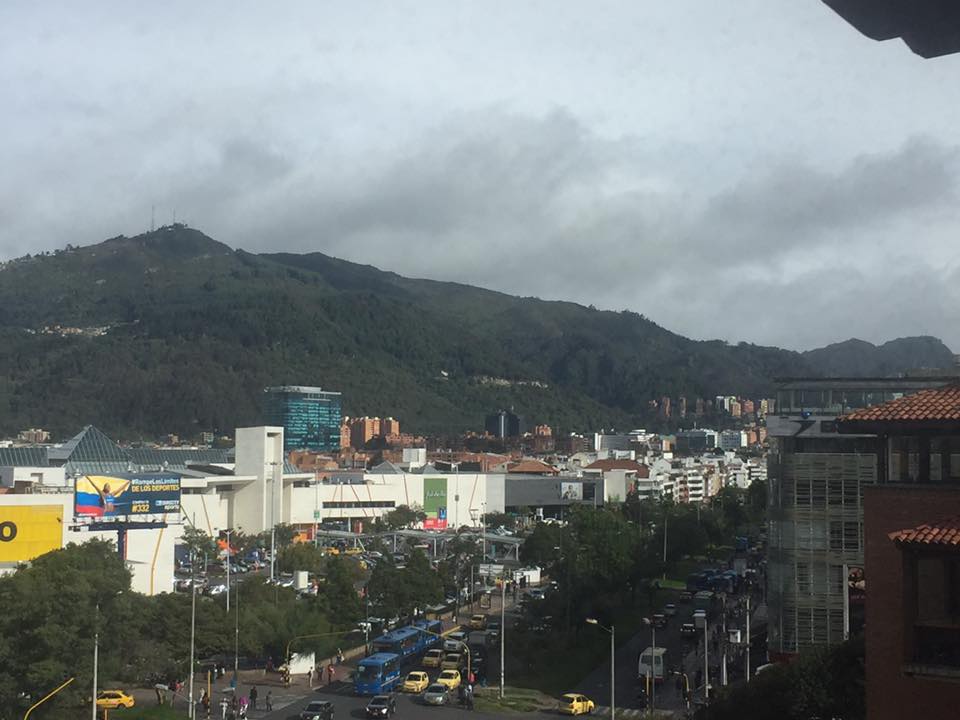
What someone would notice immediately about Bogota is the unpredictability of its’ climate and it’s weather patterns. It could be sunny and warm in the early afternoon, completely cloudy an hour later, and then rainy and cold in the evening. If a direct comparison can be made with a U.S. city, the weather of Bogota would most closely resemble Seattle for better or worse.

Bogota is tucked in close to the Andes which allows visitors an excellent view of nearby towering, green mountains that jut out beyond the modern array of skyscrapers and office buildings. Bogota, like other Colombian cities, are urban oasis’s surrounded by rivers, mountains, and tropical jungles. Thankfully, from what I have noticed, there is a healthy balance here between nature and civilization, which is lacking in other places.

After having finished the initial paperwork, received my certificate from UNICA, and flown on to Medellin where I’ll be working full-time as a co-teacher in a public school starting next week, I am happy to close a past chapter in my life and open up a new one which has a positive, optimistic outlook. The first six months of 2016 were tough for me personally but I’ve put the past behind me and am ready for what comes next.

I look forward to finishing the work that I started back in January 2016 here in Colombia and hope to do some good work for my new students for the next six months or more. It’s been a wild ride with ups and downs, but I’m happy to continue riding the rollercoaster and seeing where I end up. For now, I’m fortunate to be back here in Colombia and won’t let this second chance go to waste. Todos Por Un Nuevo Pais!

Fear of The Unknown

visually-expressed-thoughts-by-carlos-lang-24
“I couldn’t have said it better myself.”

Why do people sometimes have a fear of the unknown? As human beings, we each have our own unique doubts, fears, and phobias that develop as we deal with the world and its’ challenges. Whether they are fears related to heights, spiders, snakes, or even speaking in front of a large audience, it’s part of what makes us human to have fears. Facing and confronting your fears is not an easy struggle and it takes courage, compassion, and emotional maturity to get past your phobias. One of the most common fears that most of us have from time to time is ‘Fear of the Unknown.’

To have a strong desire to control your circumstances, your path in life, and your future is only natural. However, it’s clear that some things can never be fully known and that there will be changes that we will have to cope with. Trying to control everything and everybody around you is a recipe for disaster. Facing the unknown without fear is not easy but it is necessary in order to become a more mature and more centered person. Fear of the unknown is related to other fears that people have which have a connection to one another such as the fear of death, the fear of getting old, the fear of being homeless, the fear of life changes, etc.

There’s a popular saying that goes, “You always fear what you don’t understand.” This quote ties into a central idea that people fear most what they cannot change, anticipate, or prevent from happening. Some examples of this phenomena include economic recessions, societal changes, job loss, personal loss, election results, retirement planning, health problems, environmental concerns, etc. All of these phenomenon tie into the overall ‘fear of the unknown’ for the average man or woman. None of these phenomena can be controlled or even changed by one individual. Since we cannot usually have a great effect on preventing these fears from becoming real or taking place in our lives, what can we do or what should we do?

It’s best not to resist the changes that are bound to happen at some point in our lives. We simply cannot know everything that is to occur in the future and it would be useless to try to plan for everything ahead of time. Most of the time, it’s best to go with the flow, try best not to fight what comes your way, and to make the most out of things. Do not give in to fear, hate, doubt, disappointment, and anger, which are all negative consequences that come with fearing the unknown and the unseen. Having fear about what can happen a week, a month, a year, or a decade from today is a waste of time because you simply can’t know what exactly lies ahead in the future.

The older I get, the more I realize how important it is to be adaptable and malleable to the future. Trying to plan everything out is a waste of time and energy. While seeking stability, security for yourself and others is an important part of the human condition. Sometimes, you need to cope with some instability and insecurity that will come your way. Another notable saying that people rely on for strength is the popular quote; “Whatever doesn’t kill you makes you stronger.” Persistent fear of what’s to come is not productive, not enjoyable, and not healthy for anyone in the long-term.

What happens to most people when they feel a palpable sense of fear? Well, there are a number of common symptoms and ailments that one can experience as a result. Your heart rate starts to increase, and your breath will become shorter and more harried. You may begin to panic, and feel an enormous sense of tension in your body. You’re going to be anxious and stressed about the unknown and what you’re going to do about it. The more extreme symptoms of feeling fear involve nausea, fainting, vomiting, crying, and shaking uncontrollably. I mention these reactions to fear not to scare my readers but so you can better learn to recognize these symptoms and try to control and alleviate them as best as you can.

Now that we know what the ‘Fear of the Unknown’ is and how to classify it along with the related symptoms, how can we cope we this fact of life? The most important thing to keep in mind when confronting this particular fear is to stay positive about what’s to come. Not everything in life will go smoothly and there will be challenges ahead. However, it’s important to remove the negative associations, conclusions that your mind will come up with sometimes when it comes to thinking and planning for the unknown. A little bit of anxiety and stress is natural when it comes to facing the future but it should not affect your daily activities and your personal relationships.

You’ll have a more peaceful state of mind when you react to the strange and unforeseen future with a positive and upbeat outlook. It’s best to focus on your goals, stay focused, and don’t get sidetracked about what might or what not happen to you in the future. Changing your thoughts and your mindset through meditation for five to ten minutes on a daily basis can also be a great self-help remedy for getting rid of your fear of the unknown.

Embracing a new environment, new friends, and new work opportunities can also keep your imagination in the right state of mind. If your sense of anxiety and fear of the unknown is extremely strong and hard to break, it may be best to consider neurolinguistic programming, cognitive behavioral therapy, and even certain medications if the problem becomes that severe. However, these kinds of remedies should be used only as a last resort.

Having a sense of ownership and direction in our lives is extremely important. However, we cannot control everything especially the unknown that lies ahead. Whether its’ moving to a new city or country, jumping into a dark lake, starting a new job or hiking up a mountain, these are all instances in life that can give us reasons to worry and to be anxious. However, by controlling our thoughts and emotions, and having the ability to stay positive regardless of the circumstances will keep you both mentally and physically fit.

As the 32nd President of the United States, Franklin D. Roosevelt stated famously during his 1st inaugural address to the American people on the subject of facing the Great Depression, “Let me assert my firm belief that the only thing we have to fear is…fear itself.”

Moments of Quiet Reflection

In a world full of noise and frenzy, it’s to one’s advantage to have some quiet moments of reflection every now and then. It doesn’t have to be every day but five to ten minutes for a couple of times per week can really make a difference in helping you do some self-reflection. Activities like Yoga, Meditation, or just doing deep breathing exercises will allow your mind to quiet itself and reflect on nothing at all or to concentrate on a specific thought. Hearing your own voice and thoughts in your mind is not easy to do but it helps put your past, present, and future into a clearer perspective. It’s a real and underrated pleasure in letting your thoughts run away to new places and but to still control where they go.

Personally, I enjoy my own reflections late at night when the world is quiet and I’m getting ready to fall sleep. I can freely think about past memories that make me smile, and contemplate events on the horizon in my future. Having tried meditation in the past, I can also let go of any and all thoughts that I want to do away with in order to become a clean slate unto myself. Reflecting upon my actions, thoughts, and feelings makes me more introspective and observant, which allows me to acknowledge my overall strengths and weaknesses as a person. Being self-aware of who you are, where you’re going, where you’ve been, and how you got there are all elements in developing a personal sense of meaning and fulfillment.

Listening to ones’ conscience and honing ones’ idea of self is increasingly important in maintaining a sense of identity and purpose. Too often these days, we are with the world all of the time and are constantly absorbing the thoughts and feelings of many other people. While interacting with other is a crucial part of life, we must continue to listen to and reflect on our own thoughts, feelings, and actions. We shouldn’t always act on what we feel, or say what we think, but having these thoughts and reflecting on their origins and meanings should not be discouraged.

Often, we as human beings can care way too much about what other people think, feel, and say about us. It is simply not productive to let others’ thoughts of you consume your own sense of self and purpose. All of us have a limited amount of information that we can take in to our minds, absorb, and act on so we have to choose what’s really important to let into our heads.

In the age of Twitter, Facebook, Instagram, and social media in general, it’s all too easy to get caught up on in what’s going on in the external world without taking note of what we’re experiencing in our internal world. Indulging in everybody else’s words all of the time will leave you disoriented and overwhelmed. Listening to your own voice above everybody else’s is necessary to have a true sense of self. Make sure to always have a strong identity and a purpose. If that takes more daily quiet reflections, then you should make those a priority in your life. When you are always tuned into the lives of other people, you forget to live your own life.

Live according to your own purpose and vision before considering the thoughts and opinions of others. Yes, while it’s always important to listen and seek guidance from friends and family, sometimes you have to go your own way and follow your destiny, even if you don’t know where that road may lead. Having an active life makes for a stronger and healthier individual.

Be quiet and reflect when your mind feels cluttered and overwhelmed. Take a few deep breaths and relax. Let your mind shut off or let it wander into your memories and experiences. Turn off your phone and the computer to just ‘be present’ in the moment. Let the flow of information and data of the world not influence you in these precious few moments.

The only thoughts and feelings you should be listening to should be your own during these times. Hear your own voice and think about your past, present, and future or try not to think at all. Remember your own ‘why’ of living and maintain your personal bearings. After these crucial moments of quiet reflection, you’ll better understand who you are as a person and what your conscience is telling you. Always allow yourself some time to be present in your own mind, and your mind alone.

‘The Shawshank Redemption’ – Film Review and Analysis

Few other modern films capture the power of the human spirit more than The Shawshank Redemption. Directed by Frank Darabont, released originally in 1994, and starring Morgan Freeman as Ellis ‘Boyd’ Redding, Tim Robbins as Andy Dufresne; this film was not originally successful in movie theaters when it was released to the general public.

However, since then, The Shawshank Redemption has become a cult classic which has skyrocketed in popularity even after its’ release twenty years later. It is often considered by film critics to be one of the best Hollywood movies of the 20th century. Personally, I have watched this film multiple times and consider it to be my all-time favorite movie. If I’m channel surfing late at night and I see that The Shawshank Redemption is on AMC, HBO, or another movie network, I’ll often stop what I’m doing to watch the film already in progress. It’s that good of a movie and is timeless in its’ themes and its’ overall message.

More so than just the brilliant acting by Mr. Freeman and Mr. Robbins, along with the great directing by Frank Darabont, the cinematography is quite flawless and the film has a consistent flow to it. It also has an engaging plot and setting that suits the overall themes quite well. The Shawshank Redemption is a very human story with a lot of powerful, and emotional scenes that have captivated millions of viewers. It’s rare to come across a film today that can tug at your heartstrings and make you really feel deep emotions about a fictional story and characters. The Shawshank Redemption is able to pass that test and remind you of what it means to be human. The film highlights the triumphs, the tragedies, and the deeper meaning that we seek within our own lives.

Andy Dufresne is a young, smart, and ambitious banker in Portland, Maine who is accused and later convicted of murdering his wife and her extramarital lover. At first, he appears to the audience as a cold, detached, and remorseless person who very well could have committed that awful crime. The other main character, Ellis ‘Boyd’ Redding, a long-time prisoner at Shawshank state prison is unimpressed by Andy’s appearance at first sight and remarks how “a stiff breeze would blow him over.” As the saying goes though, “Don’t judge a book by its’ cover.”

Throughout the film, we learn through the eyes of Red more about Andy and what he’s like in terms of his true personality and character. We don’t know whether he killed his wife or not because he pronounces his innocence to Red and the other prisoners. Red is resigned to his life in prison and tries to make the best of it by being ‘the guy who can get you things.’ His friendship with Andy blossoms due to a simple, haphazard moment when Andy asks Red for a rock hammer to carve chess pieces. It’s an unusual request but it gets the two men to talk to each other and to break down the stereotypes that Red has of Andy, and Andy has of Red.

Andy must deal as best as he can with his new life as a prisoner whom may in fact be innocent of the crime that he was convicted of. As Red states knowingly in the film, “Prison is no fairy tale world.” Andy has to cope with the vindictive warden of Shawshank prison, played by Bob Gunton as well as the malicious head prison guard, Captain Byron Hadley, who is played by Clancy Brown. He also must fend off some sadistic fellow prisoners who wish him physical harm and sexual violence. It is clear to the viewer that Andy, despite the injustices he has encountered in Shawshank and outside of Shawshank prison, maintains the ‘hope’ that he’ll survive his ordeal and eventually win his freedom. Despite his friend, Red, warning him about the dangers of seeking hope in a place where none can be found, Andy reminds Red that “Hope is a good thing, maybe even the best of things, and no good thing ever dies.”

The most memorable scenes of this film still stick out to me after all of these years. My favorite is the famous ‘Suds on the Roof’ scene when Andy risks his life to give his fellow prisoners a one-time allowance of beers while they tar the roof of a factory by giving the prison guard, Hadley, some financial advice on how to deal with the IRS. Andy knew how much it would means to his fellow prisoners if they could enjoy a beer or two while doing hard work in the hot Maine summer sun. In that scene, he also showed a lot of bravery by confronting Hadley about if “he trusts his wife with money or not.”

Another notable scene that stands out to me is how Andy continuously asks the state of Maine for extra money to give to the Shawshank prison in order to build a memorial library in honor of another prisoner, Brooks Hatlen, who committed suicide regrettably after finishing up his sentence. Andy keeps writing letters for months on end but finally receives the funds he needs after a few years to build the memorial library. Because of this library, many prisoners like young Tommy Williams, who Andy takes a liking to, end up reading books and even receiving their High School GEDs (General Equivalency Degree).

Lastly, there is an extremely beautiful scene where Andy is collecting records for the prison library and ends up putting an Italian opera record over the loudspeakers for all of the prisoners to hear. He locks himself in the room so the guards and the warden can’t get to him. For a few minutes, the opera music flows openly through the walls and the bars of the prison. As Red puts it succinctly in the movie, “For the briefest of moments, every last man in Shawshank felt free…”

After nineteen years in prison and many tumultuous events, Andy knows that his destiny no longer is meant just for the walls and bars of Shawshank prison. He dreams of a coastal city in Mexico known as Zihuatanejo, where he can run a hotel and begin his life anew. Andy implores Red to join him one day and help him out with his business since he’s a man who “knows how to get things.” While Andy remains hopeful and optimistic even when his future seems grim, Red is skeptical and dismissive of Andy’s “pipe dream.”

Despite the long odds, Andy doesn’t let the negativity get him down and puts effort toward realizing his dream of getting out of Shawshank and making his way to Mexico. This courage and perseverance shown by Andy has a lasting effect on Red by the end of the movie as they have become close friends who have known each other for almost twenty years. Red realizes the innate truth behind Andy’s belief in everlasting hope and to “get busy livin’ or get busy dyin.’”

Some people who have not taken the time to watch The Shawshank Redemption regard it naively as just another prison movie. However, this summarization is far from the truth. Similar to The Green Mile, it’s a story about finding hope in the least hopeful of places and never giving up on life when it seems rather cruel or unjust. It also has a constant theme about the power of male friendship and how Andy and Red have bonded together over the years despite their initial differences.

The Shawshank Redemption was never a summer blockbuster or a critically acclaimed behemoth of a film but it is widely regarded now as one of the best American films of all-time. Many people have cited this movie as having changed their lives for the better when they were going through difficult times in their personal or professional lives. Above all else, The Shawshank Redemption is a story about one man’s ability to remain hopeful during the most difficult and harsh circumstances. As Red states at the end of the film, “Get busy livin’ or get busy dyin.’ That’s goddamn right.”