Cultural Spotlight – Bachata

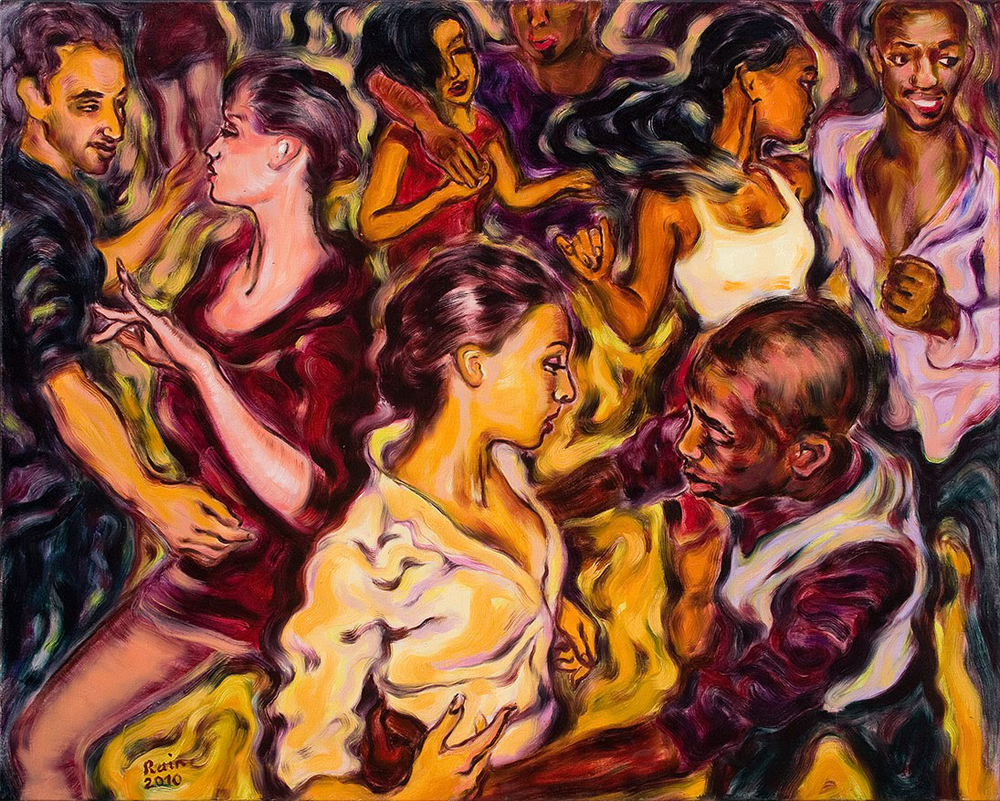
If you consider Salsa to be wild and exhilarating, then Bachata could be considered the opposite kind of music in that it is both suave and smooth. While Bachata may not be the most exciting kind of Latin music, it is a genre that is both popular and historical. It may not be as skill-based as Salsa or Merengue, but you do need to keep a good rhythm and there is a good amount of variation to this kind of dance. The most important thing to be aware of when dancing Bachata is to watch your steps and make sure you’re moving seamlessly with your lady or gentleman partner in tow.

Bachata is a Latin music genre originally from the Dominican Republic, which came of being in the first half of the 20th century. One of the cool aspects about Bachata is that it combines European, African, and Indigenous musical elements to really captivate its’ listeners and dancers. Jose Manuel Calderon of the Dominican Republic did the first compositions, which formed the original Bachata songs back in those early days of the 20th century.

Bachata is considered to be a mixture of its’ predecessors: Merengue, Bolero and Son, which are other distinct Latin music genres. Similar to Salsa, Bachata takes both the form of a song and the form of a distinct dance that are supposed to go together. The mood of a Bachata song can be either very exuberant or more melancholy. Bachata’s original name was ‘amargue’ which means ‘bitter music’ or ‘blues mules’ reflecting in its’ origins the fact that Bachata used to be more somber and reserved when it was first created in the Dominican Republic.

A surprising fact about the Bachata music genre is that it wasn’t always that popular until the past few decades. Throughout most of the 20th century, especially in the Dominican Republic, this form of music was associated with rural communities who were mostly working class or poor in terms of their status. For a long time, Bachata was not allowed to be played on television or radio because it was too vulgar or crass for the elite members of Dominican society.

However, this attitude began to change in the 1980s and 1990s when both the instrumentation and the styles of Bachata multiplied to become more urban and diverse. Bachata has ended up in the 21st century as being one of the most popular forms of Latin music, up there with both Salsa and Merengue, and is played in bars, discotheques, and dance halls all across Latin America.

Bachata requires a group of musicians playing diverse instruments in order for an actual song to be played from the genre and for dancing to occur. There are seven instruments that usually make up the structure, rhythm, and beat of a Bachata song. You have your ‘Requinto’ (lead guitar), ‘Segunda’ (rhythm guitar), electric guitar, bass guitar, acoustic guitar, bongos, and guira. While none of these instruments are mandatory, you need them all in order to create a dance-oriented form of Bachata rather than a more classically oriented form that is most similar to Bolero.

While Bachata started originally in the Dominican Republic and became popular there eventually after a few decades, Bachata has now become one of the most popular forms of Latin music in the region. You can find Bachata music playing in countries such as Cuba, Panama, Mexico, Honduras, Guatemala, Venezuela, Colombia, Chile, etc. Anywhere you go within the region, you’re likely to hear a Bachata song being played in your neighborhood or in your city.

The first Bachata songs that were composed by Jose Manuel Calderon, considered to be the modern founder of the genre, were titled ‘Borracho de amor’ and ‘Que sera de mi’. These songs came about in the early 1960s, which shows that the modern form of Bachata has been around for over five decades now. Hundreds of musicians, singers, and dancers have contributed to this unique and popular genre. Some of the more famous contributors to Bachata include names like Marino Perez, Leonardo Paniagua, Luis Vargas, Antony Santos, Juan Luis Guerra, and Romeo Santos. If you have the chance to listen or dance to some Bachata music, do yourself a favor and tune in, kick off your shoes, and enjoy this very popular genre of Latin music.
Cuisine Spotlight – Arepa

You can’t come to South America, especially Colombia, Venezuela, and even Panama without trying the local cuisine staple of the Arepa. The Arepa may be the most popular food to try and there is a lot of variety to this food, which makes it quite popular to eat. In countries such as Colombia or Venezuela, Arepas are eaten on a daily basis and are usually served with breakfast but they can also be served with lunch or dinner depending on the consumer’s preferences. Arepas can also be found in other countries such as the Dominican Republic, Puerto Rico, Trinidad and Tobago, etc. where they are less popular but still part of the local cuisine.

When compared to other Latin America staple foods, the Arepa is most similar to the Mexican gordita and the Salvadoran pupusa. What would surprise most people to learn about the Arepa is that an indigenous group of people known as the Timoto-Cuica created this food to feed the two separate tribes of the Timoto and the Cuica on a daily basis. This indigenous group was based out of the Andean region of western Venezuela and was made up of thousands of people total who were apart of those two tribes.

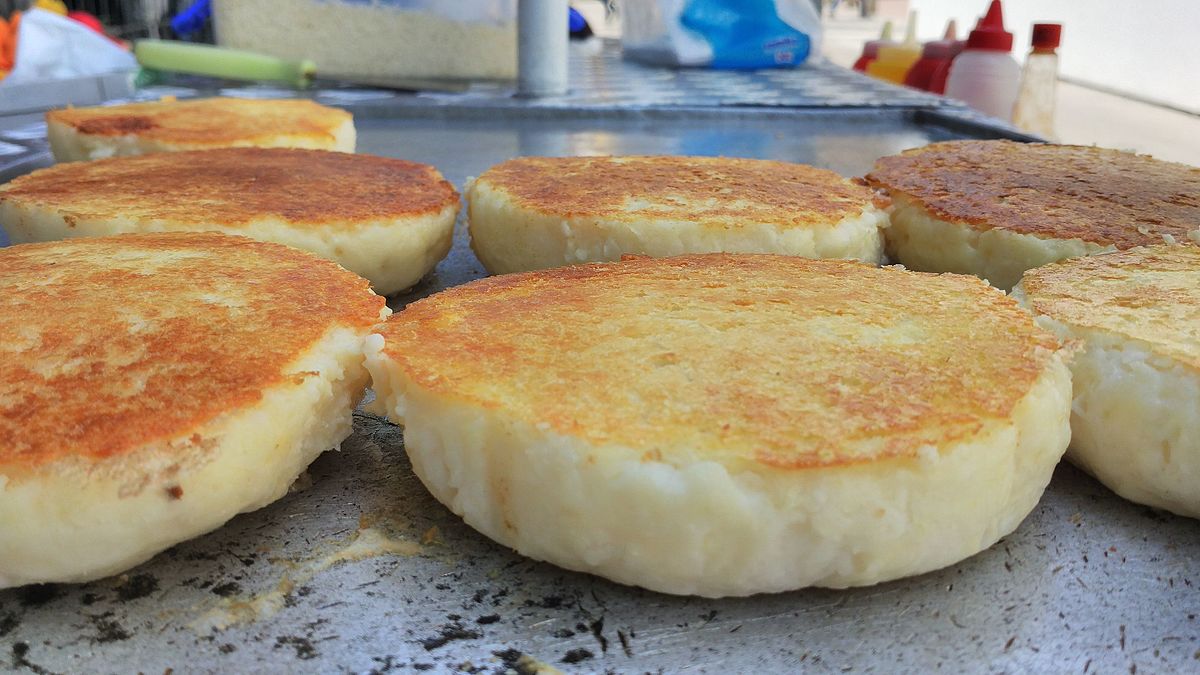
There are many different types of Arepas and you can mix and match with different ingredients depending upon your own preferences. Usually though, the Arepa is most often made up of ground maize dough or cooked flour to form the basis of this food. Sometimes, you can also substitute flour for yellow cornmeal that is popular in the Santander region of Colombia in the north of the country. In terms of appearance, an Arepa will be flat, round, and unleavened although sometimes they can be served as leavened especially when they are made in the street stalls late at night.

One of the great things about Arepas is there are many different ways in which you can cook them. An Arepa can be baked, grilled, steamed, fried, or boiled. The color, size, thickness, and appearance of an Arepa can vary from country to country or from one region to another. Perhaps, most importantly, you can add any kind of ingredients to fill out your arepa as a delicious sandwich or a platter.

The options are nearly limitless in that you can put on or within your Arepa such as foods like eggs, meat, fruits, vegetables, cheese, fish, shrimp, salad, etc. You can also simply eat it without any additional ingredients too if you just want to have a simple arepa for breakfast. However, if it’s late at night and you have had a few adult beverages to drink earlier, you may want to have an arepa sandwich with a lot of toppings to fill you up.

In order to make Arepas yourself, you need to have a good amount of water and salt to mix with your flour along with some additional ingredients like cooking oil, butter, eggs, and milk. Then, you’ll need to form the dough and shape it so it fits into the form of an Arepa and afterwards you can put it on the grill or stove to start cooking. Arepas can only take a couple of minutes to prepare and cook so it’s one of those foods that you can make in great quantities without too much effort or skill. Still though, that is part of what makes the Arepa such a daily staple of the cuisine is that it is simple yet delicious and there is a lot of variety to it if you are able to put in some extra effort.

When it comes to Colombia, it is probably the most popular food in the country and you can find it in practically every region of the country. In addition, there are dozens of variations on the Arepa depending on where in the country you find yourself. Despite the differences between Medellin and Cartagena, Bogota and Bucaramanga, each of these cities prides itself on their Arepas and would like to claim that they have the best Arepas in Colombia. In the past, the Arepa has become a cultural symbol of Colombia and is sometimes served with every meal of the day regardless of the circumstances, which is often the case particularly in the Antioquia region of the country.

You can find Arepas in many different places whether it’s been pre-packaged at the grocery store or if it’s being freshly prepared by hand late at night at the local street stall in your neighborhood. Wherever you visit in Colombia, you’re likely to be only a stone’s throw away from the nearest restaurant or cafeteria that will be able to serve you a delicious Arepa.

The Arepa has become so popular in Colombia that there is an annual festival devoted to this cuisine staple called the ‘Colombian Arepa Festival’, which is celebrated in the major cities of Bogota, Barranquilla, Medellin, Cali, and Bucaramanga. The festival in each of these five cities usually takes place sometime in between the months of August to December. If you haven’t figured it out already, the Arepa has a long-standing region in South America especially in Colombia. If you can’t stop your mouth from watering, you may want to buy a plane ticket and try this food out for yourself. Be careful though because if you eat them everyday, you may end up gaining some extra weight.

Bahia Solano & Nuqui

If you’re visiting Colombia and you are really looking for an off-the-beaten track experience that most tourists who visit the country don’t get to experience, then you may want to consider visiting Bahia Solano and Nuqui.

Before you start to book your trip to these two beautiful and distinct places in Colombia, it’s important to do your research first on how you can get there, what to do when you get there, and how to make the most of this mostly undiscovered part of the Pacific coast. Although Bahia Solano and Nuqui fly under the radar in terms of destinations to visit in Colombia, both of these places are becoming more and more popular as more tourists strive to discover these hidden gems.

Nuqui is both a town and municipality located on the Pacific coast of Colombia and is not a very big place when compared to Cartagena, Santa Marta, or Cali. There are only eight thousand residents of Nuqui in total and is located within the department of Choco specifically. The Choco department is wedged between the Baudo Mountains and the Pacific Ocean making the scenery quite unique and appealing to visitors.

There’s a lot of diversity, both culturally and ethnically to discover in Nuqui, and it’s a great chance for tourists to experience the Pacifico culture in Colombia while meeting the friendly and down-to-earth locals. Similar to Bahia Solano and the rest of the Choco department, the majority of the population there are Afro-Colombians or are the descendants of the various indigenous tribes that still call Colombia home to this day. You’ll get a chance to experience a different regional culture that is very different when compared to other regions such as Antioquia or Santander.

What may draw some tourists specifically to visiting Nuqui is the fact that there is an extremely diverse amount of flora and fauna to see and explore. It’s only a short trip from Nuqui to visit the mangroves of PNN Utria where you also have the option to go snorkeling or relax at the Playa Blanca. The main draw of Nuqui is considered to be the pristine beach of Guachalito that is mostly empty but is filled with mocha-colored sand next to a nearby jungle. Between checking out the marine life, hanging out on the mostly untouched beaches, and wading through the deep jungles, there’s plenty to do when it comes to visiting Nuqui.

There are also numerous other activities that you can do in Nuqui as well. If you want to chill out, you can hang out at some thermal springs and rub some healthy mud all over your body. You can do some ecological hikes just a stone’s throw from the beaches and check out some waterfalls where you can do some swimming to cool off. The most popular waterfall is known as the ‘Terco’ waterfall, which is about a four-hour hike but is worth the effort to get there.

If you happen to visit Nuqui between the months of June to October, you can check out whale watching and get up close to those beautiful mammals. Don’t be afraid to hit up the surf with the massive waves that can be found in Nuqui especially ‘Cabo Corriente’ if you’re up for the challenge at a more advanced level. Lastly, you can also tour the Jovi river especially by canoe if you would like to get some exercise into your trip.

In order to get to Nuqui, it’s possible by flying from the Olaya Herrera airport in Medellin or from Bogota with a stopover in the city of Quibdo. You can also take a boat to Nuqui from the beach of Guachalito, which will take about an hour or so.

Bahia Solano is pretty similar to Nuqui in terms of location as they are both located in the Choco department of Colombia. However, compared to Nuqui, Bahia Solano is considered the tourist capital of the Pacific coast of Colombia due to its’ location and its’ relatively cheap cost of touristic activities. Bahia Solano has the only airport on the Pacific coast or in Choco so you can fly to there first from other cities in Colombia before you travel on to Nuqui or another part of the Choco department.

There’s also a seaport, which will allow you to travel there by boat from other parts of the Pacific Coast if that is what you choose to do. Bahia Solano has a little bit of everything to offer the seasoned traveler or tourist. Between the mangroves, marshes, rivers, beaches, mountains, and scenic coasts, Bahia Solano has a natural biodiversity that is unmatched when compared to other destinations in Colombia. The flora, fauna, and overall biodiversity will draw you in as well as other sport activities such as surfing, fishing, and scuba diving. Bahia Solano is very close to other tourist draws such as the beach town of ‘El Valle’ and the nearby Ensenada de Utria National Park, which is also accessible from Nuqui too.

If you are looking for an organized tour within Bahia Solano, you may want to check out Pacifico tours. It will be a good chance to meet new people and explore the undiscovered Pacific coast with customizable trips that focus on your outdoor activity preferences. You can also partake in surfing and whale watching (June through October) through these tours or on your own.

‘Huina’ is a beautiful, remote beach in Bahia Solano that is popular with the locals and hasn’t been spoiled yet. You can choose a number of hikes to do that last from four to six hours to destinations like the ‘el Tigre’ waterfall from playa Aljemal or to the ‘Boro Boro’ area to explore the jungle part of Choco. If you want to do canoeing in Bahia Solano, you can tour the Rio Tundo to combine exploring the coast with exploring the jungle by passing through this river.

Whatever you decide to choose to do, Nuqui and Bahia Solano have a lot to offer the average tourist or traveler. You are going to be impressed by the natural beauty, warm people, and agreeable climate that you will encounter when you visit this part of the Pacific coast of Colombia. Have a good time and remember to take some pictures and video to remember this unique travel experience.

________________________________________

Note: For this blog post, while I haven’t been to either of these places yet, I did some thorough research regarding these two destinations as well as talking to other Colombians and friends of mine about these places. They have been highly recommended to me and I hope to visit Bahia Solano and Nuqui in the future.

Cuisine Spotlight – Mondongo

Mondongo Soup is one of those polarizing foods that you encounter where you either love it or hate it. There’s no in between when it comes to Mondongo, which is what makes it a unique kind of food to cover in this month’s edition of cuisine spotlight. The main ingredient of diced or pieces of Tripe (the stomach entrails of a cow or pig) cause some folks to go nauseous while others salivate over the chance to get a big bowl of mondongo for their lunch or dinner.

However, Mondongo is more than what meets the eye and comes with a number of different ingredients that vary depending upon which country or part of Latin America you find yourself in. Part of what makes Mondongo an interesting food is that you can find it in more than one country and each place makes it a little bit differently than the other. I didn’t know Mondongo existed before I started living in Colombia and although I tried it once and enjoyed it, I’m not big on tripe in general while others love it very intensely. Even if you find yourself disgusted by the idea of eating cow’s stomach, perhaps you’ll reconsider after reading this article.

Mondongo is more than just beef or pork tribe. The main ingredients also include various vegetables cut up and chopped such as bell peppers, onions, carrots, cabbage, celery, tomatoes, lettuce, etc. Additional ingredients can include salt, pepper, coriander, garlic, oregano, and cilantro if you want to spice up the dish with some seasoning. You can also decide to add some corn and rice to the soup if you want to make it more heavy, and filling.

Usually, the tripe is soaked in citrus juice or sodium paste before it can begin cooking in a pot. If there are many types of spice or seasoning available in your local supermarket, you can make your Mondongo as bland or as zesty as you see fit. The great thing about a soup like Mondongo is that there is a lot of variety in making it and there’s no right or wrong way to make it. It would be quite a dish to make when you haven’t eaten all day and are ready to dig in after a long day at work.

Mondongo is a food dish most commonly found in Latin America, the Caribbean, and the Philippines. When it comes to the specific countries in which you can try Mondongo, there are quite a few that have it available. That list of countries includes Brazil, Panama, Puerto Rico, El Salvador, Venezuela, and in Colombia.

In Colombia, Mondongo is a traditional dish for Lunch and is made with a lot of cilantro and is known for having a lot of chicken or beef broth for the vegetables and tripe to soak in. Peas, Carrots, Onions, etc. are the most common vegetables for this type of Mondongo and corn is sometimes added to the mix. In addition to pork and beef tripe, chicken and turkey tripe is sometimes used in the Colombian version of Mondongo depending upon which region of the country you are in.

Mondongo is sometimes known as ‘mocoto’ in Brazil as the Portuguese translation of this popular soup dish. Mondongo is mainly consumed in the southern regions of the country but can also be found in the Northeast where it is known by the name of ‘dobradinha’ when it comes to Panama, Mondongo can be seasoned with pieces of chorizo or pigtails to create some added flavors. Pig knuckles, and feet can sometimes be added to Panamanian Mondongo as a substitute for pigtails or chorizo.

This type of Mondongo can also come with chickpeas; bay leafs, and is served with salads and/or plantains. There is also a tradition in Panama that some folks observe that when a new house is built for a family, they will gather together to celebrate the occasion and have a meal known as ‘mondongada’ that focuses on eating big servings of Mondongo.

In Puerto Rico, vegetables such as squash, pumpkin, eddo, cassava, capers, etc. can be added as well as the salted pork tail and feet that you can also find the Panamanian version of Mondongo. Lemon juice is the main ingredient that helps to distinguish the Puerto Rican version of Mondongo from other countries’ versions. For El Salvador, Their Mondongo is also called the ‘sopa de pata’ where chili powder, coriander leaves help to give it a spicy kick on top of the tripe, pieces of yucca, sweet corn, green beans, and plantains that make up the soup. Lastly, the Venezuelan version of Mondongo is often the only meal of the entire day due to the fact that it is very heavy compared to other kinds of Mondongo.

This kind of Mondongo is served with plenty of vegetables, different types of tripe, pigs’ feet, and seasoning but also comes with a serving of arepa on the side, which can be considered the national snack of Venezuela. The restaurants that sell Mondongo in Venezuela are known as ‘areperas’, which focus mainly on cooking Arepas, but the mondongo dish and the arepa go strictly together in Venezuela. Many Venezuelans make it a priority to eat Mondongo early in the morning before they go to work or later in the night before they go out to party and drink.

Regardless if you’re eating Mondongo in Colombia or Puerto Rico, it is a hearty, fulfilling soup dish that has a ton of variety to it. You can mix and match different ingredients together and decide what kind of sides you would like to serve with your Mondongo. Wherever in the world you eat this dish, you should do so on an empty stomach due to how heavy it is. You won’t need to have any breakfast, lunch, or dinner if your only meal of the day happens to be a big bowl of Mondongo. Enjoy responsibly or you may risk a stomachache. Buen provecho!


San Gil

IMG_2203IMG_2230IMG_2285IMG_2298IMG_2306IMG_2322IMG_2332IMG_2346IMG_2343IMG_2348IMG_2352IMG_2358IMG_2374IMG_2361IMG_2304

Camera: Canon PowerShot SX710 HS

Location: San Gil, Santander, Colombia

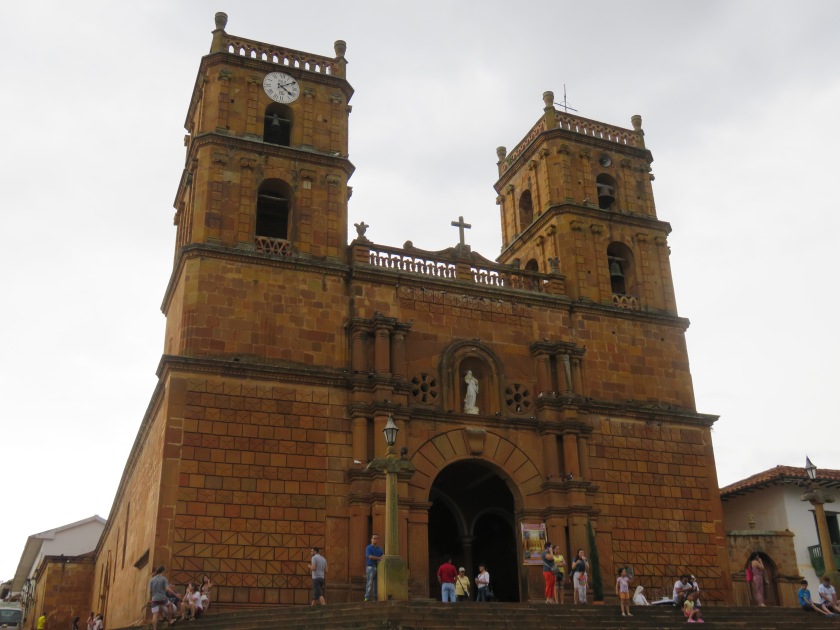
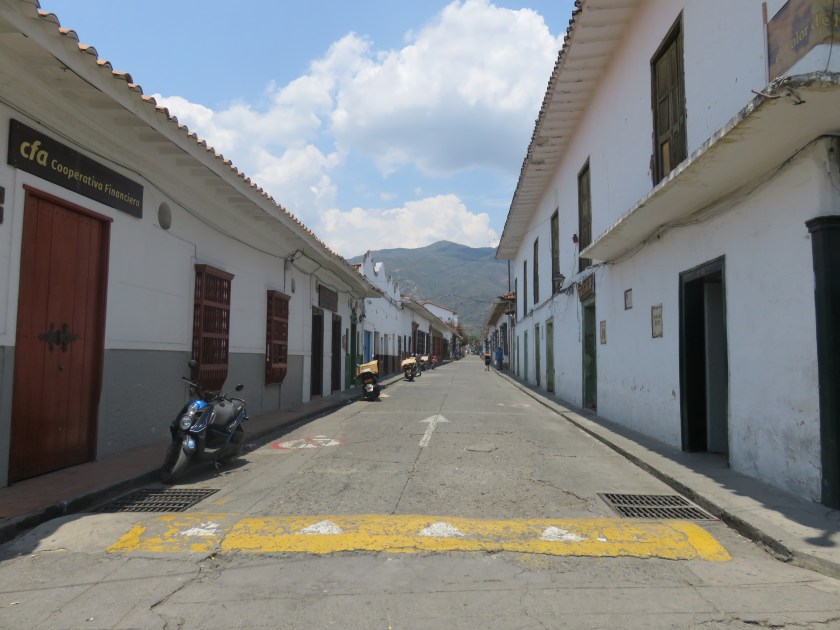
Barichara

IMG_2384IMG_2386IMG_2387IMG_2391IMG_2397IMG_2399IMG_2404IMG_2405IMG_2407IMG_2420IMG_2421IMG_2431IMG_2440IMG_2461IMG_2465

Camera: Canon PowerShot SX710 HS

Location: Barichara, Santander, Colombia

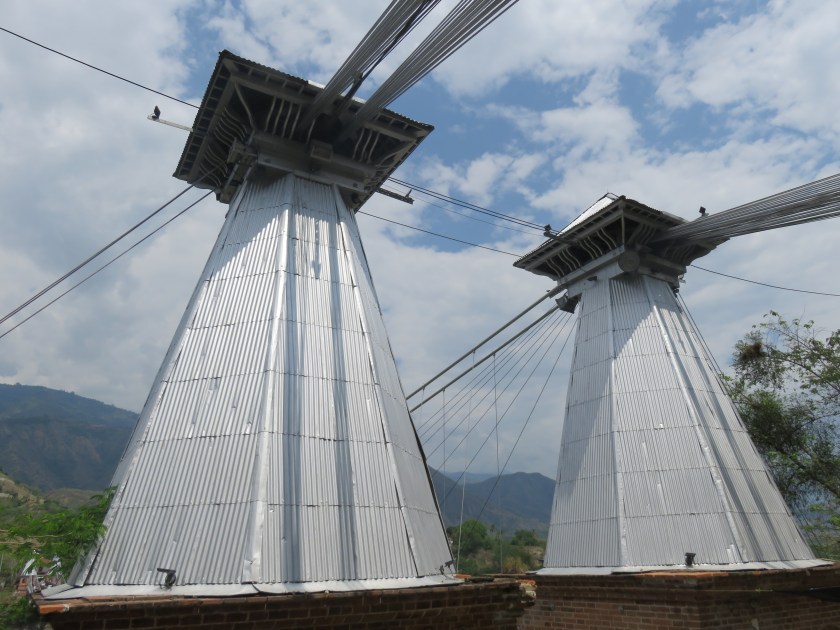
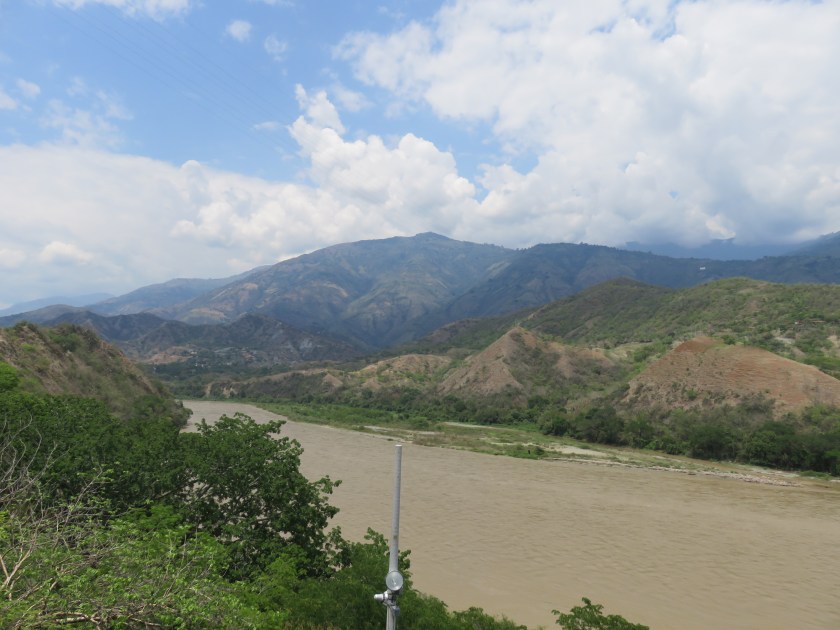
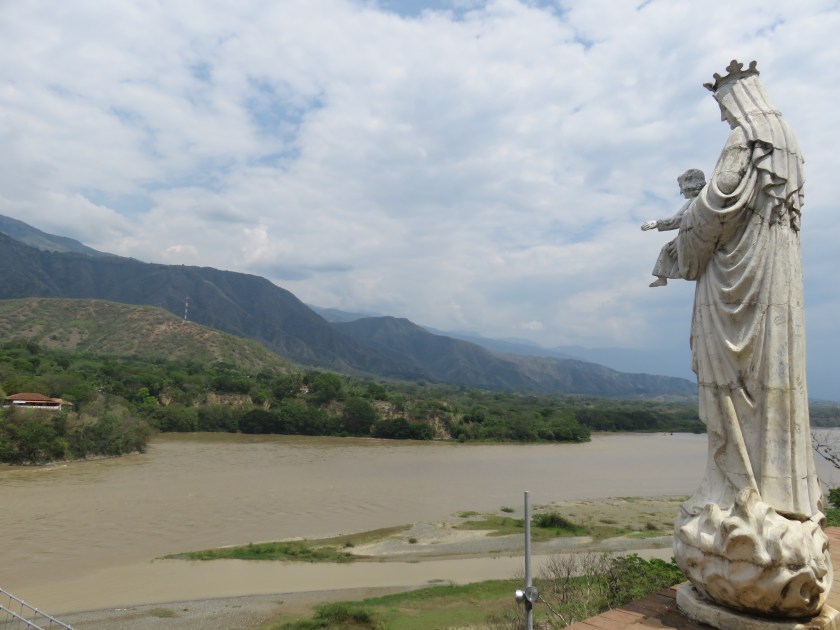
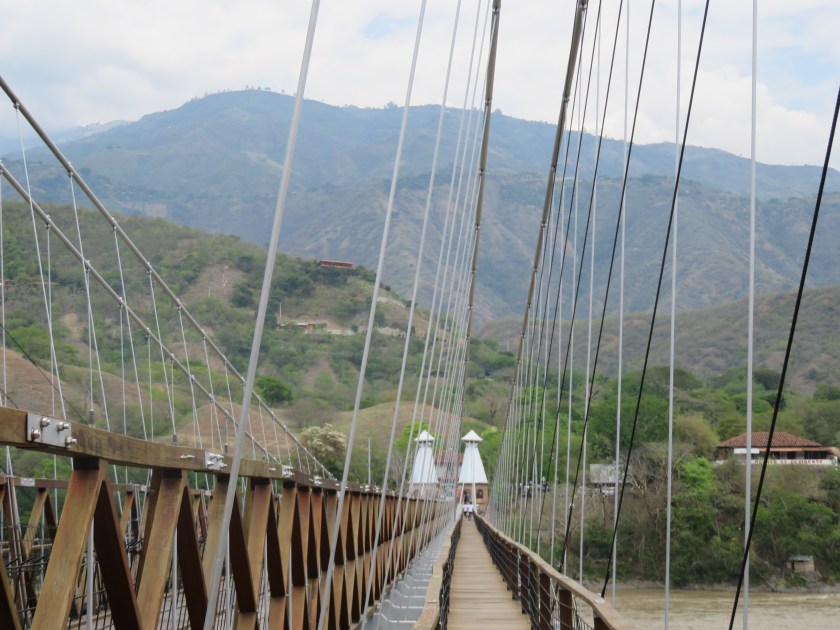
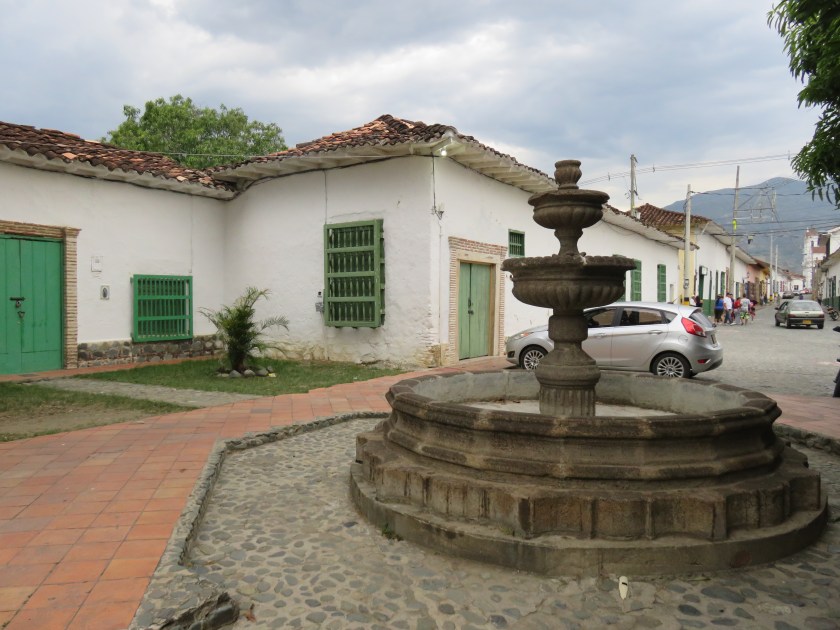
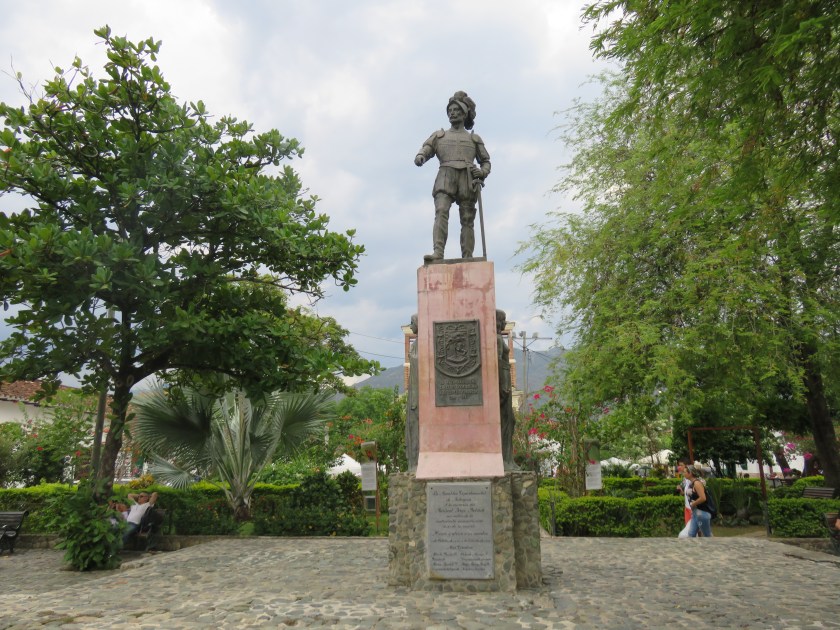
A Day In Santa Fe

IMG_2066IMG_2054IMG_2059IMG_2057IMG_2060

IMG_2069IMG_2072IMG_2075IMG_2083IMG_2107IMG_2117IMG_2116IMG_2101IMG_2105IMG_2109

Camera: Canon PowerShot SX710 HS

Location: Santa Fe de Antioquia, Antioquia, Colombia

Cultural Spotlight – Salsa

El_Cantante
Hector Lavoe, ‘El Cantante’ (1946 – 1993)

If you’re walking in any city in Colombia or in most parts of Latin America and you start to feel the rhythm and the beat to some up-tempo music that sounds as if jazz and ‘son cubano’ had a baby, it would be known to the world as ‘Salsa.’ Salsa music has only been around for over five decades but has had a lasting impact on the world of music and its’ popularity has stayed consistent in the countries and regions where it was first introduced. While some folks may argue that old-school music genres like jazz, swing, and the blues are on the decline these days; that is simply not the case when it comes to Salsa.

Contrary to popular belief, Salsa did not originate in Puerto Rico, Cuba, or even Colombia. This form of music came out of the communities of immigrants in New York City during the 1960s from Cuba to Puerto Rico who wanted to introduce a new take on ‘son cubano’ music that had been around for a few decades and to bring it to new audiences before who had never been exposed to that kind of genre before.

The music of Salsa has been highly influenced by previous Cuban genres such as ‘son cubano, son montuno, guaracha, mambo, bolero, etc. as well as certain Puerto Rican genres such as ‘bomba, and plena.’ It also should be noted that Salsa was heavily influenced by the American musical genre of Jazz and certain experts have noted Salsa as being a form of Latin jazz. Salsa is a very flexible genre and can incorporate many different forms of music together in order to be innovative and unique. Even rock, r&b, blues, and funk have found their way into the rhythms, beats, and lyrics of Salsa music.

If there were a form of musical expression to represent the Americas whether it was North America or South America, it would be jazz. Salsa music would not be what it is today without previous music genres influencing the sounds and songs to change and adapt as the decades passed by. However, without the early Salsa bands made up of newcomer immigrants from the Cuban and Puerto Rican communities who came to New York City and America for a better life, Salsa would also not be the popular genre that it has become today. From the 1930s to the 1960s, these new immigrants brought joy, happiness, and excitement to both their local communities and cities from Boston to Cali.

From the streets of the South Bronx to the barrios of Cali, Salsa would spread from New York City to Colombia to Peru to all over Latin America. Salsa has become a global music genre today with people all over the world sharing together their passion and love for this unique form of self-expression. You can find Salsa classes and music clubs in most major cities all over the world. It doesn’t matter where you’re from, if you’re new to dancing, or can’t understand the lyrics, Salsa is a music genre open to everybody. Some of the big names in Salsa are Johnny Pacheco, creator of the Fania all-stars band, Hector Lavoe, Willie Colon, Bobby Valentin, Eduardo Palmieri, Marc Anthony, etc.
The instrumentation used in Salsa music is incredibly diverse and can really depend on what kind of style you’re going for whether it’s ‘salsa romantica’ or ‘salsa dura.’ It also depends upon how fast the tempo is and what the chord / verse arrangement is too. The most popular kinds of instruments used in Salsa music are percussion and brass instruments. It’s very rare where string instruments are used unless its’ an acoustic or electric guitar. When it comes to the most widely used instruments, they are usually the piano, the bongo drums, the congas, trumpet, trombone, claves, and different guitars.
Since the genre of Salsa has spread to many parts of the Western Hemisphere, there are many different styles of Salsa dancing that make the music more enjoyable for people to participate in by moving their bodies in various ways. While there is no clear consensus on which style of Salsa is the best or most popular, there’s the Cuban style, the New York style, Puerto Rican style, Los Angeles style, and Cali style from Colombia. Each style of Salsa is a little bit different from each other so once you master one of these types, there is another one out there to learn in order to keep your knowledge up to date. There are few parts of the world that haven’t been touched by Salsa music, which makes it one of the most fun and enjoyable kinds of dances to learn. Whether you’re in Peru, Colombia, Cuba, the Dominican Republic or the United States, you’ll have a chance to dance Salsa if you look hard enough.

By listening to Salsa music and learning how to dance to the rhythms and the beats of this genre, you really learn a lot about Latin American culture. Listen carefully to the lyrics, study the history of both the song and dance, and you’ll be able to gain insight as to why this has become one of the most popular music genres on the planet today. Few things make the average person happier than being able to cut loose on the dance floor and Salsa as a genre succeeds in doing that beyond measure.

During my time here in Colombia, I’ve enjoyed going out to learn Salsa in some classes, and putting the moves I’ve learned into practice when I go out on Saturday nights to a Salsa club. It’s really a joy to dance and sing to the point of exhaustion until your feet can’t move anymore while the beads of sweat roll down your neck. Salsa, to me, is a celebration of living life to the fullest and expressing the movements of your body the way you’re supposed to do. If you haven’t given Salsa music or dancing a chance yet, start to do so today. I promise you won’t regret the experiences you gain by enjoying this popular genre.

Cuisine Spotlight – Sancocho

Many cultures around the world have their own unique take on stews and soups that are both hearty and comes with a number of different ingredients. This is also the case in many Latin American countries where the stew itself is called ‘sancocho’ and is closely related to the Spanish stew known as ‘cocido.’ Along with the Spanish influence, Sancocho takes most of its’ ingredients from local foods that are popular and add flavor to the dish. Sancocho is also considered to be the national dish in a few of the Latin American countries where it is made and eaten.

Among the countries where Sancocho is a popular food dish includes the Canary Islands, Puerto Rico, Honduras, Ecuador, Colombia, Panama, the Dominican Republic, Peru, Venezuela, etc. so you could say that it’s a staple and has become popular in many households and restaurants. Sancocho is believed to have originated from the Canary Islands where it is a dish that heavily is made of a whole-cooked fish with broth and potatoes.

The dish was brought over to Latin America when the Canarians and their descendants immigrated to parts of the new world centuries ago. As is the case with many different foods, the immigrants who move to a different part of the world often bring their favorite dishes with them. While fish was a main ingredient in the ‘original’ sancocho, there are many different types of meats and vegetables that make up variations on the popular dish depending upon which country you’re in. Sancocho is especially common to be served during lunchtime as it is quite filling and can hold a person over until dinner comes around. It’s common for Sancocho to be served in a huge pot for a family gathering or birthday party where the dish can be expanded to served dozens of people total.

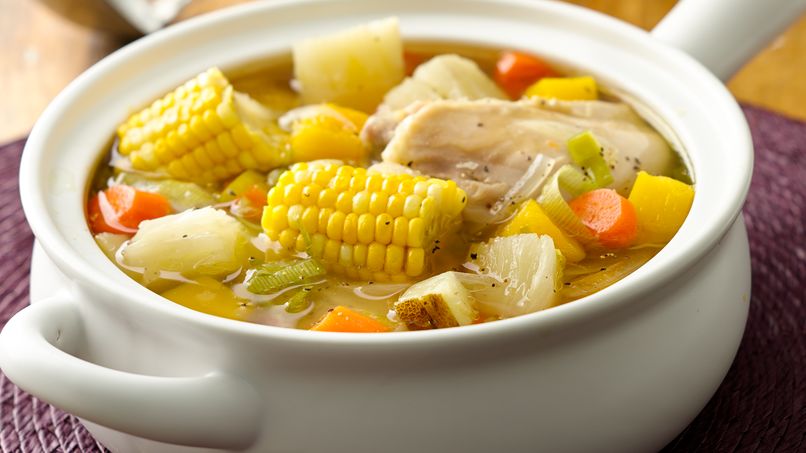
In Colombia, specifically, sancocho is an extremely popular dish with a wide range of ingredients that can range from chicken to ox tail. Other meats that can be apart of sancocho include hen, pork ribs, cow ribs, fish, etc. For example, sancocho with fish is really popular on the Atlantic coast of Colombia while pork and beef is more commonly found in the interior of the country. In addition to mean, sancocho can also include large portions of plantains, yucca, potatoes, and various vegetables such as tomatoes, carrots, cilantro, scallions, mazorca (corn on the cob), etc.

There is simply no limit as to what can be put into sancocho and each country puts a different spin on the popular dish. In the Dominican Republic, for example, there is Sancocho de siete carnes, which is a dish made up of a mixture of different meats including chicken, beef, pork, etc. Sancocho de gallina, which is made up of free-range chicken is quite popular in Panama and is also the national dish of the country. Puerto Rico has the distinction of even adding smoked ham, pork feet with chick feats, which is known as sancocho de patitas and is quite unique in terms of its’ culinary characteristics.

The beautiful thing about sancocho is that there are so many different regional and national varieties to this dish are that the possibilities of mixing and matching different ingredients or toppings is simply endless. Any nation that has been touched by Spanish influence or colonization has adapted their own version of sancocho including even in the Philippines, which has a huge amount of meats and vegetables to offer in its own national take on the dish. Keeping to the Spanish heritage of the dish, they call it cocido as it is known in Spain.

If you decide to come to Latin America and find yourself at someone’s family gathering, hanging out with a few friends, or enjoying a birthday party, it’s likely that you’ll get a good serving of sancocho. In addition, the sancocho you get depending upon the country or the region in which the dish is being served to you will most likely be different and have some variation to it. The beauty of a popular dish like sancocho is its’ history, its’ adaptability, as well as the chance to gather with a group of people and dig in to this delicious food together.


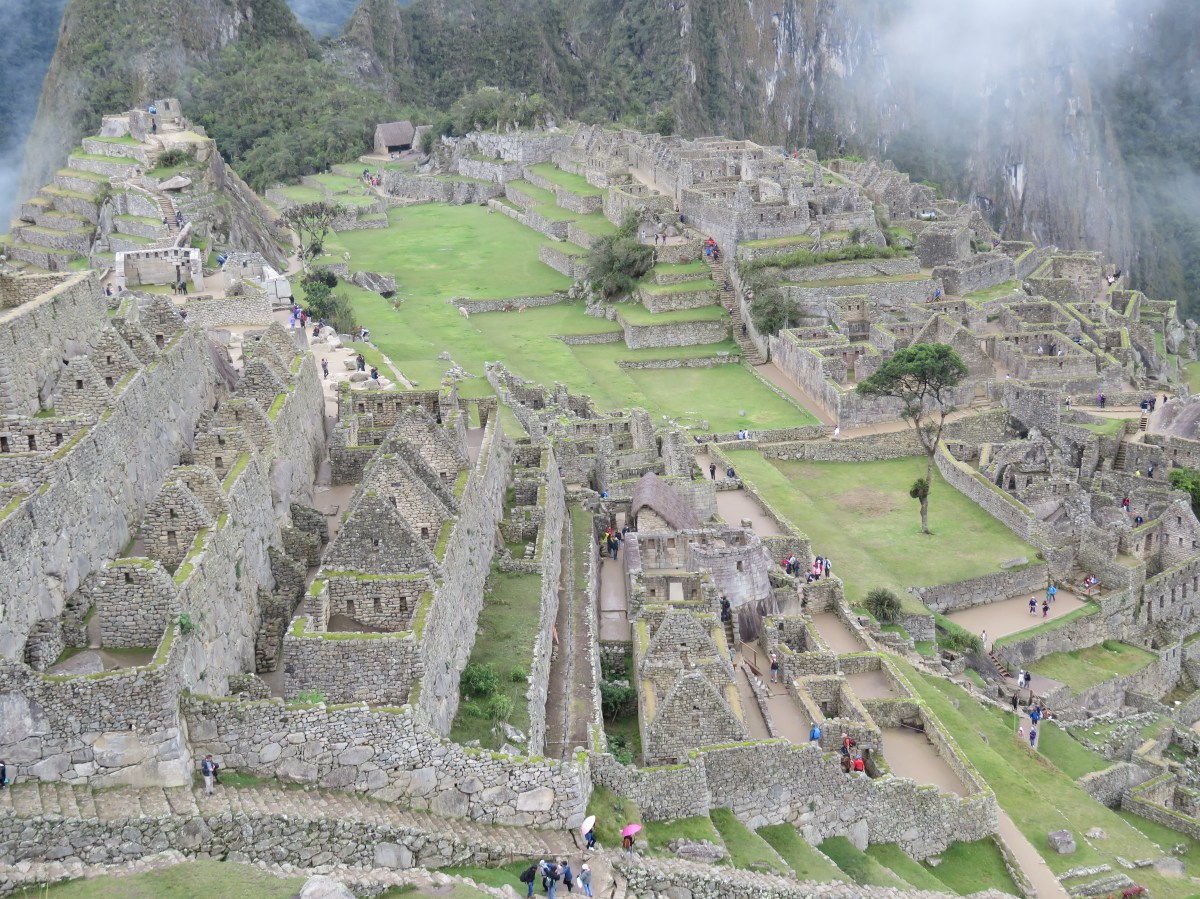
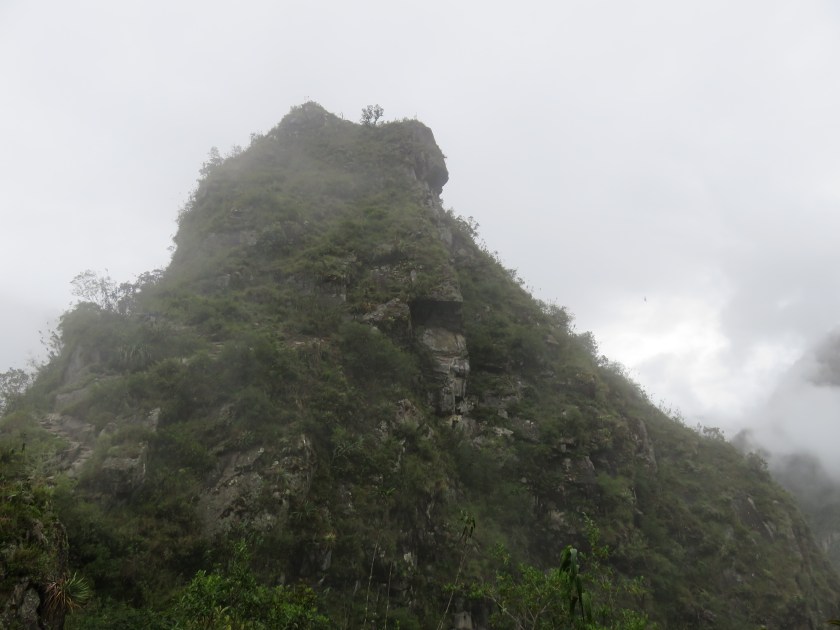
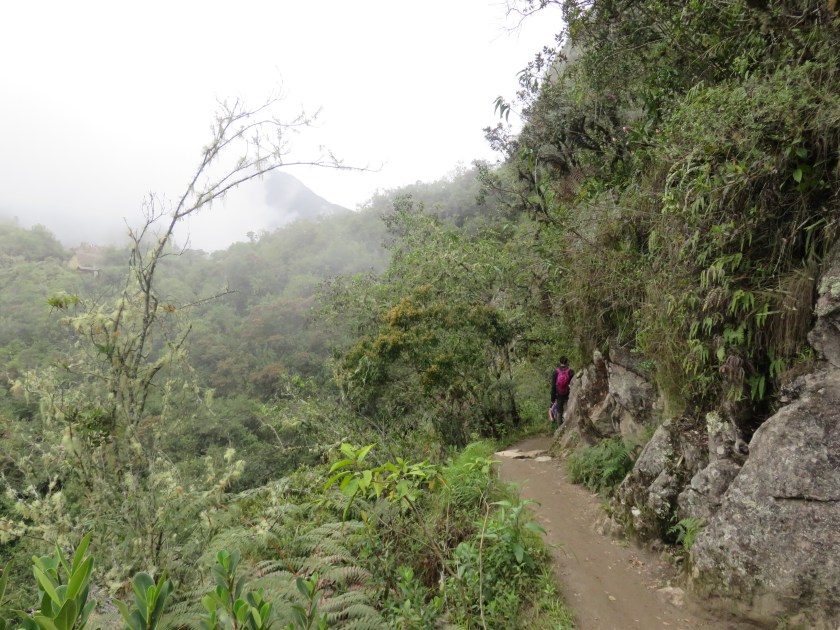
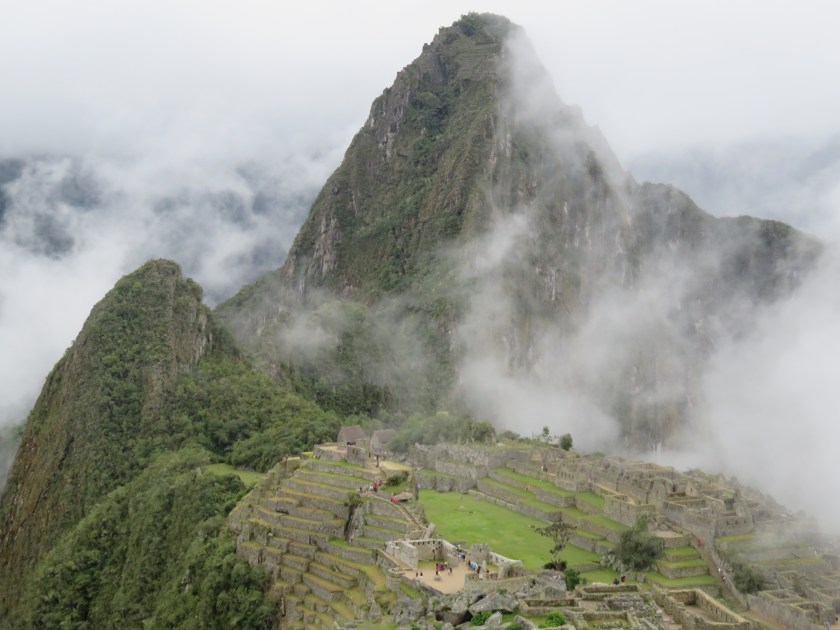
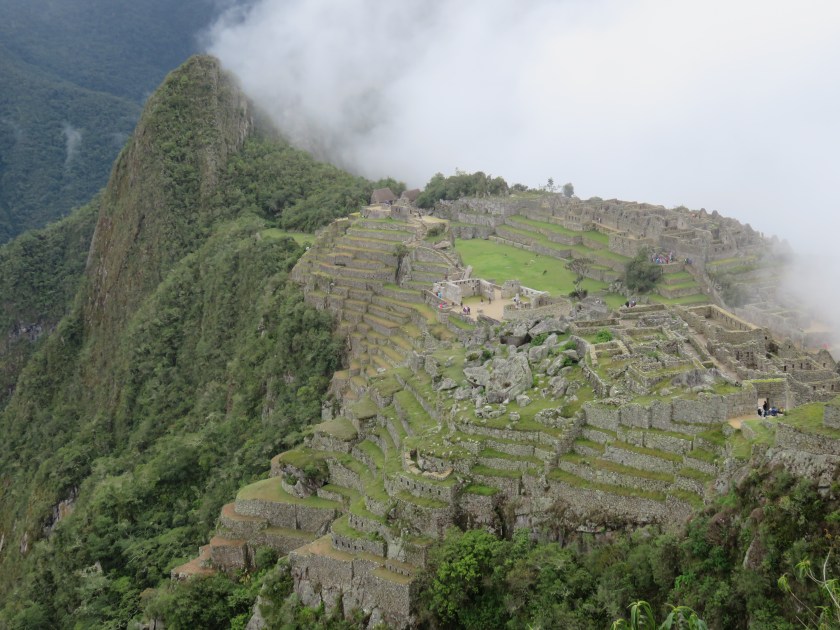
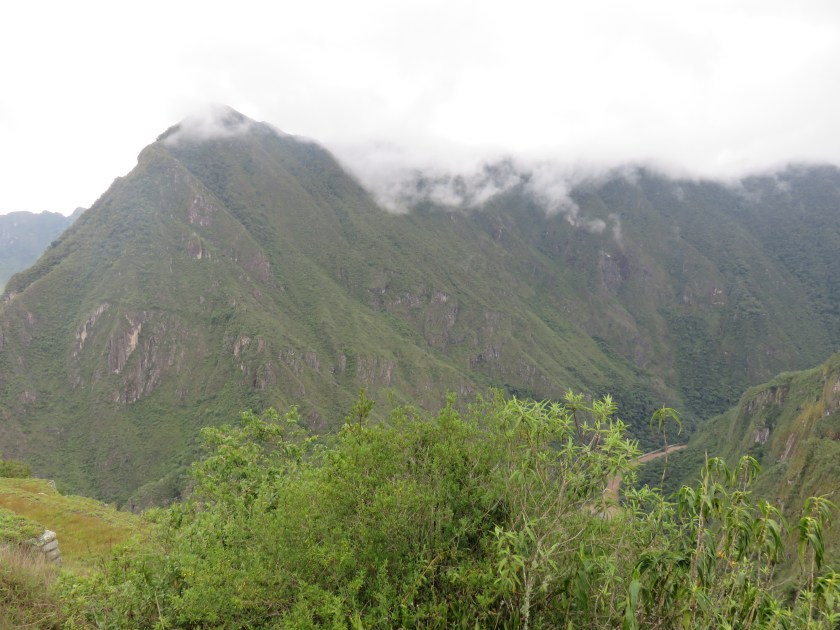
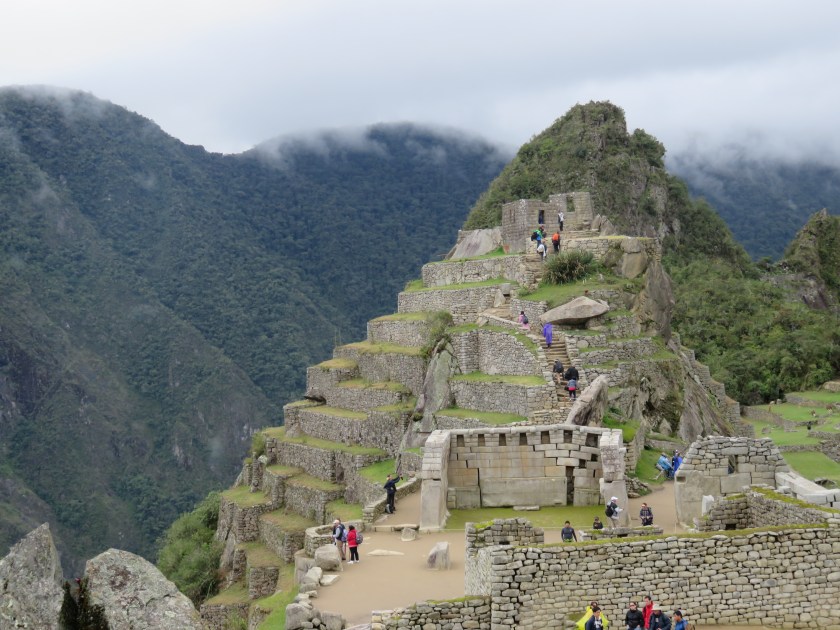
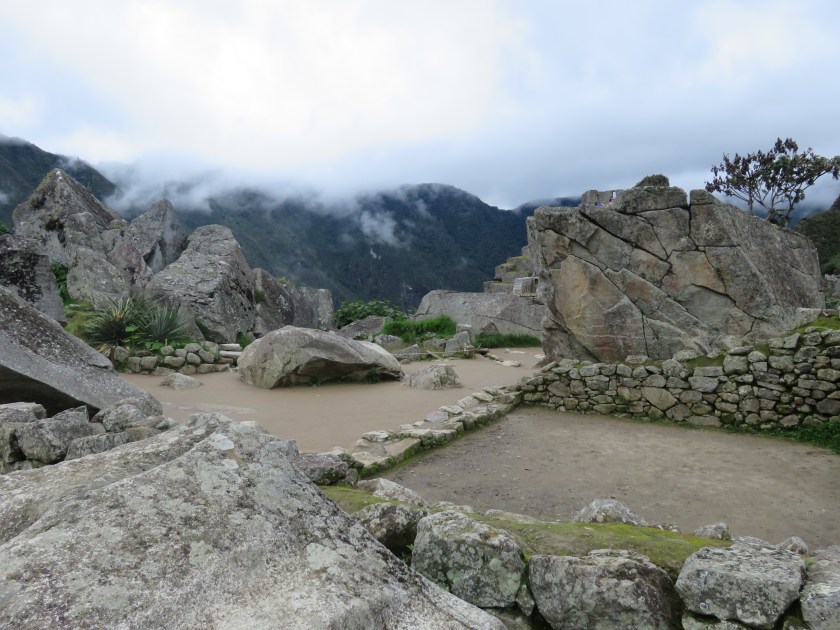
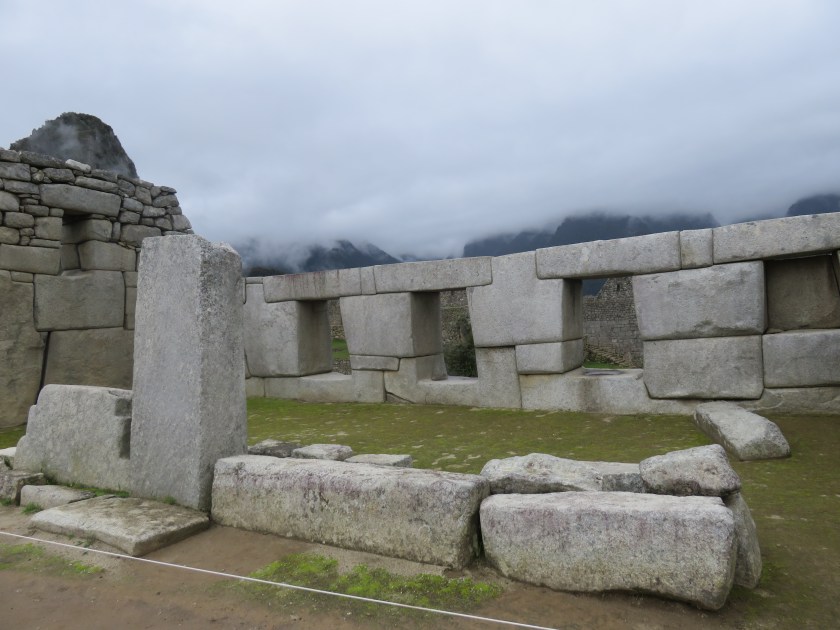
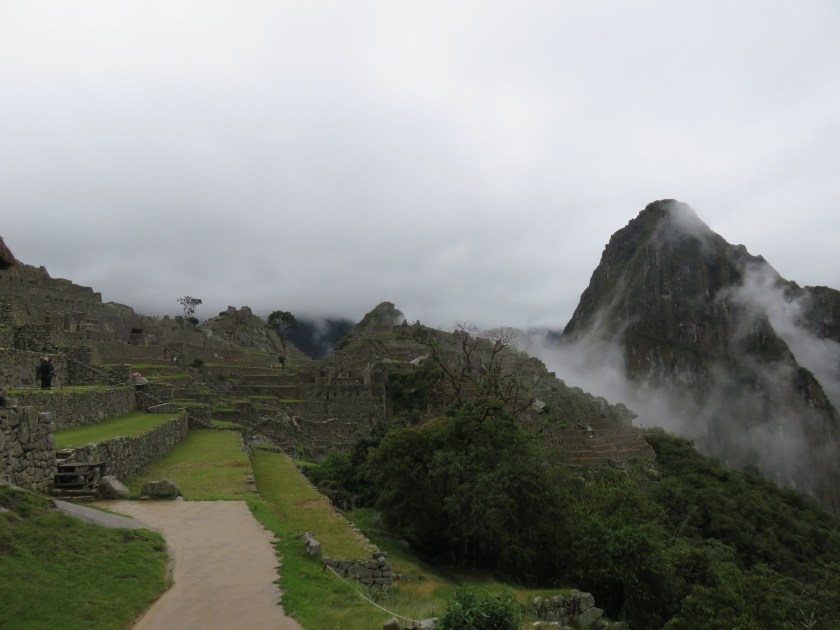
Machu Picchu and Huayna Picchu

img_1723img_1726img_1824img_1827img_1828img_1829img_1830img_1838img_1868img_1878img_1881img_1897

img_1955img_1968img_1984img_1989

Camera: Canon PowerShot SX710 HS

Location: Machu Picchu, Peru