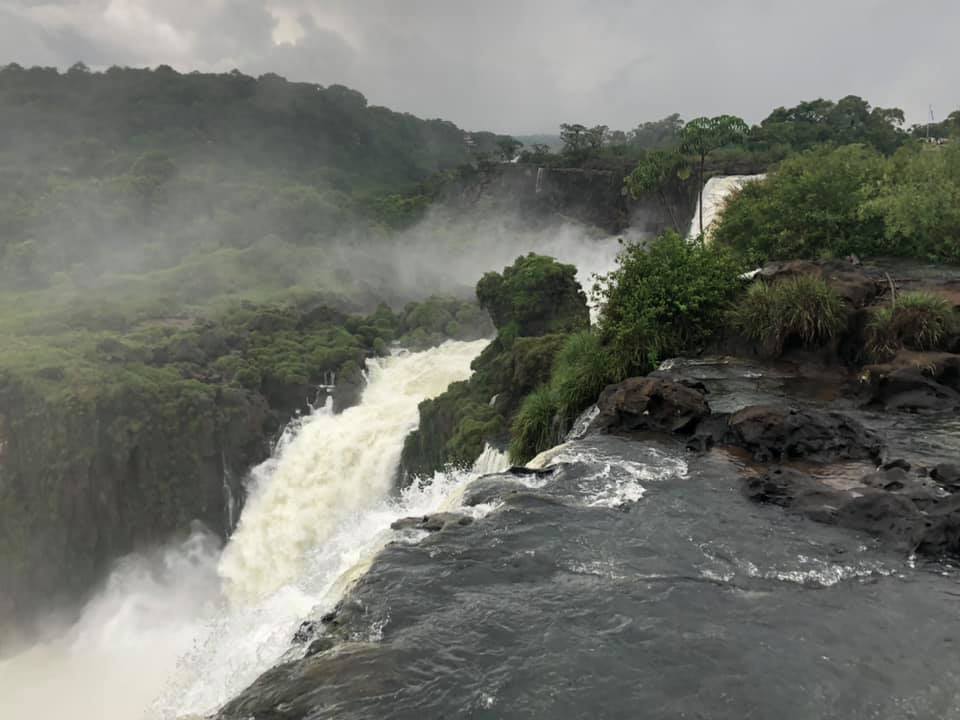
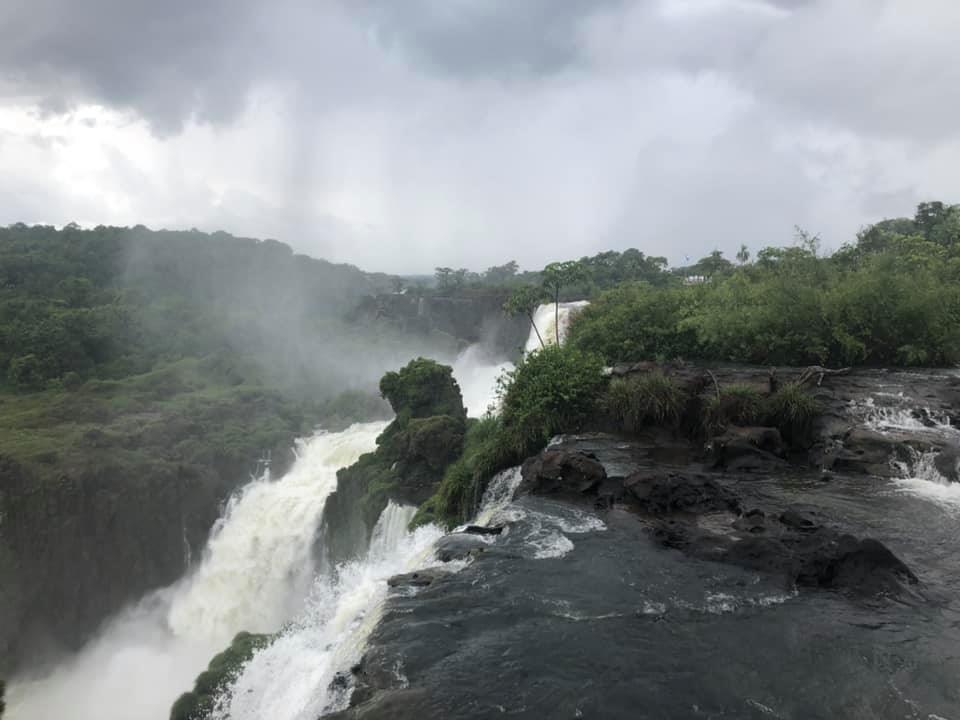
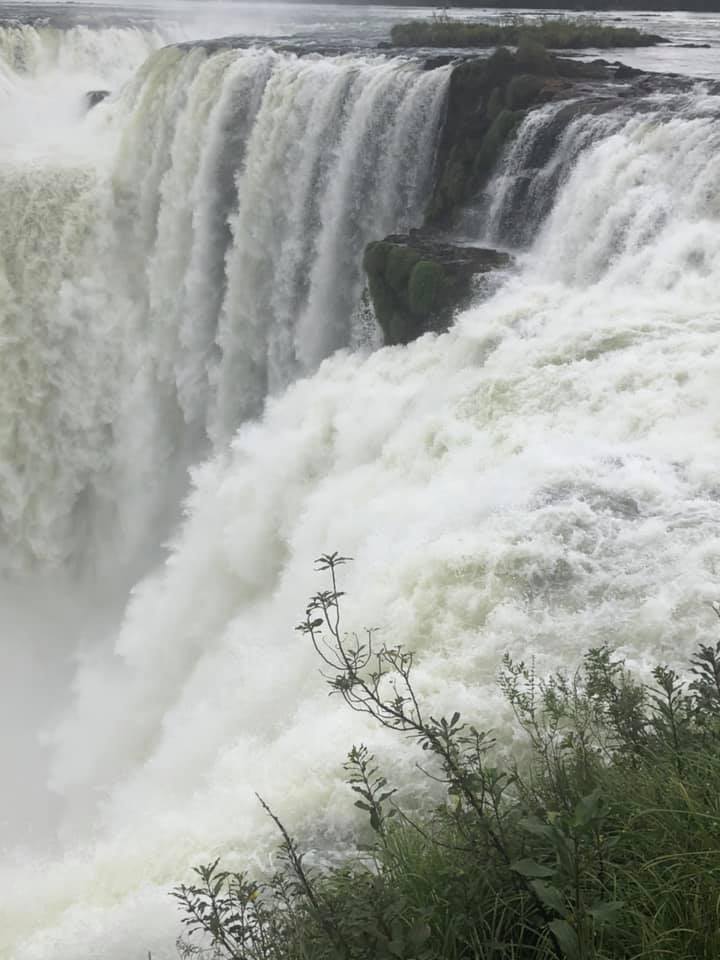
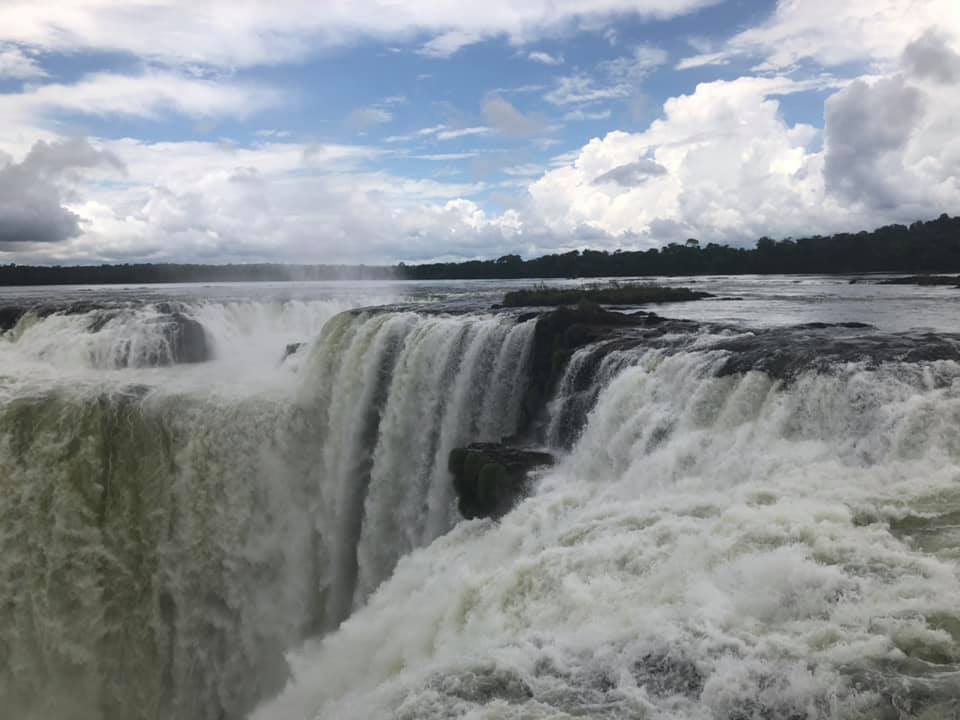
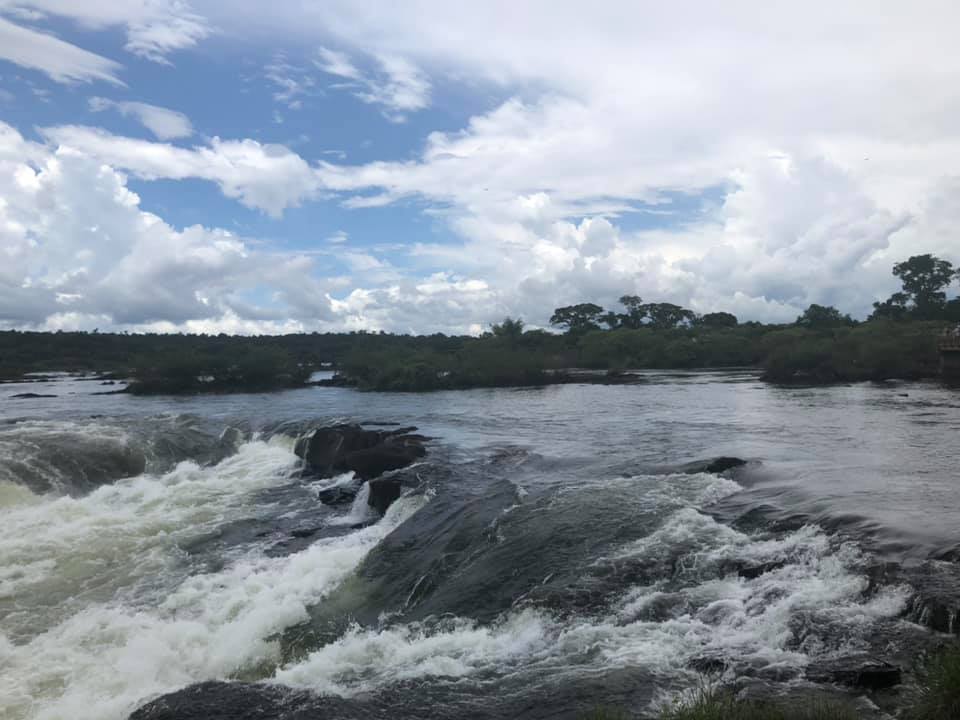
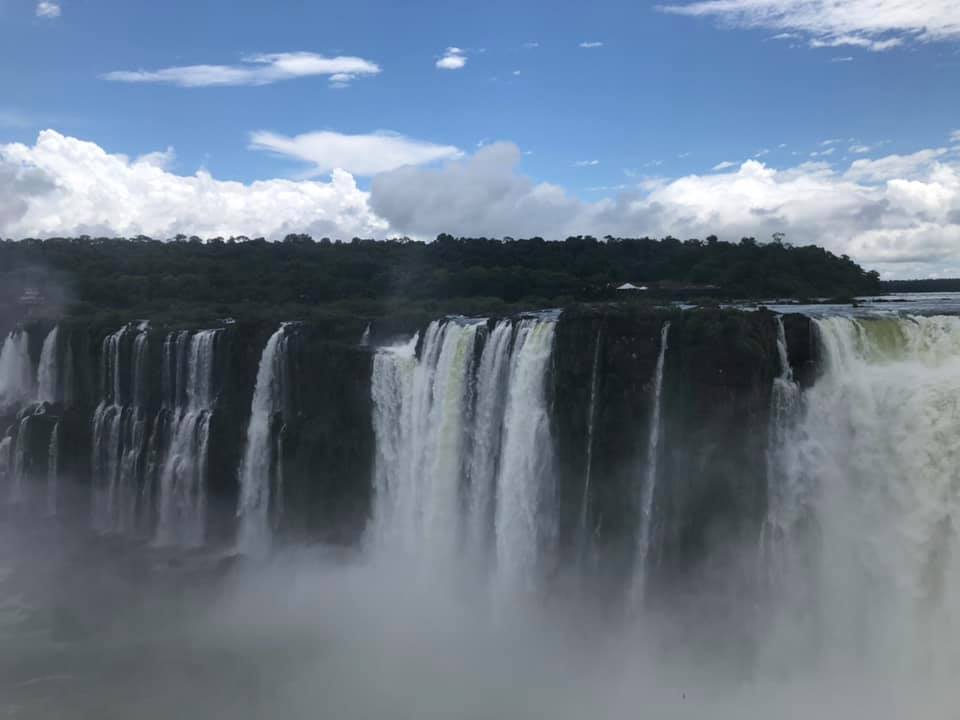
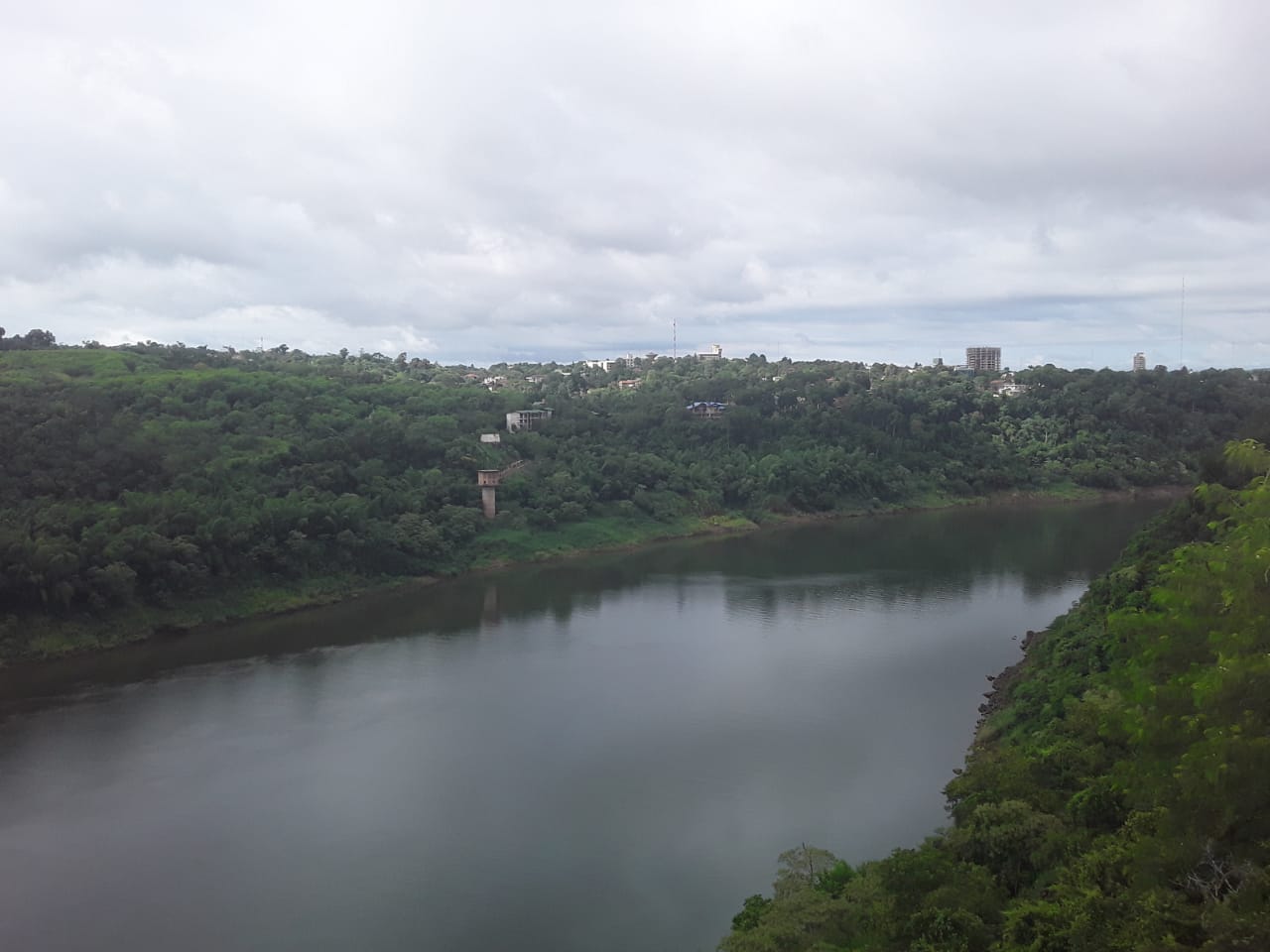
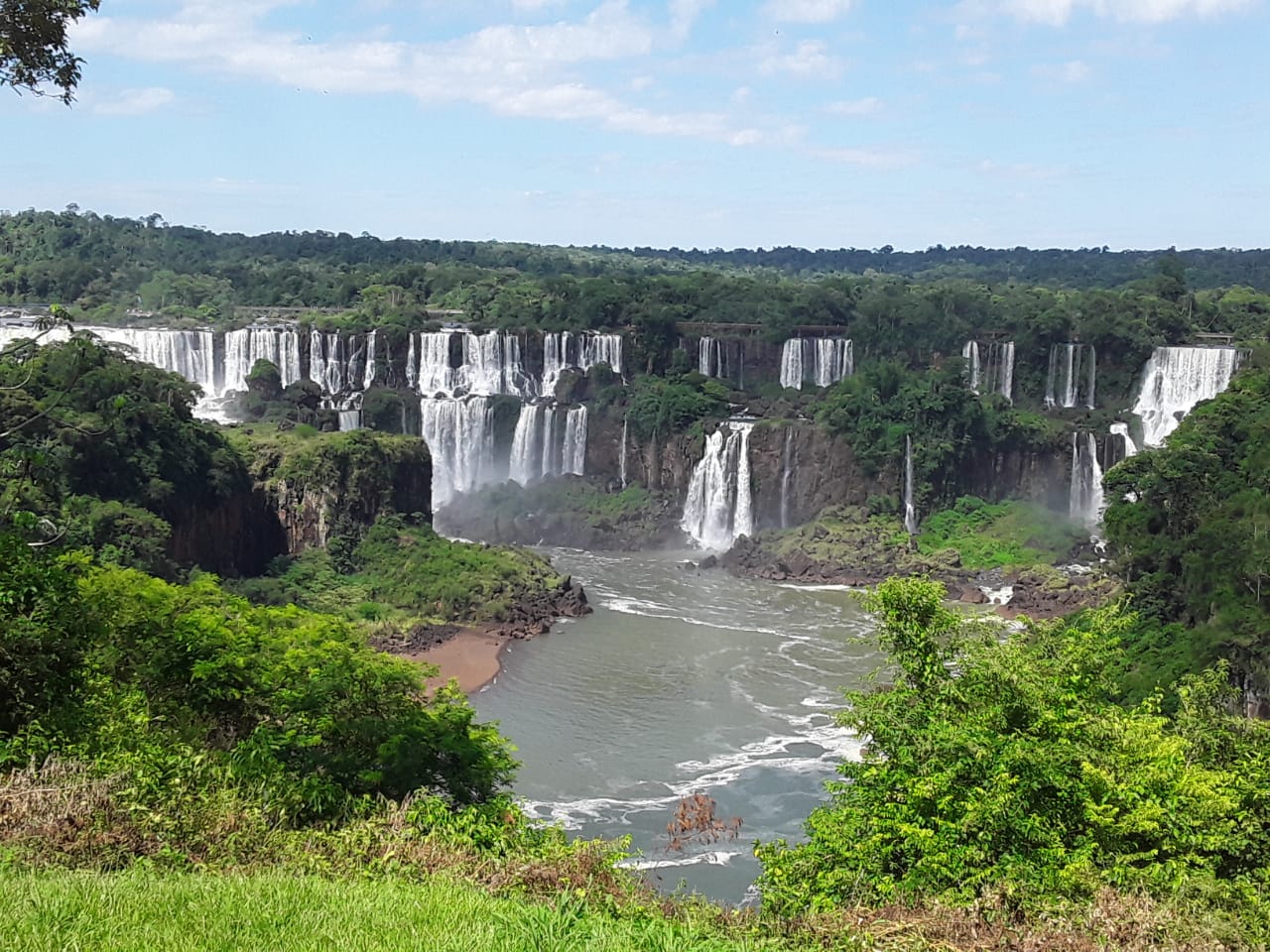
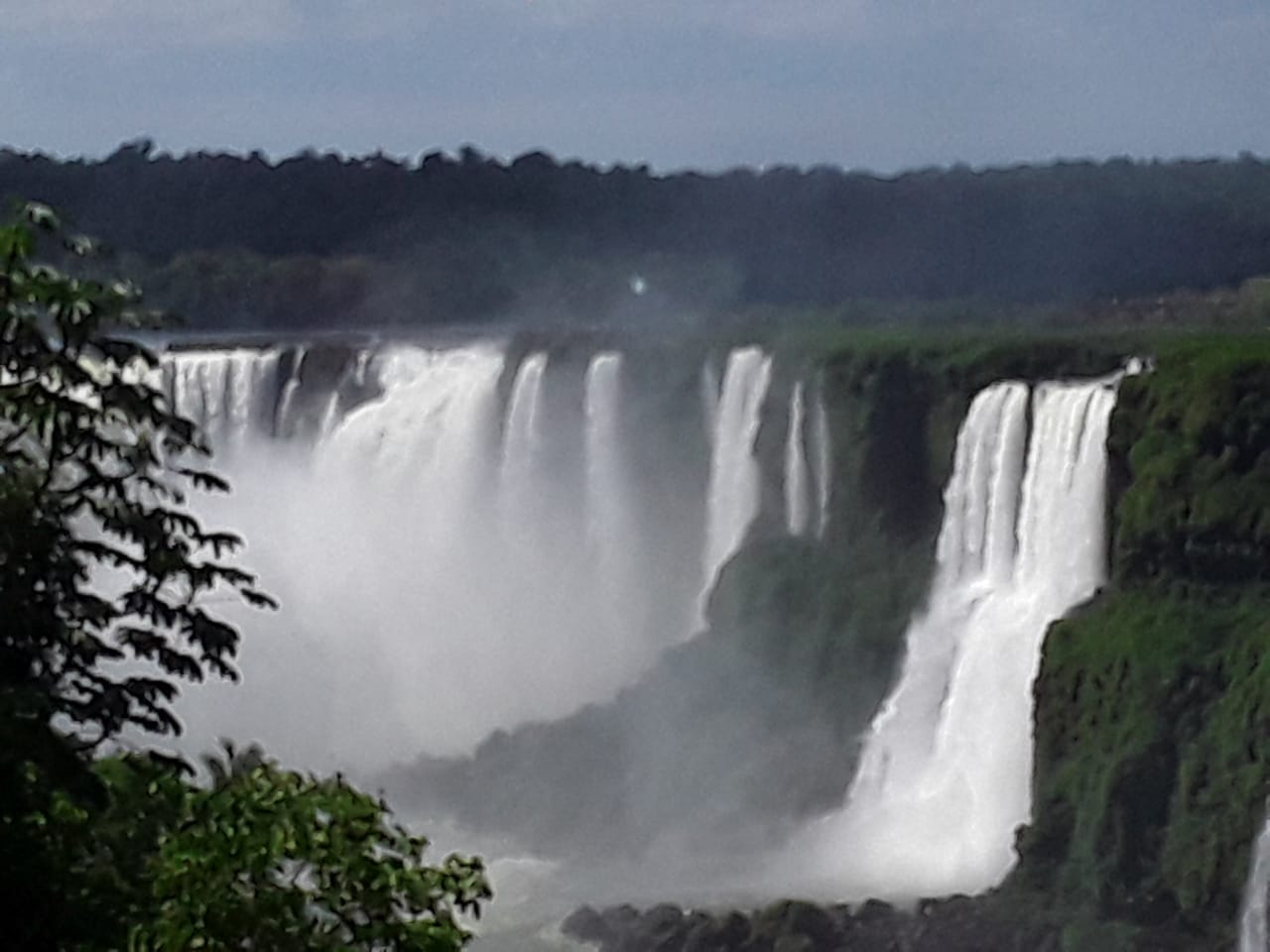
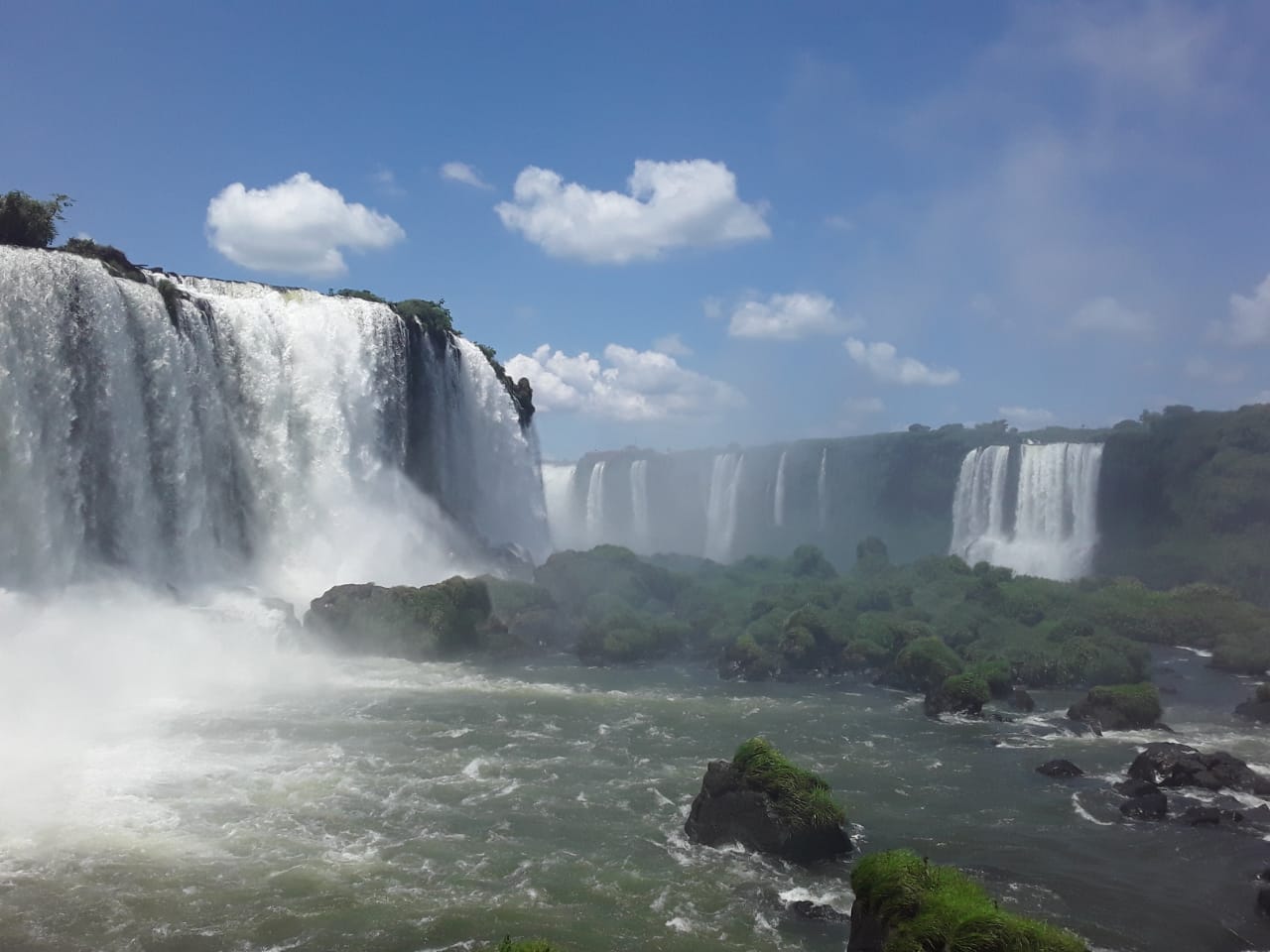
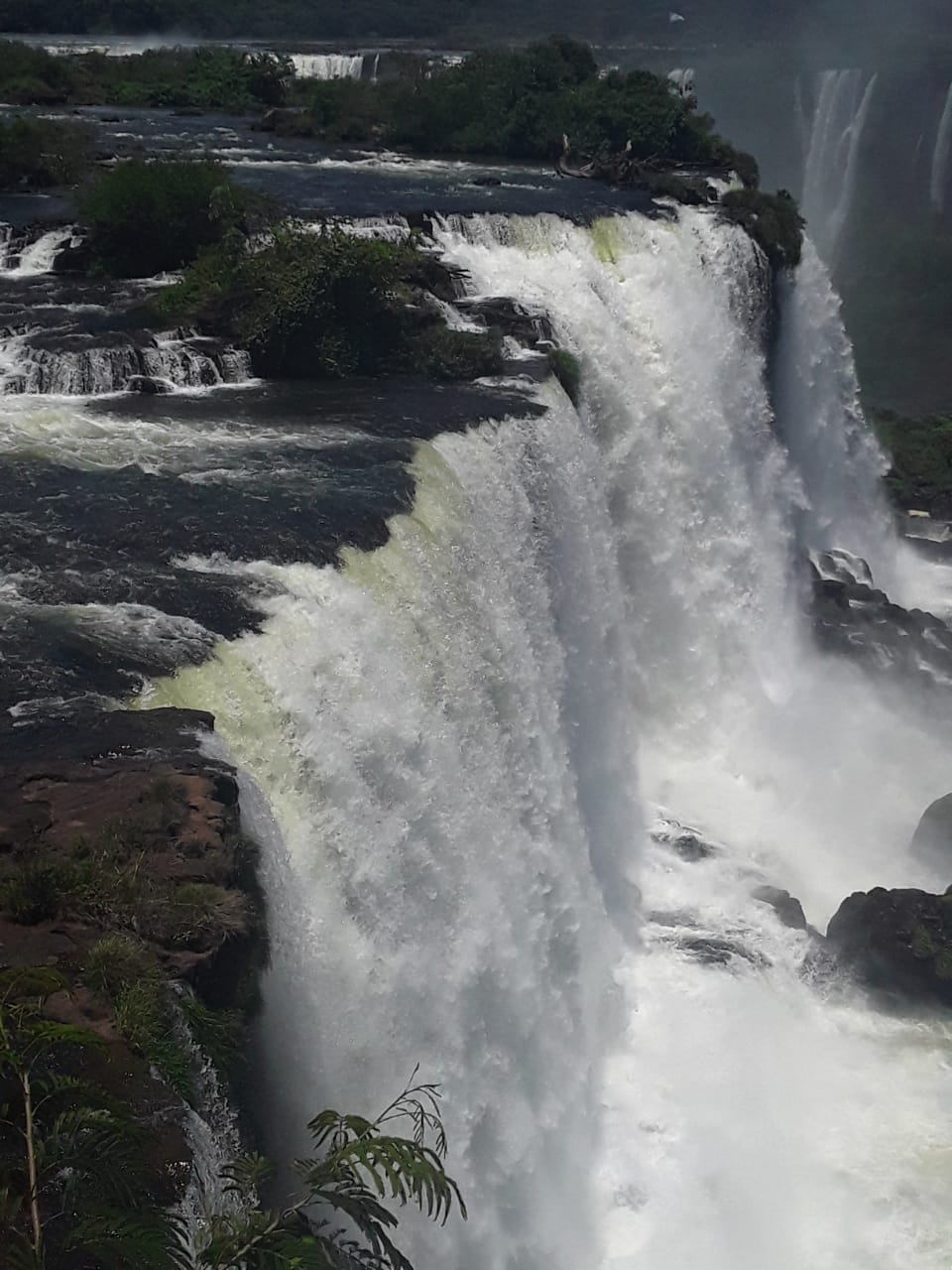
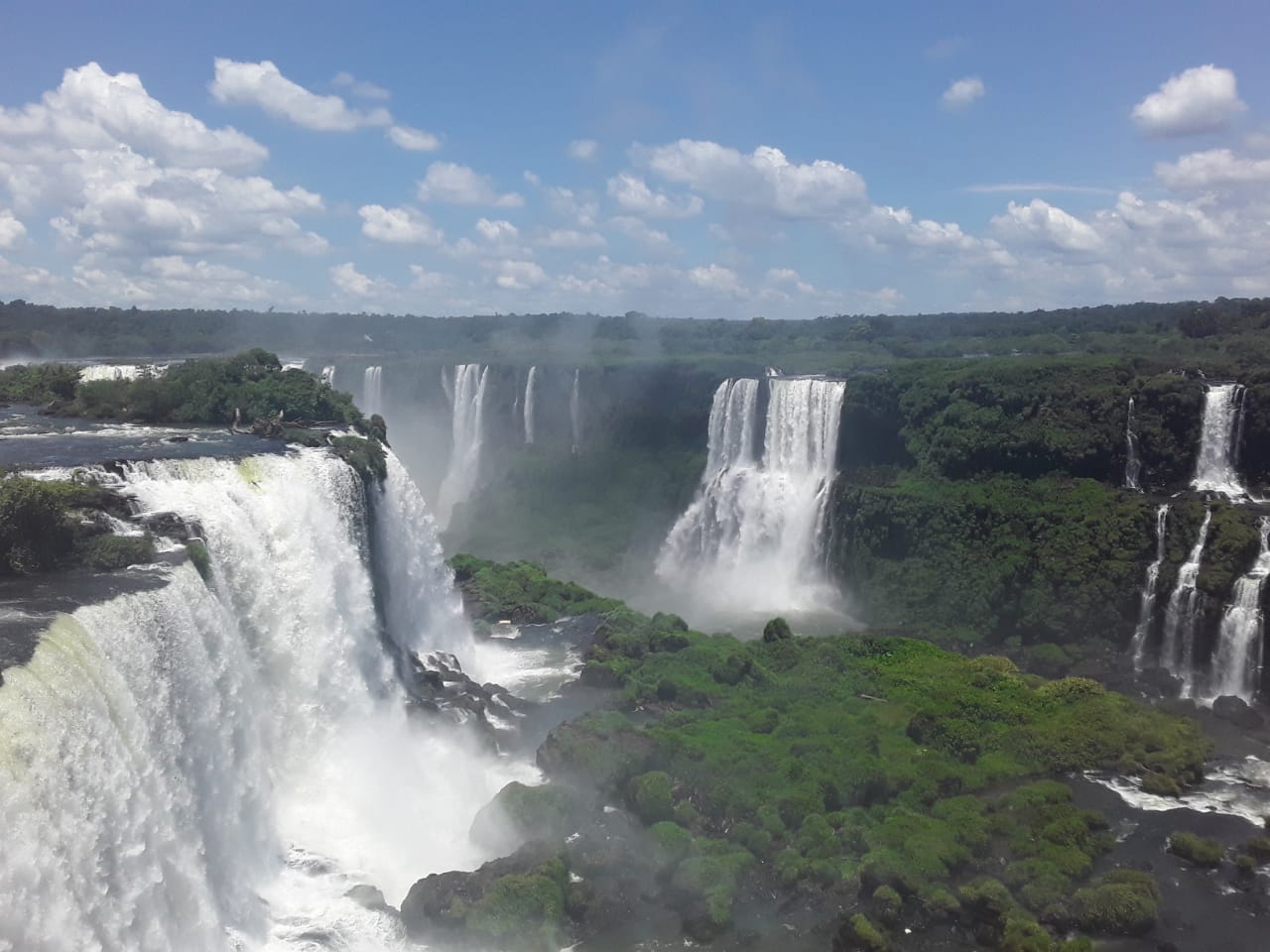
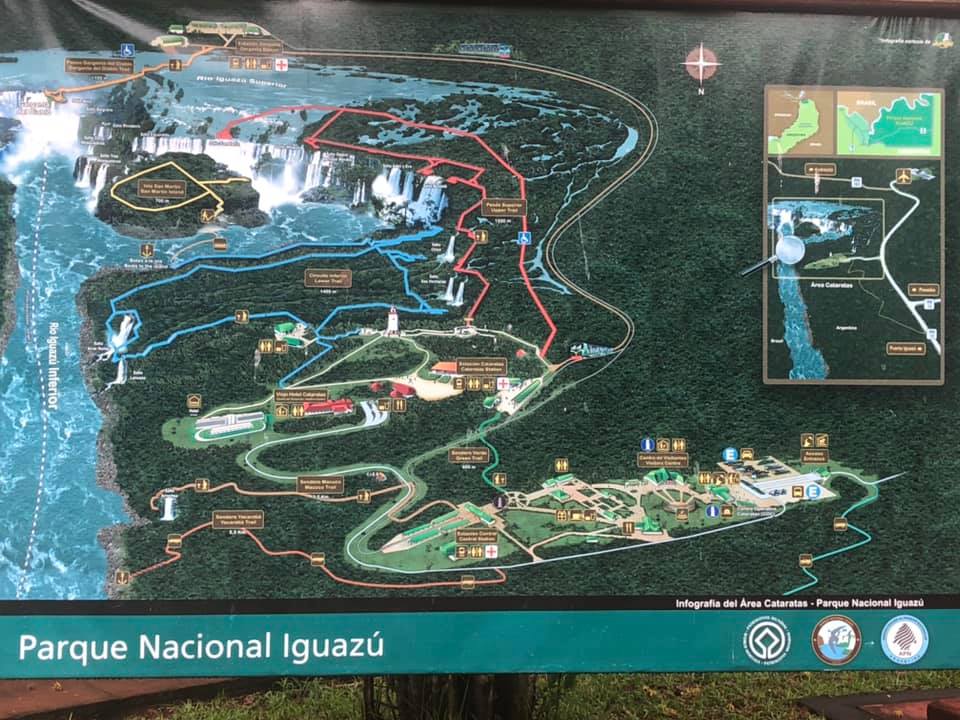
Iguazu Falls – Brazil Side

PHOTO-2020-04-29-20-52-30PHOTO-2020-04-29-20-52-31PHOTO-2020-04-29-20-52-32PHOTO-2020-04-29-13-37-00PHOTO-2020-04-29-13-37-00 (1)PHOTO-2020-04-29-13-37-00 (2)PHOTO-2020-04-29-13-37-01PHOTO-2020-04-29-13-37-01 (1)PHOTO-2020-04-29-13-37-01 (2)PHOTO-2020-04-29-13-37-03PHOTO-2020-04-29-13-37-04PHOTO-2020-04-29-13-37-04 (1)

Camera: Samsung Galaxy J2 Core

Location: Iguazu Falls, Parana, Brazil

Cultural Spotlight – Capoeira

Capoeira is a very unique cultural aspect of Brazil and one that while it has its origins elsewhere has become very Brazilian in its customs, history, and usage. With different elements of dance mixed in with parts of martial arts, Capoeira is unlike any other form of movement in the Western Hemisphere. Not only is Capoeira based on dance and martial arts, it is also formed from a foundation of acrobatics and music to accompany the many movements. The amount of exercise involved in becoming a true Capoeira artist means that you will definitely break a sweat while getting physically fit if you intend to practice this unique art form on a daily basis.

Capoeira is known for having its origins in different parts of west Africa but was developed after the beginning of the Transatlantic slave trade in the 16th century. After enslaved Africans were first brought to Brazil by the Portuguese settlers, it became a way for the slaves to stay physically fit and strong if they ever decided to flee and run away from their slave masters. If they wanted to collaborate and rebel, they could use their capoeira skills to help defend themselves from possible attack or capture from the slave masters as well.

Capoeira uses the full body and so you can use both your arms, hands, legs, and feet to do a large number of movements. The movements are acrobatic, complex, and fluid and based often off of the music and rhythms that are being played for the dancers. Hands often stay on the ground as inverted kicks are flown in the air. The ginga is the focal point or main focus of any capoeira movement and is usually the beginning of any fluid kick or handstand to come.

The capoeiristas’ are those martial artists or dancers who perform the movements often with other capoeirista while being surrounded by a group of observers who are either playing music or encouraging the capoeiristas on to continue their rhythmic movements to match the other participant. The origin of the word ‘capoeira’ comes from the Tupi language words of ka’a (forest) and pau (round) referring to the low-lying vegetation areas where fugitive African slaves would hide from their masters when they would try to make an escape. Most of the African slaves who started capoeira in Brazil were originally from Angola.

After the end of slavery in Brazil in 1888, the new republic outlawed capoeira throughout the country. If you were caught practicing capoeira anywhere in public, practitioners would be thrown in jail, tortured, or even killed. This prohibition continued throughout most of the 20th century even if it was sometimes tolerated in universities and in private places during times of both democratic and military rule in Brazil. Still though, the Afro-Brazilian communities especially in the Northeast kept capoeira alive during these forbidden times and even renamed capoeira to be called ‘Luta Regional Baiana’ which means the regional fight of Bahia in order so that practitioners could practice their form of capoeira without outside interference.

In the recently enslaved communities of Quilombos who had liberated themselves to be free and self-reliant in parts of Brazil during the 18th and 19th centuries, capoeira became a way of defending themselves in case of war or conflict with Portuguese colonial troops or Brazilian soldiers. By using the martial art to dodge potential attacks and/or captures, the Quilombos were a formidable fighting force who used capoeira to defend their communities and their land at often great cost.

The key to capoeira from my own observations in Brazil is to never stop your movements and to always be thinking of how to dodge, kick, sweep, and even take down your opponent. The ginga movement of being fluid is both an attack and defense mechanism to make sure you are constantly ready to either take your opponent by surprise or to evade their own attack. Most attacks in capoeira are done with leg sweeps, swirling kicks, or knee strikes but can also involve the elbow or head. However, most forms of capoeira today are done as simulations and to train for a game or a competition rather than war or actual combat.

To the public who view capoeira in a non-violent lens, these presentations in the roda or circle are just for show and involve games of aerial acrobatics rather than being more about striking or deflecting physical attacks. The circle involves musical instruments specifically for the game between capoeiristas and there is singing, and dancing involved with everyone in the circle participating at some point. Capoeira instruments include the berimbau, which can be played from very slow to very fast depending upon the rhythms requested as well as other instruments such as pandeiros, atabaques, agogo, and the ganza. The row of musicians in the roda (circle) is called a ‘bateria’ and the touch of the berimbau instrument in particular fuels the speed, aggressiveness, or style of the capoeira game.

Similar to Carnaval and Feijoada, Capoeira is one of Brazil’s most famous and impressive exports to the rest of the world. Every year, thousands of tourists come from around the world including serious non-Brazilian practitioners travel to different parts of Brazil to practice its most famous martial art. The capoeira masters (mestres) often teach the Portuguese language in addition to the movements of capoeira so the foreign student can really immerse themselves in the cultural background and history of this traditional martial art. The capoeira demonstrations are perhaps more acrobatic than physical when in public but in private, you would have to guess that it is much more intense and much more serious in terms of displaying physical prowess than what is shown to the public.

After the 1970s, this unique part of Brazilian culture was on its way to not only being accepted by the people but being embraced and taught to the next generations. A powerful way of resolving conflict, promoting social cohesion, and learning about physical fitness, capoeira is great at bringing the community together in a positive way while showing how important it is to recognize and value past traditions. From the roots of West Africa to groups of escaped Afro-Brazilian slaves whose cultural practices were almost extinguished over the centuries due to subjugation, maltreatment, and neglect, capoeira like their rights to human freedom and basic dignity made a powerful comeback which is still being fought for and advanced to this day.

Farol da Barra Lighthouse

PHOTO-2020-04-09-09-13-04PHOTO-2020-04-09-09-13-03 (2)PHOTO-2020-04-09-09-13-03 (1)PHOTO-2020-04-09-09-13-03PHOTO-2020-04-09-09-13-02PHOTO-2020-04-09-09-13-01PHOTO-2020-04-09-09-13-00PHOTO-2020-04-09-09-12-59 (2)PHOTO-2020-04-09-09-12-59 (1)PHOTO-2020-04-09-09-12-59PHOTO-2020-04-09-09-12-58

Camera: Samsung Galaxy J2 Core

Location: Farol da Barra Lighthouse; Salvador, Bahia, Brazil

Pelourinho

PHOTO-2020-04-02-09-13-04PHOTO-2020-04-02-09-13-04 (1)PHOTO-2020-04-02-09-13-04 (2)PHOTO-2020-04-02-09-13-05PHOTO-2020-04-02-09-13-06PHOTO-2020-04-02-09-13-06 (1)PHOTO-2020-04-02-09-13-08PHOTO-2020-04-02-09-13-08 (2)PHOTO-2020-04-02-09-13-08 (1)PHOTO-2020-04-02-09-13-10PHOTO-2020-04-02-09-13-10 (1)PHOTO-2020-04-02-09-13-11PHOTO-2020-04-02-09-13-11 (1)PHOTO-2020-04-02-09-13-12PHOTO-2020-04-02-09-13-12 (1)

Camera: Samsung Galaxy J2 Core

Location: Pelourinho; Salvador, Bahia, Brazil

Museum of Japanese Immigration in Brazil

PHOTO-2020-03-04-10-54-00PHOTO-2020-03-04-10-54-00 (1)PHOTO-2020-03-04-10-54-01PHOTO-2020-03-04-10-54-02PHOTO-2020-03-04-10-54-03PHOTO-2020-03-04-10-54-04PHOTO-2020-03-04-10-54-04 (1)PHOTO-2020-03-04-10-54-05PHOTO-2020-03-04-10-54-06PHOTO-2020-03-04-10-54-08PHOTO-2020-03-04-10-54-09PHOTO-2020-03-04-10-54-09 (1)PHOTO-2020-03-04-10-54-09 (2)PHOTO-2020-03-04-10-54-09 (3)PHOTO-2020-03-04-10-54-10

Camera: Samsung Galaxy J2 Core

Location: Historical Museum of Japanese Immigration; São Paulo, Brazil

Lagoa da Conceição

PHOTO-2020-03-04-10-55-06 (1)PHOTO-2020-03-04-10-55-06PHOTO-2020-03-04-10-55-07PHOTO-2020-03-04-10-55-07 (1)PHOTO-2020-03-04-10-55-08 (1)PHOTO-2020-03-04-10-55-05PHOTO-2020-03-04-10-55-04 (2)PHOTO-2020-03-04-10-55-04 (1)PHOTO-2020-03-04-10-55-04PHOTO-2020-03-04-10-55-05 (1)PHOTO-2020-03-04-10-55-08PHOTO-2020-03-04-10-55-08 (2)

Camera: Samsung Galaxy J2 Core

Location: Lagoa da Conceição; Florianopolis, Santa Catarina, Brazil

Hiking in Florianopolis

PHOTO-2020-02-12-18-40-11PHOTO-2020-02-12-18-40-11 (1)PHOTO-2020-02-12-18-40-12PHOTO-2020-02-12-18-40-13PHOTO-2020-02-12-18-40-13 (1)PHOTO-2020-02-12-18-40-14PHOTO-2020-02-12-18-40-16PHOTO-2020-02-12-18-40-16 (1)PHOTO-2020-02-12-18-40-17PHOTO-2020-02-12-18-40-19PHOTO-2020-02-12-18-40-19 (1)PHOTO-2020-02-12-18-40-20PHOTO-2020-02-12-18-40-14 (1)PHOTO-2020-02-12-18-40-17 (1)PHOTO-2020-02-12-18-40-19 (2)

Camera: Samsung Galaxy J2 Core

Location: Florianopolis, Santa Catarina, Brazil 

Pinacoteca Museum

PHOTO-2020-01-29-22-33-54PHOTO-2020-01-29-22-33-54 (2)PHOTO-2020-01-29-22-33-54 (1)PHOTO-2020-01-29-22-33-55PHOTO-2020-01-29-22-33-56PHOTO-2020-01-29-22-33-56 (1)PHOTO-2020-01-29-22-33-57PHOTO-2020-01-29-22-33-58PHOTO-2020-01-29-22-33-59PHOTO-2020-01-29-22-33-59 (1)PHOTO-2020-01-29-22-34-01PHOTO-2020-01-29-22-34-00

Camera: Samsung Galaxy J2 Core

Location: Pinacoteca do Estado de São Paulo; São Paulo, Brazil

Botanical Garden of São Paulo

PHOTO-2020-01-13-18-11-00PHOTO-2020-01-13-18-11-01PHOTO-2020-01-13-18-11-01 (1)PHOTO-2020-01-13-18-11-02PHOTO-2020-01-13-18-11-03PHOTO-2020-01-13-18-11-06PHOTO-2020-01-13-18-11-07PHOTO-2020-01-13-18-11-07 (1)PHOTO-2020-01-13-18-11-09PHOTO-2020-01-13-18-11-09 (1)PHOTO-2020-01-13-18-11-10PHOTO-2020-01-13-18-11-10 (1)PHOTO-2020-01-13-18-11-12PHOTO-2020-01-13-18-11-14PHOTO-2020-01-13-18-11-07 (2)

Camera: Samsung Galaxy J2 Core

Location: São Paulo, Brazil

Cultural Spotlight – Acai

Acai is my favorite thing about Brazil. It is difficult to choose a favorite thing here, but it is the first item on the list that comes to mind. Something so tasty and so nutritious is definitely worthy of my #1 spot. Difficult to find outside of the country and definitely not of the same flavor, taste or variety, Acai is a unique treat that Brazil is rightly known for. Whether it’s made into ice cream, a shake, a juice, or even yogurt, Acai is healthy for you and full of antioxidants. In addition, it really is a kind of superfood that boost your energy levels once you taste it and finish your fill.

If you are having an off day which happens sometimes, you may want to drop the coffee and put down the red bull and make a nice acai juice instead. You are likely to be glad you did. That extra energy boost can give you hours of extra productivity and even added focus allowing you to do your work better and faster. Be careful not to each too much acai as it is full of calories but if you want to substitute a meal like breakfast or lunch, having acai instead may not be the worst option to consider.

The acai berries come from the acai palm tree. The berries are small, round, and have a black-purple color. The acai palm tree is mainly found in the Amazonian region of both Brazil and Peru and has been a staple food in those areas since the 18th century. I would say that the fruit has gained popularity not only in urban cities within Brazil recently but even internationally as demand for the delicious superfood has skyrocketed due to the variety of health benefits.

The acai palm is usually harvested twice a year between January and June and then August and December making it more readily available than other Amazonian fruits. Acai has been part of the Amazon River for centuries and wasn’t only just used for food. Its other uses include a type of cooking oil or for salad dressing as well as being used for certain cosmetics or for grain alcohol or dietary supplements. The palm tree that acai comes from has been also used for hats, baskets, brooms, roof thatch for homes from the leaves of the tree and the wood trunk.

While its health benefits are not clearly known, it has a higher level of antioxidants than other fruits such as oranges, apples or cranberries. One bowl of acai with granola or a fruit like a banana is more than just a snack but rather a full meal that can pack up to 550 calories. What is definitely known about acai is that it has a high amount of carbohydrates, fats, and proteins as well as Vitamin A, Vitamin C, Iron, and Calcium content. Part of the reason why Acai can give you a boost of energy is that it is full of nutrients that we need to have each and every day.

Acai may not have the best taste even if it does contain sugar, but it tastes like something that really is of the Earth and can be drank or consumed naturally without any harmful additives. You can tell from the first time you taste it how unique a flavor it has and to feel the energy it gives you just a few minutes after you have the first bite or the first sip. I would not have acai every day but compared to coffee, tea, or other energy boosting products, this one may be the healthiest for you.

Acai does not have a lot of sugar when it is eaten naturally and is high in fats which is good for the body especially after you’ve been hitting the gym or playing a sport for an hour or two. If you need to replenish your calorie intake and to do so in a healthy way, acai may be one of the best options out there. If you can mash up acai fruit into a pulp, you may be able to get the most antioxidants out of consumption compared to a watered-down juice. The antioxidant content of acai can help someone by neutralizing the negative effects of ‘free radicals’, which to those who don’t know are uneven or unstable atoms that damage cells and cause illnesses and/or premature aging.

Having acai and other superfoods in terms of daily or weekly intake may help in preventing cancer, heart disease, and other serious ailments. Acai can also lower a person’s blood cholesterol level although more research is needed from what I have been reading. The plant compounds that are active in Acai can also assist in improving memory and boosting brain function partially because the antioxidant content can counter inflammation of these parts of the body and provide further clean-up of toxic cells that no longer function well.

While not a perfect snack, the high level of fats, proteins, and vitamins as well as active antioxidants can make acai a good choice especially when you are in Brazil for a visit or a longer stay. I would just be aware of the sugar content and to be aware if there are any other ingredients which could diminish the nutritious content. Acai berries do not last very long so many people have to eat acai after it’s been watered-down or sugared-up as opposed to its natural form. If you can have an acai puree or pulp instead of a smoothie or an ice cream bowl, that may be the best option if you can’t get it directly from the Amazon.

Acai is a flexible kind of food so you can always add more nuts and berries to it or even other ice cream, but you have to watch carefully to make sure you are making the food more nutritious and not full of sugar. Due to its healthy content of fats, fiber, protein, and vitamins, you would not go wrong if you find yourself in Brazil and want to try one of its greatest natural resources, the acai berry. You will be glad you gave it a try and may want your friends to try it too.