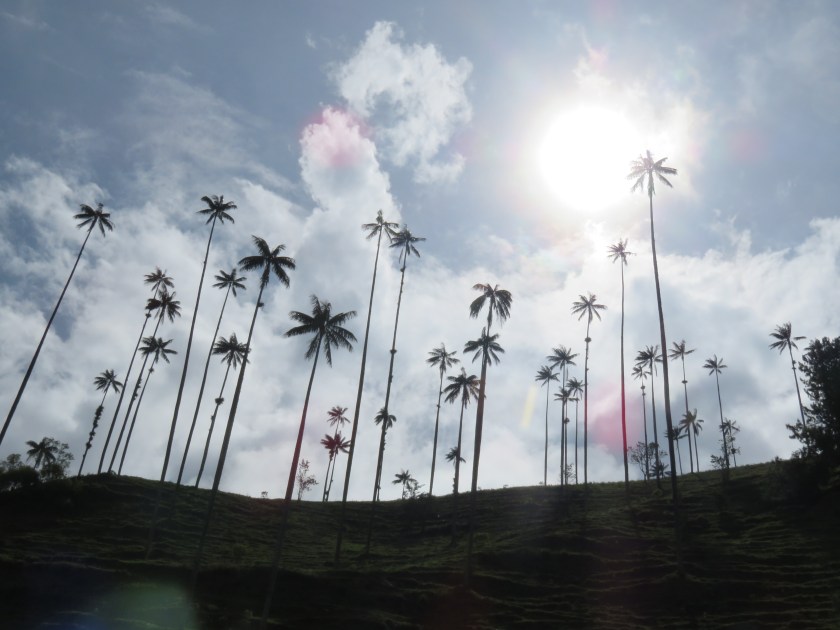
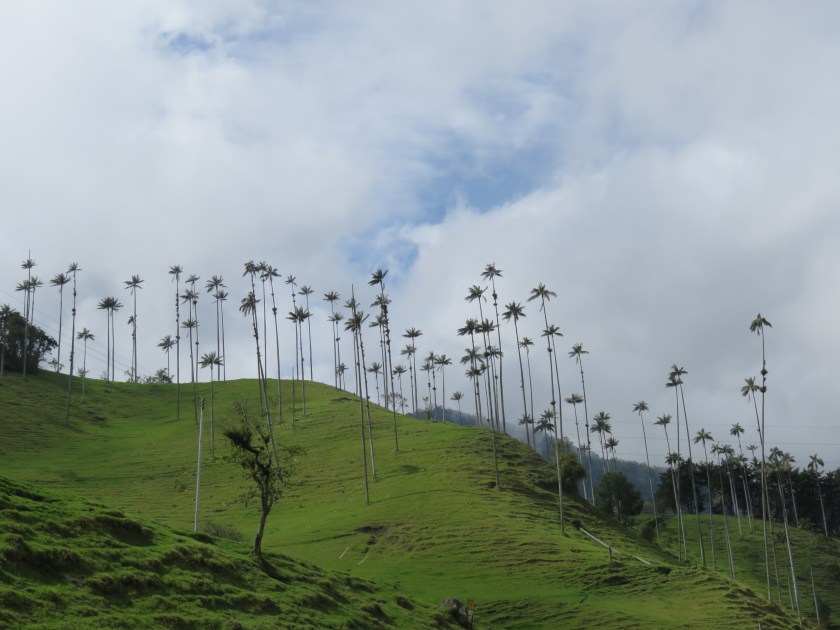
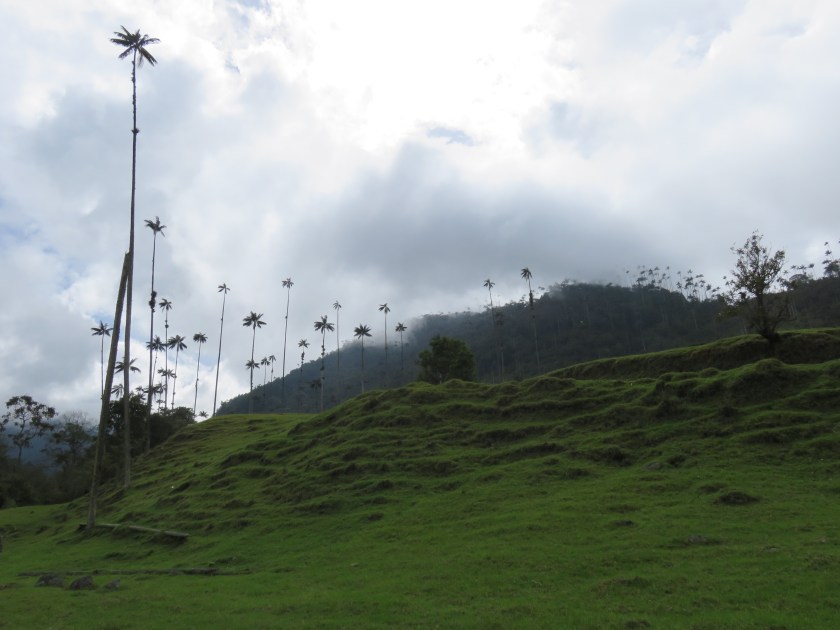
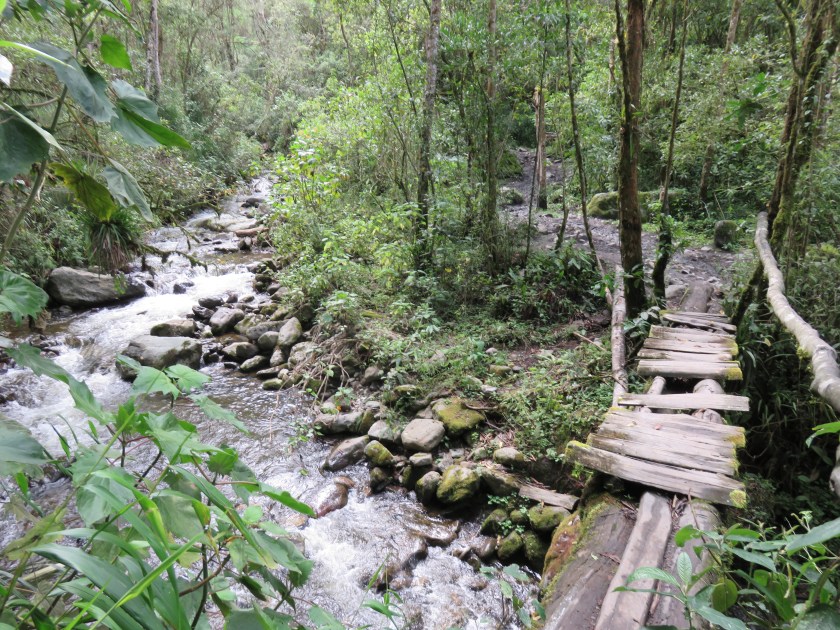
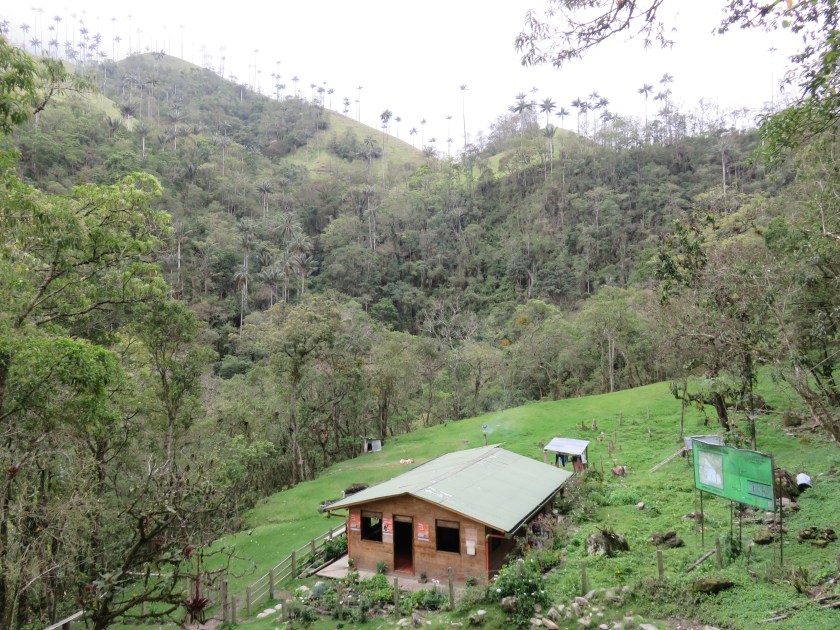
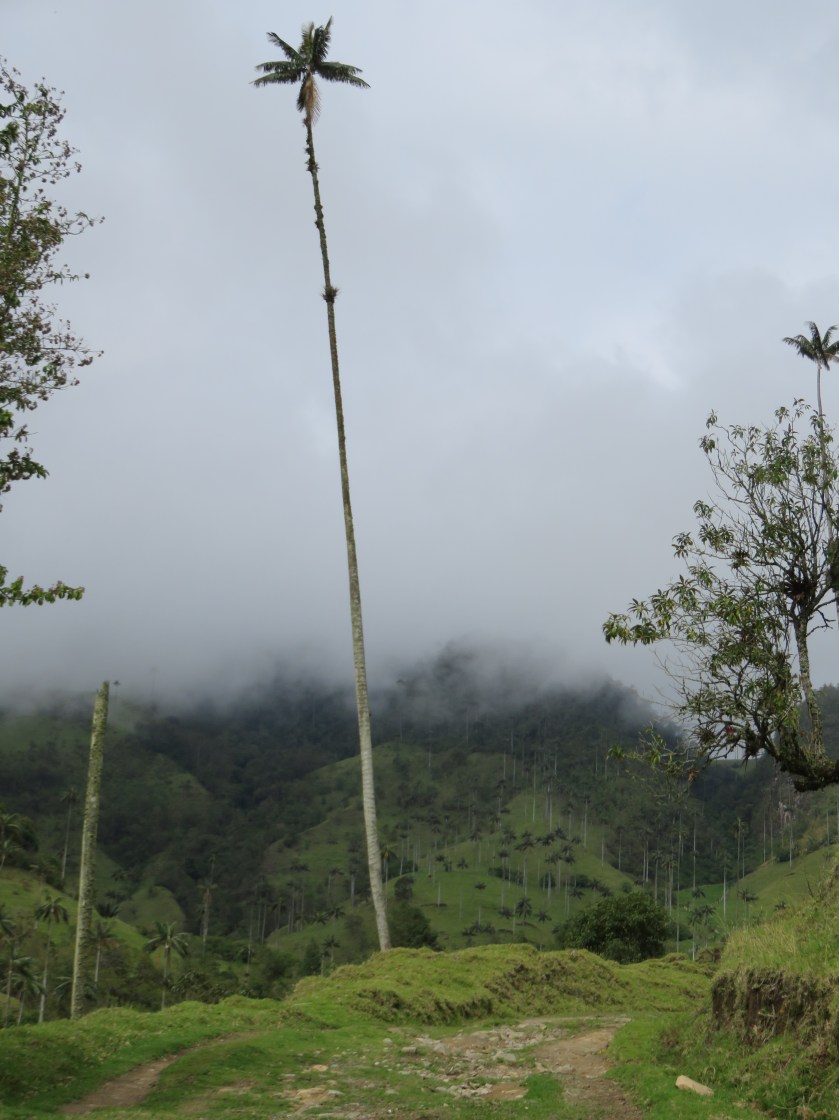
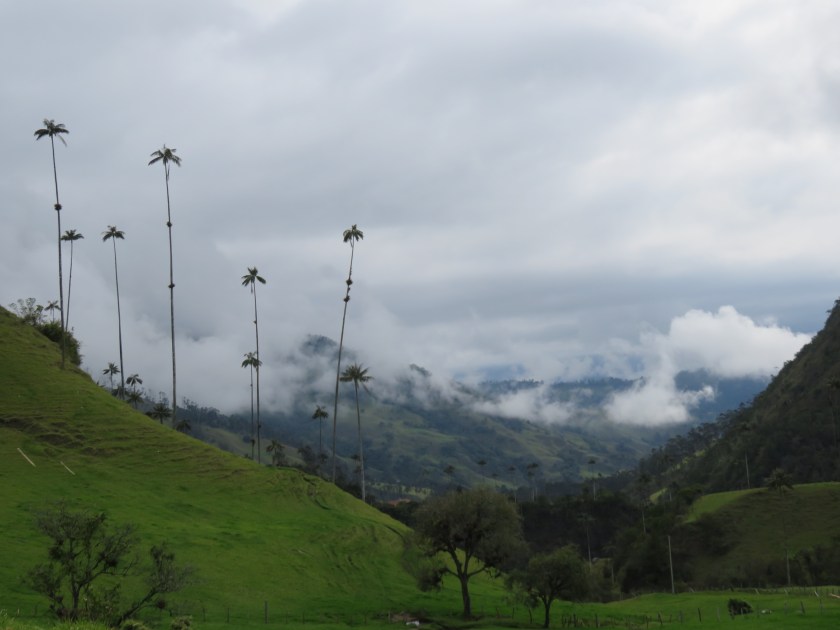
Camera: Canon PowerShot SX710 HS
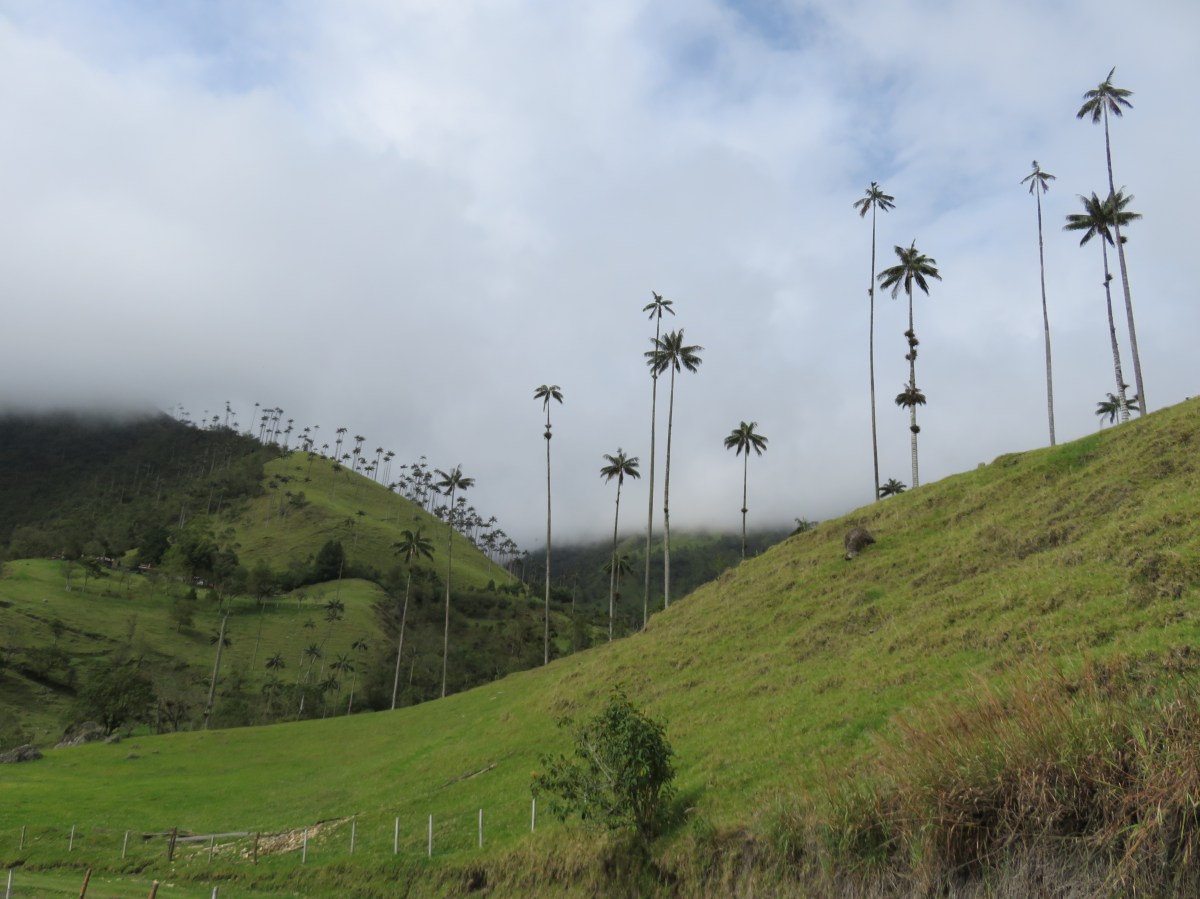
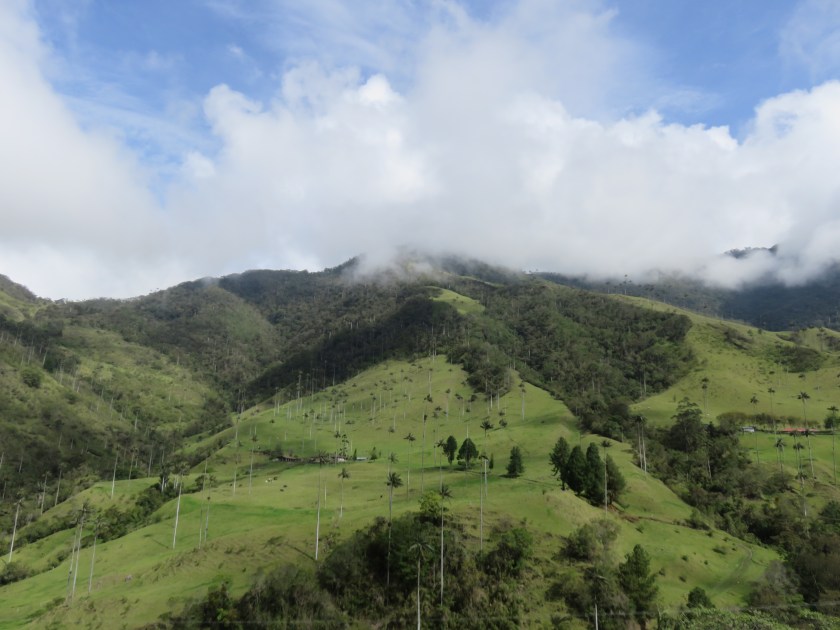
Location: Valle del Cocora; Salento, Quindio, Colombia

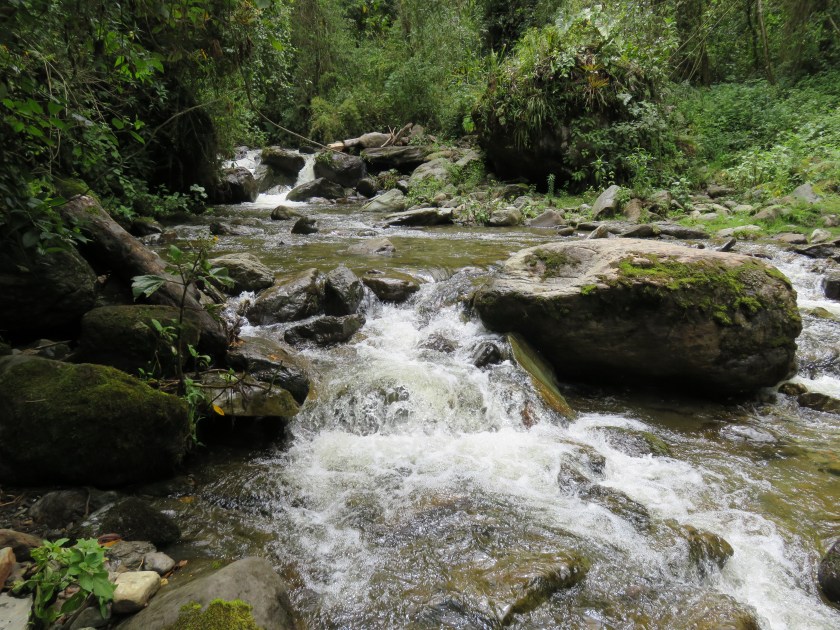
Camera: Canon PowerShot SX710 HS
Location: Valle del Cocora; Salento, Quindio, Colombia
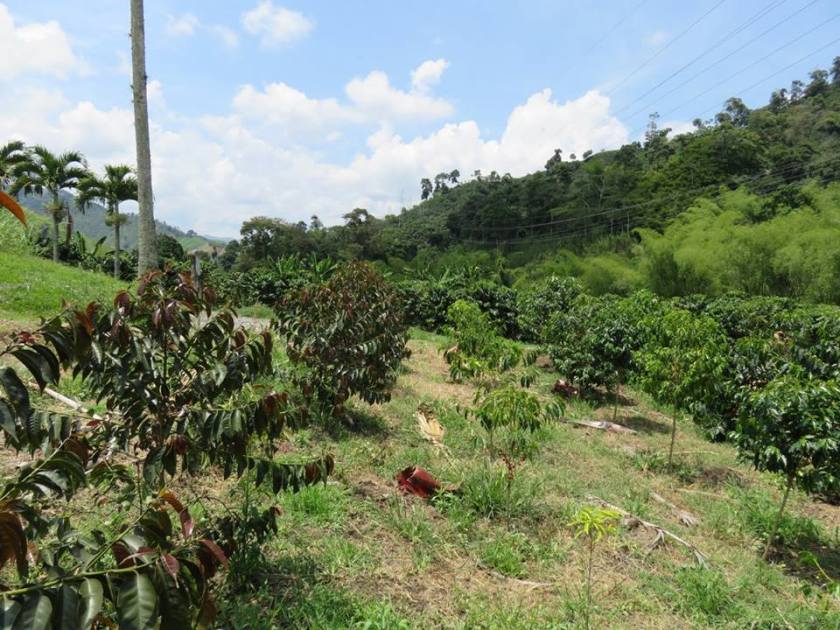
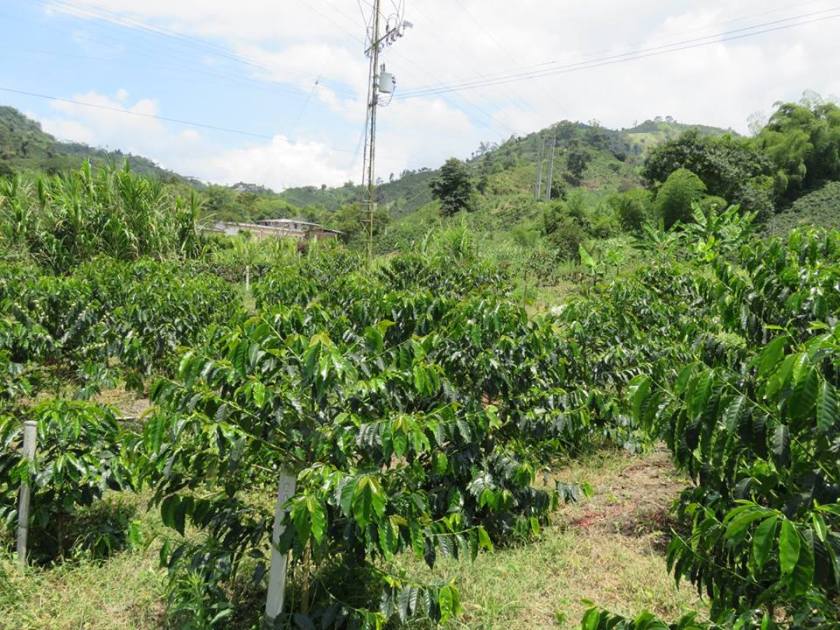
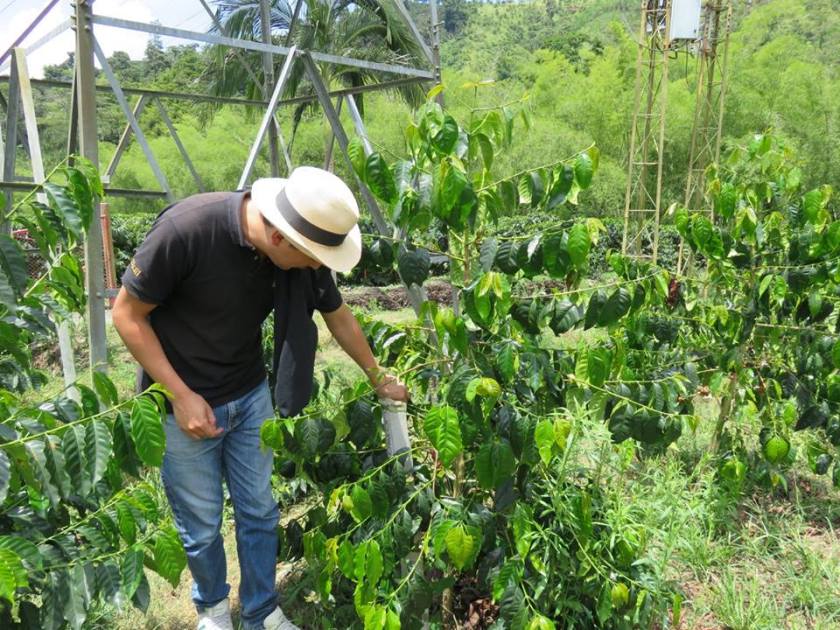
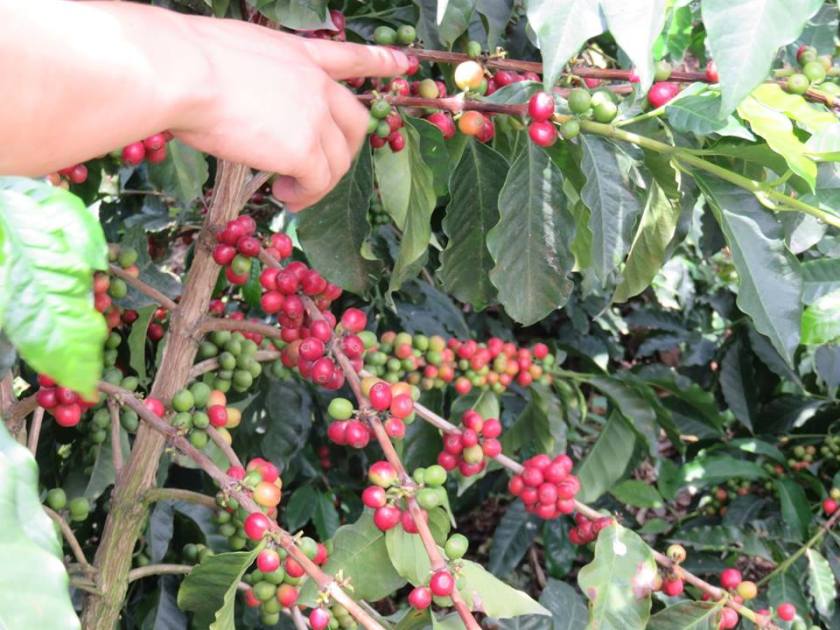
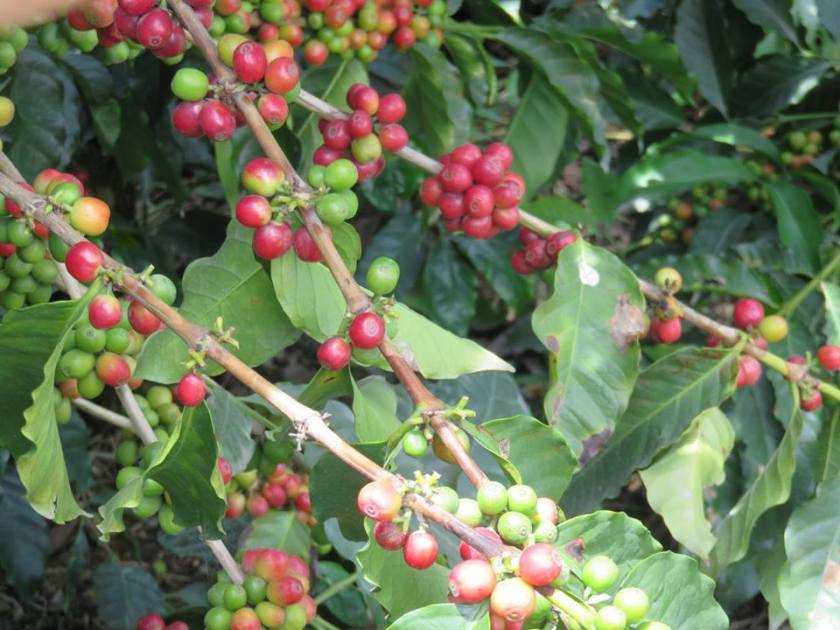
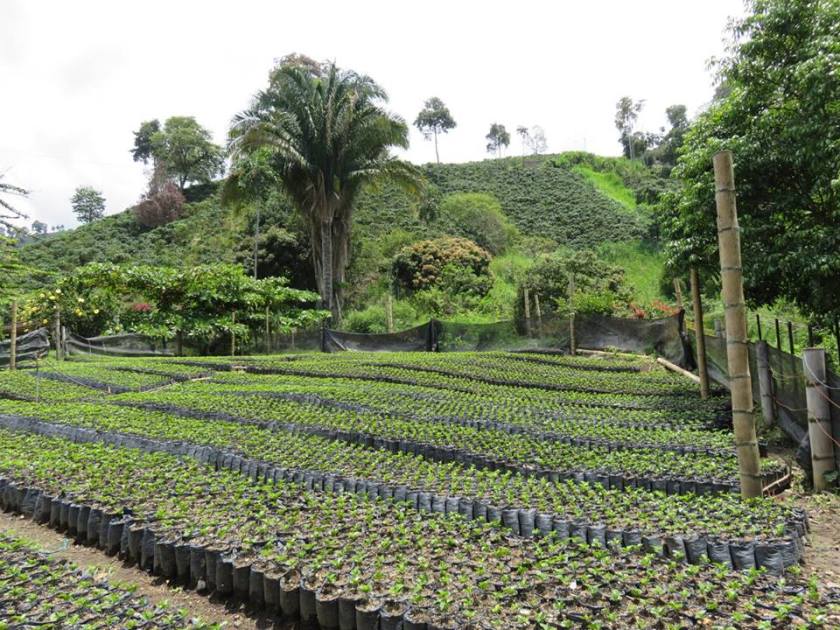
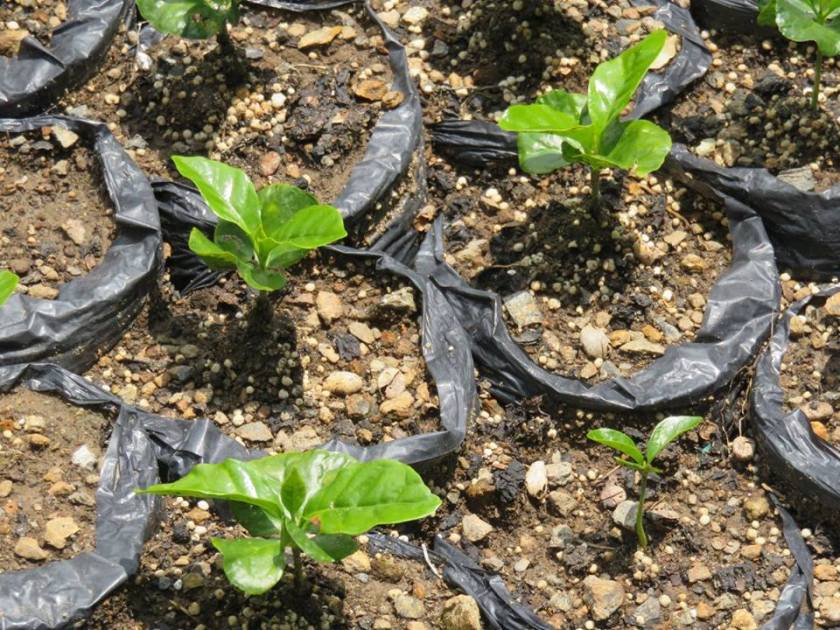
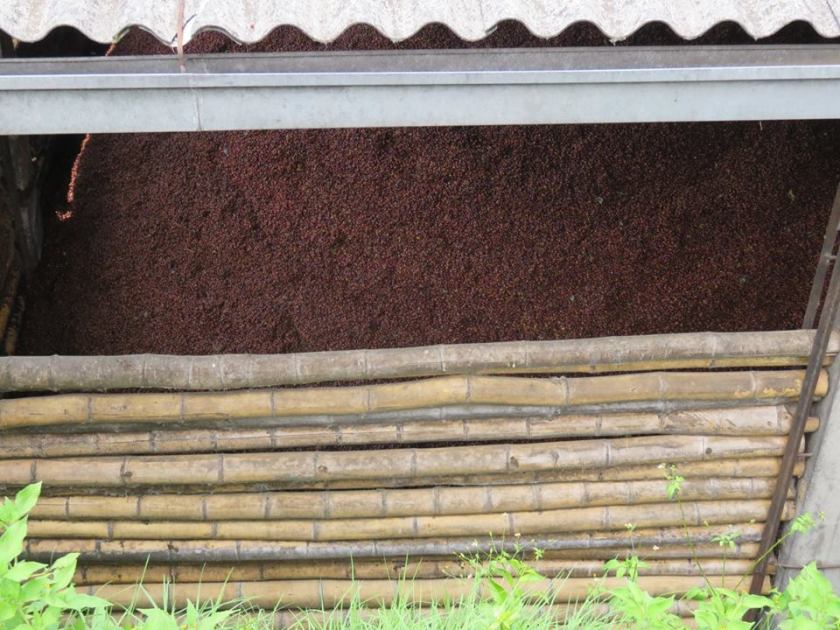
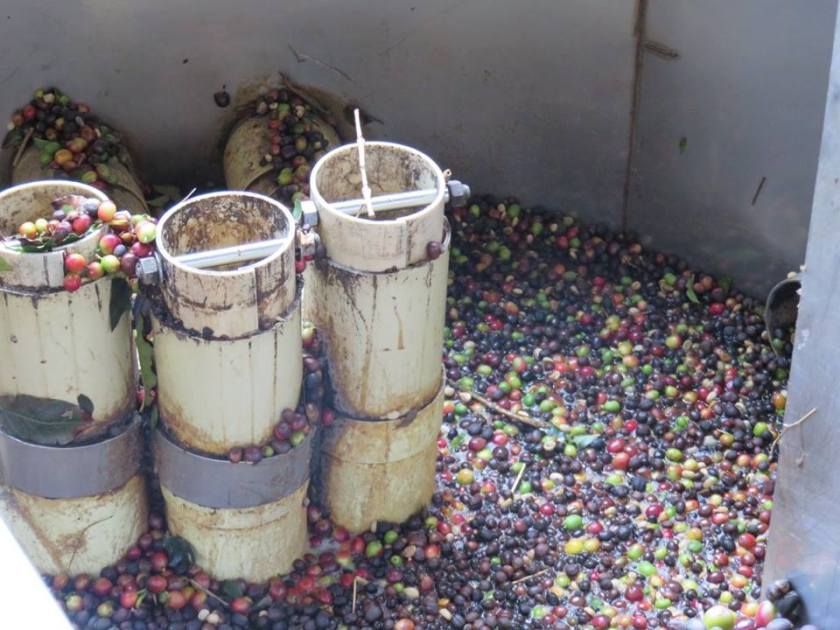
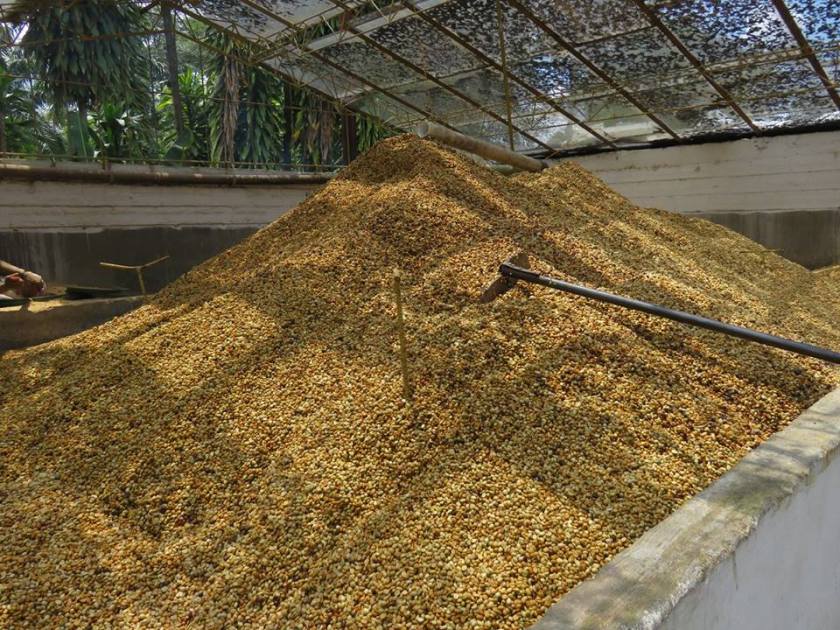
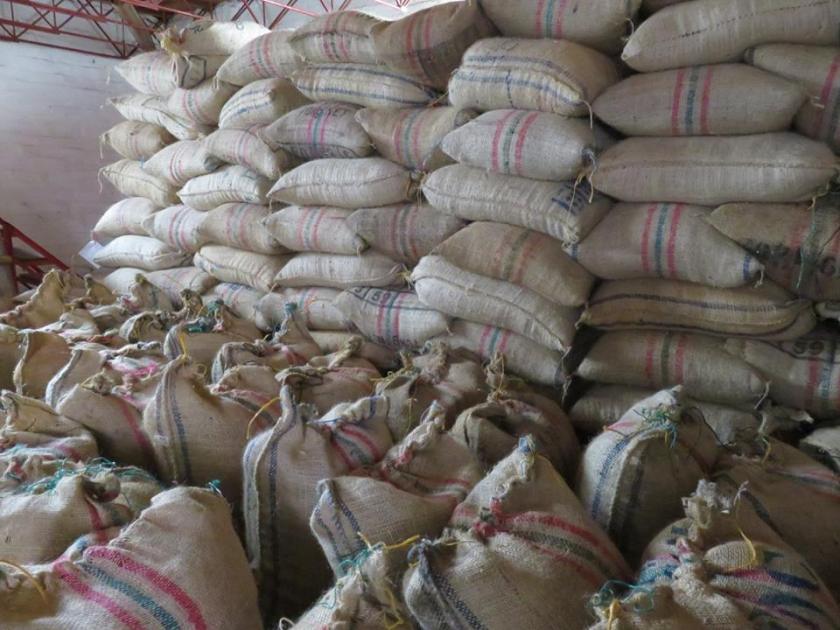
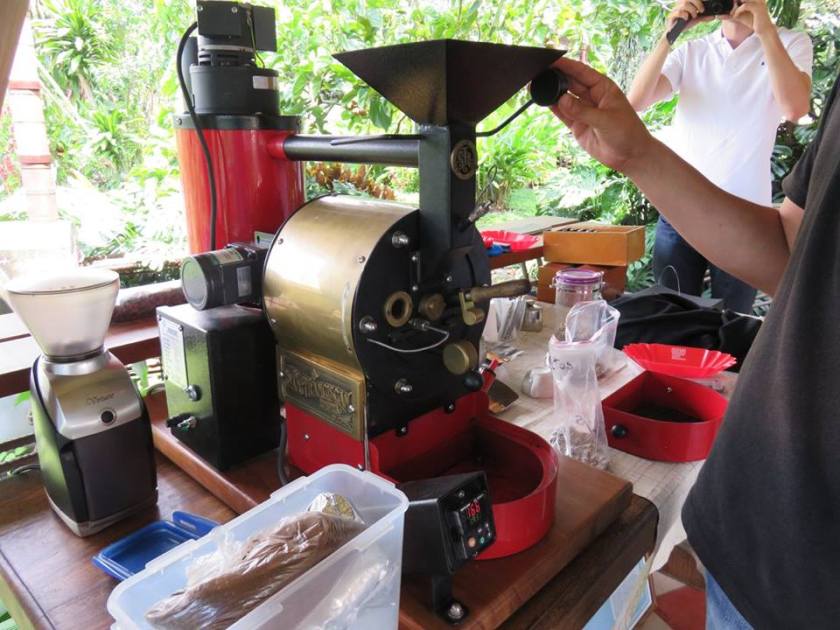
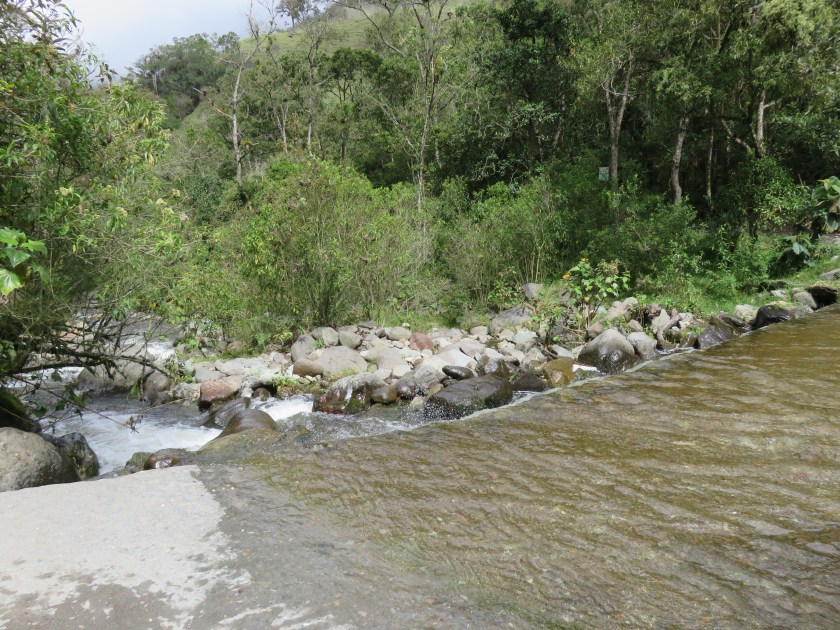
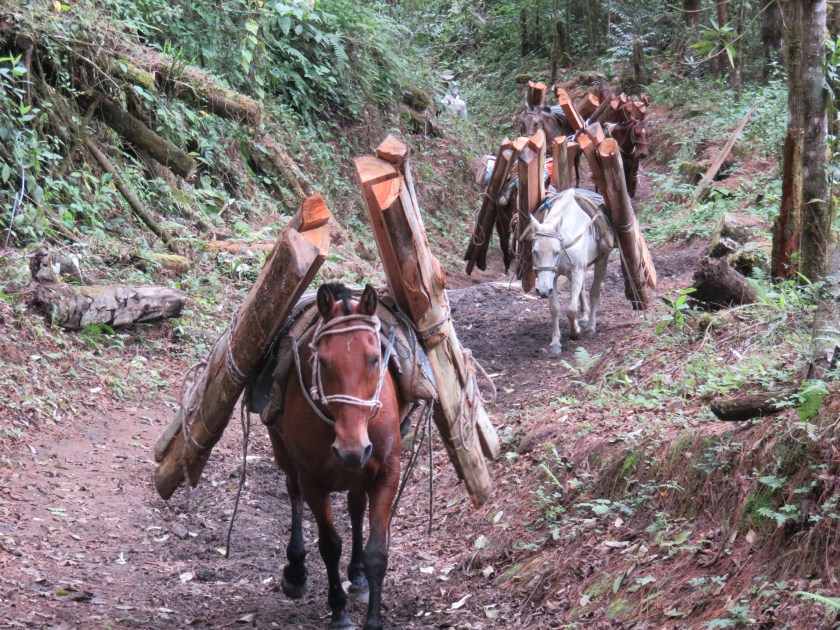
Camera: Canon PowerShot SX710 HS
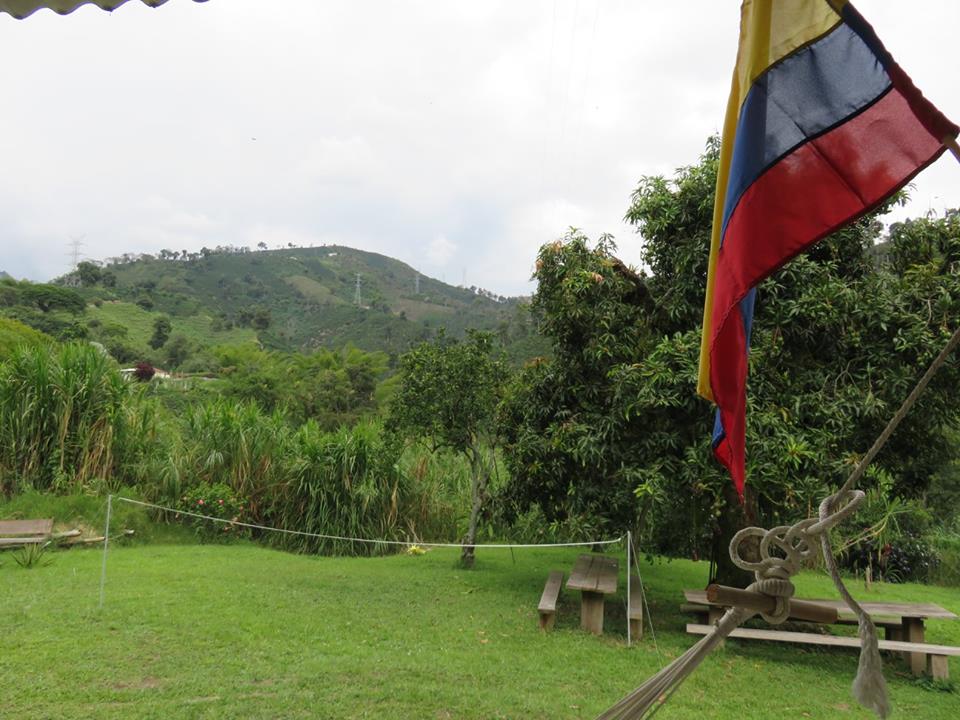
Location: Hacienda Venecia Coffee Farm; Manizales, Caldas, Colombia
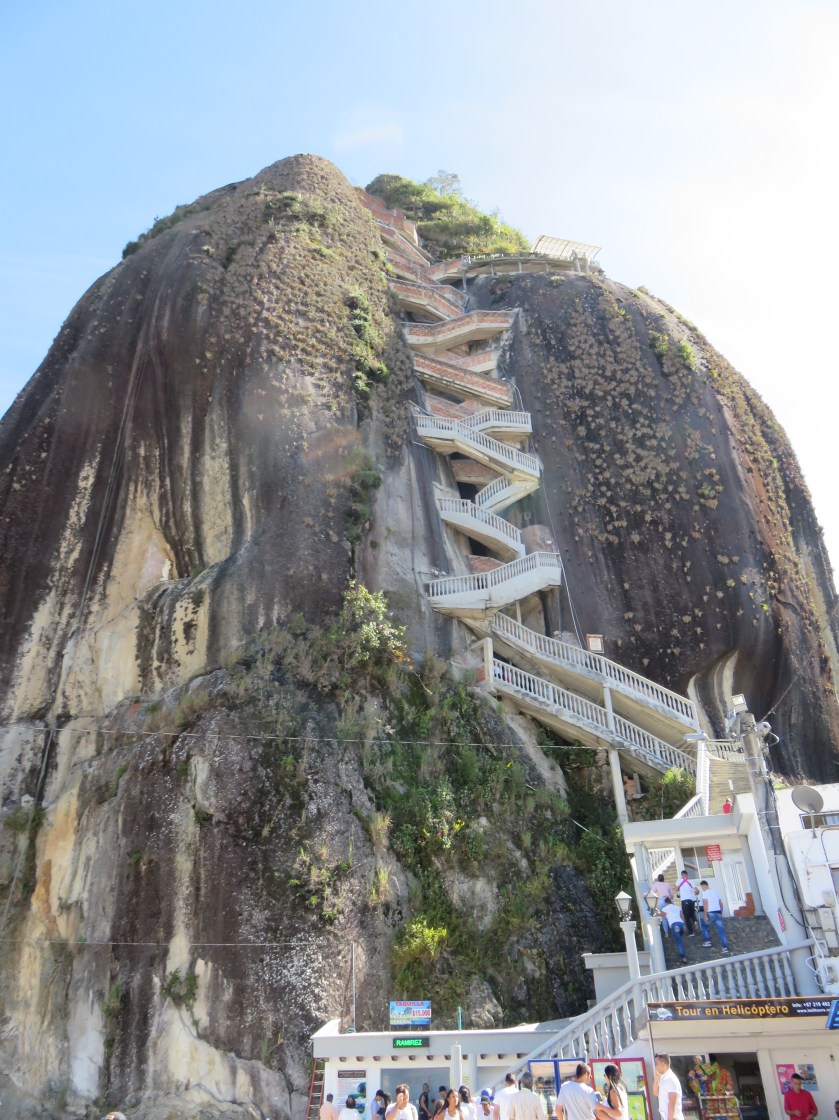
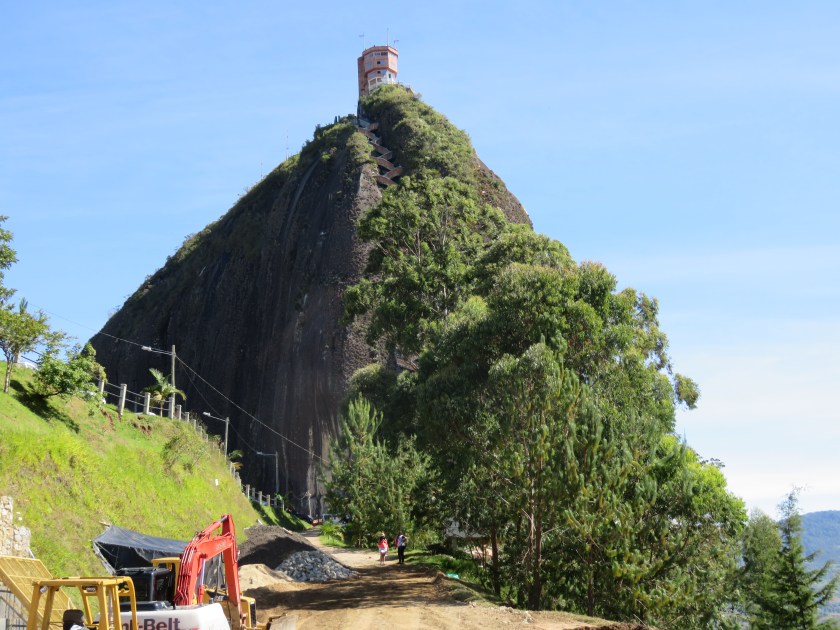
Tired and thirsty, my friend and I had finally reached the glorious peak at ‘La Piedra’ or ‘El Peñol del Piedra’, which loosely translates in English to ‘The Stone.’ It was quite a physically taxing climb up to the top of the rock as my legs burned and my feet became sore as my friend and I ascended the 750 steps along with some steep hiking up a good-sized hill to get to the base of the ‘La Piedra’ rock.
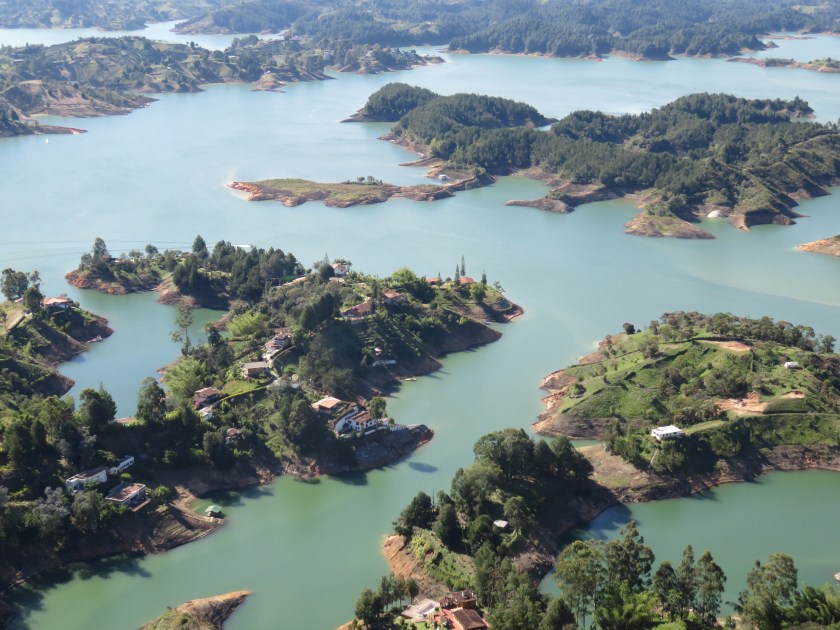
I came to Guatepe partly after hearing from friends in Medellin on how beautiful and unique it was and after seeing various pictures of the stunning landscapes that make up this tranquil part of Antioquia. I was skeptical of the place and didn’t think that it would live up to the hype but I am happy to say that I was completely wrong. Out of all the places I’ve visited and the landscapes I’ve traversed, Guatepe is a really special place to visit. The area is made up of dozens of intertwining, clear blue lakes surrounded by the greenest forestry you could imagine with soil rich in different colors. My friend compared it to the southern United States and thought that it was similar to the state of North Carolina. To me, that’s part of the beauty of Colombia in that there are so many varied landscapes. You could sometimes wonder whether or not you’re in a different country entirely depending on if you’re in Atlantico or in Antioquia.
The landscapes were beautiful, the air was clean, the people were friendly, and the view from the top of ‘La Piedra’ was unbeatable. A 360-degree vista of all of the lakes, hills, and greenery that make up Guatepe was quite breathtaking and peaceful to behold. It helped that my friend and I had great weather to enjoy where the skies were clear blue and the bright sun was shining down on us.
It was really pleasant to take pictures, to soak up the view, and to have a cold drink after the long journey to the top. I consider myself to be in pretty good shape but walking up the steep 750 steps is not for everyone and it really is quite the challenge. While it’s not insurmountable, your feet and legs feel the pain and you wonder when the full view is going to come into play. At ‘La Piedra’, they really make the tourists and the visitors to the rock work for it. There are no escalators or elevators. You have to pay for admission and if you don’t make it to the top, you don’t get your money back. Like a lot of things in life, you have to invest yourself physically and mentally in order to reap the benefits.
Similar to many other moments in life, I reflected on those 750 steps of ‘La Piedra’ as being a necessary yet temporary struggle to reach the top and enjoy the view. For me, it wouldn’t have been as worthwhile at all to check out ‘La Piedra’ if there were an escalator or an elevator to shortcut the journey. I believe that I enjoyed the view from the top of ‘La Piedra’ much more given the fact that I was tired, hungry, and in need of a rest. The struggle was tough enough for me that as a result, the ultimate reward became more fulfilling. If the climb up had been much easier, it simply would have been less rewarding. Because the views from this rock were magnificent, I was willing to climb the 750 steps to get to the top. Sometimes in life, the struggle is worth the reward.
Whether it’s traveling to a new country, starting a new job, moving to a new place, or working on a blog, there’s going to be some struggles and setbacks involved. Sometimes, you’re going to have to decide whether the sacrifices you make and the challenges you have to overcome are enough to justify the rewards. Nothing in life is as easy as it seems and if it appears that way, you may be let down when the reward or success you’ve seen from it doesn’t feel as good as a result. It’s important to realize that working hard and trying new things can lead to failure but it can also lead to a success that’s more whole and fulfilling.
Putting blood, sweat, and tears, into a project, a job, or a relationship takes a lot of work but you can rest easy knowing that it was your labor, which brought it into fruition. If everything in life is simply handed to you, you may feel happy and experience pleasure from it in the short-term but it’s likely to make you miserable in the long-term. Being able to exert yourself in the world physically or mentally can give you a much more lasting feeling of success and contentment. While I would have been happy with the ‘view from the top’ had there been an elevator for tourists like me to go to the top, I felt much more relieved and excited from the view after step #750 because it was the sweat and the toil to get up there physically that filled me with contentedness and satisfaction.
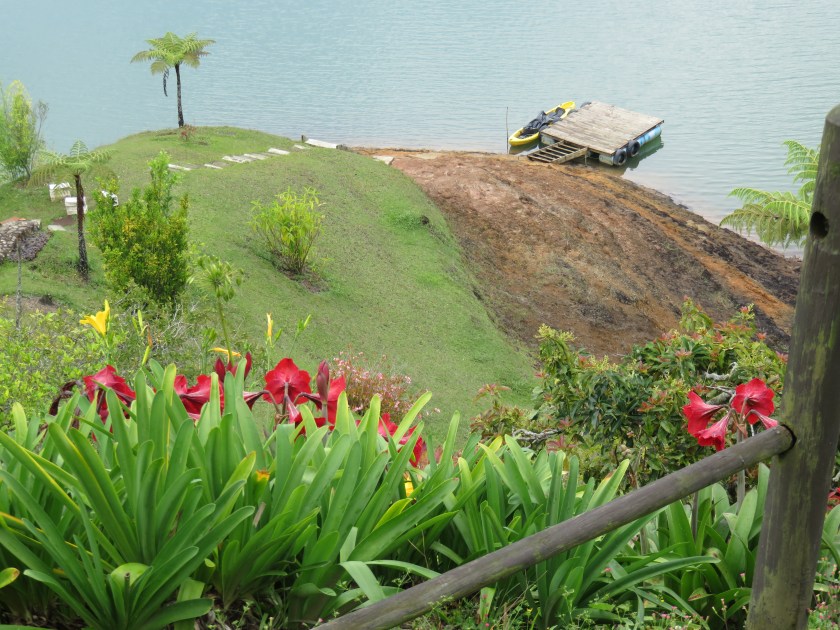
Before I left Guatepe, I wanted to see more of the area so I rented a kayak in the morning and set out by myself. I untied the canoe, got ahold of the equipment and the oars, and pushed the kayak out into the open waters. The day before, I had viewed Guatepe from the top but now I was back on level ground exerting myself physically stroke by stroke on a two-seater kayak in order to enjoy the scenery, and the peaceful quiet of a Sunday morning.
For anybody who’s done kayaking by themselves before should know, it’s a struggle at first to steer the kayak and to move in sync with the tide. Like the day before, I was challenging myself physically and thus, I felt more rewarded when I was able to glide by the birds chirping, the local residents fishing, and taking in the sheer greenery of Guatepe. I have to say it was a good way to end my weekend trip to that part of Antioquia, which is a truly beautiful and well-preserved area of Colombia.
I hope to get across to my readers that it’s very likely in life that you’ll get the most satisfaction from those challenges you endured and personally overcome. Whether it’s that huge rock in Guatepe you climbed or that successful business you started on your own time and with your own money, these efforts will create sustainable happiness and noticeable self-confidence. It’s not easy to get to the top and that’s why you have to work hard and exert yourself in order to enjoy the view.
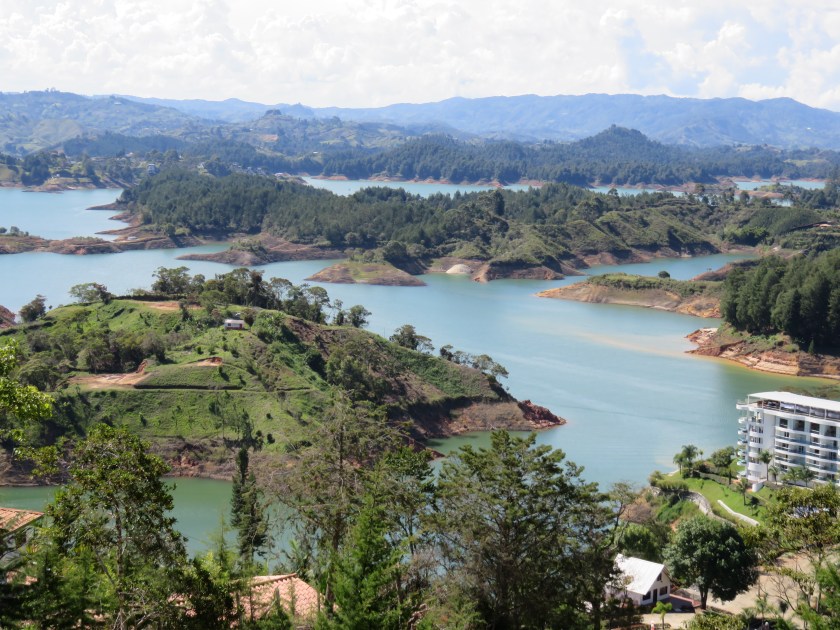






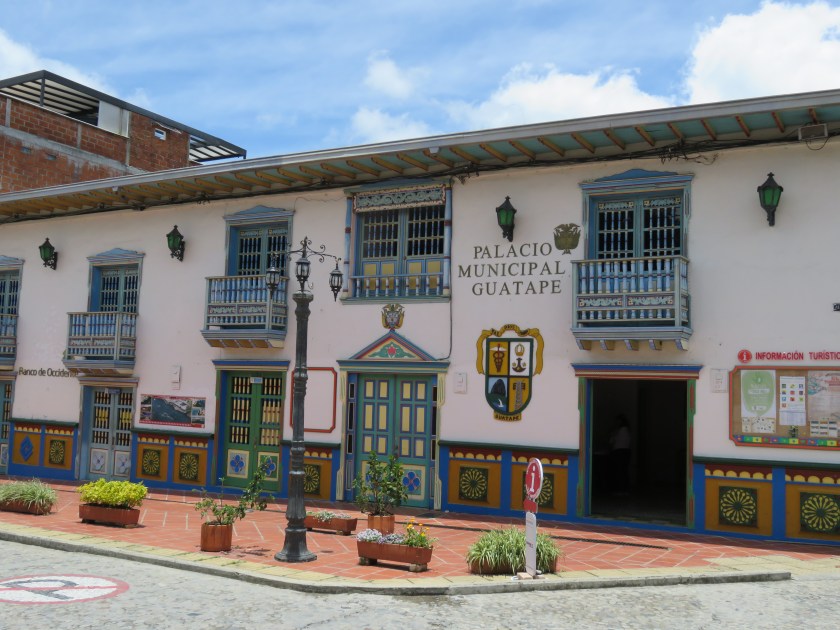


Camera: Canon PowerShot SX710 HS
Location: Guatepe, Antioquia, Colombia
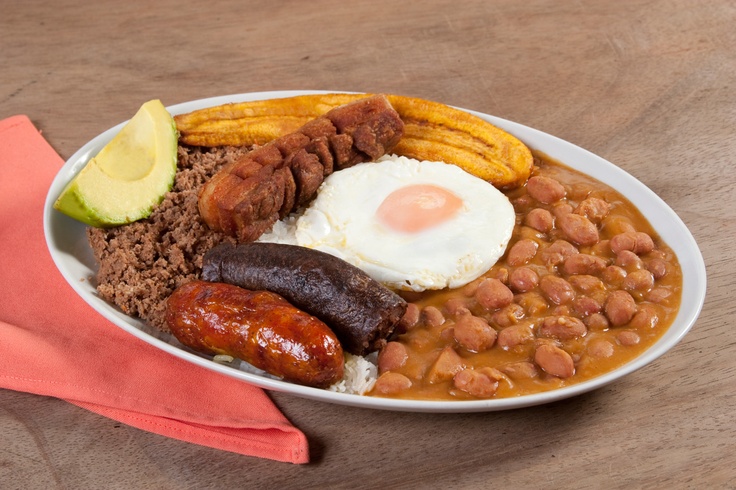
For my first post in the new ‘Cuisine Spotlight’ series, I will be focusing on my favorite dish here in Colombia, which is known as the ‘Bandeja Paisa.’ Flavorful, unique, and made up of different food groups, ‘Bandeja Paisa’ is a conglomeration of the best of Colombian cuisine, and specifically of the Antioquia region. You can tell by its’ name that this popular food dish has its’ origins with the Paisas who are the inhabitants of Department of Antioquia. If you translated ‘Bandeja Paisa’ from Spanish to English, it would roughly mean ‘Paisa Platter.’
It’s a paisa platter because there are a number of different foods that make up this huge plate of food. There is a variety and amount of flavors and tastes that you can’t find in many other dishes here. While there are a number of ‘Bandejas’ or ‘Platters’, the ‘Bandeja Paisa’ is the most well known along with its’ ingredients. The ‘Bandeja Paisa’ usually includes red beans mixed with pork, white rice, ground meat, chicharron, fried egg, plantains, chorizo, arepas, blood sausage, avocado, and criollo sauce to top it all off. You have to eat ‘Bandeja Paisa’ on an empty stomach. Otherwise, you may not be able to finish half of the dish.
‘Bandeja Paisa’ is a lunchtime dish and should be enjoyed with a nice cold glass of fruit juice. In Colombian culture, lunch rather than dinner is the main meal of the day and is to be taken seriously. I would recommend to have your ‘Bandeja Paisa’ dish with other people around whether they be friends or family because chances are good that you won’t be able to finish it all on your own. It is likely that the ‘Bandeja Paisa’ dish was made for those people who worked the fields for farming and growing crops. They also could be herding cattle and collecting food for their families.
I would like to believe that they would look forward to having ‘Bandeja Paisa’ as their main meal of the day due to the arduous physical tasks that would be asked of them to complete from sunrise to mid-day. I’m sure millions of Colombians and foreigners here like myself have thought about settling down and having ‘Bandeja Paisa’ after a long day of work regardless of which profession we tie ourselves to. Once again, it’s worth noting that the simple pleasures like a big meal after a hard day of labor can make a world of difference in brightening our outlook for the rest of the day. Having something to look forward to like biting into a chorizo or sampling some avocado can make the work less tedious and the time pass by more quickly.
‘Bandeja Paisa’ is considered to be a mestizo dish meaning that it is a unique mixture of both American and European ingredients and foods. The different indigenous peoples who have inhabited Antioquia and Colombia in general have left their influence on dishes like this one along with the Spanish colonists who adapted the ‘Bandeja Paisa’ to their own tastes and preferences. Interestingly enough, there is also some African influence along with that of British and French colonialists. The best thing about the ‘Bandeja Paisa’ is that you can adapt it to fit your dietary needs. If you don’t like having so much meat, you can switch in a salad or a vegetable. While the original food options are preferred, I’ve noticed that there are a number of variations to the ‘Bandeja Paisa’ and that Antioquians are flexible with its’ presentation.
The people of Antioquia have such a fond love for ‘Bandeja Paisa’ that they tried to get the national government in Bogota to make it the national dish of Colombia. While there has been no movement on having this become official, ‘Bandeja Paisa’ is held in high regard in terms of representing Colombian cuisine and is advertised by many restaurants and tourist agencies alike. Similar to the popular ‘Sancocho’ favored by Costenos on the Atlantic coast and the delicious ‘Ajiaco’ soup that Bogotanos covet, the Paisas of Antioquia regard ‘Bandeja Paisa’ as the national dish of Colombia even though its’ overall popularity is limited to the department itself.
While ‘Bandeja Paisa’ is not an everyday kind of food, it is a delicious and unique plate of food that is a large part of the cuisine here in Antioquia. It is an excellent choice when it comes to filling yourself up after a long day of work. It is very affordable, has all different food groups represented and it will earn respect from the locals by trying it out. My last recommendation if you are going to try to eat the whole ‘Bandeja Paisa’ is to order some lemonade, water, or fruit juice because it will help a lot with the digestion process and prevent you from getting a nasty stomachache. Buen provecho!
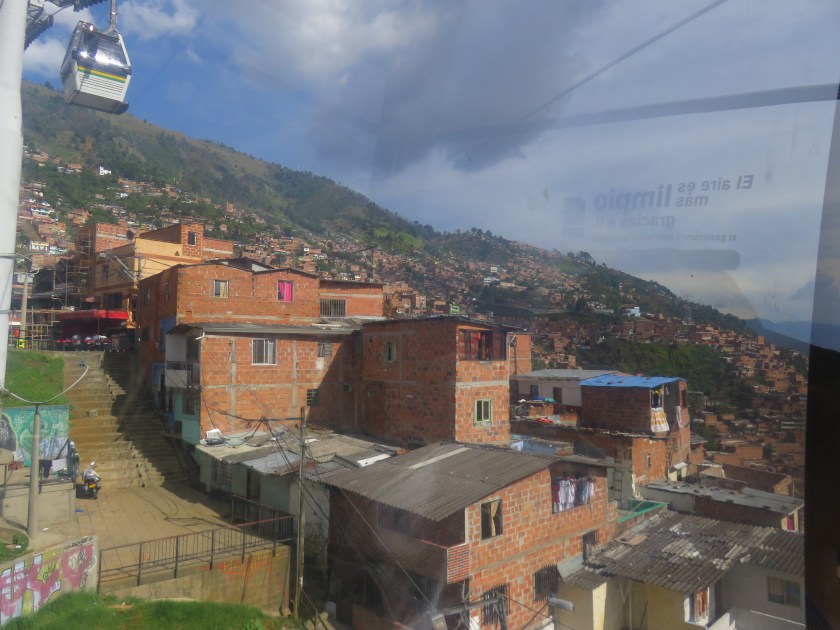


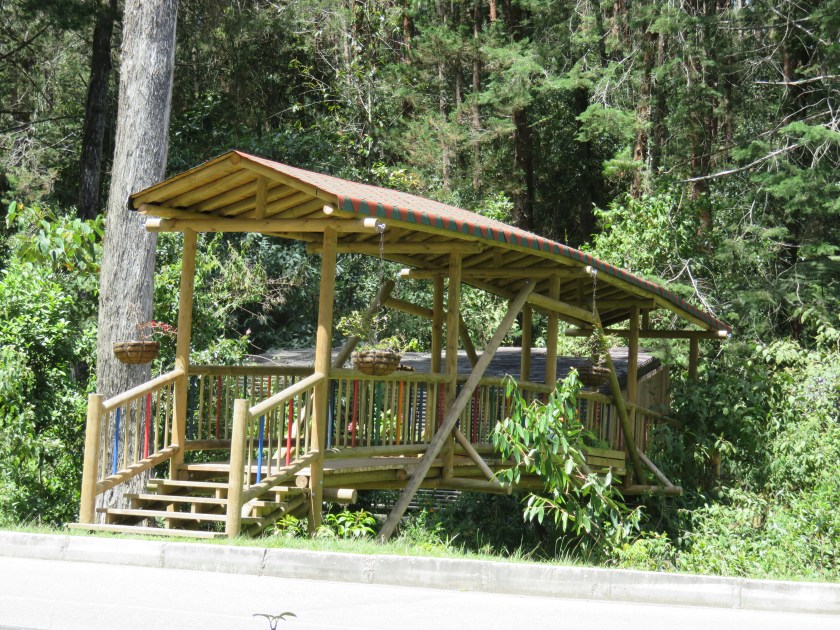

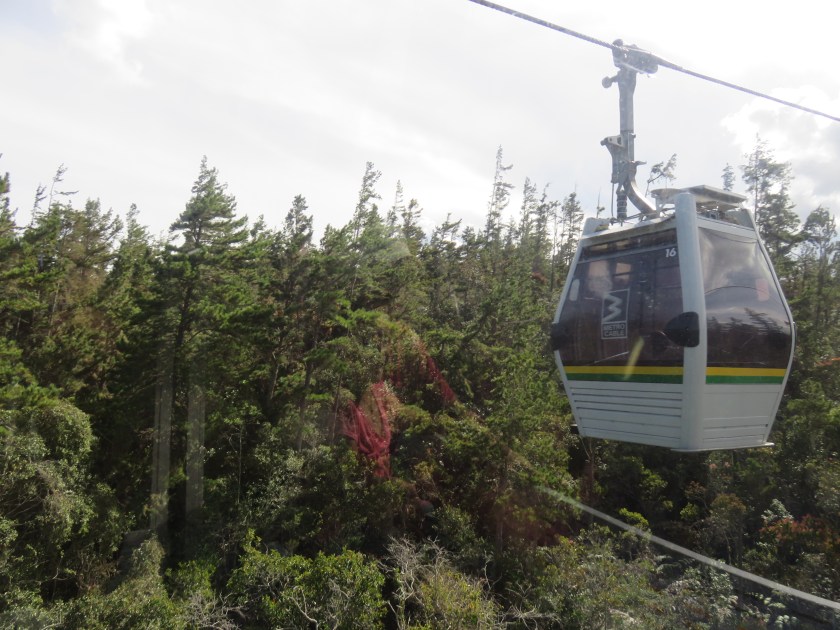
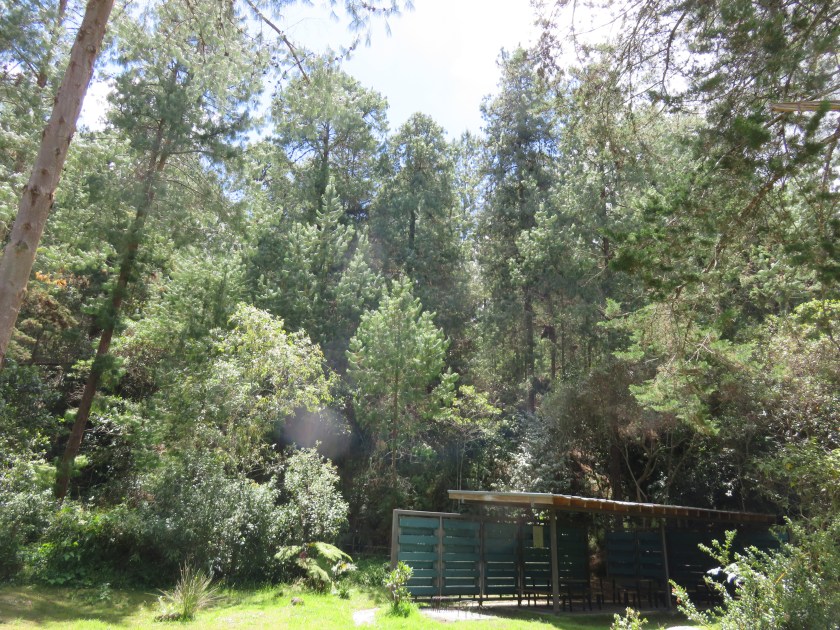
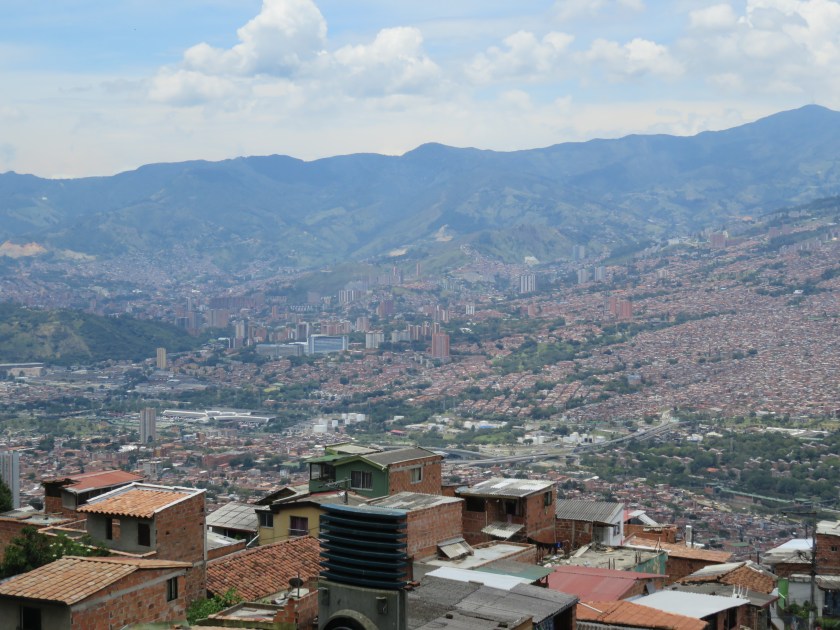

Camera: Canon PowerShot SX710 HS
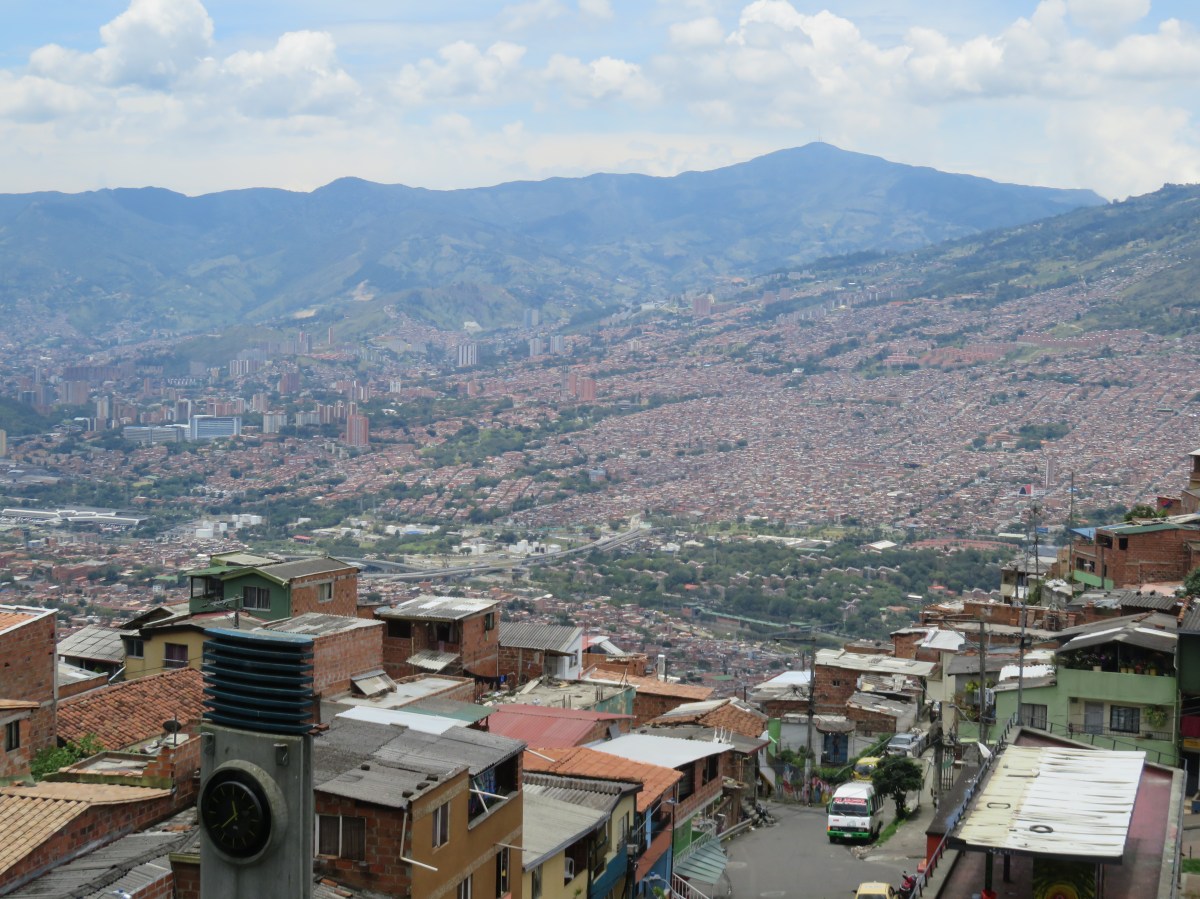
Location: Parque Arvi; Medellin, Antioquia, Colombia
A packed stadium filled with 40,000+ screaming and diehard fans imbued with a fiery passion that is seldom seen in most sporting events around the world. No, my friends, this is a special event and one that deserves the rare title of a ‘clasico’ or classic in English. However, this isn’t your ordinary clasico or derby. This isn’t Manchester United v. Manchester City or FC Barcelona v. Real Madrid. This is the Medellin derby or ‘El Clasico Paisa’, an affair that has been raging for almost seventy years. They share the same stadium and play in the same national league. Their fans come from the same city and live in the same neighborhoods.
However, when it’s ‘clasico day’ in Medellin, the differences between the two local teams could not be starker. It’s blue and red v. green and white, history / traditions v. championship / past glories. This rivalry is more than just about football. It’s about your allegiance to a team, to its’ players, to its’ customs, and to its’ culture. ‘El Clasico Paisa’ is the long-standing rivalry between the teams of Independiente Medellin and Atletico Nacional. It’s the most important derby in all of Colombia and all of South America from its’ prior reputation.
Its’ one of the biggest rivalries in all of FIFA and I was lucky enough to witness this ‘clasico’ this past Sunday. Bragging rights are on the line whenever these two teams face off. They face each other a couple of times per season in the ‘Liga Aguila’, Colombia’s national league, because they are usually both very successful and find themselves ranked in the Categoria Primera A. Having won multiple championships in the past and most recently the famed ‘Copa Libertadores’ which is the South American edition of the UEFA Champions League, Atletico Nacional are the favorites of Colombian football these days.
Having watched a few of Nacional’s matches and having been a fan of their players and their uniforms, I learned about the upcoming derby about a week before kickoff time. Unfortunately, I did not strike when the iron was hot so I left my chances of getting a ticket up until the day of the match. Luckily, in Colombia, you can scalp tickets up until a few hours from local sellers at the Stadium. While the prices are marked up a bit, I found the one I haggled for to be fair and decided to go through with my purchase. During my time of living in Colombia, I wanted to make sure that I got to see a few matches especially given how huge the sport is here in South America.
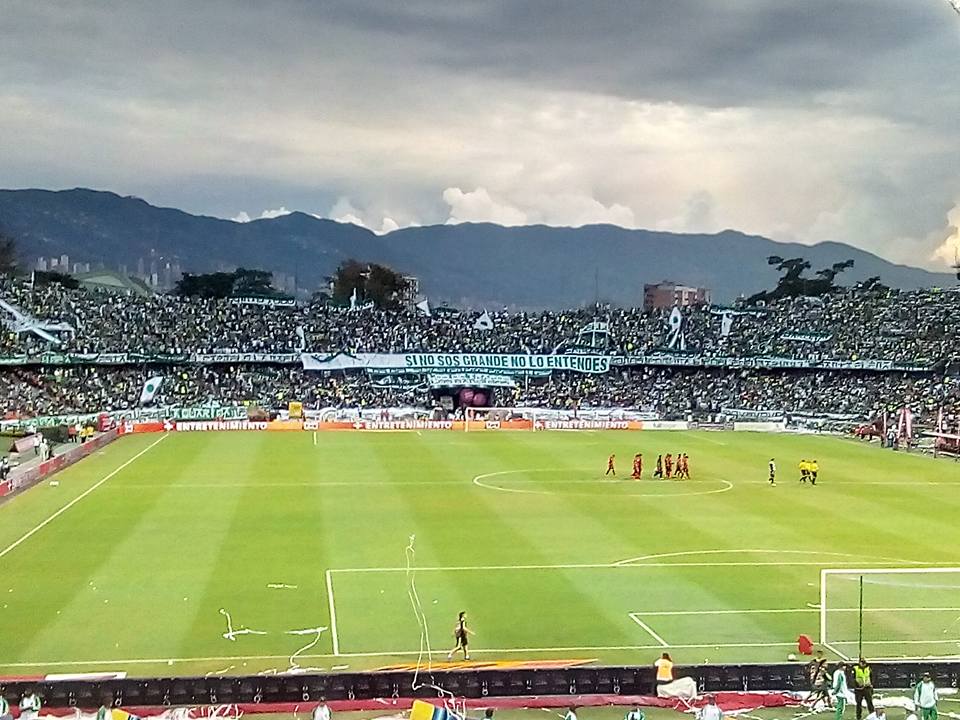
The vibe and atmosphere in the Atanasio Girardot stadium before kickoff was simply electric and you could feel the sheer energy pulsating throughout the crowd. It was so filled to capacity that it was standing room only for the entire match. Luckily, I had a good vantage point of the entire field from about five rows up in the upper deck and was located near the exit in case the fans near me got out of control. From the opening minute to the last whistle blown, Fans on both sides chanted their teams’ songs, unfurled huge banners of support, waved flags, and cheered their heroes on until their voices were hoarse.
Despite being a supporter of Atletico Nacional, the ticket I bought last minute from a street vendor was located in the heart of the Independiente Medellin section. While I was uncomfortable with this arrangement at first given that I wanted Nacional to win the ‘clasico’, I have to give credit to the Medellin fans that were outnumbered by a count of 2:1 inside the stadium. They were loud, confident, and didn’t give into doubt or disappointment even when Nacional scored upon their team around the 65th minute making it an eventual 1-0 Nacional victory.
Win or loss, Independiente Medellin fans are still behind their players 100%. This loyalty to the team goes back over a hundred years when they were founded in 1912. While they have history on their side, Medellin does not have the more recent success or amount of championships that Atletico Nacional has accumulated in recent years. With the recent victory over Independiente del Valle in the 2016 Copa Libertadores, Atletico Nacional is the team to beat in the Liga Aguila in Colombia. Historically, in the ‘El Clasico Paisa’, Atletico Nacional has played Independiente Medellin 291 times with Nacional winning 119 matches to Medellin’s 92 matches.
They have ended in a draw 80 times total. Interestingly enough, the Copa Colombia has been played 16 times between both teams with Medellin having an advantage in this category with seven wins to Nacional’s five wins. Part of what makes this ‘clasico’ special is that both teams have a history that goes back almost seventy years. They are two of the most prominent and well-known football clubs in Colombia with a rivalry that is unmatched in South America.
Having been to football matches in both Germany and Turkey where the atmosphere was enjoyable, seeing a match here in Medellin was on another level. The passion of the fans was the craziest I have ever seen and they truly live through their team’s successes and failures. Unfortunately, certain fans take the results of the ‘clasico’ matches too seriously and there have been a few sad deaths and injuries that have taken place.
Luckily, both sides were not too hostile to each other during the most recent ‘clasico’ that I attended. They were shouts, curses, and a few bad fingers raised towards either side but nothing that escalated into all-out brawling and hooliganism. I had never seen that large of a police force at a football match before but the local police take it very seriously given what’s occurred in the past. There were also riot police present in full tactical gear but I don’t believe any tear gas was fired and everybody went home safely including myself after the match had concluded.
While I was happy that Atletico Nacional won 1-0, I had bonded during the match with the Medellin fans and enjoyed cheering, chanting, and jumping up and down with them. They are a passionate lot and they are all diehard fans. I hope to attend another ‘clasico’ soon where I can wear my green and white jersey and cheer on my Nacional in their fan section. When you’re in the opposing team’s fan section and your wearing the other team’s colors, it’s always a bad idea and trouble may find you whether you like it or not. Before the ‘clasico’, I was smart enough to wear a neutral grey shirt and jeans because I wasn’t sure in which section of the stadium my seat would be. It is a very lucky thing indeed that I didn’t wear my Nacional jersey in the Medellin fan section or otherwise I might not be writing this blog post about the ‘clasico’ today.
All kidding aside, while the football match wasn’t the best or most exciting I’ve ever seen played before, the atmosphere was incredible and it was the most-lively match from the fans’ perspective that I’ve ever witnessed. It truly was a sight to behold with both sides yelling, screaming, jumping, and dancing in the hopes that their team might end up on the winning side. I can understand now why South America is such a football hub. It is the number one sport and sometimes the only sport that matters to its’ fans. If you’re ever in Colombia or specifically in Medellin, I suggest you buy a ticket and go see ‘El Clasico Paisa.’ I promise that you won’t regret this amazing experience but make sure to wear neutral clothes because you never know which fan section you’ll be seated in.


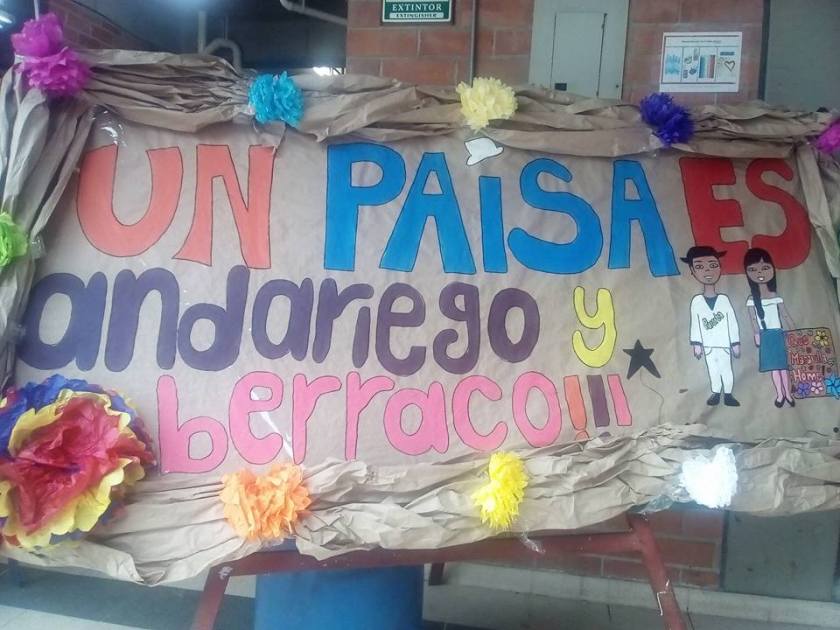

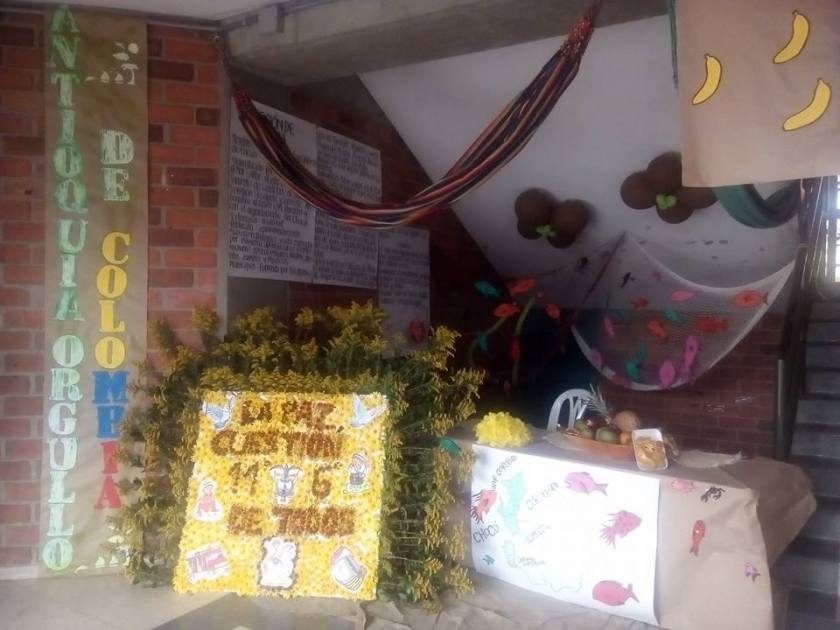
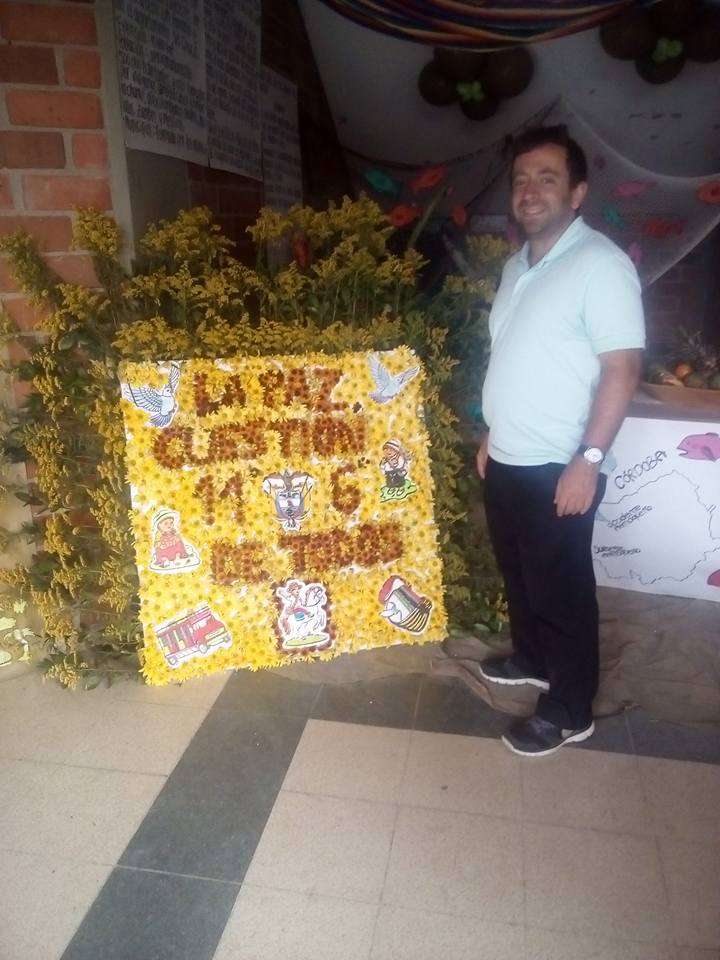
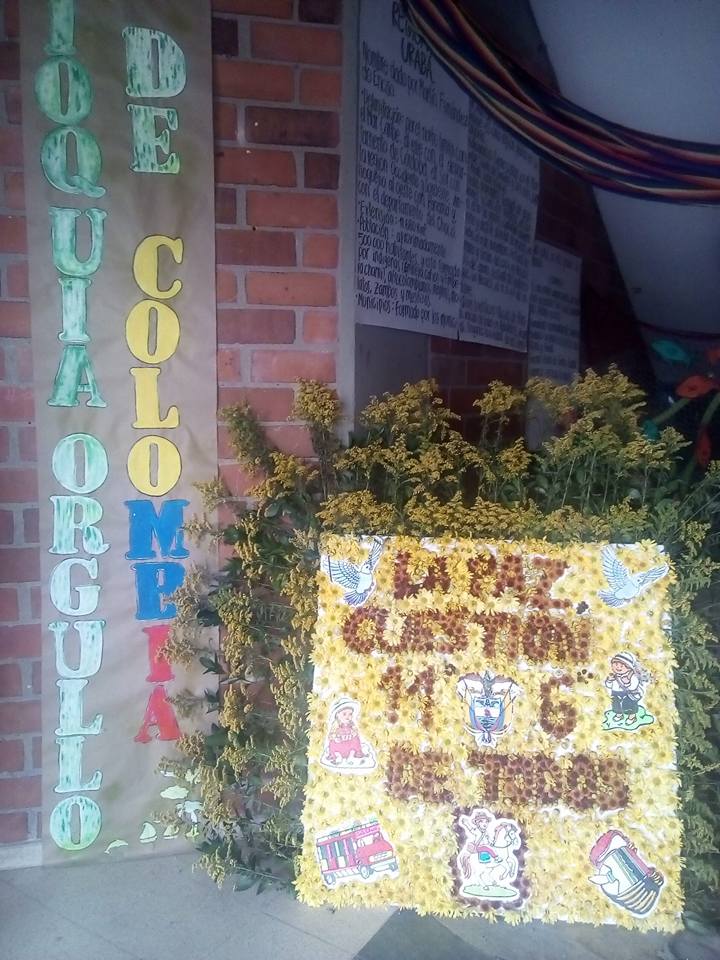

Camera: Lenovo A2010
Location: Medellin, Antioquia, Colombia

Santa Marta is an undiscovered gem of a city located on the northeastern tip of Atlantic coast of Colombia. I say that it’s an ‘undiscovered gem’ because it usually flies under the radar when compared to its’ coastal counterparts of Cartagena and Barranquilla. Still though, for Colombians and foreigners alike on vacation, Santa Marta has a lot to offer its’ visitors. I was drawn to Santa Marta a couple of months ago when I visited its’ neighboring town of Minca, which is also quite beautiful and full of lush scenery up in the mountains. Unfortunately, I did not get to spend much time in Santa Marta so I decided that during my 2nd time living in Colombia, I could not pass up the chance to visit this city if I had the chance.
Luckily, due to the recent religious holiday observed in Colombia which falls on a Monday, I was able to make my return to the Atlantic coast via Santa Marta for a long weekend and I had a great time overall. Even with three full days, I felt like I could have done and seen even more so if you’re planning on coming to Santa Marta, five days or so and that should be enough to cover everything. Due to the fact that I live in Medellin, which is surrounded by mountains with no sea in sight, I took full advantage of my time on the coast by hitting up the local beaches, sampling some great seafood and doing some hiking.
Santa Marta is a small and navigable city, which made it easier to visit for a long weekend. The locals I met were extremely helpful to me, and especially the taxi drivers who were patient with my handwritten directions. The historic center of Santa Marta was well preserved in my opinion and very walkable. There are a lot of bars and restaurants located around the Parque de Los Novios, which made it easy for me to choose places to eat and drink. Beyond that, you can easily go to La Quinta de San Pedro Alejandrino, which is place where the liberator of most of South America died in 1830. The hacienda is a museum, resting place, and has a really nice art gallery as well.
My recent trip mostly focused on visiting the different beaches located in Santa Marta, Rodadero, and Parque Tayrona. Santa Marta has many public beaches, which I found to be refreshing because there are a lot of hotels and private apartments located close to the sea but families and locals can mix with tourists to enjoy the beaches as well in the city. I found that to be a great idea and a contrast to other places, which have private beaches that only guests of the hotel or apartment can use freely. The public beach in Santa Marta is clean and nice to swim in but it can become quite crowded especially on holiday weekends.
The highlight of my trip was a visit to Parque Tayrona, one of the biggest and most popular national parks in Colombia. Well-preserved, pristine beaches, and great hiking opportunities, Parque Tayrona is the reason a lot of tourists come to Santa Marta in the first place. The park offers a lot of beautiful natural scenery of mountains, trees, and small rivers, which you can hike through for a day or more. Some visitors choose to spend a night or more in the park because it’s too big and vast to spend only a day there. The beaches are especially gorgeous because they are quite unspoiled and have no trash or residue of human presence for the most part. The water is clear, blue, and enjoyable to swim in. There’s a powerful rip-toe and large waves so be careful if you are to go swimming in some of the beaches there.
The particular beach that I visited, which is called Arrecifes, was barely inhabited and I enjoyed my time swimming, sunbathing, and listening to the clear sound of the waves without a care in the world. It was a very rewarding feeling to soak myself in the waters of the Atlantic again after a long day of waiting to get into the park and hiking through the park. For a couple of hours, I had the whole beach to myself so I was able to hear the sounds of the waves uninterrupted without any outside noise or voices to disturb the flow of nature. If there is one regret I have about the park is that I did not have enough time to see other beaches and that I should have woken up earlier to get into the park without waiting in line. If you plan on coming to Tayrona, make sure to get there by 8 or 9 AM, otherwise you will be waiting for a while to get in.
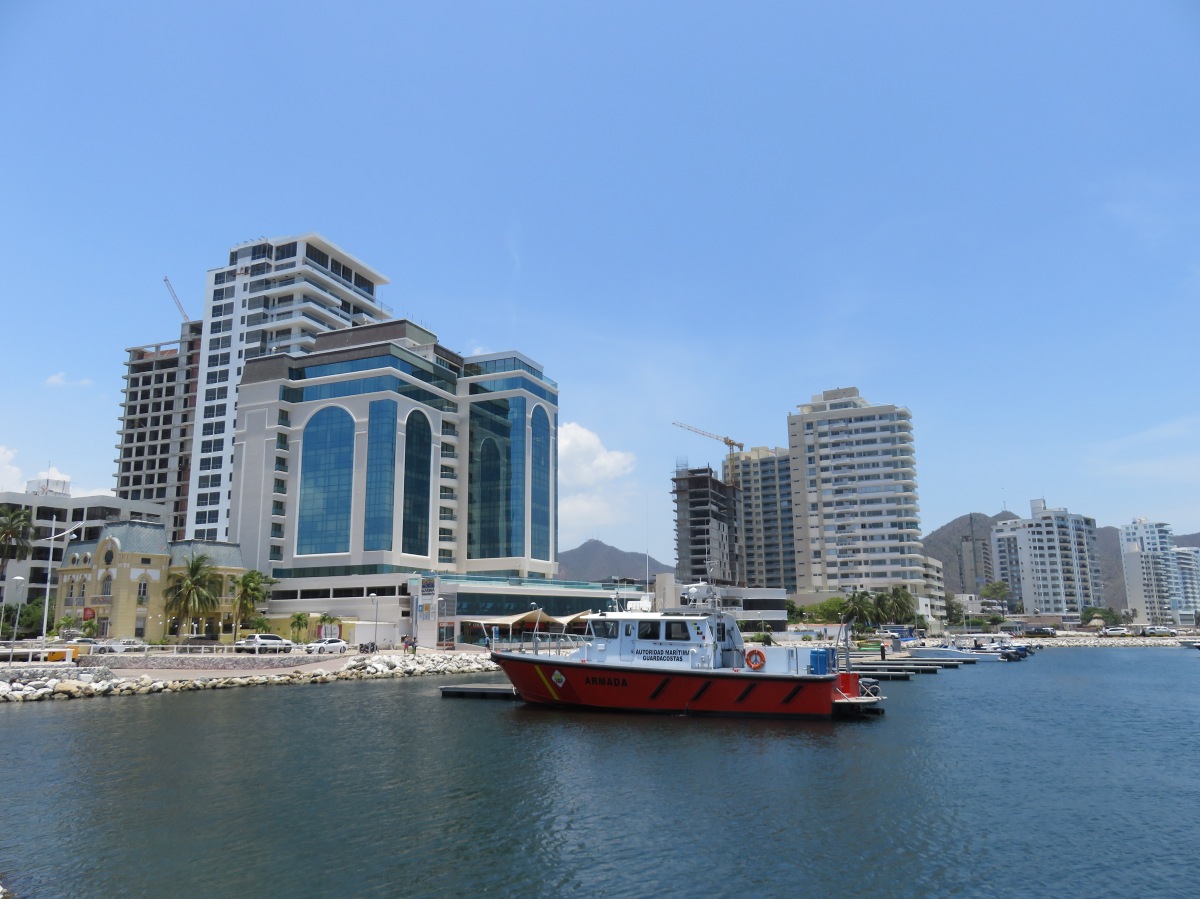
Before I left Santa Marta, I made sure to check out Rodadero, which was very different from Santa Marta and felt more like Miami Beach. High-rises, hotels, and apartments make up quite the skyline for this small city, which sits between the mountains and the coast. Rodadero is a great hub for restaurants and nightlife but also has nice public beaches which locals and tourists can enjoy alike. On my last day in the area, I decided to check out Playa Blanca, which was well worth the boat trip. Having a nice, private cabana that kept me out of the sun was welcome after two previous days in the sun. If you can’t make it to Parque Tayrona, spending the day in Rodadero is a great back up plan especially if you can make it to Playa Blanca where it’s less crowded and the water is crystal blue.
In addition to swimming and sunbathing, there are a multitude of activities to take part in. The fishing village of Taganga, which is nice to check out for a day due to its’ coastal style boardwalk also offers diving classes if you’re into learning that skill. There are also numerous tour groups offering snorkeling, hiking trips in the Santa Marta area for reasonable prices. If you’re feeling more leisurely, you can go jet skiing, banana boat riding, canoeing, and paddle boarding if that suits your fancy. The multitude of activities and places to visit in the area make it clear that Santa Marta is worth at least five days or so if you want to explore each nook and cranny of what the area has to offer. You simply can’t be bored if you decide to visit.
Despite being relatively undiscovered when compared to Aruba, the Bahamas, Bermuda, and other vacation getaways, Santa Marta is a city on the rise and its’ making a lot of progress in developing its’ tourism infrastructure. There are many cranes working on building the next hotel or apartment complex especially in Rodadero. The Santa Marta airport, which may be the smallest airport I’ve ever visited is getting a makeover and is going through a lot of construction in order to make it a hub for Colombians and tourists alike. With investments in infrastructure and education, Santa Marta will continue to grow in popularity.
I hope that tourists will continue to get along with the locals and respect the great natural beauty of the area especially in Parque Tayrona. The one thing that was difficult for me to deal with was the coastal humidity, which will cause you to sweat like no other. Be prepared to be hot but you get used to it eventually. Lastly, using AirBNB to meet some locals was really nice and I highly recommend the online service to my readers. Just make sure to do your research first and choose places to stay, which are conducive to your travel needs. A holiday weekend well spent in my opinion and I have a feeling that I will be back in Santa Marta one day soon. Parque Tayrona and Rodadero were my favorite parts of the trip and I’m sure others will enjoy those places too if they choose to visit this great area of the country.


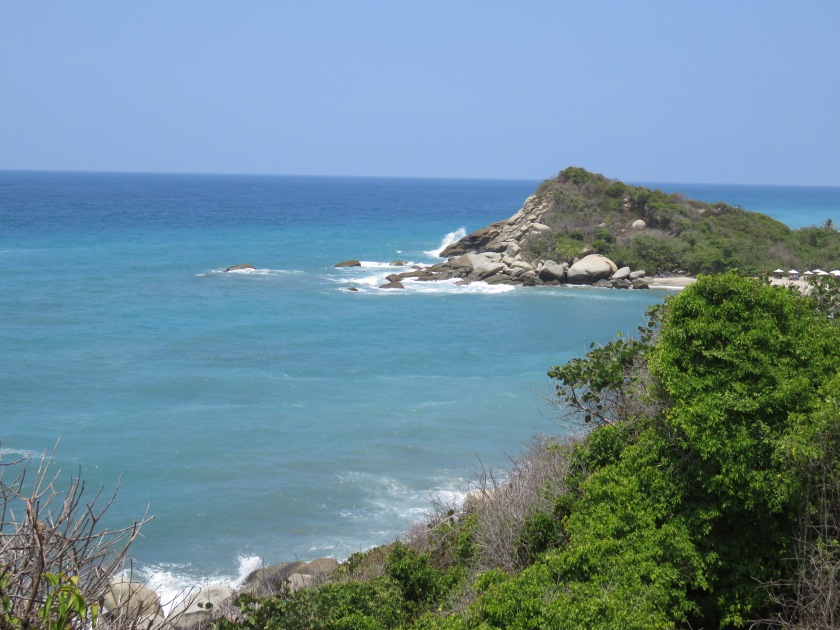
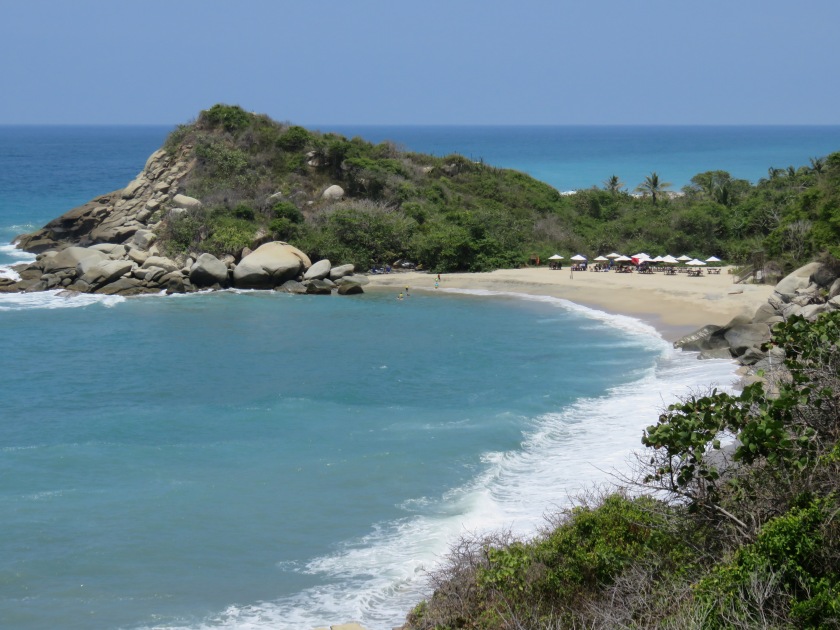

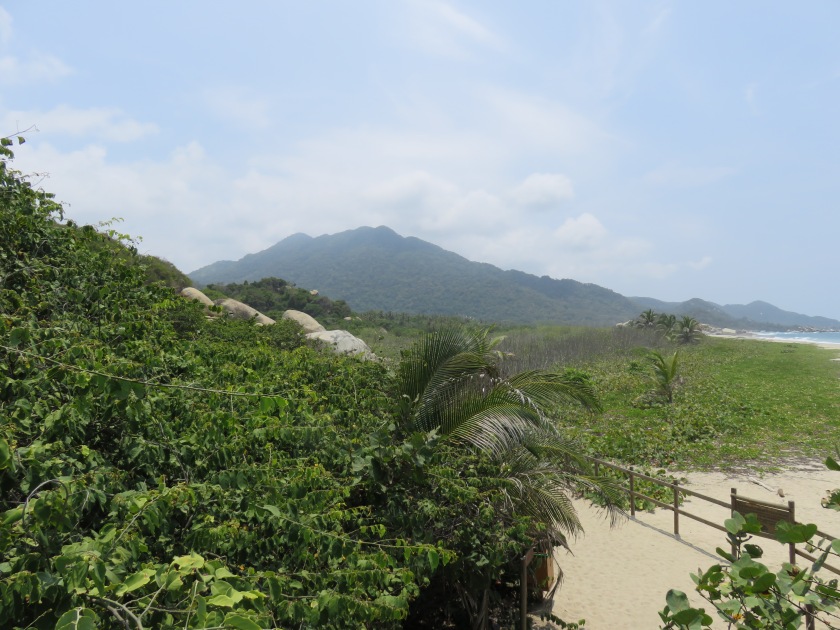

Camera: Canon PowerShot SX710 HS
Location: Parque Tayrona (Nacional); Santa Marta, Magdalena, Colombia