Be Wary of Bread and Circuses

“There’s nothing wrong with distractions and wanting to enjoy an event, a spectacle, or indulge a bit but in the times that we’re living in, it’s important to realize that focusing only on ‘bread and circuses’ is something we can no longer afford to do.”

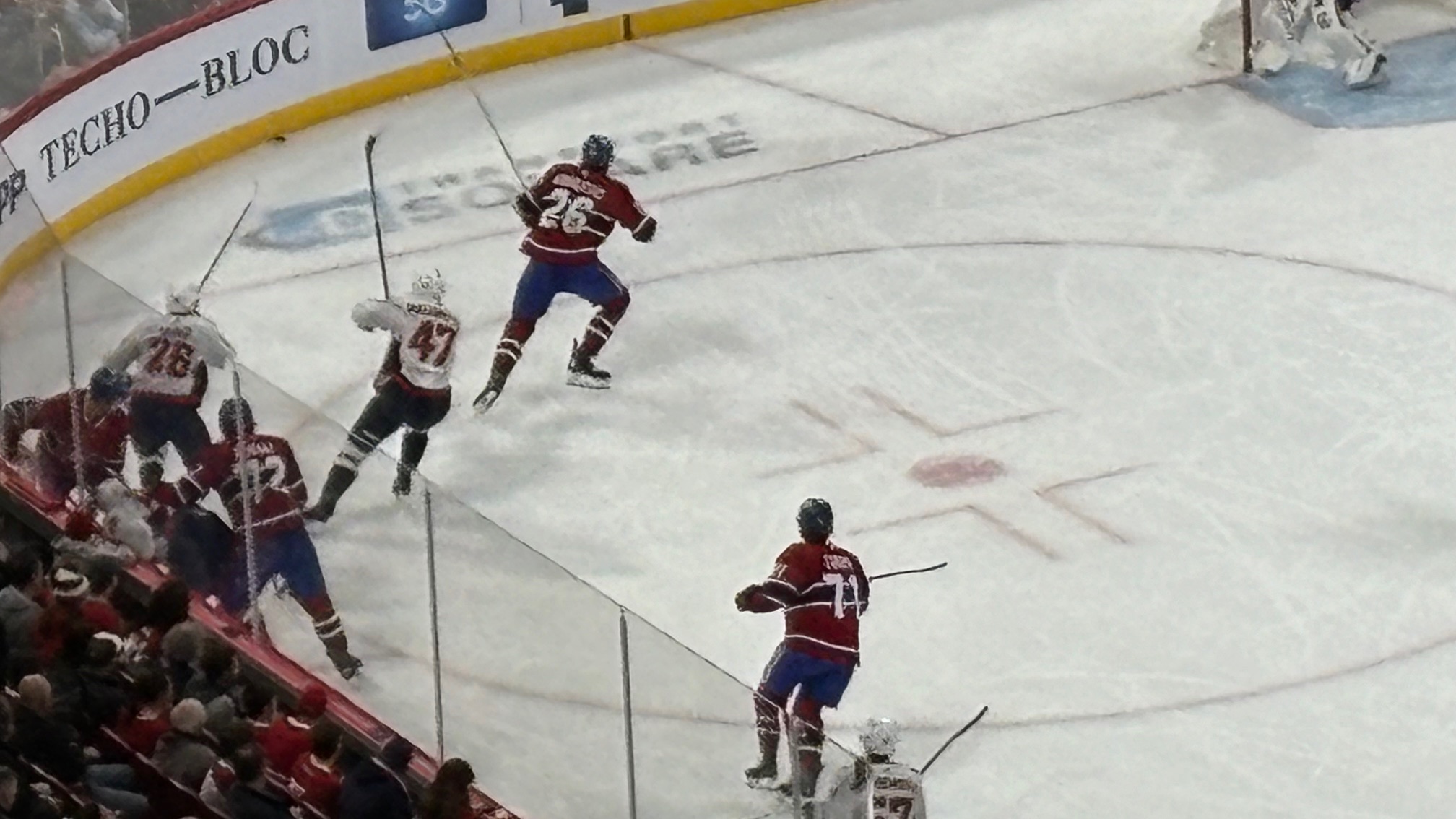
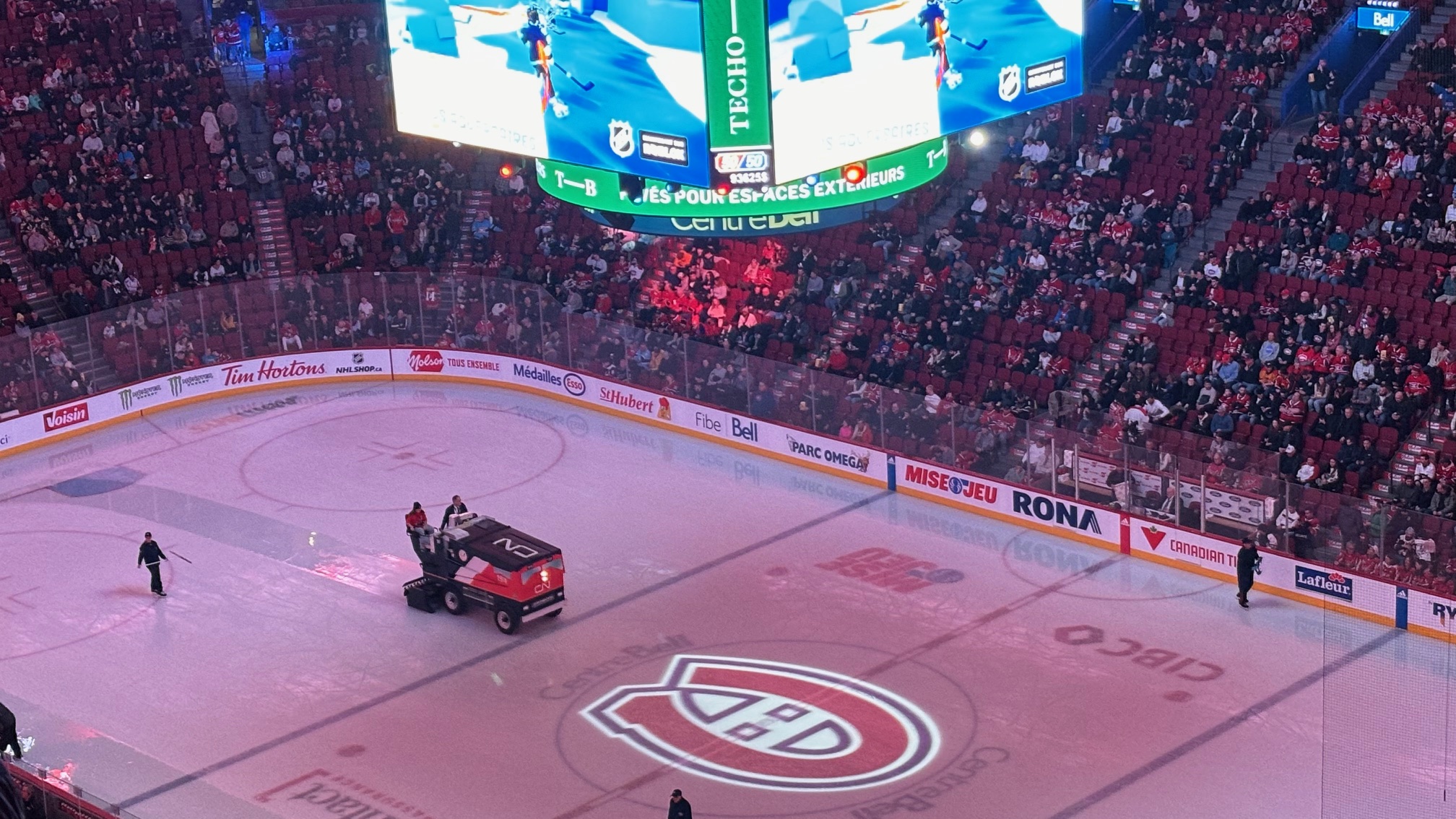
Who doesn’t enjoy sports or entertainment or both? People since the dawn of time have enjoyed being entertained or have been spectators or participants in games, sports, or other spectacles. At best, it is a thrilling adrenaline rush to be part of it to the roar of hundreds or thousands of people. At worse, it is a pleasant distraction from the humdrum of our daily life and our routines. There’s nothing wrong with distractions and wanting to enjoy an event, a spectacle, or indulge a bit but in the times that we’re living in, it’s important to realize that focusing only on ‘bread and circuses’ is something we can no longer afford to do.

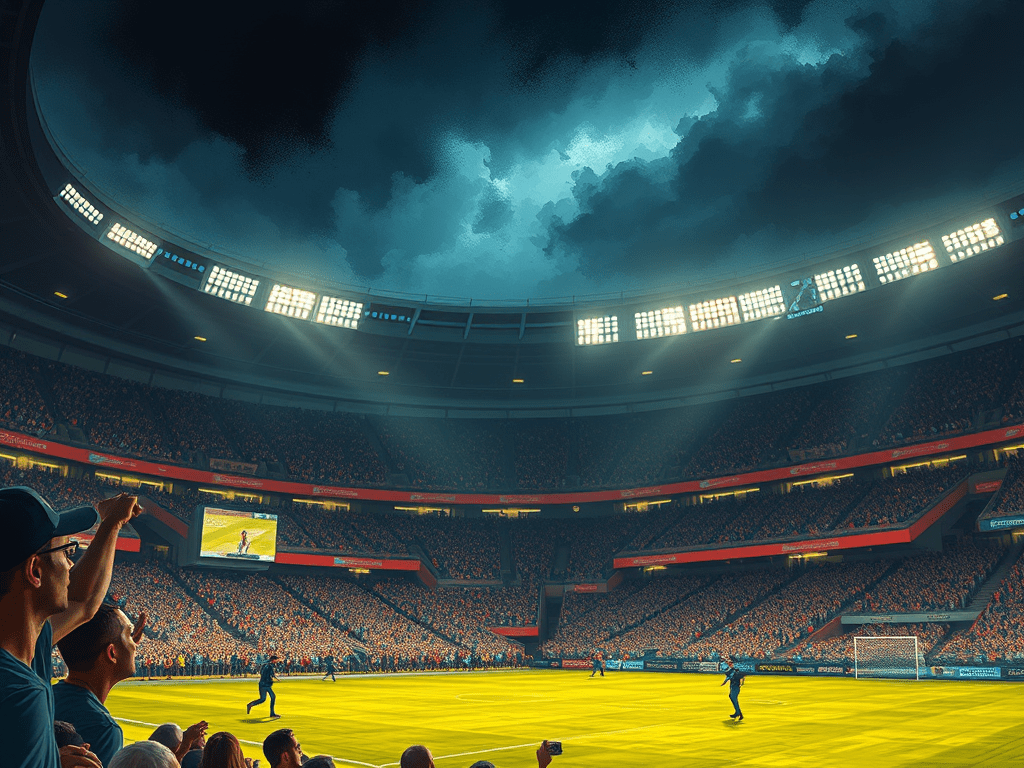
The concept and phrasing of “bread and circuses or in Latin known as, “panem et circenses”, comes from the Roman Empire and belongs to the Roman poet Juvenal. Juvenal criticized how the Roman leadership would use free food such as bread and grant entertainment such as the gladiator events and other spectacles of the coliseum to distract the citizenry from societal and economic decay. While the Roman empire declined and fell as all empires do, today, in our modern world, we have major sporting events such as the FIFA World Cup and the NFL Super Bowl. Reality Television shows remain quite popular, and the media spends hours on celebrity scandals and gossip rather than focus on systemic issues affecting each of us daily.

Why is this an issue today as it was almost 200 years ago? I would argue that we are living through an era of upheaval including political instability, economic inequality, the effects of climate change, and the rise of authoritarianism. Distraction such as ‘bread and circuses’ help to keep people distracted from these ongoing issues and is a powerful tool to be utilized by those holding power. While sports and entertainment can be healthy outlets, it does not go well for a society when it is all-consuming, and people are overly reliant on it each day for fulfillment or pleasure. An active citizenry must remain focused on issues that affect them and their families as if they are paying attention and are engaged, positive change is more likely to occur as a result.

Political leaders can use major sporting events to help push their agendas forward as the times surrounding such events are the easiest to enact policies that are controversial but in which public attention is directed elsewhere. Politicians and leaders can also engage in controversies surrounding sporting events and how it related to ‘culture wars’ and ‘celebrity feuds’ to divert from ongoing political scandals or economic problems. Major sporting events are also used to stir national pride in a country and can be used to distract from real issues that the country is facing as well.

Sports and entertainment are big money for corporations and for wealthy individuals. Sports can reflect ongoing economic inequalities especially when multimillion-dollar commercials are paid for by a company rather than in investing in their own workforce’s compensation. Money spent in the billions of dollars each year on sports betting, gambling, or on tickets could have been funneled towards programs focusing on social well-being in health care, education, or infrastructure.

Celebrities and athletes should be compensated well for the work they do but there is an issue when ordinary workers who help make events, games, and other spectacles run smoothly are not paid a living wage. Thousands of workers are making decent pay, but it pales in comparison to what the ‘stars’ are making especially when they are the one preparing their food, keeping them safe with security measures, and helping stock the shelves and sell the merchandise.

There is also the ongoing debate in society about taxpayer money funding massive students and events that are not benefiting the surrounding community or the city itself. A lot of that money gets funneled to corporations in the ‘naming rights’ and to the ‘billionaires’ who see their net worth grow up as the sports franchise becomes more valuable over the years. A society where income inequality is high and is rising will be reflected in sports and entertainment as well. While there are some economic benefits to be made by the average person in these industries, a large sum of the gains to go to the wealthiest owners, players, and stars while the wealth does not ‘trickle down’ much, if at all.

While some of these issues do get coverage in the media although increasingly sparingly, I would argue that general news media, especially in recent years, has become sensationalistic and has focused on ‘click bait’ content rather than on serious investigative journalism. News outlets have prioritized celebrity feuds, sports gossip, and other trivial controversies that pale in comparison in terms of importance compared to real issues going on with the wider society. Viral content gets more clicks and eyeballs, especially on social media, and that’s where the focus has turned especially in recent years. Too much information at one time also presents most people from being able to decipher of what’s real vs. what’s fake and what to pay attention to because ‘information overload’ makes it hard to pinpoint what is likely to affect them the most and is worth paying attention to.

Similarly to the issues I’ve mentioned that ‘bread and circuses’ distract from each day, one issue that is the most immediate and wide scale in terms of ongoing effects is the accelerating climate crisis. Major sports and entertainment events all have an environmental cost and leave a sizable carbon footprint. When you tally up, the travel emissions, energy consumption because of the game or event, and the waste involved from having thousands of people in attendance, communities who support the events or games must deal with the aftermath, including both the financial and environmental costs.

While these massive events like the Super Bowl, the FIFA World Cup, and the Olympics due to pledge to be more sustainable and environmentally friendly, many companies do not end up footing the bill for the carbon emitted or the energy used. They can do so because the companies help sponsor the events and contribute enough money to them, so they aren’t as liable to help with the environmental aftereffects. Looking at two recent examples with the 2016 Rio Olympics and the 2022 FIFA World Cup in Qarar, these two events led to increased carbon emissions (FIFA) and environmental aftereffects. (Olympics)

While I am supportive of sports and entertainment and have been a fan of both, I still recognize the need to tone it back these days because excessive consumption of either will not help our society and our world be better. Sports and reality TV may seem as important as real issues, but they are not and never will be. People must stay engaged in what’s going on in their community, their country, and their world. As consumers of news, we also have the individual and collective power to choose which news outlets we give our time and our money to as well. If frivolities and ‘bread and circuses’ is all a news organization is offering, then it’s not a real news organization to begin with.

 Advocating for solutions to real issues, being a reliable voter, and volunteering in your community consistently can help keep the ‘bread and circuses’ to a more tolerable level. We all want to experience gratification and rewards in our lives and sports, or entertainment do both in providing that kind of dopamine hit but it’s a cheap one, and it’s not something we do ourselves. Political activism, working for social change, and developing our problem-solving abilities is real gratification in whatever issue you want to work on in our world. It’s not as instant and far from being easy but improving anything in society will take effort, discomfort, patience, and a lot of perseverance. Make sure you advocate for what you care about because celebrities and sports figures may not do the same, if at all.

You should stay focused on what’s important in the news, be civically engaged and encourage others in your life to do so. Remember to balance your consumption of entertainment and sports along with awareness of the issues and problems affecting you, your families, and your communities. Watching the Super Bowl is fine and I just did so recently as I have most years of my life, but if we continue to ignore political scandals, economic problems, and societal injustices, there won’t be much to celebrate in our society beyond that one day of the calendar year, where two teams of millionaires play a game that you can’t even be part of or even afford to go to.

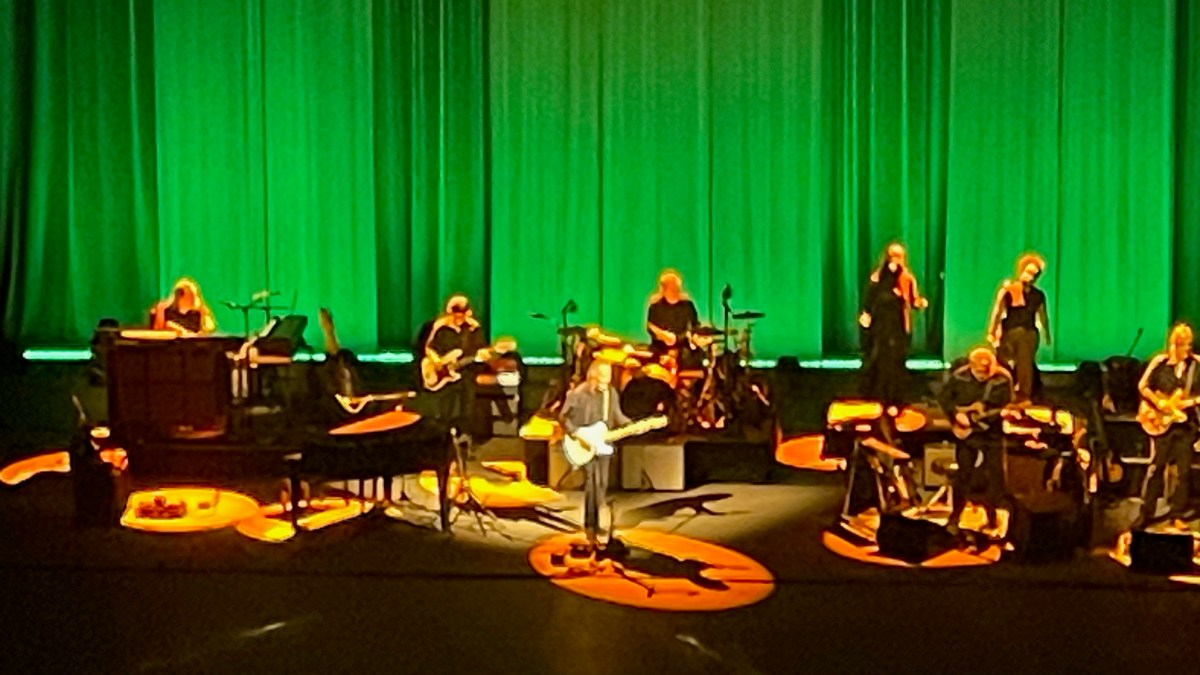
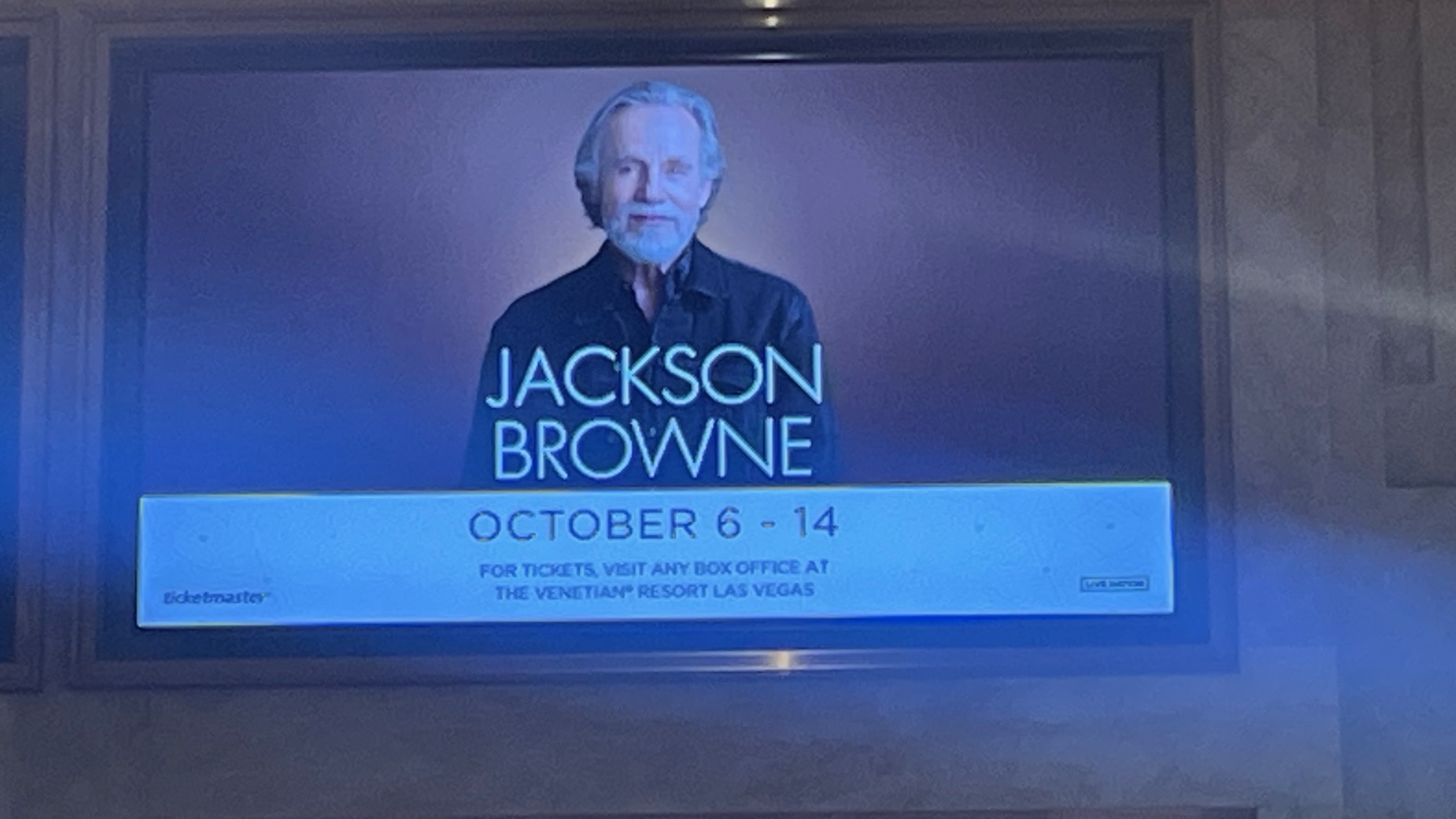
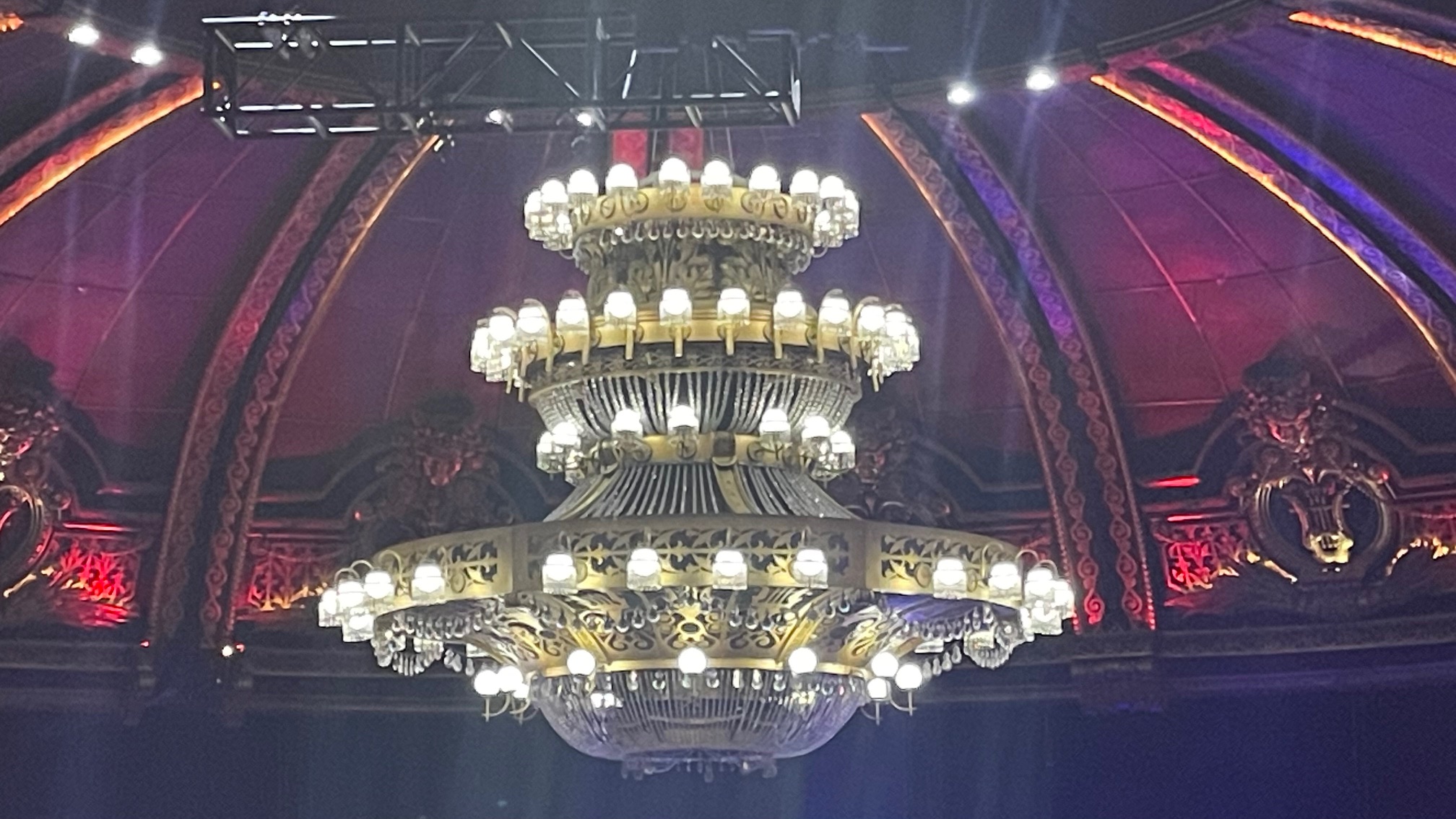
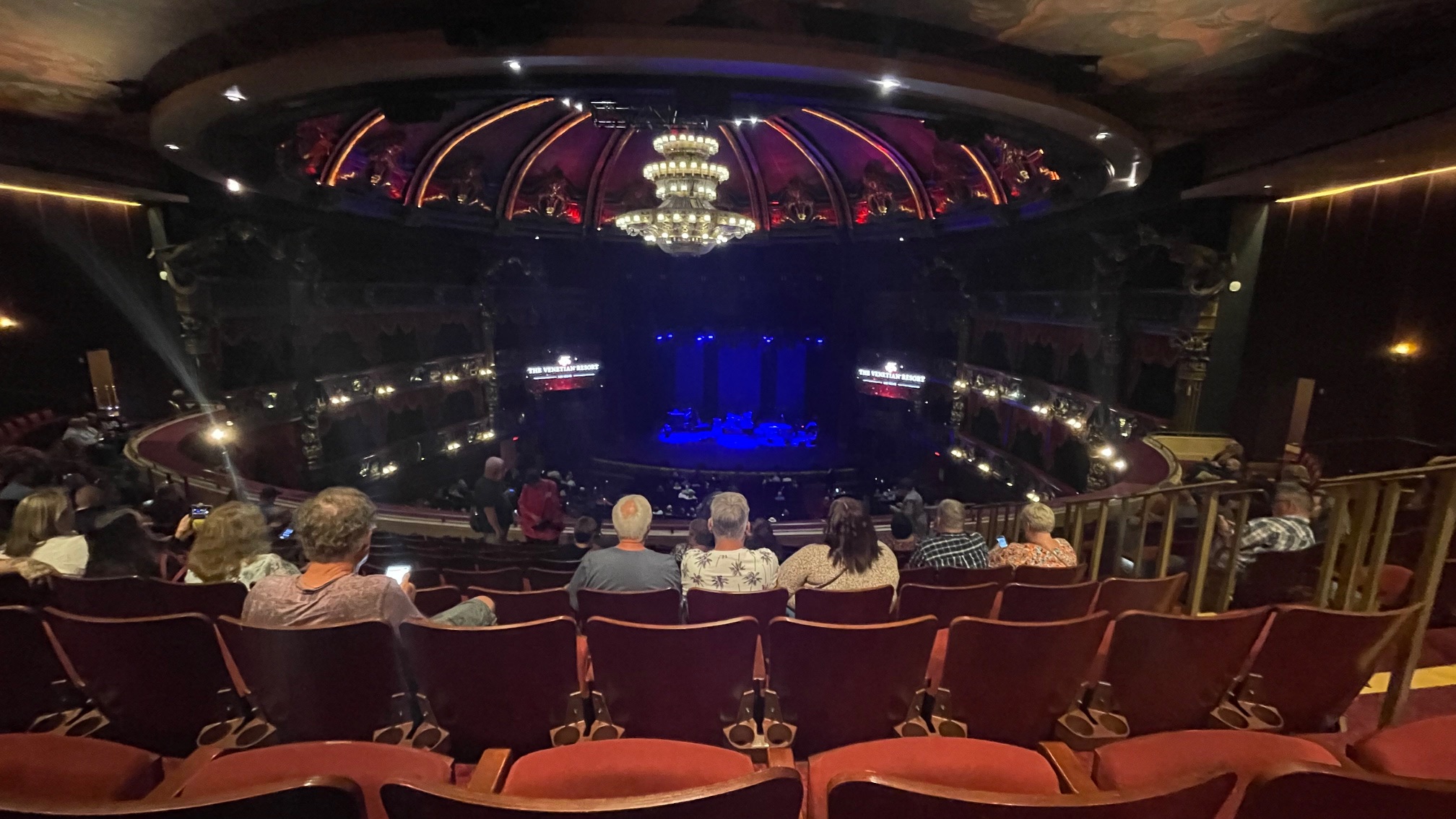
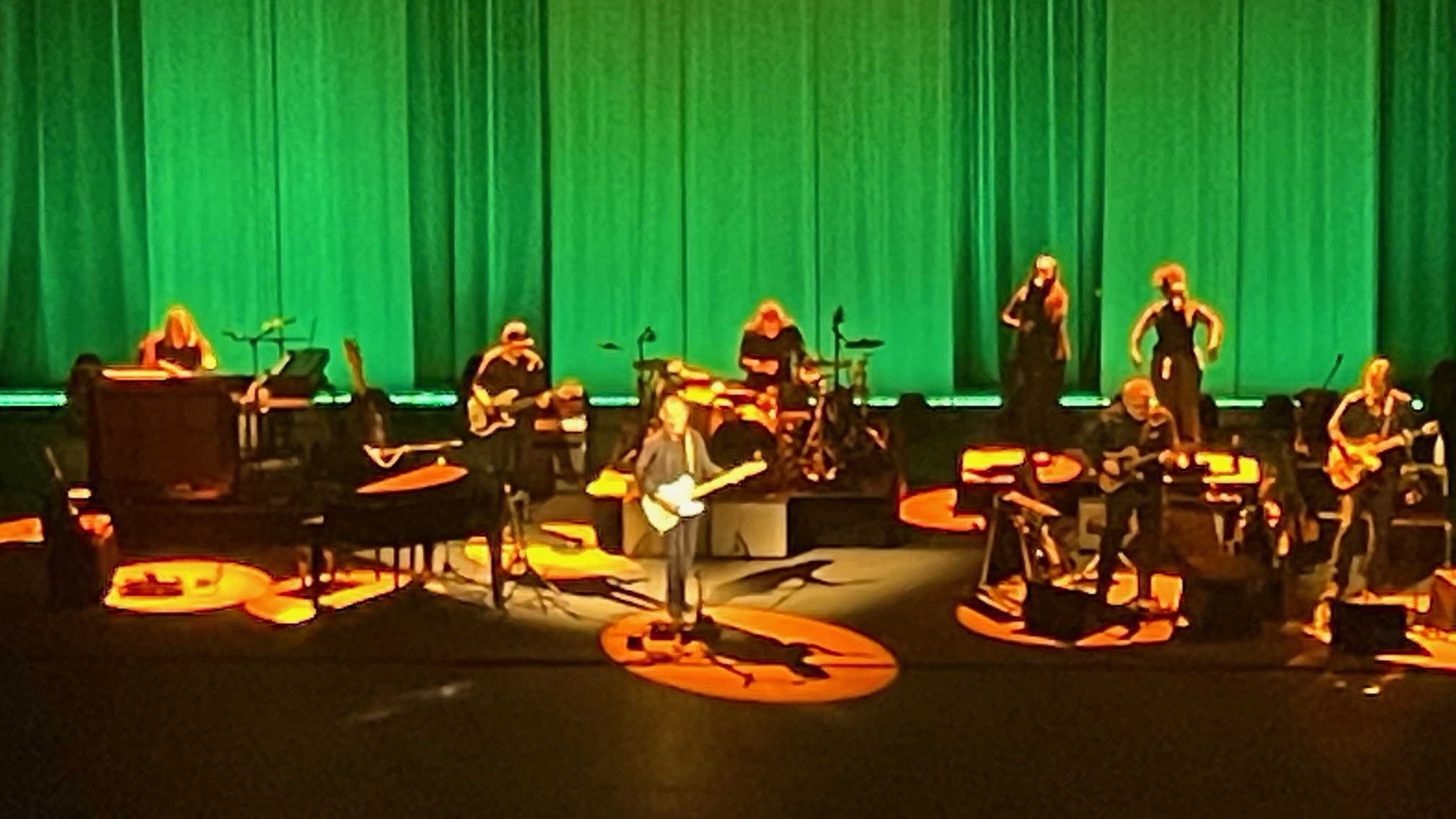
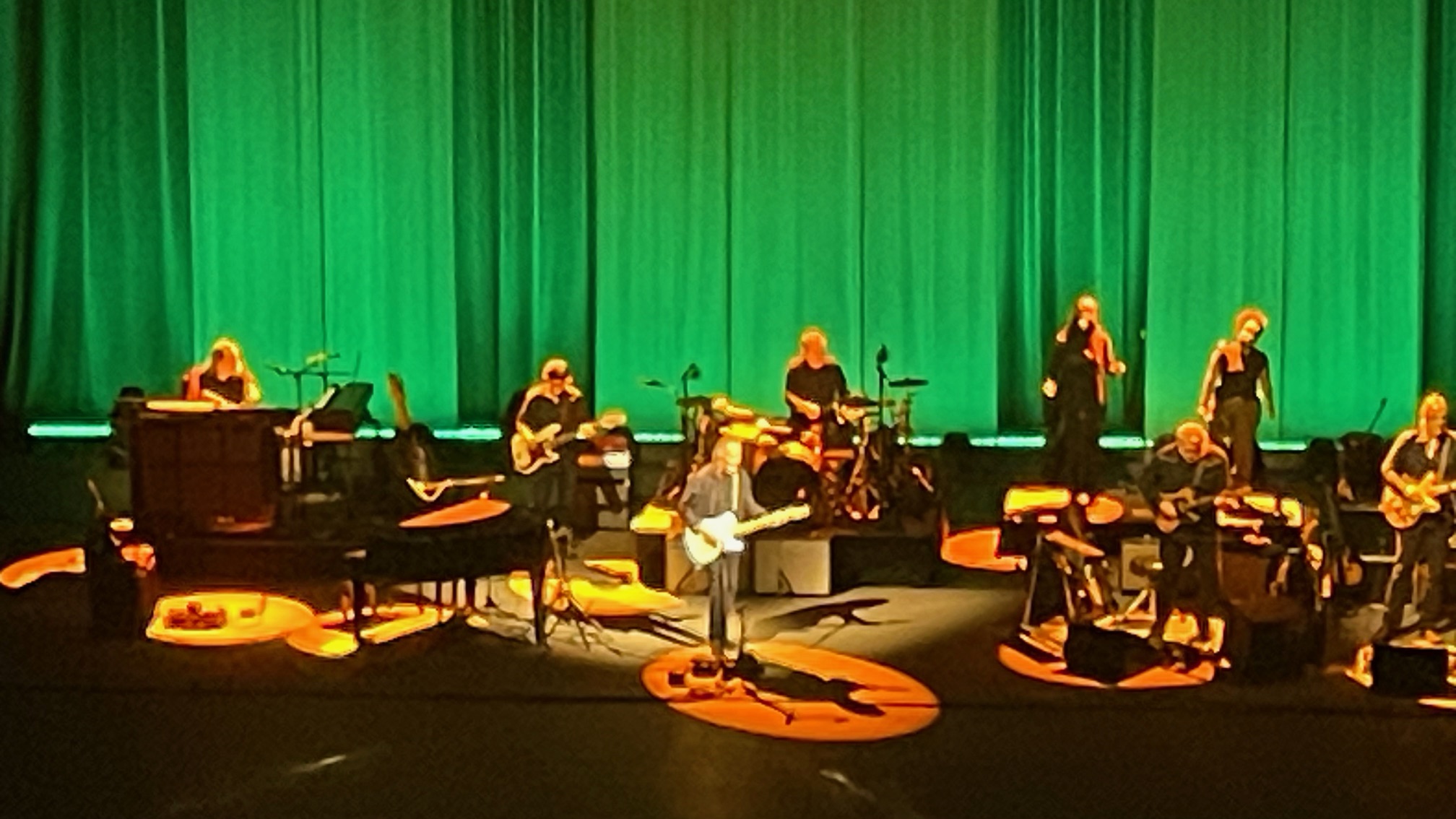
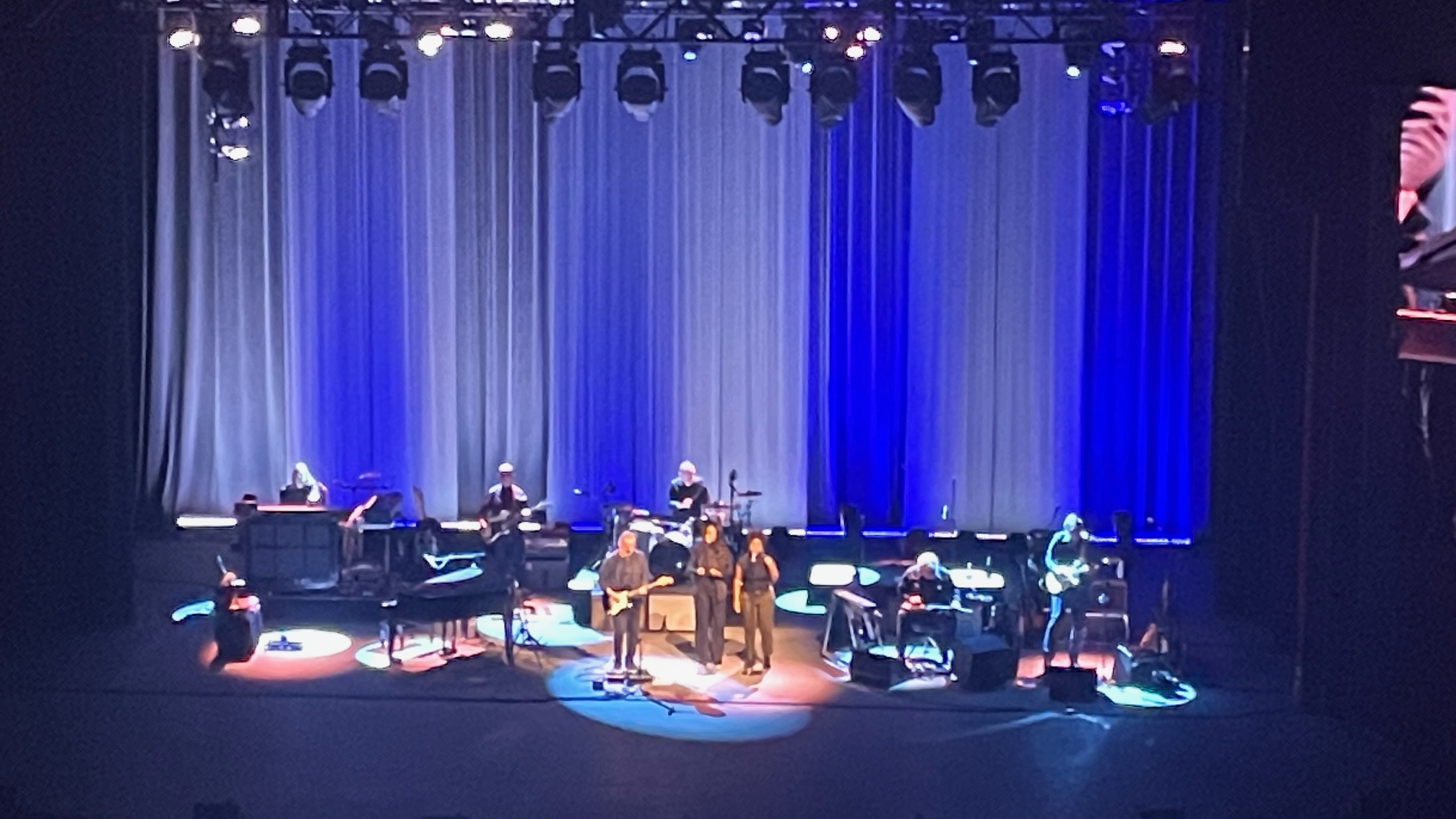
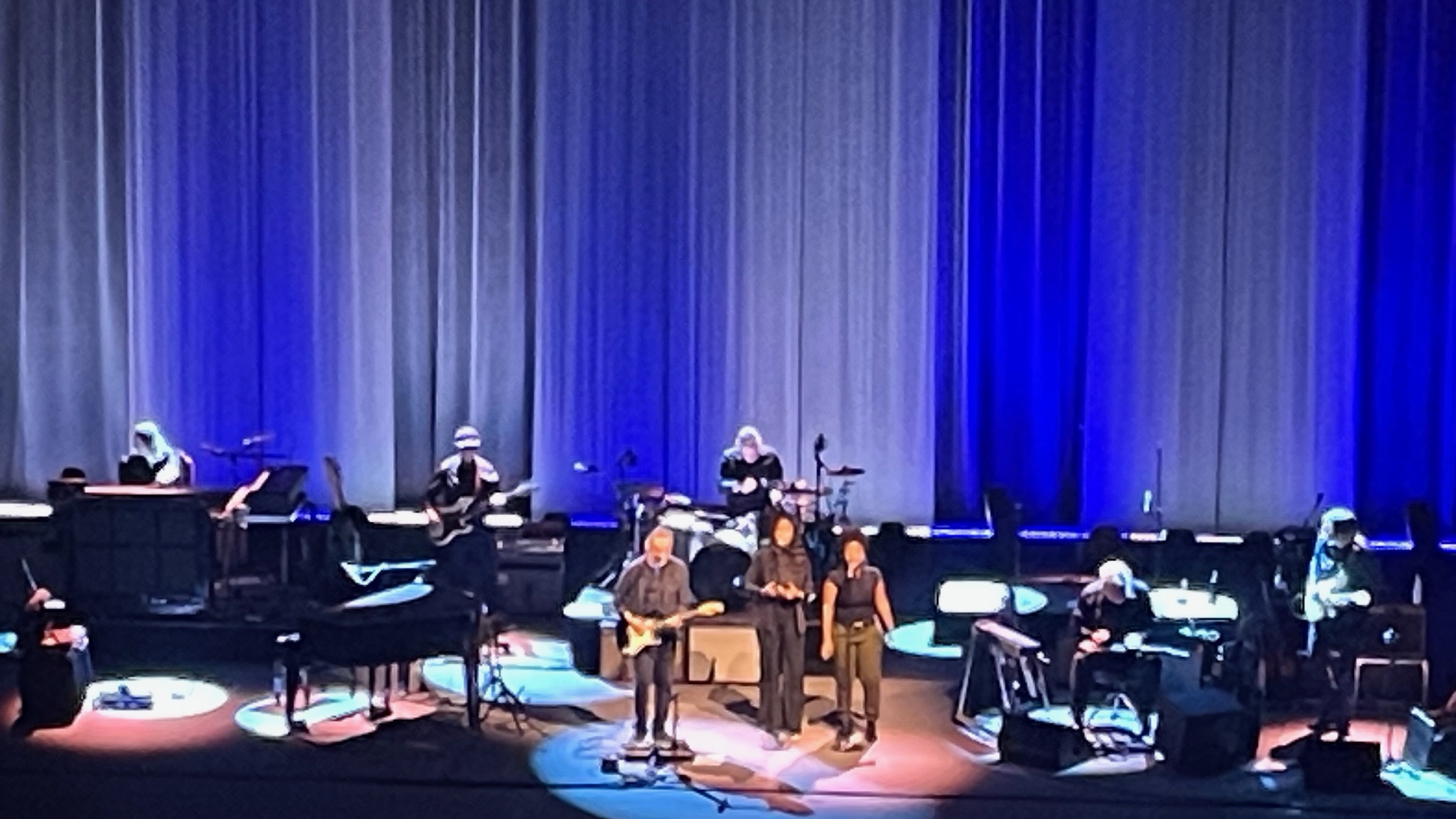
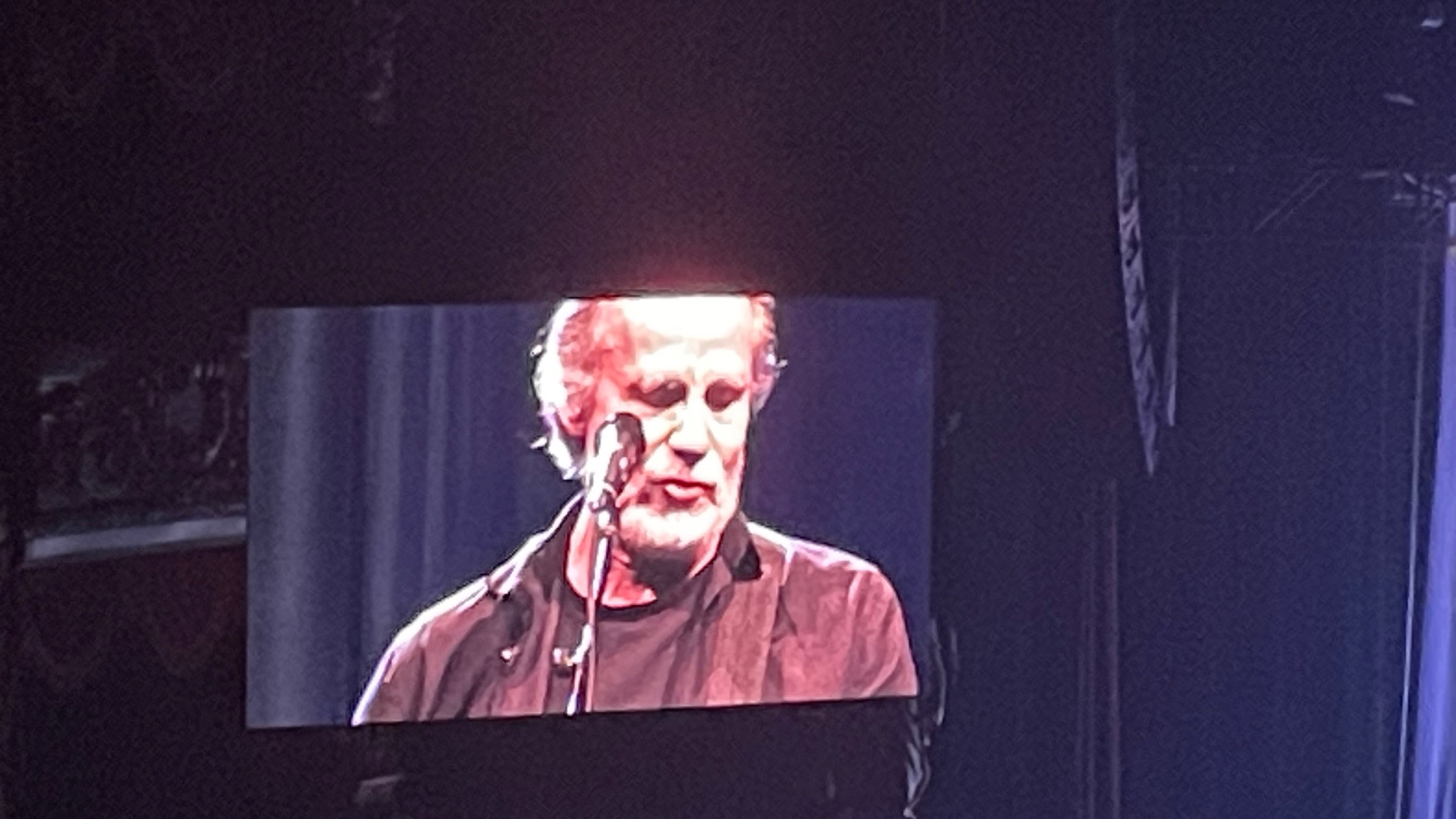
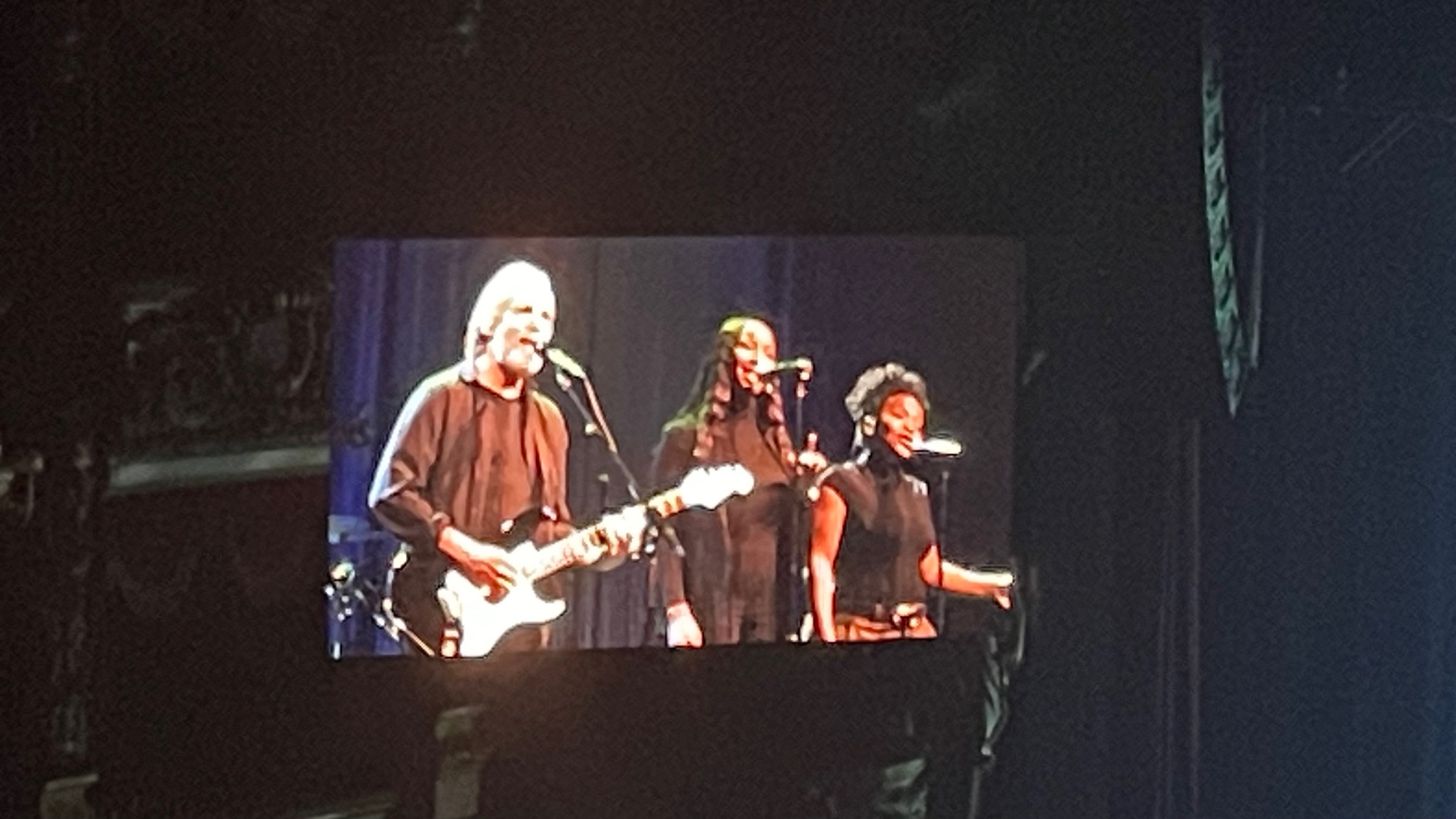
Jackson Browne – Live in Las Vegas

Seeing Jackson Browne Live in Concert at The Venetian Theatre in Las Vegas, Nevada.

Camera: iPhone 12

Location: The Venetian Theatre; Las Vegas, Nevada, United States

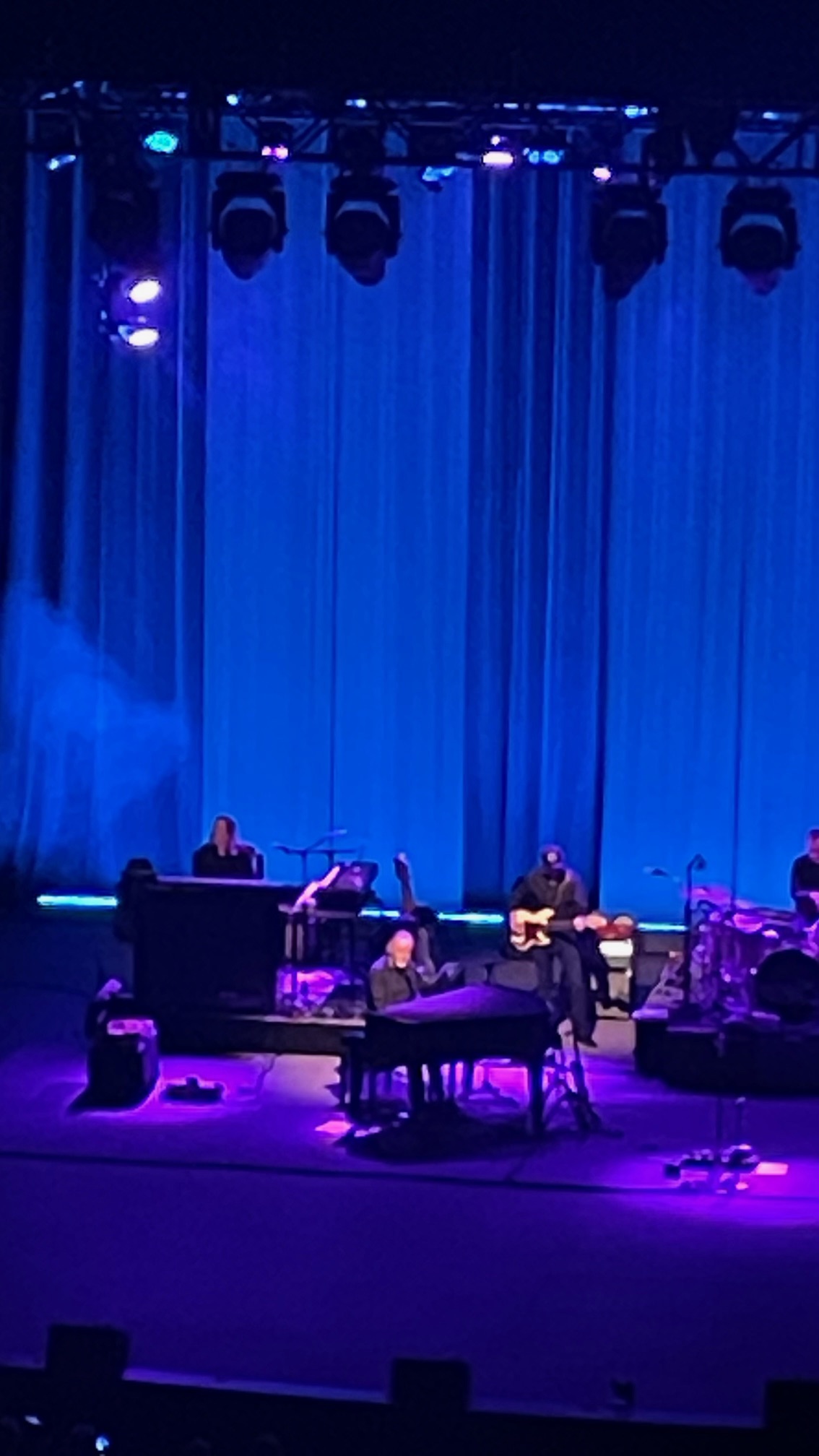
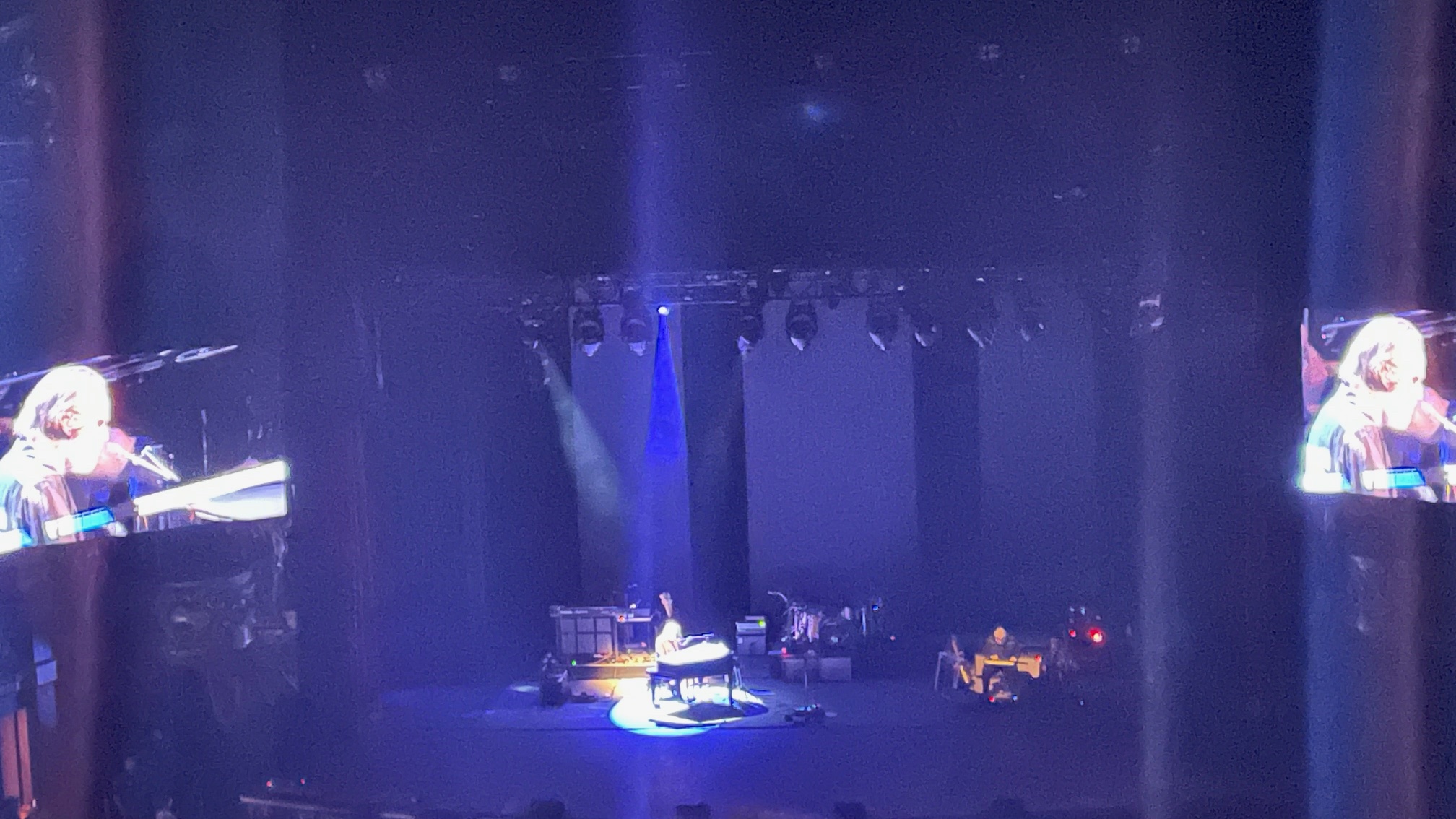
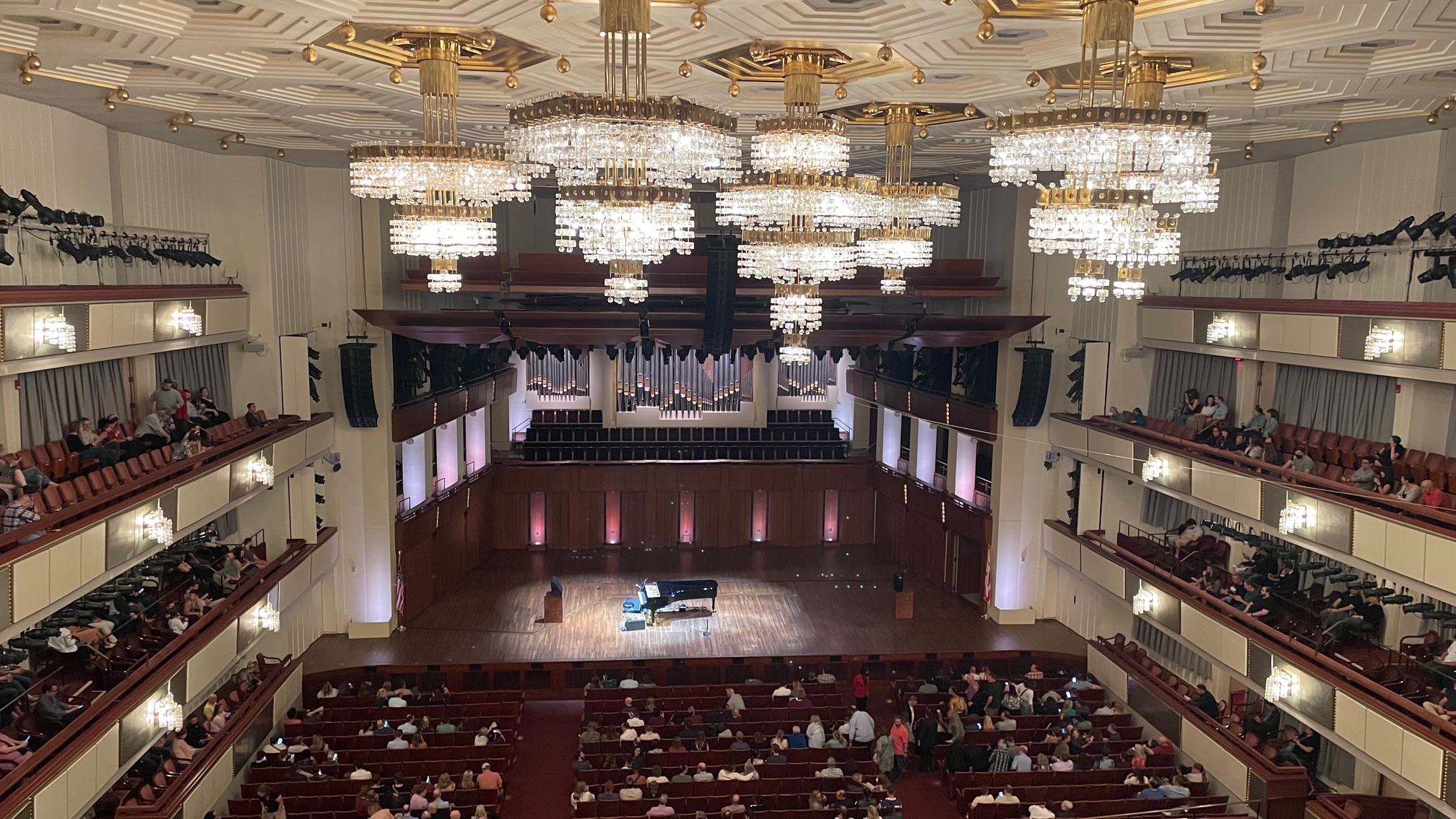
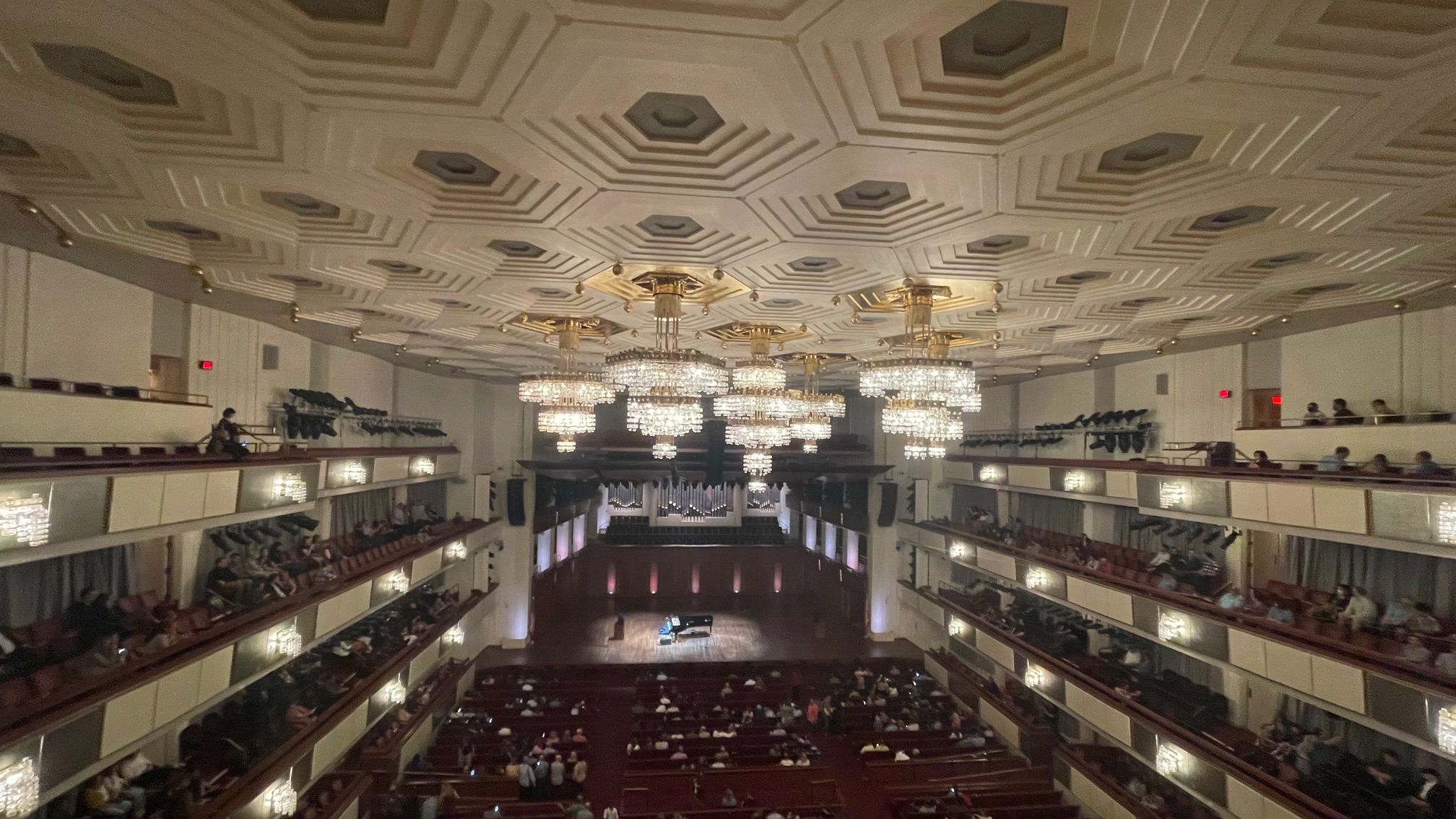
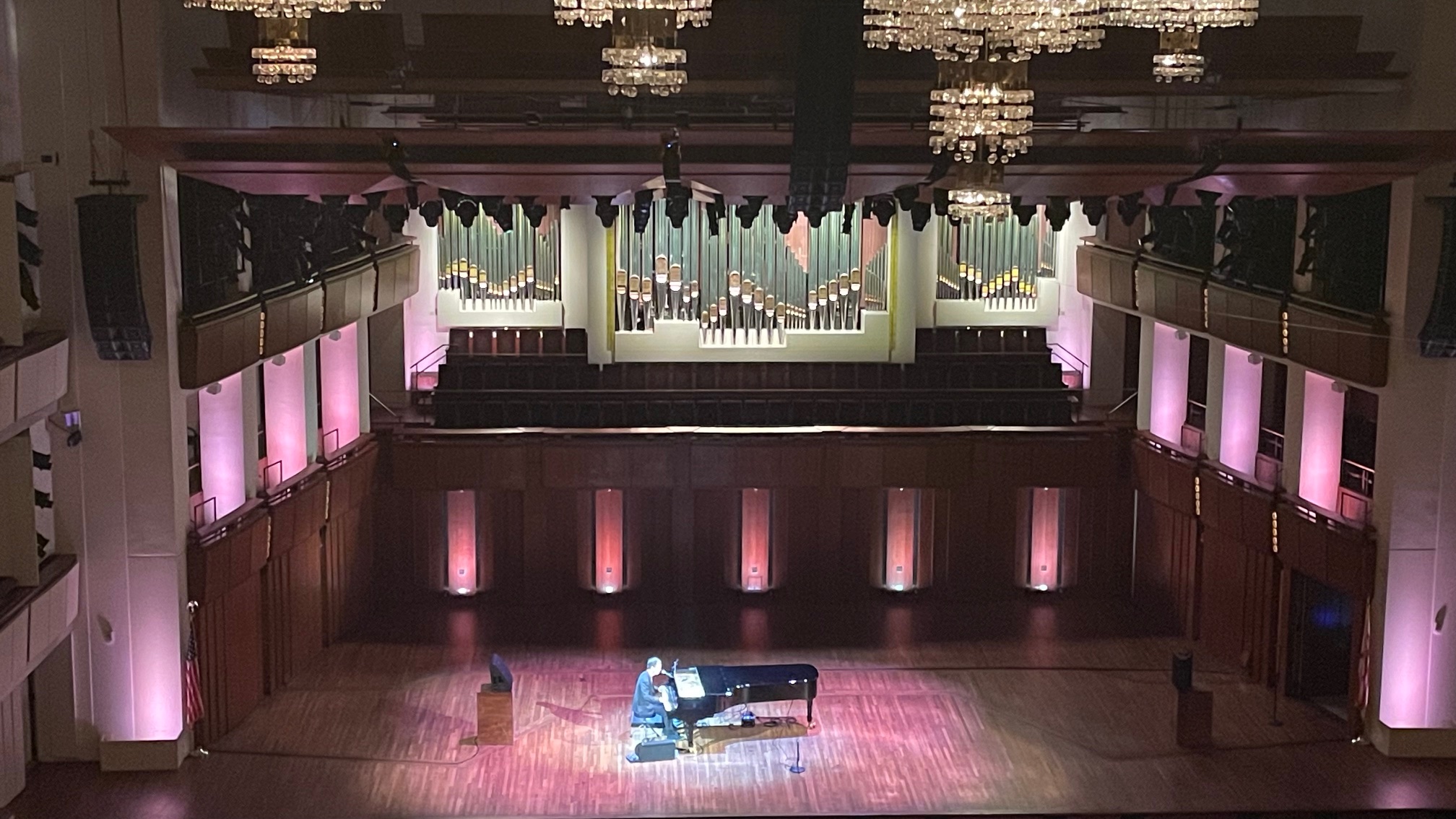
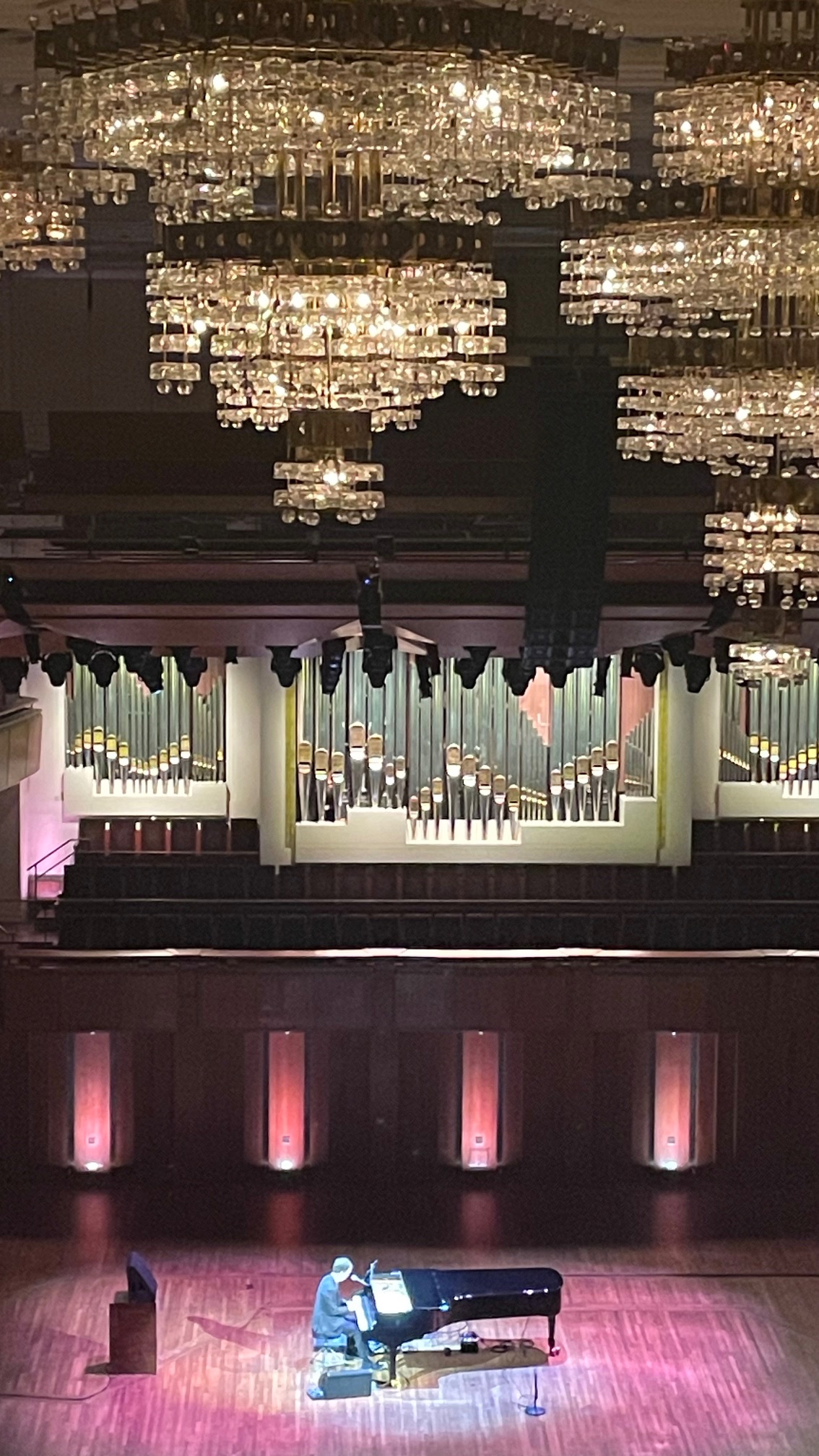
Ben Folds Live at The Kennedy Center

Ben Folds performing live in concert at the Kennedy Center in Washington, DC, USA in the Fall of 2023.

Camera: iPhone 12

Location: The Kennedy Center; Washington, District of Columbia, United States

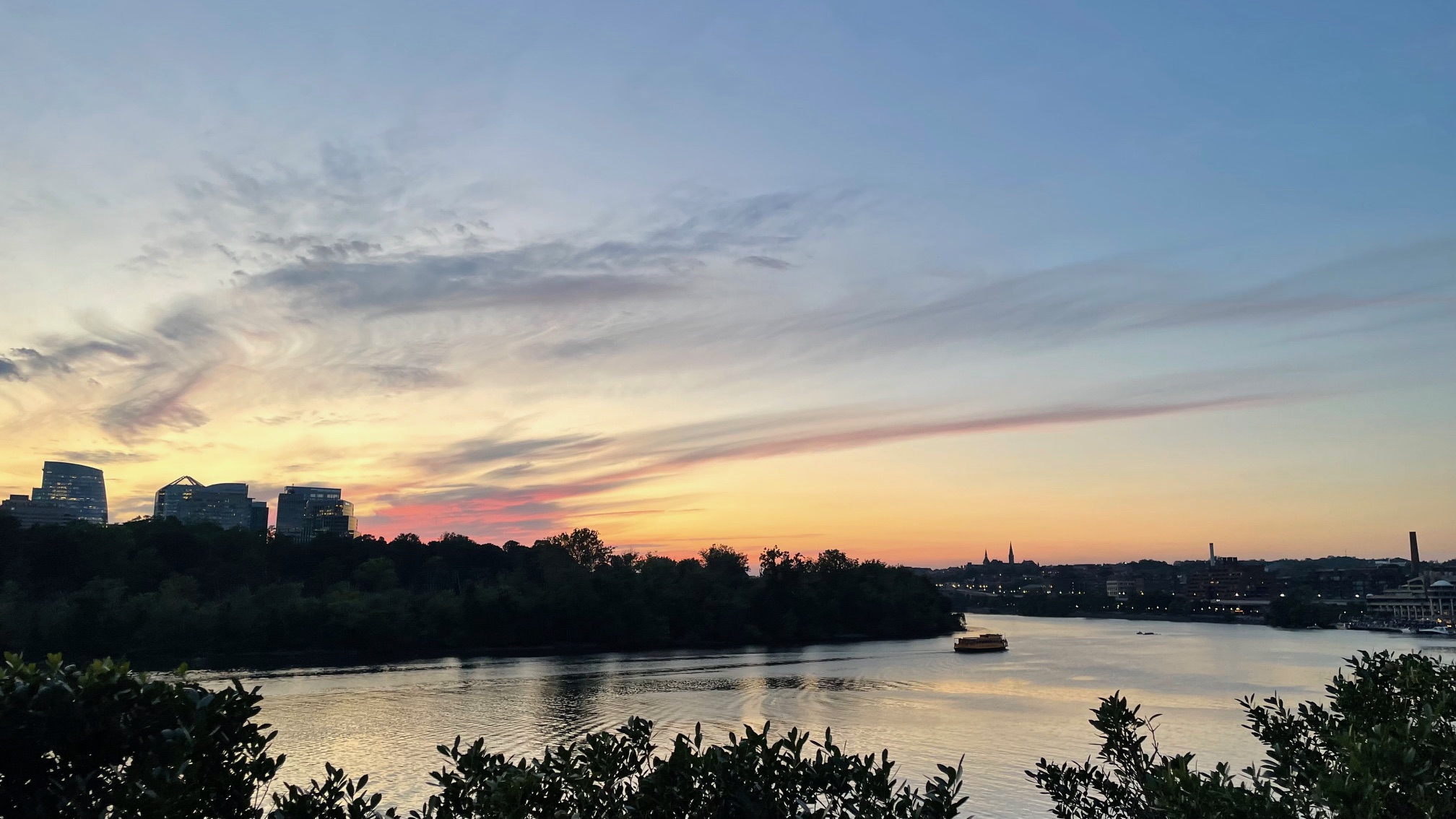
Smithsonian National Museum of American History

One of America’s most visited museums, the Smithsonian National Museum of American History on the National Mall.

Camera: iPhone 12

Location: Smithsonian Institution – National Museum of American History; Washington, District of Columbia, United States

Victoria, British Columbia, Canada

A quick visit to the city of Victoria on Vancouver Island in the British Columbia province of Canada.

Camera: iPhone 12

Location: Victoria, British Columbia, Canada

Ketchikan, Alaska

A First Visit to Ketchikan, Alaska

Camera: iPhone 12

Location: Ketchikan, Alaska, United States

Hiking in Juneau, Alaska

Hiking in Juneau, Alaska, USA

Camera: iPhone 12

Location: Juneau, Alaska, United States

A Day in Annapolis, Maryland

A Day Trip to Annapolis, Maryland

Camera: iPhone 12

Location: Annapolis, Maryland, United States

Dealing with Melancholy after Travel

“Still though, it’s hard for me after dozens of trips and hundreds of places visited to not have that feeling of melancholy wash over me after I come home again.”

There is a comedown feeling that happens after the end of a trip, regardless of how long or short it is. All the planning, the effort, the money spent, and the adrenaline rush that goes into relocating yourself elsewhere creates a unique feeling that is hard to replicate. Often, the trip will go smoothly, and you’ll have fond memories to look back on long after it’s over. Still though, it’s hard for me after dozens of trips and hundreds of places visited to not have that feeling of melancholy wash over me after I come home again.

Luckily, it is not a deep melancholy, but it is a melancholy of missing the feeling of being on an adventure or not knowing that the next day will bring. It’s the pure excitement of the unknown, of yearning to experience a new thing or event or place, and about being more open than usual to meeting new and often interesting people you encounter during your travels. Being able to settle back into your usual routine can be a bit of a downer after the rush of going from place to place, city to city, and being footloose for a while.

Despite a routine not being the most fun to go back into, it is necessary to reestablish a routine again as it can provide some comfort after a trip rather than doting on the past trip, however fun and exhilarating it may be. I do believe we need a routine in our lives often, rather than be rudderless and without anything to focus on. If our travels are temporary and we do not live life on the road on a permanent basis, easing back into our daily lives takes time but if we don’t have anything to refocus our attention on after a trip, the melancholy can be even more profound and difficult to deal with.

It is a good idea to develop your hobbies, interests, and your goals even more after a trip to accomplish what you want to set out to do with the time you have been given. Devoting yourself to something you’re working on or taking time to achieve something you want for yourself is a good way to deal with the blues that can happen after your travel is over. Being able to have ‘travel’ as something you enjoy doing is important, but it should not be the only thing you have going for you in your life. We cannot only be one-dimensional in our focus no matter how much we enjoy taking ourselves on the road.

Being able to share your travels with others is important because it helps hone and shape our memories. You may not be able to talk about your trip as much as you would like if you would like but it is good to share with your family and friends how it went because it’s likely they will want to know how it went. Beyond that, make sure to take care of your mementos, souvenirs, keepsakes, and other items you brought back with you, because they will give you a comforting feeling from having been to that place or done that activity, and it is good to reflect on the travels you’ve done in a sustainable way. I also like to organize my photos, create canvas prints, and even share videos from the places I’ve been and to keep them in my own records to reflect on to remember better of where I was, who I was back then, and how I felt about the trip.

Lastly, keep thinking of ways to travel again to go back to the place(s) you loved again or try new places you want to visit. Travel should be a passion that sustains you throughout life and you should know that it is a marathon, not a sprint. I like to casually look at where I want to go next as I do like to plan, and I always like to have something to look forward to. Think about the culture, the language, and the people who live in the place you’re going to and start studying up in advance to learn more about what it will be like there potentially and how to prepare yourself for the trip you want to take next.
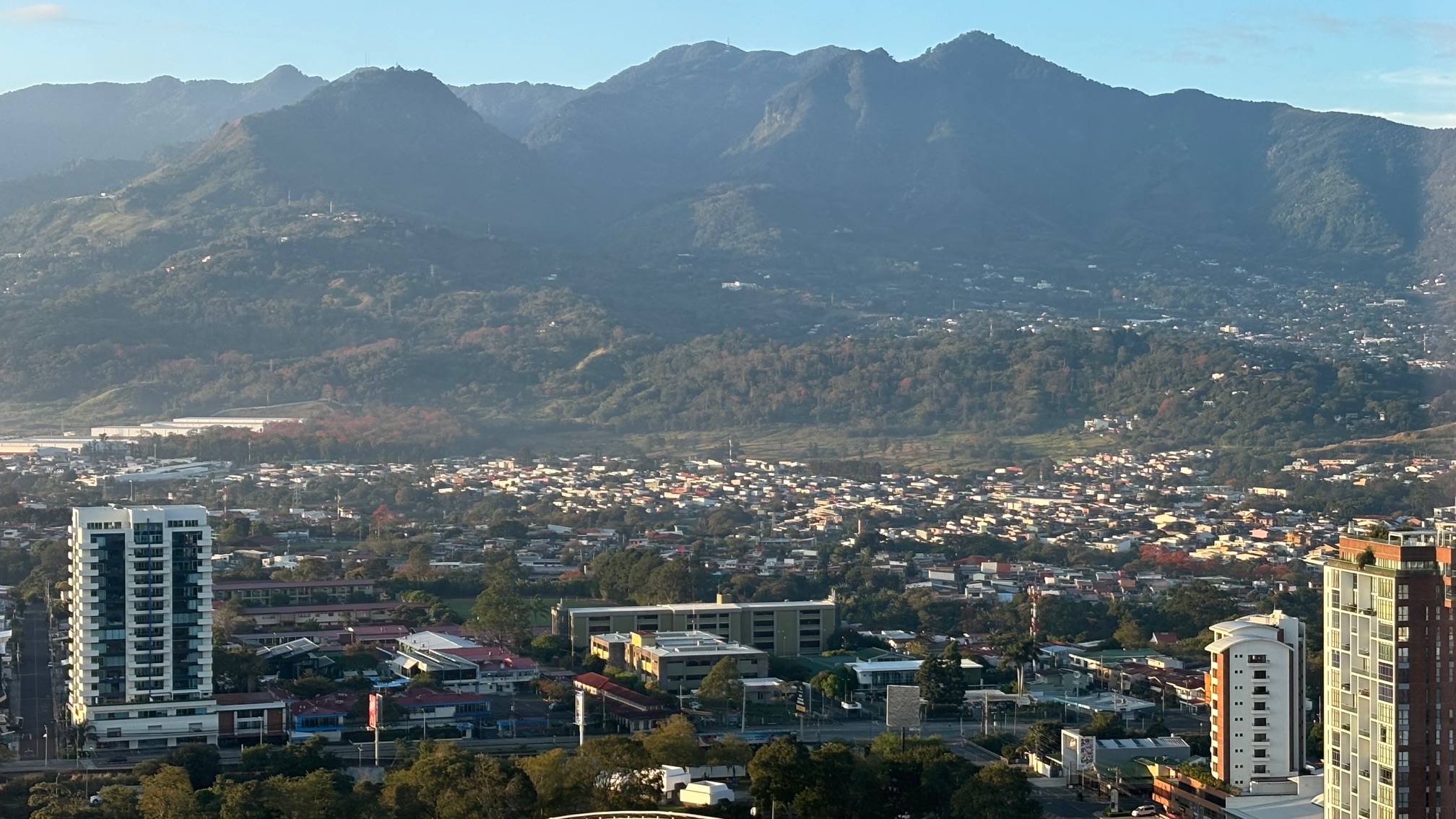
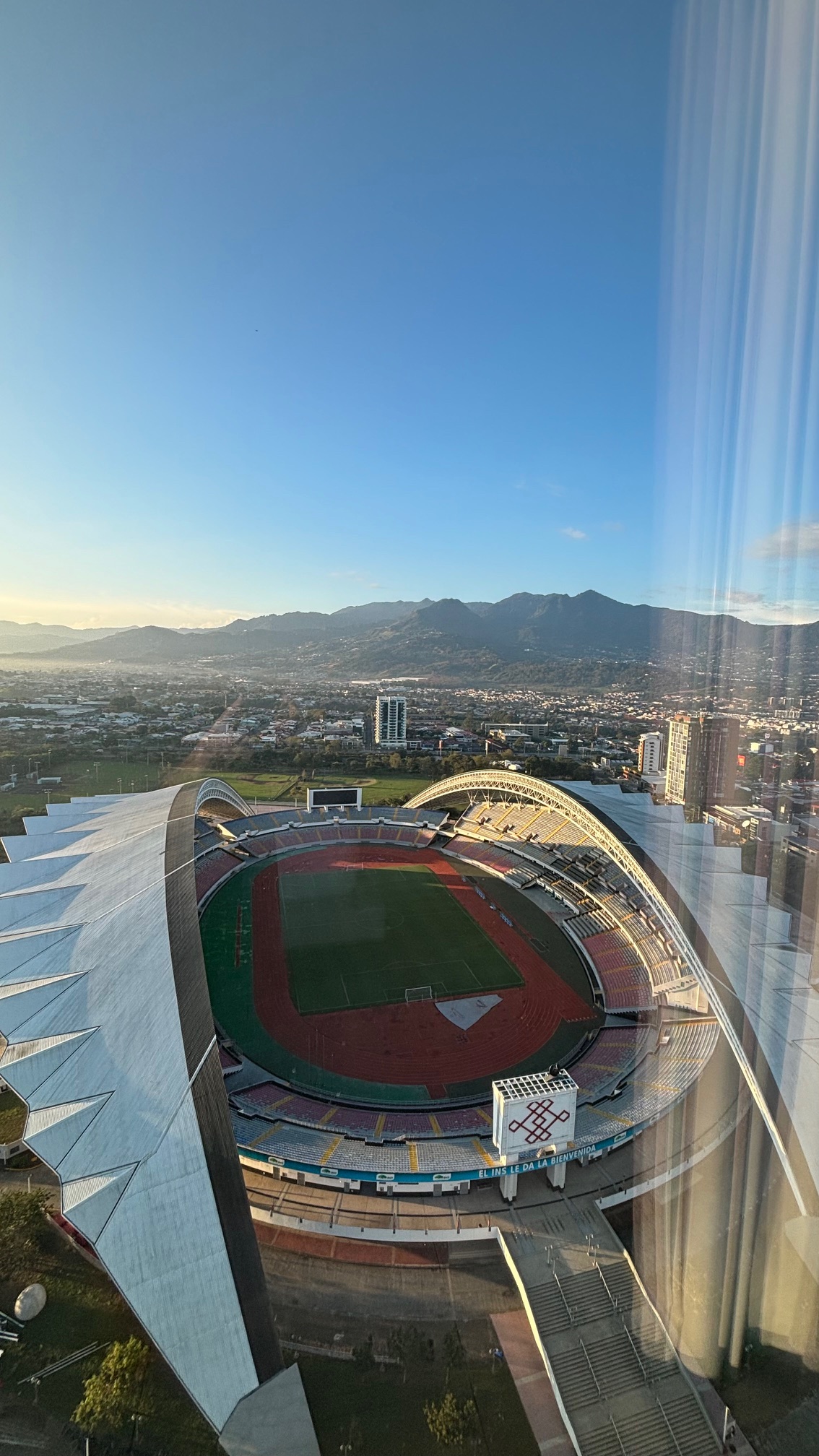
The most rewarding travel experiences for me have been those that I spent time learning the language (if need be), studying the places I want to visit as part of the itinerary, and devoting time to knowing the history and the culture a bit there. Travel is more than just taking photos and eating good food to me. While those are both enjoyable to do on a trip, I do make a conscious and concerted effort to know a bit about where I am going, and to learn as much as I can before I step on the bus, plane, or train.  As travel writers have noted, it’s not the destination that is the central reward but the journey it takes to get there.

Remember, when you get back home, it’s not the end of your traveling days. You may have put the suitcase away and the mementos on the shelf, but you’ll be back on the road again, and sooner than you may think. Embrace what you’ve done, enjoy being home for a little while and seeing friends, family again while keeping up a routine, and start planning for your next trip when you can. Travel may not be your permanent mode of living as it isn’t for most people, but once you go somewhere, even if only for a short while, you’re still a traveler for life, and that is something that will never change.

Watching The World Go By In Paris

“Many cities are great for people watching or just seeing daily life transpire in front of your eyes, but Paris is different from the others because you are allowed to slow down fully to take it all in.”

Few cities embrace the pleasure of watching the world go by more than Paris. No wonder why writers from all corners of the globe have come to the ‘City of Lights’ to be inspired to reach their creative goals. If you’re a keen observer as any good writer should be, you’ll see all walks of life come through Paris each day. Whether it’s a starry-eyed tourist with a camera in their hand, a bookkeeper plying his trade by the Seine River, or a street music performer trying to earn a Euro or two. Many cities are great for people watching or just seeing daily life transpire in front of your eyes, but Paris is different from the others because you are allowed to slow down fully to take it all in.

In Paris, the pace of life is fast like any city but the city’s awe-inspiring beauty, its prominent café culture, its pleasant on their ears language of French encourages you to slow down, have a coffee or a pastry, sit down with a book or a pad of paper, and really take it all in. One of my favorite aspects of the city is that compared to most major cities or even other cities I’ve been to in France is that you are encouraged not to rush the experience whether when you’re dining, drinking, or smoking (for those who partake).

No one cares how long you sit at a café or a brasserie (some places are even open 24/7), if you pay for something on the menu and be kind to your server. Some tables may have you face each other if you’re with a companion but often, your chair(s) and table will be facing out on to the lively Parisian streets or plaza whether you are alone or with someone else.

Paris does not bemoan the lone traveler or the lone wanderer who comes to visit it. It is perfectly normal to be by yourself with your thoughts, your sketch pad, and your cup of coffee spending as much time as you need with whatever you happen to be working on. I’d imagine that even if you visit in the Fall or Winter, you’ll still see people out in the streets or in the plazas, talking, laughing, eating, drinking, and making the most out of their lives in the big city. When you are in Paris, you can watch the world go by and even if you’re in a rush personally that day with work or studies, the city will encourage you to slow down, stop somewhere, and take in its ever-enchanting beauty and detail.

Writers, painters, musicians, and other kinds of artists have had a field day with creating great works from having lived in Paris because there is so much to be inspired by. The city of Paris and French culture, in general, have a high emphasis placed on beauty, aesthetics, and the art of good presentation. Any type of artist will be able to come to Paris to draw or paint about the daily scenes of life they see there, have time to think deeply about their approach to their work, and foster ideas without being interrupted endlessly.

Even with the humming noise of traffic and pedestrians, it is not a overly loud city when compared to other major cities I’ve been to in the world. You can find those moments of quiet and peace amid the waves of people and vehicles who pass you by. Sitting and facing out towards the world and not with your back to it allows you to assess better how you fit into this magnificent city and where you fit into its ever-changing melody and rhythm.

I believe you could spend years in Paris and not have tried every restaurant, café, brasserie, or bar. There are seemingly endless places to sit, drink, relax, think, write, and reflect, which is why the city is and will always be such a haven for brilliant artists of all kinds throughout the millennia. Paris encourages you to soak it all in and to pay attention to what you’re surrounded by.

Throughout Paris’s history, the city has sought to inspire humanity to move forward through making new inventions, creating new works of art, writing new literature, and building more beautiful and awe-inspiring architecture. When you think about a self-fulfilling prophecy for a city to have, Paris was built on reaching higher and higher in terms of our human aspirations to create beauty in this life and to find the beauty in each other.

We may fall short from time to time, but Paris is a city built on pursuing excellence in all facets through the pursuit of one’s dreams. For those people who are creative in any sense of the word, who want to share their creativity and gifts with the world, Paris is a great home to begin doing so. When you come to the ‘Ville de Lumiere’, not only can you watch the world go by without a care in the world and be able to take in all its beauty and charm, but you will also be inspired by the city that was built on fulfilling the hopes and dreams of its many inhabitants.

Paris would not be the city it is today without the creative and forward-thinking men and women who built it to be what it is today and will remain for the future, a beautiful and inspiring beacon of human ingenuity and vision that inspires both visitors and Parisians alike.