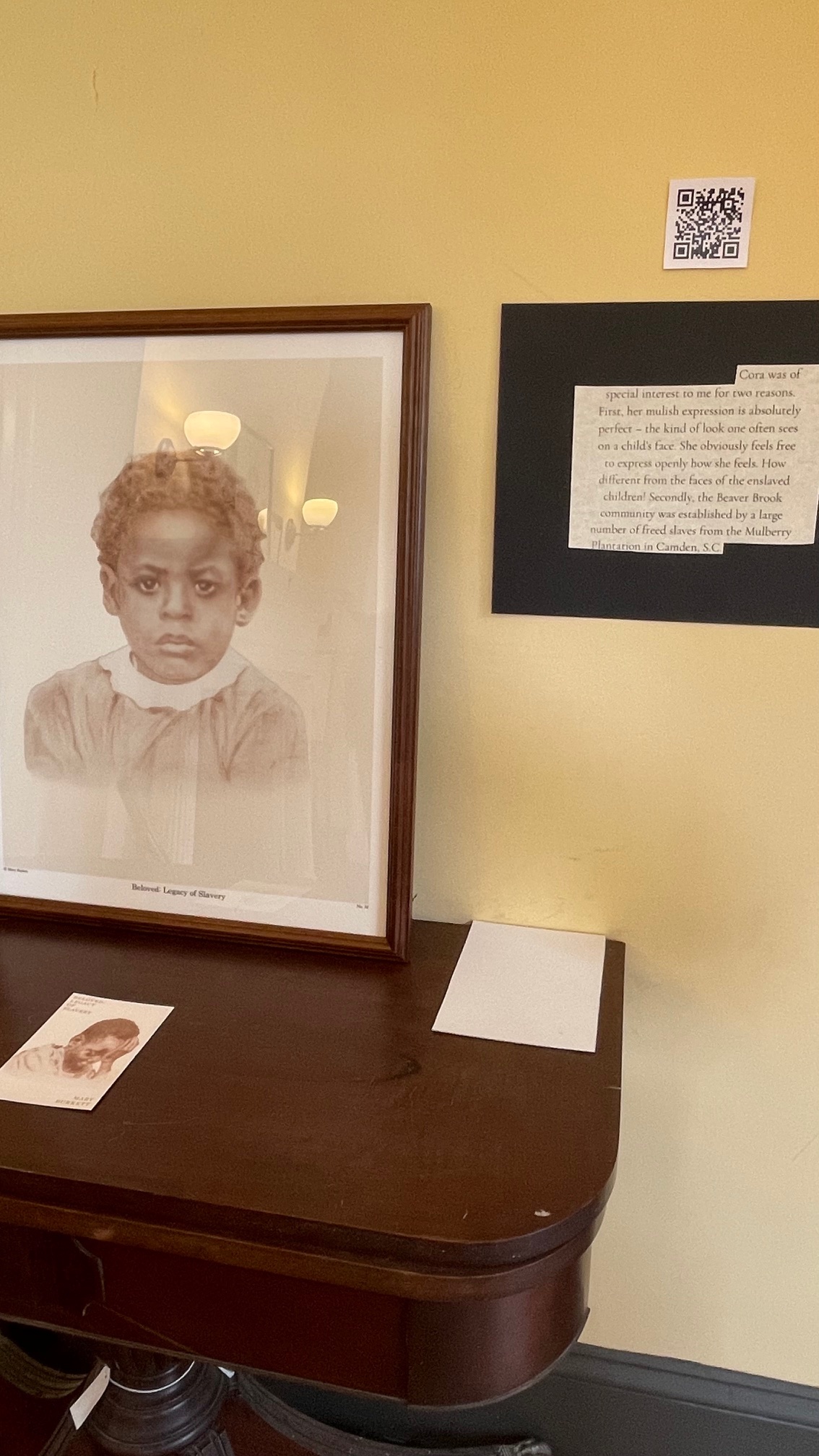
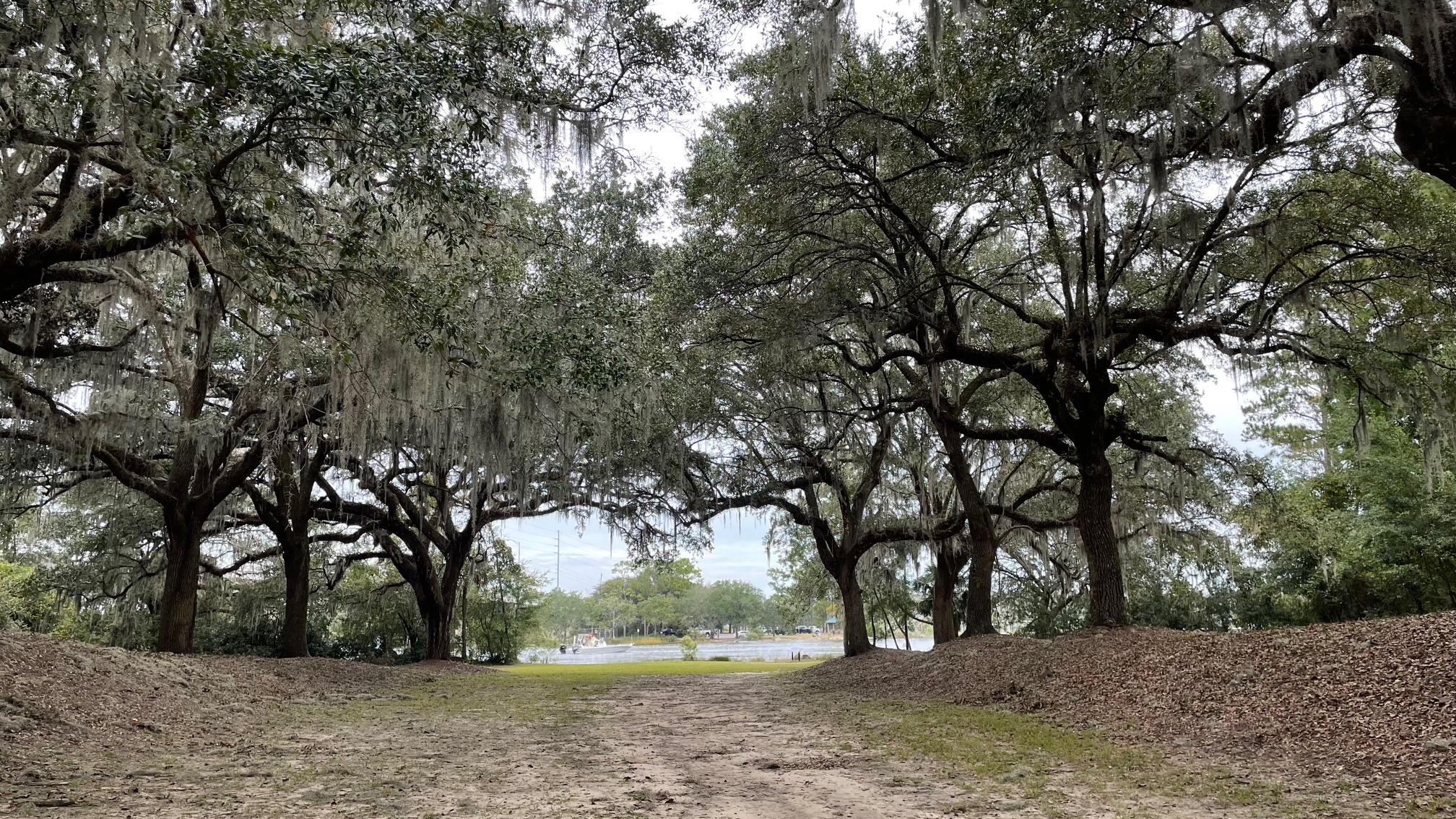


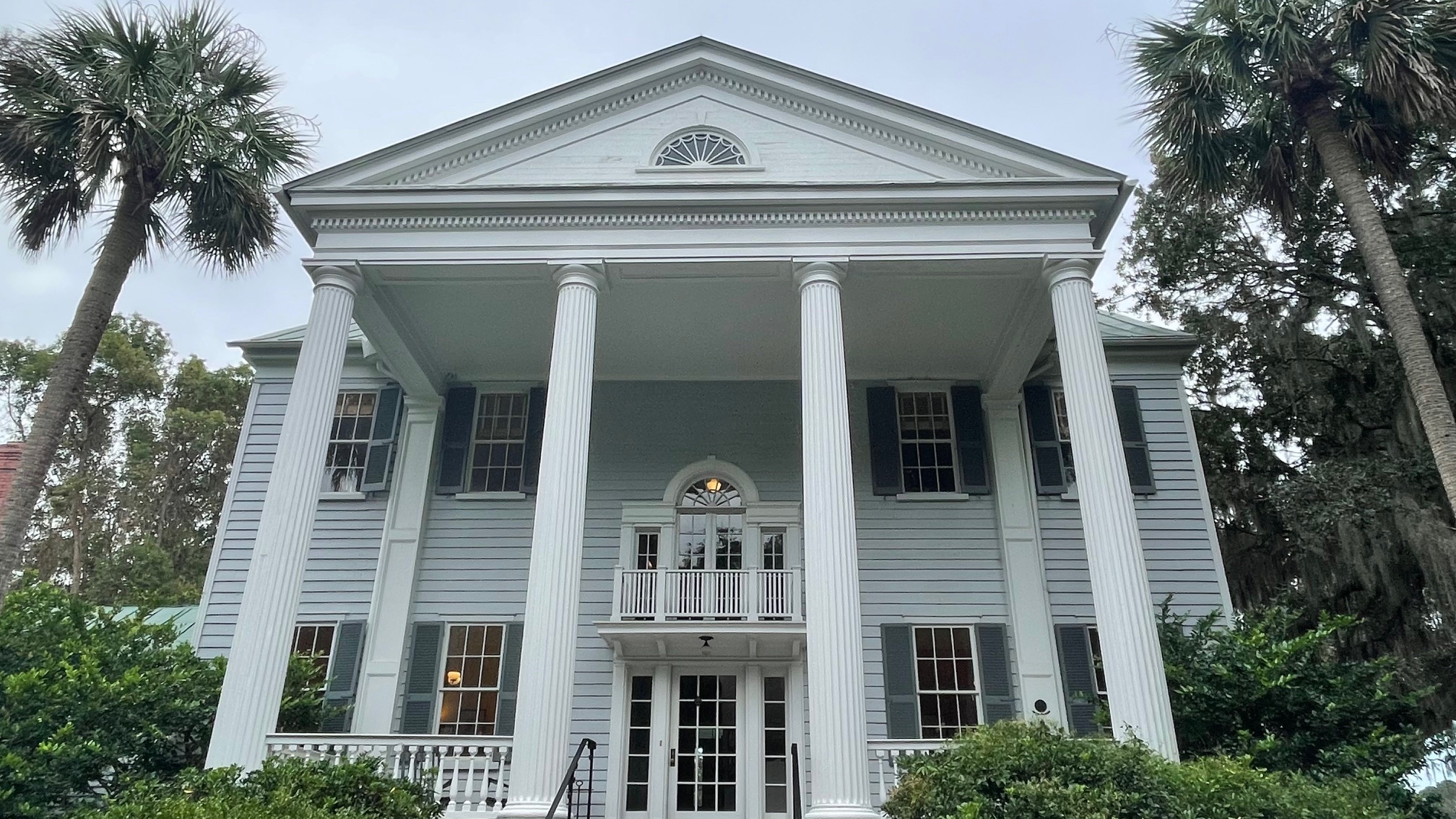
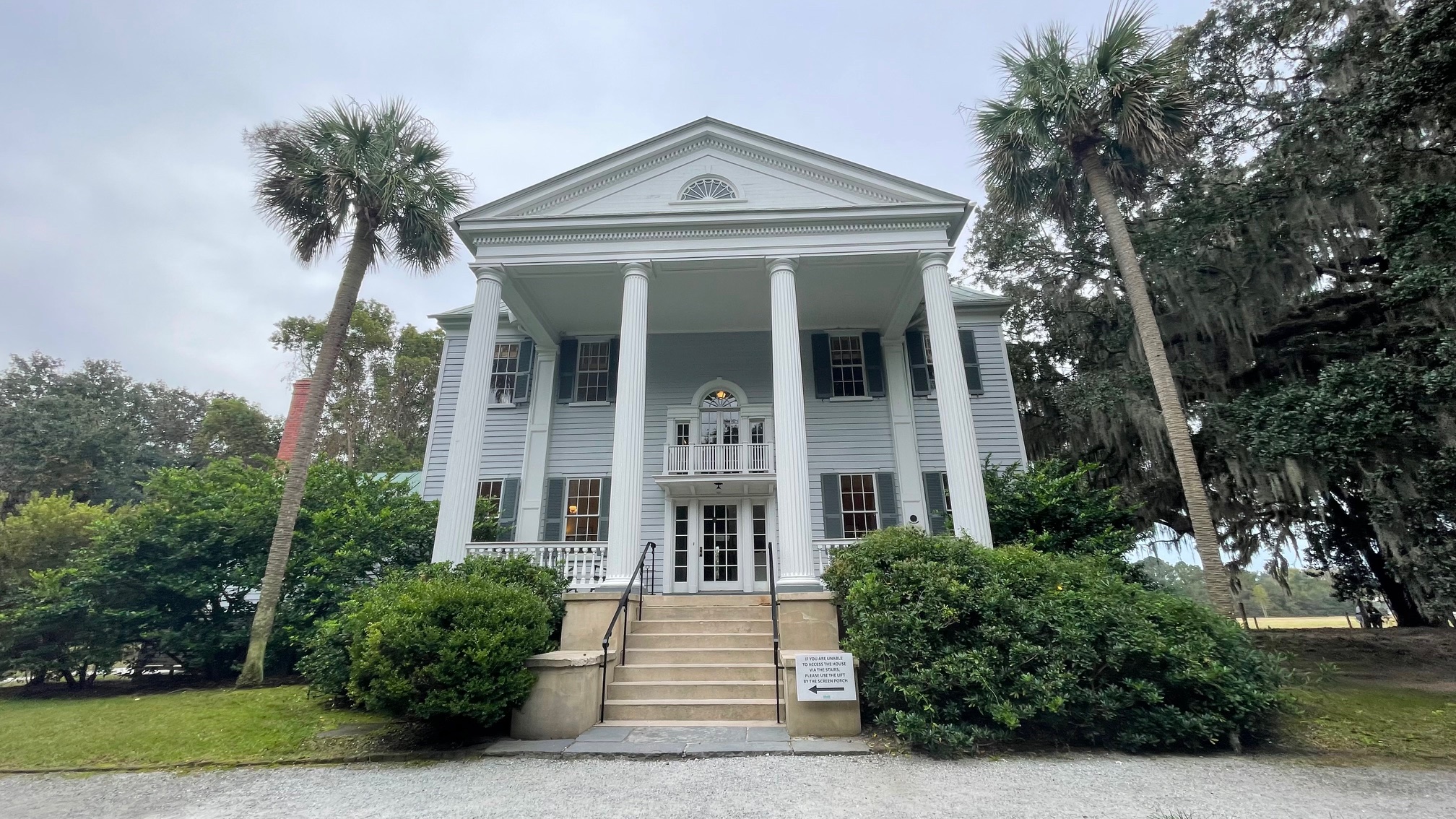


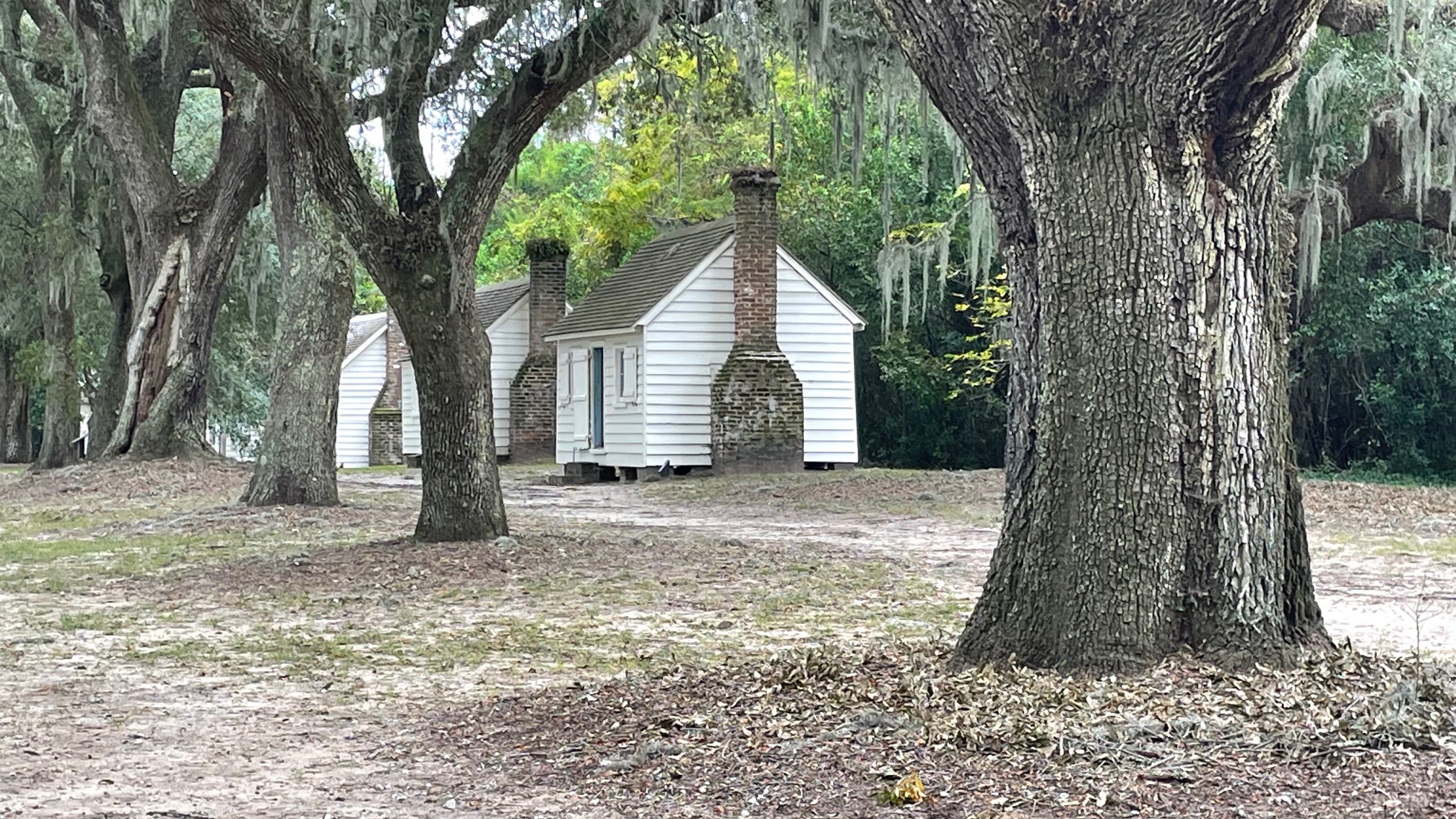
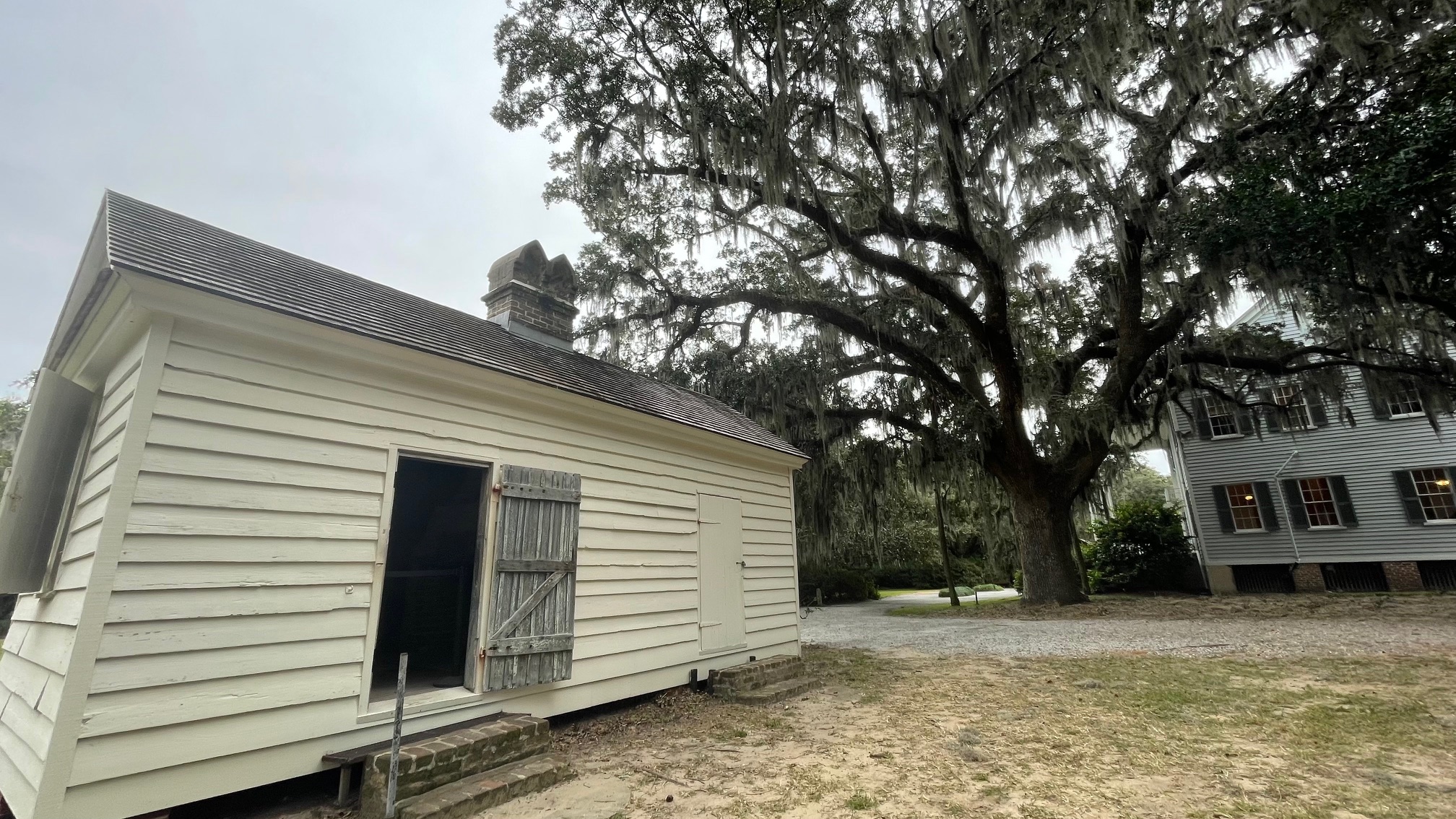

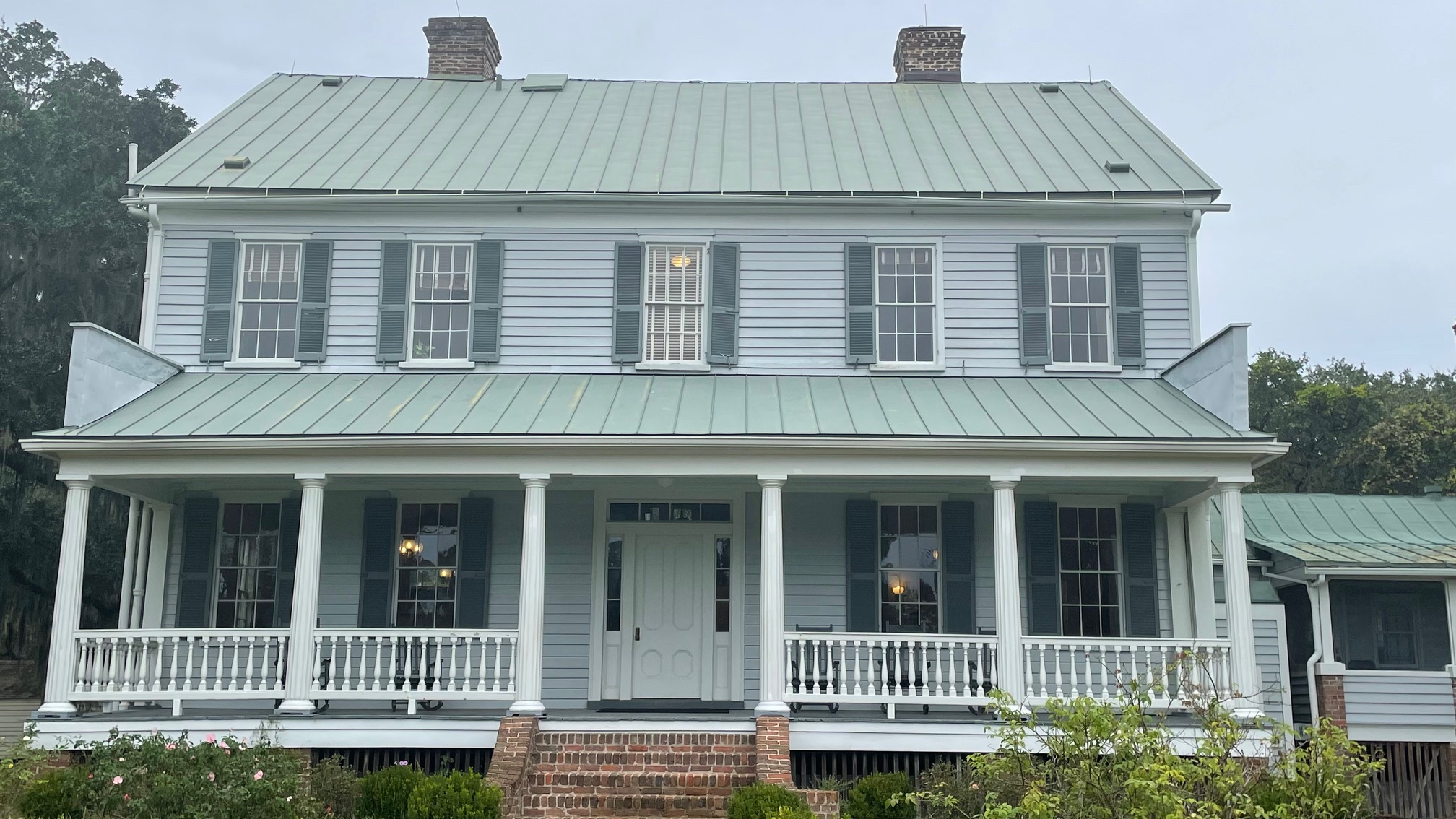
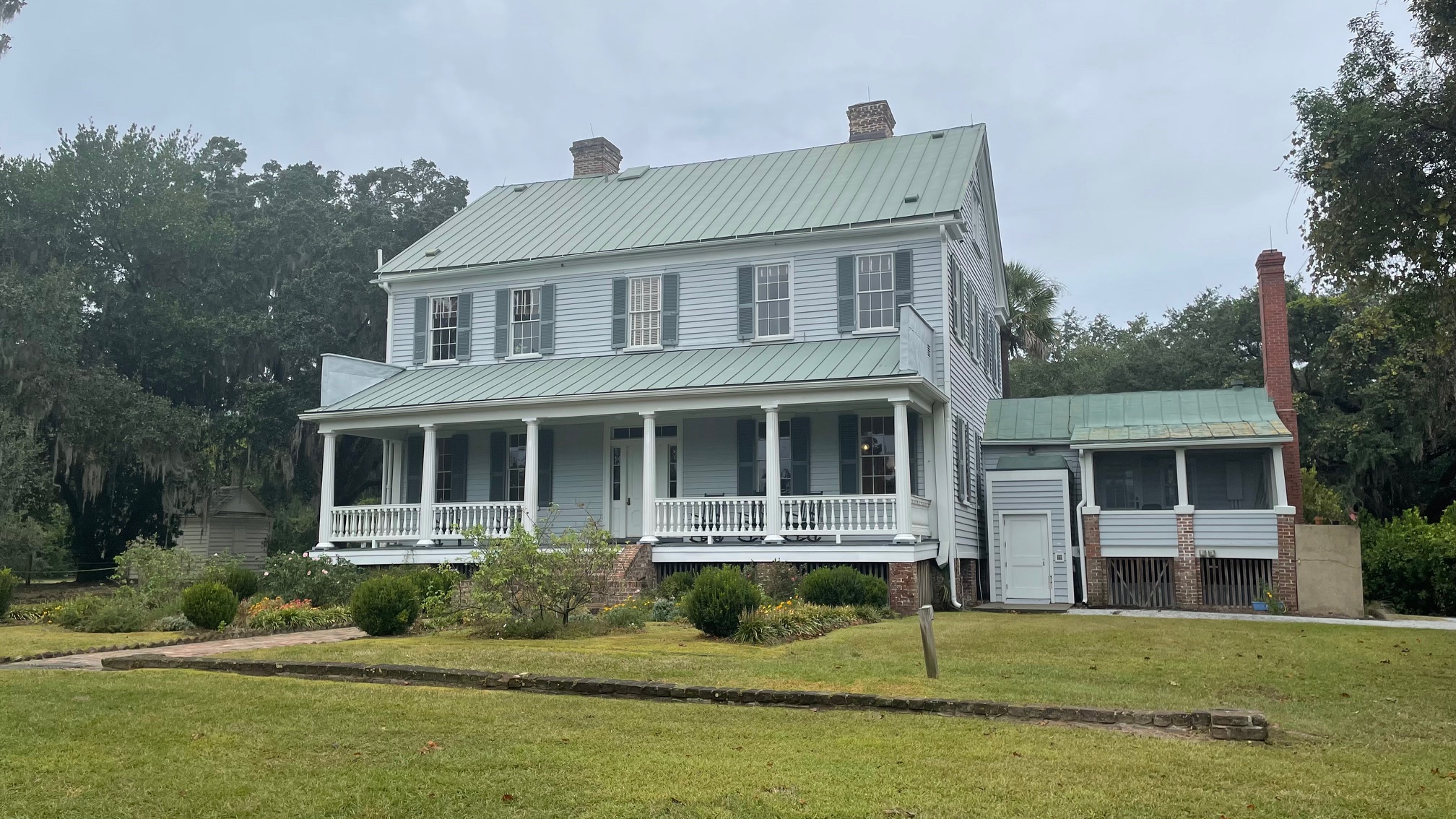



Camera: iPhone 12
Location: McLeod Plantation Historic Site ; Charleston, South Carolina

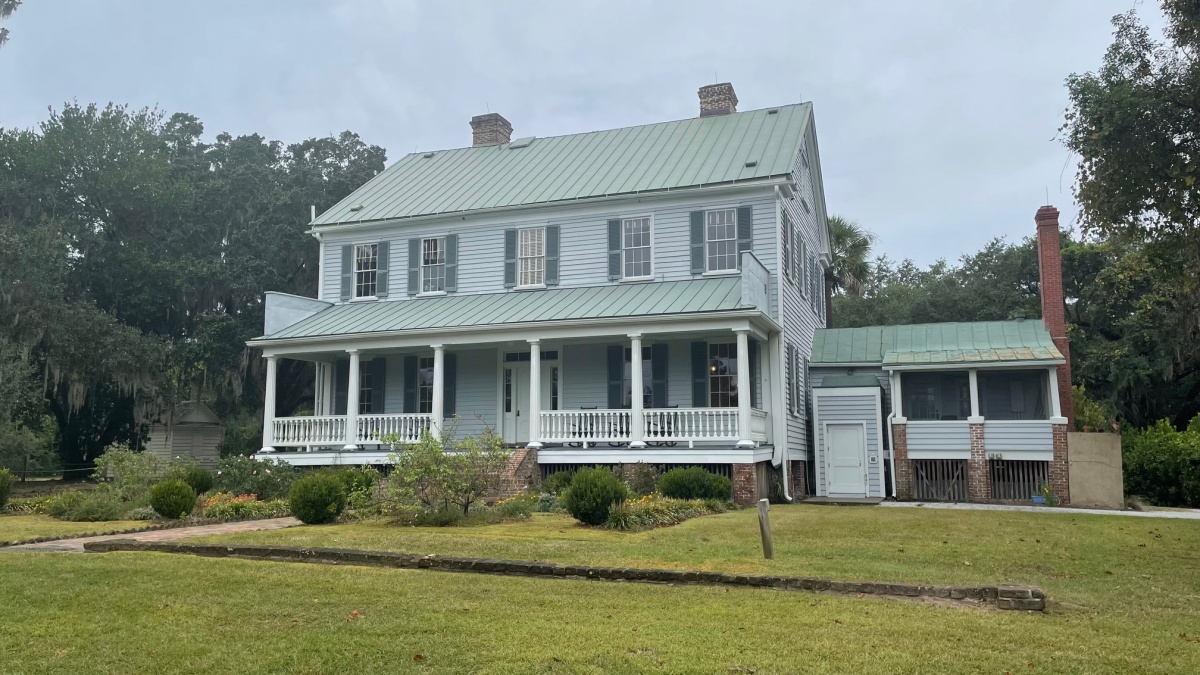
Camera: iPhone 12
Location: McLeod Plantation Historic Site ; Charleston, South Carolina
Charleston, SC, USA


Camera: iPhone 12
Location: Charleston, South Carolina, United States
“Getting peer edits or a peer review of the written part of the presentation will set you apart in a good way.”
Nothing takes away from a good presentation more than careless and recurring spelling and grammar errors that are noticeable to the audience. You could have an excellent looking PowerPoint with supporting details, crisp bullet points, and a stylish design, but if it is filled with English spelling and grammar errors, it will be a distraction from the overall presentation. As an English as a Second Language instructor, it is one of the first things I notice from a presentation, and it is an issue that I believe must be resolved before you present in front of an audience.
The presenter’s speaking ability, their cadence, tone, voice intonation, etc. are all key to having a good presentation but is not everything to its overall success. You have to remember the little details in a presentation and that includes making sure to edit and review your presentation as a non-native English speaker and learner. I am not singling out non-native English language learners alone because I have noticed grammar and spelling errors even from native English speakers due to being careless about it.
When you are learning English for professional purposes, it does no good for you to be careless about an important presentation. When you are just going through the motions of drafting up your presentation slides, it can be easy to just copy, paste, and hope that people understand your writing. People will not point these errors out to you after the presentation itself, but they will be taking note of the errors in the presentation, and it will be distracting them as they review what you presented on and how they feel about the subject matter itself.
In my view, it does show a lack of care and concern for your presentation when you don’t check for errors, review your spelling, or edit the grammar if necessary to make sure the written part of it is as good or if not to be better than what you verbally presented on. Depending on the type of professional English language presentation you are given, these kind of spelling, grammar, or written errors could hurt your ability to sell a product, to convince a business to partner with you, or to get the audience to agree with your thesis or your conclusion. When you put all your efforts into your 5-10-15 minute presentation in terms of your spoken English but neglect the hour or so needed to edit the PowerPoint slides for the visual aspect of it, the whole presentation will be setback as a result.
Do not let your presentation be derailed due to a few careless errors that could have been revised with just a few minutes of review and revisions. Your spoken part of the presentation is likely to be more intense, stressful, and time-consuming. However, it does not mean you should neglect the ability to write about what you’re presenting and to do so with as good of written English that you can muster. You are doing a disservice to your audience if you do not edit your written presentation whether they are notes, slides, or another form of written output that they will have to understand and digest.
If you are not comfortable with editing your presentation before you give it, be sure to check with your colleagues if they also know written English at the same level or higher than you, especially if they are advanced learners or it is their native language. Getting peer edits or a peer review of the written part of the presentation will set you apart in a good way. It shows that you care about all aspects of your presentation and are not self-conscious about your writing as a non-native English learner.
The peer editor will assist you immensely especially if you take the time to sit with them ahead of the presentation to review your errors, fix them together, and understand how you made them in the first place. The point of these professional presentations beyond just business or personal growth is to make you a better English speaker and writer. You can fix as many mistakes as necessary but if you are not learning from them for future presentations, you will continue to make them for future presentations much to your own professional detriment.
Getting your presentation reviewed by a peer or colleague you trust will help you immensely in various ways. It will help build your confidence, help you become a better writer by understanding the mistakes that were made, and even help you with networking purposes since you will be building a good relationship with your peer editor or reviewer in your field of study or work.
A presentation has two components usually: the written word and the spoken word. There may be an audio or a visual component but in professional English, the key parts that must be mastered in giving a presentation are to speak eloquently and with a concise and understandable tone, and for the written part, is to not make serious spelling, grammar, and other errors that are easily avoided with editing your presentations beforehand.
Please make sure to review and edit your written slides or notes before you present them to an audience in a professional or academic setting. If you need to get a peer to edit or review your written presentation, you should be doing that before you get on the stage or in front of the podium. You will become more respected and admired for your abilities to present in English as your 2nd or 3rd language when you put the necessary efforts in beforehand to master the art of speaking in front of an audience and having your written work presented without major errors or mistakes. The English language is not an easy language to master, especially when it comes to using it for professional purposes, but you will become that much more of an advanced learner if you are able to write and speak in front of an audience on a serious topic or subject matter so others in your professional field will appreciate and recognize your hard work and efforts.
Skopje, North Macedonia


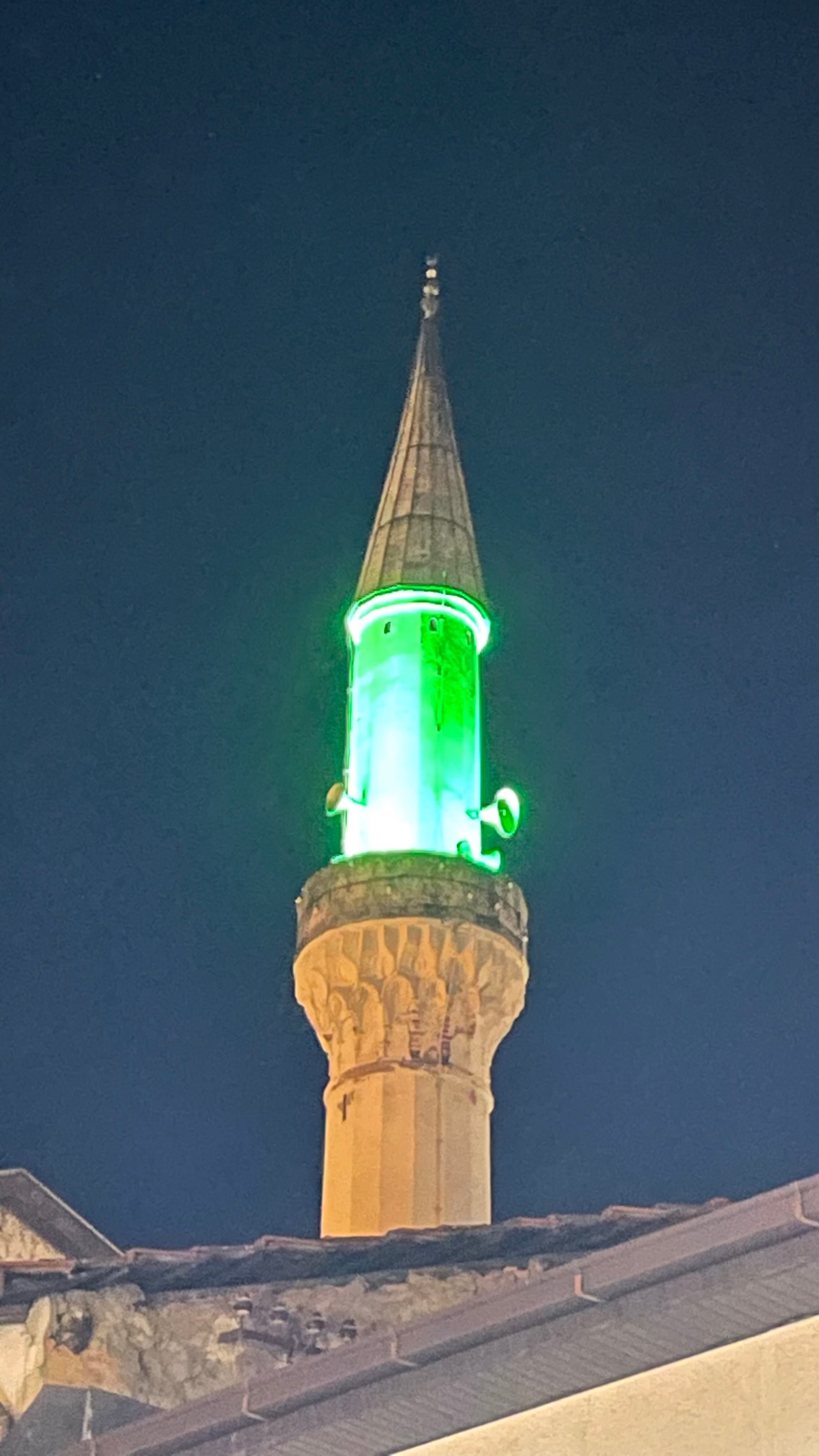
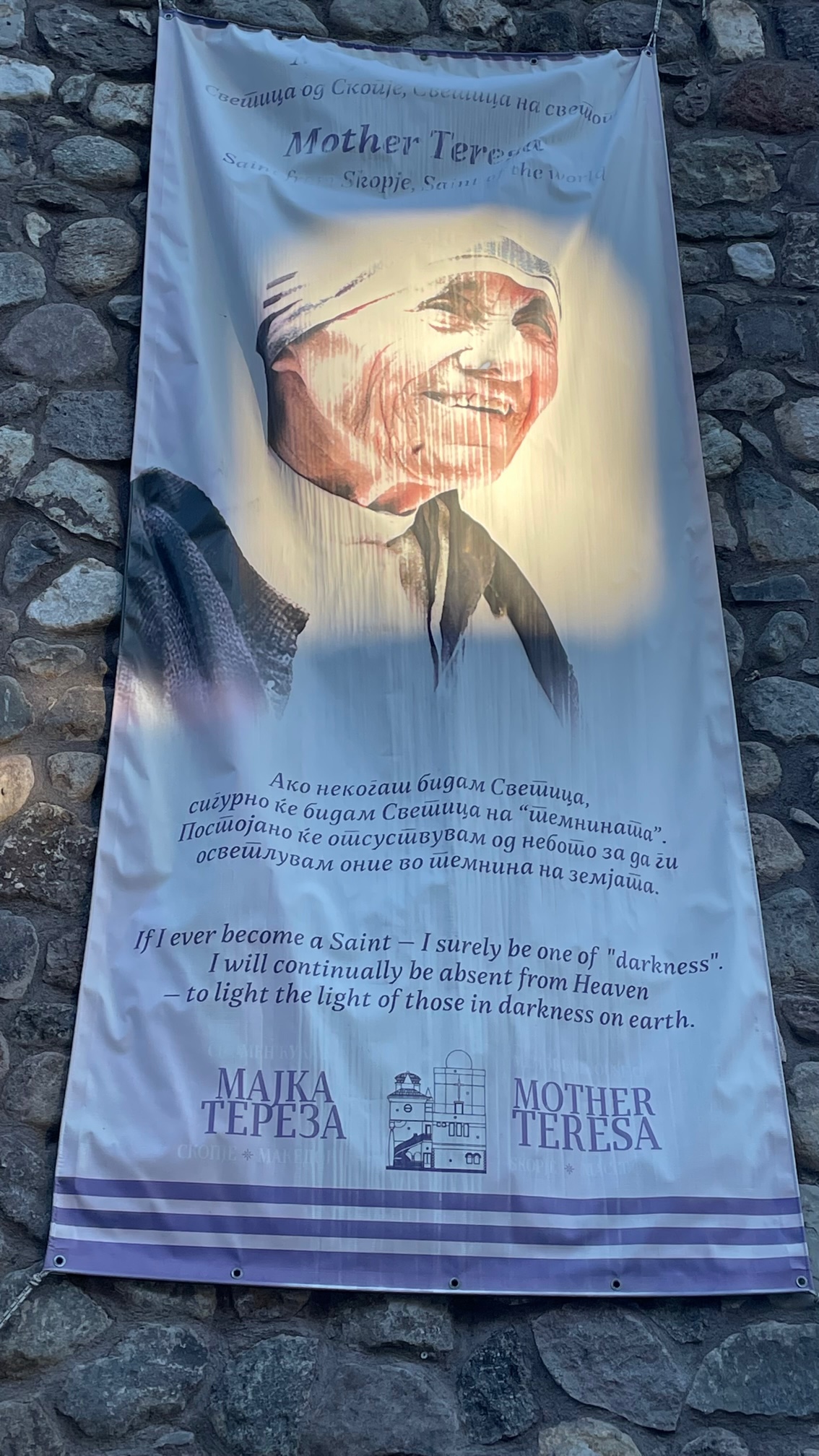


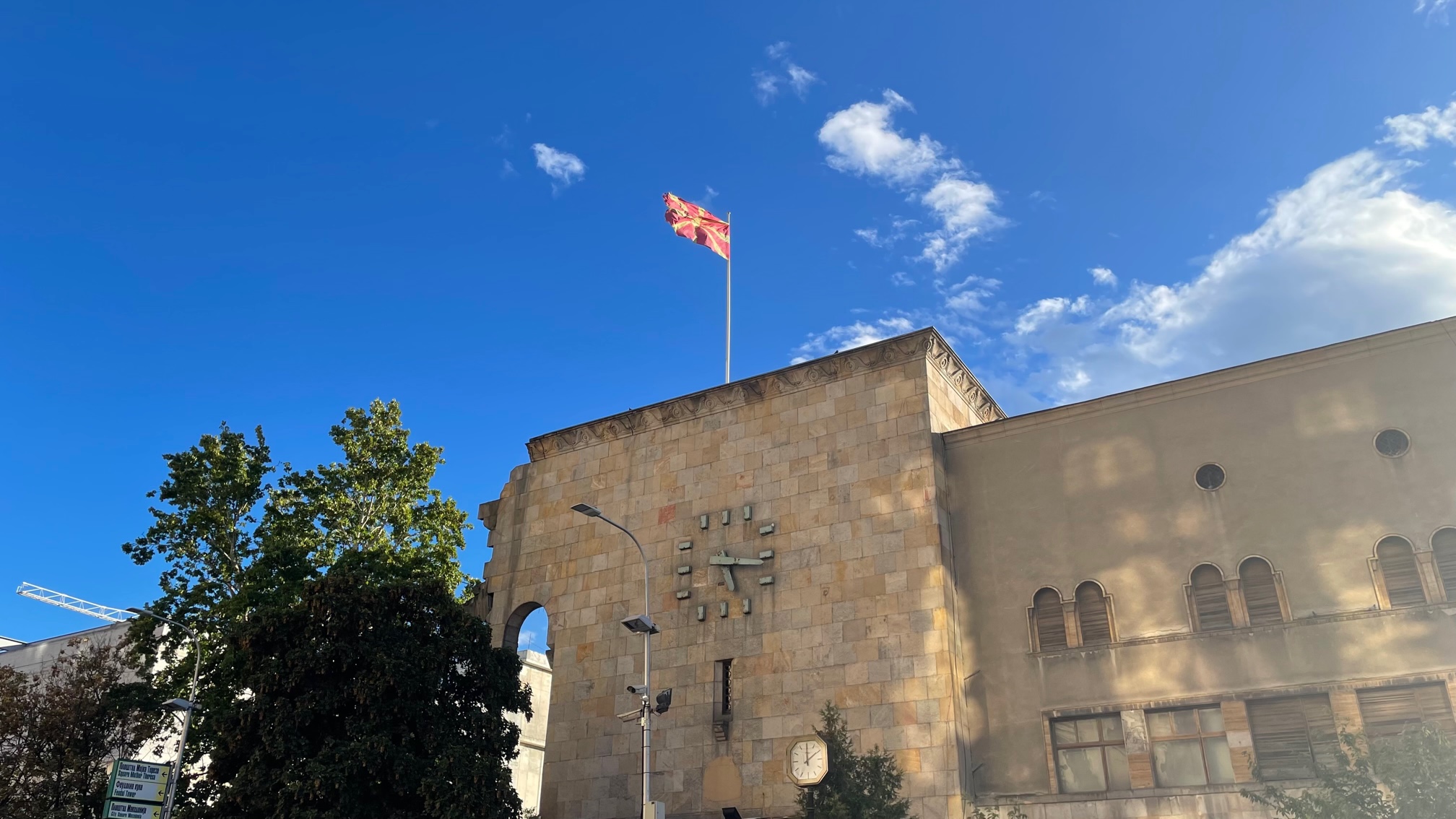
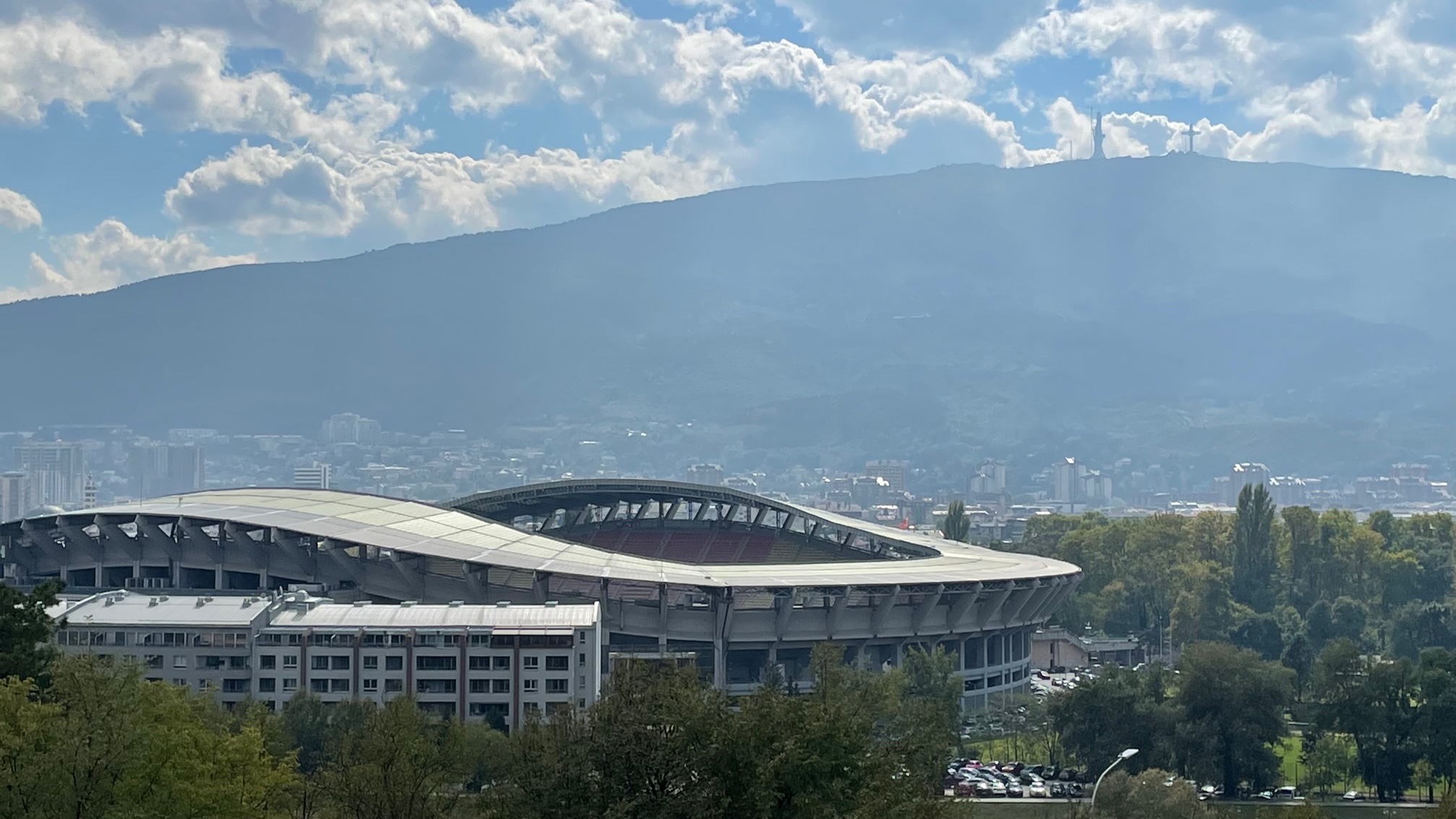
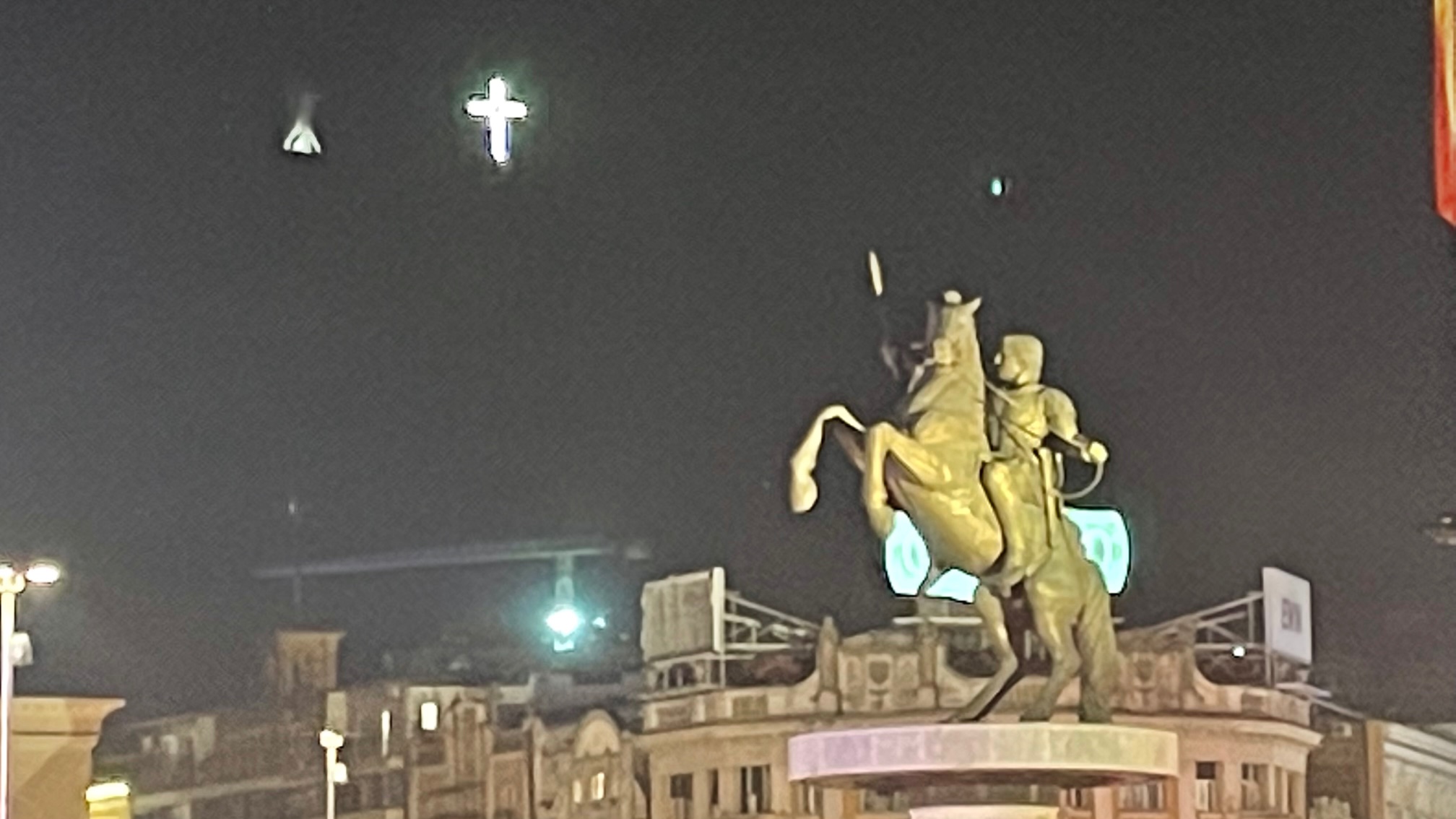



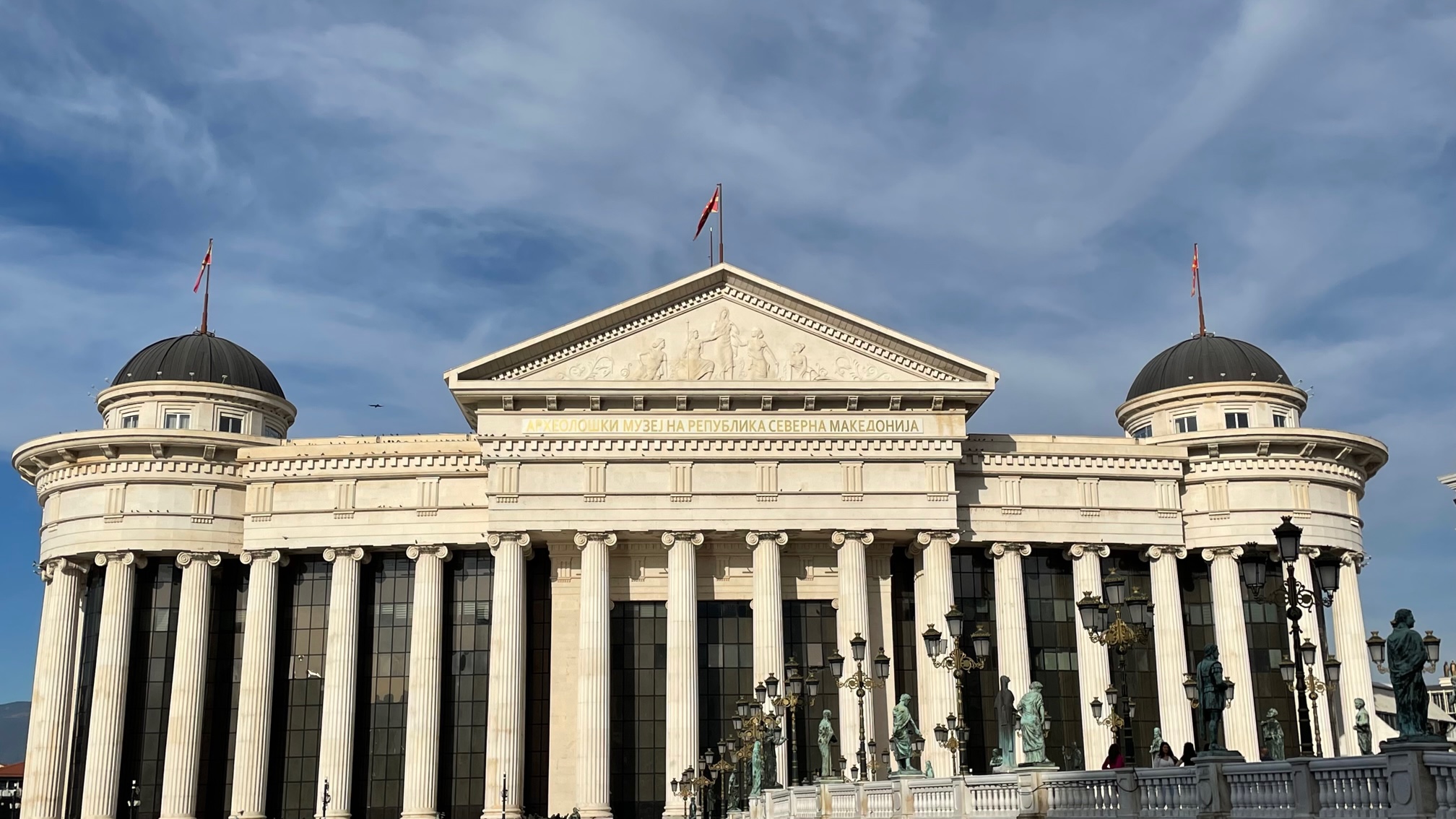

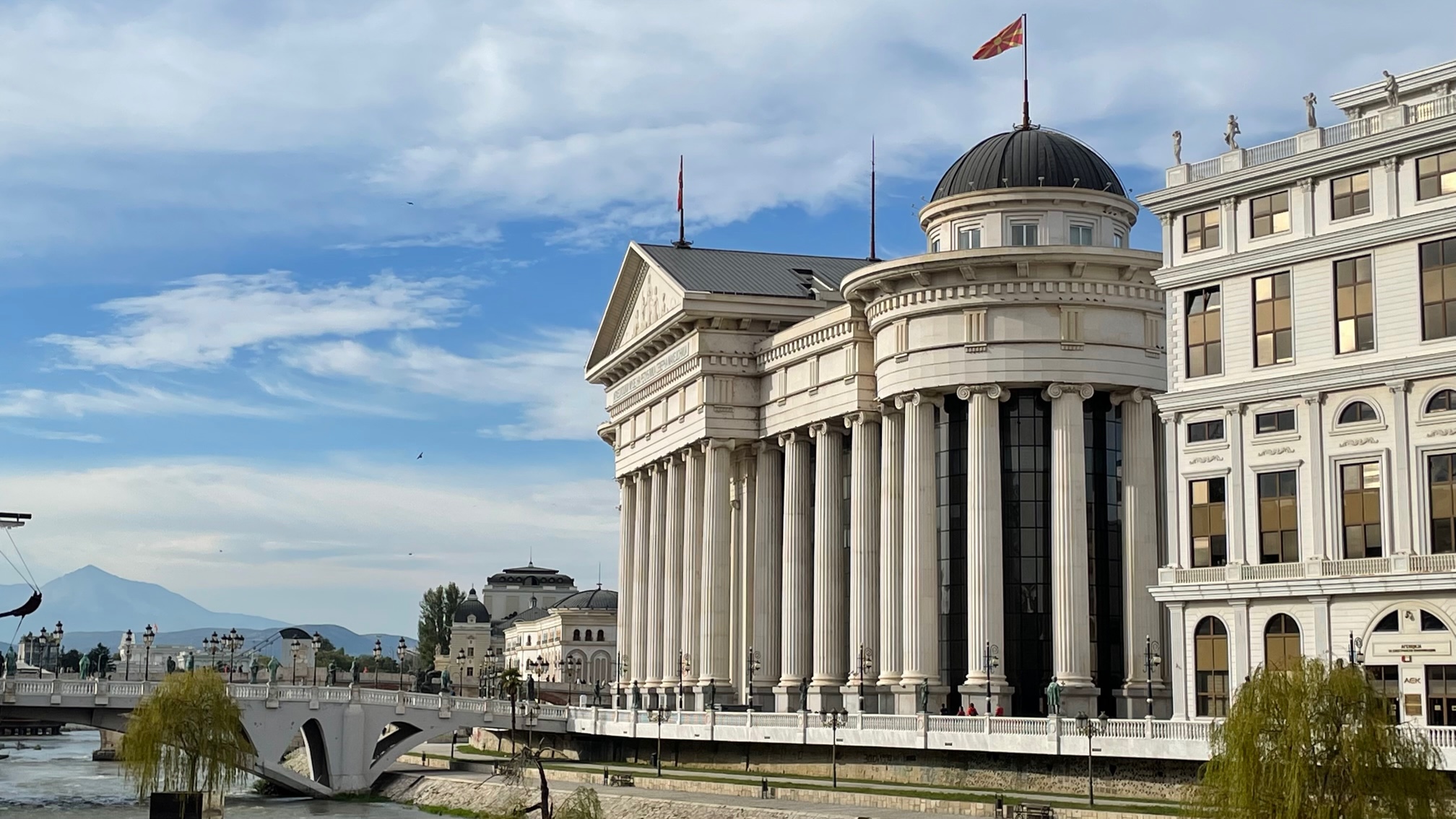
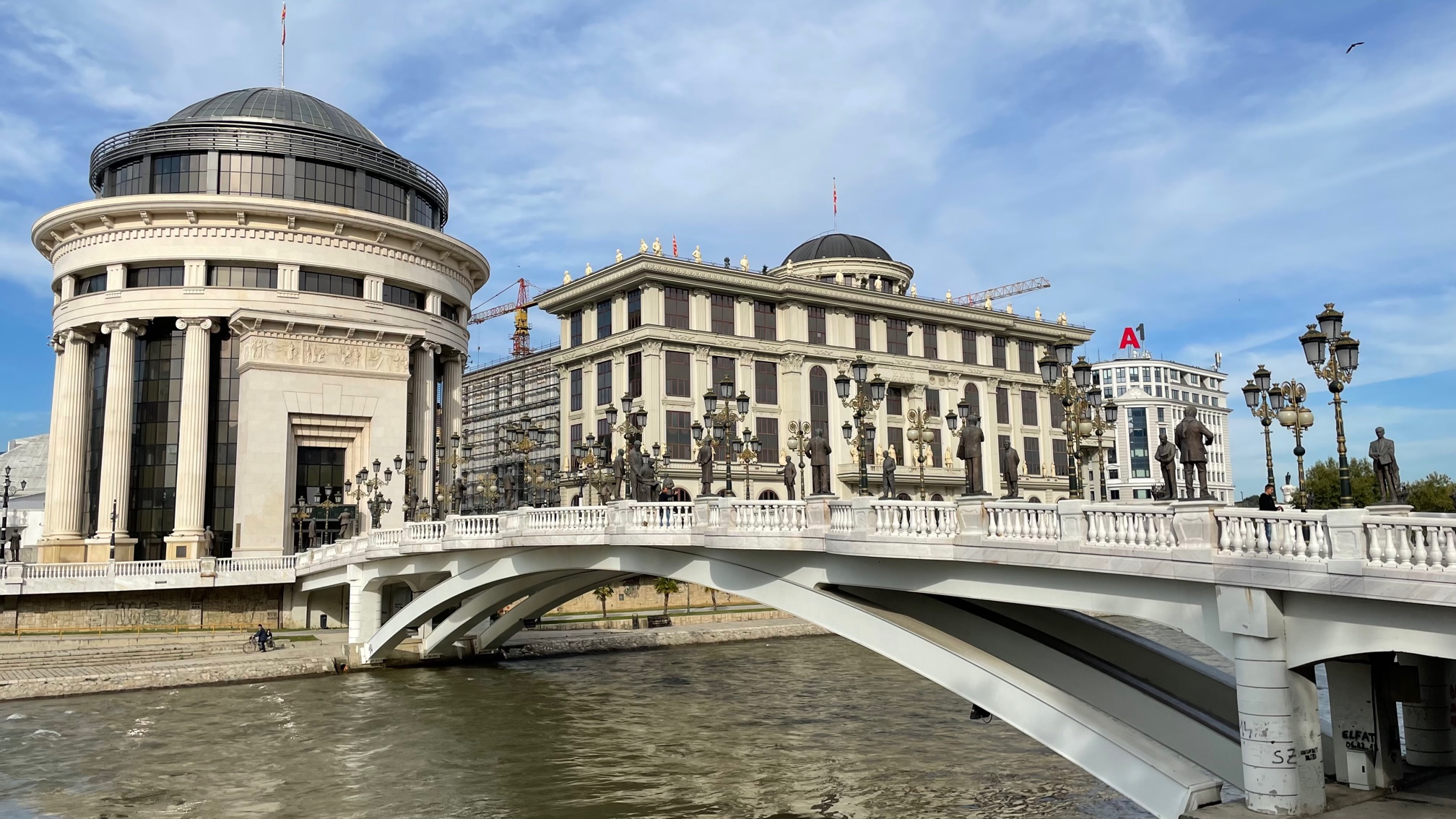
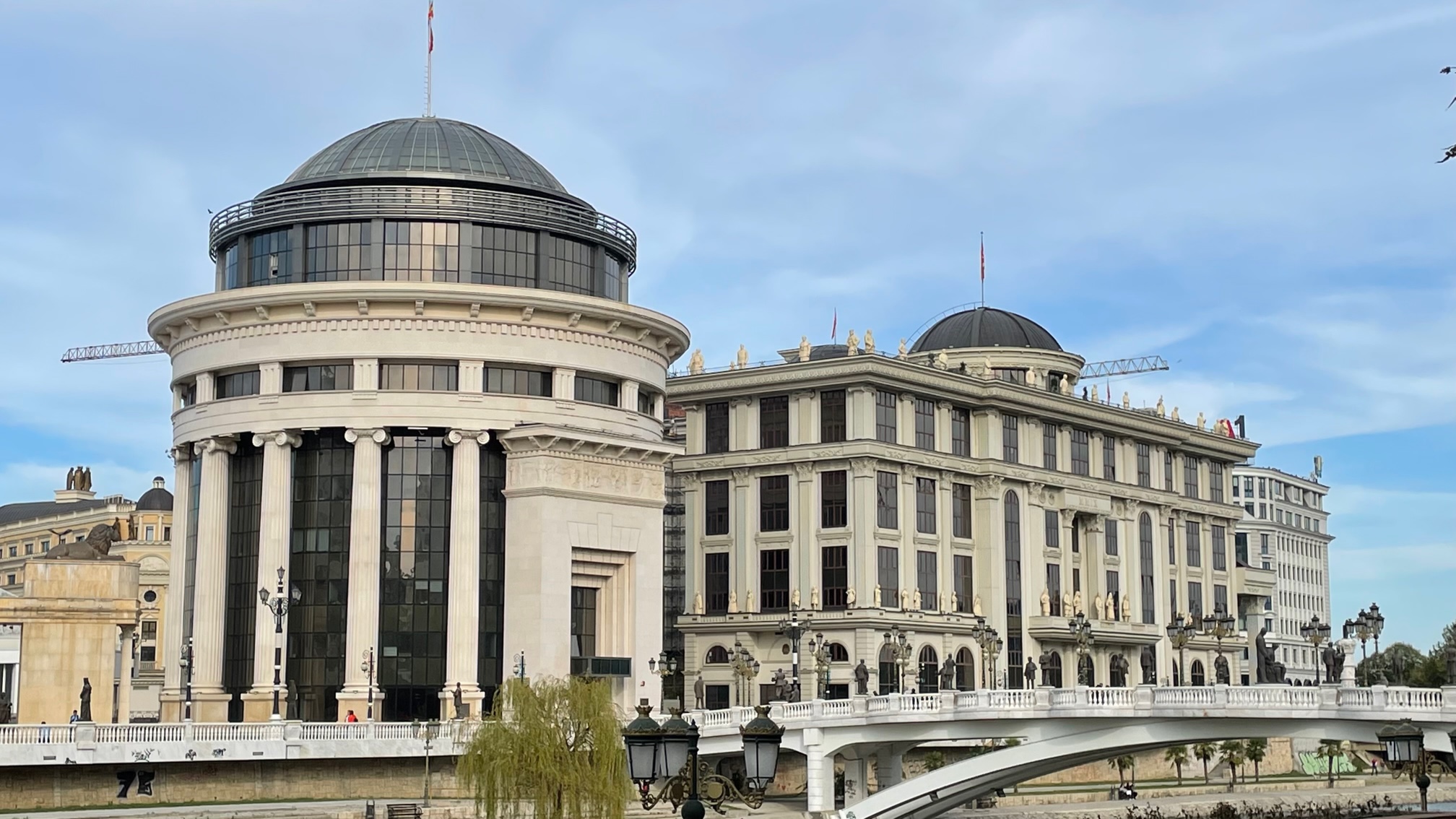
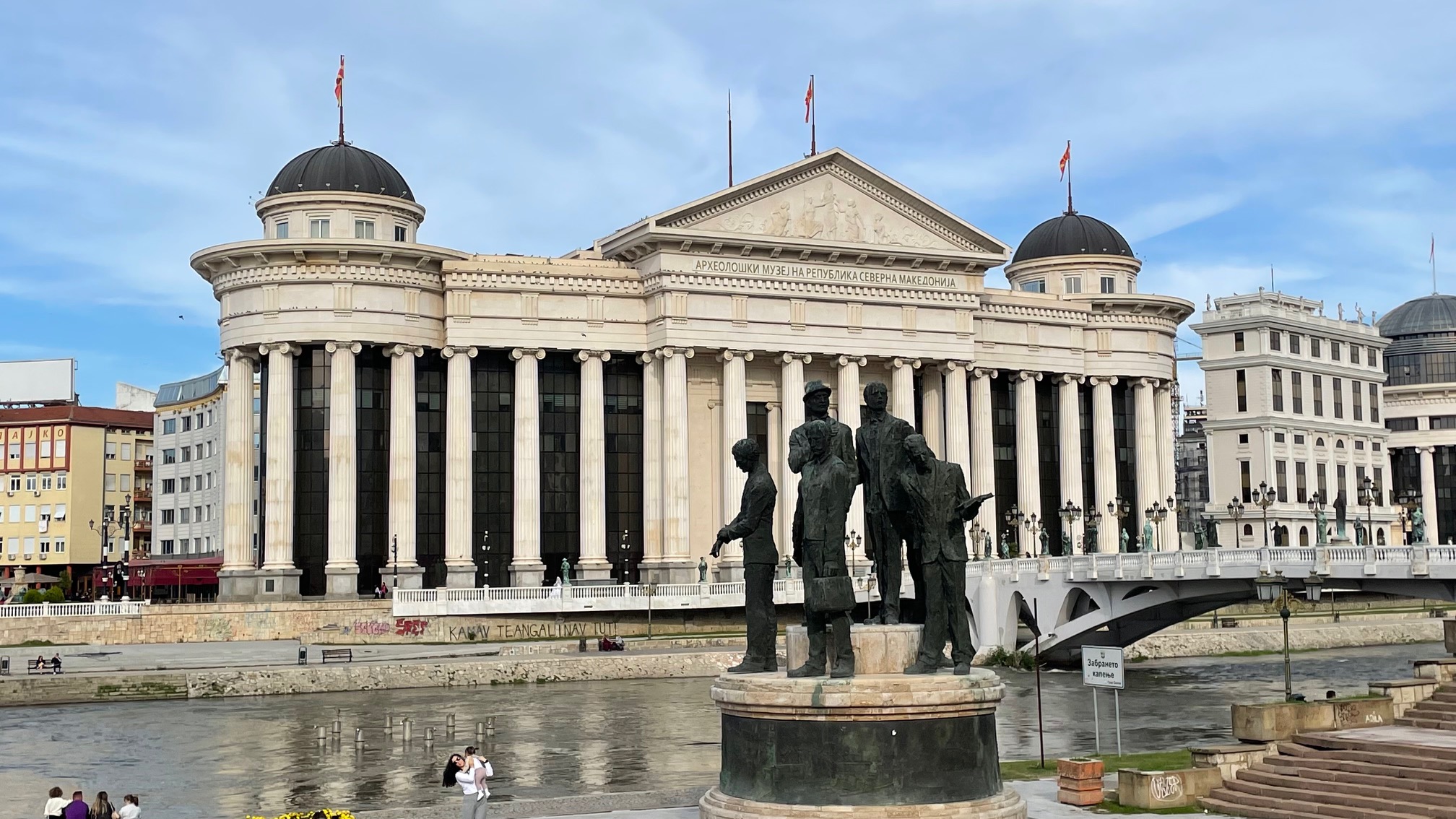
Camera: iPhone 12
Location: Skopje, North Macedonia
Prizren, Kosovo


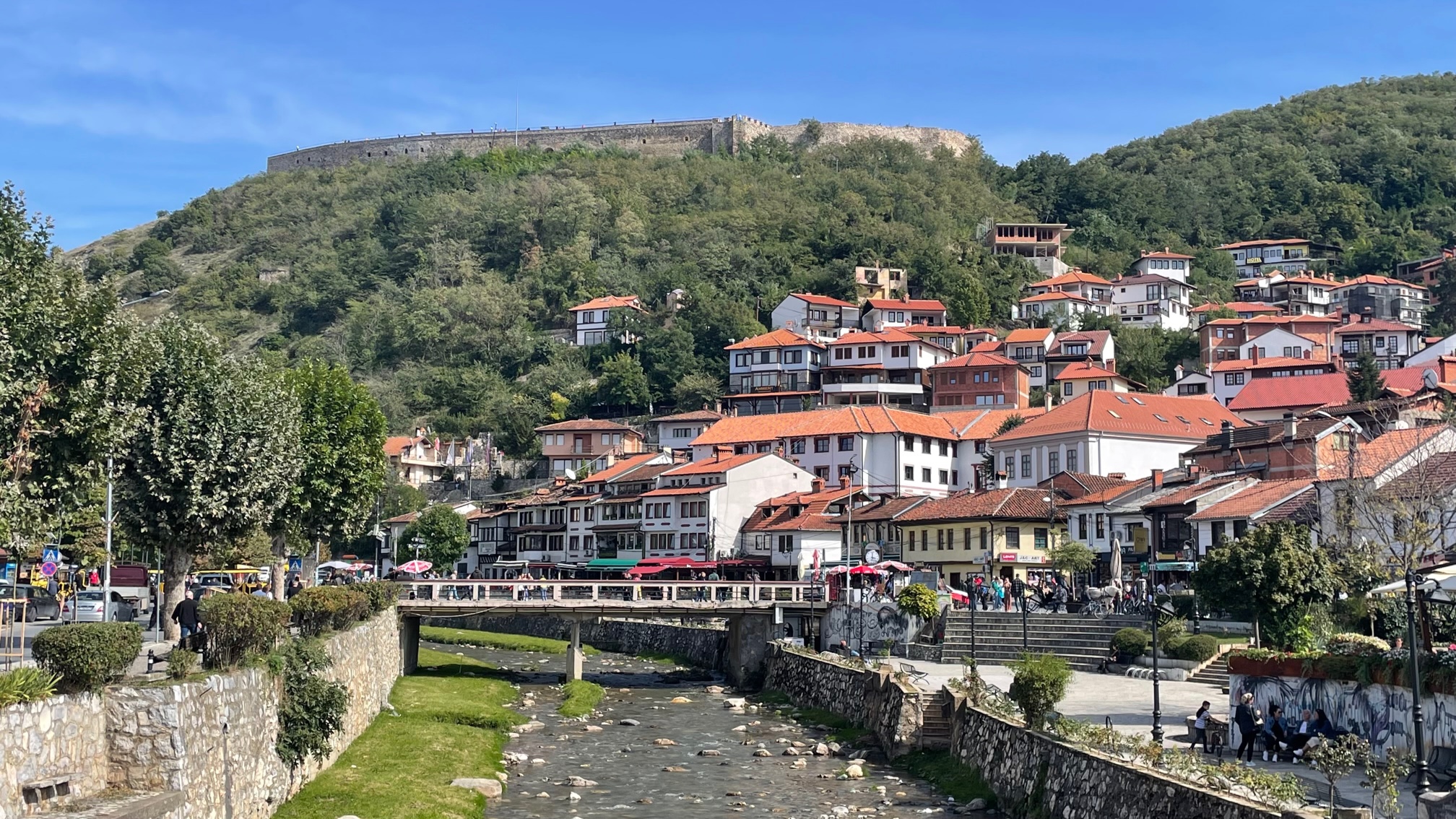
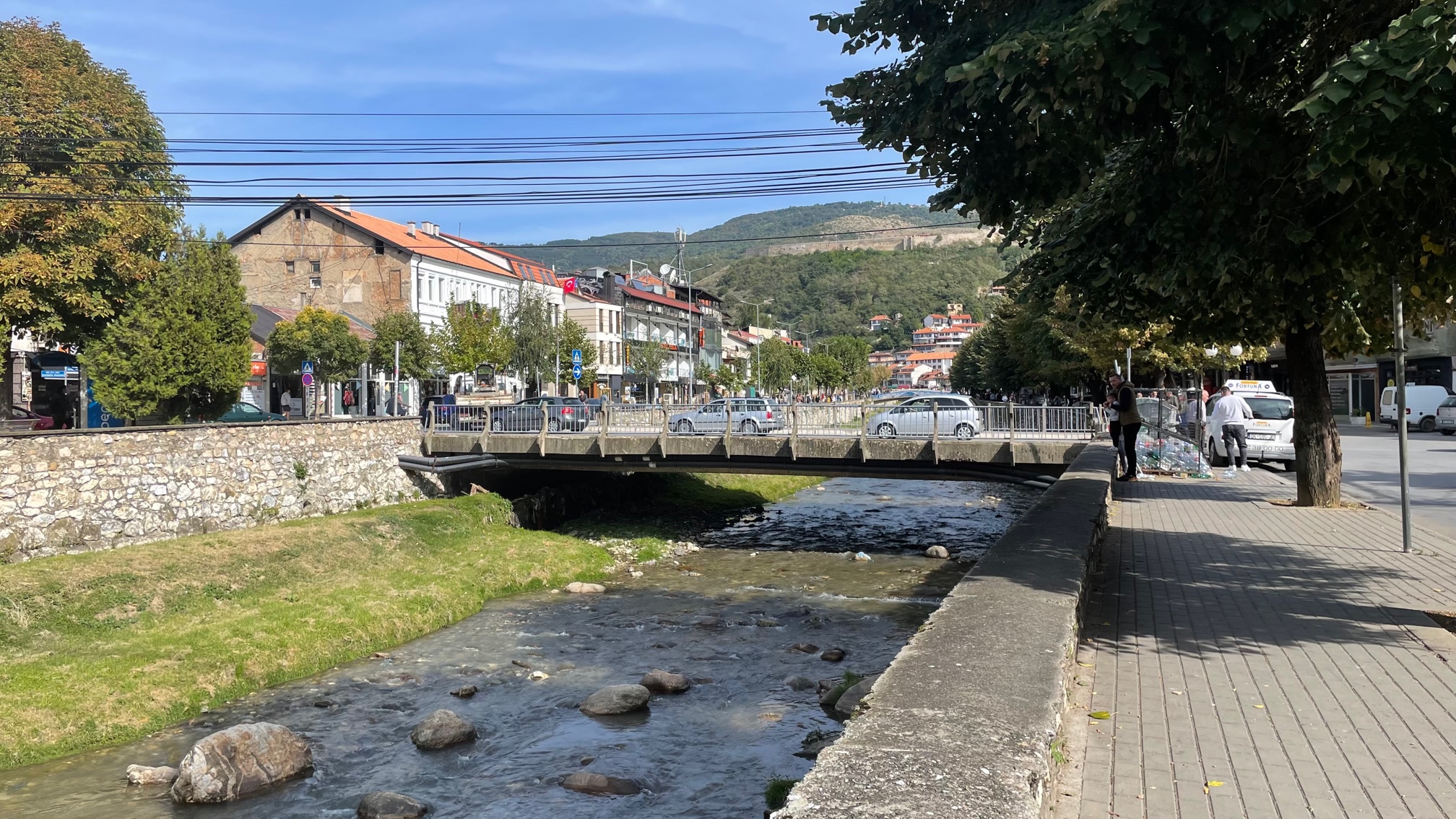
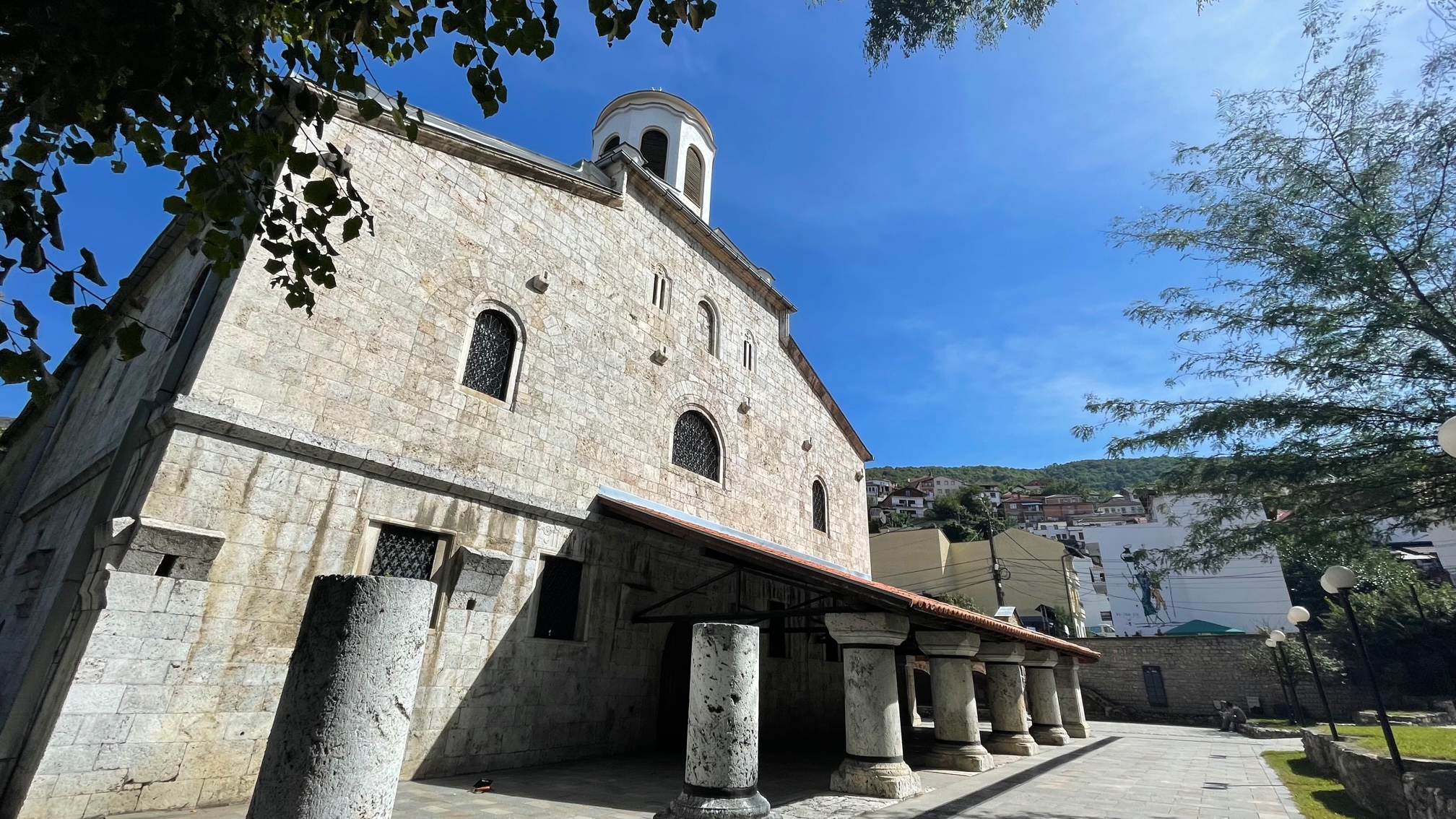




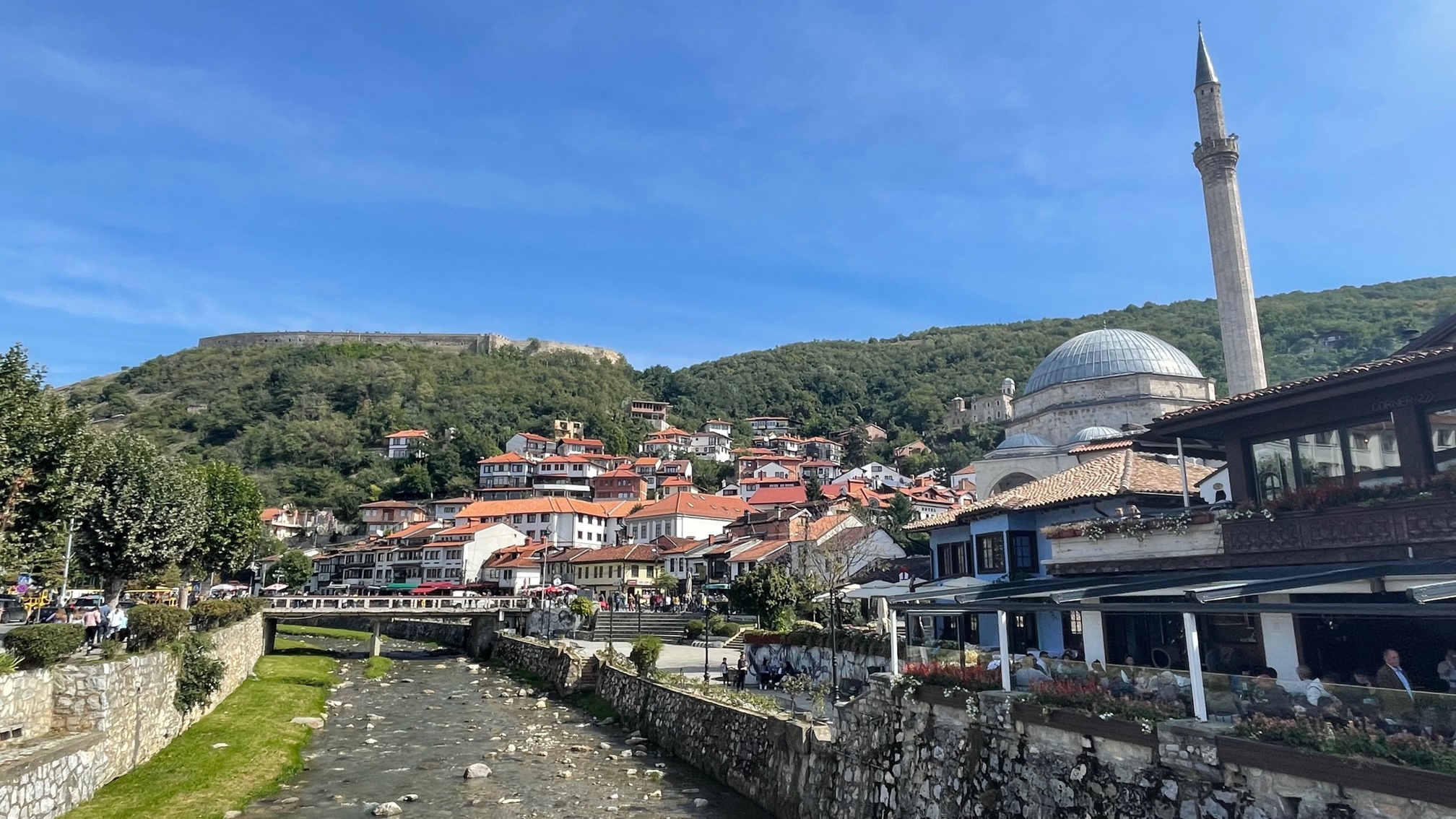


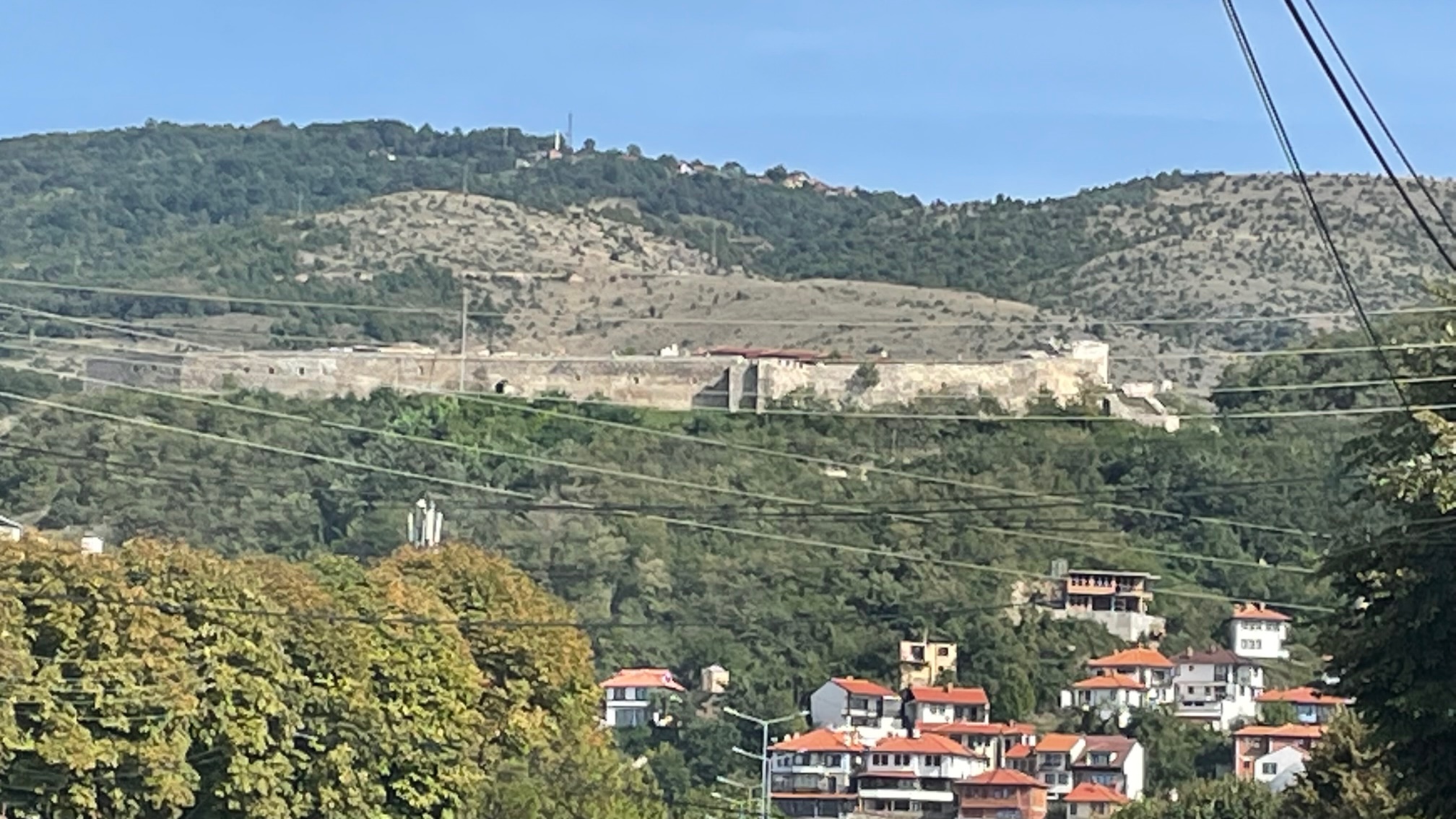

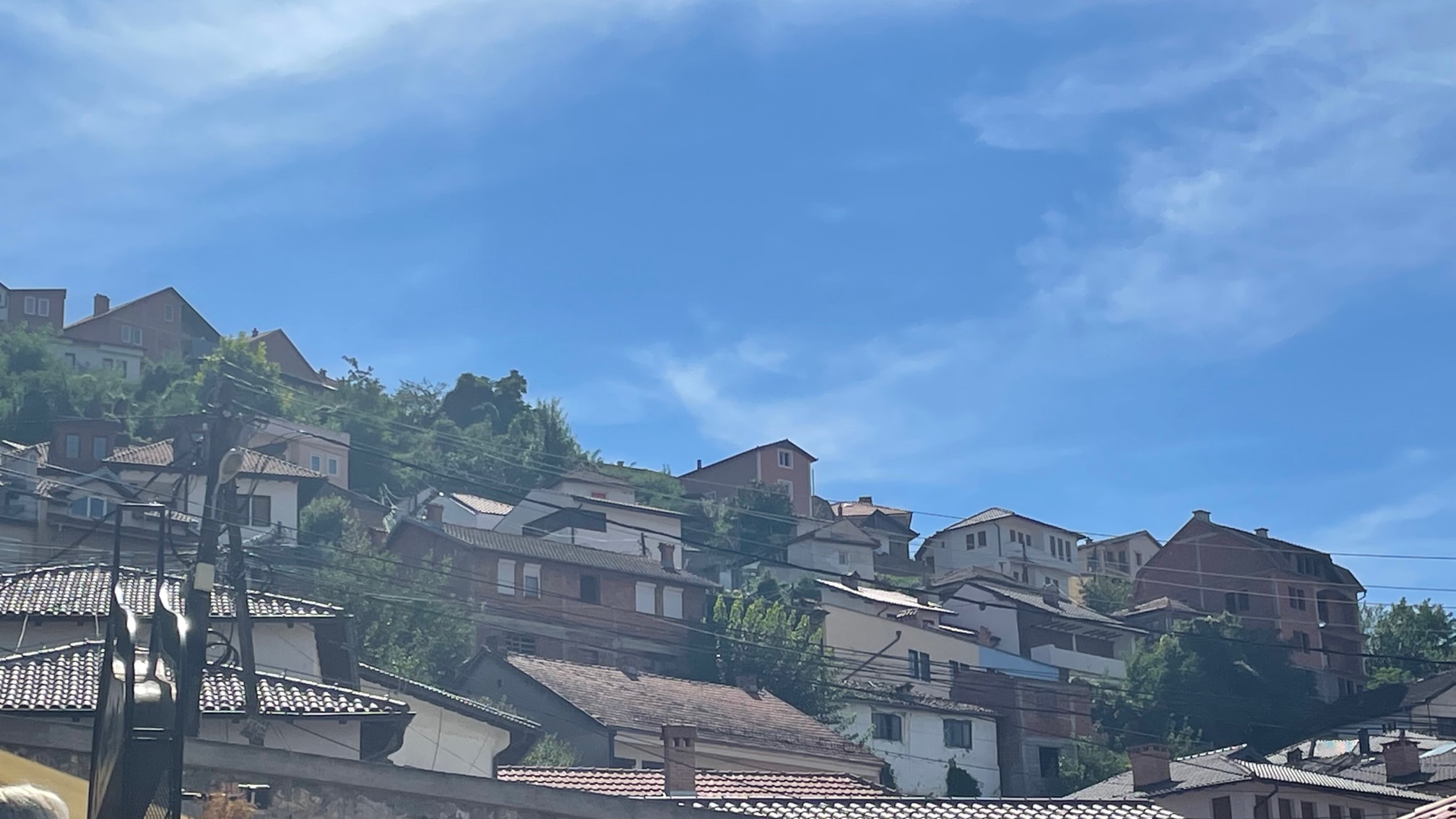
Camera: iPhone 12
Location: Prizren, Kosovo


Camera: iPhone 12
Location: Pristina, Kosovo
“Clearly, I am not happy with the recession in societal norms and values and fear it is becoming all too common these days as a lot of people have forgotten to know how to act in public in a civilized and dignified manner.”
How many times have you been on a plane, a train, or a bus recently and noticed someone on a loud phone call, listening to loud music without headphones, or even kicking your seat and not apologizing? I would say it’s happened to most of us at some point, but these kinds of rude behaviors seem to become more common post-pandemic. The receding of the pandemic did not just cause the deaths of millions of people, long-lasting economic damage, but most recently an erosion in social norms and values. Clearly, I am not happy with the recession in societal norms and values and fear it is becoming all too common these days as a lot of people have forgotten to know how to act in public in a civilized and dignified manner.
As the pandemic has receded, selfish and unruly behavior has increased in my view, and it has been well documented in popular forms of media. How many videos or audio clips have you seen of airline passengers fighting with flight attendants or gate agents? There have also been scenes of people stealing and looting from stores in mass causing chain stores and the local mom and pop shop to have armed and unarmed security patrolling the toiletries aisle. For the rest of us who play by the rules, it’s unfortunate that we must deal with the agitation of greater security and more surveillance because others have to act in such a selfish and anti-social manner.
While there is some blame to go around including growing wealth inequality, the cost-of-living crisis that continues to worsen, and a lack of proper education in the school system on basic behavior and etiquette, it does not excuse being negligent of how to behave in public especially for an adult who should know better. I would like to think that we all are taught whether by parents, guardians, or by teachers themselves the difference between right and wrong, how to behave oneself when others are around, and that stealing, cursing, and dismissing others in public as unseemly behavior. The pandemic has worn a lot of us down physically, mentally, and financially but it does not excuse anti-social acts and/or behaviors against your fellow man or women.
Together, in a society, we should remember both the spoken and unspoken rules of how to behave and it seems like a few of us need to re-learn that or we have to strengthen these rules in our institutions and in our laws to fight against this rising tide in unseemly behavior. There are consequences to your actions and while we should continue to notice these anti-social behaviors and call them out, there must be a strengthening in terms of preventing those from breaking these rules and to hold them accountable when they happen.
A good example of an anti-social behavior I’ve noticed is in major U.S. cities including New York City and Washington, DC. Fare beating and or jumping the gate to avoid paying the fares to keep our transit system from functioning well is something I condemn strongly. Unfortunately, since the pandemic, there has been a spike in people not wanting to pay their transit fare and getting caught on camera while not doing so. Multiple times, the station agents and transit police do not apprehend these individuals to cite them for the fines or at least verbally reprimand them for their actions. If you do not enforce the fines or at least the rules, it emboldens this kind of anti-social behaviors and people will keep them doing them.
Recently, increasing the fines and changing the fare gates to be more difficult to physically jump or avoid has become a solution to this fare beating issue, but it is more than just changing the gates or enforcing the fines, there should be more ways to let people know in public service announcements (PSAs) or through schools, community centers, or in the home that this behavior is not tolerable.
I very much encourage free transit programs for those of lower economic status and for young people who are going to school or work as an alternative way to invest in those people who need the financial assistance and may not understand how fare beating is unacceptable. Increasing fines and security presence for stealing, farebeating, loud music in public, is not so much a solution, but rather a band-aid on anti-social behavior that may discourage these actions but won’t go fare in terms of ending it.
In a society, I believe people need both ‘the carrot and the stick’ in the sense that good behaviors should be encouraged and even rewarded such as cleaning up after yourself, lining up in a proper manner, helping the elderly and disabled. We should do as much to encourage healthy social behaviors as much as discouraging and shaming unhealthy anti-social behaviors.
For myself, I have a pet peeve of people playing music in public places in my near vicinity without earphones or headphones or keeping it to a low volume at the minimum. It gives me no great pleasure to call anyone out on this kind of behavior, but it was never acceptable before the pandemic to do so, and it should not become a new norm in this post-pandemic world. If it bothers me or causes me to not focus on my reading or my work, I will be happy to call this selfish kind of behavior out. It’s up to the individual on how they act but it used to be a given that you wouldn’t disturb others’ peace in public and keep your music, gossip, or phone calls to yourself or at a low volume. I’m not exactly for policing of rules or regulations as an ordinary citizen but if it disturbs my peace or my ability to enjoy my train, plane, or bus ride, I do have to call it out or let someone know of the issue.
My overall hope on this rise in anti-social behavior is just as much as we focus on enforcement and punishment to a reasonable degree of these actions that we do a much better job as well on teaching people in society why we have these rules, how they benefit us all in a public setting, and to educate people why we have fares, quiet hours, no music in public places, etc. so the average person will know why they have to act in this way for the betterment and peace of us all.
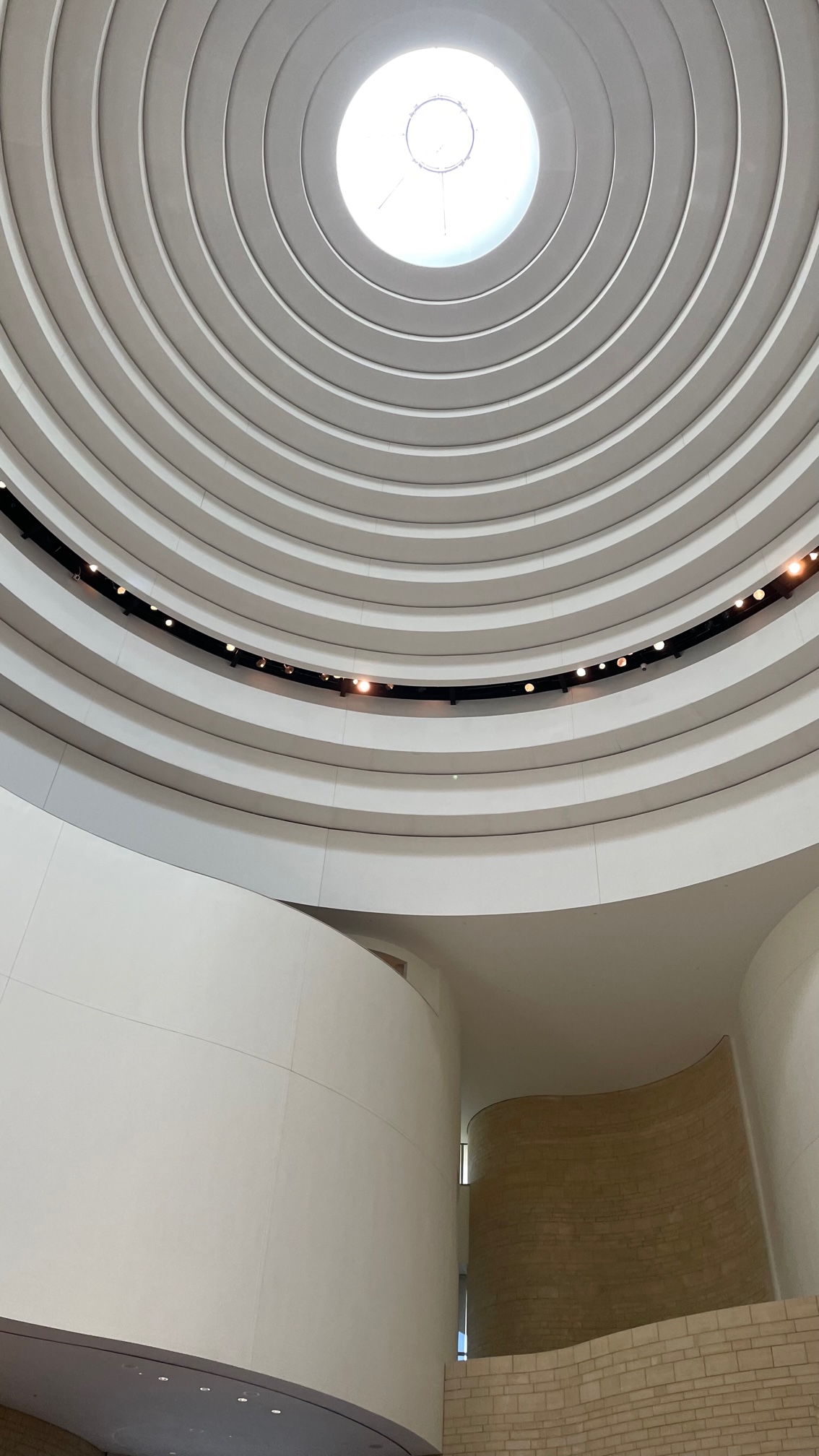

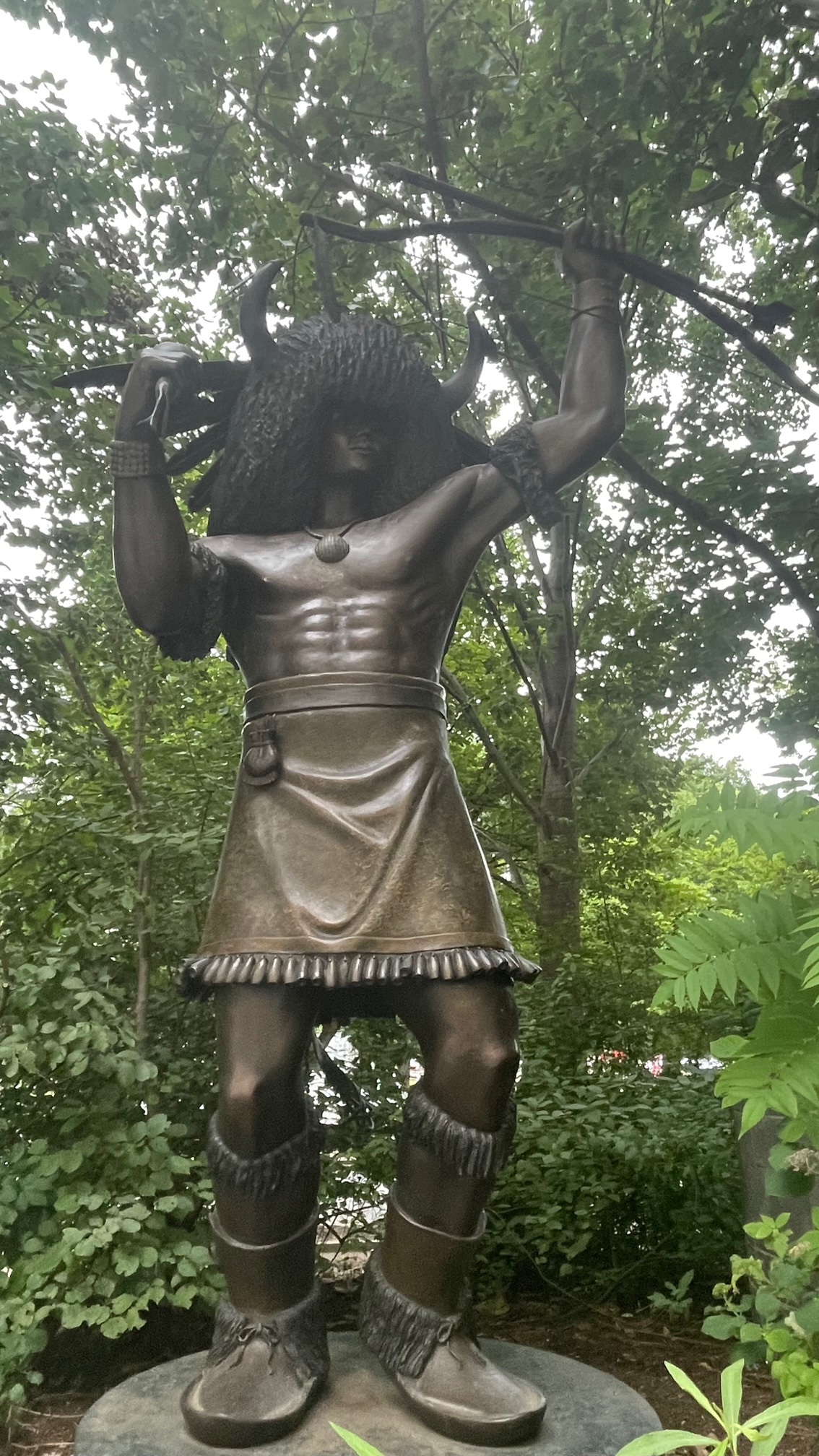
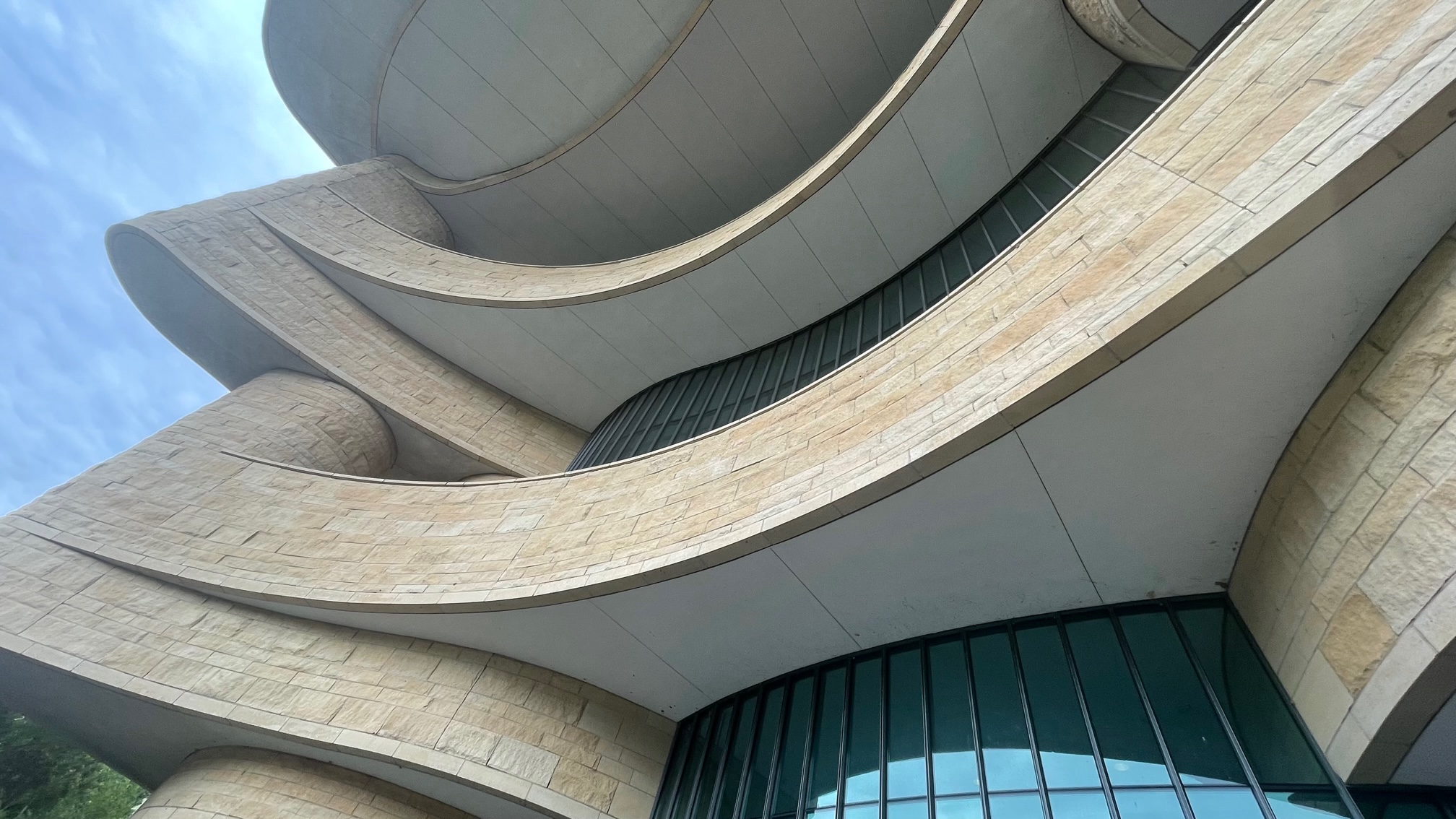


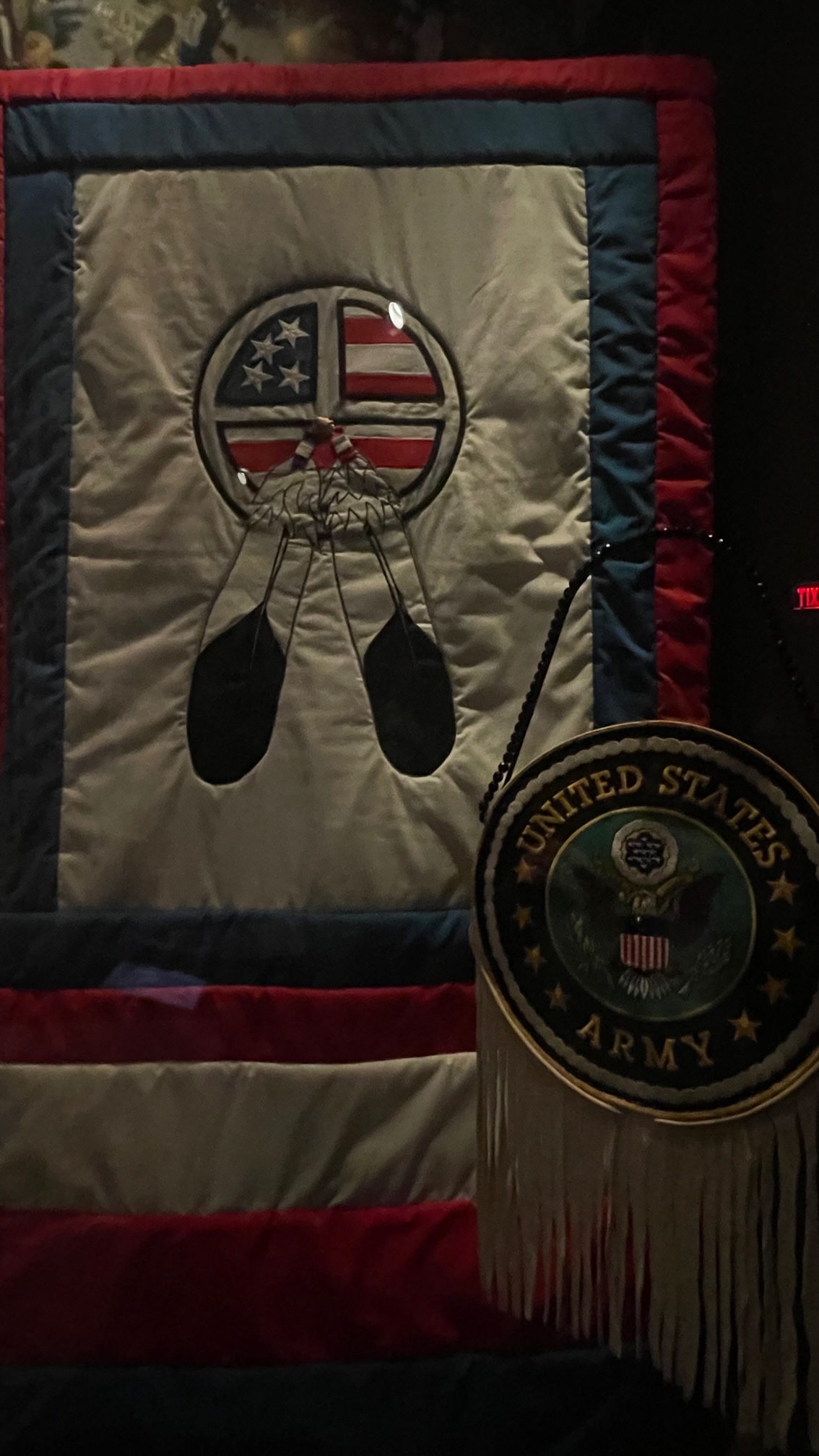

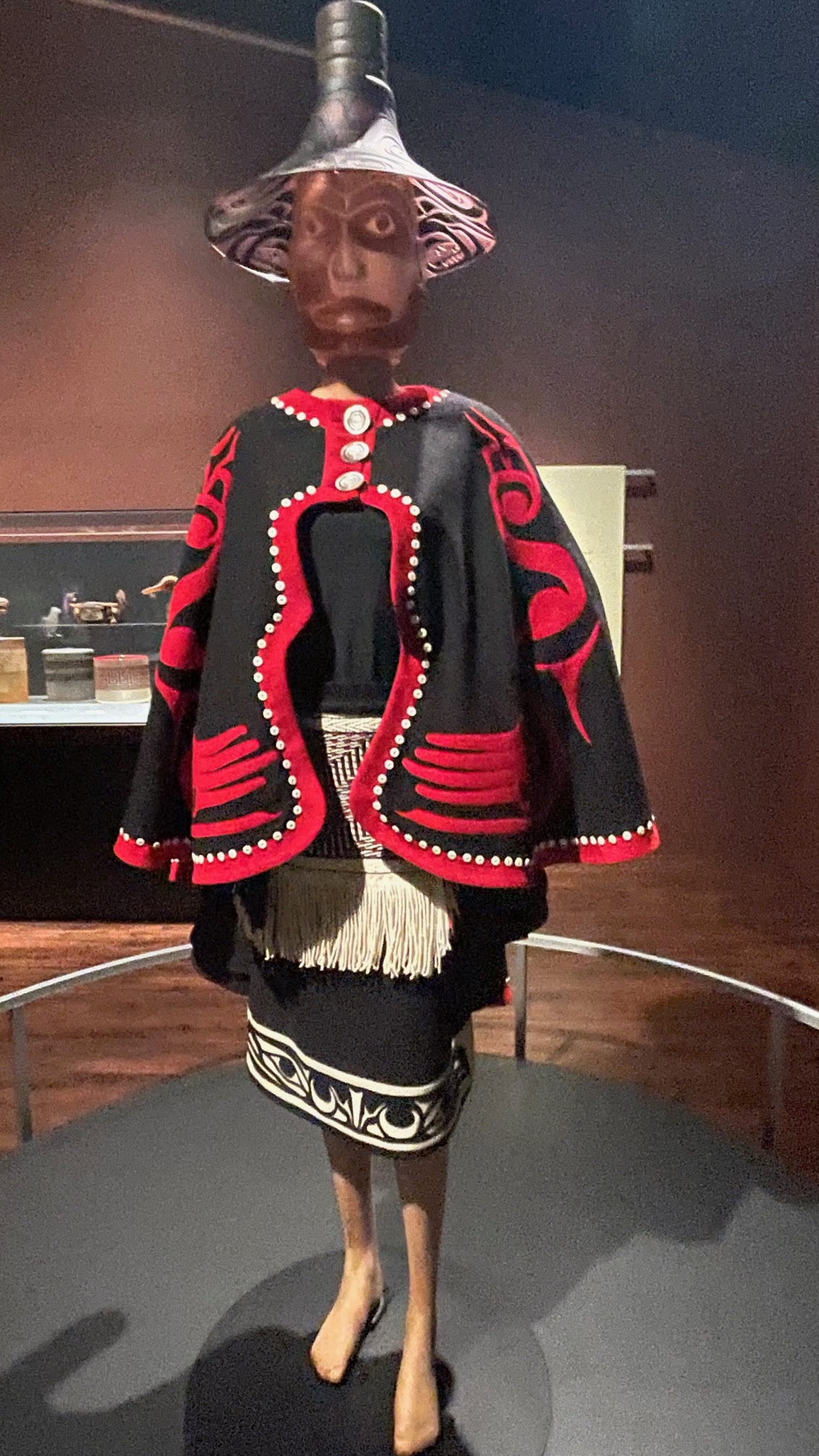
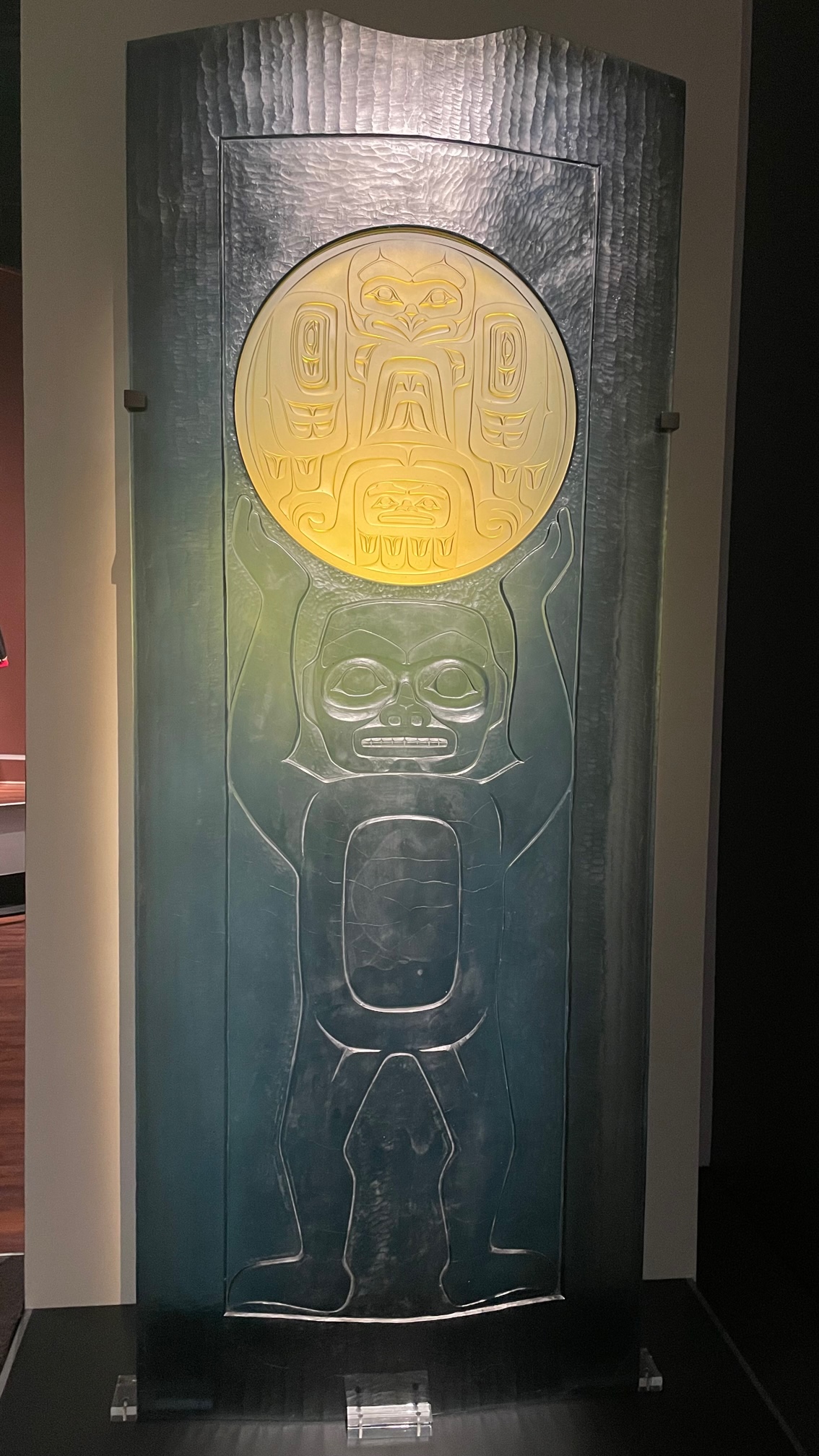



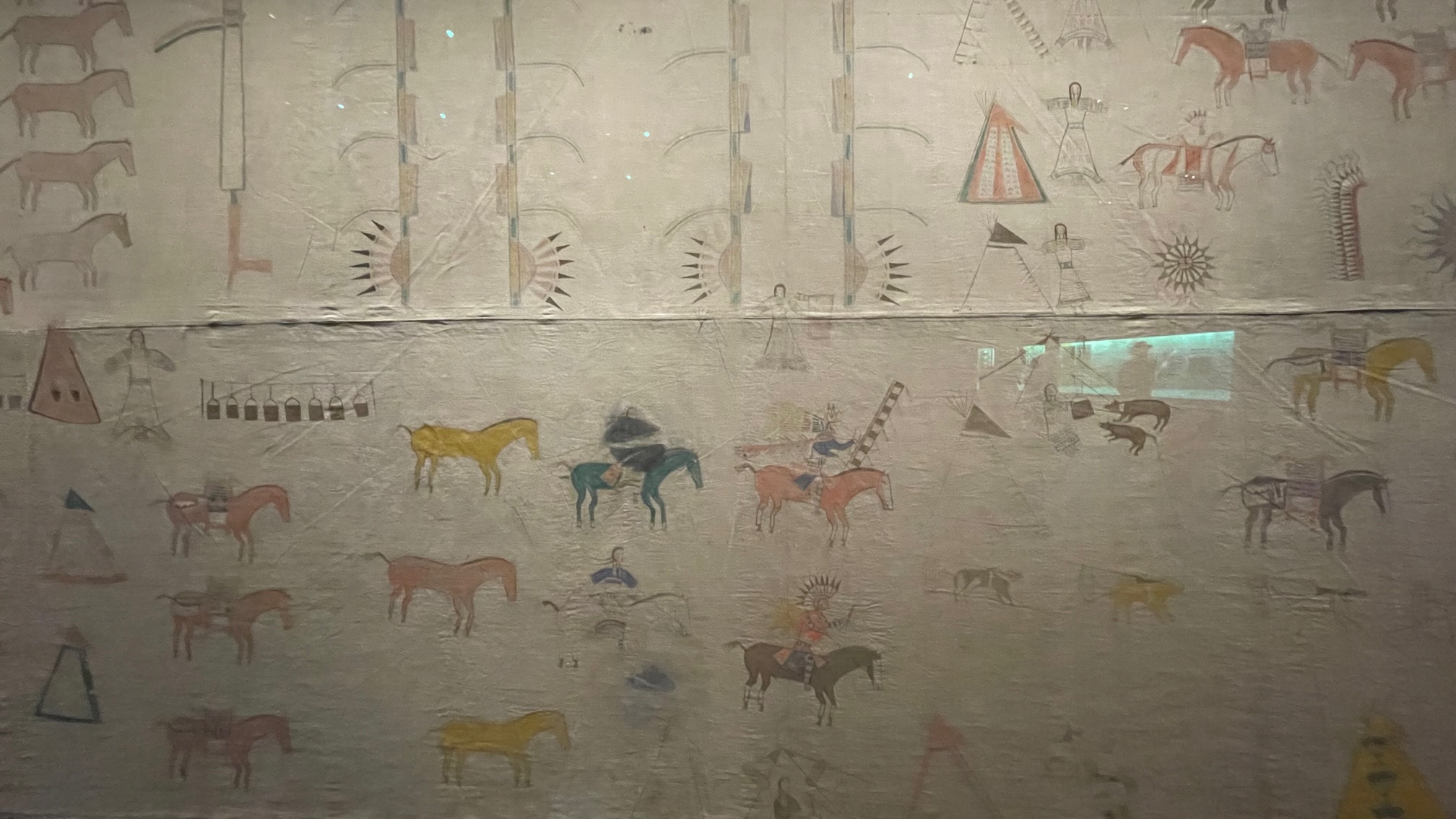
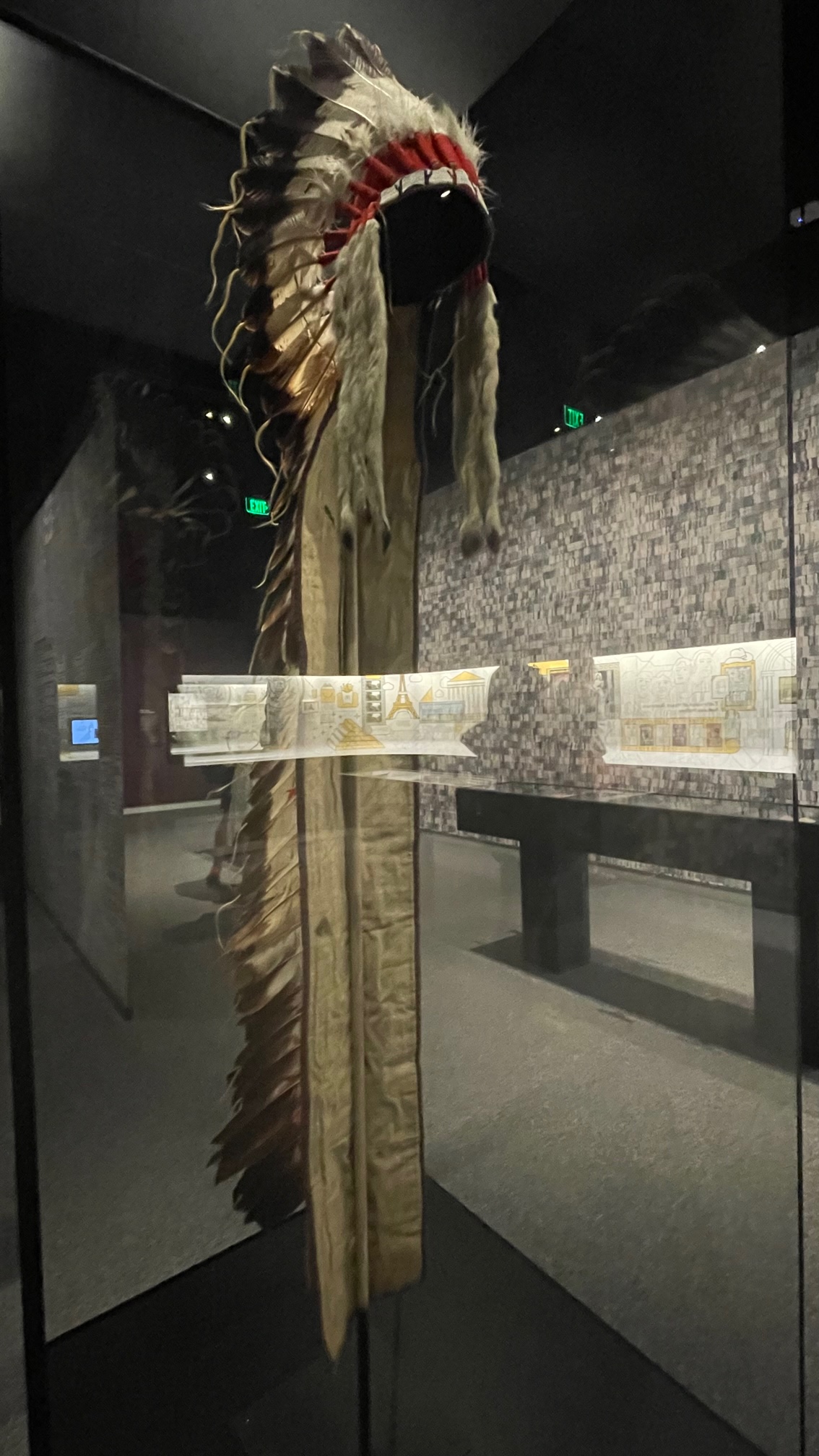
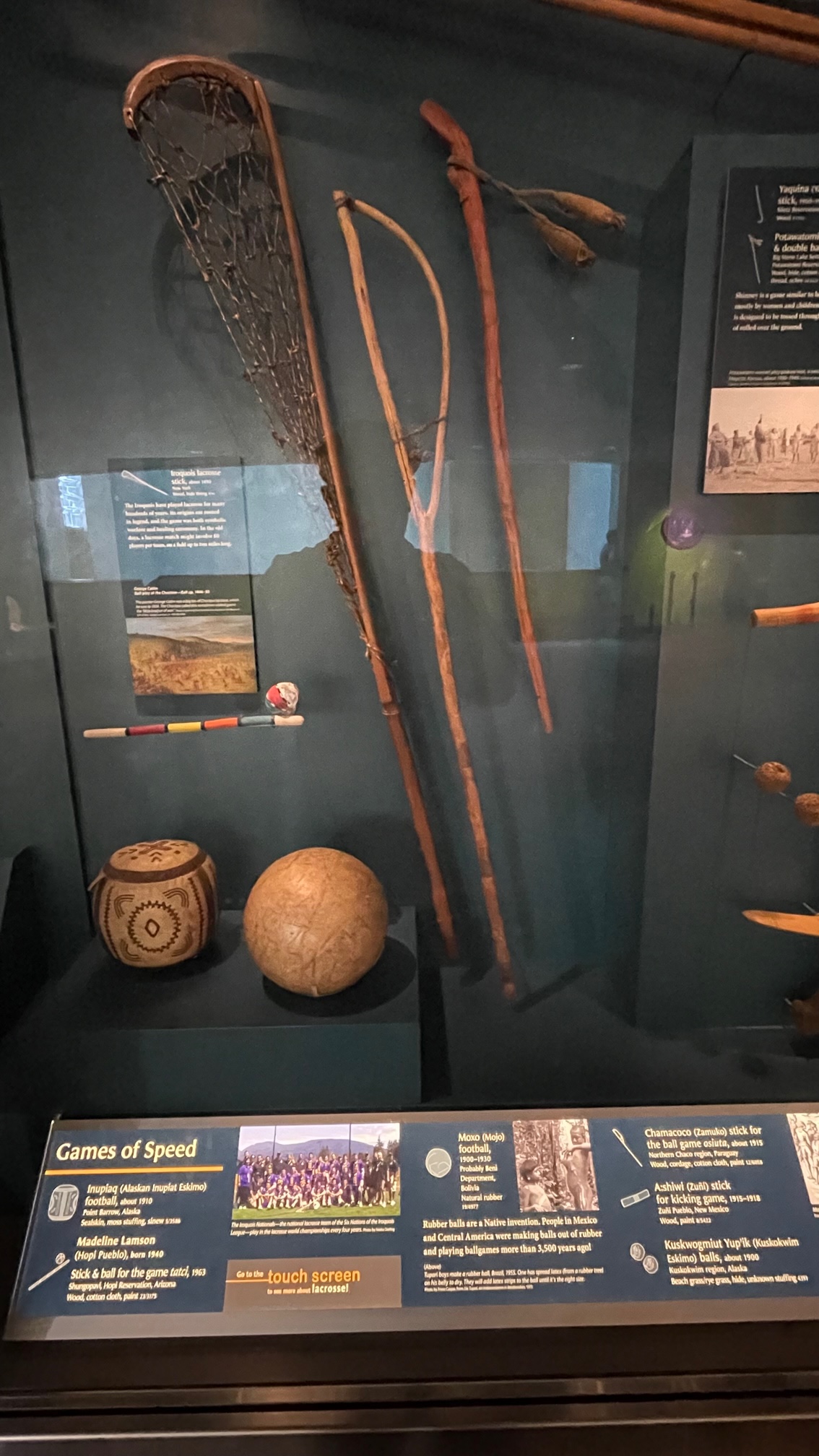


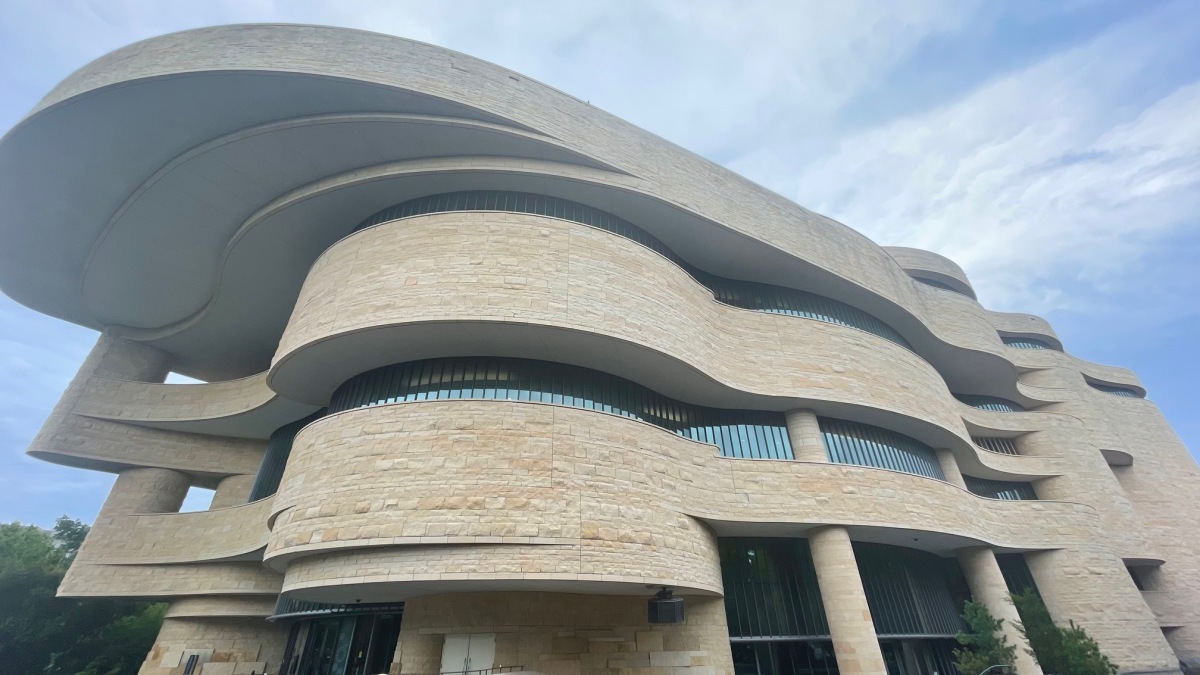
Camera: iPhone 12
Location: National Museum of the American Indian, The National Mall, Washington, District of Columbia


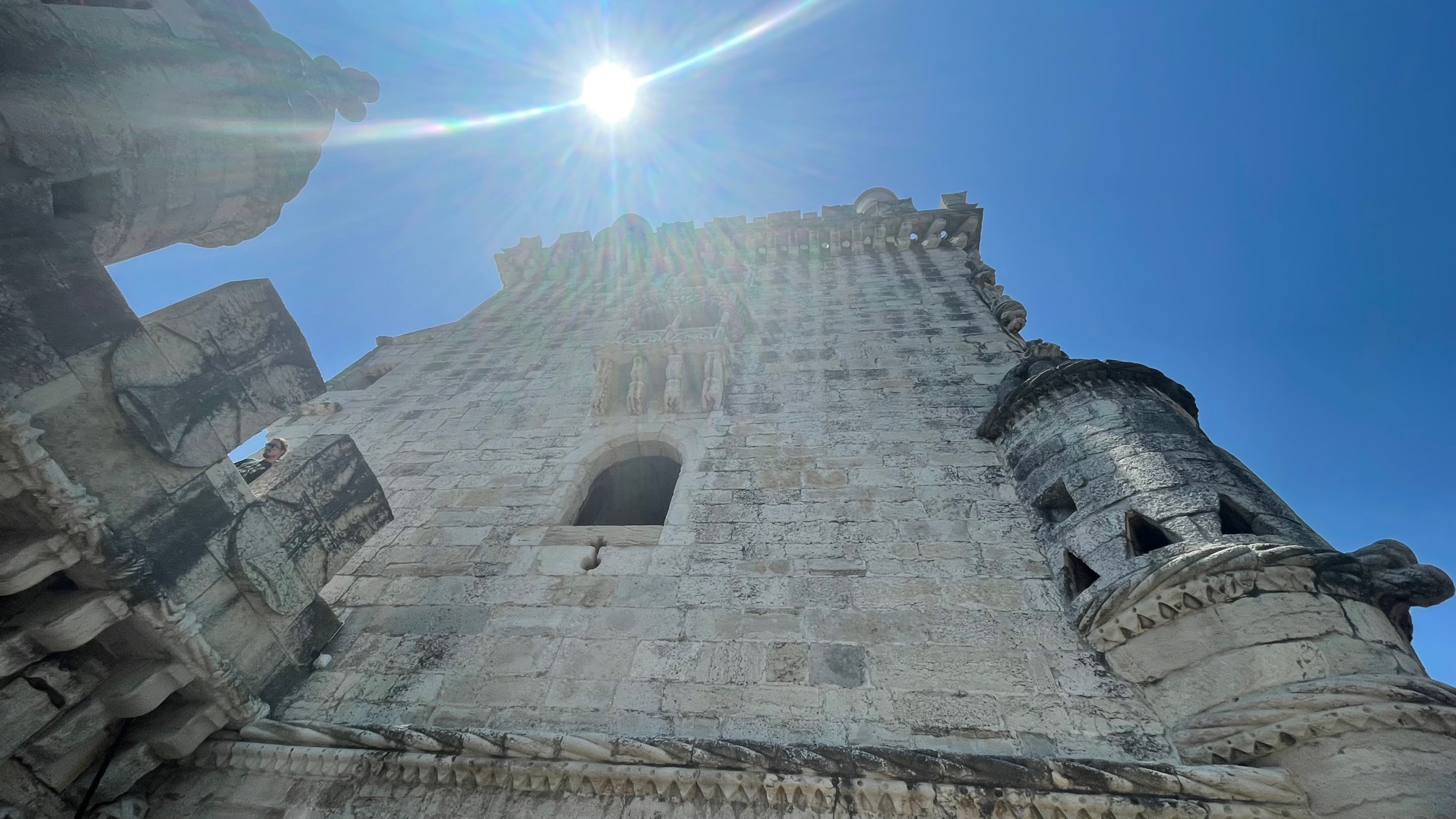









Camera: iPhone 12
Location: Belem Tower, Lisbon, Portugal


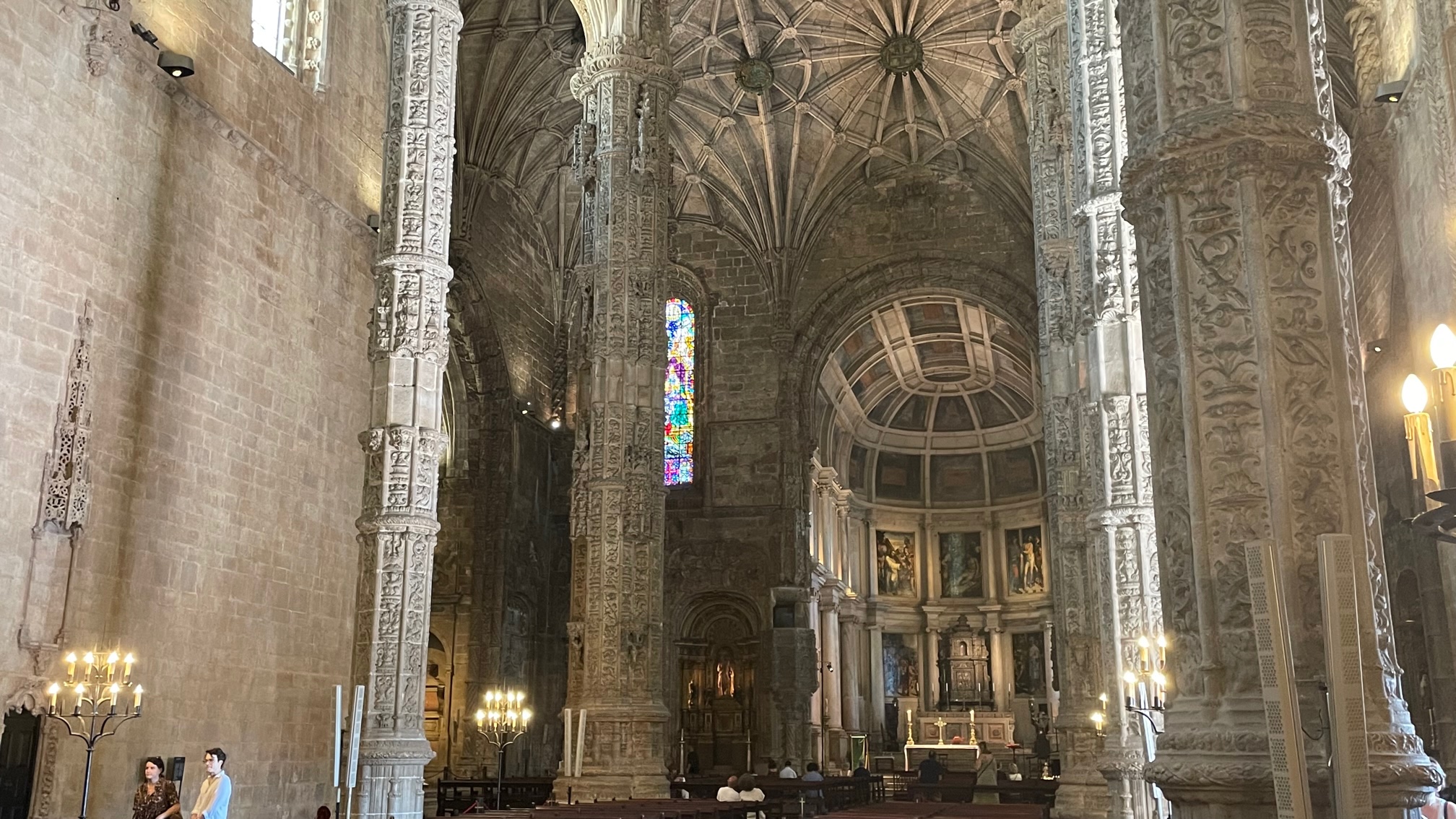
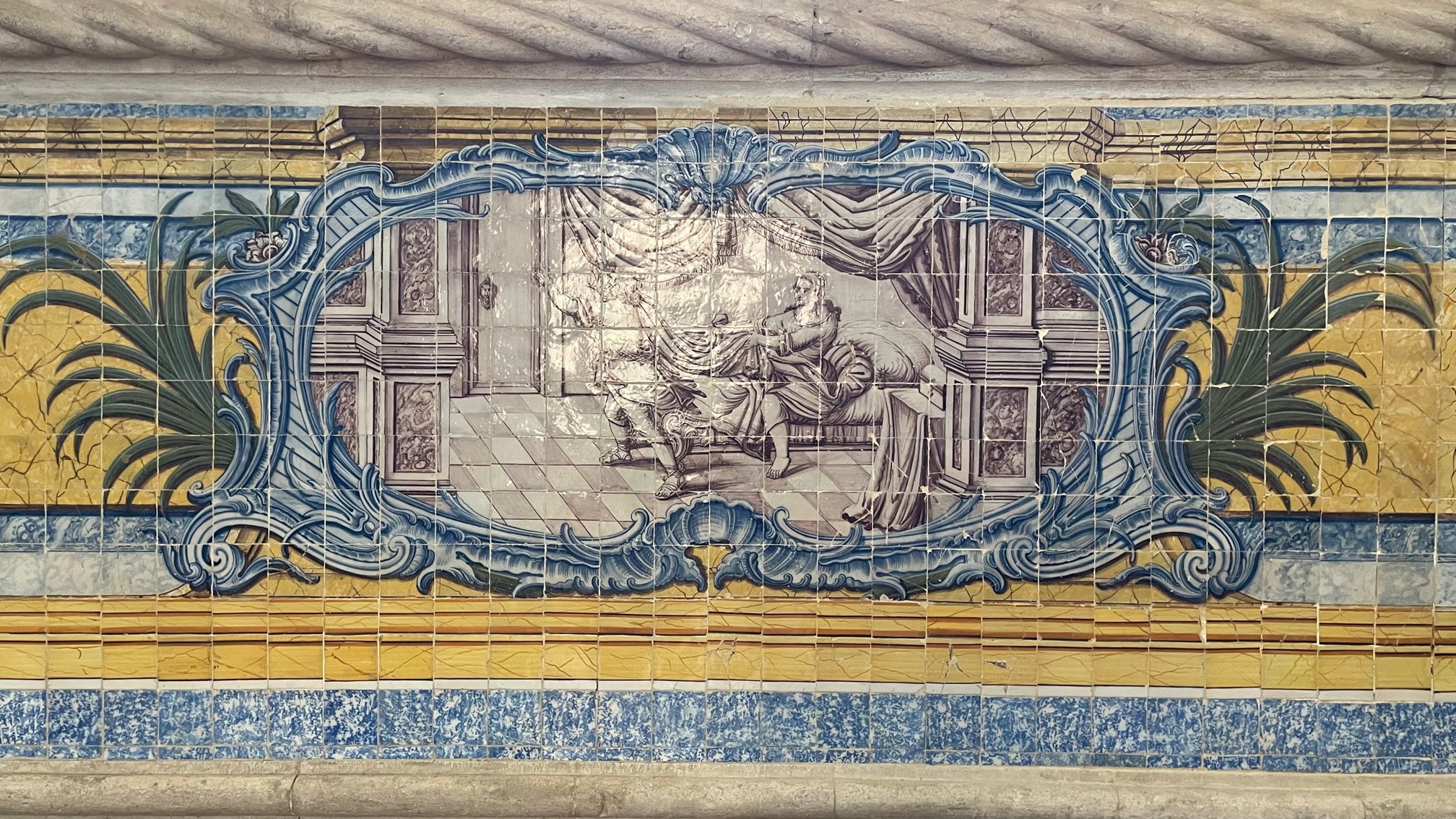

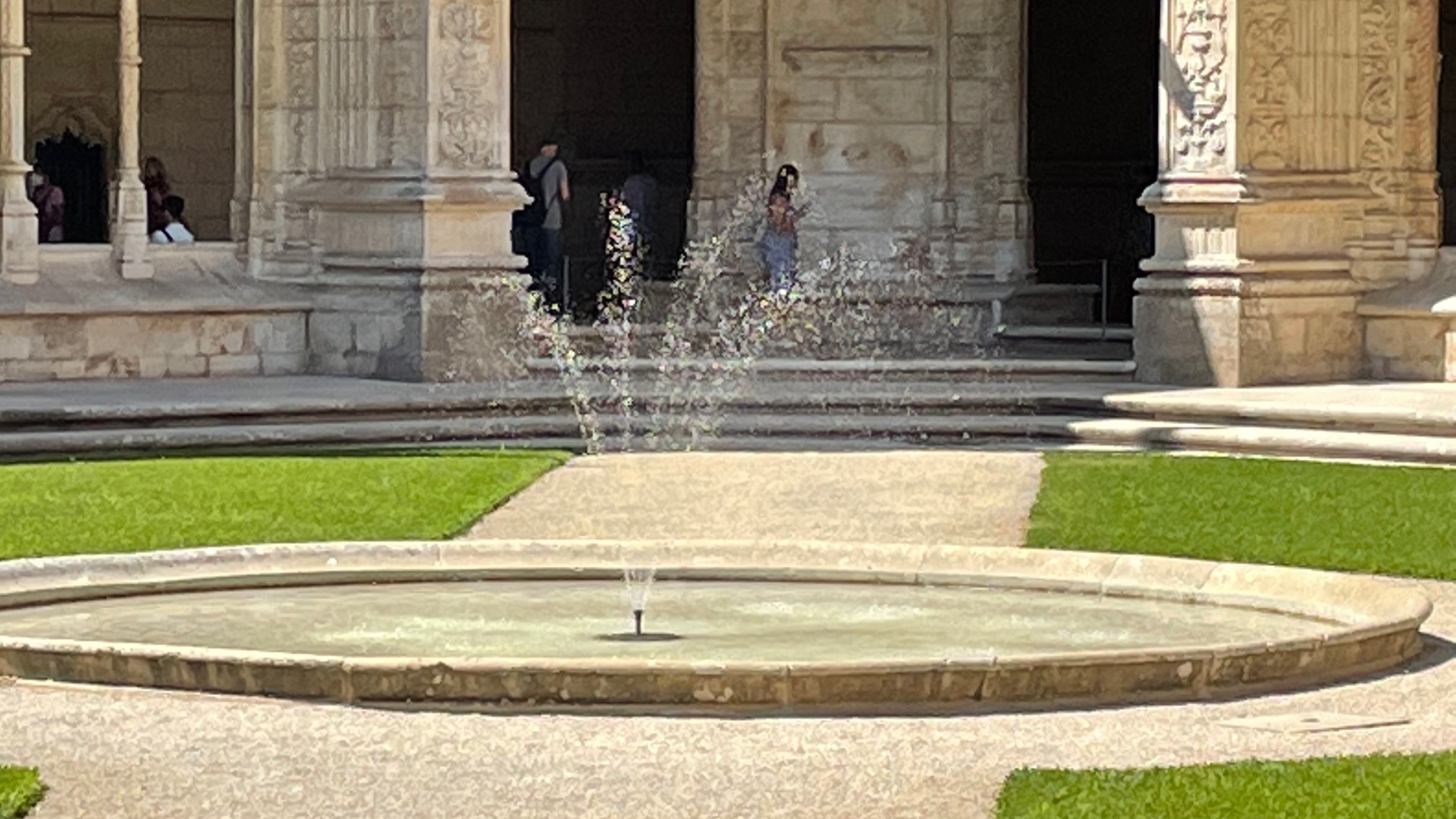

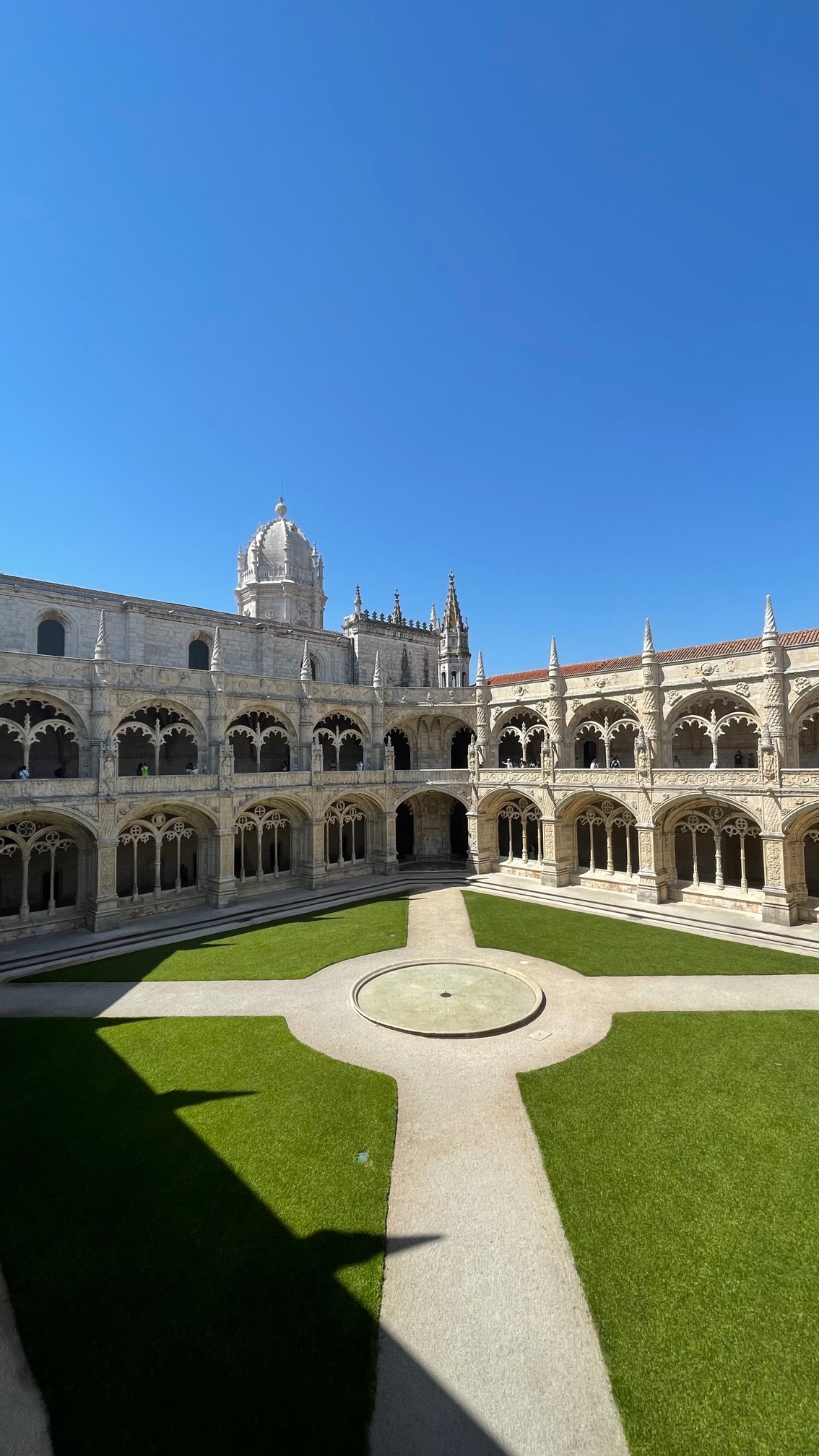


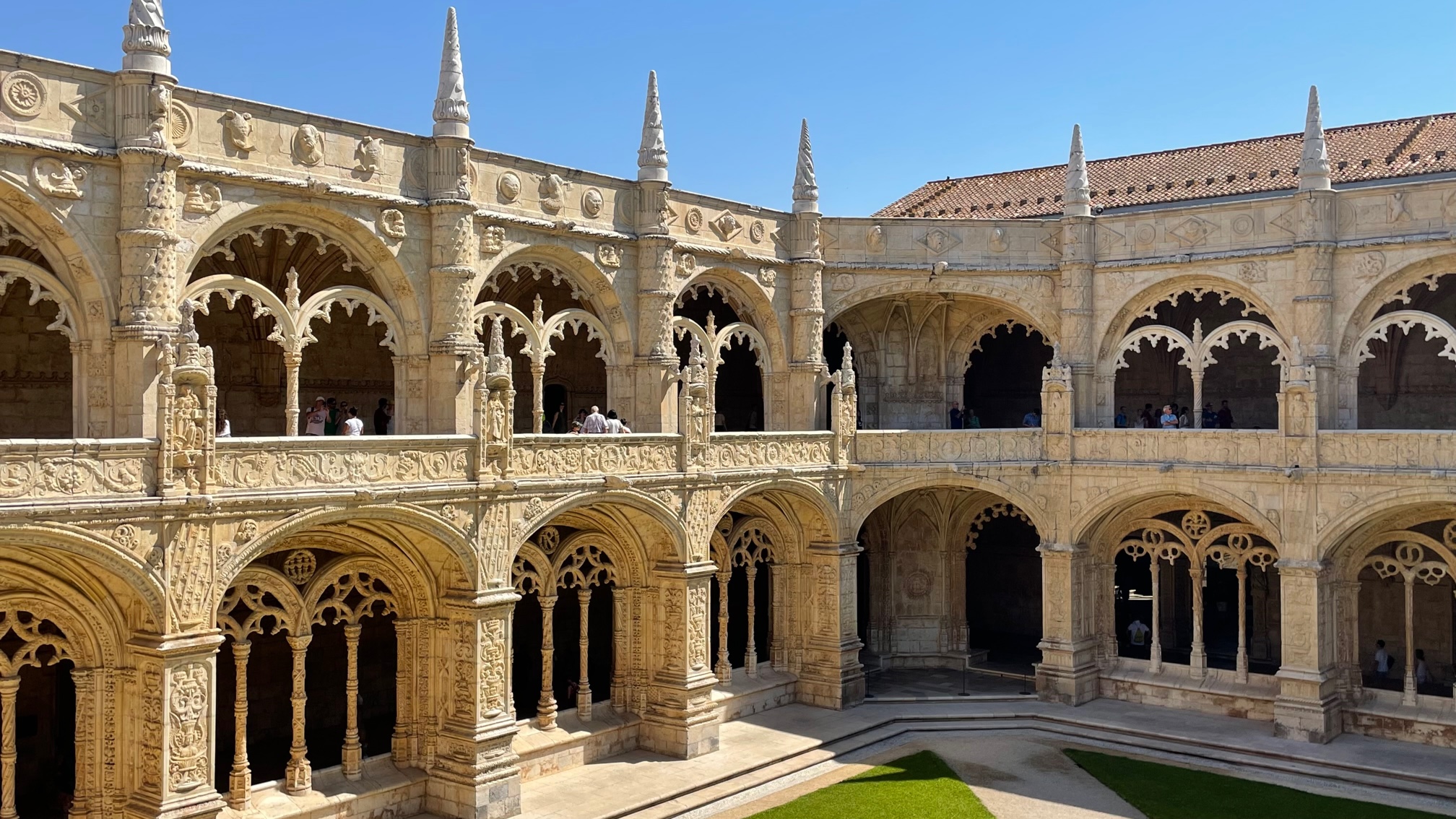




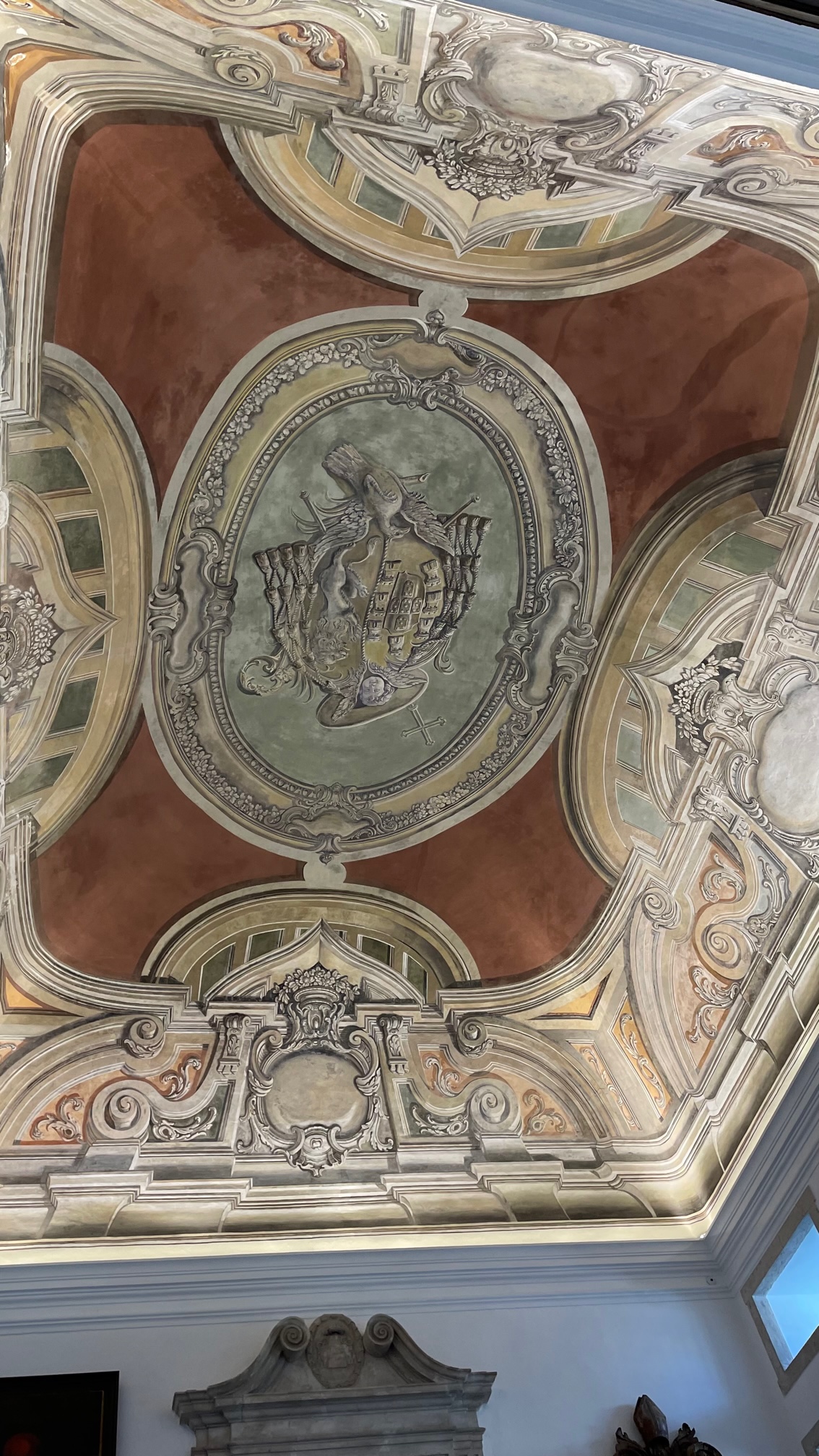


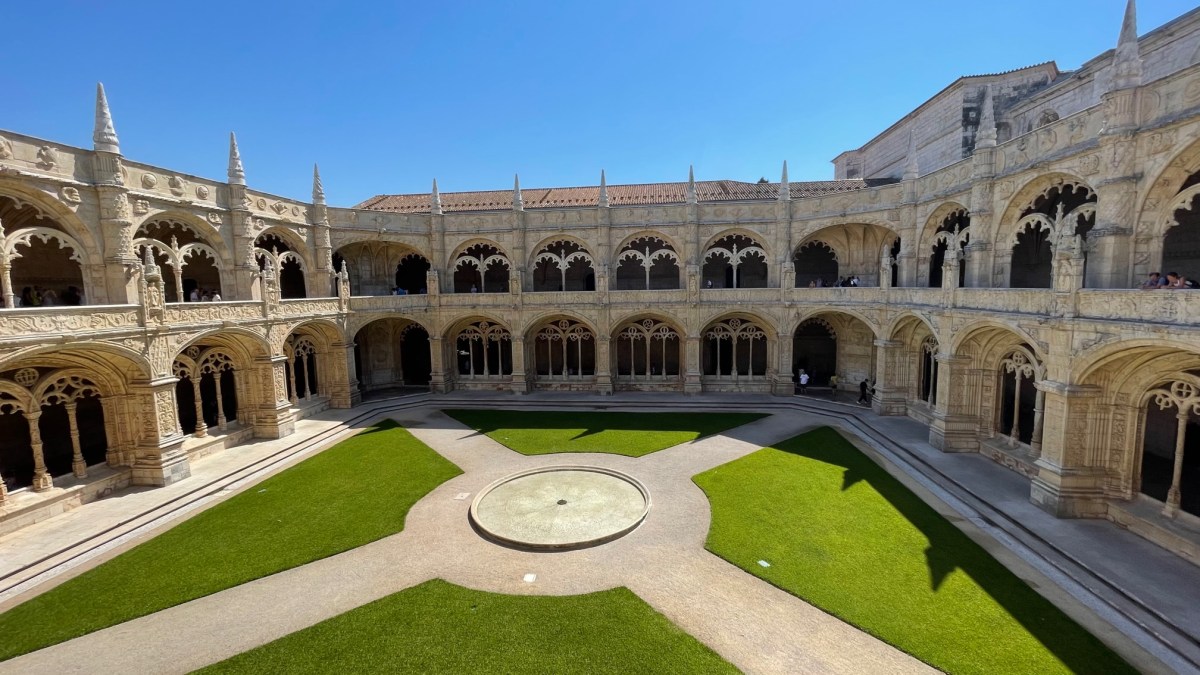
Camera: iPhone 12
Location: Jeronimos Monastery; Lisbon, Portugal