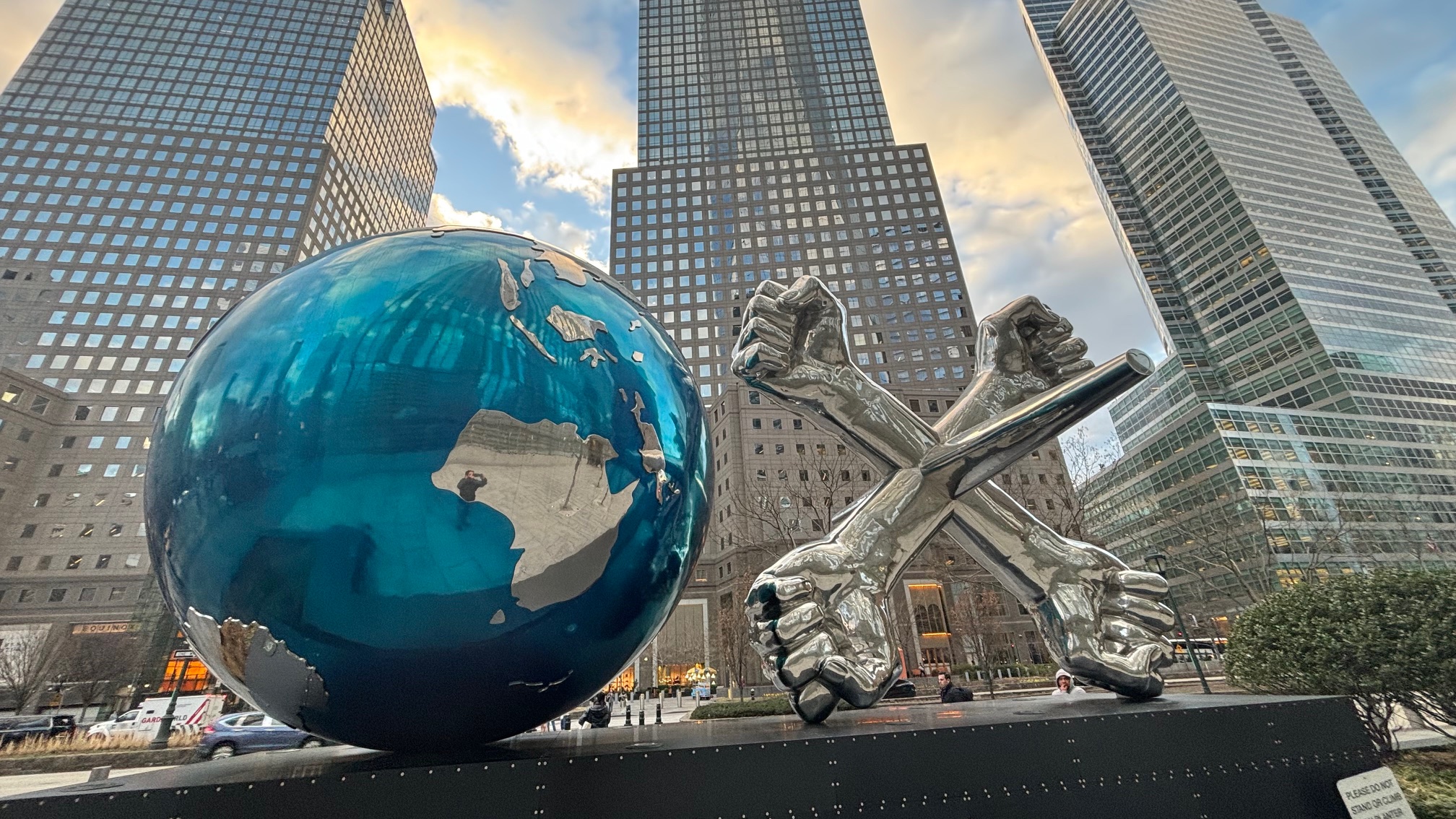


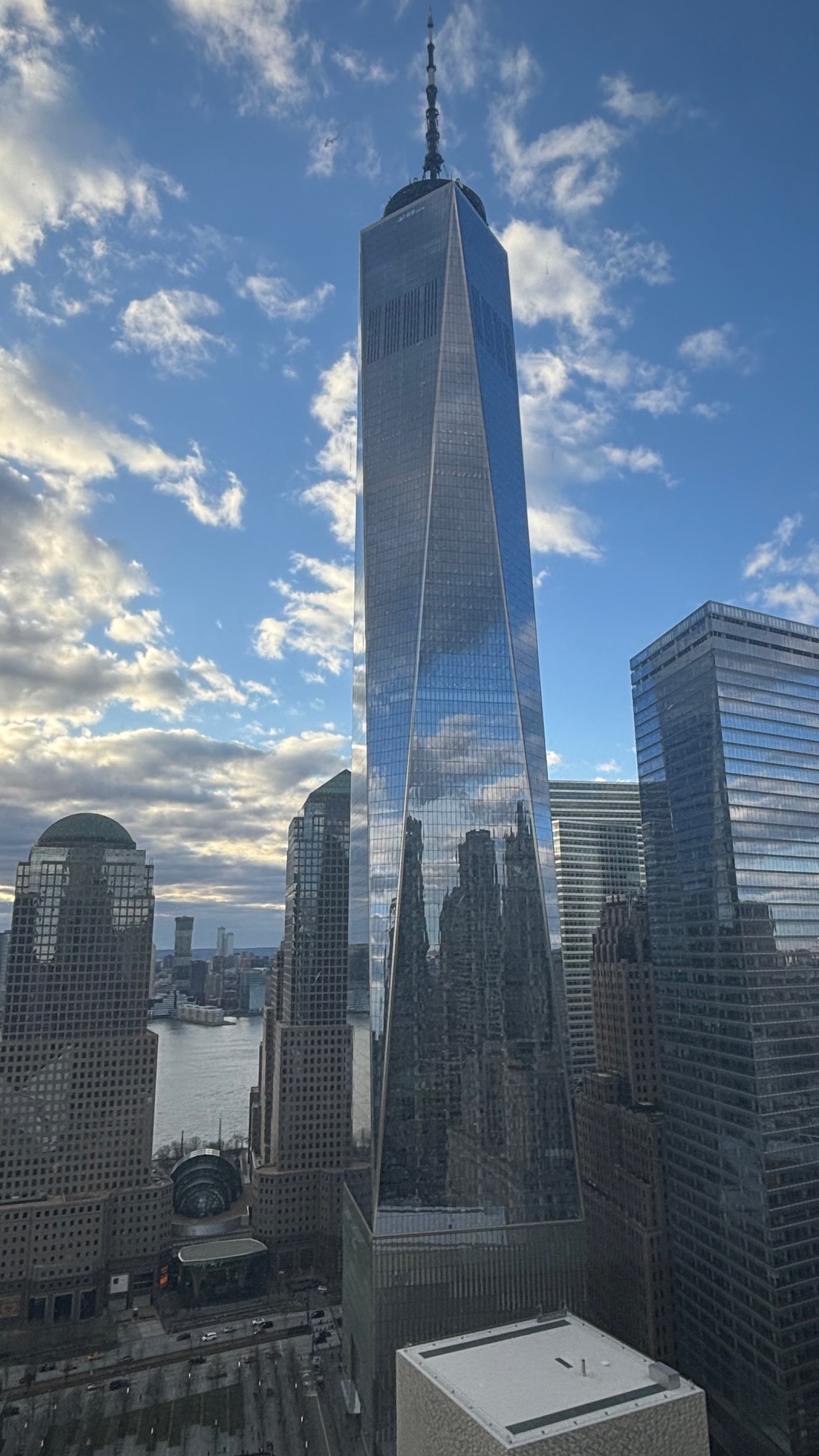
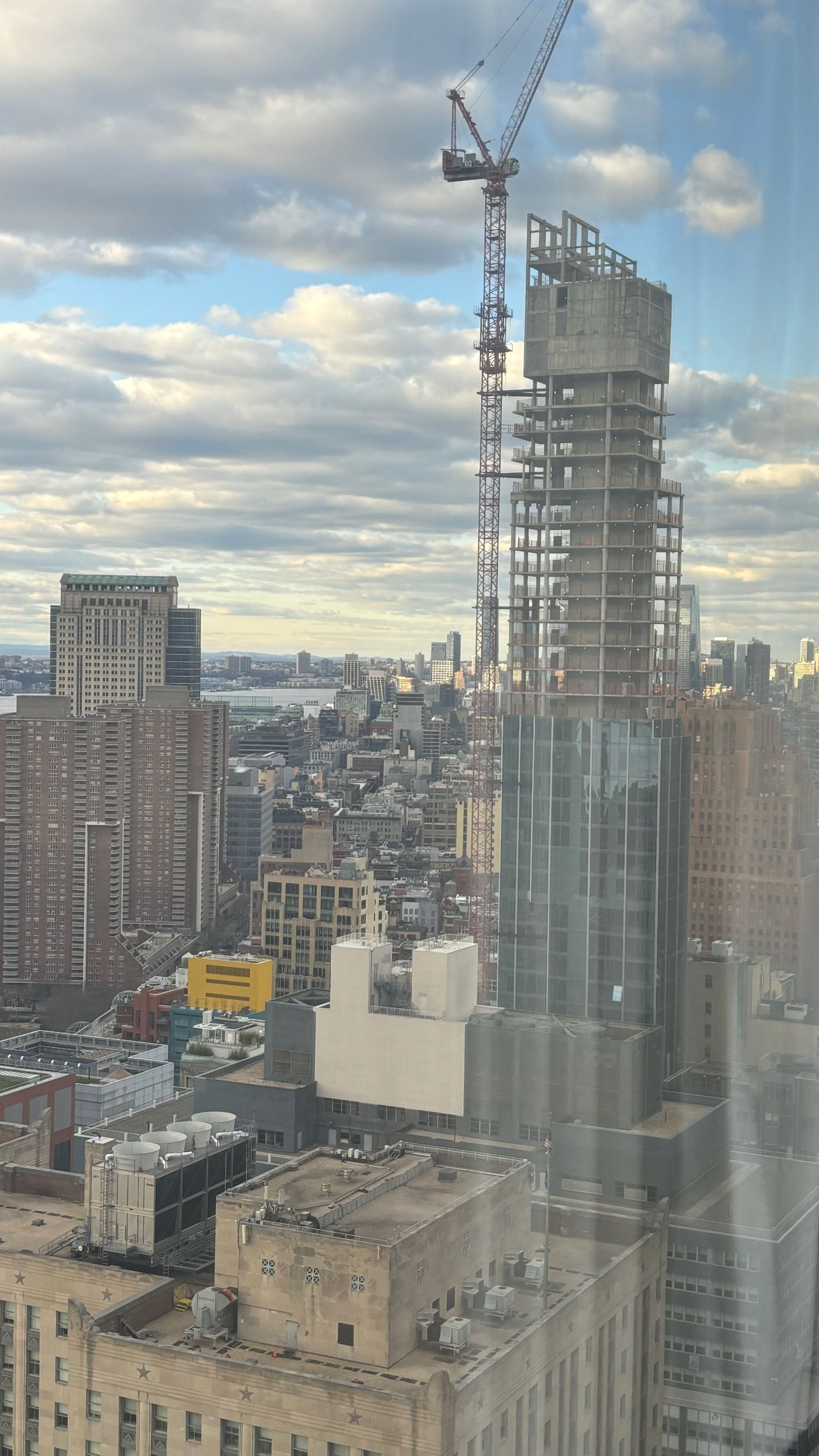
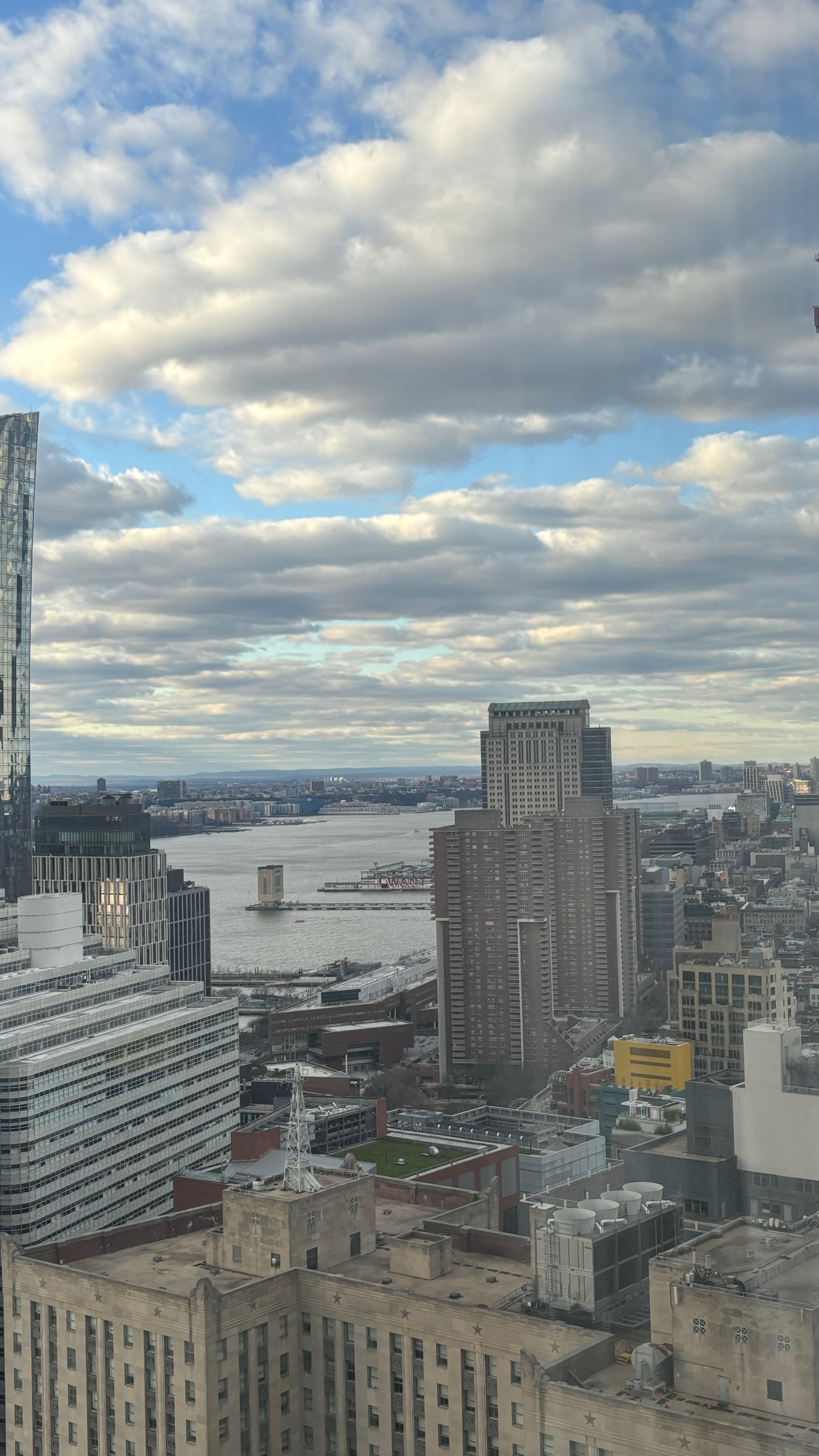
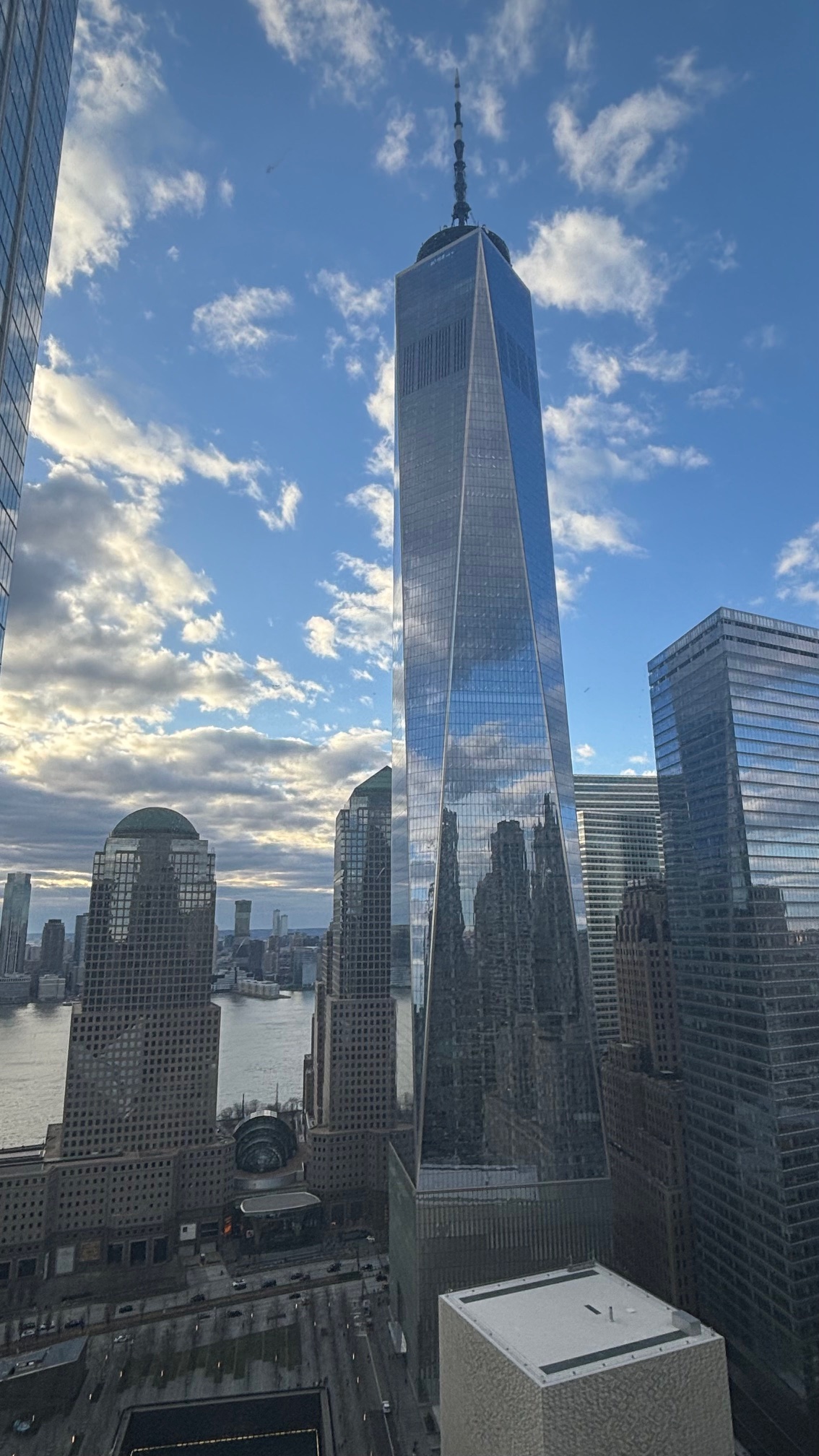
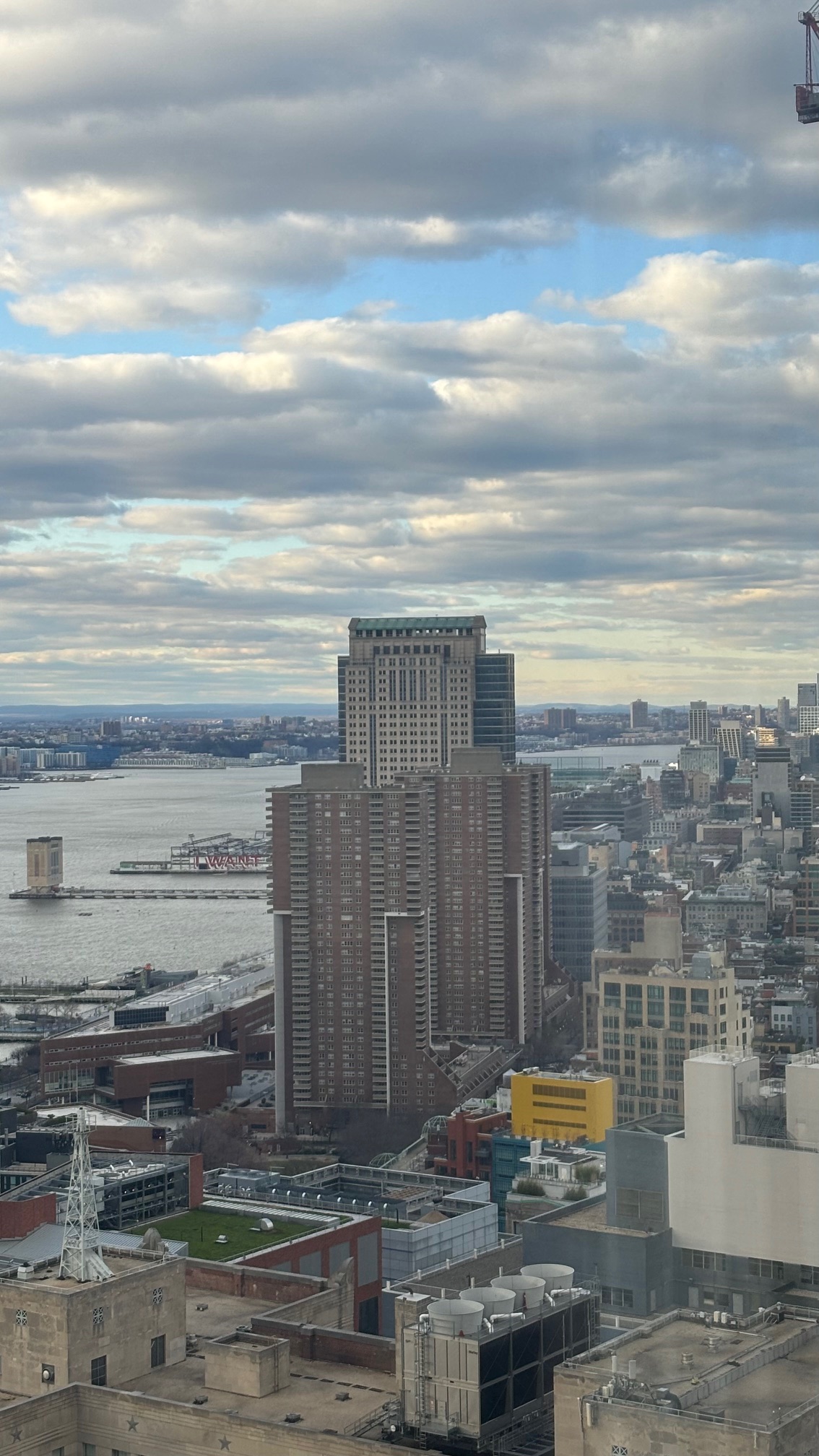
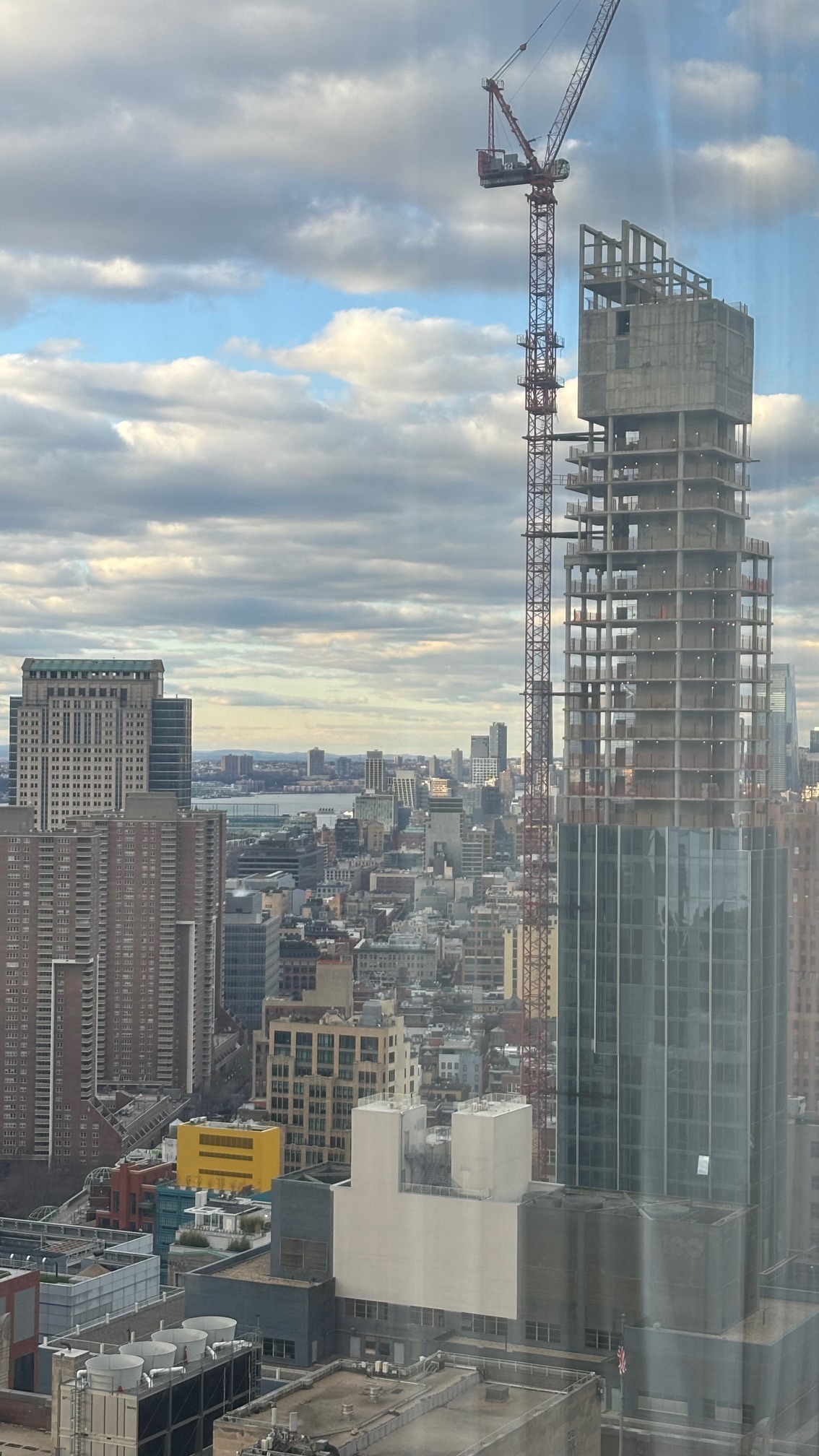

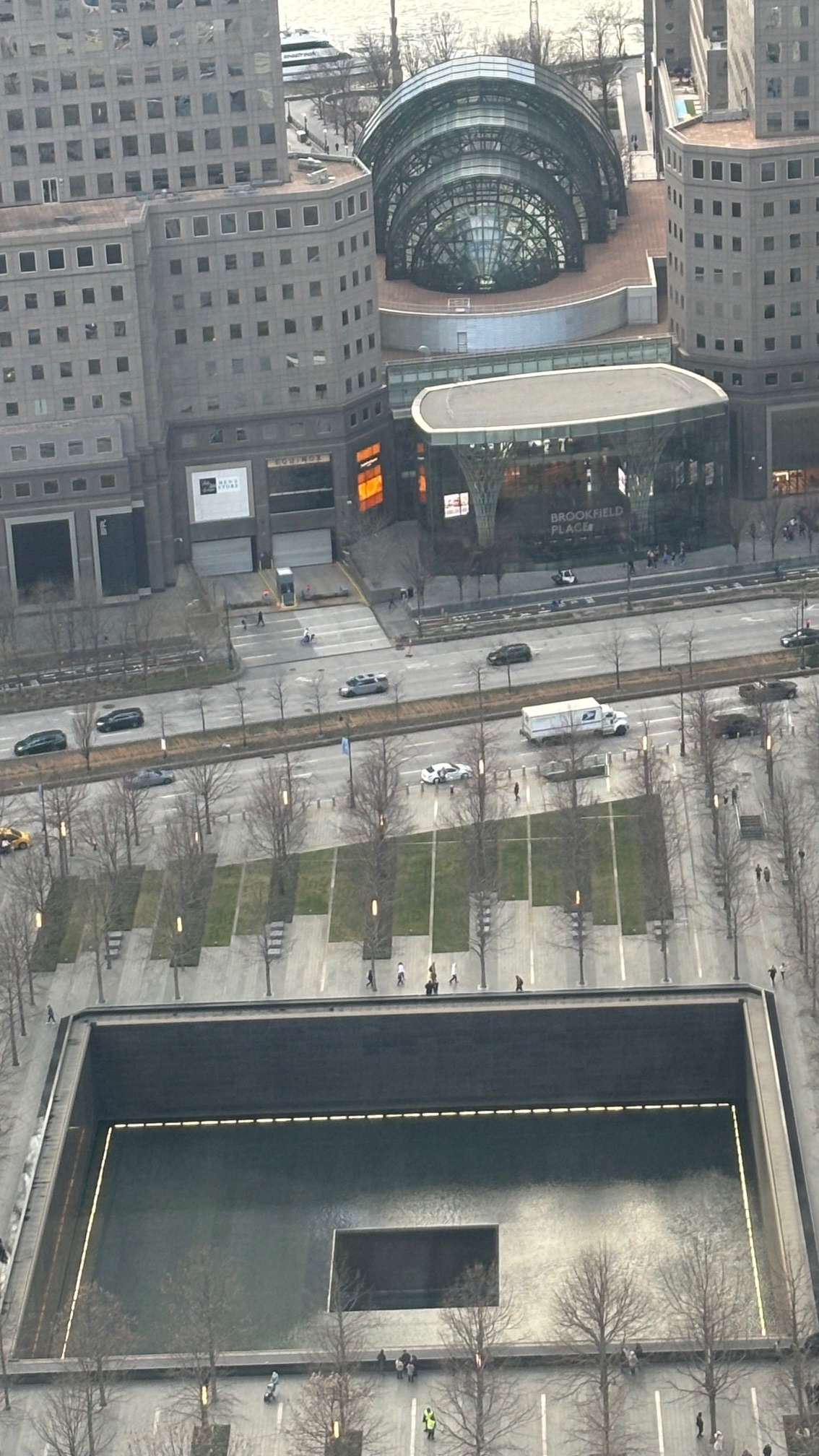
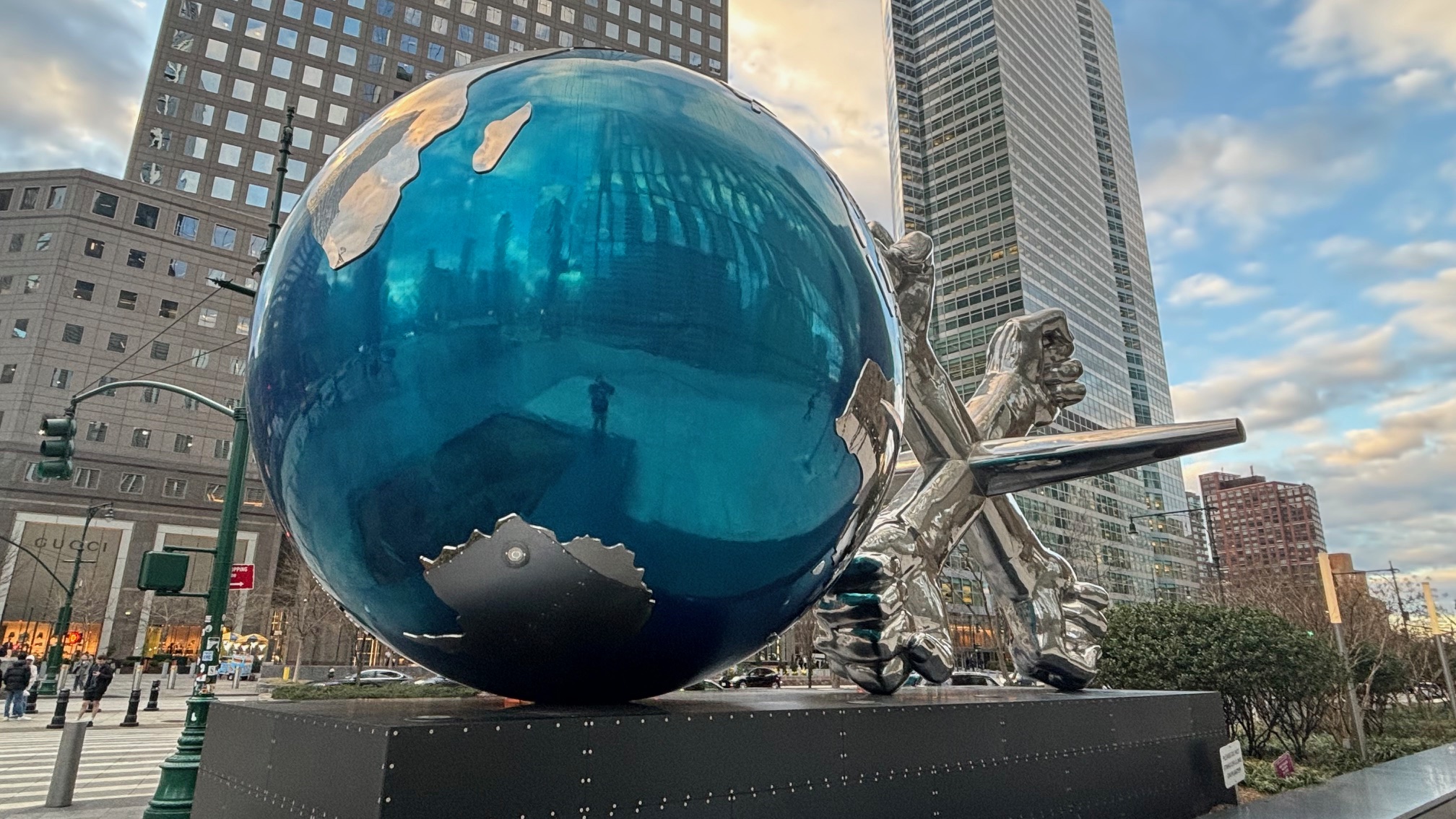
Camera: iPhone 15
Location: New York, New York

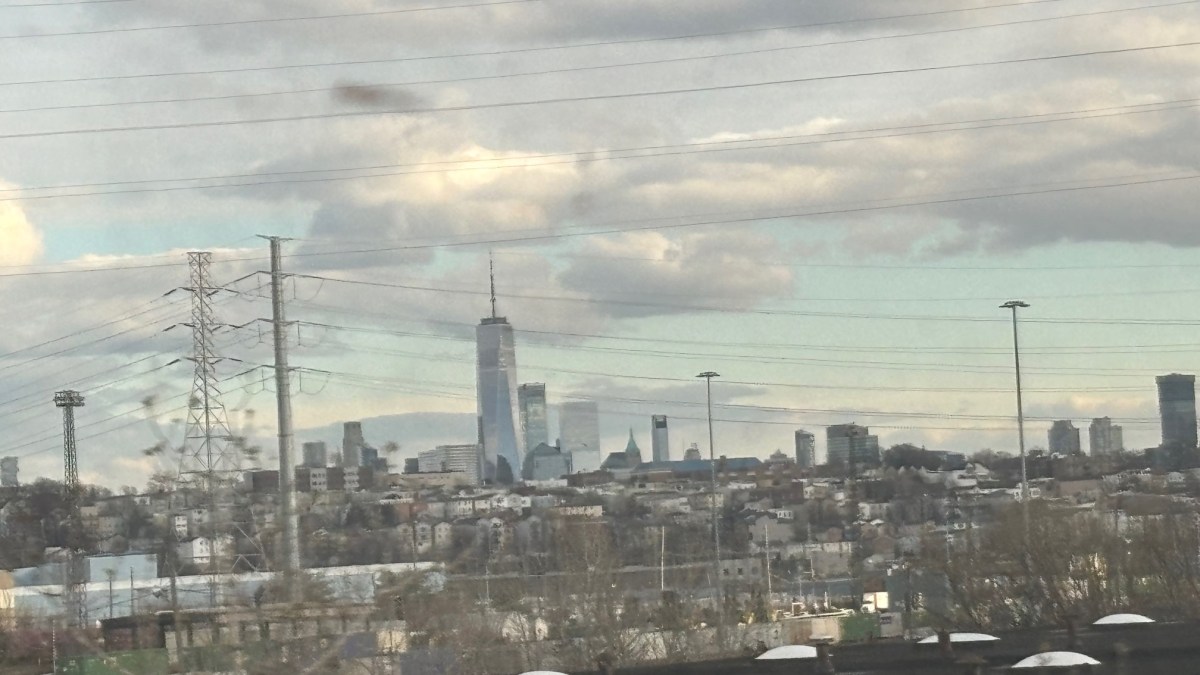
A trip back to New York City in March of 2024.
Camera: iPhone 15
Location: New York, New York
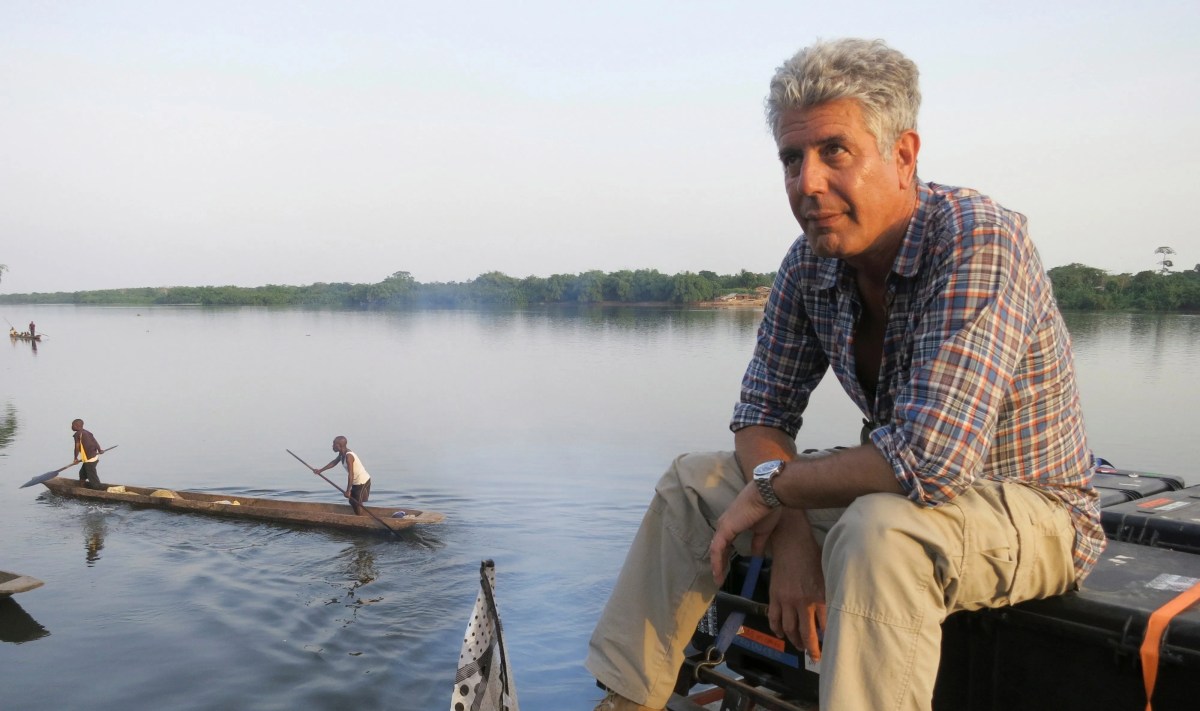
“One of Anthony Bourdain’s ‘Parts Unknown’ episodes in the Congo has one of the show’s best scenes where it has a vivid description of Bourdain gazing over New York City from his high-rise apartment in the closing moments, set up against the backdrop of his first and only foray to the Democratic Republic of Congo.”
If you had to pick opposites in the world, you couldn’t do much worse to contrast the journey through the thick Congolese jungles and down the Congo River with the urban sprawl of New York City. One of Anthony Bourdain’s ‘Parts Unknown’ episodes in the Congo has one of the show’s best scenes where it has a vivid description of Bourdain gazing over New York City from his high-rise apartment in the closing moments, set up against the backdrop of his first and only foray to the Democratic Republic of Congo.
There are multiple themes to take away from the significance of Bourdain’s perilous journey in the Congo throughout the episode and with the contrasting solitude and isolation he likely had felt back in his NYC apartment after such a harrowing trip. There is a burden that he must have felt in witnessing such a contrast between the Congo and New York City that leaves the contrasting scenes up for our interpretation as fans of his ‘Parts Unknown’ show. How easy it can be to feel lonely amongst millions of people after traveling to such a distinct place, the burden of making it through a perilous journey and putting your life on the line, and how traveling to such extreme places can change your sense of place in a complicated and often troubling world.
Before his passing in 2018, Anthony Bourdain was the preeminent travel host for over 15 years and his last show, Parts Unknown, from 2013-2018 was the deepest dive in his own mission of uncovering people’s stories through food and culture. In terms of looking at human nature and the human condition, few shows, if any, were better than Parts Unknown. More than anything, many of the Parts Unknown episodes had Bourdain providing needed historical context regarding the complex and difficult history of the country or place he would be visiting. This was especially the case during the Congo episode where he spends part of the episode looking at the colonial exploitation, civil conflict, and poverty that has gripped the country both before and after it became the nation state known as the Democratic Republic of the Congo today.
Bourdain was a huge fan of the Joseph Conrad book, ‘Heart of Darkness’ and makes it known in the episode of how became obsessed with the Congo and the Congo River without trivializing the country or its people. His approach is sincere, and he looks to paint an accurate picture of what the Congo is like, why he sought to demystify and humanize the place, and how it was both similar and different to Conrad’s interpretation of it.
“When all is said and done, I wanted to go to the Congo, and I did.” Bourdain knew that this would be one of his most difficult journeys, but he also wanted to pay homage to Conrad’s novel by following a similar exploration to the authors with a boat trip down the Congo river. However, this kind of journey as shown in the episode was not simply a leisurely trip down the river without witnessing the history, culture, or food of the Congolese. Bourdain and his film crew interacted with different villagers, aid workers, and other locals to hear their stories despite how difficult the journey had been especially losing power on the boat and being surrounded by mosquitoes and other insects at one point.
It takes a toll on a person to look at the dark history of a place’s past as well as its uncertain present and not be affected by it. Bourdain has a visible weariness and introspection upon the conclusion of the journey given how hearing about the history of violence, dealing with the security issues involved, the lack of infrastructure to make the journey work, and to hear about the sheer resilience and fortitude of the Congolese people under extremely difficult circumstances.
The hardest part for Bourdain in my view maybe wasn’t the actual trip down the Congo river with all the bureaucracy, bribery, and lack of infrastructure involved to make it finally happen. I think the final scene of this Parts Unknown episode sums up the ‘lost’ feeling and the isolation to have witnessed all that and come back to a New York City that is abundant, thriving yet inequal, and with a completely different set of circumstances than one would encounter in the Congo. There’s ‘culture shock’ and then there is experiencing a bit of a totally different reality that few Americans and fewer New Yorkers would ever see for themselves. This contrast in realities and the stark scene transition from leaving the Congo River to being back at his high-rise apartment in Manhattan is perhaps the greatest scene ever shot for Parts Unknown or in any of his travel shows.
To break down this excellent scene and contrast further, Bourdain is in one of the world’s most crowded cities, but he is alone and isolated in his apartment like being isolated from most people’s lived experiences of the world, which pales in comparison to his own having had been to over 100 countries in his travels. He is filmed sitting behind his apartment windows, which acts as a barrier between Anthony and the rest of the world, seeing everything for himself but finding it difficult to connect with his immediate surroundings in NYC after witnessing such a contrasting reality in the Congo.
I think this final scene of the Congo episode really encapsulates Bourdain’s struggle as a travel host and writer to search for meaning and purpose in a world that often feels indifferent or alienates the struggles of other people who live in a different place or country. Bourdain’s gaze through the window symbolizes the distance between the world he witnessed and the world he felt disconnected from. It reflected the existential tension that marked his life: the constant search for meaning, tempered by the knowledge that some things, no matter how deeply we travel, remain elusive.
In his life, Antony Bourdain likely felt a sense of solitude and isolation having witnessed the worst of humanity at times, which could be hard to relate to other people or even travelers who had not been to the same places. He was brave, kind, and let other people to tell their stories without judgment but it must have been lonely especially after a return from the Congo and returning home where he may have felt the most alone rather than out on the road with others in his crew or amongst people he had met. There is a loneliness in the familiar as any traveler can attest and the novelty of new places, people, and experiences make the routine feel mundane and trite. Bourdain’s entire journey, in this case, from the Congo back to his home in New York, shows that it can be hard to come full circle after visiting one of the least known places in the world.
The final shot of Anthony Bourdain in his New York City apartment, looking out over the vast, bustling city, yet consumed by solitude, serves as a poignant culmination of his journey as a seasoned traveler. After traveling the world, exploring the darkest corners of humanity in places like the Congo, Bourdain returns home, not with answers, but with a profound sense of isolation. The Congo episode, with its harrowing depictions of suffering and resilience, reflects the complexity of human nature that Bourdain grappled with throughout his career. The contrast between the vibrant, chaotic cityscape of NYC and Bourdain’s contemplative stillness in his apartment alone emphasizes a universal paradox: despite all the human connections made in the world, the traveler often finds themselves confronted with a loneliness that cannot be filled as a result.
Bourdain’s Parts Unknown was not merely about exploring food and culture, but it was also an exploration of the man himself. His travels were a quest for greater understanding, but they also unearthed the difficult truth that knowing the world does not necessarily mean knowing oneself at the same time. In the end, Bourdain’s legacy lies in the raw, honest portrayal of this duality, the external world and the internal battles that shape who we are. His life story continues to remind us that, no matter where we go or how much we learn, we all face the same fundamental challenge in life: to find a true connection in a world that often seems vast, indifferent, and overwhelming.
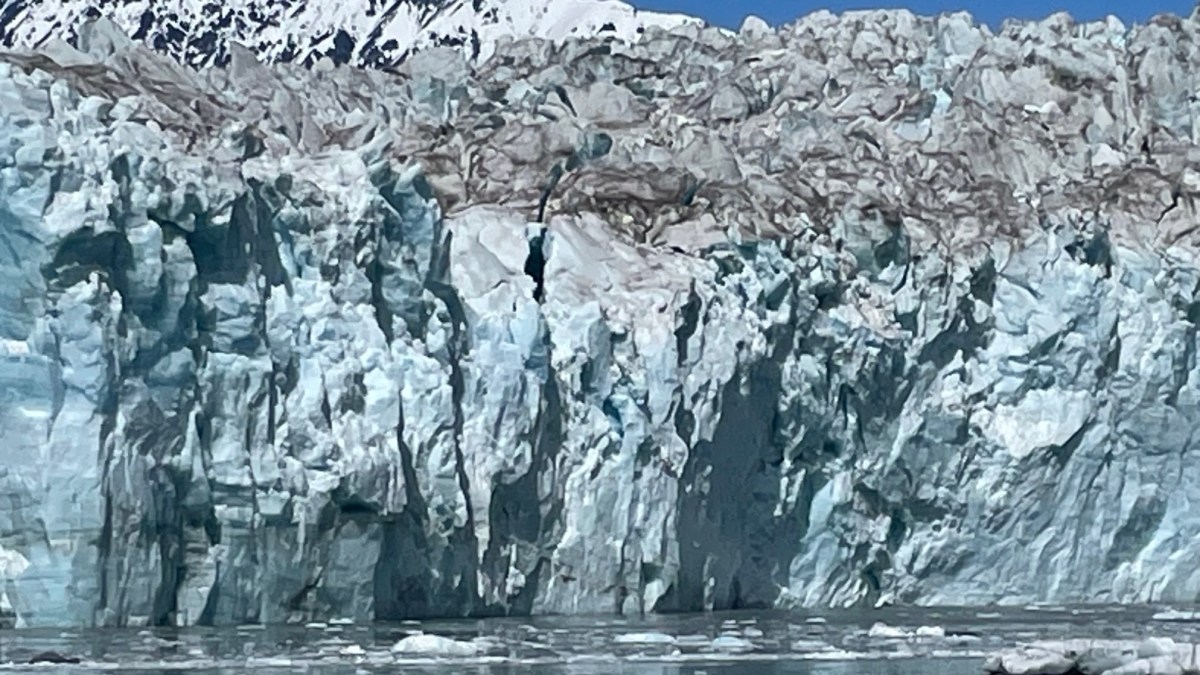
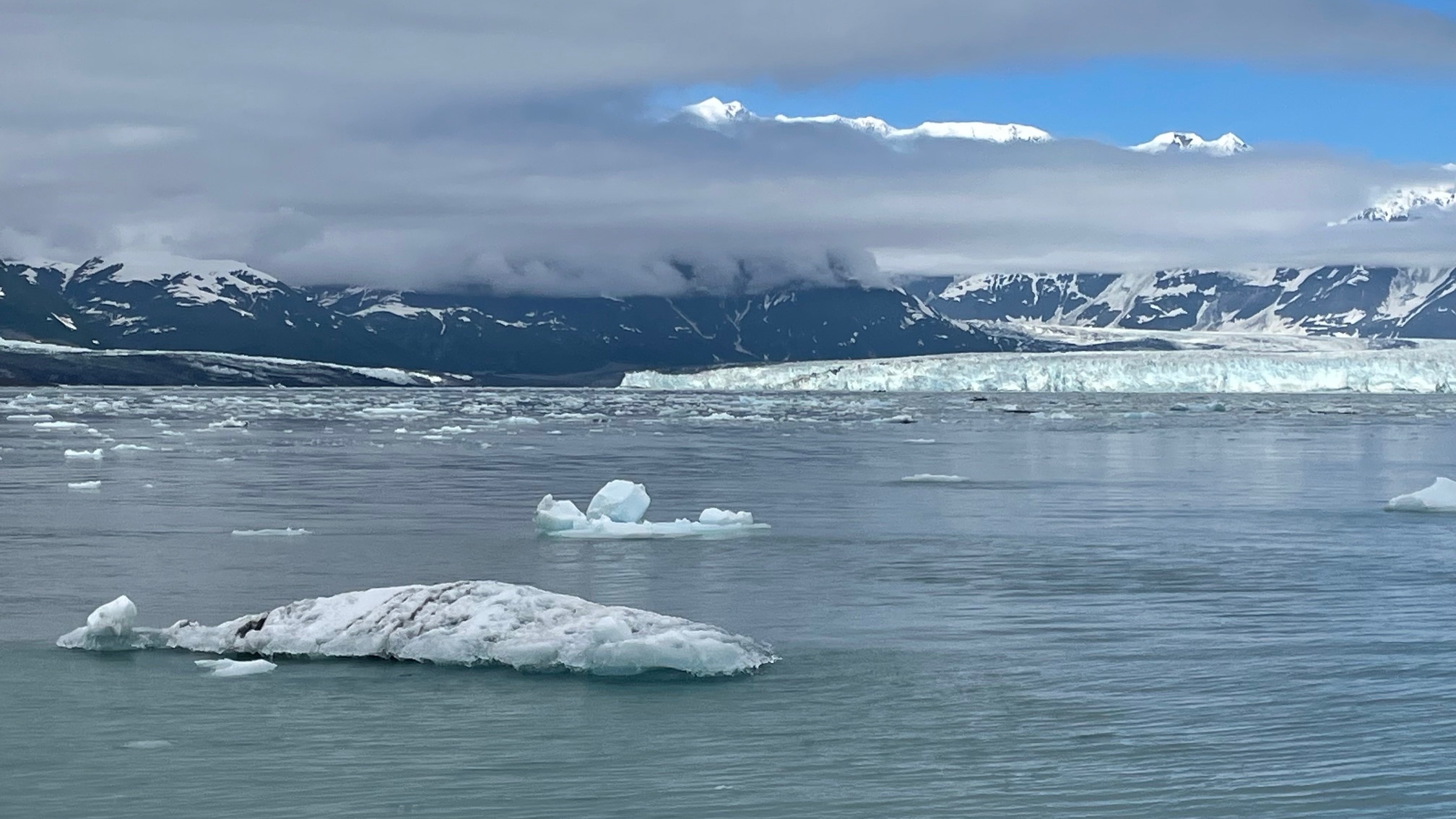
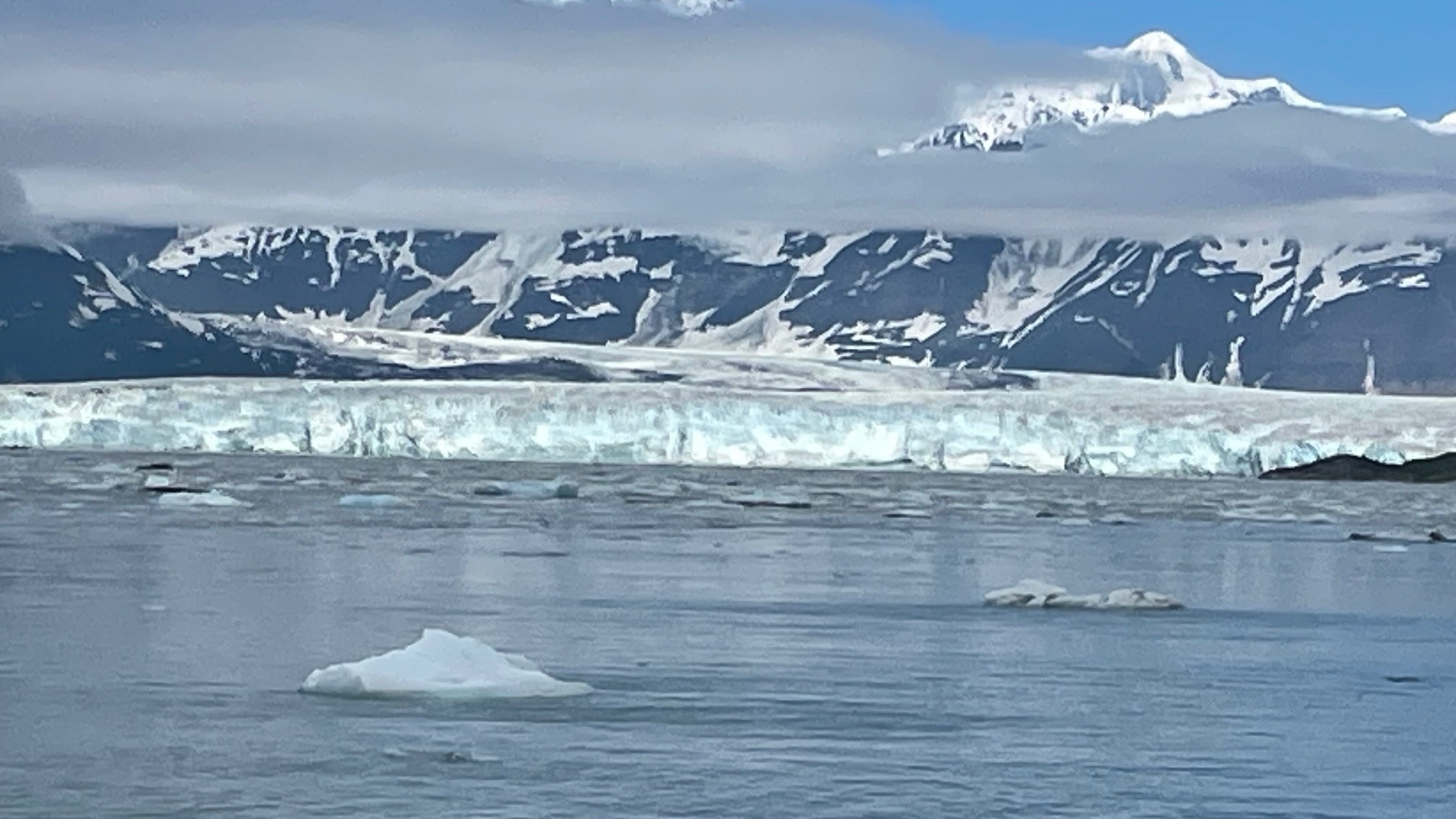
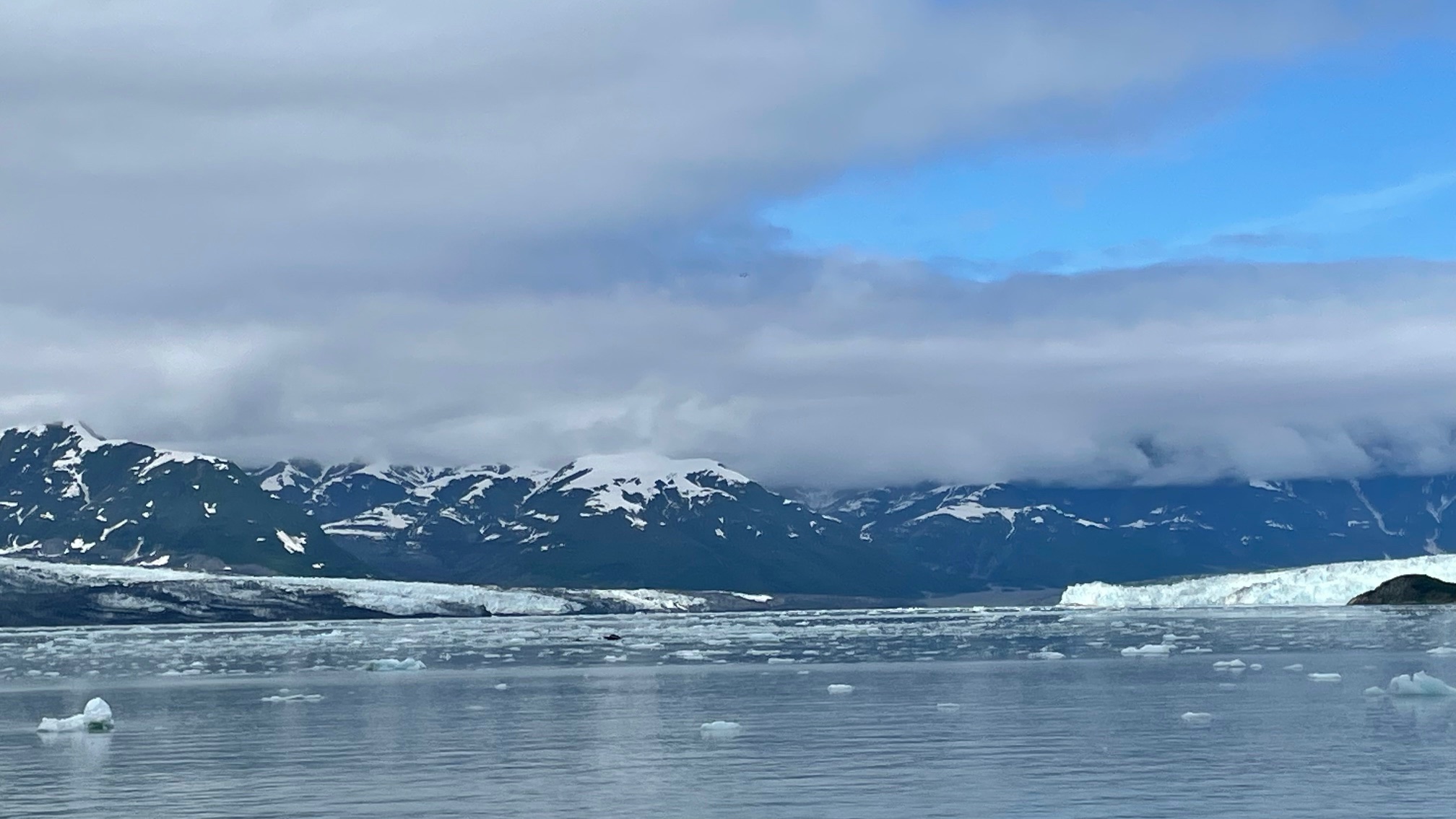
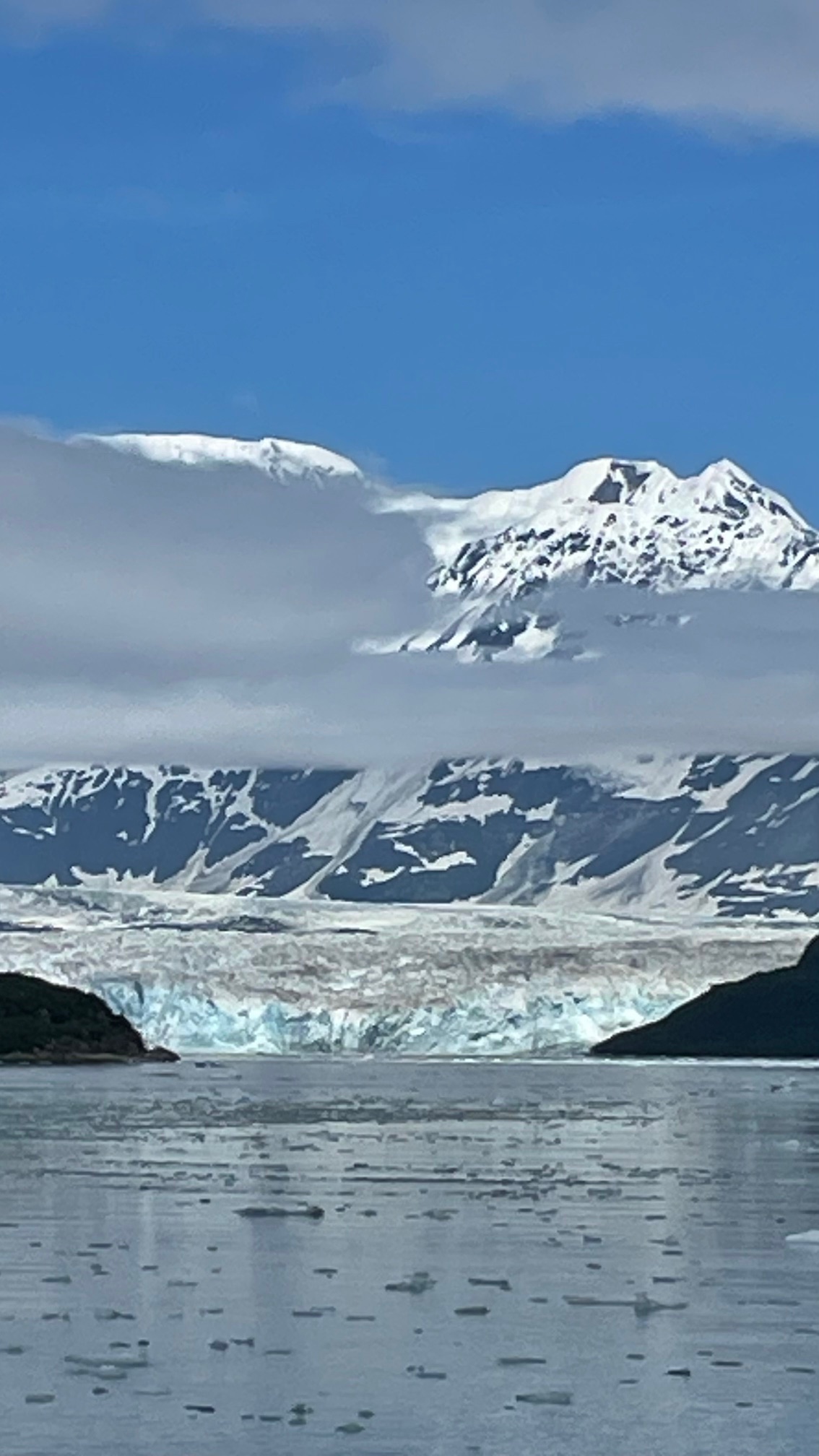
Voyage through Disenchantment Bay to see the famous Hubbard Glacier
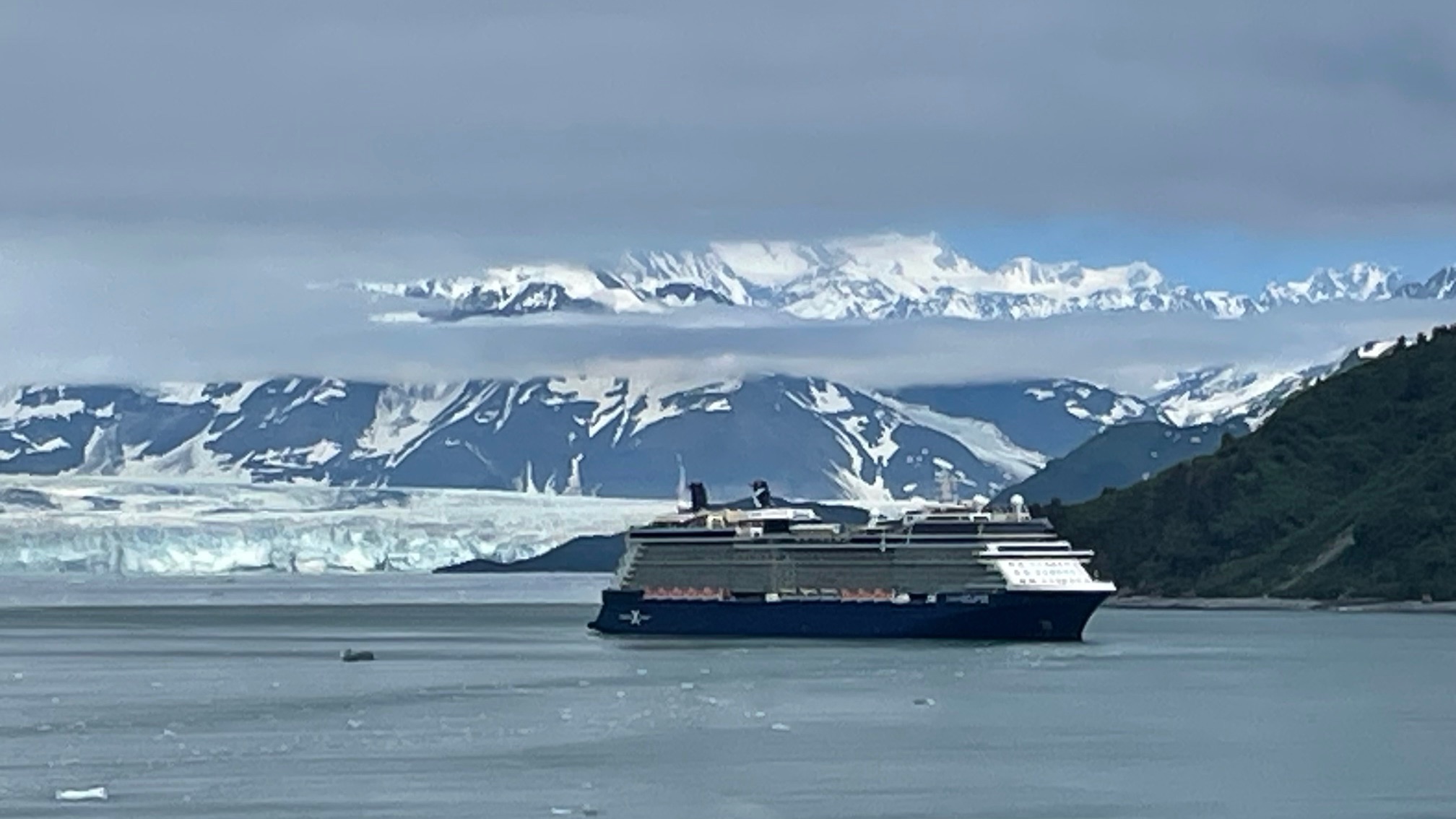
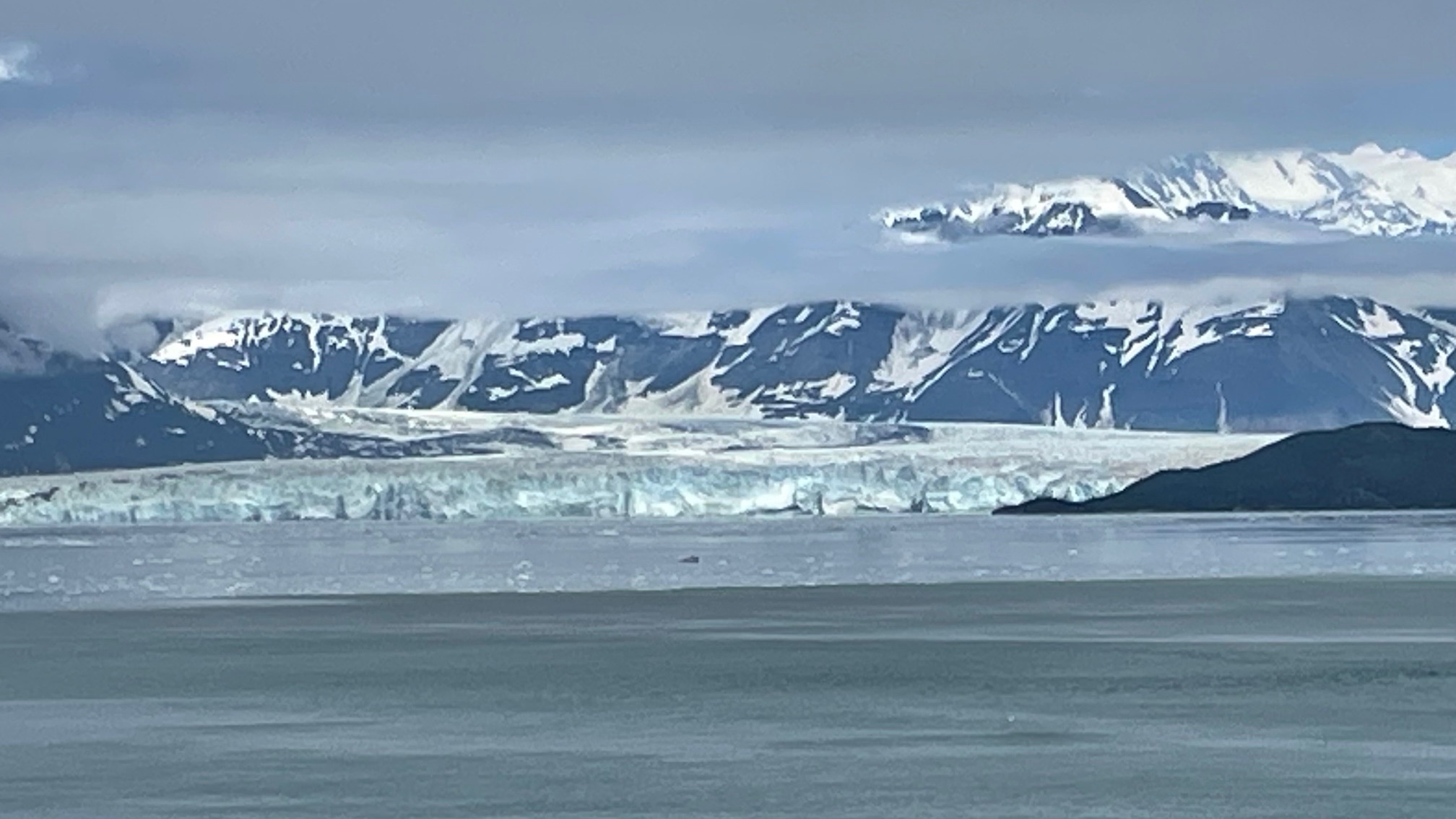
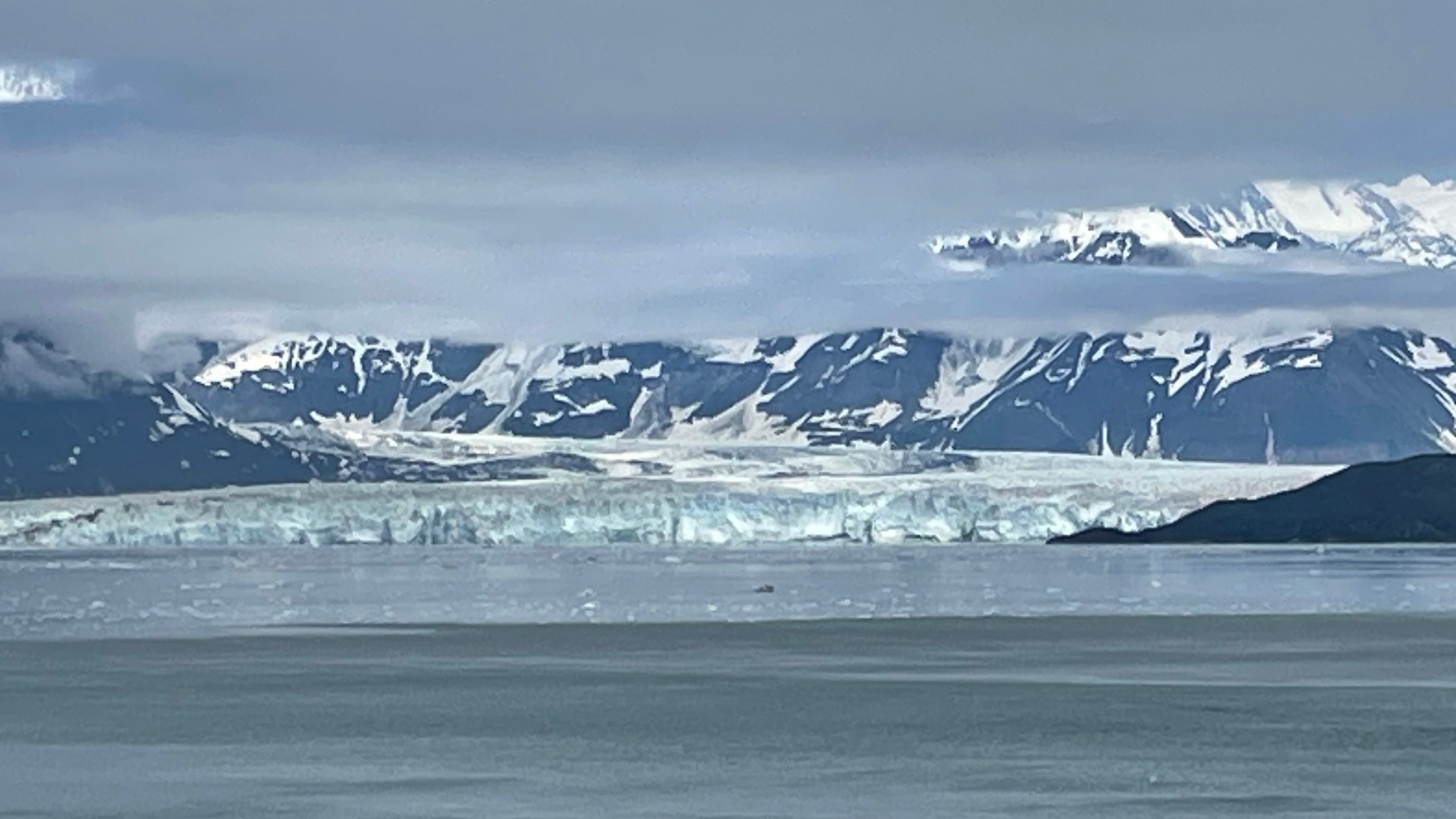
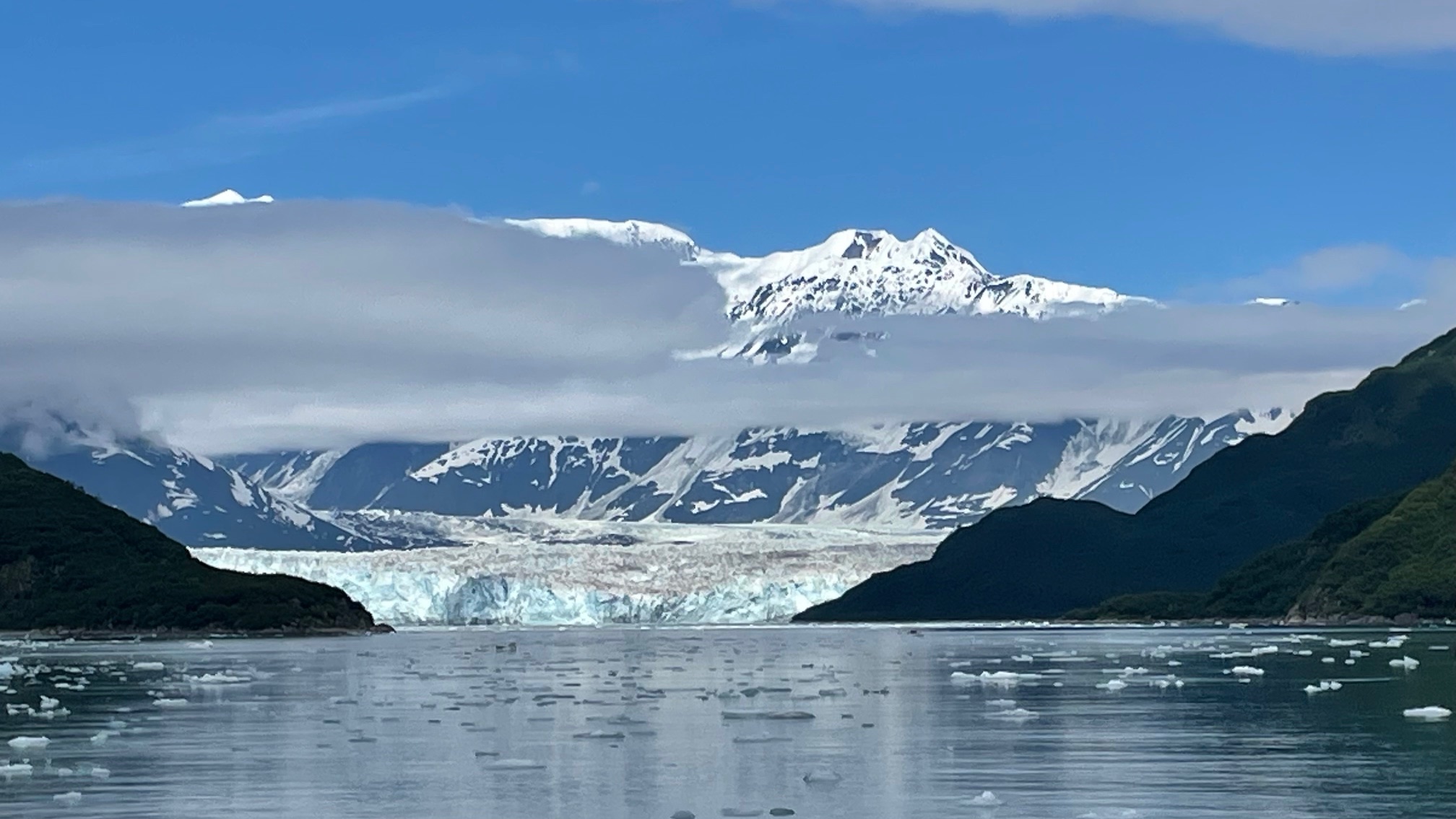
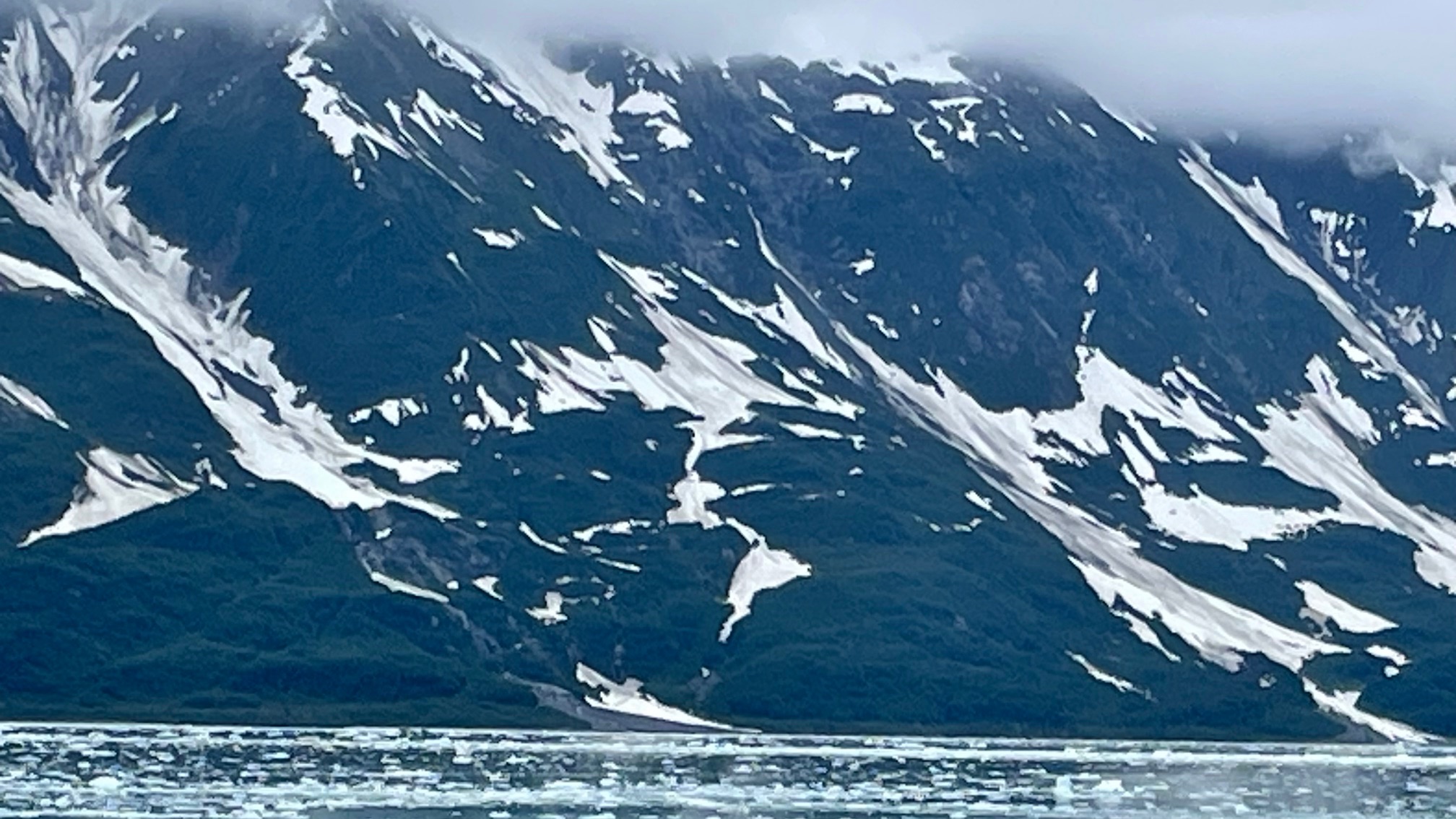
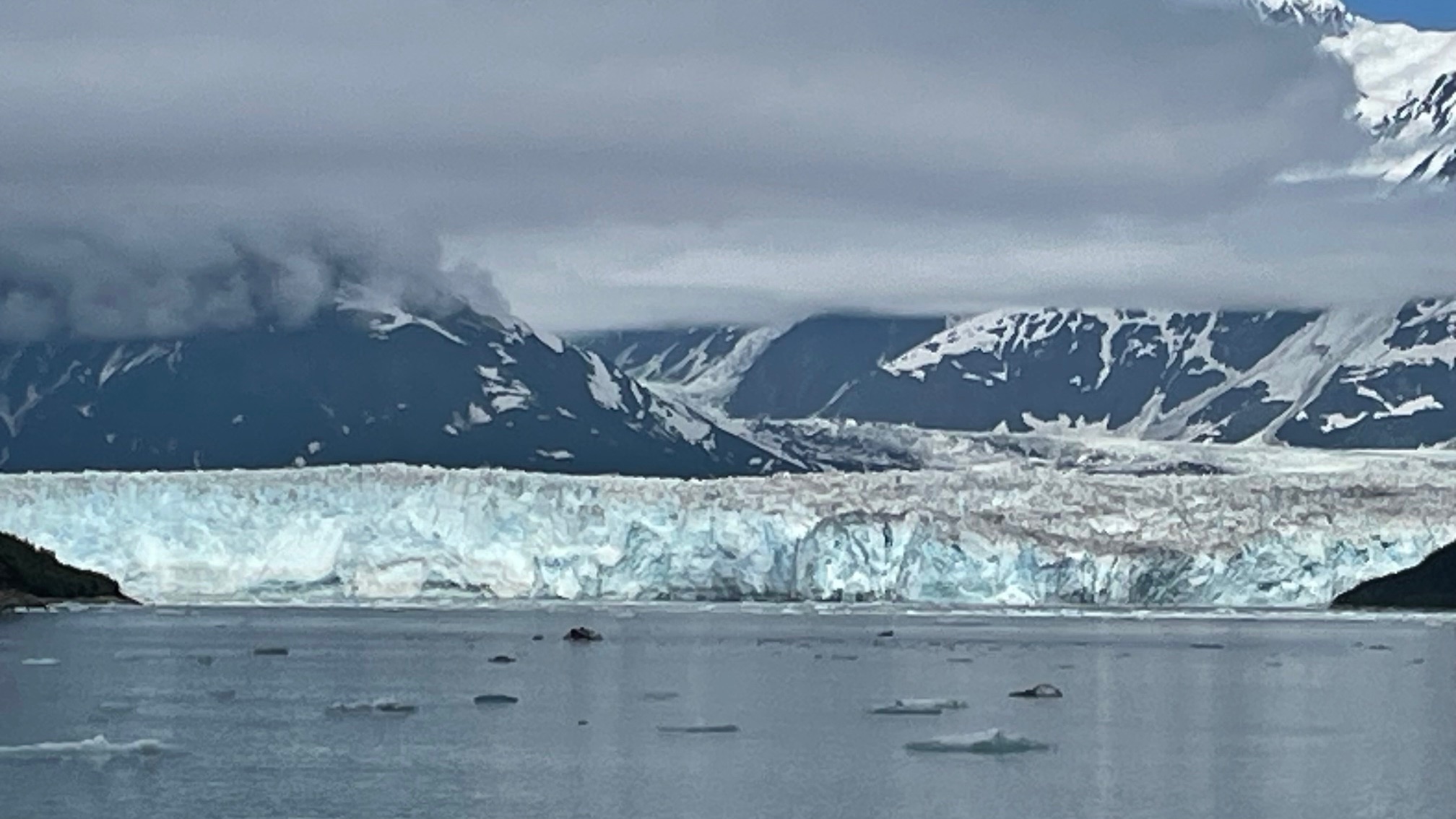
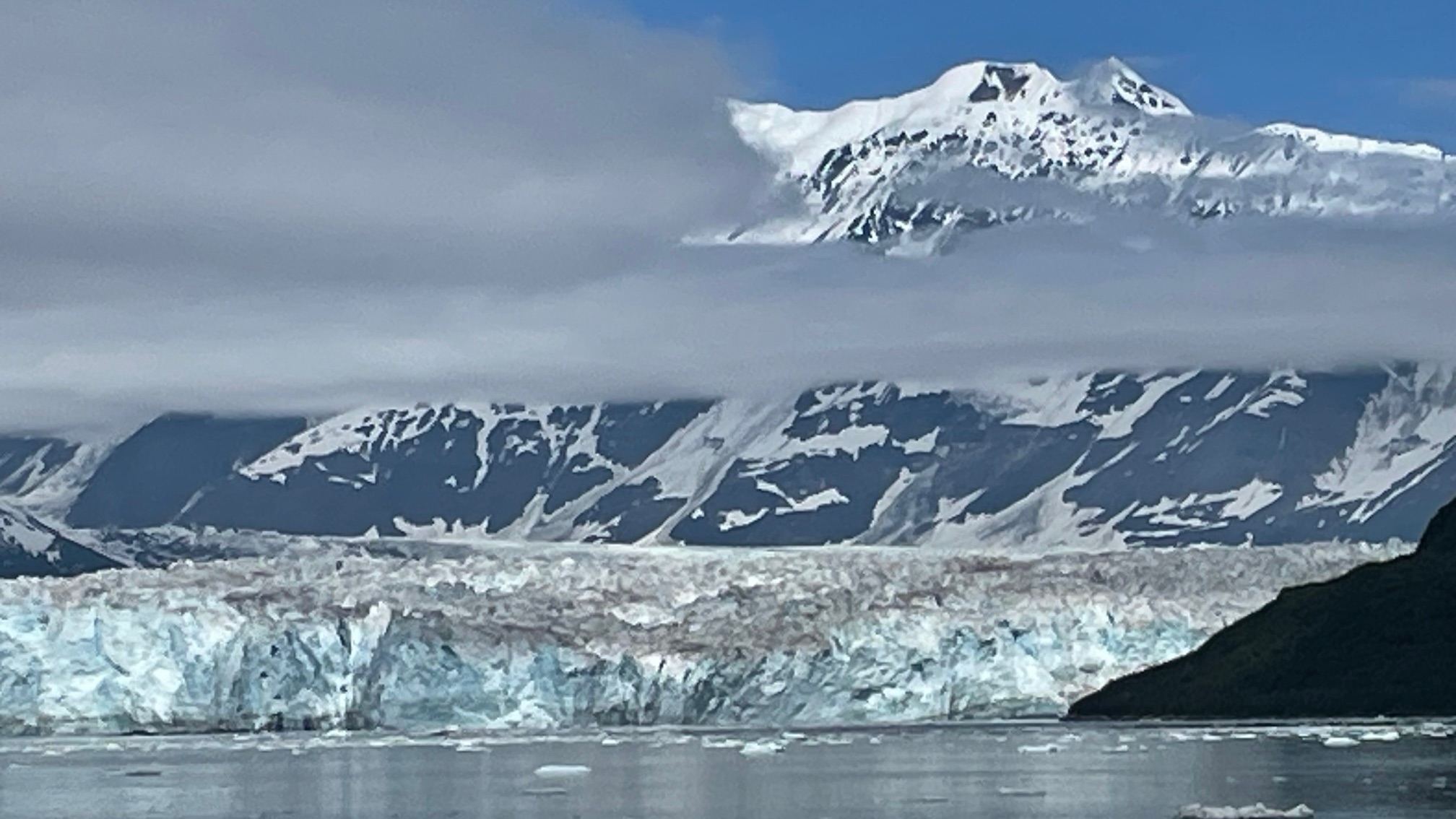
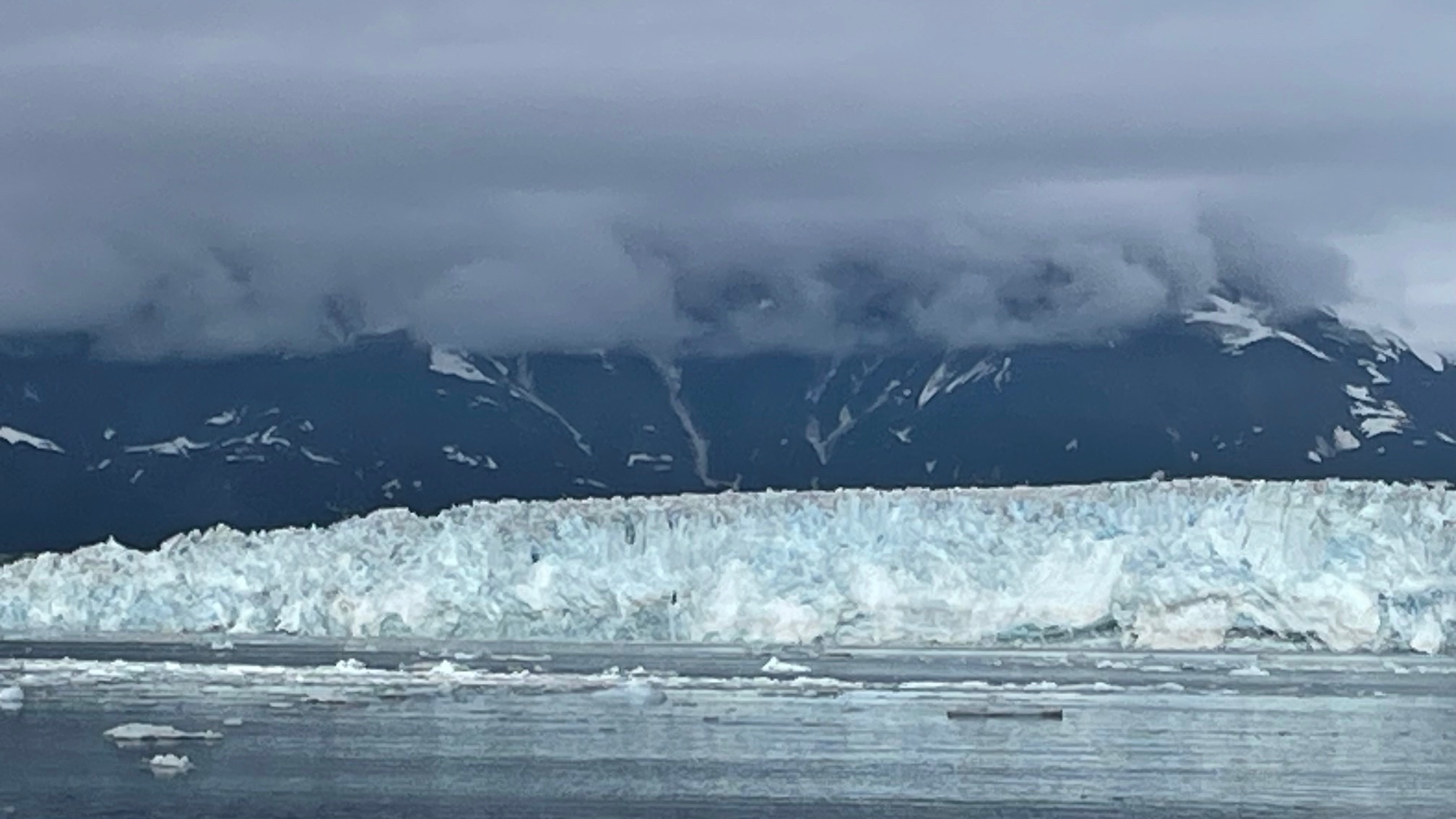
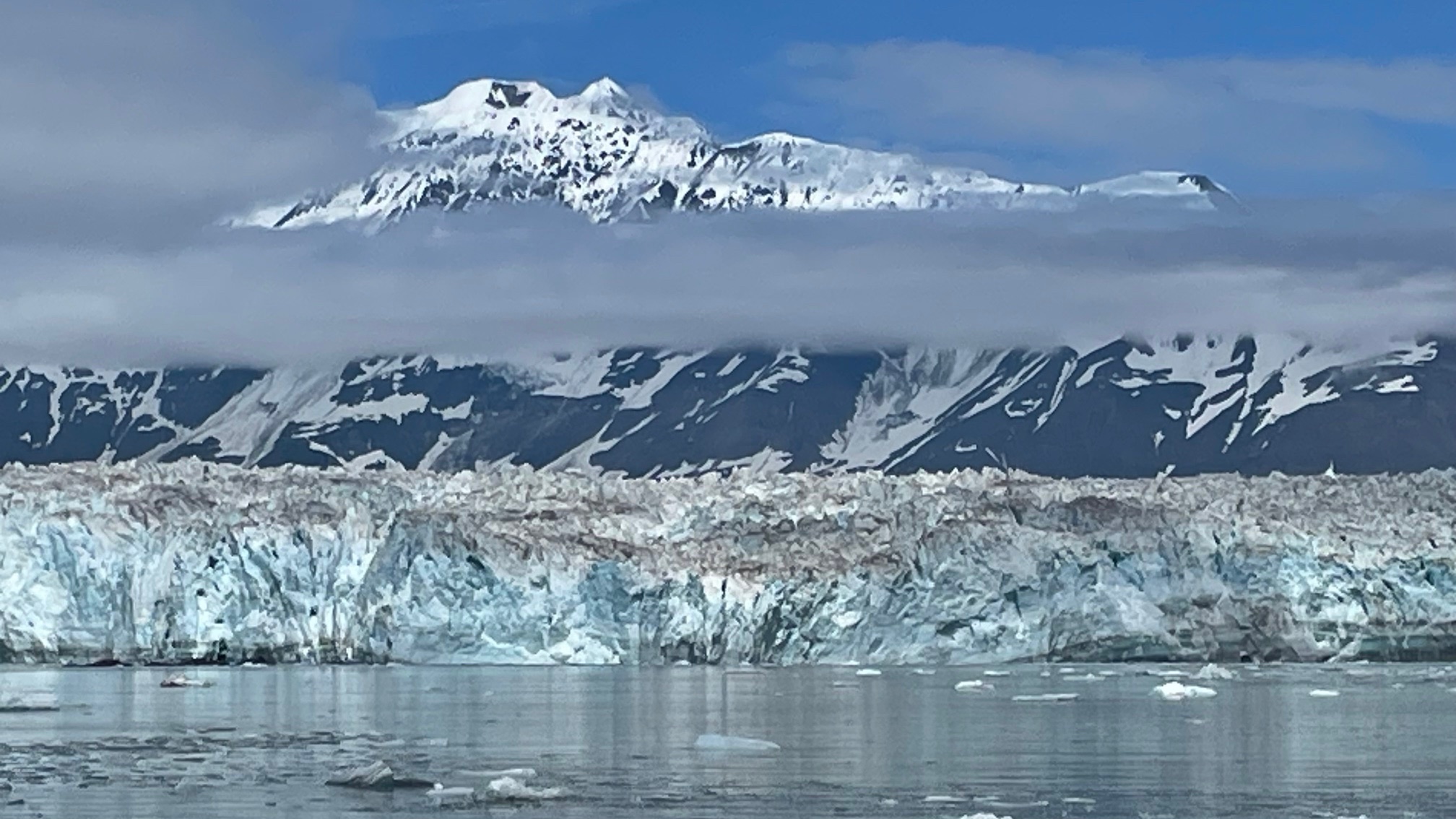
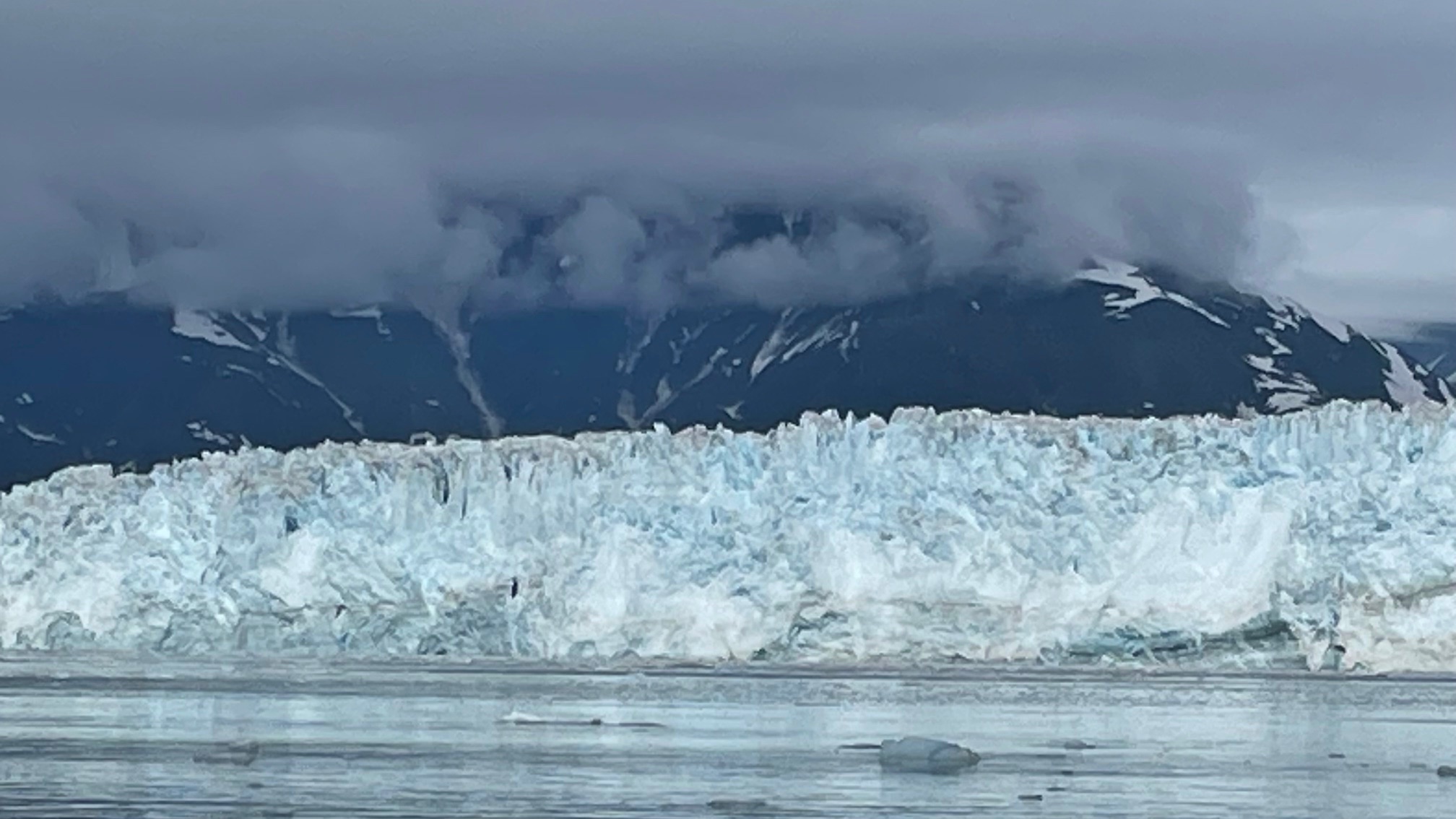
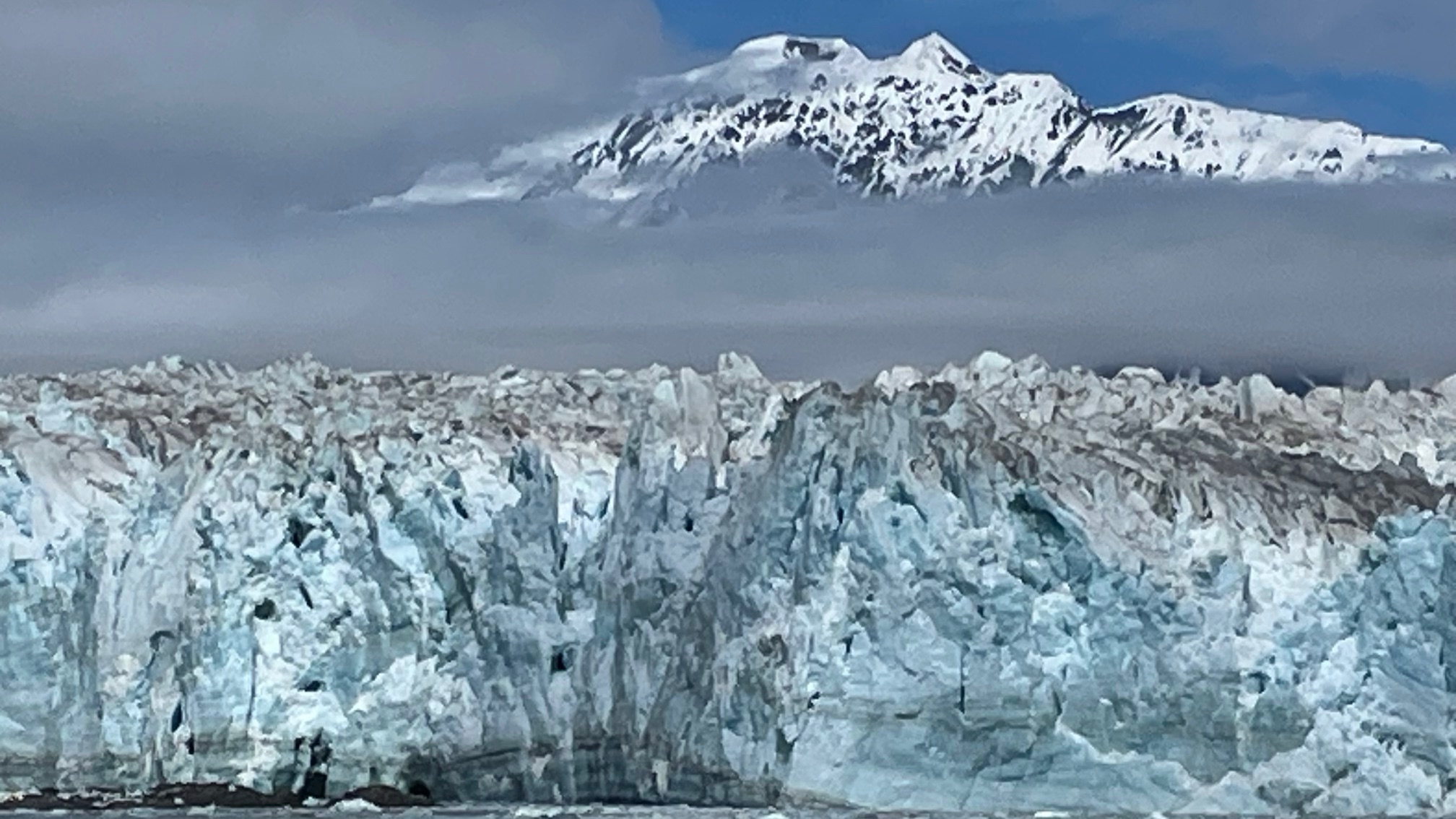
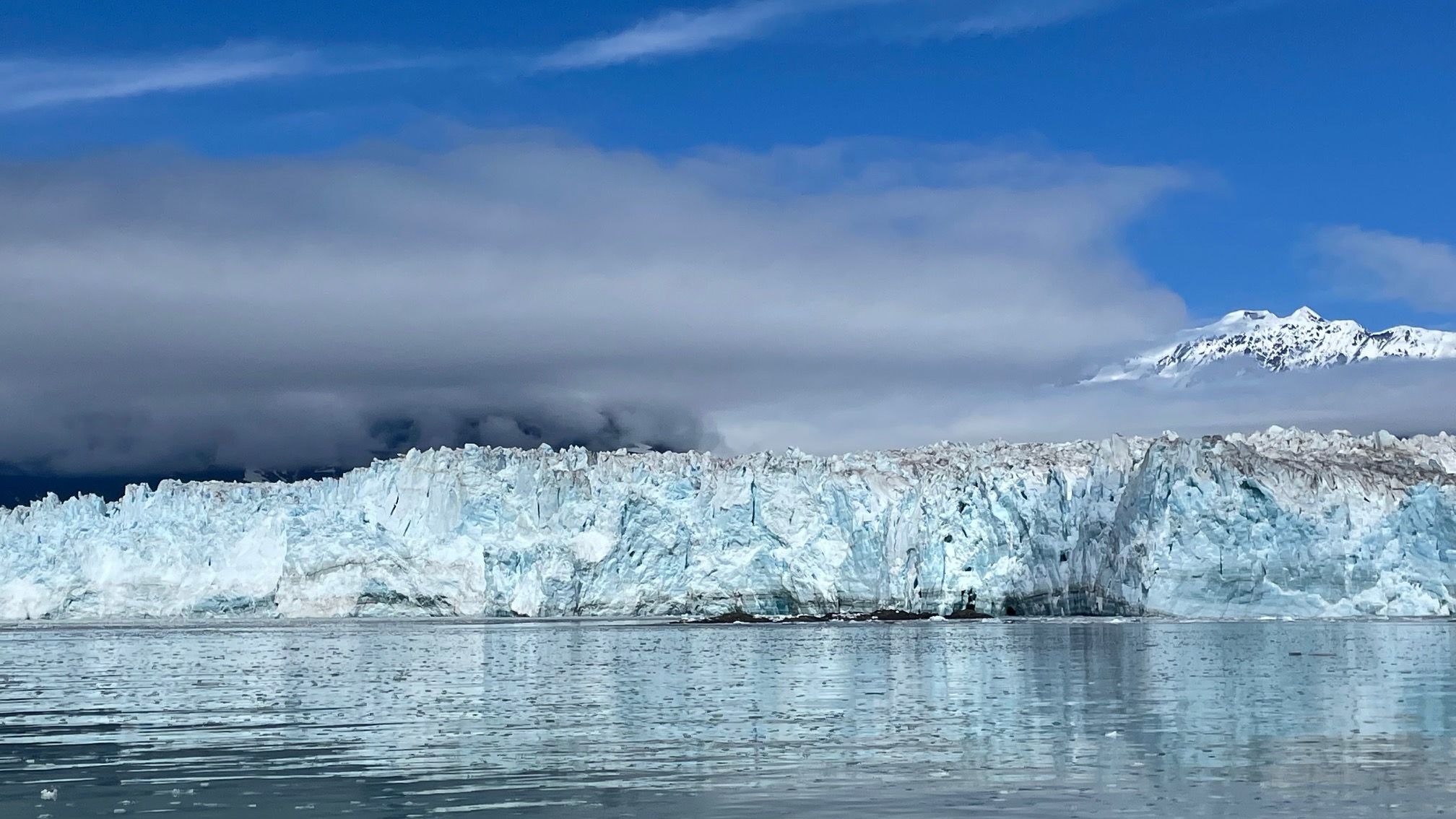
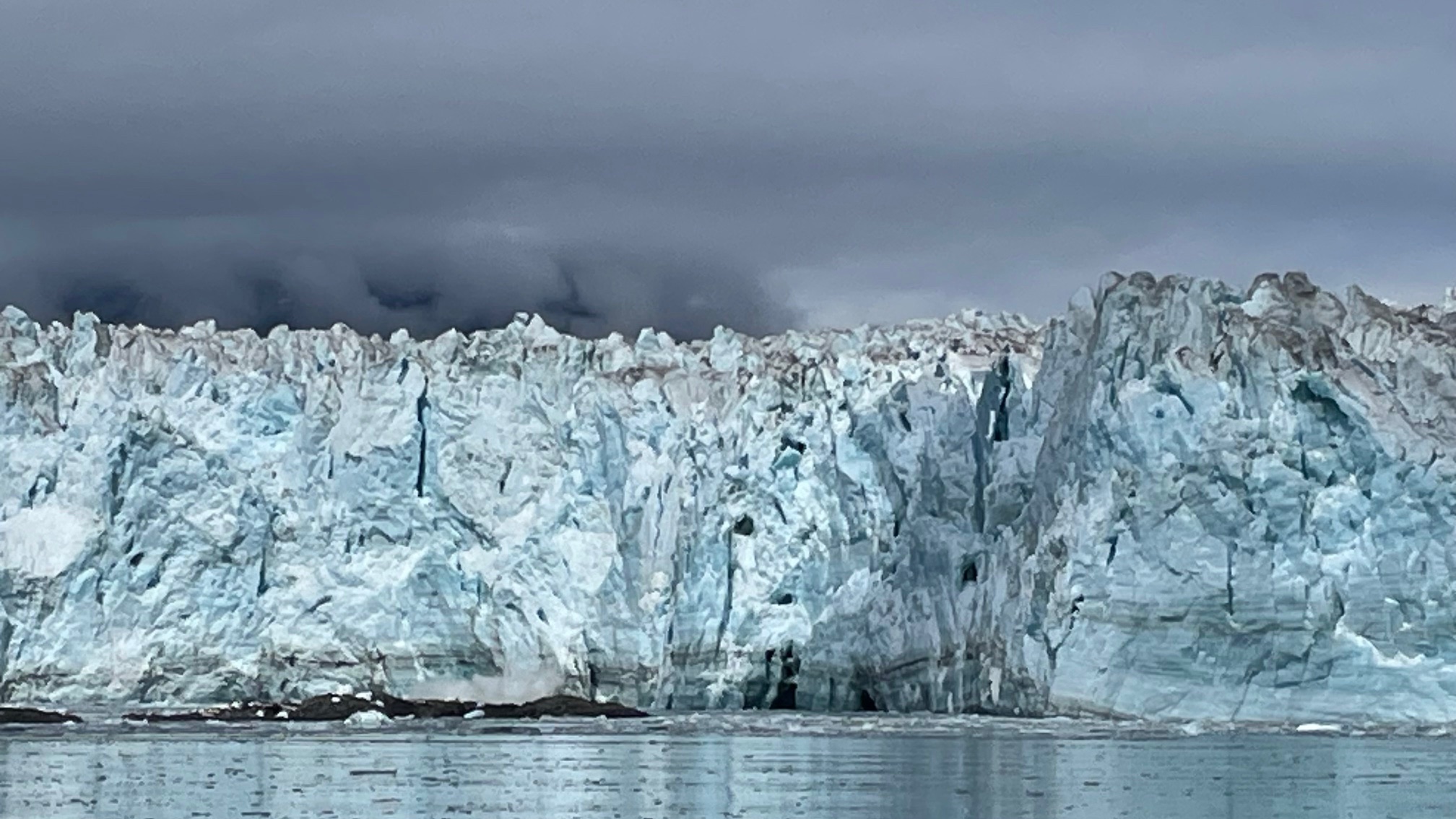
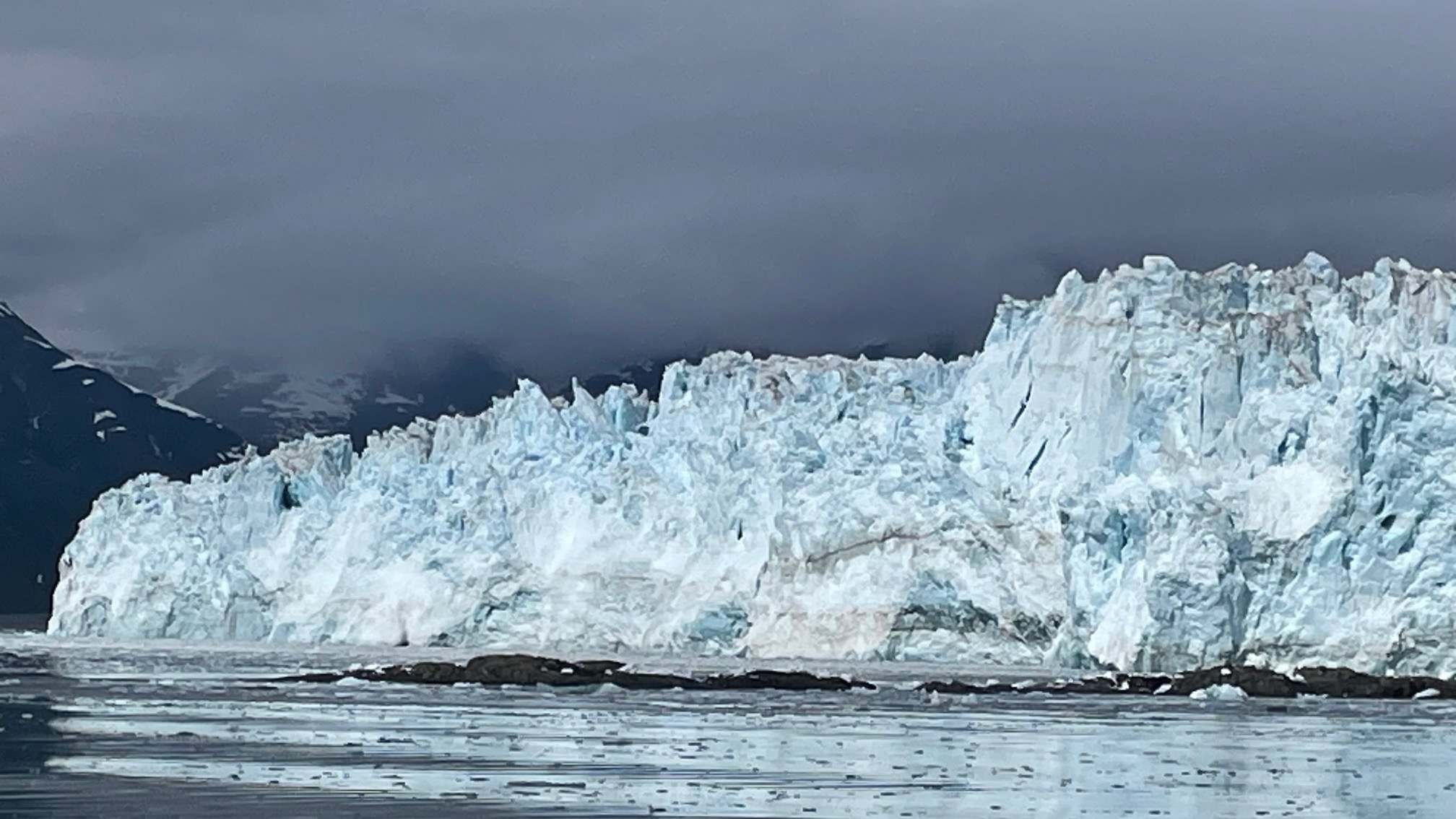
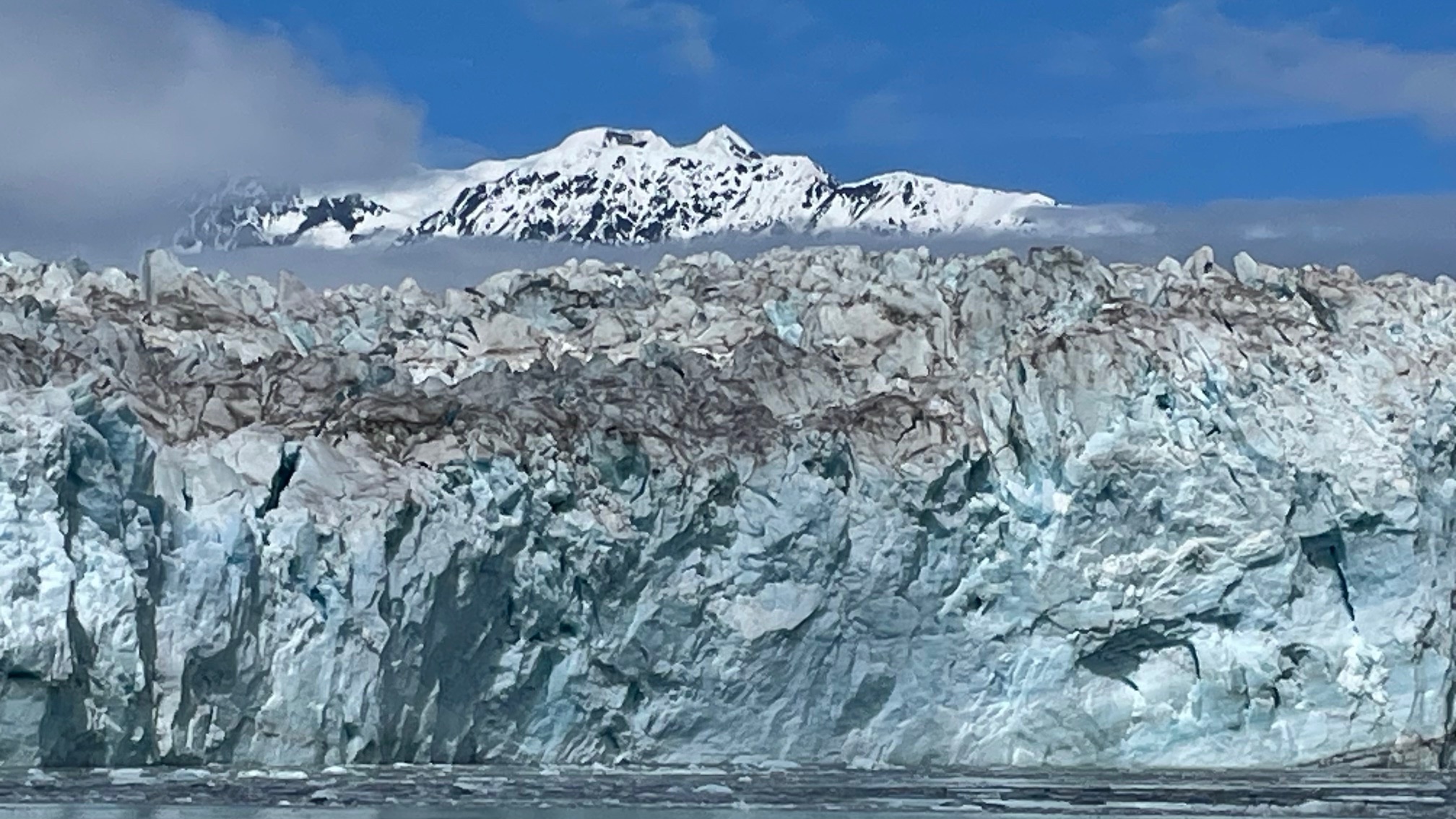
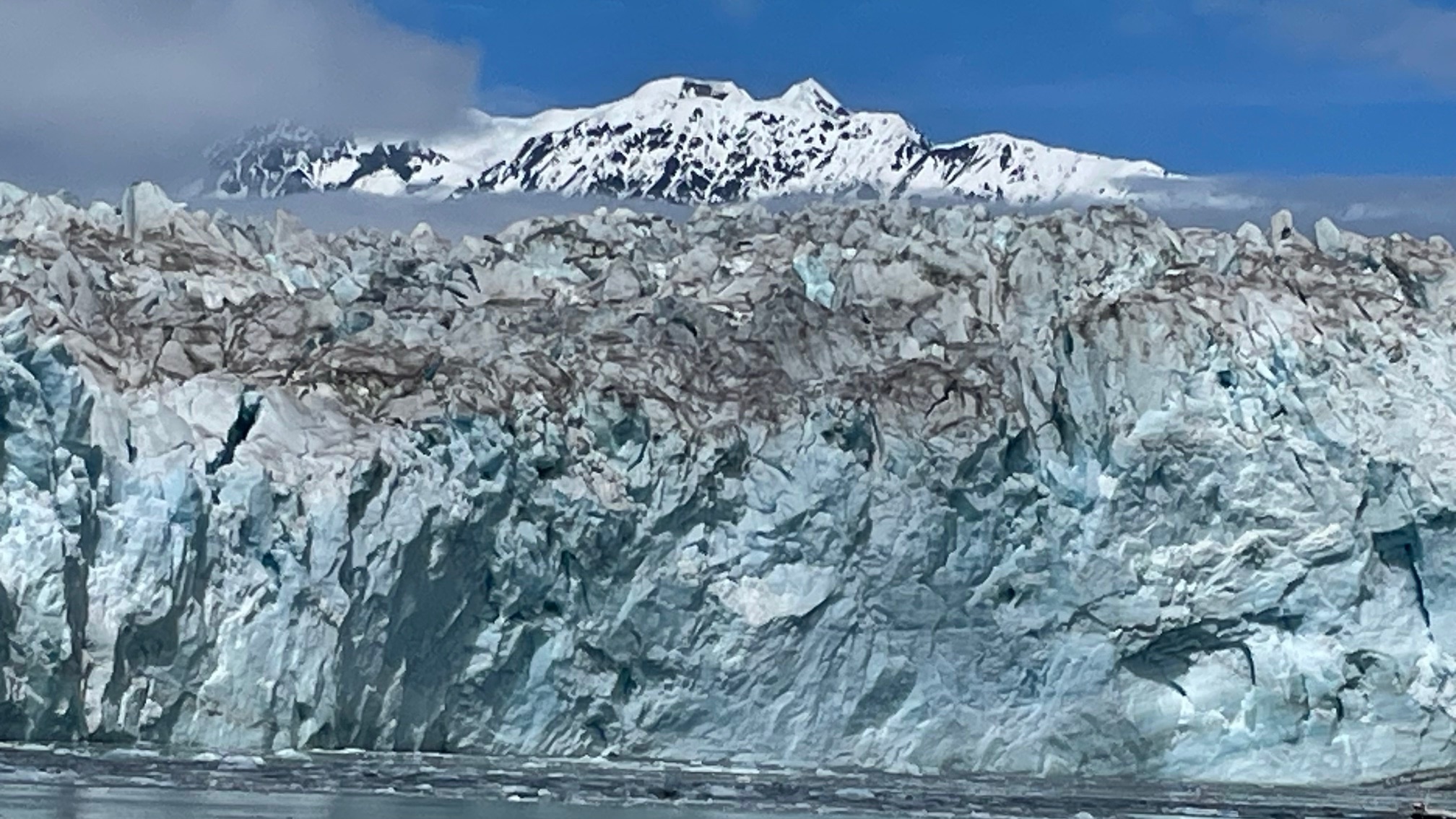
Camera: iPhone 12
Location: Hubbard Glacier, Alaska, United States
“With how hectic and chaotic modern life can be, it’s more important now than ever to find your own sanctuary where you can be at peace.”
With how hectic and chaotic modern life can be, it’s more important now than ever to find your own sanctuary where you can be at peace. It’s a place that you only know ideally but if not, it is a quiet place where you can be at ease. We all deal with a lot of stressors each day and it is key to find your own sanctuary where you can be yourself, be by yourself, and enjoy being at peace. It is increasingly hard to do these days when there are so many distractions, commitments, or other things to take care of in our day-to-day lives.
Still though, for one’s own mental health, it is more important now than ever to find your own place, secluded in nature or just somewhere you can call your own, public or private, where you can be free to relax and enjoy some peace. Each person’s sanctuary will look differently from another person’s, but it must be a place where you can rest easy, relax fully, and away from work, chores, or other commitments. You should be focused on this place being good for not only your mind and your body but your soul. It is a place that you can choose to be by yourself but also that you can let other people enjoy as well should you choose to.
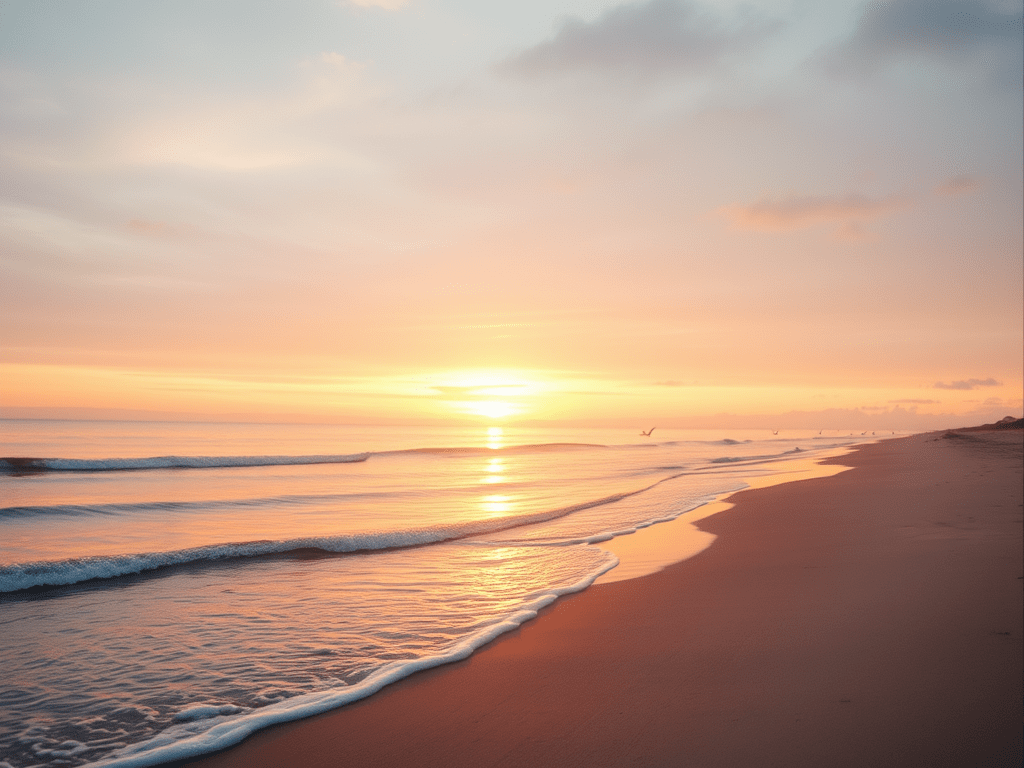
When I think of these places of sanctuary, it can vary in terms of setting and background. I have always loved being near the sea or the ocean. It calms me down, lets me focus, or just lets me relax and be at ease. I can leave my earthly troubles for a while and just focus on the birds, the sound of the waves, and the sand beneath my feet. I can also think more clearly when I’m just looking at the water crashing down on the beach or to be watching a seal, dolphin, or birds in the distance. There’s something relaxing about a natural setting like the ocean that may not take my problems away but where I can take a break from them instead and realize also how insignificant and temporary they are. I also love to go in the ocean, to walk on the sand, or to play a sport there a bit like volleyball or some football.
If it’s not the ocean, I have discussed the beauty of a walk in the woods or a hiking trek through the mountains to ease one’s stress and provide some clarity through life’s stressors. If you have a park or a mountain, or even just some nature nearby, a place of sanctuary can be found there as well in nature. Being able to camp or to hike or just to walk in nature, preferably by yourself in a deserted area for a while can do a lot of good for mind, body, and soul.
A sanctuary is one that you decide for yourself, and it can range from a mountain pass, a walk through the flat woods, a serene beach by an ocean or the sea, or a local park at sunset where you’re the only one there. You can let people into your own sanctuary, or you can keep it private as it should be up to you. I do believe that we all need our own sanctuary away from people now and then.
It does not mean I am recommending being a social recluse, but we do need a place where we can rest, relax, and recharge to face our challenges again, whatever they may be. We need that alone time to ourselves in a public or private setting where we can truly think freely, feel different emotions, and let us get in touch with nature.
Now, if you have not decided on what your sanctuary is yet, do not be discouraged. You have time to figure out a place in the world where you like to go and is quiet for you to be free in. There are a lot of places to choose from but the key thing to keep in mind is that it is quiet, solitary, and where you can do some reflection. If you cannot find your sanctuary to call your own, it’s important to find a private room, a private garden, or just a private setting in general, where you can be by yourself for a while to give yourself time to relax and reflect amid your days of hustle and bustle.
Your own sanctuary is what you make of it. You must decide how it looks, where it is, and how often you go there. The main thing to take away from having a sanctuary is that wherever or whatever it is, you can call it your own and it is quiet enough where it provides some solitude and peace. Others can join you there, but they don’t have to if you don’t want them to. Make sure your sanctuary is never disturbed and that is always welcoming regardless of whatever may be going on in your life, both good and bad. A sanctuary is where we find true peace in this world, and I hope you’ll find your own one day.
“Many cities are great for people watching or just seeing daily life transpire in front of your eyes, but Paris is different from the others because you are allowed to slow down fully to take it all in.”
Few cities embrace the pleasure of watching the world go by more than Paris. No wonder why writers from all corners of the globe have come to the ‘City of Lights’ to be inspired to reach their creative goals. If you’re a keen observer as any good writer should be, you’ll see all walks of life come through Paris each day. Whether it’s a starry-eyed tourist with a camera in their hand, a bookkeeper plying his trade by the Seine River, or a street music performer trying to earn a Euro or two. Many cities are great for people watching or just seeing daily life transpire in front of your eyes, but Paris is different from the others because you are allowed to slow down fully to take it all in.
In Paris, the pace of life is fast like any city but the city’s awe-inspiring beauty, its prominent café culture, its pleasant on their ears language of French encourages you to slow down, have a coffee or a pastry, sit down with a book or a pad of paper, and really take it all in. One of my favorite aspects of the city is that compared to most major cities or even other cities I’ve been to in France is that you are encouraged not to rush the experience whether when you’re dining, drinking, or smoking (for those who partake).
No one cares how long you sit at a café or a brasserie (some places are even open 24/7), if you pay for something on the menu and be kind to your server. Some tables may have you face each other if you’re with a companion but often, your chair(s) and table will be facing out on to the lively Parisian streets or plaza whether you are alone or with someone else.
Paris does not bemoan the lone traveler or the lone wanderer who comes to visit it. It is perfectly normal to be by yourself with your thoughts, your sketch pad, and your cup of coffee spending as much time as you need with whatever you happen to be working on. I’d imagine that even if you visit in the Fall or Winter, you’ll still see people out in the streets or in the plazas, talking, laughing, eating, drinking, and making the most out of their lives in the big city. When you are in Paris, you can watch the world go by and even if you’re in a rush personally that day with work or studies, the city will encourage you to slow down, stop somewhere, and take in its ever-enchanting beauty and detail.
Writers, painters, musicians, and other kinds of artists have had a field day with creating great works from having lived in Paris because there is so much to be inspired by. The city of Paris and French culture, in general, have a high emphasis placed on beauty, aesthetics, and the art of good presentation. Any type of artist will be able to come to Paris to draw or paint about the daily scenes of life they see there, have time to think deeply about their approach to their work, and foster ideas without being interrupted endlessly.
Even with the humming noise of traffic and pedestrians, it is not a overly loud city when compared to other major cities I’ve been to in the world. You can find those moments of quiet and peace amid the waves of people and vehicles who pass you by. Sitting and facing out towards the world and not with your back to it allows you to assess better how you fit into this magnificent city and where you fit into its ever-changing melody and rhythm.
I believe you could spend years in Paris and not have tried every restaurant, café, brasserie, or bar. There are seemingly endless places to sit, drink, relax, think, write, and reflect, which is why the city is and will always be such a haven for brilliant artists of all kinds throughout the millennia. Paris encourages you to soak it all in and to pay attention to what you’re surrounded by.
Throughout Paris’s history, the city has sought to inspire humanity to move forward through making new inventions, creating new works of art, writing new literature, and building more beautiful and awe-inspiring architecture. When you think about a self-fulfilling prophecy for a city to have, Paris was built on reaching higher and higher in terms of our human aspirations to create beauty in this life and to find the beauty in each other.
We may fall short from time to time, but Paris is a city built on pursuing excellence in all facets through the pursuit of one’s dreams. For those people who are creative in any sense of the word, who want to share their creativity and gifts with the world, Paris is a great home to begin doing so. When you come to the ‘Ville de Lumiere’, not only can you watch the world go by without a care in the world and be able to take in all its beauty and charm, but you will also be inspired by the city that was built on fulfilling the hopes and dreams of its many inhabitants.
Paris would not be the city it is today without the creative and forward-thinking men and women who built it to be what it is today and will remain for the future, a beautiful and inspiring beacon of human ingenuity and vision that inspires both visitors and Parisians alike.
“I believe it is important to have a little bit of preparedness to avoid a lot of inconvenience or pain for your next trip.”
With the COVID pandemic now in everyone’s rear view mirror, the travel bug seems to be gripping more and more people to get out there for a trip in 2024. Now, even if you’re not traveling very far or wide, I believe it is important to have a little bit of preparedness to avoid a lot of inconvenience or pain for your next trip. I travel a good amount each year and have thought of my top five tips to use for your travel in 2024 and beyond.
If you follow this list, I promise your travel will be smoother and even help you book more trips in the future. Travel is one of life’s joys, but it can also be anxious, stressful, and even overwhelming. I’ve been in your shoes before which is why I thought it was necessary to draft a list that can help you avoid most travel issues and save you some time and money.
In 2024, everything associated with travel seems to incur a hidden fee or another step, which wasn’t the case five or ten years ago. You can be charged to select a seat on the airplane, to have WIFI access, to even have a basic drink or a snack depending on the fare you buy. It can be disappointing and even hurt your experience of traveling but I’d recommend avoiding these fees if you can but especially if the airline or other travel provider charges fee(s) to check your bag or suitcase. The cost of checking one bag can range from $30-$50 for a one-way flight and if you are on a tight budget, I don’t recommend checking a bag unless you really need additional clothes or shoes or extra medicine or toiletries to take with you.
Don’t give the airlines the satisfaction of getting another $100 out of you and you can save yourself time making a flight connection or getting to your hotel or Airbnb sooner when you don’t have to go to baggage claim to pick up your suitcase. Carry-on luggage is still mainly free in 2024 and if you pack enough for 1-2 weeks, you should be fine with not checking a bag. I would only make an exception to this advice if you’re away for more than two weeks or have a work trip, which requires formal clothes and shoes. If you’re also going to experience more than two climates, especially with heavier clothing needed for your trip(s), it’s probably best to check the bag.
However, laundry and cleaning services should help prevent the need for you to check luggage and it’s good to check with your lodging as that can save you the need to check a bag if you can wash your clothes at your destination to re-wear them without having to deal with dirty clothes repeatedly. Make sure to avoid fees, delays, and missed connections by not checking your bag. You will not regret it.
2. Look into earning miles or points at a hotel chain or an airline alliance if feasible.
What’s better than traveling? Traveling for free! If you have good credit, travel a lot, and enjoy the idea of indulging more in comfort when you’re on the road, I don’t see the harm in earning miles / points / rewards if you take a lot of trips. I won’t get into specifics in terms of my recommendations but there’s plenty of good information out there on rewards programs, credit cards for airlines, hotels, and ways to get into train or airport lounges when you spend a certain amount of money.
My key point here is it’s free to sign up for mileage programs or points programs if you’re willing to give up some basic personal information. It’s a good way to gather miles or points if you stay with a certain hotel chain or travel with the same airline / SkyTeam alliance members year after year. I think it is important to have patience with this tip as it may not reward you for a while but if you keep building up your miles, points, and continue to use your membership ID or number, you will be able to earn certain upgrades, free offerings, and be able to build up your credit when you pay off your bill on time.
Instead of continuing to let these mileage or points programs go by without you being a member, it doesn’t hurt to sign up to see when you get rewards or qualify for anything back especially if these programs are free to sign up to earn the miles or points. The rewards may take some time to earn but if you have travel multiple times a year, you’ll be reaping the benefits of your membership in no time.
3. Invest in useful travel gear (AirTag, portable charger(s), noise-cancelling headphones, sleep mask, earplugs)
If you can save money in baggage or other fees imposed by airlines or other companies, it’s always a worthy investment to make your travel experience more tolerable or enjoyable by upgrading your gear. If you want to get some sleep on the plane, an eye mask may help you catch a few hours of shut eye. If you’re worried about finding an outlet to plug in your phone or computer, portable chargers that fit in your backpack or even your suitcase can help you avoid your battery shutting down by getting one before you head off on the road.
From having used it multiple times, Apple’s AirTag(s) are an excellent way to track your luggage from when you leave your place to get to your destination. No longer do you have to worry about your bag being lost in the terminal or at the connecting airport, you’ll be able to track its location, activate its location if ‘lost’, and even signal to the person who has your luggage or to personnel on who it belongs to so you can contact them or know who to get in touch with.
As eye masks are good for shutting out the light to sleep, I can’t recommend enough getting some good ear plugs not only for plane noise but also if you’re staying in a noisy city or in a noisy hotel. If you’re sensitive to noise when traveling, earplugs are easily transportable, easy to use, and can be carried on you everywhere. If you want to listen to your music or podcasts alone and hear nothing else, noise-cancelling headphones or earphones can make your journey go by faster and make it more enjoyable to listen to what you want rather than the person next to you snoring in their seat.
4. Learn about your destination(s) beforehand – culture, foods, language, history
We all have busy lives, and it can be hard to read about the place(s) you’re going to. However, I highly recommend taking the time to learn at least a little about where you’re going even if it’s just the basics. You will have a much more enjoyable trip, especially if you’re going outside of your country by knowing a little bit about the people, the culture, the language, the history, and the popular foods. You’ll stand out in a good way as an educated traveler who respects the locals by putting in the time and the effort to know more about the people and the place(s) you’re visiting. It may not always be possible to know a lot, but you’d be surprised what some effort on your part can do to boost your travel experience.
In exchange, be a good Ambassador for your own city and your country. If people ask, tell them a little about you in the conversation so they think of you as less of a stranger. If you’re only learning about who they are without telling them a little about yourself in response, it can make it a bit too one-sided in terms of the experience. People are generally kind, curious, and open-minded especially if you’re able to know a little about the language and the culture before you get on the plane. It’s good to know more also about where you come from, what you like, and how to teach a little about your own language in exchange.
Travel is not just about your own benefit but also for others’ benefit as well to learn about who you are as a traveler, where you came from, what you can impart to them, and how you can mutually learn from each other on the road.
5. Be flexible with your plans and open to spontaneous adventures or experiences.
Not everything in travel must be planned down to the last minute. I do recommend that it’s best to be open to changing plans or adapting new ones as you head out on your trip. I think it’s important to generally have an idea of what you want to do on your trip, especially if you can map it out daily. However, I think planning too much by the minute or the hour can lessen the overall travel experience and make it too rigid. I’ve found that the best memories can really come to you on the trip when something unexpected happens or when you saw or did something on a whim.
I do think there’s a healthy balance of researching what you want to do, having tour(s) or experience(s) pre-planned, but also to take some time to walk around, try something new, or go somewhere that appeals to you with no planning. If you happen to meet a fellow traveler or other travelers on the road, it can be great to join them as well spontaneously to do something fun together than on your own.
You should be ready to embrace the unknown when you’re traveling and to be flexible with your plans. I find it’s best to build connections with others and do things together rather than to stick with your pre-arraigned itinerary without straying from it. Travel is about leaping into the unknown to some extent and plans should be flexible. You have to be ready for anything when you travel and to expect the unexpected. We can try to control what happens, but you got to leave room for spontaneity, change, and flexibility when you travel. Sometimes, the best experiences in travel happen to you when you least expect them and had no idea you were going to have it happen to you.
Life, like travel, is something you can try to control but it’s out of our hands a lot of times. You must embrace the unknown, enjoy it while it lasts, and be willing to experience the new things to come your way. I hope you travel far and wide in 2024 and beyond and that these five tips can help you avoid any unnecessary anxiety, stress, or additional costs / delays from what I have imparted on to you all. I’ll see you on the road and good luck with your travel plans!
“Being a good observer contributes to being a good writer. Taking the time to observe the world around you help to stimulate a good sense of what to write about and what could be put to paper.”
Being a good observer contributes to being a good writer. Taking the time to observe the world around you help to stimulate a good sense of what to write about and what could be put to paper. I find that observing people, animals, or just nature without distractions can stimulate your ability to process possible ideas whether for poetry, stories, or for articles. You can draw both hypotheses and conclusions from you observe the world around you. It allows you to come up with scenarios or storylines just from seeing what’s going on around you.
You can really let your imagination run wild with coming up with fictional events, stories, or essays when you can draw on what you observe. Being observant allows you to think about good ideas for what you would like to write further about or to come up with ways to flesh out a person’s story or history. A good writer can flesh out the details based on what they are observing and create a good story or plot from what they may see out in the world. Being an observer doesn’t have to be a majestic place like from a mountain top or overlooking a lake.
You can make insightful and creative observations just by sitting at your neighborhood café for a few hours or from walking through your local nature park. A simple change of scenery stimulates your mind just from putting yourself in an unfamiliar location. A writer should immerse yourself in different settings and bring a pen and paper or their laptop with them. Having a quiet place to observe is also much better than a noisy place, similar with how a pond or a backyard porch is better for observations to be written down than going to Times Square or Las Vegas to come up with good writing ideas.
I do believe certain places are better for writing down your observations especially if they are quiet and allow you to concentrate more. You’re able to not only come up with story or novel ideas in those places but can write more in-depth about what you’re seeing without being distracted in those crowded, noisier, or places with sensory overload. It is a key part of being a writer to hone your observations as much as possible without overwhelming your senses by trying to observe everything all at once.
It is more productive to focus your observational writing on a particular part of a place or scene rather than trying to make sense of everything going on around you all at once. To develop your creative writing abilities, when making observations, do your best to hone your story idea or your poetry to a specific animal, nature scene, person, or theme. Observational writing can really let you hone your descriptive abilities by letting you expand your vocabulary, develop your chance to set the scene, and use your imagination to create a story out of nothing.
I would also say that being a good observer does not end at fictional scenarios but can help you with your non-fiction writing as you can attend live events like concerts, protests, or speeches, where you can observe the speaker or the attendees and writing about the setting along with the sequence of events that happened from first to last. Observational writing comes in handy when you are a news reporter, journalist, or in forming opinions. Without being able to be at the scene or where something is happening as it happens; you rob your writing from being able to recall in as much detail as what happened and how it happened when you’re not actually there.
Experiencing something virtually or secondhand does not lend the same kind of credibility or have the same kind of feeling as when you’re there in real life when something is happening live. Your observations when writing should be experienced firsthand as much as possible. I’ve found that my own writing about things, places, or events I’ve been to is not as sharp when I wait a few days or a week after to recap what happened and the accuracy is not the same as when you are writing about it as it happens.
If you are looking to improve your writing skills, I recommend sitting yourself somewhere quiet and peaceful where you can make your live observations and develop them if you would like to into poems, stories, or essays to use your imagination. You can really develop your vocabulary, your prose, and your own form of storytelling through making live observations. Good writing tends to come from being a good observer. The more time you can spend in different places observing the world and its inhabitants, your writing is going to improve and will also help you develop your own narratives, settings, and plotlines. Be sure to use your observations to further your writing skills and to take your compilation observational notes to make yourself a better and more complete writer.
“Similar to the past’s effects on people, I believe that places with a history to them do leave an imprint to cause different emotions to bubble to the surface based on what occurred in those places.”
Similar to the past’s effects on people, I believe that places with a history to them do leave an imprint to cause different emotions to bubble to the surface based on what occurred in those places. People are often affected or morphed by what happened in their past though they are not defined by the past alone. The same could be said for those places you visit who spark up powerful emotions within us based on what happened there during its usage by people. However, when you visit a place that is a couple of decades old or even hundreds or thousands of years old, it leaves a mark on the visitor where you can feel the actual ‘weight’ of that place based on the history of what occurred there.
For some examples, places like Disneyworld, Universal Studios, or your average local street fair or amusement park, which elicit emotions out of us such as joy, wonder, excitement, and general happiness. In a similar way, your average local restaurant, community center, or place of religious worship tend to give off those same positive emotions based on their shared history of bringing people together for a common cause or common purpose.
However, you also have the opposite in terms of certain places in the world where you can feel the several mixed emotions that can arise from visiting there such as a historic fort or a castle or a battlefield. Where two sides fought to the death, there is a lot of pain, tragedy, and regret but also there are emotions surrounding the victory, triumph, or even the thrill of survival that would emerge from such places. A few examples from my own life that I could cite include the beaches and military cemeteries in the Normandy region of France, the expensive battlefield of Gettysburg during the American Civil War, and the grasslands that cover the previous battlefield of Waterloo during the Napoleonic Wars in Belgium.
There are also a few places in the world which involve such universal pain and human suffering that the weight of being there to witness the places in person where atrocities against people no different from you and I occurred can be almost overwhelming in terms of the emotional pain. To see the concentration camps of Auschwitz in Poland or Dachau in Germany and to also be on the grounds of a plantation where enslaved men, women, and children had their futures and freedom stolen from them to be used as expendable economic tools can make you sick to your stomach.
Such vile places need to be seen to be believed but you can feel the emotional weight of being there to know that dozens, hundreds, or thousands of people were brutally treated, beaten, or even murdered there can chill your spine while you’re there. While it can be difficult to go out of one’s way to visit such dark places where the worst of people is on display, we must go to such places despite the negative emotions you’ll feel while being there to prevent new places like that from ever popping up again in our world.
We must not only focus on those places that give us a sense of joy and happiness but recognize that we have to also go to those places that are infamous for their cruelty, hatred, and pain as well. There is a duality in terms of humanity that we have to reckon with in that we can better appreciate the good in life but realizing that there is also the ugly side to human nature that has been controlled and held in check whenever possible.
It is not just to feel the emotional weight of going to places where slavery, murder, torture, and pain were a daily occurrence for the men, women, and children who experienced it but to also realize that you need to pay witness to such places to make sure that we witness them in person so that other people cannot deny that those places even exist or that any evil did not happen there. By paying witness, we commit ourselves to the need to defend against such horrible places popping up in the future and by also instructing the next generations of young people about what happened there and why such places are left intact for them to visit. It would be great to demolish any mention of a plantation, a concentration camp, or even a battlefield but to do so would to be creating a sense of whitewashing the past and making it easier for such atrocities or violations against humanity from happening again in the future. We cannot risk the history being wiped away, which includes getting rid of any physical semblance of those places or the information, research, and facts along with it.
Now, I’m not saying you should go out of your way to visit historically traumatic places, but we need to be on our guard against those people who would deny that those places ever existed or what atrocities were committed there. I think this is especially important for students of different ages when they are old enough to go on class trips to such battlefields, plantations, concentration camps to witness the worst of humanity so that we can better ensure that ‘history does not repeat itself.’ It is not easy to convince parents or teachers of the utility of such visits, but part of life is realizing that not every place is like Disneyworld, and we have to understand the importance of highlighting the weight of places, both good and bad, and not ignoring one or the other.
One trip to such traumatic places is good enough as it can be deeply disturbing for people to go there and see the photos, watch the videos, and see the physical evidence of such atrocities in person. Such visits should be done with respect, attention, and long enough where the full impact of the emotional weight can be felt by those visitors. Most folks will never forget what emotions they were feeling when they were there and about hearing the history be brought to life for them so they realize it is not such pictures or information on pages in a book but real places in the world that we can point to and are being preserved.
For as long as I live, I will always remember the winter chill of being inside the gates of what was Auschwitz death camp in southern Poland and seeing the camps that stretched for what looked like miles. It was brutally cold, and snow covered the ground. You can only imagine how the innocent men, women, and children there would freeze to death in such conditions while they were huddled together in the bunks of those camps to keep warm while they were given barely any clothing, food, or water. The elderly Polish woman emphasized to us the importance of remembering what we witness on our tour of the death camps and how the people who don’t visit Auschwitz will also deny there ever was a Holocaust or that this camp even existed.
She made it clear to us that we as visitors and the entire world have the responsibility to make sure another Auschwitz never happens again because sadly, as she noted, it can happen again and has happened in other parts of the world. Wherever people’s freedom is snuffed out, where their human rights are denied, and where people are beaten, mistreated, or killed for who they are, what they believe, and where they came from, the lessons of Auschwitz and other dark places in our world will never be learned. She lowered her head and said a silent prayer at the end of our tour for the dearly departed.

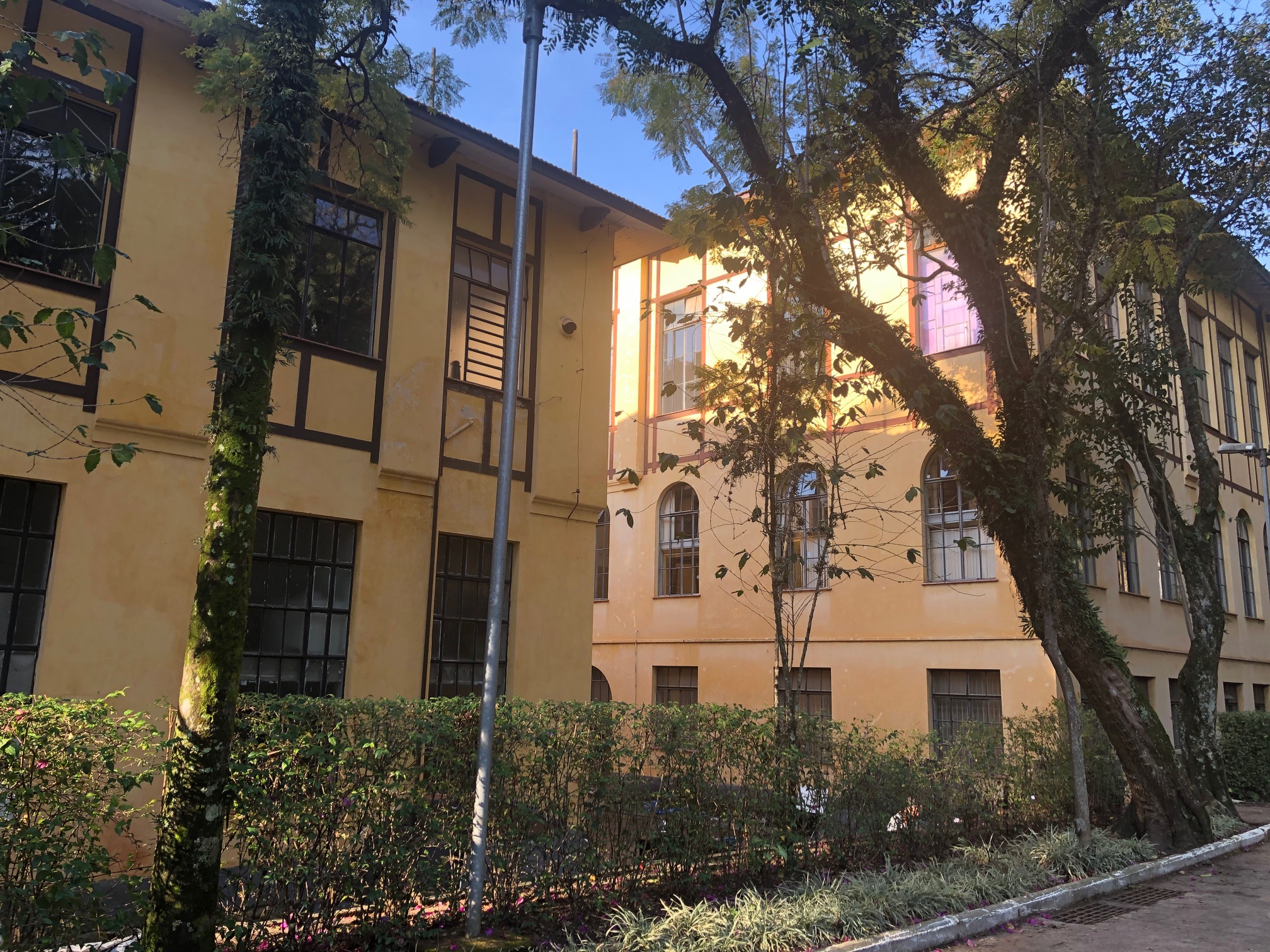


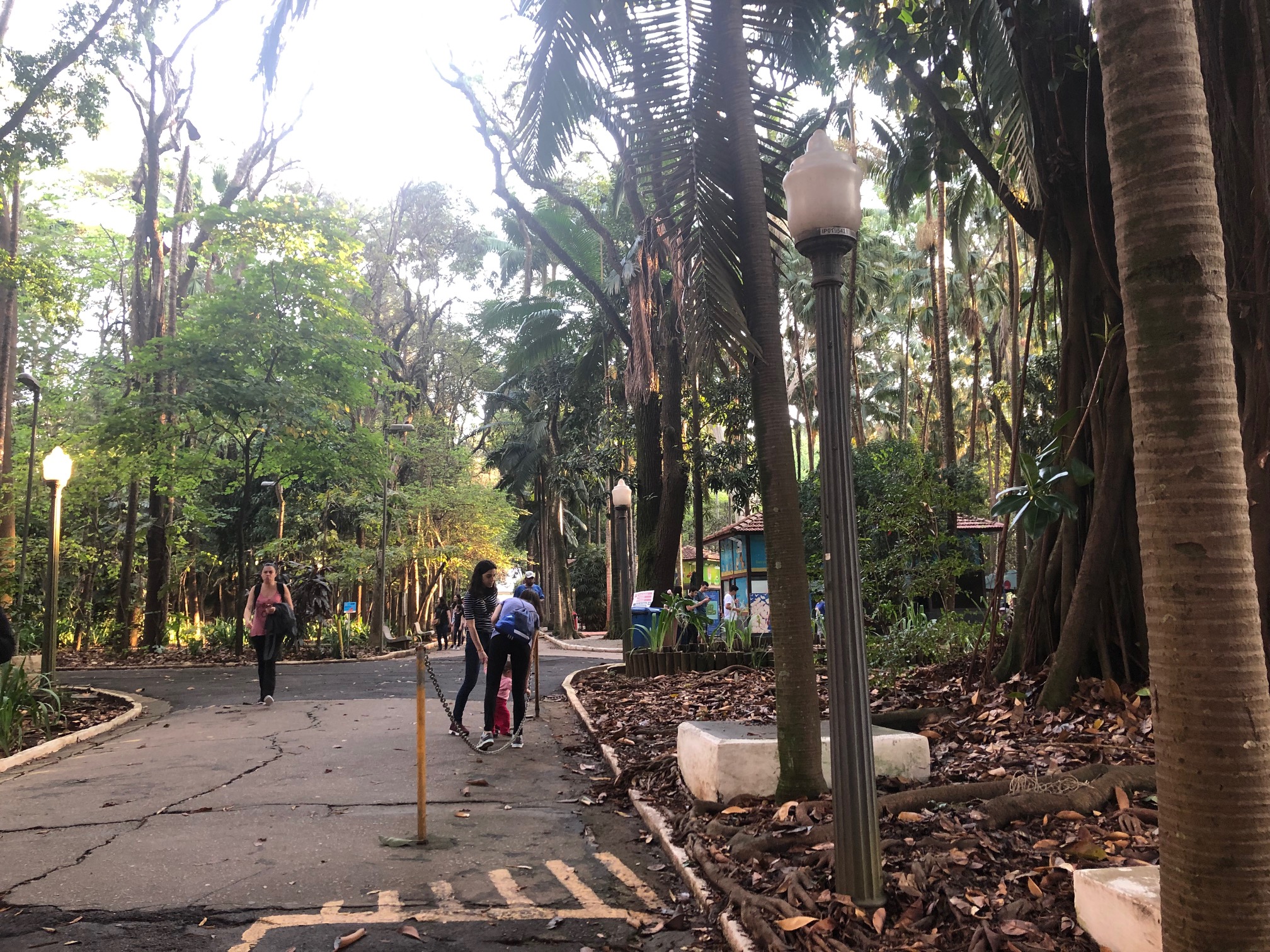


Camera: iPhone 8
Location: Parque Agua Branca, Sao Paulo, Brazil

“Perception” is an interesting word when you think deeply about it. No, I’m not just talking about your two eyes, and the vision that allows you to perceive the world visually. In other words, we can only perceive the experiences that we have or had in the past, the people we met, the places we visited and lived in, and the choices that we make or made.
Human beings are mortal which means we have limited time on this Earth to see and experience all that life has to offer. For some people, this is a very frightening and gloomy notion. However, others would see this fact as a way to get the most out of life and expand their perception of the world as much as possible.
A limited “perception” of life and the world has consequences when you think about it. If you don’t have the ability to put yourself into someone else’s shoes or to imagine or experience life as they do, then your ability to emphasize with them would be diminished. Yes, you can have sympathy for their plights or jubilation for their successes but you wouldn’t be able to connect with them on a deeper level.
A consistent problem in human nature is our lack of ability to put ourselves in someone else’s shoes and see life as they do. When we are unable to break down barriers between social classes, races, religions, and gender, disagreements and hostilities between these groups is likely to continue. From my perspective and my past travels, the similarities of humans around the world drastically outweigh the differences. That doesn’t mean that these differences are bad or that they should be eliminated. I happen to believe that cultural and social differences are part of what makes humanity unique and should not be demonized.
This leaves the question that my blog readers would wonder to themselves hopefully after reading this entry: How do I expand my perception of life and the world around me? Now, when I ask this question, I do not mean for you to go out to the nearest pharmacy and get yourself some contacts or a pair of prescription glasses.
What I mean and what I believe is that we humans have limited time on Earth and we can’t live forever to experience everything and to meet everybody around the world. However, there are ways to expand this perception by traveling the world, reading books, and meeting different kinds of people. These three concepts are not crazy ideas but rather novel concepts to create greater empathy in yourself and for others along with a more profound view of humanity as a whole.
Traveling has always had the highest return on investment for me and the experiences I have had have helped me view the world in a different way. I know that it’s not feasible for everyone to travel but if you can’t make a huge jump to another country, try to travel to different places and cities within your own country. Learning about the local culture and customs, enjoying the local cuisine, and indulging in the history and background of the society are important for any seasoned traveler.
You will start to view the world in shades of grey rather than pure black and white. You would also learn that cultures and societies are complex and that it takes a lot of time to immerse yourself in its deeper reaches. Most of all, you are communicating in a different language which is fascinating and complex in its own right. Above all else, you are seeing the commonalities and similarities that exist between your family and their family, your town and their town, and your country and their country.
Meeting new people from different backgrounds and places ties into traveling as well but it really makes your perception of the world grow. If you stay in the same town where you grow up and never leave, chances are that you’ll have a limited perception of people and life itself. Talking to different people, hearing their stories, cooking with them, and sharing a meal or drink has many benefits. You may be able to build a friendship that lasts for years even if you don’t speak the same language or come from the same culture.
By hearing their story and listening to them, you expand your own perception of the world and the people who inhabit it. You can get beyond the stereotypes and the clichés and really get into deeper social connections with people, especially in this interconnected world that we all live in.
Lastly, reading books is an integral park for learning about the world and facilitating a deeper perception. As individuals, we cannot experience everything or know everything there is to know. However, by reading about the stories of others who have come before you and who had lived, and died, you will gain greater knowledge and wisdom. Regardless of whether the book is fiction or non-fiction, you’re reading someone’s life story or reading about a subject that spans a part of human history.
Book by book, you are enlightening yourself by learning about the experiences and perceptions of others. By learning about the men and women who have come before you and who have lived exemplary and distinguished lives, you can take lessons from their existence and apply those lessons to your own life. If you can’t travel or meet different kinds of people, reading books by those authors who have and whom shared those unique experiences with their readers is the next best thing.
We all have one live to life, and you can only see what’s right in front of your eyes. Make sure that you continue to give yourself the opportunities and chances to indulge in the knowledge and wisdom that can be gained by expanding your perception of the world and its inhabitants. Travel, read books, and meet different people for as long as you may live. Only then will you gain true enlightenment and wisdom.