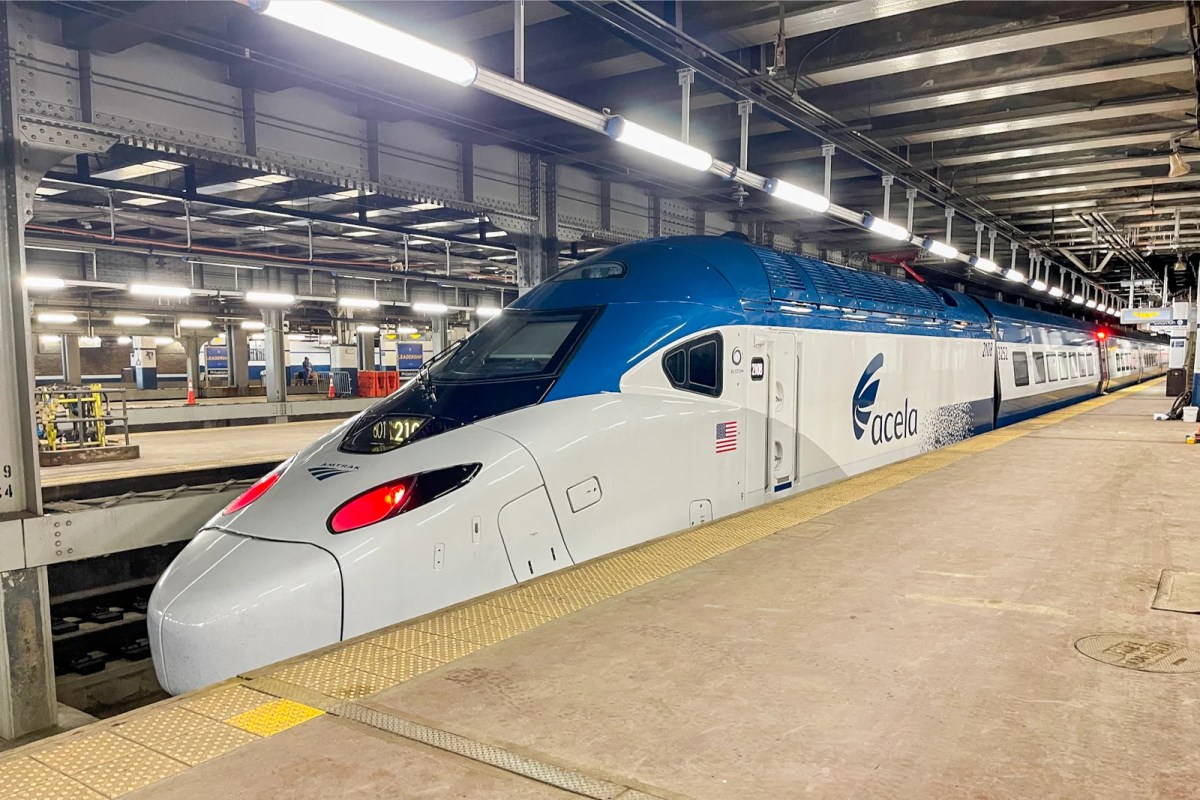
America Off Track – Why It Needs a Nationwide High-Speed Rail Network

“In an age where it’s hard to agree about anything, I do think having nationwide high-speed rail as the rule rather than the exception is something most Americans would support if given a choice of whether to fund it.”

Introduction: Connectivity Beyond Broadband and Rocket Ships

Connectivity in the modern age is more than high speed broadband or rocket ships that can go to the Moon or Mars, it can be as simple as connecting major towns and cities together. It is a simply an economic win-win when you think about having high speed rail being as common as any kind of subway, commuter rail, or streetcar. It is an economic investment that pays for itself over time and is a great way to support local to national economies. It is the exact kind of rail that I believe America is lacking outside my home region of the Northeast and which continues to be neglected despite the benefits far outweighing the costs. In an age where it’s hard to agree about anything, I do think having nationwide high-speed rail as the rule rather than the exception is something most Americans would support if given a choice of whether to fund it.

From Railroad Pioneers to Going Off the Rails

Long ago, the United States was the leader in rail across the board especially when the transcontinental railroad was first established connecting the continental nation together from east to west in the late 1860s. Fast forward to the mid-20th century, America decisively turned away from rail and embraced cars and planes as symbols of modernity and freedom. The construction of the Interstate Highway System in the 1950s, along with generous federal subsidies for aviation, made driving and flying faster, cheaper, and more convenient than taking the train. As families moved to the new and sprawling suburbs, car ownership exploded, and passenger rail ridership collapsed.

Meanwhile, freight railroads, struggling with shrinking margins, often abandoned or neglected passenger services. Amtrak’s creation in 1971 was a last-ditch effort to save intercity rail travel, but chronic underfunding, outdated equipment, and lack of political will left it unable to compete with well-funded highways and airports. This shift cemented a car-and-plane culture in the United States, relegating trains to a niche role in the American transportation landscape rather than the preferred mode of transportation. Unfortunately, today, it continues to be a disappointing national story as trains and train speeds here are some of the slowest, most infrequent, and bordering on dysfunctional in the modern era.

There are a whole host of factors and finger pointing to go around in terms of how we got to where we are as a nation in 2025 from NIMBYism to the airline and auto lobbies to cost overruns that drain support for any of these high-speed rail projects. However, I’d like to focus first on where America stands now compared to other developed nations and how far the U.S. needs to go to catch up to other nations who have surpassed us in this key area of development.

China Leads, Europe Excels

China is currently the world leader in high-speed rail with the biggest network of high-speed trains on Earth with top speeds clocking in at around 220 miles per hour (350 kilometers an hour). If you look at any map of Chinese high-speed rail, all major cities are connected to each other by a train and often for one day, multiple trains serve each city at different times a day making it a better option than flying within the country. Many more cities in China are connected by high-speed rail than American cities and the trains are much faster by comparison.

Unfortunately, this is not only the case in China but in also much of the European Union. France, Germany, Spain, and Italy all have high speed rail networks that are extensive, fast, and reliable, whose coverage far exceeds the U.S. when you do an overlay of their networks compared to the regional networks in the U.S. or per capita in terms of access despite the size difference. Other major players in high-speed rail include Japan, South Korea, Indonesia, with Thailand, Vietnam, and India looking to start building their ‘bullet’ trains in the 2020s. Even developing nations in Africa such as Morocco have invested in having their own high-speed rail with Morocco’s Al-Boraq line between Casablanca and Tangier having opened in 2018, which is the first high speed train in Africa (approx. 180 miles per hour / 300 kilometers per hour) and not likely to be the last.

High-Speed Rail: A 21st Century Economic Engine

As we get close to being well into the second half of the 2020s-decade, high speed rail investment makes more sense and not less sense. It is a win-win to me economically when you can create jobs in construction, project management, and other related industries. As more economies pivot to clean energy, I find that high speed rail is a more efficient, less polluting form of travel that is also extremely safe and reliable if run well. Regional and local economies can flourish more especially when high speed rail comes to their communities’ bringing tourists and possibly new businesses to set up shop there.

Business travel can expand as well when you don’t have the options of only relying on renting a car, taking a bus, or flying on a plane to get to a conference or a meeting in another city in the same day. Cutting carbon emissions is a goal almost universally shared in 2025 so a keyway to do it is embracing forms of travel that are better for the environment such as high-speed rail. Multiple studies in Europe show that every dollar or euro spent on high-speed rail returns multiple dollars in long-term economic gains. The overall return on investment speaks for itself and that’s why more than ever, nationwide high-speed rail efforts should become a national priority.

America’s Missed Opportunities in High Speed Rail

My love for the Northeast’s Amtrak lines as someone who rides multiple times a year, especially the Acela and Northeast Regional, comes from knowing how liberating it feels to speed past gridlocked highways and soul-crushing airport security. However, I would like to be clear in that what we have in the Northeast United States is the exception, not the rule. The rest of the nation is left with woefully inadequate or non-existent passenger rail options, especially no high-speed rail train options.

California’s notorious and still unfinished high-speed rail project, originally envisioned to connect Los Angeles and San Francisco in under three hours, has become a cautionary tale of political infighting, spiraling costs, and endless delays, now more than fifteen years since voters approved it, the line remains incomplete as of this writing. Texas’ proposed Dallas-to-Houston bullet train, based on Japan’s Shinkansen technology, has been mired in lawsuits and land disputes, while Florida’s once-promising plan for a Tampa-Orlando-Miami high-speed corridor was killed by politics despite federal funding being on the table. These failures aren’t just isolated missteps; they’re a systemic reflection of America’s inability to plan, fund, and execute transformative infrastructure projects in the 21st century.

A Vision of a More Connected America

Imagine for me now a future United States where a high school student in Indianapolis could visit Washington, D.C. on a field trip by getting there in 4-5 hours, or where a business traveler could commute between Atlanta and Charlotte in 90 minutes, turning what’s now a grueling four-hour drive into a swift and productive journey. France’s TGV system, which I have been lucky enough to ride from Bordeaux to Paris has long proven that high-speed rail is profitable and competitive with air travel for distances up to 600 miles, drawing millions of passengers who might otherwise fly or drive in that country.

China’s network, the world’s largest as mentioned earlier, has shrunk travel times dramatically: for example, the 819-mile Beijing–Shanghai route, once a ten-hour slog by conventional train, now takes just four and a half hours. A similar Chicago–New York high-speed line, roughly the same distance, could cut today’s fourteen-hour Amtrak ride by more than two-thirds if it were ever developed and invested in.

The creation and development of a nationwide rail grid could connect major population centers such as Houston, Dallas, Austin, Chicago, Detroit, Miami, Atlanta, Denver, and Los Angeles with frequent, fast trains. This would wholeheartedly reshape the American economy as we know it and foster new hubs of innovation, tourism, and opportunity in cities both large and mid-sized, and if smaller cities can be added to a more local line with more stops, that’s a positive as well.

Overcoming America’s High Speed Rail Barriers

There’s no denying the hurdles that exist and will continue to slow the development of a nationwide high speed network: federal and state governments have rarely aligned on rail priorities; outdated regulations, such as the Federal Railroad Administration’s archaic crash standards, make it difficult to adopt off-the-shelf European or Asian trainsets; and NIMBYism often turns local communities into fierce opponents of new rail lines.

However, none of these obstacles are insurmountable if America learns from the examples set by other nations. Spain’s national AVE system, for instance, was built with robust public support and clear national commitment, resulting in more than 2,000 miles of high-speed track in a country with less than a seventh of America’s population. Japan’s initial Shinkansen line was completed in just five years, transforming travel patterns permanently, and this is despite being a mountainous island nation where political gridlock can also occur.

America could adopt federal legislation to streamline permitting, incentivize public-private partnerships, and dedicate a long-term funding mechanism like the Highway Trust Fund to ensure reliable and consistent investment. Beyond these present technicalities, it will take real leadership willing to communicate to the American voter that high-speed rail is not a luxury for a developed nation, but a real necessity for economic growth, energy security, and national competitiveness in the 21st century.

Conclusion: It’s Time to Board the Train of Real Progress

I am writing this article on an Amtrak Northeast regional train to Washington, DC ironically but not intentionally because as someone who treasures the unique sense of freedom and connection offered by train travel in the Northeast United States, I believe deeply that every American deserves the same opportunity. This should be the case whether they live in Houston, Detroit, or Los Angeles. We have the financial resources, the technology, and the know-how; what we lack is the political resolve to make high-speed rail a reality nationwide.

Our tax dollars should be able to build systems that make our daily lives better, and there are few investments more transformative than modern, fast, reliable trains that knit together our cities and regions. High-speed rail would give Americans more options, less stress, and cleaner air, while restoring our global reputation as a nation of builders and innovators. It’s time for the United States to leave the station of outdated thinking, board the train of progress, and embrace a future where high-speed rail is not the rare exception, but the expectation for every American traveler.

Note: The views expressed in this article are entirely my own and do not reflect the opinion(s) of any outside organization, firm, or entity.

Works Cited / Endnotes (MLA)

  1. “China’s High-Speed Rail Development.” China Railway Corporation, 2023, www.china-railway.com.cn/en/high-speed-rail/.
  2. “TGV: The French High-Speed Train.” SNCF, 2024, www.sncf.com/en/trains/tgv.
  3. International Union of Railways (UIC). “High-Speed Rail in Europe: A Competitive Advantage.” UIC Publications, 2023, uic.org/IMG/pdf/high-speed-rail-in-europe.pdf.
  4. “Al Boraq, Africa’s First High-Speed Train.” Office National des Chemins de Fer (ONCF), 2019, www.oncf.ma/en/Projects/High-Speed-AlBoraq.
  5. Hurst, Dana. “Morocco Opens First High-Speed Rail Line in Africa.” BBC News, 15 Nov. 2018, www.bbc.com/news/world-africa-46227056.
  6. California High-Speed Rail Authority. “Project Update Report to the Legislature.” CHSRA, March 2024, www.hsr.ca.gov/docs/about/legislative_reports/2024_Project_Update_Report.pdf.
  7. Swarts, Jonathan. “Texas’ Bullet Train Faces Legal, Financial Roadblocks.” Texas Tribune, 20 Apr. 2024, www.texastribune.org/2024/04/20/texas-high-speed-train-lawsuits/.
  8. United States Government Accountability Office (GAO). “Intercity Passenger Rail: Amtrak’s Challenges in Implementing High-Speed Rail.” GAO-21-480, Sept. 2021, www.gao.gov/assets/gao-21-480.pdf.
  9. International Energy Agency. “The Future of Rail: Opportunities for Energy and the Environment.” IEA, 2019, www.iea.org/reports/the-future-of-rail.
  10. European Commission. “White Paper on Transport: Roadmap to a Single European Transport Area.” Publications Office of the European Union, 2011, ec.europa.eu/transport/themes/strategies/2011_white_paper_en.
  11. Pew Research Center. “Most Americans Support Investments in Infrastructure, Including Public Transit.” 15 June 2021, www.pewresearch.org/2021/06/15/public-views-on-infrastructure/.
  12. American Public Transportation Association (APTA). “Economic Impact of High-Speed Rail.” APTA Reports, 2022, www.apta.com/research-technical-resources/research-reports/economic-impact-of-high-speed-rail/.

The Megacity: A Cacophony of Humanity

“Only from above can you see how such massive populations can occupy relatively small portions of the Earth, while vast stretches of land remain sparsely populated.”

Flying into a megacity offers a unique perspective on its scale as I have done countless times over the years. From the window seat of an airplane, it’s impossible to fully grasp the size of cities like Istanbul, Mexico City, São Paulo, New York, or Los Angeles—cities that house tens of millions of people. Only from above can you see how such massive populations can occupy relatively small portions of the Earth, while vast stretches of land remain sparsely populated.

In these cities, one can sense how humanity has evolved over the centuries, transitioning from primarily agricultural societies to industrial powerhouses, and now, to the complexities of a post-industrial world. The growth of cities, especially megacities, reflects humanity’s ongoing desire to improve civilization, particularly in the realms of efficiency, innovation, and social equity.

In the 21st century, megacities are projected to grow at an unprecedented rate, particularly in Africa and Asia. New cities are expected to join the ranks of those already housing tens of millions of people, with some approaching populations of 100 million. This trend of urbanization is part of a broader pattern that dates to ancient civilizations. From Ancient Rome and Babylon to Athens, our cities have always concentrated power, knowledge, culture, commerce, and industry in urban centers. With a global population of 8 billion and rising, megacities are a relatively recent development, but they reflect historical trends toward greater urbanization. This process will likely continue throughout the 21st century.

More than ever, megacities are testing grounds for technological advancements and infrastructure developments that will shape the future. Whether it’s high-speed rail, autonomous vehicles, smart electricity grids, or renewable energy sources, these cities are ideal laboratories for innovation. Given their size and complexity, megacities allow for large-scale experiments in sustainability, from energy-efficient buildings to advanced waste management systems. These cities are also at the forefront of efforts to address current environmental challenges, integrating technologies that reduce their carbon emission footprint and improve water and energy use.

With millions of people living in near proximity, megacities serve as testing grounds for the social systems that underpin modern life: healthcare, education, and public safety. Cities with large populations can quickly reveal whether social safety nets are effective or in need of reform. These urban centers provide a direct feedback loop for policy ideas and social services, offering a unique opportunity to evaluate and improve the systems that impact the quality of life. The success or failure of these initiatives in megacities often sets the tone for broader national or even global policy shifts.

Megacities are also microcosms of global culture, where different languages, customs, and traditions coexist, creating a vibrant and diverse urban fabric. This cultural mixing is a hallmark of humanity’s increasing interconnectedness. Cities with millions of people can foster greater cooperation, creativity, and tolerance, but they also present various challenges. Integrating diverse cultures and languages in ways that promote social cohesion can be difficult, especially when disparities in wealth, power, and opportunity persist. However, megacities are often sites of cultural innovation and collaboration, where new ideas are born and tested on a global stage.

Cities are often the birthplace of new political ideas and social policies. When these policies succeed, they can be scaled up and implemented nationwide or even worldwide. Urban areas, being more densely populated and diverse, offer the ideal environment for experimenting with solutions to systemic issues, such as education reform, income inequality, or civic engagement. The ability to gather immediate feedback from a large and diverse population means that cities can rapidly assess the effectiveness of new public policies, making them key players in shaping the future of society.

The rapid urbanization of the world since the industrial age brings with it both opportunities and challenges. As cities continue to grow and scale, they will increasingly become the focal points for innovations and social experiments that shape the trajectory of human civilization. At their core, cities reflect humanity’s inherent desire to evolve, improve, and create something greater than us. The drive for progress embodied in the ambition, growth, and efficiency of urban areas mirrors our collective aspiration for a better future. However, this continued growth plans to bring more complexities. As megacities expand, they face the challenge of providing a good quality of life for millions of people while managing the unintended consequences of scale, such as overcrowding, pollution, and social inequality.

The success or failure of megacities in the 21st century has global implications. As urban centers grapple with present challenges like climate change, wealth inequality, and the effects of economic globalization, the solutions they implement or fail to implement will have ripple effects across the globe. From Tokyo to Cairo, from Bogotá to Kinshasa, these cities are testing grounds for humanity’s ability to adapt to a rapidly changing world. The development of megacities is not just a local issue or an urban issue; it is a global concern that reflects our collective ability to meet the challenges of the 21st century.

The paradox of progress is that while we strive to improve our cities and societies, we must recognize the complexities of providing a high quality of life for growing populations. The ambition to create more efficient, sustainable, and equitable urban environments must be balanced with the practical realities of physical infrastructure, resource management, and social integration. If megacities are successful in making responsible choices now, they will be better equipped to meet these challenges in the future. The decisions made today will shape the cities of tomorrow and, by extension, the world at large.

As the world becomes increasingly urbanized, the fate of megacities and urban areas will be intertwined with the well-being of all people. What happens in these cities, whether positive or negative, will affect everyone, whether they live in rural, suburban, or exurban areas. The interconnectedness of our societies means that the success or failure of urban areas will have far-reaching consequences. We must ensure that the policies and solutions developed in megacities are inclusive and benefit all members of society. The prosperity of our cities is not just the concern of city dwellers, but it is a global concern too. This becomes particularly evident to me when I fly over a city or megacity, witnessing its sprawling lights and endless streets, and realizing that the future of our civilization is unfolding in these urban spaces.

Combating Alienation and Loneliness in Society

“This is an unfortunate societal transformation that may seem inevitable, but it can be reversed by improving mental health access, building stronger communities, and having better societal outcomes, it is crucial that some solutions are tested and put into place.”

One of the biggest challenges of the 21st century will be focused on how to foster solid connections, friendships, and relationships that are both sustainable and fruitful. Recently, more mainstream attention has been paid to how societies, especially in the Western world, are dealing with a surge in alienation and loneliness. It has caught the attention of politicians, community leaders, and authors who are interested in noting how people are fostering fewer social connections, maintaining fewer friendships, and increasingly living alone. This is an unfortunate societal transformation that may seem inevitable, but it can be reversed by improving mental health access, building stronger communities, and having better societal outcomes, it is crucial that some solutions are tested and put into place.

Traditional means of building strong social connections have been ironically undermined by the rise of social media where people can connect virtually but often, this is difficult to maintain in the real world. You really must make a serious effort these days to build your own friendship and communal networks whereas in previous generations, it was much easier in your small town or village to maintain ties with the local community or religious center, gather at town hall meetings, and be able to know who your neighbor was. It has fallen on the individual person to build their own network, which is often hard to do, especially if you are in a larger town or city, where there are so many people around, yet it may take longer to foster a deeper connection.

Religious places of worship, community centers, social clubs, and communal gathering places have taken a backseat to online social media channels, which while they can bring people together, they tend to be more focused on larger groups and gatherings, which can make it harder to get to know people better. More and more people can do things whether it’s shop, order food, build a business, and learn online, and while that has been transformative in providing greater opportunities and even connected people, I do believe traditional ways to meet people have been on the decline causing a subsequent rise in alienation and loneliness.

While many societal leaders are starting to pick up on this unfortunate phenomenon, it will take a lot of organizing, resources, and cooperation to reverse this trend in the long-term. I am going to propose three ways that by working together in our own towns and cities, we can work to bring people together in a healthy and sustainable way.

  1. Many third spaces outside of home and work have been commoditized in terms of meeting people and it can cause a financial strain on individuals who do not have the means to join an event or a group. I advocate for building and maintaining third spaces that are a public good, maintained and run by community members, and for which are made known to as many of the community as possible through consistent public awareness campaigns.

Each community center would be a good use of taxpayer funds and would be available seven days a week. I discourage the use of membership fees like a YMCA and its offerings would be different depending on the needs or interests of the community. I do think such a third space would allow for peer-to-peer mentoring events, ‘getting to know your neighbor’ dinners or potlucks, and allowing for classes or groups that can discuss financial literacy, cooking, nutrition, and even job searching and networking help to flourish there.

To some degree, these kinds of community centers do exist, but they are limited in scope, often cost fees, and are often hard to reach. These community centers can also take over for dilapidated strip malls, abandoned office buildings, or unused parking lots where the neighboring space can become a public park, playground, an exercise area, or even a fruit / vegetable garden for those people who don’t have access to fresh produce in their neighborhood. A greater long-term challenge is making sure these new kinds of community centers are accessible to all people because not everyone has a car, or a bike, or can walk there. Cities and towns that are designed around the car and where public transportation is hard to use have caused a spike in loneliness, and that is where these community centers can really help fill the gap.

In the long run, it is a crucial and needed change in ensuring that more places, including these community centers, can be accessed by bike, bus, rail, and by foot. The sprawling nature of most American towns and cities has exacerbated the atomization and loneliness issue, which creates a lost opportunity for connections to be fostered. In my view, significant changes to public policy surrounding this issue are unlikely in the near term, but the way we design our communities in the future and emphasizing greater accessibility of free third spaces can really make a dent in our current loneliness predicament.

2. Once you have these community centers in place, you must make sure that there is serious outreach across the town or city in question. I do think there is a current deficit not only in the lack of third spaces, but the ones that exist, few people know about. City, state, and even national governments can and should do a better job reaching out both online and in-person to people, especially if they are living alone, to highlight opportunities in the community to meet others.

When someone is new to a town or city, it would be an excellent idea for a neighbor or a landlord or a town leader to reach out to someone (with their permission, of course) to highlight ways to get involved in their community. Religious centers and places of worship have done this successfully for generations yet in the public sphere, there is a severe dearth of awareness when someone moves to a new town or city regarding which community centers are nearby, what resources are available to learn and to work, and how they can find the resources, the people, or the activities they want to get involved in.

There’s something to be said for the phrase, ‘to hit the ground running’, it can be an anxious, lonely, and often difficult time to make yourself feel at home when you move to a new community or city. I believe if there was a more concentrated and sustained approach to making someone feel welcome regardless of who they are, where they come from, and what their age is, it would really diminish the current loneliness crisis that we find ourselves in as a society. Something as simple as a neighbor, a community leader, or a townsperson, taking the new arrival under their wing, and inviting them to one of the ‘third spaces’ around them, can make a huge difference in that person’s sense of belonging, and even diminish their loneliness. When someone moves to a new town or city, an online community portal and an in-person community hub can go a long way to connect that person to the activities, hobbies, and needs that they are looking to fulfill as they make a life for themselves there.

3. Lastly and most significantly, I believe in volunteering as a time-tested and successful way to both give back to a community and to feel connected to others. Volunteering is not easy to commit to in terms of time and effort, but I believe it is a crucial way to avoid people feeling disconnected or lonely.

It is a positive thing to donate money or resources to a worthwhile charity or organization, but I believe it is even better to spend time with others committing yourself to a good cause at the local, national, or international level. Community hubs, sustained awareness of opportunities near where you live, and being able to find the volunteer work that you are interested in doing can help you find a greater purpose or meaning beyond what you thought was possible.

There is plenty of good work that can be done to revitalize communities and cities in your country and elsewhere. The key is to make sure that as many people are as aware of it as possible. I would argue that one or two years of volunteer service on a local or national scale would make young people more connected and relate more to each other if they were participating in a shared service.

Making a year or two of volunteer service mandatory for young people ages 18-26 would help combat loneliness and alienation among that age demographic and could also be made open to older demographics depending on the interest level. People should feel invested in their communities and where they live. I think that a mandatory volunteer service should be encouraged and if we can provide educational or employment incentives in exchange for the completion of a  national or local volunteer service program such as reduced or free tuition at a higher education institution, I do believe this would not only combat loneliness but encourage new friendships and also build the community hubs, parks, and centers that are currently lacking Being flexible with volunteer service is key especially when it comes to managing educational or employment obligations but offering part-time or weekend options for people can give this kind of initiative a greater chance for success.

If ordinary citizens, especially younger citizens, see that their local and national leadership are aware that there is a loneliness crisis, are actively providing resources to the communities to find possible solutions to this growing problem, and are asking for volunteer help with clear goals in mind on how to better connect people together, we can start to make progress in fixing this issue on a larger scale. If there is a slogan for these three steps to combating alienation and loneliness in society, it would be “we would like to invest more at scale in you and your community, help us to finish the job at hand, and we’ll make sure you receive ten-fold what you put in to helping to move this effort forward.”

People have a strong urge to belong and to be part of a tribe or a group. In our atomized era, it is increasingly harder to find one’s tribe. The causes of this growth in alienation and loneliness are well-known and are well-documented. Personally, I am interested in how best to get out of this hole that collectively, we have dug for ourselves. While some of us have been able to forge our own community, sustain our friendships and relationships, and maintain strong ties to our town or city, there are an increasing number of individuals who feel disconnected and left behind, often through no fault of their own.

I do believe that the three steps I have proposed in this article can make a serious dent in this issue. I hope that there are other numerous ideas out there that will be considered by those with the power and influence to make a difference in how we structure our towns and cities because the sooner we address this problem, the better off we will be as a result. Decades ago, you knew who your tribe or your community was mainly due to family or religious background or just your neighborhood ties, but that is no longer the case for a growing segment of our society.

It is up to us to collectively fill in the gap that these traditional institutions have failed to sustain. I hope that we start to invest more time, money, effort, and attention to solving this issue in the future because it is truly one of the defining issues of our time and regardless of if we are not directly affected by its effects, it is likely that you know of someone or have heard of somebody in your own life who struggles with loneliness. Greater social and communal bonds are crucial to sustain and in these atomized times we’re living through, the more work we do now to diminish this problem, the better off we will all be in the future.

Anatomy of a Scene – ‘To Know Me Is To Fly With Me’

“He has found a job that allows him to be constantly on the road at a job he is good at without commitments or obligations that would keep him from being who he is.”

Some people are most comfortable on the ground, others down below beneath the sea. Ryan Bingham, however, is most comfortable up in the air. Ryan goes from city to city and from town to town racking up airline miles, staying in recognizable hotels, and sadly letting people go from jobs by helping them with the transition process to a new life. He does the dirty work, which can be quite tense and unforgiving. He does not do his job out of pleasure for helping companies fire people in-person but rather because he likes life on the road and is comfortable being in airports, rental cars, and hotels rather than in a cubicle or a factory day in and day out.

Without going into too much detail about the movie, ‘Up in The Air’, I’m going to focus on two scenes to encompass Ryan’s life on the road and how he should be known best. Ryan is single, not a family man, never been married, and does not go on at length about children because he does not have them. He is driven not by his family or his career per say but rather how his home is his backpack or suitcase and how if he stays still, he loses an essential part of who he is as a person. When other people brag about their kids’ latest success or their wife or husband’s latest accomplish, Ryan instead brags about his quest for ten million airline miles and how he has privileged status with his hotel rewards program.

While others would find Ryan’s lifestyle odd and unusual, he would consider their lifestyle to be the odd and unusual one. He has found a job that allows him to be constantly on the road at a job he is good at without commitments or obligations that would keep him from being who he is. While he enjoys being with people, he is also comfortable on his own and enjoys his own company. He believes that any other way to live would not be as satisfying and for what others dislike about traveling constantly, he relishes it. Ryan does not think anything, or anyone would derail him from continuing this lifestyle even after he reaches his ten million miles goal. If he were to stop, it may be only because he loses his job where he helps to fire people or if he met a woman who could live with his ‘unusual’ lifestyle.

“Fast Friends.”

As the scene ‘to know me is to fly with me’ demonstrates, Ryan’s friendships are often self-serving because he is often on the road and can’t have true friendships but rather ‘fast friendships.’ He is a new kind of person and must go along with his constantly shifting itinerary. Ryan is personable and likes to meet new people such as a man next to him in business class and can relate to another gentleman who likes to be on the road.

Ryan has traveled so much that he knows how to approach a conversation with a stranger sitting next to him. They can discuss family matters, where to go for good food in a specific city, and even about the dreams of the person he is sitting with. He may not have deep friendships but is personable and friendly enough to make a quick connection like he would a flight to a new city without skipping a beat.

Ryan can get the business card, say goodbye forever, and is busy enough to move on without feeling a sense of loss or sadness about not seeing that gentleman he had met and formed a connection with for a few hours just before. As Ryan indicates in his narration, he lives by ‘the margins of his itinerary’ and is committed to his schedule without missing a beat or feeling like he is out of step. Even where there is turbulence, bad airline food, or onerous airline security procedures, Ryan Bingham takes it all in stride. He is not dismayed by any of the various annoyances that plague the travel industry. It is where he feels most at home and is probably the only kind of life he would feel at home with.

“I am home.”

Another scene that compliments the ‘to know me is to fly with me’ deleted scene from the movie is where Ryan’s travel process is shown from beginning to end. Different from ‘fast friends’, Ryan’s job encompasses him helping companies too afraid to fire their employees directly by having him fly around the country and perhaps internationally to do it himself. He says that it’s easy to do it since “he’ll never see them again” but it does not seem like he takes pleasure in it and just uses it to travel for a living. Instead of ‘fast friends’, he may be making ‘fast discontents’ as they blame him for everything bad happening to them at that job even though it’s not his decision to fire them but their boss’s. While Ryan never sees them again like the friendly businessman sitting next to him on the plane, those brief moments of sad or happy coincidence just fall by the wayside when he focuses on his true passion of making the travel lifestyle of his as seamless as possible.

From organizing his TravelPro suitcase easily stored in the overhead bin in any normal jumbo-sized jet plane to making sure his ties and shirts are neatly folded to fit in his suitcase, Ryan fits the bill as a true traveler who knows what to do. “This is where I live.” Ryan says as he drops off his rental car, which he probably rented for free by using his compiled credit card miles. He avoids long check-in lines by having ‘priority access’ with his airline points allowing him such perks as a personalized greeting from one of the airline staff, which is part of sitting in the ’first class’ section of the airplane. While ‘Up in The Air’ was made before TSA Precheck and Global Entry came out as options to avoid long security and U.S. customs lines, you can believe Ryan would have been able to sign up for those perks as well for free due to his accrued airline miles.

From greeting the smiling airline staffer who is aware of his ‘privileged’ status to making it through the TSA check like it is second nature, Ryan is suited up to make himself presentable for the flight but does not forget to wear dress slip on shoes to make the onerous security check process a little bit faster and little less annoying. He gets out the two bins to put through the x-ray machine for his luggage, expertly has his laptop at the top of his carry-on bag ready to be placed in one of the bins and has the slip-on shoes out of his face so fast he does not struggle with getting them back on later. He even folds his suit jacket expertly in half, so it does not wrinkle at all as it goes through the machine and holds his boarding pass out in front of him through the metal detector, so the TSA security agents know he does not have “anything left in his pockets.”

“All the things you probably hate about traveling: the recycled air, the artificial lighting, the digital juice dispenses, the cheap sushi…are warm reminders that I am home. While most people would hate to have a job that makes them the face people have to see when they get fired or would not enjoy constantly being on the road most of the year, if not all of it, Ryan Bingham in ‘Up in The Air’ truly relishes it and would not have it any other way. There are Ryan Bingham’s in the world out there and they live a lifestyle that while unconventional and difficult, is a unique one that deserves some respect as it isn’t easily pulled off especially since as he said, the stuff most people hate about traveling, he really loves, and that is worth admiring about him.

“Got to, This is America, Man…” – Anatomy of a Scene

“‘The Wire’ is the greatest television show of all-time. Even as the show nears the 20th anniversary since when it first aired on American cable television network, HBO, it still rings as culturally relevant and as emotionally stirring as it was when it first debuted in the Summer of 2002. While technology may be different now, the characters would not be the same, the setting could be different from the show, the overall themes, and messages from ‘The Wire’ as well as the institutions that the show focused on for five great seasons have not changed that much.”

‘The Wire’ is the greatest television show of all-time. Even as the show nears the 20th anniversary since when it first aired on American cable television network, HBO, it still rings as culturally relevant and as emotionally stirring as it was when it first debuted in the Summer of 2002. While technology may be different now, the characters would not be the same, the setting could be different from the show, the overall themes, and messages from ‘The Wire’ as well as the institutions that the show focused on for five great seasons have not changed that much.

I could write a thesis on ‘The Wire’ and devote at least 10,000 words on the show in terms of an in-depth breakdown on how it’s the modern equivalent to a Shakespeare tragedy or drama. However, in this ‘Anatomy of a Scene’, I am going to focus on one of my favorite scenes in this classic television show. This scene is the opening one for the entire five-season series and discusses a core tenet of the show not just about what kind of ‘game’ that the characters play, but also the ‘game’ inherent to the setting of Baltimore, Maryland as well as America as a country.

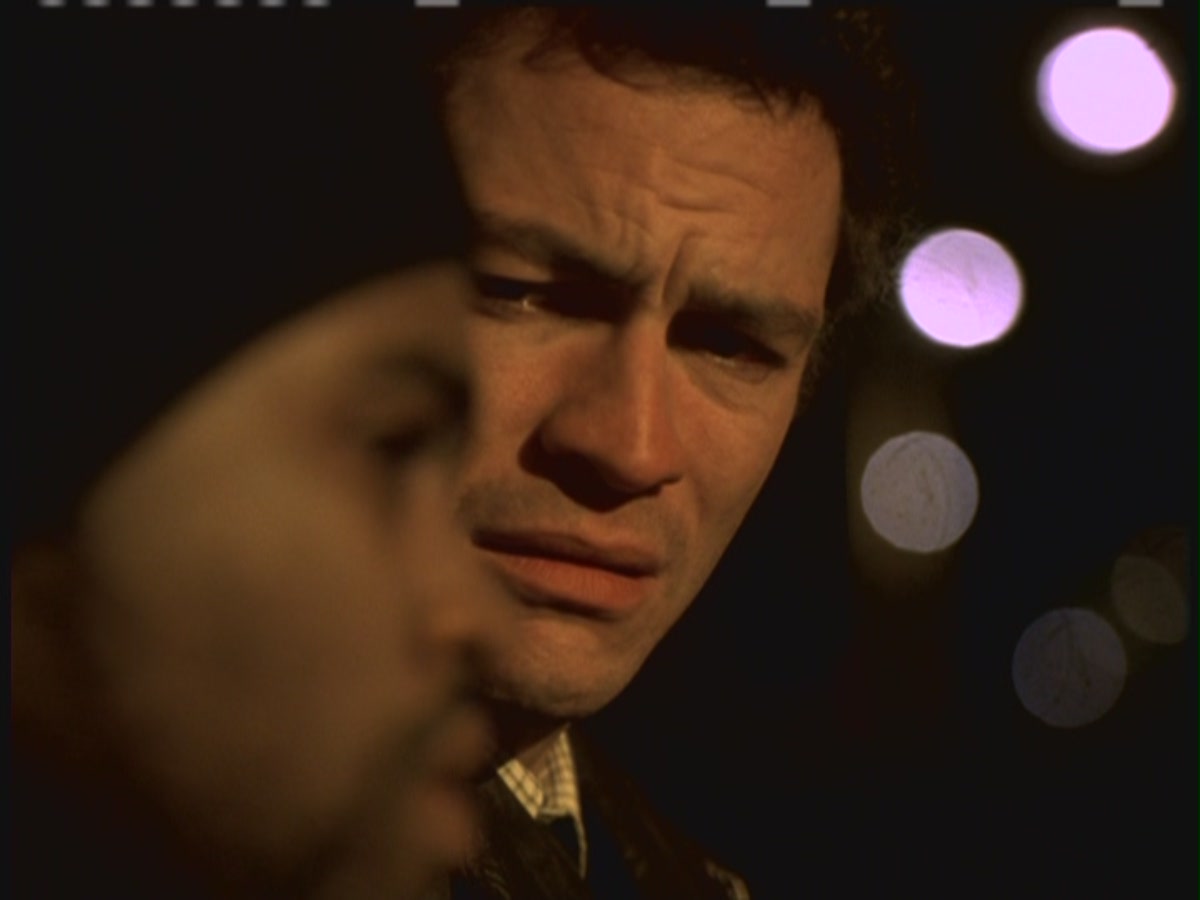
The opening scene, more than any other scene, even if it is the 1st, one pinpoints exactly what ‘The Wire’ is about. In the first shots, you can see a young man lay face down dead on the ground on some dark city street with the police collecting evidence and a main character, who is a detective, questioning a potential witness. The associate of the victim talks about how they were involved with street gambling and how it was not fair that it was not right to kill the victim, non-ironically known as ‘snot boogie’ to the game’s players. The victim of the crime has a real name but is endeared to the rest of the game’s players by that nickname alone.

As the witness explains to Detective Jimmy McNulty of Baltimore Police, ‘Snot Boogie’ was the victim of the crime, but his associate did not expect him to be killed for stealing from the other players of the street game for playing craps. The associate tells McNulty that the victim is known for stealing and grabbing the money to run away but they never want beyond just ‘beating his ass’ up a bit.

While it is a grim description of the dangers of gambling illegally on the streets, the witness to McNulty’s murder case explains that there is an unwritten rule to the ‘game’ of street gambling and that ‘Snot Boogie’ should not have been murdered for stealing from the other players. Nobody ever tried to kill the victim even after he was found guilty of stealing money from the street game players even if they did often catch him and beat him for having done it multiple times.

The witness refuses to tell McNulty who killed his associate in this game and does not want to go to court even though he believes it was disgraceful how ‘Snot Boogie’ was killed because they always let him play even though he would always steal from them.
“I got to ask ya, if every time Snot Boogie would grab the money and run away…why’d you even let him in the game?”
“…What?”
“If Snot Boogie always stole the money, why did you always let him play?”
“Got to, This America, man.”

McNulty looks incredulously as the witness tells him this reasoning because at its face, it does not make much sense for a guy who steals from folks repeatedly to continue playing a dangerous and illegal craps street game. It’s clear to both characters that life itself, and life in America is far from being fair at the end of the day especially a man got killed, which was against to how the game was being played, according to the witness, even if he was stealing from them.

Even if the game is fair or is rigged to some degree, it occurs to the witness and then McNulty after he sees the guy’s reasoning that even if the game was not meant to be won and the result would always be the same, you still let the game play out. The game may not be fair like life itself in general or in America, but it must be played by everyone. It may not be a fair shot and there is no equal outcome, but there is equal opportunity out there for each player to be involved even if someone cheats, steals, and comes back to play again. The game exists for everyone to be given a shot at it and if they don’t, that’s against the principle of life itself and life in America.

There are tragic consequences to this craps game for Snot Boogie who loses his life senselessly as well as for the men who will go to jail for it or lose all their money, but the game goes on and it’s open to everyone. Like the witness explains, the game deserves to be played by everyone equally although the outcome may not be something everyone will like or even will cost some people dearly. This excellent opening scene opens with the most prominent themes of The Wire perfectly and almost seems like a graphic novel come to life. Its visuals are striking, the characters are who you can relate to on a human level, and there is a lot of foreshadowing about the rest of the show and its messages to the viewers from this tone-setting scene.

‘The Wire’ is a show about the early stages of 21st century America in its first decade of the 2000s but it is as still as relevant about 20 years later. The metaphor of this opening scene for not just a couple of guys in a craps game gone wrong in the street can pair directly too what can happen when capitalism can go off the rails when someone tries to beat the rules or try to gain an advantage when they are put at a disadvantage to begin with. If the game is rigged from the get-go even if you’re given a shot at it, what’s the point in playing by the rules? If you can beat the system even if there are dire consequences, is it not worth trying?

‘Snot Boogie’s associates knew he was a thief and a cheater because they believed that he still deserved a shot at winning like everyone else even though it was likely rigged so he would never make it after multiple tries. As the opening scene of the greatest television show of all-time shows the viewer, everybody can play the game even if they are a cheater in the sense of having equal opportunity, but what happens when no one is held accountable when the odds are stacked against them from the start of the game and there is no other way to win than by cheating the system and facing serious consequences?

The show may not be defined by its iconic opening scene but as you find as you watch the entire series, the metaphor for what that scene represents about the show and about the ethic that binds American society together long after you finish watching each of its five seasons.

“…It’s Just A Business” – Anatomy of A Scene

“As one economic system is thrown into recession, other illicit ones, such as illegal gambling tend to flourish in its wake, which is what ‘Killing Them Softly’ does a good job of showing the effects of a recession leading to a boom in the illicit economy.”

“America is not a country, it’s just a business.”

‘Killing Them Softly’ is a 2012 movie that flew under the radar at the time of its release. It may seem on the surface as a movie about the mob regarding unpaid debts, illegal gambling rings, and retribution for those caught in the crossfire, but what makes this movie different is its allegory laid out in the film regarding its relation to the financial system. As the mafia tries to prop up its system of illegal gambling rings and extortion rackets by using different hired hitmen, there are radio and TV clips highlighting the role of different politicians trying to prop up the financial system in the wake of the 2008 financial crisis. To keep the system functioning, drastic measures are taken.

As the U.S. economy suffers, illegal activities flourish and there are those people who get caught up in resorting to crime to keep their head above water. When the illegal system malfunctions such as a Mafia protected card game gets robbed by criminals outside the system, Jackie Cogan (played by Brad Pitt) is called upon as an enforcer hired to restore order to prevent the local criminal economy to collapse.

When any economy, illicit or legal, are ripped from its foundations, there will be enforcers or politicians who will need to clean up the mess left behind. While the allegory is not spelled out in the film, As Jackie is left to clean up the mess of the robbed card game by getting revenge on the small-time criminals who wanted to disrupt the system, many scenes highlight how the U.S. economy needs to be bailed out due to the irresponsible actions of the bankers and financial traders who got the country into this mess. While it may not be the most pertinent allegory, Jackie Cogan, is there to maintain order in their own local illegal gambling racket, similar to how leading politicians in government are called upon to maintain order when the national financial system is ready to crash.

Jackie Cogan is on his own throughout the movie and must rely upon himself to fix the mess left behind from the mob-protected robbed card game’s aftermath. He knows other mob enforcers who could help but they’re jaded, bitter, or too worse for wear having done Jackie’s job multiple times before to keep the mafia afloat. Above all else, Jackie is in it for himself to get paid and survive in an economic situation that is affecting everyone, criminal or civilian.

U.S. political leaders, similarly, were asked to intervene on behalf of the government, to step in to save a system that was being abused by financial firms, but also individuals, who made irresponsible decisions, and even illegal ones, which caused the national economy to crash. To prevent the system from collapsing, former Presidents, George W. Bush, and then Barack Obama had to step in to save the economy even though the system itself was at fault.

In the wake of the financial crisis that still resulted from the bad decisions and greedy actions of its players, when there’s a resulting increase in unemployment and poverty as the film depicts along with the collapse of some communities, some people will inevitably turn to criminal and illegal activities including gambling, extortion, and drug dealing. As one economic system is thrown into recession, other illicit ones, such as illegal gambling tend to flourish in its wake, which is what ‘Killing Them Softly’ does a good job of showing the effects of a recession leading to a boom in the illicit economy.

Without spoiling too much of the film, the ending scene takes place with Jackie and the mafia’s head accountant meeting at a bar to discuss his payment rendered for being an enforcer to keep the Mob card game running afloat after the perpetrators were punished for robbing it. Jackie, like the head Mafia accountant, are using each other for the money and stability of their own enterprises. Jackie Cogan is in it for himself as other enforcers were not able to do what he does, and he wants to be rewarded for it.

The Mob accountant is looking to make sure his illegal enterprise stays afloat without paying more than he needs to. In this scene, Jackie raises the rate of how much he charges for committing the hits on the people who robbed the card game due to the ‘recession.’ The mob accountant counters by saying that what they would him are the ‘recession’ prices and that he’s getting what another enforcer who couldn’t do the job would normally get.

“You know this business is a business of relationships.” The accountant tells Jackie that they want to keep the relationship with him going since every other enforcer is unavailable so he should not ask for more money given he might need to help them again. Jackie isn’t fooled by this plea to continue their ‘working’ relationship because at the end of the day, it’s about getting paid by them and they could not care less what happens to the enforcers who clean up the mob’s mess.

The accountant is listening to the 2008 election night acceptance speech by then-Presidential candidate Barack Obama imploring Americans to see each other as ‘one people’ and ‘out of many, we are one.’ Jackie doesn’t buy it given the circumstances for which he lives out his life in America. The accountant labels him as a ‘cynical’ person but he has reason to be as ends up cleaning up messes violently and criminally to keep the gravy train for others rolling.

Jackie sees even one of the founding Fathers, Thomas Jefferson’ as a hypocrite because while he wanted freedom and liberty for all, he still owned slaves and wasn’t actually fighting for the ideals he espoused in the Declaration of Independence. Despite being known as an ‘American Saint’, Jackie believes Jefferson was out for himself and his own interests and that there are no unifying ideals that bind the country together besides the need for ‘money.’

“Don’t make me laugh…I’m living in America…and in America, you’re on your own. America is not a country, it’s just a business.” Jackie Cogan, after what he goes through in the film, is looking to get paid and survive at the end of the day. He is corrupted and evil but justifies his actions by telling himself and the audience that he’s on his own like many other people were in the financial crisis and must take this blood money from the mafia to make it in America.

When Jackie Cogan hears American politicians say that “we’re all in this together”, “we are one community, one nation”, he believes that no one is looking out for him, not even his mafia employers, and must fight for every dollar he can have because he would not survive otherwise. ‘Killing Them Softly’ is not just about a low-level mafia enforcer keeping a mob-run gambling ring going after doing contract kills on three people who robbed one of the games.

Throughout the film, whether its news clips, radio segments, or the desperate actions of its characters, ‘Killing Them Softly’ is primarily about the larger and looming allegory for the larger failures of the economic system who could not protect many of its citizens from financial ruin in the wake of the 2008 crisis. The effects of this past crisis reverberates even to this day, whose mess created such dire circumstances for people across the country to fend for themselves. While the small-town mafia and Wall Street can get propped up by those who intervene to save it, the film makes it a key point in this ending scene that for too many Americans, they believe they have been left behind by a financial system that does not work for them and for a culture where it’s “winner take all” and if you get left behind, nobody is going to be there to bail you out.

Drone Strikes in Warfare: Ethical or Unethical?

“However, numerous ethical concerns remain including the ever-present risk of collateral damage, the generational legacy of these strikes, and the legal ramifications behind selecting targets.”

In 21st century warfare, the rise of UAVs (Unmanned Aerial Vehicles) was not only a game-changer in terms of surveilling state enemies but also in killing them with no blowback to the aggressor. Increasingly, we are living in a world where the prevalence of technology such as UAVs is making it easier for the nation-state to fight a non-traditional war without having to put boots on the ground or pilots in the air. However, numerous ethical concerns remain including the ever-present risk of collateral damage, the generational legacy of these strikes, and the legal ramifications behind selecting targets.

It is my belief that drone strikes may be ethical in terms of limited usage against known terrorist or militia leaders but that they must also comply with international norms, which have to be agreed upon by all states who use drones for offensive military action. I believe that drone strikes should not be used as an offensive first resort unless capture of the enemy combatant is impossible or if the collateral damage of conducting a standard military operation is too high.

UAVs, or drones, can stay in the air from between eight to twelve hours continuously without needing to be refueled. They can maintain the element of surprise to strike targets without having their aerial location compromised. Being able to survey in detail a remote desert where enemy targets are gathered to a dense urban setting where leaders of a terrorist organization are meeting, the UAV is able to record at a high level of resolution what is going on anywhere in the world. For the state whether that is the United States, the United Kingdom, Israel, the drones are able to go and see where the average soldier or airman can’t go without risking life or limb for the mission.                              

Being able to strike enemy combatants in states, which are known terrorist havens, allows the U.S. and its allies to conduct kill operations without risking their own soldiers, airmen in countries where their physical presence would incite the local population. For some examples, Yemen, Somalia, and Pakistan are weak or failing states who have been host to terrorist organizations including al-Qaeda. Due to political constraints, The U.S. military is unable to eliminate the threat that these non-state actors pose through special forces raids, which is one reason why the U.S. has increasingly used drone strikes instead.

Drone use is perceived as less expensive, more effective, and less politically risky to political leaders who wish to forgo a risky raid or a bombing campaign by investing in targeted drones strikes instead to eliminate threats. For example, a U.S. Air Force airman can manually control a drone from over 7000 miles away in Nevada to strike a terrorist target in Northwest Pakistan just by pressing a few buttons.

Instead of having that same pilot fly his F-16 over Pakistan and risk being shot down or captured, the U.S. government and military are willing to use the UAVs for reasons of cost, effectiveness, and overall utility. The collateral damage of an F-16 versus an armed UAV should also be considered since an F-16 strike, especially in an urban area, is likely to cause a greater number of civilian casualties. Drone pilots can also help U.S. troops, for example, in being aware of enemy movements near them and guarding their positions, so as to prevent them from any surprises that could endanger their lives while operating in enemy territory.

Drone strikes may carry less collateral damage to civilian lives, but there will always be the chance for the loss of innocent life and families being destroyed. Whether that’s an errant missile crashing into a wedding party or a group of children running by a targeted building within seconds of a missile being launched and getting caught in the crossfire, death from the skies will not only affect terrorists but women and children too. Because drone strikes are less costly to governments and militaries, the rules of engagement can be abused to focus too often on low-level targets, who pose some threat but who could still be captured for intelligence purposes. A lack of international norms and standards regarding drone warfare leads to serious consequences in terms of possible abuse by governments who overuse it on secondary targets.

Airmen and women, who conducted drone strikes have suffered from Post-Traumatic Stress Disorder because they get to know their targets, see how they live, and struggle with having the power of death over them. High-resolution surveillance makes the act of killing personal despite the fact that these servicemen are thousands of miles away. When a drone strike goes wrong and innocent civilians are killed, it leaves a long-lasting psychological effect on the military personnel involved.

They may not see their victims when they are flying an F-16, but they are aware of what collateral damage is when they see the dead bodies of women, children being shown on the high definition screen. Military service members do not last long as drone pilots due to the immense mental strain placed on them especially when they did not sign-up for conducting warfare with a joystick. Alcoholism, depression, and family problems have occurred due to pilots being asked to conduct drone strikes in the name of national security.

Unfortunately, drone warfare may kill current enemies only to create more of them in the future. A son or daughter who see their father or mother killed by an American drone strike will not forget that in the future. Also, it is certain that relations with weak or failed states is not helped through drone strikes but rather harmed by these operations. Anti-American sentiment will not decrease but intensify due to drone strikes, and the constant buzzing noise of these aircraft causes fear among those communities. The presence of drones may act as a recruiting tool for terrorists and turn the local population against the offensive power.

Lastly, escalation is a grave concern that the use of drone warfare carries with it. With the spread of the technology and the ability for greater access in the future for state and non-state actors to purchase drones of varying sizes and capabilities, the U.S. and its allies may be at risk of being attacked. Whether it is China, Russia, or Iran, these states may use their drones to attack U.S. or allied forces. Greater risk of conflict between powers due to the evolution of drone warfare shouldn’t be underestimated. Terrorists could buy smaller yet lethal drones to attack both civilian, military targets to retaliate against states without putting their lives at risk. In five to ten years, lone-wolf terrorists may want to use small drones to attack vulnerable targets such as airports, bridges, the electric grid, and other infrastructure.

Drone strikes will remain part of 21st century warfare but international norms regarding their usage have not been written. Similar to nuclear and chemical weapons agreements, drone warfare should be regulated. Questions such as who should be targeted by drone strikes, what are the short and long-term consequences of this warfare? must be answered by our leaders. Preventing the unlimited usage of drone strikes and its proliferation should be top priorities to prevent the worst effects of this technology from becoming real. The ethics of drones are still being debated but states have a collective responsibility to minimize collateral damage by creating the legal frameworks necessary to enforce the rules of this new form of warfare. 

Note: The views and opinions expressed in this article are solely my own and do not reflect the views or opinions of any outside organization, company, or government.

Doubleday Field

Camera: iPhone 8

Location: Cooperstown, New York; Doubleday Field

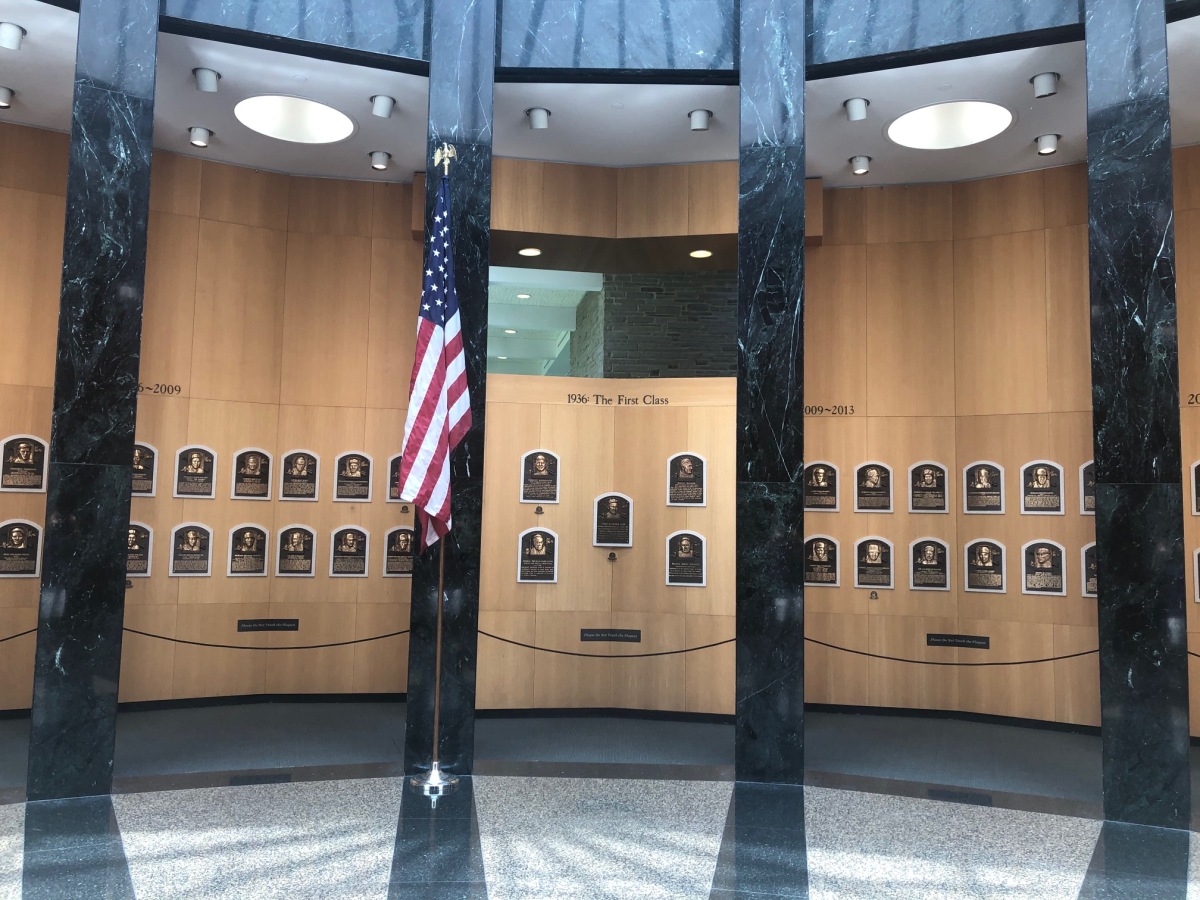
Cooperstown – National Baseball Hall of Fame

Camera: iPhone 8

Location: Cooperstown, New York; National Baseball Hall of Fame and Museum

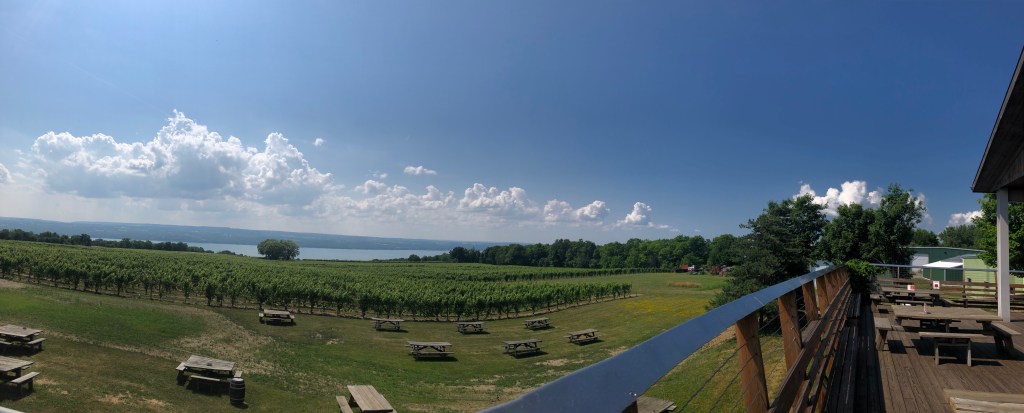
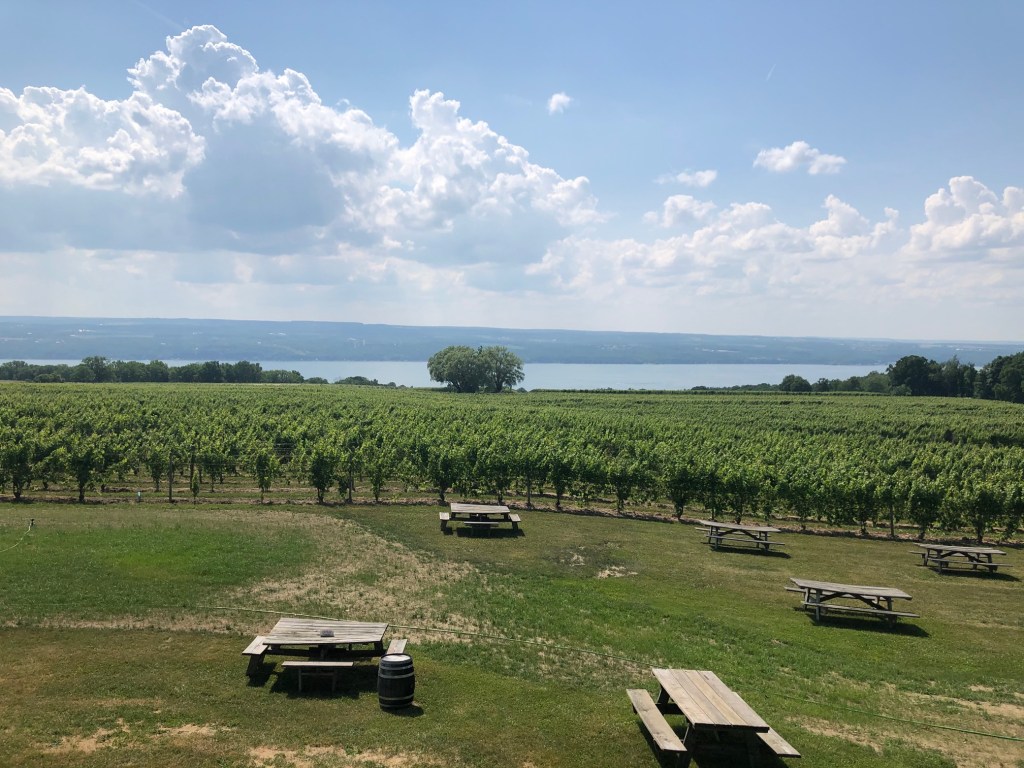
Finger Lakes Wineries

Camera: iPhone 8

Location: Finger Lakes Wineries; Ithaca, New York