Why Cooking is Relaxing to Me (and Can Be for You Too)

“Cooking, beyond its practical necessity to prepare food to eat without making yourself sick or worse, offers a unique blend of relaxation, creativity, and control that benefits our well-being if you put the time and effort in.”

Cooking may be stressful to some people, but to me, it’s relaxing. In our fast-paced, distraction-filled world, finding an activity that genuinely relaxes yet focuses my mind is a tough challenge. Cooking, while appearing ordinary and mundane on the surface, when approached with mindfulness, can be restorative and even therapeutic to engage in. Cooking, beyond its practical necessity to prepare food to eat without making yourself sick or worse, offers a unique blend of relaxation, creativity, and control that benefits our well-being if you put the time and effort in.

Cooking engages all of one’s senses, creating an immersive kind of experience that naturally draws attention away from other worldly distractions and to focus only on the present moment. The sizzle of garlic sautéing in a pan, the vibrant colors and shapes of fresh vegetables, the aromatic scents of herbs and spices mixing, the pleasure of melting olive oil and butter, and the first to last tastes of a carefully prepared dish – these kinds of inputs anchor the mind in the here and now. This immersion in cooking creates a state of being more mindful, like the effects of doing meditation or taking a yoga class.

The repetitive, rhythmic actions involved in cooking – chopping, stirring, arranging – provide a soothing and almost hypnotic effect. These repetitive actions can be incredibly calming to me, much like the rhythmic movement of playing notes on a guitar or the repetitive strokes of painting a canvas. The predictability of these actions creates a sense of stability and tranquility, allowing the mind to unwind and the stress of the day to dissipate, whatever that may be.

Cooking has always been to me a form of creative expression, offering endless possibilities to create, experiment, and innovate. Unlike many aspects of life that are governed by rules and regimen, cooking allows for a kind of freedom to embrace creativity. This creative aspect can be immensely satisfying and relaxing, which lends to providing a sense of accomplishment and fulfillment. Whether it’s experimenting with new recipes, combining unexpected ingredients, or presenting food in aesthetically pleasing ways, the creative process in cooking is what I’ve grown to enjoy over the years, especially since I started taking it more seriously in the wake of the COVID-19 pandemic.

Cooking requires total attention to detail and concentration, which naturally diverts the mind from other worries and distractions. Following a recipe, measuring the ingredients, timing the cooking process – these tasks demand focus and precision. This kind of attention serves as a mental break from the constant barrage of thoughts, worries, and concerns that often plague our minds. By channeling our cognitive focus into the cooking process instead, we can create a mental space free from our external stressors, promoting a sense of peace and clarity.

In a world where aspects of our lives feel beyond our control on a day-to-day basis, cooking offers one domain where we can exercise complete authority over the outcome. From selecting ingredients to purchasing the kind(s) of food to deciding how to prepare and present the dish, cooking is a personal endeavor where we are responsible for making all the decisions. This kind of control can be empowering and reassuring, providing a counterbalance to the uncertainties and overall unpredictability of life. By mastering the culinary process, we can gain more confidence and a sense of competence, which can extend to other areas of our lives over time.

While cooking can be a solitary activity, it also has the power to foster more connection and strengthen a community. Preparing and sharing meals with your loved ones strengthens social bonds and creates a unique sense of belonging. The act of cooking for other people can be a form of nurturing and care, enhancing feelings of empathy and compassion for the whole group. Additionally, by participating in communal cooking activities, such as cooking classes or potluck dinners, we can expand our social networks and provide opportunities for meaningful interactions.

Cooking more often leads to more mindful eating, a practice that encourages us to savor and appreciate our food fully and to know where it comes from. Mindful eating involves paying attention to the taste, texture, and smell of each bite, as well as acknowledging the effort and care that went into preparing the meal. This practice enhances our enjoyment of food and promotes a healthy relationship with food, reducing tendencies towards mindless or emotional eating or by ordering whatever you’re craving. By focusing on the present meal with the people around you at the dinner table, I believe we can cultivate mindfulness and gratitude for the food we eat.

Cooking is a key life skill that is always evolving, which means that even if you get a meal wrong and it’s a stressful outcome, you will have many other days and nights to grow in your abilities while having endless opportunities for further learning and growth. I particularly enjoy taking the time to experiment with new recipes, cuisines, and techniques, which can expand my culinary knowledge. The process in cooking of learning and improving over one’s life can be satisfying and motivating, providing a sense of both purpose and achievement. Additionally, even if you always find cooking relaxing, it’s good to have a little bit of stress involved. You can do this by finding new challenges in cooking like mastering a difficult recipe or perfecting a technique you learned which builds other skills like resilience and problem-solving.

The preparation process in cooking can be seen as a daily ritual that signals a necessary transition from the busyness of the day to a more relaxed state. Setting up the kitchen, gathering the ingredients, putting the tableware together, and arranging the utensils can be a meditative kind of practice that prepares the mind and body for the act of cooking. This ritualistic aspect of cooking creates a sense of anticipation and intention, enhancing the overall experience, and promoting a mindful approach to the task at hand of feeding yourself. The hungrier you are in my view too, the better of a cook you will be that evening if I can speak from personal experience.

In my opinion, cooking is much more than just a means to an end; it is a therapeutic kind of effort that offers a myriad of benefits for one’s mental well-being. By engaging each of the five senses in a deep way, providing a creative outlet, fostering total focus, offering us a sense of control, and promoting a greater connection to the food we buy and then eat, cooking becomes a powerful tool for both relaxation and mental clarity. In our world filled with constant distractions and stress, the simple act of preparing a meal for oneself and for your loved ones can bring profound peace, happiness, and joy. By embracing the art of cooking, it allows us to nourish not only just our bodies but also our minds and souls.

Don’t Rest on Your Laurels

“One of my favorite expressions in the English language: “Don’t rest on your laurels” means to not be complacent with what you have done and to keep moving forward.”

Complacency is the killer of any sustained success. What you have done in the past is in the past. Unfortunately, you cannot rest on your laurels for very long. One of my favorite expressions in the English language: “Don’t rest on your laurels” means to not be complacent with what you have done and to keep moving forward. Success is only temporary and while it can be lasting, if you don’t sustain what you’ve done to accomplish more, you may find yourself back at square one. You can be satisfied with your achievements and recognize them, but it is not wise to continue relying upon them when you need to be aware of what you have to do in the present and in the future.

With the current pandemic not going away anytime soon, it can be difficult to resign yourself to going with the flow, staying housebound, and waiting for things to become somewhat normal again. However, it should not be used as an excuse for you to let yourself go mentally or physically. Even if the first half of the year was a total wash for you and you put your own goals on hold, you still have a good chunk of the second half to make progress in whatever you set your mind to. Even though you may not be able to have fun as much as you like, this is a great time to reassess what is truly important to you, who truly matters to you, and how you want to be into the future. We all have extra time to think now and while that may feel like an undue burden, there is an opportunity in there to seek out what you are hoping to accomplish and will keep moving you forward during this unprecedented and difficult time.

Not resting on your laurels may sound difficult right now but it may be the perfect chance for you to move forward, to accomplish personal tasks that you’ve been putting off, and to pick up learning something new that you’ve been meaning to but never had the time before quarantine began or before you were resigned to staying at home more than you would have liked.

Each person is going to have their own set of goals and hopes but the main thing to keep in mind is that you have at least one thing that you want to accomplish that you didn’t have time for before the pandemic hit. Use your extra time even if it is just an hour or so each day to work towards a personal goal. With just one hour, you can accomplish a lot over the next five months. I would recommend setting a mental goal to hit like practicing meditation each day for 10 to 15 minutes or doing daily language practice for a new language that you would like to learn. You should also have one physical goal in mind like doing 50 pushups each day or 20 sprints or just being able to get in a form of exercise when you are not working or studying.

You cannot have just good physical health but poor mental health or vice versa. You need to work on both forms of health as they complement each other quite a bit. I truly believe that if you are making progress in both forms of health than you will be better able to confront the challenges of your day and your week. With this extra time at home, you can hit on both your mental and physical health in ways that you might not even be aware of.

If the gym is closed, go ahead and use your workout equipment at home. There are dozens of videos on how to do these kinds of exercises without needing very fancy equipment. You can also likely find stretch bands, jump rope, barbells, dumbbells, pull-up bars online to help you create that good 30-minute workout that can hit on different parts of the body. If you don’t have an outdoor space, look to your nearest park or public outdoor area to do sprints, go for a walk, go for a jog, or even do Yoga if you so desire to get a workout in.

Daily exercise is not only good for your body but it’s good for your mind as well. I think the pandemic has personally shown me as well the importance of staying fit and healthy and how it can get neglected when you are running around all the time, commuting to school or to work, and not making enough time for yourself to take care of your body. Now, with a little extra time, hopefully, we can collectively prioritize our physical health even if it’s just a simple home workout of 30 minutes.

Challenging yourself mentally on at least a weekly basis but preferably daily means learning something new to keep your mind sharp. If you are looking for work or haven’t been to school in a while, online learning opportunities are abundant from Coursera to LinkedIn Learning to Duolingo, which can challenge you to learn new skills to not only help you with your mental dexterity but can help you find a job depending on the type of industry you’re focusing on. Online learning is often less expensive than traditional means of education and since you are likely spending a lot more time in your apartment or your house, giving yourself thirty minutes to an hour per day of self-study can help you learn new skills while we are all living in this age of pandemic.

Keeping both your mental health and your physical health in mind during this trying time is very important. Not resting on your laurels even when life is influx and so many things are uncertain is not an excuse for your letting your mental and physical abilities go to waste. You are not only keeping yourself sharp to face ongoing challenges but you’re also getting out of your own head and letting your worries fall away for a little while. Wear a mask, socially distance, and wash your hands are all necessary in this current time but what’s also not being said is make sure you are taking care of both your mental and physical health too.

Whether it is a walk in the park, learning a new skill, doing home workouts, improving your cooking, trying to keep your routine even when homeward bound is very key to coming out of this pandemic better and more resilient. It’s something I have to work on myself but it’s key to keeping up a positive and forward-looking spirit. If you have more free time on your hands, that’s natural right now. Don’t become a sloth though and look to just vegetate out in front of the television. You have to do your best to stay active, stay positive, and keep moving forward.

It can be easy to rest on your laurels when much of our lives have been upended but you have to keep making progress towards your goals in ways that are possible right now. Hopefully, you have had time to think about which goals you want to achieve in the past few months and how you want to make the most of these remaining months of 2020. It’s been a hard year for everyone around the world, but you can still make it a fulfilling one for your own development by focusing on what you can control and how you make the most of these remaining months too.

See the Stars

“If you are going through troubles in your life, I believe it can be comforting to see the stars not only to realize that while our problems are serious and need to be dealt with, it is also good to realize the beauty in things and nothing is perhaps more beautiful than a clear, night sky where you can see the constellations, the full moon, and even a shooting star if you are lucky.”

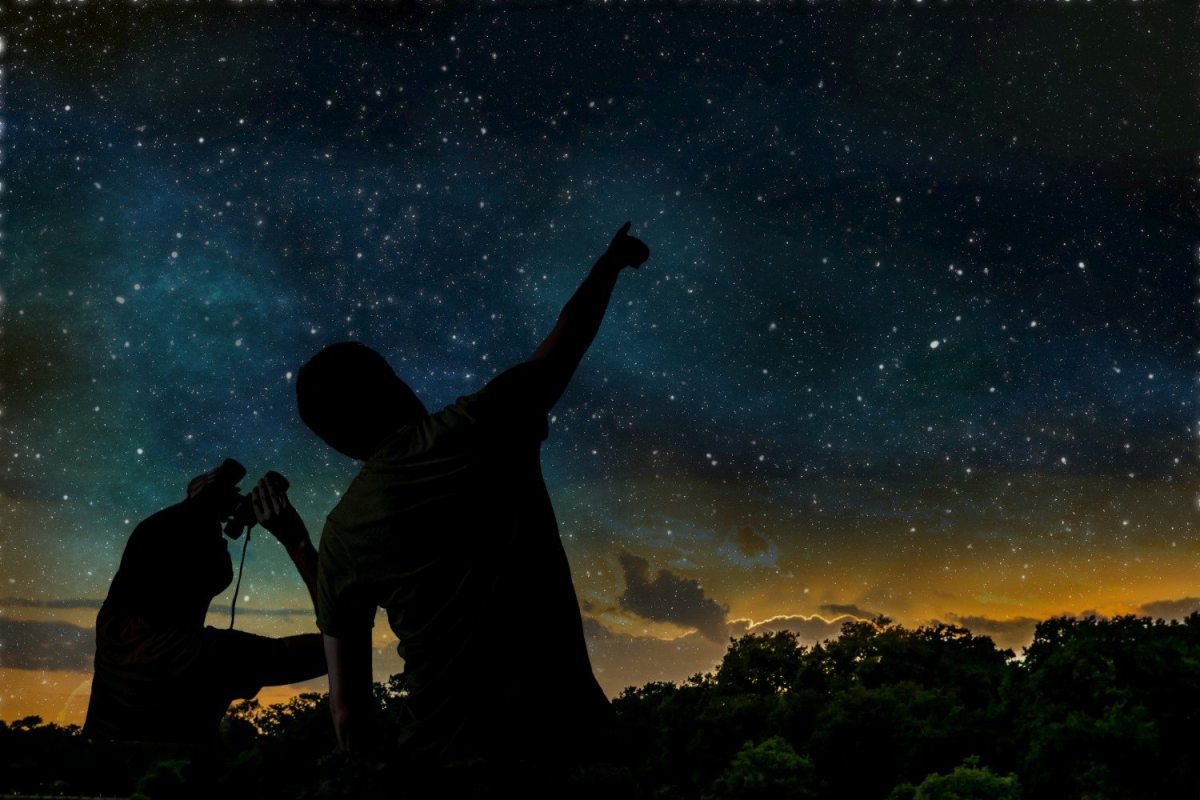
One nightly ritual that should make a comeback is to see the stars. A simple yet effective way to remember our place in the universe and how small we really are when it comes to the cosmos. If you are going through troubles in your life, I believe it can be comforting to see the stars not only to realize that while our problems are serious and need to be dealt with, it is also good to realize the beauty in things and nothing is perhaps more beautiful than a clear, night sky where you can see the constellations, the full moon, and even a shooting star if you are lucky.

While not likely under the traditional definition for a ‘meditation experience’, I think that you can definitely get lost in your own thoughts or perhaps stop thinking for a while as you concentrate on the brightest stars or the allure of the full moon. Instead of thinking about your problems and your worries, you can try to map the ‘Big Dipper’ or ‘Orion’s Belt’, which can be a fun activity not just for you but for your loved one as well.

In our modern, fast-paced world, it is increasingly difficult to find places or open spaces where light pollution has not clouded the stars or has kept us from fully appreciating the sheer number of stars, galaxies, and planets out there in the universe. If you live in a major city or even a big town, light pollution as well as other forms of pollution have likely kept you from appreciating the stars in their full capacity. I honestly believe that shutting off the city lights or the town’s lights for just a few minutes for some simple star gazing would ease a lot of people’s anxieties, stresses, and worries as they look to the heavens to see the possibilities of what lies beyond humanity’s reach.

In my opinion, looking at the stars is more humbling than scary, more illuminating than disturbing, and more beautiful than dark. A clear sky on a full night is a precious gift and one for which we should all appreciate in those little moments of peace that we can make for ourselves in our daily lives. Not only is it healthy for you to relax, to grab a chair, and even make a snack over the fireplace while you appreciate the stars above, it’s a great way to bond with your family and your friends.

Sadly, you may need to take a vacation to a rural country home or to a mountain chalet in order to be able to immerse yourself in stargazing. Most of us around the world live in densely populated communities and cities where finding the stars is as difficult sometimes as finding the sky during the day due to the various forms of pollution. However, it’s good in general to go to quiet spots from time to time where the air is fresh, the water is clean to drink, and the stars are bright to enjoy nature in its fullest.

From open country fields to the mountain tops, there are still places out there in the world that are isolated from civilization and where you can really appreciate the stars at night. It may take effort and money to do so but it’s worth it to be introspective and to think about what could be out there, what it could be like to explore those different planets that may be habitable to man, and how cool it would be to be up in space where gravity is non-existent and where you can see how small and unique our little blue planet really is.

One tip that you should consider using to fully appreciate the stars is a really good telescope that can zoom in to see certain constellations and planets at a really high resolution and for which you can eventually become good at making a map over a week or a month of where they are located at in the night sky. Telescopes are the best tool for also seeing shooting stars or seeing what stage the moon is in during its monthly cycle. It can be a worthwhile investment if you live in a rural or unpopulated area where the night sky is always clear, and the stars are abundant to see.

Being able to appreciate the stars is a simple joy and one which is overlooked in a fast-paced world. However, I believe it is good for the soul and for our peace of mind. Looking at a full night sky has different meanings for different people but for me, it is reassuring. It’s nice to know what what we consider astronomical problems here on Earth are actually not that big in the grand scheme of the universe.

We should try to keep our small place in the universe in mind when we consider the scale of our own Earth-based problems. While it’s a definite fact that we must make our own planet more livable, freer, more just, and cleaner, we also have to acknowledge that we are most likely not alone in its great expanse. Our place in the universe and even in our own Milky Way galaxy is so tiny that we can’t help but appreciate what could lie beyond our planet and that maybe one day we will finally be able to find out what’s out there and to reach further for the stars than we did before to find out, once and for all, if we are truly alone in the universe and also what Earth-like planets would be there for us to discover and perhaps live on?  

Fear of The Unknown

visually-expressed-thoughts-by-carlos-lang-24
“I couldn’t have said it better myself.”

Why do people sometimes have a fear of the unknown? As human beings, we each have our own unique doubts, fears, and phobias that develop as we deal with the world and its’ challenges. Whether they are fears related to heights, spiders, snakes, or even speaking in front of a large audience, it’s part of what makes us human to have fears. Facing and confronting your fears is not an easy struggle and it takes courage, compassion, and emotional maturity to get past your phobias. One of the most common fears that most of us have from time to time is ‘Fear of the Unknown.’

To have a strong desire to control your circumstances, your path in life, and your future is only natural. However, it’s clear that some things can never be fully known and that there will be changes that we will have to cope with. Trying to control everything and everybody around you is a recipe for disaster. Facing the unknown without fear is not easy but it is necessary in order to become a more mature and more centered person. Fear of the unknown is related to other fears that people have which have a connection to one another such as the fear of death, the fear of getting old, the fear of being homeless, the fear of life changes, etc.

There’s a popular saying that goes, “You always fear what you don’t understand.” This quote ties into a central idea that people fear most what they cannot change, anticipate, or prevent from happening. Some examples of this phenomena include economic recessions, societal changes, job loss, personal loss, election results, retirement planning, health problems, environmental concerns, etc. All of these phenomenon tie into the overall ‘fear of the unknown’ for the average man or woman. None of these phenomena can be controlled or even changed by one individual. Since we cannot usually have a great effect on preventing these fears from becoming real or taking place in our lives, what can we do or what should we do?

It’s best not to resist the changes that are bound to happen at some point in our lives. We simply cannot know everything that is to occur in the future and it would be useless to try to plan for everything ahead of time. Most of the time, it’s best to go with the flow, try best not to fight what comes your way, and to make the most out of things. Do not give in to fear, hate, doubt, disappointment, and anger, which are all negative consequences that come with fearing the unknown and the unseen. Having fear about what can happen a week, a month, a year, or a decade from today is a waste of time because you simply can’t know what exactly lies ahead in the future.

The older I get, the more I realize how important it is to be adaptable and malleable to the future. Trying to plan everything out is a waste of time and energy. While seeking stability, security for yourself and others is an important part of the human condition. Sometimes, you need to cope with some instability and insecurity that will come your way. Another notable saying that people rely on for strength is the popular quote; “Whatever doesn’t kill you makes you stronger.” Persistent fear of what’s to come is not productive, not enjoyable, and not healthy for anyone in the long-term.

What happens to most people when they feel a palpable sense of fear? Well, there are a number of common symptoms and ailments that one can experience as a result. Your heart rate starts to increase, and your breath will become shorter and more harried. You may begin to panic, and feel an enormous sense of tension in your body. You’re going to be anxious and stressed about the unknown and what you’re going to do about it. The more extreme symptoms of feeling fear involve nausea, fainting, vomiting, crying, and shaking uncontrollably. I mention these reactions to fear not to scare my readers but so you can better learn to recognize these symptoms and try to control and alleviate them as best as you can.

Now that we know what the ‘Fear of the Unknown’ is and how to classify it along with the related symptoms, how can we cope we this fact of life? The most important thing to keep in mind when confronting this particular fear is to stay positive about what’s to come. Not everything in life will go smoothly and there will be challenges ahead. However, it’s important to remove the negative associations, conclusions that your mind will come up with sometimes when it comes to thinking and planning for the unknown. A little bit of anxiety and stress is natural when it comes to facing the future but it should not affect your daily activities and your personal relationships.

You’ll have a more peaceful state of mind when you react to the strange and unforeseen future with a positive and upbeat outlook. It’s best to focus on your goals, stay focused, and don’t get sidetracked about what might or what not happen to you in the future. Changing your thoughts and your mindset through meditation for five to ten minutes on a daily basis can also be a great self-help remedy for getting rid of your fear of the unknown.

Embracing a new environment, new friends, and new work opportunities can also keep your imagination in the right state of mind. If your sense of anxiety and fear of the unknown is extremely strong and hard to break, it may be best to consider neurolinguistic programming, cognitive behavioral therapy, and even certain medications if the problem becomes that severe. However, these kinds of remedies should be used only as a last resort.

Having a sense of ownership and direction in our lives is extremely important. However, we cannot control everything especially the unknown that lies ahead. Whether its’ moving to a new city or country, jumping into a dark lake, starting a new job or hiking up a mountain, these are all instances in life that can give us reasons to worry and to be anxious. However, by controlling our thoughts and emotions, and having the ability to stay positive regardless of the circumstances will keep you both mentally and physically fit.

As the 32nd President of the United States, Franklin D. Roosevelt stated famously during his 1st inaugural address to the American people on the subject of facing the Great Depression, “Let me assert my firm belief that the only thing we have to fear is…fear itself.”

Moments of Quiet Reflection

In a world full of noise and frenzy, it’s to one’s advantage to have some quiet moments of reflection every now and then. It doesn’t have to be every day but five to ten minutes for a couple of times per week can really make a difference in helping you do some self-reflection. Activities like Yoga, Meditation, or just doing deep breathing exercises will allow your mind to quiet itself and reflect on nothing at all or to concentrate on a specific thought. Hearing your own voice and thoughts in your mind is not easy to do but it helps put your past, present, and future into a clearer perspective. It’s a real and underrated pleasure in letting your thoughts run away to new places and but to still control where they go.

Personally, I enjoy my own reflections late at night when the world is quiet and I’m getting ready to fall sleep. I can freely think about past memories that make me smile, and contemplate events on the horizon in my future. Having tried meditation in the past, I can also let go of any and all thoughts that I want to do away with in order to become a clean slate unto myself. Reflecting upon my actions, thoughts, and feelings makes me more introspective and observant, which allows me to acknowledge my overall strengths and weaknesses as a person. Being self-aware of who you are, where you’re going, where you’ve been, and how you got there are all elements in developing a personal sense of meaning and fulfillment.

Listening to ones’ conscience and honing ones’ idea of self is increasingly important in maintaining a sense of identity and purpose. Too often these days, we are with the world all of the time and are constantly absorbing the thoughts and feelings of many other people. While interacting with other is a crucial part of life, we must continue to listen to and reflect on our own thoughts, feelings, and actions. We shouldn’t always act on what we feel, or say what we think, but having these thoughts and reflecting on their origins and meanings should not be discouraged.

Often, we as human beings can care way too much about what other people think, feel, and say about us. It is simply not productive to let others’ thoughts of you consume your own sense of self and purpose. All of us have a limited amount of information that we can take in to our minds, absorb, and act on so we have to choose what’s really important to let into our heads.

In the age of Twitter, Facebook, Instagram, and social media in general, it’s all too easy to get caught up on in what’s going on in the external world without taking note of what we’re experiencing in our internal world. Indulging in everybody else’s words all of the time will leave you disoriented and overwhelmed. Listening to your own voice above everybody else’s is necessary to have a true sense of self. Make sure to always have a strong identity and a purpose. If that takes more daily quiet reflections, then you should make those a priority in your life. When you are always tuned into the lives of other people, you forget to live your own life.

Live according to your own purpose and vision before considering the thoughts and opinions of others. Yes, while it’s always important to listen and seek guidance from friends and family, sometimes you have to go your own way and follow your destiny, even if you don’t know where that road may lead. Having an active life makes for a stronger and healthier individual.

Be quiet and reflect when your mind feels cluttered and overwhelmed. Take a few deep breaths and relax. Let your mind shut off or let it wander into your memories and experiences. Turn off your phone and the computer to just ‘be present’ in the moment. Let the flow of information and data of the world not influence you in these precious few moments.

The only thoughts and feelings you should be listening to should be your own during these times. Hear your own voice and think about your past, present, and future or try not to think at all. Remember your own ‘why’ of living and maintain your personal bearings. After these crucial moments of quiet reflection, you’ll better understand who you are as a person and what your conscience is telling you. Always allow yourself some time to be present in your own mind, and your mind alone.